Blog

  • Growth Trajectory Of The Prostate Cancer Drugs Market 2024-2033

    Growth Trajectory Of The Prostate Cancer Drugs Market 2024-2033

    The Business Research Company’s global market reports are now updated with the latest market sizing information for the year 2024 and forecasted to 2033

    The prostate cancer drugs market has witnessed robust growth in recent years, showcasing a promising trajectory. From $17.36 billion in 2023, it is set to grow to $18.55 billion in 2024, with a commendable Compound Annual Growth Rate (CAGR) of 6.8%. Anticipating a strong upward trend, projections indicate a further surge to $23.99 billion by 2028, at a CAGR of 6.6%. Key drivers for this growth include an aging population, heightened diagnoses, continual drug innovation, increased awareness and education, and robust reimbursement and insurance policies.

    Future Growth Drivers: Anticipating a Surge Projected Growth: The prostate cancer drugs market is poised for continued robust growth, reaching $23.99 billion in 2028. This expansion is fueled by factors such as a growing incidence of prostate cancer, emerging markets, supportive government policies, and increased investments in research and development. Key Trends in the Forecast Period: Major trends in the upcoming years include the rise of precision medicine, advancements in immunotherapy and targeted therapies, personalized medicine, an emphasis on clinical trials and drug pipelines, the emergence of combination therapies, the adoption of biomarker-driven treatments, and the integration of telemedicine and remote monitoring.

    Impact of Aging Population: A Driving Force Geriatric Population Influence: The increasing geriatric male population significantly contributes to the growth of the prostate cancer drugs market. Prostate cancer is prevalent among men aged above 60, and projections from the US-based Administration For Community Living indicate a 21.6% increase in the geriatric population by 2040. The impact is more pronounced in men, with approximately 6 out of 10 prostate cancer cases diagnosed in those aged 65 or older. Statistics and Awareness: Organizations like the American Cancer Society highlight the prevalence of prostate cancer in older men, emphasizing the need for increased awareness and education. The statistics reveal a direct correlation between aging and prostate cancer, underscoring the market’s growth potential.

    Key Industry Players: Shaping the Landscape Leading Companies: Major players in the prostate cancer drugs market include Astellas Pharma Inc., AstraZeneca PLC, Johnson & Johnson, Sanofi S.A., Bayer AG, F. Hoffmann-La Roche AG, and many others. These companies play a pivotal role in driving innovation, research, and development in the fight against prostate cancer.

    View More On The Prostate Cancer Drugs Market Report 2024 – https://www.thebusinessresearchcompany.com/report/prostate-cancer-drugs-global-market-report

    Innovative Approvals and Product Launches: Elevating Treatment Standards LYNPARZA Approval: In June 2023, AstraZeneca PLC and Merck & Co. Inc. achieved a significant milestone with the USFDA approval of LYNPARZA (olaparib) Plus Abiraterone and Prednisone or Prednisolone for the treatment of adult patients with BRCA-Mutated Metastatic Castration-Resistant Prostate Cancer (mCRPC). This approval marked a substantial advancement, demonstrating clinically significant improvements in both radiographic progression-free survival and overall survival compared to standard treatments. Integration of AI: The incorporation of artificial intelligence is revolutionizing prostate cancer treatment, enabling the development of innovative sensors-equipped inhalers and AI-aided imaging systems. For instance, Respira Labs launched ‘Sylvee,’ an AI-powered wearable lung monitor, showcasing the potential of AI in respiratory care.

    Strategic Acquisitions: Expanding Portfolios Bayer’s Strategic Move: In June 2021, Bayer expanded its oncology portfolio through the acquisition of Noria Therapeutics Inc. and PSMA Therapeutics Inc. This move grants Bayer exclusive access to alpha radionuclide investigational drugs and small molecules aimed at prostate-specific membrane antigen research. The acquisition aligns with Bayer’s commitment to advancing cancer therapeutics.

    Market Segmentation: A Comprehensive Outlook Segmentation Overview: The prostate cancer drugs market is segmented by type (Hormone Sensitive Prostate Cancer, Hormone Refractory Prostate Cancer), therapy (Hormonal Therapy, Chemotherapy, Immunotherapy, Targeted Therapy), and end-user (Hospitals, Clinics, Other End-Users). This comprehensive segmentation allows for a nuanced understanding of the diverse facets of the market.

    Regional Dynamics: North America Leads, Middle East Emerges Regional Landscape: In 2023, North America claimed the largest share in the prostate cancer drugs market. Looking ahead, the Middle East is anticipated to be the fastest-growing region during the forecast period, highlighting the global expansion and increased healthcare focus in emerging markets.

    Conclusion: A Unified Front Against Prostate Cancer The prostate cancer drugs market stands at the forefront of medical advancements and innovation, driven by a commitment to combat this prevalent and life-altering condition. As the industry witnesses an influx of investments, technological breakthroughs, and strategic partnerships, the future holds promise for more effective treatments and improved patient outcomes. Stakeholders, from industry players to healthcare providers, must collaborate to address the evolving challenges and seize the opportunities presented by this dynamic and vital market.

    Request A Sample Of The Global Prostate Cancer Drugs Market Report 2024:
    https://www.thebusinessresearchcompany.com/sample_request?id=2592&type=smp

  • How Is The Prenatal Testing & Newborn Screening Market Expected To Grow Through 2024-2033

    How Is The Prenatal Testing & Newborn Screening Market Expected To Grow Through 2024-2033

    The Business Research Company’s global market reports are now updated with the latest market sizing information for the year 2024 and forecasted to 2033

    According to The Business Research Company’s Prenatal Testing & Newborn Screening Global Market Report 2024, the prenatal testing & newborn screening market is expected to show promising growth in the forecast period.

    The prenatal testing & newborn screening market has witnessed rapid growth, marking its significance in ensuring the health and well-being of infants and expecting mothers. With a surge from $5.52 billion in 2023 to an estimated $6.2 billion in 2024, reflecting a remarkable compound annual growth rate (CAGR) of 12.4%, this market is on the trajectory of transformative growth.

    Rising Birth Rate: A Driving Force

    • Birth Rate Surge: Catalyst for Growth
      • The growth in the birth rate is a key driver for the expansion of the prenatal testing and newborn screening market.
      • Prenatal testing assesses fetal health, while newborn screening aids in early intervention for certain medical conditions.
    • CDC Insights: A Snapshot of Birth Rate
      • According to the Centers for Disease Control and Prevention (CDC), there was a 1% rise in births in 2021, totaling 3,659,289 recorded births.
      • The general fertility rate increased to 56.6 births per 1,000 women aged 15-44, indicating a 1% rise from 2020.

    Market Giants: Pioneers in Prenatal Health

    • Major Players: Shaping the Landscape
      • Key companies influencing the market include PerkinElmer Inc., Natera Inc., and Roche Diagnostics International AG.
      • Diverse players like Eurofins Scientific and Illumina Inc. contribute to the market’s growth and diversity.
    • Industry Dynamics: A Competitive Realm
      • The prenatal testing & newborn screening market is fiercely competitive, with companies vying for innovation and market share.
      • Leading companies play a pivotal role in steering the industry’s growth trajectory.

    View More On The Prenatal Testing & Newborn Screening Market Report 2024 – https://www.thebusinessresearchcompany.com/report/prenatal-testing-and-newborn-screening-global-market-report

    AI and Machine Learning Integration: Transformative Technologies

    • Emergence of AI and Machine Learning
      • Machine learning and artificial intelligence are gaining prominence in the prenatal testing & newborn screening market.
      • AI and machine learning enable detailed data analysis, disease insights, and more accurate evaluations of tissue samples.
    • Sema4’s Innovative Solution: Sema4 Elements
      • In September 2021, Sema4 launched Sema4 Elements, AI-driven genetic solutions for patients and providers.
      • Sema4 Elements use artificial intelligence to manage patients holistically throughout their reproductive and generational health journeys.

    Strategic Acquisitions: Shaping the Landscape

    • Exact Sciences Corp.’s Acquisition of Prevention Genetics
      • In January 2022, Exact Sciences Corp. acquired Prevention Genetics for $190 million.
      • The acquisition expands Exact Sciences’ advanced cancer diagnostics portfolio and marks its entry into the hereditary cancer testing (HCT) market.
    • Prevention Genetics’ Role: Genetic Testing*
      • Prevention Genetics, the acquired company, specializes in manufacturing clinical DNA tests for prenatal testing and newborn screening.
      • This strategic move enhances Exact Sciences’ capabilities in genetic testing.

    Market Segmentation: Understanding the Diversity

    • Diagnostic Type Variation: Non-Invasive vs. Invasive
      • The market is segmented by diagnostic type, including non-invasive and invasive testing.
      • This segmentation caters to different preferences and requirements in prenatal testing and newborn screening.
    • Technological Dimensions: Screening vs. Diagnostic Technology
      • Segmentation by technology includes screening technology and diagnostic technology.
      • Technological advancements in both areas contribute to the market’s overall growth.
    • End Users: Hospitals and Diagnostic Centers
      • The market caters to various end-users, including hospitals and diagnostic centers.
      • Different end-users represent the diverse settings where prenatal testing and newborn screening are integral.

    Conclusion: A Compassionate Future Beckons

    As the prenatal testing & newborn screening market charts its course towards an estimated $9.76 billion in 2028, propelled by factors like rising birth rates, technological innovations, and strategic acquisitions, it stands as a beacon of hope for expecting parents and healthcare providers alike. The convergence of demographic shifts, cutting-edge technologies, and a diverse product landscape paints a promising picture for the future, where early detection and intervention shape healthier beginnings for the newest members of our society.

    Request A Sample Of The Global Prenatal Testing & Newborn Screening Market Report 2024:
    https://www.thebusinessresearchcompany.com/sample_request?id=3350&type=smp

  • What’s The Growth Forecast For Polycystic Ovarian Syndrome Treatment Market Through 2024-2033?

    What’s The Growth Forecast For Polycystic Ovarian Syndrome Treatment Market Through 2024-2033?

    The Business Research Company’s global market reports provide comprehensive analysis on the various markets in 27 industries across 60 geographies.

    The polycystic ovarian syndrome (PCOS) treatment market has been on a robust growth trajectory, witnessing an impressive surge from $4.49 billion in 2023 to an anticipated $4.74 billion in 2024, representing a substantial Compound Annual Growth Rate (CAGR) of 5.7%. This surge in the historic period is attributed to heightened awareness, advancements in medical technology, lifestyle changes, pharmaceutical innovations, and supportive government initiatives.

    Future Growth Trajectory

    Looking ahead, the PCOS treatment market is poised for formidable growth, projected to reach $6.19 billion in 2028 with a robust CAGR of 6.9%. The anticipated growth in the forecast period is underpinned by factors such as the advent of personalized medicine, the integration of telemedicine and remote monitoring, increased emphasis on research and development, a rising prevalence of PCOS, and a supportive regulatory environment. Key trends in the forecast period encompass a holistic approach to treatment, patient-centered care, digital health solutions, multidisciplinary care, and a focus on patient education.

    Global Surge in Genetic and Hormonal Disorders Fuels PCOS Treatment Market

    Rising Prevalence of PCOS

    The global upswing in genetic and hormonal disorders, particularly among premenopausal women, is a pivotal factor propelling the PCOS treatment market. PCOS, a prevalent hormonal disorder, manifests with reproductive, endocrine, and metabolic abnormalities. Global PCOS prevalence varies from 2.2% to 26%, with regional variations such as 2% to 7.5% in China, 6.3% in Sri Lanka, 9.13% in south India, and a staggering 22.5% in Maharashtra. The escalating incidence of genetic and hormonal disorders globally is a driving force behind the expanding PCOS treatment market.

    View More On The Polycystic Ovarian Syndrome Treatment Market Report 2024 – https://www.thebusinessresearchcompany.com/report/polycystic-ovarian-syndrome-treatment-global-market-report

    Major Players Shaping the Landscape

    Key Players in the PCOS Treatment Market

    Several major companies are contributing significantly to the growth of the PCOS treatment market. Key players include Bristol-Myer Squibb Co, Bayer AG, Pfizer Inc., Merck KGaA, Sanofi SA, AstraZeneca PLC, Novartis AG, Teva Pharmaceutical Industries Limited, Abbott Laboratories, Addex Therapeutics Ltd., BIOCAD, Allergan plc., Johnson and Johnson, and others.

    Innovation through PCOS Drug Program

    To enhance market profitability, major companies are introducing innovative programs like the PCOS Drug Program. Launched by Celmatix Inc. in April 2023, this program combines lifestyle changes and medications to manage PCOS symptoms. Celmatix’s PCOS Drug Program is focused on improving ovarian function by addressing the underlying causes of all PCOS symptoms. Notably, early leads from this program aim to develop the first-ever oral FSH receptor.

    Strategic Acquisitions: Advancing Women’s Health Innovation

    Organon& Co. Acquires Forendo Pharma

    In a significant move, Organon& Co., an American pharmaceutical company dedicated to improving women’s health, acquired Forendo Pharma for $954 million in December 2021. This strategic acquisition positions Organon to drive innovation in women’s health, specifically in the realm of polycystic ovarian syndrome (PCOS). Forendo Pharma, a Finland-based clinical stage pharmaceutical company, specializes in intracrinology and PCOS, contributing valuable expertise to Organon’s portfolio.

    Market Segmentation: Understanding the Nuances

    Segmentation Overview

    The PCOS treatment market is meticulously segmented to address diverse needs:

    1. By Drug Type:Oral Contraceptives, Ornithine Decarboxylase Inhibitors, Insulin-Sensitizing Agents, Anti-Depressants, Diuretics, Aromatase Inhibitors
    2. By Surgery Type:Ovarian Wedge Resection, Laparoscopic Ovarian Drilling
    3. By End User:Hospitals & Clinics, Ambulatory Surgical Centers, Diagnostic Centers, Gynecology Centers, Feminist Health Centers

    Regional Dominance

    In 2023, North America emerged as the largest region in the PCOS treatment market, signifying the region’s significance in addressing and managing PCOS.

    Conclusion: Paving the Way for Women’s Health

    In conclusion, the PCOS treatment market stands at the forefront of advancing women’s health globally. With a steady historical growth trajectory and promising projections for the future, this market is not just about treating a medical condition but transforming women’s lives. Innovations like the PCOS Drug Program, strategic acquisitions, and a holistic approach to treatment underscore the commitment of major players in shaping the landscape of PCOS treatment. As we navigate the evolving dynamics, it is evident that the PCOS treatment market is poised to play a pivotal role in empowering women’s health and well-being.

    Request A Sample Of The Global Polycystic Ovarian Syndrome Treatment Market Report 2024:
    https://www.thebusinessresearchcompany.com/sample_request?id=2827&type=smp

  • Global PCR And Realtime PCR Testing Market Analysis 2024: Size, Share, And Key Trends

    Global PCR And Realtime PCR Testing Market Analysis 2024: Size, Share, And Key Trends

    The Business Research Company’s global market reports are now updated with the latest market sizing information for the year 2024 and forecasted to 2033

    As per The Business Research Company’s PCR And Realtime PCR Testing Global Market Report 2024, the PCR and realtime PCR testing market is expected to show significant growth in the forecast period.

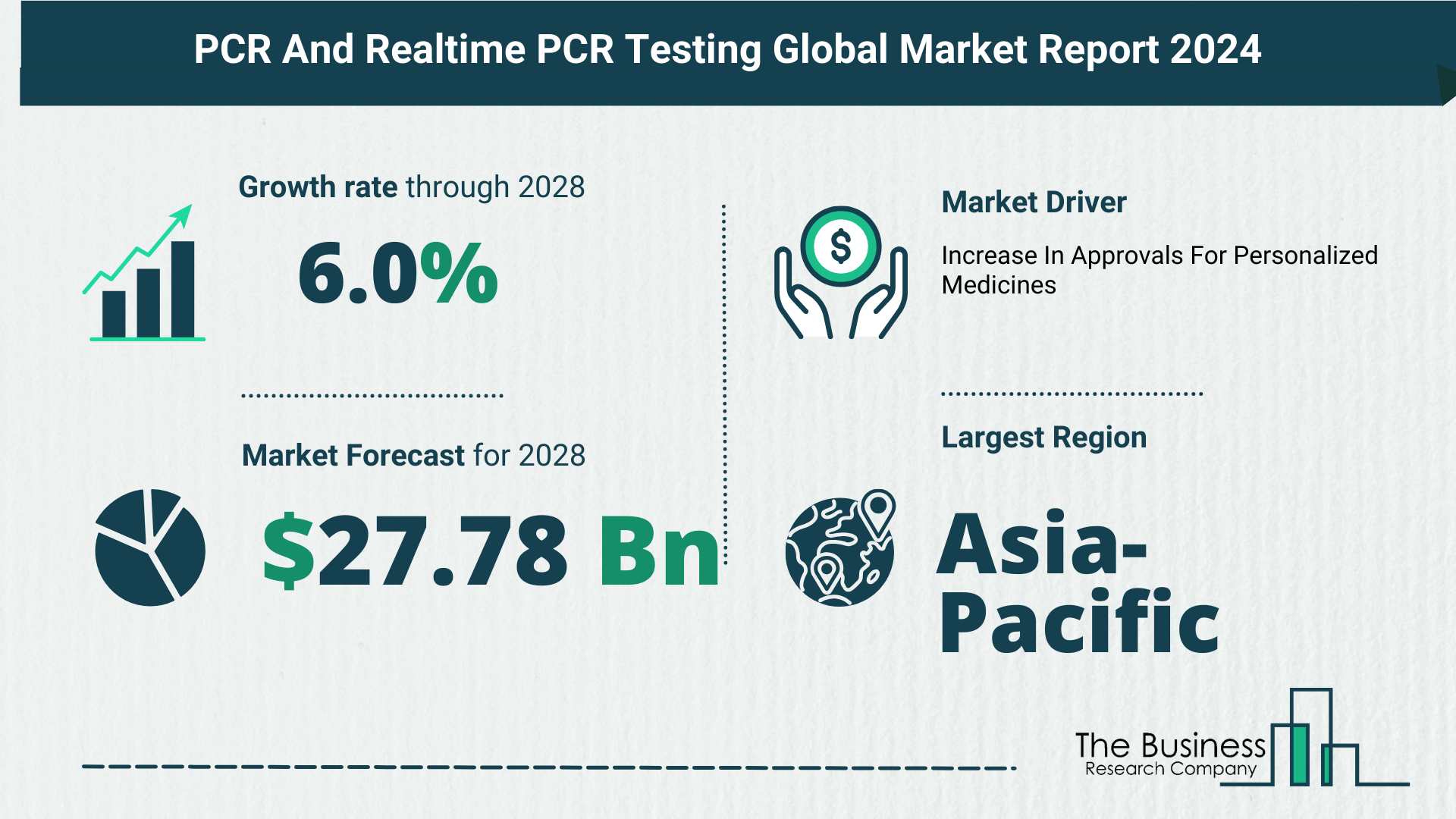
    The PCR and real-time PCR testing market has experienced robust growth in recent years, showcasing a steady upward trajectory. With the market size set to reach $22.03 billion in 2024 and a projected surge to $27.78 billion by 2028 at a CAGR of 6.0%, various factors contribute to this upward trend.

    Historical Growth Catalysts

    • Disease Diagnosis and Research:PCR and real-time PCR have played a pivotal role in disease diagnosis and genomic studies.
    • Automation and High Throughput:The adoption of automation and high throughput technologies has accelerated the market’s historical growth.
    • Pharmaceutical and Biotechnology Applications:PCR’s applications in pharmaceutical and biotechnology industries have been crucial for research and development.
    • Point-of-Care Testing:The convenience of point-of-care testing has significantly contributed to market expansion.

    Forecasted Growth Drivers

    • Pandemic Response:The ongoing need for effective testing in response to pandemics fuels market growth.
    • Precision Medicine:Growing applications in precision medicine contribute to the anticipated market surge.
    • Cancer Diagnostics:PCR’s role in cancer diagnostics enhances its significance in the healthcare landscape.
    • Infectious Disease Surveillance:The focus on infectious disease surveillance continues to drive demand for PCR testing.

    View More On The PCR And Realtime PCR Testing Market Report 2024 – https://www.thebusinessresearchcompany.com/report/pcr-and-realtime-pcr-testing-global-market-report

    Key Trends in the Forecast Period

    • Infectious Disease Testing:Increased emphasis on infectious disease testing aligns with global health priorities.
    • Point-of-Care Testing:The demand for convenient and rapid point-of-care testing remains a key trend.
    • Digital PCR:Advancements in digital PCR technology offer enhanced accuracy and sensitivity.
    • Multiplex Assays:Multiplex assays enable the simultaneous detection of multiple targets, improving efficiency.

    Rising Approvals for Personalized Medicines Driving Market Growth

    The rising approvals for personalized medicines emerge as a significant driver for the PCR and real-time PCR testing market. Personalized medicines, tailored to individual patient characteristics, utilize PCR technology for precise genetic identification. In 2021, 35% of FDA-approved new molecular entities were classified as personalized medicines, demonstrating the increasing role of PCR in this field. This personalized approach enhances treatment efficacy by aligning interventions with patients’ genetic, biomarker, and psychosocial characteristics.

    Major Players Shaping the Market

    Leading companies influencing the PCR and real-time PCR testing market include:

    • Abbott Laboratories
    • Agilent Technologies Inc.
    • bioMérieux SA
    • Bio-Rad Laboratories Inc.
    • Hoffmann-La Roche Ltd.
    • QIAGEN N.V.
    • GenMark Diagnostics Inc.
    • Thermo Fisher Scientific Inc.
    • BioFire Diagnostics LLC
    • Cepheid Inc.
    • Illumina Inc.
    • Oxford Nanopore Technologies Ltd.
    • Myriad Genetics Inc.

    Advanced Diagnostic Tool for Ankylosing Spondylitis

    Major companies in the market are focused on developing advanced diagnostic tools. For instance, Mylab Discovery Solutions launched the Discover Series HLAB*27 Detection Kit, an RT-PCR diagnostic instrument designed to diagnose Ankylosing Spondylitis. This kit, utilizing real-time PCR technology, offers almost 100% accuracy, addressing a critical need for early detection in genetically susceptible individuals.

    Market Segmentation: Unraveling Complexity

    The PCR and real-time PCR testing market is segmented based on:

    1. Product:Consumables and Reagents, Instruments, Software, and Services
    2. Technology:Quantitative PCR, Digital PCR
    3. Application:Clinical Diagnostics, Life Science Research, Industrial Applications, Other Applications
    4. End-Use:Academic and Research Institutes, Pharmaceutical and Biotechnology, Clinical Diagnostics Labs and Hospitals, Other End Users

    Conclusion: Anticipating a Flourishing Future

    With a blend of historical foundations and futuristic trends, the PCR and real-time PCR testing market is poised for continuous growth. From personalized medicine to advanced diagnostics, the industry’s focus on innovation ensures its relevance in addressing evolving healthcare needs. As the market expands, the diverse applications of PCR technology underscore its pivotal role in shaping the landscape of modern diagnostics and research.

    Request A Sample Of The Global PCR And Realtime PCR Testing Market Report 2024:
    https://www.thebusinessresearchcompany.com/sample_request?id=2841&type=smp

  • Nutritional Feed Additives Market Growth Analysis Till 2033 By The Business Research Company

    Nutritional Feed Additives Market Growth Analysis Till 2033 By The Business Research Company

    The Business Research Company’s market reports offer an in-depth analysis on the market’s growth potential, major drivers, key trends and more.

    Market Momentum and Projections
    The nutritional feed additives market has experienced robust growth in recent years, with the market size surging from $4.18 billion in 2023 to an anticipated $4.5 billion in 2024, marking a compound annual growth rate (CAGR) of 7.7%. This growth is underpinned by factors such as livestock health and productivity, disease prevention, nutritional supplementation, and the increased production of meat and dairy.

    Anticipated Strong Growth

    Growth Forecast
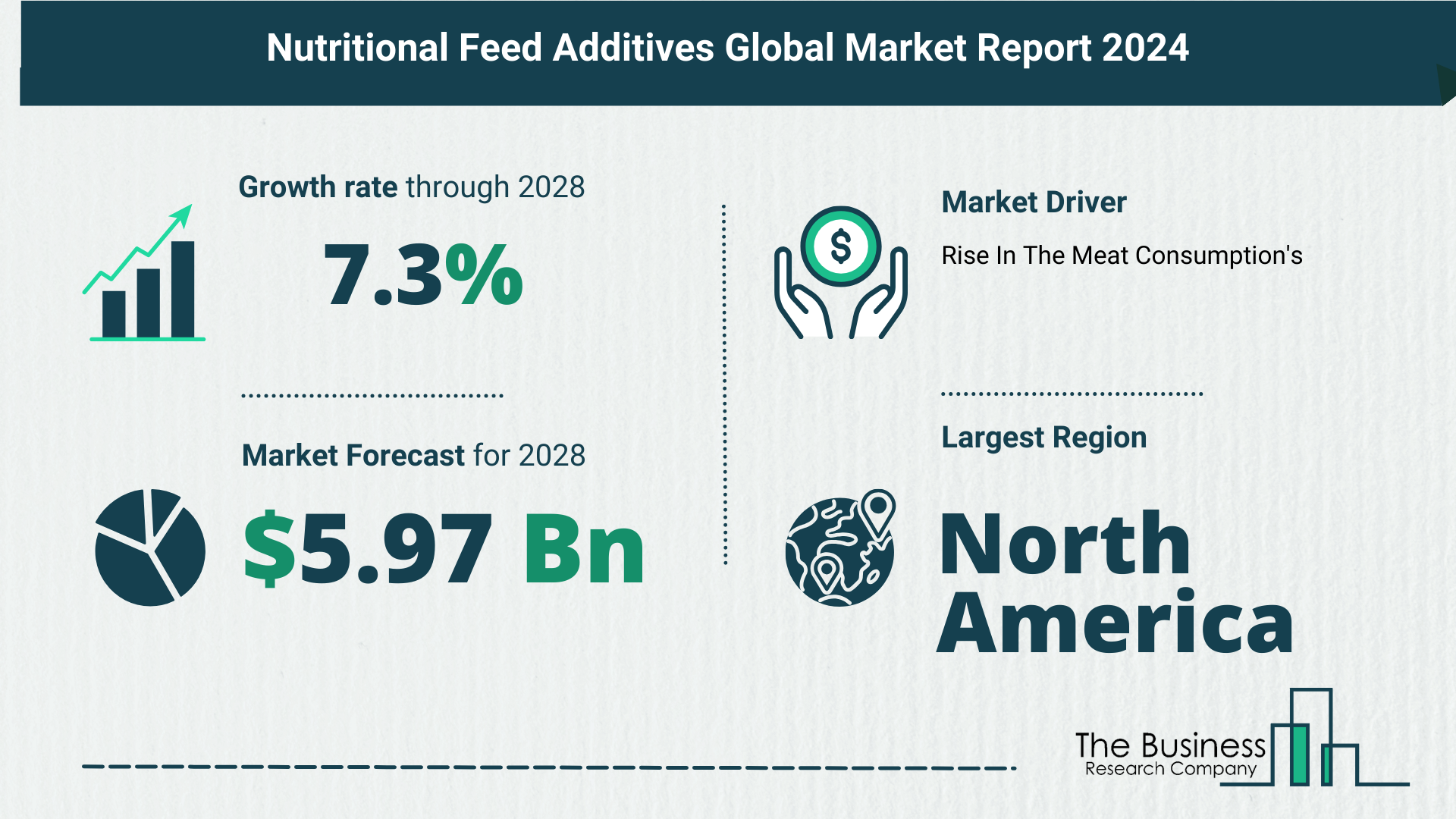
    The nutritional feed additives market is poised for continued strong growth, projected to reach $5.97 billion in 2028 at a CAGR of 7.3%. The anticipated expansion in the forecast period is attributed to factors like sustainable animal agriculture, antibiotic alternatives, precision livestock farming, and ongoing product innovation.

    Emerging Trends
    Major trends expected in the forecast period encompass the adoption of functional feed additives, the rise of amino acids and protein supplements, the prominence of omega-3 fatty acids, and a growing emphasis on sustainable and ethical farming practices.

    Driving Forces of Market Growth

    Increasing Livestock Farming
    The surge in livestock farming is a key driver propelling the nutritional feed additives market. The global rise in population and escalating demand for animal-based products are steering this growth. Nutritional feed additives play a vital role in enhancing animal health, growth, and productivity by providing essential nutrients, vitamins, and minerals in animal diets. For example, in 2022, beef and veal’s worth in the UK surged by 12%, reaching £3.8 billion, reflecting the increasing importance of livestock farming.

    Industry Giants Shaping the Landscape

    Key Players
    Major companies contributing to the nutritional feed additives market’s growth include BASF SE, Cargill Incorporated, Archer Daniels Midland Company, and other influential players like Evonik Industries AG, Nutreco N.V, and Kemin Industries Inc. These industry giants are pivotal in driving advancements and innovations in nutritional feed additives.

    Read More On The Nutritional Feed Additives Market Report 2024 – https://www.thebusinessresearchcompany.com/report/nutritional-feed-additives-global-market-report

    Innovation: Staying Competitive in the Market

    Introducing Sweetener Products
    Major companies in the nutritional feed additives market are introducing innovative products to gain a competitive edge. For instance, ADM, a global leader in human and animal nutrition, launched SUCRAM M’I Sweet and SUCRAM Specifeek, sweetening agents designed to enhance the taste of feed for young animals, particularly weanling pigs. These products contribute to improved feed consumption and operational efficiency while promoting the overall health and well-being of animals.

    Strategic Acquisitions: Elevating Capacities

    Noble Foods Acquires Hi Peak Feeds
    In March 2022, Noble Foods, a UK-based fresh egg supplier, acquired Hi Peak Feeds, an organic manufacturer of feeds, blends, minerals, and specialty products. This strategic move not only provides Noble Foods with enhanced production capacity but also reinforces the company’s commitment to sustainability.

    Market Segmentation:

    1. By Form:
      • Dry
      • Liquid
      • Other Forms
    2. By Additive Type:
      • Antibiotics
      • Vitamins
      • Antioxidants
      • Amino Acids
      • Enzymes
      • Mycotoxin Detoxifiers
      • Prebiotics
      • Probiotics
      • Flavors and Sweeteners
      • Pigments
      • Binders
      • Minerals
    3. By Livestock:
      • Ruminants
      • Poultry
      • Swine
      • Aquatic
    4. By Distribution Channel:
      • Direct
      • Indirect
      • Hypermarket/Supermarket
      • Specialty Stores
      • Online Retail

    Geographical Influence
    In 2023, North America emerged as the largest region in the nutritional feed additives market, reflecting the region’s prominence in advancing the industry.

    In conclusion, the nutritional feed additives market’s trajectory is marked by steady growth, driven by increasing livestock farming, innovative product introductions, and strategic acquisitions. As the industry continues to evolve, with a focus on sustainability and ethical farming practices, it is set to play a pivotal role in meeting the rising global demand for animal-based products.

    Request for A Sample Of The Global Nutritional Feed Additives Market Report:
    https://www.thebusinessresearchcompany.com/sample_request?id=2604&type=smp

  • Non-invasive Prenatal Testing Market Report 2024: Market Size, Drivers, And Trends

    Non-invasive Prenatal Testing Market Report 2024: Market Size, Drivers, And Trends

    The Business Research Company’s global market reports are now updated with the latest market sizing information for the year 2024 and forecasted to 2033

    The non-invasive prenatal testing (NIPT) market has experienced a remarkable surge in recent years, showcasing substantial growth in both historical and forecast periods. With the market size projected to reach $5.44 billion in 2024 and a forecasted increase to $9.43 billion by 2028 at a CAGR of 14.7%, several factors contribute to this upward trajectory.

    Historical Growth Factors

    • Improved Accuracy and Reduced Risk: Technological advancements have led to enhanced accuracy and reduced risks associated with NIPT.
    • Increased Maternal Age: A significant factor contributing to growth is the rising trend of women opting for pregnancy at later stages in life.
    • Growing Awareness and Clinical Guidelines: Greater awareness and adherence to clinical guidelines have propelled the adoption of NIPT.

    Forecasted Growth Trends

    • Expanding Test Offerings: The market is expected to witness growth due to an increase in the types of tests offered.
    • Wider Accessibility: Improved accessibility of NIPT services will contribute to market expansion.
    • Telemedicine and Digital Health: The integration of telemedicine and digital health technologies will play a pivotal role in the growth of NIPT.

    The Role of Increasing Maternal Age in Driving NIPT Market Growth
    Increasing maternal age emerges as a key factor influencing the growth of the NIPT market. Factors such as pursuing education, career, delayed marriage, and improved contraception contribute to delayed childbirth. The subsequent higher risk of chromosomal abnormalities prompts expectant mothers to opt for NIPT. The statistics support this trend:

    • In 2022, provisional birth rates for women aged 35-39 and 40-44 increased by 2% and 4%, respectively.
    • Birth rates for women aged 45-49 surged by 12%, marking the first change in this rate since 2015.

    As maternal age continues to rise, NIPT remains a crucial tool for assessing pregnancy health.

    Advancements In Next-Generation Sequencing: Transforming NIPT Research
    Next-generation sequencing (NGS) has revolutionized NIPT research by increasing throughput, scalability, and speed. Major companies like Illumina, Eurofins, Natera, Roche, and Annoroad leverage NGS to optimize DNA testing processes. Notable developments include:

    • CFDA approval for NGS instrument NextSeq 550AR by Annoroad.
    • The transformative impact of NGS on reducing time and cost, while enhancing genomic and DNA testing outcomes.

    Industry Collaborations: Echelon’s Acquisition of Cradle Genomics
    In May 2021, Echelon Diagnostics collaborated with Cradle Genomics, marking a significant move in the NIPT landscape. Echelon’s expertise in genomic healthcare AI imaging analysis synergizes with Cradle Genomics, a specialist in non-invasive prenatal testing services. This collaboration aims to accelerate the development of Cradle’s cellular-based NIPT products, showcasing the industry’s commitment to innovation.

    View More On The Non-invasive Prenatal Testing Market Report 2024 – https://www.thebusinessresearchcompany.com/report/non-invasive-prenatal-testing-global-market-report

    Market Segmentation and Regional Dominance
    The non-invasive prenatal testing market is segmented based on type, application, and end-user:

    1. Type: Consumables and Instruments
    2. Application: Trisomy, Microdeletion, Genetics, Rh factor
    3. End User: Hospital and Diagnostic Labs

    Regional Dominance: North America Leads
    In 2023, North America emerged as the largest region in the NIPT market. The region’s robust healthcare infrastructure, coupled with increasing awareness and adoption of advanced technologies, contributed to its dominance. The trend is expected to persist with the region playing a pivotal role in shaping the future of the NIPT market.

    Key Players Shaping the NIPT Landscape
    Major companies operating in the NIPT market include:

    • F. Hoffmann-La Roche AG
    • Illumina Inc.
    • Laboratory Corporation of America Holdings
    • Natera Inc.
    • BGI Diagnosis Co Ltd.
    • Berry Genomics Co
    • LifeCodexx AG
    • Myriad Genetics Inc.
    • NIPD Genetics Co Ltd.
    • Sequenom Inc.
    • Annoroad Gene Technology Co Ltd.
    • Centogene AG
    • Counsyl Inc.
    • EUROFINS Genoma Group
    • Eurofins Scientific SE
    • QIAGEN NV
    • MedGenome Labs Ltd.
    • Progenity Inc.

    Request A Sample Of The Global Non-invasive Prenatal Testing Market Report 2024:
    https://www.thebusinessresearchcompany.com/sample_request?id=2492&type=smp

  • Top 5 Insights From The Metabolomics Market Report 2024

    Top 5 Insights From The Metabolomics Market Report 2024

    The Business Research Company’s global market reports are now updated with the latest market sizing information for the year 2024 and forecasted to 2033

    According to The Business Research Company’s Metabolomics Global Market Report 2024, the metabolomics market is expected to show promising growth in the forecast period.

    The metabolomics market has witnessed a remarkable surge in recent years, with its size catapulting from $3.11 billion in 2023 to an anticipated $3.6 billion in 2024, boasting a robust Compound Annual Growth Rate (CAGR) of 15.8%. This expansion in the historic period is accredited to various factors, such as healthcare advancements, drug discovery and development, disease biomarker identification, contributions from academic and research institutions, and breakthroughs in nutrition and food science.

    Future Projections
    Looking ahead, the metabolomics market is poised for even more substantial growth, with a projected size of $6.68 billion in 2028, demonstrating a promising CAGR of 16.7%. The forecasted period’s growth is driven by key factors including personalized healthcare, drug safety and efficacy, microbiome and gut health exploration, environmental and agricultural applications, and advancements in regenerative medicine. Major trends to watch in this period encompass integration with other omics, targeted metabolomics, single-cell metabolomics, as well as the increasing role of data analytics and artificial intelligence, alongside a rise in point-of-care testing.

    Cancer Prevalence Fueling Metabolomics Innovations

    Global Impact of Cancer
    A major catalyst for the metabolomics market surge is the escalating prevalence of cancer worldwide. Metabolomics plays a pivotal role in early cancer diagnosis, screening potential biomarkers to gauge drug responsiveness and facilitate timely intervention. Shockingly, according to a 2021 WebMD report, a staggering 10 million people succumbed to cancer globally. In the U.S. alone, the American Cancer Society projects 1.9 million new cases and 609,360 deaths in 2022, averaging 1,670 fatalities daily.

    Metabolomics Approaches in Cancer Research
    Metabolomics techniques, such as nuclear magnetic resonance (NMR) and mass spectrometry (MS), have become integral in cancer research. Renowned companies like Metabolon Inc., Bruker Corp., and others have embraced metabolomics, leveraging tools for early cancer detection and therapeutic advancements. In a bid to combat this global health crisis, these companies are at the forefront of utilizing metabolomics to drive breakthroughs in cancer diagnostics and treatment.

    View More On The Metabolomics Market Report 2024 – https://www.thebusinessresearchcompany.com/report/metabolomics-global-market-report

    Elevating Metabolomics Excellence: Thermo Fisher Scientific’s Collaborative Approach with the University of California

    Strategic Partnerships in Metabolomics
    Major players in the metabolomics market are strategically aligning to fortify their positions. Thermo Fisher Scientific Inc., a leading entity in the field, collaborated with the University of California to establish the Center of Excellence in Clinical Metabolomics. Launched in July 2021, this collaborative research initiative aims to standardize efforts within the metabolomics community, fostering large-scale cohort investigations and clinical research.

    Center of Excellence Objectives
    The Center of Excellence in Clinical Metabolomics, a joint venture between Thermo Fisher Scientific Inc. and the University of California, focuses on providing large-scale population-based metabolic analysis. This initiative includes standardized procedures, workflows for end-to-end metabolic profiling, customized chromatography-mass spectrometry (LC-MS) techniques, analytical control protocols, and training sessions for metabolomics professionals. The University of California, a public grant research university, brings its academic prowess to this transformative partnership.

    Strategic Acquisition Boosts Clinical Microbiomics Metabolomics Capabilities

    Innovation Through Acquisition
    In a noteworthy move, Denmark-based Clinical Microbiomics acquired MS-Omics in October 2022, augmenting its metabolomics capabilities. The undisclosed acquisition added specialized metabolic profiling offerings to Clinical Microbiomics’ portfolio, advancing its systems biology platform and facilitating global research initiatives. MS-Omics, the acquired company, further solidifies Denmark’s position as a hub for metabolomics excellence.

    Market Segmentation
    The metabolomics market is intricately segmented to cater to diverse needs. The segmentation includes:

    1. By Product & Service: Metabolomics Instruments, Metabolomics Bioinformatics Tools & Services
    2. By Indication: Cancer, Cardiovascular Disorders, Neurological Disorders, Inborn Errors of Metabolism, Other Indications
    3. By Application: Biomarker Discovery, Drug Discovery, Toxicology Testing, Nutrigenomics, Functional Genomics, Personalized Medicine, Other Applications

    Regional Dominance
    In 2023, North America emerged as the largest region in the metabolomics market, further underscoring the global significance and prominence of this evolving field.

    Request A Sample Of The Global Metabolomics Market Report 2024:
    https://www.thebusinessresearchcompany.com/sample_request?id=2497&type=smp

  • What Is The Forecast Growth Rate For The Respiratory Monitoring Devices Market?

    What Is The Forecast Growth Rate For The Respiratory Monitoring Devices Market?

    The Business Research Company’s market reports offer an in-depth analysis on the market’s growth potential, major drivers, key trends and more.

    Market Growth and Projections
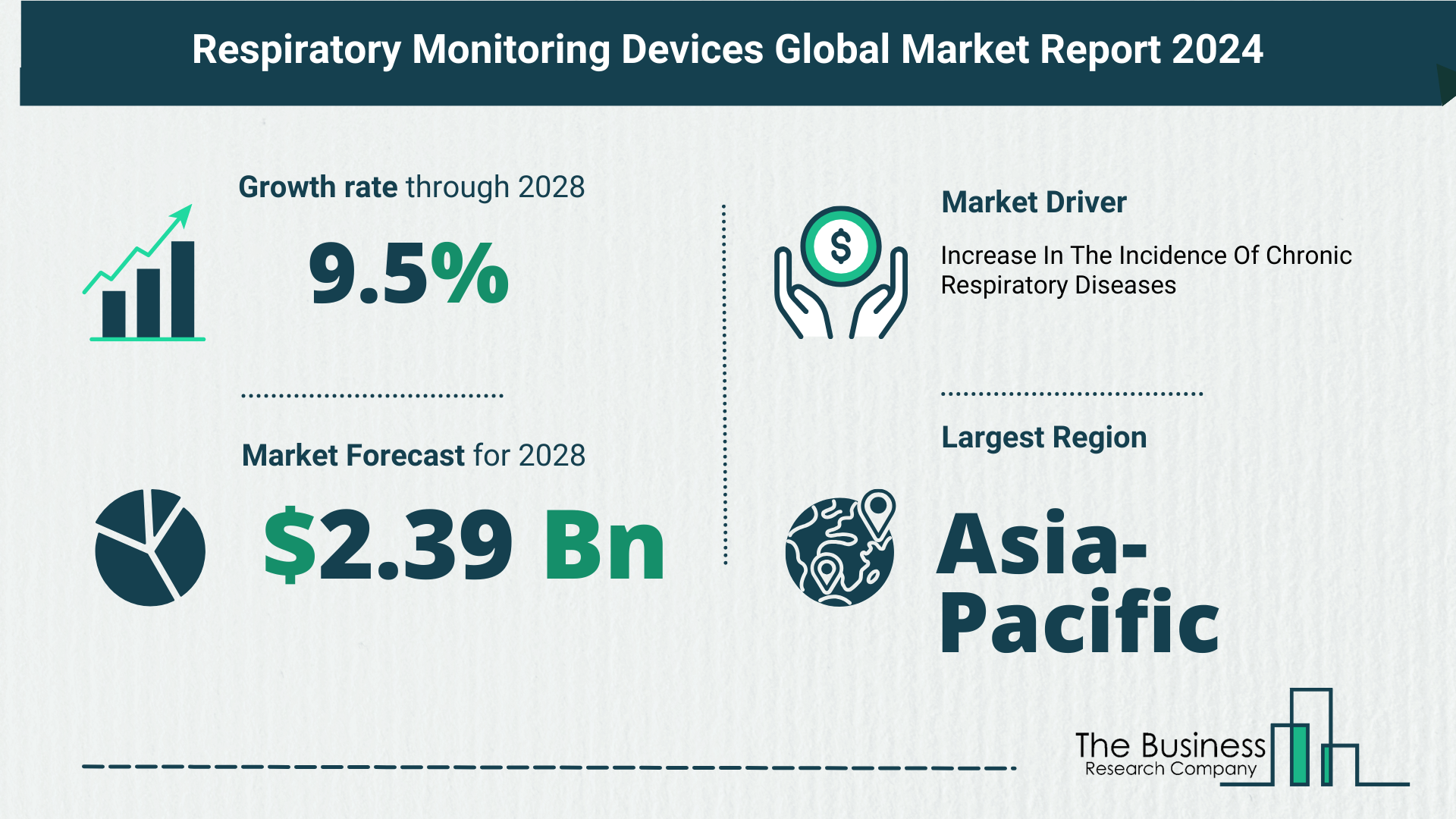
    The respiratory monitoring devices market has witnessed rapid growth in recent years, with a substantial increase in its market size. In 2023, the market size was $1.5 billion, and it is expected to reach $1.67 billion in 2024, exhibiting a compound annual growth rate (CAGR) of 11.0%. Looking ahead, the market is poised for continued expansion, projected to grow to $2.39 billion in 2028 at a CAGR of 9.5%. This growth is attributed to various factors, including respiratory health awareness, chronic diseases, remote patient monitoring, wearable technology, and technological advancements.

    Driving Forces Behind Market Growth

    Rising Incidence of Chronic Respiratory Diseases
    The surge in chronic respiratory diseases, such as asthma, bronchitis, and pneumonia, is a significant driving force for the respiratory monitoring devices market. The prevalence of these conditions, often resulting from bacterial and viral infections, underscores the critical need for effective monitoring tools. For instance, in 2021, the Centers for Disease Control and Prevention reported 142,342 deaths in the U.S. due to chronic lower respiratory diseases. Similarly, in Australia, 30% of the population, approximately 7.5 million people, have been diagnosed with chronic respiratory diseases.

    Essential Devices for Monitoring
    Respiratory monitoring devices, including spirometers and pulse oximeters, play a pivotal role in monitoring vital respiratory parameters. Key players in the market include Covidien LLC, GE Healthcare Inc., Philips Healthcare, ResMed Corp., Siemens Healthcare GmbH, and others. These companies contribute to the development and distribution of essential monitoring devices to address the growing demand.

    Innovations in Respiratory Monitoring

    Innovative Solutions for Improved Respiratory Care
    Major companies operating in the respiratory monitoring devices market are actively focusing on innovation to enhance their product offerings. One notable example is the HeroTracker Sense, introduced by AptarGroup, Inc. This device, designed as a respiratory monitoring tool, transforms a standard metered dose inhaler (pMDI) into a smart, connected healthcare device. The HeroTracker Sense not only helps patients with asthma and chronic obstructive pulmonary disease (COPD) adhere to their medication regimens but also collects healthcare analytics, enabling better care delivery by healthcare providers.

    Read More On The Respiratory Monitoring Devices Market Report 2024 – https://www.thebusinessresearchcompany.com/report/respiratory-monitoring-devices-global-market-report

    Strategic Moves and Acquisitions

    Senzime Ab Enhances Product Portfolio
    In June 2022, Senzime AB, a U.S.-based manufacturer of patient monitoring systems, acquired Respiratory Motion for an initial cash payment of $19 million. This strategic acquisition is poised to expand Senzime’s product portfolio in the monitoring devices market, strengthening the company’s capabilities. Respiratory Motion, a U.S.-based respiratory medical device manufacturer, adds valuable assets to Senzime’s offerings.

    Market Segmentation
    The respiratory monitoring devices market is segmented based on various criteria, providing a comprehensive understanding of its dynamics.

    Market Segmentation:

    1. By Type:
      • Capnographs
      • Gas Analyzers
      • Pulse Oximeters
      • Peak Flow Meters
      • Spirometers
      • Polysomnographs
      • Others Types
    2. By Application:
      • Chronic Obstructive Pulmonary Disease (COPD)
      • Infectious Diseases
      • Asthma
      • Other Applications
    3. By End-User:
      • Laboratories
      • Hospitals
      • Home Use

    Geographical Insights
    In 2023, Asia-Pacific emerged as the largest region in the respiratory monitoring devices market, reflecting the global nature of the industry and the diverse healthcare landscape.

    In conclusion, the respiratory monitoring devices market is experiencing robust growth driven by factors such as the rising incidence of chronic respiratory diseases, technological innovations, and strategic acquisitions. With ongoing advancements in connected devices, data analytics, and artificial intelligence, the future of respiratory monitoring holds promising opportunities for improved patient care and enhanced healthcare outcomes.

    Request for A Sample Of The Global Respiratory Monitoring Devices Market Report:
    https://www.thebusinessresearchcompany.com/sample_request?id=2845&type=smp

  • 5 Key Insights On The Electrosurgical Devices And Equipment Market 2024

    5 Key Insights On The Electrosurgical Devices And Equipment Market 2024

    The Business Research Company’s global market reports are now updated with the latest market sizing information for the year 2024 and forecasted to 2033

    As per The Business Research Company’s Electrosurgical Devices And Equipment Global Market Report 2024, the electrosurgical devices and equipment market is expected to show significant growth in the forecast period.

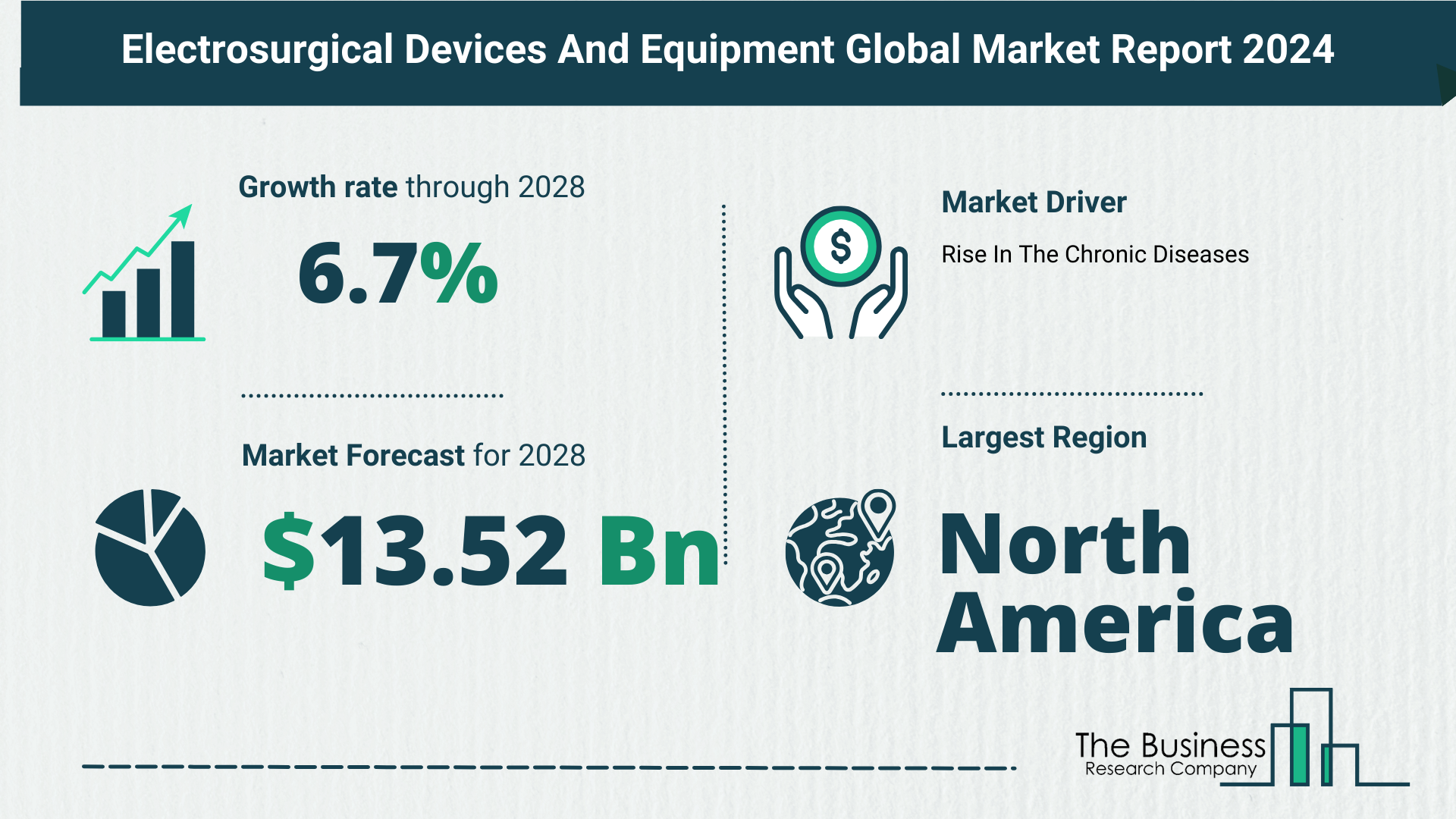
    The electrosurgical devices and equipment market have witnessed robust growth, expanding from $9.7 billion in 2023 to $10.44 billion in 2024, at a commendable Compound Annual Growth Rate (CAGR) of 7.7%. Projections indicate further expansion, reaching $13.52 billion in 2028, with a CAGR of 6.7%. This growth is fueled by various factors, including an aging population, the surge in minimally invasive surgeries, increased surgical procedure volumes, and the advent of telemedicine and remote surgery.

    The Impact of Rising Chronic Diseases: A Driving Force Increasing Prevalence: The prevalence of chronic diseases has played a pivotal role in propelling the electrosurgical devices and equipment market. These devices are crucial in treating life-threatening conditions such as skin cancer, basal cell carcinomas, squamous cell carcinoma, wound surgery, skin surgery, non-cancerous moles, and dentistry. Alarming Statistics: According to the National Library of Medicine, individuals aged 50 and older with at least one chronic condition in the United States are projected to increase by 99.5%, from 71.522 million in 2020 to 142.66 million by 2050. Market Players: Major companies contributing to the market’s growth include Bovie Medical Corporation, Johnson & Johnson Private Limited, B. Braun Melsungen AG, Medtronic PLC, and others.

    View More On The Electrosurgical Devices And Equipment Market Report 2024 – https://www.thebusinessresearchcompany.com/report/electrosurgical-devices-and-equipment-global-market-report

    Electrosurgical Generator Technology: Paving the Way for Advanced Surgical Treatments Innovative Technological Advancements: Leading companies in the electrosurgical devices and equipment market are focusing on cutting-edge technology, particularly electrosurgical generators, to solidify their market position. Olympus Corporation’s Breakthrough: In June 2023, Olympus Corporation introduced the ESG-410 Electrosurgical Generator, equipped with PLASMA+ Technology. This system brings forth advancements in surgical treatments, featuring faster ignition, enhanced plasma stability, and versatile applicability in various surgical procedures without direct tissue contact. Segmentation of the Market: The electrosurgical devices and equipment market is segmented by product (Electrosurgery Generators, Electrosurgery Instruments & Accessories, Argon and Smoke Management Systems), application (General Surgery, Gynecology Surgery, Urologic Surgery, Orthopedic Surgery, Cardiovascular Surgery, Cosmetic Surgery, Neurosurgery), and end-user (Hospitals, Specialized Clinics, Ambulatory Surgery Centers).

    Major Trends Shaping the Future Energy-Efficient Devices: The market is witnessing a trend towards energy-efficient electrosurgical devices, contributing to sustainability efforts. Integration of Imaging Technologies: The incorporation of advanced imaging technologies is becoming prevalent, enhancing precision in surgical procedures. Smart and Connected Devices: Electrosurgical devices are evolving to become smarter and more connected, facilitating seamless integration with other healthcare systems. Enhanced Safety Features: Safety remains a paramount concern, leading to the incorporation of advanced safety features in electrosurgical devices.

    Regional Dominance: North America Takes the Lead Market Landscape: In 2023, North America emerged as the largest region in the global electrosurgical devices market, showcasing a strong foothold. Contributing Factors: Factors contributing to North America’s dominance include robust healthcare infrastructure, technological advancements, and a high prevalence of chronic diseases.

    Request A Sample Of The Global Electrosurgical Devices And Equipment Market Report 2024:
    https://www.thebusinessresearchcompany.com/sample_request?id=2522&type=smp

  • Understand How The Healthcare Reimbursement Market Is Poised To Grow Through 2024-2033

    Understand How The Healthcare Reimbursement Market Is Poised To Grow Through 2024-2033

    The Business Research Company’s global market reports are now updated with the latest market sizing information for the year 2024 and forecasted to 2033

    As per The Business Research Company’s Healthcare Reimbursement Global Market Report 2024, the healthcare reimbursement market is expected to show significant growth in the forecast period.

    The healthcare reimbursement market has witnessed rapid growth in recent years, marked by a surge in size from $11.33 billion in 2023 to $13.33 billion in 2024, showcasing an impressive compound annual growth rate (CAGR) of 17.7%. This remarkable expansion can be attributed to several factors, including the fee-for-service model, health insurance expansion, third-party payers, and concerted cost containment efforts.

    Projected Growth and Emerging Trends

    – Forthcoming Surge

    The market is poised for continued rapid growth, with projections indicating an increase to $23.36 billion by 2028, backed by a robust CAGR of 15.0%. Anticipated drivers of this growth include the adoption of value-based care, expanded telehealth services, evolving healthcare policies, and the proliferation of alternative payment models.

    – Dominant Trends

    Key trends in the forecast period encompass telehealth reimbursement, alternative payment models (APMs), the Medicare Access and CHIP Reauthorization Act (MACRA), and the growing importance of preauthorization and utilization management.

    Rising Costs and Government Support

    – Elevated Healthcare Costs

    The escalating cost of healthcare, coupled with supportive government initiatives, stands as a cornerstone for the booming healthcare reimbursement market. According to the Journal of the American Medical Association (JAMA), US healthcare costs are projected to reach a staggering $6 trillion by 2027, equating to $17,000 per person. In 2021, healthcare costs already touched $4.3 trillion, according to the Centers for Medicare & Medicaid Services.

    – Government Policies as Catalyst

    Supportive government policies play a crucial role, enticing more individuals to opt for payer services, thereby contributing significantly to the growth of the healthcare reimbursement market.

    – Major Players in the Arena

    Leading companies contributing to the market’s growth include UnitedHealth Group Incorporated, Aviva PLC, Allianz SE, CVS Health Corporation, and other key players who play pivotal roles in shaping the reimbursement landscape.

    View More On The Healthcare Reimbursement Market Report 2024 – https://www.thebusinessresearchcompany.com/report/healthcare-reimbursement-global-market-report

    AI Integration: Enhancing Efficiency and Accuracy

    – Transformative Integration

    Major players in the healthcare reimbursement market are embracing artificial intelligence (AI) to revolutionize the reimbursement process, aiming to enhance efficiency and accuracy.

    – Predictive Fraud Detection

    AI is proving instrumental in predictive fraud detection through data analysis, safeguarding against fraudulent claims and ensuring the integrity of the reimbursement process.

    – Automating Claims Processing

    In August 2023, Codoxo, a USA-based company specializing in AI, launched ClaimPilot, an innovative generative AI product. ClaimPilot focuses on automating in-patient and facility claim audits, aiming to exponentially increase efficiency while eliminating dollar thresholds that restrict claims analysis to higher dollar ranges.

    1. Strategic Acquisitions: Greenberg Advisors and Medical Reimbursement

    – Strategic Move by Greenberg Advisors

    In July 2021, Greenberg Advisors, a US-based M&A services provider, made a significant acquisition by purchasing Medical Reimbursement, a medical billing services provider. The undisclosed acquisition is expected to bolster Greenberg Advisors’ capabilities and enhance its ability to serve patients effectively.

    Market Segmentation

    – Insightful Segmentation

    The healthcare reimbursement market is intricately segmented by claims (underpaid, full paid), payers (private payers, public payers), and service providers (physician offices, hospitals, diagnostic laboratories, and other service providers), offering a comprehensive view of the market dynamics.

    Regional Dominance

    – North America Takes the Lead

    In 2023, North America emerged as the largest region in the healthcare reimbursement market, reflecting the region’s prominence in shaping the global reimbursement landscape.

    In conclusion, the healthcare reimbursement market is evolving at a rapid pace, driven by a confluence of factors including rising healthcare costs, government initiatives, technological integrations, and strategic acquisitions. As the industry continues to navigate through these dynamic shifts, stakeholders must stay attuned to emerging trends and capitalize on opportunities for innovation and growth.

    Request A Sample Of The Global Healthcare Reimbursement Market Report 2024:
    https://www.thebusinessresearchcompany.com/sample_request?id=3302&type=smp