Blog

  • Global Cervical Cancer Diagnostics Market Key Insights 2024-2033

    Global Cervical Cancer Diagnostics Market Key Insights 2024-2033

    The Business Research Company’s global market reports are now updated with the latest market sizing information for the year 2024 and forecasted to 2033

    According to The Business Research Company’s Cervical Cancer Diagnostics Global Market Report 2024, the cervical cancer diagnostics market is expected to show promising growth in the forecast period.

    The cervical cancer diagnostics market has witnessed robust growth in recent years, reaching $8.89 billion in 2023 and expected to grow to $9.52 billion in 2024 at a Compound Annual Growth Rate (CAGR) of 7.0%. Looking ahead, the market is poised for continued expansion, with a projected size of $11.95 billion in 2028, reflecting a CAGR of 5.8%. Key drivers include increased awareness and screening programs, HPV vaccination, technological advancements, and an aging population.

    Factors Driving Historic Growth

    • Increased awareness and screening programs
    • HPV vaccination
    • Technological advancements
    • Aging population

    Emerging Trends in the Forecast Period

    • HPV testing
    • Liquid-based cytology
    • Automation and digital pathology
    • Screen-and-treat programs

    Addressing the Rising Prevalence of Cervical Cancer

    The prevalence of cervical cancer is on the rise, necessitating a proactive response through advancements in diagnostic tools and technologies. Cervical cancer begins in the cells of the cervix, and early detection is crucial for successful treatment. According to Cancer.net, an estimated 13,960 women in the United States will be diagnosed with invasive cervical cancer, highlighting the urgent need for effective diagnostic solutions.

    Key Players in the Cervical Cancer Diagnostics Market

    Several major companies play a pivotal role in the cervical cancer diagnostics market. Key industry players include Abbott Laboratories, Becton Dickinson and Company (BD), Roche Ltd., Hologic Inc., QIAGEN N.V., Quest Diagnostics Incorporated, Siemens Healthineers AG, and more. The market is characterized by diverse companies contributing to the development and accessibility of cervical cancer diagnostic tools.

    View More On The Cervical Cancer Diagnostics Market Report 2024 – https://www.thebusinessresearchcompany.com/report/cervical-cancer-diagnostics-global-market-report

    Innovations In Cervical Cancer Diagnostics, The Introduction Of Genius Digital Diagnostics System

    Technological Innovations Driving Progress

    Innovation in cervical cancer diagnostics is a key focus for major companies in the market. The introduction of cutting-edge products, such as the Genius Digital Diagnostics System, showcases the commitment of companies to enhance diagnostic capabilities and increase profitability.

    Genius Digital Diagnostics System

    • Healthcare technology system
    • Designed for diagnostic and clinical applications
    • Utilizes advanced volumetric imaging technology
    • Incorporates deep learning-based artificial intelligence (AI)
    • Detects pre-cancerous lesions and cervical cancer cells

    Hologic’s Strategic Launch

    In November 2021, Hologic, Inc., a prominent US-based health technology company, launched the Genius Digital Diagnostics System in Europe. This system represents the next generation of cervical cancer screening, leveraging advanced imaging technology and AI to improve the accuracy of detecting pre-cancerous lesions and cervical cancer cells in females.

    BD’s Acquisition Of Cytognos Advancing Chronic Disease Management Through Immune Diagnostics

    BD’s Strategic Move

    In February 2022, BD (Becton, Dickinson, and Company) executed a significant acquisition by acquiring Cytognos, a Spain-based company specializing in clinical flow cytometry solutions. This undisclosed deal strengthens BD’s commitment to chronic disease management, expanding its diagnostic portfolio, immune assessment tests, and informatics capabilities.

    Advancing Chronic Disease Management

    • Deepening understanding of the immune system
    • Enhancing immune response assessment
    • Focusing on Minimal Residual Disease (MRD)
    • Strengthening immune diagnostics capabilities

    Market Segmentation and Regional Dynamics

    Segmentation Overview

    The cervical cancer diagnostics market is segmented based on diagnostic tests, age groups, and end-users.

    1. Diagnostic Test:
      • Pap Smear Test
      • HPV Test
      • Colposcopy
      • Biopsy and Endocervical Curettage
      • Other Diagnostic Tests
    2. Age Group:
      • Below 21
      • Age between 21 to 29
      • Age between 30 to 65
      • Above 65
    3. End User:
      • Hospitals
      • Specialty Clinics
      • Cancer and Radiation Therapy Centers
      • Diagnostic Centers

    Regional Insights

    • North America emerged as the largest region in the cervical cancer diagnostics market in 2023, reflecting the region’s commitment to advanced healthcare and diagnostics.

    In conclusion, the cervical cancer diagnostics market is experiencing substantial growth, driven by factors such as the rising prevalence of cervical cancer, technological innovations, and strategic acquisitions by major players. As the market continues to evolve, these advancements promise to enhance early detection, accurate diagnosis, and successful treatment, ultimately contributing to better outcomes for individuals affected by cervical cancer.

    Request A Sample Of The Global Cervical Cancer Diagnostics Market Report 2024:
    https://www.thebusinessresearchcompany.com/sample_request?id=3285&type=smp
  • Clinical Oncology Next Generation Sequencing Market Forecast 2024: Forecast Market Size, Drivers And Key Segments

    Clinical Oncology Next Generation Sequencing Market Forecast 2024: Forecast Market Size, Drivers And Key Segments

    The Business Research Company’s global market reports are now updated with the latest market sizing information for the year 2024 and forecasted to 2033

    The clinical oncology next-generation sequencing market has experienced rapid expansion in recent years, with a substantial increase from $0.45 billion in 2023 to $0.52 billion in 2024, marking an impressive Compound Annual Growth Rate (CAGR) of 15.5%. This growth in the historic period is attributed to advancements in genomic research, cancer biomarker discovery, technological progress, and regulatory approvals.

    Future Projections

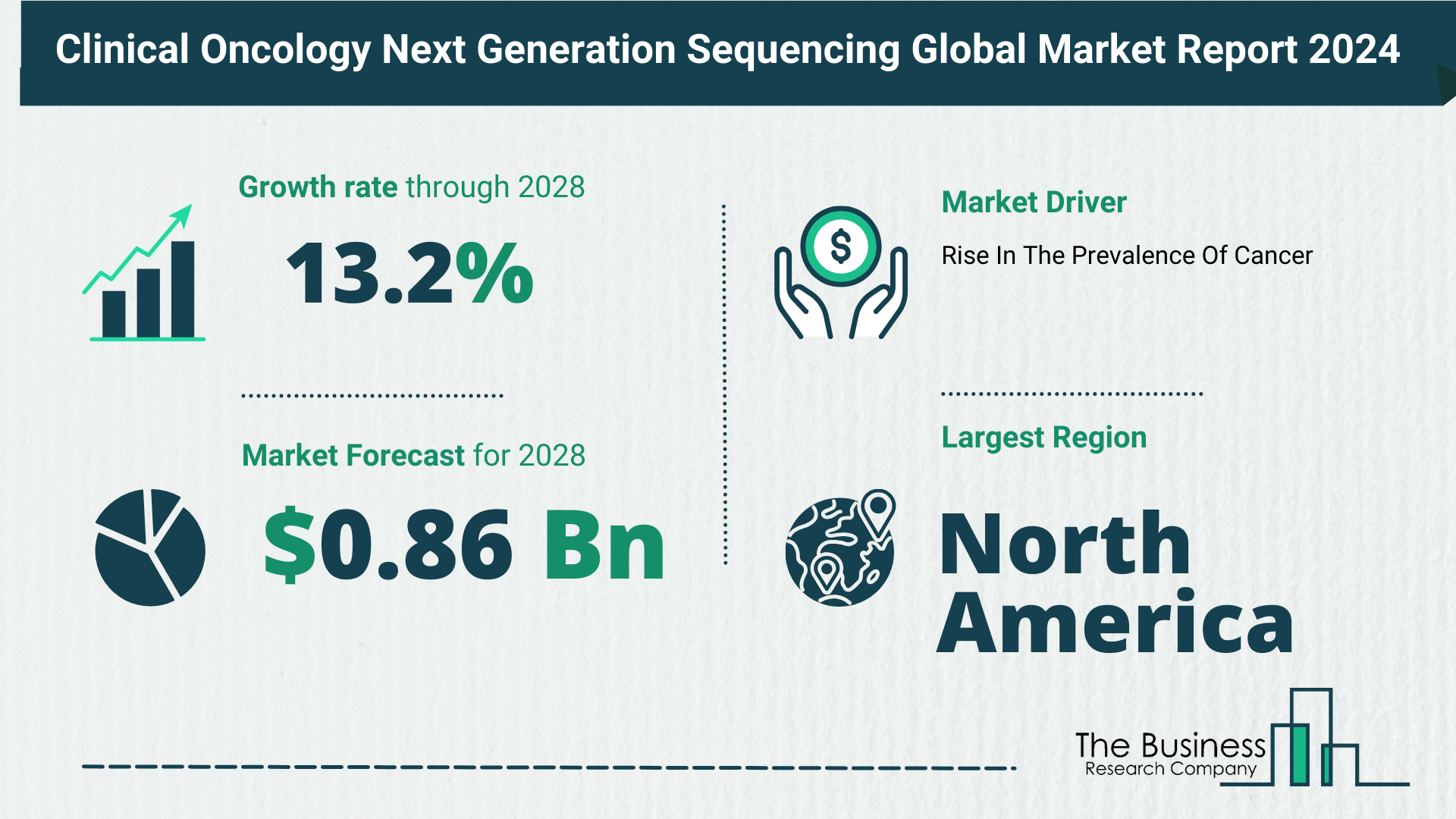
    Anticipated to sustain its momentum, the market is poised for continued growth. Forecasts indicate an expansion to $0.86 billion in 2028, with a CAGR of 13.2%. The projected surge in the clinical oncology next-generation sequencing market in the forecast period can be linked to factors like the growing incidence of cancer, precision medicine, advancements in immuno-oncology, and the rise of liquid biopsies.

    Cancer Prevalence as a Catalyst for Growth

    Rising Cancer Cases

    The escalating prevalence of cancer emerges as a driving force behind the growth of the clinical oncology next-generation sequencing market. Defined by the uncontrolled growth and spread of abnormal cells, cancer necessitates advanced technologies like Next-Generation Sequencing (NGS) to identify new and rare mutations. In 2021, the American Cancer Society estimated 1.9 million new cancer cases and 608,570 deaths in the United States alone, underscoring the urgency for robust diagnostic tools.

    Role of NGS

    NGS plays a pivotal role in understanding the molecular underpinnings of individual tumors, enabling a more targeted and personalized approach to cancer treatment. As the prevalence of cancer continues to rise globally, the demand for clinical oncology next-generation sequencing solutions is expected to surge.

    View More On The Clinical Oncology Next Generation Sequencing Market Report 2024 – https://www.thebusinessresearchcompany.com/report/clinical-oncology-next-generation-sequencing-global-market-report

    Innovative Products Driving Profitability

    Strategic Innovations

    Major players in the market, including Thermo Fisher Scientific, Illumina, and Roche, are actively innovating to introduce cutting-edge products. For example, Roche’s BenchMark ULTRA PLUS system is a testament to the industry’s commitment to innovation. Launched in June 2022, this system enhances the accuracy and efficiency of diagnostic tests, contributing to improved patient care.

    Product Impact on Profitability

    Innovative products not only contribute to scientific advancements but also play a significant role in boosting profitability. The BenchMark ULTRA PLUS System, by streamlining diagnostic tests and delivering rapid and accurate results, exemplifies the synergy between technological innovation and market profitability.

    Strategic Acquisitions for Market Expansion

    Agilent’s Strategic Move

    Agilent Technologies, a key player in life sciences technology, made a strategic move in April 2021 by acquiring Resolution Bioscience. This undisclosed acquisition aimed to bolster Agilent’s capabilities in next-generation sequencing for cancer diagnostics. Resolution Bioscience, known for its precision oncology solutions, positions Agilent at the forefront of NGS-based cancer diagnostics.

    Market Segmentation and Regional Dominance

    Segmentation Overview

    The clinical oncology next-generation sequencing market is segmented based on technology, application, and end-user. Key segments include Ion Semiconductor Sequencing, Pyro-Sequencing, Synthesis Sequencing, Real Time Sequencing, Ligation Sequencing, Reversible Dye Termination Sequencing, Nano-Pore Sequencing, with applications spanning Screening, Companion Diagnostics, and Other Diagnostics. End-users range from Hospital Laboratories and Clinical Research Organizations to Diagnostic Laboratories.

    Regional Dominance

    North America emerged as the largest region in the clinical oncology next-generation sequencing market in 2023. This regional dominance reflects the concentrated efforts and investments in advanced healthcare technologies and research initiatives.

    Conclusion

    In conclusion, the clinical oncology next-generation sequencing market’s dynamic growth trajectory underscores its pivotal role in advancing cancer diagnostics and treatment. With rising cancer incidence, strategic innovations, and regional dominance in North America, the market is poised for further expansion. As technological breakthroughs continue to shape the landscape, the integration of NGS in precision medicine and immuno-oncology holds the promise of transforming cancer care on a global scale.

    Request A Sample Of The Global Clinical Oncology Next Generation Sequencing Market Report 2024:
    https://www.thebusinessresearchcompany.com/sample_request?id=3344&type=smp

  • What Is The Forecast Growth Rate For The Companion Animal Veterinary Vaccines Market?

    What Is The Forecast Growth Rate For The Companion Animal Veterinary Vaccines Market?

    The Business Research Company’s market reports offer an in-depth analysis on the market’s growth potential, major drivers, key trends and more.

    The companion animal veterinary vaccines market has witnessed robust growth, marking a journey from $3.47 billion in 2023 to an anticipated $3.7 billion in 2024 at a commendable CAGR of 6.7%. This surge in the historic period can be attributed to factors like the burgeoning pet ownership, the rise of preventive healthcare, increased awareness about zoonotic diseases, and advancements in vaccine technology.

    Future Outlook: A Promising Trajectory

    Anticipating Growth in the Forecast Period

    • Projected Growth:The market is poised for continued expansion, expected to reach $4.79 billion in 2028 at a consistent CAGR of 6.7%.
    • Driving Factors:The forecasted growth can be attributed to a burgeoning pet population, increased awareness of preventive healthcare, continuous technology and vaccine development, and the implementation of customized vaccination plans.

    Key Trends Shaping the Future

    Forecast Period Trends and Innovations

    • Comprehensive Vaccination Programs:The future is marked by a shift towards holistic vaccination programs.
    • Advanced Vaccine Technologies:Continuous innovations in vaccine technologies to enhance efficacy and safety.
    • Vector-Borne Disease Control:Addressing the challenges of vector-borne diseases through strategic vaccination initiatives.
    • Vaccination Clinics and Mobile Services:Increasing accessibility through mobile vaccination clinics, ensuring widespread coverage.

    Pet Ownership Surge: A Catalyst for Growth

    Dynamics of Pet Ownership

    • Generational Impact:Increased pet ownership by Gen X and Gen Y adults has been a driving force.
    • Millennial Dominance:Millennials, or Gen Y, represent the largest segment of pet owners across various categories.
    • Multipet Ownership:Rising trends in multiple pet ownership contribute to the market’s growth.
    • US Adoption Boom:In the US, a significant surge in pet adoptions was witnessed in 2021, reaching a adoption rate of 61% in the past six years.

    Market Players in Action

    Major Companies Steering the Market

    • Key Players:Dominant companies include C.H. Boehringer Sohn AG & Co. KG, Eli Lilly and Company, Heska Corp., Merck and Co. Inc., Zoetis Inc., and more.
    • Global Presence:These companies operate globally, contributing significantly to the companion animal veterinary vaccines market.

    Read More On The Companion Animal Veterinary Vaccines Market Report 2024 – https://www.thebusinessresearchcompany.com/report/companion-animal-veterinary-vaccines-global-market-report

    Innovations Driving Revenue

    Innovative Vaccine Introductions

    • New Vaccine Launch:Companies introduce novel vaccines to drive market revenues.
    • Feligen RCPCh:Boehringer Ingelheim’s Feligen RCPCh, a veterinary vaccine for cats, protects against various infectious diseases.
    • Attenuated Components:The vaccine contains attenuated feline rhinotracheitis herpesvirus, inactivated calicivirosis antigens, attenuated Chlamydophila Felis, and attenuated feline panleukopenia virus.

    Expanding Horizons with Acquisitions

    NEOGEN Corporation’s Strategic Move

    • Acquisition Details:NEOGEN Corporation acquired CAPInnoVet Inc. in September 2021 to expand its presence in the companion animal health market.
    • Portfolio Diversification:The acquisition granted access to CAPInnoVet’s product portfolio, including pet vaccines and medications for common conditions in companion animals.

    Market Segmentation Insights

    Understanding the Landscape

    1. By Product:
      • Inactivated
      • Live Attenuated
      • Recombinant
      • Other Products
    2. By Route Of Administration:
      • Oral
      • Parenteral
      • Other Routes Of Administration
    3. By Distribution Channel:
      • Veterinary Hospitals
      • Veterinary Clinics
      • Pharmacies And Drug Stores
      • Other Distribution Channels

    Regional Dominance: North America Takes the Lead

    • Largest Market:North America emerged as the largest region in the companion animal veterinary vaccines market in 2023, showcasing the region’s commitment to advancing animal healthcare.

    Conclusion

    As the companion animal veterinary vaccines market continues its upward trajectory, driven by pet ownership dynamics, technological advancements, and strategic innovations, it paints a promising picture for the health and well-being of our beloved animal companions. With a blend of preventive healthcare awareness and cutting-edge vaccine technologies, the future looks bright for the market, creating a healthier world for our cherished pets.

    Request for A Sample Of The Global Companion Animal Veterinary Vaccines Market Report:
    https://www.thebusinessresearchcompany.com/sample_request?id=3370&type=smp

  • Key Trends And Drivers In The Breast Cancer Diagnostics Market 2024

    Key Trends And Drivers In The Breast Cancer Diagnostics Market 2024

    The Business Research Company’s market reports offer an in-depth analysis on the market’s growth potential, major drivers, key trends and more.

    The breast cancer diagnostics market has witnessed robust growth, driven by various factors such as awareness campaigns, technological advancements, and a multidisciplinary approach. As we delve into the details, it’s evident that the market is poised for further expansion, reaching $4.8 billion in 2024 at a CAGR of 8.7% and projecting an even more impressive growth to $6.47 billion in 2028 at a CAGR of 7.7%.

    Factors Fueling Historic Growth

    • Awareness and Screening Campaigns: Public awareness initiatives have played a pivotal role in promoting early detection and screening.
    • Mammography Screening: The prevalence of mammography screening has contributed significantly to the historic growth.
    • Technological Advancements: Continuous advancements in diagnostic technologies have enhanced accuracy and efficiency.
    • Genetic Testing: The integration of genetic testing has provided crucial insights into the genetic basis of breast cancer.
    • Multidisciplinary Approach: A collaborative approach involving multiple disciplines has improved overall diagnostics and treatment strategies.

    The Role of Government Funding
    Government Initiatives and Funding: A Path to Improved Healthcare

    • Financial Support: Governments worldwide allocate substantial funds to support breast cancer research, prevention, and treatment.
    • Program Implementation: Various programs aim to raise awareness, promote early detection, and provide financial assistance to underserved communities.
    • Australian Example: The Australian Government allocated $40.7 million in its 2022-23 budget, focusing on enhancing accessibility and timely referrals, with $9.7 million specifically earmarked for breast cancer screening.

    Market Players Driving Innovation
    Innovations in Breast Cancer Diagnostics Market

    • Key Companies: Major players like Abbott Laboratories, Hologic Inc., and Thermo Fisher Scientific Inc. are driving innovation in breast cancer diagnostics.
    • AI-based Diagnosis: Artificial intelligence is revolutionizing breast cancer diagnosis, offering high accuracy and efficiency.
    • Digistain’s Breakthrough: In December 2022, Digistain, a UK-based biotech company, launched an AI breast cancer diagnostic tool with over 99% accuracy, reducing waiting times and cutting costs significantly.

    Read More On The Breast Cancer Diagnostics Market Report 2024 – https://www.thebusinessresearchcompany.com/report/breast-cancer-diagnostics-global-market-report

    Strategic Moves: Hologic’s Acquisition
    Strategic Acquisition – Hologic Expands Breast Health Solutions With Somatex

    • Acquisition Details: In January 2021, Hologic acquired Somatex Medical for $64 million, reinforcing its commitment to comprehensive breast health solutions.
    • Somatex’s Contribution: Somatex, a German-based provider of breast cancer diagnostic services, adds value to Hologic’s offerings.

    Market Segmentation Overview
    Understanding the Breast Cancer Diagnostics Market

    1. By Type:
      • Imaging
      • Biopsy
      • Genomic Tests
      • Blood Tests
      • Other Types
    2. By Technology:
      • Fluorescent In Situ Hybridization (FISH)
      • Comparative Genomic Hybridization (CGH)
      • Immunohistochemical (IHC)
      • Other Technologies
    3. By Cancer Type:
      • BRCA Breast Cancer
      • ER & PR Breast Cancer
      • HER 2 Breast Cancer
      • EGFR Mutation Test Breast Cancer
      • Other Cancer Types
    4. By Diagnostic Type:
      • Ionizing Breast Imaging Technologies
      • Non-ionizing Imaging Technologies
    5. By End Users:
      • Hospitals and Clinics
      • Cancer Research Centers
      • Diagnostic Laboratories
      • Ambulatory Surgical Centers

    Regional Dominance: North America Leads the Way

    • Largest Market: In 2023, North America emerged as the largest region in the breast cancer diagnostics market, underscoring the region’s commitment to advancements in healthcare.

    Conclusion
    The breast cancer diagnostics market is not just witnessing growth; it’s evolving through innovations, government support, and strategic acquisitions. As we move forward, the focus on personalized medicine, liquid biopsies, AI, and machine learning promises to reshape the landscape, providing hope for improved diagnostics and outcomes in the fight against breast cancer. With a strong foundation laid in the historic period, the forecasted growth reflects a promising trajectory, marking a significant step towards a future with enhanced breast cancer diagnostics and treatment solutions.

    Request for A Sample Of The Global Breast Cancer Diagnostics Market Report:
    https://www.thebusinessresearchcompany.com/sample_request?id=3284&type=smp

  • Overview Of The Blood Cancer Drugs Market 2024-2033: Growth And Major Players Analysis

    Overview Of The Blood Cancer Drugs Market 2024-2033: Growth And Major Players Analysis

    The Business Research Company’s global market reports are now updated with the latest market sizing information for the year 2024 and forecasted to 2033

    The blood cancer drugs market has witnessed substantial growth in recent years. In 2023, the market size reached $69.16 billion, and it is poised to grow to $74.77 billion in 2024, showcasing a commendable Compound Annual Growth Rate (CAGR) of 8.1%. The upward trajectory is expected to continue, with a forecasted market size of $100.9 billion in 2028, at a CAGR of 7.8%. This growth can be attributed to various factors, including advancements in research and development, an aging population, increased awareness, and early diagnosis, as well as regulatory approvals.

    Driving Forces for Market Expansion

    1. Rising Incidence and Mortality Rates

    The increasing prevalence of blood cancer cases globally, coupled with growing death incidences, is a major driver for the blood cancer drugs market. Different types of blood cancers, such as lymphoma, leukemia, and myeloma, contribute to this surge. The Bristol-Myers Squibb Company report predicts over 1.85 million new blood cancer cases globally by 2040, with a significant number of deaths expected, emphasizing the urgent need for effective drugs. Leading companies contributing to this sector include Amgen Inc., Novartis AG, and Johnson & Johnson.

    1. Adoption of AI Technology

    In an era dominated by technological advancements, companies in the blood cancer drugs market are turning to Artificial Intelligence (AI) to revolutionize drug development. AI offers the potential to significantly reduce research and development costs and save time. Major players like Roche, Pfizer, and Johnson & Johnson are investing in AI to analyze vast sets of chemical and biological data. This not only identifies potential drug candidates more efficiently but also expedites patient recruitment for clinical trials, ultimately reducing costs. For instance, Johnson & Johnson’s collaboration with BenevolentAI demonstrates the industry’s commitment to embracing AI for drug discovery.

    1. Strategic Acquisitions

    Strategic acquisitions are reshaping the blood cancer drugs landscape. GSK’s acquisition of Sierra Oncology in July 2022 for an undisclosed amount exemplifies this trend. Sierra Oncology, a US-based company focusing on cancer drugs, enhances GSK’s oncology portfolio, showcasing the industry’s proactive approach to expanding and strengthening its capabilities.

    View More On The Blood Cancer Drugs Market Report 2024 – https://www.thebusinessresearchcompany.com/report/blood-cancer-drugs-global-market-report

    Market Segmentation and Regional Dynamics

    1. Segmentation Overview

    The blood cancer drugs market is segmented based on blood cancer type, drugs, and treatment approaches, providing a comprehensive understanding of the diverse landscape. Key segments include:

    • Blood Cancer Type: Leukemia, Lymphoma
    • Drugs: Rituxan/Mabthera, Gleevec/Glivec, Revlimid, Velcade, Tasigna, Pomalyst, Vidaza, Kyprolis, Adcetris, and Other Drugs
    • Treatment Approaches: Chemotherapeutic, mAbs/Targeted Therapies, Immunotherapeutic
    1. Regional Dynamics
    • North America: Dominated the market in 2023
    • Middle East: Expected to be the fastest-growing region in the blood cancer drugs market during the forecast period, reflecting the global nature of the industry.

    Future Trends Shaping the Industry

    1. Research and Development Investments
    • Continued focus on R&D to bring innovative and effective drugs to the market.
    1. Combination Therapies
    • Growing interest in combining different therapeutic approaches for enhanced treatment outcomes.
    1. Biomarker Identification
    • Advancements in identifying biomarkers for personalized and targeted treatments.
    1. Immunotherapy Advancements
    • Evolving immunotherapies to harness the body’s immune system for better cancer treatment.
    1. Personalized Medicine
    • Tailoring treatments based on individual patient characteristics for improved efficacy.

    In conclusion, the blood cancer drugs market is not only witnessing robust growth but is also evolving to address the complex challenges posed by various blood cancer types. With advancements in technology, strategic acquisitions, and a focus on personalized medicine, the industry is poised for a dynamic future, offering hope to millions affected by blood cancers globally.

    Request A Sample Of The Global Blood Cancer Drugs Market Report 2024:
    https://www.thebusinessresearchcompany.com/sample_request?id=2587&type=smp

  • How Is The Bladder Cancer Drugs Market Expected To Grow Through 2024-2033

    How Is The Bladder Cancer Drugs Market Expected To Grow Through 2024-2033

    The Business Research Company’s global market reports are now updated with the latest market sizing information for the year 2024 and forecasted to 2033

    According to The Business Research Company’s Bladder Cancer Drugs Global Market Report 2024, the bladder cancer drugs market is expected to show promising growth in the forecast period.

    The bladder cancer drugs market has witnessed significant expansion in recent years, with the market size reaching $3.65 billion in 2023 and projected to grow to $4.23 billion in 2024, representing a Compound Annual Growth Rate (CAGR) of 15.8%. Looking ahead, the market is expected to experience even more substantial growth, reaching $7.28 billion in 2028 at a CAGR of 14.5%. Key factors contributing to this growth include ongoing research and development, emerging markets, healthcare infrastructure development, strategic alliances, and collaborations.

    Factors Driving Historic Growth

    • Increasing incidence of bladder cancer
    • Advancements in drug development
    • Improved diagnostic techniques
    • Aging population
    • Regulatory approvals
    • Patient advocacy and awareness

    Trends Shaping Future Growth

    • Precision medicine
    • Immunotherapy and targeted therapies
    • Personalized medicine
    • Clinical trials and drug pipeline
    • Combination therapies
    • Biomarker-driven treatments
    • Telemedicine and remote monitoring
    • Patient-centric care

    Role of the Pharmaceutical Industry
    The burgeoning pharmaceutical industry plays a pivotal role in propelling the growth of the bladder cancer drugs market. This sector, involving the discovery, development, and production of drugs and medicines, encourages research, development, and investment in innovative treatments. The anticipated total expenditure on pharmaceuticals in the US, projected to range between $380 to $400 billion by 2025, reflects a compound annual growth rate of 0-3%. This growth is a testament to the industry’s commitment to advancing healthcare outcomes and providing a broader range of effective and targeted therapeutic options for bladder cancer patients.

    Major Players in the Bladder Cancer Drugs Market
    Several prominent companies operate in the bladder cancer drugs market, contributing to its growth and development. Some of these key players include Eli Lilly and Company, Bristol-Myers Squibb Company, Pfizer Inc., AstraZeneca PLC, Novartis International AG, Johnson & Johnson, Merck & Co. Inc., and many others. The market’s competitive landscape is characterized by a diverse range of pharmaceutical companies working towards addressing the challenges associated with bladder cancer.

    View More On The Bladder Cancer Drugs Market Report 2024 – https://www.thebusinessresearchcompany.com/report/bladder-cancer-drugs-global-market-report

    Advancements In Gene-Based Treatments For Non-Muscle-Invasive Bladder Cancer
    Rising Importance of Gene Therapy
    Gene therapy has emerged as a significant trend in the bladder cancer drug market, offering a novel approach to treating or preventing diseases by correcting underlying genetic problems. A notable example is the US Food and Drug Administration’s (FDA) approval of Adstiladrin in December 2022. This non-replicating adenoviral vector-based gene therapy is indicated for the treatment of high-risk Bacillus Calmette-Guérin (BCG)-unresponsive non-muscle-invasive bladder cancer (NMIBC) with carcinoma in situ (CIS) with or without papillary tumors.

    Merck & Co.’s Strategic Acquisition
    In August 2022, Merck & Co., a prominent US-based pharmaceutical company, acquired Seagen for a substantial deal amount of $40 billion. This strategic move expands Merck & Co.’s presence in the oncology sector, including the development and distribution of bladder cancer drugs. SeagenInc., a bio-technology company, is known for its contributions to cancer drug development, aligning with Merck & Co.’s commitment to advancing oncology treatments.

    Market Segmentation and Regional Dynamics
    Segmentation Overview
    The bladder cancer drugs market is segmented based on type, application, and distribution channel. Key segments include:

    1. Type:
      • Non-Muscle-Invasive Bladder Cancer
      • Muscle-Invasive Bladder Cancer
    2. Application:
      • Low-Grade Tumors
      • High-Grade Tumors
    3. Distribution Channel:
      • Hospital Pharmacy
      • Retail Pharmacy
      • Other Distribution Channels

    Regional Insights

    • North America emerged as the largest region in the bladder cancer drugs market in 2023.
    • The Middle East is anticipated to be the fastest-growing region during the forecast period, signaling the global nature of the bladder cancer drugs market’s expansion.

    In conclusion, the bladder cancer drugs market is poised for remarkable growth, fueled by factors such as advancements in drug development, strategic acquisitions, and the evolving landscape of gene-based treatments. As the pharmaceutical industry continues to thrive, the market is set to provide enhanced treatment options for bladder cancer patients, ultimately contributing to improved outcomes and a better quality of life.

    Request A Sample Of The Global Bladder Cancer Drugs Market Report 2024:
    https://www.thebusinessresearchcompany.com/sample_request?id=2586&type=smp

  • Biophotonics Global Market Outlook 2024-2033: Size And Growth Rate Analysis

    Biophotonics Global Market Outlook 2024-2033: Size And Growth Rate Analysis

    The Business Research Company’s global market reports provide comprehensive analysis on the various markets in 27 industries across 60 geographies.

    The biophotonics market has witnessed remarkable growth in recent years, driven by advancements in medical imaging, disease diagnosis, and life sciences research. In 2023, the market size reached an impressive $74.36 billion and is set to surge to $82.74 billion in 2024, boasting a compound annual growth rate (CAGR) of 11.3%.

    The Prodigy of Growth

    1. Short-term Projections (2023-2024):
      • Projected market size: $82.74 billion.
      • CAGR: 11.3%.
      • Key drivers: Medical imaging advancements, disease diagnosis, life sciences research, optical sensing, spectroscopy, laser and light source innovations.
    2. Long-term Forecasts (2024-2028):
      • Anticipated market size: $130.07 billion.
      • CAGR: 12.0%.
      • Emerging factors: Personalized medicine, precision agriculture, global health initiatives, wearable and mobile health devices, environmental monitoring, and safety.
      • Noteworthy trends: Miniaturization, point-of-care devices, multimodal imaging, optogenetics, machine learning, data analytics, smart imaging probes.

    Chronic Conditions Fueling The Biophotonics Market
    The escalating prevalence of chronic conditions serves as a powerful catalyst for the biophotonics market’s continued expansion. Chronic diseases, persisting for three months or more, account for a significant portion of global fatalities. Biophotonics contributes to early detection, monitoring, and treatment through non-invasive imaging and diagnostics, improving patient outcomes and curbing healthcare costs.

    1. Global Health Challenge:
      • WHO reports 41 million deaths annually due to chronic diseases.
      • Breakdown: 17.9 million cardiovascular deaths, 9.3 million cancer deaths, 4.1 million chronic respiratory deaths, 2.0 million diabetes deaths.
      • Biophotonics’ role: Driving growth by aiding in the battle against chronic conditions.

    View More On The Biophotonics Market Report 2024 – https://www.thebusinessresearchcompany.com/report/biophotonics-global-market-report

    Innovations In The Biophotonics Market
    Major players in the biophotonics market are actively engaged in pioneering advancements, especially in the medical field. Innovative products, such as advanced bronchoscopes, demonstrate the industry’s commitment to pushing boundaries.

    1. Bronchoscopes Redefined:
      • Olympus Corporation introduces H-SteriScope, a line of single-use bronchoscopes.
      • Purpose: Advanced diagnostic and therapeutic procedures.
      • Features: Disposable, premium features for precise targeting, diagnosis, and treatment.
      • Specifications: Outer diameters from 2.2 mm to 6.2 mm, working channel range of 1.2 mm to 3.2 mm.

    CellaVision’s Strategic Acquisition
    In a significant move, CellaVision, a Swedish company specializing in digital Morphology Solutions, acquired exclusive rights to the Fourier Ptychographic Microscopy patent portfolio from Clearbridge BioPhotonics for $3.28 million (SEK 28.7 million). This strategic acquisition positions CellaVision at the forefront of future technology development, particularly in automated microscopes for hematology and related fields.

    1. Acquisition Highlights:
      • CellaVision’s acquisition of Fourier Ptychographic Microscopy patent portfolio.
      • Transaction value: $3.28 million (SEK 28.7 million).
      • Potential applications: Future automated microscopes for hematology and related fields.

    Segmentation Insight

    1. Product Technology:
      • In-Vitro.
      • In-Vivo.
    2. Application:
      • See-Through Imaging.
      • Inside Imaging.
      • Spectromolecular.
      • Surface Imaging.
      • Microscopy.
      • Light Therapy.
      • Biosensors.
      • Other Applications.
    3. End Use:
      • Diagnostics.
      • Therapeutic.
      • Tests.
      • Other End Uses.

    Regional Dominance
    In 2023, North America emerged as the epicenter of the biophotonics market, establishing itself as the largest region. The region’s dominance underscores the robust growth and strategic significance of biophotonics technologies in the continent.

    In conclusion, the biophotonics market’s trajectory is on a spectacular ascent, fueled by technological innovations, strategic acquisitions, and a steadfast focus on addressing global health challenges. As the market continues to evolve, stakeholders should stay attuned to emerging trends and transformative breakthroughs shaping the radiant future of biophotonics.

    Request A Sample Of The Global Biophotonics Market Report 2024:
    https://www.thebusinessresearchcompany.com/sample_request?id=3270&type=smp

  • Top 5 Insights From The X-Ray Systems Devices And Equipment Market Report 2024

    Top 5 Insights From The X-Ray Systems Devices And Equipment Market Report 2024

    The Business Research Company’s global market reports are now updated with the latest market sizing information for the year 2024 and forecasted to 2033

    According to The Business Research Company’s X-Ray Systems Devices And Equipment Global Market Report 2024, the X-ray systems devices and equipment market is expected to show promising growth in the forecast period.

    The x-ray systems devices and equipment market has witnessed robust growth in recent years. In 2023, the market size reached $16.98 billion, experiencing a significant surge from which it is projected to grow to $18.38 billion in 2024 at a compound annual growth rate (CAGR) of 8.2%. This growth is primarily attributed to factors such as medical diagnostics, population growth, an aging population, and the emphasis on preventive and routine healthcare.

    Projected Growth and Key Drivers in the Coming Years

    1. The market is expected to continue its upward trajectory, reaching $24.44 billion in 2028, showcasing a CAGR of 7.4%.
    2. The forecasted growth is fueled by digital transformation, specialized applications, population health management, and advancements in radiation safety.
    3. Emerging trends include 3D and cone-beam CT imaging, point-of-care x-ray, AI-enhanced imaging, and remote/mobile imaging. 

    View More On The X-Ray Systems Devices And Equipment Market Report 2024 – https://www.thebusinessresearchcompany.com/report/x-ray-systems-devices-and-equipment-global-market-report

    Growth In X-Ray Systems Market Driven By Increasing Demand For Diagnostic Imaging Procedures

    1. Diagnostic Imaging Procedures and Market Demand
      • Diagnostic imaging procedures play a pivotal role in diagnosing diseases, monitoring treatment effectiveness, and planning surgeries.
      • In England alone, 40.3 million imaging procedures were reported between September 2020 and August 2021.
      • X-ray systems are crucial in identifying anomalies and aiding accurate diagnoses.
    2. Key Players in the Market
      • Major companies dominating the market include Siemens Healthcare, Carestream Health, Philips Healthcare, GE Healthcare, and others.
      • Their expertise contributes significantly to the growth and innovation within the x-ray systems market.

    NCRP’s Radiation Vital Sign And Innovations In Reducing Medical Radiation Exposure

    1. NCRP’s Initiative for Reducing Radiation Exposure
      • In response to the FDA’s initiative, the National Council on Radiation Protection and Measurements (NCRP) recommends minimizing medical radiation exposure.
      • The introduction of a radiation vital sign risk score enhances patient safety and quality of care.
    2. Innovations in Reducing Radiation Exposure
      • ControlRad, a medical technology company, observed a 57% reduction in radiation exposure to the thyroid of the first cardiologist and a 49% reduction for the secondary cardiologist using controlled procedures.
      • FDA clearance for ControlRad Select, available through Boston Scientific, facilitates retrofits on existing Siemens imaging systems.

    Canon Medical Systems Expands European Presence With Acquisition Of Nordisk Røntgen Teknik (NRT)

    1. Strategic Acquisition by Canon Medical Systems
      • In March 2022, Canon Medical Systems acquired Nordisk Røntgen Teknik (NRT), a Danish medical equipment manufacturer, strengthening its position in the European market.
      • The acquisition provides access to advanced radiographic solutions developed by NRT.

    Segmentation and Market Dynamics

    1. Market Segmentation
      • The x-ray systems market is segmented by type (portable, stationary), product type (CT, mobile x-ray, C-arm, dental x-ray, mammography, and others), image type (2D, 3D, 4D), technology (analog, digital), and application (cardiovascular, respiratory, mammography, dental, orthopedics, and others).
    2. Regional Dominance
      • Western Europe emerged as the largest region in the global x-ray devices and equipment market in 2023, showcasing the region’s significance in driving market growth.

    Conclusion: A Radiant Future for X-Ray Systems Market
    The x-ray systems devices and equipment market’s remarkable growth, driven by increasing demand for diagnostic imaging procedures, technological innovations, and strategic acquisitions, presents a promising outlook. As the market continues to evolve, embracing digital transformation, specialized applications, and advancements in radiation safety, it is poised for sustained growth and innovation in the coming years. The key players and market dynamics outlined signify a vibrant and dynamic landscape, shaping the future of diagnostic imaging technologies.

    Request A Sample Of The Global X-Ray Systems Devices And Equipment Market Report 2024:
    https://www.thebusinessresearchcompany.com/sample_request?id=3810&type=smp

  • Key Trends And Drivers In The Influenza Diagnostic Market 2024

    Key Trends And Drivers In The Influenza Diagnostic Market 2024

    The Business Research Company’s market reports offer an in-depth analysis on the market’s growth potential, major drivers, key trends and more.

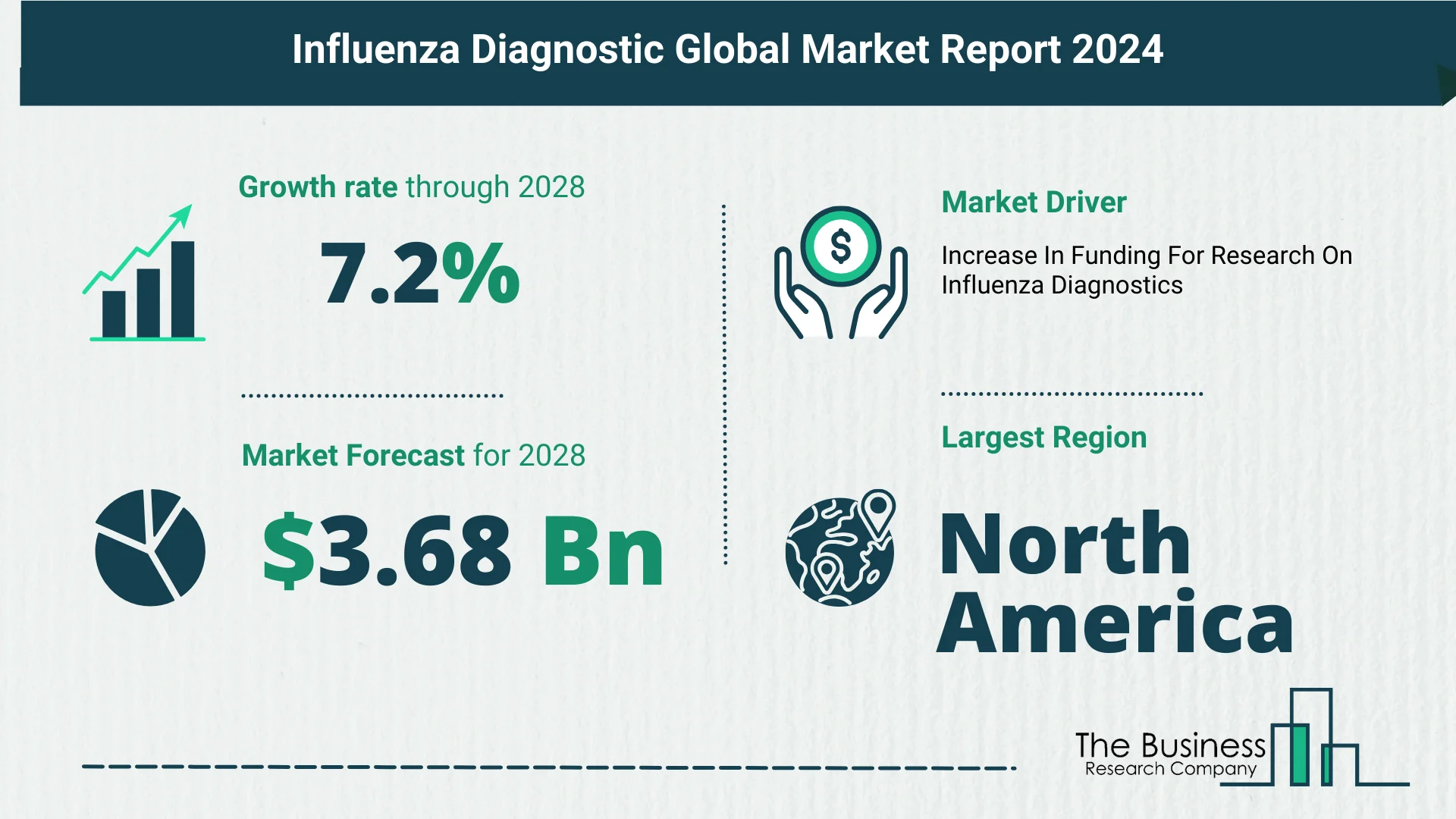
    The influenza diagnostic market is poised for substantial growth in the coming years, with an expected surge to $3.68 billion in 2028, boasting a Compound Annual Growth Rate (CAGR) of 7.2%. This growth is attributed to factors such as the prevalence of seasonal influenza, the rise of point-of-care testing, the adoption of remote and home testing, and the integration of digital health solutions.

    Rapid Diagnostic Tests: Propelling Market Growth

    Understanding Diagnostic Tests
    Diagnostic tests play a crucial role in confirming or ruling out various conditions and diseases. Rapid influenza diagnostic tests (RIDTs) are set to be a significant driver in the influenza diagnostic market. These tests can swiftly detect influenza viral antigens within 10-15 minutes, offering moderate sensitivity (50-70%). According to the Centers for Disease Control and Prevention (CDC), during September 2020 to May 2021 in the United States, 0.2% of respiratory specimens tested were positive for an influenza virus, highlighting the importance of rapid diagnostic tests.

    Key Market Players
    Major players in the influenza diagnostic market include F. Hoffmann-La Roche Ltd., Quidel Corporation, Thermo Fisher Scientific Inc., Abbott Laboratories, and Hologic Inc., among others. These companies are at the forefront of developing and providing innovative diagnostic solutions to meet the growing demand for influenza testing.

    Simultaneous Detection: A Breakthrough in Diagnosis
    Innovative Products Leading the Way
    Major companies in the influenza diagnostic market are focusing on innovation, introducing breakthrough products like the Lucira COVID-19 & Flu Home Test. This at-home test kit allows simultaneous qualitative detection of influenza A and B (commonly known as the flu) and SARS-CoV-2 (the virus causing COVID-19). Pfizer Inc. received approval for this test in February 2023, highlighting the industry’s commitment to providing convenient and comprehensive diagnostic solutions.

    Read More On The Influenza Diagnostic Market Report 2024 – https://www.thebusinessresearchcompany.com/report/influenza-diagnostic-global-market-report

    Strength in Integration
    The Lucira COVID-19 & Flu Home Test exemplifies the integration of diagnostic capabilities. With results available in approximately 30 minutes from self-collected nasal swab samples, this test showcases the industry’s dedication to offering rapid and reliable diagnostic solutions for both influenza and COVID-19.

    Thermo Fisher’s Strategic Move: Mesa Biotech Acquisition
    Strengthening Diagnostic Capabilities
    In February 2021, Thermo Fisher Scientific Inc. made a strategic move by acquiring Mesa Biotech, Inc., an infectious disease diagnostic company. This acquisition aims to enhance Thermo Fisher’s manufacturing volume, achieve cost efficiencies, and expedite the delivery of diagnostics to the market on a larger scale. Such strategic partnerships and acquisitions contribute to the overall advancement and growth of the influenza diagnostic market.

    Market Segmentation: Navigating the Landscape
    Understanding Diagnostic Tests
    The influenza diagnostic market is intricately segmented based on traditional diagnostic tests and molecular diagnostic tests. Traditional diagnostic tests include Rapid Influenza Diagnostic Tests (RIDT), Viral Culture, DFA, Serological assays, and other traditional diagnostic tests. On the other hand, molecular diagnostic tests encompass Reverse Transcription Polymerase Chain Reaction (RT-PCR), Isothermal Nucleic Acid Amplification Tests (INAAT), Loop-Mediated Isothermal Based Amplification Assays, and other molecular diagnostic tests.

    End User Perspectives
    End-user segments in the influenza diagnostic market include Hospitals and Clinical Laboratories, Diagnostic Reference Laboratories, Academic/Research Institutes, and Other End Users. Understanding these segments is crucial for comprehending the diverse applications and demands within the influenza diagnostic landscape.

    Regional Leadership: North America Takes the Lead
    Dominance in 2023
    In 2023, North America emerged as the largest region in the influenza diagnostic market. This regional dominance can be attributed to a robust healthcare infrastructure, technological advancements, and a proactive approach in adopting diagnostic solutions. As the market continues to evolve, North America remains a key player shaping the trajectory of influenza diagnostics.

    In conclusion, the influenza diagnostic market is on the cusp of significant growth, driven by the rise of rapid diagnostic tests, simultaneous detection solutions, strategic acquisitions, and a comprehensive understanding of market segmentation. With advancements in diagnostic technologies, the industry is poised to play a pivotal role in efficiently managing influenza and other respiratory illnesses in the years to come.

    Request for A Sample Of The Global Influenza Diagnostic Market Report:
    https://www.thebusinessresearchcompany.com/sample_request?id=3237&type=smp

  • 5 Key Insights On The Wearable Medical Devices Market 2024

    5 Key Insights On The Wearable Medical Devices Market 2024

    The Business Research Company’s global market reports are now updated with the latest market sizing information for the year 2024 and forecasted to 2033

    As per The Business Research Company’s Wearable Medical Devices Global Market Report 2023, the wearable medical devices market is expected to show significant growth in the forecast period.

    The wearable medical devices market has witnessed exponential growth, with the market size projected to increase from $27.37 billion in 2023 to $33.37 billion in 2024 at an impressive Compound Annual Growth Rate (CAGR) of 21.9%. The surge in the historic period can be attributed to various factors, including the increasing focus on health and fitness tracking, chronic disease management, the aging population, and the adoption of remote patient monitoring technologies.

    Unveiling the Future: Projections and Trends
    The future of wearable medical devices looks even more promising, with the market expected to reach $71.28 billion in 2028, boasting a CAGR of 20.9%. This anticipated growth is fueled by factors such as preventive health and wellness, the expansion of emerging markets, regulatory support, reimbursement policies, and the integration of artificial intelligence (AI) and machine learning. Notable trends in the forecast period include advancements in vital sign monitoring, remote diagnosis and consultation, mental health monitoring, and the development of personalized health ecosystems.

    Chronic Disease Management: A Driving Force
    The Alarming Rise of Chronic Diseases
    The surge in mortality rates attributed to non-communicable diseases has led to a significant increase in chronic diseases and lifestyle-associated conditions, such as hypertension and diabetes. Wearable medical devices play a pivotal role in managing these conditions by offering continuous and remote patient monitoring capabilities. With wearables that can be worn throughout the day, individuals can monitor vital signs, glucose levels, and more, contributing to better disease management.

    Diabetes on the Rise
    The International Diabetes Federation reports a staggering increase in the number of adults living with diabetes, reaching 537 million in 2021. Projections indicate that this number will rise to 643 million by 2030 and a staggering 783 million by 2045. The growing awareness of chronic diseases and the need for continuous monitoring are driving individuals towards wearable medical devices, fostering market growth.

    Key Players: Powering the Wearable Revolution
    Major companies driving the wearable medical devices market include industry giants like Philips, Fitbit Inc., Garmin Ltd., Xiaomi Inc., Medtronic PLC, Samsung, Apple Inc., and Alphabet Inc. These companies are at the forefront of innovation, developing cutting-edge wearable technologies to address the increasing demand for health and wellness solutions.

    View More On The Wearable Medical Devices Market Report 2024
    https://www.thebusinessresearchcompany.com/report/wearable-medical-devices-global-market-report

    Innovation Spotlight: In-Ear Wearables
    Revolutionizing Health Monitoring
    Leading companies in the wearable medical devices market are focusing on innovation, with a particular emphasis on in-ear wearables. These small electronic devices worn in the ear track multiple health metrics simultaneously, providing real-time feedback to users. For instance, STAT Health launched an in-ear wearable blood flow monitor, STAT, equipped with an optical sensor to measure blood flow and automatically detect changes in heart rate, blood pressure trends, and blood flow to the head. This device, compatible with over 90% of ear-fitting devices, showcases the potential to forecast fainting episodes minutes before they occur, enhancing user safety.

    Practical Advantages of In-Ear Wearables
    In-ear wearables offer practical advantages, reducing the risk of users forgetting to reinstall the device. These wearables can be worn during sleep and showering, ensuring continuous monitoring without interruption. This innovation addresses common user concerns and enhances the overall user experience.

    Market Segmentation: Understanding the Landscape
    The wearable medical devices market is segmented based on device type, product type, distribution channels, and applications. Key segments include diagnostic and therapeutic devices, diverse product types like watches, wristbands, clothing, and ear wear, distribution channels spanning pharmacies, online platforms, and hypermarkets, and applications such as sports and fitness, remote patient monitoring, home healthcare, and ear wear.

    Regional Dominance: North America Takes the Lead
    North America emerged as the largest region in the wearable medical devices market in 2023. The region’s leadership is attributed to its robust healthcare infrastructure, technological advancements, and the widespread adoption of wearable technologies. As the market continues to evolve, North America remains a significant player in shaping the trajectory of wearable medical devices.

    In conclusion, the wearable medical devices market is poised for remarkable growth, driven by advancements in technology, increased awareness of chronic diseases, and a shift towards preventive healthcare. Innovations such as in-ear wearables exemplify the industry’s commitment to enhancing user experience and delivering cutting-edge solutions. With substantial projections and ongoing trends, the wearable revolution in healthcare is set to transform the way individuals monitor and manage their health.

    Request A Sample Of The Global Wearable Medical Devices Market Report 2024:
    https://www.thebusinessresearchcompany.com/sample_request?id=3976&type=smp