Blog

  • Weight Monitoring And Body Temperature Monitoring Devices And Equipment Global Market Outlook 2024-2033: Size And Growth Rate Analysis

    Weight Monitoring And Body Temperature Monitoring Devices And Equipment Global Market Outlook 2024-2033: Size And Growth Rate Analysis

    The Business Research Company’s global market reports provide comprehensive analysis on the various markets in 27 industries across 60 geographies.

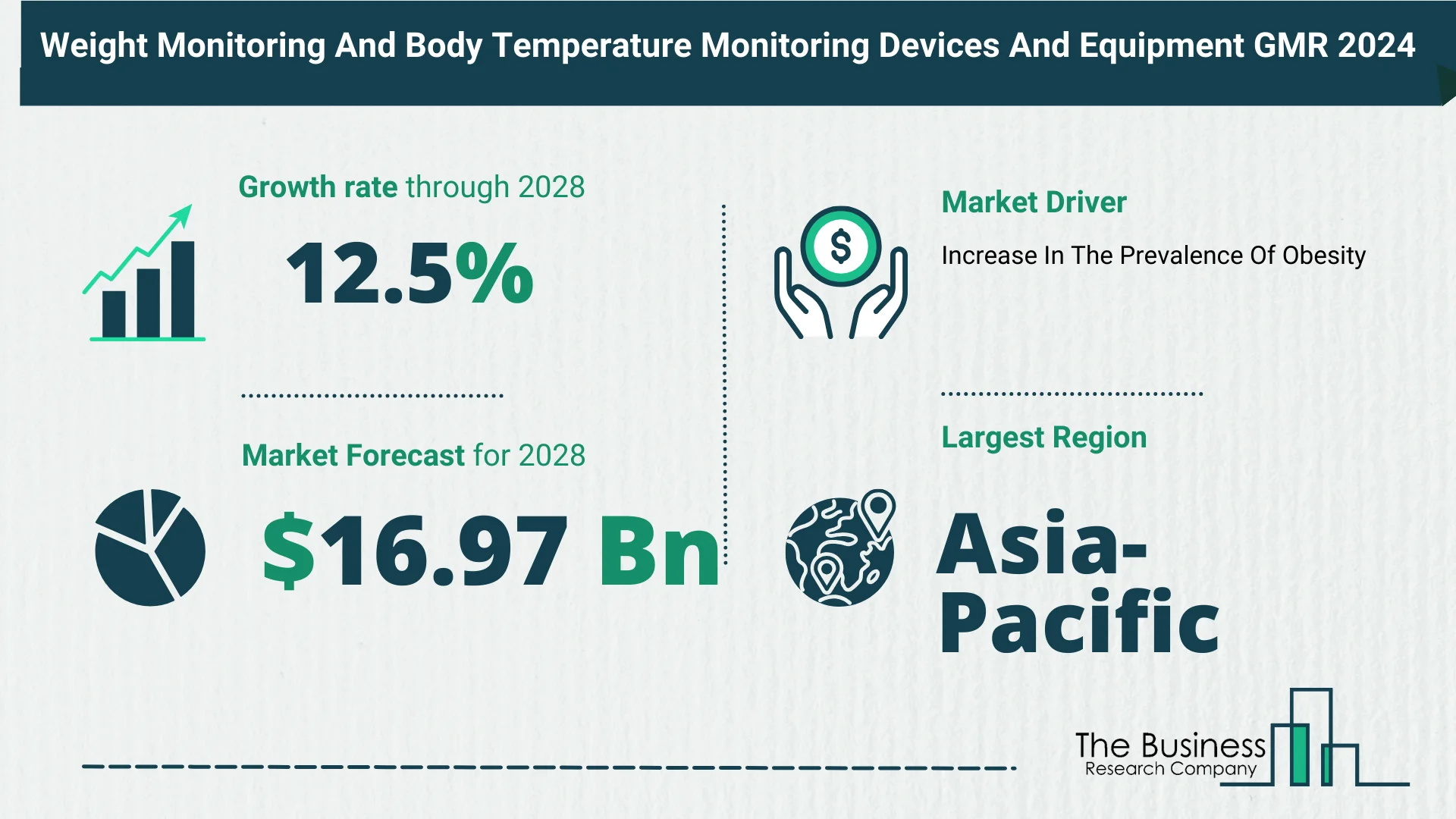
    The weight monitoring and body temperature monitoring devices and equipment market has witnessed a significant surge in recent years. The market size is set to escalate from $9.32 billion in 2023 to $10.57 billion in 2024, boasting a compound annual growth rate (CAGR) of 13.5%. Looking ahead, the market is anticipated to reach $16.97 billion by 2028, exhibiting a CAGR of 12.5%. The roots of this growth can be traced to various factors, both historical and forecasted.

    • Historic Growth Factors: Maternal and neonatal health awareness, enhanced healthcare access, high-risk pregnancies, telemedicine, and remote monitoring played pivotal roles in the historical market growth.
    • Forecasted Growth Factors: Emerging markets, personalized medicine, increased premature birth rates, and the adoption of value-based healthcare are poised to drive future growth.

    Home Healthcare: A Catalyst for Market Expansion
    The burgeoning demand for home healthcare services is expected to act as a key driver for the weight monitoring and body temperature monitoring devices and equipment market. Home healthcare, characterized by medical care provided to patients recovering from illnesses or managing chronic conditions, utilizes these monitoring devices for efficient health tracking.

    • Home Health Workforce Surge: According to the Rockefeller Institute of Government, the US is projected to witness a 25% increase in home health and personal care aide positions, reaching 924,000 between 2021 and 2031. This surge underlines the rising demand for home healthcare, fostering the growth of monitoring devices and equipment.

    Industry Giants: Market Players and Key Competitors
    Major players contributing to the dynamic landscape of weight and body temperature monitoring devices and equipment include industry leaders such as Philips Healthcare, Medtronic PLC, GE HealthCare Technologies Inc., Abbott Laboratories, 3M, Nihon Kohden, and more. The competitive market scenario is marked by the presence of globally recognized names, each striving to carve its niche.

    • Key Market Players: Philips Healthcare, Medtronic PLC, GE HealthCare Technologies Inc., Abbott Laboratories, 3M, Nihon Kohden, Omron Healthcare, Siemens Healthcare, Honeywell International Inc., Infinium Medical Inc., and others.

    View More On The Weight Monitoring And Body Temperature Monitoring Devices And Equipment Market Report 2024 –
    https://www.thebusinessresearchcompany.com/report/weight-monitoring-and-body-temperature-monitoring-devices-and-equipment-global-market-report

    Innovations Driving Market Advancements
    Innovation remains at the forefront of the weight and body temperature monitoring devices and equipment market. Industry leaders are investing in cutting-edge technologies, with a particular focus on temperature monitoring solutions. These solutions aim to provide reliable and advanced services to consumers, contributing to the market’s evolution.

    • Exemplary Technological Advancement: Konica Minolta Inc. introduced the FORXAI Temperature Monitoring App (TMA) in December 2021. This unique system utilizes an edge thermal camera to continuously capture temperature data. TMA allows users to set thresholds based on actual data, defining normal temperature using historical temperature data of the target object.

    Market Segmentation: Navigating the Diverse Landscape
    The weight monitoring and body temperature monitoring devices and equipment market is intricately segmented to address the diverse needs of end-users. Key segments include types of devices, temperature monitoring devices, and end-users.

    • Device Types: Weight Monitoring Devices, Temperature Monitoring Devices.
    • Temperature Monitoring Devices: Table Top Temperature Monitoring Devices, Hand Held Temperature Monitoring Devices, Wearable Continuous Monitoring Thermometers, Temperature Monitoring Sensors & Smart Temperature Patches.
    • End Users: Hospitals & Clinics, Home Settings, Ambulatory Surgical Centers.

    Regional Dynamics: Asia-Pacific Taking the Lead
    In 2023, Asia-Pacific emerged as the largest region in the global weight monitoring and body temperature monitoring devices and equipment market. The region’s dominance reflects the growing significance of healthcare infrastructure and technological advancements, making it a key player in the market’s global landscape.

    In conclusion, the weight and body temperature monitoring devices and equipment market’s impressive growth trajectory is fueled by a confluence of factors, including the rising demand for home healthcare, technological innovations, and strategic market segmentation. As major players continue to push the boundaries of innovation, the industry is poised for sustained expansion and evolution in the coming years.

    Request A Sample Of The Global Weight Monitoring And Body Temperature Monitoring Devices And Equipment Market Report 2024:
    https://www.thebusinessresearchcompany.com/sample_request?id=2474&type=smp
  • Global In Vitro Diagnostics Market Analysis: Estimated Market Size And Growth Rate

    Global In Vitro Diagnostics Market Analysis: Estimated Market Size And Growth Rate

    The Business Research Company’s global market reports are now updated with the latest market sizing information for the year 2024 and forecasted to 2033

    The in-vitro diagnostics market has witnessed remarkable growth in recent years, with a robust trajectory expected to continue. From a size of $108.07 billion in 2023, the market is projected to reach $119.99 billion in 2024, boasting a Compound Annual Growth Rate (CAGR) of 11.0%. This expansion can be attributed to various factors such as the development of automated analyzers, the rise of molecular diagnostics, an aging population, disease outbreaks, evolving healthcare regulations, and the advent of personalized medicine.

    Current Market Scenario

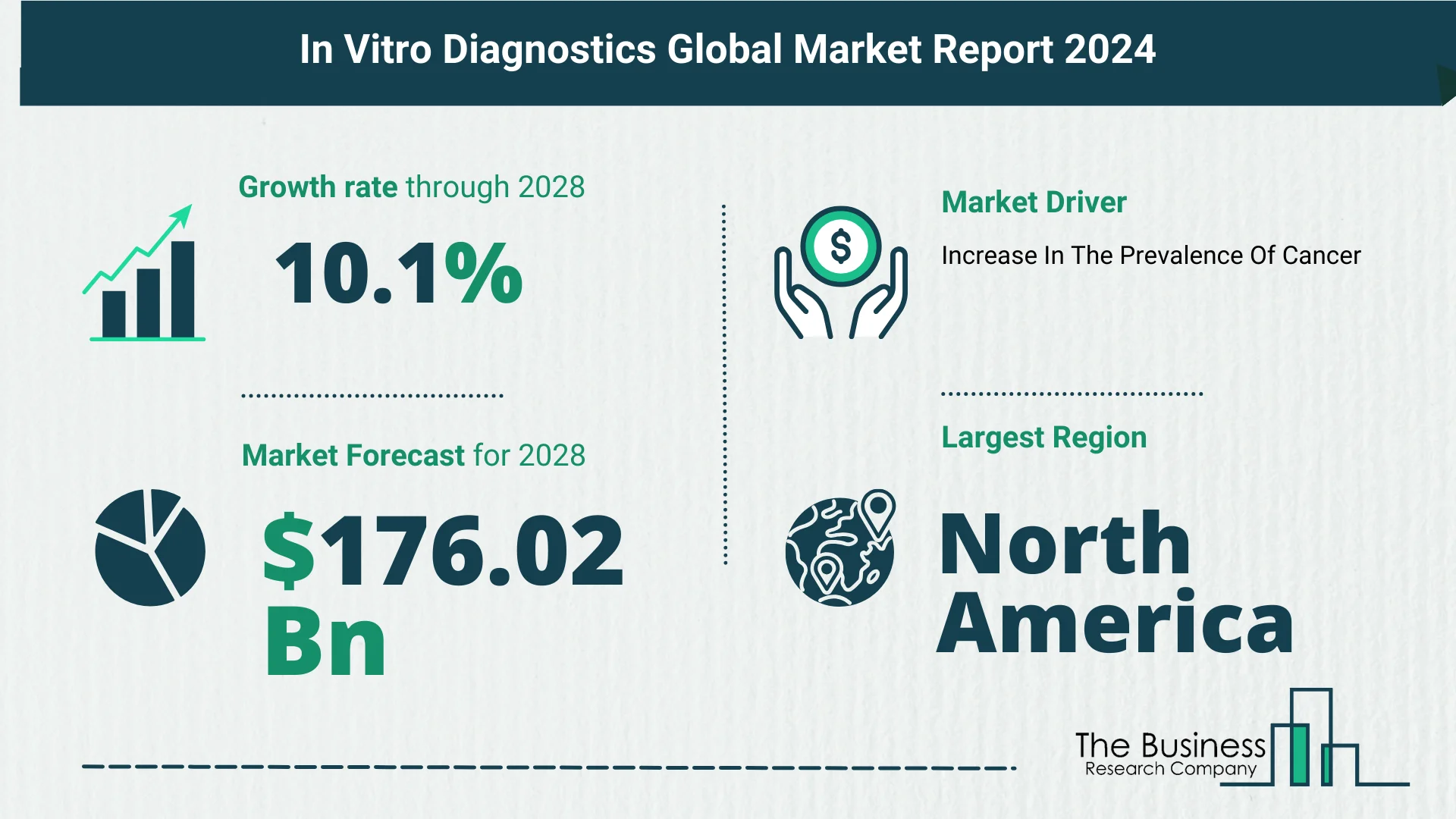
    • The in-vitro diagnostics market is set to grow to $176.02 billion in 2028, maintaining a CAGR of 10.1%.
    • The forecast period will witness contributions from precision medicine, point-of-care testing, digital health, data analytics, and pandemic preparedness.
    • Key trends in the forecast period include technological advancements, digital health integration, personalized diagnostics, home testing kits, and molecular diagnostics.

    Surging Demand For Self-Administered Tests Reshapes The Market Landscape

    • The rising popularity of self-administered test kits is a key driver of market growth.
    • Self-administered test kits offer accessibility and convenience, enabling individuals to perform diagnostic tests at home.
    • Notably, the use of at-home COVID-19 tests increased significantly during the Delta to Omicron transition, indicating a growing trend in self-administered testing.
    • Major companies in this space include Siemens Healthineers, F. Hoffmann-La Roche AG, Danaher Corporation, Abbott Laboratories Inc., and more.

    View More On The In Vitro Diagnostics Market Report 2024 –
    https://www.thebusinessresearchcompany.com/report/in-vitro-diagnostics-global-market-report

    Incorporating Artificial Intelligence (AI) For Enhanced Precision And Efficiency

    • Major companies are integrating artificial intelligence (AI) into their products to improve testing accuracy and efficiency.
    • LooK SPOT, an AI-powered in vitro diagnostic test for COVID-19, exemplifies this trend.
    • Developed by Yas Pharmaceutical Co., Pure Health Company, and Laipac Technology Inc., LooK SPOT uses AI algorithms and machine learning to enhance testing accuracy.
    • The LooK SPOT test, which attaches to a smartphone, reduces the risk of human error and offers improved sensitivity in low-positive cases.

    Market Segmentation

    • The in-vitro diagnostics market is segmented based on various criteria:
      • Type: Point-of-Care Diagnostics Devices And Equipment, Immunochemistry Diagnostic Devices And Equipment, Clinical Chemistry Diagnostics Devices And Equipment, Molecular Diagnostics Devices And Equipment, Microbiology Diagnostic Devices And Equipment, Hemostasis Diagnostic Devices And Equipment, Hematology Diagnostic Devices And Equipment, Immunohematology Diagnostic Devices And Equipment
      • End User: Hospitals And Clinics, Diagnostic Laboratories, Other End Users
      • Type of Expenditure: Public, Private
      • Product: Instruments/Equipment, Disposables

    Geographical Significance: North America Leading the Charge

    • North America emerged as the largest region in the global in-vitro diagnostics market in 2023.
    • The region’s prominence underscores the advancements and investments in healthcare infrastructure and innovation.

    Conclusion
    The in-vitro diagnostics market is witnessing a transformative phase, driven by technological innovations, the surge in self-administered tests, and the integration of artificial intelligence. The industry’s projected growth signifies a robust future, with the market becoming increasingly dynamic and adaptable. As we move forward, it will be essential for stakeholders to navigate these changes strategically, embracing emerging trends and technologies to contribute to the evolution of diagnostic practices and healthcare at large.

    Request A Sample Of The Global In Vitro Diagnostics Market Report 2024:
    https://www.thebusinessresearchcompany.com/sample_request?id=13065&type=smp

  • Future Growth Forecast For The Anti-Parkinson Drugs Global Market 2024-2033

    Future Growth Forecast For The Anti-Parkinson Drugs Global Market 2024-2033

    The Business Research Company’s global market reports provide comprehensive analysis on the various markets in 27 industries across 60 geographies.

     The anti-parkinson drugs market has witnessed significant growth, reaching $9.73 billion in 2023 and projected to climb to $10.43 billion in 2024, reflecting a compound annual growth rate (CAGR) of 7.2%. Factors contributing to this growth include an aging population, increasing disease prevalence, advancements in healthcare infrastructure, and ongoing research initiatives.

    Anticipated Growth and Key Drivers in the Coming Years

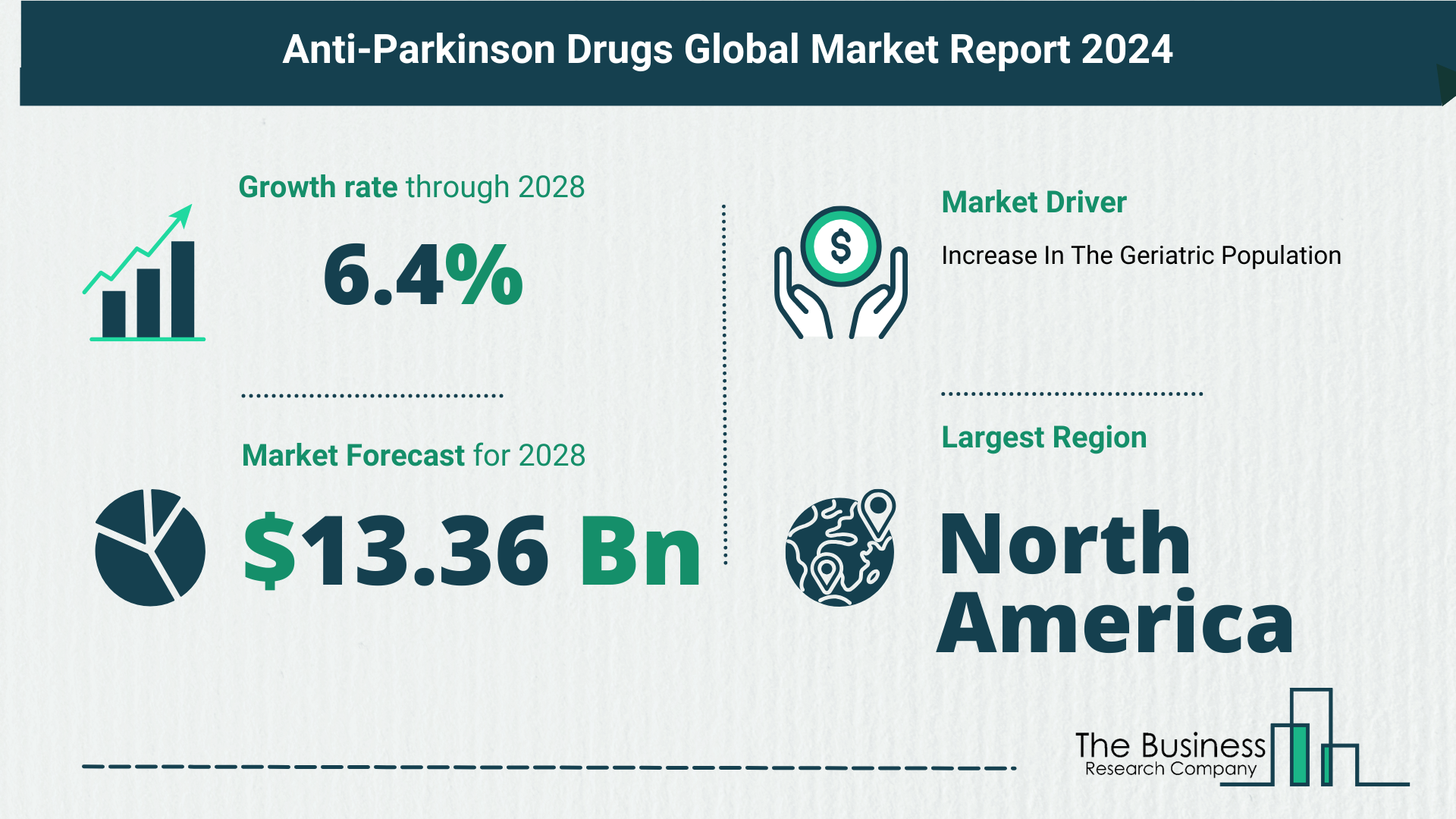
    1. The market is poised for robust growth, reaching $13.36 billion by 2028, with a CAGR of 6.4%.
    2. Key drivers include growing awareness, biotechnological advancements, and the expansion of emerging markets.
    3. Major trends in the forecast period encompass investments in R&D, personalized medicine, disease-modifying therapies, drug repurposing, telemedicine and remote monitoring, biosimilars, and research collaborations.

    Increasing Geriatric Population In The Anti-Parkinson Drugs Market

    1. Geriatric Population as a Driving Factor
      • The rising geriatric population and the increasing incidence of Parkinson’s disease (PD) are anticipated to propel the demand for anti-parkinson drugs.
      • Globally, by 2030, 1 in 6 individuals will be 60 or older, and by 2050, this number is expected to double to 2.1 billion.
    2. Regional Perspective: UK’s Aging Population
      • In the UK, the elderly population is projected to account for 24% of the total population (17.4 million people) by 2043.
      • This demographic shift underscores the significance of anti-parkinson drugs in addressing age-related health challenges.
    3. Impact on Market Growth
      • The increasing geriatric population is a pivotal factor driving the growth of the anti-parkinson drugs market.

    View More On The Anti-Parkinson Drugs Market Report 2024 – https://www.thebusinessresearchcompany.com/report/anti-parkinson-drugs-global-market-report

    Innovative Advancements In The Anti-Parkinson Drugs Market

    1. Product Innovation for Improved Patient Services
      • Major companies are innovating products like Safinamide to enhance the quality of life for Parkinson’s patients.
      • Optimus Pharma launched Safinamide in April 2021, approved by the Drug Controller General of India, providing an affordable and accessible treatment option.
    2. AbbVie’s Strategic Acquisition
      • In October 2023, AbbVie Inc. acquired Mitokinin for $110 million, aiming to bolster its neuroscience pipeline and offer new treatment options for Parkinson patients.
      • Mitokinin specializes in providing treatments for Parkinson’s disease.

    Segmentation and Market Dynamics

    1. Market Segmentation
      • The anti-parkinson drugs market is segmented by drug class (levodopa/carbidopa, dopamine receptor agonists, MAO-B inhibitors, COMT inhibitors, anticholinergics, and others), route of administration (oral, injection, transdermal), and distribution channel (hospital pharmacies, retailer pharmacies, online pharmacies).
    2. Regional Dominance
      • North America emerged as the largest region in the anti-parkinson drugs market in 2023, highlighting the region’s pivotal role.
      • The Middle East is expected to be the fastest-growing region during the forecast period, indicating expanding opportunities.

    Conclusion: A Promising Future for Anti-Parkinson Drugs As the anti-parkinson drugs market continues to evolve, driven by the increasing aging population and innovative advancements, the future holds promising opportunities. With a focus on research collaborations, personalized medicine, and technological innovations, stakeholders in the industry are well-positioned for sustained growth. The strategic acquisitions and product innovations outlined underscore the dynamic landscape of the market, shaping the future of Parkinson’s disease management.

    Request A Sample Of The Global Anti-Parkinson Drugs Market Report 2024:
    https://www.thebusinessresearchcompany.com/sample_request?id=3462&type=smp

  • Global Anti-Thyroid Drugs Market Analysis 2024: Size, Share, And Key Trends

    Global Anti-Thyroid Drugs Market Analysis 2024: Size, Share, And Key Trends

    The Business Research Company’s global market reports are now updated with the latest market sizing information for the year 2024 and forecasted to 2033

    As per The Business Research Company’s Anti-Thyroid Drugs Global Market Report 2023, the anti-thyroid drugs market is expected to show significant growth in the forecast period.

    The anti-thyroid drugs market has demonstrated steady growth in recent years, showing resilience and adaptability within the healthcare landscape. With a size of $2.4 billion in 2023, the market is projected to reach $2.46 billion in 2024, presenting a Compound Annual Growth Rate (CAGR) of 2.5%. Key factors influencing this growth in the historic period include the prevalence of thyroid disorders, advancements in drug development, and improvements in healthcare infrastructure.

    Current Market Scenario

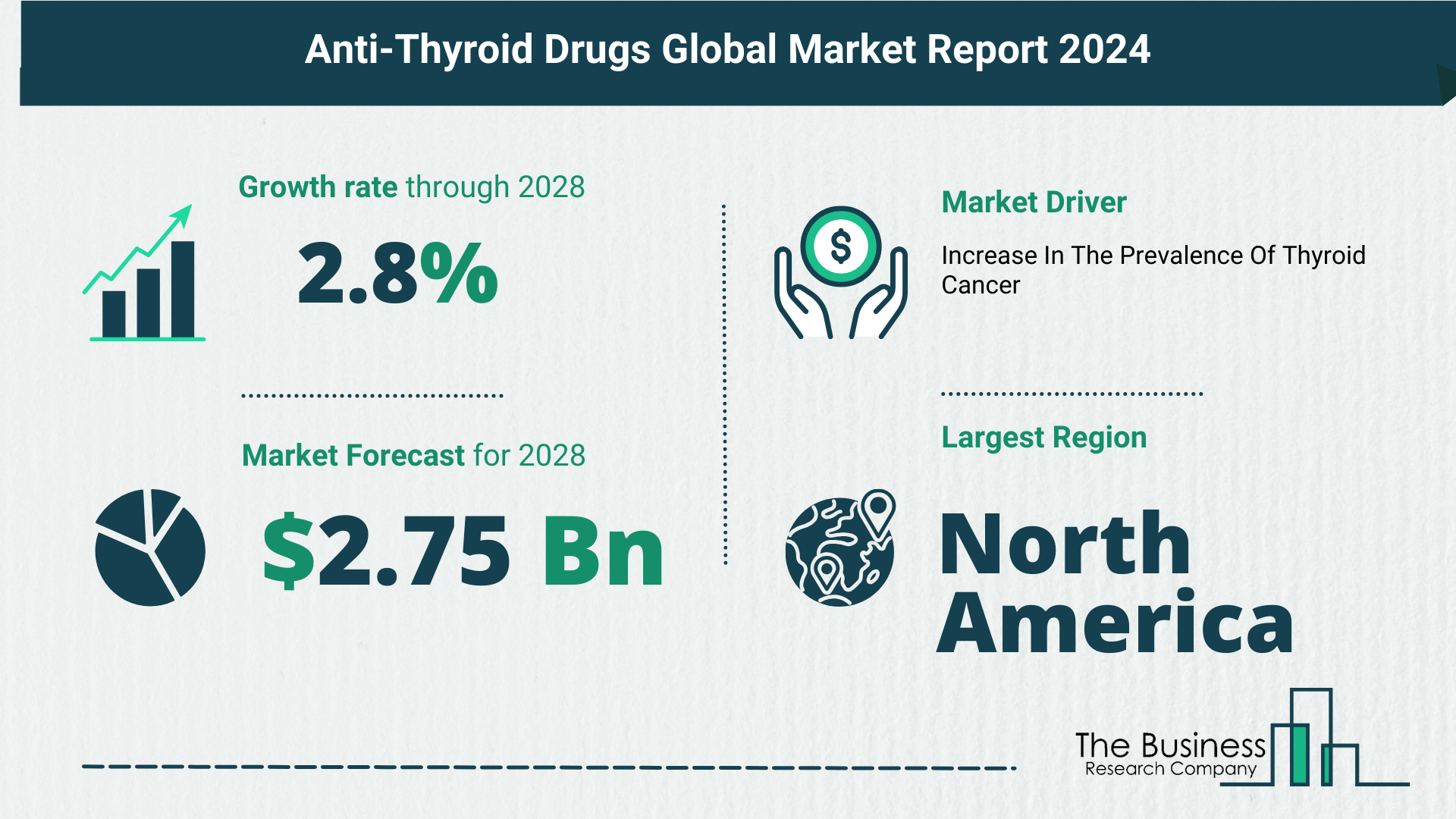
    • Expected CAGR of 2.8% propelling the market to $2.75 billion by 2028.
    • Factors contributing to growth in the forecast period include patient awareness and education, healthcare expenditure, patient demographics, and global economic conditions.
    • Major trends include alternatives to thyroid surgery and radioactive iodine, patient-centric care, and the integration of telemedicine and remote monitoring.

    Graves Disease And Its Influence On The Anti-Thyroid Drug Market

    • Graves’ disease, a leading cause of hyperthyroidism, is on the rise globally.
    • According to the National Library of Medicine, it is the most common cause of hyperthyroidism in developed countries.
    • Incidence is higher between ages 30 and 60, with women being 5–10 times more likely than men.
    • Genetic predisposition contributes to 79% of the risk, while environmental factors account for 21%.
    • The increasing incidence of Graves’ disease directly correlates to the growing demand for anti-thyroid drugs, driving market expansion.
    • Major companies contributing to the market include Mylan N.V., Abbott Laboratories, GlaxoSmithKline PLC, and others.

    View More On The Anti-Thyroid Drugs Market Report 2024 – https://www.thebusinessresearchcompany.com/report/anti-thyroid-drugs-global-market-report

    Innovations In The Anti-Thyroid Drug Market

    • Companies are focused on innovation to enhance products and services.
    • Levothyroxine Sodium Injection, an injectable anti-thyroid drug for the treatment of myxedema coma, demonstrates this commitment.
    • In December 2022, Hikma Pharmaceuticals PLC launched Levothyroxine Sodium Injection, providing a more convenient and efficient way to administer the medication in hospitals.
    • This innovation showcases the industry’s commitment to delivering reliable solutions to patients.

    Market Segmentation

    • The anti-thyroid drugs market is segmented based on various criteria:
      • Drug Type: Thionamides (Inhibition of hormone synthesis), Iodides (Inhibition of hormone release)
      • Route of Administration: Oral, Intravenous, Other Route of Administration
      • Distribution Channel: Wholesaler/Distributors, Retail Chain, Online Distribution, Other Distribution Channels

    Regional Dynamics: North America Leading, Middle East Emerging

    • North America emerged as the largest region in the market in 2023.
    • The Middle East is expected to be the fastest-growing region during the forecast period, indicating the global nature of the market.

    Conclusion
    The anti-thyroid drugs market’s steady growth is underpinned by factors such as the rising incidence of Graves’ disease, advancements in drug innovation, and a commitment to patient-centric care. As the market progresses, stakeholders need to navigate the changing landscape, embracing innovative treatments and technology integration. The emphasis on patient awareness, education, and the dynamic trends shaping the industry will pave the way for continued growth, ensuring that anti-thyroid drugs play a crucial role in managing thyroid disorders globally.

    Request A Sample Of The Global Anti-Thyroid Drugs Market Report 2024:
    https://www.thebusinessresearchcompany.com/sample_request?id=3401&type=smp

  • How Is The Antiglaucoma Drugs Market Expected To Grow Through 2024-2033

    How Is The Antiglaucoma Drugs Market Expected To Grow Through 2024-2033

    The Business Research Company’s global market reports are now updated with the latest market sizing information for the year 2024 and forecasted to 2033

    According to The Business Research Company’s Antiglaucoma Drugs Global Market Report 2024, the antiglaucoma drugs market is expected to show promising growth in the forecast period.

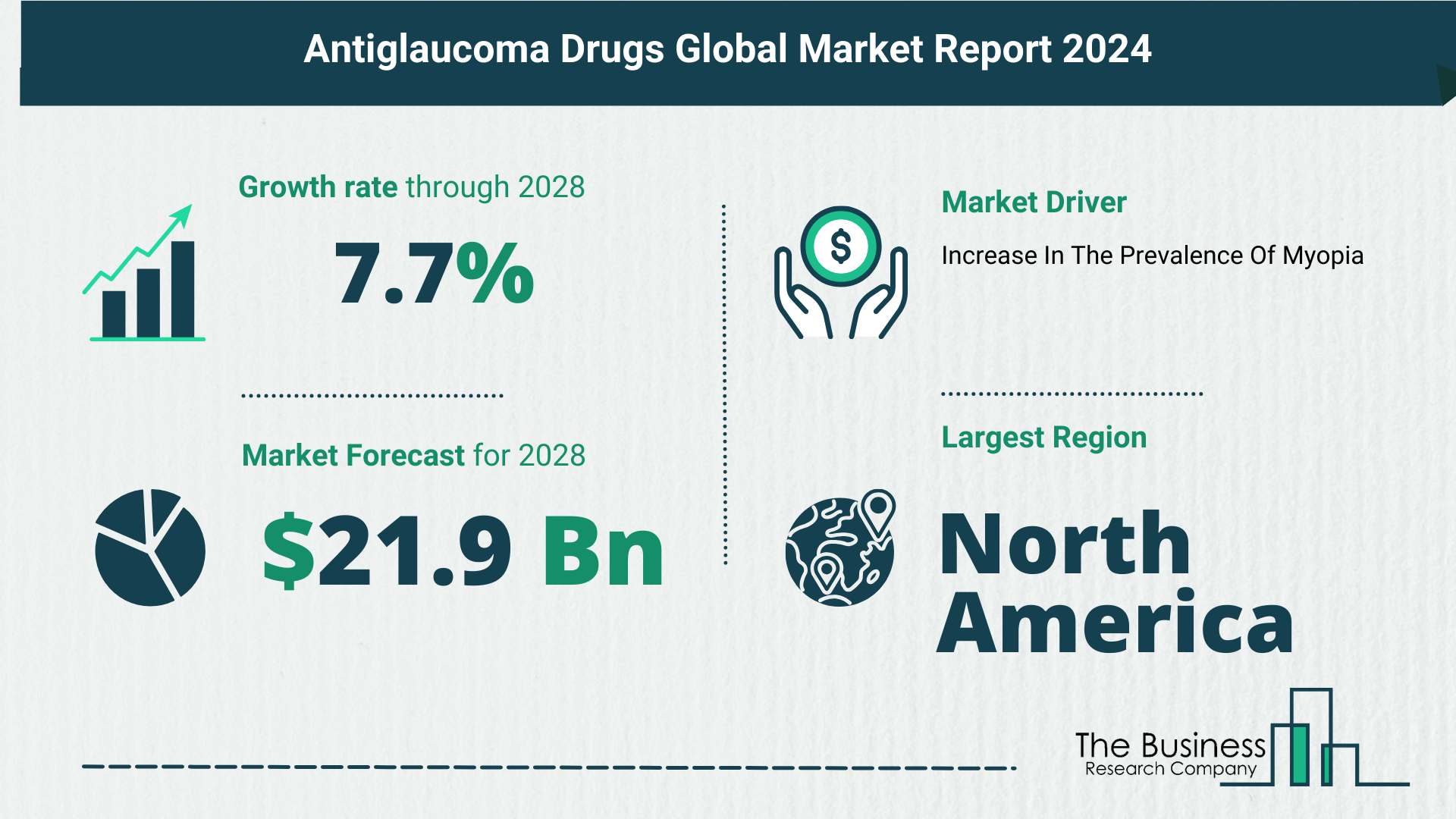
    The antiglaucoma drugs market has witnessed robust growth in recent years, with the market size projected to increase from $15.07 billion in 2023 to $16.27 billion in 2024, boasting a Compound Annual Growth Rate (CAGR) of 7.9%. This growth is attributed to factors such as the aging population, increasing awareness, growing healthcare expenditure, and regulatory approvals. Looking ahead, the market is expected to continue its upward trajectory, reaching $21.9 billion in 2028, with a CAGR of 7.7%. Key drivers in the forecast period include emerging markets, reimbursement policies, and disease awareness campaigns.

    Government Initiatives Driving Awareness

    Vision Health Initiatives
    Governments worldwide are recognizing the significance of addressing eye disorders, especially with the increasing incidence of glaucoma associated with aging. Initiatives such as the Vision Health initiative by the Centers for Disease Control and Prevention (CDC) in the USA are aimed at preventing eye disorders, including glaucoma, and improving overall eye health. Moreover, in July 2021, the United Nations passed a resolution emphasizing increased efforts to include eye care services in universal health coverage, highlighting the negative effects of vision loss caused by conditions like glaucoma. These initiatives play a pivotal role in creating awareness among the population, thereby driving the demand for antiglaucoma drugs.

    Innovations Fueling Antiglaucoma Drug Market Growth

    OMLONTI: A Breakthrough Product
    Major companies in the antiglaucoma drugs market, including Santen Pharmaceutical Co. Ltd. and UBE Corporation, are focusing on innovation to bring new and effective products to market. OMLONTI (Omidenepag Isopropyl Ophthalmic Solution) is a notable example, approved by the Food and Drug Administration (FDA) in September 2022. This eye drop, designed for patients with primary open-angle glaucoma or ocular hypertension, boasts a selective prostaglandin EP2 receptor agonist, setting it apart in terms of pharmacological action. Such innovations contribute significantly to the market’s growth, providing reliable and advanced treatment options for glaucoma patients.

    View More On The Antiglaucoma Drugs Market Report 2024 – https://www.thebusinessresearchcompany.com/report/antiglaucoma-drugs-global-market-report

    Key Market Players
    Major companies contributing to the antiglaucoma drugs market include Aerie Pharmaceuticals Inc., Allergan Inc., Novartis AG, Pfizer Inc., Bayer AG, and many others. These industry giants play a crucial role in shaping the landscape through research, development, and the introduction of cutting-edge products.

    Market Segmentation: Understanding the Landscape

    Comprehensive Segmentation
    The antiglaucoma drugs market is intricately segmented based on type, product type, and disease condition type. Types include Hospital Prescription drugs and Over-the-counter drugs, providing options for both clinical and self-administered treatments. Product types range from Alpha Agonist to Prostaglandin Analogs, showcasing the diversity of treatment options available. Disease condition types encompass Open-Angle Glaucoma, Angle-Closure Glaucoma, Normal-Tension Glaucoma, Congenital Glaucoma, and Other Types of Glaucoma, offering specialized solutions for different conditions.

    Regional Dynamics: Leading and Emerging Markets

    North America Takes the Lead
    In 2023, North America emerged as the largest region in the antiglaucoma drugs market. The region’s leadership is attributed to a robust healthcare infrastructure and a proactive approach to adopting advanced healthcare solutions. However, the Middle East is expected to be the fastest-growing region in the antiglaucoma drugs market during the forecast period. Emerging markets in this region, coupled with increasing healthcare awareness, contribute to the region’s anticipated growth.

    In conclusion, the antiglaucoma drugs market’s strong growth trajectory is fueled by a combination of factors, including government initiatives, innovative product development, and comprehensive market segmentation. With ongoing technological advancements, telemedicine integration, and a focus on sustainability, the antiglaucoma drugs market is set to play a pivotal role in addressing the eye health needs of an aging population.

    Request A Sample Of The Global Antiglaucoma Drugs Market Report 2024:
    https://www.thebusinessresearchcompany.com/sample_request?id=3803&type=smp

  • Overview Of The Antiobesity Market 2024-2033: Growth And Major Players Analysis

    Overview Of The Antiobesity Market 2024-2033: Growth And Major Players Analysis

    The Business Research Company’s global market reports are now updated with the latest market sizing information for the year 2024 and forecasted to 2033

    The anti-obesity market has witnessed substantial growth in recent years, and the trajectory remains upward. From $3.38 billion in 2023, the market is set to expand to $3.76 billion in 2024, reflecting a Compound Annual Growth Rate (CAGR) of 11.3%. The surge in the historic period is attributed to various factors like the increasing prevalence of obesity, heightened awareness and education, lifestyle shifts, and proactive government initiatives.

    • Historic Growth Drivers:
      • Increasing Obesity Prevalence
      • Awareness and Education Initiatives
      • Lifestyle Changes
      • Government Initiatives

    Anticipating Robust Growth
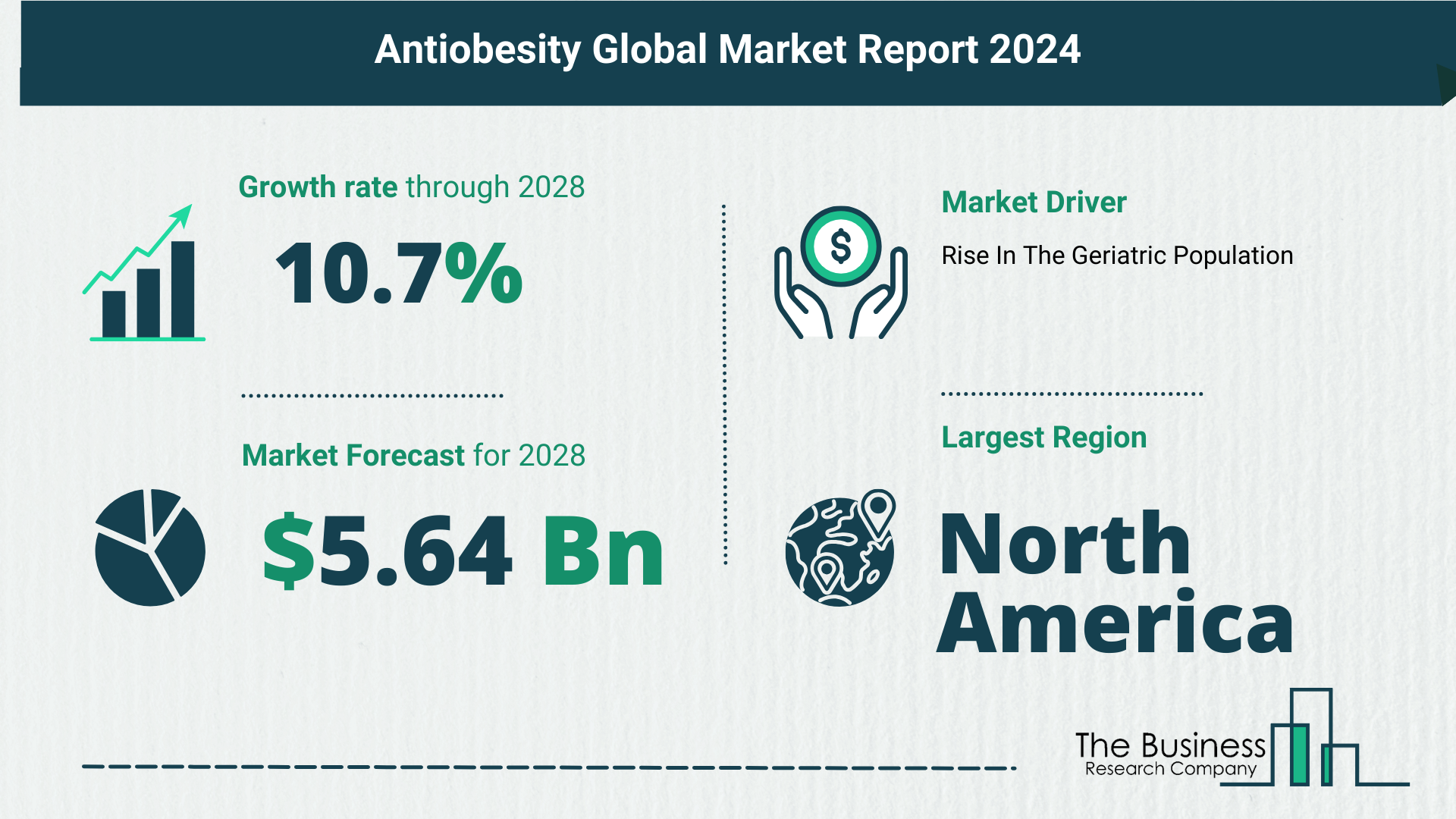
    The forecast for the anti-obesity market is optimistic, projecting rapid growth in the coming years. By 2028, the market is expected to reach $5.64 billion, boasting a CAGR of 10.7%. The anticipated growth in the forecast period is attributed to several key factors.

    • Forecasted Growth Factors:
      • Market Expansion
      • Globalization
    • Major Trends in the Forecast Period:
      • Research and Development
      • Patient-Centric Approaches
      • Insurance Coverage
      • Technological Advancements
      • Digital Health and Telemedicine
      • Novel Drug Therapies
      • Bariatric Surgery Advancements
      • OTC (Over-the-Counter) Solutions
      • Behavioral Interventions
      • Nutritional and Weight Management Apps

    Demographic Dynamics: Rising Geriatric Population
    The growing geriatric population is poised to be a significant driver for the anti-obesity drugs market. Elderly individuals, aged 65 and older, often face challenges related to obesity due to reduced mobility and compromised blood circulation.

    • Global Aging Scenario:
      • By 2030, 1 in 6 individuals globally will be 60 or older.
      • By 2050, there will be a doubling of individuals in this age group, reaching 2.1 billion.

    Industry Giants: Key Market Players
    Leading the charge in the anti-obesity market are major companies dedicated to research, development, and the delivery of effective solutions. These companies play a pivotal role in shaping the landscape of anti-obesity interventions.

    • Key Market Players:
      • F. Hoffmann-La Roche AG
      • GlaxoSmithKline PLC
      • Boehringer Ingelheim GmbH
      • Pfizer Inc.
      • Merck & Co. Inc.
      • Takeda Pharmaceutical Company Limited
      • Eisai Co. Ltd.
      • Novo Nordisk A/S
      • and many more.

    View More On The Antiobesity Market Report 2024 – https://www.thebusinessresearchcompany.com/report/antiobesity-global-market-report

    Innovations at the Forefront: Product Innovations
    In a quest to offer cutting-edge solutions, major companies operating in the anti-obesity drugs market are focusing on product innovations. One noteworthy example is the introduction of Mounjaro (tirzepatide) by Eli Lilly and Company.

    • Mounjaro (tirzepatide):
      • FDA Approved Fast Track Designation
      • Injectable Form for Obesity and Type 2 Diabetes
      • Used to Achieve Weight Loss Goals

    Market Segmentation: Understanding Diversity
    The anti-obesity market is intricately segmented to cater to the diverse needs of end-users. Key segments include drug class, type, and medication.

    • Market Segmentation:
      • Drug Class: Peripherally Acting Anti-Obesity Drugs, Centrally Acting Anti-Obesity Drugs
      • Type: Prescription Drugs (Rx), OTC Drugs
      • Medication: Monotherapies, Polytherapies

    Regional Dynamics: North America Leading the Way
    In 2023, North America emerged as the largest region in the anti-obesity market. However, the Middle East is expected to take the lead in terms of growth, positioning itself as the fastest-growing region in the anti-obesity market.

    In conclusion, the anti-obesity market showcases a robust growth trajectory driven by various factors, including demographic shifts, technological advancements, and the emergence of innovative therapies. As major players continue to invest in research and development, the landscape of anti-obesity interventions is set to evolve, offering promising solutions for individuals combating obesity globally.

    Request A Sample Of The Global Antiobesity Market Report 2024:
    https://www.thebusinessresearchcompany.com/sample_request?id=3403&type=smp

  • What Is The Forecast Growth Rate For The Antivirals Market?

    What Is The Forecast Growth Rate For The Antivirals Market?

    The Business Research Company’s market reports offer an in-depth analysis on the market’s growth potential, major drivers, key trends and more.

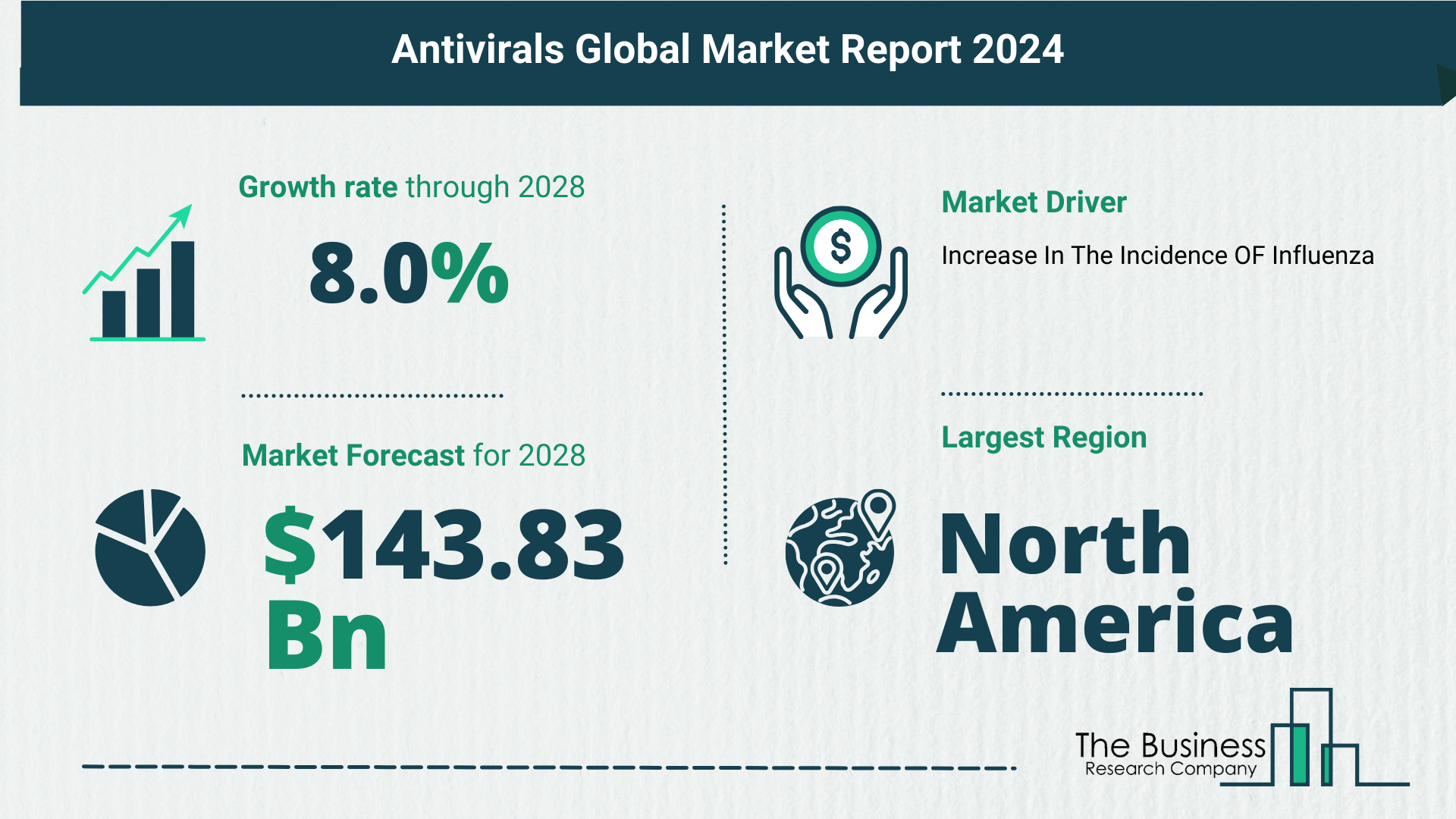
    The antivirals market has demonstrated robust growth in recent years, signifying its pivotal role in addressing viral diseases. From $97.72 billion in 2023, the market is set to expand to $105.73 billion in 2024, showcasing a noteworthy compound annual growth rate (CAGR) of 8.2%. This surge in the historic period can be attributed to the prevalence of viral diseases, rising public health concerns, patent expirations, and various government initiatives.

    Anticipating Strong Momentum Ahead
    The outlook for the antivirals market remains promising, with a projected market size of $143.83 billion by 2028, underpinned by a robust CAGR of 8.0%. This anticipated growth is fueled by emerging viral threats, global health initiatives, and a continuous commitment to research and development. Notable trends in this forecast period include technological advances, the integration of telemedicine and digital health, and the rising significance of personalized medicine.

    Public-Private Funding: A Catalyst for Market Expansion
    The surge in public-private funding for life science research globally is poised to be a driving force for the antivirals market. The absence of approved drugs or vaccines for COVID-19 has prompted substantial investments in vaccines, treatment, and diagnostics. In June 2021, the U.S. Department of Health and Human Services, NIH, NIAID, and BARDA invested over $3 billion in the Antiviral Program for Pandemics. The Bill & Melinda Gates Foundation also contributed $120 million in October 2021 for the development and manufacture of antiviral drugs for COVID-19. This influx of funding enhances research and development, propelling the growth of the COVID-19 antivirals market.

    Key Players in the Arena
    Major companies shaping the antivirals market include AbbVie Inc., Bristol-Myers-Squibb Co., Gilead Sciences Inc., Johnson & Johnson Services Ltd., Pfizer Inc., and AstraZeneca PLC, among others. Their strategic presence underscores the competitive landscape and the market’s potential for continued growth. These industry giants contribute significantly to the development and availability of antiviral solutions.

    Read More On The Antivirals Market Report 2024 – https://www.thebusinessresearchcompany.com/report/antivirals-global-market-report

    Innovations Driving the Market Forward
    Innovation remains at the forefront of the antivirals market, with major companies focusing on groundbreaking products. PAXLOVID, an antiviral pill designed for the treatment of mild-to-moderate COVID-19, stands out as an example. Pfizer Inc. launched PAXLOVID in November 2021, gaining approval from the Food and Drug Administration. This antiviral therapy, comprising nirmatrelvir and ritonavir, effectively reduces the risk of hospitalization and death, showcasing a remarkable step forward in COVID-19 treatment.

    Strategic Acquisitions: Pfizer Inc. Expands its Horizon
    In a strategic move, Pfizer Inc. acquired ReViral Ltd. for $525 million in June 2022. This acquisition aims to expand Pfizer’s anti-infective pipeline, reinforcing its commitment to combat respiratory syncytial virus (RSV). ReViral Ltd., a UK-based company specializing in antiviral drugs, adds depth to Pfizer’s capabilities in developing both medicines and vaccines to address critical healthcare challenges.

    Segmentation for Precision and Targeted Solutions
    The antivirals market, as covered in this report, is thoughtfully segmented for a nuanced understanding:

    1. By Type:
      • Branded
      • Generic
    2. By Drug Class:
      • DNA Polymerase Inhibitors
      • Reverse Transcriptase Inhibitors
      • Protease Inhibitors
      • Neuraminidase Inhibitors
      • Other Drug Classes
    3. By Application:
      • HIV
      • Hepatitis
      • Herpes
      • Influenza
      • Other Applications

    Regional Dynamics: North America Leads, Middle East Grows Fast
    In 2023, North America emerged as the largest region in the antiviral market. However, the Middle East is poised to be the fastest-growing region in the antivirals market during the forecast period, signaling the global nature of the market and its potential for widespread impact.

    In Conclusion: A Dynamic Path Forward
    As the antivirals market continues its upward trajectory, driven by factors like public-private funding, technological advancements, and strategic innovations, the industry stands at the forefront of addressing global health challenges. The dynamics of the market underscore the importance of collaboration, research, and innovation in shaping a future where antiviral solutions play a crucial role in safeguarding public health.

    Request for A Sample Of The Global Antivirals Market Report:
    https://www.thebusinessresearchcompany.com/sample_request?id=2437&type=smp

  • 5 Takeaways From The Antifungals Market Overview 2024

    5 Takeaways From The Antifungals Market Overview 2024

    The Business Research Company’s global market reports are now updated with the latest market sizing information for the year 2024 and forecasted to 2033

    According to The Business Research Company’s Antifungals Global Market Report 2024, the antifungals market is expected to show promising growth in the forecast period.

    In recent years, the antifungals market has exhibited robust growth, reflecting its resilience and importance in the healthcare landscape. From $24.48 billion in 2023, the market is set to reach $26.9 billion in 2024, boasting an impressive compound annual growth rate (CAGR) of 9.9%. This growth in the historic period can be attributed to several factors, including the prevalence of fungal diseases, an aging population, the evolution of healthcare infrastructure, and increased awareness and education.

    Anticipating Strong Growth Ahead
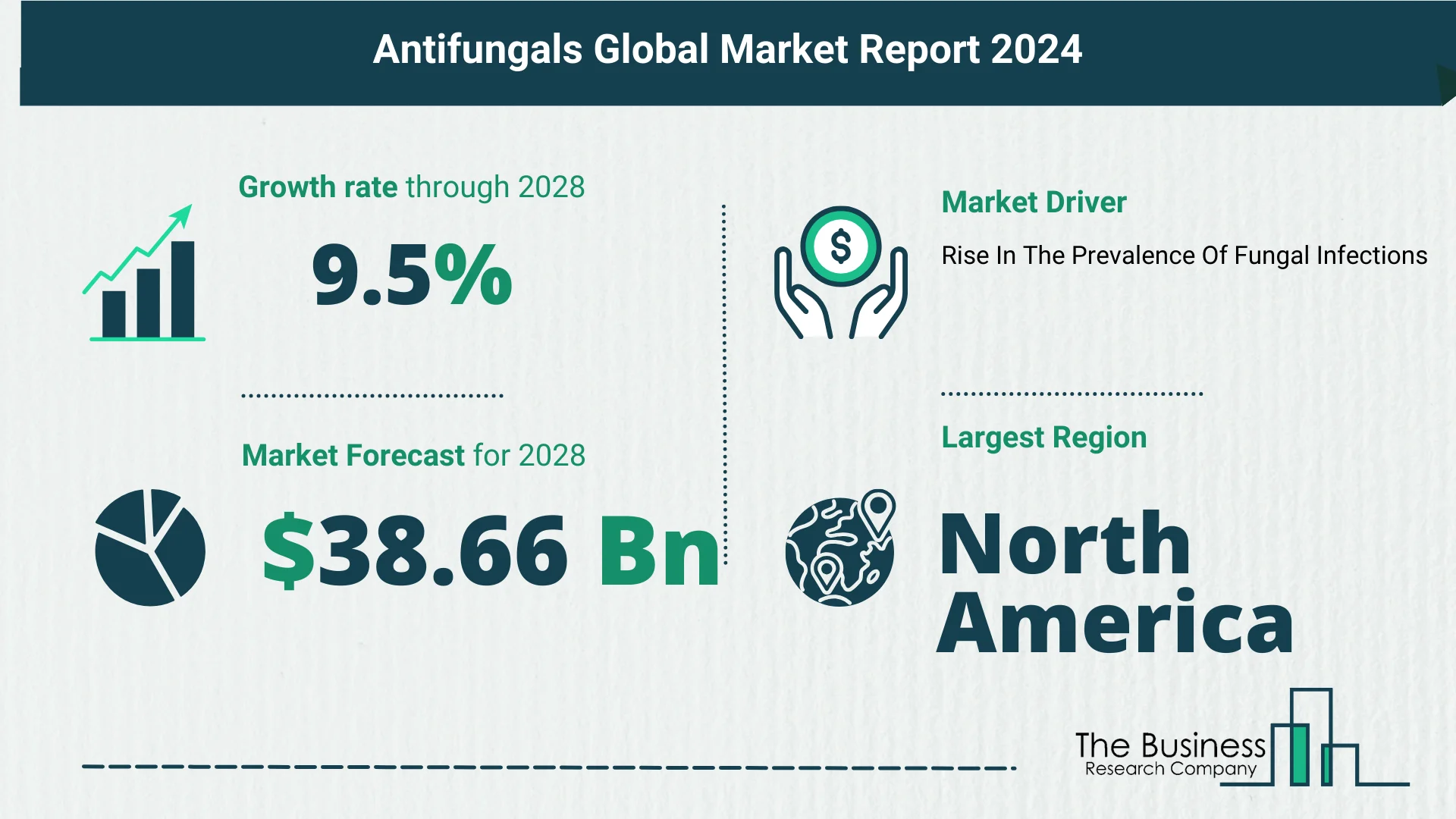
    The growth trajectory of the antifungals market shows no signs of slowing down. Projections indicate a strong surge, with the market size expected to soar to $38.66 billion by 2028, driven by a notable CAGR of 9.5%. The forecasted growth factors include emerging fungal strains, regulatory approvals, global health concerns, increased healthcare spending, and heightened patient education and awareness. Noteworthy trends in this forecast period include intensified research and development, the integration of telemedicine and e-health, advancements in antifungal drug development, and a surge in collaborations and partnerships.

    Growing Healthcare Infrastructure: A Catalyst for Market Expansion
    The increasing healthcare infrastructure globally is poised to be a key driver for the growth of the antifungals market. Healthcare infrastructure encompasses the physical and organizational structures, facilities, and systems supporting the delivery of healthcare services. As an example, the UK reported a substantial increase in healthcare spending, reaching around $347.74 billion in 2022. This 0.7% increase from 2021 highlights the commitment to enhancing healthcare services, thereby propelling the growth of the antifungals market.

    Industry Giants Steering the Ship
    Major players in the antifungals market include Pfizer Inc., Novartis International AG, Merck & Co. Inc., Bayer AG, Abbott Laboratories, Sanofi S.A., and GlaxoSmithKline PLC, among others. Their strategic presence underscores the competitive landscape and the market’s potential for continued growth. The extensive list of companies reflects a diverse and dynamic market, each contributing to the development and availability of antifungal solutions.

    Strategic Collaborations: A Path to Market Expansion
    Recognizing the need for expansion, companies in the anti-infective drugs market are increasingly engaging in strategic collaborations. By partnering with other companies and research institutes, drug developers aim to scale up their research and development, marketing, and manufacturing capabilities. These collaborations prove crucial in broadening product portfolios, enhancing revenues, and maintaining a competitive edge in the market.

    View More On The Antifungals Market Report 2024 – https://www.thebusinessresearchcompany.com/report/antifungals-global-market-report

    Supra Bioavailable Itraconazole: A Game-Changing Innovation
    In the pursuit of profitability and efficacy, major companies in the antifungals market are innovating new products. One such innovation is Supra Bioavailable Itraconazole, an advanced formulation of the antifungal medication itraconazole. Launched by Apex Labs in June 2022, these capsules offer enhanced bioavailability, providing a more significant proportion (90 percent) of the active medication to the body’s biological system. This innovation aims to reduce inter-individual variability, potentially improving the effectiveness of treating fungal infections.

    Segmentation for Precision and Targeted Solutions
    The antifungals market, as covered in this report, is segmented to provide a nuanced understanding of the diverse landscape:

    1. By Drug Type:
      • Echinocandins
      • Azoles
      • Polyenes
      • Allylamines
    2. By Route of Administration:
      • Oral
      • Parenteral
      • Topical
    3. By End Users:
      • Hospitals & Clinics
      • Dermatology Clinics
      • Other Users

    Regional Dynamics: North America Takes the Lead, Middle East on the Horizon
    In 2023, North America emerged as the largest region in the drugs for antifungals market. However, the Middle East is poised to be the fastest-growing region in the antifungals market, showcasing the global nature of the market and its potential for widespread impact.

    In Conclusion: A Dynamic Future Ahead
    As we navigate the complexities of the antifungals market, it becomes evident that strategic collaborations, innovative formulations, and a focus on healthcare infrastructure are pivotal elements in driving sustained growth. With the market evolving in response to emerging fungal strains, regulatory landscapes, and global health concerns, stakeholders must stay agile, embracing trends such as telemedicine and e-health to secure a resilient and prosperous future in the antifungals market.

    Request A Sample Of The Global Antifungals Market Report 2024:
    https://www.thebusinessresearchcompany.com/sample_request?id=2442&type=smp

  • Antidiarrheals Market Forecast Until 2033 – Estimated Market Size And Growth Rate

    Antidiarrheals Market Forecast Until 2033 – Estimated Market Size And Growth Rate

    The Business Research Company’s market reports offer an in-depth analysis on the market’s growth potential, major drivers, key trends and more.

    The antidiarrheals market has witnessed a consistent upward trajectory in recent years, showcasing its resilience in the face of global health challenges. In 2023, the market size reached $3.76 billion and is projected to expand to $3.89 billion in 2024, marking a commendable compound annual growth rate (CAGR) of 3.3%. This growth in the historic period can be attributed to various factors such as disease prevalence, global health initiatives, an aging population, pharmaceutical innovation, and heightened patient awareness.

    Anticipating Future Growth: A Glimpse into the Forecast Period
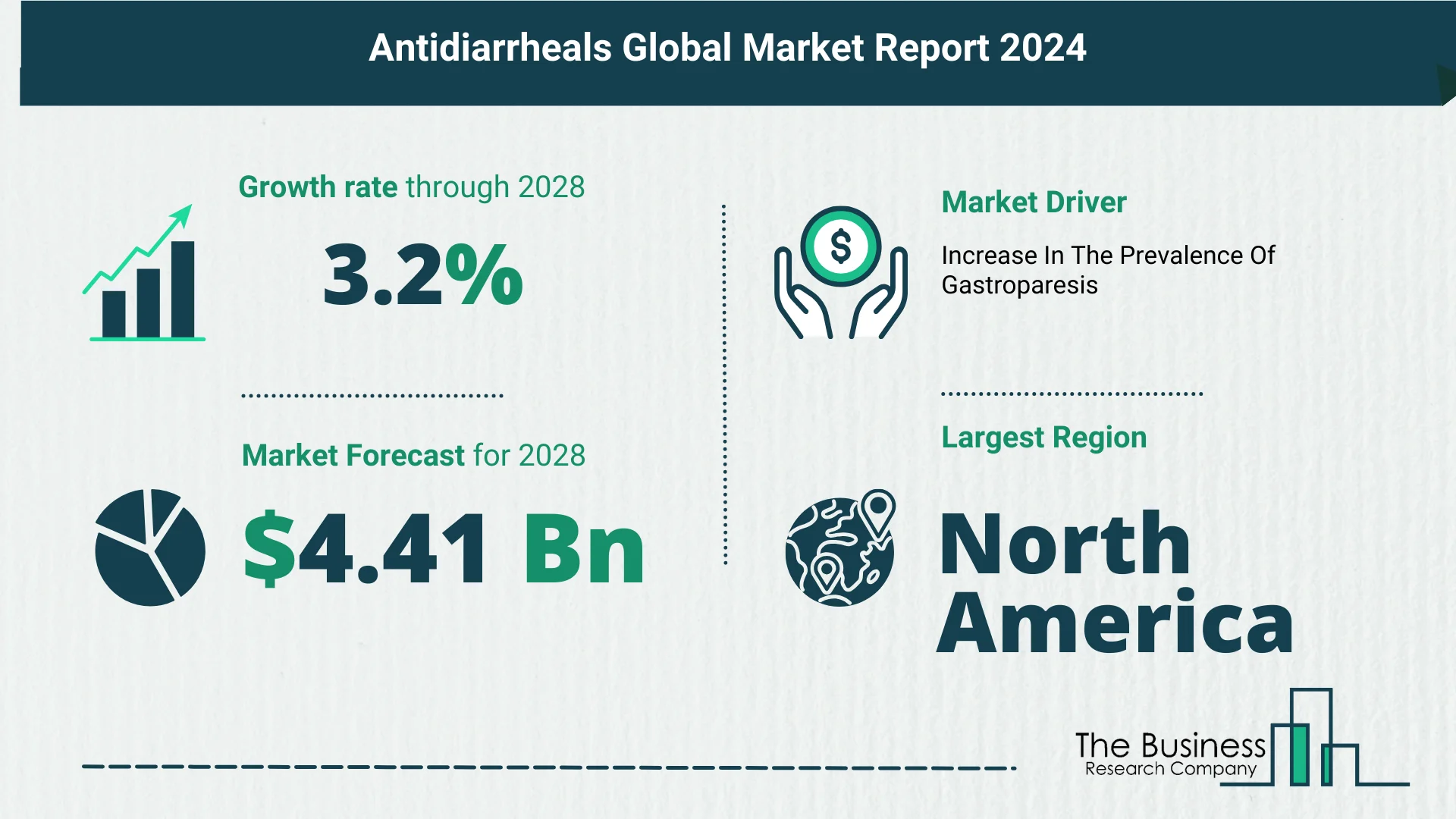
    The momentum is expected to continue, with the market size predicted to reach $4.41 billion in 2028, boasting a CAGR of 3.2%. The forecasted growth is fueled by emerging markets, environmental factors, global health challenges, and considerations of epidemiology and disease burden. Moreover, several trends are set to shape the landscape, including digital health and telemedicine, patient-centric care, the rise of self-care and over-the-counter (OTC) products, the advent of personalized medicine, and advancements in biotechnology.

    Gastroparesis Emerges as a Catalyst for Market Expansion
    One significant driver of this market surge is the increasing prevalence of gastroparesis. This medical condition disrupts or delays the movement of food from the stomach to the small intestine, often accompanied by symptoms such as cramps, bloating, and pressure. Conditions like hypothyroidism, autoimmune diseases, vagus nerve injury, and viral stomach infections contribute to the onset of gastroparesis. Notably, in 2021, a research study revealed a prevalence rate of 267.7 per 100,000 persons for gastroparesis in the US. This surge in cases is expected to propel the demand for antidiarrheal medications.

    Key Players Steering the Antidiarrheals Market
    Major companies steering the antidiarrheals market include GlaxoSmithKline PLC, Actelion Pharmaceuticals Ltd, Perrigo Company PLC, Lupin Limited, Merck & Co. Inc., Pfizer Inc., and The Procter & Gamble Company, among others. Their strategic presence underscores the competitive landscape and the market’s potential for growth.

    Read More On The Antidiarrheals Market Report 2024 – https://www.thebusinessresearchcompany.com/report/antidiarrheals-global-market-report

    Innovation in Food Waste Management
    In a bid to enhance profitability, major players in the antidiarrheal drug market are pioneering innovative products. Notable among these is the introduction of Nitazoxanide Tablets, prescribed for managing diarrhea resulting from specific parasitic infections in the gastrointestinal tract. Lupin Limited, a US-based pharmaceutical company, launched the authorized generic version of Alinia (nitazoxanide) Tablets in March 2021. These tablets target infections caused by Giardia lamblia or Cryptosporidium parvum in patients aged 12 years and above.

    Azurrx Biopharma’s Strategic Move
    September 2021 witnessed a significant acquisition in the antidiarrheals landscape as AzurRx BioPharma, a US-based biotechnology company, acquired First Wave Bio, Inc. for $229 million. This strategic move expanded AzurRx’s portfolio, introducing a range of new treatments for inflammatory bowel disease, all centered around niclosamide. First Wave Bio, Inc., the acquired biotech company, has added depth and diversity to AzurRx’s offerings.

    Segmentation for Precision
    The antidiarrheals market, as covered in this report, is segmented for a nuanced understanding:

    1. By Drug Class:
      • Mucosal Protectants
      • Motility Modifying Drugs
    2. By Application:
      • Adults
      • Children
    3. By Type:
      • OTC Drugs
      • Prescription Drugs

    Dominance in North America
    In 2023, North America emerged as the largest region in the antidiarrheals market, showcasing the region’s prominence and potential for continued growth.

    In Conclusion
    The antidiarrheals market, with its steady historical growth and promising future projections, stands as a resilient sector within the pharmaceutical industry. Driven by factors such as the rising prevalence of gastroparesis, innovative product launches, strategic acquisitions, and segmentation strategies, the market remains dynamic and full of opportunities for key players. As we look ahead, navigating the trends of digital health, patient-centric care, and biotechnological advancements will be crucial for stakeholders aiming to make a significant impact in this evolving landscape.

    Request for A Sample Of The Global Antidiarrheals Market Report:
    https://www.thebusinessresearchcompany.com/sample_request?id=13067&type=smp

  • Growth Trajectory Of The Anemia And Other Blood Disorder Drugs Market 2024-2033

    Growth Trajectory Of The Anemia And Other Blood Disorder Drugs Market 2024-2033

    The Business Research Company’s global market reports are now updated with the latest market sizing information for the year 2024 and forecasted to 2033

    The anemia and other blood disorder drugs market has experienced robust growth in recent years, and this upward trend is set to continue. From $11.13 billion in 2023, the market is projected to reach $11.91 billion in 2024, showcasing a Compound Annual Growth Rate (CAGR) of 7.0%. Factors contributing to this growth in the historic period include disease prevalence, global health initiatives, an aging population, pharmaceutical innovation, and increased patient awareness.

    Current Market Scenario

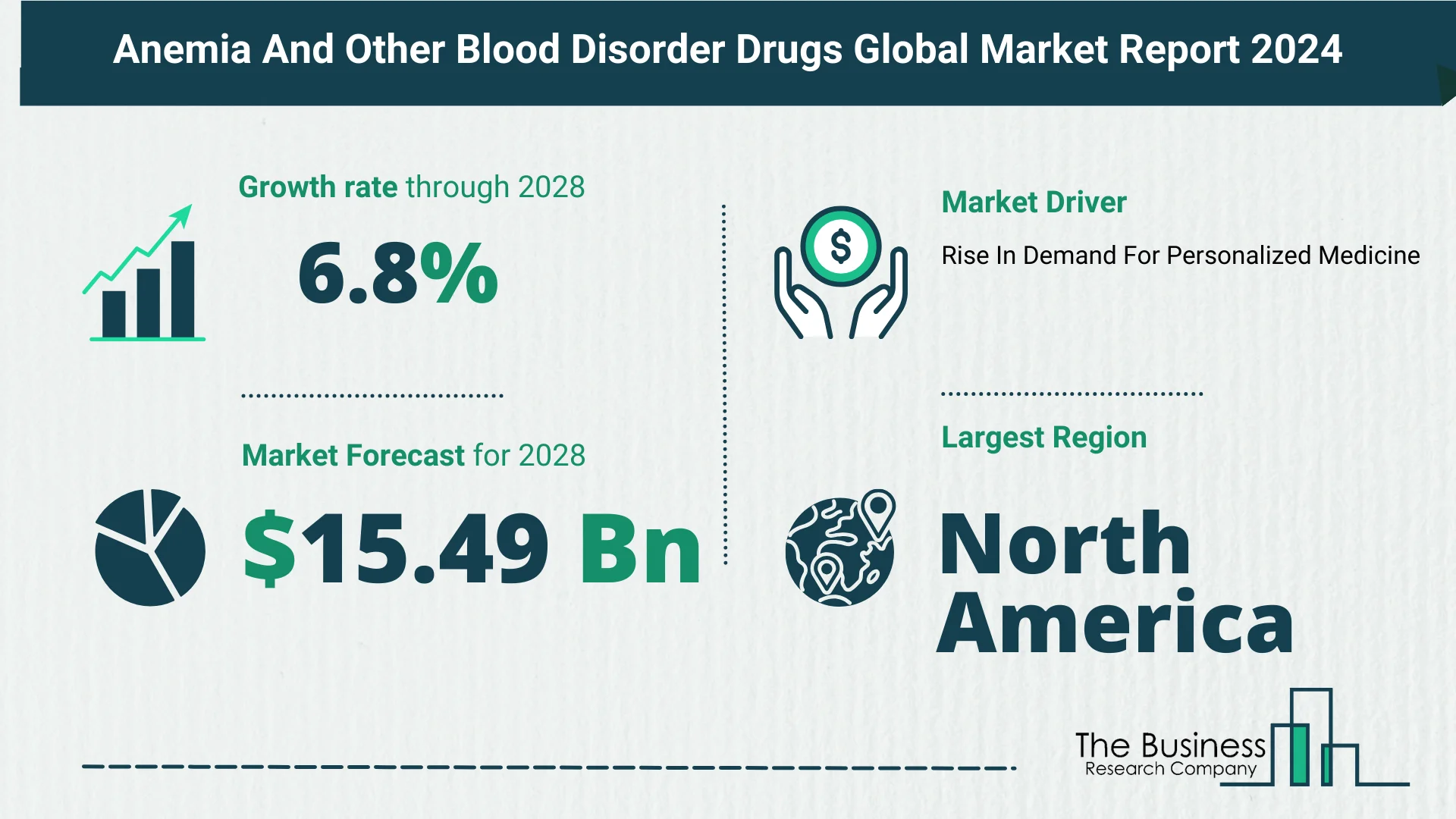
    • Anticipated CAGR of 6.8% will drive the market to $15.49 billion by 2028.
    • Growth in the forecast period attributed to emerging markets, global demographics, and economic factors.
    • Major trends include research and development, technological advances, biologics and targeted therapies, gene therapies, telemedicine and remote monitoring, orphan drug designations, and mergers and acquisitions.

    Rising Anemia Prevalence Fuels Growth In The Anemia And Blood Disorder Drugs Market

    • Increasing prevalence of anemia globally is a key driver.
    • Unhealthy lifestyles, changing dietary habits, and heightened stress levels contribute to rising anemia cases.
    • Anemia is notably prevalent in the elderly population (> 65 years), reaching a rate of around 17%.
    • Anemia ranks as the 8th leading cause of disease among women and the young population.
    • Major companies driving the market include Amgen Inc., GlaxoSmithKline PLC, Akebia Therapeutics Inc., and others.

    View More On The Anemia And Other Blood Disorder Drugs Market Report 2024 – https://www.thebusinessresearchcompany.com/report/anemia-and-other-blood-disorder-drugs-global-market-report

    Increasing Focus On Developing Novel Medications

    • Major companies are intensifying efforts to introduce novel medications for a competitive edge.
    • Novel medications represent significant advancements or new approaches in treating medical conditions.
    • Bristol-Myers Squibb’s Reblozyl, approved by the FDA for anemia in adults with lower-risk myelodysplastic syndromes, showcases a groundbreaking approach.
    • The COMMANDS study demonstrates Reblozyl’s superiority over traditional treatments.

    Pfizer’s Acquisition Of Global Blood Therapeutics Enhances Drug Portfolio

    • In October 2022, Pfizer acquired Global Blood Therapeutics Inc., expanding its anemia and blood disorder drug portfolio.
    • This strategic move enhances Pfizer’s position in developing potential best-in-class treatments for sickle cell disease.
    • The acquisition underscores the industry’s dynamic landscape with major players seeking strategic partnerships and acquisitions.

    Market Segmentation

    • The anemia and other blood disorder drugs market is segmented based on various criteria:
      • Type: Iron Deficiency Anemia, Chronic Kidney Disease Anemia, Sickle Cell Anemia, Aplastic Anemia
      • Route of Administration: Oral, Injectable
      • Distribution Channel: Hospitals Pharmacy, Online Pharmacy, Pharmacy

    Regional Dynamics: North America Leading, Middle East Emerging

    • North America emerged as the largest region in the market in 2023.
    • The Middle East is expected to be the fastest-growing region during the forecast period, showcasing the global nature of the market.

    Conclusion
    The anemia and blood disorder drugs market is evolving dynamically, driven by increasing disease prevalence, pharmaceutical innovations, and strategic advancements by major players. As the industry focuses on novel medications and embraces technological advancements, the future holds promise for groundbreaking treatments. With a diverse range of segments and a global footprint, stakeholders must stay agile and adaptive to navigate the complexities of this expanding market successfully.

    Request A Sample Of The Global Anemia And Other Blood Disorder Drugs Market Report 2024:
    https://www.thebusinessresearchcompany.com/sample_request?id=2465&type=smp