Blog

  • Global Brain Computer Interface Market Key Insights 2024-2033

    Global Brain Computer Interface Market Key Insights 2024-2033

    The Business Research Company’s global market reports are now updated with the latest market sizing information for the year 2024 and forecasted to 2033

    According to The Business Research Company’s Brain Computer Interface Global Market Report 2024, the brain computer interface market is expected to show promising growth in the forecast period.

    The brain-computer interface (BCI) market has undergone a remarkable transformation, witnessing rapid growth from $1.76 billion in 2023 to $2.04 billion in 2024, boasting a compound annual growth rate (CAGR) of 15.9%. This surge can be attributed to the increasing demand for assistive technologies, applications in healthcare and rehabilitation, gaming and entertainment advancements, government support, and enhanced signal processing and machine learning algorithms.

    Future Projections

    1. Continued Growth:The BCI market is poised for further expansion, with a projected size of $3.56 billion in 2028, driven by a CAGR of 15.0%.
    2. Investment and Innovation:Future growth is fueled by increasing investment in BCI startups, innovative applications in education and skill enhancement, enhanced data privacy measures, regulatory developments, and growing interest in human augmentation and AI augmentation.
    3. Dominant Trends:Anticipated trends in the forecast period include the integration of BCIs and artificial intelligence, miniaturization of wearable BCIs, brain-to-cloud connectivity, considerations of neuroethics and data privacy, and the use of BCIs in education.

    Elderly Population Boosting BCI Adoption

    1. Global Geriatric Population:The surge in the aging global population is a key catalyst for the expansion of BCIs.
    2. Applications in Aging Population:BCIs play a crucial role in training motor and cognitive abilities, controlling home appliances, communication, and even enhancing physical strength in the elderly.
    3. WHO Statistics:The World Health Organization reports that the global population aged 60 and over is expected to reach 1.4 billion by 2030, emphasizing the significant impact of an aging population on the demand for BCIs.

    View More On The Brain Computer Interface Market Report 2024 – https://www.thebusinessresearchcompany.com/report/brain-computer-interface-global-market-report

    Innovations Shaping the Industry

    1. Holographic BCIs:Major companies are driving market revenues through the development of innovative systems, such as holographic BCIs.
    2. MicroCloud Hologram:In January 2023, MicroCloud Hologram launched a holographic BCI data acquisition system, creating a platform based on holographic AR for more natural human-computer interaction.
    3. Strategic Acquisitions:Blackrock Neurotech’s acquisition of MindX in May 2022 is a testament to the industry’s commitment to expanding neurocomputing technology for improved patient interaction.

    Market Segmentation and Dominance

    1. Segmentation Overview:The BCI market is segmented by type, component, application, and end-user.
    2. Market Leaders:Key players in the industry include Natus Medical Incorporated, NextMind SAS, Compumedics Neuroscan, Brain Products GmbH, and others.
    3. Regional Dynamics:North America emerged as the largest region in the BCI market in 2023, with Asia-Pacific expected to be the fastest-growing region in the forecast period.

    Conclusion: Bridging Minds and Technology

    The rapid evolution of the brain-computer interface market signifies a transformative era in neurotechnology. With the convergence of innovation, increased investment, and a growing aging population, BCIs are not only becoming integral to healthcare but are also carving a niche in education, entertainment, and human augmentation. As we navigate this neurotech revolution, the fusion of minds and technology holds the key to unlocking new dimensions in human-computer interaction and improving the quality of life for individuals across diverse demographics.

    Request A Sample Of The Global Brain Computer Interface Market Report 2024:
    https://www.thebusinessresearchcompany.com/sample_request?id=7785&type=smp
  • Global Brain Monitoring Market Analysis: Estimated Market Size And Growth Rate

    Global Brain Monitoring Market Analysis: Estimated Market Size And Growth Rate

    The Business Research Company’s global market reports are now updated with the latest market sizing information for the year 2024 and forecasted to 2033

    The brain monitoring market has witnessed a surge in recent years, with its size projected to leap from $7.49 billion in 2023 to $8.26 billion in 2024, reflecting a notable Compound Annual Growth Rate (CAGR) of 10.2%. This growth in the historic period is attributed to various factors such as the increased prevalence of neurological disorders, rising demand for real-time brain monitoring in surgical and critical care settings, and the expansion of the aging population.

    Factors Driving Historic Growth

    • Increased prevalence of neurological disorders
    • Demand for real-time brain monitoring in critical care settings
    • Growth in research on brain-computer interfaces (BCIs) and neurofeedback
    • Expansion of the aging population
    • Increased adoption of brain monitoring in sports optimization

    Factors Propelling Forecasted Growth

    • Development of more affordable and accessible brain monitoring devices
    • Increased application of brain monitoring in mental health and psychiatric care
    • Expansion of neurocritical care units and stroke centers
    • Regulatory support for approval and use of brain monitoring technologies
    • Growing pediatric neurology and neonatal brain monitoring

    Embracing Future Trends

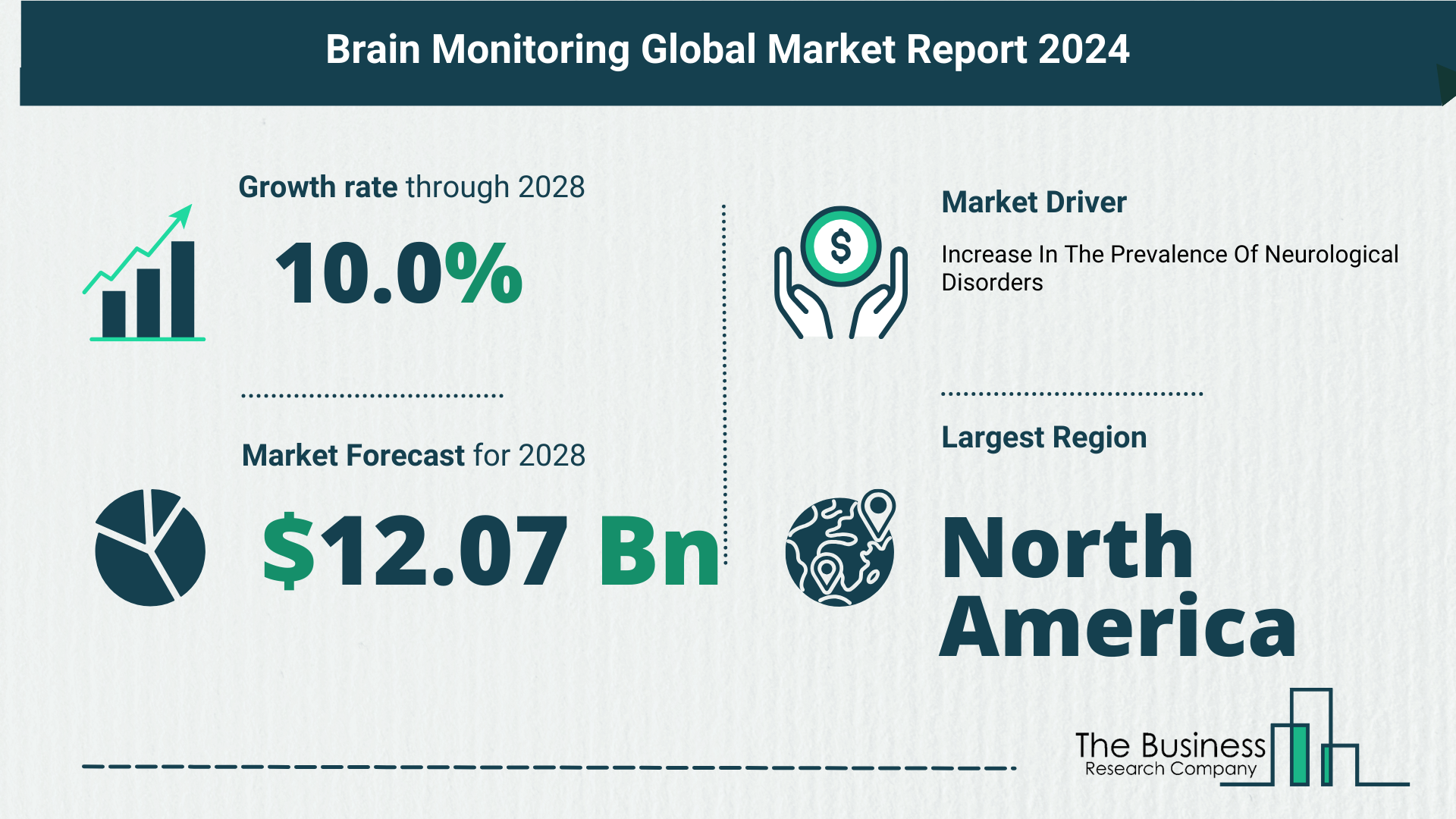
    The upcoming years promise a robust growth trajectory for the brain monitoring market, reaching an impressive $12.07 billion in 2028, fueled by a steady CAGR of 10.0%. Key trends in the forecast period include neuroinformatics and data integration, neurofeedback and brain training, brain-computer interface (BCI) integration, blockchain for data security, and brain monitoring in space exploration.

    Government-Led Initiatives as Catalysts

    Government initiatives aimed at advancing next-generation invasive devices are expected to propel the growth of the brain monitoring market. These initiatives, involving specific actions, programs, or policies, play a pivotal role in driving innovation and addressing critical issues. In 2023, the National Institutes of Health (NIH) issued a funding opportunity announcement (FOA) to encourage early-stage clinical studies for next-generation invasive devices, underscoring the commitment to fostering advancements in the field.

    Key Players Shaping the Landscape

    Major companies contributing significantly to the brain monitoring market include Natus Medical Inc., Nihon Kohden Corporation, Philips Healthcare NV, GE Healthcare Technologies Inc., and a myriad of others. These industry leaders are driving innovation and market growth through their diverse product offerings and strategic initiatives.

    View More On The Brain Monitoring Market Report 2024 – https://www.thebusinessresearchcompany.com/report/brain-monitoring-global-market-report

    Innovations Redefining Competition

    Neurosteer EEG Brain Monitoring Platform

    • Neurosteer introduces a single-channel EEG brain monitoring platform approved by the FDA.
    • The platform includes technical status indicators about the recording, enhancing efficiency in clinical trials for neurodegenerative disorders.

    Mergers for Market Expansion

    Brain Scientific Inc. and Piezo Motion Corp. Merger

    • Brain Scientific Inc., a neurology-focused medical device company, merges with Piezo Motion Corp.
    • The merger expands market reach and boosts the capacity to launch disruptive products.

    Market Segmentation

    The brain monitoring market is segmented based on:

    1. Product:
      • Magnetoencephalograph
      • Electroencephalograph
      • Cerebral Oximeters
      • Functional Magnetic Resonance Imaging (fMRI)
      • Intracranial Pressure Monitoring Devices
      • Other Product Types
    2. Procedure:
      • Invasive
      • Non-invasive
    3. Application:
      • Parkinson’s Disease
      • Traumatic Brain Injury
      • Epilepsy
      • Dementia
      • Sleep Disorders
      • Other Applications
    4. End User:
      • Hospitals and Clinics
      • Neurology Centers
      • Ambulatory Surgery Centers
      • Diagnostic Centers
      • Other End Users

    Regional Dynamics

    • North America took the lead as the largest region in the brain monitoring market in 2023.
    • Asia-Pacific is poised to emerge as the fastest-growing region in the forecast period, opening new avenues for market expansion.

    In conclusion, the brain monitoring market’s impressive growth trajectory is underpinned by a convergence of factors, including technological innovations, government-led initiatives, and strategic collaborations. As the market continues to evolve, it presents a landscape ripe for advancements, shaping the future of neurological diagnostics and care.

    Request A Sample Of The Global Brain Monitoring Market Report 2024:
    https://www.thebusinessresearchcompany.com/sample_request?id=6587&type=smp

  • What Is The Forecast Growth Rate For The Care Management Solutions Market?

    What Is The Forecast Growth Rate For The Care Management Solutions Market?

    The Business Research Company’s market reports offer an in-depth analysis on the market’s growth potential, major drivers, key trends and more.

    The care management solutions market has witnessed rapid growth, soaring from $16.88 billion in 2023 to a projected $19.77 billion in 2024, boasting a commendable compound annual growth rate (CAGR) of 17.1%. This upward trajectory is attributed to several key factors in the historic period, such as the aging population, increased prevalence of chronic diseases, adoption of electronic health records (EHR), a focus on population health management, and the drive towards healthcare data interoperability.

    Anticipating Future Heights
    The growth story continues in the forecast period, with the market expected to burgeon to $35.7 billion in 2028 at a CAGR of 15.9%. What fuels this growth? The forecasted surge is underpinned by an increased emphasis on healthcare data security, the rising use of remote patient monitoring technologies, widespread adoption of mobile health apps, expanding care management solutions in emerging healthcare markets, and a growing spotlight on preventive care.

    Driving Forces of Growth
    Telemedicine Services as Growth Catalysts
    Telemedicine services emerge as a crucial driver for the care management solutions market’s expansion. The remote delivery of healthcare services through telecommunications technology, including the Internet and video conferencing tools, has become increasingly prevalent. Integrating care management solutions into telehealth platforms ensures consistent and comprehensive care, irrespective of the patient’s location. Recent data from the Centers for Disease Control and Prevention reveals a significant 37.0% of adults utilizing telemedicine services in 2021, underlining the profound impact of this trend.

    Key Players Shaping the Landscape
    Major companies dominating the care management solutions market include stalwarts like EXL Service Holdings Ltd., Allscripts Healthcare Solutions Inc., and International Business Machines Corporation. This landscape also features innovators such as ZeOmega Inc. and Health Catalyst Inc. The market is characterized by a diverse range of players, each contributing to the sector’s growth and evolution.

    Read More On The Care Management Solutions Market Report 2024 – https://www.thebusinessresearchcompany.com/report/care-management-solutions-global-market-report

    Innovative Cloud-Based Care Management Platforms
    To cater to a larger customer base and increase revenue, major companies are investing in cloud-based care management platforms. Somnoware Healthcare Systems, for instance, launched its Care Management platform in March 2023. This cloud-based solution consolidates patient therapy data, automates interventions, and simplifies the clinical triage process, providing a comprehensive tool for healthcare management.

    Strategic Acquisitions: Philips and Capsule Technologies
    The strategic acquisition of Capsule Technologies Inc. by Royal Philips in January 2021 for $635 million exemplifies the industry’s dynamism. Philips aimed to enhance its patient care management offering through Capsule’s vendor-neutral medical device integration, clinical surveillance, and patient monitoring solutions. Such acquisitions underline the sector’s focus on collaboration and integration to fortify its offerings.

    Segmentation and Regional Dynamics
    Segmentation for Precision
    The care management solutions market is intricately segmented based on components (software, services), delivery modes (on-premise, cloud-based), applications (disease management, case management, utilization management), and end-users (hospitals and clinics, accountable care organizations, health insurance providers, and other end-users). This segmentation enables a more nuanced understanding of the market dynamics.

    Regional Dynamics: North America Leading, Asia-Pacific Surging
    In 2023, North America dominated the care management solutions market, and the baton is expected to pass to Asia-Pacific as the fastest-growing region in the forecast period. This shift highlights the global nature of the market and the varying pace of adoption in different regions.

    Conclusion: Navigating the Future of Care Management Solutions
    In conclusion, the care management solutions market is witnessing an era of unprecedented growth. Factors such as the integration of AI, sustainability practices, and collaboration for community health integration are set to shape the sector’s future. As technology continues to evolve, the care management solutions market remains at the forefront of healthcare innovation, ensuring a more connected, efficient, and patient-centric approach to healthcare management.

    Request for A Sample Of The Global Care Management Solutions Market Report:
    https://www.thebusinessresearchcompany.com/sample_request?id=7264&type=smp

  • Growth Trajectory Of The Cardiovascular And Soft Tissue Repair Patches Market 2024-2033

    Growth Trajectory Of The Cardiovascular And Soft Tissue Repair Patches Market 2024-2033

    The Business Research Company’s global market reports are now updated with the latest market sizing information for the year 2024 and forecasted to 2033

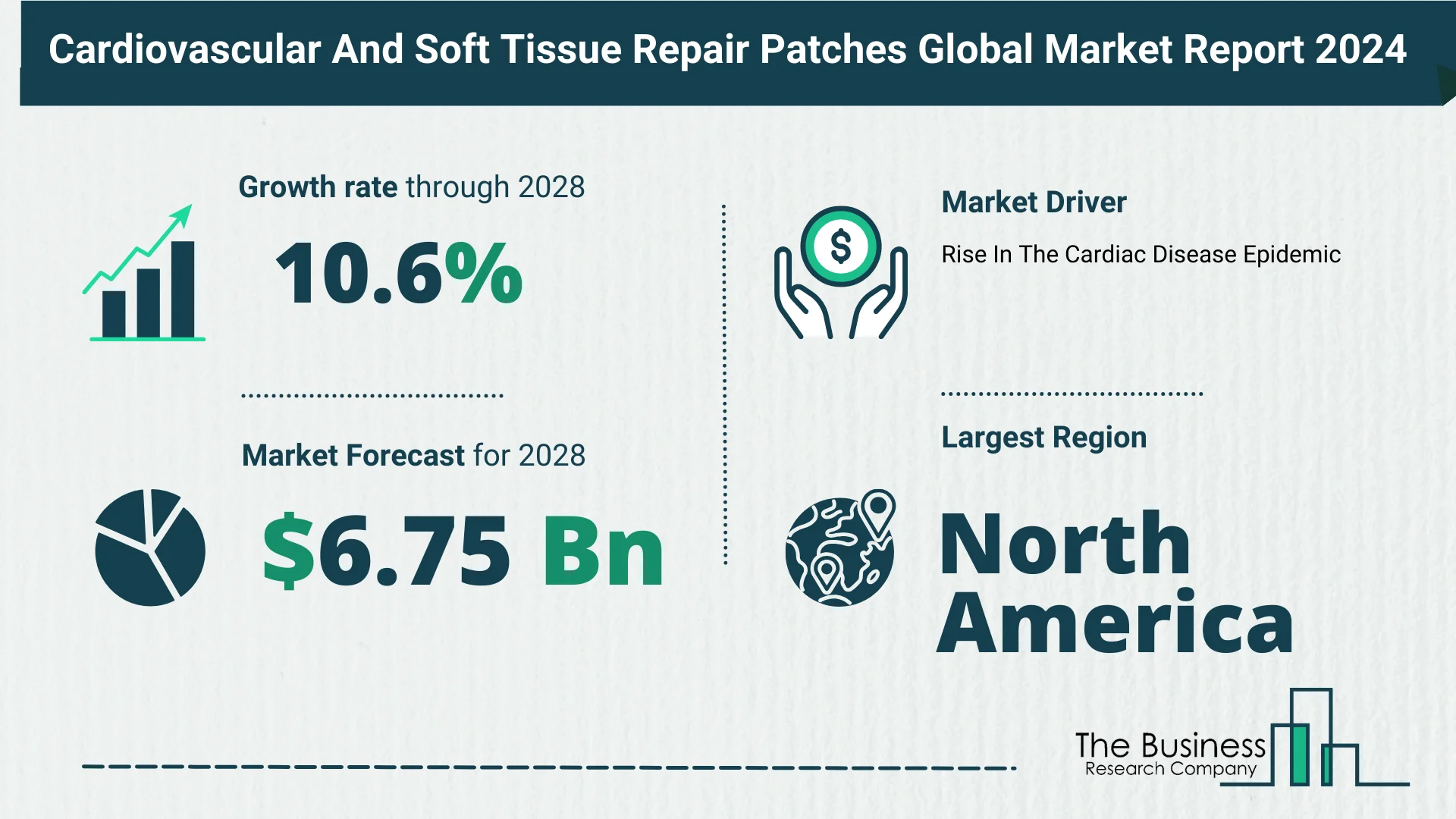
    The cardiovascular and soft tissue repair patches market has witnessed remarkable growth, with a surge from $4.03 billion in 2023 to $4.51 billion in 2024, boasting a compound annual growth rate (CAGR) of 11.9%. Looking ahead, the market is poised for even more significant expansion, with a projected value of $6.75 billion in 2028, at a CAGR of 10.6%. This growth is fueled by various factors, including evolving demographics, technological advancements, and a spike in chronic diseases.

    Driving Forces in the Historic Period

    • Aging population
    • Rise in chronic diseases
    • Awareness and early detection
    • Healthcare infrastructure growth
    • High demand for hernia repairs

    Future Catalysts for Growth

    • Minimally invasive procedures
    • Enhanced diagnostic tools
    • Increasing demand for personalized medicine
    • Rising research and development activities

    Cardiac Disease Epidemic: A Market Catalyst
    The escalating prevalence of cardiac diseases stands out as a primary driver for the cardiovascular and soft tissue repair patches market. Lifestyle factors such as smoking and alcohol consumption contribute to the demand for patches in cardiac disease treatment. Alarming statistics from the World Health Organization highlight cardiovascular diseases (CVDs) as the leading cause of global mortality, claiming an estimated 17.9 million lives annually. In the United States alone, heart disease, the leading cause of death, took nearly 697,000 lives in 2020. The demand for cardiac patches is set to grow in response to this epidemic.

    Key Statistics

    • CVDs claim 17.9 million lives annually globally.
    • Heart disease is the leading cause of death in the United States.

    Market Players

    • B Braun
    • Baxter International Inc.
    • CorMatrix Cardiovascular Inc.
    • Cryolife Inc.
    • Edwards Lifesciences Corporation
    • LeMaitre Vascular Inc.
    • And more

    View More On The Cardiovascular And Soft Tissue Repair Patches Market Report 2024 – https://www.thebusinessresearchcompany.com/report/cardiovascular-and-soft-tissue-repair-patches-global-market-report

    Innovative Products Steer Market Transformation
    Major companies in the cardiovascular and soft tissue repair patches market are revolutionizing the landscape with innovative products. A standout example is the introduction of the single-use heart patch. Mawi, a US-based medical device company, unveiled the Mawi Heart Patch in October 2022—a two-lead cardiac monitor offering real-time heart health tracking. This breakthrough device can be applied in-clinic or at home, worn for up to seven days, enhancing practicality in heart monitoring. Innovations like these have the potential to improve patient outcomes significantly.

    Example of Innovation

    • Mawi Heart Patch: Real-time cardiac monitoring for up to seven days

    Strategic Acquisitions Fortify Market Position
    In July 2021, Becton, Dickinson, and Company made a strategic move by acquiring Tepha Inc., a USA-based medical device company specializing in bioabsorbable polymer technology. This acquisition enhances Becton, Dickinson’s surgical mesh and soft tissue repair product portfolio, incorporating resorbable poly technology. The expansion also extends the company’s business operations across the USA, strengthening its presence in the market.

    Acquisition Details

    • Becton, Dickinson acquired Tepha Inc. in July 2021.

    Market Segmentation for Targeted Solutions
    Understanding the diverse needs of healthcare, the cardiovascular and soft tissue repair patches market is segmented based on raw materials, products, applications, and end-users. This segmentation allows for tailored solutions addressing specific challenges and requirements.

    Segmentation Highlights

    1. Raw Materials:
      • ePTFE
      • Biomaterial and Tissue-Engineered Material
      • Other Raw Materials
    2. Product:
      • Synthetic Patch
      • Biologic Patch
    3. Application:
      • Cardiac Repair
      • Atrial Septal Defect
      • Common Atrium
      • Defects Of The Endocardial Cushion
      • Ventricular Septal Defect
      • Tetralogy Of Fallot
      • Right Ventricular Outflow Tract Reconstruction
      • Suture Bleeding
      • Vascular Repair And Reconstruction
      • Transposition Of The Great Vessels
    4. End User:
      • Hospitals
      • Ambulatory Surgical Centers
      • Specialty Clinics

    Regional Dynamics
    In 2023, North America emerged as the largest region in the cardiovascular and soft tissue repair patches market. Looking forward, Asia-Pacific is anticipated to witness the fastest growth in the forecast period, emphasizing the global nature of the market’s evolution.

    In conclusion, the cardiovascular and soft tissue repair patches market is poised for continued growth, driven by factors such as the cardiac disease epidemic, technological innovations, and strategic acquisitions. As the market expands, it promises not only financial gains for industry players but also transformative advancements in healthcare, ultimately benefiting patients worldwide.

    Request A Sample Of The Global Cardiovascular And Soft Tissue Repair Patches Market Report 2024:
    https://www.thebusinessresearchcompany.com/sample_request?id=7764&type=smp

  • Top 5 Insights From The Cardiac Valve Market Report 2024

    Top 5 Insights From The Cardiac Valve Market Report 2024

    The Business Research Company’s global market reports are now updated with the latest market sizing information for the year 2024 and forecasted to 2033

    According to The Business Research Company’s Cardiac Valve Global Market Report 2024, the cardiac valve market is expected to show promising growth in the forecast period.

    Current Scenario and Growth Projections
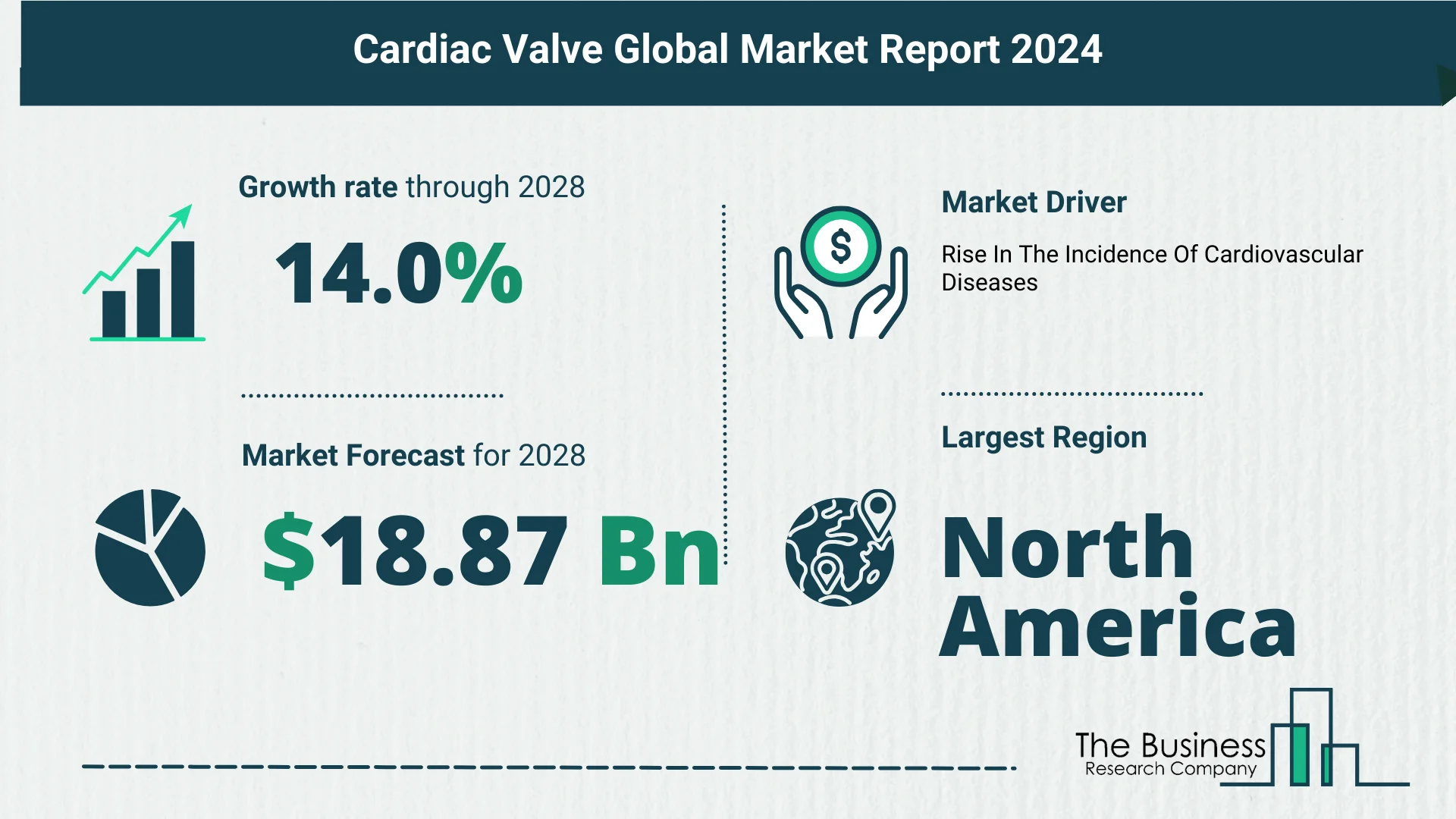
    The cardiac valve market has witnessed remarkable growth in recent years, with the market size surging from $9.68 billion in 2023 to $11.17 billion in 2024, showcasing a compound annual growth rate (CAGR) of 15.3%. The forecast predicts a continued upward trajectory, reaching $18.87 billion in 2028 at a CAGR of 14.0%.

    1.  Factors Driving Growth in the Historic Period
    • Aging Population and Valvular Heart Disease
    • Increased Prevalence of Risk Factors (Obesity and Hypertension)
    • Improved Diagnostic Technologies
    • Awareness Campaigns on Heart Health
    • Development of Minimally Invasive Procedures
    1.  Forecasted Growth Drivers
    • Demand for Bioengineered and Tissue-Engineered Heart Valves
    • Aging Global Population
    • Telemedicine for Valve Patients
    • Advanced Surgical Techniques and Robotics
    • Adoption of 3D Printing for Personalized Valve Manufacturing
    1. Major Trends Shaping the Forecast Period
    • Advancements in Valve Replacement and Repair Techniques
    • Integration of Artificial Intelligence (AI) in Detection and Treatment
    • Adoption of 3D Printing for Personalized Manufacturing
    • Enhanced Surgical Techniques and Robotics-Assisted Procedures

    Addressing the Growing Burden of Heart-Related Ailments
    The increasing incidence of cardiovascular diseases is a key driver for the expansion of the cardiac valve market. Factors such as smoking, obesity, and a sedentary lifestyle contribute to a rise in heart-related ailments, necessitating the use of cardiac valves for treatment.

    In September 2023, the World Health Organization reported 41 million deaths annually due to non-communicable diseases, with 74% attributed to chronic diseases. Cardiovascular diseases accounted for 17.9 million deaths, highlighting the pressing need for effective cardiac valve solutions. Major companies contributing to this market include LivaNova PLC, Abbott Laboratories, and Edwards Lifesciences Corporation.

    View More On The Cardiac Valve Market Report 2024 – https://www.thebusinessresearchcompany.com/report/cardiac-valve-global-market-report

    Next-Generation Tavi Systems Redefining The Cardiac Valve Market
    Leading companies in the cardiac valve market are investing in innovative products, particularly next-generation transcatheter aortic valve implantation (TAVI) systems. These advancements aim to drive revenues and offer intelligent design advantages for improved patient outcomes.

    For example, Abbott launched the Navitor TAVI system in December 2022, catering to patients with severe native aortic stenosis at high or extreme risk for open-heart surgery. This system boasts features like smart PVL-sealing NaviSeal Cuff, accurate placement, low gradients, and excellent access, showcasing a commitment to superior outcomes across various anatomies.

    Venus MedTech’s Strategic Expansion With The Acquisition Of Cardiovalve Ltd.
    In January 2022, Venus Medtech, a China-based company specializing in structural heart disease treatment, acquired Cardiovalve Ltd. This strategic move positions Venus Medtech as a comprehensive platform for treating mitral and tricuspid regurgitation. Cardiovalve Ltd., based in Israel, focuses on developing a transfemoral mitral valve replacement system.

    Segmenting the Market for a Holistic Understanding
    The cardiac valve market is segmented based on various criteria, providing a comprehensive perspective for stakeholders:

    1. By Type:
      • Tissue Heart Valves
      • Transcatheter Heart Valves
      • Mechanical Heart Valves
      • Other Types
    2. By Position:
      • Aortic Valve
      • Mitral Valve
      • Other Positions
    3. By Treatment:
      • Cardiac Valve Repair
      • Cardiac Valve Replacement
    4. By End-Users:
      • Hospital And Clinics
      • Specialty Centers
      • Cardiac Research Institute
      • Other End Users

    Regional Dynamics
    In 2023, North America emerged as the largest region in the cardiac valve market, while Asia-Pacific is anticipated to be the fastest-growing region in the forecast period, further emphasizing the global nature of this expanding market.

    In conclusion, the cardiac valve market is poised for significant growth, driven by a combination of demographic shifts, technological advancements, and innovative solutions. The continuous evolution of next-generation technologies and strategic acquisitions positions the industry to address the evolving landscape of heart-related ailments effectively.

    Request A Sample Of The Global Cardiac Valve Market Report 2024:
    https://www.thebusinessresearchcompany.com/sample_request?id=7753&type=smp

  • Cardiac Pacemakers Global Market Outlook 2024-2033: Size And Growth Rate Analysis

    Cardiac Pacemakers Global Market Outlook 2024-2033: Size And Growth Rate Analysis

    The Business Research Company’s global market reports provide comprehensive analysis on the various markets in 27 industries across 60 geographies.

    Overview of the Cardiac Pacemakers Market Growth
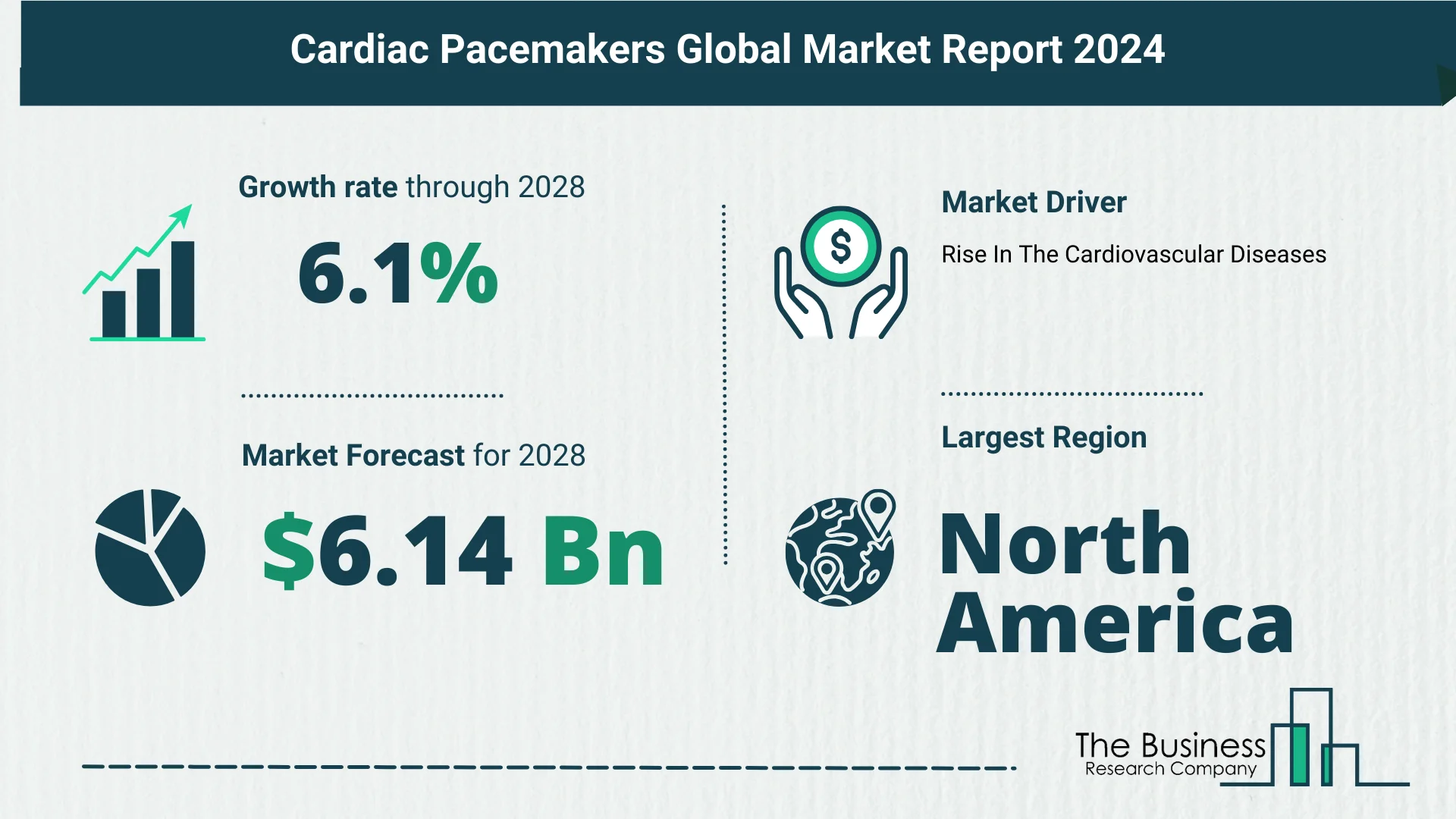
    The cardiac pacemakers market has witnessed robust growth, reaching $4.58 billion in 2023 and projected to grow further to $4.86 billion in 2024 at a CAGR of 6.1%. The driving factors include:

    • Aging population and increased prevalence of cardiovascular diseases.
    • Growing awareness of arrhythmias and the demand for effective treatment.
    • Investments in R&D for pacemaker innovation.
    • Evolving healthcare infrastructure and improved access to medical devices.
    • Regulatory approvals for novel pacemaker features and technologies.

    Future Projections and Key Growth Drivers
    Anticipated growth in the market is set to continue, reaching $6.14 billion in 2028 at the same CAGR of 6.1%. Key factors contributing to this growth include:

    • Focus on lead durability and reduction of complications.
    • Integration of remote programming and telehealth services.
    • Expansion of emerging markets and increased healthcare expenditure.
    • Enhanced battery technologies for longer pacemaker lifespans.
    • Regulatory support for expedited pacemaker approvals.

    View More On The Cardiac Pacemakers Market Report 2024 – https://www.thebusinessresearchcompany.com/report/cardiac-pacemakers-global-market-report

    Emerging Trends in Cardiac Pacemakers Market
    Several notable trends are expected to shape the landscape of cardiac pacemakers in the forecast period:

    • Electrophysiology advancements for precision implantation.
    • Integration of pacemaker data into electronic health records (EHRs).
    • Utilization of artificial intelligence for predictive pacemaker maintenance.
    • Ongoing advancements in pacemaker technology, including miniaturization.
    • Embracing telemedicine and remote monitoring for patient care.

    Government-Led Initiatives Fueling Market Growth
    Government initiatives play a pivotal role in propelling the cardiac pacemaker market forward. In 2022, the UK government allocated £260 million (US $270.65 million) to boost healthcare research and manufacturing. This investment supports NHS-led health research into diagnostics and treatment, contributing to the growth of the cardiac pacemaker market.

    Major Players and Market Dynamics
    The major players contributing to the cardiac pacemakers market include:

    • Medtronic PLC
    • Lepu Medical Technology Co.
    • Abbott Inc.
    • Biotronik SE & Co. KG
    • Boston Scientific Corporation

    Market dynamics are influenced by innovations and collaborations, reflecting the industry’s commitment to advancing cardiac care.

    Revolutionizing Cardiac Care with Micra AV Pacemaker Series
    Major companies are focusing on innovative products, such as the Micra AV (CNT) series, to drive market revenues. Medtronic’s Micra AV, launched in June 2021, is the world’s smallest pacemaker. Notably, it can sense atrial activity without a lead or device in the upper heart chamber, enhancing heart efficiency and reducing heart failure risks.

    Synergy of Innovations: Medtronic’s Collaboration with Orchestra BioMed
    In July 2022, Orchestra BioMed collaborated with Medtronic to develop BackBeat Cardiac Neuromodulation Therapy (CNT) for hypertension in individuals requiring a cardiac pacemaker. This collaboration exemplifies the industry’s commitment to advancing therapeutic solutions.

    Market Segmentation and Regional Dynamics
    The cardiac pacemakers market is segmented based on:

    • Type: Implantable, External
    • Technology: Biventricular, Single Chambered, Dual Chambered
    • Application: Arrhythmias, Heart Blockage, Atrial Fibrillation, etc.
    • End User: Clinics and Hospitals, Ambulatory Surgical Centers, Cardiac Care Centers

    In 2023, North America dominated the market, with Asia-Pacific expected to be the fastest-growing region in the forecast period.

    Conclusion: Shaping the Future of Cardiac Health
    The cardiac pacemakers market is on an upward trajectory, driven by technological advancements, collaborations, and supportive government initiatives. As major players continue to innovate and expand, the industry is poised to play a crucial role in shaping the future of cardiac health, offering advanced solutions and improved patient outcomes.

    Request A Sample Of The Global Cardiac Pacemakers Market Report 2024:
    https://www.thebusinessresearchcompany.com/sample_request?id=7507&type=smp

  • 5 Key Insights On The Cancer Tumor Profiling Market 2024

    5 Key Insights On The Cancer Tumor Profiling Market 2024

     The Business Research Company’s global market reports are now updated with the latest market sizing information for the year 2024 and forecasted to 2033

    As per The Business Research Company’s Cancer Tumor Profiling Global Market Report 2024, the cancer tumor profiling market is expected to show significant growth in the forecast period.

    The cancer tumor profiling market has witnessed substantial growth in recent years, with the market size reaching $11.17 billion in 2023. This growth is projected to continue, reaching $12.93 billion in 2024 at a notable compound annual growth rate (CAGR) of 15.7%. The drivers for this expansion in the historic period include:

    • Increasing cancer incidence
    • Growth in precision medicine initiatives and research collaborations
    • Improved cancer diagnostics and early detection methods
    • Availability of a wide range of targeted therapy options
    • Supportive regulatory frameworks for cancer profiling tests

    A Glimpse into the Future
    Looking ahead, the market is expected to experience even more robust growth, reaching $22.06 billion in 2028 at a CAGR of 14.3%. The forecasted growth is attributed to:

    • Expansion of immunotherapy and immunoprofiling in cancer treatment
    • Development of liquid biopsy and non-invasive tumor profiling methods
    • Adoption of single-cell sequencing for more detailed tumor characterization
    • Expansion of cancer screening and early detection programs
    • Increasing demand for rare and orphan cancer subtype profiling

    Major Trends Shaping the Future Landscape
    The forecast period brings forth significant trends that will shape the cancer tumor profiling market:

    • Integration of tumor profiling into routine clinical practice
    • Advances in multi-omics approaches
    • Integration of artificial intelligence (AI) and machine learning in data analysis
    • Personalized medicine and targeted therapy development
    • Advances in genomics and next-generation sequencing (NGS) technologies

    Key Drivers of Market Growth
    Rising Incidences of Cancer Across the Globe
    The surge in cancer cases globally is a primary driver of the growth in the cancer and tumor profiling market. As the number of cancer cases continues to rise, there is a proportional increase in the demand for tumor profiling to assess disease severity. For instance:

    • According to the American Cancer Society, 1.8 million new cancer cases were diagnosed in 2020.
    • Increasing incidences of cancer worldwide contribute significantly to the growth of the cancer and tumor profiling market.

    Companies Powering the Market
    Major players driving the market forward include:

    • F. Hoffmann-La Roche Ltd.
    • Caris Life Sciences
    • Thermo Fisher Scientific Inc.
    • Illumina Inc.
    • Qiagen
    • Ribomed Biotechnologies Inc.
    • HTG Molecular Diagnostics Inc.
    • NanoString Technologies Inc.
    • NeoGenomics Laboratories Inc.
    • Lucence Health Inc.

    View More On The Cancer Tumor Profiling Market Report 2024 – https://www.thebusinessresearchcompany.com/report/cancer-tumor-profiling-global-market-report

    Research and Development Fueling Innovation
    Increasing Research and Development Activities
    A prominent trend in the cancer and tumor profiling market is the emphasis on research and development activities by major companies. These activities are aimed at meeting consumer demands and reinforcing market positions. For example:

    • QIAGEN N.V., a German company, announced the CE-marking and commercialization of therascreen PIK3CA RGQ PCR Kit in Europe, aiding in the identification of breast cancer patients with PIK3CA mutations.
    • The therascreen PIK3CA test is a diagnostic assay for detecting activating mutations in the PIK3CA gene, allowing testing of both DNA from plasma specimens or FFPE tissue.

    Strategic Acquisitions Boosting Market Dynamics
    In June 2023, Quest Diagnostics, a leading US-based medical laboratory company, acquired Haystack Oncology Inc. for $450 million. This strategic move aims to:

    • Expand access to liquid biopsy technology
    • Increase market share in cancer diagnostics
    • Enhance research and development capabilities

    Market Segmentation for Precision Targeting
    The cancer tumor profiling market is segmented based on various criteria:

    1. By Cancer Type:
      • Lung Cancer
      • Breast Cancer
      • Colorectal Cancer
      • Prostate Cancer
      • Melanoma
      • Ovarian Cancer
      • Stomach Cancer
      • Pancreatic Cancer
      • Thyroid Cancer
      • Other Cancer Types
    2. By Technology:
      • Next-Generation Sequencing (NGS)
      • Polymerase Chain Reaction (PCR)
      • Immunohistochemistry (IHC)
      • In Situ Hybridization (ISH)
      • Microarray
      • Other Technologies
    3. By Process Type:
      • Genomics
      • Proteomics
      • Epigenetics
      • Metabolomics
      • Other Types
    4. By Application:
      • Personalized Medicine
      • Diagnostics
      • Biomarker Discovery
      • Prognostics
      • Research Applications

    Geographical Dynamics
    North America led the cancer and tumor profiling market in 2023, with Asia-Pacific anticipated to be the fastest-growing region in the forecast period.

    In conclusion, the cancer tumor profiling market is set to witness remarkable growth, driven by factors such as rising cancer incidences, innovative research and development activities, strategic acquisitions, and advancements in technologies. The market’s evolution promises a future where precision medicine and targeted therapies become increasingly integral to cancer diagnosis and treatment.

    Request A Sample Of The Global Cancer Tumor Profiling Market Report 2024:
    https://www.thebusinessresearchcompany.com/sample_request?id=6053&type=smp

  • What Is The Forecast Growth Rate For The Breast Implants Market?

    What Is The Forecast Growth Rate For The Breast Implants Market?

    The Business Research Company’s market reports offer an in-depth analysis on the market’s growth potential, major drivers, key trends and more.

    The breast implants market has experienced robust growth in recent years, witnessing an increase from $2.48 billion in 2023 to $2.69 billion in 2024 at a Compound Annual Growth Rate (CAGR) of 8.7%. This expansion is attributed to several factors, including the flourishing beauty and cosmetic surgery sector, heightened breast cancer awareness, rising demand for minimally invasive breast augmentation procedures, evolving aesthetic preferences, and the globalization of plastic surgery through medical tourism.

    Future Outlook: A Promising Trajectory
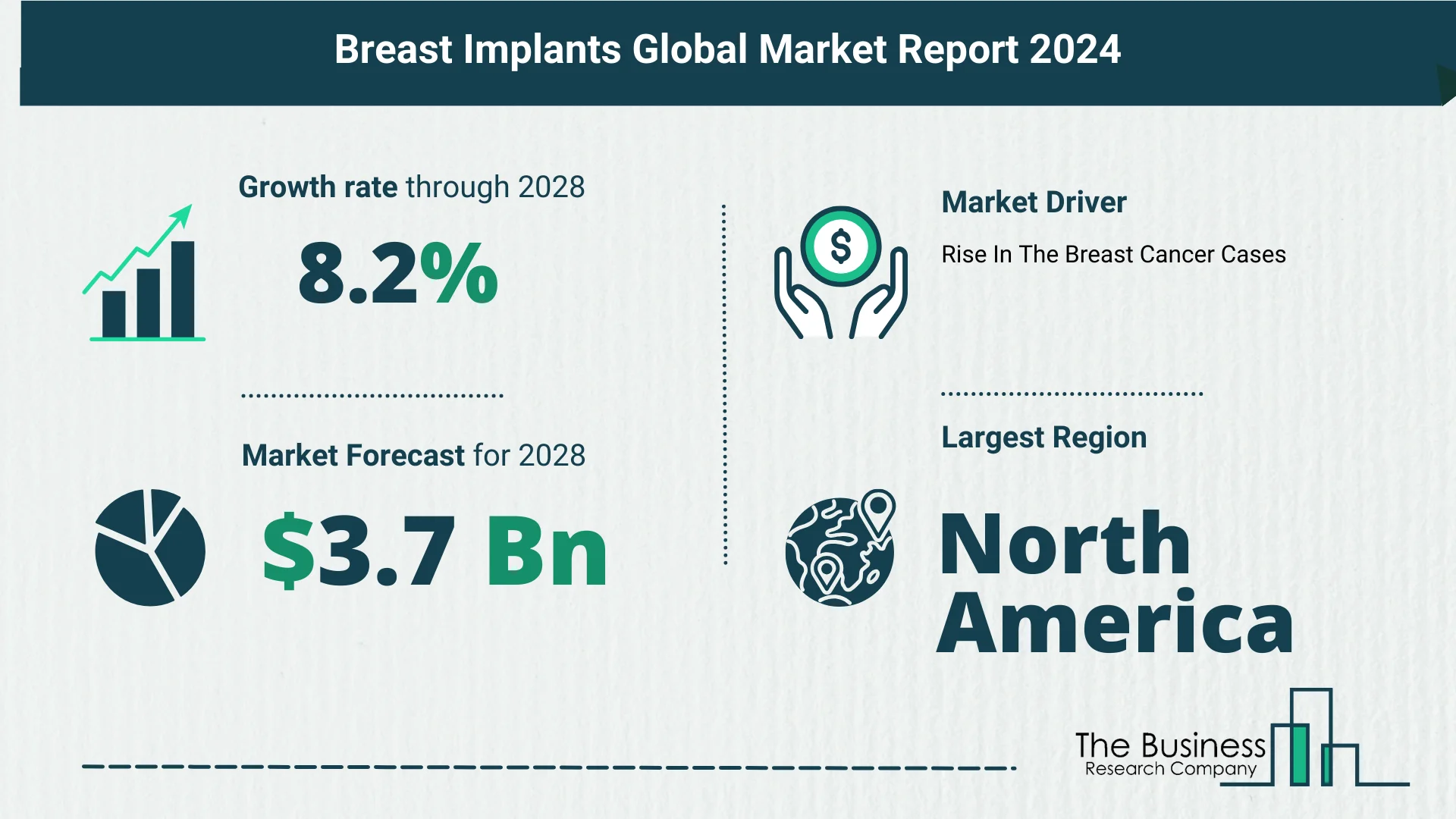
    The positive momentum is anticipated to continue in the coming years, with the market size projected to reach $3.7 billion in 2028 at a CAGR of 8.2%. Key drivers for this forecasted growth include a focus on personalized breast augmentation solutions, increased applications in transgender and gender confirmation surgery, market expansion in emerging economies, growing societal acceptance of cosmetic procedures, and a heightened emphasis on natural-looking results and reduced complications.

    Breast Cancer: A Driving Force
    – Alarming Statistics
    The surge in breast cancer cases has played a pivotal role in the expansion of the breast implants market. With breast cancer affecting cells lining the breast lobules and ducts, surgery becomes a crucial element in its treatment. The various procedures involved, including the removal of breast tissue or lymph nodes, often lead to the use of breast implants to restore shape and size. For instance, in 2023, about 297,790 new cases of invasive breast cancer were diagnosed in women, according to the American Cancer Society.

    – Key Players in Action
    Major companies operating in the breast implants market, such as Sientra Inc., GC Aesthetics PLC, and Johnson & Johnson, play a significant role in providing solutions to breast cancer patients and contributing to the market’s growth.

    Read More On The Breast Implants Market Report 2024 – https://www.thebusinessresearchcompany.com/report/breast-implants-global-market-report

    Innovations Shaping the Market
    – High-Strength Cohesive Silicone Gel Breast Implants
    Major players in the market are spearheading innovation with products like high-strength cohesive silicone gel breast implants. Sientra, a US-based breast implant manufacturer, introduced these implants in Canada, emphasizing a natural look and feel with clinically proven low complication rates. This breakthrough marks a significant stride in the industry’s commitment to advanced and patient-friendly solutions.

    – Strategic Acquisition: Integra LifeSciences and Surgical Innovation Associates
    In December 2022, Integra LifeSciences strengthened its position in the breast implants market by acquiring Surgical Innovation Associates (SIA) for $50 million. This strategic move is expected to bolster Integra’s global strategy in breast reconstruction and provide access to the US market with FDA-approved devices for implant-based breast reconstruction procedures.

    Market Dynamics: Segmentation and Regional Insights
    – Diverse Segments
    The breast implants market is segmented by type (silicone implant, form-stable implant, saline implant, structured saline implant), procedure (breast augmentation, breast reconstruction), and end-user (hospital, cosmetology clinic, other end users). This segmentation offers a comprehensive understanding of the market dynamics and caters to diverse consumer needs.

    – Regional Dominance
    In 2023, North America emerged as the largest region in the breast implants market. This regional dominance underscores the significant presence of the market in developed economies, laying the groundwork for further expansion.

    Conclusion: Navigating the Evolving Landscape
    The breast implants market stands at the crossroads of innovation, healthcare advancements, and societal changes. With a strong historical growth trajectory and promising future projections, the industry is poised to offer cutting-edge solutions, not just for cosmetic enhancement but also for medical purposes, particularly in breast cancer treatment. As sustainability, patient-centric healthcare, and technological innovations take center stage, the breast implants market continues to evolve, promising a future of enhanced aesthetics and improved patient outcomes.

    Request for A Sample Of The Global Breast Implants Market Report:
    https://www.thebusinessresearchcompany.com/sample_request?id=6354&type=smp

  • Top 5 Insights From The Blood Culture Tests Market Report 2024

    Top 5 Insights From The Blood Culture Tests Market Report 2024

    The Business Research Company’s global market reports are now updated with the latest market sizing information for the year 2024 and forecasted to 2033

    According to The Business Research Company’s Blood Culture Tests Global Market Report 2024, the blood culture tests market is expected to show promising growth in the forecast period.

    The blood culture tests market has witnessed remarkable growth in recent years, with a notable increase in its size from $6.22 billion in 2023 to $6.97 billion in 2024, reflecting a compound annual growth rate (CAGR) of 12.1%. This surge is attributed to various factors, such as the prevalence of infectious diseases, an aging population, advances in healthcare infrastructure, and a rise in research and development.

    A Promising Future

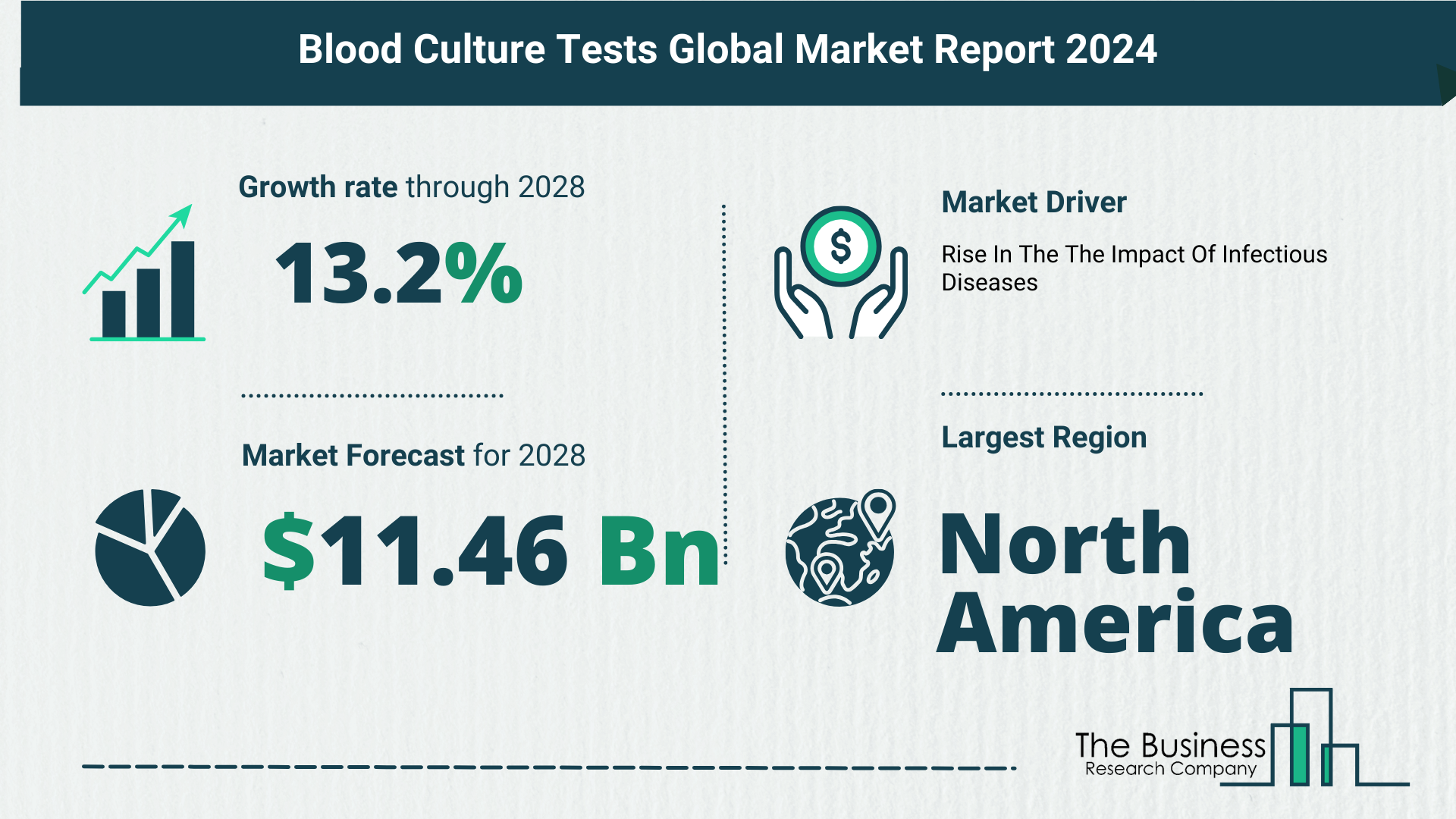
    1. Forecasted Expansion: Predictions suggest that the blood culture tests market will continue its upward trajectory, reaching $11.46 billion in 2028, with a CAGR of 13.2%.
    2. Driving Factors: The forecasted growth is fueled by escalating hospital-acquired infections, surging demand for point-of-care (POC) testing, increased healthcare spending, and regulatory approvals.
    3. Trends to Watch: Major trends in the forecast period include the integration of telemedicine and remote testing, automation and AI, multiplex testing, sepsis management, and infectious disease surveillance.

    Antibiotic Resistance: A Driving Force

    1. The Menace of Antibiotic Resistance: The rise of antibiotic-resistant infections is a critical factor propelling the blood culture test market’s growth.
    2. Alarming Statistics: In England alone, the UK Health Security Agency reported a 2.2% increase in serious antibiotic-resistant infections from 2020 to 2021. This translates to 148 serious illnesses resistant to antibiotics every day, highlighting the urgency for effective diagnostic testing.

    Key Players in the Market

    1. Industry Leaders: Major companies shaping the blood culture tests market include Becton, Dickinson and Company, BioMerieux SA, Thermo Fisher Scientific Inc., and others.
    2. Diverse Offerings: These companies contribute to the market with a range of products and services, from consumables and instruments to software and advanced technologies.

    View More On The Blood Culture Tests Market Report 2024 – https://www.thebusinessresearchcompany.com/report/blood-culture-tests-global-market-report

    Innovations Driving Growth

    1. MS-Based Rapid Microbial Identification Kits: Leading companies are focusing on innovation, developing transformative blood culture tests like MS-based rapid microbial identification kits.
    2. Bruker’s Breakthrough: In January 2021, Bruker launched an MS-based rapid microbial identification kit, significantly enhancing the speed and precision of pathogen identification in cases of bacterial or fungal sepsis.

    Market Expansions and Acquisitions

    1. Strategic Acquisition by Dr. Lal Path Labs: In October 2021, Dr. Lal Path Labs acquired Suburban Diagnostics, marking a strategic move to broaden its presence in Western India.
    2. Significant Deal: The $14.39 million deal provided Dr. Lal Path Labs access to 44 laboratories, diagnostics centers, and 150+ collection centers, reinforcing its position in the market.

    Market Segmentation

    The blood culture tests market is segmented based on various factors:

    1. Method: Conventional/Manual Methods, Automated Methods
    2. Product: Consumables, Instruments, Software and Services
    3. Technology: Culture-Based Technology, Molecular Technologies, Microarrays, PCR, PNA-FiSH, Proteomics Technology
    4. Application: Bacteremia, Fungemia, Mycobacterial Detection
    5. End User: Hospital Laboratories, Reference Laboratories, Academic Research Laboratories, Other Laboratories

    Regional Dominance

    North America emerged as the largest region in the blood culture tests market in 2023, showcasing the region’s significant contribution to the market’s overall growth.

    Conclusion
    The blood culture tests market is navigating a dynamic landscape, driven by factors like antibiotic resistance, innovative technologies, strategic acquisitions, and increasing healthcare demands. As we move forward, staying attuned to emerging trends and technological advancements will be key to harnessing the full potential of this rapidly growing market.

    Request A Sample Of The Global Blood Culture Tests Market Report 2024:
    https://www.thebusinessresearchcompany.com/sample_request?id=7763&type=smp

  • What’s The Growth Forecast For Blood Collection Devices Market Through 2024-2033?

    What’s The Growth Forecast For Blood Collection Devices Market Through 2024-2033?

    The Business Research Company’s global market reports provide comprehensive analysis on the various markets in 27 industries across 60 geographies.

     The blood collection devices market has witnessed robust expansion, with its size escalating from $7.54 billion in 2023 to an anticipated $8.16 billion in 2024, exhibiting a remarkable compound annual growth rate (CAGR) of 8.3%. This upward trajectory is attributed to several factors, including the increased prevalence of blood-related disorders, a surge in healthcare infrastructure, an aging population, and supportive government initiatives and regulations.

    Projecting a Prosperous Future
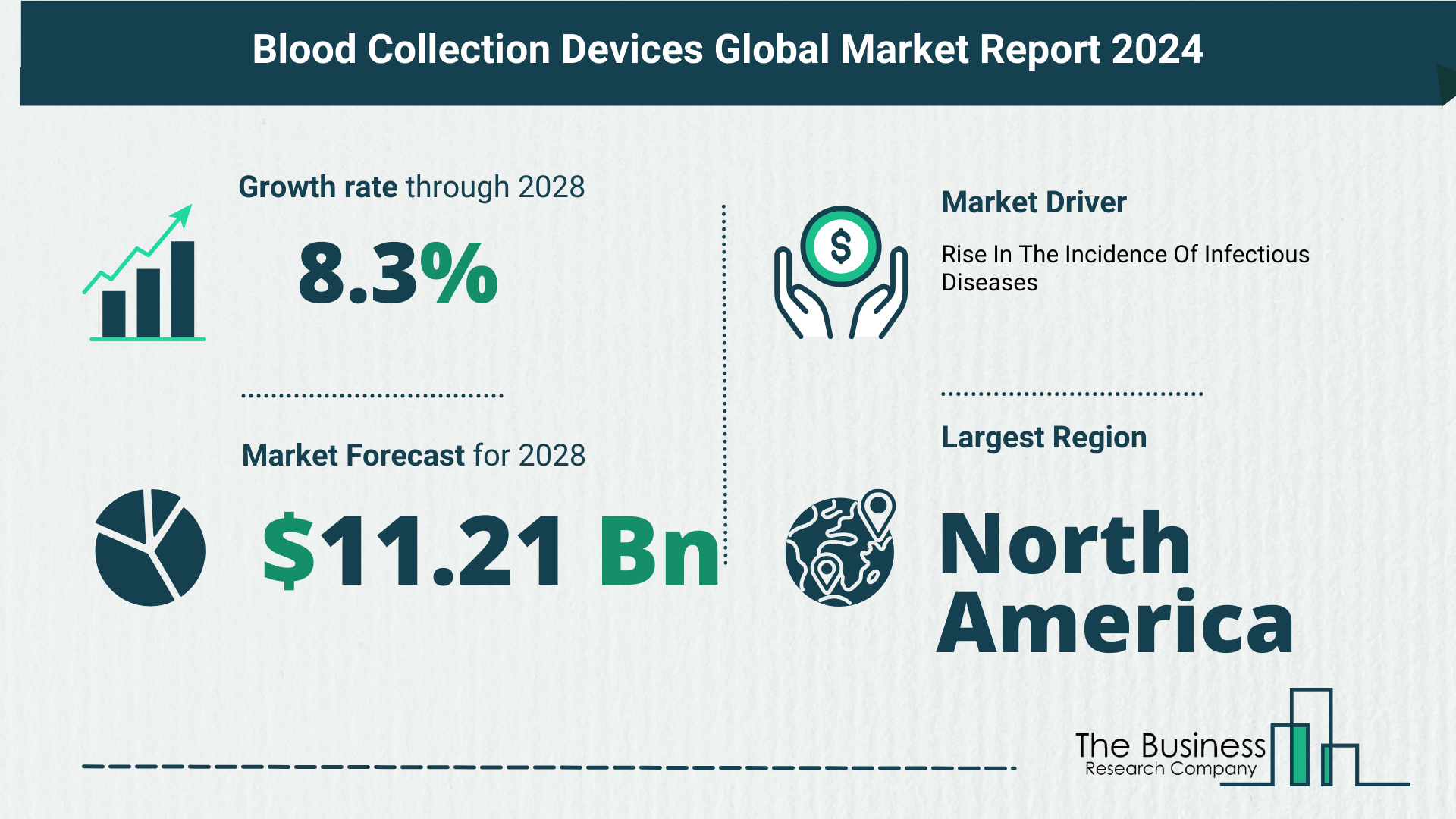
    The growth momentum is set to persist, with the blood collection devices market projected to reach $11.21 billion by 2028, sustaining an 8.3% CAGR. This forecasted expansion is fueled by rising healthcare expenditure, a growing emphasis on personalized medicine and diagnostic testing, increasing research and development activities, and a surge in infectious illnesses. Noteworthy trends in the forecast period include the adoption of minimally invasive techniques, remote blood collection services, automation and robotics, advanced blood collection kits, and collaborative partnerships.

    Increasing Health Awareness Acts as a Catalyst

    • Rising Health Awareness:
      • Refers to a heightened consciousness and knowledge about health-related issues.
      • Promotes informed choices, wellness practices, and a healthy lifestyle.
      • Empowers individuals to take control of their health and contribute to community well-being.
    • Preventive Healthcare Shift:
      • Encourages a shift towards a preventive and holistic approach to healthcare.
      • Mental Health America’s data reveals an increase in screenings, especially among the younger population.
    • Market Impact:
      • Increasing health awareness acts as a driving force behind the growth of the blood collection devices market.

    View More On The Blood Collection Devices Market Report 2024 – https://www.thebusinessresearchcompany.com/report/blood-collection-devices-global-market-report

    Key Players Shaping the Market

    • Major Companies:
      • Becton, Dickinson and Company
      • Greiner Holding AG
      • Kabe Labortechnik GmbH
      • Sarstedt AG & Company
      • ICU Medical Inc.
    • Innovative Products:
      • Introduction of MiniCollect PIXIE safety lancet by Greiner Bio-One.
      • Designed for optimal blood flow with a ‘pendulum swing’ technology.
      • Particularly beneficial for newborns and premature babies.
    • Strategic Acquisitions:
      • BD’s acquisition of Velano Vascular in July 2021.
      • Aimed at eliminating multiple needlesticks for blood sample collection.
      • Enhances inpatient blood collection and vascular access.

    Market Segmentation and Regional Dominance

    • Market Segmentation:
      1. Type: Blood Collection Tubes, Lancet, Micro Container Tubes, Warming Devices
      2. Method: Manual Blood Collection, Automatic Blood Collection
      3. Material: Glass, Stainless Steel, Plastic
      4. End User: Hospitals, Blood Donation Centers, Diagnostic Center, Other End Users
    • Regional Dynamics:
      • North America led the market in 2023.
      • Asia-Pacific emerges as the fastest-growing region in the forecast period.

    Conclusion

    The blood collection devices market is undergoing a transformative phase, driven by a confluence of factors such as increasing health awareness, technological innovations, and strategic acquisitions. As we navigate the coming years, the market is poised for sustained growth, with an array of trends and advancements shaping the landscape. This surge not only signifies the industry’s response to current healthcare challenges but also underscores its commitment to improving patient outcomes and healthcare experiences worldwide.

    Request A Sample Of The Global Blood Collection Devices Market Report 2024:
    https://www.thebusinessresearchcompany.com/sample_request?id=6363&type=smp