Blog

  • Key Insights On The Psoriasis Market 2024 – Size, Driver, And Major Players

    Key Insights On The Psoriasis Market 2024 – Size, Driver, And Major Players

    The Business Research Company’s global market reports are now updated with the latest market sizing information for the year 2024 and forecasted to 2033

    As per The Business Research Company’s Psoriasis Global Market Report 2024, the psoriasis market is expected to show significant growth in the forecast period.

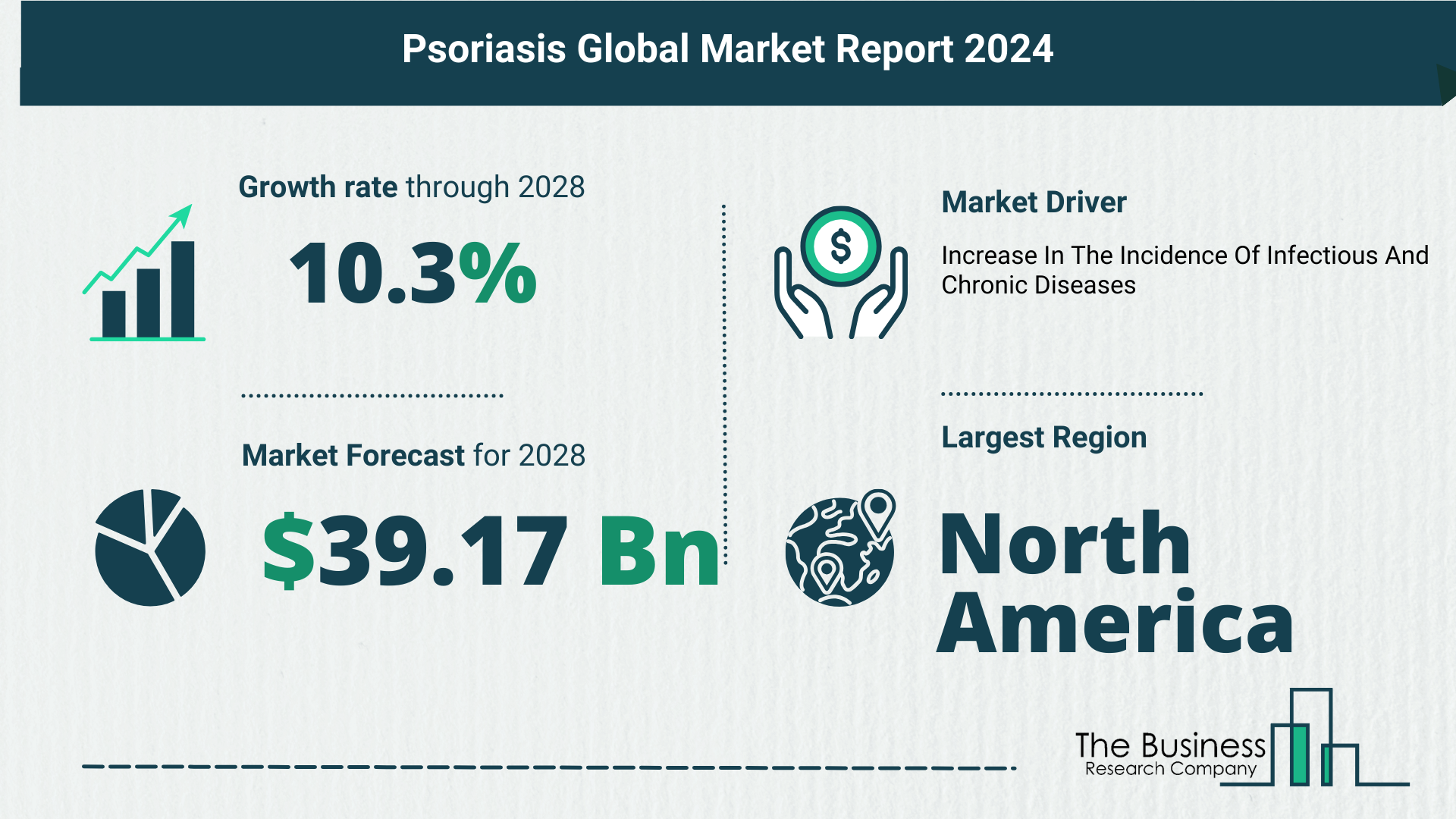
    The psoriasis market has experienced substantial growth in recent years, and its trajectory suggests a promising future. With the market size set to reach $26.5 billion in 2024 and a projected surge to $39.17 billion by 2028 at a CAGR of 10.3%, several factors contribute to this upward trend.

    Historical Growth Catalysts

    • Epidemiology and Healthcare Infrastructure: Robust healthcare infrastructure and improved understanding of psoriasis epidemiology contribute to historical growth.
    • Patient Awareness and Education: Increasing awareness and education among patients have driven the demand for psoriasis treatments.

    Forecasted Growth Drivers

    • Regulatory Approvals and Novel Therapies: Anticipated growth is linked to regulatory approvals for novel psoriasis treatments.
    • Aging Population and Patient Preferences: The aging population and evolving patient preferences play a significant role in the market’s expansion.
    • Increased Awareness: Growing awareness about psoriasis and available treatments fuels market growth.

    Key Trends in the Forecast Period

    • Advancements in Research and Development: Ongoing advancements in research and development drive innovation in psoriasis treatment.
    • Biologics and Targeted Therapies: The market witnesses a surge in biologics and targeted therapies for more effective psoriasis management.
    • Oral Small Molecule Therapies: The introduction of oral small molecule therapies offers alternative treatment options.
    • Personalized Medicine: Tailored treatment approaches gain prominence, aligning with the concept of personalized medicine.
    • Telemedicine and Digital Health: The integration of telemedicine and digital health enhances patient care and accessibility.
    • Patient-Centric Care: Focus on patient-centric care ensures a holistic approach to psoriasis management.
    • Biosimilars: The emergence of biosimilars contributes to market competitiveness.
    • Artificial Intelligence and Machine Learning: Technological advancements like AI and ML reshape diagnostics and treatment strategies.

    View More On The Psoriasis Market Report 2024 – https://www.thebusinessresearchcompany.com/report/psoriasis-drugs-global-market-report

    Growing Geriatric Population Driving Psoriasis Market
    The increasing geriatric population is expected to be a significant catalyst for the growth of the psoriasis market. Individuals aged 65 or older show a higher prevalence of conditions such as hypertension and diabetes, which can exacerbate psoriasis. According to the World Health Organization, by 2030, one in six individuals globally will be 60 or older, reaching 1.4 billion people. The rise in the geriatric population contributes to the prevalence of psoriasis and, consequently, the demand for effective treatments.

    Major Players Shaping the Psoriasis Market

    Leading companies influencing the psoriasis market include:

    • AbbVie Inc.
    • Pfizer Inc.
    • Novartis AG
    • Eli Lilly and Company
    • Celgene Corporation
    • Johnson & Johnson
    • Amgen Inc.
    • Boehringer Ingelheim GmbH
    • Merck & Co. Inc.
    • Janssen Biotech Inc.
    • Takeda Pharmaceutical Company Limited
    • Stiefel Laboratories Inc.
    • AstraZeneca Inc.
    • Union Chimique Belge SA
    • Sun Pharmaceutical Industries Ltd.
    • Biogen Inc.
    • Biocon Biopharmaceuticals Pvt. Ltd.
    • LEO Pharmacy.

    Innovative Products Spearheading Psoriasis Market Growth
    Major companies are channeling efforts into introducing innovative products approved by regulatory agencies to maximize market share. For instance, Boehringer Ingelheim’s announcement of FDA approval for SPEVIGO, a treatment for generalized pustular psoriasis, showcases the industry’s commitment to innovation. SPEVIGO, a highly selective antibody, inhibits the activation of the interleukin-36 receptor, addressing a rare and potentially fatal skin condition.

    Market Segmentation: Unraveling Psoriasis Complexity

    The psoriasis market is segmented based on:

    1. Drug Class: Interleukin Inhibitors, Corticosteroids, Anti-Inflammatory, Tumor Necrosis Factor Inhibitor
    2. Drug Types: Small Molecules, Biologics
    3. Disease Indication: Plaque Psoriasis, Nail Psoriasis, Guttate Psoriasis, Pustular Psoriasis, Erythrodermic Psoriasis
    4. Route of Administration: Oral, Tropical, Injectable
    5. Distribution Channel: Hospitals, Retail Pharmacies, E-Commerce.

    Regional Dynamics: North America Leading, Middle East Emerging

    • North America: The largest region in the psoriasis market in 2023.
    • Middle East: Expected to be the fastest-growing region during the forecast period.

    Conclusion: A Thriving Future for Psoriasis Management
    With a blend of demographic shifts, technological innovations, and pharmaceutical advancements, the psoriasis market is poised for continuous growth. The focus on personalized medicine, novel therapies, and patient-centric care reflects the industry’s commitment to addressing the complexities of psoriasis and improving the quality of life for those affected.

    Request A Sample Of The Global Psoriasis Market Report 2024:
    https://www.thebusinessresearchcompany.com/sample_request?id=2414&type=smp
  • Future Growth Forecast For The Pulse Oximeters, Spirometers Global Market 2024-2033

    Future Growth Forecast For The Pulse Oximeters, Spirometers Global Market 2024-2033

    The Business Research Company’s global market reports provide comprehensive analysis on the various markets in 27 industries across 60 geographies.

     The pulse oximeters and spirometers market have experienced consistent growth in recent years, evolving from $4.95 billion in 2023 to a projected $5.06 billion in 2024, demonstrating a stable Compound Annual Growth Rate (CAGR) of 2.2%. This growth in the historical period is attributed to their pivotal role in healthcare diagnostics, prevalent usage in hospital and clinical settings, increasing adoption in home healthcare, and continuous technological advancements.

    Future Projections
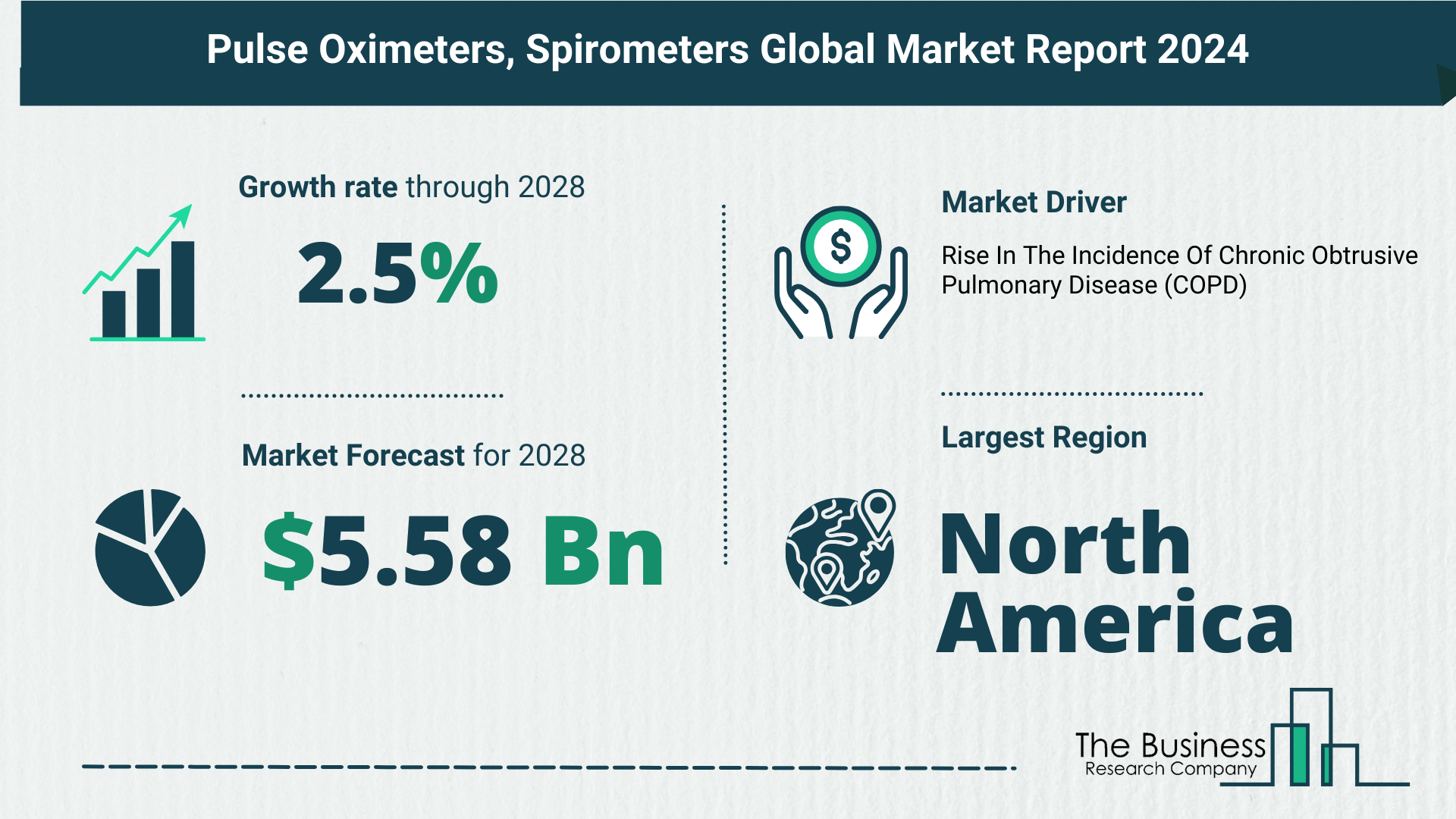
    Anticipating the future, the market is poised for steady expansion, with a projected size of $5.58 billion in 2028 and a CAGR of 2.5%. The forecasted growth is fueled by trends such as the integration of telemedicine and remote monitoring, emphasis on chronic disease management, the impact of an aging population, and the rise of personalized medicine. Notable trends in the forecast period include the emergence of wearable pulse oximeters, integration with telehealth services, enhanced data connectivity, a shift towards patient-centric care, advanced spirometry features, and a growing emphasis on respiratory rehabilitation.

    Addressing the Global Rise in COPD: Catalyst for Market Growth

    Chronic Obtrusive Pulmonary Disease (COPD) as a Driver

    The surge in chronic obtrusive pulmonary disease (COPD) globally is a significant driver for the pulse oximeters and spirometers market. Factors such as the aging population (especially those over 65), air pollution, and high smoking prevalence contribute to the increased incidence of COPD. Notably, individuals over 65 face a five-fold increased risk for COPD compared to those below 40, making it a critical healthcare concern. Smoking and air pollution further exacerbate the risk, with indoor air pollution increasing the likelihood of COPD by 2.65% and smoking by 90%.

    Global Impact of COPD
    According to the Forum of International Respiratory Societies (FIRS), approximately 200 million people worldwide suffered from COPD in 2022, leading to an estimated 3.2 million deaths annually. The prevalence of COPD necessitates robust diagnostic and therapeutic measures, driving the demand for medical equipment like pulse oximeters and spirometers. This increased demand underscores the pivotal role these devices play in the diagnosis and management of COPD, thereby propelling the market’s growth.

    Market Landscape: Key Players and Their Focus on Innovation

    Major Companies in the Market
    Several major companies are actively contributing to the growth of the pulse oximeters and spirometers market. Some of the key players include Smiths Medical Inc., Koninklijke Philips N.V., Vyaire Medical Inc., Schiller AG, General Electric Company, Masimo Corporation, Medtronic PLC, and others.

    View More On The Pulse Oximeters, Spirometers Market Report 2024 – https://www.thebusinessresearchcompany.com/report/pulse-oximeters-spirometers-global-market-report

    Innovation for Competitive Edge
    To gain a competitive edge, major companies are focusing on introducing simultaneous monitoring oximeters. These devices have the capability to measure both oxygen saturation and pulse rate concurrently, offering a more comprehensive view of a patient’s health status. For instance, Masimo Corporation launched Dual SET Pulse Oximetry in November 2021, providing healthcare professionals with a tool to simultaneously monitor various measurements alongside dual oximetry. This innovation, applied initially in critical congenital heart disease (CCHD) screening, optimizes the screening process and enhances clinical workflows.

    Market Segmentation: Understanding the Dynamics

    Segmentation Overview

    The pulse oximeters and spirometers market is intricately segmented to cater to diverse needs:

    1. By Product Type: Pulse Oximeters, Spirometers
    2. By Application: Diagnostic, Treatment Monitoring

    Regional Dominance
    In 2023, North America emerged as the largest region in the pulse oximeters and spirometers market. This underscores the region’s prominence in adopting and leveraging these medical devices for diagnostic and treatment purposes.

    Conclusion: Paving the Way for Future Healthcare
    In conclusion, the pulse oximeters and spirometers market stand as critical components in contemporary healthcare. The steady growth trajectory, driven by factors like COPD prevalence, technological advancements, and innovative approaches by key players, positions these devices at the forefront of healthcare diagnostics and treatment monitoring. As the market continues to evolve, embracing trends such as telemedicine integration and wearable technologies, it holds the promise of contributing significantly to the global healthcare landscape in the years to come.

    Request A Sample Of The Global Pulse Oximeters, Spirometers Market Report 2024:
    https://www.thebusinessresearchcompany.com/sample_request?id=3791&type=smp

  • Overview Of The Respiratory Devices And Equipment (Diagnostic) Market 2024: Size, Drivers, And Trends

    Overview Of The Respiratory Devices And Equipment (Diagnostic) Market 2024: Size, Drivers, And Trends

    The Business Research Company’s global market reports are now updated with the latest market sizing information for the year 2024 and forecasted to 2033

    According to The Business Research Company’s Respiratory Devices And Equipment (Diagnostic) Global Market Report 2024, the respiratory devices and equipment (diagnostic) market is expected to show promising growth in the forecast period.

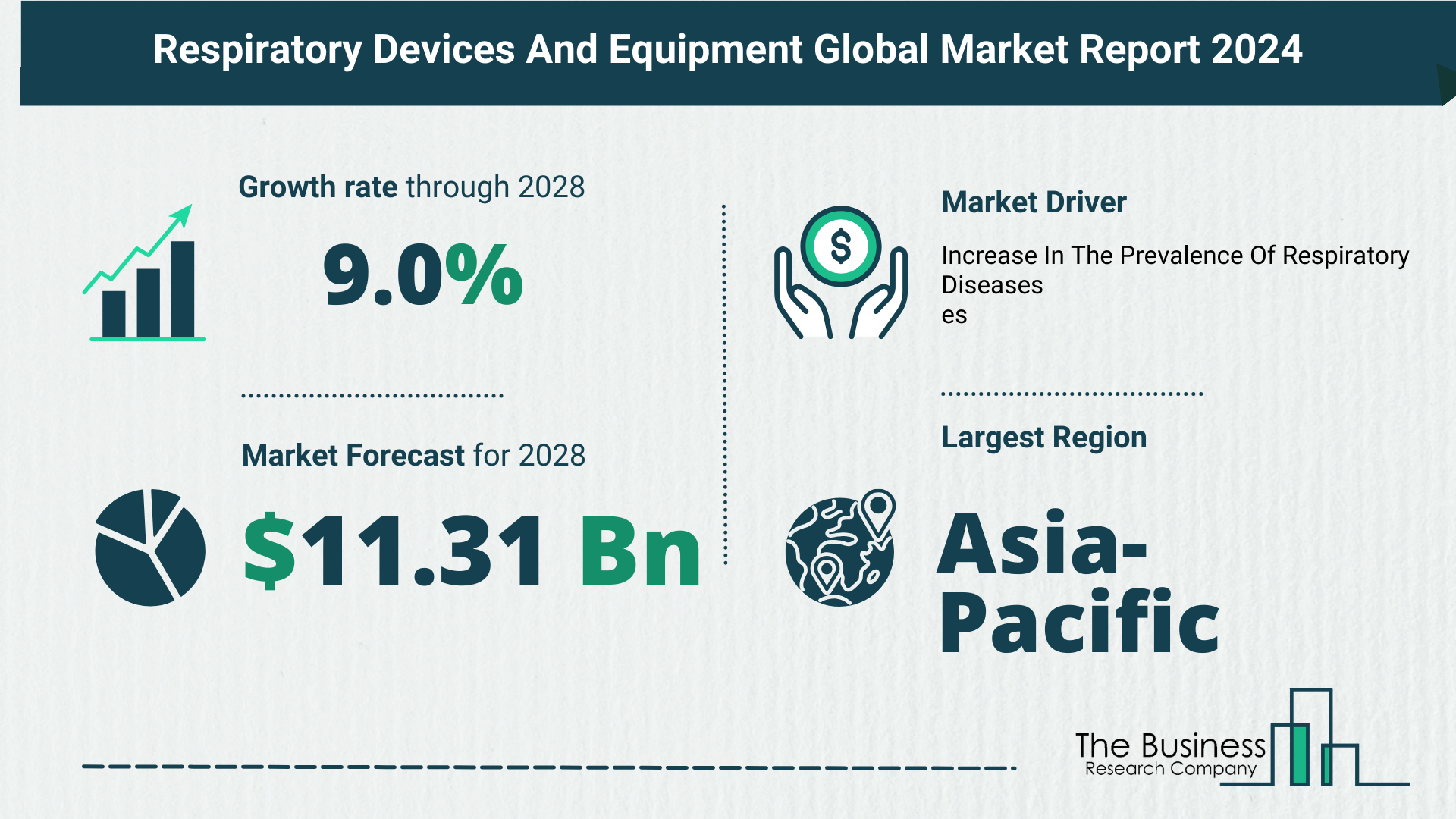
    The respiratory devices and equipment (diagnostic) market has exhibited robust growth in recent years, evolving into a critical sector for monitoring and managing respiratory health. With a projected expansion from $7.4 billion in 2023 to $8.02 billion in 2024, boasting an 8.4% compound annual growth rate (CAGR), the industry stands at the intersection of innovation and addressing pressing healthcare needs.

    Aging Population Catalyst: Driving Market Surge

    • Demographic Shift: The Aging Population
      • The rise in the aging population emerges as a significant driver for the market.
      • Respiratory diagnostic devices play a crucial role in monitoring and managing conditions like COPD and sleep apnea among the elderly.
    • Global Perspective: United Nations Insights
      • According to the United Nations Department of Economic and Social Affairs, the proportion of the world’s population aged 65 and older is expected to rise from 10% in 2022 to 16% by 2050.
      • This demographic shift underscores the imperative role of respiratory diagnostic equipment.

    Market Giants: Leading the Charge

    • Key Players: Industry Powerhouses
      • Major companies influencing the market include ResMed Inc., Medtronic PLC, and Masimo Corporation.
      • Diverse players such as Fisher & Paykel Healthcare Limited and Koninklijke Philips N.V. contribute to market vibrancy.
    • Industry Dynamics: Competitive Landscape
      • The market is fiercely competitive, with companies vying for innovation and market share.
      • Leading companies are pivotal in steering the industry’s growth trajectory.

    Simultaneous Monitoring Oximeters: A Technological Leap

    • Innovative Edge: Simultaneous Monitoring Oximeters
      • Major companies are focusing on developing simultaneous monitoring oximeters to gain a competitive edge.
      • Simultaneous monitoring oximeters provide real-time tracking of oxygen levels, a critical measure for assessing respiratory health.
    • Masimo Corporation’s Initiative: Dual SET Pulse Oximetry
      • In November 2021, Masimo Corporation launched Dual SET Pulse Oximetry, offering a more comprehensive perspective on a patient’s health status.
      • This technology enhances the screening process for critical congenital heart disease, optimizing clinical workflows.

    View More On The Respiratory Devices And Equipment (Diagnostic) Market Report 2024 – https://www.thebusinessresearchcompany.com/report/respiratory-devices-and-equipment-global-market-report

    Strategic Acquisitions: Shaping Market Dynamics

    • ICU Medical Inc.’s Acquisition of Smiths Medical
      • In January 2022, ICU Medical Inc. acquired Smiths Medical for $2.35 billion.
      • This acquisition extended ICU Medical’s portfolio into emerging clinical care markets and strengthened its infusion therapy product range.
    • Smiths Medical’s Role: Diagnostic Respiratory Devices*
      • Smiths Medical, a key player in the acquisition, contributes diagnostic respiratory devices, among other medical products.
      • The strategic move aimed at fortifying ICU Medical’s position in the evolving healthcare landscape.

    Market Segmentation: Unveiling Diversity

    • Product Diversity: Instruments and Devices, Assays, and Reagents
      • The market is segmented by product, encompassing instruments and devices, as well as assays and reagents.
      • This diversity caters to the varied needs of respiratory diagnostic applications.
    • Test Types: Traditional, Mechanical, Imaging, Molecular Diagnostic Tests
      • Segmentation by test type includes traditional diagnostic tests, mechanical tests, imaging tests, and molecular diagnostic tests.
      • Each test type plays a unique role in diagnostic processes.
    • Disease Spectrum: Chronic Obstructive Pulmonary Disease, Lung Cancer, Asthma, Tuberculosis
      • The market is further segmented by disease type, covering chronic obstructive pulmonary disease, lung cancer, asthma, and tuberculosis.
      • Tailoring diagnostics to specific diseases enhances precision in healthcare.
    • End Users: Hospital/Clinical Laboratories, Physician Offices, Reference Laboratories
      • Segmentation by end-users encompasses hospital/clinical laboratories, physician offices, and reference laboratories.
      • Varied end-users reflect the diverse settings where respiratory diagnostics are integral.

    Conclusion: Shaping a Breathable Future
    As the respiratory devices and equipment (diagnostic) market charters a course of impressive growth, propelled by factors like the aging population, technological innovations, and strategic acquisitions, it positions itself at the forefront of healthcare evolution. The convergence of demographic shifts, cutting-edge technologies, and a diverse product landscape paints a promising picture for the future, where respiratory health is not only monitored but optimized through precision diagnostics and innovative solutions.

    Request A Sample Of The Global Respiratory Devices And Equipment (Diagnostic) Market Report 2024:
    https://www.thebusinessresearchcompany.com/sample_request?id=3376&type=smp

  • Respiratory Devices And Equipment (Therapeutic) Market Report 2024: Market Size, Drivers, And Trends

    Respiratory Devices And Equipment (Therapeutic) Market Report 2024: Market Size, Drivers, And Trends

    The Business Research Company’s global market reports are now updated with the latest market sizing information for the year 2024 and forecasted to 2033

    Introduction: An Expanding Horizon The therapeutic respiratory devices and equipment market have experienced a remarkable surge, witnessing substantial growth from $19.9 billion in 2023 to an estimated $22.01 billion in 2024, boasting a robust Compound Annual Growth Rate (CAGR) of 10.6%. The roots of this growth can be traced back to the prevalence of respiratory conditions, an aging population, continuous technological advancements, and the effective management of respiratory diseases.

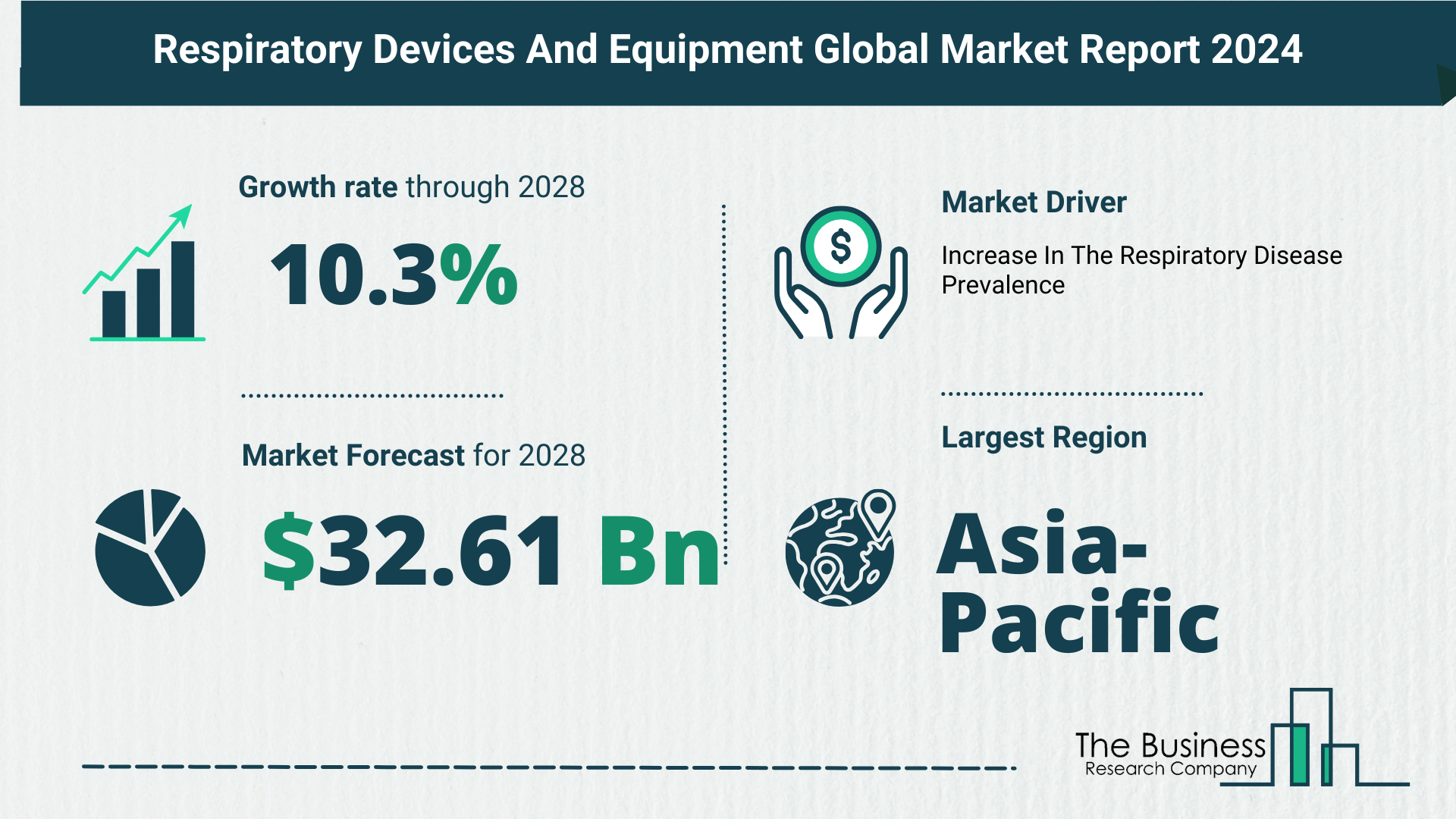
    Rapid Growth on the Horizon Projections for 2028: The therapeutic respiratory devices and equipment market are poised for rapid growth, projected to reach $32.61 billion by 2028, with a CAGR of 10.3%. This surge is fueled by factors such as the rise in chronic diseases, lifestyle-related issues, the expansion of telehealth, technological innovations, and the effective management of Chronic Obstructive Pulmonary Disease (COPD).

    Smoker Population Driving Demand Alarming Statistics: The surge in the number of smokers is anticipated to be a significant catalyst for the growth of the therapeutic respiratory devices and equipment market. Smokers, engaging in tobacco consumption through various means, are increasingly relying on respiratory devices like inhalers and nebulizers to manage conditions such as COPD, chronic bronchitis, and lung cancer. Statistics from Canada: In July 2022, Statistics Canada reported a 5.8% increase in cigarette production compared to June 2021, with a total of 1.4 billion cigarettes sold in June 2022. This uptick underscores the growing demand for therapeutic respiratory devices among smokers.

    Market Players: Pioneering the Way Forward Key Industry Players: Major companies contributing to the growth of the therapeutic respiratory devices and equipment market include Hamilton Medical AG, Koninklijke Philips N.V., Smiths Medical, GE Healthcare, and others. These entities play a crucial role in shaping the landscape of respiratory healthcare.

    View More On The Respiratory Devices And Equipment (Therapeutic) Market Report 2024 – https://www.thebusinessresearchcompany.com/report/respiratory-devices-and-equipment-therapeutic-global-market-report

    Innovations in Artificial Intelligence (AI): Revolutionizing Treatment AI Integration: The industry is witnessing a paradigm shift with the integration of Artificial Intelligence (AI) in the development of respiratory devices. AI supports the creation of innovative sensors-equipped inhalers, enabling patients to monitor their dosage intake. These sensors, both add-on and embedded, track data automatically, providing real-time insights to both doctors and patients. AI-powered Wearable Lung Monitor: In March 2022, Respira Labs introduced ‘Sylvee,’ an AI-powered wearable lung monitor. Utilizing acoustic resonance, it assesses lung function and detects variations, showcasing the potential of AI in respiratory care.

    Strategic Acquisitions: Expanding Solutions Portfolio Zoll Medical Corporation’s Acquisition: In April 2021, ZOLL Medical Corporation acquired Respicardia Inc., a move aimed at expanding its portfolio to cater to patients with respiratory and cardiovascular diseases. This strategic acquisition aligns with the industry’s commitment to providing comprehensive solutions for respiratory health.

    Market Segmentation: A Holistic View Product Segmentation: The therapeutic respiratory devices and equipment market is segmented by product, including nebulizers, humidifiers, oxygen concentrators, positive airway pressure devices, ventilators, capnographs, and gas analyzers. Technology Segmentation: The market is further segmented by technology, encompassing HEPA filter, electrostatic filtration, microsphere separation, hollow fiber filtration, and other technologies. End-User Segmentation: The end-user landscape includes homecare settings and hospitals, reflecting the diverse applications of therapeutic respiratory devices.

    Dominance in Asia-Pacific: A Regional Spotlight Regional Landscape: In 2023, Asia-Pacific emerged as the largest region in the therapeutic respiratory devices market. The region’s dominance is indicative of the growing healthcare needs and the increasing prevalence of respiratory conditions.

    Conclusion: A Breath of Progress The therapeutic respiratory devices and equipment market stand at the forefront of innovation and growth. With a focus on technological advancements, strategic acquisitions, and a commitment to providing holistic solutions, the industry is poised to address the evolving needs of patients with respiratory conditions. As digital health, remote monitoring, and AI continue to shape the landscape, the future holds promise for a more accessible and effective respiratory healthcare ecosystem. Stakeholders across the healthcare spectrum must stay attuned to these developments to capitalize on the opportunities presented by this dynamic market.

    Request A Sample Of The Global Respiratory Devices And Equipment (Therapeutic) Market Report 2024:
    https://www.thebusinessresearchcompany.com/sample_request?id=2844&type=smp

  • Key Trends And Drivers In The Protein Expression Market 2024

    Key Trends And Drivers In The Protein Expression Market 2024

    The Business Research Company’s market reports offer an in-depth analysis on the market’s growth potential, major drivers, key trends and more.

    Market Expansion and Projections

    The protein expression market has witnessed significant growth in recent years, with a market size of $3.19 billion in 2023, projected to reach $3.56 billion in 2024 at an impressive compound annual growth rate (CAGR) of 11.5%. This growth is attributed to key factors such as scientific research, biopharmaceutical development, biotechnology advancements, drug discovery and development, and the overall expansion of the healthcare industry.

    Anticipated Surge in Market Size

    Growth Forecast

    The protein expression market is poised for rapid expansion in the upcoming years, with a projected market size of $5.7 billion in 2028 at a CAGR of 12.5%. This anticipated growth is driven by factors including personalized medicine, the biosimilars market, drug repurposing, regulatory support, and the evolution of precision agriculture.

    Emerging Trends

    Major trends expected in the forecast period include the adoption of cell-free expression systems, utilization of CRISPR-Cas9 for gene editing, sustainable bioprocessing practices, the rise of contract research and manufacturing, and the integration of multi-modal expression platforms.

    Government Funding Catalyzes Market Growth

    Supportive Financial Backing

    The increasing government funding for research in the biopharmaceutical industry is set to propel the growth of the protein expression market. Governments worldwide are recognizing the importance of supporting companies and institutions engaged in developing new drugs and therapies. As an example, in September 2023, the National Center for Science and Engineering Statistics reported a 13.6% increase in federal agency commitments for research and experimental development (R&D) in FY 2021, reaching an all-time high of $190.2 billion. This financial backing facilitates the development of new protein expression technologies, ultimately reducing production costs and fostering market growth.

    Key Players Shaping the Landscape

    Market Leaders

    Major companies contributing to the protein expression market’s growth include Agilent Technologies Inc., Bio-Rad Laboratories Inc., Thermo Fisher Scientific Inc., and other key players such as Promega Corporation, Qiagen NV, and Takara Bio Inc. These industry giants play a pivotal role in driving advancements and innovations in protein expression technologies.

    Read More On The Protein Expression Market Report 2024 – https://www.thebusinessresearchcompany.com/report/protein-expression-global-market-report

    Next-Generation Solutions in Focus

    Technological Advancements

    Major companies are intensifying their focus on introducing next-generation solutions, exemplified by products like Visium CytAssist Gene and Protein Expression Assay. Developed by 10x Genomics Inc., this cutting-edge assay allows researchers to study relative protein expression patterns within the human immune system. It adopts a morphology-first approach, enabling three-dimensional spatial analysis and simultaneous collection of protein and transcriptome gene expression with histological analysis from a single tissue section. Innovations like these enhance efficiency, accuracy, and speed in protein expression studies.

    Market Segmentation:

    1. By Protein Expression:
      • Yeast Expression
      • Mammalian Expression
      • Algae Expression
      • Insect Expression
      • Bacterial Expression
      • Cell-free Expression
    2. By Product:
      • Reagents
      • Competent Cells
      • Expression Vectors
      • Services
      • Instruments
    3. By Application:
      • Therapeutic
      • Industrial
      • Research
    4. By End Use:
      • Pharmaceutical And Biotechnological Companies
      • Academic Research
      • Contract Research Organizations

    Geographical Insights

    In 2023, North America emerged as the largest region in the protein expression market, showcasing the region’s prominence in advancing biopharmaceutical research and development.

    In conclusion, the protein expression market is on a trajectory of substantial growth, fueled by government funding, technological advancements, and the strategic initiatives of major industry players. As innovations continue to shape the landscape, the market is set to play a crucial role in advancing biopharmaceuticals, contributing to breakthroughs in personalized medicine, biosimilars, and drug repurposing.

    Request for A Sample Of The Global Protein Expression Market Report:
    https://www.thebusinessresearchcompany.com/sample_request?id=2493&type=smp

  • Growth Trajectory Of The Prostate Cancer Drugs Market 2024-2033

    Growth Trajectory Of The Prostate Cancer Drugs Market 2024-2033

    The Business Research Company’s global market reports are now updated with the latest market sizing information for the year 2024 and forecasted to 2033

    The prostate cancer drugs market has witnessed robust growth in recent years, showcasing a promising trajectory. From $17.36 billion in 2023, it is set to grow to $18.55 billion in 2024, with a commendable Compound Annual Growth Rate (CAGR) of 6.8%. Anticipating a strong upward trend, projections indicate a further surge to $23.99 billion by 2028, at a CAGR of 6.6%. Key drivers for this growth include an aging population, heightened diagnoses, continual drug innovation, increased awareness and education, and robust reimbursement and insurance policies.

    Future Growth Drivers: Anticipating a Surge Projected Growth: The prostate cancer drugs market is poised for continued robust growth, reaching $23.99 billion in 2028. This expansion is fueled by factors such as a growing incidence of prostate cancer, emerging markets, supportive government policies, and increased investments in research and development. Key Trends in the Forecast Period: Major trends in the upcoming years include the rise of precision medicine, advancements in immunotherapy and targeted therapies, personalized medicine, an emphasis on clinical trials and drug pipelines, the emergence of combination therapies, the adoption of biomarker-driven treatments, and the integration of telemedicine and remote monitoring.

    Impact of Aging Population: A Driving Force Geriatric Population Influence: The increasing geriatric male population significantly contributes to the growth of the prostate cancer drugs market. Prostate cancer is prevalent among men aged above 60, and projections from the US-based Administration For Community Living indicate a 21.6% increase in the geriatric population by 2040. The impact is more pronounced in men, with approximately 6 out of 10 prostate cancer cases diagnosed in those aged 65 or older. Statistics and Awareness: Organizations like the American Cancer Society highlight the prevalence of prostate cancer in older men, emphasizing the need for increased awareness and education. The statistics reveal a direct correlation between aging and prostate cancer, underscoring the market’s growth potential.

    Key Industry Players: Shaping the Landscape Leading Companies: Major players in the prostate cancer drugs market include Astellas Pharma Inc., AstraZeneca PLC, Johnson & Johnson, Sanofi S.A., Bayer AG, F. Hoffmann-La Roche AG, and many others. These companies play a pivotal role in driving innovation, research, and development in the fight against prostate cancer.

    View More On The Prostate Cancer Drugs Market Report 2024 – https://www.thebusinessresearchcompany.com/report/prostate-cancer-drugs-global-market-report

    Innovative Approvals and Product Launches: Elevating Treatment Standards LYNPARZA Approval: In June 2023, AstraZeneca PLC and Merck & Co. Inc. achieved a significant milestone with the USFDA approval of LYNPARZA (olaparib) Plus Abiraterone and Prednisone or Prednisolone for the treatment of adult patients with BRCA-Mutated Metastatic Castration-Resistant Prostate Cancer (mCRPC). This approval marked a substantial advancement, demonstrating clinically significant improvements in both radiographic progression-free survival and overall survival compared to standard treatments. Integration of AI: The incorporation of artificial intelligence is revolutionizing prostate cancer treatment, enabling the development of innovative sensors-equipped inhalers and AI-aided imaging systems. For instance, Respira Labs launched ‘Sylvee,’ an AI-powered wearable lung monitor, showcasing the potential of AI in respiratory care.

    Strategic Acquisitions: Expanding Portfolios Bayer’s Strategic Move: In June 2021, Bayer expanded its oncology portfolio through the acquisition of Noria Therapeutics Inc. and PSMA Therapeutics Inc. This move grants Bayer exclusive access to alpha radionuclide investigational drugs and small molecules aimed at prostate-specific membrane antigen research. The acquisition aligns with Bayer’s commitment to advancing cancer therapeutics.

    Market Segmentation: A Comprehensive Outlook Segmentation Overview: The prostate cancer drugs market is segmented by type (Hormone Sensitive Prostate Cancer, Hormone Refractory Prostate Cancer), therapy (Hormonal Therapy, Chemotherapy, Immunotherapy, Targeted Therapy), and end-user (Hospitals, Clinics, Other End-Users). This comprehensive segmentation allows for a nuanced understanding of the diverse facets of the market.

    Regional Dynamics: North America Leads, Middle East Emerges Regional Landscape: In 2023, North America claimed the largest share in the prostate cancer drugs market. Looking ahead, the Middle East is anticipated to be the fastest-growing region during the forecast period, highlighting the global expansion and increased healthcare focus in emerging markets.

    Conclusion: A Unified Front Against Prostate Cancer The prostate cancer drugs market stands at the forefront of medical advancements and innovation, driven by a commitment to combat this prevalent and life-altering condition. As the industry witnesses an influx of investments, technological breakthroughs, and strategic partnerships, the future holds promise for more effective treatments and improved patient outcomes. Stakeholders, from industry players to healthcare providers, must collaborate to address the evolving challenges and seize the opportunities presented by this dynamic and vital market.

    Request A Sample Of The Global Prostate Cancer Drugs Market Report 2024:
    https://www.thebusinessresearchcompany.com/sample_request?id=2592&type=smp

  • How Is The Prenatal Testing & Newborn Screening Market Expected To Grow Through 2024-2033

    How Is The Prenatal Testing & Newborn Screening Market Expected To Grow Through 2024-2033

    The Business Research Company’s global market reports are now updated with the latest market sizing information for the year 2024 and forecasted to 2033

    According to The Business Research Company’s Prenatal Testing & Newborn Screening Global Market Report 2024, the prenatal testing & newborn screening market is expected to show promising growth in the forecast period.

    The prenatal testing & newborn screening market has witnessed rapid growth, marking its significance in ensuring the health and well-being of infants and expecting mothers. With a surge from $5.52 billion in 2023 to an estimated $6.2 billion in 2024, reflecting a remarkable compound annual growth rate (CAGR) of 12.4%, this market is on the trajectory of transformative growth.

    Rising Birth Rate: A Driving Force

    • Birth Rate Surge: Catalyst for Growth
      • The growth in the birth rate is a key driver for the expansion of the prenatal testing and newborn screening market.
      • Prenatal testing assesses fetal health, while newborn screening aids in early intervention for certain medical conditions.
    • CDC Insights: A Snapshot of Birth Rate
      • According to the Centers for Disease Control and Prevention (CDC), there was a 1% rise in births in 2021, totaling 3,659,289 recorded births.
      • The general fertility rate increased to 56.6 births per 1,000 women aged 15-44, indicating a 1% rise from 2020.

    Market Giants: Pioneers in Prenatal Health

    • Major Players: Shaping the Landscape
      • Key companies influencing the market include PerkinElmer Inc., Natera Inc., and Roche Diagnostics International AG.
      • Diverse players like Eurofins Scientific and Illumina Inc. contribute to the market’s growth and diversity.
    • Industry Dynamics: A Competitive Realm
      • The prenatal testing & newborn screening market is fiercely competitive, with companies vying for innovation and market share.
      • Leading companies play a pivotal role in steering the industry’s growth trajectory.

    View More On The Prenatal Testing & Newborn Screening Market Report 2024 – https://www.thebusinessresearchcompany.com/report/prenatal-testing-and-newborn-screening-global-market-report

    AI and Machine Learning Integration: Transformative Technologies

    • Emergence of AI and Machine Learning
      • Machine learning and artificial intelligence are gaining prominence in the prenatal testing & newborn screening market.
      • AI and machine learning enable detailed data analysis, disease insights, and more accurate evaluations of tissue samples.
    • Sema4’s Innovative Solution: Sema4 Elements
      • In September 2021, Sema4 launched Sema4 Elements, AI-driven genetic solutions for patients and providers.
      • Sema4 Elements use artificial intelligence to manage patients holistically throughout their reproductive and generational health journeys.

    Strategic Acquisitions: Shaping the Landscape

    • Exact Sciences Corp.’s Acquisition of Prevention Genetics
      • In January 2022, Exact Sciences Corp. acquired Prevention Genetics for $190 million.
      • The acquisition expands Exact Sciences’ advanced cancer diagnostics portfolio and marks its entry into the hereditary cancer testing (HCT) market.
    • Prevention Genetics’ Role: Genetic Testing*
      • Prevention Genetics, the acquired company, specializes in manufacturing clinical DNA tests for prenatal testing and newborn screening.
      • This strategic move enhances Exact Sciences’ capabilities in genetic testing.

    Market Segmentation: Understanding the Diversity

    • Diagnostic Type Variation: Non-Invasive vs. Invasive
      • The market is segmented by diagnostic type, including non-invasive and invasive testing.
      • This segmentation caters to different preferences and requirements in prenatal testing and newborn screening.
    • Technological Dimensions: Screening vs. Diagnostic Technology
      • Segmentation by technology includes screening technology and diagnostic technology.
      • Technological advancements in both areas contribute to the market’s overall growth.
    • End Users: Hospitals and Diagnostic Centers
      • The market caters to various end-users, including hospitals and diagnostic centers.
      • Different end-users represent the diverse settings where prenatal testing and newborn screening are integral.

    Conclusion: A Compassionate Future Beckons

    As the prenatal testing & newborn screening market charts its course towards an estimated $9.76 billion in 2028, propelled by factors like rising birth rates, technological innovations, and strategic acquisitions, it stands as a beacon of hope for expecting parents and healthcare providers alike. The convergence of demographic shifts, cutting-edge technologies, and a diverse product landscape paints a promising picture for the future, where early detection and intervention shape healthier beginnings for the newest members of our society.

    Request A Sample Of The Global Prenatal Testing & Newborn Screening Market Report 2024:
    https://www.thebusinessresearchcompany.com/sample_request?id=3350&type=smp

  • What’s The Growth Forecast For Polycystic Ovarian Syndrome Treatment Market Through 2024-2033?

    What’s The Growth Forecast For Polycystic Ovarian Syndrome Treatment Market Through 2024-2033?

    The Business Research Company’s global market reports provide comprehensive analysis on the various markets in 27 industries across 60 geographies.

    The polycystic ovarian syndrome (PCOS) treatment market has been on a robust growth trajectory, witnessing an impressive surge from $4.49 billion in 2023 to an anticipated $4.74 billion in 2024, representing a substantial Compound Annual Growth Rate (CAGR) of 5.7%. This surge in the historic period is attributed to heightened awareness, advancements in medical technology, lifestyle changes, pharmaceutical innovations, and supportive government initiatives.

    Future Growth Trajectory

    Looking ahead, the PCOS treatment market is poised for formidable growth, projected to reach $6.19 billion in 2028 with a robust CAGR of 6.9%. The anticipated growth in the forecast period is underpinned by factors such as the advent of personalized medicine, the integration of telemedicine and remote monitoring, increased emphasis on research and development, a rising prevalence of PCOS, and a supportive regulatory environment. Key trends in the forecast period encompass a holistic approach to treatment, patient-centered care, digital health solutions, multidisciplinary care, and a focus on patient education.

    Global Surge in Genetic and Hormonal Disorders Fuels PCOS Treatment Market

    Rising Prevalence of PCOS

    The global upswing in genetic and hormonal disorders, particularly among premenopausal women, is a pivotal factor propelling the PCOS treatment market. PCOS, a prevalent hormonal disorder, manifests with reproductive, endocrine, and metabolic abnormalities. Global PCOS prevalence varies from 2.2% to 26%, with regional variations such as 2% to 7.5% in China, 6.3% in Sri Lanka, 9.13% in south India, and a staggering 22.5% in Maharashtra. The escalating incidence of genetic and hormonal disorders globally is a driving force behind the expanding PCOS treatment market.

    View More On The Polycystic Ovarian Syndrome Treatment Market Report 2024 – https://www.thebusinessresearchcompany.com/report/polycystic-ovarian-syndrome-treatment-global-market-report

    Major Players Shaping the Landscape

    Key Players in the PCOS Treatment Market

    Several major companies are contributing significantly to the growth of the PCOS treatment market. Key players include Bristol-Myer Squibb Co, Bayer AG, Pfizer Inc., Merck KGaA, Sanofi SA, AstraZeneca PLC, Novartis AG, Teva Pharmaceutical Industries Limited, Abbott Laboratories, Addex Therapeutics Ltd., BIOCAD, Allergan plc., Johnson and Johnson, and others.

    Innovation through PCOS Drug Program

    To enhance market profitability, major companies are introducing innovative programs like the PCOS Drug Program. Launched by Celmatix Inc. in April 2023, this program combines lifestyle changes and medications to manage PCOS symptoms. Celmatix’s PCOS Drug Program is focused on improving ovarian function by addressing the underlying causes of all PCOS symptoms. Notably, early leads from this program aim to develop the first-ever oral FSH receptor.

    Strategic Acquisitions: Advancing Women’s Health Innovation

    Organon& Co. Acquires Forendo Pharma

    In a significant move, Organon& Co., an American pharmaceutical company dedicated to improving women’s health, acquired Forendo Pharma for $954 million in December 2021. This strategic acquisition positions Organon to drive innovation in women’s health, specifically in the realm of polycystic ovarian syndrome (PCOS). Forendo Pharma, a Finland-based clinical stage pharmaceutical company, specializes in intracrinology and PCOS, contributing valuable expertise to Organon’s portfolio.

    Market Segmentation: Understanding the Nuances

    Segmentation Overview

    The PCOS treatment market is meticulously segmented to address diverse needs:

    1. By Drug Type:Oral Contraceptives, Ornithine Decarboxylase Inhibitors, Insulin-Sensitizing Agents, Anti-Depressants, Diuretics, Aromatase Inhibitors
    2. By Surgery Type:Ovarian Wedge Resection, Laparoscopic Ovarian Drilling
    3. By End User:Hospitals & Clinics, Ambulatory Surgical Centers, Diagnostic Centers, Gynecology Centers, Feminist Health Centers

    Regional Dominance

    In 2023, North America emerged as the largest region in the PCOS treatment market, signifying the region’s significance in addressing and managing PCOS.

    Conclusion: Paving the Way for Women’s Health

    In conclusion, the PCOS treatment market stands at the forefront of advancing women’s health globally. With a steady historical growth trajectory and promising projections for the future, this market is not just about treating a medical condition but transforming women’s lives. Innovations like the PCOS Drug Program, strategic acquisitions, and a holistic approach to treatment underscore the commitment of major players in shaping the landscape of PCOS treatment. As we navigate the evolving dynamics, it is evident that the PCOS treatment market is poised to play a pivotal role in empowering women’s health and well-being.

    Request A Sample Of The Global Polycystic Ovarian Syndrome Treatment Market Report 2024:
    https://www.thebusinessresearchcompany.com/sample_request?id=2827&type=smp

  • Global PCR And Realtime PCR Testing Market Analysis 2024: Size, Share, And Key Trends

    Global PCR And Realtime PCR Testing Market Analysis 2024: Size, Share, And Key Trends

    The Business Research Company’s global market reports are now updated with the latest market sizing information for the year 2024 and forecasted to 2033

    As per The Business Research Company’s PCR And Realtime PCR Testing Global Market Report 2024, the PCR and realtime PCR testing market is expected to show significant growth in the forecast period.

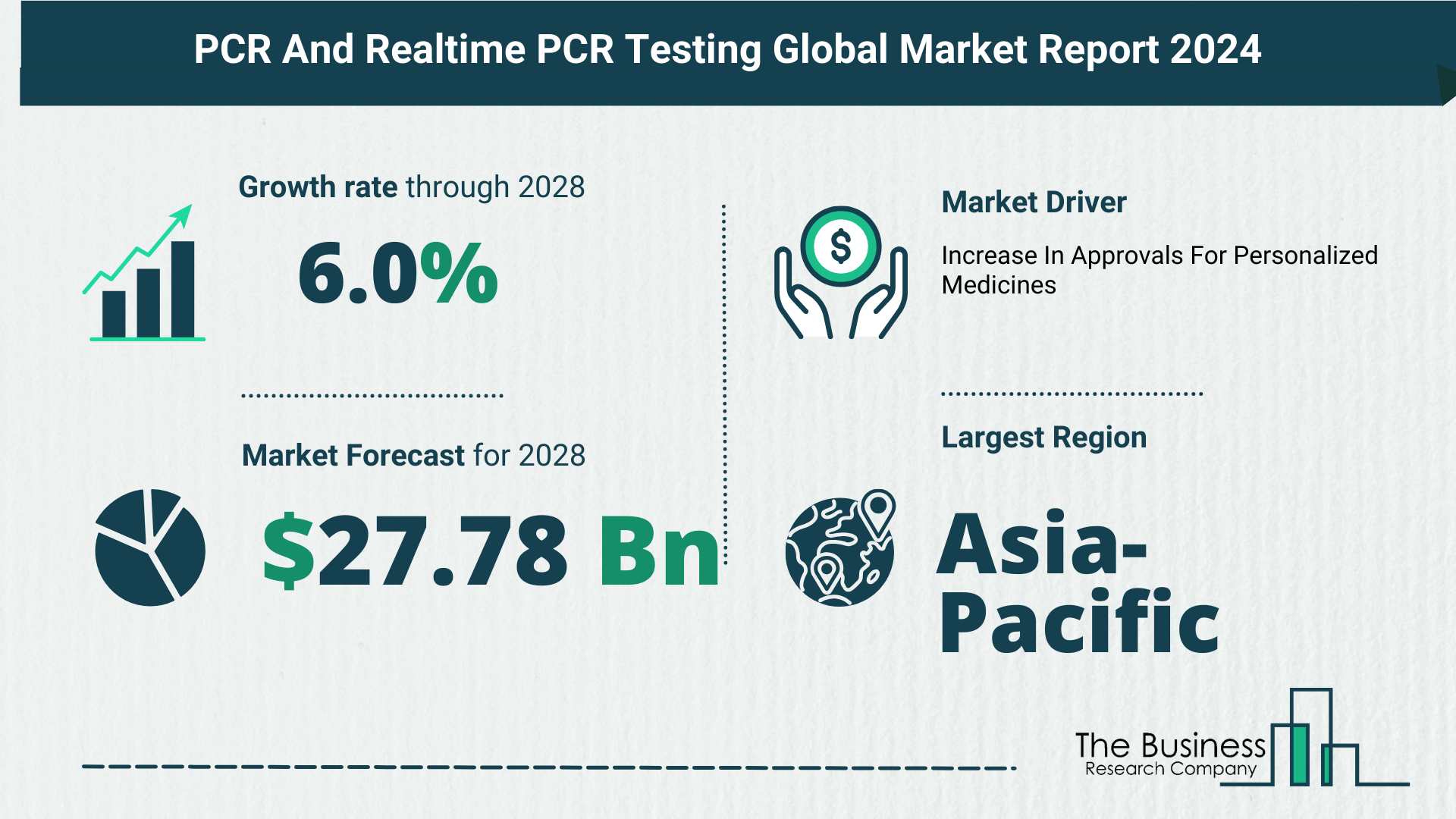
    The PCR and real-time PCR testing market has experienced robust growth in recent years, showcasing a steady upward trajectory. With the market size set to reach $22.03 billion in 2024 and a projected surge to $27.78 billion by 2028 at a CAGR of 6.0%, various factors contribute to this upward trend.

    Historical Growth Catalysts

    • Disease Diagnosis and Research:PCR and real-time PCR have played a pivotal role in disease diagnosis and genomic studies.
    • Automation and High Throughput:The adoption of automation and high throughput technologies has accelerated the market’s historical growth.
    • Pharmaceutical and Biotechnology Applications:PCR’s applications in pharmaceutical and biotechnology industries have been crucial for research and development.
    • Point-of-Care Testing:The convenience of point-of-care testing has significantly contributed to market expansion.

    Forecasted Growth Drivers

    • Pandemic Response:The ongoing need for effective testing in response to pandemics fuels market growth.
    • Precision Medicine:Growing applications in precision medicine contribute to the anticipated market surge.
    • Cancer Diagnostics:PCR’s role in cancer diagnostics enhances its significance in the healthcare landscape.
    • Infectious Disease Surveillance:The focus on infectious disease surveillance continues to drive demand for PCR testing.

    View More On The PCR And Realtime PCR Testing Market Report 2024 – https://www.thebusinessresearchcompany.com/report/pcr-and-realtime-pcr-testing-global-market-report

    Key Trends in the Forecast Period

    • Infectious Disease Testing:Increased emphasis on infectious disease testing aligns with global health priorities.
    • Point-of-Care Testing:The demand for convenient and rapid point-of-care testing remains a key trend.
    • Digital PCR:Advancements in digital PCR technology offer enhanced accuracy and sensitivity.
    • Multiplex Assays:Multiplex assays enable the simultaneous detection of multiple targets, improving efficiency.

    Rising Approvals for Personalized Medicines Driving Market Growth

    The rising approvals for personalized medicines emerge as a significant driver for the PCR and real-time PCR testing market. Personalized medicines, tailored to individual patient characteristics, utilize PCR technology for precise genetic identification. In 2021, 35% of FDA-approved new molecular entities were classified as personalized medicines, demonstrating the increasing role of PCR in this field. This personalized approach enhances treatment efficacy by aligning interventions with patients’ genetic, biomarker, and psychosocial characteristics.

    Major Players Shaping the Market

    Leading companies influencing the PCR and real-time PCR testing market include:

    • Abbott Laboratories
    • Agilent Technologies Inc.
    • bioMérieux SA
    • Bio-Rad Laboratories Inc.
    • Hoffmann-La Roche Ltd.
    • QIAGEN N.V.
    • GenMark Diagnostics Inc.
    • Thermo Fisher Scientific Inc.
    • BioFire Diagnostics LLC
    • Cepheid Inc.
    • Illumina Inc.
    • Oxford Nanopore Technologies Ltd.
    • Myriad Genetics Inc.

    Advanced Diagnostic Tool for Ankylosing Spondylitis

    Major companies in the market are focused on developing advanced diagnostic tools. For instance, Mylab Discovery Solutions launched the Discover Series HLAB*27 Detection Kit, an RT-PCR diagnostic instrument designed to diagnose Ankylosing Spondylitis. This kit, utilizing real-time PCR technology, offers almost 100% accuracy, addressing a critical need for early detection in genetically susceptible individuals.

    Market Segmentation: Unraveling Complexity

    The PCR and real-time PCR testing market is segmented based on:

    1. Product:Consumables and Reagents, Instruments, Software, and Services
    2. Technology:Quantitative PCR, Digital PCR
    3. Application:Clinical Diagnostics, Life Science Research, Industrial Applications, Other Applications
    4. End-Use:Academic and Research Institutes, Pharmaceutical and Biotechnology, Clinical Diagnostics Labs and Hospitals, Other End Users

    Conclusion: Anticipating a Flourishing Future

    With a blend of historical foundations and futuristic trends, the PCR and real-time PCR testing market is poised for continuous growth. From personalized medicine to advanced diagnostics, the industry’s focus on innovation ensures its relevance in addressing evolving healthcare needs. As the market expands, the diverse applications of PCR technology underscore its pivotal role in shaping the landscape of modern diagnostics and research.

    Request A Sample Of The Global PCR And Realtime PCR Testing Market Report 2024:
    https://www.thebusinessresearchcompany.com/sample_request?id=2841&type=smp

  • Nutritional Feed Additives Market Growth Analysis Till 2033 By The Business Research Company

    Nutritional Feed Additives Market Growth Analysis Till 2033 By The Business Research Company

    The Business Research Company’s market reports offer an in-depth analysis on the market’s growth potential, major drivers, key trends and more.

    Market Momentum and Projections
    The nutritional feed additives market has experienced robust growth in recent years, with the market size surging from $4.18 billion in 2023 to an anticipated $4.5 billion in 2024, marking a compound annual growth rate (CAGR) of 7.7%. This growth is underpinned by factors such as livestock health and productivity, disease prevention, nutritional supplementation, and the increased production of meat and dairy.

    Anticipated Strong Growth

    Growth Forecast
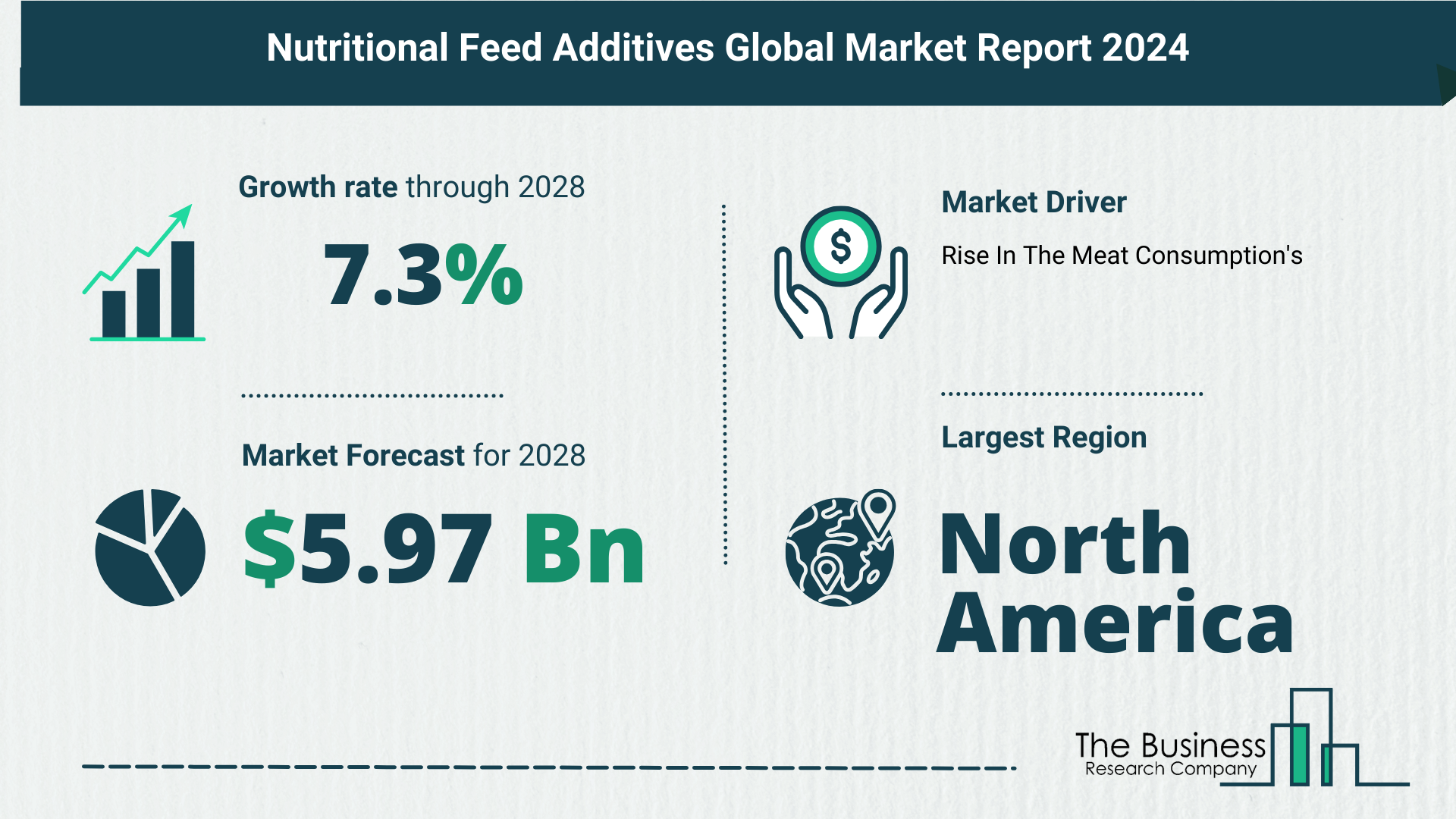
    The nutritional feed additives market is poised for continued strong growth, projected to reach $5.97 billion in 2028 at a CAGR of 7.3%. The anticipated expansion in the forecast period is attributed to factors like sustainable animal agriculture, antibiotic alternatives, precision livestock farming, and ongoing product innovation.

    Emerging Trends
    Major trends expected in the forecast period encompass the adoption of functional feed additives, the rise of amino acids and protein supplements, the prominence of omega-3 fatty acids, and a growing emphasis on sustainable and ethical farming practices.

    Driving Forces of Market Growth

    Increasing Livestock Farming
    The surge in livestock farming is a key driver propelling the nutritional feed additives market. The global rise in population and escalating demand for animal-based products are steering this growth. Nutritional feed additives play a vital role in enhancing animal health, growth, and productivity by providing essential nutrients, vitamins, and minerals in animal diets. For example, in 2022, beef and veal’s worth in the UK surged by 12%, reaching £3.8 billion, reflecting the increasing importance of livestock farming.

    Industry Giants Shaping the Landscape

    Key Players
    Major companies contributing to the nutritional feed additives market’s growth include BASF SE, Cargill Incorporated, Archer Daniels Midland Company, and other influential players like Evonik Industries AG, Nutreco N.V, and Kemin Industries Inc. These industry giants are pivotal in driving advancements and innovations in nutritional feed additives.

    Read More On The Nutritional Feed Additives Market Report 2024 – https://www.thebusinessresearchcompany.com/report/nutritional-feed-additives-global-market-report

    Innovation: Staying Competitive in the Market

    Introducing Sweetener Products
    Major companies in the nutritional feed additives market are introducing innovative products to gain a competitive edge. For instance, ADM, a global leader in human and animal nutrition, launched SUCRAM M’I Sweet and SUCRAM Specifeek, sweetening agents designed to enhance the taste of feed for young animals, particularly weanling pigs. These products contribute to improved feed consumption and operational efficiency while promoting the overall health and well-being of animals.

    Strategic Acquisitions: Elevating Capacities

    Noble Foods Acquires Hi Peak Feeds
    In March 2022, Noble Foods, a UK-based fresh egg supplier, acquired Hi Peak Feeds, an organic manufacturer of feeds, blends, minerals, and specialty products. This strategic move not only provides Noble Foods with enhanced production capacity but also reinforces the company’s commitment to sustainability.

    Market Segmentation:

    1. By Form:
      • Dry
      • Liquid
      • Other Forms
    2. By Additive Type:
      • Antibiotics
      • Vitamins
      • Antioxidants
      • Amino Acids
      • Enzymes
      • Mycotoxin Detoxifiers
      • Prebiotics
      • Probiotics
      • Flavors and Sweeteners
      • Pigments
      • Binders
      • Minerals
    3. By Livestock:
      • Ruminants
      • Poultry
      • Swine
      • Aquatic
    4. By Distribution Channel:
      • Direct
      • Indirect
      • Hypermarket/Supermarket
      • Specialty Stores
      • Online Retail

    Geographical Influence
    In 2023, North America emerged as the largest region in the nutritional feed additives market, reflecting the region’s prominence in advancing the industry.

    In conclusion, the nutritional feed additives market’s trajectory is marked by steady growth, driven by increasing livestock farming, innovative product introductions, and strategic acquisitions. As the industry continues to evolve, with a focus on sustainability and ethical farming practices, it is set to play a pivotal role in meeting the rising global demand for animal-based products.

    Request for A Sample Of The Global Nutritional Feed Additives Market Report:
    https://www.thebusinessresearchcompany.com/sample_request?id=2604&type=smp