Blog

  • Non-invasive Prenatal Testing Market Report 2024: Market Size, Drivers, And Trends

    Non-invasive Prenatal Testing Market Report 2024: Market Size, Drivers, And Trends

    The Business Research Company’s global market reports are now updated with the latest market sizing information for the year 2024 and forecasted to 2033

    The non-invasive prenatal testing (NIPT) market has experienced a remarkable surge in recent years, showcasing substantial growth in both historical and forecast periods. With the market size projected to reach $5.44 billion in 2024 and a forecasted increase to $9.43 billion by 2028 at a CAGR of 14.7%, several factors contribute to this upward trajectory.

    Historical Growth Factors

    • Improved Accuracy and Reduced Risk: Technological advancements have led to enhanced accuracy and reduced risks associated with NIPT.
    • Increased Maternal Age: A significant factor contributing to growth is the rising trend of women opting for pregnancy at later stages in life.
    • Growing Awareness and Clinical Guidelines: Greater awareness and adherence to clinical guidelines have propelled the adoption of NIPT.

    Forecasted Growth Trends

    • Expanding Test Offerings: The market is expected to witness growth due to an increase in the types of tests offered.
    • Wider Accessibility: Improved accessibility of NIPT services will contribute to market expansion.
    • Telemedicine and Digital Health: The integration of telemedicine and digital health technologies will play a pivotal role in the growth of NIPT.

    The Role of Increasing Maternal Age in Driving NIPT Market Growth
    Increasing maternal age emerges as a key factor influencing the growth of the NIPT market. Factors such as pursuing education, career, delayed marriage, and improved contraception contribute to delayed childbirth. The subsequent higher risk of chromosomal abnormalities prompts expectant mothers to opt for NIPT. The statistics support this trend:

    • In 2022, provisional birth rates for women aged 35-39 and 40-44 increased by 2% and 4%, respectively.
    • Birth rates for women aged 45-49 surged by 12%, marking the first change in this rate since 2015.

    As maternal age continues to rise, NIPT remains a crucial tool for assessing pregnancy health.

    Advancements In Next-Generation Sequencing: Transforming NIPT Research
    Next-generation sequencing (NGS) has revolutionized NIPT research by increasing throughput, scalability, and speed. Major companies like Illumina, Eurofins, Natera, Roche, and Annoroad leverage NGS to optimize DNA testing processes. Notable developments include:

    • CFDA approval for NGS instrument NextSeq 550AR by Annoroad.
    • The transformative impact of NGS on reducing time and cost, while enhancing genomic and DNA testing outcomes.

    Industry Collaborations: Echelon’s Acquisition of Cradle Genomics
    In May 2021, Echelon Diagnostics collaborated with Cradle Genomics, marking a significant move in the NIPT landscape. Echelon’s expertise in genomic healthcare AI imaging analysis synergizes with Cradle Genomics, a specialist in non-invasive prenatal testing services. This collaboration aims to accelerate the development of Cradle’s cellular-based NIPT products, showcasing the industry’s commitment to innovation.

    View More On The Non-invasive Prenatal Testing Market Report 2024 – https://www.thebusinessresearchcompany.com/report/non-invasive-prenatal-testing-global-market-report

    Market Segmentation and Regional Dominance
    The non-invasive prenatal testing market is segmented based on type, application, and end-user:

    1. Type: Consumables and Instruments
    2. Application: Trisomy, Microdeletion, Genetics, Rh factor
    3. End User: Hospital and Diagnostic Labs

    Regional Dominance: North America Leads
    In 2023, North America emerged as the largest region in the NIPT market. The region’s robust healthcare infrastructure, coupled with increasing awareness and adoption of advanced technologies, contributed to its dominance. The trend is expected to persist with the region playing a pivotal role in shaping the future of the NIPT market.

    Key Players Shaping the NIPT Landscape
    Major companies operating in the NIPT market include:

    • F. Hoffmann-La Roche AG
    • Illumina Inc.
    • Laboratory Corporation of America Holdings
    • Natera Inc.
    • BGI Diagnosis Co Ltd.
    • Berry Genomics Co
    • LifeCodexx AG
    • Myriad Genetics Inc.
    • NIPD Genetics Co Ltd.
    • Sequenom Inc.
    • Annoroad Gene Technology Co Ltd.
    • Centogene AG
    • Counsyl Inc.
    • EUROFINS Genoma Group
    • Eurofins Scientific SE
    • QIAGEN NV
    • MedGenome Labs Ltd.
    • Progenity Inc.

    Request A Sample Of The Global Non-invasive Prenatal Testing Market Report 2024:
    https://www.thebusinessresearchcompany.com/sample_request?id=2492&type=smp

  • Top 5 Insights From The Metabolomics Market Report 2024

    Top 5 Insights From The Metabolomics Market Report 2024

    The Business Research Company’s global market reports are now updated with the latest market sizing information for the year 2024 and forecasted to 2033

    According to The Business Research Company’s Metabolomics Global Market Report 2024, the metabolomics market is expected to show promising growth in the forecast period.

    The metabolomics market has witnessed a remarkable surge in recent years, with its size catapulting from $3.11 billion in 2023 to an anticipated $3.6 billion in 2024, boasting a robust Compound Annual Growth Rate (CAGR) of 15.8%. This expansion in the historic period is accredited to various factors, such as healthcare advancements, drug discovery and development, disease biomarker identification, contributions from academic and research institutions, and breakthroughs in nutrition and food science.

    Future Projections
    Looking ahead, the metabolomics market is poised for even more substantial growth, with a projected size of $6.68 billion in 2028, demonstrating a promising CAGR of 16.7%. The forecasted period’s growth is driven by key factors including personalized healthcare, drug safety and efficacy, microbiome and gut health exploration, environmental and agricultural applications, and advancements in regenerative medicine. Major trends to watch in this period encompass integration with other omics, targeted metabolomics, single-cell metabolomics, as well as the increasing role of data analytics and artificial intelligence, alongside a rise in point-of-care testing.

    Cancer Prevalence Fueling Metabolomics Innovations

    Global Impact of Cancer
    A major catalyst for the metabolomics market surge is the escalating prevalence of cancer worldwide. Metabolomics plays a pivotal role in early cancer diagnosis, screening potential biomarkers to gauge drug responsiveness and facilitate timely intervention. Shockingly, according to a 2021 WebMD report, a staggering 10 million people succumbed to cancer globally. In the U.S. alone, the American Cancer Society projects 1.9 million new cases and 609,360 deaths in 2022, averaging 1,670 fatalities daily.

    Metabolomics Approaches in Cancer Research
    Metabolomics techniques, such as nuclear magnetic resonance (NMR) and mass spectrometry (MS), have become integral in cancer research. Renowned companies like Metabolon Inc., Bruker Corp., and others have embraced metabolomics, leveraging tools for early cancer detection and therapeutic advancements. In a bid to combat this global health crisis, these companies are at the forefront of utilizing metabolomics to drive breakthroughs in cancer diagnostics and treatment.

    View More On The Metabolomics Market Report 2024 – https://www.thebusinessresearchcompany.com/report/metabolomics-global-market-report

    Elevating Metabolomics Excellence: Thermo Fisher Scientific’s Collaborative Approach with the University of California

    Strategic Partnerships in Metabolomics
    Major players in the metabolomics market are strategically aligning to fortify their positions. Thermo Fisher Scientific Inc., a leading entity in the field, collaborated with the University of California to establish the Center of Excellence in Clinical Metabolomics. Launched in July 2021, this collaborative research initiative aims to standardize efforts within the metabolomics community, fostering large-scale cohort investigations and clinical research.

    Center of Excellence Objectives
    The Center of Excellence in Clinical Metabolomics, a joint venture between Thermo Fisher Scientific Inc. and the University of California, focuses on providing large-scale population-based metabolic analysis. This initiative includes standardized procedures, workflows for end-to-end metabolic profiling, customized chromatography-mass spectrometry (LC-MS) techniques, analytical control protocols, and training sessions for metabolomics professionals. The University of California, a public grant research university, brings its academic prowess to this transformative partnership.

    Strategic Acquisition Boosts Clinical Microbiomics Metabolomics Capabilities

    Innovation Through Acquisition
    In a noteworthy move, Denmark-based Clinical Microbiomics acquired MS-Omics in October 2022, augmenting its metabolomics capabilities. The undisclosed acquisition added specialized metabolic profiling offerings to Clinical Microbiomics’ portfolio, advancing its systems biology platform and facilitating global research initiatives. MS-Omics, the acquired company, further solidifies Denmark’s position as a hub for metabolomics excellence.

    Market Segmentation
    The metabolomics market is intricately segmented to cater to diverse needs. The segmentation includes:

    1. By Product & Service: Metabolomics Instruments, Metabolomics Bioinformatics Tools & Services
    2. By Indication: Cancer, Cardiovascular Disorders, Neurological Disorders, Inborn Errors of Metabolism, Other Indications
    3. By Application: Biomarker Discovery, Drug Discovery, Toxicology Testing, Nutrigenomics, Functional Genomics, Personalized Medicine, Other Applications

    Regional Dominance
    In 2023, North America emerged as the largest region in the metabolomics market, further underscoring the global significance and prominence of this evolving field.

    Request A Sample Of The Global Metabolomics Market Report 2024:
    https://www.thebusinessresearchcompany.com/sample_request?id=2497&type=smp

  • What Is The Forecast Growth Rate For The Respiratory Monitoring Devices Market?

    What Is The Forecast Growth Rate For The Respiratory Monitoring Devices Market?

    The Business Research Company’s market reports offer an in-depth analysis on the market’s growth potential, major drivers, key trends and more.

    Market Growth and Projections
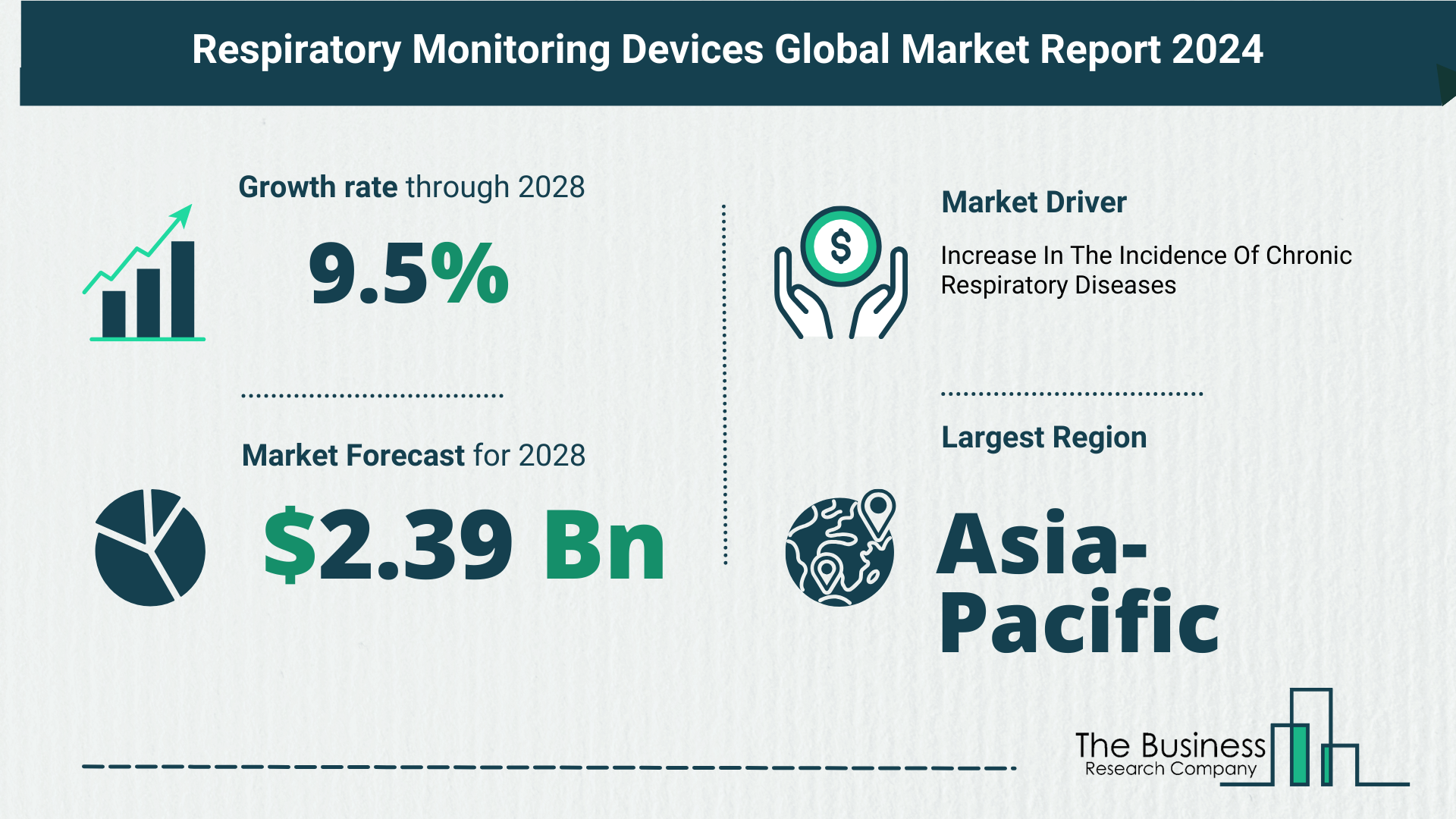
    The respiratory monitoring devices market has witnessed rapid growth in recent years, with a substantial increase in its market size. In 2023, the market size was $1.5 billion, and it is expected to reach $1.67 billion in 2024, exhibiting a compound annual growth rate (CAGR) of 11.0%. Looking ahead, the market is poised for continued expansion, projected to grow to $2.39 billion in 2028 at a CAGR of 9.5%. This growth is attributed to various factors, including respiratory health awareness, chronic diseases, remote patient monitoring, wearable technology, and technological advancements.

    Driving Forces Behind Market Growth

    Rising Incidence of Chronic Respiratory Diseases
    The surge in chronic respiratory diseases, such as asthma, bronchitis, and pneumonia, is a significant driving force for the respiratory monitoring devices market. The prevalence of these conditions, often resulting from bacterial and viral infections, underscores the critical need for effective monitoring tools. For instance, in 2021, the Centers for Disease Control and Prevention reported 142,342 deaths in the U.S. due to chronic lower respiratory diseases. Similarly, in Australia, 30% of the population, approximately 7.5 million people, have been diagnosed with chronic respiratory diseases.

    Essential Devices for Monitoring
    Respiratory monitoring devices, including spirometers and pulse oximeters, play a pivotal role in monitoring vital respiratory parameters. Key players in the market include Covidien LLC, GE Healthcare Inc., Philips Healthcare, ResMed Corp., Siemens Healthcare GmbH, and others. These companies contribute to the development and distribution of essential monitoring devices to address the growing demand.

    Innovations in Respiratory Monitoring

    Innovative Solutions for Improved Respiratory Care
    Major companies operating in the respiratory monitoring devices market are actively focusing on innovation to enhance their product offerings. One notable example is the HeroTracker Sense, introduced by AptarGroup, Inc. This device, designed as a respiratory monitoring tool, transforms a standard metered dose inhaler (pMDI) into a smart, connected healthcare device. The HeroTracker Sense not only helps patients with asthma and chronic obstructive pulmonary disease (COPD) adhere to their medication regimens but also collects healthcare analytics, enabling better care delivery by healthcare providers.

    Read More On The Respiratory Monitoring Devices Market Report 2024 – https://www.thebusinessresearchcompany.com/report/respiratory-monitoring-devices-global-market-report

    Strategic Moves and Acquisitions

    Senzime Ab Enhances Product Portfolio
    In June 2022, Senzime AB, a U.S.-based manufacturer of patient monitoring systems, acquired Respiratory Motion for an initial cash payment of $19 million. This strategic acquisition is poised to expand Senzime’s product portfolio in the monitoring devices market, strengthening the company’s capabilities. Respiratory Motion, a U.S.-based respiratory medical device manufacturer, adds valuable assets to Senzime’s offerings.

    Market Segmentation
    The respiratory monitoring devices market is segmented based on various criteria, providing a comprehensive understanding of its dynamics.

    Market Segmentation:

    1. By Type:
      • Capnographs
      • Gas Analyzers
      • Pulse Oximeters
      • Peak Flow Meters
      • Spirometers
      • Polysomnographs
      • Others Types
    2. By Application:
      • Chronic Obstructive Pulmonary Disease (COPD)
      • Infectious Diseases
      • Asthma
      • Other Applications
    3. By End-User:
      • Laboratories
      • Hospitals
      • Home Use

    Geographical Insights
    In 2023, Asia-Pacific emerged as the largest region in the respiratory monitoring devices market, reflecting the global nature of the industry and the diverse healthcare landscape.

    In conclusion, the respiratory monitoring devices market is experiencing robust growth driven by factors such as the rising incidence of chronic respiratory diseases, technological innovations, and strategic acquisitions. With ongoing advancements in connected devices, data analytics, and artificial intelligence, the future of respiratory monitoring holds promising opportunities for improved patient care and enhanced healthcare outcomes.

    Request for A Sample Of The Global Respiratory Monitoring Devices Market Report:
    https://www.thebusinessresearchcompany.com/sample_request?id=2845&type=smp

  • 5 Key Insights On The Electrosurgical Devices And Equipment Market 2024

    5 Key Insights On The Electrosurgical Devices And Equipment Market 2024

    The Business Research Company’s global market reports are now updated with the latest market sizing information for the year 2024 and forecasted to 2033

    As per The Business Research Company’s Electrosurgical Devices And Equipment Global Market Report 2024, the electrosurgical devices and equipment market is expected to show significant growth in the forecast period.

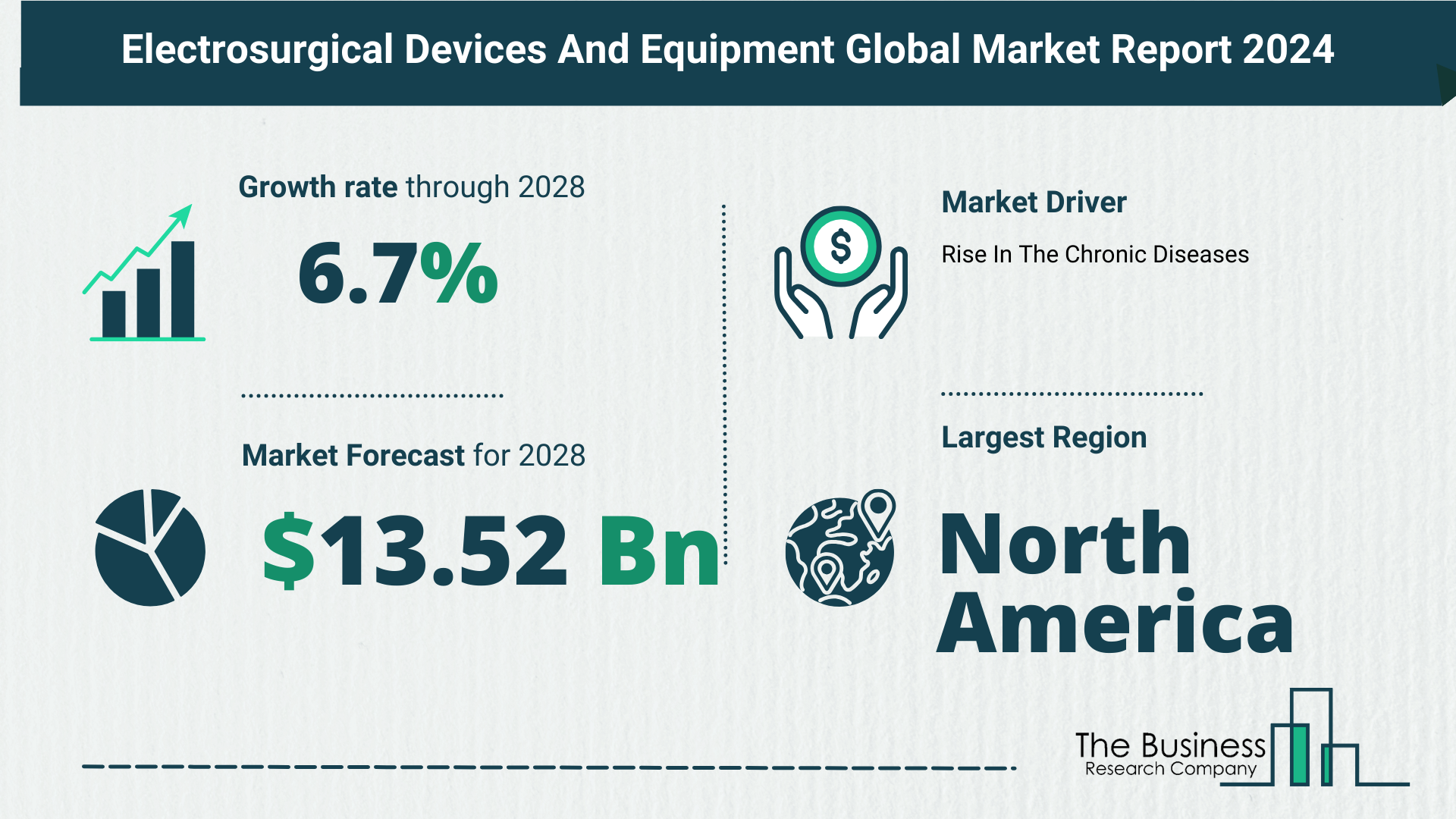
    The electrosurgical devices and equipment market have witnessed robust growth, expanding from $9.7 billion in 2023 to $10.44 billion in 2024, at a commendable Compound Annual Growth Rate (CAGR) of 7.7%. Projections indicate further expansion, reaching $13.52 billion in 2028, with a CAGR of 6.7%. This growth is fueled by various factors, including an aging population, the surge in minimally invasive surgeries, increased surgical procedure volumes, and the advent of telemedicine and remote surgery.

    The Impact of Rising Chronic Diseases: A Driving Force Increasing Prevalence: The prevalence of chronic diseases has played a pivotal role in propelling the electrosurgical devices and equipment market. These devices are crucial in treating life-threatening conditions such as skin cancer, basal cell carcinomas, squamous cell carcinoma, wound surgery, skin surgery, non-cancerous moles, and dentistry. Alarming Statistics: According to the National Library of Medicine, individuals aged 50 and older with at least one chronic condition in the United States are projected to increase by 99.5%, from 71.522 million in 2020 to 142.66 million by 2050. Market Players: Major companies contributing to the market’s growth include Bovie Medical Corporation, Johnson & Johnson Private Limited, B. Braun Melsungen AG, Medtronic PLC, and others.

    View More On The Electrosurgical Devices And Equipment Market Report 2024 – https://www.thebusinessresearchcompany.com/report/electrosurgical-devices-and-equipment-global-market-report

    Electrosurgical Generator Technology: Paving the Way for Advanced Surgical Treatments Innovative Technological Advancements: Leading companies in the electrosurgical devices and equipment market are focusing on cutting-edge technology, particularly electrosurgical generators, to solidify their market position. Olympus Corporation’s Breakthrough: In June 2023, Olympus Corporation introduced the ESG-410 Electrosurgical Generator, equipped with PLASMA+ Technology. This system brings forth advancements in surgical treatments, featuring faster ignition, enhanced plasma stability, and versatile applicability in various surgical procedures without direct tissue contact. Segmentation of the Market: The electrosurgical devices and equipment market is segmented by product (Electrosurgery Generators, Electrosurgery Instruments & Accessories, Argon and Smoke Management Systems), application (General Surgery, Gynecology Surgery, Urologic Surgery, Orthopedic Surgery, Cardiovascular Surgery, Cosmetic Surgery, Neurosurgery), and end-user (Hospitals, Specialized Clinics, Ambulatory Surgery Centers).

    Major Trends Shaping the Future Energy-Efficient Devices: The market is witnessing a trend towards energy-efficient electrosurgical devices, contributing to sustainability efforts. Integration of Imaging Technologies: The incorporation of advanced imaging technologies is becoming prevalent, enhancing precision in surgical procedures. Smart and Connected Devices: Electrosurgical devices are evolving to become smarter and more connected, facilitating seamless integration with other healthcare systems. Enhanced Safety Features: Safety remains a paramount concern, leading to the incorporation of advanced safety features in electrosurgical devices.

    Regional Dominance: North America Takes the Lead Market Landscape: In 2023, North America emerged as the largest region in the global electrosurgical devices market, showcasing a strong foothold. Contributing Factors: Factors contributing to North America’s dominance include robust healthcare infrastructure, technological advancements, and a high prevalence of chronic diseases.

    Request A Sample Of The Global Electrosurgical Devices And Equipment Market Report 2024:
    https://www.thebusinessresearchcompany.com/sample_request?id=2522&type=smp

  • Understand How The Healthcare Reimbursement Market Is Poised To Grow Through 2024-2033

    Understand How The Healthcare Reimbursement Market Is Poised To Grow Through 2024-2033

    The Business Research Company’s global market reports are now updated with the latest market sizing information for the year 2024 and forecasted to 2033

    As per The Business Research Company’s Healthcare Reimbursement Global Market Report 2024, the healthcare reimbursement market is expected to show significant growth in the forecast period.

    The healthcare reimbursement market has witnessed rapid growth in recent years, marked by a surge in size from $11.33 billion in 2023 to $13.33 billion in 2024, showcasing an impressive compound annual growth rate (CAGR) of 17.7%. This remarkable expansion can be attributed to several factors, including the fee-for-service model, health insurance expansion, third-party payers, and concerted cost containment efforts.

    Projected Growth and Emerging Trends

    – Forthcoming Surge

    The market is poised for continued rapid growth, with projections indicating an increase to $23.36 billion by 2028, backed by a robust CAGR of 15.0%. Anticipated drivers of this growth include the adoption of value-based care, expanded telehealth services, evolving healthcare policies, and the proliferation of alternative payment models.

    – Dominant Trends

    Key trends in the forecast period encompass telehealth reimbursement, alternative payment models (APMs), the Medicare Access and CHIP Reauthorization Act (MACRA), and the growing importance of preauthorization and utilization management.

    Rising Costs and Government Support

    – Elevated Healthcare Costs

    The escalating cost of healthcare, coupled with supportive government initiatives, stands as a cornerstone for the booming healthcare reimbursement market. According to the Journal of the American Medical Association (JAMA), US healthcare costs are projected to reach a staggering $6 trillion by 2027, equating to $17,000 per person. In 2021, healthcare costs already touched $4.3 trillion, according to the Centers for Medicare & Medicaid Services.

    – Government Policies as Catalyst

    Supportive government policies play a crucial role, enticing more individuals to opt for payer services, thereby contributing significantly to the growth of the healthcare reimbursement market.

    – Major Players in the Arena

    Leading companies contributing to the market’s growth include UnitedHealth Group Incorporated, Aviva PLC, Allianz SE, CVS Health Corporation, and other key players who play pivotal roles in shaping the reimbursement landscape.

    View More On The Healthcare Reimbursement Market Report 2024 – https://www.thebusinessresearchcompany.com/report/healthcare-reimbursement-global-market-report

    AI Integration: Enhancing Efficiency and Accuracy

    – Transformative Integration

    Major players in the healthcare reimbursement market are embracing artificial intelligence (AI) to revolutionize the reimbursement process, aiming to enhance efficiency and accuracy.

    – Predictive Fraud Detection

    AI is proving instrumental in predictive fraud detection through data analysis, safeguarding against fraudulent claims and ensuring the integrity of the reimbursement process.

    – Automating Claims Processing

    In August 2023, Codoxo, a USA-based company specializing in AI, launched ClaimPilot, an innovative generative AI product. ClaimPilot focuses on automating in-patient and facility claim audits, aiming to exponentially increase efficiency while eliminating dollar thresholds that restrict claims analysis to higher dollar ranges.

    1. Strategic Acquisitions: Greenberg Advisors and Medical Reimbursement

    – Strategic Move by Greenberg Advisors

    In July 2021, Greenberg Advisors, a US-based M&A services provider, made a significant acquisition by purchasing Medical Reimbursement, a medical billing services provider. The undisclosed acquisition is expected to bolster Greenberg Advisors’ capabilities and enhance its ability to serve patients effectively.

    Market Segmentation

    – Insightful Segmentation

    The healthcare reimbursement market is intricately segmented by claims (underpaid, full paid), payers (private payers, public payers), and service providers (physician offices, hospitals, diagnostic laboratories, and other service providers), offering a comprehensive view of the market dynamics.

    Regional Dominance

    – North America Takes the Lead

    In 2023, North America emerged as the largest region in the healthcare reimbursement market, reflecting the region’s prominence in shaping the global reimbursement landscape.

    In conclusion, the healthcare reimbursement market is evolving at a rapid pace, driven by a confluence of factors including rising healthcare costs, government initiatives, technological integrations, and strategic acquisitions. As the industry continues to navigate through these dynamic shifts, stakeholders must stay attuned to emerging trends and capitalize on opportunities for innovation and growth.

    Request A Sample Of The Global Healthcare Reimbursement Market Report 2024:
    https://www.thebusinessresearchcompany.com/sample_request?id=3302&type=smp

  • Hypolipidemics Global Market Outlook 2024-2033: Size And Growth Rate Analysis

    Hypolipidemics Global Market Outlook 2024-2033: Size And Growth Rate Analysis

    The Business Research Company’s global market reports provide comprehensive analysis on the various markets in 27 industries across 60 geographies.

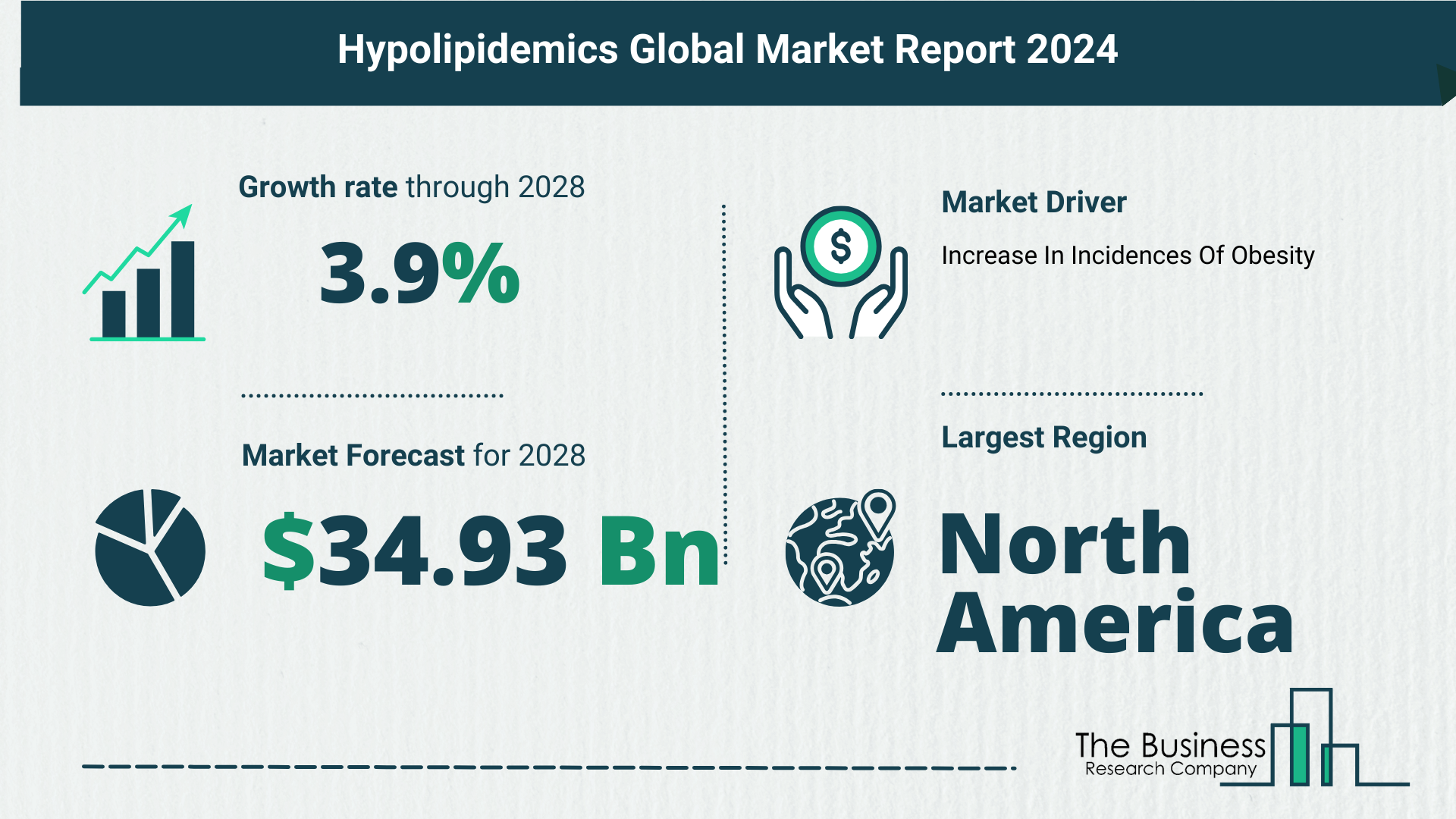
    The hypolipidemics market has experienced consistent growth in recent years, expanding from $28.65 billion in 2023 to $29.93 billion in 2024, with a compound annual growth rate (CAGR) of 4.5%. This upward trajectory is attributed to factors such as the increasing prevalence of hyperlipidemia, lifestyle changes, the aging population, heightened awareness, and the dominance of statins. Looking ahead, the market is expected to maintain its momentum, reaching $34.93 billion in 2028, driven by key elements like personalized medicine, expanding patient pools, emerging markets, government initiatives, and the rise of combination therapies.

    Factors Driving Steady Growth

    1. Increasing Prevalence of Hyperlipidemia and Aging Population
    • The historic growth is fueled by a surge in hyperlipidemia cases.
    • The aging population contributes to the demand for hypolipidemic drugs.
    1. Lifestyle Changes and Awareness
    • Shifts in lifestyle choices impact lipid profiles.
    • Awareness and screening initiatives drive early diagnosis and treatment.
    1. Statin Dominance
    • Statins play a dominant role in hyperlipidemia management.
    • Their widespread use has been a key factor in market growth.

    Forecast Period: Key Drivers and Emerging Trends

    1. Personalized Medicine and Expanding Patient Pool
    • Personalized medicine approaches enhance treatment efficacy.
    • A growing patient pool fuels the demand for tailored therapeutic solutions.
    1. Emerging Markets and Government Initiatives
    • Emerging markets present new opportunities for market expansion.
    • Government initiatives support research, development, and accessibility.
    1. Combination Therapies
    • The trend towards combination therapies gains traction for comprehensive treatment.
    • Synergistic effects contribute to better patient outcomes.

    Obesity: A Catalyst for Market Growth

    The hypolipidemic drugs market is set to surge due to the growing incidence of obesity. Obesity, defined as a body mass index of 30 or more, is a significant risk factor for cardiovascular complications. Taste modulators, altering normal physiology and leading to obesity, contribute to the increased demand for hypolipidemic drugs. According to the World Health Organization, 650 million adults, 340 million teenagers, and 39 million children were obese as of March 2022. With this number still rising, the WHO predicts that by 2025, around 167 million more individuals will become overweight or obese, underscoring the role of obesity in driving the growth of the hypolipidemic drug market.

    Key Players Shaping the Landscape

    Major companies influencing the hypolipidemics market include Abbott Laboratories Limited, Sun Pharmaceutical Industries Limited, Pfizer Inc., Novartis AG, and many more. These companies are pivotal in introducing innovative lipid-lowering drugs, reshaping the market dynamics.

    View More On The Hypolipidemics Market Report 2024 – https://www.thebusinessresearchcompany.com/report/hypolipidemics-global-market-report

    Innovative Lipid-Lowering Drugs Transforming the Market

    Major players are increasingly focused on introducing groundbreaking lipid-lowering drugs to gain a competitive edge. An exemplary case is Sun Pharmaceutical Industries Limited’s Brillo, a first-in-class oral lipid-lowering drug containing bempedoic acid. Launched in May 2022, Brillo helps reduce low-density lipoprotein (LDL) cholesterol, a major risk factor for cardiovascular disease. The drug’s unique mechanism of action positions it as an effective option for individuals with hereditary genetic conditions or confirmed heart disease, even when traditional cholesterol-lowering approaches prove insufficient.

    Market Segmentation: Understanding Diversity

    The hypolipidemics market is diverse, segmented by product type, drug type, and application:

    1. Product Type
    • Cholic Acid Regulator
    • HMG-CoA Reductase Inhibitors
    • Adenylate Cyclase Inhibitors
    • Nicotinic Acid Drugs
    • Other Types
    1. Drug Type
    • Statins
    • Bile Acid Sequestrants
    • Cholesterol Absorption Inhibitors
    • PCSK9 Inhibitors
    • Other Drug Types
    1. Application
    • Hospital
    • Clinics
    • Pharmacy
    • Cardiovasology

    Regional Dynamics

    In 2023, North America emerged as the largest region in the hypolipidemic drugs market, with the Middle East anticipated to be the fastest-growing region during the forecast period. These regional variations underscore the global nature of the hypolipidemics market.

    Conclusion

    As the hypolipidemics market continues its upward trajectory, driven by factors ranging from obesity to innovative drug introductions, it remains a crucial player in cardiovascular health. The forecasted trends, coupled with emerging dynamics, promise a landscape characterized by personalized treatments, expanding markets, and a patient-centric approach, ensuring the sustained growth of the hypolipidemics market in the coming years.

    Request A Sample Of The Global Hypolipidemics Market Report 2024:
    https://www.thebusinessresearchcompany.com/sample_request?id=2435&type=smp

  • Top 5 Insights From The ICU Beds Market Report 2024

    Top 5 Insights From The ICU Beds Market Report 2024

    The Business Research Company’s global market reports are now updated with the latest market sizing information for the year 2024 and forecasted to 2033

    According to The Business Research Company’s ICU Beds Global Market Report 2024, the ICU beds market is expected to show promising growth in the forecast period.

    The ICU beds market has witnessed strong growth in recent years, surging from $2.02 billion in 2023 to an estimated $2.15 billion in 2024, boasting a Compound Annual Growth Rate (CAGR) of 6.9%. This expansion is attributed to several factors, including an aging population, technological advancements, healthcare infrastructure development, and the increasing demand for critical care.

    Future Projections: A Promising Outlook

    The momentum continues into the future, with the market expected to experience significant growth, reaching $2.9 billion by 2028, demonstrating a CAGR of 7.7%. The anticipated growth is driven by ongoing healthcare infrastructure expansion, technological innovation, pandemic response and preparedness, and the burden of chronic diseases.

    View More On The ICU Beds Market Report 2024 – https://www.thebusinessresearchcompany.com/report/icu-beds-global-market-report

    The Growing Number of Hospitals Driving Market Expansion

    1. Role of Hospitals in Healthcare

    The surge in the number of hospitals is poised to be a key catalyst for the growth of the ICU beds market. Hospitals, as comprehensive healthcare facilities, play a crucial role in offering diverse medical services, from diagnosis to surgery and emergency care. The availability of ICU beds within hospitals is essential for providing critical care to patients with severe illnesses or injuries.

    1. The Increasing Hospital Landscape

    As of May 2023, the United States alone witnessed a 0.591% increase in the number of hospitals, with a total of 6,129, as reported by the American Hospital Association. This rise underscores the growing emphasis on healthcare infrastructure, directly contributing to the expansion of the ICU beds market.

    Major Players and Innovative Trends in ICU Beds Market

    1. Industry Giants in Action

    The ICU beds market boasts a roster of major companies steering its trajectory, including Stryker Corporation, Hill-Rom Holdings Inc., and Getinge AB, among others. These industry leaders play a pivotal role in shaping the market landscape.

    1. Focus on Multifunctional Beds

    To gain a competitive edge, major companies are increasingly focusing on introducing innovative multifunctional ICU beds. A standout example is the Hillrom Progressa+ bed, launched by Baxter International Inc. in June 2023. This next-generation ICU bed incorporates advanced technologies to facilitate patient care and recovery.

    1. Features of Hillrom Progressa+ Bed
    • Designed to support pulmonary needs
    • Includes in-bed percussion, vibration, and lateral rotation therapies
    • Offers flexible frame options for patient mobility
    • Integrates a 3-mode bed exit alarm for patient safety

    Market Segmentation: Unveiling the Dynamics

    The ICU beds market is segmented to provide a comprehensive understanding of its intricacies:

    1. By Type:
      • Electric Beds
      • Semi-Electric Beds
      • Manual Beds
    2. By Application:
      • Pediatric Intensive Care Unit
      • Neonatal Intensive Care Unit
      • Psychiatric Intensive Care Unit
      • Cardiac Intensive Care Unit
      • Neurological Intensive Care Unit
      • Trauma Intensive Care Unit
      • Post-Operative Recovery Unit
      • Surgical Intensive Care Unit
      • Mobile Intensive Care Unit
    3. By End Use:
      • General And Acute Care Hospitals
      • Specialized Hospitals
      • Multi-Specialty Hospitals
      • Ambulatory Surgery Centers (ASC)
      • Other End Uses

    North America Leading the Charge

    In 2023, North America emerged as the largest region in the ICU beds market, reflecting the region’s proactive approach towards advancing critical care capabilities and infrastructure.

    Conclusion: Navigating the Future of Critical Care

    The ICU beds market’s trajectory reflects a synergy of increasing healthcare needs, technological innovation, and strategic market trends. As the industry continues to evolve, the focus on multifunctional beds, driven by major players, ensures that the critical care landscape is equipped to meet the demands of an ever-changing healthcare environment. With a growing number of hospitals and a commitment to innovation, the future of ICU beds promises advancements that enhance patient care and safety.

    Request A Sample Of The Global ICU Beds Market Report 2024:
    https://www.thebusinessresearchcompany.com/sample_request?id=2882&type=smp

  • Implantable Infusion Pumps Market Report 2024: Market Size, Drivers, And Trends

    Implantable Infusion Pumps Market Report 2024: Market Size, Drivers, And Trends

    The Business Research Company’s global market reports are now updated with the latest market sizing information for the year 2024 and forecasted to 2033

    The implantable infusion pumps market has experienced robust growth in recent years, witnessing a leap from $19.11 billion in 2023 to $20.13 billion in 2024, demonstrating a commendable Compound Annual Growth Rate (CAGR) of 5.3%. This growth surge is attributed to factors such as chronic disease management, an aging population, pain management, and regulatory approvals.

    Anticipated Growth: A Glimpse into the Future

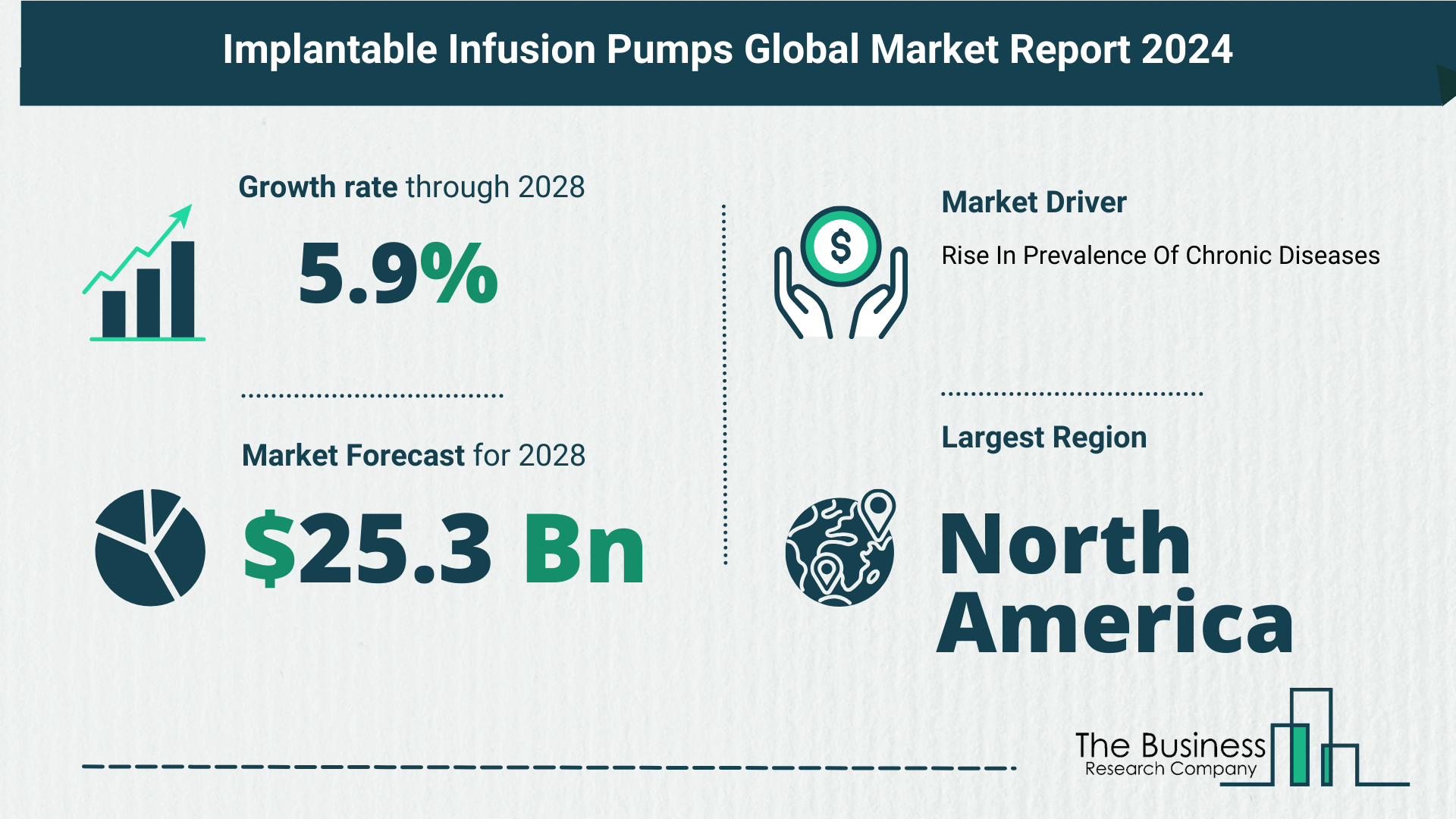
    The market is poised for continued strength, with projections indicating a further rise to $25.3 billion in 2028, showcasing a compelling CAGR of 5.9%. The anticipated growth is fueled by the adoption of personalized medicine, remote patient monitoring, advancements in drug development, and the ongoing demand for effective chronic disease management. Notable trends in this forecast period include minimally invasive implantation, remote monitoring and programming, intrathecal pain management, and interdisciplinary collaboration.

    Growing Prevalence Of Chronic Diseases Fuels The Demand For Implantable Infusion Pumps Market

    • Rising Chronic Diseases: The increased prevalence of chronic pain, cancer, and diabetes is a key driver for the demand in implantable infusion pumps.
    • Efficient Pain Relief: Implantable infusion pumps are especially effective in conditions like chronic arachnoiditis, providing efficient pain relief with lower drug dosages.
    • Cancer Statistics: According to a report by the American Cancer Society, the US is expected to witness 1.9 million new cancer cases and 609,360 cancer deaths in 2022, emphasizing the critical role of implantable infusion pumps.
    • Market Leaders: Major companies leading this market include Medtronic PLC, Boston Scientific Corporation, Nevro Corp, and others.

    View More On The Implantable Infusion Pumps Market Report 2024 – https://www.thebusinessresearchcompany.com/report/implantable-infusion-pumps-global-market-report

    Product Innovations In The Implantable Infusion Pumps Market

    • Insulin Pumps: Major companies are focusing on developing innovative products like insulin pumps to cater to broader customer bases and increase revenue.
    • Medtronic’s Breakthrough: Medtronic’s MiniMed 780G System, with FDA approval, stands out for its unique features, including the ability to set the lowest glucose target and an infusion set that can be worn for up to 7 days.
    • Advanced Materials: Extended wear time is achieved through the use of advanced materials, minimizing insulin preservative loss and ensuring consistent insulin flow.

    Medtronic’s Strategic Acquisition: Advancing Insulin Delivery

    • Acquisition of Implanted Infusion Pump Technology: Medtronic’s acquisition of technology from Alfred E. Mann Foundation in September 2021 aims to enhance insulin delivery for individuals with type-1 diabetes.
    • Alfred E. Mann Foundation: This US-based scientific research foundation specializes in developing implantable infusion pumps and other medical devices.

    Market Segmentation for In-Depth Insights

    • By Type: Patient-Controlled Analgesia (PCA) Pumps, Enteral Pumps, Insulin Pumps, Elastomeric Pumps, Syringe Pumps, Other Types.
    • By Applications: Oncology, Pediatrics/Neonatology, Gastroenterology, Hematology, Diabetes, Other Applications.
    • By End User: Hospitals, Ambulatory Surgical Centers, Specialty Clinics.

    Regional Dominance: North America Takes the Lead

    • North America: Emerging as the largest region in the implantable infusion pumps market in 2023, reflecting the significant contribution of this region to the overall market.

    In conclusion, the implantable infusion pumps market is undergoing a remarkable transformation, fueled by a rising prevalence of chronic diseases, innovative product developments, strategic acquisitions, and a focus on personalized medicine. As technology continues to advance, interdisciplinary collaboration and the integration of remote monitoring are set to reshape the landscape, promising a future where implantable infusion pumps play a pivotal role in enhancing patient care and treatment outcomes.

    Request A Sample Of The Global Implantable Infusion Pumps Market Report 2024:
    https://www.thebusinessresearchcompany.com/sample_request?id=3347&type=smp

  • Intravenous Infusion Pumps Market Growth Analysis Till 2033 By The Business Research Company

    Intravenous Infusion Pumps Market Growth Analysis Till 2033 By The Business Research Company

    The Business Research Company’s market reports offer an in-depth analysis on the market’s growth potential, major drivers, key trends and more.

    The intravenous infusion pumps market has demonstrated robust growth, escalating from $5.71 billion in 2023 to $6.15 billion in 2024, boasting a Compound Annual Growth Rate (CAGR) of 7.9%. This expansion is fueled by key factors such as advances in medical technology, an aging population, the rise of home healthcare services, and the expansion of hospitals and healthcare facilities, all conforming to regulatory standards.

    Future Projections: A Promising Outlook

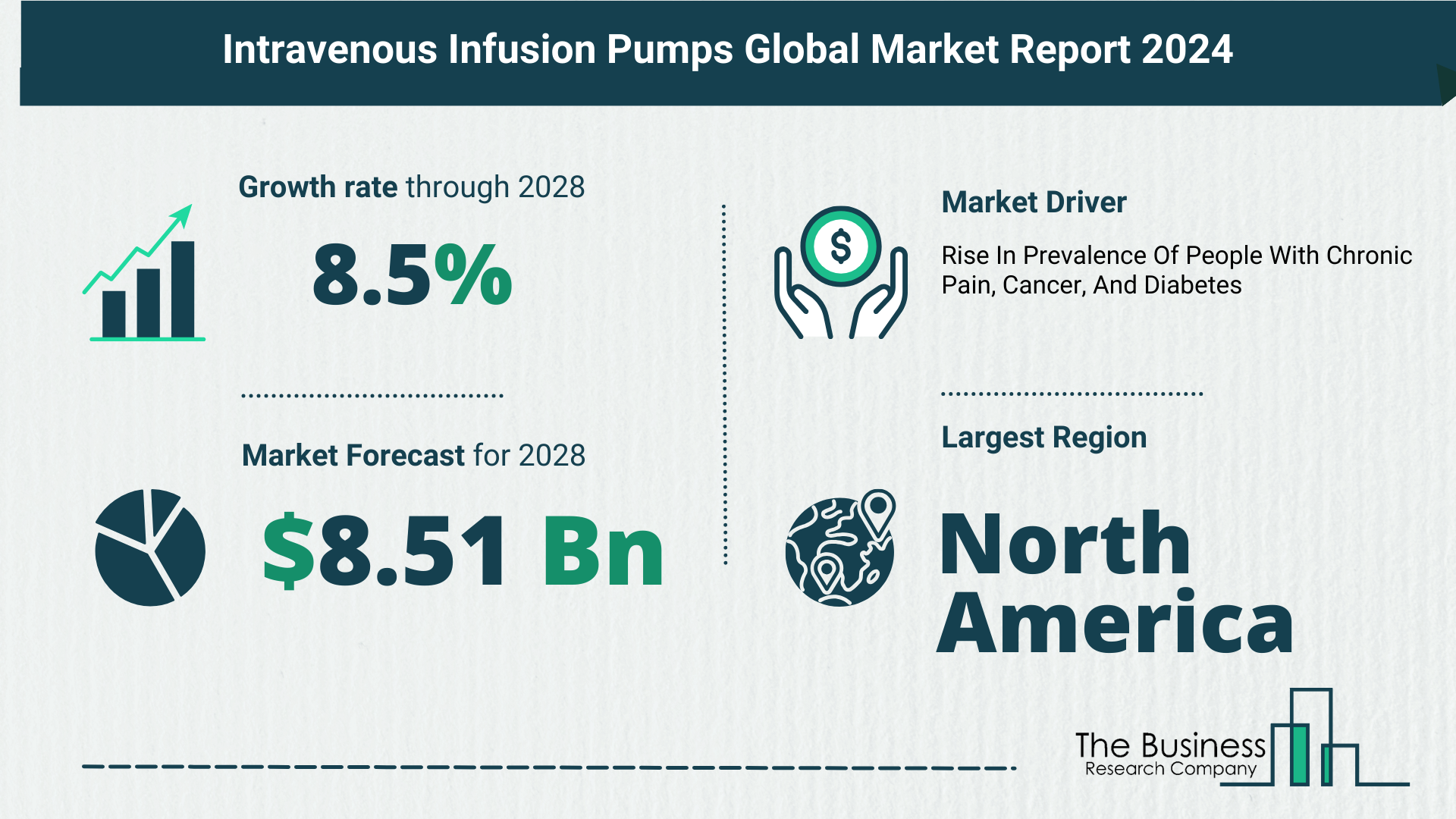
    The market is poised for continued strength, with projections indicating a surge to $8.51 billion by 2028, driven by a CAGR of 8.5%. The anticipated growth is attributed to the increasing burden of chronic diseases, technological innovations, the rise of home infusion services, and the integration of telehealth and remote monitoring.

    Catalyst for Growth: Bleeding Disorders

    One significant driver for the intravenous infusion pumps market is the rising prevalence of bleeding disorders. These conditions, impairing the body’s clotting mechanisms, necessitate precise and controlled delivery of medications, a role expertly filled by intravenous infusion pumps.

    • Prevalence Data:The Australian Bleeding Disorders Registry reported 7,040 active patients in June 2021.
    • Impact:Bleeding disorders, including hereditary hemophilia A (HMA) and von Willebrand disease, contribute to the market’s growth.

    Industry Giants: Key Players

    Major companies shaping the intravenous infusion pumps market include B. Braun Melsungen AG, Baxter International Inc., Medtronic PLC, and several others. Their innovative products and strategic moves contribute significantly to market dynamics.

    • Market Leaders:Prominent companies like Becton Dickinson, Terumo Corporation, and Johnson & Johnson play pivotal roles.
    • Diverse Offerings:Companies such as Tandem Diabetes Care Inc. and Q-Core Medical Ltd. bring diverse products to the market.

    Read More On The Intravenous Infusion Pumps Market Report 2024 – https://www.thebusinessresearchcompany.com/report/intravenous-infusion-pumps-global-market-report

    Innovations Driving Market Evolution

    Companies are focusing on pioneering products to meet the evolving needs of consumers. Innovations like the Novum IQ syringe infusion pump showcase the commitment to enhancing patient care and safety.

    • Novum IQ Syringe Infusion Pump:Baxter International Inc.’s FDA-approved Novum IQ brings safety software and dosage error reduction solutions, enhancing infusion safety.
    • Technological Integration:Innovations underscore the infusion pump market’s commitment to integrating technology for enhanced efficiency and safety.

    Strategic Acquisitions: Fresenius Kabi’s Move

    In March 2022, Fresenius Kabi made a strategic acquisition by acquiring Ivenix for $240 million. This move underscores the importance of strategic partnerships and acquisitions in bolstering companies’ offerings and serving customer needs effectively.

    • Ivenix Acquisition:The acquisition of Ivenix positions Fresenius Kabi to enhance its infusion pump offerings.
    • Market Expansion:Strategic acquisitions contribute to the market’s evolution and growth.

    Market Segmentation for Precision Insights

    Understanding the market’s nuances requires a segmentation approach based on product types, applications, and end-users.

    • Product Segmentation:Volumetric, Syringe, Enteral, Ambulatory, IV Disposables, Other Products.
    • Application Segmentation:Chemotherapy, Diabetes, Gastroenterology, Analgesia/Pain Management, Pediatrics/Neonatology, Hematology, Other Applications.
    • End-User Segmentation:Hospitals, Ambulatory Surgical Centers, Cancer Treatment Centers, Specialty Clinics, Other End Users.

    Regional Dominance: North America at the Helm

    In 2023, North America emerged as the largest region in the intravenous infusion pumps market, emphasizing the region’s pivotal role in steering market dynamics.

    • North America’s Influence:The region’s prominence signifies its impact on the intravenous infusion pumps market.

    Future Trends: Charting the Course Ahead

    Anticipated trends in the coming years include the integration of smart infusion pumps, the adoption of wireless and remote monitoring, the rise of home infusion therapy, and the growing importance of precision medicine and personalized infusion.

    • Smart Infusion Pumps:Technological advancements in infusion pumps for smarter and more efficient delivery.
    • Wireless and Remote Monitoring:Embracing connectivity for real-time monitoring and enhanced patient care.
    • Home Infusion Therapy:A rising trend in providing healthcare services within the comfort of patients’ homes.
    • Precision Medicine:Tailoring infusion therapies to individual patient needs for optimal outcomes.

    Conclusion: Navigating Healthcare’s Intricate Network

    As the intravenous infusion pumps market continues its upward trajectory, fueled by technological innovations, strategic acquisitions, and a focus on addressing critical healthcare needs, the future holds promising developments. Charting the course ahead involves not only meeting current demands but also anticipating and adapting to evolving trends in healthcare delivery and patient care.

    Request for A Sample Of The Global Intravenous Infusion Pumps Market Report:
    https://www.thebusinessresearchcompany.com/sample_request?id=3305&type=smp

  • Key Trends And Drivers In The Genomics Market 2024

    Key Trends And Drivers In The Genomics Market 2024

    The Business Research Company’s market reports offer an in-depth analysis on the market’s growth potential, major drivers, key trends and more.

    The genomics market has witnessed remarkable growth in recent years, with its size surging from $38.7 billion in 2023 to $45.95 billion in 2024, boasting a noteworthy Compound Annual Growth Rate (CAGR) of 18.7%. This upward trajectory is attributed to several factors, including the reduction in sequencing costs, advancements in research and discovery, applications in healthcare, and the rise of personalized medicine.

    Future Projections: A Glimpse into 2028
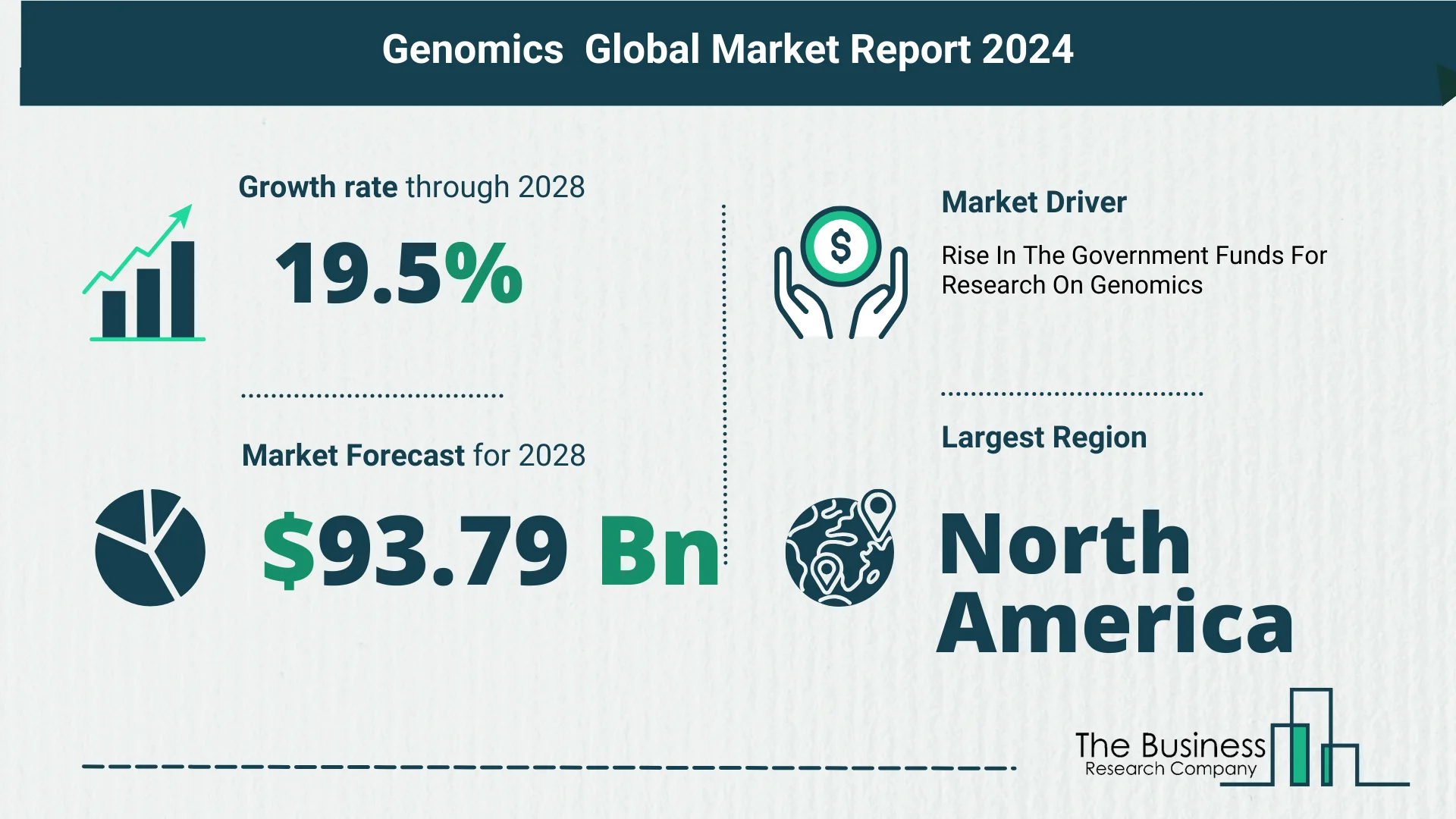
    The forecast for the genomics market is even more promising, with expectations to reach $93.79 billion in 2028, fueled by a robust CAGR of 19.5%. Anticipated drivers of this growth include heightened awareness and education, increased focus on drug development and therapeutics, widespread diagnostic applications, and the establishment of regulatory and ethical frameworks.

    Driving Forces: Genetic Disorders
    One significant catalyst behind the booming genomics market is the surge in genetic disorders. These conditions, arising from abnormalities in an individual’s DNA, contribute to physical or mental abnormalities, diseases, or susceptibility to certain health conditions, often inherited. Genomics plays a pivotal role in precise diagnosis, personalized treatments, and risk assessment for genetic disorders. Notably, the World Health Organization reported in August 2021 that 10 out of every 1000 people worldwide are affected by genetic disorders.

    • Precision Diagnosis: Genomics aids in precise diagnosis of genetic disorders.
    • Risk Assessment: It enables risk assessment for individuals susceptible to genetic disorders.
    • Global Impact: Approximately 70-80 million people worldwide are living with genetic disorders.

    Key Players in the Genomics Market
    Major companies spearheading the genomics market include 10X Genomics Inc., Qiagen NV, Illumina Inc., Johnson and Johnson, and a host of other influential entities. Their role in advancing genomics technology and services is pivotal for the market’s growth and evolution.

    • Diverse Players: A multitude of companies ranging from 10X Genomics Inc. to Diagnologix LLC contribute to the market’s vitality.
    • Global Presence: Companies like Illumina Inc. and Qiagen NV operate on a global scale, influencing the market’s dynamics.

    Innovations Driving Revenue and Competitiveness
    To maintain a competitive edge, companies are investing heavily in new product launches. These strategic moves are aimed at not only expanding revenue streams but also solidifying their positions in a fiercely competitive market.

    • QIAGEN’s Innovation: In June 2021, QIAGEN launched the QIAprep& CRISPR Kit and CRISPR Q-Primer Solutions, enhancing researchers’ ability to analyze edited genetic material efficiently.

    Read More On The Genomics Market Report 2024 – https://www.thebusinessresearchcompany.com/report/genomics-global-market-report

    Strategic Acquisitions: Myriad Genetics and Gateway Genomics
    In a strategic move in November 2021, Myriad Genetics, a prominent genetic testing company, acquired Gateway Genomics for $67.5 million. This acquisition aligns with Myriad’s mission to provide valuable genetic information to consumers. Gateway Genomics, known for its SneakPeek early gender DNA test, adds a unique dimension to Myriad’s portfolio.

    • Strategic Acquisition: Myriad Genetics’ acquisition of Gateway Genomics adds value to its goal of delivering relevant genetic information.

    Market Segmentation for a Holistic View
    The genomics market is segmented based on product type, process, and end-user categories. This segmentation provides a comprehensive understanding of the market’s dynamics.

    • Product Segmentation: Instruments (Systems, Service Contract, and Software), Reagents (Reagents and Consumables).
    • Process Segmentation: Cell Isolation, Sample Preparation, Genomic Analysis.
    • End-User Segmentation: Academic Institutes, Biopharmaceutical Companies, Clinical Research Institutes.

    Regional Dominance: North America Leads
    In 2023, North America emerged as the largest region in the genomics market. This dominance underscores the region’s pivotal role in shaping the industry landscape.

    • Regional Influence: North America’s prominence signifies its significant impact on the genomics market.

    Future Trends: Technological Advancements and Collaborations
    Looking ahead, key trends are expected to shape the genomics landscape. These include continuous technological advancements, the integration of genomic sequencing in agriculture, a surge in collaborations and partnerships, and the increasing importance of genomic data analytics.

    • Technological Evolution: Ongoing advancements in genomics technology.
    • Agricultural Integration: Growing adoption of genomic sequencing in agriculture.
    • Collaboration Wave: Increasing collaborations and partnerships in the genomics sector.
    • Data Analytics Embrace: The rising significance of genomic data analytics.

    Conclusion: Navigating the Genomics Frontier
    The genomics market’s remarkable growth trajectory showcases its increasing importance in healthcare, research, and beyond. With innovative technologies, strategic acquisitions, and a focus on addressing genetic disorders, the genomics market is poised to continue its ascent, promising a future marked by groundbreaking discoveries and transformative advancements.

    Request for A Sample Of The Global Genomics Market Report:
    https://www.thebusinessresearchcompany.com/sample_request?id=2813&type=smp