Blog

  • Merkel Cell Carcinoma Treatment Market Forecast Insights: The Road To $4.7 Billion By 2030

    Merkel Cell Carcinoma Treatment Market Forecast Insights: The Road To $4.7 Billion By 2030

    Built to provide research that’s more actionable and strategically valuable, The Business Research Company’s 2026 market reports include market attractiveness analysis, total addressable market sizing, company benchmarking matrices, interactive Excel dashboards, broader supply chain intelligence, emerging startup tracking, and in-depth product insights.

    Merkel Cell Carcinoma Treatment Market Forecast: Value Set To Climb From $3.83 Billion To $4.7 Billion

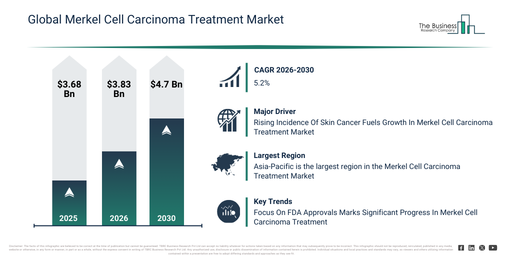
    The merkel cell carcinoma treatment market size has demonstrated consistent expansion in recent years. Projections indicate it will increase from $3.68 billion in 2025 to $3.83 billion in 2026, achieving a compound annual growth rate (CAGR) of 4.1%. This historical growth can be linked to several contributing factors, including the rising incidence of rare skin cancers, the early integration of immunotherapy, significant advancements in diagnostic imaging, refinement in surgical techniques, and an elevated awareness concerning the risks associated with ultraviolet radiation.

    The merkel cell carcinoma treatment market is anticipated to show significant expansion in the coming years, with its value projected to reach $4.7 billion by 2030, growing at a compound annual growth rate (CAGR) of 5.2%. This expected growth during the forecast period is driven by factors such as the broadening of targeted treatment pipelines, increased investment in oncology research and development, the advancement of combination immunotherapies, improved access to specialized cancer centers, and the integration of AI-driven diagnostic technologies. Prominent trends for this period include the expansion of precision oncology for rare skin cancers, AI-enhanced capabilities for early detection and diagnostic support, the increasing adoption of digital pathology and cloud-based data platforms, the integration of advanced radiotherapy techniques, and the utilization of virtual simulation tools in treatment planning.

    Get A Free Sample Report With In-Depth Market Insights:

    https://thebusinessresearchcompany.com/sample_request?id=60215395&type=smp&name=Merkel%20Cell%20Carcinoma%20Treatment%20Market%20Report%202026&utm_source=Blogs&utm_medium=Paid&utm_campaign=Nov_PR

    Merkel Cell Carcinoma Treatment Market Demand Drivers: What’s Powering Industry Growth?

    The future expansion of the cell carcinoma treatment market is anticipated to be fueled by the rising frequency of skin cancer cases. Skin cancer is characterized as a specific malignancy originating in skin cells, developing when normal skin cells undergo genetic alterations that result in uncontrolled proliferation and the formation of cancerous tumors. Merkel cell carcinoma (MCC) shares a close association with skin cancer, being an uncommon yet aggressive form that typically develops from Merkel cells, specialized skin cells responsible for touch. For example, the American Cancer Society Inc., a US-based voluntary health organization, reported in January 2023 that approximately 97,610 new melanoma cases were expected in the US in 2023, with around 7,990 fatalities projected for the same year. Moreover, data from Melanoma UK, a UK-based charity, citing the WHO (World Health Organization), indicates a projected 9% increase in melanoma skin cancer cases by 2025, and an estimated 22,886 individuals are predicted to be diagnosed with melanoma skin cancer by 2040. Consequently, the increasing occurrence rate of skin cancer cases is acting as a significant catalyst for the growth of the Merkel cell carcinoma treatment market.

    Merkel Cell Carcinoma Treatment Market Segmentation And Category Overview

    The merkel cell carcinoma treatment market covered in this report is segmented –

    1) By Diagnosis: Physical Examination, Sentinel Node Biopsy, Imaging Test

    2) By Therapy: Surgical Excision, Micrographic Surgery, Radiation, Chemotherapy, Other Therapies

    3) By Route Of Administration: Oral, Parenteral

    4) By Distribution Channel: Hospital Pharmacy, Online Pharmacy, Retail Pharmacy

    5) By End User: Hospitals, Homecare, Specialty Centers, Other End Users

    Subsegments:

    1) By Physical Examination: Skin Examination, Lymph Node Assessment, Medical History Review

    2) By Sentinel Node Biopsy: Injection Of Tracer Dye, Removal Of Sentinel Lymph Nodes, Pathological Analysis

    3) By Imaging Test: CT Scan, MRI Scan, PET Scan, Ultrasound, X-Ray

    Merkel Cell Carcinoma Treatment Market Innovation Trends: What Developments Are Reshaping The Industry?

    Leading companies in the merkel cell carcinoma treatment market are concentrating on introducing novel products and obtaining their approval to gain a competitive advantage. Product approvals are a critical component of the Merkel cell carcinoma treatment industry, ensuring medical devices and drugs are safe and effective for patient use. For instance, in March 2023, Incyte Corporation, a US-based biopharmaceutical company, announced the FDA (Food and Drug Administration) approval of Zynyz (retifanlimab-dlwr), a humanized monoclonal antibody that targets the programmed death receptor-1 (PD-1), for the management of individuals with locally advanced Merkel cell carcinoma (MCC) that has disseminated or returned. The approval of Zynyz furnishes healthcare providers with additional first-line treatment options against Merkel cell carcinoma, capable of eliciting durable responses in patients with metastatic disease. ZYNYZ is to be administered as a 500 mg intravenous infusion over 30 minutes every four weeks, continuing until disease progression, the emergence of intolerable toxicity, or a maximum period of 24 months.

    Merkel Cell Carcinoma Treatment Market Competitive Analysis Of Leading Industry Participants

    Major companies operating in the merkel cell carcinoma treatment market are Pfizer Inc., Johnson & Johnson Private Limited, F. Hoffmann-La Roche AG, Janssen Pharmaceuticals Inc., AbbVie Inc., Novartis AG, Bayer AG, Sanofi S.A., Bristol-Myers Squibb Company, Eli Lilly and Company, Amgen Inc., Merck KGaA, Teva Pharmaceutical Industries Ltd., Regeneron Pharmaceuticals Inc., Ono Pharmaceutical Co Ltd, Millennium Pharmaceuticals Inc., Seattle Genetics Inc., Lupin Ltd., BeiGene Ltd, Siemens AG, Canon Medical Systems Corporation, NantKwest Inc., Immune Design Corporation, Oncovir Inc., ImmunityBio Inc., OncoSec Medical Inc.

    View The Full Merkel Cell Carcinoma Treatment Market Report:

    https://thebusinessresearchcompany.com/report/merkel-cell-carcinoma-treatment-global-market-report?utm_source=Blogs&utm_medium=Paid&utm_campaign=Nov_PR

    Merkel Cell Carcinoma Treatment Market Geographic Spread And Regional Opportunities

    Asia-Pacific was the largest region in the merkel cell carcinoma treatment market in 2025. Europe is expected to be the fastest-growing region in the forecast period. The regions covered in the merkel cell carcinoma treatment market report are Asia-Pacific, South East Asia, Western Europe, Eastern Europe, North America, South America, Middle East, Africa.

    Reach Out To Our Team:

    The Business Research Company: https://www.thebusinessresearchcompany.com/

    Americas: +1 310-496-7795

    Asia: +44 7882 955267 & +91 8897263534

    Europe: +44 7882 955267

    Email us at: marketing@tbrc.info

    Follow us on:

    LinkedIn: https://in.linkedin.com/company/the-business-research-company

    YouTube: https://www.youtube.com/channel/UC24_fI0rV8cR5DxlCpgmyFQ

    Global Market Model: https://www.thebusinessresearchcompany.com/global-market-model
  • Mental Wellness Market Explained: What Is Fueling Growth To $286.14 Billion By 2030?

    Mental Wellness Market Explained: What Is Fueling Growth To $286.14 Billion By 2030?

    Backed by market attractiveness analysis, total addressable market sizing, company benchmarking matrices, interactive Excel dashboards, wider supply chain intelligence, emerging startup coverage, and detailed product-level insights, The Business Research Company’s 2026 market reports are designed to offer research that is more actionable and strategically valuable than ever.

    Mental Wellness Market Revenue Growth On Track For A 9.1% CAGR Through 2030

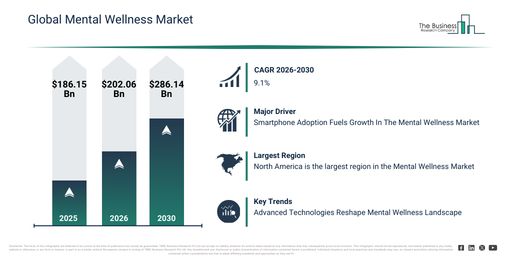
    The mental wellness market has shown strong expansion in recent years. It is projected to increase from $186.15 billion in 2025 to $202.06 billion in 2026, demonstrating a compound annual growth rate (CAGR) of 8.6%. This growth experienced in the past can be credited to enhanced awareness of mental health, the development of counseling services, a rise in the prevalence of anxiety disorders, the early embrace of meditation programs, and the spread of wellness applications.

    The mental wellness market is anticipated to show considerable growth in the near future, reaching $286.14 billion by 2030, progressing at a compound annual growth rate (CAGR) of 9.1%. This expansion during the forecast period is fueled by several factors, including progress in digital therapeutics, a rise in investments directed towards mental health startups, the increasing adoption of remote therapy solutions, the integration of wearable devices for mental health tracking, and governmental support for mental health initiatives. Significant trends expected in this timeframe involve the development of AI-based mental health assessment tools, the expansion of digital therapy and cloud-based counseling platforms, the incorporation of IoT-enabled mental wellness devices, the increasing use of AR/VR for immersive stress relief and mindfulness, and the growth of personalized genomic-based mental wellness programs.

    Get A Free Sample Report With In-Depth Market Insights:

    https://thebusinessresearchcompany.com/sample_request?id=10519&type=smp&name=Mental%20Wellness%20Market%20Report%202026&utm_source=Blogs&utm_medium=Paid&utm_campaign=Nov_PR

    Mental Wellness Market Growth Drivers: What’s Behind The Acceleration?

    The expanded penetration of smartphones is projected to stimulate the growth within the mental wellness market moving forward. Smartphone adoption signifies the proportion of individuals who possess and actively utilize smartphones for communication, information retrieval, and accessing digital services. This rising smartphone usage is propelled by broader 4G and 5G network coverage, reduced costs of devices, and a heightened dependence on mobile platforms for everyday activities. Smartphone adoption facilitates the mental wellness market by offering continuous availability of mental health applications, self-care utilities, virtual therapeutic options, and digital peer support groups, all of which contribute to improved psychological well-being. For example, in April 2024, data from Ofcom, a U.K.-based government communications regulator, indicated that 94% of U.K. adults owned a smartphone in 2023, representing 0.064 billion users. This widespread mobile ownership underpins the expansion of digital engagement in mental wellness. Consequently, the uptick in smartphone adoption is a key factor driving the expansion of the mental wellness market.

    Mental Wellness Market Segment Outlook: Which Categories Are Growing Fastest?

    The mental wellness market covered in this report is segmented –

    1) By Type: Senses Spaces, Sleep, Brain Boosting Nutraceuticals And Botanicals, Self-Improvement, Meditation And Mindfulness

    2) By Service: Emergency Mental Health Services, Outpatient Counselling, Home-Based Treatment Services, Inpatient Hospital Treatment Services, Other Services

    3) By Age: Adult, Geriatric, Teenager

    4) By Disorder: Depression, Anxiety, Schizophrenia, Substance Use Disorder, Bipolar Disorder, Alcohol Use Disorder, Post-Traumatic Stress Disorder, Eating Disorder, Other Disorder

    Subsegments:

    1) By Senses Spaces: Aromatherapy Products, Sound Therapy Solutions, Light Therapy Devices

    2) By Sleep: Sleep Aids And Supplements, Sleep Tracking Devices, Sleep Environment Enhancements

    3) By Brain Boosting Nutraceuticals And Botanicals: Nootropics, Herbal Supplements, Omega-3 Fatty Acids

    4) By Self-Improvement: Personal Development Courses, Coaching And Mentoring Services, Journaling And Self-Reflection Tools

    5) By Meditation And Mindfulness: Guided Meditation Apps, Mindfulness Training Programs, Breathing Exercises And Tools

    Mental Wellness Market Trends: What’s Defining The Industry’s Next Phase?

    Leading firms in the global mental wellness market are concentrating on creating sophisticated digital solutions, such as device-integrated platforms for mood tracking and mental wellness, aimed at assisting users in monitoring their emotional states, managing stress, and enhancing their daily psychological health. These device-integrated systems for tracking mood and promoting mental wellness encompass smartphone and wearable technology-based solutions that gather emotional data reported by users, analyze observed trends, and deliver customized well-being insights to bolster mental resilience and enable prompt recognition of stress indicators. An example of this is seen in June 2023, when Apple Inc., a US-based technology company, introduced its State of Mind mental-wellness tracking function with the iOS 17 and watchOS 10 updates. This feature allows individuals to record their momentary and daily moods, gain mental health insights derived from their trends and patterns, and access educational resources informed by clinical practice, thereby facilitating proactive mental wellness management directly through the Health application.

    Mental Wellness Market Leading Companies And Competitive Benchmarking

    Major companies operating in the mental wellness market are CVS Health Corporation, Ascension Health Alliance, BetterHelp Inc., Vitality Group Holdings Limited, Pyramid Healthcare Inc., Calm.com Inc., Virgin Pulse Inc., Headspace Inc., CareTech Holdings Inc., Acadia Healthcare Company Inc., Behavioral Health Network Inc., CuraLinc Healthcare LLC, Promises Behavioral Health LLC, Amare Global LLC, Castlight Health Inc., Happify Health Inc., Wellsource Inc., HealthCheck360 LLC, Sanvello Health Inc., Flow Neuroscience AB, LifeDojo Inc., Prosoma Inc., Clementine Holdings Inc., Sesh Labs Inc.

    View The Full Mental Wellness Market Report:

    https://thebusinessresearchcompany.com/report/mental-wellness-global-market-report?utm_source=Blogs&utm_medium=Paid&utm_campaign=Nov_PR

    Mental Wellness Market Top Region By Revenue And Market Share

    North America was the largest region in the mental wellness market in 2025. The regions covered in the mental wellness market report are Asia-Pacific, South East Asia, Western Europe, Eastern Europe, North America, South America, Middle East, Africa.

    Reach Out To Our Team:

    The Business Research Company: https://www.thebusinessresearchcompany.com/

    Americas: +1 310-496-7795

    Asia: +44 7882 955267 & +91 8897263534

    Europe: +44 7882 955267

    Email us at: marketing@tbrc.info

    Follow us on:

    LinkedIn: https://in.linkedin.com/company/the-business-research-company

    YouTube: https://www.youtube.com/channel/UC24_fI0rV8cR5DxlCpgmyFQ

    Global Market Model: https://www.thebusinessresearchcompany.com/global-market-model
  • Mental Health Platform Market Forecast To Reach $9.88 Billion By 2030: Key Trends Explained

    Mental Health Platform Market Forecast To Reach $9.88 Billion By 2030: Key Trends Explained

    Featuring market attractiveness scoring, total addressable market sizing, company benchmarking matrices, interactive Excel dashboards, deeper supply chain intelligence, emerging startup tracking, and granular product-level insights, The Business Research Company’s 2026 market reports are built to deliver research that is both more actionable and more strategically valuable.

    Mental Health Platform Market Value Growth And Long-Term Outlook

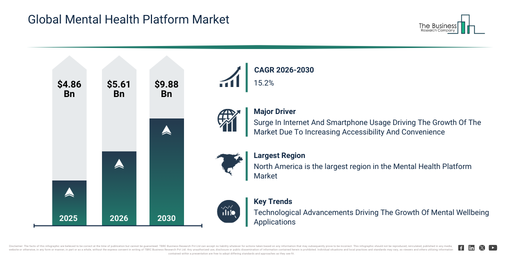
    The mental health platform market has experienced rapid growth in recent years. It is anticipated to increase from $4.86 billion in 2025 to $5.61 billion in 2026, achieving a compound annual growth rate (CAGR) of 15.5%. Historically, this expansion can be attributed to the rising prevalence of anxiety and depression, heightened awareness of digital mental health tools, the early adoption of mobile therapy applications, the proliferation of telehealth platforms, and a growing demand for remote emotional support.

    The mental health platform market is anticipated to experience substantial growth in the coming years, projected to reach $9.88 billion by 2030, exhibiting a compound annual growth rate (CAGR) of 15.2%. This expansion during the forecast period is fueled by increasing investments in digital mental health startups, the adoption of wearable mental health monitoring devices, a heightened corporate emphasis on employee mental well-being, supportive regulations for online therapy services, and the incorporation of AI-driven diagnostic tools. Noteworthy trends for this period encompass AI-powered mental health screening and chatbots, the broadening of cloud-based counseling and therapy platforms, the integration of IoT-enabled devices for mood and stress monitoring, the uptake of AR/VR-based immersive emotional support experiences, and the development of personalized genomic-linked mental health insights.

    Get A Free Sample Report With In-Depth Market Insights:

    https://thebusinessresearchcompany.com/sample_request?id=74403672&type=smp&name=Mental%20Health%20Platform%20Market%20Report%202026&utm_source=Blogs&utm_medium=Paid&utm_campaign=Nov_PR

    Mental Health Platform Market Growth Factors Behind Sustained Expansion

    The expansion of internet and smartphone access is expected to propel the growth of the mental health platform market in the future. This penetration signifies the broad accessibility and utilization of digital connection devices, facilitating entry to online data, communication, and various digital services. The rise in internet and smartphone adoption stems from the demand for easy access to digital offerings, the expansion of mobile infrastructure, and an increasing dependence on online services for everyday tasks. Mental health platforms capitalize greatly on this trend, offering readily available, mobile digital therapy, self-help resources, and virtual support, thereby enhancing mental healthcare accessibility at any time and location. For example, data from June 2024 by the National Telecommunications and Information Administration, a U.S.-based government agency, indicated that internet usage in the United States grew by 0.013 billion users in 2023 compared to prior survey periods, illustrating broadened digital reach that backs virtual mental health services. Consequently, the increasing internet and smartphone penetration is stimulating the expansion of the mental health platform market.

    Mental Health Platform Market Segment Landscape: Which Areas Lead Development?

    The mental health platform market covered in this report is segmented –

    1) By Component: Software, Services

    2) By Deployment Mode: On-Premises, Cloud

    3) By Technology Platform: IOS, Android

    4) By Application: Stress Management, Meditation, Wellness, Therapy, Other Applications

    5) By End-User: Individuals, Enterprises, Healthcare Providers, Other End-Users

    Subsegments:

    1) By Software: Mobile Applications, Web-Based Platforms, Virtual Therapy Platforms

    2) By Services: Teletherapy Services, Online Counseling Services, Behavioral Health Monitoring Services

    Mental Health Platform Market Industry Trends Fueling Future Revenue Growth

    Leading companies within the mental health platform market are prioritizing the creation of technologically advanced solutions, such as mental wellbeing applications, to deliver convenient, accessible, and private support. These digital tools are designed to bolster mental health by incorporating features like mood tracking, mindfulness exercises, therapy sessions, and self-help resources. For example, in September 2024, Magellan Health Inc., a US-based healthcare company, unveiled the Teen Mental Wellbeing app, a new mental health application specifically for teenagers and young adults aged 13 to 22. This app operates on a unique digital platform, furnishing science-based tools crafted to boost emotional resilience and self-awareness. The overall initiative is dedicated to advancing mental wellness through strategies backed by evidence.

    Mental Health Platform Market Industry Leaders And Competitive Landscape

    Major companies operating in the mental health platform market are BetterHelp Inc., Headspace Inc., Lyra Health Inc., Charlie Health Inc., Brightline Inc., Spring Care Inc., Talkspace Inc., Calm.com Inc., SonderMind Inc., Modern Health Inc., Unmind Ltd., Iris Telehealth Inc., Concert Health Inc., Meru Health Inc., Mindstrong Health Inc., Eleanor Health Inc., Mantra Health Inc., Talkiatry Inc., Alma Health Inc., Meditopia, Hurdle Health Inc.

    View The Full Mental Health Platform Market Report:

    https://thebusinessresearchcompany.com/report/mental-health-platform-global-market-report?utm_source=Blogs&utm_medium=Paid&utm_campaign=Nov_PR

    Mental Health Platform Market Regional Analysis And Top Geography

    North America was the largest region in the mental health platform market in 2025. Asia-Pacific is expected to be the fastest-growing region in the forecast period. The regions covered in the mental health platform market report are Asia-Pacific, South East Asia, Western Europe, Eastern Europe, North America, South America, Middle East, Africa.

    Reach Out To Our Team:

    The Business Research Company: https://www.thebusinessresearchcompany.com/

    Americas: +1 310-496-7795

    Asia: +44 7882 955267 & +91 8897263534

    Europe: +44 7882 955267

    Email us at: marketing@tbrc.info

    Follow us on:

    LinkedIn: https://in.linkedin.com/company/the-business-research-company

    YouTube: https://www.youtube.com/channel/UC24_fI0rV8cR5DxlCpgmyFQ

    Global Market Model: https://www.thebusinessresearchcompany.com/global-market-model
  • Mental Health Clinical Trials Market Analysis: Understanding The Drivers Behind 8.6% CAGR Through 2030 Growth

    Mental Health Clinical Trials Market Analysis: Understanding The Drivers Behind 8.6% CAGR Through 2030 Growth

    Built to provide research that’s more actionable and strategically valuable, The Business Research Company’s 2026 market reports include market attractiveness analysis, total addressable market sizing, company benchmarking matrices, interactive Excel dashboards, broader supply chain intelligence, emerging startup tracking, and in-depth product insights.

    Mental Health Clinical Trials Market Poised To Hit $4.89 Billion By 2030 With A 8.6% CAGR

    The mental health clinical trials market size has experienced robust growth in recent years. It is projected to expand from $3.23 billion in 2025 to $3.52 billion in 2026, achieving a compound annual growth rate (CAGR) of 8.9%. Historically, this growth can be primarily linked to an increasing prevalence of mental health disorders, the expansion of pharmaceutical research pipelines, growing awareness of mental health conditions, rising clinical research funding, and the increasing use of standardized diagnostic criteria.

    The mental health clinical trials market is projected to experience substantial expansion over the upcoming years. By 2030, this market is anticipated to reach a valuation of $4.89 billion, advancing at a compound annual growth rate (CAGR) of 8.6%. This projected increase can be ascribed to several factors, including the greater uptake of digital mental health interventions, escalating investments in personalized psychiatry research, the widening of global mental health trial networks, enhanced regulatory encouragement for novel trial designs, and a heightened reliance on data-driven outcome assessment. Key developments anticipated during this timeframe encompass the wider embrace of decentralized clinical trial models, a growing application of digital therapeutics in trials, the increasing incorporation of AI-based tools for patient recruitment, the broadening of remote patient monitoring in studies, and a sharpened emphasis on generating real-world evidence.

    Get A Free Sample Report With In-Depth Market Insights:

    https://thebusinessresearchcompany.com/sample_request?id=18718958&type=smp&name=Mental%20Health%20Clinical%20Trials%20Market%20Report%202026&utm_source=Blogs&utm_medium=Paid&utm_campaign=Nov_PR

    Mental Health Clinical Trials Market Demand Drivers Opening New Revenue Streams

    The increasing occurrence of mental health conditions is anticipated to fuel the expansion of the mental health clinical trials market in the future. These disorders are defined as states that markedly impact an individual’s emotions, thought processes, conduct, and general psychological well-being. The prevalence of mental health disorders is escalating, driven by heightened stress stemming from contemporary lifestyles, such as occupational demands, societal detachment, and continuous online engagement. Mental health clinical trials play a crucial role in advancing patient care by assessing the safety and efficacy of novel medications, treatments, and behavioral strategies designed for mental health conditions. As an illustration, in May 2024, reports from the American Psychiatric Association, a US-based non-profit organization, indicated that around 43% of adults in the USA experienced heightened anxiety in 2024, marking an increase from 37% in 2023 and 32% in 2022. Consequently, the escalating incidence of mental health conditions is stimulating the expansion of the mental health clinical trials market.

    Mental Health Clinical Trials Market Segments: Where Is Growth Concentrated?

    The mental health clinical trials market covered in this report is segmented –

    1) By Phase: Phase I, Phase II, Phase III, Phase IV

    2) By Study Design: Interventional, Observational, Other Study Designs

    3) By Disorder: Anxiety Disorders, Depression, Bipolar Affective Disorder, Dissociation And Dissociative Disorders, Schizophrenia, Other Disorders

    4) By Sponsor: Pharmaceutical And Biopharmaceutical Companies, Government Agencies, Other Sponsors

    Subsegments:

    1) By Phase I: Single Ascending Dose, Multiple Ascending Dose, First In Human, Pharmacokinetics Studies

    2) By Phase II: Dose Ranging Studies, Proof Of Concept Studies, Randomized Controlled Trials, Open Label Studies

    3) By Phase III: Large Scale Randomized Trials, Multicenter Studies, Comparative Effectiveness Trials, Double Blind Studies

    4) By Phase IV: Post Marketing Surveillance, Long Term Safety Studies, Real World Evidence Studies, Pharmacovigilance Studies

    Mental Health Clinical Trials Market Trends Powering Strategic Industry Growth

    Leading companies active in the mental-health clinical trials market are increasingly concentrating on developing innovative solutions, such as software-enhanced drug therapies, to boost treatment effectiveness, personalize patient care, and improve real-world therapeutic results. These software-enhanced drug therapies are treatments that combine traditional medications with clinically validated therapeutic software, which helps enhance patient outcomes by customizing care, increasing adherence, and providing immediate support for managing behavior or symptoms. For instance, in October 2024, Click Therapeutics Inc., a US-based digital therapeutics company, introduced Click SE, a new offering aimed at pioneering software-enhanced drug therapies. This integrates prescription software with pharmacotherapy to deliver added clinical benefits and enable novel endpoints in mental-health clinical development. Click SE is a software-centric product family, made up of regulated mobile and cloud applications built on Click’s AI-enabled DTx platform. It functions by providing structured therapeutic programs, real-time symptom monitoring, and medication-specific digital support designed to work synergistically with a co-prescribed drug. Its unique features include adaptive algorithms that adjust content based on patient response, integration pathways for pharmacologic dosing schedules, and built-in metrics for objective trial endpoints; applications include augmenting antipsychotics for negative symptoms, serving as an adjunctive therapy in depression, and offering support in substance-use disorders.

    Mental Health Clinical Trials Market Key Participants And Competitive Landscape

    Major companies operating in the mental health clinical trials market are Pfizer Inc., Johnson & Johnson, Merck & Co. Inc., AbbVie Inc., Sanofi S.A., Bristol-Myers Squibb Company, AstraZeneca plc, GSK plc, Eli Lilly and Company, Teva Pharmaceutical Industries Ltd., IQVIA Holdings Inc., Biogen Inc., ICON plc., Parexel International Corporation, CMIC Holdings Co. Ltd., Medpace Holdings Inc., PSI CRO AG., Supernus Pharmaceuticals Inc., Worldwide Clinical Trials, Inc., Ergomed, Celerion Inc., Biotrial S.A.S., Lindus Health Ltd., Novotech Health Holdings Pte Ltd., Precision for Medicine Inc.

    View The Full Mental Health Clinical Trials Market Report:

    https://thebusinessresearchcompany.com/report/mental-health-clinical-trials-global-market-report?utm_source=Blogs&utm_medium=Paid&utm_campaign=Nov_PR

    Mental Health Clinical Trials Market Geographic Analysis: Where Is Demand Rising Fastest?

    North America was the largest region in the mental health clinical trials market in 2025. Asia-Pacific is expected to be the fastest-growing region in the forecast period. The regions covered in the mental health clinical trials market report are Asia-Pacific, South East Asia, Western Europe, Eastern Europe, North America, South America, Middle East, Africa.

    Reach Out To Our Team:

    The Business Research Company: https://www.thebusinessresearchcompany.com/

    Americas: +1 310-496-7795

    Asia: +44 7882 955267 & +91 8897263534

    Europe: +44 7882 955267

    Email us at: marketing@tbrc.info

    Follow us on:

    LinkedIn: https://in.linkedin.com/company/the-business-research-company

    YouTube: https://www.youtube.com/channel/UC24_fI0rV8cR5DxlCpgmyFQ

    Global Market Model: https://www.thebusinessresearchcompany.com/global-market-model
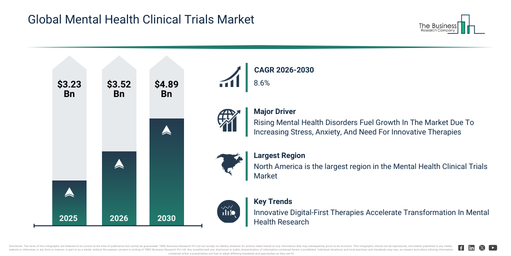
  • Mental Health Market Growth To $512.77 Billion By 2030: What’s Driving The Expansion?

    Mental Health Market Growth To $512.77 Billion By 2030: What’s Driving The Expansion?

    Backed by market attractiveness analysis, total addressable market sizing, company benchmarking matrices, interactive Excel dashboards, wider supply chain intelligence, emerging startup coverage, and detailed product-level insights, The Business Research Company’s 2026 market reports are designed to offer research that is more actionable and strategically valuable than ever.

    Mental Health Market Size And Revenue Outlook Through 2030

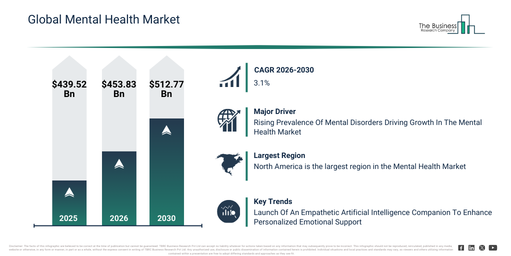
    The mental health market has observed consistent expansion over the past few years. This market is projected to expand from $439.52 billion in 2025 to reach $453.83 billion by 2026, exhibiting a compound annual growth rate (CAGR) of 3.3%. Historically, this growth can be ascribed to several factors, including the increasing occurrence of mental health disorders, enhanced public consciousness through educational initiatives, the early embrace of digital therapeutic instruments, the broadening of community-based mental health services, and an increase in governmental financial support for mental health.

    The mental health market is projected for consistent expansion over the upcoming years, with its valuation reaching $512.77 billion by 2030, exhibiting a compound annual growth rate (CAGR) of 3.1%. This anticipated growth is linked to factors such as a rise in telehealth counseling demand, greater adoption of wearable devices for mental health tracking, corporate funding for employee wellness initiatives, advancements in AI-powered mental health diagnostics, and a proliferation of online therapy services. Key developments expected during this timeframe encompass AI-driven assessment and support tools for mental health, the proliferation of cloud-based platforms for mental health services, the incorporation of IoT wearables for monitoring mood and stress, the uptake of AR/VR-based immersive therapy and well-being solutions, and the increasing application of precision medicine in mental health treatment.

    Get A Free Sample Report With In-Depth Market Insights:

    https://thebusinessresearchcompany.com/sample_request?id=81245106&type=smp&name=Mental%20Health%20Market%20Report%202026&utm_source=Blogs&utm_medium=Paid&utm_campaign=Nov_PR

    Mental Health Market Growth Backed By Core Demand Fundamentals

    The rising occurrence of mental disorders is anticipated to boost the expansion of the mental health market in the foreseeable future. A mental disorder is characterized by a clinically notable deficit in a person’s thought processes, emotional regulation, or actions. These conditions are crucial in the realm of mental health, facilitating diagnosis, directing therapeutic approaches, shaping public health initiatives, and stimulating scientific inquiry. As an illustration, data from May 2024, released by the American Psychiatric Association, a US-based non-profit body, indicates that in 2024, 43% of adults reported increased anxiety levels compared to the prior year, an increase from 37% in 2023 and 32% in 2022. Consequently, the growing prevalence of mental disorders is a key factor propelling the mental health market.

    Mental Health Market Segment Analysis: What Are The Core Market Categories?

    The mental health market covered in this report is segmented –

    1) By Disorder: Schizophrenia, Alcohol Use Disorders, Bipolar Disorder, Depression, Anxiety, Post-Traumatic Stress Disorder, Substance Abuse Disorders, Eating Disorders, Other Disorders

    2) By Services: Emergency Mental Health Services, Outpatient Counselling, Home-Based Treatment Services, Inpatient Hospital Treatment Services, Other Services

    3) By Age Group: Pediatric, Adult, Geriatric

    Subsegments:

    1) By Schizophrenia: Paranoid Schizophrenia, Catatonic Schizophrenia, Schizoaffective Disorder

    2) By Alcohol Use Disorders: Alcohol Dependence, Alcohol Abuse

    3) By Bipolar Disorder: Bipolar I Disorder, Bipolar II Disorder, Cyclothymic Disorder

    4) By Depression: Major Depressive Disorder, Persistent Depressive Disorder (Dysthymia), Seasonal Affective Disorder

    5) By Anxiety: Generalized Anxiety Disorder, Panic Disorder, Social Anxiety Disorder, Phobias

    6) By Post-Traumatic Stress Disorder (PTSD): Acute PTSD, Chronic PTSD, Complex PTSD

    7) By Substance Abuse Disorders: Opioid Use Disorder, Cannabis Use Disorder, Stimulant Use Disorder

    8) By Eating Disorders: Anorexia Nervosa, Bulimia Nervosa, Binge-Eating Disorder

    9) By Other Disorders: Obsessive-Compulsive Disorder (OCD), Attention Deficit Hyperactivity Disorder (ADHD), Personality Disorders

    Mental Health Market Growth Trends Reshaping The Competitive Landscape

    Leading firms within the mental health market are concentrating on creating sophisticated solutions, like empathetic AI companions, to elevate personalized emotional assistance and boost user interaction. Such a companion is an artificial intelligence–driven tool crafted to deliver supportive, human-like exchanges through comprehending user feelings, providing customized advice, and fostering general mental wellness. As an example, in October 2024, Headspace Inc., a mental health company based in the US, introduced Ebb, an empathetic AI companion, into its acclaimed mindfulness and mental well-being platform. This development improves upon conventional digital mental health tools by offering conversational support driven by generative AI, allowing individuals to participate in reflective discussions, obtain personalized content suggestions, and access emotional backing at any moment without needing human involvement. It provides immediate help aligned with user requirements, simultaneously enabling Headspace to smoothly incorporate Ebb into its current services, including meditation content, coaching, and stress-reduction instruments, without complicating the user experience. Fully integrated into Headspace’s comprehensive mental wellness ecosystem, Ebb delivers a cohesive experience that streamlines user paths, reinforces emotional resilience, and contributes to increased engagement and better results.

    Mental Health Market Top Companies Driving Competitive Growth

    Major companies operating in the mental health market are Evernorth Health Inc., Ascension Inc., Universal Health Services Inc., Sevita, Acadia Healthcare Co. Inc., Loma Linda University Health, Promises Behavioral Health, CareTech Holdings Plc, Pyramid Healthcare Inc., Crestwood Behavioral Health Inc., Behavioral Health Network Inc., Modern Health, North Range Behavioral Health, REM Minnesota Inc., Strategic Behavioral Health LLC, Kennebec Behavioral Health, Vita Health Group, Child Mind Institute, Unison Behavioral Health Group Inc., JED Foundation, Brain and Behaviour Foundation, International OCD Foundation, TEAMCare Behavioral Health LLC, The Jason Foundation Inc., Thrive Behavioral Health Inc

    View The Full Mental Health Market Report:

    https://thebusinessresearchcompany.com/report/mental-health-global-market-report?utm_source=Blogs&utm_medium=Paid&utm_campaign=Nov_PR

    Mental Health Market Global Footprint: Which Region Leads The Market?

    North America was the largest region in the mental health market in 2025. Asia-Pacific is expected to be the fastest-growing region in the forecast period. The regions covered in the mental health market report are Asia-Pacific, South East Asia, Western Europe, Eastern Europe, North America, South America, Middle East, Africa.

    Reach Out To Our Team:

    The Business Research Company: https://www.thebusinessresearchcompany.com/

    Americas: +1 310-496-7795

    Asia: +44 7882 955267 & +91 8897263534

    Europe: +44 7882 955267

    Email us at: marketing@tbrc.info

    Follow us on:

    LinkedIn: https://in.linkedin.com/company/the-business-research-company

    YouTube: https://www.youtube.com/channel/UC24_fI0rV8cR5DxlCpgmyFQ

    Global Market Model: https://www.thebusinessresearchcompany.com/global-market-model
  • Menstrual Health Apps Market Trends Reshaping Industry Growth Through 2030

    Menstrual Health Apps Market Trends Reshaping Industry Growth Through 2030

    Featuring market attractiveness scoring, total addressable market sizing, company benchmarking matrices, interactive Excel dashboards, deeper supply chain intelligence, emerging startup tracking, and granular product-level insights, The Business Research Company’s 2026 market reports are built to deliver research that is both more actionable and more strategically valuable.

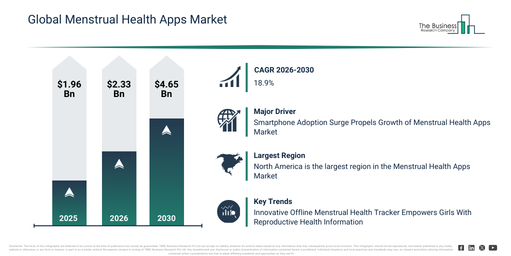
    Menstrual Health Apps Market Growth From $2.33 Billion In 2026 To $4.65 Billion By 2030 At A CAGR Of 18.9%

    The menstrual health apps market has experienced rapid growth in recent years. This market is set to expand from $1.96 billion in 2025 to $2.33 billion in 2026, demonstrating a compound annual growth rate (CAGR) of 18.8%. The historical growth of this market can be linked to the early adoption of period tracking apps, a rise in reproductive health awareness, increased smartphone penetration, a growing emphasis on women’s health education, and the demand for fertility awareness tools.

    The menstrual health apps market size is projected to experience substantial expansion in the coming years. This market is forecast to reach $4.65 billion by 2030, exhibiting a compound annual growth rate (CAGR) of 18.9%. The anticipated growth during this period is driven by factors such as the broadening of telehealth integration, the increased adoption of wearable health devices, the emergence of personalized digital wellness platforms, a heightened focus on data-driven reproductive insights, and collaborations with healthcare providers to offer sophisticated solutions. Key trends anticipated for the forecast period encompass AI-powered personalized cycle and symptom prediction, cloud-based data storage along with improved cybersecurity measures, the incorporation of IoT wearables for live health and hormone monitoring, AR/VR-supported educational and wellness programs, and the integration of precision health via genetic and hormonal analysis.

    Get A Free Sample Report With In-Depth Market Insights:

    https://thebusinessresearchcompany.com/sample_request?id=29988821&type=smp&name=Menstrual%20Health%20Apps%20Market%20Report%202026&utm_source=Blogs&utm_medium=Paid&utm_campaign=Nov_PR

    Menstrual Health Apps Market Growth Catalysts And Demand Drivers

    The increasing adoption of smartphones is anticipated to fuel the expansion of the menstrual health apps market in the future. These portable electronic devices feature a touchscreen, an integrated operating system, and various software applications. Menstrual health applications are specifically developed to run on smartphones, thereby enhancing the precision of monitoring physical symptoms and activities pertinent to menstrual well-being. Such smartphone-based apps keep users engaged with interactive functionalities, timely reminders, and tailored insights, which boosts user involvement and promotes regular tracking of menstrual health information. For example, data from The State of Mobile Internet Connectivity 2024, released in October 2024 by the GSM Association, a UK-based non-profit mobile ecosystem organization, indicates that around 160 million individuals started using mobile internet in 2023. This increase mirrors that of 2022, elevating the total number of smartphone internet users to nearly 4.3 billion, accounting for 53% of the world’s population. Furthermore, the count of 4G and 5G users saw an increase of 330 million between 2022 and 2023, now constituting almost 80% of mobile internet subscribers globally. Consequently, the growing prevalence of smartphone adoption is set to drive the growth of the menstrual health app market.

    Menstrual Health Apps Market Segment Breakdown: Which Categories Lead On Revenue?

    The menstrual health apps market covered in this report is segmented –

    1) By Type: Nutrition And Fitness, Menstrual Health, Pregnancy Tracking, Menopause, Disease Management, Other Types

    2) By Platform: Android, iPhone Operating System (iOS)

    3) By Application: Period Cycle Tracking, Fertility And Ovulation Management, Menstrual Health Management

    Subsegments:

    1) By Nutrition And Fitness: Diet Tracking, Exercise Tracking, Health Coaching

    2) By Menstrual Health: Cycle Tracking, Symptom Logging, Fertility Awareness

    3) By Pregnancy Tracking: Pregnancy Calendar, Fetal Development Monitoring, Maternal Health Resources

    4) By Menopause: Symptom Management, Hormone Replacement Therapy Tracking, Educational Resources

    5) By Disease Management: Condition-Specific Tracking, Medication Management, Health Analytics

    6) By Other Types: Community Support Platforms, Telehealth Services, Educational Tools And Resources

    Menstrual Health Apps Market Trends Shaping Long-Term Demand

    Leading companies in the menstrual health apps market are concentrating on inventive solutions, such as offline menstrual health trackers, to furnish girls in Kenya with accessible and accurate menstrual health information and tracking. An offline menstrual health tracker is a device that enables individuals to record and forecast their menstrual cycles without requiring internet connectivity, thereby ensuring privacy and data security by storing data locally. As an illustration, in May 2023, the United Nations International Children’s Emergency Fund (UNICEF), a US-based United Nations organization, introduced Oky Kenya, an offline menstrual health tracker specifically developed for girls in Kenya. This pioneering application offers readily available, evidence-based details concerning menstruation, contributing to dispelling myths, lessening shame, and advancing gender equality by providing girls with the means to track their menstrual cycles and understand their reproductive health.

    Menstrual Health Apps Market Leading Players And Competitive Positioning

    Major companies operating in the menstrual health apps market are Apple Inc., Google LLC, Bayer AG, Garmin Ltd., Planned Parenthood Federation of America Inc., Fitbit Inc., NURX Inc., Withings, Ovia Health, Natural Cycles USA Corp, Flo Health Inc., Tempdrop Premium, Ava Science Inc., CycleBeads, Glow Inc., Symple Wellness Platform Pte Ltd, Kindara Premium, Biowink GmbH, Comma, Maven Clinic, Eve by Glow, Spot On, Premom, My Calendar, Stardust, Fertility Friend, Aavia, Femia

    View The Full Menstrual Health Apps Market Report:

    https://thebusinessresearchcompany.com/report/menstrual-health-apps-global-market-report?utm_source=Blogs&utm_medium=Paid&utm_campaign=Nov_PR

    Menstrual Health Apps Market Regional Split: Which Areas Are Fueling Growth?

    North America was the largest region in the menstrual health apps market in 2025. Asia-Pacific is expected to be the fastest-growing region in the forecast period. The regions covered in the menstrual health apps market report are Asia-Pacific, South East Asia, Western Europe, Eastern Europe, North America, South America, Middle East, Africa.

    Reach Out To Our Team:

    The Business Research Company: https://www.thebusinessresearchcompany.com/

    Americas: +1 310-496-7795

    Asia: +44 7882 955267 & +91 8897263534

    Europe: +44 7882 955267

    Email us at: marketing@tbrc.info

    Follow us on:

    LinkedIn: https://in.linkedin.com/company/the-business-research-company

    YouTube: https://www.youtube.com/channel/UC24_fI0rV8cR5DxlCpgmyFQ

    Global Market Model: https://www.thebusinessresearchcompany.com/global-market-model
  • Menorrhalgia Market Growth To $29.36 Billion Creates New Opportunities Across The Industry

    Menorrhalgia Market Growth To $29.36 Billion Creates New Opportunities Across The Industry

    Built to provide research that’s more actionable and strategically valuable, The Business Research Company’s 2026 market reports include market attractiveness analysis, total addressable market sizing, company benchmarking matrices, interactive Excel dashboards, broader supply chain intelligence, emerging startup tracking, and in-depth product insights.

    Menorrhalgia Market Expansion Outlook: What Revenue Opportunities Are Ahead?

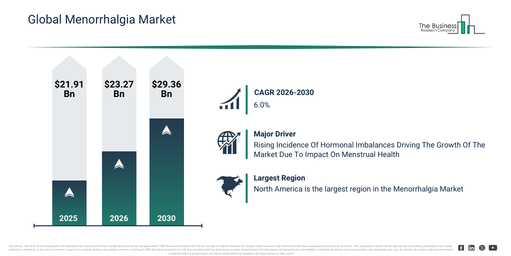
    The menorrhalgia market has experienced significant expansion recently. Projections indicate it will expand from $21.91 billion in 2025 to $23.27 billion in 2026, demonstrating a compound annual growth rate (CAGR) of 6.2%. Historically, this growth was driven by factors such as a high prevalence of hormonal imbalances, a rise in uterine fibroids and polyps, insufficient awareness regarding abnormal menstrual bleeding, extensive adoption of oral hormonal therapies, and the increasing number of gynecology clinics.

    The menorrhalgia market size is anticipated to experience substantial expansion over the coming years, projected to reach $29.36 billion by 2030, exhibiting a compound annual growth rate (CAGR) of 6.0%. The anticipated growth during this period stems from several factors, including the increasing demand for fertility-preserving treatments, greater uptake of long-acting intrauterine systems, an elevated focus on women’s reproductive health, broader access to gynecological care in developing markets, and increasing acceptance of non-hormonal therapies. Key developments expected in the forecast period encompass a rising preference for non-hormonal treatment alternatives, enhanced awareness and earlier diagnosis of menorrhagia, increased application of minimally invasive and intrauterine therapies, the broader development of personalized gynecological treatment plans, and a stronger emphasis on managing anemia and overall quality of life.

    Get A Free Sample Report With In-Depth Market Insights:

    https://thebusinessresearchcompany.com/sample_request?id=73450008&type=smp&name=Menorrhalgia%20Market%20Report%202026&utm_source=Blogs&utm_medium=Paid&utm_campaign=Nov_PR

    Menorrhalgia Market Opportunity Drivers: What’s Unlocking New Revenue Potential?

    An anticipated increase in the occurrences of hormonal imbalances is set to drive the expansion of the menorrhalgia market. Hormonal imbalances denote disturbances within the body’s endocrine system, characterized by either an excess or deficiency of specific hormones, which can manifest in diverse health concerns such as alterations in weight, mood fluctuations, tiredness, or difficulties with reproduction. The growing number of hormonal imbalances stems from elements like lifestyle choices, environmental factors, and existing medical conditions. Contemporary living, encompassing insufficient diet, elevated stress, and insufficient physical activity, interferes with the production and regulation of hormones. These imbalances can contribute to menorrhalgia (painful menstruation) by interfering with the regular control of the menstrual cycle and impacting the uterine conditions. As an illustration, in January 2025, the World Health Organization, a Switzerland-based intergovernmental organization, reported that polycystic ovary syndrome is a major public health concern and among the most prevalent hormonal disorders in women of reproductive age, impacting an estimated 6–13% yearly. Consequently, the increasing occurrence of hormonal imbalances is fueling the growth of the menorrhagia market.

    Menorrhalgia Market Segmentation: How Does The Market Break Down By Category?

    The menorrhalgia market covered in this report is segmented –

    1) By Therapeutics: Hormonal Agents, Non-Hormonal Agents

    2) By Route Of Administration: Oral, Vaginal, Transdermal, Intrauterine, Other Routes Of Administration

    3) By Distribution Channel: Retail Pharmacies, Hospital Pharmacies, Online Pharmacies

    Subsegments:

    1) By Hormonal Agents: Combined Oral Contraceptives (COCs), Progestins, Gonadotropin-Releasing Hormone (GnRH) Agonists, Levonorgestrel-Releasing Intrauterine Systems (LNG-IUS), Danazol, Selective Estrogen Receptor Modulators (SERMs)

    2) By Non-Hormonal Agents: Non-Steroidal Anti-Inflammatory Drugs (NSAIDs), Tranexamic Acid, Antifibrinolytics, Iron Supplements, Herbal And Natural Remedies

    Menorrhalgia Market Competitive Overview And Top Companies

    Major companies operating in the menorrhalgia market are AbbVie Inc., Bayer HealthCare Pharmaceuticals Inc., Boston Scientific Corporation, Johns Hopkins Health System Corporation, Aegea Medical Inc., Emory Healthcare Inc., Hologic Inc., Dr Reddys Laboratories Ltd., Meril Life Sciences Pvt Ltd, ASKA Pharmaceutical Holdings Co Ltd, Ferring Pharmaceuticals Group, Xanodyne Pharmaceuticals Inc., Pregna International Ltd., HLL Lifecare Limited, Actiza Pharmaceutical Pvt Ltd, Wellona Pharma, OCON Healthcare Ltd, Pfizer Inc., Medtronic plc, Myovant Sciences Ltd, Gedeon Richter Plc, Cooper Surgical Inc, Olympus Corporation, Takeda Pharmaceutical Company Limited, Novartis AG.

    View The Full Menorrhalgia Market Report:

    https://thebusinessresearchcompany.com/report/menorrhalgia-global-market-report?utm_source=Blogs&utm_medium=Paid&utm_campaign=Nov_PR

    Menorrhalgia Market Top Region: Where Does Most Revenue Come From?

    North America was the largest region in the menorrhalgia market in 2025. The regions covered in the menorrhalgia market report are Asia-Pacific, South East Asia, Western Europe, Eastern Europe, North America, South America, Middle East, Africa.

    Reach Out To Our Team:

    The Business Research Company: https://www.thebusinessresearchcompany.com/

    Americas: +1 310-496-7795

    Asia: +44 7882 955267 & +91 8897263534

    Europe: +44 7882 955267

    Email us at: marketing@tbrc.info

    Follow us on:

    LinkedIn: https://in.linkedin.com/company/the-business-research-company

    YouTube: https://www.youtube.com/channel/UC24_fI0rV8cR5DxlCpgmyFQ

    Global Market Model: https://www.thebusinessresearchcompany.com/global-market-model
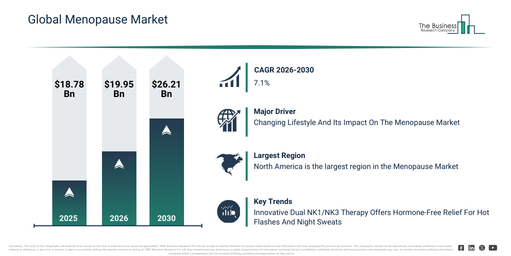
  • Menopause Digital Hormone Balancing App Market Forecast: Breaking Down The Numbers Behind Future Expansion

    Menopause Digital Hormone Balancing App Market Forecast: Breaking Down The Numbers Behind Future Expansion

    Backed by market attractiveness analysis, total addressable market sizing, company benchmarking matrices, interactive Excel dashboards, wider supply chain intelligence, emerging startup coverage, and detailed product-level insights, The Business Research Company’s 2026 market reports are designed to offer research that is more actionable and strategically valuable than ever.

    Menopause Digital Hormone Balancing App Market Growth Potential: How Will Market Size Shift Through 2030?

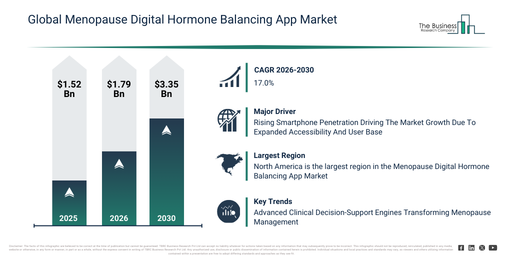
    The menopause digital hormone balancing app market size has experienced substantial expansion in recent years. It is anticipated to expand from $1.52 billion in 2025 to $1.79 billion in 2026, reflecting a compound annual growth rate (CAGR) of 17.3%. The drivers behind its past growth include heightened awareness of menopause health management, increasing smartphone adoption among women, the rising popularity of digital health solutions, the proliferation of wellness-focused mobile apps, and a stronger emphasis on preventive healthcare.

    The menopause digital hormone balancing app market size is anticipated to experience substantial growth in the forthcoming years. It is expected to reach $3.35 billion in 2030, showing a compound annual growth rate (CAGR) of 17.0%. The expansion during the forecast period is attributed to the increasing demand for personalized digital therapeutics, rising integration with wearable health devices, the proliferation of subscription-based health apps, a growing focus on comprehensive menopause care, and the increasing adoption of AI-driven health insights. Major trends for this period include the rising adoption of personalized menopause management apps, increasing utilization of symptom tracking and analytics, the growing integration of hormone monitoring features, the expansion of virtual health coaching services, and an enhanced emphasis on user-centric app design.

    Get A Free Sample Report With In-Depth Market Insights:

    https://thebusinessresearchcompany.com/sample_request?id=94997054&type=smp&name=Menopause%20Digital%20Hormone%20Balancing%20App%20Market%20Report%202026&utm_source=Blogs&utm_medium=Paid&utm_campaign=Nov_PR

    Menopause Digital Hormone Balancing App Market Growth Momentum: What Factors Are Shaping Demand?

    The growth of the menopause digital hormone balancing app market is projected to be driven by increasing smartphone penetration in the upcoming period. Smartphone penetration denotes the percentage of a population or specific market segment that owns or regularly utilizes a smartphone. This rise in smartphone penetration is primarily fueled by the enhanced affordability of smartphones, making them accessible to a broader demographic. A higher rate of smartphone penetration supports menopause digital hormone balancing apps by expanding their potential clientele, thereby enabling more women to conveniently access features like symptom tracking, hormone monitoring, lifestyle guidance, and educational materials directly on their devices. For instance, in February 2023, data from the GSM Association (GSMA), a UK-based industry body representing mobile network operators and businesses, indicated that smartphone penetration in sub-Saharan Africa is anticipated to grow significantly, reaching 87% by 2030, an increase from 51% in 2022. Consequently, the rising smartphone penetration is a key factor propelling the expansion of the menopause digital hormone balancing app market.

    Menopause Digital Hormone Balancing App Market Segment Trends And Revenue Contributors

    The menopause digital hormone balancing app market covered in this report is segmented –

    1) By App Type: Symptom Tracking, Hormone Monitoring, Lifestyle Management, Educational Apps, Other App Types

    2) By Platform: iPhone Operating System, Android, Web-Based

    3) By Subscription Model: Free, Paid, Freemium

    4) By End-User: Women, Healthcare Providers, Clinics, Other End-Users

    Subsegments:

    1) By Symptom Tracking: Hot Flashes, Mood Swings, Sleep Disturbances

    2) By Hormone Monitoring: Estrogen Levels, Progesterone Levels, Testosterone Levels

    3) By Lifestyle Management: Nutrition Guidance, Exercise Regimens, Stress Management

    4) By Educational Apps: Menopause Education, Hormone Therapy Information, Bone Health

    5) By Other App Types: Community Support Platforms, Virtual Consultations, Medication Reminders

    Menopause Digital Hormone Balancing App Market Trends Redefining Industry Growth

    Major companies in the menopause digital hormone balancing app market are concentrating on developing advanced solutions, such as a clinical decision-support engine, which facilitates the organized capture of patient data and real-time evaluation against established menopause pathways to offer personalized management recommendations at the point of care. A clinical decision-support engine is a software system designed to assist healthcare providers in making informed, evidence-based decisions about patient care through structured guidance and recommendations based on specific patient data. For instance, in July 2025, University College London Hospitals (UCLH), a UK-based healthcare provider specializing in women’s health and menopause care, in collaboration with University College London (UCL), launched the MENO.pause app. This digital clinical decision-support platform aims to help clinicians manage patients’ menopause symptoms, integrating evidence-based clinical guidelines from the National Institute for Health and Care Excellence (NICE), the British Menopause Society (BMS), and the British Gynaecological Cancer Society (BGCS) to provide personalized treatment recommendations derived from patient history and risk factors. Additionally, the platform enables risk stratification for high-risk patients, optimizes hormone replacement therapy (HRT) decisions, and streamlines referral pathways for complex or specialist cases within an intuitive workflow-integrated interface suitable for use in primary and secondary care.

    Menopause Digital Hormone Balancing App Market Competitive Landscape: Which Companies Lead The Industry?

    Major companies operating in the menopause digital hormone balancing app market are Chorus Health Inc., Noom Inc., Maven Clinic Co., Forth Ltd., Join Olivia AB, Clue by BioWink GmbH, Balance App Ltd., Peppy Health Ltd., Elektra Health Inc., Eli Health Inc., FemTech Health Inc., Health and Her Ltd., Hormona Ltd., Lisa Health Inc., Mira Fertility Inc., Oova Life Inc., Stella LLC, Vira Health Ltd., Wild AI Ltd., Gennev Inc.

    View The Full Menopause Digital Hormone Balancing App Market Report:

    https://thebusinessresearchcompany.com/report/menopause-digital-hormone-balancing-app-global-market-report?utm_source=Blogs&utm_medium=Paid&utm_campaign=Nov_PR

    Menopause Digital Hormone Balancing App Market Regional Breakdown: Where Is Demand Concentrated?

    North America was the largest region in the menopause digital hormone balancing app market in 2025. Asia-Pacific is expected to be the fastest-growing region in the forecast period. The regions covered in the menopause digital hormone balancing app market report are Asia-Pacific, South East Asia, Western Europe, Eastern Europe, North America, South America, Middle East, Africa.

    Reach Out To Our Team:

    The Business Research Company: https://www.thebusinessresearchcompany.com/

    Americas: +1 310-496-7795

    Asia: +44 7882 955267 & +91 8897263534

    Europe: +44 7882 955267

    Email us at: marketing@tbrc.info

    Follow us on:

    LinkedIn: https://in.linkedin.com/company/the-business-research-company

    YouTube: https://www.youtube.com/channel/UC24_fI0rV8cR5DxlCpgmyFQ

    Global Market Model: https://www.thebusinessresearchcompany.com/global-market-model
  • Menopause Market Expected To Grow At 7.1% CAGR Through 2030: What Businesses Need To Know

    Menopause Market Expected To Grow At 7.1% CAGR Through 2030: What Businesses Need To Know

    Featuring market attractiveness scoring, total addressable market sizing, company benchmarking matrices, interactive Excel dashboards, deeper supply chain intelligence, emerging startup tracking, and granular product-level insights, The Business Research Company’s 2026 market reports are built to deliver research that is both more actionable and more strategically valuable.

    Menopause Market Value Analysis: What Growth Lies Ahead Over The Forecast Period?

    The menopause market size has experienced robust growth in recent years. It is projected to expand from $18.78 billion in 2025 to $19.95 billion in 2026, achieving a compound annual growth rate (CAGR) of 6.2%. This growth in the historical period is attributable to an aging female population, increased life expectancy among women, the widespread use of hormone replacement therapy, rising awareness of menopausal symptoms, and the expansion of women’s healthcare services.

    The menopause market is projected to experience substantial expansion over the coming years. This market is anticipated to reach $26.21 billion by 2030, demonstrating a compound annual growth rate (CAGR) of 7.1%. Factors contributing to this growth during the forecast period include an increasing need for safer long-term therapeutic options, the proliferation of digital health platforms centered on menopause, a heightened emphasis on women’s preventive health, broader accessibility to online pharmacies, and a wider embrace of alternative and lifestyle-oriented treatments. Key trends anticipated during this period encompass a rise in the use of non-hormonal menopause therapies, enhanced awareness and proactive approaches to menopause management, a growing inclination towards dietary supplements and natural remedies, the expansion of individualized menopause care initiatives, and an elevated demand for solutions targeting specific symptoms.

    Get A Free Sample Report With In-Depth Market Insights:

    https://thebusinessresearchcompany.com/sample_request?id=96783028&type=smp&name=Menopause%20Market%20Report%202026&utm_source=Blogs&utm_medium=Paid&utm_campaign=Nov_PR

    Menopause Market Expansion Drivers: What’s Shaping Future Growth?

    The anticipated growth of the menopause market is significantly influenced by the rise in evolving lifestyles. These changing lifestyles refer to shifts in how individuals live and make choices that impact their health and well-being. During this natural biological phase, adapting one’s lifestyle can assist in managing menopausal symptoms and enhancing general health. Menopause can prompt various adjustments to lifestyle choices, including adopting a nutritious diet, engaging in regular physical activity, ensuring sufficient sleep, abstaining from smoking and excessive alcohol consumption, and participating in calming hobbies. For instance, in November 2023, the Global Wellness Institution, a US-based organization, released information stating that in 2022, the wellness economy represented 5.6% of global economic output and is projected to expand to $8.5 trillion by 2027, with an average annual growth rate of 8.6%. Consequently, the increasing trend of changing lifestyles is driving the expansion of the menopause market.

    Menopause Market Segment Analysis Spotlighting Growth Areas

    The menopause market covered in this report is segmented –

    1) By Treatment: Dietary Supplements, Over-The-Counter (OTC) Pharma Products

    2) By Route Of Administration: Topical, Oral, Injectables

    3) By Distribution Channel: Hospital, Retail, Online Pharmacies

    4) By End User: Hospital, Diagnostic Centers, Specialty Clinics, Other End Users

    Subsegments:

    1) By Dietary Supplements: Herbal Supplements, Vitamins And Minerals, Phytoestrogens, Omega-3 Fatty Acids, Probiotics

    2) By Over-The-Counter (OTC) Pharma Products: Hormone Replacement Therapy (HRT), Non-Hormonal OTC Products, Antidepressants For Mood Swings, Sleep Aids, Pain Relievers

    Menopause Market Strategic Trends: What Defines The Next Growth Phase?

    Leading companies within the menopause market are concentrating on creating cutting-edge treatments, such as dual neurokinin 1/neurokinin 3 (NK1/NK3) receptor antagonists, to provide non-hormonal options for vasomotor symptoms (hot flashes and night sweats) and enhance the quality of life for women experiencing menopause. These dual neurokinin 1/neurokinin 3 receptor antagonists are defined as oral medications that concurrently obstruct both NK1 and NK3 receptors in the hypothalamus, consequently influencing the neuropeptide pathways involved in thermoregulation and sweat responses, leading to a decrease in the incidence and intensity of hot flashes and related sleep disruptions. A notable example is Bayer AG, a Germany-based pharmaceutical company, which secured approval from the U.S. Food and Drug Administration (FDA) in October 2025 for Lynkuet (elinzanetant) 60 mg capsules, recognized as the world’s first dual-NK1/NK3 receptor antagonist specifically sanctioned for managing moderate to severe hot flashes stemming from menopause. Lynkuet provides once-daily bedtime administration, substantial reductions in both the frequency and severity of hot flashes, as evidenced across three Phase III trials (OASIS 1/2/3), alongside a non-hormonal mode of action that expands therapeutic possibilities for women unable to use hormone therapy.

    Menopause Market Leading Companies: Who Holds The Strongest Market Presence?

    Major companies operating in the menopause market are Pfizer Inc., Johnson & Johnson Inc., The Procter & Gamble Company, Merck & Co. Inc., AbbVie Inc., Bayer AG, Sanofi S.A, Abbott Laboratories Ltd., GSK plc, Eli Lilly and Company, Teva Pharmaceutical Industries Ltd., Sun Pharmaceutical Industries Limited, Cipla Inc., Dr. Reddy’s Laboratories Ltd., Apotex Inc., Rainbow Light Nutritional Systems LLC, Mithra Pharmaceuticals SA, TherapeuticsMD Inc., Theramex SpA, Pure Encapsulations LLC., Mylan N.V., Serenity Pharmaceuticals LLC

    View The Full Menopause Market Report:

    https://thebusinessresearchcompany.com/report/menopause-global-market-report?utm_source=Blogs&utm_medium=Paid&utm_campaign=Nov_PR

    Menopause Market Geographic Landscape: Which Region Leads Industry Growth?

    North America was the largest region in the menopause market in 2025. The regions covered in the menopause market report are Asia-Pacific, South East Asia, Western Europe, Eastern Europe, North America, South America, Middle East, Africa.

    Reach Out To Our Team:

    The Business Research Company: https://www.thebusinessresearchcompany.com/

    Americas: +1 310-496-7795

    Asia: +44 7882 955267 & +91 8897263534

    Europe: +44 7882 955267

    Email us at: marketing@tbrc.info

    Follow us on:

    LinkedIn: https://in.linkedin.com/company/the-business-research-company

    YouTube: https://www.youtube.com/channel/UC24_fI0rV8cR5DxlCpgmyFQ

    Global Market Model: https://www.thebusinessresearchcompany.com/global-market-model
  • Menopausal Hot Flashes Market Forecast To Reach $21.68 Billion By 2030: Key Trends Explained

    Menopausal Hot Flashes Market Forecast To Reach $21.68 Billion By 2030: Key Trends Explained

    Built to provide research that’s more actionable and strategically valuable, The Business Research Company’s 2026 market reports include market attractiveness analysis, total addressable market sizing, company benchmarking matrices, interactive Excel dashboards, broader supply chain intelligence, emerging startup tracking, and in-depth product insights.

    Menopausal Hot Flashes Market Size Forecast: How Big Could The Market Get By 2030?

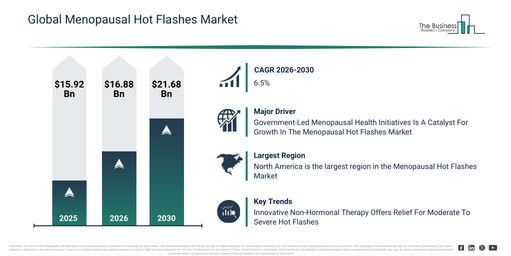
    The menopausal hot flashes market size has experienced significant expansion recently. This market is projected to expand from $15.92 billion in 2025 to $16.88 billion in 2026, exhibiting a compound annual growth rate (CAGR) of 6.0%. Historically, this growth can be linked to an aging female population, longer life expectancy among women, the extensive application of hormone replacement therapy, increasing recognition of menopausal health, and the development of gynecological healthcare provisions.

    The menopausal hot flashes market size is projected to experience robust expansion over the next few years. It is expected to reach $21.68 billion by 2030, growing at a compound annual growth rate (CAGR) of 6.5%. The projected increase in this period can be ascribed to a rising demand for safer non-hormonal therapies, the development of menopause-centric healthcare programs, a greater emphasis on women’s health research, the broadening scope of online and digital health consultations, and increasing acceptance of alternative treatment methods. Significant trends for the forecast period include a growing inclination towards non-hormonal treatment alternatives, enhanced awareness and diagnosis of menopausal symptoms, the increasing uptake of alternative and lifestyle-based therapies, the expansion of individualized menopause management strategies, and a higher requirement for long-term symptom management solutions.

    Get A Free Sample Report With In-Depth Market Insights:

    https://thebusinessresearchcompany.com/sample_request?id=41714492&type=smp&name=Menopausal%20Hot%20Flashes%20Market%20Report%202026&utm_source=Blogs&utm_medium=Paid&utm_campaign=Nov_PR

    Menopausal Hot Flashes Market Development Factors: What’s Supporting Demand?

    Governmental initiatives focused on women’s health during menopause are projected to stimulate the expansion of the menopausal hot flashes market going forward. These government initiatives for menopausal health involve specific programs, financial allocations, and policy measures intended to enhance care, support research, and broaden access to services for women experiencing symptoms related to menopause. These efforts are on the rise as governments increasingly acknowledge the need for improved education, timely diagnosis, and effective treatment options to aid women’s health throughout the menopausal transition. The menopausal hot flashes market gains from such initiatives by reinforcing research activities, speeding up innovation, and improving the availability of evidence-based treatments for symptom alleviation. For instance, in January 2023, as reported by the Government of New South Wales, an Australia-based government agency, the government committed 0.0403 billion over four years (2022–2023 to 2025–2026) to establish up to 16 new programs designed to support women with severe menopausal symptoms. Therefore, the government’s initiatives for women’s health in menopause are propelling the growth of the menopausal hot flashes market.

    Menopausal Hot Flashes Market Segment Performance And Emerging Opportunities

    The menopausal hot flashes market covered in this report is segmented –

    1) By Type: Hormonal Treatment, Non-Hormonal Treatment, Alternative Treatment

    2) By Pipeline Analysis: Phase III Drugs, Phase I And II Drugs

    3) By Distribution Channel: Retail Pharmacies, Online Pharmacies, Hospital Pharmacies

    4) By Application: 51-55 Year Old Woman, 46-50 Year Old Woman, 40-45 Year Old Woman

    Subsegments:

    1) By Hormonal Treatment: Estrogen Therapy, Combined Hormonal Therapy

    2) By Non-Hormonal Treatment: Selective Serotonin Reuptake Inhibitors, Gabapentinoids, Clonidine

    3) By Alternative Treatment: Herbal Supplements, Acupuncture, Lifestyle Modifications

    Menopausal Hot Flashes Market Transformation Trends: What Innovations Are Driving Change?

    Leading companies in the global menopausal hot flashes market are focusing on developing innovative therapies, such as non-hormonal neurokinin-3 (NK3) receptor antagonists, to offer safer and more effective treatment options for women who cannot or prefer not to use hormone therapy. Non-hormonal NK3 receptor antagonists are targeted medications that function by blocking neurokinin-3 receptors in the brain’s thermoregulatory center, thereby reducing the frequency and severity of vasomotor symptoms, including moderate to severe hot flashes. For instance, in May 2023, Astellas Pharma Inc., a Japan-based pharmaceutical company, received Food and Drug Administration (FDA) approval for Veozah (fezolinetant), an oral medication for the treatment of moderate to severe vasomotor symptoms, or hot flashes, caused by menopause. This medication is the world’s first non-hormonal NK3 receptor antagonist specifically developed for menopausal hot flashes. Veozah provides a novel non-hormonal mechanism of action, once-daily oral dosing, and clinically demonstrated reductions in both the frequency and intensity of vasomotor symptoms, marking a significant advancement for women seeking non-hormonal relief from menopause-related symptoms.

    Menopausal Hot Flashes Market Key Players: Which Companies Lead Industry Competition?

    Major companies operating in the menopausal hot flashes market are Pfizer Inc., Johnson & Johnson, The Procter & Gamble Company, Merck & Co. Inc., Bayer AG, Novartis AG, AstraZeneca plc, GlaxoSmithKline plc., Takeda Pharmaceutical Company Limited, Eli Lilly and Co Ltd., Boehringer Ingelheim International GmbH, Teva Pharmaceutical Industries Ltd., Astellas Pharma Inc., Eisai Co. Ltd., Otsuka Pharmaceutical Co. Ltd., Shionogi & Co. Ltd., Gedeon Richter Plc, Lupin Limited, Hisamitsu Pharmaceutical Co. Inc., Noven Pharmaceuticals Inc., Ligand Pharmaceuticals Inc., Mithra Pharmaceuticals SA, TherapeuticsMD Inc., Theramex Ltd., Ascend Therapeutics Inc., EndoCeutics Inc., Sermonix Pharmaceuticals LLC, Ralington pharma LLP

    View The Full Menopausal Hot Flashes Market Report:

    https://thebusinessresearchcompany.com/report/menopausal-hot-flashes-global-market-report?utm_source=Blogs&utm_medium=Paid&utm_campaign=Nov_PR

    Menopausal Hot Flashes Market Largest Region: Which Geography Holds The Biggest Share?

    North America was the largest region in the Menopausal Hot Flashes market in 2025. Asia-Pacific is expected to be the fastest-growing region in the forecast period. The regions covered in the menopausal hot flashes market report are Asia-Pacific, South East Asia, Western Europe, Eastern Europe, North America, South America, Middle East, Africa.

    Reach Out To Our Team:

    The Business Research Company: https://www.thebusinessresearchcompany.com/

    Americas: +1 310-496-7795

    Asia: +44 7882 955267 & +91 8897263534

    Europe: +44 7882 955267

    Email us at: marketing@tbrc.info

    Follow us on:

    LinkedIn: https://in.linkedin.com/company/the-business-research-company

    YouTube: https://www.youtube.com/channel/UC24_fI0rV8cR5DxlCpgmyFQ

    Global Market Model: https://www.thebusinessresearchcompany.com/global-market-model