Blog

  • Medulloblastoma Drug Market Outlook Highlights The Next Major Growth Opportunities

    Medulloblastoma Drug Market Outlook Highlights The Next Major Growth Opportunities

    Through market attractiveness analysis, total addressable market evaluation, company benchmarking matrices, interactive Excel dashboards, expanded supply chain intelligence, emerging startup coverage, and detailed product insights, The Business Research Company’s 2026 market reports provide more actionable and strategically valuable research.

    Medulloblastoma Drug Market Revenue Growth Supported By A CAGR Of 4.49% Through 2030

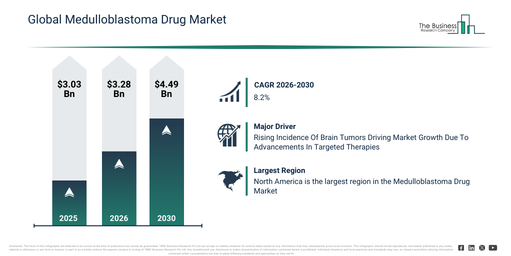
    The market for medulloblastoma drugs has demonstrated robust expansion in recent times. Projected to rise from $3.03 billion in 2025 to $3.28 billion in 2026, it is expected to achieve a compound annual growth rate (CAGR) of 8.3%. This historical growth has been driven by progress in pediatric oncology, a higher incidence of brain tumor diagnoses, the standardization of chemotherapy protocols, the growth of specialized cancer treatment centers, and enhanced surgical success rates.

    The medulloblastoma drug market is forecasted to experience robust expansion over the coming years, reaching a projected value of $4.49 billion by 2030, driven by a compound annual growth rate (CAGR) of 8.2%. This anticipated growth during the forecast period can be linked to advancements in targeted brain cancer research, higher patient survival rates, increased investment in pediatric oncology, the establishment of more specialized treatment centers, and greater funding allocated to rare diseases. Key developments expected to shape the market include the more frequent application of combination chemotherapy protocols, a stronger emphasis on pediatric oncology services, heightened clinical trial efforts focused on uncommon brain tumors, the broader availability of hospital-based cancer care, and intensified research dedicated to novel treatments for brain cancer.

    Download A Free Sample Report For Comprehensive Market Insights:

    https://www.thebusinessresearchcompany.com/sample.aspx?id=20874&type=smp&utm_source=BlogsPR&utm_medium=Paid&utm_campaign=Jul_PR

    Medulloblastoma Drug Market Growth Drivers And Industry Catalysts

    The growing prevalence of brain tumors is anticipated to boost the expansion of the medulloblastoma drug market in the coming period. A brain tumor represents an abnormal proliferation of cells within the brain or spinal canal, which can be either non-cancerous or malignant, and may impair brain functionality. The increasing rate of brain tumors stems from enhanced diagnostic methods, an older demographic, environmental influences, higher public awareness, and hereditary susceptibilities. Medications for medulloblastoma—such as chemotherapy, radiation, and targeted therapies—work to reduce tumor size, destroy cancerous cells, and inhibit their dissemination. For example, in January 2025, the American Cancer Society, a US-based nonprofit dedicated to cancer research and patient care, reported that around 14,040 new instances of brain tumors and other nervous system cancers are forecasted in males, and 10,780 in females, for 2025, accompanied by an estimated total of 18,330 deaths. Consequently, the rising frequency of brain tumors is fueling growth within the medulloblastoma drug market.

    Increased healthcare spending is projected to drive forward the medulloblastoma drug market. Healthcare expenditure encompasses all outlays on medical treatments, pharmaceuticals, preventive measures, facilities, and administrative overhead by governments, private organizations, and individuals. This growth in healthcare spending results from an aging population, progress in medical innovations, a higher occurrence of chronic conditions, and administrative expenses. Such investment promotes the creation of medulloblastoma drugs by supporting research, clinical trials, and novel therapies, thereby enabling technological progress and specialized care for uncommon illnesses. As an illustration, in December 2024, the Centers for Medicare & Medicaid Services, a US federal agency, noted that hospital expenditures in 2023 climbed by 10.4% to $1,519.7 billion—a steeper rise than the 3.2% growth seen in 2022—and prescription drug spending accelerated by 11.4% to $449.7 billion, exceeding the 7.8% increase from the prior year. Hence, the escalation of healthcare expenditure is propelling the medulloblastoma drug market forward.

    A heightened emphasis on personalized medicine is expected to drive the expansion of the medulloblastoma drug market. Personalized medicine is a healthcare strategy that customizes treatments and medical plans according to an individual’s unique traits, genetic makeup, and requirements. This approach is gaining traction due to breakthroughs in genomics, biotechnology, and data analysis, which enable therapies to be tailored to personal genetic information and other health specifics. The growing commitment to personalized medicine fosters the medulloblastoma drug sector by boosting demand for targeted treatments, enhancing therapeutic effectiveness, lessening side effects, and improving patient survival outcomes. For instance, in February 2024, the Personalized Medicine Coalition, a US nonprofit organization, reported that in 2023, the FDA greenlit 16 new personalized therapies for individuals with rare diseases, a jump from six in 2022. Among these newly approved treatments for 2023 were seven cancer medications and three for other ailments and conditions. Therefore, the escalating focus on personalized medicine is propelling growth in the medulloblastoma drug market.

    Medulloblastoma Drug Market Segments: Where Are The Largest Growth Opportunities?

    The medulloblastoma drug market covered in this report is segmented –

    1) By Drug Candidate: Dianhydrogalactitol, Investigational Medicinal Product 5471, Ipilimumab, Indoximod, Other Types

    2) By Product: Chemotherapy Drugs, Targeted Therapy Drugs, Radiation Therapy Drugs

    3) By Route Of Administration: Intravenous, Oral, Intrathecal

    4) By Distribution Channel: Hospital Pharmacy, Online Pharmacy, Retail Pharmacy

    5) By End-Users: Hospitals, Homecare, Speciality Centres, Other End-Users

    Subsegments:

    1) By Dianhydrogalactitol: Dianhydrogalactitol Oral Formulations, Dianhydrogalactitol Intravenous Formulations

    2) By Investigational Medicinal Product 5471: Oral Investigational Medicinal Product 5471, Intravenous Investigational Medicinal Product 5471

    3) By Ipilimumab: Ipilimumab Monotherapy, Ipilimumab Combination Therapy

    4) By Indoximod: Indoximod Oral Formulations, Indoximod Combination Therapy

    5) By Other Types: Temozolomide, Lomustine, Cyclophosphamide, Targeted Therapy Drugs

    Medulloblastoma Drug Market Major Participants And Competitive Dynamics

    Major companies operating in the medulloblastoma drug market are Pfizer Inc., Novartis AG, Roche Holding AG, Bristol-Myers Squibb Company, Merck & Co. Inc., AstraZeneca plc, Eli Lilly and Company, Amgen Inc., Sanofi S.A., Bayer AG, Eisai Co. Ltd., Teva Pharmaceutical Industries Ltd., Takeda Pharmaceutical Company Limited, Ipsen S.A., Daiichi Sankyo Co. Ltd., Jazz Pharmaceuticals plc, Sun Pharmaceutical Industries Ltd., Dr. Reddy’s Laboratories Ltd., Curtana Pharmaceuticals Inc., Biodexa Pharmaceuticals plc.

    Access The Complete Medulloblastoma Drug Market Report:

    https://www.thebusinessresearchcompany.com/report/medulloblastoma-drug-global-market-report?utm_source=BlogsPR&utm_medium=Paid&utm_campaign=Jul_PR

    Medulloblastoma Drug Market Geographic Distribution And Regional Opportunities

    North America was the largest region in the medulloblastoma drug market in 2025. Asia-Pacific is expected to be the fastest-growing region in the forecast period. The regions covered in the medulloblastoma drug market report are Asia-Pacific, South East Asia, Western Europe, Eastern Europe, North America, South America, Middle East, Africa.

    Get in touch with us:

    The Business Research Company: https://www.thebusinessresearchcompany.com/?utm_source=BlogsPR&utm_medium=Paid&utm_campaign=home_page_test

    Americas: +1 310-496-7795

    Asia: +44 7882 955267 & +91 8897263534

    Europe: +44 7882 955267

    Email us at: marketing@tbrc.info

    Follow us on:

    LinkedIn: https://in.linkedin.com/company/the-business-research-company

    YouTube: https://www.youtube.com/channel/UC24_fI0rV8cR5DxlCpgmyFQ

    Global Market Model: https://www.thebusinessresearchcompany.com/global-market-model
  • Meditation Software Market Trends And Growth Drivers Point To Strong Future Potential

    Meditation Software Market Trends And Growth Drivers Point To Strong Future Potential

    Delivering more actionable and strategically valuable research, The Business Research Company’s 2026 market reports feature market attractiveness analysis, total addressable market evaluation, company benchmarking matrices, interactive Excel dashboards, expanded supply chain intelligence, emerging startup coverage, and detailed product insights.

    Meditation Software Market Value Expansion And Long-Term Growth Outlook

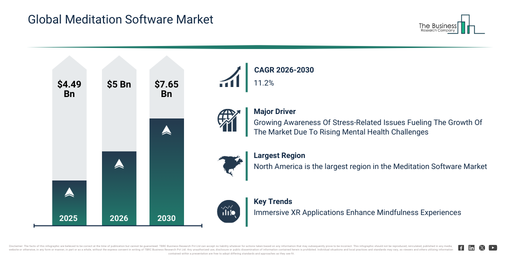
    The meditation software market has experienced substantial expansion over the recent period, with its valuation increasing from $4.49 billion in 2025 to an anticipated $5 billion in 2026, reflecting a compound annual growth rate of 11.4%. This historic growth has been primarily driven by escalating stress levels linked to contemporary lifestyles, the extensive use of smartphones, a growing recognition of the importance of mental health, the proliferation of digital health tools, and the widespread adoption of subscription-based wellness offerings.

    The meditation software market is anticipated to experience rapid expansion over the coming years. By 2030, its value is projected to reach $7.65 billion, reflecting a compound annual growth rate (CAGR) of 11.2%. This forecasted growth is driven by several factors, including the expansion of workplace mental health initiatives, the increasing implementation of AI-driven customization, a higher uptake of digital therapeutic solutions, the widespread adoption of remote and hybrid work arrangements, and a growing societal emphasis on preventive mental health care. Key developments shaping this period include a rising preference for guided meditation applications, a growing adoption of personalized mindfulness programs, the growing incorporation of meditation apps with wearable devices, the emergence of corporate wellness platforms focused on meditation, and an escalating need for tools that manage stress and anxiety.

    Download A Free Sample Report For Comprehensive Market Insights:

    https://www.thebusinessresearchcompany.com/sample.aspx?id=24316&type=smp&utm_source=BlogsPR&utm_medium=Paid&utm_campaign=Jul_PR

    Meditation Software Market Opportunity Drivers: What Is Creating New Revenue Potential?

    The rising recognition of stress-related concerns is anticipated to fuel the expansion of the meditation software market moving forward. Stress-related concerns encompass physical, emotional, or psychological difficulties stemming from the experience of excessive stress. Awareness of these issues is increasing as workplaces more frequently acknowledge the effect of stress on employee productivity and well-being, which drives the implementation of mental health initiatives and support structures. Meditation software aids in addressing stress-related problems by providing guided sessions, breathing exercises, and mindfulness practices that soothe the mind, lessen anxiety, lower cortisol levels, and foster emotional stability. For example, in May 2024, based on a report from the American Psychiatric Association, a U.S.-based professional body, 43% of adults reported feeling more anxious than they did the year before, a rise from 37% in 2023 and 32% in 2022. Consequently, the heightened awareness regarding stress-related issues is propelling the growth of the meditation software market.

    Meditation Software Market Segment Analysis: What Are The Major Market Categories?

    The meditation software market covered in this report is segmented –

    1) By Type Of Meditation: Guided Meditation, Mindfulness Meditation, Transcendental Meditation, Zen Meditation, Yoga Meditation

    2) By Platform: Mobile Applications, Web-Based Platforms, Desktop Applications, Wearable Devices, Smart Speakers

    3) By Features Offered: Scheduled Reminders, Progress Tracking, Personalized Content, Community Features, Offline Accessibility

    4) By Subscription Model: Freemium Models, Monthly Subscription, Annual Subscription, One-Time Purchase, In-App Purchases

    5) By Target Audience: Individuals, Corporate Clients, Therapists And Counselors, Yoga Studios And Health Coaches, Educational Institutions

    Subsegments:

    1) By Guided Meditation: Sleep-Focused Meditation, Stress And Anxiety Relief, Healing And Recovery Sessions, Productivity And Focus, Self-Improvement And Affirmations

    2) By Mindfulness Meditation: Breath Awareness, Body Scan Meditation, Emotion Regulation, Present Moment Awareness, Mindful Eating

    3) By Transcendental Meditation: Personalized Mantra Sessions, Silent Mantra Repetition, Advanced Transcendental Meditation Techniques, Transcendental Meditation For Stress Management, Transcendental Meditation For Cognitive Enhancement

    4) By Zen Meditation: Zazen, Koan Practice, Walking Meditation, Breathing And Posture Guidance, Zen Mindfulness Practices

    5) By Yoga Meditation: Kundalini Meditation, Chakra Meditation, Yoga Nidra, Pranayama-Based Meditation, Bhakti And Mantra Meditation

    Meditation Software Market Innovation Trends Driving Future Development

    Leading players in the meditation software industry are placing a strong emphasis on immersive technologies, including extended-reality (XR) meditation applications—software that leverages virtual reality (VR) or mixed reality (MR) to let users meditate, explore, play, and participate in breathwork within richly detailed spatial settings. A case in point is March 2024, when Headspace, a digital mental health firm based in the United States, unveiled Headspace XR, a virtual-reality mindfulness application developed for Meta Quest. This offering incorporates mood-enhancing games aimed at emotional regulation, personalized guided meditations conducted by Headspace instructors, and movement along with breathwork routines designed to deepen the connection between mind and body.

    Meditation Software Market Leading Companies Driving Competitive Growth

    Major companies operating in the meditation software market are Headspace Inc, Calm.com Inc., Aura Health Inc., Committee for Children, Mindvalley LLC, Insight Timer, Breethe, Abide, Mindfulness Everywhere Ltd., Ipnos Software Inc., Deep Relax, Smiling Mind, Inner Explorer, Stop Breathe & Think PBC, The Mindfulness App, Ten Percent Happier, Insights Network Inc., Meditation Moments B.V., Sattva Inc., Meditopia Inc.

    Access The Complete Meditation Software Market Report:

    https://www.thebusinessresearchcompany.com/report/meditation-software-global-market-report?utm_source=BlogsPR&utm_medium=Paid&utm_campaign=Jul_PR

    Meditation Software Market Largest Region By Revenue And Market Share

    North America was the largest region in the meditation software market in 2025. Asia-Pacific is expected to be the fastest-growing region in the forecast period. The regions covered in the meditation software market report are Asia-Pacific, South East Asia, Western Europe, Eastern Europe, North America, South America, Middle East, Africa.

    Get in touch with us:

    The Business Research Company: https://www.thebusinessresearchcompany.com/?utm_source=BlogsPR&utm_medium=Paid&utm_campaign=home_page_test

    Americas: +1 310-496-7795

    Asia: +44 7882 955267 & +91 8897263534

    Europe: +44 7882 955267

    Email us at: marketing@tbrc.info

    Follow us on:

    LinkedIn: https://in.linkedin.com/company/the-business-research-company

    YouTube: https://www.youtube.com/channel/UC24_fI0rV8cR5DxlCpgmyFQ

    Global Market Model: https://www.thebusinessresearchcompany.com/global-market-model
  • Medicinal Mushroom Market Expansion Is Reshaping Competitive Dynamics Across The Industry

    Medicinal Mushroom Market Expansion Is Reshaping Competitive Dynamics Across The Industry

    Enhanced with market attractiveness analysis, total addressable market evaluation, company benchmarking matrices, interactive Excel dashboards, expanded supply chain intelligence, emerging startup coverage, and detailed product insights, The Business Research Company’s 2026 market reports deliver more actionable and strategically valuable research.

    Medicinal Mushroom Market Expected To Reach $66.63 Billion By 2030 At 9.6% CAGR

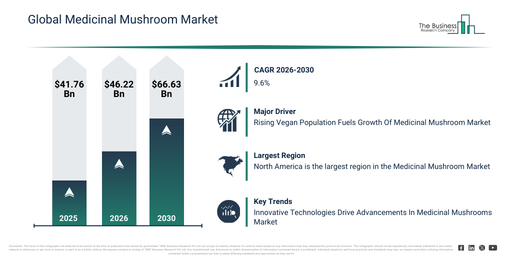
    The medicinal mushroom sector has experienced rapid expansion in recent times. Valued at $41.76 billion in 2025, it is projected to reach $46.22 billion by 2026, achieving a compound annual growth rate (CAGR) of 10.7%. Historically, this growth has been driven by the traditional application of medicinal mushrooms in Asian medicine, a rising worldwide fascination with herbal and natural treatments, heightened awareness of their immune-supporting advantages, their early incorporation into dietary supplements, and the accessibility of various mushroom species recognized for their established bioactive compounds.

    The medicinal mushroom market is projected to experience robust expansion over the coming years, reaching an estimated value of $66.63 billion by 2030 with a compound annual growth rate (CAGR) of 9.6%. This anticipated growth during the forecast period is driven by a heightened global emphasis on immunity and overall wellness, a growing preference for plant-based and natural dietary supplements, the expansion of functional food and beverage sectors, increased scientific research that confirms the health advantages of medicinal mushrooms, and the rising influence of e-commerce platforms for wellness products. Key trends shaping this period include a consumer shift toward natural and functional health items, an increased demand for immune-boosting nutraceutical components, the broader integration of medicinal mushrooms into dietary supplements and beverages, their greater application in preventive healthcare practices, and ongoing product innovation across various forms like extracts, powders, and capsules.

    Download A Free Sample Report For Comprehensive Market Insights:

    https://www.thebusinessresearchcompany.com/sample.aspx?id=16733&type=smp&utm_source=BlogsPR&utm_medium=Paid&utm_campaign=Jul_PR

    Medicinal Mushroom Market Growth Momentum: Which Factors Are Influencing Demand?

    The anticipated expansion of the medicinal mushroom market is being significantly driven by the increasing number of vegans. Vegans are individuals who exclude all animal-derived products from their lifestyle, choosing plant-based nutrition due to ethical, environmental, health, informational, or cultural considerations. This demographic continues to grow, influenced by heightened awareness regarding animal welfare, ecological sustainability, and the various health advantages linked to plant-based diets. By supplying nutrient-dense, plant-based functional ingredients—recognized for their immune-boosting, antioxidant, and culinary benefits—the medicinal mushroom market effectively supports vegan consumers. As an example, data from the Vegan Society in 2023, a UK-based educational charity, revealed that roughly 0.0026 billion individuals in Europe identified as vegan, accounting for 3.2% of the continent’s population. Consequently, the expanding vegan demographic is actively fueling growth within the medicinal mushroom sector.

    Medicinal Mushroom Market Segment Breakdown: Which Categories Generate The Most Revenue?

    The medicinal mushroom market covered in this report is segmented –

    1) By Type: Shiitake, Reishi, Maitake, Chaga, Cordyceps, Turkey Tail, Other Types

    2) By Form: Fresh, Dried, Other Forms

    3) By Application: Antioxidants, Immune Enhancer, Anti-Cancer, Skin Care, Other Applications

    4) By Distribution Channel: Supermarkets And Hypermarkets, Convenience Stores, E-Commerce

    Subsegments:

    1) By Shiitake: Dried Shiitake Mushrooms, Shiitake Mushroom Extracts, Shiitake Powder, Shiitake Mushroom Capsules Or Tablets, Shiitake Mushroom Teas

    2) By Reishi: Dried Reishi Mushrooms, Reishi Mushroom Extracts, Reishi Mushroom Powder, Reishi Mushroom Capsules Or Tablets

    3) By Maitake: Dried Maitake Mushrooms, Maitake Mushroom Extracts, Maitake Mushroom Powder, Maitake Mushroom Capsules Or Tablets, Maitake Mushroom Teas

    4) By Chaga: Dried Chaga Mushrooms, Chaga Mushroom Extracts, Chaga Mushroom Powder, Chaga Mushroom Capsules Or Tablets, Chaga Tea, Organic Chaga Mushrooms

    5) By Cordyceps: Dried Cordyceps Mushrooms, Cordyceps Mushroom Extracts, Cordyceps Mushroom Powder, Cordyceps Mushroom Capsules Or Tablets, Cordyceps Mushroom Teas

    6) By Turkey Tail: Dried Turkey Tail Mushrooms, Turkey Tail Mushroom Extracts, Turkey Tail Mushroom Powder, Turkey Tail Mushroom Capsules Or Tablets, Turkey Tail Mushroom Teas

    7) By Other Types: Lion’s Mane Mushroom, Agaricus Blazei, Tremella Mushroom, Phellinus Linteus, Birch Polypore, Enoki Mushroom, King Oyster Mushroom, Polypore Mushrooms

    Medicinal Mushroom Market Trends Reshaping Industry Growth

    Leading enterprises within the medicinal mushroom sector are leveraging pulsed UV light technology to craft next-generation products, aiming to boost cultivation efficiency, elevate bioactive compound concentrations, and satisfy rising consumer demand for potent functional ingredients. This pulsed UV light technology employs rapid, intense flashes of ultraviolet radiation on mushroom materials, enhancing safety, increasing nutritional value, and transforming natural fungal sterols into beneficial compounds like vitamin D2, thereby improving the overall nutraceutical profile of medicinal mushroom items. For example, in October 2023, Nammex, a U.S.-based firm specializing in organic mushroom extracts, unveiled ErgoGold together with a vitamin D ingredient sourced from mushrooms. ErgoGold is a Golden Oyster mushroom extract that contains ergothioneine, beta-glucans, ergosterol, fiber, and additional secondary metabolites, whereas the vitamin D component is produced through pulsed UV light technology, turning ergosterol into high-potency vitamin D2. This results in a vegan, non-synthetic option capable of providing the recommended daily intake with merely a small serving.

    Medicinal Mushroom Market Key Players And Strategic Industry Positioning

    Major companies operating in the medicinal mushroom market are Nature’s Way Brands, Bio-Botanica, Banken Champignons B.V., Aloha Medicinals, Fungi Perfecti, Hirano Mushroom LLC, Fungi Ally, Far West Fungi, FreshCap Mushrooms, Swadeshi Mushroom, Asia Pacific Farm Enterprises, Gourmet Mushrooms Inc., Mycoterra Farm, Green Box Mushrooms, Four Sigmatic, Woodland Mushrooms, Fungaia Farm, Vitality Mushrooms, Annanda Chaga Mushrooms, Monterey Mushrooms LLC

    Access The Complete Medicinal Mushroom Market Report:

    https://www.thebusinessresearchcompany.com/report/medicinal-mushroom-global-market-report?utm_source=BlogsPR&utm_medium=Paid&utm_campaign=Jul_PR

    Medicinal Mushroom Market Regional Analysis And Leading Geography

    North America was the largest region in the medicinal mushroom market in 2025. Asia-Pacific is expected to be the fastest-growing region in the forecast period. The regions covered in the medicinal mushroom market report are Asia-Pacific, South East Asia, Western Europe, Eastern Europe, North America, South America, Middle East, Africa.

    Get in touch with us:

    The Business Research Company: https://www.thebusinessresearchcompany.com/?utm_source=BlogsPR&utm_medium=Paid&utm_campaign=home_page_test

    Americas: +1 310-496-7795

    Asia: +44 7882 955267 & +91 8897263534

    Europe: +44 7882 955267

    Email us at: marketing@tbrc.info

    Follow us on:

    LinkedIn: https://in.linkedin.com/company/the-business-research-company

    YouTube: https://www.youtube.com/channel/UC24_fI0rV8cR5DxlCpgmyFQ

    Global Market Model: https://www.thebusinessresearchcompany.com/global-market-model
  • Medicated Skincare Market Forecast Reveals Where Future Industry Value Will Be Created

    Medicated Skincare Market Forecast Reveals Where Future Industry Value Will Be Created

    Through market attractiveness analysis, total addressable market evaluation, company benchmarking matrices, interactive Excel dashboards, expanded supply chain intelligence, emerging startup coverage, and detailed product insights, The Business Research Company’s 2026 market reports provide more actionable and strategically valuable research.

    Medicated Skincare Market Size And Revenue Forecast Through 2030

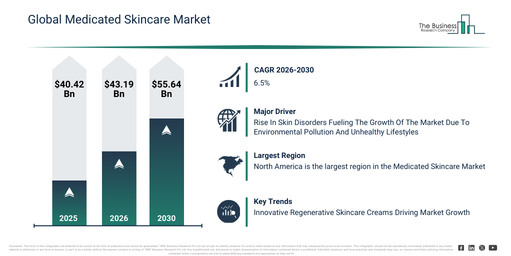
    The medicated skincare market has seen robust expansion over the past few years. Its value is projected to rise from $40.42 billion in 2025 to $43.19 billion in 2026, reflecting a compound annual growth rate (CAGR) of 6.9%. This historic growth has been driven by factors such as limited access to prescription skincare options, dependence on conventional creams and ointments, a rise in dermatologist endorsements, a higher incidence of conditions like acne and eczema, and a general lack of consumer awareness regarding the advantages of medicated skincare products.

    The medicated skincare sector is projected to experience significant expansion over the upcoming years, with its market value anticipated to reach $55.64 billion by 2030, driven by a compound annual growth rate of 6.5%. This forecasted growth is fueled by the development of sophisticated topical formulations, a heightened consumer preference for natural and organic active components, the broadening reach of e-commerce and online pharmacy platforms, increased financial commitments to dermatology clinics, and an intensified focus on tailored skincare regimens. Key trends shaping this period include a heightened demand for specialized acne solutions, a rise in the utilization of prescription-based skincare, a growing shift toward natural and organic ingredients, the enhancement of digital and retail pharmacy channels, and increased awareness surrounding post-treatment skincare and anti-aging products.

    Download A Free Sample Report For Comprehensive Market Insights:

    https://www.thebusinessresearchcompany.com/sample.aspx?id=25831&type=smp&utm_source=BlogsPR&utm_medium=Paid&utm_campaign=Jul_PR

    Medicated Skincare Market Expansion Drivers: What Is Shaping Future Growth?

    The growing frequency of skin conditions is anticipated to drive expansion in the medicated skincare market in the coming years. Skin disorders encompass medical issues that impact the skin’s look, texture, or functionality, resulting in problems like rashes, swelling, infections, or persistent illnesses. This increase is linked to elevated pollution levels in cities, where harmful contaminants breach the skin’s natural barrier, triggering inflammation, premature aging, and a greater likelihood of ailments such as eczema, acne, or dermatitis. Medicated skincare proves effective for managing these conditions because it incorporates active components that target root causes like irritation, inflammation, or microbial imbalances in the skin. For example, in May 2023, the City of Hope, a US-based national cancer institute, reported that melanoma currently represents 5.5% of all annual cancer diagnoses, with roughly 97,000 cases recorded each year. Furthermore, by 2030, this rate is expected to climb to 7.1%, amounting to approximately 151,000 cases annually. Consequently, the rising prevalence of skin disorders is fueling the growth of the medicated skincare market.

    Medicated Skincare Market Segmentation: How Is The Market Structured Across Key Categories?

    The medicated skincare market covered in this report is segmented –

    1) By Product: Pharmaceutical Grade Skincare, Prescription (Rx) Skincare

    2) By Skin Condition: Acne, Psoriasis, Eczema, Rosacea, Other Skin Conditions

    3) By Ingredient: Anti-Inflammatories, Antibacterials, Antifungals, Antioxidants, Moisturizers, Synthetic Ingredients, Natural Or Organic Ingredients, Chemical-Based Ingredients

    4) By Distribution Channel: Dermatology Clinics, Online Pharmacies, Retail Pharmacies, Other Distribution Channels

    5) By Application: Creams, Lotions, Ointments, Gels, Serums

    Subsegments:

    1) By Pharmaceutical Grade Skincare: Anti-Acne Treatments, Anti-Aging Products, Skin Brightening Agents, Moisturizers With Active Ingredients, Sunscreens With Medicinal Properties, Post-Procedure Skincare

    2) By Prescription (Rx) Skincare: Topical Antibiotics, Topical Corticosteroids, Antifungal Creams, Prescription Retinoids, Psoriasis Treatments, Rosacea Medications

    Medicated Skincare Market Strategic Trends: What Is Defining The Next Phase Of Growth?

    Major players in the medicated skincare industry are concentrating on launching novel products, including regenerative skincare creams designed to speed up skin repair, diminish aging indicators, boost effectiveness, and encourage healthier skin renewal. A regenerative skincare cream is a medicated product containing active components like peptides and growth factors that work to mend damaged skin, stimulate cell regeneration, and bring back a more youthful and healthier look. For example, in May 2025, SkinCeuticals, a skincare company based in the United States, unveiled Advanced RGN-6, a regenerative cream inspired by laser regeneration technology. This product aims to visibly tackle six primary aging signs and skin tone issues, such as redness, marks left by acne, dark spots, wrinkles, loss of firmness, and decreased smoothness. Advanced RGN-6 incorporates a synergistic mix of six active ingredients: 10% Glyco-Repair, 1% Eperuline, 2% Niacinamide, 3% Acetyl Tetrapeptide-9, 0.2% Ectoin, and 0.2% Bioceramide 603, formulated to aid both deep and surface-level skin repair processes. Clinical studies show that with regular daily application, the cream markedly improves skin texture and tone, with noticeable results appearing in as little as one week. Additionally, when used after laser procedures, it helps speed up recovery by reducing downtime and enhancing skin hydration and smoothness.

    Medicated Skincare Market Competitive Landscape And Leading Companies

    Major companies operating in the medicated skincare market are Obagi Medical Products Inc., Murad LLC, Laboratoire Bioderma, Revision Skincare Inc., Innovative Skincare Inc., PCA Skin Inc., Sesderma S.L., SkinMedica Inc., Neocutis Inc., Zota Health Care Limited, Alastin Skincare Inc., Dr. Wu Cosmetic Enterprise Co. Ltd., ZO Skin Health Inc., Skinbetter Science LLC, Alna Biotech Private Ltd., Epionce Inc., SkinCeuticals Inc., Canbro Healthcare, Scot Derma Private Ltd., Vibcare Pharma Private Ltd., TiZO Products Inc., Stelon Biotech Private Ltd., Hedge & Hedge Pharmaceutical.

    Access The Complete Medicated Skincare Market Report:

    https://www.thebusinessresearchcompany.com/report/medicated-skincare-global-market-report?utm_source=BlogsPR&utm_medium=Paid&utm_campaign=Jul_PR

    Medicated Skincare Market Geographic Analysis: Where Is Demand Growing The Fastest?

    North America was the largest region in the medicated skincare market in 2025. Asia-Pacific is expected to be the fastest-growing region in the forecast period. The regions covered in the medicated skincare market report are Asia-Pacific, South East Asia, Western Europe, Eastern Europe, North America, South America, Middle East, Africa.

    Get in touch with us:

    The Business Research Company: https://www.thebusinessresearchcompany.com/?utm_source=BlogsPR&utm_medium=Paid&utm_campaign=home_page_test

    Americas: +1 310-496-7795

    Asia: +44 7882 955267 & +91 8897263534

    Europe: +44 7882 955267

    Email us at: marketing@tbrc.info

    Follow us on:

    LinkedIn: https://in.linkedin.com/company/the-business-research-company

    YouTube: https://www.youtube.com/channel/UC24_fI0rV8cR5DxlCpgmyFQ

    Global Market Model: https://www.thebusinessresearchcompany.com/global-market-model
  • Medical Marijuana Market Growth Through 2030 Creates New Strategic Opportunities

    Medical Marijuana Market Growth Through 2030 Creates New Strategic Opportunities

    Delivering more actionable and strategically valuable research, The Business Research Company’s 2026 market reports feature market attractiveness analysis, total addressable market evaluation, company benchmarking matrices, interactive Excel dashboards, expanded supply chain intelligence, emerging startup coverage, and detailed product insights.

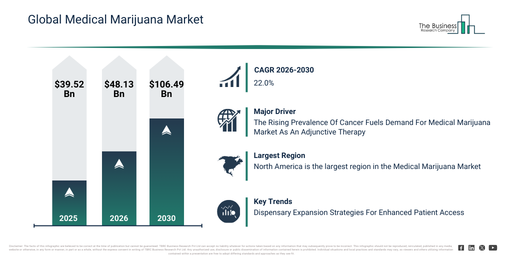
    Medical Marijuana Market Growth From $48.13 Billion In 2026 To $106.49 Billion By 2030 At A CAGR Of 22%

    In recent times, the medical marijuana market has experienced exponential expansion. Its value is projected to climb from $39.52 billion in 2025 to $48.13 billion in 2026, representing a compound annual growth rate (CAGR) of 21.8%. Historical growth has been driven by the legalization of medical cannabis in pioneering markets, a higher prevalence of chronic pain and associated conditions, constraints faced by conventional pharmaceuticals in symptom management, heightened patient advocacy and awareness, and growing investigations into cannabis’s therapeutic benefits.

    The medical marijuana market is projected to experience exponential expansion over the coming years, reaching a valuation of $106.49 billion by 2030 with a compound annual growth rate (CAGR) of 22.0%. This forecasted growth is driven by the broadening legalization of cannabis worldwide, progress in cannabis extraction and formulation technologies, the integration of digital health and telemedicine for cannabis distribution, increased funding into cannabis-related pharmaceutical research and development, and a growing focus on personalized medicine. Key trends shaping this period include a rising preference for medical marijuana in pain management, a surge in cannabis-focused pharmaceutical research, the expansion of e-commerce and online pharmacy platforms for cannabis products, heightened consumer awareness of alternative therapies, and the creation of innovative delivery formats like oils, tinctures, and edibles.

    Download A Free Sample Report For Comprehensive Market Insights:

    https://www.thebusinessresearchcompany.com/sample.aspx?id=9091&type=smp&utm_source=BlogsPR&utm_medium=Paid&utm_campaign=Jul_PR

    Medical Marijuana Market Development Factors: Which Trends Are Supporting Demand?

    The rising incidence of cancer is anticipated to fuel demand within the medical marijuana market in the coming years. Cancer is defined as a condition where certain cells in the body multiply uncontrollably and invade other areas. Medical marijuana is utilized to assist cancer patients experiencing neuropathy, nausea, pain, vomiting, appetite loss, and weight reduction. As an example, in February 2024, the World Health Organization—a Switzerland-based specialized agency focused on global public health—reported that by 2050, over 35 million new cancer cases are expected, marking a 77% rise from the roughly 20 million cases recorded in 2022. Consequently, the growing number of cancer cases is set to propel expansion in the medical marijuana market.

    Medical Marijuana Market Segmentation Trends And Revenue Drivers

    The medical marijuana market covered in this report is segmented –

    1) By Product: Dried Flower, Extract Form

    2) By Formulation: Flower, Concentrate, Edibles, Other Types

    3) By Application: Pain Management, Tourette Syndrome, Alzheimer’s disease, Migraines, Depression And Anxiety, Multiple Sclerosis, Cancer, Other Applications

    4) By Distribution Channel: Retail Pharmacy, E-Commerce, Other Distribution Channels

    Subsegments:

    1) By Dried Flower: Indica Strains, Sativa Strains, Hybrid Strains

    2) By Extract Form: Oils, Tinctures, Concentrates, Edibles

    Medical Marijuana Market Transformation Trends: Which Innovations Are Driving Change?

    Key players within the medical marijuana sector are increasingly channeling substantial resources into business growth initiatives, including the launch of medical marijuana dispensaries aimed at improving patient access and strengthening their foothold in the dynamic field of medical cannabis distribution. These dispensaries are officially licensed locations where individuals holding valid medical marijuana prescriptions or cards can lawfully acquire therapeutic cannabis items. A notable example occurred in July 2023, when Botanical Sciences, a medical cannabis provider based in Georgia, opened a new dispensary in Pooler, situated near Savannah, as part of a broader expansion strategy. The company has disclosed plans to set up additional outlets in Columbus and Evans, with further intentions to extend its reach by establishing dispensaries in Augusta, Chamblee, Marietta, and Stockbridge. Under Georgia’s regulatory framework, each medical marijuana operator is permitted to launch up to six dispensaries.

    Medical Marijuana Market Industry Leaders: Which Organizations Are Driving Competition?

    Major companies operating in the medical marijuana market are Curaleaf Holdings Inc., Trulieve Cannabis Corp, Green Thumb Industries GTI Inc., Cresco Labs Inc., Tilray Inc, Aphria Inc., Canopy Growth Corporation, Jushi Holdings Inc., TerrAscend Corp, Aurora Cannabis Inc., HEXO Corp, MedMen Enterprises Inc., Organigram Holdings Inc., Charlotte’s Web Holdings Inc., Vireo Health International Inc., Medical Marijuana Inc., VIVO Cannabis Inc., Valens GroWorks Corp, Green Relief Inc., Harborside Inc., MediPharm Labs Inc., Tikun Olam Cannbit Ltd., Emerald Health Therapeutics Inc., MedReleaf Corporation, GB Sciences Inc., CanniMed Therapeutics Inc., The Cronos Group Inc., Planet 13 Holdings Inc.

    Access The Complete Medical Marijuana Market Report:

    https://www.thebusinessresearchcompany.com/report/medical-marijuana-global-market-report?utm_source=BlogsPR&utm_medium=Paid&utm_campaign=Jul_PR

    Medical Marijuana Market Global Footprint: Which Region Holds Market Leadership?

    North America was the largest region in the medical marijuana market in 2025. Asia-Pacific is expected to be the fastest-growing region in the global medical marijuana market during forecast period. The regions covered in the medical marijuana market report are Asia-Pacific, South East Asia, Western Europe, Eastern Europe, North America, South America, Middle East, Africa.

    Get in touch with us:

    The Business Research Company: https://www.thebusinessresearchcompany.com/?utm_source=BlogsPR&utm_medium=Paid&utm_campaign=home_page_test

    Americas: +1 310-496-7795

    Asia: +44 7882 955267 & +91 8897263534

    Europe: +44 7882 955267

    Email us at: marketing@tbrc.info

    Follow us on:

    LinkedIn: https://in.linkedin.com/company/the-business-research-company

    YouTube: https://www.youtube.com/channel/UC24_fI0rV8cR5DxlCpgmyFQ

    Global Market Model: https://www.thebusinessresearchcompany.com/global-market-model
  • Medical Foods Market Size Projected To Increase From $26.26 Billion To $35.42 Billion During The Forecast Period

    Medical Foods Market Size Projected To Increase From $26.26 Billion To $35.42 Billion During The Forecast Period

    Enhanced with market attractiveness analysis, total addressable market evaluation, company benchmarking matrices, interactive Excel dashboards, expanded supply chain intelligence, emerging startup coverage, and detailed product insights, The Business Research Company’s 2026 market reports deliver more actionable and strategically valuable research.

    Medical Foods Market Expansion Outlook: What Revenue Opportunities Lie Ahead?

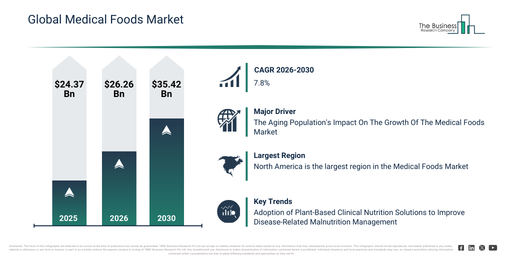
    The medical foods market has experienced notable expansion over the past few years. Projected to increase from $24.37 billion in 2025 to $26.26 billion in 2026, this rise reflects a compound annual growth rate (CAGR) of 7.8%. Historical growth has been driven by a higher incidence of chronic conditions, a larger elderly demographic, enhanced recognition of therapeutic nutrition benefits, breakthroughs in medical research, and the broadening of hospital and clinical facilities.

    The medical foods market is projected to experience robust expansion over the coming years. By 2030, it is anticipated to reach a value of $35.42 billion, driven by a compound annual growth rate (CAGR) of 7.8%. This forecasted growth is fueled by several key factors, including the integration of technology into nutritional monitoring, the expansion of both online and institutional distribution channels, a rising preference for disease-specific medical foods, increased investment in research and development for functional ingredients, and the broadening of home healthcare services. Notable trends shaping this period encompass personalized nutritional solutions, formulations tailored to specific diseases, adherence to regulatory compliance and safety standards, innovation in functional ingredients, and the growing prevalence of home healthcare adoption.

    Download A Free Sample Report For Comprehensive Market Insights:

    https://www.thebusinessresearchcompany.com/sample.aspx?id=6353&type=smp&utm_source=BlogsPR&utm_medium=Paid&utm_campaign=Jul_PR

    Medical Foods Market Industry Drivers: What Is Driving Revenue Growth?

    The growing number of elderly individuals is a key factor driving expansion in the medical foods sector. Aging, at a fundamental biological level, stems from the gradual buildup of diverse molecular and cellular damage over a lifetime. This accumulation leads to a steady decline in bodily functions and a heightened susceptibility to diseases, ultimately raising the risk of mortality. These changes do not follow a predictable or steady pattern and are only loosely connected to how old a person is in years. As people age, their reliance on specialized nutrition increases, particularly medical foods, to help manage chronic conditions and age-related health issues. For example, a report from the World Health Organization (WHO), based in Switzerland and focused on global public health, projected in October 2025 that by 2030, one in six individuals worldwide will be 60 or older. By 2050, the number of people aged 60 and above is expected to reach 2.1 billion, doubling the current figure. Consequently, the rising elderly demographic is anticipated to boost the medical foods market.

    Medical Foods Market Segment Analysis Highlighting Growth Areas

    The medical foods market covered in this report is segmented –

    1) By Type: Pills, Powder, Other Types

    2) By Application: Alzheimer’s Disease, Diabetic Neuropathy, Nutritional Deficiency, ADHD, Other Applications

    3) By Sales Channel: Retail Sales, Online Sales, Institutional Sales

    Subsegments:

    1) By Pills: Tablets, Capsules, Softgels

    2) By Powder: Nutritional Powders, Fiber Powders

    3) By Other Types: Liquid Formulations, Ready-To-Drink Products, Functional Bars And Snacks

    Medical Foods Market Growth Trends: What Is Influencing The Future Outlook?

    Key players within the medical foods industry are increasingly concentrating on creating novel plant-based, nutritionally complete oral medical nutrition drinks, aiming to address the growing need for clinically effective, lactose-free, allergy-conscious, and environmentally sustainable dietary options for patients under medical supervision. These plant-based medical nutrition beverages utilize non-dairy protein sources like pea and soy, delivering comprehensive macro- and micronutrient profiles that match those of conventional dairy-based products, simultaneously enhancing gastrointestinal tolerance and catering to vegan individuals or those with milk allergies. As an example, in January 2023, Nutricia, a medical nutrition firm headquartered in the Netherlands, introduced Fortimel PlantBased Energy, marking its first plant-based Food for Special Medical Purposes (FSMP) intended for the dietary management of malnutrition related to illness. This product offers a calorie-dense, nutritionally balanced formula utilizing a combination of pea and soy proteins, accommodates patients with cow’s milk protein allergy, fits into vegan and flexitarian eating patterns, and comes in two flavors to boost patient compliance in both clinical and home-care environments.

    Medical Foods Market Leading Companies: Who Holds Significant Market Presence?

    Major companies operating in the medical foods market are Nestlé SA, Danone SA, Fresenius Kabi AG, Mead Johnson & Company LLC, Primus Pharmaceuticals Inc., Abbott Nutrition Inc., Accera Inc., Ajinomoto Cambrooke Inc., Applied Food Sciences Inc., Cambrooke Therapeutics Inc., Danone Nutricia North America Inc., Health and Happiness (H&H) Group Limited, RFI Ingredients LLC, Solace Nutrition LLC, Targeted Medical Pharma Inc., VAYA Pharma Inc., Baxter Healthcare Corporation, Braun Melsungen AG, DuPont Nutrition & Biosciences, Enteral Nutrition Holdings Inc., Fresenius Medical Care AG & Co. KGaA, Nutricia North America Inc., Otsuka Pharmaceutical Co. Ltd., Koninklijke DSM NV, Total Parenteral Nutrition Solutions Inc.

    Access The Complete Medical Foods Market Report:

    https://www.thebusinessresearchcompany.com/report/medical-foods-global-market-report?utm_source=BlogsPR&utm_medium=Paid&utm_campaign=Jul_PR

    Medical Foods Market Regional Distribution: Which Areas Drive Market Expansion?

    North America was the largest region in the medical foods market in 2025. Asia-Pacific is expected to be the fastest-growing region in the forecast period. The regions covered in the medical foods market report are Asia-Pacific, South East Asia, Western Europe, Eastern Europe, North America, South America, Middle East, Africa.

    Get in touch with us:

    The Business Research Company: https://www.thebusinessresearchcompany.com/?utm_source=BlogsPR&utm_medium=Paid&utm_campaign=home_page_test

    Americas: +1 310-496-7795

    Asia: +44 7882 955267 & +91 8897263534

    Europe: +44 7882 955267

    Email us at: marketing@tbrc.info

    Follow us on:

    LinkedIn: https://in.linkedin.com/company/the-business-research-company

    YouTube: https://www.youtube.com/channel/UC24_fI0rV8cR5DxlCpgmyFQ

    Global Market Model: https://www.thebusinessresearchcompany.com/global-market-model
  • Medical Device Clinical Trials Market Growth Outlook Reveals A CAGR Of 7% And A Market Value Of $25.34 Billion By 2030

    Medical Device Clinical Trials Market Growth Outlook Reveals A CAGR Of 7% And A Market Value Of $25.34 Billion By 2030

    Through market attractiveness analysis, total addressable market evaluation, company benchmarking matrices, interactive Excel dashboards, expanded supply chain intelligence, emerging startup coverage, and detailed product insights, The Business Research Company’s 2026 market reports provide more actionable and strategically valuable research.

    Medical Device Clinical Trials Market Growth Potential: How Will Market Size Change Through 2030?

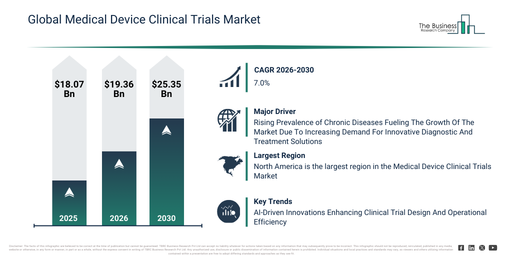
    The medical device clinical trials sector has experienced robust expansion over recent years. Projected figures indicate an increase from $18.07 billion in 2025 to $19.36 billion in 2026, reflecting a compound annual growth rate (CAGR) of 7.2%. This historical growth has been driven by factors such as advancements in medical device innovation, strict regulatory approval processes, a heightened need for patient safety verification, the broadening of clinical research conducted within hospital settings, and greater funding directed toward the production of clinical evidence.

    The market for clinical trials involving medical devices is projected to experience substantial expansion in the coming years. By 2030, its value is anticipated to reach $25.35 billion, reflecting a compound annual growth rate (CAGR) of 7.0%. This anticipated growth during the forecast period is driven by factors such as the rise of wearable and connected medical devices, heightened regulatory demands for device performance, the broadening of digital trial platforms, greater utilization of remote patient monitoring in studies, and the increasing globalization of clinical research. Key trends shaping the forecast period involve the growing adoption of decentralized clinical trials, enhanced integration of real-world evidence in device studies, a heightened emphasis on post-approval and long-term safety evaluations, the expansion of adaptive and hybrid trial frameworks, and a rising need for regulatory-compliant trial management processes.

    Download A Free Sample Report For Comprehensive Market Insights:

    https://www.thebusinessresearchcompany.com/sample.aspx?id=24295&type=smp&utm_source=BlogsPR&utm_medium=Paid&utm_campaign=Jul_PR

    #Medical Device Clinical Trials Market Growth Factors: Which Forces Are Supporting Market Expansion?

    The growing incidence of chronic illnesses is anticipated to accelerate the expansion of the medical device clinical trials market in the foreseeable future. These conditions, characterized as long-term health issues that advance gradually and demand continuous medical attention, are becoming more widespread due to inactive lifestyles—where individuals spend extended periods seated at desks or using digital gadgets, resulting in reduced energy expenditure and compromised cardiovascular health, which in turn contributes to ailments like obesity, diabetes, and hypertension. This increase in chronic diseases fuels the necessity for medical device clinical trials aimed at creating and verifying novel instruments for efficient diagnosis, therapy, and oversight. For example, in June 2023, the Institute for Health Metrics and Evaluation, a public health research body based in the United States, disclosed that over half a billion people worldwide were afflicted with diabetes, a figure projected to exceed 1.3 billion by 2050. Consequently, the escalating frequency of chronic diseases is propelling the advancement of the medical device clinical trials market.

    Medical Device Clinical Trials Market Segment Performance And Strategic Opportunities

    The medical device clinical trials market covered in this report is segmented –

    1) By Study Type: Feasibility And Pilot Study, Pivotal Study, FDA Premarket Approval (PMA) Application, Post-Approval Study

    2) By Indication: Cardiovascular Devices, Neurology Devices, Orthopedic Devices, Diagnostic Imaging, Anesthesia And Respiratory Devices, Other Indications

    3) By Study Design: Interventional, Observational, Expanded Access

    Subsegments:

    1) By Feasibility And Pilot Study: First-in-Human (FIH) Trials, Device Safety Assessment, Procedural Feasibility Studies, Prototype Testing

    2) By Pivotal Study: Comparative Effectiveness Studies, Randomized Controlled Trials (RCTs), Non-Inferiority Trials, Superiority Trials

    3) By FDA PMA (Pre-Market Approval) Application: Clinical Data Submission, Device Risk Analysis, Effectiveness Evidence Studies

    4) By Post-Approval Study: Long-Term Safety Monitoring, Real-World Evidence Collection, Registry Studies, Comparative Outcome Studies

    Medical Device Clinical Trials Market Industry Trends: What Changes Are Reshaping Demand?

    Key players in the medical device clinical trials market are increasingly concentrating on the creation of AI-driven medical device software to improve the efficiency of clinical trial protocols and resource management, thereby boosting trial effectiveness and lowering expenses. Such AI-powered software is utilized in healthcare settings, employing artificial intelligence algorithms—particularly machine learning or deep learning—to assist with or automate medical functions. A notable example occurred in January 2025, when Risklick, a pharmaceutical firm based in Switzerland, introduced Protocol AI, an artificial intelligence tool aimed at speeding up and refining clinical trials for medical devices. By leveraging Natural Language Processing (NLP) and Machine Learning (ML), Protocol AI examines clinical data, scientific publications, and regulatory materials, enabling the automatic generation of clinical trial protocols within minutes. This advancement dramatically cuts down the time and financial resources needed for protocol creation, a process that typically spans around six months, and has already achieved up to a 50% decrease in document development time for medicinal products.

    Medical Device Clinical Trials Market Key Players: Which Companies Shape Industry Competition?

    Major companies operating in the medical device clinical trials market are Abbott Laboratories, Siemens Healthineers, Stryker Corporation, Philips Healthcare, Baxter International, Roche Diagnostics, ICON, Intuitive Surgical, Edwards Lifesciences, Fortrea, Medidata, NAMSA, Veranex, TFS HealthScience, Avania, Parexel, Meditrial, Syneos Health, Qserve CRO, Clinius Ltd, Eclevar Medtech, 1med Sa, ISS AG

    Access The Complete Medical Device Clinical Trials Market Report:

    https://www.thebusinessresearchcompany.com/report/medical-device-clinical-trials-global-market-report?utm_source=BlogsPR&utm_medium=Paid&utm_campaign=Jul_PR

    Medical Device Clinical Trials Market Leading Geography: Which Region Generates The Most Revenue?

    North America was the largest region in the medical device clinical trials market in 2025. Asia-Pacific is expected to be the fastest-growing region in the forecast period. The regions covered in the medical device clinical trials market report are Asia-Pacific, South East Asia, Western Europe, Eastern Europe, North America, South America, Middle East, Africa.

    Get in touch with us:

    The Business Research Company: https://www.thebusinessresearchcompany.com/?utm_source=BlogsPR&utm_medium=Paid&utm_campaign=home_page_test

    Americas: +1 310-496-7795

    Asia: +44 7882 955267 & +91 8897263534

    Europe: +44 7882 955267

    Email us at: marketing@tbrc.info

    Follow us on:

    LinkedIn: https://in.linkedin.com/company/the-business-research-company

    YouTube: https://www.youtube.com/channel/UC24_fI0rV8cR5DxlCpgmyFQ

    Global Market Model: https://www.thebusinessresearchcompany.com/global-market-model
  • Medical Amino Acid Market Forecast Highlights Expansion From $4.44 Billion To $5.99 Billion Through 2030

    Medical Amino Acid Market Forecast Highlights Expansion From $4.44 Billion To $5.99 Billion Through 2030

    Delivering more actionable and strategically valuable research, The Business Research Company’s 2026 market reports feature market attractiveness analysis, total addressable market evaluation, company benchmarking matrices, interactive Excel dashboards, expanded supply chain intelligence, emerging startup coverage, and detailed product insights.

    Medical Amino Acid Market Value Analysis: What Growth Is Expected Over The Forecast Period?

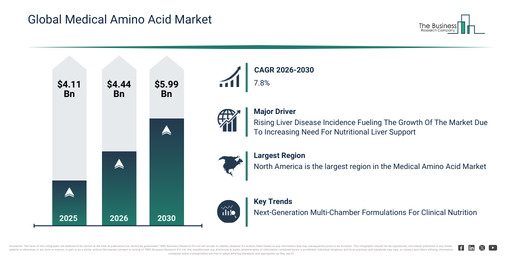
    The medical amino acid market has experienced robust growth over the past several years, with its market size projected to rise from $4.11 billion in 2025 to $4.44 billion in 2026, reflecting a compound annual growth rate (CAGR) of 8.0%. This expansion during the historical period can be attributed to factors such as the limited understanding of amino acid-based treatments, a dependence on traditional protein supplements, the rising integration of these products into hospitals and clinics, advancements in nutraceutical research, and the constrained supply of specialized amino acids.

    The medical amino acid industry is projected to experience robust growth in the coming years, with an anticipated market value of $5.99 billion by 2030, driven by a compound annual growth rate of 7.8%. This expansion during the forecast period is fueled by progress in the synthesis of medical amino acids, an increasing interest in personalized nutritional approaches, broader use in clinical and hospital environments, growth in pharmaceutical and cell culture research endeavors, and the creation of novel methods for delivering amino acids. Key trends shaping this period include a heightened demand for amino acid-based medical nutrition, a proliferation of specialized supplements designed for metabolic disorders, broader adoption of injectable amino acid formulations, an expansion of amino acids as pharmaceutical intermediates, and a focus on producing high-purity and clinical-grade amino acid products.

    Download A Free Sample Report For Comprehensive Market Insights:

    https://www.thebusinessresearchcompany.com/sample.aspx?id=25819&type=smp&utm_source=BlogsPR&utm_medium=Paid&utm_campaign=Jul_PR

    Medical Amino Acid Market Demand Drivers: What Is Fueling Industry Growth?

    The anticipated growth trajectory of the medical amino acid market is significantly influenced by the escalating prevalence of liver disorders. This category encompasses various conditions that compromise the liver’s structural integrity or functional capacity, thereby hindering its critical physiological processes. A primary factor behind this increase is the expanding rate of obesity, which fuels the onset of non-alcoholic fatty liver disease through the excessive accumulation of fat within liver cells, leading to impaired functionality. In addressing these challenges, medical amino acids play a pivotal role by correcting metabolic disturbances linked to liver dysfunction and fostering the regeneration of hepatic cells, establishing their importance as a component of nutritional therapy for affected individuals. Data from September 2025, provided by the Centers for Disease Control and Prevention (CDC), a US federal public health entity, indicates that chronic liver disease and cirrhosis accounted for 52,222 deaths in the United States during 2023, positioning it as the ninth foremost cause of mortality. Consequently, the escalating frequency of liver disease cases is a key driver behind the expansion of the medical amino acid market.

    Medical Amino Acid Market Segment Landscape And Growth Potential

    The medical amino acid market covered in this report is segmented –

    1) By Product Type: L-Glutamine, L-Arginine, L-Lysine, L-Leucine, L-Isoleucine, L-Valine, Other Product Types

    2) By Application: Medical Supplements, Medicinal Foods, Active Pharmaceutical Ingredients (API), Pharmaceutical Intermediates, Cell Culture Ingredients

    3) By End-User: Hospitals, Research Laboratories, Clinics, Pharmaceutical Companies, Nutraceutical Companies

    Subsegments:

    1) By L-Glutamine: Powder Form, Capsule Form, Injectable Form

    2) By L-Arginine: Oral Solution, Tablets, Intravenous Injection

    3) By L-Lysine: Hydrochloride Form, Acetate Form, Supplement Blends

    4) By L-Leucine: Branched-Chain Form, Micronized Powder, Pharmaceutical Grade

    5) By L-Isoleucine: Isolated Form, Blended BCAA Form, Medical Nutrition Formulas

    6) By L-Valine: Standalone Supplement, BCAA Combination, Clinical Nutrition Use

    7) By Other Product Types: L-Tryptophan, L-Carnitine, L-Threonine, L-Histidine, Specialty Amino Acids

    Medical Amino Acid Market Innovation Trends: Which Developments Are Transforming The Industry?

    Leading players in the medical amino acid market are concentrating on the creation of advanced formulations, including high-calorie parenteral nutrition injections, aimed at enhancing patient nourishment and aiding recovery for individuals unable to consume food orally. These high-calorie parenteral nutrition injections are intravenously administered, nutrient-dense solutions that consist of amino acids, glucose, electrolytes, and vitamins, designed to meet energy demands, facilitate protein synthesis, and promote healing in patients who cannot eat or absorb nutrients in a typical manner. As an example, in November 2024, Otsuka Pharmaceutical Factory Inc., a pharmaceutical and nutrition firm based in Japan, introduced KIDPAREN Injection, a kit formulation for high-calorie parenteral nutrition specifically developed for CKD patients. This product features a 1,050 mL three-chamber bag that contains amino acids, glucose, electrolytes (excluding potassium and phosphorus), and multivitamins; it delivers roughly 1,500 kcal within a fluid-restricted volume and enables straightforward aseptic mixing by breaking the central seal prior to infusion. In contrast to conventional parenteral nutrition, which typically requires separate preparation of amino acid solutions, TPN bases, vitamins, and electrolytes, thereby increasing preparation time and the potential for compounding mistakes, this kit streamlines administration, lessens the workload on healthcare facilities, and is tailored for patients who cannot tolerate standard feeding methods.

    Medical Amino Acid Market Competitive Landscape: Who Are The Leading Companies?

    Major companies operating in the medical amino acid market are Evonik Industries AG, Ajinomoto Co. Inc., Nippon Kayaku Co. Ltd., FUJIFILM Irvine Scientific, Kyowa Hakko Bio Co. Ltd., Aelicure Pharma, Shanghai Kyowa Amino Acid Co. Ltd.

    Access The Complete Medical Amino Acid Market Report:

    https://www.thebusinessresearchcompany.com/report/medical-amino-acid-global-market-report?utm_source=BlogsPR&utm_medium=Paid&utm_campaign=Jul_PR

    Medical Amino Acid Market Regional Outlook: Where Are The Largest Opportunities Located?

    North America was the largest region in the medical amino acid market in 2025. Asia-Pacific is expected to be the fastest-growing region in the forecast period. The regions covered in the medical amino acid market report are Asia-Pacific, South East Asia, Western Europe, Eastern Europe, North America, South America, Middle East, Africa.

    Get in touch with us:

    The Business Research Company: https://www.thebusinessresearchcompany.com/?utm_source=BlogsPR&utm_medium=Paid&utm_campaign=home_page_test

    Americas: +1 310-496-7795

    Asia: +44 7882 955267 & +91 8897263534

    Europe: +44 7882 955267

    Email us at: marketing@tbrc.info

    Follow us on:

    LinkedIn: https://in.linkedin.com/company/the-business-research-company

    YouTube: https://www.youtube.com/channel/UC24_fI0rV8cR5DxlCpgmyFQ

    Global Market Model: https://www.thebusinessresearchcompany.com/global-market-model
  • Mastocytosis Drug Market Expected To Reach $1.83 Billion By 2030 As Growth Accelerates At 9.4% CAGR

    Mastocytosis Drug Market Expected To Reach $1.83 Billion By 2030 As Growth Accelerates At 9.4% CAGR

    Enhanced with market attractiveness analysis, total addressable market evaluation, company benchmarking matrices, interactive Excel dashboards, expanded supply chain intelligence, emerging startup coverage, and detailed product insights, The Business Research Company’s 2026 market reports deliver more actionable and strategically valuable research.

    Mastocytosis Drug Market Size Forecast: How Large Could The Market Become By 2030?

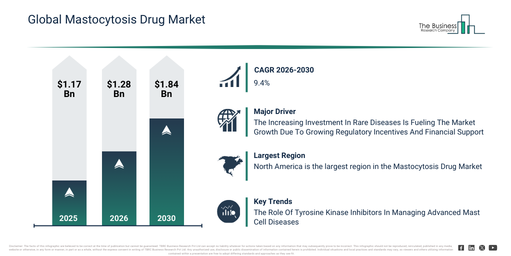
    The market for mastocytosis drugs has seen notable expansion over recent years. Projecting from $1.17 billion in 2025, it is set to reach $1.28 billion by 2026, achieving a compound annual growth rate (CAGR) of 9.7%. This historic growth is largely credited to heightened awareness of rare diseases, symptom management through antihistamines, diagnostic processes centered on hospitals, a scarcity of available treatments, and care directed by specialists.

    The mastocytosis drug market is anticipated to experience robust expansion over the coming years, reaching a value of $1.84 billion by 2030, with a compound annual growth rate (CAGR) of 9.4%. This projected growth in the forecast period is driven by several factors, including the approval of targeted therapies, incentives for orphan drug development, the profiling of genetic mutations, the growth of specialized clinics, and enhancements in diagnostic techniques. Key trends shaping the forecast period include a heightened focus on rare mast cell disorders, a greater adoption of targeted treatment options, an increase in drugs designed to manage symptoms, improved understanding of systemic mastocytosis, and the creation of individualized treatment strategies.

    Download A Free Sample Report For Comprehensive Market Insights:

    https://www.thebusinessresearchcompany.com/sample.aspx?id=24596&type=smp&utm_source=BlogsPR&utm_medium=Paid&utm_campaign=Jul_PR

    Mastocytosis Drug Market Growth Drivers: What Factors Are Accelerating Expansion?

    The rising financial commitment to rare diseases is anticipated to drive the expansion of the mastocytosis drug market in the coming years. Rare diseases are defined as health conditions impacting a small segment of the population—typically under 200,000 individuals in the United States or fewer than one in 2,000 people in Europe. This growing investment in rare diseases is largely fueled by enhanced regulatory incentives, including orphan drug designations, extended periods of market exclusivity, and tax benefits, all of which lower development risks and boost profitability for pharmaceutical firms. Mastocytosis drugs provide targeted therapies that not only ease the symptoms of mastocytosis but also advance treatment options for other rare conditions involving similar immune and cellular mechanisms. For example, in April 2024, Global Genes, a US nonprofit, reported that during the first quarter of 2024, companies focused on rare disease drug development secured $7.1 billion through public equity and debt offerings, a staggering 307% increase from the $1.8 billion raised in the same period of 2023. Consequently, the heightened investment in rare diseases is fueling growth in the mastocytosis drug market.

    Mastocytosis Drug Market Categorization By Product Type And Application

    The mastocytosis drug market covered in this report is segmented –

    1) By Drug Type: Antihistamines, Corticosteroids, Mast Cell Stabilizers

    2) By Disease Type: Systemic Mastocytosis, Cutaneous Mastocytosis, Mast Cell Activation Syndrome

    3) By Route Of Administration: Oral, Intravenous, Subcutaneous

    4) By Distribution Channel: Hospital Pharmacy, Online Pharmacy, Retailers, Other Distribution Channels

    5) By End Users: Hospitals, Homecare, Specialty Clinics, Other End Users

    Subsegments:

    1) By Antihistamines: H1-Receptor Antagonists, H2-Receptor Antagonists

    2) By Corticosteroids: Topical Corticosteroids, Oral Corticosteroids, Intravenous Corticosteroids

    3) By Mast Cell Stabilizers: Cromolyn sodium, Ketotifen, Nedocromil

    Mastocytosis Drug Market Trends: What Is Shaping Future Industry Growth?

    Key players in the mastocytosis drug market are increasingly concentrating their efforts on the creation of advanced therapies, such as tyrosine kinase inhibitors, with the goal of enhancing treatment effectiveness and offering focused therapeutic options for those suffering from advanced mast cell disorders. A tyrosine kinase inhibitor functions by blocking enzymes that drive irregular cell growth; in the context of mastocytosis, it curbs the excessive multiplication of mast cells and alleviates symptoms like rashes and inflammation. A notable example occurred in May 2023, when the U.S. Food and Drug Administration approved Ayvakit (avapritinib) from Blueprint Medicines Corporation, a biotechnology firm based in the United States, for treating adults diagnosed with indolent systemic mastocytosis (ISM). This approval represents a major milestone in managing ISM, a rare, long-term condition defined by an overabundance of mast cells. Ayvakit, a selective inhibitor of the KIT D816V mutation—frequently found in ISM patients—provides a tailored therapeutic approach to control symptoms and address the disease.

    Mastocytosis Drug Market Company Landscape And Strategic Competition

    Major companies operating in the mastocytosis drug market are Pfizer Inc., Johnson & Johnson, Bayer AG, Sanofi S.A., Novartis AG, GSK plc, Teva Pharmaceutical Industries Limited, Alcon Inc., Bausch Health Companies Inc., Genentech Inc., Lupin Limited, Blueprint Medicines Corporation, Don Valley Pharma (Pvt.) Ltd., Vivan Life Sciences Private Limited, AB Science S.A., Medoz Pharmaceutical Private Limited, Zumax Biocare Private Limited, Hi-Cure Biotech Private Limited, Zenomed Healthcare Private Limited, Biosynth AG

    Access The Complete Mastocytosis Drug Market Report:

    https://www.thebusinessresearchcompany.com/report/mastocytosis-drug-global-market-report?utm_source=BlogsPR&utm_medium=Paid&utm_campaign=Jul_PR

    Mastocytosis Drug Market Geographic Landscape: Which Region Dominates Industry Growth?

    North America was the largest region in the mastocytosis drug market in 2025. Asia-Pacific is expected to be the fastest-growing region in the forecast period. The regions covered in the mastocytosis drug market report are Asia-Pacific, South East Asia, Western Europe, Eastern Europe, North America, South America, Middle East, Africa.

    Get in touch with us:

    The Business Research Company: https://www.thebusinessresearchcompany.com/?utm_source=BlogsPR&utm_medium=Paid&utm_campaign=home_page_test

    Americas: +1 310-496-7795

    Asia: +44 7882 955267 & +91 8897263534

    Europe: +44 7882 955267

    Email us at: marketing@tbrc.info

    Follow us on:

    LinkedIn: https://in.linkedin.com/company/the-business-research-company

    YouTube: https://www.youtube.com/channel/UC24_fI0rV8cR5DxlCpgmyFQ

    Global Market Model: https://www.thebusinessresearchcompany.com/global-market-model
  • Mass Spectrometry Imaging Market Set To Grow From $3.14 Billion In 2026 To $4.42 Billion By 2030 At A CAGR Of 9%

    Mass Spectrometry Imaging Market Set To Grow From $3.14 Billion In 2026 To $4.42 Billion By 2030 At A CAGR Of 9%

    Through market attractiveness analysis, total addressable market evaluation, company benchmarking matrices, interactive Excel dashboards, expanded supply chain intelligence, emerging startup coverage, and detailed product insights, The Business Research Company’s 2026 market reports provide more actionable and strategically valuable research.

    Mass Spectrometry Imaging Market Revenue Outlook: What CAGR Is Expected Through 2030?

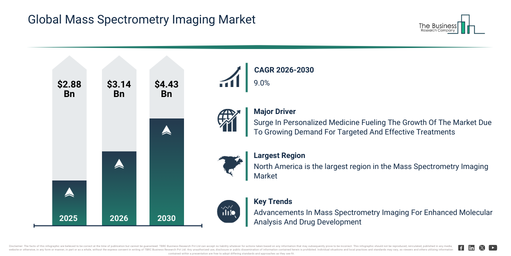
    The mass spectrometry imaging market has experienced robust expansion in recent years. Its value is projected to rise from $2.88 billion in 2025 to $3.14 billion in 2026, reflecting a compound annual growth rate (CAGR) of 9.1%. This historical growth has been driven by progress in mass spectrometry technologies, a surge in proteomics and metabolomics research, higher levels of investment in life sciences studies, an increasing need for molecular imaging instruments, and the broadening reach of academic research facilities.

    The market for mass spectrometry imaging is projected to experience notable expansion over the coming years, reaching $4.43 billion by 2030 with a compound annual growth rate (CAGR) of 9.0%. This upward trajectory in the forecast period is driven by factors such as the expansion of precision medicine applications, a heightened emphasis on spatial biology methodologies, growing investments in pharmaceutical research and development, progress in artificial intelligence-powered data interpretation, and the broadening of clinical research initiatives. Key developments expected to shape this period include the rising utilization of MSI in biomarker discovery, its growing incorporation into cancer research, the merging of sophisticated imaging systems with data analytics, the proliferation of high-resolution mass spectrometry platforms, and an escalating need for spatial omics technologies.

    Download A Free Sample Report For Comprehensive Market Insights:

    https://www.thebusinessresearchcompany.com/sample.aspx?id=24288&type=smp&utm_source=BlogsPR&utm_medium=Paid&utm_campaign=Jul_PR

    Mass Spectrometry Imaging Market Growth Factors Supporting Long-Term Expansion

    The growing need for tailored medical approaches is anticipated to boost the mass spectrometry imaging market in the coming years. Personalized medicine adapts healthcare therapies to each individual, taking into account their genetic composition, surroundings, and lifestyle to enhance treatment outcomes. This trend is fueled by progress in genomics, which allows for targeted interventions based on genetic information, thereby improving efficacy and minimizing adverse effects. Mass spectrometry imaging aids in this field by generating detailed tissue molecular images, facilitating the identification of disease markers, and supporting the creation of customized treatments suited to specific patient profiles. For example, in February 2024, the Personalized Medicine Coalition, a US-based nonprofit, reported that the FDA approved 16 new personalized therapies for rare diseases in 2023, a notable rise from the six approvals in 2022. Consequently, the increasing demand for personalized medicine is fueling expansion in the mass spectrometry imaging market.

    Mass Spectrometry Imaging Market Segment Analysis And Revenue Opportunities

    The mass spectrometry imaging market covered in this report is segmented –

    1) By Product Type: Instruments, Consumables, Services

    2) By Technology: Matrix-Assisted Laser Desorption Or Ionization (MALDI), Secondary Ion Mass Spectrometry (SIMS), Desorption Electrospray Ionization (DESI), Magnetic Sector Mass Spectrometry, Time-of-Flight Mass Spectrometry (TOFMS), Other Technologies

    3) By Application: Proteomics, Metabolomics, Glycomics, Other Applications

    4) By End-User: Pharmaceutical and Biotechnology Companies, Government and Academic Institutions, Other End-Users

    Subsegments:

    1) By Instruments: High-Resolution Mass Spectrometers, Imaging Mass Spectrometers, Matrix-Assisted Laser Desorption Or Ionization Time-of-Flight System, Liquid Chromatography-Mass Spectrometry System, Quadrupole Time-of-Flight Mass Spectrometers, Tandem Mass Spectrometers

    2) By Consumables: Reagents And Chemicals, Sample Preparation Kits, Mass Spectrometry Plates And Slides, Calibration Standards, Solvents And Buffers

    3) By Services: Installation And Maintenance Services, Data Analysis And Software Services, Training And Support Services, Consultation And Customization Services

    Mass Spectrometry Imaging Market Industry Trends Shaping Future Revenue Growth

    Key players in the mass spectrometry imaging (MSI) market are prioritizing the creation of cutting-edge technology, like desorption electrospray ionization, to facilitate more precise and thorough molecular analysis across diverse fields. This ionization technique, known as DESI, extracts ions from surfaces in ambient conditions via a charged solvent spray, allowing direct examination of solid samples such as tissues without requiring any sample preparation or extraction. For example, in June 2023, Waters Corporation, an American manufacturer of analytical laboratory instruments, introduced a targeted imaging mass spectrometer. This device improves tissue analysis through enhanced sensitivity and speed, delivers more accurate analysis of small-molecule drugs with superior resolution in targeted imaging, and permits quicker detection that streamlines biological studies. By boosting both accuracy and efficiency, the instrument greatly benefits research processes, ultimately supporting advanced drug development and biological research by generating detailed, high-quality data.

    Mass Spectrometry Imaging Market Leading Players Shaping Industry Direction

    Major companies operating in the mass spectrometry imaging market are Thermo Fisher Scientific Inc., Danaher Corporation, Hitachi High-Tech Corporation, Shimadzu Corporation, Waters Corporation, Bruker Corporation, Horiba Scientific, JEOL Ltd., SCIEX, Analytik Jena AG, Standard BioTools, TOFWERK AG, Advion Inc., MassTech Inc., CovalX AG, ImaBiotech SAS, MassAnalytica LLC, Ionwerks Inc., Biognosys AG, Spectroswiss Sàrl

    Access The Complete Mass Spectrometry Imaging Market Report:

    https://www.thebusinessresearchcompany.com/report/mass-spectrometry-imaging-global-market-report?utm_source=BlogsPR&utm_medium=Paid&utm_campaign=Jul_PR

    Mass Spectrometry Imaging Market Largest Region: Which Geography Holds The Highest Market Share?

    North America was the largest region in the mass spectrometry imaging market in 2025. Asia-Pacific is expected to be the fastest-growing region in the forecast period. The regions covered in the mass spectrometry imaging market report are Asia-Pacific, South East Asia, Western Europe, Eastern Europe, North America, South America, Middle East, Africa.

    Get in touch with us:

    The Business Research Company: https://www.thebusinessresearchcompany.com/?utm_source=BlogsPR&utm_medium=Paid&utm_campaign=home_page_test

    Americas: +1 310-496-7795

    Asia: +44 7882 955267 & +91 8897263534

    Europe: +44 7882 955267

    Email us at: marketing@tbrc.info

    Follow us on:

    LinkedIn: https://in.linkedin.com/company/the-business-research-company

    YouTube: https://www.youtube.com/channel/UC24_fI0rV8cR5DxlCpgmyFQ

    Global Market Model: https://www.thebusinessresearchcompany.com/global-market-model