Blog

  • Ketolides Market Forecast Highlights Expansion From $3.45 Billion To $4.23 Billion Through 2030

    Ketolides Market Forecast Highlights Expansion From $3.45 Billion To $4.23 Billion Through 2030

    Delivering more actionable and strategically valuable research, The Business Research Company’s 2026 market reports feature market attractiveness analysis, total addressable market evaluation, company benchmarking matrices, interactive Excel dashboards, expanded supply chain intelligence, emerging startup coverage, and detailed product insights.

    Ketolides Market Growth From $3.45 Billion In 2026 To $4.23 Billion By 2030 At A CAGR Of 5.2%

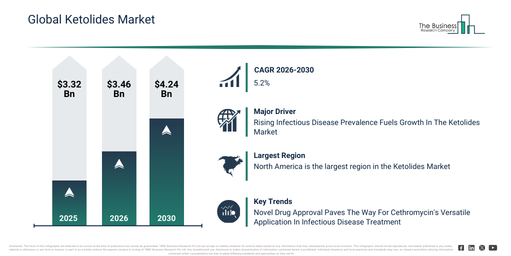
    The ketolides market has experienced consistent growth over recent years, with its value projected to increase from $3.32 billion in 2025 to $3.46 billion in 2026, reflecting a compound annual growth rate (CAGR) of 4.1%. This expansion during the historical period can be linked to factors such as the growing incidence of bacterial infections, a higher frequency of respiratory tract infections, an expanding elderly population, increasing need for substitutes for macrolide-resistant antibiotics, and progress in antibiotic research.

    The ketolides market is projected to experience robust expansion over the coming years. By 2030, it is anticipated to reach a value of $4.24 billion, driven by a compound annual growth rate (CAGR) of 5.2%. This forecasted growth is supported by the broadening of precision medicine applications, the creation of next-generation ketolides, greater uptake in emerging economies, heightened investment into research on antibiotic resistance, and the expansion of both hospital and retail pharmacy networks. Key developments shaping this period comprise the introduction of innovative ketolide derivatives, improved management of antibiotic resistance, rising antibiotic use in hospital and retail settings, the move toward personalized antibiotic therapies, and advances in drug formulation and delivery technologies.

    Download A Free Sample Report For Comprehensive Market Insights:

    https://www.thebusinessresearchcompany.com/sample.aspx?id=12918&type=smp&utm_source=BlogsPR&utm_medium=Paid&utm_campaign=Jul_PR

    Ketolides Market Demand Drivers: What Is Fueling Industry Growth?

    The growing incidence of infectious diseases is anticipated to drive the ketolides market forward in the coming years. Infectious diseases, caused by pathogens such as bacteria, viruses, fungi, or parasites, can be transmitted between individuals, leading to various symptoms and health issues. One example of such a disease is tuberculosis. Ketolides, employed in the treatment of infectious diseases, have been assessed for their potential in addressing tuberculosis due to their high intracellular activity, which is crucial in managing the condition. For example, in February 2024, data from GOV.UK, a UK government department, showed that tuberculosis (TB) cases in England rose by 10.7% in 2023, from 4,380 in 2022 to 4,850. Consequently, the rising prevalence of infectious diseases is fueling expansion in the ketolides market.

    Ketolides Market Driver: Expanding Healthcare Industry Fuels Growth In The Ketolides Market

    The growth of the ketolides market is expected to be propelled by the expanding healthcare industry in the foreseeable future. This industry encompasses the integration of sectors within the economic system that deliver products and services aimed at curing, preventing, rehabilitating, and providing palliative care for patients. Its expansion contributes to the development of ketolides through involvement in clinical trials and the provision of feedback on the safety and efficacy of these drugs. Moreover, these entities play a vital role in guaranteeing that ketolides are administered to patients in a secure and effective manner. As an illustration, in May 2023, the American Health Care Association, a US-based nonprofit, reported that the number of hospitals in the United States increased to 6,129 in 2023 from 6,093 in 2022. Hence, the broadening of the healthcare sector is driving expansion in the ketolides market.

    Ketolides Market Segmentation: How Is The Market Structured Across Key Categories?

    The ketolides market covered in this report is segmented –

    1) By Drug Type: Telithromycin, Cethromycin, Solithromycin

    2) By Indication: Bronchitis, Pneumonia, Sinusitis, Tonsillitis Or Pharyngitis

    3) By Microorganism: Streptococcus Pneumoniae, Haemophilus Influenzae, Moraxella Catarrhalis, Chlamydophila Pneumoniae, Mycoplasma Pneumoniae

    4) By Distribution Channel: Hospital Pharmacies, Retail Pharmacies, Online Pharmacies, Other Distribution Channels

    Ketolides Market Innovation Trends: Which Developments Are Transforming The Industry?

    Major players within the ketolides sector are placing a strong emphasis on the creation of novel drugs and therapeutic approaches, aiming to secure a competitive edge and maintain their market foothold. A case in point occurred in June 2023, when AliquantumRx Inc., a biotechnology research firm headquartered in the United States, secured approval from the U.S. Patent and Trademark Office (USPTO), a federal agency under the Department of Commerce, for a patent entitled “salts and polymorphs of cethromycin for the treatment of bacterial and protozoan disease.” Cethromycin, which belongs to the ketolide antibiotic class, demonstrates efficacy against a range of infectious conditions arising from bacteria and protozoa, including malaria, babesiosis, toxoplasmosis, diarrhea, and others. This newly granted patent is expected to enhance the company’s opportunities for success while reducing the risks linked to cethromycin’s commercialization, as it now extends the drug’s applicability to indications beyond malaria.

    Ketolides Market Competitive Landscape And Leading Companies

    Major companies operating in the ketolides market are Pfizer Inc., F. Merck & Co. Inc., Novartis AG, Sanofi S.A., AstraZeneca PLC, Abbott Laboratories, GSK PLC, Takeda Pharmaceutical Company Limited, Eli Lilly and Company, Teva Pharmaceutical Industries Ltd., Astellas Pharma Inc., Daiichi Sankyo Company Limited, Shionogi & Company Limited, Dr. Reddys Laboratories Ltd., Glenmark Pharmaceuticals Ltd., Corden Pharma GmbH, Optimer Pharmaceuticals Inc., Vivimed Labs Limited, Wockhardt Ltd., Advanced Life Sciences Holdings Inc

    Access The Complete Ketolides Market Report:

    https://www.thebusinessresearchcompany.com/report/ketolides-global-market-report?utm_source=BlogsPR&utm_medium=Paid&utm_campaign=Jul_PR

    Ketolides Market Geographic Distribution And Regional Opportunities

    North America was the largest region in the ketolides market in 2025. The regions covered in the ketolides market report are Asia-Pacific, South East Asia, Western Europe, Eastern Europe, North America, South America, Middle East, Africa.

    Get in touch with us:

    The Business Research Company: https://www.thebusinessresearchcompany.com/?utm_source=BlogsPR&utm_medium=Paid&utm_campaign=home_page_test

    Americas: +1 310-496-7795

    Asia: +44 7882 955267 & +91 8897263534

    Europe: +44 7882 955267

    Email us at: marketing@tbrc.info

    Follow us on:

    LinkedIn: https://in.linkedin.com/company/the-business-research-company

    YouTube: https://www.youtube.com/channel/UC24_fI0rV8cR5DxlCpgmyFQ

    Global Market Model: https://www.thebusinessresearchcompany.com/global-market-model
  • Janus Kinases (JAKs) Inhibitor Drug Market Expected To Reach $11.04 Billion By 2030 As Growth Accelerates At 11.4% CAGR

    Janus Kinases (JAKs) Inhibitor Drug Market Expected To Reach $11.04 Billion By 2030 As Growth Accelerates At 11.4% CAGR

    Enhanced with market attractiveness analysis, total addressable market evaluation, company benchmarking matrices, interactive Excel dashboards, expanded supply chain intelligence, emerging startup coverage, and detailed product insights, The Business Research Company’s 2026 market reports deliver more actionable and strategically valuable research.

    Janus Kinases (JAKs) Inhibitor Drug Market Expansion Outlook: What Revenue Opportunities Lie Ahead?

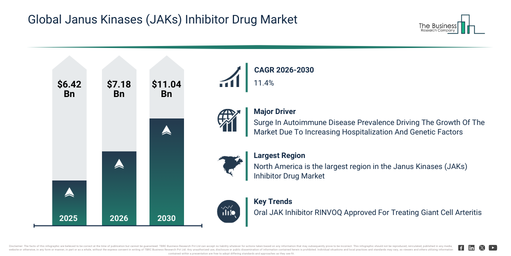
    The market for Janus kinase (JAK) inhibitor medications has experienced swift expansion in recent times. Valued at $6.42 billion in 2025, it is projected to reach $7.18 billion by 2026, reflecting a compound annual growth rate (CAGR) of 11.7%. Historical growth has been fueled by a rising incidence of autoimmune disorders, constraints associated with biologic therapies, immunology treatments administered within hospital settings, promising early results from clinical trials involving JAK inhibitors, and a growing need for oral anti-inflammatory medications.

    The market for Janus kinase (JAK) inhibitor drugs is projected to experience significant expansion over the coming years, with its value anticipated to reach $11.04 billion by 2030, advancing at a compound annual growth rate (CAGR) of 11.4%. This forecasted growth is largely driven by the ongoing pipeline development of selective JAK inhibitors, their broadening applications in dermatology and gastroenterology, a rising demand for precision immune modulation, the management of autoimmune diseases in outpatient settings, and supportive regulatory pathways for small-molecule therapies. Key developments shaping this period include the expanding utilization of JAK inhibitors for autoimmune conditions, a growing preference for oral small-molecule immunotherapies, an increased uptake of selective JAK1 inhibitors, a heightened emphasis on long-term safety assessments, and the widening use of JAK inhibitors beyond rheumatology.

    Download A Free Sample Report For Comprehensive Market Insights:

    https://www.thebusinessresearchcompany.com/sample.aspx?id=24578&type=smp&utm_source=BlogsPR&utm_medium=Paid&utm_campaign=Jul_PR

    Janus Kinases (JAKs) Inhibitor Drug Market Growth Drivers: What Factors Are Accelerating Expansion?

    The growing occurrence of autoimmune disorders is anticipated to accelerate the expansion of the Janus kinases (JAKs) inhibitor drug market moving forward. Autoimmune disorders are characterized by the immune system erroneously attacking the body’s own healthy cells and tissues. This rise in autoimmune disease prevalence is driven by genetic influences, since specific genetic tendencies can heighten an individual’s vulnerability to immune system irregularities. Janus kinase (JAK) inhibitors prove effective for autoimmune conditions by targeting and obstructing particular enzymes involved in immune responses, thereby lessening inflammation and stopping the immune system from damaging the body’s tissues. As an example, in February 2024, data from Arthritis Australia, an Australian non-profit organization, indicated that by 2025, an estimated 562,378 people in Australia are predicted to have rheumatoid arthritis (RA), making up 14% of the overall arthritis population. By 2040, the number of Australians with RA is forecasted to grow by 33%, reaching 748,721 individuals—a rise of 186,343 people living with RA relative to 2025. Consequently, the increasing incidence of autoimmune diseases is fueling the growth of the Janus kinases (JAKs) inhibitor drug market.

    Janus Kinases (JAKs) Inhibitor Drug Market Segmentation Trends And Revenue Drivers

    The janus kinases (jaks) inhibitor drug market covered in this report is segmented –

    1) By Type: JAK1 Inhibitor, JAK2 Inhibitor, JAK3 Inhibitor, Other Types

    2) By Drug Type: Selective JAK Inhibitors, Non-Selective JAK Inhibitors, Oral JAK Inhibitors, Other Drug Types

    3) By Route of Administration: Oral, Injectable, Topical

    4) By Application: Rheumatoid Arthritis, Psoriatic Arthritis, Inflammatory Bowel Disease, Atopic Dermatitis, Ulcerative Colitis

    5) By End User: Hospitals, Homecare, Specialty Clinics, Other End Users

    Subsegments:

    1) By JAK1 Inhibitor: Filgotinib, Upadacitinib, Itacitinib, Abrocitinib, Brepocitinib

    2) By JAK2 Inhibitor: Fedratinib, Pacritinib, Momelotinib, Gandotinib, NS-018

    3) By JAK3 Inhibitor: Tofacitinib, PF-06651600, Ritlecitinib

    4) By Other Types: Baricitinib, Ruxolitinib, Oclacitinib, Delgocitinib, Peficitinib

    Janus Kinases (JAKs) Inhibitor Drug Market Trends: What Is Shaping Future Industry Growth?

    Leading firms within the janus kinases (JAKs) inhibitor drug market are prioritizing the acquisition of regulatory approvals to broaden their therapeutic applications, hasten product launches, and secure a market advantage. Regulatory approvals are official permissions issued by health authorities, enabling pharmaceutical companies to distribute and advertise a drug after it has proven its safety and effectiveness for particular medical conditions. For example, in April 2025, AbbVie Inc., a biopharmaceutical company headquartered in the United States, secured Food and Drug Administration (FDA) approval for RINVOQ (upadacitinib), an oral JAK inhibitor developed for treating adults with giant cell arteritis (GCA). This medication targets JAK1 and upadacitinib, impairing the JAK-STAT signaling pathway, which is essential for relaying signals from pro-inflammatory cytokines involved in immune-mediated and inflammatory disorders. This clearance introduces a significant new therapeutic alternative, helping to decrease dependence on glucocorticoids linked to substantial side effects, thus fulfilling a major gap in GCA management and enhancing patient results.

    Janus Kinases (JAKs) Inhibitor Drug Market Industry Leaders: Which Organizations Are Driving Competition?

    Major companies operating in the janus kinases (jaks) inhibitor drug market are Novartis AG, Roche Holding AG, LEO Pharma A/S, Mitsubishi Tanabe Pharma Corporation, Sun Pharmaceutical Industries Ltd., Dr. Reddy’s Laboratories Ltd., Cipla Ltd., Glenmark Pharmaceuticals Ltd., Lupin Limited, Torrent Pharmaceuticals Ltd., Zydus Lifesciences Ltd., Almirall S.A., Kyowa Kirin Co. Ltd., Chugai Pharmaceutical Co. Ltd., Abbisko Therapeutics Co. Ltd., Concert Pharmaceuticals Inc., Jiangsu Hengrui Pharmaceuticals Co. Ltd., BioCryst Pharmaceuticals Inc., Priovant Therapeutics Ltd., Aclaris Therapeutics Inc.

    Access The Complete Janus Kinases (JAKs) Inhibitor Drug Market Report:

    https://www.thebusinessresearchcompany.com/report/janus-kinases-jaks-inhibitor-drug-global-market-report?utm_source=BlogsPR&utm_medium=Paid&utm_campaign=Jul_PR

    Janus Kinases (JAKs) Inhibitor Drug Market Largest Region By Revenue And Market Share

    North America was the largest region in the janus kinases (JAKs) inhibitor market in 2025. The regions covered in the janus kinases (jaks) inhibitor drug market report are Asia-Pacific, South East Asia, Western Europe, Eastern Europe, North America, South America, Middle East, Africa.

    Get in touch with us:

    The Business Research Company: https://www.thebusinessresearchcompany.com/?utm_source=BlogsPR&utm_medium=Paid&utm_campaign=home_page_test

    Americas: +1 310-496-7795

    Asia: +44 7882 955267 & +91 8897263534

    Europe: +44 7882 955267

    Email us at: marketing@tbrc.info

    Follow us on:

    LinkedIn: https://in.linkedin.com/company/the-business-research-company

    YouTube: https://www.youtube.com/channel/UC24_fI0rV8cR5DxlCpgmyFQ

    Global Market Model: https://www.thebusinessresearchcompany.com/global-market-model
  • Janus Kinase (JAK) Inhibitors Market Set To Grow From $27.88 Billion In 2026 To $56.77 Billion By 2030 At A CAGR Of 19.5%

    Janus Kinase (JAK) Inhibitors Market Set To Grow From $27.88 Billion In 2026 To $56.77 Billion By 2030 At A CAGR Of 19.5%

    Through market attractiveness analysis, total addressable market evaluation, company benchmarking matrices, interactive Excel dashboards, expanded supply chain intelligence, emerging startup coverage, and detailed product insights, The Business Research Company’s 2026 market reports provide more actionable and strategically valuable research.

    Janus Kinase (JAK) Inhibitors Market Growth Potential: How Will Market Size Change Through 2030?

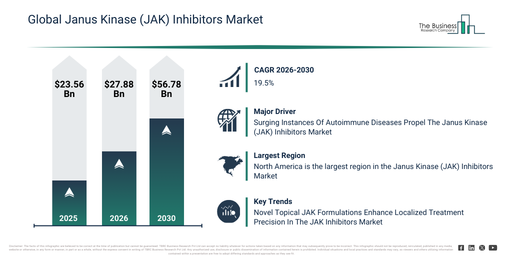
    The market for janus kinase (JAK) inhibitors has experienced swift expansion in recent years. Its value is projected to increase from $23.56 billion in 2025 to $27.88 billion in 2026, reflecting a compound annual growth rate (CAGR) of 18.4%. This past growth has been driven by factors such as the increasing frequency of autoimmune conditions, the authorization of first-generation JAK inhibitors, heightened research and development spending, greater physician awareness, and a robust pipeline of clinical trials.

    The market for janus kinase (JAK) inhibitors is projected to experience rapid expansion in the coming years, reaching a value of $56.78 billion by 2030, driven by a compound annual growth rate (CAGR) of 19.5%. This forecasted growth is fueled by the rise of next-generation JAK inhibitors, their broadening use in new therapeutic areas, progress in drug delivery technologies, strategic collaborations aimed at pipeline advancement, and a growing reliance on precision medicine. Key trends shaping this period include a shift toward individualized therapy, the development of combination treatments, extension of JAK inhibitor applications beyond rheumatology, increased attention to pediatric uses, and the creation of non-oral formulations.

    Download A Free Sample Report For Comprehensive Market Insights:

    https://www.thebusinessresearchcompany.com/sample.aspx?id=12524&type=smp&utm_source=BlogsPR&utm_medium=Paid&utm_campaign=Jul_PR

    Janus Kinase (JAK) Inhibitors Market Growth Factors Supporting Long-Term Expansion

    The rising prevalence of autoimmune conditions is expected to boost the Janus kinase (JAK) inhibitors market. Autoimmune diseases encompass a wide range of disorders defined by an atypical immune reaction where the body’s defense system erroneously targets and harms its own healthy cells, tissues, and organs. Janus kinase inhibitors offer therapeutic advantages for these conditions by regulating immune activity, curbing inflammation, and easing symptoms like those found in rheumatoid arthritis. For example, in September 2023, the Impact of IBD Report 2023 from the Inflammatory Bowel Disease Clinical and Research Centre, a Canadian entity dedicated to enhancing outcomes for patients with Crohn’s disease and ulcerative colitis, reported a prevalence of 825 per 100,000 in 2023, meaning over 320,000 individuals in Canada are affected by inflammatory bowel disease. With an expected annual rise of 2.44%, this number is projected to reach 470,000 Canadians, or 1.1% of the population, by 2035. Consequently, the growing number of autoimmune disease cases is propelling the expansion of the Janus kinase inhibitors market.

    Janus Kinase (JAK) Inhibitors Market Segment Analysis Highlighting Growth Areas

    The janus kinase (jak) inhibitors market covered in this report is segmented –

    1) By Inhibitors Type: Ruxolitinib, Tofacitinib, Oclacitinib, Baricitinib, Peficitinib, Other Inhibitor Types

    2) By Mode Of Administration: Injectable, Oral, Other Modes Of Administration

    3) By Distribution Channel: Hospital Pharmacies, Retail Pharmacies, Online Pharmacies

    4) By Application: Autoimmune Disorders, Oncology, Inflammatory Disorders, Metabolic Disorders

    Subsegments:

    1) By Ruxolitinib: Ruxolitinib Tablets, Ruxolitinib Cream, Ruxolitinib Oral Solution

    2) By Tofacitinib: Tofacitinib Tablets, Tofacitinib Extended-Release Tablets, Tofacitinib Oral Solution

    3) By Oclacitinib: Oclacitinib Tablets, Oclacitinib for Veterinary Use

    4) By Baricitinib: Baricitinib Tablets, Baricitinib Extended-Release Formulations

    5) By Peficitinib: Peficitinib Tablets, Peficitinib Oral Formulations

    6) By Other Inhibitor Types: Emerging JAK Inhibitors, Combination JAK Inhibitor Therapies, Non-Oral JAK Inhibitor Formulations

    Janus Kinase (JAK) Inhibitors Market Industry Trends Shaping Future Revenue Growth

    Major players within the Janus kinase (JAK) inhibitors market are placing strong emphasis on the creation of advanced localized formulations, including topical JAK inhibitor creams, to enhance targeted therapy, minimize systemic exposure, and widen clinical applications. By enabling JAK inhibition to be delivered directly to affected tissues, these localized treatments achieve better safety profiles and improved efficacy when addressing inflammatory skin conditions. A notable example is LEO Pharma, a dermatology-focused pharmaceutical firm headquartered in Denmark, which secured a favorable recommendation from the European Medicines Agency’s (EMA) CHMP in July 2024 for its product Anzupgo (delgocitinib) cream. This topical pan-JAK inhibitor, targeting JAK1, JAK2, JAK3, and TYK2, is intended for managing moderate-to-severe chronic hand eczema (CHE). Subsequently, Swissmedic granted approval to Anzupgo in November 2024, marking it as the first authorized topical pan-JAK inhibitor for CHE in Switzerland. Such regulatory successes underscore an increasing industry trend toward developing next-generation topical JAK therapies that offer precise, localized inflammation control and expand the utility of JAK inhibitors beyond systemic treatment scenarios.

    Janus Kinase (JAK) Inhibitors Market Leading Companies: Who Holds Significant Market Presence?

    Major companies operating in the janus kinase (jak) inhibitors market are Pfizer Inc., Merck & Co. Inc., AbbVie Inc., Novartis AG, Sanofi SA, Bristol Myers Squibb Company, GSK Plc., Takeda Pharmaceutical Company Ltd., Eli Lilly and Company, Incyte Corporation, Kyowa Hakko Kirin Co. Ltd., Galapagos NV, Sierra Oncology Inc., Theravance Biopharma Inc., Aclaris Therapeutics Inc., AstraZeneca PLC, Janssen Pharmaceuticals, Boehringer Ingelheim International GmbH, Pfizer Oncology, Regeneron Pharmaceuticals Inc.

    Access The Complete Janus Kinase (JAK) Inhibitors Market Report:

    https://www.thebusinessresearchcompany.com/report/janus-kinase-jak-inhibitors-global-market-report?utm_source=BlogsPR&utm_medium=Paid&utm_campaign=Jul_PR

    Janus Kinase (JAK) Inhibitors Market Regional Analysis And Leading Geography

    North America was the largest region in the Janus kinase (JAK) inhibitors market in 2025. Asia-Pacific is expected to be the fastest-growing region in the forecast period. The regions covered in the janus kinase (jak) inhibitors market report are Asia-Pacific, South East Asia, Western Europe, Eastern Europe, North America, South America, Middle East, Africa.

    Get in touch with us:

    The Business Research Company: https://www.thebusinessresearchcompany.com/?utm_source=BlogsPR&utm_medium=Paid&utm_campaign=home_page_test

    Americas: +1 310-496-7795

    Asia: +44 7882 955267 & +91 8897263534

    Europe: +44 7882 955267

    Email us at: marketing@tbrc.info

    Follow us on:

    LinkedIn: https://in.linkedin.com/company/the-business-research-company

    YouTube: https://www.youtube.com/channel/UC24_fI0rV8cR5DxlCpgmyFQ

    Global Market Model: https://www.thebusinessresearchcompany.com/global-market-model
  • Isovaleric Acidemia (IVA) Treatment Market Opportunities Are Emerging Beyond Traditional Growth Areas

    Isovaleric Acidemia (IVA) Treatment Market Opportunities Are Emerging Beyond Traditional Growth Areas

    Delivering more actionable and strategically valuable research, The Business Research Company’s 2026 market reports feature market attractiveness analysis, total addressable market evaluation, company benchmarking matrices, interactive Excel dashboards, expanded supply chain intelligence, emerging startup coverage, and detailed product insights.

    Isovaleric Acidemia (IVA) Treatment Market Value Analysis: What Growth Is Expected Over The Forecast Period?

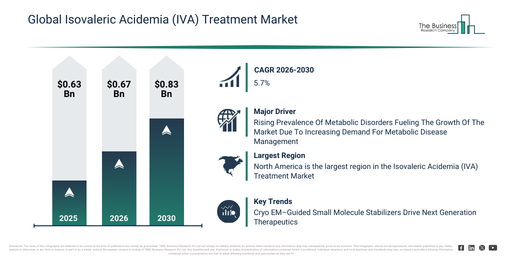
    The market for isovaleric acidemia (IVA) treatments has experienced notable growth over the past few years. Projections indicate an increase from $0.63 billion in 2025 to $0.67 billion in 2026, reflecting a compound annual growth rate (CAGR) of 5.8%. Several factors contributed to this expansion during the historical period, including enhanced newborn screening initiatives, a greater understanding of rare metabolic diseases, the accessibility of dietary and supplement-based therapies, the proliferation of specialized pediatric metabolic centers, and higher survival rates among individuals with IVA.

    The isovaleric acidemia (IVA) treatment market is projected to experience robust expansion over the coming years. By 2030, its value is anticipated to reach $0.83 billion, reflecting a compound annual growth rate (CAGR) of 5.7%. This forecasted growth is driven by progress in therapies for rare diseases, the broadening of genetic counseling services, a heightened emphasis on preventive metabolic care, an uptick in clinical trials focused on gene therapy, and increased funding for orphan drug development. Key trends shaping this period include the wider implementation of early genetic screening and diagnosis, the expanded use of carnitine and glycine supplementation, a greater focus on customized dietary management strategies, the growth of home-based long-term IVA care, and intensified research into gene therapy methods.

    Download A Free Sample Report For Comprehensive Market Insights:

    https://www.thebusinessresearchcompany.com/sample.aspx?id=24269&type=smp&utm_source=BlogsPR&utm_medium=Paid&utm_campaign=Jul_PR

    Isovaleric Acidemia (IVA) Treatment Market Demand Drivers Creating New Revenue Opportunities

    The anticipated expansion of the isovaleric acidemia (IVA) treatment market is largely driven by the growing incidence of metabolic disorders. These disorders, which disrupt normal metabolic processes and impair the body’s ability to convert food into energy, encompass conditions such as diabetes mellitus, hypothyroidism, hyperthyroidism, phenylketonuria (PKU), galactosemia, maple syrup urine disease (MSUD), isovaleric acidemia (IVA), Gaucher disease, Fabry disease, Wilson’s disease, and various lysosomal storage disorders. Their rising prevalence stems from lifestyle factors like poor dietary habits and physical inactivity, which foster obesity and insulin resistance. Isovaleric acidemia treatment helps manage these disorders by mitigating the accumulation of toxic substances, restoring typical metabolic function, and averting issues such as neurological damage. For example, in September 2023, the World Health Organization—a United Nations specialized agency based in Switzerland—reported 2.0 million diabetes-related deaths. Consequently, the rising occurrence of metabolic disorders is fueling growth in the isovaleric acidemia (IVA) treatment market.

    The isovaleric acidemia (IVA) treatment market is expected to be propelled forward by the growing emphasis on personalized medicine. This approach customizes healthcare and treatment decisions based on an individual’s genetic profile, lifestyle, and environment, driven largely by breakthroughs in genomic sequencing that enable more accurate detection of genetic variations related to disease and therapeutic responses. Personalized medicine enhances IVA treatment by customizing therapeutic strategies to each patient’s unique IVD gene variants and metabolic characteristics, thereby facilitating more accurate correction of enzyme deficiencies and leading to better clinical results. As an illustration, in February 2024, the Personalized Medicine Coalition, a non-profit organization in the U.S., stated that the U.S. Food and Drug Administration (FDA) approved 16 novel personalized treatments for rare diseases in 2023, a substantial jump from just 6 in 2022. Thus, the increasing focus on personalized medicine is driving the expansion of the isovaleric acidemia (IVA) treatment market.

    Isovaleric Acidemia (IVA) Treatment Market Segment Performance And Strategic Opportunities

    The isovaleric acidemia (iva) treatment market covered in this report is segmented –

    1) By Type: Classical Isovaleric Acidemia, Non-classical Isovaleric Acidemia, Moderate Isovaleric Acidemia

    2) By Treatment: Dietary Management, Enzyme Replacement Therapy, Gene Therapy, Pharmacological Treatment

    3) By Route of Administration: Oral, Injectable

    4) By End-user: Hospitals, Clinics, Homecare Settings

    Subsegments:

    1) By Classical Isovaleric Acidemia: Dietary Management, Carnitine Supplementation, Glycine Supplementation, Emergency Management, Gene Therapy (Investigational)

    2) By Non-classical Isovaleric Acidemia: Observation and Preventive Care, Mild Dietary Modifications, Occasional Supplementation, Genetic Counseling and Monitoring

    3) By Moderate Isovaleric Acidemia: Protein-restricted Diet, Intermittent Carnitine/Glycine Therapy, Periodic Monitoring and Supportive Care, Acute Episode Management

    Isovaleric Acidemia (IVA) Treatment Market Trends Driving Strategic Industry Expansion

    Leading pharmaceutical firms in the isovaleric acidemia (IVA) treatment sector are increasingly turning toward precision-medicine strategies grounded in advanced structural biology—for example, using cryo-electron microscopy at high resolution to engineer small-molecule stabilizers of isovaleryl-CoA dehydrogenase (IVD). These compounds are designed to boost residual IVD enzyme activity, minimize the accumulation of harmful metabolites, and deliver more lasting metabolic stability for individuals living with IVA. Such high-resolution cryo-EM–guided stabilizers represent a class of meticulously designed drugs, formulated by leveraging detailed cryo-electron microscopy structures to attach to and fortify the defective IVD enzyme, thereby partially reinstating its normal metabolic role in isovaleric acidemia. A case in point occurred in June 2025, when a research team unveiled the cryo-EM architecture of human IVD, showing that it arranges as a tetramer featuring a U-shaped channel for substrate binding, and pinpointed essential amino acids—including E411, T200, and R312—that govern interactions with FAD and substrate. This breakthrough shed light on how pathogenic mutations interfere with FAD binding, uncovered previously unknown binding cavities amenable to stabilization by therapeutic agents, and established the groundwork for the logical development of small-molecule “molecular chaperones” capable of rescuing mutant IVD activity—a compelling next-wave treatment avenue within the IVA therapeutic marketplace.

    Isovaleric Acidemia (IVA) Treatment Market Key Players: Which Companies Shape Industry Competition?

    Major companies operating in the isovaleric acidemia (iva) treatment market are Nestlé Health Science S.A., Nutricia Advanced Medical Nutrition, Nutricia Metabolics, Vitaflo International Ltd., Abbott Nutrition, Cambrooke Therapeutics Inc., Solace Nutrition LLC, Recordati Rare Diseases Inc., Targeted Medical Pharma Inc., Mead Johnson Nutrition, Ajinomoto Co. Inc., Danone S.A., Orchard Therapeutics plc, Rocket Pharmaceuticals Inc., REGENXBIO Inc., uniQure N.V., Abeona Therapeutics Inc., Bluebird Bio Inc., Editas Medicine Inc., CRISPR Therapeutics AG

    Access The Complete Isovaleric Acidemia (IVA) Treatment Market Report:

    https://www.thebusinessresearchcompany.com/report/isovaleric-acidemia-iva-treatment-global-market-report?utm_source=BlogsPR&utm_medium=Paid&utm_campaign=Jul_PR

    Isovaleric Acidemia (IVA) Treatment Market Geographic Analysis: Where Is Demand Growing The Fastest?

    North America was the largest region in the isovaleric acidemia (IVA) treatment market in 2025. Asia-Pacific is expected to be the fastest-growing region in the forecast period. The regions covered in the isovaleric acidemia (iva) treatment market report are Asia-Pacific, South East Asia, Western Europe, Eastern Europe, North America, South America, Middle East, Africa.

    Get in touch with us:

    The Business Research Company: https://www.thebusinessresearchcompany.com/?utm_source=BlogsPR&utm_medium=Paid&utm_campaign=home_page_test

    Americas: +1 310-496-7795

    Asia: +44 7882 955267 & +91 8897263534

    Europe: +44 7882 955267

    Email us at: marketing@tbrc.info

    Follow us on:

    LinkedIn: https://in.linkedin.com/company/the-business-research-company

    YouTube: https://www.youtube.com/channel/UC24_fI0rV8cR5DxlCpgmyFQ

    Global Market Model: https://www.thebusinessresearchcompany.com/global-market-model
  • Isotretinoin Drugs Market Expansion Is Opening New Pathways For Strategic Investment

    Isotretinoin Drugs Market Expansion Is Opening New Pathways For Strategic Investment

    Enhanced with market attractiveness analysis, total addressable market evaluation, company benchmarking matrices, interactive Excel dashboards, expanded supply chain intelligence, emerging startup coverage, and detailed product insights, The Business Research Company’s 2026 market reports deliver more actionable and strategically valuable research.

    Isotretinoin Drugs Market Size Forecast: How Large Could The Market Become By 2030?

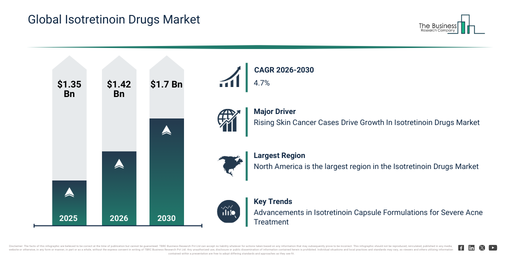
    The isotretinoin drugs market has experienced robust expansion in recent years, with projections indicating a rise from $1.35 billion in 2025 to $1.42 billion in 2026, reflecting a compound annual growth rate (CAGR) of 5.2%. This historical growth has been driven by several factors: the high incidence of severe and treatment-resistant acne, the well-documented clinical effectiveness of isotretinoin, the limited success of other acne treatments, broad acceptance among dermatologists, and the accessibility of capsule-based oral formulations.

    The market for isotretinoin drugs is anticipated to experience consistent growth over the coming years, reaching $1.7 billion by 2030, driven by a compound annual growth rate of 4.7%. This forecasted expansion is largely due to higher rates of adult acne, improved access to dermatological services, a growing need for reliable long-term acne treatments, an uptick in the production of generic medications, and better frameworks for patient monitoring and safety adherence. Key developments shaping this period include the persistent use of isotretinoin as the primary treatment for severe acne, a stronger focus on risk mitigation and regulated prescription practices, a broader selection of generic isotretinoin options, heightened awareness of chronic acne management among both young adults and older populations, and the widening application of isotretinoin for uncommon skin and cancer-related conditions.

    Download A Free Sample Report For Comprehensive Market Insights:

    https://www.thebusinessresearchcompany.com/sample.aspx?id=16095&type=smp&utm_source=BlogsPR&utm_medium=Paid&utm_campaign=Jul_PR

    Isotretinoin Drugs Market Expansion Supported By Key Demand Factors

    The anticipated growth of the isotretinoin drugs market is expected to be driven by the increasing incidence of skin cancer. This condition involves the abnormal proliferation of skin cells, often resulting from extended contact with ultraviolet (UV) radiation emitted by the sun or artificial tanning devices. The surge in skin cancer cases is largely attributed to heightened UV exposure, compounded by stratospheric ozone thinning and changes in lifestyle that encourage more time spent outdoors without proper sun protection. Isotretinoin-based medications are employed to prevent and manage specific types of skin cancer owing to their capability to curb the multiplication of malignant cells. As an illustration, data from the American Cancer Society, a US nonprofit focused on cancer eradication, indicated in January 2024 that 108,270 new skin cancer diagnoses were projected, marking a 3.2% rise compared to the 104,930 cases recorded in 2023. Hence, the growing number of skin cancer occurrences will fuel expansion in the isotretinoin drugs market.

    Isotretinoin Drugs Market Segment Landscape And Growth Potential

    The isotretinoin drugs market covered in this report is segmented –

    1) By Form: Capsules, Injection

    2) By Indication Type: Severe Acne, Neuroblastoma, Cutaneous T-Cell Lymphoma, Harlequin Ichthyosis, Xeroderma Pigmentosum, Fibrodysplasia Ossificans Progressiva, Squamous Cell Skin Cancers, Other Indication Types

    3) By Distribution Channel: Hospitals Pharmacies, Retail Pharmacies, Online Pharmacies

    Subsegments:

    1) By Capsules: Soft Gel Capsules, Hard Gel Capsules, Liquid-Filled Capsules

    2) By Injection: Intravenous Injection, Intramuscular Injection

    Isotretinoin Drugs Market Growth Trends Influencing Competitive Dynamics

    Leading companies within the isotretinoin drugs market are prioritizing innovations in product development—specifically isotretinoin capsules—to broaden therapeutic options and improve patient accessibility. These capsules are indicated for severe forms of acne, such as nodular or cystic acne, and come with strict usage restrictions due to serious side effects, particularly a heightened risk of congenital disabilities. As an example, in July 2023, Upsher-Smith Laboratories, LLC, a pharmaceutical firm based in the United States, introduced the first Isotretinoin Capsules USP, available in 10 mg, 20 mg, 30 mg, and 40 mg strengths. These capsules are classified as therapeutically equivalent (TE code AB1) to the brand Accutane. The medication is prescribed for treating severe acne, delivering a well-established solution for challenging cases.

    Isotretinoin Drugs Market Competitive Landscape: Who Are The Leading Companies?

    Major companies operating in the isotretinoin drugs market are F. Hoffmann-La Roche Ltd., Viatris Inc., Teva Pharmaceutical Industries Ltd., Bausch Health Companies Inc., Hetero Drugs Ltd., Sun Pharmaceuticals Industries Limited, Intas Pharmaceuticals Ltd., Aurobindo Pharma, Dr. Reddy’s Laboratories Ltd., Cipla Limited, Amneal Pharmaceuticals LLC, Lupin Pharmaceuticals Inc, Zydus Lifesciences Limited, Glenmark Pharmaceuticals, Alkem Laboratories, Torrent Pharmaceuticals Ltd, Alembic Pharmaceuticals Ltd, Ajanta Pharma Ltd, Strides Pharma Science Limited, Wockhardt Ltd., Douglas Pharmaceuticals Limited, Chongqing Huapont Pharm Co. Ltd., Cipher Pharmaceuticals Inc.

    Access The Complete Isotretinoin Drugs Market Report:

    https://www.thebusinessresearchcompany.com/report/isotretinoin-drugs-global-market-report?utm_source=BlogsPR&utm_medium=Paid&utm_campaign=Jul_PR

    Isotretinoin Drugs Market Global Footprint: Which Region Holds Market Leadership?

    North America was the largest region in the isotretinoin drugs market in 2025. The regions covered in the isotretinoin drugs market report are Asia-Pacific, South East Asia, Western Europe, Eastern Europe, North America, South America, Middle East, Africa.

    Get in touch with us:

    The Business Research Company: https://www.thebusinessresearchcompany.com/?utm_source=BlogsPR&utm_medium=Paid&utm_campaign=home_page_test

    Americas: +1 310-496-7795

    Asia: +44 7882 955267 & +91 8897263534

    Europe: +44 7882 955267

    Email us at: marketing@tbrc.info

    Follow us on:

    LinkedIn: https://in.linkedin.com/company/the-business-research-company

    YouTube: https://www.youtube.com/channel/UC24_fI0rV8cR5DxlCpgmyFQ

    Global Market Model: https://www.thebusinessresearchcompany.com/global-market-model
  • Isocitrate Dehydrogenase (IDH) Inhibitors Market Trends Are Creating New Opportunities For Industry Leaders

    Isocitrate Dehydrogenase (IDH) Inhibitors Market Trends Are Creating New Opportunities For Industry Leaders

    Through market attractiveness analysis, total addressable market evaluation, company benchmarking matrices, interactive Excel dashboards, expanded supply chain intelligence, emerging startup coverage, and detailed product insights, The Business Research Company’s 2026 market reports provide more actionable and strategically valuable research.

    Isocitrate Dehydrogenase (IDH) Inhibitors Market Revenue Outlook: What CAGR Is Expected Through 2030?

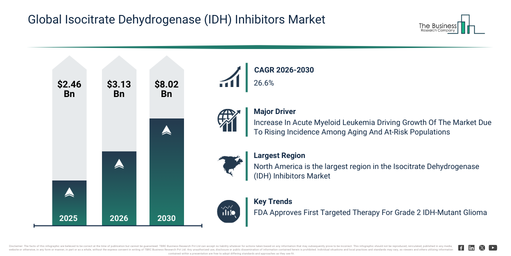
    The market for isocitrate dehydrogenase (IDH) inhibitors has seen exponential expansion in recent years, with projections indicating growth from $2.46 billion in 2025 to $3.13 billion in 2026, reflecting a compound annual growth rate (CAGR) of 26.8%. Historically, this upward trajectory has been propelled by advancements in cancer genomics research, persistent unmet needs in oncology, drug discovery efforts focused on specific mutations, integration of these therapies into hospital oncology practices, and an increase in clinical trial activities.

    The isocitrate dehydrogenase (IDH) inhibitors market is poised for remarkable expansion over the coming years. By 2030, it is projected to reach a value of $8.02 billion, reflecting a compound annual growth rate (CAGR) of 26.6%. This forecasted growth is driven by several key factors, including progress in precision medicine, the rise of biomarker-driven oncology care, development of drugs targeting rare cancers, use of combination cancer therapies, and a favorable regulatory environment for targeted treatments. Looking ahead, major industry trends encompass the broadening of targeted oncology therapies, a greater emphasis on drug development based on genetic mutations, an increasing focus on treating rare cancers, wider adoption of precision oncology diagnostics, and continued innovation in small molecule cancer inhibitors.

    Download A Free Sample Report For Comprehensive Market Insights:

    https://www.thebusinessresearchcompany.com/sample.aspx?id=24577&type=smp&utm_source=BlogsPR&utm_medium=Paid&utm_campaign=Jul_PR

    Isocitrate Dehydrogenase (IDH) Inhibitors Market Growth Drivers And Industry Catalysts

    The rising occurrence of acute myeloid leukemia is anticipated to drive expansion in the isocitrate dehydrogenase (IDH) inhibitors market moving forward. Acute myeloid leukemia (AML) is a rapidly progressing cancer affecting the blood and bone marrow, marked by the swift proliferation of abnormal white blood cells that disrupt normal blood cell production. This increase in AML cases is largely attributed to the growing elderly population, as older individuals face a heightened risk of developing this aggressive blood cancer due to age-related changes in their bone marrow and immune function. Isocitrate dehydrogenase (IDH) inhibitors are used to treat AML by blocking mutant IDH enzymes, thereby restoring normal blood cell development and slowing the proliferation of leukemia cells. For example, in February 2023, a report from the Leukaemia Foundation, an Australian non-profit organization, projected that between 2022 and 2035, over 7,000 children, 6,000 young adults, and 108,000 adults aged 25–65 will be diagnosed with blood cancers, primarily acute lymphoblastic leukemia (ALL), acute myeloid leukemia (AML), and non-Hodgkin lymphoma (NHL). Consequently, the growing frequency of acute myeloid leukemia is expected to fuel the growth of the isocitrate dehydrogenase (IDH) inhibitors market.

    Isocitrate Dehydrogenase (IDH) Inhibitors Market Categorization By Product Type And Application

    The isocitrate dehydrogenase (idh) inhibitors market covered in this report is segmented –

    1) By Type: IDH1 Mutant Medullary Malignant Tumor, IDH2 Mutant Medullary Malignant Tumor, Other Types

    2) By Molecule Type: Monoclonal Antibodies, Peptides, Small Molecules, Other Molecule Types

    3) By Route Of Administration: Oral, Parenteral, Subcutaneous, Topical

    4) By Application: FLT3 Inhibitor, DH Inhibitor, Hedgehog Pathway Inhibitor, Other Applications

    Subsegments:

    1) By IDH1 Mutant Medullary Malignant Tumor: Acute Myeloid Leukemia (AML), Glioma Or Glioblastoma, Cholangiocarcinoma, Chondrosarcoma

    2) By IDH2 Mutant Medullary Malignant Tumor: Acute Myeloid Leukemia (AML), Myelodysplastic Syndromes (MDS), Angioimmunoblastic T-Cell Lymphoma (AITL)

    3) By Other Types: Solid Tumors With IDH Mutations, Metastatic Cancers With IDH Alterations, Experimental Or Off-Label Uses In Rare Cancers

    Isocitrate Dehydrogenase (IDH) Inhibitors Market Trends Influencing Long-Term Demand

    Leading pharmaceutical firms in the isocitrate dehydrogenase (IDH) inhibitor market are concentrating their efforts on securing regulatory approvals to broaden the therapeutic applications of their products, speed up market introduction, and establish a competitive edge in addressing IDH-mutant cancers. These approvals are official endorsements from health authorities that permit the commercialization and use of a drug following rigorous verification of its safety and efficacy. As a case in point, in August 2024, Servier Laboratoires, a pharmaceutical company headquartered in France, secured FDA clearance for VORANIGO (vorasidenib) tablets as the first targeted treatment for individuals with Grade 2 IDH-mutant glioma, encompassing astrocytoma and oligodendroglioma that harbor IDH1 or IDH2 mutations. This oral medication notably extends progression-free survival, as evidenced by the Phase 3 INDIGO trial, where participants achieved a median progression-free survival of 27.7 months, compared to 11.1 months for those receiving a placebo. VORANIGO provides a convenient and well-tolerated therapeutic option with manageable adverse effects, representing a major milestone for a population that previously faced limited treatment alternatives.

    Isocitrate Dehydrogenase (IDH) Inhibitors Market Company Landscape And Strategic Competition

    Major companies operating in the isocitrate dehydrogenase (idh) inhibitors market are Roche Holding AG, Merck & Co. Inc., Bristol-Myers Squibb Company, Novartis AG, GlaxoSmithKline plc, Eli Lilly and Company, Daiichi Sankyo Company Limited, Les Laboratoires Servier, Evotec SE, HUTCHMED (China) Limited, Rigel Pharmaceuticals Inc., CStone Pharmaceuticals, Forma Therapeutics Holdings Inc., Philogen S.p.A., Kura Oncology Inc., Agios Pharmaceuticals Inc., Adooq Bioscience LLC, Taiho Pharmaceutical Co. Ltd., Celgene Corporation, Focus Biomolecules LLC, InvivoChem LLC

    Access The Complete Isocitrate Dehydrogenase (IDH) Inhibitors Market Report:

    https://www.thebusinessresearchcompany.com/report/isocitrate-dehydrogenase-idh-inhibitors-global-market-report?utm_source=BlogsPR&utm_medium=Paid&utm_campaign=Jul_PR

    Isocitrate Dehydrogenase (IDH) Inhibitors Market Regional Distribution: Which Areas Drive Market Expansion?

    North America was the largest region in the isocitrate dehydrogenase (IDH) inhibitors market in 2025. Asia-Pacific is expected to be the fastest-growing region in the forecast period. The regions covered in the isocitrate dehydrogenase (idh) inhibitors market report are Asia-Pacific, South East Asia, Western Europe, Eastern Europe, North America, South America, Middle East, Africa.

    Get in touch with us:

    The Business Research Company: https://www.thebusinessresearchcompany.com/?utm_source=BlogsPR&utm_medium=Paid&utm_campaign=home_page_test

    Americas: +1 310-496-7795

    Asia: +44 7882 955267 & +91 8897263534

    Europe: +44 7882 955267

    Email us at: marketing@tbrc.info

    Follow us on:

    LinkedIn: https://in.linkedin.com/company/the-business-research-company

    YouTube: https://www.youtube.com/channel/UC24_fI0rV8cR5DxlCpgmyFQ

    Global Market Model: https://www.thebusinessresearchcompany.com/global-market-model
  • Ischemic Heart Disease (IHD) Drugs Market Growth Is Reshaping Competitive Advantage Across The Industry

    Ischemic Heart Disease (IHD) Drugs Market Growth Is Reshaping Competitive Advantage Across The Industry

    Delivering more actionable and strategically valuable research, The Business Research Company’s 2026 market reports feature market attractiveness analysis, total addressable market evaluation, company benchmarking matrices, interactive Excel dashboards, expanded supply chain intelligence, emerging startup coverage, and detailed product insights.

    Ischemic Heart Disease (IHD) Drugs Market Growth Analysis: How Will Revenue Expand During The Forecast Period?

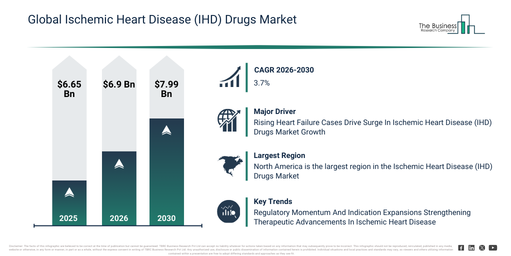
    The market for ischemic heart disease (IHD) drugs has experienced consistent growth in recent times. Projections indicate an increase from $6.65 billion in 2025 to $6.9 billion in 2026, reflecting a compound annual growth rate (CAGR) of 3.7%. This expansion during the historical period is linked to factors such as the growing prevalence of coronary artery disease, an expanding elderly demographic, heightened awareness about cardiovascular health, a high occurrence of lifestyle-driven risk factors, and the widespread availability of generic medications.

    The market for ischemic heart disease (IHD) drugs is projected to experience consistent expansion over the coming years, with an anticipated increase to $7.99 billion by 2030, representing a compound annual growth rate (CAGR) of 3.7%. This forecasted growth is driven by factors such as progress in precision medicine, the uptake of digital health solutions, a rising prevalence of combination therapy, the creation of innovative drug delivery mechanisms, and the wider implementation of telehealth and remote patient oversight. Key developments shaping the market outlook include the delivery of tailored cardiac therapies, the emergence of combined drug formulations, heart care facilitated through telemedicine, tools for assessing and tracking cardiovascular risks, and approaches for drug administration that rely on minimally invasive techniques.

    Download A Free Sample Report For Comprehensive Market Insights:

    https://www.thebusinessresearchcompany.com/sample.aspx?id=13467&type=smp&utm_source=BlogsPR&utm_medium=Paid&utm_campaign=Jul_PR

    Ischemic Heart Disease (IHD) Drugs Market Opportunity Drivers: What Is Creating New Revenue Potential?

    The growing prevalence of heart failure is anticipated to boost expansion in the ischemic heart disease (IHD) drug market in the coming period. Heart failure refers to a chronic state where the heart muscle cannot pump sufficient blood to satisfy the body’s oxygen and blood requirements, often resulting in exhaustion, breathlessness, and challenges with routine tasks. Medications for ischemic heart disease are vital in managing heart failure, as they work to reduce risk factors and symptoms tied to the condition, thereby helping to prevent its onset. These drugs function by suppressing the heart’s pacemaker activity, proving especially advantageous for heart failure patients with reduced ejection fractions and elevated resting heart rates after tolerating a beta-blocker. For example, as reported by the Heart Failure Society of America—a US organization—in September 2023, approximately 6.7 million Americans aged 20 and older currently have heart failure, with projections indicating that this figure could climb to 8.5 million by 2030. Consequently, the rising frequency of heart failure is fueling growth in the ischemic heart disease drug market.

    Ischemic Heart Disease (IHD) Drugs Market Segment Analysis And Revenue Opportunities

    The ischemic heart disease (ihd) drugs market covered in this report is segmented –

    1) By Drug Class: Anti-Dyslipidemic Drugs, Calcium Channel Blockers, Beta-Blockers, Angiotensin-converting enzyme (ACE) Inhibitors, Angiotensin II Receptor Blockers (ARBs), Vasodilators, Antithrombotic Agents

    2) By Disease Class: Angina Pectoris, Myocardial Infarction

    3) By End User: Hospital Pharmacy, Retail Pharmacy, Online Pharmacy

    Subsegments:

    1) By Anti-Dyslipidemic Drugs: Statins, Fibrates, Niacin, Cholesterol Absorption Inhibitors

    2) By Calcium Channel Blockers: Dihydropyridines, Non-Dihydropyridines

    3) By Beta-Blockers: Cardioselective Beta-Blockers, Non-Selective Beta-Blockers, Vasodilating Beta-Blockers

    4) By Angiotensin-Converting Enzyme (ACE) Inhibitors: Enalapril, Lisinopril, Ramipril

    5) By Angiotensin II Receptor Blockers (ARBs): Losartan, Valsartan, Irbesartan

    6) By Vasodilators: Nitroglycerin, Isosorbide Dinitrate, Hydralazine

    7) By Antithrombotic Agents: Antiplatelet Drugs, Anticoagulants

    Ischemic Heart Disease (IHD) Drugs Market Innovation Trends Driving Future Development

    Key players in the ischemic heart disease (IHD) drugs sector are intensifying efforts to secure regulatory approvals and broaden drug indications, aiming to enhance available therapies and boost their market presence. A notable example occurred in June 2023, when Bristol Myers Squibb, a biopharmaceutical firm headquartered in the US, received European Commission approval for Camzyos (mavacamten)—the first allosteric, selective cardiac myosin inhibitor designed to treat symptomatic obstructive hypertrophic cardiomyopathy (HCM) in NYHA class II–III patients. That same year, the US Food and Drug Administration approved a supplemental new drug application, supported by Phase 3 VALOR HCM trial data that demonstrated a marked decrease in patient eligibility for septal reduction therapy. This growing wave of regulatory progress and expanded labeling for myosin inhibitors is fueling expansion within the IHD drug market.

    Ischemic Heart Disease (IHD) Drugs Market Leading Players Shaping Industry Direction

    Major companies operating in the ischemic heart disease (ihd) drugs market are Pfizer Inc., F. Hoffmann-La Roche Ltd., Merck & Co. Inc., AbbVie Inc., Bayer AG, Novartis AG, Sanofi S.A., Bristol-Myers Squibb Company, AstraZeneca PLC, GSK PLC, Eli Lilly and Company, Boehringer Ingelheim International GmbH, Viatris Inc., Teva Pharmaceutical Industries Ltd., Sandoz Inc., Sun Pharmaceutical Industries Limited, Dr. Reddy’s Laboratories Ltd., Cipla Limited, Lupin Limited, Recordati S.p.A., Zydus Lifesciences Limited, Glenmark Pharmaceuticals Ltd., Aurobindo Pharma Limited, Alembic Pharmaceuticals Ltd., Accord Healthcare Limited, Macleods Pharmaceuticals Ltd., Novitium Pharma LLC

    Access The Complete Ischemic Heart Disease (IHD) Drugs Market Report:

    https://www.thebusinessresearchcompany.com/report/ischemic-heart-disease-ihd-drugs-global-market-report?utm_source=BlogsPR&utm_medium=Paid&utm_campaign=Jul_PR

    Ischemic Heart Disease (IHD) Drugs Market Leading Geography: Which Region Generates The Most Revenue?

    North America was the largest region in the ischemic heart disease (IHD) drugs market in 2025. Asia-Pacific is expected to be the fastest-growing region in the forecast period. The regions covered in the ischemic heart disease (ihd) drugs market report are Asia-Pacific, South East Asia, Western Europe, Eastern Europe, North America, South America, Middle East, Africa.

    Get in touch with us:

    The Business Research Company: https://www.thebusinessresearchcompany.com/?utm_source=BlogsPR&utm_medium=Paid&utm_campaign=home_page_test

    Americas: +1 310-496-7795

    Asia: +44 7882 955267 & +91 8897263534

    Europe: +44 7882 955267

    Email us at: marketing@tbrc.info

    Follow us on:

    LinkedIn: https://in.linkedin.com/company/the-business-research-company

    YouTube: https://www.youtube.com/channel/UC24_fI0rV8cR5DxlCpgmyFQ

    Global Market Model: https://www.thebusinessresearchcompany.com/global-market-model
  • Ipatasertib Market Forecast Signals New Revenue Opportunities Through 2030

    Ipatasertib Market Forecast Signals New Revenue Opportunities Through 2030

    Enhanced with market attractiveness analysis, total addressable market evaluation, company benchmarking matrices, interactive Excel dashboards, expanded supply chain intelligence, emerging startup coverage, and detailed product insights, The Business Research Company’s 2026 market reports deliver more actionable and strategically valuable research.

    Ipatasertib Market Forecast: What Market Value Is Expected By 2030?

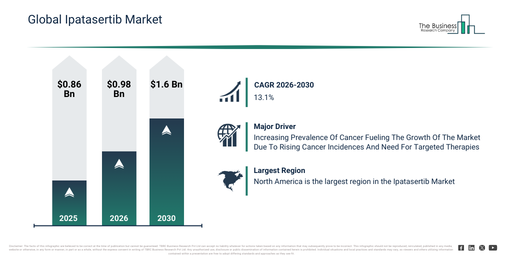
    The ipatasertib market has experienced swift expansion over the past few years. Projections indicate a rise from $0.86 billion in 2025 to $0.98 billion in 2026, reflecting a compound annual growth rate (CAGR) of 13.4%. This historical growth has been driven by progress in PI3K/AKT pathway research, a growing incidence of advanced-stage cancers, an expanding pipeline of targeted oncology drugs, the broadening of clinical trials for small-molecule inhibitors, and the increasing embrace of precision oncology strategies.

    The ipatasertib market is anticipated to experience strong expansion over the coming years. By 2030, its value is projected to reach $1.6 billion, reflecting a compound annual growth rate (CAGR) of 13.1%. Several factors are expected to drive this growth during the forecast period, including a rise in regulatory approvals for targeted cancer drugs, growing demand for personalized cancer treatments, the broader application of combination therapy approaches, increased investment in oncology research and development, and a stronger emphasis on therapies for drug-resistant cancers. Key trends that are likely to shape this period include a heightened focus on AKT pathway inhibition therapies, the wider adoption of combination cancer treatment protocols, a greater reliance on biomarker-driven oncology drugs, the growth of small-molecule pipelines specifically aimed at cancer, and more thorough clinical evaluations of targeted therapies.

    Download A Free Sample Report For Comprehensive Market Insights:

    https://www.thebusinessresearchcompany.com/sample.aspx?id=28253&type=smp&utm_source=BlogsPR&utm_medium=Paid&utm_campaign=Jul_PR

    Ipatasertib Market Growth Momentum: Which Factors Are Influencing Demand?

    The growing number of cancer cases is anticipated to drive the ipatasertib market in the upcoming period. Cancer is defined as a set of conditions marked by the uncontrolled multiplication and spread of abnormal cells throughout the body. The rise in cancer incidence is attributed to lifestyle factors including unhealthy eating habits, smoking, lack of physical exercise, and high alcohol intake. By targeting the PI3K/AKT signaling pathway, ipatasertib improves cancer treatment approaches and is effective in slowing tumor growth and spread. It lowers cancer cell survival rates and diminishes resistance to therapies, leading to better treatment results and patient outlooks. For example, in April 2024, the American Cancer Society (ACS) and the International Agency for Research on Cancer (IARC) reported 20 million new cancer cases in 2022, an increase from earlier numbers, with predictions of 35 million cases by 2050, marking a 77% rise. As a result, the rising incidence of cancer is fueling the ipatasertib market’s expansion.

    The increasing inclination toward personalized medicine is set to push the ipatasertib market forward. Personalized medicine is a healthcare model that customizes treatments and preventive measures based on an individual’s distinct genetic profile, lifestyle choices, and surroundings. This approach is gaining traction largely due to progress in genomics, which allows for accurate detection of genetic differences and customized therapies. Ipatasertib supports personalized medicine by focusing on the PI3K/AKT signaling pathway, making cancer therapies more specifically aligned with each patient’s tumor characteristics. It boosts treatment efficacy by targeting particular genetic and molecular features, lessening resistance to therapies, and enhancing patient results. In February 2024, the Personalized Medicine Coalition (PMC), a U.S.-based nonprofit, noted that the U.S. Food and Drug Administration (FDA) approved 26 new personalized medicines in 2023, a notable jump from the 12 approved the previous year. Hence, the growing preference for personalized medicine is propelling the ipatasertib market.

    Increasing healthcare spending is expected to foster growth in the ipatasertib market moving forward. Healthcare spending encompasses all funds allocated to medical services, treatments, facilities, research, and public health efforts aimed at preserving or enhancing health. The demand for higher healthcare expenditure is driven by the growing prevalence of chronic illnesses, which necessitate prolonged and costly care. Greater healthcare spending fuels ipatasertib development by offering enhanced financial backing and resources for research and clinical trials, facilitating progress in advanced cancer therapies. It speeds up drug development timelines and widens access to targeted treatments, boosting patient outcomes and treatment effectiveness. In May 2024, the Office for National Statistics, a UK government agency, reported that total healthcare expenditure grew by 5.6% in nominal terms in 2023, representing a 0.9% increase compared to 2022. Consequently, the increase in healthcare expenditure is driving the ipatasertib market.

    Ipatasertib Market Segmentation And Category Breakdown

    The ipatasertib market covered in this report is segmented –

    1) By Indication: Prostate Cancer, Breast Cancer, Other Cancers

    2) By Dosage Form: Tablets, Capsules, Other Dosages

    3) By Route Of Administration: Oral, Intravenous

    4) By Distribution Channel: Hospital Pharmacies, Retail Pharmacies, Online Pharmacies

    Subsegments:

    1) By Prostate Cancer: Metastatic Castration-Resistant Prostate Cancer (mCRPC), Metastatic Hormone-Sensitive Prostate Cancer (mHSPC), Non-Metastatic Prostate Cancer

    2) By Breast Cancer: Triple-Negative Breast Cancer (TNBC), Hormone Receptor-Positive Or Human Epidermal Growth Factor Receptor 2 (HER2)-Negative Breast Cancer, Human Epidermal Growth Factor Receptor 2 (HER2)-Positive Breast Cancer

    3) By Other Cancers: Ovarian Cancer, Gastric Cancer, Pancreatic Cancer, Colorectal Cancer, Lung Cancer

    Ipatasertib Market Competitive Analysis Of Major Industry Participants

    Major companies operating in the ipatasertib market are Thermo Fisher Scientific Inc., Illumina Inc., Myriad Genetics Inc., BGI Genomics Co. Ltd., Invitae Corporation, Guardant Health Inc., GeneDx LLC, Ancestry Inc., Oxford Nanopore Technologies plc, Genomic Health Inc., 23andMe Holding Co., Color Health Inc., Helix OpCo LLC, Personalis Inc., Dante Genomics, Gene By Gene Ltd., Veritas Genetics Inc., Futura Genetics, Nebula Genomics Inc., Pathway Genomics Corporation

    Access The Complete Ipatasertib Market Report:

    https://www.thebusinessresearchcompany.com/report/ipatasertib-global-market-report?utm_source=BlogsPR&utm_medium=Paid&utm_campaign=Jul_PR

    Ipatasertib Market Regional Outlook: Where Are The Largest Opportunities Located?

    North America was the largest region in the ipatasertib market in 2025. The regions covered in the ipatasertib market report are Asia-Pacific, South East Asia, Western Europe, Eastern Europe, North America, South America, Middle East, Africa.

    Get in touch with us:

    The Business Research Company: https://www.thebusinessresearchcompany.com/?utm_source=BlogsPR&utm_medium=Paid&utm_campaign=home_page_test

    Americas: +1 310-496-7795

    Asia: +44 7882 955267 & +91 8897263534

    Europe: +44 7882 955267

    Email us at: marketing@tbrc.info

    Follow us on:

    LinkedIn: https://in.linkedin.com/company/the-business-research-company

    YouTube: https://www.youtube.com/channel/UC24_fI0rV8cR5DxlCpgmyFQ

    Global Market Model: https://www.thebusinessresearchcompany.com/global-market-model
  • In-Vitro Transcription Templates Market Growth Is Accelerating As Industry Transformation Continues

    In-Vitro Transcription Templates Market Growth Is Accelerating As Industry Transformation Continues

    Through market attractiveness analysis, total addressable market evaluation, company benchmarking matrices, interactive Excel dashboards, expanded supply chain intelligence, emerging startup coverage, and detailed product insights, The Business Research Company’s 2026 market reports provide more actionable and strategically valuable research.

    In-Vitro Transcription Templates Market Size Outlook: How Fast Will Revenue Grow Through 2030?

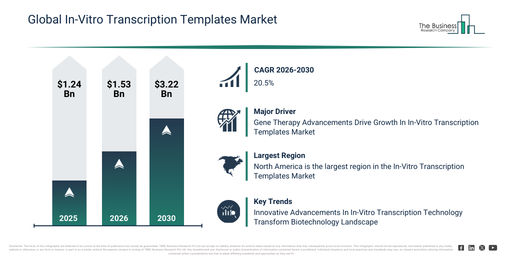
    The market for in-vitro transcription templates has seen extraordinary expansion in recent years. Its valuation is projected to rise from $1.24 billion in 2025 to $1.53 billion in 2026, reflecting a compound annual growth rate (CAGR) of 23.0%. This historic growth has been driven by the broad application of in-vitro transcription across molecular biology research, the early integration of RNA synthesis tools within academic labs, advancements in gene expression and functional genomics investigations, the accessibility of standardized DNA template construction approaches, and the scaling up of biotechnology research facilities.

    The market for in-vitro transcription templates is projected to experience substantial expansion over the coming years. By 2030, it is anticipated to reach a value of $3.22 billion, reflecting a compound annual growth rate (CAGR) of 20.5%. This upward trajectory during the forecast period is driven by several factors, including the ongoing development of mRNA vaccine pipelines, heightened investments in RNA-based therapeutics, a growing requirement for fast and scalable RNA production platforms, an increase in clinical-stage genetic therapies, and a heightened need for superior-quality templates within regulated manufacturing environments. Key trends shaping the forecast period involve an escalating demand for these templates in mRNA vaccine creation, a wider adoption of high-fidelity templates for RNA-based treatments, a greater preference for custom and sequence-specific transcription templates, an expansion of their application in diagnostic assay development, and an intensified focus on scalable production methods that meet GMP standards.

    Download A Free Sample Report For Comprehensive Market Insights:

    https://www.thebusinessresearchcompany.com/sample.aspx?id=15838&type=smp&utm_source=BlogsPR&utm_medium=Paid&utm_campaign=Jul_PR

    In-Vitro Transcription Templates Market Expansion Drivers: What Is Shaping Future Growth?

    The rising emphasis on gene therapy is anticipated to accelerate the expansion of the in-vitro transcription templates market moving forward. Gene therapy encompasses medical approaches designed to alter or substitute genes within cells, aiming to treat or prevent diseases by rectifying genetic defects. This focus is intensifying as a result of progress in technologies like CRISPR, heightened investment, broader research efforts, and promising clinical trial results. By providing RNA molecules essential for mRNA-based therapeutics, siRNA treatments, and gene-editing procedures, the in-vitro transcription templates market facilitates gene therapy and supports the creation of targeted interventions for both inherited and acquired conditions. For example, in March 2024, the U.S. Food and Drug Administration (FDA), a federal agency based in the United States, reported that 36 gene therapies had received approval, with more than 500 additional candidates under development, and projected 10–20 new approvals annually by 2025. Consequently, the growing concentration on gene therapy is fueling demand within the in-vitro transcription templates market.

    In-Vitro Transcription Templates Market Segment Outlook: Which Categories Are Expanding The Fastest?

    The in-vitro transcription templates market covered in this report is segmented –

    1) By Treatment: Vaccine, Therapeutic

    2) By Research Stage: Exploratory, Clinical

    3) By Disease: Cancer, Infectious Disease, Lifestyle Disease, Genetic Disease, Other Diseases

    4) By End User: Pharmaceutical And Biotechnology Companies, Contract Research Organizations (CROs) And Contract Manufacturing Organizations (CMOs), Academics And Research, Other End Users

    Subsegments:

    1) By Vaccine: MRNA Vaccines, DNA Vaccines

    2) By Therapeutic: Gene Therapy, RNA-Based Therapeutics

    In-Vitro Transcription Templates Market Strategic Trends: What Is Defining The Next Phase Of Growth?

    Leading industry players within the in-vitro transcription templates sector are channeling their efforts into creating self-amplifying RNA (saRNA) synthesis services aimed at boosting RNA therapy effectiveness, cutting manufacturing expenses, and elevating the capabilities of next-generation genetic treatments. Such services encompass technologies designed to produce RNA molecules capable of replicating inside host cells, achieving elevated protein expression levels with minimal RNA amounts, thus amplifying the efficacy and impact of RNA-driven vaccines, immunotherapies, and gene therapies. A notable example occurred in May 2024 when GenScript Biotech Corporation, a biotechnology firm headquartered in the United States, introduced its self-amplifying RNA (saRNA) synthesis service as part of its broadened in-vitro transcription RNA lineup. This offering provides high-purity saRNA engineered to achieve strong protein expression, facilitate lower dosage needs, minimize production costs, and enhance therapeutic results in a diverse range of RNA-centered applications.

    In-Vitro Transcription Templates Market Key Companies And Competitive Benchmarking

    Major companies operating in the in-vitro transcription templates market are Thermo Fisher Scientific Inc., Danaher Corporation, Merck KGaA, Eurofins Genomics LLC, Agilent Technologies Inc., Bio-Rad Laboratories Inc., Qiagen N.V., Integrated DNA Technologies Inc., Promega Corporation, Genescript Biotech Corporation, Takara Bio Inc., New England Biolabs, OriGene Technologies Inc., Synthego Corporation, Synbio Technologies, VectorBuilder Inc., Bio-Synthesis Inc., TriLink BioTechnologies, Norgen Biotek Corporation, Genaxxon BioScience GmbH, Enzo Life Sciences Inc., GeneCopoeia

    Access The Complete In-Vitro Transcription Templates Market Report:

    https://www.thebusinessresearchcompany.com/report/in-vitro-transcription-templates-global-market-report?utm_source=BlogsPR&utm_medium=Paid&utm_campaign=Jul_PR

    In-Vitro Transcription Templates Market Geographic Landscape: Which Region Dominates Industry Growth?

    North America was the largest region in the in-vitro transcription templates market in 2025. Asia-Pacific is expected to be the fastest-growing region in the forecast period. The regions covered in the in-vitro transcription templates market report are Asia-Pacific, South East Asia, Western Europe, Eastern Europe, North America, South America, Middle East, Africa.

    Get in touch with us:

    The Business Research Company: https://www.thebusinessresearchcompany.com/?utm_source=BlogsPR&utm_medium=Paid&utm_campaign=home_page_test

    Americas: +1 310-496-7795

    Asia: +44 7882 955267 & +91 8897263534

    Europe: +44 7882 955267

    Email us at: marketing@tbrc.info

    Follow us on:

    LinkedIn: https://in.linkedin.com/company/the-business-research-company

    YouTube: https://www.youtube.com/channel/UC24_fI0rV8cR5DxlCpgmyFQ

    Global Market Model: https://www.thebusinessresearchcompany.com/global-market-model
  • In-Vitro Lung Model Market Outlook Highlights The Next Major Growth Opportunities

    In-Vitro Lung Model Market Outlook Highlights The Next Major Growth Opportunities

    Delivering more actionable and strategically valuable research, The Business Research Company’s 2026 market reports feature market attractiveness analysis, total addressable market evaluation, company benchmarking matrices, interactive Excel dashboards, expanded supply chain intelligence, emerging startup coverage, and detailed product insights.

    In-Vitro Lung Model Market Size, Value And Growth Trends Through 2030

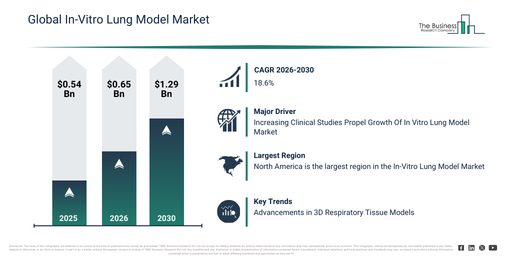
    The market for in-vitro lung models has seen substantial expansion over the last few years. Its value is projected to climb from $0.54 billion in 2025 to $0.65 billion in 2026, reflecting a compound annual growth rate (CAGR) of 21.0%. This past growth has been driven by factors such as the shortcomings of animal models in respiratory studies, the traditional reliance on two-dimensional lung cell cultures, a rise in research focused on respiratory diseases, an increase in academic investigations into lung biology, and the early integration of organoid-based research techniques.

    The market for in-vitro lung models is projected to experience substantial expansion over the coming years. By 2030, its value is anticipated to reach $1.29 billion, reflecting a compound annual growth rate (CAGR) of 18.6%. This upward trajectory during the forecast period is driven by several key factors, including a growing need for predictive preclinical lung models, a heightened emphasis on minimizing animal testing, an expanding pipeline for respiratory drug development, increased funding for sophisticated in-vitro research tools, and a demand for lung disease models that more accurately mimic physiological conditions. Among the prominent trends shaping this period are the wider adoption of three-dimensional lung models in drug discovery, the increased utilization of lung-on-a-chip platforms for modeling diseases, a shift toward human-relevant in-vitro lung testing systems, the broader application of these models in toxicology and safety assessments, and their deeper integration into preclinical research workflows.

    Download A Free Sample Report For Comprehensive Market Insights:

    https://www.thebusinessresearchcompany.com/sample.aspx?id=15837&type=smp&utm_source=BlogsPR&utm_medium=Paid&utm_campaign=Jul_PR

    In-Vitro Lung Model Market Development Factors: Which Trends Are Supporting Demand?

    The rising number of clinical studies is anticipated to drive growth in the in vitro lung model market moving forward. Clinical studies are research investigations designed to assess the safety, efficacy, and results of new medical treatments, drugs, or diagnostic tools in human subjects. This increase in clinical studies is fueled by expanding healthcare demands, a growing need for advanced therapeutic options, and the search for innovative approaches to address complex health issues. The in vitro lung model market facilitates clinical research by providing controlled environments that allow for drug testing, toxicity assessments, disease modeling, and the examination of lung-specific biological processes. As an example, in January 2024, ClinicalTrials.gov, a clinical trial registry based in the United States, reported that 477,230 clinical trials were registered worldwide by the end of 2023, up from 437,508 in 2022. Consequently, the surge in clinical studies is propelling the in vitro lung model market forward.

    In-Vitro Lung Model Market Segment Landscape: Which Areas Lead Market Development?

    The in-vitro lung model market covered in this report is segmented –

    1) By Type: Two-Dimensional (2D) Model, Three-Dimensional (3D) Model

    2) By Application: Drug Discovery And Toxicology Studies, Physiological Research, Three-Dimensional (3D) Model Development, Other Applications

    3) By End-User: Academic Research Institutes, Pharmaceutical And Biotechnology Companies, Other End-Users

    Subsegments:

    1) By Two-Dimensional (2D) Model: Monolayer Cell Cultures, Co-cultures

    2) By Three-Dimensional (3D) Model: Spheroids, Organoids, Lung-On-A-chip Models

    In-Vitro Lung Model Market Transformation Trends: Which Innovations Are Driving Change?

    Leading players in the in vitro lung model industry are prioritizing the creation of advanced three-dimensional respiratory tissue constructs to boost physiological accuracy, refine predictive capabilities, and augment preclinical testing effectiveness. A 3D respiratory tissue construct is a laboratory-engineered, three-dimensional configuration cultivated from primary or dedicated respiratory cells under conditions that enable them to imitate the structure and operation of human airway tissues, including mucus secretion, ciliary action, and barrier function. As an example, in April 2023, MatTek Corporation, a biotechnology firm headquartered in the United States, launched EpiNasal, a 3D respiratory tissue construct derived from primary human nasal epithelial cells. This model reproduces functional characteristics of nasal epithelium, such as goblet cells, robust tight junctions, and beating cilia, offering scientists a relevant platform to assess the impact of medications, chemical substances, pathogens, and consumer goods on respiratory tissues.

    In-Vitro Lung Model Market Industry Leaders And Market Competition

    Major companies operating in the in-vitro lung model market are Thermo Fisher Scientific Inc., Lonza Group AG, PerkinElmer Inc., Charles River Laboratories International Inc., Epithelix, STEMCELL Technologies, American Type Culture Collection (ATCC), BioIVT, InSphero, Emulate Inc., PhoenixBio Co. Ltd., Newcells Biotech, CN Bio Innovations Ltd., Mimetas, Cyfuse Biomedical K.K., 3D Biotek LLC, AlveoliX AG, Hesperos Inc., SynVivo Inc., VITROCELL Systems GmbH

    Access The Complete In-Vitro Lung Model Market Report:

    https://www.thebusinessresearchcompany.com/report/in-vitro-lung-model-global-market-report?utm_source=BlogsPR&utm_medium=Paid&utm_campaign=Jul_PR

    In-Vitro Lung Model Market Largest Region: Which Geography Holds The Highest Market Share?

    North America was the largest region in the in-vitro lung model market in 2025. Asia-Pacific is expected to be the fastest-growing region in the forecast period. The regions covered in the in-vitro lung model market report are Asia-Pacific, South East Asia, Western Europe, Eastern Europe, North America, South America, Middle East, Africa.

    Get in touch with us:

    The Business Research Company: https://www.thebusinessresearchcompany.com/?utm_source=BlogsPR&utm_medium=Paid&utm_campaign=home_page_test

    Americas: +1 310-496-7795

    Asia: +44 7882 955267 & +91 8897263534

    Europe: +44 7882 955267

    Email us at: marketing@tbrc.info

    Follow us on:

    LinkedIn: https://in.linkedin.com/company/the-business-research-company

    YouTube: https://www.youtube.com/channel/UC24_fI0rV8cR5DxlCpgmyFQ

    Global Market Model: https://www.thebusinessresearchcompany.com/global-market-model