Blog

  • Alpha Methyldopa Market Outlook Highlights The Next Major Growth Opportunities

    Alpha Methyldopa Market Outlook Highlights The Next Major Growth Opportunities

    Enhanced with market attractiveness analysis, total addressable market evaluation, company benchmarking matrices, interactive Excel dashboards, expanded supply chain intelligence, emerging startup coverage, and detailed product insights, The Business Research Company’s 2026 market reports deliver more actionable and strategically valuable research.

    Alpha Methyldopa Market Growth Analysis: How Will Revenue Expand During The Forecast Period?

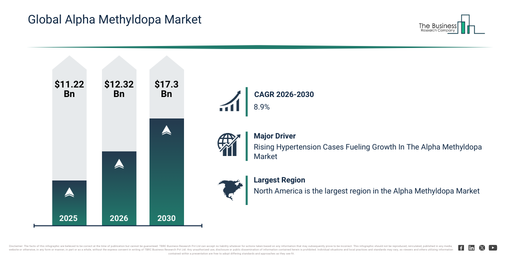
    The alpha methyldopa market has experienced significant expansion in recent years, with projections indicating an increase from $11.22 billion in 2025 to $12.32 billion in 2026, reflecting a compound annual growth rate (CAGR) of 9.8%. Historical growth has been driven by factors such as sparse treatment alternatives for hypertension, a higher prevalence of preeclampsia, the widespread use of traditional oral antihypertensive medications, heightened public understanding of blood pressure control, and the development of hospital and clinical facilities.

    The alpha methyldopa market is projected to experience significant expansion in the coming years. By 2030, its value is anticipated to reach $17.3 billion, reflecting a compound annual growth rate (CAGR) of 8.9%. This forecasted growth is driven by several factors, including the creation of high-purity alpha methyldopa tablets and injectables, greater utilization in maternal healthcare, a shift toward oral dosage forms, integration with telemedicine-based hypertension monitoring, and the broadening of global hypertension treatment initiatives. Key trends shaping this period encompass the worldwide increase in hypertension prevalence, the growing application of alpha methyldopa for pregnancy-related conditions, a preference for oral administration over injectable options, the expansion of hospital and clinic-based hypertension management strategies, and the advancement of high-purity alpha methyldopa preparations.

    Download A Free Sample Report For Comprehensive Market Insights:

    https://www.thebusinessresearchcompany.com/sample.aspx?id=17059&type=smp&utm_source=BlogsPR&utm_medium=Paid&utm_campaign=Jul_PR

    Alpha Methyldopa Market Growth Drivers: What Factors Are Accelerating Expansion?

    The anticipated expansion of the alpha methyldopa market is being driven by the growing prevalence of hypertension. This condition involves consistently elevated blood pressure, where the blood exerts excessive force against artery walls. Contributing factors include poor dietary habits, insufficient physical activity, obesity, and heightened stress levels. Alpha methyldopa works by reducing specific chemicals in the bloodstream, enabling blood vessels to relax and dilate, thereby lowering blood pressure. Data from the Heart Foundation, an Australian charity, indicated in January 2024 that around 23% of adults in Australia, or roughly 1 in 4, have high blood pressure, with a higher incidence in men (25%) compared to women (22%). Consequently, the rise in hypertension cases is set to fuel the alpha methyldopa market’s growth.

    Alpha Methyldopa Market Driver: Impact Of Generic Drug Preference On The Alpha Methyldopa Market

    An increasing inclination toward generic drugs is projected to drive the alpha methyldopa market forward. Generic drugs are designed to match brand-name counterparts in dosage form, strength, administration route, quality, performance, and intended purpose. Their growing acceptance stems from cost savings and therapeutic equivalence to branded medications. Alpha methyldopa serves as a valuable generic option for managing hypertension, particularly in specific populations such as pregnant women, thanks to its affordability and established safety record. As reported in 2023 by the U.S. Food and Drug Administration, generics accounted for roughly 90% of the prescription drug market by volume in the U.S., the highest utilization rate globally. Other nations with notable generic drug usage included the U.K. at 85%, Australia and China at 84%, and Germany at 81%. Thus, the rising preference for generics is likely to boost the alpha methyldopa market.

    Alpha Methyldopa Market Driver: Increasing Healthcare Expenditure Fueling Growth Of The Alpha Methyldopa Market

    Growth in the alpha methyldopa market is expected to be propelled by escalating healthcare expenditure. This term refers to the total spending on healthcare goods and services within a particular population or country over a given timeframe. Factors such as an aging population, a higher prevalence of chronic diseases, and an increased need for healthcare services and medications are driving this upward trend. Enhanced healthcare spending supports greater funding for hypertension treatments and improves access to medications, including generics, thereby boosting demand for alpha methyldopa. According to the Office for National Statistics, a UK-based agency, healthcare spending in the UK was $363.44 billion (£280.7 billion) in 2021, a 9.7% absolute rise from 2020, with per capita spending averaging $5,422 (£4,188). As a result, the continued increase in healthcare expenditure is predicted to foster market growth for alpha methyldopa.

    Alpha Methyldopa Market Segment Performance And Strategic Opportunities

    The alpha methyldopa market covered in this report is segmented –

    1) By Type: Oral, Intravenous Drip

    2) By Purity Type: Purity: ≥98%, Purity:≥99%

    3) By Application: Parkinsonism, Hepatic Coma

    Subsegments:

    1) By Oral: Tablets, Capsules

    2) By Intravenous Drip: Injectable Solutions, Pre-filled Syringes

    Alpha Methyldopa Market Key Players: Which Companies Shape Industry Competition?

    Major companies operating in the alpha methyldopa market are Pfizer Inc., Merck & Co. Inc., Bayer AG, Novartis International AG, Abbott Laboratories, GlaxoSmithKline plc, Teva Pharmaceutical Industries Ltd., Dr. Reddy’s Laboratories Ltd., Mylan N.V., Bausch Health Companies Inc., Intas Pharmaceuticals Ltd., Apotex Inc., Glenmark Pharmaceuticals Ltd., Alkem Laboratories Ltd., Torrent Pharmaceuticals Ltd., Alembic Pharmaceuticals Ltd., Wockhardt Ltd., Laboratories Confab, Globela Pharma Pvt. Ltd., Pro Doc Ltée, AA Pharma inc., LGM Pharma

    Access The Complete Alpha Methyldopa Market Report:

    https://www.thebusinessresearchcompany.com/report/alpha-methyldopa-global-market-report?utm_source=BlogsPR&utm_medium=Paid&utm_campaign=Jul_PR

    Alpha Methyldopa Market Regional Outlook: Where Are The Largest Opportunities Located?

    North America was the largest region in the alpha methyldopa market in 2025. The regions covered in the alpha methyldopa market report are Asia-Pacific, South East Asia, Western Europe, Eastern Europe, North America, South America, Middle East, Africa.

    Get in touch with us:

    The Business Research Company: https://www.thebusinessresearchcompany.com/?utm_source=BlogsPR&utm_medium=Paid&utm_campaign=home_page_test

    Americas: +1 310-496-7795

    Asia: +44 7882 955267 & +91 8897263534

    Europe: +44 7882 955267

    Email us at: marketing@tbrc.info

    Follow us on:

    LinkedIn: https://in.linkedin.com/company/the-business-research-company

    YouTube: https://www.youtube.com/channel/UC24_fI0rV8cR5DxlCpgmyFQ

    Global Market Model: https://www.thebusinessresearchcompany.com/global-market-model
  • Alpha Mannosidosis Market Trends And Growth Drivers Point To Strong Future Potential

    Alpha Mannosidosis Market Trends And Growth Drivers Point To Strong Future Potential

    Through market attractiveness analysis, total addressable market evaluation, company benchmarking matrices, interactive Excel dashboards, expanded supply chain intelligence, emerging startup coverage, and detailed product insights, The Business Research Company’s 2026 market reports provide more actionable and strategically valuable research.

    Alpha Mannosidosis Market Forecast: What Market Value Is Expected By 2030?

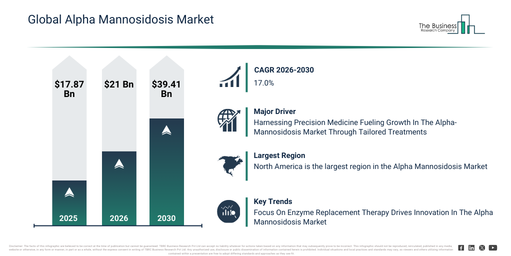
    The market for alpha mannosidosis has seen a sharp expansion over the past few years. Valued at $17.87 billion in 2025, it is projected to reach $21 billion by 2026, reflecting a compound annual growth rate (CAGR) of 17.5%. This historical rise can be explained by factors such as inadequate diagnostic facilities, insufficient public understanding of the condition, dependence on traditional treatment approaches, inconsistent care protocols, and constrained investment in research and development.

    The market for alpha mannosidosis is projected to experience substantial expansion over the coming years, with its valuation anticipated to reach $39.41 billion by 2030, advancing at a compound annual growth rate (CAGR) of 17.0%. This forecasted growth is driven by rising funding for gene therapies, broader utilization of enzyme replacement treatments, enhanced healthcare infrastructure, progress in diagnostic technologies, and regulatory support systems designed for rare conditions. Key developments shaping this period include the implementation of early genetic screening initiatives, the introduction of novel orphan drugs, the customization of enzyme replacement therapies, the emergence of specialized clinics focusing on rare diseases, and the promotion of joint research efforts.

    Download A Free Sample Report For Comprehensive Market Insights:

    https://www.thebusinessresearchcompany.com/sample.aspx?id=4093&type=smp&utm_source=BlogsPR&utm_medium=Paid&utm_campaign=Jul_PR

    Alpha Mannosidosis Market Growth Factors Supporting Long-Term Expansion

    The growth of the alpha mannosidosis market is anticipated to be driven by the increasing demand for precision medicine. This healthcare approach is customized, taking into account individual variations in genetics, environment, and lifestyle to enhance treatment and prevention methods. Advances in genomic technologies and data analytics, which facilitate more precise detection of genetic variations and their health implications, are fueling the rise of precision medicine. Furthermore, a growing preference for personalized therapies, combined with heightened recognition of the shortcomings of standardized treatments, has boosted interest in tailored healthcare solutions. Precision medicine supports the creation of targeted therapies designed for the specific genetic mutations and patient characteristics associated with this rare condition. For example, in February 2024, data from the Personalized Medicine Coalition (PMC), a nonprofit organization based in the US, indicated that the FDA approved 16 new personalized treatments for rare diseases in 2023, a significant jump from only six approvals in 2022. Consequently, the rising demand for precision medicine is propelling the expansion of the alpha mannosidosis market.

    Alpha Mannosidosis Market Segment Landscape And Growth Potential

    The alpha mannosidosis market covered in this report is segmented –

    1) By Therapy Type: Bone Marrow Transplant (BMT), Enzyme Replacement Therapy (ERT), Other Therapies

    2) By Indication: Type I, Type II, Type III

    3) By End-User: Hospitals, Speciality Clinics

    Subsegments:

    1) By Bone Marrow Transplant (BMT): Autologous BMT, Allogeneic BMT

    2) By Enzyme Replacement Therapy (ERT): Recombinant Enzymes, Long-acting Enzyme Formulations

    3) By Other Therapies: Symptomatic Treatments, Gene Therapy, Supportive Care

    Alpha Mannosidosis Market Industry Trends Shaping Future Revenue Growth

    Key players in the alpha mannosidosis market are concentrating their efforts on developing enzyme replacement therapies specifically aimed at this uncommon disorder. Such therapy functions by introducing external alpha-mannosidase, which counteracts the buildup of mannose-rich oligosaccharides in tissues and organs—a hallmark of alpha-mannosidosis that drives its harmful effects. A notable example occurred in February 2023, when Chiesi Global Rare Diseases, a pharmaceutical firm based in the United States, launched Lamzede (velmanase alfa). As the first enzyme replacement therapy approved in the U.S. for alpha-mannosidosis, it targets a rare genetic condition where the body lacks the alpha-mannosidase enzyme and its effects beyond the central nervous system. By mimicking the natural action of human alpha-mannosidase, Lamzede helps restore normal cell function. Patients receive a weekly injection of 10 mg of this medication.

    Alpha Mannosidosis Market Competitive Landscape: Who Are The Leading Companies?

    Major companies operating in the alpha mannosidosis market are Chiesi Farmaceutici S.p.A., Cipla, Daiichi Sankyo Company, Ultragenyx Pharmaceutical Inc, Mitsubishi Tanabe Pharma, Zymenex A/S, Albumedix Ltd, Freeline Therapeutics, Avectas, DiNAQOR AG, Vivet Therapeutics, Herantis Pharma Plc, PTC Therapeutics, Biocad, Sanofi, Orchard Therapeutics, Shire Pharmaceuticals, Amicus Therapeutics, BioMarin Pharmaceutical Inc, Genzyme

    Access The Complete Alpha Mannosidosis Market Report:

    https://www.thebusinessresearchcompany.com/report/alphas-mannosidosis-global-market-report?utm_source=BlogsPR&utm_medium=Paid&utm_campaign=Jul_PR

    Alpha Mannosidosis Market Geographic Landscape: Which Region Dominates Industry Growth?

    North America was the largest region in the alpha mannosidosis market in 2025. Asia-Pacific is expected to be the fastest-growing region in the forecast period. The regions covered in the alpha mannosidosis market report are Asia-Pacific, South East Asia, Western Europe, Eastern Europe, North America, South America, Middle East, Africa.

    Get in touch with us:

    The Business Research Company: https://www.thebusinessresearchcompany.com/?utm_source=BlogsPR&utm_medium=Paid&utm_campaign=home_page_test

    Americas: +1 310-496-7795

    Asia: +44 7882 955267 & +91 8897263534

    Europe: +44 7882 955267

    Email us at: marketing@tbrc.info

    Follow us on:

    LinkedIn: https://in.linkedin.com/company/the-business-research-company

    YouTube: https://www.youtube.com/channel/UC24_fI0rV8cR5DxlCpgmyFQ

    Global Market Model: https://www.thebusinessresearchcompany.com/global-market-model
  • Alpha Glucosidase Inhibitors Market Expansion Is Reshaping Competitive Dynamics Across The Industry

    Alpha Glucosidase Inhibitors Market Expansion Is Reshaping Competitive Dynamics Across The Industry

    Delivering more actionable and strategically valuable research, The Business Research Company’s 2026 market reports feature market attractiveness analysis, total addressable market evaluation, company benchmarking matrices, interactive Excel dashboards, expanded supply chain intelligence, emerging startup coverage, and detailed product insights.

    Alpha Glucosidase Inhibitors Market Size Outlook: How Fast Will Revenue Grow Through 2030?

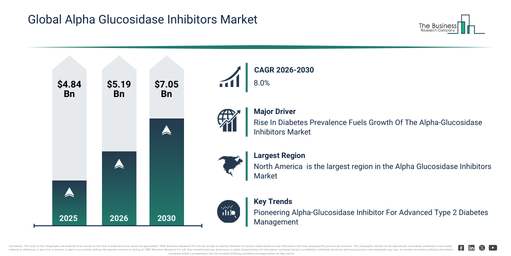
    The market for alpha glucosidase inhibitors has experienced robust expansion in recent years, with projections indicating an increase from $4.84 billion in 2025 to $5.19 billion in 2026, reflecting a compound annual growth rate (CAGR) of 7.2%. Key factors driving this historical growth include the escalating occurrence of type 2 diabetes, a growing elderly demographic, heightened government efforts to promote diabetes awareness, restricted access to cutting-edge treatments in developing regions, and advancements in research focused on alpha-glucosidase inhibitors.

    The market for alpha glucosidase inhibitors is projected to experience notable expansion in the coming years. By 2030, it is anticipated to reach $7.05 billion, reflecting a compound annual growth rate (CAGR) of 8.0%. This upward trajectory during the forecast period is fueled by progress in drug formulation technologies, a growing preference for combination therapies, heightened funding in digital health monitoring, the broadening of online pharmacy networks, and the emergence of precision medicine approaches. Key developments shaping the future include personalized solutions for diabetes management, therapies integrating low-glycemic diets, an emphasis on medications that reduce hypoglycemia risk, an increase in combined treatment strategies, and the broader implementation of digital health platforms tailored to patient needs.

    Download A Free Sample Report For Comprehensive Market Insights:

    https://www.thebusinessresearchcompany.com/sample.aspx?id=11880&type=smp&utm_source=BlogsPR&utm_medium=Paid&utm_campaign=Jul_PR

    Alpha Glucosidase Inhibitors Market Demand Drivers Creating New Revenue Opportunities

    A global increase in diabetes prevalence is anticipated to drive growth in the alpha-glucosidase inhibitors market moving forward. Diabetes is a chronic metabolic disorder characterized by elevated blood glucose levels—commonly referred to as blood sugar—that can, over time, cause significant damage to the heart, blood vessels, eyes, kidneys, and nerves. Alpha-glucosidase inhibitors work by limiting carbohydrate absorption in the small intestine, thereby reducing post-meal blood sugar spikes and aiding in diabetes management. To illustrate, in June 2024, the National Health Service, a UK government agency, reported that in 2023, over half a million—specifically 549,000—additional individuals in England were identified as being at risk for type 2 diabetes, raising the total number of people registered with a GP and living with non-diabetic hyperglycemia, or pre-diabetes, to 3,615,330. This marks a significant increase from 3,065,825 in 2022, reflecting a nearly 20 percent rise. As a result, the growing global prevalence of diabetes is fueling expansion in the alpha-glucosidase inhibitors market.

    Alpha Glucosidase Inhibitors Market Categorization By Product Type And Application

    The alpha glucosidase inhibitors market covered in this report is segmented –

    1) By Type: Dumping Syndrome, Type 2 Diabetes

    2) By Drug Class: Acarbose, Miglitol, Voglibose

    3) By Constituent: Glucoamylase, Isomaltase, Maltase, Sucrase

    4) By Distribution Channel: Online Pharmacies, Retail Pharmacies, Hospital Pharmacies

    Subsegments:

    1) By Dumping Syndrome: Post-Gastric Surgery Management, Symptomatic Treatment

    2) By Type 2 Diabetes: Monotherapy, Combination Therapy

    Alpha Glucosidase Inhibitors Market Trends Driving Strategic Industry Expansion

    Key players in the type 2 diabetes space are actively working on novel therapeutic approaches aimed at enhancing glycemic management and improving patient outcomes. SGLT2 inhibitors achieve blood sugar reduction by facilitating glucose elimination via urine. For example, in January 2023, TheracosBio, a pharmaceutical company based in the United States, secured approval from the U.S. Food and Drug Administration (FDA) for Brenzavvy (bexagliflozin) as a treatment for adults suffering from type 2 diabetes. Brenzavvy functions as a distinct oral inhibitor of sodium-glucose cotransporter 2 (SGLT2). It is recommended as an addition to dietary adjustments and physical activity to support individuals with type 2 diabetes in achieving better control over their blood glucose levels by prompting the kidneys to remove sugar through urine.

    Alpha Glucosidase Inhibitors Market Company Landscape And Strategic Competition

    Major companies operating in the alpha glucosidase inhibitors market are Bayer AG, Merck & Co., Alkem Laboratories Ltd., Cipla Limited, Dr. Reddy’s Laboratories Ltd., Emcure Pharmaceuticals Ltd., Lupin Ltd., Novartis AG, Sanofi SA, Sun Pharmaceutical Industries Ltd., Takeda Pharmaceutical Company, Torrent Pharmaceuticals Ltd., Unichem Laboratories Ltd., Pfizer Inc., Boehringer Ingelheim International GmbH, AstraZeneca PLC, Mitsubishi Tanabe Pharma Corporation, Eli Lilly and Company, Johnson & Johnson, Bristol-Myers Squibb, Teva Pharmaceutical Industries Ltd., Hanmi Pharmaceuticals Co. Ltd., Eisai Co. Ltd., Biocon Limited, Cadila Pharmaceuticals Ltd

    Access The Complete Alpha Glucosidase Inhibitors Market Report:

    https://www.thebusinessresearchcompany.com/report/alpha-glucosidase-inhibitors-global-market-report?utm_source=BlogsPR&utm_medium=Paid&utm_campaign=Jul_PR

    Alpha Glucosidase Inhibitors Market Largest Region: Which Geography Holds The Highest Market Share?

    North America was the largest region in the alpha glucosidase inhibitors market in 2025. Middle-East is expected to be the fastest-growing region in the forecast period. The regions covered in the alpha glucosidase inhibitors market report are Asia-Pacific, South East Asia, Western Europe, Eastern Europe, North America, South America, Middle East, Africa.

    Get in touch with us:

    The Business Research Company: https://www.thebusinessresearchcompany.com/?utm_source=BlogsPR&utm_medium=Paid&utm_campaign=home_page_test

    Americas: +1 310-496-7795

    Asia: +44 7882 955267 & +91 8897263534

    Europe: +44 7882 955267

    Email us at: marketing@tbrc.info

    Follow us on:

    LinkedIn: https://in.linkedin.com/company/the-business-research-company

    YouTube: https://www.youtube.com/channel/UC24_fI0rV8cR5DxlCpgmyFQ

    Global Market Model: https://www.thebusinessresearchcompany.com/global-market-model
  • Alopecia Treatment Market Forecast Reveals Where Future Industry Value Will Be Created

    Alopecia Treatment Market Forecast Reveals Where Future Industry Value Will Be Created

    Enhanced with market attractiveness analysis, total addressable market evaluation, company benchmarking matrices, interactive Excel dashboards, expanded supply chain intelligence, emerging startup coverage, and detailed product insights, The Business Research Company’s 2026 market reports deliver more actionable and strategically valuable research.

    Alopecia Treatment Market Size, Value And Growth Trends Through 2030

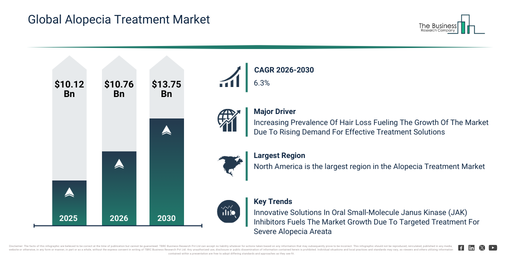
    The alopecia treatment market has experienced robust expansion in recent years. It is projected to rise from $10.12 billion in 2025 to $10.76 billion in 2026, reflecting a compound annual growth rate (CAGR) of 6.3%. This historical growth has been driven by increasing demand for cosmetic treatments, a rise in alopecia areata diagnoses, greater use of topical therapies, the broadening of dermatology services, and heightened aesthetic awareness.

    The alopecia treatment market is anticipated to experience robust expansion over the coming years, reaching an estimated $13.75 billion by 2030, with a compound annual growth rate (CAGR) of 6.3%. This forecasted growth is driven by advancements in autoimmune research, approvals of biologic drugs, the increasing uptake of minimally invasive therapies, the rise of medical tourism, and the growing focus on personalized dermatology. Key trends shaping this period include the widespread adoption of Janus kinase inhibitors, a surge in hair transplant procedures, rising demand for non-invasive treatment options, the proliferation of dermatology clinics, and a concentrated effort on managing autoimmune-related alopecia.

    Download A Free Sample Report For Comprehensive Market Insights:

    https://www.thebusinessresearchcompany.com/sample.aspx?id=24140&type=smp&utm_source=BlogsPR&utm_medium=Paid&utm_campaign=Jul_PR

    Alopecia Treatment Market Expansion Supported By Key Demand Factors

    The rising incidence of hair loss is anticipated to drive the expansion of the alopecia treatment market in the coming years. Hair loss is defined as the condition in which an individual suffers from partial or total loss of hair from the scalp or other areas of the body. This increasing prevalence is largely attributed to heightened stress levels, which can interrupt the normal cycle of hair growth and provoke disorders like telogen effluvium, resulting in significant hair shedding. As more people look for effective ways to manage or reverse hair loss, there is a growing demand for innovative and accessible alopecia therapies. For example, in October 2024, the American Academy of Dermatology, a US-based professional dermatology organization, reported that 80 million Americans were impacted by hair loss, comprising 50 million men and 30 million women. Consequently, the growing frequency of hair loss is fueling the progress of the alopecia treatment market.

    Alopecia Treatment Market Segment Analysis And Revenue Opportunities

    The alopecia treatment market covered in this report is segmented –

    1) By Dosage Form: Drug Therapy, Hair Transplant Services, Low-Level Laser Therapy

    2) By Route of Administration: Topical, Injectable, Oral

    3) By Indication: Alopecia Areata, Alopecia Totalis, Alopecia Universalis, Alopecia Barbae, Chemotherapy Induced Alopecia, Other Indications

    4) By Gender Type: Male, Female

    5) By End User: Hospitals And Physicians Offices, Dermatology Clinics, Other End Users

    Subsegments:

    1) By Drug Therapy: Topical Solutions, Oral Medications, Injectable Treatments, Immunosuppressants, Janus Kinase Inhibitors

    2) By Hair Transplant Services: Follicular Unit Transplantation (FUT), Follicular Unit Extraction (FUE), Robotic Hair Transplantation, Direct Hair Implantation (DHI)

    3) By Low-Level Laser Therapy (LLLT): Laser Helmets, Laser Combs, Laser Caps, In-Clinic Laser Devices

    Alopecia Treatment Market Growth Trends Influencing Competitive Dynamics

    Leading firms in the alopecia treatment space are concentrating on creating innovative therapies, particularly oral small-molecule Janus kinase (JAK) inhibitors, to improve treatment effectiveness, speed up hair regrowth, and deliver targeted care for patients dealing with severe or treatment-resistant alopecia areata. These oral small-molecule inhibitors are a specific category of targeted medications that work by preventing one or more Janus kinase enzymes (JAK1, JAK2, JAK3, and TYK2) from functioning. To illustrate, in July 2024, Sun Pharmaceutical Industries Limited, a pharmaceutical company based in India, secured approval from the US Food and Drug Administration (FDA) for LEQSELVI, an oral JAK inhibitor intended for adults with severe alopecia areata. This medication selectively inhibits JAK1 and JAK2 enzymes, both of which play a role in the immune system’s harmful attack on hair follicles associated with this autoimmune disease. The prescribed dosage is 8 mg taken orally two times daily, regardless of food intake. With this approval, LEQSELVI introduces a fresh, highly effective therapeutic choice for those affected by this condition, which often leads to significant physical, emotional, and social challenges.

    Alopecia Treatment Market Leading Players Shaping Industry Direction

    Major companies operating in the alopecia treatment market are Pfizer Inc., Eli Lilly and Company, Sun Pharmaceutical Industries Inc., Incyte Corporation, Hims & Hers Health Inc., Bosley Inc., Hair Club Co., Dermavant Sciences Inc., Histogen Inc., Capillus llc, Aclaris Therapeutics Inc., Nutrafol, Alvi Armani Co, Rogaine, Theradome Inc., Viviscal Ltd, Cassiopea SA, Follica Inc., RepliCel Life Sciences Inc., HairClone Ltd, Revian Inc., Nioxin.

    Access The Complete Alopecia Treatment Market Report:

    https://www.thebusinessresearchcompany.com/report/alopecia-treatment-global-market-report?utm_source=BlogsPR&utm_medium=Paid&utm_campaign=Jul_PR

    Alopecia Treatment Market Regional Analysis: Which Region Leads By Revenue?

    North America was the largest region in the alopecia treatment market in 2025. Asia-Pacific is expected to be the fastest-growing region in the forecast period. The regions covered in the alopecia treatment market report are Asia-Pacific, South East Asia, Western Europe, Eastern Europe, North America, South America, Middle East, Africa.

    Get in touch with us:

    The Business Research Company: https://www.thebusinessresearchcompany.com/?utm_source=BlogsPR&utm_medium=Paid&utm_campaign=home_page_test

    Americas: +1 310-496-7795

    Asia: +44 7882 955267 & +91 8897263534

    Europe: +44 7882 955267

    Email us at: marketing@tbrc.info

    Follow us on:

    LinkedIn: https://in.linkedin.com/company/the-business-research-company

    YouTube: https://www.youtube.com/channel/UC24_fI0rV8cR5DxlCpgmyFQ

    Global Market Model: https://www.thebusinessresearchcompany.com/global-market-model
  • Allogeneic T Cell Therapies Market Growth Through 2030 Creates New Strategic Opportunities

    Allogeneic T Cell Therapies Market Growth Through 2030 Creates New Strategic Opportunities

    Through market attractiveness analysis, total addressable market evaluation, company benchmarking matrices, interactive Excel dashboards, expanded supply chain intelligence, emerging startup coverage, and detailed product insights, The Business Research Company’s 2026 market reports provide more actionable and strategically valuable research.

    Allogeneic T Cell Therapies Market CAGR Analysis And Future Market Development

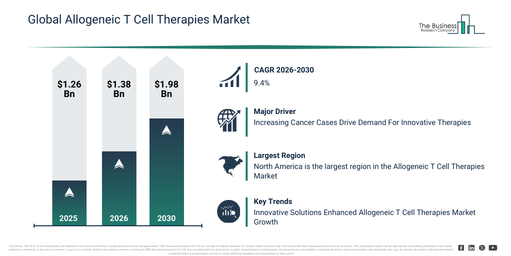
    The market for allogeneic T cell therapies has experienced robust expansion in recent times. Projected to rise from $1.26 billion in 2025 to $1.38 billion in 2026, it represents a compound annual growth rate (CAGR) of 9.4%. Historical growth has been driven by constraints associated with autologous approaches, promising early outcomes from CAR-T treatments, an increasing incidence of cancer, significant progress in immunotherapy research, and the broadening of hospital-based oncology services.

    The market for allogeneic t cell therapies is anticipated to experience significant expansion over the coming years. By 2030, it is projected to reach a value of $1.98 billion, with a compound annual growth rate (CAGR) of 9.4%. This projected growth is driven by factors such as the increasing need for affordable cell-based treatments, the broadening of oncology drug development programs, advancements in donor compatibility techniques, favorable regulatory frameworks for cellular therapies, and the rising number of specialized cancer treatment facilities. Key developments shaping this period include a transition toward readily available off-the-shelf cell therapies, a surge in oncology-related clinical investigations, a heightened emphasis on scalable manufacturing processes for cells, greater financial commitments to cellular engineering, and the proliferation of dedicated treatment centers.

    Download A Free Sample Report For Comprehensive Market Insights:

    https://www.thebusinessresearchcompany.com/sample.aspx?id=18952&type=smp&utm_source=BlogsPR&utm_medium=Paid&utm_campaign=Jul_PR

    Allogeneic T Cell Therapies Market Growth Drivers And Industry Catalysts

    The rising prevalence of cancer is anticipated to drive growth in the allogeneic T cell therapies market in the coming period. Cancer is defined as a set of diseases marked by the abnormal proliferation and dissemination of cells within the body. Its incidence is climbing due to extended life expectancies, shifts in lifestyle, environmental contaminants, infectious agents, hereditary predispositions, and evolving reproductive habits, all of which amplify both the frequency and identification of the condition. Allogeneic T cell therapies combat cancer by infusing donor-derived T cells, which are genetically modified to identify and eliminate specific tumor antigens in patients. As an illustration, in May 2024, the National Cancer Institute—a U.S. federal agency—reported approximately 18.1 million cancer survivors in the nation. This number is forecasted to reach 22.5 million by 2032, and by 2040, annual new cancer cases are projected to hit 29.9 million, with mortality likely climbing to 15.3 million. Consequently, the uptick in cancer occurrences fuels the expansion of the allogeneic T cell therapies marketplace.

    Allogeneic T Cell Therapies Market Segmentation And Category Breakdown

    The allogeneic t cell therapies market covered in this report is segmented –

    1) By Product Type: Chimeric Antigen Receptor (CAR) T Cell Therapies, T Cell Receptor (TCR) Therapies

    2) By Antigen Type: CD 19, CD 20, Egfrvlll, GD2, CD22, CD30, CD33, Meso, HER1, Other Antigen Types

    3) By Therapeutics Indications: Cancer, Autoimmune Diseases, Infectious Diseases, Other Therapeutics Indications

    4) By End-User: Hospitals, Specialty Clinics, Research Institutes, Other End-Users

    Subsegments:

    1) By Chimeric Antigen Receptor (CAR) T Cell Therapies: CD19-targeted CAR T Therapies, BCMA-targeted CAR T Therapies, CD22-targeted CAR T Therapies

    2) By T Cell Receptor (TCR) Therapies: Neoantigen-targeted TCR Therapies, Viral Antigen-targeted TCR Therapies

    Allogeneic T Cell Therapies Market Trends Influencing Long-Term Demand

    Key players in the allogeneic T cell therapy space are advancing product development through gene-edited, donor-derived CAR-T and TCR T cell therapies, aiming to strengthen their market position. These therapies involve immune-effector T cells obtained from healthy donors and genetically modified—by knocking out T cell receptor (TCR) and HLA genes, inserting CAR or TCR constructs, and incorporating safety switches—to create universal off-the-shelf solutions that can be mass-produced, cryopreserved, and administered quickly without needing patient-specific customization. For example, in January 2024, Allogene Therapeutics, a U.S.-based cell therapy company, unveiled its 2024 platform strategy centered on ALPHA3, the first pivotal trial in the industry testing an allogeneic CAR-T application employing gene-editing to remove graft-versus-host disease (GvHD) risks and enable swift donor-based delivery. Key characteristics of this product include T cells sourced from donors that are modified to eliminate native TCR and HLA molecules, reducing host immune rejection and GvHD; a chimeric antigen receptor aimed at a tumour antigen for immediate anticancer response; and a cryopreserved, infusion-ready format that accelerates treatment timelines relative to autologous approaches.

    Allogeneic T Cell Therapies Market Competitive Analysis Of Major Industry Participants

    Major companies operating in the allogeneic t cell therapies market are Allogene Therapeutics Inc., Cellectis SA, Fate Therapeutics Inc., Poseida Therapeutics Inc., Atara Biotherapeutics Inc., Autolus Therapeutics Plc, Adaptimmune Therapeutics Plc, Immatics NV, Medigene AG, Celyad Oncology SA, Bristol-Myers Squibb Company, Novartis AG, Gilead Sciences Inc., Sangamo Therapeutics Inc., MaxCyte Inc., Tessa Therapeutics Pte Ltd., Cell Medica Inc., Bellicum Pharmaceuticals Inc., Enlivex Therapeutics Ltd., Sorrento Therapeutics Inc.

    Access The Complete Allogeneic T Cell Therapies Market Report:

    https://www.thebusinessresearchcompany.com/report/allogeneic-t-cell-therapies-global-market-report?utm_source=BlogsPR&utm_medium=Paid&utm_campaign=Jul_PR

    Allogeneic T Cell Therapies Market Geographic Distribution And Regional Opportunities

    North America was the largest region in the allogeneic T cell therapies market in 2025. The regions covered in the allogeneic t cell therapies market report are Asia-Pacific, South East Asia, Western Europe, Eastern Europe, North America, South America, Middle East, Africa.

    Get in touch with us:

    The Business Research Company: https://www.thebusinessresearchcompany.com/?utm_source=BlogsPR&utm_medium=Paid&utm_campaign=home_page_test

    Americas: +1 310-496-7795

    Asia: +44 7882 955267 & +91 8897263534

    Europe: +44 7882 955267

    Email us at: marketing@tbrc.info

    Follow us on:

    LinkedIn: https://in.linkedin.com/company/the-business-research-company

    YouTube: https://www.youtube.com/channel/UC24_fI0rV8cR5DxlCpgmyFQ

    Global Market Model: https://www.thebusinessresearchcompany.com/global-market-model
  • Allergy Conjunctivitis Market Size Projected To Increase From $2.78 Billion To $3.51 Billion During The Forecast Period

    Allergy Conjunctivitis Market Size Projected To Increase From $2.78 Billion To $3.51 Billion During The Forecast Period

    Delivering more actionable and strategically valuable research, The Business Research Company’s 2026 market reports feature market attractiveness analysis, total addressable market evaluation, company benchmarking matrices, interactive Excel dashboards, expanded supply chain intelligence, emerging startup coverage, and detailed product insights.

    Allergy Conjunctivitis Market Expansion From $2.78 Billion In 2026 To $3.51 Billion In 2030

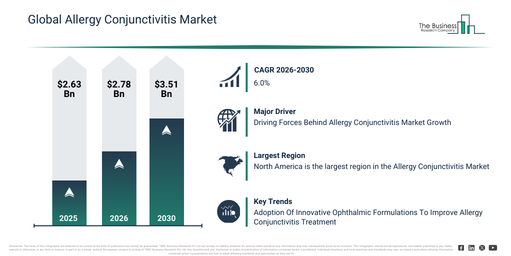
    The allergy conjunctivitis market has experienced notable expansion in recent years. Projections indicate it will rise from $2.63 billion in 2025 to $2.78 billion in 2026, reflecting a compound annual growth rate (CAGR) of 5.9%. Historically, this growth has been driven by factors such as a rising incidence of allergic conditions, low awareness of advanced treatment options, widespread reliance on conventional antihistamines, unequal healthcare access across different regions, and a strong dependence on hospital pharmacies.

    The allergy conjunctivitis market is projected to experience significant expansion in the coming years. By 2030, its value is anticipated to reach $3.51 billion, reflecting a compound annual growth rate (CAGR) of 6.0%. This upward trajectory during the forecast period is driven by several factors, including the growing use of biologics and immunotherapies, the rise of telemedicine and digital health platforms, the expansion of e-commerce in the pharmaceutical sector, heightened government initiatives aimed at improving eye care, and breakthroughs in patient-specific drug delivery systems. Key developments shaping the market include a higher prevalence of seasonal allergies, a growing preference for non-steroidal treatment options, the proliferation of online pharmacy channels, increased focus on eye health and preventive care, and the broadening of allergy management services for both pediatric and geriatric populations.

    Download A Free Sample Report For Comprehensive Market Insights:

    https://www.thebusinessresearchcompany.com/sample.aspx?id=8806&type=smp&utm_source=BlogsPR&utm_medium=Paid&utm_campaign=Jul_PR

    Allergy Conjunctivitis Market Opportunity Drivers: What Is Creating New Revenue Potential?

    The growing incidence of eye disorders is anticipated to drive the allergy conjunctivitis market forward. An eye disorder is defined as any abnormal condition affecting the eye’s structure or function, which may cause vision impairment or other health-related symptoms. Within the range of eye disorders, allergic conjunctivitis is especially relevant, particularly when it arises from allergic responses. This condition involves inflammation of the conjunctiva—the thin membrane covering the eye—and is frequently triggered by allergens like pollen, dust, or pet dander. Increased levels of environmental pollutants and chemicals have contributed to a rise in allergic conjunctivitis cases. For example, in August 2023, the World Health Organization, a United Nations agency headquartered in Switzerland, released an article stating that at least 2.2 billion people globally suffer from near or distance vision impairment. Among these, 1 billion individuals have conditions leading to distance vision impairment or blindness, including cataracts (94 million), refractive error (88.4 million), age-related macular degeneration (8 million), glaucoma (7.7 million), and diabetic retinopathy (3.9 million). Consequently, the high prevalence of eye disorders is fueling growth in the allergy conjunctivitis market.

    Allergy Conjunctivitis Market Segment Outlook: Which Categories Are Expanding The Fastest?

    The allergy conjunctivitis market covered in this report is segmented –

    1) By Drug Class: Antihistamines And Mast Cell Stabilizers, Corticosteroids, Other Drug Classes

    2) By Disease Type: Mild, Severe

    3) By Distribution Channel: Hospital Pharmacies, Drug Stores And Retail Pharmacies, Online Pharmacies

    Subsegments:

    1) By Antihistamines And Mast Cell Stabilizers: Topical Antihistamines, Oral Antihistamines, Mast Cell Stabilizers

    2) By Corticosteroids: Topical Corticosteroids, Systemic Corticosteroids

    3) By Other Drug Classes: Non-Steroidal Anti-Inflammatory Drugs (NSAIDs), Combination Therapy, Immunotherapy, Leukotriene Receptor Antagonists

    Allergy Conjunctivitis Market Innovation Trends Driving Future Development

    Key industry players in the allergy conjunctivitis space are advancing eyelid-applied cream technologies to optimize drug delivery, boost patient adherence, and cut down on dosing frequency. Instead of administering medication directly into the eyes, this cream is gently applied to the eyelids, enabling a steady release of antihistamines that lowers irritation and improves treatment compliance compared with conventional eye drops. In May 2024, Santen Pharmaceutical, a Japanese ophthalmology specialist, introduced Alesion Eyelid Cream 0.5% designed for allergic conjunctivitis patients. This formulation supplies epinastine hydrochloride through the eyelids, effectively minimizing itching and redness, requires just once-daily use, and maintains a strong safety profile during extended treatment periods.

    Allergy Conjunctivitis Market Key Companies And Competitive Benchmarking

    Major companies operating in the allergy conjunctivitis market are Allergan PLC, AbbVie Inc., Ajanta Pharma Limited, Akron Operating Company LLC, Alcon Inc., Alembic Pharmaceuticals Ltd., Atopix Therapeutics Ltd., Auven Therapeutics Management LLLP, Bausch & Lomb, Cipla Ltd., Grevis Pharmaceutical Private Limited, Indoco Remedies Ltd., Jabs Biotech Pvt. Ltd., JAWA Pharmaceuticals Pvt. Ltd., Novartis AG, Ocular Therapeutix Inc., Santen Pharmaceutical Co. Ltd., Sun Pharmaceutical Industries Ltd., Laboratoires Thea SAS, Aciex Therapeutics Inc., Bausch Health Companies Inc., C.H. Boehringer Sohn AG & Co. KG, Eyevance Pharmaceuticals LLC, Johnson & Johnson Services Inc., Mylan N.V., Nicox S.A., Omeros Corporation, Otsuka Pharmaceutical Co. Ltd., Pfizer Inc., Regeneron Pharmaceuticals Inc., Shire PLC, Teva Pharmaceutical Industries Ltd., Zydus Cadila

    Access The Complete Allergy Conjunctivitis Market Report:

    https://www.thebusinessresearchcompany.com/report/allergy-conjunctivitis-global-market-report?utm_source=BlogsPR&utm_medium=Paid&utm_campaign=Jul_PR

    Allergy Conjunctivitis Market Largest Region By Revenue And Market Share

    North America was the largest region in the allergy conjunctivitis market share in 2025. The regions covered in the allergy conjunctivitis market report are Asia-Pacific, South East Asia, Western Europe, Eastern Europe, North America, South America, Middle East, Africa.

    Get in touch with us:

    The Business Research Company: https://www.thebusinessresearchcompany.com/?utm_source=BlogsPR&utm_medium=Paid&utm_campaign=home_page_test

    Americas: +1 310-496-7795

    Asia: +44 7882 955267 & +91 8897263534

    Europe: +44 7882 955267

    Email us at: marketing@tbrc.info

    Follow us on:

    LinkedIn: https://in.linkedin.com/company/the-business-research-company

    YouTube: https://www.youtube.com/channel/UC24_fI0rV8cR5DxlCpgmyFQ

    Global Market Model: https://www.thebusinessresearchcompany.com/global-market-model
  • Allergic Rhinitis Drugs Market Growth Outlook Reveals A CAGR Of 4.2% And A Market Value Of $20 Billion By 2030

    Allergic Rhinitis Drugs Market Growth Outlook Reveals A CAGR Of 4.2% And A Market Value Of $20 Billion By 2030

    Enhanced with market attractiveness analysis, total addressable market evaluation, company benchmarking matrices, interactive Excel dashboards, expanded supply chain intelligence, emerging startup coverage, and detailed product insights, The Business Research Company’s 2026 market reports deliver more actionable and strategically valuable research.

    Allergic Rhinitis Drugs Market Forecast Highlighting Growth From $16.94 Billion To $20 Billion

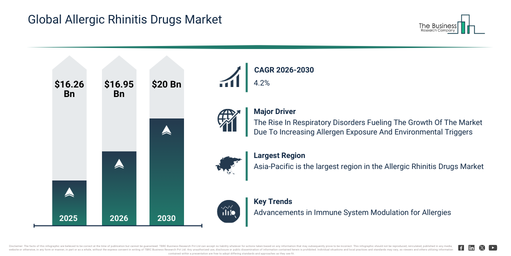
    The market for allergic rhinitis drugs has experienced consistent expansion in recent years. Projections indicate it will rise from $16.26 billion in 2025 to $16.95 billion in 2026, reflecting a compound annual growth rate (CAGR) of 4.2%. This historical growth is driven by several factors, including a higher incidence of both seasonal and perennial allergic rhinitis, restricted knowledge about and access to allergy therapies, continued dependence on traditional antihistamines and corticosteroids, escalating environmental allergens and pollution, and an expanding urban population that faces greater allergen exposure.

    The market for allergic rhinitis medications is anticipated to experience consistent expansion over the coming years. By 2030, its value is projected to reach $20 billion, reflecting a compound annual growth rate (CAGR) of 4.2%. This growth during the forecast period is driven by progress in biologics and immunotherapy, a greater reliance on digital health tools for managing allergies, heightened research and development efforts in pediatric and precision medicine, the widening reach of e-commerce and online pharmacy channels, and increasing government initiatives aimed at raising allergy awareness and promoting early diagnosis. Key trends shaping the forecast period encompass the emergence of customized allergy treatments, the expansion of biologic-based drugs for allergic rhinitis, the increased prevalence of online pharmacies and e-pharmacy platforms, a greater emphasis on managing pediatric allergic rhinitis, and the uptake of non-steroidal anti-inflammatory therapies.

    Download A Free Sample Report For Comprehensive Market Insights:

    https://www.thebusinessresearchcompany.com/sample.aspx?id=18218&type=smp&utm_source=BlogsPR&utm_medium=Paid&utm_campaign=Jul_PR

    Allergic Rhinitis Drugs Market Growth Momentum: Which Factors Are Influencing Demand?

    The anticipated expansion of the allergic rhinitis drug market is expected to be fueled by the rising incidence of respiratory conditions in the coming years. Chronic ailments such as asthma, which impact the lungs and airways, are becoming more widespread due to factors like deteriorating air quality, elevated concentrations of airborne allergens, and shifts in climate-related environmental conditions. The increase in respiratory diseases, particularly asthma and COPD on a global scale, is being driven by worsening air pollution that harms lung tissue and precipitates chronic respiratory problems. Drugs designed for allergic rhinitis aid in managing these conditions by alleviating nasal inflammation and congestion, thereby improving airflow and facilitating easier breathing while also preventing lower respiratory tract complications. To illustrate, the Centers for Disease Control and Prevention (CDC), a U.S.-based federal agency, reported in January 2025 that approximately 81.7% of American adults exhibited current asthma, based on findings from the 2023 Behavioral Risk Factor Surveillance System Asthma Call-Back Survey (ACBS). Consequently, the growing prevalence of respiratory disorders is propelling the expansion of the allergic rhinitis drug market.

    Allergic Rhinitis Drugs Market Segment Landscape: Which Areas Lead Market Development?

    The allergic rhinitis drugs market covered in this report is segmented –

    1) By Disease: Seasonal Allergic Rhinitis, Perennial Allergic Rhinitis, Occupational Allergic Rhinitis

    2) By Treatment: Antihistamines, Immunotherapy, Corticosteroids, Decongestants, Other Treatments

    3) By Route Of Administration: Oral, Nasal, Intraocular

    4) By Distribution Channel: Retail Pharmacies, Hospital Pharmacies, Online Channel

    Subsegments:

    1) By Seasonal Allergic Rhinitis: Hay Fever, Pollen Allergy, Spring And Summer Allergies

    2) By Perennial Allergic Rhinitis: Dust Mite Allergy, Pet Dander Allergy, Mold Allergy

    3) By Occupational Allergic Rhinitis: Chemical Exposure Allergies, Occupational Dust And Fume Allergies, Allergies Related To Specific Work Environments

    Allergic Rhinitis Drugs Market Trends Reshaping Industry Growth

    Leading players in the allergic rhinitis drugs sector are prioritizing the creation of advanced solutions, including innovative probiotics designed to boost immune function and effectively mitigate allergy symptoms. These new probiotics are being investigated for their capacity to regulate the immune system and lessen the impact of allergic rhinitis. By fostering a healthy gut microbiome, they provide a possible natural substitute for conventional therapies. As an example, in March 2024, Entod Pharma, a pharmaceutical firm based in India, introduced Lactoshield RH to address nasal allergies, including allergic rhinitis. This formulation incorporates scientifically tested probiotic strains aimed at balancing intestinal microbiota and influencing immune reactions, which could help reduce symptoms related to nasal allergies.

    Allergic Rhinitis Drugs Market Industry Leaders And Market Competition

    Major companies operating in the allergic rhinitis drugs market are Pfizer Inc., Johnson & Johnson, Merck & Co., Bayer AG, Sanofi SA, AstraZeneca plc, Novartis AG, GlaxoSmithKline PLC, Boehringer Ingelheim International GmbH, Viatris Inc., Teva Pharmaceutical Industries Ltd., Regeneron Pharmaceuticals Inc., Bausch Health Companies Inc., Sun Pharmaceuticals Industries Ltd., Perrigo Company plc, Dr. Reddy’s Laboratories, Apotex Inc., Meda AB, Amneal Pharmaceuticals Inc., Glenmark Pharmaceuticals Ltd, ALK-Abelló A/S, Stallergenes Greer plc, Himalaya Wellness Company, Aytu BioPharma Inc., Allergy Therapeutics PLC

    Access The Complete Allergic Rhinitis Drugs Market Report:

    https://www.thebusinessresearchcompany.com/report/allergic-rhinitis-drugs-global-market-report?utm_source=BlogsPR&utm_medium=Paid&utm_campaign=Jul_PR

    Allergic Rhinitis Drugs Market Regional Analysis And Leading Geography

    Asia-Pacific was the largest region in the allergic rhinitis drugs market in 2025. The regions covered in the allergic rhinitis drugs market report are Asia-Pacific, South East Asia, Western Europe, Eastern Europe, North America, South America, Middle East, Africa.

    Get in touch with us:

    The Business Research Company: https://www.thebusinessresearchcompany.com/?utm_source=BlogsPR&utm_medium=Paid&utm_campaign=home_page_test

    Americas: +1 310-496-7795

    Asia: +44 7882 955267 & +91 8897263534

    Europe: +44 7882 955267

    Email us at: marketing@tbrc.info

    Follow us on:

    LinkedIn: https://in.linkedin.com/company/the-business-research-company

    YouTube: https://www.youtube.com/channel/UC24_fI0rV8cR5DxlCpgmyFQ

    Global Market Model: https://www.thebusinessresearchcompany.com/global-market-model
  • Alkylating Agents Market Forecast Highlights Expansion From $5.63 Billion To $6.9 Billion Through 2030

    Alkylating Agents Market Forecast Highlights Expansion From $5.63 Billion To $6.9 Billion Through 2030

    Through market attractiveness analysis, total addressable market evaluation, company benchmarking matrices, interactive Excel dashboards, expanded supply chain intelligence, emerging startup coverage, and detailed product insights, The Business Research Company’s 2026 market reports provide more actionable and strategically valuable research.

    Alkylating Agents Market Revenue Growth Supported By A CAGR Of 6.9% Through 2030

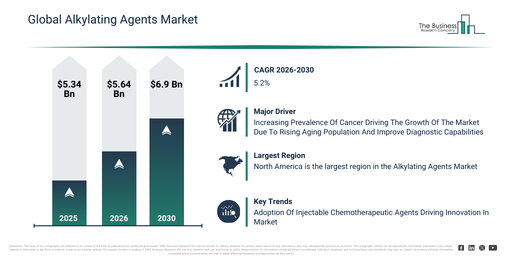
    The alkylating agents market has experienced robust expansion over the past few years. This sector is projected to increase from $5.34 billion in 2025 to $5.64 billion in 2026, reflecting a compound annual growth rate of 5.5%. Key drivers behind this historical growth include rising cancer rates, standard hospital practices in oncology, widespread use of chemotherapy treatments, the accessibility of alkylating medications, and ongoing research efforts in the field of oncology.

    The alkylating agents market is anticipated to experience substantial expansion over the coming years, with projections indicating it will reach a value of $6.9 billion by 2030, reflecting a compound annual growth rate (CAGR) of 5.2%. This forecasted growth is driven by several key factors, including the expanding oncology drug pipeline, the rising availability of biosimilars, the increasing uptake of combination therapy approaches, an aging global population, and the implementation of more widespread cancer screening initiatives. Prominent trends shaping the market during this period encompass the persistent reliance on alkylating agents within chemotherapy protocols, heightened demand in treating hematological malignancies, the growing prominence of combination cancer treatments, the broader availability of generic oncology medications, and a stronger emphasis on developing better strategies for managing treatment-related toxicity.

    Download A Free Sample Report For Comprehensive Market Insights:

    https://www.thebusinessresearchcompany.com/sample.aspx?id=24457&type=smp&utm_source=BlogsPR&utm_medium=Paid&utm_campaign=Jul_PR

    Alkylating Agents Market Expansion Drivers: What Is Shaping Future Growth?

    The rising occurrence of cancer is anticipated to drive the expansion of the alkylating agents market. Cancer is defined as the abnormal and unregulated multiplication of cells within the body, capable of invading or harming healthy tissue; it can originate in nearly any organ or tissue and may extend to other bodily regions via the bloodstream or lymphatic system. This growing incidence of cancer is largely attributed to an aging demographic, as the likelihood of developing cancer rises substantially with age—older individuals typically have endured longer exposure to risk factors, and their cells accrue genetic damage over time. Alkylating agents function as cancer treatments by attaching alkyl groups to the DNA of malignant cells, thereby disrupting their capacity for replication, leading to cell death and a reduction in tumor growth. To illustrate, in October 2025, data from the National Health Service (NHS), a UK-based governmental health organization, indicated 354,820 newly diagnosed cancer cases in 2023, averaging 972 per day—a total 8,605 higher than the previous year. Consequently, this increased prevalence of cancer is fueling the growth of the alkylating agent market.

    Alkylating Agents Market Segments: Where Are The Largest Growth Opportunities?

    The alkylating agents market covered in this report is segmented –

    1) By Type: Nitrogen Mustards, Nitrosoureas, Aziridines, Ethylenimines, Triazines, Alkyl Sulfonates

    2) By Route Of Administration: Oral, Intravenous, Other Route Of Administrations

    3) By Application: Oncology, Hematology, Other Applications

    4) By End-Users: Hospitals, Specialty Clinics, Homecare, Other End-Users

    Subsegments:

    1) By Nitrogen Mustards: Mechlorethamine, Cyclophosphamide, Ifosfamide, Melphalan, Chlorambucil

    2) By Nitrosoureas: Carmustine, Lomustine, Streptozocin, Semustine

    3) By Aziridines: Thiotepa, Mitomycin C

    4) By Ethylenimines: Hexamethylmelamine (HMM), Altretamine

    5) By Triazines: Dacarbazine, Temozolomide

    6) By Alkyl Sulfonates: Busulfan, Sulfur Mustard

    Alkylating Agents Market Strategic Trends: What Is Defining The Next Phase Of Growth?

    Major players within the alkylating agents sector are prioritizing the creation of novel products, particularly injectable chemotherapeutic agents designed to improve portability and simplicity of administration across diverse healthcare environments. These injectable chemotherapeutic agents are delivered intravenously or through injection, introducing cancer-fighting drugs directly into either the bloodstream or tissues to enable swift absorption and precise tumor targeting. A case in point occurred in January 2024, when Avenacy Inc., a pharmaceutical manufacturer based in the United States, introduced Melphalan Hydrochloride—a well-established alkylating agent employed in chemotherapy for cancer treatment. This product includes a 50 mg vial of lyophilized melphalan along with a 10 mL vial of sterile diluent, formulated for storage at room temperature to facilitate easier transport and accessibility in clinical settings. Melphalan Hydrochloride features exclusive packaging and labeling that ensure accurate medication selection, serving as a therapeutic equivalent generic to Alkeran for Injection, specifically indicated for the palliative management of multiple myeloma patients when oral therapy is unsuitable.

    Alkylating Agents Market Major Participants And Competitive Dynamics

    Major companies operating in the alkylating agents market are Pfizer Inc., Merck KGaA, AstraZeneca PLC, Novartis AG, Fresenius Kabi AG, Teva Pharmaceuticals USA Inc., Baxter Healthcare Corporation, Apotex Inc., Jiangsu Hengrui Pharmaceuticals Co. Ltd., Dr. Reddy’s Laboratories Ltd., Hikma Pharmaceuticals PLC, Cipla Limited, Aspen Pharmacare Holdings Limited, Zydus Lifesciences Limited, Emcure Pharmaceuticals Ltd., KRKA d. d. Novo mesto, Sagent Pharmaceuticals Inc., Debiopharm International SA, Accord Healthcare Ltd., NextSource Biotechnology LLC

    Access The Complete Alkylating Agents Market Report:

    https://www.thebusinessresearchcompany.com/report/alkylating-agents-global-market-report?utm_source=BlogsPR&utm_medium=Paid&utm_campaign=Jul_PR

    Alkylating Agents Market Geographic Analysis: Where Is Demand Growing The Fastest?

    North America was the largest region in the alkylating agents market in 2025. Asia-Pacific is expected to be the fastest-growing region in the forecast period. The regions covered in the alkylating agents market report are Asia-Pacific, South East Asia, Western Europe, Eastern Europe, North America, South America, Middle East, Africa.

    Get in touch with us:

    The Business Research Company: https://www.thebusinessresearchcompany.com/?utm_source=BlogsPR&utm_medium=Paid&utm_campaign=home_page_test

    Americas: +1 310-496-7795

    Asia: +44 7882 955267 & +91 8897263534

    Europe: +44 7882 955267

    Email us at: marketing@tbrc.info

    Follow us on:

    LinkedIn: https://in.linkedin.com/company/the-business-research-company

    YouTube: https://www.youtube.com/channel/UC24_fI0rV8cR5DxlCpgmyFQ

    Global Market Model: https://www.thebusinessresearchcompany.com/global-market-model
  • Alkaloid Based Drugs Market Expected To Reach $4.79 Billion By 2030 As Growth Accelerates At 8.8% CAGR

    Alkaloid Based Drugs Market Expected To Reach $4.79 Billion By 2030 As Growth Accelerates At 8.8% CAGR

    Delivering more actionable and strategically valuable research, The Business Research Company’s 2026 market reports feature market attractiveness analysis, total addressable market evaluation, company benchmarking matrices, interactive Excel dashboards, expanded supply chain intelligence, emerging startup coverage, and detailed product insights.

    Alkaloid Based Drugs Market Value Expansion And Long-Term Growth Outlook

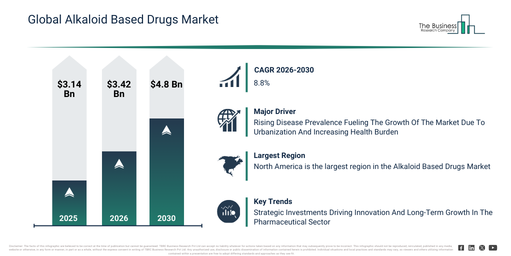
    The market for alkaloid-based drugs has experienced robust expansion over recent years. Its value is projected to rise from $3.14 billion in 2025 to $3.42 billion in 2026, achieving a compound annual growth rate (CAGR) of 9.0%. Several factors contributed to growth during the historical period, including the traditional utilization of alkaloid compounds, clinical confirmation of the efficacy of medicines derived from alkaloids, an increasing array of cancer therapy options, heightened demand for analgesics, and the accessibility of natural raw materials.

    The alkaloid-based drugs market is anticipated to experience robust expansion in the coming years, reaching a value of $4.8 billion by 2030, reflecting a compound annual growth rate (CAGR) of 8.8%. This projected growth in the forecast period is driven by factors such as the advancement of phytopharmaceutical research, a heightened preference for drugs sourced from nature, progress in extraction and purification technologies, a growing worldwide incidence of cancer, and the widening of regulatory frameworks for herbal medicines. Key developments anticipated during this period encompass a surging demand for therapeutics derived from plants, their heightened application in oncology and pain management, an upswing in natural product drug development efforts, a growing inclination toward bioactive compounds, and intensified investigations into alkaloid extraction methods.

    Download A Free Sample Report For Comprehensive Market Insights:

    https://www.thebusinessresearchcompany.com/sample.aspx?id=23302&type=smp&utm_source=BlogsPR&utm_medium=Paid&utm_campaign=Jul_PR

    Alkaloid Based Drugs Market Development Factors: Which Trends Are Supporting Demand?

    The rising incidence of infectious diseases is anticipated to drive the expansion of the alkaloid-based drugs market. These diseases stem from pathogenic microorganisms such as bacteria, viruses, parasites, or fungi, and can be transmitted either directly or indirectly between individuals. Their growing prevalence is largely fueled by expanded global travel, which facilitates the swift spread of pathogens across various regions and continents, resulting in more frequent and severe outbreaks. Alkaloid-based drugs play a crucial role in addressing these infections due to their powerful bioactive compounds, which are effective at inhibiting or destroying pathogens, thereby aiding in infection control and elimination. For example, a December 2024 report from the World Health Organization (WHO), a specialized agency based in Switzerland, highlighted that an estimated 263 million malaria cases and 597,000 related deaths occurred globally in 2023—an increase of roughly 11 million cases compared to 2022, though the mortality rate remained relatively unchanged. Consequently, the mounting burden of infectious diseases is set to boost the alkaloid-based drugs market.

    Alkaloid Based Drugs Market Segment Analysis: What Are The Major Market Categories?

    The alkaloid based drugs market covered in this report is segmented –

    1) By Type: True Alkaloids, Protoalkaloids, Pseudoalkaloids

    2) By Route Of Administration: Oral, Intravenous, Other Routes Of Administration

    3) By Application: Analgesic, Antimalarial, Antibacterial, Anticancer, Cholinomimetic, Antiasthma, Antiarrhythmic, Vasodilatory, Antihyperglycemic

    4) By End User: Clinic, Hospital, Other End Users

    Subsegments:

    1) By True Alkaloids: Indole Alkaloids, Isoquinoline Alkaloids, Pyrrolizidine Alkaloids, Tropane Alkaloids, Quinolizidine Alkaloids

    2) By Protoalkaloids: Phenethylamine Alkaloids, Purine Alkaloids, Imidazole Alkaloids

    3) By Pseudoalkaloids, Terpenoid Alkaloids, Steroidal Alkaloids, Peptide Alkaloids

    Alkaloid Based Drugs Market Transformation Trends: Which Innovations Are Driving Change?

    Leading players in the alkaloid-based drugs market are making deliberate capital investments to pursue long-term objectives, including equity injections designed to foster strategic collaboration and broaden regional influence. This type of investment involves a company providing funds to another entity in return for ownership shares or stakes, typically aimed at building alliances, entering new markets, or acquiring innovative technologies. Consider October 2024, when Alkaloid AD Skopje, a US-based producer of alkaloid-derived therapies, allocated $1 million to Rophibio, a South Korean research and development firm, to facilitate the market introduction of biosimilar medications. Through this $1 million investment, ALKALOID AD secures an ownership interest and first-refusal rights for product licensing within the region. As a result, ALKALOID AD fortifies its standing in the biopharmaceutical industry, gaining entry to novel drug development capabilities via Rophibio, which is making strides in biosimilar advancement. This collaboration supports ALKALOID AD’s strategic aims, propelling growth and improving its competitive edge in developing markets.

    Alkaloid Based Drugs Market Leading Companies Driving Competitive Growth

    Major companies operating in the alkaloid based drugs market are Pfizer Inc., Johnson & Johnson, Bayer AG, Novartis AG, Sanofi SA, Bristol-Myers Squibb Company, GlaxoSmithKline Plc, Eli Lilly and Company, Merck Group, Boehringer Ingelheim, Mylan NV, Astellas Pharma Inc., Sun Pharmaceutical Industries Ltd., Cipla Limited, Zydus Cadila, Lupin Limited, Alchem International Pvt. Ltd., Verve Health Care LTD., AdvaCare Pharma, Vital Laboratories Pvt Ltd

    Access The Complete Alkaloid Based Drugs Market Report:

    https://www.thebusinessresearchcompany.com/report/alkaloid-based-drugs-global-market-report?utm_source=BlogsPR&utm_medium=Paid&utm_campaign=Jul_PR

    Alkaloid Based Drugs Market Global Footprint: Which Region Holds Market Leadership?

    North America was the largest region in the alkaloid-based drugs market in 2025. Asia-Pacific is expected to be the fastest-growing region in the forecast period. The regions covered in the alkaloid based drugs market report are Asia-Pacific, South East Asia, Western Europe, Eastern Europe, North America, South America, Middle East, Africa.

    Get in touch with us:

    The Business Research Company: https://www.thebusinessresearchcompany.com/?utm_source=BlogsPR&utm_medium=Paid&utm_campaign=home_page_test

    Americas: +1 310-496-7795

    Asia: +44 7882 955267 & +91 8897263534

    Europe: +44 7882 955267

    Email us at: marketing@tbrc.info

    Follow us on:

    LinkedIn: https://in.linkedin.com/company/the-business-research-company

    YouTube: https://www.youtube.com/channel/UC24_fI0rV8cR5DxlCpgmyFQ

    Global Market Model: https://www.thebusinessresearchcompany.com/global-market-model
  • Alexipharmic Drugs Market Set To Grow From $3.36 Billion In 2026 To $4.02 Billion By 2030 At A CAGR Of 4.5%

    Alexipharmic Drugs Market Set To Grow From $3.36 Billion In 2026 To $4.02 Billion By 2030 At A CAGR Of 4.5%

    Enhanced with market attractiveness analysis, total addressable market evaluation, company benchmarking matrices, interactive Excel dashboards, expanded supply chain intelligence, emerging startup coverage, and detailed product insights, The Business Research Company’s 2026 market reports deliver more actionable and strategically valuable research.

    Alexipharmic Drugs Market Expected To Reach $4.02 Billion By 2030 At 4.5% CAGR

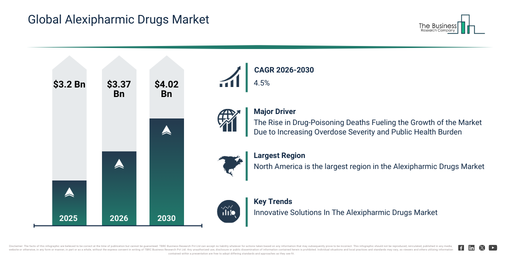
    Over recent years, the market for alexipharmic drugs has experienced robust expansion. From $3.2 billion in 2025, it is projected to reach $3.37 billion by 2026, reflecting a compound annual growth rate (CAGR) of 5.2%. This historical growth has been driven by factors such as a scarcity of antidotes, a high incidence of chemical and drug poisonings, dependence on hospital-based care, insufficient rapid diagnostic tools, and regulatory approvals supporting conventional antidotes.

    The market for alexipharmic drugs is projected to experience consistent expansion over the coming years. By 2030, its value is anticipated to reach $4.02 billion, reflecting a compound annual growth rate (CAGR) of 4.5%. This forecasted growth is driven by several factors, including progress in antidote development technologies, a growing preference for homecare solutions, heightened public awareness regarding poisoning prevention, the incorporation of artificial intelligence and digital tools to enable swift diagnosis, and expanded research into enzyme- and receptor-based antidotes. Key developments shaping the forecast period encompass a higher frequency of poisoning incidents, the emergence of innovative enzyme-derived antidotes, broader implementation of antidote administration in homecare settings, enhanced education and training in toxicology management, and an uptick in antidote services provided by hospitals and specialty clinics.

    Download A Free Sample Report For Comprehensive Market Insights:

    https://www.thebusinessresearchcompany.com/sample.aspx?id=15507&type=smp&utm_source=BlogsPR&utm_medium=Paid&utm_campaign=Jul_PR

    Alexipharmic Drugs Market Industry Drivers: What Is Driving Revenue Growth?

    The anticipated increase in fatalities caused by drug poisoning is set to fuel the expansion of the alexipharmic drugs market in the near future. Drug poisoning, stemming from the ingestion of harmful or excessive amounts of substances like opioids, stimulants, or synthetic psychoactive agents, continues to be a significant contributor to preventable deaths. This upward trend is influenced by heightened exposure to strong synthetic drugs, the use of multiple substances concurrently, and insufficient availability of prompt addiction care or harm-reduction programs. Alexipharmic medications, such as opioid blockers like naloxone, are essential for countering severe toxicity and lowering the risk of fatalities during overdose incidents. By way of illustration, in October 2025, the Office for National Statistics (ONS), which functions as an executive office under the UK Statistics Authority, reported that 5,448 drug-poisoning deaths were recorded in England and Wales during 2023, reflecting an 11.0% rise compared to 2022. Consequently, the growing incidence of drug-poisoning deaths is propelling the advancement of the alexipharmic drugs market. The growing number of clinical trials is anticipated to drive the alexipharmic drugs market forward in the coming period. A clinical trial refers to a research endeavor performed with human participants to assess the safety, efficacy, and probable adverse effects of medical interventions, pharmaceuticals, vaccines, or diagnostic procedures. The uptick in clinical trials is largely fueled by the escalating prevalence of chronic illnesses, which heightens the demand for novel treatments, enhanced therapies, and scientifically validated medical approaches. These trials bolster alexipharmic drugs by producing reliable data regarding their safety, effectiveness, and appropriate dosage levels, thus confirming their medical utility and speeding up their regulatory endorsement and clinical application. For example, in December 2024, the Association of the British Pharmaceutical Industry (ABPI), an entity based in the UK, noted that the volume of industry-led pharmaceutical trials initiated in the UK grew for the second year in a row, climbing from 411 in 2022 to 426 in 2023. Hence, the increasing prevalence of clinical trials is accelerating the expansion of the alexipharmic drugs market.

    Alexipharmic Drugs Market Segment Breakdown: Which Categories Generate The Most Revenue?

    The alexipharmic drugs market covered in this report is segmented –

    1) By Type: Chemical Antidote, Physical Antidote, Pharmacological Antidote

    2) By Route Of Administration: Oral, Topical, Injectable, Other Routes Of Administration

    3) By Application: Opioid Overdose, Alcohol Overdose, Cyanide Poisoning, Lead Poisoning, Benzodiazepine Overdose, Other Applications

    4) By End Use: Hospital, Homecare, Specialty Clinics, Other End Uses

    Subsegments:

    1) By Chemical Antidote: Chelating Agents, Reactive Chemicals

    2) By Physical Antidote: Dilution Agents, Filtration And Absorption Agents

    3) By Pharmacological Antidote: Enzyme-Based Antidotes, Receptor-Based Antidotes

    Alexipharmic Drugs Market Growth Trends: What Is Influencing The Future Outlook?

    Leading players in the alexipharmic drugs sector are intensifying their efforts to create cutting-edge solutions, like the first over-the-counter (OTC) opioid overdose reversal medication, in order to achieve a market advantage. This OTC medication is defined as one that can be obtained without a prescription and serves to neutralize the impacts of opioid overdose, offering emergency life-saving intervention. As an example, in August 2023, Emergent BioSolutions, a biopharmaceutical firm based in the USA, made it public that NARCAN Naloxone HCl Nasal Spray 4 mg would become accessible without a prescription. It retains the same reliable and potent 4 mg strength, device configuration, and original prescription-level efficacy, featuring a straightforward two-step nasal delivery method to counter opioid effects, including those from fentanyl. Such a development markedly broadens naloxone availability, lessens stigma, and fosters public readiness, thus enabling a greater number of people to act effectively during opioid crises, ultimately aiding in saving lives and tackling the opioid epidemic within the alexipharmic drugs marketplace.

    Alexipharmic Drugs Market Key Players And Strategic Industry Positioning

    Major companies operating in the alexipharmic drugs market are Pfizer Inc., Johnson & Johnson, Roche Holding AG, Merck & Co. Inc., Sanofi S.A., Bristol Myers Squibb Company (Bristol-Myers Squibb Company), AstraZeneca, Novartis AG, GlaxoSmithKline plc, Gilead Sciences Inc., Teva Pharmaceutical Industries Ltd., Fresenius SE & Co. KGaA (Fresenius Kabi), Bausch Health Companies Inc., UCB S.A., Sun Pharmaceutical Industries Ltd., B. Braun SE, Aurobindo Pharma, Cipla Inc., Hikma Pharmaceuticals, Amneal Pharmaceuticals, Vifor Pharma Group, Lupin Limited, Emergent BioSolutions, Ethypharm S.A., Accord Healthcare, BTG plc, Apotex Inc.

    Access The Complete Alexipharmic Drugs Market Report:

    https://www.thebusinessresearchcompany.com/report/alexipharmic-drugs-global-market-report?utm_source=BlogsPR&utm_medium=Paid&utm_campaign=Jul_PR

    Alexipharmic Drugs Market Regional Distribution: Which Areas Drive Market Expansion?

    North America was the largest region in the alexipharmic drugs market in 2025. Asia-Pacific is expected to be the fastest-growing region in the forecast period. The regions covered in the alexipharmic drugs market report are Asia-Pacific, South East Asia, Western Europe, Eastern Europe, North America, South America, Middle East, Africa.

    Get in touch with us:

    The Business Research Company: https://www.thebusinessresearchcompany.com/?utm_source=BlogsPR&utm_medium=Paid&utm_campaign=home_page_test

    Americas: +1 310-496-7795

    Asia: +44 7882 955267 & +91 8897263534

    Europe: +44 7882 955267

    Email us at: marketing@tbrc.info

    Follow us on:

    LinkedIn: https://in.linkedin.com/company/the-business-research-company

    YouTube: https://www.youtube.com/channel/UC24_fI0rV8cR5DxlCpgmyFQ

    Global Market Model: https://www.thebusinessresearchcompany.com/global-market-model