Blog

  • Adrenoleukodystrophy Drugs Market Growth Through 2030 Creates New Strategic Opportunities

    Adrenoleukodystrophy Drugs Market Growth Through 2030 Creates New Strategic Opportunities

    Delivering more actionable and strategically valuable research, The Business Research Company’s 2026 market reports feature market attractiveness analysis, total addressable market evaluation, company benchmarking matrices, interactive Excel dashboards, expanded supply chain intelligence, emerging startup coverage, and detailed product insights.

    Adrenoleukodystrophy Drugs Market Size, Value And Growth Trends Through 2030

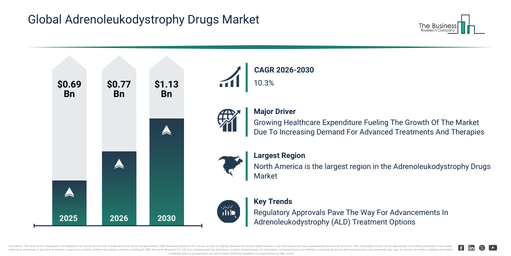
    The market for adrenoleukodystrophy therapeutics has experienced substantial expansion over the past few years. Projected to increase from $0.69 billion in 2025 to $0.77 billion in 2026, it is expected to achieve a compound annual growth rate (CAGR) of 10.4%. This historical growth can be linked to a deeper comprehension of ALD pathology, the accessibility of dietary and corticosteroid treatments, the progress of initiatives aimed at raising awareness for rare diseases, a broader application of supportive therapies, and an uptick in pediatric neurology services.

    The market for adrenoleukodystrophy drugs is projected to experience robust expansion over the coming years. By 2030, it is anticipated to reach $1.13 billion, reflecting a compound annual growth rate (CAGR) of 10.3%. This forecasted increase is driven by progress in gene therapy innovations, heightened incentives for orphan drugs, the broadening of newborn screening initiatives, growing financial commitment to uncommon neurological conditions, and enhanced availability of specialized medical services. Key developments shaping the future landscape involve an emphasis on therapies for rare genetic disorders, heightened application of treatments for symptom control, the advancement of pediatric and orphan drug programs, expanded investigation into disease-modifying approaches, and broader genetic testing coupled with earlier diagnostic capabilities.

    Download A Free Sample Report For Comprehensive Market Insights:

    https://www.thebusinessresearchcompany.com/sample.aspx?id=23293&type=smp&utm_source=BlogsPR&utm_medium=Paid&utm_campaign=Jul_PR

    Adrenoleukodystrophy Drugs Market Development Factors: Which Trends Are Supporting Demand?

    The adrenoleukodystrophy drugs market is anticipated to be fueled by the continuous increase in healthcare spending. This spending encompasses all monetary resources allocated by governments, private entities, and individuals toward medical services, healthcare products, and associated activities. Its upward trend is largely attributable to an aging demographic and a higher incidence of chronic illnesses that demand ongoing care and management, thereby escalating the need for medical services and driving expenditures further. Such financial outlays boost demand for adrenoleukodystrophy (ALD) treatments through enhanced investment in specialized therapies for rare conditions, which subsequently raises costs related to research, development, and patient management. As an illustration, the Centers for Medicare and Medicaid Services (CMS), a U.S. federal agency, reported in December 2024 that national health expenditures (NHE) experienced a 7.5% rise in 2023, surpassing GDP growth. Additionally, NHE is forecast to expand at an annual rate of 5.6% from 2023 through 2032. Consequently, the upward trajectory of healthcare expenditure is propelling expansion within the adrenoleukodystrophy drugs market.

    Adrenoleukodystrophy Drugs Market Segments: Where Are The Largest Growth Opportunities?

    The adrenoleukodystrophy drugs market covered in this report is segmented –

    1) By Drug Class: Dietary Supplements, Antioxidants, Corticosteroids

    2) By Indication: Childhood Cerebral Adrenoleukodystrophy, Addison’s Disease, Adrenomyeloneuropathy (AMN)

    3) By Route Of Administration: Oral, Injectable, Intravenous

    4) By Patient Age Group: Pediatric Patients, Adult Patients, Geriatric Patients

    5) By Distribution Channel: Hospital Pharmacies, Retail Pharmacies, Online Pharmacies, Other Distribution Channels

    Subsegments:

    1) By Dietary Supplements: Omega-3 Fatty Acids, Vitamins, Amino Acids, Minerals

    2) By Antioxidants: Vitamin E, Coenzyme Q10, Alpha-Lipoic Acid, Glutathione

    3) By Corticosteroids: Prednisone, Dexamethasone, Hydrocortisone, Methylprednisolone

    Adrenoleukodystrophy Drugs Market Transformation Trends: Which Innovations Are Driving Change?

    Key players in the market for adrenoleukodystrophy (ALD) drugs are increasingly seeking regulatory approvals to enhance their product portfolios, specifically through Investigational New Drug (IND) clearance, which allows a Phase 3 clinical trial for cerebral Adrenoleukodystrophy patients to get underway. Such clearance, a type of authorization from the U.S. Food and Drug Administration (FDA), permits a company or sponsor to test novel drugs or therapies in human clinical settings. A case in point is Minoryx Therapeutics S.L., a Spanish biotechnology firm, which secured FDA clearance in May 2023 to launch a Phase 3 clinical study, named CALYX, for its leading candidate leriglitazone (MIN-102). This therapy targets adult males with X-linked adrenoleukodystrophy (X-ALD) and cerebral adrenoleukodystrophy (cALD). Achieving this milestone represents a significant step forward in creating a possible treatment for cALD, instilling optimism for patients who currently have few options. The trial assesses the compound’s ability to safely and effectively slow or stop disease progression. Should the results prove favorable, it might pave the way toward commercial availability, fulfilling a critical unmet need.

    Adrenoleukodystrophy Drugs Market Major Participants And Competitive Dynamics

    Major companies operating in the adrenoleukodystrophy drugs market are Bluebird bio Inc., Minoryx Therapeutics S.L., SwanBio Therapeutics Inc., Voyager Therapeutics Inc., Prevail Therapeutics, Magenta Therapeutics Inc., Ashvattha Therapeutics, MedDay Pharmaceuticals SAS, Viking Therapeutics Inc., Neuraxpharm, Pfizer Inc., Sanofi S.A., Novartis AG, AstraZeneca plc, Teva Pharmaceuticals USA Inc., Mallinckrodt Pharmaceuticals plc, Dr. Reddy’s Laboratories Ltd., Nutricia, SOM Biotech, Autobahn Therapeutics Inc.

    Access The Complete Adrenoleukodystrophy Drugs Market Report:

    https://www.thebusinessresearchcompany.com/report/adrenoleukodystrophy-drugs-global-market-report?utm_source=BlogsPR&utm_medium=Paid&utm_campaign=Jul_PR

    Adrenoleukodystrophy Drugs Market Regional Distribution: Which Areas Drive Market Expansion?

    North America was the largest region in the adrenoleukodystrophy drugs market in 2025. The regions covered in the adrenoleukodystrophy drugs market report are Asia-Pacific, South East Asia, Western Europe, Eastern Europe, North America, South America, Middle East, Africa.

    Get in touch with us:

    The Business Research Company: https://www.thebusinessresearchcompany.com/?utm_source=BlogsPR&utm_medium=Paid&utm_campaign=home_page_test

    Americas: +1 310-496-7795

    Asia: +44 7882 955267 & +91 8897263534

    Europe: +44 7882 955267

    Email us at: marketing@tbrc.info

    Follow us on:

    LinkedIn: https://in.linkedin.com/company/the-business-research-company

    YouTube: https://www.youtube.com/channel/UC24_fI0rV8cR5DxlCpgmyFQ

    Global Market Model: https://www.thebusinessresearchcompany.com/global-market-model
  • Adhatoda Vasica Extract Market Size Projected To Increase From $1.4 Billion To $1.97 Billion During The Forecast Period

    Adhatoda Vasica Extract Market Size Projected To Increase From $1.4 Billion To $1.97 Billion During The Forecast Period

    Enhanced with market attractiveness analysis, total addressable market evaluation, company benchmarking matrices, interactive Excel dashboards, expanded supply chain intelligence, emerging startup coverage, and detailed product insights, The Business Research Company’s 2026 market reports deliver more actionable and strategically valuable research.

    Adhatoda Vasica Extract Market CAGR Analysis And Future Market Development

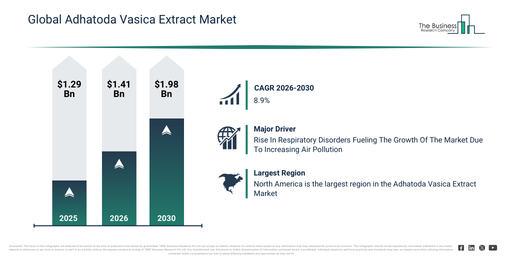
    The market for adhatoda vasica extract has experienced robust expansion in recent years, moving from $1.29 billion in 2025 to an estimated $1.41 billion in 2026, reflecting a compound annual growth rate (CAGR) of 9.2%. This historical growth has been driven by factors such as the widespread use of traditional medicine, the increasing prevalence of respiratory conditions, rising demand for herbal supplements, greater adoption of Ayurvedic practices, and the appeal of affordable treatment options.

    The market for adhatoda vasica extract is anticipated to experience robust expansion over the coming years. By 2030, its value is projected to reach $1.98 billion, driven by a compound annual growth rate (CAGR) of 8.9%. This forecasted growth is propelled by factors such as a growing preference for natural healthcare, regulatory backing for herbal medicines, heightened awareness about respiratory wellness, a surge in export activities, and ongoing phytochemical research. Key developments shaping this period include a rising demand for plant-based respiratory treatments, the increasing popularity of natural and Ayurvedic items, wider application in cough and cold remedies, the broadening scope of pharmaceutical products derived from plants, and a concentrated effort on standardizing herbal extracts.

    Download A Free Sample Report For Comprehensive Market Insights:

    https://www.thebusinessresearchcompany.com/sample.aspx?id=24454&type=smp&utm_source=BlogsPR&utm_medium=Paid&utm_campaign=Jul_PR

    Adhatoda Vasica Extract Market Industry Drivers: What Is Driving Revenue Growth?

    The growing prevalence of respiratory disorders is set to drive the expansion of the adhatoda vasica extract market in the coming period. These disorders impact the lungs and airways, hindering breathing and overall respiratory performance. Their rise is fueled by escalating air pollution, as ongoing exposure to harmful substances like particulate matter and toxic gases triggers lung inflammation, diminishes respiratory capability, and elevates the occurrence of chronic illnesses such as asthma and Chronic Obstructive Pulmonary Disease (COPD). Adhatoda vasica extract aids in managing these conditions by functioning as a natural bronchodilator and expectorant, soothing airway inflammation, loosening mucus, and relieving symptoms associated with asthma, bronchitis, and persistent cough. For example, in May 2025, the Centers for Disease Control and Prevention (CDC), a US government public health agency, reported that COPD was the fifth leading cause of death in the United States in 2023, resulting in 141,733 fatalities. That same year, the age-adjusted prevalence of diagnosed COPD among adults stood at 3.8%. Consequently, the uptick in respiratory disorders will bolster the adhatoda vasica extract market.

    The surge in healthcare expenditures is anticipated to accelerate the growth of the adhatoda vasica extract market in the near future. Healthcare expenditures encompass the total funds allocated to medical services and products for prevention, diagnosis, treatment, and rehabilitation by individuals, governments, and organizations. This spending is on the rise due to an aging population, as older individuals typically experience more chronic conditions requiring ongoing, specialized care, which increases healthcare costs. Higher healthcare spending fosters the adhatoda vasica extract market by channeling greater investment into alternative and traditional medicine, incorporating herbal extracts like adhatoda vasica for addressing respiratory disorders, thereby enhancing demand and research efforts. As an illustration, in April 2025, a report from the Office for National Statistics, a UK government agency, revealed that government-funded healthcare made up the bulk of UK healthcare spending, reaching $341 billion (£258 billion) in 2024—a 2.5% real-term increase from 2023. Thus, the rise in healthcare expenditures will stimulate the adhatoda vasica extract market.

    The growing consumer shift toward natural and organic products is poised to propel the adhatoda vasica extract market forward. These products are defined as those made without synthetic chemicals, artificial additives, or genetically modified components. This preference is intensifying because consumers are increasingly worried about the long-term health effects of synthetic substances, prompting them to actively seek out cleaner, naturally sourced ingredients. Adhatoda vasica extract aligns with this trend by offering a plant-based, chemical-free ingredient that meets consumer desires for safer, herbal, and clean-label options. For instance, in February 2025, the Organic Research Centre, a UK-based nonprofit organization dedicated to organic and agroecological farming, noted that European retail sales of organic products hit 54.7 billion euros in 2023, marking a 3.0% or 1.6 billion euro increase from 2022. Therefore, the heightened consumer preference for natural and organic products is fueling the demand for the adhatoda vasica extract market.

    Adhatoda Vasica Extract Market Segment Analysis: What Are The Major Market Categories?

    The adhatoda vasica extract market covered in this report is segmented –

    1) By Type: Leaf Extract, Root Extract, Other Types

    2) By Form: Powder, Liquid, Other Forms

    3) By Distribution Channel: Online Stores, Supermarkets Or Hypermarkets, Specialty Stores, Other Distribution Channel

    4) By End-User: Personal Care and Cosmetics, Pharmaceutical, Other End Users

    Subsegments:

    1) By Leaf Extract: Aqueous Leaf Extract, Ethanolic Leaf Extract, Methanolic Leaf Extract, Spray-Dried Leaf Extract, Powdered Leaf Extract

    2) By Root Extract: Aqueous Root Extract, Ethanolic Root Extract, Standardized Root Extract, Powdered Root Extract

    3) By Other Types: Whole Plant Extract, Bark Extract, Flower Extract, Fermented Extract, Encapsulated Extract

    Adhatoda Vasica Extract Market Leading Companies Driving Competitive Growth

    Major companies operating in the adhatoda vasica extract market are Patanjali Ayurved Limited, Aimil Pharmaceuticals Ltd., Amrutanjan Healthcare Limited, Shree Baidyanath Ayurved Bhawan Pvt. Ltd., Emami Limited, Maharishi Ayurveda Products Ltd., Himalaya Wellness, Charak Pharma Pvt. Ltd., Sandu Pharmaceuticals Ltd., S.A. Herbal Bioactives LLP, Ayush Herbs Pvt. Ltd., Baidyanath Group, Venkatsh Nuturals, Bhagvati Herbal and Healthcare Private Limited, Amruta Herbals Pvt Ltd., Gurjar Phytochem Pvt Ltd., Planet Ayurveda LLC, Himalayan Herbaria Inc., Herbal Hills Global, Jiva Ayurveda, Kerala Ayurveda Ltd., Lavanya Agro Industries

    Access The Complete Adhatoda Vasica Extract Market Report:

    https://www.thebusinessresearchcompany.com/report/adhatoda-vasica-extract-global-market-report?utm_source=BlogsPR&utm_medium=Paid&utm_campaign=Jul_PR

    Adhatoda Vasica Extract Market Leading Geography: Which Region Generates The Most Revenue?

    North America was the largest region in the adhatoda vasica extract market in 2025. Asia-Pacific is expected to be the fastest-growing region in the forecast period. The regions covered in the adhatoda vasica extract market report are Asia-Pacific, South East Asia, Western Europe, Eastern Europe, North America, South America, Middle East, Africa.

    Get in touch with us:

    The Business Research Company: https://www.thebusinessresearchcompany.com/?utm_source=BlogsPR&utm_medium=Paid&utm_campaign=home_page_test

    Americas: +1 310-496-7795

    Asia: +44 7882 955267 & +91 8897263534

    Europe: +44 7882 955267

    Email us at: marketing@tbrc.info

    Follow us on:

    LinkedIn: https://in.linkedin.com/company/the-business-research-company

    YouTube: https://www.youtube.com/channel/UC24_fI0rV8cR5DxlCpgmyFQ

    Global Market Model: https://www.thebusinessresearchcompany.com/global-market-model
  • Adenosine Market Growth Outlook Reveals A CAGR Of 10.9% And A Market Value Of $1.83 Billion By 2030

    Adenosine Market Growth Outlook Reveals A CAGR Of 10.9% And A Market Value Of $1.83 Billion By 2030

    Through market attractiveness analysis, total addressable market evaluation, company benchmarking matrices, interactive Excel dashboards, expanded supply chain intelligence, emerging startup coverage, and detailed product insights, The Business Research Company’s 2026 market reports provide more actionable and strategically valuable research.

    Adenosine Market Expansion From $1.21 Billion In 2026 To $1.83 Billion In 2030

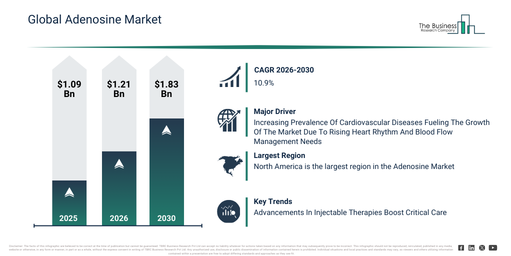
    The adenosine market has experienced swift expansion over recent years, with projections indicating an increase from $1.09 billion in 2025 to $1.21 billion in 2026, reflecting an 11.0% compound annual growth rate (CAGR). This growth during the historical period is driven by factors such as adenosine’s well-established application in cardiac stress testing, a rising incidence of cardiovascular diseases, greater drug usage within hospital settings, early-stage clinical investigations into neurological conditions, and the accessibility of natural adenosine sources.

    The adenosine market is anticipated to experience rapid expansion over the coming years. By 2030, it is projected to reach a value of $1.83 billion, with a compound annual growth rate (CAGR) of 10.9%. This forecasted growth is driven by several factors, including the broadening of adenosine-based cancer and immunotherapy research, progress in biotechnological synthesis methods, growing investment in precision medicine, heightened demand for fast-acting cardiovascular drugs, and the expansion of pharmaceutical research and development pipelines. Key trends shaping the forecast period encompass the increased application of adenosine in cardiovascular diagnostics and therapy, intensifying research into its use in immunotherapy and oncology, a higher demand for synthetic and biotechnologically produced adenosine, expanding clinical and research uses in neurological disorders, and greater adoption of intravenous adenosine in emergency and hospital environments.

    Download A Free Sample Report For Comprehensive Market Insights:

    https://www.thebusinessresearchcompany.com/sample.aspx?id=27197&type=smp&utm_source=BlogsPR&utm_medium=Paid&utm_campaign=Jul_PR

    #Adenosine Market Growth Factors: Which Forces Are Supporting Market Expansion?

    The growing frequency of cardiovascular diseases is set to drive expansion in the adenosine market. These diseases encompass a range of heart and blood vessel disorders, including coronary heart disease, heart failure, stroke, and hypertension. Their rising occurrence is largely due to unhealthy eating habits, where high consumption of saturated fats, trans fats, added sugars, and sodium leads to issues like high blood pressure, obesity, and elevated cholesterol. Adenosine plays a key role in managing such conditions by stabilizing heart rhythm and enhancing blood flow to the heart, offering quick relief for certain arrhythmias and aiding in diagnostic procedures to improve cardiovascular care and patient safety. As an example, in October 2024, the Centers for Disease Control and Prevention, a US government body, reported that 919,032 deaths in 2023 were linked to cardiovascular diseases, representing one out of every three fatalities. Coronary heart disease was the most common type, and notably, roughly one in six cardiovascular deaths involved adults under 65. Consequently, the rising incidence of cardiovascular diseases is fueling growth in the adenosine market.

    Adenosine Market Segment Breakdown: Which Categories Generate The Most Revenue?

    The adenosine market covered in this report is segmented –

    1) By Type: Natural Adenosine, Synthetic Adenosine

    2) By Delivery Method: Intravenous (IV) Administration, Oral Administration, Topical Administration

    3) By Distribution Channel: Hospital Pharmacies, Retail Pharmacies, Online Pharmacies, Other Distribution Channel

    4) By Application: Cardiovascular Diseases, Neurological Disorders, Cancer Treatment, Immunotherapy

    5) By End-user: Hospitals, Clinics, Research Laboratories, Pharmaceutical Companies

    Subsegments:

    1) By Natural Adenosine: Plant Derived, Animal Derived, Microbial Fermented

    2) By Synthetic Adenosine: Chemically Synthesized, Enzymatically Synthesized, Biotechnologically Produced

    Adenosine Market Industry Trends: What Changes Are Reshaping Demand?

    Major industry players within the adenosine market are prioritizing the development of advanced drug delivery systems, including single-dose glass vials, to enhance the clinical effectiveness and safety of adenosine use in emergency settings. These single-dose glass vials are defined as small, sealed glass containers that contain a single, pre-measured dose of medication designed for one-time administration only. As an example, in June 2025, Meitheal Pharmaceuticals Inc., a biopharmaceutical firm headquartered in the United States, released an adenosine injection. This product is supplied in single-dose glass vials, specifically in strengths of 60 mg per 20 mL and 90 mg per 30 mL. This innovation is designed for continuous peripheral intravenous infusion, helping to minimize manual dosing mistakes, facilitate standardized and rapid administration, and improve hospital workflow efficiency during cardiac emergencies. This development marks a significant achievement in the progression of injectable treatments, leading to enhanced patient outcomes and operational effectiveness in critical care situations.

    Adenosine Market Key Players And Strategic Industry Positioning

    Major companies operating in the adenosine market are Pfizer Inc., F. Hoffmann-La Roche Ltd, Merck & Co. Inc., Teva Pharmaceutical Industries Ltd., Astellas Pharma Inc., Ajinomoto Co. Inc., Cadila Pharmaceuticals Ltd., Emcure Pharmaceuticals Ltd., Gland Pharma Limited, Wockhardt Ltd., Archimica S.p.A., Farmak JSC, Reliable Biopharmaceutical Corporation, Trifarma S.p.A., Central Drug House (P) Ltd., Jigs Chemical Ltd., Globofarm International Pvt. Ltd., Surajlok Chemicals Pvt. Ltd., Tecoland Corporation, Vellinton Healthcare Pvt. Ltd.

    Access The Complete Adenosine Market Report:

    https://www.thebusinessresearchcompany.com/report/adenosine-global-market-report?utm_source=BlogsPR&utm_medium=Paid&utm_campaign=Jul_PR

    Adenosine Market Regional Outlook: Where Are The Largest Opportunities Located?

    North America was the largest region in the adenosine market in 2025. Asia-Pacific is expected to be the fastest-growing region in the forecast period. The regions covered in the adenosine market report are Asia-Pacific, South East Asia, Western Europe, Eastern Europe, North America, South America, Middle East, Africa.

    Get in touch with us:

    The Business Research Company: https://www.thebusinessresearchcompany.com/?utm_source=BlogsPR&utm_medium=Paid&utm_campaign=home_page_test

    Americas: +1 310-496-7795

    Asia: +44 7882 955267 & +91 8897263534

    Europe: +44 7882 955267

    Email us at: marketing@tbrc.info

    Follow us on:

    LinkedIn: https://in.linkedin.com/company/the-business-research-company

    YouTube: https://www.youtube.com/channel/UC24_fI0rV8cR5DxlCpgmyFQ

    Global Market Model: https://www.thebusinessresearchcompany.com/global-market-model
  • Adeno-Associated Virus (AVV) Vectors In Gene Therapy Market Forecast Highlights Expansion From $3.7 Billion To $6.98 Billion Through 2030

    Adeno-Associated Virus (AVV) Vectors In Gene Therapy Market Forecast Highlights Expansion From $3.7 Billion To $6.98 Billion Through 2030

    Delivering more actionable and strategically valuable research, The Business Research Company’s 2026 market reports feature market attractiveness analysis, total addressable market evaluation, company benchmarking matrices, interactive Excel dashboards, expanded supply chain intelligence, emerging startup coverage, and detailed product insights.

    Adeno-Associated Virus (AVV) Vectors In Gene Therapy Market Forecast Highlighting Growth From $3.7 Billion To $6.98 Billion

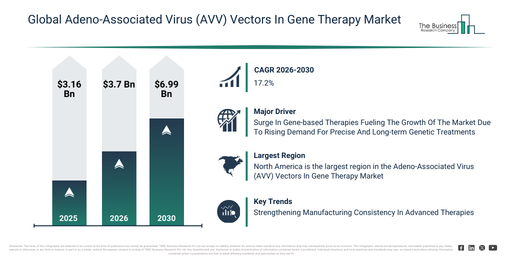
    The market for adeno-associated virus (AAV) vectors in gene therapy has experienced rapid expansion in recent years. Projected to increase from $3.16 billion in 2025 to $3.7 billion in 2026, this growth reflects a compound annual growth rate (CAGR) of 17.3%. Historical expansion has been driven by progress in viral vector safety, research into rare genetic disorders, successful clinical gene therapy outcomes, regulatory approvals, and investments in academic research.

    The market for adeno-associated virus (AAV) vectors in gene therapy is anticipated to experience substantial expansion over the coming years. By 2030, its valuation is projected to reach $6.99 billion, reflecting a compound annual growth rate (CAGR) of 17.2%. This forecasted growth is driven by factors such as the commercialization of gene therapies, rising needs for scalable vector production, the advancement of precision medicine, incentives for orphan drugs, and an increase in global clinical trials. Key trends shaping this period include the broadening of gene augmentation therapies, heightened interest in treatments for rare genetic diseases, the progress of in vivo gene delivery techniques, the scale-up of commercial vector production, and an emphasis on ensuring long-term therapeutic durability.

    Download A Free Sample Report For Comprehensive Market Insights:

    https://www.thebusinessresearchcompany.com/sample.aspx?id=24135&type=smp&utm_source=BlogsPR&utm_medium=Paid&utm_campaign=Jul_PR

    Adeno-Associated Virus (AVV) Vectors In Gene Therapy Market Demand Drivers: What Is Fueling Industry Growth?

    The anticipated expansion of the adeno-associated virus (AAV) vectors market within the gene therapy sector is being driven by a growing emphasis on gene-based treatments. These therapies involve modifying or manipulating genes at the molecular level to prevent, treat, or cure diseases. Progress in genetic research is fueling this heightened focus, as it improves the accuracy and efficacy of gene editing methods. AAV vectors play a crucial role in developing such therapies by safely and efficiently delivering therapeutic genes to target cells, thanks to their low immunogenicity and capacity for sustained gene expression. For example, IQVIA, a US-based provider of advanced analytics and technology solutions for the life sciences industry, reported that global spending on cell and gene therapies hit $5.9 billion in 2023, marking a 38% rise from 2022. Consequently, the rising focus on creating gene-based therapies is propelling the growth of the AAV vectors market.

    Adeno-Associated Virus (AVV) Vectors In Gene Therapy Market Segmentation: How Is The Market Structured Across Key Categories?

    The adeno-associated virus (avv) vectors in gene therapy market covered in this report is segmented –

    1) By Type of Therapy: Gene Augmentation, Immunotherapy, Other Type of Therapy

    2) By Type of Gene Delivery Method Used: Ex Vivo, In Vivo

    3) By Scale of Operation: Preclinical, Clinical, Commercial

    4) By Target Therapeutic Area: Genetic Disorders, Hematological Disorders, Infectious Diseases, Metabolic Disorders, Ophthalmic Disorders, Muscle Disorders, Neurological Disorders, Other Target Therapeutic Area

    Subsegments:

    1) By Gene Augmentation: Monogenic Disorders, Neurological Disorders, Muscular Disorders, Ophthalmological Disorders, Metabolic Disorders

    2) By Immunotherapy: Oncology, Infectious Diseases, Autoimmune Disorders, Vaccine Development, T-Cell Engineering

    3) By Other Type of Therapy: Gene Editing Support, RNA Interference, Neuroprotection and Neuroregeneration, Anti-Inflammatory Applications, Regenerative Medicine

    Adeno-Associated Virus (AVV) Vectors In Gene Therapy Market Innovation Trends: Which Developments Are Transforming The Industry?

    Leading firms active in the adeno-associated virus (AAV) vector segment of the gene therapy market are concentrating their efforts on cutting-edge innovation, particularly customized vector diversity for assay flexibility, aiming to boost target tissue specificity, enhance therapeutic efficacy, and speed up development of tailored gene therapies across a range of indications. This concept involves employing different AAV serotypes or constructs to facilitate a variety of analytical tests and therapeutic uses. As an example, Charles River Laboratories, a pharmaceutical company headquartered in the United States, launched novel reference materials for AAV and lentiviral vectors (LVV) in May 2024. Designed to meet the expanding requirements of cell and gene therapy (CGT) development, these materials enable a more seamless shift from initial research stages to GMP-grade manufacturing. The portfolio contributes to process standardization and enhanced consistency in producing viral vectors. This introduction tackles a critical obstacle in scaling CGT programs for clinical and commercial application.

    Adeno-Associated Virus (AVV) Vectors In Gene Therapy Market Competitive Landscape And Leading Companies

    Major companies operating in the adeno-associated virus (avv) vectors in gene therapy market are F. Hoffmann-La Roche Ltd., Sanofi S.A., Novartis AG, Astellas Gene Therapies Inc., Biogen Inc., Sarepta Therapeutics Inc., Oxford BioMedica plc, Rocket Pharmaceuticals Inc., Aldevron LLC, REGENXBIO Inc., uniQure N.V., Passage Bio Inc., Voyager Therapeutics Inc., Dyno Therapeutics Inc., MeiraGTx Holdings plc, Abeona Therapeutics Inc., 4D Molecular Therapeutics Inc., GenSight Biologics S.A., Taysha Gene Therapies Inc., LogicBio Therapeutics Inc.

    Access The Complete Adeno-Associated Virus (AVV) Vectors In Gene Therapy Market Report:

    https://www.thebusinessresearchcompany.com/report/adeno-associated-virus-avv-vectors-in-gene-therapy-global-market-report?utm_source=BlogsPR&utm_medium=Paid&utm_campaign=Jul_PR

    Adeno-Associated Virus (AVV) Vectors In Gene Therapy Market Geographic Landscape: Which Region Dominates Industry Growth?

    North America was the largest region in the adeno-associated virus (AVV) vectors in gene therapy market in 2025. The regions covered in the adeno-associated virus (avv) vectors in gene therapy market report are Asia-Pacific, South East Asia, Western Europe, Eastern Europe, North America, South America, Middle East, Africa.

    Get in touch with us:

    The Business Research Company: https://www.thebusinessresearchcompany.com/?utm_source=BlogsPR&utm_medium=Paid&utm_campaign=home_page_test

    Americas: +1 310-496-7795

    Asia: +44 7882 955267 & +91 8897263534

    Europe: +44 7882 955267

    Email us at: marketing@tbrc.info

    Follow us on:

    LinkedIn: https://in.linkedin.com/company/the-business-research-company

    YouTube: https://www.youtube.com/channel/UC24_fI0rV8cR5DxlCpgmyFQ

    Global Market Model: https://www.thebusinessresearchcompany.com/global-market-model
  • Adalimumab, Infliximab and Etanercept Biosimilars Market Expected To Reach $8.04 Billion By 2030 As Growth Accelerates At 10.1% CAGR

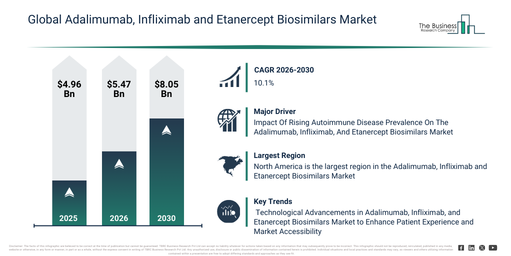
    Adalimumab, Infliximab and Etanercept Biosimilars Market Expected To Reach $8.04 Billion By 2030 As Growth Accelerates At 10.1% CAGR

    Enhanced with market attractiveness analysis, total addressable market evaluation, company benchmarking matrices, interactive Excel dashboards, expanded supply chain intelligence, emerging startup coverage, and detailed product insights, The Business Research Company’s 2026 market reports deliver more actionable and strategically valuable research.

    Adalimumab, Infliximab and Etanercept Biosimilars Market Revenue Growth Supported By A CAGR Of 8.04% Through 2030

    The market for biosimilars of adalimumab, infliximab, and etanercept has seen swift expansion in recent years. Projected figures indicate a rise from $4.96 billion in 2025 to $5.47 billion in 2026, reflecting a compound annual growth rate (CAGR) of 10.3%. This historical upward trend is driven by several factors, including a higher incidence of autoimmune conditions, the substantial expense associated with original biologic drugs, enhanced awareness surrounding biosimilars, advances in the production of biologics, and favorable policies implemented by governments.

    Over the next several years, the market for adalimumab, infliximab, and etanercept biosimilars is anticipated to experience robust expansion. Projections indicate it will reach $8.05 billion by 2030, achieving a compound annual growth rate (CAGR) of 10.1%. This expected growth is fueled by progress in precision medicine, an increasing number of biosimilar pipelines, higher healthcare spending, greater uptake of digital health tools, and a growing elderly population. Key developments shaping the forecast period involve wider biosimilar acceptance and market reach, economical TNF-alpha inhibitor creation, regulatory endorsements and supportive policies, expanded distribution through hospital and retail pharmacy channels, and the adoption of tailored treatment approaches.

    Download A Free Sample Report For Comprehensive Market Insights:

    https://www.thebusinessresearchcompany.com/sample.aspx?id=3473&type=smp&utm_source=BlogsPR&utm_medium=Paid&utm_campaign=Jul_PR

    Adalimumab, Infliximab and Etanercept Biosimilars Market Growth Drivers: What Factors Are Accelerating Expansion?

    The growth of the market for adalimumab, infliximab, and etanercept biosimilars is anticipated to be driven by the increasing incidence of autoimmune diseases. Autoimmune diseases are conditions resulting from immune system malfunction, where the body’s own healthy cells are attacked by immune cells. Adalimumab, infliximab, and etanercept are biological therapies that function as tumor necrosis factor (TNF) alpha inhibitors, commonly employed in the treatment of various autoimmune disorders. As an example, data from Johns Hopkins University, a private research institution based in the US, indicates that in 2023, approximately 10 million individuals in the United States—accounting for 3% of the population—are impacted by all forms of autoimmune diseases. Hence, the escalating prevalence of autoimmune diseases is fueling the expansion of the adalimumab, infliximab, and etanercept biosimilars market.

    Adalimumab, Infliximab and Etanercept Biosimilars Market Segmentation Trends And Revenue Drivers

    The adalimumab, infliximab and etanercept biosimilars market covered in this report is segmented –

    1) By Product: Adalimumab Biosimilars, Infliximab Biosimilars, Cipleumab

    2) By Distribution Channel: Hospital Pharmacies, Retail Pharmacies, Online Pharmacies

    3) By Application: Crohn’s Disease, Psoriatic Arthritis, Rheumatoid Arthritis, Ulcerative Colitis, Ankylosing Spondylitis, Plaque Psoriasis, Other Applications

    Subsegments:

    1) By Adalimumab Biosimilars: Amjevita (Amgen), Hyrimoz (Sandoz), Cyltezo (Boehringer Ingelheim), Others

    2) By Infliximab Biosimilars: Inflectra (Pfizer), Remsima (Celltrion), Ixifi (Pfizer), Others

    3) By Cipleumab: Cipleumab Biosimilars, Other Biosimilars in Development

    Adalimumab, Infliximab and Etanercept Biosimilars Market Trends: What Is Shaping Future Industry Growth?

    Leading firms in the adalimumab, infliximab, and etanercept biosimilars sector are prioritizing innovations like high-concentration, citrate-free biosimilars to address the growing need for patient-centric formulations, enhanced cost-effectiveness, and wider market accessibility. These advanced high-concentration, citrate-free products maintain the same therapeutic monoclonal antibody structure as standard biosimilars, yet deliver a more tolerable injection experience with less discomfort during administration, which can boost patient adherence and encourage switching from traditional buffered options. A notable example occurred in June 2023, when Celltrion USA, a US-based biopharmaceutical company, introduced Yuflyma (adalimumab-aaty), a citrate-free, high-concentration (100 mg/mL) biosimilar of Humira (adalimumab). This product is engineered to provide equivalent strength and effectiveness in a more convenient format for patients, offering the full therapeutic advantages of adalimumab while minimizing injection-related discomfort, thereby facilitating greater adoption in the immunology marketplace, especially for managing chronic inflammatory conditions.

    Adalimumab, Infliximab and Etanercept Biosimilars Market Industry Leaders: Which Organizations Are Driving Competition?

    Major companies operating in the adalimumab, infliximab and etanercept biosimilars market are Biogen, Novartis (Sandoz), Pfizer, Amgen, Celltrion, Samsung Bioepis (Samsung Biologics), Hetero Drugs Limited, Fresenius Kabi AG, Boehringer Ingelheim, Biocon, Zydus Lifesciences Limited, Reliance Life Sciences, Torrent Pharmaceuticals Ltd, Sun Pharmaceutical Industries Ltd, Cipla Limited, Zhejiang Hisun Pharmaceutical Co. Ltd, Bio-Thera Solutions Ltd, Innovent Biologics (Suzhou) Co. Ltd, Janssen Biologics BV, Shanghai CP Guojian Pharmaceutical Co. Ltd, Sansheng Guojian, Shanghai Junshi Biosciences Co. Ltd, Mabwell Bioscience Co. Ltd, LG Chem, Nippon Kayaku, Mochida Pharmaceutical Co. Ltd, mAbxience, Allergan, Microgen, Geropharm, Valenta, NovaMedica Veropharm, Biocad

    Access The Complete Adalimumab, Infliximab and Etanercept Biosimilars Market Report:

    https://www.thebusinessresearchcompany.com/report/adalimumab-infliximab-and-etanercept-biosimilar-global-market-report?utm_source=BlogsPR&utm_medium=Paid&utm_campaign=Jul_PR

    Adalimumab, Infliximab and Etanercept Biosimilars Market Largest Region: Which Geography Holds The Highest Market Share?

    North America was the largest region in the adalimumab, infliximab, and etanercept biosimilars market in 2025. The regions covered in the adalimumab, infliximab and etanercept biosimilars market report are Asia-Pacific, South East Asia, Western Europe, Eastern Europe, North America, South America, Middle East, Africa.

    Get in touch with us:

    The Business Research Company: https://www.thebusinessresearchcompany.com/?utm_source=BlogsPR&utm_medium=Paid&utm_campaign=home_page_test

    Americas: +1 310-496-7795

    Asia: +44 7882 955267 & +91 8897263534

    Europe: +44 7882 955267

    Email us at: marketing@tbrc.info

    Follow us on:

    LinkedIn: https://in.linkedin.com/company/the-business-research-company

    YouTube: https://www.youtube.com/channel/UC24_fI0rV8cR5DxlCpgmyFQ

    Global Market Model: https://www.thebusinessresearchcompany.com/global-market-model
  • Acute Ischemic Stroke Drugs Market Set To Grow From $14.83 Billion In 2026 To $18.85 Billion By 2030 At A CAGR Of 6.2%

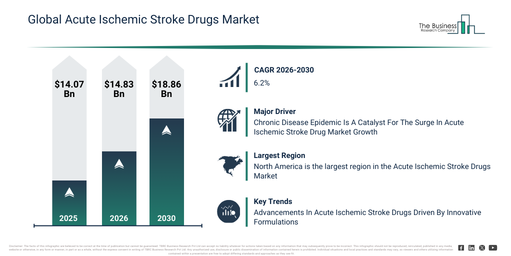
    Acute Ischemic Stroke Drugs Market Set To Grow From $14.83 Billion In 2026 To $18.85 Billion By 2030 At A CAGR Of 6.2%

    Through market attractiveness analysis, total addressable market evaluation, company benchmarking matrices, interactive Excel dashboards, expanded supply chain intelligence, emerging startup coverage, and detailed product insights, The Business Research Company’s 2026 market reports provide more actionable and strategically valuable research.

    Acute Ischemic Stroke Drugs Market Value Expansion And Long-Term Growth Outlook

    The market for acute ischemic stroke drugs has experienced robust expansion during recent years. Projections indicate a rise from $14.07 billion in 2025 to $14.83 billion in 2026, reflecting a compound annual growth rate (CAGR) of 5.4%. This historical growth has been driven by factors such as a higher incidence of stroke, an expanding elderly demographic, enhanced public knowledge of stroke signs, better healthcare facilities, and the launch of thrombolytic therapies.

    The acute ischemic stroke drugs market is anticipated to experience significant expansion in the coming years. Its value is projected to reach $18.86 billion by 2030, delivering a compound annual growth rate (CAGR) of 6.2%. Factors driving this upward trend during the forecast period include progress in neuroprotective therapies, the incorporation of artificial intelligence into stroke diagnosis and treatment, a growing emphasis on customized medicine, heightened research and development activities in the ischemic stroke therapeutics space, and the widening presence of hospital infrastructure across developing economies. Key developments shaping this period encompass the emergence of tailored stroke treatment plans, breakthroughs in neuroprotective pharmaceuticals, adoption of less invasive systems for drug delivery, improved protocols for urgent stroke care, and the evolution of combination treatment strategies.

    Download A Free Sample Report For Comprehensive Market Insights:

    https://www.thebusinessresearchcompany.com/sample.aspx?id=10049&type=smp&utm_source=BlogsPR&utm_medium=Paid&utm_campaign=Jul_PR

    Acute Ischemic Stroke Drugs Market Growth Factors Supporting Long-Term Expansion

    The growing occurrence of chronic diseases is expected to fuel the expansion of the acute ischemic stroke drug market in the years ahead. Chronic diseases, which are often referred to as non-communicable conditions, last for a year or longer and demand ongoing medical attention, limit daily activities, or both. Major contributors to death and disability include chronic illnesses like heart disease, cancer, and diabetes. Medications for acute ischemic stroke are commonly utilized in managing chronic diseases to lower the risk of clot formation and strokes while restoring blood flow to the brain. As an example, in June 2024, the National Health Service, a government body in the UK, reported that 3,615,330 individuals registered with a general practitioner (GP) were found to have non-diabetic hyperglycemia or pre-diabetes—a state where blood sugar levels are elevated but not enough for a diabetes diagnosis—in 2023, reflecting an 18% rise from 3,065,825 cases recorded in 2022. Consequently, the increasing prevalence of chronic diseases is boosting the growth of the acute ischemic stroke drug market.

    Acute Ischemic Stroke Drugs Market Segment Analysis Highlighting Growth Areas

    The acute ischemic stroke drugs market covered in this report is segmented –

    1) By Type: Tablet, Capsule, Other Types

    2) By Distribution Channel: Hospital Pharmacies, Retail Pharmacies, Online Pharmacies

    3) By Application: Hospitals, Diagnostic Centers, Other Applications

    Subsegments:

    1) By Tablet: Immediate Release Tablets, Extended Release Tablets, Orally Disintegrating Tablets

    2) By Capsule: Hard Shell Capsules, Soft Gelatin Capsules, Extended Release Capsules

    3) By Other Types: Injectable Solutions, Intravenous (IV) Preparations, Inhalation Formulations

    Acute Ischemic Stroke Drugs Market Industry Trends Shaping Future Revenue Growth

    Key players in the acute ischemic stroke drug market are focusing on the creation of novel drug delivery methods, including sublingual formulations of edaravone and dexborneol for this condition. This type of formulation is placed beneath the tongue to enable swift absorption into the bloodstream, leveraging the antioxidant and anti-inflammatory properties of both agents to boost therapeutic effectiveness. In October 2024, for example, Simcere Pharmaceutical, a company based in China, received breakthrough therapy designation for Sanbexin, a sublingual version of edaravone and dexborneol, intended for acute ischemic stroke (AIS). This recognition followed encouraging findings from the TASTE-SL phase 3 clinical trial (NCT04950920), where 64.4% of individuals receiving Sanbexin attained a modified Rankin Scale (mRS) score of 1 or lower at 90 days, versus 54.7% in the placebo group. Designed for use outside hospital environments, this treatment seeks to lower disability rates and enhance recovery results for AIS patients.

    Acute Ischemic Stroke Drugs Market Leading Companies: Who Holds Significant Market Presence?

    Major companies operating in the acute ischemic stroke drugs market are F. Hoffmann-La Roche AG, C.H. Boehringer Sohn AG & Co. KG, Bristol-Myers Squibb Company, Daiichi Sankyo Company Limited, AstraZeneca plc, Athersys Inc., Bayer AG, Sanofi S.A., Pfizer Inc., DiaMedica Therapeutics, Johnson & Johnson, Acticor Biotech, Simcere Pharmaceutical Co. Ltd., Genentech Inc., SanBio BV, Stemedica Cell Technologies Inc., Novartis AG, Merck KGaA, Takeda Pharmaceuticals Company, Lundbeck A/S

    Access The Complete Acute Ischemic Stroke Drugs Market Report:

    https://www.thebusinessresearchcompany.com/report/acute-ischemic-stroke-drugs-global-market-report?utm_source=BlogsPR&utm_medium=Paid&utm_campaign=Jul_PR

    Acute Ischemic Stroke Drugs Market Regional Analysis: Which Region Leads By Revenue?

    North America was the largest region in the acute ischemic stroke drugs market in 2025. Asia-Pacific is expected to be the fastest-growing region in the global acute ischemic stroke drugs market report during the forecast period. The regions covered in the acute ischemic stroke drugs market report are Asia-Pacific, South East Asia, Western Europe, Eastern Europe, North America, South America, Middle East, Africa.

    Get in touch with us:

    The Business Research Company: https://www.thebusinessresearchcompany.com/?utm_source=BlogsPR&utm_medium=Paid&utm_campaign=home_page_test

    Americas: +1 310-496-7795

    Asia: +44 7882 955267 & +91 8897263534

    Europe: +44 7882 955267

    Email us at: marketing@tbrc.info

    Follow us on:

    LinkedIn: https://in.linkedin.com/company/the-business-research-company

    YouTube: https://www.youtube.com/channel/UC24_fI0rV8cR5DxlCpgmyFQ

    Global Market Model: https://www.thebusinessresearchcompany.com/global-market-model
  • Acute Intermittent Porphyria Market Opportunities Are Emerging Beyond Traditional Growth Areas

    Acute Intermittent Porphyria Market Opportunities Are Emerging Beyond Traditional Growth Areas

    Delivering more actionable and strategically valuable research, The Business Research Company’s 2026 market reports feature market attractiveness analysis, total addressable market evaluation, company benchmarking matrices, interactive Excel dashboards, expanded supply chain intelligence, emerging startup coverage, and detailed product insights.

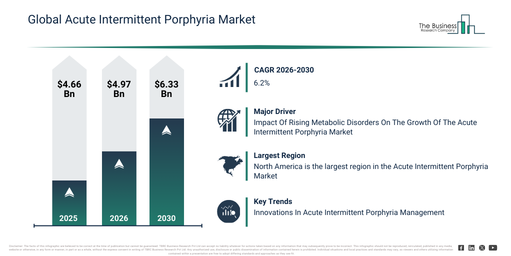
    Acute Intermittent Porphyria Market Expected To Reach $6.32 Billion By 2030 At 6.2% CAGR

    The market size for acute intermittent porphyria has experienced notable expansion in recent years. Projected to increase from $4.66 billion in 2025 to $4.97 billion in 2026, this growth reflects a compound annual growth rate (CAGR) of 6.5%. During the historic period, several factors have contributed to this development, including the limited availability of diagnostic facilities specific to AIP, low levels of public and professional awareness regarding acute intermittent porphyria, a continued dependence on conventional treatment approaches, the expansion of hospital and clinic infrastructure, and an increasing demand for genetic testing services.

    Anticipated growth in the acute intermittent porphyria market remains robust over the coming years, with projections indicating it will reach $6.33 billion by 2030, driven by a compound annual growth rate of 6.2%. This expansion during the forecast period is fueled by the emergence of innovative therapies alongside improved hematin formulations, broader availability of DNA and enzyme-based testing services, and the growing incorporation of telemedicine platforms tailored for rare diseases. Additional contributing factors include heightened awareness campaigns and targeted educational initiatives designed for healthcare professionals, as well as the widespread implementation of advanced monitoring solutions and digital health technologies. Key developments shaping the market outlook involve an increasing reliance on genetic and enzyme-driven diagnostic procedures, strengthening efforts to promote early detection and effective management of AIP, and a noticeable rise in prophylactic hematin infusions delivered alongside targeted therapeutic options. Moreover, the forecast period highlights the proliferation of specialized treatment facilities, expanded research programs intended to advance care, and the ongoing integration of telemedicine approaches combined with remote patient monitoring systems specifically customized for individuals managing acute intermittent porphyria.

    Download A Free Sample Report For Comprehensive Market Insights:

    https://www.thebusinessresearchcompany.com/sample.aspx?id=19264&type=smp&utm_source=BlogsPR&utm_medium=Paid&utm_campaign=Jul_PR

    Acute Intermittent Porphyria Market Demand Drivers Creating New Revenue Opportunities

    The rising incidence of metabolic disorders is expected to boost the acute intermittent porphyria market in the coming years. Metabolic disorders encompass a range of conditions resulting from abnormal chemical reactions in the body that disrupt normal metabolic processes. These disorders arise due to genetic predispositions, lifestyle choices, environmental exposures, and heightened awareness leading to improved diagnosis. This increase in metabolic disorders is motivating the pharmaceutical sector to develop treatments for rare genetic conditions like acute intermittent porphyria. As an example, Cleveland Clinic, a nonprofit academic medical center based in the US, reported in December 2023 that inherited metabolic disorders collectively affect roughly 1 in every 1,000 to 2,500 births globally. Consequently, the growing prevalence of metabolic disorders is fueling expansion in the acute intermittent porphyria market.

    Acute Intermittent Porphyria Market Segment Performance And Strategic Opportunities

    The acute intermittent porphyria market covered in this report is segmented –

    1) By Diagnosis: Urine Test, Blood Test, Serum Test, DNA Test, Other Diagnosis

    2) By Treatment: Prophylactic Hematin Infusions, Gonadotropin-Releasing Hormone Analogues, Other Treatments

    3) By End-Users: Hospitals And Clinics, Ambulatory Surgical Centers, Research Centers

    Subsegments:

    1) By Urine Test: Urine Porphobilinogen (PBG) Test, Urine Aminolevulinic Acid (ALA) Test, Urine Color Change Test

    2) By Blood Test: Plasma Porphyrin Levels Test, Blood Aminolevulinic Acid (ALA) Test, Complete Blood Count (CBC) Test

    3) By Serum Test: Serum Porphyrin Levels Test, Liver Function Test (LFT), Serum ALA and PBG Enzyme Test

    4) By DNA Test: Genetic Mutation Testing, Gene Sequencing Test

    5) By Other Diagnosis: Stool Test for Porphyrins, Imaging Tests (CT/MRI Scans for Complications), Enzyme Activity Assays.

    Acute Intermittent Porphyria Market Trends Driving Strategic Industry Expansion

    Key players in the acute intermittent porphyria market are concentrating on creating advanced solutions, such as management tablets, designed to offer enhanced functionalities for patients. These tablets are oral medications meant to control or avert the symptoms and sudden episodes linked to AIP. A notable example occurred in October 2023, when Alembic Pharmaceuticals Ltd., a pharmaceutical firm based in India, secured approval from the US Food & Drug Administration (USFDA) for its Chlorpromazine Hydrochloride Tablets USP, offered in strengths of 10 mg, 25 mg, 50 mg, 100 mg, and 200 mg. These tablets are prescribed to address symptoms of psychotic disorders and treat schizophrenia, while also being effective in managing nausea and vomiting, reducing pre-surgery anxiety and agitation, and supporting tetanus therapy. Furthermore, they are employed in handling acute intermittent porphyria, controlling manic phases of bipolar illness, and alleviating persistent hiccups.

    Acute Intermittent Porphyria Market Key Players: Which Companies Shape Industry Competition?

    Major companies operating in the acute intermittent porphyria market are Pfizer Inc., Johnson & Johnson, Roche Holding AG, Merck & Co. Inc., AbbVie Inc., Sanofi SA, AstraZeneca Plc, Novartis AG, GlaxoSmithKline Plc, Takeda Pharmaceutical Company Limited, Eli Lilly and Company, Gilead Sciences Inc., Amgen Inc., Novo Nordisk A/S, Regeneron Pharmaceuticals Inc., Daiichi Sankyo Company Limited, Vertex Pharmaceuticals Inc., Eisai Co. Ltd., Octapharma AG, BioMarin Pharmaceutical Inc., Swedish Orphan Biovitrum AB, Alnylam Pharmaceuticals Inc., Mylan N.V., Clinuvel Pharmaceuticals Ltd., Recordati Rare Diseases Inc.

    Access The Complete Acute Intermittent Porphyria Market Report:

    https://www.thebusinessresearchcompany.com/report/acute-intermittent-porphyria-global-market-report?utm_source=BlogsPR&utm_medium=Paid&utm_campaign=Jul_PR

    Acute Intermittent Porphyria Market Geographic Distribution And Regional Opportunities

    North America was the largest region in the acute intermittent porphyria market in 2025. Asia-Pacific is expected to be the fastest-growing region in the forecast period. The regions covered in the acute intermittent porphyria market report are Asia-Pacific, South East Asia, Western Europe, Eastern Europe, North America, South America, Middle East, Africa.

    Get in touch with us:

    The Business Research Company: https://www.thebusinessresearchcompany.com/?utm_source=BlogsPR&utm_medium=Paid&utm_campaign=home_page_test

    Americas: +1 310-496-7795

    Asia: +44 7882 955267 & +91 8897263534

    Europe: +44 7882 955267

    Email us at: marketing@tbrc.info

    Follow us on:

    LinkedIn: https://in.linkedin.com/company/the-business-research-company

    YouTube: https://www.youtube.com/channel/UC24_fI0rV8cR5DxlCpgmyFQ

    Global Market Model: https://www.thebusinessresearchcompany.com/global-market-model
  • Active Pharmaceutical Ingredients Market Expansion Is Opening New Pathways For Strategic Investment

    Active Pharmaceutical Ingredients Market Expansion Is Opening New Pathways For Strategic Investment

    Enhanced with market attractiveness analysis, total addressable market evaluation, company benchmarking matrices, interactive Excel dashboards, expanded supply chain intelligence, emerging startup coverage, and detailed product insights, The Business Research Company’s 2026 market reports deliver more actionable and strategically valuable research.

    Active Pharmaceutical Ingredients Market Size And Revenue Forecast Through 2030

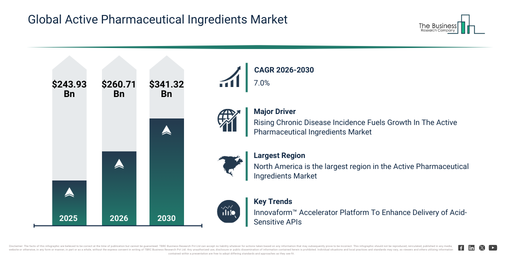
    The market for active pharmaceutical ingredients has demonstrated substantial growth in recent years, with projections indicating a rise from $243.93 billion in 2025 to $260.71 billion in 2026, representing a compound annual growth rate (CAGR) of 6.9%. This expansion during the historical period can be explained by factors such as the growing incidence of chronic conditions, heightened demand for generic medications, an increase in pharmaceutical research and development efforts, the development of hospital and clinical facilities, and progress made in chemical synthesis techniques.

    The active pharmaceutical ingredients market is projected to experience significant expansion over the coming years, reaching an estimated $341.32 billion by 2030, representing a compound annual growth rate (CAGR) of 7.0%. This upward trajectory during the forecast period is driven by factors such as the rising adoption of biologics, increased funding for precision medicine, growing need for targeted treatments, the broadening scope of contract manufacturing services, and the incorporation of artificial intelligence into drug discovery processes. Key developments shaping this period encompass the advancement of personalized medicine, breakthroughs in biologic APIs, the creation of sophisticated drug delivery systems, heightened focus on regulatory compliance and quality assurance, and a sustained shift toward outsourcing and contract manufacturing operations.

    Download A Free Sample Report For Comprehensive Market Insights:

    https://www.thebusinessresearchcompany.com/sample.aspx?id=8539&type=smp&utm_source=BlogsPR&utm_medium=Paid&utm_campaign=Jul_PR

    Active Pharmaceutical Ingredients Market Expansion Supported By Key Demand Factors

    The growing prevalence of chronic conditions is anticipated to boost the expansion of the active pharmaceutical ingredients market going forward. A chronic condition is typically defined as one that persists for three months or more and may become more severe over time. Among the most common chronic diseases are cancer, heart disease, stroke, diabetes, and arthritis. Active pharmaceutical ingredients are utilized in producing high-quality medications tailored to treat illnesses in areas such as oncology, cardiology, neurology, orthopedics, and others. For example, data from GOV.UK, a UK-based non-profit government organization, revealed in March 2025 that GP-recorded type 2 diabetes prevalence in adults aged 17 and over in England rose to 7.0% in March 2024, up from 6.8% in March 2023. Consequently, the rising incidence of chronic diseases is set to drive the growth of the active pharmaceutical ingredients market.

    Active Pharmaceutical Ingredients Market Segment Landscape And Growth Potential

    The active pharmaceutical ingredients market covered in this report is segmented –

    1) By Type: Innovative Active Pharmaceutical Ingredient (APIs), Generic Active Pharmaceutical Ingredient (APIs)

    2) By Manufacturer: Captive Manufacturers, Merchant Manufacturers

    3) By Type Of Drug: Prescription Drugs, Over-The-Counter Drugs

    4) By Therapeutic Application: Communicable Diseases, Oncology, Diabetes, Cardiovascular Disease, Pain Management, Respiratory Diseases, Other Therapeutic Applications

    Subsegments:

    1) By Innovative APIs: Biologics, Novel Chemical Entities (NCEs), Targeted Therapies

    2) By Generic APIs: Off-Patent Pharmaceuticals, Biosimilars, Over-The-Counter (OTC) Generic Drugs

    Active Pharmaceutical Ingredients Market Growth Trends Influencing Competitive Dynamics

    Key players within the active pharmaceutical ingredients sector are concentrating on innovations like the Innovaform Accelerator to enhance the delivery, stability, and bioavailability of acid-labile APIs. This platform leverages sophisticated capsule and formulation technologies to shield APIs from gastric breakdown, facilitating targeted release within the intestines and presenting a more effective, scalable option compared to conventional post-fill coating methods. As an illustration, in September 2024, Lonza Group AG, a pharmaceutical and biotech manufacturing firm based in Switzerland, introduced the Innovaform Accelerator at its Colmar, France, site. This system supports the encapsulation of small molecules, peptides, proteins, and nucleic acid therapeutics, providing tailored release profiles, expedited first-in-human trials, and simplified production workflows. Furthermore, it enables the delivery of advanced therapies, such as RNA-based treatments and biologics, while preserving API integrity during gastrointestinal transit.

    Active Pharmaceutical Ingredients Market Competitive Landscape: Who Are The Leading Companies?

    Major companies operating in the active pharmaceutical ingredients market are Albemarle Corporation, Aurobindo Pharma Limited, Dr. Reddy’s Laboratories Limited, AbbVie Inc., Teva Pharmaceutical Industries Limited, Cipla Limited, Boehringer Ingelheim International GmbH, Merck KGaA, Sun Pharmaceutical Industries Limited, Bristol-Myers Squibb Company, Mylan Pharmaceuticals ULC, BASF SE, Lupin Limited, Johnson & Johnson Services Inc., F. Hoffmann-La Roche AG, Pfizer Inc., Novartis International AG, Sanofi S.A, Viatris Inc., Cadila Pharmaceuticals Limited, Amneal Pharmaceuticals Inc., Apotex Inc., Lonza Group AG, HPM Chemicals and Fertilizers Ltd., GlaxoSmithKline PLC, Daiichi Sankyo Inc., Catalent Inc.

    Access The Complete Active Pharmaceutical Ingredients Market Report:

    https://www.thebusinessresearchcompany.com/report/active-pharmaceutical-ingredients-global-market-report?utm_source=BlogsPR&utm_medium=Paid&utm_campaign=Jul_PR

    Active Pharmaceutical Ingredients Market Largest Region By Revenue And Market Share

    North America was the largest region in the active pharmaceutical ingredients market share in 2025. The regions covered in the active pharmaceutical ingredients market report are Asia-Pacific, South East Asia, Western Europe, Eastern Europe, North America, South America, Middle East, Africa.

    Get in touch with us:

    The Business Research Company: https://www.thebusinessresearchcompany.com/?utm_source=BlogsPR&utm_medium=Paid&utm_campaign=home_page_test

    Americas: +1 310-496-7795

    Asia: +44 7882 955267 & +91 8897263534

    Europe: +44 7882 955267

    Email us at: marketing@tbrc.info

    Follow us on:

    LinkedIn: https://in.linkedin.com/company/the-business-research-company

    YouTube: https://www.youtube.com/channel/UC24_fI0rV8cR5DxlCpgmyFQ

    Global Market Model: https://www.thebusinessresearchcompany.com/global-market-model
  • Active Pharmaceutical Ingredient (API) Intermediate Market Trends Are Creating New Opportunities For Industry Leaders

    Active Pharmaceutical Ingredient (API) Intermediate Market Trends Are Creating New Opportunities For Industry Leaders

    Through market attractiveness analysis, total addressable market evaluation, company benchmarking matrices, interactive Excel dashboards, expanded supply chain intelligence, emerging startup coverage, and detailed product insights, The Business Research Company’s 2026 market reports provide more actionable and strategically valuable research.

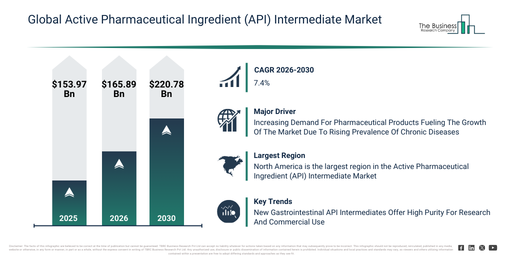
    Active Pharmaceutical Ingredient (API) Intermediate Market Growth From $165.89 Billion In 2026 To $220.77 Billion By 2030 At A CAGR Of 7.4%

    The market for active pharmaceutical ingredient (API) intermediates has expanded substantially over the past few years. Projections indicate that its value will rise from $153.97 billion in 2025 to $165.89 billion in 2026, reflecting a compound annual growth rate (CAGR) of 7.7%. Several factors drove this historical growth, including a surge in pharmaceutical production, cost benefits found in developing economies, proficiency in chemical synthesis, increased demand for generic medications, and the overall expansion of global healthcare systems.

    The market for active pharmaceutical ingredient (API) intermediates is projected to experience robust expansion over the coming years, reaching a valuation of $220.78 billion by 2030, driven by a compound annual growth rate (CAGR) of 7.4%. This anticipated growth during the forecast period is fueled by factors such as the reshoring of pharmaceutical supply chains, heightened regulatory oversight, advancements in synthesis techniques, the expansion of biotech intermediates, and increased investment in pharmaceutical research and development. Key developments shaping this period include a growing trend toward outsourcing API intermediate production, the rise of contract development and manufacturing organization (CDMO) partnerships, an escalating demand for high-purity intermediates, a stronger emphasis on manufacturing that meets regulatory standards, and the broadening of generic drug manufacturing activities.

    Download A Free Sample Report For Comprehensive Market Insights:

    https://www.thebusinessresearchcompany.com/sample.aspx?id=24453&type=smp&utm_source=BlogsPR&utm_medium=Paid&utm_campaign=Jul_PR

    Active Pharmaceutical Ingredient (API) Intermediate Market Growth Drivers And Industry Catalysts

    The rising need for medicinal and therapeutic compounds is anticipated to boost the expansion of the active pharmaceutical ingredient (API) intermediate market in the coming years. Pharmaceutical products are defined as substances or combinations utilized for diagnosing, treating, preventing, or curing illnesses and medical conditions in both humans and animals. This heightened demand is primarily driven by the growing frequency of chronic diseases, which necessitate long-term medication and continuous healthcare oversight. API intermediates are crucial components in the pharmaceutical production process, as they facilitate the effective synthesis and quality assurance of active pharmaceutical ingredients. As an illustration, in April 2024, data from Eurostat, the official statistical office of the European Union based in Luxembourg, revealed that EU imports of medicinal and pharmaceutical products rose by 6.1% in 2023, reaching $129 billion (€119 billion) when compared to the prior year. Over the same timeframe, EU exports hit $300 billion (€277 billion), generating a trade surplus of $171 billion (€158 billion). Consequently, the escalating demand for pharmaceutical products is propelling the growth trajectory of the active pharmaceutical ingredient (API) intermediate market.

    Active Pharmaceutical Ingredient (API) Intermediate Market Categorization By Product Type And Application

    The active pharmaceutical ingredient (api) intermediate market covered in this report is segmented –

    1) By Type: Bulk Drug Intermediates, Chemical Intermediates

    2) By Natural: Plant-Derived Intermediates, Animal-Derived Intermediates, Microbial Intermediates, Synthetic Natural Products, Biotransformed Intermediates

    3) By Application: Analgesics, Antidiabetic Drugs, Anti-Infective Drugs, Cardiovascular Drugs, Anticancer Drugs, Other Applications

    4) By End-User: Pharmaceutical Companies, Research Institutes, Contract Manufacturing Organizations, Other End-Users

    Subsegments:

    1) By Bulk Drug Intermediates: Synthetic Intermediates, Biotech Intermediates, Peptide Intermediates, Steroidal Intermediates, Amino Acid Intermediates

    2) By Chemical Intermediates: Chiral Intermediates, Heterocyclic Intermediates, Organometallic Intermediates, Aromatic Intermediates, Aliphatic Intermediates

    Active Pharmaceutical Ingredient (API) Intermediate Market Trends Influencing Long-Term Demand

    Key players in the active pharmaceutical ingredient (API) intermediate market are prioritizing the creation of novel treatments, such as gastrointestinal API intermediates, to boost therapeutic effectiveness and broaden their range of medical offerings. Gastrointestinal API intermediates serve as essential chemical building blocks used in producing active pharmaceutical ingredients that address disorders of the digestive system. For example, in October 2023, Hunan Huateng Pharmaceutical, a pharmaceutical firm based in China, introduced Fexuprazan and Vonoprazan intermediates to satisfy the growing requirements of the pharmaceutical sector. These intermediates are supplied in both good manufacturing practice (GMP) and non-good manufacturing practice (non-GMP) grades, ensuring exceptional purity that exceeds industry benchmarks. They are designed to offer pharmaceutical manufacturers adaptable options for both research activities and large-scale production. This product introduction aims to fulfill the escalating demand for advanced gastrointestinal therapies by providing superior-quality, accurate, and reliable components for drug development.

    Active Pharmaceutical Ingredient (API) Intermediate Market Company Landscape And Strategic Competition

    Major companies operating in the active pharmaceutical ingredient (api) intermediate market are Laurus Labs Ltd., Jubilant Pharmova Ltd., Cambrex Corporation, Hovione Holdings S.A., Vasudha Pharma Chem Ltd., ABA Chemicals Private Limited, Jay Finechem Industries Ltd., Glenmark Life Sciences Ltd., Suven Pharmaceuticals Ltd., IOL Chemicals and Pharmaceuticals Ltd., Hetero Labs Ltd., Aurobindo Pharma Ltd., Ipca Laboratories Ltd., Dr. Reddy’s Laboratories Ltd., Concord Biotech Ltd., Alembic Pharmaceuticals Ltd., Granules India Ltd., Ind-Swift Laboratories Ltd., Piramal Pharma Ltd., Neuland Laboratories Ltd., SMS Lifesciences India Ltd., Aarti Drugs Ltd., Shilpa Medicare Ltd., Laxai Avanti Life Sciences Pvt. Ltd.

    Access The Complete Active Pharmaceutical Ingredient (API) Intermediate Market Report:

    https://www.thebusinessresearchcompany.com/report/active-pharmaceutical-ingredient-api-intermediate-global-market-report?utm_source=BlogsPR&utm_medium=Paid&utm_campaign=Jul_PR

    Active Pharmaceutical Ingredient (API) Intermediate Market Regional Analysis And Leading Geography

    North America was the largest region in the active pharmaceutical ingredient (API) intermediate market in 2025. Asia-Pacific is expected to be the fastest-growing region in the forecast period. The regions covered in the active pharmaceutical ingredient (api) intermediate market report are Asia-Pacific, South East Asia, Western Europe, Eastern Europe, North America, South America, Middle East, Africa.

    Get in touch with us:

    The Business Research Company: https://www.thebusinessresearchcompany.com/?utm_source=BlogsPR&utm_medium=Paid&utm_campaign=home_page_test

    Americas: +1 310-496-7795

    Asia: +44 7882 955267 & +91 8897263534

    Europe: +44 7882 955267

    Email us at: marketing@tbrc.info

    Follow us on:

    LinkedIn: https://in.linkedin.com/company/the-business-research-company

    YouTube: https://www.youtube.com/channel/UC24_fI0rV8cR5DxlCpgmyFQ

    Global Market Model: https://www.thebusinessresearchcompany.com/global-market-model
  • Acquired Autoimmune Hemolytic Anemia Market Growth Is Reshaping Competitive Advantage Across The Industry

    Acquired Autoimmune Hemolytic Anemia Market Growth Is Reshaping Competitive Advantage Across The Industry

    Delivering more actionable and strategically valuable research, The Business Research Company’s 2026 market reports feature market attractiveness analysis, total addressable market evaluation, company benchmarking matrices, interactive Excel dashboards, expanded supply chain intelligence, emerging startup coverage, and detailed product insights.

    Acquired Autoimmune Hemolytic Anemia Market Expansion Outlook: What Revenue Opportunities Lie Ahead?

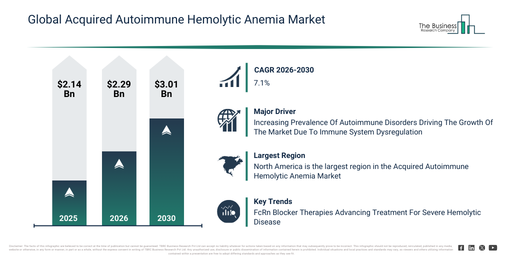
    Over recent years, the market for acquired autoimmune hemolytic anemia has experienced robust expansion. Projections indicate a rise from $2.14 billion in 2025 to $2.29 billion in 2026, driven by a compound annual growth rate (CAGR) of 7.1%. This historical growth can be traced to several key factors, including advancements in diagnosing autoimmune diseases, a continued dependence on corticosteroid therapies, the development of specialized hematology departments within hospitals, a higher incidence of anemia linked to malignancies, and the widespread accessibility of diagnostic testing.

    The market for acquired autoimmune hemolytic anemia is projected to experience significant expansion in the coming years, reaching a value of $3.01 billion by 2030, driven by a compound annual growth rate (CAGR) of 7.1%. This anticipated growth during the forecast period is fueled by heightened awareness of rare diseases, increased uptake of biologic therapies, the integration of advanced diagnostic tools, sustained funding for hematology research, and the development of personalized treatment plans. Key trends shaping this period include the growing use of targeted immunosuppressive treatments, a stronger reliance on rituximab-based regimens, the expansion of hospital-based hematology services, broader adoption of improved diagnostic testing methods, and the scaling up of programs dedicated to rare disease care.

    Download A Free Sample Report For Comprehensive Market Insights:

    https://www.thebusinessresearchcompany.com/sample.aspx?id=24132&type=smp&utm_source=BlogsPR&utm_medium=Paid&utm_campaign=Jul_PR

    Acquired Autoimmune Hemolytic Anemia Market Opportunity Drivers: What Is Creating New Revenue Potential?

    The anticipated growth of the acquired autoimmune hemolytic anemia market is being driven forward by the growing frequency of autoimmune disorders. These conditions occur when the immune system incorrectly targets the body’s own healthy tissues and cells, mistaking them for harmful invaders. This rise in autoimmune disorders is largely due to increased environmental triggers and shifts in lifestyle, which can interfere with immune system regulation. As the prevalence of autoimmune conditions grows, so does the incidence of acquired autoimmune hemolytic anemia, since individuals with such disorders frequently develop secondary AIHA as a result of immune system dysfunction. For example, data from the Gastro-Intestinal Epidemiology Consortium (CanGIEC), a Canada-based network of researchers and clinicians, reported an inflammatory bowel disease prevalence of 825 cases per 100,000 people in 2023. This rate is projected to increase by 2.44% annually, reaching 1,075 cases per 100,000 by 2035. Consequently, the rising occurrence of autoimmune disorders is set to fuel expansion in the acquired autoimmune hemolytic anemia market.

    Acquired Autoimmune Hemolytic Anemia Market Segment Analysis And Revenue Opportunities

    The acquired autoimmune hemolytic anemia market covered in this report is segmented –

    1) By Diagnosis Method: Complete Blood Count, Peripheral Blood Smear, Direct Coombs Test, Indirect Coombs Test

    2) By Treatment Type: Corticosteroids, Immunosuppressive Agents, Intravenous Immunoglobulin, Rituximab

    3) By Severity: Mild, Moderate, Severe

    4) By End User: Hospitals, Specialty Clinics, Research Institutions

    Subsegments:

    1) By Complete Blood Count: Hemoglobin Level, Hematocrit (HCT), Reticulocyte Count, White Blood Cell Count, Platelet Count

    2) By Peripheral Blood Smear: Spherocytes, Polychromasia, Schistocytes, Increased Reticulocyte Count

    3) By Direct Coombs Test: Immunoglobulin G Coombs Test, Immunoglobulin M Coombs Test, Complement Coombs Test

    4) By Indirect Coombs Test: Screening For Alloantibodies, Detection Of Sensitizing Antibodies, Crossmatch Testing

    Acquired Autoimmune Hemolytic Anemia Market Innovation Trends Driving Future Development

    Key players in the acquired autoimmune hemolytic anemia market are prioritizing innovations in targeted therapies, particularly neonatal Fc receptor (FcRn) blockers, to boost treatment effectiveness, improve outcomes for both mothers and fetuses, and deliver more effective solutions for high-risk pregnancies complicated by severe hemolytic disease. An FcRn blocker is a therapeutic antibody engineered to inhibit the neonatal Fc receptor, which normally recycles immunoglobulin G (IgG) antibodies in the body, thus lowering levels of pathogenic antibodies that trigger red blood cell destruction and hemolytic issues in both maternal and fetal patients. For example, in January 2025, Johnson & Johnson, a pharmaceutical and healthcare company based in the United States, was granted Breakthrough Therapy Designation by the U.S. Food and Drug Administration (FDA) for nipocalimab, intended for individuals at elevated risk of severe hemolytic disease of the fetus and newborn (HDFN). Nipocalimab functions by selectively blocking the neonatal Fc receptor (FcRn), which reduces maternal IgG antibody levels that cross the placenta and attack fetal red blood cells, thereby preventing severe hemolytic disease, minimizing the necessity for intrauterine transfusions, and enhancing outcomes for pregnancies at risk. Nipocalimab specifically targets FcRn-mediated IgG recycling without disrupting other immune functions.

    Acquired Autoimmune Hemolytic Anemia Market Leading Players Shaping Industry Direction

    Major companies operating in the acquired autoimmune hemolytic anemia market are F. Hoffmann-La Roche Ltd., Alexion Pharmaceuticals Inc., Apellis Pharmaceuticals Inc., Sanofi S.A., AbbVie Inc., Novartis AG, Incyte Corporation, BioCryst Pharmaceuticals Inc., Annexon Inc., Rigel Pharmaceuticals Inc., Zenas BioPharma Inc., Immunovant Sciences GmbH, Alpine Immune Sciences Inc., Agios Pharmaceuticals Inc., Johnson & Johnson, Merck KGaA, Bristol Myers Squibb Company, Takeda Pharmaceutical Company Limited, CSL Behring, Grifols S.A.

    Access The Complete Acquired Autoimmune Hemolytic Anemia Market Report:

    https://www.thebusinessresearchcompany.com/report/acquired-autoimmune-hemolytic-anemia-global-market-report?utm_source=BlogsPR&utm_medium=Paid&utm_campaign=Jul_PR

    Acquired Autoimmune Hemolytic Anemia Market Geographic Analysis: Where Is Demand Growing The Fastest?

    North America was the largest region in the acquired autoimmune hemolytic anemia market in 2025. Europe is expected to be the fastest-growing region in the forecast period. The regions covered in the acquired autoimmune hemolytic anemia market report are Asia-Pacific, South East Asia, Western Europe, Eastern Europe, North America, South America, Middle East, Africa.

    Get in touch with us:

    The Business Research Company: https://www.thebusinessresearchcompany.com/?utm_source=BlogsPR&utm_medium=Paid&utm_campaign=home_page_test

    Americas: +1 310-496-7795

    Asia: +44 7882 955267 & +91 8897263534

    Europe: +44 7882 955267

    Email us at: marketing@tbrc.info

    Follow us on:

    LinkedIn: https://in.linkedin.com/company/the-business-research-company

    YouTube: https://www.youtube.com/channel/UC24_fI0rV8cR5DxlCpgmyFQ

    Global Market Model: https://www.thebusinessresearchcompany.com/global-market-model