Tag: Revenue 2025

  • Connected Wearable Patches Market Trends Reshaping Industry Growth Through 2030

    Connected Wearable Patches Market Trends Reshaping Industry Growth Through 2030

    Backed by market attractiveness analysis, total addressable market sizing, company benchmarking matrices, interactive Excel dashboards, wider supply chain intelligence, emerging startup coverage, and detailed product-level insights, The Business Research Company’s 2026 market reports are designed to offer research that is more actionable and strategically valuable than ever.

    Connected Wearable Patches Market Growth Potential: How Will Market Size Shift Through 2030?

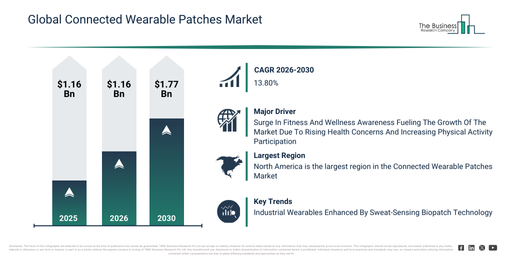
    The market for connected wearable patches has shown swift expansion in recent years. This sector is forecast to increase from $6.42 billion in 2025 to $7.32 billion in 2026, achieving a compound annual growth rate (CAGR) of 14.1%. The expansion observed in the past can be attributed to several factors including the initial limited adoption of connected wearable technologies, a reliance on traditional monitoring devices, the increasing prevalence of chronic diseases, early-stage clinical trials utilizing wearable patches, and a growing awareness of patient-centric healthcare.

    The connected wearable patches market is projected for substantial growth over the next few years. It is anticipated to reach $12.26 billion by 2030, exhibiting a compound annual growth rate (CAGR) of 13.8%. This expansion during the forecast period is largely due to advancements in sensor miniaturization and connectivity, integration with smartphones and cloud platforms, increasing demand for continuous glucose and cardiac monitoring, the broadening of sports and wellness tracking applications, and improved regulatory approvals along with healthcare reimbursement policies. Prominent trends expected in this period involve the development of remote patient monitoring and telehealth solutions, a growing adoption of non-invasive glucose monitoring technologies, the increasing application of wearable patches in fitness and sports performance, the expansion of transdermal drug delivery applications, and a stronger focus on data accuracy, sensor reliability, and patient safety.

    Get A Free Sample Report With In-Depth Market Insights:

    https://thebusinessresearchcompany.com/sample_request?id=44768564&type=smp&name=Connected%20Wearable%20Patches%20Market%20Report%202026&utm_source=Blogs&utm_medium=Paid&utm_campaign=Oct_PR

    Connected Wearable Patches Market Growth Factors: What’s Supporting Expansion?

    The expanding awareness of fitness and wellness is anticipated to fuel the future growth of the connected wearable patches market. This awareness signifies an understanding of the crucial role of consistent physical activity and healthy lifestyle choices for overall well-being. The heightened concern over chronic illnesses is contributing to this increase in fitness and wellness awareness, motivating people to embrace healthier habits for improved long-term health. Connected wearable patches contribute to this by continuously tracking key health indicators, offering immediate feedback, and inspiring users to remain active and uphold healthier routines. For example, data from June 2024, provided by the International Food Information Council (IFIC), a US based non profit organization, indicates that a substantial 54% of Americans adhered to a specific diet or eating pattern in the preceding year. A significant number of individuals are focused on increasing their protein consumption, with interest growing from 59% in 2022 to 67% in 2023, and further to 71% in 2024. Furthermore, approximately half of consumers are prioritizing increased intake of fresh foods, recognized as among the healthiest dietary choices. Consequently, the rising fitness and wellness awareness is a key driver for the expansion of the connected wearable patches market.

    Connected Wearable Patches Market Segment Analysis: What Are The Core Market Categories?

    The connected wearable patches market covered in this report is segmented –

    1) By Type: Glucose Monitoring Patches, Cardiac Monitoring Patches, Electromyography (EMG) Patches, Transdermal Drug Delivery Patches, Electroencephalography (EEG) Patches, Other Types

    2) By Sensor Technology: Electrocardiography (ECG), Photoplethysmography (PPG), Accelerometry, Gyroscope, Temperature Sensing

    3) By Distribution Channel: Online Stores, Pharmacies, Specialty Stores, Other Distribution Channels

    4) By Application: Remote Patient Monitoring, Fitness And Wellness Monitoring, Drug Delivery, Sports And Performance Monitoring, Other Applications

    5) By End User: Hospitals, Home Care, Fitness Centers, Research Institutions, Other End-Users

    Subsegments:

    1) By Glucose Monitoring Patches: Continuous Glucose Monitoring (CGM) Patches, Flash Glucose Monitoring (FGM) Patches, Non-Invasive Glucose Monitoring Patches, Adhesive Enzyme-Based Glucose Patches

    2) By Cardiac Monitoring Patches: Electrocardiography Monitoring Patches, Arrhythmia Detection Patches, Remote Cardiac Telemetry Patches, Holter Monitoring Patches

    3) By Electromyography (EMG) Patches: Surface Electromyography Patches, Wireless Electromyography Sensor Patches, Multi-channel Electromyography Patches, Rehabilitation Monitoring Electromyography Patches

    4) By Transdermal Drug Delivery Patches: Nicotine Delivery Patches, Hormone Replacement Therapy (HRT) Patches, Pain Management Patches (e.g., Fentanyl), Neurological Drug Delivery Patches, Anti-hypertensive Patches

    5) By Electroencephalography (EEG) Patches: Sleep Monitoring Electroencephalography Patches, Seizure Detection Electroencephalography Patches, Brain-Computer Interface (BCI) Patches, Cognitive Performance Monitoring Patches

    6) By Other Types: Hydration Monitoring Patches, Temperature Monitoring Patches, Sweat Analysis Patches, Oxygen Saturation (SpO₂) Monitoring Patches, Respiratory Rate Monitoring Patches

    Connected Wearable Patches Market Industry Trends: What’s Reshaping Demand?

    Major companies operating in the connected wearable patches market are increasingly focusing on advanced technologies, such as sweat-sensing biopatch platforms, to deliver real-time, personalized hydration insights for industrial workers. A sweat-sensing biopatch integrates multiple biosensors to detect fluid and electrolyte loss, body temperature, and movement patterns instantly, facilitating proactive hydration and heat stress management. For instance, in April 2024, Epicore Biosystems, a US-based digital health company, unveiled Connected Hydration alongside a mobile application. This represents a next-generation wearable patch system engineered to help industrial workers prevent dehydration and heat-related injuries through immediate data feedback. This sophisticated solution features a flexible, non-rechargeable biopatch with a 1,000-hour battery life, real-time dehydration alerts delivered via haptic feedback, and a mobile application for tracking fluid intake and biometric trends. Its sturdy design is certified for hazardous environments and incorporates machine learning trained on over 420,000 field data points.

    Connected Wearable Patches Market Leading Players And Competitive Positioning

    Major companies operating in the connected wearable patches market are Abbott Laboratories, Medtronic plc, Koninklijke Philips NV, GE HealthCare Technologies Inc, ZOLL Medical Corporation, Dexcom Inc, Insulet Corporation, MicroPort Scientific Corporation, iRhythm Technologies Inc, Linxens Holding SAS, Biotricity Inc, Blue Spark Technologies Inc, Epicore Biosystems Inc, Cardiac Insight Inc, Delsys Incorporated, G Tech Medical Inc, Leaf Healthcare Inc, VivaLNK Inc, BioIntelliSense Inc, MC10 Inc, LifeSignals Group Inc, Preventice Solutions Inc

    View The Full Connected Wearable Patches Market Report:

    https://thebusinessresearchcompany.com/report/connected-wearable-patches-global-market-report?utm_source=Blogs&utm_medium=Paid&utm_campaign=Oct_PR

    Connected Wearable Patches Market Regional Split: Which Areas Are Fueling Growth?

    North America was the largest region in the connected wearable patches market in 2025. Asia-Pacific is expected to be the fastest-growing region in the forecast period. The regions covered in the connected wearable patches market report are Asia-Pacific, South East Asia, Western Europe, Eastern Europe, North America, South America, Middle East, Africa.

    Reach Out To Our Team:

    The Business Research Company: https://www.thebusinessresearchcompany.com/

    Americas: +1 310-496-7795

    Asia: +44 7882 955267 & +91 8897263534

    Europe: +44 7882 955267

    Email us at: marketing@tbrc.info

    Follow us on:

    LinkedIn: https://in.linkedin.com/company/the-business-research-company

    YouTube: https://www.youtube.com/channel/UC24_fI0rV8cR5DxlCpgmyFQ

    Global Market Model: https://www.thebusinessresearchcompany.com/global-market-model
  • Arthroscopic Orthopedic Surgery Instrument Market Size Forecast From 2026 To 2030: Key Industry Trends

    Arthroscopic Orthopedic Surgery Instrument Market Size Forecast From 2026 To 2030: Key Industry Trends

    Built to provide research that’s more actionable and strategically valuable, The Business Research Company’s 2026 market reports include market attractiveness analysis, total addressable market sizing, company benchmarking matrices, interactive Excel dashboards, broader supply chain intelligence, emerging startup tracking, and in-depth product insights.

    Arthroscopic Orthopedic Surgery Instrument Market Set To Climb From $4.37 Billion In 2026 To $5.26 Billion By 2030

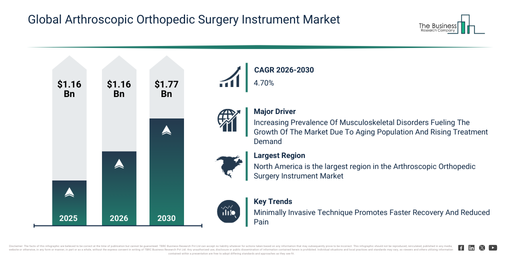
    The arthroscopic orthopedic surgery instrument market has experienced substantial expansion in recent years. Projections indicate a rise from $4.16 billion in 2025 to $4.37 billion in 2026, demonstrating a compound annual growth rate (CAGR) of 5.1%. Historically, this market’s expansion can be linked to factors such as the limited accessibility of specialized arthroscopic tools, the previous dependence on conventional open surgical methods, an increase in the occurrence of orthopedic conditions, the early embrace of knee and shoulder surgical procedures, and the development of hospital and orthopedic clinic infrastructure.

    The market for arthroscopic orthopedic surgery instruments is projected to experience consistent expansion over the coming years. It will grow to $5.26 billion in 2030 at a compound annual growth rate (CAGR) of 4.7%. This growth during the forecast period is fueled by several factors, including innovations in flexible and intelligent instruments, the increased adoption of single-use and disposable devices, the expansion of ambulatory surgical centers (ASCs), a growing need for multi-joint arthroscopic interventions, and the incorporation of AI and digital imaging into surgical processes. Key trends observed within this period encompass the increasing embrace of minimally invasive surgical techniques, a greater need for both reusable and single-use instruments, the broadening application of arthroscopic procedures to various joints, the incorporation of sophisticated imaging and navigation systems, and an intensifying emphasis on precise and ergonomically designed instruments.

    Get A Free Sample Report With In-Depth Market Insights:

    https://thebusinessresearchcompany.com/sample_request?id=97447336&type=smp&name=Arthroscopic%20Orthopedic%20Surgery%20Instrument%20Market%20Report%202026&utm_source=Blogs&utm_medium=Paid&utm_campaign=Sep_PR

    Arthroscopic Orthopedic Surgery Instrument Market Growth Backed By Core Demand Fundamentals

    The growing incidence of musculoskeletal conditions is anticipated to drive expansion in the arthroscopic orthopedic surgery instrument market moving ahead. These disorders are defined as ailments impacting muscles, bones, joints, tendons, and ligaments, leading to pain or restricted movement. The increased occurrence of musculoskeletal disorders can be attributed to the world’s aging populace, given that individuals naturally encounter joint deterioration and lower bone density with age. Arthroscopic orthopedic surgery instruments assist in managing musculoskeletal conditions by facilitating less invasive operations, minimizing harm to tissues, and encouraging quicker healing. These instruments boost surgical accuracy, resulting in better patient results and enhanced effectiveness in orthopedic treatments. As an illustration, figures from January 2024, provided by the Office for Health Improvement and Disparities, a UK-based government department, showed that the prevalence of long-term musculoskeletal (MSK) conditions among self-reporting individuals aged 16 and above reached 18.4% in 2023, up from 17.6% in 2022. Consequently, the rising prevalence of musculoskeletal disorders is fueling the expansion of the arthroscopic orthopedic surgery instrument market.

    Arthroscopic Orthopedic Surgery Instrument Market Segment Analysis And Revenue Potential

    The arthroscopic orthopedic surgery instrument market covered in this report is segmented –

    1) By Type: Arthroscopic Shavers, Arthroscopic Scissors, Arthroscopic Probe, Arthroscopic Graspers, Arthroscopic Scalpels, Arthroscopic Cannulas

    2) By Product Design: Rigid Instruments, Flexible Instruments, Reusable Instruments, Single-Use Instruments

    3) By Application: Knee Surgery, Shoulder Surgery, Hip Surgery, Ankle Surgery, Elbow Surgery

    4) By End-User: Hospitals, Ambulatory Surgical Centers (ASCs), Orthopedic Clinics

    Subsegments:

    1) By Arthroscopic Shavers: Blade Shavers, Burr Shavers, Handpiece Shavers, Disposable Shavers, Reusable Shavers

    2) By Arthroscopic Scissors: Straight Scissors, Curved Scissors, Hook Scissors, Micro Scissors

    3) By Arthroscopic Probe: Straight Probes, Angled Probes, Calibrated Probes, Hook Probes

    4) By Arthroscopic Graspers: Straight Graspers, Curved Graspers, Rotating Graspers, Alligator Graspers, Punch Graspers

    5) By Arthroscopic Scalpels: Retractable Scalpels, Disposable Scalpels, Reusable Scalpels, Mini Scalpels

    6) By Arthroscopic Cannulas: Slotted Cannulas, Threaded Cannulas, Smooth Cannulas, Metal Cannulas, Plastic Cannulas

    Arthroscopic Orthopedic Surgery Instrument Market Growth Trends Reshaping The Competitive Landscape

    Leading companies within the arthroscopic orthopedic surgery instrument market are concentrating on developing advanced innovations, such as minimally invasive methods that promote quicker healing. Their objective is to enhance surgical precision, improve patient outcomes, and reduce overall healthcare expenditures. These minimally invasive techniques, designed for faster recovery, refer to surgical approaches that employ small incisions and specialized instruments to lessen tissue damage, leading to decreased pain, shorter hospital stays, and a more rapid return to daily activities. As an illustration, in January 2024, Arthrex, a US-based minimally invasive surgical technology firm, introduced TheNanoExperience.com, an online platform centered around patients. This initiative aims to alleviate pain and accelerate recovery, allowing patients to resume their activities sooner. The platform also includes comprehensive videos, testimonials, and explanations of procedures to assist patients in making informed decisions about their care.

    Arthroscopic Orthopedic Surgery Instrument Market Competitive Analysis Of Leading Industry Participants

    Major companies operating in the arthroscopic orthopedic surgery instrument market are Johnson and Johnson, Medtronic plc, Stryker Corporation, Zimmer Biomet Holdings Inc, Smith and Nephew plc, Arthrex Inc, Karl Storz SE and Co KG, Integra LifeSciences Holdings Corporation, CONMED Corporation, B Braun Melsungen AG, Gauthier Biomedical Inc, Sklar Surgical Instruments Inc, Medicon eG, Millennium Surgical Corp, Rudolf Medical GmbH and Co KG, Devesh Meditech Pvt Ltd, GPC Medical Ltd, Olympus Medical Systems, Surgical Holdings Ltd, Smiths Medical

    View The Full Arthroscopic Orthopedic Surgery Instrument Market Report:

    https://thebusinessresearchcompany.com/report/arthroscopic-orthopedic-surgery-instrument-global-market-report?utm_source=Blogs&utm_medium=Paid&utm_campaign=Sep_PR

    Arthroscopic Orthopedic Surgery Instrument Market Geographic Spread And Regional Opportunities

    North America was the largest region in the arthroscopic orthopedic surgery instruments market in 2025. Asia-Pacific is expected to be the fastest-growing region in the forecast period. The regions covered in the arthroscopic orthopedic surgery instrument market report are Asia-Pacific, South East Asia, Western Europe, Eastern Europe, North America, South America, Middle East, Africa.

    Reach Out To Our Team:

    The Business Research Company: https://www.thebusinessresearchcompany.com/

    Americas: +1 310-496-7795

    Asia: +44 7882 955267 & +91 8897263534

    Europe: +44 7882 955267

    Email us at: marketing@tbrc.info

    Follow us on:

    LinkedIn: https://in.linkedin.com/company/the-business-research-company

    YouTube: https://www.youtube.com/channel/UC24_fI0rV8cR5DxlCpgmyFQ

    Global Market Model: https://www.thebusinessresearchcompany.com/global-market-model
  • Heavy Metal Poisoning Drugs Market Analysis: $1.56 Billion Market Size In 2026 And Future Growth Prospects

    Heavy Metal Poisoning Drugs Market Analysis: $1.56 Billion Market Size In 2026 And Future Growth Prospects

    Built to provide research that’s more actionable and strategically valuable, The Business Research Company’s 2026 market reports include market attractiveness analysis, total addressable market sizing, company benchmarking matrices, interactive Excel dashboards, broader supply chain intelligence, emerging startup tracking, and in-depth product insights.

    Heavy Metal Poisoning Drugs Market Forecast: What Value Will The Market Reach By 2030?

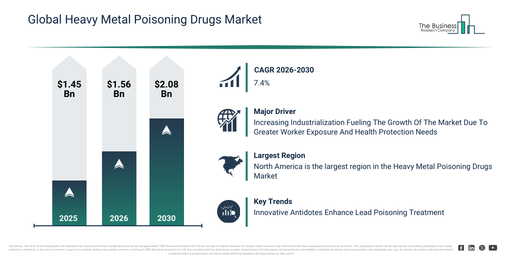
    The heavy metal poisoning drugs market has demonstrated robust expansion in recent years. It is anticipated to increase from $1.45 billion in 2025 to $1.56 billion in 2026, achieving a compound annual growth rate (CAGR) of 7.7%. The reasons for this historical growth encompass industrial pollution exposure, incidents of lead and mercury poisoning, the development of emergency medicine, specialized hospital toxicology units, and occupational health regulations.

    The heavy metal poisoning drugs market is anticipated to experience substantial expansion over the upcoming years. Its valuation is projected to reach $2.08 billion by 2030, exhibiting a compound annual growth rate (CAGR) of 7.4%. This projected growth during the forecast period is primarily driven by factors such as expanded environmental monitoring, more stringent safety regulations, advancements in diagnostic testing, increased industrialization in emerging economies, and enhanced public health surveillance. Key developments expected during this period include an ongoing dependence on chelation therapy, heightened recognition of environmental toxin exposure, broader implementation of emergency poison treatment protocols, greater adoption of oral and and injectable chelators, and an increasing emphasis on occupational and industrial safety.

    Get A Free Sample Report With In-Depth Market Insights:

    https://thebusinessresearchcompany.com/sample_request?id=57899713&type=smp&name=Heavy%20Metal%20Poisoning%20Drugs%20Market%20Report%202026&utm_source=Blogs&utm_medium=Paid&utm_campaign=Oct_PR

    Heavy Metal Poisoning Drugs Market Development Factors: What’s Supporting Demand?

    Future expansion of the heavy metal poisoning drugs market is anticipated to be fueled by rising industrialization. Industrialization describes the economic shift from an agricultural foundation to a system centered on manufacturing and services. This surge in industrial activity stems from rapid urban advancement and expanded infrastructure, which together foster an environment suitable for business expansion and economic development. Heavy metal poisoning drugs play a crucial role in supporting industrialization by safeguarding the health of workers, minimizing dangers associated with toxic exposure, and ensuring adherence to safety protocols, thereby boosting productivity and workplace security. As an illustration, data from the Office for National Statistics, a UK government department, revealed in September 2024 that the total sales value of UK manufacturers’ product sales climbed to $574.6 billion (£456.1 billion) in 2023, representing an increase of approximately $21.7 billion (£17.2 billion), or 3.9%, compared to $553.2 billion (£438.9 billion) in 2022. Consequently, the expansion of industrialization is stimulating the heavy metal poisoning drugs market’s growth.

    Heavy Metal Poisoning Drugs Market Segment Analysis: What Are The Core Market Categories?

    The heavy metal poisoning drugs market covered in this report is segmented –

    1) By Product Type: Deferasirox, Deferoxamine Mesylate, Emeramide, Other Product Types

    2) By Application: Arsenic Toxicity, Chromium Toxicity, Copper Toxicity, Lead Toxicity, Other Applications

    3) By End-User: Hospitals, Clinics, Home Healthcare

    Subsegments:

    1) By Deferasirox: Oral Tablet Formulations, Dispersible Tablets (DT), Generic Deferasirox Products, Iron Overload From Blood Transfusions, Beta-Thalassemia Related Use

    2) By Deferoxamine Mesylate: Intramuscular Injections, Subcutaneous Infusion Pumps, Iron Poisoning Emergency Kits, Aluminum Toxicity In Dialysis Patients, Pediatric And Adult Formulations

    3) By Emeramide: Mercury-Specific Chelation, Oral Capsule Form, Lipophilic Chelators, Environmental Toxic Exposure Applications, Investigational Therapies

    4) By Other Product Types: Dimercaprol (BAL), Dimercaptosuccinic Acid (DMSA), 2,3-Dimercapto-1-Propanesulfonic Acid (DMPS), Penicillamine, Calcium Disodium Ethylenediaminetetraacetate (EDTA)

    Heavy Metal Poisoning Drugs Market Transformation Trends: What Innovations Are Driving Change?

    Leading companies in the heavy metal poisoning drugs market are focusing on developing innovative solutions, such as antidotes for treating lead poisoning, to enhance therapeutic effectiveness, lessen side effects, and address the increasing incidence of exposure to toxic metals from environmental and occupational sources. Antidotes for lead poisoning treatment are chelating agents that bind to lead in the bloodstream, aiding its removal from the body through urine. For instance, in August 2023, Rising Pharmaceuticals, a US-based pharmaceutical company, launched edetate calcium disodium injection, an antidote designed for treating lead poisoning in both children and adults. This injectable chelating agent helps lower lead levels in the blood and tissues and is particularly important for managing severe cases like lead encephalopathy.

    Heavy Metal Poisoning Drugs Market Top Companies Driving Competitive Growth

    Major companies operating in the heavy metal poisoning drugs market are Sun Pharmaceutical Industries Ltd., Aurobindo Pharma Ltd., Dr. Reddy’s Laboratories Ltd., Hikma Pharmaceuticals, Lupin Pharmaceuticals Inc., Zydus Cadila, Aristo Pharmaceuticals Pvt. Ltd., Medopharm Pvt. Ltd., Cayman Chemical, Recordati Rare Diseases Inc., Midas Pharma GmbH, EmeraMed Limited, Ambrosia Remedies Pvt. Ltd., SGPharma Pvt. Ltd., Nouryon, Actavis Pharma, Captura Biopharma, Hope Pharmaceuticals, HOPO Therapeutics Inc., Triveni Interchem Pvt. Ltd.

    View The Full Heavy Metal Poisoning Drugs Market Report:

    https://thebusinessresearchcompany.com/report/heavy-metal-poisoning-drugs-global-market-report?utm_source=Blogs&utm_medium=Paid&utm_campaign=Oct_PR

    Heavy Metal Poisoning Drugs Market Regional Analysis: Which Geography Leads On Revenue?

    North America was the largest region in the heavy metal poisoning drugs market in 2025. The regions covered in the heavy metal poisoning drugs market report are Asia-Pacific, South East Asia, Western Europe, Eastern Europe, North America, South America, Middle East, Africa.

    Reach Out To Our Team:

    The Business Research Company: https://www.thebusinessresearchcompany.com/

    Americas: +1 310-496-7795

    Asia: +44 7882 955267 & +91 8897263534

    Europe: +44 7882 955267

    Email us at: marketing@tbrc.info

    Follow us on:

    LinkedIn: https://in.linkedin.com/company/the-business-research-company

    YouTube: https://www.youtube.com/channel/UC24_fI0rV8cR5DxlCpgmyFQ

    Global Market Model: https://www.thebusinessresearchcompany.com/global-market-model
  • Catecholamines Market Analysis: $4.52 Billion Market Size In 2026 And Future Growth Prospects

    Catecholamines Market Analysis: $4.52 Billion Market Size In 2026 And Future Growth Prospects

    Built to provide research that’s more actionable and strategically valuable, The Business Research Company’s 2026 market reports include market attractiveness analysis, total addressable market sizing, company benchmarking matrices, interactive Excel dashboards, broader supply chain intelligence, emerging startup tracking, and in-depth product insights.

    #Catecholamines Market Expansion Outlook: What Revenue Opportunities Are Ahead?#_x000D_

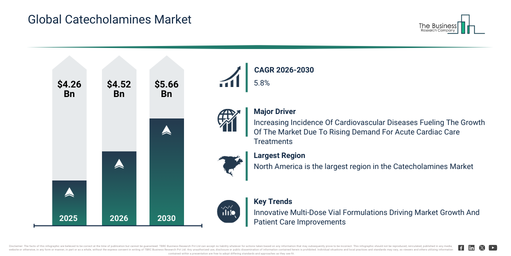
    The catecholamines market size has demonstrated significant growth in recent years. This market is expected to expand from $4.26 billion in 2025 to $4.52 billion in 2026, achieving a compound annual growth rate (CAGR) of 6.1%. The historical increase in this market can be attributed to emergency care expansion, cardiac arrest treatment, hospital ICU growth, injectable drug usage, and trauma care protocols._x000D_

    _x000D_

    The catecholamines market is projected to experience substantial expansion over the coming years, reaching a valuation of $5.66 billion by 2030, exhibiting a compound annual growth rate (CAGR) of 5.8%. This projected increase during the forecast period is driven by factors such as enhanced emergency response infrastructure, the broadening scope of critical care services, the availability of ready-to-use drug formulations, an uptick in pre-hospital care, and significant investments in acute care. Key trends anticipated in the same period encompass a heightened utilization in emergency medicine settings, the proliferation of auto-injector formulations, an enlargement of critical care applications, increasing requirements in cardiac emergencies, and a growing inclination towards ready-to-use injectable solutions._x000D_

    _x000D_

    #Get A Free Sample Report With In-Depth Market Insights:#_x000D_

    https://thebusinessresearchcompany.com/sample_request?id=46069390&type=smp&name=Catecholamines%20Market%20Report%202026&utm_source=Blogs&utm_medium=Paid&utm_campaign=Oct_PR_x000D_

    _x000D_

    #Catecholamines Market Development Factors: What’s Supporting Demand?#_x000D_

    The rising occurrence of cardiovascular diseases is projected to drive the expansion of the catecholamines market in the future. Cardiovascular diseases (CVDs) encompass various conditions impacting the heart and blood vessels, such as coronary artery disease, heart failure, and stroke. The growing prevalence of CVDs largely stems from physical inactivity, given that a sedentary lifestyle promotes risk factors like obesity, high blood pressure, and suboptimal heart health. Catecholamines assist in the management of cardiovascular diseases by boosting cardiac output, moderating vascular tone, and maintaining blood pressure via their activation of adrenergic receptors. This action leads to improved blood flow to essential organs, stabilized blood circulation in critical states like heart failure or shock, and provides temporary support for compromised heart function. For example, data from October 2024 by the Centers for Disease Control and Prevention (CDC), a US government public health agency, revealed that 919,032 individuals in the United States succumbed to cardiovascular disease in 2023, accounting for roughly one in every three deaths across the nation. Consequently, the rising incidence of cardiovascular diseases is fueling the growth of the catecholamines market._x000D_

    _x000D_

    #Catecholamines Market Segment Breakdown: Which Categories Lead On Revenue?#_x000D_

    The catecholamines market covered in this report is segmented – _x000D_

    _x000D_

    1) By Type: Epinephrine, Norepinephrine, Dopamine_x000D_

    2) By Indication: Anaphylaxis, Cardiac arrest, Shock, Acute Asthma, Hypertension, Other Indications_x000D_

    3) By Formulation Type: Syrups, Injectables, Tablets, Inhalants_x000D_

    4) By Distribution Channel: Hospital Pharmacy, Online Pharmacy, Retail Pharmacy_x000D_

    5) By End-User: Hospitals And Clinics, Pharmaceutical Companies, Research Institutions, Emergency Medical Services_x000D_

    _x000D_

    Subsegments:_x000D_

    1) By Epinephrine: Auto-Injectors, Prefilled Syringes, Vials And Ampoules_x000D_

    2) By Norepinephrine: Concentrated Solution For Dilution, Ready-To-Use Formulations, Combination Therapies_x000D_

    3) By Dopamine: Dopamine Hydrochloride Injection, Dopamine Infusion Concentrates, Pediatric And Adult-Specific Formulations_x000D_

    _x000D_

    #Catecholamines Market Transformation Trends: What Innovations Are Driving Change?#_x000D_

    Leading companies in the catecholamines market are concentrating on developing advanced formulations, such as multi-dose vials, to enhance dosing flexibility, improve patient adherence, minimize medication waste, and streamline administration in critical care settings. These vials are containers specifically designed to hold multiple doses of a drug, enabling repeated access while maintaining sterility. They contribute to reducing packaging waste, lowering treatment costs, and offering convenient dosing options for both healthcare providers and patients. For instance, in May 2025, Fresenius Kabi AG, a Germany-based pharmaceutical company, introduced Epinephrine Injection, USP, in 30 mg per 30 mL multi-dose vials. This launch marked a strategic expansion of their injectable portfolio in the U.S. healthcare market. This formulation is intended for the emergency treatment of allergic reactions, including anaphylaxis, in both adults and pediatric patients, and also for increasing mean arterial blood pressure in adult patients with hypotension associated with septic shock._x000D_

    _x000D_

    #Catecholamines Market Leading Players And Competitive Positioning#_x000D_

    Major companies operating in the catecholamines market are Pfizer Inc., Fresenius Kabi USA LLC, Teva Pharmaceutical Industries Limited, Baxter International Inc., Amneal Pharmaceuticals Inc., Glenmark Pharmaceuticals Limited, Amphastar Pharmaceuticals Inc., ARS Pharmaceuticals Inc., Breckenridge Pharmaceutical Inc., Long Grove Pharmaceuticals LLC, Midas Pharma GmbH, Otto Chemie Private Limited, Central Drug House (P) Ltd., Kanto Chemical Co. Inc., Bowmed Ibisqus Limited, Lexicare Pharma Private Limited, Alice Pharma Private Limited, Junsei Chemical Co. Ltd., Adamis Pharmaceuticals Corporation, Nevakar Injectables Inc. _x000D_

    _x000D_

    #View The Full Catecholamines Market Report:#_x000D_

    https://thebusinessresearchcompany.com/report/catecholamines-global-market-report?utm_source=Blogs&utm_medium=Paid&utm_campaign=Oct_PR_x000D_

    _x000D_

    #Catecholamines Market Regional Analysis And Leading Geography#_x000D_

    North America was the largest region in the catecholamines market in 2025. Asia-Pacific is expected to be the fastest-growing region in the forecast period. The regions covered in the catecholamines market report are Asia-Pacific, South East Asia, Western Europe, Eastern Europe, North America, South America, Middle East, Africa._x000D_

    _x000D_

    #Reach Out To Our Team:#_x000D_

    _x000D_

    The Business Research Company: https://www.thebusinessresearchcompany.com/_x000D_

    Americas: +1 310-496-7795_x000D_

    Asia: +44 7882 955267 & +91 8897263534_x000D_

    Europe: +44 7882 955267_x000D_

    Email us at: marketing@tbrc.info_x000D_

    _x000D_

    #Follow us on:#_x000D_

    _x000D_

    LinkedIn: https://in.linkedin.com/company/the-business-research-company_x000D_

    YouTube: https://www.youtube.com/channel/UC24_fI0rV8cR5DxlCpgmyFQ_x000D_

    Global Market Model: https://www.thebusinessresearchcompany.com/global-market-model

  • Cerebral Infarction Treatment Market Outlook Through 2030: Understanding The Growth Opportunity

    Cerebral Infarction Treatment Market Outlook Through 2030: Understanding The Growth Opportunity

    Backed by market attractiveness analysis, total addressable market sizing, company benchmarking matrices, interactive Excel dashboards, wider supply chain intelligence, emerging startup coverage, and detailed product-level insights, The Business Research Company’s 2026 market reports are designed to offer research that is more actionable and strategically valuable than ever.

    Cerebral Infarction Treatment Market Size, Value And Growth Trajectory Through 2030

    The cerebral infarction treatment market has demonstrated significant expansion over recent years. It is anticipated to expand from $11.84 billion in 2025 to $12.7 billion in 2026, achieving a compound annual growth rate (CAGR) of 7.2%. The historical growth of this market can be attributed to factors such as an aging population, an increase in hypertension prevalence, the expansion of hospital stroke units, enhancements in imaging diagnostics, and improvements in emergency care infrastructure.

    The cerebral infarction treatment market is projected to experience substantial expansion in the coming years. It is anticipated to reach a valuation of $16.61 billion by 2030, exhibiting a compound annual growth rate (CAGR) of 6.9%. This growth during the forecast period is propelled by factors such as ai-assisted stroke diagnosis, the implementation of early screening programs, advancements in endovascular devices, increasing demand for post-stroke rehabilitation, and various government stroke initiatives. Key trends anticipated during this period encompass the increased uptake of mechanical thrombectomy, the expanding application of thrombolytic therapies, the establishment of more dedicated stroke centers, a heightened emphasis on early intervention protocols, and the incorporation of rehabilitation into acute care settings.

    Get A Free Sample Report With In-Depth Market Insights:

    https://thebusinessresearchcompany.com/sample_request?id=54008878&type=smp&name=Cerebral%20Infarction%20Treatment%20Market%20Report%202026&utm_source=Blogs&utm_medium=Paid&utm_campaign=Oct_PR

    Cerebral Infarction Treatment Market Growth Momentum: What Factors Are Shaping Demand?

    The anticipated expansion of the cerebral infarction treatment market is driven by the increasing occurrence of stroke. A stroke is a medical condition characterized by a disruption or blockage of blood flow to the brain, which leads to a lack of oxygen and nutrients in the brain tissue. The rising prevalence of stroke is primarily attributable to the growing incidence of hypertension, as high blood pressure is known to damage blood vessels. Cerebral infarction treatments play a crucial role in enhancing stroke care by restoring blood flow to the brain, thereby reducing long-term damage and disability. These treatments contribute to improved patient outcomes through timely interventions, making the recovery process more effective and manageable. For instance, in September 2024, the Stroke Foundation, an Australia-based not-for-profit organization, reported that Australia recorded 45,785 stroke cases in 2023, a figure projected to rise significantly to 72,000 cases by 2050. Thus, the increasing prevalence of stroke is a key factor propelling the growth of the cerebral infarction treatment market.

    Cerebral Infarction Treatment Market Segment Breakdown: Which Categories Lead On Revenue?

    The cerebral infarction treatment market covered in this report is segmented –

    1) By Treatment Type: Medication, Surgical Interventions, Rehabilitation Therapies

    2) By Diagnostic Tools: Computed Tomography Scan, Magnetic Resonance Imaging, Angiography, Doppler Ultrasound

    3) By Application: Ischemic Stroke, Transient Ischemic Attack, Large Artery Stroke, Small Vessel Stroke

    4) By End-User: Hospitals, Specialized Stroke Centers, Ambulatory Surgical Centers, Home Care Providers

    Subsegments:

    1) By Medication: Antiplatelet Drugs, Anticoagulants, Thrombolytics, Statins, Antihypertensives

    2) By Surgical Interventions: Mechanical Thrombectomy, Carotid Endarterectomy, Decompressive Craniectomy, Stent Placement, Angioplasty

    3) By Rehabilitation: Physical Therapy, Occupational Therapy, Speech and Language Therapy, Cognitive Rehabilitation, Psychological Counseling

    Cerebral Infarction Treatment Market Trends Redefining Industry Growth

    Leading companies operating within the cerebral infarction treatment market are increasingly focusing on developing technologically advanced solutions, such as dual aspiration technology, to expedite treatment times for patients suffering from acute ischemic stroke. This dual aspiration technology is a method that employs two catheters simultaneously to enhance clot removal efficiency during stroke procedures. For instance, in May 2025, Imperative Care, a US-based medical technology company, introduced Zoom DuoPort, an innovative stroke treatment technology specifically engineered for advanced stroke care. This system supports dual aspiration, allowing two catheters to operate concurrently from a single vacuum source. It significantly improves physician control, provides real-time procedural feedback, and boosts the overall efficiency of mechanical thrombectomy in managing acute ischemic stroke.

    Cerebral Infarction Treatment Market Leading Players And Competitive Positioning

    Major companies operating in the cerebral infarction treatment market are Pfizer Inc., Johnson & Johnson, F. Hoffmann-La Roche AG, Bayer AG, Sanofi S.A., AstraZeneca plc, Abbott Laboratories, Novartis AG, Medtronic plc, Amgen Inc., Siemens Healthineers, Becton Dickinson and Company, Stryker Corporation, Boston Scientific Corporation, Daiichi Sankyo Company Limited, Penumbra Inc., Terumo Corporation, phenox GmbH, Boehringer Ingelheim International GmbH, Imperative Care Inc., Acandis GmbH & Co. KG, Reflow Medical Inc., NeuroVasc Technologies Inc., Rapid Medical Ltd., Q’Apel Medical Inc.

    View The Full Cerebral Infarction Treatment Market Report:

    https://thebusinessresearchcompany.com/report/cerebral-infarction-treatment-global-market-report?utm_source=Blogs&utm_medium=Paid&utm_campaign=Oct_PR

    Cerebral Infarction Treatment Market Largest Region: Which Geography Holds The Highest Market Share?

    North America was the largest region in the cerebral infarction treatment market in 2025. The regions covered in the cerebral infarction treatment market report are Asia-Pacific, South East Asia, Western Europe, Eastern Europe, North America, South America, Middle East, Africa.

    Reach Out To Our Team:

    The Business Research Company: https://www.thebusinessresearchcompany.com/

    Americas: +1 310-496-7795

    Asia: +44 7882 955267 & +91 8897263534

    Europe: +44 7882 955267

    Email us at: marketing@tbrc.info

    Follow us on:

    LinkedIn: https://in.linkedin.com/company/the-business-research-company

    YouTube: https://www.youtube.com/channel/UC24_fI0rV8cR5DxlCpgmyFQ

    Global Market Model: https://www.thebusinessresearchcompany.com/global-market-model

  • Calcitonin Injection Market Explained: What Is Fueling Growth To $1.07 Billion By 2030?

    Calcitonin Injection Market Explained: What Is Fueling Growth To $1.07 Billion By 2030?

    Backed by market attractiveness analysis, total addressable market sizing, company benchmarking matrices, interactive Excel dashboards, wider supply chain intelligence, emerging startup coverage, and detailed product-level insights, The Business Research Company’s 2026 market reports are designed to offer research that is more actionable and strategically valuable than ever.

    Calcitonin Injection Market Forecast: Value Set To Climb From $0.78 Billion To $1.07 Billion

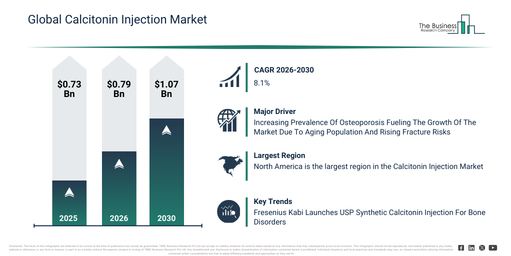
    The calcitonin injection market size has seen substantial growth in recent years. It is anticipated to increase from $0.73 billion in 2025 to $0.79 billion in 2026, at a compound annual growth rate (CAGR) of 8.4%. Factors such as osteoporosis prevalence, hospital injectable therapies, fracture management protocols, calcium metabolism disorders, and the aging population have historically contributed to this growth.

    The calcitonin injection market is anticipated to experience robust growth over the next few years. It is projected to expand to $1.07 billion in 2030, demonstrating a compound annual growth rate (CAGR) of 8.1%. This projected growth throughout the forecast period stems from factors such as the increasing geriatric population, a rising demand for injectable therapies, greater awareness of bone diseases, advancements in synthetic peptide development, and the broadening of specialty care. Furthermore, significant trends foreseen during this period include the ongoing application in osteoporosis management, the emergence of injectable bone therapies, the expansion of treatment options for hypercalcemia, a concentrated focus on bone health in the elderly, and a move towards synthetic calcitonin.

    Get A Free Sample Report With In-Depth Market Insights:

    https://www.thebusinessresearchcompany.com/sample.aspx?id=24490&type=smp&utm_source=Blogs&utm_medium=Paid&utm_campaign=Oct_PR

    Calcitonin Injection Market Growth Drivers: What’s Behind The Acceleration?

    The calcitonin injection market is projected to expand due to the rising occurrence of osteoporosis. This medical condition is characterized by a reduction in bone density and an elevated risk of fractures, primarily impacting older individuals, particularly women after menopause. The growing prevalence of osteoporosis is linked to an aging population, as extended lifespans lead to a natural decline in bone density and a higher susceptibility to the disease. Calcitonin injections play a vital role in managing osteoporosis by helping to regulate calcium levels and decelerate bone loss, thereby effectively preserving bone density. The injections offer a targeted treatment that is easy to administer, which in turn enhances patient adherence and lessens the risk of fractures. For example, in August 2024, data from Healthy Bones Australia, an organization dedicated to osteoporosis prevention and bone health in Australia, indicated that approximately 6.2 million Australians aged 50 years and older, constituting around 67 percent of this demographic, were living with compromised bone health in 2023, with about 23 percent of these individuals diagnosed with osteoporosis. Consequently, the increasing incidence of osteoporosis is a key factor propelling the expansion of the calcitonin injection market.

    Calcitonin Injection Market Driver: Expansion Of Home Healthcare Services Fuelling The Growth Of The Market Amid The Accelerating Transition From Hospital To Home-Based Care

    Calcitonin Injection Market Segment Trends And Revenue Contributors

    The calcitonin injection market covered in this report is segmented –

    1) By Type Of Calcitonin: Salmon Calcitonin, Human Calcitonin, Synthetic Calcitonin

    2) By Route Of Administration: Intravenous (IV) Injection, Subcutaneous Injection, Intramuscular Injection

    3) By Distribution Channel: Direct Sales, Online Pharmacy, Retail Pharmacy, Healthcare Institutions

    4) By Therapeutic Application: Osteoporosis Treatment, Pagets Disease Management, Hypercalcemia Control, Bone Metastases Therapy

    5) By End-User: Hospitals, Specialty Clinics, Geriatric Care Facilities, Home Healthcare

    Subsegments:

    1) By Salmon Calcitonin, Synthetic Salmon Calcitonin, Recombinant Salmon Calcitonin

    2) By Human Calcitonin, Recombinant Human Calcitonin, Synthetic Human Calcitonin

    3) By Synthetic Calcitonin, Peptide-Based Synthetic Calcitonin, Analog Synthetic Calcitonin

    Calcitonin Injection Market Trends: What’s Defining The Industry’s Next Phase?

    Leading companies within the calcitonin injection market are prioritizing the creation of advanced products, such as USP synthetic injections, to elevate treatment efficacy and enhance patient well-being. USP Synthetic Injections are injectable medications containing active ingredients that are synthetically produced and adhere to the rigorous standards for quality, purity, strength, and identity established by the United States Pharmacopeia (USP). Their production occurs under controlled conditions, guaranteeing their safety and effectiveness for medical applications. As an illustration, Fresenius Kabi, a pharmaceutical firm based in Germany, introduced calcitonin salmon injection, a USP synthetic, in February 2025, aimed at addressing symptomatic Paget’s disease of the bone and hypercalcemia. This sterile solution, designed for intramuscular or subcutaneous administration, comes in a concentration of 200 USP units per mL and is packaged in a 2 mL multi-dose vial, providing 400 USP units. It requires refrigeration, with storage between 2°C and 8°C. Functioning as a calcium regulator, this injectable medication is indicated for the management of symptomatic Paget’s disease of bone when alternative therapies are inappropriate, for hypercalcemia, and for postmenopausal osteoporosis when other therapeutic choices are not suitable.

    Calcitonin Injection Market Competitive Landscape: Which Companies Lead The Industry?

    Major companies operating in the calcitonin injection market are Pfizer Inc., AbbVie Inc., Teva Pharmaceutical Industries Ltd., Lupin Limited, Aurobindo Pharma Limited, Zydus Lifesciences Limited, Glenmark Pharmaceuticals Limited, Alembic Pharmaceuticals Limited, Alkem Laboratories Limited, Intas Pharmaceuticals Limited, Emcure Pharmaceuticals Limited, Wockhardt Limited, Accord Healthcare Ltd., Sandoz International GmbH, Amneal Pharmaceuticals LLC, Apotex Inc., Mylan N.V., Cadila Pharmaceuticals Limited, Macleods Pharmaceuticals Ltd., Bharat Parenterals Limited

    View The Full Calcitonin Injection Market Report:

    https://www.thebusinessresearchcompany.com/report/calcitonin-injection-global-market-report?utm_source=Blogs&utm_medium=Paid&utm_campaign=Oct_PR

    Calcitonin Injection Market Geographic Landscape: Which Region Leads Industry Growth?

    North America was the largest region in the calcitonin injection market in 2025. Asia-Pacific is expected to be the fastest-growing region in the forecast period. The regions covered in the calcitonin injection market report are Asia-Pacific, South East Asia, Western Europe, Eastern Europe, North America, South America, Middle East, Africa.

    Reach Out To Our Team:

    The Business Research Company: https://www.thebusinessresearchcompany.com/

    Americas: +1 310-496-7795

    Asia: +44 7882 955267 & +91 8897263534

    Europe: +44 7882 955267

    Email us at: marketing@tbrc.info

    Follow us on:

    LinkedIn: https://in.linkedin.com/company/the-business-research-company

    YouTube: https://www.youtube.com/channel/UC24_fI0rV8cR5DxlCpgmyFQ

    Global Market Model: https://www.thebusinessresearchcompany.com/global-market-model
  • Blepharitis Market Reaches $1.72 Billion In 2026: Forecast And Growth Opportunities

    Blepharitis Market Reaches $1.72 Billion In 2026: Forecast And Growth Opportunities

    Featuring market attractiveness scoring, total addressable market sizing, company benchmarking matrices, interactive Excel dashboards, deeper supply chain intelligence, emerging startup tracking, and granular product-level insights, The Business Research Company’s 2026 market reports are built to deliver research that is both more actionable and more strategically valuable.

    Blepharitis Market Value Analysis: What Growth Lies Ahead Over The Forecast Period?

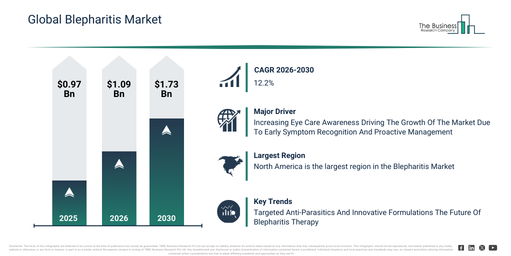
    The blepharitis market’s size has seen swift expansion in recent years. It is projected to increase from $0.97 billion in 2025 to $1.09 billion in 2026, demonstrating a compound annual growth rate (CAGR) of 12.5%. The historical growth of this market can be attributed to elements such as poor eyelid hygiene, bacterial infections, ophthalmology clinic visits, an aging population, and chronic eye irritation.

    The blepharitis market is projected to experience swift expansion in the upcoming years. It is anticipated to grow to $1.73 billion in 2030, demonstrating a compound annual growth rate (CAGR) of 12.2%. This anticipated growth can be linked to factors like increased screen time, digital eye strain, rising awareness of preventive eye care, improved management of chronic conditions, and the development of outpatient ophthalmology. Key developments expected during this forecast period encompass heightened awareness of chronic eye conditions, an increase in lid hygiene and eye cleanser products, a rise in the diagnosis of meibomian gland dysfunction, an expansion of long-term symptom management, and a focus on non-invasive treatment options.

    Get A Free Sample Report With In-Depth Market Insights:

    https://www.thebusinessresearchcompany.com/sample.aspx?id=24484&type=smp&utm_source=Blogs&utm_medium=Paid&utm_campaign=Oct_PR

    Blepharitis Market Growth Factors Behind Sustained Expansion

    The burgeoning understanding of eye health is poised to boost the growth of the blepharitis market in the future. Eye care involves a spectrum of services, treatments, and practices aimed at preserving and improving ocular health and sight. Heightened awareness regarding eye care is essential, as good vision forms the bedrock of an individual’s independence, education, productivity, and overall well-being; uncorrected vision problems invariably impact daily activities, academic performance, and professional output. Blepharitis contributes to effective eye care by supporting the early identification of symptoms, promoting consistent eyelid hygiene, and assisting in preventing complications such as dry eye and styes through appropriate and timely treatment. For instance, in October 2024, a report published by the Association of Optometrists (AOP), a UK-based association, projected that the number of people living with sight loss in the UK will reach an estimated 2.8 million by 2035, representing a 27% increase compared to 2022. Therefore, the expanding recognition of eye care is driving the expansion of the blepharitis market.

    Blepharitis Market Segmentation: How Does The Market Break Down By Category?

    The blepharitis market covered in this report is segmented –

    1) By Type: Anterior Blepharitis, Posterior Blepharitis, Mixed Blepharitis

    2) By Treatment: Eye Cleansers, Artificial Tears, Antibiotic Therapy

    3) By Diagnosis: Physical Examination, Comprehensive Eye Examination, Other Diagnosis

    4) By Application: Acute Blepharitis Management, Chronic Blepharitis Long-Term Care, Bacterial Blepharitis Treatment

    Subsegments:

    1) By Anterior Blepharitis: Staphylococcal Blepharitis, Seborrheic Blepharitis

    2) By Posterior Blepharitis: Meibomian Gland Dysfunction (MGD), Rosacea-Associated Blepharitis

    3) By Mixed Blepharitis: Combination Of Anterior And Posterior Features, Chronic Mixed Blepharitis

    Blepharitis Market Industry Trends Fueling Future Revenue Growth

    Major companies in the blepharitis market are concentrating on developing innovative therapies, such as targeted anti-parasitic agents and advanced ophthalmic formulations, to gain a competitive advantage. Innovative ophthalmic formulations refer to sophisticated and novel drug delivery systems and compositions designed to enhance the effectiveness, safety, and patient experience of treatments for eye conditions. For example, in July 2023, Tarsus Pharmaceuticals Inc., a US-based biopharmaceutical company, received approval for XDEMVY (lotilaner ophthalmic solution) 0.25% for treating demodex blepharitis. XDEMVY, previously known as TP-03, is the first and only FDA-approved treatment that directly targets Demodex mites, identified as the primary cause of Demodex blepharitis. Its approval was supported by robust clinical data from two pivotal trials, Saturn-1 and Saturn-2, involving 833 patients, which showed significant symptom improvement and a higher rate of complete collarette cure compared to a placebo. The recommended dosage is one drop in each eye twice daily for six weeks. XDEMVY is generally well-tolerated, with the most common side effects reported as mild stinging or burning upon instillation.

    Blepharitis Market Competitive Overview And Top Companies

    Major companies operating in the blepharitis market are OcuSept Ltd., Alcon Inc., Théa Pharmaceuticals Ltd., Bausch Health Companies Inc., Tarsus Pharmaceuticals Inc., URSAPHARM Arzneimittel GmbH, Scope Ophthalmic Ltd., Santen Pharmaceutical Co. Ltd., NovaBay Pharmaceuticals Inc., Harrow Inc., MiBo Medical Group, Nicox SA, Visufarma S.p.A., OCuSOFT Inc., Lumenis Ltd., Bruder Healthcare Company, I-MED Pharma Inc., KALA Pharmaceuticals Inc., Aerie Pharmaceuticals Inc., Oyster Point Pharma Inc., Dompé Farmaceutici S.p.A., Laboratoires Théa S.A., Ophtecs Corporation, Sentiss Pharma Pvt. Ltd., Ajanta Pharma Ltd.

    View The Full Blepharitis Market Report:

    https://www.thebusinessresearchcompany.com/report/blepharitis-global-market-report?utm_source=Blogs&utm_medium=Paid&utm_campaign=Oct_PR

    Blepharitis Market Geographic Spread And Regional Opportunities

    North America was the largest region in the blepharitis market in 2025. Asia-Pacific is expected to be the fastest-growing region in the forecast period. The regions covered in the blepharitis market report are Asia-Pacific, South East Asia, Western Europe, Eastern Europe, North America, South America, Middle East, Africa.

    Reach Out To Our Team:

    The Business Research Company: https://www.thebusinessresearchcompany.com/

    Americas: +1 310-496-7795

    Asia: +44 7882 955267 & +91 8897263534

    Europe: +44 7882 955267

    Email us at: marketing@tbrc.info

    Follow us on:

    LinkedIn: https://in.linkedin.com/company/the-business-research-company

    YouTube: https://www.youtube.com/channel/UC24_fI0rV8cR5DxlCpgmyFQ

    Global Market Model: https://www.thebusinessresearchcompany.com/global-market-model
  • Bisphosphonates Market Size And Forecast 2026–2030: Trends Driving Industry Expansion

    Bisphosphonates Market Size And Forecast 2026–2030: Trends Driving Industry Expansion

    Backed by market attractiveness analysis, total addressable market sizing, company benchmarking matrices, interactive Excel dashboards, wider supply chain intelligence, emerging startup coverage, and detailed product-level insights, The Business Research Company’s 2026 market reports are designed to offer research that is more actionable and strategically valuable than ever.

    Bisphosphonates Market Revenue Outlook: What CAGR Lies Ahead Through 2030?

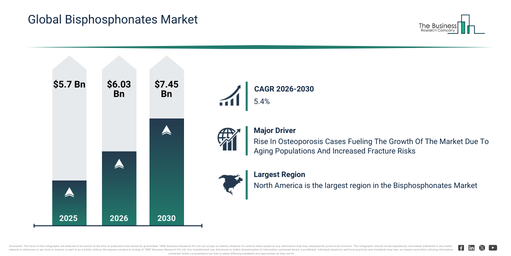
    The bisphosphonates market size has experienced strong expansion in recent years. It is anticipated to grow from $5.7 billion in 2025 to $6.03 billion in 2026, at a compound annual growth rate (CAGR) of 5.8%. Historically, this growth can be attributed to factors such as an increasing aging population, the prevalence of postmenopausal osteoporosis, physician-led bone density screening initiatives, hospital-based osteoporosis management strategies, and the adoption of injectable bisphosphonates.

    The bisphosphonates market is projected to experience robust expansion over the coming years. Its valuation is set to reach $7.45 billion by 2030, demonstrating a compound annual growth rate (CAGR) of 5.4%. Factors contributing to this growth during the projection period include a rising elderly population, the availability of home-based osteoporosis care, a preference for long-acting dosages, heightened bone health awareness, and increased penetration of generic drugs. Key trends anticipated in this period encompass a surging demand for osteoporosis treatments, a greater uptake of long-acting injectable therapies, the proliferation of generic bisphosphonate medications, an intensified focus on preventing fractures, and the incorporation of combination bone health treatments.

    Get A Free Sample Report With In-Depth Market Insights:

    https://www.thebusinessresearchcompany.com/sample.aspx?id=24483&type=smp&utm_source=Blogs&utm_medium=Paid&utm_campaign=Oct_PR

    Bisphosphonates Market Growth Backed By Core Demand Fundamentals

    The bisphosphonates market is anticipated to expand due to the growing occurrence of osteoporosis. This medical condition involves bones becoming weak and brittle, making them susceptible to fractures. The rise in osteoporosis cases is primarily attributed to the global population aging, which naturally diminishes bone density, alongside contributing lifestyle elements and inadequate preventative measures. Bisphosphonates aid in managing osteoporosis by retarding bone degradation, thereby enhancing bone strength and lowering fracture susceptibility. For example, Healthy Bones Australia, an organization focused on bone health in Australia, reported in August 2024 that approximately 193,482 fractures linked to osteoporosis and osteopenia occurred in 2023, a figure expected to climb by 34% to 237,632 fractures by 2033. Consequently, the increasing prevalence of osteoporosis is a significant factor in the expansion of the bisphosphonates market.

    Bisphosphonates Market Segment Analysis Spotlighting Growth Areas

    The bisphosphonates market covered in this report is segmented –

    1) By Type: Alendronate, Ibandronate, Risedronate, Zoledronic Acid

    2) By Route Of Administration: Oral, Intravenous

    3) By Distribution Channel: Hospital Pharmacies, Retail Pharmacies, Online Pharmacies, Other Distribution Channels

    4) By Application: Osteoporosis, Paget’s Disease, Bone Metastasis, Other Application

    5) By End-User: Hospitals, Clinics, Homecare Settings, Pharmaceutical Retail

    Subsegments:

    1) By Alendronate: Oral Tablets, Once-Weekly Formulation, Combination With Vitamin D, Generic Alendronate

    2) By Ibandronate: Oral Tablets, Monthly Oral Formulation, Intravenous Injection, Generic Ibandronate

    3) By Risedronate: Immediate-Release Tablets, Delayed-Release Tablets, Weekly And Monthly Dosing, Combination With Calcium

    4) By Zoledronic Acid: Intravenous Infusion, Annual Dosing, Oncology Use, Osteoporosis Use, Generic Zoledronic Acid

    Bisphosphonates Market Leading Companies: Who Holds The Strongest Market Presence?

    Major companies operating in the bisphosphonates market are Merck & Co. Inc., Novartis AG, Teva Pharmaceutical Industries Ltd., Sun Pharmaceutical Industries Ltd., Apotex Inc., Aurobindo Pharma Ltd., Dr. Reddy’s Laboratories Ltd., Cipla Ltd., Alkem Laboratories, Strides Pharma Science Limited, GSK plc, Viatris Inc., Sandoz, Lupin Limited, Zydus Lifesciences Ltd., Torrent Pharmaceuticals Ltd., Glenmark Pharmaceuticals Ltd., Hikma Pharmaceuticals PLC, Fresenius Kabi, Alembic Pharmaceuticals Ltd.

    View The Full Bisphosphonates Market Report:

    https://www.thebusinessresearchcompany.com/report/bisphosphonates-global-market-report?utm_source=Blogs&utm_medium=Paid&utm_campaign=Oct_PR

    Bisphosphonates Market Regional Analysis And Top Geography

    North America was the largest region in the bisphosphonates market in 2025. Asia-Pacific is expected to be the fastest-growing region in the forecast period. The regions covered in the bisphosphonates market report are Asia-Pacific, South East Asia, Western Europe, Eastern Europe, North America, South America, Middle East, Africa.

    Reach Out To Our Team:

    The Business Research Company: https://www.thebusinessresearchcompany.com/

    Americas: +1 310-496-7795

    Asia: +44 7882 955267 & +91 8897263534

    Europe: +44 7882 955267

    Email us at: marketing@tbrc.info

    Follow us on:

    LinkedIn: https://in.linkedin.com/company/the-business-research-company

    YouTube: https://www.youtube.com/channel/UC24_fI0rV8cR5DxlCpgmyFQ

    Global Market Model: https://www.thebusinessresearchcompany.com/global-market-model
  • Appetite Control And Suppressants Market Forecast To Reach $5.34 Billion By 2030: Key Trends Explained

    Appetite Control And Suppressants Market Forecast To Reach $5.34 Billion By 2030: Key Trends Explained

    Built to provide research that’s more actionable and strategically valuable, The Business Research Company’s 2026 market reports include market attractiveness analysis, total addressable market sizing, company benchmarking matrices, interactive Excel dashboards, broader supply chain intelligence, emerging startup tracking, and in-depth product insights.

    Appetite Control And Suppressants Market Set To Climb From $4.11 Billion In 2026 To $5.34 Billion By 2030

    The appetite control and suppressants market has seen strong growth in recent years. It is forecast to increase from $3.84 billion in 2025 to $4.11 billion in 2026, demonstrating a compound annual growth rate (CAGR) of 7.1%. The expansion observed in prior periods is attributable to factors such as the prevalence of obesity, the demand for dietary supplements, shifts in lifestyle, greater fitness awareness, and the accessibility of over-the-counter products.

    The market for appetite control and suppressants is projected to experience robust expansion over the coming years. Its valuation is set to reach $5.35 billion by 2030, exhibiting a compound annual growth rate (CAGR) of 6.8%. This anticipated growth during the forecast period is fueled by increased awareness regarding weight management, a rising preference for natural supplements, the emergence of digital wellness platforms, a heightened emphasis on preventive healthcare, and the expanding aging population. Key trends expected within this period encompass a surging demand for effective weight management solutions, an increase in the adoption of natural and herbal suppressants, the proliferation of over-the-counter appetite control items, a greater emphasis on weight loss strategies rooted in lifestyle adjustments, and the expansion of online and direct-to-consumer sales channels.

    Get A Free Sample Report With In-Depth Market Insights:

    https://www.thebusinessresearchcompany.com/sample.aspx?id=24467&type=smp&utm_source=Blogs&utm_medium=Paid&utm_campaign=Oct_PR

    Appetite Control And Suppressants Market Opportunity Drivers: What’s Unlocking New Revenue Potential?

    The rising prevalence of overweight and obesity issues is projected to drive the expansion of the appetite control and suppressants market moving forward. Overweight and obesity are defined as conditions where excessive body fat accumulates to an extent that it could harm health. The increasing incidence of overweight and obesity is attributed to poor dietary habits, characterized by high calorie, sugar, and unhealthy fat intake combined with low nutrient consumption. Appetite control and suppressants aid in managing these conditions by reducing hunger signals, thereby limiting calorie intake and supporting effective weight management. As an illustration, in September 2024, data from the Centers for Disease Control and Prevention (CDC), a US-based government public health agency, indicated that 23 states recorded an adult obesity prevalence of 35% or higher in 2023, and every one of the 50 states reported obesity rates of at least 20%. Hence, the escalating rates of overweight and obesity problems are propelling the growth of the appetite control and suppressants market.

    Appetite Control And Suppressants Market Segment Analysis: What Are The Core Market Categories?

    The appetite control and suppressants market covered in this report is segmented –

    1) By Product Type: Prescription Appetite Suppressants, Over-The-Counter (OTC) Appetite Suppressants, Natural Or Herbal Appetite Suppressants, Meal Replacements And Shakes, Dietary Fiber Supplements

    2) By Form: Tablets And Capsules, Powders, Gummies And Chews, Liquids, Bars

    3) By Distribution Channel: Pharmacies And Drug Stores, Supermarkets And Hypermarkets, Online Retailers, Specialty Stores, Healthcare Providers And Clinics

    4) By End-User: Adults, Geriatric, Adolescents

    Subsegments:

    1) By Prescription Appetite Suppressants: Phentermine, Lorcaserin (Belviq), Diethylpropion, Other Prescription Drugs

    2) By Over-The-Counter (OTC) Suppressants: Herbal Supplements, Fiber-Based Suppressants, Caffeine-Based Products, Meal Replacements

    3) By Natural or Herbal Appetite Suppressants: Green Tea Extract, Garcinia Cambogia, Glucomannan, Yerba Mate, Fenugreek, Conjugated Linoleic Acid

    4) By Meal Replacements And Shakes: Protein Shakes, Meal Replacement Bars, Low-Calorie Shakes, High-Protein Smoothies, Keto Meal Replacements

    5) By Dietary Fiber Supplements: Glucomannan, Psyllium Husk, Methylcellulose, Inulin, Beta-Glucan

    Appetite Control And Suppressants Market Innovation Trends Shaping Future Development

    Leading companies in the appetite control and suppressants market are concentrating on developing innovative products, such as natural appetite suppressant drinks, to provide safer and more effective weight management solutions. These natural appetite suppressant drinks are beverages crafted from herbs, fruits, or fibers that assist in naturally reducing hunger and controlling cravings. For instance, in December 2024, Nestlé S.A., a Switzerland-based food and beverage company, introduced Boost Pre-Meal Hunger Support, a natural appetite suppressant drink. This product is engineered to imitate the effects of weight-loss medications like Ozempic and Wegovy. It is a 45-calorie, 10-gram whey protein shot designed for consumption 10 to 30 minutes before meals. By stimulating the body’s natural GLP-1 hormone response, it helps to diminish appetite and enhance feelings of fullness. Its composition includes fast-digesting peptides and whey protein microgels to extend satiety, making it suitable for individuals on weight-loss plans or those utilizing GLP-1-based treatments.

    Appetite Control And Suppressants Market Top Companies Driving Competitive Growth

    Major companies operating in the appetite control and suppressants market are Nestlé S.A, GlaxoSmithKline plc, Sanofi S.A, Takeda Pharmaceutical Company Limited, Eli Lilly and Company, Novo Nordisk A/S, Herbalife Nutrition Ltd, Amway Corporation, GNC Holdings Inc., Medifast Inc., Nature’s Sunshine Products Inc., The Boots Company PLC, BPI Sports LLC, Grenade (UK) Limited, Currax Pharmaceuticals LLC, VIVUS Inc, Orexigen Therapeutics Inc, NOW Health Group Inc, Nutrabay Retail Private Limited, GAT Sport

    View The Full Appetite Control And Suppressants Market Report:

    https://www.thebusinessresearchcompany.com/report/appetite-control-and-suppressants-global-market-report?utm_source=Blogs&utm_medium=Paid&utm_campaign=Oct_PR

    Appetite Control And Suppressants Market Regional Analysis: Which Region Leads By Revenue?

    North America was the largest region in the appetite control and suppressants market in 2025. Asia-Pacific is expected to be the fastest-growing region in the forecast period. The regions covered in the appetite control and suppressants market report are Asia-Pacific, South East Asia, Western Europe, Eastern Europe, North America, South America, Middle East, Africa.

    Reach Out To Our Team:

    The Business Research Company: https://www.thebusinessresearchcompany.com/

    Americas: +1 310-496-7795

    Asia: +44 7882 955267 & +91 8897263534

    Europe: +44 7882 955267

    Email us at: marketing@tbrc.info

    Follow us on:

    LinkedIn: https://in.linkedin.com/company/the-business-research-company

    YouTube: https://www.youtube.com/channel/UC24_fI0rV8cR5DxlCpgmyFQ

    Global Market Model: https://www.thebusinessresearchcompany.com/global-market-model

  • Anti-Inflammatory Biologics Market 2026 Market Size And Growth Forecast: Key Trends To Watch

    Anti-Inflammatory Biologics Market 2026 Market Size And Growth Forecast: Key Trends To Watch

    Backed by market attractiveness analysis, total addressable market sizing, company benchmarking matrices, interactive Excel dashboards, wider supply chain intelligence, emerging startup coverage, and detailed product-level insights, The Business Research Company’s 2026 market reports are designed to offer research that is more actionable and strategically valuable than ever.

    Anti-Inflammatory Biologics Market Size And Revenue Outlook Through 2030

    The anti-inflammatory biologics market size has demonstrated significant growth over recent years. It is projected to increase from $118.02 billion in 2025 to $128.84 billion in 2026, achieving a compound annual growth rate (CAGR) of 9.2%. This historical expansion can be attributed to various factors, including the increasing prevalence of conditions such as rheumatoid arthritis and psoriasis, the strengthening of hospital and clinic infrastructure, and greater investment in immunology research. Additionally, the initial limited availability of biologics and a previous reliance on traditional anti-inflammatory drugs also contributed to this growth.

    The anti-inflammatory biologics market size is projected to experience substantial growth in the upcoming years. It is expected to expand to $180.93 billion in 2030, exhibiting a compound annual growth rate (CAGR) of 8.9%. This anticipated growth can be attributed to several factors, including the advancement of next-generation cytokine inhibitors, the broadening of home care and self-administration choices, an increase in regulatory approvals coupled with swifter clinical trial processes, escalating investment in precision medicine and biologics research and development, and the expansion of partnerships between pharmaceutical and biotechnology enterprises. Significant trends for the forecast period comprise the increasing utilization of targeted biologics for persistent inflammatory conditions, the wider adoption of subcutaneous and injectable drug delivery methods, a surge in clinical trials and research dedicated to innovative anti-inflammatory biologics, an intensified focus on customized treatment approaches, and enhanced awareness and availability of biologics in developing markets.

    Get A Free Sample Report With In-Depth Market Insights:

    https://www.thebusinessresearchcompany.com/sample.aspx?id=25695&type=smp&utm_source=Blogs&utm_medium=Paid&utm_campaign=Oct_PR

    Anti-Inflammatory Biologics Market Growth Backed By Core Demand Fundamentals

    The increasing incidence of arthritis is projected to drive the expansion of the anti-inflammatory biologics market in the foreseeable future. Arthritis is defined as the inflammation or swelling in one or more joints, leading to pain, stiffness, and reduced movement, often worsening with advancing age. The heightened prevalence of arthritis primarily stems from rising obesity rates, as excess body weight places additional stress on joints, which in turn causes inflammation and joint degeneration. Anti-inflammatory biologics prove beneficial for arthritis by targeting specific components of the immune system to decrease inflammation, slow down joint damage, relieve symptoms, and enhance physical function and quality of life for individuals with moderate to severe arthritis. For example, in January 2024, the Office for Health Improvement and Disparities, a UK-based government department, reported that in 2023, 18.4% of people aged 16 and over indicated they had a long-term MSK condition, an increase from 17.6% in 2022. Thus, the growing prevalence of arthritis is fueling the growth of the anti-inflammatory biologics market.

    Anti-Inflammatory Biologics Market Segmentation And Category Overview

    The anti-inflammatory biologics market covered in this report is segmented –

    1) By Drug Class: Tumor Necrosis Factor Inhibitors, Interleukin Inhibitors, B-Cell Inhibitors, T-Cell Inhibitors, Other Drug Classes

    2) By Route Of Administration: Oral, Injection, Intravenous, Subcutaneous

    3) By Application: Rheumatoid Arthritis, Inflammatory Bowel Disease, Psoriasis, Other Applications

    4) By Distribution Channel: Hospital Pharmacies, Retail Pharmacies, Online Pharmacies, Other Distribution Channels

    5) By End-Users: Hospital, Clinics, Home Care Settings, Research And Academic Institutes

    Subsegments:

    1) By Tumor Necrosis Factor Inhibitors: Adalimumab, Infliximab, Etanercept, Golimumab, Certolizumab Pegol

    2) By Interleukin Inhibitors: Interleukin-1 Inhibitors, Interleukin-6 Inhibitors, Interleukin -12 Or 23 Inhibitors, Interleukin -17 Inhibitors, Interleukin -23 Inhibitors

    3) By B-Cell Inhibitors: Rituximab, Ocrelizumab, Ofatumumab

    4) By T-Cell Inhibitors: Abatacept, Alefacept

    5) By Other Drug Classes: Janus Kinase Inhibitors, Anti-IgE And Other Biologics

    Anti-Inflammatory Biologics Market Growth Trends Reshaping The Competitive Landscape

    Leading firms within the anti-inflammatory biologics sector are concentrating on creating novel treatments, including interleukin-6 (IL-6) receptor antagonists, to address chronic inflammatory conditions more precisely and with fewer adverse reactions. Interleukin-6 (IL-6) receptor antagonists are a class of biologic medications designed to obstruct the IL-6 receptor, thereby diminishing inflammation and immune activity in illnesses like rheumatoid arthritis. For example, in February 2023, Regeneron Pharmaceuticals Inc., a US-based biotechnology company, obtained clearance from the US Food and Drug Administration (FDA) for Kevzara. This marks Kevzara as the initial and sole biologic therapy for individuals suffering from polymyalgia rheumatica (PMR) who exhibit an insufficient response to corticosteroids. Kevzara functions as a fully human monoclonal antibody, inhibiting the IL-6 receptor to aid in lessening the inflammation associated with PMR, a condition predominantly affecting older adults with symptoms of muscle pain and stiffness. In contrast to conventional steroids, which pose long-term risks like osteoporosis and diabetes, Kevzara offers a more focused, steroid-reducing method, promoting better patient results and heightened long-term safety.

    Anti-Inflammatory Biologics Market Competitive Analysis Of Leading Industry Participants

    Major companies operating in the anti-inflammatory biologics market are Pfizer Inc., Johnson And Johnson, Roche Holding AG, AbbVie Inc, Sanofi S.A, Bristol-Myers Squibb, Novartis AG, Eli Lilly and Company, Amgen Inc., Regeneron Pharmaceuticals Inc, UCB S.A

    View The Full Anti-Inflammatory Biologics Market Report:

    https://www.thebusinessresearchcompany.com/report/anti-inflammatory-biologics-global-market-report?utm_source=Blogs&utm_medium=Paid&utm_campaign=Oct_PR

    Anti-Inflammatory Biologics Market Regional Analysis: Which Region Leads By Revenue?

    North America was the largest region in the anti-inflammatory biologics market in 2025. Europe is expected to be the fastest-growing region in the forecast period. The regions covered in the anti-inflammatory biologics market report are Asia-Pacific, South East Asia, Western Europe, Eastern Europe, North America, South America, Middle East, Africa.

    Reach Out To Our Team:

    The Business Research Company: https://www.thebusinessresearchcompany.com/

    Americas: +1 310-496-7795

    Asia: +44 7882 955267 & +91 8897263534

    Europe: +44 7882 955267

    Email us at: marketing@tbrc.info

    Follow us on:

    LinkedIn: https://in.linkedin.com/company/the-business-research-company

    YouTube: https://www.youtube.com/channel/UC24_fI0rV8cR5DxlCpgmyFQ

    Global Market Model: https://www.thebusinessresearchcompany.com/global-market-model