Tag: Revenue 2025

  • Digestible Sensor Market Growth Outlook For 2026: Drivers, Trends And Future Opportunities

    Digestible Sensor Market Growth Outlook For 2026: Drivers, Trends And Future Opportunities

    Featuring market attractiveness scoring, total addressable market sizing, company benchmarking matrices, interactive Excel dashboards, deeper supply chain intelligence, emerging startup tracking, and granular product-level insights, The Business Research Company’s 2026 market reports are built to deliver research that is both more actionable and more strategically valuable.

    Digestible Sensor Market Expansion Outlook: What Revenue Opportunities Are Ahead?

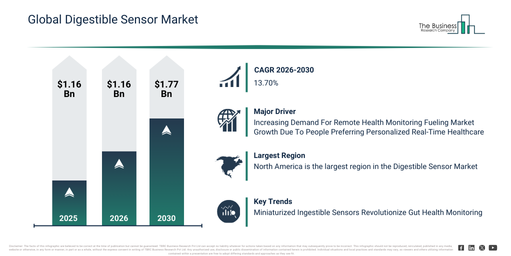
    The digestible sensor market has experienced rapid expansion recently. It is projected to increase from $1.37 billion in 2025 to $1.56 billion in 2026, exhibiting a compound annual growth rate (CAGR) of 14.0%. Historically, this growth was driven by factors such as the limited availability of ingestible sensor technologies, the reliance on conventional diagnostics methods, increasing awareness of GI health, the early adoption of capsule endoscopy, and a rise in research and development in bioelectronic interfaces.

    The digestible sensor market size is projected to experience substantial expansion over the coming years. This market is set to reach $2.6 billion in 2030, exhibiting a compound annual growth rate (CAGR) of 13.7%. This anticipated expansion during the forecast period stems from various factors such as progress in wireless communication and MEMS technologies, their incorporation into digital health platforms, the proliferation of personalized medicine programs, increasing need for continuous patient monitoring, and the rise of home healthcare and telemedicine services. Key developments expected in this period encompass the growing acceptance of ingestible sensors for monitoring gastrointestinal health, the incorporation of these sensors into drug adherence initiatives, the broadened use of smart capsule endoscopy, the increasing deployment of electrochemical and gas sensing technologies, and the development of tailored patient monitoring solutions.

    Get A Free Sample Report With In-Depth Market Insights:

    https://thebusinessresearchcompany.com/sample_request?id=58367248&type=smp&name=Digestible%20Sensor%20Market%20Report%202026&utm_source=Blogs&utm_medium=Paid&utm_campaign=Oct_PR

    Digestible Sensor Market Growth Factors: What’s Supporting Expansion?

    The rising need for remote health monitoring is anticipated to drive the expansion of the digestible sensor market in the future. Remote health monitoring involves leveraging technology to oversee and manage patient well-being beyond conventional medical environments, usually remotely. Its growth stems from individuals’ preference for tailored, instant healthcare delivered at home, alongside more economical options compared to standard in-person appointments. Digestible sensors assist remote health monitoring by facilitating the live tracking of internal health indicators like gastrointestinal activity. They equip doctors with crucial insights into a patient’s digestive system, enabling prompt identification of problems like infections or illnesses without invasive methods. For example, an August 2025 data-snapshot from the Office of Inspector General, U.S. Department of Health & Human Services (OIG), indicated that in 2024, Medicare payments for remote patient monitoring surpassed US $536 million (marking a 31 % increase from 2023). Almost 1 million enrollees utilized RPM services (a 27 % rise from 2023), and approximately 4,600 medical practices regularly billed for RPM. Consequently, the expanding need for remote health monitoring is propelling the development of the digestible sensor market.

    Digestible Sensor Market Segment Outlook: Which Categories Are Growing Fastest?

    The digestible sensor market covered in this report is segmented –

    1) By Type: Capsule Sensors, Wearable Sensors, Ingestible Sensors, Implantable Sensors

    2) By Distribution Channel: Online Retail, Pharmacies, Hospitals And Clinics, Direct Sales

    3) By Technology: Microelectromechanical Systems (MEMS), Wireless Communication Technologies, Optical Sensors, Bioelectronic Interfaces

    4) By Application: Medical Diagnostics, Drug Delivery, Patient Monitoring, Sports And Fitness, Other Applications

    5) By End-User: Healthcare Providers, Research Institutions, Pharmaceutical Companies, Individual Consumers

    Subsegments:

    1) By Capsule Sensors: pH Monitoring Capsules, Temperature Monitoring Capsules, Pressure Sensing Capsules, Smart Capsule Endoscopy, Drug Delivery Capsules With Sensors

    2) By Wearable Sensors: Patch-Based External Receivers, Gastrointestinal Motility Trackers, Bio-Signal Monitoring Wearables, Wearable Adherence Trackers

    3) By Ingestible Sensors: Vital Sign Monitoring Sensors, Drug Adherence Monitoring Sensors, Imaging Sensors, Gas Sensing Sensors, Electrochemical Sensors

    4) By Implantable Sensors: GI Electrophysiology Sensors, pH And Enzyme Sensors, Neuromodulation Devices, Metabolic Sensors

    Digestible Sensor Market Industry Trends: What’s Reshaping Demand?

    Major companies in the digestible sensor market are concentrating on advanced solutions like multi-parameter sensors to improve diagnostic precision, widen application scope, and enhance real-time health monitoring capabilities. Multi-parameter sensors are defined as devices engineered to simultaneously gauge multiple physical or chemical parameters from their environment or subject, consolidating various sensing technologies into a single compact unit. For instance, in May 2025, the Interuniversity Microelectronics Centre, a non-profit research organization based in Belgium, unveiled a highly miniaturized ingestible sensor for monitoring gut health. This highly miniaturized ingestible sensor measures just 2.1 cm in length and 0.75 cm in diameter. The capsule is roughly three times smaller than traditional endoscopic capsules, allowing for simpler swallowing and improved patient comfort. It integrates multiple sensors, including oxidation-reduction potential (ORP), pH, and temperature, to provide real-time biochemical data from the gastrointestinal tract. The capsule records readings every 20 seconds throughout the entire digestive journey, powered by low-energy electronics and a compact battery. With wireless data transmission and a biocompatible casing, the device enables continuous, noninvasive analysis of internal gut conditions, offering significant potential for the early diagnosis of inflammation, oxidative stress, and microbiome imbalances.

    Digestible Sensor Market Competitive Overview And Top Companies

    Major companies operating in the digestible sensor market are Medtronic plc, Koninklijke Philips N.V., Otsuka Pharmaceutical Co Ltd, Olympus Corporation, Sencure B.V., Millar Inc., Check‑Cap Ltd, Proteus Digital Health Inc., CapsoVision Inc., Atmo Biosciences, IntroMedic Co Ltd, BodyCAP S.A.S., Capsule Technologies Inc., etectRx Inc., Motus GI Inc., SmartPill Corporation, JINSHAN Science & Technology Group Co Ltd, MC10, Medtronic GI Solutions, Proteus GI Technologies

    View The Full Digestible Sensor Market Report:

    https://thebusinessresearchcompany.com/report/digestible-sensor-global-market-report?utm_source=Blogs&utm_medium=Paid&utm_campaign=Oct_PR

    Digestible Sensor Market Leading Geography: Which Region Contributes The Most Revenue?

    North America was the largest region in the digestible sensor market in 2025. Asia-Pacific is expected to be the fastest-growing region in the forecast period. The regions covered in the digestible sensor market report are Asia-Pacific, South East Asia, Western Europe, Eastern Europe, North America, South America, Middle East, Africa.

    Reach Out To Our Team:

    The Business Research Company: https://www.thebusinessresearchcompany.com/

    Americas: +1 310-496-7795

    Asia: +44 7882 955267 & +91 8897263534

    Europe: +44 7882 955267

    Email us at: marketing@tbrc.info

    Follow us on:

    LinkedIn: https://in.linkedin.com/company/the-business-research-company

    YouTube: https://www.youtube.com/channel/UC24_fI0rV8cR5DxlCpgmyFQ

    Global Market Model: https://www.thebusinessresearchcompany.com/global-market-model
  • Dental Diamond Burs Market 2026: Market Size, Growth Drivers And Emerging Opportunities

    Dental Diamond Burs Market 2026: Market Size, Growth Drivers And Emerging Opportunities

    Backed by market attractiveness analysis, total addressable market sizing, company benchmarking matrices, interactive Excel dashboards, wider supply chain intelligence, emerging startup coverage, and detailed product-level insights, The Business Research Company’s 2026 market reports are designed to offer research that is more actionable and strategically valuable than ever.

    Dental Diamond Burs Market Growth Potential: How Will Market Size Shift Through 2030?

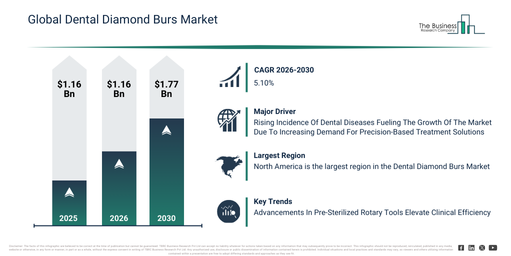
    The dental diamond burs market size has experienced strong growth in recent years. It is projected to expand from $2.07 billion in 2025 to $2.18 billion in 2026, at a compound annual growth rate (CAGR) of 5.4%. Historically, this growth can be attributed to factors like the reliance on conventional rotary instruments, a limited supply of high-quality diamond burs, an increase in dental procedures, the adoption of traditional dental techniques, and the proliferation of private dental clinics.

    The market for dental diamond burs is anticipated to experience substantial expansion in the coming years, with its size projected to reach $2.66 billion by 2030, driven by a compound annual growth rate (CAGR) of 5.1%. This projected growth during the forecast period is primarily fueled by technological progress in electrolytic co-deposition and micro brazing, an uptick in dental implant and orthodontic procedures, the wider acceptance of minimally invasive surgical techniques, increased financial commitments to dental clinic infrastructure, and dedicated efforts in research and development aimed at creating superior performance burs. Key trends shaping the market during this period encompass a heightened need for highly precise dental instruments, a greater embrace of sophisticated coating and deposition technologies, an increase in conservative dental procedures, the proliferation of dental implant and orthodontic interventions, and an emphasis on enhancing the lifespan and resilience of dental burs.

    Get A Free Sample Report With In-Depth Market Insights:

    https://thebusinessresearchcompany.com/sample_request?id=64762168&type=smp&name=Dental%20Diamond%20Burs%20Market%20Report%202026&utm_source=Blogs&utm_medium=Paid&utm_campaign=Oct_PR

    Dental Diamond Burs Market Demand Drivers Opening New Revenue Streams

    The increasing prevalence of dental diseases is anticipated to propel the growth of the dental diamond burs market going forward. Dental diseases are health conditions that affect the teeth and surrounding oral structures, often stemming from bacterial accumulation, inadequate oral care, or other contributing factors. Dental diseases are on the rise due to increasing consumption of sugary and processed foods, which nourish harmful oral bacteria and lead to higher rates of tooth decay and gum infections. Dental diamond burs help prevent dental diseases by enabling precise removal of decayed tooth material, which minimizes the chance of leftover bacteria and lowers the risk of future infections or oral complications. For instance, in August 2024, according to the National Health Service (NHS), a UK-based publicly funded healthcare system, England recorded around 34 million dental treatment courses in 2023/24, showing a 4.3% increase from the previous year, while total dental activity units rose by 3.4% to reach 73 million. Therefore, the increasing prevalence of dental diseases is driving the growth of the dental diamond burs market.

    Dental Diamond Burs Market Segment Outlook: Which Categories Are Growing Fastest?

    The dental diamond burs market covered in this report is segmented –

    1) By Technology: Electrolytic Co-Deposition, Micro Brazing, Chemical Vapor Deposition, Sintering, Other Technologies

    2) By Application: Oral Surgery, Implantology, Orthodontics, Cavity Preparation, Other Applications

    3) By End User: Dental Clinics, Hospitals

    Subsegments:

    1) By Electrolytic Co-Deposition: Nickel Matrix Co-Deposition, Cobalt Matrix Co-Deposition, Hybrid Metal Matrix Co-Deposition

    2) By Micro Brazing: Silver-Based Brazing, Copper-Based Brazing, Alloy Composite Brazing

    3) By Chemical Vapor Deposition (CVD): Low-Pressure CVD, Plasma-Enhanced CVD, Hot-Filament CVD

    4) By Sintering: High-Temperature Sintering, Pressure-Assisted Sintering, Spark Plasma Sintering

    5) By Other Technologies: Laser Welding, Galvanic Bonding, Hybrid Bonding Methods

    Dental Diamond Burs Market Trends Powering Strategic Industry Growth

    Major companies in the dental diamond burs market are concentrating on developing advanced solutions, such as pre-sterilized, single-patient-use rotary burs, to boost clinical efficiency and infection control in dental practices. A pre-sterilized single-use diamond bur removes the necessity for cleaning, sterilization, and processing between patients while maintaining the cutting performance of traditional multi-use burs. For instance, in February 2024, Kerr Dental, a US-based manufacturer of dental products, launched the SimpliCut pre-sterilized single-patient-use diamond burs rotary line. This line offers pre-sterilized, individually packaged diamond burs that support hygienic, contamination-free use straight out of the box. They are available in various shapes and color-coded grit levels, allowing for easy selection and an uninterrupted workflow. Designed for high-speed cutting and reliability, these burs assist dental professionals in performing complex restorations with greater precision and safety.

    Dental Diamond Burs Market Key Participants And Competitive Landscape

    Major companies operating in the dental diamond burs market are Dentsply Sirona Inc., Kerr Dental, COLTENE Holding AG, SHOFU Inc., HuFriedyGroup, MANI Inc., Bien-Air Dental, Komet USA LLC, JOTA AG, M.D.T Ltd., Prima Dental Group, Microcopy Dental, Eagle Dental Burs, Tri Hawk Inc., Diatech Diamond Instruments, DFS-DIAMON GmbH, Lasco Diamond Products Inc., Johnson Promident, MICRODONT, Tangshan UMG Medical Instrument Co. Ltd.

    View The Full Dental Diamond Burs Market Report:

    https://thebusinessresearchcompany.com/report/dental-diamond-burs-global-market-report?utm_source=Blogs&utm_medium=Paid&utm_campaign=Oct_PR

    Dental Diamond Burs Market Geographic Analysis: Where Is Demand Rising Fastest?

    North America was the largest region in the dental diamond burs market in 2025. Asia-Pacific is expected to be the fastest-growing region in the forecast period. The regions covered in the dental diamond burs market report are Asia-Pacific, South East Asia, Western Europe, Eastern Europe, North America, South America, Middle East, Africa.

    Reach Out To Our Team:

    The Business Research Company: https://www.thebusinessresearchcompany.com/

    Americas: +1 310-496-7795

    Asia: +44 7882 955267 & +91 8897263534

    Europe: +44 7882 955267

    Email us at: marketing@tbrc.info

    Follow us on:

    LinkedIn: https://in.linkedin.com/company/the-business-research-company

    YouTube: https://www.youtube.com/channel/UC24_fI0rV8cR5DxlCpgmyFQ

    Global Market Model: https://www.thebusinessresearchcompany.com/global-market-model
  • Biopsy Needle Market Forecast To Reach $2.06 Billion By 2030: Key Growth Drivers And Industry Trends

    Biopsy Needle Market Forecast To Reach $2.06 Billion By 2030: Key Growth Drivers And Industry Trends

    Built to provide research that’s more actionable and strategically valuable, The Business Research Company’s 2026 market reports include market attractiveness analysis, total addressable market sizing, company benchmarking matrices, interactive Excel dashboards, broader supply chain intelligence, emerging startup tracking, and in-depth product insights.

    Biopsy Needle Market Forecast: Value Set To Climb From $1.52 Billion To $2.06 Billion

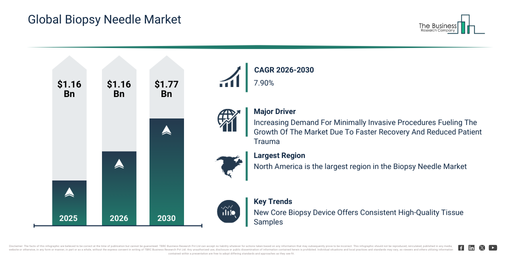
    The biopsy needle market has experienced robust growth in recent years. It is projected to expand from $1.41 billion in 2025 to $1.52 billion in 2026, at a compound annual growth rate (CAGR) of 7.8%. This historical growth can be attributed to factors including the continued reliance on traditional core needle biopsy methods, the limited availability of vacuum-assisted biopsy devices, the increasing prevalence of cancer cases, an expansion in hospital and surgical center infrastructure, and a growing awareness of early diagnostic procedures.

    The biopsy needle market size is expected to experience significant expansion over the next few years. It is projected to grow to $2.06 billion in 2030, demonstrating a compound annual growth rate (CAGR) of 7.9%. This increase during the forecast period is primarily driven by technological advancements in image-guided and vacuum-assisted devices, the creation of innovative disposable needle designs, the proliferation of diagnostic clinics and pathology laboratories, increasing investment in research and academic institutions, and the integration of AI and digital tools for precise diagnostics. Significant trends anticipated in the forecast period encompass the increasing adoption of image-guided biopsy procedures, a rising preference for disposable biopsy needles, the growth of minimally invasive diagnostic techniques, the expansion of cancer and tumor screening programs, and an enhanced focus on patient safety and sterility standards.

    Get A Free Sample Report With In-Depth Market Insights:

    https://thebusinessresearchcompany.com/sample_request?id=68389889&type=smp&name=Biopsy%20Needle%20Market%20Report%202026&utm_source=Blogs&utm_medium=Paid&utm_campaign=Sep_PR

    Biopsy Needle Market Opportunity Drivers: What’s Unlocking New Revenue Potential?

    The escalating preference for minimally invasive procedures is projected to spur the expansion of the biopsy needle market moving forward. These medical techniques are carried out through minor incisions or openings, thereby reducing patient trauma and accelerating recovery. The appeal of minimally invasive surgical procedures stems from their capacity to offer quicker recuperation periods, diminished complication risks, less pain, and smaller scars, thus making them more attractive to patients seeking swifter and safer treatment options. Biopsy needles are instrumental in minimally invasive procedures, enabling precise tissue sampling and reducing the necessity for extensive surgical intervention. They contribute to faster diagnoses and recovery times, enhancing patient comfort and improving procedural efficiency. For example, in November 2024, the American Society of Plastic Surgeons, a US-based non-profit organization, stated that the total number of cosmetic minimally invasive procedures reached 25,442,640 in 2023, representing a 7% increase from 23,672,269 in 2022. Therefore, the increasing demand for minimally invasive procedures is a key factor driving the growth of the biopsy needle market.

    Biopsy Needle Market Breakdown By Product Type And Application

    The biopsy needle market covered in this report is segmented –

    1) By Usage: Disposable, Non-Disposable

    2) By Product: Needle Based Biopsy Guns, Vacuum-Assisted Biopsy Devices, Fine Needle Aspiration Biopsy Devices, Core Needle Biopsy Devices

    3) By Procedure: Image-Guided Procedures, Non-Image-Guided Procedures

    4) By Application: Cancer Or Tumor, Breast, Lung, Prostate, Colon, Stomach, Liver, Rectum, Cervix Uteri, Other Applications

    5) By End-User: Hospitals And Surgical Centers, Diagnostic Clinics And Pathology Laboratories, Ambulatory Care Centers, Research And Academic Institutes

    Subsegments:

    1) By Disposable: Coaxial Biopsy Needles, Chiba Needles, Jamshidi Needles

    2) By Non-Disposable: Reusable Tru-Cut Biopsy Needles, Reusable Menghini Needles, Reusable Francine Needles

    Biopsy Needle Market Innovation Trends Shaping Future Development

    Major companies in the biopsy needle market are concentrating on developing technologically advanced products, such as semi-automatic core biopsy instruments, to improve precision and ease of tissue sampling in minimally invasive procedures. Semi-automatic core biopsy instruments are medical devices that utilize a spring-loaded mechanism to quickly and accurately gather tissue samples with minimal manual effort during a biopsy procedure. For example, in May 2023, Argon Medical Devices Inc., a US-based medical device manufacturer, introduced the SuperCore Advantage semi-automatic biopsy instrument. This is a semi-automatic, disposable core biopsy needle designed to provide consistent, high-quality tissue samples for accurate diagnosis. It incorporates an ergonomic design, a sharp cutting edge for clean specimen retrieval, and an adjustable throw length to suit varying lesion depths. The device also improves biopsy precision while minimizing patient discomfort, offering better diagnostic options for patients.

    Biopsy Needle Market Key Participants And Competitive Landscape

    Major companies operating in the biopsy needle market are Cardinal Health Inc., Medtronic plc, Becton Dickinson and Company, Stryker Corporation, Boston Scientific Corporation, Olympus Corporation, Hologic Inc., Cook Medical, Halma plc, Merit Medical Systems Inc., ConMed Corporation, Devicor Medical Products Inc., Shandong Weigao Group Medical Polymer Company Limited, Remington Medical Inc., Advin Health Care, Nikotech Healthcare Pvt. Ltd., Argon Medical Devices Inc., Geotek Medical Products Co. Ltd., Biomedical Srl, Hakko Co. Ltd., INRAD Inc.

    View The Full Biopsy Needle Market Report:

    https://thebusinessresearchcompany.com/report/biopsy-needle-global-market-report?utm_source=Blogs&utm_medium=Paid&utm_campaign=Sep_PR

    Biopsy Needle Market Geographic Analysis: Where Is Demand Accelerating Fastest?

    North America was the largest region in the biopsy needle market in 2025. Asia-Pacific is expected to be the fastest-growing region in the forecast period. The regions covered in the biopsy needle market report are Asia-Pacific, South East Asia, Western Europe, Eastern Europe, North America, South America, Middle East, Africa.

    Reach Out To Our Team:

    The Business Research Company: https://www.thebusinessresearchcompany.com/

    Americas: +1 310-496-7795

    Asia: +44 7882 955267 & +91 8897263534

    Europe: +44 7882 955267

    Email us at: marketing@tbrc.info

    Follow us on:

    LinkedIn: https://in.linkedin.com/company/the-business-research-company

    YouTube: https://www.youtube.com/channel/UC24_fI0rV8cR5DxlCpgmyFQ

    Global Market Model: https://www.thebusinessresearchcompany.com/global-market-model
  • Body Composition Analyzers Market Forecast Highlights A $0.91 Billion Opportunity For Industry Participants

    Body Composition Analyzers Market Forecast Highlights A $0.91 Billion Opportunity For Industry Participants

    Built to provide research that’s more actionable and strategically valuable, The Business Research Company’s 2026 market reports include market attractiveness analysis, total addressable market sizing, company benchmarking matrices, interactive Excel dashboards, broader supply chain intelligence, emerging startup tracking, and in-depth product insights.

    Body Composition Analyzers Market Growth Analysis: How Will Revenue Trend Over The Forecast Period?

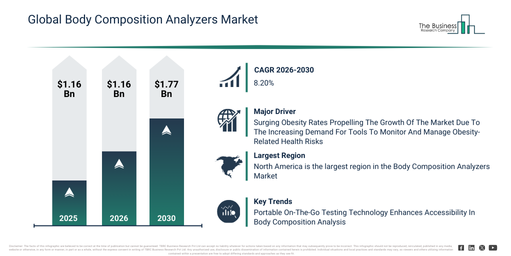
    The body composition analyzers market has seen substantial growth over recent years. It is anticipated to grow from $0.61 billion in 2025 to $0.67 billion in 2026, achieving a compound annual growth rate (CAGR) of 8.5%. The expansion witnessed in prior periods can be attributed to several factors, including limited access to advanced body composition analyzers, reliance on manual measurement methods, increasing health and fitness awareness, the adoption of hospital-based measurement systems, and a rise in academic and research studies.

    The body composition analyzers market is projected for significant expansion in the coming years, reaching $0.91 billion by 2030, exhibiting a compound annual growth rate (CAGR) of 8.2%. This anticipated growth is fueled by factors such as the creation of portable and consumer-grade bioimpedance analyzers, their integration with digital health and fitness platforms, an increasing need for pediatric and specialized measuring equipment, the spread of multi-compartment and dexascan technologies, and greater usage in wellness and fitness centers. Key trends for this period encompass a growing desire for non-invasive body composition assessments, the proliferation of portable and consumer-grade devices, deeper integration with fitness and wellness applications, the development of multi-compartment and advanced models, and a heightened emphasis on measurement accuracy and standardization.

    Get A Free Sample Report With In-Depth Market Insights:

    https://thebusinessresearchcompany.com/sample_request?id=38128015&type=smp&name=Body%20Composition%20Analyzers%20Market%20Report%202026&utm_source=Blogs&utm_medium=Paid&utm_campaign=Sep_PR

    Body Composition Analyzers Market Growth Momentum: What Factors Are Shaping Demand?

    The growing occurrence of obesity is projected to boost the expansion of the body composition analyzers market in the coming years. Obesity, defined as an excessive accumulation of body fat, presents a substantial health danger, linked to ailments like cardiovascular disease, diabetes, and musculoskeletal problems. The increase in obesity rates stems from sedentary habits, as individuals spend extended periods seated at desks, using screens, or commuting, which reduces physical activity, decreases energy expenditure, and eventually results in weight gain. Body composition analyzers serve as vital instruments for evaluating metrics such as body fat percentage, muscle mass, and visceral fat, empowering healthcare professionals to efficiently oversee and address health risks associated with obesity. For example, a May 2024 report by the Office for Health Improvement and Disparities, a UK government body, indicated that roughly 64% of adults aged 18 and above in 2022 to 2023 were categorized as overweight or obese, representing a minor rise from 63.8% in the preceding year. Consequently, the increasing prevalence of obesity is fueling the growth of the body composition analysis market.

    Body Composition Analyzers Market Segment Outlook: Which Categories Are Growing Fastest?

    The body composition analyzers market covered in this report is segmented –

    1) By Product Type: Bio Impedance Analyser, Skinfold Callipers, Hydrostatic Weighing Equipment, Air Displacement Plethysmography, Dual Energy X-Ray Absorptiometry, Other Product Types

    2) By Compartment Model Type: Two-Compartment Model, Three-Compartment Model, Multi-Compartment Models

    3) By End User: Hospitals, Fitness Clubs And Wellness Centres, Academic And Research Centres, Other End-Users

    Subsegments:

    1) By Bio Impedance Analyzer: Single-frequency Bioimpedance Devices, Multi-frequency Bioimpedance Devices, Segmental Bioimpedance Devices, Handheld Bioimpedance Analyzers, Portable Or Consumer-Grade Bioimpedance Analyzers, Clinical Bioimpedance Analyzers

    2) By Skinfold Calipers: Manual Skinfold Calipers, Digital Skinfold Calipers, Harpenden Calipers, Lange Calipers, Slim Guide Calipers

    3) By Hydrostatic Weighing Equipment: Fixed Tank Hydrostatic Weighing Systems, Portable Hydrostatic Weighing Tanks, Underwater Weighing Software Integration Units

    4) By Air Displacement Plethysmography: Whole Body Air Displacement Plethysmographs, Pediatric Or Infant Air Displacement Plethysmographs, Compact ADP Units

    5) By Dual Energy X-Ray Absorptiometry (DEXA): Fan Beam DEXA Systems, Pencil Beam DEXA Systems, Whole-body DEXA Scanners, Regional DEXA Scanners, Portable DEXA Units

    6) By Other Product Types: 3D Body Scanners, Near-Infrared Interactance Devices, MRI And CT-based Body Composition Systems, Ultrasonic Body Composition Analyzers, Infrared Interactance Devices

    Body Composition Analyzers Market Trends Redefining Industry Growth

    Leading companies within the body composition analyzer sector are prioritizing cutting-edge technologies, including portable, on-the-go testing solutions, to enhance ease of access and user convenience across clinical and field settings. These mobile testing solutions are essentially compact, transportable diagnostic instruments designed to facilitate precise health evaluations beyond conventional medical facilities, thereby providing adaptability for diverse testing scenarios. As an illustration, in May 2025, the German medical device producer, seca GmbH & Co. KG., introduced its mBCA Alpha Body Composition Analyzer. This professional-grade analyzer is built for portability, allowing users to perform thorough body composition evaluations directly in primary care clinics, wellness centers, and mobile healthcare environments. The mBCA Alpha provides accurate measurements of fat mass, skeletal muscle, visceral fat, and phase angle in only 24 seconds, leveraging validated bioelectrical impedance analysis. It connects with seca’s Analytics 125 cloud platform to produce real-time reports for both medical professionals and patients, offering support for various output formats suitable for clinical, research, and patient monitoring uses. Its design, which is compact and mobile-friendly, featuring handrails and a tiltable touchscreen, guarantees precise and adaptable testing even in limited spaces, rendering it particularly beneficial for individuals with restricted mobility.

    Body Composition Analyzers Market Industry Leaders And Competitive Landscape

    Major companies operating in the body composition analyzers market are GE HealthCare Technologies Inc, Omron Healthcare Co Ltd, Hologic Inc, InBody Co Ltd, Seca GmbH and Co KG, Jawon Medical Co Ltd, Tanita Corporation, RJL Systems Inc, Motustech Co Ltd, Evolt 360 Pty Ltd, COSMED SRL, Selvas Healthcare Inc, ACCUNIQ Co Ltd, Charder Electronic Co Ltd, OsteoSys Corp, Bodystat Ltd, Maltron International Ltd, Withings SA, Mediana Co Ltd, Xiaomi Health Technologies

    View The Full Body Composition Analyzers Market Report:

    https://thebusinessresearchcompany.com/report/body-composition-analyzers-global-market-report?utm_source=Blogs&utm_medium=Paid&utm_campaign=Sep_PR

    Body Composition Analyzers Market Regional Analysis And Leading Geography

    North America was the largest region in the body composition analyzers market in 2025. Asia-Pacific is expected to be the fastest-growing region in the forecast period. The regions covered in the body composition analyzers market report are Asia-Pacific, South East Asia, Western Europe, Eastern Europe, North America, South America, Middle East, Africa.

    Reach Out To Our Team:

    The Business Research Company: https://www.thebusinessresearchcompany.com/

    Americas: +1 310-496-7795

    Asia: +44 7882 955267 & +91 8897263534

    Europe: +44 7882 955267

    Email us at: marketing@tbrc.info

    Follow us on:

    LinkedIn: https://in.linkedin.com/company/the-business-research-company

    YouTube: https://www.youtube.com/channel/UC24_fI0rV8cR5DxlCpgmyFQ

    Global Market Model: https://www.thebusinessresearchcompany.com/global-market-model
  • Heavy Metal Poisoning Drugs Market Trends Are Creating New Opportunities For Industry Leaders

    Heavy Metal Poisoning Drugs Market Trends Are Creating New Opportunities For Industry Leaders

    Through market attractiveness analysis, total addressable market evaluation, company benchmarking matrices, interactive Excel dashboards, expanded supply chain intelligence, emerging startup coverage, and detailed product insights, The Business Research Company’s 2026 market reports provide more actionable and strategically valuable research.

    Heavy Metal Poisoning Drugs Market Size And Revenue Forecast Through 2030

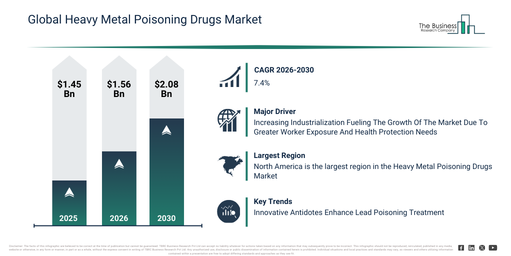
    The market for heavy metal poisoning treatments has experienced robust growth over recent years. It is projected to expand from $1.45 billion in 2025 to $1.56 billion in 2026, reflecting a compound annual growth rate (CAGR) of 7.7%. This historic expansion was driven by factors such as exposure to industrial pollution, incidences of lead and mercury poisoning, advancements in emergency medicine, the establishment of hospital-based toxicology units, and the enforcement of occupational health regulations.

    The heavy metal poisoning drugs market is anticipated to experience robust expansion over the coming years, with projections indicating it will reach $2.08 billion by 2030, driven by a compound annual growth rate (CAGR) of 7.4%. This forecast period growth is largely fueled by the broadening of environmental monitoring initiatives, the implementation of more stringent safety regulations, advancements in diagnostic testing capabilities, ongoing industrialization in developing economies, and heightened public health surveillance efforts. Key trends shaping this market include a sustained dependence on chelation therapy as a primary treatment method, an increasing awareness of the risks associated with environmental toxic exposure, the broadening of emergency poison treatment guidelines, a growing utilization of both oral and injectable chelators, and an intensified emphasis on occupational and industrial safety measures.

    Download A Free Sample Report For Comprehensive Market Insights:

    https://www.thebusinessresearchcompany.com/sample.aspx?id=24557&type=smp&utm_source=BlogsPR&utm_medium=Paid&utm_campaign=Jul_PR

    Heavy Metal Poisoning Drugs Market Growth Drivers And Industry Catalysts

    The growth of the heavy metal poisoning drugs market is expected to be significantly driven by rising industrialization. This concept describes an economy’s shift away from agriculture and toward manufacturing and services. Rapid urban development and infrastructure expansion are fueling this trend, creating favorable conditions for business growth and economic advancement. These drugs support industrial activities by safeguarding worker health, mitigating risks from toxic exposures, and ensuring adherence to safety regulations, thereby boosting productivity and workplace safety. A notable example occurred in September 2024, when the Office for National Statistics, a UK government agency, reported that the total sales value of British manufacturers’ products reached $574.6 billion (£456.1 billion) in 2023—an increase of approximately $21.7 billion (£17.2 billion), or 3.9%, compared to $553.2 billion (£438.9 billion) in 2022. Consequently, increasing industrialization is propelling the expansion of the heavy metal poisoning drugs market.

    Heavy Metal Poisoning Drugs Market Segments: Where Are The Largest Growth Opportunities?

    The heavy metal poisoning drugs market covered in this report is segmented –

    1) By Product Type: Deferasirox, Deferoxamine Mesylate, Emeramide, Other Product Types

    2) By Application: Arsenic Toxicity, Chromium Toxicity, Copper Toxicity, Lead Toxicity, Other Applications

    3) By End-User: Hospitals, Clinics, Home Healthcare

    Subsegments:

    1) By Deferasirox: Oral Tablet Formulations, Dispersible Tablets (DT), Generic Deferasirox Products, Iron Overload From Blood Transfusions, Beta-Thalassemia Related Use

    2) By Deferoxamine Mesylate: Intramuscular Injections, Subcutaneous Infusion Pumps, Iron Poisoning Emergency Kits, Aluminum Toxicity In Dialysis Patients, Pediatric And Adult Formulations

    3) By Emeramide: Mercury-Specific Chelation, Oral Capsule Form, Lipophilic Chelators, Environmental Toxic Exposure Applications, Investigational Therapies

    4) By Other Product Types: Dimercaprol (BAL), Dimercaptosuccinic Acid (DMSA), 2,3-Dimercapto-1-Propanesulfonic Acid (DMPS), Penicillamine, Calcium Disodium Ethylenediaminetetraacetate (EDTA)

    Heavy Metal Poisoning Drugs Market Trends Influencing Long-Term Demand

    Major players in the heavy metal poisoning drugs sector are placing a strong emphasis on developing innovative treatments, particularly antidotes for lead poisoning, with the goal of boosting treatment effectiveness, minimizing adverse effects, and tackling the growing problem of environmental and occupational exposure to hazardous metals. Antidotes designed for lead poisoning consist of chelating agents that attach to lead in the bloodstream and facilitate its elimination from the body via urine. As an example, in August 2023, Rising Pharmaceuticals, a pharmaceutical company based in the United States, introduced edetate calcium disodium injection, a treatment antidote for lead poisoning in both pediatric and adult populations. This injectable chelating agent works to lower lead levels in the blood and tissues and is especially critical for addressing severe conditions like lead-induced encephalopathy.

    Heavy Metal Poisoning Drugs Market Major Participants And Competitive Dynamics

    Major companies operating in the heavy metal poisoning drugs market are Sun Pharmaceutical Industries Ltd., Aurobindo Pharma Ltd., Dr. Reddy’s Laboratories Ltd., Hikma Pharmaceuticals, Lupin Pharmaceuticals Inc., Zydus Cadila, Aristo Pharmaceuticals Pvt. Ltd., Medopharm Pvt. Ltd., Cayman Chemical, Recordati Rare Diseases Inc., Midas Pharma GmbH, EmeraMed Limited, Ambrosia Remedies Pvt. Ltd., SGPharma Pvt. Ltd., Nouryon, Actavis Pharma, Captura Biopharma, Hope Pharmaceuticals, HOPO Therapeutics Inc., Triveni Interchem Pvt. Ltd.

    Access The Complete Heavy Metal Poisoning Drugs Market Report:

    https://www.thebusinessresearchcompany.com/report/heavy-metal-poisoning-drugs-global-market-report?utm_source=BlogsPR&utm_medium=Paid&utm_campaign=Jul_PR

    Heavy Metal Poisoning Drugs Market Regional Analysis And Leading Geography

    North America was the largest region in the heavy metal poisoning drugs market in 2025. The regions covered in the heavy metal poisoning drugs market report are Asia-Pacific, South East Asia, Western Europe, Eastern Europe, North America, South America, Middle East, Africa.

    Get in touch with us:

    The Business Research Company: https://www.thebusinessresearchcompany.com/?utm_source=BlogsPR&utm_medium=Paid&utm_campaign=home_page_test

    Americas: +1 310-496-7795

    Asia: +44 7882 955267 & +91 8897263534

    Europe: +44 7882 955267

    Email us at: marketing@tbrc.info

    Follow us on:

    LinkedIn: https://in.linkedin.com/company/the-business-research-company

    YouTube: https://www.youtube.com/channel/UC24_fI0rV8cR5DxlCpgmyFQ

    Global Market Model: https://www.thebusinessresearchcompany.com/global-market-model
  • Cerebral Infarction Treatment Market Forecast Signals New Revenue Opportunities Through 2030

    Cerebral Infarction Treatment Market Forecast Signals New Revenue Opportunities Through 2030

    Delivering more actionable and strategically valuable research, The Business Research Company’s 2026 market reports feature market attractiveness analysis, total addressable market evaluation, company benchmarking matrices, interactive Excel dashboards, expanded supply chain intelligence, emerging startup coverage, and detailed product insights.

    Cerebral Infarction Treatment Market Expansion Outlook: What Revenue Opportunities Lie Ahead?

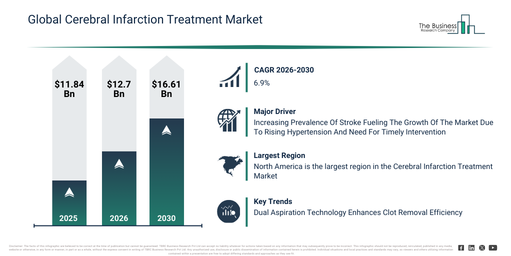
    The market for treating cerebral infarction has experienced significant growth over the past few years. Projections indicate an increase from $11.84 billion in 2025 to $12.7 billion in 2026, reflecting a compound annual growth rate (CAGR) of 7.2%. This expansion during the historical period was driven by factors such as an aging demographic, a higher incidence of hypertension, the establishment of more specialized hospital stroke units, advancements in diagnostic imaging, and the development of enhanced emergency care infrastructure.

    The cerebral infarction treatment market is projected to experience robust expansion in the coming years, reaching an estimated value of $16.61 billion by 2030, with a compound annual growth rate (CAGR) of 6.9%. Several factors are anticipated to drive this growth during the forecast period, including the adoption of AI-assisted stroke diagnosis, the implementation of early screening programs, the development of advanced endovascular devices, increased demand for post-stroke rehabilitation, and various government-led stroke initiatives. Key trends expected to shape the market going forward encompass a higher uptake of mechanical thrombectomy, more frequent use of thrombolytic therapies, the establishment of dedicated stroke centers, a stronger emphasis on early intervention protocols, and the integration of rehabilitation services into acute care settings.

    Download A Free Sample Report For Comprehensive Market Insights:

    https://www.thebusinessresearchcompany.com/sample.aspx?id=24500&type=smp&utm_source=BlogsPR&utm_medium=Paid&utm_campaign=Jul_PR

    Cerebral Infarction Treatment Market Demand Drivers Creating New Revenue Opportunities

    The anticipated expansion of the cerebral infarction treatment market is being driven by the rising occurrence of stroke. A stroke arises when blood flow to the brain is either interrupted or obstructed, causing a deficiency of oxygen and nutrients within the brain tissue. Hypertension, which leads to damage in blood vessels due to persistently high pressure, is a major factor behind the growing prevalence of stroke. By restoring cerebral blood flow, treatments for cerebral infarction improve stroke management, thereby minimizing lasting harm and disability. Through prompt interventions, these therapies enhance patient outcomes, making recovery both more effective and easier to handle. As an example, data from the Stroke Foundation—a nonprofit organization based in Australia—released in September 2024 shows that the country documented 45,785 stroke cases in 2023, with predictions indicating a significant increase to 72,000 cases by 2050. Consequently, the increasing frequency of stroke is fueling growth in the cerebral infarction treatment market.

    Cerebral Infarction Treatment Market Segment Analysis: What Are The Major Market Categories?

    The cerebral infarction treatment market covered in this report is segmented –

    1) By Treatment Type: Medication, Surgical Interventions, Rehabilitation Therapies

    2) By Diagnostic Tools: Computed Tomography Scan, Magnetic Resonance Imaging, Angiography, Doppler Ultrasound

    3) By Application: Ischemic Stroke, Transient Ischemic Attack, Large Artery Stroke, Small Vessel Stroke

    4) By End-User: Hospitals, Specialized Stroke Centers, Ambulatory Surgical Centers, Home Care Providers

    Subsegments:

    1) By Medication: Antiplatelet Drugs, Anticoagulants, Thrombolytics, Statins, Antihypertensives

    2) By Surgical Interventions: Mechanical Thrombectomy, Carotid Endarterectomy, Decompressive Craniectomy, Stent Placement, Angioplasty

    3) By Rehabilitation: Physical Therapy, Occupational Therapy, Speech and Language Therapy, Cognitive Rehabilitation, Psychological Counseling

    Cerebral Infarction Treatment Market Trends Driving Strategic Industry Expansion

    Key players in the cerebral infarction treatment market are concentrating on creating innovative technologies, particularly dual aspiration systems, aimed at shortening treatment times for individuals with acute ischemic stroke. This method involves employing two catheters concurrently to improve clot extraction effectiveness during stroke interventions. As an example, Imperative Care, a medical technology firm based in the United States, introduced Zoom DuoPort in May 2025; this cutting-edge stroke therapy solution facilitates dual aspiration by allowing two catheters to work together from a single vacuum power source. It offers physicians increased control, delivers instantaneous updates during procedures, and enhances the efficacy of mechanical thrombectomy when addressing acute ischemic stroke.

    Cerebral Infarction Treatment Market Leading Companies Driving Competitive Growth

    Major companies operating in the cerebral infarction treatment market are Pfizer Inc., Johnson & Johnson, F. Hoffmann-La Roche AG, Bayer AG, Sanofi S.A., AstraZeneca plc, Abbott Laboratories, Novartis AG, Medtronic plc, Amgen Inc., Siemens Healthineers, Becton Dickinson and Company, Stryker Corporation, Boston Scientific Corporation, Daiichi Sankyo Company Limited, Penumbra Inc., Terumo Corporation, phenox GmbH, Boehringer Ingelheim International GmbH, Imperative Care Inc., Acandis GmbH & Co. KG, Reflow Medical Inc., NeuroVasc Technologies Inc., Rapid Medical Ltd., Q’Apel Medical Inc.

    Access The Complete Cerebral Infarction Treatment Market Report:

    https://www.thebusinessresearchcompany.com/report/cerebral-infarction-treatment-global-market-report?utm_source=BlogsPR&utm_medium=Paid&utm_campaign=Jul_PR

    Cerebral Infarction Treatment Market Largest Region By Revenue And Market Share

    North America was the largest region in the cerebral infarction treatment market in 2025. The regions covered in the cerebral infarction treatment market report are Asia-Pacific, South East Asia, Western Europe, Eastern Europe, North America, South America, Middle East, Africa.

    Get in touch with us:

    The Business Research Company: https://www.thebusinessresearchcompany.com/?utm_source=BlogsPR&utm_medium=Paid&utm_campaign=home_page_test

    Americas: +1 310-496-7795

    Asia: +44 7882 955267 & +91 8897263534

    Europe: +44 7882 955267

    Email us at: marketing@tbrc.info

    Follow us on:

    LinkedIn: https://in.linkedin.com/company/the-business-research-company

    YouTube: https://www.youtube.com/channel/UC24_fI0rV8cR5DxlCpgmyFQ

    Global Market Model: https://www.thebusinessresearchcompany.com/global-market-model
  • Catecholamines Market Expected To Reach $5.66 Billion By 2030 As Growth Accelerates At 5.8% CAGR

    Catecholamines Market Expected To Reach $5.66 Billion By 2030 As Growth Accelerates At 5.8% CAGR

    Through market attractiveness analysis, total addressable market evaluation, company benchmarking matrices, interactive Excel dashboards, expanded supply chain intelligence, emerging startup coverage, and detailed product insights, The Business Research Company’s 2026 market reports provide more actionable and strategically valuable research.

    Catecholamines Market CAGR Analysis And Future Market Development

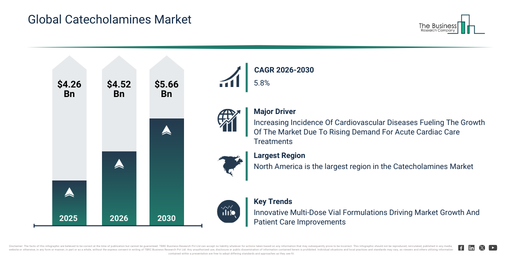
    The market for catecholamines has experienced notable expansion in recent years. Moving from a valuation of $4.26 billion in 2025, it is projected to reach $4.52 billion by 2026, reflecting a compound annual growth rate (CAGR) of 6.1%. Historical growth during this period was driven by factors such as the widening of emergency care services, advancements in cardiac arrest treatment, a rise in hospital intensive care unit capacities, increased reliance on injectable pharmaceuticals, and the development of trauma care protocols.

    The catecholamines market is projected to experience robust expansion over the coming years, reaching an estimated value of $5.66 billion by 2030, with a compound annual growth rate (CAGR) of 5.8%. This anticipated growth during the forecast period is driven by factors such as the development of emergency response infrastructure, the broadening of critical care services, the availability of pre-mixed formulations, advancements in pre-hospital care, and increased investments in acute care settings. Key trends shaping this period encompass the growing utilization of catecholamines in emergency medicine, the rising adoption of auto-injector delivery systems, the widening scope of critical care indications, heightened demand in cardiac emergency scenarios, and a shift toward convenient, ready-to-use injectable products.

    Download A Free Sample Report For Comprehensive Market Insights:

    https://www.thebusinessresearchcompany.com/sample.aspx?id=24496&type=smp&utm_source=BlogsPR&utm_medium=Paid&utm_campaign=Jul_PR

    Catecholamines Market Growth Drivers And Industry Catalysts

    The catecholamines market is expected to see growth driven by the rising occurrence of cardiovascular diseases in the coming years. Cardiovascular diseases (CVDs) encompass a range of disorders impacting the heart and blood vessels, including coronary artery disease, heart failure, and stroke. This increase in CVD prevalence is largely linked to physical inactivity, as sedentary lifestyles heighten risk factors like obesity, hypertension, and poor heart health. Catecholamines play a role in managing these conditions by boosting cardiac output, regulating vascular tone, and supporting blood pressure through their stimulatory action on adrenergic receptors. This helps improve blood flow to vital organs, stabilizes hemodynamics in acute situations like heart failure or shock, and provides short-term compensation for reduced cardiac function. For example, in October 2024, the Centers for Disease Control and Prevention (CDC), a US-based public health agency, reported that 919,032 people in the United States died from cardiovascular disease in 2023, accounting for roughly one in three deaths nationwide. Consequently, the increasing frequency of cardiovascular diseases is fueling growth in the catecholamines market.

    Catecholamines Market Segment Analysis: What Are The Major Market Categories?

    The catecholamines market covered in this report is segmented –

    1) By Type: Epinephrine, Norepinephrine, Dopamine

    2) By Indication: Anaphylaxis, Cardiac arrest, Shock, Acute Asthma, Hypertension, Other Indications

    3) By Formulation Type: Syrups, Injectables, Tablets, Inhalants

    4) By Distribution Channel: Hospital Pharmacy, Online Pharmacy, Retail Pharmacy

    5) By End-User: Hospitals And Clinics, Pharmaceutical Companies, Research Institutions, Emergency Medical Services

    Subsegments:

    1) By Epinephrine: Auto-Injectors, Prefilled Syringes, Vials And Ampoules

    2) By Norepinephrine: Concentrated Solution For Dilution, Ready-To-Use Formulations, Combination Therapies

    3) By Dopamine: Dopamine Hydrochloride Injection, Dopamine Infusion Concentrates, Pediatric And Adult-Specific Formulations

    Catecholamines Market Trends Influencing Long-Term Demand

    Key players in the catecholamines market are placing emphasis on creating novel product formats, particularly multi-dose vials, aimed at boosting dosing flexibility, increasing patient adherence, cutting down on medication waste, and simplifying usage in critical care environments. A multi-dose vial is a container that holds several doses of a drug, enabling repeated withdrawals without the risk of contamination. These vials contribute to less packaging waste, decreased therapy expenses, and more convenient dosing options for both medical staff and patients. As an example, in May 2025, Fresenius Kabi AG, a pharmaceutical firm based in Germany, introduced Epinephrine Injection, USP, offered in 30 mg per 30 mL multi-dose vials, representing a calculated enhancement of their injectable product line in the U.S. healthcare sector. This formulation is intended for urgent management of allergic reactions, such as anaphylaxis, in adult and pediatric populations, as well as for elevating mean arterial blood pressure in septic shock patients with hypotension.

    Catecholamines Market Leading Companies Driving Competitive Growth

    Major companies operating in the catecholamines market are Pfizer Inc., Fresenius Kabi USA LLC, Teva Pharmaceutical Industries Limited, Baxter International Inc., Amneal Pharmaceuticals Inc., Glenmark Pharmaceuticals Limited, Amphastar Pharmaceuticals Inc., ARS Pharmaceuticals Inc., Breckenridge Pharmaceutical Inc., Long Grove Pharmaceuticals LLC, Midas Pharma GmbH, Otto Chemie Private Limited, Central Drug House (P) Ltd., Kanto Chemical Co. Inc., Bowmed Ibisqus Limited, Lexicare Pharma Private Limited, Alice Pharma Private Limited, Junsei Chemical Co. Ltd., Adamis Pharmaceuticals Corporation, Nevakar Injectables Inc.

    Access The Complete Catecholamines Market Report:

    https://www.thebusinessresearchcompany.com/report/catecholamines-global-market-report?utm_source=BlogsPR&utm_medium=Paid&utm_campaign=Jul_PR

    Catecholamines Market Regional Distribution: Which Areas Drive Market Expansion?

    North America was the largest region in the catecholamines market in 2025. Asia-Pacific is expected to be the fastest-growing region in the forecast period. The regions covered in the catecholamines market report are Asia-Pacific, South East Asia, Western Europe, Eastern Europe, North America, South America, Middle East, Africa.

    Get in touch with us:

    The Business Research Company: https://www.thebusinessresearchcompany.com/?utm_source=BlogsPR&utm_medium=Paid&utm_campaign=home_page_test

    Americas: +1 310-496-7795

    Asia: +44 7882 955267 & +91 8897263534

    Europe: +44 7882 955267

    Email us at: marketing@tbrc.info

    Follow us on:

    LinkedIn: https://in.linkedin.com/company/the-business-research-company

    YouTube: https://www.youtube.com/channel/UC24_fI0rV8cR5DxlCpgmyFQ

    Global Market Model: https://www.thebusinessresearchcompany.com/global-market-model
  • Calcitonin Injection Market Growth Through 2030 Creates New Strategic Opportunities

    Calcitonin Injection Market Growth Through 2030 Creates New Strategic Opportunities

    Delivering more actionable and strategically valuable research, The Business Research Company’s 2026 market reports feature market attractiveness analysis, total addressable market evaluation, company benchmarking matrices, interactive Excel dashboards, expanded supply chain intelligence, emerging startup coverage, and detailed product insights.

    Calcitonin Injection Market Size Forecast: How Large Could The Market Become By 2030?

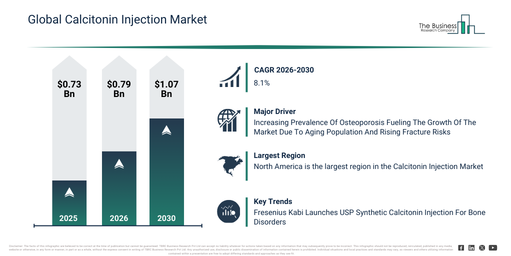
    The calcitonin injection market has experienced strong expansion in recent years, with projections showing an increase from $0.73 billion in 2025 to $0.79 billion in 2026, reflecting a compound annual growth rate (CAGR) of 8.4%. Factors driving growth during the historical period include the high prevalence of osteoporosis, the use of injectable therapies in hospital settings, established protocols for fracture management, disorders related to calcium metabolism, and the rising number of elderly individuals in the population.

    Over the upcoming years, the calcitonin injection market is anticipated to experience robust expansion. By 2030, its value is projected to reach $1.07 billion, reflecting a compound annual growth rate (CAGR) of 8.1%. This forecasted growth is driven by factors such as the rising elderly population, increasing demand for injectable treatments, heightened awareness of bone diseases, progress in synthetic peptide development, and the broadening of specialty care services. Key developments shaping this period include the sustained application of calcitonin in osteoporosis management, the growing prevalence of injectable therapies for bone conditions, an expanded role in treating hypercalcemia, a stronger emphasis on skeletal health among older adults, and a transition toward synthetic formulations of calcitonin.

    Download A Free Sample Report For Comprehensive Market Insights:

    https://www.thebusinessresearchcompany.com/sample.aspx?id=24490&type=smp&utm_source=BlogsPR&utm_medium=Paid&utm_campaign=Jul_PR

    Calcitonin Injection Market Development Factors: Which Trends Are Supporting Demand?

    The rising occurrence of osteoporosis is forecasted to boost the calcitonin injection market in the coming years. This medical condition involves reduced bone density and a higher likelihood of fractures, commonly seen in older individuals, particularly those who are postmenopausal women. The growing number of cases can be attributed to an aging demographic, where extended lifespans result in natural bone density decline and an elevated disease risk. Calcitonin injections aid in osteoporosis management by regulating calcium levels and decelerating bone loss, thus proving effective in preserving bone density. This approach offers targeted intervention through simple-to-administer shots, which enhances patient adherence and lowers fracture risks. As an example, in August 2024, Healthy Bones Australia, a nonprofit organization dedicated to bone health and osteoporosis prevention, reported that in 2023, an estimated 6.2 million Australians aged 50 and above, equating to roughly 67% of that demographic, suffered from poor bone health, with about 23% of these individuals affected by osteoporosis. Consequently, the increasing prevalence of osteoporosis is fueling expansion in the calcitonin injection market.

    The growth of home healthcare services is anticipated to drive forward the calcitonin injection market in the future. These services encompass medical support and care provided to patients within their own homes by qualified healthcare practitioners. Their expansion is being fueled by a growing movement of patients away from hospital environments toward home-based care, which lowers overall treatment expenses while enhancing comfort and ease of access. As home healthcare services rapidly broaden, the calcitonin injection market is seeing heightened demand, prompting providers to embrace injectable therapies suited for at-home management of ailments like osteoporosis and acute pain. By way of illustration, according to the National Association for Home Care and Hospice, a US nonprofit advocating for chronically ill, disabled, and dying Americans, roughly 12 million individuals in the United States receive some form of home healthcare annually, a figure predicted to increase further. Hence, the broadening of home healthcare services is propelling growth in the calcitonin injection market.

    Calcitonin Injection Market Segmentation: How Is The Market Structured Across Key Categories?

    The calcitonin injection market covered in this report is segmented –

    1) By Type Of Calcitonin: Salmon Calcitonin, Human Calcitonin, Synthetic Calcitonin

    2) By Route Of Administration: Intravenous (IV) Injection, Subcutaneous Injection, Intramuscular Injection

    3) By Distribution Channel: Direct Sales, Online Pharmacy, Retail Pharmacy, Healthcare Institutions

    4) By Therapeutic Application: Osteoporosis Treatment, Pagets Disease Management, Hypercalcemia Control, Bone Metastases Therapy

    5) By End-User: Hospitals, Specialty Clinics, Geriatric Care Facilities, Home Healthcare

    Subsegments:

    1) By Salmon Calcitonin, Synthetic Salmon Calcitonin, Recombinant Salmon Calcitonin

    2) By Human Calcitonin, Recombinant Human Calcitonin, Synthetic Human Calcitonin

    3) By Synthetic Calcitonin, Peptide-Based Synthetic Calcitonin, Analog Synthetic Calcitonin

    Calcitonin Injection Market Transformation Trends: Which Innovations Are Driving Change?

    Leading players in the calcitonin injection sector are increasingly dedicating resources to the creation of advanced products, such as USP synthetic injections, aimed at boosting therapeutic efficacy and improving patient recovery rates. A USP Synthetic Injection is defined as a medication for injection that features synthetically derived active ingredients conforming to the rigorous specifications for quality, purity, potency, and identity established by the United States Pharmacopeia (USP). These injections are produced under stringent, regulated manufacturing processes to guarantee their safety and effectiveness for medical applications. As a case in point, in February 2025, Fresenius Kabi, a pharmaceutical firm headquartered in Germany, introduced a calcitonin salmon injection—classified as a USP synthetic—designed for the management of symptomatic Paget’s disease of bone and hypercalcemia. This product is a sterile solution intended for administration via intramuscular or subcutaneous routes, provided at a concentration of 200 USP units per mL and supplied in a 2 mL multi-dose vial with a total of 400 USP units. Storage requirements specify refrigeration within a temperature range of 2°C to 8°C. Serving as a calcium-regulating agent, this injectable drug is prescribed for symptomatic Paget’s disease of bone where alternative therapies are not viable, hypercalcemia, and postmenopausal osteoporosis in cases where other options are inadequate.

    Calcitonin Injection Market Competitive Landscape And Leading Companies

    Major companies operating in the calcitonin injection market are Pfizer Inc., AbbVie Inc., Teva Pharmaceutical Industries Ltd., Lupin Limited, Aurobindo Pharma Limited, Zydus Lifesciences Limited, Glenmark Pharmaceuticals Limited, Alembic Pharmaceuticals Limited, Alkem Laboratories Limited, Intas Pharmaceuticals Limited, Emcure Pharmaceuticals Limited, Wockhardt Limited, Accord Healthcare Ltd., Sandoz International GmbH, Amneal Pharmaceuticals LLC, Apotex Inc., Mylan N.V., Cadila Pharmaceuticals Limited, Macleods Pharmaceuticals Ltd., Bharat Parenterals Limited

    Access The Complete Calcitonin Injection Market Report:

    https://www.thebusinessresearchcompany.com/report/calcitonin-injection-global-market-report?utm_source=BlogsPR&utm_medium=Paid&utm_campaign=Jul_PR

    Calcitonin Injection Market Geographic Distribution And Regional Opportunities

    North America was the largest region in the calcitonin injection market in 2025. Asia-Pacific is expected to be the fastest-growing region in the forecast period. The regions covered in the calcitonin injection market report are Asia-Pacific, South East Asia, Western Europe, Eastern Europe, North America, South America, Middle East, Africa.

    Get in touch with us:

    The Business Research Company: https://www.thebusinessresearchcompany.com/?utm_source=BlogsPR&utm_medium=Paid&utm_campaign=home_page_test

    Americas: +1 310-496-7795

    Asia: +44 7882 955267 & +91 8897263534

    Europe: +44 7882 955267

    Email us at: marketing@tbrc.info

    Follow us on:

    LinkedIn: https://in.linkedin.com/company/the-business-research-company

    YouTube: https://www.youtube.com/channel/UC24_fI0rV8cR5DxlCpgmyFQ

    Global Market Model: https://www.thebusinessresearchcompany.com/global-market-model
  • Blepharitis Market Growth Is Reshaping Competitive Advantage Across The Industry

    Blepharitis Market Growth Is Reshaping Competitive Advantage Across The Industry

    Enhanced with market attractiveness analysis, total addressable market evaluation, company benchmarking matrices, interactive Excel dashboards, expanded supply chain intelligence, emerging startup coverage, and detailed product insights, The Business Research Company’s 2026 market reports deliver more actionable and strategically valuable research.

    Blepharitis Market Forecast Highlighting Growth From $1.09 Billion To $1.72 Billion

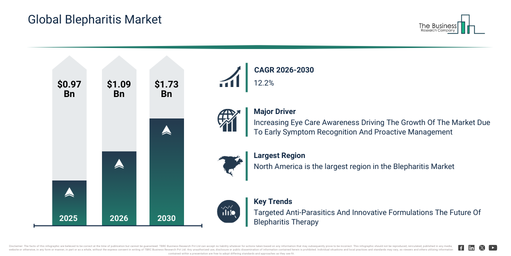
    The blepharitis market has seen swift expansion over the last few years. Its value is expected to climb from $0.97 billion in 2025 to $1.09 billion in 2026, reflecting a compound annual growth rate (CAGR) of 12.5%. This historical growth has been driven by factors such as inadequate eyelid hygiene, bacterial infections, visits to ophthalmology clinics, an aging demographic, and ongoing eye irritation.

    The blepharitis market is projected to experience rapid expansion in the coming years, reaching $1.73 billion by 2030 with a compound annual growth rate (CAGR) of 12.2%. This anticipated growth during the forecast period is driven by rising screen time, digital eye strain, growing awareness of preventive eye care, management of chronic conditions, and expansion of outpatient ophthalmology services. Key developments shaping this period include enhanced recognition of chronic ocular disorders, increased availability of lid hygiene and eye cleanser products, higher diagnosis rates of meibomian gland dysfunction, more emphasis on sustained symptom control, and a shift toward non-invasive therapeutic approaches.

    Download A Free Sample Report For Comprehensive Market Insights:

    https://www.thebusinessresearchcompany.com/sample.aspx?id=24484&type=smp&utm_source=BlogsPR&utm_medium=Paid&utm_campaign=Jul_PR

    Blepharitis Market Industry Drivers: What Is Driving Revenue Growth?

    The rising focus on eye health is anticipated to boost the blepharitis market in the coming period. Eye health encompasses various services, treatments, and practices designed to preserve and enhance vision and overall ocular well-being. A heightened understanding of eye care is essential, given that good vision plays a key role in a person’s independence, education, productivity, and quality of life, with uncorrected vision issues interfering with daily routines, school performance, and work efficiency. By facilitating early detection of symptoms, encouraging consistent eyelid cleanliness, and aiding in the prevention of complications like dry eye and styes through appropriate and timely intervention, blepharitis management becomes an integral part of effective eye care. As an example, a report from the Association of Optometrists (AOP), a UK-based organization, indicated in October 2024 that the number of individuals in the UK experiencing sight loss is expected to reach around 2.8 million by 2035, reflecting a 27% rise from 2022. Consequently, the growing awareness of eye care is fueling expansion in the blepharitis market.

    Blepharitis Market Segment Breakdown: Which Categories Generate The Most Revenue?

    The blepharitis market covered in this report is segmented –

    1) By Type: Anterior Blepharitis, Posterior Blepharitis, Mixed Blepharitis

    2) By Treatment: Eye Cleansers, Artificial Tears, Antibiotic Therapy

    3) By Diagnosis: Physical Examination, Comprehensive Eye Examination, Other Diagnosis

    4) By Application: Acute Blepharitis Management, Chronic Blepharitis Long-Term Care, Bacterial Blepharitis Treatment

    Subsegments:

    1) By Anterior Blepharitis: Staphylococcal Blepharitis, Seborrheic Blepharitis

    2) By Posterior Blepharitis: Meibomian Gland Dysfunction (MGD), Rosacea-Associated Blepharitis

    3) By Mixed Blepharitis: Combination Of Anterior And Posterior Features, Chronic Mixed Blepharitis

    Blepharitis Market Growth Trends: What Is Influencing The Future Outlook?

    Major players in the blepharitis sector are intensifying their efforts to create novel therapeutic approaches, including targeted antiparasitic drugs and cutting-edge ophthalmic formulations, as a strategy to secure a competitive advantage. Advanced ophthalmic formulations represent state-of-the-art drug delivery systems and compositions crafted to enhance treatment efficacy, safety, and patient comfort for eye disorders. As an example, in July 2023, Tarsus Pharmaceuticals Inc., a biopharmaceutical firm based in the United States, received approval for XDEMVY (lotilaner ophthalmic solution) 0.25% to address Demodex blepharitis. Previously designated as TP-03, XDEMVY is the inaugural FDA-approved therapy that specifically targets Demodex mites, which are the primary cause of Demodex blepharitis. Its endorsement was grounded in robust clinical data derived from two essential trials—Saturn-1 and Saturn-2—that included 833 participants. In these studies, the drug demonstrated notable symptom alleviation and a superior rate of complete collarette resolution relative to a placebo. The prescribed usage is one drop in each eye twice daily over a six-week period. XDEMVY is typically well tolerated, with most reported adverse effects involving mild stinging or burning upon application.

    Blepharitis Market Key Players And Strategic Industry Positioning

    Major companies operating in the blepharitis market are OcuSept Ltd., Alcon Inc., Théa Pharmaceuticals Ltd., Bausch Health Companies Inc., Tarsus Pharmaceuticals Inc., URSAPHARM Arzneimittel GmbH, Scope Ophthalmic Ltd., Santen Pharmaceutical Co. Ltd., NovaBay Pharmaceuticals Inc., Harrow Inc., MiBo Medical Group, Nicox SA, Visufarma S.p.A., OCuSOFT Inc., Lumenis Ltd., Bruder Healthcare Company, I-MED Pharma Inc., KALA Pharmaceuticals Inc., Aerie Pharmaceuticals Inc., Oyster Point Pharma Inc., Dompé Farmaceutici S.p.A., Laboratoires Théa S.A., Ophtecs Corporation, Sentiss Pharma Pvt. Ltd., Ajanta Pharma Ltd.

    Access The Complete Blepharitis Market Report:

    https://www.thebusinessresearchcompany.com/report/blepharitis-global-market-report?utm_source=BlogsPR&utm_medium=Paid&utm_campaign=Jul_PR

    Blepharitis Market Geographic Analysis: Where Is Demand Growing The Fastest?

    North America was the largest region in the blepharitis market in 2025. Asia-Pacific is expected to be the fastest-growing region in the forecast period. The regions covered in the blepharitis market report are Asia-Pacific, South East Asia, Western Europe, Eastern Europe, North America, South America, Middle East, Africa.

    Get in touch with us:

    The Business Research Company: https://www.thebusinessresearchcompany.com/?utm_source=BlogsPR&utm_medium=Paid&utm_campaign=home_page_test

    Americas: +1 310-496-7795

    Asia: +44 7882 955267 & +91 8897263534

    Europe: +44 7882 955267

    Email us at: marketing@tbrc.info

    Follow us on:

    LinkedIn: https://in.linkedin.com/company/the-business-research-company

    YouTube: https://www.youtube.com/channel/UC24_fI0rV8cR5DxlCpgmyFQ

    Global Market Model: https://www.thebusinessresearchcompany.com/global-market-model
  • Bisphosphonates Market Growth Is Accelerating As Industry Transformation Continues

    Bisphosphonates Market Growth Is Accelerating As Industry Transformation Continues

    Delivering more actionable and strategically valuable research, The Business Research Company’s 2026 market reports feature market attractiveness analysis, total addressable market evaluation, company benchmarking matrices, interactive Excel dashboards, expanded supply chain intelligence, emerging startup coverage, and detailed product insights.

    Bisphosphonates Market Value Expansion And Long-Term Growth Outlook

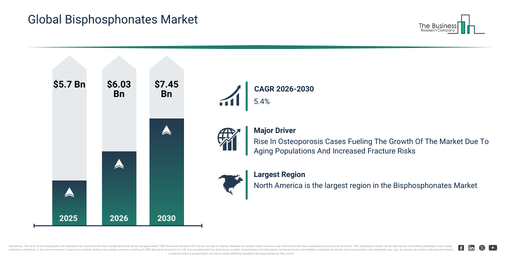
    The bisphosphonates market has experienced robust expansion over the past few years. Between 2025 and 2026, its value is projected to rise from $5.7 billion to $6.03 billion, reflecting a compound annual growth rate (CAGR) of 5.8%. This historical growth has been driven by an increasing elderly demographic, widespread occurrence of postmenopausal osteoporosis, routine bone density evaluations conducted by physicians, management of osteoporosis within hospital settings, and the uptake of injectable bisphosphonate treatments.

    The projected value of the bisphosphonates market indicates notable expansion over the coming years, reaching $7.45 billion by 2030 with a compound annual growth rate (CAGR) of 5.4%. This upward trend during the forecast period is driven by factors such as the growing elderly demographic, a shift toward home-based osteoporosis management, a preference for long-acting formulations, heightened awareness of bone health, and the rising availability of generic medications. Key developments shaping the market include increasing demand for osteoporosis therapies, wider adoption of long-acting injectable options, broader market penetration of generic bisphosphonate drugs, a stronger emphasis on preventing fractures, and the integration of combination therapies targeting bone health.

    Download A Free Sample Report For Comprehensive Market Insights:

    https://www.thebusinessresearchcompany.com/sample.aspx?id=24483&type=smp&utm_source=BlogsPR&utm_medium=Paid&utm_campaign=Jul_PR

    Bisphosphonates Market Demand Drivers: What Is Fueling Industry Growth?

    The growing incidence of osteoporosis is anticipated to drive expansion within the bisphosphonates market in the near future. Osteoporosis is defined as a medical state in which bones become weakened, fragile, and more susceptible to fractures. This condition is becoming more widespread largely because of the aging global population, given that bone density naturally declines with age, further exacerbated by lifestyle choices and a lack of adequate preventive measures. By decelerating the process of bone resorption, bisphosphonates serve to fortify bones and diminish fracture risk, offering an effective treatment for osteoporosis. For example, data from Healthy Bones Australia, a research and advocacy organization focused on bone health based in Australia, indicated in August 2024 that there were an estimated 193,482 osteoporosis and osteopenia-related fractures in 2023, with projections suggesting a 34% increase to 237,632 fractures by 2033. Consequently, the escalating prevalence of osteoporosis is fueling the expansion of the bisphosphonates market.

    The heightened focus on research initiatives and clinical trials is expected to accelerate the progress of the bisphosphonates market moving ahead. Clinical trials involve systematic studies with human subjects aimed at assessing the safety, effectiveness, and possible adverse effects of novel treatments, pharmaceuticals, or medical devices. The uptick in such research and clinical experiments is mainly spurred by a growing need for innovative therapies to meet shifting healthcare demands and enhance patient outcomes. When clinical studies and trials specifically involve bisphosphonates, they contribute to the progression of bone health therapies by thoroughly examining their effectiveness, safety profile, and long-term consequences in managing and halting disorders like osteoporosis and bone metastases. As reported by the Association of the British Pharmaceutical Industry (ABPI), a UK-based trade organization, the number of industry-led clinical trials in the United Kingdom increased from 411 in 2022 to 426 in 2023 as of December 2024. Thus, the surge in research activities and clinical trials is poised to propel the bisphosphonates market forward.

    Bisphosphonates Market Segmentation Trends And Revenue Drivers

    The bisphosphonates market covered in this report is segmented –

    1) By Type: Alendronate, Ibandronate, Risedronate, Zoledronic Acid

    2) By Route Of Administration: Oral, Intravenous

    3) By Distribution Channel: Hospital Pharmacies, Retail Pharmacies, Online Pharmacies, Other Distribution Channels

    4) By Application: Osteoporosis, Paget’s Disease, Bone Metastasis, Other Application

    5) By End-User: Hospitals, Clinics, Homecare Settings, Pharmaceutical Retail

    Subsegments:

    1) By Alendronate: Oral Tablets, Once-Weekly Formulation, Combination With Vitamin D, Generic Alendronate

    2) By Ibandronate: Oral Tablets, Monthly Oral Formulation, Intravenous Injection, Generic Ibandronate

    3) By Risedronate: Immediate-Release Tablets, Delayed-Release Tablets, Weekly And Monthly Dosing, Combination With Calcium

    4) By Zoledronic Acid: Intravenous Infusion, Annual Dosing, Oncology Use, Osteoporosis Use, Generic Zoledronic Acid

    Bisphosphonates Market Industry Leaders: Which Organizations Are Driving Competition?

    Major companies operating in the bisphosphonates market are Merck & Co. Inc., Novartis AG, Teva Pharmaceutical Industries Ltd., Sun Pharmaceutical Industries Ltd., Apotex Inc., Aurobindo Pharma Ltd., Dr. Reddy’s Laboratories Ltd., Cipla Ltd., Alkem Laboratories, Strides Pharma Science Limited, GSK plc, Viatris Inc., Sandoz, Lupin Limited, Zydus Lifesciences Ltd., Torrent Pharmaceuticals Ltd., Glenmark Pharmaceuticals Ltd., Hikma Pharmaceuticals PLC, Fresenius Kabi, Alembic Pharmaceuticals Ltd.

    Access The Complete Bisphosphonates Market Report:

    https://www.thebusinessresearchcompany.com/report/bisphosphonates-global-market-report?utm_source=BlogsPR&utm_medium=Paid&utm_campaign=Jul_PR

    Bisphosphonates Market Regional Distribution: Which Areas Drive Market Expansion?

    North America was the largest region in the bisphosphonates market in 2025. Asia-Pacific is expected to be the fastest-growing region in the forecast period. The regions covered in the bisphosphonates market report are Asia-Pacific, South East Asia, Western Europe, Eastern Europe, North America, South America, Middle East, Africa.

    Get in touch with us:

    The Business Research Company: https://www.thebusinessresearchcompany.com/?utm_source=BlogsPR&utm_medium=Paid&utm_campaign=home_page_test

    Americas: +1 310-496-7795

    Asia: +44 7882 955267 & +91 8897263534

    Europe: +44 7882 955267

    Email us at: marketing@tbrc.info

    Follow us on:

    LinkedIn: https://in.linkedin.com/company/the-business-research-company

    YouTube: https://www.youtube.com/channel/UC24_fI0rV8cR5DxlCpgmyFQ

    Global Market Model: https://www.thebusinessresearchcompany.com/global-market-model