Month: March 2024

  • Global Pharmaceutical Sterility Testing Market Report 2024 – Top Market Trends And Opportunities

    Global Pharmaceutical Sterility Testing Market Report 2024 – Top Market Trends And Opportunities

    The Business Research Company’s market reports offer an in-depth analysis on the market’s growth potential, major drivers, key trends and more.

    The Current Landscape and Growth Trajectory

    • The pharmaceutical sterility testing market has witnessed robust growth in recent years, with the market size reaching $1.41 billion in 2023.
    • Anticipated growth to $1.54 billion in 2024 reflects a compound annual growth rate (CAGR) of 9.0%.
    • Various factors contribute to this growth, including increased demand for quality pharmaceutical products, emphasis on drug safety and efficacy, and rising investments in life science research.

    A Glimpse into the Future: Forecasts and Trends

    • Forecasts predict substantial expansion, with the market projected to reach $3.18 billion in 2028 at a CAGR of 20.0%.
    • Factors driving this growth include biopharmaceutical advancements, personalized medicine, and the trend of outsourcing in the pharmaceutical industry.
    • Emerging trends in the forecast period encompass rapid microbiological methods, data integrity and digitalization, and advanced analytical techniques.

    Read More On The Pharmaceutical Sterility Testing Market Report 2024 – https://www.thebusinessresearchcompany.com/report/pharmaceutical-sterility-testings-global-market-report

    Rising Research and Development Investments Propel Growth

    • Increased drug launches and research and development investments fuel the expansion of the pharmaceutical sterility testing market.
    • Sterility testing plays a crucial role in drug manufacturing to ensure products are free from viable microorganisms and contamination.
    • Notable investments include a $347 million commitment by the UK government to advance R&D and create innovative treatments, as well as an anticipated introduction of 300 new medications by 2026, according to IQVIA.

    Expanding Product Portfolios Through Innovation

    • Companies are introducing new pharmaceutical sterility testing products and services to augment their portfolios and market presence.
    • Technologically superior outcomes and well-equipped services are being launched to capitalize on the growth potential of the market.
    • STEMart’s introduction of comprehensive microbiology and sterility testing for sterile products exemplifies this trend.

    Segmentation and Market Dynamics

    • The pharmaceutical sterility testing market is segmented based on sample, product type, type, test type, and end-user.
    • Sample categories include sterile drugs, medical devices, and biologics and therapeutics.
    • Product types encompass instruments, kits and reagents, and services, while testing can be conducted in-house or outsourced.
    • Test types include sterility testing, bioburden testing, and bacterial endotoxin testing.
    • North America led the market in 2023, with the Middle East expected to exhibit the fastest growth during the forecast period.

    Conclusion: Navigating Opportunities in a Dynamic Landscape

    The pharmaceutical sterility testing market stands at the cusp of significant growth, driven by technological advancements, increasing demand for quality pharmaceutical products, and strategic investments in research and development. As companies strive to expand their product portfolios and leverage emerging trends, stakeholders must remain agile to capitalize on evolving market dynamics. With promising forecasts and a host of opportunities on the horizon, the pharmaceutical sterility testing market promises to be a pivotal sector in the global healthcare landscape.

    Request for A Sample Of The Global Pharmaceutical Sterility Testing Market Report:
    https://www.thebusinessresearchcompany.com/sample_request?id=2826&type=smp
  • 5 Key Insights On The Pharma Microbiology Testing Kits Market 2024

    5 Key Insights On The Pharma Microbiology Testing Kits Market 2024

    The Business Research Company’s global market reports are now updated with the latest market sizing information for the year 2024 and forecasted to 2033

    As per The Business Research Company’s Pharma Microbiology Testing Kits Global Market Report 2024, the pharma microbiology testing kits market is expected to show significant growth in the forecast period.

    The pharma microbiology testing kits market has experienced substantial growth in recent years, driven by a confluence of factors and innovations. Let’s delve into the insights shaping this burgeoning market.

    Understanding Market Dynamics

    • Historic Growth: The market surged from $6.25 billion in 2023 to $6.77 billion in 2024, showcasing a notable CAGR of 8.3%. Factors such as increasing prevalence of infectious diseases and growing awareness of the importance of microbiology testing have fueled this growth.
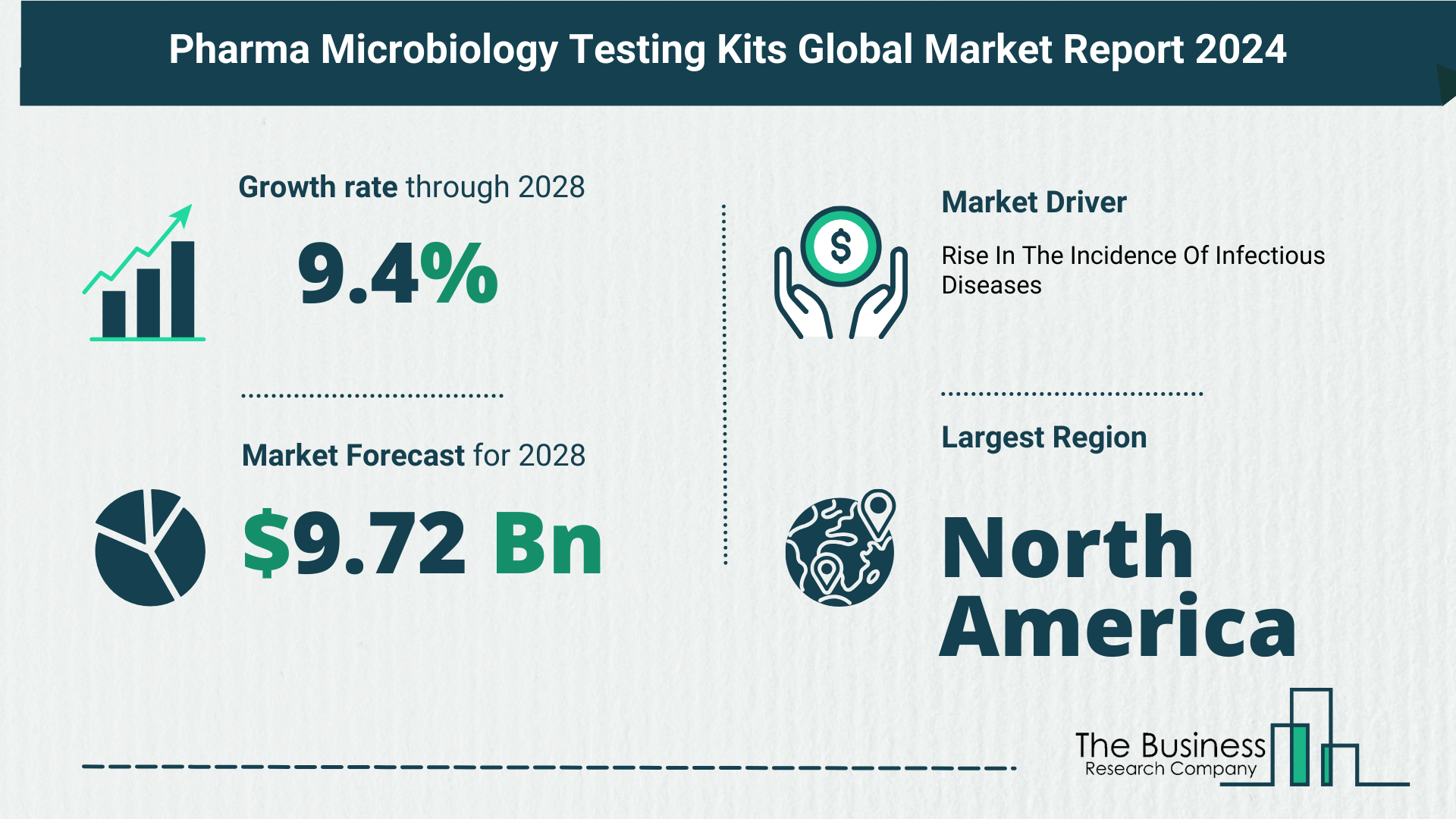
    • Forecasted Expansion: Expectations soar as the market is projected to reach $9.72 billion by 2028, boasting a CAGR of 9.4%. Automation, research investments, and technological advancements are anticipated to drive this growth.

    Infectious Diseases: Prime Drivers of Market Surge

    Rising Incidence Of Infectious Diseases Fuels Growth

    • Global Trends: The incidence of infectious diseases, including Hepatitis A, B, and C, and HIV, is on the rise globally, as reported by CDC and WHO.
    • Contributing Factors: Socioeconomic challenges, lack of access to medical care, and unsafe practices contribute to the proliferation of infectious diseases, propelling the demand for microbiology testing kits.

    View More On The Pharma Microbiology Testing Kits Market Report 2024 – https://www.thebusinessresearchcompany.com/report/pharma-microbiology-testing-kits-global-market-report

    Trends Reshaping the Market Landscape

    Rising Trend Of Outsourcing In Pharma Microbiology Testing Kits Market

    • Contract Testing Laboratories: Outsourcing microbiological testing to contract labs ensures quality control and safety of pharmaceutical products.
    • Testing Areas: Routine microbiological testing, stability testing, and environmental monitoring are among the areas outsourced to contract testing laboratories.

    Industry Evolution: Strategic Acquisitions

    IDEXX Broadens Its Water Microbiology Testing Capabilities With Tecta-PDS Acquisition

    • Strategic Acquisition: IDEXX’s acquisition of Tecta-PDS expands its water microbiology testing capabilities, positioning IDEXX as a key player in the market.
    • Market Expansion: The acquisition enables IDEXX to broaden its footprint in water microbiology testing, catering to the growing demand for water quality assessment.

    Market Segmentation Insights

    • Product Segmentation: Divided into Consumables and Equipment categories.
    • Test Types: Includes Endotoxin Testing, Sterility Testing, Microbial Examination, and Environmental Monitoring.
    • End Users: Encompasses Hospitals & Diagnostic Centers, Custom Lab Service Providers, and Academic & Research Institutes.

    Regional Dynamics: Leading Market Trends

    • North America Leadership: Emerging as the largest region in the pharma microbiology testing kits market in 2023, North America sets the tone for market innovations and advancements.

    Charting the Future Course

    The pharma microbiology testing kits market embarks on a transformative journey, driven by heightened awareness, technological innovations, and strategic partnerships. As stakeholders adapt to evolving trends and regulatory landscapes, the market is poised for unprecedented growth and advancements in microbiology testing solutions.

    Request A Sample Of The Global Pharma Microbiology Testing Kits Market Report 2024:

    https://www.thebusinessresearchcompany.com/sample_request?id=2487&type=smp

  • Future Growth Forecast For The Patient Blood Management Global Market 2024-2033

    Future Growth Forecast For The Patient Blood Management Global Market 2024-2033

    The Business Research Company’s global market reports provide comprehensive analysis on the various markets in 27 industries across 60 geographies.

    The patient blood management market has witnessed robust growth:

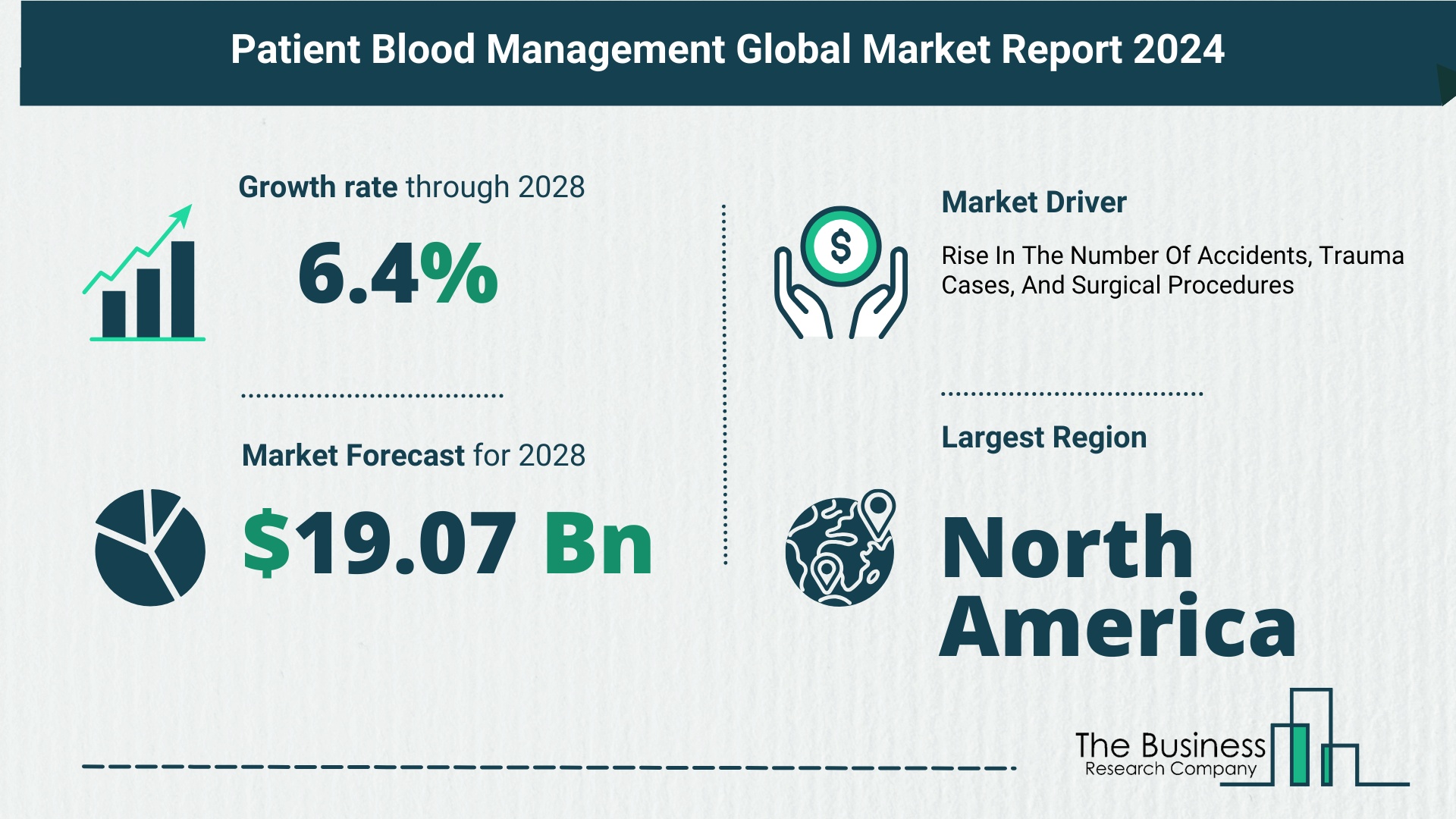
    • Market size increased from $13.83 billion in 2023 to $14.86 billion in 2024, with a CAGR of 7.4%.
    • Factors contributing to historic growth include rising chronic diseases, increased surgical procedures, government initiatives, and demand for bloodless surgery.
    • Expected to reach $19.07 billion by 2028, with a CAGR of 6.4%, driven by aging populations, changing demographics, and increasing healthcare spending.

    Rising Demand For Blood Transfusions Drives Growth

    Significance of Blood Transfusions

    • Blood transfusions play a critical role in patient blood management, addressing hemoglobin disorders, anemia, and surgical procedures.
    • The UK witnessed a surge in blood donations, reaching 1.7 million in 2021, indicating a growing demand for transfusions.
    • This demand fuels the expansion of the patient blood management market.

    View More On The Patient Blood Management Market Report 2024 – https://www.thebusinessresearchcompany.com/report/patient-blood-management-global-market-report

    Innovations Driving Market Expansion

    Focus on Product Innovations

    • Major companies in the patient blood management market are concentrating on innovative products, especially medical devices for blood transfusions.
    • These devices facilitate safe and efficient transfer of blood products, enhancing patient care.
    • EryPharm, a French pharmaceutical company, launched a device capable of manufacturing cultured red blood cells, catering to patients with transfusion needs due to genetic or acquired conditions.

    Segmentation and Market Analysis

    Understanding Market Segments

    The patient blood management market is segmented based on:

    1. Product: Instruments, Accessories, Reagents And Kits, Software.
    2. Component: Plasma, Whole Blood, Red Blood Cells.
    3. Application: Hospital, Clinic, Other Applications.

    Regional Outlook

    • North America emerged as the largest region in the patient blood management market in 2023.
    • The region’s dominance underscores evolving healthcare systems and technological advancements.

    Conclusion

    The patient blood management market is poised for significant expansion, driven by rising demands for transfusions and advancements in medical technologies. Innovative products and a focus on personalized medicine are reshaping the landscape, offering enhanced patient care and improved outcomes.

    Innovations such as EryPharm’s red blood cell manufacturing device highlight the commitment of major players to address the evolving needs of patients. Collaborative efforts between pharmaceutical companies and healthcare providers are pivotal in driving advancements and ensuring the delivery of safe and effective blood transfusions.

    As the market continues to evolve, patient-centered care, data-driven decision-making, and expanded use of autologous blood will shape future trends. With an emphasis on reliability and efficiency, the patient blood management market is set to revolutionize transfusion practices and elevate the standard of healthcare globally.

    In summary, the patient blood management market represents a nexus of innovation and patient-focused care, poised to redefine transfusion practices and enhance patient outcomes in the years to come.

    Request A Sample Of The Global Patient Blood Management Market Report 2024:
    https://www.thebusinessresearchcompany.com/sample_request?id=3240&type=smp

  • Top 5 Insights From The Parathyroid Hormone Market Report 2024

    Top 5 Insights From The Parathyroid Hormone Market Report 2024

    The Business Research Company’s global market reports are now updated with the latest market sizing information for the year 2024 and forecasted to 2033

    According to The Business Research Company’s Parathyroid Hormone Global Market Report 2024, the parathyroid hormone market is expected to show promising growth in the forecast period.

    Introduction: A Steady Rise in Market Size

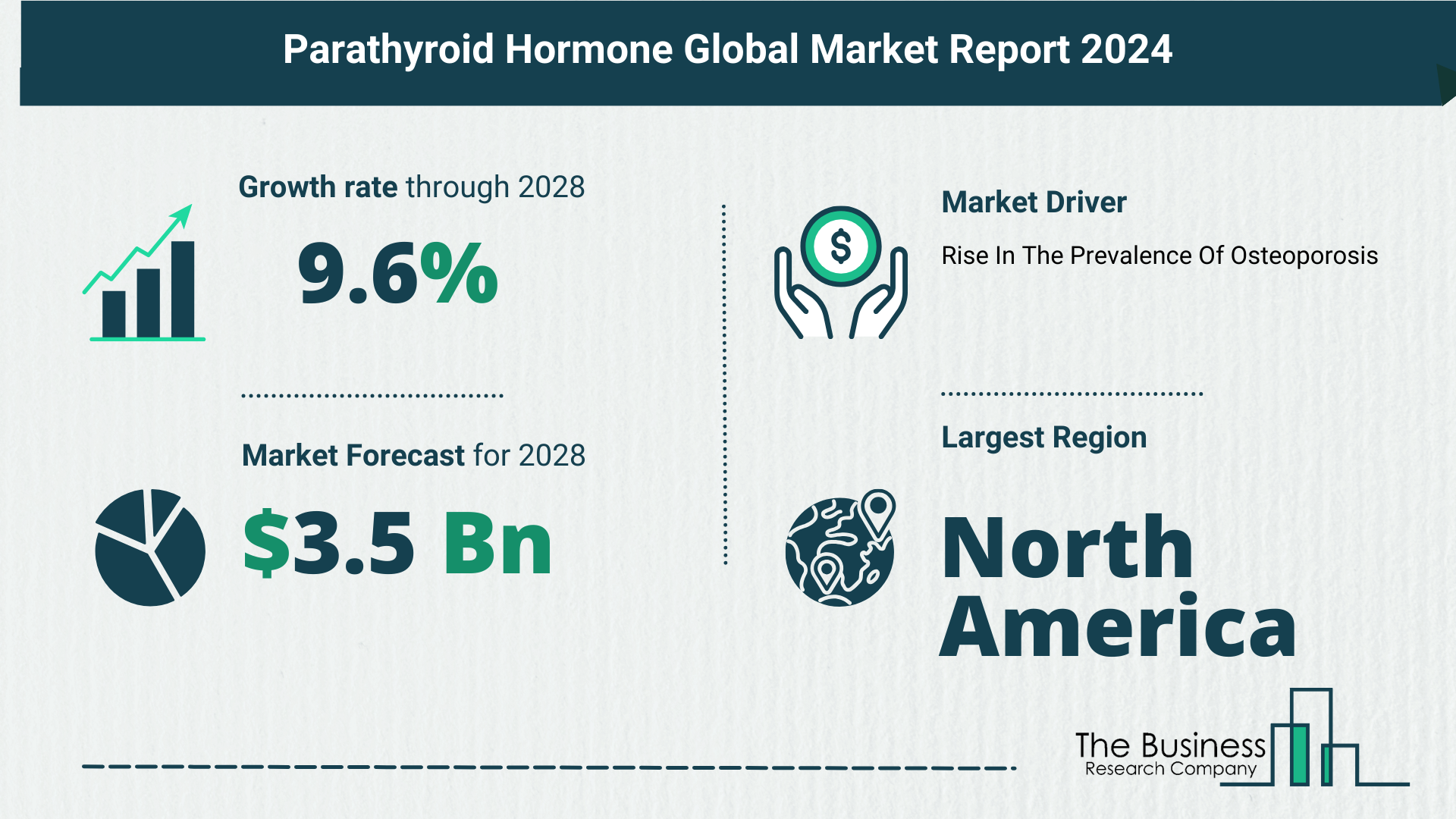
    The parathyroid hormone market has experienced steady growth in recent years, with its size projected to increase from $2.35 billion in 2023 to $2.43 billion in 2024, reflecting a compound annual growth rate (CAGR) of 3.5%. This growth is attributed to various factors driving demand and innovation in parathyroid hormone-related treatments.

    Elevated Prevalence Of Osteoporosis Sparks Growth In The Parathyroid Hormone Market

    • Osteoporosis prevalence rises, fueling demand for parathyroid hormone-based treatments.
    • Parathyroid hormone helps reduce fracture risk in osteoporosis patients.
    • Major companies in the market include Pfizer Inc., Eli Lilly and Company, and Novartis AG.

    Biosimilar Development In The Parathyroid Hormone Market Enhances Affordability And Treatment Standards

    • Companies focus on developing biosimilars of parathyroid-based drugs to enhance affordability.
    • Biosimilars offer reduced healthcare costs without compromising treatment standards.
    • Theramex launched Livogiva, a novel form of teriparatide, for osteoporosis treatment.

    View More On The Parathyroid Hormone Market Report 2024 – https://www.thebusinessresearchcompany.com/report/parathyroid-hormones-global-market-report

    Takeda’s Strategic Acquisition Of Shire PLC Fuels Global Expansion

    • Takeda Pharmaceutical Company Limited acquires Shire Plc for $46 billion.
    • The acquisition expands Takeda’s scale and geographical footprint.
    • Shire Plc specializes in innovative and rare disease drugs, including natpara, a parathyroid hormone product.

    Segmentation Insights and Regional Trends

    1. Disease Type:
      • Hypocalcemia
      • Hypoparathyroidism
    2. Product Type:
      • Recombinant Parathyroid Hormone
      • Parathyroid Hormone Analogues
    3. End-User:
      • Hospitals
      • Clinics
      • Other End-Users

    Regional Dynamics: Insights into Market Share

    • North America dominated the parathyroid hormone market in 2023.
    • The Middle East is poised to exhibit the fastest-growing region in the global market share during the forecast period.

    Future Outlook: Embracing Transformative Trends

    • The forecast period anticipates advances in parathyroid hormone testing and drug delivery.
    • Combination therapies and digital health integration are expected to shape future treatment landscapes.
    • Sustainability and green initiatives are likely to influence product development and manufacturing processes.

    Conclusion: Navigating Towards Growth and Innovation

    The parathyroid hormone market presents promising opportunities for growth and innovation. With the rising prevalence of osteoporosis and increasing investments in biosimilar development, the market is poised for expansion. Strategic acquisitions and partnerships, such as Takeda’s acquisition of Shire PLC, underscore the industry’s commitment to global expansion and enhanced treatment access. As the market evolves, embracing segmentation insights and regional trends will be essential for stakeholders to navigate towards a future marked by sustained growth and improved patient outcomes.

    Request A Sample Of The Global Parathyroid Hormone Market Report 2024:

    https://www.thebusinessresearchcompany.com/sample_request?id=3427&type=smp

  • Key Takeaways From The Global Minimal Invasive Surgery Devices Market Forecast 2024

    Key Takeaways From The Global Minimal Invasive Surgery Devices Market Forecast 2024

    The Business Research Company’s global market reports are now updated with the latest market sizing information for the year 2024 and forecasted to 2033

    As per The Business Research Company’s Minimal Invasive Surgery Devices Global Market Report 2024, the minimal invasive surgery devices market is expected to show significant growth in the forecast period.

    The increasing awareness for minimally invasive surgeries among people is driving the minimally invasive surgery devices market.

    • Minimally invasive surgeries require less/tiny cuts in the skin compared to traditional surgical methods.
    • Advantages include lesser pain, shorter hospital stays, less scarring, minimized bleeding and infections, and low tissue damage.
    • Notably, heart operations in Germany saw a decline due to innovations in minimally invasive therapeutic options.

    Technological Advancements Driving Minimally Invasive Surgery Device Adoption

    Technologically advanced minimally invasive surgery (MIS) devices with improvements in image guidance, fiber-optics, mini dental implants, and robotic control systems are increasingly opted by patients.

    • Less-invasive surgical procedures with enhanced capabilities in imaging and micromachining are becoming popular.
    • Video-assisted thoracoscopic surgery (VATS) and imaging technology in MIS are significant areas of development.
    • Other techniques include single-site laparoscopic surgery, robotic surgeries, needlescopic surgery, cardiac, and spinal surgeries.

    View More On The Minimal Invasive Surgery Devices Market Report 2024 – https://www.thebusinessresearchcompany.com/report/minimal-invasive-surgery-devices-global-market-report

    FDA Regulations On Robotic Minimally Invasive Surgical Devices

    The Food and Drug Administration Act (FDA) regulates the minimally invasive surgical devices market in the United States.

    • Firms manufacturing robotic minimally invasive surgical devices must list possible risks and measures taken to address health hazards.
    • However, concerns exist regarding the safety and effectiveness of these devices, particularly in procedures like mastectomy or cancer treatment.

    Market Segmentation and Growth Trends

    The minimal invasive surgery devices market covered in this report is segmented into:

    1. Product Type: Handheld Instruments, Inflation Devices, Cutter Instruments, Guiding Devices, Electrosurgical Devices, Auxiliary Devices, Monitoring and Visualization Devices.
    2. Application: Laparoscopy, Cardiovascular, Cosmetic Surgery, Orthopedic Surgery, Obstetrics And Gynecology, Ophthalmology, Neurosurgery, Urology, Other Applications.
    3. End Users: Hospitals, Ambulatory Surgical Centers (ASCS), Research Institutes.

    Market Growth Projections and Regional Insights

    • The minimal invasive surgery devices market size has grown rapidly, reaching $36.6 billion in 2023.
    • It is projected to grow to $40.42 billion in 2024 at a CAGR of 10.5%.
    • By 2028, the market is expected to reach $59.17 billion at a CAGR of 10.0%.
    • Major trends in the forecast period include robotics and AI integration, remote surgery, single-incision surgery, 3D printing, and custom devices.
    • North America was the largest region in the minimally invasive surgery devices market in 2023.

    Conclusion

    The minimally invasive surgery devices market is witnessing substantial growth driven by rising patient awareness, technological advancements, and regulatory frameworks. With an array of applications and segments, coupled with the adoption of innovative techniques, the market is poised for further expansion globally. As patient-centric care and demand for less invasive procedures continue to rise, the future of minimally invasive surgery presents promising opportunities for healthcare providers and patients alike.

    Request A Sample Of The Global Minimal Invasive Surgery Devices Market Report 2024:
    https://www.thebusinessresearchcompany.com/sample_request?id=2583&type=smp

  • Comprehensive Analysis On Size, Share, And Drivers Of The Interleukin Inhibitors Market

    Comprehensive Analysis On Size, Share, And Drivers Of The Interleukin Inhibitors Market

    The Business Research Company’s global market reports provide comprehensive analysis on the various markets in 27 industries across 60 geographies.

    The Growth Trajectory

    The interleukin inhibitors market has witnessed a remarkable surge in recent years, underscoring its vital role in addressing autoimmune diseases and related conditions. The market size soared from $42.93 billion in 2023 to $49.84 billion in 2024, exhibiting a noteworthy Compound Annual Growth Rate (CAGR) of 16.1%.

    • Rising prevalence of autoimmune diseases
    • Increasing awareness of interleukin inhibitors
    • Growing demand for personalized medicine
    • Expansion of the elderly population
    • Popularity of biosimilars

    Anticipating Future Expansion

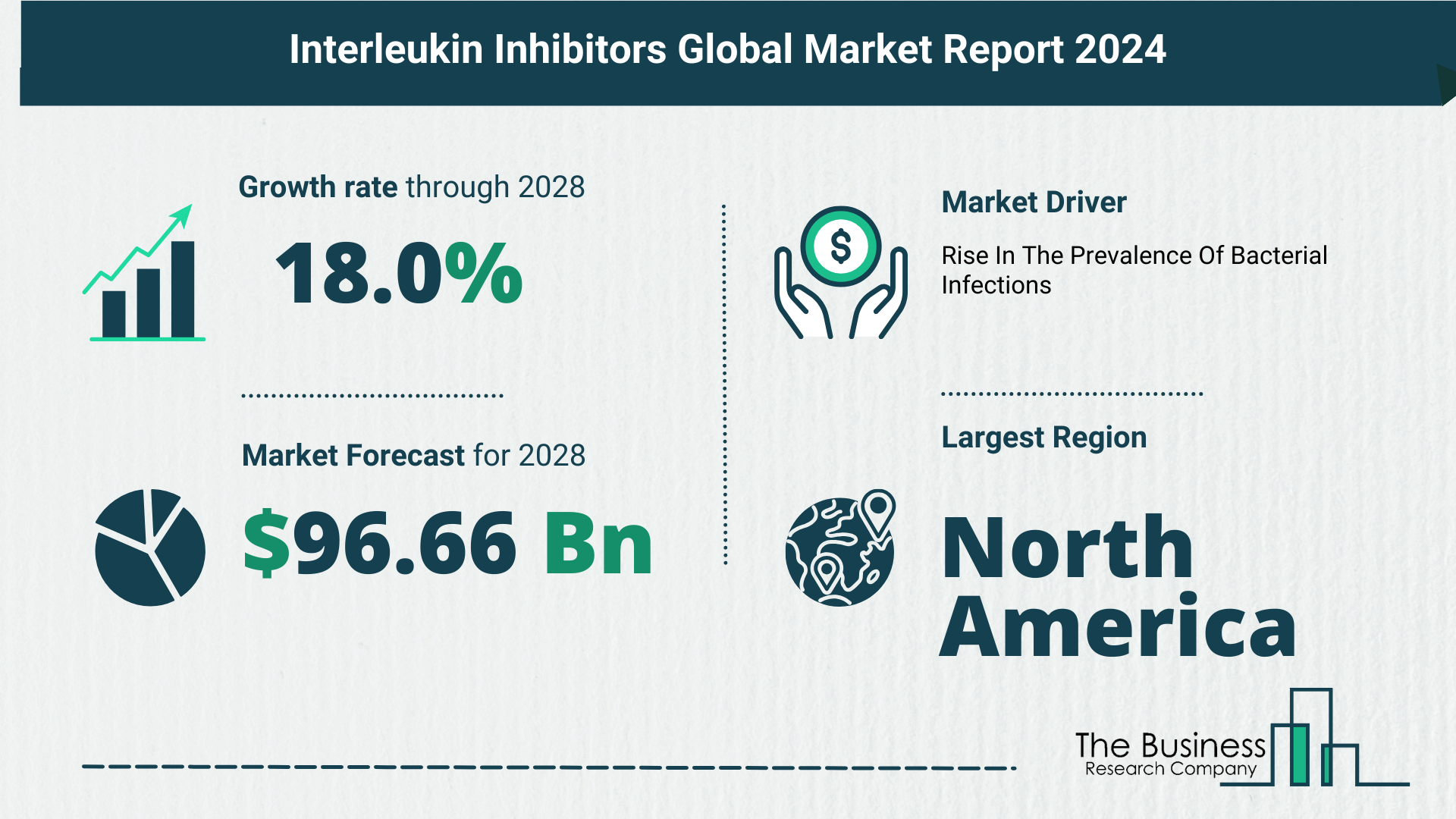
    The trajectory of growth continues to soar as projections suggest a burgeoning market size of $96.66 billion by 2028, with a CAGR of 18.0%. This anticipated surge in the forecast period can be attributed to several key factors:

    • Emerging therapeutic indications
    • Global aging population
    • Immunotherapy combinations
    • Increasing investment in research and development

    View More On The Interleukin Inhibitors Market Report 2024 – https://www.thebusinessresearchcompany.com/report/interleukin-inhibitor-global-market-report

    Navigating Emerging Trends

    In the forecast period, several trends are poised to shape the landscape of interleukin inhibitors:

    • Oral interleukin inhibitors
    • Next-generation therapies
    • Pediatric indications
    • Expanded access
    • Patient-centric care

    Rising Investigational Drugs For Inflammatory Diseases To Propel Interleukin Inhibitors Market
    An escalating number of investigational drugs targeting inflammatory diseases such as psoriasis, arthritis, and inflammatory bowel disease is set to propel the interleukin inhibitors market forward. These drugs aim to curtail the actions of inflammatory cytokines and stimulate innate immune responses to maintain tissue homeostasis.

    • 48 molecules under investigation
    • 20 molecules in Phase III clinical trials

    Key Players Driving Innovation

    Major companies driving innovation in the interleukin inhibitors market include:

    • Sanofi S.A.
    • GlaxoSmithKline PLC
    • Novartis International AG
    • Johnson & Johnson Services Inc.
    • F. Hoffmann-La Roche Ltd.
    • Eli Lilly and Company
    • Incyte Corporation
    • Seattle Genetics Inc.
    • Genentech Inc.
    • Karyopharm Therapeutics Inc.
    • Kyowa Kirin Co Ltd.
    • Astellas Pharma Inc.
    • Ipsen Biopharmaceuticals Inc.

    Rising Opportunity For Interleukin Inhibitor Biosimilars In The Post-Patent Era

    The expiration of patents for biologic drugs has paved the way for biosimilar drugs, offering a more cost-effective alternative. This presents a significant opportunity for companies focusing on developing biosimilars for interleukin inhibitors.

    • Companies focusing on biosimilars include Mabpharm, NeuClone Pharmaceuticals Ltd., Gedeon Richter, and Bio-Thera Solutions.
    • Biosimilars in development for IL inhibitors: canakinumab (Ilaris), ustekinumab (Stelara), tocilizumab (Actemra), and secukinumab (Cosentyx).

    Market Segmentation

    The interleukin inhibitors market is segmented based on:

    1. Type: IL-17, IL-23, IL-1, IL-5, IL-6, Other Types
    2. Application: Psoriasis, Psoriatic Arthritis, Rheumatoid Arthritis, Asthma, Inflammatory Bowel Disease, Other Applications
    3. Distribution Channel: Hospital Pharmacies, Retail Pharmacies, Online Pharmacies

    Regional Dynamics

    North America emerged as the largest region in the interleukin inhibitors market in 2023, reflecting the region’s robust infrastructure and healthcare ecosystem.

    In conclusion, the interleukin inhibitors market is poised for substantial growth fueled by innovative therapies, expanding indications, and a growing focus on personalized medicine. With a plethora of investigational drugs and biosimilars in the pipeline, the landscape promises continued evolution, offering hope and healing to millions worldwide.

    Request A Sample Of The Global Interleukin Inhibitors Market Report 2024
    https://www.thebusinessresearchcompany.com/sample_request?id=3469&type=smp

  • Oncology Biosimilars Global Market Outlook 2024-2033: Size And Growth Rate Analysis

    Oncology Biosimilars Global Market Outlook 2024-2033: Size And Growth Rate Analysis

    The Business Research Company’s global market reports provide comprehensive analysis on the various markets in 27 industries across 60 geographies.

    Introduction: The Surging Growth Trajectory

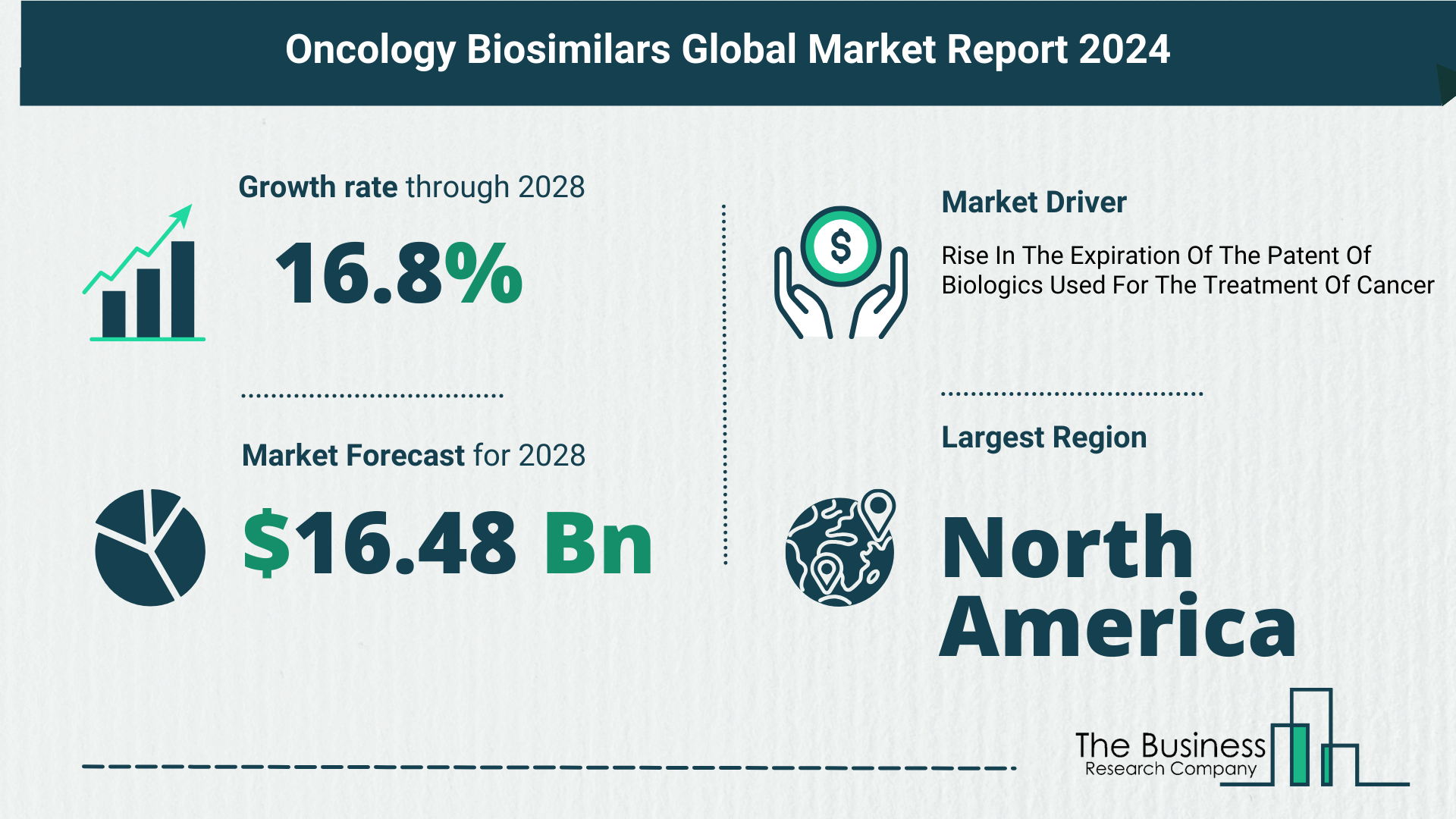
    The oncology biosimilars market has witnessed exponential growth in recent years, driven by various factors contributing to its expansion. With an anticipated increase from $6.9 billion in 2023 to $8.85 billion in 2024, the market shows a remarkable compound annual growth rate (CAGR) of 28.3%. Looking ahead, the market is forecasted to surge further to $16.48 billion by 2028, reflecting a CAGR of 16.8%.

    Patent Expirations Drive New Oncology Biosimilars

    • Patent expirations of biologic cancer drugs pave the way for the development of new oncology biosimilars.
    • Nearly 20 oncology biologics are set to lose patents by 2023, fueling the demand for new biosimilars.
    • Major players in the market include Biocon Biologics Limited, Celltrion Inc., Pfizer Inc., and more.

    Fostering Innovation Through Research And Development For Oncology Biosimilars

    • Pharmaceutical companies are investing heavily in R&D to produce innovative oncology biosimilars.
    • Collaborations like the one between Coherus and Junshi Biosciences aim to expand the immuno-oncology franchise.
    • Segmentation of the oncology biosimilars market includes drug type, cancer type, and distribution type.

    View More On The Oncology Biosimilars Market Report 2024 – https://www.thebusinessresearchcompany.com/report/oncology-biosimilar-global-market-report

    Segmentation Insights and Regional Trends

    1. Drug Type:
      • Monoclonal Antibody
      • Immunomodulators
      • Hematopoietic Agents
      • Granulocyte Colony-Stimulating Factor (G-CSF)
    2. Cancer Type:
      • Breast Cancer
      • Colorectal Cancer
      • Blood Cancer
      • Neutropenia Cancer
      • Non-Small Cell Lung Cancer
      • Other Cancer Types
    3. Distribution Type:
      • Hospital Pharmacy
      • Retail Pharmacy
      • Online Pharmacy

    Regional Dynamics: A Global Outlook

    • North America emerged as the largest region in the global oncology biosimilars market in 2023.
    • The Middle East is poised to be the fastest-growing region in the forecast period.

    Future Outlook: Embracing Transformative Trends

    • The forecast period anticipates several transformative trends, including the rise of biobetters and oncology biosimilar combinations.
    • Supportive care biosimilars and real-world evidence are expected to shape the future landscape of oncology biosimilars.

    Conclusion: Navigating Towards a Thriving Future

    The oncology biosimilars market presents a landscape ripe with opportunities and innovations. With patent expirations driving new developments and research and development efforts fostering innovation, the market is poised for significant expansion. As the market continues to evolve, embracing transformative trends and regional dynamics will be key to navigating towards a future marked by growth and advancement in cancer care.

    Request A Sample Of The Global Oncology Biosimilars Market Report 2024:
    https://www.thebusinessresearchcompany.com/sample_request?id=2821&type=smp

  • Top 5 Insights From The Neurophysiology Devices And Equipment Market Report 2024

    Top 5 Insights From The Neurophysiology Devices And Equipment Market Report 2024

    The Business Research Company’s global market reports are now updated with the latest market sizing information for the year 2024 and forecasted to 2033

    According to The Business Research Company’s Neurophysiology Devices And Equipment Global Market Report 2024, the neurophysiology devices and equipment market is expected to show promising growth in the forecast period.

    The neurophysiology devices and equipment market has witnessed robust growth in recent years, with projections indicating further expansion. Let’s delve into the factors driving this growth and explore the trends shaping the market’s future trajectory.

    Growth Trends in Neurophysiology Devices Market

    • Historic Growth: The market size surged from $1.5 billion in 2023 to $1.61 billion in 2024, representing a notable compound annual growth rate (CAGR) of 7.5%. This growth can be attributed to several factors, including the rising prevalence of neurological disorders and an increased demand for early diagnosis.
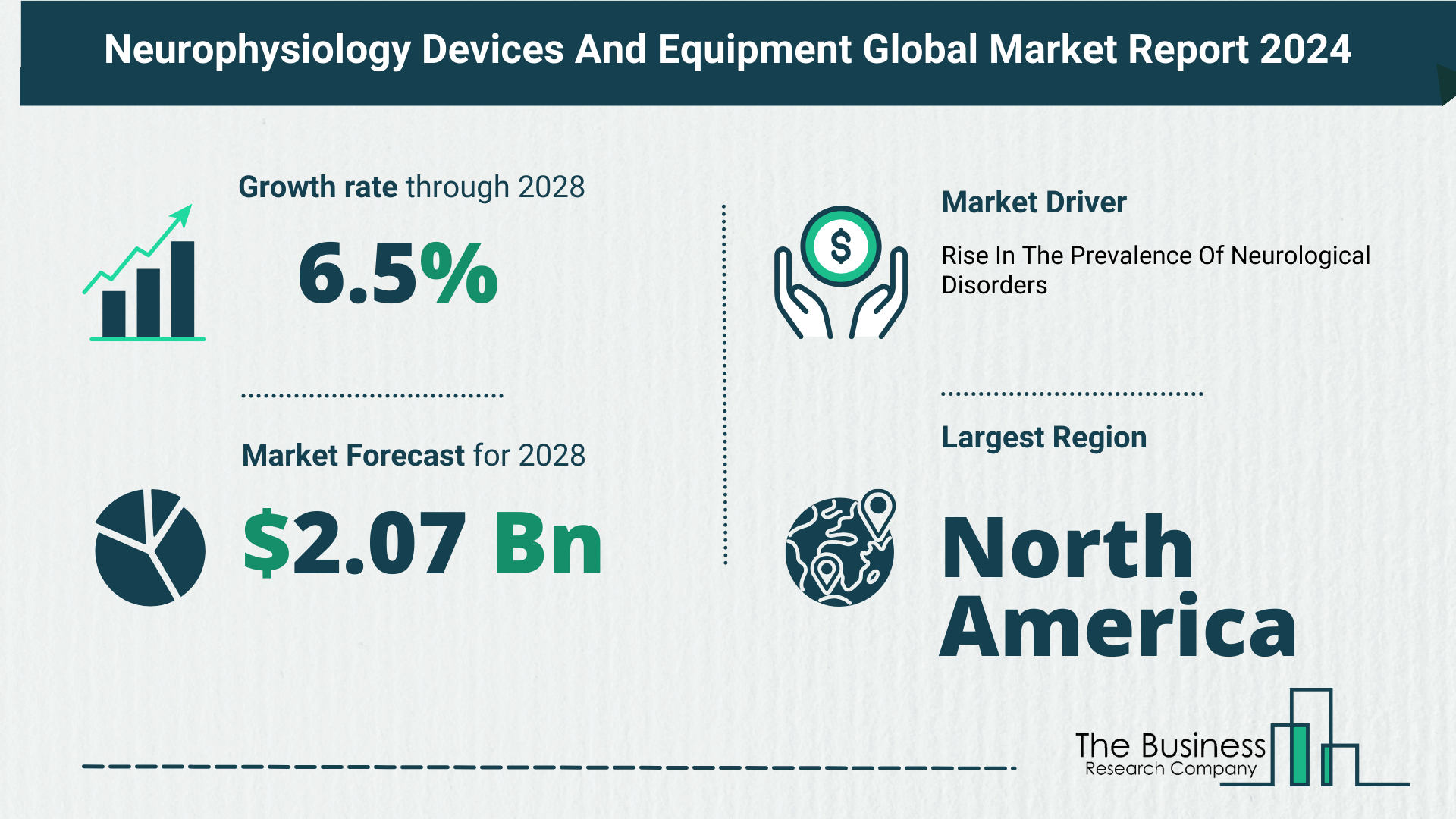
    • Forecasted Growth: Expectations suggest continued expansion, with the market projected to reach $2.07 billion by 2028, with a CAGR of 6.5%. Factors such as personalized medicine, neurological research growth, and neurorehabilitation are expected to fuel this expansion.

    Driving Factors Behind Market Growth

    1. Rising Prevalence of Neurological Disorders
    • Neurological disorders, including brain tumors, epilepsy, Parkinson’s disease, and Alzheimer’s, are on the rise globally.
    • The increasing prevalence of these disorders necessitates the use of neurophysiology devices for diagnosis and treatment.
    1. Innovations in Product Development
    • Major companies in the neurophysiology devices market are introducing innovative products like Evo sEEG electrodes.
    • These electrodes, such as the Evo sEEG, offer high-definition, minimally invasive solutions for diagnosing and treating various neurological conditions.

    View More On The Neurophysiology Devices And Equipment Market Report 2024 – https://www.thebusinessresearchcompany.com/report/neurophysiology-devices-and-equipment-global-market-report

    Regulatory Landscape in the USA

    • In the United States, regulatory oversight of neurophysiology devices is overseen by organizations like the American Association of Neurological Surgeons (AANS) and the Congress of Neurological Surgeons (CNS).
    • Manufacturers can seek premarket approval through clinical studies or demonstrate substantial equivalence to predicate devices.

    Market Segmentation

    The neurophysiology devices and equipment market is segmented based on technology, modality, and end-users:

    1. By Technology: Includes Electromyography (EMG), Electroencephalography (EEG), Electrocorticography (ECoG), and Evoked potential (EP).
    2. By Modality: Segmented into Standalone and Portable devices, offering flexibility and convenience.
    3. By End Users: Primarily comprising Hospitals and Ambulatory Surgical Centers, reflecting diverse clinical settings.

    Regional Dynamics

    • North America emerged as the largest region in the neurophysiology devices and equipment market in 2023, underlining its significance in driving market growth.

    Conclusion

    The neurophysiology devices and equipment market continue to expand, driven by factors such as the rising prevalence of neurological disorders, technological innovations, and regulatory developments. As the market evolves, stakeholders must remain attuned to emerging trends and regulatory requirements to capitalize on growth opportunities and enhance patient care. With continued advancements in technology and a growing emphasis on personalized medicine, the neurophysiology devices market is poised for sustained growth in the years to come.

    Request A Sample Of The Global Neurophysiology Devices And Equipment Market Report 2024:
    https://www.thebusinessresearchcompany.com/sample_request?id=2521&type=smp

  • Overview Of The Neurodegenerative Disorder Therapeutics Market 2024-2033: Growth And Major Players Analysis

    Overview Of The Neurodegenerative Disorder Therapeutics Market 2024-2033: Growth And Major Players Analysis

    The Business Research Company’s global market reports are now updated with the latest market sizing information for the year 2024 and forecasted to 2033

    The neurodegenerative disorder therapeutics market has witnessed robust expansion in recent years, with significant growth anticipated in the coming years. Insights into the market trajectory unveil compelling trends and factors shaping its landscape.

    A Glimpse into Market Dynamics

    • Historic Growth Factors:The market surged from $18.53 billion in 2023 to $20.04 billion in 2024, driven by factors like the aging population, rising prevalence of neurodegenerative disorders, and increased life expectancy.
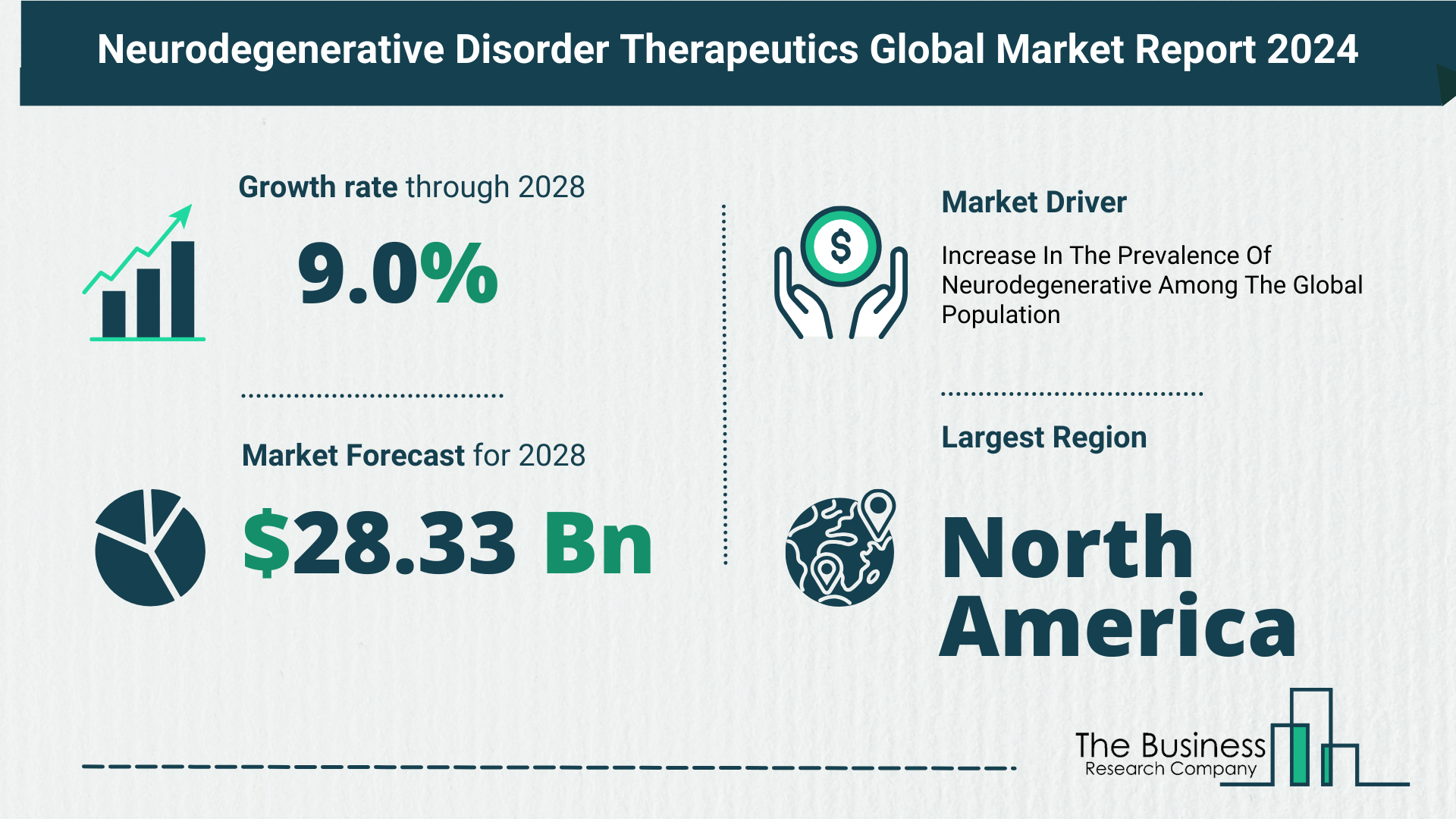
    • Forecasted Expansion:Expectations soar as the market is poised to reach $28.33 billion by 2028, with a CAGR of 9.0%. The surge is fueled by rising demand for personalized medicine, targeted therapy, and increased availability of clinical trials.

    Understanding the Prevalence Surge

    Growing Prevalence Of Neurodegenerative Disorders Fuels Neurodegenerative Disorder Therapeutics Market

    • Global Aging Population:The rise in neurodegenerative disorders correlates with the aging populace. By 2050, the geriatric population is projected to reach 2.1 billion, intensifying the demand for therapeutic interventions.
    • Alarming Statistics:According to the Alzheimer’s Association, around 5.8 million Americans suffer from Alzheimer’s disease, with projections suggesting a rise to 14 million by 2050.

    View More On The Neurodegenerative Disorder Therapeutics Market Report 2024 – https://www.thebusinessresearchcompany.com/report/neurodegenerative-disorder-therapeutic-global-market-report

    Innovative Strides in Therapeutics

    Innovative Product Launch In The Neurodegenerative Disorder Therapeutics Market

    • Pioneering Techniques:Major companies are spearheading innovative techniques like Neurofilament Light Chain (NfL) blood tests to revolutionize diagnosis and treatment efficacy.
    • Diagnostic Advancements:Labcorp’s NfL blood test offers a breakthrough in detecting neuronal damage, catering to conditions like Alzheimer’s, Parkinson’s, and multiple sclerosis.

    Industry Evolution: Acquisitions and Expansion

    VitalPath Acquired Modern Catheter Technologies

    • Strategic Acquisition:VitalPath’s acquisition of Modern Catheter Technologies underscores the industry’s drive for expansion and innovation.
    • Capacity Augmentation:The acquisition enhances VitalPath’s manufacturing capabilities, positioning it for greater growth and market penetration.

    Segmentation Insights

    • Indication Types:Segmented into Parkinson’s Disease, Alzheimer’s Disease, Multiple Sclerosis, Huntington’s Disease, and Other Indication Types.
    • Drug Types:Includes N-methyl-D-aspartate Receptor, Selective Serotonin Reuptake Inhibitor, Dopamine Inhibitors, and Other Drug Types.
    • Distribution Channels:Encompasses Hospital Pharmacy, Retail Pharmacy, and Online Pharmacy.

    Regional Outlook: Dynamics and Projections

    • North America Dominance:The largest region in the global neurodegenerative disorder therapeutics market in 2023.
    • Emerging Markets:The Middle East emerges as the fastest-growing region, poised to reshape the market landscape.

    Charting the Path Forward

    The neurodegenerative disorder therapeutics market embarks on a transformative journey, propelled by innovation, strategic acquisitions, and evolving demographics. As stakeholders align strategies with emerging trends, the industry is primed for unprecedented growth and breakthroughs in therapeutic interventions.

    Request A Sample Of The Global Neurodegenerative Disorder Therapeutics Market Report 2024:
    https://www.thebusinessresearchcompany.com/sample_request?id=2818&type=smp

  • What Is The Forecast Growth Rate For The Multiple Sclerosis Drugs Market?

    What Is The Forecast Growth Rate For The Multiple Sclerosis Drugs Market?

    The Business Research Company’s market reports offer an in-depth analysis on the market’s growth potential, major drivers, key trends and more.

    The multiple sclerosis drugs market has experienced robust growth in recent years, driven by various factors:

    • Market size increased from $29.66 billion in 2023 to $31.5 billion in 2024.
    • Compound Annual Growth Rate (CAGR) of 6.2% attributed to rising prevalence, unmet medical needs, and pharmaceutical investments.
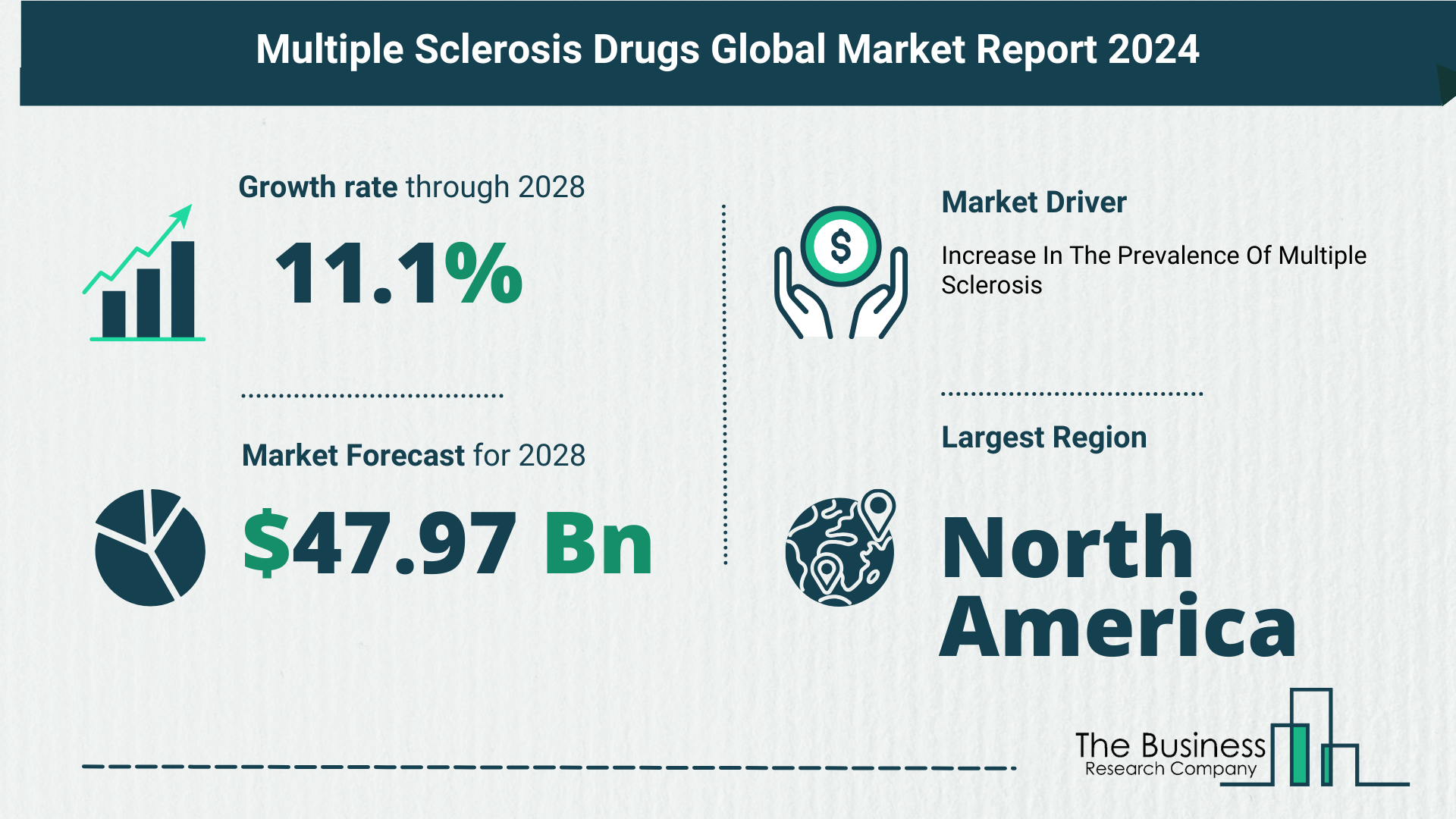
    • Expected growth to $47.97 billion by 2028, at a CAGR of 11.1%.

    Government And Non-Government Support Fueling Growth Of Multiple Sclerosis Drugs Market

    Investment and Collaboration

    Government and non-governmental support play pivotal roles in fostering market growth:

    • Initiatives like CanProCo receive substantial funding to enhance MS research.
    • Partnerships between government entities, research organizations, and pharmaceutical companies drive innovation and understanding of MS.
    • Notable contributors include Biogen Inc., Novartis International AG, and F. Hoffmann-La Roche Ltd.

    Read More On The Multiple Sclerosis Drugs Market Report 2024 – https://www.thebusinessresearchcompany.com/report/multiple-sclerosis-drugs-global-market-report

    Innovative Products And Competitive Strategies In The Multiple Sclerosis Drug Market

    Innovations Driving Competition

    Major players are introducing cutting-edge products and strategies to gain competitive advantages:

    • Owen Mumford’s Aidaptus auto-injector platform simplifies drug administration.
    • Bristol-Myers Squibb’s acquisition of Celgene expands its product portfolio, leveraging Celgene’s pipeline, including Ozanimod for relapsing MS.

    Segmentation and Regional Outlook

    Understanding Market Segments

    The multiple sclerosis drugs market is segmented based on:

    1. Drug Class: Immunomodulators, Immunosuppressants, Interferons, and Other Drug Classes.
    2. Distribution Channels: Hospital Pharmacy, Retail Pharmacy, and Online Stores.
    3. Route of Administration: Oral Drugs and Parenteral Drugs.

    Regional Dynamics

    • North America dominated the market in 2023.
    • The Middle East is projected as the fastest-growing region.

    Conclusion

    The multiple sclerosis drugs market exhibits promising growth prospects, propelled by evolving treatment modalities, increased awareness, and supportive government initiatives. Innovative products and strategic acquisitions contribute to the competitive landscape, ensuring advancements in MS therapy. As research and development continue to expand, the market is poised to address the unmet needs of patients worldwide, ultimately improving their quality of life.

    In essence, the trajectory of the multiple sclerosis drugs market underscores a concerted effort towards innovation, collaboration, and patient-centric care, promising a brighter future for those affected by this debilitating condition.

    Request for A Sample Of The Global Multiple Sclerosis Drugs Market Report:
    https://www.thebusinessresearchcompany.com/sample_request?id=2817&type=smp