Month: June 2024

  • Future Growth Forecast For The Breathalyzers Global Market 2024-2033

    Future Growth Forecast For The Breathalyzers Global Market 2024-2033

    The Business Research Company’s global market reports provide comprehensive analysis on the various markets in 27 industries across 60 geographies.

     The breathalyzers market has experienced exponential growth in recent years, driven by increasing demand and technological advancements. This blog explores the key factors contributing to this growth and the future trends shaping the market.

    Market Size and Growth Rates

    • Current Market Size: The breathalyzers market grew from $8.94 billion in 2023 to $10.74 billion in 2024, with a compound annual growth rate (CAGR) of 20.1%.
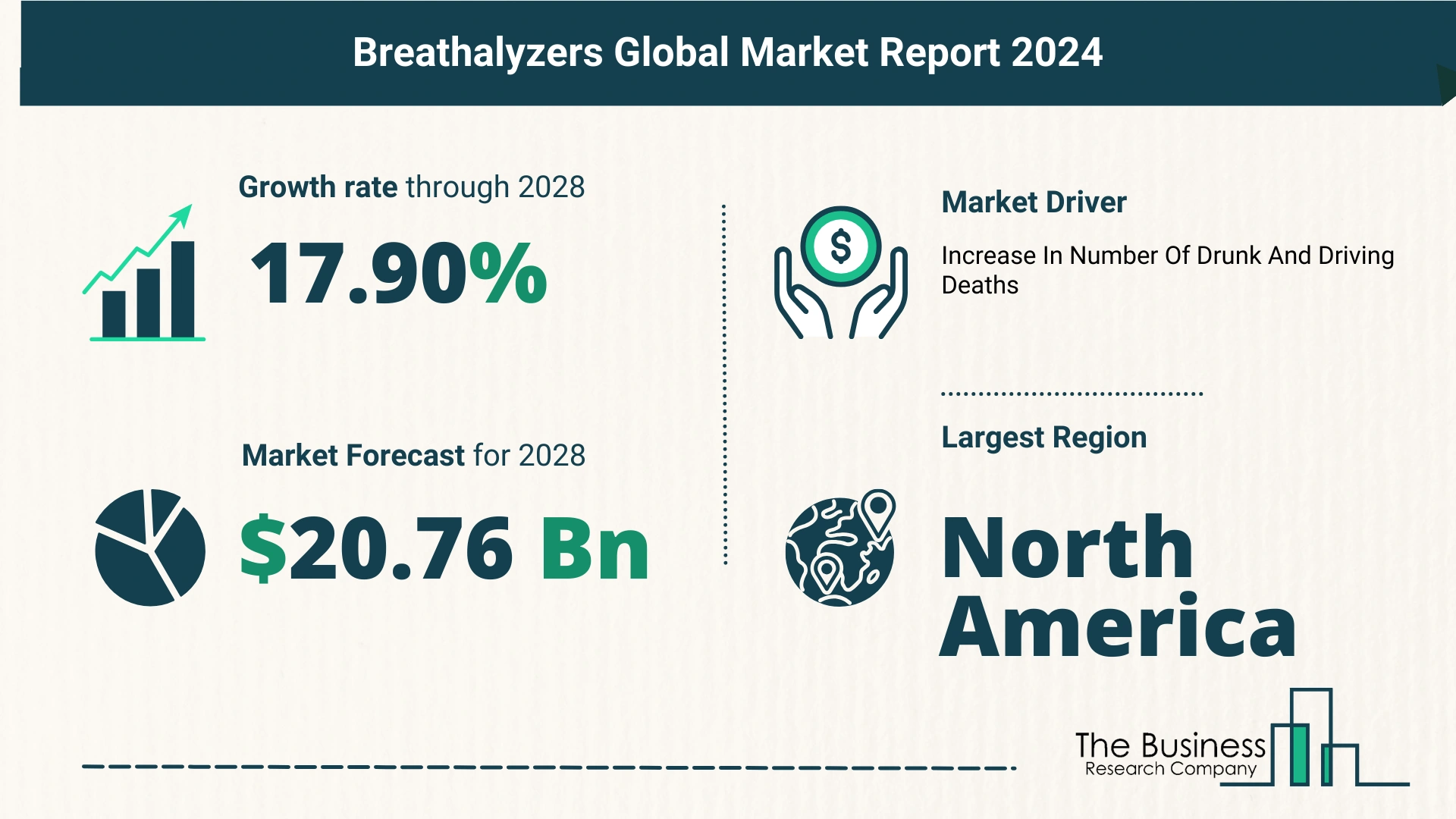
    • Future Projections: By 2028, the market is expected to expand to $20.76 billion, growing at a CAGR of 17.9%.

    Historic Growth Drivers

    • Stringent Drunk Driving Regulations: Enforcement of strict DUI laws has increased the need for breathalyzers.
    • Public Safety Concerns: Rising awareness about the dangers of drunk driving fuels market demand.
    • Corporate and Workplace Testing: Companies are increasingly using breathalyzers to ensure workplace safety.
    • Legal Consequences for DUI: Legal repercussions for driving under the influence drive the adoption of breathalyzers.
    • Awareness Campaigns and Education: Efforts to educate the public on drunk driving dangers boost market growth.
    • Increased Disposable Income: Higher disposable incomes have led to more personal use of breathalyzers.
    • Government Initiatives: Programs aimed at reducing drunk driving incidents support market expansion.

    View More On The Breathalyzers Market Report 2024 – https://www.thebusinessresearchcompany.com/report/breathalyzers-global-market-report

    Future Growth Drivers

    • Continued Stringency in DUI Regulations: Ongoing enforcement of strict DUI laws will sustain market growth.
    • Healthcare Applications: Increasing use of breathalyzers in medical diagnostics and monitoring.
    • Global Health and Safety Campaigns: Efforts to promote safety and health continue to drive market demand.
    • Smart Transportation Integration: Incorporation of breathalyzers in smart transportation systems.
    • Workplace Compliance: Growing focus on alcohol testing compliance in workplaces.

    Key Trends in the Forecast Period

    • AI Integration: Use of artificial intelligence to enhance breathalyzer accuracy and functionality.
    • Portable and Smartphone-Connected Devices: Development of user-friendly, portable breathalyzers.
    • Electrochemical Sensors: Incorporation of sensors for improved sensitivity and accuracy.
    • Multi-Parameter Detection: Focus on devices that can detect multiple substances.
    • Fuel Cell Technology: Implementation of fuel cell technology for reliable and consistent measurements.
    • Disposable Devices: Innovations in single-use breathalyzers for convenience and hygiene.

    Rising Drunk Driving Fatalities Fuel Market Demand

    • Increase in Drunk Driving Deaths: The rise in fatalities from drunk driving accidents propels the demand for breathalyzers.
    • Essential Tool for Law Enforcement: Breathalyzers are crucial in discouraging impaired driving and providing legal evidence.
    • Statistics: According to the U.S. Department of Transportation, drunk driving deaths increased from 11,718 in 2020 to 13,384 in 2021.

    Leading Companies in the Market

    • Major Players: Abbott Laboratories, Cummins Inc., Dragerwerk AG, Alere Inc., and Toshiba Medical Systems Corp. are key players.
    • Innovation Focus: Companies are investing in advanced technologies and innovative products to stay competitive.

    Technological Innovations

    • Marijuana Detection: Companies like Cannabix Technologies are developing breathalyzers to detect marijuana use.
    • AI and Sensors: Combining sensors with machine learning for accurate marijuana detection.
    • Cannabix’s THCBA V4.0: Launched in February 2022, this portable device detects THC in breath within minutes, using microfluidic sensors and machine learning.

    Strategic Partnerships

    • Hound Labs and Quest Diagnostics: In September 2022, this partnership aimed to enhance cannabis testing solutions and expand access to advanced breathalyzer technology.
    • Benefits: Provides employers with reliable cannabis testing and strengthens the Hound Labs brand.

    Market Segmentation

    • By Type: Professional and Personal breathalyzers.
    • By Technology: Fuel Cell Technology, Semiconductor Oxide Sensor Technology, and Infrared Spectroscopy.
    • By Distribution Channel: Healthcare Facilities, Law Enforcement and Military, Consumers, Transport, and other channels.
    • By Application: Alcohol Detection, Tuberculosis Detection, H.pylori Infection Detection, Asthma Detection, and other applications.

    Regional Insights

    • North America: The largest market for breathalyzers in 2023.
    • Asia-Pacific: Expected to be the fastest-growing region during the forecast period.

    The breathalyzer market is poised for continued exponential growth, driven by stringent regulations, technological advancements, and rising awareness of the dangers of impaired driving. With ongoing innovations and strategic partnerships, the market is set to play a crucial role in enhancing public safety and health globally.

    Request A Sample Of The Global Breathalyzers Market Report 2024:
    https://www.thebusinessresearchcompany.com/sample_request?id=13392&type=smp
  • Continuous Blood Glucose Monitoring Market Forecast Until 2033 – Estimated Market Size And Growth Rate

    Continuous Blood Glucose Monitoring Market Forecast Until 2033 – Estimated Market Size And Growth Rate

    The Business Research Company’s market reports offer an in-depth analysis on the market’s growth potential, major drivers, key trends and more.

    Continuous blood glucose monitoring (CBGM) has emerged as a critical tool in managing diabetes, driving significant growth in the market. Let’s delve into the factors fueling this growth, technological advancements, and recent developments in the landscape.

    Market Growth and Projections

    • Current Market Size: $8.09 billion in 2023, projected to reach $9.68 billion in 2024, with a CAGR of 19.7%.
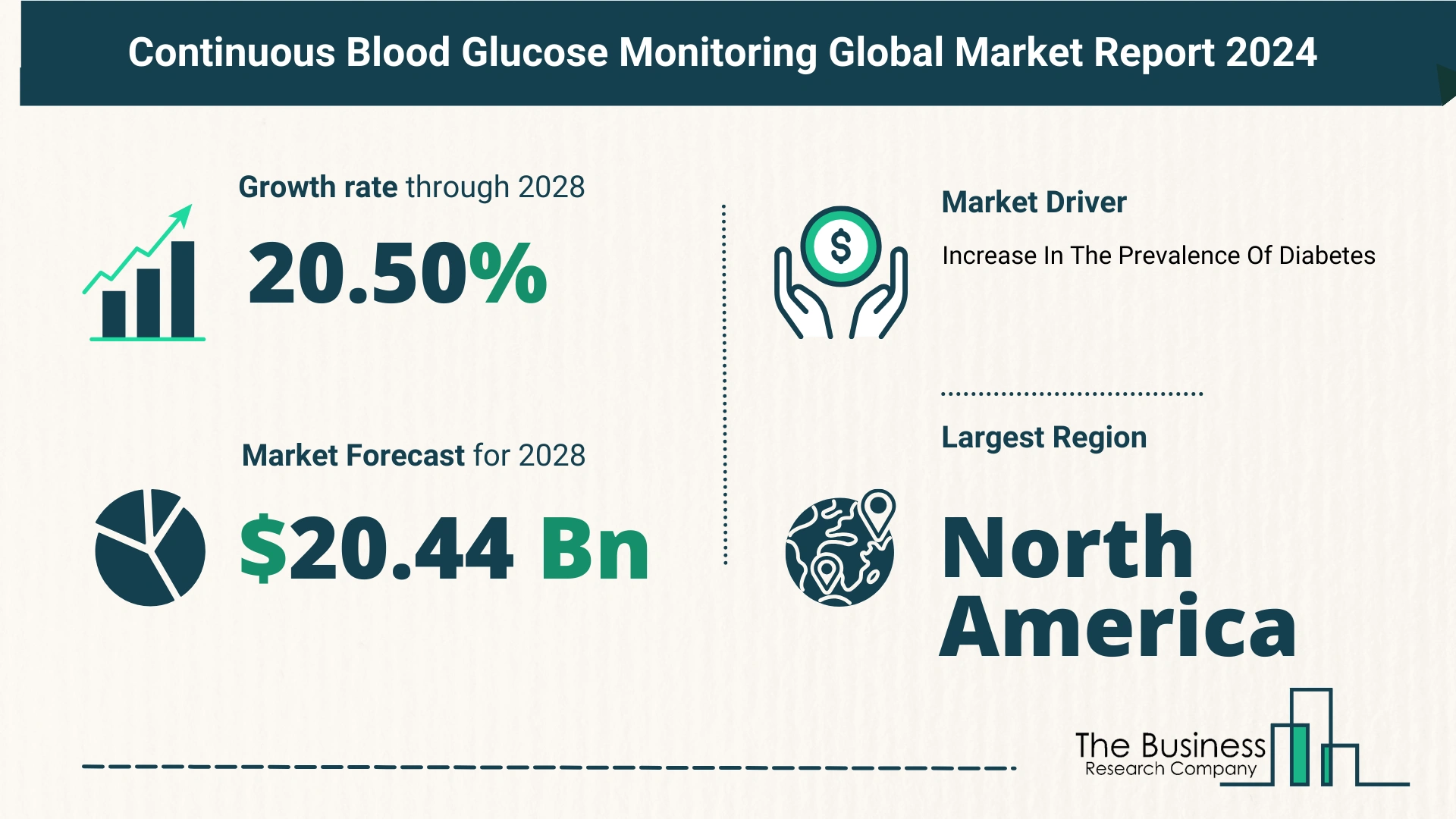
    • Future Projections: Expected to expand to $20.44 billion by 2028, with a CAGR of 20.5%.

    Role of Diabetes in Market Expansion

    • Prevalence of Diabetes: Increasing global prevalence drives the demand for CBGM solutions.
    • Enhanced Disease Management: CBGM devices aid in monitoring blood glucose levels, facilitating better disease management.
    • Statistics: According to the International Diabetes Federation, approximately 537 million adults were affected by diabetes in 2021.

    Technological Advancements Driving Growth

    • Innovation in Sensor Technology: Companies focus on developing advanced sensors for more accurate monitoring.
    • Integration with AI: Incorporation of artificial intelligence enhances data analysis and interpretation.
    • Expansion of Wearable Technology: Wearable CBGM devices offer convenience and continuous monitoring capabilities.
    • Remote Patient Monitoring: Increased focus on remote monitoring improves patient outcomes and engagement.

    Read More On The Continuous Blood Glucose Monitoring Market Report 2024 – https://www.thebusinessresearchcompany.com/report/continuous-blood-glucose-monitoring-global-market-report

     Recent Developments in the Market

    • Product Launch by DexCom Inc.: Dexcom One+ introduced as a customizable CGM system for real-time monitoring.
    • Acquisition by Trinity Biotech: Acquisition of CGM assets from Waveform Technologies Inc. to enter the CGM market and strengthen product portfolio.

    Market Segmentation

    • Components: Insulin Pumps, Sensors, Transmitters, Receivers.
    • Applications: Type 1 Diabetic Patients, Type 2 Diabetic Patients, Gestational Diabetes, Critical Care Patients.
    • End Users: Hospitals, Homecare Diagnostics, and Others.

    Leading Companies in the Market

    • Key Players: Roche, LifeScan Inc., Medtronic, Abbott, and more.
    • Focus Areas: Research and development of innovative CBGM solutions to meet evolving patient needs.

    Regional Insights

    • Dominance of North America: North America emerged as the largest region in the CBGM market in 2023.
    • Global Expansion: Market growth expected across regions due to increasing diabetes prevalence and technological advancements.

    Continuous blood glucose monitoring plays a vital role in diabetes management, offering patients real-time insights into their condition and empowering them to make informed decisions. With ongoing technological innovations and strategic acquisitions, the CBGM market is poised for remarkable growth, aiming to enhance patient outcomes and improve the quality of life for individuals living with diabetes.

    Request for A Sample Of The Global Continuous Blood Glucose Monitoring Market Report:
    https://www.thebusinessresearchcompany.com/sample_request?id=13079&type=smp

  • 5 Key Insights On The Cephalosporin Market 2024

    5 Key Insights On The Cephalosporin Market 2024

    The Business Research Company’s global market reports are now updated with the latest market sizing information for the year 2024 and forecasted to 2033

    As per The Business Research Company’s Cephalosporin Global Market Report 2024, the cephalosporin market is expected to show significant growth in the forecast period.

    The cephalosporin market has shown consistent growth in recent years, driven by various factors such as the increasing prevalence of bacterial infections, antibiotic resistance, and the rising number of surgical procedures. This blog delves into the factors contributing to this growth, the forecast for the coming years, and key industry trends.

    Current Market Size and Growth

    • Market Size 2023: $17.04 billion
    • Expected Market Size 2024: $17.69 billion
    • CAGR (2023-2024): 3.8%

    The cephalosporin market has experienced steady growth due to several critical factors:

    • Growing Prevalence of Bacterial Infections: Increasing incidences of infections that require antibiotic treatment.
    • Antibiotic Resistance: Rising antibiotic resistance necessitates the development of more effective cephalosporin antibiotics.
    • Surgical Procedures and Hospitalizations: More surgeries and hospital stays increase the demand for antibiotics to prevent and treat infections.
    • Awareness and Regulatory Support: Increased awareness among healthcare professionals and supportive regulations for antibiotic development boost market growth.

    Forecast for the Cephalosporin Market

    • Market Size 2028: $20.29 billion
    • CAGR (2024-2028): 3.5%

    View More On The Cephalosporin Market Report 2024 – https://www.thebusinessresearchcompany.com/report/cephalosporin-global-market-report

    The forecasted growth is attributed to:

    • Global Burden of Infectious Diseases: A continued increase in infectious diseases worldwide.
    • Bacterial Resistance: Ongoing challenges with emerging bacterial resistance.
    • Surgical Interventions: Continued growth in surgical procedures and healthcare-associated infections.
    • Broad-Spectrum Antibiotics Demand: Increased need for antibiotics effective against a wide range of bacteria.
    • Reimbursement Policies: Evolving reimbursement policies influencing market dynamics.

    Key Market Trends

    Technological Advancements and New Therapies

    • Advanced-Generation Cephalosporins: Companies are focusing on developing advanced-generation cephalosporins to tackle antibiotic resistance.
    • Ceftobiprole: A broad-spectrum cephalosporin used for treating various infections, including those caused by methicillin-resistant Staphylococcus aureus (MRSA).
      • Example: In July 2022, Mast Group Ltd. launched Ceftobiprole 5µg for antimicrobial susceptibility testing.

    Strategic Acquisitions

    • Sandoz International’s Acquisition: In October 2021, Sandoz International GmbH acquired GlaxoSmithKline PLC’s cephalosporin antibiotic business.
      • Impact: The acquisition included established brands like Zinnat, Zinacef, and Fortum, enhancing Sandoz’s antibiotic portfolio.

    Factors Driving Market Growth

    Rising Prevalence of Infectious Diseases

    • Infectious Diseases: Illnesses caused by bacteria, viruses, fungi, and parasites.
    • Impact: Increased prevalence drives demand for cephalosporin antibiotics.
      • Example: According to the CDC, TB cases in the US rose from 7,874 in 2021 to 8,300 in 2022.

    Advanced-Generation Therapies

    • Development of New Products: Companies are enhancing their portfolios with effective therapies against a broader spectrum of infections.
    • Key Product: Ceftobiprole, a 5th-generation cephalosporin, is effective against MRSA and used for pneumonia treatment.

    Market Segmentation

    The cephalosporin market is segmented by:

    1. Type: Branded, Generic
    2. Route of Administration: Injection, Oral
    3. Application: Respiratory Tract Infection, Skin Infection, Ear Infection, Urinary Tract Infection, Sexually Transmitted Infection, Other Applications

    Regional Insights

    • Asia-Pacific: The largest region in the cephalosporin market in 2023.

    Conclusion

    The cephalosporin market continues to grow steadily, driven by the rising prevalence of infectious diseases, antibiotic resistance, and technological advancements. With strategic acquisitions and the development of advanced-generation therapies, the market is well-positioned for continued growth in the coming years.

    Request A Sample Of The Global Cephalosporin Market Report 2024:
    https://www.thebusinessresearchcompany.com/sample_request?id=13402&type=smp

  • Global Botanicals And Acupuncture Market Key Insights 2024-2033

    Global Botanicals And Acupuncture Market Key Insights 2024-2033

    The Business Research Company’s global market reports are now updated with the latest market sizing information for the year 2024 and forecasted to 2033

    According to The Business Research Company’s Botanicals And Acupuncture Global Market Report 2024, the botanicals and acupuncture market is expected to show promising growth in the forecast period.

    The botanicals and acupuncture market is experiencing rapid expansion, driven by increased demand for natural therapies and growing health awareness. This blog delves into the market’s current state, future projections, key drivers, and major trends.

    Current Market Dynamics

    • Market Size 2023: $75.88 billion
    • Expected Market Size 2024: $92.36 billion
    • CAGR (2023-2024): 21.7%

    Key Growth Drivers:

    • Natural Therapies: Rising preference for natural treatment methods.
    • Orthopedic Cases: Increase in orthopedic cases requiring natural interventions.
    • Aging Population: Growing elderly population seeking alternative therapies.
    • Diagnostics and Awareness: Improved diagnostic techniques and awareness about natural therapies.

    Future Market Projections

    • Market Size 2028: $197.08 billion
    • CAGR (2024-2028): 20.9%

    View More On The Botanicals And Acupuncture Market Report 2024 – https://www.thebusinessresearchcompany.com/report/botanicals-and-acupuncture-global-market-report

    Forecasted Growth Drivers:

    • Surgical Volume: Increasing number of surgeries requiring complementary treatments.
    • Ambulatory Surgical Centers: Expansion of facilities providing alternative therapies.
    • Sports Injuries: Rise in sports-related injuries needing natural recovery methods.
    • Accidents: Higher rates of accidents leading to demand for non-invasive treatments.

    Major Trends:

    • Integration in Healthcare: Traditional practices becoming part of mainstream healthcare.
    • Botanicals in Food: Incorporation of botanicals in functional foods and beverages.
    • Evidence-Based Research: Growing research supporting the efficacy of botanicals.
    • Innovative Acupuncture Techniques: Advancements in acupuncture methods.
    • Wellness Tourism: Integration of botanicals and acupuncture in wellness tourism.

    Popularity of Herbal Medications
    Herbal Medications and Market Growth

    • Herbal Medicine: Use of plant extracts and herbs for medicinal purposes.
    • Combination with Acupuncture: Often used alongside acupuncture in Traditional Chinese Medicine (TCM).
    • Global Reliance: According to the World Health Organization (WHO), 80% of the global population uses herbal medicine.

    Regional Usage:

    • United States: 30% of the population uses herbal remedies annually.

    Key Market Players:

    • Archer Daniels Midland Company
    • International Flavors & Fragrances Inc.
    • Nu Skin Enterprises Inc.
    • Green Cross Corp.
    • Blue Sky Botanics Ltd.
    • Martin Bauer Group
    • Naturex S.A

    Innovative Drug Development
    Focus on Evidence-Based Products

    • TC Cream: An innovative topical solution for psoriasis targeting multiple autoimmune pathways.
    • Clinical Trials: In May 2023, the Psoriasis Research Institute of Guangzhou received approval for Phase III clinical trials in the US.

    Impact:

    • Psoriasis Treatment: TC Cream represents a pioneering botanical drug for psoriasis, offering relief to many patients.

    Strategic Acquisitions
    Expanding Botanical Solutions

    • Fuerst Day Lawson Ltd.: Acquired Quest Ingredients Ltd. in June 2022 to enhance its product portfolio with botanical-formulated solutions.

    Strategic Benefits:

    • High-Quality Extracts: Enhanced capability to provide customized flavors and high-quality botanical extracts.
    • Innovative Capabilities: Expansion of innovative expertise in botanical products.

    Market Segmentation
    The botanicals and acupuncture market is segmented by:

    1. Intervention:
      • Botanicals
      • Acupuncture
    2. Application:
      • Prescription
      • Over The Counter (OTC)
    3. Distribution Method:
      • Direct Sales
      • E-Sales
      • Distance Correspondence

    Regional Insights

    • Europe: The largest region in the botanicals and acupuncture market in 2023.
    • Asia-Pacific: Expected to be the fastest-growing region during the forecast period.

    Conclusion
    The botanicals and acupuncture market is set for exponential growth, fueled by rising demand for natural therapies, advancements in diagnostic techniques, and strategic acquisitions. With a focus on integrating traditional practices into mainstream healthcare and increasing evidence-based research, the market is poised to offer improved health outcomes and expanded treatment options in the coming years.

    Request A Sample Of The Global Botanicals And Acupuncture Market Report 2024:
    https://www.thebusinessresearchcompany.com/sample_request?id=13390&type=smp

  • Biologic Imaging Reagents Market Report 2024: Market Size, Drivers, And Trends

    Biologic Imaging Reagents Market Report 2024: Market Size, Drivers, And Trends

    The Business Research Company’s global market reports are now updated with the latest market sizing information for the year 2024 and forecasted to 2033

    The biologic imaging reagents market has seen remarkable growth in recent years, driven by several key factors and emerging trends. This blog explores the market’s current state, future projections, and the critical factors influencing its expansion.

    Market Size and Growth Rates

    • Current Market Size: The biologic imaging reagents market grew from $16.69 billion in 2023 to $18.41 billion in 2024, with a compound annual growth rate (CAGR) of 10.3%.
    • Future Projections: By 2028, the market is expected to expand to $25.72 billion, growing at a CAGR of 8.7%.

    Key Drivers of Historic Growth

    • Rise in Chronic Diseases: Increasing prevalence of chronic diseases has driven the demand for biologic imaging reagents.
    • R&D Investments: Growing investments in research and development fuel market growth.
    • Personalized Medicine: Shift towards personalized medicine enhances the need for precise imaging.
    • Early Disease Detection: Focus on early detection of diseases promotes the use of advanced imaging reagents.
    • Aging Population: An increasing geriatric population contributes to the demand for diagnostic imaging.
    • Biomedical Research Collaborations: Collaborations in biomedical research drive innovation and market expansion.

    Read More On The Bioceramics Market Report 2024 – https://www.thebusinessresearchcompany.com/report/biologic-imaging-reagents-global-market-report

    Future Growth Drivers

    • Drug Development Applications: Expanding use of imaging reagents in drug development boosts market growth.
    • Molecular Imaging Demand: Rising demand for molecular imaging techniques supports market expansion.
    • Non-Invasive Diagnostics: Growing preference for non-invasive diagnostic methods enhances market potential.
    • Global Cancer Cases: Increase in global cancer cases drives the need for advanced imaging reagents.
    • Value-Based Healthcare: Shift towards value-based healthcare promotes the use of effective imaging technologies.

    Emerging Trends in the Forecast Period

    • Contrast-Enhanced Imaging Agents: Rising demand for agents that enhance imaging contrast.
    • Targeted Molecular Imaging Agents: Development of agents that target specific molecules for precise imaging.
    • Nanoparticles in Imaging: Application of nanoparticles for improved imaging quality and precision.
    • Fluorescent Probes: Emergence of fluorescent probes for in vivo imaging.
    • AI Integration: Integration of artificial intelligence in image analysis for better accuracy and efficiency.

    Chronic Disease Prevalence and Market Growth

    • Chronic Disease Impact: Increasing prevalence of chronic diseases drives the demand for biologic imaging reagents.
    • Cancer Statistics: In 2022, 1.9 million new cancer cases and 609,360 cancer deaths were reported in the U.S.
    • Diabetes Prevalence: In 2021, 537 million adults had diabetes, with projections of 643 million by 2030 and 783 million by 2045.

    Leading Companies in the Market

    • Key Players: Cardinal Health Inc., Johnson & Johnson Services Inc., Bayer Healthcare AG, Thermo Fisher Scientific Inc., Siemens Healthcare GmbH, and more.
    • Innovation Focus: Companies are focusing on developing innovative reagents to enhance imaging capabilities.

    Technological Innovations

    • Novel Dye Technology: Development of new dyes for improved imaging sensitivity and specificity.
    • BD’s New Reagents: In April 2022, Becton, Dickinson, and Company launched BD Horizon RealYellow 586 and RealBlue Reagents, which use revolutionary dye technology and AI for better data resolution.

    Strategic Acquisitions

    • PerkinElmer’s Acquisition: In September 2021, PerkinElmer Inc. acquired BioLegend Inc. for $5.25 billion, aiming to expand its product portfolio and strengthen its life science business.

    Market Segmentation

    • By Product: Contrast Reagents, Optical Imaging Reagents, Radiopharmaceuticals.
    • By Modality: MRI, Ultrasound, X-Ray and CT, Nuclear, Optical Imaging, Other Modalities.
    • By Application: In Vitro, In Vivo.
    • By End User: Diagnostic Laboratories, Imaging Centers, Life Science Companies, Research and Academic Institutes, Other End Users.

    Regional Insights

    • North America: The largest region in the biologic imaging reagents market in 2023.
    • Asia-Pacific: Expected to be the fastest-growing region during the forecast period.

    The biologic imaging reagents market is set for continued robust growth, driven by advancements in technology, rising prevalence of chronic diseases, and increasing investments in healthcare and research. With ongoing innovations and strategic collaborations, the market is poised to play a crucial role in advancing medical diagnostics and personalized medicine globally.

    Request A Sample Of The Global Biologic Imaging Reagents Market Report 2024:
    https://www.thebusinessresearchcompany.com/sample_request?id=13389&type=smp

  • Key Trends And Drivers In The Bioceramics Market 2024

    Key Trends And Drivers In The Bioceramics Market 2024

    The Business Research Company’s market reports offer an in-depth analysis on the market’s growth potential, major drivers, key trends and more.

    The bioceramics market has witnessed significant growth in recent years, driven by a combination of demographic shifts, medical advancements, and increasing demand for aesthetic and functional solutions in healthcare. This blog explores the market’s current status, future projections, and key trends shaping its trajectory.

    Current Market Dynamics

    • Market Size 2023: $3.87 billion
    • Expected Market Size 2024: $4.14 billion
    • CAGR (2023-2024): 7.0%

    Key Growth Drivers:

    • Aging Population: Increasing elderly demographic leading to higher demand for bioceramic implants.
    • Chronic Diseases: Rising incidence of chronic conditions requiring bioceramic solutions.
    • Aesthetic Dentistry: Growing demand for aesthetic dental procedures.
    • Regulatory Approvals: Streamlined regulatory standards fostering market growth.
    • Regenerative Medicine: Enhanced focus on regenerative medical applications.

    Future Market Projections

    • Market Size 2028: $5.37 billion
    • CAGR (2024-2028): 6.7%

    Read More On The Bioceramics Market Report 2024 – https://www.thebusinessresearchcompany.com/report/bioceramics-global-market-report

    Forecasted Growth Drivers:

    • Bioactive Ceramics: Increasing demand for bioactive ceramics in medical applications.
    • Neurology Applications: Expanding use of bioceramics in neurology.
    • Dental Health Awareness: Growing public awareness of dental health benefits.
    • Medical Research Collaborations: International partnerships in medical research.
    • Personalized Medicine: Focus on personalized healthcare solutions.

    Major Trends:

    • 3D Printing Techniques: Emergence of advanced 3D printing methods for bioceramics.
    • Multifunctional Materials: Development of multifunctional bioceramic materials.
    • Nanotechnology: Utilization of nanotechnology in bioceramic design.
    • Antibacterial Bioceramics: Introduction of antibacterial properties in bioceramic products.
    • Bioresorbable Implants: Focus on bioresorbable bioceramics for temporary implants.
    • Bioceramic Coatings: Advancements in bioceramic coatings for implants.

    Impact of Orthopedic and Dental Disorders
    Orthopedic and Dental Disorders

    • Prevalence: Rising prevalence of orthopedic and dental disorders driving market growth.
    • Applications: Extensive use in orthopedics and dentistry due to biocompatibility and resilience.
    • Orthopedics: Commonly used in hip and knee joint replacements.
    • Dentistry: Widely utilized in dental restorations like crowns, bridges, and implants.

    Key Statistics:

    • Work-Related Musculoskeletal Disorders: 470,000 workers affected in the UK (2020-2021).
    • Oral Disorders: 3.55 billion individuals affected globally; 1 billion new cases (WHO, 2022).

    Major Companies:

    • Stryker Corporation
    • Kyocera Corporation
    • The Royal DSM Company
    • Zimmer-Biomet Holdings Inc.
    • Dentsply Sirona
    • NGK Spark Plug Co. Ltd.
    • Straumann Group

    Revolutionizing Bioceramic Implants
    Advanced Materials

    • LithaBone HA 480: A new hydroxyapatite (HA) material improving the performance of bioceramic implants.
    • Applications: Ideal for bone grafts, dental implants, and orthopedic prostheses.
    • Launch: Introduced by Lithoz GmbH in December 2022.

    Impact:

    • Biocompatibility: Designed to be biocompatible, durable, and osteoconductive.
    • Innovation: Potential to revolutionize bone implant manufacturing, making them more effective and accessible.

    Strategic Acquisitions
    SHS Acquires CAM Bioceramics

    • Acquisition: SHS Gesellschaft fur Beteiligungsmanagement mbH acquired a majority stake in CAM Bioceramics in July 2023.
    • Objective: Strengthen SHS’s position in innovative calcium phosphate solutions.
    • Impact: Expected to enhance growth in the bioceramics market.

    Market Segmentation

    The bioceramics market is segmented by:

    1. Type:
      • Bioinert
      • Bioactive
      • Bioresorbable
    2. Material:
      • Aluminum Oxide
      • Zirconia
      • Calcium Phosphate
      • Other Materials
    3. Application:
      • Orthopedic
      • Dental Implants
      • Biomedical
      • Other Applications

    Regional Insights

    • North America: The largest region in the bioceramics market in 2023.
    • Asia-Pacific: Expected to be the fastest-growing region during the forecast period.

    Conclusion
    The bioceramics market is poised for robust growth, driven by demographic trends, technological advancements, and increasing medical applications. With a focus on innovation and personalized medicine, the market is set to expand significantly, offering new opportunities and improved outcomes in healthcare.

    Request for A Sample Of The Global Bioceramics Market Report:
    https://www.thebusinessresearchcompany.com/sample_request?id=13387&type=smp

  • Understand How The Bacterial Conjunctivitis Market Is Poised To Grow Through 2024-2033

    Understand How The Bacterial Conjunctivitis Market Is Poised To Grow Through 2024-2033

    The Business Research Company’s global market reports are now updated with the latest market sizing information for the year 2024 and forecasted to 2033

    As per The Business Research Company’s Bacterial Conjunctivitis Global Market Report 2024, the bacterial conjunctivitis market is expected to show significant growth in the forecast period.

    The bacterial conjunctivitis market has witnessed robust expansion in recent years, driven by various factors and supported by emerging trends. Let’s delve into the current state, future projections, and key elements influencing the market’s growth.

    Market Size and Growth Rates

    • Current Market Size: The bacterial conjunctivitis market is valued at $4.29 billion in 2023, expected to reach $4.52 billion in 2024, with a CAGR of 5.5%.
    • Future Projections: By 2028, the market is forecasted to grow to $5.34 billion, at a CAGR of 4.2%.

    Factors Driving Historic Growth

    • Increasing Incidence of Eye Infections: The rise in eye infections contributes significantly to market expansion.
    • Improved Diagnostic Capabilities: Advancements in diagnostic technologies enhance detection and treatment.
    • Patient Education and Awareness Programs: Awareness initiatives drive early intervention and treatment seeking.
    • Stringent Regulatory Framework: Regulatory standards ensure the safety and efficacy of treatment options.
    • Physician Training and Expertise: Training programs improve healthcare professionals’ skills in managing eye infections.

    View More On The Bacterial Conjunctivitis Market Report 2024 – https://www.thebusinessresearchcompany.com/report/bacterial-conjunctivitis-global-market-report

    Drivers of Future Growth

    • Global Population Growth: Expanding population base increases the pool of potential patients.
    • Urbanization and Pollution: Urban lifestyle factors contribute to the prevalence of eye infections.
    • Focus on Preventive Eye Care: Growing emphasis on proactive eye health measures bolsters market growth.
    • Global Health Preparedness Initiatives: Initiatives promote disease prevention and treatment strategies.
    • Expansion of Teleophthalmology Services: Remote healthcare services enhance access to eye care.

    Emerging Trends in the Forecast Period

    • Innovation in Drug Delivery: Development of advanced drug delivery technologies for enhanced efficacy.
    • Customization of Treatment Regimens: Tailored treatment approaches improve patient outcomes.
    • Utilization of Broad-Spectrum Antibiotics: Versatile antibiotics target a wide range of bacterial strains.
    • Introduction of Adjunctive Therapies: Complementary therapies enhance treatment effectiveness.
    • Emphasis on Patient Education: Educational initiatives empower patients to manage eye health effectively.

    Impact of Rising Eye Infections

    • Prevalence: Eye infections, including bacterial conjunctivitis, are on the rise globally.
    • Treatment Statistics: Significant surgical interventions and antibiotic treatments signify the growing burden of eye infections.

    Leading Companies in the Market

    • Key Players: Pfizer Inc., Johnson & Johnson, F. Hoffman La-Roche Ltd., Merck & Co. Inc., and more.
    • Focus Areas: Companies prioritize research and development to address unmet medical needs.

    Technological Innovations

    • Innovative Eye Drops: Development of broad-spectrum eye drops for effective bacterial conjunctivitis treatment.
    • Harrow Health’s Initiatives: Harrow Health launches Vigamox, a novel antibiotic eye drop, to enhance treatment options.

    Strategic Acquisitions

    • Harrow Health’s Acquisition: Acquisition of U.S. commercial rights to ophthalmic drugs from Novartis AG expands product portfolio and geographic reach.

    Market Segmentation

    • Types: Hyperacute, Acute, Chronic Bacterial Conjunctivitis.
    • Drug Classes: Antibiotics, Fluoroquinolones, Antihistamines, Corticosteroids, and more.
    • Route of Administration: Oral, Topical, and other routes.
    • Distribution Channels: Hospital Pharmacy, Retail Pharmacy, Online Pharmacy, and others.

    Regional Insights

    • North America: Dominates the bacterial conjunctivitis market in 2023.
    • Asia-Pacific: Expected to witness rapid growth, driven by increasing healthcare infrastructure and awareness initiatives.

    The bacterial conjunctivitis market continues to evolve, propelled by advancements in treatment options, technological innovations, and a growing focus on preventive eye care. With concerted efforts from stakeholders and ongoing research endeavors, the market is poised for sustained growth, aiming to address the rising burden of eye infections globally.

    Request A Sample Of The Global Bacterial Conjunctivitis Market Report 2024:
    https://www.thebusinessresearchcompany.com/sample_request?id=13383&type=smp

  • Comprehensive Analysis On Size, Share, And Drivers Of The Antiphospholipid Syndrome Treatment Market

    Comprehensive Analysis On Size, Share, And Drivers Of The Antiphospholipid Syndrome Treatment Market

    The Business Research Company’s global market reports provide comprehensive analysis on the various markets in 27 industries across 60 geographies.

    The antiphospholipid syndrome treatment market has experienced rapid expansion, driven by various factors such as demographic shifts, technological advancements, and increasing prevalence of autoimmune disorders. This blog delves into the current status, future projections, and key trends shaping the market’s trajectory.

    Current Market Dynamics

    • Market Size 2023: $42.91 billion
    • Expected Market Size 2024: $47.83 billion
    • CAGR (2023-2024): 11.5%

    Key Growth Drivers:

    • Pharmaceutical Industry Growth: Expansion of the pharmaceutical sector contributing to market growth.
    • Dye and Pigment Manufacturing: Demand from dye and pigment industries propelling market expansion.
    • Photographic Chemicals Production: Increasing use of photographic chemicals driving market demand.
    • Polyurethane Industry: Growing applications of polyurethane fostering market growth.
    • Hair Dye and Cosmetic Products: Rising demand for cosmetic solutions boosting market size.

    Future Market Projections

    • Market Size 2028: $73.38 billion
    • CAGR (2024-2028): 11.3%

    View More On The Antiphospholipid Syndrome Treatment Market Report 2024 – https://www.thebusinessresearchcompany.com/report/antiphospholipid-syndrome-treatment-global-market-report

    Forecasted Growth Drivers:

    • Pharmaceutical Industry Expansion: Continued growth of the pharmaceutical sector driving market expansion.
    • Sustainable Dyes and Pigments: Increasing demand for eco-friendly dye and pigment solutions.
    • Natural and Organic Cosmetics: Rising consumer preference for natural and organic cosmetic products.
    • Agrochemical Solutions: Growing need for agrochemical products fueling market growth.
    • Customized Solutions: Increasing demand for personalized and customized treatment options.

    Major Trends:

    • Textile Industry Innovation: Innovations in the textile industry driving demand for specialized treatments.
    • Technological Advancements in Photography: Advancements in photographic technology influencing market dynamics.
    • Innovation in Polyurethane Applications: Novel applications of polyurethane contributing to market expansion.
    • Technological Advancements in Production Processes: Innovations in production processes improving efficiency and product quality.
    • Global Shifts in Manufacturing Hubs: Changes in manufacturing locations impacting market dynamics.

    Impact of Autoimmune Disorder Prevalence
    Increasing Prevalence of Autoimmune Disorders

    • Prevalence: Growing incidence of autoimmune disorders fueling market growth.
    • Antiphospholipid Syndrome (APS): APS causing digestive system involvement, including irritable bowel syndrome (IBS).
    • Treatment: APS treatment used in patients with inflammatory bowel diseases receiving anti-TNF drugs.

    Key Statistics:

    • Inflammatory Bowel Diseases (IBD) in Canada: Estimated 322,600 affected individuals in 2023, projected to rise to 470,000 by 2035.

    Major Companies:

    • Pfizer Inc.
    • Johnson & Johnson
    • F. Hoffmann-La Roche Ltd.
    • AbbVie Inc.
    • Bayer AG
    • Novartis AG
    • Merck & Co.
    • Bristol Myers Squibb
    • Abbott Laboratories
    • Sanofi S.A.
    • GlaxoSmithKline PLC

    Focus on Novel Anticoagulants
    Development of Novel Anticoagulants

    • Innovation: Major companies focusing on developing novel anticoagulants for competitive edge.
    • Novel Anticoagulants: Medications designed to prevent blood clot formation by inhibiting specific clotting factors.
    • Example: Tecarfarin evaluated as a treatment option for APS patients, offering reversible anticoagulation.

    Impact:

    • Treatment Advancements: Novel anticoagulants offering improved treatment options for APS patients.
    • Clinical Trials: Extensive human clinical trials demonstrating safety and efficacy of novel anticoagulants.

    Strategic Acquisitions and Product Introductions
    Surmodics Inc.’s Strategic Moves

    • Acquisition: SurModics Inc. acquiring Vetex Medical Limited to expand thrombectomy portfolio.
    • Product Introduction: Introduction of ReVene Thrombectomy Catheter to address thrombectomy needs.
    • Impact: Strengthening SurModics’ position in thrombectomy market, offering advanced treatment options.

    Market Segmentation
    The antiphospholipid syndrome treatment market is segmented by:

    1. Treatment Type:
      • Medications
      • Preventative (Prophylaxis) Therapy
      • Other Treatment Types
    2. Indication Type:
      • Primary Antiphospholipid Syndrome
      • Secondary Antiphospholipid Syndrome
      • Catastrophic Antiphospholipid Syndrome
    3. Route of Administration:
      • Oral
      • Parental
      • Other Routes of Administration
    4. End-Users:
      • Hospitals
      • Homecare
      • Specialty Centers
      • Other End-Users

    Regional Insights

    • North America: Largest region in the antiphospholipid syndrome treatment market in 2023.

    Conclusion
    The antiphospholipid syndrome treatment market is witnessing significant growth, driven by increasing prevalence of autoimmune disorders and advancements in pharmaceutical and chemical industries. With a focus on innovation and personalized treatments, the market is poised for continued expansion, offering improved solutions for patients globally.

    Request A Sample Of The Global Antiphospholipid Syndrome Treatment Market Report 2024:
    https://www.thebusinessresearchcompany.com/sample_request?id=13368&type=smp

  • Overview Of The Acquired Hemophilia Treatment Market 2024: Size, Drivers, And Trends

    Overview Of The Acquired Hemophilia Treatment Market 2024: Size, Drivers, And Trends

    The Business Research Company’s global market reports are now updated with the latest market sizing information for the year 2024 and forecasted to 2033

    According to The Business Research Company’s Acquired Hemophilia Treatment Global Market Report 2024, the template market is expected to show promising growth in the forecast period.

    The acquired hemophilia treatment market has witnessed substantial growth in recent years, driven by various factors and supported by emerging trends. Let’s explore the current landscape, future projections, and the key elements shaping the market’s trajectory.

    Market Growth and Projections

    • Current Market Size: Valued at $11.47 billion in 2023, projected to reach $12.2 billion in 2024, with a CAGR of 6.3%.
    • Future Projections: Expected to grow to $14.88 billion by 2028, with a CAGR of 5.1%.

    Factors Driving Historic Growth

    • Aging Population: Increasing prevalence among the elderly contributes to market expansion.
    • Improved Diagnostics and Awareness: Enhanced diagnostic capabilities and awareness initiatives drive early detection and treatment.
    • Expanding Patient Pool: Growing patient base necessitates advanced treatment options.
    • Collaborative Research Initiatives: Collaborations drive research efforts to develop innovative treatments.
    • Regulatory Support and Approvals: Regulatory frameworks facilitate the approval of new treatments.

    View More On The Acquired Hemophilia Treatment Market Report 2024 – https://www.thebusinessresearchcompany.com/report/acquired-hemophilia-treatment-global-market-report

    Drivers of Future Growth

    • Global Population Growth: Rising population increases the pool of potential patients.
    • Rising Healthcare Investments: Increased investment drives advancements in treatment options.
    • Personalized Medicine Trends: Tailored treatments cater to individual patient needs.
    • International Collaborations in Research: Collaborative efforts accelerate research and development.
    • Increasing Healthcare Awareness: Greater awareness leads to early intervention and treatment seeking.
    • Regulatory Support for Orphan Drugs: Regulatory frameworks support the development and approval of orphan drugs.

    Emerging Trends in the Forecast Period

    • Enhanced Monitoring and Diagnostic Technologies: Technological advancements improve disease monitoring and diagnosis.
    • Collaboration for Patient Support Programs: Collaborative efforts enhance patient care and support.
    • Research on Gene Therapy Approaches: Gene therapy holds promise for innovative treatment modalities.
    • Increased Utilization of Immune Tolerance Induction: Immune tolerance induction therapies offer effective treatment options.
    • Telemedicine for Remote Consultations: Telemedicine enhances access to specialized care for patients in remote areas.

    Impact of Growing Clinical Trials

    • Significant Clinical Trial Activities: Growing number of clinical trials contribute to advancing research and treatment options.
    • Research Expansion: Clinical trials drive research efforts to improve patient outcomes and establish effective therapeutic interventions.

    Leading Companies in the Market

    • Key Players: Pfizer Inc., Roche Holding AG, Bayer AG, Novartis AG, and more.
    • Focus Areas: Companies prioritize research and development to address unmet medical needs.

    Expansion of Routine Prophylaxis Measures

    • Increased Approvals: Drug approvals for routine prophylaxis measures enhance treatment efficacy and safety.
    • Example: Chugai Pharmaceutical’s extended approval for Hemlibra to include routine prophylaxis measures.

    Strategic Acquisitions

    • Baudax Bio’s Acquisition: Acquisition of TeraImmune Inc. strengthens Baudax Bio’s hemophilia treatment portfolio.
    • Focus: Integration of TeraImmune’s TI-168 asset to develop innovative treatments for hemophilia.

    Market Segmentation

    • Treatment Types: On-Demand, Prophylaxis.
    • Hemophilia Types: Hemophilia A, Hemophilia B, Hemophilia C, and Others.
    • End Users: Hospitals, Clinics, and Other End Users.

    Regional Insights

    • North America: Dominates the acquired hemophilia treatment market in 2023.
    • Asia-Pacific: Expected to witness rapid growth, driven by increasing healthcare infrastructure and awareness initiatives.

    The acquired hemophilia treatment market continues to evolve, driven by advancements in treatment options, collaborative research efforts, and a growing focus on personalized medicine. With ongoing research endeavors and strategic collaborations, the market is poised for sustained growth, aiming to improve patient outcomes and address the unmet medical needs of individuals with acquired hemophilia.

    Request A Sample Of The Global Acquired Hemophilia Treatment Market Report 2024:
    https://www.thebusinessresearchcompany.com/sample_request?id=13363&type=smp

  • 3D Printing In Healthcare Market Report 2024: Market Size, Drivers, And Trends

    3D Printing In Healthcare Market Report 2024: Market Size, Drivers, And Trends

    The Business Research Company’s global market reports are now updated with the latest market sizing information for the year 2024 and forecasted to 2033

    The 3D printing in healthcare market has witnessed remarkable growth, driven by technological advancements, increasing government funding, and the emergence of novel applications. Let’s delve into the current landscape, future projections, and key trends shaping the market dynamics.

    Current Market Dynamics

    • Market Size 2023: $1.73 billion
    • Expected Market Size 2024: $2.08 billion
    • CAGR (2023-2024): 19.8%

    Key Growth Drivers:

    • Medical Imaging Advancements: Integration of 3D printing with medical imaging techniques propelling market growth.
    • Customization for Patient Care: Ability to tailor medical devices and implants to individual patient needs driving market expansion.
    • Regulatory Approval and Standards: Establishment of regulatory frameworks supporting the adoption of 3D printing in healthcare.
    • Rising Chronic Diseases: Growing prevalence of chronic illnesses necessitating innovative treatment solutions.
    • Increasing Healthcare Expenditure: Rising investments in healthcare infrastructure and technologies fueling market demand.

    Future Market Projections

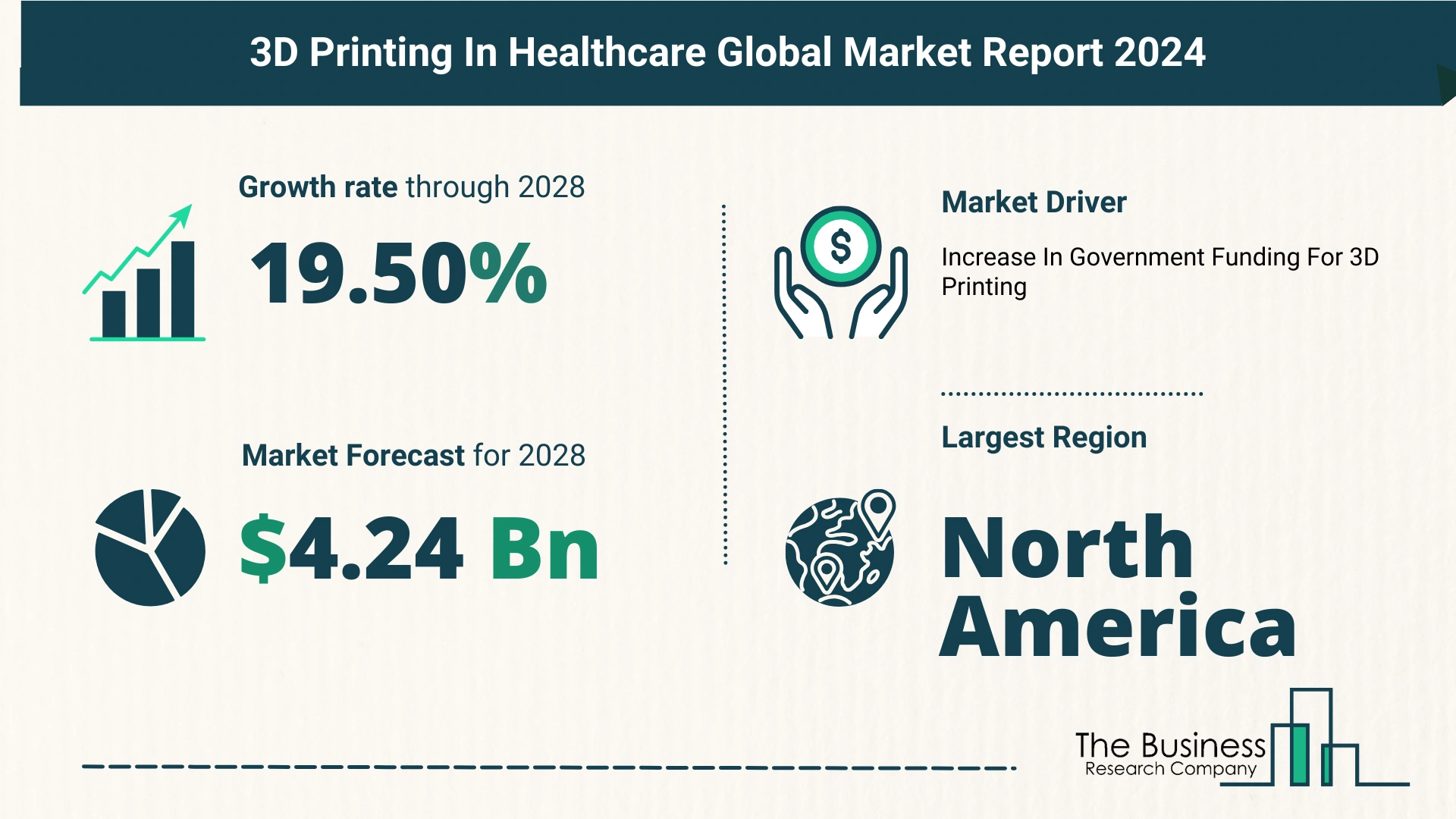
    • Market Size 2028: $4.24 billion
    • CAGR (2024-2028): 19.5%

    View More On The 3D Printing In Healthcare Market Report 2024 – https://www.thebusinessresearchcompany.com/report/3d-printing-in-healthcare-global-market-report

    Forecasted Growth Drivers:

    • Emergence of Bioprinting: Advancements in bioprinting technology opening new avenues in regenerative medicine.
    • Telehealth and Remote Medicine: Integration of 3D printing with telehealth enhancing remote medical services.
    • Increasing Aging Population: Growing elderly population driving demand for personalized healthcare solutions.
    • Government Initiatives and Funding: Supportive policies and funding initiatives accelerating market growth.
    • Patient Education and Engagement: Rising patient awareness leading to increased adoption of 3D printing solutions.

    Major Trends:

    • Bioprinting Advancements: Progress in bioprinting techniques enabling the creation of functional tissues and organs.
    • Personalized Implant Manufacturing: Customized production of implants based on patient-specific anatomical data.
    • Integration of Artificial Intelligence (AI): AI-driven design optimization and quality control in 3D printing processes.
    • Development of 3D-Printed Pharmaceuticals: Exploration of 3D printing for on-demand pharmaceutical manufacturing.
    • Application in Dental Prosthetics and Orthodontics: Utilization of 3D printing for precise and efficient dental restoration procedures.

    Government Funding Driving Market Growth
    Increasing Government Funding

    • Government Initiatives: Policies and programs supporting research and development in 3D printing technologies.
    • Research Projects: Allocation of funds for investigative research projects leveraging 3D printing in healthcare.
    • Example: The University Hospital Hamburg-Eppendorf (UKE) securing funding for research projects focusing on 3D printing and artificial intelligence applications in healthcare.

    Key Impact:

    • Revolutionizing Healthcare: Government funding revolutionizing healthcare delivery through innovative 3D printing solutions.
    • Accelerating Research: Financial support accelerating research efforts in the development of advanced medical devices and implants.

    Major Companies:

    • General Electric Company
    • Hewlett-Packard Company
    • Stratasys Ltd.
    • EOS GmbH – Electro Optical Systems
    • 3D Systems Corporation
    • Proto Labs Inc.
    • Formlabs Inc.
    • Materialise NV
    • Ultimaker BV
    • SLM Solutions Group AG

    Advanced Technologies Transforming Dental Care
    Introduction of Advanced 3D Printing Technologies

    • Digital Light Processing (DLP) Technology: Integration of DLP technology for superior dental restorations.
    • Flexcera Smile Ultra+ Resin: Launch of dental resin offering precise and durable 3D-printed restorations.
    • FDA Clearance: Regulatory approval for advanced dental 3D printing materials and devices.

    Impact:

    • Enhanced Dental Solutions: Advanced 3D printing technologies enabling the production of high-quality dental prosthetics and implants.
    • FDA Approval: Regulatory clearance validating the safety and efficacy of 3D-printed dental materials for clinical use.

    Strategic Acquisitions Paving the Way Forward
    3D Systems’ Acquisition of Volumetric Biotechnologies

    • Research Facility Establishment: Acquisition aimed at establishing a premier research facility dedicated to life sciences technologies.
    • Focus on Healthcare Innovation: Collaboration with Volumetric Biotechnologies to drive advancements in healthcare 3D printing.

    Outcome:

    • Pioneering Research: Joint efforts fostering groundbreaking research in 3D printing applications for healthcare.
    • Future of Healthcare: Strategic acquisitions shaping the future landscape of 3D printing in healthcare.

    Market Segmentation
    The 3D printing in healthcare market is segmented based on:

    1. Component: System, Material, Services
    2. Technology: Laser Beam Melting (LBM), Electron Beam Melting (EBM), Photo Polymerization, Droplet Deposition, Laminated Object Manufacturing, Wax Deposition Modeling, Bioprinting
    3. Application: Personalized Medical Equipment, Surgical Planning Models, Prosthetics and Implants, Biomaterials, Personalized Medicine, Other Applications
    4. End User: Medical Centers, Pharmaceutical Companies, Academic Institutions

    Regional Insights

    • North America: Dominant region in the 3D printing in healthcare market in 2023.
    • Asia Pacific: Projected to be the fastest-growing region in the forecast period.

    In conclusion, the 3D printing in healthcare market is poised for rapid expansion fueled by technological innovations, government support, and increasing demand for personalized medical solutions. With ongoing advancements and strategic initiatives, the future holds promising opportunities for stakeholders across the healthcare ecosystem.

    Request A Sample Of The Global 3D Printing In Healthcare Market Report 2024:
    https://www.thebusinessresearchcompany.com/sample_request?id=13361&type=smp