Month: June 2024

  • Overview Of The Transplant Diagnostics Market 2024-2033: Growth And Major Players Analysis

    Overview Of The Transplant Diagnostics Market 2024-2033: Growth And Major Players Analysis

    The Business Research Company’s global market reports are now updated with the latest market sizing information for the year 2024 and forecasted to 2033

    The transplant diagnostics market has seen significant expansion recently. In 2023, the market size was valued at $1.82 billion and is projected to reach $2.01 billion by 2024, growing at a compound annual growth rate (CAGR) of 10.7%.

    Key Factors Driving Growth

    • HLA Typing Development: Advances in human leukocyte antigen (HLA) typing have improved compatibility matching.
    • Increase in Organ Transplants: A rise in organ transplantation procedures has fueled market growth.
    • Immunosuppressive Therapy Advances: Improved therapies enhance transplant success rates.
    • Introduction of Cross-Matching Techniques: These techniques help ensure donor-recipient compatibility.
    • Regulatory Standardization: Clearer regulations have facilitated smoother market operations.

    Forecast for Future Growth

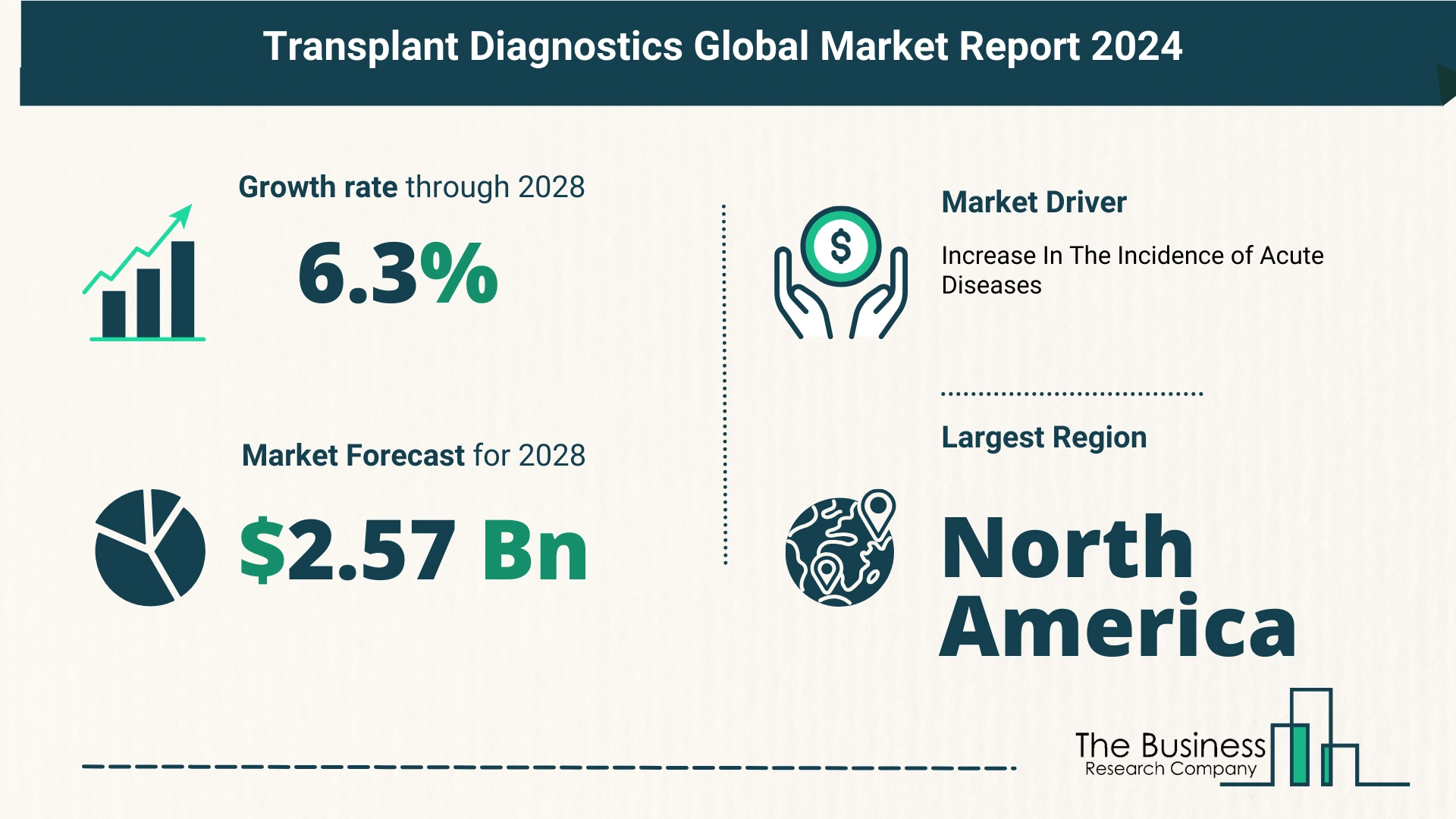
    The market is expected to continue its robust growth, reaching $2.57 billion by 2028, with a CAGR of 6.3% during the forecast period.

    Drivers of Future Growth

    • Patient-Centric Approaches: Tailoring treatments to individual patient needs.
    • Regulatory Adaptations: Evolving guidelines to support new technologies.
    • Rise in Living Donor Transplants: Increasing rates of donations from living donors.
    • Personalized Transplant Medicine: Advances in customizing treatments.
    • Increase in Transplant Procedures: More surgeries driving demand for diagnostics.

    View More On The Transplant Diagnostics Market Report 2024 – https://www.thebusinessresearchcompany.com/report/transplant-diagnostics-global-market-report

    Emerging Trends

    • Education and Awareness Programs: Increasing knowledge about transplant options.
    • Market Expansion Strategies: Companies broadening their reach.
    • Regulatory Guidelines Evolution: Adapting to new medical discoveries.
    • Immunosuppressive Therapy Optimization: Refining therapies for better outcomes.
    • Biomarker Development: Identifying new markers for better diagnostics.

    Acute Diseases and Market Demand

    The incidence of acute diseases is rising, leading to higher rates of organ failure and increasing the need for transplant procedures.

    Impact on Transplant Diagnostics

    • Organ Failure Rates: Higher failure rates drive demand for transplants.
    • Diagnostic Tests: Essential for determining transplant compatibility.
    • Record Transplant Numbers: In 2021, the US performed record numbers of kidney, liver, and heart transplants.

    Leading Companies in the Market

    • F. Hoffmann-La Roche AG
    • Thermo Fisher Scientific Inc.
    • Abbott Laboratories Inc.
    • Becton-Dickinson and Company
    • Hologic Inc.

    Focus on Advanced Services

    Major companies are investing in advanced diagnostic services to improve their market position.

    Innovations in Diagnostics

    • Quest Diagnostics Launch: Quest Diagnostics introduced advanced transplant services, including over 170 specialized tests and fast-track testing.
    • Advanced Tools: Use of novel tools to improve test accuracy and efficiency.

    Strategic Acquisitions

    Companies are making strategic acquisitions to enhance their research capabilities and market reach.

    Notable Acquisition

    • Eurobio Scientific and GenDx: In August 2022, Eurobio Scientific acquired GenDx for $134.3 million to expand its transplantation research capabilities.

    Market Segmentation

    The transplant diagnostics market is segmented into several categories:

    1. By Type:
      • Reagent & Consumables
      • Instrument
      • Software & Services
    2. By Transplant Type:
      • Solid Organ
      • Stem Cell
    3. By Organ:
      • Kidney
      • Liver
      • Heart
      • Lung
      • Pancreas
    4. By Technology:
      • Non Molecular Assay
      • Molecular Assay
    5. By End User:
      • Hospitals and Transplant Centers
      • Research Laboratories & Transplant Centers
      • Commercial Service Providers

    Regional Insights

    • North America: The largest region in the transplant diagnostics market in 2023.

    The transplant diagnostics market is poised for substantial growth, driven by technological advancements, increasing organ transplant procedures, and strategic initiatives by key industry players. As the market continues to expand, companies will need to focus on innovation and regulatory compliance to maintain their competitive edge.

    Request A Sample Of The Global Transplant Diagnostics Market Report 2024:
    https://www.thebusinessresearchcompany.com/sample_request?id=2481&type=smp

  • Top 5 Insights From The TNF Alpha Inhibitors Market Report 2024

    Top 5 Insights From The TNF Alpha Inhibitors Market Report 2024

    The Business Research Company’s global market reports are now updated with the latest market sizing information for the year 2024 and forecasted to 2033

    According to The Business Research Company’s TNF Alpha Inhibitors Global Market Report 2024, the TNF alpha inhibitors market is expected to show promising growth in the forecast period.

    Market Overview

    The TNF alpha inhibitors market has shown modest growth in recent years and is poised for continued expansion.

    • 2023-2024 Growth: From $43.09 billion in 2023 to $43.57 billion in 2024, a CAGR of 1.1%.
    • Future Projections: Expected to reach $47.54 billion by 2028, a CAGR of 2.2%.

    Factors Driving Growth

    Historical Growth Drivers

    1. Healthcare System Integration: Improved integration of healthcare systems has facilitated better access and delivery of TNF alpha inhibitors.
    2. Physician Adoption and Prescriptions: Increasing prescription rates by physicians.
    3. Patient Demand and Awareness: Growing patient awareness and demand for effective treatments.
    4. Advancements in Biotechnology: Technological advancements have led to more effective and targeted therapies.
    5. Expanded Indications: Broader indications for TNF alpha inhibitors in treating various inflammatory diseases.

    Future Growth Drivers

    1. Precision Drug Delivery: Innovations in drug delivery methods.
    2. Patient-Centric Focus: Increased emphasis on patient-centered care and treatment options.
    3. Immunotherapy Evolution: Advancements in immunotherapy approaches.
    4. Market Expansion Strategies: Strategic expansions by major players.
    5. Personalized Medicine Approach: Tailored treatments to meet individual patient needs.

    View More On The TNF Alpha Inhibitors Market Report 2024 – https://www.thebusinessresearchcompany.com/report/tnf-alpha-inhibitor-global-market-report

    Key Trends in the Market

    1. Real-World Evidence Utilization: Leveraging real-world data to improve treatment efficacy.
    2. Adoption of Combination Therapies: Increasing use of combination therapies for better outcomes.
    3. Market Entry Strategies: New companies entering the market with innovative solutions.
    4. Expanded Therapeutic Applications: Wider application of TNF alpha inhibitors for different conditions.
    5. Biosimilars Competition: Growing competition from biosimilars enhancing market dynamics.

    The Role of Inflammatory Diseases

    The prevalence of inflammatory diseases is a significant driver of market growth.

    • Inflammatory Bowel Disease (IBD): Global prevalence ranges from 0.5-24.5 cases of ulcerative colitis and 0.1-16 cases of Crohn’s disease per 100,000 person-years.
    • Other Conditions: TNF alpha inhibitors are also used in treating psoriasis, rheumatoid arthritis, and other immune-mediated inflammatory diseases.

    Major Market Players

    Key companies in the TNF alpha inhibitors market include:

    • HanAll Biopharma Co., Ltd.
    • Pfizer Inc.
    • Johnson & Johnson
    • Janssen Biotech Inc.
    • Merck & Co., Inc.
    • AbbVie Inc.
    • Novartis International AG
    • Sanofi SA
    • AstraZeneca PLC
    • GlaxoSmithKline PLC
    • Boehringer Ingelheim International GmbH
    • Amgen Inc.
    • Celgene Corporation
    • LEO Pharma A/S
    • Biogen Inc.
    • LG Life Sciences Ltd.

    Strategic Collaborations

    Major companies are pursuing strategic collaborations to enhance their market presence and product offerings.

    • Mark Cuban Cost Plus Drug Company and Coherus BioSciences Inc.: Partnered to offer YUSIMRY, a biosimilar of HUMIRA, expanding access to affordable TNF blockers.
    • Amgen Inc. and Horizon Therapeutics PLC: Amgen’s acquisition of Horizon Therapeutics for $27.8 billion aims to bolster its portfolio and reach in the TNF inhibitor market.

    Market Segmentation

    The TNF alpha inhibitors market is segmented as follows:

    1. By Drug: Remicade (Infliximab), Enbrel (Etanercept), Humira (Adalimumab), Cimzia (Certolizumab Pegol), Simponi (Golimumab)
    2. By Route of Administration: Oral, Subcutaneous, Intravenous, Other routes
    3. By Disease Type: Inflammatory Bowel Disease, Psoriatic Arthritis, Ulcerative Colitis, Rheumatoid Arthritis, Ankylosing Spondylitis, Other disease types

    Regional Insights

    • North America: The largest region in the TNF alpha inhibitors market in 2023, with significant market share and growth potential.

    Conclusion

    The TNF alpha inhibitors market is on a steady growth trajectory, driven by advancements in biotechnology, strategic collaborations, and the increasing prevalence of inflammatory diseases. Major players continue to expand their portfolios and improve patient access to these critical therapies, ensuring sustained market development in the coming years.

    Request A Sample Of The Global TNF Alpha Inhibitors Market Report 2024:
    https://www.thebusinessresearchcompany.com/sample_request?id=3459&type=smp

  • Future Growth Forecast For The Therapeutic Proteins Global Market 2024-2033

    Future Growth Forecast For The Therapeutic Proteins Global Market 2024-2033

    The Business Research Company’s global market reports provide comprehensive analysis on the various markets in 27 industries across 60 geographies.

     The therapeutic proteins market has seen remarkable growth in recent years, driven by technological innovations and expanding applications in medicine. This blog delves into the current state and future projections of this dynamic market, highlighting key trends, technological advancements, and the major players shaping its future.

    Market Growth Overview

    Rapid Market Expansion

    • 2023 Market Size: $140.96 billion
    • 2024 Projected Market Size: $158.16 billion
    • CAGR (2023-2024): 12.2%

    The market’s rapid growth is attributed to several factors:

    • Advances in protein engineering
    • Expansion into treatments for chronic diseases
    • The advent of immunotherapy
    • Development of recombinant DNA technology
    • Targeted cancer therapies

    Future Market Projections

    • 2028 Projected Market Size: $257.4 billion
    • CAGR (2024-2028): 12.9%

    Future growth will be driven by:

    • Regulatory adaptations
    • Enhanced delivery systems
    • Integration of gene editing
    • Development of biobetters
    • Evolution of immunotherapy

    View More On The Therapeutic Proteins Market Report 2024 – https://www.thebusinessresearchcompany.com/report/therapeutic-proteins-global-market-report

    Technological Advancements Fueling Growth

    Role of Protein Engineering

    Technological advancements are a key driver of the therapeutic proteins market:

    • Protein-Engineering Technologies: Glycoengineering, pegylation, Fc-fusion, albumin fusion, and albumin drug conjugation
    • Benefits: Increased production yield, product purity, circulating half-life, targeting, and functionality

    Key FDA-Approved Therapeutic Proteins

    Recent FDA-approved therapeutic proteins developed using advanced technologies include:

    • Belimumab
    • Ipilimumab
    • Taliglucerase alfa
    • Albiglutide
    • Recombinant human coagulation factor IX

    Major Companies in the Market

    Prominent players in the therapeutic proteins market include:

    • Pfizer Inc.
    • Johnson & Johnson Services Inc.
    • F. Hoffmann-La Roche Ltd.
    • Merck & Co. Inc.
    • AbbVie Inc.
    • Novartis International AG
    • Sanofi S.A.
    • Bristol Myers Squibb Co.
    • AstraZeneca PLC
    • Abbott Laboratories
    • GlaxoSmithKline PLC
    • Eli Lilly and Company
    • Boehringer Ingelheim International GmbH
    • Amgen Inc.

    Expanding Production Capacities with Media Systems

    Media Systems for Production

    To meet the growing demand for therapeutic proteins, companies are introducing innovative media systems:

    • Lonza Group AG’s TheraPRO CHO Media System: Launched in July 2023, this new cell culture platform enhances productivity and quality in therapeutic protein manufacturing. It features:
      • Simple, two-part chemically specified production technique
      • Full scalability
      • Support from technical professionals with extensive troubleshooting expertise

    Market Segmentation

    The therapeutic proteins market is segmented by:

    • Product Type: Insulin, Fusion Protein, Erythropoietin, Interferon, Human Growth Hormone, Follicle Stimulating Hormone
    • Function: Enzymatic and Regulatory Activity, Special Targeting Activity, Vaccines, Protein Diagnostics
    • Application: Metabolic Disorders, Immunologic Disorders, Hematological Disorders, Cancer, Hormonal Disorders, Genetic Disorders, Other Applications

    Regional Insights

    • North America: The largest region in the therapeutic proteins market in 2023

    Conclusion

    The therapeutic proteins market is poised for significant growth, driven by technological advancements, regulatory changes, and evolving therapeutic needs. With major companies investing in innovative production systems and expanding their capabilities, the future looks promising for this dynamic sector. As personalized medicine and biotechnology continue to evolve, therapeutic proteins will play an increasingly vital role in modern healthcare.

    Request A Sample Of The Global Therapeutic Proteins Market Report 2024:
    https://www.thebusinessresearchcompany.com/sample_request?id=2555&type=smp

  • 5 Key Insights On The Targeted Therapy Market 2024

    5 Key Insights On The Targeted Therapy Market 2024

    The Business Research Company’s global market reports are now updated with the latest market sizing information for the year 2024 and forecasted to 2033

    As per The Business Research Company’s Targeted Therapy Global Market Report 2024, the targeted therapy market is expected to show significant growth in the forecast period.

    Strong Recent Growth in Targeted Therapy Market

    The targeted therapy market has experienced significant growth in recent years.

    • Market Size Growth: The market size increased from $97.72 billion in 2023 to $105.06 billion in 2024, reflecting a compound annual growth rate (CAGR) of 7.5%.
    • Contributing Factors: Advancements in molecular biology, rising cancer incidence, personalized medicine trends, FDA approvals, and regulatory support have driven this growth.

    Projected Growth and Key Drivers

    Looking ahead, the targeted therapy market is set to continue its robust growth.

    • Future Market Size: Expected to reach $140.77 billion by 2028, with a CAGR of 7.6%.
    • Growth Drivers: Expanding oncology research, rising demand for precision medicine, emergence of immunotherapies, increasing investment in biopharmaceuticals, and heightened patient awareness and advocacy.

    Major Trends Shaping the Future

    Several key trends are anticipated to shape the targeted therapy market in the coming years.

    • AI Integration: Incorporation of artificial intelligence in drug discovery.
    • Patient Advocacy: Increased patient involvement in treatment decisions.
    • Companion Diagnostics: Expansion in the use of companion diagnostics.
    • Regulatory Support: Enhanced regulatory support for expedited approvals.
    • Investment in Biotechnology: Rising investment in biotechnology and pharmaceuticals.

    View More On The Targeted Therapy Market Report 2024 – https://www.thebusinessresearchcompany.com/report/targeted-therapy-global-market-report

    Rising Cancer Prevalence Fuels Surge in Demand

    The growing prevalence of cancer is a significant factor propelling the targeted therapy market.

    • Cancer Statistics: According to the National Cancer Institute, there were 1,806,590 new cancer cases registered in September 2021, a 43% increase from the previous year.
    • Therapy Benefits: Targeted therapy disables signals that promote cancer cell growth or triggers cancer cell self-destruction, increasing its demand.

    Leading Companies in the Market

    Major players in the targeted therapy market include:

    • Pfizer Inc.
    • Johnson & Johnson
    • F. Hoffmann-La Roche Ltd.
    • Merck & Co Inc.
    • AbbVie Inc.
    • Bayer AG
    • Novartis AG
    • Sanofi SA
    • Gilead Sciences Inc.
    • Seagen Inc.
    • Exelixis Inc.
    • Seattle Genetics Inc.
    • Genentech Inc.
    • Daiichi Sankyo Company Limited
    • ChemGenex Pharmaceuticals Ltd

    Advanced Targeted Therapy Market with FDA Approval

    Companies in the targeted therapy market are focusing on developing advanced technological solutions to strengthen their market position.

    • Novartis AG: In March 2022, Novartis launched Pluvicto, the first FDA-approved targeted radioligand therapy for eligible patients with mCRPC. This therapy combines a therapeutic radioisotope with a targeting chemical to attack cancer cells effectively.

    Strategic Acquisitions Strengthen Precision Oncology Portfolios

    Strategic acquisitions are also playing a crucial role in expanding the capabilities and offerings of leading companies in the market.

    • Bristol Myers Squibb: Acquired Turning Point Therapeutics in August 2022. This acquisition enhances Bristol Myers Squibb’s ability to address non-small cell lung cancer with ROS1-positive mutations and provides access to a pipeline of experimental drugs targeting oncogenesis-related mutations.

    Market Segmentation

    The targeted therapy market is segmented into:

    • By Type: Small Molecule Medicines, Monoclonal Antibodies
    • By Distribution Channel: Hospital Pharmacies, Retail Pharmacies, Online Pharmacies
    • By Application: Breast Cancer, Colorectal Cancer, Leukemia, Lung Cancer, Lymphoma, Renal Cancer, Other Applications

    Regional Insights

    • North America: The largest region in the targeted therapy market in 2023, driven by advanced healthcare infrastructure, significant investment in research, and high adoption of new technologies.

    The targeted therapy market is on a trajectory of continued expansion, driven by technological advancements, strategic acquisitions, and a growing focus on personalized medicine. With ongoing research and development, the market is poised for significant innovations and improvements in cancer treatment.

    Request A Sample Of The Global Targeted Therapy Market Report 2024:
    https://www.thebusinessresearchcompany.com/sample_request?id=9129&type=smp

  • What Is The Forecast Growth Rate For The Chimeric Antigen Receptor T (CAR-T) Cells Market?

    What Is The Forecast Growth Rate For The Chimeric Antigen Receptor T (CAR-T) Cells Market?

    The Business Research Company’s market reports offer an in-depth analysis on the market’s growth potential, major drivers, key trends and more.

    Overview of Market Growth

    • The chimeric antigen receptor T (CAR-T) cells market has experienced exponential growth.
    • Market size increased from $2.76 billion in 2023 to $3.89 billion in 2024, at a CAGR of 40.9%.
    • Forecasted growth to $14.35 billion in 2028, with a CAGR of 38.5%.

    Drivers of Growth

    • Breakthrough FDA approvals and successful clinical trials.
    • Advances in gene editing techniques.
    • Growing investment from pharmaceutical companies.
    • Rising cancer incidence globally.

    Rising Cancer Occurrence Drives Growth

    • Cancer’s prevalence is a key driver for the CAR-T cells market.
    • CAR-T cells used in treating various cancers including hematological malignancies and solid tumors.
    • Global cancer cases expected to reach 1.9 million in 2021, with projected increases by 2040.
    • Market players include Novartis International AG, Pfizer Inc., Kite Pharma, among others.

    Read More On The Chimeric Antigen Receptor T (CAR-T) Cells Market Report 2024 – https://www.thebusinessresearchcompany.com/report/chimeric-antigen-receptor-t-car-t-cells-global-market-report

    Innovative Product Developments

    • Product innovation is a significant trend.
    • Companies focus on creating novel CAR-T cell-based treatments.
    • Novartis AG launched the T-Charge CAR-T platform in December 2021.
    • Major players driving innovation in the market.

    Laurus Labs’ Strategic Acquisition

    • Laurus Labs acquired a minority stake in Immunoadoptive Cell Therapy in November 2021.
    • Strengthening biologics business and gaining access to emerging research areas.
    • Immunoadoptive Cell Therapy is an India-based CAR-T cell-therapy company.

    Market Segmentation

    • By Target Antigen: CD19, CD22, Other Antigens.
    • By Application: Acute Lymphoblastic Leukemia, Diffuse Large B-Cell Lymphoma, Others.
    • By End User: Hospitals, Cancer Research Centres, Clinics.

    Regional Insights

    • North America led the CAR-T cells market in 2023.

    Future Outlook

    • Forecasted market growth attributed to regulatory streamlining and market expansion in emerging economies.
    • Major trends include off-the-shelf CAR-T therapies and combination therapies.
    • Technological advancements and focus on long-term safety and efficacy driving market evolution.

    Conclusion

    • The CAR-T cells market is witnessing remarkable growth, driven by factors such as rising cancer incidence and technological advancements.
    • Innovations in product development and strategic acquisitions are shaping the market landscape.
    • With continued research and development, the CAR-T cells market is poised for significant expansion in the coming years.

    Request for A Sample Of The Global Chimeric Antigen Receptor T (CAR-T) Cells Market Report:
    https://www.thebusinessresearchcompany.com/sample_request?id=8124&type=smp

  • Growth Trajectory Of The Xenotransplantation Market 2024-2033

    Growth Trajectory Of The Xenotransplantation Market 2024-2033

    The Business Research Company’s global market reports are now updated with the latest market sizing information for the year 2024 and forecasted to 2033

    Overview of Market Growth

    • Xenotransplantation market size: $13.48 billion in 2023, projected to reach $14.58 billion in 2024.
    • Compound Annual Growth Rate (CAGR): 8.2%
    • Factors driving historic growth: Demand for organ transplant, animal breeding, clinical trials, regulatory advancements, surgical techniques.
    • Expected growth by 2028: $19.96 billion, CAGR: 8.2%
    • Forecast period trends: Personalized xenotransplantation, multi-organ transplants, precision medicine integration, long-term monitoring, blockchain utilization.

    Role of Demand Surge in Organ Transplantation

    • Increasing demand for tissue and organ transplants propels xenotransplantation market.
    • Hereditary disorders like polycystic kidney disease, cystic fibrosis, heart malfunction spur demand.
    • Organ shortage highlighted by the Organ Procurement and Transplantation Network (OPTN) report.
    • Xenotransplantation addresses shortage by utilizing nonhuman organs.

    View More On The Xenotransplantation Market Report 2024 – https://www.thebusinessresearchcompany.com/report/xenotransplantation-global-market-report

    Key Players in the Market

    • Major companies: Novartis AG, Moderna Therapeutics, Astellas Pharma, United Therapeutics, and many more.
    • Diverse offerings include preservation solutions, organ preservation, tissue products, and diagnostics.
    • Market segmented by products, treatment, applications, and end-users.

    XVIVO’s Innovative Preservation Technology

    • XVIVO introduces preservation technology enhancing organ storage and transportation.
    • January 2022: XVIVO’s method enhances efficiency in storing and moving donated hearts.
    • Organ shortage challenge addressed through innovative preservation solutions.
    • Success in long-term survival following xenotransplantation of gene-modified pig hearts into primates.

    United Therapeutics’ Strategic Acquisition

    • October 2023: United Therapeutics acquires Miromatrix Medical for $91 million.
    • Aim: Expand organ production initiatives including xenotransplantation and regenerative medicine.
    • Miromatrix Medical’s fully implantable, manufactured kidney product enhances United Therapeutics’ portfolio.

    Market Segmentation

    • Products: Organ Preservation Solutions, Transplant Diagnostics, Tissue Products.
    • Treatment: Analgesic, Immunosuppressant, Other Treatments.
    • Applications: Heart, Kidney, Other Organs.
    • End-Users: Hospitals, Transplant Centers, Other End-Users.

    Regional Dominance: North America Leads

    • North America: Largest region in the xenotransplantation market in 2023.

    Conclusion: A Promising Frontier The xenotransplantation market showcases robust growth driven by increasing demand for organ transplants, technological advancements, and strategic industry moves. With innovative preservation technologies, strategic acquisitions, and a focus on addressing organ shortage challenges, the market is poised for significant expansion. As personalized xenotransplantation and precision medicine integration become standard practices, the future holds promising opportunities for further growth and development in this vital healthcare sector.

    Request A Sample Of The Global Xenotransplantation Market Report 2024:
    https://www.thebusinessresearchcompany.com/sample_request?id=8326&type=smp

  • 5 Takeaways From The Wound Care Devices Market Overview 2024

    5 Takeaways From The Wound Care Devices Market Overview 2024

    The Business Research Company’s global market reports are now updated with the latest market sizing information for the year 2024 and forecasted to 2033

    According to The Business Research Company’s Wound Care Devices Global Market Report 2024, the wound care devices market is expected to show promising growth in the forecast period.

    Overview of Market Growth

    • The wound care devices market has shown robust growth recently.
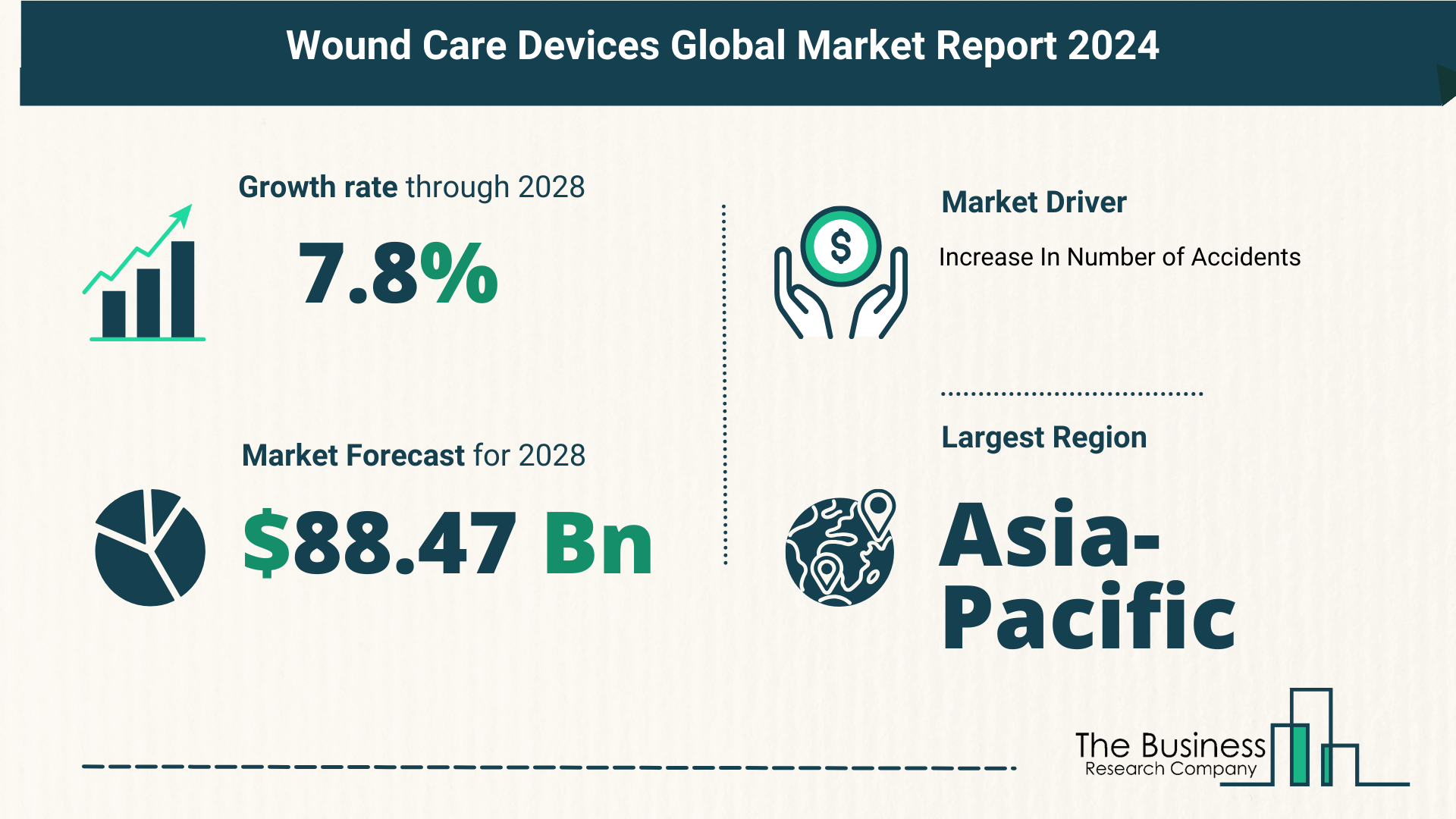
    • From $60.43 billion in 2023, it’s projected to reach $65.51 billion in 2024, with a CAGR of 8.4%.
    • Factors driving historic growth include chronic diseases, diabetes prevalence, surgical procedures, infection control, government initiatives, and patient preference for non-invasive solutions.

    Anticipating Future Expansion

    • Expectations point to continued strong growth.
    • By 2028, it’s forecasted to soar to $88.47 billion, boasting a CAGR of 7.8%.
    • Key drivers include rising obesity rates, regulatory support, wearable wound monitoring devices, aging populations, and collaborative research efforts.

    Role of Combination Dressings in Chronic Wound Treatment

    Utilization of Combination Dressings

    • Increasing adoption in treating chronic wounds.
    • Popular combination: antimicrobial agent + biological material.
    • Blending chemical and physical properties for waterproofing, anti-bacterial/viral infections, and skin-friendly features.

    Innovative Offerings

    • Examples like ConvaTec’s AQUACEL combination dressings.
    • Various types: silver alginate, silver collagen, collagen hydrochloride, foam dressings.
    • Applications in chronic ulcers, traumatic wounds, and surgical wounds.

    View More On The Wound Care Devices Market Report 2024 – https://www.thebusinessresearchcompany.com/report/wound-care-devices-global-market-report

    Role of Hydrocolloid Dressings in Treatment Efficacy

    Benefits of Hydrocolloid Dressings

    • Composed of gel-forming adhesives (silicone or polyurethane).
    • Waterproof and self-adhering, providing a moisture-filled healing environment.
    • Effective for burns, granular wounds, and protecting healed skin.

    Innovative Solutions

    • Example: Hydrocolloid dressing by BenQ, offering waterproof, invisible, UV-resistant properties.
    • Facilitates high moisture absorption and wound healing.

    Market Segmentation and Regional Dynamics

    Segmentation Overview

    • Classified by type, end-user, type of expenditure, and product.
    • Types include traditional adhesive dressings, NPWT, gauze dressings, and advanced wound care devices.
    • End-users span hospitals, clinics, diagnostic labs, and other sectors.
    • Expenditure types: public and private.
    • Products categorized as instruments/equipment and disposables.

    Regional Insights

    • Asia-Pacific led the global wound care devices market in 2023.

    Conclusion: Embracing Innovation for Continued Advancement

    • The wound care devices market exhibits a promising trajectory.
    • With innovative products like combination dressings and hydrocolloid bandages, treatment efficacy is enhanced.
    • Market segmentation allows for targeted strategies, catering to diverse needs.
    • As regions like Asia-Pacific drive growth, collaboration and innovation remain pivotal for sustained expansion.

    In a healthcare landscape marked by evolving needs and challenges, the wound care devices market stands as a beacon of progress, offering solutions that alleviate suffering and improve quality of life. As technology continues to advance and collaborative efforts flourish, the future holds great promise for patients and practitioners alike.

    Request A Sample Of The Global Wound Care Devices Market Report 2024:
    https://www.thebusinessresearchcompany.com/sample_request?id=1978&type=smp

  • Global Wellness Supplements Market Overview 2024: Size, Drivers, And Trends

    Global Wellness Supplements Market Overview 2024: Size, Drivers, And Trends

    The Business Research Company’s global market reports provide comprehensive analysis on the various markets in 27 industries across 60 geographies.

    • Healthy Lifestyles Propelling Growth: The focus on healthy living fuels the wellness supplements market, with exercise, nutrition, and supplements being integral.
    • Rising Health-Conscious Consumers: The number of health-conscious individuals, such as in India, is set to rise, indicating a growing market.
    • Major Players in the Market: Companies like Archer Daniels Midland Company and Pfizer Inc. dominate the wellness supplements landscape.

    New Wellness Supplement Offerings

    • Product Innovations: Key trend driving market growth with companies developing new offerings.
    • Example of Innovation: Zeonutra’s launch of an organic, vegan weight reduction supplement demonstrates market evolution.

    View More On The Wellness Supplements Market Report 2024 – https://www.thebusinessresearchcompany.com/report/wellness-supplements-global-market-report

    INW Group’s Strategic Acquisition Of Capstone Nutrition

    • Strategic Acquisition: INW Group’s purchase of Capstone Nutrition strengthens its position in the health and wellness sector.
    • Capstone Nutrition’s Expertise: Capstone Nutrition’s focus on high-quality supplements adds value to INW Group’s portfolio.

    Market Segmentation

    • Product Types: Segmented into dietary supplements, vitamins, minerals, proteins, and herbs.
    • Functional Food and Beverages: Includes fortified foods like omega fatty acids and probiotics, as well as energy and sports drinks.
    • Applications: Utilized in home care, hospitals, and chemical industries.

    Regional Trends

    • North America Dominance: In 2023, North America led the wellness supplements market.
    • Asia-Pacific’s Growth Potential: Expected to be the fastest-growing region, driven by rising health awareness.

    Future Outlook

    • Strong Growth Projections: Market expected to reach $417.87 billion by 2028, driven by factors like immune health focus and e-commerce growth.
    • Major Trends: Regulatory compliance, global expansion, and collaborations with healthcare professionals will shape the market’s trajectory.

    The wellness supplements market is witnessing significant growth, fueled by a focus on healthy lifestyles, product innovations, strategic acquisitions, and regional trends. With consumers increasingly prioritizing health and wellness, the market is poised for continued expansion, offering opportunities for both established players and emerging brands to thrive.

    Request A Sample Of The Global Wellness Supplements Market Report 2024:
    https://www.thebusinessresearchcompany.com/sample_request?id=7249&type=smp

  • Understand How The Weight Management Market Is Poised To Grow Through 2024-2033

    Understand How The Weight Management Market Is Poised To Grow Through 2024-2033

    The Business Research Company’s global market reports are now updated with the latest market sizing information for the year 2024 and forecasted to 2033

    As per The Business Research Company’s Weight Management Global Market Report 2024, the weight management market is expected to show significant growth in the forecast period.

    The weight management market has experienced robust growth in recent years, with its size swelling from $349.46 billion in 2023 to $384.06 billion in 2024, indicating a compound annual growth rate (CAGR) of 9.9%. This surge can be attributed to several factors:

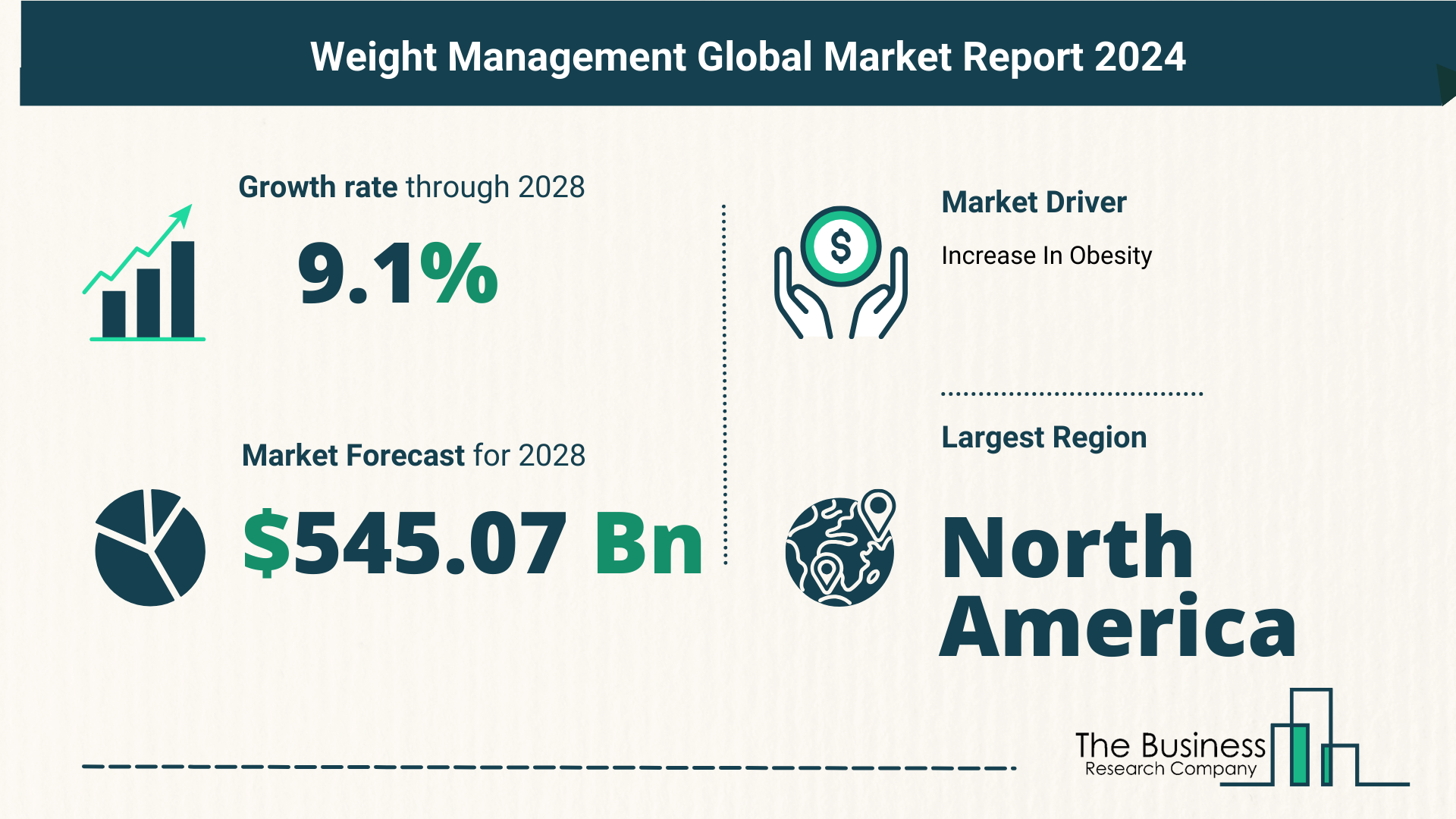
    • Increasing obesity rates
    • Growing health awareness
    • Changing lifestyles
    • Medical conditions and comorbidities
    • Fitness and wellness trends

    Anticipating Future Trajectories

    Projections suggest continued momentum in the weight management market, with an estimated value of $545.07 billion by 2028, boasting a CAGR of 9.1%. Key drivers shaping this forecast include:

    • Global emphasis on healthy living
    • Rise of digital health and wellness platforms
    • Shift towards plant-based diets
    • Emergence of wellness tourism and retreats
    • Aging population and associated health concerns

    View More On The Weight Management Market Report 2024 – https://www.thebusinessresearchcompany.com/report/weight-management-global-market-report

    Spotlight on Emerging Trends

    In the forecast period, notable trends are set to redefine the landscape of weight management, including:

    • Integration of gut health solutions
    • Dominance of e-commerce in product distribution
    • Surge in health and wellness tourism
    • Focus on enhancing sleep quality
    • Utilization of AI and data analytics

    Obesity’s Impact On The Growing Weight Management Market

    Understanding the Crisis

    Obesity stands as a pivotal factor propelling the growth of the weight management market. Defined as a medical condition characterized by excessive body fat accumulation, its prevalence fuels demand for weight control solutions. Recent statistics from the World Obesity Atlas highlight the severity of the issue, projecting a significant increase in obesity rates globally by 2030 and beyond.

    Driving Forces

    The escalating obesity epidemic motivates individuals to seek avenues for healthier lifestyles, driving demand for weight management products and services. Major companies in the market, including Nestlé S.A., Johnson & Johnson Inc., and Herbalife Nutrition Ltd., respond to this demand by offering diverse solutions.

    Exploring Product Trends In The Evolving Weight Management Market

    Innovative Solutions

    Product innovation emerges as a prominent trend within the weight management market. Companies like Zeonutra are pioneering the development of novel products tailored to consumer needs. For instance, the launch of Zeonutra’s slim plus product, featuring organic vegan supplements, underscores the industry’s commitment to offering effective and sustainable weight management solutions.

    Industry Consolidation

    Strategic acquisitions further shape the competitive landscape of the weight management market. Profile Plan’s acquisition of HMR exemplifies this trend, aiming to enhance the range and quality of health and weight loss solutions available to consumers. This consolidation reflects a broader industry effort to deliver more comprehensive and personalized offerings.

    Segmentation and Regional Insights

    Market Segmentation

    The weight management market is segmented based on:

    • Diet (Functional Beverages, Functional Food, Dietary Supplements)
    • Equipment (Fitness, Surgical)
    • Services (Health Clubs, Consultation Services, Online Weight Loss Services)

    Regional Dominance

    North America emerged as the largest region in the weight management market in 2023, underscoring the region’s significant contribution to industry growth.

    In conclusion, the weight management market continues to expand, driven by evolving consumer preferences, technological advancements, and a growing emphasis on holistic well-being. As industry players innovate and adapt to emerging trends, the pursuit of healthier lifestyles remains at the forefront of market dynamics.

    Request A Sample Of The Global Weight Management Market Report 2024:
    https://www.thebusinessresearchcompany.com/sample_request?id=6926&type=smp

  • Weight Loss Supplements Market Forecast Until 2033 – Estimated Market Size And Growth Rate

    Weight Loss Supplements Market Forecast Until 2033 – Estimated Market Size And Growth Rate

    The Business Research Company’s market reports offer an in-depth analysis on the market’s growth potential, major drivers, key trends and more.

    The weight loss supplements market is witnessing unprecedented growth, reflecting the global shift towards health and wellness. From 2023 to 2024, this market is projected to expand from $38.38 billion to $43.14 billion, growing at a compound annual growth rate (CAGR) of 12.4%. This growth is driven by several key factors, including increasing health consciousness, changing lifestyles, rising obesity rates, and innovative marketing strategies.

    Key Drivers of Market Growth

    • Health Consciousness: More people are prioritizing their health and wellness, seeking effective ways to manage weight.
    • Lifestyle Changes: Modern lifestyles and dietary habits are contributing to weight gain, increasing the demand for supplements.
    • Obesity Rates: Rising obesity rates globally are a significant factor, as more individuals turn to supplements to aid in weight loss.
    • Media Influence: Celebrity endorsements and media coverage are raising awareness and popularity of these products.
    • Innovation and Marketing: New product development and aggressive marketing are attracting more consumers.

    Future Market Prospects

    The future of the weight loss supplements market looks promising, with projections indicating growth to $67.79 billion by 2028, at a CAGR of 12.0%. Several trends are expected to shape this growth:

    • Preventive Healthcare: A growing focus on preventive health measures will boost demand.
    • Personalized Nutrition: Solutions tailored to individual needs will become more popular.
    • E-commerce: Online sales and direct-to-consumer models will drive market expansion.
    • Regulatory Support: Favorable regulations will facilitate market growth.

    Read More On The Weight Loss Supplements Market Report 2024 – https://www.thebusinessresearchcompany.com/report/weight-loss-supplements-global-market-report

    Major Trends in the Forecast Period

    • Holistic Weight Management: Integrating supplements with overall wellness practices.
    • Health-Focused Marketing: Emphasizing the health benefits of supplements.
    • Transparency and Clean Labeling: Increasing demand for clear, honest product information.
    • Industry Collaborations: Partnerships with fitness and wellness industries.
    • Sustainable Practices: Adoption of eco-friendly and sustainable production methods.

    Addressing the Obesity Epidemic

    The increasing global obesity rates are a critical driver of the weight loss supplements market. Obesity, characterized by excessive fat accumulation, poses significant health risks. According to the World Health Organization (WHO), over 1 billion people are currently obese, including 650 million adults, 340 million adolescents, and 39 million children. By 2025, it is estimated that 167 million people will be less healthy due to being overweight or obese.

    Market Dynamics and Major Players

    The weight loss supplements market is highly competitive, with major companies like Nestle SA, Abbott Laboratories, and GlaxoSmithKline PLC leading the way. These companies are focusing on innovation to meet the growing demand:

    • Innovative Products: Companies are developing new supplements with unique ingredients and benefits. For instance, Nature’s Formulas introduced BioFit, a probiotic supplement designed to enhance digestion and aid in weight loss.
    • Strategic Acquisitions: Companies like Solace Nutrition are acquiring assets to strengthen their market position. Solace Nutrition’s acquisition of R-Kane Nutritionals assets in 2022 is a notable example, allowing it to expand into the high-protein meal replacement market.

    Market Segmentation

    The weight loss supplements market can be segmented by type, ingredients, distribution channels, and end users:

    • By Type: Liquid, Powder, Softgels, Pills, Other Types
    • By Ingredients: Vitamins & Minerals, Amino Acids, Natural Extracts/Botanicals
    • By Distribution: Offline Channel, Online Channel
    • By End User: Under 18 years, 18 to 40 years, 40 to 50 years, Above 50 years

    Regional Insights

    In 2023, Asia-Pacific was the largest region in the weight loss supplements market. This region is expected to continue its dominance and be the fastest-growing market during the forecast period, driven by rising health awareness and increasing disposable incomes.

    Conclusion

    The weight loss supplements market is set for significant growth, driven by rising health consciousness and the global obesity epidemic. With continuous innovation and strategic market maneuvers, companies are well-positioned to capitalize on this burgeoning market. As consumer preferences evolve, trends like personalized nutrition, clean labeling, and sustainable practices will shape the future of this dynamic industry.

    Request for A Sample Of The Global Weight Loss Supplements Market Report:
    https://www.thebusinessresearchcompany.com/sample_request?id=6706&type=smp