Month: June 2024

  • What Is The Forecast Growth Rate For The Nutritional Supplements Market?

    What Is The Forecast Growth Rate For The Nutritional Supplements Market?

    The Business Research Company’s market reports offer an in-depth analysis on the market’s growth potential, major drivers, key trends and more.

    Introduction
    The nutritional supplements market has witnessed remarkable growth in recent years. From $390.7 billion in 2023, it is projected to reach $419.71 billion in 2024, with a compound annual growth rate (CAGR) of 7.4%. This growth trajectory is fueled by various factors including aging populations, changing lifestyles, the rise of veganism, and the booming e-commerce sector.

    Current Market Growth Drivers
    Aging Population

    Increased Supplement Use: Older adults are more likely to use supplements to maintain health.

    Focus on Longevity: Supplements targeting age-related issues like bone density and cognitive function are in demand.

    Changing Lifestyles

    Urbanization: Busy urban lifestyles lead to increased reliance on supplements for nutrition.

    Health Awareness: Growing health consciousness drives people to adopt supplements for preventive health.

    Sports and Fitness Trends
    Athletic Demand: Athletes and fitness enthusiasts increasingly use supplements for performance and recovery.

    Influence of Fitness Culture: The popularity of fitness influencers promotes supplement use among the general public.

    E-Commerce Growth
    Accessibility: Online platforms make it easier to purchase a wide range of supplements.

    Consumer Education: E-commerce sites often provide detailed information, helping consumers make informed choices.

    Rise of Veganism
    Plant-Based Supplements: Increased demand for vegan-friendly supplements such as plant-based proteins.

    Ethical Considerations: Ethical concerns about animal products drive the popularity of vegan supplements.

    Future Market Growth Projections
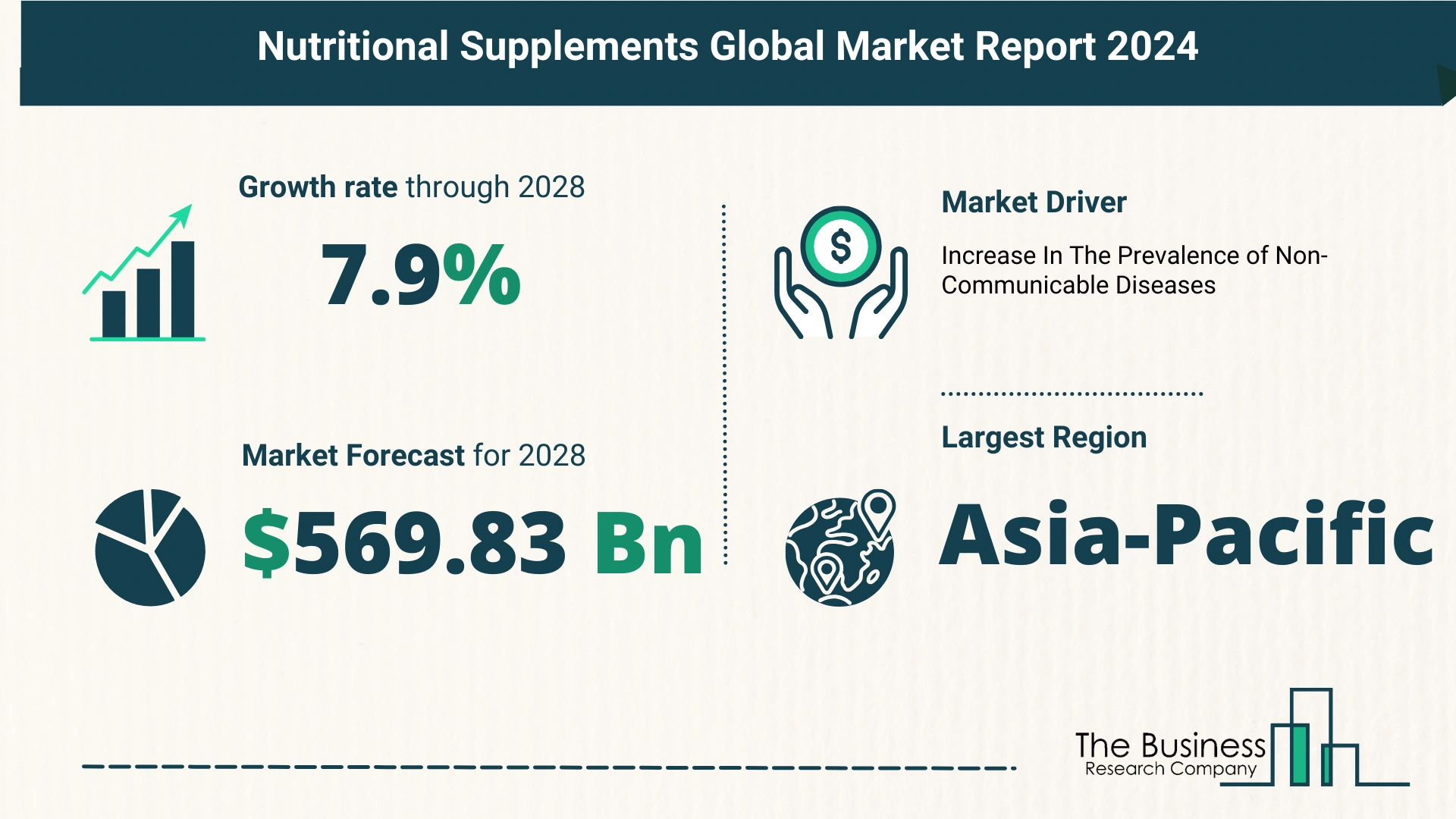
    The market is expected to grow to $569.83 billion by 2028, at a CAGR of 7.9%. Future growth will be driven by advancements in personalized nutrition, genetic testing, smart packaging, epidemic preparedness, and sustainability.

    Read More On The Nutritional Supplements Market Report 2024 – https://www.thebusinessresearchcompany.com/report/nutritional-supplements-global-market-report

    Personalized Nutrition
    Customized Solutions: Tailored supplements based on individual health profiles and genetic information.

    Consumer Preferences: Growing interest in personalized health solutions boosts demand.

    Genetic Testing
    Precision Health: Genetic testing allows for precise recommendations for supplements.

    Preventive Care: Early detection of potential health issues leads to preventive supplement use.

    Smart Packaging
    Enhanced User Experience: Innovative packaging solutions that ensure product integrity and provide additional information.

    Sustainability: Eco-friendly packaging options appeal to environmentally conscious consumers.

    Epidemic Preparedness
    Immune Health: Increased focus on supplements that boost the immune system.

    Health Security: Supplements play a role in maintaining health during health crises.

    Sustainability Focus
    Eco-Friendly Ingredients: Demand for supplements made from sustainable sources.

    Corporate Responsibility: Companies adopting sustainable practices attract eco-conscious consumers.

    Emerging Trends in the Supplement Market

    CBD and Hemp-Based Supplements
    Wellness Products: Popularity of CBD for mental well-being and relaxation.

    Regulatory Approvals: Increasing acceptance and legalization of CBD products.

    Plant-Based Proteins
    Dietary Shifts: Growing preference for plant-based diets.

    Innovation: Development of new plant-based protein sources and products.

    Mental Well-Being Supplements
    Stress Management: Supplements aimed at reducing stress and anxiety.

    Cognitive Health: Products that support brain health and cognitive function.

    Collagen Supplements
    Skin and Joint Health: Increasing use of collagen for skin elasticity and joint support.

    Aging Population: High demand among older adults for anti-aging benefits.

    Brain Health Supplements
    Focus and Memory: Supplements designed to enhance memory and focus.

    Preventive Health: Growing awareness of the importance of brain health.

    Market Dynamics and Competitive Landscape
    Rising Non-Communicable Diseases

    Chronic Conditions: Supplements for managing conditions like diabetes are in high demand.

    Preventive Measures: Increased use of supplements to prevent non-communicable diseases.

    Key Market Players
    Major companies include The Archer-Daniels-Midland Company, Pfizer Inc., Bayer AG, Abbott Laboratories, GlaxoSmithKline PLC, and many others. These companies are continually innovating to maintain their market positions.

    Innovative Product Developments
    New Formats: Amway’s launch of convenient, tasty supplements like candy and jelly strips.

    Market Expansion: Nestlé’s acquisition of The Bountiful Company to strengthen its market presence.

    Regional Insights
    Asia-Pacific Dominance

    Market Leader: Asia-Pacific was the largest region in the nutritional supplements market in 2023.

    Rapid Growth: Latin America is expected to be the fastest-growing region in the forecast period.

    Conclusion
    The nutritional supplements market is poised for continued growth driven by innovations, demographic shifts, and changing consumer preferences. Companies that stay ahead of trends and focus on sustainability and personalized solutions are likely to lead the market in the coming years.

    Request for A Sample Of The Global Nutritional Supplements Market Report:
    https://www.thebusinessresearchcompany.com/sample_request?id=8162&type=smp

  • Overview Of The Nuclear Medicine Diagnostics Market 2024-2033: Growth And Major Players Analysis

    Overview Of The Nuclear Medicine Diagnostics Market 2024-2033: Growth And Major Players Analysis

    The Business Research Company’s global market reports are now updated with the latest market sizing information for the year 2024 and forecasted to 2033

    Market Growth Overview
    The nuclear medicine diagnostics market has seen rapid growth, expanding from $6.57 billion in 2023 to an anticipated $7.34 billion in 2024, marking a compound annual growth rate (CAGR) of 11.7%.

    This growth is primarily driven by:

    Advancements in medical imaging technologies

    Rising prevalence of chronic diseases

    Aging population trends

    Clinical applications, particularly in oncology

    Improved diagnostic accuracy and precision

    View More On The Nuclear Medicine Diagnostics Market Report 2024 https://www.thebusinessresearchcompany.com/report/nuclear-medicine-diagnostics-global-market-report

    Future Market Projections
    Continued expansion is expected, with market size projected to reach $11.31 billion by 2028, at a CAGR of 11.4%.

    Key growth drivers include:

    Expanding applications in neurology

    Integration with other imaging modalities

    Precision medicine approaches

    Rising demand for theranostics

    Global efforts towards disease eradication

    Emerging Trends in Nuclear Medicine
    Shift towards small-scale, decentralized radiopharmacy

    Application of nuclear medicine in neurology

    Radiomics and quantitative imaging analysis

    Collaborations for research and development

    Emphasis on radiation safety and dosimetry

    Increasing Demand for Diagnostics
    The demand for nuclear medicine diagnostics is expected to significantly drive market growth.

    Benefits of nuclear medicine diagnostics:

    Accurate results

    Enhanced treatment decision-making

    According to the World Nuclear Association (April 2022):

    Over 40 million nuclear medicine treatments annually

    Radioisotope demand increasing by up to 5% annually

    90% of radioisotope-based procedures occur in over 10,000 hospitals worldwide

    Key Market Players
    Major companies in the market include:

    Siemens AG

    Bayer Aktiengesellschaft

    Novartis AG

    GE Healthcare Technologies Inc.

    Telix Pharmaceuticals Limited

    Nordion (Canada) Inc.

    NorthStar Medical Technologies LLC

    SHINE Medical Technologies LLC

    Navidea Biopharmaceuticals Inc.

    Theragnostics Ltd.

    Sirona Complete Care

    Nordic Nanovector ASA

    Eczacibasi-Monrol Nuclear Products Co.

    Advancements in Nuclear Medicine Diagnostics
    Companies are introducing advanced medical technologies to enhance patient outcomes and healthcare standards.

    For example:
    In August 2023, Gleneagles Hospital in Malaysia launched a Nuclear Medicine Unit equipped with the latest technology for early disease detection, diagnosis, and treatment using nuclear medicine imaging techniques.

    Strategic Acquisitions
    In January 2022, Eckert & Ziegler acquired Tecnonuclear SA to expand its healthcare services in South America.

    Tecnonuclear SA is a specialist in nuclear medicine based in Argentina.

    Market Segmentation
    By Type: SPECT Radiopharmaceuticals, PET Radiopharmaceuticals

    By Application: Cardiology, Thyroid, Neurology, Oncology, Other Applications

    By End-User: Hospitals and Diagnostic Centers, Research Institutes

    Regional Insights
    North America was the largest region in the nuclear medicine diagnostics market in 2023.

    Request A Sample Of The Global Nuclear Medicine Diagnostics Market Report 2024:
    https://www.thebusinessresearchcompany.com/sample_request?id=9415&type=smp

  • Key Trends And Drivers In The Neem Extract Market 2024

    Key Trends And Drivers In The Neem Extract Market 2024

    The Business Research Company’s market reports offer an in-depth analysis on the market’s growth potential, major drivers, key trends and more.

    Introduction

    Neem extract market on a rapid growth trajectory.

    Forecasted to reach $3 billion in 2024.

    Driving Forces Behind Market Growth

    Traditional medicinal uses and natural pest control.

    Demand from skin care and cosmetics industry.

    Increasing awareness of health benefits.

    Environmentally friendly biopesticides.

    Future Projections and Trends

    Expected to reach $4.89 billion by 2028.

    Rising demand in personal care products and organic farming.

    Government initiatives supporting herbal products.

    Emergence of neem-based functional foods.

    Demand for Organic Products Fueling Growth

    Neem extract utilized in various sectors.

    Antibacterial and antifungal properties make it ideal.

    Increasing demand for organic products.

    Read More On The Neem Extract Market Report 2024 – https://www.thebusinessresearchcompany.com/report/neem-extract-global-market-report

    Product Innovation Boosts Market

    Companies developing new products.

    Example: Nisarga Neem Capsules for COVID-19 prevention.

    Clinically validated and patented.

    Enhances immunity and general health.

    Market Expansion Through Acquisitions

    Example: Indorama India acquiring Indo Gulf Fertilizers.

    Provides complete variety of agricultural products.

    Indo Gulf Fertilizers manufactures neem extracts.

    Market Segmentation
    By Type: Leaf Extract, Fruit And Seed Extract, Bark Extract

    By Formulation: Dry, Liquid

    By Application: Food And Beverages, Pharmaceutical, Nutraceutical, Personal Care And Cosmetics, Agriculture And Farming, Other Applications

    Asia-Pacific leading region, Western Europe fastest-growing.

    The Neutropenia Biologic Drug Market: Battling Cancer

    Cancer Epidemic Driving Market Growth

    Increase in cancer cases globally.

    Rise in neutropenia cases due to chemotherapy.

    Anticipated boost in demand for biologic drugs.

    Biosimilars Pose Challenges

    Patent expiry leading to biosimilar introduction.

    Biosimilars priced lower than branded drugs.

    Example: Biocon Biologics’ Abevmy for cancer treatment.

    Strategic Acquisitions Expand Market Reach

    Example: Biocon Biologics acquiring Viatris.

    Strengthening capabilities in biosimilars market.

    Viatris develops neutropenia biologic drugs.

    Market Segmentation

    By Drug Type: Filgrastim, Pegfilgrastim, Lenograstim, Lipegfilgrastim, Sargramostim

    By Treatment Type: Antibiotic Drugs, Granulocyte-Colony-Stimulating Factor (G-CSF), Antifungal Drugs, Other Treatment Types

    By Distribution Channel: Retail Pharmacies, Hospital Pharmacies, Online Pharmacies

    North America leading region in 2023.

    Conclusion

    Both neem extract and neutropenia biologic drug markets poised for significant growth.

    Driven by diverse factors including health awareness, market access, and technological advancements.

    These markets represent the convergence of innovation and sustainability in meeting global healthcare and environmental challenges.

    Request for A Sample Of The Global Neem Extract Market Report:
    https://www.thebusinessresearchcompany.com/sample_request?id=10818&type=smp

  • Global Narcotics Scanner Market Analysis: Estimated Market Size And Growth Rate

    Global Narcotics Scanner Market Analysis: Estimated Market Size And Growth Rate

    The Business Research Company’s global market reports are now updated with the latest market sizing information for the year 2024 and forecasted to 2033

     Rapid Market Growth

    • Recent Growth: The narcotics scanner market has experienced substantial growth in recent years. It expanded from $6.91 billion in 2023 to an anticipated $7.54 billion in 2024, reflecting a robust compound annual growth rate (CAGR) of 9.1%.
    • Historical Factors: The key drivers of this growth include trends in illicit drug production, increased demand for non-intrusive inspection methods, significant investments in research and development, heightened security threats at borders and ports, and a rise in drug trafficking activities.

    Future Market Projections

    • Continued Expansion: The narcotics scanner market is set to maintain its upward trajectory, projected to reach $10.6 billion by 2028, with a CAGR of 8.9%.
    • Forecast Drivers: This growth is expected to be fueled by public safety investments, the rising production of illicit drugs, strategic market expansions, the adoption of artificial intelligence and machine learning, and stricter security measures at borders and ports.
    • Emerging Trends: Key trends include the global increase in drug trafficking, evolving regulatory requirements, enhancements in port security, the ongoing demand for non-intrusive inspection, and the integration of AI technologies.

    View More On The Narcotics Scanner Market Report 2024 – https://www.thebusinessresearchcompany.com/report/narcotics-scanner-global-market-report

     Rising Drug Use Amidst Global Challenges

    • Impact of COVID-19: The COVID-19 pandemic exacerbated issues such as poverty, unemployment, social pressures, and mental health problems, all of which contributed to increased drug addiction and use.
    • Global Drug Use Statistics: According to a 2023 report by the United Nations Office on Drugs and Crime (UNODC), cannabis remained the most widely used drug with 219 million users in 2021, constituting 4.3% of the global adult population. Additionally, 36 million people used amphetamines, 22 million used cocaine, and 60 million engaged in non-medical opioid use, with 31.5 million specifically using opiates like heroin.
    • Market Implications: The continuous rise in drug use is a significant factor driving the growth of the narcotics scanner market, as there is a growing need for effective detection and control measures.

    Key Market Players

    • Major Companies: Prominent players in the market include Thermo Fisher Scientific Inc., Safran SA, Science Applications International Corporation, Elbit Systems Ltd., Smiths Group PLC, Bruker Corporation, FLIR Systems Inc., OSI Systems Inc., and many others.
    • Technological Advancements: These companies are focusing on developing new technologies to enhance their market position. For example, the Korea Institute of Materials Science developed wearable sensors using nanomaterial technology for on-site drug detection in 2021.

    Notable Acquisitions

    • Teledyne Technologies and FLIR Systems: In January 2021, Teledyne Technologies Incorporated acquired FLIR Systems Inc. for $8.2 billion. This acquisition aimed to expand Teledyne’s portfolio and enhance its range of imaging products and technologies.

    Market Segmentation

    • By Product Type: The market includes handheld scanners, tabletop scanners, and walkthrough scanners.
    • By Technology: Key technologies used in narcotics scanners include ion mobility spectrum technology, contraband detection equipment, videoscope inspection systems, and infrared spectroscopy.
    • By End-User: Major end-users are airports, sea ports, railway terminals, law enforcement agencies, defense and military organizations, and other sectors.

    Regional Insights

    • North America: In 2023, North America was the largest region in the narcotics scanner market.
    • Asia-Pacific: The Asia-Pacific region is expected to be the fastest-growing market during the forecast period, driven by increasing security needs and technological advancements.

    Conclusion

    The narcotics scanner market is poised for significant growth, driven by rising drug use, technological advancements, and increased security measures. With major players continuously innovating and expanding, and regions like Asia-Pacific emerging as key markets, the future of narcotics scanning technology looks promising. As the world grapples with the challenges of drug trafficking and use, the demand for efficient and advanced narcotics detection systems will only intensify, leading to a thriving market landscape.

    Request A Sample Of The Global Narcotics Scanner Market Report 2024:
    https://www.thebusinessresearchcompany.com/sample_request?id=5709&type=smp

  • How Is The Non-Invasive Aesthetic Treatment Market Expected To Grow Through 2024-2033

    How Is The Non-Invasive Aesthetic Treatment Market Expected To Grow Through 2024-2033

    The Business Research Company’s global market reports are now updated with the latest market sizing information for the year 2024 and forecasted to 2033

    According to The Business Research Company’s Non-Invasive Aesthetic Treatment Global Market Report 2024, the non-invasive aesthetic treatment market is expected to show promising growth in the forecast period.

    The non-invasive aesthetic treatment market has experienced significant growth in recent years, driven by various cultural and technological factors. From rapid advancements to changing consumer preferences, this market is poised to continue its upward trajectory.

    Market Growth: A Snapshot

    Explosive Market Expansion

    2023-2024: The market size grew from $58.31 billion to $68.17 billion, reflecting a CAGR of 16.9%.

    2028 Forecast: Expected to reach $121.69 billion with a CAGR of 15.6%.

    Key Drivers of Historic Growth
    Cultural Shifts and Changing Demographics

    Increasing acceptance and desire for aesthetic treatments across different age groups and cultures.

    Medical Advancements

    New technologies and treatment methods enhancing effectiveness and safety.

    Media and Influencers

    The influence of social media and celebrities popularizing non-invasive procedures.

    Pioneering Treatments

    Innovations such as laser treatments and advanced injectables leading the way.

    Shifting Beauty Ideals

    Evolving standards of beauty encouraging individuals to seek treatments.

    Forecast Period Growth Factors

    Health and Wellness Trends

    Rising awareness of health and wellness contributing to the popularity of aesthetic treatments.

    View More On The Non-Invasive Aesthetic Treatment Market Report 2024 – https://www.thebusinessresearchcompany.com/report/non-invasive-aesthetic-treatment-global-market-report

    Emerging Markets
    Growing middle class and increased disposable income in emerging markets driving demand.

    Men’s Market Expansion

    Increasing acceptance and demand for aesthetic treatments among men.

    Global Aging Population

    Older populations seeking treatments to maintain youthful appearances.

    Advancements in Personalization

    Customized treatments tailored to individual needs and preferences.

    Major Trends Shaping the Future
    Demand for Minimally Invasive Procedures

    Preference for treatments with minimal downtime and fewer risks.

    Consumer Awareness and Education

    Increased access to information leading to more informed decisions by consumers.

    Celebrity Endorsements and Influencer Culture

    High-profile endorsements boosting market visibility and attractiveness.

    Customization and Personalization

    Innovations allowing for more personalized treatment plans.

    Emphasis on Physical Appearance

    Growing Self-Consciousness

    Heightened self-awareness driving investment in aesthetic treatments.

    Example: L’Oréal reported significant increases in sales of consumer products and active cosmetics from Q3 to Q4 2022.

    Leading Companies in the Market

    Major Players
    Johnson & Johnson, Procter & Gamble, Unilever, Allergan, BTL Industries

    Bausch Health, Shiseido, Hologic, Cynosure, Galderma

    MerzPharma, Sinclair Pharma, InMode, Lumenis, ZELTIQ Aesthetics

    Solta Medical, Syneron Medical, Cutera, Lutronic, Revance Therapeutics

    LipoSonix, Venus Concept, Fotona, Sientra, EndyMed Medical

    Alma Lasers, Sciton, ThermiGen, Valeant Pharmaceuticals, Candela Corporation

    Innovations Transforming the Market
    Product Development

    Companies like Cynosure introducing advanced technologies like the PicoSure Pro device, an FDA-cleared 755nm picosecond laser.

    Strategic Acquisitions

    Galderma’s Acquisition of ALASTIN Skincare: Enhancing its premium product portfolio and R&D capabilities.

    Market Segmentation
    By Product
    Injectable

    Skin Rejuvenation

    By End Use
    Hospitals & Surgery Centers

    Medical Spas

    Clinics

    Traditional Spas

    HCP Owned Clinics

    Regional Insights
    North America

    Largest market in 2023.

    Asia-Pacific

    Expected to be the fastest-growing region during the forecast period.

    Conclusion
    The non-invasive aesthetic treatment market is set for substantial growth, driven by advancements in technology, shifting cultural norms, and increased consumer awareness. As the market continues to evolve, we can expect to see even more innovative treatments and broader acceptance across demographics. The future looks promising for both consumers seeking enhanced physical appearance and the companies leading the charge in this dynamic industry.

    Request A Sample Of The Global Non-Invasive Aesthetic Treatment Market Report 2024:
    https://www.thebusinessresearchcompany.com/sample_request?id=6772&type=smp

  • Top 5 Insights From The Mycoplasma Testing Market Report 2024

    Top 5 Insights From The Mycoplasma Testing Market Report 2024

    The Business Research Company’s global market reports are now updated with the latest market sizing information for the year 2024 and forecasted to 2033

    According to The Business Research Company’s Mycoplasma Testing Global Market Report 2024, the mycoplasma testing market is expected to show promising growth in the forecast period.

    Market Overview

    The mycoplasma testing market has experienced rapid growth in recent years. In 2023, the market size was valued at $0.94 billion and is expected to grow to $1.08 billion in 2024, reflecting a robust compound annual growth rate (CAGR) of 14.0%.

    Historic Growth Factors:

    Outbreaks and contamination incidents

    Increased awareness and research initiatives

    Expansion of the biotechnology sector

    Trends in the healthcare industry

    Rise in cell culture production

    Future Growth Projections

    Looking ahead, the mycoplasma testing market is poised for continued expansion, projected to reach $1.71 billion by 2028 with a CAGR of 12.2%.

    Forecasted Growth Drivers:

    Rising demand for quality assurance

    Emerging market demands

    Growth in the biopharmaceutical industry

    Increase in cell-based therapies

    Continued biotechnology sector expansion

    Key Trends Shaping the Market

    Several trends are expected to influence the mycoplasma testing market significantly in the forecast period.

    Regulatory Standards and Compliance: Stricter regulatory requirements are driving the need for comprehensive testing.

    Healthcare Awareness and Diagnostics: Enhanced focus on diagnostics is boosting market growth.

    Global Pandemic Preparedness: Increased preparedness for pandemics is elevating the demand for mycoplasma testing.

    Point-of-Care Testing Innovation: Advances in point-of-care testing technologies are making testing more accessible and efficient.

    Market Penetration in Emerging Economies: Growing economies are expanding their biotechnology capabilities, driving market growth.

    Rising Incidence of Mycoplasma Pneumonia

    The increasing prevalence of mycoplasma pneumonia is a key factor propelling market growth. Mycoplasma pneumoniae infections, estimated at 2 million cases annually in the United States alone, underscore the importance of mycoplasma testing for timely diagnosis and treatment.

    Importance of Mycoplasma Testing:

    Detects the presence of Mycoplasma pneumoniae bacteria in respiratory specimens

    Aids in accurate and timely identification of infections

    Essential for appropriate medical treatment and management

    View More On The Mycoplasma Testing Market Report 2024 – https://www.thebusinessresearchcompany.com/report/mycoplasma-testing-global-market-report

    Major Market Players
    Leading companies in the mycoplasma testing market include:

    Abbott Laboratories

    Merck KGaA

    Thermo Fisher Scientific Inc.

    Boston Scientific Corporation

    Olympus Corporation

    Agilent Technologies Inc.

    Lonza Group AG

    Roche Diagnostics International AG

    Smith & Nephew PLC

    Charles River Laboratories International Inc.

    Innovative Strides in Mycoplasma Testing

    Major players are making strategic investments to stay competitive, including launching innovative products and advancing research and development.

    Example: In October 2022, SwiftDx launched a new PCR-based mycoplasma detection test, offering quick and accurate results with minimal sample disruption.

    Strategic Acquisitions

    Acquisitions are also playing a pivotal role in market dynamics. For instance, Asahi Kasei Medical’s acquisition of Bionique Testing Laboratories LLC in December 2021 aimed to enhance its biosafety testing services, bolstering its position in the market.

    Market Segmentation

    The mycoplasma testing market can be segmented by product, technology, application, and end-user.

    By Product:

    Instruments

    Assay Kits

    Reagents

    By Technology:

    PCR

    ELISA

    Enzymatic Methods

    DNA Staining

    Other Technologies

    By Application:

    Cell Line Testing

    Virus Testing

    End-of-Production Cell Testing

    By End User:

    Pharmaceutical & Biotechnology Companies

    Cell Banks & Laboratories

    Contract Research Organizations

    Academic Research Institutes

    Regional Insights

    North America dominated the mycoplasma testing market in 2023, while the Asia-Pacific region is expected to be the fastest-growing region during the forecast period.

    Conclusion

    The mycoplasma testing market is on a robust growth trajectory, driven by increasing awareness, technological advancements, and strategic industry moves. As healthcare trends evolve and new challenges emerge, the market is well-positioned for sustained expansion in the coming years.

    Request A Sample Of The Global Mycoplasma Testing Market Report 2024:
    https://www.thebusinessresearchcompany.com/sample_request?id=4103&type=smp

  • Comprehensive Analysis On Size, Share, And Drivers Of The mHealth Apps Market

    Comprehensive Analysis On Size, Share, And Drivers Of The mHealth Apps Market

    The Business Research Company’s global market reports provide comprehensive analysis on the various markets in 27 industries across 60 geographies.

     Rapid Growth and Market Expansion

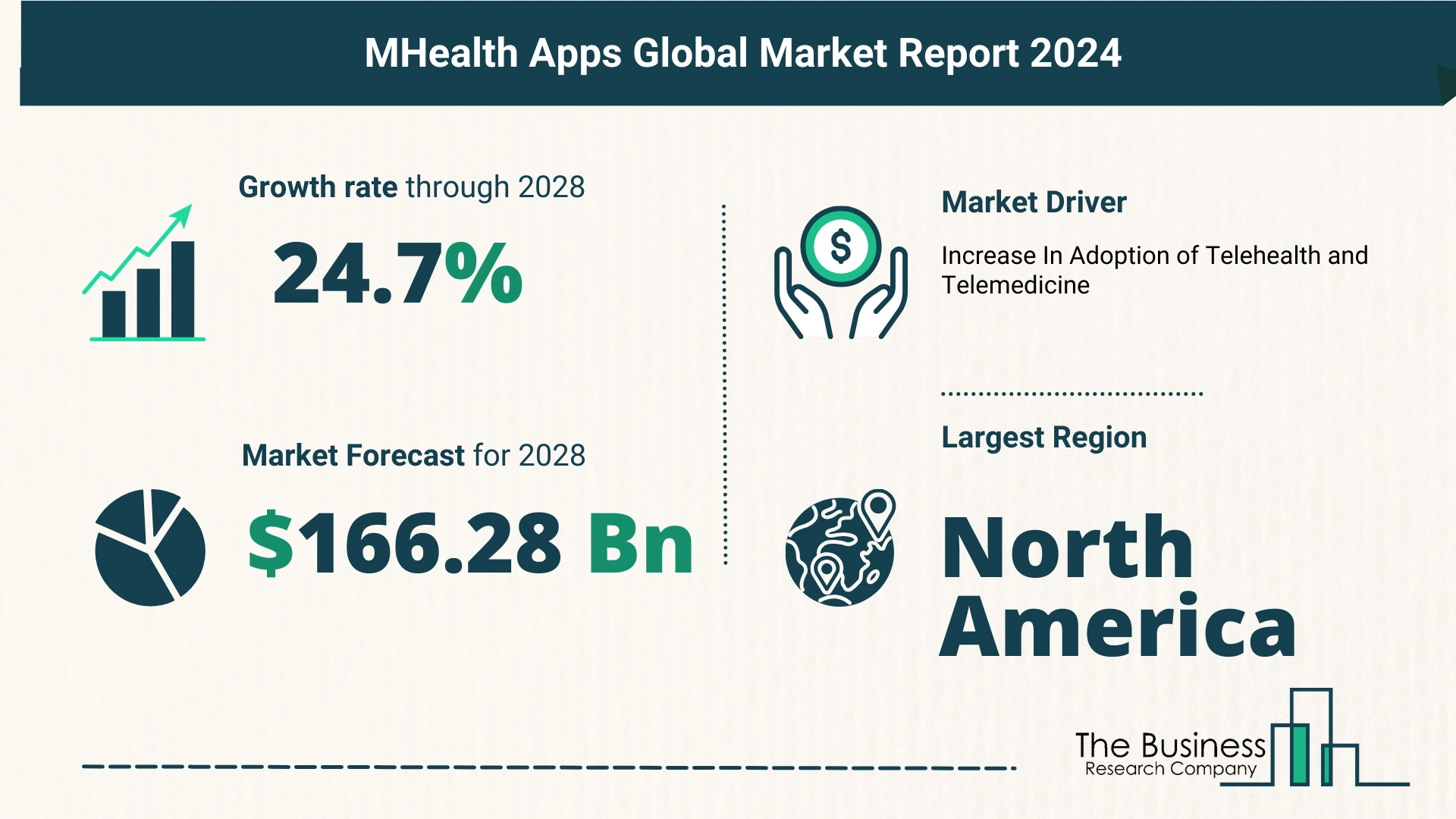
    The mHealth apps market has witnessed exponential growth in recent years, ballooning from $55.32 billion in 2023 to an anticipated $68.77 billion in 2024. This represents a compound annual growth rate (CAGR) of 24.3%.

     Data Security & Privacy: Enhanced measures have bolstered user confidence.

    Rising Healthcare Costs: Increased costs have pushed both providers and patients toward more cost-effective solutions.

    Patient Engagement: There’s been a significant shift towards patient-driven healthcare.

    Provider Adoption: Healthcare providers are integrating mHealth apps into their services.

    Chronic Disease Management: These apps are vital for managing chronic conditions.

    Future Projections: A Continued Upward Trajectory

    The market is expected to continue its robust growth, reaching $166.28 billion by 2028 with a CAGR of 24.7%.

     User Privacy & Security: Ongoing concerns will drive innovations.

    Healthcare Policy Changes: Policies favoring digital health solutions will boost growth.

    Consumer Behavior Shifts: Increasing acceptance and reliance on digital health tools.

    Integration with Wearables: Seamless integration with devices will enhance functionality.

    Telemedicine Expansion: The rise of telemedicine will complement mHealth app growth.

    Major Trends to Watch

    Gamification and Engagement: Using game elements to enhance user engagement.

    Preventive Healthcare Solutions: Apps focusing on prevention rather than treatment.

    Healthcare Accessibility: Improving access to healthcare services through mobile apps.

    Behavioral Health and Mental Wellness: Growing focus on mental health.

    Wearable Device Integration: Enhanced data collection and user interaction through wearables.

    Driving Forces Behind the Popularity of mHealth Apps

    The popularity of mHealth apps is soaring due to their significant benefits in improving patient care and disease management.

     Patient Monitoring: These apps enable continuous health monitoring.

    Ease of Access: Patients have easy access to health information.

    Education and Self-Monitoring: Healthcare professionals use these apps to educate patients and promote self-monitoring.

    Public Adoption: Nearly 64% of adults in the U.S. regularly use health apps.

    Market Presence: The Google Play store features a substantial number of mHealth apps.

    View More On The mHealth Apps Market Report 2024 – https://www.thebusinessresearchcompany.com/report/mhealth-apps-global-market-report

     Key Industry Players

    Prominent companies in the mHealth apps market include:

     Apple Inc.

    Pfizer Inc.

    Johnson & Johnson

    Sony Corporation

    1. Hoffmann-La Roche Ltd.

    Merck & Co Inc.

    Novartis AG

    Sanofi

    Bristol-Myers Squibb Company

    Technological Advancements: AI and 5G Transforming mHealth

    Artificial intelligence (AI) and 5G technology are revolutionizing the mHealth app market by enhancing customer experiences and streamlining services.

     AI Integration: AI improves customer service and solves network complexities.

    5G Adoption: Enables faster and more reliable app performance.

    AI-Powered Solutions: Google’s AI-powered search capabilities streamline access to clinical information, demonstrating the potential of AI in healthcare.

    Case Study: Google’s AI-Powered Search

    In October 2023, Google launched an AI-powered search tool to improve healthcare professionals’ access to clinical information, tested with organizations like Mayo Clinic and Highmark Health.

     Strategic Acquisitions: Philips and BioTelemetry Inc.

    In February 2021, Philips acquired BioTelemetry Inc. to enhance its healthcare offerings, particularly in cardiac diagnostics and patient care management.

     Integrated Solutions: The acquisition aims to deliver comprehensive care solutions.

    Cardiac Monitoring: Expanding Philips’ portfolio in cardiac health management.

    Market Segmentation and Regional Insights

    The mHealth apps market is diverse and segmented by various criteria:

     By App Type: Disease and treatment management, wellness management, other app types.

    By Connected Medical Devices: Heart rate meters, wearable fitness sensors, blood pressure monitors, pulse oximeters, other devices.

    By Application: Monitoring services, fitness solutions, diagnostic services, treatment services, other applications.

    By End-User: Physicians, patients, insurance companies, research centers, pharmacies, biopharmaceutical companies, government, tech companies, other end-users.

    Regional Growth

    North America: The largest market in 2023.

    Asia-Pacific: Expected to be the fastest-growing region in the coming years.

    Conclusion

    The mHealth apps market is on a trajectory of rapid growth, driven by technological advancements, strategic acquisitions, and increasing consumer adoption. As privacy concerns, policy changes, and wearable integration continue to evolve, the market is poised for sustained expansion, revolutionizing healthcare delivery and patient engagement worldwide.

    Request A Sample Of The Global mHealth Apps Market Report 2024:
    https://www.thebusinessresearchcompany.com/sample_request?id=6519&type=smp

  • Future Growth Forecast For The Non-Alcoholic Steatohepatitis (NASH) Global Market 2024-2033

    Future Growth Forecast For The Non-Alcoholic Steatohepatitis (NASH) Global Market 2024-2033

    The Business Research Company’s global market reports provide comprehensive analysis on the various markets in 27 industries across 60 geographies.

    The market for non-alcoholic steatohepatitis (NASH) has seen remarkable growth in recent years and is poised for even greater expansion. This blog delves into the factors driving this growth, key trends, and the major players shaping the future of NASH treatment.

    Rapid Market Expansion
    Historic Growth

    2023 Market Size: $3.33 billion

    2024 Projection: $4.54 billion

    CAGR: 36.3%

    The historic growth of the NASH market can be attributed to:

    Rising prevalence of NASH

    Obesity epidemic

    Growing awareness and diagnoses

    Shift in lifestyle and dietary patterns

    Healthcare infrastructure development

    View More On The Non-Alcoholic Steatohepatitis (NASH) Market Report 2024 – https://www.thebusinessresearchcompany.com/report/non-alcoholic-steatohepatitis-nash-global-market-report

    Future Growth
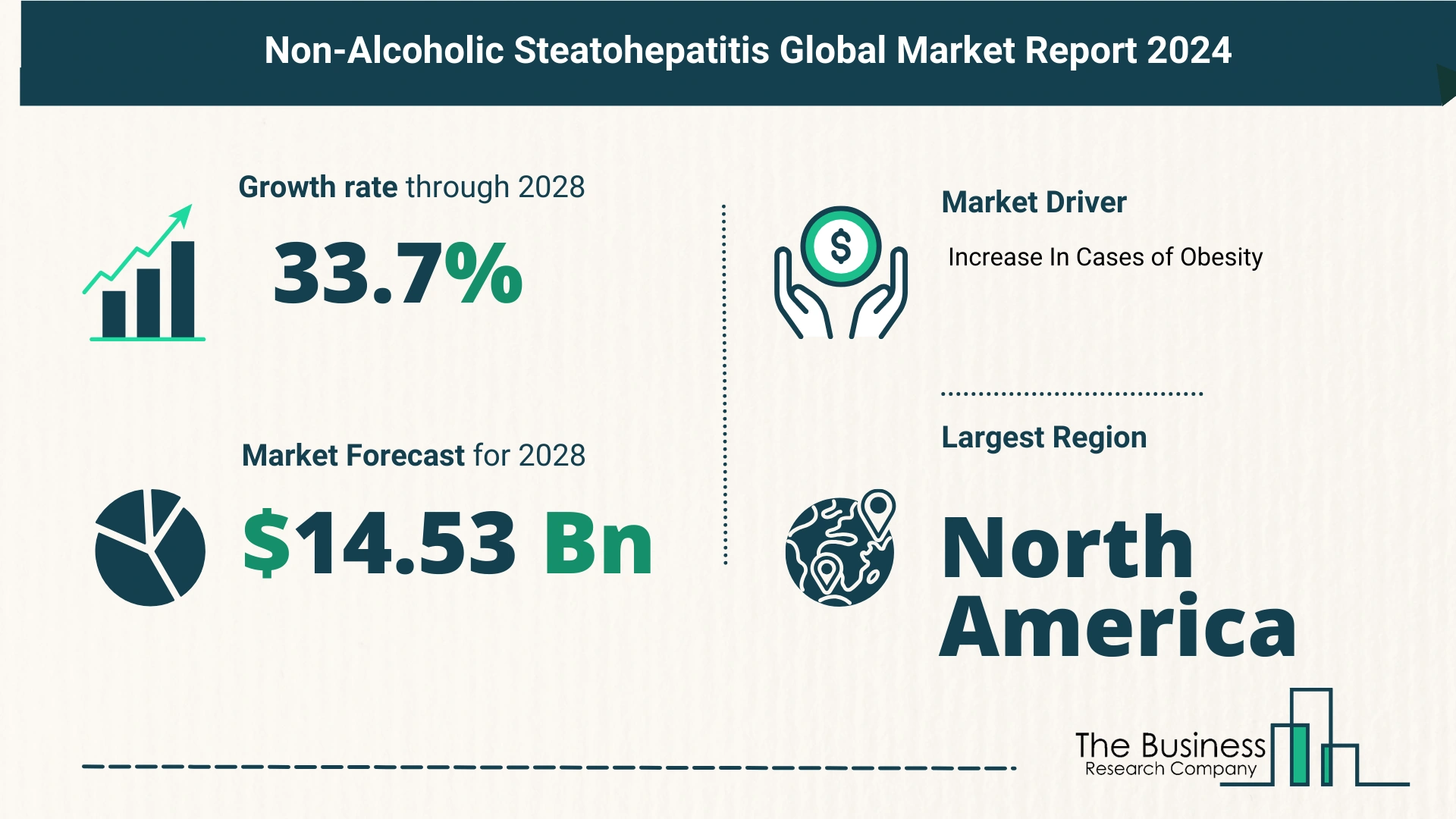
    2028 Projection: $14.53 billion

    CAGR: 33.7%

    Key drivers for future growth include:

    Advancements in NASH drug development

    Increasing NASH screening initiatives

    Rising healthcare expenditure

    Collaborative research efforts

    Government support and regulations

    Key Trends in the NASH Market
    Technological Advances

    Technological innovation is a major trend in the NASH market. Companies are focusing on developing advanced diagnostic tools and treatments.

    Example: In May 2021, GENFIT Inc. launched NASHnext, a non-invasive test for diagnosing NASH using the NIS4TM screening technology.

    Lifestyle Interventions and Patient Education

    There is a growing emphasis on lifestyle changes and educating patients about NASH.

    Focus on lifestyle interventions

    Increased patient education programs

    Regulatory Advancements

    Regulatory support is playing a crucial role in market growth.


    New pathway designations

    Streamlined approval processes

    Integration of AI

    Artificial intelligence is being increasingly used for diagnosis and monitoring of NASH.


    AI tools for early detection

    AI-driven monitoring systems

    The Impact of the Obesity Epidemic

    Rising Obesity Rates

    The obesity epidemic is a significant factor driving the demand for NASH treatments.


    Obesity Statistics: According to the World Obesity Federation, over 60% of US adults were overweight in 2021. Projections indicate that obesity rates could reach 44.2% for men and 44.4% for women by 2025.

    NASH and Obesity

    The increasing prevalence of obesity leads to higher rates of non-alcoholic fatty liver disease (NAFLD) and subsequently NASH, necessitating effective treatments.


    NASH as a leading cause of severe liver disease

    Growing need for NASH drugs and treatments

    Major Players in the NASH Market
    Several key companies are driving innovation and growth in the NASH market:

    NGM Biopharmaceuticals Inc.

    Novartis AG

    AstraZeneca plc.

    GlaxoSmithKline plc.

    1. Hoffmann-La Roche AG

    The Takeda Pharmaceutical Company Limited

    Gilead Sciences Inc.

    Novo Nordisk A/S

    Genfit SA

    Intercept Pharmaceuticals Inc.

    Enanta Pharmaceuticals Inc.

    Blade Therapeutics Inc.

    Cempra Pharmaceuticals Inc.

    Galmed Pharmaceuticals Inc.

    Strategic Acquisitions
    Advanz Pharma’s Acquisition of Intercept Pharmaceuticals

    In July 2022, Advanz Pharma acquired Intercept Pharmaceuticals, aiming to enhance its presence in rare disease treatments.

    Objective: To leverage the orphan medicine Ocaliva (obeticholic acid) for treating primary biliary cholangitis (PBC).

    Market Segmentation
    The NASH market is segmented into various types, products, disease causes, sales channels, and applications:

    Type: Solid, Liquid

    Product: Vitamin E and Pioglitazone, Ocaliva, Elafibranor, Selonsertib and Cenicriviroc, Other Products

    Disease Cause: Hypertension, Heart Disease, High Blood Lipid, Type 2 Diabetes, Obesity

    Sales Channel: Hospital Pharmacy, Retail Pharmacy, Online Provider

    Application: Oral, Parenteral

    Regional Insights
    North America

    North America was the largest region in the NASH market share in 2023, driven by robust healthcare infrastructure and high obesity rates.

    The non-alcoholic steatohepatitis (NASH) market is experiencing unprecedented growth, fueled by technological advancements, rising obesity rates, and strategic industry moves. As awareness and diagnosis of NASH increase, the market is set to expand significantly, offering new opportunities and challenges for stakeholders.

    Request A Sample Of The Global Non-Alcoholic Steatohepatitis (NASH) Market Report 2024:
    https://www.thebusinessresearchcompany.com/sample_request?id=8805&type=smp

  • 5 Key Insights On The Mental Wellness Market 2024

    5 Key Insights On The Mental Wellness Market 2024

    The Business Research Company’s global market reports are now updated with the latest market sizing information for the year 2024 and forecasted to 2033

    As per The Business Research Company’s Mental Wellness Global Market Report 2024, the mental wellness market is expected to show significant growth in the forecast period.

    The mental wellness market has seen significant growth in recent years, with projections indicating continued expansion. This blog explores the key drivers behind this growth, major trends shaping the market, and notable innovations and acquisitions.

    Strong Market Growth

    Current Market Size: The mental wellness market was valued at $160.3 billion in 2023.

    2024 Projections: Expected to grow to $173.03 billion, reflecting a compound annual growth rate (CAGR) of 7.9%.

    Long-term Forecast: Anticipated to reach $235.72 billion by 2028, with a CAGR of 8.0%.

    Drivers of Growth

    Increasing Mental Health Awareness

    Awareness Campaigns: Greater public awareness and reduction in stigma around mental health issues.

    Government Initiatives: Programs aimed at mental health promotion and support.

    Corporate Wellness Programs

    Workplace Focus: Companies increasingly prioritizing employee mental health through structured programs.

    Benefits: Improved productivity and reduced absenteeism.

    Telehealth Advancements

    Accessibility: Telehealth makes mental health services more accessible.

    Convenience: Provides a comfortable and private environment for patients.

    View More On The Mental Wellness Market Report 2024 – https://www.thebusinessresearchcompany.com/report/mental-wellness-global-market-report

    Future Growth Factors

    Wearable Devices

    Monitoring: Devices track mental health indicators, offering real-time feedback.

    Prevention: Early detection and preventive measures.

    Global Advocacy

    International Efforts: Collaborative global initiatives promoting mental health.

    Policy Development: Strengthened policies and support systems.

    Preventive Mental Health

    Proactive Approaches: Emphasis on early intervention and prevention.

    Educational Programs: Increased public education on mental wellness practices.

    Virtual Reality Therapy

    Innovative Treatments: VR therapy as a tool for treating various mental health conditions.

    Immersive Experience: Provides controlled environments for therapy.

    Tailored Wellness Solutions

    Personalization: Custom solutions based on individual needs and preferences.

    Effectiveness: Enhanced outcomes through personalized care.

    Major Trends Shaping the Market

    Digital Mental Health Platforms

    Technology Integration: Digital platforms providing accessible mental health support.

    User Engagement: Increased user engagement through interactive and user-friendly interfaces.

    Corporate Mental Health Programs

    Employee Support: Comprehensive mental health programs within corporate environments.

    Wellness Benefits: Programs designed to improve overall employee well-being.

    Integration of Artificial Intelligence (AI)

    AI Applications: Use of AI in diagnosing and treating mental health conditions.

    Efficiency: Improved efficiency and accuracy in mental health care.

    Cultural Diversity and Inclusivity

    Inclusive Practices: Culturally sensitive and inclusive mental health services.

    Broader Reach: Ensuring services are accessible to diverse populations.

    Holistic Wellness Ecosystems

    Comprehensive Care: Integrative approaches combining physical, mental, and emotional health.

    Wellness Communities: Supportive ecosystems promoting overall well-being.

    Rising Disorders Drive Market Expansion

    Increasing Incidence of Mental Health Disorders

    Prevalence: Rising cases of mental health disorders like depression and anxiety.

    Impact on Market: Increased demand for mental wellness services and products.

    Example: UK Statistics

    Youth Mental Health: Proportion of 17- to 19-year-olds with a suspected mental disorder grew from 17.4% in 2021 to 25.7% in 2022.

    Market Response: Expanding mental wellness initiatives to address growing needs.

    Innovative Solutions in the Mental Wellness Market

    Product Innovation

    Example: Swanson Health’s Swanson W/I/O range of nutritional supplements.

    Focus: Products designed to enhance sleep, reduce anxiety, and boost cognition.

    Strategic Acquisitions

    CVS Health and Signify Health: CVS Health acquired Signify Health Inc. for $8 billion in March 2023.

    Value-Based Care: Enhancing CVS Health’s value-based care strategy and expanding its mental health services.

    Market Segmentation

    Types and Services

    Types: Includes senses spaces, sleep aids, brain-boosting nutraceuticals, self-improvement, meditation, and mindfulness.

    Services: Emergency mental health services, outpatient counseling, home-based treatments, inpatient hospital treatment services, and more.

    Demographics and Disorders

    Age Groups: Services tailored for adults, geriatrics, and teenagers.

    Disorders: Covering depression, anxiety, schizophrenia, substance use disorder, bipolar disorder, PTSD, eating disorders, and more.

    Regional Insights

    North America: Leading region in the mental wellness market in 2023.

    The mental wellness market is poised for continued growth, driven by technological advancements, increased awareness, and a focus on holistic and inclusive approaches. With ongoing innovation and strategic expansions, the market is set to provide comprehensive and accessible mental health solutions worldwide.

    Request A Sample Of The Global Mental Wellness Market Report 2024:
    https://www.thebusinessresearchcompany.com/sample_request?id=10519&type=smp

  • Key Takeaways From The Global Neutropenia Biologic Drug Treatment Market Forecast 2024

    Key Takeaways From The Global Neutropenia Biologic Drug Treatment Market Forecast 2024

    The Business Research Company’s global market reports are now updated with the latest market sizing information for the year 2024 and forecasted to 2033

    As per The Business Research Company’s Neutropenia Biologic Drug Treatment Global Market Report 2024, the neutropenia biologic drug treatment market is expected to show significant growth in the forecast period.

    Recent Growth
    Market Size Increase: From $13.22 billion in 2023 to $14.08 billion in 2024.

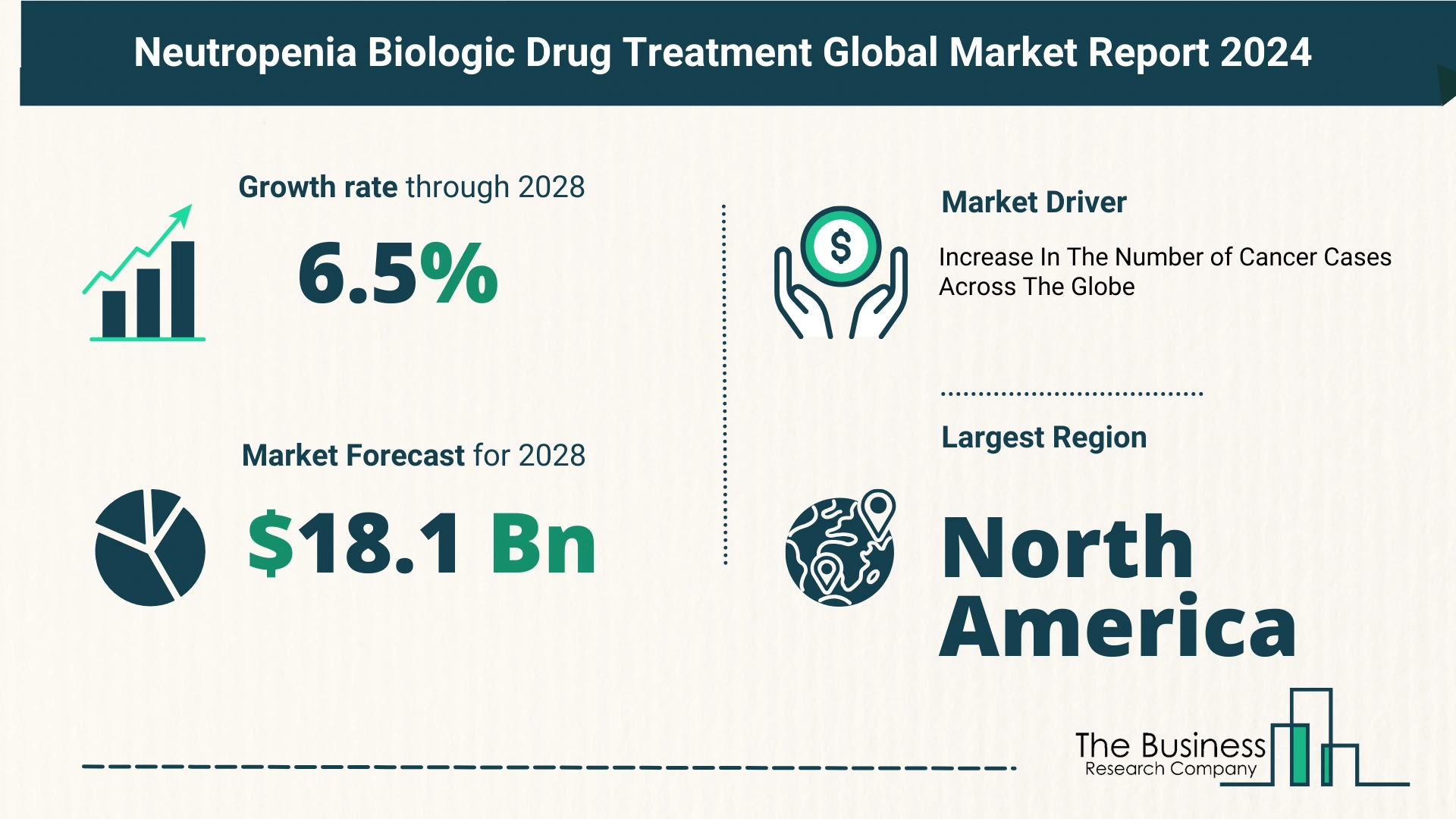
    CAGR: A steady growth rate of 6.5%.

    Historical Growth Drivers
    Market Access and Reimbursement: Enhanced policies enabling better access.

    Patient Advocacy and Awareness: Increased education and support for patients.

    Physician Education and Training: Improved knowledge among healthcare providers.

    Biologic Drug Development: Advances in drug development techniques.

    Clinical Trial Success: Successful trials boosting market confidence.

    View More On The Neutropenia Biologic Drug Treatment Market Report 2024 – https://www.thebusinessresearchcompany.com/report/neutropenia-biologic-drug-treatments-global-market-report

    Future Market Prospects
    Expected Growth

    Projected Market Size: Expected to reach $18.1 billion by 2028.

    CAGR: Continuation at 6.5%.

    Future Growth Drivers

    Healthcare Cost Management: Efforts to reduce overall healthcare expenses.

    Patient-Centric Care Models: Focus on individualized patient care.

    Combination Therapies Development: Innovative therapeutic combinations.

    Regulatory Changes and Approvals: Favorable regulatory environment.

    Personalized Medicine Approaches: Tailored treatments for better outcomes.

    Major Trends
    Global Market Accessibility: Improved access across different regions.

    Advancements in Manufacturing Techniques: More efficient production processes.

    Treatment Protocol Streamlining: Simplified and effective treatment methods.

    Biosimilar Adoption: Increased use of cost-effective biosimilars.

    Development of Long-Acting Formulations: Drugs with prolonged efficacy.

    Cancer Epidemic Driving Demand

    Rise in Cancer Incidence

    Growing Cancer Cases: Increasing global cancer incidence.

    Neutropenia and Chemotherapy: More chemotherapy leading to higher neutropenia cases.

    US Cancer Statistics

    2022 Projections: 1.9 million new diagnoses and 609,360 deaths.

    Common Cancer Types: Lung, prostate, bowel, and breast cancer (43% of cases).

    Market Impact

    Boost in Demand: Higher cancer rates likely to drive the market.

    Market Players
    Key Companies

    Major Corporations: CVS Health Corporation, Pfizer Inc., Novartis International AG, Sanofi SA, and others.

    Biocon Biologics and Viatris: Example of strategic acquisitions to enhance capabilities.

    Company Strategies

    Acquisitions: Biocon Biologics’ acquisition of Viatris for market expansion.

    Biosimilar Development: Biocon’s Abevmy (bevacizumab) launch to provide cost-effective treatments.

    Challenges and Biosimilar Onslaught

    Impact of Biosimilars
    Cost-Effectiveness: Biosimilars priced at 70% of branded drugs.

    Market Share: Potential to replace expensive branded drugs.

    Example Case

    Biocon and Viatris Collaboration: Launch of biosimilar Abevmy (bevacizumab) for cancer treatment.

    Market Segmentation
    By Drug Type

    Types: Filgrastim, Pegfilgrastim, Lenograstim, Lipegfilgrastim, Sargramostim.

    By Treatment Type

    Categories: Antibiotic Drugs, Granulocyte-Colony-Stimulating Factor (G-CSF), Antifungal Drugs, Other Treatments.

    By Distribution Channel

    Channels: Retail Pharmacies, Hospital Pharmacies, Online Pharmacies.

    Geographic Insights
    North America

    Leading Region: Largest market share in 2023.

    Conclusion
    The neutropenia biologic drug treatment market is poised for continued growth, driven by increasing cancer incidence and advancements in healthcare and drug development. Despite the challenges posed by biosimilars, the market is set to expand, offering improved and cost-effective treatments for patients worldwide.

    Request A Sample Of The Global Neutropenia Biologic Drug Treatment Market Report 2024:
    https://www.thebusinessresearchcompany.com/sample_request?id=3456&type=smp