Month: June 2024

  • What Is The Forecast Growth Rate For The Medical Devices Reimbursement Market?

    What Is The Forecast Growth Rate For The Medical Devices Reimbursement Market?

    The Business Research Company’s market reports offer an in-depth analysis on the market’s growth potential, major drivers, key trends and more.

    The medical devices reimbursement market has experienced substantial growth driven by evolving healthcare policies and technological advancements. This blog explores the current trends, growth projections, and key factors shaping the medical device reimbursement landscape.

    Current Market Dynamics

    • Strong Growth: Market size expected to grow from $549.53 billion in 2023 to $602.26 billion in 2024, with a CAGR of 9.6%.
    • Factors Driving Growth:
      • Government healthcare policies
      • Increased disease burden
      • Patient access and affordability
      • Healthcare cost containment measures
      • Provider and payer collaborations
      • Regulatory compliance enhancements

    Future Growth Outlook

    • Continued Expansion: Anticipated growth to $846.62 billion by 2028, with a CAGR of 8.9%.
    • Key Drivers:
      • Adoption of value-based healthcare models
      • Rising demand for precision medicine
      • Global health security initiatives
      • Focus on patient-centric care
      • Collaboration with health technology assessment (HTA)
      • Government investments in healthcare infrastructure

    Read More On The Medical Devices Reimbursement Market Report 2024 – https://www.thebusinessresearchcompany.com/report/medical-devices-reimbursement-global-market-report

    Emerging Trends in the Market

    • Integration of Digital Health Technologies: Use of EMRs and telemedicine to enhance healthcare delivery.
    • Collaborative Agreements Between Manufacturers and Payers: Partnerships to streamline reimbursement processes and improve patient access.
    • Focus on Real-World Evidence (RWE) and Health Economics Data: Utilization of data analytics to optimize reimbursement strategies.
    • Adoption of Pay-for-Performance Models: Incentivizing healthcare providers based on patient outcomes.
    • Implementation of Value Assessment Frameworks: Standardizing methods to assess the value of medical devices and treatments.
    • Advancements in Risk-Sharing Agreements: Sharing risks between payers and manufacturers to manage healthcare costs effectively.

    Minimally Invasive Surgery Driving Market Growth

    • Demand Surge: Growing popularity of minimally invasive surgeries (MIS) due to reduced patient recovery time and healthcare costs.
    • Example: Plastic surgeons reported a significant increase in procedures globally, underscoring the market’s growth potential.

    Technological Innovations in Electronic Medical Records (EMRs)

    • Enhanced Efficiency: Development of hybrid cloud-based EMR systems facilitating seamless integration of patient data.
    • Example: Wemex Corporation’s launch of Medicom-HRf hybrid cloud system supports location-free operations and comprehensive patient management.

    Strategic Acquisitions in the Market

    • Centene Corporation’s Acquisition of Magellan Health Inc.: Aimed at enhancing healthcare solutions and reimbursement management capabilities.
    • Strategic Benefits: Strengthening Centene’s position in managing complex health treatments and improving cost efficiencies.

    Market Segmentation

    • By Payer: Public and Private sectors influencing reimbursement policies.
    • By Claims: Underpaid and Full reimbursement claims management.
    • By Healthcare Setting: Utilization in Hospitals, Outpatient Facilities, and other healthcare settings.

    Regional Insights

    • North America: Largest market region in 2023, driven by advanced healthcare infrastructure and regulatory frameworks.

    Conclusion

    The medical devices reimbursement market is poised for significant growth, fueled by technological advancements, regulatory support, and evolving healthcare models. As stakeholders navigate complex reimbursement landscapes, innovations in digital health, strategic partnerships, and data-driven insights will play pivotal roles in shaping future healthcare delivery. By embracing these trends and leveraging collaborative strategies, the industry can enhance patient outcomes, optimize healthcare costs, and ensure sustainable growth in the global medical devices reimbursement market.

    Request for A Sample Of The Global Medical Devices Reimbursement Market Report:
    https://www.thebusinessresearchcompany.com/sample_request?id=13481&type=smp

  • Overview Of The Macular Edema And Macular Degeneration Market 2024-2033: Growth And Major Players Analysis

    Overview Of The Macular Edema And Macular Degeneration Market 2024-2033: Growth And Major Players Analysis

    The Business Research Company’s global market reports are now updated with the latest market sizing information for the year 2024 and forecasted to 2033

    The macular edema and macular degeneration market has exhibited robust growth driven by various factors, including technological advancements and increasing prevalence of diabetes. This blog explores the market dynamics, growth drivers, and innovations shaping the industry’s trajectory.

    Market Growth Dynamics

    Recent Growth Trends

    • Market Size (2023): $8.84 billion
    • Projected Size (2024): $9.65 billion
    • CAGR (2023-2024): 9.1%
    • Key Drivers:
      • Aging population
      • Prevalence of diabetes
      • Awareness and early diagnosis
      • Pharmaceutical innovations
      • Patient advocacy and support

    Future Growth Prospects

    • Projected Size (2028): $12.84 billion
    • CAGR (2024-2028): 7.4%
    • Key Drivers:
      • Personalized medicine approaches
      • Rising awareness in emerging markets
      • Focus on combination therapies
      • Integration with teleophthalmology services
      • Global aging demographics

    View More On The Macular Edema And Macular Degeneration Market Report 2024 – https://www.thebusinessresearchcompany.com/report/macular-edema-and-macular-degeneration-global-market-report

    • Major Trends:
      • Sustained-release drug delivery
      • Integration of gene therapies
      • Novel imaging technologies
      • Personalized treatment based on biomarkers
      • Teleophthalmology for remote monitoring
      • Advancements in AI for diagnostics

    Diabetes Impact: Driving Market Growth

    Impact of Diabetes

    • Role: Primary driver for macular edema and degeneration.
    • Diabetes Prevalence: Over 5 million diagnosed cases in the UK alone.
    • Risk Factors: High glucose levels damage eye blood vessels.
    • Market Response: Increasing demand for treatments targeting diabetic complications.

    Key Market Players

    • Companies: F. Hoffmann La Roche Ltd., AbbVie Inc., Bayer AG, Novartis AG, GlaxoSmithKline PLC, Amgen Inc., Regeneron Pharmaceuticals Inc., Biogen Inc., Bausch Health Companies Inc., Clover Therapeutics Inc., Santen Pharmaceutical Co. Ltd., Samsung Bioepis Inc., PanOptica Inc., Regen X Bio Inc., Aerie Pharmaceutical Inc.

    Innovations Driving Market Advancement

    Innovative Medication Advancements

    • Example: Vabysmo (faricimab-svoa) by Genentech Inc.
      • Description: Bispecific antibody targeting VEGF and Ang-2.
      • Approval: FDA approved for nAMD and DME.
      • Impact: Sets new standards in treating macular diseases.

    Strategic Partnerships for Innovation

    • Collaboration: Curacle Co. and Théa Open Innovation (TOI)
      • Focus: Development of CU06-RE for wet AMD and DME.
      • Investment: $6 million initial funding, with potential $157.5 million for further development.
      • Objective: Enhance treatment options through novel therapies.

    Market Segmentation

    By Treatment Type

    • Drug Therapy
    • Laser Treatment

    By Application

    • Macular Edema
    • Diabetic Macular Edema (DME)
    • Cystoid Macular Edema (CME)
    • Macular Degeneration
      • Dry age-related macular degeneration
      • Wet age-related macular degeneration

    By End User

    • Hospitals
    • Clinics
    • Other End Users

    Regional Insights

    • Leading Region (2023): North America
    • Fastest-Growing Region (Forecast): Asia-Pacific

    The macular edema and macular degeneration market continues to expand rapidly, driven by innovations in treatment methodologies and increasing healthcare awareness globally. With advancements in personalized medicine and technology, the industry is poised to address complex eye health challenges effectively, ensuring improved patient outcomes and enhanced quality of life.

    Request A Sample Of The Global Macular Edema And Macular Degeneration Market Report 2024:
    https://www.thebusinessresearchcompany.com/sample_request?id=13479&type=smp

  • How Is The Left Atrial Appendage Closure Device Market Expected To Grow Through 2024-2033

    How Is The Left Atrial Appendage Closure Device Market Expected To Grow Through 2024-2033

    The Business Research Company’s global market reports are now updated with the latest market sizing information for the year 2024 and forecasted to 2033

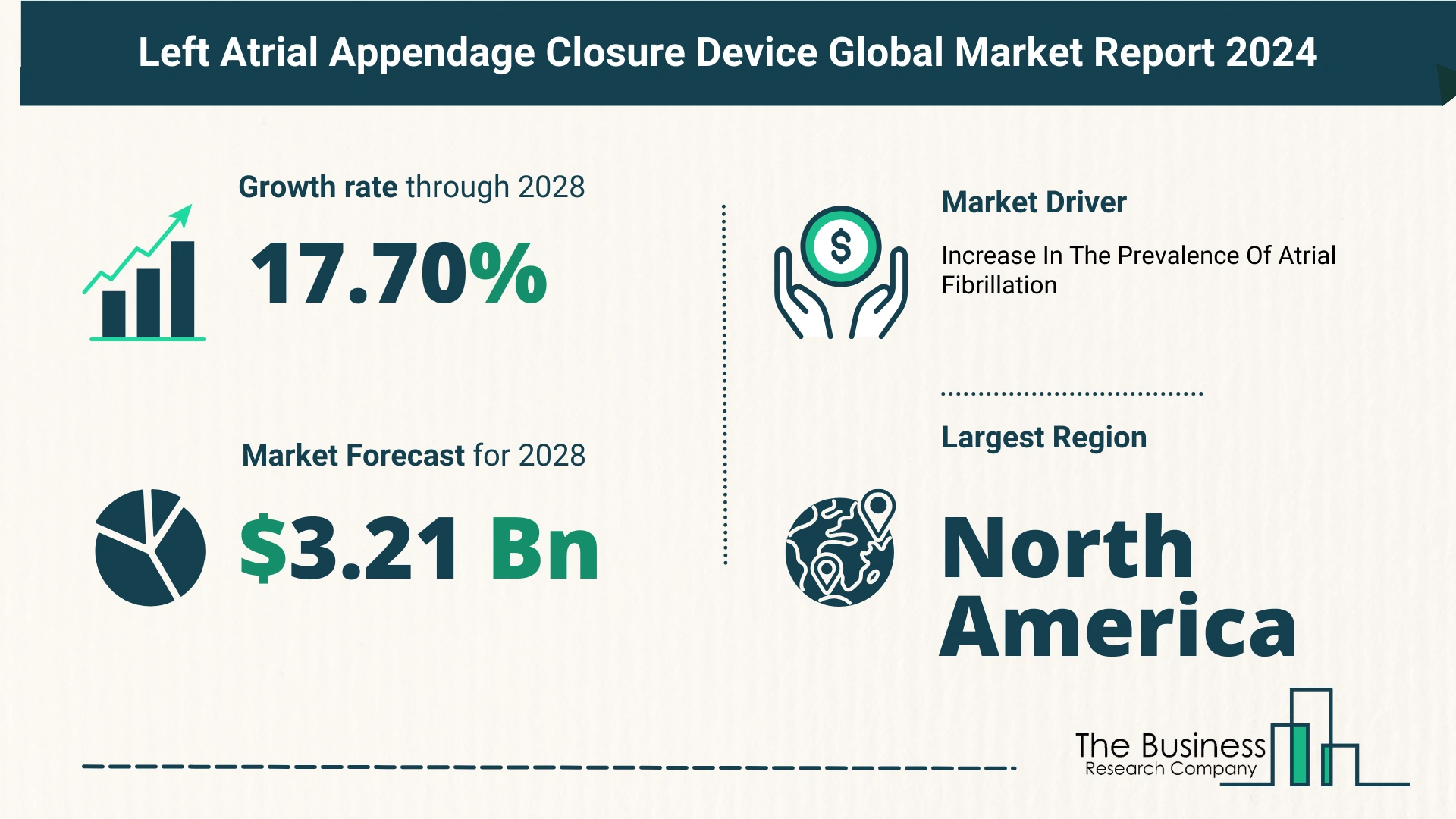
    According to The Business Research Company’s Left Atrial Appendage Closure Device Global Market Report 2024, the left atrial appendage closure device market is expected to show promising growth in the forecast period.

    The left atrial appendage closure device market has witnessed exponential growth in recent years, driven by increasing prevalence of atrial fibrillation and advancements in medical technology. This blog explores the current market dynamics, projected growth, key drivers, major innovations, notable acquisitions, and market segmentation.

    Current Market Dynamics

    Exponential Growth

    • The market is set to grow from $1.39 billion in 2023 to $1.67 billion in 2024.
    • This represents a remarkable compound annual growth rate (CAGR) of 20.1%.

    Drivers in the Historical Period

    • Prevalence of Atrial Fibrillation: Rising incidence of irregular heartbeats.
    • Stroke Prevention Strategies: Focus on reducing stroke risk in high-risk patients.
    • Clinical Evidence and Research: Increasing validation of LAA closure devices.
    • Minimally Invasive Alternatives: Preference for non-pharmacological treatment options.
    • Aging Population: Higher incidence of atrial fibrillation among elderly.
    • Physician Training and Expertise: Growing proficiency in device implantation.

    View More On The Left Atrial Appendage Closure Device Market Report 2024 – https://www.thebusinessresearchcompany.com/report/left-atrial-appendage-closure-device-global-market-report

    Future Market Projections

    Rapid Growth Anticipated

    • By 2028, the market is expected to reach $3.21 billion with a CAGR of 17.7%.

    Drivers in the Forecast Period

    • Global Burden of Atrial Fibrillation: Increasing prevalence worldwide.
    • Stroke Prevention Focus: Strategies to mitigate stroke risk effectively.
    • Expanding Patient Awareness: Greater patient education and awareness campaigns.
    • Integration into Clinical Practice: Standardization of LAA closure as a treatment option.
    • Global Cardiovascular Disease Management Efforts: Enhanced healthcare initiatives.

    Major Trends

    • Percutaneous Closure Techniques: Advancements in less invasive procedures.
    • Device Design Innovations: Next-generation improvements for efficacy and safety.
    • Imaging Technology Utilization: Enhanced precision during device placement.
    • Minimally Invasive Approaches: Reduced recovery times and improved patient outcomes.
    • Tailored Device Selection: Customized solutions based on patient-specific anatomy.

    Rising Prevalence of Atrial Fibrillation Drives Market Growth

    Impact of Atrial Fibrillation

    • Atrial fibrillation significantly increases the risk of stroke.
    • LAA closure devices mitigate stroke risk by preventing blood clot formation in the heart’s left atrial appendage.
    • In the US alone, atrial fibrillation is projected to affect 12.1 million people by 2030, driving device adoption.

    Industry Example

    • Centers for Disease Control and Prevention data highlights atrial fibrillation as a leading cause of hospital admissions.
    • This underscores the critical need for effective stroke prevention measures, boosting the LAA closure device market.

    Key Players in the LAA Closure Device Market

    Leading Innovators

    • Johnson And Johnson Pvt Ltd.
    • Abbott Laboratories
    • Medtronic plc.
    • Boston Scientific Corporation
    • Gore Medical Inc.
    • Lepu Medical Technology Co. Ltd.
    • AtriCure Inc.
    • MicroPort Scientific Corporation
    • Dune Medical Devices Ltd.

    Breakthrough Innovations Driving Market Expansion

    Advancements in Device Technology

    • Companies like Boston Scientific have developed the Watchman FLX device.
    • The Watchman FLX offers a flexible, minimally invasive alternative to oral anticoagulation therapy.
    • FDA approval in 2022 underscores its efficacy in stroke prevention for patients with non-valvular atrial fibrillation.

    Industry Acquisition Impact

    • Boston Scientific’s acquisition of Baylis Medical enhances its cardiology market presence.
    • Baylis Medical’s transseptal access solutions complement LAA closure and atrial fibrillation ablation therapies.
    • This strategic move strengthens Boston Scientific’s comprehensive cardiovascular care offerings.

    Market Segmentation

    Comprehensive Market Scope

    1. By Product
      • Epicardial Left Atrial Appendage (LAA) Devices
      • Endocardial Left Atrial Appendage (LAA) Devices
    2. By Procedure
      • Percutaneous
      • Surgical
    3. By End-User
      • Hospital
      • Ambulatory Surgical Centers
      • Other End-Users

    Regional Insights

    Leading Regions

    • North America dominated the market in 2023, driven by advanced healthcare infrastructure and high incidence rates of atrial fibrillation.
    • Asia-Pacific is expected to exhibit significant growth, supported by rising healthcare investments and increasing adoption of advanced medical technologies.

    The left atrial appendage closure device market continues to evolve rapidly, fueled by technological innovations, expanding patient populations, and strategic acquisitions. As healthcare systems prioritize effective stroke prevention and patient-centric care, the demand for advanced LAA closure solutions is poised to grow, offering promising opportunities for industry stakeholders and improving patient outcomes globally.

    Request A Sample Of The Global Left Atrial Appendage Closure Device Market Report 2024:
    https://www.thebusinessresearchcompany.com/sample_request?id=13474&type=smp

  • Future Growth Forecast For The Laryngeal Mask Global Market 2024-2033

    Future Growth Forecast For The Laryngeal Mask Global Market 2024-2033

    The Business Research Company’s global market reports provide comprehensive analysis on the various markets in 27 industries across 60 geographies.

     Market Growth Overview

    The laryngeal mask market has experienced rapid growth, expanding from $2.08 billion in 2023 to $2.33 billion in 2024 at a CAGR of 12.2%.

    • Historic Growth Drivers:
      • Increasing Surgical Procedures: Rise in both aesthetic and medical surgeries.
      • Respiratory Disorders: Growing prevalence globally.
      • Material Science Improvements: Enhanced materials for better performance.
      • Global Aging Population: Higher medical intervention needs.
      • Focus on Patient Safety: Adoption of safer medical practices.

    Future Market Projections

    The market is expected to continue its rapid growth, reaching $3.64 billion in 2028 at a CAGR of 11.8%.

    • Forecast Growth Factors:
      • Integration of Artificial Intelligence: Enhancing procedural accuracy.
      • Ambulatory Surgical Centers Growth: Surge in outpatient procedures.
      • Awareness and Training Programs: Improving adoption among healthcare providers.
      • Emergency Medicine Applications: Expanded use in critical care settings.
      • Focus on Sustainable Materials: Eco-friendly product innovations.

    View More On The Laryngeal Mask Market Report 2024 – https://www.thebusinessresearchcompany.com/report/laryngeal-mask-global-market-report

    • Major Trends:
      • 3D Printing Technology: Customized mask production for better fit.
      • Enhanced Seal and Ventilation Features: Improved patient outcomes.
      • Adoption of Eco-friendly Materials: Meeting sustainability goals.
      • Telemedicine-Compatible Masks: Facilitating remote medical consultations.

    Rising Number Of Surgical Procedures Fuels Market Growth

    Increased surgical interventions are pivotal in driving market expansion.

    • Surgical Procedures Growth:
      • Applications: General anesthesia surgeries requiring airway management.
      • Market Impact: Demand surge for effective airway management solutions.

    Key Market Players and Strategic Collaborations

    Focus on Strategic Collaboration for Competitive Edge

    Companies are leveraging partnerships to enhance market presence and capabilities.

    • Teleflex Incorporated Collaborations:
      • Premier Inc. Partnership: Special rates on laryngeal mask airways and anesthesia products.
      • Insighters Medical Technology Partnership: Exclusive distribution of Insighters Video Laryngoscope System.

    Medline Industries Expands Product Portfolio

    Strategic acquisitions bolster product offerings and market reach.

    • Asid Bonz GmbH Acquisition:
      • Objective: Expand European market presence in medical consumables.
      • Product Range: Includes laryngeal masks and other surgical supplies.

    Market Segmentation

    The laryngeal mask market is segmented by:

    • Type:
      • Reusable laryngeal masks
      • Disposable laryngeal masks
    • Patient Type:
      • Children
      • Adult
      • Geriatric
    • End User:
      • Hospitals
      • Clinics
      • Ambulatory Surgical Centers
      • Other End-Users

    Regional Insights

    • North America Dominance: Largest region in 2023, driven by advanced healthcare infrastructure.
    • Asia-Pacific Growth: Fastest-growing region, fueled by rising healthcare investments and surgical volumes.

    Conclusion

    The laryngeal mask market is poised for robust growth driven by advancements in surgical technologies, increasing healthcare expenditures, and the growing prevalence of respiratory disorders. Innovations such as AI integration, 3D printing, and sustainable materials are reshaping the industry landscape, catering to evolving healthcare needs globally. Strategic collaborations and acquisitions among key players further enhance market competitiveness and expand product portfolios. As healthcare facilities strive for enhanced patient safety and procedural efficiency, the demand for advanced laryngeal mask solutions is set to escalate, presenting lucrative opportunities for market participants in the coming years.

    Request A Sample Of The Global Laryngeal Mask Market Report 2024:
    https://www.thebusinessresearchcompany.com/sample_request?id=13473&type=smp

  • 5 Key Insights On The Kernicterus Treatment Market 2024

    5 Key Insights On The Kernicterus Treatment Market 2024

    The Business Research Company’s global market reports are now updated with the latest market sizing information for the year 2024 and forecasted to 2033

    As per The Business Research Company’s Kernicterus Treatment Global Market Report 2024, the kernicterus treatment market is expected to show significant growth in the forecast period.

    The kernicterus treatment market has shown steady growth, driven by advancements in care practices and increased awareness. This blog delves into market trends, technological innovations, and growth drivers shaping its expansion.

    Recent Market Growth and Future Projections

    Current Market Size and Growth Rate

    • 2023 Market Size: $2.88 billion
    • 2024 Projection: $2.98 billion
    • CAGR: 3.4%

    Historical growth attributed to improvements in neonatal care, research funding, and clinical trials.

    Future Market Outlook

    • 2028 Projection: $3.29 billion
    • CAGR: 2.6%

    Anticipated growth driven by continuous medical education, global health policies, and government funding.

    Drivers of Market Expansion

    Prevalence of Neonatal Jaundice

    • Impact: Driving demand for kernicterus treatment due to the common occurrence of neonatal jaundice.
    • Statistics: Approximately 1.1 million babies globally develop severe neonatal hyperbilirubinemia each year.

    View More On The Kernicterus Treatment Market Report 2024 – https://www.thebusinessresearchcompany.com/report/kernicterus-treatment-global-market-report

    Technological Innovations

    Wearable Devices for Monitoring

    • Innovation: Development of wearable sensors by Yokohama National University to accurately monitor bilirubin levels.
    • Advantages: Enhanced accuracy and convenience over traditional monitoring methods, transmitting data to smartphones for real-time monitoring.

    Strategic Collaborations

    Moderna’s Partnership for mRNA Therapy

    • Collaboration: Moderna collaborates with the Institute for Life Changing Medicines to develop mRNA therapy for Crigler-Najjar Syndrome Type 1.
    • Objective: Develop a cost-free therapy to treat CN-1, a rare genetic disorder causing severe jaundice in newborns.

    Key Segments of the Kernicterus Treatment Market

    By Treatment

    • Types: Phototherapy, IVIG, Blood Transfusion, Medication, Other Treatments
    • Each treatment method addresses specific symptoms and severity levels of kernicterus.

    By Symptoms

    • Common Symptoms: Jaundice, Unusual Eye Movements, Fever, Poor Feeding, Seizures, Sleepiness
    • Treatment plans tailored based on observed symptoms to ensure effective care.

    By Dosage

    • Administration: Injection, Solution, Other Dosages
    • Varied dosing methods depending on treatment type and patient condition.

    By End Users

    • Settings: Clinic, Hospital, Other End-Users
    • Tailored treatment approaches for different healthcare settings to optimize patient outcomes.

    Regional Insights

    Market Dynamics Across Regions

    • North America: Largest market in 2023, driven by advanced healthcare infrastructure and research investments.
    • Growth Prospects: Asia-Pacific expected to lead growth, supported by increasing healthcare expenditures and improving healthcare access.

    Conclusion

    The kernicterus treatment market continues to expand steadily, driven by advancements in care practices, technological innovations, and strategic collaborations. As wearable devices for monitoring and mRNA therapies for rare disorders like CN-1 illustrate, the industry is at the forefront of innovation to enhance patient care and outcomes. Moving forward, the focus on precision medicine and patient-centric approaches will further drive the adoption of effective treatments for kernicterus worldwide. With increasing global health initiatives and continuous advancements in medical technologies, the future looks promising for further improving outcomes in neonatal care and treating kernicterus effectively.

    Request A Sample Of The Global Kernicterus Treatment Market Report 2024:
    https://www.thebusinessresearchcompany.com/sample_request?id=13470&type=smp

  • Comprehensive Analysis On Size, Share, And Drivers Of The Intestinal Pseudo Obstruction Treatment Market

    Comprehensive Analysis On Size, Share, And Drivers Of The Intestinal Pseudo Obstruction Treatment Market

    The Business Research Company’s global market reports provide comprehensive analysis on the various markets in 27 industries across 60 geographies.

    Strong Market Growth

    • Market Size Increase: The intestinal pseudo-obstruction treatment market has seen robust growth, rising from $23.63 billion in 2023 to $24.98 billion in 2024, reflecting a 5.7% CAGR.
    • Historical Growth Drivers: This growth is driven by a rise in chronic respiratory diseases, increased patient preference and compliance, convenience in self-administration, pediatric applications, and market expansion in allergic rhinitis treatment.

    Future Market Projections

    • Continued Expansion: The market is projected to reach $30.87 billion by 2028, with a CAGR of 5.4%.
    • Key Drivers: Factors such as an increasing geriatric population, rising global respiratory issues, expanding applications in neurological disorders, and personalized medicine trends are expected to drive this growth.
    • Emerging Trends: Advances in formulation technologies, focus on pediatric and geriatric applications, self-administration devices, nasal powder inhalers, and incorporation of biologics and peptides are major trends to watch.

    View More On The Intestinal Pseudo Obstruction Treatment Market Report 2024 – https://www.thebusinessresearchcompany.com/report/intestinal-pseudo-obstruction-treatment-global-market-report

    Impact of Rising Gastrointestinal Disease Prevalence

    • Increasing Cases: The prevalence of gastrointestinal diseases is a significant factor propelling market growth. For instance, gastrointestinal cancers in the US rose by 3.18% in January 2023 compared to 2021.
    • Market Implications: This increase necessitates the development and provision of effective treatments, boosting the demand in the intestinal pseudo-obstruction treatment market.

    Key Players in the Market

    • Major Companies: Notable companies in the market include Pfizer Inc., Johnson & Johnson, Merck & Co Inc., AbbVie Inc., Novartis AG, Sanofi S.A., GlaxoSmithKline PLC, and others.
    • Innovative Solutions: These companies are continually developing novel therapies and treatments to cater to the growing market demands.

    Innovative NHE3 Inhibitor Treatment Therapy

    • New Developments: Companies are developing innovative drug therapies like NHE3 inhibitor treatment therapy.
    • Example: In April 2022, Ardelyx Inc. introduced IBSRELA, an NHE3 inhibitor for irritable bowel syndrome with constipation (IBS-C) in adults, enhancing gastrointestinal motility.

    Strategic Acquisitions

    • Ironwood Pharmaceuticals’ Acquisition: In May 2023, Ironwood Pharmaceuticals acquired VectivBio Holding AG, aiming to improve its innovation pipeline and treatment standards for GI patients.
    • Strategic Benefits: This acquisition is expected to significantly enhance Ironwood’s portfolio for treating severe, rare gastrointestinal conditions, including intestinal pseudo-obstruction.

    Market Segmentation

    • By Condition: The market is segmented into acute and chronic conditions.
    • By Treatment: Treatments include medication, surgery, diet, and other treatment methods.
    • By Diagnosis: Diagnosis methods include physical examination, biopsy, blood tests, gastric emptying tests, imaging tests, and others.
    • By End User: End users are hospitals and clinics, ambulatory care centers, and other end users.

    Regional Insights

    • Leading Region: North America was the largest region in the intestinal pseudo-obstruction treatment market in 2023, driven by advanced healthcare infrastructure and high disease prevalence.

    Conclusion

    The intestinal pseudo-obstruction treatment market is on a strong growth trajectory, fueled by increasing prevalence of gastrointestinal diseases, innovative drug therapies, strategic acquisitions, and expanding applications in various medical fields. With significant contributions from major pharmaceutical companies and ongoing advancements in treatment technologies, the market is poised for continued expansion in the coming years.

    Request A Sample Of The Global Intestinal Pseudo Obstruction Treatment Market Report 2024:

    https://www.thebusinessresearchcompany.com/sample_request?id=12995&type=smp

  • Global Interstitial Cystitis Drugs Market Key Insights 2024-2033

    Global Interstitial Cystitis Drugs Market Key Insights 2024-2033

    The Business Research Company’s global market reports are now updated with the latest market sizing information for the year 2024 and forecasted to 2033

    According to The Business Research Company’s Interstitial Cystitis Drugs Global Market Report 2024, the interstitial cystitis drugs market is expected to show promising growth in the forecast period.

    Robust Market Expansion

    • Significant Growth: The interstitial cystitis drugs market expanded significantly, growing from $1.28 billion in 2023 to $1.36 billion in 2024, at a CAGR of 6.5%.
    • Historic Growth Drivers:
      • Increased Disease Awareness: Greater public and medical community awareness.
      • Improved Diagnostic Techniques: Enhanced methods for early and accurate diagnosis.
      • Pharmaceutical Investments: Increased funding and research from the pharmaceutical industry.
      • Rising Healthcare Expenditure: More spending on healthcare services and products.
      • Collaborative Research: Joint efforts in research leading to innovative treatments.
      • Patient Advocacy: Support groups raising awareness and driving demand for treatments.

    Future Market Outlook

    • Continued Growth: Expected to grow to $1.67 billion by 2028, at a CAGR of 5.3%.
    • Key Growth Drivers:
      • Focus on Rare Diseases: Increasing emphasis on developing treatments for less common conditions.
      • Biopharmaceutical Innovation: Advancements in biopharmaceuticals enhancing treatment options.
      • Regulatory Support: Favorable regulations for orphan drugs.
      • Global Disease Burden: Rising incidence of interstitial cystitis worldwide.
      • Patient-Centric Healthcare: Approaches focusing on individual patient needs.
      • Research Initiatives: Ongoing collaborations in scientific research.

    View More On The Interstitial Cystitis Drugs Market Report 2024 – https://www.thebusinessresearchcompany.com/report/interstitial-cystitis-drugs-global-market-report

    Emerging Trends

    • Advancements in Diagnostics: Continued improvement in diagnostic techniques.
    • Targeted Therapies: Development of therapies aimed at specific causes and symptoms.
    • Patient-Centric Approaches: Treatments tailored to individual patient profiles.
    • Collaborative Research: Joint efforts driving innovation.
    • Surgical Interventions: Advances in surgical options complementing drug treatments.
    • Biomarker Development: Identification of biomarkers for better diagnosis and treatment.

    Impact of Chronic Diseases

    Rising Incidence Driving Demand

    • Chronic Diseases: Persistent health conditions increasing the need for effective treatments.
    • Urinary Tract Infections (UTIs): Significant contributor to the demand for interstitial cystitis drugs.
    • Statistics: In January 2023, the National Institute of Health reported over 1 million emergency visits in the US for UTIs, highlighting the need for effective treatments.

    Leading Market Players

    • Major Companies:
      • Pfizer Inc.
      • Johnson & Johnson
      • Merck & Co. Inc.
      • AbbVie Inc.
      • Bayer AG
      • Novartis AG
      • Sanofi SA
      • GlaxoSmithKline PLC
      • Eli Lilly and Company
      • Amgen Inc.

    Innovation and Competition

    New Treatment Developments

    • Focus on Innovation: Companies are developing new treatments to stay competitive.
    • Example: Kyorin Pharmaceutical Co. Ltd. launched Zymso Intravesical Solution 50% in April 2021, a significant advancement in interstitial cystitis treatment.

    Strategic Acquisitions

    • Imbrium Therapeutics: Acquired the rights to IMB-150 from PureTech Health in August 2021 for $6 million, aiming to expand its non-opioid treatment portfolio for interstitial cystitis.

    Market Segmentation

    Product Segments

    1. Drugs:
      • Pentosan Polysulfate Sodium
      • Dimethyl Sulfoxide
      • Other Drugs
    2. Types:
      • Oral Therapy
      • Intravesical Therapy
    3. Distribution Channels:
      • Hospital Pharmacies
      • Retail Pharmacies
      • Online Pharmacies

    Regional Insights

    • North America: Dominated the market in 2023.
    • Asia-Pacific: Expected to be the fastest-growing region during the forecast period.

    Conclusion

    The interstitial cystitis drugs market is poised for continued growth, driven by rising disease awareness, innovative treatment options, and strategic industry initiatives. As chronic diseases become more prevalent, and with ongoing advancements in medical research and technology, the market is set to expand, providing new hope for patients worldwide.

    Request A Sample Of The Global Interstitial Cystitis Drugs Market Report 2024:
    https://www.thebusinessresearchcompany.com/sample_request?id=13461&type=smp

  • Global Intermittent Pneumatic Compression (IPC) Devices Market Analysis: Estimated Market Size And Growth Rate

    Global Intermittent Pneumatic Compression (IPC) Devices Market Analysis: Estimated Market Size And Growth Rate

    The Business Research Company’s global market reports are now updated with the latest market sizing information for the year 2024 and forecasted to 2033

    The intermittent pneumatic compression (IPC) devices market has seen significant expansion in recent years. With a continued upward trajectory forecasted, this market is poised for robust growth driven by advancements in medical understanding, increasing patient awareness, and strategic industry initiatives.

    Recent Market Growth

    Growth Statistics:

    • Market size increased from $1.31 billion in 2023 to $1.44 billion in 2024.
    • Compound annual growth rate (CAGR) of 10.0%.

    Key Growth Drivers:

    • Improved Disease Understanding: Enhanced knowledge about conditions treatable with IPC devices.
    • Increased Awareness and Diagnosis: Greater public and professional awareness leading to higher diagnosis rates.
    • Changing Healthcare Policies: Supportive policies facilitating better access and utilization.
    • Clinical Trial Collaborations: Partnerships in research and clinical trials.
    • Patient Advocacy: Stronger advocacy for patient needs and better treatment options.
    • Physician Education Programs: Initiatives to educate healthcare providers on IPC benefits and usage.

    View More On The Intermittent Pneumatic Compression (IPC) Devices Market Report 2024 – https://www.thebusinessresearchcompany.com/report/intermittent-pneumatic-compression-ipc-devices-global-market-report

    Future Market Projections

    Projected Market Size:

    • Expected to grow to $2.01 billion by 2028.
    • CAGR of 8.6%.

    Factors Driving Future Growth:

    • Growing Patient Pool: Increase in patients needing IPC devices.
    • Focus on Patient Quality of Life: Enhancing patient outcomes and comfort.
    • Expanding Research Collaborations: More partnerships to drive innovation.
    • Global Health Initiatives: Efforts to improve healthcare access globally.
    • Increased Healthcare Access: Better availability of medical facilities and devices.

    Emerging Trends:

    • Targeted Therapies: Development of therapies specific to patient needs.
    • Oral and Injectable Medications: Introduction of complementary treatments.
    • Immune Modulation Strategies: Investigating new ways to manage conditions.
    • Disease-Modifying Agents: Focus on treatments that alter disease progression.
    • Personalized Medicine: Customizing treatments to individual patient profiles.

    Impact of Spinal Cord Injuries

    Growing Incidence:

    • Approximately 18,000 new cases of spinal cord injuries reported annually in the U.S.
    • Incidence rate of 54 cases per 1 million people.

    Market Impact:

    • Deep Vein Thrombosis (DVT) Prevention: IPC devices help prevent DVT in spinal cord injury patients by promoting blood circulation through sequential compression of the lower limbs.

    Major Market Players

    Leading Companies:

    • Cardinal Health Inc.
    • 3M Company
    • Medtronic PLC
    • Stryker Corporation
    • Tyco International PLC
    • Medline Industries LP
    • B. Braun Melsungen AG
    • Zimmer Biomet Holdings Inc.
    • Smith & Nephew PLC
    • Getinge AB
    • Enovis Corporation
    • Arjo AB

    Innovations in Wearable Devices

    Wearable IPC Devices:

    • Fist Assist Model FA-1: Launched by Fist Assist Devices LLC in March 2022.
    • Features: Wearable, automated, promotes vein dilation, and easy to use.
    • Advantages: Reduces user error and improves blood flow and vein dilation.

    Strategic Acquisitions

    Notable Acquisition:

    • Direct Healthcare Group Ltd. acquires Talley Group Ltd.: In March 2021, Direct Healthcare Group Ltd. acquired Talley Group Ltd. to expand its product range and enhance care for patients with reduced mobility. Talley Group Ltd. specializes in IPC systems for DVT prophylaxis.

    Market Segmentation

    By Type:

    • Deep Vein Thrombosis (DVT)
    • Pulmonary Embolism (PE)

    By Distribution Channel:

    • Clinics
    • Pharmacies
    • Online Channels
    • Other Offline Channels

    By Application:

    • Home Use
    • Hospital

    Regional Insights

    Market Leader:

    • North America: The largest region in the IPC devices market in 2023.

    The IPC devices market is positioned for substantial growth, driven by technological advancements, increased patient awareness, and strategic collaborations. With innovations in wearable technology and personalized medicine approaches, the future of IPC devices promises improved patient outcomes and expanded market opportunities.

    Request A Sample Of The Global Intermittent Pneumatic Compression (IPC) Devices Market Report 2024:

    https://www.thebusinessresearchcompany.com/sample_request?id=13460&type=smp

  • Key Trends And Drivers In The Image-Guided Radiation Therapy Market 2024

    Key Trends And Drivers In The Image-Guided Radiation Therapy Market 2024

    The Business Research Company’s market reports offer an in-depth analysis on the market’s growth potential, major drivers, key trends and more.

    The image-guided radiation therapy (IGRT) market has experienced robust growth in recent years and is poised for steady expansion in the future. This blog delves into the market’s current status, growth projections, key drivers, emerging trends, and notable industry developments.

    Current Market Size and Growth

    Steady Market Expansion

    • 2023 Market Size: $1.78 billion
    • 2024 Projected Market Size: $1.89 billion
    • CAGR (2023-2024): 6.2%

    Historical Growth Drivers

    • Growing Industrialization: Increased demand for advanced healthcare technologies.
    • Quality Assurance Requirements: Rising need for precise and reliable treatment methods.
    • Regulatory Compliance: Stringent regulations promoting advanced treatment solutions.
    • Expanding Infrastructure Projects: More healthcare facilities integrating IGRT.
    • Globalization of Supply Chains: Enhanced distribution and availability of IGRT systems.

    Read More On The Image-Guided Radiation Therapy Market Report 2024 – https://www.thebusinessresearchcompany.com/report/image-guided-radiation-therapy-global-market-report

    Future Market Projections

    Sustained Growth Forecast

    • 2028 Projected Market Size: $2.3 billion
    • CAGR (2024-2028): 5.0%

    Future Growth Drivers

    • Continued Infrastructure Development: Ongoing investments in healthcare infrastructure.
    • Evolving Regulatory Landscape: New regulations encouraging adoption of IGRT.
    • Renewable Energy Expansion: Indirect impact through technological advancements.
    • Increased Focus on Sustainable Practices: Eco-friendly practices influencing healthcare technology.
    • Rise in Aerospace and Automotive Production: Technological innovations transferring to healthcare.

    Emerging Trends

    • Miniaturization and Portability: Smaller, more portable IGRT devices.
    • Advancements in X-ray Tube Technology: Improved imaging and precision.
    • Digital Radiography Adoption: Transition to digital solutions for better accuracy.
    • Integration of Artificial Intelligence (AI): Enhanced treatment planning and delivery.
    • Customization for Specific Applications: Tailored solutions for various cancer types and patient needs.

    Rising Cancer Incidence Fuels Market Growth

    Impact of Increasing Cancer Rates

    • Higher Cancer Incidence: Growing number of cancer cases worldwide.
    • IGRT Benefits: Precise radiation targeting cancer cells, minimizing damage to healthy tissues.
    • American Cancer Society Report: In 2022, nearly 2 million new cancer cases were reported in the US, a significant increase from 2021.

    Market Response

    • IGRT Adoption: Rising cancer rates driving demand for IGRT technologies.
    • Example: Increased use of IGRT in treating cancers such as breast, prostate, lung, and head and neck cancers.

    Innovations by Leading Companies

    Technological Advancements

    • Cenos Platform by Accuray:
      • Partnership with Limbus AI: Launched in October 2023.
      • Radixact System: Advanced treatment delivery system.
      • Features: High-speed multileaf collimator, integrated platform, Tomo C platform.
      • Benefits: Allows real-time adjustment of treatment plans.

    Strategic Acquisitions

    Brainlab AG and MedPhoton GmbH

    • Acquisition in May 2022: Strengthened intraoperative imaging capabilities.
    • Loop-X Imaging Robot: Enhanced access to cutting-edge surgery technology.
    • Strategic Goals: Expand market position and innovative potential in IGRT.

    Market Segmentation

    By Product Type

    • 4D Gating and 4D RT
    • Linear Accelerator (LINAC)
    • PET and MRI Guided Radiation Therapy
    • Portal Imaging
    • CT Scanning

    By Procedure

    • Intensity-Modulation Radiation Therapy
    • 3D Conformal Radiation Therapy
    • Stereotactic Therapy
    • Proton Beam Therapy
    • Particle Therapy

    By Application

    • Lung Cancer
    • Prostate Cancer
    • Head and Neck Cancer
    • Gynecological Cancer
    • Gastrointestinal Cancer
    • Other Applications

    By End User

    • Hospitals
    • Independent Radiotherapy Centers

    Regional Insights

    • North America: Largest market in 2023.
    • Growth Prospects: Continued expansion expected in this region.

    The image-guided radiation therapy market is on a path of steady growth, driven by technological advancements, rising cancer incidence, and strategic industry moves. With continuous innovation and increasing demand for precise cancer treatments, the IGRT market is set to play a critical role in the future of oncology.

     Request for A Sample Of The Global Image-Guided Radiation Therapy Market Report:
    https://www.thebusinessresearchcompany.com/sample_request?id=13458&type=smp

  • Key Insights On The Hospital Bed Management Systems Market 2024 – Size, Driver, And Major Players

    Key Insights On The Hospital Bed Management Systems Market 2024 – Size, Driver, And Major Players

    The Business Research Company’s global market reports are now updated with the latest market sizing information for the year 2024 and forecasted to 2033

    As per The Business Research Company’s Hospital Bed Management Systems Global Market Report 2024, the hospital bed management systems market is expected to show significant growth in the forecast period.

    Introduction

    The hospital bed management systems market has seen significant growth in recent years, expanding from $1.97 billion in 2023 to a projected $2.17 billion in 2024 at a compound annual growth rate (CAGR) of 10.2%. This growth has been driven by various factors, including increased demand in multiple industries and the rising need for efficient hospital operations.

    Key Drivers of Market Growth

    Aerospace Industry Demand

    • High demand for advanced materials and systems.
    • Innovations in aerospace technology impact hospital bed management.

    Automotive Lightweighting Initiatives

    • Shift towards lightweight materials for better fuel efficiency.
    • Influence on manufacturing processes and technologies.

    Renewable Energy Infrastructure Development

    • Growth in renewable energy projects.
    • Need for efficient management systems in new infrastructure.

    View More On The Hospital Bed Management Systems Market Report 2024 – https://www.thebusinessresearchcompany.com/report/hospital-bed-management-systems-global-market-report

    Marine Industry Applications

    • Increasing use of advanced systems in marine applications.
    • Cross-industry innovations benefiting hospital bed management.

    Sports and Leisure Equipment

    • Technological advancements in sports and leisure.
    • Influence on material composition and manufacturing techniques.

    Future Market Projections

    The market is expected to grow further, reaching $3.16 billion by 2028 with a CAGR of 9.8%.

    Key Growth Factors

    • Electric Vehicle Growth: Expansion of the electric vehicle market drives technological advancements.
    • Wind Energy Sector Expansion: Increased investment in wind energy projects.
    • Infrastructure Rehabilitation Projects: Growing need for modernized infrastructure.
    • Focus on Sustainable Construction: Emphasis on eco-friendly building practices.
    • Medical Industry Applications: Enhanced demand for efficient hospital management systems.

    Major Trends

    • Advancements in Manufacturing Technologies: New methods improving efficiency.
    • Innovations in Material Composition: Development of new materials.
    • Expanding Applications in Renewable Energy: Wider use in energy projects.
    • Market Growth in Construction and Infrastructure: Increased adoption in building projects.
    • Adoption in Automotive Manufacturing: Use of advanced systems in car production.

    Rise in Hospitalized Diseases Fuels Market Growth

    The increase in hospitalization rates significantly boosts the hospital bed management systems market.

    Increased Hospitalization Rates

    • Rise in diseases leading to higher hospitalization.
    • Hospital bed management systems crucial for efficient resource allocation.

    Example: CDC Report on Healthcare-Associated Infections

    • November 2022 report shows a 12% increase in ventilator-associated events.
    • Highlights the need for better hospital bed management.

    Strategic Partnerships Drive Innovation

    Major companies are focusing on strategic partnerships to innovate and stay competitive.

    Example: GE HealthCare Partners and Apprise Health Insight

    • Partnership launched an automated hospital bed management tool in October 2021.
    • Tool manages hospital capacity and resources effectively, especially during the COVID-19 pandemic.

    LeanTaaS Expands Through Acquisition

    LeanTaaS Inc. acquired Hospital IQ Inc. in January 2023 to enhance its capabilities.

    Acquisition Details

    • Acquisition aimed at improving patient access and staff satisfaction.
    • Focus on solving capacity management and staffing shortages.

    Market Segmentation

    The hospital bed management systems market is segmented by component, mode of delivery, type, and end user.

    By Component

    • Services
    • Software

    By Mode of Delivery

    • On-Premise
    • Cloud-Based

    By Hospital Bed Management Systems Type

    • Acute Care Bed
    • Critical Care Bed
    • Long-Term Care Bed
    • Other Types

    By End User

    • Hospitals
    • Ambulatory Surgical Centers
    • Other End Users

    Regional Insights

    • North America: Largest market in 2023.
    • Asia-Pacific: Expected to see rapid growth in the coming years.

    Conclusion

    The hospital bed management systems market is poised for continued growth, driven by technological advancements, strategic partnerships, and increasing hospitalization rates. Stakeholders must stay informed about market trends and innovations to leverage the opportunities in this expanding market.

    Request A Sample Of The Global Hospital Bed Management Systems Market Report 2024:
    https://www.thebusinessresearchcompany.com/sample_request?id=13456&type=smp