Month: June 2024

  • Global Primary Biliary Cholangitis Market Overview 2024: Size, Drivers, And Trends

    Global Primary Biliary Cholangitis Market Overview 2024: Size, Drivers, And Trends

    The Business Research Company’s global market reports provide comprehensive analysis on the various markets in 27 industries across 60 geographies.

     The primary biliary cholangitis (PBC) market has seen substantial growth recently, with the market size increasing from $0.87 billion in 2023 to $0.98 billion in 2024, reflecting a compound annual growth rate (CAGR) of 12.1%.

    Key Drivers of Historical Growth:

    • Increased Disease Awareness: Greater knowledge about PBC has led to early diagnosis and treatment.
    • Rising Global Healthcare Expenditure: Higher spending on healthcare supports the development and adoption of new treatments.
    • Strategic Collaborations: Partnerships in the healthcare sector foster innovation and access to treatments.
    • Focus on Patient Advocacy: Efforts to support and educate patients have improved care.
    • Government Initiatives: Programs aimed at improving liver health have bolstered the market.

    Projected Market Expansion

    The PBC market is expected to continue its rapid growth, reaching $1.46 billion by 2028, with a CAGR of 10.4%.

    Future Growth Drivers:

    • Expansion of Biomarker Research: Improved diagnostics and personalized treatment options.
    • Global Efforts in Rare Disease Management: International collaboration to manage and treat rare diseases like PBC.
    • Increased Collaboration in Clinical Trials: More joint efforts in research and development.
    • Patient-centric healthcare Approaches: Treatments focused on individual patient needs.
    • Rising Demand for Liver Transplants: More patients seeking transplants due to advanced disease.

    View More On The Primary Biliary Cholangitis Market Report 2024 – https://www.thebusinessresearchcompany.com/report/primary-biliary-cholangitis-global-market-report

    Major Trends Shaping the Market:

    • Advancements in Biomarker Research: Enhancing early diagnosis and personalized medicine.
    • Non-Invasive Diagnostic Techniques: Reducing the need for invasive procedures.
    • Immunomodulatory Therapies: Developing treatments that modify the immune response.
    • Artificial Intelligence Integration: Utilizing AI for better diagnostics and treatment plans.
    • Patient-reported outcomes in Clinical Trials: Including patient feedback to improve treatment efficacy.
    • Telemedicine for Patient Management: Offering remote consultations and follow-ups.
    • Combination Therapies: Using multiple drugs for more effective treatment.
    • Emerging Therapies Targeting Fibrosis: Addressing liver scarring associated with PBC.

    Impact of Rising Smoking Rates

    The increase in smoking rates is expected to drive market growth for PBC treatments. Smoking is a known risk factor for liver diseases, including PBC.

    Example:

    • Statistics Canada Report (July 2023):
      • Cigarette Production: Increased by 2.2% compared to June 2023.
      • Cigarette Sales: Rose by 2.6% in June, reaching 1.4 billion units.

    Leading Companies and Innovations

    Several major companies are leading the PBC market with innovative treatments and strategic acquisitions.

    Key Players:

    • Pfizer Inc.
    • F. Hoffmann-La Roche Ltd.
    • Merck And Co. Inc.
    • Novartis AG
    • Bristol-Myers Squibb Company
    • AstraZeneca PLC
    • GlaxoSmithKline PLC

    Innovative Treatments:

    • Orphan Drug Combinations: Combining obeticholic acid (OCA) and bezafibrates for enhanced treatment.
      • Example: In May 2023, Intercept Pharmaceuticals received FDA orphan drug designation for the combination of OCA and bezafibrate.

    Strategic Acquisitions

    Ipsen’s Acquisition of Albireo Pharma:

    • Date: March 2023
    • Objective: Expand focus on rare cholestatic liver illnesses.
    • Outcome: Strengthened portfolio with novel pipeline prospects and promising therapies for PBC.

    Market Segmentation

    The PBC market is segmented based on treatment type, diagnosis, and end-user.

    By Treatment Type:

    • Drugs, Liver Transplantation

    By Diagnosis:

    • Imaging Tests, Magnetic Resonance Elastography (MRE), Magnetic Resonance Cholangiopancreatography (MRCP), Ultrasound, Fibroscan, Blood Tests, Cholesterol Test, Antibody Tests, Liver Tests, Other Diagnoses

    By End-User:

    • Specialty Clinics, Homecare, Other End-Users

    Regional Insights

    In 2023, North America was the largest region in the PBC market, while the Asia-Pacific region is expected to be the fastest-growing in the forecast period.

    Conclusion

    The primary biliary cholangitis market is experiencing rapid growth, driven by increased awareness, technological advancements, and strategic collaborations. As research and development continue to evolve, the market is set to expand further, offering improved treatments and better patient outcomes.

    Request A Sample Of The Global Primary Biliary Cholangitis Market Report 2024:
    https://www.thebusinessresearchcompany.com/sample_request?id=13520&type=smp
  • Understand How The Pressure Ulcer Detection Device Market Is Poised To Grow Through 2024-2033

    Understand How The Pressure Ulcer Detection Device Market Is Poised To Grow Through 2024-2033

    The Business Research Company’s global market reports are now updated with the latest market sizing information for the year 2024 and forecasted to 2033

    As per The Business Research Company’s Pressure Ulcer Detection Device Global Market Report 2024, the pressure ulcer detection device market is expected to show significant growth in the forecast period.

    Strong Market Growth in Recent Years

    The pressure ulcer detection devices market has seen significant growth, expanding from $1.36 billion in 2023 to $1.44 billion in 2024 at a CAGR of 6.0%. This growth can be attributed to several factors:

    • Aging Population: Increasing numbers of elderly individuals requiring long-term care.
    • Healthcare Awareness: Growing awareness about the importance of early detection and prevention.
    • Regulatory Guidelines: Stringent regulations ensuring quality and effectiveness of medical devices.
    • Long-Term Care Focus: Greater emphasis on improving care in long-term facilities.
    • Healthcare Collaborations: Partnerships with healthcare institutions to enhance device accessibility and use.
    • Reimbursement Policies: Supportive reimbursement policies facilitating device adoption.

    Future Growth Prospects

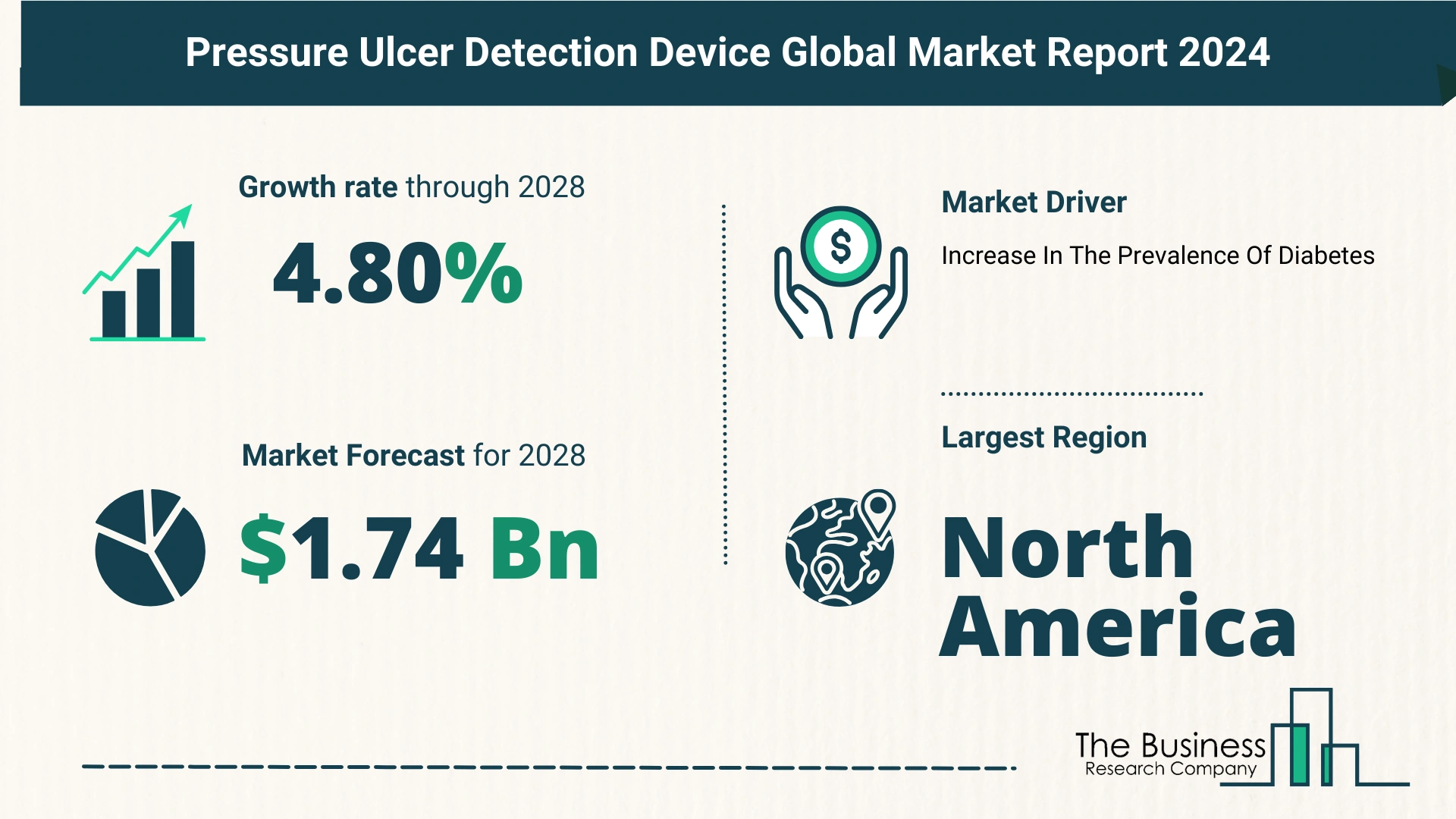
    Looking ahead, the market is expected to reach $1.74 billion by 2028, growing at a CAGR of 4.8%. Key drivers for this growth include:

    • Preventive Healthcare Initiatives: Increased focus on preventive measures to avoid severe health complications.
    • Home Healthcare: Rising demand for home-based healthcare solutions.
    • Patient-Centric Care: Trends towards more personalized patient care approaches.
    • Global Health Preparedness: Improved readiness for global health challenges.
    • Educational Campaigns: Enhanced training and education for healthcare professionals on ulcer prevention.

    View More On The Pressure Ulcer Detection Device Market Report 2024 – https://www.thebusinessresearchcompany.com/report/pressure-ulcer-detection-device-global-market-report

    Major Trends Shaping the Market

    Several trends are influencing the development and adoption of pressure ulcer detection devices:

    • Wearable Sensors: Advancements in wearable technology for continuous monitoring.
    • Artificial Intelligence (AI): Integration of AI algorithms to enhance detection accuracy.
    • Smart Mattresses: Development of mattresses and surfaces with built-in pressure detection.
    • Wireless Connectivity: Focus on wireless and mobile connectivity for ease of use.
    • 3D Imaging Technologies: Introduction of 3D imaging to improve diagnostic capabilities.

    Impact of Diabetes on Market Growth

    The increasing prevalence of diabetes significantly propels the pressure ulcer detection device market. Diabetes, characterized by high blood glucose levels, can lead to complications such as neuropathy and poor circulation, increasing the risk of pressure ulcers. For example:

    • Rising Diabetes Rates: According to the International Diabetes Federation, diabetes prevalence is projected to increase by 25% by 2030 and 51% by 2045.
    • Early Detection Importance: Devices play a crucial role in early detection and prevention of pressure ulcers in diabetic patients.

    Key Market Players

    Several major companies are driving innovation and growth in the pressure ulcer detection device market:

    • Prominent Companies: Cardinal Health, 3M Company, Medtronic PLC, Hill Rom Holdings Inc., and more.
    • Innovative Products: Focus on products like the Provizio SEM scanner, which helps detect early signs of pressure ulcers.

    Focus on Innovative Products

    Innovation is a key focus for companies in this market, with the development of products such as the Provizio SEM scanner:

    • SEM Scanner: A device designed to detect early signs of pressure damage in subcutaneous tissue.
    • Product Launches: For instance, in September 2022, ArjoHuntleigh Inc. launched the Provizio SEM scanner to help clinical staff identify areas at risk for pressure ulcers.

    Strategic Acquisitions

    Acquisitions are helping companies expand their presence and capabilities in the pressure ulcer detection market:

    • Syst’Am and Jarven Health Care Oy: In March 2023, Syst’Am acquired Jarven Health Care Oy to strengthen its position in anti-decubitus prevention and care devices, enhancing commercial expansion.

    Market Segmentation

    The pressure ulcer detection device market can be segmented by:

    • Product Type: In-shoe sensors, surface electrodes, SEM scanners, pressure measuring mattresses.
    • Application: Different stages of pressure ulcers (Stage 1 to Stage 4).
    • End User: Hospitals, nursing homes, homecare settings, and other end users.

    Regional Insights

    The market shows significant regional differences:

    • North America: The largest market in 2023.
    • Asia-Pacific: Expected to be the fastest-growing region during the forecast period.

    Conclusion

    The pressure ulcer detection device market is poised for continued growth, driven by technological advancements, increasing prevalence of diabetes, and a growing focus on preventive healthcare. As companies continue to innovate and expand their product offerings, the market will likely see significant developments, improving care for patients at risk of pressure ulcers.

    Request A Sample Of The Global Pressure Ulcer Detection Device Market Report 2024:
    https://www.thebusinessresearchcompany.com/sample_request?id=13519&type=smp

  • Premature Ejaculation Treatment Market Growth Analysis Till 2033 By The Business Research Company

    Premature Ejaculation Treatment Market Growth Analysis Till 2033 By The Business Research Company

    The Business Research Company’s market reports offer an in-depth analysis on the market’s growth potential, major drivers, key trends and more.

    The premature ejaculation (PE) treatment market has seen remarkable growth in recent years and is poised for continued expansion. This blog delves into the market size, growth drivers, future trends, and major players shaping the industry.

    Market Size and Growth

    Recent Growth

    • Current Market Size: The premature ejaculation treatment market grew from $3.53 billion in 2023 to $3.88 billion in 2024.
    • Growth Rate: This growth represents a compound annual growth rate (CAGR) of 10.0%.

    Forecasted Expansion

    • Future Market Size: The market is projected to reach $5.62 billion by 2028.
    • Growth Rate: The expected CAGR from 2024 to 2028 is 9.7%.

    Drivers of Growth

    Rising Prevalence of Sexual Disorders

    • Increasing Incidence: The prevalence of sexual disorders, including premature ejaculation, is rising globally.
    • Example: Surveys in the UK revealed significant rates of erectile dysfunction, indicating broader trends in sexual health issues.

    Growing Awareness and Reduced Stigma

    • Education: Both physicians and patients are becoming more educated about sexual health.
    • Societal Attitudes: Changing societal attitudes are reducing stigma and encouraging more individuals to seek treatment.

    Expansion of Telemedicine Services

    • Accessibility: Telemedicine services are making it easier for patients to access treatment for premature ejaculation.
    • Convenience: Online consultations and prescriptions are growing in popularity, particularly for sensitive issues like sexual health.

    Pharmaceutical Industry Initiatives

    • Innovations: Pharmaceutical companies are actively developing new treatments and therapies for premature ejaculation.
    • Example: Companies like Maude are introducing products such as delay sprays to provide more options for patients.

    Read More On The Premature Ejaculation Treatment Market Report 2024 – https://www.thebusinessresearchcompany.com/report/premature-ejaculation-treatment-global-market-report

    Major Trends in the Forecast Period

    Behavioral and Psychosexual Therapies

    • Therapeutic Approaches: There is a growing focus on non-pharmacological treatments like behavioral and psychosexual therapies.

    Development of Novel Topical Therapies

    • Topical Solutions: Advancements in topical anesthetics and other topical therapies are emerging as effective treatments for premature ejaculation.

    Integration of Telemedicine and Online Platforms

    • Digital Health: The integration of telemedicine and online health platforms is expected to continue, improving access to treatment.

    Focus on Patient Education and Counseling

    • Educational Initiatives: There is an increasing emphasis on educating patients about their options and the nature of their condition.

    Research on Novel Mechanisms of Action

    • Innovative Treatments: Ongoing research into new mechanisms of action is likely to lead to the development of more effective treatments.

    Major Players in the Market

    Leading Companies

    • Pfizer Inc.
    • Johnson & Johnson
    • Merck & Co Inc.
    • AbbVie Inc.
    • Bayer AG
    • Novartis AG
    • AstraZeneca PLC
    • GlaxoSmithKline PLC

    Notable Developments

    • Acquisitions: For example, ANI Pharmaceuticals Inc. acquired Novitium Pharma LLC to enhance its research and development capabilities and generic manufacturing capacity.

    Market Segmentation

    By Type

    • Antidepressants (SSRIs)
    • Phosphodiesterase-5 Inhibitors
    • Topical Anesthetics
    • Analgesics
    • Other Treatments

    By Route of Administration

    • Oral
    • Topical

    By Distribution Channel

    • Retail
    • Direct-To-Consumer

    By Application

    • Hospital
    • Retail Pharmacy
    • Online Pharmacy
    • Other Applications

    Regional Insights

    North America

    • Leading Region: North America was the largest region in the PE treatment market in 2023.
    • Growth Outlook: Expected to be the fastest-growing region during the forecast period.

    Conclusion

    The premature ejaculation treatment market is experiencing robust growth driven by increased awareness, innovative treatments, and expanding access through telemedicine. With major players actively developing new products and therapies, the market is set to continue its upward trajectory, offering improved solutions for patients worldwide. As societal attitudes continue to shift and education around sexual health improves, the premature ejaculation treatment market will likely see sustained growth and innovation.

    Request for A Sample Of The Global Premature Ejaculation Treatment Market Report:
    https://www.thebusinessresearchcompany.com/sample_request?id=13518&type=smp

  • Growth Trajectory Of The Precocious Puberty Treatment Market 2024-2033

    Growth Trajectory Of The Precocious Puberty Treatment Market 2024-2033

    The Business Research Company’s global market reports are now updated with the latest market sizing information for the year 2024 and forecasted to 2033

    The precocious puberty treatment market has seen significant growth in recent years, driven by increasing awareness, early diagnosis, and advancements in medical treatments. This blog explores the market’s current state, future projections, and key factors influencing its expansion.

    Historic Growth: A Surge in Market Size

    Robust Market Expansion

    • Market Size: Grew from $1.57 billion in 2023 to $1.71 billion in 2024.
    • CAGR: Recorded a compound annual growth rate (CAGR) of 9.1%.

    Key Growth Drivers

    • Increased Incidence: Rising cases of precocious puberty.
    • Awareness and Diagnosis: Improved awareness and early detection.
    • Parental Concerns: Growing concern among parents about early puberty.
    • Pediatric Healthcare Collaboration: Enhanced collaboration in pediatric healthcare.
    • Endocrinologist Advocacy: Advocacy by pediatric endocrinologists.

    Future Projections: Sustained Growth Ahead

    Market Projections

    • Expected Growth: Predicted to reach $2.3 billion by 2028.
    • Future CAGR: Expected to be 7.6% from 2024 to 2028.

    Drivers of Future Growth

    • Pediatric Healthcare Infrastructure: Improved healthcare facilities for children.
    • Individualized Treatments: Focus on personalized treatment approaches.
    • Psychosocial Well-being: Emphasis on mental and social health.
    • Global Health Initiatives: Worldwide efforts to improve pediatric health.
    • Education Programs: Increased education for patients and parents.

    View More On The Precocious Puberty Treatment Market Report 2024 – https://www.thebusinessresearchcompany.com/report/precocious-puberty-treatment-global-market-report

    Emerging Trends

    • GnRH Analogues: Advancements in Gonadotropin-releasing hormone analogues.
    • Novel Therapeutic Targets: Exploration of new treatment targets.
    • Long-Acting Formulations: Development of long-lasting drug formulations.
    • Patient Compliance: Focus on improving treatment adherence.
    • Adjunct Therapies: Research on supplementary treatments.
    • Telemedicine: Use of remote monitoring technologies.

    The Impact of Hormonal Disorders on Market Growth

    Rising Prevalence of Hormonal Disorders

    • Hormonal Disorders: Conditions affecting hormone regulation, such as disruptions in the hypothalamic-pituitary-gonadal axis.
    • Prevalence Data: As of June 2021, hormonal disorders affected around 45 per 100,000 people, with an annual incidence of 4 per 100,000 people.
    • Market Impact: Increased prevalence of these disorders is driving demand for treatments.

    Strategic Focus on Drug Approvals

    Importance of Drug Approvals

    • Leuprolide Acetate Injection: Increased focus on drug approvals to enhance market presence.
    • Case Example: In November 2022, Amneal Pharmaceuticals Inc. received FDA approval for leuprolide acetate injection, offering a new therapeutic option for delaying puberty.

    Revolutionizing Treatment with CAMCEVI

    Innovative Partnerships

    • Eversana and Accord BioPharma: Partnered to launch CAMCEVI for treating advanced prostate cancer and central precocious puberty.
    • CAMCEVI: A synthetic hormone used for central precocious puberty, available as a pre-filled, ready-to-inject formulation, simplifying administration.

    Market Segmentation

    Drug Class

    • Leuprorelin
    • Histrelin
    • Triptorelin
    • Nafarelin

    Applications

    • Hospitals
    • Clinics
    • Other Applications

    End-Users

    • Pediatric Patients
    • Adults
    • Other End-Users

    Regional Insights

    Key Markets

    • North America: Largest market region in 2023.
    • Asia-Pacific: Expected to be the fastest-growing region during the forecast period.

    The precocious puberty treatment market is poised for continued growth, driven by technological advancements, increasing prevalence of hormonal disorders, and strategic industry initiatives. These trends highlight the evolving landscape of pediatric healthcare and the critical role of innovation in shaping future market dynamics.

    Request A Sample Of The Global Precocious Puberty Treatment Market Report 2024:
    https://www.thebusinessresearchcompany.com/sample_request?id=13517&type=smp

  • Global Practice Management System Market Key Insights 2024-2033

    Global Practice Management System Market Key Insights 2024-2033

    The Business Research Company’s global market reports are now updated with the latest market sizing information for the year 2024 and forecasted to 2033

    According to The Business Research Company’s Practice Management System Global Market Report 2024, the practice management system market is expected to show promising growth in the forecast period.

    The practice management system (PMS) market has experienced significant growth, with its size expanding from $12.11 billion in 2023 to $13.41 billion in 2024, reflecting a compound annual growth rate (CAGR) of 10.7%.

    Key Drivers of Historical Growth:

    • Transition to Electronic Health Records (EHRs): Adoption of digital patient records enhances efficiency.
    • Increasing Regulatory Compliance Requirements: Healthcare regulations drive adoption of compliant systems.
    • Focus on Revenue Cycle Management: Tools to optimize billing and financial processes.
    • Shift to Value-Based Care: Emphasis on quality outcomes over quantity of services.
    • Integration of Telehealth Services: Meeting the demand for remote healthcare access.

    Projected Market Expansion

    The PMS market is poised for strong growth, reaching $19.06 billion by 2028, with a CAGR of 9.2%.

    Future Growth Drivers:

    • Advancements in Artificial Intelligence (AI) and Automation: Improving operational efficiencies and patient care.
    • Interoperability and Health Information Exchange (HIE): Seamless data sharing across healthcare systems.
    • Patient-Centric Care Models: Tailoring treatments and services to individual patient needs.
    • Population Health Management Strategies: Targeted approaches to improve community health outcomes.
    • Global Health Crisis Response: Preparedness and adaptability in healthcare delivery.

     View More On The Practice Management System Market Report 2024 – https://www.thebusinessresearchcompany.com/report/practice-management-system-global-market-report

    Major Trends Shaping the Market:

    • Focus on Cybersecurity: Strengthening defenses against data breaches and cyber threats.
    • Consumerization of Healthcare: Patient empowerment through digital tools and access.
    • Advancements in Health Information Technologies: Innovations enhancing healthcare delivery.
    • Patient Engagement Tools: Solutions to involve patients in their own care.
    • Telehealth Integration: Incorporating remote care capabilities into PMS platforms.

    Rising Demand for E-Prescriptions

    The increasing adoption of e-prescriptions is expected to be a significant driver of growth in the PMS market.

    Example:

    • Surescripts National Progress Report (July 2023):
      • Annual Growth: E-prescriptions increased by 10.4%, reaching 2.34 billion in 2022.

    Leading Companies and Innovations

    Several major companies are at the forefront of driving innovation and expansion in the PMS market.

    Key Players:

    • McKesson Corporation
    • General Electric Company
    • Henry Schein Inc.
    • EPIC Systems Corporation
    • Allscripts Healthcare Solutions Inc.
    • Athenahealth Inc.

    Innovative Technologies:

    • Karbon AI: AI tool enhancing productivity in accounting practice management.
      • Features: Summarizes emails, assesses inbox, and drafts email responses.

    Strategic Acquisitions

    Dye & Durham Limited’s Acquisition of GhostPractice Inc.:

    • Date: May 2023
    • Objective: Expand capabilities in practice management software.
    • Outcome: Strengthened market position and enhanced service offerings.

    Market Segmentation

    The PMS market is segmented based on product type, component, mode of delivery, and end-user.

    By Product Type:

    • Standalone, Integrated

    By Component:

    • Software, Service

    By Mode of Delivery:

    • On-premise, Cloud-based

    By End User:

    • Pharmacies, Diagnostic Laboratories, Hospitals, Other End Users

    Regional Insights

    North America led the PMS market in 2023, with Asia-Pacific expected to register the fastest growth in the forecast period.

    Conclusion

    The practice management system market is expanding rapidly, driven by technological advancements, regulatory requirements, and evolving healthcare delivery models. As the market continues to grow, innovations in AI, cybersecurity, and patient engagement will play pivotal roles in shaping the future of healthcare administration. With increasing integration of telehealth and e-prescription capabilities, PMS platforms are poised to enhance operational efficiencies and improve patient outcomes globally.

    Request A Sample Of The Global Practice Management System Market Report 2024:
    https://www.thebusinessresearchcompany.com/sample_request?id=13516&type=smp

  • Comprehensive Analysis On Size, Share, And Drivers Of The Physical Therapy Market

    Comprehensive Analysis On Size, Share, And Drivers Of The Physical Therapy Market

    The Business Research Company’s global market reports provide comprehensive analysis on the various markets in 27 industries across 60 geographies.

    Strong Market Growth in Recent Years
    The physical therapy market has shown robust growth, increasing from $25.95 billion in 2023 to $27.89 billion in 2024 at a CAGR of 7.5%. Key factors contributing to this growth include:

    • Aging Population: Higher demand for rehabilitation services.
    • Prevalence of Chronic Conditions: Increasing need for therapeutic interventions.
    • Occupational and Sports Injuries: Growing awareness and treatment options.
    • Preventive Healthcare: Focus on maintaining mobility and function.
    • Expanded Healthcare Scope: Integration of physical therapy in diverse healthcare settings.

    Future Growth Prospects
    The market is projected to continue expanding, reaching $35.53 billion by 2028 with a CAGR of 6.2%. Drivers for this growth include:

    • Telehealth Integration: Increasing use of telemedicine for therapy sessions.
    • Awareness of Physical Activity Benefits: Emphasis on exercise for health maintenance.
    • Aging-in-Place Strategies: Support for elderly individuals to live independently.
    • Personalized Treatment Plans: Tailoring therapies to individual patient needs.
    • Interdisciplinary Healthcare: Collaborative approaches for comprehensive care.

    View More On The Physical Therapy Market Report 2024 – https://www.thebusinessresearchcompany.com/report/physical-therapy-global-market-report

    Major Trends Shaping the Market
    Several trends are influencing the trajectory of the physical therapy market:

    • Technological Innovations: Advancements in rehabilitation technologies.
    • Digital Health Integration: Use of digital platforms for therapy management.
    • Orthopedic and Sports Rehabilitation: Specialized therapies for athletic and orthopedic conditions.
    • Technology-Aided Rehabilitation: Devices and tools enhancing therapy effectiveness.

    Impact of Increasing Musculoskeletal Disorders
    Rising musculoskeletal disorders (MSDs) are driving market growth:

    • Prevalence of MSDs: Globally impacting a significant portion of the population.
    • Role of Physical Therapy: Essential for prevention, management, and rehabilitation.
    • Global Health Implications: Addressing musculoskeletal health as a public health priority.

    Key Market Players
    Leading companies are pivotal in advancing the field of physical therapy:

    • Prominent Companies: HCA Healthcare, Select Medical Corporation, Kindred Healthcare Holdings LLC, and more.
    • Innovative Products: Focus on technology-driven solutions to enhance patient care.

    Focus on Technology-Based Physiotherapy
    Companies are leveraging technology to improve therapy outcomes:

    • Luna Protocols: Innovative capabilities for standardized outpatient physical therapy.
    • Patient-Centered Care: Matching patients with therapists based on specific needs and preferences.

    Strategic Acquisitions
    Acquisitions are shaping market dynamics and capabilities:

    • Amwell and Conversa Health: Acquisition aimed at integrating virtual care with physical therapy services, enhancing patient access and outcomes.

    Market Segmentation
    The physical therapy market is segmented by:

    • Type: Orthopedic, geriatric, neurological, cardiopulmonary, and other specialized therapies.
    • Age Group: Pediatric, adult, and elderly populations.
    • End-Use: Hospitals, community centers, sports facilities, convalescent homes, schools, and more.

    Regional Insights
    Regional variations highlight growth opportunities:

    • North America: Largest market in 2023, driven by advanced healthcare infrastructure.
    • Asia-Pacific: Expected to witness rapid growth, supported by increasing healthcare investments.

    Conclusion
    The physical therapy market is evolving with technological innovations and a growing emphasis on personalized, interdisciplinary care. As the global population ages and chronic conditions become more prevalent, the demand for effective rehabilitation and therapy services continues to rise. With ongoing advancements and strategic investments, the market is poised for sustained growth, contributing significantly to improving patient outcomes and quality of life worldwide

    Request A Sample Of The Global Physical Therapy Market Report 2024:
    https://www.thebusinessresearchcompany.com/sample_request?id=13512&type=smp

  • Key Insights On The Pharmaceutical Supply Chain Management Market 2024 – Size, Driver, And Major Players

    Key Insights On The Pharmaceutical Supply Chain Management Market 2024 – Size, Driver, And Major Players

    The Business Research Company’s global market reports are now updated with the latest market sizing information for the year 2024 and forecasted to 2033

    As per The Business Research Company’s Pharmaceutical Supply Chain Management Global Market Report 2024, the pharmaceutical supply chain management market is expected to show significant growth in the forecast period.

    The pharmaceutical supply chain management market has shown robust growth in recent years and is poised for further expansion. This blog explores the market dynamics, growth drivers, major trends, and key players shaping the industry.

    Market Size and Growth
    Recent Growth

    • Current Market Size: The pharmaceutical supply chain management market grew from $2.36 billion in 2023 to $2.6 billion in 2024.
    • Growth Rate: This growth represents a compound annual growth rate (CAGR) of 10.0%.

    Forecasted Expansion

    • Future Market Size: The market is projected to reach $3.63 billion by 2028.
    • Growth Rate: Expected CAGR from 2024 to 2028 is 8.7%.

    Drivers of Growth
    Surging Pharmaceutical Product Demand

    • Increasing Production: Growing production values of pharmaceuticals indicate rising demand globally.
    • Example: Europe saw a significant increase in pharmaceutical production, highlighting the need for efficient supply chain management.

    Regulatory Compliance and Risk Management

    • Compliance: Strict regulations necessitate effective supply chain management practices.
    • Risk Mitigation: Managing risks such as supply disruptions and product recalls is crucial.

    View More On The Pharmaceutical Supply Chain Management Market Report 2024 – https://www.thebusinessresearchcompany.com/report/pharmaceutical-supply-chain-management-global-market-report

    Globalization and Demand for Personalized Medicine

    • Global Reach: The global nature of pharmaceutical supply chains requires robust management systems.
    • Personalized Medicine: Demand for tailored healthcare solutions drives innovation in supply chain processes.

    Sustainability Initiatives

    • Circular Economy: Emphasis on sustainability through recycling and reducing environmental impact.
    • Supply Chain Efficiency: Sustainable practices enhance operational efficiency and brand reputation.

    Major Trends in the Forecast Period
    Digital Transformation

    • Technological Integration: Adoption of advanced technologies like AI and IoT for enhanced operational efficiency.
    • Real-time Monitoring: Continuous monitoring of supply chain activities for proactive management.

    Collaboration and Visibility

    • Network Integration: Collaborative platforms to connect stakeholders and improve transparency.
    • Data Sharing: Enhanced visibility into supply chain data for informed decision-making.

    Environmental Sustainability

    • Green Practices: Initiatives to minimize carbon footprint and promote eco-friendly operations.
    • Energy Efficiency: Implementing energy-saving measures across supply chain processes.

    Advanced Analytics and AI Integration

    • Predictive Analytics: Utilizing data analytics to forecast demand and optimize inventory.
    • AI Applications: AI-driven insights for inventory management and supply chain optimization.

    Blockchain Technology Adoption

    • Secure Transactions: Blockchain for transparent and secure supply chain transactions.
    • Traceability: Enhanced traceability of products from manufacturing to distribution.

    Major Players in the Market
    Leading Companies

    • McKesson Corporation
    • AmerisourceBergen Corporation
    • Cardinal Health Inc.
    • Oracle Corporation
    • SAP SE
    • DSV Panalpina
    • UPS Healthcare

    Notable Developments

    • Innovative Solutions: Companies like TraceLink Inc. are developing multi-enterprise supply chain management solutions to optimize processes and enhance collaboration.

    Strategic Acquisitions

    • Symplr’s Acquisition: Symplr Software LLC’s acquisition of GreenLight Medical to bolster its healthcare supply chain management offerings.

    Market Segmentation
    By Component

    • Solution
    • Service

    By Deployment Mode

    • On-Premise
    • Cloud Based

    By End-Use

    • Healthcare Manufacturers
    • Healthcare Providers
    • Distributors
    • Logistics

    Regional Insights
    Asia-Pacific

    • Market Leadership: Asia-Pacific was the largest region in 2023.
    • Fastest-Growing Region: Expected to maintain rapid growth in the forecast period.

    Conclusion
    The pharmaceutical supply chain management market is evolving rapidly, driven by technological advancements, regulatory compliance, and the global demand for efficient healthcare logistics. As stakeholders focus on sustainability, digital transformation, and resilience planning, the market is set to expand significantly. Key players are innovating with advanced solutions and strategic acquisitions to meet the complex challenges of modern supply chains. As the industry progresses, continuous adaptation to technological innovations and regulatory frameworks will be crucial for sustained growth and competitiveness.

    Request A Sample Of The Global Pharmaceutical Supply Chain Management Market Report 2024:
    https://www.thebusinessresearchcompany.com/sample_request?id=13508&type=smp

  • What Is The Forecast Growth Rate For The Pediatric Neurology Device Market?

    What Is The Forecast Growth Rate For The Pediatric Neurology Device Market?

    The Business Research Company’s market reports offer an in-depth analysis on the market’s growth potential, major drivers, key trends and more.

    Market Growth Dynamics
    Recent Growth and Projections

    • 2023 Market Size: $2.33 billion
    • 2024 Projection: $2.5 billion
    • CAGR: 7.1%
    • Historic Growth Drivers:
      • Increased awareness and early diagnosis
      • Government support for pediatric healthcare
      • Collaborations in pediatric neurological research
      • Improvements in healthcare infrastructure
      • Growing prevalence of pediatric neurological disorders
      • Patient advocacy and support groups

    Future Growth Outlook

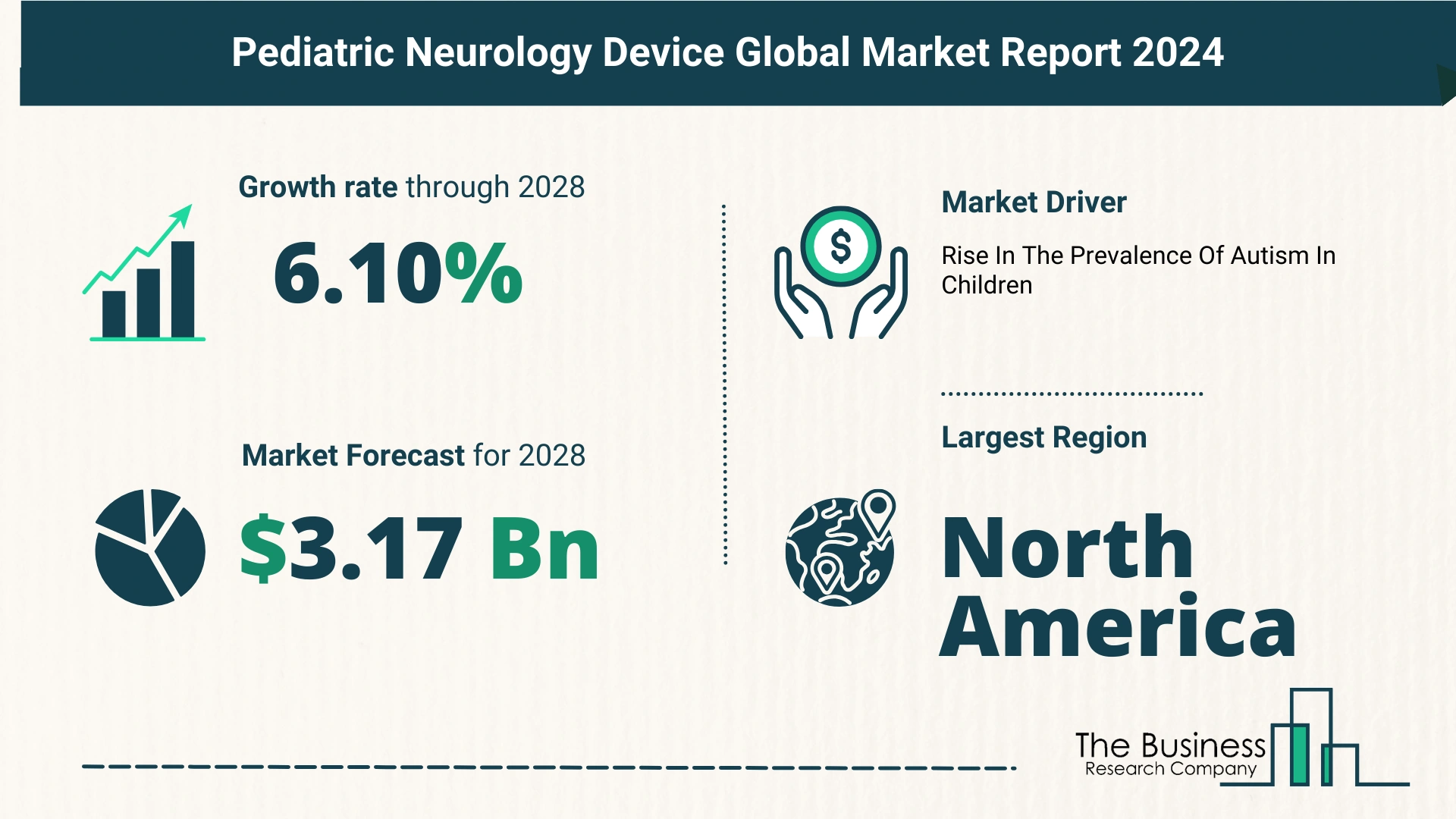
    • 2028 Projection: $3.17 billion
    • CAGR: 6.1%
    • Forecast Growth Drivers:
      • Global emphasis on child health
      • Integration of personalized medicine
      • Rising awareness of early intervention
      • Global health policies for children
      • International collaboration in pediatric healthcare

    Read More On The Pediatric Neurology Device Market Report 2024 – https://www.thebusinessresearchcompany.com/report/pediatric-neurology-device-global-market-report

    Key Trends Shaping the Market
    Technological Advancements

    • Wearable Neurological Monitoring Devices: Enhanced patient monitoring capabilities
    • AI in Diagnostic Tools: Improved accuracy and efficiency
    • Pediatric-Specific Neuromodulation Devices: Tailored treatments for young patients
    • Expansion of Telehealth: Remote monitoring solutions
    • Child-Friendly Neuroimaging Technologies: Comfortable diagnostic experiences
    • Focus on Non-invasive Interventions: Minimally invasive treatment options

    Driving Factors Behind Market Expansion
    Rise in Autism Prevalence

    • Impact on Market: Driving demand for diagnostic and therapeutic devices
    • Statistics: 2.8% of 8-year-old children identified with ASD in the US
    • Device Contributions: Enhancing quality of life, social skills, and behavioral symptoms management

    Major Players in the Market

    • Leading Companies:
      • Johnson & Johnson Co
      • Abbott Laboratories
      • Medtronic PLC
      • Fujifilm Holdings Corporation
      • Siemens Healthineers AG
      • Koninklijke Philips NV
      • Others: Stryker, GE Healthcare, Baxter, Boston Scientific, etc.

    Innovations Driving Revenue Growth
    Neuromodulation Devices

    • External Trigeminal Nerve Stimulation Devices: Minimally invasive treatment for ADHD
    • Example: NeuroSigma’s Monarch eTNS System
      • Features: Forehead patch delivering electrical pulses during sleep
      • Clinical Benefits: Significant improvement in ADHD symptoms compared to placebo

    Strategic Acquisitions
    Strengthening Market Presence

    • Acquisition Example: ArchiMed SAS acquires Natus Medical Incorporated
    • Value: $1.1 billion investment
    • Purpose: Enhance product line, expand internationally, leverage operational expertise

    Market Segmentation
    Detailed Analysis

    • Product Types: Neurostimulation, Neurosurgery, Interventional Neurology, CSF Management, Others
    • Conditions: Stroke, Seizures, Hydrocephalus, Oncology, Other Pediatric Conditions
    • Services and Treatments: EEG, Baclofen Therapy, Neurological Evaluations, Vagal Nerve Stimulation, Others
    • End Users: Hospitals, Ambulatory Surgery Centers, Other Healthcare Facilities

    Regional Insights

    • 2023 Leader: North America
    • Growth Potential: Emerging opportunities in Asia-Pacific

    The pediatric neurology device market is experiencing robust growth driven by technological advancements, rising awareness, and strategic investments. With innovations catering to specific pediatric needs and increasing prevalence of neurological disorders, the market is poised for significant expansion in the coming years.

    Request for A Sample Of The Global Pediatric Neurology Device Market Report:
    https://www.thebusinessresearchcompany.com/sample_request?id=13506&type=smp

  • Overview Of The Patient Lateral Transfer Market 2024-2033: Growth And Major Players Analysis

    Overview Of The Patient Lateral Transfer Market 2024-2033: Growth And Major Players Analysis

    The Business Research Company’s global market reports are now updated with the latest market sizing information for the year 2024 and forecasted to 2033

    The patient lateral transfer market has experienced significant growth recently and is poised for continued expansion. This blog examines market dynamics, growth drivers, major trends, and key players shaping the industry.

    Market Size and Growth
    Recent Growth

    • Current Market Size: The patient lateral transfer market grew from $4.09 billion in 2023 to $4.49 billion in 2024.
    • Growth Rate: This represents a compound annual growth rate (CAGR) of 9.8%.

    Forecasted Expansion

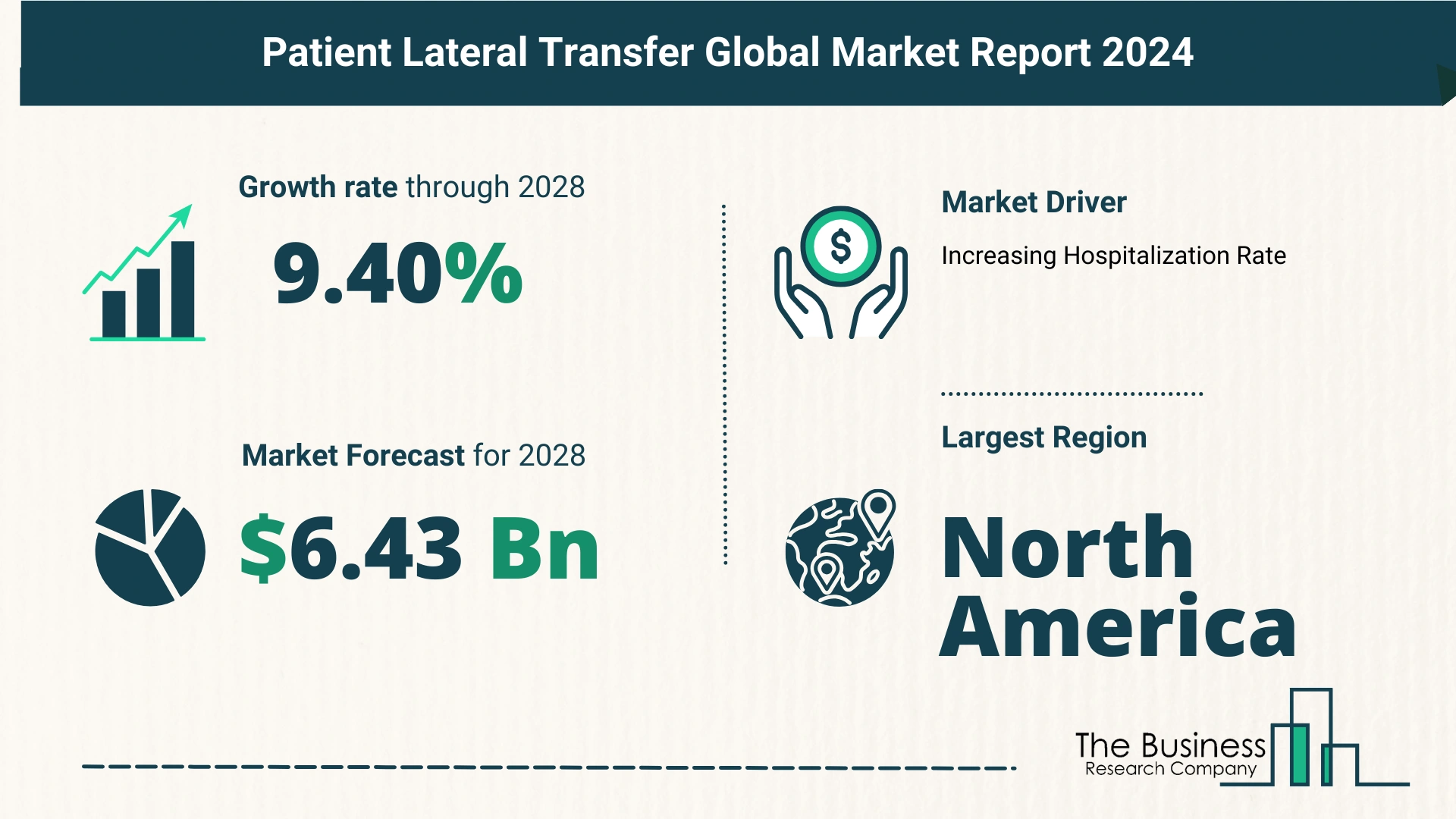
    • Future Market Size: Expected to reach $6.43 billion by 2028.
    • Growth Rate: The anticipated CAGR from 2024 to 2028 is 9.4%.

    Drivers of Growth
    Rising Hospitalization Rates

    • Increased Admissions: Growing number of hospital admissions worldwide necessitates efficient patient-handling solutions.
    • Example: A significant rise in hospital admissions reported by the National Health Service of England underscores the need for effective lateral transfer systems.

    Aging Population and Healthcare Expenditure

    • Demographic Shift: Aging global population requires specialized care and equipment.
    • Healthcare Spending: Increased expenditure on healthcare infrastructure supports demand for patient transfer technologies.

    Focus on Reducing Hospital-Acquired Infections

    • Infection Control: Emphasis on minimizing cross-contamination and enhancing patient safety.
    • Technological Solutions: Adoption of advanced transfer systems to mitigate infection risks.

    Patient-Centric Healthcare Approach

    • Quality Care: Shift towards personalized patient care drives innovation in patient handling equipment.
    • Enhanced Comfort: Solutions designed to improve patient comfort and care outcomes.

    View More On The Patient Lateral Transfer Market Report 2024 – https://www.thebusinessresearchcompany.com/report/patient-lateral-transfer-global-market-report

    Major Trends in the Forecast Period
    Integration of Sensor Technologies

    • Smart Devices: Incorporation of sensors for real-time monitoring and feedback during patient transfers.
    • Data Insights: Sensor data used to optimize transfer processes and enhance safety.

    Development of Bariatric Transfer Solutions

    • Specialized Equipment: Increasing demand for solutions tailored to bariatric patients’ needs.
    • Enhanced Capacity: Innovations in weight-bearing and stability for safe handling.

    Adoption of Air-Assisted Transfer Systems

    • Efficient Transfer: Air-based systems for smooth and ergonomic patient transfers.
    • Reduced Physical Strain: Minimization of manual lifting risks for healthcare workers.

    Emphasis on Ergonomics and Staff Safety

    • Workplace Safety: Designing equipment to prevent injuries and strains among healthcare staff.
    • Training and Guidelines: Implementation of ergonomic practices for safe patient handling.

    Customization for Different Healthcare Settings

    • Versatility: Equipment tailored to diverse healthcare environments, from hospitals to home care.
    • Adaptability: Solutions that meet specific operational needs and patient requirements.

    Major Players in the Market
    Leading Companies

    • Stryker Corporation
    • Baxter International Inc.
    • Medline Industries Inc.
    • Zimmer Biomet Holdings Inc.
    • Smith and Nephew plc.
    • Steris plc.
    • Scan Medical Co Inc.

    Strategic Initiatives

    • Innovative Products: Companies like Sage Products LLC developing multi-position mobile air transfer systems for enhanced patient care.
    • Acquisitions: Agiliti Inc.’s acquisition of Sizewise Rentals LLC to expand product offerings and clinical expertise.

    Market Segmentation
    By Products

    • Air-Assisted Lateral Transfer Mattress
    • Sliding Sheets
    • Accessories

    By Usage Type

    • Single Patient Use
    • Reusable

    By End-User

    • Hospital
    • Ambulatory Surgical Center
    • Other End-Users

    Regional Insights
    North America

    • Market Leadership: North America led the patient lateral transfer market in 2023.
    • Future Outlook: Expected to maintain significant growth due to advanced healthcare infrastructure and rising demand.

    Conclusion
    The patient lateral transfer market is expanding rapidly driven by increasing hospitalization rates, aging demographics, and advancements in healthcare technology. With a focus on patient safety, infection control, and ergonomic solutions, stakeholders are innovating to meet evolving healthcare needs. As the industry embraces digital transformation and specialized equipment, the market is set to grow substantially, offering enhanced care solutions across various healthcare settings globally. Continuous advancements and strategic partnerships will play pivotal roles in shaping the future landscape of patient lateral transfer solutions.

    Request A Sample Of The Global Patient Lateral Transfer Market Report 2024:
    https://www.thebusinessresearchcompany.com/sample_request?id=13505&type=smp

  • How Is The Osteosynthesis Devices Market Expected To Grow Through 2024-2033

    How Is The Osteosynthesis Devices Market Expected To Grow Through 2024-2033

    The Business Research Company’s global market reports are now updated with the latest market sizing information for the year 2024 and forecasted to 2033

    According to The Business Research Company’s Osteosynthesis Devices Global Market Report 2024, the osteosynthesis devices market is expected to show promising growth in the forecast period.

    Market Growth Overview
    Recent Expansion and Projections

    • 2023 Market Size: $8.87 billion
    • 2024 Projection: $9.51 billion
    • CAGR: 7.2%
    • Historic Growth Drivers:
      • Rising incidence of fractures
      • Aging population and osteoporosis
      • Increased sports-related injuries
      • Patient preference for minimally invasive procedures
      • Growing demand for orthopedic surgeries
      • Collaboration between surgeons and device manufacturers

    Future Growth Prospects

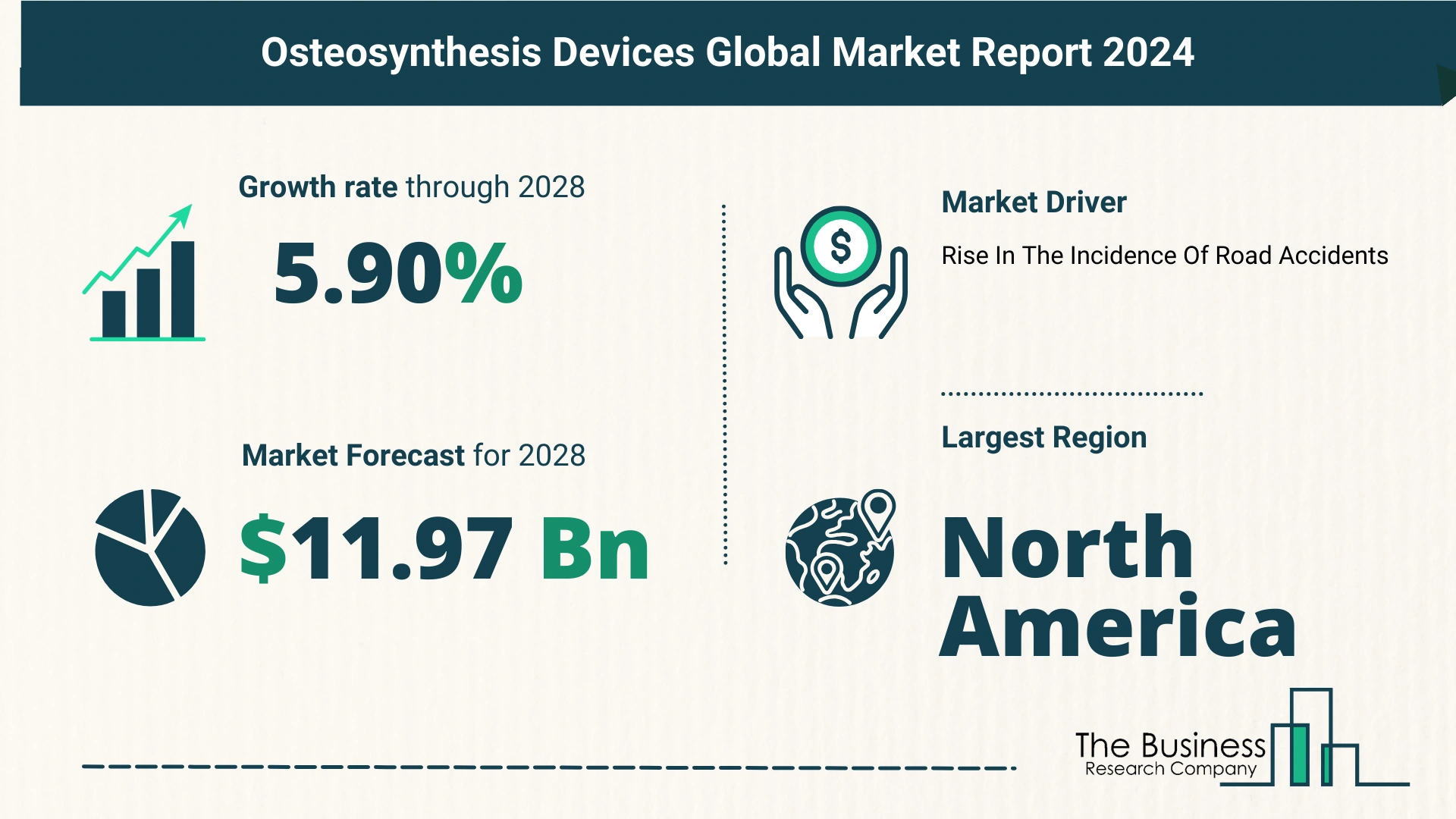
    • 2028 Projection: $11.97 billion
    • CAGR: 5.9%
    • Forecast Growth Drivers:
      • Increasing geriatric population
      • Rising trauma cases
      • Prevalence of orthopedic conditions
      • Globalization of orthopedic care
      • Strategic partnerships and mergers

    View More On The Osteosynthesis Devices Market Report 2024 – https://www.thebusinessresearchcompany.com/report/osteosynthesis-devices-global-market-report

    Key Trends Shaping the Market
    Technological Advancements

    • Locking Compression Plates (LCP) Technology: Enhanced stability and fixation
    • Minimally Invasive Osteosynthesis Techniques: Reduced recovery times and complications
    • Bioresorbable Fixation Systems: Biocompatible and avoid the need for removal
    • Smart Implants with Monitoring Capabilities: Real-time patient monitoring
    • Advanced Osteosynthesis Device Materials: Improved durability and biocompatibility

    Driving Factors Behind Market Expansion
    Impact of Road Accidents

    • Road Accident Statistics: Significant contributor to orthopedic injuries
    • Example: 42,915 deaths in US motor vehicle crashes in 2021
    • Role of Osteosynthesis Devices: Facilitate rehabilitation and mobility restoration

    Major Players in the Market

    • Leading Companies:
      • Medtronic PLC
      • Stryker Corporation
      • DePuy Synthes Inc.
      • Zimmer Biomet Holdings Inc.
      • Smith & Nephew PLC
      • Others: Arthrex, NuVasive, CONMED, Globus Medical, etc.

    Innovations Driving Market Growth
    Focus on Medical Advancements

    • Variable-Angle Locking Compression Plates (VA-LCP): Customized fracture repair solutions
    • Example: DePuy Synthes’ VA LCP Clavicle Plate System
      • Features: Tailored for clavicle fractures, anatomically contoured plates
      • Benefits: Improved fit and reduced need for implant removal

    Strategic Acquisitions
    Expansion and Market Strengthening

    • Acquisition Example: Teijin Nakashima Medical acquires KiSCO’s spine and trauma business
    • Objective: Enhance research capabilities and revenue growth
    • Products: Includes spine fusion systems and support plates

    Market Segmentation Insights
    Detailed Analysis

    • Device Types: Internal and External Fixation Devices
    • Fracture Types: Hip, Knee, Spine, Shoulder, Foot, Facial Bones, Others
    • Materials: Non-Degradable and Degradable
    • End Users: Hospitals, Orthopedic Clinics, Ambulatory Surgical Centers

    Regional Insights

    • Current Leader: North America
    • Growth Potential: Asia-Pacific emerging as the fastest-growing region

    The osteosynthesis devices market is poised for robust growth driven by technological advancements, increasing trauma cases, and strategic expansions. With innovations focusing on patient-centric solutions and market expansions through acquisitions, the market landscape promises significant opportunities for stakeholders in the coming years.

    Request A Sample Of The Global Osteosynthesis Devices Market Report 2024:
    https://www.thebusinessresearchcompany.com/sample_request?id=13503&type=smp