Month: August 2024

  • Understand How The Chatbots For Mental Health And Therapy Market Is Poised To Grow Through 2024-2033

    Understand How The Chatbots For Mental Health And Therapy Market Is Poised To Grow Through 2024-2033

    The Business Research Company’s global market reports are now updated with the latest market sizing information for the year 2024 and forecasted to 2033

    As per The Business Research Company’s Chatbots For Mental Health And Therapy Global Market Report 2024, the chatbots for mental health and therapy market is expected to show significant growth in the forecast period.

    • Steady Market Growth: The chatbots for mental health and therapy market is experiencing significant growth, expanding from $1.17 billion in 2023 to $1.27 billion in 2024 at a CAGR of 8.5%.
    • Drivers of Growth: The rise in demand for accessible mental health services and increased awareness about mental health issues are primary growth drivers. The market is also benefiting from advancements in natural language processing (NLP) and machine learning algorithms.

    Future Market Projections

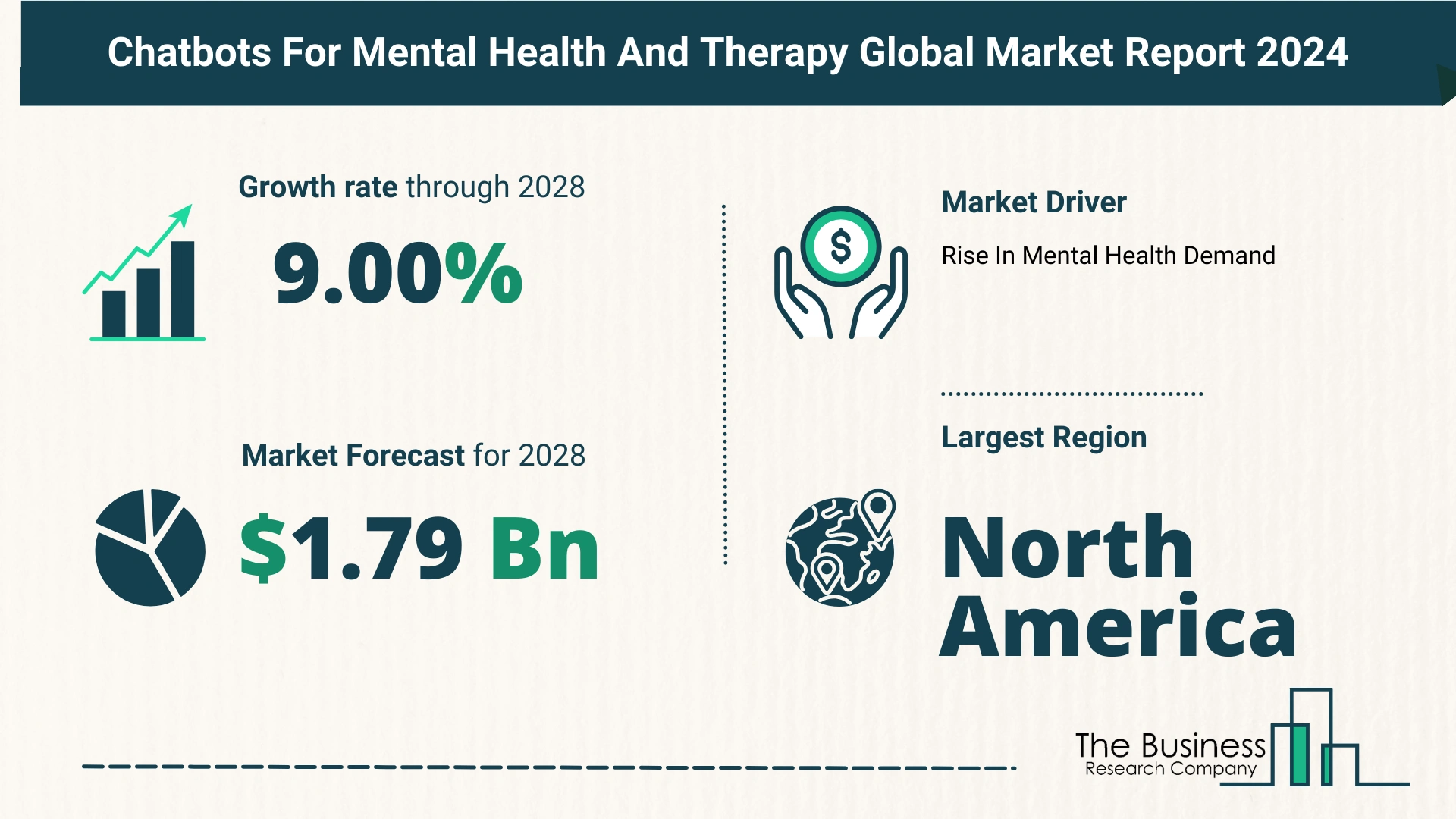
    • Projected Expansion: The market size is expected to grow to $1.79 billion by 2028, with a higher CAGR of 9.0%.
    • Key Growth Factors: The growing need for scalable therapy solutions and the increasing acceptance of digital health technologies are expected to drive this growth. Additionally, there is rising awareness of the benefits of chatbots for mental health.

    Trends Shaping the Future

    • Technological Advancements: Innovations in NLP and machine learning are enhancing chatbot capabilities, making them more effective in mental health support.
    • Teletherapy and Virtual Reality Integration: The expansion of teletherapy and the integration of virtual reality (VR) are creating more immersive and personalized therapy experiences.
    • Wearable Device Integration: Chatbots are increasingly being integrated with wearable devices and other digital health tools, providing users with real-time feedback and support.
    • Crisis Intervention Features: The development of more sophisticated crisis intervention capabilities is expected to improve the immediate response to users in distress.

    View More On The Chatbots For Mental Health And Therapy Market Report 2024 – https://www.thebusinessresearchcompany.com/report/chatbots-for-mental-health-and-therapy-global-market-report

    Rise in Mental Health Demand and Its Impact

    • Increasing Mental Health Demand: The growing prevalence of mental health disorders is driving demand for accessible mental health services.
    • Role of Chatbots: Chatbots are meeting this demand by providing round-the-clock availability and offering psychoeducational resources, self-help tools, and evidence-based treatments.
    • Impact on Market Growth: The increased demand for mental health services is significantly contributing to the expansion of the chatbots for mental health and therapy market.

    Leading Companies in the Market

    • Key Players: Major companies in this market include Talkspace Online Therapy Inc., IBM, Cisco Systems Inc., Oracle Corporation, and BetterHelp, among others.
    • Focus on Advanced AI Solutions: These companies are focusing on integrating advanced AI technologies, particularly NLP algorithms, to improve the effectiveness of their mental health chatbots.

    Revolutionizing Mental Health Support

    • AI Therapist Technology: Companies are leveraging advanced AI therapist technology to revolutionize mental health support.
    • Example – TalkThru: In July 2023, TalkThru launched an AI therapist chatbot that uses innovative NLP algorithms, allowing for sensitive and meaningful user interactions. This AI-driven solution provides 24/7 accessibility and personalized support.

    Strategic Acquisitions Enhancing Market Position

    • Amwell’s Strategic Moves: In August 2021, American Well Corporation acquired Silvercloud Health Limited and Conversa Health Inc. to expand its digital healthcare integration and mental health services.
    • Impact of Acquisitions: These acquisitions enable Amwell to create new digital care workflows, enhance patient engagement, and provide an integrated system combining physical, virtual, and automated care experiences.

    Market Segmentation and Regional Insights

    • Segmentation: The chatbots for mental health and therapy market is segmented by component (SaaS and others), technology (Machine Learning, NLP, etc.), and application (Conversational Interfaces, Behavioral Pattern Recognition, etc.).
    • Regional Insights: North America was the largest region in 2023, while Asia-Pacific is expected to be the fastest-growing region in the forecast period.

    The chatbots for mental health and therapy market is poised for robust growth, driven by increasing mental health demand, technological advancements, and strategic industry moves. As the market evolves, it will play an increasingly vital role in making mental health support more accessible and effective for individuals worldwide.

    Request A Sample Of The Global Chatbots For Mental Health And Therapy Market Report 2024:
    https://www.thebusinessresearchcompany.com/sample_request?id=14666&type=smp
  • Understand How The Lab Automation In Drug Discovery Market Is Poised To Grow Through 2024-2033

    Understand How The Lab Automation In Drug Discovery Market Is Poised To Grow Through 2024-2033

    The Business Research Company’s global market reports are now updated with the latest market sizing information for the year 2024 and forecasted to 2033

    As per The Business Research Company’s Lab Automation In Drug Discovery Global Market Report 2024, the lab automation in drug discovery market is expected to show significant growth in the forecast period.

    • Market Size Expansion: The lab automation in drug discovery market has experienced substantial growth, rising from $6.13 billion in 2023 to an expected $6.47 billion in 2024, with a CAGR of 5.6%. This growth is driven by factors like the increasing complexity of drug discovery, the need for efficiency and cost reduction, and rising labor costs.
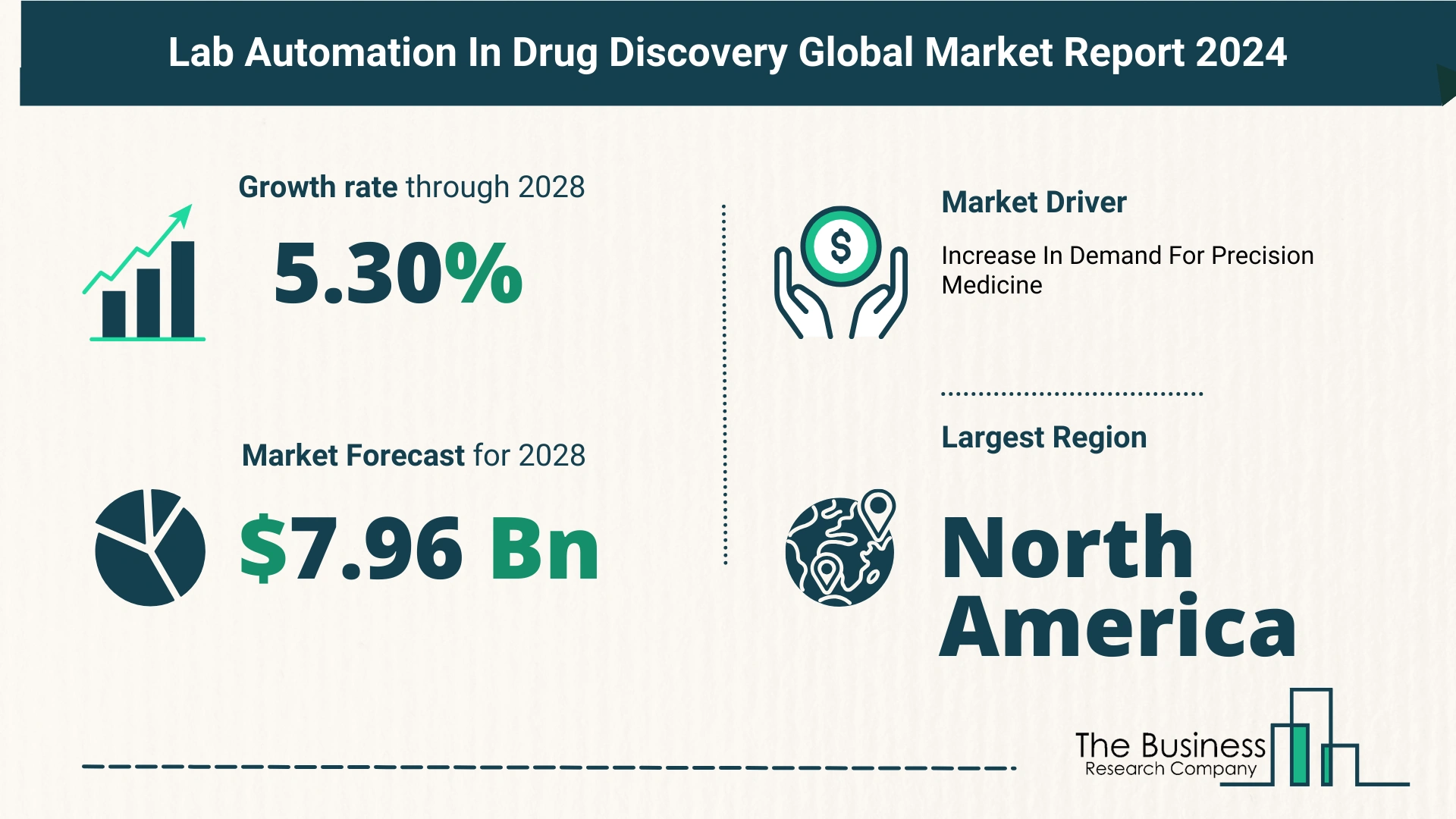
    • Future Projections: The market is projected to reach $7.96 billion by 2028, growing at a CAGR of 5.3%. Key drivers include the expansion of drug pipelines, the rise in personalized medicine, and the focus on rare diseases and orphan drugs.

    Precision Medicine Driving Market Growth

    • Importance of Precision Medicine: Precision medicine, which tailors treatment based on individual genetic, environmental, and lifestyle factors, is a significant growth driver for lab automation in drug discovery. Automation enhances research efficiency and accuracy, leading to more effective, personalized treatments.
    • Market Impact: The increasing demand for precision medicine is contributing to the rapid growth of the lab automation market, with over 75,000 genetic testing products and 300 personalized medicines available as of October 2022.

    View More On The Lab Automation In Drug Discovery Market Report 2024 – https://www.thebusinessresearchcompany.com/report/lab-automation-in-drug-discovery-global-market-report

    Key Industry Players and Technological Innovations

    • Major Companies: Leading companies in the market include Thermo Fisher Scientific, Abbott Diagnostics, Roche Holdings, and Siemens Healthineers, among others. These companies are focusing on developing advanced automation solutions to stay competitive.
    • Technological Advances: Innovations like Strateos Inc.’s rapid idea-to-data solution, launched in April 2022, are transforming drug discovery. This platform enables quick transformation of ideas into actionable data through linked robotic automation and cloud-based design.

    Strategic Acquisitions Boosting Market Presence

    • Brooks Automation’s Acquisition: In March 2023, Brooks Automation acquired Aim Lab Automation Technologies Pty Ltd., an Australian company specializing in robotic automation. This acquisition is expected to enhance Brooks’ presence in clinical diagnostics and accelerate technological advancements in lab automation for drug discovery.

    Market Segmentation and Regional Insights

    • Market Segments: The lab automation market is segmented by type (e.g., automated liquid handlers, robotic arms), component (instruments, software), application (high-throughput screening, sample preparation), and end-user (biotech and pharmaceutical industries).
    • Regional Growth: North America was the largest market in 2023, while Asia-Pacific is expected to be the fastest-growing region during the forecast period, driven by increasing investments in drug discovery and automation technologies.

    Request A Sample Of The Global Lab Automation In Drug Discovery Market Report 2024:
    https://www.thebusinessresearchcompany.com/sample_request?id=14410&type=smp

  • Key Trends And Drivers In The HERG Screening Market 2024

    Key Trends And Drivers In The HERG Screening Market 2024

    The Business Research Company’s market reports offer an in-depth analysis on the market’s growth potential, major drivers, key trends and more.

    Rapid Growth in the HERG Screening Market

    • Current Market Overview: The HERG screening market is experiencing significant growth, with its size increasing from $1.42 billion in 2023 to an expected $1.62 billion in 2024, reflecting a compound annual growth rate (CAGR) of 14.2%.
    • Growth Drivers: This rapid expansion can be attributed to increased drug development activities, stricter regulatory requirements, heightened awareness of cardiac safety, and a rising incidence of cardiac disorders.

    Forecasted Market Expansion and Emerging Trends

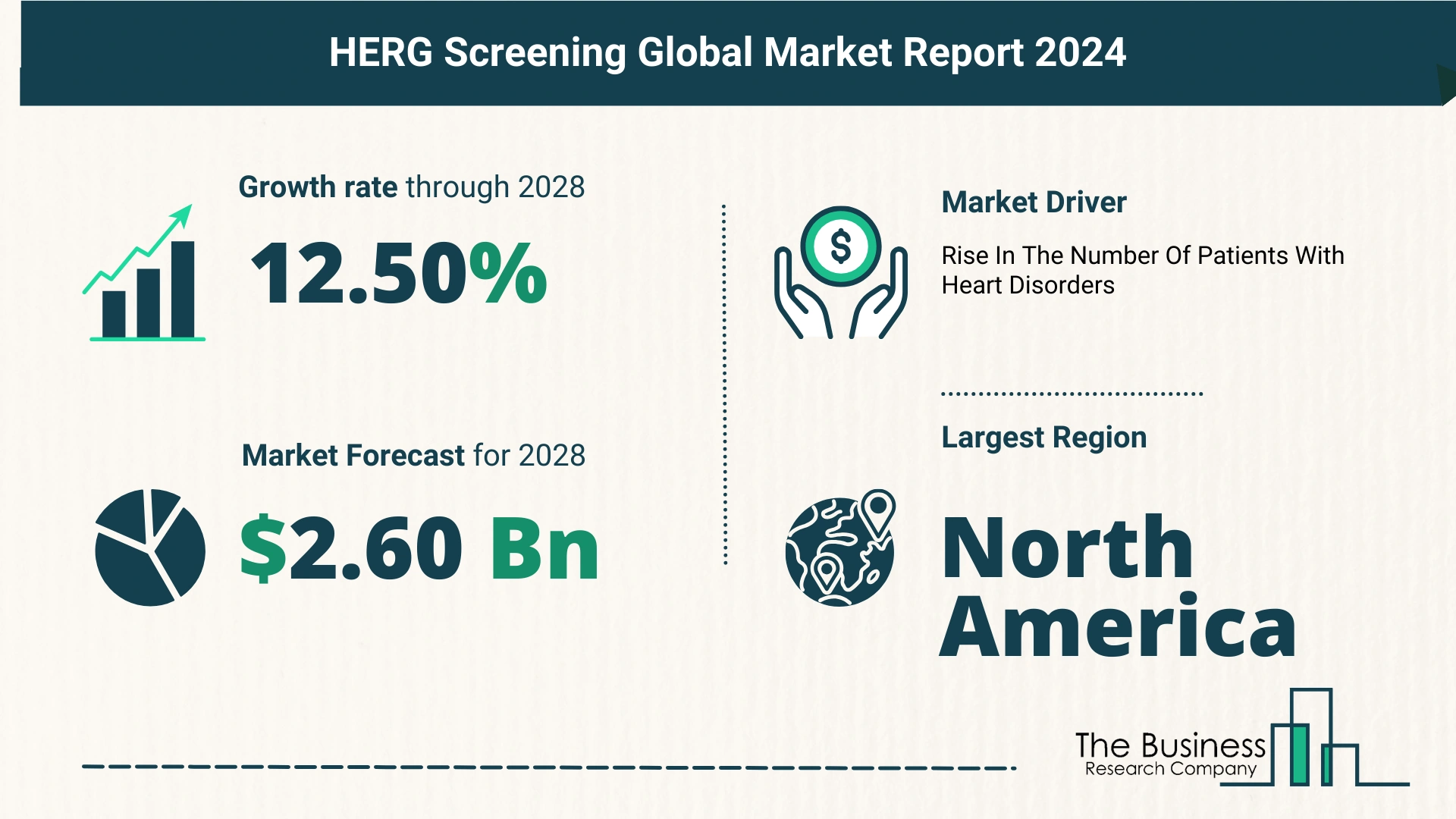
    • Future Market Projections: The HERG screening market is projected to grow to $2.60 billion by 2028, with a CAGR of 12.5%.
    • Key Factors for Growth: The expansion of personalized medicine, increased outsourcing of drug development activities, growth in emerging markets and research, and a focus on non-cardiac safety assessments are key contributors to this expected growth.
    • Major Trends: Advanced in vitro models, integration of genomic and proteomic data, advancements in computational approaches, a focus on pediatric drug safety, and collaborations for data sharing and standardization are anticipated to shape the market.

    Read More On The HERG Screening Market Report 2024 – https://www.thebusinessresearchcompany.com/report/herg-screening-global-market-report

    Impact of Rising Cardiovascular Disorders on Market Growth

    • Prevalence of Heart Disorders: The increase in cardiovascular disorders, driven by unhealthy lifestyles, an aging population, genetic factors, diabetes, and metabolic syndrome, is fueling the demand for HERG screening.
    • Cardiac Safety: HERG screening plays a crucial role in identifying potential drug candidates, preventing adverse cardiac events like torsade de pointes (TdP), and improving patient outcomes.
    • Statistical Evidence: For example, in the U.S., 1 in 20 adults aged 20 and older have cardiovascular diseases, with 695,000 cases and 375,476 deaths reported in 2021. In the UK, heart attack deaths increased from 19,440 in 2020 to 20,061 in 2021.

    Leading Companies and Innovations in HERG Screening

    • Key Market Players: Major companies in the HERG screening market include Eurofins-Cerep SA., Aviva Biosciences Inc., AstraZeneca Public Limited Company, Merck KGaA, and Charles River Laboratories Inc.
    • Innovation in Screening Services: Metrion Biosciences Ltd., for instance, launched a GLP-certified HERG screening service in August 2023. This service enhances cardiac safety in drug development by using the whole-cell patch-clamp technique and adhering to regulatory guidelines like ICH S7A and ICH S7B.

    Strategic Collaborations for Enhanced Cardiac Safety

    • Collaborative Efforts: In September 2021, ApconiX partnered with PhysioStim to establish a European Center of Excellence for preclinical cardiovascular safety evaluation. This collaboration aims to provide a comprehensive range of preclinical cardiac safety tests, including automated electrophysiology for HERG screening and GLP compliance assays.

    Regional Insights and Market Segmentation

    • Regional Market Leaders: In 2023, North America was the largest region in the HERG screening market. However, Asia-Pacific is expected to be the fastest-growing region during the forecast period.
    • Market Segmentation: The HERG screening market is segmented by type (Gene KCNH2, Mutant KCNH2), ion channel (Voltage-Gated, Ligand Gated), and applications (Antiarrhythmic, Antipsychotic, Antibiotics, and Other Applications).

    The HERG screening market is poised for continued expansion, driven by advancements in drug development, increased awareness of cardiac safety, and ongoing innovations in screening technologies. As the prevalence of cardiovascular disorders rises globally, the demand for HERG screening is set to grow, supported by strategic collaborations and the entry of new players in the market.

    Request for A Sample Of The Global HERG Screening Market Report:
    https://www.thebusinessresearchcompany.com/sample_request?id=14392&type=smp

  • Dental Practice Management Software Market Report 2024: Market Size, Drivers, And Trends

    Dental Practice Management Software Market Report 2024: Market Size, Drivers, And Trends

    The Business Research Company’s global market reports are now updated with the latest market sizing information for the year 2024 and forecasted to 2033

    Rapid Market Growth

    • The dental practice management software market has seen significant growth, with the market size increasing from $1.47 billion in 2023 to $1.62 billion in 2024, representing a compound annual growth rate (CAGR) of 10.3%.
    • This growth is driven by the rising demand for efficient practice management, the prevalence of dental diseases, regulatory compliance, increasing awareness of dental care, and the integration of billing and payment solutions.

    Future Market Expansion

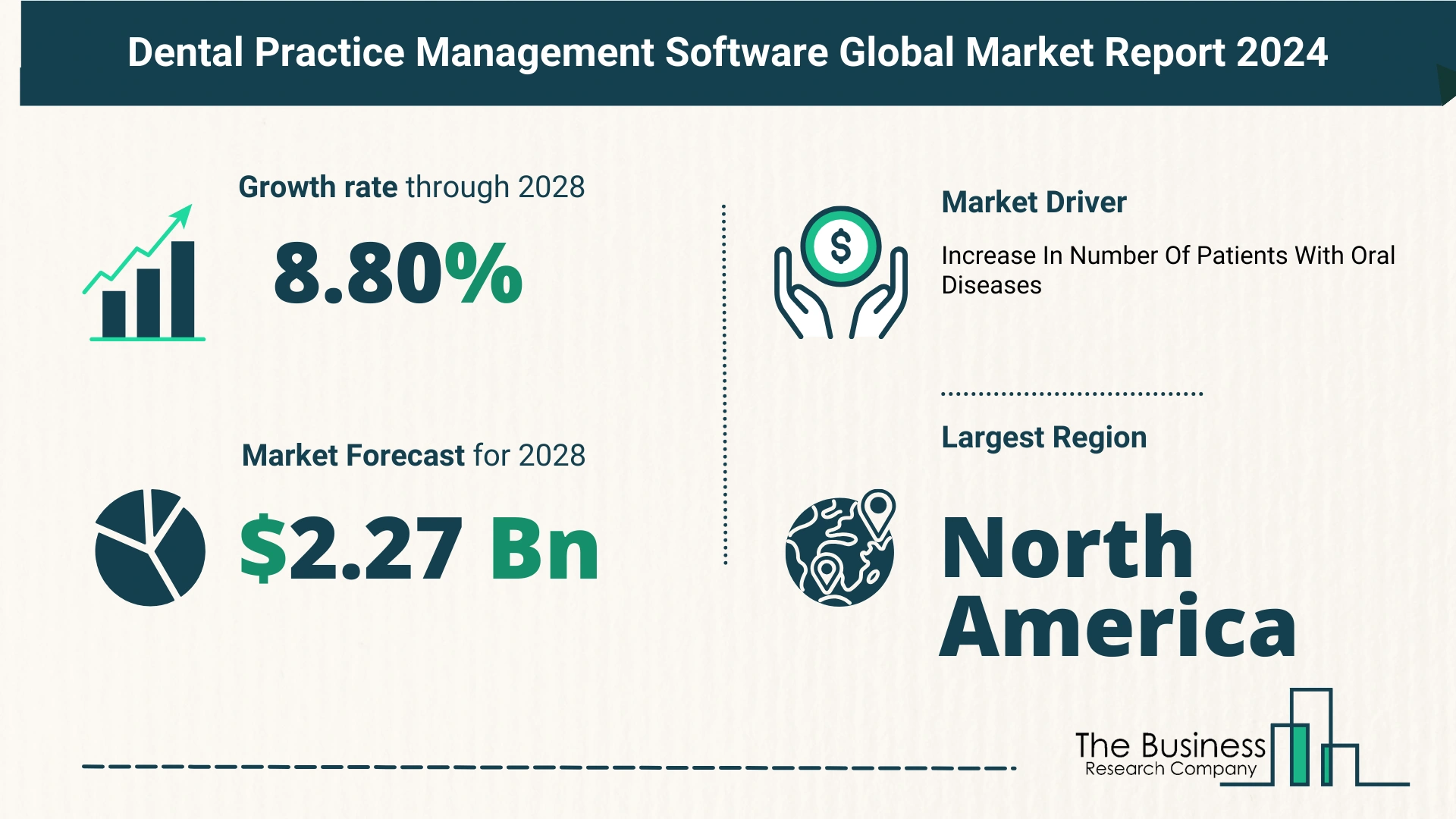
    • The market is expected to continue its strong growth trajectory, reaching $2.27 billion by 2028 with a CAGR of 8.8%.
    • Factors contributing to this growth include the adoption of cloud-based software, tele-dentistry services, interoperability with other healthcare systems, and personalized patient engagement tools.
    • Trends to watch include a shift towards subscription-based models, the emergence of virtual consultation platforms, the integration of virtual reality, and the rise of predictive analytics and dental software-as-a-service (SaaS) offerings.

    View More On The Dental Practice Management Software Market Report 2024 – https://www.thebusinessresearchcompany.com/report/dental-practice-management-software-global-market-report

    Managing Increasing Patient Influx

    Rising Oral Health Issues

    • The increasing number of patients with oral diseases is driving the demand for dental practice management software, which helps practices manage patient care efficiently.
    • Poor oral health habits, financial constraints, and limited access to dental services are leading to a higher prevalence of oral diseases, including oral cancer.
    • In 2023, an estimated 54,540 adults in the US were projected to be diagnosed with oral or oropharyngeal cancer, underscoring the need for effective dental practice management tools.

    Benefits of Dental Practice Management Software

    • Dental practice management software streamlines workflows, enhances efficiency, and improves patient care.
    • It enables dental practices to manage an increasing number of patients effectively, ensuring better health outcomes and patient satisfaction.

    Advancements by Leading Companies

    Innovation in Treatment Planning

    • Major companies are focusing on developing advanced software solutions, such as AI-powered treatment plan software, to gain a competitive edge.
    • For example, in April 2023, Adit launched a revolutionary dental treatment plan software that uses AI and machine learning to improve patient monitoring and provide timely data.
    • This platform offers customizable treatment plans with integrated features like practice management and patient communication, reducing administrative burdens and enhancing patient engagement.

    Strategic Acquisitions

    • Acquisitions are reshaping the dental practice management software market, with companies expanding their service offerings and market reach.
    • In January 2023, Planet DDS acquired Cloud 9 Software, enhancing its cloud-based solutions and market leadership, particularly in orthodontic and pediatric care.
    • Such acquisitions highlight the consolidation trend in the market and the emphasis on improving efficiency and patient care.

    Regional Market Insights

    North America and Asia-Pacific

    • North America was the largest region in the dental practice management software market in 2023, reflecting the region’s advanced healthcare infrastructure and high adoption rates of digital solutions.
    • Asia-Pacific is expected to be the fastest-growing region during the forecast period, driven by increasing healthcare investments, growing awareness of dental care, and the adoption of new technologies in dental practices.

    Request A Sample Of The Global Dental Practice Management Software Market Report 2024:
    https://www.thebusinessresearchcompany.com/sample_request?id=14322&type=smp

  • How Is The Automated Microscopy Market Expected To Grow Through 2024-2033

    How Is The Automated Microscopy Market Expected To Grow Through 2024-2033

    The Business Research Company’s global market reports are now updated with the latest market sizing information for the year 2024 and forecasted to 2033

    According to The Business Research Company’s Automated Microscopy Global Market Report 2024, the automated microscopy market is expected to show promising growth in the forecast period.

    Strong Growth in the Automated Microscopy Market

    • The automated microscopy market has experienced robust growth in recent years, with the market size increasing from $7.31 billion in 2023 to an anticipated $7.85 billion in 2024 at a CAGR of 7.3%.
    • This growth is driven by advancements in imaging technology, the increasing complexity of biological research, and the rising demand for high-throughput screenings.
    • Additional factors include automation and workflow integration, cost reductions, improved accessibility, and the emergence of multimodal imaging techniques.

    Projected Market Expansion by 2028

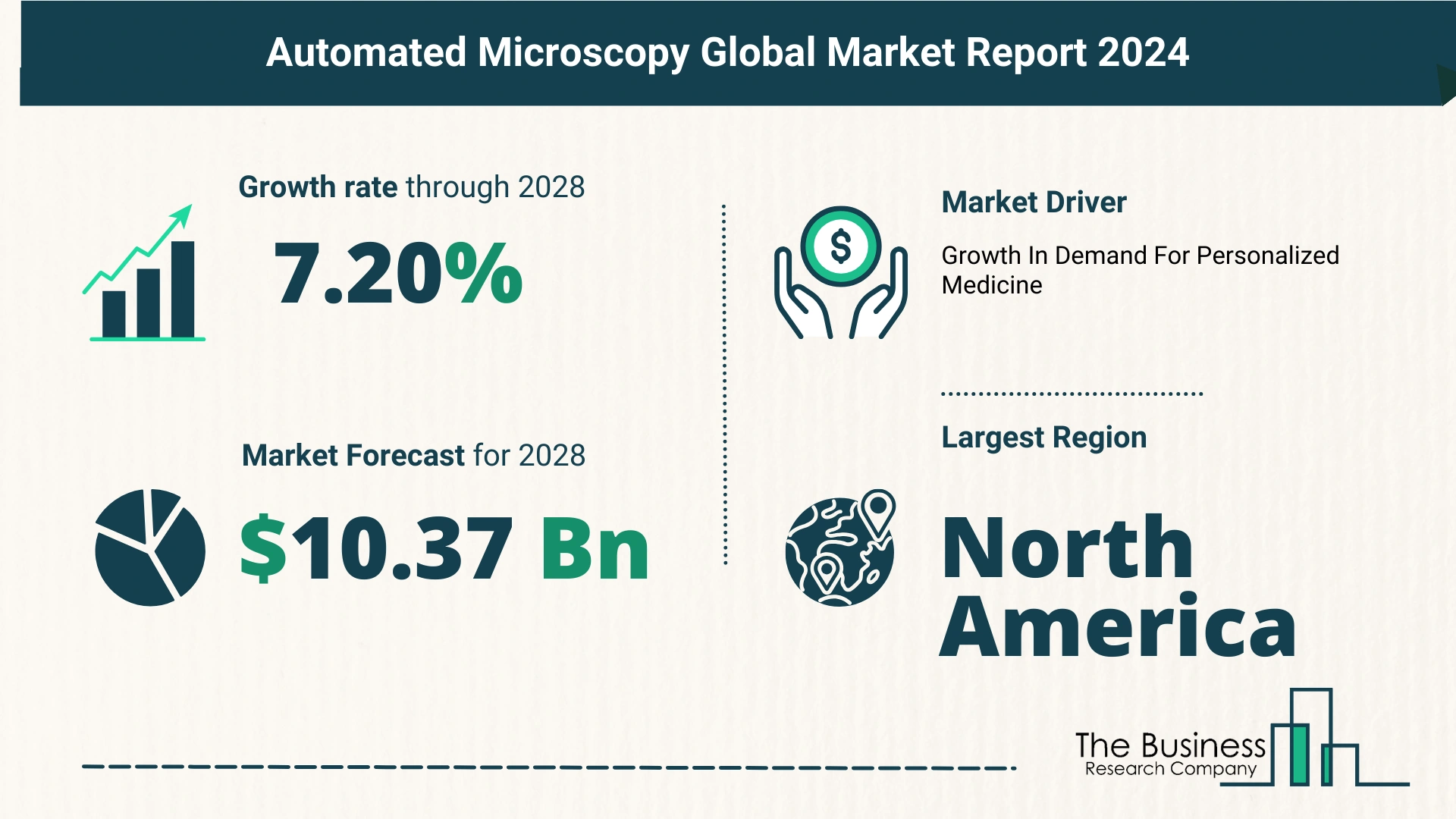
    • Looking forward, the market is expected to grow to $10.37 billion by 2028, reflecting a steady CAGR of 7.2%.
    • Key drivers for future growth include the integration of artificial intelligence, miniaturization and portability of devices, and the rise of multiplexed imaging and multimodal integration.
    • The demand for personalized medicine, precision diagnostics, and interdisciplinary research challenges will also play a significant role in the market’s expansion.

    View More On The Automated Microscopy Market Report 2024 – https://www.thebusinessresearchcompany.com/report/automated-microscopy-global-market-report

    Impact of Personalized Medicine on Market Growth

    • The increasing demand for personalized medicine is a major factor contributing to the growth of the automated microscopy market.
    • Personalized medicine, which tailors healthcare to individual genetic, environmental, and lifestyle factors, is gaining traction due to advances in genomics and the rise in chronic diseases.
    • Automated microscopy aids this field by providing tools for understanding disease mechanisms, identifying biomarkers, and optimizing treatments.
    • As of October 2022, over 75,000 genetic testing products and 300 personalized medicines were available, further driving market growth.

    Innovations in Automated Cryo PFIB Microscopes

    • Major players in the automated microscopy market, such as Thermo Fisher Scientific Inc., are developing advanced products like the Automated Cryo PFIB microscope.
    • This innovative technology is designed for high-throughput preparation of cryo-lamellae, crucial for cellular cryo-electron tomography, enhancing workflow efficiency and improving application outcomes.
    • The Cryo PFIB microscope offers rapid sample preparation, minimized contamination risks, and automation features that enable remote operation, significantly advancing life sciences research.

    Strategic Acquisitions and Market Leadership

    • In June 2021, CELLINK acquired Discover Echo for $110 million, strengthening its position in the market by integrating innovative hybrid microscopes into its portfolio.
    • Discover Echo’s products, which combine advanced optical technologies with disruptive software, align with CELLINK’s bio convergence strategy, enabling significant biological breakthroughs.
    • North America dominated the automated microscopy market in 2023, while the Asia-Pacific region is poised to be the fastest-growing region in the coming years.

    Market Segmentation

    • The automated microscopy market is segmented by product type into Optical Microscopes, Electron Microscopes, and Scanning Probe Microscopes.
    • Applications of these technologies span across Medical Diagnostics, Nanotechnology, Material Science, Life Sciences, and Semiconductors.
    • End users include Hospitals, Research Facilities, and Diagnostic Clinics, with North America leading the market and Asia-Pacific expected to show rapid growth during the forecast period.

    Request A Sample Of The Global Automated Microscopy Market Report 2024:
    https://www.thebusinessresearchcompany.com/sample_request?id=14259&type=smp

  • Artificial Intelligence (AI) In Predictive Toxicology Global Market Outlook 2024-2033: Size And Growth Rate Analysis

    Artificial Intelligence (AI) In Predictive Toxicology Global Market Outlook 2024-2033: Size And Growth Rate Analysis

    The Business Research Company’s global market reports provide comprehensive analysis on the various markets in 27 industries across 60 geographies.

    Rapid Growth of the Market

    • The artificial intelligence (AI) in predictive toxicology market is witnessing exponential growth, expanding from $0.38 billion in 2023 to $0.50 billion in 2024 at a compound annual growth rate (CAGR) of 30.3%.
    • The surge in market size during this period is driven by several factors including increased regulatory pressure for toxicity assessment, rising concerns about chemical safety, and the availability of large datasets for model training.
    • Additionally, the rising costs and ethical concerns associated with animal testing, coupled with the demand for faster and more cost-effective toxicity screening methods, are propelling this market forward.

    Key Trends and Future Market Expansion

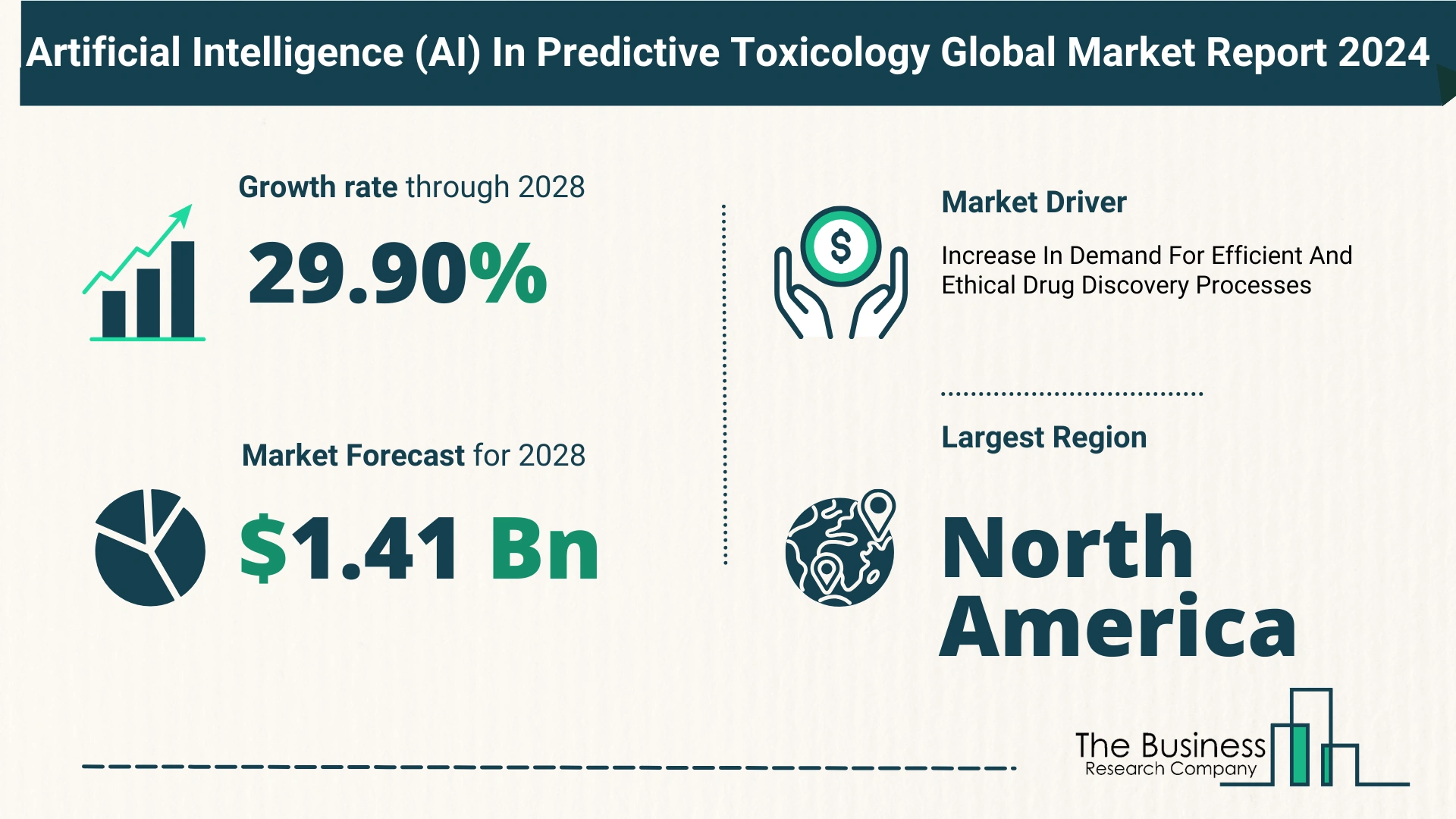
    • Looking ahead, the AI in predictive toxicology market is expected to grow to $1.41 billion by 2028, maintaining a strong CAGR of 29.9%.
    • Future growth will be fueled by the emergence of explainable AI in toxicology predictions, an increased demand for personalized toxicity assessments, and regulatory acceptance and standardization of AI-based toxicity predictions.
    • Major trends to watch include a shift towards 3D cell culture models for toxicity testing, the rise of federated learning approaches for collaborative toxicity prediction, and the application of generative models for predicting chemical toxicity pathways.
    • Additional innovations such as incorporating natural language processing for extracting toxicity data from literature and the growth of virtual screening platforms for prioritizing chemical testing will also contribute to market expansion.

    View More On The Artificial Intelligence (AI) In Predictive Toxicology Market Report 2024 – https://www.thebusinessresearchcompany.com/report/artificial-intelligence-ai-in-predictive-toxicology-global-market-report

    The Growing Demand for Efficient and Ethical Drug Discovery

    • The increasing need for efficient and ethical drug discovery processes is a significant driver of the AI in predictive toxicology market.
    • As the drug discovery process becomes more intricate and dynamic, the role of AI in predictive toxicology becomes crucial in efficiently analyzing vast datasets to predict potential toxicological outcomes.
    • This technological advancement accelerates drug development while ensuring adherence to ethical standards, a critical factor given the rising prevalence of chronic and age-related diseases.
    • For instance, pharmaceutical R&D expenditure in Europe increased by approximately 6.45% in 2022, reflecting the industry’s commitment to advancing drug discovery through AI.

    Strategic Collaborations Fueling Innovation

    • Major players in the AI predictive toxicology market are increasingly adopting strategic collaborations to enhance their market presence and drive innovation.
    • These collaborations often aim to leverage AI and machine learning techniques to improve the prediction and assessment of the toxicity of chemical compounds and pharmaceuticals.
    • An example is the partnership between SyntheticGestalt and Enamine in January 2024, focusing on developing AI models that optimize the physicochemical and ADME or Tox properties of compounds.
    • Such collaborations not only strengthen the capabilities of these companies but also contribute to the broader goal of advancing AI-driven drug discovery.

    Strategic Acquisitions Strengthening Market Position

    • Strategic acquisitions are playing a crucial role in amplifying the portfolios and market positions of key players in the AI predictive toxicology market.
    • A notable example is Clarivate’s acquisition of Bioinfogate in August 2021, which enhanced Clarivate’s portfolio with the OFF-X portal, improving drug toxicity data and streamlining processes.
    • This acquisition signifies a significant advancement in meeting the growing demand for AI in predictive toxicology, further solidifying Clarivate’s position in the life sciences sector.

    Conclusion: A Dynamic Market Poised for Continued Growth

    • The artificial intelligence in predictive toxicology market is experiencing rapid growth, driven by advancements in technology, increasing demand for ethical drug discovery processes, and strategic collaborations and acquisitions.
    • As the market continues to evolve, innovations such as 3D cell culture models, federated learning approaches, and generative models for predicting chemical toxicity pathways will play a pivotal role in shaping the future of this dynamic industry.
    • With North America leading the market in 2023 and Asia-Pacific expected to be the fastest-growing region, the AI in predictive toxicology market is well-positioned for sustained expansion in the years to come.

    Request A Sample Of The Global Artificial Intelligence (AI) In Predictive Toxicology Market Report 2024:
    https://www.thebusinessresearchcompany.com/sample_request?id=14253&type=smp

  • 5 Key Insights On The Artificial Intelligence (AI) In Biopharmaceuticals Market 2024

    5 Key Insights On The Artificial Intelligence (AI) In Biopharmaceuticals Market 2024

    The Business Research Company’s global market reports are now updated with the latest market sizing information for the year 2024 and forecasted to 2033

    As per The Business Research Company’s Artificial Intelligence (AI) In Biopharmaceuticals Global Market Report 2024, the artificial intelligence (AI) in biopharmaceuticals market is expected to show significant growth in the forecast period.

    • Exponential Market Growth: The artificial intelligence (AI) in biopharmaceuticals market has experienced significant growth, expanding from $1.19 billion in 2023 to a projected $1.59 billion in 2024. This growth, marked by a compound annual growth rate (CAGR) of 33.8%, is driven by advancements in computational power, the explosion of biomedical data, the precision medicine paradigm, and regulatory support.
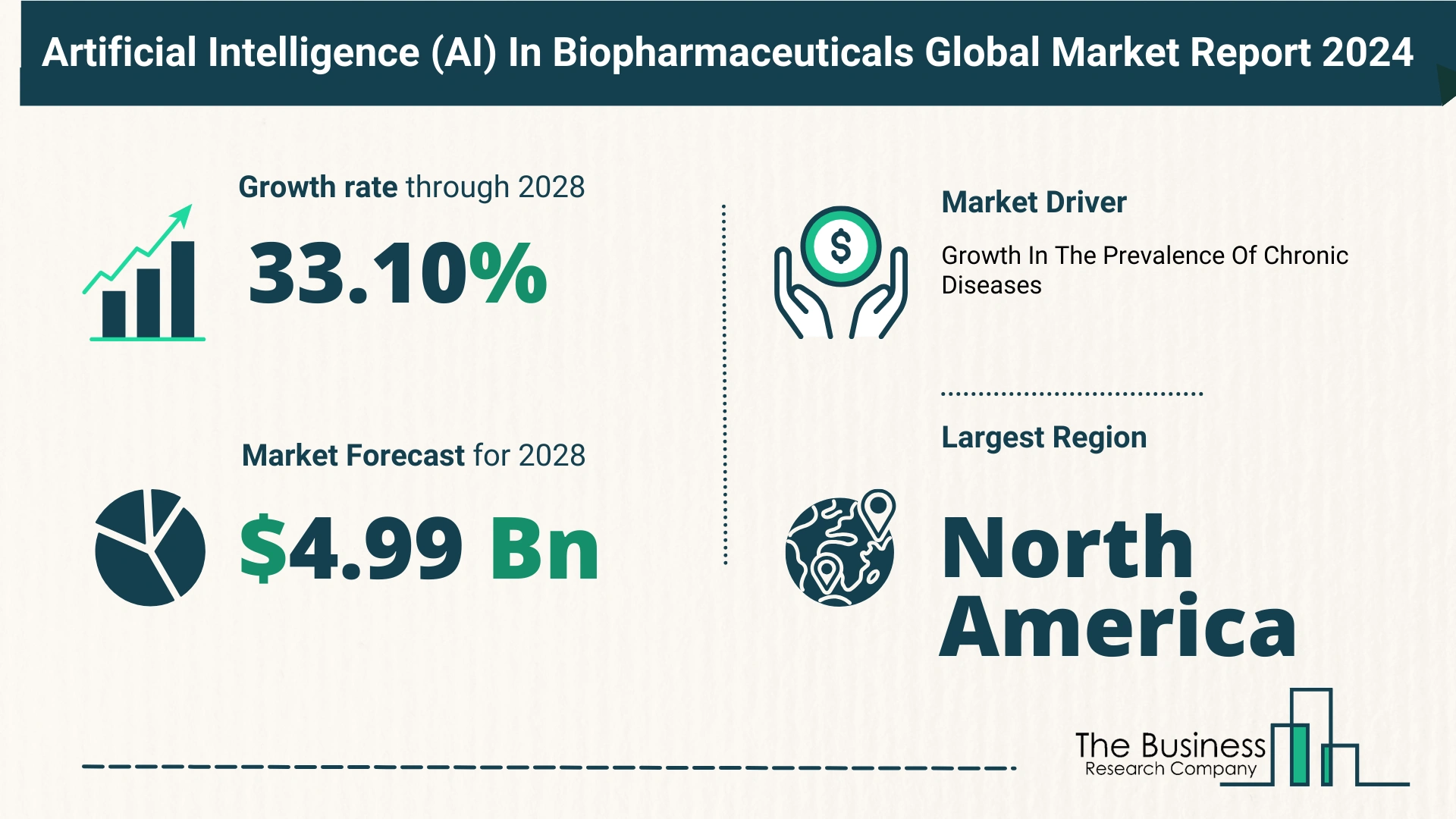
    • Future Market Projections: The market is expected to continue its upward trajectory, reaching $4.99 billion by 2028 with a CAGR of 33.1%. This anticipated growth is attributed to advancements in computational biology, the integration of multi-modal data, the convergence of AI and life sciences, and the establishment of regulatory frameworks emphasizing ethical and fair AI principles.

    Chronic Disease Prevalence Driving Market Expansion

    • Impact of Chronic Diseases: The increasing prevalence of chronic diseases is a significant factor fueling the growth of AI in biopharmaceuticals. These long-lasting conditions, often resulting from lifestyle factors, aging populations, and genetic predispositions, require sophisticated tools for management. AI’s ability to analyze large datasets, identify patterns, and personalize treatments makes it an invaluable resource in managing chronic diseases.
    • Future Projections: According to the National Library of Medicine, the number of chronic disease cases is expected to surge by 99.5% by 2050. This trend underscores the growing need for AI-driven solutions in the biopharmaceutical industry to address the rising demand for effective chronic disease management.

    View More On The Artificial Intelligence (AI) In Biopharmaceuticals Market Report 2024 – https://www.thebusinessresearchcompany.com/report/artificial-intelligence-ai-in-biopharmaceuticals-global-market-report

    Advancements in AI-Powered Drug Discovery and Precision Medicine

    • Innovative AI Solutions: Leading companies in the AI in biopharmaceuticals market are developing advanced AI-powered tools for drug discovery and precision medicine. These solutions aim to streamline the drug development process, reduce costs, and bring new treatments to market faster.
    • Case Study – Google LLC: In May 2023, Google launched AI-powered tools designed to predict and understand protein structures, a crucial aspect of drug development. These tools also enable researchers to manage and analyze vast amounts of genomic data, facilitating the advancement of precision medicine. Such innovations are poised to revolutionize life sciences and improve patient outcomes.

    ZS Associates’ Acquisition of Trials.ai Inc.

    • Strategic Acquisition: In February 2023, ZS Associates acquired Trials.ai Inc. to enhance the design of clinical trials using AI. This acquisition aims to optimize trial speed, improve participant experiences, and expedite the delivery of pharmaceutical therapies to the market.
    • Focus on AI in Clinical Trials: Trials.ai Inc. specializes in leveraging AI and machine learning technologies to revolutionize clinical trials. The integration of these technologies is expected to streamline trial processes, making them more efficient and effective.

    Regional Market Insights and Segmentation

    • Regional Growth: North America led the AI in biopharmaceuticals market in 2023, with Asia-Pacific expected to be the fastest-growing region in the coming years. This growth is driven by the rapid adoption of AI technologies and the increasing demand for innovative biopharmaceutical solutions.
    • Market Segmentation: The AI in biopharmaceuticals market is segmented by offering (hardware, software, services), deployment (cloud, on-premises), technology (machine learning, natural language processing, deep learning), application (business process and supply chain, drug discovery, medical imaging, diagnostics, precision medicine), and end-users (manufacturers, contract research organizations, academic and government research institutes).

    Conclusion

    • Future Outlook: The artificial intelligence in biopharmaceuticals market is set for continued exponential growth, driven by technological advancements, the increasing prevalence of chronic diseases, and strategic industry collaborations. With AI playing a pivotal role in transforming drug discovery, precision medicine, and clinical trials, the market’s potential for innovation and improved patient outcomes is immense.

    Request A Sample Of The Global Artificial Intelligence (AI) In Biopharmaceuticals Market Report 2024:
    https://www.thebusinessresearchcompany.com/sample_request?id=14251&type=smp

  • Growth Trajectory Of The Multi Cancer Early Detection Market 2024-2033

    Growth Trajectory Of The Multi Cancer Early Detection Market 2024-2033

    The Business Research Company’s global market reports are now updated with the latest market sizing information for the year 2024 and forecasted to 2033

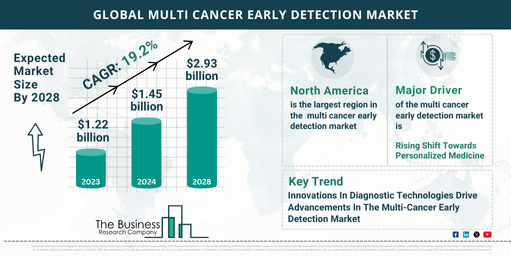
    • Market Size and Growth: The multi-cancer early detection market has experienced significant growth, expanding from $1.22 billion in 2023 to an anticipated $1.45 billion in 2024, reflecting a compound annual growth rate (CAGR) of 19%. This growth is driven by factors such as the increasing prevalence of cancer, government initiatives, greater awareness about early cancer detection, and advancements in healthcare infrastructure and personalized medicine.

    Factors Driving Historic Market Growth

    • Rising Cancer Prevalence: The increasing number of cancer cases worldwide has spurred demand for early detection solutions.
    • Government Initiatives and Funding: Public sector support and funding have played a crucial role in promoting cancer awareness and early detection.
    • Advancements in Healthcare Infrastructure: The expansion and modernization of healthcare systems globally have facilitated better access to early detection technologies.
    • Decreasing Costs of Genetic Testing: As the cost of genetic testing drops, more patients can afford personalized medicine, driving market growth.

    View More On The Multi Cancer Early Detection Market Report 2024 – https://www.thebusinessresearchcompany.com/report/multi-cancer-early-detection-global-market-report

    Future Market Projections and Trends

    • Continued Growth: The market is projected to nearly double, reaching $2.93 billion by 2028, with a CAGR of 19.2%.
    • Expansion of Telemedicine and Digital Health: The growing adoption of digital health solutions and telemedicine is expected to further drive the market, making early detection more accessible.
    • Advancements in Precision Oncology: Precision oncology and biomarker discovery are set to enhance the accuracy and effectiveness of early cancer detection methods.

    Major Trends Shaping the Future

    • AI and Machine Learning: The integration of AI and machine learning into diagnostics is anticipated to improve early cancer detection accuracy.
    • Liquid Biopsy Techniques: Increasing use of liquid biopsy techniques offers a less invasive method for cancer detection.
    • Multi-Omics Approaches: The integration of multi-omics data (e.g., genomics, proteomics) is expected to provide a more comprehensive view of cancer, aiding in earlier detection.
    • At-Home Testing Kits: The rise in at-home testing kits will likely make early cancer detection more convenient and accessible to the public.

    The Role of Personalized Medicine

    • Tailored Treatment Plans: The shift towards personalized medicine is a key driver in the multi-cancer early detection market. By customizing treatment and screening based on an individual’s genetic profile, personalized medicine enhances the efficacy of cancer detection.
    • Regulatory Support: Supportive regulatory measures have facilitated the development and approval of personalized therapies, further fueling market growth.
    • Recent Approvals: The FDA’s approval of 16 novel personalized therapies in 2023, compared to six in 2022, highlights the increasing focus on personalized treatment options, including those for cancer.

    Innovations in Diagnostic Technologies

    • ctDNA-Based Liquid Biopsy: Companies like Lucence are leading the way with ctDNA-based liquid biopsy tests, which offer non-invasive cancer detection and monitoring. These tests improve early detection rates and patient outcomes by identifying circulating tumor DNA in the bloodstream.
    • Recent Product Launches: Lucence’s launch of the LucenceINSIGHT test in May 2023, which screens for 10 prevalent cancers with a single blood sample, exemplifies the innovation occurring in this market.

    Strategic Industry Moves

    • Illumina’s Acquisition of GRAIL: In August 2021, Illumina Inc.’s acquisition of GRAIL Inc. was a strategic move to advance multi-cancer early detection. This acquisition aims to make life-saving genomic tests more accessible, marking a significant step towards revolutionizing cancer care.

    Market Segmentation and Regional Insights

    • Market Segmentation: The multi-cancer early detection market is segmented by type (Liquid Biopsy, Gene Panel, Laboratory Developed Tests), cancer type (Solid Tumors, Hematological Malignancies), and end-user (Hospitals, Diagnostic Laboratories).
    • Regional Insights: North America dominated the market in 2023, while Asia-Pacific is expected to be the fastest-growing region through 2028, driven by advancements in healthcare infrastructure and growing awareness.

    Conclusion

    The multi-cancer early detection market is poised for rapid growth, driven by technological advancements, increasing adoption of personalized medicine, and strategic industry moves. As the market continues to expand, innovations in diagnostics and a focus on early-stage detection will play a critical role in improving patient outcomes and reducing cancer-related mortality worldwide.

    Request A Sample Of The Global Multi Cancer Early Detection Market Report 2024:
    https://www.thebusinessresearchcompany.com/sample_request?id=15864&type=smp

  • Top 5 Insights From The Minimally Invasive Glaucoma Surgery (MIGS) Devices Market Report 2024

    Top 5 Insights From The Minimally Invasive Glaucoma Surgery (MIGS) Devices Market Report 2024

    The Business Research Company’s global market reports are now updated with the latest market sizing information for the year 2024 and forecasted to 2033

    According to The Business Research Company’s Minimally Invasive Glaucoma Surgery (MIGS) Devices Global Market Report 2024, the minimally invasive glaucoma surgery (MIGS) devices market is expected to show promising growth in the forecast period.

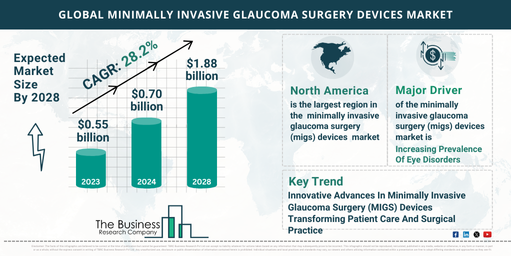
    • Rapid Market Expansion: The market for Minimally Invasive Glaucoma Surgery (MIGS) devices has seen significant growth, expanding from $0.55 billion in 2023 to an estimated $0.70 billion in 2024. This growth, with a compound annual growth rate (CAGR) of 27.8%, is driven by several factors, including heightened awareness of blindness prevention and increased investment in healthcare infrastructure.
    • Future Projections: The MIGS devices market is expected to continue this upward trajectory, with projections indicating a rise to $1.89 billion by 2028 at a CAGR of 28.2%. This surge is attributed to the growing prevalence of eye disorders, an aging population, and the need for safer, more efficient treatments.

    Rising Demand Due to Glaucoma Prevalence

    • Glaucoma’s Impact: The increasing prevalence of glaucoma and other eye disorders is a significant driver of the MIGS devices market. Lifestyle changes, environmental factors, and aging populations contribute to the rising incidence of these conditions. MIGS devices, which focus on reducing intraocular pressure (IOP) to manage glaucoma, are becoming essential in combating these growing health issues.
    • Future Implications: With the National Eye Institute predicting that 2.2 million Americans will be blind or partially blind by 2030, the demand for effective glaucoma treatments like MIGS devices is expected to increase, further propelling market growth. 

    View More On The Minimally Invasive Glaucoma Surgery (MIGS) Devices Market Report 2024 – https://www.thebusinessresearchcompany.com/report/minimally-invasive-glaucoma-surgery-migs-devices-global-market-report

    Technological Innovations Transforming the Market

    • Innovative Product Development: Leading companies in the MIGS devices market are focusing on developing innovative products to meet unmet needs in glaucoma management. Products like stent injectable systems are revolutionizing patient care by offering minimally invasive solutions for glaucoma treatment.
    • Case Study – Glaukos Corporation: An example of such innovation is the iStent Infinite Trabecular Micro-Bypass System, developed by Glaukos Corporation. This three-stent injectable system, cleared by the FDA in August 2022, provides 24/7 IOP control for patients with primary open-angle glaucoma (POAG), whose condition is not managed by existing treatments.

    Strategic Acquisitions Strengthen Market Position

    • Alcon’s Strategic Move: In November 2021, Alcon Inc. expanded its ophthalmic portfolio by acquiring Ivantis Inc., a company known for manufacturing MIGS devices. This acquisition strengthens Alcon’s position in the global surgical market and enables the company to bring innovative products like the Hydrus Microstent to a broader patient base.
    • Global Reach and Growth: Alcon’s acquisition of Ivantis highlights the strategic importance of mergers and acquisitions in expanding market reach and leveraging technological advancements to drive growth in the MIGS devices market.

    Regional Insights and Market Segmentation

    • North America Leads: In 2023, North America was the largest region in the MIGS devices market, reflecting the region’s advanced healthcare infrastructure and high awareness levels.
    • Asia-Pacific Growth Potential: Looking ahead, the Asia-Pacific region is expected to be the fastest-growing market, driven by an increasing prevalence of eye disorders, a growing elderly population, and expanding healthcare infrastructure.
    • Market Segmentation: The MIGS devices market is segmented by product type, surgery type, target area, distribution channel, and end user, with diverse offerings ranging from valves and stents to various surgical applications. The market serves ophthalmology clinics, ambulatory surgery centers (ASCs), and other end users, ensuring broad accessibility to these life-enhancing technologies.

    In conclusion, the minimally invasive glaucoma surgery (MIGS) devices market is poised for exponential growth, fueled by rising demand for advanced glaucoma treatments, innovative technological advancements, and strategic industry moves. This dynamic market is set to transform patient care and surgical practices in the years to come.

    Request A Sample Of The Global Minimally Invasive Glaucoma Surgery (MIGS) Devices Market Report 2024:
    https://www.thebusinessresearchcompany.com/sample_request?id=15863&type=smp

  • What’s The Growth Forecast For Medical Drone Delivery Services Market Through 2024-2033?

    What’s The Growth Forecast For Medical Drone Delivery Services Market Through 2024-2033?

    The Business Research Company’s global market reports provide comprehensive analysis on the various markets in 27 industries across 60 geographies. 

    • Exponential Market Growth: The medical drone delivery services market has seen rapid expansion, growing from $0.26 billion in 2023 to an expected $0.33 billion in 2024, with a compound annual growth rate (CAGR) of 25.9%.
    • Historical Drivers: Growth during this period has been driven by emergency response needs, improved rural healthcare access, cost reduction pressures, infrastructure challenges, and the globalization of healthcare.

    Forecast for Future Expansion

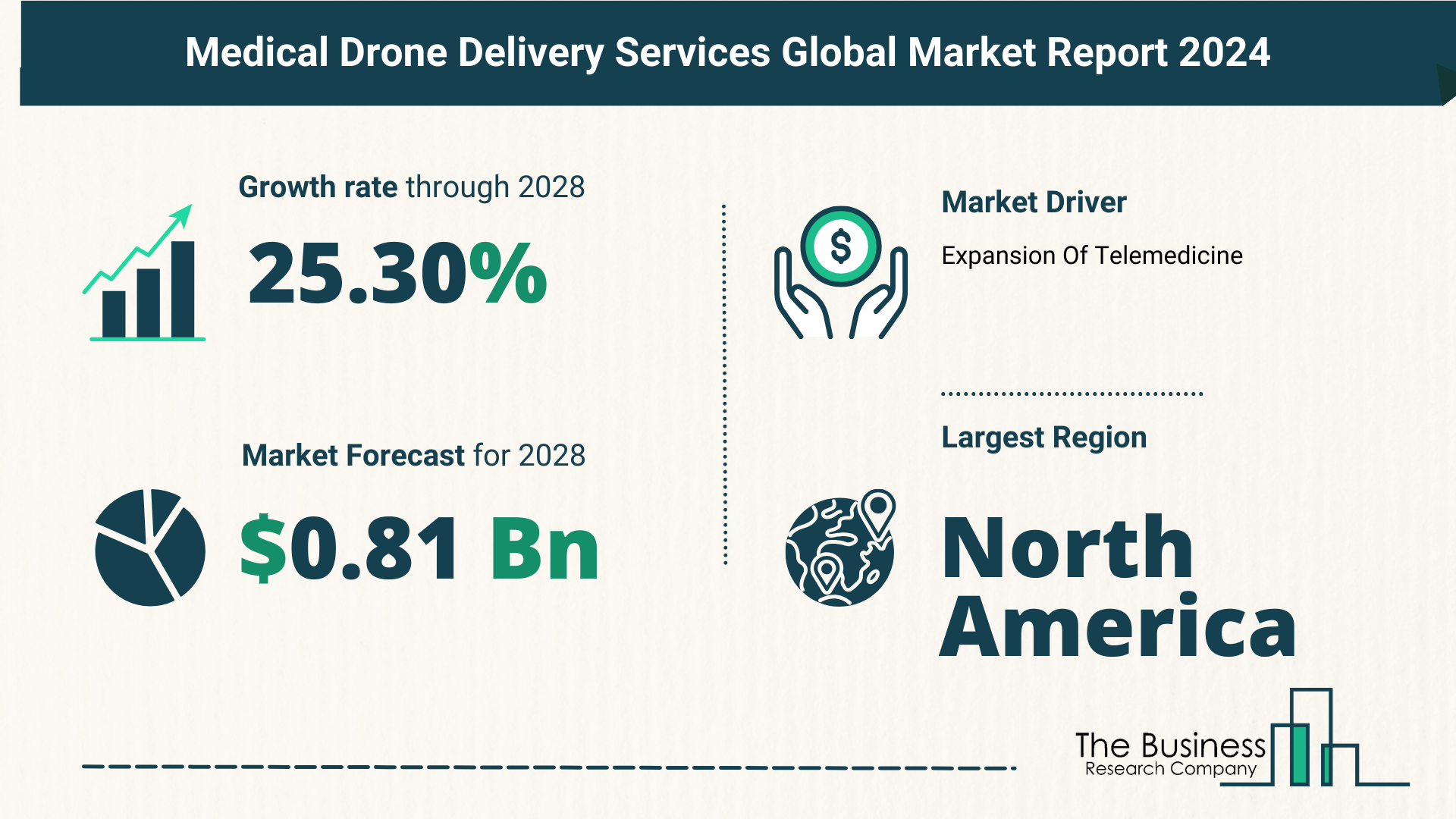
    • Future Market Projections: The market is projected to reach $0.81 billion by 2028, with a CAGR of 25.3%.
    • Key Growth Factors: Urbanization, climate change impacts, an aging population, government initiatives, increasing market competition, innovation, and healthcare digitization are the main drivers for future growth.
    • Emerging Trends: Trends include integration with air traffic management systems, healthcare professional training, drone fleet management solutions, global health security initiatives, and partnerships with e-commerce platforms.

    View More On The Medical Drone Delivery Services Market Report 2024 – https://www.thebusinessresearchcompany.com/report/medical-drone-delivery-services-global-market-report

    Telemedicine Expansion Propels Market Growth

    • Telemedicine’s Role: The expansion of telemedicine is a significant growth driver for the medical drone delivery services market. Telemedicine’s role in providing remote healthcare services enhances the efficiency and reach of healthcare delivery.
    • Supporting Data: Between 2020 and 2022, 118.2 million telehealth services were provided to 18 million patients in Australia. In the U.S., 80% of respondents accessed care remotely in 2022, up from 72% in 2021.
    • Market Impact: The widespread adoption of telemedicine drives the demand for medical drone delivery services, particularly in remote or underserved areas.

    Innovations and Strategic Partnerships

    • Amazon Pharmacy’s Drone Delivery Service: In October 2023, Amazon Pharmacy launched a drone delivery service for prescription medications, delivering drugs within 60 minutes to customers in College Station, Texas. This service utilizes advanced drone technology to ensure safe and quick delivery.
    • Zipline and Cleveland Clinic Partnership: In November 2023, Zipline International Inc. partnered with Cleveland Clinic to enhance patient delivery options through automated drone delivery of medical supplies. This collaboration aims to improve the patient experience, reduce costs, and promote environmentally friendly practices.

    Regional Insights and Market Segmentation

    • Market Segmentation: The market is segmented by drone type (Fixed Wing, Rotor Drones, Hybrid Drones), application (Blood Transfer, Drugs or Pharmaceutical Transfer, Vaccination Program), and end user (Government Organizations, Emergency Medical Services, Blood Banks).
    • Regional Leadership: North America was the largest region in the medical drone delivery services market in 2023, reflecting its advanced infrastructure and early adoption of drone technology in healthcare.

    Conclusion

    The medical drone delivery services market is poised for significant growth, driven by advancements in technology, expanding telemedicine services, and strategic partnerships. As the market continues to evolve, innovations and government initiatives will likely shape the future of healthcare delivery, making it more efficient, accessible, and environmentally sustainable.

    Request A Sample Of The Global Medical Drone Delivery Services Market Report 2024:
    https://www.thebusinessresearchcompany.com/sample_request?id=14428&type=smp