Month: August 2024

  • 5 Key Insights On The Multiomics Market 2024

    5 Key Insights On The Multiomics Market 2024

    The Business Research Company’s global market reports are now updated with the latest market sizing information for the year 2024 and forecasted to 2033

    As per The Business Research Company’s Multiomics Global Market Report 2024, the multiomics market is expected to show significant growth in the forecast period.

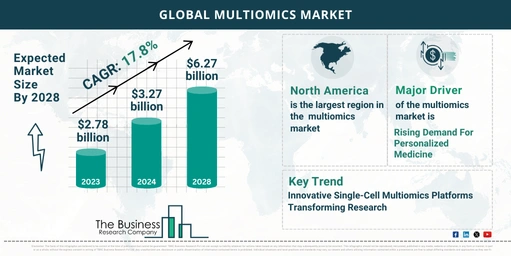
    • Market Size Surge: The multiomics market has witnessed significant growth, expanding from $2.78 billion in 2023 to $3.27 billion in 2024, with a compound annual growth rate (CAGR) of 17.7%.
    • Historical Drivers: This surge can be attributed to increased biomedical research, enhanced funding from both government and private sectors, rising prevalence of chronic diseases, technological advancements, and improved computational tools for data analysis.

    Continued Expansion Predicted for the Future

    • Forecasted Growth: The market is expected to continue its upward trajectory, reaching $6.28 billion by 2028, with a CAGR of 17.8%.
    • Growth Factors: Key contributors to this future growth include advancements in artificial intelligence (AI) and machine learning (ML), expansion of clinical applications, the growing biopharmaceutical industry, the emergence of integrated multiomics platforms, and increasing applications in agricultural and environmental research.

    Major Trends Shaping the Market

    • Technological Advancements: Continuous technological innovations and the launch of new commercial multiomics platforms are driving the market forward.
    • Spatially Resolved Multiomics: The adoption of spatially resolved multiomics analysis is gaining traction, particularly in biopharmaceutical research and development.
    • Clinical Diagnostics Expansion: The application of multiomics in clinical diagnostics is expanding, further fueling market growth.

    View More On The Multiomics Market Report 2024 – https://www.thebusinessresearchcompany.com/report/multiomics-global-market-report

    Personalized Medicine: A Key Market Driver

    • Rising Demand: The growing demand for personalized medicine, which tailors healthcare treatments to individual patients based on their genetic, environmental, and lifestyle factors, is a major driver of the multiomics market.
    • Technological Contributions: Multiomics provides a detailed understanding of an individual’s genetic, molecular, and metabolic profile, allowing healthcare providers to customize treatments.
    • Industry Impact: For example, in 2023, the FDA approved 16 novel personalized therapies for rare diseases, a significant increase from 6 in 2022, demonstrating the rising importance of personalized medicine.

    Key Players in the Multiomics Market

    • Leading Companies: Major companies in the multiomics market include Bayer AG, Thermo Fisher Scientific Inc., Novartis AG, Becton Dickinson and Company, Eurofins Scientific SE, Agilent Technologies Inc., Illumina Inc., and others.
    • Innovation Focus: These companies are continuously innovating, developing advanced platforms and expanding their capabilities to stay competitive in the rapidly growing market.

    Innovative Single-Cell Multiomics Platforms Transforming Research

    • Single-Cell Advancements: Single-cell multiomics platforms are at the forefront of innovation, allowing researchers to conduct large-scale studies with high sample integrity.
    • Example: Becton, Dickinson, and Company’s BD Rhapsody HT Xpress, launched in February 2023, exemplifies this innovation. This high-throughput platform allows for the isolation, barcoding, and analysis of single cells with greater efficiency and flexibility, enhancing research outcomes.

    Strategic Acquisitions Strengthen Market Position

    • Notable Acquisition: In October 2022, Clinical Microbiomics acquired MS-Omics, bolstering its capabilities in microbiome analysis and solidifying its leadership in the field.
    • Comprehensive Solutions: This acquisition enables Clinical Microbiomics to offer a comprehensive suite of multiomics solutions, providing deeper insights into the role of the microbiome in health and disease.

    Market Segmentation and Regional Insights

    • Segmentation: The multiomics market is segmented by type (Single-Cell Multiomics, Bulk Multiomics), platform (Genomics, Transcriptomics, Proteomics, Metabolomics, Integrated Omics Platforms), application (Diagnostics, Drug Discovery and Development, Personalized Medicine, AgriGenomics, Other Applications), and end user (Academics and Research Organizations, Pharmaceutical and Biotechnology Companies, Clinical Research Organizations, Other End-Users).
    • Regional Analysis: North America was the largest region in the multiomics market in 2023, while Asia-Pacific is expected to be the fastest-growing region during the forecast period.

    Request A Sample Of The Global Multiomics Market Report 2024:
    https://www.thebusinessresearchcompany.com/sample_request?id=15866&type=smp
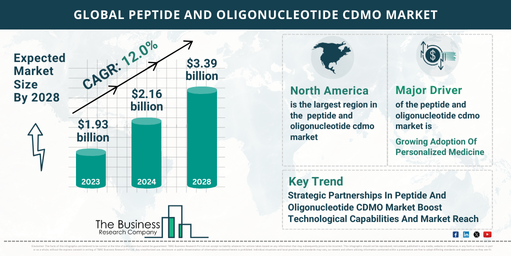
  • Key Trends And Drivers In The Peptide And Oligonucleotide CDMO Market 2024

    Key Trends And Drivers In The Peptide And Oligonucleotide CDMO Market 2024

    The Business Research Company’s market reports offer an in-depth analysis on the market’s growth potential, major drivers, key trends and more.

    Market Overview

    The peptide and oligonucleotide contract development and manufacturing organization (CDMO) market has experienced significant growth in recent years.

    • 2023 Market Size: $1.93 billion.
    • 2024 Forecast: Expected to reach $2.16 billion, growing at a compound annual growth rate (CAGR) of 11.8%.
    • 2028 Projection: Anticipated to reach $3.39 billion, with a CAGR of 12.0%.

    Historical Growth Drivers

    The growth in the historical period can be attributed to several factors:

    • Therapeutic Demand: Increased demand for therapeutic agents.
    • Technological Advancements: Progress in synthesis and manufacturing technologies.
    • Personalized Medicine: Rising trends in personalized medicine.
    • Regulatory Guidelines: Stricter regulatory frameworks boosting market confidence.
    • Focus on Antivirals and mRNA: Enhanced focus on antiviral peptides and mRNA vaccines, showcasing the potential of oligonucleotides in vaccine development.

    Read More On The Peptide And Oligonucleotide CDMO Market Report 2024 – https://www.thebusinessresearchcompany.com/report/peptide-and-oligonucleotide-cdmo-global-market-report

    Future Growth Drivers

    The projected growth in the coming years is driven by:

    • Personalized Medicine: Continued demand for tailored therapeutic solutions.
    • Biotechnology Advancements: Innovations in biotechnology.
    • Expanding Applications: Broader applications of peptides and oligonucleotides.
    • Outsourcing: Increasing trend of outsourcing manufacturing and development.
    • Chronic Diseases: Growing burden of chronic diseases requiring advanced therapies.

    Major Trends

    Several key trends are shaping the market:

    • Personalized Therapies: Emphasis on custom treatments.
    • Technological Advancements: Ongoing improvements in technology.
    • Quality Control Challenges: Ensuring high-quality production standards.
    • Global Expansion: Companies expanding their global footprint.
    • Collaboration: Increased partnerships among biopharmaceutical companies.

    Personalized Medicine: A Key Growth Driver

    Personalized medicine is a significant growth driver in the peptide and oligonucleotide CDMO market.

    • Tailored Treatments: Medical decisions and treatments based on individual characteristics such as genetics, environment, and lifestyle.
    • Genomic Technologies: Advancements in genomic technologies facilitating personalized approaches.
    • Disease Mechanisms: Better understanding of molecular-level disease mechanisms.
    • FDA Approvals: For instance, the FDA approved 16 new personalized treatments for rare diseases in February 2024, up from 6 in 2022.

    Strategic Partnerships Enhance Capabilities

    Companies in the peptide and oligonucleotide CDMO market are forming strategic partnerships to boost their capabilities.

    • Collaborative Agreements: Partnerships focused on developing and manufacturing peptide-based therapeutics.
    • Example: In May 2023, PolyPeptide Group AG partnered with Numaferm GmbH to leverage their respective strengths in manufacturing and sustainable peptide production.

    EUROAPI’s Acquisition of BianoGMP

    EUROAPI made a strategic acquisition to strengthen its market position.

    • Acquisition: In May 2024, EUROAPI acquired BianoGMP to enhance its capabilities in oligonucleotide CDMO services.
    • Impact: This acquisition complements EUROAPI’s existing capacities, particularly in Frankfurt, and bolsters its market position.

    Market Segmentation

    The peptide and oligonucleotide CDMO market is segmented by product, service type, application, and end user.

    • By Product: Peptides, Oligonucleotides.
    • By Service Type: Contract Development, Contract Manufacturing.
    • By Application: Therapeutics, Research Applications, Diagnostics, Other Applications.
    • By End User: Biopharmaceutical Companies, Pharmaceutical Companies, Research Institutes, Academic and Government Organizations, Other End Users.

    Regional Insights

    • North America: The largest region in the peptide and oligonucleotide CDMO market in 2023.
    • Asia-Pacific: Expected to be the fastest-growing region during the forecast period, driven by advancements in biotechnology and increasing healthcare investments.

    In summary, the peptide and oligonucleotide CDMO market is poised for robust growth, driven by personalized medicine, technological advancements, and strategic partnerships. As the demand for specialized therapeutic agents rises, the market will continue to expand, offering significant opportunities for companies in this sector.

    Request for A Sample Of The Global Peptide And Oligonucleotide CDMO Market Report:
    https://www.thebusinessresearchcompany.com/sample_request?id=15892&type=smp

  • Understand How The Peripheral Nerve Injuries Market Is Poised To Grow Through 2024-2033

    Understand How The Peripheral Nerve Injuries Market Is Poised To Grow Through 2024-2033

    The Business Research Company’s global market reports are now updated with the latest market sizing information for the year 2024 and forecasted to 2033

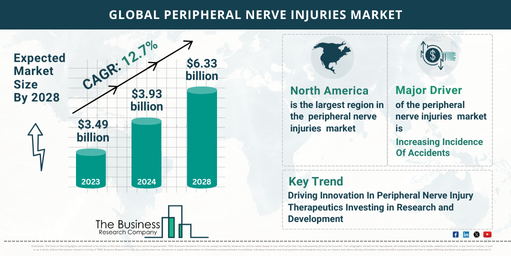
    As per The Business Research Company’s Peripheral Nerve Injuries Global Market Report 2024, the peripheral nerve injuries market is expected to show significant growth in the forecast period.

    The peripheral nerve injuries market has experienced significant growth recently. From $3.49 billion in 2023, it is projected to reach $3.93 billion in 2024, reflecting a compound annual growth rate (CAGR) of 12.5%.

    • Historical Growth Drivers:
      • Increased age-related disorders like osteoporosis and arthritis.
      • Higher prevalence in aesthetics, orthopedics, trauma, cardiology, and geriatric care.
      • Rising instances of traumatic nerve injuries.
      • Growing adoption of surgical interventions for precise and direct repair of damaged nerves.
      • Older populations more susceptible to injuries such as neuropathy.

    Future Market Projections

    The peripheral nerve injuries market is expected to continue its rapid expansion, growing to $6.34 billion by 2028 at a CAGR of 12.7%.

    • Forecast Growth Drivers:
      • Increasing incidence of trauma, accidents, and sports injuries.
      • Rising chronic conditions like diabetes.
      • Aging population leading to more cases of nerve injuries.
      • Improved patient compliance and quality of life.
      • Growing global prevalence of peripheral nerve injuries (PNI).

    View More On The Peripheral Nerve Injuries Market Report 2024 – https://www.thebusinessresearchcompany.com/report/peripheral-nerve-injuries-global-market-report 

    Technological Advancements and Emerging Trends

    The forecast period will see several major trends driving market growth:

    • Technological Advancements:
      • Innovations in nerve repair technologies.
      • Progress in diagnostic technologies.
      • Development of artificial nerve implants.
      • Emergence of new therapies.
      • Focus on personalized medicine.

    Rising Incidence of Accidents

    The increasing incidence of accidents is a significant factor propelling market growth.

    • Factors Contributing to Increased Accidents:
      • Urbanization leading to higher traffic volumes.
      • Lifestyle and environmental changes.
      • Distracted behaviors.
    • Comprehensive Treatment Strategies:
      • Investigational treatments such as stem cell therapy, growth factor administration, and gene therapy.
    • Example:
      • According to The Road Safety Charity, the UK saw 1,766 road deaths in 2022, a 10% increase since 2021, highlighting the need for effective treatment for nerve injuries resulting from accidents.

    Leading Companies and Innovation

    Major companies in the peripheral nerve injuries market are driving innovation through substantial investments in research and development.

    • Key Players:
      • Abbott Laboratories
      • Medtronic Plc
      • Stryker Corporation
      • Boston Scientific Corporation
      • Integra LifeSciences Holdings Corp.
      • AxoGen Inc.
      • Bioness Inc.
      • SPR Therapeutics Inc.
      • Stimwave Technologies Inc.
      • SetPoint Medical Inc.
      • NeuroMetrix Inc.
      • Polyganics BV
      • Orthocell Ltd.
      • NeuraLace Medical Inc.
      • MyndTec Inc.
      • Epineuron LLC

    Research and Development Investments

    Companies are investing in therapeutic research to enhance nerve regeneration and improve patient outcomes.

    • Example:
      • In October 2022, NervGen Pharma Corp. received up to $1.5 million from the US Department of Defense to evaluate NVG-291-R for peripheral nerve injury treatment, supporting preclinical research for nerve regeneration.

    Expanding Pipelines and Acquisitions

    Companies are expanding their pipelines and acquiring other firms to bolster their capabilities.

    • Example:
      • In September 2021, Novaremed acquired Metys Pharmaceuticals, enhancing its pipeline with innovative non-opioid treatments for chronic pain related to peripheral nerve injuries.

    Market Segmentation

    The peripheral nerve injuries market is segmented as follows:

    1. By Product:
      • Nerve Conduit
      • Nerve Protector
      • Nerve Connector
      • Nerve Wraps
    2. By Injury:
      • Traumatic Injuries
      • Compression Injuries
      • Surgical Injuries
    3. By Surgery:
      • Direct Nerve Repair
      • Nerve Grafting
      • Stem Cell Therapy
    4. By Application:
      • Upper Extremities
      • Lower Extremities
    5. By End-User:
      • Hospitals and Clinics
      • Rehabilitation Centers
      • Home Care Settings

    Regional Insights

    North America was the largest region in the peripheral nerve injuries market in 2023, reflecting significant market potential and growth opportunities.

    The peripheral nerve injuries market is poised for continued growth, driven by technological advancements, increased incidence of injuries, and substantial investments in research and development.

    Request A Sample Of The Global Peripheral Nerve Injuries Market Report 2024:
    https://www.thebusinessresearchcompany.com/sample_request?id=15893&type=smp

  • Pediatric Radiology Market Report 2024: Market Size, Drivers, And Trends

    Pediatric Radiology Market Report 2024: Market Size, Drivers, And Trends

    The Business Research Company’s global market reports are now updated with the latest market sizing information for the year 2024 and forecasted to 2033

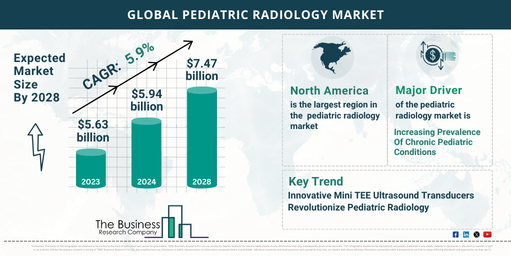
    The pediatric radiology market has witnessed significant growth in recent years and is set for continued expansion. Key factors driving this growth include medical imaging innovations, rising pediatric disease incidence, and advancements in imaging quality and safety. This blog delves into the market’s current and future trends, major players, and innovations shaping the landscape.

    Current Market Growth

    Market Size and Growth Rate

    • The pediatric radiology market grew from $5.63 billion in 2023 to $5.94 billion in 2024, marking a compound annual growth rate (CAGR) of 5.6%.
    • Growth has been driven by:
      • Innovations in medical imaging technology.
      • Increased incidence of pediatric diseases.
      • Greater awareness and adoption of pediatric radiology.
      • Improvements in imaging quality and safety.
      • Focused research and training in pediatric radiology.

    Future Market Outlook

    Projected Growth

    • The market is expected to reach $7.47 billion by 2028, with a CAGR of 5.9%.
    • Key drivers of future growth include:
      • Integration of artificial intelligence (AI) in imaging.
      • Expansion of telemedicine and remote imaging solutions.
      • Advances in personalized medicine and precision imaging.
      • Shift towards value-based healthcare models.
      • Innovations in emerging markets.

    View More On The Pediatric Radiology Market Report 2024 – https://www.thebusinessresearchcompany.com/report/pediatric-radiology-global-market-report

    Trends Shaping the Future

    Major Trends

    • Advancements in pediatric-specific imaging techniques.
    • Increased use of AI and machine learning in radiology.
    • Expansion of point-of-care imaging solutions.
    • Growth in remote monitoring and telemedicine.
    • Emphasis on patient-centered and family-centered imaging approaches.

    Chronic Pediatric Conditions Fuel Market Growth

    Impact of Chronic Conditions

    • The rise in chronic pediatric conditions is a significant growth driver for the pediatric radiology market.
    • Chronic conditions, which require long-term medical attention, are increasing due to genetic, environmental, and lifestyle factors.
    • Pediatric radiology is essential in diagnosing, monitoring, and managing these conditions, using imaging techniques like X-rays, MRI, and CT scans.
    • Example: In 2022, hospital admissions for children with asthma in England and Wales surged by 149% compared to the previous year, highlighting the increasing need for pediatric radiology services.

    Key Market Players

    Leading Companies

    • Major companies in the pediatric radiology market include:
      • Samsung Electronics Co. Ltd.
      • Hitachi Ltd.
      • Siemens AG
      • General Electric Company
      • Toshiba Corporation
      • Fujifilm Holdings Corporation
      • Koninklijke Philips N.V.
      • Agilent Technologies Inc.
      • Hologic Inc.
      • Shimadzu Corporation

    Innovative Mini TEE Ultrasound Transducers

    Product Innovations

    • Companies are developing advanced products like mini transesophageal echocardiography (TEE) ultrasound transducers.
    • These devices provide detailed images of the heart through the esophagus, enhancing diagnostic precision and patient comfort.
    • Example: In May 2024, Koninklijke Philips N.V. launched the X11-4t Mini 3D TEE transducer, designed for pediatric patients and adults at risk of complications, offering high-quality 3D imaging with minimal anesthesia needs.

    Strategic Acquisitions

    GE Healthcare’s Acquisition of IMACTIS

    • In April 2023, GE HealthCare Technologies Inc. acquired IMACTIS, enhancing its portfolio in interventional guidance.
    • This acquisition brings IMACTIS’ CT-Navigation system into GE’s offerings, improving workflow efficiency and procedural accuracy in minimally invasive procedures.

    Market Segmentation

    Product Type, Modality, Application, and End-User

    • The market is segmented by product type, including ultrasound, MRI, X-ray, and CT scanners.
    • Modality categories include standalone devices, table-top devices, and portable devices.
    • Applications span oncology, orthopedics, cardiology, and more.
    • End-users include hospitals, pediatric clinics, diagnostic centers, and others.

    Regional Insights

    Geographic Growth

    • North America was the largest market for pediatric radiology in 2023.
    • The Asia-Pacific region is expected to be the fastest-growing market in the forecast period, driven by advancements in healthcare infrastructure and increasing adoption of advanced imaging technologies.

    The pediatric radiology market is poised for robust growth, driven by technological advancements, increasing chronic pediatric conditions, and strategic initiatives by key market players. As innovations continue to emerge, the market will see enhanced diagnostic and treatment capabilities, improving patient outcomes and shaping the future of pediatric healthcare.

    Request A Sample Of The Global Pediatric Radiology Market Report 2024:
    https://www.thebusinessresearchcompany.com/sample_request?id=15891&type=smp

  • How Is The Pediatric Medical Devices Market Expected To Grow Through 2024-2033

    How Is The Pediatric Medical Devices Market Expected To Grow Through 2024-2033

    The Business Research Company’s global market reports are now updated with the latest market sizing information for the year 2024 and forecasted to 2033

    According to The Business Research Company’s Pediatric Medical Devices Global Market Report 2024, the pediatric medical devices market is expected to show promising growth in the forecast period.

    The pediatric medical devices market has shown impressive growth in recent years. This trend is set to continue, driven by various factors and innovations.

    Current Market Size and Growth

    • 2023 Market Size: $31.29 billion
    • 2024 Market Size: $33.84 billion
    • CAGR: 8.1%

    The recent growth in the pediatric medical devices market can be attributed to:

    • Increasing awareness of pediatric healthcare needs
    • Growing investments in healthcare infrastructure
    • Population growth
    • Government initiatives supporting child health
    • Expansion of insurance coverage

    Future Market Projections

    • 2028 Market Size: $46.45 billion
    • CAGR: 8.2%

    Key factors driving future growth include:

    • Adoption of value-based care models
    • Advancements in manufacturing processes
    • Personalized healthcare solutions
    • Focus on home-based care
    • Collaborative innovation in medical technologies

    View More On The Pediatric Medical Devices Market Report 2024 – https://www.thebusinessresearchcompany.com/report/pediatric-medical-devices-global-market-report

    Major Trends

    • Remote monitoring solutions
    • Pediatric telemedicine services
    • Wearable health devices for children
    • Pediatric robotics in surgery
    • Integration of AI in pediatric healthcare

    Minimally Invasive Pediatric Surgical Procedures

    The demand for minimally invasive pediatric surgical procedures is significantly boosting the pediatric medical devices market.

    Benefits of Minimally Invasive Procedures

    • Smaller incisions or natural body openings
    • Specialized instruments and imaging technology
    • Less trauma and quicker recovery compared to traditional surgeries

    Market Impact

    • Case Study: In March 2023, Washington University in St. Louis reported an increase in operating room cases for minimally invasive surgery from 2,208 in 2021 to 2,400 in 2022.

    Technological Advancements

    • Enhanced safety and precision in interventions
    • Reduced post-operative complications
    • Effective treatment with minimal trauma to surrounding tissues

    Key Market Players

    • Cardinal Health Inc.
    • Johnson & Johnson
    • Siemens AG
    • Hoffmann-La Roche Ltd.
    • Abbott Laboratories
    • Medtronic plc
    • GE HealthCare Technologies
    • Baxter International Inc.
    • Boston Scientific Corporation
    • Zimmer Biomet Holdings Inc.
    • Olympus Corporation
    • Terumo Corporation
    • Smith & Nephew plc
    • Atom Medical Corporation
    • Elektro-Mag
    • Novonate Inc.

    Innovative Orthopedic Implants for Pediatric Patients

    Leading companies are developing orthopedic implants to meet the unique healthcare needs of pediatric patients.

    Example: OrthoPediatrics Corporation

    • Launch: RESPONSE Rib and Pelvic Fixation system (March 2024)
    • Target Condition: Early Onset Scoliosis (EOS)
    • Features: Range of implant options, low-profile designs, and locking mechanisms for enhanced precision and flexibility

    Expansion Through Acquisition

    • Acquisition: Pega Medical by OrthoPediatrics Corporation (July 2022)
    • Purpose: Expand pediatric orthopedics portfolio to aid more children with orthopedic disorders
    • Investment: $33 million

    Market Segmentation

    1. By Product
      • Cardiology Devices
      • In Vitro Diagnostic (IVD) Devices
      • Diagnostic Imaging Devices
      • Anesthesia and Respiratory Care Devices
      • Neonatal Intensive Care Unit (ICU) Devices
      • Other Products
    2. By Age Group
      • Infants
      • Children
      • Adolescents
    3. By End-User
      • Hospitals
      • Diagnostic Laboratories
      • Ambulatory Surgical Centers
      • Other End-Users

    Regional Insights

    • Largest Region (2023): North America
    • Fastest-Growing Region (Forecast Period): Asia-Pacific

    The pediatric medical devices market is poised for significant growth, driven by technological advancements, increasing awareness, and strategic initiatives by key players. The focus on minimally invasive procedures and innovative solutions will continue to shape the future of pediatric healthcare.

    Request A Sample Of The Global Pediatric Medical Devices Market Report 2024:
    https://www.thebusinessresearchcompany.com/sample_request?id=15890&type=smp

  • Pediatric Catheter Global Market Outlook 2024-2033: Size And Growth Rate Analysis

    Pediatric Catheter Global Market Outlook 2024-2033: Size And Growth Rate Analysis

    The Business Research Company’s global market reports provide comprehensive analysis on the various markets in 27 industries across 60 geographies.

    Overview of Market Growth

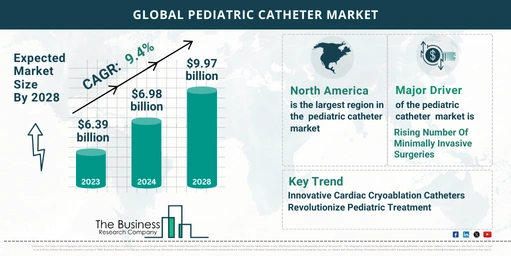
    • Current Market Size: The pediatric catheter market has seen substantial growth, expanding from $6.39 billion in 2023 to $6.98 billion in 2024, at a CAGR of 9.3%.
    • Forecasted Growth: The market is expected to grow further, reaching $9.98 billion by 2028 with a CAGR of 9.4%.

    Drivers of Growth

    • Increased Prevalence of Pediatric Disorders: More children are being diagnosed with various disorders, necessitating the use of catheters.
    • Rising Awareness: Both parents and healthcare professionals are more informed about the benefits and usage of pediatric catheters.
    • Preference for Minimally Invasive Procedures: The medical community’s shift towards minimally invasive techniques is driving the market.
    • Enhancements in Healthcare Infrastructure: Better facilities and technologies in healthcare institutions support market growth.
    • Growth of Home-Based Medical Care: An increasing preference for treating pediatric patients at home boosts the demand for pediatric catheters.

    Forecasted Market Drivers

    • Increasing Prevalence of Chronic Diseases: Chronic conditions in children are on the rise, requiring ongoing catheter use.
    • Rising Healthcare Expenditure: Higher spending on healthcare improves access to advanced medical devices, including pediatric catheters.
    • Expansion of Ambulatory Surgical Centers: More outpatient surgeries mean increased use of pediatric catheters.
    • Environmental and Sustainable Practices: Growing emphasis on eco-friendly medical products is shaping market dynamics.
    • Pediatric Neurological Conditions: A rise in neurological disorders among children is boosting demand for neurovascular catheters.

    View More On The Pediatric Catheter Market Report 2024 – https://www.thebusinessresearchcompany.com/report/pediatric-catheter-global-market-report

    Major Market Trends

    • Technological Advancements: Innovations in catheter design and materials are enhancing their effectiveness and safety.
    • Adoption of Advanced Catheterization Techniques: New techniques are improving patient outcomes and market appeal.
    • Integration of Digital Health Technologies: Smart catheters and other digital health tools are gaining traction.
    • Environmentally Sustainable Materials: The shift towards eco-friendly materials in catheter production is a notable trend.
    • Expansion of Distribution Networks: Wider availability and distribution of pediatric catheters are driving market growth.
    • Virtual Consultations: Increasing use of telehealth services for pediatric care supports the market.

    Minimally Invasive Surgeries and Market Growth

    • Demand for MIS: The preference for minimally invasive surgeries (MIS) due to faster recovery, less discomfort, and minimal scarring is driving the pediatric catheter market.
    • Enhanced Utilization: MIS enhances the use of catheters by providing less invasive access for insertion.
    • Market Impact: For example, in 2023, Americans spent over $11.8 billion on minimally invasive aesthetic procedures, highlighting the growing demand for MIS.

    Key Players in the Market

    • Leading Companies: Cardinal Health, Abbott Laboratories, Medtronic Plc, Becton, Dickinson and Company, Stryker Corporation, among others.
    • Innovations: These companies are focusing on developing advanced products, such as cardiac cryoablation catheters for safe and effective pediatric treatments.

    Innovative Cardiac Cryoablation Catheters

    • Cardiac Cryoablation: Used to treat conditions like atrial fibrillation by freezing heart tissue to prevent unwanted electrical signals.
    • Regulatory Approvals: In 2022, Medtronic received FDA approval for its Freezor and Freezor Xtra cardiac cryoablation focal catheters, demonstrating high efficacy and minimal adverse events.

    Market Expansion through Acquisitions

    • HR Pharmaceuticals: In January 2022, HR Pharmaceuticals acquired Medical Technologies of Georgia (MTG), enhancing its presence in the pediatric catheter market.
    • Significance: This acquisition allows HR Pharmaceuticals to remain the only independent catheter manufacturer in the US.

    Market Segmentation

    • By Product Type: Cardiovascular Catheters, Urology Catheters, Intravenous Catheters, Neurovascular Catheters, Specialty Catheters, Other Types.
    • By Lumen: Single Lumen, Double Lumen, Triple Lumen.
    • By End User: Hospitals and Clinics, Ambulatory Surgical Centers, Other End Users.

    Regional Insights

    • North America: Largest market for pediatric catheters in 2023.
    • Asia-Pacific: Expected to be the fastest-growing region in the forecast period.

    The pediatric catheter market is poised for significant growth, driven by technological advancements, rising healthcare expenditure, and a shift towards minimally invasive procedures. The market’s future looks promising with ongoing innovations and strategic expansions.

    Request A Sample Of The Global Pediatric Catheter Market Report 2024:
    https://www.thebusinessresearchcompany.com/sample_request?id=15889&type=smp

  • 5 Key Insights On The Peanut Allergy Treatment Market 2024

    5 Key Insights On The Peanut Allergy Treatment Market 2024

    The Business Research Company’s global market reports are now updated with the latest market sizing information for the year 2024 and forecasted to 2033

    As per The Business Research Company’s Peanut Allergy Treatment Global Market Report 2024, the peanut allergy treatment market is expected to show significant growth in the forecast period.

    Market Size and Growth Projections

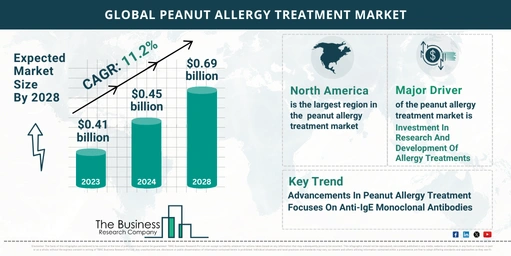
    • 2023 to 2024: The peanut allergy treatment market is set to grow from $0.41 billion in 2023 to $0.45 billion in 2024, reflecting a compound annual growth rate (CAGR) of 11.1%.
    • 2024 to 2028: This market is expected to expand further, reaching $0.69 billion by 2028 with a CAGR of 11.2%.

    Drivers of Historical Growth

    • Increased Prevalence: Rising cases of peanut allergies worldwide.
    • Advancements in Diagnostic Testing: Improved methods for early detection.
    • Public Awareness: Greater recognition and concern over peanut allergies.
    • Early Intervention Strategies: Development of new treatment protocols.
    • Regulatory Approvals: More treatments gaining official approval.

    Future Growth Catalysts
    Expected Growth Drivers

    • Prevalence Rise: Continued increase in peanut allergy cases.
    • Personalized Medicine: Expansion in tailored treatment approaches.
    • Novel Immunotherapy Treatments: Introduction of new, effective therapies.
    • Investment Growth: Increased funding from public and private sectors.
    • Telemedicine Services: Expansion of remote healthcare services.

    View More On The Peanut Allergy Treatment Market Report 2024 – https://www.thebusinessresearchcompany.com/report/peanut-allergy-treatment-global-market-report

     Key Trends

    • Adoption of Immunotherapy: Growing use of immune system-based treatments.
    • Biologic Therapies: Advances in therapies targeting biological pathways.
    • Probiotic-Based Treatments: Integration of probiotics in allergy management.
    • Delivery System Innovations: Technological improvements in treatment delivery.
    • Personalized Medicine: Tailored approaches for individual patients.
    • Regulatory Support: Increased approvals and support from regulatory bodies.

    Driving Growth Through Research and Development Investment
    Significance of R&D Investment

    • Innovation and Advancement: Essential for developing new peanut allergy therapies.
    • Desensitization Techniques: Creating methods to reduce allergic reactions.
    • Quality of Life: Aiming to improve living standards for those with peanut allergies.

    Example of R&D Investment

    • Victorian Government’s Initiative: A $12 million investment in Aravax to advance the PVX108 immunotherapy.
    • Impact: Secured Phase 2 trial approvals from the FDA and TGA, highlighting global health potential.

    Major Players in the Market
    Leading Companies

    • Pharmaceutical Giants: Pfizer Inc., F. Hoffmann-La Roche AG, Sanofi SA, Novartis AG, Takeda Pharmaceutical Company Limited.
    • Other Key Players: Viatris Inc., Regeneron Pharmaceuticals Inc., Hikma Pharmaceuticals plc, ALK-Abelló A/S, Amneal Pharmaceuticals Inc.
    • Specialized Firms: Stallergenes Greer plc, kaleo Inc., Aquestive Therapeutics Inc., Vedanta Biosciences Inc., Aimmune Therapeutics Inc.

    Advancements in Peanut Allergy Treatment
    Focus on Anti-IgE Monoclonal Antibodies

    • Targeted Therapies: Development of biologic therapies like anti-IgE monoclonal antibodies.
    • Example: Novartis’s Xolair (omalizumab), approved by the FDA in February 2024, shows significant improvement in food allergy tolerance.

    Expansion Through Strategic Acquisitions
    Stallergenes Greer’s Acquisition

    • Acquisition of Palforzia: In September 2023, Stallergenes Greer acquired Palforzia from Nestlé S.A.
    • Portfolio Enhancement: This acquisition expands Stallergenes Greer’s allergy treatment offerings.

    Market Segmentation
    Drug Class

    • Antihistamines
    • Immunotherapies
    • Epinephrine
    • Other Drug Classes

    Route of Administration

    • Injectable
    • Oral
    • Other Routes

    Distribution Channel

    • Retail Pharmacy
    • Hospital Pharmacy
    • Other Channels

    Regional Insights

    • North America: Largest market region in 2023.
    • Asia-Pacific: Expected to be the fastest-growing region during the forecast period.

    Conclusion
    The peanut allergy treatment market is poised for significant growth, driven by advancements in research, increasing prevalence of allergies, and innovations in treatment approaches. Investment in R&D and strategic acquisitions by major companies will continue to propel the market forward, offering improved solutions and better quality of life for those affected by peanut allergies.

    Request A Sample Of The Global Peanut Allergy Treatment Market Report 2024:
    https://www.thebusinessresearchcompany.com/sample_request?id=15888&type=smp

  • Opioid-Induced Constipation Treatment Market Growth Analysis Till 2033 By The Business Research Company

    Opioid-Induced Constipation Treatment Market Growth Analysis Till 2033 By The Business Research Company

    The Business Research Company’s market reports offer an in-depth analysis on the market’s growth potential, major drivers, key trends and more.

    Market Growth Overview

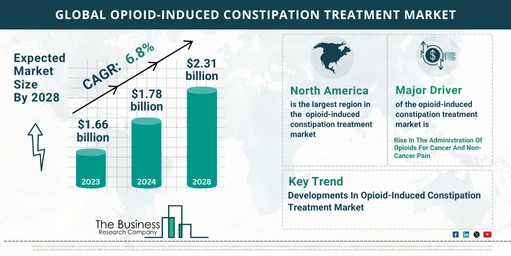
    • Recent Growth: The opioid-induced constipation (OIC) treatment market has seen significant growth, increasing from $1.66 billion in 2023 to $1.78 billion in 2024, with a CAGR of 6.7%.
    • Future Projections: Expected to grow to $2.31 billion by 2028 at a CAGR of 6.8%, driven by several factors.

    Key Drivers in the Historic Period

    • Expanding Geriatric Population: Older adults are more likely to use opioids, leading to higher instances of OIC.
    • Personalized Treatments: Tailored OIC treatments have become more available, enhancing effectiveness.
    • Effective OIC Drugs: Increased availability of drugs specifically targeting OIC.
    • Prevalence of Opioid Use: Rising opioid prescriptions contribute to the need for OIC treatments.
    • Gastrointestinal Disorders: A higher incidence of gastrointestinal issues boosts the demand for OIC therapies.

    Drivers for Future Growth

    • Accelerated Drug Approval: Faster approval processes for new drugs.
    • Opioid Analgesic Prescriptions: Increasing use of opioids for pain management.
    • R&D Expenditure: Significant investments in research and development for novel treatments.
    • Development of Biologics: Advances in biologic treatments for OIC.

    Read More On The Opioid-Induced Constipation Treatment Market Report 2024 – https://www.thebusinessresearchcompany.com/report/opioid-induced-constipation-treatment-global-market-report

    Emerging Trends

    • Patient Education: Increased efforts in educating patients about OIC and its treatments.
    • Targeted Therapies: Development of therapies specifically targeting OIC mechanisms.
    • Non-pharmacological interventions: Exploration of alternative treatments beyond medications.
    • Biotechnology Innovations: Cutting-edge biotech solutions for managing OIC.
    • Increased Investment: More financial resources directed towards OIC treatment advancements.

    Rising Opioid Use for Pain Management

    • Cancer and Non-Cancer Pain: Opioids are widely used for managing both cancer-related and non-cancer pain.
    • Quality of Life: Effective OIC treatments improve patient comfort and adherence to pain management regimens without compromising pain relief.
    • Statistics: According to the CDC, 20.9% of U.S. adults reported chronic pain in 2021, highlighting the need for OIC treatments.

    Major Players in the Market

    • Companies: Key players include Pfizer Inc., Merck & Co. Inc., Bayer AG, Sanofi S.A., AstraZeneca plc, Takeda Pharmaceutical Company Limited, and many others.

    Developments in OIC Treatments

    • Mu-Opioid Receptor Antagonists: Companies are focusing on these antagonists to manage OIC effectively.
    • Notable Approval: In December 2021, Shionogi & Co. Ltd. received approval for Symproic (naldemedine) in Taiwan, expanding treatment options.

    Grünenthal and Kyowa Kirin Joint Venture

    • Collaboration: In August 2023, Grünenthal GmbH and Kyowa Kirin International formed a joint venture to market pain management and OIC medications.
    • Focus Areas: The collaboration includes a range of products, emphasizing OIC and pain management.

    Market Segmentation

    • By Drug Class: Includes laxatives, peripherally acting µ-opioid receptor antagonists, serotonin receptor agonists, and prostaglandin.
    • By Type: Oral and parenteral treatments.
    • By Distribution Channel: Hospital pharmacies, online pharmacies, and retail pharmacies.

    Regional Insights

    • North America: Largest market in 2023.
    • Asia-Pacific: Expected to be the fastest-growing region during the forecast period.

    The opioid-induced constipation treatment market is poised for continued growth, driven by increasing opioid use, advancements in treatment options, and significant investments in R&D. With major players innovating and forming strategic collaborations, the market is set to expand, offering improved solutions for patients suffering from OIC.

    Request for A Sample Of The Global Opioid-Induced Constipation Treatment Market Report:
    https://www.thebusinessresearchcompany.com/sample_request?id=15881&type=smp

  • Growth Trajectory Of The Ophthalmic Packaging Market 2024-2033

    Growth Trajectory Of The Ophthalmic Packaging Market 2024-2033

    The Business Research Company’s global market reports are now updated with the latest market sizing information for the year 2024 and forecasted to 2033

    Rapid Market Expansion

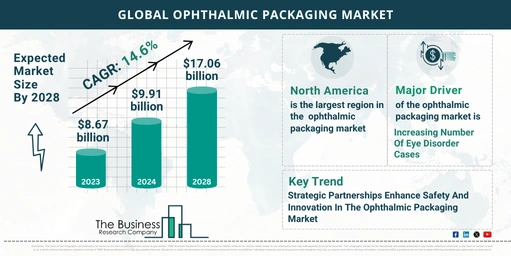
    • Market Size: The ophthalmic packaging market grew from $8.67 billion in 2023 to $9.91 billion in 2024, with a CAGR of 14.3%.
    • Historic Growth Drivers:
      • Increased prevalence of eye disorders.
      • Aging population demographics.
      • Higher healthcare expenditure.
      • Stringent packaging regulations.
      • Market expansion initiatives by key players.

    Forecasted Market Growth

    • Projected Size: Expected to reach $17.07 billion by 2028, with a CAGR of 14.6%.
    • Future Growth Factors:
      • Rising adoption of contact lenses and vision correction devices.
      • Increasing use of specialty drugs.
      • Expansion of healthcare infrastructure.
      • Growing consumer awareness about eye health.
      • More eye healthcare hospitals and clinics.

    View More On The Ophthalmic Packaging Market Report 2024 – https://www.thebusinessresearchcompany.com/report/ophthalmic-packaging-global-market-report

    Emerging Trends

    • Smart Packaging: Adoption of technologies for enhanced functionality.
    • Anti-Counterfeiting: Incorporation of measures to prevent fake products.
    • Automation and Robotics: Streamlining packaging processes.
    • Compact Designs: Development of lightweight and space-saving packaging.
    • Digital Integration: Adding digital elements for better user interaction.

    Rising Eye Disorder Cases Driving Market Growth

    Increasing Eye Disorders

    • Causes: Aging, lifestyle changes, environmental factors, and screen time.
    • Impact: Growing need for safe and sterile delivery of eye medications and devices.
    • Statistics: Over 3.4 million Americans aged 40+ are blind or visually impaired, with numbers expected to double by 2030.

    Importance of Ophthalmic Packaging

    • Functions: Ensures safety, sterility, accurate dosing, and reduces contamination risks.
    • Example: CDC report highlights the need for better ophthalmic solutions to cater to the rising number of visually impaired individuals.

    Major Players in the Market

    Key Companies

    • Notable Names: Amcor Ltd., Berry Global Inc., Corning Incorporated, ZEISS Group, and more.
    • Diverse Expertise: Companies range from plastic packaging manufacturers to specialized optics packaging firms.

    Strategic Partnerships Enhancing Market Competitiveness

    Forming Alliances

    • Purpose: Leverage synergies, access new opportunities, and mitigate risks.
    • Example:
      • Berry Plastics Group & Pylote: In March 2022, launched a multidose ophthalmic dropper with antimicrobial technology, reducing infections and plastic waste.

    Market Expansion Through Acquisitions

    Expanding Product Range

    • Conductive Containers Inc. Acquisition: In November 2023, acquired Crestline Plastics Inc. to broaden product offerings in static control packaging.
    • Crestline’s Expertise: Specializes in custom thermoformed packaging for optical components.

    Segmentation of the Ophthalmic Packaging Market

    By Dose

    • Multi-Dose
    • Single Dose

    By Material

    • Glass
    • Plastic
    • Other Materials

    By End-Use

    • Over the Counter (OTC)
    • Prescription

    Regional Insights

    Leading Regions

    • North America: Largest market in 2023.
    • Asia-Pacific: Expected to be the fastest-growing region in the forecast period.

    Request A Sample Of The Global Ophthalmic Packaging Market Report 2024:
    https://www.thebusinessresearchcompany.com/sample_request?id=15880&type=smp

  • Top 5 Insights From The Ophthalmic Handheld Surgical Instruments Market Report 2024

    Top 5 Insights From The Ophthalmic Handheld Surgical Instruments Market Report 2024

    The Business Research Company’s global market reports are now updated with the latest market sizing information for the year 2024 and forecasted to 2033

    According to The Business Research Company’s Ophthalmic Handheld Surgical Instruments Global Market Report 2024, the ophthalmic handheld surgical instruments market is expected to show promising growth in the forecast period.

    Market Overview

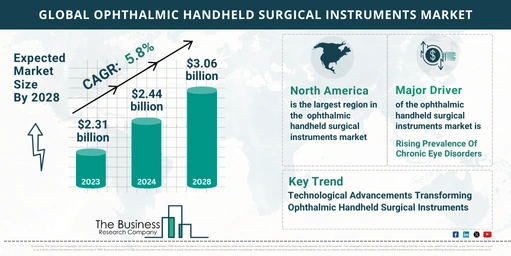
    • Current Market Size: The ophthalmic handheld surgical instruments market grew from $2.31 billion in 2023 to $2.44 billion in 2024 at a CAGR of 5.6%.
    • Future Projections: Expected to reach $3.06 billion by 2028, with a CAGR of 5.8%.
    • Key Growth Drivers:
      • Increased prevalence of ophthalmic diseases
      • Advancements in surgical techniques
      • Rising demand for minimally invasive procedures
      • Growing geriatric population
      • Expansion in emerging markets

    Factors Driving Market Growth

    • Historic Period:
      • Rise in minimally invasive procedures
      • Increased geriatric population
      • Emerging market expansion
    • Forecast Period:
      • Advancements in microsurgical techniques
      • Increasing prevalence of eye disorders
      • Improved healthcare infrastructure in emerging economies
      • Enhanced precision and efficiency in surgeries

    Key Market Trends

    • Technological Innovations:
      • Advanced microsurgical tools
      • Growing use of robotic-assisted surgery
      • Customizable instrument sets
    • Market Shifts:
      • Preference for disposable instruments
      • Investments in surgeon training and education
      • Emergence of telemedicine solutions

    View More On The Ophthalmic Handheld Surgical Instruments Market Report 2024 – https://www.thebusinessresearchcompany.com/report/ophthalmic-handheld-surgical-instruments-global-market-report

    Rising Chronic Eye Disorders

    • Impact on Market Growth: Increasing chronic eye disorders are driving the demand for ophthalmic handheld surgical instruments.
      • Aging population
      • Rising diabetes rates
      • Lifestyle changes
      • Genetic predispositions
      • Improved awareness and screening programs
    • Example: As of January 2024, over 3.4 million Americans aged 40+ were blind or visually impaired, expected to double by 2030.

    Technological Advancements

    • Innovations: Companies are developing advanced products such as handheld corneal esthesiometers.
      • Example: In July 2023, Brill Engines launched the corneal esthesiometer brill (CEB), the world’s first handheld corneal esthesiometer.
      • Benefits: Reliable, accurate, and efficient assessments of corneal sensitivity, aiding in diagnosing and managing ocular and neurological conditions.

    Major Companies

    • Leading Players: Novartis AG, Thompson Surgical Instruments Inc., Bausch + Lomb Incorporated, Carl Zeiss Meditec AG, Topcon Corporation, Metall Zug AG, Lumenis Ltd., BVI Medical, Keeler, Katalyst Surgical, Moria S.A., MicroSurgical Technology Inc., Oertli Instrumente AG, Duckworth & Kent Limited, Surgistar Inc., Nova Eye Medical Ltd., Accutome Inc., Takagi Ophthalmic Instruments Europe Ltd., Rumex International Co., Altomed Limited, Katena Products Inc., Mastel Precision Surgical Instruments LLC, Pelion Surgical LLC, Stephens Instruments, Insight Instruments Inc.

    Strategic Acquisitions

    • Katena Products and ASICO:
      • Acquisition: In April 2021, Katena Products acquired ASICO, enhancing its portfolio and market reach.
      • Outcome: Positioned Katena as a leading provider of comprehensive ophthalmic surgical solutions.

    Market Segmentation

    • By Product: Ophthalmic Knives, Forceps, Scissor, Chopper, Rapid Immunotherapies, Other Products
    • By Application: Cataract, Refractive, Glaucoma, Vitreoretinal, Diabetic Retinopathy, Other Applications
    • By End-User: Hospital, Ophthalmic Clinic, Other End Users

    Regional Insights

    • Largest Region in 2023: North America
    • Fastest-Growing Region: Asia-Pacific expected to lead in the forecast period

    The ophthalmic handheld surgical instruments market is poised for significant growth, driven by technological advancements, rising chronic eye disorders, and strategic industry moves. As the market evolves, key trends and regional dynamics will continue to shape its trajectory, offering ample opportunities for innovation and expansion.

    Request A Sample Of The Global Ophthalmic Handheld Surgical Instruments Market Report 2024:
    https://www.thebusinessresearchcompany.com/sample_request?id=15879&type=smp