Month: August 2024

  • What’s The Growth Forecast For Ophthalmic Eye Dropper Market Through 2024-2033?

    What’s The Growth Forecast For Ophthalmic Eye Dropper Market Through 2024-2033?

    The Business Research Company’s global market reports provide comprehensive analysis on the various markets in 27 industries across 60 geographies.

    • Market Size and Growth Rate
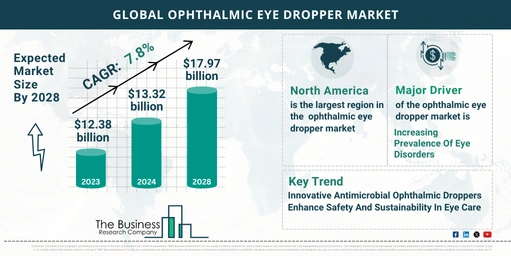
      • In 2023, the ophthalmic eye dropper market was valued at $12.38 billion.
      • It is projected to reach $13.32 billion in 2024, growing at a CAGR of 7.6%.
      • By 2028, the market size is expected to hit $17.97 billion, with a CAGR of 7.8%.
    • Historical Growth Drivers
      • Enhanced patient convenience.
      • Favorable regulatory environment.
      • Adoption of combination therapies.
      • Shift towards combination therapies.
      • Preference for self-administered eye care products.

    Future Growth Drivers and Trends

    • Factors Driving Future Growth
      • Rising prevalence of eye-related conditions.
      • Public health initiatives.
      • Increasing use of precision and individualized medicines.
      • Consumer education initiatives.
      • Research and development.
    • Major Trends
      • Nanoparticle-based drug formulations.
      • Advanced drug delivery systems.
      • Emphasis on innovative drug delivery.
      • Collaborative efforts for innovative solutions.
      • Surge in demand for multi-dose eye droppers.

    View More On The Ophthalmic Eye Dropper Market Report 2024 – https://www.thebusinessresearchcompany.com/report/ophthalmic-eye-dropper-global-market-report

    Increasing Prevalence of Eye Disorders

    • Impact on Market Growth
      • The rising prevalence of eye disorders is significantly boosting the ophthalmic eye dropper market.
      • Factors contributing to increased eye disorders include environmental factors, contact lens use, lifestyle changes, gender differences, and vitamin deficiencies.
    • Market Response
      • Ophthalmic eye droppers provide precise medication doses directly to the eyes, addressing various eye disorders.
      • According to the CDC, over 3.4 million Americans aged 40 years and older were blind or visually impaired in January 2024, with numbers expected to double by 2030.

    Innovative Antimicrobial Ophthalmic Droppers

    • Enhancing Safety and Sustainability
      • Major companies are developing antimicrobial ophthalmic droppers to improve safety and efficiency.
      • These droppers integrate antimicrobial technology to ensure sterile, hygienic applications for eye treatments.
    • Notable Example
      • In March 2022, Pylote and Berry Global Group Inc. introduced an antimicrobial ophthalmic dropper. This dropper features antimicrobial technology at the tip, ensuring hygienic use and reducing plastic waste compared to traditional monodose solutions.

    Nirma Group’s Strategic Acquisition

    • Expansion in the Pharmaceutical Sector
      • In April 2023, Nirma Group acquired Stericon Pharma Pvt. Ltd. to strengthen its presence in the contract development and manufacturing organization (CDMO) sector.
      • This acquisition aims to enhance Nirma Group’s healthcare portfolio and access new markets, technologies, and capabilities.

    Market Segmentation

    • By Eye Dropper Type
      • Unidose Eye Dropper
      • Preserved Multi-Dose Eye Dropper
      • Preservative-Free Multi-Dose Eye Dropper
    • By Drug Type
      • Prescription Drugs
      • Over-The-Counter (OTC) Drugs
    • By Treatment Type
      • Dry Eye
      • Glaucoma
      • Allergies
      • Conjunctivitis
      • Other Treatment Types
    • By End-Use
      • Hospitals
      • Ophthalmic Centers
      • Homecare Settings
      • Other End-Users

    Regional Insights

    • Leading Regions
      • North America was the largest region in the ophthalmic eye dropper market in 2023.
      • Asia-Pacific is expected to be the fastest-growing region during the forecast period.

    Request A Sample Of The Global Ophthalmic Eye Dropper Market Report 2024:
    https://www.thebusinessresearchcompany.com/sample_request?id=15878&type=smp
  • Understand How The Pontine Glioma Drugs Market Is Poised To Grow Through 2024-2033

    Understand How The Pontine Glioma Drugs Market Is Poised To Grow Through 2024-2033

    The Business Research Company’s global market reports are now updated with the latest market sizing information for the year 2024 and forecasted to 2033

    As per The Business Research Company’s Pontine Glioma Drugs Global Market Report 2024, the pontine glioma drugs market is expected to show significant growth in the forecast period.

    Market Overview

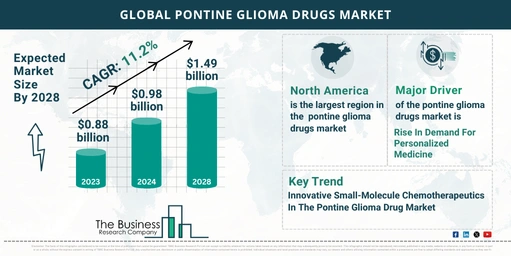
    • Current Size and Growth Rate: The pontine glioma drugs market size has seen rapid growth, increasing from $0.88 billion in 2023 to $0.98 billion in 2024 at a compound annual growth rate (CAGR) of 11.0%.
    • Future Projections: The market is expected to continue its expansion, reaching $1.50 billion by 2028, with a CAGR of 11.2%.

    Key Drivers of Market Growth

    Growing Awareness and Acceptance

    • Public Awareness: Increased awareness of pontine gliomas has driven demand for effective treatments.
    • Medical Acceptance: Greater acceptance of novel therapies among healthcare providers.

    Advancements in Medical Imaging

    • Improved Diagnosis: Enhanced imaging technologies allow for better diagnosis and monitoring.
    • Treatment Precision: More accurate imaging contributes to the development of targeted therapies.

    Research Efforts and Clinical Trials

    • Ongoing Research: Significant investments in research and clinical trials are leading to new drug developments.
    • Clinical Success: Positive trial outcomes are boosting market confidence and adoption.

    View More On The Pontine Glioma Drugs Market Report 2024 – https://www.thebusinessresearchcompany.com/report/pontine-glioma-drugs-global-market-report

    Future Growth Catalysts

    Advancements in Precision Medicine

    • Tailored Treatments: Precision medicine offers personalized treatment options based on genetic profiles.
    • Regulatory Support: Growing regulatory approval for personalized therapies, such as the FDA’s approval of 16 novel personalized therapies in 2023.

    Global Collaboration and Funding

    • International Partnerships: Increased collaboration among global research institutions and pharmaceutical companies.
    • Funding Influx: Enhanced funding from both public and private sectors to support drug development.

    Innovations in Immunotherapy and Targeted Therapies

    • Immunotherapy: Advances in immunotherapy are providing new treatment avenues.
    • Targeted Therapies: Development of therapies aimed specifically at pontine gliomas.

    Major Trends Shaping the Market

    Immunotherapy Advancements

    • New Treatments: Innovations in immunotherapy are showing promise in treating pontine gliomas.
    • Clinical Trials: Numerous ongoing trials focused on immunotherapy solutions.

    Nanotechnology and Gene Therapy

    • Nanotechnology: Use of nanotechnology to deliver drugs more effectively to the tumor site.
    • Gene Therapy: Exploration of gene therapy as a potential treatment for pontine gliomas.

    Combination Therapies and Regulatory Landscape

    • Combination Treatments: Increasing use of combination therapies to enhance treatment efficacy.
    • Regulatory Changes: Evolving regulatory frameworks supporting faster approval of innovative treatments.

    Personalized Medicine: A Key Growth Driver

    • Demand for Personalized Treatments: Rising demand for treatments tailored to individual genetic profiles.
    • FDA Approvals: Significant increase in FDA approvals for personalized therapies, driving market growth.
    • Examples: Personalized treatments such as those approved by the FDA in 2023 highlight the trend.

    Key Players in the Market

    • Leading Companies: Pfizer Inc., F. Hoffmann-La Roche AG, Merck & Co. Inc., AbbVie Inc., Sanofi S.A, and more.
    • Innovative Products: Focus on developing small-molecule chemotherapeutics and other innovative drugs.

    Innovative Small-Molecule Chemotherapeutics

    Focus on Innovation

    • Product Development: Companies are focusing on small-molecule chemotherapeutics to penetrate the blood-brain barrier.
    • Example: Kintara Therapeutic’s VAL-083 received orphan drug designation from the FDA for treating diffuse intrinsic pontine glioma (DIPG).

    Strategic Acquisitions to Enhance Pipeline

    Chimerix Inc. Acquires Oncoceutics Inc.

    • Acquisition Details: Chimerix Inc. acquired Oncoceutics Inc. to bolster its oncology pipeline.
    • Target Focus: Oncoceutics specializes in drugs for H3 K27M-mutant gliomas, including DIPG.

    Market Segmentation

    By Type

    • Diffuse Brain Stem Glioma
    • Focal Brain Stem Glioma
    • Recurrent Brain Stem Glioma

    By Distribution Channel

    • Hospital Pharmacy
    • Retail Pharmacy

    By Application

    • Cancer Research Institutes
    • Diagnostic Laboratories
    • Hospitals

    Regional Insights

    • North America: The largest market in 2023.
    • Asia-Pacific: Expected to be the fastest-growing region during the forecast period.

    The pontine glioma drugs market is poised for significant growth, driven by advancements in personalized medicine, innovative therapies, and strategic industry moves. With continued research and collaboration, the market is set to evolve, offering new hope for patients with pontine gliomas.

    Request A Sample Of The Global Pontine Glioma Drugs Market Report 2024:
    https://www.thebusinessresearchcompany.com/sample_request?id=15899&type=smp

  • 5 Key Insights On The Platysmaplasty Treatment Market 2024

    5 Key Insights On The Platysmaplasty Treatment Market 2024

    The Business Research Company’s global market reports are now updated with the latest market sizing information for the year 2024 and forecasted to 2033

    As per The Business Research Company’s Platysmaplasty Treatment Global Market Report 2024, the platysmaplasty treatment market is expected to show significant growth in the forecast period.

    The platysmaplasty treatment market has seen significant growth in recent years, driven by various factors that continue to boost its demand. This blog explores the current market size, future projections, and key trends influencing the growth of this market.

    Market Size and Growth Rates

    Current Market Size

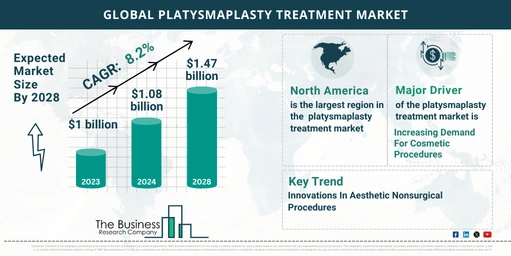
    • 2023: $1 billion
    • 2024: $1.08 billion
    • CAGR: 8.1%

    The growth from 2023 to 2024 reflects the increasing demand for cosmetic procedures and advancements in surgical techniques.

    Future Market Projections

    • 2028: $1.47 billion
    • CAGR: 8.2%

    The forecast period anticipates continued growth due to the rising popularity of minimally invasive procedures and advancements in non-surgical alternatives.

    Key Drivers of Market Growth

    Aging Population and Cosmetic Awareness

    • Aging Demographics: An aging population leads to a higher demand for cosmetic procedures, including platysmaplasty.
    • Awareness: Increased awareness about cosmetic procedures contributes to market growth.

    Technological Advancements

    • Surgical Techniques: Improvements in surgical methods make procedures safer and more effective.
    • Non-Surgical Alternatives: Innovations in non-invasive technologies provide patients with more options.

    Economic and Cultural Factors

    • Disposable Income: Rising disposable incomes allow more people to afford cosmetic treatments.
    • Celebrity Influence: The influence of celebrity culture promotes the desirability of cosmetic enhancements.

    View More On The Platysmaplasty Treatment Market Report 2024 – https://www.thebusinessresearchcompany.com/report/platysmaplasty-treatment-global-market-report

    Trends Shaping the Market

    Minimally Invasive Procedures

    • Growing Preference: There is a notable shift towards minimally invasive procedures for their reduced recovery times and lower risk.
    • Technological Adoption: Adoption of advanced technologies such as robotic-assisted surgery is on the rise.

    Outpatient Procedures

    • Convenience: Increasing preference for outpatient procedures due to their convenience and efficiency.

    Customized Treatments

    • Personalization: The development of customized treatment plans tailored to individual patient needs is becoming more prevalent.

    Increasing Demand for Cosmetic Procedures

    Surge in Cosmetic Interventions

    • ISAPS Report: In 2023, the International Society of Aesthetic Plastic Surgery reported a 11.2% increase in cosmetic procedures, totaling over 14.9 million surgical and 18.8 million non-surgical interventions.

    Role of Platysmaplasty

    • Rejuvenation: Platysmaplasty addresses sagging or aging skin in the neck area, providing a rejuvenated appearance.

    Major Players in the Market

    Leading Companies

    • Healthcare Providers: Mayo Clinic, Cleveland Clinic Foundation, Duke Health
    • Medical Device Companies: Lumenis Ltd., Cutera Inc., Lutronic Corporation
    • Aesthetic Clinics: Allergan Aesthetics, The Esthetic Clinics, Cadogan Clinic

    Innovations in Nonsurgical Procedures

    Non-Invasive Technologies

    • Ultrasound Parallel Beams: Companies like Sofwave Medical Ltd. are developing non-invasive ultrasound technologies for effective platysmaplasty treatments.
    • FDA Approvals: Innovations are receiving regulatory approvals, enhancing their market acceptance.

    Strategic Acquisitions

    Sono Bello’s Market Dominance

    • Acquisition: In June 2022, Sono Bello acquired Body Sculpt International, strengthening its position in the market for liposuction and body contouring procedures.

    Market Segmentation

    By Procedure

    • Surgical: Traditional surgical methods
    • Non-Surgical: Minimally invasive and non-invasive options

    By Gender

    • Male: Increasing interest among men
    • Female: Continued high demand among women

    By End-Use

    • Cosmetic Surgery Clinics: Specialized facilities
    • Hospitals: General medical centers

    Regional Insights

    North America

    • Largest Market: North America was the largest region in the platysmaplasty treatment market in 2023, driven by high demand and advanced healthcare infrastructure.

    The platysmaplasty treatment market is poised for continued growth, fueled by technological advancements, rising demand for cosmetic procedures, and strategic industry developments. As societal attitudes towards aging and appearance continue to evolve, the market will likely see further expansion and innovation.

    Request A Sample Of The Global Platysmaplasty Treatment Market Report 2024:
    https://www.thebusinessresearchcompany.com/sample_request?id=15897&type=smp

  • Platelet Aggregation Devices Global Market Outlook 2024-2033: Size And Growth Rate Analysis

    Platelet Aggregation Devices Global Market Outlook 2024-2033: Size And Growth Rate Analysis

    The Business Research Company’s global market reports provide comprehensive analysis on the various markets in 27 industries across 60 geographies.

    Rapid Market Expansion

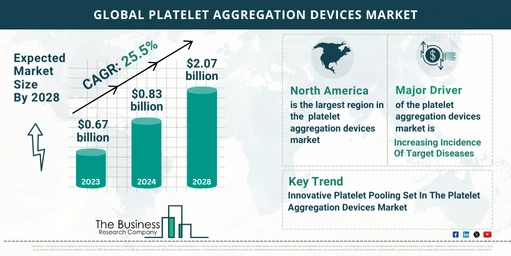
    • Market Growth: The platelet aggregation devices market has seen significant growth, increasing from $0.67 billion in 2023 to $0.83 billion in 2024 at a CAGR of 25.3%.
    • Historic Drivers: This growth is driven by the increasing prevalence of cardiovascular diseases, rising incidences of bleeding disorders, growing awareness about health diagnostics, and a surge in surgical procedures.

    Future Market Projections

    • Forecasted Growth: The market size is projected to reach $2.07 billion by 2028, growing at a CAGR of 25.5%.
    • Future Drivers: Contributing factors include a growing aging population, rising demand for point-of-care testing, expansion of personalized medicine, regulatory support, and increasing prevalence of chronic diseases.
    • Key Trends:
      • Integration of artificial intelligence in diagnostics.
      • Development of portable platelet aggregation devices.
      • Increased collaboration between biotech firms and healthcare providers.
      • Rising importance of data analytics in healthcare.
      • Shift towards home-based diagnostics.

    View More On The Platelet Aggregation Devices Market Report 2024 – https://www.thebusinessresearchcompany.com/report/platelet-aggregation-devices-global-market-report

    Increasing Incidence of Target Diseases

    Impact on Market Growth

    • Target Diseases: Focused on cancer, cardiovascular diseases, and diabetes, these conditions significantly impact public health.
    • Role of Devices: Platelet aggregation devices aid in early detection and management of thrombotic risks, preventing complications like heart attacks and strokes.
    • Statistics: The International Agency for Research on Cancer (IARC) reported 20 million new cancer cases in 2022, with projections indicating a rise to over 35 million by 2050.

    Major Players in the Market

    Key Companies

    • Notable Firms: Roche Holding AG, Cytiva (Danaher Corp.), Siemens Healthineers, Sysmex Corporation, WerfenLife S.A., Haemonetics Corporation, Helena Laboratories Corporation, Sarstedt AG & Co. KG, Sekisui Diagnostics LLC, Diagnostica Stago, Accriva Diagnostics Holdings Inc., Drucker Diagnostics, Sentinel CH. SpA, ADInstruments, Chrono-Log Corporation, Bio/Data Corporation, Haemochrom Diagnostica GmbH, AggreDyne Inc., Hart Biologicals Ltd., Stago.

    Innovations in Platelet Aggregation Devices

    Technological Advancements

    • Platelet Pooling Set: In February 2023, TERUMO BCT INC. launched the IMUGARD WB Platelet Pooling Set, approved by the FDA. This set offers extended shelf life for platelets and supports improved supply management.
    • Product Features: The device enables platelet recoupment from whole blood donations and has FDA clearance for seven-day storage, addressing the need for enhanced platelet availability.

    Strategic Acquisitions

    Enhancing Market Portfolio

    • Cell Microsystems Acquisition: In August 2023, Cell Microsystems acquired Fluxion Biosciences Inc. This acquisition expanded their product portfolio with IonFlux, BioFlux, and IsoFlux systems.
    • Technological Integration: The acquisition integrated automated patch clamp technology for advanced cellular electrophysiology and innovative tools for live cell assays and comprehensive platelet aggregation studies.

    Market Segmentation

    Detailed Breakdown

    • By Product: Reagents, Systems, Consumables, and Accessories.
    • By Type: Four Channel, Dual Channel, Eight Channel.
    • By Technology: Optical, Impedance, Other Technologies.
    • By Application: Clinical Applications, Research Applications, Cardiovascular Applications, Orthopedic Applications, Other Applications.
    • By End-User: Standalone Hospitals, Diagnostic Laboratories, Research and Academic Institutes, and Other End Users.

    Regional Insights

    • Largest Region: North America dominated the market in 2023.
    • Fastest-Growing Region: Asia-Pacific is expected to lead in growth during the forecast period.

    Request A Sample Of The Global Platelet Aggregation Devices Market Report 2024:
    https://www.thebusinessresearchcompany.com/sample_request?id=15896&type=smp

  • How Is The Plasmid DNA Manufacturing Market Expected To Grow Through 2024-2033

    How Is The Plasmid DNA Manufacturing Market Expected To Grow Through 2024-2033

    The Business Research Company’s global market reports are now updated with the latest market sizing information for the year 2024 and forecasted to 2033

    According to The Business Research Company’s Plasmid DNA Manufacturing Global Market Report 2024, the plasmid DNA manufacturing market is expected to show promising growth in the forecast period.

    Exponential Growth in Recent Years

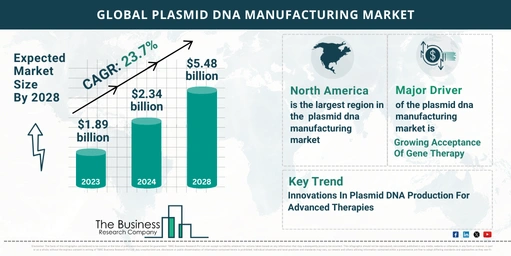
    • Market Size Increase: The plasmid DNA manufacturing market has experienced significant growth, increasing from $1.89 billion in 2023 to $2.34 billion in 2024, marking a compound annual growth rate (CAGR) of 23.6%.
    • Key Drivers: Factors contributing to this growth include:
      • Application in industrial processes.
      • Use in genetically modified organisms.
      • Production of monoclonal antibodies.
      • International health initiatives.
      • Environmental applications like bioremediation.
      • Microbiome studies.

    Future Growth Projections

    • Continued Expansion: The market is projected to grow to $5.49 billion by 2028, with a CAGR of 23.7%.
    • Drivers of Future Growth:
      • Development of DNA vaccines for infectious diseases.
      • Adoption in antibody-drug conjugates and personalized therapies.
      • Use in cancer treatments.
      • Advancements in intellectual property.

    Trends Shaping the Market

    • Licensing Agreements: Increased activity in licensing agreements for plasmid DNA technologies.
    • Customized Solutions: Development of tailored solutions to meet specific needs.
    • Cost Reduction: Implementation of strategies to lower production costs.
    • High-Throughput Screening: Adoption of high-throughput screening methods.
    • Scalable Manufacturing: Creation of scalable manufacturing solutions.

    View More On The Plasmid DNA Manufacturing Market Report 2024 – https://www.thebusinessresearchcompany.com/report/plasmid-dna-manufacturing-global-market-report

    Gene Therapy Driving Market Growth

    • Gene Therapy Boom: Growing acceptance of gene therapy, which modifies genes to treat or prevent diseases, is a significant market driver.
      • Advancements: Improvements in genetic engineering technologies and increased R&D investment.
      • Clinical Trials: Successful clinical trials and the rise in genetic disorders highlight the potential of gene therapy for long-term cures.
    • Plasmid DNA’s Role: Essential in producing vectors for gene therapy, facilitating genetic disorder treatments.
      • Clinical Trials Data: According to the American Society of Gene & Cell Therapy, the number of gene therapies in Phase III trials increased by 10% in Q3 2023.

    Leading Companies in the Market

    • Major Players: Key companies include Thermo Fisher Scientific Inc., Eurofins Genomics LLC, Catalent Inc., Charles River Laboratories, and Recipharm AB.
    • Other Notable Firms: Genscript Biotech Corporation, Aldevron LLC, Genewiz, OriGene Technologies, and Celonic AG.

    Innovations in Plasmid DNA Production

    • Advanced Bioprocessing Technologies: Companies are developing technologies to enhance efficiency, scalability, and quality.
      • Example: In January 2023, Charles River Laboratories launched the eXpDNA platform, integrating advanced technologies for high-quality plasmid DNA production.
      • Applications: Used in gene therapy, DNA vaccine development, and other biopharmaceutical applications requiring high yield, purity, and consistency.

    Strategic Acquisitions

    • Danaher Corporation and Aldevron: In August 2021, Danaher Corporation acquired Aldevron for $9.6 billion.
      • Impact: This acquisition enhances Danaher’s biotech capabilities, supporting the development of genetic treatments and advancing biotech research.

    Market Segmentation

    • By Grade:
      • Research and Development Grade
      • Good Manufacturing Practice (GMP) Grade
    • By Development Phase:
      • Pre-Clinical Therapeutics
      • Clinical Therapeutics
      • Marketed Therapeutics
    • By Disease:
      • Infectious Disease
      • Cancer
      • Genetic Disorder
      • Other Diseases
    • By Application:
      • DNA Vaccines
      • Cell and Gene Therapy
      • Immunotherapy
      • Other Applications

    Regional Insights

    • North America: Largest market in 2023.
    • Asia-Pacific: Expected to be the fastest-growing region during the forecast period.

    Request A Sample Of The Global Plasmid DNA Manufacturing Market Report 2024:
    https://www.thebusinessresearchcompany.com/sample_request?id=15895&type=smp

  • What’s The Growth Forecast For Procedure Trays Market Through 2024-2033?

    What’s The Growth Forecast For Procedure Trays Market Through 2024-2033?

    The Business Research Company’s global market reports provide comprehensive analysis on the various markets in 27 industries across 60 geographies. 

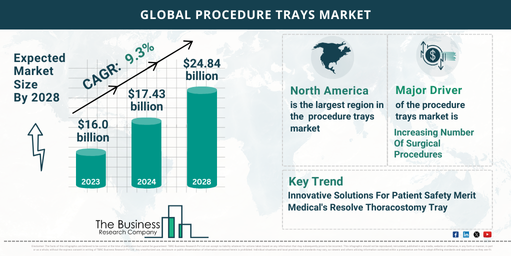
    The procedure trays market has seen significant growth recently, with projections indicating continued expansion. In 2023, the market size was $16.00 billion, expected to rise to $17.43 billion in 2024 at a compound annual growth rate (CAGR) of 9.0%.

    Historical Growth Factors

    • Standardization: Enhanced efficiency and consistency in surgical settings.
    • Road Accidents: Increased frequency, necessitating more surgical interventions.
    • Surgical Instruments Demand: Rising need for varied surgical tools.
    • Adoption of Procedure Trays: Rising preference for organized and comprehensive surgical kits.
    • Chronic Diseases: Higher incidence rates requiring surgical treatments.

    Future Market Projections

    Looking ahead, the procedure trays market is expected to grow robustly, reaching $24.84 billion by 2028 with a CAGR of 9.3%.

    Forecasted Growth Drivers

    • Surgical Procedures: Rising number due to medical advancements and an aging population.
    • Global Population: Expansion contributing to higher healthcare needs.
    • Regulatory Compliance: Ensuring safety and efficiency in medical procedures.
    • Customization: Tailoring procedure trays to specific surgical needs.
    • Medical Tourism: Surge in patients seeking affordable and quality care abroad.
    • Elderly Population: Increasing demand for age-related medical interventions.

    Key Trends

    • Smart Technology: Integration of advanced tech for improved functionality.
    • Personalized Trays: Custom solutions for specific medical procedures.
    • Telehealth Integration: Combining with remote monitoring for better patient management.
    • Artificial Intelligence and Automation: Enhancing precision and efficiency in surgical settings.

    View More On The Procedure Trays Market Report 2024 – https://www.thebusinessresearchcompany.com/report/procedure-trays-global-market-report

    Driving Factors and Growth Trends

    Increasing Surgical Procedures

    The growth of the procedure trays market is significantly propelled by the rising number of surgical procedures.

    • Medical Interventions: Invasive techniques to address health conditions.
    • Technological Advancements: Innovations in medical technology boosting procedure rates.
    • Chronic Diseases: Higher prevalence requiring surgical intervention.
    • Healthcare Access: Improved accessibility leading to more surgeries.
    • Patient Expectations: Rising demand for effective and safe surgical outcomes.

    For instance, a 2023 report by the International Society of Aesthetic Plastic Surgery highlighted a 19.3% increase in total medical procedures in 2021 compared to 2020.

    Major Market Players

    Prominent companies in the procedure trays market include:

    • Cardinal Health Inc.
    • Becton Dickinson and Company
    • Baxter International Inc.
    • Boston Scientific Corporation
    • Owens & Minor Inc.
    • Medline Industries LP
    • Teleflex Incorporated
    • Paul Hartmann AG
    • Merit Medical Systems Inc.
    • Hogy Medical Company Limited
    • Medical Action Industries Inc.
    • Kimal PLC
    • CareFusion Corporation

    Innovations for Patient Safety

    Merit Medical’s Resolve Thoracostomy Tray

    Merit Medical focuses on enhancing patient safety with innovative products like the thoracostomy tray, designed for thoracostomy procedures to remove air or fluid from the pleural space.

    • Clinical Needs:Addressing conditions such as pneumothorax or pleural effusion.
    • Patient Care:Tailored medical devices improving clinical outcomes.

    Steris plc Acquires Cantel Medical Corporation

    In June 2021, Steris plc acquired Cantel Medical Corporation, aiming to synergize infection prevention products and services.

    • Infection Prevention:Expanded offerings in endoscopy, dental, dialysis, and life sciences.
    • Global Reach:Enhancing value for customers, employees, and shareholders.

    Market Segmentation

    By Product

    • Operating Room: Comprehensive kits for surgical procedures.
    • Angiography: Specialized trays for vascular imaging.
    • Ophthalmic: Tools for eye surgeries.
    • Other Products: Diverse range of surgical kits.

    By Packaging

    • Box: Durable and organized packaging.
    • Mold: Custom-molded solutions.
    • Wrap: Sterile and secure wrapping options.

    By End User

    • Hospitals: Primary users of procedure trays.
    • Clinics: Smaller-scale medical facilities.
    • Other Facilities: Various healthcare providers.

    Regional Insights

    • North America: Largest region in the procedure trays market in 2023.
    • Asia-Pacific: Expected to be the fastest-growing region in the forecast period.

    The procedure trays market is poised for substantial growth, driven by increasing surgical procedures, technological advancements, and innovative solutions enhancing patient safety and care.

    Request A Sample Of The Global Procedure Trays Market Report 2024:
    https://www.thebusinessresearchcompany.com/sample_request?id=15905&type=smp

  • Top 5 Insights From The Primary Health Care Service Market Report 2024

    Top 5 Insights From The Primary Health Care Service Market Report 2024

    The Business Research Company’s global market reports are now updated with the latest market sizing information for the year 2024 and forecasted to 2033

    According to The Business Research Company’s Primary Health Care Service Global Market Report 2024, the primary health care service market is expected to show promising growth in the forecast period.

    Recent Market Growth

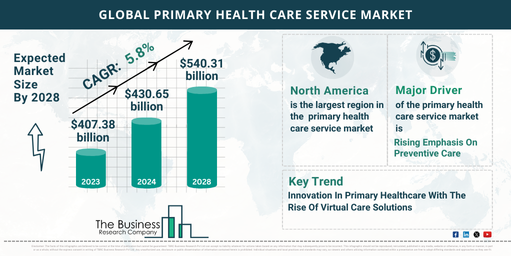
    • Strong Growth:The primary health care service market size has grown from $407.38 billion in 2023 to $430.65 billion in 2024, at a CAGR of 5.7%.
    • Key Drivers:Factors contributing to this growth include the rise of managed care, epidemiological transitions, healthcare reform initiatives, and the patient-centered medical home (PCMH) model.

    Future Market Projections

    • Expected Expansion: The market is anticipated to grow to $540.31 billion by 2028, with a CAGR of 5.8%.
    • Driving Factors: Growth will be driven by health education and awareness, patient preferences and expectations, collaboration and integration, healthcare expenditure and funding, and quality of care metrics.

    Major Trends Shaping the Future

    • Technological Innovations:
      • 3D printing and bioprinting
      • Wearable sensors and IoT devices
      • Digital stethoscopes and point-of-care diagnostics
    • Personalized Approaches: Personalized nutrition and wellness
    • Engagement Strategies: Gamification and behavioral economics

    View More On The Primary Health Care Service Market Report 2024 – https://www.thebusinessresearchcompany.com/report/primary-health-care-service-global-market-report

    Role Of Preventive Care In Expanding The Market

    Emphasis on Preventive Care

    • Preventive Services: Focus on services aimed at preventing disease, early detection, and promoting overall health.
    • Proactive Management: Preventive care in primary health services aims to lower healthcare expenses and enhance long-term health outcomes.

    Impact of Preventive Care

    • Cost Reduction: Investing in preventive care reduces overall healthcare costs.
    • Improved Outcomes: Enhances long-term sustainability and health outcomes.
    • Statistical Evidence:
      • Eurostat reported an 88.2% increase in preventive healthcare spending in the EU in 2021 compared to 2020.
      • Immunization programs saw a significant rise in expenditure, from 13.7% in 2020 to 29.1% in 2021.

    Key Players in the Market

    Leading Companies

    • Major Corporations:
      • UnitedHealth Group
      • CVS Health Corporation
      • Centene Corporation
      • Kaiser Permanente
      • Humana Inc.
      • HCA Healthcare
      • Ascension Health
      • Providence Health & Services
      • Tenet Healthcare
      • Cedars-Sinai Medical Center
      • Cerner Corporation
      • Trinity Health Corporation
      • Massachusetts General Hospital
      • Arthrex Inc.
      • Apollo Hospitals Enterprise Limited
      • UCSF Health
      • Primary Health Care Corporation

    Innovation In Primary Healthcare With Virtual Care Solutions

    Focus on Digital Telehealth Platforms

    • Virtual Care Solutions: Enhancing patient access, improving care coordination, and streamlining healthcare delivery through digital platforms.
    • Example: CVS Health Corporation launched CVS Health Virtual Primary Care in May 2022, offering telemedicine consultations, personalized health management plans, and convenient medication delivery services.

    CVS Health Expands Reach With Acquisition Of Oak Street Health

    Strategic Acquisition

    • Acquisition Details: In May 2023, CVS Health acquired Oak Street Health for $10.6 billion.
    • Objective: Leverage expertise in value-based primary care for Medicare adults, achieve synergies in healthcare services, enhance capabilities in comprehensive care, and expand Medicare population reach.

    Market Segmentation

    Segmentation Overview

    • By Service: Injury, Preventive Care, Chronic Conditions, Acute Conditions, Pre Or Post-Surgery
    • By Mode Of Consultation: Virtual, Physical
    • By Age Group: Infants, Pediatrics, Adults, Geriatrics
    • By Provider: Hospitals, Clinics, Outpatient Department, Other Providers

    Regional Insights

    • Largest Region: North America was the largest region in the primary health care service market in 2023. 

    Request A Sample Of The Global Primary Health Care Service Market Report 2024:
    https://www.thebusinessresearchcompany.com/sample_request?id=15904&type=smp

  • Growth Trajectory Of The Primary Cell Culture Market 2024-2033

    Growth Trajectory Of The Primary Cell Culture Market 2024-2033

    The Business Research Company’s global market reports are now updated with the latest market sizing information for the year 2024 and forecasted to 2033

    Current Market Size and Growth

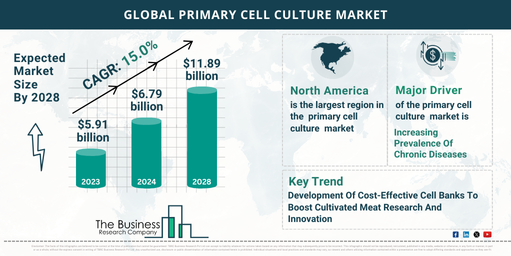
    • 2023 Market Size: $5.91 billion
    • 2024 Market Size: $6.79 billion
    • CAGR (2023-2024): 14.9%

    The primary cell culture market has experienced significant growth in recent years, driven by increasing demand for monoclonal antibodies, novel therapeutics, personalized medicine, and cell therapy research.

    Future Market Projections

    • 2028 Market Size: $11.89 billion
    • CAGR (2024-2028): 15%

    The market is expected to continue its rapid growth, fueled by the rising incidence of cancer, expanding pharmaceutical and biotechnology industries, growing demand for personalized medicine, and applications in 3D cell culture models. Major trends include technological advancements, product innovation, partnerships, and increased research and development.

    Rising Prevalence of Chronic Diseases

    • Impact: Chronic diseases significantly drive market growth.
    • Factors: Lifestyle changes, environmental influences, physical inactivity, dietary shifts, demographic changes.
    • Statistics: Chronic disease prevalence to nearly double from 71.522 million in 2020 to 142.66 million by 2050 (National Center for Biotechnology Information).

    Primary cell cultures play a crucial role in understanding and developing treatment strategies for chronic diseases, improving patient outcomes.

    View More On The Primary Cell Culture Market Report 2024 – https://www.thebusinessresearchcompany.com/report/primary-cell-culture-global-market-report

    Key Market Players

    • Major Companies: Thermo Fisher Scientific Inc., Merck KGaA, FUJIFILM Holdings Corporation, GE HealthCare Technologies Inc., Corning Incorporated, Lonza Group Ltd., Sartorius AG, Miltenyi Biotec and CO.KG, STEMCELL Technologies Inc., Cyagen Biosciences Inc., Hi Media Laboratories Pvt. Ltd., PromoCell GmbH, AllCells LLC, BPS Bioscience Inc., MatTek Ltd., Axol Bioscience Ltd., Lifeline Cell Technology Corp., Neuromics Inc., Cell Biologics Inc., ZenBio Inc., Epithelix Sàrl, ReachBio LLC, AcceGen Biotechnology, Biopredic International, ixCells Biotechnologies.

    These companies are instrumental in driving the primary cell culture market through innovation and strategic initiatives.

    Development of Cost-Effective Cell Banks

    • Innovation: Development of cell banks for cultivated meat research.
    • Benefits: High-quality animal primary cells, 90% cheaper, no licensing restrictions.
    • Example: In June 2023, Extracellular launched low-cost, license-free cell banks for cow, pig, and lamb tissues to support cultivated meat research.

    This initiative aims to advance sustainable and ethical meat production technologies, promoting the growth of the cultivated meat industry.

    AnaBios Corporation’s Strategic Acquisition

    • Acquisition: AnaBios Corporation acquired Cell Systems in April 2023.
    • Purpose: Expand human tissue and cell portfolio for drug discovery.
    • Benefits: Provides researchers with biologically relevant tools to expedite drug discovery and enhance understanding of cell biology.

    This acquisition demonstrates AnaBios’ commitment to expanding its capabilities and supporting advanced drug discovery efforts.

    Market Segmentation

    • By Product: Primary Cell, Reagents, Supplements, Media
    • By Cell Type: Animal Cells, Human Cells
    • By Separation and Culture Techniques: Explant Method, Enzymatic Disaggregation, Mechanical Separation, Other Separation
    • By Application: Tissue Culture and Tissue Engineering, Vaccine Production, Gene Therapy and Regenerative Medicine, Drug Screening and Toxicity Testing, Cancer Research, Virology, Stem Cell Therapy, Other Applications
    • By End User: Pharmaceutical and Biotechnology Companies, Contract Research Organizations, Academic and Research Institutes, Other End Users

    The primary cell culture market’s comprehensive segmentation highlights its diverse applications and the varied needs of different end users.

    Regional Insights

    • Largest Region (2023): North America
    • Fastest-Growing Region (Forecast Period): Asia-Pacific

    North America leads the market due to its advanced healthcare infrastructure and strong research capabilities. Asia-Pacific is expected to see the fastest growth, driven by increasing investments in biotechnology and healthcare advancements.

    The primary cell culture market is poised for substantial growth, with technological advancements, strategic initiatives, and rising demand for innovative therapies driving its expansion.

    Request A Sample Of The Global Primary Cell Culture Market Report 2024:
    https://www.thebusinessresearchcompany.com/sample_request?id=15903&type=smp

  • Prescription Lens Market Growth Analysis Till 2033 By The Business Research Company

    Prescription Lens Market Growth Analysis Till 2033 By The Business Research Company

    The Business Research Company’s market reports offer an in-depth analysis on the market’s growth potential, major drivers, key trends and more.

    Strong Market Growth

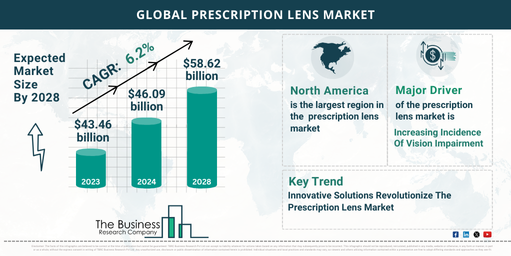
    • Current Market Size: The prescription lens market has shown robust growth, increasing from $43.46 billion in 2023 to $46.09 billion in 2024, reflecting a CAGR of 6.1%.
    • Historical Growth Drivers: This growth is attributed to:
      • Increased awareness and diagnosis of vision problems.
      • Higher demand due to the rise of computers and smartphones.
      • Growing popularity of fashion and designer eyewear.
      • Emergence of online retailers and direct-to-consumer brands.

    Future Market Projections

    • Expected Market Size: The market is projected to reach $58.62 billion by 2028, with a CAGR of 6.2%.
    • Forecasted Growth Drivers: Future growth will be driven by:
      • Enhanced public awareness and education about eye health.
      • Expansion of online retail channels.
      • Improved economic conditions and disposable income.
      • Better insurance coverage for vision care and eyewear.
      • Increased urbanization and prolonged digital screen use.

    Key Trends in Prescription Lens Market

    • Technological Integration: Incorporation of AR and VR technologies.
    • Blue Light Filtering: Rising demand for lenses that protect against blue light from screens.
    • Photochromic Lenses: Advancements in lenses that adapt to changing light conditions.
    • Anti-Fog Technologies: Improvements to prevent lens fogging.
    • Diagnostics and 3D Printing: Use of digital eye strain diagnostics and 3D printing for custom lenses.

    Read More On The Prescription Lens Market Report 2024 – https://www.thebusinessresearchcompany.com/report/prescription-lens-global-market-report

    Rising Ophthalmic Disorders Propel Market Growth

    • Vision Impairment: Increasing incidence due to screen time, digital device usage, and aging populations.
      • Common Conditions: Myopia, hyperopia, astigmatism, and presbyopia.
      • Statistics: According to a 2023 NCBI report, 200 million people had age-related macular degeneration (AMD) in 2020, expected to rise to 288 million by 2040.
    • Market Impact: Growing vision impairment drives the need for corrective lenses, boosting market growth.

    Major Companies and Innovations

    • Leading Companies: Johnson And Johnson Inc., Essilor Luxottica S.A., Carl Zeiss AG, Seiko Optical Products, and more.
    • Innovative Solutions: Companies are developing myopia management lenses for children.
      • Example: In November 2023, Shamir Optical Industry launched Shamir Optimee, a myopia management lens for children, incorporating advanced defocus technology.

    Strategic Acquisitions

    • Meta’s Acquisition of Luxexcel: In December 2022, Meta Platforms Inc. acquired Luxexcel to enhance AR and VR wearables with 3D-printed prescription lenses, aiming for an optimal user experience in smart glasses.

    Market Segmentation

    • By Type: Single Vision, Bifocal, Trifocal, Progressive, Active, Other Types.
    • By Coating: Anti-Reflective, Scratch Resistant, Anti-Fog, Ultraviolet Treatment.
    • By Application: Myopia, Hyperopia, Astigmatism, Presbyopia.

    Regional Insights

    • Largest Market: North America led the prescription lens market in 2023.
    • Fastest Growing Region: Asia-Pacific is expected to see the fastest growth in the forecast period.

    The prescription lens market is poised for significant growth, driven by technological advancements, increasing awareness of eye health, and rising incidences of vision impairment. Major companies continue to innovate and expand, ensuring a dynamic and evolving market landscape.

    Request for A Sample Of The Global Prescription Lens Market Report:
    https://www.thebusinessresearchcompany.com/sample_request?id=15902&type=smp

  • Key Trends And Drivers In The Postpartum Health Supplements Market 2024

    Key Trends And Drivers In The Postpartum Health Supplements Market 2024

    The Business Research Company’s market reports offer an in-depth analysis on the market’s growth potential, major drivers, key trends and more.

    Rapid Market Growth

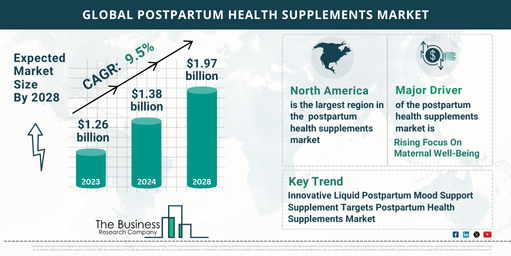
    • Market Size Increase: The postpartum health supplements market has experienced significant growth, increasing from $1.26 billion in 2023 to $1.38 billion in 2024.
    • CAGR: The market is growing at a compound annual growth rate (CAGR) of 9.2%.

    Factors Driving Growth

    • Awareness: Increased awareness of postpartum health issues.
    • Maternal Nutrition: Growing emphasis on maternal nutrition.
    • Postpartum Depression: Rising prevalence of postpartum depression.
    • Lifestyle Changes: Changing lifestyles and dietary habits.
    • Government Initiatives: Government programs promoting maternal health.

    Future Prospects of the Market

    Projected Growth

    • Market Size in 2028: Expected to reach $1.98 billion by 2028.
    • CAGR: Anticipated to grow at a CAGR of 9.5%.

    Read More On The Postpartum Health Supplements Market Report 2024 – https://www.thebusinessresearchcompany.com/report/postpartum-health-supplements-global-market-report

    Growth Drivers

    • Marketing Strategies: Focus on evidence-based marketing.
    • Demand for Organic Products: Rising demand for organic and natural supplements.
    • Sustainable Practices: Incorporation of sustainable manufacturing processes.
    • Income Rise: Increasing disposable income in developing countries.
    • Social Media Influence: Influence of social media on health trends.

    Emerging Trends

    • Product Innovation: Continuous innovation in products.
    • Customized Regimens: Tailored supplement regimens for individual needs.
    • Plant-Based Options: Introduction of plant-based and vegan supplements.
    • Product Line Expansion: Expansion of products targeting specific postpartum challenges.
    • Tech Integration: Integration of technology for health monitoring and tracking.

    Maternal Well-Being and Market Growth

    Importance of Maternal Well-Being

    • Definition: Maternal well-being encompasses a mother’s physical, mental, and emotional health during and after pregnancy.
    • Increased Awareness: Rising awareness of maternal health issues.
    • Medical Advancements: Advancements in medical research and technology.
    • Impact on Infant Health: Maternal well-being significantly impacts infant health.

    Role of Postpartum Supplements

    • Recovery Assistance: Supplements help new mothers regain strength and energy.
    • Comprehensive Support: Address various aspects of postpartum recovery.
    • Example: In May 2024, the CDC reported a rise in US maternal mortality rates, emphasizing the need for postpartum health support.

    Key Players in the Market

    Major Companies

    • Leading Firms: Abbott Laboratories, DSM-Firmenich, Church & Dwight Co. Inc., Pharmavite LLC, The Honest Company Inc., Garden of Life, and more.
    • Innovative Solutions: Companies are focusing on developing innovative products for postpartum health.

    Product Innovations and Market Strategies

    Liquid Postpartum Mood Support Supplements

    • Innovative Products: Development of mood support supplements to address emotional and mental health needs.
    • Example: In April 2024, Exeltis USA Inc. launched Blues Away, a unique liquid supplement for postpartum mood support.

    Strategic Acquisitions

    • Pharmavite’s Acquisition: In November 2023, Pharmavite LLC acquired Bonafide Health for $450 million.
    • Enhancing Market Position: Aims to strengthen its position in the women’s health nutraceutical market.

    Market Segmentation

    By Product Type

    • Categories: Iron Supplements, Calcium Supplements, Herbal Supplements, Other Product Types.

    By Formulation

    • Forms: Capsules or Tablets, Softgels, Powder, Liquid, Other Formulations.

    By Application

    • Sales Channels: Online Sales, Offline Sales.

    Regional Insights

    North America and Asia-Pacific

    • Largest Market: North America was the largest region in the postpartum health supplements market in 2023.
    • Fastest-Growing Region: Asia-Pacific is expected to be the fastest-growing region in the forecast period.

    The postpartum health supplements market is poised for substantial growth, driven by increased awareness, innovative product development, and strategic market positioning. With a strong focus on maternal well-being and evolving consumer demands, this market will continue to expand and adapt to new trends and challenges.

    Request for A Sample Of The Global Postpartum Health Supplements Market Report:
    https://www.thebusinessresearchcompany.com/sample_request?id=15900&type=smp