Month: August 2024

  • Top 5 Insights From The Therapeutic Plasma Exchange Market Report 2024

    Top 5 Insights From The Therapeutic Plasma Exchange Market Report 2024

    The Business Research Company’s global market reports are now updated with the latest market sizing information for the year 2024 and forecasted to 2033

    According to The Business Research Company’s Therapeutic Plasma Exchange Global Market Report 2023, the therapeutic plasma exchange market is expected to show promising growth in the forecast period.

    Recent Market Growth

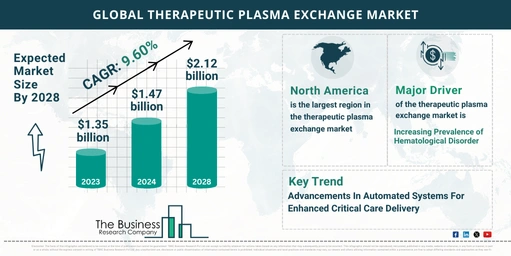
    • Current Growth: The therapeutic plasma exchange (TPE) market grew from $1.35 billion in 2023 to $1.47 billion in 2024, with a CAGR of 9.4%.
    • Historical Drivers: Growth has been driven by the rise of immunological diseases, technological advancements, increased awareness, expanded indications for TPE, and improved understanding of disease mechanisms.

    Future Market Projections

    • Projected Growth: The market is expected to reach $2.12 billion by 2028, reflecting a CAGR of 9.6%.
    • Future Drivers: Key factors include the aging population, clinical evidence and guidelines, supportive regulatory environments, hospital infrastructure improvements, and evolving healthcare expenditure and reimbursement policies.

    Impact of Hematological Disorders on Market Growth

    • Prevalence of Hematological Disorders: The high prevalence of blood disorders, including genetic, environmental, and lifestyle factors, drives market growth. TPE is used to treat these disorders by removing harmful substances from the plasma.
    • Example: According to the Leukemia and Lymphoma Society, myeloma diagnoses are projected to increase from 34,920 in 2021 to 35,730 in 2023, highlighting the growing need for effective treatment options like TPE.

    View More On The Therapeutic Plasma Exchange Market Report 2024 –
    https://www.thebusinessresearchcompany.com/report/therapeutic-plasma-exchange-global-market-report

    Technological Innovations

    • Automated Systems: Companies are developing advanced automated plasma exchange systems to improve accuracy, efficiency, and ease of use.
    • Product Launch: In May 2021, Baxter International launched the PrisMax 2 system, designed to enhance critical care delivery by simplifying TPE procedures and offering operational efficiencies.

    Strategic Collaborations

    • Terumo and CSL Plasma Collaboration: In April 2021, Terumo Blood and Cell Technologies partnered with CSL Plasma to improve plasma collection efficiency and safety, crucial for producing therapies for various diseases.

    Market Segmentation

    • By Type: Therapeutic Plasma Exchange (TPE) and Double Filtered Plasmapheresis (DFPP).
    • By Indication: Neurological disorders, hematological disorders, renal disorders, metabolic disorders, and other indications.
    • By Technology: Centrifugation and membrane separation.
    • By End-User: Blood collection centers, hospitals and clinics, transfusion centers, and other end-users.

    Regional Insights

    • North America: The largest region in the therapeutic plasma exchange market in 2023, supported by advanced healthcare infrastructure and high disease prevalence.
    • Asia-Pacific: Expected to be the fastest-growing region during the forecast period, driven by increasing healthcare investments and growing awareness of plasma exchange therapies.

    Conclusion
    The therapeutic plasma exchange market is poised for strong growth, fueled by technological advancements, rising hematological disorder prevalence, and strategic collaborations. The market’s expansion reflects ongoing innovations and increasing demand for effective plasma-based therapies.

    Request A Sample Of The Global Therapeutic Plasma Exchange Market Report 2024:
    https://www.thebusinessresearchcompany.com/sample_request?id=15683&type=smp
  • Top 5 Insights From The Tissue Sectioning Market Report 2024

    Top 5 Insights From The Tissue Sectioning Market Report 2024

    The Business Research Company’s global market reports are now updated with the latest market sizing information for the year 2024 and forecasted to 2033

    The tissue sectioning market is experiencing significant growth, fueled by a range of factors, from technological advancements to increased demand for precise diagnostics. This blog explores the key drivers behind this growth, the expected trends in the coming years, and the innovations revolutionizing the field.

    Strong Market Growth in Recent Years

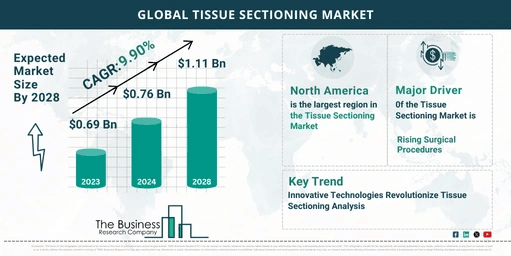
    • Current Market Size: The tissue sectioning market grew from $0.69 billion in 2023 to $0.76 billion in 2024, with a CAGR of 9.6%.
    • Key Growth Drivers:
      • Increasing prevalence of chronic diseases.
      • Growing aging population.
      • Rising investments in life sciences research.
      • Expansion of biotechnology and pharmaceutical industries.
      • Government support for research initiatives.
      • Increased awareness of early disease detection.
      • Growth in regenerative medicine.

    Forecasted Market Expansion

    • Future Market Size: The market is expected to reach $1.11 billion by 2028, growing at a CAGR of 9.9%.
    • Factors Contributing to Growth:
      • Rising demand for personalized medicine.
      • Expansion of biobanks.
      • Increased research and development investments.
      • Growing healthcare expenditure.
      • Emergence of digital pathology.
      • Increased demand for biomarker discovery.
      • Expansion of the biopharmaceutical industry.
      • Rising demand for point-of-care testing.

    View More On The Tissue Sectioning Market Report 2024 – https://www.thebusinessresearchcompany.com/report/tissue-sectioning-global-market-report

    Rising Surgical Procedures Propelling Market Growth

    • Surgical Procedures: An increase in surgical procedures is driving the demand for tissue sectioning.
    • Role of Tissue Sectioning: Provides precise, thin tissue slices for histological analysis, aiding in accurate diagnosis and treatment planning.
    • Recent Data: In Australia, the number of patients admitted for surgery increased by 18% from 2021–22, reflecting a broader global trend.

    Innovative Technologies Revolutionizing Tissue Sectioning Analysis

    • Next-Generation Technologies: Companies are developing advanced technologies like next-generation spatial gene expression technology.
    • Case Study: In March 2024, 10x Genomics launched Visium HD, which allows for high-resolution spatial gene expression mapping at the single-cell scale.
    • Impact: These technologies enable detailed insights into tissue morphology and gene expression, enhancing diagnostic capabilities.

    Mergers and Acquisitions Expanding Market Reach

    • Bruker Corporation Acquisition: In May 2024, Bruker Corporation acquired NanoString Technologies, expanding its portfolio with advanced spatial gene expression tools.
    • Strategic Impact: This acquisition positions Bruker to provide more detailed tissue morphology and gene expression insights, strengthening its market position.

    Market Segmentation and Regional Insights

    • Product Segmentation:
      • Accessories and Consumables.
      • Instruments.
      • Services.
    • Technology Segmentation:
      • Automatic.
      • Manual.
      • Semi-Automatic.
    • Application Segmentation:
      • Diagnosis.
      • Research.
    • End-User Segmentation:
      • Clinics.
      • Diagnostic Laboratories.
      • Hospitals.
      • Research Centers.
    • Regional Insights:
      • North America was the largest region in 2023.
      • Asia-Pacific is expected to be the fastest-growing region in the forecast period.

    Conclusion

    The tissue sectioning market is on a robust growth trajectory, driven by technological advancements, increased surgical procedures, and rising demand for personalized medicine. With major companies investing in innovative technologies and strategic acquisitions, the market is set to expand further, offering new opportunities for enhanced diagnostics and treatment planning. As we move forward, the integration of AI, machine learning, and digital pathology will continue to reshape the landscape, making tissue sectioning an indispensable tool in modern healthcare.

    Request A Sample Of The Global Tissue Sectioning Market Report 2024:
    https://www.thebusinessresearchcompany.com/sample_request?id=16555&type=smp

  • Understand How The Thyroid Function Test Market Is Poised To Grow Through 2024-2033

    Understand How The Thyroid Function Test Market Is Poised To Grow Through 2024-2033

    The Business Research Company’s global market reports are now updated with the latest market sizing information for the year 2024 and forecasted to 2033

    The thyroid function test market has been experiencing robust growth and is set to continue its upward trajectory in the coming years. This article explores the current market dynamics, future projections, and key trends shaping the industry.

    Recent Market Growth and Projections

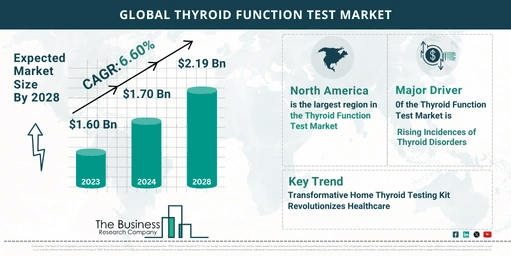
    • Current Market Size: The thyroid function test market was valued at $1.60 billion in 2023.
    • Growth Rate: Expected to grow to $1.70 billion in 2024, with a compound annual growth rate (CAGR) of 6.2%.
    • Future Outlook: Projected to reach $2.19 billion by 2028, with a CAGR of 6.6%.

    The market’s historical growth can be attributed to several factors including the rising prevalence of thyroid cancers, increased disposable income among the middle class, and proactive government health initiatives. Additionally, lifestyle changes and an increase in sedentary behavior have contributed to the growing market demand.

    Factors Driving Market Expansion

    Rising Incidence of Thyroid Disorders

    • Increased Cases: Rising incidences of thyroid disorders are a major growth driver.
    • Diagnosis Importance: Thyroid function tests are crucial for diagnosing and managing these conditions.
    • Current Statistics: In January 2024, approximately 44,020 new cases of thyroid cancer were reported in the U.S. alone.

    Thyroid disorders, including cancer, hypothyroidism, and hyperthyroidism, are increasingly common due to factors such as dietary changes, environmental exposures, and autoimmune conditions. This surge in cases is fueling demand for thyroid function tests.

    View More On The Thyroid Function Test Market Report 2024 – https://www.thebusinessresearchcompany.com/report/thyroid-function-test-global-market-report

    Innovative Home Testing Kits

    • Convenience: Home-use thyroid tests are revolutionizing patient care by offering convenient and accurate at-home monitoring.
    • Recent Innovations: Bloom Diagnostics launched the Bloom Thyroid Test, allowing individuals to monitor thyroid hormone levels from home.

    The introduction of home-use kits, such as those developed by Bloom Diagnostics, provides a user-friendly approach to managing thyroid health. These tests often involve a simple finger prick and can be analyzed either through mail-in services or at-home devices.

    Major Players and Market Trends

    Leading Companies

    • Key Players: F. Hoffmann-La Roche Ltd., Abbott Laboratories Inc., Thermo Fisher Scientific Inc., and Siemens Healthineers AG, among others.
    • Market Leaders: Companies are continuously innovating to enhance thyroid function tests and expand their market presence.

    Emerging Trends

    • Cost-Effective Testing: There is a growing demand for affordable thyroid function tests.
    • Healthcare Infrastructure: Improved healthcare infrastructure is supporting market growth.
    • Technological Advancements: Ongoing advancements in technology are enhancing test accuracy and accessibility.

    Recent Developments

    Siemens’ Strategic Acquisition

    • Acquisition of Varian: Siemens acquired Varian in April 2021 to enhance its integrated healthcare solutions, including thyroid function tests.
    • Impact: This acquisition aims to accelerate diagnosis and therapy, contributing to the global fight against cancer and other diseases.

    Market Segmentation

    • By Test Type: Includes TSH, T3, T4, FT3, and FT4.
    • By Indication: Covers hypothyroidism, hyperthyroidism, thyroid cancer, and other indications.
    • By End User: Targets clinics, research organizations, diagnostic laboratories, and hospitals.

    Regional Insights

    • North America: Held the largest market share in 2023.
    • Asia-Pacific: Expected to be the fastest-growing region in the forecast period.

    The thyroid function test market is witnessing significant growth driven by increasing thyroid disorder incidences, innovations in testing technologies, and strategic industry developments. As the market evolves, ongoing advancements and emerging trends will continue to shape its trajectory, offering more accessible and effective solutions for thyroid health management.

    Request A Sample Of The Global Thyroid Function Test Market Report 2024:
    https://www.thebusinessresearchcompany.com/sample_request?id=16553&type=smp

  • Global Thiamine Market Report 2024 – Top Market Trends And Opportunities

    Global Thiamine Market Report 2024 – Top Market Trends And Opportunities

    The Business Research Company’s market reports offer an in-depth analysis on the market’s growth potential, major drivers, key trends and more.

    A Strong Surge in Thiamine Market Growth

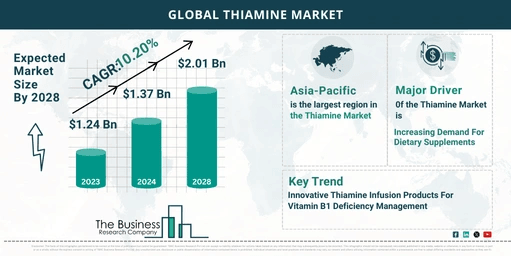
    • Current Market Size: The thiamine market was valued at $1.24 billion in 2023.
    • Growth Forecast: Expected to reach $1.37 billion in 2024.
    • Compound Annual Growth Rate (CAGR): 9.9% from 2023 to 2024.
    • Historical Growth Drivers:
      • Increased fortification programs.
      • Expansion of functional foods.
      • Rise in demand for natural and organic sources.
      • Enhanced fortification efforts.

    Future Growth Trajectory

    • Market Projections: The thiamine market is anticipated to grow to $2.01 billion by 2028.
    • Future CAGR: 10.2% from 2024 to 2028.
    • Growth Influences:
      • Increased health awareness.
      • Aging population.
      • Rising incidence of chronic diseases.
      • Consumer preference for natural and organic products.
      • Rise in lifestyle-related disorders.
    • Key Trends:
      • Technological advancements.
      • Integration into digital health platforms.
      • Research into therapeutic applications and personalized nutrition.

    Read More On The Thiamine Market Report 2024 – https://www.thebusinessresearchcompany.com/report/thiamine-global-market-report

    Impact of Dietary Supplements on Thiamine Market

    • Rising Demand for Supplements:
      • Driven by heightened health awareness and preference for preventive healthcare.
      • Increased focus on immune system support.
    • Thiamine’s Role in Supplements:
      • Vital for energy production, nervous system health, heart function, and metabolic equilibrium.
    • Market Insights:
      • CRN Consumer Survey showed a rise in dietary supplement usage in the US from 73% in 2020 to 80% in 2021.
      • This trend is fueling the growth of the thiamine market.

    Major Players and Innovations

    • Key Companies:
      • BASF SE
      • Koninklijke DSM N.V.
      • The Nature’s Bounty Co. Ltd.
      • Zhejiang Medicine Co. Ltd.
      • Swanson Health Products Inc.
      • Others.
    • Innovative Products:
      • Vitamin B1 deficiency infusions, like thiamine hydrochloride injection (USP) launched by Lupin Limited in June 2023.
      • These products offer direct and efficient treatment for severe deficiencies.

    Strategic Moves in the Industry

    • Nestlé Health Science Acquisition:
      • Acquired core brands of The Bountiful Company in August 2021.
      • Aim: To enhance its health and wellness portfolio and meet growing consumer demand for nutritional supplements.

    Market Segmentation

    • By Product Type:
      • Thiamine Mononitrate
      • Thiamine Hydrochloride
      • Thiamine Pyrophosphate
    • By Form:
      • Tablets and Capsules
      • Liquid
      • Powder
    • By Application:
      • Food and Beverages
      • Pharmaceuticals
      • Animal Feed
      • Dietary Supplements
      • Other Applications

    Regional Insights

    • Leading Region: Asia-Pacific was the largest market region in 2023.

    Conclusion

    The thiamine market is on a robust growth trajectory, driven by increasing health awareness, the rising prevalence of chronic diseases, and the growing demand for dietary supplements. Major players are innovating with new products and strategic acquisitions to maintain their competitive edge. With a promising forecast and expanding applications, the thiamine market is set to continue its upward trajectory in the coming years.

    Request for A Sample Of The Global Thiamine Market Report:
    https://www.thebusinessresearchcompany.com/sample_request?id=16552&type=smp

  • Future Growth Forecast For The Stool Softener Global Market 2024-2033

    Future Growth Forecast For The Stool Softener Global Market 2024-2033

    The Business Research Company’s global market reports provide comprehensive analysis on the various markets in 27 industries across 60 geographies.

    Introduction

    The stool softener market has witnessed notable growth in recent years, driven by a range of factors including an aging population and increased awareness of digestive health. This blog explores the current state of the market, its future projections, and key innovations shaping the industry.

    Market Growth Overview

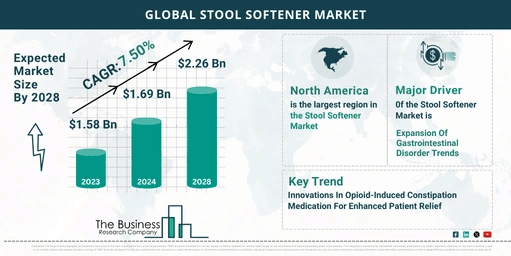
    • Current Market Size: The stool softener market was valued at $1.58 billion in 2023.
    • Short-Term Growth: Expected to grow to $1.69 billion in 2024.
    • Growth Rate: Compound Annual Growth Rate (CAGR) of 7.4% from 2023 to 2024.
    • Long-Term Projections: Forecasted to reach $2.26 billion by 2028 with a CAGR of 7.5%.

    Factors Driving Growth

    • Aging Population: Increased prevalence of digestive issues among the elderly.
    • Dietary Changes: Shifts towards less fiber-rich diets contributing to constipation.
    • Public Awareness: Greater focus on digestive health and proactive treatment.
    • Surgical Procedures: Post-surgery constipation leading to higher stool softener use.
    • Lack of Physical Activity: Sedentary lifestyles contributing to digestive issues.

    View More On The Stool Softener Market Report 2024 – https://www.thebusinessresearchcompany.com/report/stool-softener-global-market-report

    Future Market Trends

    • Increasing Gastrointestinal Conditions: Higher prevalence of disorders like irritable bowel syndrome (IBS) and inflammatory bowel disease (IBD).
    • Healthcare Spending: Rising expenditures on healthcare driving demand for digestive health solutions.
    • Marketing Efforts: Increased promotion of stool softeners by pharmaceutical companies.
    • OTC Transition: More stool softeners becoming available over-the-counter (OTC), reducing reliance on prescriptions.

    Innovations and Developments

    • Advanced Formulations: Development of more effective stool softener products.
    • Personalized Products: Tailoring stool softeners to individual health needs.
    • Effervescent Tablets: Introduction of new dosage forms like effervescent tablets.

    Gastrointestinal Disorder Trends

    • Prevalence Increase: Rising cases of gastrointestinal disorders are a major growth driver.
    • Lifestyle Factors: Poor diet, stress, and lack of exercise contributing to higher incidence rates.
    • Case Study: In Canada, IBD cases are projected to increase significantly from 322,600 in 2023 to 470,000 by 2035, highlighting the growing need for effective treatments.

    Major Companies and Innovations

    • Key Players: Major companies include F. Hoffmann-La Roche Ltd., Bayer AG, AstraZeneca Plc, and Abbott Laboratories Inc.
    • Opioid-Induced Constipation: Innovations like Endo International’s Amitiza (Lubiprostone) address constipation caused by opioid medications.
    • Acquisitions: Atlantis Consumer Healthcare’s acquisition of Avrio Health L.P. expands its portfolio and market influence.

    Market Segmentation

    • By Type: Liquid, Softgel Capsule.
    • By Form: Medicines, Procedures.
    • By Mode of Administration: Oral, Rectal.
    • By Availability: Over-The-Counter, Prescription.
    • By End Use: Hospitals, Clinics, Home Care, Other End Uses.

    Regional Insights

    • North America: Largest market region in 2023 due to high healthcare spending and awareness.
    • Asia-Pacific: Expected to be the fastest-growing region, driven by increasing health awareness and economic development.

    Conclusion

    The stool softener market is poised for significant growth, driven by an aging population, increasing gastrointestinal disorders, and innovations in product formulations. As the market evolves, stakeholders will benefit from staying informed about emerging trends and adapting to changing consumer needs.

    Request A Sample Of The Global Stool Softener Market Report 2024:
    https://www.thebusinessresearchcompany.com/sample_request?id=16548&type=smp

  • Global Sheep And Goat Pox Vaccines Market Key Insights 2024-2033

    Global Sheep And Goat Pox Vaccines Market Key Insights 2024-2033

    The Business Research Company’s global market reports are now updated with the latest market sizing information for the year 2024 and forecasted to 2033

    Market Overview

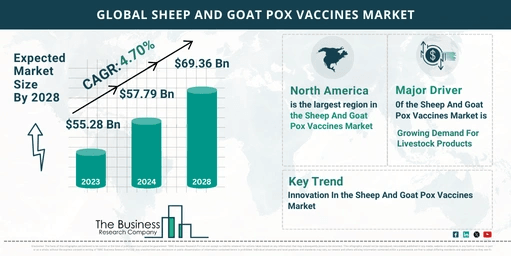
    The sheep and goat pox vaccine market has experienced steady growth, with a notable increase from $55.28 billion in 2023 to an anticipated $57.79 billion in 2024. This growth is driven by a compound annual growth rate (CAGR) of 4.5%. The market’s expansion is underpinned by several key factors:

    • Increased Disease Outbreaks: Frequent outbreaks of sheep and goat pox have heightened the need for effective vaccination.
    • Government Vaccination Programs: Enhanced vaccination efforts by governments have bolstered market growth.
    • Advancements in Veterinary Medicine: Innovations in veterinary care have improved vaccine efficacy.
    • High Livestock Mortality Rates: Addressing high mortality rates in livestock has spurred vaccine demand.
    • Farmer Awareness and Economic Losses: Greater awareness among farmers and the economic impact of disease have driven vaccine adoption.
    • Trade Restrictions and Improved Diagnostics: Trade restrictions on affected areas and better diagnostic techniques have also contributed to market growth.

    Future Growth Prospects

    The market is projected to grow further to $69.36 billion by 2028, reflecting a CAGR of 4.7%. Key growth drivers for this forecast period include:

    • Rising Demand for Livestock Products: Increased consumption and trade of livestock products are driving vaccine demand.
    • Expanding Livestock Farming: Growth in livestock farming necessitates effective disease control.
    • Government Subsidies and Investment: Supportive government policies and rising investment in veterinary research enhance market prospects.
    • Technological Advancements: Innovations in vaccine production and new technologies are improving vaccine offerings.
    • International Trade Agreements and Climate Change: Trade agreements and shifting climate patterns impact disease spread, influencing vaccine needs.
    • Economic Growth in Developing Regions: Growing economies are increasing the capacity for vaccine purchase and distribution.

    View More On The Sheep And Goat Pox Vaccines Market Report 2024 – https://www.thebusinessresearchcompany.com/report/sheep-and-goat-pox-vaccines-global-market-report

    Major Trends and Innovations

    Several trends and innovations are shaping the future of the sheep and goat pox vaccines market:

    • Development of Multivalent Vaccines: New vaccines are being designed to protect against multiple strains or diseases simultaneously.
    • Use of Recombinant Vaccines: Recombinant vaccines, which use genetic engineering to enhance vaccine effectiveness, are becoming more common.
    • Focus on Vaccine Safety: There is a growing emphasis on ensuring the safety and efficacy of vaccines.
    • Public-Private Partnerships: Increased collaboration between public and private sectors is fostering innovation and expanding market reach.
    • Digital Tracking of Vaccination Programs: Technology is being utilized to monitor and manage vaccination programs more effectively.
    • Regional Disease Eradication Initiatives: Targeted efforts to eradicate diseases in specific regions are being prioritized.

    Key Market Players

    Several companies are leading innovation in the sheep and goat pox vaccine market, including:

    • Indian Immunologicals Ltd.: Known for its live attenuated vaccines like Raksha Goat Pox.
    • Hester Biosciences Limited: Acquired goat pox vaccine technology to combat diseases like lumpy skin disease in cattle.
    • MSD Animal Health, Kemin Industries, and Bimeda Biologicals: Major players contributing to market development.

    Market Segmentation

    The sheep and goat pox vaccines market is segmented by:

    1. Type: Live Attenuated Vaccines, Inactivated Vaccines, Other Types
    2. Route of Administration: Injectable, Intranasal
    3. Application: Sheep, Goat

    Regional Insights

    In 2023, North America led the market, reflecting its advanced veterinary infrastructure and high demand for livestock health products.

    Conclusion

    The sheep and goat pox vaccine market is poised for continued growth driven by increasing livestock product demand, technological advancements, and strong governmental and private sector support. As innovations in vaccine technology and distribution methods advance, the market will likely continue to expand, improving livestock health and productivity globally.

    Request A Sample Of The Global Sheep And Goat Pox Vaccines Market Report 2024:
    https://www.thebusinessresearchcompany.com/sample_request?id=16533&type=smp

  • Retinitis Pigmentosa Market Report 2024: Market Size, Drivers, And Trends

    Retinitis Pigmentosa Market Report 2024: Market Size, Drivers, And Trends

    The Business Research Company’s global market reports are now updated with the latest market sizing information for the year 2024 and forecasted to 2033

    Retinitis pigmentosa (RP) is a progressive eye disorder that impacts vision, leading to eventual blindness. Over the past few years, the retinitis pigmentosa market has experienced substantial growth, driven by advancements in research and technology. As we look to the future, the market is set to continue expanding, influenced by several key factors.

    Current Market Overview

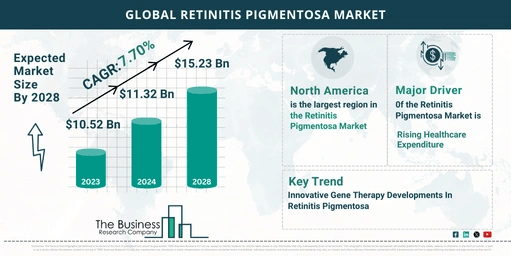
    • Significant Growth: The retinitis pigmentosa market size surged from $10.52 billion in 2023 to $11.32 billion in 2024. This represents a compound annual growth rate (CAGR) of 7.6%.
    • Historical Drivers:
      • Genetic Research: Advancements in understanding the genetic underpinnings of RP.
      • Retinal Imaging Technologies: Enhanced diagnostic and monitoring capabilities.
      • Awareness Campaigns: Increased public and professional awareness.
      • Patient Advocacy: Growing support from advocacy groups.
      • Clinical Trials Expansion: Broader networks facilitating research.

    View More On The Retinitis Pigmentosa Market Report 2024 – https://www.thebusinessresearchcompany.com/report/retinitis-pigmentosa-global-market-report

    Future Market Forecast

    • Expected Growth: By 2028, the market is projected to reach $15.23 billion, with a CAGR of 7.7%.
    • Forecast Drivers:
      • Stem Cell Research: Innovations in retinal regeneration therapies.
      • Personalized Medicine: Tailoring treatments to individual genetic profiles.
      • Orphan Drug Development: Increased funding for rare disease treatments.
      • Telemedicine Expansion: Greater access to care through digital platforms.
    • Major Trends:
      • Combination Therapies: Integrating multiple treatment modalities.
      • Patient-Centric Trials: Designing studies with patient needs at the forefront.
      • Value-Based Pricing: Aligning costs with therapeutic outcomes.
      • Digital Therapeutics: Incorporating technology for treatment management.

    Rising Healthcare Expenditure

    • Impact on Market Growth: Increased healthcare expenditure is a significant factor driving the retinitis pigmentosa market. This includes:
      • Advanced Medical Technologies: Higher costs for cutting-edge diagnostics and treatments.
      • Aging Population: Growing need for chronic disease management.
      • Prevalence of Chronic Diseases: Rising demand for effective disease management.
    • US Healthcare Expenditure: In 2022, healthcare spending in the US rose by 4.1% to $4.5 trillion, accelerating from previous years. This increase supports market growth for RP treatments.

    Innovative Gene Therapy Developments

    • Gene Therapy Advances: Companies are focusing on gene therapies to address RP by repairing or replacing defective genes in the retina. Notable developments include:
      • ViGeneron GmbH: Launched a Phase Ib clinical trial for VG901, targeting RP caused by CNGA1 gene mutations.
    • Treatment Goals: These therapies aim to restore normal photoreceptor function, potentially slowing or halting vision loss.

    Strategic Acquisitions and Investments

    • Thea Pharma’s Acquisition: In December 2023, Thea Pharma acquired antisense oligonucleotide treatments Sepofarsen (LCA10) and Ultevursen (USH2A) from ProQR Therapeutics. This acquisition aligns with Thea’s focus on genetic eye diseases and strengthens its position in the RP market.

    Market Segmentation

    • By Type:
      • Autosomal Recessive
      • Autosomal Dominant
      • X-Linked
    • By Treatment:
      • Vitamin A
      • Docosahexaenoic Acid (DHA)
      • Calcium Channel Blockers
      • Gene Therapy
      • Retinal Eye Prosthetics
      • Other Treatments
    • By Diagnosis:
      • Electroretinogram
      • Visual Field Testing
      • Genetic Testing
      • Other Diagnosis
    • By Distribution Channel:
      • Hospital Pharmacy
      • Retail Pharmacy
      • Online Pharmacy
      • Other Distribution Channels
    • By End-Users:
      • Hospitals
      • Specialty Clinics
      • Homecare
      • Other End-Users

    Regional Insights

    • North America: Remains the largest market for retinitis pigmentosa, reflecting advanced healthcare infrastructure and significant investments in research and development.

    Conclusion

    The retinitis pigmentosa market is on a robust growth trajectory, driven by technological innovations, increased healthcare expenditure, and strategic investments. With ongoing advancements in gene therapy and a strong focus on personalized and value-based treatments, the future looks promising for those affected by this challenging condition.

    Request A Sample Of The Global Retinitis Pigmentosa Market Report 2024:
    https://www.thebusinessresearchcompany.com/sample_request?id=16528&type=smp

  • Autism Spectrum Disorder Diagnostics Global Market Outlook 2024-2033: Size And Growth Rate Analysis

    Autism Spectrum Disorder Diagnostics Global Market Outlook 2024-2033: Size And Growth Rate Analysis

    The Business Research Company’s global market reports provide comprehensive analysis on the various markets in 27 industries across 60 geographies.

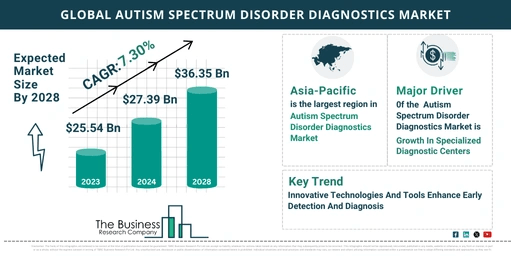
    • Market Expansion: The autism spectrum disorder (ASD) diagnosis market has seen robust growth, increasing from $25.54 billion in 2023 to $27.39 billion in 2024 at a CAGR of 7.2%.
    • Key Drivers:
      • Increased ASD Awareness: Greater public and healthcare awareness of autism spectrum disorder.
      • Diagnostic Criteria Expansion: Broader diagnostic criteria capturing more cases.
      • Advancements in Tools: Improved diagnostic tools leading to better accuracy.
      • Healthcare System Improvements: Enhanced infrastructure and accessibility in healthcare.
      • Public Health Campaigns: Increased focus on autism in public health initiatives.

    View More On The Autism Spectrum Disorder Diagnostics Market Report 2024 – https://www.thebusinessresearchcompany.com/report/autism-spectrum-disorder-diagnostics-global-market-report

    Future Market Growth and Emerging Trends

    • Projected Market Growth: The market is expected to grow to $36.35 billion by 2028, with a CAGR of 7.3%.
    • Growth Factors:
      • Increasing ASD Prevalence: Rising numbers of autism diagnoses globally.
      • Early Screening Programs: Greater focus on early detection and intervention.
      • Precision Medicine: Growing emphasis on personalized treatment approaches.
      • Biomarkers: Increased research into biomarkers for more precise diagnosis.
    • Emerging Trends:
      • Innovative Technologies: Development of new tools and technologies for early diagnosis.
      • Adult Diagnosis Focus: Increasing attention on diagnosing autism in adults.
      • Point-of-Care Testing: Growing demand for rapid, on-site diagnostic options.
      • AI and Machine Learning: Integration of AI for better diagnostic accuracy.
      • Research Activities: Expansion of research into ASD diagnosis and treatment.

    Growth in Specialized Diagnostic Centers

    • Specialized Centers: The expansion of autism-specialized diagnostic centers is driving market growth.
    • Center Characteristics:
      • Comprehensive Evaluations: Centers offer in-depth assessments by trained professionals.
      • Advanced Tools: Use of cutting-edge diagnostic tools for better accuracy.
      • Tailored Treatment Plans: Development of personalized treatment strategies.
      • Family Support: Provision of resources and support for families of individuals with ASD.
      • Research Collaboration: Opportunities for collaboration in autism research.
    • Market Impact: The growth of these centers is improving diagnostic accuracy and early intervention, which are critical for better outcomes. For instance, Autism Speaks reported an increase in autism care network sites from 20 to 25 between 2021 and 2022 across North America.

    Innovations in Early Detection and Diagnosis

    • AI-Powered Platforms: Leading companies are focusing on AI-powered diagnostic platforms for earlier and more accurate ASD detection.
    • AI Benefits:
      • Behavioral Analysis: AI tools analyze behavioral patterns to assist in diagnosis.
      • Genetic Data Integration: Incorporation of genetic data for personalized assessments.
      • Neuroimaging Results: Use of neuroimaging to support early detection.
    • Case Study – Cognoa Inc.:
      • FDA Approval: In June 2021, Cognoa Inc. received FDA approval for its AI-based diagnostic aid, Canvas Dx.
      • Platform Goals: Canvas Dx aims to improve diagnostic accuracy, personalize treatment, and enhance patient outcomes through advanced analytics.

    Strategic Acquisitions in the Market

    • Fletch Equity’s Acquisition of Autism Spectrum Interventions (ASI):
      • Acquisition Details: In March 2024, Fletch Equity LLC acquired Autism Spectrum Interventions (ASI) to support its expansion.
      • Growth Strategy: The acquisition aims to grow ASI’s reach across California and into neighboring states.
      • Company Background: ASI specializes in Applied Behavior Analysis (ABA) therapy for children with ASD, focusing on tailored services to meet individual needs.

    Market Segmentation and Regional Insights

    • Types:
      • Autistic Disorder
      • Asperger Syndrome
      • Pervasive Development Disorder (PDD)
      • Other Types
    • Services:
      • Behavioral Approaches
      • Early Intervention
      • Medication
      • Other Services
    • Distribution Channels:
      • Hospital Pharmacies
      • Drug Stores and Retail Pharmacies
      • Online Pharmacies
    • Regional Analysis:
      • Asia-Pacific: The largest region in the autism spectrum disorder diagnostics market in 2023, with significant growth expected due to increasing awareness and healthcare improvements.

    Conclusion

    The autism spectrum disorder diagnosis market is poised for continued strong growth, driven by increased awareness, advancements in diagnostic technologies, and the expansion of specialized diagnostic centers. With ongoing innovation and strategic acquisitions, the market is well-positioned to meet the growing demand for accurate and early diagnosis of ASD, ultimately leading to better outcomes for individuals and families affected by autism.

    Request A Sample Of The Global Autism Spectrum Disorder Diagnostics Market Report 2024:
    https://www.thebusinessresearchcompany.com/sample_request?id=16593&type=smp

  • Global Vasodilators Market Report 2024 – Top Market Trends And Opportunities

    Global Vasodilators Market Report 2024 – Top Market Trends And Opportunities

    The Business Research Company’s market reports offer an in-depth analysis on the market’s growth potential, major drivers, key trends and more.

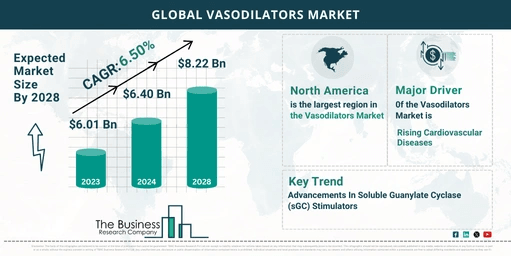
    • Current Market Size and Growth: The vasodilators market will grow from $6.01 billion in 2023 to $6.40 billion in 2024, at a compound annual growth rate (CAGR) of 6.4%.
    • Historic Growth Drivers: Key factors include increased awareness and diagnosis, supportive government initiatives and healthcare policies, advancements in gene therapy, and the adoption of artificial intelligence.

    Future Outlook and Trends

    • Projected Growth: The market is expected to reach $8.22 billion by 2028, driven by a CAGR of 6.5%.
    • Growth Drivers: Future growth is fueled by the rising prevalence of hypertension and cardiovascular diseases, demand for advanced medical technologies, the increasing geriatric population, and the growing importance of personalized medicine.
    • Emerging Trends: Notable trends include strategic mergers and acquisitions, a shift towards outpatient and home-based care, product innovations, technological advancements, and expanded healthcare infrastructure. 

    Read More On The Vasodilators Market Report 2024 – https://www.thebusinessresearchcompany.com/report/vasodilators-global-market-report

    Rising Cardiovascular Diseases Driving Market Expansion

    • Cardiovascular Diseases Impact: The prevalence of cardiovascular diseases such as coronary artery disease (CAD) is a significant driver for the vasodilators market. These conditions are linked to high blood pressure and other risk factors.
    • Market Role: Vasodilators are crucial for managing cardiovascular diseases by relaxing blood vessels and improving blood flow. For example, CAD was responsible for a significant number of deaths in 2021, highlighting the need for effective treatments.

    Sedentary Lifestyles and Market Growth

    • Sedentary Lifestyle Impact: Sedentary lifestyles, characterized by prolonged inactivity, are increasing due to modern conveniences and work environments. This trend contributes to hypertension and cardiovascular risks.
    • Market Role: Vasodilators help mitigate these risks by improving blood flow and reducing hypertension. For instance, the rise in obesity rates due to sedentary behavior underscores the need for vasodilators.

    Key Companies and Innovations

    • Leading Companies: Major players include Pfizer Inc., Merck & Co. Inc., AbbVie Inc., Novartis AG, Sanofi S.A., and others.
    • Innovative Solutions: Companies are developing advanced products like soluble guanylate cyclase (sGC) stimulators. For instance, Bayer AG’s Vericiguat (Verquvo), launched in September 2022, targets a novel pathway for treating chronic heart failure, reducing cardiovascular risks.

    Market Segmentation and Regional Insights

    • Segmentation: The market is segmented by type (arterial, venous, mixed dilators), drugs (nitroglycerin, alprostadil, minoxidil), indication (hypertension, angina, heart failure), route of administration (oral, parenteral), and end user (hospitals, homecare).
    • Regional Insights: North America was the largest market region in 2023. Asia-Pacific is expected to be the fastest-growing region in the forecast period.

    Request for A Sample Of The Global Vasodilators Market Report:
    https://www.thebusinessresearchcompany.com/sample_request?id=16565&type=smp

  • Global Vascular Imaging Market Report 2024 – Top Market Trends And Opportunities

    Global Vascular Imaging Market Report 2024 – Top Market Trends And Opportunities

    The Business Research Company’s market reports offer an in-depth analysis on the market’s growth potential, major drivers, key trends and more.

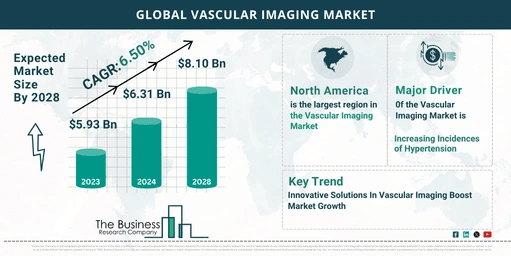
    • Current Market Size and Growth: The vascular imaging market is set to grow from $5.93 billion in 2023 to $6.31 billion in 2024, with a compound annual growth rate (CAGR) of 6.3%.
    • Historic Growth Drivers: Key factors include advancements in imaging technologies, an aging global population, rising cardiovascular disease incidence, increased government healthcare funding, and enhanced awareness and early diagnosis.

    Future Outlook and Trends

    • Projected Growth: The market is expected to expand to $8.10 billion by 2028, driven by a CAGR of 6.5%.
    • Growth Drivers: Future growth is attributed to improved awareness, regular screening programs, non-invasive imaging preferences, medical tourism, favourable reimbursement policies, and the increasing prevalence of age-related vascular diseases.
    • Emerging Trends: Significant trends include advancements in 3D and 4D imaging technologies, hybrid imaging systems, enhanced imaging resolution, intravascular imaging improvements, telemedicine, and remote imaging solutions.

    Read More On The Vascular Imaging Market Report 2024 – https://www.thebusinessresearchcompany.com/report/vascular-imaging-global-market-report

    Rising Hypertension Incidences Fueling Market Expansion

    • Hypertension Impact: The increasing prevalence of hypertension is expected to drive the vascular imaging market. Hypertension is linked to serious health issues like heart disease and stroke.
    • Market Role: Vascular imaging is crucial in diagnosing and managing vascular abnormalities contributing to high blood pressure. For example, in March 2024, the CDC reported higher hypertension prevalence among specific demographics, emphasizing the need for effective vascular imaging solutions.

    Key Players and Innovations

    • Leading Companies: Major players include Hitachi Ltd., Siemens AG, General Electric Company, and Philips N.V., among others.
    • Innovative Solutions: Companies are developing advanced solutions like wireless ultrasound imaging systems. For instance, GE HealthCare’s Vscan Air SL, launched in August 2023, offers handheld, wireless ultrasound capabilities for enhanced cardiac and vascular evaluations, integrating advanced imaging technologies.

    Strategic Acquisitions Strengthening Market Position

    • DirectMed Imaging Acquisition: In March 2024, DirectMed Imaging acquired Titanium Medical Imaging. This move is expected to enhance DirectMed Imaging’s global reach and offerings in the medical imaging sector.

    Market Segmentation and Regional Insights

    • Segmentation: The market is segmented by technique (MRI, ultrasound, CT, nuclear imaging, X-ray), procedure (coronary angiography, peripheral angiography, vascular ultrasound, etc.), application (diagnostic and therapeutic), and end user (hospitals, diagnostic centers).
    • Regional Insights: North America was the largest market region in 2023, with significant growth anticipated in other regions as well.

    Request for A Sample Of The Global Vascular Imaging Market Report:
    https://www.thebusinessresearchcompany.com/sample_request?id=16564&type=smp