Month: August 2024

  • 5 Key Insights On The Baby Thermometers Market 2024

    5 Key Insights On The Baby Thermometers Market 2024

    The Business Research Company’s global market reports are now updated with the latest market sizing information for the year 2024 and forecasted to 2033

    As per The Business Research Company’s Baby Thermometers Global Market Report 2023, the baby thermometers market is expected to show significant growth in the forecast period.

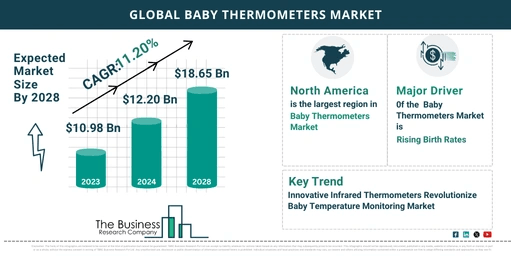
    • Rapid Growth: The baby thermometers market has seen significant expansion, growing from $10.98 billion in 2023 to $12.20 billion in 2024, with a CAGR of 11.1%.
    • Key Drivers: This growth is driven by increased health awareness post-COVID-19, rising demand for baby care products, expanded retail channels, and stricter regulations ensuring product safety.

    Projected Growth and Future Trends

    • Continued Expansion: The market is expected to grow to $18.65 billion by 2028, with a CAGR of 11.2%.
    • Key Factors: The forecasted growth can be attributed to improved healthcare infrastructure, the rise of e-commerce, higher birth rates among older parents, and the increasing adoption of telehealth services.
    • Emerging Trends: Innovations in thermometer technology, digital health products, and integration with wearable and remote monitoring technologies are set to shape the market.

    Rising Birth Rates Fuel Market Demand

    • Increased Birth Rates: Rising birth rates, influenced by better healthcare, economic stability, and supportive government policies, are driving the demand for baby thermometers.
    • Market Impact: With more births, the need for accurate and reliable thermometers to monitor newborns’ health becomes critical. These devices provide quick, accurate readings, essential for early detection of illness.

    View More On The Baby Thermometers Market Report 2024 – https://www.thebusinessresearchcompany.com/report/baby-thermometers-global-market-report

    Innovations in Infrared Thermometers

    • Technological Advancements: Companies are launching innovative infrared thermometers that offer non-contact, rapid temperature readings, enhancing convenience and hygiene.
    • Market Example: Fitgo’s 2021 launch of infrared thermometers with advanced features like quick temperature reads and memory recalls exemplifies the trend towards more user-friendly and precise baby thermometers.

    Strategic Acquisitions Boost Market Competitiveness

    • AI Integration: The acquisition of Kinsa Health by Healthy Together in 2024 highlights the trend of integrating AI-driven predictive health insights into baby thermometer technology.
    • Market Positioning: Such strategic moves are aimed at enhancing the accuracy and predictive capabilities of health monitoring devices, giving companies a competitive edge.

    Market Segmentation and Regional Insights

    • Product Types: The market is segmented by type (rectal, oral, infrared, ear canal, pacifier, armpit), thermometer type (digital, infrared, pacifier, smart), connectivity (non-connected, connected), and distribution channels (retail, online, supermarket, pharma stores).
    • Applications: Baby thermometers are used in various settings, including home, clinical, and travel.
    • Regional Trends: North America was the largest market in 2023, while Asia-Pacific is projected to grow the fastest during the forecast period.

    Conclusion

    The baby thermometers market is poised for rapid growth, driven by rising birth rates, technological innovations, and strategic acquisitions. With continuous product development and the increasing integration of AI and digital health technologies, the market is set to expand significantly in the coming years.

    Request A Sample Of The Global Baby Thermometers Market Report 2024:
    https://www.thebusinessresearchcompany.com/sample_request?id=16622&type=smp
  • Top 5 Insights From The Automated Hospital Beds Market Report 2024

    Top 5 Insights From The Automated Hospital Beds Market Report 2024

    The Business Research Company’s global market reports are now updated with the latest market sizing information for the year 2024 and forecasted to 2033

    According to The Business Research Company’s Automated Hospital Beds Global Market Report 2023, the automated hospital beds market is expected to show promising growth in the forecast period.

    The automated hospital beds market has witnessed significant growth in recent years and is poised for further expansion. Key factors driving this growth include an aging population, an increase in home healthcare services, and advancements in medical technology.

    Current Market Overview

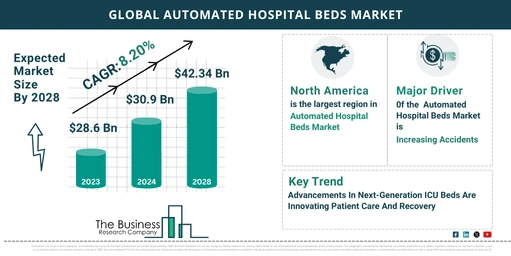
    • 2023 Market Size: The market reached $28.6 billion in 2023.
    • 2024 Forecast: It is projected to grow to $30.9 billion by 2024, with a CAGR of 8%.
    • Growth Drivers:
      • Aging population
      • Rise in home healthcare services
      • Increase in chronic disorders
      • Expansion of telemedicine
      • Increase in surgical procedures

    View More On The Automated Hospital Beds Market Report 2024 – https://www.thebusinessresearchcompany.com/report/automated-hospital-beds-global-market-report

    Future Market Projections

    • 2028 Forecast: The market is expected to reach $42.34 billion by 2028.
    • CAGR: The anticipated growth rate is 8.2% from 2024 to 2028.
    • Key Growth Drivers:
      • Increasing accidents
      • Emphasis on patient-centric care
      • Growing geriatric population
      • Rising healthcare expenditure
      • Shift towards home healthcare

    Impact of Rising Accidents on Market Growth

    The increasing number of road accidents is a significant factor contributing to the growth of the automated hospital beds market.

    • Accident Statistics: Road accidents are on the rise due to increased traffic, distracted driving, and poor infrastructure.
    • Automated Bed Features:
      • Adjustable height for easier patient transfer
      • Automated positioning to prevent bedsores
      • Remote control for quick adjustments
    • Industry Example: In May 2022, the NHTSA reported a 10.5% increase in traffic fatalities in 2021, highlighting the need for advanced patient care solutions in accident scenarios.

    Advancements in ICU Beds: Innovating Patient Care

    Major companies in the automated hospital beds market are focusing on developing next-generation ICU beds to meet the rising demand for advanced medical care.

    • Next-Gen ICU Beds: These beds are designed to enhance patient outcomes and streamline care in critical settings.
    • Example: Baxter International launched the Hillrom Progressa+ bed in May 2023, offering features like in-bed therapies, improved procedure access, and integrated lift systems for early mobility.
    • Benefits:
      • Reduces immobility complications
      • Enhances patient recovery
      • Minimizes clinician injury risks

    Strategic Acquisitions: Expanding Digital Health Solutions

    Acquisitions in the market are further driving innovation and expansion.

    • Baxter Acquires Hillrom: In December 2021, Baxter International acquired Hillrom for $12.5 billion.
    • Impact: This acquisition expands Baxter’s digital health and connected care offerings across various healthcare settings.
    • Hillrom’s Expertise: Specializes in hospital beds, mattresses, stretchers, and medical computer systems.

    Market Segmentation Overview

    The automated hospital beds market can be segmented based on type, technology, application, and end-user.

    • By Type: Semi-Automatic Hospital Beds, Fully Automatic Hospital Beds
    • By Technology: Basic Automated Hospital Beds, Smart Automated Hospital Beds
    • By Application: Critical Care, Acute Care, Long Term Care
    • By End User: Hospitals and Clinics, Reproductive Care Centers, Dentistry, Home Care, Other End-Users

    Regional Insights

    • North America: Dominated the market in 2023, driven by high healthcare expenditure and advanced medical infrastructure.

    The automated hospital beds market is set to continue its growth trajectory, fueled by technological advancements, strategic acquisitions, and a growing demand for patient-centric care solutions.

    Request A Sample Of The Global Automated Hospital Beds Market Report 2024:
    https://www.thebusinessresearchcompany.com/sample_request?id=16594&type=smp

  • Artificial Saliva Global Market Outlook 2024-2033: Size And Growth Rate Analysis

    Artificial Saliva Global Market Outlook 2024-2033: Size And Growth Rate Analysis

    The Business Research Company’s global market reports provide comprehensive analysis on the various markets in 27 industries across 60 geographies.

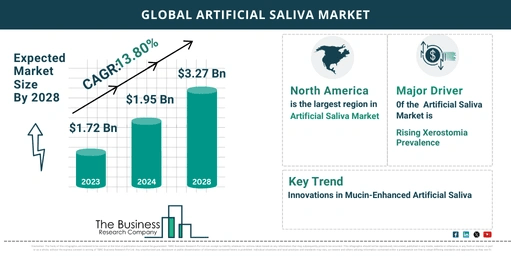
    • Market Expansion: The artificial saliva market has seen significant growth, increasing from $1.72 billion in 2023 to $1.95 billion in 2024, with a CAGR of 13.6%.
    • Key Drivers:
      • Oral Care Products: Growing demand for oral sprays, gels, and liquids.
      • Cancer Treatments: Expanding treatment options for cancer patients requiring artificial saliva due to chemotherapy side effects.
      • Aging Population: An increasing number of elderly individuals are experiencing dry mouth, driving demand.
      • Disposable Income: Rising disposable income enables more people to afford advanced oral care products.
      • Dental Disorders: A global rise in dental disorders has contributed to increased market demand.

    View More On The Artificial Saliva Market Report 2024 – https://www.thebusinessresearchcompany.com/report/artificial-saliva-global-market-report

    Future Market Growth and Emerging Trends

    • Future Market Growth: The artificial saliva market is expected to grow to $3.27 billion by 2028, with a CAGR of 13.8%.

    Growth Factors:

      • Oral Hygiene Awareness: Growing awareness about the importance of oral hygiene is a significant factor.
      • Xerostomia Prevalence: Increasing cases of dry mouth syndrome (xerostomia) are driving market growth.
      • Cancer Incidence: Rising incidents of cancer and the prevalence of chemotherapy treatments contribute to the market’s expansion.
      • Artificial Saliva Demand: The overall demand for artificial saliva is on the rise as more people seek relief from dry mouth symptoms.

    Emerging Trends:

      • R&D Activities: Increasing research and development activities are leading to more advanced product formulations.
      • Technological Integration: Integration with advanced technologies enhances product effectiveness.
      • Natural Ingredients: A shift towards natural and biocompatible ingredients is becoming more prominent in product development.

    Impact of Rising Xerostomia Prevalence on the Market

    • Xerostomia’s Role: The increasing prevalence of dry mouth syndrome (xerostomia) is a significant driver of the artificial saliva market.
    • Contributing Factors:
      • Aging Population: As the population ages, the prevalence of xerostomia increases due to natural aging processes.
      • Medication Use: The widespread use of medications that cause dry mouth as a side effect is also contributing to the rise in xerostomia cases.
    • Artificial Saliva Benefits:
      • Moisture Relief: Artificial saliva provides essential moisture to oral tissues, helping to alleviate the uncomfortable symptoms of xerostomia.
      • Global Impact: Studies indicate a significant prevalence of xerostomia worldwide, underscoring the need for effective treatments.
    • Example: In a 2021 study by Faculdade Meridional in Brazil, the xerostomia prevalence rate among older adults was 19.1%. Another study by the University of Gothenburg in Sweden found a prevalence rate of 43.6% in a sample of adult patients in 2022.

    Innovations in Mucin-Enhanced Artificial Saliva

    • Mucin-Enhanced Products: Leading companies in the artificial saliva market are focusing on developing mucin-enhanced products to provide better relief for dry mouth sufferers.
    • Product Benefits:
      • Mimicking Natural Saliva: Mucin-enhanced artificial saliva products are designed to closely replicate the properties of natural saliva.
      • Improved Viscosity: These products offer superior lubrication and moisture retention, making them more effective in treating xerostomia.
    • Case Study – Pickering Laboratories:
      • Product Launch: In October 2021, Pickering Laboratories launched a new artificial saliva product with added mucin, available in a 950 mL size.
      • Product Features: The product’s mineral composition and pH closely resemble human saliva, and it includes a preservative to prevent bacterial growth, making it suitable for various dental and pharmaceutical studies.

    Strategic Collaborations Enhance Market Offerings

    • Hologram Sciences and Haleon Partnership:
      • Strategic Collaboration: In March 2023, Hologram Sciences partnered with Haleon to develop personalized wellness products.
      • Goals:
        • Consumer Needs: The collaboration aims to address unmet consumer health needs in the US by leveraging Haleon’s established brands.
        • Innovation: The partnership focuses on creating new, science-backed supplement ideas that provide comprehensive solutions, including artificial saliva products that enhance oral health.
      • Company Background: Haleon is a UK-based consumer healthcare company known for offering innovative health solutions, including artificial saliva products.

    Market Segmentation and Regional Insights

    • Product Types:
      • Oral Spray
      • Oral Solution
      • Oral Liquid
      • Dissolving Tablets
      • Gel
      • Powder
    • Distribution Channels:
      • Supermarkets
      • Hypermarkets
      • Other Channels
    • End-Users:
      • Adults
      • Pediatric
    • Regional Analysis:
      • North America: The largest region in the artificial saliva market in 2023.
      • Asia-Pacific: Expected to be the fastest-growing region during the forecast period, driven by increasing awareness and healthcare advancements.

    Conclusion

    The artificial saliva market is poised for continued growth, driven by rising xerostomia prevalence, technological innovations, and strategic industry collaborations. With a focus on developing advanced, biocompatible products, the market is set to address the growing demand for effective dry mouth treatments worldwide.

    Request A Sample Of The Global Artificial Saliva Market Report 2024:
    https://www.thebusinessresearchcompany.com/sample_request?id=16592&type=smp

  • 5 Key Insights On The Artificial Lung Market 2024

    5 Key Insights On The Artificial Lung Market 2024

    The Business Research Company’s global market reports are now updated with the latest market sizing information for the year 2024 and forecasted to 2033

    As per The Business Research Company’s Artificial Lung Global Market Report 2023, the artificial lung market is expected to show significant growth in the forecast period.

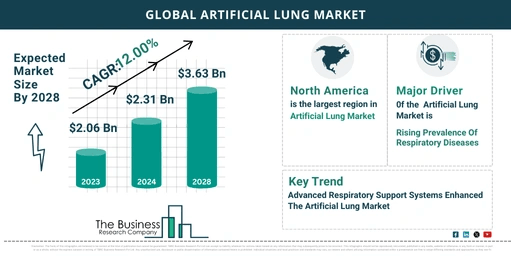
    • Market Expansion: The artificial lung market has experienced significant growth, increasing from $2.06 billion in 2023 to $2.31 billion in 2024, with a CAGR of 11.9%.
    • Key Drivers:
      • Healthcare Professional Awareness: Increased understanding and utilization of artificial lung technologies among healthcare professionals.
      • Market Penetration: Growing acceptance and use of artificial lungs in various medical settings.
      • Home Care Applications: Expanded applications in home care settings, offering patients more accessible treatment options.
      • Medical Tourism: Rising medical tourism has increased access to advanced medical technologies, driving market growth.
      • Healthcare Infrastructure: Continuous improvements in healthcare infrastructure have facilitated the adoption of advanced respiratory support systems.

    View More On The Artificial Lung Market Report 2024 –https://www.thebusinessresearchcompany.com/report/artificial-lung-global-market-report

    Promising Future Growth and Trends

    • Future Market Growth: The artificial lung market is projected to grow to $3.63 billion by 2028, with a CAGR of 12.0%.
    • Growth Factors:
      • Prevalence of Respiratory Diseases: The increasing number of respiratory disease cases globally is a major driver for the market.
      • Healthcare Facilities: Continuous improvements in healthcare facilities enhance the market’s growth prospects.
      • Minimally Invasive Procedures: The rising acceptance of minimally invasive procedures is boosting demand for artificial lungs.
      • Patient Quality of Life: These technologies improve patients’ quality of life by providing effective respiratory support.
      • Chronic Diseases: The rising prevalence of chronic obstructive pulmonary diseases (COPD) further fuels market expansion.
    • Emerging Trends:
      • Wireless Technology: Integration of wireless technology for easier monitoring and control of artificial lung systems.
      • Artificial Intelligence: AI integration enhances diagnostics, treatment personalization, and overall system efficiency.
      • Genomics and Medical Technology: Advances in these areas are driving the development of more effective artificial lung devices.
      • Portable Devices: The development of smaller, portable artificial lungs allows for greater patient mobility and comfort.

    Rising Respiratory Diseases Drive Market Growth

    • Disease Prevalence: The increasing prevalence of respiratory diseases is a key factor driving the artificial lung market.
    • Contributing Factors:
      • Air Pollution and Climate Change: These environmental factors contribute to the rise in respiratory conditions.
      • Lifestyle Changes: Shifts in lifestyle have also led to an increase in respiratory diseases.
    • Artificial Lung Applications:
      • Respiratory Support: Artificial lungs provide critical oxygenation and carbon dioxide removal, supporting or replacing impaired lung function.
      • Healthcare Impact: These devices are vital in treating conditions like asthma and COPD, improving patient outcomes.
    • Example: In June 2024, the Australian Institute of Health and Welfare reported that approximately 8.5 million Australians (34% of the population) have chronic respiratory conditions, emphasizing the growing need for advanced respiratory support systems.

    Innovations in Respiratory Support Systems

    • Technological Advancements: Companies in the artificial lung market are focusing on developing innovative respiratory support systems.
    • Case Study – ALung Technologies:
      • FDA Approval: In December 2021, ALung Technologies Inc. received FDA approval for its Hemolung Respiratory Support System, a groundbreaking artificial lung device.
      • Device Features:
        • ECCO2R System: Provides extracorporeal carbon dioxide removal (ECCO2R) from the blood for up to 5 days.
        • Application: Designed for adults with acute, reversible respiratory failure when traditional ventilation is inadequate.
        • Significance: This approval marks a significant advancement in respiratory support technology, offering a new treatment option for patients with severe respiratory conditions.

    Strategic Acquisitions Enhance Market Position

    • LivaNova plc’s Acquisition of ALung Technologies:
      • Expansion of Portfolio: In May 2022, LivaNova plc, a UK-based medical device company, acquired ALung Technologies to expand its respiratory therapy portfolio.
      • Strategic Goals:
        • Innovative Solutions: The acquisition enhances LivaNova’s capacity to offer advanced respiratory support solutions.
        • Focus on Artificial Lungs: The acquisition emphasizes the development and expansion of artificial lung technologies.
      • ALung Technologies: A US-based company specializing in gas exchange devices for treating acute and chronic respiratory disorders, further strengthening LivaNova’s market position.

    Market Segmentation and Regional Insights

    • Product Types:
      • Single Roller Pump Heart Lung Machines
      • Double Roller Pump Heart Lung Machines
      • Bubble Artificial Lungs
      • Membrane Artificial Lungs
    • Applications:
      • Cardiac Surgery
      • Lung Transplant Operations
      • Acute Respiratory Failure Treatment
      • Other Applications
    • End-Users:
      • Hospitals
      • Emergency Centers
      • Other End-users
    • Regional Analysis: North America was the largest region in the artificial lung market in 2023, driven by advanced healthcare infrastructure and high adoption rates of innovative medical technologies.

    Conclusion

    The artificial lung market is on a rapid growth trajectory, driven by increasing respiratory disease prevalence, technological advancements, and strategic industry developments. With continued innovation and expanding applications, artificial lung technologies are set to play a crucial role in the future of respiratory care.

    Request A Sample Of The Global Artificial Lung Market Report 2024:
    https://www.thebusinessresearchcompany.com/sample_request?id=16591&type=smp

  • Top 5 Insights From The Alpers Disease Treatment Market Report 2024

    Top 5 Insights From The Alpers Disease Treatment Market Report 2024

    The Business Research Company’s global market reports are now updated with the latest market sizing information for the year 2024 and forecasted to 2033

    According to The Business Research Company’s Alpers Disease Treatment Global Market Report 2023, the alpers disease treatment market is expected to show promising growth in the forecast period.

    The alpers disease treatment market has seen robust growth recently, driven by increased awareness, improved research funding, and advancements in medical technology. This blog provides an overview of the market’s growth, key drivers, and future trends.

    Current Market Overview

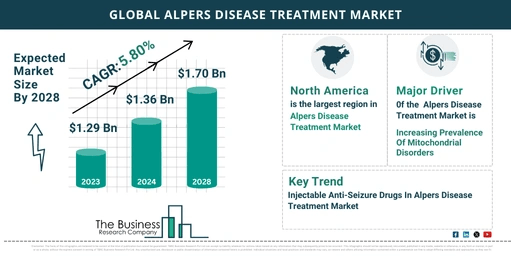
    • 2023 Market Size: The market reached $1.29 billion in 2023.
    • 2024 Forecast: It is expected to grow to $1.36 billion by 2024, with a CAGR of 5.4%.
    • Growth Drivers:
      • Increased awareness and diagnosis rates
      • Enhanced funding for rare disease research
      • Improved patient support networks
      • Regulatory incentives for orphan drug development
      • Rising healthcare expenditure

    View More On The Alpers Disease Treatment Market Report 2024 – https://www.thebusinessresearchcompany.com/report/alpers-disease-treatment-global-market-report

    Future Market Projections

    • 2028 Forecast: The market is projected to reach $1.70 billion by 2028.
    • CAGR: The expected growth rate is 5.8% from 2024 to 2028.
    • Key Growth Drivers:
      • Increased research funding
      • Rising prevalence of mitochondrial disorders
      • Growing awareness among healthcare providers
      • Expansion of drug therapies
      • Improved healthcare infrastructure and accessibility
      • Enhanced patient advocacy initiatives

    Impact of Mitochondrial Disorders on Market Growth

    The increasing prevalence of mitochondrial disorders is a major driver of growth in the Alpers disease treatment market.

    • Prevalence of Mitochondrial Disorders: These disorders stem from malfunctions in mitochondria, the cell’s powerhouses, leading to various health issues.
    • Driving Factors:
      • Increased demand for targeted therapies
      • Advancements in genetic research
      • Improved diagnostic capabilities
      • Heightened awareness among healthcare professionals
    • Industry Example: In April 2024, the National Center for Biotechnology Information reported an estimated prevalence of mtDNA-related mitochondrial disease in adults at 9.2 per 100,000 people.

    Personalized Medicines: A Catalyst for Market Growth

    The rise in personalized medicines is fueling the growth of the Alpers disease treatment market.

    • What is Personalized Medicine? It refers to tailoring healthcare treatments to the individual characteristics of each patient, often based on genetic information.
    • Driving Factors:
      • Better understanding of genetics
      • Patient-specific data analysis
      • Supportive regulatory environment
    • Industry Example: In February 2024, the FDA approved 16 novel personalized therapies for rare diseases, compared to six in 2022.

    Injectable Anti-Seizure Drugs: An Innovative Solution

    Injectable anti-seizure drugs (ASDs) are emerging as an innovative solution in the treatment of Alpers disease.

    • Benefits of Injectable ASDs:
      • Rapid and reliable seizure control
      • Bypassing absorption issues in the gastrointestinal tract
      • Ensuring stable and effective dosing
      • Offering a precise treatment option for managing neurological conditions
    • Industry Example: In April 2024, Eisai Co. Ltd. launched FYCOMPA, an injection formulation targeting glutamate activity at AMPA receptors to reduce neuronal hyper-excitation linked to seizures.

    Market Segmentation Overview

    The Alpers disease treatment market is segmented based on treatment, diagnosis, dosage, symptom, and end-user.

    • By Treatment: Anticonvulsant Drugs, Speech Therapy, Physical Therapy, Occupational Therapy, Other Treatments
    • By Diagnosis: Laboratory Tests, Molecular Genetic Testing, Electroencephalography (EEG), Other Diagnoses
    • By Dosage: Tablet, Injection, Other Dosages
    • By Symptom: Headache, Dementia, Seizures, Spasticity, Liver Dysfunction, Blindness, Cerebral Degeneration, Other Symptoms
    • By End-User: Clinic, Hospital, Other End-Users

    Regional Insights

    • North America: This region was the largest in the Alpers disease treatment market in 2023, driven by strong healthcare infrastructure, advanced research facilities, and supportive government policies.

    The Alpers disease treatment market is on a steady growth path, propelled by advancements in personalized medicine, gene therapy, and ongoing research efforts. As awareness and diagnostic capabilities improve, the market is expected to continue its upward trajectory, offering new hope for patients affected by this rare and challenging condition.

    Request A Sample Of The Global Alpers Disease Treatment Market Report 2024:
    https://www.thebusinessresearchcompany.com/sample_request?id=16585&type=smp

  • Global Veterinary Disinfectant Market Analysis: Estimated Market Size And Growth Rate

    Global Veterinary Disinfectant Market Analysis: Estimated Market Size And Growth Rate

    The Business Research Company’s global market reports are now updated with the latest market sizing information for the year 2024 and forecasted to 2033

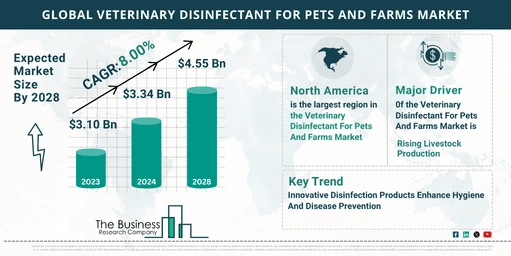
    The veterinary disinfectant market for pets and farms has seen significant growth in recent years. With a rise from $3.10 billion in 2023 to $3.34 billion in 2024, the market is expanding at a compound annual growth rate (CAGR) of 7.7%. Here’s a closer look at what’s driving this growth and what trends are shaping the future of the market.

    Factors Driving Market Growth

    • Increased Awareness of Zoonotic Diseases: Growing concern over diseases that can transfer from animals to humans has led to a heightened focus on animal hygiene and health.
    • Rise in Pet Ownership: The global increase in pet ownership has boosted demand for veterinary disinfectants, particularly in residential settings.
    • Stricter Regulations: Governments worldwide are imposing stricter regulations for animal health and welfare, necessitating more frequent and thorough disinfection practices.
    • Expansion of Commercial Farming: A surge in commercial farming activities requires robust biosecurity measures to prevent disease outbreaks.
    • Advancements in Veterinary Medicine: Technological advancements in veterinary medicine have highlighted the importance of using effective disinfectants to ensure animal health.

    Future Market Projections

    The veterinary disinfectant market for pets and farms is projected to grow to $4.55 billion by 2028, with a CAGR of 8.0%. Several factors are expected to contribute to this continued growth:

    • Emerging Infectious Diseases: Ongoing concerns about emerging infectious diseases are driving the demand for more effective disinfectant solutions.
    • Pet Care Industry Expansion: The expanding pet care industry is increasing the need for high-quality disinfectants that cater to both household pets and commercial animal care settings.
    • Demand for Organic Disinfectants: Consumers are increasingly seeking organic and natural disinfectant solutions, leading to a rise in product innovation.
    • Adoption of Advanced Technologies: Modern farming practices are incorporating advanced technologies that require effective and specialized disinfection methods.
    • Emphasis on Biosecurity: There is a growing emphasis on biosecurity measures in both small-scale and industrial farming to prevent cross-contamination and ensure animal health.

    View More On The Veterinary Disinfectant Market Report 2024 – https://www.thebusinessresearchcompany.com/report/veterinary-disinfectant-for-pets-and-farms-global-market-report

    Major Trends in the Market

    • Eco-Friendly Solutions: A shift towards sustainable and eco-friendly disinfectant solutions is becoming more prominent as environmental awareness grows.
    • Antimicrobial Resistance Management: The integration of strategies to manage antimicrobial resistance is a significant trend, aiming to reduce the risk of resistant bacteria.
    • Innovative Application Methods: Companies are developing innovative methods for disinfectant application to improve ease of use and efficiency.
    • Long-Lasting Residual Efficacy: Products with longer-lasting effects are gaining traction, as they reduce the frequency of applications and enhance overall biosecurity.
    • Digital Monitoring Solutions: The adoption of digital solutions for monitoring disinfection processes is emerging, allowing for more precise and controlled application.

    Impact of Livestock Production on the Market

    • Rising Livestock Production: Increasing livestock production is expected to drive demand for veterinary disinfectants, particularly in regions with favorable government policies and subsidies.
    • Improving Animal Health: Veterinary disinfectants play a crucial role in enhancing animal health, ensuring biosecurity, and improving farm efficiency.
    • Case Study: In the UK, the value of beef and veal production increased by 12% in 2022, highlighting the correlation between livestock production and disinfectant market growth.

    Leading Companies in the Market

    • Notable Players: Major companies include Ecolab Inc., Lanxess AG, Zoetis Inc., Empresas CMPC S.A., and Clorox Healthcare, among others.
    • Innovative Products: For instance, Neogen Corporation launched Neogen Farm Fluid MA, a dual-action disinfectant designed to sanitize and protect farm environments effectively.

    Strategic Acquisitions and Market Expansion

    • Lanxess AG’s Acquisition of Theseo S.A.S.: In 2021, Lanxess AG acquired Theseo S.A.S. to enhance its portfolio in disinfection and hygiene solutions, further solidifying its position in the market.

    Market Segmentation

    • By Product: Includes iodine, lactic acid, hydrogen peroxide, phenolic acid, and more.
    • By Animal: Targets companion animals like cats and dogs, as well as livestock such as cattle and poultry.
    • By Form: Available in liquid, powder, and wipes.
    • By Application: Used for hand sanitization, surface disinfection, aerial disinfection, and more.
    • By End Use: Serves veterinary clinics, hospitals, animal care facilities, and other settings.

    Conclusion

    The veterinary disinfectant market for pets and farms is poised for substantial growth, driven by rising pet ownership, expanding farming activities, and a growing focus on animal health and biosecurity. As the industry continues to evolve, innovation and strategic expansions will play a pivotal role in shaping the future of the market.

    Request A Sample Of The Global Veterinary Disinfectant Market Report 2024:
    https://www.thebusinessresearchcompany.com/sample_request?id=16568&type=smp

  • Global Vein Illumination Devices Market Analysis: Estimated Market Size And Growth Rate

    Global Vein Illumination Devices Market Analysis: Estimated Market Size And Growth Rate

    The Business Research Company’s global market reports are now updated with the latest market sizing information for the year 2024 and forecasted to 2033

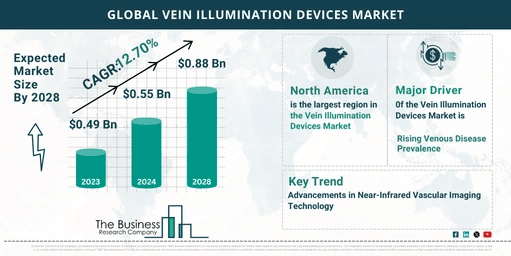
    The vein illumination devices market has seen significant growth in recent years, driven by various factors including increased healthcare expenditure and a rise in the prevalence of venous diseases. This market is projected to expand from $0.49 billion in 2023 to $0.55 billion in 2024, reflecting a compound annual growth rate (CAGR) of 12.5%. Here’s a closer look at the current trends and future outlook for this burgeoning market.

    Key Factors Driving Market Growth

    • Pandemic-Driven Demand: The COVID-19 pandemic significantly increased the demand for vein illumination devices due to the necessity for reliable venous access in patients, leading to rapid market growth.
    • Healthcare Awareness and Expenditure: There has been an increasing awareness among healthcare professionals about the benefits of vein illumination devices. Coupled with growing healthcare expenditure, this awareness has boosted the market’s growth.
    • Patient Education Initiatives: Initiatives aimed at educating patients about the benefits of vein illumination devices have further fueled market expansion.
    • Rise in Intravenous Drug Use: Both medical and illicit intravenous drug use have contributed to the increased demand for vein illumination devices, as these devices aid in safe and efficient venous access.

    View More On The Vein Illumination Devices Market Report 2024 –https://www.thebusinessresearchcompany.com/report/vein-illumination-devices-global-market-report

    Future Market Growth and Opportunities

    The vein illumination devices market is expected to continue its upward trajectory, growing to $0.88 billion by 2028 at a CAGR of 12.7%. Several factors will contribute to this growth:

    • Investment in Healthcare Infrastructure: Rising investment in healthcare infrastructure is expected to enhance the availability and use of vein illumination devices.
    • Improvement in Medical Staff Training: Better training and proficiency among medical staff in using these devices will lead to more widespread adoption.
    • Cost Efficiency: The cost efficiency of vein illumination devices makes them an attractive option for healthcare facilities looking to improve venous access procedures.
    • Remote and Home Healthcare Settings: There is an increasing demand for venipuncture assistance in remote and home healthcare settings, especially for patients requiring regular venous access.

    Major Trends Shaping the Future

    Several key trends are expected to shape the future of the vein illumination devices market:

    • Miniaturization and Wearable Devices: The development of smaller, wearable vein illumination devices is expected to drive market growth.
    • Wireless Connectivity: Incorporating wireless connectivity features will enhance the usability of these devices, making them more convenient for healthcare professionals.
    • Augmented Reality (AR) Solutions: The introduction of AR solutions will enable more precise venous access, further increasing the efficiency of vein illumination devices.
    • Hybrid Imaging Technologies: The development of hybrid imaging technologies will improve the versatility of these devices, making them useful for a wider range of applications.
    • Holographic Projection Technology: The use of holographic projection technology could revolutionize how vein illumination devices are used, offering clearer and more detailed imaging.

    Rising Prevalence of Venous Diseases

    The increasing prevalence of venous diseases, such as deep vein thrombosis and varicose veins, is expected to drive the demand for vein illumination devices:

    • Impact of Venous Diseases: Conditions like deep vein thrombosis and varicose veins impair blood flow in the veins, causing symptoms such as swelling, pain, and skin changes.
    • Role of Vein Illumination Devices: These devices assist in managing venous diseases by enhancing vein visibility, facilitating more accurate and safer procedures, and reducing complications.
    • Significant Increase in Cases: For instance, the Nuffield Trust reported a 21% increase in Venous Thromboembolism (VTE) cases between 2019-20 and 2020-21, highlighting the growing need for effective vein illumination solutions.

    Technological Advancements

    Leading companies in the vein illumination devices market are continuously innovating to improve the effectiveness of their products:

    • Near-Infrared Vascular Imaging: Companies are developing advanced near-infrared vascular imaging technologies to improve the accuracy and efficiency of medical procedures.
    • Christie Medical Holdings’ VeinViewer: In April 2022, Christie Medical Holdings launched the VeinViewer, an advanced imaging device that projects real-time HD images of veins onto the patient’s skin, enhancing the accuracy of medical procedures and improving patient outcomes.

    Market Segmentation

    The vein illumination devices market is segmented by product type, technology, application, and end-user:

    • Product Type: Table-top devices, hand-held devices.
    • Technology: Transillumination, near-infrared illumination, ultrasound technologies.
    • Application: Intravenous access, blood draw, venipuncture assistance, sclerotherapy, other applications.
    • End-User: Hospitals and clinics, rehabilitation facilities, blood donation camps, academic institutions, nursing homes, other end-users.

    Regional Insights

    • North America: North America was the largest region in the vein illumination devices market in 2023, driven by high healthcare expenditure and advanced medical infrastructure.
    • Asia-Pacific: Asia-Pacific is expected to be the fastest-growing region during the forecast period, fueled by increasing healthcare investments and growing awareness about vein illumination devices.

    Conclusion

    The vein illumination devices market is poised for significant growth in the coming years, driven by advancements in technology, rising healthcare expenditure, and an increasing prevalence of venous diseases. As healthcare systems continue to evolve and adapt, vein illumination devices will play a crucial role in improving patient outcomes and enhancing the efficiency of medical procedures.

    Request A Sample Of The Global Vein Illumination Devices Market Report 2024:
    https://www.thebusinessresearchcompany.com/sample_request?id=16567&type=smp

  • Global Reporter Gene Assay Market Report 2024 – Top Market Trends And Opportunities

    Global Reporter Gene Assay Market Report 2024 – Top Market Trends And Opportunities

    The Business Research Company’s market reports offer an in-depth analysis on the market’s growth potential, major drivers, key trends and more.

    The reporter gene assay market is experiencing robust growth, driven by increasing research and advancements in biotechnology. This blog delves into the factors fueling this growth and explores future trends shaping the market.

    Market Growth Overview

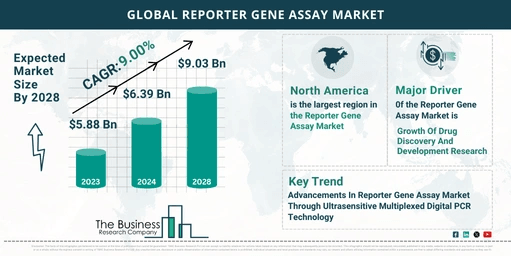
    • Current Market Size: The reporter gene assay market was valued at $5.88 billion in 2023.
    • Short-term Growth: Expected to grow to $6.39 billion in 2024, reflecting a compound annual growth rate (CAGR) of 8.7%.
    • Long-term Projection: Predicted to reach $9.03 billion by 2028, with a CAGR of 9.0%.

    Drivers of Growth

    Historical Growth Factors:

    • Increased Demand for Cell-Based Assays: Rising use of cell-based assays for various applications.
    • Rise in Genomics Research: Growing focus on genomics has driven the need for reporter gene assays.
    • Drug Discovery and Development: Enhanced research in drug development is a significant growth driver.
    • Personalized Treatment: The shift towards personalized medicine fuels demand.
    • Early Diagnosis: Emphasis on early disease detection supports market growth.

    Read More On The Reporter Gene Assay Market Report 2024 – https://www.thebusinessresearchcompany.com/report/reporter-gene-assay-global-market-report

    Future Growth Drivers:

    • Chronic Genetic Disorders: Growing prevalence of genetic disorders boosts market demand.
    • Personalized Medicine: Continued expansion in personalized medicine increases the need for advanced assays.
    • Molecular Imaging Systems: Rising use of molecular imaging contributes to market expansion.
    • Gene Therapy: Expansion in gene therapy portfolios drives demand.
    • Government Initiatives: Supportive policies and funding enhance market growth.

    Impact of Drug Discovery and Development Research

    • Role of Research: Drug discovery and development are critical in expanding the reporter gene assay market. These assays help in understanding gene regulation, identifying drug targets, and evaluating drug efficacy.
    • Technological Advances: Progress in proteomics, high-throughput screening, and genomics contributes to increased research activities.
    • Investment in R&D: For example, the UK government increased its R&D expenditure by 10.5% in 2022, highlighting the growing investment in research.

    Innovations and Technological Advancements

    Ultrasensitive Multiplexed Digital PCR Technology:

    • New Developments: Companies like Bio-Rad Laboratories Inc. are advancing with products like the ddPLEX ESR1 Mutation Detection Kit.
    • Benefits: This technology offers high sensitivity and multiplexing capabilities, allowing for precise detection of genetic mutations and simplifying testing processes.

    Qiagen’s Strategic Move:

    • Acquisition of Verogen: In January 2023, Qiagen acquired Verogen Inc. to enhance its forensic genomics capabilities.
    • Impact: This acquisition strengthens Qiagen’s position in forensic applications and expands its portfolio of reporter gene assays.

    Market Segmentation

    • By Product:
      • Assay Kits
      • Reagents
    • By Application:
      • Promoter Structural and Functional Analysis
      • Cell Signaling Pathways
      • Protein Interaction
      • Clinical and Gene Regulation
    • By End-User:
      • Biotechnology and Pharmaceutical Companies
      • Research and Academic Institutes
      • Hospital and Diagnostic Laboratories
      • Contract Research Organizations

    Regional Insights

    • North America: The largest market region in 2023, driven by high research activities and technological advancements.
    • Asia-Pacific: Expected to be the fastest-growing region, fueled by increasing investments in healthcare and biotechnology.

    Conclusion

    The reporter gene assay market is on a strong growth trajectory, supported by advancements in research and technology. With increasing investments in drug discovery, the rise of personalized medicine, and innovations in assay technologies, the market is set to experience significant expansion in the coming years. Keeping an eye on these trends will be crucial for stakeholders looking to navigate and capitalize on the opportunities within this dynamic market.

    Request for A Sample Of The Global Reporter Gene Assay Market Report:
    https://www.thebusinessresearchcompany.com/sample_request?id=16526&type=smp

  • Growth Trajectory Of The Tobramycin Eye Drop Market 2024-2033

    Growth Trajectory Of The Tobramycin Eye Drop Market 2024-2033

    The Business Research Company’s global market reports are now updated with the latest market sizing information for the year 2024 and forecasted to 2033

    Rapid Market Expansion

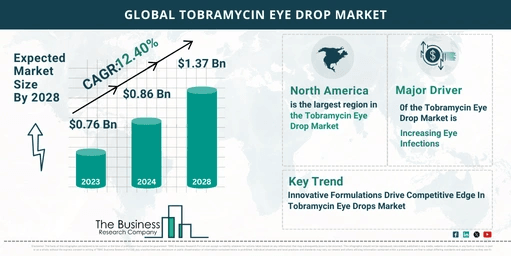
    • Market Size Growth: The tobramycin eye drop drops market has seen significant expansion, growing from $0.76 billion in 2023 to $0.86 billion in 2024.
    • Impressive CAGR: The market is set to grow at a compound annual growth rate (CAGR) of 12.3%, reflecting strong demand and market confidence.

    Drivers of Growth

    • Clinical Approvals: Increased approvals for tobramycin eye drop drops to treat bacterial eye infections have bolstered market growth.
    • Positive Clinical Trials: Favorable results from clinical trials have led to widespread adoption by healthcare practitioners and ophthalmologists.
    • Rising Eye Infections: The growing prevalence of eye infections, fueled by urbanization, pollution, and increased screen time, has driven demand.
    • Contact Lens Usage: With more people using contact lenses, the need for effective eye infection treatments has risen, supporting market growth.

    Future Market Projections

    • Continued Expansion: The market is expected to reach $1.37 billion by 2028, with a continued CAGR of 12.4%.
    • Emerging Economies: The expansion into emerging markets with improving healthcare infrastructure will drive further growth.
    • Regulatory Impact: New regulations and guidelines are likely to influence manufacturing practices, potentially spurring innovation.
    • R&D Focus: Ongoing research and development efforts are enhancing the formulation, potency, and safety of tobramycin-based products.

    View More On The Tobramycin Eye Drop Market Report 2024 – https://www.thebusinessresearchcompany.com/report/tobramycin-eye-drop-global-market-report

    Key Market Trends

    • Telemedicine Adoption: The growing adoption of telemedicine and remote consultation services is making it easier for patients to access tobramycin eye drop drops.
    • Eco-Friendly Practices: The pharmaceutical industry is increasingly focusing on eco-friendly packaging and manufacturing processes, influencing product choices.
    • Combination Therapies: The development of combination therapies, such as tobramycin with other antimicrobial agents or anti-inflammatory drugs, is a major trend.
    • Strategic Partnerships: Pharmaceutical companies are forming strategic partnerships to strengthen their market positions.

    Eye Infections Fueling Market Demand

    • Rising Prevalence: Eye infections are becoming more common due to increased pollution, urbanization, and screen time.
    • Effectiveness of Tobramycin: Tobramycin eye drops effectively treat bacterial eye infections by inhibiting bacterial protein synthesis.
    • Projected Increase in Eye Conditions: The number of visually impaired Americans is expected to double by 2030, highlighting the growing need for effective eye treatments.

    Competitive Landscape: Innovation and Strategic Moves

    • Technological Innovations: Leading companies are focusing on advanced formulation techniques to improve drug delivery and efficacy.
    • Example of Innovation: In October 2023, Harrow Health Inc. launched TOBRADEX ST, a combination of tobramycin and dexamethasone, offering improved therapeutic outcomes.
    • Strategic Acquisitions: In July 2023, Harrow Health Inc. acquired commercial rights to several ophthalmic products from Santen Pharmaceutical, strengthening its position in the U.S. market.

    Regional Insights

    • North America Leadership: North America was the largest region in the tobramycin eye drop drops market in 2023, driven by high demand and established healthcare infrastructure.
    • Asia-Pacific Growth: Asia-Pacific is expected to be the fastest-growing region during the forecast period, reflecting increasing healthcare investments and awareness.

    Conclusion

    The tobramycin eye drop drops market is on a robust growth trajectory, driven by rising eye infections, technological innovations, and strategic expansions into emerging markets. With continued advancements in drug formulations and a growing emphasis on eco-friendly practices, the market is set to achieve remarkable milestones in the coming years.

    Request A Sample Of The Global Tobramycin Eye Drop Market Report 2024:
    https://www.thebusinessresearchcompany.com/sample_request?id=16556&type=smp

  • Vancomycin Global Market Outlook 2024-2033: Size And Growth Rate Analysis

    Vancomycin Global Market Outlook 2024-2033: Size And Growth Rate Analysis

    The Business Research Company’s global market reports provide comprehensive analysis on the various markets in 27 industries across 60 geographies.

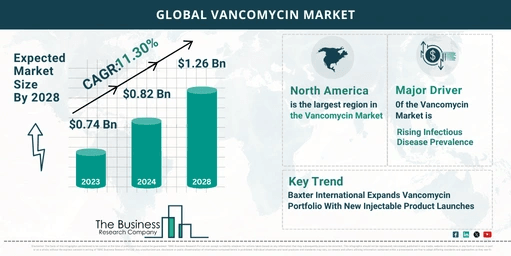
    The vancomycin market has experienced significant growth in recent years, with projections showing continued expansion. From 2023 to 2024, the market size is expected to rise from $0.74 billion to $0.82 billion, marking a compound annual growth rate (CAGR) of 11.0%. By 2028, the market is forecasted to reach $1.26 billion with a CAGR of 11.3%. This blog explores the factors driving this growth, key market trends, and recent developments in the vancomycin market.

    Factors Driving Market Growth

    • Rising Detection and Prevention of Infectious Diseases
      • Increased efforts in detecting and preventing infectious diseases have fueled the demand for vancomycin.
      • Government-funded programs for disease surveillance have further supported market expansion.
    • Increased Global Travel and Trade
      • The globalization of travel and trade has heightened the spread of infectious diseases, leading to a higher demand for effective treatments like vancomycin.
    • Growing Use in Hospital Settings
      • Hospitals are increasingly using vancomycin to treat severe bacterial infections, particularly those resistant to other antibiotics.
    • Higher Healthcare Spending
      • Enhanced healthcare expenditure worldwide has allowed for better access to essential drugs, including vancomycin.

    View More On The Vancomycin Market Report 2024 –https://www.thebusinessresearchcompany.com/report/vancomycin-global-market-report

    Future Market Trends

    • Emergence of Novel Pathogens
      • The rise of new pathogens is expected to increase the demand for vancomycin and other antibiotics.
    • Miniaturization and Portability of Diagnostic Devices
      • Advances in diagnostic technologies, such as portable devices, will enhance the rapid detection of infections, further driving market growth.
    • Adoption of Multiplex Assays
      • Multiplex assays capable of detecting multiple pathogens simultaneously are becoming more popular, improving early detection and treatment.
    • Integration of AI and Machine Learning
      • The use of AI and machine learning in diagnostic platforms will likely revolutionize the vancomycin market by enabling more accurate and efficient detection of infections.

    Impact of Rising Infectious Disease Prevalence

    • Infectious Disease Prevalence
      • The increasing prevalence of infectious diseases, including those caused by resistant bacteria, is a significant factor propelling the vancomycin market.
    • Global Statistics
      • The global number of people with HIV exceeded 39 million in 2023, up from 37.7 million in 2020, showcasing the growing need for effective treatments.
    • Tuberculosis in the U.S.
      • TB cases in the U.S. rose by 5.9% from 2021 to 2022, further emphasizing the demand for antibiotics like vancomycin.

    Key Players and Recent Developments

    • Major Companies in the Market
      • Pfizer Inc., F. Hoffmann-La Roche Ltd., and Thermo Fisher Scientific Inc. are some of the key players in the vancomycin market.
      • These companies are focused on innovative product development to maintain their market positions.
    • Baxter International’s New Launches
      • In April 2024, Baxter International Inc. launched five new injectable products in the U.S. to expand its pharmaceutical portfolio, reflecting a commitment to improving patient outcomes.
    • Fairlong Capital’s Strategic Acquisition
      • In January 2023, Fairlong Capital LLC acquired DoseMeRx, aiming to enhance its healthcare technology offerings and support personalized dosing for high-risk medications like vancomycin.

    Market Segmentation and Regional Insights

    • Product Segmentation
      • The vancomycin market is segmented by type into injectable solutions and powder for injection.
      • Route of administration includes intravenous and oral methods, while application areas cover sepsis, lung infection, skin and soft tissue infection, and colitis.
    • Regional Insights
      • North America was the largest region in the vancomycin market in 2023, driven by high healthcare spending and advanced medical infrastructure.

    Conclusion

    The vancomycin market is poised for significant growth, driven by rising infectious disease prevalence, technological advancements, and strategic initiatives by key players. With an expected CAGR of 11.3% from 2024 to 2028, the market is set to reach $1.26 billion, underscoring the critical role vancomycin will continue to play in combating severe bacterial infections.

    Request A Sample Of The Global Vancomycin Market Report 2024:
    https://www.thebusinessresearchcompany.com/sample_request?id=16563&type=smp