Month: June 2025

  • Testicular Cancer Market Valuation Expected To Reach $4.97 Billion By 2029, Growing At A Rate Of 7.6%

    Stay ahead with our updated market reports featuring the latest on tariffs, trade flows, and supply chain transformations.

    How Has The Testicular Cancer Market Growth Evolved From 2024 To 2025, And What’s Ahead?

    Recent years have witnessed robust growth in the size of the testicular cancer market. The market, projected to escalate from $3.43 billion in 2024 to $3.71 billion in 2025, will do so at a compound annual growth rate (CAGR) of 7.9%. The historical period reveals this growth can be credited to the heightened awareness of testicular cancer, an increase in associated risk factors, larger prevalence and incidence rates of testicular cancer, as well as an increased demand for effective diagnostics.

    There’s an anticipated robust expansion in the testicular cancer market in the upcoming years. It’s projected to surge to $4.97 billion by 2029 with a compound annual growth rate (CAGR) of 7.6%. Several factors contributing to the growth during the forecast period include the rise in testicular cancer diagnosis, increasing prevalence of the condition, a growing range of treatment options, and wider use of targeted therapies. The forecast period is also expected to witness numerous trends such as advancements in treatment options, improved healthcare facilities, research and development efforts, creation of targeted medicines, and progress in clinical trials.

    Download a free sample to assess the report’s scope and structure:

    https://www.thebusinessresearchcompany.com/sample.aspx?id=20977&type=smp

    Which Factors and External Forces Are Driving Demand in the Testicular Cancer Market?

    The escalating identification of testicular cancer is projected to stimulate the advancement of the testicular cancer market. Testicular cancer, which originates in the male testicles often marked by painless lumps or swelling, is becoming increasingly diagnosed due to enhanced awareness, developed diagnostic systems, increased self-checks, and potential environmental and lifestyle influences. The testicular cancer market plays an essential role in this rise in diagnoses by funding studies, enhancing diagnostic resources, and promoting awareness campaigns for early detection. For instance, a Cancer Council Victoria report in July 2024 revealed that there were notably more diagnoses of testicular cancer in males below the age of 40, with 160 cases in 2022, compared to the 37 in the 40-49 age group, underscoring a significant disparity in diagnoses among younger and middle-aged males. Consequently, the rise in testicular cancer diagnoses is spurring the growth of the market.

    Which Segments in the Testicular Cancer Offer the Most Growth?

    The testicular cancer market covered in this report is segmented –

    1) By Treatment Type: Surgery, Chemotherapy, Radiotherapy, Immunotherapy, Targeted Therapy

    2) By Histology: Seminoma, Non-Seminoma, Mixed

    3) By Product: Tablet, Capsule, Creams

    4) By Route Of Administration: Oral, Topical

    5) By End-use: Hospitals, Clinics

    Subsegments:

    1) By Surgery: Orchiectomy, Retroperitoneal Lymph Node Dissection (RPLND)

    2) By Chemotherapy: Platinum-Based Chemotherapy, Chemotherapy Regimens (BEP regimen)

    3) By Radiotherapy: External Beam Radiation, Retroperitoneal Radiation

    4) By Immunotherapy: Immune Checkpoint Inhibitors, Cancer Vaccines

    5) By Targeted Therapy: Tyrosine Kinase Inhibitors, Monoclonal Antibodies

    Request customized data on this market:

    https://www.thebusinessresearchcompany.com/customise?id=20977&type=smp

    What Are the Fastest-Growing Geographies in the Testicular Cancer Market?

    North America was the largest region in the testicular cancer market in 2024. Asia-Pacific is expected to be the fastest-growing region in the forecast period. The regions covered in the testicular cancer market report are Asia-Pacific, Western Europe, Eastern Europe, North America, South America, Middle East, Africa.

    Which Cutting-Edge Market Trends Are Expected to Drive the Testicular Cancer Market’s Growth?

    Key players in the testicular cancer market are centering their efforts on the creation of groundbreaking products such as cell-interactive bispecific antibodies for the treatment of gynecologic and testicular cancers marked by CLDN6 positivity. A cell-interacting bispecific antibody has the ability to connect to two separate targets, enabling the stimulation of immune cells to identify and eliminate cancerous or diseased cells. To exemplify, in May 2024, Context Therapeutics Inc., a biopharmaceutical firm based in the United States, made known that its Application for Investigational New Drug (IND) for CTIM-76, a CLDN6 x CD3 T cell-interacting bispecific antibody, received clearance from the U.S. Food and Drug Administration (FDA). This approval paves the way for the company to commence a Phase 1 clinical trial to analyze CTIM-76 in patients with CLDN6-positive gynecologic and testicular cancers. The study will pinpoint dose escalation and expansion to evaluate the drug’s safety, effectiveness, and pharmacokinetics.

    View the full report here:

    https://www.thebusinessresearchcompany.com/report/testicular-cancer-global-market-report

    What Are the Key Elements That Define the Testicular Cancer Market?

    Testicular cancer is a type of cancer that originates in the testicles, which are part of the male reproductive system. It typically affects young men and is highly treatable, especially when diagnosed early, with various treatment options. Testicular cancer is relatively rare but is one of the most common cancers in young men, particularly between the ages of 15 and 35. It often presents as a lump or swelling in one testicle, sometimes accompanied by pain or discomfort.

    Purchase the full report and get a swift delivery:

    https://www.thebusinessresearchcompany.com/purchaseoptions.aspx?id=20977

    About The Business Research Company:

    With over 15000+ reports from 27 industries covering 60+ geographies, The Business Research Company has built a reputation for offering comprehensive, data-rich research and insights. Armed with 1,500,000 datasets, the optimistic contribution of in-depth secondary research, and unique insights from industry leaders, you can get the information you need to stay ahead in the game.

    Get in touch with us:

    The Business Research Company: https://www.thebusinessresearchcompany.com/

    Americas +1 3156230293

    Asia +44 2071930708

    Europe +44 2071930708

    Email us at info@tbrc.info

    Follow us on:

    LinkedIn: https://in.linkedin.com/company/the-business-research-company

    YouTube: https://www.youtube.com/channel/UC24_fI0rV8cR5DxlCpgmyFQ

    Global Market Model: https://www.thebusinessresearchcompany.com/global-market-model
  • Global Tadalafil Market Projected to Reach $8.87 Billion by 2029 at a CAGR of 12.5%

    Global Tadalafil Market Projected to Reach $8.87 Billion by 2029 at a CAGR of 12.5%

    Stay ahead with our updated market reports featuring the latest on tariffs, trade flows, and supply chain transformations.

    What is the Anticipated CAGR of the Tadalafil Market, and What Factors Will Drive It?

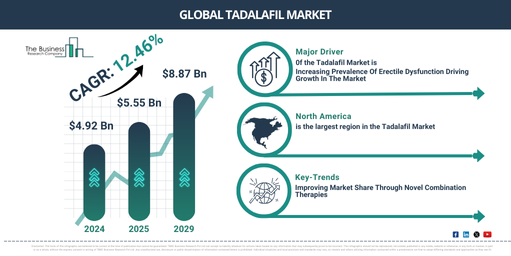
    In the recent past, the tadalafil market has witnessed rapid expansion. The projected growth tells us that this market, worth $4.92 billion in 2024, will reach a value of $5.55 billion in 2025, demonstrating a compound annual growth rate (CAGR) of 12.83%. Deeper awareness about men’s health, a surge in the consumption of pharmaceuticals, a rise in the proliferation of tadalafil, bolstered healthcare spending, and a growing older age group account for this remarkable growth in the historic period.

    The industry for tadalafil is predicted to experience swift expansion in the upcoming years, escalating to a value of $8.87 billion by 2029, reflecting a compound annual growth rate (CAGR) of 12.46%. The growth during the projection period can be linked to a rise in erectile dysfunction cases, a heightened demand for lifestyle drugs, a growing number of PAH instances, widespread acceptance of contemporary healthcare methods, and rising disposable incomes. Notable trends over the forecast span are the integration of digital health, innovative drug formulations, advancements in medication, improved drug delivery systems, and progress in medical technology.

    Download a free sample to assess the report’s scope and structure:

    https://www.thebusinessresearchcompany.com/sample.aspx?id=20974&type=smp

    What are the Fundamental Drivers and Innovations Shaping the Tadalafil Market?

    The upward trend in the occurrence of erectile dysfunction is projected to stimulate the expansion of the tadalafil market in future. Erectile dysfunction, or ED, is defined medically as a persistent incapacity to achieve or maintain an erection sufficient for satisfactory sexual engagement. The rise in the occurrence of ED is primarily tied to ageing populations, chronic illnesses, unhealthy lifestyle choices, psychological stress, and the side effects of some medications. Tadalafil addresses ED by causing the smooth muscles in the penis’ blood vessels to relax, augmenting blood flow, and facilitating the attainment and maintenance of an erection during sexual arousal. As per a report published by the National Library of Medicine, a national organization based in the US dedicated to health studies, in February 2024, the prevalence of erectile dysfunction, gauged via IIEF-5 scores, stands at 24.2% among the general populace. The occurrence markedly escalates with age, impacting 52.2% of individuals aged 75 and over and 48.0% of those in the 65-74 age bracket. Consequently, the rising prevalence of erectile dysfunction is propelling the growth of the tadalafil market.

    How Is the Tadalafil Market Segmented?

    The tadalafil market covered in this report is segmented –

    1) By Product Type: Tablets, Oral Suspensions

    2) By Distribution Channel: Hospital Pharmacy, Retail Pharmacy, Online Pharmacy

    3) By Application: Erectile Dysfunction, Pulmonary Arterial Hypertension, Benign Prostatic Hyperplasia

    Subsegments:

    1) By Tablets: 2.5 mg Tablets, 5 mg Tablets, 10 mg Tablets, 20 mg Tablets

    2) By Oral Suspensions: 2.5 mg/5 mL Oral Suspension, 10 mg/5 mL Oral Suspension, Custom Dosing Oral Suspensions

    Request customized data on this market:

    https://www.thebusinessresearchcompany.com/customise?id=20974&type=smp

    Which Regions Are Driving the Next Phase of the Tadalafil Market Growth?

    North America was the largest region in the tadalafil market in 2024. Asia-Pacific is expected to be the fastest-growing region in the forecast period. The regions covered in the tadalafil market report are Asia-Pacific, Western Europe, Eastern Europe, North America, South America, Middle East, Africa.

    What Key Trends Are Shaping the Future of the Tadalafil Market?

    Key players in the tadalafil market are concentrating on developing inventive solutions, such as combined treatments, to strengthen treatment effectiveness, enhance patient adherence, and increase their marketplace presence in addressing erectile dysfunction and pulmonary arterial hypertension. The combined treatment method involves using two or more drugs or therapies at the same time to improve therapeutic results, increase effectiveness, and manage diverse aspects of a disease. For example, in March 2024, Johnson & Johnson, a healthcare enterprise based in the US, revealed that the U.S. Food and Drug Administration (FDA) had given approval for OPSYNVI, a single-tablet therapy composed of macitentan, an endothelin receptor antagonist (ERA), and tadalafil, a phosphodiesterase 5 (PDE5) inhibitor. This new approach is designed for the long-term management of pulmonary arterial hypertension (PAH) (WHO Group I) in adults classified within WHO functional class II-III. OPSYNVI is applicable for patients new to treatment as well as those on ERA, PDE5 inhibitors, or both therapies presently. Furthermore, it proposes a simplified route for patients stabilized on macitentan 10 mg and tadalafil 40 mg (20 mg x 2) administered independently.

    View the full report here:

    https://www.thebusinessresearchcompany.com/report/tadalafil-global-market-report

    How Is the Tadalafil Market Defined and What Are Its Core Parameters?

    Tadalafil is a phosphodiesterase 5 (PDE5) inhibitor used primarily to treat erectile dysfunction and pulmonary arterial hypertension. It works by relaxing blood vessels, improving blood flow to specific areas, and helping to manage these conditions effectively.

    Purchase the full report and get a swift delivery:

    https://www.thebusinessresearchcompany.com/purchaseoptions.aspx?id=20974

    About The Business Research Company:

    With over 15000+ reports from 27 industries covering 60+ geographies, The Business Research Company has built a reputation for offering comprehensive, data-rich research and insights. Armed with 1,500,000 datasets, the optimistic contribution of in-depth secondary research, and unique insights from industry leaders, you can get the information you need to stay ahead in the game.

    Get in touch with us:

    The Business Research Company: https://www.thebusinessresearchcompany.com/

    Americas +1 3156230293

    Asia +44 2071930708

    Europe +44 2071930708

    Email us at info@tbrc.info

    Follow us on:

    LinkedIn: https://in.linkedin.com/company/the-business-research-company

    YouTube: https://www.youtube.com/channel/UC24_fI0rV8cR5DxlCpgmyFQ

    Global Market Model: https://www.thebusinessresearchcompany.com/global-market-model
  • Surgical Lasers Market Insights: In-Depth Look at Growth Trends, Market Size, and Opportunities for 2025-2034

    Surgical Lasers Market Insights: In-Depth Look at Growth Trends, Market Size, and Opportunities for 2025-2034

    Stay ahead with our updated market reports featuring the latest on tariffs, trade flows, and supply chain transformations.

    What Are the Projected Market Size and Growth Rates for the Surgical Lasers Market From 2025 To 2029?

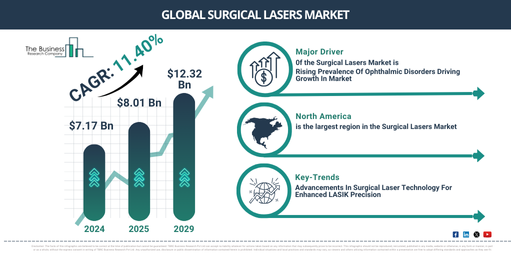
    In the past few years, the surgical lasers market has experienced substantial growth, with its value expected to increase from $7.17 billion in 2024 to $8.01 billion in 2025, reflecting a compound annual growth rate (CAGR) of 11.7%. Several factors have contributed to the growth recorded during the historic period, including the technological advancements in CO₂ lasers for more accurate surgeries; the employment of argon lasers in the field of ophthalmology; the advent of multifunctional diode lasers; progress in excimer lasers for eye surgeries; the deployment of cooling systems in laser apparatus; the presentation of fibre-optic laser delivery; the widening of laser uses in dentistry; enhancements in the precision and targeting of lasers; the development of high-powered lasers for cancer treatments; and the ongoing investment in research and development for less invasive laser systems.

    In the next few years, the market size for surgical lasers is anticipated to experience swift expansion, eventually reaching $12.32 billion by 2029 with a compound annual growth rate (CAGR) of 11.4%. Various factors are expected to fuel this growth within the forecast period such as the evolution of AI-integrated laser systems, advancements in compact and portable laser tools, enhanced safety and efficiency of laser systems, rising traction for photothermal and photochemical therapies, the creation of multifunctional laser platforms, and the incorporation of Internet of Things (IoT) in laser systems. Additionally, an upsurge in real-time imaging for laser guidance, and globally increasing demand for minimally invasive treatments also contribute. Noteworthy trends within this period comprise quicker approvals for AI-integrated mechanisms, incentives for research and development in laser technology, embracement of robotic-assisted surgical lasers, and product innovations.

    Download a free sample to assess the report’s scope and structure:

    https://www.thebusinessresearchcompany.com/sample.aspx?id=20970&type=smp

    What External and Internal Drivers Are Contributing to the Growth of the Surgical Lasers Market?

    The escalating occurrence of eye-related diseases is predicted to boost the surgical laser market’s growth in the future. These diseases, collectively called ophthalmic disorders, affect not only the eyes but also related structures such as eyelids, tear ducts, optic nerves, and adjacent tissues. The reasons for the increasing prevalence of these disorders are numerous, including an aging population, longer screen exposure time, environmental pollution, genetic factors, and lifestyle alterations. These factors lead to conditions like cataracts, glaucoma, and macular degeneration. Surgical lasers have been instrumental in treating these conditions by producing precise light energy to target specific areas, allowing for minimally invasive procedures that lower recovery periods, reduce complications and enhance visual outcomes. As a result, the quality of life improves for those affected by such conditions. According to a 2024 report by the World Health Organization (WHO), a specialized United Nations agency for global health located in Switzerland, more than 2.2 billion individuals worldwide experienced vision impairment, whether near or distant. Prominent causes included cataracts (94 million cases), refractive errors (88.4 million), age-related macular degeneration (8 million), glaucoma (7.7 million), and diabetic retinopathy (3.9 million). Consequently, the surgical lasers market is getting a significant push from the increased prevalence of optical disorders.

    What Segment Types Define the Surgical Lasers Market Structure?

    The surgical lasers market covered in this report is segmented –

    1) By Type: Carbon Dioxide Lasers, Argon Lasers, ND:Yag Lasers, Diode Lasers, Other Surgical Lasers Connected Sensors

    2) By Procedure Type: Open Surgery, Laparoscopic Surgery, Percutaneous Surgery

    3) Application: Ophthalmology, Dermatology, Dentistry, Urology, Cardiology, Gynecology, Oncology, Other Applications

    4) By End-Use: Hospitals, Specialty Clinics, Ambulatory Surgical Centers

    Subsegments:

    1) By Carbon Dioxide Lasers: Laser Scalpel Systems, CO2 Laser Resurfacing Systems, CO2 Laser Ablation Systems

    2) By Argon Lasers: Laser Photocoagulation Systems, Retinal Phototherapy Lasers, Laser Surgical Systems

    3) By ND:YAG Lasers: Laser Lithotripsy Systems, Laser Hair Removal Systems, Laser Coagulation Systems

    4) By Diode Lasers: Diode Laser For Soft Tissue Surgery, Diode Laser For Dental Applications, Diode Laser For Aesthetic Treatments

    5) By Other Surgical Lasers Connected Sensors: Holmium Lasers For Urology, KTP Lasers For Endoscopic Surgery, Alexandrite Lasers For Dermatology, Excimer Lasers For Ophthalmology

    Request customized data on this market:

    https://www.thebusinessresearchcompany.com/customise?id=20970&type=smp

    Which Geographic Areas Hold the Strongest Growth Potential in the Surgical Lasers Market?

    North America was the largest region in the surgical lasers market in 2024. Asia-Pacific is expected to be the fastest-growing region in the forecast period. The regions covered in the surgical lasers market report are Asia-Pacific, Western Europe, Eastern Europe, North America, South America, Middle East, Africa.

    What Key Trends Are Shaping the Future of the Surgical Lasers Market?

    In the surgical lasers market, leading companies are concentrating their efforts on creating highly sophisticated technologies such as the ELITA Laser Technology. This is intended to boost the trust of surgeons and provide improved visual results, as well as expedite patient recovery from LASIK procedures. The ELITA Laser Technology is a cutting-edge femtosecond laser system specifically designed to provide precision in LASIK eye surgeries. For example, in April 2023, US-based medical device manufacturer Johnson & Johnson, received FDA clearance for its ELITA Femtosecond Laser. This state-of-the-art laser technology aims to fabricate accurate LASIK flaps. The ELITA Femtosecond Laser is equipped with low-energy pulses, ultra-fast repetition rates, and sub-micron level accuracy to enhance surgical precision, facilitating smoother flap lifts, and ensuring extraordinary visual results. The user-friendly design of this product promotes efficient practice management, speedy setup and shorter recovery times for patients.

    View the full report here:

    https://www.thebusinessresearchcompany.com/report/surgical-lasers–global-market-report

    What Is the Definition of the Surgical Lasers Market?

    Surgical lasers are specialized medical devices that use focused light energy to perform precise surgical procedures, such as cutting, coagulating, or vaporizing tissue. These devices are widely used across various medical specialties for cutting, vaporizing, or coagulating tissue with high precision and minimal damage to surrounding areas.

    Purchase the full report and get a swift delivery:

    https://www.thebusinessresearchcompany.com/purchaseoptions.aspx?id=20970

    About The Business Research Company:

    With over 15000+ reports from 27 industries covering 60+ geographies, The Business Research Company has built a reputation for offering comprehensive, data-rich research and insights. Armed with 1,500,000 datasets, the optimistic contribution of in-depth secondary research, and unique insights from industry leaders, you can get the information you need to stay ahead in the game.

    Get in touch with us:

    The Business Research Company: https://www.thebusinessresearchcompany.com/

    Americas +1 3156230293

    Asia +44 2071930708

    Europe +44 2071930708

    Email us at info@tbrc.info

    Follow us on:

    LinkedIn: https://in.linkedin.com/company/the-business-research-company

    YouTube: https://www.youtube.com/channel/UC24_fI0rV8cR5DxlCpgmyFQ

    Global Market Model: https://www.thebusinessresearchcompany.com/global-market-model
  • Major Drivers Propelling the Growth oh theSpinal Stenosis Devices Market Forward: Rising Incidence Of Spinal Injuries Expected To Drive Demand For Market

    Major Drivers Propelling the Growth oh theSpinal Stenosis Devices Market Forward: Rising Incidence Of Spinal Injuries Expected To Drive Demand For Market

    Stay ahead with our updated market reports featuring the latest on tariffs, trade flows, and supply chain transformations.

    How Has The Spinal Stenosis Devices Market Growth Evolved From 2024 To 2025, And What’s Ahead?

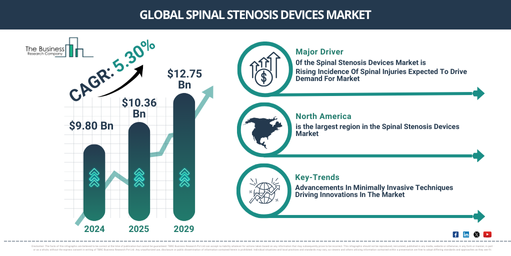
    In the past few years, the market size for spinal stenosis devices has witnessed robust growth. It is predicted to increase from $9.80 billion in 2024 to about $10.36 billion in 2025, with a compound annual growth rate (CAGR) of 5.7%. Factors contributing to the growth during the historic period include an upturn in spinal stenosis cases among the expanding elderly population, a rise in spinal disorders and degenerative diseases, a growing incidence of spinal injury, an increasing prevalence of spinal diseases, and growing spinal disorders in both, the young and older population.

    In the following years, the market size for spinal stenosis devices is predicted to experience substantial growth. It is expected to reach $12.75 billion by 2029, with a compound annual growth rate (CAGR) of 5.3%. A surge in the demand for minimally invasive surgical procedures, a heightened focus on minimally invasive spine surgery (MISS), increased healthcare spending, and investments in developing markets collectively contribute to this projected growth. During the forecast period, significant trends could include progress in spinal implant technology and surgical methods, increased usage of biodegradable and 3D-printed implants, as well as collaboration and innovation in product development.

    Download a free sample to assess the report’s scope and structure:

    https://www.thebusinessresearchcompany.com/sample.aspx?id=20966&type=smp

    Which Major Market Drivers Are Expected to Boost the Growth Potential of the Spinal Stenosis Devices Market?

    The upward trend in spinal injury cases is anticipated to boost the growth of the spinal stenosis devices market in future. Spinal injuries, defined as traumatic damage that disrupts the sensory and motor signal conduction to the spinal cord or nearby structures, can result in possible loss of motion, function, and sensation under the injury site. A surge in spinal injuries is primarily due to an escalation in traumatic incidents like car accidents and falls, particularly among the elderly, as well as an increased occurrence of non-traumatic reasons like degenerative diseases and problems linked to aging populations. Spinal stenosis devices offer precise relief and structural reinforcement by easing nerve compression, improving spinal alignment, and increasing mobility, considerably enhancing the life quality of patients with spinal injuries. For example, the National Spinal Cord Injury Statistical Center, a US-based entity that disseminates information about the spinal cord, reported in May 2023 that 18,000 new spinal injury cases are documented every year, presenting an annual incidence rate of 54 per 1 million. It is also projected that around 302,000 people in the USA have suffered a traumatic spinal cord injury. Therefore, the increasing incidence of spinal injuries is the key driver of the spinal stenosis devices market expansion.

    Which Key Market Segments Comprise the Spinal Stenosis Devices Market and Drive Its Revenue Growth?

    The spinal stenosis devices market covered in this report is segmented –

    1) By Product Type: Interspinous Spacers, Stabilization Systems, Spinal Arthroplasty System, Interbody Fusion Devices

    2) By Application: Lumbar Spinal Stenosis, Cervical Spinal Stenosis, Thoracic Spinal Stenosis

    3) By End User: Hospitals, Ambulatory Surgical Centres, Others End Users

    Subsegments:

    1) By Interspinous Spacers: Single-Level Spacers, Multi-Level Spacers, Expandable Spacers

    2) By Stabilization Systems: Pedicle Screw Systems, Lateral Screw Systems, Dynamic Stabilization Systems

    3) By Spinal Arthroplasty System: Cervical Arthroplasty Systems, Lumbar Arthroplasty Systems, Artificial Disc Replacements

    4) By Interbody Fusion Devices: PEEK (Polyetheretherketone) Devices, Titanium Interbody Devices, Bioactive And Biocompatible Devices

    Request customized data on this market:

    https://www.thebusinessresearchcompany.com/customise?id=20966&type=smp

    Which Areas Are Leading Regions in the Spinal Stenosis Devices Market Expansion Across the Globe?

    North America was the largest region in the spinal stenosis devices market in 2024. Asia-Pacific is expected to be the fastest-growing region in the forecast period. The regions covered in the spinal stenosis devices market report are Asia-Pacific, Western Europe, Eastern Europe, North America, South America, Middle East, Africa.

    What Long-Term Trends Are Transforming the Competitive Landscape of the Spinal Stenosis Devices Market?

    Firms operating within the spinal stenosis devices field are prioritizing technological advancements, including minimally invasive surgical methods to improve surgical accuracy and decrease recovery periods. These procedures utilise smaller incisions or ‘ports’ to reach internal organs, greatly reducing the bodily trauma involved. Such methods demand specialized tools such as cameras and trocars, facilitating operations with less pain, shorter recovery times, and potential complications compared to conventional open surgery. For example, in January 2024, Accelus, an American medical technology enterprise specialising in innovative spinal surgery solutions, introduced the linesider modular-cortical system. This system allows surgeons to place the screw shanks at the early stages of spinal implant procedures, and tailor constructs with modular tulips and rods. It provides both open modular and cortical modular sets to suit different surgical approaches. Spinal implants play a crucial role in stabilizing the spine during surgical processes, aiding in the correction of deformities, fractures, or degenerative diseases, thereby enhancing the patient’s functionality and lifestyle quality.

    View the full report here:

    https://www.thebusinessresearchcompany.com/report/spinal-stenosis-devices-global-market-report

    How Is the Spinal Stenosis Devices Market Conceptually Defined?

    Spinal stenosis devices are medical tools or implants designed to relieve pressure on the spinal cord or nerves caused by the narrowing of the spinal canal. These devices include interspinous spacers, decompression systems, and stabilizing implants to improve mobility and reduce pain.

    Purchase the full report and get a swift delivery:

    https://www.thebusinessresearchcompany.com/purchaseoptions.aspx?id=20966

    About The Business Research Company:

    With over 15000+ reports from 27 industries covering 60+ geographies, The Business Research Company has built a reputation for offering comprehensive, data-rich research and insights. Armed with 1,500,000 datasets, the optimistic contribution of in-depth secondary research, and unique insights from industry leaders, you can get the information you need to stay ahead in the game.

    Get in touch with us:

    The Business Research Company: https://www.thebusinessresearchcompany.com/

    Americas +1 3156230293

    Asia +44 2071930708

    Europe +44 2071930708

    Email us at info@tbrc.info

    Follow us on:

    LinkedIn: https://in.linkedin.com/company/the-business-research-company

    YouTube: https://www.youtube.com/channel/UC24_fI0rV8cR5DxlCpgmyFQ

    Global Market Model: https://www.thebusinessresearchcompany.com/global-market-model
  • Critical Market Drivers Shaping the Outlook for Spinal Muscular Atrophy Market from 2025-2034: Impact Of Rising Prevalence Of Rare Genetic Diseases On the Market

    Critical Market Drivers Shaping the Outlook for Spinal Muscular Atrophy Market from 2025-2034: Impact Of Rising Prevalence Of Rare Genetic Diseases On the Market

    Stay ahead with our updated market reports featuring the latest on tariffs, trade flows, and supply chain transformations.

    What is the Projected CAGR for the Spinal Muscular Atrophy Market Size from 2025 to 2034?

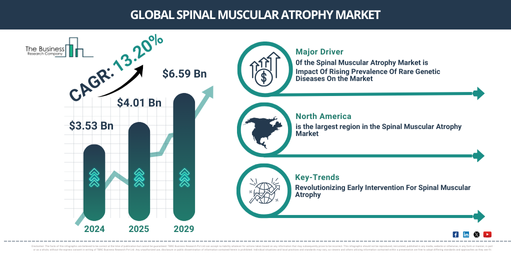
    The market for spinal muscular atrophy has experienced swift expansion in recent times. Its growth is projected to increase from $3.53 billion in 2024 to $4.01 billion in 2025, marking a compound annual growth rate (CAGR) of 13.5%. The notable growth during the historical period is due to factors such as enhanced diagnosis and early detection efforts, an increasing occurrence of rare genetic diseases, advancements in healthcare infrastructure, support from government and regulatory bodies, and the rise in unfulfilled healthcare requirements.

    Anticipated in the coming years is a swift upsurge in the market size of spinal muscular atrophy. A compound annual growth rate (CAGR) of 13.2% is forecasted, propelling the market to reach $6.59 billion by 2029. The projected growth within this period can be credited to factors like enhanced awareness and diagnosis rates, improved accessibility of treatment, rising investments in healthcare regarding rare diseases, a conducive regulatory climate, and escalating healthcare expenditure. Key trends predicted for the forecast period involve progress in oral therapies, the application of gene therapy, advancements in drug delivery technology, the incorporation of artificial intelligence in the development of SMA treatment, and gene editing technologies.

    Download a free sample to assess the report’s scope and structure:

    https://www.thebusinessresearchcompany.com/sample.aspx?id=20965&type=smp

    What Are the Core Growth Drivers Propelling the Spinal Muscular Atrophy Market Forward?

    The growth of the spinal muscular atrophy market is set to be largely influenced by the increased occurrence of uncommon genetic illnesses. These disorders, which only affect a small demographic due to gene mutations, often lead to significant, ongoing health challenges. The upsurge in the occurrence of such rare genetic conditions can be linked to enhanced diagnostic tools, a greater public consciousness, and easier access to genetic testing, which contribute to an increased number of diagnosed and reported cases. Spinal muscular atrophy (SMA) represents an example of the complexities and potential associated with understanding inherited diseases. Furthering the investigation into genetic disorders is therefore of vital importance. For instance, a report from the Office for National Statistics, a UK government department, reveals that as of July 2023, SMA, which affects between 1 in 10,000 and 20,000 live births with over 95% of sufferers being homozygous for SMN1 deletion, has been precisely recorded due to genetic testing of the SMN1 gene. As such, the increasing occurrence of rare genetic conditions is set to fuel the growth of the spinal muscular atrophy market.

    What Segment Types Define the Spinal Muscular Atrophy Market Structure?

    The spinal muscular atrophy market covered in this report is segmented –

    1) By Type: Type 1 (Severe), Type 2 (Intermediate), Type 3 (Mild), Type 4 (Adult)

    2) By Age: Pediatric, Adults

    3) By Treatment: Drug Therapy, Gene Therapy

    4) By End User: Hospital pharmacy, Online pharmacy, Retail pharmacy

    Subsegments:

    1) By Type 1 (Severe): Infantile-Onset SMA, Severe Progressive SMA

    2) By Type 2 (Intermediate): Early-Onset SMA, Non-progressive SMA

    3) By Type 3 (Mild): Juvenile-Onset SMA, Mild Progressive SMA

    4) By Type 4 (Adult): Adult-Onset SMA, Late-Onset SMA

    Request customized data on this market:

    https://www.thebusinessresearchcompany.com/customise?id=20965&type=smp

    Which Geographic Areas Hold the Strongest Growth Potential in the Spinal Muscular Atrophy Market?

    North America was the largest region in the spinal muscular atrophy market in 2024. Asia-Pacific is expected to be the fastest-growing region in the forecast period. The regions covered in the spinal muscular atrophy market report are Asia-Pacific, Western Europe, Eastern Europe, North America, South America, Middle East, Africa.

    What Key Market Trends and Innovations Are Shaping the Future of the Spinal Muscular Atrophy Industry?

    Notable businesses in the spinal muscular atrophy industry are working on the creation of novel items like dry syrup to provide better medication adherence and simplify administration for pediatric patients and others who find it challenging to swallow. Dry syrup refers to a powdery drug that is blended with water prior to consumption. This medication is primarily prescribed to infants and patients having trouble swallowing pills or capsules. In September 2024, for example, the Japan-centric pharmaceutical firm Chugai Pharmaceutical Co., Ltd. received authorization from the Ministry of Health, Labour and Welfare of Japan for its expanded drug indication, Evrysdi (risdiplam). This approval makes it possible for the drug to be used in unsymptomatic spinal muscular atrophy (SMA) cases and permits dosage to infants under two months old. This key development allows the commencement of treatment before the manifestation of symptoms, potentially boosting therapeutic results for affected babies. The approval was backed by findings from the RAINBOWFISH research which evaluated the safety and effectiveness of Evrysdi in infants diagnosed with SMA who do not have symptoms yet. Results indicated that the infants who received the treatment reached developmental milestones such as unsupported sitting and enhanced motor abilities by 12 months. This emphasizes the drug’s potential to alter the progression of this disease if given early.

    View the full report here:

    https://www.thebusinessresearchcompany.com/report/spinal-muscular-atrophy-global-market-report

    What Is the Definition of the Spinal Muscular Atrophy Market?

    Spinal muscular atrophy (SMA) is a genetic neuromuscular disorder characterized by the progressive loss of motor neurons in the spinal cord, leading to muscle weakness and atrophy. It is caused by mutations in the SMN1 gene, resulting in insufficient survival motor neuron (SMN) protein. SMA affects voluntary muscle movements, particularly those involved in walking, swallowing, and breathing.

    Purchase the full report and get a swift delivery:

    https://www.thebusinessresearchcompany.com/purchaseoptions.aspx?id=20965

    About The Business Research Company:

    With over 15000+ reports from 27 industries covering 60+ geographies, The Business Research Company has built a reputation for offering comprehensive, data-rich research and insights. Armed with 1,500,000 datasets, the optimistic contribution of in-depth secondary research, and unique insights from industry leaders, you can get the information you need to stay ahead in the game.

    Get in touch with us:

    The Business Research Company: https://www.thebusinessresearchcompany.com/

    Americas +1 3156230293

    Asia +44 2071930708

    Europe +44 2071930708

    Email us at info@tbrc.info

    Follow us on:

    LinkedIn: https://in.linkedin.com/company/the-business-research-company

    YouTube: https://www.youtube.com/channel/UC24_fI0rV8cR5DxlCpgmyFQ

    Global Market Model: https://www.thebusinessresearchcompany.com/global-market-model
  • Key Factors Fueling the Growth of the Spinal Cord Stimulation Devices Market in 2025: Increasing Prevalence Of Chronic Pain Driving Demand For Advanced Pain Management Solutions

    Key Factors Fueling the Growth of the Spinal Cord Stimulation Devices Market in 2025: Increasing Prevalence Of Chronic Pain Driving Demand For Advanced Pain Management Solutions

    Stay ahead with our updated market reports featuring the latest on tariffs, trade flows, and supply chain transformations.

    What Is the Current and Projected Market Size of the Spinal Cord Stimulation Devices Market Through 2034?

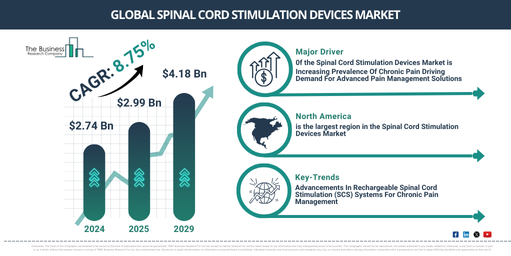
    In recent years, the market size of spinal cord stimulation devices has significantly expanded. Predictions for growth include a rise from $2.74 billion in 2024 to $2.99 billion in 2025, boasting a compound annual growth rate (CAGR) of 9.01%. This developmental surge during the historic period resulted from factors such as enhanced clinical results and patient satisfaction, heightened awareness regarding alternative pain management strategies, increased support from reimbursement policies, growth in clinical research and regulatory endorsements, along with a spike in the number of pain management clinics and centers.

    The market for spinal cord stimulation devices is set to experience considerable growth in the coming years, reaching an estimated $4.18 billion by 2029 with a compound annual growth rate of 8.75%. This predicted growth is due to several factors including an increase in chronic pain conditions, rising demand for non-opioid pain management alternatives, growth in the elderly population, favourable reimbursement policies, increased adoption of wireless and rechargeable devices and heightened awareness of neuromodulation therapies among healthcare professionals and patients. Key trends to watch during this period will include developments in minimally invasive technology, improvements in wireless and rechargeable devices, advances in frequency stimulation, the use of closed-loop feedback systems, the integration of wireless connectivity, enhanced waveform options, and the rise of personalized pain management algorithms.

    Download a free sample to assess the report’s scope and structure:

    https://www.thebusinessresearchcompany.com/sample.aspx?id=20964&type=smp

    What are the Fundamental Drivers and Innovations Shaping the Spinal Cord Stimulation Devices Market?

    Growth in the spinal cord stimulation devices market is anticipated due to a surge in chronic pain instances. Chronic pain is any constant discomfort that persists for a period of 12 weeks or longer, usually arising from ailments like arthritis, neuropathy or lower back pain. The increment in chronic pain cases is often attributed to several factors, notably an aging populace, shifts in lifestyle, long-term health conditions, or due to injury or physical trauma. Electrical impulses employed to perturb pain signals is how spinal cord stimulation (SCS) devices mitigate chronic pain, making it manageable for sustained conditions. For example, in November 2024, statistical data from the Centers for Disease Control and Prevention (a government agency in the US), revealed that in 2023, 24.3% of adults experienced chronic pain. Of these, 8.5% suffered from high-impact chronic pain, which constituted 34.9% of chronic pain sufferers. Thus, this surge in chronic pain instances is catalyzing the growth of the spinal cord stimulation devices market.

    How Is the Spinal Cord Stimulation Devices Market Segmented?

    The spinal cord stimulation devices market covered in this report is segmented –

    1) By Type: Implantable Spinal Cord Stimulators, Non-Implantable Spinal Cord Stimulators

    2) By Product Type: Rechargeable Devices, Non-Rechargeable Devices

    3) By Application: Failed Back Surgery Syndrome, Complex Regional Pain Syndrome, Degenerative Disc Disease, Unsuccessful Disk Surgery, Other Applications

    4) By End User: Hospitals, Ambulatory Surgical Centers, Neuro Clinics

    Subsegments:

    1) By Implantable Spinal Cord Stimulators: Rechargeable Spinal Cord Stimulators, Non-Rechargeable Spinal Cord Stimulators, Multi-Lead Implantable Spinal Cord Stimulators

    2) By Non-Implantable Spinal Cord Stimulators: External Spinal Cord Stimulators, Wearable Spinal Cord Stimulators, Transcutaneous Spinal Cord Stimulators

    Request customized data on this market:

    https://www.thebusinessresearchcompany.com/customise?id=20964&type=smp

    Which Regions Are Driving the Next Phase of the Spinal Cord Stimulation Devices Market Growth?

    North America was the largest region in the spinal cord stimulation devices market in 2024. Asia-Pacific is expected to be the fastest-growing region in the forecast period. The regions covered in the spinal cord stimulation devices market report are Asia-Pacific, Western Europe, Eastern Europe, North America, South America, Middle East, Africa.

    Which Technological Trends Are Reshaping the Spinal Cord Stimulation Devices Industry Dynamics?

    Leading enterprises in the spinal cord stimulation devices market are emphasizing the progression of high-tech solutions such as rechargeable spinal cord stimulation systems. These advancements aim to ameliorate patient results, extend device durability, and render more bespoke pain management solutions for chronic pain sufferers. Rechargeable spinal cord stimulation (SCS) systems are highly sophisticated medical devices engineered to control chronic pain by transmitting electrical impulses to the spinal cord. For example, Abbott Laboratories, an American medical device manufacturer, attained approval from the US Food and Drug Administration (FDA) in December 2022 for their Eterna spinal cord stimulation (SCS) system – a revolutionary approach to chronic pain management. This unique device integrates a compact design with state-of-the-art operability, providing improved comfort and decreased physical strain for patients. The rechargeable aspect guarantees prolonged utility, reducing the necessity for surgical replacements and enhancing convenience. The system possesses accurate stimulation capacities, offering custom-made pain alleviation in line with individual patient requirements. Its sleek design makes for minimal invasive implantation, lessening recovery periods and enhancing overall patient results.

    View the full report here:

    https://www.thebusinessresearchcompany.com/report/spinal-cord-stimulation-devices-global-market-report

    How Is the Spinal Cord Stimulation Devices Market Defined and What Are Its Core Parameters?

    Spinal cord stimulation (SCS) devices are implantable medical devices designed to manage chronic pain by delivering mild electrical pulses to the spinal cord, disrupting pain signals before they reach the brain. These devices combine advanced neurotechnology with customizable programming, offering a minimally invasive solution for conditions such as neuropathic pain and failed back surgery syndrome.

    Purchase the full report and get a swift delivery:

    https://www.thebusinessresearchcompany.com/purchaseoptions.aspx?id=20964

    About The Business Research Company:

    With over 15000+ reports from 27 industries covering 60+ geographies, The Business Research Company has built a reputation for offering comprehensive, data-rich research and insights. Armed with 1,500,000 datasets, the optimistic contribution of in-depth secondary research, and unique insights from industry leaders, you can get the information you need to stay ahead in the game.

    Get in touch with us:

    The Business Research Company: https://www.thebusinessresearchcompany.com/

    Americas +1 3156230293

    Asia +44 2071930708

    Europe +44 2071930708

    Email us at info@tbrc.info

    Follow us on:

    LinkedIn: https://in.linkedin.com/company/the-business-research-company

    YouTube: https://www.youtube.com/channel/UC24_fI0rV8cR5DxlCpgmyFQ

    Global Market Model: https://www.thebusinessresearchcompany.com/global-market-model
  • Small Lymphocytic Lymphoma Growth Trajectory: Key Forecasts and Strategic Insights

    Small Lymphocytic Lymphoma Growth Trajectory: Key Forecasts and Strategic Insights

    Stay ahead with our updated market reports featuring the latest on tariffs, trade flows, and supply chain transformations.

    How Fast Is The Small Lymphocytic Lymphoma Market Expected to Grow Between 2025 And 2029?

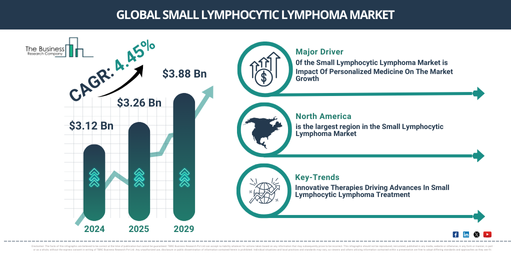
    In recent times, the market size for small lymphocytic lymphoma has experienced a steady growth. Projection suggests an expansion from $3.12 billion in 2024 to $3.26 billion in 2025, which translates to a compound annual growth rate (CAGR) of 4.71%. Factors that contributed to this growth in the past include enhanced understanding of the disease and its early detection, gaining regulatory approvals, extending clinical trials, heighted awareness about small lymphocytic lymphoma, and a rise in the number of individuals participating in clinical trials.

    The market for small lymphocytic lymphoma is projected to experience consistent growth in the coming years, increasing to $3.88 billion by 2029, with a compound annual growth rate (CAGR) of 4.45%. This projected growth within the forecast period is associated with factors such as an increased emphasis on immunotherapies, expanded research into targeted therapies, the growth of precision medicine, a rise in investment in cancer research, as well as an increase in clinical trials. Moreover, the forecast period will see trends such as advancements in targeted therapies, breakthroughs in immunotherapy, integrated treatments, the adoption of digital health solutions, and progress in supportive care therapies.

    Download a free sample to assess the report’s scope and structure:

    https://www.thebusinessresearchcompany.com/sample.aspx?id=20957&type=smp

    Which Factors and External Forces Are Driving Demand in the Small Lymphocytic Lymphoma Market?

    The surge in personalized healthcare is forecasted to boost the expansion of the small lymphocytic lymphoma market. This healthcare approach tailors interventions and medical choices based on a person’s unique genetic, environmental and lifestyle elements. Developments in genomics, biotechnology, and data analytics, which allow for more accurate, efficient, and customized treatments, fuel the progress of personalized medicine. Small lymphocytic lymphoma (SLL) bolsters the advancement of this personalized approach by offering valuable data about specific genetic mutations and biomarkers, paving the way for tailored therapies and bespoke treatment plans. To illustrate, in February 2024, the Personalized Medicine Coalition, a non-profit organization based in the US reported that FDA, in 2023, sanctioned 16 new treatments personalized for patients suffering from rare diseases. This marked a considerable growth from the six authorized in 2022. As a result, the rise in personalized medicine is set to catalyze the expansion of the small lymphocytic lymphoma market.

    Which Segments in the Small Lymphocytic Lymphoma Offer the Most Growth?

    The small lymphocytic lymphoma market covered in this report is segmented –

    1) By Product: Capsules, Tablets, Injections, Other Products

    2) By Route of Administration: Oral, Parenteral, Other Route of Administrations

    3) By Treatment: Chemotherapy, Targeted Therapy, Stem Cell Transplant, Monoclonal antibody therapy, Other Treatments

    4) By Distribution Channel: Hospital Pharmacy, Retail Pharmacy, Online Pharmacy, Other Distribution Channels

    5) By End-Users: Hospitals, Specialty Clinics, Homecare, Other End Users

    Subsegments:

    1) By Capsules: Oral Chemotherapy Capsules, Targeted Therapy Capsules, Immunomodulatory Capsules

    2) By Tablets: Oral Chemotherapy Tablets, Targeted Therapy Tablets, Immunotherapy Tablets

    3) By Injections: Chemotherapy Injections, Monoclonal Antibody Injections, Immunotherapy Injections, Biologic Injections

    4) By Other Products: Topical Medications, Infusion Therapies, Biosimilars For SLL, Radiopharmaceuticals

    Request customized data on this market:

    https://www.thebusinessresearchcompany.com/customise?id=20957&type=smp

    What Are the Fastest-Growing Geographies in the Small Lymphocytic Lymphoma Market?

    North America was the largest region in the small lymphocytic lymphoma market in 2024. Asia-Pacific is expected to be the fastest-growing region in the forecast period. The regions covered in the small lymphocytic lymphoma market report are Asia-Pacific, Western Europe, Eastern Europe, North America, South America, Middle East, Africa.

    What Are the Strategic Trends Steering the Small Lymphocytic Lymphoma Market Direction?

    Leading businesses in the small lymphocytic lymphoma market are pursuing the production of novel products, such as non-covalent BTK inhibitors, to increase the effectiveness of treatment, combat resistance to current treatments, and boost patient results. Non-covalent BTK inhibitors are a category of medication that reversibly attaches to the Bruton’s tyrosine kinase (BTK) enzyme. They aim at B-cell malignancies while lessening the resistance and side-effects linked to covalent inhibitors. For example, in December 2023, the U.S. Food and Drug Administration (FDA) passed approval of Jaypirca (pirtobrutinib) from Eli Lilly and Company—a pharmaceutical organization based in the U.S. for adults having chronic lymphocytic leukemia or small lymphocytic lymphoma (CLL/SLL). This endorsement is particularly significant due to its emphasis on individuals who have already received a minimum of two therapy lines, which incorporates a Bruton’s Tyrosine Kinase (BTK) inhibitor and a BCL-2 inhibitor. This addresses a key gap in treatment for heavily treated groups. The convenience of oral administration, while retaining strong targeted therapeutic activity, also benefits patients.

    View the full report here:

    https://www.thebusinessresearchcompany.com/report/small-lymphocytic-lymphoma-global-market-report

    What Are the Key Elements That Define the Small Lymphocytic Lymphoma Market?

    Small lymphocytic lymphoma (SLL) is a type of cancer that primarily affects the lymphocytes, a subset of white blood cells, and typically occurs in the lymph nodes. Its purpose of treatment is to control the growth of abnormal lymphocytes, alleviate symptoms, and improve the patient’s quality of life by targeting the cancerous cells with therapies such as chemotherapy, immunotherapy, or targeted treatments.

    Purchase the full report and get a swift delivery:

    https://www.thebusinessresearchcompany.com/purchaseoptions.aspx?id=20957

    About The Business Research Company:

    With over 15000+ reports from 27 industries covering 60+ geographies, The Business Research Company has built a reputation for offering comprehensive, data-rich research and insights. Armed with 1,500,000 datasets, the optimistic contribution of in-depth secondary research, and unique insights from industry leaders, you can get the information you need to stay ahead in the game.

    Get in touch with us:

    The Business Research Company: https://www.thebusinessresearchcompany.com/

    Americas +1 3156230293

    Asia +44 2071930708

    Europe +44 2071930708

    Email us at info@tbrc.info

    Follow us on:

    LinkedIn: https://in.linkedin.com/company/the-business-research-company

    YouTube: https://www.youtube.com/channel/UC24_fI0rV8cR5DxlCpgmyFQ

    Global Market Model: https://www.thebusinessresearchcompany.com/global-market-model
  • Next-Gen Sleep Apnea Diagnostic Systems: Market Forecast, Transformation, and Long-Term Trajectories

    Next-Gen Sleep Apnea Diagnostic Systems: Market Forecast, Transformation, and Long-Term Trajectories

    Stay ahead with our updated market reports featuring the latest on tariffs, trade flows, and supply chain transformations.

    What Are the Key Projections for the CAGR of the Sleep Apnea Diagnostic Systems Market Size From 2025 to 2034?

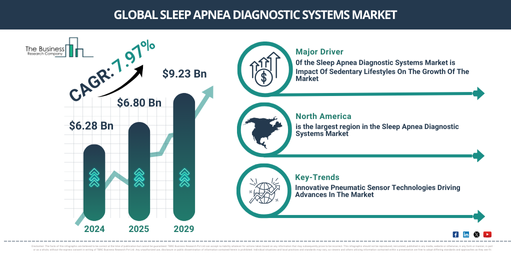
    In recent years, there’s been robust growth in the sleep apnea diagnostic systems market, with its value predicted to increase from $6.28 billion in 2024 to $6.80 billion in 2025, exhibiting a compound annual growth rate (CAGR) of 8.23%. Factors behind this historical growth include heightened awareness around sleep disorders, prevalence of obesity and aging populations, greater use of home sleep testing equipment, favorable healthcare regulations, and rapid expansion of healthcare infrastructure in developing economies.

    The market for sleep apnea diagnostic systems is anticipated to experience significant expansion in the coming years, with a projection to reach $9.23 billion by 2029, growing at a Compound Annual Growth Rate (CAGR) of 7.97%. This projected surge in the forthcoming period is linked to the escalating utilization of home sleep test apparatuses, the rising enlightenment regarding sleep disorders and their subsequent health effects, favourable governmental and insurance policies, an increase in obesity and elderly demographics, and the broadening scope of telemedicine. Emerging trends in the forecast period highlighting the growth comprise the fabrication of easily portable diagnostic devices, the incorporation of cloud-based data management systems, progress in polysomnography technology, the assimilation of smart home ecosystems, advancements in home sleep test devices, and the deployment of Artificial Intelligence for superior data interpretation and diagnosis.

    Download a free sample to assess the report’s scope and structure:

    https://www.thebusinessresearchcompany.com/sample.aspx?id=20956&type=smp

    Which Major Market Drivers Are Expected to Boost the Growth Potential of the Sleep Apnea Diagnostic Systems Market?

    The surge in sedentary lifestyles is anticipated to bolster the growth of the sleep apnea diagnostic systems market. Sedentary lifestyles are defined by extended durations of sitting or lying down and minimal physical activity. This lifestyle is on the rise as a result of factors like growing dependence on technology, urbanization, the quest for convenience, and extended working hours. Diagnostic systems for sleep apnea play a crucial role in managing the health risks associated with a sedentary lifestyle by facilitating early detection and monitoring of sleep disorders. This allows for prompt interventions to enhance sleep quality and control related conditions such as obesity, cardiovascular issues, and fatigue. For example, data from the Australian Institute of Health and Welfare in June 2024 indicated that according to self-reported data from the ABS National Health Survey (NHS) 2022, 83% of adolescents aged 15–17 and nearly four out of ten (37%) adults aged 18–64 did not engage in adequate physical activity to satisfy recommended levels. Further, the Office for National Statistics, a UK-based authority, reported in December 2022 that between April 2021 and March 2022, inactive lifestyle was prevalent among 15.8% of individuals aged 50 to 54, 24.1% of individuals aged 55 to 59, 43.4% of individuals aged 60 to 64, and 89.3% of individuals aged 65 and above. Thus, the rise in sedentary lifestyles is propelling the sleep apnea diagnostic systems market.

    Which Key Market Segments Comprise the Sleep Apnea Diagnostic Systems Market and Drive Its Revenue Growth?

    The sleep apnea diagnostic systems market covered in this report is segmented –

    1) By Product: Polysomnography Devices, Nasal Flow Sensors, Peripheral Capillary Oxygen Saturation, Actigraphy Monitoring Devices

    2) By Technology: Non-Invasive Technology, Invasive Technology, Wearable Technology, Diagnostic Software

    3) By End Users: Home Care Settings, Hospitals, Sleep Centers And Clinics

    Subsegments:

    1) By Polysomnography Devices: Full-Polysomnography Systems, Portable Polysomnography Devices, Wireless Polysomnography Devices

    2) By Nasal Flow Sensors: Single-Channel Nasal Flow Sensors, Multi-Channel Nasal Flow Sensors, Wireless Nasal Flow Sensors

    3) By Peripheral Capillary Oxygen Saturation (SpO2) Monitors: Finger Pulse Oximeters, Wrist Pulse Oximeters, Fingertip Pulse Oximeters

    4) By Actigraphy Monitoring Devices: Wrist-Worn Actigraphs, Chest-Worn Actigraphs, Smartwatch-Based Actigraphy Systems

    Request customized data on this market:

    https://www.thebusinessresearchcompany.com/customise?id=20956&type=smp

    Which Areas Are Leading Regions in the Sleep Apnea Diagnostic Systems Market Expansion Across the Globe?

    North America was the largest region in the sleep apnea diagnostic systems market in 2024. Asia-Pacific is expected to be the fastest-growing region in the forecast period. The regions covered in the sleep apnea diagnostic systems market report are Asia-Pacific, Western Europe, Eastern Europe, North America, South America, Middle East, Africa.

    What Long-Term Trends Are Transforming the Competitive Landscape of the Sleep Apnea Diagnostic Systems Market?

    Key firms in the sleep apnea diagnostic systems industry are prioritizing the creation of innovative technologies like pneumatic sensors to improve the precision, effectiveness, and convenience of sleep apnea detection and monitoring. This not only improves the results for patients but also increases their market presence. These pneumatic sensors track airflow and changes in pressure in the respiratory system to identify unusual breathing patterns, aiding in the diagnosis of sleep apnea. For example, in September 2024, Withings Inc., a consumer electronics company based in France, got clearance from the U.S. Food and Drug Administration for the Sleep Rx Mat. This is a non-contact sleep apnea diagnostic tool engineered to monitor sleep cycles, identify apnea episodes, and offer insightful data to enhance sleep health. This revolutionizing sleep monitoring gadget comes with a pneumatic sensor to monitor respiratory rate, body movement, and ongoing heart rate. Developed as a subtle mat, it requires a one-time installation and blends smoothly under any mattress, eliminating the need for masks or chunky machines. Upon setup, it provides in-depth analyses of sleep cycles, breathing, and heart activity during sleep.

    View the full report here:

    https://www.thebusinessresearchcompany.com/report/sleep-apnea-diagnostic-systems-global-market-report

    How Is the Sleep Apnea Diagnostic Systems Market Conceptually Defined?

    Sleep apnea diagnostic systems refer to medical technologies and devices designed to detect, monitor, and evaluate sleep-related breathing disorders, particularly sleep apnea. It is used for assessing physiological parameters such as airflow, oxygen saturation, heart rate, and brain activity during sleep to identify disruptions, enabling accurate diagnosis and effective management of the condition.

    Purchase the full report and get a swift delivery:

    https://www.thebusinessresearchcompany.com/purchaseoptions.aspx?id=20956

    About The Business Research Company:

    With over 15000+ reports from 27 industries covering 60+ geographies, The Business Research Company has built a reputation for offering comprehensive, data-rich research and insights. Armed with 1,500,000 datasets, the optimistic contribution of in-depth secondary research, and unique insights from industry leaders, you can get the information you need to stay ahead in the game.

    Get in touch with us:

    The Business Research Company: https://www.thebusinessresearchcompany.com/

    Americas +1 3156230293

    Asia +44 2071930708

    Europe +44 2071930708

    Email us at info@tbrc.info

    Follow us on:

    LinkedIn: https://in.linkedin.com/company/the-business-research-company

    YouTube: https://www.youtube.com/channel/UC24_fI0rV8cR5DxlCpgmyFQ

    Global Market Model: https://www.thebusinessresearchcompany.com/global-market-model
  • Single Tooth Implants And Dental Bridges Market Overview 2025: Competitive Shifts, Forecast Models, and Emerging Opportunities

    Single Tooth Implants And Dental Bridges Market Overview 2025: Competitive Shifts, Forecast Models, and Emerging Opportunities

    Stay ahead with our updated market reports featuring the latest on tariffs, trade flows, and supply chain transformations.

    How Has The Single Tooth Implants And Dental Bridges Market Growth Evolved From 2024 To 2025, And What’s Ahead?

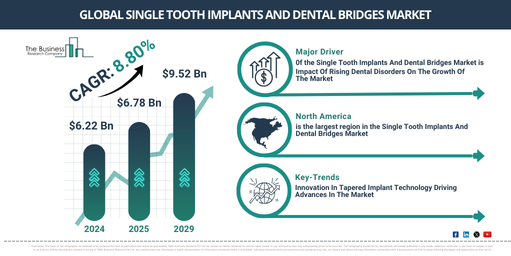
    Significant growth has been observed in the market of single tooth implants and dental bridges in the past few years. The market size is projected to expand from $6.22 billion in 2024 to $6.78 billion in 2025, with a compound annual growth rate (CAGR) of 9.1%. Factors contributing to the historical growth include developments in implant technologies, an aging population, expanded dental insurance coverage, better material longevity, and heightened consciousness about dental aesthetics.

    The market size for single tooth implants and dental bridges is forecasted to experience significant growth over the coming years. By 2029, it’s predicted to expand to a worth of $9.52 billion with a compound annual growth rate (CAGR) of 8.8%. This growth projection anticipates the advancements in 3D printing technology, heightened demand for less invasive procedures, increasing public consciousness about oral health, the booming elderly population, and the broader scope of dental healthcare facilities. Key trend indicators include the incorporation of artificial intelligence in procedure planning, an upward trend in personalized dental solutions, a surge in the demand for metal-free implants, evolved implant surface technologies, and a drive towards more economically accessible dental care options.

    Download a free sample to assess the report’s scope and structure:

    https://www.thebusinessresearchcompany.com/sample.aspx?id=20955&type=smp

    What Are the Core Growth Drivers Propelling the Single Tooth Implants And Dental Bridges Market Forward?

    The escalating instances of dental ailments are anticipated to fuel the expansion of the single tooth implants and dental bridges market in the future. Dental ailments include a variety of conditions that impair oral health or cause problems to teeth, gums, jaw, or oral cavity. Their occurrence is skyrocketing due to factors such as higher consumption of sugar-rich foods, inadequate oral hygiene, aging demographic, and the rising incidence of chronic lifestyle diseases like diabetes. Single tooth implants and dental bridges offer effective measures to individuals suffering from dental conditions by replacing lost or damaged teeth, enhancing oral function, improving aesthetics, uplifting overall self-esteem and avoiding potential issues like teeth movement and jawbone degradation. For instance, the National Board of Health and Welfare, a government agency based in Sweden, reported in May 2024 that almost 3.9 million residents, aged 24 and above, sought dental care services in Sweden in 2023, a rise from the previous year. Consequently, the escalating prevalence of dental ailments is stimulating the growth of the single tooth implants and dental bridges market.

    What Segment Types Define the Single Tooth Implants And Dental Bridges Market Structure?

    The single tooth implants and dental bridges market covered in this report is segmented –

    1) By Type: 3-Unit Bridges, 4-Unit Bridges, Titanium Bridges, Silicone Bridges, Maryland Bridges, Cantilever Bridges, Partial Bridges

    2) By Material: Porcelain-Fused-To-Metal (PFM), All Ceramics, Metal Alloys

    3) By Application: Hospitals, Density, Ambulatory Surgical Centers, Organ Transplant Centers, Orthopedic And Traumas Centers

    Subsegments:

    1) By 3-Unit Bridges: Fixed 3-Unit Bridges, Resin-Bonded 3-Unit Bridges

    2) By 4-Unit Bridges: Fixed 4-Unit Bridges, Cantilever 4-Unit Bridges

    3) By Titanium Bridges: Titanium-Alloy Bridges, Titanium-Based Fixed Bridges

    4) By Silicone Bridges: Flexible Silicone Bridges, Temporary Silicone Bridges

    5) By Maryland Bridges: Resin-Bonded Maryland Bridges, Metallic Framework Maryland Bridges

    6) By Cantilever Bridges: Single Cantilever Bridges, Multiple Cantilever Bridges

    7) By Partial Bridges: Partial Fixed Bridges, Removable Partial Bridges

    Request customized data on this market:

    https://www.thebusinessresearchcompany.com/customise?id=20955&type=smp

    Which Geographic Areas Hold the Strongest Growth Potential in the Single Tooth Implants And Dental Bridges Market?

    North America was the largest region in the single tooth implants and dental bridges market in 2024. Asia-Pacific is expected to be the fastest-growing region in the forecast period. The regions covered in the single tooth implants and dental bridges market report are Asia-Pacific, Western Europe, Eastern Europe, North America, South America, Middle East, Africa.

    What Key Market Trends and Innovations Are Shaping the Future of the Single Tooth Implants And Dental Bridges Industry?

    In the single tooth implants and dental bridges market, leading firms are coming up with pioneer products like tapered implant technology to boost osseointegration, increase stability and cut down patients’ recovery periods. This technology pertains to a dental implant design that imitates the natural structure of the tooth root through its conical or tapered form. This innovation supports primary stability by guaranteeing a secure positioning within the jawbone, especially in areas where bone volume or density is low. An example is the US company, ZimVie Inc., which in June 2022, introduced the T3 PRO Tapered Implant and Encode System, employing tapered implant technology. Thanks to its tapered design, it is easier to place within various types of bone and it raises primary stability, particularly in softer bone. The implant uses an exclusive surface treatment that encourages osseointegration, contributing to quicker healing times and improved long-term results.

    View the full report here:

    https://www.thebusinessresearchcompany.com/report/single-tooth-implants-and-dental-bridges-global-market-report

    What Is the Definition of the Single Tooth Implants And Dental Bridges Market?

    Single Tooth Implants and Dental Bridges refer to advanced dental prosthetic solutions designed to replace missing teeth. They are used for restoring oral functionality, enhancing aesthetics, and preventing further dental complications by filling gaps caused by tooth loss. Single tooth implants are individual, standalone replacements anchored in the jawbone, while dental bridges involve multiple connected prosthetic teeth supported by adjacent natural teeth or implants.

    Purchase the full report and get a swift delivery:

    https://www.thebusinessresearchcompany.com/purchaseoptions.aspx?id=20955

    About The Business Research Company:

    With over 15000+ reports from 27 industries covering 60+ geographies, The Business Research Company has built a reputation for offering comprehensive, data-rich research and insights. Armed with 1,500,000 datasets, the optimistic contribution of in-depth secondary research, and unique insights from industry leaders, you can get the information you need to stay ahead in the game.

    Get in touch with us:

    The Business Research Company: https://www.thebusinessresearchcompany.com/

    Americas +1 3156230293

    Asia +44 2071930708

    Europe +44 2071930708

    Email us at info@tbrc.info

    Follow us on:

    LinkedIn: https://in.linkedin.com/company/the-business-research-company

    YouTube: https://www.youtube.com/channel/UC24_fI0rV8cR5DxlCpgmyFQ

    Global Market Model: https://www.thebusinessresearchcompany.com/global-market-model
  • Shoulder Replacement DevicesMarket Overview 2025–2034: CAGR Trends, Long-Term Growth Paths, and Business Implications

    Shoulder Replacement DevicesMarket Overview 2025–2034: CAGR Trends, Long-Term Growth Paths, and Business Implications

    Stay ahead with our updated market reports featuring the latest on tariffs, trade flows, and supply chain transformations.

    What Is the Current and Projected Market Size of the Shoulder Replacement Devices Market Through 2034?

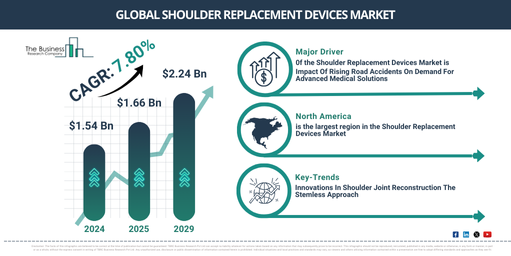
    In recent years, the market size for shoulder replacement devices has seen robust growth. The projection shows that it will expand from $1.54 billion in 2024 to $1.66 billion in 2025, exhibiting a compound annual growth rate (CAGR) of 8.1%. Several factors contributed to this growth during the historic period, including a rise in shoulder fracture cases, enhancements in surgical tools and techniques, an increase in insurance coverage for such surgeries, the advent of reverse shoulder prostheses, and a heightened demand from patients for functional recovery.

    The market for shoulder replacement devices anticipates a robust growth in the coming years, with projections indicating a rise to $2.24 billion in 2029 at a CAGR of 7.8%. This growth is anticipated due to advancements in robotic surgery, wider acceptance of 3D printing for personalized implants, increasing knowledge about joint health, a rise in sports-related injuries, and increased healthcare access in developing markets. Noteworthy trends impacting the market include the rising demand for implants designed for an active lifestyle, a growing emphasis on post-operative rehabilitation technologies, the growth of robotic-assisted shoulder surgeries, the use of pioneering imaging techniques for preoperative planning, and a move towards more cost-effective shoulder replacement alternatives.

    Download a free sample to assess the report’s scope and structure:

    https://www.thebusinessresearchcompany.com/sample.aspx?id=20953&type=smp

    What Are the Primary Drivers Supporting the Market Growth of the Shoulder Replacement Devices Market?

    The escalation in road accidents is anticipated to boost the shoulder replacement devices market’s expansion. The surge in accidents can be attributed to increased vehicular utilization, insufficient road safety protocols, and distracted driving, which results in escalated accident incidences and higher risk on the road. Shoulder replacement devices play a vital role in offering essential solutions for patients who have sustained severe shoulder injuries in road mishaps by restoring joint function, relieving pain, and facilitating a return to daily tasks and an enhanced quality of life through specialized surgical treatments crafted for their specific wounds. For example, the Bureau of Infrastructure and Transport Research Economics, a government department based in Australia, reported in December 2023 that there were 1,266 road-related deaths in 2023, a 7.3% increase compared to the 1,178 deaths documented in 2022. Therefore, the escalating frequency of road accidents is a major factor propelling the growth of the shoulder replacement devices market.

    Which Primary Segments of the Shoulder Replacement Devices Market Are Driving Growth and Industry Transformations?

    The shoulder replacement devices market covered in this report is segmented –

    1) By Type: Anatomical Shoulder Prosthesis, Reverse Shoulder Prosthesis

    2) By Material: Metal, Polyethylene, Ceramic

    3) By Procedure: Partial Shoulder Arthroplasty, Total Shoulder Arthroplasty, Revision Shoulder Arthroplasty

    4) By End-User: Hospitals, Clinics, Outpatient Surgical Centers

    Subsegments:

    1) By Anatomical Shoulder Prosthesis: Humeral Head Prosthesis, Total Shoulder Prosthesis (Humeral And Glenoid Components), Partial Shoulder Prosthesis

    2) By Reverse Shoulder Prosthesis: Reverse Total Shoulder Prosthesis (RTSA), Reverse Hemiarthroplasty, Inverted Ball-And-Socket Designs

    Request customized data on this market:

    https://www.thebusinessresearchcompany.com/customise?id=20953&type=smp

    Which Regions Are Key Players in the Growth of the Shoulder Replacement Devices Market?

    North America was the largest region in the shoulder replacement devices market in 2024. Asia-Pacific is expected to be the fastest-growing region in the forecast period. The regions covered in the shoulder replacement devices market report are Asia-Pacific, Western Europe, Eastern Europe, North America, South America, Middle East, Africa.

    Which Cutting-Edge Market Trends Are Expected to Drive the Shoulder Replacement Devices Market’s Growth?

    Leading organizations involved in the shoulder replacement devices market are leading the way in novel technology development, such as OsseoTi porous metal technology, with the aim of enhancing patient results and meeting specific health requirements. The OsseoTi porous metal technology is a cutting-edge engineering innovation that effectively replicates the natural bone structure, facilitating a highly porous surface that fosters osseointegration. For instance, Zimmer Biomet Holdings Inc., a renowned medical technology firm based in the US, in January 2024, received the 510(k) clearance from the United States Food and Drug Administration (FDA) for its Osseo Fit Stemless Shoulder System. This system, intended for total shoulder replacement, incorporates the OsseoTi porous metal technology, providing improved biological fixation through bone ingrowth. The integration of a press-fit mechanism guarantees secure initial fixation without damaging bone integrity, along with the flexibility offered by the compatibility with existing Identity Humeral Heads. Constructed with strategic suture holes for subscapularis repair, and presented in a single instrument tray, the system simplifies surgical procedures.

    View the full report here:

    https://www.thebusinessresearchcompany.com/report/shoulder-replacement-devices-global-market-report

    What Parameters Are Used to Define the Shoulder Replacement Devices Market?

    Shoulder replacement devices are medical implants used in shoulder replacement surgery to replace damaged or arthritic joints. They aim to restore joint function, alleviate pain, and enhance the quality of life for individuals with osteoarthritis or rotator cuff tears.

    Purchase the full report and get a swift delivery:

    https://www.thebusinessresearchcompany.com/purchaseoptions.aspx?id=20953

    About The Business Research Company:

    With over 15000+ reports from 27 industries covering 60+ geographies, The Business Research Company has built a reputation for offering comprehensive, data-rich research and insights. Armed with 1,500,000 datasets, the optimistic contribution of in-depth secondary research, and unique insights from industry leaders, you can get the information you need to stay ahead in the game.

    Get in touch with us:

    The Business Research Company: https://www.thebusinessresearchcompany.com/

    Americas +1 3156230293

    Asia +44 2071930708

    Europe +44 2071930708

    Email us at info@tbrc.info

    Follow us on:

    LinkedIn: https://in.linkedin.com/company/the-business-research-company

    YouTube: https://www.youtube.com/channel/UC24_fI0rV8cR5DxlCpgmyFQ

    Global Market Model: https://www.thebusinessresearchcompany.com/global-market-model