Month: June 2025

  • Strong CAGR to Propel in the Schizophrenia Drugs Market and Beyond upto $10.85 Billion by 2029

    Strong CAGR to Propel in the Schizophrenia Drugs Market and Beyond upto $10.85 Billion by 2029

    Stay ahead with our updated market reports featuring the latest on tariffs, trade flows, and supply chain transformations.

    What Are the Projected Market Size and Growth Rates for the Schizophrenia Drugs Market From 2025 To 2029?

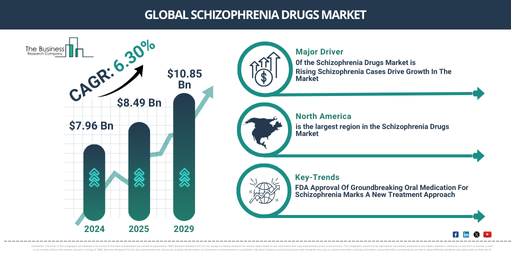
    Over the years, there has been a robust expansion in the schizophrenia drugs market. The market is predicted to escalate from $7.96 billion in 2024 to $8.49 billion in 2025, with a 6.6% compound annual growth rate (CAGR). The growth seen in the past is associated with the introduction of advanced drugs such as second and third-generation antipsychotics, increased incidence of mental health issues and schizophrenia, increased awareness about mental health, and enhancement in mental health awareness programs conducted by both governmental and non-governmental organizations, along with an increase in elderly populations.

    Predictions indicate a robust surge in the schizophrenia drugs market size in the ensuing years. It is set to escalate to $10.85 billion by 2029, propelled by a compound annual growth rate (CAGR) of 6.3%. Several factors are contributing to the anticipated growth in this forecast period. These include the escalating requirement for superior and effective treatment results, increased research and development endeavours aimed at enhancing antipsychotic drugs, introduction of new products in the market and product clearances, enhanced capital investments in the creation of innovative pharmaceuticals to treat mental health disorders, improved insurance provisions for mental health therapies, and support as well as initiatives from the government. Upcoming trends within this forecast period comprise the production of long-lasting injectable formulations, introduction of digital devices like mobile applications and wearables, the rise of drugs focusing on glutamatergic pathways, application of genetic and biomarker research, and an amplified emphasis on adjunct therapies.

    Download a free sample to assess the report’s scope and structure:

    https://www.thebusinessresearchcompany.com/sample.aspx?id=20948&type=smp

    Which Primay Drivers Are Accelerating Growth in the Schizophrenia Drugs Market?

    The increasing incidence of schizophrenia is predicted to stimulate the expansion of the schizophrenia drugs market. Schizophrenia is a chronic mental disorder characterized by distorted thoughts, perceptions, emotions, and behaviors, often leading to hallucinations and illusions. The escalation in schizophrenia instances is linked to elements like genetic vulnerability, environmental stressors, drug abuse, and brain chemistry disruptions. Drugs for schizophrenia are used to lessen schizophrenia cases through competent symptom administration, reducing the disorder’s effects on patients’ everyday lives and enhancing overall treatment results. For example, as reported by the National Library of Medicine, a US-based biomedical library, in February 2024, the occurrence of schizophrenia and related psychotic disorders varied between 0.25% and 0.64% of the US population. Additionally, as stated by the British Columbia Schizophrenia Society, a Canada-based nonprofit organization, in January 2024, schizophrenia is a significant reason for hospitalization for mental conditions, accounting for 19.9% of general hospital admissions and 30.9% of psychiatric hospital stays. Consequently, an increase in schizophrenia instances will fuel the escalation of the schizophrenia drugs market.

    Which Primary Segments of the Schizophrenia Drugs Market Are Driving Growth and Industry Transformations?

    The schizophrenia drugs market covered in this report is segmented –

    1) By Therapeutic Class: Second Generation, Third Generation, Other Therapeutic Classes

    2) By Treatment: Oral, Injectable

    3) By Distribution Channel: Hospital Pharmacies, Retail Pharmacies, Online Pharmacies, Other Distribution Channels

    Subsegments:

    1) By Second Generation: Risperidone, Olanzapine, Quetiapine, Aripiprazole, Paliperidone, Ziprasidone, Others

    2) By Third Generation: Brexpiprazole, Cariprazine, Others

    3) By Other Therapeutic Classes: First-Generation Antipsychotics, Combination Therapies, Others

    Request customized data on this market:

    https://www.thebusinessresearchcompany.com/customise?id=20948&type=smp

    Which Regions Are Key Players in the Growth of the Schizophrenia Drugs Market?

    North America was the largest region in the schizophrenia drugs market in 2024. Asia-Pacific is expected to be the fastest-growing region in the forecast period. The regions covered in the schizophrenia drugs market report are Asia-Pacific, Western Europe, Eastern Europe, North America, South America, Middle East, Africa.

    What Are the Current Market Growth and Trends in the Schizophrenia Drugs Industry?

    Leading firms in the schizophrenia drugs market are venturing into the creation of innovative products like oral medications for schizophrenia to improve and elevate the standard of patient care and treatment results. Schizophrenia oral medicines, often encompassing antipsychotics, are consumed through the mouth and are created to manage the symptoms of the condition, including mood stabilization, thought control, and perception rectification. Illustratively, in September 2024, an announcement was made by Bristol Myers Squibb, a biopharmaceutical enterprise based in the U.S., concerning the approval of Cobenfy, a revolutionary oral medication for treating adult schizophrenia, by the U.S. Food and Drug Administration (FDA). This cutting-edge drug, mixing xanomeline and trospium chloride, diverges significantly from conventional antipsychotics, with its target on cholinergic receptors, rather than dopamine receptors. This fresh method holds the potential to alleviate symptoms such as delusions and scrambled thinking, while diminishing the prevalent side effects linked with older antipsychotic drugs—thus positioning Cobenfy as an encouraging option in the landscape of schizophrenia treatment.

    View the full report here:

    https://www.thebusinessresearchcompany.com/report/schizophrenia-drugs-global-market-report

    What Parameters Are Used to Define the Schizophrenia Drugs Market?

    Schizophrenia drugs are medications designed to manage the symptoms of schizophrenia, a chronic mental disorder affecting thoughts, perceptions, emotions, and social interactions. By targeting chemical imbalances in the brain, particularly dopamine and serotonin, these drugs help reduce psychosis, stabilize mood, and improve cognitive function, enabling better daily functioning and independence.

    Purchase the full report and get a swift delivery:

    https://www.thebusinessresearchcompany.com/purchaseoptions.aspx?id=20948

    About The Business Research Company:

    With over 15000+ reports from 27 industries covering 60+ geographies, The Business Research Company has built a reputation for offering comprehensive, data-rich research and insights. Armed with 1,500,000 datasets, the optimistic contribution of in-depth secondary research, and unique insights from industry leaders, you can get the information you need to stay ahead in the game.

    Get in touch with us:

    The Business Research Company: https://www.thebusinessresearchcompany.com/

    Americas +1 3156230293

    Asia +44 2071930708

    Europe +44 2071930708

    Email us at info@tbrc.info

    Follow us on:

    LinkedIn: https://in.linkedin.com/company/the-business-research-company

    YouTube: https://www.youtube.com/channel/UC24_fI0rV8cR5DxlCpgmyFQ

    Global Market Model: https://www.thebusinessresearchcompany.com/global-market-model
  • Robotic Radiotherapy Market Forecast Reaching $1.75 Billion by 2029 at 10.6% CAGR

    Robotic Radiotherapy Market Forecast Reaching $1.75 Billion by 2029 at 10.6% CAGR

    Stay ahead with our updated market reports featuring the latest on tariffs, trade flows, and supply chain transformations.

    How Fast Is The Robotic Radiotherapy Market Expected to Grow Between 2025 And 2029?

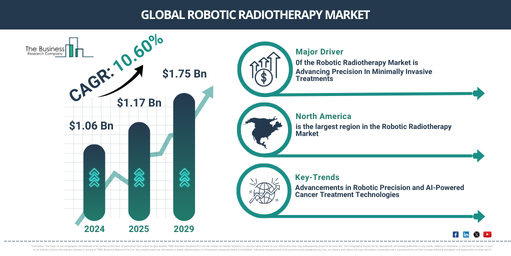
    The scope of the robotic radiotherapy market has expanded significantly in the previous few years. The market growth is projected from $1.06 billion in 2024 to $1.17 billion in 2025, equating to a compound annual growth rate (CAGR) of 10.9%. This substantial rise during the procedural period is credited to the enhancement in the precision of the robotic system, incorporation of AI in treatment scheming, broadened health care accessibility, an amplified emphasis on patient-oriented treatments, and an upward trend in investments within the private health care sector.

    In the coming years, the market size for robotic radiotherapy is projected to witness speedy escalation. By 2029, it is predicted to amplify to $1.75 billion with a compound annual growth rate (CAGR) of 10.6%. The factors stimulating this projection includes the rise in the global elderly population, advancements in machine learning for treatment plans, growing inclination towards outpatient treatments, extension of robotic-assisted surgical systems, and an increase in partnerships between healthcare providers and tech corporations. The primary emerging trends are enhancements in motion management systems, expansion of cloud-based radiotherapy platforms, assimilation of wearable technology for patient tracking, creation of compact and more efficient robotic systems, and a surge in the application of stereotactic radiosurgery techniques.

    Download a free sample to assess the report’s scope and structure:

    https://www.thebusinessresearchcompany.com/sample.aspx?id=20946&type=smp

    Which Major Market Drivers Are Expected to Boost the Growth Potential of the Robotic Radiotherapy Market?

    The robotic radiotherapy market is set to expand due to the increasing popularity of minimally invasive procedures. Enhanced medical technology, patient preference for faster recovery times and fewer complications, along with cost-effectiveness and improved patient outcomes that compel adoption by healthcare providers, are fueling these procedures. Robotic radiotherapy offers a marked improvement in such procedures with its targeted radiation doses which not only focus on tumors but also minimize damage to adjacent healthy tissues, expediting recovery, reducing complications, and meeting the growing preference for advanced, patient-focused treatments. In a report by the American Society of Plastic Surgeons in June 2024, a US pharmaceutical firm noted a growth of 7% in 2023 in minimally invasive procedures compared to the preceding year. Hence, the demand surge for minimally invasive procedures is igniting growth in the robotic radiotherapy market.

    Which Key Market Segments Comprise the Robotic Radiotherapy Market and Drive Its Revenue Growth?

    The robotic radiotherapy market covered in this report is segmented –

    1) By Product: Radiotherapy Systems, Softwares, 3D Cameras (Surface Guided)

    2) By Technology: Linear Accelerators, Conventional Linear Accelerators, Magnetic Resonance Imaging (MRI) – Linear Accelerators, Stereotactic Radiation Therapy Systems, Cyberknife, Gamma Knife, Particle Therapy, Proton Beam Therapy

    3) By Application: Prostate Cancer, Breast Cancer, Lung Cancer, Head & Neck Cancer, Colorectal Cancer

    4) By End User: Hospitals, Independent Radiotherapy Centers

    Subsegments:

    1) By Radiotherapy Systems: Robotic Linear Accelerators, Proton Therapy Systems, Stereotactic Radiosurgery Systems, Image-Guided Radiotherapy (IGRT) Systems, Intensity-Modulated Radiotherapy (IMRT) Systems

    2) By Softwares: Treatment Planning Software, Radiation Therapy Management Software, Robotic Radiotherapy Control Software, Integration Software For Robotic Systems

    3) By 3D Cameras (Surface Guided): 3D Optical Surface Imaging Systems, 3D Camera Systems For Patient Positioning, 3D Motion Tracking Cameras For Radiotherapy, Real-Time 3D Surface Imaging For Tumor Localization

    Request customized data on this market:

    https://www.thebusinessresearchcompany.com/customise?id=20946&type=smp

    Which Areas Are Leading Regions in the Robotic Radiotherapy Market Expansion Across the Globe?

    North America was the largest region in the robotic radiotherapy market in 2024. Asia-Pacific is expected to be the fastest-growing region in the forecast period. The regions covered in the robotic radiotherapy market report are Asia-Pacific, Western Europe, Eastern Europe, North America, South America, Middle East, Africa.

    What Long-Term Trends Are Transforming the Competitive Landscape of the Robotic Radiotherapy Market?

    Robotic radiotherapy market leaders are prioritizing the development of novel products equipped with advanced features, such as the preciseness of artificial intelligence (AI), for accomplishing tasks with superior accuracy, consistency, and virtually no errors. The robotic preciseness augments accuracy, curtails human error, boosts consistency, limits tissue damage, and speeds up recuperation through sensors, actuators, and algorithms. As an example, in January 2024, Tampa General Hospital, a cancer institute based in the US, introduced CyberKnife S7, a radio surgery instrument powered by AI. This advancement is a notable stride in the cancer care domain, offering patients a precise, non-invasive treatment alternative for various conditions, including both benign and malignant tumors, as well as neurological problems. The CyberKnife S7 facilitates targeted radiation application, thereby reducing the harm to adjacent healthy tissues, and offering a less invasive substitute to conventional surgical techniques.

    View the full report here:

    https://www.thebusinessresearchcompany.com/report/robotic-radiotherapy-global-market-report

    How Is the Robotic Radiotherapy Market Conceptually Defined?

    Robotic radiotherapy is an advanced cancer treatment method that combines robotic technology with precision radiation delivery to target tumors with sub-millimeter accuracy. It uses real-time imaging and motion tracking to adapt to tumor movement, such as that caused by breathing, ensuring minimal damage to surrounding healthy tissues. This approach allows for non-invasive, highly personalized treatments, improving patient outcomes and reducing side effects.

    Purchase the full report and get a swift delivery:

    https://www.thebusinessresearchcompany.com/purchaseoptions.aspx?id=20946

    About The Business Research Company:

    With over 15000+ reports from 27 industries covering 60+ geographies, The Business Research Company has built a reputation for offering comprehensive, data-rich research and insights. Armed with 1,500,000 datasets, the optimistic contribution of in-depth secondary research, and unique insights from industry leaders, you can get the information you need to stay ahead in the game.

    Get in touch with us:

    The Business Research Company: https://www.thebusinessresearchcompany.com/

    Americas +1 3156230293

    Asia +44 2071930708

    Europe +44 2071930708

    Email us at info@tbrc.info

    Follow us on:

    LinkedIn: https://in.linkedin.com/company/the-business-research-company

    YouTube: https://www.youtube.com/channel/UC24_fI0rV8cR5DxlCpgmyFQ

    Global Market Model: https://www.thebusinessresearchcompany.com/global-market-model
  • $1.54 Billion Forecast for Robotic Dentistry Market by 2029, Backed by Demand and Innovation

    $1.54 Billion Forecast for Robotic Dentistry Market by 2029, Backed by Demand and Innovation

    Stay ahead with our updated market reports featuring the latest on tariffs, trade flows, and supply chain transformations.

    What Are the Key Projections for the CAGR of the Robotic Dentistry Market Size From 2025 to 2034?

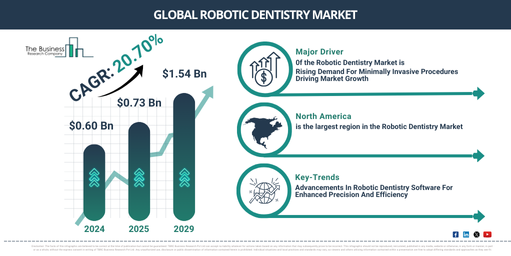
    In recent years, the market size for robotic dentistry has experienced exponential growth. Expected to increase from $0.60 billion in 2024 to $0.73 billion in 2025, the sector will witness a compound annual growth rate (CAGR) of 21.0%. The historic period’s growth can be credited to the adoption of robotics for pediatric dental care, improved capabilities for intricate oral surgeries, an intensified focus on patient safety, the integration of digitization into dental practices, and a high need for time-efficient dental solutions.

    The market size of robotic dentistry is anticipated to witness tremendous growth in the upcoming years, reaching $1.54 billion in 2029 with a compound annual growth rate (CAGR) of 20.7%. The predicted enlargement during the forecast period is due to the expansion of the tele-industry, the increasing application of robots in orthodontics, a surge in dental tourism, funding allocated for healthcare innovation, and an influx of tailored dental treatments for individuals. The key trends set to dominate the market during this forecast period include the creation of transportable equipment, the evolution of small-scale robotic dental technology, breakthroughs in tactile technology, the application of augmented reality (AR) for training purposes, and innovative technological tools for improved accuracy.

    Download a free sample to assess the report’s scope and structure:

    https://www.thebusinessresearchcompany.com/sample.aspx?id=20945&type=smp

    What Are the Core Growth Drivers Propelling the Robotic Dentistry Market Forward?

    The progression of the robotic dentistry market is anticipated to be fueled by the growing inclination towards minimally invasive procedures. These procedures, requiring little to no incisions, result in less tissue damage, accelerated recovery, and lesser risks than traditional surgery. Factors such as quicker recovery rates, diminished chances of complications, and greater patient comfortation are pushing the demand for minimally invasive procedures. Robotic dentistry systems contribute to enhancing dental procedures by offering superior precision, facilitating smaller incisions, minimizing tissue harm, lessening risks, and thereby contributing to improved overall results. For example, a significant increase of 102% in cosmetic surgeries has been recorded in the UK, with a total of 31,057 surgeries in 2022, as reported by the British Association of Aesthetic Plastic Surgeons, a UK-based surgical organization, in March 2023. Hence, the surging demand for minimally invasive procedures propels the progression of the robotic dentistry market.

    What Segment Types Define the Robotic Dentistry Market Structure?

    The robotic dentistry market covered in this report is segmented –

    1) By Products And Services: Standalone Robots, Robot-Assisted System, Services

    2) By Applications: Implantology, Endodontics, Other Applications

    3) By End-Users: Dental Hospitals And Clinics, Dental Academics, Other End-Users

    Subsegments:

    1) By Standalone Robots: Robotic Surgery Systems, Robotic Tooth Restoration Systems, Robotic Implant Placement Systems, Robotic Orthodontic Systems

    2) By Robot-Assisted Systems: Image-Guided Robotic Systems, Dental Navigation Systems, Robotic-Assisted Drilling And Cutting Systems, Robotic-Assisted Endodontic Systems, Robotic-Assisted Tooth Extraction Systems

    3) By Services: Installation Services, Maintenance And Repair Services, Training And Support Services, Consulting Services For Robotic Integration, Software Upgrades And Customization Services

    Request customized data on this market:

    https://www.thebusinessresearchcompany.com/customise?id=20945&type=smp

    Which Geographic Areas Hold the Strongest Growth Potential in the Robotic Dentistry Market?

    North America was the largest region in the robotic dentistry market in 2024. Asia-Pacific is expected to be the fastest-growing region in the forecast period. The regions covered in the robotic dentistry market report are Asia-Pacific, Western Europe, Eastern Europe, North America, South America, Middle East, Africa.

    What Key Market Trends and Innovations Are Shaping the Future of the Robotic Dentistry Industry?

    Leading organizations within the robotic dentistry sector are honing their focus on the creation of advanced dental robotic software suites to enhance patient-specific care. These advanced software suites are cutting-edge platforms that hone robotic systems for use in dental procedures, including features that enable highly-accurate, efficient, and less intrusive treatments for improved patient results. For instance, in August 2023, Neocis, a medical equipment producer headquartered in the US, debuted its YomiPlan Go Workflow for commercial usage. This sophisticated software suite enables clinicians to execute implant surgeries without the need for preoperative scans, thereby improving the speed and precision of procedures. By employing the Yomi robotic system, surgeons have the capability to ascertain implant location and angulation in real-time during surgery, amalgamating freehand techniques with robotic assistance to achieve heightened precision.

    View the full report here:

    https://www.thebusinessresearchcompany.com/report/robotic-dentistry-global-market-report

    What Is the Definition of the Robotic Dentistry Market?

    Robotic dentistry refers to the application of robotic systems and technologies to assist or automate dental procedures, enhancing precision, efficiency, and patient outcomes. These systems often incorporate advanced imaging, navigation, and artificial intelligence to aid in tasks such as implant placements, orthodontics, and minimally invasive surgeries. Robotic dentistry aims to improve treatment accuracy, reduce recovery times, and provide a better overall patient experience.

    Purchase the full report and get a swift delivery:

    https://www.thebusinessresearchcompany.com/purchaseoptions.aspx?id=20945

    About The Business Research Company:

    With over 15000+ reports from 27 industries covering 60+ geographies, The Business Research Company has built a reputation for offering comprehensive, data-rich research and insights. Armed with 1,500,000 datasets, the optimistic contribution of in-depth secondary research, and unique insights from industry leaders, you can get the information you need to stay ahead in the game.

    Get in touch with us:

    The Business Research Company: https://www.thebusinessresearchcompany.com/

    Americas +1 3156230293

    Asia +44 2071930708

    Europe +44 2071930708

    Email us at info@tbrc.info

    Follow us on:

    LinkedIn: https://in.linkedin.com/company/the-business-research-company

    YouTube: https://www.youtube.com/channel/UC24_fI0rV8cR5DxlCpgmyFQ

    Global Market Model: https://www.thebusinessresearchcompany.com/global-market-model
  • Global Renal Cell Carcinoma Market Projected to Reach $0.95 Billion by 2029 at a CAGR of 6.6%

    Global Renal Cell Carcinoma Market Projected to Reach $0.95 Billion by 2029 at a CAGR of 6.6%

    Stay ahead with our updated market reports featuring the latest on tariffs, trade flows, and supply chain transformations.

    How Has The Renal Cell Carcinoma Market Growth Evolved From 2024 To 2025, And What’s Ahead?

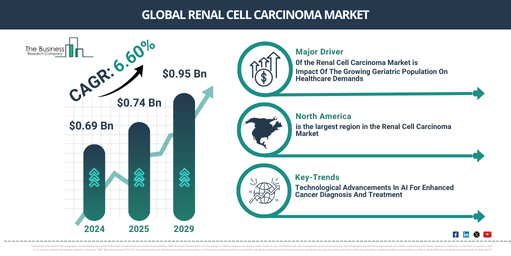
    In recent times, there has been powerful growth in the renal cell carcinoma market size. Projections indicate an expansion from $0.69 billion in 2024 to $0.74 billion in 2025, showcasing a compound annual growth rate (CAGR) of 7.0%. The surge seen in the historical period is credited to a rise in kidney cancer incidences, an increase in the elderly population, a growing inclination towards targeted therapies, an elevated consciousness about cancer screening, enhancements in healthcare facilities, and an escalation in funds dedicated to oncology research and development.

    In the coming years, the renal cell carcinoma market is anticipated to experience solid growth, expanding to a size of $0.95 billion by 2029 with a compound annual growth rate (CAGR) of 6.6%. This growth during the predicted period is believed to be driven by factors such as the increasing acceptance of personalized medicine, a growing awareness of the importance of early cancer detection, escalated investments in oncology within the healthcare sector, improved healthcare accessibility, and an increase in clinical trials and research into new treatment methods. Noteworthy trends emerging in this forecast period encompass the incorporation of AI in precision diagnostics, the creation of targeted therapies, breakthroughs in immunotherapy, progress in identifying biomarkers, the utilization of minimal invasive surgical techniques, and advancements in imaging technologies.

    Download a free sample to assess the report’s scope and structure:

    https://www.thebusinessresearchcompany.com/sample.aspx?id=20944&type=smp

    What are the Fundamental Drivers and Innovations Shaping the Renal Cell Carcinoma Market?

    The growth of the renal cell carcinoma market is anticipated to be fueled by the increasing elderly population. This consists of individuals typically aged 65 and over, who might have specific health and social needs. The expansion of this older demographic results from advances in healthcare, improved nutrition, and longer life expectancy. Renal cell carcinoma (RCC) is notably common among the elderly, underscoring the importance of creating screening and treatment plans tailored to seniors. For instance, a report from the Population Reference Bureau – a US non-profit organization that gathers data for research – published in January 2024 projects that the number of Americans aged 65 and up will ballooned from 58 million in 2022 to 82 million by 2050, a growth of 47%. Consequently, the uptick in the aging population is propelling the renal cell carcinoma market’s expansion.

    How Is the Renal Cell Carcinoma Market Segmented?

    The renal cell carcinoma market covered in this report is segmented –

    1) By Type: Clear Cell Renal Cell Carcinoma (RCC), Papillary Renal Cell Carcinoma (RCC), Chromophobe Renal Cell Carcinoma (RCC)

    2) By Diagnosis: Urine Tests, Computed Tomography (CT) Scan, Nephrectomy, Blood Tests, Ultrasound, Biopsy

    3) By Treatment: Medication, Ablation, Targeted Therapy, Chemotherapy, Surgery, Other Treatments

    4) By End-Users: Hospitals, Specialty Clinics, Homecare, Other End-Users

    Subsegments:

    1) By Clear Cell Renal Cell Carcinoma (RCC): Sporadic Clear Cell RCC, Hereditary Clear Cell RCC

    2) By Papillary Renal Cell Carcinoma (RCC): Type 1 Papillary RCC, Type 2 Papillary RCC

    3) By Chromophobe Renal Cell Carcinoma (RCC): Classic Chromophobe RCC, Hybrid Chromophobe RCC

    Request customized data on this market:

    https://www.thebusinessresearchcompany.com/customise?id=20944&type=smp

    Which Regions Are Driving the Next Phase of the Renal Cell Carcinoma Market Growth?

    North America was the largest region in the renal cell carcinoma market in 2024. Asia-Pacific is expected to be the fastest-growing region in the forecast period. The regions covered in the renal cell carcinoma market report are Asia-Pacific, Western Europe, Eastern Europe, North America, South America, Middle East, Africa.

    Which Technological Trends Are Reshaping the Renal Cell Carcinoma Industry Dynamics?

    Major firms in the renal cell carcinoma market are directing their focus towards the creation of advanced technological products, like artificial intelligence (AI)-powered tools designed specifically for kidney biopsy analysis. These tools are instrumental in enhancing diagnostic precision, simplifying procedures and improving patient outcomes. AI-powered tools for analyzing kidney biopsies utilize machine learning protocols and computer vision, which aid nephrologists and pathologists in investigating kidney tissue samples. The goal of these solutions is to augment accuracy, efficiency, and uniformity in kidney health assessment and disease diagnosis. For instance, NephroPath, an AI-powered solution designed to analyze kidney biopsies, was launched by Aiosyn, a software company based in the Netherlands, in March 2024. The platform applies computational pathology algorithms for scrutinizing histological biomarkers in kidney biopsies, including categorizing tissue types, gauging interstitial fibrosis, and accurately counting and evaluating glomeruli. This AI-facilitated analysis provides consistent, comprehensive, and repeatable scoring of renal pathology biomarkers, effectively addressing the limitations of conventional scoring methods and reducing observer bias.

    View the full report here:

    https://www.thebusinessresearchcompany.com/report/renal-cell-carcinoma-global-market-report

    How Is the Renal Cell Carcinoma Market Defined and What Are Its Core Parameters?

    Renal cell carcinoma (RCC) is a form of kidney cancer originating in the renal tubules, the structures in the kidneys responsible for filtering waste and producing urine. This cancer begins when cells in the kidney become abnormal and grow uncontrollably, forming a tumor. This can disrupt the kidney’s function, including its ability to filter waste from the blood and produce urine.

    Purchase the full report and get a swift delivery:

    https://www.thebusinessresearchcompany.com/purchaseoptions.aspx?id=20944

    About The Business Research Company:

    With over 15000+ reports from 27 industries covering 60+ geographies, The Business Research Company has built a reputation for offering comprehensive, data-rich research and insights. Armed with 1,500,000 datasets, the optimistic contribution of in-depth secondary research, and unique insights from industry leaders, you can get the information you need to stay ahead in the game.

    Get in touch with us:

    The Business Research Company: https://www.thebusinessresearchcompany.com/

    Americas +1 3156230293

    Asia +44 2071930708

    Europe +44 2071930708

    Email us at info@tbrc.info

    Follow us on:

    LinkedIn: https://in.linkedin.com/company/the-business-research-company

    YouTube: https://www.youtube.com/channel/UC24_fI0rV8cR5DxlCpgmyFQ

    Global Market Model: https://www.thebusinessresearchcompany.com/global-market-model
  • Radiation Toxicity Treatment Market 2025-2034: Key Highlights, Growth Dynamics, and Emerging Trends

    Radiation Toxicity Treatment Market 2025-2034: Key Highlights, Growth Dynamics, and Emerging Trends

    Stay ahead with our updated market reports featuring the latest on tariffs, trade flows, and supply chain transformations.

    What Is the Current and Projected Market Size of the Radiation Toxicity Treatment Market Through 2034?

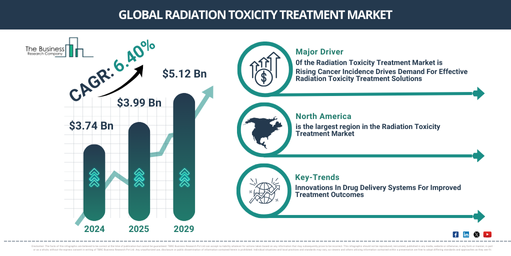
    The market for treating radiation toxicity has seen a robust expansion in recent times. It is projected to rise from a value of $3.74 billion in 2024 to $3.99 billion in 2025, representing a compound annual growth rate (CAGR) of 6.7%. The historical growth is linked to factors such as a global surge in cancer cases, increased preference for radiotherapy treatment, enhancements in healthcare infrastructure and services, a rise in radiation exposure incidents, and heightened cognizance of radiation toxicity.

    The market size for radiation toxicity treatment is projected to experience robust growth in the coming years, reaching $5.12 billion in 2029, with a compound annual growth rate (CAGR) of 6.4%. Factors contributing to this growth during the forecast period include the proliferation of personalized medicine, a heightened emphasis on preventative healthcare, increasing demand for outpatient care services, greater global awareness about radiation safety, and expanding government initiatives to enhance cancer care access. Key trends for the forecast period encompass the incorporation of artificial intelligence in treatment plans, advances in image-guided radiation therapy, progress in stereotactic body radiation therapy, improvements in nanoparticle drug delivery systems, and the merger of 3D printing for bespoke treatment solutions.

    Download a free sample to assess the report’s scope and structure:

    https://www.thebusinessresearchcompany.com/sample.aspx?id=20942&type=smp

    How Are Key Drivers in the Industry Acting as Catalysts for the Growth of the Radiation Toxicity Treatment Market?

    The escalation in cancer instances is anticipated to spur the development of the radiation toxicity treatment market in the future. Cancer comprises a group of ailments typified by the unrestrained expansion and proliferation of deviant cells that have the potential to infiltrate adjacent tissues and metastasize to distant regions of the body. The rising incidence of cancer is credited to aspects such as shifts in lifestyle, environmental contamination, genetic susceptibility, and advanced diagnostic proficiencies resulting in earlier detection. Radiation toxicity treatment is crucial for controlling the side effects brought about by radiation therapy in cancer management, facilitating patient recuperation, and reducing long-term harm. For instance, a report released in August 2024 by Macmillan Cancer Support, a charitable organization based in the UK, noted that currently, over 3 million individuals are living with cancer in the UK, a figure predicted to rise to 3.5 million by 2025, 4 million by 2030, and 5.3 million by 2040. Consequently, the escalating instances of cancer are fueling the expansion of the radiation toxicity treatment market.

    Which Segments in the Radiation Toxicity Treatment Offer the Most Growth?

    The radiation toxicity treatment market covered in this report is segmented –

    1) By Product: Colony Stimulating Factors, Potassium Iodide, Prussian Blue, Diethylenetriamine Pentaacetic Acid, Others Products

    2) By Indication: Acute Radiation Syndrome, Chronic Radiation Syndrome

    3) By Radiation Type: Ionizing Radiation, Non-Ionizing Radiation

    4) By End-User: Hospitals, Research And Academic Institutes

    Subsegments:

    1) By Colony Stimulating Factors: Granulocyte Colony-Stimulating Factor (G-CSF), Granulocyte-Macrophage Colony-Stimulating Factor (GM-CSF)

    2) By Potassium Iodide: Oral Potassium Iodide Tablets, Liquid Potassium Iodide Solution

    3) By Prussian Blue: Capsules Of Prussian Blue, Prussian Blue Resin

    4) By Diethylenetriamine Pentaacetic Acid (DTPA): DTPA Injection (Calcium And Zinc DTPA)

    5) By Other Products: Amifostine, Sodium Bicarbonate, Doxycycline, Activated Charcoal

    Request customized data on this market:

    https://www.thebusinessresearchcompany.com/customise?id=20942&type=smp

    What Are the Fastest-Growing Geographies in the Radiation Toxicity Treatment Market?

    North America was the largest region in the radiation toxicity treatment market in 2024. Asia-Pacific is expected to be the fastest-growing region in the forecast period. The regions covered in the radiation toxicity treatment market report are Asia-Pacific, Western Europe, Eastern Europe, North America, South America, Middle East, Africa.

    What Are the Key Market Trends in the Radiation Toxicity Treatment Market Over the Coming Years?

    Leading firms in the radiation toxicity treatment market are concentrating on technological progress, such as state-of-the-art drug delivery systems. These systems help improve treatment accuracy and effectiveness, boost patient adherence, and lessen adverse reactions, ultimately leading to superior healing results and quicker recovery periods. A drug delivery system is a technique that ensures medication reaches specific body parts, guaranteeing correct dosage and effectiveness while minimizing undesirable side effects. For example, in December 2023, the U.S. FDA gave its approval to Coherus BioSciences, a U.S.-based biopharmaceutical firm, for UDENYCA ONBODY, a new on-body injector for pegfilgrastim-cbqv. The device, aimed to decrease the risk of infections induced by febrile neutropenia post-chemotherapy, injects the drug in just five minutes and has a retractable needle for improved safety and convenience. This authorisation marks Coherus’ attempt to offer a more manageable and user-friendly method for dealing with chemotherapy side effects.

    View the full report here:

    https://www.thebusinessresearchcompany.com/report/radiation-toxicity-treatment-global-market-report

    What Are the Key Elements That Define the Radiation Toxicity Treatment Market?

    Radiation toxicity treatment encompasses medical approaches designed to address and mitigate the adverse effects resulting from excessive radiation exposure. These treatments focus on managing symptoms such as fatigue, nausea, and skin injuries, and severe conditions such as damage to organs or bone marrow, with the goal of aiding recovery and reducing long-term health risks.

    Purchase the full report and get a swift delivery:

    https://www.thebusinessresearchcompany.com/purchaseoptions.aspx?id=20942

    About The Business Research Company:

    With over 15000+ reports from 27 industries covering 60+ geographies, The Business Research Company has built a reputation for offering comprehensive, data-rich research and insights. Armed with 1,500,000 datasets, the optimistic contribution of in-depth secondary research, and unique insights from industry leaders, you can get the information you need to stay ahead in the game.

    Get in touch with us:

    The Business Research Company: https://www.thebusinessresearchcompany.com/

    Americas +1 3156230293

    Asia +44 2071930708

    Europe +44 2071930708

    Email us at info@tbrc.info

    Follow us on:

    LinkedIn: https://in.linkedin.com/company/the-business-research-company

    YouTube: https://www.youtube.com/channel/UC24_fI0rV8cR5DxlCpgmyFQ

    Global Market Model: https://www.thebusinessresearchcompany.com/global-market-model
  • Radiation Shielding Material Market Trends 2025-2034: Growth, Strategic Insights, and Opportunities Ahead

    Radiation Shielding Material Market Trends 2025-2034: Growth, Strategic Insights, and Opportunities Ahead

    Stay ahead with our updated market reports featuring the latest on tariffs, trade flows, and supply chain transformations.

    What is the Anticipated CAGR of the Radiation Shielding Material Market, and What Factors Will Drive It?

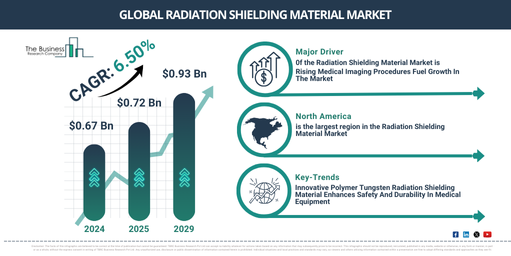
    In recent years, there has been a considerable growth in the radiation shielding material market. The market worth, which stood at $0.67 billion in 2024 is projected to climb to $0.72 billion in 2025, experiencing a compound annual growth rate (CAGR) of 6.8%. This surge during the historical period is credited to the rising use of ionizing radiation in medical imaging, growing need for radiotherapy procedures, escalating instances of cancer, heightened awareness about radiation safety, and increased spending on healthcare.

    There is a projection for significant expansion in the radiation shielding material market in the upcoming years, with the market scale set to reach $0.93 billion by 2029, growing at a compound annual growth rate (CAGR) of 6.5%. Factors driving this growth through the forecast period include the escalating use of nuclear medicine, an increased amount of diagnostic imaging procedures, a surge in the occurrence of diseases necessitating radiation therapy, a growing preference for medical imaging, and larger investments in healthcare infrastructure. Key trends for the forecast period encompass diagnostic and therapeutic technologies, developments in medical and material science, the incorporation of nanotechnology, and the use of advanced composites in creating lightweight solutions.

    Download a free sample to assess the report’s scope and structure:

    https://www.thebusinessresearchcompany.com/sample.aspx?id=20941&type=smp

    What Are the Major Market Drivers Behind the Rising Adoption of Radiation Shielding Material Market?

    The radiation shielding material market is predicted to expand due to the rise in medical imaging procedures. These diagnostic techniques, which utilize technologies such as X-rays, MRI, or ultrasound to examine the interior of the body for diagnosis and monitoring disease, are increasing. This escalation can be ascribed to improvements in imaging technology, increasing cases of chronic diseases, better awareness and access, and the government’s support for more sophisticated healthcare technologies. Radiation shielding materials, including lead and lead-free alloys, are instrumental in these imaging processes, protecting patients and healthcare staff from hazardous radiation exposure while simultaneously allowing for superior imaging. As evidence, the National Health Service, a UK government department, noted that in November 2023, England documented 45.0 million imaging tests in the year ended in March 2023, marking a 2.2% growth compared to the 44.0 million tests taken in the year prior. Consequently, this surge in medical imaging procedures is stimulating the radiation shielding material market.

    Which Key Market Segments Comprise the Radiation Shielding Material Market and Drive Its Revenue Growth?

    The radiation shielding material market covered in this report is segmented –

    1) By Type: Electromagnetic Radiation, Particle Radiation

    2) By Material: Lead Shielding, Lead Composite Shielding, Non-Lead And Lead Free Shielding

    3) By Form: Sheets, Blocks, Bricks, Panels, Castings

    4) By Application: Diagnostic X-Ray Room Shielding, CT Scanner Shielding Facility, MRI Room Shielding, Nuclear Medicine Imagingshielding, Radiotherapy Shielding, Radiation Protection Safety Aprons And Apparel And Equipments

    5) By End User: Healthcare, Manufacturing, Construction, Energy, Research

    Subsegments:

    1) By Electromagnetic Radiation: X-Rays, Gamma Rays, Ultraviolet (UV) Radiation, Microwaves, Radiofrequency (RF) Radiation

    2) By Particle Radiation: Neutron Radiation, Alpha Particles, Beta Particles, Heavy Ions

    Request customized data on this market:

    https://www.thebusinessresearchcompany.com/customise?id=20941&type=smp

    Which Areas Are Leading Regions in the Radiation Shielding Material Market Expansion Across the Globe?

    North America was the largest region in the radiation shielding material market in 2024. Asia-Pacific is expected to be the fastest-growing region in the forecast period. The regions covered in the radiation shielding material market report are Asia-Pacific, Western Europe, Eastern Europe, North America, South America, Middle East, Africa.

    Which Emerging Trends that Are Influencing the Radiation Shielding Material Industry Evolution?

    Key players in the radiation shielding material market, such as polymer tungsten radiation shielding developers, are channeling their efforts towards the creation of ground-breaking products. This is done with the aim to augment radiation defense, reduce weight, and bolster durability for a broad spectrum of industrial purposes. The product is a composite blend of tungsten and a polymer matrix, providing a lighter and effective substitute for the customary lead-based shielding. For instance, in November 2024, Stanford Advanced Materials (SAM), a company based in the U.S.A, unveiled Polymer Tungsten. This innovative material melds tungsten powder with polymer resins and serves as a flexible and eco-friendly substitute to the traditional lead-based shields that carry health hazards owing to their toxic nature. Polymer tungsten maintains high resistance to radiation yet is simpler to mold and work with. Thus, it is ideal for use in medical tools like X-ray machinery and Computed Tomography (CT) scanners.

    View the full report here:

    https://www.thebusinessresearchcompany.com/report/radiation-shielding-material-global-market-report

    How Is the Radiation Shielding Material Market Conceptually Defined?

    Radiation shielding materials refer to substances designed to protect individuals, equipment, or environments from harmful ionizing radiation, such as X-rays, gamma rays, and neutron radiation. These materials work by absorbing or scattering radiation, thereby reducing its intensity and mitigating its potential effects.

    Purchase the full report and get a swift delivery:

    https://www.thebusinessresearchcompany.com/purchaseoptions.aspx?id=20941

    About The Business Research Company:

    With over 15000+ reports from 27 industries covering 60+ geographies, The Business Research Company has built a reputation for offering comprehensive, data-rich research and insights. Armed with 1,500,000 datasets, the optimistic contribution of in-depth secondary research, and unique insights from industry leaders, you can get the information you need to stay ahead in the game.

    Get in touch with us:

    The Business Research Company: https://www.thebusinessresearchcompany.com/

    Americas +1 3156230293

    Asia +44 2071930708

    Europe +44 2071930708

    Email us at info@tbrc.info

    Follow us on:

    LinkedIn: https://in.linkedin.com/company/the-business-research-company

    YouTube: https://www.youtube.com/channel/UC24_fI0rV8cR5DxlCpgmyFQ

    Global Market Model: https://www.thebusinessresearchcompany.com/global-market-model
  • Pulmonary Or Respiratory Drug Delivery Market Outlook 2025–2034: Identifying Growth Drivers, Technology Trends, and Policy Impact

    Pulmonary Or Respiratory Drug Delivery Market Outlook 2025–2034: Identifying Growth Drivers, Technology Trends, and Policy Impact

    Stay ahead with our updated market reports featuring the latest on tariffs, trade flows, and supply chain transformations.

    How Has The Pulmonary Or Respiratory Drug Delivery Market Size Shifted, And What Is the Outlook Through 2034?

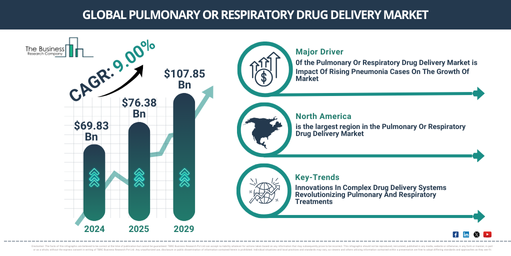
    Over the past few years, there has been a significant growth in the market size of pulmonary and respiratory drug delivery. The market worth is projected to rise from $69.83 billion in 2024 to an estimated $76.38 billion in 2025, marking a compound annual growth rate (CAGR) of 9.4%. Factors such as augmented asthma prevalence, enhanced adoption of cutting-edge inhalation devices, global healthcare expenditure escalation, increased consciousness about respiratory illnesses, and the rising occurrence of allergy-related conditions have all contributed to the historical growth period.

    The market size for respiratory or pulmonary drug delivery is predicted to experience substantial expansion in the coming years. By 2029, it is forecasted to reach an impressive value of $107.85 billion, with a compound annual growth rate (CAGR) of 9.0%. This anticipated growth during the outlook period can be attributed to several factors such as the growing demand for personalized medicine, an increase in chronic respiratory diseases, a heightened focus on telemedicine, increased investment in healthcare infrastructure, and e-commerce growth in the pharmaceutical sector. Noteworthy trends for this period include advancements in particle engineering, creation of cutting-edge nebulizers, liposomal formulation development, progress in computational fluid dynamics, and the emergence of smart inhalers.

    Download a free sample to assess the report’s scope and structure:

    https://www.thebusinessresearchcompany.com/sample.aspx?id=20939&type=smp

    What Are the Core Market Drivers Propelling Growth in the Pulmonary Or Respiratory Drug Delivery Industry?

    The growth of the pulmonary or respiratory drug delivery market is anticipated to be spurred by the rising incidence of pneumonia. This disease, a lung infection, causes the air sacs to inflame and potentially fill with fluid or pus, leading to symptoms such as coughing, fever, and breathing difficulties. Factors contributing to an increased prevalence of pneumonia include an aging population, compromised immunity systems, respiratory infections, pollution, smoking, and the emergence of antibiotic-resistant bacteria. Pulmonary or respiratory drug delivery provides a more direct targeting of the lungs, delivering medications like antibiotics, bronchodilators, or anti-inflammatory agents more efficiently. This promotes faster and more effective treatment, easing symptoms, reducing inflammation, clearing infections, and enhancing respiratory function, and ultimately improving recovery and reducing complications. For instance, pneumonia cases in Kenya rose sharply to 793,864 in 2022/2023, according to a November 2023 report from the Centre for Tropical Medicine and Global Health, a healthcare research leader based in the UK. Hence, the market for pulmonary or respiratory drug delivery is being driven by the increasing incidence of pneumonia.

    How Is the Pulmonary Or Respiratory Drug Delivery Market Segmented?

    The pulmonary or respiratory drug delivery market covered in this report is segmented –

    1) By Product: Formulation Type, Device Type

    2) By Canister Type: Plain Canister, Coated Canister

    3) By Application: Chronic Obstructive Pulmonary Disease, Asthma, Cystic Fibrosis, Other Applications

    4) By End-User: Hospitals, Clinics, Home Care Settings

    Subsegments:

    1) By Formulation Type: Dry Powder Inhalers (DPIs), Metered Dose Inhalers (MDIs), Nebulizers, Liquid Aerosols, Nasal Sprays

    2) By Device Type: Inhalers (Manual and Digital), Nebulizers (Compressor, Ultrasonic, Mesh), Breath-Activated Devices, Spacer Devices, Nasal Drug Delivery Devices

    Request customized data on this market:

    https://www.thebusinessresearchcompany.com/customise?id=20939&type=smp

    Which Regions Are Driving the Next Phase of the Pulmonary Or Respiratory Drug Delivery Market Growth?

    North America was the largest region in the pulmonary or respiratory drug delivery market in 2024. Asia-Pacific is expected to be the fastest-growing region in the forecast period. The regions covered in the pulmonary or respiratory drug delivery market report are Asia-Pacific, Western Europe, Eastern Europe, North America, South America, Middle East, Africa.

    What Are the Most Significant Market Trends in the Pulmonary Or Respiratory Drug Delivery Market?

    Leading businesses within the pulmonary and respiratory drug delivery market are emphasizing on technological innovations such as sophisticated drug delivery systems to improve treatment effectiveness and patient adherence. These cutting-edge systems amplify the localized delivery and controlled release of medicinal substances, thereby enhancing drug potency and patient health outcomes. For example, in July 2023, American healthcare company, Viatris Inc., known for producing generic and branded medication and Kindeva Drug Delivery L.P., also a US-based firm that specializes in drug delivery, introduced Breyna (budesonide and formoterol fumarate dihydrate) Inhalation Aerosol. This inhalation aerosol gained approval from the Food and Drug Administration, a government agency in the US. This is considered the first generic equivalent to AstraZeneca’s Symbicort and it’s also a metered-dose inhaler that blends budesonide and formoterol for the management of asthma and chronic obstructive pulmonary disease. The product is available in two concentrations of 80 micrograms and 160 micrograms, supplemented by 4.5 micrograms of formoterol.

    View the full report here:

    https://www.thebusinessresearchcompany.com/report/pulmonary-or-respiratory-drug-delivery-global-market-report

    How Is the Pulmonary Or Respiratory Drug Delivery Market Defined and What Are Its Core Parameters?

    Pulmonary or respiratory drug delivery refers to the administration of medication directly into the lungs to achieve rapid absorption, targeted treatment, and reduced systemic side effects for both local and systemic therapeutic effects.

    Purchase the full report and get a swift delivery:

    https://www.thebusinessresearchcompany.com/purchaseoptions.aspx?id=20939

    About The Business Research Company:

    With over 15000+ reports from 27 industries covering 60+ geographies, The Business Research Company has built a reputation for offering comprehensive, data-rich research and insights. Armed with 1,500,000 datasets, the optimistic contribution of in-depth secondary research, and unique insights from industry leaders, you can get the information you need to stay ahead in the game.

    Get in touch with us:

    The Business Research Company: https://www.thebusinessresearchcompany.com/

    Americas +1 3156230293

    Asia +44 2071930708

    Europe +44 2071930708

    Email us at info@tbrc.info

    Follow us on:

    LinkedIn: https://in.linkedin.com/company/the-business-research-company

    YouTube: https://www.youtube.com/channel/UC24_fI0rV8cR5DxlCpgmyFQ

    Global Market Model: https://www.thebusinessresearchcompany.com/global-market-model
  • Top Trends Driving Innovation and Change in the Pollen Allergy Market: Innovative Allergy Care Platforms Transforming Diagnosis And Treatment

    Top Trends Driving Innovation and Change in the Pollen Allergy Market: Innovative Allergy Care Platforms Transforming Diagnosis And Treatment

    Stay ahead with our updated market reports featuring the latest on tariffs, trade flows, and supply chain transformations.

    What is the Anticipated CAGR of the Pollen Allergy Market, and What Factors Will Drive It?

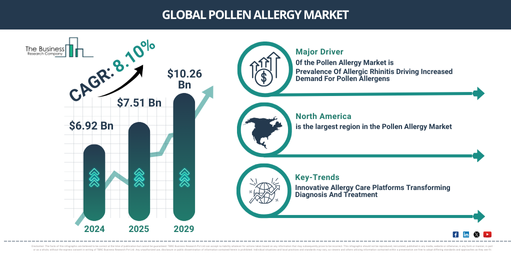
    The market for pollen allergies has seen robust growth in the past few years. There is a projected growth from $6.92 billion in 2024 to $7.51 billion in 2025, with a compound annual growth rate (CAGR) of 8.5%. Factors such as increased awareness about allergies, more investment in healthcare infrastructure, the effects of climate change causing extended pollen seasons, and increased urbanization, resulting in greater exposure to allergens are credited for the growth experienced in the past period.

    The market for pollen allergies is projected to experience robust growth in the coming years, reaching a valuation of $10.26 billion by the year 2029, with a Compound Annual Growth Rate (CAGR) of 8.1%. This surge in the prediction phase is attributable to factors such as growing allergic conditions, heightened pollution levels, escalating climate change, burgeoning awareness on allergy treatments, increased accessibility to various treatment alternatives, extended reach of healthcare facilities, and enhanced emphasis on both preventive tactics and environmental health. During the forecasting period, market trends are expected to encompass the progression of more effective immunotherapy treatments, the preference for personalized allergy medications, advancements in pollen-blocking nasal filters, refinement of air purifiers equipped with HEPA filters, amelioration of nasal spray formulae, favoring of natural and organic products for allergy relief, and technological advancements in wearable devices offering real-time allergen exposure monitoring.

    Download a free sample to assess the report’s scope and structure:

    https://www.thebusinessresearchcompany.com/sample.aspx?id=20930&type=smp

    What External and Internal Drivers Are Contributing to the Growth of the Pollen Allergy Market?

    The anticipated increase in allergic rhinitis cases is projected to fuel the expansion of the pollen allergen market. Allergic rhinitis is an allergy-induced condition that causes inflammation in the nose, evident through symptoms such as sneezing, nasal congestion, and eye irritation, which are usually triggered by exposure to pollen or dust. The escalation in cases of allergic rhinitis can be credited to factors such as environmental pollution, modifications in climate, rapid urbanization, and changes in lifestyle, which intensify exposure to allergens and pollutants. Allergic rhinitis, a condition often caused by pollen allergies, involves a reaction to pollen that results in inflammation within the nasal passageways. For example, in October 2023, the World Allergy Organization, a U.S. centered conglomerate specializing in clinical allergic research, indicated that allergic rhinitis affects more than 400 million individuals globally. The prevalence rates vary between 10% and 30% among adults and reach over 40% among children. As a result, the increasing ratio of allergic rhinitis cases contributes to the ongoing expansion of the pollen allergen market.

    What Segment Types Define the Pollen Allergy Market Structure?

    The pollen allergy market covered in this report is segmented –

    1) By Product Type: Instruments, Consumables, Services

    2) By Allergen Type: Food, Inhaled, Drug, Other Allergen Types

    3) By Therapeutics Drug class: Antihistamines, Decongestants, Corticosteroids, Mast Cell Stabilizers, Leukotriene Inhibitors, Nasal Anticholinergics, Immunomodulators, Auto injectable Epinephrine, Immunotherapy

    4) By End-User: Diagnostic Laboratories, Hospitals

    Subsegments:

    1) By Instruments: Allergy Testing Equipment, Diagnostic Devices, Monitoring Devices

    2) By Consumables: Allergy Test Kits, Pollen Filters, Diagnostic Reagents, Treatment Medications (Antihistamines)

    3) By Services: Allergy Testing Services, Immunotherapy Services, Consultation And Diagnostic Services

    Request customized data on this market:

    https://www.thebusinessresearchcompany.com/customise?id=20930&type=smp

    Which Geographic Areas Hold the Strongest Growth Potential in the Pollen Allergy Market?

    North America was the largest region in the pollen allergy market in 2024. Asia-Pacific is expected to be the fastest-growing region in the forecast period. The regions covered in the pollen allergy market report are Asia-Pacific, Western Europe, Eastern Europe, North America, South America, Middle East, Africa.

    What Key Trends Are Shaping the Future of the Pollen Allergy Market?

    Major businesses in the pollen allergy market are prioritizing the creation of all-encompassing allergy care platforms. These platforms aim to offer combined solutions for the diagnosis, treatment and management of allergies, thus ensuring better patient results and convenience. An all-around allergenic care system for pollen allergy is a holistic service or system providing complete support for sufferers of pollen allergies. As an illustration, Nectar Life Sciences, an Indian pharmaceutical company, launched their all-in-one allergy care platform, Nectar, in February 2023. Their first product was personalized sublingual immunotherapy drops. Developed from a CLIA-certified home allergy test, Nectar’s allergy drops specifically target the underlying cause of allergies. This provides an effective and handy alternative to traditional shots and antihistamines. The platform makes allergy treatment easier with home deliveries and recurring three-month prescriptions. Consequently, it helps moderate to severe allergy sufferers build long-term immunity and gradually reduce symptoms. This fresh approach hopes to transform allergy care by merging personalized service, convenience, and demonstrated efficacy.

    View the full report here:

    https://www.thebusinessresearchcompany.com/report/pollen-allergy-global-market-report

    What Is the Definition of the Pollen Allergy Market?

    Pollen allergy is an allergic reaction to pollen from trees, grasses, and weeds. It occurs when the immune system mistakenly identifies pollen as harmful and releases chemicals such as histamine to combat it. Pollen allergies are often seasonal, peaking during spring, summer, or fall, depending on the pollen an individual is sensitive to.

    Purchase the full report and get a swift delivery:

    https://www.thebusinessresearchcompany.com/purchaseoptions.aspx?id=20930

    About The Business Research Company:

    With over 15000+ reports from 27 industries covering 60+ geographies, The Business Research Company has built a reputation for offering comprehensive, data-rich research and insights. Armed with 1,500,000 datasets, the optimistic contribution of in-depth secondary research, and unique insights from industry leaders, you can get the information you need to stay ahead in the game.

    Get in touch with us:

    The Business Research Company: https://www.thebusinessresearchcompany.com/

    Americas +1 3156230293

    Asia +44 2071930708

    Europe +44 2071930708

    Email us at info@tbrc.info

    Follow us on:

    LinkedIn: https://in.linkedin.com/company/the-business-research-company

    YouTube: https://www.youtube.com/channel/UC24_fI0rV8cR5DxlCpgmyFQ

    Global Market Model: https://www.thebusinessresearchcompany.com/global-market-model
  • Emerging Trends Redefining the Plaque Modification Devices Market Landscape: Advancements In AI-Enabled Chest X-Ray Solutions For Pneumothorax Detection

    Emerging Trends Redefining the Plaque Modification Devices Market Landscape: Advancements In AI-Enabled Chest X-Ray Solutions For Pneumothorax Detection

    Stay ahead with our updated market reports featuring the latest on tariffs, trade flows, and supply chain transformations.

    What Are the Key Milestones in the Pneumothorax Treatment Devices Market’s Growth Trajectory From 2025 To 2034?

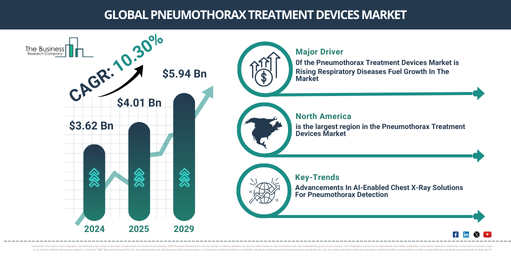
    The market size for pneumothorax treatment devices has seen considerable growth in the past years. It is projected to expand from $3.62 billion in 2024 to $4.01 billion in 2025, with a compound annual growth rate (CAGR) of 10.6%. The increase during the historical period can be credited to the escalating prevalence of pneumothorax, enhanced knowledge about pneumothorax, improvements in emergency and trauma care services, an aged population, and an uptick in surgical procedures.

    Expectations are that the pneumothorax treatment devices market will undergo significant growth in the upcoming years, reaching a value of $5.94 billion by 2029, with a compound annual growth rate (CAGR) of 10.3%. The forecasted growth can be ascribed to a rise in respiratory illnesses, an increment in thoracic surgeries, expanding investments in health infrastructure, better diagnostic procedures, and heightened emphasis on preventive healthcare. Significant trends for the forecast period encompass enhancements in medical equipment, cutting-edge chest drainage systems, automated thoracic catheters, progress in minimally invasive techniques, and incorporation of telemedicine.

    Download a free sample to assess the report’s scope and structure:

    https://www.thebusinessresearchcompany.com/sample.aspx?id=20929&type=smp

    What Are the Core Market Drivers Propelling Growth in the Pneumothorax Treatment Devices Industry?

    The surge in respiratory conditions is anticipated to fuel the expansion of the pneumothorax treatment devices market. These medical conditions that impact the lungs and airways can impede breathing and hinder oxygen exchange. The escalation of these diseases can be linked to a mixture of factors, such as increased particulate matter in the air, tobacco use, viral infections, and heightened contact with allergens. Devices used in the treatment of pneumothorax serve a key part in the medical management of respiratory ailments as they aid in addressing lung collapses and reinstating regular breathing function. For instance, the American Lung Association, a non-profit organization based in the U.S., noted in June 2024 that about 44.2 million Americans, equating to 13.5% of the population, were professionally diagnosed with asthma in 2022. As such, the upswing in respiratory diseases propels the expansion of the pneumothorax treatment devices market.

    How Is the Pneumothorax Treatment Devices Market Segmented?

    The pneumothorax treatment devices market covered in this report is segmented –

    1) By Type: Ventilator Devices, Thoracic Vent Devices, Other Types

    2) By Application: Traumatic Pneumothorax, Spontaneous Pneumothorax, Other Applications

    3) By End-User: Hospitals, Ambulatory Surgical Centers, Other End Users

    Subsegments:

    1) By Ventilator Devices: Portable Ventilators, Non-Invasive Ventilators, Invasive Ventilators

    2) By Thoracic Vent Devices: Chest Drainage Systems, Heimlich Valves, One-Way Chest Valve Systems

    3) By Other Types: Needle Aspiration Devices, Pleural Catheters, Oxygen Therapy Devices

    Request customized data on this market:

    https://www.thebusinessresearchcompany.com/customise?id=20929&type=smp

    Which Regions Are Driving the Next Phase of the Pneumothorax Treatment Devices Market Growth?

    North America was the largest region in the pneumothorax treatment devices market in 2024. The regions covered in the pneumothorax treatment devices market report are Asia-Pacific, Western Europe, Eastern Europe, North America, South America, Middle East, Africa.

    What Are the Most Significant Market Trends in the Pneumothorax Treatment Devices Market?

    Leading businesses in the pneumothorax treatment devices market are focusing on generating tech-savvy solutions like chest X-ray solutions to maintain their market dominance. These solutions include imaging systems, equipment, and technologically advanced capabilities that enable the capturing of intricate radiographic images of the chest, including the lungs, heart, ribs, and other adjoining structures. For example, in September 2023, Qure.ai, a healthcare technology company based in the US, revealed that it had gained FDA 510(k) clearance for its revolutionary chest X-ray solution, qXR-PTX-PE. This solution is developed to expedite the detection of pneumothorax (PTX) and pleural effusion (PE). The AI-powered software augments care pathways in intense care units (ICUs) and emergency rooms (ERs) by offering prompt alerts to healthcare personnel. The qXR-PTX-PE solution scrutinizes chest X-ray images for critical findings, significantly enhancing triage effectiveness in emergency situations where these ailments pose severe risks to patients’ health.

    View the full report here:

    https://www.thebusinessresearchcompany.com/report/pneumothorax-treatment-devices-global-market-report

    How Is the Pneumothorax Treatment Devices Market Defined and What Are Its Core Parameters?

    Pneumothorax treatment devices are medical instruments used to manage and treat the condition of a collapsed lung, where air accumulates in the pleural space. Their purpose is to remove the excess air, restore lung expansion, and prevent further complications, often through techniques such as needle decompression or chest tube insertion.

    Purchase the full report and get a swift delivery:

    https://www.thebusinessresearchcompany.com/purchaseoptions.aspx?id=20929

    About The Business Research Company:

    With over 15000+ reports from 27 industries covering 60+ geographies, The Business Research Company has built a reputation for offering comprehensive, data-rich research and insights. Armed with 1,500,000 datasets, the optimistic contribution of in-depth secondary research, and unique insights from industry leaders, you can get the information you need to stay ahead in the game.

    Get in touch with us:

    The Business Research Company: https://www.thebusinessresearchcompany.com/

    Americas +1 3156230293

    Asia +44 2071930708

    Europe +44 2071930708

    Email us at info@tbrc.info

    Follow us on:

    LinkedIn: https://in.linkedin.com/company/the-business-research-company

    YouTube: https://www.youtube.com/channel/UC24_fI0rV8cR5DxlCpgmyFQ

    Global Market Model: https://www.thebusinessresearchcompany.com/global-market-model
  • Plaque Modification Devices Market 2025-2034: Key Highlights, Growth Dynamics, and Emerging Trends

    Plaque Modification Devices Market 2025-2034: Key Highlights, Growth Dynamics, and Emerging Trends

    Stay ahead with our updated market reports featuring the latest on tariffs, trade flows, and supply chain transformations.

    How Has The Plaque Modification Devices Market Size Shifted, And What Is the Outlook Through 2034?

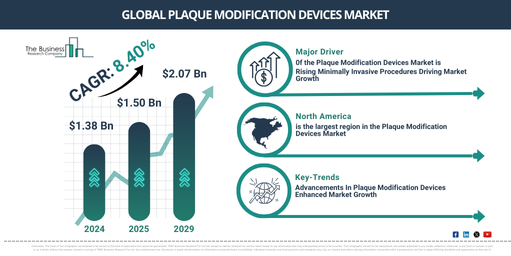
    The market size for plaque modification devices has experienced a significant increase in recent times. The industry is projected to grow from $1.38 billion in 2024 to $1.50 billion in 2025, marking a compound annual growth rate (CAGR) of 8.7%. Numerous factors have contributed to this growth during the historical period. This includes an increase in the prevalence of cardiovascular and associated conditions, a burgeoning demand for minimally invasive procedures, a growing elderly population, an uptick in atherosclerosis cases, and a rise in obesity rates within the community.

    Strong expansion is anticipated in the plaque modification devices market size over the next few years, with a prediction to reach $2.07 billion by 2029, growing at a compound annual growth rate (CAGR) of 8.4%. Factors contributing to this growth during the forecast period include the rising prevalence of minimally invasive procedures, an increasing number of patients with coronary ailments, a surging elderly population, beneficial reimbursement policies, and a dramatic increase in sedentary lifestyle-related disorders. Key trends during this period are expected to be the embrace of minimally invasive surgeries, the innovation and introduction of atherectomy devices, advancements in technology, investments in the production of precise, cutting-edge plaque modification devices, and the incorporation of new technologies.

    Download a free sample to assess the report’s scope and structure:

    https://www.thebusinessresearchcompany.com/sample.aspx?id=20928&type=smp

    Which Primay Drivers Are Accelerating Growth in the Plaque Modification Devices Market?

    The increasing popularity of minimally invasive procedures is anticipated to fuel the expansion of the plaque modification devices market in the future. These procedures involve smaller cuts, minimal disruption of tissues, and less physical trauma than traditional surgeries. The surge in minimally invasive procedures can be attributed to technologic advancements such as high-definition imaging and robotic systems that enhance accuracy. Moreover, there’s a rising patient preference for quicker recovery and lesser scarring. Plaque modification devices heighten the safety and effectiveness of minimally invasive procedures by enabling precision in the removal of arterial blockages and widening treatment options for patients with intricate vascular conditions. For example, Intuitive Surgical Inc., a US-based firm that manufactures robotic items, confirmed that they had deployed 415 da Vinci surgical systems, which are robotic surgical systems that utilize a minimally invasive surgical method, in the last quarter of 2023, marking a 12% rise compared to 2022. Consequently, the growing frequency of minimally invasive procedures is stimulating the development of the plaque modification devices market.

    Which Primary Segments of the Plaque Modification Devices Market Are Driving Growth and Industry Transformations?

    The plaque modification devices market covered in this report is segmented –

    1) By Type: Atherectomy Devices, Thrombectomy Devices, Chronic Total Occlusion Devices, Embolic Protection Devices

    2) By Application: Coronary Artery Disease, Peripheral Artery Disease, Neurovascular Diseases

    3) By End User: Hospitals, Ambulatory Surgical Centers, Other End Users

    Subsegments:

    1) By Atherectomy Devices: Rotational Atherectomy Devices, Directional Atherectomy Devices, Laser Atherectomy Devices, Orbital Atherectomy Devices

    2) By Thrombectomy Devices: Mechanical Thrombectomy Devices, Aspiration Thrombectomy Devices, Manual Thrombectomy Devices, Hybrid Thrombectomy Devices

    3) By Chronic Total Occlusion (CTO) Devices: CTO Crossing Guidewires, CTO Balloons, CTO Catheters, CTO Support Systems

    4) By Embolic Protection Devices: Distal Protection Devices, Proximal Protection Devices, Filter-Based Embolic Protection Devices, Balloon-Based Embolic Protection Devices

    Request customized data on this market:

    https://www.thebusinessresearchcompany.com/customise?id=20928&type=smp

    Which Regions Are Key Players in the Growth of the Plaque Modification Devices Market?

    North America was the largest region in the plaque modification devices market in 2024. Asia-Pacific is expected to be the fastest-growing region in the forecast period. The regions covered in the plaque modification devices market report are Asia-Pacific, Western Europe, Eastern Europe, North America, South America, Middle East, Africa.

    What Are the Current Market Growth and Trends in the Plaque Modification Devices Industry?

    Leading enterprises in the plaque modification devices market are concentrating efforts on creating state-of-the-art solutions, like intravascular image-guided, catheter-oriented systems to secure an advantage over competitors. Intravascular image-guided indicates medical interventions using imaging technology to maneuver instruments or devices within blood vessels. For instance, Avinger, an American medical equipment firm, released the Pantheris LV image-guided directional atherectomy system in August 2024. The system, specifically designed to treat peripheral artery disease (PAD) in larger arteries such as the superficial femoral and popliteal, boasts unique features including high-speed plaque excision for efficient occlusive tissue removal, a proprietary jog mechanism to enhance plaque apposition and an innovative guidewire management system for streamlined user operation.

    View the full report here:

    https://www.thebusinessresearchcompany.com/report/plaque-modification-devices-global-market-report

    What Parameters Are Used to Define the Plaque Modification Devices Market?

    Plaque modification devices refer to medical tools and technologies designed to treat atherosclerotic plaque buildup in blood vessels. These devices are used in minimally invasive procedures to restore blood flow by removing, modifying, or managing plaque within the arteries, particularly in cases of cardiovascular or peripheral artery diseases.

    Purchase the full report and get a swift delivery:

    https://www.thebusinessresearchcompany.com/purchaseoptions.aspx?id=20928

    About The Business Research Company:

    With over 15000+ reports from 27 industries covering 60+ geographies, The Business Research Company has built a reputation for offering comprehensive, data-rich research and insights. Armed with 1,500,000 datasets, the optimistic contribution of in-depth secondary research, and unique insights from industry leaders, you can get the information you need to stay ahead in the game.

    Get in touch with us:

    The Business Research Company: https://www.thebusinessresearchcompany.com/

    Americas +1 3156230293

    Asia +44 2071930708

    Europe +44 2071930708

    Email us at info@tbrc.info

    Follow us on:

    LinkedIn: https://in.linkedin.com/company/the-business-research-company

    YouTube: https://www.youtube.com/channel/UC24_fI0rV8cR5DxlCpgmyFQ

    Global Market Model: https://www.thebusinessresearchcompany.com/global-market-model