Month: June 2025

  • Phosphor Screen Scanners Growth Trajectory: Key Forecasts and Strategic Insights

    Phosphor Screen Scanners Growth Trajectory: Key Forecasts and Strategic Insights

    Stay ahead with our updated market reports featuring the latest on tariffs, trade flows, and supply chain transformations.

    How Has the Phosphor Screen Scanners Market Growth Performance Trended Historically, And What Lies Ahead?

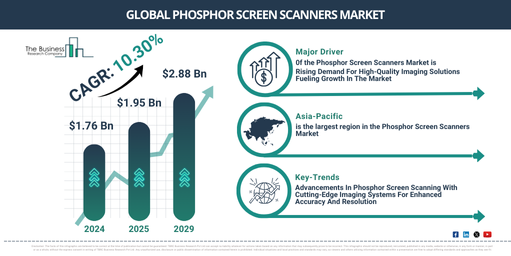
    Recent years have seen a prompt expansion in the phosphor screen scanners market size, and its growth is forecasted to continue, rising from $1.76 billion in 2024 to $1.95 billion in 2025 at a compound annual growth rate (CAGR) of 10.6%. The notable growth seen in the historic period can be credited to factors like the growing occurrence of dental diseases, expanded application of digital imaging technology in dentistry, superior image resolution and sensitivity, increasing demand for high-quality healthcare services, and developments in the medical diagnostic field.

    The market size of phosphor screen scanners is anticipated to undergo swift expansion in the ensuing years. It is projected to reach $2.88 billion by 2029, with a compound annual growth rate (CAGR) of 10.3%. This growth during the forecasted period can be linked to factors such as the escalating demand for diagnostics for an array of medical conditions, amplified investment in healthcare infrastructure, rising demand for superior imaging solutions, increased demand for competent healthcare services, and enhanced technology acceptance and digitization. Key trends for the forecasted period encompass the integration of thermal and X-ray imaging, real-time 3D imaging, advancement in digital imaging technology, assimilation of wireless technologies, and sophisticated digital technologies.

    Download a free sample to assess the report’s scope and structure:

    https://www.thebusinessresearchcompany.com/sample.aspx?id=20927&type=smp

    Which Factors and External Forces Are Driving Demand in the Phosphor Screen Scanners Market?

    The phosphor screen scanners market is anticipated to grow due to the increasing need for superior imaging solutions. Superior imaging solutions include innovative systems and technologies intended to produce clear, precise, and detailed visuals of the human anatomy for diagnosing, treating, and monitoring. This need is escalating on account of increasing chronic diseases, technical advancements, an aging population, and sprawling healthcare infrastructure. Phosphor screen scanners offer superior imaging solutions by generating detailed, high-definition visuals boasting excellent contrast with the aid of a photostimulable phosphor (PSP) screen that captures the image upon being exposed to radiation or light. For example, the National Health Service, a government department based in the UK, stated in December 2022 that England documented 44.0 million imaging tests in the year up to March 2022, marking a 26% rise compared to the 34.9 million tests performed the previous year. Hence, the escalating need for high-grade imaging solutions is propelling the phosphor screen scanners market.

    Which Segments in the Phosphor Screen Scanners Offer the Most Growth?

    The phosphor screen scanners market covered in this report is segmented –

    1) By Product Type: Desktop Phosphor Screen Scanners, Portable Phosphor Screen Scanners

    2) By Application: Medical Imaging, Industrial Testing, Research Laboratories, Other Application

    3) By End-User: Hospitals, Diagnostic Centers, Research Institutes, Other End Users

    Subsegments:

    1) By Desktop Phosphor Screen Scanners: Standard Desktop Scanners, High-Resolution Desktop Scanners

    2) By Portable Phosphor Screen Scanners: Battery-Operated Portable Scanners, Compact Portable Scanners

    Request customized data on this market:

    https://www.thebusinessresearchcompany.com/customise?id=20927&type=smp

    What Are the Fastest-Growing Geographies in the Phosphor Screen Scanners Market?

    Asia-Pacific was the largest region in the phosphor screen scanners market in 2024. The regions covered in the phosphor screen scanners market report are Asia-Pacific, Western Europe, Eastern Europe, North America, South America, Middle East, Africa.

    What Are the Strategic Trends Steering the Phosphor Screen Scanners Market Direction?

    Key companies in the phosphor screen scanners market are emphasizing on the development of technologically superior solutions like laser-based scanning systems to enhance the precision, speed, and resolution of their scanning applications. Laser-based scanning technology uses laser beams to take accurate measurements, create detailed images, or scan objects and environments. For example, Azure Biosystems Inc., a US-based producer of high-performance imaging instruments, introduced the Sapphire FL Biomolecular Imager in March 2023. This state-of-the-art system incorporates phosphor imaging capabilities, allowing for the detection of radiolabeled samples by capturing images from storage phosphor screens with exceptional sensitivity. The system’s ability to perform filmless autoradiography makes it unique, with the light emitted from the phosphor screen, when excited by a laser, is directly corresponding to the radioactivity of the sample.

    View the full report here:

    https://www.thebusinessresearchcompany.com/report/phosphor-screen-scanners-global-market-report

    What Are the Key Elements That Define the Phosphor Screen Scanners Market?

    Phosphor screen scanners are devices used to digitize images captured on a phosphor imaging screen, which is commonly employed in medical, scientific, and industrial imaging. These screens are coated with a phosphor material that stores energy from exposure to radiation, such as X-rays, and later emits light when stimulated by a laser.

    Purchase the full report and get a swift delivery:

    https://www.thebusinessresearchcompany.com/purchaseoptions.aspx?id=20927

    About The Business Research Company:

    With over 15000+ reports from 27 industries covering 60+ geographies, The Business Research Company has built a reputation for offering comprehensive, data-rich research and insights. Armed with 1,500,000 datasets, the optimistic contribution of in-depth secondary research, and unique insights from industry leaders, you can get the information you need to stay ahead in the game.

    Get in touch with us:

    The Business Research Company: https://www.thebusinessresearchcompany.com/

    Americas +1 3156230293

    Asia +44 2071930708

    Europe +44 2071930708

    Email us at info@tbrc.info

    Follow us on:

    LinkedIn: https://in.linkedin.com/company/the-business-research-company

    YouTube: https://www.youtube.com/channel/UC24_fI0rV8cR5DxlCpgmyFQ

    Global Market Model: https://www.thebusinessresearchcompany.com/global-market-model
  • From Insight to Impact: Strategic Growth Mapping in the Peritoneal Dialysis Equipment Market

    From Insight to Impact: Strategic Growth Mapping in the Peritoneal Dialysis Equipment Market

    Stay ahead with our updated market reports featuring the latest on tariffs, trade flows, and supply chain transformations.

    How Fast Is The Peritoneal Dialysis Equipment Market Expected to Grow Between 2025 And 2029?

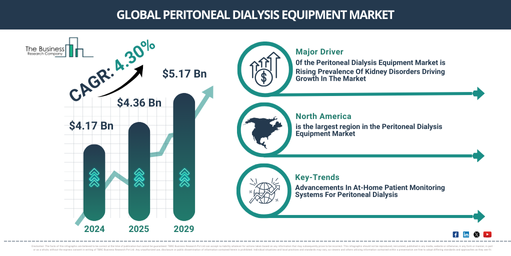
    In recent years, the market size for peritoneal dialysis equipment has witnessed consistent growth. The sector is expected to expand from $4.17 billion in 2024 to $4.36 billion in 2025, exhibiting a compound annual growth rate (CAGR) of 4.7%. The historical growth trend in the market owes much to several factors, such as heightened demand for such equipment, more product approvals, a surge in kidney damage incidents, an uptick in demand for peritoneal dialysis, and the emergence of more providers of dialysis services.

    Steady expansion is anticipated for the peritoneal dialysis equipment market in the forthcoming years. The market is projected to surge to $5.17 billion by 2029, registering a compound annual growth rate (CAGR) of 4.3%. This projected growth during the forecast period is primarily due to factors such as the expanding elderly population, an escalating diabetes prevalence, increasing government and public-private investments, proliferating cases of chronic kidney disease, and a surge in conditions like hypertension and diabetes. The forecast timeline is also marked by significant trends such as technological progress, introduction of innovative products, the use of cutting-edge continuous ambulatory peritoneal dialysis materials, breakthroughs in bag material, and strategic partnerships and collaborations.

    Download a free sample to assess the report’s scope and structure:

    https://www.thebusinessresearchcompany.com/sample.aspx?id=20924&type=smp

    What are the Fundamental Drivers and Innovations Shaping the Peritoneal Dialysis Equipment Market?

    The surge in kidney disorders is projected to fuel the expansion of the peritoneal dialysis equipment market. Kidney disorders encompass a variety of conditions that hinder the kidneys’ function of filtering waste and maintaining fluid and electrolyte equilibrium, including chronic diseases, acute injuries, and infections. The escalating incidence of kidney disorders can largely be attributed to the rising instances of diabetes, unhealthy lifestyle habits, aging demographic, and inadequate early-stage intervention. Peritoneal dialysis equipment assists in managing kidney disorders by utilizing the peritoneum to filter waste and surplus fluids from the blood when the kidneys fail to function sufficiently. To illustrate, a report titled “The Health Economics of Kidney Disease to 2033” published by Kidney Research UK, a research charity based in the UK, mentioned that around 3.25 million adults in the UK were living with chronic kidney disease stages 3-5 in June 2023. Furthermore, by 2033, the total number of people suffering from all stages of chronic kidney disease is anticipated to increase to 7.6 million. Consequently, the rising occurrence of kidney disorders is catalyzing the expansion of the peritoneal dialysis equipment market.

    How Is the Peritoneal Dialysis Equipment Market Segmented?

    The peritoneal dialysis equipment market covered in this report is segmented –

    1) By Product Type: Systems, Consumables

    2) By Treatment Type: Continuous Ambulatory Peritoneal Dialysis, Automated Peritoneal Dialysis

    3) By End-Users: Home Based Dialysis, Dialysis Center, Hospital-Based Dialysis

    Subsegments:

    1) By Systems: Automated Peritoneal Dialysis (APD) Systems, Continuous Ambulatory Peritoneal Dialysis (CAPD) Systems, Portable Peritoneal Dialysis Systems, Home Peritoneal Dialysis Machines, Hemodialysis-Peritoneal Dialysis Combination Systems

    2) By Consumables: Peritoneal Dialysis Solution, Dialysis Catheters, Dialysis Bags, Transfer Sets, Catheter Insertion Kits, Filters And Connectors, Drainage Bags

    Request customized data on this market:

    https://www.thebusinessresearchcompany.com/customise?id=20924&type=smp

    Which Regions Are Driving the Next Phase of the Peritoneal Dialysis Equipment Market Growth?

    North America was the largest region in the peritoneal dialysis equipment market in 2024. Asia-Pacific is expected to be the fastest-growing region in the forecast period. The regions covered in the peritoneal dialysis equipment market report are Asia-Pacific, Western Europe, Eastern Europe, North America, South America, Middle East, Africa.

    Which Technological Trends Are Reshaping the Peritoneal Dialysis Equipment Industry Dynamics?

    Leading corporations in the Peritoneal Dialysis Equipment Market are turning their focus to developing cutting-edge solutions, such as the at-home patient monitoring system for peritoneal dialysis (PD). These innovations aim to elevate patient well-being outcomes, provide added convenience, and diminish healthcare expenses. The said system is a technological solution that empowers real-time supervision and management of a patient’s PD treatment at home. In the context, CloudCath, an American medical technology firm, earned FDA approval in February 2022 for its trailblazing at-home patient monitoring system for peritoneal dialysis (PD), a major progress in kidney healthcare. The unique CloudCath System is the inaugural data-oriented, cloud-based platform that offers continuous tracking of dialysate fluid and gives live alerts to both patients and healthcare professionals. The technology promises to address common monitoring hurdles and propel earlier medical interventions, potentially improving overall health outcomes.

    View the full report here:

    https://www.thebusinessresearchcompany.com/report/peritoneal-dialysis-equipment-global-market-report

    How Is the Peritoneal Dialysis Equipment Market Defined and What Are Its Core Parameters?

    Peritoneal dialysis equipment refers to medical devices used in a treatment that filters waste, toxins, and excess fluid from the blood when the kidneys are not functioning properly. It includes a catheter for access, dialysate solution, and a system for inflow and outflow of the solution, such as manual or automated systems.

    Purchase the full report and get a swift delivery:

    https://www.thebusinessresearchcompany.com/purchaseoptions.aspx?id=20924

    About The Business Research Company:

    With over 15000+ reports from 27 industries covering 60+ geographies, The Business Research Company has built a reputation for offering comprehensive, data-rich research and insights. Armed with 1,500,000 datasets, the optimistic contribution of in-depth secondary research, and unique insights from industry leaders, you can get the information you need to stay ahead in the game.

    Get in touch with us:

    The Business Research Company: https://www.thebusinessresearchcompany.com/

    Americas +1 3156230293

    Asia +44 2071930708

    Europe +44 2071930708

    Email us at info@tbrc.info

    Follow us on:

    LinkedIn: https://in.linkedin.com/company/the-business-research-company

    YouTube: https://www.youtube.com/channel/UC24_fI0rV8cR5DxlCpgmyFQ

    Global Market Model: https://www.thebusinessresearchcompany.com/global-market-model
  • Peripheral Nerve StimulatorsMarket Overview 2025–2034: CAGR Trends, Long-Term Growth Paths, and Business Implications

    Peripheral Nerve StimulatorsMarket Overview 2025–2034: CAGR Trends, Long-Term Growth Paths, and Business Implications

    Stay ahead with our updated market reports featuring the latest on tariffs, trade flows, and supply chain transformations.

    What Are the Key Projections for the CAGR of the Peripheral Nerve Stimulators Market Size From 2025 to 2034?

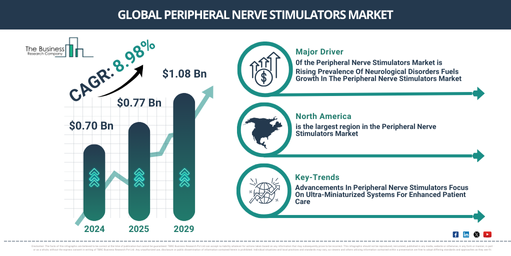
    In recent times, the market size of peripheral nerve stimulators has seen robust growth. The market, which stands at $0.70 billion in 2024, is predicted to rise to $0.77 billion in 2025, exhibiting a compound annual growth rate (CAGR) of 9.35%. Factors that contributed to this growth in the past include the increasing demand for non-pharmacological approaches to pain management, heightened awareness regarding alternate pain relief therapies, the rising trend of adopting minimally invasive procedures, a growing elderly population, and an increase in the number of clinics specializing in pain management.

    In the coming years, the peripheral nerve stimulators market is anticipated to witness robust growth, expecting to reach a valuation of $1.08 billion in 2029 at an 8.98% Compound Annual Growth Rate (CAGR). Factors attributing to this surge during the forecast period include supportive government policies and initiatives, a rising inclination towards outpatient and home-based treatments, an increasing number of pain management clinics, heightened demand for bespoke PNS devices, and burgeoning healthcare infrastructure. Foreseen trend trajectories within this period encompass the production of wireless peripheral nerve stimulators, incorporation of mobile apps for distant PNS device monitoring, launch of wearable and non-invasive PNS devices, and introduction of sophisticated PNS systems equipped with AI-enabled pain management functions.

    Download a free sample to assess the report’s scope and structure:

    https://www.thebusinessresearchcompany.com/sample.aspx?id=20923&type=smp

    What Are the Primary Drivers Supporting the Market Growth of the Peripheral Nerve Stimulators Market?

    The growth of the peripheral nerve stimulators market is anticipated to be driven by the surge in neurological disorders. These medical conditions, affecting the brain, spinal cord or peripheral nerves, lead to functional, structural or biochemical abnormalities. An increase in these disorders can often be tied to factors such as the aging population, genetics, environmental influences, lifestyle decisions, and heightened awareness and diagnostic capabilities. Peripheral nerve stimulators are key in mitigating these neurological disorders by primarily providing targeted relief from chronic pain, enhancing motor functions and stimulating nerve regeneration in impacted areas. For instance, the Alzheimer’s Association, a voluntary health organization based in the U.S, reported in March 2023, that almost 6.7 million Americans aged 65 and older are suffering from Alzheimer’s dementia. Projections suggest this number will soar to 13.8 million by 2060. Therefore, the growth in neurological disorders prevalence is fuelling the peripheral nerve stimulators market’s expansion.

    Which Primary Segments of the Peripheral Nerve Stimulators Market Are Driving Growth and Industry Transformations?

    The peripheral nerve stimulators market covered in this report is segmented –

    1) By Product: Transcutaneous, Percutaneous, Implantable

    2) By Device: Stimulators, CPNB Catheters, Pain Pumps, Other Devices

    3) By Mode of Purchase: Disposable Devices, Rechargeable Devices

    4) By Application: Hospitals, Physiotherapy Centers, Ambulatory Surgical Centers, Clinics, Other Applications

    Subsegments:

    1) By Transcutaneous: TENS (Transcutaneous Electrical Nerve Stimulation) Units, Surface Electrodes

    2) By Percutaneous: Single-Needle Percutaneous Stimulators, Multi-Needle Percutaneous Stimulators, Radiofrequency Percutaneous Stimulators

    3) By Implantable: Spinal Cord Stimulators (SCS), Peripheral Nerve Stimulation (PNS) Devices, Neurostimulator Implants

    Request customized data on this market:

    https://www.thebusinessresearchcompany.com/customise?id=20923&type=smp

    Which Regions Are Key Players in the Growth of the Peripheral Nerve Stimulators Market?

    North America was the largest region in the peripheral nerve stimulators market in 2024. Asia-Pacific is expected to be the fastest-growing region in the forecast period. The regions covered in the peripheral nerve stimulators market report are Asia-Pacific, Western Europe, Eastern Europe, North America, South America, Middle East, Africa.

    Which Cutting-Edge Market Trends Are Expected to Drive the Peripheral Nerve Stimulators Market’s Growth?

    Key players in the peripheral nerve stimulators market, like NeuSpera Medical Inc., are strategizing on crafting state-of-the-art products like ultra-miniaturized devices. These are designed to provide better patient comfort and improved results, with an expanded range of applications in assorted therapy areas. An ultra-miniaturized system is a compact and highly condensed device crafted for advanced functions and utilizes top-notch technology to amplify overall performance, portability, and its integration in different applications. For instance, NeuSpera Medical Inc., an American implantable medical devices producer, announced in April 2023 about achieving US FDA clearance for its next-gen Neuspera ultra-miniaturized system used for managing chronic peripheral nerve pain. This distinctively designed device delivers targeted electric shocks to peripheral nerves without the need for traditional leads. Thus, it is minimally invasive and decreases the possibility of complications related to lead-based apparatus. Due to its compact nature, it can be easily implanted causing less tissue damage and resulting in quicker recovery periods. The micro-implant could also provide prolonged relief from pain by directly stimulating the affected nerve channels, making it an innovative solution for patients grappling with peripheral nerve pain.

    View the full report here:

    https://www.thebusinessresearchcompany.com/report/peripheral-nerve-stimulators-global-market-report

    What Parameters Are Used to Define the Peripheral Nerve Stimulators Market?

    Peripheral nerve stimulators refer to medical devices designed to deliver electrical impulses to peripheral nerves in order to manage pain or improve motor function. They are used for treating chronic pain conditions, such as neuropathy, and for aiding in the rehabilitation of patients with nerve injuries or disorders by stimulating nerve activity.

    Purchase the full report and get a swift delivery:

    https://www.thebusinessresearchcompany.com/purchaseoptions.aspx?id=20923

    About The Business Research Company:

    With over 15000+ reports from 27 industries covering 60+ geographies, The Business Research Company has built a reputation for offering comprehensive, data-rich research and insights. Armed with 1,500,000 datasets, the optimistic contribution of in-depth secondary research, and unique insights from industry leaders, you can get the information you need to stay ahead in the game.

    Get in touch with us:

    The Business Research Company: https://www.thebusinessresearchcompany.com/

    Americas +1 3156230293

    Asia +44 2071930708

    Europe +44 2071930708

    Email us at info@tbrc.info

    Follow us on:

    LinkedIn: https://in.linkedin.com/company/the-business-research-company

    YouTube: https://www.youtube.com/channel/UC24_fI0rV8cR5DxlCpgmyFQ

    Global Market Model: https://www.thebusinessresearchcompany.com/global-market-model
  • Peripheral Nerve Repair Devices Outlook 2034: Key Drivers, Trends, and Market Frontiers

    Peripheral Nerve Repair Devices Outlook 2034: Key Drivers, Trends, and Market Frontiers

    Stay ahead with our updated market reports featuring the latest on tariffs, trade flows, and supply chain transformations.

    How Has The Peripheral Nerve Repair Devices Market Growth Evolved From 2024 To 2025, And What’s Ahead?

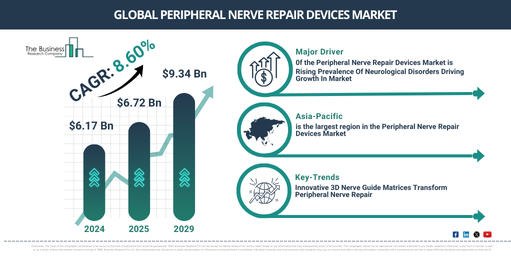
    The market for peripheral nerve repair devices has seen substantial growth over the past few years. The market is projected to expand from $6.17 billion in 2024 to $6.72 billion in 2025, experiencing a compound annual growth rate (CAGR) of 8.9%. This growth during the historical period can be credited to the heightened demand for efficient repair devices, escalation in healthcare expenditure, a surge in the need for nerve repair devices, a rising emphasis on product refinement and regulatory authorizations, and an amplified demand for biomaterials.

    In the upcoming years, significant expansion is predicted for the market size of peripheral nerve repair devices. The expectation is that it will burgeon to a valuation of $9.34 billion by the year 2029 with a Compound Annual Growth Rate (CAGR) of 8.6%. The anticipated growth within the forecast period is attributed to rise in nerve injury cases, increase in neurological disorder rate, mounting focus on patient-oriented solutions, escalating demand for efficient treatment options, and increasing older population. The foreseeable period is also expected to usher in major market developments such as technological innovations, introductions of new products, acquisition of regulatory approvals, establishment of partnerships and collaborations, and the integration of advanced technology.

    Download a free sample to assess the report’s scope and structure:

    https://www.thebusinessresearchcompany.com/sample.aspx?id=20922&type=smp

    How Are Key Drivers in the Industry Acting as Catalysts for the Growth of the Peripheral Nerve Repair Devices Market?

    The peripheral nerve repair devices market is anticipated to benefit from the rise of neurological disorders. These disorders, which affect the brain, spinal cord, and nerves, result in complications related to movement, cognition, and other nervous system activities. Factors such as the growing number of elderly people, enhanced diagnostic methods, environmental influences, genetic factors, and lifestyle habits like bad nutritional choices and insufficient physical exercise are contributing to the increasing occurrence of neurological disorders. Peripheral nerve repair devices offer solutions to these disorders by encouraging nerve regeneration, enhancing function, and stimulating healing through techniques like electrical stimulation and bioactive materials. It was stated by the Alzheimer’s Society, a dementia charity based in the UK, that roughly one million UK residents were living with a form of dementia in May 2024. This figure is projected to rise to 1.4 million by 2040. Hence, the escalating prevalence of neurological disorders propels the peripheral nerve repair devices market’s expansion.

    Which Segments in the Peripheral Nerve Repair Devices Offer the Most Growth?

    The peripheral nerve repair devices market covered in this report is segmented –

    1) By Type: Nerve Grafts, Nerve Protectors, Nerve Conduit

    2) By Application: Extremity Trauma, Breast Neurotization, Carpal And Cubital Tunnel Revision, Oral And Maxillofacial

    3) By End-User: Hospitals, Ambulatory Surgical Centers, Clinics

    Subsegments:

    1) By Nerve Grafts: Autografts, Allografts, Xenografts, Synthetic Nerve Grafts

    2) By Nerve Protectors: Nerve Wrapping Devices, Nerve Repair Gels And Films, Nerve Protection Matrices, Biodegradable Nerve Protectors

    3) By Nerve Conduit: Hollow Nerve Conduits, Collagen-Based Nerve Conduits, Silicone-Based Nerve Conduits, Tubular Nerve Conduits, Biodegradable Nerve Conduits

    Request customized data on this market:

    https://www.thebusinessresearchcompany.com/customise?id=20922&type=smp

    What Are the Fastest-Growing Geographies in the Peripheral Nerve Repair Devices Market?

    Asia-Pacific was the largest region in the peripheral nerve repair devices market in 2024. North America is expected to be the fastest-growing region in the forecast period. The regions covered in the peripheral nerve repair devices market report are Asia-Pacific, Western Europe, Eastern Europe, North America, South America, Middle East, Africa.

    What Are the Key Market Trends in the Peripheral Nerve Repair Devices Market Over the Coming Years?

    Leading entities in the peripheral nerve repair devices market are focusing on the invention of cutting-edge solutions, such as 3D nerve guide matrices, to amplify nerve regeneration and boost patient results. The use of 3D nerve guide matrices, sophisticated biomaterials that act as frameworks to assist and direct the restoration of impaired peripheral nerves, is a notable example. In May 2022, Integra LifeSciences, a science company located in the US, introduced the NeuraGen 3D Nerve Guide Matrix, a state-of-the-art resorbable implant engineered for the repair of peripheral nerve discontinuities. It’s especially effective for gaps of 1 to 2 cm. The innovative matrix comprises an outer conduit fabricated from Type I bovine collagen and an inner structure that facilitates Schwann cell movement and axonal expansion. NeuraGen 3D’s aim is to enhance functional recovery compared to conventional nerve repair techniques by optimizing the healing environment. This represents a significant evolution in the management of peripheral nerve injuries.

    View the full report here:

    https://www.thebusinessresearchcompany.com/report/peripheral-nerve-repair-devices-global-market-report

    What Are the Key Elements That Define the Peripheral Nerve Repair Devices Market?

    Peripheral nerve repair devices are medical tools and implants designed to restore the function of damaged or severed peripheral nerves. These devices, including nerve conduits, wraps, and grafts, support nerve regeneration by providing a scaffold for growth and protecting the repair site to facilitate recovery.

    Purchase the full report and get a swift delivery:

    https://www.thebusinessresearchcompany.com/purchaseoptions.aspx?id=20922

    About The Business Research Company:

    With over 15000+ reports from 27 industries covering 60+ geographies, The Business Research Company has built a reputation for offering comprehensive, data-rich research and insights. Armed with 1,500,000 datasets, the optimistic contribution of in-depth secondary research, and unique insights from industry leaders, you can get the information you need to stay ahead in the game.

    Get in touch with us:

    The Business Research Company: https://www.thebusinessresearchcompany.com/

    Americas +1 3156230293

    Asia +44 2071930708

    Europe +44 2071930708

    Email us at info@tbrc.info

    Follow us on:

    LinkedIn: https://in.linkedin.com/company/the-business-research-company

    YouTube: https://www.youtube.com/channel/UC24_fI0rV8cR5DxlCpgmyFQ

    Global Market Model: https://www.thebusinessresearchcompany.com/global-market-model
  • Global Percutaneous Mechanical Circulatory Support Devices Market Trends: Regional Breakdowns and Strategic Insights

    Global Percutaneous Mechanical Circulatory Support Devices Market Trends: Regional Breakdowns and Strategic Insights

    Stay ahead with our updated market reports featuring the latest on tariffs, trade flows, and supply chain transformations.

    What is the Projected CAGR for the Percutaneous Mechanical Circulatory Support Devices Market Size from 2025 to 2034?

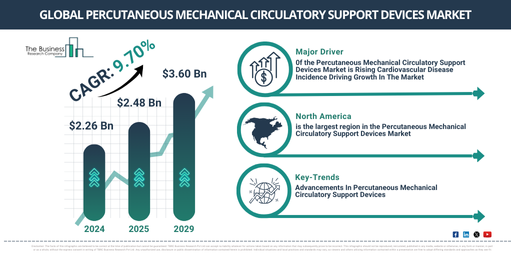
    The market for percutaneous mechanical circulatory support devices has seen a significant expansion in recent years. The market, which was worth $2.26 billion in 2024, is expected to rise to $2.48 billion in 2025, registering a compound annual growth rate (CAGR) of 10.0%. Factors contributing to growth during the historic period include a rise in cardiovascular diseases, an ageing population, greater incidences of heart attacks, enhanced awareness and screening initiatives, and higher demand for heart pump devices.

    The market size for percutaneous mechanical circulatory support devices is forecasted to experience substantial growth in the coming years. The market is anticipated to reach a value of $3.60 billion by 2029, increasing at a compound annual growth rate (CAGR) of 9.7%. Factors contributing to this expected growth during the forecast period include an increased need for long-term mechanical circulatory support, a rise in healthcare spending, growing numbers of individuals with diabetes and obesity, an increased demand for heart transplants, and wider acceptance of percutaneous procedures. Other influential trends during the forecast period comprise advancements in pump and cardiac support technologies, progress in minimally invasive medical technologies, and creation of biocompatible material.

    Download a free sample to assess the report’s scope and structure:

    https://www.thebusinessresearchcompany.com/sample.aspx?id=20921&type=smp

    What Are the Major Market Drivers Behind the Rising Adoption of Percutaneous Mechanical Circulatory Support Devices Market?

    An upsurge in cardiovascular diseases is predicted to boost the growth trajectory of the percutaneous mechanical circulatory support devices market. These diseases collectively involve disorders impacting the heart and blood vessels, including coronary artery disease, heart failure, heart attacks, stroke, and elevated blood pressure. The escalating incidence rates of cardiovascular conditions can be linked to an aging demographic, unhealthy lifestyle habits, obesity, hypertension, and genetic susceptibility. Percutaneous mechanical circulatory support devices are employed in treating cardiovascular diseases to enhance cardiac functionality, alleviate heart strain, and help facilitate recovery in severe heart conditions. As an example, in December 2023, the Australian Institute of Health and Welfare, a governmental agency in Australia, reported an increase in doctor-certified deaths due to coronary heart disease (CHD) to 14,100 in 2021 and subsequently to 14,900 in 2022. As such, the mounting incidence of cardiovascular diseases is catalyzing the growth of the percutaneous mechanical circulatory support (MCS) devices market.

    Which Key Market Segments Comprise the Percutaneous Mechanical Circulatory Support Devices Market and Drive Its Revenue Growth?

    The percutaneous mechanical circulatory support devices market covered in this report is segmented –

    1) By Product Type: Intra-Aortic Balloon Pumps, Impella Devices, Extracorporeal Membrane Oxygenation, TandemHeart, Other Types

    2) By Application: Cardiogenic Shock, Acute Myocardial Infarction, Heart Failure, Other Applications

    3) By End-User: Hospitals, Ambulatory Surgical Centers, Other End Users

    Subsegments:

    1) By Intra-Aortic Balloon Pumps (IABP): Standard IABP Devices, Enhanced IABP Devices

    2) By Impella Devices: Impella 2.5, Impella 5.0, Impella CP (Cardiac Power)

    3) By Extracorporeal Membrane Oxygenation (ECMO): Veno-Venous ECMO (VV ECMO), Veno-Arterial ECMO (VA ECMO)

    4) By Tandemheart: Tandemheart PUMP System, Tandemheart PRO System

    5) By Other Types: Centrifugal Pumps, Pneumatic Assist Devices

    Request customized data on this market:

    https://www.thebusinessresearchcompany.com/customise?id=20921&type=smp

    Which Areas Are Leading Regions in the Percutaneous Mechanical Circulatory Support Devices Market Expansion Across the Globe?

    North America was the largest region in the percutaneous mechanical circulatory support devices market in 2024. The regions covered in the percutaneous mechanical circulatory support devices market report are Asia-Pacific, Western Europe, Eastern Europe, North America, South America, Middle East, Africa.

    Which Emerging Trends that Are Influencing the Percutaneous Mechanical Circulatory Support Devices Industry Evolution?

    Leading firms in the percutaneous mechanical circulatory support devices market are striving to create groundbreaking solutions such as intra-aortic axial-flow devices to improve patient results and lessen surgical hazards. The intra-aortic axial-flow device, a form of percutaneous mechanical circulatory support device, is crafted to support the cardiovascular function by boosting the blood flow from the left ventricle to the aorta. For example, in February 2023, US medical device company Procyrion, Inc. revealed the successful inaugural human usage of their Aortix pump. This novel device aims to avert acute kidney injury in patients during cardiac surgery. Deployed via a catheter into the descending thoracic aorta, the Aortix pump elevates renal perfusion and reduces the cardiac stress during surgery. It manages to do so by simultaneously improving renal and systemic perfusion and decreasing heart strain, marking it as highly beneficial for patients with weak left ventricular function and kidney impairment. The Aortix pump, capable of pumping up to 5.0 liters per minute, is designed for temporary use in procedures like percutaneous coronary interventions (PCI).

    View the full report here:

    https://www.thebusinessresearchcompany.com/report/percutaneous-mechanical-circulatory-support-devices-global-market-report

    How Is the Percutaneous Mechanical Circulatory Support Devices Market Conceptually Defined?

    Percutaneous mechanical circulatory support (pMCS) devices are minimally invasive systems used to temporarily assist or completely replace the pumping function of the heart. These devices are inserted through a catheter into blood vessels, typically via the femoral artery, and positioned in the heart to provide mechanical support during acute heart failure, cardiogenic shock, or high-risk cardiac interventions.

    Purchase the full report and get a swift delivery:

    https://www.thebusinessresearchcompany.com/purchaseoptions.aspx?id=20921

    About The Business Research Company:

    With over 15000+ reports from 27 industries covering 60+ geographies, The Business Research Company has built a reputation for offering comprehensive, data-rich research and insights. Armed with 1,500,000 datasets, the optimistic contribution of in-depth secondary research, and unique insights from industry leaders, you can get the information you need to stay ahead in the game.

    Get in touch with us:

    The Business Research Company: https://www.thebusinessresearchcompany.com/

    Americas +1 3156230293

    Asia +44 2071930708

    Europe +44 2071930708

    Email us at info@tbrc.info

    Follow us on:

    LinkedIn: https://in.linkedin.com/company/the-business-research-company

    YouTube: https://www.youtube.com/channel/UC24_fI0rV8cR5DxlCpgmyFQ

    Global Market Model: https://www.thebusinessresearchcompany.com/global-market-model
  • Penile Implants Market in Focus: Forecasting Growth Drivers, Scaling Potential, and Global Opportunities

    Penile Implants Market in Focus: Forecasting Growth Drivers, Scaling Potential, and Global Opportunities

    Stay ahead with our updated market reports featuring the latest on tariffs, trade flows, and supply chain transformations.

    What is the Anticipated CAGR of the Penile Implants Market, and What Factors Will Drive It?

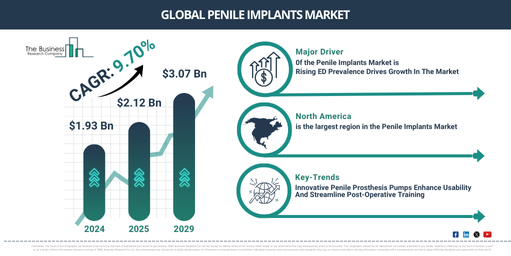
    The market for penile implants has seen a quick expansion in its size in the past few years. The market, pegged at $1.93 billion in 2024, is projected to climb to $2.12 billion in 2025, registering a compound annual growth rate (CAGR) of 10.0%. Factors contributing to the growth in the historical period include an upsurge in cases of erectile dysfunction (ED), a globally aging population, a rise in diabetes diagnoses, increased hypertension instances, and a growing incidence of cardiovascular disease.

    The market for penile implants is anticipated to experience robust expansion in the coming years, surging to a value of $3.07 billion in 2029, with a compound annual growth rate (CAGR) of 9.7%. This upward trend can be credited to factors such as the mounting occurrence of chronic ailments, escalating emphasis on male health and well-being, intensified research for novel and efficient implant devices, enhanced focus on patient awareness, and the rising preference for long-lasting solutions. Notable trends during this projection period consist of a shift towards less invasive surgical methods, the provision of customized penile implant solutions (inflatable and malleable), progress in penile implant design (for optimized comfort, longevity, and usefulness), increasing patient contentment and acknowledgement of penile implants, and the incorporation of cutting-edge technologies.

    Download a free sample to assess the report’s scope and structure:

    https://www.thebusinessresearchcompany.com/sample.aspx?id=20919&type=smp

    What Are the Core Market Drivers Propelling Growth in the Penile Implants Industry?

    Market growth in penile implants is anticipated to be driven by the increasing occurrence of erectile dysfunction (ED). ED, a condition that signals a consistent failure in achieving or maintaining an erection for satisfactory sexual activity, is amplified by several factors such as age, lifestyle conditions like diabetes, obesity, and cardiovascular diseases, psychological elements like stress and anxiety, and the heightened awareness and diagnosis due to developments in healthcare. Penile implants have emerged as a key player in tackling the increasing cases of ED, offering a lasting and efficient solution, specifically for patients for whom pharmacological treatments are unhelpful. This paves way for enhanced quality of life and long-term treatment for severe situations. For example, in January 2022, the UK-based ED Clinics reported that between 40% and 55% of men aged 40 to 70, equal to around 4.3 million in the UK, have ED, with worldwide cases predicted to escalate from 152 million in 1995 to 322 million by 2025. Hence, the increasing incidence of ED is fuelling the penile implants market. Booming awareness and acceptance of sexual health are predicted to amplify the growth of the penile implant market. Sexual health encapsulates a comprehensive state of physical, emotional, mental, and social wellness in relation to sexuality, underlining consent, safety, and well-informed choices. Enhanced awareness and acceptance of sexual health act as catalysts in empowering individuals, mitigating stigmas, uplifting health outcomes, and fostering informed decisions about sexual wellness and relationships. Furthermore, penile implants significantly contribute to the growing recognition and acceptance of sexual health by providing effective, lasting solutions for erectile dysfunction. They foster an open dialogue, assist in lessening stigma, and underline the importance of seeking medical help for sexual wellbeing. For example, in July 2024, as per the UK Health Security Agency, a government agency in the UK, the total consultations provided by SHSs in England rose by 5.0% in 2023 compared to 2022, with in-person consultations up by 7.9% and online consultations up by 7.5%. Hence, the burgeoning awareness and acceptance of sexual health are powering the growth of the penile implants market.

    How Is the Penile Implants Market Segmented?

    The penile implants market covered in this report is segmented –

    1) By Implant Type: Inflatable Penile Implants, Malleable Penile Implants, Semi-Rigid Penile Implants

    2) By Patient Type: Vascular Impotence Patients, Psychogenic Impotence Patients, Neurological Impotence Patients

    3) By Material: Silicon, Bioflex, Other Materials

    4) By Deployment Method: Outpatient Procedure, Inpatient Procedure

    5) By End User: Hospital, Ambulatory Surgery Centers, Urology Centers, Other End Users

    Subsegments:

    1) By Inflatable Penile Implants: Two-Piece Inflatable Penile Implants, Three-Piece Inflatable Penile Implants

    2) By Malleable Penile Implants: Single-Component Malleable Implants, Multi-Component Malleable Implants

    3) By Semi-Rigid Penile Implants: Semi-Rigid Rod Implants, Semi-Rigid Adjustable Implants

    Request customized data on this market:

    https://www.thebusinessresearchcompany.com/customise?id=20919&type=smp

    Which Regions Are Driving the Next Phase of the Penile Implants Market Growth?

    North America was the largest region in the penile implants market in 2024. Asia-Pacific is expected to be the fastest-growing region in the forecast period. The regions covered in the penile implants market report are Asia-Pacific, Western Europe, Eastern Europe, North America, South America, Middle East, Africa.

    Which Cutting-Edge Market Trends Are Expected to Drive the Penile Implants Market’s Growth?

    Leading organizations in the penile implants market are focusing their efforts on developing cutting-edge products such as penile prosthesis pumps. The objective is to improve both the experience of the patient and the physician through increased reliability, simplified operation, and enhanced post-operation training for inflatable penile prostheses. A penile prosthesis pump, implanted in the scrotum, functions by allowing users to manually generate an erection by pumping fluid from a reservoir into inflatable cylinders within the penis. For instance, Boston Scientific, an American medical technology company, received FDA approval in November 2023 for its Tenacio pump. This product, which forms a part of the AMS 700 inflatable penile prosthesis (IPP), incorporates automation that enables automatic deflation with just a single push of the deflation button. This resolves issues such as stiction syndrome and improves functionality. The introduction of this device simplifies the training process for patients, thus potentially reducing the learning journey and saving physicians’ time during post-operation orientations.

    View the full report here:

    https://www.thebusinessresearchcompany.com/report/penile-implants-global-market-report

    How Is the Penile Implants Market Defined and What Are Its Core Parameters?

    Penile implants are medical devices surgically inserted into the penis to treat erectile dysfunction (ED) in cases where other treatments, such as medication or therapy, have proven ineffective. These implants, available in inflatable or malleable designs, offer a durable solution by enabling men to achieve and maintain an erection, thus improving their sexual function and quality of life.

    Purchase the full report and get a swift delivery:

    https://www.thebusinessresearchcompany.com/purchaseoptions.aspx?id=20919

    About The Business Research Company:

    With over 15000+ reports from 27 industries covering 60+ geographies, The Business Research Company has built a reputation for offering comprehensive, data-rich research and insights. Armed with 1,500,000 datasets, the optimistic contribution of in-depth secondary research, and unique insights from industry leaders, you can get the information you need to stay ahead in the game.

    Get in touch with us:

    The Business Research Company: https://www.thebusinessresearchcompany.com/

    Americas +1 3156230293

    Asia +44 2071930708

    Europe +44 2071930708

    Email us at info@tbrc.info

    Follow us on:

    LinkedIn: https://in.linkedin.com/company/the-business-research-company

    YouTube: https://www.youtube.com/channel/UC24_fI0rV8cR5DxlCpgmyFQ

    Global Market Model: https://www.thebusinessresearchcompany.com/global-market-model
  • Patient Risk Stratification Market Valuation Expected To Reach $8.3 Billion By 2029, Growing At A Rate Of 31%

    Patient Risk Stratification Market Valuation Expected To Reach $8.3 Billion By 2029, Growing At A Rate Of 31%

    Stay ahead with our updated market reports featuring the latest on tariffs, trade flows, and supply chain transformations.

    How Has The Patient Risk Stratification Market Size Shifted, And What Is the Outlook Through 2034?

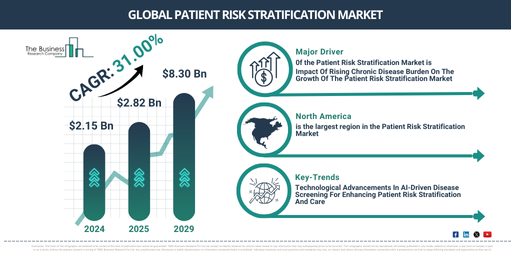
    The market size for patient risk stratification has seen rapid expansion in the past few years. There is an anticipated growth from $2.15 billion in 2024 to $2.82 billion in 2025, presenting a compound annual growth rate (CAGR) of 31.3%. The significant growth observed in the past can be associated with a variety of factors such as the rise of digital adoption, higher risk situations, an increase in the elderly population, a higher rate of medical errors, and an elevated level of electronic health record (EHR) utilization.

    In the coming years, the market size for patient risk stratification is anticipated to experience substantial growth. By 2029, it’s predicted to expand to $8.30 billion, with a compound annual growth rate (CAGR) of 31.0%. This surge projected within the forecast period can be linked to the rise in middle class and health insurance, increased incidences of chronic diseases, growing engagement with predictive analytics, heightened focus on social determinants of health (SDOH), and broadening application of technology. Key trends expected within the forecast period are enhancements in analytical features, artificial intelligence (AI), machine learning, technological progressions, innovative instruments, advancements in healthcare technology, wearable tech, and remote monitoring.

    Download a free sample to assess the report’s scope and structure:

    https://www.thebusinessresearchcompany.com/sample.aspx?id=20917&type=smp

    Which Factors and External Forces Are Driving Demand in the Patient Risk Stratification Market?

    The escalating incidence of chronic diseases is predicted to drive the expansion of the patient risk stratification market. Chronic conditions are enduring health problems that continue for a protracted period, usually three months or more. Factors contributing to the increased prevalence of chronic diseases include aging populations, unhealthy lifestyles, urbanization, environmental issues, inadequate healthcare access, economic inequality, and heightened stress levels. Patient risk stratification enables the determination of different risk levels for chronic diseases in individuals, thereby facilitating tailored care, early intervention, better resource distribution, and enhanced health outcomes. For example, the National Center for Biotechnology Information’s (NCBI) projection showed in January 2023 that the number of individuals aged 50 and above with at least one chronic disease would surge by 99.5%, from 71.522 million in 2020 to 142.66 million by 2050. Moreover, the World Health Organization (WHO) 2022 Highlights reported in September 2022 that 74% of all deaths worldwide were caused by chronic diseases, amounting to 41 million deaths annually. Of these, cardiovascular diseases accounted for 17.9 million deaths, cancer for 9.3 million, chronic respiratory diseases for 4.1 million, and diabetes for 2.0 million. As such, the escalating incidence of chronic diseases is driving the growth of the patient risk stratification market.

    Which Segments in the Patient Risk Stratification Offer the Most Growth?

    The patient risk stratification market covered in this report is segmented –

    1) By Type: Predictive Risk Stratification Model, Retrospective Risk Stratification Model, Prospective Risk Stratification Model, Concurrent Risk Stratification Model

    2) By Component: Software, Services

    3) By Delivery Model: On-Premise, Cloud-Based

    4) By Application: Risk Adjustment, Clinical Workflow, Revenue Cycle Management, Other Applications

    5) By End User: Healthcare Providers, Healthcare Payers, Other End Users

    Subsegments:

    1) By Predictive Risk Stratification Model: Machine Learning-Based Predictive Models, Statistical Predictive Models, AI-Powered Predictive Models

    2) By Retrospective Risk Stratification Model: Historical Data-Based Risk Models, Data Mining Retrospective Models

    3) By Prospective Risk Stratification Model: Longitudinal Cohort-Based Models, Real-Time Risk Assessment Models

    4) By Concurrent Risk Stratification Model: In-Hospital Risk Assessment Models, Real-Time Clinical Decision Support Models

    Request customized data on this market:

    https://www.thebusinessresearchcompany.com/customise?id=20917&type=smp

    What Are the Fastest-Growing Geographies in the Patient Risk Stratification Market?

    North America was the largest region in the patient risk stratification market in 2024. Asia-Pacific is expected to be the fastest-growing region in the forecast period. The regions covered in the patient risk stratification market report are Asia-Pacific, Western Europe, Eastern Europe, North America, South America, Middle East, Africa.

    Which Emerging Trends that Are Influencing the Patient Risk Stratification Industry Evolution?

    Leading organizations in the patient risk stratification sector are prioritizing advancements in healthcare technology like artificial intelligence (AI) for disease screening. This focus aims to optimize early detection, enhance patient results, and curtail healthcare expenses by facilitating precise risk evaluations and personalized treatment plans. AI in disease screening employs complex algorithms and machine learning to scrutinize medical data, thereby enabling early disease detection and enhancing diagnostic precision by swiftly analyzing vast data volumes. To illustrate, in May 2024, WELL Health Technologies Corporation, a healthcare company based in Canada, alongside its investee firm, HEALWELL AI, another Canadian healthcare company with a focus on AI and data science for preventative care, introduced WELL AI Decision Support (WAIDS). This tool targets rare diseases, extending its coverage to chronic conditions such as kidney disease, hypertension, and diabetes. It is capable of identifying over 100 diseases and offers risk stratification, assisting clinicians in identifying care deficiencies and gaining access to actionable data at the care point.

    View the full report here:

    https://www.thebusinessresearchcompany.com/report/patient-risk-stratification-global-market-report

    What Are the Key Elements That Define the Patient Risk Stratification Market?

    Patient risk stratification is the process of assessing and categorizing patients based on their risk of experiencing adverse health outcomes. It is used to identify high-risk patients for targeted interventions, optimize resource allocation, facilitate preventive care, improve care coordination, enhance patient outcomes, reduce costs, and support population health management.

    Purchase the full report and get a swift delivery:

    https://www.thebusinessresearchcompany.com/purchaseoptions.aspx?id=20917

    About The Business Research Company:

    With over 15000+ reports from 27 industries covering 60+ geographies, The Business Research Company has built a reputation for offering comprehensive, data-rich research and insights. Armed with 1,500,000 datasets, the optimistic contribution of in-depth secondary research, and unique insights from industry leaders, you can get the information you need to stay ahead in the game.

    Get in touch with us:

    The Business Research Company: https://www.thebusinessresearchcompany.com/

    Americas +1 3156230293

    Asia +44 2071930708

    Europe +44 2071930708

    Email us at info@tbrc.info

    Follow us on:

    LinkedIn: https://in.linkedin.com/company/the-business-research-company

    YouTube: https://www.youtube.com/channel/UC24_fI0rV8cR5DxlCpgmyFQ

    Global Market Model: https://www.thebusinessresearchcompany.com/global-market-model
  • Patent Analytics Market Forecast Reaching $1.9 Billion by 2029 at 12.2% CAGR

    Patent Analytics Market Forecast Reaching $1.9 Billion by 2029 at 12.2% CAGR

    Stay ahead with our updated market reports featuring the latest on tariffs, trade flows, and supply chain transformations.

    How Has the Patent Analytics Market Growth Performance Trended Historically, And What Lies Ahead?

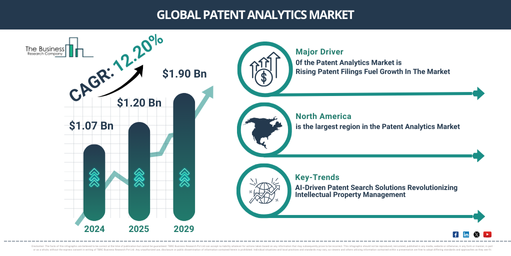
    The size of the patent analytics market has witnessed a significant acceleration recently. Its value will escalate from $1.07 billion in 2024, reaching $1.20 billion in 2025, with the compound annual growth rate (CAGR) being 12.5%. Historical growth can be credited to the soaring demand for high-end technologies, the integration of AI and Big Data, a surge in patent filings, augmenting research and development endeavors, and a rising demand for professional intellectual property solutions.

    In the coming years, we anticipate accelerated expansion in the patent analytics market, with the intention of reaching $1.90 billion by 2029, boasting a compound annual growth rate (CAGR) of 12.2%. This growth in the predicted timeframe is due largely to an increase in patent filings and litigation, a general shift toward digitalization in various industries, and a growing demand for personalized services, all complemented by increased investments in research and development. Key trends in this projected period involve greater usage of AI for patent analytics, an amplified emphasis on intellectual property protection, a surging uptake of cloud computing, increasing patent applications fueling the need for patent monitoring, and the steady progression in information and communication technologies.

    Download a free sample to assess the report’s scope and structure:

    https://www.thebusinessresearchcompany.com/sample.aspx?id=20916&type=smp

    Which Major Market Drivers Are Expected to Boost the Growth Potential of the Patent Analytics Market?

    The upswing in patent applications is projected to fuel the expansion of the patent analytics market in the future. The term “patent filings” pertains to the act of presenting applications to attain legal rights for an innovation, thereby granting the applicant unique ownership and protection for a set duration. An escalation in patent applications can be traced back to various factors, which include escalating investments in R&D, a heightened awareness of IP, and patent troll activities. Patent analytics prove beneficial in pinpointing prior art, evaluating patentability, and composing compelling claims to fortify patent application strategies. For instance, the World Intellectual Property Organization (WIPO), a Switzerland-based intergovernmental entity, reported in August 2024 that there was a 2.7% increase in global patent filings in 2023, totaling roughly 3.6 million. Consequently, the uptick in patent applications is stimulating the growth of the patent analytics market.

    Which Key Market Segments Comprise the Patent Analytics Market and Drive Its Revenue Growth?

    The patent analytics market covered in this report is segmented –

    1) By Component: Solutions, Services

    2) By Deployment Type: On-Premises, Cloud-Based

    3) By Enterprise Size: Large Enterprises, Small And Mid-Sized Enterprises (SMEs)

    4) By Application: Competitive Intelligence, Technology Landscape Analysis, Patent Valuation, Litigation Support

    5) By End-User: Corporates, Research Organizations, Intellectual Property Firms, Government Agencies

    Subsegments:

    1) By Solutions: Patent Search And Analytics Software, Patent Valuation Solutions, Competitive Intelligence Solutions, Patent Mapping And Landscape Tools, IP Portfolio Management Solutions

    2) By Services: Patent Search Services, Patent Licensing And Monetization Services, Patent Litigation Support Services, Patent Strategy And Consulting Services, Patent Filing And Prosecution Services

    Request customized data on this market:

    https://www.thebusinessresearchcompany.com/customise?id=20916&type=smp

    Which Areas Are Leading Regions in the Patent Analytics Market Expansion Across the Globe?

    North America was the largest region in the patent analytics market in 2024. Asia-Pacific is expected to be the fastest-growing region in the forecast period. The regions covered in the patent analytics market report are Asia-Pacific, Western Europe, Eastern Europe, North America, South America, Middle East, Africa.

    What Key Trends Are Shaping the Future of the Patent Analytics Market?

    Key players in the patent analytics market are directing their efforts towards the creation of enhanced patent search solutions powered by artificial intelligence (AI). These solutions are designed to improve decision-making in the field of intellectual property management. They harness advanced technology to automate and simplify patent database searches, thereby expediting the process of identifying pertinent patents, monitoring innovation trends, and evaluating patentability with increased precision. To illustrate, Clarivate Plc, a UK-based company known for transformative intelligence, rolled out its AI Search in Derwent in December 2024. This state-of-the-art patent search tool combines AI with the Derwent World Patents Index (DWPI) to yield more precise and meaningful patent search outcomes. By deploying a language transformer model, the tool comprehends the input text’s context, hence enabling intellectual property (IP) experts to conduct preliminary patentability searches, authenticate outcomes, and explore unknown technology sectors more successfully. The AI tool considerably improves both the speed and accuracy of searches, providing users the capability to discover relevant patents faster and making superior decisions during the patent research process.

    View the full report here:

    https://www.thebusinessresearchcompany.com/report/patent-analytics-global-market-report

    How Is the Patent Analytics Market Conceptually Defined?

    Patent analytics is the process of extracting and analyzing information from patent data to identify trends, assess technological advancements, and support decision-making in innovation and intellectual property management. It involves leveraging databases, statistical tools, and machine learning to evaluate patent landscapes, competitor activity, and market potential. This analysis helps businesses and researchers gain strategic insights into technology domains and legal protection opportunities.

    Purchase the full report and get a swift delivery:

    https://www.thebusinessresearchcompany.com/purchaseoptions.aspx?id=20916

    About The Business Research Company:

    With over 15000+ reports from 27 industries covering 60+ geographies, The Business Research Company has built a reputation for offering comprehensive, data-rich research and insights. Armed with 1,500,000 datasets, the optimistic contribution of in-depth secondary research, and unique insights from industry leaders, you can get the information you need to stay ahead in the game.

    Get in touch with us:

    The Business Research Company: https://www.thebusinessresearchcompany.com/

    Americas +1 3156230293

    Asia +44 2071930708

    Europe +44 2071930708

    Email us at info@tbrc.info

    Follow us on:

    LinkedIn: https://in.linkedin.com/company/the-business-research-company

    YouTube: https://www.youtube.com/channel/UC24_fI0rV8cR5DxlCpgmyFQ

    Global Market Model: https://www.thebusinessresearchcompany.com/global-market-model
  • Operations Optimization Solution Market Forecast 2025–2034: Trends Reshaping Demand, Investment, and Innovation

    Operations Optimization Solution Market Forecast 2025–2034: Trends Reshaping Demand, Investment, and Innovation

    Stay ahead with our updated market reports featuring the latest on tariffs, trade flows, and supply chain transformations.

    How Fast Is The Ophthalmic Surgical Instruments Market Expected to Grow Between 2025 And 2029?

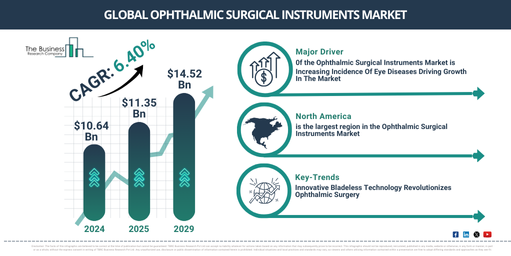
    In the past few years, the market size for ophthalmic surgical instruments has seen a notable increase. It is forecasted to rise from $10.64 billion in 2024 to $11.35 billion in 2025, with a compound annual growth rate (CAGR) of 6.6%. The growth observed in the historical period is largely due to factors such as the increase in the aging population, a growing geriatric segment, escalating instances of eye disorders, a surge in awareness and early diagnosis, as well as the expansion of healthcare infrastructure.

    Expectations for the ophthalmic surgical instruments market indicate a robust increase in its size in the upcoming years. It is projected to balloon to a whopping $14.52 billion by 2029, reflecting a compound annual growth rate (CAGR) of 6.4%. Boosters for this growth during the predicted period include enhancements in eye care facilities, a surge in eye-related ailments, the augmented prevalence of glaucoma, a widespread global occurrence of cataracts and glaucoma, and an upswing in the prevalence of ambulatory surgery centers. The forecast period also foresees key trends such as the utilization of microsurgical devices, the development of phacoemulsification systems, the inclusion of femtosecond lasers, the application of vitrectomy machines, and a rise in the precision of eye disorder diagnosis and treatments.

    Download a free sample to assess the report’s scope and structure:

    https://www.thebusinessresearchcompany.com/sample.aspx?id=20913&type=smp

    What Are the Primary Drivers Supporting the Market Growth of the Ophthalmic Surgical Instruments Market?

    The surge in eye disease occurrences is projected to boost the expansion of the ophthalmic surgical instruments market. The rise in such conditions can be attributed to ageing demographics, lifestyle choices like prolonged exposure to screens, and environmental factors such as air pollution. Ophthalmic surgical instruments serve a crucial role in diagnosing, treating and managing a wide array of eye disorders, by carrying out intricate procedures on the sensitive structures of the eye. For example, the Centers for Disease Control and Prevention, a government agency in the U.S, reported in May 2024 that by 2024, approximately 20.5 million Americans aged 40 and above, or 17.2% of that population, would experience cataracts in a minimum of one eye. This population is expected to surge past 30 million by 2028. Thus, the mounting occurrences of eye diseases are propelling the ophthalmic surgical instruments market’s expansion.

    Which Primary Segments of the Ophthalmic Surgical Instruments Market Are Driving Growth and Industry Transformations?

    The ophthalmic surgical instruments market covered in this report is segmented –

    1) By Product: Microscopes, Illumination Devices, Phacoemulsification Instruments, Lasers, Intraocular Lenses, Shunts And Related Drainage Devices, Viscoelastic Devices, Surgical Accessories

    2) By Application: Cataract Surgery, Glaucoma Surgery, Refractive Surgery, Vitreoretinal Surgery, Other Applications

    3) By End User: Hospitals, Clinics, Ambulatory Surgery Centers, Other End Users

    Subsegments:

    1) By Microscopes: Operating Microscopes, Handheld Microscopes, Digital Ophthalmic Microscopes

    2) By Illumination Devices: Slit Lamps, Surgical Headlights, Operating Room Lighting

    3) By Phacoemulsification Instruments: Phacoemulsifiers, Phaco Tips, Handpieces and Foot Pedals

    4) By Lasers: Diode Lasers, YAG Lasers, Argon Lasers

    5) By Intraocular Lenses: Monofocal Intraocular Lenses, Multifocal Intraocular Lenses, Toric Intraocular Lenses, Accommodative Intraocular Lenses

    6) By Shunts And Related Drainage Devices: Glaucoma Shunts, Drainage Implants

    7) By Viscoelastic Devices: Ocular Viscosurgical Devices (OVDs), Balanced Salt Solutions (BSS)

    8) By Surgical Accessories: Surgical Knives And Blades, Speculums, Surgical Sponges And Drapes

    Request customized data on this market:

    https://www.thebusinessresearchcompany.com/customise?id=20913&type=smp

    Which Regions Are Key Players in the Growth of the Ophthalmic Surgical Instruments Market?

    North America was the largest region in the ophthalmic surgical instruments market in 2024. The regions covered in the ophthalmic surgical instruments market report are Asia-Pacific, Western Europe, Eastern Europe, North America, South America, Middle East, Africa.

    What Are the Strategic Trends Steering the Ophthalmic Surgical Instruments Market Direction?

    Key industry players in the ophthalmic surgical instruments market are steadily honing their focus towards creating innovative solutions such as the bladeless technology, aimed at advancing surgical operations and uplifting patient results. The concept of bladeless technology is built on the idea of excluding rotary blades and utilizing alternate methods for activities like tissue removal or airflow, hence amplifying safety and proficiency. For instance, Sight Sciences, a leading medical technology firm in the US, in August 2022, revealed the SION Surgical Instrument. This particular instrument has been developed to efficiently cut the trabecular meshwork and lower the intraocular pressure in people suffering from glaucoma. This revolutionary tool comes with distinctive attributes, including a bladeless model for secure tissue removal, micro-engineered exactness tailored for seamless navigation inside the Schlemm’s canal, elevated maneuverability within the anterior chamber of the eye, single-use sterility that lessens the chances of infections, and an overall improved proficiency in tissue excision. This positions it as a significant leap forward in the field of minimally invasive glaucoma surgery.

    View the full report here:

    https://www.thebusinessresearchcompany.com/report/ophthalmic-surgical-instruments-global-market-report

    What Parameters Are Used to Define the Ophthalmic Surgical Instruments Market?

    Ophthalmic surgical instruments are specialized tools used in eye surgery to perform various procedures, such as cataract removal, corneal transplants, retinal surgery, and more. These instruments are designed to be precise, delicate, and safe for use in the small, sensitive environment of the human eye.

    Purchase the full report and get a swift delivery:

    https://www.thebusinessresearchcompany.com/purchaseoptions.aspx?id=20913

    About The Business Research Company:

    With over 15000+ reports from 27 industries covering 60+ geographies, The Business Research Company has built a reputation for offering comprehensive, data-rich research and insights. Armed with 1,500,000 datasets, the optimistic contribution of in-depth secondary research, and unique insights from industry leaders, you can get the information you need to stay ahead in the game.

    Get in touch with us:

    The Business Research Company: https://www.thebusinessresearchcompany.com/

    Americas +1 3156230293

    Asia +44 2071930708

    Europe +44 2071930708

    Email us at info@tbrc.info

    Follow us on:

    LinkedIn: https://in.linkedin.com/company/the-business-research-company

    YouTube: https://www.youtube.com/channel/UC24_fI0rV8cR5DxlCpgmyFQ

    Global Market Model: https://www.thebusinessresearchcompany.com/global-market-model
  • Open-Angle Glaucoma (OAG) Market Trends 2025-2034: Growth, Strategic Insights, and Opportunities Ahead

    Open-Angle Glaucoma (OAG) Market Trends 2025-2034: Growth, Strategic Insights, and Opportunities Ahead

    Stay ahead with our updated market reports featuring the latest on tariffs, trade flows, and supply chain transformations.

    How Has The Open-Angle Glaucoma (OAG) Market Growth Evolved From 2024 To 2025, And What’s Ahead?

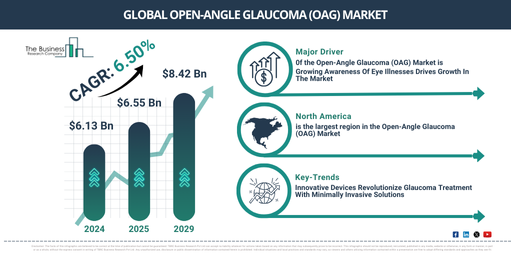
    In recent times, there has been considerable expansion in the open-angle glaucoma (OAG) market. We anticipate growth from $6.13 billion in 2024 to $6.55 billion in 2025, marking a compound annual growth rate (CAGR) of 6.8%. This upswing during the historical period can be traced back to factors such as an upsurge in glaucoma cases in elderly populations, heightened consciousness about the early diagnosis of ocular diseases, escalated spending on healthcare, implementation of vision care schemes by governments, and augmented global ophthalmology operations.

    The market size for open-angle glaucoma (OAG) is projected to experience a significant rise in the coming years, soaring to a value of $8.42 billion in 2029, with a compound annual growth rate (CAGR) of 6.5%. The augmentation observed in the forecast period is due to a surge in demand for combination therapies, an increased emphasis on personalized medicine, better reimbursement policies for glaucoma treatments, an escalating frequency of lifestyle-induced ocular conditions, and a rising preference for non-invasive diagnostic techniques. Over that forecast period, major movements are expected to be seen, such as the increased utilization of AI in glaucoma diagnostics, a switch towards outpatient glaucoma surgical procedures, higher usage of sustained-release glaucoma implants, greater integration of wearable technology for monitoring intraocular pressure, and an enhanced focus on sustainability within medical device production.

    Download a free sample to assess the report’s scope and structure:

    https://www.thebusinessresearchcompany.com/sample.aspx?id=20911&type=smp

    What Are the Major Market Drivers Behind the Rising Adoption of Open-Angle Glaucoma (OAG) Market?

    The escalating cognizance of eye maladies is anticipated to stimulate the advancement of the open-angle glaucoma (OAG) market in the future. Eye maladies involve health issues affecting the anatomy, functionality, or sight of the eyes, varying from minor troubles like dry eye to severe ailments like glaucoma and macular degeneration. They are becoming more prevalent due to the aging population, extended screen usage, growing incidences of diabetes, environmental contamination, and lifestyle choices that put eye health at risk. Open-angle glaucoma (OAG), a main cause of vision loss, particularly in older individuals, highlights the important need for regular eye check-ups, prompt identification, and proactive management to prevent permanent loss of vision. For instance, the Royal National Institute of Blind People (RNIB), a sight loss charity based in the UK, reported in October 2023 that eye care outpatient appointments in the UK topped eight million in 2021/22, positioning it as the most sought-after specialty. In addition, the count of individuals experiencing sight loss, which currently exceeds two million, is expected to surge to over four million by 2050. Thus, the escalating cognizance of eye maladies is fuelling growth in the open-angle glaucoma (OAG) market.

    Which Key Market Segments Comprise the Open-Angle Glaucoma (OAG) Market and Drive Its Revenue Growth?

    The open-angle glaucoma (OAG) market covered in this report is segmented –

    1) By Disease Type: Open Angle Glaucoma, Angle Closure Glaucoma, Other Disease Type

    2) By Drug Class: Prostaglandin Analog, Beta Blockers, Adrenergic Agonist, Carbonic Anhydrase Inhibitors, Others Drug Class

    3) By End User: Hospitals, Homecare, Specialty Clinics, Other End Users

    4) By Distribution Channel: Hospital Pharmacy, Online Pharmacy, Retail Pharmacy

    Subsegments:

    1) By Open Angle Glaucoma (OAG): Primary Open-Angle Glaucoma (POAG), Secondary Open-Angle Glaucoma

    2) By Angle Closure Glaucoma: Acute Angle-Closure Glaucoma, Chronic Angle-Closure Glaucoma

    3) By Other Disease Type: Normal-Tension Glaucoma, Congenital Glaucoma, Secondary Glaucoma

    Request customized data on this market:

    https://www.thebusinessresearchcompany.com/customise?id=20911&type=smp

    Which Areas Are Leading Regions in the Open-Angle Glaucoma (OAG) Market Expansion Across the Globe?

    North America was the largest region in the open-angle glaucoma (OAG) market in 2024. Asia-Pacific is expected to be the fastest-growing region in the forecast period. The regions covered in the open-angle glaucoma (OAG) market report are Asia-Pacific, Western Europe, Eastern Europe, North America, South America, Middle East, Africa.

    What Key Market Trends and Innovations Are Shaping the Future of the Open-Angle Glaucoma (OAG) Industry?

    Leading firms in the open-angle glaucoma (OAG) marketplace are placing high importance on forging new, cutting-edge solutions such as minimally invasive glaucoma devices (MIGDs). The aim is to present improved and less intrusive alternatives for handling primary open-angle glaucoma, minimizing the dependence on typical treatments. MIGDs are a variety of surgical implants and methodologies conceived to decrease intraocular pressure in glaucoma sufferers through minor incisions and minor ocular tissue disturbance. For instance, iSTAR Medical, a medtech entity from Belgium, introduced MINIject in the Netherlands in December 2023. This treatment for primary open-angle glaucoma, integrated with a unique porous STAR material, enhances liquid outflow and reduces IOP. MINIject therefore marks an important advancement in glaucoma treatment, offering a safer and more efficient solution for managing this prominent cause of irreversible blindness, thereby reducing reliance on traditional treatments.

    View the full report here:

    https://www.thebusinessresearchcompany.com/report/open-angle-glaucoma-oag-global-market-report

    How Is the Open-Angle Glaucoma (OAG) Market Conceptually Defined?

    Open-angle glaucoma (OAG) is a chronic, progressive eye condition characterized by the gradual clogging of the drainage canals in the eye, leading to increased intraocular pressure that damages the optic nerve, often without noticeable symptoms until significant vision loss occurs. Its treatment aims to lower intraocular pressure, thereby preventing optic nerve damage and preserving vision through medications, laser procedures, or surgical interventions.

    Purchase the full report and get a swift delivery:

    https://www.thebusinessresearchcompany.com/purchaseoptions.aspx?id=20911

    About The Business Research Company:

    With over 15000+ reports from 27 industries covering 60+ geographies, The Business Research Company has built a reputation for offering comprehensive, data-rich research and insights. Armed with 1,500,000 datasets, the optimistic contribution of in-depth secondary research, and unique insights from industry leaders, you can get the information you need to stay ahead in the game.

    Get in touch with us:

    The Business Research Company: https://www.thebusinessresearchcompany.com/

    Americas +1 3156230293

    Asia +44 2071930708

    Europe +44 2071930708

    Email us at info@tbrc.info

    Follow us on:

    LinkedIn: https://in.linkedin.com/company/the-business-research-company

    YouTube: https://www.youtube.com/channel/UC24_fI0rV8cR5DxlCpgmyFQ

    Global Market Model: https://www.thebusinessresearchcompany.com/global-market-model