Month: June 2025

  • Next-Gen Functional Dyspepsia Drug : Market Forecast, Transformation, and Long-Term Trajectories

    Discover trends, market shifts, and competitive outlooks for the functional dyspepsia drug industry through 2025-2034 with The Business Research Company’s reliable data and in-depth research

    How Has the Functional Dyspepsia Drug Market Growth Performance Trended Historically, And What Lies Ahead?

    In recent times, the market size for functional dyspepsia drugs has witnessed significant growth. It is projected to rise from $8.56 billion in 2024 to $9.15 billion in 2025, showcasing a compound annual growth rate (CAGR) of 6.8%. The growth observed in the past is due to various factors such as increasing prevalence of associated risk elements, escalated healthcare spending, a surge in dyspeptic cases, a rise in gastrointestinal disorders, and an expanding older population.

    The market size for drugs treating functional dyspepsia is projected to experience significant expansion in the years ahead. The market valuation is forecasted to reach $11.80 billion by 2029, with a compound annual growth rate (CAGR) of 6.6%. Such expected growth during this period can be attributed to factors like increasing inclination towards holistic and lifestyle-based treatments, preference for combination therapies, rising trend of lifestyle changes, expanded research on the gut-brain axis, and greater utilization of non-pharmaceutical interventions. Key trends driving growth within this forecast period include developments in drug formulation, collaborations between healthcare professionals and pharmaceutical corporations, the shift towards precision medicinal practices, incorporation of telemedicine and digital health technology, and personalised medicinal strategies.

    Download a free sample to assess the report’s scope and structure:

    https://www.thebusinessresearchcompany.com/sample.aspx?id=21979&type=smp

    Which Major Market Drivers Are Expected to Boost the Growth Potential of the Functional Dyspepsia Drug Market?

    The functional dyspepsia drug market is expected to expand due to the increased consumption of alcohol. Alcohol, an organic compound mainly found in drinks such as beer, wine, and spirits, made up of ethanol, affects the central nervous system and could lead to intoxication when consumed. The surge in alcohol intake is fostered by societal and cultural acceptance, stress relief, easy accessibility, and the forceful advertising approach adopted by companies dealing in alcoholic beverages. Drugs for functional dyspepsia are potentially beneficial in easing gastric discomfort triggered by alcohol by lowering acid production and enhancing digestive function. For instance, a March 2023 report released by the UK government agency, the Office for Health Improvement & Disparities (OHID), revealed that from 2021 to 2022, hospital admissions solely tied to alcohol stood at 342,795, corresponding to a rate of 626 admissions for every 100,000 individuals. Therefore, the uptick in alcohol consumption is fueling the growth of the functional dyspepsia drug market. The rising prevalence of metabolic disorders and subsequent gastrointestinal complications is also propelling the functional dyspepsia drug market. A metabolic disorder, which develops when the body’s regular metabolic activities are disrupted, results in an imbalance in nutrient, energy, or waste processing. The growing number of metabolic disorders is influenced by factors like unhealthy diets, idle lifestyles, genetic factors, and escalating obesity rates. Drugs for functional dyspepsia are utilized in the treatment of metabolic disorders to alleviate gastrointestinal symptoms and boost digestive function. For instance, a November 2024 World Health Organization (WHO) report revealed that 14% of individuals aged 18 and above were diagnosed with diabetes in 2022. Thus, the escalating prevalence of metabolic disorders is contributing to the expansion of the functional dyspepsia drug market.

    Which Key Market Segments Comprise the Functional Dyspepsia Drug Market and Drive Its Revenue Growth?

    The functional dyspepsia drug market covered in this report is segmented –

    1) By Drug Type: Proton Pump Inhibitors, H-2-Receptor Antagonists, Antacids, Antibiotics, Prokinetics, Antidepressants

    2) By Indication: Functional Dyspepsia, Organic Dyspepsia

    3) By Distribution Channel: Retail Pharmacies, Hospital Pharmacies, Online Pharmacies

    Subsegments:

    1) By Proton Pump Inhibitors: Omeprazole, Esomeprazole, Lansoprazole, Pantoprazole, Rabeprazole

    2) By H-2-Receptor Antagonists: Ranitidine, Famotidine, Cimetidine, Nizatidine

    3) By Antacids: Aluminum Hydroxide, Magnesium Hydroxide, Calcium Carbonate, Sodium Bicarbonate

    4) By Antibiotics: Clarithromycin, Amoxicillin, Metronidazole, Tetracycline

    5) By Prokinetics: Domperidone, Metoclopramide, Itopride, Mosapride

    6) By Antidepressants: Tricyclic Antidepressants, Selective Serotonin Reuptake Inhibitors, Serotonin-Norepinephrine Reuptake Inhibitors

    Request customized data on this market:

    https://www.thebusinessresearchcompany.com/customise?id=21979&type=smp

    Which Areas Are Leading Regions in the Functional Dyspepsia Drug Market Expansion Across the Globe?

    North America was the largest region in the functional dyspepsia drug market in 2024. Asia-Pacific is expected to be the fastest-growing region in the forecast period. The regions covered in the functional dyspepsia drug market report are Asia-Pacific, Western Europe, Eastern Europe, North America, South America, Middle East, Africa.

    What Are the Key Market Trends in theFunctional Dyspepsia Drug Market Over the Coming Years?

    Leading firms in the functional dyspepsia drug market are concentrating their efforts on carrying out clinical trials to devise innovative treatments that are aimed at the root causes of the disease, improve treatment effectiveness, and fulfil the unmet needs of patients. Such trials are critical in the development of functional dyspepsia drugs as they help in ensuring the safety, effectiveness, and ideal treatment procedures. For example, in December 2022, electroCore Inc., a medical technology corporation based in the US, revealed that it had been granted two patents by the United States Patent and Trademark Office (USPTO) concerning its cutting-edge non-invasive vagus nerve stimulation (nVNS) technology. The first patent, U.S. Patent No. 11,511,109, encapsulated a method for tackling gastrointestinal disorders, including functional dyspepsia, via vagus nerve stimulation. The second patent, U.S. Patent No. 11,511,110, was associated with a system for providing non-invasive electrical stimulation to the vagus nerve. These patents bolstered electroCore’s standing in the progression of non-invasive neuromodulation therapies.

    View the full report here:

    https://www.thebusinessresearchcompany.com/report/functional-dyspepsia-drug-global-market-report

    How Is the Functional Dyspepsia Drug Market Conceptually Defined?

    Functional dyspepsia drug refers to a class of medications used to manage and alleviate symptoms associated with functional dyspepsia (FD), a gastrointestinal disorder characterized by persistent or recurrent upper abdominal discomfort without any identifiable structural or biochemical cause. These drugs aim to reduce symptoms such as bloating, early satiety, nausea, and epigastric pain.

    Purchase the full report and get a swift delivery:

    https://www.thebusinessresearchcompany.com/purchaseoptions.aspx?id=21979

    About The Business Research Company:

    With over 15000+ reports from 27 industries covering 60+ geographies, The Business Research Company has built a reputation for offering comprehensive, data-rich research and insights. Armed with 1,500,000 datasets, the optimistic contribution of in-depth secondary research, and unique insights from industry leaders, you can get the information you need to stay ahead in the game.

    Get in touch with us:

    The Business Research Company: https://www.thebusinessresearchcompany.com/

    Americas +1 3156230293

    Asia +44 2071930708

    Europe +44 2071930708

    Email us at info@tbrc.info

    Follow us on:

    LinkedIn: https://in.linkedin.com/company/the-business-research-company

    YouTube: https://www.youtube.com/channel/UC24_fI0rV8cR5DxlCpgmyFQ

    Global Market Model: https://www.thebusinessresearchcompany.com/global-market-model
  • $2.17 Billion Forecast for Fibrodysplasia Ossificans Progressiva (FOP) Treatment Market by 2029, Backed by Demand and Innovation

    $2.17 Billion Forecast for Fibrodysplasia Ossificans Progressiva (FOP) Treatment Market by 2029, Backed by Demand and Innovation

    Discover trends, market shifts, and competitive outlooks for the fibrodysplasia ossificans progressiva (fop) treatment industry through 2025-2034 with The Business Research Company’s reliable data and in-depth research

    How Has the Fibrodysplasia Ossificans Progressiva (FOP) Treatment Market Growth Performance Trended Historically, And What Lies Ahead?

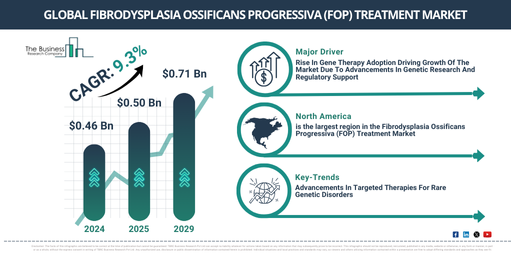
    The market for fibrodysplasia ossificans progressiva (FOP) treatment has seen a substantial increase lately. The market is projected to expand from $0.46 billion in 2024 to $0.50 billion in 2025, with a compound annual growth rate (CAGR) of 9.6%. This progression in previous years can be traced back to increased cognizance of uncommon diseases, a surge in the occurrence of FOP cases, a rise in investments in the development of orphan drugs, joint ventures between biotechnology firms and research institutions, along with favorable regulations for the treatment of rare diseases.

    Anticipated to experience robust expansion in the forthcoming years, the fibrodysplasia ossificans progressiva (FOP) treatment market is projected to escalate to $0.71 billion by 2029, with a compound annual growth rate (CAGR) of 9.3%. The surge during the forecast period could be a consequence of accelerated clinical trials for novel treatment modalities, increased funding in research related to rare diseases, rising initiatives to bolster patient awareness, enhanced diagnostic proficiency, supportive regulatory environment for orphan drugs, and development of the healthcare infrastructure in budding markets. Notable trends foreseen during the forecast period encompass progression in gene therapy, genome editing utilizing CRISPR, embracing anti-inflammatory biologics, small molecule inhibitors tackling ACVR1 mutations, customized medicine approaches, advanced imagery techniques, and rehabilitation programs centered around the patient.

    Download a free sample to assess the report’s scope and structure:

    https://www.thebusinessresearchcompany.com/sample.aspx?id=21968&type=smp

    What Are the Core Growth Drivers Propelling the Fibrodysplasia Ossificans Progressiva (FOP) Treatment Market Forward?

    The growth of the fibrodysplasia ossificans progressiva (FOP) treatment market is predicted to be accelerated by the rising adoption of gene therapy. This particular medical treatment, which employs gene alteration or replacement in an individual’s cells to treat or prevent diseases, is being increasingly embraced due in part to significant strides in genetics research, improved results with previously incurable conditions, and increased regulatory backing for innovative therapies. In the case of fibrodysplasia ossificans progressiva, gene therapy aims to isolate and rectify errors in the ACVR1 gene to inhibit anomalous bone production. For example, the American Society of Gene & Cell Therapy, a US-based non-profit medical and scientific organization, reported in April 2024 that there was a 10% rise in phase III gene therapy clinical trials in the fourth quarter which was the first upsurge after the third quarter of 2022. From this data, we can conclude that the rising acceptance of gene therapy is propelling the growth of the fibrodysplasia ossificans progressiva (FOP) treatment market.

    What Segment Types Define the Fibrodysplasia Ossificans Progressiva (FOP) Treatment Market Structure?

    The fibrodysplasia ossificans progressiva (FOP) treatment market covered in this report is segmented –

    1) By Drug Class: Corticosteroids, Non-Steroidal Anti-Inflammatory Drugs (NSAIDs), Bisphosphonates, Other Drug Classes

    2) By Treatment: Surgery, Medication, Occupational Therapy

    3) By Route Of Administration: Oral, Topical, Parenteral

    4) By End-User: Hospitals, Research Institutes, Specialty Clinics

    Subsegments:

    1) By Corticosteroids: Prednisone, Dexamethasone, Methylprednisolone

    2) By Non-Steroidal Anti-Inflammatory Drugs (NSAIDs): Ibuprofen, Naproxen, Celecoxib

    3) By Bisphosphonates: Alendronate, Risedronate, Zoledronic Acid

    4) By Other Drug Classes: Monoclonal Antibodies, Immunosuppressants, Gene Therapy Drugs

    Request customized data on this market:

    https://www.thebusinessresearchcompany.com/customise?id=21968&type=smp

    Which Geographic Areas Hold the Strongest Growth Potential in the Fibrodysplasia Ossificans Progressiva (FOP) Treatment Market?

    North America was the largest region in the fibrodysplasia ossificans progressiva (FOP) treatment market in 2024. Asia-Pacific is expected to be the fastest-growing region in the forecast period. The regions covered in the fibrodysplasia ossificans progressiva (FOP) treatment market report are Asia-Pacific, Western Europe, Eastern Europe, North America, South America, Middle East, Africa.

    Which Emerging Trends that Are Influencing theFibrodysplasia Ossificans Progressiva (FOP) Treatment Industry Evolution?

    Chief companies active in the fibrodysplasia ossificans progressiva (FOP) treatment market are centering their efforts on the creation of innovative medicines like retinoid-induced capsules. They aim to fulfill untreated health needs of patients suffering from the disease by addressing linked genetic mutations, thus enhancing treatment results and life quality. Retinoids, derivatives of vitamin A, are utilized in medicinal therapies to control cell proliferation and bolster immune system responses, specifically for skin and certain cancer treatments. For example, the France-based pharmaceutical corporation, Ipsen, received an endorsement from the US Food and Drug Administration (FDA) for its sohonos capsules in August 2023. This medication, indicated for fibrodysplasia ossificans progressiva (FOP), is designed to decrease the formation of new abnormal bone (heterotopic ossification). It offers a critical treatment alternative for both adults and children, aiding in the enhancement of mobility and overall life quality.

    View the full report here:

    https://www.thebusinessresearchcompany.com/report/fibrodysplasia-ossificans-progressiva-fop-treatment-global-market-report

    What Is the Definition of the Fibrodysplasia Ossificans Progressiva (FOP) Treatment Market?

    Fibrodysplasia ossificans progressiva treatment refers to medical interventions aimed at managing the rare genetic condition where soft tissues progressively turn into bone, involving medications, surgery, or gene therapy to control symptoms and slow disease progression. These treatments focus on reducing inflammation, preventing further bone formation, and improving the quality of life for affected individuals.

    Purchase the full report and get a swift delivery:

    https://www.thebusinessresearchcompany.com/purchaseoptions.aspx?id=21968

    About The Business Research Company:

    With over 15000+ reports from 27 industries covering 60+ geographies, The Business Research Company has built a reputation for offering comprehensive, data-rich research and insights. Armed with 1,500,000 datasets, the optimistic contribution of in-depth secondary research, and unique insights from industry leaders, you can get the information you need to stay ahead in the game.

    Get in touch with us:

    The Business Research Company: https://www.thebusinessresearchcompany.com/

    Americas +1 3156230293

    Asia +44 2071930708

    Europe +44 2071930708

    Email us at info@tbrc.info

    Follow us on:

    LinkedIn: https://in.linkedin.com/company/the-business-research-company

    YouTube: https://www.youtube.com/channel/UC24_fI0rV8cR5DxlCpgmyFQ

    Global Market Model: https://www.thebusinessresearchcompany.com/global-market-model
  • Global Fibrocystic Breast Condition Market Projected to Reach $3.05 Billion by 2029 at a CAGR of 6.8%

    Global Fibrocystic Breast Condition Market Projected to Reach $3.05 Billion by 2029 at a CAGR of 6.8%

    Discover trends, market shifts, and competitive outlooks for the fibrocystic breast condition industry through 2025-2034 with The Business Research Company’s reliable data and in-depth research

    What Are the Projected Market Size and Growth Rates for the Fibrocystic Breast Condition Market From 2025 To 2029?

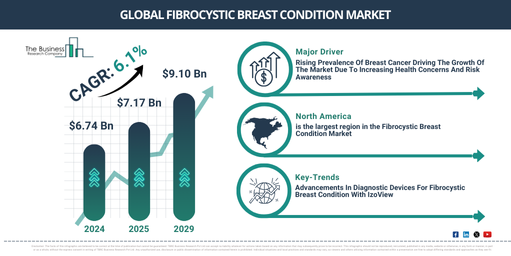
    Significant growth has been observed in the market size of fibrocystic breast condition in recent times. The market is projected to expand from $6.74 billion in 2024 to $7.17 billion in 2025, with an annual compound growth rate (CAGR) of 6.4%. The escalation during the historic phase can be traced back to an increase in breast cancer incidence, augmented spending on healthcare, urban growth, heightened awareness, lifestyle changes, and higher disposable income levels.

    The market size of the fibrocystic breast condition is predicted to witness robust growth in the coming years, increasing to $9.10 billion in 2029 with a compound annual growth rate (CAGR) of 6.1%. This growth during the forecast period is speculated to be influenced by the escalating demand for diagnostic implements and treatment options, increased governmental funding, surging demands for effective treatments, the growth of the elderly population, initiatives undertaken by both public and private groups, and an increase in research and developmental activities. The predominant trends for the forecast period are breast biopsy devices that are minimally invasive, strategic cooperation and partnerships, a concentration on personalized medicine, the use of artificial intelligence (AI), and breakthroughs in technology.

    Download a free sample to assess the report’s scope and structure:

    https://www.thebusinessresearchcompany.com/sample.aspx?id=21967&type=smp

    What are the Fundamental Drivers and Innovations Shaping the Fibrocystic Breast Condition Market?

    The growth of the fibrocystic breast condition market is expected to be boosted by the escalating prevalence of breast cancer. Breast cancer begins in the cells of the breast and predominantly affects women. The increasing occurrence of breast cancer is influenced by factors such as an older demographic, unhealthy lifestyles, hereditary factors, enhanced screening, and exposure to harmful environmental elements. A fibrocystic breast condition (FBC) can augment breast cancer risk through the creation of dense breast tissue, fostering cell mutations, hormone sensitivity, and sustained inflammation which possibly cultivate a favorable environment for cancer development. For example, the American Cancer Society Facts and Figures projected in July 2024 that new breast cancer cases in the United States will rise from 300,590 in 2023 to 313,510 in 2024. Consequently, the growing incidence of breast cancer fuels the expansion of the fibrocystic breast condition market. The advancement of telemedicine services will facilitate the growth of the fibrocystic breast condition market owing to escalated adoption of digital health. Telemedicine services include the usage of digital communication tools like video conferencing, mobile applications and online platforms delivering remote medical consultations, diagnostics, and treatment. The broadening access to telemedicine services is credited to increasing digital health platform usage, improved internet connectivity, and a rising preference by patients for remote consultations in order to effectively manage fibrocystic breast conditions. A fibrocystic breast condition enables telemedicine services demand through remote consultations, prompt symptom management, and specialist advice thereby decreasing the need for physical appointments and augmenting patient comfort. For instance, Rock Health, a US-based entity, reported that in February 2023, 80% of its 2022 survey respondents said they had used telemedicine at one point, demonstrating an 8 percentage point boost from 72% in 2021. Therefore, the widespread adoption of telemedicine services fuels the fibrocystic breast condition market growth.

    How Is the Fibrocystic Breast Condition Market Segmented?

    The fibrocystic breast condition market covered in this report is segmented –

    1) By Treatment: Medication, Oral Contraceptives, Fine-Needle Aspiration, Other Treatments

    2) By Diagnosis: Mammogram, Ultrasound, Clinical Breast Exam, Other Diagnosis

    3) By End-Users: Hospital, Clinic, Other End-Users

    Subsegments:

    1) By Medication: Over-the-Counter (OTC) Pain Relievers, Prescription Pain Relievers, Hormonal Therapy

    2) By Oral Contraceptives: Combination Pills, Progestin-Only Pills

    3) By Fine-Needle Aspiration: Ultrasound-Guided Fine-Needle Aspiration, Manual Fine-Needle Aspiration

    4) By Other Treatments: Lifestyle And Dietary Changes, Cyst Drainage Procedures, Supportive Therapy, Herbal And Dietary Supplements

    Request customized data on this market:

    https://www.thebusinessresearchcompany.com/customise?id=21967&type=smp

    Which Regions Are Driving the Next Phase of the Fibrocystic Breast Condition Market Growth?

    North America was the largest region in the fibrocystic breast condition market in 2024. The regions covered in the fibrocystic breast condition market report are Asia-Pacific, Western Europe, Eastern Europe, North America, South America, Middle East, Africa.

    What Key Trends Are Shaping the Future of the Fibrocystic Breast Condition Market?

    Major organizations in the fibrocystic breast condition market are striving for technological advancements, such as diagnostic tools, to enhance accuracy in diagnosis and treatment results. A diagnostic tool refers to any equipment or instrument used to recognize, detect, or evaluate a health condition or illness. For example, in August 2024, Izotropic Corporation, a medical device firm based in Canada, introduced IzoView, a breast CT imaging system specifically created to diagnose breast cancer in women possessing dense breast tissue. The company is working towards obtaining regulatory approval, using a clinical study to show that IzoView is superior when used in combination with digital breast tomosynthesis (DBT), in contrast to using DBT alone. With the advantage of high-resolution 3D imaging and no necessity for breast compression, IzoView aims to enhance the detection rates of breast cancer in women having dense breast tissue, a demographic that is at a higher risk for contracting the disease.

    View the full report here:

    https://www.thebusinessresearchcompany.com/report/fibrocystic-breast-condition-global-market-report

    How Is the Fibrocystic Breast Condition Market Defined and What Are Its Core Parameters?

    Fibrocystic breast condition (FBC) refers to a noncancerous condition characterized by lumpiness, tenderness, and pain in one or both breasts due to fibrous tissue and fluid-filled cysts. It is a common benign breast disorder caused by hormonal fluctuations, primarily affecting women of reproductive age. Symptoms may vary throughout the menstrual cycle and typically resolve after menopause.

    Purchase the full report and get a swift delivery:

    https://www.thebusinessresearchcompany.com/purchaseoptions.aspx?id=21967

    About The Business Research Company:

    With over 15000+ reports from 27 industries covering 60+ geographies, The Business Research Company has built a reputation for offering comprehensive, data-rich research and insights. Armed with 1,500,000 datasets, the optimistic contribution of in-depth secondary research, and unique insights from industry leaders, you can get the information you need to stay ahead in the game.

    Get in touch with us:

    The Business Research Company: https://www.thebusinessresearchcompany.com/

    Americas +1 3156230293

    Asia +44 2071930708

    Europe +44 2071930708

    Email us at info@tbrc.info

    Follow us on:

    LinkedIn: https://in.linkedin.com/company/the-business-research-company

    YouTube: https://www.youtube.com/channel/UC24_fI0rV8cR5DxlCpgmyFQ

    Global Market Model: https://www.thebusinessresearchcompany.com/global-market-model
  • Fiberscopes Market Forecast 2025–2034: Trends Reshaping Demand, Investment, and Innovation

    Fiberscopes Market Forecast 2025–2034: Trends Reshaping Demand, Investment, and Innovation

    Discover trends, market shifts, and competitive outlooks for the fiberscopes industry through 2025-2034 with The Business Research Company’s reliable data and in-depth research

    What Is the Estimated Market Size of the Fiberscopes Market In 2029?

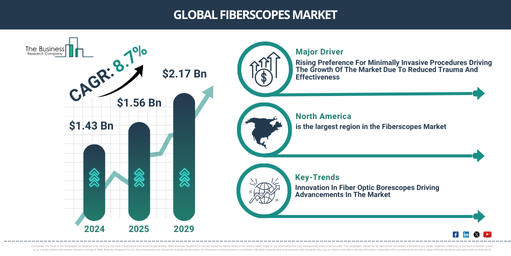
    In the past few years, the market size for fiberscopes has robustly expanded. The market is projected to increase from $1.43 billion in 2024 to $1.56 billion in 2025, yielding a compound annual growth rate (CAGR) of 8.9%. Factors contributing to this growth during the historic period include the escalating demand for precise and effective diagnostic tools, increasing investments in healthcare, heightened focus on comfort and safety during medical procedures for patients, vast usage of lasers in dental and cosmetic procedures, as well as the rising popularity of minimally invasive surgeries.

    The market for fiberscopes is projected to experience a robust increase in the coming years. The market is predicted to expand to $2.17 billion by 2029, with a compound annual growth rate (CAGR) of 8.7%. This anticipated growth within the forecast period is largely due to continued research in biomedical sensors, a rising elderly population, the frequency of chronic diseases, rigid safety guidelines, and a climb in the demand for tailored fiberscopes. Noteworthy trends during the forecast timeline include advancements in technology, environment-friendly design strategies, the incorporation of artificial intelligence and machine learning, alongside telemedicine or the advent of high-tech robotic-assisted procedures.

    Download a free sample to assess the report’s scope and structure:

    https://www.thebusinessresearchcompany.com/sample.aspx?id=21966&type=smp

    What Are the Primary Drivers Supporting the Market Growth of the Fiberscopes Market?

    The fiberscopes market is predicted to advance due to an escalating inclination towards minimally invasive techniques. These strategies involve either minute or no surgical cuts at all and aim to minimize bodily trauma compared to traditional invasive surgeries. Various factors are fueling the preference for these procedures, which include patient benefits and significant improvements in medical technology. Fiberscopes contribute to minimally invasive procedures by offering superior imaging resolution and flexible navigation in tight or difficult-to-access locations, thus facilitating accurate diagnostics and treatments with insignificant tissue disruption. As an illustration, the American Society of Plastic Surgeons, a US-based medication company, disclosed in June 2024 that there was a 7% growth in minimally invasive procedures in 2023, thereby surpassing surgical procedures. Over 9 million neuromodulator injections and 5 million hyaluronic acid fillers were done during this period. In 2023, there were 347,782 liposuction procedures conducted, amounting to a 7% surge compared to 2022. Thus, the increasing preference for minimally invasive methods is facilitating the expansion of the fiberscopes market.

    Which Primary Segments of the Fiberscopes Market Are Driving Growth and Industry Transformations?

    The fiberscopes market covered in this report is segmented –

    1) By Product Type: Disposable Fiberscopes, Flexible Fiberscopes, Rigid Fiberscopes, Video Fiberscopes

    2) By Application: Industrial Inspection, Medical Diagnostics, Research And Development

    3) By End User: Aerospace Maintenance Facilities, Automotive Facilities, Clinics, Diagnostic Laboratories, Hospitals

    Subsegments:

    1) By Disposable Fiberscopes: Medical Disposable Fiberscopes, Industrial Disposable Fiberscopes

    2) By Flexible Fiberscopes: Diagnostic Flexible Fiberscopes, Therapeutic Flexible Fiberscopes

    3) By Rigid Fiberscopes: Short Rigid Fiberscopes, Long Rigid Fiberscopes

    4) By Video Fiberscopes: HD Video Fiberscopes, Standard-Definition Video Fiberscopes

    Request customized data on this market:

    https://www.thebusinessresearchcompany.com/customise?id=21966&type=smp

    Which Regions Are Key Players in the Growth of the #What Are the Primary Drivers Supporting the Market Growth of the Fiberscopes Market?# Market?

    North America was the largest region in the fiberscopes market in 2024. The regions covered in the fiberscopes market report are Asia-Pacific, Western Europe, Eastern Europe, North America, South America, Middle East, Africa.

    What Are the Most Significant Market Trends in the Fiberscopes Market?

    Leading firms in the fiberscope industry are concentrating on creating advanced products like fiber optic borescopes to improve the accuracy, adaptability, and resilience of imaging for industrial and medical examinations. These inspection tools, which exploit fiber optic technology to facilitate visual access to otherwise inaccessible areas, comprise a flexible tube outfitted with an optical fiber cluster, a light source, and a camera or lens on the tube’s end. For example, in June 2023, Titan Tool Supply Inc., a US-based manufacturer, introduced its Industrial Micro Fiberscope Series. This included the L-Series with two models, specifically the L-1 (1 mm diameter, 42° field of view, 6-inch operating range) and the L-2 (2 mm diameter). These precision tools are engineered for remote visual inspections in demanding conditions and are thus perfect for sectors like automotive, aerospace, and manufacturing. Moreover, the series integrates the Model TR.L1 16-LED Ring Illuminator, offering adjustable, shadow-less lighting to amplify visibility during inspections.

    View the full report here:

    https://www.thebusinessresearchcompany.com/report/fiberscopes-global-market-report

    What Parameters Are Used to Define the Fiberscopes Market?

    Fiberscopes are flexible, fiber-optic instruments used for visual inspection of hard-to-reach areas, such as inside machinery, pipelines, or the human body. They consist of a bundle of optical fibers that transmit light and images, allowing for real-time observation in medical, industrial, and scientific applications.

    Purchase the full report and get a swift delivery:

    https://www.thebusinessresearchcompany.com/purchaseoptions.aspx?id=21966

    About The Business Research Company:

    With over 15000+ reports from 27 industries covering 60+ geographies, The Business Research Company has built a reputation for offering comprehensive, data-rich research and insights. Armed with 1,500,000 datasets, the optimistic contribution of in-depth secondary research, and unique insights from industry leaders, you can get the information you need to stay ahead in the game.

    Get in touch with us:

    The Business Research Company: https://www.thebusinessresearchcompany.com/

    Americas +1 3156230293

    Asia +44 2071930708

    Europe +44 2071930708

    Email us at info@tbrc.info

    Follow us on:

    LinkedIn: https://in.linkedin.com/company/the-business-research-company

    YouTube: https://www.youtube.com/channel/UC24_fI0rV8cR5DxlCpgmyFQ

    Global Market Model: https://www.thebusinessresearchcompany.com/global-market-model

  • Fecal Incontinence Market 2025-2034: Key Highlights, Growth Dynamics, and Emerging Trends

    Discover trends, market shifts, and competitive outlooks for the fecal incontinence industry through 2025-2034 with The Business Research Company’s reliable data and in-depth research

    How Fast Is The Fecal Incontinence Market Expected to Grow Between 2025 And 2029?

    The market for fecal incontinence has seen robust growth in the past few years. The market is projected to increase from $2.19 billion in 2024 to $2.34 billion in 2025, translating to a compound annual growth rate (CAGR) of 7.1%. Factors responsible for the growth during the historical period include a surge in the number of cases related to injuries or trauma, an increase in gastrointestinal disorders, heightened healthcare spending, an aging demographic, the embracing of anti-diarrheal drugs, and an enhanced accessibility of management and treatment products.

    The market for fecal incontinence is projected to experience robust growth in the upcoming years, inflating to a worth of $3.05 billion in 2029, with a CAGR of 6.8%. This growth throughout the predicted period could be the result of factors like an increase in chronic diarrhea cases, a growing preference for minimally invasive procedures, advantageous reimbursement conditions, the rising trend of sacral nerve stimulation techniques, and increased funding in research and development. Key trends for this forecast period encompass technological innovation, custom-tailored medicine strategies, demand for biodegradable and environment-friendly products, breakthroughs like electrical stimulation devices and enhanced absorbent products, and the incorporation of digital health technologies.

    Download a free sample to assess the report’s scope and structure:

    https://www.thebusinessresearchcompany.com/sample.aspx?id=21965&type=smp

    How Are Key Drivers in the Industry Acting as Catalysts for the Growth of the Fecal Incontinence Market?

    The increase in gastrointestinal disorders is projected to stimulate the fecal incontinence market’s expansion in the future. Gastrointestinal disorders, which affect the digestive system, including the esophagus, stomach, intestines, liver, pancreas, and gallbladder, are becoming more common due to unhealthy diets and lifestyle modifications such as consuming a lot of processed foods and not getting enough fiber. Gastrointestinal issues like inflammatory bowel disease (IBD), chronic diarrhea, and irritable bowel syndrome (IBS) can lead to fecal incontinence by negatively impacting bowel function in various ways. For instance, according to Crohn’s and Colitis Canada, a charitable organization dedicated to aiding and bettering the lives of those suffering from Crohn’s or colitis, the number of people with inflammatory bowel disease (IBD) is anticipated to increase from 322,600 in 2023 (0.8% of the population) to 470,000 by 2035 (1.1% of the population). Additionally, it forecasted 11,000 new cases for 2023 (equivalent to a new diagnosis every 48 minutes), rising to 14,000 new cases by 2035 (one every 38 minutes). As such, the escalating occurrence of gastrointestinal disorders is fueling the growth of the fecal incontinence market.

    Which Segments in the Fecal Incontinence Offer the Most Growth?

    The fecal incontinence market covered in this report is segmented –

    1) By Product Type: Absorbent Products, Anal Inserts, Electrical Stimulation Devices, Other Product Types

    2) By Age Group: Pediatric, Adult, Geriatric

    3) By Application: Hospitals, Clinics, Home Care Settings, Other Applications

    4) By Distribution Channel: Online Stores, Pharmacies, Specialty Stores, Other Distribution Channels

    Subsegments:

    1) By Absorbent Products: Adult Diapers, Protective Underwear, Pads And Liners

    2) By Anal Inserts: Disposable Anal Inserts, Reusable Anal Inserts

    3) By Electrical Stimulation Devices: Implantable Devices, Non-Implantable Devices

    4) By Other Product Types: Biofeedback Systems, Injectable Bulking Agents, Surgical Devices

    Request customized data on this market:

    https://www.thebusinessresearchcompany.com/customise?id=21965&type=smp

    What Are the Fastest-Growing Geographies in the #How Are Key Drivers in the Industry Acting as Catalysts for the Growth of the Fecal Incontinence Market?# Market?

    North America was the largest region in the fecal incontinence market in 2024. The regions covered in the fecal incontinence market report are Asia-Pacific, Western Europe, Eastern Europe, North America, South America, Middle East, Africa.

    What Are the Current Market Growth and Trends in the Fecal Incontinence Industry?

    Leading players in the fecal incontinence market are concentrating on the development of innovative systems such as pelvic health systems to enhance patient comfort, better treatment results, and broaden their market presence. A pelvic health system constitutes a variety of medical technologies, services, and treatment methods focused on diagnosing, managing, and upgrading the health of pelvic organs and structures. These systems are primarily designed to manage conditions related to the pelvic floor like incontinence, pelvic pain, and issues related to reproductive health. For example, Axena Health Inc., a medical device firm based in the US introduced its Leva pelvic health system in June 2023, with clearance from the U.S Food and Drug Administration. This groundbreaking system provides a handy, non-invasive, and pharmaceutical-free method to strengthen pelvic floor muscles, employing motion sensors and real-time feedback to instruct users through effective five-minute daily exercises. By enhancing efficacy and accessibility via telehealth integration, the system particularly addresses fecal incontinence, presenting a feasible solution for patients.

    View the full report here:

    https://www.thebusinessresearchcompany.com/report/fecal-incontinence-global-market-report

    What Are the Key Elements That Define the Fecal Incontinence Market?

    Fecal incontinence is the involuntary loss of bowel control, leading to the unintentional passing of stool or gas. It can range from occasional leakage of stool while passing gas to a complete loss of bowel control. Causes may include muscle or nerve damage, diarrhea, constipation, or underlying medical conditions such as inflammatory bowel disease or neurological disorders.

    Purchase the full report and get a swift delivery:

    https://www.thebusinessresearchcompany.com/purchaseoptions.aspx?id=21965

    About The Business Research Company:

    With over 15000+ reports from 27 industries covering 60+ geographies, The Business Research Company has built a reputation for offering comprehensive, data-rich research and insights. Armed with 1,500,000 datasets, the optimistic contribution of in-depth secondary research, and unique insights from industry leaders, you can get the information you need to stay ahead in the game.

    Get in touch with us:

    The Business Research Company: https://www.thebusinessresearchcompany.com/

    Americas +1 3156230293

    Asia +44 2071930708

    Europe +44 2071930708

    Email us at info@tbrc.info

    Follow us on:

    LinkedIn: https://in.linkedin.com/company/the-business-research-company

    YouTube: https://www.youtube.com/channel/UC24_fI0rV8cR5DxlCpgmyFQ

    Global Market Model: https://www.thebusinessresearchcompany.com/global-market-model
  • Fatty Acid Oxidation Disorders (FAODs) Market Trends 2025-2034: Growth, Strategic Insights, and Opportunities Ahead

    Fatty Acid Oxidation Disorders (FAODs) Market Trends 2025-2034: Growth, Strategic Insights, and Opportunities Ahead

    Discover trends, market shifts, and competitive outlooks for the fatty acid oxidation disorders (faods) industry through 2025-2034 with The Business Research Company’s reliable data and in-depth research

    What Are the Key Projections for the CAGR of the Fatty Acid Oxidation Disorders (FAODs) Market Size From 2025 to 2034?

    The market size for fatty acid oxidation disorders (FAODs) has witnessed significant expansion in the past few years. It’s projected to escalate from $9.55 billion in 2024 to $10.33 billion in 2025, indicating a Compound Annual Growth Rate (CAGR) of 8.1%. This growth during the historical period can be found connected to heightened awareness, an increase in the occurrence of rare and genetic disorders, a surge in the number of product approvals, enhanced government initiatives, and a growing demand for orphan drugs.

    The market size for fatty acid oxidation disorders (FAODs) is anticipated to witness robust growth in the coming years, with an estimated value of $13.99 billion by 2029, marking a compound annual growth rate (CAGR) of 7.9%. The projected growth during this period can be credited to the burgeoning demand for endurable bio-products, the growing trend of personalized medicine, early detection of FAODs, increased allocations for research and development, and greater emphasis on enhancing long-term results. In the forecast period, prominent trends include the incorporation of telehealth services, the application of artificial intelligence in diagnostic procedures and drug discovery, developments in genetic testing, advancements in technology, and a move towards patient-oriented care models.

    Download a free sample to assess the report’s scope and structure:

    https://www.thebusinessresearchcompany.com/sample.aspx?id=21964&type=smp

    What Are the Major Market Drivers Behind the Rising Adoption of Fatty Acid Oxidation Disorders (FAODs) Market?

    The escalating preference for gene therapy is set to drive the expansion of the fatty acid oxidation disorders (FAODs) market in the future. This medical approach includes the alteration or substitution of faulty genes to avoid or cure diseases. The surge in gene therapy demand stems from its ability to address genetic disorders, cancer, and rare diseases by targeting their genetic roots, fostering considerable investment and progress in biotechnology. It amends metabolic deficiencies caused by fatty acid oxidation disorders by imparting functioning genes, reviving enzymatic activity, increasing energy production, and forestalling disease complications. For instance, in April 2024, the American Society of Gene & Cell Therapy – a US-based entity for gene and cell therapy, reported a 10% increase in the number of gene therapies in Phase III clinical trials in the fourth quarter, signifying the first growth of this type since the third quarter of 2022. Thus, the rising demand for gene therapy is propelling the advancement of the fatty acid oxidation disorders (FAODs) market.

    Which Key Market Segments Comprise the Fatty Acid Oxidation Disorders (FAODs) Market and Drive Its Revenue Growth?

    The fatty acid oxidation disorders (FAODs) market covered in this report is segmented –

    1) By Type: Long Chain, Short Chain

    2) By Drug Type: Levocarnitine, Dextrose, Riboflavin, Other Drug Types

    3) By Route of Administration: Oral, Intravenous

    4) By Distribution Channel: Hospital Pharmacies, Retail Pharmacies, Drug Stores, Online Stores

    5) By End User: Hospitals, Clinics, Pharmaceutical Companies

    Subsegments:

    1) By Long Chain: Very Long-Chain Acyl-CoA Dehydrogenase Deficiency (VLCAD), Long-Chain 3-Hydroxyacyl-CoA Dehydrogenase Deficiency (LCHAD), Trifunctional Protein Deficiency (TFP), Carnitine Palmitoyltransferase II Deficiency (CPT II)

    2) By Short Chain: Medium-Chain Acyl-CoA Dehydrogenase Deficiency (MCAD), Short-Chain Acyl-CoA Dehydrogenase Deficiency (SCAD), Carnitine Uptake Defect (CUD)

    Request customized data on this market:

    https://www.thebusinessresearchcompany.com/customise?id=21964&type=smp

    Which Areas Are Leading Regions in the Fatty Acid Oxidation Disorders (FAODs) Market Expansion Across the Globe?

    Asia-Pacific was the largest region in the fatty acid oxidation disorders (FAODs) market in 2024. The regions covered in the fatty acid oxidation disorders (FAODs) market report are Asia-Pacific, Western Europe, Eastern Europe, North America, South America, Middle East, Africa.

    What Are the Strategic Trends Steering theFatty Acid Oxidation Disorders (FAODs) Market Direction?

    Big industry players in the fatty acid oxidation disorders (FAODs) market are concentrating on the creation of cutting-edge solutions such as peroxisome proliferator-activated receptor delta (PPARd) agonists to enhance metabolic management and increase the effectiveness of FAOD treatments. A PPARd agonist is an agent that triggers the PPARd receptor, a controller of fat metabolism, inflammation, and energy equilibrium, and may offer therapeutic benefits for metabolic disorders and heart conditions. For example, in January 2023, the American clinical-stage pharmaceutical firm, Reneo Pharmaceuticals Inc., gained Fast Track status from the U.S. Food and Drug Administration (FDA) for its experimental medicine, Mavodelpar (REN001), designed to target long-chain 3-hydroxyacyl-CoA dehydrogenase (LCHAD) deficiency, a genetic characteristic linked with long-chain fatty acid oxidation disorder (LC-FAOD). By igniting PPARd, Mavodelpar aims to fortify mitochondrial performance, increase energy metabolism, and mitigate symptoms linked with LC-FAOD.

    View the full report here:

    https://www.thebusinessresearchcompany.com/report/fatty-acid-oxidation-disorders-faods-global-market-report

    How Is the Fatty Acid Oxidation Disorders (FAODs) Market Conceptually Defined?

    Fatty acid oxidation disorders (FAODs) are a group of rare genetic metabolic disorders that impair the body’s ability to convert fats into energy due to a deficiency or absence of specific enzymes required for fatty acid breakdown. Fatty acid oxidation disorders lead to an accumulation of fatty acids in the body, which can cause severe energy deficiency, hypoglycemia, muscle weakness, and potential organ damage, particularly during periods of fasting or illness.

    Purchase the full report and get a swift delivery:

    https://www.thebusinessresearchcompany.com/purchaseoptions.aspx?id=21964

    About The Business Research Company:

    With over 15000+ reports from 27 industries covering 60+ geographies, The Business Research Company has built a reputation for offering comprehensive, data-rich research and insights. Armed with 1,500,000 datasets, the optimistic contribution of in-depth secondary research, and unique insights from industry leaders, you can get the information you need to stay ahead in the game.

    Get in touch with us:

    The Business Research Company: https://www.thebusinessresearchcompany.com/

    Americas +1 3156230293

    Asia +44 2071930708

    Europe +44 2071930708

    Email us at info@tbrc.info

    Follow us on:

    LinkedIn: https://in.linkedin.com/company/the-business-research-company

    YouTube: https://www.youtube.com/channel/UC24_fI0rV8cR5DxlCpgmyFQ

    Global Market Model: https://www.thebusinessresearchcompany.com/global-market-model

  • Exanthema Market Outlook 2025–2034: Identifying Growth Drivers, Technology Trends, and Policy Impact

    Discover trends, market shifts, and competitive outlooks for the exanthema industry through 2025-2034 with The Business Research Company’s reliable data and in-depth research

    What is the Projected CAGR for the Exanthema Market Size from 2025 to 2034?

    In the past few years, the exanthema market size has witnessed consistent growth. It is projected to increase from $2.18 billion in 2024 to $2.28 billion in 2025, experiencing a compound annual growth rate (CAGR) of 4.7%. The growth observed during the historical period could be a result of rising healthcare costs, growing knowledge about vaccinations, expanding disposable incomes, increased consciousness about skin diseases, and a growing focus on early screening.

    In the coming years, the exanthema market size is predicted to experience consistent growth, increasing to $2.71 billion in 2029 with a compound annual growth rate (CAGR) of 4.4%. This anticipated growth during the forecast period can be linked to an increase in research and development expenditure, a growing incidence of viral and bacterial infections, an expanded emphasis on telemedicine, more government initiatives, and a higher demand for oral medications. Key trends in the projected period encompass improvements in treatment approaches, breakthroughs in diagnostic techniques, technological progress, advancements in medical investigation and technology, and supportive technologies.

    Download a free sample to assess the report’s scope and structure:

    https://www.thebusinessresearchcompany.com/sample.aspx?id=21962&type=smp

    What Are the Core Market Drivers Propelling Growth in the Exanthema Industry?

    The escalating occurrence of viral infections is anticipated to fuel the expansion of the exanthema market in the near future. Such infections, characterized by an intrusion of viruses into the body’s cells where they thrive and multiply, lead to a spectrum of symptoms and ailments. Factors like increased global travel, urbanization, climate change, and compromised immunity among populations are contributing to the rise in viral infections. This upsurge escalates the demand for exanthema treatments, with an increase in cases presenting skin rashes necessitating effectual management. Exanthema manifests as a visible sign of the body’s immune response to viral infections, facilitating the expulsion of pathogens, signaling immune system activation, and aiding in diagnostic activities by signaling the body’s efforts to combat the virus. As an example, data from the Centers for Disease Control and Prevention, a U.S. government agency, revealed that from 2022-2024, the number of individuals with IgM antibodies, indicating a recent Parvovirus B19 infection, was under 3%, but saw a surge to 10% by June 2024. The most prominent increase occurred among children aged 5-9 years, where the prevalence rose from 15% to 40% during this timeframe. Consequently, the escalating prevalence of viral infections stands as a critical driver for the expansion of the exanthema market.

    How Is the Exanthema Market Segmented?

    The exanthema market covered in this report is segmented –

    1) By Types: Bacterial, Viral, Other Types

    2) By Treatment: Topical Treatments, Systemic Treatments, Supportive Care

    3) By Diagnosis Method: Clinical Examination, Laboratory Tests, Imaging Techniques

    4) By Application: Rubeola, Rubella, Erythema Infectiosum, Roseola Infantum

    5) By End-Users: Hospitals, Homecare, Specialty Centers, Other End-Users

    Subsegments:

    1) By Bacterial Exanthema: Scarlet Fever, Meningococcemia, Staphylococcal Scalded Skin Syndrome (SSSS), Lyme Disease, Tuberculosis-Associated Exanthema

    2) By Viral Exanthema: Measles (Rubeola), Rubella (German Measles), Varicella (Chickenpox), Roseola (Exanthem Subitum), Hand, Foot, and Mouth Disease, Parvovirus B19 (Erythema Infectiosum / Fifth Disease), Dengue Fever Rash, Zika Virus Rash

    3) By Other Types of Exanthema: Drug-Induced Exanthema (Hypersensitivity Reactions), Autoimmune-Related Exanthema (Lupus, Kawasaki Disease), Allergic Dermatitis-Related Exanthema, Fungal Infections Leading to Exanthema, Environmental and Toxin-Induced Exanthema

    Request customized data on this market:

    https://www.thebusinessresearchcompany.com/customise?id=21962&type=smp

    Which Regions Are Driving the Next Phase of the Exanthema Market Growth?

    North America was the largest region in the exanthema market in 2024. Asia-Pacific is expected to be the fastest-growing region in the forecast period. The regions covered in the exanthema market report are Asia-Pacific, Western Europe, Eastern Europe, North America, South America, Middle East, Africa.

    What Key Market Trends and Innovations Are Shaping the Future of the Exanthema Industry?

    Leading businesses in the exanthema market are concentrating on the creation of innovative therapies, such as the intramuscular (IM) application of vaccines and antiviral treatments, to enhance effectiveness, decrease complications, and better patient results in handling viral infections related to exanthematic diseases. The intramuscular (IM) application of vaccines and antiviral procedures denotes the method of administering medications or vaccines straight into the muscular tissue via a syringe and needle. This technique certifies that the substances are promptly assimilated into the bloodstream, utilizing the abundant blood supply in the muscles to stimulate an immune reaction or therapeutic impact. For example, in March 2023, US-based pharmaceutical firm Merck & Co. Inc. stated that the FDA gave approval for the intramuscular (IM) application route for its MMRV vaccines—M-M-R II, VARIVAX, and ProQuad. The IM route has been acknowledged to provide better stability and effectiveness for these live-virus vaccines compared to other application methods, making it a significant step in advancing public health initiatives in preventing these potentially grave viral infections.

    View the full report here:

    https://www.thebusinessresearchcompany.com/report/exanthema-global-market-report

    How Is the Exanthema Market Defined and What Are Its Core Parameters?

    Exanthema refers to a widespread rash or eruption on the skin, typically caused by a viral infection such as measles, rubella, or varicella (chickenpox). It is used for diagnosing and identifying viral diseases, as the appearance of the rash often helps healthcare providers determine the underlying infection and guide appropriate treatment and management strategies.

    Purchase the full report and get a swift delivery:

    https://www.thebusinessresearchcompany.com/purchaseoptions.aspx?id=21962

    About The Business Research Company:

    With over 15000+ reports from 27 industries covering 60+ geographies, The Business Research Company has built a reputation for offering comprehensive, data-rich research and insights. Armed with 1,500,000 datasets, the optimistic contribution of in-depth secondary research, and unique insights from industry leaders, you can get the information you need to stay ahead in the game.

    Get in touch with us:

    The Business Research Company: https://www.thebusinessresearchcompany.com/

    Americas +1 3156230293

    Asia +44 2071930708

    Europe +44 2071930708

    Email us at info@tbrc.info

    Follow us on:

    LinkedIn: https://in.linkedin.com/company/the-business-research-company

    YouTube: https://www.youtube.com/channel/UC24_fI0rV8cR5DxlCpgmyFQ

    Global Market Model: https://www.thebusinessresearchcompany.com/global-market-model

  • Emerging Growth Drivers in the Essential Thrombocythemia (ET) Market Landscape: Rising Adoption Of Personalized Medicine Driving The Growth Of The Market Due To Advancements In Genomics And Targeted Therapies

    Discover trends, market shifts, and competitive outlooks for the essential thrombocythemia (et) industry through 2025-2034 with The Business Research Company’s reliable data and in-depth research

    What Is the Current and Projected Market Size of the Essential Thrombocythemia (ET) Market Through 2034?

    The market size for essential thrombocythemia (ET) has witnessed robust growth in recent years. It is anticipated to increase from $0.83 billion in 2024 to $0.89 billion in 2025, demonstrating a compound annual growth rate (CAGR) of 6.4%. This growth during the historic period is largely due to an increase in cases of essential thrombocythemia and sickle cell anemia, augmented investment in research and development, heightened awareness among healthcare professionals, and a growing preference for certain drugs.

    The market for essential thrombocythemia (ET) is projected to witness substantial growth in the impending years, expanding to a significant $1.12 billion by 2029, with a compound annual growth rate (CAGR) of 6.1%. This rising trend during the forecast period can be credited to a surge in awareness and early detection of essential thrombocythemia, enhanced accessibility of hematological testing, an upsurge in the elderly populace, a boost in healthcare investments, and increased federal funding. The forecast period is also expected to see key developments such as advancements in technology, genetic profiling, cutting-edge targeted therapies, telemedicine progressions, and strategic partnerships.

    Download a free sample to assess the report’s scope and structure:

    https://www.thebusinessresearchcompany.com/sample.aspx?id=21961&type=smp

    Which Primay Drivers Are Accelerating Growth in the Essential Thrombocythemia (ET) Market?

    The surge in the utilization of personalized medicine is anticipated to push the essential thrombocythemia (ET) market’s development in the future. This medical method customizes prevention and treatment courses based on a person’s genetic make-up, lifestyle, and environmental determinants. The uptake of personalized medicine is on the rise due to developments in genomics, biotechnology, and data analytics, which facilitate more accurate diagnostic procedures and targeted therapy options. In the context of essential thrombocythemia, personalized medicine provides targeted therapies revolving around genetic mutations, enhancing the accuracy of treatment and patient outcomes. One example is in February 2024 when the FDA greenlighted 16 novel personalized treatments for patients suffering from rare diseases, as reported by the US-based non-profit body, the Personalized Medicine Coalition. This number was significantly higher than the six approved in 2022. Therefore, the expanding utilization of personalized medicine is fueling the growth of the essential thrombocythemia (ET) market.

    Which Primary Segments of the Essential Thrombocythemia (ET) Market Are Driving Growth and Industry Transformations?

    The essential thrombocythemia (ET) market covered in this report is segmented –

    1) By Treatment Type: Interferon, Anagrelide, Hydroxyurea, Aspirin

    2) By Diagnosis: Blood Tests, Bone Marrow Biopsy, Gene Mutation Analysis, Other Diagnosis

    3) By End User: Hospitals, Research Organizations, Specialty Clinics

    Subsegments:

    1) By Interferon: Pegylated Interferon, Standard Interferon, Combination Therapy

    2) By Anagrelide: Monotherapy, Combination With Aspirin, Dose-Adjusted Therapy

    3) By Hydroxyurea: Low-Dose Therapy, High-Dose Therapy, Combination With Antiplatelet Agents

    4) By Aspirin: Low-Dose Aspirin, High-Dose Aspirin, Combination With Cytoreductive Therapy

    Request customized data on this market:

    https://www.thebusinessresearchcompany.com/customise?id=21961&type=smp

    Which Regions Are Key Players in the Growth of the Essential Thrombocythemia (ET) Market?

    North America was the largest region in the essential thrombocythemia (ET) market in 2024. The regions covered in the essential thrombocythemia (ET) market report are Asia-Pacific, Western Europe, Eastern Europe, North America, South America, Middle East, Africa.

    Which Technological Trends Are Reshaping the Essential Thrombocythemia (ET) Industry Dynamics?

    Leading businesses in the essential thrombocythemia (ET) industry are focusing on new therapies, such as bomedemstat Phase 3 clinical trials, to optimize the effectiveness of treatment, improve the health outcomes of patients and boost the range of available treatment options. These advanced trials are studying the safety and efficacy of bomedemstat, an LSD1 inhibitor, in offering advanced therapeutic solutions for patients. For instance, in August 2024, Merck & Co. Inc., a pharmaceutical firm based in the United States, initiated Shorespan-007. This is a Phase 3 clinical trial that investigates the use of bomedemstat, a novel LSD1 inhibitor, for treating essential thrombocythemia (ET). The trial is particularly targeted at patients who have not yet undergone cytoreductive therapy. The global enrolment process for Shorespan-007 has begun, with patients currently being registered.

    View the full report here:

    https://www.thebusinessresearchcompany.com/report/essential-thrombocythemia-et-global-market-report

    What Parameters Are Used to Define the Essential Thrombocythemia (ET) Market?

    Essential thrombocythemia (ET) refers to a rare, chronic myeloproliferative neoplasm characterized by an excessive production of platelets in the bone marrow. It leads to an increased risk of blood clots, bleeding complications, and progression to myelofibrosis or leukemia. ET requires ongoing monitoring and treatment to manage symptoms and prevent complications.

    Purchase the full report and get a swift delivery:

    https://www.thebusinessresearchcompany.com/purchaseoptions.aspx?id=21961

    About The Business Research Company:

    With over 15000+ reports from 27 industries covering 60+ geographies, The Business Research Company has built a reputation for offering comprehensive, data-rich research and insights. Armed with 1,500,000 datasets, the optimistic contribution of in-depth secondary research, and unique insights from industry leaders, you can get the information you need to stay ahead in the game.

    Get in touch with us:

    The Business Research Company: https://www.thebusinessresearchcompany.com/

    Americas +1 3156230293

    Asia +44 2071930708

    Europe +44 2071930708

    Email us at info@tbrc.info

    Follow us on:

    LinkedIn: https://in.linkedin.com/company/the-business-research-company

    YouTube: https://www.youtube.com/channel/UC24_fI0rV8cR5DxlCpgmyFQ

    Global Market Model: https://www.thebusinessresearchcompany.com/global-market-model

  • Critical Market Drivers Shaping the Outlook for Epidermolysis Bullosa Market from 2025-2034: Rise In Research And Development Driving The Growth Of The Market Due To Increasing Demand For Innovative Treatments

    Critical Market Drivers Shaping the Outlook for Epidermolysis Bullosa Market from 2025-2034: Rise In Research And Development Driving The Growth Of The Market Due To Increasing Demand For Innovative Treatments

    Discover trends, market shifts, and competitive outlooks for the epidermolysis bullosa industry through 2025-2034 with The Business Research Company’s reliable data and in-depth research

    How Has The Epidermolysis Bullosa Market Size Shifted, And What Is the Outlook Through 2034?

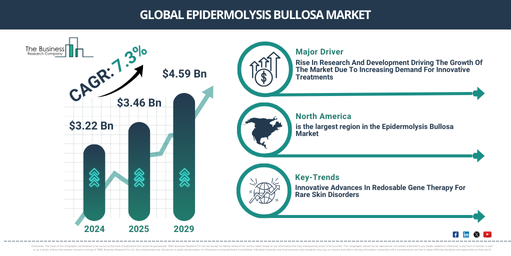
    The epidermolysis bullosa market has been experiencing substantial growth recently. The market value is estimated to escalate from $3.22 billion in 2024 to $3.46 billion in 2025, translating to a compound annual growth rate (CAGR) of 7.6%. Factors contributing to the growth in the historic period include an increase in clinical trials, a rise in the prevalence of epidermolysis bullosa, heightened awareness, a surge in funds allocated for research, a growing emphasis on gene therapy, and an intensified focus on treating rare diseases.

    In the upcoming years, the market size of epidermolysis bullosa is forecasted to experience solid expansion. The growth will reach $4.59 billion in 2029 with a compound annual growth rate (CAGR) of 7.3%. Factors contributing to the growth during the forecast period are heightened acceptance of regenerative medicine and stem cell therapy, escalating awareness and diagnostic rates, surging approvals of gene and cell therapies, broadening wound care, and a rise in diagnosed cases. Key trends during the forecast period encompass innovative therapies, stem cell treatment options, gene modification technologies, tailored treatments, strategic partnerships, and breakthroughs in genetic research.

    Download a free sample to assess the report’s scope and structure:

    https://www.thebusinessresearchcompany.com/sample.aspx?id=21958&type=smp

    What Are the Core Growth Drivers Propelling the Epidermolysis Bullosa Market Forward?

    The growth of the epidermolysis bullosa market is anticipated to be propelled by a surge in research and development activities. These activities encompass systematic endeavors directed towards the innovation, enhancement, and creation of new products, procedures, or technologies. The rising demand for inventive therapies, cutting-edge treatments, and precision medicine for complicated disease treatment has significantly contributed to the growth of such activities. The discovery of novel therapies, advancements in wound care solutions, and potential gene and cell-based treatments are driven by research and development activities, enhancing the diagnosis, treatment, and quality of life of patients with epidermolysis bullosa. In April 2024, the Office for National Statistics, a UK-based executive office, reported a considerable increase of 10.5% in the UK government’s net research and development spending (excluding their contributions to the EU), totaling about $19.2 billion in 2022 from $17.3 billion in 2021. Overall, the growth of the epidermolysis bullosa market is directly attributed to the increased research and development activities.

    What Segment Types Define the Epidermolysis Bullosa Market Structure?

    The epidermolysis bullosa market covered in this report is segmented –

    1) By Product Type: Antibiotic, Analgesics, Other Product Types

    2) By Mode Of Administration: Injectables, Oral, Other Modes of Administration

    3) By End User: Hospitals, Homecare, Specialty Clinics, Other End Users

    Subsegments:

    1) By Antibiotic: Topical Antibiotics, Oral Antibiotics, Injectable Antibiotics

    2) By Analgesics: NSAIDs, Opioids, Topical Pain Relievers

    3) By Other Product Types: Wound Dressings, Immunotherapies, Gene Therapies

    Request customized data on this market:

    https://www.thebusinessresearchcompany.com/customise?id=21958&type=smp

    Which Geographic Areas Hold the Strongest Growth Potential in the Epidermolysis Bullosa Market?

    North America was the largest region in the epidermolysis bullosa market in 2024. The regions covered in the epidermolysis bullosa market report are Asia-Pacific, Western Europe, Eastern Europe, North America, South America, Middle East, Africa.

    Which Emerging Trends that Are Influencing theEpidermolysis Bullosa Industry Evolution?

    Main players in the epidermolysis bullosa market are focusing their efforts on developing innovative treatments, such as redosable gene therapy, to improve long-term effectiveness and patient outcomes. Redosable gene therapy is a treatment that can be re-administered multiple times to sustain or increase its therapeutic benefits, a different approach compared to traditional single-use gene therapies. For example, in May 2023, Krystal Biotech Inc., a biotech company based in the U.S, revealed that the U.S. Food and Drug Administration (FDA) had given approval for VYJUVEK, a redosable gene therapy, for treating six months and older patients suffering from dystrophic epidermolysis bullosa (DEB). This groundbreaking therapy presents a functional version of the COL7A1 gene, dealing with the root of DEB by targeting the fundamental genetic flaw. Crafted for topical use, VYJUVEK provides a more accessible and less invasive alternative to traditional systemic treatments, thus enhancing patient care and the accessibility of treatment.

    View the full report here:

    https://www.thebusinessresearchcompany.com/report/epidermolysis-bullosa-global-market-report

    What Is the Definition of the Epidermolysis Bullosa Market?

    Epidermolysis bullosa (EB) refers to a group of rare genetic disorders that cause extremely fragile skin, leading to blistering and wounds from minor friction or trauma. They are used for studying genetic skin diseases, advancing wound care treatments, and developing innovative gene and cell therapies to improve patient outcomes.

    Purchase the full report and get a swift delivery:

    https://www.thebusinessresearchcompany.com/purchaseoptions.aspx?id=21958

    About The Business Research Company:

    With over 15000+ reports from 27 industries covering 60+ geographies, The Business Research Company has built a reputation for offering comprehensive, data-rich research and insights. Armed with 1,500,000 datasets, the optimistic contribution of in-depth secondary research, and unique insights from industry leaders, you can get the information you need to stay ahead in the game.

    Get in touch with us:

    The Business Research Company: https://www.thebusinessresearchcompany.com/

    Americas +1 3156230293

    Asia +44 2071930708

    Europe +44 2071930708

    Email us at info@tbrc.info

    Follow us on:

    LinkedIn: https://in.linkedin.com/company/the-business-research-company

    YouTube: https://www.youtube.com/channel/UC24_fI0rV8cR5DxlCpgmyFQ

    Global Market Model: https://www.thebusinessresearchcompany.com/global-market-model

  • Major Trends and Emerging Patterns in the Emphysema Market: Advancements In Inhaled Therapy For Chronic Obstructive Pulmonary Disease Treatment

    Discover trends, market shifts, and competitive outlooks for the emphysema industry through 2025-2034 with The Business Research Company’s reliable data and in-depth research

    What Are the Projected Market Size and Growth Rates for the Emphysema Market From 2025 To 2029?

    In the recent years, there has been a significant growth in the emphysema market size. The market value is expected to expand from $4.74 billion in 2024 to $4.99 billion in the subsequent year, 2025, with a compound annual growth rate (CAGR) of 5.2%. The notable growth during the historic period can be linked to the rise in respiratory ailments, an aging population, increased smoking habits, escalating levels of air pollution, growing government initiatives, and a surge in the population indulging in tobacco smoking.

    Predictions for the market size of emphysema suggest a consistent growth in the upcoming years, rising to an estimated $6.05 billion in 2029 with a compound annual growth rate (CAGR) of 4.9%. This projected rise during the forecast period can be linked to increasing healthcare expenditures, escalating environmental pollution, rising demand for diagnostic medical equipment, increasing vehicular trafficking, and a growing preference for minimally invasive procedures. The predictive period also indicates a trend towards new inhalation devices, strategic partnerships, personalized medicinal approaches, telemedicine, progress in inhalation therapies, and general medical advancements.

    Download a free sample to assess the report’s scope and structure:

    https://www.thebusinessresearchcompany.com/sample.aspx?id=21956&type=smp

    What Are the Primary Drivers Supporting the Market Growth of the Emphysema Market?

    The emphysema market is anticipated to grow due to the rising incidence of respiratory infections. These infections, which can affect all parts of the respiratory system such as the sinuses, throat, airways, and lungs, are becoming more common due to factors like pollution, climate change, urbanization, development of drug resistance, and new pathogens. These infections can worsen emphysema by causing inflammation and increased airway obstruction, leading to tissue damage and impaired lung function. For example, the Centers for Disease Control and Prevention, a government agency based in the U.S., reported in November 2024 that there was a 15.6% increase in tuberculosis (TB) cases from 8,332 in 2022 to 9,633 in 2023, with the incidence rate also rising 15.0% from 2.5 to 2.9 per 100,000 persons. Consequently, the upward trend of respiratory infections is contributing to the expansion of the emphysema market.

    Which Primary Segments of the Emphysema Market Are Driving Growth and Industry Transformations?

    The emphysema market covered in this report is segmented –

    1) By Type: Centrilobular, Panlobular

    2) By Treatment: Medication, Therapy, Surgery, Other Treatments

    3) By Diagnosis: Imaging Test, Lung Function Test, Other Diagnosis

    4) By Complications: Chest Infections, Collapsed Lung, Heart Problems, Lungs Hole, Other Complications

    5) By End-user: Hospitals And Clinics, Surgical Center, Other End-users

    Subsegments:

    1) By Centrilobular: Mild Centrilobular Emphysema, Moderate Centrilobular Emphysema, Severe Centrilobular Emphysema

    2) By Panlobular: Mild Panlobular Emphysema, Moderate Panlobular Emphysema, Severe Panlobular Emphysema

    Request customized data on this market:

    https://www.thebusinessresearchcompany.com/customise?id=21956&type=smp

    Which Regions Are Key Players in the Growth of the #What Are the Primary Drivers Supporting the Market Growth of the Emphysema Market?# Market?

    North America was the largest region in the emphysema market in 2024. Asia-Pacific is expected to be the fastest-growing region in the forecast period. The regions covered in the emphysema market report are Asia-Pacific, Western Europe, Eastern Europe, North America, South America, Middle East, Africa.

    What Are the Most Significant Market Trends in the Emphysema Market?

    Leading organizations in the emphysema market are concentrating on medical advancements, including inhalable dual inhibitors for phosphodiesterase 3 and 4, in an effort to deliver sophisticated treatments that progress lung function, moderate inflammation, and support overall disease management, thereby enhancing respiratory health and life quality. An inhalable dual inhibitor for phosphodiesterase 3 and 4 is a specific type of treatment that hones in on and neutralizes both phosphodiesterase enzymes in the lungs, subsequently easing the airways and lessening inflammation, thereby enhancing breathing in conditions such as chronic obstructive pulmonary disease. For example, Verona Pharma plc, a pharma company based in the UK, introduced Ohtuvayre (ensifentrine) in June 2024 – the initial inhalable dual PDE3 and PDE4 inhibitor to be approved by the US-based federal agency, the Food and Drug Administration, for the sustaining treatment of chronic obstructive pulmonary ailments such as emphysema. This was the first innovative inhalable therapy in over two decades. The medication, featuring both bronchodilator and anti-inflammatory effects, is set for distribution via specialty pharmacies.

    View the full report here:

    https://www.thebusinessresearchcompany.com/report/emphysema-global-market-report

    What Parameters Are Used to Define the Emphysema Market?

    Emphysema is a chronic lung disease that damages the air sacs (alveoli) in the lungs, leading to difficulty in breathing. It is a form of chronic obstructive pulmonary disease (COPD) and is primarily caused by smoking or long-term exposure to air pollutants. As the alveoli become weakened and lose their elasticity, air gets trapped, making it harder for the lungs to expel carbon dioxide and take in fresh oxygen. This results in shortness of breath, chronic cough, and reduced lung function over time.

    Purchase the full report and get a swift delivery:

    https://www.thebusinessresearchcompany.com/purchaseoptions.aspx?id=21956

    About The Business Research Company:

    With over 15000+ reports from 27 industries covering 60+ geographies, The Business Research Company has built a reputation for offering comprehensive, data-rich research and insights. Armed with 1,500,000 datasets, the optimistic contribution of in-depth secondary research, and unique insights from industry leaders, you can get the information you need to stay ahead in the game.

    Get in touch with us:

    The Business Research Company: https://www.thebusinessresearchcompany.com/

    Americas +1 3156230293

    Asia +44 2071930708

    Europe +44 2071930708

    Email us at info@tbrc.info

    Follow us on:

    LinkedIn: https://in.linkedin.com/company/the-business-research-company

    YouTube: https://www.youtube.com/channel/UC24_fI0rV8cR5DxlCpgmyFQ

    Global Market Model: https://www.thebusinessresearchcompany.com/global-market-model