Month: June 2025

  • Market Trends Influencing Strategic Decisions in the Lupus Nephritis Industry: Advancements In Second-Generation Calcineurin Inhibitors For Enhanced Lupus Nephritis Treatment

    Market Trends Influencing Strategic Decisions in the Lupus Nephritis Industry: Advancements In Second-Generation Calcineurin Inhibitors For Enhanced Lupus Nephritis Treatment

    Discover trends, market shifts, and competitive outlooks for the lupus nephritis industry through 2025-2034 with The Business Research Company’s reliable data and in-depth research

    What Are the Projected Market Size and Growth Rates for the Lupus Nephritis Market From 2025 To 2029?

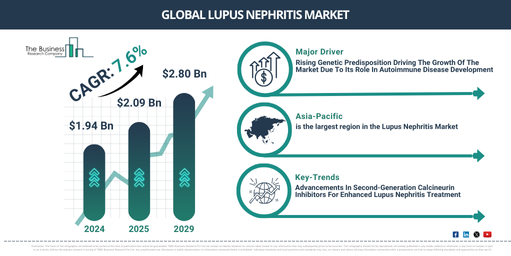
    Over the last few years, the lupus nephritis market has seen significant growth. Its size is expected to expand from $1.94 billion in 2024 to $2.09 billion in 2025, exhibiting a compound annual growth rate (CAGR) of 7.9%. The expansion during the past period can be associated with factors such as increased investment in lupus nephritis research, a surge in the occurrence of autoimmune diseases, rising healthcare expenses, increased use of biologics, and the growing trend of telemedicine.

    Expectations are high for a strong surge in the market size of lupus nephritis in the coming years. Predictions suggest growth to $2.80 billion by 2029 with a compound annual growth rate (CAGR) of 7.6%. This growth in the forecasted period may be due to an increased awareness among physicians, a rise in the adoption rate of biologic therapies, a growing number of specialty clinics, a heightened emphasis on renal transplantation, and better accessibility to nephrology services. Key trends anticipated during this forecast period are progress in biologic therapies, customized medicine techniques, new diagnostic biomarkers, extension of clinical trials and advancements in stem cell therapy.

    Download a free sample to assess the report’s scope and structure:

    https://www.thebusinessresearchcompany.com/sample.aspx?id=22044&type=smp

    What Are the Major Market Drivers Behind the Rising Adoption of Lupus Nephritis Market?

    The uptick in instances of genetic predisposition is anticipated to boost the expansion of the lupus nephritis market in the future. Genetic predisposition implies the presence of inherited genetic characteristics in a person that heightens their chances of contracting specific illnesses or ailments. The rise in genetic predisposition cases can be attributed to aspects such as heredity, environmental impacts, and alterations in particular genes. The growing cases of genetic predisposition contribute significantly to the onset of lupus nephritis, underscoring the influence of hereditary genetic factors on autoimmune disorders, particularly those impairing kidney functions. For example, the UK CF Registry, managed by the Cystic Fibrosis Trust, a national charity based in the UK, reported 11,148 registered patients in 2022, which rose to 11,318 in 2024, translating to a 1.52% surge in people with cystic fibrosis (CF). Consequently, the rising cases of genetic predisposition are propelling the growth of the lupus nephritis market.

    Which Key Market Segments Comprise the Lupus Nephritis Market and Drive Its Revenue Growth?

    The lupus nephritis market covered in this report is segmented –

    1) By Stage: Class 1, Class 2, Class 3, Other Stages

    2) By Drug Class: Immunosuppressive Drugs, Corticosteroids, Biological Agents, Antimalarial Drugs

    3) Route Of Administration: Oral, Parenteral, Other Routes Of Administration

    4) By Distribution Channel: Hospital Pharmacy, Retail Pharmacy, Online Pharmacy

    5) By End-User: Hospitals, Specialty Clinics, Other End-Users

    Subsegments:

    1) By Class 1: Asymptomatic Cases, Mild Proteinuria, Incidental Diagnosis.

    2) By Class 2: Mild Hematuria, Low-Grade Proteinuria, Minimal Immune Complex Deposition.

    3) By Class 3: Active Lesions, Chronic Sclerotic Lesions, Crescent Formation.

    4) By Other Stages: Class 4 (Diffuse Lupus Nephritis), Class 5 (Membranous Lupus Nephritis), Class 6 (Advanced Sclerotic Lupus Nephritis)

    Request customized data on this market:

    https://www.thebusinessresearchcompany.com/customise?id=22044&type=smp

    Which Areas Are Leading Regions in the Lupus Nephritis Market Expansion Across the Globe?

    Asia-Pacific was the largest region in the lupus nephritis market in 2024. The regions covered in the lupus nephritis market report are Asia-Pacific, Western Europe, Eastern Europe, North America, South America, Middle East, Africa.

    What Are the Strategic Trends Steering theLupus Nephritis Market Direction?

    Major companies operating in the market of lupus nephritis are striving to develop advanced second-generation calcineurin inhibitors. The aim is to improve treatment proficiency and enhance long-term kidney results for patients. These inhibitors are employed in treating lupus nephritis as they decrease inflammation and prevent renal damage by altering immune reactions. As an illustration, in September 2024, Aurinia Pharmaceuticals Inc., a Canada-based commercial-stage biopharmaceutical firm, announced the approval of LUPKYNIS (voclosporin) by the Japanese Ministry of Health, Labour, and Welfare for the treatment of lupus nephritis. The approval enables the use of voclosporin in combination with mycophenolate mofetil (MMF), supported by data from the AURORA Clinical Program, which proved its safety and effectiveness. This approval is an important step in broadening the treatment choices for lupus nephritis patients in Japan, enhancing disease control and results.

    View the full report here:

    https://www.thebusinessresearchcompany.com/report/lupus-nephritis-global-market-report

    How Is the Lupus Nephritis Market Conceptually Defined?

    Lupus nephritis is a serious kidney condition caused by systemic lupus erythematosus (SLE), an autoimmune disease in which the body’s immune system mistakenly attacks healthy tissues, including the kidneys. This inflammation can lead to kidney damage, impaired function, and, if left untreated, potentially kidney failure, making early diagnosis and treatment crucial for managing the disease.

    Purchase the full report and get a swift delivery:

    https://www.thebusinessresearchcompany.com/purchaseoptions.aspx?id=22044

    About The Business Research Company:

    With over 15000+ reports from 27 industries covering 60+ geographies, The Business Research Company has built a reputation for offering comprehensive, data-rich research and insights. Armed with 1,500,000 datasets, the optimistic contribution of in-depth secondary research, and unique insights from industry leaders, you can get the information you need to stay ahead in the game.

    Get in touch with us:

    The Business Research Company: https://www.thebusinessresearchcompany.com/

    Americas +1 3156230293

    Asia +44 2071930708

    Europe +44 2071930708

    Email us at info@tbrc.info

    Follow us on:

    LinkedIn: https://in.linkedin.com/company/the-business-research-company

    YouTube: https://www.youtube.com/channel/UC24_fI0rV8cR5DxlCpgmyFQ

    Global Market Model: https://www.thebusinessresearchcompany.com/global-market-model
  • Liver Cirrhosis Growth Trajectory: Key Forecasts and Strategic Insights

    Liver Cirrhosis Growth Trajectory: Key Forecasts and Strategic Insights

    Discover trends, market shifts, and competitive outlooks for the liver cirrhosis industry through 2025-2034 with The Business Research Company’s reliable data and in-depth research

    How Has The Liver Cirrhosis Market Growth Evolved From 2024 To 2025, And What’s Ahead?

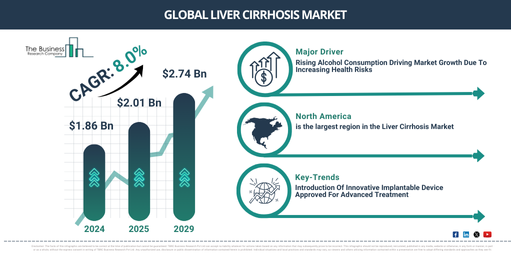
    Recent years have seen swift growth in the liver cirrhosis market size. The market is projected to rise from $1.86 billion in 2024 to $2.01 billion in 2025, with a compound annual growth rate (CAGR) of 8.3%. Factors such as rising liver disease prevalence, elevated alcohol intake, an aging population, growth in healthcare spending, and expanded government initiatives contributed to the growth witnessed during the historic period.

    In the forthcoming years, the liver cirrhosis market is poised for swift expansion. It’s predicted to inflate to $2.74 billion in 2029, with a compound annual growth rate (CAGR) of 8.0%. Factors contributing to this projected growth include escalating cases of hepatitis infections, burgeoning economic development, heightened urbanization, shifts in lifestyle, and a surge in medical tourism. Key trends to watch during this forecast period include progress in diagnostic tools, technological breakthroughs, collaborations and partnerships, the application of artificial intelligence, and the incorporation of holistic therapies.

    Download a free sample to assess the report’s scope and structure:

    https://www.thebusinessresearchcompany.com/sample.aspx?id=22040&type=smp

    Which Factors and External Forces Are Driving Demand in the Liver Cirrhosis Market?

    The liver cirrhosis market is projected to grow due to an increase in alcohol consumption. This refers to the uptake of alcoholic drinks, quantified by how often and how much is consumed. The reason for this upsurge is that alcohol has become an effective way for many to relieve daily stress, form social bonds at events, and elevate their relaxation moments. Alcohol is also widely advertised in media and is easily obtainable in numerous places. For patients with liver cirrhosis resulting from heavy drinking, the treatment concentrates on mitigating liver damage through stopping alcohol use, administering medications, and providing supportive care. It also warrants addressing alcohol addiction through therapy and rehabilitation. For instance, the National Drugs Library, based in Ireland, recorded in March 2023 that the average alcohol intake for people over 15 years of age in 2022 escalated to 10.2 liters of pure alcohol per capita. This amounts to a 7.6% surge from the previous year, 2021. Thus, the alcohol consumption increment fuels the liver cirrhosis market expansion.

    Which Segments in the Liver Cirrhosis Offer the Most Growth?

    The liver cirrhosis market covered in this report is segmented –

    1) By Type: Alcoholic Cirrhosis, Atrophic Cirrhosis, Biliary Cirrhosis, Cardiac Cirrhosis, Cryptogenic Cirrhosis

    2) By Treatment: Antibiotics, Immunosuppressants, Other Treatments

    3) By End Users: Hospitals, Specialty Clinics, Ambulatory Surgical Centers, Academic And Research Institutes, Other End Users

    Subsegmentss:

    1) By Alcoholic Cirrhosis: Compensated Alcoholic Cirrhosis, Decompensated Alcoholic Cirrhosis, Alcoholic Steatohepatitis (ASH)-Associated Cirrhosis

    2) By Atrophic Cirrhosis: Post-necrotic Atrophic Cirrhosis, Macronodular Atrophic Cirrhosis, Micronodular Atrophic Cirrhosis

    3) By Biliary Cirrhosis: Primary Biliary Cirrhosis (PBC), Secondary Biliary Cirrhosis, Autoimmune Biliary Cirrhosis

    4) By Cardiac Cirrhosis: Right Heart Failure-Induced Cirrhosis, Chronic Passive Congestion Cirrhosis, Ischemic Hepatitis Cirrhosis

    5) By Cryptogenic Cirrhosis: Non-Alcoholic Steatohepatitis (NASH)-Associated Cirrhosis, Idiopathic Cirrhosis, Metabolic Syndrome-Associated Cirrhosis

    Request customized data on this market:

    https://www.thebusinessresearchcompany.com/customise?id=22040&type=smp

    What Are the Fastest-Growing Geographies in the Liver Cirrhosis Market?

    North America was the largest region in the liver cirrhosis market in 2024. Asia-Pacific is expected to be the fastest-growing region in the forecast period. The regions covered in the liver cirrhosis market report are Asia-Pacific, Western Europe, Eastern Europe, North America, South America, Middle East, Africa.

    Which Cutting-Edge Market Trends Are Expected to Drive theLiver Cirrhosis Market’s Growth?

    Major corporations that are part of the liver cirrhosis market are focusing on advancing treatment methods, which include the creation of active implantable medical devices, to enhance patient health outcomes and broaden therapeutic opportunities. These devices are electronic implants created to monitor, support, or improve organ function inside the body. For example, in December 2024, a medical device company based in Belgium, Sequana Medical NV, was granted U.S. FDA approval for its innovative alfapump system. This was the first active implantable medical device for managing recurrent or refractory ascites caused by liver cirrhosis in the U.S. This cutting-edge technology brings an automatic, on-going solution for managing fluid by moving excess abdominal fluid to the bladder, which significantly minimizes the reliance on invasive therapeutic paracentesis. The alfapump symbolizes a significant progression in enhancing patient health results and improving quality of life, with a potential market of about 70,000 patients in the U.S.

    View the full report here:

    https://www.thebusinessresearchcompany.com/report/liver-cirrhosis-global-market-report

    What Are the Key Elements That Define the Liver Cirrhosis Market?

    Liver cirrhosis is a progressive disease in which healthy liver tissue is gradually replaced by scar tissue, impairing the liver’s ability to function properly. This condition results from prolonged liver damage caused by factors such as chronic alcohol consumption, viral hepatitis, or fatty liver disease.

    Purchase the full report and get a swift delivery:

    https://www.thebusinessresearchcompany.com/purchaseoptions.aspx?id=22040

    About The Business Research Company:

    With over 15000+ reports from 27 industries covering 60+ geographies, The Business Research Company has built a reputation for offering comprehensive, data-rich research and insights. Armed with 1,500,000 datasets, the optimistic contribution of in-depth secondary research, and unique insights from industry leaders, you can get the information you need to stay ahead in the game.

    Get in touch with us:

    The Business Research Company: https://www.thebusinessresearchcompany.com/

    Americas +1 3156230293

    Asia +44 2071930708

    Europe +44 2071930708

    Email us at info@tbrc.info

    Follow us on:

    LinkedIn: https://in.linkedin.com/company/the-business-research-company

    YouTube: https://www.youtube.com/channel/UC24_fI0rV8cR5DxlCpgmyFQ

    Global Market Model: https://www.thebusinessresearchcompany.com/global-market-model
  • Next-Gen Liver Cancer : Market Forecast, Transformation, and Long-Term Trajectories

    Next-Gen Liver Cancer : Market Forecast, Transformation, and Long-Term Trajectories

    Discover trends, market shifts, and competitive outlooks for the liver cancer industry through 2025-2034 with The Business Research Company’s reliable data and in-depth research

    What is the Projected CAGR for the Liver Cancer Market Size from 2025 to 2034?

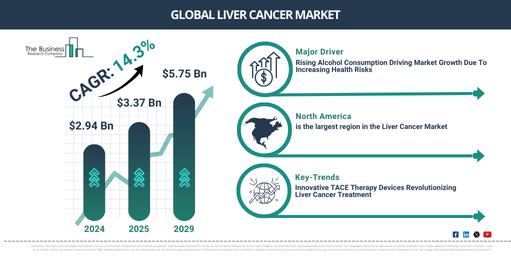
    In recent years, a significant growth has been observed in the liver cancer market size, expanding from $2.94 billion in 2024 to an expected $3.37 billion in 2025, reflecting a compound annual growth rate (CAGR) of 14.5%. Factors such as an increase in worldwide cases of liver cancer, a greater prevalence of hepatitis B and C infections, a rise in incidences of non-alcoholic fatty liver disease, government actions advocating for early detection, and heightened awareness about liver health have contributed to the growth during the historic period.

    The market size for liver cancer is anticipated to experience a swift expansion in the coming years. It’s projected to reach $5.75 billion in 2029, with a compound annual growth rate (CAGR) of 14.3%. The projected growth during the forecast period is driven by the increasing aging population, amplified health care spending, a growing preference for minimally invasive treatments, an expanding number of specialty medical centers, and a surge in medical tourism. The period is also expected to see significant trends such as improvements in diagnostic technologies, evolution of targeted therapies, the emergence of combination therapies, technological progress in surgical procedures, and developments in radiotherapy techniques.

    Download a free sample to assess the report’s scope and structure:

    https://www.thebusinessresearchcompany.com/sample.aspx?id=22039&type=smp

    Which Major Market Drivers Are Expected to Boost the Growth Potential of the Liver Cancer Market?

    The upsurge in the consumption of alcohol is anticipated to fuel the expansion of the liver cancer market in the future. The term ‘alcohol consumption’ pertains to the ingestion of alcoholic drinks, typically quantified in terms of volume and frequency. More and more people are drinking alcohol as it provides an escape from everyday stress, encourages social interactions at gatherings, and enhances moments of relaxation. Besides, the constant promotion through the media and its easy availability in various environments facilitate this trend. However, heavy drinking can trigger liver cirrhosis, inflammation, and DNA degradation, escalating liver cancer risk by stimulating abnormal cell division. For example, the National Drugs Library, a data-gathering organization based in Ireland, reported in March 2023 that, in 2022, the average alcohol consumption for those aged over 15 years had climbed to 10.2 liters of pure alcohol per person, a 7.6% surge from 2021. Consequently, the liver cancer market is boosted by the increase in alcohol consumption.

    Which Key Market Segments Comprise the Liver Cancer Market and Drive Its Revenue Growth?

    The liver cancer market covered in this report is segmented –

    1) By Type: Hepatoblastoma, Intrahepatic Cholangiocarcinoma, Hepatocellular Carcinoma, Fibrolamellar Carcinoma

    2) By Stage Of Liver Cancer: Early Stage, Intermediate Stage, Advanced Stage

    3) By Treatment: Targeted Therapy, Radiation Therapy, Surgery, Chemotherapy, Immunotherapy

    4) By End User: Hospitals, Specialty Clinics, Ambulatory Surgical Centers, Cancer Research Institutes

    Subsegmentss:

    1) By Hepatoblastoma: Epithelial Hepatoblastoma, Mixed Epithelial and Mesenchymal Hepatoblastoma

    2) By Intrahepatic Cholangiocarcinoma: Mass-forming Cholangiocarcinoma, Periductal Infiltrating Cholangiocarcinoma, Intraductal Growing Cholangiocarcinoma

    3) By Hepatocellular Carcinoma: Fibrolamellar Hepatocellular Carcinoma, Conventional Hepatocellular Carcinoma, Scirrhous Hepatocellular Carcinoma, Clear Cell Hepatocellular Carcinoma, Lymphoepithelioma-like Hepatocellular Carcinoma

    4) By Fibrolamellar Carcinoma: Classic Fibrolamellar Carcinoma, Mixed Fibrolamellar and Conventional Hepatocellular Carcinoma

    Request customized data on this market:

    https://www.thebusinessresearchcompany.com/customise?id=22039&type=smp

    Which Areas Are Leading Regions in the Liver Cancer Market Expansion Across the Globe?

    North America was the largest region in the liver cancer market in 2024. Asia-Pacific is expected to be the fastest-growing region in the forecast period. The regions covered in the liver cancer market report are Asia-Pacific, Western Europe, Eastern Europe, North America, South America, Middle East, Africa.

    What Are the Key Market Trends in theLiver Cancer Market Over the Coming Years?

    In the liver cancer market, leading companies are prioritizing the creation of novel therapy devices that utilize transcatheter arterial chemoembolization (TACE) with the aim of increasing treatment accuracy, enhancing patient results, and minimizing side effects. TACE is a less invasive method that introduces chemotherapy directly to the liver tumor and obstructs its blood supply to boost the efficacy of the treatment. For example, Terumo Corporation, a medical technology firm based in Japan, introduced Occlusafe and LifePearl, innovative therapy devices for liver cancer management in November 2023. These devices aim to improve liver cancer management, especially in cases of hepatocellular carcinoma (HCC), the most prevalent form of primary liver cancer in India with more than 20,000 new cases reported yearly. Occlusafe is a part of a groundbreaking therapy known as Balloon-TACE (B-TACE), which enhances the accuracy and efficiency of TACE by occluding blood flow using a balloon during the procedure. LifePearl comprises polyethylene glycol (PEG) embolization microspheres that can be filled with chemotherapeutic agents.

    View the full report here:

    https://www.thebusinessresearchcompany.com/report/liver-cancer-global-market-report

    How Is the Liver Cancer Market Conceptually Defined?

    Liver cancer is a malignant disease that originates in the liver cells, primarily hepatocytes, and can spread to other organs. It is associated with risk factors such as chronic hepatitis B and C infections, cirrhosis, excessive alcohol consumption, and non-alcoholic fatty liver disease (NAFLD). The disease is often diagnosed at advanced stages, making early detection and treatment crucial for improving survival rates.

    Purchase the full report and get a swift delivery:

    https://www.thebusinessresearchcompany.com/purchaseoptions.aspx?id=22039

    About The Business Research Company:

    With over 15000+ reports from 27 industries covering 60+ geographies, The Business Research Company has built a reputation for offering comprehensive, data-rich research and insights. Armed with 1,500,000 datasets, the optimistic contribution of in-depth secondary research, and unique insights from industry leaders, you can get the information you need to stay ahead in the game.

    Get in touch with us:

    The Business Research Company: https://www.thebusinessresearchcompany.com/

    Americas +1 3156230293

    Asia +44 2071930708

    Europe +44 2071930708

    Email us at info@tbrc.info

    Follow us on:

    LinkedIn: https://in.linkedin.com/company/the-business-research-company

    YouTube: https://www.youtube.com/channel/UC24_fI0rV8cR5DxlCpgmyFQ

    Global Market Model: https://www.thebusinessresearchcompany.com/global-market-model
  • Global Lenegre’s Disease Market Trends: Regional Breakdowns and Strategic Insights

    Global Lenegre’s Disease Market Trends: Regional Breakdowns and Strategic Insights

    Discover trends, market shifts, and competitive outlooks for the lenegre’s disease industry through 2025-2034 with The Business Research Company’s reliable data and in-depth research

    How Has the Lenegre’s Disease Market Growth Performance Trended Historically, And What Lies Ahead?

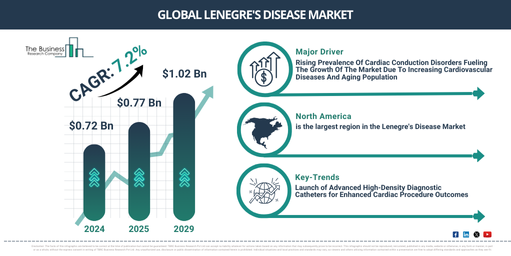
    The market size of Lenegre’s disease has seen significant strengthening over the recent past. It’s estimated to escalate from $0.72 billion in 2024 to $0.77 billion in 2025, with a compound annual growth rate (CAGR) of 7.3%. The historic growth can be credited to factors such as the increasing occurrence of cardiovascular conditions, an aging populace, amplified understanding of conduction disorders, heightened spending on healthcare, and initiatives towards early diagnosis.

    Expectations are that the market size for lenegre’s disease will demonstrate robust growth in the forthcoming years. It’s forecasted to reach a valuation of $1.02 billion in 2029, a development propelled by a compound annual growth rate (CAGR) of 7.2%. Among the factors contributing to this growth during the predicted period are rising incidences of arrhythmias, escalating use of remote patient monitoring, substantial investment in cardiac research, the expansion of healthcare infrastructure, and greater access to electrophysiology treatments. Also anticipated in the same period are significant trends such as a shift to AI-driven diagnostics, the innovation of next-generation pacemakers, the incorporation of big data into cardiac care, advancements in electrocardiography, and the broadening of telehealth services.

    Download a free sample to assess the report’s scope and structure:

    https://www.thebusinessresearchcompany.com/sample.aspx?id=22034&type=smp

    What Are the Major Market Drivers Behind the Rising Adoption of Lenegre’s Disease Market?

    The future expansion of the lenegre disease market is anticipated to be propelled by the growing occurrence of cardiac conduction disorders. These disorders, which interfere with the electric signals of the heart, result in abnormal heart rhythms or impaired coordination of heartbeat. The escalation of cardiac conduction disorders stems from the increasing number of cardiovascular diseases and the aging population. Cardiovascular illnesses, such as hypertension, coronary artery disease, and heart failure, are becoming more prevalent and this directly impacts the heart’s electrical conduction system, leading to conditions like arrhythmias and heart block. Lenègre’s disease is brought on by cardiac conduction disorders which gradually deteriorate the heart’s conduction system, resulting in conduction blockages and arrhythmias. For instance, the American Heart Association, a US-based non-profit entity, reported in January 2025 that the U.S. registered 941,652 deaths from cardiovascular diseases (CVD) in 2022, seeing an increase of over 10,000 compared to the 931,578 deaths recorded in 2021. Hence, the increasing instances of cardiac conduction disorders push forward the lenegre disease market.

    Which Key Market Segments Comprise the Lenegre’s Disease Market and Drive Its Revenue Growth?

    The lenegre’s disease market covered in this report is segmented –

    1) By Disorder Type: Cutaneous Lenegres Disease, Systemic Lenegres Disease

    2) By Treatment: Corticosteroids, Immunosuppressants, Biological Therapies, Phototherapy, Other Treatments

    3) By End User: Hospital, Dermatology Clinics, Ambulatory Surgical Centers, Other End Users

    Subsegments:

    1) By Cutaneous Lenegre’s Disease: Autoimmune-Related Cutaneous Lenegre’s Disease, Genetic Cutaneous Lenegre’s Disease, Idiopathic Cutaneous Lenegre’s Disease, Drug-Induced Cutaneous Lenegre’s Disease

    2) By Systemic Lenegre’s Disease: Primary Systemic Lenegre’s Disease, Secondary Systemic Lenegre’s Disease, Congenital Systemic Lenegre’s Disease, Aging-related Systemic Lenegre’s Disease

    Request customized data on this market:

    https://www.thebusinessresearchcompany.com/customise?id=22034&type=smp

    Which Areas Are Leading Regions in the Lenegre’s Disease Market Expansion Across the Globe?

    North America was the largest region in the lenegre’s disease market in 2024. The regions covered in the lenegre’s disease market report are Asia-Pacific, Western Europe, Eastern Europe, North America, South America, Middle East, Africa.

    What Are the Strategic Trends Steering theLenegre’s Disease Market Direction?

    Key players in the lenegre disease market are prioritizing the launch of sophisticated products like high-density diagnostic catheters to enhance the precision and efficiency of cardiac procedures. High-density diagnostic catheters are specialized tools in cardiology used to record the heart’s electrical activity accurately, facilitating a comprehensive diagnosis and treatment of cardiac arrhythmias. As an illustration, in July 2023, Biosense Webster Inc., a medical equipment manufacturer based in the US, released an OPTRELL mapping catheter equipped with TRUEref technology. This OPTRELL mapping catheter, incorporated with TRUEref technology and powered by the CARTO 3 System, provides high-definition electrophysiological mapping with its 48 miniature electrodes. This allows healthcare professionals to map complicated cardiac arrhythmias more accurately and devise more efficient ablation strategies.

    View the full report here:

    https://www.thebusinessresearchcompany.com/report/lenegres-disease-global-market-report

    How Is the Lenegre’s Disease Market Conceptually Defined?

    Lénegre’s disease is a rare condition that primarily affects the heart’s electrical conduction system, leading to a type of arrhythmia. This disease is characterized by progressive fibrosis (scarring) of the cardiac conduction tissues, including the atrioventricular (AV) node and the bundle of His, which can impair the transmission of electrical impulses in the heart.

    Purchase the full report and get a swift delivery:

    https://www.thebusinessresearchcompany.com/purchaseoptions.aspx?id=22034

    About The Business Research Company:

    With over 15000+ reports from 27 industries covering 60+ geographies, The Business Research Company has built a reputation for offering comprehensive, data-rich research and insights. Armed with 1,500,000 datasets, the optimistic contribution of in-depth secondary research, and unique insights from industry leaders, you can get the information you need to stay ahead in the game.

    Get in touch with us:

    The Business Research Company: https://www.thebusinessresearchcompany.com/

    Americas +1 3156230293

    Asia +44 2071930708

    Europe +44 2071930708

    Email us at info@tbrc.info

    Follow us on:

    LinkedIn: https://in.linkedin.com/company/the-business-research-company

    YouTube: https://www.youtube.com/channel/UC24_fI0rV8cR5DxlCpgmyFQ

    Global Market Model: https://www.thebusinessresearchcompany.com/global-market-model
  • Leber Congenital Amaurosis Market Outlook 2025: Mapping Growth, Innovation, and Regional Shifts

    Discover trends, market shifts, and competitive outlooks for the leber congenital amaurosis industry through 2025-2034 with The Business Research Company’s reliable data and in-depth research

    What Are the Projected Market Size and Growth Rates for the Leber Congenital Amaurosis Market From 2025 To 2029?

    The market for leber congenital amaurosis has seen robust growth in the past few years. It is projected to expand from $1.01 billion in 2024 to $1.07 billion in 2025, with a compound annual growth rate (CAGR) of 6.0%. The growth observed during the historic period can be credited to increasing awareness about rare ocular conditions, augmented government financing, advancements in diagnostic methods, the development of eye research facilities, and initiatives for patient advocacy.

    Anticipated robust expansion is predicted for the leber congenital amaurosis market in the ensuing years, with a forecasted value of $1.34 billion in 2029, experiencing a compound annual growth rate (CAGR) of 5.9%. The predicted growth during this forecast period can be credited to increased investment in gene therapy, a rising incidence of inherited retinal diseases, regulatory sanctioning for revolutionary treatments, the extension of clinical trials, and a surge in healthcare spending. Key trends during the forecast period encompass the introduction of CRISPR-oriented therapies, heightened collaboration amongst biotech firms, evolution of personalized medicine, the burgeoning growth of teleophthalmology, and technological progress in retinal imaging.

    Download a free sample to assess the report’s scope and structure:

    https://www.thebusinessresearchcompany.com/sample.aspx?id=22033&type=smp

    What External and Internal Drivers Are Contributing to the Growth of the Leber Congenital Amaurosis Market?

    The escalating incidence of inherited retinal diseases is projected to drive the expansion of the leber congenital amaurosis (LCA) market. Inherited retinal diseases (IRDs) are genetic conditions that impact the retina, a light-sensitive tissue in the eye that enables vision. The upswing in inherited retinal diseases is ascribed to advancements in genetic testing, increased awareness and diagnosis, and greater longevity. Technological improvements in genetic testing have streamline the diagnosis of inherited retinal diseases, resulting in the discovery of additional cases. Leber congenital amaurosis enhances the comprehension of inherited retinal diseases by unveiling genetic anomalies and disease processes that aid in the creation of targeted therapies and treatments. For example, data from the UK Parliament’s House of Commons Library, a government entity in the UK, revealed that in January 2025 around 25,000 individuals in the UK suffered from inherited retinal diseases in 2024, a yearly rise of 2%. Consequently, the rising incidence of inherited retinal diseases fuels the growth of the leber congenital amaurosis market.

    What Segment Types Define the Leber Congenital Amaurosis Market Structure?

    The leber congenital amaurosis market covered in this report is segmented –

    1) By Treatment Type: Gene Therapy, Pharmaceutical Drugs, Retinal Prosthesis, Assistive Devices, Other Treatments

    2) By Age Of Onset: Congenital Leber Congenital Amaurosis (LCA) (From Birth), Early Childhood Leber Congenital Amaurosis (LCA) (1-5 Years), Late-Onset Leber Congenital Amaurosis (LCA) (6 Years And Above)

    3) By Distribution Channel:, Direct Tender, Retail Sales

    4) By End User: Hospitals, Specialized Eye Clinics, Ophthalmology Research Centers, Home Care Settings, Other End Users

    Subsegments:

    1) By Gene Therapy: RPE65 Gene Replacement Therapy, CRISPR-Based Gene Editing, AAV (Adeno-Associated Virus) Vector Therapy, Emerging Experimental Gene Therapies

    2) By Pharmaceutical Drugs: Retinoid-Based Therapies, Neuroprotective Agents, Anti-Inflammatory Drugs, Antioxidant Therapies

    3) By Retinal Prosthesis: Implantable Retinal Chips, Artificial Retinal Stimulation Devices, Bionic Eye Technology

    4) By Assistive Devices: Low Vision Aids, Screen Readers and Braille Devices, Mobility Aids for Vision Impairment

    5) By Other Treatments: Stem Cell Therapy, Optogenetics-Based Treatments, Visual Rehabilitation Programs, Nutritional and Dietary Interventions

    Request customized data on this market:

    https://www.thebusinessresearchcompany.com/customise?id=22033&type=smp

    Which Geographic Areas Hold the Strongest Growth Potential in the Leber Congenital Amaurosis Market?

    North America was the largest region in the leber congenital amaurosis market in 2024. Asia-Pacific is expected to be the fastest-growing region in the forecast period. The regions covered in the leber congenital amaurosis market report are Asia-Pacific, Western Europe, Eastern Europe, North America, South America, Middle East, Africa.

    What Long-Term Trends Are Transforming the Competitive Landscape of the Leber Congenital Amaurosis Market?

    Leading companies in the leber congenital amaurosis market are currently concentrating on creating groundbreaking solutions, including RNA-based treatments, with the aim of enhancing vision restoration and disease control. These treatments employ RNA molecules in order to address diseases by focusing on genetic activities, such as mRNA vaccines, siRNA therapies, antisense oligonucleotides, and RNA aptamers. For example, in January 2025, Laboratoires Théa S.A.S., a pharmaceutical company based in France, introduced Sepul Bio, a specialized business department focused on pushing forward RNA therapies for genetically inherited retinal diseases, specifically aiming at sepofarsen for leber congenital amaurosis 10 (LCA10) and ultevursen for USH2A-related retinitis pigmentosa. Following the successful administration of the first dosage to a patient in the LUNA Phase 2b clinical trial for ultevursen, Sepul Bio is set to make considerable progress in treating these uncommon genetic conditions.

    View the full report here:

    https://www.thebusinessresearchcompany.com/report/leber-congenital-amaurosis-global-market-report

    What Is the Definition of the Leber Congenital Amaurosis Market?

    Leber congenital amaurosis (LCA) is a genetic eye disorder that causes severe vision loss or blindness from infancy due to mutations affecting the retina’s ability to detect light. It is characterized by poor visual response, involuntary eye movements (nystagmus), and extreme farsightedness resulting from disrupted photoreceptor function and progressive retinal degeneration.

    Purchase the full report and get a swift delivery:

    https://www.thebusinessresearchcompany.com/purchaseoptions.aspx?id=22033

    About The Business Research Company:

    With over 15000+ reports from 27 industries covering 60+ geographies, The Business Research Company has built a reputation for offering comprehensive, data-rich research and insights. Armed with 1,500,000 datasets, the optimistic contribution of in-depth secondary research, and unique insights from industry leaders, you can get the information you need to stay ahead in the game.

    Get in touch with us:

    The Business Research Company: https://www.thebusinessresearchcompany.com/

    Americas +1 3156230293

    Asia +44 2071930708

    Europe +44 2071930708

    Email us at info@tbrc.info

    Follow us on:

    LinkedIn: https://in.linkedin.com/company/the-business-research-company

    YouTube: https://www.youtube.com/channel/UC24_fI0rV8cR5DxlCpgmyFQ

    Global Market Model: https://www.thebusinessresearchcompany.com/global-market-model

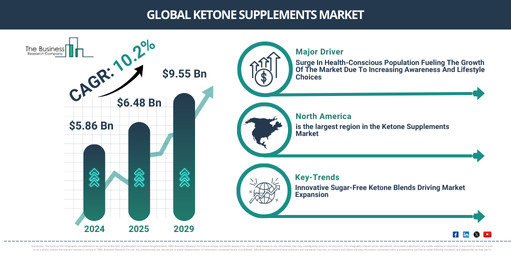
  • $9.55 Billion Forecast for Ketone Supplements Market by 2029, Backed by Demand and Innovation

    $9.55 Billion Forecast for Ketone Supplements Market by 2029, Backed by Demand and Innovation

    Discover trends, market shifts, and competitive outlooks for the ketone supplements industry through 2025-2034 with The Business Research Company’s reliable data and in-depth research

    What is the Projected CAGR for the Ketone Supplements Market Size from 2025 to 2034?

    In recent times, the ketone supplements market has witnessed rapid expansion. Its size is projected to inflate from $5.86 billion in 2024 to $6.48 billion in 2025, exhibiting a compound annual growth rate (CAGR) of 10.5%. The considerable growth in the past can be traced back to the widespread acceptance of ketogenic diets, heightened awareness towards health, surge in demand for weight management solutions, flourishing sports nutrition industry, and enhanced understanding of metabolic health among consumers.

    The market for ketone supplements is projected to witness a significant expansion in the coming years, with an estimated value of $9.55 billion in 2029 and a Compound Annual Growth Rate (CAGR) of 10.2%. This predicted development in the forecast period can be linked to factors like growing interest in tailored nutrition, a tendency towards clean-label supplements, heightened attention to cognitive health benefits, growth of e-commerce and direct-to-consumer sales, and increasing usage among endurance athletes. Key trends forecasted during this period include the development of plant-based ketone supplements, the introduction of AI in providing bespoke supplement suggestions, advancements in ketone delivery systems and supplement formulations, and an increase in subscription-based supplement services.

    Download a free sample to assess the report’s scope and structure:

    https://www.thebusinessresearchcompany.com/sample.aspx?id=22028&type=smp

    What Are the Core Growth Drivers Propelling the Ketone Supplements Market Forward?

    The rise in the number of people prioritizing their health is predicted to stimulate the expansion of the ketone supplements industry. These health-focused individuals consciously adopt lifestyle choices that emphasize their wellness, including eating healthily, regular physical activity, and steering clear of detrimental elements. The increased awareness of the significance of these healthy lifestyle choices, the impact of social media, and the accessibility of additional health-related information significantly contribute to this spike in health-conscious individuals. Ketone supplements serve as a beneficial aid for these focused individuals, advocating weight management, enhanced athletic performance, improved cognitive abilities, and rapid recovery post-workout. For example, a survey study conducted by the non-profit American organization, International Food Information Council, in May 2022, showed that about 52% of the 1,005 American adults aged 18–80 and Gen Z adults aged 18-24 surveyed adhered to a specific diet or eating regimen, observing an increase from 39% in 2021. Hence, the surge in health-conscious individuals is fueling the upswing in the ketone supplements market.

    What Segment Types Define the Ketone Supplements Market Structure?

    The ketone supplements market covered in this report is segmented –

    1) By Product Type: Tablets Or Capsules, Powder, Gummies, Liquid

    2) By Application: Supplements, Food And Beverages, Cosmetics And Personal Care Products

    3) By Distribution Channel: Hypermarkets or Supermarkets, Convenience Stores, Specialist Stores, Online Retail, Other Distribution Channels

    Subsegments:

    1) By Tablets or Capsules: Exogenous Ketone Capsules, Ketone Ester Tablets, BHB (Beta-Hydroxybutyrate) Salt Capsules, Multi-Nutrient Ketone Blends

    2) By Powder: Pure BHB Powder, Ketone Ester Powder, Ketogenic Meal Replacement Powder, Flavored Ketone Powders

    3) By Gummies: BHB Gummies, MCT (Medium-Chain Triglyceride) Gummies, Multi-Vitamin Infused Ketone Gummies, Sugar-Free Ketone Gummies

    4) By Liquid: Ready-to-Drink Ketone Beverages, Liquid Ketone Esters, Ketone Energy Shots, Electrolyte-Infused Ketone Drinks

    Request customized data on this market:

    https://www.thebusinessresearchcompany.com/customise?id=22028&type=smp

    Which Geographic Areas Hold the Strongest Growth Potential in the Ketone Supplements Market?

    North America was the largest region in the ketone supplements market in 2024. Asia-Pacific is expected to be the fastest-growing region in the forecast period. The regions covered in the ketone supplements market report are Asia-Pacific, Western Europe, Eastern Europe, North America, South America, Middle East, Africa.

    Which Emerging Trends that Are Influencing theKetone Supplements Industry Evolution?

    Major firms in the ketone supplements market are concentrating on generating new and novel formulations such as sugar-free ketone mixes to improve energy yield and metabolic aid. Sugar-free ketone mixes are devised to incorporate exogenous ketones like beta-hydroxybutyrate or BHB salts with other elements, excluding any added sugars. These mixtures facilitate ketosis – the metabolic stage where fat, instead of carbohydrates, is used by the body for energy. For example, in October 2024, KEY, the American ketone supplemental brand, declared its country-wide availability in Sprouts Farmers Market stores, thereby broadening its reach of the natural, sugarless ketone drink. KEY sets itself apart with its formula devoid of sugar and 80 mg of caffeine derived from green tea, providing a steady stream of energy without the usual crash. It provides a natural fuel replacement via ketones which boosts metabolic efficiency and prolonged performance.

    View the full report here:

    https://www.thebusinessresearchcompany.com/report/ketone-supplements-global-market-report

    What Is the Definition of the Ketone Supplements Market?

    Ketone supplements refer to dietary products that provide exogenous ketones to increase blood ketone levels, mimicking a state of ketosis without requiring strict carbohydrate restriction. These supplements typically contain beta-hydroxybutyrate (BHB) as salts or esters, which serve as an alternative energy source for the body and brain. They are commonly used to enhance athletic performance, support weight management, and improve cognitive function.

    Purchase the full report and get a swift delivery:

    https://www.thebusinessresearchcompany.com/purchaseoptions.aspx?id=22028

    About The Business Research Company:

    With over 15000+ reports from 27 industries covering 60+ geographies, The Business Research Company has built a reputation for offering comprehensive, data-rich research and insights. Armed with 1,500,000 datasets, the optimistic contribution of in-depth secondary research, and unique insights from industry leaders, you can get the information you need to stay ahead in the game.

    Get in touch with us:

    The Business Research Company: https://www.thebusinessresearchcompany.com/

    Americas +1 3156230293

    Asia +44 2071930708

    Europe +44 2071930708

    Email us at info@tbrc.info

    Follow us on:

    LinkedIn: https://in.linkedin.com/company/the-business-research-company

    YouTube: https://www.youtube.com/channel/UC24_fI0rV8cR5DxlCpgmyFQ

    Global Market Model: https://www.thebusinessresearchcompany.com/global-market-model

  • Ischemia Reperfusion Injury Market 2025-2034: Key Highlights, Growth Dynamics, and Emerging Trends

    Ischemia Reperfusion Injury Market 2025-2034: Key Highlights, Growth Dynamics, and Emerging Trends

    Discover trends, market shifts, and competitive outlooks for the ischemia reperfusion injury industry through 2025-2034 with The Business Research Company’s reliable data and in-depth research

    What Are the Key Milestones in the Ischemia Reperfusion Injury Market’s Growth Trajectory From 2025 To 2034?

    In recent times, the market size for ischemia reperfusion injury has undergone significant expansion. The market is projected to swell from $1.56 billion in 2024 to $1.68 billion in 2025, marking a compound annual growth rate (CAGR) of 8.1%. Factors contributing to the growth in the past period include a surge in cardiovascular disease rates, a higher number of surgical procedures, increased demand for organ transplants, a growing ageing population, and a rise in stroke incidence.

    In the coming years, the ischemia reperfusion injury market is anticipated to experience notable growth, expanding to a valuation of $2.26 billion by 2029, with a compound annual growth rate (CAGR) of 7.7%. The growth during the projection period is attributed to the rising demand for biomarker-based diagnostics, increased awareness regarding organ preservation methods, a surge in myocardial infarction incidents, escalating investments in pharmaceutical R&D, and burgeoning demand for stem cell therapy. The trending forecast period developments include advancements in imaging technology, the creation of new pharmacological agents, the incorporation of AI and machine learning in therapy, the use of 3D printing in organ modelling, and a trend towards telemedicine.

    Download a free sample to assess the report’s scope and structure:

    https://www.thebusinessresearchcompany.com/sample.aspx?id=22025&type=smp

    How Are Key Drivers in the Industry Acting as Catalysts for the Growth of the Ischemia Reperfusion Injury Market?

    A surge in cardiovascular diseases is projected to fuel the progression of the ischemia-reperfusion injury market. Cardiovascular diseases encompass conditions that impact the heart and blood vessels, including diseases such as coronary artery disease, heart failure, and stroke. The surge in these conditions can be attributed to unhealthy lifestyles and an aging demographic. Diets loaded with saturated fats, sugar, and salt, along with insufficient physical activity, have resulted in increasing obesity, hypertension and diabetes rates, which are key contributing factors for cardiovascular diseases. Ischemia-reperfusion injury exacerbates cardiovascular diseases by worsening tissue damage, causing oxidative stress, inflammation, and cell death, thereby, compromising cardiac function and escalating heart failure risk and other complications. For example, in December 2023, the Australian Institute of Health and Welfare reported an increase in coronary heart disease (CHD) deaths from 14,100 in 2021 to 14,900 in 2022. Hence, the surge in cardiovascular diseases is stimulating the ischemia-reperfusion injury market growth. The augmentation in organ transplantation cases is also projected to stimulate the ischemia-reperfusion injury market’s progression. Organ transplantation involves the surgical procedure of replacing a damaged or failing organ in a recipient with a healthy organ from a donor. The augmentation in organ transplantation cases is a result of advancements in medical technologies and a rising number of patients suffering from organ failure. Recent improvements in surgical processes, immunosuppressive therapies, and organ preservation have considerably enhanced the success rate of organ transplants. Ischemia-reperfusion injury (IRI) associated with transplantation can be minimized through cutting-edge preservation techniques that help to reduce the damage caused during ischemia, thus, enhancing the survival and function of the transplanted organ upon reperfusion. For instance, in January 2023, the United Network for Organ Sharing (UNOS) reported a 3.7% increase in organ transplants in the United States in 2022, totalling 42,887. Hence, the augmentation in organ transplantation cases is fuelling the growth of the ischemia-reperfusion injury market.

    Which Segments in the Ischemia Reperfusion Injury Offer the Most Growth?

    The ischemia reperfusion injury market covered in this report is segmented –

    1) By Treatment Type: Pharmacological Therapy, Non-pharmacological Therapy

    2) By Application: Cardiovascular Diseases, Stroke, Organ Transplantation, Heart Attack, Diabetes

    3) By End Users: Hospitals, Clinics, Ambulatory Services, Nursing Home

    Subsegments:

    1) By Pharmacological Therapy: Antioxidants, Anti-inflammatory Agents, Calcium Channel Blockers, Free Radical Scavengers, Nitric Oxide Donors, Mitochondrial Protective Agents.

    2) By Non-Pharmacological Therapy: Ischemic Preconditioning (IPC), Ischemic Postconditioning (IPO), Remote Ischemic Conditioning (RIC), Hypothermia Therapy, Mechanical Interventions, Gene and Stem Cell Therapy.

    Request customized data on this market:

    https://www.thebusinessresearchcompany.com/customise?id=22025&type=smp

    What Are the Fastest-Growing Geographies in the #How Are Key Drivers in the Industry Acting as Catalysts for the Growth of the Ischemia Reperfusion Injury Market?# Market?

    North America was the largest region in the ischemia reperfusion injury market in 2024. Asia-Pacific is expected to be the fastest-growing region in the forecast period. The regions covered in the ischemia reperfusion injury market report are Asia-Pacific, Western Europe, Eastern Europe, North America, South America, Middle East, Africa.

    What Are the Current Market Growth and Trends in the Ischemia Reperfusion Injury Industry?

    In the ischemia-reperfusion injury market, leading organizations are concentrating on the advancement of novel therapies such as treatments that utilize ketamine to minimize tissue damage and inflammation caused by ischemia-reperfusion injury. Ketamine-based treatments encompass medical procedures that utilize the dissociative anesthetic known as ketamine for various health issues. These procedures are primarily used for mental health issues like depression, anxiety, post-traumatic stress disorder, and also for pain management. For example, in December 2022, PharmaTher Holdings Ltd., a firm specializing in pharmaceuticals based in Canada, was granted an orphan drug designation by the U.S. FDA for the use of ketamine in preventing ischemia-reperfusion injuries stemming from organ transplants. This drug inhibits NF-?B, thus curbing the production of proinflammatory cytokines such as IL-6 and TNF-a and reducing the injury caused by ischemia-reperfusion. Moreover, it exhibits anti-inflammatory effects by impeding leukocyte reactivity, thereby diminishing immune-mediated damage to transplanted organs.

    View the full report here:

    https://www.thebusinessresearchcompany.com/report/ischemia-reperfusion-injury-global-market-report

    What Are the Key Elements That Define the Ischemia Reperfusion Injury Market?

    Ischemia-reperfusion injury is the tissue damage that occurs when blood supply returns to tissue after a period of ischemia (lack of oxygen). The restoration of circulation can result in inflammation and oxidative damage. This injury involves pathophysiological mechanisms with local and systemic effects.

    Purchase the full report and get a swift delivery:

    https://www.thebusinessresearchcompany.com/purchaseoptions.aspx?id=22025

    About The Business Research Company:

    With over 15000+ reports from 27 industries covering 60+ geographies, The Business Research Company has built a reputation for offering comprehensive, data-rich research and insights. Armed with 1,500,000 datasets, the optimistic contribution of in-depth secondary research, and unique insights from industry leaders, you can get the information you need to stay ahead in the game.

    Get in touch with us:

    The Business Research Company: https://www.thebusinessresearchcompany.com/

    Americas +1 3156230293

    Asia +44 2071930708

    Europe +44 2071930708

    Email us at info@tbrc.info

    Follow us on:

    LinkedIn: https://in.linkedin.com/company/the-business-research-company

    YouTube: https://www.youtube.com/channel/UC24_fI0rV8cR5DxlCpgmyFQ

    Global Market Model: https://www.thebusinessresearchcompany.com/global-market-model

  • Intravenous Stopcock Market Outlook 2025–2034: Identifying Growth Drivers, Technology Trends, and Policy Impact

    Intravenous Stopcock Market Outlook 2025–2034: Identifying Growth Drivers, Technology Trends, and Policy Impact

    Discover trends, market shifts, and competitive outlooks for the intravenous stopcock industry through 2025-2034 with The Business Research Company’s reliable data and in-depth research

    What Are the Projected Market Size and Growth Rates for the Intravenous Stopcock Market From 2025 To 2029?

    The market size for intravenous stopcocks has seen a significant increase in recent years. The projections indicate that this market will expand from $1.14 billion in 2024 to $1.26 billion in 2025, suggesting a compound annual growth rate (CAGR) of 10.5%. The growth during the historical phase can be credited to factors such as the escalation in surgical interventions, the rising trend of chronic diseases, advancements in hospital infrastructure, the increase in the worldwide aged population, and the heightened use of IV stopcocks.

    In the ensuing years, there is an anticipated rapid growth in the intravenous stopcock market size, escalating to $1.86 billion in 2029 with a compound annual growth rate of 10.2%. Factors contributing to this predicted expansion during the forecast period involve the rise in ambulatory surgical centers, the expansion of the pharmaceutical industry, increased investment in healthcare infrastructure, an escalating incidence of cancer, and a surge in regulatory approvals. There are key trends to look out for in this forecast period including advances in IV stopcock technology, IoT integration, the creation of antimicrobial-coated IV stopcocks, superior automation for accurate fluid management, and the invention of intelligent stopcocks.

    Download a free sample to assess the report’s scope and structure:

    https://www.thebusinessresearchcompany.com/sample.aspx?id=22022&type=smp

    What Are the Core Market Drivers Propelling Growth in the Intravenous Stopcock Industry?

    Expectations of an increase in the intravenous stopcock market are hinged on the escalating demand for precise fluid control devices. The essence of precision-oriented instruments that regulate fluid flow lies in ensuring industry efficiency, reliability, and top-level performance. The mounting demand for these devices comes as a result of the need for exact medication delivery and safeguarding patient well-being. The surge in the need for accurate fluid control devices stimulates the usage of intravenous stopcocks, which enhance medication delivery accuracy, reduce infection risks, and elevate patient safety during infusion therapies. For example, as the US’ National Library of Medicine indicated in February 2024, medication anomalies affect 6.5 in every 100 US hospital admissions, resulting in 44,000–98,000 avoidable annual fatalities and costing between $37.6–50 billion. Nearly 50% of these inaccuracies happen at the prescribing stage, with nurses and pharmacists catching 30–70% of them. Worldwide, medication errors cause 5%–41.3% of hospital admissions and 22% of re-admissions after discharge. Consequently, the escalating demand for precise fluid control devices fuels the growth of the intravenous stopcock market. The dramatic increase in chronic diseases is poised to push the intravenous stopcock market forward due to amplified demand for extended intravenous therapies. Chronic diseases, defined as conditions that last a year or longer, which necessitate continuous medical care or limit everyday activities, are on the rise. The main drivers include aging populations, unhealthy lifestyle habits, poor dietary choices, insufficient physical exercise, and growing environmental stressors. Chronic conditions such as cardiovascular disease and diabetes contribute to a higher demand for long-term intravenous therapies, thus necessitating intravenous stopcocks for fluid management in these treatments. For instance, a July 2024 report by the US-based government agency, the Centers for Disease Control and Prevention (CDC), projected the financial strain of cardiovascular disease to reach nearly $2 trillion by 2050, and predicted that cancer care costs would surpass $240 billion by 2030. Consequently, the increasing prevalence of chronic diseases feeds the growth of the intravenous stopcock market.

    How Is the Intravenous Stopcock Market Segmented?

    The intravenous stopcock market covered in this report is segmented –

    1) By Product Type: Three-Way Stopcocks, Two-Way Stopcocks, Multi-Port Stopcocks, Automated Stopcocks

    2) By Material: Plastic Stopcocks, Metal Stopcocks, Silicone Stopcocks

    3) By Application: Intravenous Therapy, Blood Transfusion, Diagnostic Procedures, Surgical Procedures

    4) By Sales Channel: Direct Sales, Distributors, Online Sales, Retail Pharmacies

    5) By End-User: Hospitals, Clinics, Ambulatory Surgical Centers, Other End-Users

    Subsegments:

    1) By Three-Way Stopcocks: Standard Three-Way Stopcocks, High-Pressure Three-Way Stopcocks, Lipid-Resistant Three-Way Stopcocks

    2) By Two-Way Stopcocks: Standard Two-Way Stopcocks, High-Flow Two-Way Stopcocks

    3) By Multi-Port Stopcocks: Four-Way Stopcocks, Five-Way Stopcocks, Customizable Multi-Port Stopcocks

    4) By Automated Stopcocks: Electronic Stopcocks, Smart Stopcocks with Flow Control, Integrated Stopcock Systems

    Request customized data on this market:

    https://www.thebusinessresearchcompany.com/customise?id=22022&type=smp

    Which Regions Are Driving the Next Phase of the Intravenous Stopcock Market Growth?

    North America was the largest region in the intravenous stopcock market in 2024. Asia-Pacific is expected to be the fastest-growing region in the forecast period. The regions covered in the intravenous stopcock market report are Asia-Pacific, Western Europe, Eastern Europe, North America, South America, Middle East, Africa.

    View the full report here:

    https://www.thebusinessresearchcompany.com/report/intravenous-stopcock-global-market-report

    How Is the Intravenous Stopcock Market Defined and What Are Its Core Parameters?

    Intravenous (IV) stopcocks are medical devices used in intravenous (IV) therapy to control the flow of fluids or medications through IV lines. They are typically small, valve-like components that allow healthcare providers to stop, divert, or redirect the flow of fluids within an IV system without the need to disconnect the IV line. These devices are commonly used in hospitals and clinics for administering medications, hydration, or blood transfusions to patients.

    Purchase the full report and get a swift delivery:

    https://www.thebusinessresearchcompany.com/purchaseoptions.aspx?id=22022

    About The Business Research Company:

    With over 15000+ reports from 27 industries covering 60+ geographies, The Business Research Company has built a reputation for offering comprehensive, data-rich research and insights. Armed with 1,500,000 datasets, the optimistic contribution of in-depth secondary research, and unique insights from industry leaders, you can get the information you need to stay ahead in the game.

    Get in touch with us:

    The Business Research Company: https://www.thebusinessresearchcompany.com/

    Americas +1 3156230293

    Asia +44 2071930708

    Europe +44 2071930708

    Email us at info@tbrc.info

    Follow us on:

    LinkedIn: https://in.linkedin.com/company/the-business-research-company

    YouTube: https://www.youtube.com/channel/UC24_fI0rV8cR5DxlCpgmyFQ

    Global Market Model: https://www.thebusinessresearchcompany.com/global-market-model

  • Emerging Growth Drivers in the Intermittent Claudication Market Landscape: Rising Cases Of Peripheral Artery Disease Fueling The Growth Of The Market Due To Increasing Prevalence And Risk Factors

    Emerging Growth Drivers in the Intermittent Claudication Market Landscape: Rising Cases Of Peripheral Artery Disease Fueling The Growth Of The Market Due To Increasing Prevalence And Risk Factors

    Discover trends, market shifts, and competitive outlooks for the intermittent claudication industry through 2025-2034 with The Business Research Company’s reliable data and in-depth research

    What Is the Estimated Market Size of the Intermittent Claudication Market In 2029?

    In the past few years, the market size for intermittent claudication has seen a robust growth. It is projected to expand from $12.81 billion in 2024 to $13.64 billion in 2025, at a compound annual growth rate (CAGR) of 6.5%. The historical growth of this market can be credited to the surging cases of peripheral artery disease, increased consciousness about vascular diseases, a burgeoning aging population, a rise in diagnostic rates, and a growth in healthcare spending.

    There’s a forecast of robust expansion in the intermittent claudication market in the forthcoming years. The market is projected to scale up to $17.39 billion by 2029, with a compound annual growth rate (CAGR) of 6.2%. Factors propelling growth during the forecast period include increased diabetes cases, escalating obesity rates, a surge in cardiovascular diseases, a rise in alcohol and tobacco use, and augmented healthcare expenditure. The forecast period will also see key trends such as improvement in pad diagnostics, the incorporation of wearable tech, the inclusion of personalized medicine, a move towards drug-eluting stents, and progress in stem cell therapy.

    Download a free sample to assess the report’s scope and structure:

    https://www.thebusinessresearchcompany.com/sample.aspx?id=22021&type=smp

    Which Primay Drivers Are Accelerating Growth in the Intermittent Claudication Market?

    The escalation in peripheral artery disease (PAD) instances is set to stimulate the advancement of the intermittent claudication market in the future. PAD is essentially a circulatory issue wherein arteries get constricted, leading to a decreased blood flow to the limbs, resulting in pain, numbness, and other complications. The rise in PAD is linked to aspects such as an aging populace, diabetes, smoking, hypertension, obesity, and inactive lifestyles. PAD induces intermittent claudication by curtailing blood flow to the leg muscles while exercising, thereby causing pain and cramping due to lack of oxygen. For example, the American Heart Association Journals, a peer-reviewed open-access scientific journal based in the U.S., reported in June 2023, that PAD impacts 7-12 million people in the U.S. and 200 million people worldwide. Consequently, the escalating instances of peripheral artery disease (PAD) are propelling the growth of the intermittent claudication market.

    Which Primary Segments of the Intermittent Claudication Market Are Driving Growth and Industry Transformations?

    The intermittent claudication market covered in this report is segmented –

    1) By Type: Medication Therapies, Revascularization

    2) By Route Of Administration: Parenteral Route, Oral Route, Other Routes Of Administration

    3) By Application: Hospitals, Clinics, Home Healthcare, Other Applications

    4) By Distribution Channel: Hospital Pharmacies, Retail Pharmacies, Online Pharmacies

    Subsegments:

    1) By Medication Therapies: Antiplatelet Agents, Vasodilators, Phosphodiesterase Inhibitors, Cilostazol, Pentoxifylline

    2) By Revascularization: Angioplasty, Stenting, Bypass Surgery, Endarterectomy

    Request customized data on this market:

    https://www.thebusinessresearchcompany.com/customise?id=22021&type=smp

    Which Regions Are Key Players in the Growth of the Intermittent Claudication Market?

    North America was the largest region in the intermittent claudication market in 2024. Asia-Pacific is expected to be the fastest-growing region in the forecast period. The regions covered in the intermittent claudication market report are Asia-Pacific, Western Europe, Eastern Europe, North America, South America, Middle East, Africa.

    Which Technological Trends Are Reshaping the Intermittent Claudication Industry Dynamics?

    In an attempt to improve the treatment results for patients with intermittent claudication, a symptom of peripheral artery disease (PAD), major firms in the market are dedicating resources to the development of advanced medication therapies. These companies are particularly interested in RIPK1 inhibitors, innovative drugs that have the potential to enhance blood flow, reduce inflammation, and prevent the progression of PAD. These inhibitors function by blocking RIPK1 kinase activity, thus reducing inflammation and cellular death. For example, GenFleet, a Chinese biotechnology corporation, was granted approval for a Phase II clinical trial of their novel therapy, GFH312, by the US Food and Drug Administration (FDA) in August 2022. The trial, a randomized, double-blinded, placebo-controlled study, will take place across 15 research centers. GFH312 is a RIPK1 inhibitor that has demonstrated promising results in preclinical studies, specifically in reducing the inflammatory response in animal models.

    View the full report here:

    https://www.thebusinessresearchcompany.com/report/intermittent-claudication-global-market-report

    What Parameters Are Used to Define the Intermittent Claudication Market?

    Intermittent claudication is a condition characterized by muscle pain, cramping, or discomfort in the legs that occurs during physical activity, such as walking, and is relieved by rest. It is typically caused by peripheral artery disease (PAD), which results from narrowed or blocked arteries reducing blood flow to the muscles. The pain is often due to insufficient oxygen supply (ischemia) to the affected muscles.

    Purchase the full report and get a swift delivery:

    https://www.thebusinessresearchcompany.com/purchaseoptions.aspx?id=22021

    About The Business Research Company:

    With over 15000+ reports from 27 industries covering 60+ geographies, The Business Research Company has built a reputation for offering comprehensive, data-rich research and insights. Armed with 1,500,000 datasets, the optimistic contribution of in-depth secondary research, and unique insights from industry leaders, you can get the information you need to stay ahead in the game.

    Get in touch with us:

    The Business Research Company: https://www.thebusinessresearchcompany.com/

    Americas +1 3156230293

    Asia +44 2071930708

    Europe +44 2071930708

    Email us at info@tbrc.info

    Follow us on:

    LinkedIn: https://in.linkedin.com/company/the-business-research-company

    YouTube: https://www.youtube.com/channel/UC24_fI0rV8cR5DxlCpgmyFQ

    Global Market Model: https://www.thebusinessresearchcompany.com/global-market-model

  • Emerging Trends Redefining the Immune Thrombocytopenia Market Landscape: Advancements In Intravenous Therapies For Autoimmune Disease Management

    Emerging Trends Redefining the Immune Thrombocytopenia Market Landscape: Advancements In Intravenous Therapies For Autoimmune Disease Management

    Discover trends, market shifts, and competitive outlooks for the immune thrombocytopenia industry through 2025-2034 with The Business Research Company’s reliable data and in-depth research

    How Has the Immune Thrombocytopenia Market Growth Performance Trended Historically, And What Lies Ahead?

    In recent years, the market size of immune thrombocytopenia has seen considerable growth. Moving from $3.43 billion in 2024, it is anticipated to increase to $3.64 billion in 2025, with a compound annual growth rate (CAGR) of 6.2%. This strong growth during the previous years is the result of growing occurrence of autoimmune disorders, soaring statistics of chronic liver diseases, broader reach of healthcare services, development of healthcare infrastructure, and expanding support of the government.

    In the coming years, the immune thrombocytopenia market size is projected to experience significant growth, with the possibility of reaching $4.58 billion by 2029 at an annual compound growth rate (CAGR) of 5.9%. This anticipation is largely due to the increasing cases of thrombocytopenia, escalating health expenditure, therapy advancements, a rise in blood disorder incidences, and an aging population. Expected trends within this period include technological strides in diagnosis, the implementation of digital health solutions, a move towards combination therapies, acceptance of telemedicine, and the application of artificial intelligence in diagnosis.

    Download a free sample to assess the report’s scope and structure:

    https://www.thebusinessresearchcompany.com/sample.aspx?id=22012&type=smp

    What Are the Core Market Drivers Propelling Growth in the Immune Thrombocytopenia Industry?

    The increasing occurrence of autoimmune diseases is predicted to boost the expansion of the immune thrombocytopenia market in the future. Autoimmune diseases manifest when the body’s immune system erroneously targets the body’s own healthy cells and tissues, considering them as alien threats. This incorrect response results in inflammation and harm to various organs and systems. The surging number of autoimmune diseases is attributed to genetic predispositions, environmental influences, lifestyle modifications, and enhanced consciousness leading to improved diagnostic procedures. Autoimmune diseases instigate immune thrombocytopenia by compelling the immune system to assault and eradicate the body’s platelets or disrupt their creation in the bone marrow. For example, in November 2024, Versorgungsatlas.de, based in Germany, noted that in 2022, out of 73,241,305 insured people, 6,304,340 were identified with at least one autoimmune disease, equating to a raw prevalence rate of 8.61%. Hence, the escalating prevalence of autoimmune diseases is fuelling the development of the immune thrombocytopenia market.

    How Is the Immune Thrombocytopenia Market Segmented?

    The immune thrombocytopenia market covered in this report is segmented –

    1) By Type: Primary Immune Thrombocytopenia, Secondary Immune Thrombocytopenia, Acquired Immune Thrombocytopenia

    2) By Treatment Type: Intravenous Immunoglobulin, Thrombopoietin Receptor Agonists, Immunosuppressive Therapy

    3) By Distribution Channel: Hospital Pharmacies, Retail Pharmacies, Online Pharmacies

    Subsegments:

    1) By Primary Immune Thrombocytopenia: Acute Primary ITP, Chronic Primary ITP, Persistent Primary ITP

    2) By Secondary Immune Thrombocytopenia: Drug-Induced ITP, Infection-Associated ITP, Autoimmune Disorder-Related ITP

    3) By Acquired Immune Thrombocytopenia: Immune-Mediated Acquired ITP, Non-Immune Acquired ITP

    Request customized data on this market:

    https://www.thebusinessresearchcompany.com/customise?id=22012&type=smp

    Which Regions Are Driving the Next Phase of the Immune Thrombocytopenia Market Growth?

    North America was the largest region in the immune thrombocytopenia market in 2024. Asia-Pacific is expected to be the fastest-growing region in the forecast period. The regions covered in the immune thrombocytopenia market report are Asia-Pacific, Western Europe, Eastern Europe, North America, South America, Middle East, Africa.

    What Key Market Trends and Innovations Are Shaping the Future of the Immune Thrombocytopenia Industry?

    Firms that are predominant in the immune thrombocytopenia sector are placing a high emphasis on advancements in treatment options, with a focus on intravenous therapy. Their objectives are to make thrombocytopenia management more effective, quicken recovery times, promote patient compliance, and fulfill the void in medical requirements. Intravenous (IV) therapy is a method of treatment that administers substances like fluids, medications, or nutrients straight into the patient’s vein through an IV line. An instance of this occurred in March 2024 when Argenx SE, a biotech company from the Netherlands, announced that the Japan Ministry of Health, Labor, and Welfare (MHLW) granted approval for VYVGART application via an IV line for adults suffering from primary immune thrombocytopenia (ITP). This approval symbolizes a significant progression in available treatment plans, presenting a specific strategy that delivers quick results and a long-term platelet response, catering to urgent requirements in managing autoimmune diseases.

    View the full report here:

    https://www.thebusinessresearchcompany.com/report/immune-thrombocytopenia-global-market-report

    How Is the Immune Thrombocytopenia Market Defined and What Are Its Core Parameters?

    Immune thrombocytopenia refers to a rare autoimmune bleeding disorder where the immune system mistakenly destroys platelets, which are essential for blood clotting. This leads to a low platelet count, hindering the blood’s ability to form clots. Symptoms include easy bruising, bleeding, and a rash of small red spots.

    Purchase the full report and get a swift delivery:

    https://www.thebusinessresearchcompany.com/purchaseoptions.aspx?id=22012

    About The Business Research Company:

    With over 15000+ reports from 27 industries covering 60+ geographies, The Business Research Company has built a reputation for offering comprehensive, data-rich research and insights. Armed with 1,500,000 datasets, the optimistic contribution of in-depth secondary research, and unique insights from industry leaders, you can get the information you need to stay ahead in the game.

    Get in touch with us:

    The Business Research Company: https://www.thebusinessresearchcompany.com/

    Americas +1 3156230293

    Asia +44 2071930708

    Europe +44 2071930708

    Email us at info@tbrc.info

    Follow us on:

    LinkedIn: https://in.linkedin.com/company/the-business-research-company

    YouTube: https://www.youtube.com/channel/UC24_fI0rV8cR5DxlCpgmyFQ

    Global Market Model: https://www.thebusinessresearchcompany.com/global-market-model