Month: August 2025

  • Retinoblastoma Treatment Market 2025-2034: Key Highlights, Growth Dynamics, and Emerging Trends

    Retinoblastoma Treatment Market 2025-2034: Key Highlights, Growth Dynamics, and Emerging Trends

    Claim your 30% discount on Global Market Reports with code ONLINE30. Limited time only.

    What is the Projected CAGR for the Retinoblastoma Treatment Market Size from 2025 to 2034?

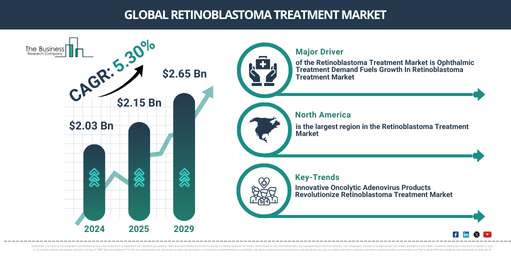
    In recent times, there has been notable expansion in the market size for the treatment of retinoblastoma. The market is projected to escalate from $2.03 billion in 2024 to $2.15 billion in 2025, with a compound annual growth rate (CAGR) of 5.8%. In the past, growth has been stimulated by factors such as the rise in funding, the risk of retinoblastoma reoccurring, early detection and treatment, increased knowledge about different cancer types, and substantial advancements in cancer research.

    Anticipations predict robust growth for the retinoblastoma treatment market in the upcoming years. The market is estimated to reach$2.65 billion by 2029, growing at a compound annual growth rate (CAGR) of 5.3%. Factors contributing to this forecasted growth include a surge in ophthalmic treatment and procedures, a rise in retinoblastoma cases, increased research and developmental initiatives, heightened awareness about retinoblastoma treatments, and escalating healthcare spending. Key trends for the forecast period consist of advancements in medical technology, enhanced diagnostic skills, increased funding in pediatric oncology, approval of new products, and improvements in healthcare facilities.

    Download a free sample to assess the report’s scope and structure:

    https://www.thebusinessresearchcompany.com/sample.aspx?id=15664&type=smp

    How Are Key Drivers in the Industry Acting as Catalysts for the Growth of theRetinoblastoma Treatment Market?

    The escalating need for treatments and surgeries related to ophthalmic conditions is predicted to fuel the expansion of the retinoblastoma treatment market. Ophthalmic treatments and surgical interventions include procedures to identify, manage, and rectify eye and vision system disorders. The increasing incidence of these treatments and surgeries can be attributed to a growing elderly population, a higher incidence of afflictions like cataracts and age-related macular degeneration, technological advancements that enable more efficient and accessible treatments, and rising awareness leading to quicker diagnosis and intervention. Retinoblastoma treatment becomes crucial in ophthalmic surgeries to deal with cancerous growths within the eyes and prevent further spread or reoccurrence while maintaining vision and eye function. For instance, a report by the Office for Health Improvement and Disparities, a government unit in the UK, stated in September 2023 that England had over 4.09 million cataract surgery admissions. This represented a rate of 3,803 (3,789 to 3,816) per 100,000 population in the financial year ending 2022. Additionally, there were over 10,900 admissions for rhegmatogenous retinal detachment surgeries and more than 677,000 intravitreal injection therapy procedures conducted during the same year, with rates of 23.4 (22.9 to 24.0) and 4,796 (4,769 to 4,823) per 100,000 population, respectively. Hence, the soaring demand for ophthalmic treatments and surgeries is propelling the growth of the retinoblastoma treatment market.

    Which Segments in the Retinoblastoma Treatment Offer the Most Growth?

    The retinoblastoma treatmentmarket covered in this report is segmented –

    1) By Type: Non-Hereditary Retinoblastoma; Hereditary Retinoblastoma

    2) By Treatment Type: Surgery; Radiation Therapy; Laser Therapy (Photocoagulation); Cryotherapy; Thermotherapy; Chemotherapy; Ophthalmic Artery Infusion Chemotherapy; High-Dose Chemotherapy And Stem Cell Transplant

    3) By Disease Stage: Intraocular Retinoblastoma; Extraocular Retinoblastoma

    4) By Application: Hospitals; Cancer Institutes; Other Applications

    Subsegments:

    1) By Non-Hereditary Retinoblastoma: Unilateral Non-Hereditary Retinoblastoma; Bilateral Non-Hereditary Retinoblastoma

    2) By Hereditary Retinoblastoma: Bilateral Hereditary Retinoblastoma; Unilateral Hereditary Retinoblastoma

    Request customized data on this market:

    https://www.thebusinessresearchcompany.com/customise?id=15664&type=smp

    What Are the Fastest-Growing Geographies in the #How Are Key Drivers in the Industry Acting as Catalysts for the Growth of theRetinoblastoma Treatment Market?# Market?

    North America was the largest region in the retinoblastoma treatment market in 2024. Asia-Pacific is expected to be the fastest-growing region in the forecast period. The regions covered in the retinoblastoma treatment market report are Asia-Pacific, Western Europe, Eastern Europe, North America, South America, Middle East, Africa.

    What Are the Current Market Growth and Trends in the Retinoblastoma Treatment Industry?

    Leading organizations in the retinoblastoma treatment market are creating novel solutions, such as oncolytic adenoviruses, to offer superior advancements to their customers. Oncolytic adenoviruses are uniquely altered viruses designed to specifically infect and eliminate cancer cells while leaving healthy cells unharmed. For example, in February 2022, VCN Biosciences, a biotech firm based in Spain, gained an orphan drug designation from the U.S. Food and Drug Administration for VCN-01. This is a specially engineered oncolytic adenovirus made to address retinoblastoma. VCN-01’s unique characteristic lies in its nature as an oncolytic adenovirus, which is currently being tested in clinical trials against incurable cancers like pancreatic cancer and retinoblastoma (RB). Thus far, VCN-01 has been examined in four phase 1 clinical trials and is also being investigated as a sole treatment alternative for RB patients who have not responded positively to chemotherapy. The intravitreal administration of VCN-01 has resulted in complete remission and tumor reduction in several cases, forming the basis for its approval as an orphan drug.

    View the full report here:

    https://www.thebusinessresearchcompany.com/report/retinoblastoma-treatment-global-market-report

    What Are the Key Elements That Define the Retinoblastoma Treatment Market?

    Retinoblastoma treatment refers to the medical interventions and therapies aimed at diagnosing, managing, and potentially curing retinoblastoma. Retinoblastoma is a rare form of eye cancer that primarily affects young children, typically before the age of five. The primary goal of retinoblastoma treatment is to eradicate or control the cancerous growths within the eye(s) while preserving vision and minimizing the risk of metastasis or recurrence.

    Purchase the full report and get a swift delivery:

    https://www.thebusinessresearchcompany.com/purchaseoptions.aspx?id=15664

    About The Business Research Company:

    With over 15000+ reports from 27 industries covering 60+ geographies, The Business Research Company has built a reputation for offering comprehensive, data-rich research and insights. Armed with 1,500,000 datasets, the optimistic contribution of in-depth secondary research, and unique insights from industry leaders, you can get the information you need to stay ahead in the game.

    Get in touch with us:

    The Business Research Company: https://www.thebusinessresearchcompany.com/

    Americas +1 310-496-7795

    Europe +44 7882 955267

    Asia & Others +44 7882 955267 & +91 8897263534

    Email us at info@tbrc.info

    Follow us on:

    LinkedIn: https://in.linkedin.com/company/the-business-research-company

    YouTube: https://www.youtube.com/channel/UC24_fI0rV8cR5DxlCpgmyFQ

    Global Market Model: https://www.thebusinessresearchcompany.com/global-market-model
  • Skin Microbiome Market Outlook 2025–2034: Identifying Growth Drivers, Technology Trends, and Policy Impact

    Skin Microbiome Market Outlook 2025–2034: Identifying Growth Drivers, Technology Trends, and Policy Impact

    Claim your 30% discount on Global Market Reports with code ONLINE30. Limited time only.

    What Are the Projected Market Size and Growth Rates for the Skin Microbiome Market From 2025 To 2029?

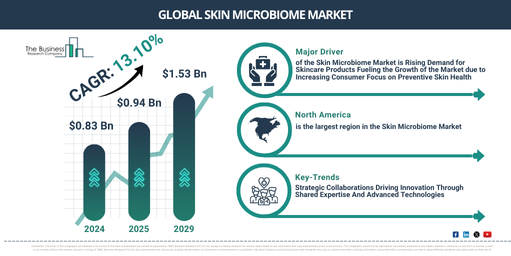
    In the past few years, there has been a significant expansion in the skin microbiome market. The market, valued at $0.83 billion in 2024, is predicted to increase to $0.94 billion in 2025, demonstrating a compound annual growth rate (CAGR) of 12.9%. This growth during the historical period can be credited to a heightened awareness of skin health, a surge in the demand for organic and natural skincare products, a shift in consumer preference towards customized skincare, a rising emphasis on the connection between gut and skin, and a growing inclination towards microbiome-based therapies.

    Anticipated to experience a significant expansion in the ensuing years, the skin microbiome market size is forecasted to reach $1.53 billion by 2029, bolstered by a compound annual growth rate (CAGR) of 13.1%. The increase projected during this period can be correlated with the increased research into the benefits of skin microbiome, the budding adoption of microbiome-driven skincare products, the escalation in demand for clean and sustainable beauty options, the swelling investments into microbiome science, and a growing emphasis on preemptive skincare solutions. Noteworthy trends for the forecast period encompass enhancements in microbiome research methodologies, refined techniques for targeted skincare formulation, breakthroughs in personalized skincare solutions, the inclusion of artificial intelligence and data analytics in product innovation, and advancements in probiotics and prebiotics to promote skin health.

    Download a free sample to assess the report’s scope and structure:

    https://www.thebusinessresearchcompany.com/sample.aspx?id=23518&type=smp

    What Are the Core Market Drivers Propelling Growth in the Skin Microbiome Industry?

    The escalating demand for skincare products is anticipated to spur the expansion of the skin microbiome market. Skincare products, which are formulations intended to cleanse, preserve, feed, and improve the look and health of the skin, are seeing an uptick in demand. This is due to the heightened consumer understanding of skin health and the significance of proactive self-care, which is leading to more individuals embracing daily skincare routines for lasting health and aesthetic benefits. Skin microbiomes, which are vital for skincare products, assist in maintaining a balanced skin barrier and averting problems such as dryness, inflammation, and acne by bolstering the skin’s innate defense mechanism. For example, in April 2023, L’Oréal S.A., a French beauty products manufacturer, reported that their Dermatological Beauty division made sales amounting to $1869.7 million (€1,685.7 million) in the first quarter of 2023, a rise compared to their earnings of $1389.5 million (€1,252.7 million) in the corresponding period in 2022. This signifies a year-on-year surge of 30.6% on a like-for-like basis, and 34.6% on a reported basis. As such, the amplifying customer avidity for skincare products is expected to bolster the skin microbiome market’s growth.

    How Is the Skin Microbiome Market Segmented?

    The skin microbiomemarket covered in this report is segmented –

    1) By Product Type: Skin Care Products; Dietary Supplements; Medical Devices; Diagnostic Tests

    2) By Skin Type: Normal; Dry; Oily; Combination

    3) By Distribution Channel: Online; Retail Stores; Pharmacies; Hospitals

    4) By Application : Acne; Eczema; Psoriasis; Anti-Aging; Wound Healing

    5) By End User: Consumers; Healthcare Professionals; Research Institutions

    Subsegments:

    1) By Skin Care Products: Moisturizers; Cleansers; Serums And Oils; Face Masks; Sunscreens; Anti-Aging Products; Acne Treatment Products

    2) By Dietary Supplements: Probiotics; Prebiotics; Postbiotics; Collagen Supplements; Antioxidants; Vitamins And Minerals

    3) By Medical Devices: Microbiome-based Topical Therapeutics; Skin Microbiome Modulation Devices; Light And Laser Therapy Devices; Electrotherapy Devices

    4) By Diagnostic Tests: Skin Microbiome Profiling Kits; PCR-based Testing Kits; Next-Generation Sequencing (NGS) Tests; Microbial Culture-Based Tests; Biomarker-based Skin Analysis

    Request customized data on this market:

    https://www.thebusinessresearchcompany.com/customise?id=23518&type=smp

    Which Regions Are Driving the Next Phase of the Skin Microbiome Market Growth?

    North America was the largest region in the skin microbiome market in 2024. Asia-Pacific is expected to be the fastest-growing region in the forecast period. The regions covered in the skin microbiome market report are Asia-Pacific, Western Europe, Eastern Europe, North America, South America, Middle East, Africa.

    What Key Market Trends and Innovations Are Shaping the Future of the Skin Microbiome Industry?

    Leading firms active in the skin microbiome market are focusing on forming strategic alliances to minimize risks and stimulate innovation in a highly intense and swiftly changing market environment. These partnerships are cooperative agreements between two or more entities, intending to utilize each other’s capabilities for mutual benefits such as penetrating new markets, fostering innovation, or securing competitive dominance. For example, Terra Quantum, a quantum technology firm based in Switzerland, formed a partnership with Unilever, a consumer goods firm headquartered in the UK, in September 2024. The alliance aims to boost skin microbiome research via quantum machine learning. This collaboration aspires to unveil novel findings in skin biology and health that could potentially shape future skincare product creation. The integration of quantum computing with traditional machine learning processes illustrates the potential uses of quantum AI in consumer health and skincare, thereby enabling a more in-depth understanding of the influence of skin microbiome on health and appearance.

    View the full report here:

    https://www.thebusinessresearchcompany.com/report/skin-microbiome-global-market-report

    How Is the Skin Microbiome Market Defined and What Are Its Core Parameters?

    The skin microbiome refers to the diverse community of microorganisms, that live on the surface of human skin. This ecosystem plays a crucial role in maintaining skin health by protecting against harmful pathogens, supporting the immune system, and helping regulate inflammation.

    Purchase the full report and get a swift delivery:

    https://www.thebusinessresearchcompany.com/purchaseoptions.aspx?id=23518

    About The Business Research Company:

    With over 15000+ reports from 27 industries covering 60+ geographies, The Business Research Company has built a reputation for offering comprehensive, data-rich research and insights. Armed with 1,500,000 datasets, the optimistic contribution of in-depth secondary research, and unique insights from industry leaders, you can get the information you need to stay ahead in the game.

    Get in touch with us:

    The Business Research Company: https://www.thebusinessresearchcompany.com/

    Americas +1 310-496-7795

    Europe +44 7882 955267

    Asia & Others +44 7882 955267 & +91 8897263534

    Email us at info@tbrc.info

    Follow us on:

    LinkedIn: https://in.linkedin.com/company/the-business-research-company

    YouTube: https://www.youtube.com/channel/UC24_fI0rV8cR5DxlCpgmyFQ

    Global Market Model: https://www.thebusinessresearchcompany.com/global-market-model
  • Global Dyslipidemia Market Trends: Regional Breakdowns and Strategic Insights

    Global Dyslipidemia Market Trends: Regional Breakdowns and Strategic Insights

    Claim your 30% discount on Global Market Reports with code ONLINE30. Limited time only.

    How Has The Dyslipidemia Market Size Shifted, And What Is the Outlook Through 2034?

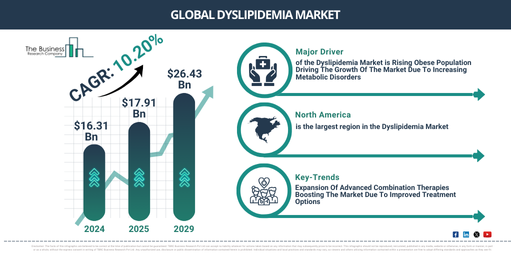
    In recent times, the dyslipidemia market has seen robust growth. It is projected to expand from a value of $16.31 billion in 2024 to $17.91 billion in 2025, indicating a compound annual growth rate (CAGR) of 9.8%. The historical growth has been fuelled by factors such as genetic predisposition, an increase in sedentary lifestyle, unhealthy dietary habits, rise in the elderly population, and higher obesity rates.

    In the upcoming years, the dyslipidemia market is projected to witness swift expansion, reaching a staggering value of $26.43 billion by 2029, with a compound annual growth rate (CAGR) of 10.2%. The projected growth over the forecasted period can be credited to the escalating advancements in lipid-reducing treatments, proliferating awareness and screening initiatives, surging rates of metabolic disorders, augmented healthcare spending, and an upward trend in dyslipidemia cases. Key points to watch in the forecasted era include progress in gene therapies, breakthroughs in RNA-centric treatments, advancements in drug discovery powered by Artificial Intelligence, growth in personalized medicine, and innovative strides in digital health monitoring.

    Download a free sample to assess the report’s scope and structure:

    https://www.thebusinessresearchcompany.com/sample.aspx?id=21945&type=smp

    What Are the Major Market Drivers Behind the Rising Adoption of Dyslipidemia Market?

    The dyslipidemia market is projected to grow thanks to an increase in the obese population. Obesity is defined by an overabundance of body fat that can have adverse effects on a person’s health. There is a rise in obesity as changes in lifestyle lead to long-term energy imbalances, causing gradual weight gain and associated health issues. Dyslipidemia is a consequence of obesity because it interferes with lipid metabolism, which leads to irregular cholesterol and triglyceride levels that elevate cardio vascular disease risk. For example, as of March 2024, the World Health Organization (WHO), a Swiss-based international entity, revealed that approximately one in every eight people globally suffers from obesity; this includes 2.5 billion adults aged 18 and above. There were also 37 million overweight children below the age of five. As a result, the expanding obese populace fosters the growth of the dyslipidemia market.

    Which Key Market Segments Comprise the Dyslipidemia Market and Drive Its Revenue Growth?

    The dyslipidemiamarket covered in this report is segmented –

    1) By Treatment: Statins; Bile Acid Sequestrants; PCSK9 Inhibitors; Small Interfering RNA (siRNA); Cholesterol Absorption Inhibitors; Fibrates; Niacins; Omega-3 Fatty Acid Derivatives; Other Treatments

    2) By Route Of Administration: Oral; Parental

    3) By Distribution Channel: Hospital Pharmacies; Retail Pharmacies; Drug Store; Online Pharmacies

    Subsegments:

    1) By Statins: Atorvastatin; Simvastatin; Rosuvastatin; Pravastatin

    2) By Bile Acid Sequestrants: Cholestyramine; Colesevelam

    3) By PCSK9 Inhibitors: Evolocumab; Alirocumab

    4) By Small Interfering RNA (siRNA): Inclisiran

    5) By Cholesterol Absorption Inhibitors: Ezetimibe

    6) By Fibrates: Fenofibrate; Gemfibrozil

    7) By Niacins: Nicotinic Acid

    8) By Omega-3 Fatty Acid Derivatives: Eicosapentaenoic Acid (EPA); Docosahexaenoic Acid (DHA)

    9) By Other Treatments: Herbal Supplements; Combination Therapies

    Request customized data on this market:

    https://www.thebusinessresearchcompany.com/customise?id=21945&type=smp

    Which Areas Are Leading Regions in the Dyslipidemia Market Expansion Across the Globe?

    North America was the largest region in the dyslipidemia market in 2024. Asia-Pacific is expected to be the fastest-growing region in the forecast period. The regions covered in the dyslipidemia market report are Asia-Pacific, Western Europe, Eastern Europe, North America, South America, Middle East, Africa.

    What Are the Strategic Trends Steering theDyslipidemia Market Direction?

    Prominent players in the dyslipidemia market are strategizing to develop sophisticated combination therapies. The intent is to boost treatment effectiveness, maintain patient participation, and simultaneously tackle numerous lipid distortions. The advanced combination therapies intend to employ more than one medicinal agent in a single treatment schedule for improved potency, reduced adverse effects, and targeting multiple illness pathways at once. In a real-world example, Esperion Therapeutics Inc., an American pharmaceutical firm declared in March 2024 that NEXLETOL (bempedoic acid) and NEXLIZET (a cocktail of bempedoic acid and ezetimibe) received approval from the Food and Drug Administration, a governmental body based in the US. These progressive non-statin oral medicines aim to minimize low-density lipoprotein cholesterol (LDL-C) and decrease the likelihood of cardiovascular incidents. The updated labels permit the usage of NEXLETOL and NEXLIZET independently or combined with statins, the usual go-to for cholesterol reduction. This adaptability is especially favorable for patients who either cannot tolerate statins or prefer non-statin alternatives.

    View the full report here:

    https://www.thebusinessresearchcompany.com/report/dyslipidemia-global-market-report

    How Is the Dyslipidemia Market Conceptually Defined?

    Dyslipidemia is a health condition where the levels of lipids (fats) in the blood become abnormal. Managing dyslipidemia primarily aims to regulate lipid levels, reduce the risk of cardiovascular diseases, and improve heart health through a combination of lifestyle modifications, medication, and routine monitoring.

    Purchase the full report and get a swift delivery:

    https://www.thebusinessresearchcompany.com/purchaseoptions.aspx?id=21945

    About The Business Research Company:

    With over 15000+ reports from 27 industries covering 60+ geographies, The Business Research Company has built a reputation for offering comprehensive, data-rich research and insights. Armed with 1,500,000 datasets, the optimistic contribution of in-depth secondary research, and unique insights from industry leaders, you can get the information you need to stay ahead in the game.

    Get in touch with us:

    The Business Research Company: https://www.thebusinessresearchcompany.com/

    Americas +1 310-496-7795

    Europe +44 7882 955267

    Asia & Others +44 7882 955267 & +91 8897263534

    Email us at info@tbrc.info

    Follow us on:

    LinkedIn: https://in.linkedin.com/company/the-business-research-company

    YouTube: https://www.youtube.com/channel/UC24_fI0rV8cR5DxlCpgmyFQ

    Global Market Model: https://www.thebusinessresearchcompany.com/global-market-model
  • Retinitis Pigmentosa Market Trends 2025-2034: Growth, Strategic Insights, and Opportunities Ahead

    Retinitis Pigmentosa Market Trends 2025-2034: Growth, Strategic Insights, and Opportunities Ahead

    Claim your 30% discount on Global Market Reports with code ONLINE30. Limited time only.

    What Is the Current and Projected Market Size of the Retinitis Pigmentosa Market Through 2034?

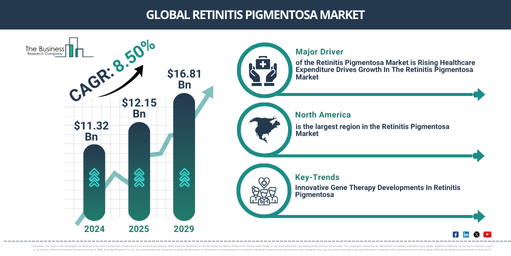
    The market size for retinitis pigmentosa has demonstrated robust growth in the past few years, and it is forecasted to rise from $11.32 billion in 2024 to $12.15 billion in 2025, exhibiting a compound annual growth rate (CAGR) of 7.3%. This substantial growth during the historical period is largely due to advances in genetic research, the evolution of retinal imaging technologies, heightened awareness campaigns, the expansion of patient advocacy associations, and the growth of clinical trial networks.

    In the upcoming years, the retinitis pigmentosa market is projected to witness robust growth, eventually reaching a value of $16.81 billion by 2029 with a compound annual growth rate (CAGR) of 8.5%. This growth for the forecast period is seen as a result of advancements in stem cell research focused on retinal regeneration, personalized medicine practices, increased funding for orphan drug development, and the broadening scope of telemedicine services. Key trends for the forecast period entail a move towards combined treatment methods, an increase in patient-focused clinical trial structures, the implementation of value-based pricing strategies, and the incorporation of digital therapeutics.

    Download a free sample to assess the report’s scope and structure:

    https://www.thebusinessresearchcompany.com/sample.aspx?id=16528&type=smp

    What Are the Major Market Drivers Behind the Rising Adoption of Retinitis Pigmentosa Market?

    The augmentation in the spending on healthcare is projected to fuel the expansion of the retinitis pigmentosa market in future. Expenditure on healthcare encompasses the total money used on health-related goods and services, encompassing medical procedures, medications, hospital stays, and preventive care, during a designated period, showcasing the holistic price of providing healthcare within a population. The surge in healthcare expenditure is ascribed to escalating costs of innovative medical technologies, aging demographics, and the rising occurrence of chronic illnesses. The focus of healthcare expenditure for retinitis pigmentosa is on the progression of diagnostic techniques, formulation of effective remedies, and the provision of supportive care to control vision loss. For example, as per the National Institutes of Health, a US-based government organization, healthcare spending in the US soared by 4.1% in 2022, reaching $4.5 trillion, indicating a higher growth pace than the 3.2% hike witnessed in 2021. Hence, the surge in healthcare expenditure is driving the augmentation of the retinitis pigmentosa market.

    Which Key Market Segments Comprise the Retinitis Pigmentosa Market and Drive Its Revenue Growth?

    The retinitis pigmentosamarket covered in this report is segmented –

    1) By Type: Autosomal Recessive; Autosomal Dominant; X-Linked

    2) By Treatment: Vitamin A; Docosahexaenoic Acid (DHA); Calcium Channel Blockers; Gene Therapy; Retinal Eye Prosthetics; Other Treatments

    3) By Diagnosis: Electroretinogram; Visual Field Testing; Genetic Testing; Other Diagnosis

    4) By Distribution Channel: Hospital Pharmacy; Retail Pharmacy; Online Pharmacy; Other Distribution Channels

    5) By End-users: Hospitals; Specialty Clinics; Homecare; Other End-users

    Subsegments:

    1) By Autosomal Recessive: Early-Onset Autosomal Recessive Retinitis Pigmentosa; Late-Onset Autosomal Recessive Retinitis Pigmentosa

    2) By Autosomal Dominant: Early-Onset Autosomal Dominant Retinitis Pigmentosa; Late-Onset Autosomal Dominant Retinitis Pigmentosa

    3) By X-Linked: X-Linked Recessive Retinitis Pigmentosa; X-Linked Dominant Retinitis Pigmentosa

    Request customized data on this market:

    https://www.thebusinessresearchcompany.com/customise?id=16528&type=smp

    Which Areas Are Leading Regions in the Retinitis Pigmentosa Market Expansion Across the Globe?

    North America was the largest region in the retinitis pigmentosa market in 20244 The regions covered in the retinitis pigmentosa market report are Asia-Pacific, Western Europe, Eastern Europe, North America, South America, Middle East, Africa.

    What Are the Strategic Trends Steering theRetinitis Pigmentosa Market Direction?

    Major firms in the retinitis pigmentosa market are concentrating on the development of novel treatment strategies, like gene therapy, which can offer more precise and effective treatments for managing and potentially curing the debilitating condition. Gene therapy for retinitis pigmentosa (RP) involves introducing and integrating functional genes to correct or replace the malfunctioning ones that initialize the disease. The purpose of this groundbreaking therapy is to potentially reinstate the normal functioning of the damaged photoreceptor cells within the retina, thereby potentially stopping further vision deterioration. For example, in April 2024, a biotech firm based in Germany, ViGeneron GmbH, initiated a Phase Ib clinical trial to examine the safety, tolerability, and effectiveness of a gene therapy named VG901, engineered specifically to treat RP caused by mutations in the CNGA1 gene. The trial will be an open-label, single-arm, dose-escalation study which will investigate the intravitreal application of VG901 in patients suffering from autosomal recessive RP due to biallelic CNGA1 mutations.

    View the full report here:

    https://www.thebusinessresearchcompany.com/report/retinitis-pigmentosa-global-market-report

    How Is the Retinitis Pigmentosa Market Conceptually Defined?

    Retinitis pigmentosa (RP) is a group of inherited disorders causing progressive degeneration of the retina, leading to vision loss. It primarily affects photoreceptor cells (rods and cones), resulting in symptoms such as night blindness and tunnel vision. Over time, RP can lead to significant visual impairment and blindness.

    Purchase the full report and get a swift delivery:

    https://www.thebusinessresearchcompany.com/purchaseoptions.aspx?id=16528

    About The Business Research Company:

    With over 15000+ reports from 27 industries covering 60+ geographies, The Business Research Company has built a reputation for offering comprehensive, data-rich research and insights. Armed with 1,500,000 datasets, the optimistic contribution of in-depth secondary research, and unique insights from industry leaders, you can get the information you need to stay ahead in the game.

    Get in touch with us:

    The Business Research Company: https://www.thebusinessresearchcompany.com/

    Americas +1 310-496-7795

    Europe +44 7882 955267

    Asia & Others +44 7882 955267 & +91 8897263534

    Email us at info@tbrc.info

    Follow us on:

    LinkedIn: https://in.linkedin.com/company/the-business-research-company

    YouTube: https://www.youtube.com/channel/UC24_fI0rV8cR5DxlCpgmyFQ

    Global Market Model: https://www.thebusinessresearchcompany.com/global-market-model
  • Emerging Growth Drivers in the Short Bowel Syndrome Market Landscape: Rising Prevalence Of Gastrointestinal Diseases Fueling The Growth Of The Market Due To Increasing Surgical Interventions And Nutrient Malabsorption

    Emerging Growth Drivers in the Short Bowel Syndrome Market Landscape: Rising Prevalence Of Gastrointestinal Diseases Fueling The Growth Of The Market Due To Increasing Surgical Interventions And Nutrient Malabsorption

    Claim your 30% discount on Global Market Reports with code ONLINE30. Limited time only.

    What Is the Estimated Market Size of the Short Bowel Syndrome Market In 2029?

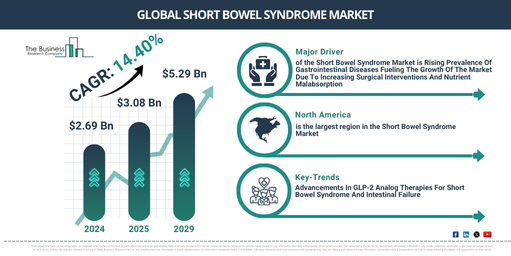
    Recent years have witnessed a swift expansion in the market size for short bowel syndrome. The industry is predicted to continue this growth trajectory, escalating from a worth of $2.69 billion in 2024 to approximately $3.08 billion in 2025 – a compound annual growth rate (CAGR) of 14.6%. This advancement during the historic era can be ascribed to factors like a rising incidence of gastrointestinal issues, escalated healthcare expenditure and insurance coverage, enhanced post-operative care for short bowel syndrome patients, an upsurge in the occurrence of Crohn’s disease and other related gastrointestinal disorders, and the upgrades in parenteral nutrition formulas and their administration methods.

    In the coming years, the market size of short bowel syndrome stands to witness accelerated expansion, projected to reach$5.29 billion by the year 2029, growing at a compound annual growth rate (CAGR) of 14.4%. The projected escalation within this timeframe can be linked to the escalation in short bowel syndrome (SBS) cases, the increased usage of parenteral and enteral nutritional therapies, surge in clinical research and pharmaceutical innovation, heightened healthcare spending, and improved early discovery and awareness about SBS. During this period, we anticipate innovations in intestinal rehabilitation therapies, further progress in small intestine transplant methods, the application of telemedicine for managing SBS, advancements in technology for enteral feeding apparatus, and the integration of artificial intelligence in planning SBS treatment to be the prominent trends.

    Download a free sample to assess the report’s scope and structure:

    https://www.thebusinessresearchcompany.com/sample.aspx?id=23515&type=smp

    Which Primay Drivers Are Accelerating Growth in the Short Bowel Syndrome Market?

    The escalating occurrence of gastrointestinal conditions is anticipated to fuel the expansion of the short bowel syndrome market in the future. Gastrointestinal ailments encompass a wide array of disorders impacting the digestive system, which consist of conditions affecting the stomach, intestines, liver, and pancreas often resulting in compromised digestion and nutrient intake. The augmentation in the occurrence of gastrointestinal ailments is primarily influenced by unhealthy eating habits, which disturb gut health and encourage inflammation. These diseases can lead to the development of short bowel syndrome as they may require surgical removal of impaired intestinal segments, causing a reduction in absorption capability. For example, in September 2023, the Inflammatory Bowel Disease (IBD) Clinical and Research Centre, a Canadian organization dedicated to enhancing the lives of patients afflicted with Crohn’s disease and ulcerative colitis, stated that there was a prevalence of 825 per 100,000 in 2023, meaning over 320,000 individuals in Canada suffer from inflammatory bowel disease (IBD). Since the prevalence is projected to rise by 2.44% annually, about 1.1% of the population or approximately 470,000 Canadians are expected to be living with IBD by 2035. Therefore, the escalating occurrence of gastrointestinal conditions is steering the growth of the short bowel syndrome market.

    Which Primary Segments of the Short Bowel Syndrome Market Are Driving Growth and Industry Transformations?

    The short bowel syndromemarket covered in this report is segmented –

    1) By Type: Glucagon-Like Peptide (GLP-2); Growth Hormone; Glutamine

    2) By Diagnosis: Physical Exam; Blood Tests; Fecal Fat Tests; Imaging Procedures; Other Diagnosis

    3) By Treatment: Nutritional Therapy; Medications; Surgery; Transplant

    4) By Distribution Channel: Hospital Pharmacies; Specialty Pharmacies; Other Distribution Channels

    Subsegments:

    1) By Glucagon-Like Peptide (GLP-2): Teduglutide; Other GLP-2 Analogues

    2) By Growth Hormone: Somatropin; Other Growth Hormone Therapies

    3) By Glutamine: Oral Glutamine; Intravenous Glutamine

    Request customized data on this market:

    https://www.thebusinessresearchcompany.com/customise?id=23515&type=smp

    Which Regions Are Key Players in the Growth of the #Which Primay Drivers Are Accelerating Growth in the Short Bowel Syndrome Market?# Market?

    North America was the largest region in the short bowel syndrome market in 2024. Asia-Pacific is expected to be the fastest-growing region in the forecast period. The regions covered in the short bowel syndrome market report are Asia-Pacific, Western Europe, Eastern Europe, North America, South America, Middle East, Africa.

    Which Technological Trends Are Reshaping the Short Bowel Syndrome Industry Dynamics?

    Leading businesses in the short bowel syndrome market are honing their focus on pioneering progress in medical science. This includes establishing innovative treatment methods for intestinal failure, which could offer a cutting-edge therapeutic solution designed to optimize treatment results for patients suffering from gastrointestinal disorders. In this context, intestinal failure is a severe disorder where the individual’s small intestine fails to sufficiently absorb nutrients, fluids, and electrolytes to sustain adequate hydration and nutrition. For example, in May 2024, Ironwood Pharmaceuticals, Inc., a renowned healthcare company based in the US, disclosed new research data linked to the evaluation of apraglutide in adults diagnosed with short bowel syndrome and intestinal failure (SBS-IF). Apraglutide, a cutting-edge GLP-2 analog, showed potential in improving intestinal absorption and lessening dependence on parenteral support. This research underlines the efficacy, safety, and lasting benefits of the drug, showcasing Ironwood’s commitment to the development of innovative treatments for gastrointestinal disorders.

    View the full report here:

    https://www.thebusinessresearchcompany.com/report/short-bowel-syndrome-global-market-report

    What Parameters Are Used to Define the Short Bowel Syndrome Market?

    Short bowel syndrome (SBS) is a malabsorption disorder caused by the loss or dysfunction of a significant portion of the small intestine, leading to impaired nutrient and fluid absorption. It often results in diarrhea, dehydration, electrolyte imbalances, and malnutrition. The severity of symptoms depends on the remaining intestinal length and its ability to adapt. SBS can significantly impact overall health, requiring careful dietary and medical management.

    Purchase the full report and get a swift delivery:

    https://www.thebusinessresearchcompany.com/purchaseoptions.aspx?id=23515

    About The Business Research Company:

    With over 15000+ reports from 27 industries covering 60+ geographies, The Business Research Company has built a reputation for offering comprehensive, data-rich research and insights. Armed with 1,500,000 datasets, the optimistic contribution of in-depth secondary research, and unique insights from industry leaders, you can get the information you need to stay ahead in the game.

    Get in touch with us:

    The Business Research Company: https://www.thebusinessresearchcompany.com/

    Americas +1 310-496-7795

    Europe +44 7882 955267

    Asia & Others +44 7882 955267 & +91 8897263534

    Email us at info@tbrc.info

    Follow us on:

    LinkedIn: https://in.linkedin.com/company/the-business-research-company

    YouTube: https://www.youtube.com/channel/UC24_fI0rV8cR5DxlCpgmyFQ

    Global Market Model: https://www.thebusinessresearchcompany.com/global-market-model
  • Strong CAGR to Propel in the Hepatitis D Market and Beyond upto $0.89 Billion by 2029

    Strong CAGR to Propel in the Hepatitis D Market and Beyond upto $0.89 Billion by 2029

    Claim your 30% discount on Global Market Reports with code ONLINE30. Limited time only.

    What is the Projected CAGR for the Hepatitis D Market Size from 2025 to 2034?

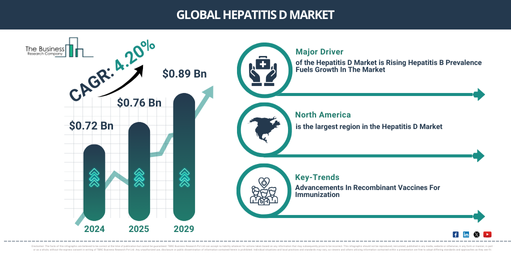
    The dimensions of the hepatitis d market have been expanding progressively over the past few years. The market is predicted to escalate from $0.72 billion in 2024 to $0.76 billion in 2025, exhibiting a compound annual growth rate (CAGR) of 4.3%. The historic expansion can be associated to factors such as insufficient treatment alternatives, high occurrence in endemic regions, co-infection with hepatitis B, low recognition and diagnosis levels, and government-led vaccination drives.

    Anticipated steady growth is on the cards for the Hepatitis D market over the next several years, with predictions pointing towards an increase to$0.89 billion by 2029, signifying a compound annual growth rate (CAGR) of 4.2%. The upswing in the forecasted period can be ascribed to the augmentation of reimbursement policies for innovative treatments, a surge in the healthcare sector investment, increased adoption of combination therapies, an escalation in hepatitis B vaccination coverage, and the proliferation of public health initiatives. The primary trends for the forecast period encompass advancements in molecular diagnostic instruments, a transition towards personalized medicine for managing liver disease, the evolution of novel RNA-based therapies, an increase in clinical trials relating to Hepatitis D treatment, and the incorporation of telemedicine for managing Hepatitis.

    Download a free sample to assess the report’s scope and structure:

    https://www.thebusinessresearchcompany.com/sample.aspx?id=21202&type=smp

    Which Primay Drivers Are Accelerating Growth in the Hepatitis D Market?

    The burgeoning incidence rate of hepatitis B is projected to fuel the expansion of the hepatitis D market in the future. Hepatitis B is a viral infection that impacts the liver, leading to symptoms like jaundice, exhaustion, and abdominal discomfort, and may culminate in chronic liver illness or liver cancer if not treated in a timely manner. The surge in Hepatitis B cases is tied to elements such as unprotected intimacy, needle sharing, transmission from mother to child at birth, and lack of adequate vaccination in certain areas. Hepatitis D hinges on the Hepatitis B virus for its replication, utilizing the surface antigen of Hepatitis B to invade liver cells, making the dual infection of both viruses a significant player in the advancement of liver disease. For instance, the Department of Health and Human Services, a government agency based in the USA, reported in November 2023 that there was an 11% increase in newly reported chronic Hepatitis B cases in 2022 compared to 2021. Therefore, the mounting prevalence of hepatitis B is a driving force for the hepatitis D market’s growth.

    Which Primary Segments of the Hepatitis D Market Are Driving Growth and Industry Transformations?

    The hepatitis dmarket covered in this report is segmented –

    1) By Type: Acute; Chronic

    2) By Diagnosis: Blood Tests; Elastography; Liver Biopsy; Serologic Testing; Other Diagnosis

    3) By Distribution Channel: Hospital pharmacies; Retail pharmacies; Online Pharmacies

    4) By End-Users: Clinic; Hospital; Other End Users

    Subsegments:

    1) By Acute: Self-limiting Acute Hepatitis D; Severe Acute Hepatitis D

    2) By Chronic: Compensated Chronic Hepatitis D; Decompensated Chronic Hepatitis D

    Request customized data on this market:

    https://www.thebusinessresearchcompany.com/customise?id=21202&type=smp

    Which Regions Are Key Players in the Growth of the #Which Primay Drivers Are Accelerating Growth in the Hepatitis D Market?# Market?

    North America was the largest region in the hepatitis D market in 2024. Asia-Pacific is expected to be the fastest-growing region in the forecast period. The regions covered in the hepatitis d market report are Asia-Pacific, Western Europe, Eastern Europe, North America, South America, Middle East, Africa.

    Which Technological Trends Are Reshaping the Hepatitis D Industry Dynamics?

    The hepatitis D market’s major players are concentrating their efforts on the development of innovative solutions such as recombinant vaccines, which can improve immunization effectiveness and provide durable protection against the virus. Recombinant vaccines are produced via the insertion of a gene, which codes for a viral protein, into a host organism like bacteria or yeast, leading to the production of this protein. This protein is then used to elicit an immune response without inducing the disease itself. Case in point, in December 2022, Health Canada granted VBI Vaccines Inc., an American biotech firm, approval for PreHevbrio [3-antigen Hepatitis B Vaccine (Recombinant)], a vaccine that actively immunizes adults aged 18 and above against all acknowledged hepatitis B subtypes. This approval also covers prevention against hepatitis D, owed to the fact that the delta agent is the culprit, and it cannot manifest without a hepatitis B infection. The endorsement was predicated on positive findings from two crucial Phase 3 clinical trials, protect and constant. These trials illustrated that PreHevbrio outperforms the single-antigen engerix-B vaccine in terms of seroprotection rates.

    View the full report here:

    https://www.thebusinessresearchcompany.com/report/hepatitis-d-global-market-report

    What Parameters Are Used to Define the Hepatitis D Market?

    Hepatitis D, also known as hepatitis delta, is a liver infection caused by the hepatitis D virus (HDV). It is considered the most severe form of viral hepatitis and occurs only in individuals who are already infected with the hepatitis B virus (HBV). Hepatitis D virus depends on hepatitis B virus for its replication and survival, making it a co-infection or superinfection.

    Purchase the full report and get a swift delivery:

    https://www.thebusinessresearchcompany.com/purchaseoptions.aspx?id=21202

    About The Business Research Company:

    With over 15000+ reports from 27 industries covering 60+ geographies, The Business Research Company has built a reputation for offering comprehensive, data-rich research and insights. Armed with 1,500,000 datasets, the optimistic contribution of in-depth secondary research, and unique insights from industry leaders, you can get the information you need to stay ahead in the game.

    Get in touch with us:

    The Business Research Company: https://www.thebusinessresearchcompany.com/

    Americas +1 310-496-7795

    Europe +44 7882 955267

    Asia & Others +44 7882 955267 & +91 8897263534

    Email us at info@tbrc.info

    Follow us on:

    LinkedIn: https://in.linkedin.com/company/the-business-research-company

    YouTube: https://www.youtube.com/channel/UC24_fI0rV8cR5DxlCpgmyFQ

    Global Market Model: https://www.thebusinessresearchcompany.com/global-market-model

  • Retinal Vein Occlusion Treatment Market Insights: In-Depth Look at Growth Trends, Market Size, and Opportunities for 2025-2034

    Retinal Vein Occlusion Treatment Market Insights: In-Depth Look at Growth Trends, Market Size, and Opportunities for 2025-2034

    Claim your 30% discount on Global Market Reports with code ONLINE30. Limited time only.

    What is the Anticipated CAGR of the Retinal Vein Occlusion Treatment Market, and What Factors Will Drive It?

    The market for retinal vein occlusion therapy has experienced robust expansion in the past few years. The market size is projected to increase from a value of $2.26 billion in 2024 to $2.42 billion in 2025, with a compound annual growth rate (CAGR) of 6.9%. This significant growth during the historic period can be credited to the adoption of combination treatments that aim at various aspects of disease pathology. Also, factors such as the rising incidence of diabetes and hypertension, improved access to healthcare and specialized care for the retina, clinical trial results highlighting the effectiveness of novel treatment methods, and the progression of anti-VEGF treatments have contributed substantially.

    The market for retinal vein occlusion treatment is anticipated to witness substantial growth in the upcoming years, expanding to a size of$3.16 billion in 2029 with a compound annual growth rate (CAGR) of 6.9%. This positive expansion during the prediction period can be credited to factors such as the cost-effectiveness and widespread reimbursement policies, the inclination of patients towards non-invasive treatments options, rising global expenditure on healthcare, a swelling aging demographic, and the introduction of novel drugs and therapies. Significant trends set to mark the forecast period include the progression in gene therapy, the employment of nanotechnology in drug delivery, the use of artificial intelligence (AI) in diagnostic processes, telemedicine and remote healthcare monitoring, along with the emergence of patient-focused technologies.

    Download a free sample to assess the report’s scope and structure:

    https://www.thebusinessresearchcompany.com/sample.aspx?id=18453&type=smp

    What External and Internal Drivers Are Contributing to the Growth of theRetinal Vein Occlusion Treatment Market?

    An upsurge in eye-related conditions is expected to fuel growth in the retinal vein occlusion treatment market. Such eye conditions encompass a spectrum of disorders or diseases, interfering with vision or the eye’s overall wellbeing. These can vary from trivial infections or irritations to severe cases like diabetic retinopathy, macular degeneration, glaucoma, and cataracts. Elements like increasing rates of diabetes and hypertension along with ageing populations contribute to the rising occurrences of these eye conditions. The primary goal of the treatment for retinal vein occlusion is to reinstate blood flow, manage complications tied to the eye conditions and reduce inflammation, thus preventing vision loss. For example, per the Centers for Disease Control and Prevention, a service organization in the United States driven by science and data for public health protection, over 3.4 million US citizens aged 40 years and above were suffering from visual impairment or blindness in January 2024. This figure is pegged to double by 2030. As such, the retinal vein occlusion treatment market is experiencing growth driven by the escalating prevalence of eye conditions.

    What Segment Types Define the Retinal Vein Occlusion Treatment Market Structure?

    The retinal vein occlusion treatmentmarket covered in this report is segmented –

    1) By Disease Type: Central Retinal Vein Occlusion (CRVO); Branch Retinal Vein Occlusion (BRVO)

    2) By Diagnosis: Optical Coherence Tomography; Fundoscopic Examination; Fluorescein Angiography

    3) By Treatment: Anti-Vascular Endothelial Growth Factor (Anti-VEGF); Corticosteroid Drugs; Other Treatments

    4) By End-User: Hospital And Clinics; Research And Academics; Other End-Users

    Subsegments:

    1) By Central Retinal Vein Occlusion (CRVO): Non-Ischemic CRVO; Ischemic CRVO

    2) By Branch Retinal Vein Occlusion (BRVO): Non-Ischemic BRVO; Ischemic BRVO

    Request customized data on this market:

    https://www.thebusinessresearchcompany.com/customise?id=18453&type=smp

    Which Geographic Areas Hold the Strongest Growth Potential in the Retinal Vein Occlusion Treatment Market?

    North America was the largest region in the retinal vein occlusion treatment market in 2024. Asia-Pacific is expected to be the fastest-growing region in the forecast period. The regions covered in the retinal vein occlusion treatment market report are Asia-Pacific, Western Europe, Eastern Europe, North America, South America, Middle East, Africa.

    What Long-Term Trends Are Transforming the Competitive Landscape of the Retinal Vein Occlusion Treatment Market?

    Leading businesses in the retinal vein occlusion treatment sector are concentrating on creating new products like interchangeable biosimilars to expand treatment alternatives and increase accessibility for patients. Interchangeable biosimilars are biologic drugs that closely resemble an existing reference biologic and can effectively manage inflammation and fluid leakage. For example, in May 2024, the US Food and Drug Administration gave approval to Biocon Biologics Limited, a biosimilar manufacturer from India, for the production of Yesafili (aflibercept-jbvf), an interchangeable biosimilar to EYLEA (aflibercept). This product acts as a vascular endothelial growth factor (VEGF) inhibitor, treating various eye-related conditions such as neovascular age-related macular degeneration (wet AMD), macular edema following retinal vein occlusion (either branch RVO or central RVO), diabetic macular edema (DME), and myopic choroidal neovascularization (myopic CNV).

    View the full report here:

    https://www.thebusinessresearchcompany.com/report/retinal-vein-occlusion-treatment-global-market-report

    What Is the Definition of the Retinal Vein Occlusion Treatment Market?

    Retinal vein occlusion (RVO) treatment involves various strategies aimed at managing complications caused by blocked blood vessels in the retina. These treatments typically focus on reducing swelling (edema) and preventing further vision loss.

    Purchase the full report and get a swift delivery:

    https://www.thebusinessresearchcompany.com/purchaseoptions.aspx?id=18453

    About The Business Research Company:

    With over 15000+ reports from 27 industries covering 60+ geographies, The Business Research Company has built a reputation for offering comprehensive, data-rich research and insights. Armed with 1,500,000 datasets, the optimistic contribution of in-depth secondary research, and unique insights from industry leaders, you can get the information you need to stay ahead in the game.

    Get in touch with us:

    The Business Research Company: https://www.thebusinessresearchcompany.com/

    Americas +1 310-496-7795

    Europe +44 7882 955267

    Asia & Others +44 7882 955267 & +91 8897263534

    Email us at info@tbrc.info

    Follow us on:

    LinkedIn: https://in.linkedin.com/company/the-business-research-company

    YouTube: https://www.youtube.com/channel/UC24_fI0rV8cR5DxlCpgmyFQ

    Global Market Model: https://www.thebusinessresearchcompany.com/global-market-model
  • Strategic Growth Drivers Shaping the Sepsis Diagnostics Market Outlook 2025- 2034:Rising Hospital-Acquired Infections Fueling The Growth Of The Market Due To Increasing Antibiotic Resistance And Complications

    Strategic Growth Drivers Shaping the Sepsis Diagnostics Market Outlook 2025- 2034:Rising Hospital-Acquired Infections Fueling The Growth Of The Market Due To Increasing Antibiotic Resistance And Complications

    Claim your 30% discount on Global Market Reports with code ONLINE30. Limited time only.

    How Fast Is The Sepsis Diagnostics Market Expected to Grow Between 2025 And 2029?

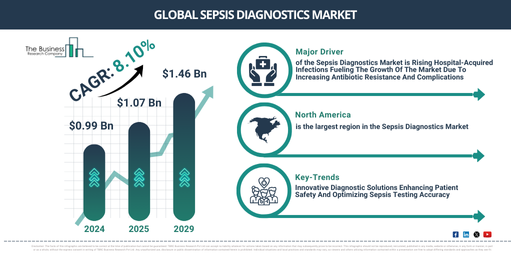
    In the past few years, the sepsis diagnostics market has witnessed robust growth. The market size is projected to expand from $0.99 billion in 2024 to $1.07 billion in 2025, with a compound annual growth rate (CAGR) of 7.8%. The growth observed in the historical period can be credited to the increasing occurrences of sepsis, heightened awareness regarding early detection, escalating healthcare costs, rising incidences of hospital-acquired infections, and the growing acceptance of point-of-care testing.

    The market for sepsis diagnostics is anticipated to experience substantial expansion in the forthcoming years, possibly reaching an estimated $1.46 billion by 2029 with an 8.1% compound annual growth rate (CAGR). This growth during the forecast period can be ascribed to a variety of contributing factors which include the escalating demand for swift diagnostic methods, the augmentation of investment in healthcare infrastructure, a rising emphasis on individualized medicine, a growing prevalence in antimicrobial resistance and the increased utilization of next-generation sequencing. Dominant trends within the forecast period exhibit the incorporation of AI within diagnostics, ongoing improvement in biomarker technology, advancement in the field of molecular diagnostics, a transition towards automated and digital diagnostic systems, and the continued progression of artificial intelligence within diagnostics.

    Download a free sample to assess the report’s scope and structure:

    https://www.thebusinessresearchcompany.com/sample.aspx?id=23514&type=smp

    Which Factors and External Forces Are Driving Demand in the Sepsis Diagnostics Market?

    The escalating occurrence of infections attained within hospitals is projected to drive the expansion of the sepsis diagnostics market in the future. Infections that are acquired in hospitals, also known as Hospital-Acquired Infections (HAIs), usually develop during or following a patient’s visit to the hospital, typically after 48 hours of admission and were not present in the patient upon admission. The escalation in occurrences of such infections is as a result of the growing resistance to antibiotics. Excessive and inappropriate use of antibiotics within healthcare environments has given rise to bacteria that are resistant to treatments, complicating the treatment process. With the use of sepsis diagnostics, these infections can be detected at an early stage by identifying the pathogens and biomarkers, enabling immediate treatment and reducing the likelihood of complications. For example, data from the Australian Institute of Health and Welfare, a government agency based in Australia, shows that in 2022-23, hospital-acquired infections were observed in 2% of public hospital admissions and 0.8% of private hospital admissions, with infections associated with healthcare being the most common complication. Consequently, the escalating occurrence of hospital-acquired infections is fuelling growth in the sepsis diagnostics market.

    Which Segments in the Sepsis Diagnostics Offer the Most Growth?

    The sepsis diagnosticsmarket covered in this report is segmented –

    1) By Product: Instruments; Blood Culture Media; Assay Kits And Reagents; Software

    2) By Technology: Microbiology; Molecular Diagnostics; Immunoassays; Flow Cytometry; Other Technologies

    3) By Pathogen: Bacterial Sepsis; Fungal Sepsis; Viral Sepsis; Other Pathogens

    4) By Method: Automated Diagnostics; Conventional Diagnostics

    5) By End-Users: Hospitals And Clinics; Pathology And Reference Laboratories; Research Institutes

    Subsegments:

    1) By Instruments: Automated Analyzers; Point-Of-Care (PoC) Testing Devices; Microfluidic-Based Devices; Polymerase Chain Reaction (PCR) Instruments; Flow Cytometers

    2) By Blood Culture Media: Aerobic Blood Culture Media; Anaerobic Blood Culture Media; Mycobacteria Blood Culture Media; Pediatric Blood Culture Media; Fungal Blood Culture Media

    3) By Assay Kits And Reagents: Enzyme-Linked Immunosorbent Assay (ELISA) Kits; Polymerase Chain Reaction (PCR) Assay Kits; Immunoassay Reagents; Molecular Diagnostic Reagents; Biosensor-Based Assay Kits

    4) By Software: Data Management Software; Laboratory Information Systems (LIS); Artificial Intelligence (AI)-Based Diagnostic Tools; Predictive Analytics Software; Cloud-Based Diagnostic Platforms

    Request customized data on this market:

    https://www.thebusinessresearchcompany.com/customise?id=23514&type=smp

    What Are the Fastest-Growing Geographies in the #Which Factors and External Forces Are Driving Demand in the Sepsis Diagnostics Market?# Market?

    North America was the largest region in the sepsis diagnostics market in 2024. Asia-Pacific is expected to be the fastest-growing region in the forecast period. The regions covered in the sepsis diagnostics market report are Asia-Pacific, Western Europe, Eastern Europe, North America, South America, Middle East, Africa.

    Which Cutting-Edge Market Trends Are Expected to Drive theSepsis Diagnostics Market’s Growth?

    Leading firms in the sepsis diagnostics market are concentrating on the evolution of innovative solutions, such as culture-free diagnostic tools, aimed at expediting the accurate diagnosis of sepsis sans the dependency on traditional blood cultures. Culture-free diagnostic tools refer to methods utilized for identifying infections or pathogens without resorting to standard microbial culture procedures. These solutions look to cutting-edge technologies such as PCR, NGS or immunoassays for swiftly recognizing pathogens straight from a patient’s body, be it through blood, saliva or tissue samples. As an illustration, in April 2024, Deepull Diagnostics S.L., a manufacturer based in Spain, rolled out the UllCORE diagnostic infrastructure specifically crafted for the early detection of sepsis. This sophisticated system, engineered by Deepull, is a benchtop, culture-free multiplex PCR platform designed for the immediate recognition of pathogens prevalent in sepsis and similar acute infections. The system separates microbial DNA from 8mL of whole blood and delivers 50 reportable outcomes within an hour. Able to detect 95% of bacteria, fungi, and antibiotic-resistant genes causing sepsis, the UllCORE system is designed to enhance early diagnosis and diminish the misappropriation of antibiotics. UllCORE aids hospitals in their fight against the growing problem of antimicrobial resistance.

    View the full report here:

    https://www.thebusinessresearchcompany.com/report/sepsis-diagnostics-global-market-report

    What Are the Key Elements That Define the Sepsis Diagnostics Market?

    Sepsis diagnostics refers to a range of advanced technologies and tests designed to quickly detect the presence of sepsis, a critical condition that can lead to organ failure and death if left untreated. These technologies enable healthcare providers to assess the severity of the condition and make timely, informed decisions to initiate appropriate treatment and improve patient survival rates.

    Purchase the full report and get a swift delivery:

    https://www.thebusinessresearchcompany.com/purchaseoptions.aspx?id=23514

    About The Business Research Company:

    With over 15000+ reports from 27 industries covering 60+ geographies, The Business Research Company has built a reputation for offering comprehensive, data-rich research and insights. Armed with 1,500,000 datasets, the optimistic contribution of in-depth secondary research, and unique insights from industry leaders, you can get the information you need to stay ahead in the game.

    Get in touch with us:

    The Business Research Company: https://www.thebusinessresearchcompany.com/

    Americas +1 310-496-7795

    Europe +44 7882 955267

    Asia & Others +44 7882 955267 & +91 8897263534

    Email us at info@tbrc.info

    Follow us on:

    LinkedIn: https://in.linkedin.com/company/the-business-research-company

    YouTube: https://www.youtube.com/channel/UC24_fI0rV8cR5DxlCpgmyFQ

    Global Market Model: https://www.thebusinessresearchcompany.com/global-market-model

  • Hemorrhage Control System Market Valuation Expected To Reach $4.42 Billion By 2029, Growing At A Rate Of 6.2%

    Hemorrhage Control System Market Valuation Expected To Reach $4.42 Billion By 2029, Growing At A Rate Of 6.2%

    Claim your 30% discount on Global Market Reports with code ONLINE30. Limited time only.

    What Is the Current and Projected Market Size of the Hemorrhage Control System Market Through 2034?

    The market for hemorrhage control systems has seen substantial growth lately. It is expected to rise from $3.26 billion in 2024 to $3.47 billion in 2025 with a compound annual growth rate (CAGR) of 6.4%. Factors such as a rise in battlefield injuries, an increase in emergency care demand, the growth in military applications, an expanding elderly population, and heightened awareness about hemorrhage control techniques have contributed to growth during the historic period.

    The market size for hemorrhage control systems is projected to experience significant expansion in the upcoming years, reaching a value of $4.42 billion by 2029, with a compound annual growth rate (CAGR) of 6.2%. This growth within the predicted timeframe is credited to factors such as the increasing incidences of trauma cases, higher amount of surgical procedures being performed, expanded utilization of minimally invasive methods, enhanced healthcare spending, and the increasing incidents of serious war wounds. Key trends expected to be prevalent during this forecast period incorporate the development of enhanced hemostatic agents, the rise of portable and user-friendly hemorrhage control tools, the incorporation of intelligent technology, advancements in the field of bioactive dressing, and further progress in individualized and precision medicine strategies.

    Download a free sample to assess the report’s scope and structure:

    https://www.thebusinessresearchcompany.com/sample.aspx?id=21201&type=smp

    Which Factors and External Forces Are Driving Demand in the Hemorrhage Control System Market?

    An increase in trauma incidents is anticipated to drive the expansion of the hemorrhage control systems market. Instances of trauma refer to urgent medical cases that involve physical harm caused by external factors, such as accidents, falls, or violent acts. The increasing occurrence of this type of incidences can be related to numerous elements, including traffic incidents, workplace-related accidents, sports injuries, and natural catastrophes. Hemorrhage control systems aid in dealing with trauma instances by managing severe blood loss effectively, enhancing survival rates of patients, and minimizing complications during emergency treatment. For example, the Department for Transport, a UK government agency, reported in September 2024 that there were 73,920 casualties in 2022, an increase from 66,236 cases outlined in 2021, according to the police force’s injury-based reporting system. Hence, the growing prevalence of trauma incidents is propelling the expansion of the hemorrhage control systems market.

    Which Segments in the Hemorrhage Control System Offer the Most Growth?

    The hemorrhage control systemmarket covered in this report is segmented –

    1) By Product Type: Dressings; Hemostatic Agents; Clamps And Tourniquets; Surgical Sealants; Blood Products

    2) By Application: Cardiovascular Surgery; General Surgery; Plastic Surgery; Orthopedic Surgery; Neurosurgery; Other Applications

    3) By Distribution Channel: Direct Sales; Distributors; Online Retail; Pharmacies

    4) By End-User: Hospital And Ambulatory Surgery Centers (ASCs); Specialty Clinics; Other End-Users

    Subsegments:

    1) By Dressings: Gauze Dressings; Hydrogel Dressings; Alginate Dressings; Foam Dressings

    2) By Hemostatic Agents: Thrombin-Based Hemostats; Fibrin Sealants; Gelatin-Based Hemostats; Oxidized Regenerated Cellulose (ORC) Hemostats

    3) By Clamps And Tourniquets: Surgical Clamps; Pneumatic Tourniquets; Non-Pneumatic Tourniquets

    4) By Surgical Sealants: Synthetic Sealants; Collagen-Based Sealants; Cyanoacrylate-Based Sealants

    5) By Blood Products: Platelet Concentrates; Fresh Frozen Plasma (FFP); Cryoprecipitate; Packed Red Blood Cells

    Request customized data on this market:

    https://www.thebusinessresearchcompany.com/customise?id=21201&type=smp

    What Are the Fastest-Growing Geographies in the #Which Factors and External Forces Are Driving Demand in the Hemorrhage Control System Market?# Market?

    North America was the largest region in the hemorrhage control system market in 2024. Asia-Pacific is expected to be the fastest-growing region in the forecast period. The regions covered in the hemorrhage control system market report are Asia-Pacific, Western Europe, Eastern Europe, North America, South America, Middle East, Africa.

    Which Cutting-Edge Market Trends Are Expected to Drive theHemorrhage Control System Market’s Growth?

    Leading firms in the hemorrhage control systems market are concentrating on the innovation of sophisticated products such as postpartum hemorrhage control devices to improve the effectiveness of hemorrhage management in dire medical scenarios. These devices cater to the need for severe bleeding control after childbirth, by facilitating clotting or constricting blood vessels to regulate blood flow, thus mitigating potentially fatal risks during postpartum hemorrhage(PPH). An instance illustrating this trend is the introduction of a medical device named JADA System, by Organon Canada, a healthcare company based in Canada, in September 2024. This device utilizes low-level vacuum technology to foster normal uterine contractions which efficiently manage and treat postpartum uterine bleeding or hemorrhage. This breakthrough approach provides a non-invasive and potent solution when modest management of postpartum hemorrhage (PPH) is required, addressing a significant demand in maternal healthcare.

    View the full report here:

    https://www.thebusinessresearchcompany.com/report/hemorrhage-control-system-global-market-report

    What Are the Key Elements That Define the Hemorrhage Control System Market?

    A hemorrhage control system is a medical device designed to manage severe bleeding in trauma situations, preventing life-threatening blood loss. It helps stabilize patients by controlling blood loss and preventing hypovolemic shock, ensuring critical care can be provided during transport to medical facilities. These systems are vital in emergency settings, offering immediate stabilization before further treatment.

    Purchase the full report and get a swift delivery:

    https://www.thebusinessresearchcompany.com/purchaseoptions.aspx?id=21201

    About The Business Research Company:

    With over 15000+ reports from 27 industries covering 60+ geographies, The Business Research Company has built a reputation for offering comprehensive, data-rich research and insights. Armed with 1,500,000 datasets, the optimistic contribution of in-depth secondary research, and unique insights from industry leaders, you can get the information you need to stay ahead in the game.

    Get in touch with us:

    The Business Research Company: https://www.thebusinessresearchcompany.com/

    Americas +1 310-496-7795

    Europe +44 7882 955267

    Asia & Others +44 7882 955267 & +91 8897263534

    Email us at info@tbrc.info

    Follow us on:

    LinkedIn: https://in.linkedin.com/company/the-business-research-company

    YouTube: https://www.youtube.com/channel/UC24_fI0rV8cR5DxlCpgmyFQ

    Global Market Model: https://www.thebusinessresearchcompany.com/global-market-model
  • Reporter Gene Assay Market Outlook 2025–2034: Identifying Growth Drivers, Technology Trends, and Policy Impact

    Reporter Gene Assay Market Outlook 2025–2034: Identifying Growth Drivers, Technology Trends, and Policy Impact

    Claim your 30% discount on Global Market Reports with code ONLINE30. Limited time only.

    What Are the Key Milestones in the Reporter Gene Assay Market’s Growth Trajectory From 2025 To 2034?

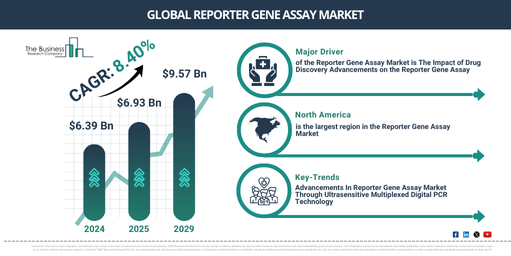
    The market size for the reporter gene assay has significantly expanded in the past few years. The market value is expected to increase from $6.39 billion in 2024 to $6.93 billion in 2025, marking a compound annual growth rate (CAGR) of 8.4%. The notable growth during the historical period can be ascribed to the growing demand for cell-based assays, an increase in genomics research, escalating research for drug development and discovery, an ever-increasing need for tailored treatment, and the requirement for early diagnosis.

    The market for reporter gene assay is projected to experience a significant expansion in the coming years, predicted to reach $9.57 billion in 2029 with a CAGR of 8.4%. This growth expectation in the forecast period is linked to the increasing occurrences of genetic disorders, the rising preference for personalized medicine, the expanding use of molecular imaging systems, the broadening of gene therapy portfolios, and governmental strategies. Key trends for this period include progress in gene therapy technology, advancements in molecular biology, the need for superior molecular diagnostic instruments, the move towards 3D cell culture models, and strategic alliances.

    Download a free sample to assess the report’s scope and structure:

    https://www.thebusinessresearchcompany.com/sample.aspx?id=16526&type=smp

    What Are the Core Market Drivers Propelling Growth in the Reporter Gene Assay Industry?

    The growth of the reporter gene assay market is anticipated to surge due to an increase in drug discovery and development research. This kind of research pertains to the organized procedure in the medical, biotech, and pharmacology sectors that results in the identification, creation, and introduction of new medications into the market. The escalation in drug discovery and development research can be attributed to progress in fields like proteomics, high-throughput screening, genomics, along with the successful crafting and approval of innovative medications. Reporter gene assays play a significant role in this research, offering valuable resources for researchers enabling them to comprehend gene regulation, identify possible drug targets, screen compound libraries, and assess the efficacy and safety of potential drugs. For instance, a report by the National Science Foundation in 2024 states that in 2022, about $885.6 billion of research and development (R&D) were conducted by the United States, marking a 12% rise, in nominal dollars, from 2021 and a 5% uptick when adjusted for inflation (constant dollars). Hence, the rise in drug discovery and development research is fueling the growth of the reporter gene assay market.

    How Is the Reporter Gene Assay Market Segmented?

    The reporter gene assaymarket covered in this report is segmented –

    1) By Product: Assay Kits; Reagents

    2) By Application: Promoter Structural And Functional Analysis; Cell Signaling Pathways; Protein Interaction; Clinical And Gene Regulation

    3) By End-User: Biotechnology And Pharmaceutical Companies; Research And Academic Institutes; Hospital And Diagnostic Laboratories; Contract Research Organizations

    Subsegments:

    1) By Assay Kits: Luciferase Reporter Assay Kits; ß-galactosidase Reporter Assay Kits; Fluorescent Reporter Assay Kits; Secreted Alkaline Phosphatase (SEAP) Assay Kits

    2) By Reagents: Luciferase Substrates; ß-galactosidase Substrates; Fluorescent Proteins; Detection Buffers And Enhancers

    Request customized data on this market:

    https://www.thebusinessresearchcompany.com/customise?id=16526&type=smp

    Which Regions Are Driving the Next Phase of the Reporter Gene Assay Market Growth?

    North America was the largest region in the reporter gene assay market in 2024. Asia-Pacific is expected to be the fastest-growing region in the forecast period. The regions covered in the reporter gene assay market report are Asia-Pacific, Western Europe, Eastern Europe, North America, South America, Middle East, Africa.

    What Key Market Trends and Innovations Are Shaping the Future of the Reporter Gene Assay Industry?

    Leading entities in the reporter gene assay market are primarily centred around the creation of novel solutions, such as ultra-sensitive multiplexed digital PCR assays, to solidify their market stance. Ultra-sensitive multiplexed digital PCR (dPCR) assays are designed to accurately identify and measure nucleic acids by dividing the sample into thousands or millions of separate reactions, with each containing infinitesimal quantities of target DNA or RNA molecules. For example, Bio-Rad Laboratories Inc., a life science research firm situated in the US, launched the ddPLEX ESR1 Mutation Detection Kit in April 2024, marking the introduction of the first ultra-sensitive multiplexed digital PCR assay. This innovative breast cancer mutation detection dPCR assay shines in terms of sensitivity, enabling the detection of slight mutations in complex samples for early and accurate disease tracking. Its multiplexing capability allows for the concurrent detection of various mutations, thus simplifying the testing process. This pioneering assay is set to usher in a new era in breast cancer research and personalized treatment methods.

    View the full report here:

    https://www.thebusinessresearchcompany.com/report/reporter-gene-assay-global-market-report

    How Is the Reporter Gene Assay Market Defined and What Are Its Core Parameters?

    A reporter gene assay is a molecular biology technique used to study gene expression and regulatory sequences. It involves the use of a reporter gene, which is a gene that encodes an easily measurable product.

    Purchase the full report and get a swift delivery:

    https://www.thebusinessresearchcompany.com/purchaseoptions.aspx?id=16526

    About The Business Research Company:

    With over 15000+ reports from 27 industries covering 60+ geographies, The Business Research Company has built a reputation for offering comprehensive, data-rich research and insights. Armed with 1,500,000 datasets, the optimistic contribution of in-depth secondary research, and unique insights from industry leaders, you can get the information you need to stay ahead in the game.

    Get in touch with us:

    The Business Research Company: https://www.thebusinessresearchcompany.com/

    Americas +1 310-496-7795

    Europe +44 7882 955267

    Asia & Others +44 7882 955267 & +91 8897263534

    Email us at info@tbrc.info

    Follow us on:

    LinkedIn: https://in.linkedin.com/company/the-business-research-company

    YouTube: https://www.youtube.com/channel/UC24_fI0rV8cR5DxlCpgmyFQ

    Global Market Model: https://www.thebusinessresearchcompany.com/global-market-model