Month: August 2025

  • Major Drivers Propelling the Growth oh theSeizures Market Forward: Rising Traumatic Brain Injuries Fueling The Growth Of The Market Due To Increasing Road Accidents

    Major Drivers Propelling the Growth oh theSeizures Market Forward: Rising Traumatic Brain Injuries Fueling The Growth Of The Market Due To Increasing Road Accidents

    Claim your 30% discount on Global Market Reports with code ONLINE30. Limited time only.

    What Are the Key Projections for the CAGR of the Seizures Market Size From 2025 to 2034?

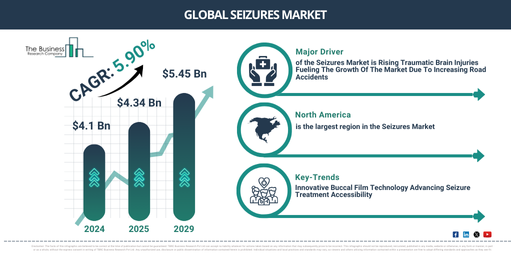
    There has been robust growth in the seizures market size in recent times. Forecasts indicate a rise from $4.1 billion in 2024 to $4.34 billion in 2025, with a compound annual growth rate (CAGR) of 5.8%. This notable increase in the historic phase is traced back to an escalation in the incidence of epilepsy and seizure disorders, an upward trend in recognition and diagnosis rates, amplified research and development in the area of neurological disorders, a surge in government and non-profit sector engagements for increasing epilepsy awareness, and an expanding older age population.

    The market for seizures is projected to experience substantial expansion in the coming years. It’s anticipated to escalate to$5.45 billion by 2029″, with a compound annual growth rate (CAGR) of 5.9%. Factors contributing to projected growth during this forecast period consist of a growing elderly population susceptible to neurological conditions, escalated R&D spending on seizure treatments, global increase in healthcare expenses, a heightened need for epilepsy medication and an upsurge in seizure disorders cases. Significant trends during the forecast period encompass progress in seizure detection and monitoring devices, improvements influencing drug approvals and reimbursements, progress in genetic research for precise seizure therapies, the implementation of digital health methodologies for remote seizure monitoring, along with advancements in epilepsy medication.

    Download a free sample to assess the report’s scope and structure:

    https://www.thebusinessresearchcompany.com/sample.aspx?id=23511&type=smp

    Which Major Market Drivers Are Expected to Boost the Growth Potential of the Seizures Market?

    The escalating incidence of traumatic brain injuries is presumed to drive the growth of the seizures market. Traumatic brain injuries (TBI) are brain damages which are the result of immediate external force like an impact, shock or penetrating injury to the skull. This kind of injuries are on the rise due to the escalating number of traffic mishaps, as high-velocity impacts and inattentive driving contribute to more critical head injuries. Seizures can act as the initial indication of traumatic brain injuries, enabling medical practitioners to detect and administer the latent brain damage more efficiently. For instance, it was reported in October 2023, by the South Dakota Department of Health (SDDOH), a department of South Dakota government, that in 2022 the 9th highest age-adjusted death rate related to TBI was represented at 26.4 per 100,000 in South Dakota. Moreover, according to the American Association of Neurological Surgeons in April 2024, an estimate showed that each year the US experiences between 1.7 and 3.8 million traumatic brain injuries. Therefore, the escalating incidence of traumatic brain injuries is stimulating the growth of the seizures market.

    Which Key Market Segments Comprise the Seizures Market and Drive Its Revenue Growth?

    The seizuresmarket covered in this report is segmented –

    1) By Drug Type: First Generation Anti-Epileptics; Second Generation Anti-Epileptics; Third Generation Anti-Epileptics

    2) By Route Of Administration: Oral; Parenteral; Topical

    3) By Distribution Channel: Hospitals Pharmacies; Independent Pharmacies; Online Pharmacies

    4) By End-User: Hospitals And Clinics; Ambulatory Surgical Centers; Homecare Settings; Other End-Users

    Subsegments:

    1) By First Generation Anti-Epileptics: Phenytoin; Carbamazepine; Valproate; Phenobarbital; Primidone; Ethosuximide

    2) By Second Generation Anti-Epileptics: Lamotrigine; Levetiracetam; Topiramate; Oxcarbazepine; Zonisamide; Gabapentin; Pregabalin

    3) By Third Generation Anti-Epileptics: Lacosamide; Perampanel; Brivaracetam; Eslicarbazepine; Cenobamate

    Request customized data on this market:

    https://www.thebusinessresearchcompany.com/customise?id=23511&type=smp

    Which Areas Are Leading Regions in the Seizures Market Expansion Across the Globe?

    North America was the largest region in the seizures market in 2024. Asia-Pacific is expected to be the fastest-growing region in the forecast period. The regions covered in the seizures market report are Asia-Pacific, Western Europe, Eastern Europe, North America, South America, Middle East, Africa.

    What Are the Key Market Trends in theSeizures Market Over the Coming Years?

    Leading businesses in the seizures market are breaking new ground with inventive product designs such as buccal film, aiming to elevate treatment accessibility and patient adherence. Buccal film is a slender, dissolvable strip which is used by positioning it against the inner cheek, facilitating direct absorption of the medication into the bloodstream. For example, Aquestive Therapeutics Inc., an American pharmaceutical enterprise, gained the approval from the U.S. FDA for orphan drug exclusivity for its product, Libervant (diazepam) buccal film, in December 2024. This product is specifically designed for children aged two to five suffering from seizure clusters. As an innovative solution, this formulation provides an uncomplicated, non-invasive alternative to conventional diazepam delivery methods by offering rapid absorption via the buccal mucosa, resulting in a quicker onset of action. Libervant, being the first and exclusive diazepam film to be orally administered for this age group, guarantees to enhance caregiver convenience and boost patient adherence. This distinctiveness further fortifies Aquestive’s standing in progressing oral film-based treatments for epilepsy.

    View the full report here:

    https://www.thebusinessresearchcompany.com/report/seizures-global-market-report

    How Is the Seizures Market Conceptually Defined?

    Seizures refer to sudden, uncontrolled electrical activity in the brain that can lead to changes in movement, behavior, sensation, or awareness. They occur due to abnormal neuronal activity and can be triggered by epilepsy, head injuries, infections, or other medical conditions.

    Purchase the full report and get a swift delivery:

    https://www.thebusinessresearchcompany.com/purchaseoptions.aspx?id=23511

    About The Business Research Company:

    With over 15000+ reports from 27 industries covering 60+ geographies, The Business Research Company has built a reputation for offering comprehensive, data-rich research and insights. Armed with 1,500,000 datasets, the optimistic contribution of in-depth secondary research, and unique insights from industry leaders, you can get the information you need to stay ahead in the game.

    Get in touch with us:

    The Business Research Company: https://www.thebusinessresearchcompany.com/

    Americas +1 310-496-7795

    Europe +44 7882 955267

    Asia & Others +44 7882 955267 & +91 8897263534

    Email us at info@tbrc.info

    Follow us on:

    LinkedIn: https://in.linkedin.com/company/the-business-research-company

    YouTube: https://www.youtube.com/channel/UC24_fI0rV8cR5DxlCpgmyFQ

    Global Market Model: https://www.thebusinessresearchcompany.com/global-market-model
  • Hemophagocytic Lymphohistiocytosis Market Forecast Reaching $3.07 Billion by 2029 at 5.9% CAGR

    Hemophagocytic Lymphohistiocytosis Market Forecast Reaching $3.07 Billion by 2029 at 5.9% CAGR

    Claim your 30% discount on Global Market Reports with code ONLINE30. Limited time only.

    What is the Anticipated CAGR of the Hemophagocytic Lymphohistiocytosis Market, and What Factors Will Drive It?

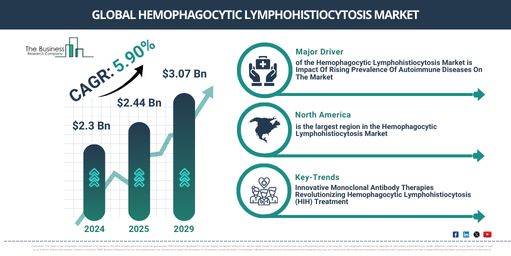
    The market for hemophagocytic lymphohistiocytosis has seen robust growth recently, with forecasts projecting a rise from $2.3 billion in 2024 to $2.44 billion by 2025—a compound annual growth rate (CAGR) of 6.0%. The historical growth trajectory can be linked to amplified R&D investment, a surge in musculoskeletal disorders, heightened awareness about rare diseases, improved healthcare professional knowledge, and an upswing in chronic disease prevalence.

    The market for hemophagocytic lymphohistiocytosis is projected to experience substantial growth in the next several years, ballooning to$3.07 billion in 2029 with a compound annual growth rate (CAGR) of 5.9%. Factors contributing to growth in the forecast period may include the growing prevalence of immuno-oncology diseases, increasing healthcare expenditure, increased incidence of infectious and autoimmune diseases, and a rise in HIV cases. Significant trends in this forecast period could encompass advancements in hematopoietic stem cell transplants, targeted therapies undergoing research, development of therapies with monoclonal antibodies, innovative gene therapy techniques, and an increased acceptance of personalized and precision medicine.

    Download a free sample to assess the report’s scope and structure:

    https://www.thebusinessresearchcompany.com/sample.aspx?id=21200&type=smp

    Which Major Market Drivers Are Expected to Boost the Growth Potential of the Hemophagocytic Lymphohistiocytosis Market?

    The increase in cases of autoimmune diseases is projected to drive the expansion of the hemophagocytic lymphohistiocytosis market in the future. Autoimmune diseases occur when the immune system mistakenly attacks and harms the body’s healthy cells and tissues. The increase in these diseases can be attributed to factors including genetic susceptibility, environmental triggers, infections, hormonal alterations, and a rise in early detection and awareness. Treatment for hemophagocytic lymphohistiocytosis aids patients with autoimmune diseases by curbing excessive immune system activation, lowering inflammation, and re-establishing immune system equilibrium. This can ease severe immune-related complications and enhance overall disease control. For example, the Australian Institute of Health and Welfare, a government organization based in Australia, reported in June 2024 that rheumatoid arthritis, a systemic autoimmune disorder where the immune system attacks the body’s tissues, was prevalent. In 2022, approximately 514,000 people, or 2.0% of the population in Australia were living with the ailment, with 2.5% of females and 1.6% of males affected. Consequently, the increasing incidence of autoimmune diseases is fueling the growth of the hemophagocytic lymphohistiocytosis market.

    Which Key Market Segments Comprise the Hemophagocytic Lymphohistiocytosis Market and Drive Its Revenue Growth?

    The hemophagocytic lymphohistiocytosismarket covered in this report is segmented –

    1) By Type: Familial; Acquired

    2) By Diagnosis: Blood Tests; Bone Marrow Biopsy; Genetic Testing; Blood Cultures

    3) By Treatment: Steroids; Chemotherapy; Antibiotics; Antiviral Drugs; Other Treatments

    4) By Distribution Channel: Hospital Pharmacy; Retail Pharmacy; Online Pharmacy; Other Distribution Channels

    5) By End-Users: Hospitals; Homecare; Specialty Clinics; Other End-Users

    Subsegments:

    1) By Familial Hemophagocytic Lymphohistiocytosis (FHL): FHL Type 1; FHL Type 2; FHL Type 3; FHL Type 4; FHL Type 5

    2) By Acquired Hemophagocytic Lymphohistiocytosis (HLH): Infection-Associated HLH; Malignancy-Associated HLH; Autoimmune-Associated HLH; Drug-Induced HLH

    Request customized data on this market:

    https://www.thebusinessresearchcompany.com/customise?id=21200&type=smp

    Which Areas Are Leading Regions in the Hemophagocytic Lymphohistiocytosis Market Expansion Across the Globe?

    North America was the largest region in the hemophagocytic lymphohistiocytosis market in 2024. The regions covered in the hemophagocytic lymphohistiocytosis market report are Asia-Pacific, Western Europe, Eastern Europe, North America, South America, Middle East, Africa.

    What Are the Key Market Trends in theHemophagocytic Lymphohistiocytosis Market Over the Coming Years?

    Leading corporations within the hemophagocytic lymphohistiocytosis sector are concentrating their efforts on creating improved solutions like monoclonal antibody therapy, which aims to selectively eliminate harmful immune cells. This type of treatment employs specially made lab antibodies aimed at particular antigens on cells to adjust immune reactions or cure illnesses. For example, Electra Therapeutics, Inc., an American biotechnology firm, introduced ELA026 in October 2024, which the FDA gave Orphan Drug Designation (ODD) for the treatment of hemophagocytic lymphohistiocytosis (HLH). This pioneering antibody treatment targeting signal regulatory proteins (SIRP), ELA026, represents a new strategy for secondary HLH (sHLH), a rare and severe condition for which there is currently no approved approach to treatment.

    View the full report here:

    https://www.thebusinessresearchcompany.com/report/hemophagocytic-lymphohistiocytosis-global-market-report

    How Is the Hemophagocytic Lymphohistiocytosis Market Conceptually Defined?

    Hemophagocytic lymphohistiocytosis (HLH) is a rare, life-threatening condition caused by excessive immune activation, leading to severe inflammation and multi-organ failure. The main objective in managing HLH is to control the overactive immune response and avoid organ failure. Timely diagnosis and intervention are essential for enhancing survival chances.

    Purchase the full report and get a swift delivery:

    https://www.thebusinessresearchcompany.com/purchaseoptions.aspx?id=21200

    About The Business Research Company:

    With over 15000+ reports from 27 industries covering 60+ geographies, The Business Research Company has built a reputation for offering comprehensive, data-rich research and insights. Armed with 1,500,000 datasets, the optimistic contribution of in-depth secondary research, and unique insights from industry leaders, you can get the information you need to stay ahead in the game.

    Get in touch with us:

    The Business Research Company: https://www.thebusinessresearchcompany.com/

    Americas +1 310-496-7795

    Europe +44 7882 955267

    Asia & Others +44 7882 955267 & +91 8897263534

    Email us at info@tbrc.info

    Follow us on:

    LinkedIn: https://in.linkedin.com/company/the-business-research-company

    YouTube: https://www.youtube.com/channel/UC24_fI0rV8cR5DxlCpgmyFQ

    Global Market Model: https://www.thebusinessresearchcompany.com/global-market-model
  • From Insight to Impact: Strategic Growth Mapping in the Emphysema Market

    From Insight to Impact: Strategic Growth Mapping in the Emphysema Market

    Claim your 30% discount on Global Market Reports with code ONLINE30. Limited time only.

    What Is the Current and Projected Market Size of the Emphysema Market Through 2034?

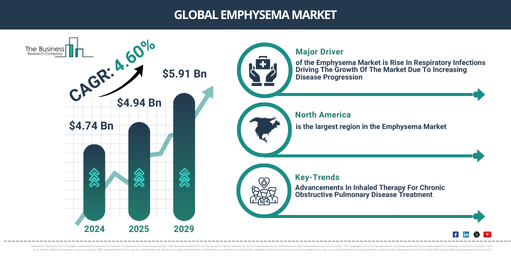
    In recent times, the market size of emphysema has seen stable growth. It is expected to expand from $4.74 billion in 2024 to $4.94 billion in 2025, marking a compound annual growth rate (CAGR) of 4.3%. The upward trend in this historical duration is due to the escalating incidence of respiratory infections, increasing aging demographics, a rise in smoking, a surge in air pollution, and more government initiatives, along with an increase in population indulged in tobacco smoking.

    The market for emphysema is predicted to experience consistent expansion in the coming years. It’s set to increase to $5.91 billion by 2029, with a compound annual growth rate (CAGR) of 4.6%. Growth factors throughout the forecast period include higher healthcare expenditure, escalating environmental contamination, growing requirements for diagnostic medical tools, increasing vehicle congestion, and a surge in demand for less invasive treatments. Significant trends during the forecast period consist of novel inhalation devices, strategic alliances, individualized treatment, telehealth, progress in inhalation therapies, and medical advancements.

    Download a free sample to assess the report’s scope and structure:

    https://www.thebusinessresearchcompany.com/sample.aspx?id=21956&type=smp

    What are the Fundamental Drivers and Innovations Shaping the Emphysema Market?

    The upward trend in respiratory infections is anticipated to fuel the expansion of the emphysema market. These infections impact the respiratory system, involving the sinuses, throat, airways and lungs. The rise in respiratory infections can be attributed to factors such as pollution, climate change, antimicrobial resistance, urbanization, and evolving pathogens. They hasten the progression of emphysema by triggering inflammation, damaging tissue, and intensifying airway obstruction, thereby aggravating lung function. For instance, the Centers for Disease Control and Prevention, a United States government agency, reported that in November 2024, there were 9,633 TB cases reported in the year 2023, a 15.6% increase from 8,332 cases in 2022, and the incidence rate surged by 15.0% from 2.5 to 2.9 per 100,000 individuals. Hence, the escalating frequency of respiratory infections is helping the emphysema market to grow.

    How Is the Emphysema Market Segmented?

    The emphysemamarket covered in this report is segmented –

    1) By Type: Centrilobular; Panlobular

    2) By Treatment: Medication; Therapy; Surgery; Other Treatments

    3) By Diagnosis: Imaging Test; Lung Function Test; Other Diagnosis

    4) By Complications: Chest Infections; Collapsed Lung; Heart Problems; Lungs Hole; Other Complications

    5) By End-user: Hospitals And Clinics; Surgical Center; Other End-users

    Subsegments:

    1) By Centrilobular: Mild Centrilobular Emphysema; Moderate Centrilobular Emphysema; Severe Centrilobular Emphysema

    2) By Panlobular: Mild Panlobular Emphysema; Moderate Panlobular Emphysema; Severe Panlobular Emphysema

    Request customized data on this market:

    https://www.thebusinessresearchcompany.com/customise?id=21956&type=smp

    Which Regions Are Driving the Next Phase of the Emphysema Market Growth?

    North America was the largest region in the emphysema market in 2024. Asia-Pacific is expected to be the fastest-growing region in the forecast period. The regions covered in the emphysema market report are Asia-Pacific, Western Europe, Eastern Europe, North America, South America, Middle East, Africa.

    What Key Trends Are Shaping the Future of the Emphysema Market?

    Leading firms in the emphysema market are prioritizing medical advancements, such as the application of inhaled dual inhibitors of phosphodiesterase 3 and 4. These modern treatments enhance lung functionality, mitigate inflammation, and upgrade overall disease management, thereby promoting superior respiratory health and life quality. An inhaled dual inhibitor of phosphodiesterase 3 and 4 is a medication designed to target and obstruct both phosphodiesterase enzymes found in the lungs. The result is a relaxation of the airways and reduced inflammation, which enhances breathing in conditions akin to chronic obstructive pulmonary disease. For instance, in June 2024, Verona Pharma plc, a pharmaceutical corporation based in the UK, introduced Ohtuvayre (ensifentrine), the inaugural inhaled dual PDE3 and PDE4 inhibitor approved by the Food and Drug Administration, a federal agency in the US, for the maintenance therapy of chronic obstructive pulmonary diseases like emphysema. This marked the launch of the first innovative inhaled therapy in over two decades. The drug, which synergizes bronchodilation and anti-inflammatory effects, will be accessible via specialty pharmacies.

    View the full report here:

    https://www.thebusinessresearchcompany.com/report/emphysema-global-market-report

    How Is the Emphysema Market Defined and What Are Its Core Parameters?

    Emphysema is a chronic lung disease that damages the air sacs (alveoli) in the lungs, leading to difficulty in breathing. It is a form of chronic obstructive pulmonary disease (COPD) and is primarily caused by smoking or long-term exposure to air pollutants. As the alveoli become weakened and lose their elasticity, air gets trapped, making it harder for the lungs to expel carbon dioxide and take in fresh oxygen. This results in shortness of breath, chronic cough, and reduced lung function over time.

    Purchase the full report and get a swift delivery:

    https://www.thebusinessresearchcompany.com/purchaseoptions.aspx?id=21956

    About The Business Research Company:

    With over 15000+ reports from 27 industries covering 60+ geographies, The Business Research Company has built a reputation for offering comprehensive, data-rich research and insights. Armed with 1,500,000 datasets, the optimistic contribution of in-depth secondary research, and unique insights from industry leaders, you can get the information you need to stay ahead in the game.

    Get in touch with us:

    The Business Research Company: https://www.thebusinessresearchcompany.com/

    Americas +1 310-496-7795

    Europe +44 7882 955267

    Asia & Others +44 7882 955267 & +91 8897263534

    Email us at info@tbrc.info

    Follow us on:

    LinkedIn: https://in.linkedin.com/company/the-business-research-company

    YouTube: https://www.youtube.com/channel/UC24_fI0rV8cR5DxlCpgmyFQ

    Global Market Model: https://www.thebusinessresearchcompany.com/global-market-model
  • Emerging Growth Drivers in the Remote Diagnostics Market Landscape: Adoption Of Connected Cars Fueling The Remote Diagnostics Market Expansion

    Emerging Growth Drivers in the Remote Diagnostics Market Landscape: Adoption Of Connected Cars Fueling The Remote Diagnostics Market Expansion

    Claim your 30% discount on Global Market Reports with code ONLINE30. Limited time only.

    How Has The Remote Diagnostics Market Size Shifted, And What Is the Outlook Through 2034?

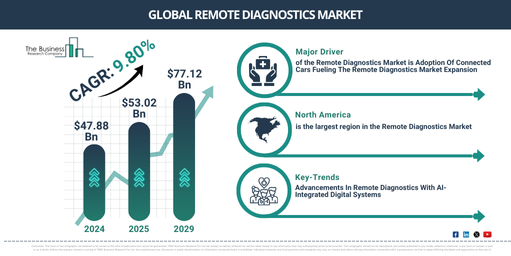
    In recent times, there has been a notable rapid growth in the size of the remote diagnostics market. A rise from $47.88 billion in 2024 to $53.02 billion in the following year has been projected, reflecting a compound annual growth rate (CAGR) of 10.7%. The exponential growth during the historic period can be associated with several factors. These include an escalating demand for preventive maintenance, an increase in the adoption of connected medical devices, a surge in the usage of IoT-based solutions, a heightened usage of remote monitoring, along with a rising demand for electrical systems in vehicles.

    In the upcoming years, the remote diagnostics market is projected to experience significant expansion. The growth is forecasted to reach$77.12 billion in 2029″ with a compound annual growth rate (CAGR) of9.8%”. This anticipated growth can be attributed to factors such as the growing popularity of connected cars, the heightened demand for luxury and sports vehicles, the influx in the auto industry, the increasing worries about maintenance downtime in motor vehicles, and the growing demand for passenger vehicles. Key trends for the forecast period include advancements in technology, the utilization of the Internet of Things and connected devices, the preference for cloud-based remote diagnostics, the rising use of artificial intelligence (AI) and machine learning (ML) technologies, and the broadening scope of telemedicine.

    Download a free sample to assess the report’s scope and structure:

    https://www.thebusinessresearchcompany.com/sample.aspx?id=15660&type=smp

    Which Primay Drivers Are Accelerating Growth in the Remote Diagnostics Market?

    The anticipated upsurge in the utilization of connected cars is predicted to spearhead the expansion of the remote diagnostics market in the future. Essentially, connected cars are vehicles with internet connectivity and often a wireless local area network (Wi-Fi), allowing them interaction and connection with other gadgets, networks, and services. This burgeoning demand for connected cars stems from a variety of sources, such as a growing need for convenience, efficiency, safety, security, entertainment, and connectivity. Connected cars send real-time data, aiding in early issue detection and removing the need for physical inspections. They also enhance safety schemes by auto-sharing diagnostic data with emergency service providers during accidents, leading to rapid responses and possibly, lifesaving initiatives. For example, a report from Scania, a commercial vehicle manufacturer based in Sweden, noted in March 2022 that around 560,000 Scania vehicles were connected (constituting 64% of its decade-long rolling fleet), and this number is swiftly on the rise. Hence, the surging use of connected cars is catalyzing the growth of the remote diagnostics market.

    Which Primary Segments of the Remote Diagnostics Market Are Driving Growth and Industry Transformations?

    The remote diagnosticsmarket covered in this report is segmented –

    1) By Product Type: Software; Diagnostic Equipment

    2) By Connectivity: 3G (Third Generation); 4G LTE (Fourth Generation Long Term Evolution); Wi-Fi (Wireless Fidelity); Bluetooth

    3) By Application: Roadside Assistance; Vehicle Tracking; Vehicle State Alert; Crash Notification; Training Assistance; Other Applications

    4) By Vehicle Type: Commercial Vehicles; Passenger Vehicles

    Subsegments:

    1) By Software: Diagnostic Software; Remote Monitoring Software; Diagnostic Reporting Software

    2) By Diagnostic Equipment: Wearable Diagnostic Devices; Portable Diagnostic Devices; Imaging Systems For Remote Diagnosis

    Request customized data on this market:

    https://www.thebusinessresearchcompany.com/customise?id=15660&type=smp

    Which Regions Are Key Players in the Growth of the #Which Primay Drivers Are Accelerating Growth in the Remote Diagnostics Market?# Market?

    North America was the largest region in the remote diagnostics market in 2024. Asia-Pacific is expected to be the fastest-growing region in the forecast period. The regions covered in the remote diagnostics market report are Asia-Pacific, Western Europe, Eastern Europe, North America, South America, Middle East, Africa.

    Which Technological Trends Are Reshaping the Remote Diagnostics Industry Dynamics?

    Leading enterprises in the remote diagnostics market are concentrating on innovating advanced solutions that utilize breakthrough technologies like real-time telematics and remote diagnostics services. These solutions are geared towards promoting data-driven, automated retention marketing and communication tools for car repair establishments. Real-time telematics and remote diagnostics services essentially consist of a full suite of technologies, instruments, and solutions that allow constant monitoring, analysis, and regulation of vehicles, assets, or machinery in real-time, often at a distance. For instance, Mechanic Advisor, a US-based marketing tools and solutions provider partnered with Mojio, a US auto software firm, and introduced Steermatics in November 2022. This is a real-time telematics and remote diagnostics solution, backed by Mojio, designed to integrate seamlessly with the Steer CRM to offer automotive repair businesses automated, data-based retention marketing and messaging options. This marks the first instance in the industry where an auto repair solution uses real-time telematics data from connected fleets to boost remote vehicle diagnostics and automated retention marketing tools. Through a special subscription plan, fleets who use Steermatics will access Force Fleet Tracking, enabling effortless and cost-efficient GPS tracking and fleet management tools for optimum vehicle management.

    View the full report here:

    https://www.thebusinessresearchcompany.com/report/remote-diagnostics-global-market-report

    What Parameters Are Used to Define the Remote Diagnostics Market?

    Remote diagnostics refers to the technique of diagnosing and identifying problems in a system or device from a remote location, often with the help of technology. This technology allows technicians or support workers to examine and resolve problems without physically being present at the location of the equipment or system, which provides faster problem resolution and reduces downtime.

    Purchase the full report and get a swift delivery:

    https://www.thebusinessresearchcompany.com/purchaseoptions.aspx?id=15660

    About The Business Research Company:

    With over 15000+ reports from 27 industries covering 60+ geographies, The Business Research Company has built a reputation for offering comprehensive, data-rich research and insights. Armed with 1,500,000 datasets, the optimistic contribution of in-depth secondary research, and unique insights from industry leaders, you can get the information you need to stay ahead in the game.

    Get in touch with us:

    The Business Research Company: https://www.thebusinessresearchcompany.com/

    Americas +1 310-496-7795

    Europe +44 7882 955267

    Asia & Others +44 7882 955267 & +91 8897263534

    Email us at info@tbrc.info

    Follow us on:

    LinkedIn: https://in.linkedin.com/company/the-business-research-company

    YouTube: https://www.youtube.com/channel/UC24_fI0rV8cR5DxlCpgmyFQ

    Global Market Model: https://www.thebusinessresearchcompany.com/global-market-model
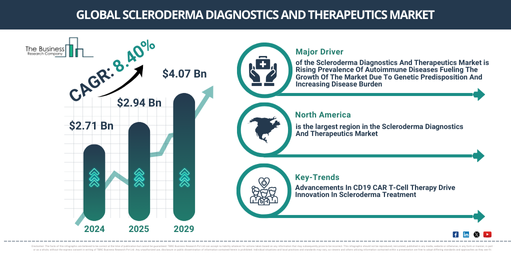
  • Critical Market Drivers Shaping the Outlook for Scleroderma Diagnostics And Therapeutics Market from 2025-2034: Rising Prevalence Of Autoimmune Diseases Fueling The Growth Of The Market Due To Genetic Predisposition And Increasing Disease Burden

    Critical Market Drivers Shaping the Outlook for Scleroderma Diagnostics And Therapeutics Market from 2025-2034: Rising Prevalence Of Autoimmune Diseases Fueling The Growth Of The Market Due To Genetic Predisposition And Increasing Disease Burden

    Claim your 30% discount on Global Market Reports with code ONLINE30. Limited time only.

    How Has The Scleroderma Diagnostics And Therapeutics Market Growth Evolved From 2024 To 2025, And What’s Ahead?

    In recent times, the scleroderma diagnostics and therapeutics market has seen robust growth. The market size is projected to rise from $2.71 billion in 2024 to $2.94 billion in 2025, with a compound annual growth rate (CAGR) of 8.5%. This growth during the historic period can be credited to elements such as the discovery of antinuclear antibodies, the incorporation of pulmonary function tests, heightened autoimmune diseases awareness, inception of unique disease funding initiatives, and enlargement of clinical trial networks.

    Robust expansion is anticipated in the scleroderma diagnostics and therapeutics market in the upcoming years, with a projected growth to$4.07 billion in 2029 at an 8.4% compound annual growth rate (CAGR). This growth during the forecast period is predicted due to advancements in precision medicine, the emergence of innovative biologic therapies, expanding stem cell research, improved drug delivery methodologies, and regulatory backing for orphan drugs. Key trends anticipated in the future include the implementation of artificial intelligence (AI) in diagnostic algorithms, advanced genetic profiling through next-generation sequencing, nanotechnology-infused drug delivery, real-time monitoring via wearable biosensors, and tissue regeneration via three-dimensional (3D) bioprinting.

    Download a free sample to assess the report’s scope and structure:

    https://www.thebusinessresearchcompany.com/sample.aspx?id=23509&type=smp

    What Are the Core Growth Drivers Propelling the Scleroderma Diagnostics And Therapeutics Market Forward?

    The increase in occurrences of autoimmune diseases is anticipated to boost the expansion of the scleroderma diagnostics and therapeutics market. Autoimmune diseases occur when the immune system erroneously targets the body’s healthy cells. The rising number of these conditions is related to genetic predisposition, as certain gene changes can impact immune system function and affect the regularity of connective tissues. The use of scleroderma diagnostics and therapeutics enhances the handling of autoimmune diseases by facilitating early diagnosis and the application of personalized treatment plans, thus simplifying clinical choices and ultimately benefiting patient results and life quality. For example, as reported by the Australian Institute of Health and Welfare, a government agency in Australia, in June 2024, 514,000 individuals, or 2.0% of the population, were found to have rheumatoid arthritis in 2022. This represented 2.0% of the total disease load and 16% of musculoskeletal conditions’ burden in 2023. There were 1,322 deaths (5.1 deaths per 100,000 population) registered in 2022, amounting to 0.7% of all fatalities. Hence, the escalating incidence of autoimmune diseases is contributing to the growth of the scleroderma diagnostics and therapeutics market.

    What Segment Types Define the Scleroderma Diagnostics And Therapeutics Market Structure?

    The scleroderma diagnostics and therapeuticsmarket covered in this report is segmented –

    1) By Drug Type: Corticosteroids; Immunosuppressive Agents; Endothelin Receptor Antagonists; Calcium Channel Blockers; Phosphodiesterase Type 5 (PDE-5) Inhibitors; Chelating Agents; Prostacyclin Analogues; Other Drug Types

    2) By Diagnostic Test Type: Blood Tests; Imaging Techniques; Skin Biopsy; Pulmonary Function Tests; Electrocardiogram And Echocardiogram

    3) By Indication: Systemic Scleroderma; Localized Scleroderma

    4) By Route Of Administration: Oral; Injectable; Topical

    5) By End-User: Hospitals; Diagnostic Centers; Private Laboratories; Government Laboratories; Other End-Users

    Subsegments:

    1) By Corticosteroids: Prednisone; Methylprednisolone; Dexamethasone

    2) By Immunosuppressive Agents: Methotrexate; Mycophenolate Mofetil; Azathioprine; Cyclophosphamide

    3) By Endothelin Receptor Antagonists: Bosentan; Ambrisentan; Macitentan

    4) By Calcium Channel Blockers: Nifedipine; Amlodipine; Diltiazem

    5) By Phosphodiesterase Type 5 Inhibitors (Pde-5) Inhibitors: Sildenafil; Tadalafil; Vardenafil

    6) By Chelating Agents: D-Penicillamine; Deferoxamine

    7) By Prostacyclin Analogues: Epoprostenol; Iloprost; Treprostinil

    8) By Other Drug Types: Rituximab (Monoclonal Antibody); Abatacept (T-Cell Modulator); Tocilizumab (Il-6 Inhibitor)

    Request customized data on this market:

    https://www.thebusinessresearchcompany.com/customise?id=23509&type=smp

    Which Geographic Areas Hold the Strongest Growth Potential in the Scleroderma Diagnostics And Therapeutics Market?

    North America was the largest region in the scleroderma diagnostics and therapeutics market in 2024. Asia-Pacific is expected to be the fastest-growing region in the forecast period. The regions covered in the scleroderma diagnostics and therapeutics market report are Asia-Pacific, Western Europe, Eastern Europe, North America, South America, Middle East, Africa.

    Which Emerging Trends that Are Influencing theScleroderma Diagnostics And Therapeutics Industry Evolution?

    Firms that are major players in the scleroderma diagnostics and therapeutics market are prioritising the development of advanced diagnostic methods such as fully human CD19 CAR T-cell therapy, with an aim to enhance patient management and overall results. The method of fully human CD19 CAR T-cell therapy involves genetically altering a patient’s own T cells (a kind of immune cell) to create a chimeric antigen receptor (CAR) that specifically targets CD19, a protein found on B cell surfaces. For example, Kyverna Therapeutics Inc., a US-based biopharmaceutical enterprise, received FDA approval in October 2023 for its Investigational New Drug (IND) application for KYV-101, a fully human CD19 CAR T-cell therapy, thereby beginning a Phase 1/2 clinical trial for the treatment of diffuse cutaneous systemic sclerosis (scleroderma). The future KYSA-5 trial aims to analyse the safety and efficiency of KYV-101 which specifically focuses on B cells contributing to the progression of autoimmune conditions. This treatment is designed to reset the immune system and improve the prognosis for scleroderma patients.

    View the full report here:

    https://www.thebusinessresearchcompany.com/report/scleroderma-diagnostics-and-therapeutics-global-market-report

    What Is the Definition of the Scleroderma Diagnostics And Therapeutics Market?

    Scleroderma diagnostics and therapeutics involve advanced testing methods and targeted treatments designed to detect and manage scleroderma, a chronic autoimmune disorder characterized by the hardening and tightening of the skin and connective tissues. These methods help detect symptoms such as Raynaud’s phenomenon, skin thickening, and internal organ involvement.

    Purchase the full report and get a swift delivery:

    https://www.thebusinessresearchcompany.com/purchaseoptions.aspx?id=23509

    About The Business Research Company:

    With over 15000+ reports from 27 industries covering 60+ geographies, The Business Research Company has built a reputation for offering comprehensive, data-rich research and insights. Armed with 1,500,000 datasets, the optimistic contribution of in-depth secondary research, and unique insights from industry leaders, you can get the information you need to stay ahead in the game.

    Get in touch with us:

    The Business Research Company: https://www.thebusinessresearchcompany.com/

    Americas +1 310-496-7795

    Europe +44 7882 955267

    Asia & Others +44 7882 955267 & +91 8897263534

    Email us at info@tbrc.info

    Follow us on:

    LinkedIn: https://in.linkedin.com/company/the-business-research-company

    YouTube: https://www.youtube.com/channel/UC24_fI0rV8cR5DxlCpgmyFQ

    Global Market Model: https://www.thebusinessresearchcompany.com/global-market-model
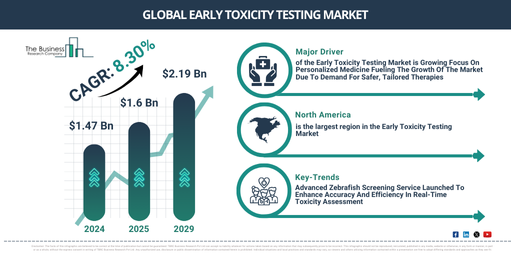
  • Early Toxicity TestingMarket Overview 2025–2034: CAGR Trends, Long-Term Growth Paths, and Business Implications

    Early Toxicity TestingMarket Overview 2025–2034: CAGR Trends, Long-Term Growth Paths, and Business Implications

    Claim your 30% discount on Global Market Reports with code ONLINE30. Limited time only.

    What is the Anticipated CAGR of the Early Toxicity Testing Market, and What Factors Will Drive It?

    The market size for early toxicity testing has seen a robust growth in the past few years. In 2024, the market stood at $1.47 billion and is projected to increase to $1.6 billion in 2025, with a compound annual growth rate (CAGR) of 8.5%. This significant growth in the previous years can be traced back to a surge of ethical issues, heightened awareness about human and environmental health, escalating public health crises and environmental catastrophes, intensified attention on endocrine disruptors, and a growing requirement for standardized guidelines.

    In the coming years, a robust expansion is anticipated in the early toxicity testing market, which is projected to reach a size of $2.19 billion in 2029, with a compound annual growth rate (CAGR) of 8.3%. The forecast period’s growth can be associated with factors such as escalating regulatory requirements for drug safety, growing incidences of adverse drug reactions, an upsurge in aesthetic consciousness, a hike in early toxicity testing, and increased awareness about toxicity. Significant trends in the forecast period encompass in silico toxicity prediction models, organ-on-a-chip technology, high-throughput screening (HTS), enhancements in molecular toxicology, and the usage of stem cells for toxicity testing.

    Download a free sample to assess the report’s scope and structure:

    https://www.thebusinessresearchcompany.com/sample.aspx?id=21947&type=smp

    What Are the Primary Drivers Supporting the Market Growth of the Early Toxicity Testing Market?

    The rise in emphasis on personalized medicine is anticipated to fuel the expansion of the early toxicity testing market in the future. Personalized medicine is a healthcare approach that centers on providing treatments and health strategies to individuals based on their unique genetic, environmental, and lifestyle factors. The allure of personalized medicine is increasing as it allows for a tailored treatment aimed at a person’s unique genetic constitution, contributing to better efficacy and fewer side effects by ensuring the proper drug is administered at the right dosage to the appropriate patient. Personalized medicine boosts early toxicity testing through the use of genetic, biomarker, and personal data to anticipate individual drug responses, lessening negative effects and enhancing safety evaluations. As per a February 2024 report from the Personalized Medicine Coalition, an organization based in the U.S., the FDA sanctioned 16 novel personalized treatments for rare disease patients in 2023, an increase from six in 2022. The recently approved treatments for 2023 included seven cancer medications and three others for differing diseases and conditions. Therefore, the escalating emphasis on personalized medicine is fuelling the expansion of the early toxicity testing market.

    Which Primary Segments of the Early Toxicity Testing Market Are Driving Growth and Industry Transformations?

    The early toxicity testingmarket covered in this report is segmented –

    1) By Type: In-Vivo; In-Vitro; In-Silico

    2) By Toxicity Type: Cytotoxicity; Genotoxicity; Carcinogenicity; Reproductive Toxicity; Ecotoxicity

    3) By Technology: Microfluidics Technology; Bioinformatics; High-Content Screening; 3D Cell Cultures

    4) By Application: Drug Development; Environmental Monitoring; Cancer Research; Material Testing; Regulatory Compliance

    5) By End User: Pharmaceuticals Industry; Food Industry; Chemicals Industry; Cosmetics Industry; Other End-Users

    Subsegments:

    1) By In-Vivo Type: Acute Toxicity Testing; Chronic Toxicity Testing; Carcinogenicity Testing; Developmental & Reproductive Toxicity (DART) Testing; Neurotoxicity Testing

    2) By In-Vitro Type: Cell-Based Assays; Biochemical Assays; High-Throughput Screening (HTS); 3D Cell Culture Systems; Organ-on-a-Chip Models

    3) By In-Silico Type: Computational Toxicology; Predictive Modeling; Quantitative Structure-Activity Relationship (QSAR) Models; Machine Learning-Based Toxicity Prediction; Physiologically Based Pharmacokinetic (PBPK) Modeling

    Request customized data on this market:

    https://www.thebusinessresearchcompany.com/customise?id=21947&type=smp

    Which Regions Are Key Players in the Growth of the #What Are the Primary Drivers Supporting the Market Growth of the Early Toxicity Testing Market?# Market?

    North America was the largest region in the early toxicity testing market in 2024. Aisa-Pacific is expected to be the fastest-growing region in the forecast period. The regions covered in the early toxicity testing market report are Asia-Pacific, Western Europe, Eastern Europe, North America, South America, Middle East, Africa.

    What Are the Most Significant Market Trends in the Early Toxicity Testing Market?

    Major firms active in the early toxicity testing market are centering their efforts around technological innovations such as ZBEScreen to boost precision, proficiency, and forecasting abilities in toxicity evaluations. ZBEScreen employs zebrafish embryos for extensive early toxicity examinations to identify any potentially detrimental effects of substances. For example, in March 2025, the Ghanaian preclinical contract research organization, AsedaSciences which specializes in advanced early toxicity evaluations using zebrafish models, introduced a cutting-edge zebrafish screening service. This was in partnership with the famed U.S. academic research lab, the Tanguay Lab – known for their work in zebrafish toxicology and studies concerning developmental health. This innovative zebrafish screening service utilizes sophisticated high-throughput technologies to monitor toxicity in real-time, providing accurate, efficient, and ethical evaluations of drug and chemical safety with a close watch on developmental and behavioral variations.

    View the full report here:

    https://www.thebusinessresearchcompany.com/report/early-toxicity-testing-global-market-report

    What Parameters Are Used to Define the Early Toxicity Testing Market?

    Early toxicity testing refers to the initial evaluation of a substance’s potential toxic effects before it progresses to later stages of development, such as clinical trials or commercial use. This testing is primarily conducted in drug development, chemical safety assessment, and environmental health studies.

    Purchase the full report and get a swift delivery:

    https://www.thebusinessresearchcompany.com/purchaseoptions.aspx?id=21947

    About The Business Research Company:

    With over 15000+ reports from 27 industries covering 60+ geographies, The Business Research Company has built a reputation for offering comprehensive, data-rich research and insights. Armed with 1,500,000 datasets, the optimistic contribution of in-depth secondary research, and unique insights from industry leaders, you can get the information you need to stay ahead in the game.

    Get in touch with us:

    The Business Research Company: https://www.thebusinessresearchcompany.com/

    Americas +1 310-496-7795

    Europe +44 7882 955267

    Asia & Others +44 7882 955267 & +91 8897263534

    Email us at info@tbrc.info

    Follow us on:

    LinkedIn: https://in.linkedin.com/company/the-business-research-company

    YouTube: https://www.youtube.com/channel/UC24_fI0rV8cR5DxlCpgmyFQ

    Global Market Model: https://www.thebusinessresearchcompany.com/global-market-model
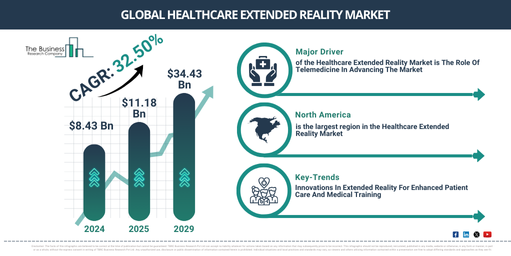
  • $34.43 Billion Forecast for Healthcare Extended Reality Market by 2029, Backed by Demand and Innovation

    $34.43 Billion Forecast for Healthcare Extended Reality Market by 2029, Backed by Demand and Innovation

    Claim your 30% discount on Global Market Reports with code ONLINE30. Limited time only.

    What Are the Key Milestones in the Healthcare Extended Reality Market’s Growth Trajectory From 2025 To 2034?

    The scale of the healthcare extended reality market has expanded dramatically over recent years. Current projections show it escalating from $8.43 billion in 2024 to reaching $11.18 billion by 2025, registering an impressive compound annual growth rate (CAGR) of 32.6%. The surge observed in the past is due primarily to factors like an uptick in surgical procedures, heightened demand for pain management, an escalating occurrence of chronic ailments, increased healthcare spending, and improvements in medical training and education.

    In the coming years, the extended reality market in healthcare is anticipated to experience explosive growth. With a compound annual growth rate (CAGR) of 32.5%, it is projected to reach $34.43 billion by 2029. This projection can be credited to factors such as revolutionary applications in medical education and training, the rising prevalence of mental health disorders, the increased embrace of XR technology in medical training, and the growth of healthcare institutions. Technological breakthroughs in telemedicine, progressive advancements in technology, novel display technologies, progress in virtual reality headset technology, and digital healthcare innovations are key trends expected within the forecast period.

    Download a free sample to assess the report’s scope and structure:

    https://www.thebusinessresearchcompany.com/sample.aspx?id=21199&type=smp

    What Are the Core Growth Drivers Propelling the Healthcare Extended Reality Market Forward?

    Telemedicine’s burgeoning adoption is anticipated to fuel the expansion of the healthcare extended reality market. Telemedicine utilizes telecommunications technology for delivering healthcare services and medical care remotely, facilitating patients to reach healthcare professionals without physically visiting a clinic. The growth in telemedicine usage is linked to the increasing need for accessible healthcare and advancements in technology, allowing for remote patient monitoring and consultation. Healthcare extended reality (XR) complements telemedicine through facilitating immersive remote discussions, virtual check-ups, and engaging training, leading to better patient involvement, diagnostic precision, and coordination among healthcare professionals. For instance, the Centers for Disease Control and Prevention, a US government agency, reported in June 2024 that adult telemedicine users’ percentage rose by 30.1% over the previous year in 2022. Moreover, between 13 March 2020 and 31 July 2022, the Australian Digital Health Agency, an Australian government entity, cited that 18 million patients availed 118.2 million telehealth services, and over 95,000 service providers utilized telehealth services in 2022, as per their August 2022 report. Consequently, the escalating adoption of telemedicine is fostering the healthcare extended reality market’s growth.

    What Segment Types Define the Healthcare Extended Reality Market Structure?

    The healthcare extended realitymarket covered in this report is segmented –

    1) By Component: Hardware; Software; Services

    2) By Technology: Augmented Reality; Virtual Reality; Mixed Reality

    3) By Application: Surgery; Therapy; Education And Training; Rehabilitation; Pain Management; Other Applications

    4) By End User: Hospitals Clinics And Surgical Centers; Pharma Companies; Research Organization And Diagnostics Laboratories; Other End Users

    Subsegments:

    1) By Hardware: Head-Mounted Displays (HMDs); Smart Glasses; Haptic Feedback Devices; Sensors and Cameras

    2) By Software: Virtual Reality (VR) Software; Augmented Reality (AR) Software; Mixed Reality (MR) Software; Simulation and Training Software

    3) By Services: Consulting Services; Integration And Deployment Services; Support And Maintenance Services; Training And Education Services

    Request customized data on this market:

    https://www.thebusinessresearchcompany.com/customise?id=21199&type=smp

    Which Geographic Areas Hold the Strongest Growth Potential in the Healthcare Extended Reality Market?

    North America was the largest region in the healthcare extended reality market in 2024. The regions covered in the healthcare extended reality market report are Asia-Pacific, Western Europe, Eastern Europe, North America, South America, Middle East, Africa.

    Which Emerging Trends that Are Influencing theHealthcare Extended Reality Industry Evolution?

    Leading enterprises in the healthcare extended reality sector are concentrating their efforts on the advancement of novel technologies. These include the integration of augmented and virtual reality technologies designed to improve patient care, medical training, and preoperative planning. The incorporation of virtual and augmented reality technology enhances user experiences by merging digital content with the physical world, thereby creating engaging and interactive environments. For example, SindyXR Inc., a telehealth group therapy platform from the United States, unveiled its first-ever extended reality (XR) based group health support system in April 2024. This system advances patient care by offering immersive educational experiences that heighten engagement and facilitate remote access to medical services. Additionally, it aids in mental health therapies, reduces pain perception, and fosters teamwork among medical professionals, leading to enhanced health results.

    View the full report here:

    https://www.thebusinessresearchcompany.com/report/healthcare-extended-reality-global-market-report2024-

    What Is the Definition of the Healthcare Extended Reality Market?

    Healthcare extended reality refers to the integration of virtual reality (VR), augmented reality (AR), and mixed reality (MR) technologies to enhance medical training, patient treatment, and surgical procedures. It is used for improving patient outcomes, enabling immersive simulations for healthcare professionals, and facilitating remote consultations and rehabilitation.

    Purchase the full report and get a swift delivery:

    https://www.thebusinessresearchcompany.com/purchaseoptions.aspx?id=21199

    About The Business Research Company:

    With over 15000+ reports from 27 industries covering 60+ geographies, The Business Research Company has built a reputation for offering comprehensive, data-rich research and insights. Armed with 1,500,000 datasets, the optimistic contribution of in-depth secondary research, and unique insights from industry leaders, you can get the information you need to stay ahead in the game.

    Get in touch with us:

    The Business Research Company: https://www.thebusinessresearchcompany.com/

    Americas +1 310-496-7795

    Europe +44 7882 955267

    Asia & Others +44 7882 955267 & +91 8897263534

    Email us at info@tbrc.info

    Follow us on:

    LinkedIn: https://in.linkedin.com/company/the-business-research-company

    YouTube: https://www.youtube.com/channel/UC24_fI0rV8cR5DxlCpgmyFQ

    Global Market Model: https://www.thebusinessresearchcompany.com/global-market-model
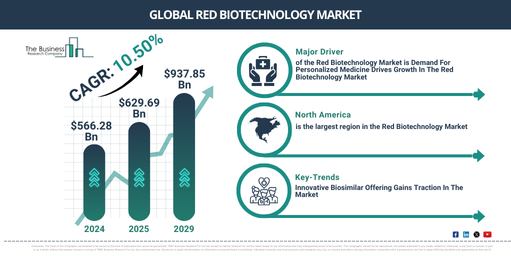
  • Strategic Growth Drivers Shaping the Red Biotechnology Market Outlook 2025- 2034:Demand For Personalized Medicine Drives Growth In The Red Biotechnology Market

    Strategic Growth Drivers Shaping the Red Biotechnology Market Outlook 2025- 2034:Demand For Personalized Medicine Drives Growth In The Red Biotechnology Market

    Claim your 30% discount on Global Market Reports with code ONLINE30. Limited time only.

    How Has the Red Biotechnology Market Growth Performance Trended Historically, And What Lies Ahead?

    The size of the red biotechnology market has seen significant expansion in the past few years. This market is expected to surge from $566.28 billion in 2024 to $629.69 billion in 2025, delivering a compound annual growth rate (CAGR) of 11.2%. The expansion witnessed in the prior period can be ascribed to progression in genetic engineering, stem cell studies, the emergence of biotech startups, regulatory infrastructures, funding for biotech, and investment.

    In the forthcoming years, the red biotechnology market is projected to experience significant expansion, reaching a value of $937.85 billion in 2029 with a compound annual growth rate (CAGR) of 10.5%. The predicted growth in the forthcoming years is attributed to several factors including the rise of personalized medicine, an increase in the aging population, heavy investments in research and development, the integration of digital health, and the growth of the healthcare infrastructure. Other key trends impacting the forecast period include the growth of biologics and biosimilars, the incorporation of machine learning, the creation of microbiome-based therapies, the emphasis on rare and orphan diseases, as well as global collaborations and partnerships.

    Download a free sample to assess the report’s scope and structure:

    https://www.thebusinessresearchcompany.com/sample.aspx?id=16173&type=smp

    Which Factors and External Forces Are Driving Demand in the Red Biotechnology Market?

    The surge in requirement for customized medical treatment is set to fuel the progression of the red biotechnology market in the future. Customized medical treatment pertains to the customization of medical care based on factors such as genetic makeup or lifestyle, aiming for maximum efficacy and minimizing negative impacts. The escalating need for such treatment is owing to its capacity to offer more effectual treatments, enhancements in genomics, rising disease intricacy, and regulatory reinforcement. Red biotechnology facilitates the creation of personalized medicines by using genetic details to adapt treatments to a patient’s specific genetic arrangement and disease properties. As an example, the Personalized Medicine Coalition, an American nonprofit entity, reported in February 2024 that the FDA sanctioned 16 innovative personalized therapies in 2023 for patients with rare diseases, a significant increase from the six approved in 2022. Thus, the increasing requirement for customized medicine is spurring the progression of the red biotechnology market.

    Which Segments in the Red Biotechnology Offer the Most Growth?

    The red biotechnologymarket covered in this report is segmented –

    1) By Product: Monoclonal Antibodies; Polyclonal Antibodies; Recombinant Proteins; Vaccines; Cell-Based Immunotherapy Products; Gene Therapy Products; Cell Therapy Products; Tissue-Engineered Products; Other Products

    2) By Application: Drug Discovery And Development; Animal Biotechnology; Environmental Biotechnology; Medical Biotechnology; Industrial Biotechnology; Agricultural Biotechnology; Other Applications

    3) By End-User: Biopharmaceutical Industry; Contract Manufacturing Organization (CMO) And Contract Research Organization (CRO) Research Institutes; Other End Users

    Subsegments:

    1) By Monoclonal Antibodies: Therapeutic Monoclonal Antibodies; Diagnostic Monoclonal Antibodies; Biosimilars Of Monoclonal Antibodies; Targeted Monoclonal Antibodies (For Cancer, Autoimmune Diseases)

    2) By Polyclonal Antibodies: Diagnostic Polyclonal Antibodies; Therapeutic Polyclonal Antibodies; Veterinary Polyclonal Antibodies; Research Polyclonal Antibodies

    3) By Recombinant Proteins: Enzyme Replacement Therapies; Growth Factors And Hormones; Clotting Factor Products; Interferons And Cytokines

    4) By Vaccines: Preventive Vaccines (For Influenza, Covid-19, Hpv); Therapeutic Vaccines (Cancer Vaccines); Dna Or Rna-Based Vaccines; Protein Subunit Vaccines

    5) By Cell-Based Immunotherapy Products: Car-T-Cell Therapies; T-Cell Receptor Therapies; Nk Cell Therapies; Dendritic Cell-Based Immunotherapies

    6) By Gene Therapy Products: Gene Editing (Crispr-Based Therapies); Viral Vector-Based Gene Therapies; Gene Silencing Therapies; In Vivo Gene Therapy Products

    7) By Cell Therapy Products: Stem Cell Therapies; Regenerative Cell Therapies (Mesenchymal Stem Cells); Autologous Cell Therapies; Allogeneic Cell Therapies

    8) By Tissue-Engineered Products: Skin And Cartilage Engineered Products; Bone And Muscle Regenerative Products; Cardiovascular Tissue Engineering; Neural Tissue Engineering

    9) By Other Products: Blood And Blood Components (E.g., Blood Substitutes); Protein Therapeutics; Diagnostic Kits And Tools (Biomarkers, Assays); Regenerative Medicine Products

    Request customized data on this market:

    https://www.thebusinessresearchcompany.com/customise?id=16173&type=smp

    What Are the Fastest-Growing Geographies in the #Which Factors and External Forces Are Driving Demand in the Red Biotechnology Market?# Market?

    North America was the largest region in the red biotechnology market in 2024. Asia-Pacific is expected to be the fastest-growing region in the forecast period. The regions covered in the red biotechnology market report are Asia-Pacific, Western Europe, Eastern Europe, North America, South America, Middle East, Africa.

    Which Cutting-Edge Market Trends Are Expected to Drive theRed Biotechnology Market’s Growth?

    Leading corporations in the red biotechnology sector are concentrating on creating novel products, such as biosimilars, to cater to the rising demand for personalized healthcare and address the complexities of various diseases. Biosimilars are bio-products that are highly identical to and have no significant clinical differences from an existing approved biologic, providing more cost-effective options. For example, Amgen Inc., a US-based biopharmaceutical firm, achieved approval from the U.S. Food and Drug Administration (FDA) in June 2022 for Riabni (rituximab-arrx), a biosimilar to Rituxan (rituximab), for the treatment of adults with moderate to severe rheumatoid arthritis (RA). This sanction signifies a considerable advancement in the creation of biosimilars that are made to be highly similar to existing biological products but at a reduced price.

    View the full report here:

    https://www.thebusinessresearchcompany.com/report/red-biotechnology-global-market-report

    What Are the Key Elements That Define the Red Biotechnology Market?

    Red biotechnology is a branch of biotechnology that focuses on medical and pharmaceutical applications. It involves the use of biological systems and organisms to develop products and technologies for healthcare purposes, such as the production of pharmaceuticals, diagnostic tests, and therapies aimed at treating diseases and improving human health.

    Purchase the full report and get a swift delivery:

    https://www.thebusinessresearchcompany.com/purchaseoptions.aspx?id=16173

    About The Business Research Company:

    With over 15000+ reports from 27 industries covering 60+ geographies, The Business Research Company has built a reputation for offering comprehensive, data-rich research and insights. Armed with 1,500,000 datasets, the optimistic contribution of in-depth secondary research, and unique insights from industry leaders, you can get the information you need to stay ahead in the game.

    Get in touch with us:

    The Business Research Company: https://www.thebusinessresearchcompany.com/

    Americas +1 310-496-7795

    Europe +44 7882 955267

    Asia & Others +44 7882 955267 & +91 8897263534

    Email us at info@tbrc.info

    Follow us on:

    LinkedIn: https://in.linkedin.com/company/the-business-research-company

    YouTube: https://www.youtube.com/channel/UC24_fI0rV8cR5DxlCpgmyFQ

    Global Market Model: https://www.thebusinessresearchcompany.com/global-market-model
  • Key Factors Fueling the Growth of the Sarcoidosis Market in 2025: Increasing Focus On Personalized Medicine Fueling The Growth Of The Market Due To Targeted Treatment And Improved Patient Outcomes

    Key Factors Fueling the Growth of the Sarcoidosis Market in 2025: Increasing Focus On Personalized Medicine Fueling The Growth Of The Market Due To Targeted Treatment And Improved Patient Outcomes

    Claim your 30% discount on Global Market Reports with code ONLINE30. Limited time only.

    What is the Projected CAGR for the Sarcoidosis Market Size from 2025 to 2034?

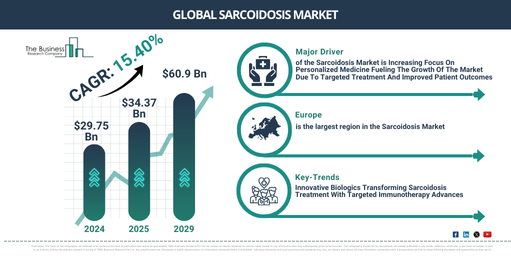
    In recent years, the sarcoidosis market has experienced quick growth. Projected to increase from $29.75 billion in 2024 to $34.37 billion in 2025, this represents a compound annual growth rate (CAGR) of 15.5%. The growth observed in the historical period can be linked to factors such as the heightened knowledge about sarcoidosis among medical professionals, an increase in sarcoidosis cases in developed nations, the expansion of corticosteroid-based therapies as a primary treatment option, an upsurge in research funds designated for rare illnesses, and the increase in the number of clinical trials examining potential sarcoidosis treatment options.

    In the coming years, the sarcoidosis market is projected to witness a swift expansion. It is forecasted to reach$60.9 billion by 2029 with a compound annual growth rate (CAGR) of 15.4%. This anticipated growth in the stated time frame can be traced back to factors like growing demand for innovative biologic treatments, increased preference for personalized healthcare solutions, escalating investments in gene therapy research for sarcoidosis, higher concentration on developing targeted immunotherapies, and more pipeline drugs becoming available for stubborn sarcoidosis conditions. Key trends anticipated in the forecasted period encompass advancements in biologic treatments, progress in nano-tech drug delivery, regenerative medication, and stem cell treatments, evolution in 3D imagining and radiomic technology, along with the application of blockchain in managing clinical data.

    Download a free sample to assess the report’s scope and structure:

    https://www.thebusinessresearchcompany.com/sample.aspx?id=23508&type=smp

    What are the Fundamental Drivers and Innovations Shaping the Sarcoidosis Market?

    The growth of the sarcoidosis market is being propelled by the escalating emphasis on personalized medicine. This innovative healthcare approach customizes treatment plans to each patient based on their genetic profile, biomarkers, environmental factors, and lifestyle, leading to more accurate, efficient, and targeted therapies. There is a spike in interest for personalized medicine as it makes possible for treatments to be customized according to an individual’s genetic characteristics and biological profile, enhancing its effectiveness while curbing side effects. Personalized medicine applied in sarcoidosis involves tailoring the treatment according to the patient’s genetic, biomarker, and clinical profiles, which increases efficacy and diminishes side effects. It further enhances targeted therapy contributing to the treatment of disease diversity and diverse patient responses. For example, in the context of February 2024, the Personalized Medicine Coalition, a nonprofit institution based in the U.S., the U.S. Food and Drug Administration (FDA), a government regulatory agency based in the U.S., validated 16 new individualized treatments for patients with rare diseases in 2023. This is a significant rise from the 6 personalized treatments they approved in 2022. Therefore, the escalating emphasis on personalized medicine is triggering the growth of the sarcoidosis market.

    How Is the Sarcoidosis Market Segmented?

    The sarcoidosismarket covered in this report is segmented –

    1) By Type: Pulmonary Sarcoidosis; Ocular Sarcoidosis; Neurosarcoidosis; Cardiac Sarcoidosis; Musculoskeletal Sarcoidosis; Cutaneous Sarcoidosis; Renal Sarcoidosis; Hepatic Sarcoidosis; Sarcoidosis Of The Spleen And Bone Marrow

    2) By Diagnostic Method: Imaging Technique; Biopsy; Blood Tests

    3) By Treatment Type: Corticosteroids; Immunosuppressive Agents; Biologics; Anti-Malarial Drugs

    4) By Route Of Administration: Oral; Parenteral; Other Routes Of Administration

    5) By End Uses: Hospitals And Clinics; Surgical Centers; Diagnostic Centers; Other End Uses

    Subsegments:

    1) By Pulmonary Sarcoidosis: Acute Pulmonary Sarcoidosis; Chronic Pulmonary Sarcoidosis; Fibrotic Pulmonary Sarcoidosis

    2) By Ocular Sarcoidosis: Anterior Uveitis; Posterior Uveitis; Intermediate Uveitis; Panuveitis; Optic Neuropathy

    3) By Neurosarcoidosis: Meningeal Neurosarcoidosis; Cranial Nerve Neurosarcoidosis; Peripheral Neuropathy; Spinal Cord Involvement; Hypothalamic-Pituitary Involvement

    4) By Cardiac Sarcoidosis: Atrioventricular Block; Ventricular Arrhythmias; Heart Failure; Myocarditis; Sudden Cardiac Arrest

    5) By Musculoskeletal Sarcoidosis: Arthritis; Myopathy; Bone Lesions

    6) By Cutaneous Sarcoidosis: Lupus Pernio; Erythema Nodosum; Papular Sarcoidosis; Plaque Sarcoidosis; Subcutaneous Sarcoidosis

    7) By Renal Sarcoidosis: Granulomatous Interstitial Nephritis; Nephrocalcinosis; Hypercalciuria-Induced Kidney Disease

    8) By Hepatic Sarcoidosis: Granulomatous Hepatitis; Portal Hypertension; Hepatic Fibrosis

    9) By Sarcoidosis Of The Spleen And Bone Marrow: Splenomegaly; Pancytopenia; Bone Marrow Granulomas

    Request customized data on this market:

    https://www.thebusinessresearchcompany.com/customise?id=23508&type=smp

    Which Regions Are Driving the Next Phase of the Sarcoidosis Market Growth?

    Europe was the largest region in the sarcoidosis market in 2024. The regions covered in the sarcoidosis market report are Asia-Pacific, Western Europe, Eastern Europe, North America, South America, Middle East, Africa.

    What Key Trends Are Shaping the Future of the Sarcoidosis Market?

    In the sarcoidosis market, leading enterprises are concentrating on the creation of novel products like anti-TNFa monoclonal antibody therapy. The aim is to bring forth a unique biologic treatment meeting a critical healthcare demand in managing inflammatory diseases. The anti-TNFa monoclonal antibody therapy is a focused immunotherapy, using monoclonal antibodies to suppress TNFa, a pro-inflammatory cytokine, thus controlling inflammation and autoimmune diseases. For example, in November 2023, Xentria, Inc., a clinical stage biotherapeutics company located in the US, made significant progress when its primary candidate, XTMAB-16, received Orphan Drug Designation from the European Medicines Agency (EMA). Concurrently, the company started its international clinical trial for pulmonary sarcoidosis by enrolling its first patient. XTMAB-16, an antibody focusing on tumor necrosis factor-alpha (TNFa), is under review for its capacity to control inflammatory responses in pulmonary sarcoidosis, offering a targeted substitute to corticosteroid-based therapies. This regulatory approval and clinical development stress the escalating global attention on innovative biologics for rare diseases, reinforcing Xentria’s dedication to addressing healthcare gaps with ground-breaking treatment solutions.

    View the full report here:

    https://www.thebusinessresearchcompany.com/report/sarcoidosis-global-market-report

    How Is the Sarcoidosis Market Defined and What Are Its Core Parameters?

    Sarcoidosis is a complex inflammatory disease characterized by the formation of granulomas, small clumps of immune cells that can develop in various organs, most commonly the lungs and lymph nodes, potentially leading to organ dysfunction, respiratory issues, or systemic complications, with its exact cause remaining unknown but suspected to involve an abnormal immune response to environmental or genetic factors.

    Purchase the full report and get a swift delivery:

    https://www.thebusinessresearchcompany.com/purchaseoptions.aspx?id=23508

    About The Business Research Company:

    With over 15000+ reports from 27 industries covering 60+ geographies, The Business Research Company has built a reputation for offering comprehensive, data-rich research and insights. Armed with 1,500,000 datasets, the optimistic contribution of in-depth secondary research, and unique insights from industry leaders, you can get the information you need to stay ahead in the game.

    Get in touch with us:

    The Business Research Company: https://www.thebusinessresearchcompany.com/

    Americas +1 310-496-7795

    Europe +44 7882 955267

    Asia & Others +44 7882 955267 & +91 8897263534

    Email us at info@tbrc.info

    Follow us on:

    LinkedIn: https://in.linkedin.com/company/the-business-research-company

    YouTube: https://www.youtube.com/channel/UC24_fI0rV8cR5DxlCpgmyFQ

    Global Market Model: https://www.thebusinessresearchcompany.com/global-market-model
  • Dysthymia Outlook 2034: Key Drivers, Trends, and Market Frontiers

    Dysthymia Outlook 2034: Key Drivers, Trends, and Market Frontiers

    Claim your 30% discount on Global Market Reports with code ONLINE30. Limited time only.

    What Are the Key Milestones in the Dysthymia Market’s Growth Trajectory From 2025 To 2034?

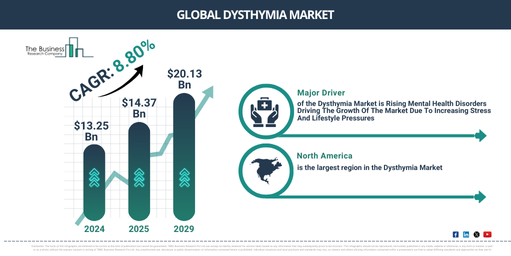
    In recent times, the market size of dysthymia has experienced significant growth. The projection is that it will escalate from $13.25 billion in 2024 to $14.37 billion in 2025, with a Compound Annual Growth Rate (CAGR) of 8.4%. Several factors contribute to the growth experienced in the historical period. These include heightened cognizance towards mental health disorders, developments in antidepressant treatments, an upsurge in chronic depression cases, better accessibility to healthcare facilities and therapeutic interventions, and the continuous evolution of diagnostic standards in psychiatry.

    It is anticipated that the market size for dysthymia will experience robust expansion in the coming years, with projections suggesting growth to $20.13 billion in 2029, reflecting a compound annual growth rate (CAGR) of 8.8%. The anticipated growth during this forecast period is largely due to the increasing prevalence of constant depressive disorder, more efficient diagnosis and awareness efforts, advancements in antidepressant treatment modalities, an upsurge in the adoption of digital mental health solutions, and wider insurance coverage for mental health treatments. Key trends that are expected to influence this forecast period include AI-based mental health diagnostics, personalized medicine and pharmacogenomics, digital therapeutic and mental health applications, telepsychiatry and remote counseling services, and innovative development in antidepressant drugs, including psychedelics.

    Download a free sample to assess the report’s scope and structure:

    https://www.thebusinessresearchcompany.com/sample.aspx?id=21946&type=smp

    How Are Key Drivers in the Industry Acting as Catalysts for the Growth of theDysthymia Market?

    The rise in mental health conditions is anticipated to boost the expansion of the dysthymia market. Mental health issues, also referred to as mental illnesses or psychiatric disorders, cover a wide array of conditions that impact mood, thought processes, and behaviour. The pressures of modern living, including constant work demands, financial stress, and technological overload, are leading to widespread mental health conditions due to prolonged stress leading to chronic anxiety. Dysthymia treatment aids in mental health by introducing long-term strategies such as therapy, medication, and lifestyle modifications, which play a crucial role in stabilizing mood, elevating emotional fortitude, and improving overall wellness. For example, the National Alliance On Mental Illness, a U.S.-based organization, stated that in 2024, around 600,000 hospitalizations annually would be due to psychosis spectrum and mood disorders among the U.S. population between the ages of 18-44. Consequently, the growing occurrence of mental health disorders propels the dysthymia market.

    Which Segments in the Dysthymia Offer the Most Growth?

    The dysthymiamarket covered in this report is segmented –

    1) By Treatment: Psychotherapy; Pharmacotherapy; Combination Of Psychotherapy And Pharmacotherapy

    2) By Severity: Mild; Moderate; Severe

    3) By Comorbidities: Anxiety Disorders; Depression; Substance Abuse

    4) By Distribution Channel: Online; Offline

    5) By End-Users: Hospitals; Clinics

    Subsegments:

    1) By Psychotherapy: Cognitive Behavioral Therapy (CBT); Interpersonal Therapy (IPT); Psychodynamic Therapy

    2) By Pharmacotherapy: Antidepressants (SSRIs, SNRIs, Tricyclic Antidepressants); Antipsychotics; Mood Stabilizers

    3) By Combination of Psychotherapy and Pharmacotherapy: Cognitive Behavioral Therapy (CBT) with Antidepressants; Interpersonal Therapy (IPT) with Antipsychotics; Psychodynamic Therapy with Mood Stabilizers

    Request customized data on this market:

    https://www.thebusinessresearchcompany.com/customise?id=21946&type=smp

    What Are the Fastest-Growing Geographies in the #How Are Key Drivers in the Industry Acting as Catalysts for the Growth of theDysthymia Market?# Market?

    North America was the largest region in the dysthymia market in 2024. Asia-Pacific is expected to be the fastest-growing region in the forecast period. The regions covered in the dysthymia market report are Asia-Pacific, Western Europe, Eastern Europe, North America, South America, Middle East, Africa.

    View the full report here:

    https://www.thebusinessresearchcompany.com/report/dysthymia-global-market-report

    What Are the Key Elements That Define the Dysthymia Market?

    Dysthymia, also known as persistent depressive disorder (PDD), is a chronic form of depression that lasts for at least two years (one year in children and adolescents). It is characterized by a low mood that persists most of the time.

    Purchase the full report and get a swift delivery:

    https://www.thebusinessresearchcompany.com/purchaseoptions.aspx?id=21946

    About The Business Research Company:

    With over 15000+ reports from 27 industries covering 60+ geographies, The Business Research Company has built a reputation for offering comprehensive, data-rich research and insights. Armed with 1,500,000 datasets, the optimistic contribution of in-depth secondary research, and unique insights from industry leaders, you can get the information you need to stay ahead in the game.

    Get in touch with us:

    The Business Research Company: https://www.thebusinessresearchcompany.com/

    Americas +1 310-496-7795

    Europe +44 7882 955267

    Asia & Others +44 7882 955267 & +91 8897263534

    Email us at info@tbrc.info

    Follow us on:

    LinkedIn: https://in.linkedin.com/company/the-business-research-company

    YouTube: https://www.youtube.com/channel/UC24_fI0rV8cR5DxlCpgmyFQ

    Global Market Model: https://www.thebusinessresearchcompany.com/global-market-model