Month: August 2025

  • Global Guillain-Barre Syndrome Market Projected to Reach $0.79 Billion by 2029 at a CAGR of 5.5%

    Global Guillain-Barre Syndrome Market Projected to Reach $0.79 Billion by 2029 at a CAGR of 5.5%

    Claim your 30% discount on Global Market Reports with code ONLINE30. Limited time only.

    How Has The Guillain-Barre Syndrome Market Size Shifted, And What Is the Outlook Through 2034?

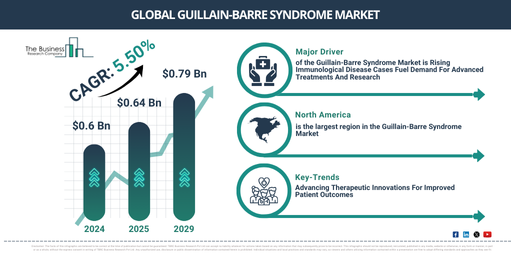
    In recent times, the market size of Guillain-Barre syndrome has experienced robust growth. An increase from $0.6 billion in 2024 to $0.64 billion in 2025, with a compound annual growth rate (CAGR) of 5.6%, is projected. Factors contributing to this growth during the historic period include a surge in demand for GBS treatments, an increase in viral infections, expansion of global vaccination drives, enhanced comprehension of autoimmune responses, and heightened awareness and diagnosis.

    In the forthcoming years, the market size of Guillain-Barre syndrome is predicted to witness a robust growth, escalating to$0.79 billion in 2029″ with a CAGR of 5.5%. The surge within this forecast period could be linked to the rising incidence of Guillain-Barre syndrome, the augmenting effects of climate change, the amplified application of immunotherapies and drugs, enhanced diagnostic capabilities, and the escalating prevalence of multifocal motor neuropathy. Anticipated trends within the forecast period encompass advanced diagnostic techniques, evolution of immunoglobulin therapies, refining of plasmapheresis methods, research into gene therapy, a heightened emphasis on early intervention, innovative biomarkers for prognosis, and comprehensive clinical trials for ground-breaking treatments.

    Download a free sample to assess the report’s scope and structure:

    https://www.thebusinessresearchcompany.com/sample.aspx?id=21198&type=smp

    What are the Fundamental Drivers and Innovations Shaping the Guillain-Barre Syndrome Market?

    A rise in immunological diseases is anticipated to fuel the expansion of the guillain-barre syndrome market. These diseases arise when the immune system is either hyperactive, underactive, or misdirected, resulting in conditions such as autoimmune diseases, allergies, and immunodeficiencies. The increase in these diseases is attributed to factors like environmental shifts, lifestyle changes, improved diagnoses, and genetic tendencies. Guillain-barré syndrome can be caused by these diseases when they trigger an immune response that leads the body to wrongfully attack peripheral nerves, causing inflammation and nerve damage. For example, by the close of 2022, a report from the Joint United Nations Programme on HIV/AIDS (UNAIDS), a government organization based in Switzerland, revealed that about 39.5 million people globally had HIV. This consisted of 1.3 million new infections and 630,000 AIDS-related deaths reported within the year. By 2023, the number of people with HIV around the globe increased to nearly 39.9 million. Thus, the rising risk of immunological diseases is a driving force behind the guillain-barre syndrome market.

    How Is the Guillain-Barre Syndrome Market Segmented?

    The guillain-barre syndromemarket covered in this report is segmented –

    1) By Type: Acute Inflammatory Demyelinating Polyneuropathy (AIDP); Chronic Inflammatory Demyelinating Polyradiculoneuropathy (CIDP); Miller Fisher Syndrome (MFS); Acute Motor Axonal Neuropathy (AMAN); Other Types

    2) By Therapeutics: Intravenous Immunoglobulin (IVIG); Plasma Exchange; Other Therapeutics

    3) By Route Of Administration: Parenteral; Oral

    4) By End User: Hospitals; Clinics; Diagnostic Centers; Other End Users

    Subsegments:

    1) By Acute Inflammatory Demyelinating Polyneuropathy (AIDP): Classical AIDP; AIDP with Autonomic Involvement

    2) By Chronic Inflammatory Demyelinating Polyradiculoneuropathy (CIDP): Progressive CIDP; Relapsing-Remitting CIDP; Multifocal CIDP

    3) By Miller Fisher Syndrome (MFS): Classical MFS; MFS With Ataxia; MFS With Ophthalmoplegia

    4) By Acute Motor Axonal Neuropathy (AMAN): Classical AMAN; AMAN with Respiratory Involvement

    5) By Other Types: Acute Sensory Ganglionopathy; Variants With Cranial Nerve Involvement; Bickerstaff Brainstem Encephalitis

    Request customized data on this market:

    https://www.thebusinessresearchcompany.com/customise?id=21198&type=smp

    Which Regions Are Driving the Next Phase of the Guillain-Barre Syndrome Market Growth?

    North America was the largest region in the guillain-barre syndrome market in 2024. Asia-Pacific is expected to be the fastest-growing region in the forecast period. The regions covered in the guillain-barre syndrome market report are Asia-Pacific, Western Europe, Eastern Europe, North America, South America, Middle East, Africa.

    What Key Trends Are Shaping the Future of the Guillain-Barre Syndrome Market?

    Key players in the Guillain-Barre syndrome market are focusing their efforts on developing innovative medications such as monoclonal antibodies. These efforts aim to increase the effectiveness of treatments, meet clinical needs that have yet to be addressed, and broaden their standing in the market. Monoclonal antibodies are proteins specially created in labs to target specific antigens, which can help regulate immune responses and enhance therapeutic results. As an example, in October 2023, Annexon Inc., a biopharmaceutical company based in the U.S., obtained an orphan drug status from the European Medicines Agency (EMA) for ANX005, their drug created to treat Guillain-Barre syndrome (GBS). This monoclonal antibody targets C1q and has proven to improve early muscle strength and lessen the requirement for ventilation in comparison to IVIg, proving it to be a considerable improvement in treatment.

    View the full report here:

    https://www.thebusinessresearchcompany.com/report/guillain-barre-syndrome-global-market-report

    How Is the Guillain-Barre Syndrome Market Defined and What Are Its Core Parameters?

    Guillain-barre syndrome is a rare neurological disorder in which the body’s immune system mistakenly attacks the peripheral nervous system. This can lead to muscle weakness, numbness, tingling, and, in severe cases, paralysis. The exact cause is unknown, but it is triggered by infections, such as respiratory or gastrointestinal infections, and sometimes by vaccinations or surgery.

    Purchase the full report and get a swift delivery:

    https://www.thebusinessresearchcompany.com/purchaseoptions.aspx?id=21198

    About The Business Research Company:

    With over 15000+ reports from 27 industries covering 60+ geographies, The Business Research Company has built a reputation for offering comprehensive, data-rich research and insights. Armed with 1,500,000 datasets, the optimistic contribution of in-depth secondary research, and unique insights from industry leaders, you can get the information you need to stay ahead in the game.

    Get in touch with us:

    The Business Research Company: https://www.thebusinessresearchcompany.com/

    Americas +1 310-496-7795

    Europe +44 7882 955267

    Asia & Others +44 7882 955267 & +91 8897263534

    Email us at info@tbrc.info

    Follow us on:

    LinkedIn: https://in.linkedin.com/company/the-business-research-company

    YouTube: https://www.youtube.com/channel/UC24_fI0rV8cR5DxlCpgmyFQ

    Global Market Model: https://www.thebusinessresearchcompany.com/global-market-model
  • Major Drivers Propelling the Growth oh theRare Inflammatory Disease Treatment Market Forward: Rising Autoimmune Conditions Fuel Rare Inflammatory Disease Treatment Market

    Major Drivers Propelling the Growth oh theRare Inflammatory Disease Treatment Market Forward: Rising Autoimmune Conditions Fuel Rare Inflammatory Disease Treatment Market

    Claim your 30% discount on Global Market Reports with code ONLINE30. Limited time only.

    What Are the Projected Market Size and Growth Rates for the Rare Inflammatory Disease Treatment Market From 2025 To 2029?

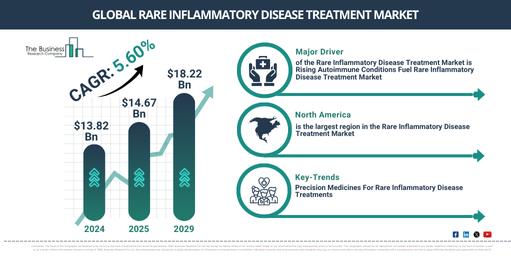
    The market size for treatment of rare inflammatory diseases has experienced substantial growth recently. Its financial projection indicates a rise from $13.82 billion in 2024, to $14.67 billion in 2025, projected to grow at a compound annual growth rate (CAGR) of 6.1%. Factors such as advancements in immunology research, the development of targeted therapies, a heightened prevalence and consciousness of the condition, the widening application of biological agents, and the progression of orphan drug regulations have contributed significantly to the growth spurt in the prior period.

    The market size for the treatment of rare inflammatory diseases is projected to witness robust growth in the forthcoming years. The market is set to escalate to$18.22 billion in 2029 at a compound annual growth rate (CAGR) of 5.6%. Various factors such as the acceleration of drug development processes, an increase in investments in precision medicine, improved access to state-of-the-art diagnostics, a surge in diagnosis and prevalence rates, and heightened patient advocacy and awareness campaigns contribute to this growth. Noteworthy trends anticipated during this forecast period encompass personalized treatment strategies, the adoption of digital health solutions, a focus on patient-centric care, the development of gene therapy alternatives, and initiatives geared towards collaboration and data sharing.

    Download a free sample to assess the report’s scope and structure:

    https://www.thebusinessresearchcompany.com/sample.aspx?id=15656&type=smp

    Which Major Market Drivers Are Expected to Boost the Growth Potential of the Rare Inflammatory Disease Treatment Market?

    The escalating incidences of autoimmune disorders are anticipated to drive the growth of the rare inflammatory disease treatment market. Autoimmune disorders involve the immune system attacking healthy cells and tissues, causing inflammation and tissue injury. The emergence of these diseases is attributed to genetic predisposition, environmental triggers, alterations in lifestyle, and enhanced diagnostic techniques, leading to improved detection and awareness of these disorders. Treatments for rare inflammatory diseases are typically employed to minimize inflammation and hinder the immune system from attacking healthy tissues in individuals with autoimmune disorders. For example, the Australian Institute of Health and Welfare, a government organization based in Australia, reported in June 2024 that rheumatoid arthritis is a systemic autoimmune disorder where the body’s immune system attacks its tissues. In 2022, it was estimated that 514,000 people (2.0%) in Australia were living with the disorder, affecting 2.5% of women and 1.6% of men. Additionally, in November 2022, Health Match, a digital health company based in Australia, revealed that there are around 150 rare kidney diseases, and these disorders have a high prevalence globally, with 60–80 cases per 100,000 individuals in America and Europe. Hence, the increasing prevalence of autoimmune disorders is fuelling the expansion of the rare inflammatory disease treatment market.

    Which Key Market Segments Comprise the Rare Inflammatory Disease Treatment Market and Drive Its Revenue Growth?

    The rare inflammatory disease treatmentmarket covered in this report is segmented –

    1) By Drug Class: Biologics; Organic Compounds

    2) By Mode Of Administration: Injectables; Oral; Other Administration Modes

    3) By Indication: Ulcerative Colitis; Juvenile Rheumatoid Arthritis; Psoriatic Arthritis; Other Indications

    4) By Distribution Channel: Hospital Pharmacies; Retail Pharmacies; Online Pharmacies

    Subsegments:

    1) By Biologics: Monoclonal Antibodies; Cytokine Inhibitors; Growth Factors; Enzyme Replacement Therapies

    2) By Organic Compounds: Non-Steroidal Anti-Inflammatory Drugs (Nsaids); Immunosuppressants; Corticosteroids; Disease-Modifying Antirheumatic Drugs (Dmards)

    Request customized data on this market:

    https://www.thebusinessresearchcompany.com/customise?id=15656&type=smp

    Which Areas Are Leading Regions in the Rare Inflammatory Disease Treatment Market Expansion Across the Globe?

    North America was the largest region in the rare inflammatory disease treatment market in 2024. Asia-Pacific is expected to be the fastest-growing region in the forecast period. The regions covered in the rare inflammatory disease treatment market report are Asia-Pacific, Western Europe, Eastern Europe, North America, South America, Middle East, Africa.

    What Are the Key Market Trends in theRare Inflammatory Disease Treatment Market Over the Coming Years?

    Leading firms in the rare inflammatory disease treatment sector are concentrating on developing cutting-edge precision drugs such as monoclonal antibodies. These target specific elements of the immune system, providing them a competitive advantage in the market. Monoclonal antibodies play a crucial role in treating rare inflammatory diseases, focusing on certain pathways to reduce symptoms and enhance results. For example, in January 2022, Boehringer Ingelheim, a pharmaceutical firm based in Germany, gained U.S. FDA approval for SPEVIGO. This monoclonal antibody inhibits the signaling of interleukin-36 (IL-36), making it the first and only approved drug for managing GPP in adults and adolescents aged 12 years and over, who weigh a minimum of 88 pounds (40 kg). SPEVIGO is a targeted treatment designed to limit the activity of the interleukin-36 receptor (IL-36R), a significant component of a signaling pathway in the immune system that is entailed in generalized pustular psoriasis flares.

    View the full report here:

    https://www.thebusinessresearchcompany.com/report/rare-inflammatory-disease-treatment-global-market-report

    How Is the Rare Inflammatory Disease Treatment Market Conceptually Defined?

    Rare inflammatory disease treatment refers to the therapeutic interventions and strategies aimed at managing the symptoms, suppressing the inflammatory response, and potentially modifying the course of the disease in individuals affected by these uncommon inflammatory conditions. This encompasses a range of approaches, including pharmacological therapies, lifestyle modifications, supportive care measures, and participation in clinical trials or experimental treatments.

    Purchase the full report and get a swift delivery:

    https://www.thebusinessresearchcompany.com/purchaseoptions.aspx?id=15656

    About The Business Research Company:

    With over 15000+ reports from 27 industries covering 60+ geographies, The Business Research Company has built a reputation for offering comprehensive, data-rich research and insights. Armed with 1,500,000 datasets, the optimistic contribution of in-depth secondary research, and unique insights from industry leaders, you can get the information you need to stay ahead in the game.

    Get in touch with us:

    The Business Research Company: https://www.thebusinessresearchcompany.com/

    Americas +1 310-496-7795

    Europe +44 7882 955267

    Asia & Others +44 7882 955267 & +91 8897263534

    Email us at info@tbrc.info

    Follow us on:

    LinkedIn: https://in.linkedin.com/company/the-business-research-company

    YouTube: https://www.youtube.com/channel/UC24_fI0rV8cR5DxlCpgmyFQ

    Global Market Model: https://www.thebusinessresearchcompany.com/global-market-model
  • Global Dyslipidemia Market Trends: Regional Breakdowns and Strategic Insights

    Global Dyslipidemia Market Trends: Regional Breakdowns and Strategic Insights

    Claim your 30% discount on Global Market Reports with code ONLINE30. Limited time only.

    How Has The Dyslipidemia Market Size Shifted, And What Is the Outlook Through 2034?

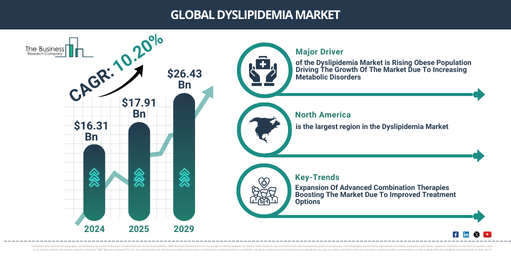
    In recent times, the dyslipidemia market has seen robust growth. It is projected to expand from a value of $16.31 billion in 2024 to $17.91 billion in 2025, indicating a compound annual growth rate (CAGR) of 9.8%. The historical growth has been fuelled by factors such as genetic predisposition, an increase in sedentary lifestyle, unhealthy dietary habits, rise in the elderly population, and higher obesity rates.

    In the upcoming years, the dyslipidemia market is projected to witness swift expansion, reaching a staggering value of $26.43 billion by 2029, with a compound annual growth rate (CAGR) of 10.2%. The projected growth over the forecasted period can be credited to the escalating advancements in lipid-reducing treatments, proliferating awareness and screening initiatives, surging rates of metabolic disorders, augmented healthcare spending, and an upward trend in dyslipidemia cases. Key points to watch in the forecasted era include progress in gene therapies, breakthroughs in RNA-centric treatments, advancements in drug discovery powered by Artificial Intelligence, growth in personalized medicine, and innovative strides in digital health monitoring.

    Download a free sample to assess the report’s scope and structure:

    https://www.thebusinessresearchcompany.com/sample.aspx?id=21945&type=smp

    What Are the Major Market Drivers Behind the Rising Adoption of Dyslipidemia Market?

    The dyslipidemia market is projected to grow thanks to an increase in the obese population. Obesity is defined by an overabundance of body fat that can have adverse effects on a person’s health. There is a rise in obesity as changes in lifestyle lead to long-term energy imbalances, causing gradual weight gain and associated health issues. Dyslipidemia is a consequence of obesity because it interferes with lipid metabolism, which leads to irregular cholesterol and triglyceride levels that elevate cardio vascular disease risk. For example, as of March 2024, the World Health Organization (WHO), a Swiss-based international entity, revealed that approximately one in every eight people globally suffers from obesity; this includes 2.5 billion adults aged 18 and above. There were also 37 million overweight children below the age of five. As a result, the expanding obese populace fosters the growth of the dyslipidemia market.

    Which Key Market Segments Comprise the Dyslipidemia Market and Drive Its Revenue Growth?

    The dyslipidemiamarket covered in this report is segmented –

    1) By Treatment: Statins; Bile Acid Sequestrants; PCSK9 Inhibitors; Small Interfering RNA (siRNA); Cholesterol Absorption Inhibitors; Fibrates; Niacins; Omega-3 Fatty Acid Derivatives; Other Treatments

    2) By Route Of Administration: Oral; Parental

    3) By Distribution Channel: Hospital Pharmacies; Retail Pharmacies; Drug Store; Online Pharmacies

    Subsegments:

    1) By Statins: Atorvastatin; Simvastatin; Rosuvastatin; Pravastatin

    2) By Bile Acid Sequestrants: Cholestyramine; Colesevelam

    3) By PCSK9 Inhibitors: Evolocumab; Alirocumab

    4) By Small Interfering RNA (siRNA): Inclisiran

    5) By Cholesterol Absorption Inhibitors: Ezetimibe

    6) By Fibrates: Fenofibrate; Gemfibrozil

    7) By Niacins: Nicotinic Acid

    8) By Omega-3 Fatty Acid Derivatives: Eicosapentaenoic Acid (EPA); Docosahexaenoic Acid (DHA)

    9) By Other Treatments: Herbal Supplements; Combination Therapies

    Request customized data on this market:

    https://www.thebusinessresearchcompany.com/customise?id=21945&type=smp

    Which Areas Are Leading Regions in the Dyslipidemia Market Expansion Across the Globe?

    North America was the largest region in the dyslipidemia market in 2024. Asia-Pacific is expected to be the fastest-growing region in the forecast period. The regions covered in the dyslipidemia market report are Asia-Pacific, Western Europe, Eastern Europe, North America, South America, Middle East, Africa.

    What Are the Strategic Trends Steering theDyslipidemia Market Direction?

    Prominent players in the dyslipidemia market are strategizing to develop sophisticated combination therapies. The intent is to boost treatment effectiveness, maintain patient participation, and simultaneously tackle numerous lipid distortions. The advanced combination therapies intend to employ more than one medicinal agent in a single treatment schedule for improved potency, reduced adverse effects, and targeting multiple illness pathways at once. In a real-world example, Esperion Therapeutics Inc., an American pharmaceutical firm declared in March 2024 that NEXLETOL (bempedoic acid) and NEXLIZET (a cocktail of bempedoic acid and ezetimibe) received approval from the Food and Drug Administration, a governmental body based in the US. These progressive non-statin oral medicines aim to minimize low-density lipoprotein cholesterol (LDL-C) and decrease the likelihood of cardiovascular incidents. The updated labels permit the usage of NEXLETOL and NEXLIZET independently or combined with statins, the usual go-to for cholesterol reduction. This adaptability is especially favorable for patients who either cannot tolerate statins or prefer non-statin alternatives.

    View the full report here:

    https://www.thebusinessresearchcompany.com/report/dyslipidemia-global-market-report

    How Is the Dyslipidemia Market Conceptually Defined?

    Dyslipidemia is a health condition where the levels of lipids (fats) in the blood become abnormal. Managing dyslipidemia primarily aims to regulate lipid levels, reduce the risk of cardiovascular diseases, and improve heart health through a combination of lifestyle modifications, medication, and routine monitoring.

    Purchase the full report and get a swift delivery:

    https://www.thebusinessresearchcompany.com/purchaseoptions.aspx?id=21945

    About The Business Research Company:

    With over 15000+ reports from 27 industries covering 60+ geographies, The Business Research Company has built a reputation for offering comprehensive, data-rich research and insights. Armed with 1,500,000 datasets, the optimistic contribution of in-depth secondary research, and unique insights from industry leaders, you can get the information you need to stay ahead in the game.

    Get in touch with us:

    The Business Research Company: https://www.thebusinessresearchcompany.com/

    Americas +1 310-496-7795

    Europe +44 7882 955267

    Asia & Others +44 7882 955267 & +91 8897263534

    Email us at info@tbrc.info

    Follow us on:

    LinkedIn: https://in.linkedin.com/company/the-business-research-company

    YouTube: https://www.youtube.com/channel/UC24_fI0rV8cR5DxlCpgmyFQ

    Global Market Model: https://www.thebusinessresearchcompany.com/global-market-model
  • Major Trends and Emerging Patterns in the Sanfilippo Syndrome Market: Advancements In Gene Therapy Show Promise For Treating Rare Genetic Disorders

    Major Trends and Emerging Patterns in the Sanfilippo Syndrome Market: Advancements In Gene Therapy Show Promise For Treating Rare Genetic Disorders

    Claim your 30% discount on Global Market Reports with code ONLINE30. Limited time only.

    What Is the Current and Projected Market Size of the Sanfilippo Syndrome Market Through 2034?

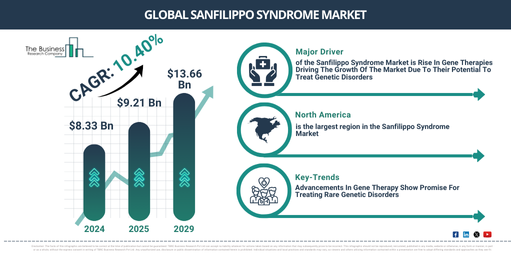
    The market for Sanfilippo Syndrome has significantly expanded in the past few years. Starting at $8.33 billion in 2024, we anticipate that it will reach $9.21 billion in 2025, yielding a compound annual growth rate (CAGR) of 10.6%. Several factors have contributed to this growth during the historic period, including an increase in awareness about uncommon genetic conditions, more government funding dedicated to researching these diseases, the establishment of more advocacy groups and support organizations for patients, an expansion in genetic screening programs, as well as the growth in orphan drug designations for such rare diseases.

    The market size of Sanfilippo Syndrome is predicted to significantly expand in the imminent years, reaching a valuation of$13.66 billion by 2029″ at a compound annual growth rate (CAGR) of 10.4%. The factors contributing to this surge during the projected timeframe include the acceleration of personalized medical approaches for Sanfilippo Syndrome, a higher acceptance of gene therapy as a healing method, a spike in the demand for precise drug delivery systems, broader application of stem cell therapies with improved effectiveness, and the sizable growth of newborn screening programs worldwide. Key trends expected in the forecast period entail progress in gene therapy technologies, developments in stem cell therapy, precise drug delivery systems, strategies for penetrating the blood-brain barrier (bbb), and breakthroughs in small neuroprotective molecules.

    Download a free sample to assess the report’s scope and structure:

    https://www.thebusinessresearchcompany.com/sample.aspx?id=23507&type=smp

    What Are the Primary Drivers Supporting the Market Growth of the Sanfilippo Syndrome Market?

    The anticipated expansion of the Sanfilippo syndrome market is driven by the heightened attention towards gene therapies. These treatments, which involve altering or replacing defective genes to prevent or treat illnesses, have been garnering much attention for their capability to handle genetic anomalies, chronic diseases, and rare disorders by addressing these issues at a molecular level. They assist in treating Sanfilippo syndrome by providing functional copies of the problematic gene to revive enzyme production, thus decreasing the buildup of detrimental substances inside cells. For instance, the American Society of Gene & Cell Therapy, a US-based gene and cell therapy organization, reported in January 2024 that the number of gene therapies in Phase III clinical trials surged by 10% in the final quarter for the first time since the third quarter of 2022. Hence, this intensified focus on gene therapies is fuelling the expansion of the Sanfilippo syndrome market.

    Which Primary Segments of the Sanfilippo Syndrome Market Are Driving Growth and Industry Transformations?

    The sanfilippo syndromemarket covered in this report is segmented –

    1) By Treatment: Enzyme Replacement Therapy; Gene Therapy; Genistein; Other Treatments

    2) By Diagnosis: Glycosaminoglycan Analysis (GAG Analysis); Genomic Deoxyribonucleic Acid Sequencing (Genomic DNA Sequencing); Activity Assay; Other Diagnosis

    3) By End-User: Hospitals; Research Institutions

    Subsegments:

    1) By Enzyme Replacement Therapy: Intravenous Enzyme Replacement Therapy; Intrathecal Enzyme Replacement Therapy; Intracerebroventricular (ICV) Enzyme Replacement Therapy

    2) By Gene Therapy: Adeno-Associated Virus (AAV)-Based In Vivo Gene Therapy; Lentiviral Vector–Based Ex Vivo Gene Therapy; Non-Viral Vector Gene Delivery

    3) By Genistein: Oral Genistein Supplementation; High-Dose Genistein Regimens; Low-Dose Genistein Regimens

    4) By Other Treatments: Substrate Reduction Therapy (SRT); Stem Cell Therapy; Anti-Inflammatory Agents; Symptomatic Management Drugs

    Request customized data on this market:

    https://www.thebusinessresearchcompany.com/customise?id=23507&type=smp

    Which Regions Are Key Players in the Growth of the #What Are the Primary Drivers Supporting the Market Growth of the Sanfilippo Syndrome Market?# Market?

    North America was the largest region in the sanfilippo syndrome market in 2024. The regions covered in the sanfilippo syndrome market report are Asia-Pacific, Western Europe, Eastern Europe, North America, South America, Middle East, Africa.

    What Are the Most Significant Market Trends in the Sanfilippo Syndrome Market?

    Key players in the sanfilippo syndrome market are striving to develop groundbreaking treatments like gene therapies. The goal is to enhance patient results and decelerate disease advancement. Gene therapy can be considered a medical strategy that leverages genes to prevent, manage, or even cure diseases by fixing or replacing defective genes. An example of this would be Ultragenyx Pharmaceutical Inc., a biopharmaceutical firm from the US. In February 2025, the company reported new discoveries regarding UX111 (ABO-102), an AAV gene therapy designed for treating sanfilippo syndrome Type A (MPS IIIA). This treatment showed statistically notable enhancements in Bayley-III raw scores in areas like cognition, receptive communication, and expressive communication. Additionally, it caused a significant and enduring reduction in cerebrospinal fluid (CSF) heparan sulfate (HS) levels – and this was associated with improved clinical results.

    View the full report here:

    https://www.thebusinessresearchcompany.com/report/sanfilippo-syndrome-global-market-report

    What Parameters Are Used to Define the Sanfilippo Syndrome Market?

    Sanfilippo syndrome, also known as mucopolysaccharidosis type III (MPS III), is a rare genetic disorder caused by enzyme deficiencies that impair the body’s ability to break down heparan sulfate, a complex sugar. This leads to the accumulation of toxic substances in cells, primarily affecting the central nervous system. The disease is characterized by progressive neurodegeneration, developmental delays, behavioral issues, and a decline in motor and cognitive functions.

    Purchase the full report and get a swift delivery:

    https://www.thebusinessresearchcompany.com/purchaseoptions.aspx?id=23507

    About The Business Research Company:

    With over 15000+ reports from 27 industries covering 60+ geographies, The Business Research Company has built a reputation for offering comprehensive, data-rich research and insights. Armed with 1,500,000 datasets, the optimistic contribution of in-depth secondary research, and unique insights from industry leaders, you can get the information you need to stay ahead in the game.

    Get in touch with us:

    The Business Research Company: https://www.thebusinessresearchcompany.com/

    Americas +1 310-496-7795

    Europe +44 7882 955267

    Asia & Others +44 7882 955267 & +91 8897263534

    Email us at info@tbrc.info

    Follow us on:

    LinkedIn: https://in.linkedin.com/company/the-business-research-company

    YouTube: https://www.youtube.com/channel/UC24_fI0rV8cR5DxlCpgmyFQ

    Global Market Model: https://www.thebusinessresearchcompany.com/global-market-model
  • Granulomatosis With Polyangiitis Treatment Market Forecast 2025–2034: Trends Reshaping Demand, Investment, and Innovation

    Granulomatosis With Polyangiitis Treatment Market Forecast 2025–2034: Trends Reshaping Demand, Investment, and Innovation

    Claim your 30% discount on Global Market Reports with code ONLINE30. Limited time only.

    How Has the Growth Hormone Deficiency Market Growth Performance Trended Historically, And What Lies Ahead?

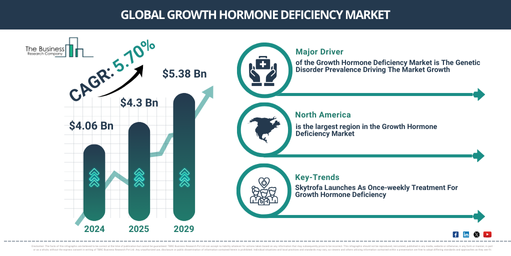
    Over recent years, the market size for growth hormone deficiency has significantly expanded. The market is predicted to increase from $4.06 billion in 2024 to $4.3 billion in 2025, showing a compound annual growth rate (CAGR) of 5.8%. This growth during the historic period is credited to various factors such as a surge in strategic initiatives, an escalation in the occurrence of brain tumors, an amplified demand for hormone therapies, a burgeoning elderly population, and an increase in government healthcare funding.

    In the upcoming years, the market for growth hormone deficiency is set to witness robust growth, reaching a market value of$5.38 billion by 2029″ and growing at a compound annual growth rate (CAGR) of 5.7%. This uplift during the forecasted period is mainly attributed to factors such as increasing occurrences of genetic disorders, surge in strategic initiatives, enhanced research and development, a rise in the morbidity of Gh disease, and an increased count of clinical trials. The forecast period will experience predominant trends such as technological evolution, extension of treatment choices, sophistication in diagnostic methods, latest developments in the industry, and strides in biotechnology.

    Download a free sample to assess the report’s scope and structure:

    https://www.thebusinessresearchcompany.com/sample.aspx?id=21197&type=smp

    What Are the Primary Drivers Supporting the Market Growth of the Growth Hormone Deficiency Market?

    The proliferating occurrence of genetic disorders is anticipated to fuel the expansion of the growth hormone deficiency market in the future. These disorders pertain to medical anomalies rooted in aberrations or mutations in a person’s DNA, which can either be inherited or occur spontaneously. The increasing occurrence of genetic disorders can be linked to advancements in diagnostic technologies, heightened awareness, escalating maternal age, environmental factors leading to mutations, population growth and augmented survival rates for those affected by these disorders. Growth hormone deficiency treatments are used to manage growth-related complications associated with certain genetic conditions. For example, a report was published by the Department of Health & Social Care (DHSC), a UK-based government department, in December 2022, stating that around 33,000 whole genome equivalents were sequenced in October 2022, with an average diagnostic yield of 32%, which rose to 61% in particular conditions. Therefore, the escalating instances of genetic disorders catalyze the expansion of the growth hormone deficiency market.

    Which Primary Segments of the Growth Hormone Deficiency Market Are Driving Growth and Industry Transformations?

    The growth hormone deficiencymarket covered in this report is segmented –

    1) By Type: Pediatric Growth Hormone Deficiency; Adult Growth Hormone Deficiency

    2) By Treatment: Pharmacological Therapy; Recombinant Human Growth Hormone; Human Pituitary Gland Extracts; Surgery

    3) By Route Of Administration: Intravenous; Intramuscular; Other Routes Of Administration

    4) By Distribution Channel: Hospital Pharmacy; Online Pharmacy; Retail Pharmacy

    5) By End User: Hospitals; Homecare; Specialty Clinics; Other End Users

    Subsegments:

    1) By Pediatric Growth Hormone Deficiency: Idiopathic Growth Hormone Deficiency; Genetic Growth Hormone Deficiency; Acquired Growth Hormone Deficiency

    2) By Adult Growth Hormone Deficiency: Primary Growth Hormone Deficiency; Secondary Growth Hormone Deficiency

    Request customized data on this market:

    https://www.thebusinessresearchcompany.com/customise?id=21197&type=smp

    Which Regions Are Key Players in the Growth of the #What Are the Primary Drivers Supporting the Market Growth of the Growth Hormone Deficiency Market?# Market?

    North America was the largest region in the growth hormone deficiency market in 2024. Asia-Pacific is expected to be the fastest-growing region in the forecast period. The regions covered in the growth hormone deficiency market report are Asia-Pacific, Western Europe, Eastern Europe, North America, South America, Middle East, Africa.

    What Are the Most Significant Market Trends in the Growth Hormone Deficiency Market?

    Leading businesses in the growth hormone deficiency market are prioritizing the development of novel products, like the unmodified somatropin, for daily treatment of pediatric GHD. Essentially, unmodified somatropin is the same growth hormone used in existing daily pediatric GHD treatments, only that it’s delivered on a weekly basis with Skytrofa. For instance, in September 2023, Denmark’s biopharmaceutical firm, Ascendis Pharma A/S, launched SKYTROFA (lonapegsomatropin) to serve as a once-weekly treatment for pediatric GHD. This revolutionary therapy brings improved convenience, enhanced adherence, and the potential for superior treatment outcomes compared to conventional daily growth hormone therapies. As the only FDA-approved once-weekly treatment for pediatric GHD, it stands as a remarkable breakthrough in the fields of endocrinology and pediatric care.

    View the full report here:

    https://www.thebusinessresearchcompany.com/report/growth-hormone-deficiency-global-market-report

    What Parameters Are Used to Define the Growth Hormone Deficiency Market?

    Growth hormone deficiency (GHD) is a medical condition in which the pituitary gland does not produce enough growth hormone (GH). This deficiency leads to stunted growth and development in children and various metabolic issues in adults. Growth hormone deficiency can be congenital (present at birth) or acquired due to injury, tumors, infections, or other medical conditions affecting the pituitary gland.

    Purchase the full report and get a swift delivery:

    https://www.thebusinessresearchcompany.com/purchaseoptions.aspx?id=21197

    About The Business Research Company:

    With over 15000+ reports from 27 industries covering 60+ geographies, The Business Research Company has built a reputation for offering comprehensive, data-rich research and insights. Armed with 1,500,000 datasets, the optimistic contribution of in-depth secondary research, and unique insights from industry leaders, you can get the information you need to stay ahead in the game.

    Get in touch with us:

    The Business Research Company: https://www.thebusinessresearchcompany.com/

    Americas +1 310-496-7795

    Europe +44 7882 955267

    Asia & Others +44 7882 955267 & +91 8897263534

    Email us at info@tbrc.info

    Follow us on:

    LinkedIn: https://in.linkedin.com/company/the-business-research-company

    YouTube: https://www.youtube.com/channel/UC24_fI0rV8cR5DxlCpgmyFQ

    Global Market Model: https://www.thebusinessresearchcompany.com/global-market-model
  • Critical Market Drivers Shaping the Outlook for Rare Biomarkers Specimen Collection And Stabilization Market from 2025-2034: Increasing Prevalence Of Cancer Is Driving The Growth Of The Rare Bio Markers Specimen Collection And Stabilization

    Critical Market Drivers Shaping the Outlook for Rare Biomarkers Specimen Collection And Stabilization Market from 2025-2034: Increasing Prevalence Of Cancer Is Driving The Growth Of The Rare Bio Markers Specimen Collection And Stabilization

    Claim your 30% discount on Global Market Reports with code ONLINE30. Limited time only.

    What Is the Estimated Market Size of the Rare Biomarkers Specimen Collection And Stabilization Market In 2029?

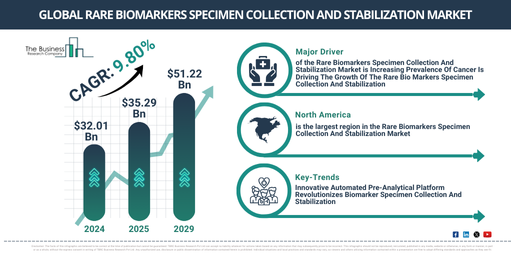
    The market size for rare biomarkers specimen collection and stabilization has experienced significant growth in the past few years. Expected to expand from $32.01 billion in 2024 to $35.29 billion in 2025, the market exhibits a compound annual growth rate (CAGR) of 10.3%. Several factors contributed to this growth during the historical period, including the human genome project, a surge in cancer research, investments in pharmaceutical R&D, the expansion of genomics and proteomics, and advancements in data management and bioinformatics.

    The market for the collection and stabilization of rare biomarkers specimens is anticipated to experience robust growth in the upcoming years, with its value expected to reach $51.22 billion in 2029, reflecting a compound annual growth rate (CAGR) of 9.8%. The expansion during the forecast period can be credited to various factors such as the broadening applications of liquid biopsy, growing consumer consciousness and demand, increasing preference for non-invasive techniques, and discovery of biomarkers in rare diseases. Notable market trends during this period include the improvement of preservation technology, expansion of genomic and proteomic research, the rise of point-of-care testing, progressive regulatory and standardization measures, enhanced data analytics capabilities, and the incorporation of artificial intelligence.

    Download a free sample to assess the report’s scope and structure:

    https://www.thebusinessresearchcompany.com/sample.aspx?id=15913&type=smp

    What Are the Core Growth Drivers Propelling the Rare Biomarkers Specimen Collection And Stabilization Market Forward?

    The rising incidence of cancer is anticipated to fuel the expansion of the rare biomarker specimen collection and stabilization market in the future. Cancer, characterized by the uncontrolled growth and spread of abnormal cells, is a series of diseases. Factors such as environmental pollutants and lifestyle choices, including smoking and poor dietary habits, intensify genetic vulnerabilities, leading to an increase in the prevalence of cancer. The application of rare biomarker specimen collection and stabilization techniques in studies related to cancer prevalence enables more precise identification and tracking of distinct types of cancer, thus improving the diagnostic and treatment strategies. For example, a report by the European Commission, a governing body situated in Europe, stated in October 2023 that new cancer cases reached 2.74 million in 2022, indicating a 2.3% surge since 2020. Therefore, the escalating incidence of cancer is driving the expansion of the rare biomarker specimen collection and stabilization market.

    What Segment Types Define the Rare Biomarkers Specimen Collection And Stabilization Market Structure?

    The rare biomarkers specimen collection and stabilizationmarket covered in this report is segmented –

    1) By Type: Circulating Cell Free Deoxyribonucleic Acid (CCFDNA); Circulating Tumor Cells (CTCs); Exosomes or Extracellular Vesicles

    2) By Specimen: Serum Or Plasma; Other Specimens

    3) By Application: Non-Invasive Prenatal Testing (NIPT); Oncology; Transcriptomics; Pharmacogenomics; Transplant Rejection; Population Screening; Cardiovascular Diseases; Other Applications

    4) By End-User: Hospitals; Perinatal Clinics; Public Health Labs; Private Or Commercial Labs; Physician Labs; Research Institutes; Other End-Users

    Subsegments:

    1) By Circulating Cell Free Deoxyribonucleic Acid (CCFDNA): Plasma CCFDNA; Serum CCFDNA

    2) By Circulating Tumor Cells (CTCs): CTCs In Blood; CTCs In Bone Marrow

    3) By Exosomes Or Extracellular Vesicles: Exosomes From Plasma; Exosomes From Serum

    Request customized data on this market:

    https://www.thebusinessresearchcompany.com/customise?id=15913&type=smp

    Which Geographic Areas Hold the Strongest Growth Potential in the Rare Biomarkers Specimen Collection And Stabilization Market?

    North America was the largest region in the rare biomarkers specimen collection and stabilization market in 2024. Asia-Pacific is expected to be the fastest-growing region in the forecast period. The regions covered in the rare biomarkers specimen collection and stabilization market report are Asia-Pacific, Western Europe, Eastern Europe, North America, South America, Middle East and Africa.

    Which Emerging Trends that Are Influencing theRare Biomarkers Specimen Collection And Stabilization Industry Evolution?

    In the rare biomarker specimen collection and stabilization marketplace, leading corporations are concentrating on crafting inventive solutions such as a pre-analytical platform. This new development can automate both the plasma and cell sample preparation processes for multiomic liquid biopsies at the time of blood collection. This platform is notable for its ability to work independently, negating the need for special tubes or highly trained staff while maintaining the sample’s integrity. Tethis S.p.A., a biotech firm based in Italy, introduced See.d in May 2022, the premier fully automated, standardized pre-analytical platform. It is equipped with exclusive features including accurate sample manipulation, effective plasma separation for cellular portions, and the securing of white blood cells on SmartBioSurface slides. This system also includes an evaluation component for objective assessment of sample stability. The resulting systematic scoring of proteomic and metabolomic data assists in determining the stability of plasma and serum samples.

    View the full report here:

    https://www.thebusinessresearchcompany.com/report/rare-biomarkers-specimen-collection-and-stabilization-global-market-report

    What Is the Definition of the Rare Biomarkers Specimen Collection And Stabilization Market?

    Rare biomarkers specimen collection and stabilization refers to the process of collecting and preserving biological samples containing rare or low-abundance molecules that serve as indications of specific biological processes, diseases, or situations. These biomarkers could be specific proteins, nucleic acids, metabolites, or other substances. The aim of collecting and preserving rare biomarkers is to enable accurate and reliable measurement and analysis of these molecules for diagnostic, prognostic, and therapeutic applications.

    Purchase the full report and get a swift delivery:

    https://www.thebusinessresearchcompany.com/purchaseoptions.aspx?id=15913

    About The Business Research Company:

    With over 15000+ reports from 27 industries covering 60+ geographies, The Business Research Company has built a reputation for offering comprehensive, data-rich research and insights. Armed with 1,500,000 datasets, the optimistic contribution of in-depth secondary research, and unique insights from industry leaders, you can get the information you need to stay ahead in the game.

    Get in touch with us:

    The Business Research Company: https://www.thebusinessresearchcompany.com/

    Americas +1 310-496-7795

    Europe +44 7882 955267

    Asia & Others +44 7882 955267 & +91 8897263534

    Email us at info@tbrc.info

    Follow us on:

    LinkedIn: https://in.linkedin.com/company/the-business-research-company

    YouTube: https://www.youtube.com/channel/UC24_fI0rV8cR5DxlCpgmyFQ

    Global Market Model: https://www.thebusinessresearchcompany.com/global-market-model
  • Key Developments and Trends Steering the Rheumatic Heart Disease Market Forward: Strengthening Healthcare Access Through Public-Private Partnerships For Early Disease Detection And Treatment

    Key Developments and Trends Steering the Rheumatic Heart Disease Market Forward: Strengthening Healthcare Access Through Public-Private Partnerships For Early Disease Detection And Treatment

    Claim your 30% discount on Global Market Reports with code ONLINE30. Limited time only.

    What is the Anticipated CAGR of the Rheumatic Heart Disease Market, and What Factors Will Drive It?

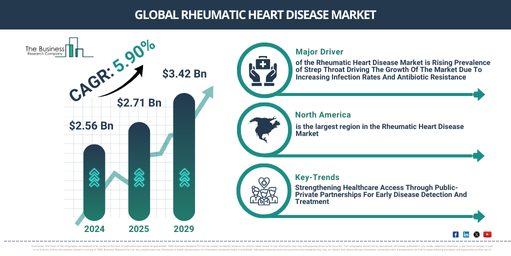
    In recent times, we have observed a robust increase in the size of the rheumatic heart disease market. It is anticipated to expand from $2.56 billion in 2024 to $2.71 billion in 2025, reflecting a compound annual growth rate (CAGR) of 5.9%. Factors such as the widespread occurrence of untreated strep infections, insufficient healthcare access in impoverished areas, a general unawareness about rheumatic heart disease, delayed detection and remedial actions, along with insufficient immunization programs, contributed to this growth in the historical period.

    In the forthcoming years, a robust expansion is anticipated in the rheumatic heart disease market. This is projected to reach$3.42 billion by 2029, growing at a compound annual growth rate (CAGR) of 5.9%. Factors contributing to this growth during the forecast period include an increase in preventive screening programs, heightened awareness regarding early diagnosis, escalating healthcare investments in emerging areas, telemedicine’s broadening scope for remote diagnosis, and government-led disease prevention initiatives. The upcoming trend forecast suggests a rise in the application of AI technology in diagnostics, the growth of echocardiography-based screenings, mobile health solutions integration, novel anti-inflammatory treatments’ development, and partnerships aiming for global disease eradication.

    Download a free sample to assess the report’s scope and structure:

    https://www.thebusinessresearchcompany.com/sample.aspx?id=23502&type=smp

    How Are Key Drivers in the Industry Acting as Catalysts for the Growth of theRheumatic Heart Disease Market?

    The escalation in strep throat occurrences is anticipated to stimulate the progression of the rheumatic heart disease market in future. Strep throat is an infection brought on by the bacterium streptococcus pyogenes (group a streptococcus) resulting in swelling and discomfort in the throat, usually coupled with fever, enlarged lymph nodes, and challenging swallowing. The mounting resistance to antibiotics is making the treatment of streptococcal infections more challenging, causing extended sickness and elevated transmission rates within communities. Rheumatic heart disease evolves as a severe adverse outcome of untreated or repetitive strep throat infections, underscoring the necessity for prompt detection and management of streptococcal infections to avert catastrophic heart damage. For example, as per the Centers for Disease Control and Prevention, a US government organization, in April 2023, strep throat is responsible for an estimated 5.2 million outpatient consultations annually for individuals below 65 years old. These consultations result in 2.8 million antibiotic prescriptions each year. Consequently, the escalating occurrence of strep throat is propelling the growth of the rheumatic heart disease market.

    Which Segments in the Rheumatic Heart Disease Offer the Most Growth?

    The rheumatic heart diseasemarket covered in this report is segmented –

    1) By Type: Valve; Myocarditis; Pericarditis

    2) By Age Group: Pediatric; Adolescent; Adult; Geriatric

    3) By Application: Hospital; Diagnostic Centre; Research Centre

    4) By Distribution Channel: Hospital Pharmacies; Retail Pharmacies; Online Pharmacies; Direct Sales

    Subsegments:

    1) By Valve: Mitral Valve Disease; Aortic Valve Disease; Tricuspid Valve Disease; Pulmonary Valve Disease

    2) By Myocarditis: Acute Myocarditis; Chronic Myocarditis; Fulminant Myocarditis

    3) By Pericarditis: Acute Pericarditis; Chronic Pericarditis; Constrictive Pericarditis; Effusive Pericarditis

    Request customized data on this market:

    https://www.thebusinessresearchcompany.com/customise?id=23502&type=smp

    What Are the Fastest-Growing Geographies in the #How Are Key Drivers in the Industry Acting as Catalysts for the Growth of theRheumatic Heart Disease Market?# Market?

    North America was the largest region in the rheumatic heart disease market in 2024. The regions covered in the rheumatic heart disease market report are Asia-Pacific, Western Europe, Eastern Europe, North America, South America, Middle East, Africa.

    What Are the Current Market Growth and Trends in the Rheumatic Heart Disease Industry?

    Firms playing a significant role in the rheumatic heart disease market are increasingly embracing the approach of strategic partnerships to innovatively advance treatment and diagnosis methods. These alliances in managing rheumatic heart disease (RHD) allow for pooling of resources and sharing of expertise to propel research and development, bolster innovative diagnostic and therapeutic practices, increase market reach, and expedite the process of commercialization. As an exemplification, in July 2023, the World Heart Federation (WHF), an NGO residing in Switzerland, embarked on a collaboration with the Philips Foundation, a Dutch nonprofit, with the prime aim of elevating awareness levels, enhancing medical education, and facilitating early detection of RHD in the APAC region. The project, which kicked off in the Philippines, is designed to improve healthcare accessibility for over half a million Filipino children susceptible to the disease by providing facilities with well-trained medical staff and cutting-edge diagnostic tools. The said partnership emphasizes their mutual pledge towards improving healthcare infrastructure and assuring prompt medical assistance for patients suffering from RHD.

    View the full report here:

    https://www.thebusinessresearchcompany.com/report/rheumatic-heart-disease-global-market-report

    What Are the Key Elements That Define the Rheumatic Heart Disease Market?

    Rheumatic heart disease (RHD) is a chronic heart condition caused by permanent damage to the heart valves due to rheumatic fever, an inflammatory disease resulting from untreated or inadequately treated streptococcal throat infections. The immune response triggered by the infection leads to inflammation and scarring of the heart valves, impairing their function and potentially causing heart failure, arrhythmias, or other complications.

    Purchase the full report and get a swift delivery:

    https://www.thebusinessresearchcompany.com/purchaseoptions.aspx?id=23502

    About The Business Research Company:

    With over 15000+ reports from 27 industries covering 60+ geographies, The Business Research Company has built a reputation for offering comprehensive, data-rich research and insights. Armed with 1,500,000 datasets, the optimistic contribution of in-depth secondary research, and unique insights from industry leaders, you can get the information you need to stay ahead in the game.

    Get in touch with us:

    The Business Research Company: https://www.thebusinessresearchcompany.com/

    Americas +1 310-496-7795

    Europe +44 7882 955267

    Asia & Others +44 7882 955267 & +91 8897263534

    Email us at info@tbrc.info

    Follow us on:

    LinkedIn: https://in.linkedin.com/company/the-business-research-company

    YouTube: https://www.youtube.com/channel/UC24_fI0rV8cR5DxlCpgmyFQ

    Global Market Model: https://www.thebusinessresearchcompany.com/global-market-model

  • Granulomatosis With Polyangiitis Treatment Market 2025-2034: Key Highlights, Growth Dynamics, and Emerging Trends

    Granulomatosis With Polyangiitis Treatment Market 2025-2034: Key Highlights, Growth Dynamics, and Emerging Trends

    Claim your 30% discount on Global Market Reports with code ONLINE30. Limited time only.

    What Are the Projected Market Size and Growth Rates for the Granulomatosis With Polyangiitis Treatment Market From 2025 To 2029?

    The market size for the treatment of granulomatosis with polyangiitis has experienced a sturdy growth in the last few years. Projections indicate that it will scale up from $2.36 billion in 2024 to about $2.55 billion within a year, expanding at a compound annual growth rate (CAGR) of 7.9%. The expansion observed in the preceding period is a result of escalating demand for medication, increasing numbers of clinical trials, a heightened call for effective remedies, a greater focus on personalized treatment, and rising diagnoses of this particular disorder.

    Predictions indicate a steep surge in the market for granulomatosis with polyangiitis treatment in the coming years. The growth is expected to reach a valuation of$3.44 billion by 2029, witnessing a compound annual growth rate (CAGR) of 7.8%. The expansion during the projection period can be credited to factors such as the rising incidence of autoimmune diseases, increased cases of granulomatosis, a surge in polyangiitis instances, and growing prevalence of immunological issues. The key trends set to mark the forecast period involve drug development advancements, progress in healthcare, innovative diagnostic techniques, evolution in treatment modalities, and the emergence of biologics and biosimilars.

    Download a free sample to assess the report’s scope and structure:

    https://www.thebusinessresearchcompany.com/sample.aspx?id=21196&type=smp

    How Are Key Drivers in the Industry Acting as Catalysts for the Growth of theGranulomatosis With Polyangiitis Treatment Market?

    The surge in autoimmune diseases is anticipated to stimulate the expansion of the granulomatosis with polyangiitis treatment market in the future. Autoimmune ailments occur when the individual’s immune system wrongly assaults its healthy cells and tissues, leading to inflammation and impairment in numerous organs. This rise in autoimmune diseases can be attributed to environmental elements like infections, chemical substances, or contaminants, and changes in lifestyles. Treatment for granulomatosis with polyangiitis is beneficial for autoimmune illnesses by using immunosuppressive treatments like corticosteroids and cyclophosphamide that help subdue inflammation and deter organ harm, making it vital to have initial intervention and personalized therapy for controlling other autoimmune disorders with similar traits. For instance, in June 2023, as per a report issued by the Office for National Statistics, a government department based in the UK, the global populace with multiple sclerosis (an autoimmune disease) in 2023 was 2.9 million, an increase from 2.8 million in 2022. This rise in autoimmune diseases is thus propelling the expansion of the granulomatosis with polyangiitis treatment market.

    Which Segments in the Granulomatosis With Polyangiitis Treatment Offer the Most Growth?

    The granulomatosis with polyangiitis treatmentmarket covered in this report is segmented –

    1) By Drug Type: Steroids; Immunosuppressant; Other Drug Types

    2) By Treatment Type: Immunosuppressants; Corticosteroids

    3) By Route Of Administration: Oral; Intravenous

    4) By Distribution Channel: Hospital Pharmacies; Retail Pharmacies; Online Pharmacies

    5) By End User: Hospitals; Homecare; Specialty Clinics; Other End Users

    Subsegments:

    1) By Steroids: Prednisone; Methylprednisolone; Dexamethasone; Hydrocortisone

    2) By Immunosuppressants: Cyclophosphamide; Methotrexate; Azathioprine; Mycophenolate mofetil; Rituximab

    3) By Other Drug Types: Plasma Exchange Therapy; Intravenous Immunoglobulin (IVIG); Biologic Agents; Non-Steroidal Anti-Inflammatory Drugs (NSAIDs)

    Request customized data on this market:

    https://www.thebusinessresearchcompany.com/customise?id=21196&type=smp

    What Are the Fastest-Growing Geographies in the #How Are Key Drivers in the Industry Acting as Catalysts for the Growth of theGranulomatosis With Polyangiitis Treatment Market?# Market?

    North America was the largest region in the granulomatosis with polyangiitis treatment market in 2024. The regions covered in the granulomatosis with polyangiitis treatment market report are Asia-Pacific, Western Europe, Eastern Europe, North America, South America, Middle East, Africa.

    What Are the Current Market Growth and Trends in the Granulomatosis With Polyangiitis Treatment Industry?

    Key players within the granulomatosis with polyangiitis treatment sphere are directing their energies towards the advancement of novel products, including oral corticosteroids, with the aim of offering patients improved treatment protocols which not only better manage the disease but also lessen the enduring side effects of steroid usage. Oral corticosteroids, drugs which alleviate inflammation and suppress immune response, are frequently utilized in the treatment of allergy, autoimmune, and inflammatory disorders. For example, in October 2024, UK pharmaceutical giant, AstraZeneca plc, delivered the news that Fasenra (bevacizumab) received approval within the European Union, a consortium of European nations focused on political and economic collaboration, for supplementary treatment of adult patients with either relapsing or unmanageable eosinophilic granulomatosis with polyangiitis (EGPA). This approval comes on the heels of affirmative results from the MANDARA Phase III trial, which attested to Fasenra’s effectiveness in inducing remission and lessening dependence on oral corticosteroids among EGPA patients.

    View the full report here:

    https://www.thebusinessresearchcompany.com/report/granulomatosis-with-polyangiitis-treatment-global-market-report

    What Are the Key Elements That Define the Granulomatosis With Polyangiitis Treatment Market?

    Granulomatosis with Polyangiitis (GPA) treatment involves the use of medications to control inflammation, suppress the immune system, and prevent organ damage. Granulomatosis with polyangiitis (GPA) is a rare autoimmune disorder causing inflammation of small to medium blood vessels, leading to restricted blood flow and tissue damage, particularly in the respiratory tract and kidneys. Treatment primarily involves immunosuppressive therapies, such as corticosteroids and biologics, to reduce inflammation and prevent organ damage.

    Purchase the full report and get a swift delivery:

    https://www.thebusinessresearchcompany.com/purchaseoptions.aspx?id=21196

    About The Business Research Company:

    With over 15000+ reports from 27 industries covering 60+ geographies, The Business Research Company has built a reputation for offering comprehensive, data-rich research and insights. Armed with 1,500,000 datasets, the optimistic contribution of in-depth secondary research, and unique insights from industry leaders, you can get the information you need to stay ahead in the game.

    Get in touch with us:

    The Business Research Company: https://www.thebusinessresearchcompany.com/

    Americas +1 310-496-7795

    Europe +44 7882 955267

    Asia & Others +44 7882 955267 & +91 8897263534

    Email us at info@tbrc.info

    Follow us on:

    LinkedIn: https://in.linkedin.com/company/the-business-research-company

    YouTube: https://www.youtube.com/channel/UC24_fI0rV8cR5DxlCpgmyFQ

    Global Market Model: https://www.thebusinessresearchcompany.com/global-market-model

  • Gonorrhea Therapeutics Market Trends 2025-2034: Growth, Strategic Insights, and Opportunities Ahead

    Gonorrhea Therapeutics Market Trends 2025-2034: Growth, Strategic Insights, and Opportunities Ahead

    Claim your 30% discount on Global Market Reports with code ONLINE30. Limited time only.

    What Is the Estimated Market Size of the Gonorrhea Therapeutics Market In 2029?

    The market size for gonorrhea treatment has experienced substantial growth lately. It’s predicted to inflate from $1.88 billion in 2024 to $1.97 billion in 2025, with a compound annual growth rate (CAGR) of 5.1%. The historical period’s growth is due to several factors: the increasing resistance to Neisseria gonorrhoeae, a surge in the gonorrhea occurrences, a rising trend in antimicrobial resistance (AMR), a growth in antibiotic resistance, and a higher prevalence of dual therapy treatments.

    In the ensuing years, substantial growth is anticipated in the gonorrhea therapeutics market. It is forecasted to expand to$2.4 billion by 2029, witnessing a compound annual growth rate (CAGR) of 5.0%. The rise during the forecast timeline can be ascribed to the escalating sexually transmitted infections, the increasing preference for personalized medicine, the upsurge in antibiotic resistance patterns, an expanding presence of gonorrhea cases, and a heightened need for effective treatment. The forecast timeline will also be characterized by notable trends such as technological evolution, sophisticated diagnostic tests, the emergence of novel therapeutics, the inception of combination therapies, and governmental backing for sped-up drug approvals.

    Download a free sample to assess the report’s scope and structure:

    https://www.thebusinessresearchcompany.com/sample.aspx?id=21195&type=smp

    What Are the Major Market Drivers Behind the Rising Adoption of Gonorrhea Therapeutics Market?

    The growth of the gonorrhea therapeutics market is anticipated to be driven by the rise in sexually transmitted infections. These infections are spread through sexual contact and can be caused by bacteria, viruses, or parasites. Factors such as unprotected sex, insufficient awareness or education, an increased number of sexual partners, limited condom use, and insufficient or delayed testing and treatment are contributing to the boost in sexually transmitted infections (STIs). Gonorrhea therapeutics serves to treat such infections by focusing on the neisseria gonorrhoeae bacteria to prevent further complications and transmissions. An example of the increasing need for these therapeutics can be seen in the National Institute for Public Health and the Environment report from June 2024. The Netherlands-based government agency reported a significant year-on-year increase in diagnosed gonorrhea cases at SHCs, up 31% from 10,600 in 2022 to 13,853 in 2023. Consequently, the rise in sexually transmitted infections is contributing to the expansion of the gonorrhea therapeutics market.

    Which Key Market Segments Comprise the Gonorrhea Therapeutics Market and Drive Its Revenue Growth?

    The gonorrhea therapeuticsmarket covered in this report is segmented –

    1) By Therapeutic Class: Antibiotics; Combination Therapy; Monotherapy

    2) By Route Of Administration: Oral; Intravenous; Intramuscular

    3) By Age Group: Pediatric; Adult; Geriatric

    4) By Distribution Channel: Hospital Pharmacies; Retail Pharmacies; Online Pharmacies

    5) By End User: Hospitals; Clinics; Home Care

    Subsegments:

    1) By Antibiotics: Beta-lactams; Macrolides; Fluoroquinolones; Aminoglycosides

    2) By Combination Therapy: Dual Antibiotic Therapy; Triple Antibiotic Therapy

    3) By Monotherapy: Single Antibiotic Treatment; Other Monotherapy Options

    Request customized data on this market:

    https://www.thebusinessresearchcompany.com/customise?id=21195&type=smp

    Which Areas Are Leading Regions in the Gonorrhea Therapeutics Market Expansion Across the Globe?

    North America was the largest region in the gonorrhea therapeutics market in 2024. Asia-Pacific is expected to be the fastest-growing region in the forecast period. The regions covered in the gonorrhea therapeutics market report are Asia-Pacific, Western Europe, Eastern Europe, North America, South America, Middle East, Africa.

    What Are the Strategic Trends Steering theGonorrhea Therapeutics Market Direction?

    Leading firms in the gonorrhea therapeutics market are investing in the creation of novel products, such as swift polymerase chain reaction (PCR) examinations, for the immediate and precise identification of pathogens and their features, including resistance to antibiotics. A swift PCR exam is an investigative method that rapidly expands and identifies certain DNA or RNA sequences, making the quick recognition of pathogens or genetic material possible. For instance, in February 2024, US medical tech company Visby Medical, Inc., debuted a gonorrhea exam that features a check for antimicrobial resistance. This fast diagnostic exam is designed to identify the Neisseria gonorrhoeae bacterium, which causes gonorrhea, and evaluate its vulnerability to the antibiotic ciprofloxacin, to which some gonorrhea strains have grown resistant. This exam is a component of a portable, tool-free PCR system that enables immediate testing. Developed with the help of funding from US non-profit CARB-X, the company’s expansion plans for the test involve the detection of other sexually transmitted infections, like Chlamydia trachomatis and Trichomonas vaginalis, in men.

    View the full report here:

    https://www.thebusinessresearchcompany.com/report/gonorrhea-therapeutics-global-market-report

    How Is the Gonorrhea Therapeutics Market Conceptually Defined?

    Gonorrhea therapeutics are treatments and medications designed to manage and cure gonorrhea, a sexually transmitted infection (STI) caused by the bacterium neisseria gonorrhoeae. These therapies mainly rely on antibiotics, as the infection is usually treated with a combination of drugs to prevent resistance and ensure effective eradication of the bacteria.

    Purchase the full report and get a swift delivery:

    https://www.thebusinessresearchcompany.com/purchaseoptions.aspx?id=21195

    About The Business Research Company:

    With over 15000+ reports from 27 industries covering 60+ geographies, The Business Research Company has built a reputation for offering comprehensive, data-rich research and insights. Armed with 1,500,000 datasets, the optimistic contribution of in-depth secondary research, and unique insights from industry leaders, you can get the information you need to stay ahead in the game.

    Get in touch with us:

    The Business Research Company: https://www.thebusinessresearchcompany.com/

    Americas +1 310-496-7795

    Europe +44 7882 955267

    Asia & Others +44 7882 955267 & +91 8897263534

    Email us at info@tbrc.info

    Follow us on:

    LinkedIn: https://in.linkedin.com/company/the-business-research-company

    YouTube: https://www.youtube.com/channel/UC24_fI0rV8cR5DxlCpgmyFQ

    Global Market Model: https://www.thebusinessresearchcompany.com/global-market-model
  • Dupuytren’s Disease Market Outlook 2025: Mapping Growth, Innovation, and Regional Shifts

    Dupuytren’s Disease Market Outlook 2025: Mapping Growth, Innovation, and Regional Shifts

    Claim your 30% discount on Global Market Reports with code ONLINE30. Limited time only.

    How Has the Dupuytren’s Disease Market Growth Performance Trended Historically, And What Lies Ahead?

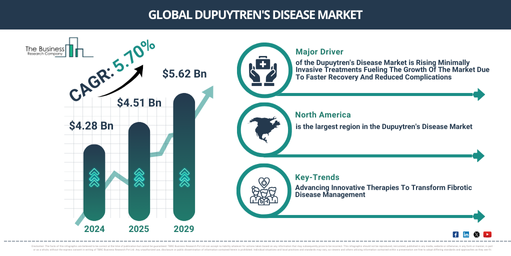
    The market size for Dupuytren’s disease has seen robust growth over the recent years. It is projected to escalate from $4.28 billion in 2024 to $4.51 billion in 2025, experiencing a compound annual growth rate (CAGR) of 5.3%. The significant growth in previous years can be linked to factors such as the increase in the elderly population, a rise in genetic predisposition, uptick in diabetes occurrence, a surge in alcohol consumption, and the increment in manual labor leading to recurring hand injuries.

    A significant expansion is projected in the Dupuytren’s disease market size within the next several years, with an expected growth up to$5.62 billion by 2029 at a Compound Annual Growth Rate (CAGR) of 5.7%. This anticipated growth during the forecasted years is primarily influenced by factors such as amplified advancements in treatment techniques, enhanced awareness, earlier diagnosis, elevated healthcare expenditure, increased acceptance of minimally invasive approaches, and burgeoning research and development efforts. Major developments expected to shape the forecast period include progress in gene therapy, advancements in regenerative medicine and stem cell therapy, innovations in AI-powered diagnostic tools, advances in 3D printing for personalized orthotics, as well as breakthroughs in minimally invasive surgical methods.

    Download a free sample to assess the report’s scope and structure:

    https://www.thebusinessresearchcompany.com/sample.aspx?id=21944&type=smp

    What External and Internal Drivers Are Contributing to the Growth of theDupuytren’s Disease Market?

    The growth of the dupuytren’s disease market is anticipated to be fueled by the increasing popularity of minimally invasive treatments. These medical procedures, which involve minor incisions or tissue damage, provide benefits such as pain alleviation and minimal scarring. Minimally invasive treatments are gaining favor as they offer a quicker recovery process involving less discomfort and a significantly decreased risk of complications, compared to traditional surgeries. For patients with Dupuytren’s disease, these treatments are efficiently relieving symptoms, improving hand functionality, lessening contracture, and ensuring an expedited and more pleasant recovery period. For example, a report published by the Royal Australasian College of Surgeons (RACS), an Australian government organization, in June 2023, stated that there was a 12% increase in procedures carried out using da Vinci platforms, skyrocketing from 17,852 in 2021 to 19,989 in 2022 in Australia. Consequently, the escalating demand for minimally invasive treatments is a primary factor propelling the expansion of the dupuytren’s disease market.

    What Segment Types Define the Dupuytren’s Disease Market Structure?

    The dupuytren’s diseasemarket covered in this report is segmented –

    1) By Disease Type: Type I; Type II; Type III

    2) By Treatment: Surgery; Radiation Therapy; Needle Aponeurotomy; Steroid Shot; Enzyme Injection; Occupational Therapy; Other Treatments

    3) By Route of Administration: Oral; Parenteral; Other Routes Of Administration

    4) By Diagnosis: Physical Examination; X-Ray; Other Diagnosis

    5) By End-User: Hospitals; Clinics; Academic And Research Institute; Other End-Users

    Subsegments:

    1) By Type I: Classical Dupuytren’s Disease; Familial Dupuytren’s Disease

    2) By Type II: Palmar Fasciitis; Ledderhose Disease

    3) By Type III: Garrod’s Pads; Peyronie’s Disease

    Request customized data on this market:

    https://www.thebusinessresearchcompany.com/customise?id=21944&type=smp

    Which Geographic Areas Hold the Strongest Growth Potential in the Dupuytren’s Disease Market?

    North America was the largest region in the dupuytren’s disease market in 2024. Asia-Pacific is expected to be the fastest-growing region in the forecast period. The regions covered in the dupuytren’s disease market report are Asia-Pacific, Western Europe, Eastern Europe, North America, South America, Middle East, Africa.

    What Long-Term Trends Are Transforming the Competitive Landscape of the Dupuytren’s Disease Market?

    Prominent businesses in the Dupuytren’s disease market are concentrating on clinical studies to create innovative, front-line, disease-modifying therapies. These clinical studies evaluate the protection, efficiency, and potential side effects of novel medical practices, drugs, or procedures in human subjects before they can be universally adopted. For example, in April 2023, Ventoux Biosciences, an American biopharmaceutical firm specialized in developing non-invasive treatments for Dupuytren’s diseases, released positive results from its pre-clinical trials for its fibrosis medication, specifically designed for Dupuytren’s contracture, a condition that affects nearly five percent of the U.S. populace. Ventoux’s primary candidate, VEN-201, is a repurposed commercially available drug that demonstrated success in reducing skin fibrosis in animal models. This significant breakthrough has led Ventoux to begin a funding round to progress the development of VEN-201.

    View the full report here:

    https://www.thebusinessresearchcompany.com/report/dupuytrens-disease-global-market-report

    What Is the Definition of the Dupuytren’s Disease Market?

    Dupuytren’s disease, also known as dupuytren’s contracture is a condition that affects the connective tissue (fascia) in the palm and fingers, causing thickening and tightening. The condition causes the fingers to bend toward the palm over time, making it difficult to straighten them or perform everyday tasks.

    Purchase the full report and get a swift delivery:

    https://www.thebusinessresearchcompany.com/purchaseoptions.aspx?id=21944

    About The Business Research Company:

    With over 15000+ reports from 27 industries covering 60+ geographies, The Business Research Company has built a reputation for offering comprehensive, data-rich research and insights. Armed with 1,500,000 datasets, the optimistic contribution of in-depth secondary research, and unique insights from industry leaders, you can get the information you need to stay ahead in the game.

    Get in touch with us:

    The Business Research Company: https://www.thebusinessresearchcompany.com/

    Americas +1 310-496-7795

    Europe +44 7882 955267

    Asia & Others +44 7882 955267 & +91 8897263534

    Email us at info@tbrc.info

    Follow us on:

    LinkedIn: https://in.linkedin.com/company/the-business-research-company

    YouTube: https://www.youtube.com/channel/UC24_fI0rV8cR5DxlCpgmyFQ

    Global Market Model: https://www.thebusinessresearchcompany.com/global-market-model