Month: August 2025

  • Industry Trends Show Oral Sleep Apnea Devices Market Set to Expand at 12.3% CAGR Until 2029

    Industry Trends Show Oral Sleep Apnea Devices Market Set to Expand at 12.3% CAGR Until 2029

    Claim your 30% discount on Global Market Reports with code ONLINE30. Limited time only.

    Claim your 30% discount on Global Market Reports with code ONLINE30. Limited time only.

    What Are the Latest Market Insights for the Oral Sleep Apnea Devices Industry?

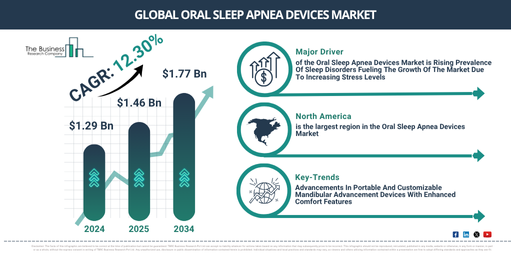
    In the past few years, there has been a swift expansion in the oral sleep apnea devices market. Predictions are such that it will rise from $1.29 billion in 2024 to $1.46 billion in 2025, demonstrating a compound annual growth rate (CAGR) of 12.6%. Factors contributing to this growth during the historical period include amplified consciousness about sleep disorders, escalating instances of obstructive sleep apnea, a trend towards noninvasive treatments, proliferation of sleep clinics and diagnostic centers, as well as a growing preference for oral appliances as opposed to continuous positive airway pressure machines.

    In the coming years, a significant surge is anticipated in the market size for oral sleep apnea devices, which is set to swell to $2.32 billion by 2029, marking a compound annual growth rate (CAGR) of 12.3%. This acceleration in growth throughout the forecast period can be associated with the escalating demand for sleep apnea solutions that can be administrated at home, an increased emphasis on personalized oral appliances, a growing elderly population struggling with sleep disorders, expansion in the domain of dental sleep medicine, and elevated healthcare spending in emerging markets. The projected period is also expected to see major trends like progress in digital dental scanning systems, R&D investments in enhancing oral appliance design, inclusion of advanced smart sensors in oral appliances, perpetual evolution in lightweight and robust materials, along with the advent of 3D-printed tailored oral appliances.

    Download The Free Sample Report Here:

    https://www.thebusinessresearchcompany.com/sample.aspx?id=25855&type=smp

    What Forces Are Driving The Growth Of The Oral Sleep Apnea Devices Industry?

    The escalating incidence of sleep disturbances is anticipated to fuel the expansion of the oral sleep apnea gadgets market in the future. Sleep disturbances are medical issues that interfere with a person’s standard sleep regimen, impacting the quality, timing, or longevity of slumber. The escalating frequency of these disorders is linked to rising stress levels, which disturb standard sleep patterns, creating difficulties in falling asleep and generalized poor rest. Oral sleep apnea gadgets aid in the management of these disturbances by ensuring the airway remains unblocked throughout sleep, minimizing disruptions in breathing, and enhancing sleep quality overall. For instance, SleepFoundation, a sleep wellness information firm based in the US, stated in December 2023 that 37% of American adults reported a decline in their sleep quality in 2023, compared to the previous year. As such, the escalating occurrence of sleep disturbances is promoting growth in the oral sleep apnea device market.

    What Is The Overview Of Market Segmentation In The Oral Sleep Apnea Devices Industry?

    The oral sleep apnea devices market covered in this report is segmented –

    1) By Device Type: Mandibular Advancement Devices, Tongue-Retaining Devices, Rapid Maxillary Expansion, Mouth Guards

    2) By Indication: Mild Sleep Apnea, Moderate Sleep Apnea, Severe Sleep Apnea

    3) By Distribution Channel: Brick And Mortar, E-Commerce, Hospital Pharmacies

    4) By End-Use: Homecare Settings, Sleep Laboratories And Hospitals, Dental Clinic

    Subsegments:

    1) By Mandibular Advancement Devices: Custom-Fitted Mandibular Advancement Devices, Prefabricated Or Boil-And-Bite Mandibular Devices, Adjustable Mandibular Advancement Devices, Fixed-Position Mandibular Advancement Devices

    2) By Tongue-Retaining Devices: Silicone Tongue Stabilizing Devices, Thermoplastic Tongue-Retaining Devices, Custom-Molded Tongue-Retaining Devices

    3) By Rapid Maxillary Expansion Devices: Fixed Palatal Expanders, Removable Palatal Expanders, Implant-Supported Expanders

    4) By Mouth Guards: Night Guards For Snoring, Soft Mouth Guards, Dual-Laminate Mouth Guards, Custom Dental Sleep Guards

    Which Trends Are Redefining The Future Landscape Of The Oral Sleep Apnea Devices Industry?

    Major firms in the oral sleep apnea devices market are concentrating their efforts on the creation of portable devices, such as interchangeable nylon connectors for accurate mandibular adjustments, offering patients personalized, comfortable, and efficient treatment alternatives. Interchangeable nylon connectors are modifiable elements that can be interchanged to closely modify the advance position of the lower jaw for tailored therapy. For instance, in May 2024, James R. Glidewell Dental Ceramics, Inc., a technology and dental laboratory from the United States, unveiled the 3D-printed mandibular advancement device, Silent Nite 3D Sleep Appliance, designed to treat mild to moderate obstructive sleep apnea and snoring. This device, equipped with interchangeable nylon connectors, permits exact mandibular adjustments in small 0.5 mm increments, thereby providing improved comfort and personalized treatment. The device’s scalloped edge design boosts retention while reducing contact with gums for more comfort.

    Who Are The Primary Players Operating Across The Global Oral Sleep Apnea Devices Market?

    Major companies operating in the oral sleep apnea devices market are ResMed Inc., James R. Glidewell Dental Ceramics Inc., Fisher & Paykel Healthcare Limited, SomnoMed Limited, ProSomnus Sleep Technologies Inc., DynaFlex, Vivos Therapeutics Inc., Signifier Medical Technologies Ltd., Myerson LLC, Panthera Dental Inc., Braebon Medical Corporation, Apnea Sciences Corporation, MPowrx Health and Wellness Products 1 Inc., PureSleep Company, Somnics Health Co. Ltd., OravanOSA LLC, EMA Sleep, Alliance Sleep Corporation, OSAWELL Co. Ltd., Comprehensive Sleep Solutions LLC, The Snore Reliever Company LLC.

    Get The Full Report Here:

    https://www.thebusinessresearchcompany.com/report/oral-sleep-apnea-devices-global-market-report

    Which Region Offers The Most Growth Potential For The Oral Sleep Apnea Devices Market Through 2029?

    North America was the largest region in the oral sleep apnea devices market in 2024. Asia-Pacific is expected to be the fastest-growing region in the forecast period. The regions covered in the oral sleep apnea devices market report are Asia-Pacific, Western Europe, Eastern Europe, North America, South America, Middle East, Africa.

    Request For A Customized Report:

    https://www.thebusinessresearchcompany.com/customise?id=25855&type=smp

    About The Business Research Company:

    With over 15000+ reports from 27 industries covering 60+ geographies, The Business Research Company has built a reputation for offering comprehensive, data-rich research and insights. Armed with 1,500,000 datasets, the optimistic contribution of in-depth secondary research, and unique insights from industry leaders, you can get the information you need to stay ahead in the game.

    Get in touch with us:

    The Business Research Company: https://www.thebusinessresearchcompany.com/

    Americas +1 310-496-7795

    Asia +44 7882 955267 & +91 8897263534

    Europe +44 7882 955267

    Email us at info@tbrc.info

    Follow us on:

    LinkedIn: https://in.linkedin.com/company/the-business-research-company

    YouTube: https://www.youtube.com/channel/UC24_fI0rV8cR5DxlCpgmyFQ

    Global Market Model: https://www.thebusinessresearchcompany.com/global-market-model
  • Competitive and Market Trend Analysis of Oral Antidiabetic Drugs Industry Through 2029

    Competitive and Market Trend Analysis of Oral Antidiabetic Drugs Industry Through 2029

    Claim your 30% discount on Global Market Reports with code ONLINE30. Limited time only.

    Claim your 30% discount on Global Market Reports with code ONLINE30. Limited time only.

    What Are the Forecasted Growth Rate and Market Size of the Oral Antidiabetic Drugs Market?

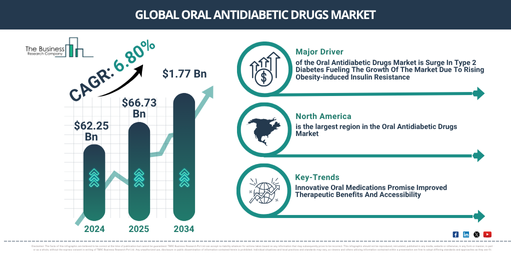
    The market for oral antidiabetic drugs has experienced remarkable expansion in the previous years. The market is projected to escalate from $62.25 billion in 2024 to $66.73 billion in 2025, maintaining a compound annual growth rate (CAGR) of 7.2%. Factors contributing to this growth during the historic period include the growing incidence of diabetes, heightened consciousness about diabetes control, an increase in the elderly population, enhanced access to modern oral antidiabetic drugs, and the advancement of healthcare infrastructure.

    The oral antidiabetic drugs market is set to witness substantial expansion in the coming years, with prospects to reach $86.92 billion by 2029, growing at a compound annual growth rate (CAGR) of 6.8%. The anticipated growth in the forecasted period is attributed to the escalating inclination towards novel oral antidiabetic treatments, higher investment in diabetes research, surging demand for affordable diabetes remedies, increasing incidences of type 2 diabetes globally, and a growing focus on personalized treatment for diabetes. Key trends expected during the forecast period consist of advancements in drug delivery techniques, innovations in combined therapies, integration of technology-based healthcare tools for diabetes management, manufacture of safer and more effective oral antidiabetic medications, and progression in personalized treatment strategies.

    Download The Free Sample Report Here:

    https://www.thebusinessresearchcompany.com/sample.aspx?id=25854&type=smp

    Which Factor Is Shaping The Future Of The Oral Antidiabetic Drugs Market?

    The escalating prevalence of type 2 diabetes is projected to drive the expansion of the oral antidiabetic drugs market. Type 2 diabetes is identified as a chronic ailment where the body is either fighting off insulin or not generating enough to manage standard glucose levels. The surge in type 2 diabetes can be attributed to rising obesity rates, with surplus body fat leading to insulin resistance and disrupted glucose regulation. Oral antidiabetic medications play a crucial role in treating type 2 diabetes by increasing insulin receptivity, augmenting insulin discharge, or curbing glucose production and absorption, ensuring proper blood sugar levels. For example, the Office for Health Improvement and Disparities, a governmental organization based in the UK, disclosed in March 2025 that the prevalence of type 2 diabetes in adults over 17 in England increased to 7.0%, up from 6.8% in March 2023. Therefore, the growing frequency of type 2 diabetes is fueling the progress of the oral antidiabetic drugs market.

    What Is The Segment-Wise Breakdown Of The Oral Antidiabetic Drugs Market?

    The oral antidiabetic drugs market covered in this report is segmented –

    1) By Drug Class: Biguanides, Dipeptidyl Peptidase-4 Inhibitors, Sodium Glucose Transport Protein -2 Inhibitors, Sulfonylureas, Thiazolidinediones, Megalitinides, Alpha Glucosidase Inhibitors, Other Drug Classes

    2) By Route Of Administration: Oral, Sublingual, Buccal

    3) By Therapeutic Area: Type 2 Diabetes, Gestational Diabetes, Type 1 Diabetes

    4) By Distribution Channel: Hospital Pharmacies, Retail Pharmacies, Online Pharmacies, Other Channels

    5) By End User: Hospitals, Pharmact Store, Drug Store, Diabetes Treatment Centers, Other End Users

    Subsegments:

    1) By Biguanides: Metformin Hydrochloride, Metformin Extended Release, Combination Products

    2) By Dipeptidyl Peptidase-4 (DPP-4) Inhibitors: Sitagliptin, Saxagliptin, Linagliptin, Alogliptin, Vildagliptin

    3) By Sodium Glucose Transport Protein-2 (SGLT2) Inhibitors: Canagliflozin, Dapagliflozin, Empagliflozin, Ertugliflozin

    4) By Sulfonylureas: Glipizide, Glyburide, Glimepiride, Chlorpropamide, Tolbutamide

    5) By Thiazolidinediones: Pioglitazone, Rosiglitazone

    6) By Meglitinides: Repaglinide, Nateglinide

    7) By Alpha Glucosidase Inhibitors: Acarbose, Miglitol, Voglibose

    8) By Other Drug Classes: Bromocriptine, Colesevelam

    What Notable Trends Are Shaping The Direction Of The Oral Antidiabetic Drugs Market?

    The key corporations functioning in the market for oral antidiabetic medications are concentrating their efforts on clinical studies in order to create safer and more efficient treatment alternatives, broaden their array of products, and secure approvals for future-generation treatments. Clinical trials, which are regulated research investigations involving human subjects, are meant to ascertain the safety, efficacy, and potential side effects of new medical treatments, drugs, or strategies. For example, in April 2025, Eli Lilly and Company, a pharmaceutical firm based in the US, launched Orforglipron, a once-daily oral GLP-1 receptor agonist molecule created to streamline diabetes management following a successful phase 3 trial. This oral treatment seeks to provide equivalent effectiveness and safety to injectable solutions while boosting patient compliance. In clinical trials, Orforglipron reduced HbA1c, an indicator of blood glucose control, by an average of 1.3% to 1.6% across various doses over a period of 40 weeks.

    Which Companies Hold The Largest Market Share In The Oral Antidiabetic Drugs Sector?

    Major companies operating in the oral antidiabetic drugs market are Pfizer Inc., Johnson & Johnson, F. Hoffmann-La Roche Ltd., Merck & Co. Inc., Bayer AG, Novartis AG, Sanofi S.A., Bristol-Myers Squibb Company, AstraZeneca plc, Abbott Laboratories, GlaxoSmithKline plc, Takeda Pharmaceutical Company Limited, Eli Lilly and Company, Novo Nordisk A/S, C.H. Boehringer Sohn AG & Co. KG, Viatris Inc., Teva Pharmaceutical Industries Limited, Astellas Pharma Inc., Sun Pharmaceutical Industries Limited, Cipla Limited

    Get The Full Report Here:

    https://www.thebusinessresearchcompany.com/report/oral-antidiabetic-drugs-global-market-report

    How Does Regional Performance Compare Across The Oral Antidiabetic Drugs Industry?

    North America was the largest region in the oral antidiabetic drugs market in 2024. Asia-Pacific is expected to be the fastest-growing region in the forecast period. The regions covered in the oral antidiabetic drugs market report are Asia-Pacific, Western Europe, Eastern Europe, North America, South America, Middle East, Africa.

    Request For A Customized Report:

    https://www.thebusinessresearchcompany.com/customise?id=25854&type=smp

    About The Business Research Company:

    With over 15000+ reports from 27 industries covering 60+ geographies, The Business Research Company has built a reputation for offering comprehensive, data-rich research and insights. Armed with 1,500,000 datasets, the optimistic contribution of in-depth secondary research, and unique insights from industry leaders, you can get the information you need to stay ahead in the game.

    Get in touch with us:

    The Business Research Company: https://www.thebusinessresearchcompany.com/

    Americas +1 310-496-7795

    Asia +44 7882 955267 & +91 8897263534

    Europe +44 7882 955267

    Email us at info@tbrc.info

    Follow us on:

    LinkedIn: https://in.linkedin.com/company/the-business-research-company

    YouTube: https://www.youtube.com/channel/UC24_fI0rV8cR5DxlCpgmyFQ

    Global Market Model: https://www.thebusinessresearchcompany.com/global-market-model
  • Global Oncology Precision Medicine Market Landscape: Trends and Market Share to 2029

    Global Oncology Precision Medicine Market Landscape: Trends and Market Share to 2029

    Claim your 30% discount on Global Market Reports with code ONLINE30. Limited time only.

    Claim your 30% discount on Global Market Reports with code ONLINE30. Limited time only.

    What Is the Estimated Industry Valuation for the Oncology Precision Medicine Sector?

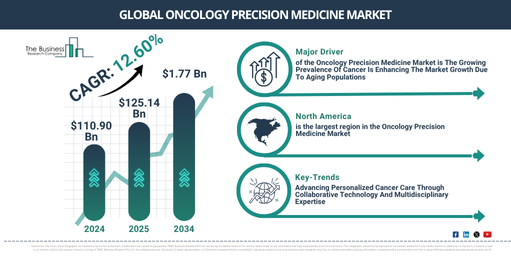
    The size of the oncology precision medicine market has experienced quick growth in the past few years. Its growth trajectory is projected to accelerate from $110.90 billion in 2024 to $125.14 billion in 2025, charting a compound annual growth rate (CAGR) of 12.8%. The growth seen during the historic period is credited to the increasing incidence of cancer, escalating adoption of targeted treatments, larger investment in genetic research, enhanced healthcare infrastructure and growing awareness about individualized medicine.

    The market for precision oncology is projected to experience substantial growth in the upcoming years, escalating to a value of $201.40 billion in 2029 with a compound annual growth rate (CAGR) of 12.6%. This accelerated growth during the prediction period can be credited to an escalating demand for non-invasive cancer diagnostic procedures, increased inclination towards personalized treatment modalities, the rising usage of companion diagnostics, the growth of the precision oncology drug pipeline, and more prolific clinical use of artificial intelligence tools. Key trends observed during this period encompass advancements in liquid biopsy technology, novel innovations in next-generation sequencing, progress in artificial intelligence for data analysis, creation of new biomarkers through research and development, and the incorporation of multi-omics in clinical oncology.

    Download The Free Sample Report Here:

    https://www.thebusinessresearchcompany.com/sample.aspx?id=25853&type=smp

    What Forces Are Driving The Growth Of The Oncology Precision Medicine Market?

    The continual rise in cancer rates is set to boost the expansion of the oncology precision medicine market. Cancer, a disease characterized by the uncontrolled growth and spread of abnormal cells, can severely disrupt the body’s normal functions. Factors contributing to the increasing cancer rates include ageing populations and the inherent consequences such as the build-up of DNA mutations, breakdown of repair mechanisms, persistent inflammaging, weakened immune surveillance, and alterations in tissue microenvironments that augment tumor progression. Oncology precision medicine significantly contributes to cancer treatment, providing personalized medical approaches tailored to the distinct genetic composition of each tumor, thereby increasing efficacy and limiting side effects. For example, in February 2024, the World Health Organization (WHO), a Switzerland-based intergovernmental organization, projected that the 20 million cancer cases recorded in 2022, are anticipated to surge by 77% to exceed 35 million cases by 2050. Thus, the increasing cancer rates are a key factor propelling the growth of the oncology precision medicine market.

    How Is The Oncology Precision Medicine Industry Segmented Across Key Parameters?

    The oncology precision medicine market covered in this report is segmented –

    1) By Product Type: Diagnostics, Therapeutics, Inhibitor Drugs, Monoclonal Antibodies, Cell And Gene Therapy, Antiviral And Anti-Retroviral Drugs

    2) By Technology: Genomics, Proteomics, Bioinformatics, Other Technologies

    3) By Biomarker Types: Genetic Biomarkers, Protein Biomarkers, Epigenetic Biomarkers, Metabolic Biomarkers, Other Biomarker Types

    4) By Applications: Breast Cancer, Lung Cancer, Colorectal Cancer, Prostate Cancer, Cervical Cancer, Kidney Cancer, Liver Cancer, Bladder Cancer, Other Applications

    5) By End-Users: Hospitals, Diagnostic Laboratories, Research Institutions, Pharmaceutical Companies, Other End-Users

    Subsegments:

    1) By Diagnostics: Companion Diagnostics, Molecular Diagnostics, Liquid Biopsy, Imaging Diagnostics, Next-Generation Sequencing Assays

    2) By Therapeutics: Tyrosine Kinase Inhibitors (TKIs), Poly ADP-Ribose Polymerase Inhibitors (PARP Inhibitors), Cyclin-Dependent Kinase 4 And 6 Inhibitors (CDK4/6 Inhibitors), B-Raf Proto-Oncogene Serine Or Threonine Kinase Inhibitors (BRAF Inhibitors), Mitogen-Activated Protein Kinase Kinase Inhibitors (MEK Inhibitors)

    3) By Inhibitor Drugs: Tyrosine Kinase Inhibitors (TKIs), Poly ADP-Ribose Polymerase Inhibitors (PARP Inhibitors), Cyclin-Dependent Kinase 4 And 6 Inhibitors (CDK4/6 Inhibitors), B-Raf Proto-Oncogene Serine Or Threonine Kinase Inhibitors (BRAF Inhibitors), Mitogen-Activated Protein Kinase Kinase Inhibitors (MEK Inhibitors)

    4) By Monoclonal Antibodies: Naked Monoclonal Antibodies, Conjugated Monoclonal Antibodies, Bispecific Antibodies, Immune Checkpoint Inhibitors, Radiolabeled Antibodies

    5) By Cell And Gene Therapy: CAR-T Cell Therapies, T-Cell Receptor (TCR) Therapies, Tumor-Infiltrating Lymphocyte (TIL) Therapies, Oncolytic Viral Therapies, Gene Editing And Replacement Therapies

    6) By Antiviral And Anti-Retroviral Drugs: Reverse Transcriptase Inhibitors, Protease Inhibitors, Integrase Strand Transfer Inhibitors, Entry Inhibitors, Antiviral Agents Targeting Virus-Related Cancers

    What Upcoming Trends Are Expected To Impact The Oncology Precision Medicine Market Globally?

    Major players in the oncology precision medicine market, such as molecular tumor board programs, are creating cutting-edge solutions to promote cooperative efforts between multiple disciplines and streamline bespoke treatment planning. Molecular tumor boards consist of interdisciplinary specialists who examine and decode intricate genomic and molecular testing results to suggest individualized cancer treatment approaches. For example, in April 2025, the American healthcare services and IT firm, McKesson Corporation, introduced the Precision Care Companion initiative. Through this program, they aim to back biomarker-led cancer treatment by offering education, technological updates, and administrative support to oncology practices. This exhaustive scheme consolidates doctors, clinical personnel, business heads, and pharma associates to establish a synergistic atmosphere that accelerates the assimilation of sophisticated genomic testing and targeted treatments. This assists in providing more personalized and efficient cancer therapies, thereby enhancing patient outcomes.

    Which Companies Currently Dominate The Competitive Landscape In The Oncology Precision Medicine Industry?

    Major companies operating in the oncology precision medicine market are Roche Holding AG, Bristol Myers Squibb Company, Abbott Laboratories, Novartis AG, Gilead Sciences Inc., Laboratory Corporation of America Holdings, Quest Diagnostics Inc., Agilent Technologies Inc., Illumina Inc., bioMérieux S.A., Bio-Rad Laboratories Inc., Exact Sciences Corporation, Almac Group Limited, OPKO Health Inc., Natera Inc., Myriad Genetics Inc., Pacific Biosciences of California Inc., Asuragen Inc., BGI Group, ANGLE plc.

    Get The Full Report Here:

    https://www.thebusinessresearchcompany.com/report/oncology-precision-medicine-global-market-report

    Which Geographic Regions Are Driving Demand In The Oncology Precision Medicine Market?

    North America was the largest region in the oncology precision medicine market in 2024. The regions covered in the oncology precision medicine market report are Asia-Pacific, Western Europe, Eastern Europe, North America, South America, Middle East, Africa.

    Request For A Customized Report:

    https://www.thebusinessresearchcompany.com/customise?id=25853&type=smp

    About The Business Research Company:

    With over 15000+ reports from 27 industries covering 60+ geographies, The Business Research Company has built a reputation for offering comprehensive, data-rich research and insights. Armed with 1,500,000 datasets, the optimistic contribution of in-depth secondary research, and unique insights from industry leaders, you can get the information you need to stay ahead in the game.

    Get in touch with us:

    The Business Research Company: https://www.thebusinessresearchcompany.com/

    Americas +1 310-496-7795

    Asia +44 7882 955267 & +91 8897263534

    Europe +44 7882 955267

    Email us at info@tbrc.info

    Follow us on:

    LinkedIn: https://in.linkedin.com/company/the-business-research-company

    YouTube: https://www.youtube.com/channel/UC24_fI0rV8cR5DxlCpgmyFQ

    Global Market Model: https://www.thebusinessresearchcompany.com/global-market-model
  • Comprehensive Forecast: Ocular Trauma Devices Market Share, Growth, and Opportunities Through 2029

    Comprehensive Forecast: Ocular Trauma Devices Market Share, Growth, and Opportunities Through 2029

    Claim your 30% discount on Global Market Reports with code ONLINE30. Limited time only.

    Claim your 30% discount on Global Market Reports with code ONLINE30. Limited time only.

    How Large Is the Ocular Trauma Devices Market Expected to Be in 2029?

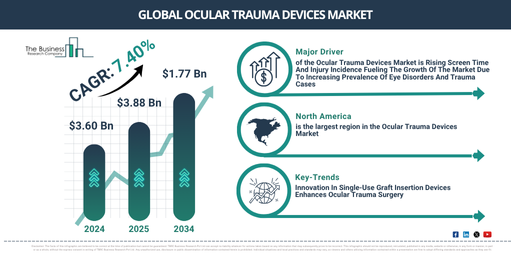
    The market size for ocular trauma devices has seen a robust expansion in recent years. Projected growth from $3.60 billion in 2024 to $3.88 billion in 2025, with a compound annual growth rate (CAGR) of 7.7%, is anticipated. The historical growth pattern is attributable to factors such as the introduction of smart and robot-assisted surgeries, escalation in the occurrence of ocular injuries, advancements in trauma response procedures in hospitals, heightened awareness about preserving vision following trauma, and an increase in military and combat-related eye injuries.

    The market for ocular trauma devices is set to experience robust growth in the upcoming years, anticipated to reach $5.16 billion by 2029, fueled by a 7.4% compound annual growth rate (CAGR). Factors contributing to this anticipated growth include a surge in pediatric applications of ophthalmic trauma devices, increasing aging population, urbanization and industrialization, higher sports involvement rates, a rising number of road traffic accidents, and growing interest in medical tourism in the field of ophthalmology. Noteworthy trends predicted for this forecast period encompass the creation of personalized ocular implants through 3D printing, breakthroughs in biomaterials and surgical tools, progress in microincision technology, along with strategic partnerships and acquisitions among device manufacturers.

    Download The Free Sample Report Here:

    https://www.thebusinessresearchcompany.com/sample.aspx?id=25852&type=smp

    What Are The Contributors To Demand In The Ocular Trauma Devices Market?

    The escalation in ocular disorders and injuries is predicted to spur the progress of the ocular trauma devices market in the future. Ocular disorders and injuries cover an array of health issues and physical harm that impede the eye’s structure or function. The growth in these disorders is predominantly attributed to increased screen time, as excessive use of electronic devices can result in eye stress, dry eyes, and a rising occurrence of myopia, especially in younger individuals. Ocular trauma devices aid in addressing these eye issues by allowing accurate diagnosis, efficient surgical procedures, and specific treatment for conditions caused by injuries, helping to conserve or restore sight and avert further complications. For example, Prevent Blindness, a volunteer organization based in the US focusing on eye health and safety, reported in August 2023 that over 32,000 sports-related eye injuries were attended to in the United States in 2022, denoting a nearly 20% rise compared to the previous year. Hence, the escalating occurrence of ocular disorders and injuries fuels the expansion of the ocular trauma devices market.

    What Segmentation Categories Are Included In The Ocular Trauma Devices Market Analysis?

    The ocular trauma devices market covered in this report is segmented –

    1) By Type: Surgical Devices, Diagnostic Devices, Therapeutic Devices, Protective Devices

    2) By Device Type: Implants, Instruments, Disposables

    3) By Trauma Severity: Mild, Moderate, Severe

    4) By Application: Trauma Surgery, Retinal Detachment, Cataract Surgery, Glaucoma Management, Other Applications

    5) By End Use: Hospitals, Ophthalmic Clinics, Ambulatory Surgical Centers, Other End Users

    Subsegments:

    1) By Surgical Devices: Microsurgical Instruments, Ophthalmic Sutures, Surgical Microscopes, Phacoemulsification Systems, Ophthalmic Knives

    2) By Diagnostic Devices: Slit Lamps, Fundus Cameras, Optical Coherence Tomography (OCT) Systems, Tonometry Devices, Ultrasound Biomicroscopy

    3) By Therapeutic Devices: Ocular Implants, Drug Delivery Systems, Laser Therapy Systems, Cryotherapy Units

    4) By Protective Devices: Eye Shields, Safety Goggles, Face Shields, Ocular Bandages, Protective Contact Lenses

    How Are Key Trends Driving Expansion In The Ocular Trauma Devices Industry?

    Leading businesses within the ocular trauma devices market are prioritizing the creation of innovative solutions like single-use graft insertion devices. These devices aim to lower the chances of cross contamination, increase surgical accuracy, and simplify eye-related procedures, thereby boosting patient results and enhancing operational efficiency in clinical environments. The term single-use graft insertion devices pertains to sterile, one-time-use instruments that aid safe and accurate placement of grafts during eye surgeries, mitigating the risk of infections and ensuring uniformity in surgical procedures. For example, in April 2022, CorneaGen, a company based in the US that provides corneal transplant tissues, introduced the EndoSerter-PL. This device, which has received FDA approval, is a single-use graft insertion device that comes pre-loaded with expertly treated Nano-Thin or Ultra-Thin DSEK donor tissue. The EndoSerter-PL serves dual purposes as a shipping case and a surgical instrument, allowing DSEK procedures to be carried out more efficiently by cutting down on preparatory time and reducing disturbances of delicate endothelial cells. The innovative device can consistently place allografts through just a small incision of 4mm without the need for extra equipment or stitches, thereby making the surgery process simpler and benefitting patient outcomes.

    Who Are The Top-Ranked Companies In The Ocular Trauma Devices Market Today?

    Major companies operating in the ocular trauma devices market are Alcon Inc., Bausch & Lomb Corporation, Johnson & Johnson Vision Care Inc., Carl Zeiss Meditec AG, Topcon Corporation, Leica Microsystems GmbH, BVI Medical Inc., Heidelberg Engineering GmbH, Omeros Corporation, OCULUS Optikgeräte GmbH, Oasis Medical Inc., Ziemer Group AG, Oertli Instrumente AG, FCI S.A.S., Sonomed Escalon Inc., Innovative Optics Inc., NuVision Biotherapies Ltd., AJL Ophthalmic S.A., A.R.C. Laser GmbH, Nidek Co. Ltd., MorTan Inc.

    Get The Full Report Here:

    https://www.thebusinessresearchcompany.com/report/ocular-trauma-devices-global-market-report

    How Is Ocular Trauma Devices Market Adoption Varying Across Different Regions And Sectors?

    North America was the largest region in the ocular trauma devices market in 2024. Asia-Pacific is expected to be the fastest-growing region in the forecast period. The regions covered in the ocular trauma devices market report are Asia-Pacific, Western Europe, Eastern Europe, North America, South America, Middle East, Africa.

    Request For A Customized Report:

    https://www.thebusinessresearchcompany.com/customise?id=25852&type=smp

    About The Business Research Company:

    With over 15000+ reports from 27 industries covering 60+ geographies, The Business Research Company has built a reputation for offering comprehensive, data-rich research and insights. Armed with 1,500,000 datasets, the optimistic contribution of in-depth secondary research, and unique insights from industry leaders, you can get the information you need to stay ahead in the game.

    Get in touch with us:

    The Business Research Company: https://www.thebusinessresearchcompany.com/

    Americas +1 310-496-7795

    Asia +44 7882 955267 & +91 8897263534

    Europe +44 7882 955267

    Email us at info@tbrc.info

    Follow us on:

    LinkedIn: https://in.linkedin.com/company/the-business-research-company

    YouTube: https://www.youtube.com/channel/UC24_fI0rV8cR5DxlCpgmyFQ

    Global Market Model: https://www.thebusinessresearchcompany.com/global-market-model
  • Future Demand and Leading Companies Shaping the Nursing Products Market to 2029

    Future Demand and Leading Companies Shaping the Nursing Products Market to 2029

    Claim your 30% discount on Global Market Reports with code ONLINE30. Limited time only.

    Claim your 30% discount on Global Market Reports with code ONLINE30. Limited time only.

    What Is the Outlook for the Nursing Products Market Heading Into 2029?

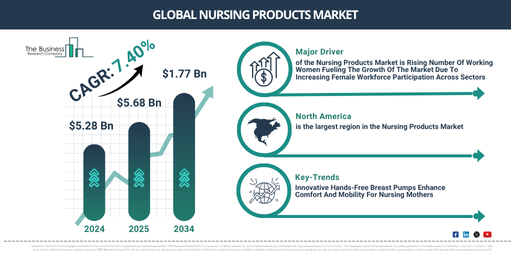
    Over the recent years, the nursing products market has seen robust growth. The market, which was valued at $5.28 billion in 2024, is projected to reach $5.68 billion in 2025, with a compound annual growth rate (CAGR) of 7.7%. Several factors influenced the growth in the historical period, including the growth in the number of working mothers, increased birth rates in developing countries, heightened awareness surrounding maternal health, rising expenditure in healthcare, and a heightened demand for home healthcare.

    Anticipated substantial growth awaits the nursing products market in the coming years as it is projected to reach a value of $7.56 billion by 2029, exhibiting a compound annual growth rate (CAGR) of 7.4%. This substantial growth expected over the forecast period can be ascribed to a number of factors such as the escalating elderly population requiring nursing assistance, the heightened occurrence of preterm births and C-sections, the proliferating infiltration of E-commerce outlets, increasing governmental initiatives geared toward maternal care, along with intensifying urbanization and evolving lifestyles. Notable trends for the forecast period encapsulate advancements in breast pump technology, the incorporation of state-of-the-art features into nursing devices, the adoption of technology in postnatal care items, breakthroughs in recyclable and environmentally friendly nursing solutions and pioneering enhancements in material science aimed at boosting comfort and safety.

    Download The Free Sample Report Here:

    https://www.thebusinessresearchcompany.com/sample.aspx?id=25851&type=smp

    Which Factors Are Pushing The Nursing Products Market Forward?

    The surge in the number of women engaged in the labour force is likely to accelerate the expansion of the nursing products market. The term ‘working women’ is used to describe women who are gainfully employed and reap income from their jobs or professions. Increased levels of education among women, offering access to improved employment prospects, are contributing to this rise in working women. Nursing products act as a source of both convenience and support for such women, helping them nourish their children and take care of them alongside their professional commitments. For example, evidence provided by the US Department of Labor, a government body in the US, stated in March 2023 that the primary driving force behind the estimated growth in the total number of women in the labour force by 2031, which is predicted to add about 2.9 million workers, will be women aged 25 to 54. As a result, the burgeoning number of employed women is propelling the expansion of the nursing products market.

    Which Segment Held The Largest Share In The Nursing Products Market In 2025?

    The nursing products market covered in this report is segmented –

    1) By Type: Breast Pump, Nursing Bra, Nipple Cream, Pumping Accessories, Nursing Pillow, Nursing Cover, Nursing Pad, Nursing Station, Other Types

    2) By Usability: Reusable, Disposable

    3) By Distribution Channel: Online Retail, Pharmacies And Drug Stores, Supermarkets And Hypermarkets, Specialty Stores

    4) By Application: Postpartum Care, Infant Feeding, Lactation Support

    5) By End-User: Hospitals And Clinics, Home Healthcare, Nursing Homes And Long-Term Care Facilities, Ambulatory Surgical Centers (ASCs)

    Subsegments:

    1) By Breast Pump: Manual Breast Pumps, Electric Breast Pumps, Wearable Breast Pumps, Hospital-grade Breast Pumps, Battery-powered Breast Pumps

    2) By Nursing Bra: Maternity Bras, Pumping Bras, Sleep Nursing Bras, Sports Nursing Bras, Seamless Nursing Bras

    3) By Nipple Cream: Lanolin-based Creams, Organic Or Natural Creams, Medicated Creams, Vegan Formulas, Oil-based Balms

    4) By Pumping Accessories: Storage Bags Or Containers, Pumping Bottles, Flanges And Shields, Tubing And Valves, Pump Cleaning Supplies

    5) By Nursing Pillow: Wrap-around Pillows, Inflatable Nursing Pillows, Travel-size Nursing Pillows, Adjustable Nursing Pillows, Multipurpose Pillows

    6) By Nursing Cover: Poncho-style Covers, Apron-style Covers, Infinity Scarf Covers, Convertible Covers, Blanket-style Covers

    7) By Nursing Pad: Disposable Nursing Pads, Reusable Nursing Pads, Silicone Nursing Pads, Organic Cotton Pads, Hydrogel Pads

    8) By Nursing Station: Rocking Chairs Or Gliders, Changing Tables, Storage Units, Nursing Carts, Lighting And Comfort Accessories

    9) By Other Types: Breast Shells, Milk Collection Cups, Nursing Sleepwear, Lactation Massagers, Nipple Shields

    Which Trends Are Expected To Shape The Future Of The Nursing Products Market?

    Leading entities in the market for nursing products are striving to innovate and provide solutions such as hands-free breast pumps, designed to increase convenience, mobility, and ease for nursing mothers. These hands-free breast pumps are wearable and easily portable and are created to fit within a bra, enabling mothers to express milk discreetly and comfortably without the need for hand-use. For example, Ameda Inc., an American medical equipment manufacturer, unveiled its GLO Wearable Breast Pump in June 2025 to enrich convenience and mobility for nursing mothers. This product boasts genuine hands-free, hospital-strength pumping with the option of 15 adjustable suction levels, a discreet design, and battery life of up to 100 minutes. These features enable milk expression to be comfortable, convenient, and effective for busy mothers. The breast pump aims to empower mothers to confidently express milk at any place and time, without compromising on comfort or effectiveness.

    Which Organizations Are Driving Progress In The Nursing Products Industry?

    Major companies operating in the nursing products market are Cardinal Health Inc., Johnson & Johnson, Abbott Laboratories, 3M Healthcare, Medline Industries LP, Koninklijke Philips N.V., Becton Dickinson and Company (BD), Fresenius Kabi AG., Smith & Nephew, Coloplast A/S, Hollister Incorporated, Pigeon Corporation, Artsana S.p.A., Medela AG., Evenflo Feeding Inc., Mapa GmbH, Mayborn Group Limited, Dr. Brown’s, Lansinoh Laboratories Inc., Narang Medical Limited, Cliniva Healthcare, Uzinmedicare Co. Ltd.

    Get The Full Report Here:

    https://www.thebusinessresearchcompany.com/report/nursing-products-global-market-report

    Which Region Is Expected To Experience The Highest Growth In The Nursing Products Industry?

    North America was the largest region in the nursing products market in 2024. Asia-Pacific is expected to be the fastest-growing region in the forecast period. The regions covered in the nursing products market report are Asia-Pacific, Western Europe, Eastern Europe, North America, South America, Middle East, Africa.

    Request For A Customized Report:

    https://www.thebusinessresearchcompany.com/customise?id=25851&type=smp

    About The Business Research Company:

    With over 15000+ reports from 27 industries covering 60+ geographies, The Business Research Company has built a reputation for offering comprehensive, data-rich research and insights. Armed with 1,500,000 datasets, the optimistic contribution of in-depth secondary research, and unique insights from industry leaders, you can get the information you need to stay ahead in the game.

    Get in touch with us:

    The Business Research Company: https://www.thebusinessresearchcompany.com/

    Americas +1 310-496-7795

    Asia +44 7882 955267 & +91 8897263534

    Europe +44 7882 955267

    Email us at info@tbrc.info

    Follow us on:

    LinkedIn: https://in.linkedin.com/company/the-business-research-company

    YouTube: https://www.youtube.com/channel/UC24_fI0rV8cR5DxlCpgmyFQ

    Global Market Model: https://www.thebusinessresearchcompany.com/global-market-model
  • 2025–2029 Novel Drug Delivery Systems Market Outlook: Regional Trends and Growth Forecast

    2025–2029 Novel Drug Delivery Systems Market Outlook: Regional Trends and Growth Forecast

    Claim your 30% discount on Global Market Reports with code ONLINE30. Limited time only.

    Claim your 30% discount on Global Market Reports with code ONLINE30. Limited time only.

    What Does the Forecast Indicate for the Novel Drug Delivery Systems Market From 2025 to 2029?

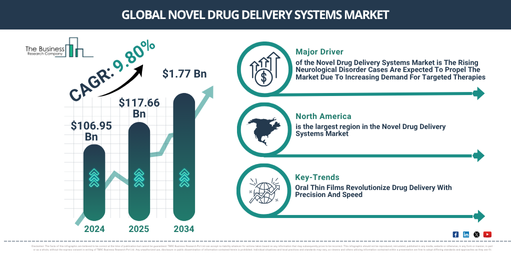
    The market size for novel drug delivery systems has seen a swift expansion in the past few years. The market, which was valued at $106.95 billion in 2024, is forecasted to reach $117.66 billion in 2025, indicating a compound annual growth rate (CAGR) of 10.0%. The phenomenal growth during the past period can be accredited to various factors such as the escalating incidence of chronic diseases, the surge in the elderly population, the proliferating demand for minimally invasive therapies, increased patient awareness about the effectiveness and safety of drugs, and growth of the global healthcare infrastructure.

    The market size of innovative drug delivery systems is slated for robust expansion in the upcoming years, reaching a value of $171.02 billion in 2029, with a compound annual growth rate (CAGR) of 9.8%. This surge during the predicted period can be linked to the intensified worldwide emphasis on pandemic readiness, surging need for quick and localized drug administration, expanding consciousness of antimicrobial stewardship, stricter environmental and packaging rules advocating regulated delivery methods, and a rise in public and private collaboration in pharmaceutical innovation. Key trends anticipated for this period include the incorporation of nanocarriers and nanoemulsions, the creation of biodegradable and stimuli-reactive materials, the augmented utilization of 3D printing for personalized dosage forms, advancements in transdermal and microneedle systems, as well as the application of artificial intelligence in formulation design.

    Download The Free Sample Report Here:

    https://www.thebusinessresearchcompany.com/sample.aspx?id=25850&type=smp

    What Elements Are Contributing To Growth In The Novel Drug Delivery Systems Market?

    An upward trend in cases of neurological disorders is predicted to fuel the expansion of the novel drug delivery systems industry. A neurological disorder, such as a stroke, is identified as a sudden disruption of neurologic functionality due to a halt in the brain’s blood supply. This can happen if there’s a blockage leading to ischemic stroke or a blood vessel rupture causing hemorrhagic stroke, both resulting in brain tissue damage and possibly long-term cognitive or motor impairments. The growing occurrence of such disorders can be traced back to triggers like aging populations, the rise in lifestyle-related conditions such as hypertension, diabetes, and obesity, as well as greater exposure to chronic stress and environmental hazards. Novel drug delivery systems assist in managing these disorders by facilitating the targeted and controlled distribution of therapeutics across the blood-brain barrier. For example, the National Health Service (NHS) England, a UK-based health organization, reported in November 2024 that stroke admissions in England increased to 111,137 in the year 2023/24, with the age group 50–59 noting the most substantial rise at 12,533 cases. Therefore, this surge in neurological disorders is bolstering the progress of the novel drug delivery systems industry.

    Which Segments Are Detailed In The Global Novel Drug Delivery Systems Market Report?

    The novel drug delivery systems market covered in this report is segmented –

    1) By Formulation Type: Liposomes, Nanoparticles, Microspheres, Hydrogels, Dendrimers

    2) By Mode Of Novel Drug Delivery System (NDDS): Targeted Drug Delivery Systems, Controlled Drug Delivery Systems, Modulated Drug Delivery Systems

    3) By Route: Oral Drug Delivery Systems, Injectable Drug Delivery Systems, Pulmonary Drug Delivery Systems, Transdermal Drug Delivery Systems, Other Routes

    4) By Therapeutic Area: Cancer, Cardiovascular Diseases, Neurological Disorders, Infectious Diseases, Autoimmune Diseases

    5) By End-User: Hospital, Specialty Clinics, Research Centers, Other End-Users

    Subsegments:

    1) By Liposomes: PEGylated Liposomes, Cationic Liposomes, Stealth Liposomes, Immunoliposomes

    2) By Nanoparticles: Polymeric Nanoparticles, Lipid Nanoparticles, Metallic Nanoparticles, Nanocrystals

    3) By Microspheres: Biodegradable Microspheres, Magnetic Microspheres, Radioactive Microspheres, Mucoadhesive Microspheres

    4) By Hydrogels: Thermosensitive Hydrogels, Ph-Responsive Hydrogels, Injectable Hydrogels, Smart Hydrogels

    5) By Dendrimers: PAMAM Dendrimers, PPI Dendrimers, Pegylated Dendrimers, Hybrid Dendrimers

    What Long-Term Trends Are Likely To Affect The Novel Drug Delivery Systems Market?

    Top businesses that are active in the market for innovative drug delivery systems are concentrating on the creation of novel solutions such as oral thin films. These aim to improve patient compliance and the effectiveness of therapy. An oral thin film is characterized as a quick-dissolving film strip placed in the oral cavity that releases medication directly into the bloodstream via the mucosal membrane. For example, in February 2024, the US-based pharmaceutical formulation firm, CD Formulation, unveiled Oral Thin Film Technology. This product accelerates drug absorption by eluding gastrointestinal and liver metabolism, making it particularly appropriate for patients having issues with swallowing. Additionally, it offers precise dosage and quicker action onset, bettering treatment accuracy and accessibility across several therapeutic applications.

    Who Are The Key Contributors To Growth In The Novel Drug Delivery Systems Market?

    Major companies operating in the novel drug delivery systems market are Pfizer Inc., Johnson & Johnson, F. Hoffmann-La Roche AG, Merck & Co. Inc., AbbVie Inc., Bayer AG, Sanofi SA, Bristol-Myers Squibb Company, Thermo Fisher Scientific Company, AstraZeneca PLC, Abbott Laboratories, Novartis AG, GlaxoSmithKline PLC (GSK), Takeda Pharmaceutical Company Limited, Eli Lilly and Company, Gilead Sciences, Amgen Inc., Teva Pharmaceutical Industries Ltd., Otsuka Pharmaceutical Co. Ltd., Boston Scientific Corporation, Regeneron Pharmaceuticals, Samyang Holdings Corporation, Galen Limited.

    Get The Full Report Here:

    https://www.thebusinessresearchcompany.com/report/novel-drug-delivery-systems-global-market-report

    Which Region Is Projected To Lead The Novel Drug Delivery Systems Market By 2025?

    North America was the largest region in the novel drug delivery systems market in 2024. Asia-Pacific is expected to be the fastest-growing region in the forecast period. The regions covered in the novel drug delivery systems market report are Asia-Pacific, Western Europe, Eastern Europe, North America, South America, Middle East, Africa.

    Request For A Customized Report:

    https://www.thebusinessresearchcompany.com/customise?id=25850&type=smp

    About The Business Research Company:

    With over 15000+ reports from 27 industries covering 60+ geographies, The Business Research Company has built a reputation for offering comprehensive, data-rich research and insights. Armed with 1,500,000 datasets, the optimistic contribution of in-depth secondary research, and unique insights from industry leaders, you can get the information you need to stay ahead in the game.

    Get in touch with us:

    The Business Research Company: https://www.thebusinessresearchcompany.com/

    Americas +1 310-496-7795

    Asia +44 7882 955267 & +91 8897263534

    Europe +44 7882 955267

    Email us at info@tbrc.info

    Follow us on:

    LinkedIn: https://in.linkedin.com/company/the-business-research-company

    YouTube: https://www.youtube.com/channel/UC24_fI0rV8cR5DxlCpgmyFQ

    Global Market Model: https://www.thebusinessresearchcompany.com/global-market-model
  • Key Market Drivers, Trends, and Forecast for the Global RNA Targeting Small Molecules Therapeutics Industry

    Key Market Drivers, Trends, and Forecast for the Global RNA Targeting Small Molecules Therapeutics Industry

    Claim your 30% discount on Global Market Reports with code ONLINE30. Limited time only.

    Claim your 30% discount on Global Market Reports with code ONLINE30. Limited time only.

    What Is the Outlook for the RNA Targeting Small Molecules Therapeutics Market Heading Into 2029?

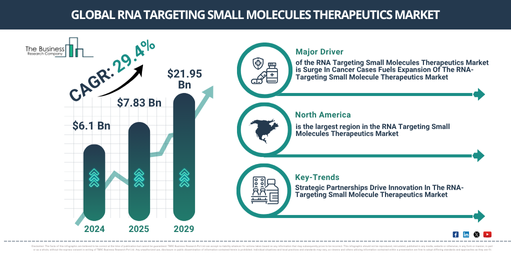
    The market size of RNA targeting small molecules therapeutics has witnessed a substantial surge in the past few years. There’s an expected leap in its value from $6.1 billion in 2024 to a whopping $7.83 billion in 2025 showing a compound annual growth rate (CAGR) of 28.3%. The phenomenal growth in the market during this historical period can be credited to the progress in drug discovery and development, an increase in RNA-related diseases, funding provided by the government and private bodies, vested interest of the pharmaceutical industry, and the previous successes in the field of RNA therapeutics.

    The market size for RNA targeting small molecules therapeutics is anticipated to witness substantial growth in the coming years. It is projected to reach $21.95 billion by 2029, seeing a compound annual growth rate (CAGR) of 29.4%. Factors contributing to this growth in the forecast period include precision medicine and personalized therapies, increase in RNA biomarker identification, the expansion of the RNA target spectrum, rising funding and investments, and its application in rare diseases. In the forecast period, significant trends include advancements in screening technologies, the dominance of antisense oligonucleotides, small molecule RNA binders, the use of RNA therapeutics in treating neurological disorders, and gene editing with crispr-cas9.

    Download The Free Sample Report Here:

    https://www.thebusinessresearchcompany.com/sample.aspx?id=12253&type=smp

    Which Factors Are Pushing The RNA Targeting Small Molecules Therapeutics Market Forward?

    The growth of the RNA-targeting small molecule therapeutics market is anticipated to be spurred by the escalating occurrence of cancer cases. Cancer comprises a range of diseases that may arise in virtually any organ or tissue when rogue cells grow without restriction, breach their normal limits, and either disseminate to other organs or infiltrate adjacent body parts. RNA-targeting small molecules, specifically designed and examined for selectively targeting RNA molecules tied to cancer, are used to treat this disease. A notable example is a study published by the American Cancer Society, a health organization based in the US, in January 2022. The report predicted approximately 609,360 deaths and 1.9 million fresh cancer cases in the US in 2022, which equates to around 1,670 deaths per day. As such, the proliferating count of cancer cases is seen as a key driver for the expansion of the RNA-targeting small molecule therapeutics market.

    Which Segment Held The Largest Share In The RNA Targeting Small Molecules Therapeutics Market In 2025?

    The rna targeting small molecules therapeutics market covered in this report is segmented –

    1) By Offering: mRNA (Messenger Ribonucleic Acid) Translation Modulators, RNA (Ribonucleic Acid) Splicing Modification, Direct RNA (Ribonucleic Acid) Targeting, Other Offerings

    2) By Therapeutic Indication: Lung Fibrosis, Cancer, Neurodegenerative Diseases, Autoimmune, Inflammatory, Other Therapeutic Indications

    3) By Application: Drug Discovery, Oncology Research, Disease Identification

    4) By End User: Hospitals, Research Laboratories, Pharmaceutical And Biotechnology Companies, Other End-Users

    Subsegments:

    1) By mRNA (Messenger Ribonucleic Acid) Translation Modulators: Small Molecule Inhibitors, Enhancers Of Translation

    2) By RNA (Ribonucleic Acid) Splicing Modification: Splicing Modulators, Antisense Oligonucleotides

    3) By Direct RNA (Ribonucleic Acid) Targeting: RNA-Binding Small Molecules, RNA Aptamers

    4) By Other Offerings: RNA Interference (RNAi) Therapeutics, Small Molecule Activators Of RNA Stability

    How Are Key Trends Driving Expansion In The RNA Targeting Small Molecules Therapeutics Industry?

    One major trend that is gaining considerable traction in the retinal biologics market is product innovation. Major players in this market are focusing on designing novel products as a strategy to solidify their market position and obtain a competitive edge. For example, in May 2023, F. Hoffmann-La Roche Ltd., a Swiss healthcare organization, received approval from the U.S. Food and Drug Administration for its supplemental biologics license application (sBLA) for Vabysmo (faricimab). This approval was granted for the treatment of macular edema following retinal vein occlusion (RVO), based on the results of two Phase III trials. These trials demonstrated early and substantial visual improvement in patients using Vabysmo, achieving its primary operative endpoint of being as effective as aflibercept. Vabysmo stands as the inaugural bispecific antibody approved for ocular use, particularly for treating neovascular or ‘wet’ age-related macular degeneration and diabetic macular edema. Subsequent research showed a lack of blood vessel leakage in the retina in patients using Vabysmo compared to those using aflibercept.

    Which Organizations Are Driving Progress In The RNA Targeting Small Molecules Therapeutics Industry?

    Major companies operating in the RNA targeting small molecules therapeutics market include F. Hoffmann-La Roche Ltd., Bayer AG, Sanofi S.A., AstraZeneca plc, Eli Lilly and Company, Amgen Inc., Janssen Pharmaceuticals, Vertex Pharmaceuticals, Servier laboratories, Genentech Inc., PTC Therapeutics Inc., Arrakis Therapeutics, Anima Biotech Inc., Skyhawk Therapeutics Inc., Remix Therapeutics, Abivax SA, 858 Therapeutics, Eloxx Pharmaceuticals Inc., STORM Therapeutics Ltd., Accent Therapeutics Inc., eFFECTOR Therapeutics Inc., EPICS Therapeutics, Expansion Therapeutics Inc., Inspirna Inc., MiNA Therapeutics Ltd., Ribometrix Inc., AC Immune SA, Redona Therapeutics

    Get The Full Report Here:

    https://www.thebusinessresearchcompany.com/report/rna-targeting-small-molecules-therapeutics-global-market-report

    Which Region Is Expected To Experience The Highest Growth In The RNA Targeting Small Molecules Therapeutics Industry?

    North America was the largest region in the RNA targeting small molecules therapeutics market in 2024. The regions covered in the RNA targeting small molecules therapeutics market report are Asia-Pacific, Western Europe, Eastern Europe, North America, South America, Middle East, Africa.

    Request For A Customized Report:

    https://www.thebusinessresearchcompany.com/customise?id=12253&type=smp

    About The Business Research Company:

    With over 15000+ reports from 27 industries covering 60+ geographies, The Business Research Company has built a reputation for offering comprehensive, data-rich research and insights. Armed with 1,500,000 datasets, the optimistic contribution of in-depth secondary research, and unique insights from industry leaders, you can get the information you need to stay ahead in the game.

    Get in touch with us:

    The Business Research Company: https://www.thebusinessresearchcompany.com/

    Americas +1 310-496-7795

    Asia +44 7882 955267 & +91 8897263534

    Europe +44 7882 955267

    Email us at info@tbrc.info

    Follow us on:

    LinkedIn: https://in.linkedin.com/company/the-business-research-company

    YouTube: https://www.youtube.com/channel/UC24_fI0rV8cR5DxlCpgmyFQ

    Global Market Model: https://www.thebusinessresearchcompany.com/global-market-model
  • Latest Market Developments in Non-Hormonal Contraceptives Industry: Forecast 2025–2029

    Claim your 30% discount on Global Market Reports with code ONLINE30. Limited time only.

    Claim your 30% discount on Global Market Reports with code ONLINE30. Limited time only.

    How Much Is the Global Non-Hormonal Contraceptives Market Valued at Present and by 2029?

    The market for non-hormonal contraceptives has seen a significant expansion in recent years. It is projected to rise from a worth of $23.73 billion in 2024 to $25.47 billion in 2025, reflecting a compound annual growth rate (CAGR) of 7.3%. The robust growth observed over the historical period is largely due to factors such as increased emphasis on women’s health programs, greater access to non-prescription non-hormonal contraceptives, heightened attention towards the development of male contraceptive products, a surge in demand for fertilityawareness-based contraceptive methods, and an upswing in the approval and launching of products in the non-hormonal arena.

    Over the coming years, the non-hormonal contraceptives market size is set to experience considerable expansion. Expectations indicate that it will reach $33.48 billion by 2029, growing at a compound annual growth rate (CAGR) of 7.1%. This projected increase for the forecast period is tied to factors like the rising demand for non-hormone-based birth control options, increased awareness around the adverse effects of hormonal contraceptives, growing interest in natural, non-chemical contraceptive methods, the escalating occurrence of sexually transmitted diseases, and heightened reproductive health consciousness among women. The forecast period is also likely to experience trends such as biomaterial advancements for non-hormonal contraceptive devices, technology-enhanced innovation in barrier contraceptive design, the incorporation of smart tracking attributes with fertility-awareness methods, advances in contraceptive gels and films without medications, as well as technologically facilitated self-use tools for contraceptive devices.

    Download The Free Sample Report Here:

    https://www.thebusinessresearchcompany.com/sample.aspx?id=25849&type=smp

    #What Drivers Are Influencing Growth In The Non-Hormonal Contraceptives Market?

    The rise in sexually transmitted diseases (STDs) is set to fuel the expansion of the non-hormonal contraceptives industry. STDs, primarily transmitted through sexual activity and triggered by bacteria, viruses, or parasites, are on the rise and this is largely down to less use of condoms, thereby increasing the risk of infection during unprotected sex. Non-hormonal contraceptives, such as male and female condoms, greatly reduce the spread of sexually transmitted diseases by acting as a physical barrier to stop the transfer of bodily fluids during sexual intercourse. As an example, in April 2025, the Minnesota Department of Health (MDH), a US health authority at the state level, revealed that the percentage of HIV cases among men aged 35 to 39 rose from 10% in 2023 to 17% in 2024. Hence, the rising incidence of sexually transmitted diseases is fuelling the growth of the non-hormonal contraceptives market.

    What Are The Main Segments Identified In The Non-Hormonal Contraceptives Market Research?

    The non-hormonal contraceptives market covered in this report is segmented –

    1) By Type: Devices, Sterilization, Other Product Types

    2) By Mechanism Of Action: Antagonist, Agonist, Inhibitor, Modulator

    3) By Route of Administration: Intramuscular, Intravaginal, Intravenous, Oral, Subcutaneous, Topical, Transdermal, Other Route Of Administrations

    4) By Purpose Of Therapy: Treatment Of Disease, Management Of Symptoms

    5) By Target Indication: Bacterial Vaginosis, Contraception, Endometriosis, Postmenopausal Osteoporosis, Uterine Fibroids, Vaginitis, Other Target Indications

    Subsegments:

    1) By Devices: Surgical Instruments, Ligation Clips, Tubal Rings

    2) By Sterilization: Permanent Sterilization, Reversible Sterilization, Mechanical Sterilization Devices

    3) By Other Product Types: Non-Surgical Barrier Devices, Implantable Plugs, Intrauterine Permanent Devices

    What Future Market Trends Are Projected For The Non-Hormonal Contraceptives Industry?

    Leading firms in the non-hormonal contraceptives market are centering their attention on creating innovative strategies like preloaded intrauterine device delivery systems. These are aimed at simplifying insertion procedures, increasing user-friendly features, and boosting clinical efficiency. A preloaded intrauterine device (IUD) delivery system is typically a ready-to-use, pre-assembled device combining the preloaded intrauterine device and its inserter. This integrated single unit is designed to make the insertion process smoother, reduce the setup duration, and decrease the chances of contamination or operational errors. For example, CooperSurgical Inc., an American medical device and fertility firm, launched the Paragard Single-Handed Inserter in September 2024. This product was developed with the objective of improving insertion efficiency and patient comfort during non-hormonal preloaded intrauterine device implantation. It provides over 99% effective, long-lasting birth control for up to a decade by preventing sperm from fertilizing an egg. The primary advantages include instant and reversible birth control, compatibility with a hormone-free regimen, and minimal maintenance after being inserted.

    Which Companies Play A Key Role In The Development Of The Non-Hormonal Contraceptives Market?

    Major companies operating in the non-hormonal contraceptives market are Bayer AG., Church & Dwight Co., Mankind Pharma Limited, Okamoto Industries, CooperSurgical Inc., PSI India Pvt Ltd., Karex Berhad, Natural Cycles Nordic AB, Fuji Latex Co. Ltd., PREGNA INTERNATIONAL LTD., Cupid Limited, Veru Inc., Evofem Biosciences Inc., Daré Bioscience Inc., Global Protection Corp., SMB Corporation of India, HLL Lifecare Limited, YourChoice Therapeutics Inc., Cirqle Biomedical Contraception ApS, Eppin Pharma Inc., Contraline Inc., Linepharma International Ltd.

    Get The Full Report Here:

    https://www.thebusinessresearchcompany.com/report/non-hormonal-contraceptives-global-market-report

    What Are The Key Regional Developments Shaping The Non-Hormonal Contraceptives Market?

    North America was the largest region in the non-hormonal contraceptives market in 2024. Asia-Pacific is expected to be the fastest-growing region in the forecast period. The regions covered in the non-hormonal contraceptives market report are Asia-Pacific, Western Europe, Eastern Europe, North America, South America, Middle East, Africa.

    Request For A Customized Report:

    https://www.thebusinessresearchcompany.com/customise?id=25849&type=smp

    About The Business Research Company:

    With over 15000+ reports from 27 industries covering 60+ geographies, The Business Research Company has built a reputation for offering comprehensive, data-rich research and insights. Armed with 1,500,000 datasets, the optimistic contribution of in-depth secondary research, and unique insights from industry leaders, you can get the information you need to stay ahead in the game.

    Get in touch with us:

    The Business Research Company: https://www.thebusinessresearchcompany.com/

    Americas +1 310-496-7795

    Asia +44 7882 955267 & +91 8897263534

    Europe +44 7882 955267

    Email us at info@tbrc.info

    Follow us on:

    LinkedIn: https://in.linkedin.com/company/the-business-research-company

    YouTube: https://www.youtube.com/channel/UC24_fI0rV8cR5DxlCpgmyFQ

    Global Market Model: https://www.thebusinessresearchcompany.com/global-market-model
  • Strategic Report on RNA Targeting Small Molecule Drug Discovery Market: Growth Opportunities and Emerging Challenges

    Strategic Report on RNA Targeting Small Molecule Drug Discovery Market: Growth Opportunities and Emerging Challenges

    Claim your 30% discount on Global Market Reports with code ONLINE30. Limited time only.

    Claim your 30% discount on Global Market Reports with code ONLINE30. Limited time only.

    What Does the Forecast Indicate for the RNA Targeting Small Molecule Drug Discovery Market From 2025 to 2029?

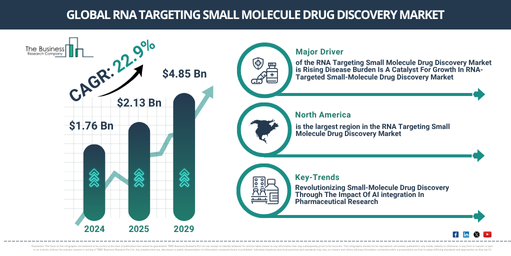
    In recent years, the market size for RNA targeting small molecule drug discovery has seen rapid expansion. It is projected to rise from a worth of $1.76 billion in 2024 to $2.13 billion by the end of 2025, recording a compound annual growth rate (CAGR) of 20.8%. This growth during the historical period is due to factors such as a greater comprehension of disease genetics, advances in genomic and proteomic discoveries, challenges in drug resistance, investment boosts in biotech and pharmaceutical research, and the emergence of RNA therapeutics.

    The market for RNA targeting small molecule drug discovery is projected to witness a significant surge in the foreseeable future. Its valuation is anticipated to reach $4.85 billion by 2029, growing at a compound annual growth rate (CAGR) of 22.9%. This growth in the projected timeframe may be due to factors such as the broadening scope of RNA epigenetics research, RNA-seq, and functional genomics, the incorporation of artificial intelligence (AI), emphasis on patient-oriented approaches, and the use of exosomes for drug delivery. Other key market trends in this period are expected to be the development of RNA editing methods, advancements in CRISPR technology, tech-based innovations, progress in RNA biology, and the application of RNA targeting in treating neurodegenerative diseases.

    Download The Free Sample Report Here:

    https://www.thebusinessresearchcompany.com/sample.aspx?id=12480&type=smp

    What Elements Are Contributing To Growth In The RNA Targeting Small Molecule Drug Discovery Market?

    The escalating incidence of cancer, genetic abnormalities, and viral infections is anticipated to drive the expansion of the RNA-targeted small-molecule drug discovery market. Cancer encompasses a range of conditions typified by unrestrained cell proliferation within the body, while viral infections are caused by minuscule infectious elements that can only replicate within the cells of living organisms. RNA-based drug discovery proves useful in combating these diseases, as they are fundamentally associated with gene-related issues and dysfunctional genetic material, which can be remedied using medications formulated via RNA targeting methods. As an illustration, the World Health Organization, a Swiss intergovernmental entity, reported in February 2024 that diseases like lung cancer, with 2.5 million new cases (12.4%), breast cancer in women (2.3 million cases, 11.6%), colorectal cancer (1.9 million cases, 9.6%), prostate cancer (1.5 million cases, 7.3%), and stomach cancer (970,000 cases, 4.9%) were prevalent across the globe in 2022, with a total of 20 million cancer cases and 9.7 million deaths. It is projected that by 2050, the number of new cancer cases will increase by 77%, surpassing 35 million per year. Thus, the growing occurrence of cancer, genetic anomalies, and viral infections propels the advancement of the RNA-targeted small-molecule drug discovery market.

    Which Segments Are Detailed In The Global RNA Targeting Small Molecule Drug Discovery Market Report?

    The rna targeting small molecule drug discovery market covered in this report is segmented –

    1) By Target RNA Type: Messenger RNA (mRNA), Non-Coding RNA (ncRNA), MicroRNA (miRNA), Long Non-Coding RNA (lncRNA)

    2) By Technology: CRISPR-Cas9, RNA Aptamers, Small Interfering RNA (siRNA), Ribozymes, Other Technologies

    3) By Therapeutic Area: Oncology, Neurology, Infectious Disease, Metabolic Diseases, Genetic Disorders, Other Therapeutic Areas

    4) By Delivery Method: Intravenous (IV), Oral, Topical, Other Methods

    5) By Application: Research Use, Therapeutic Use, Diagnostic Use, Other Applications

    Subsegments:

    1) By Messenger RNA (mRNA): Targeting mRNA For Protein Coding, Modulation Of mRNA Stability, mRNA Translation Inhibition

    2) By Non-Coding RNA (ncRNA): Long Non-Coding RNA, Small Nuclear RNA, Small Nucleolar RNA

    3) By MicroRNA (miRNA): miRNA Inhibition, miRNA Mimics, Targeting Specific miRNA Pathways

    4) By Long Non-Coding RNA (lncRNA): lncRNA Modulators, Targeting Specific lncRNA Functions, Therapeutic Applications Of lncRNA

    Which Emerging Trends And Strategic Shifts Are Shaping The RNA Targeting Small Molecule Drug Discovery Market?

    Top-tier firms in the repsules industry are prioritizing the creation of ground-breaking items, such as unique pharmaceutical solutions that augment drug delivery, boost patient adherence, and heighten therapeutic effectiveness. These innovative pharmaceutical commodities are fresh and different drugs or drug formulations, showing considerable variation from existing therapies. They may offer distinct active ingredients, a new mix of medications, or up-to-date delivery systems crafted to increase efficiency, safety, and patient compliance. For example, in January 2023, Lupin Limited, a firm from India in the pharmaceutical sector, introduced DIFIZMA, a new fixed-dose triple drug combination for the treatment of poorly controlled asthma. This combination features Indacaterol, a long-lasting beta-agonist; Glycopyrronium, a long-lasting muscarinic receptor antagonist; and Mometasone Furoate, an inhaled corticosteroid. Working together, these components enhance lung performance and give superior symptom management. Also, DIFIZMA contributes to a reduction in the frequency of asthma flare-ups, thereby improving patient’s overall life quality and mitigating the hospitalization risk.

    Who Are The Key Contributors To Growth In The RNA Targeting Small Molecule Drug Discovery Market?

    Major companies operating in the RNA targeting small molecule drug discovery market include F. Hoffmann-La Roche Ltd, Merck & Co. Inc, Bayer AG, Novartis AG, Sanofi SA, Bristol-Myers Squibb Company, AstraZeneca PLC, Takeda Pharmaceutical Company Limited, Eli Lilly and Company, Amgen Inc., Moderna Inc., Astellas Pharma Inc., Biogen Inc., Alnylam Pharmaceuticals Inc., Sarepta Therapeutics Inc., Evotec A.G., PTC Therapeutics Inc., Ionis Pharmaceuticals Inc., Dicerna Pharmaceuticals Inc., Arrakis Therapeutics, Arbutus Biopharma Corporation, H3 Biomedicine Inc., Anima Biotech Inc., Ribometrix Inc., Quark Pharmaceuticals Inc., Regulus Therapeutics Inc., Skyhawk Therapeutics Inc., Accent Therapeutics Inc., Epics Therapeutics, Expansion Therapeutics

    Get The Full Report Here:

    https://www.thebusinessresearchcompany.com/report/rna-targeting-small-molecule-drug-discovery-global-market-report

    Which Region Is Projected To Lead The RNA Targeting Small Molecule Drug Discovery Market By 2025?

    North America was the largest region in the RNA-targeting small molecule drug discovery market in 2024. The regions covered in the RNA targeting small molecule drug discovery market report are Asia-Pacific, Western Europe, Eastern Europe, North America, South America, Middle East, Africa

    Request For A Customized Report:

    https://www.thebusinessresearchcompany.com/customise?id=12480&type=smp

    About The Business Research Company:

    With over 15000+ reports from 27 industries covering 60+ geographies, The Business Research Company has built a reputation for offering comprehensive, data-rich research and insights. Armed with 1,500,000 datasets, the optimistic contribution of in-depth secondary research, and unique insights from industry leaders, you can get the information you need to stay ahead in the game.

    Get in touch with us:

    The Business Research Company: https://www.thebusinessresearchcompany.com/

    Americas +1 310-496-7795

    Asia +44 7882 955267 & +91 8897263534

    Europe +44 7882 955267

    Email us at info@tbrc.info

    Follow us on:

    LinkedIn: https://in.linkedin.com/company/the-business-research-company

    YouTube: https://www.youtube.com/channel/UC24_fI0rV8cR5DxlCpgmyFQ

    Global Market Model: https://www.thebusinessresearchcompany.com/global-market-model

  • Emerging Trends and Growth Drivers in the Next-Generation In Vitro Diagnostics (IVD) Market Through 2029

    Emerging Trends and Growth Drivers in the Next-Generation In Vitro Diagnostics (IVD) Market Through 2029

    Claim your 30% discount on Global Market Reports with code ONLINE30. Limited time only.

    Claim your 30% discount on Global Market Reports with code ONLINE30. Limited time only.

    What Is the Current and Projected Market Size of the Next-Generation In Vitro Diagnostics (IVD) Industry?

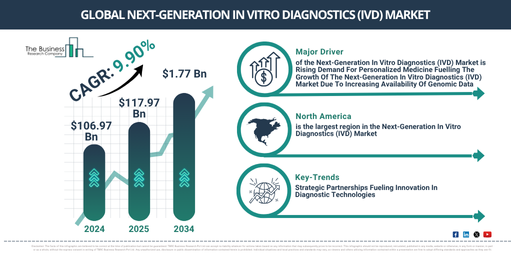
    The size of the upcoming in vitro diagnostics (IVD) market has experienced swift expansion in the past few years. The market, which was worth $106.97 billion in 2024, is projected to reach a value of $117.97 billion in 2025, growing at a compound annual growth rate (CAGR) of 10.3%. Various factors have contributed to this growth in the historic period, including an increase in the elderly population, higher government funding, more investments in genomic research, a surge in clinical trials, and enhanced health awareness among consumers.

    The size of the next-generation in vitro diagnostics (IVD) market is anticipated to witness significant expansion in the upcoming years, increasing to a worth of $172.02 billion in 2029, with a compound annual growth rate (CAGR) of 9.9%. Factors contributing to this projected growth for the given duration include an uptick in the creation of personalized medicine, the rise in healthcare spending, increased focus on research and development, a growing rate of infectious diseases, and an uptick in the occurrence of chronic illnesses. Future trends projected in this period include the rise of technological innovations, the adoption of artificial intelligence and machine learning in diagnostics, advancements in diagnostic technologies, expansion in personalized medicine and the emergence of new biomarkers.

    Download The Free Sample Report Here:

    https://www.thebusinessresearchcompany.com/sample.aspx?id=25848&type=smp

    #Which Factors Are Currently Driving The Growth Of The Next-Generation In Vitro Diagnostics (IVD) Market?

    The surge in preference for personalized medicine is projected to fuel the growth of the next-generation in vitro diagnostics (IVD) market moving forward. Precision medicine, a healthcare approach that customizes illness prevention and treatment utilizing a person’s genetic profile, environment, and lifestyle, is experiencing a rise. This upswing is a result of the expanding accessibility of genomic data that enables healthcare providers to orchestrate target-specific treatments based on the patient’s distinct genetic makeup, resulting in improved care. Next-generation in vitro diagnostics (IVD) bolsters personalized medicine by yielding accurate molecular and genetic details that facilitate customized treatment and preventative measures for individual patients. For example, according to the Personalized Medicine Coalition, a US hospital, and healthcare organization, it was revealed in February 2024 that in 2023, the FDA authorized 16 new personalized therapies for rare disease patients, an increase from six in 2022. Consequently, the swelling demand for personalized medicine is spurring the growth of the next-generation in vitro diagnostics (IVD) market.

    How Is The Global Next-Generation In Vitro Diagnostics (IVD) Market Structured In Terms Of Segments?

    The next-generation in vitro diagnostics (ivd) market covered in this report is segmented –

    1) By Product Type: Consumables, Instruments, Software

    2) By Type: Core Laboratory Diagnostics, Point-Of-Care Testing, Molecular Diagnostics

    3) By Application: Oncology Or Cancer, Infectious Diseases, Diabetes, Cardiology , Other Applications

    4) By End-User: Hospitals And Clinics, Diagnostic Laboratories, Academic And Research Institutions, Other End Users

    Subsegments:

    1) By Software: Laboratory Information Management Systems, Specimen Tracking Software Modules, Cloud-Based Tracking Software, Barcode and Radio Frequency Identification Integration Platforms, Mobile Applications for Specimen Tracking

    2) By Consumables: Barcode Labels, Radio Frequency Identification Tags, Specimen Bags and Tubes, Labeling Ribbons, Seals and Caps

    3) By Hardware: Barcode Scanners, Radio Frequency Identification Readers, Label Printers, Workstations and Terminals, Storage and Transport Monitoring Devices

    Which Trends Are Redefining The Future Landscape Of The Next-Generation In Vitro Diagnostics (IVD) Industry?

    Leading corporations in the next-generation in vitro diagnostics (IVD) industry are embracing a strategic partnership approach. This involves creating alliances with technology suppliers, research institutions, and healthcare organizations to speed up innovation, boost diagnostic precision, and widen the access to sophisticated testing solutions for individuals, governments, and companies. Strategic partnerships are a strategy where companies utilize each other’s resources and strengths to reap shared advantages and achievements. For example, in October 2024, Yourgene Health, a British biotech firm, partnered with Genetix, a Colombian company specializing in human genetic diagnosis, to introduce the first local non-invasive prenatal testing (NIPT) service in Colombia. This marks a major progress in prenatal healthcare in this region, providing expecting parents with quicker, more trustworthy, and competitively priced access to advanced genetic screening. The service uses Yourgene Health’s IONA Nx NIPT Workflow, a comprehensive, CE-marked in vitro diagnostic (IVD) solution. This workflow is versatile and expandable, catering to varied sample volumes, and it empowers Genetix to provide a quality-assured prenatal screening service in Colombia.

    Who Are The Main Participants Shaping The Next-Generation In Vitro Diagnostics (IVD) Market Landscape?

    Major companies operating in the next-generation in vitro diagnostics (ivd) market are F Hoffmann-La Roche AG, Thermo Fisher Scientific Inc., Abbott Laboratories, Becton Dickinson and Company, Quest Diagnostics Incorporated, Grifols SA, Agilent Technologies Inc., Illumina Inc., Sysmex Corporation, Bio-Rad Laboratories Inc., Revvity Inc., Exact Sciences Corporation, QIAGEN NV, DiaSorin SpA, Singular Genomics Systems Inc., Guardant Health Inc., Pacific Biosciences of California Inc., Transasia Bio-Medicals Ltd., Athena Dx, J Mitra and Co Pvt Ltd

    Get The Full Report Here:

    https://www.thebusinessresearchcompany.com/report/next-generation-in-vitro-diagnostics-ivd-global-market-report

    Which Region Currently Holds The Largest Share In The Next-Generation In Vitro Diagnostics (IVD) Market?

    North America was the largest region in the next-generation in vitro diagnostics (IVD) market in 2024. Asia-Pacific is expected to be the fastest-growing region in the forecast period. The regions covered in the next-generation in vitro diagnostics (ivd) market report are Asia-Pacific, Western Europe, Eastern Europe, North America, South America, Middle East, Africa.

    Request For A Customized Report:

    https://www.thebusinessresearchcompany.com/customise?id=25848&type=smp

    About The Business Research Company:

    With over 15000+ reports from 27 industries covering 60+ geographies, The Business Research Company has built a reputation for offering comprehensive, data-rich research and insights. Armed with 1,500,000 datasets, the optimistic contribution of in-depth secondary research, and unique insights from industry leaders, you can get the information you need to stay ahead in the game.

    Get in touch with us:

    The Business Research Company: https://www.thebusinessresearchcompany.com/

    Americas +1 310-496-7795

    Asia +44 7882 955267 & +91 8897263534

    Europe +44 7882 955267

    Email us at info@tbrc.info

    Follow us on:

    LinkedIn: https://in.linkedin.com/company/the-business-research-company

    YouTube: https://www.youtube.com/channel/UC24_fI0rV8cR5DxlCpgmyFQ

    Global Market Model: https://www.thebusinessresearchcompany.com/global-market-model