Month: August 2025

  • Competitive and Market Trend Analysis of Retinal Disorder Treatment Industry Through 2029

    Competitive and Market Trend Analysis of Retinal Disorder Treatment Industry Through 2029

    Claim your 30% discount on Global Market Reports with code ONLINE30. Limited time only.

    Claim your 30% discount on Global Market Reports with code ONLINE30. Limited time only.

    What Is the Current and Projected Market Size of the Retinal Disorder Treatment Industry?

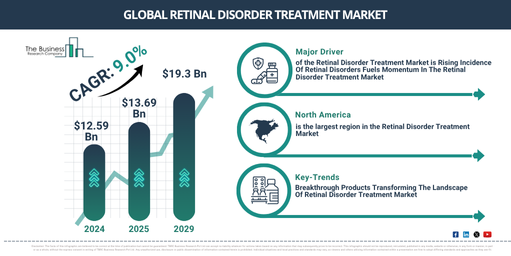
    The market for treating retinal disorders has seen robust growth recently. It is projected to expand from $12.59 billion in 2024 to $13.69 billion in 2025, with a Compound Annual Growth Rate (CAGR) of 8.7%. The past growth can be credited to several factors such as the advent of anti-VEGF therapies, an aging population, a rise in retinal disorder cases, enhanced early detection diagnostic tools, raised awareness and screening initiatives, and wider accessibility to healthcare services.

    Predictions show a robust upswing in the retinal disorder treatment market size over the forthcoming years, potentially reaching $19.3 billion by 2029 with a compound annual growth rate (CAGR) of 9.0%. Contributing factors to this upward trend during the projection period may include the focus on patient-oriented retinal healthcare, an increase in worldwide healthcare spending, heightened attention on combined therapies for retinal ailments, an uptick in at-home retinal disorder monitoring, a rise in use of implantable tools for retinal treatments, and the embracement of regenerative medical practices in retinal therapy. Forecasts for the period also suggest key trends like progress in eye imaging technologies, the introduction of minor surgical procedures, the application of artificial intelligence in diagnosis, improved drug delivery systems, the incorporation of virtual reality in retinal recuperation, collaborative efforts between research establishments and pharmaceutical firms, and the progression of gene therapies in tackling inherited retinal disorders.

    Download The Free Sample Report Here:

    https://www.thebusinessresearchcompany.com/sample.aspx?id=12701&type=smp

    #Which Factors Are Currently Driving The Growth Of The Retinal Disorder Treatment Market?

    As the occurrence of retinal diseases increases, the retinal disorder treatment market is forecasted to expand. Retinal diseases, which affect the retina and the light-sensitive tissue at the back of the eye leading to vision loss or substantial visual impairment, can be controlled and their symptoms reduced with treatments such as laser therapy, vitrectomy, and retinal implants. For example, in January 2023, the International Agency for the Prevention of Blindness, an organization based in the UK, predicted that age-related macular degeneration (AMD) would account for 5% of global blindness. Moreover, AMD is expected to influence around 288 million individuals by 2040. Thus, the escalating occurrence of retinal disorders is fueling the growth of the market for retinal disorder treatments.

    How Is The Global Retinal Disorder Treatment Market Structured In Terms Of Segments?

    The retinal disorder treatment market covered in this report is segmented –

    1) By Type: Macular Degeneration, Diabetic Retinopathy, Other Types

    2) By Dosage Form: Gels, Eye Solutions, Capsules And Tablets, Eye Drops, Ointments

    3) By Distribution Channel: Hospital Pharmacy, Online Pharmacy, Retail Pharmacy

    Subsegments:

    1) By Macular Degeneration: Dry Macular Degeneration, Wet Macular Degeneration

    2) By Diabetic Retinopathy: Non-Proliferative Diabetic Retinopathy, Proliferative Diabetic Retinopathy

    3) By Other Types: Retinal Detachment, Retinitis Pigmentosa, Uveitis, Other Retinal Disorders

    What Trends Are Currently Influencing Growth In The Retinal Disorder Treatment Market?

    One significant trend emerging in the rare kidney disease market is product innovation. Major contenders in the market focus on producing novel products as a means of solidifying their market position. For example, in September 2022, STADA Arzneimittel AG, a company based in Germany specializing in generics, specialty pharma, and over-the-counter consumer healthcare products, launched Kinpeygo (budesonide), making it the first official EU-authorised drug for the rare kidney condition known as immunoglobulin A nephropathy (IgAN). The EU’s first and only approved treatment for primary IgAN is these modified-release budesonide capsules, a scarce, progressive autoimmune kidney disease where there’s a high unfulfilled need, with around 25%-30% of patients eventually progressing to terminal kidney insufficiency necessitating dialysis or a kidney transplant.

    Who Are The Main Participants Shaping The Retinal Disorder Treatment Market Landscape?

    Major companies operating in the retinal disorder treatment market include Pfizer Inc., F. Hoffmann-La Roche Ltd., AbbVie Inc., Bayer AG, Novartis AG, Takeda Pharmaceutical Company Limited, Regeneron Pharmaceuticals Inc., Bausch Health Companies Inc., Genentech Inc., Santen Pharmaceutical Co. Ltd., Apellis Pharmaceuticals Inc., Kubota Pharmaceutical Holdings Co. Ltd, Alimera Sciences Inc., Ocular Therapeutix Inc., EyePoint Pharmaceuticals Inc., Adverum Biotechnologies Inc., Kodiak Sciences Inc., Acucela Inc., IVERIC bio Inc., Oxurion NV, Graybug Vision Inc., Icon Bioscience Inc., Clearside Biomedical Inc., Aerpio Pharmaceuticals Inc., Neurotech Pharmaceuticals Inc., Ophthotech Corporation, Opthea Limited, PanOptica Inc., ThromboGenics NV

    Get The Full Report Here:

    https://www.thebusinessresearchcompany.com/report/retinal-disorder-treatment-global-market-report

    Which Region Currently Holds The Largest Share In The Retinal Disorder Treatment Market?

    North America was the largest region in the retinal disorder treatment market in 2024. Asia-Pacific is expected to be the fastest-growing region in the forecast period. The regions covered in the retinal disorder treatment market report are Asia-Pacific, Western Europe, Eastern Europe, North America, South America, Middle East, Africa

    Request For A Customized Report:

    https://www.thebusinessresearchcompany.com/customise?id=12701&type=smp

    About The Business Research Company:

    With over 15000+ reports from 27 industries covering 60+ geographies, The Business Research Company has built a reputation for offering comprehensive, data-rich research and insights. Armed with 1,500,000 datasets, the optimistic contribution of in-depth secondary research, and unique insights from industry leaders, you can get the information you need to stay ahead in the game.

    Get in touch with us:

    The Business Research Company: https://www.thebusinessresearchcompany.com/

    Americas +1 310-496-7795

    Asia +44 7882 955267 & +91 8897263534

    Europe +44 7882 955267

    Email us at info@tbrc.info

    Follow us on:

    LinkedIn: https://in.linkedin.com/company/the-business-research-company

    YouTube: https://www.youtube.com/channel/UC24_fI0rV8cR5DxlCpgmyFQ

    Global Market Model: https://www.thebusinessresearchcompany.com/global-market-model
  • Global Retinal Biologics Market Landscape: Trends and Market Share to 2029

    Global Retinal Biologics Market Landscape: Trends and Market Share to 2029

    Claim your 30% discount on Global Market Reports with code ONLINE30. Limited time only.

    Claim your 30% discount on Global Market Reports with code ONLINE30. Limited time only.

    How Will the Retinal Biologics Market Evolve in Terms of Growth and Size by 2029?

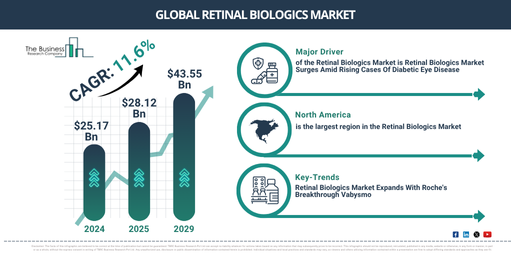
    In recent times, there has been a significant expansion in the size of the retinal biologics market. The market, valued at $25.17 billion in 2024, is forecasted to reach $28.12 billion in 2025, indicating a compound annual growth rate (CAGR) of 11.7%. This growth during the historic period is primarily due to the rising prevalence of retinal disorders, an aging global population, growing consciousness and early disease detection, advancements in healthcare infrastructure, and an increase in healthcare spending.

    Expectations are high for substantial growth in the retinal biologics market size in the upcoming years. Predictions show it will reach $43.55 billion in 2029, rising at a compound annual growth rate (CAGR) of 11.6%. The projected growth during the forecast period is due to factors such as increasing therapeutic applications, the rise of personalized medicine, growth in emerging markets, a robust biologics pipeline, collaborations and partnerships, and government initiatives and support. The major developments to watch during this forecast period include non-invasive delivery methods, utilization of real-world evidence, an expansion of indications, regulatory pathway streamlining, and a focus on patient-centric outcomes.

    Download The Free Sample Report Here:

    https://www.thebusinessresearchcompany.com/sample.aspx?id=11911&type=smp

    What factors are expected to fuel Retinal Biologics market growth in the coming years?

    The forecasted expansion of the retinal biologics market is attributed to the escalating occurrence of diabetic eye disease. As a consequence of diabetes, this disorder impairs the eyes, resulting in vision impairment and blindness among those diagnosed. Retinal biologics offer hope for more precise and successful treatments, providing early intervention and enhanced results to prevent vision loss linked to diabetic eye disease. For example, data from the Australian Bureau of Statistics in December 2023 revealed that, in 2022, diabetes affected 5.3% of the Australian population, equating to around 1.3 million individuals. This represented a significant surge from the previous 3.3%. Consequently, the escalating rate of diabetic eye disease is propelling the retinal biologics market’s expansion.

    What Are The Key Findings From The Segmentation Analysis Of The Retinal Biologics Market?

    The retinal biologics market covered in this report is segmented –

    1) By Drug Class: Vascular Endothelial Growth Factor (VEGF)-A Antagonist, Tumor Necrosis Factor (TNF)-A Inhibitor

    2) By Indication: Macular Degeneration, Diabetic Retinopathy, Uveitis, Diabetic Macular Edema, Other Indications

    3) By Distribution Channel: Hospitals, Pharmacies, Specialty Clinics, Online Pharmacies, Other Distribution Channels

    Subsegments:

    1) By Vascular Endothelial Growth Factor (VEGF)-A Antagonist: Monoclonal Antibodies, Small Molecule Inhibitors

    2) By Tumor Necrosis Factor (TNF)-A Inhibitor: Monoclonal Antibodies, Fusion Proteins

    Which Trends Are Expected To Shape The Future Of The Retinal Biologics Market?

    The prominent players in the pruritus therapeutics market are concentrating on creating specialized treatments for specific patient demographics and rare diseases, such as the non-systemic ileal bile acid transport inhibitor which aims to provide personal, customized medicine addressing unresolved medical requirements. This specific medication targets the absorption of bile acid in the intestines without substantially impacting the systemic circulation, hence limiting potential negative effects. For example, in June 2023, Ipsen, a pharmaceutical company based in France, obtained approval from the Food and Drug Administration (FDA), a U.S based federal agency under the Department of Health and Human Services, for their medication Bylvay (odevixibat). It is used to treat cholestatic pruritus in ALGS patients who are 12 months old and above. Bylvay, an IBATi, is a daily drug with limited systemic exposure and is the first ever medication approved for progressive familial intrahepatic cholestasis (PFIC)-related cholestatic pruritus in the United States. Prior to this, it had been accepted for PFIC treatment in Europe and can currently be prescribed for eligible ALGS patients.

    What Are The Most Active Companies In The Retinal Biologics Market Today?

    Major companies operating in the retinal biologics market include Regeneron Pharmaceuticals Inc., AbbVie Inc., MeiraGTx Limited, Oxurion NV, Novartis AG, Amgen Inc., Spark Therapeutics Inc., Bayer AG, Bausch Health Companies Inc., Merck & Co. Inc., Santen Pharmaceutical Co. Ltd., Pfizer Inc., Boehringer Ingelheim, Eyenovia Inc., EyePoint Pharmaceuticals Inc., Iveric Bio Inc., Kodiak Sciences Inc., Aerie Pharmaceuticals Inc., Alimera Sciences Inc., Ocular Therapeutix Inc., Acucela Inc., Clearside Biomedical Inc., Ophthotech Corporation, Xcovery Holdings, Athenex Inc., Fidia Farmaceutici S.p.A, Eton Pharmaceuticals Inc.

    Get The Full Report Here:

    https://www.thebusinessresearchcompany.com/report/retinal-biologics-global-market-report

    Which Regional Markets Are Attracting The Most Investment In Retinal Biologics?

    North America was the largest region in the retinal biologics market in 2024. Asia-Pacific is expected to be the fastest-growing region in the forecast period. The regions covered in the retinal biologics market report are Asia-Pacific, Western Europe, Eastern Europe, North America, South America, Middle East, Africa.

    Request For A Customized Report:

    https://www.thebusinessresearchcompany.com/customise?id=11911&type=smp

    About The Business Research Company:

    With over 15000+ reports from 27 industries covering 60+ geographies, The Business Research Company has built a reputation for offering comprehensive, data-rich research and insights. Armed with 1,500,000 datasets, the optimistic contribution of in-depth secondary research, and unique insights from industry leaders, you can get the information you need to stay ahead in the game.

    Get in touch with us:

    The Business Research Company: https://www.thebusinessresearchcompany.com/

    Americas +1 310-496-7795

    Asia +44 7882 955267 & +91 8897263534

    Europe +44 7882 955267

    Email us at info@tbrc.info

    Follow us on:

    LinkedIn: https://in.linkedin.com/company/the-business-research-company

    YouTube: https://www.youtube.com/channel/UC24_fI0rV8cR5DxlCpgmyFQ

    Global Market Model: https://www.thebusinessresearchcompany.com/global-market-model
  • Comprehensive Forecast: Respules Market Share, Growth, and Opportunities Through 2029

    Comprehensive Forecast: Respules Market Share, Growth, and Opportunities Through 2029

    Claim your 30% discount on Global Market Reports with code ONLINE30. Limited time only.

    Claim your 30% discount on Global Market Reports with code ONLINE30. Limited time only.

    What CAGR Is Anticipated for the Respules Market Through 2029?

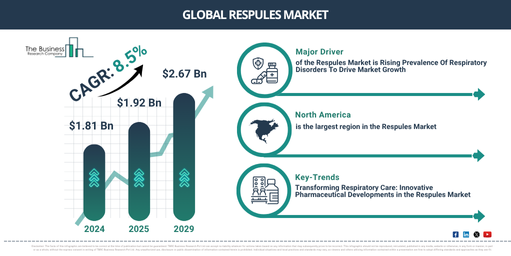
    In the past few years, the respules market size has seen substantial growth. The market is predicted to grow from a value of $1.81 billion in 2024 to reach a size of $1.92 billion in 2025, with a compound annual growth rate (CAGR) of 6.6%. Reasons for this growth in the historic period include endorsements by physicians, improvements in healthcare access, advances in clinical research and development, increased adoption of inhalation therapy, awareness initiatives, and expansion in the pharmaceutical industry.

    In the coming years, the respules market is projected to experience robust growth. It’s anticipated to expand to $2.67 billion in 2029, with a compound annual growth rate (CAGR) of 8.5%. This growth during the forecast period is likely due to breakthroughs in drug formulations, biologic therapies, smart inhalers, connectivity, personalized medicine strategies, telemedicine, and remote care. Regulatory endorsements for inhalation therapy also contribute to this growth. Major trends for the forecast period include sustainable manufacturing procedures, remote tracking and adherence tools, patient-focused inhalation solutions, respiratory inhalation vaccinations, and customisable dosage respules.

    Download The Free Sample Report Here:

    https://www.thebusinessresearchcompany.com/sample.aspx?id=12497&type=smp

    What Market Forces Are Driving The Respules Sector In 2025 And Beyond?

    The acceleration of the respules market is predicted to be driven by the increased prevalence of respiratory diseases. These diseases and conditions that affect the lungs include tuberculosis, lung cancer, pulmonary hypertension, mesothelioma, cystic fibrosis, emphysema, and asthma. Respules are used to treat many of these conditions, including bronchial asthma, emphysema, spasmodic stenosis, and excessive bronchial mucus production. The Australian Bureau of Statistics, a government agency in Australia, reported in December 2023 that 2.5% of the population, or 638,100 people, had Chronic Obstructive Pulmonary Disease (COPD) in 2022. The occurrence was roughly the same among males (2.4%) and females (2.6%). Daily smokers were far more likely to have COPD (8.1%) compared with former smokers (4.4%) and those who had never smoked (1.6%). As a result, the increasing prevalence of respiratory diseases is fueling the expansion of the respules market.

    How Is The Global Respules Market Categorized By Segments?

    The respules market covered in this report is segmented –

    1) By Drug Type: Budesonide, Albuterol, Ipratropium Bromide, Salbutamol Sulphate And Ipratropium Bromide

    2) By Dosage And Strength: 0.25 mg/2 mL, 0.5 mg/2 mL, 1mg/2 mL, Other Dosage And Strength Types

    3) By Distribution Channel: Hospital Pharmacy, Retail Pharmacy, Online Pharmacy, Other Distribution Channels

    Subsegments:

    1) By Budesonide: Budesonide Respules 0.25 mg, Budesonide Respules 0.5 mg, Budesonide Respules 1 mg

    2) By Albuterol: Albuterol Sulfate Respules 0.083%, Albuterol Sulfate Respules 0.5%

    3) By Ipratropium Bromide: Ipratropium Bromide Respules 0.02%, Ipratropium Bromide Respules 0.5 mg

    4) By Salbutamol Sulphate And Ipratropium Bromide: Salbutamol Sulphate Respules 0.083%, Salbutamol Sulphate Respules 2.5 mg

    What Long-Term Trends Are Likely To Affect The Respules Market?

    Key players in the proton pump inhibitors market are directing their attention to technological enhancements like the Rabeprazole + Levosulpiride SR Capsules to improve acid-related disorder treatments. The Rabeprazole + Levosulpiride SR Capsules, a cutting-edge medication, has been developed to treat gastroenterological conditions including gastroesophageal reflux disease (GERD) and irritable bowel syndrome (IBS). In June 2024, for example, Akums Drugs & Pharmaceuticals, a pharmaceutical firm based in India, unveiled their Rabeprazole + Levosulpiride SR Capsules. These Sustained Release capsules combine both medicines and are used for treating gastrointestinal disorders associated with excessive stomach acid and impaired digestive functionality, such as GERD, functional dyspepsia, among others.

    Which Firms Are Considered Leaders In The Respules Market Space?

    Major companies operating in the respules market include AstraZeneca PLC, GlaxoSmithKline PLC, Teva Pharmaceutical Industries Ltd., Sandoz International GmbH, Macleods Pharmaceuticals Ltd., Sun Pharmaceutical Industries Ltd., Aurobindo Pharma Ltd., Cipla Limited, Intas Pharmaceuticals Ltd., Lupin Limited, Cadila Healthcare Limited, Torrent Pharmaceuticals Ltd., Glenmark Pharmaceuticals Ltd., Jubilant Life Sciences Limited, Systopic Laboratories Pvt. Ltd., Koye Pharmaceuticals Pvt. Ltd., Amanta Healthcare Ltd., Lucky Pharmaceuticals, Medicamen Biotech Limited, Axa Parenterals Ltd., Zuche Pharmaceuticals Pvt. Ltd., Jaksh Pharma, Biochemix Healthcare Private Limited, Intra Life Pvt. Ltd., Wellona Pharmaceuticals Private Limited, Percept Pharma Limited, Eurocrit Labs, Iskon Remedies

    Get The Full Report Here:

    https://www.thebusinessresearchcompany.com/report/respules-global-market-report

    What Role Do Regional Policies And Investments Play In Respules Market Expansion?

    North America was the largest region in the respules market in 2024. Asia-Pacific is expected to be the fastest-growing region in the forecast period. The regions covered in the respules market report are Asia-Pacific, Western Europe, Eastern Europe, North America, South America, Middle East, Africa

    Request For A Customized Report:

    https://www.thebusinessresearchcompany.com/customise?id=12497&type=smp

    About The Business Research Company:

    With over 15000+ reports from 27 industries covering 60+ geographies, The Business Research Company has built a reputation for offering comprehensive, data-rich research and insights. Armed with 1,500,000 datasets, the optimistic contribution of in-depth secondary research, and unique insights from industry leaders, you can get the information you need to stay ahead in the game.

    Get in touch with us:

    The Business Research Company: https://www.thebusinessresearchcompany.com/

    Americas +1 310-496-7795

    Asia +44 7882 955267 & +91 8897263534

    Europe +44 7882 955267

    Email us at info@tbrc.info

    Follow us on:

    LinkedIn: https://in.linkedin.com/company/the-business-research-company

    YouTube: https://www.youtube.com/channel/UC24_fI0rV8cR5DxlCpgmyFQ

    Global Market Model: https://www.thebusinessresearchcompany.com/global-market-model
  • Future Demand and Leading Companies Shaping the Remicade Biosimilar Market to 2029

    Claim your 30% discount on Global Market Reports with code ONLINE30. Limited time only.

    Claim your 30% discount on Global Market Reports with code ONLINE30. Limited time only.

    What Are the Latest Market Insights for the Remicade Biosimilar Industry?

    In recent times, the market size for remicade biosimilar has seen enormous growth. The market, which was valued at $3.95 billion in 2024, is anticipated to surge to $4.89 billion in 2025, yielding a compound annual growth rate (CAGR) of 23.8%. This robust growth in the historical period is a result of factors such as the introduction of remicade (infliximab), advancement in biotechnology, expiration of biologics patent, establishment of regulatory pathways, and the pressure of healthcare costs.

    In the coming years, the Remicade biosimilar market is predicted to experience an explosive surge in its size. It is forecasted to escalate to $10.89 billion by 2029, with a compound annual growth rate (CAGR) of 22.2%. Factors like patent expirations, an increase in demand for affordable treatment options, development of the biosimilar pipeline, reimbursement policies and market consolidation can be credited for the projected growth during this period. Other significant trends for this forecast period include the prescribing habits of physicians, management of biosimilar life cycles, naming strategies for biosimilars, their interchangeability, and real-world evidence of biosimilars.

    Download The Free Sample Report Here:

    https://www.thebusinessresearchcompany.com/sample.aspx?id=11952&type=smp

    What Forces Are Driving The Growth Of The Remicade Biosimilar Industry?

    The surge in the occurrence of autoimmune diseases is anticipated to fuel the expansion of the remicade biosimilar market. These types of diseases are when the body’s immune system inaccurately damages its own tissues and organs. Remicade biosimilars provide an effective therapeutic treatment to alleviate the symptoms and inflammation related to these conditions. For instance, in July 2023, based on data from Public Health Scotland, a national Scotland-based organization, the number of newly diagnosed patients with multiple sclerosis (MS) in 2022 rose to 87.2%, up from 85.7% in 2020, resulting in 491 new cases and culminating in a total of 6,359 cases in 2022. As a result, the surge in autoimmune diseases is contributing to the expansion of the remicade biosimilar market.

    What Is The Overview Of Market Segmentation In The Remicade Biosimilar Industry?

    The remicade biosimilar market covered in this report is segmented –

    1) By Type: 100mg/10ml, 500mg/50ml

    2) By Disease Indication: Ulcerative Colitis, Rheumatoid Arthritis, Ankylosing Spondylitis, Crohn’s Disease, Psoriatic Arthritis, Plaque Psoriasis

    3) By Application: Blood Disorders, Oncology Diseases

    Subsegments:

    1) By 100 Mg/10 Ml: Vials For Injection, Prefilled Syringes

    2) By 500 Mg/50 Ml: Vials For Injection, Prefilled Syringes

    What Future Market Trends Are Projected For The Remicade Biosimilar Industry?

    The rising trend of increased investments is becoming increasingly significant in the proteasome inhibitors market. Numerous large-scale companies operating within this sector are investing significantly in the development and commercialization of proteasome inhibitors. These inhibitors are essential for advancing research and introducing new treatments in the market. In a recent example, in September 2022, QLi5 Therapeutics GmbH, a Germany-based company that develops new-class proteasome inhibitors, secured an investment of $10.96 million (EUR 10 million). This investment was received from investors such as SV Investment and KHAN Technology Transfer Fund I, both Germany-based venture capital firms, in addition to Atinum Investment Co., Ltd. and Daol Investment & Securities Co., Ltd., both venture capitalist firms based in South Korea. The primary objective of these investments is to develop innovative proteasome inhibitors to treat cancer and inflammatory and autoimmune diseases. This funding will help QLi5 to further advance its unique pipeline of proteasome inhibitors to the commencement of clinical trials for various indications.

    Who Are The Primary Players Operating Across The Global Remicade Biosimilar Market?

    Major companies operating in the remicade biosimilar market include Novartis AG, Amgen Inc, Viatris Inc., Teva Pharmaceutical Industries Ltd., Biogen Inc., Merck And Co. Inc., LG Chem Ltd., Nippon Kayaku Co. Ltd., Celltrion Inc., Nichi-iko Pharmaceutical Co. Ltd., Biocon Limited, Alvotech S.A., MabPharm Ltd., Genor Biopharma Co. Ltd, Shanghai Biomabs Pharmaceuticals Co. Ltd., Samsung Bioepis Co. Ltd., Biocad Biopharmaceutical Co, EPIRUS Biopharmaceuticals Inc., Ranbaxy Laboratories Limited, BioXpress Therapeutics SA, Mabion S.A

    Get The Full Report Here:

    https://www.thebusinessresearchcompany.com/report/remicade-biosimilar-global-market-report

    Which Region Offers The Most Growth Potential For The Remicade Biosimilar Market Through 2029?

    Europe was the largest region in the remicade biosimilar market in 2024. The regions covered in the remicade biosimilar market report are Asia-Pacific, Western Europe, Eastern Europe, North America, South America, Middle East, Africa.

    Request For A Customized Report:

    https://www.thebusinessresearchcompany.com/customise?id=11952&type=smp

    About The Business Research Company:

    With over 15000+ reports from 27 industries covering 60+ geographies, The Business Research Company has built a reputation for offering comprehensive, data-rich research and insights. Armed with 1,500,000 datasets, the optimistic contribution of in-depth secondary research, and unique insights from industry leaders, you can get the information you need to stay ahead in the game.

    Get in touch with us:

    The Business Research Company: https://www.thebusinessresearchcompany.com/

    Americas +1 310-496-7795

    Asia +44 7882 955267 & +91 8897263534

    Europe +44 7882 955267

    Email us at info@tbrc.info

    Follow us on:

    LinkedIn: https://in.linkedin.com/company/the-business-research-company

    YouTube: https://www.youtube.com/channel/UC24_fI0rV8cR5DxlCpgmyFQ

    Global Market Model: https://www.thebusinessresearchcompany.com/global-market-model
  • Global Wireless Cardiac Monitoring Systems Market Landscape: Trends and Market Share to 2029

    Global Wireless Cardiac Monitoring Systems Market Landscape: Trends and Market Share to 2029

    Claim your 30% discount on Global Market Reports with code ONLINE30. Limited time only.

    Claim your 30% discount on Global Market Reports with code ONLINE30. Limited time only.

    How Will the Wireless Cardiac Monitoring Systems Market Evolve in Terms of Growth and Size by 2029?

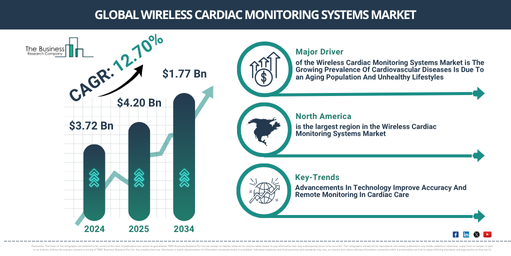
    In recent times, the market size for wireless cardiac monitoring systems has seen a rapid increase. This expansion is expected to continue, rising from $3.72 billion in 2024 to $4.20 billion in 2025, with a noteworthy compound annual growth rate (CAGR) of 13.0%. The impressive growth during the historic period is mainly due to factors such as an escalating prevalence of cardiac arrhythmias, an increasing need for early diagnosis, expanding adoption of ambulatory monitoring, the growing practice of telemedicine services, as well as a rise in healthcare expenditures for managing chronic diseases.

    In the upcoming years, the market size of wireless cardiac monitoring systems is forecasted to experience a significant increase. By 2029, it is predicted to reach a value of $6.78 billion, with a compound annual growth rate (CAGR) of 12.7%. The expected growth during this period is due to factors such as the increased use of remote patient monitoring, a rising mature population with cardiac disorders, the growing acceptance of wearable health devices, the broadening of digital health infrastructure, and an improved awareness of preventive cardiac care. Key trends for this duration encompass advancements in sensor miniaturization, breakthroughs in mobile electrocardiogram technology, evolution in cloud-based cardiac platforms, investments in cardiac diagnostics research, and the application of artificial intelligence in arrhythmia identification.

    Download The Free Sample Report Here:

    https://www.thebusinessresearchcompany.com/sample.aspx?id=25937&type=smp

    What factors are expected to fuel Wireless Cardiac Monitoring Systems market growth in the coming years?

    The rise in cardiovascular diseases is anticipated to drive the expansion of the wireless cardiac monitoring systems market in the future. Cardiovascular diseases consist of a variety of disorders that affect the heart and blood vessels, such as coronary artery disease, heart failure, and stroke. The increase in these diseases is attributed to an aging demographic and unhealthy habits, thus leading to a higher demand for earlier diagnosis, constant monitoring, and enduring disease management solutions. Wireless cardiac monitoring systems assist in managing these diseases by providing continuous and real-time heart activity tracking, which allows for the early identification of irregularities and prompt medical intervention. For instance, in January 2024, the American Heart Association, a non-profit organization from the U.S., reported an increase in the deaths related to cardiovascular diseases from 928,741 in 2023 to 931,578 in 2024. Hence, the increasing incidence of cardiovascular diseases propels the growth of the wireless cardiac monitoring systems market.

    What Are The Key Findings From The Segmentation Analysis Of The Wireless Cardiac Monitoring Systems Market?

    The wireless cardiac monitoring systems market covered in this report is segmented –

    1) By Type: Implantable Cardiac Monitors (ICM), Patch-Type Monitor, Mobile Cardiac Telemetry System, Other Types

    2) By Indication: Coronary Artery Disease, Angina Pectoris, Atherosclerosis, Heart Failure, Stroke, Other Indications

    3) By End Use: Hospitals, Specialty Clinics, Diagnostic Centers, Home Care Settings, Other End Use

    Subsegments:

    1) By Implantable Cardiac Monitors (ICM): Insertable Loop Recorders, Subcutaneous Monitors, Implantable Loop Recorders with Wireless Connectivity

    2) By Patch-Type Monitor: Single-Lead Patch Monitors, Multi-Lead Patch Monitors, Waterproof Patch Monitors, Extended Wear Patch Monitors

    3) By Mobile Cardiac Telemetry System: Portable Telemetry Devices, Wearable Telemetry Devices, Smartphone-Connected Telemetry Systems

    4) By Other Types: Handheld Cardiac Monitors, External Holter Monitors, Smartwatches with Cardiac Monitoring Features, Ambulatory Electrocardiogram Devices

    What Upcoming Trends Are Expected To Impact The Wireless Cardiac Monitoring Systems Market Globally?

    Prominent enterprises in the wireless cardiac monitoring systems market are channeling their efforts into the creation of breakthrough technologies such as adaptive nighttime filtering. This tech tweak is devised to amplify the precision of arrhythmia detection while minimizing false alerts. The main objective of adaptive nighttime filtering technology is to adapt detection parameters during sleep, thereby mitigating the occurrence of false alerts and enhancing cardiac monitoring accuracy. To illustrate, Boston Scientific Corporation, a medical tech firm based in the US, in October 2023, brought forth the LUX-Dx II+ Insertable Cardiac Monitor. This revolutionary device is engineered for enduring wireless monitoring of cardiac rhythm disorders such as atrial fibrillation and syncope. This system is equipped with sophisticated dual-stage algorithms that detect and confirm arrhythmias, utilizing adaptive nighttime filtering to curtail false positives and bolster accuracy. The system also facilitates remote programming for clinicians to exercise control without patient visits, paired with a patient application that allows effortless symptom tracking and real-time information exchange, subsequently advancing continuous cardiac care.

    What Are The Most Active Companies In The Wireless Cardiac Monitoring Systems Market Today?

    Major companies operating in the wireless cardiac monitoring systems market are Abbott Laboratories, Medtronic plc, Koninklijke Philips N.V., GE HealthCare Technologies Inc., Boston Scientific Corporation, BIOTRONIK SE & Co. KG, Shenzhen Mindray Bio-Medical Electronics Co. Ltd., Spacelabs Healthcare Inc., Schiller AG, BPL Medical Technologies Private Limited, AliveCor Inc., Vital Connect Inc., Biotricity Inc., Fukuda Denshi Co. Ltd., Aerotel Medical Systems Ltd., SmartCardia S.A., CardioComm Solutions Inc., MediBioSense Ltd., QT Medical Inc., CardiacSense Ltd.

    Get The Full Report Here:

    https://www.thebusinessresearchcompany.com/report/wireless-cardiac-monitoring-systems-global-market-report

    Which Regional Markets Are Attracting The Most Investment In Wireless Cardiac Monitoring Systems?

    North America was the largest region in the wireless cardiac monitoring systems market in 2024. Asia-Pacific is expected to be the fastest-growing region in the forecast period. The regions covered in the wireless cardiac monitoring systems market report are Asia-Pacific, Western Europe, Eastern Europe, North America, South America, Middle East, Africa.

    Request For A Customized Report:

    https://www.thebusinessresearchcompany.com/customise?id=25937&type=smp

    About The Business Research Company:

    With over 15000+ reports from 27 industries covering 60+ geographies, The Business Research Company has built a reputation for offering comprehensive, data-rich research and insights. Armed with 1,500,000 datasets, the optimistic contribution of in-depth secondary research, and unique insights from industry leaders, you can get the information you need to stay ahead in the game.

    Get in touch with us:

    The Business Research Company: https://www.thebusinessresearchcompany.com/

    Americas +1 310-496-7795

    Asia +44 7882 955267 & +91 8897263534

    Europe +44 7882 955267

    Email us at info@tbrc.info

    Follow us on:

    LinkedIn: https://in.linkedin.com/company/the-business-research-company

    YouTube: https://www.youtube.com/channel/UC24_fI0rV8cR5DxlCpgmyFQ

    Global Market Model: https://www.thebusinessresearchcompany.com/global-market-model
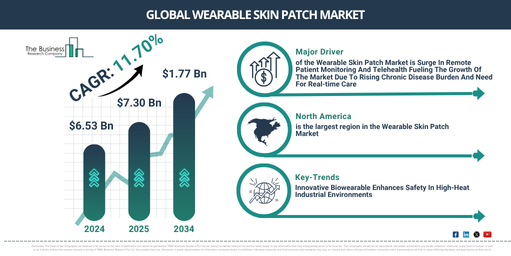
  • Comprehensive Forecast: Wearable Skin Patch Market Share, Growth, and Opportunities Through 2029

    Comprehensive Forecast: Wearable Skin Patch Market Share, Growth, and Opportunities Through 2029

    Claim your 30% discount on Global Market Reports with code ONLINE30. Limited time only.

    Claim your 30% discount on Global Market Reports with code ONLINE30. Limited time only.

    What CAGR Is Anticipated for the Wearable Skin Patch Market Through 2029?

    The market size for wearable skin patches has seen significant expansion in the past few years. The market is projected to surge from $6.53 billion in 2024 to $7.30 billion in 2025, with a compound annual growth rate (CAGR) of 11.9%. Factors such as increasing instances of chronic illnesses, growing need for remote patient monitoring, heightened awareness of health and fitness, a trend towards non-invasive drug delivery methods, and a swelling aged population, have contributed to the historical growth of this market.

    Anticipated to experience brisk expansion in the coming years, the market size for wearable skin patches is projected to reach $11.37 billion in 2029, with a CAGR of 11.7%. The forecasted growth can be linked to the increasing use of AI and IoT in wearable patches, an intensified focus on individualized healthcare, a rise in the use of telehealth services, widened applications for managing chronic diseases, and increased funding in healthcare tech startups focusing on wearables. The upcoming trends to watch for include advancements in biosensor technologies, breakthroughs in flexible and stretchable electronics, the inclusion of wireless connectivity features, improvements in real-time data analytics and the advent of self-powered, battery-free patches.

    Download The Free Sample Report Here:

    https://www.thebusinessresearchcompany.com/sample.aspx?id=25936&type=smp

    What Market Forces Are Driving The Wearable Skin Patch Sector In 2025 And Beyond?

    The growth of the wearable skin patch market is forecasted to be boosted by the escalating demand for remote patient monitoring and telehealth. These are digital technologies employed to provide healthcare services and track patients’ health from afar. The spike in remote patient monitoring and telehealth demands is attributed to an increase in chronic diseases, necessitating constant monitoring and timely medical intervention readily provided by these technologies through instantaneous data sharing and virtual care. Wearable skin patches aid in remote patient monitoring and telehealth by persistently collecting crucial physiological data like glucose levels, heart rate, or body temperature and sending it to healthcare providers. This allows for proactive remote care and immediate medical action when needed. For example, data from the Department of Health and Aged Care in Australia showed that the highest usage of telehealth in the 2022–23 period was among general practitioners (20%) and allied health (12%). Additionally, general practitioners and non-GP specialists contributed to 75% and 48% of all video consultations, respectively. Consequently, wearable skin patch market growth is being fueled by the increasing demand for remote patient monitoring and telehealth.

    How Is The Global Wearable Skin Patch Market Categorized By Segments?

    The wearable skin patch market covered in this report is segmented –

    1) By Types: Medicine Delivery Type, Indicator Monitoring Type

    2) By Technology: Regular Wearable, Connected Wearable

    3) By Application: Clinical, Non-Clinical

    Subsegments:

    1) By Medicine Delivery Type: Insulin Delivery Patches, Nicotine Patches, Hormone Replacement Patches, Pain Relief Patches, Contraceptive Patches, Anti-nausea Patches, Cardiovascular Drug Patches

    2) By Indicator Monitoring Type: Glucose Monitoring Patches, Temperature Monitoring Patches, Hydration Monitoring Patches, pH Level Monitoring Patches, Lactate Monitoring Patches, Sweat Biomarker Monitoring Patches, Oxygen Level Monitoring Patches

    How Are Key Trends Driving Expansion In The Wearable Skin Patch Industry?

    Leading organizations in the wearable skin patch sector are focusing on creating revolutionary products, like a sweat-sensing patch, which can offer immediate health-related information, boost user safety, and address the rising need for customized and preventative healthcare solutions. A sweat-sensing patch is described as a sophisticated wearable technology that monitors sweat biomarkers and delivers instant hydration data through an integrated mobile platform. For example, Epicore Biosystems, a biotechnology firm based in the USA, introduced Connected Hydration, a combined sweat-sensing wearable patch and mobile application, in April 2024. This groundbreaking invention offers immediate, tailored insights on sweat volume, electrolyte loss, body temperature, and movement, helping industrial frontline workers foresee and control their hydration requirements before dehydration begins. This bio-wearable is specifically made for physically intense industries such as construction, energy, mining, agriculture, and logistics. Furthermore, it assists military staff in preventing heat stress and associated injuries.

    Which Firms Are Considered Leaders In The Wearable Skin Patch Market Space?

    Major companies operating in the wearable skin patch market are Abbott Laboratories, 3M Company, Medtronic plc, Texas Instruments Incorporated, Nitto Denko Corporation, Dexcom Inc., Insulet Corporation, iRhythm Technologies Inc., Rusan Pharma Ltd., Tapecon Inc., VitalConnect Inc., Blue Spark Technologies Inc., Epicore Biosystems Inc., Beneli AB, UltraLinq Healthcare Solutions Inc., Gentag Inc., Xsensio SA, Nemaura Medical Inc., Zansors LLC, VivaLNK Inc.

    Get The Full Report Here:

    https://www.thebusinessresearchcompany.com/report/wearable-skin-patch-global-market-report

    What Role Do Regional Policies And Investments Play In Wearable Skin Patch Market Expansion?

    North America was the largest region in the wearable skin patch market in 2024. Asia-Pacific is expected to be the fastest-growing region in the forecast period. The regions covered in the wearable skin patch market report are Asia-Pacific, Western Europe, Eastern Europe, North America, South America, Middle East, Africa.

    Request For A Customized Report:

    https://www.thebusinessresearchcompany.com/customise?id=25936&type=smp

    About The Business Research Company:

    With over 15000+ reports from 27 industries covering 60+ geographies, The Business Research Company has built a reputation for offering comprehensive, data-rich research and insights. Armed with 1,500,000 datasets, the optimistic contribution of in-depth secondary research, and unique insights from industry leaders, you can get the information you need to stay ahead in the game.

    Get in touch with us:

    The Business Research Company: https://www.thebusinessresearchcompany.com/

    Americas +1 310-496-7795

    Asia +44 7882 955267 & +91 8897263534

    Europe +44 7882 955267

    Email us at info@tbrc.info

    Follow us on:

    LinkedIn: https://in.linkedin.com/company/the-business-research-company

    YouTube: https://www.youtube.com/channel/UC24_fI0rV8cR5DxlCpgmyFQ

    Global Market Model: https://www.thebusinessresearchcompany.com/global-market-model
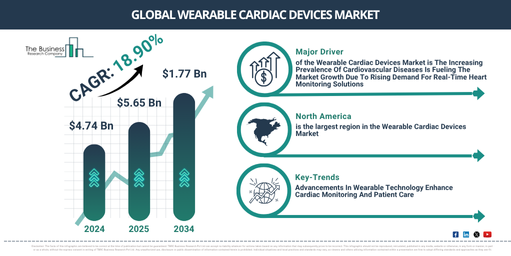
  • Future Demand and Leading Companies Shaping the Wearable Cardiac Devices Market to 2029

    Future Demand and Leading Companies Shaping the Wearable Cardiac Devices Market to 2029

    Claim your 30% discount on Global Market Reports with code ONLINE30. Limited time only.

    Claim your 30% discount on Global Market Reports with code ONLINE30. Limited time only.

    What Are the Latest Market Insights for the Wearable Cardiac Devices Industry?

    The market for wearable cardiac devices has witnessed a swift expansion in its size over the past few years. The market is expected to rise from a size of $4.74 billion in 2024 to a size of $5.65 billion in 2025 with a compound annual growth rate (CAGR) of 19.3%. Factors contributing to this growth in the historical period include an increase in cardiovascular disease incidents, greater awareness around preventive healthcare, incorporation of ECG technology into consumer electronics, a surge in usage of fitness tracking devices and a growing demand for remote patient monitoring.

    The market for wearable cardiac devices is projected to experience swift expansion in the coming years, rising to $11.31 billion by 2029 with a compound annual growth rate (CAGR) of 18.9%. This projected increase during the forecast period can be ascribed to a surge in the use of telehealth services, an ageing population, incorporation with smartphone health applications, an increased demand for round-the-clock heart health monitoring, and the broadening scope of telehealth and digital health platforms. Key trends anticipated during the forecast period comprise the downsizing of cardiac monitoring devices, compatibility with smartphones and mobile applications, the creation of wearables that can monitor multiple parameters, wearable ECG for identifying arrhythmia, and subscription-oriented health monitoring services.

    Download The Free Sample Report Here:

    https://www.thebusinessresearchcompany.com/sample.aspx?id=25935&type=smp

    What Forces Are Driving The Growth Of The Wearable Cardiac Devices Industry?

    The escalating occurrence of cardiovascular ailments is predicted to fuel the augmentation of the wearable cardiac devices industry in the near future. These maladies denote a range of disorders that impact the heart and blood vessels, encompassing conditions such as coronary artery disease, heart failure, stroke, and hypertension. The rising occurrence of cardiovascular afflictions is principally tied to numerous risk elements, such as excessive alcohol consumption, which can elevate blood pressure, contribute to inconsistent heart rhythms, and augment the risk of heart failure and stroke. Wearable cardiac gadgets facilitate heart activity monitoring in real-time, promoting early identification and control of cardiovascular ailments to avert severe health issues by continuously observing crucial parameters like heart rate, rhythm, and electrical signals, thus facilitating prompt medical intervention and enhancing patient results. As an illustration, the Australian Institute of Health and Welfare, an Australia-based government body, reported in December 2023, that in 2021, there were 14,100 doctor-verified fatalities owing to coronary heart disease (CHD), which surged to 14,900 in 2022. Consequently, the untamed escalation of cardiovascular disorders is stimulating the expansion of the wearable cardiac devices industry.

    What Is The Overview Of Market Segmentation In The Wearable Cardiac Devices Industry?

    The wearable cardiac devices market covered in this report is segmented –

    1) By Product: Holter Monitors, Smartwatches, Patch, Defibrillators, Pulse Oximeters, Other Products

    2) By Application: Arrhythmia Detection, Heart Rate Monitoring, Heart Disease Management

    3) By Distribution Channel: Online, Offline

    4) By End User: Hospitals, Clinics, Individual Consumers, Fitness Centers

    Subsegments:

    1) By Holter Monitors: Single-Channel Holter Monitors, Multi-Channel Holter Monitors, Wireless Holter Monitors

    2) By Smartwatches: Fitness And Wellness Smartwatches, Medical-Grade Smartwatches, Electrocardiogram (ECG)-Enabled Smartwatches

    3) By Patch: Adhesive Cardiac Monitoring Patches, Rechargeable Patch Monitors, Disposable Patch Monitors

    4) By Defibrillators: Wearable Cardioverter Defibrillators (WCDs), Automated External Defibrillators (AEDs) With Wearable Integration

    5) By Pulse Oximeters: Fingertip Wearable Oximeters, Wrist-Worn Oximeters, Ring-Type Oximeters

    6) By Other Products: Chest Straps, Smart Clothing, Portable Electrocardiogram (ECG) Monitors

    Which Trends Are Expected To Shape The Future Of The Wearable Cardiac Devices Market?

    Leading firms in the wearable cardiac device market are prioritizing the creation of novel products like medical-grade smartwatches to enhance constant cardiac monitoring and early identification of heart diseases. These smartwatches are wearable gadgets that come loaded with sophisticated health tracking sensors and meet the clinical accuracy prerequisites for monitoring essential signs such as heart rate, ECG, blood oxygen levels, and sleep routines. These tools enable users and healthcare providers to keep a check on chronic diseases, detect any irregularities early on and take health decisions based on real-time information. For instance, Xplore Lifestyle Solutions Pvt Ltd, an Indian manufacturer, joined forces with CardiacSense, an Israeli firm, in July 2022 to introduce the CardiacSense medical watch, which holds the title of being the world’s first medically-approved smartwatch for heart monitoring. The gadget comes with FDA-approved PPG (photoplethysmography) and ECG sensors, ensuring hospital-grade precision in detecting heart arrhythmias, atrial fibrillation, and other heart irregularities. The device’s exclusive algorithms offer continuous blood pressure tracking without the need for calibration, and the stylish design that can be worn round-the-clock includes fall detection as well as emergency SOS alerts.

    Who Are The Primary Players Operating Across The Global Wearable Cardiac Devices Market?

    Major companies operating in the wearable cardiac devices market are Apple Inc., Samsung Electronics Co. Ltd., Abbott Laboratories, Medtronic plc, Garmin Ltd., Masimo Corporation, Nihon Kohden Corporation, iRhythm Technologies Inc., Biofourmis, Bittium Corporation, BPL Medical Technologies Pvt. Ltd., NeuroSky Inc., Bionet Co. Ltd., AliveCor Inc., Qardio Inc., Empatica Inc., VitalConnect Inc., Lifesignals Group, Biotricity Inc., Shimmer Research

    Get The Full Report Here:

    https://www.thebusinessresearchcompany.com/report/wearable-cardiac-devices-global-market-report

    Which Region Offers The Most Growth Potential For The Wearable Cardiac Devices Market Through 2029?

    North America was the largest region in the wearable cardiac devices market in 2024. Asia-Pacific is expected to be the fastest-growing region in the forecast period. The regions covered in the wearable cardiac devices market report are Asia-Pacific, Western Europe, Eastern Europe, North America, South America, Middle East, Africa.

    Request For A Customized Report:

    https://www.thebusinessresearchcompany.com/customise?id=25935&type=smp

    About The Business Research Company:

    With over 15000+ reports from 27 industries covering 60+ geographies, The Business Research Company has built a reputation for offering comprehensive, data-rich research and insights. Armed with 1,500,000 datasets, the optimistic contribution of in-depth secondary research, and unique insights from industry leaders, you can get the information you need to stay ahead in the game.

    Get in touch with us:

    The Business Research Company: https://www.thebusinessresearchcompany.com/

    Americas +1 310-496-7795

    Asia +44 7882 955267 & +91 8897263534

    Europe +44 7882 955267

    Email us at info@tbrc.info

    Follow us on:

    LinkedIn: https://in.linkedin.com/company/the-business-research-company

    YouTube: https://www.youtube.com/channel/UC24_fI0rV8cR5DxlCpgmyFQ

    Global Market Model: https://www.thebusinessresearchcompany.com/global-market-model
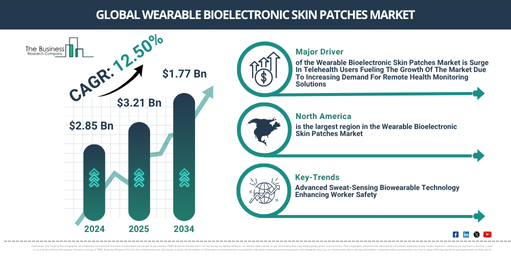
  • 2025–2029 Wearable Bioelectronic Skin Patches Market Outlook: Regional Trends and Growth Forecast

    2025–2029 Wearable Bioelectronic Skin Patches Market Outlook: Regional Trends and Growth Forecast

    Claim your 30% discount on Global Market Reports with code ONLINE30. Limited time only.

    Claim your 30% discount on Global Market Reports with code ONLINE30. Limited time only.

    What Are the Forecasted Growth Rate and Market Size of the Wearable Bioelectronic Skin Patches Market?

    The market for wearable bioelectronic skin patches has seen significant growth in recent years, with projections indicating that it is set to increase in size from $2.85 billion in 2024 to $3.21 billion in 2025. This translates to a compound annual growth rate (CAGR) of 12.7%. The expansion experienced during the historic period is a result of several key factors such as: an increase in demand for remote health monitoring, a higher adoption rate of flexible electronics, an upsurge in the prevalence of chronic diseases, ongoing advancements in sensor technology, and heightened awareness about personalized healthcare.

    In the coming years, the market for wearable bioelectronic skin patches is projected to experience significant growth, escalating to a value of $5.15 billion in 2029 with a compound annual growth rate (CAGR) of 12.5%. The projected growth during the forecast period can be credited to the expanding integration of artificial intelligence, a growing emphasis on real-time health analytics, an increasing need for non-invasive monitoring, a rise in investment in wearable healthcare technologies, and a higher adaptation rate of wireless connectivity in patches. The forecast period also sees key trends such as development in flexible and stretchable materials, advanced biosensor integration, new innovations in energy harvesting technologies, an amalgamation of AI and machine learning, as well as progress in real-time data processing.

    Download The Free Sample Report Here:

    https://www.thebusinessresearchcompany.com/sample.aspx?id=25934&type=smp

    Which Factor Is Shaping The Future Of The Wearable Bioelectronic Skin Patches Market?

    The anticipated increase in the number of individuals using telehealth services is predicted to boost the expansion of the wearable bioelectronic skin patches market. These users engage digital communication technology, like video chats, phone calls, and applications, to get accessible healthcare from anywhere, which eliminates the need to travel. The rising popularity of such services is credited to the convenience it offers. By continually tracking vital signs and sending immediate health information to health professionals, wearable bioelectronic skin patches significantly improve remote healthcare, enabling prompt responses, accurate diagnoses, and tailored patient care. As cited in a March 2024 report from Australia’s Department of Health and Aged Care, the use of telehealth services peaked in the year 2022–23, notably among general practitioners (20%) and allied health (12%), with 75% and 48% of all virtual consultations being conducted by general practitioners and non-general practitioners respectively. Hence, the swelling numbers of telehealth users are fueling the wearable bioelectronic skin patches market’s expansion.

    What Is The Segment-Wise Breakdown Of The Wearable Bioelectronic Skin Patches Market?

    The wearable bioelectronic skin patches market covered in this report is segmented –

    1) By Type: Electrochemical Sensors, Electrocardiogram Sensors, Temperature Sensors, Electromyography Sensors, Other Types

    2) By Application: Fitness And Wellness, Medical Monitoring, Other Applications

    3) By End Use: Hospitals And Clinics, Home Care Settings, Other End Uses

    Subsegments:

    1) By Electrochemical Sensors: Glucose Monitoring Sensors, Lactate Monitoring Sensors, Potential of Hydrogen Sensors, Electrolyte Sensors, Cortisol Detection Sensors

    2) By Electrocardiogram (ECG) Sensors: Single-Lead Electrocardiogram Sensors, Multi-Lead Electrocardiogram Sensors, Dry Electrode Sensors, Wet Electrode Sensors, Wireless Electrocardiogram Patches

    3) By Temperature Sensors: Skin Surface Temperature Sensors, Core Body Temperature Sensors, Infrared Thermography Patches, Thermistor-Based Sensors, Phase Change Material (PCM) Sensors

    4) By Electromyography (EMG) Sensors: Surface Electromyography Patches, Wireless Electromyography Patches, Multi-Channel Electromyography Sensors, Dry Electrode Electromyography Sensors, Textile-Embedded Electromyography Sensors

    5) By Other Types: Optical Sensors, Mechanical Strain Sensors, Hydration Monitoring Sensors, Sweat Rate Sensors, Blood Pressure Sensors

    What Long-Term Trends Are Likely To Affect The Wearable Bioelectronic Skin Patches Market?

    Leading corporations in the wearable bioelectronic skin patch sector are focusing on the advancement of modern technologies such as multi-sensor sweat-tracking platforms, aimed at providing personalized monitoring of hydration levels and predictive health analysis for industrial laborers. A multi-sensor sweat detection system uses biosensors to track parameters like sweat production, electrolyte loss, skin temperature, and motion to provide real-time data that can help prevent issues like dehydration and heat exhaustion. For example, in April 2024, Epicore Biosystems, an American digital health enterprise, introduced the Connected Hydration platform – a biowearable patch and a mobile app. This skin-friendly device, built to track sweat volume, electrolyte loss, body temperature, and movement, employs multiple biosensors and machine learning algorithms that have been trained using over 420,000 data points. The patch gives immediate dehydration signals through tactile feedback and allows monitoring of fluid intake through an integrated mobile app. It boasts a battery life of more than 1,000 hours, does not need to be charged, and adheres to a safe design standard (CLASS I, DIV 2). Such technology paves the way for predictive analytics in dangerous industrial settings.

    Which Companies Hold The Largest Market Share In The Wearable Bioelectronic Skin Patches Sector?

    Major companies operating in the wearable bioelectronic skin patches market are Abbott Laboratories, Medtronic plc, Dexcom Inc., Interuniversity Microelectronics Centre, iRhythm Technologies Inc., Biolinq Inc., Profusa Inc., VitalConnect Inc., Blue Spark Technologies Inc., Epicore Biosystems Inc., BioIntelliSense Inc., Gentag Inc., VivaLNK Inc., PKvitality S.A.S., G-Tech Medical Inc., Biobeat Technologies Ltd., Zansors Inc., Nemaura Medical Inc., QT Medical Inc., Cardiomo Care Inc.

    Get The Full Report Here:

    https://www.thebusinessresearchcompany.com/report/wearable-bioelectronic-skin-patches-global-market-report

    How Does Regional Performance Compare Across The Wearable Bioelectronic Skin Patches Industry?

    North America was the largest region in the wearable bioelectronic skin patches market in 2024. Asia-Pacific is expected to be the fastest-growing region in the forecast period. The regions covered in the wearable bioelectronic skin patches market report are Asia-Pacific, Western Europe, Eastern Europe, North America, South America, Middle East, Africa.

    Request For A Customized Report:

    https://www.thebusinessresearchcompany.com/customise?id=25934&type=smp

    About The Business Research Company:

    With over 15000+ reports from 27 industries covering 60+ geographies, The Business Research Company has built a reputation for offering comprehensive, data-rich research and insights. Armed with 1,500,000 datasets, the optimistic contribution of in-depth secondary research, and unique insights from industry leaders, you can get the information you need to stay ahead in the game.

    Get in touch with us:

    The Business Research Company: https://www.thebusinessresearchcompany.com/

    Americas +1 310-496-7795

    Asia +44 7882 955267 & +91 8897263534

    Europe +44 7882 955267

    Email us at info@tbrc.info

    Follow us on:

    LinkedIn: https://in.linkedin.com/company/the-business-research-company

    YouTube: https://www.youtube.com/channel/UC24_fI0rV8cR5DxlCpgmyFQ

    Global Market Model: https://www.thebusinessresearchcompany.com/global-market-model

  • Latest Market Developments in Water For Injection Industry: Forecast 2025–2029

    Claim your 30% discount on Global Market Reports with code ONLINE30. Limited time only.

    Claim your 30% discount on Global Market Reports with code ONLINE30. Limited time only.

    What Is the Estimated Industry Valuation for the Water For Injection Sector?

    The market size for injectable water has seen significant expansion in the past few years. The market is projected to increase from $27.79 billion in 2024 to $30.45 billion in 2025, witnessing a compound annual growth rate (CAGR) of 9.6%. Factors contributing to this growth during the historic period include an augmented demand for parenteral drugs, heightened enforcement of GMP standards worldwide, surge in biologics production, growth of contract manufacturing, broadening of hospital-based manufacture, and an increase in aseptic packaging.

    The market for injectable water is anticipated to witness robust expansion in the coming years, with its valuation surging to $43.60 billion in 2029, complemented by a compound annual growth rate (CAGR) of 9.4%. The factors influencing this boom during the projected timeline can be linked to escalating regulatory authorizations for non-distillation approaches, the surging production of biopharmaceuticals in developing markets, the increased need for easily installable plug-and-play water, growing demand from sophisticated therapy medicinal products, and the emergence of personalized medicine. The expected trends throughout the forecast duration encompass advancements in decentralized generation systems, application of IoT in injectable water systems, integration of AI and machine learning in the production of injectable water, concurrent use of vapor compression distillation, and the embracement of ground-breaking technologies.

    Download The Free Sample Report Here:

    https://www.thebusinessresearchcompany.com/sample.aspx?id=25933&type=smp

    What Forces Are Driving The Growth Of The Water For Injection Market?

    The escalating occurrences of diabetes are set to boost the water for injection market advancement in the future. Diabetes is a chronic health disorder characterized by the body’s inability to control blood sugar levels satisfactorily, either because of inadequate insulin production or ineffectual insulin usage. This upsurge in diabetes occurrences largely results from the rising global obesity rates, as surplus body fat hampers the body’s capacity to use insulin efficiently, thus leading to improper blood sugar regulation and increased susceptibility to the ailment. Water for injection plays a pivotal role in diabetes control, as it’s typically used to mix or dilute injectable medicines like insulin, assuring that these medications are dispensed in a sterile and secure way to maintain their efficacy and avoid infections. For instance, the Health Professional Academy, a customized health professional study platform based in the UK, stated in February 2025 that the count of those diagnosed with diabetes in the UK had escalated to a record 4.6 million, an increase from 4.4 million in the previous year. Consequently, the rising occurrences of diabetes are fuelling the expansion of the water for injection market.

    How Is The Water For Injection Industry Segmented Across Key Parameters?

    The water for injection market covered in this report is segmented –

    1) By Type: Single-Distilled Water For Injection, Double-Distilled Water For Injection, Sterile Water For Injection, Purified Water For Injection

    2) By Packaging: Vial And Ampule, Bottle, Drums And Bulk Container, Other Packaging

    3) By Production Technology: Distillation, Membrane Based Reverse Osmosis

    4) By Applications: Solvents And Diluents, Culture Media, Equipment Cleaning, Other Applications

    5) By End User: Pharmaceutical And Biotechnology Companies , Hospitals And Other Healthcare Facilities, Contract Research And Manufacturing Organizations, Other End Users

    Subsegments:

    1) By Single-Distilled Water For Injection: Glass Ampoules, Plastic Vials, Bulk Packaging For Manufacturing Use, Laboratory Use Packaging

    2) By Double-Distilled Water For Injection: Pharmaceutical Manufacturing, Biotechnology Applications, Injectable Formulation Processing, Analytical Testing Laboratories

    3) By Sterile Water For Injection: Prefilled Syringes, IV Infusion Bags, Vials For Reconstitution, Inhalation And Irrigation Uses

    4) By Purified Water For Injection: Bulk Supply For Pharmaceutical Manufacturing, Custom Formulations, Equipment Cleaning And Preparation, Research And Laboratory Use

    What Future Market Trends Are Projected For The Water For Injection Industry?

    Major firms operating in the water for injection market are placing their focus on creating technologically-forward solutions. They aim to decrease energy usage and operational expenses while staying aligned with regulatory standards. One such innovation is cold water for injection technology, a method of producing water for injection at room temperature using membrane-based purification. This technique removes the necessity for distillation while sticking to pharmacopeial norms. For example, CN Water Systems Pvt. Ltd., a pharmaceutical firm based in India, unveiled its advanced OSMOTRON Cold/Ambient Water for Injection (WFI) technology in December 2024. This technology significantly lowers energy use and operational expenses as compared to traditional distillation methods. Also, it allows WFI to be produced directly from drinkable water, negating the need for water softening or dechlorination. It utilizes a triple-membrane barrier to provide increased safety and effectiveness.

    Which Companies Currently Dominate The Competitive Landscape In The Water For Injection Industry?

    Major companies operating in the water for injection market are Pfizer Inc., Veolia Water Technologies Inc., Thermo Fisher Scientific Inc., GlaxoSmithKline plc, Eli Lilly and Co., Boehringer Ingelheim, Amgen Inc., Merck KGaA, Fresenius SE and Co. KGaA, Asahi Kasei Medical Co. Ltd., Sandoz International GmbH, Baxter International Inc., B. Braun Melsungen AG, Lonza Group AG, Apotex Inc., BWT AG, Sartorius AG, Wuxi Biologics Cayman Inc., ICU Medical Inc., Evoqua Water Technologies, Cambrex Corporation.

    Get The Full Report Here:

    https://www.thebusinessresearchcompany.com/report/water-for-injection-global-market-report

    Which Geographic Regions Are Driving Demand In The Water For Injection Market?

    North America was the largest region in the water for injection market in 2024. Asia-Pacific is expected to be the fastest-growing region in the forecast period. The regions covered in the water for injection market report are Asia-Pacific, Western Europe, Eastern Europe, North America, South America, Middle East, Africa.

    Request For A Customized Report:

    https://www.thebusinessresearchcompany.com/customise?id=25933&type=smp

    About The Business Research Company:

    With over 15000+ reports from 27 industries covering 60+ geographies, The Business Research Company has built a reputation for offering comprehensive, data-rich research and insights. Armed with 1,500,000 datasets, the optimistic contribution of in-depth secondary research, and unique insights from industry leaders, you can get the information you need to stay ahead in the game.

    Get in touch with us:

    The Business Research Company: https://www.thebusinessresearchcompany.com/

    Americas +1 310-496-7795

    Asia +44 7882 955267 & +91 8897263534

    Europe +44 7882 955267

    Email us at info@tbrc.info

    Follow us on:

    LinkedIn: https://in.linkedin.com/company/the-business-research-company

    YouTube: https://www.youtube.com/channel/UC24_fI0rV8cR5DxlCpgmyFQ

    Global Market Model: https://www.thebusinessresearchcompany.com/global-market-model

  • Emerging Trends and Growth Drivers in the Visual Impairment Market Through 2029

    Emerging Trends and Growth Drivers in the Visual Impairment Market Through 2029

    Claim your 30% discount on Global Market Reports with code ONLINE30. Limited time only.

    Claim your 30% discount on Global Market Reports with code ONLINE30. Limited time only.

    How Large Is the Visual Impairment Market Expected to Be in 2029?

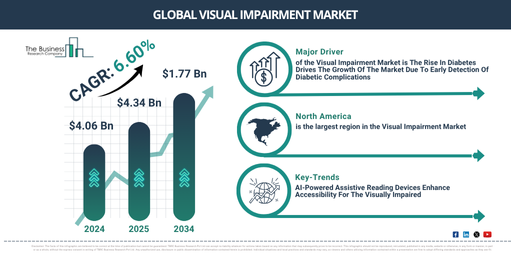
    In recent times, the market size for visual impairment has seen robust growth. It is projected to increase from $4.06 billion in 2024 to $4.34 billion in 2025, marking this growth with a compound annual growth rate (CAGR) of 6.8%. Numerous factors have contributed to this development during the historic period, including the rising incidences of eye disorders related to aging, the ongoing increase in diabetic retinopathy cases among the elderly, escalating incidences of glaucoma and macular degeneration worldwide, school-based vision screening initiatives’ evolving popularity, along with an increasing incidence of work-related eye injuries within the industrial sectors.

    The market size of visual impairment is anticipated to witness robust growth in the upcoming years, reaching $5.60 billion by 2029 with a compound annual growth rate (CAGR) of 6.6%. This growth during the projected period can be ascribed to a variety of factors such as the rise in older population prone to vision problems, elevated demand for electronic visual aids for low vision, increased healthcare expenditure in developing countries, mounting occurrence of myopia in youngsters and teenagers, and enhanced accessibility of wearable devices for vision improvement. Among the significant trends for the predicted period are the development of multilingual voice assistants, creation of mobile-based navigation applications, incorporation of haptic feedback systems, application of machine learning algorithms, and innovation in voice-controlled devices.

    Download The Free Sample Report Here:

    https://www.thebusinessresearchcompany.com/sample.aspx?id=25932&type=smp

    What Are The Contributors To Demand In The Visual Impairment Market?

    The growing occurrences of diabetes are anticipated to drive advances in the visual impairment market. This enduring metabolic disorder, which is identified by heightened blood glucose levels, results from malfunctions in insulin production, its function, or both. The increase in diabetes incidences is mainly related to unhealthy lifestyles like poor nutrition, lack of exercise, and elevated stress, leading to weight gain and insulin resistance. Signs of visual impairment can act as early indicators of diabetes complications, encouraging prompt detection and treatment, thereby averting further health complications. Notably, conditions such as diabetic retinopathy often manifest before any other visible symptoms, facilitating earlier medical intervention and improved disease control. For example, in April 2023, Diabetes UK (a UK-based British Diabetic Association) reported that 4.3 million individuals in the UK have now been diagnosed with diabetes, equating to a nearly 149,000 increase from the prior year. Additionally, more than 2.4 million people across the country are now recognized as having a high risk of developing type 2 diabetes. Hence, the escalating prevalence of diabetes is catalyzing the expansion of the visual impairment market.

    What Segmentation Categories Are Included In The Visual Impairment Market Analysis?

    The visual impairment market covered in this report is segmented –

    1) By Type: Educational Devices And Software, Mobility Devices, Low Vision Devices, Other Types

    2) By Product Type: Assistive Technologies, Optical Devices, Non-Optical Devices, Other Product Types

    3) By Application: Blind Schools, Enterprises And Social Organizations, Personal Use, Hospitals, Other Applications

    4) By Distribution Channel: Online Stores, Specialty Stores, Retail Pharmacies, Other Distribution Channel

    Subsegments:

    1) By Educational Devices And Software: Screen Readers, Braille Displays, Braille Notetakers, Accessible Learning Platforms, Tactile Graphics Tools

    2) By Mobility Devices: White Canes, Smart Canes, Guide Robots, Wearable Mobility Assistants, Electronic Travel Aids

    3) By Low Vision Devices: Optical Magnifiers, Video Magnifiers, Screen Magnification Software, Telescopic Glasses, Wearable Low Vision Glasses

    4) By Other Types: Smart Home Assistive Devices, Voice-Activated Assistants, Vision Therapy Tools, Accessibility Apps, Braille Printers And Embossers

    Which Trends Are Redefining The Future Landscape Of The Visual Impairment Industry?

    In the visual impairment market, leading corporations are concentrating on forming cutting-edge solutions including artificial intelligence-assisted reading tools to increase readability and autonomy for those with vision loss. These tools, assisted by artificial intelligence, use technologies like text recognition and speech synthesis to support individuals with visual impairments to articulate printed or digital text audibly. For example, in August 2023, OrCam Technologies Ltd., a company based in Israel specializing in assistive technology, introduced OrCam Read 3. This unique all-in-one device aims to assist people suffering from vision loss or reading exhaustion. The innovative device rapidly vocalizes printed, handwritten, and digital text, recognizes faces, and scans barcodes, providing users with enhanced independence. It also functions as an intelligent magnifier and fixed reader, integrating advanced operations such as text summarization, smart navigation, and hands-free usage for a fluid and all-encompassing reading encounter.

    Who Are The Top-Ranked Companies In The Visual Impairment Market Today?

    Major companies operating in the visual impairment market are Eschenbach Optik GmbH, OrCam Technologies Ltd., NV Access Limited, Vispero Holdings Inc., HumanWare Group Inc., Freedom Scientific Inc., Aira Tech Corp., Enhanced Vision Systems Inc., MeiraGTx Holdings plc, Dolphin Computer Access Ltd., IrisVision Global Inc., Zoomax Technology Co. Limited, Ablenet Inc., HIMS Inc., Sight and Sound Technology, Bionic Vision Technologies Pty Ltd, Optelec U.S. Inc., Pixium-Vision, Low Vision International AB, Envision Technologies B.V.

    Get The Full Report Here:

    https://www.thebusinessresearchcompany.com/report/visual-impairment-global-market-report

    How Is Visual Impairment Market Adoption Varying Across Different Regions And Sectors?

    North America was the largest region in the visual impairment market in 2024. Asia-Pacific is expected to be the fastest-growing region in the forecast period. The regions covered in the visual impairment market report are Asia-Pacific, Western Europe, Eastern Europe, North America, South America, Middle East, Africa.

    Request For A Customized Report:

    https://www.thebusinessresearchcompany.com/customise?id=25932&type=smp

    About The Business Research Company:

    With over 15000+ reports from 27 industries covering 60+ geographies, The Business Research Company has built a reputation for offering comprehensive, data-rich research and insights. Armed with 1,500,000 datasets, the optimistic contribution of in-depth secondary research, and unique insights from industry leaders, you can get the information you need to stay ahead in the game.

    Get in touch with us:

    The Business Research Company: https://www.thebusinessresearchcompany.com/

    Americas +1 310-496-7795

    Asia +44 7882 955267 & +91 8897263534

    Europe +44 7882 955267

    Email us at info@tbrc.info

    Follow us on:

    LinkedIn: https://in.linkedin.com/company/the-business-research-company

    YouTube: https://www.youtube.com/channel/UC24_fI0rV8cR5DxlCpgmyFQ

    Global Market Model: https://www.thebusinessresearchcompany.com/global-market-model