Month: August 2025

  • Outlook for Telecare Market: Key Developments and Future Strategies to 2029

    Outlook for Telecare Market: Key Developments and Future Strategies to 2029

    Claim your 30% discount on Global Market Reports with code ONLINE30. Limited time only.

    Claim your 30% discount on Global Market Reports with code ONLINE30. Limited time only.

    What Is the Outlook for the Telecare Market Heading Into 2029?

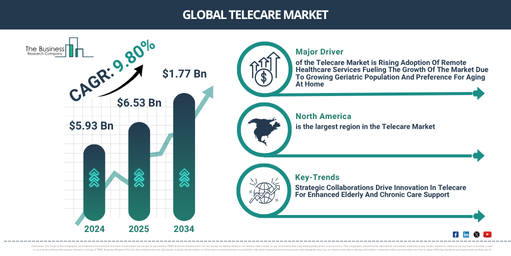
    In the last few years, the telecare market has seen substantial growth. It is projected to expand from $5.93 billion in 2024 to $6.53 billion in 2025, boasting a compound annual growth rate (CAGR) of 10.1%. This surge during the past period is a result of multiple factors such as the increasing number of elderly people, a growing burden of chronic diseases, insufficient healthcare access in rural regions, governmental initiatives towards remote healthcare, and the early adoption of personal emergency response systems.

    It’s projected that the telecare market size will experience robust expansion in the coming years, with estimates suggesting a growth to $9.51 billion by 2029, boasting a compound annual growth rate (CAGR) of 9.8%. This projected development during the forecast period can be linked to the growing need for solutions that allow for aging in place, escalating digital transformation in healthcare, the broadening of reimbursement policies, the increasing incorporation of telecare into primary care, and the rising demand for real-time health monitoring. Notable trends set to shape the forecast period encompass advancements in remote monitoring technologies, ceaseless innovation in devising wearable telecare devices, research and development efforts revolving around fall detection, integration within smart home systems, and the introduction of cloud-based telecare platforms.

    Download The Free Sample Report Here:

    https://www.thebusinessresearchcompany.com/sample.aspx?id=25921&type=smp

    Which Factors Are Pushing The Telecare Market Forward?

    The telecare market is predicted to grow significantly due to the increased utilization of remote healthcare services. These services use telecommunication technologies to provide healthcare from a distance, eliminating the need for patients to physically visit healthcare institutions. Many older adults prefer to age in their homes, resulting in a higher demand for constant remote supervision and assistance, leading to the expansion of remote healthcare services. Telecare enhances remote healthcare services by providing mechanisms for real-time tracking, emergency intervention, and communication via connected devices, ensuring the delivery of care without physical attendance. For example, USAFacts, a non-profit civic initiative in the United States, reported that telehealth visits among Medicare beneficiaries skyrocketed from nearly 5 million in April 2021 to in excess of 53 million by August 2022. Consequently, the growing preference for remote healthcare service solutions is stimulating the development of the telecare market.

    Which Segment Held The Largest Share In The Telecare Market In 2025?

    The telecare market covered in this report is segmented –

    1) By Type: Activity Monitoring, Remote Medication Management

    2) By Technology: Non Wearable, Wearable

    3) By End Use: Healthcare Consumers, Healthcare Providers, Payers

    Subsegments:

    1) By Activity Monitoring: Motion Sensors, Bed And Chair Occupancy Sensors, Door And Window Sensors, Wearable Activity Trackers, Fall Detection Devices

    2) By Remote Medication Management: Smart Pill Dispensers, Automated Medication Reminders, Mobile Medication Management Apps, Connected Inhalers, Remote Dose Monitoring Platforms

    Which Trends Are Expected To Shape The Future Of The Telecare Market?

    Leading companies in the telecare market are concentrating their efforts on the development of novel solutions through strategic alliances. They aim to boost their remote monitoring abilities and widen their service offerings to cater to the escalating requirements for elderly and chronic care support. Strategic alliances involve organizations that pool their resources and proficiency to create innovative solutions, improve the quality of their services, and efficiently accomplish communal objectives. An example of this occurred in December 2024, when Skyresponse AB, a tech company based in Sweden, entered a strategic alliance with OneCo Technologies AS, a Norway-based firm that specializes in health technology solutions. Their partnership’s goal is to devise fully digital, cloud-based telecare solutions that improve independent living, care homes, institutions, and hospitals within private and public sectors. By merging Skyresponse’s sophisticated alarm management platform with OneCo’s proficiency in electronics, automation, and telecommunication, the partnership can deliver flexible, economical, and user-friendly telecare services. Initially, the partnership concentrates on a remote night check-in service that integrates KeplerVision and the Skyresponse Responder App. Norway’s largest private care home operator will be among the first to incorporate this solution.

    Which Organizations Are Driving Progress In The Telecare Industry?

    Major companies operating in the telecare market are Philips Healthcare, Teladoc Health Inc., The Access Group Limited, Tunstall Healthcare Group Limited, VITAS Healthcare Corporation, ConnectAmerica.com LLC, Ascom Holding AG, Resideo Technologies Inc., American Well Corporation, Cera Care Limited, Doctor on Demand Inc., Enovation Group B.V., AliveCor Inc., TeleSpecialists LLC, iHealth Labs Inc., Vivify Health Inc., Careium AB, Essence SmartCare Ltd., Helios Telecare Inc., Rest Assured LLC, Tyto Care Ltd.

    Get The Full Report Here:

    https://www.thebusinessresearchcompany.com/report/telecare-global-market-report

    Which Region Is Expected To Experience The Highest Growth In The Telecare Industry?

    North America was the largest region in the telecare market in 2024. Asia-Pacific is expected to be the fastest-growing region in the forecast period. The regions covered in the telecare market report are Asia-Pacific, Western Europe, Eastern Europe, North America, South America, Middle East, Africa.

    Request For A Customized Report:

    https://www.thebusinessresearchcompany.com/customise?id=25921&type=smp

    About The Business Research Company:

    With over 15000+ reports from 27 industries covering 60+ geographies, The Business Research Company has built a reputation for offering comprehensive, data-rich research and insights. Armed with 1,500,000 datasets, the optimistic contribution of in-depth secondary research, and unique insights from industry leaders, you can get the information you need to stay ahead in the game.

    Get in touch with us:

    The Business Research Company: https://www.thebusinessresearchcompany.com/

    Americas +1 310-496-7795

    Asia +44 7882 955267 & +91 8897263534

    Europe +44 7882 955267

    Email us at info@tbrc.info

    Follow us on:

    LinkedIn: https://in.linkedin.com/company/the-business-research-company

    YouTube: https://www.youtube.com/channel/UC24_fI0rV8cR5DxlCpgmyFQ

    Global Market Model: https://www.thebusinessresearchcompany.com/global-market-model
  • Key Market Drivers, Trends, and Forecast for the Global Technetium-99m Industry

    Key Market Drivers, Trends, and Forecast for the Global Technetium-99m Industry

    Claim your 30% discount on Global Market Reports with code ONLINE30. Limited time only.

    Claim your 30% discount on Global Market Reports with code ONLINE30. Limited time only.

    What Does the Forecast Indicate for the Technetium-99m Market From 2025 to 2029?

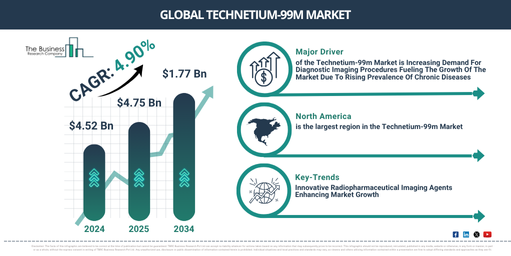
    In recent years, the market size for technetium-99m has experienced significant expansion, with projections indicating an increase from $4.52 billion in 2024 to $4.75 billion in 2025. This represents a compound annual growth rate (CAGR) of 5.1%. This growth throughout the historical period can be ascribed to various factors such as the broadening applications within nuclear medicine, enhanced demand for cancer and cardiac diagnostic procedures, an escalating dependence on molybdenum-99 supply, an increased demand for radiopharmaceuticals, and a growth in the utilization of imaging within clinical trials.

    The market size for technetium-99m is set to witness consistent expansion over the next few years, reaching an estimated worth of $5.74 billion in 2029, reflecting a compound annual growth rate (CAGR) of 4.9%. This anticipated growth during the forecast period is resultant from enriched nuclear imaging potential, an escalating geriatric populace, an amplification in diagnostic volumes, an incrementing prevalence of cancer, and a rising adoption of hybrid imaging systems. Major future trends include the use of sustainable isotope technologies, the emergence of non-reactor-based production, progress in radiopharmaceutical technology, synergy with artificial intelligence, and innovation in the manufacturing of radiopharmaceuticals.

    Download The Free Sample Report Here:

    https://www.thebusinessresearchcompany.com/sample.aspx?id=25920&type=smp

    What Elements Are Contributing To Growth In The Technetium-99m Market?

    The escalating need for diagnostic imaging methods is anticipated to fuel the technetium-99m market’s expansion in the future. Diagnostic imaging methods are medical procedures that generate visual imagery of the body’s interior, aiding physicians in diagnosing and occasionally directing treatments for a variety of medical conditions. The surge in demand for such procedures stems from the growing rates of chronic diseases that necessitate prompt and precise diagnostics. Technetium-99m facilitates diagnostic imaging techniques by enabling doctors to scrutinize the functioning of organs and tissues with exceptional accuracy, leveraging its radioactive properties to generate comprehensive images in nuclear medicine scans. For example, the National Health Service (NHS) England, a governmental department based in the UK, reported that 45.0 million imaging tests were carried out in England from November 2023 to March 2023, a 2.2% rise from the 44.0 million tests conducted the prior year. Hence, the surging demand for diagnostic imaging methods is stimulating the growth of the technetium-99m market.

    Which Segments Are Detailed In The Global Technetium-99m Market Report?

    The technetium-99m market covered in this report is segmented –

    1) By Product Type: Radiopharmaceuticals, Diagnostic Kits, Generators

    2) By Formulation Type: Liquid, Solid, Freeze-Dried

    3) By Application: Single Photon Emission Computed Tomography (SPECT) Imaging, Positron Emission Tomography (PET) Imaging, Oncology, Cardiology, Neurology, Other Applications

    4) By End-User: Hospitals, Diagnostic Imaging Centers, Research Laboratories, Specialized Clinics, Other End-Users

    Subsegments:

    1) By Radiopharmaceuticals: Sestamibi, Tetrofosmin, Sulfur Colloid, MAA (Macroaggregated Albumin), DTPA (Diethylenetriaminepentaacetic Acid), Others

    2) By Diagnostic Kits: Cardiac Imaging Kits, Bone Imaging Kits, Renal Imaging Kits, Hepatobiliary Imaging Kits, Pulmonary Imaging Kits, Others

    3) By Generators: Hospital-Based Generators, Centralized Radiopharmacy Generators

    What Long-Term Trends Are Likely To Affect The Technetium-99m Market?

    Leading businesses involved in the technetium-99m industry are prioritizing the creation of inventive solutions such as advanced radiopharmaceutical imaging agents. These solutions aim to augment precision and availability of diagnostic imaging procedures for intricate health conditions. These advanced radiopharmaceutical imaging agents are particular compounds marked with radioactive elements that give visibility to doctors into the human body through imaging modalities. For example, Serac Healthcare Limited, a clinical radiopharmaceutical organization domiciled in the UK, was granted Fast Track Designation by the US Food and Drug Administration (FDA) in June 2024 for 99mTc-maraciclatide. This is a unique single-photon emission computed tomography (SPECT)-computed tomography (CT) imaging compound for visualizing and diagnosing superficial peritoneal endometriosis. It’s applicable for females who are 16 years or older. The 99mTc-maraciclatide, being a technetium-99m-labeled targeted peptide imaging compound, connects with integrins found in abundance in endometriosis lesions, making it possible to see disease sites during SPECT-CT scans clearly. This constitutes a non-invasive diagnostic alternative to laparoscopic procedures, offering females suspected of endometriosis a more secure and easily accesible diagnostic route. The compound utilizes the superior imaging attributes of technetium-99m, namely its optimal half-life and gamma emission energy, in order to yield high-definition diagnostic images while lowering patient radiation exposure. This development is set to boost diagnostic precision and simplify treatment choices in endometriosis management, whilst broadening the clinical usages of technetium-99m-based imaging in the realm of women’s health.

    Who Are The Key Contributors To Growth In The Technetium-99m Market?

    Major companies operating in the technetium-99m market are Cardinal Health Inc., Siemens Healthineers AG, Philips Healthcare, GE Healthcare Technologies Inc., BWX Technologies Inc., Bracco Imaging S.p.A., Lantheus Holdings Inc., China Isotope & Radiation Corporation (CIRC), Jubilant Pharma Limited, Curium Pharma LLC, Eckert & Ziegler Strahlen, Telix Pharmaceuticals Limited, NorthStar Medical Radioisotopes LLC, NTP Radioisotopes SOC Ltd, Isotopia Molecular Imaging Ltd., Advanced Cyclotron Systems Inc., Cyclopharm Limited, SHINE Technologies LLC, Medi-Radiopharma Kft., SDS Lifesciences Pvt Ltd.

    Get The Full Report Here:

    https://www.thebusinessresearchcompany.com/report/technetium-99m-global-market-report

    Which Region Is Projected To Lead The Technetium-99m Market By 2025?

    North America was the largest region in the technetium-99m market in 2024. Asia-Pacific is expected to be the fastest-growing region in the forecast period. The regions covered in the technetium-99m market report are Asia-Pacific, Western Europe, Eastern Europe, North America, South America, Middle East, Africa.

    Request For A Customized Report:

    https://www.thebusinessresearchcompany.com/customise?id=25920&type=smp

    About The Business Research Company:

    With over 15000+ reports from 27 industries covering 60+ geographies, The Business Research Company has built a reputation for offering comprehensive, data-rich research and insights. Armed with 1,500,000 datasets, the optimistic contribution of in-depth secondary research, and unique insights from industry leaders, you can get the information you need to stay ahead in the game.

    Get in touch with us:

    The Business Research Company: https://www.thebusinessresearchcompany.com/

    Americas +1 310-496-7795

    Asia +44 7882 955267 & +91 8897263534

    Europe +44 7882 955267

    Email us at info@tbrc.info

    Follow us on:

    LinkedIn: https://in.linkedin.com/company/the-business-research-company

    YouTube: https://www.youtube.com/channel/UC24_fI0rV8cR5DxlCpgmyFQ

    Global Market Model: https://www.thebusinessresearchcompany.com/global-market-model
  • Strategic Report on Synthetic Small Molecule Active Pharmaceutical Ingredients (APIs) Market: Growth Opportunities and Emerging Challenges

    Strategic Report on Synthetic Small Molecule Active Pharmaceutical Ingredients (APIs) Market: Growth Opportunities and Emerging Challenges

    Claim your 30% discount on Global Market Reports with code ONLINE30. Limited time only.

    Claim your 30% discount on Global Market Reports with code ONLINE30. Limited time only.

    How Much Is the Global Synthetic Small Molecule Active Pharmaceutical Ingredients (APIs) Market Valued at Present and by 2029?

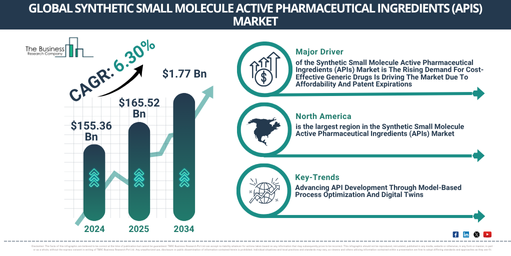
    In recent years, the market for synthetic small molecule active pharmaceutical ingredients (APIs) has seen significant growth. The market size is predicted to increase from $155.36 billion in 2024 to $165.52 billion in 2025, demonstrating a compound annual growth rate (CAGR) of 6.5%. Factors driving this growth historically include a rise in chronic diseases globally, escalating healthcare costs in both established and developing economies, an increased demand for generic drugs, expansion of pharmaceutical manufacturing, and numerous patent expirations for blockbuster drugs.

    Anticipated robust growth in the market size of synthetic petite molecule active pharmaceutical ingredients (APIs) is to be seen in the approaching years. The market is projected to reach $211.21 billion by 2029, growing at a compound annual growth rate (CAGR) of 6.3%. Various contributing factors to this predicted growth in the future include increase in lifestyle-based ailments, improved reach of health care services to countries with lower and middle-level incomes, enlargement in clinical trial procedures for petite molecule medicines, increased rate of approvals for novel chemical entities, along with the government’s growing support towards local API production. Foreseen trends within this period entail advancements in the field of uninterrupted production technologies, application of artificial intelligence in process evolution, the adoption of eco-friendly chemistry and sustainable synthesis routes, development of potent active pharmaceutical ingredients and streamlining quality control as well as production processes through automation.

    Download The Free Sample Report Here:

    https://www.thebusinessresearchcompany.com/sample.aspx?id=25919&type=smp

    #What Drivers Are Influencing Growth In The Synthetic Small Molecule Active Pharmaceutical Ingredients (APIs) Market?

    Anticipated growth in the synthetic small molecule active pharmaceutical ingredients (APIs) market is attributed to the surging need for affordable generic medications. These cost-effective alternatives possess the same active elements as brand-name drugs, delivering similar therapeutic benefits at a fraction of the price. The heightened prevalence of chronic diseases calls for sustainable, economical treatment strategies, further spurring demand for affordable generic drugs. The synthetic small molecule active pharmaceutical ingredient (API) supports this demand by facilitating scalable, cost-efficient manufacturing techniques that ensure affordable production without compromising on therapeutic effectivity. As reported by the Association for Accessible Medicines (AAM), a US-based industry group, in September 2024, savings resulting from biosimilar use shot up by over 30%, hitting $12.4 billion in 2023. Meanwhile, cumulative savings from generics and biosimilars escalated by $37 billion, tallying to $445 billion from $408 billion in the previous year. Thus, the burgeoning need for reasonably priced generic medicines is accelerating the growth of the synthetic small molecule active pharmaceutical ingredients (APIs) market.

    What Are The Main Segments Identified In The Synthetic Small Molecule Active Pharmaceutical Ingredients (APIs) Market Research?

    The synthetic small molecule active pharmaceutical ingredients (apis) market covered in this report is segmented –

    1) By Type: Active Pharmaceutical Ingredients (APIs), Key Starting Materials (KSMs), Intermediates

    2) By Manufacturing Process: Synthetic Processes, Biocatalysis, Continuous Flow Chemistry, Batch Processing

    3) By Manufacturer: In-House, Outsourced

    4) By Application: Cardiovascular Diseases, Oncology, CNS And Neurology, Orthopedic, Endocrinology, Pulmonology, Gastroenterology, Nephrology, Ophthalmology, Other Applications

    Subsegments:

    1) By Active Pharmaceutical Ingredients (APIs): Anti-diabetic APIs, Antihypertensive APIs, Antihistamines, Anticoagulants

    2) By Key Starting Materials (KSMs): Benzene Derivatives, Pyridine Derivatives, Heterocyclic Compounds, Halogenated Compounds

    3) By Intermediates: Chiral Intermediates, Acylation Intermediates, Alkylation Intermediates, Amination Intermediates

    What Future Market Trends Are Projected For The Synthetic Small Molecule Active Pharmaceutical Ingredients (APIs) Industry?

    Major enterprises in the synthetic small molecule active pharmaceutical ingredients (APIs) industry are channeling their efforts towards creating enhanced solutions like model-based process optimization platforms to hasten and boost the effectiveness of API production processes. These digital tools amalgamate predictive modeling and experimental design functions to elevate and streamline chemical process development, minimizing the need for physical experimentation. In May 2025, Lonza Group, a Swiss contract development and manufacturing organization (CDMO), unveiled a platform of this sort, labelled Design2Optimize. By merging physicochemical and statistical modeling within an optimization framework, the platform significantly lessens the necessary physical experiments in process development. The platform creates digital replicas of each process, conducts virtual scenario tests, resulting in faster, more efficient development of intricate synthetic pathways for small molecule active pharmaceutical ingredients.

    Which Companies Play A Key Role In The Development Of The Synthetic Small Molecule Active Pharmaceutical Ingredients (APIs) Market?

    Major companies operating in the synthetic small molecule active pharmaceutical ingredients (apis) market are Pfizer Inc., Johnson & Johnson, Hoffmann‑La Roche Ltd., Merck & Co. Inc., AbbVie Inc., Fresenius Kabi AG, Sanofi S.A., Bristol-Myers Squibb Company, AstraZeneca plc, Novartis AG, Eli Lilly and Company, Boehringer Ingelheim International GmbH, Johnson Matthey plc, Teva Pharmaceutical Industries Ltd., Daiichi Sankyo Co. Ltd., Albemarle Corporation, Dr. Reddy’s Laboratories Ltd., Curia Inc., Nanjing King‑Friend Biochemical Pharmaceutical Co. Ltd., Biocon Limited, Accord Healthcare Ltd.

    Get The Full Report Here:

    https://www.thebusinessresearchcompany.com/report/synthetic-small-molecule-active-pharmaceutical-ingredients-apis-global-market-report

    What Are The Key Regional Developments Shaping The Synthetic Small Molecule Active Pharmaceutical Ingredients (APIs) Market?

    North America was the largest region in the synthetic small molecule active pharmaceutical ingredients (APIs) market in 2024. Asia-Pacific is expected to be the fastest-growing region in the forecast period. The regions covered in the synthetic small molecule active pharmaceutical ingredients (apis) market report are Asia-Pacific, Western Europe, Eastern Europe, North America, South America, Middle East, Africa.

    Request For A Customized Report:

    https://www.thebusinessresearchcompany.com/customise?id=25919&type=smp

    About The Business Research Company:

    With over 15000+ reports from 27 industries covering 60+ geographies, The Business Research Company has built a reputation for offering comprehensive, data-rich research and insights. Armed with 1,500,000 datasets, the optimistic contribution of in-depth secondary research, and unique insights from industry leaders, you can get the information you need to stay ahead in the game.

    Get in touch with us:

    The Business Research Company: https://www.thebusinessresearchcompany.com/

    Americas +1 310-496-7795

    Asia +44 7882 955267 & +91 8897263534

    Europe +44 7882 955267

    Email us at info@tbrc.info

    Follow us on:

    LinkedIn: https://in.linkedin.com/company/the-business-research-company

    YouTube: https://www.youtube.com/channel/UC24_fI0rV8cR5DxlCpgmyFQ

    Global Market Model: https://www.thebusinessresearchcompany.com/global-market-model
  • Industry Trends Show Surgical Polypropylene Mesh Market Set to Expand at 6.2% CAGR Until 2029

    Industry Trends Show Surgical Polypropylene Mesh Market Set to Expand at 6.2% CAGR Until 2029

    Claim your 30% discount on Global Market Reports with code ONLINE30. Limited time only.

    Claim your 30% discount on Global Market Reports with code ONLINE30. Limited time only.

    What Is the Current and Projected Market Size of the Surgical Polypropylene Mesh Industry?

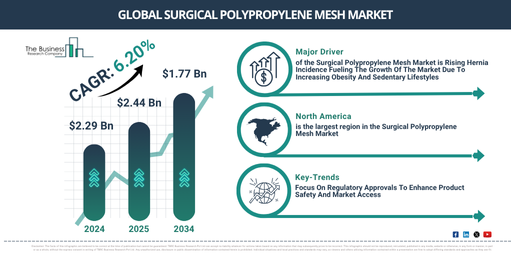
    Recent years have seen a significant expansion in the surgical polypropylene mesh market. Its size is projected to increase from $2.29 billion in 2024 to $2.44 billion in 2025, experiencing a compound annual growth rate (CAGR) of 6.5%. The growth observed throughout historical periods can be connected to different factors such as increased instances of hernia, an expanding elderly population, a rise in surgical procedures, widespread utilization of synthetic mesh in common surgeries, and escalating rates of postoperative complications.

    In the upcoming years, the surgical polypropylene mesh market is predicted to experience robust growth, potentially reaching $3.11 billion by 2029 with a compound annual growth rate (CAGR) of 6.2%. The projected growth during this period can be accredited to factors such as a heightened preference for minimally invasive hernia repair procedures, increasing demand for sturdy and lightweight mesh, enhanced reimbursement arrangements for hernia repair, a growing emphasis on patient-specific solutions, and a rise in abdominal wall reconstruction cases. Market trends for this forecast period consist of advancements in mesh design technology, the creation of bio-compatible and hybrid meshes, heightened R&D in surgical materials, innovations in coating and absorption methods, and a growing trend of utilizing 3D printing for customized mesh.

    Download The Free Sample Report Here:

    https://www.thebusinessresearchcompany.com/sample.aspx?id=25918&type=smp

    #Which Factors Are Currently Driving The Growth Of The Surgical Polypropylene Mesh Market?

    The surgical polypropylene mesh market is anticipated to expand due to rising hernia cases. Hernias are health issues where an internal body part or tissue protrudes because of a weak point in the adjacent muscle or connective tissue, resulting in noticeable lumps and discomfort. The escalation in hernia instances is attributed to the global increase in obesity, which exerts additional stress on the stomach walls, resulting in increased vulnerability to hernias as inactive lifestyles and processed food intake continue to rise. The surgical polypropylene mesh assists in treating hernias, offering reliable and biocompatible mesh implants to strengthen weakened tissue and provide efficient long-term fixes. As reported by the US-based government agency, the National Institutes of Health (NIH), in April 2025, the total hernia cases are projected to increase from 2,764,122 in 2022 to 3,309,718 by 2050, reflecting a 19.7% surge and an average annual growth rate of 0.64%. Consequently, the growing incidence of hernias is fostering the growth of the surgical polypropylene mesh market.

    How Is The Global Surgical Polypropylene Mesh Market Structured In Terms Of Segments?

    The surgical polypropylene mesh market covered in this report is segmented –

    1) By Type Of Mesh: Monofilament Mesh, Multifilament Mesh, Composite Mesh

    2) By Material Type: Non Absorbable Mesh, Absorbable Mesh

    3) By Coating Type: Non Coated Mesh, Coated Mesh

    4) By Application: Hernia Repair, Pelvic Floor Repair, Abdominal Surgery, Cardiac Surgery

    5) By End Use: Hospitals, Ambulatory Surgical Centers, Specialty Clinics

    Subsegments:

    1) By Monofilament Mesh: Lightweight Monofilament Mesh, Heavyweight Monofilament Mesh, Macroporous Monofilament Mesh, Microporous Monofilament Mesh

    2) By Multifilament Mesh: Knitted Multifilament Mesh, Braided Multifilament Mesh, Partially Absorbable Multifilament Mesh, Non-Absorbable Multifilament Mesh

    3) By Composite Mesh: Polypropylene With Absorbable Barrier, Polypropylene With Non-Absorbable Barrier, Polypropylene With Collagen-Coated Layer, Dual-Layer Composite Mesh

    Which Trends Are Redefining The Future Landscape Of The Surgical Polypropylene Mesh Industry?

    Key players in the surgical polypropylene mesh market are prioritizing acquiring regulatory approvals as it ensures their products are in line with strict safety and quality guidelines. Regulatory approvals are official permissions provided by government entities or regulatory organizations that establish that a product is fit to be marketed, sold or used in medical operations due to its safety, quality, and performance standards. For example, in April 2022, U.S. based drug-eluting surgical implants developer, Ariste Medical, LLC, was granted FDA 510(k) clearance for its innovative synthetic hernia mesh, which was drug-embedded and designed to minimize the potential of microbial colonization during hernia repair operations. This mesh, made of polypropylene and incorporated with the antibiotics minocycline and rifampin, focused on bacterial pathogens such as MRSA and E. coli, frequent causes of infections after surgery. Ventral hernia repair is among the most common surgical procedures in the U.S. and often encounters infection rates ranging from 8% to 40%. This results in expensive repeat surgeries and complications for patients.

    Who Are The Main Participants Shaping The Surgical Polypropylene Mesh Market Landscape?

    Major companies operating in the surgical polypropylene mesh market are Johnson & Johnson, Medtronic Plc, Boston Scientific Corporation, W. L. Gore & Associates Inc., Coloplast A/S, B. Braun Melsungen Aktiengesellschaft, Sutumed Corporation, Sutures.be SMI, ATEX Technologies Inc., Boz Tibbi Anonim Sirketi, Universal Sutures Inc., Lotus Surgicals Private Limited, Betatech Medikal, C. R. Bard Inc., FAS United Medical Company, Luxsutures LLC, Mesh Suture Inc., Orion Sutures Private Limited, Vital Sutures LLC, VUP Medical a.s., Asia Jarah Pishro Company

    Get The Full Report Here:

    https://www.thebusinessresearchcompany.com/report/surgical-polypropylene-mesh-global-market-report

    Which Region Currently Holds The Largest Share In The Surgical Polypropylene Mesh Market?

    North America was the largest region in the surgical polypropylene mesh market in 2024. Asia-Pacific is expected to be the fastest-growing region in the forecast period. The regions covered in the surgical polypropylene mesh market report are Asia-Pacific, Western Europe, Eastern Europe, North America, South America, Middle East, Africa.

    Request For A Customized Report:

    https://www.thebusinessresearchcompany.com/customise?id=25918&type=smp

    About The Business Research Company:

    With over 15000+ reports from 27 industries covering 60+ geographies, The Business Research Company has built a reputation for offering comprehensive, data-rich research and insights. Armed with 1,500,000 datasets, the optimistic contribution of in-depth secondary research, and unique insights from industry leaders, you can get the information you need to stay ahead in the game.

    Get in touch with us:

    The Business Research Company: https://www.thebusinessresearchcompany.com/

    Americas +1 310-496-7795

    Asia +44 7882 955267 & +91 8897263534

    Europe +44 7882 955267

    Email us at info@tbrc.info

    Follow us on:

    LinkedIn: https://in.linkedin.com/company/the-business-research-company

    YouTube: https://www.youtube.com/channel/UC24_fI0rV8cR5DxlCpgmyFQ

    Global Market Model: https://www.thebusinessresearchcompany.com/global-market-model
  • Competitive and Market Trend Analysis of Surgical Mesh Implants Industry Through 2029

    Competitive and Market Trend Analysis of Surgical Mesh Implants Industry Through 2029

    Claim your 30% discount on Global Market Reports with code ONLINE30. Limited time only.

    Claim your 30% discount on Global Market Reports with code ONLINE30. Limited time only.

    How Will the Surgical Mesh Implants Market Evolve in Terms of Growth and Size by 2029?

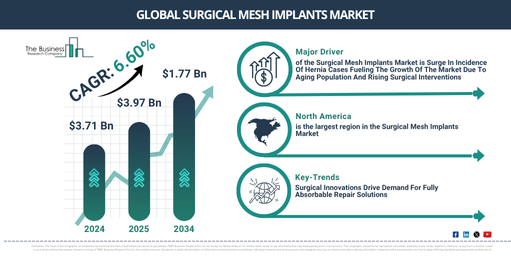
    The market for surgical mesh implants has seen a robust growth in recent times. The market is set to escalate from $3.71 billion in 2024 to $3.97 billion in 2025, yielding a compound annual growth rate (CAGR) of 7.0%. This growing trend in the past has been spurred by factors such as the rising incidence of hernia and pelvic organ prolapse, heightened demand for less invasive surgical procedures, increased knowledge concerning the advantages of surgical mesh, a growing elderly population who are susceptible to soft tissue damage, and continued technological progress in the development of mesh materials.

    In the coming years, the market size of surgical mesh implants is projected to experience significant increase. It is anticipated to reach $5.13 billion by 2029 with a 6.6% compound annual growth rate (CAGR). The expected growth during the forecast period can be associated with an elevated usage of bioabsorbable and composite meshes, amplified investments in research and development, a heightened inclination toward outpatient and ambulatory surgeries, swelling demand in budding markets, and increasing regulatory green lights for innovative mesh products. Key trends in the forecast timeline incorporate advancements in bioabsorbable mesh technologies, sophisticated composite and hybrid mesh styles, breakthroughs in minimally invasive surgical methods, progress in antibacterial and anti-adhesive coatings, and creative developments in smart and sensor-integrated surgical meshes.

    Download The Free Sample Report Here:

    https://www.thebusinessresearchcompany.com/sample.aspx?id=25917&type=smp

    What factors are expected to fuel Surgical Mesh Implants market growth in the coming years?

    The surgical mesh implants market is on the rise due to increasing hernia cases. A hernia refers to a medical situation where an internal organ or tissue protrudes through a feeble area in the surrounding muscle or connective tissue. The frequent occurrence of hernias is primarily attributed to the aging population, as they are more prone to this condition due to frail abdominal muscles and additional health complications. Surgical mesh implants are advantageous for hernia cases as they offer extra support to impaired or weakened tissue. This diminishes the risk of future occurrence and fosters quicker, more resilient recovery. For instance, as per Eurostat, a government body based in Luxembourg, between 142 and 231 inguinal hernia repairs were typically conducted per 100,000 residents in 2022. However, Austria showed a notably elevated rate of 273.2 per 100,000 residents in this same period. Therefore, the escalating incidence of hernia cases is fueling the expansion of the surgical mesh implants market.

    What Are The Key Findings From The Segmentation Analysis Of The Surgical Mesh Implants Market?

    The surgical mesh implants market covered in this report is segmented –

    1) By Type: Non-Absorbable Surgical Mesh, Absorbable Surgical Mesh, Other Types

    2) By Surgical Procedure Type: Laparoscopic Surgery, Open Surgery, Robotic-assisted Surgery, Endoscopic Surgery

    3) By Material: Polypropylene, Polyester, Polytetrafluoroethylene, Other Materials

    4) By Application: Hernia Repair, Pelvic Organ Prolapse Repair, Gastroesophageal Reflux Disease (GERD) Repair, Other Surgical Applications

    5) By End-User: Hospitals, Ambulatory Surgical Centers (ASCs), Specialized Clinics, Research Institutions

    Subsegments:

    1) By Non-Absorbable Surgical Mesh: Polypropylene Mesh, Expanded Polytetrafluoroethylene (ePTFE) Mesh, Polyester Mesh, Composite Mesh

    2) By Absorbable Surgical Mesh: Polyglycolic Acid (PGA) Mesh, Polylactic Acid (PLA) Mesh, Polyglycolide-co-lactide (PGLA) Mesh, Poly-4-hydroxybutyrate (P4HB) Mesh

    3) By Other Types: Biologic Mesh, Hybrid Mesh, Coated/Barrier Mesh, 3D-printed Mesh

    What Notable Trends Are Shaping The Direction Of The Surgical Mesh Implants Market?

    In the surgical mesh implants market, leading companies are concentrating on developing cutting-edge solutions like fully bioabsorbable designs. These designs cater to improving patient results, reducing prolonged complications, and fulfilling the increasing demand for non-permanent implant alternatives. Fully bioabsorbable designs are implantable meshes made with materials that naturally degrade and are consumed by the human body over time, thus excluding the need for permanent implants. For instance, in April 2025, Becton, Dickinson and Company, an American medication firm, declared its receipt of 510(k) clearance from the US Food and Drug Administration (FDA) for its Phasix ST Umbilical Hernia Patch. It has been now commercially launched in the U.S. market. This patch is exceptional for being the first and only fully absorbable hernia mesh, specifically developed for repairing umbilical hernias. Made with a bioabsorbable polymer, the patch gradually dissolves in the body, nullifying the need for permanent implants. This launch signifies a substantial innovation in soft tissue repair, catering to both clinical demands and patient choices for non-permanent mesh solutions.

    What Are The Most Active Companies In The Surgical Mesh Implants Market Today?

    Major companies operating in the surgical mesh implants market are Johnson & Johnson, Medtronic plc, Becton Dickinson and Company, Stryker Corporation, Boston Scientific Corporation, W. L. Gore & Associates Inc., Cook Medical, Integra LifeSciences Corporation, Ethicon Inc., B. Braun Melsungen AG, Feg Textiltechnik mbH, Cousin Biotech, Proxy Biomedical Ltd., Betatech Medical, Dipromed Srl, Novus Scientific Pte. Ltd., Atrium Medical Corporation, LifeCell Corporation, Hernia Mesh S.R.L., THT Bio-Science Inc.

    Get The Full Report Here:

    https://www.thebusinessresearchcompany.com/report/surgical-mesh-implants-global-market-report

    Which Regional Markets Are Attracting The Most Investment In Surgical Mesh Implants?

    North America was the largest region in the surgical mesh implants market in 2024. Asia-Pacific is expected to be the fastest-growing region in the forecast period. The regions covered in the surgical mesh implants market report are Asia-Pacific, Western Europe, Eastern Europe, North America, South America, Middle East, Africa.

    Request For A Customized Report:

    https://www.thebusinessresearchcompany.com/customise?id=25917&type=smp

    About The Business Research Company:

    With over 15000+ reports from 27 industries covering 60+ geographies, The Business Research Company has built a reputation for offering comprehensive, data-rich research and insights. Armed with 1,500,000 datasets, the optimistic contribution of in-depth secondary research, and unique insights from industry leaders, you can get the information you need to stay ahead in the game.

    Get in touch with us:

    The Business Research Company: https://www.thebusinessresearchcompany.com/

    Americas +1 310-496-7795

    Asia +44 7882 955267 & +91 8897263534

    Europe +44 7882 955267

    Email us at info@tbrc.info

    Follow us on:

    LinkedIn: https://in.linkedin.com/company/the-business-research-company

    YouTube: https://www.youtube.com/channel/UC24_fI0rV8cR5DxlCpgmyFQ

    Global Market Model: https://www.thebusinessresearchcompany.com/global-market-model
  • Global Surgical Hemostats Market Landscape: Trends and Market Share to 2029

    Global Surgical Hemostats Market Landscape: Trends and Market Share to 2029

    Claim your 30% discount on Global Market Reports with code ONLINE30. Limited time only.

    Claim your 30% discount on Global Market Reports with code ONLINE30. Limited time only.

    What CAGR Is Anticipated for the Surgical Hemostats Market Through 2029?

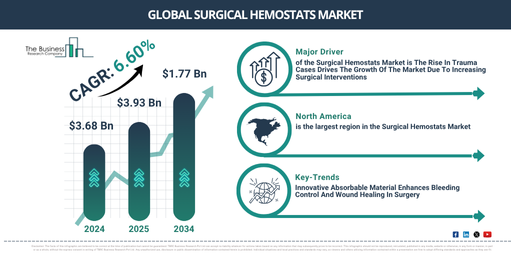
    The market size of surgical hemostats has shown considerable expansion in the past few years, with forecasts predicting it will increase from $3.68 billion in 2024 to $3.93 billion in 2025, reflecting a compound annual growth rate (CAGR) of 6.9%. This substantial growth observed in the historical period can be explained by an increase in the number of surgeries, an elevated rate of trauma and accidents, a growing older population, increased usage of minimally invasive surgical procedures, and a heightened frequency of chronic diseases.

    The market size for surgical hemostats is projected to experience significant growth in the upcoming years, expanding to $5.09 billion in 2029 with a compound annual growth rate (CAGR) of 6.6%. This growth during the forecasted period can be attributed to factors such as a higher demand for advanced products for wound closure, an increase in the number of ambulatory surgical centers, a growing preference for biodegradable hemostats, the expanded use of combination hemostatic agents, and a surge in the occurrence of lifestyle diseases that require surgery. Some prominent trends projected during the forecast period include advancements in technology within absorbable hemostats, the inclusion of technology in robotic surgeries, the development of next-generation hemostatic formulations, incorporation with smart surgical devices, and innovations within plant-based hemostatics.

    Download The Free Sample Report Here:

    https://www.thebusinessresearchcompany.com/sample.aspx?id=25916&type=smp

    What Market Forces Are Driving The Surgical Hemostats Sector In 2025 And Beyond?

    The surgical hemostats market is predicted to grow due to an increase in trauma cases. Trauma, which can involve both physical injury and emotional distress, is typically a result of distressing or harmful incidents that can impact an individual’s mental or physical health. This increase in trauma cases is mostly being driven by an escalation in road traffic accidents, which can result in severe injuries that necessitate immediate medical attention. Surgical hemostats play a crucial role in managing bleeding quickly and efficiently during these trauma situations, thereby reducing blood loss and stabilizing the patient for further medical procedures. The Wisconsin Department of Health Services, a US governmental body, stated that in 2023, there was a 3% increase in traumatic injuries caused by assault, rising from 1,544 in 2022 to 1,584 cases. Consequently, the rising frequency of trauma cases is fueling the expansion of the surgical hemostats market.

    How Is The Global Surgical Hemostats Market Categorized By Segments?

    The surgical hemostats market covered in this report is segmented –

    1) By Product Type: Topical Thrombin-Based Hemostats, Flowable Hemostats, Collagen-Based Hemostats, Oxidized Regenerated Cellulose-Based Hemostats, Gelatin-Based Hemostats, Combination Hemostats, Other Product Types

    2) By Formulation: Matrix And Gel Hemostats, Sponge Hemostats, Sheet And Pad Hemostats, Powder Hemostats

    3) By Application: Neurological Surgery, Orthopedic Surgery, Cardiovascular Surgery, Gynecological Surgery, Trauma, Plastic Surgery, Other Applications

    4) By End-User: Hospitals, Ambulatory Surgical Centers, Specialty Clinics, Other End-Users

    Subsegments:

    1) By Topical Thrombin-Based Hemostats: Human Thrombin-Based Hemostats, Bovine Thrombin-Based Hemostats, Recombinant Thrombin-Based Hemostats, Formulations Gel, Spray, Powder, Sponge

    2) By Flowable Hemostats: Gelatin Matrix With Thrombin, Collagen-Based Flowables, Synthetic Polymer-Based Flowables

    3) By Collagen-Based Hemostats: Microfibrillar Collagen, Nonwoven Collagen Pads, Collagen Fleece Or Sheets

    4) By Oxidized Regenerated Cellulose Based Hemostats: Woven Oxidized Regenerated Cellulose Fabric, Non-woven Oxidized Regenerated Cellulose Pads, Oxidized Regenerated Cellulose With Additives

    5) By Gelatin-Based Hemostats: Gelatin Sponge, Gelatin Powder, Gelatin Foam With Thrombin

    6) By Combination Hemostats: Gelatin + Thrombin, Collagen + Thrombin, Oxidized Regenerated Cellulose + Thrombin

    7) By Other Product Types: Chitosan-Based Hemostats, Kaolin-Based Hemostats, Synthetic Peptide Hemostats, Plant-Derived Agents

    What Upcoming Trends Are Expected To Impact The Surgical Hemostats Market Globally?

    Key players in the surgical hemostat industry are concentrating their efforts on producing improved products by employing novel materials such as absorbable oxidized regenerated cellulose (ORC) to improve bleed management and accelerate the wound healing process. This eco-friendly material, derived from plants, is used in surgical hemostats for bleeding control; it works by creating a physical barricade and fostering blood clot formation at the injury site. For example, in February 2022, Futura Surgicare Pvt. Ltd., a medical device manufacturing company based in India, introduced Hemostax, a state-of-the-art absorbable oxidized regenerated cellulose hemostat devised to efficiently manage intraoperative bleeding. Hemostax can instigate hemostasis within 1.5 minutes and fully activate in just 2 to 5 minutes. It is completely absorbed within 1 to 2 weeks, thus eliminating the necessity for removal. It is user-friendly, adaptable to various surgical locations, non-poisonous, biocompatible, and displays antibacterial characteristics against drug-resistant bacteria.

    Which Firms Are Considered Leaders In The Surgical Hemostats Market Space?

    Major companies operating in the surgical hemostats market are Johnson And Johnson Services Inc., Medtronic plc, Becton Dickinson And Company, Stryker Corporation, Baxter International Inc., Teleflex Corporation, Integra LifeSciences Holdings Corporation., GELITA MEDICAL GmbH, B. Braun Melsungen AG, Advanced Medical Solutions Group plc, Axio Biosolutions Pvt. Ltd., Marine Polymer Technologies Inc, Biom’up USA Inc, Lotus Surgicals Pvt. Ltd, Hemostasis LLC, Biocer Entwicklungs-GmbH, CuraMedical BV, EndoClot Plus Inc, Starch Medical Inc, Tricol Biomedical Inc

    Get The Full Report Here:

    https://www.thebusinessresearchcompany.com/report/surgical-hemostats-global-market-report

    What Role Do Regional Policies And Investments Play In Surgical Hemostats Market Expansion?

    North America was the largest region in the surgical hemostats market in 2024. Asia-Pacific is expected to be the fastest-growing region in the forecast period. The regions covered in the surgical hemostats market report are Asia-Pacific, Western Europe, Eastern Europe, North America, South America, Middle East, Africa.

    Request For A Customized Report:

    https://www.thebusinessresearchcompany.com/customise?id=25916&type=smp

    About The Business Research Company:

    With over 15000+ reports from 27 industries covering 60+ geographies, The Business Research Company has built a reputation for offering comprehensive, data-rich research and insights. Armed with 1,500,000 datasets, the optimistic contribution of in-depth secondary research, and unique insights from industry leaders, you can get the information you need to stay ahead in the game.

    Get in touch with us:

    The Business Research Company: https://www.thebusinessresearchcompany.com/

    Americas +1 310-496-7795

    Asia +44 7882 955267 & +91 8897263534

    Europe +44 7882 955267

    Email us at info@tbrc.info

    Follow us on:

    LinkedIn: https://in.linkedin.com/company/the-business-research-company

    YouTube: https://www.youtube.com/channel/UC24_fI0rV8cR5DxlCpgmyFQ

    Global Market Model: https://www.thebusinessresearchcompany.com/global-market-model
  • Comprehensive Forecast: Surgical Fluid Waste Management System Market Share, Growth, and Opportunities Through 2029

    Claim your 30% discount on Global Market Reports with code ONLINE30. Limited time only.

    Claim your 30% discount on Global Market Reports with code ONLINE30. Limited time only.

    What Are the Latest Market Insights for the Surgical Fluid Waste Management System Industry?

    There has been a significant expansion in the surgical fluid waste management system market lately. Its size is predicted to increase from $1.28 billion in 2024 to $1.38 billion in 2025, marking a compound annual growth rate (CAGR) of 7.7%. Factors contributing to this growth in the historical period include the surge in surgical procedures, heightened consciousness about hospital cleanliness and infection control measures, escalating regulatory demands, expansion of hospital facilities and surgical centers, and mounting environmental concerns.

    The market for surgical fluid waste management systems is anticipated to experience robust expansion in the coming years, potentially reaching $1.84 billion by 2029 with a compound annual growth rate (CAGR) of 7.5%. This projected growth in the forecast period is largely due to the escalating number of surgical operations, intensified attention to infection prevention, rising apprehensions about infections acquired from hospitals, increasing demand for minimally invasive surgical procedures, expanded healthcare expenditures, and burgeoning consciousness about surgical hygiene. Key trends expected during the forecast period encompass automation and advanced fluid monitoring, amalgamation with hospital information systems, wireless connectivity and data recording, adoption of disposable closed-loop systems, and enhancement in suctioning and filtration technologies.

    Download The Free Sample Report Here:

    https://www.thebusinessresearchcompany.com/sample.aspx?id=25915&type=smp

    What Forces Are Driving The Growth Of The Surgical Fluid Waste Management System Industry?

    The surgical fluid waste management system market is set to experience growth due to the escalating demand for surgical procedures. These procedures involve either manual or instrumental techniques used to cure health conditions, injuries or irregularities in the body structure. The surge in surgical procedures can be accounted to the aging population, who are at a higher risk of developing chronic illnesses which often necessitate surgical intervention. Surgical fluid waste management systems are instrumental for these procedures, enabling the safe and efficient gathering of fluids, as they maintain sterility within operating rooms. These systems mitigate the manual management of dangerous waste, thus lessening the threat of infection and enhancing surgical workflow efficacy. To illustrate this, it was noted by the British Association of Aesthetic Plastic Surgeons, a UK-based surgical body, that March 2023 saw a grand total of 31,057 cosmetic surgeries, marking a 102% increase from 2021. It follows, therefore, that the ascending number of surgical procedures is propelling the progress of the surgical fluid waste management system market.

    What Is The Overview Of Market Segmentation In The Surgical Fluid Waste Management System Industry?

    The surgical fluid waste management system market covered in this report is segmented –

    1) By Type: Mobile, Wall-Mounted

    2) By Product Type: Surgical Fluid Waste Containers, Fluid Collection Systems, Fluid Disposal Systems, Filters And Waste Management Accessories

    3) By Application: General Surgery, Orthopedic Surgery, Plastic And Reconstructive Surgery, Cardiovascular Surgery, Other Applications

    4) By End Use: Hospitals, Specialty Clinics, Ambulatory Surgical Centers, Other End Users

    Subsegments:

    1) By Mobile: Trolley-Based Systems, Canister-Based Mobile Units, Battery-Operated Mobile Units, Mobile Suction Units With Inbuilt Fluid Solidifiers

    2) By Wall-Mounted: Direct-To-Drain Wall Systems, Wall-Mounted Canister-Based Units, Fixed Vacuum-Assisted Wall Units, Modular Wall Suction Stations

    How Are Key Trends Driving Expansion In The Surgical Fluid Waste Management System Industry?

    Leading businesses in the surgical fluid waste management system market are working toward the creation of inventive solutions, like suction canisters, to boost efficiency, safety, and adherence in operative settings. These suction canisters, utilized in the medical field to gather and store bodily fluids throughout surgical or healthcare protocols, are linked to suction systems and play an integral part in keeping operative spaces clean and secure by managing fluid waste effectively. To illustrate, Typenex Medical LLC, a medical device firm based in the US, launched their fluid fighter suction canisters and liners in April 2024 as part of their extended fluid waste management inventory, providing an all-inclusive solution for retaining and discarding fluid waste in clinical scenarios. Their new product range comprises reusable suction canisters, single-use liners, solidifiers, trolleys, wall mounts, and various supplementary elements, all manufactured for compatibility with popular brands and easy integration into existing processes. This equipment supplies unmatched robustness and superior hydrophobic filtering, guaranteeing secure and dependable fluid waste management in high-demand clinical spaces.

    Who Are The Primary Players Operating Across The Global Surgical Fluid Waste Management System Market?

    Major companies operating in the surgical fluid waste management system market are Cardinal Health Inc., Medtronic Plc, Fresenius Medical Care AG & Co. KGaA, Stryker Corporation, Ecolab Inc., Smith & Nephew Plc, Baxter International Inc., B. Braun Melsungen AG, Olympus Corporation, Zimmer Biomet Holdings Inc., Hologic Inc., Stericycle Inc., Hartmann Group, CONMED Corporation, Amsino International Inc., Veolia Environmental Services, BioMedical Waste Solutions LLC, Bondtech Corporation, Serres Oy, IndoSurgicals Private Limited.

    Get The Full Report Here:

    https://www.thebusinessresearchcompany.com/report/surgical-fluid-waste-management-system-global-market-report

    Which Region Offers The Most Growth Potential For The Surgical Fluid Waste Management System Market Through 2029?

    North America was the largest region in the surgical fluid waste management system market in 2024. Europe is expected to be the fastest-growing region in the forecast period. The regions covered in the surgical fluid waste management system market report are Asia-Pacific, Western Europe, Eastern Europe, North America, South America, Middle East, Africa.

    Request For A Customized Report:

    https://www.thebusinessresearchcompany.com/customise?id=25915&type=smp

    About The Business Research Company:

    With over 15000+ reports from 27 industries covering 60+ geographies, The Business Research Company has built a reputation for offering comprehensive, data-rich research and insights. Armed with 1,500,000 datasets, the optimistic contribution of in-depth secondary research, and unique insights from industry leaders, you can get the information you need to stay ahead in the game.

    Get in touch with us:

    The Business Research Company: https://www.thebusinessresearchcompany.com/

    Americas +1 310-496-7795

    Asia +44 7882 955267 & +91 8897263534

    Europe +44 7882 955267

    Email us at info@tbrc.info

    Follow us on:

    LinkedIn: https://in.linkedin.com/company/the-business-research-company

    YouTube: https://www.youtube.com/channel/UC24_fI0rV8cR5DxlCpgmyFQ

    Global Market Model: https://www.thebusinessresearchcompany.com/global-market-model
  • Future Demand and Leading Companies Shaping the Stroke Market to 2029

    Future Demand and Leading Companies Shaping the Stroke Market to 2029

    Claim your 30% discount on Global Market Reports with code ONLINE30. Limited time only.

    Claim your 30% discount on Global Market Reports with code ONLINE30. Limited time only.

    What Are the Forecasted Growth Rate and Market Size of the Stroke Market?

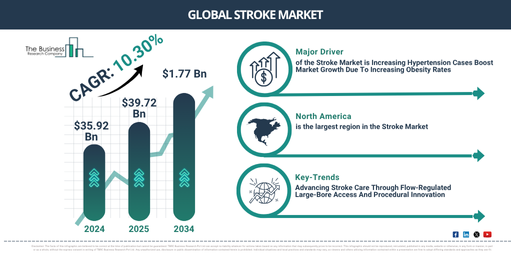
    The market size for stroke has significantly expanded in the past few years. It is projected to rise from its value of $35.92 billion in 2024, reaching $39.72 billion in 2025, suggesting a compound annual growth rate (CAGR) of 10.6%. Factors such as mounting instances of cardiovascular conditions, a surge in the elderly population, increased knowledge about stroke indications, development of hospital facilities, and growing government-backed initiatives are believed to have contributed to this historic growth.

    In the coming years, the stroke market size is set to undergo swift expansion and is projected to reach $58.81 billion by 2029, with a compound annual growth rate (CAGR) of 10.3%. This growth during the forecast period is due to factors such as the increasing use of telemedicine, a growing requirement for minimally invasive procedures, a heightened emphasis on early diagnosis, the expansion of health care coverage in burgeoning markets, and escalated investment in technologies related to stroke care. Key trends observed during the prediction period comprise advancements in diagnostic tools powered by artificial intelligence (AI), ongoing breakthroughs in neurorehabilitation, introduction of innovative thrombolytic drugs, development of individualized stroke treatments and research and pioneering efforts in regenerative therapies.

    Download The Free Sample Report Here:

    https://www.thebusinessresearchcompany.com/sample.aspx?id=25914&type=smp

    Which Factor Is Shaping The Future Of The Stroke Market?

    The anticipated surge in the stroke market is attributed to the rising prevalence of hypertension cases. Hypertension or high blood pressure is a condition distinguished by the consistently high force exerted by blood against the artery walls. The escalation in hypertension cases is mainly a result of the increasing obesity rates, since excessive body weight burdens the heart and blood vessels, resulting in increased blood pressure over time. High blood pressure results in stroke by applying extreme pressure on blood vessel walls, potentially causing them to weaken, narrow, or rupture within the brain. For example, the American Heart Association, a nonprofit organization based in the US, reported in January 2025 that high blood pressure was the primary cause of 131,454 deaths in 2022. Similarly, in January 2024, they reported that 124,508 deaths in 2021 were primarily due to high blood pressure. The stroke market’s growth is, thus, driven by the rise in hypertension cases.

    What Is The Segment-Wise Breakdown Of The Stroke Market?

    The stroke market covered in this report is segmented –

    1) By Type: Ischemic Stroke, Transient Ischemic Attack (TIA), Hemorrhagic Stroke

    2) By Diagnosis And Treatment: Diagnosis, Treatment

    3) By Gender: Female, Male

    4) By Distribution Channel: Direct, Retail, Online

    5) By End User: Hospitals, Clinics

    Subsegments:

    1) By Ischemic Stroke: Thrombotic Stroke, Embolic Stroke, Cryptogenic Stroke, Lacunar Stroke

    2) By Transient Ischemic Attack (TIA): Carotid Artery Transient Ischemic Attack (TIA), Cardiac Source Transient Ischemic Attack (TIA), Undetermined Cause Transient Ischemic Attack (TIA)

    3) By Hemorrhagic Stroke: Intracerebral Hemorrhage (ICH), Subarachnoid Hemorrhage (SAH), Subdural Hemorrhage, Epidural Hemorrhage

    Which Trends Are Expected To Shape The Future Of The Stroke Market?

    Leading businesses operating the stroke market are concentrating on bringing to market cutting-edge stroke intervention apparatuses, like flow-controlled large-bore access, which increase surgical accuracy and elevate patient prognosis in intricate neurovascular interventions such as mechanical thrombectomy. Flow-managed large-bore access refers to an innovative catheter design that amalgamates a vast internal diameter for device dispatching with the inherent regulation of blood movement, making navigation during neurovascular procedures safer and more effective. For instance, the US-based medical tech company, Johnson & Johnson MedTech, introduced CEREGLIDE 92 Catheter System, a revolutionary .092” catheter that enhances both access and blood flow manipulation during mechanical thrombectomy for acute ischemic stroke, in February 2025. This device, designed to aid clinicians in maneuvering through the brain’s anatomy to restore blood circulation more efficiently, comes with the INNERGLIDE 9 insertion aid for smooth catheter navigation and BRITE-LINE technology for optimum visibility during use. The device’s TruCourse flexible tip boosts navigation in complex brain vessels, thus elevating successful treatment rates and patient recovery. Furthermore, its electronic instructions support sustainable practices by minimizing its environmental footprint.

    Which Companies Hold The Largest Market Share In The Stroke Sector?

    Major companies operating in the stroke market are Pfizer Inc., Johnson & Johnson Services Inc., F. Hoffmann-La Roche Ltd., Bayer AG, Sanofi S.A., Bristol-Myers Squibb Company, AstraZeneca plc, Abbott Laboratories, Medtronic plc, Fresenius SE & Co. KGaA, Stryker Corporation, Boehringer Ingelheim International GmbH, Viatris Inc., Teva Pharmaceuticals USA Inc., Daiichi Sankyo Company Limited, Amneal Pharmaceuticals LLC, Lupin Limited, MicroPort Scientific Corporation, Penumbra Inc., NeuroVasc Technologies Inc.

    Get The Full Report Here:

    https://www.thebusinessresearchcompany.com/report/stroke-global-market-report

    How Does Regional Performance Compare Across The Stroke Industry?

    North America was the largest region in the stroke market in 2024, and it is expected to be the fastest-growing region in the forecast period. The regions covered in the stroke market report are Asia-Pacific, Western Europe, Eastern Europe, North America, South America, Middle East, Africa.

    Request For A Customized Report:

    https://www.thebusinessresearchcompany.com/customise?id=25914&type=smp

    About The Business Research Company:

    With over 15000+ reports from 27 industries covering 60+ geographies, The Business Research Company has built a reputation for offering comprehensive, data-rich research and insights. Armed with 1,500,000 datasets, the optimistic contribution of in-depth secondary research, and unique insights from industry leaders, you can get the information you need to stay ahead in the game.

    Get in touch with us:

    The Business Research Company: https://www.thebusinessresearchcompany.com/

    Americas +1 310-496-7795

    Asia +44 7882 955267 & +91 8897263534

    Europe +44 7882 955267

    Email us at info@tbrc.info

    Follow us on:

    LinkedIn: https://in.linkedin.com/company/the-business-research-company

    YouTube: https://www.youtube.com/channel/UC24_fI0rV8cR5DxlCpgmyFQ

    Global Market Model: https://www.thebusinessresearchcompany.com/global-market-model
  • 2025–2029 Stomach Cancer Market Outlook: Regional Trends and Growth Forecast

    2025–2029 Stomach Cancer Market Outlook: Regional Trends and Growth Forecast

    Claim your 30% discount on Global Market Reports with code ONLINE30. Limited time only.

    Claim your 30% discount on Global Market Reports with code ONLINE30. Limited time only.

    What Is the Estimated Industry Valuation for the Stomach Cancer Sector?

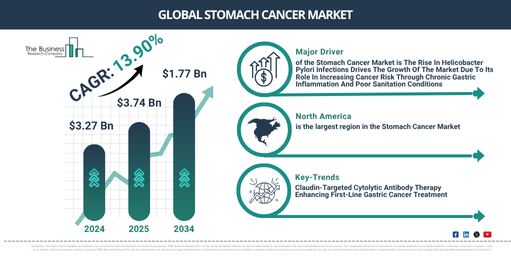
    In the past few years, the market size for stomach cancer has seen significant expansion. It will surge from a value of $3.27 billion in 2024 to $3.74 billion in 2025, representing an annual compounded growth rate (CAGR) of 14.1%. Factors driving growth during this historic period include a rising incidence of Helicobacter pylori infection, advancements in the development of targeted therapies, more frequent use of combination chemotherapy regimens, greater accessibility of immunotherapy treatments, and changes in lifestyle.

    In the coming years, the market size for stomach cancer is predicted to witness significant growth, reaching $6.28 billion in 2029 with a CAGR of 13.9%. This predicted growth for the period under forecast can be credited to factors like an uptick in worldwide incidences of stomach cancer, enhanced expenditure on healthcare from public and private entities, more approvals for targeted therapies and biologics, heightened interest in oncology from pharmaceutical companies, and increased partnerships between research institutions and biotech companies. The forecast period will see key trends like the inclusion of companion diagnostics, the integration of genomic testing in routine clinical practices, advancements in immunotherapy combinations, innovations in endoscopic methodologies, and progress in the field of microbiome-based treatments.

    Download The Free Sample Report Here:

    https://www.thebusinessresearchcompany.com/sample.aspx?id=25913&type=smp

    What Forces Are Driving The Growth Of The Stomach Cancer Market?

    The increasing incidence of Helicobacter pylori infection is anticipated to boost the expansion of the stomach cancer market. This infection is a condition triggered by the Helicobacter pylori bacteria, that resides in the stomach’s lining, possibly leading to inflammation, ulcers, and a higher probability of stomach cancer. The primary reasons for the surge in Helicobacter pylori infections are substandard sanitation practices, enabling the spread of the bacteria via fecal-oral and oral-oral routes in crowded or unsanitary living conditions. The infection contributes to stomach cancer by causing ongoing inflammation and cellular damage in the stomach lining, resulting in precancerous alterations and tumor growth. For example, the Canadian government reported in November 2024 that the reinfection rate of Helicobacter pylori was 19% in 2023, with the rate differing based on parameters like geographical location and age category. Hence, the escalating incidence of Helicobacter pylori infection is fueling the expansion of the stomach cancer market.

    How Is The Stomach Cancer Industry Segmented Across Key Parameters?

    The stomach cancer market covered in this report is segmented –

    1) By Type: Adenocarcinoma, Lymphoma, Gastrointestinal Stromal Tumor, Carcinoid Tumor, Other Types

    2) By Therapy Type: Chemotherapy, Targeted Therapy, Immunotherapy, Radiation Therapy, Surgery

    3) By Route of Administration: Oral, Parenteral

    4) By Distribution Channel: Hospital Pharmacies, Retail Pharmacies, Online Pharmacies

    5) By End-User: Ambulatory Surgery Centers, Hospitals And Specialty Clinics, Other End-Users

    Subsegments:

    1) By Adenocarcinoma: Intestinal Type, Diffuse Type

    2) By Lymphoma: Mucosa-Associated Lymphoid Tissue Lymphoma, Diffuse Large B-Cell Lymphoma

    3) By Gastrointestinal Stromal Tumor: Kit-Positive Gastrointestinal Stromal Tumor, Platelet-Derived Growth Factor Receptor Alpha-mutant Gastrointestinal Stromal, Wild-Type Gastrointestinal Stromal Tumors

    4) By Carcinoid Tumor: Typical Carcinoid, Atypical Carcinoid

    5) By Other Types: Squamous Cell Carcinoma, Small Cell Carcinoma, Undifferentiated Tumors

    What Long-Term Trends Are Likely To Affect The Stomach Cancer Market?

    Leading enterprises in the stomach cancer treatment market are innovating by creating advanced solutions like claudin (CLDN18.2)-targeted cytolytic antibody therapy. This move aims to increase precision in primary treatments for HER2-negative gastric and gastroesophageal junction (GEJ) adenocarcinoma. The claudin (CLDN18.2)-targeted cytolytic antibody therapy makes use of a unique antibody that selectively binds to CLDN18.2-expressing tumorous cells, inducing cytotoxic effects when integrated with chemotherapy, thereby enhancing both the progression-free and overall survival rates. For example, Astellas Pharma US, Inc., a pharmaceutical corporation based in Japan, introduced Vyloy (zolbetuximab-clzb) in October 2024. This is a claudin (CLDN18.2)-directed cytolytic antibody deployed in the treatment of gastric and gastroesophageal junction (GEJ) cancer. Administered intravenously alongside fluoropyrimidine- and platinum-based chemotherapy, this innovative biologic therapy provided a median progression-free survival benefit of up to 10.6 months and overall survival of up to 18.2 months during clinical tests. This therapy precisely targets CLDN18.2-positive cancer cells, reduces toxicity outside the target and heightens treatment specificity, thus making a substantial breakthrough in the field of personalised oncology for advanced gastric cancer.

    Which Companies Currently Dominate The Competitive Landscape In The Stomach Cancer Industry?

    Major companies operating in the stomach cancer market are Pfizer Inc., F. Hoffmann-La Roche Ltd, Merck And Co. Inc., Sanofi S.A., Bristol Myers Squibb Company, AstraZeneca plc, Novartis Ag, GlaxoSmithKline plc, Takeda Pharmaceutical Company Limited., Eli Lilly And Company, Amgen Inc, Mayo Clinic, Daiichi Sankyo Company Limited., Illumina Inc., BeiGene Ltd., Celltrion Healthcare Co. Ltd., Biocon Limited., Guardant Health Inc., Zai Lab Limited., MacroGenics Inc.

    Get The Full Report Here:

    https://www.thebusinessresearchcompany.com/report/stomach-cancer-global-market-report

    Which Geographic Regions Are Driving Demand In The Stomach Cancer Market?

    North America was the largest region in the stomach cancer market in 2024. Asia-Pacific is expected to be the fastest-growing region in the forecast period. The regions covered in the stomach cancer market report are Asia-Pacific, Western Europe, Eastern Europe, North America, South America, Middle East, Africa.

    Request For A Customized Report:

    https://www.thebusinessresearchcompany.com/customise?id=25913&type=smp

    About The Business Research Company:

    With over 15000+ reports from 27 industries covering 60+ geographies, The Business Research Company has built a reputation for offering comprehensive, data-rich research and insights. Armed with 1,500,000 datasets, the optimistic contribution of in-depth secondary research, and unique insights from industry leaders, you can get the information you need to stay ahead in the game.

    Get in touch with us:

    The Business Research Company: https://www.thebusinessresearchcompany.com/

    Americas +1 310-496-7795

    Asia +44 7882 955267 & +91 8897263534

    Europe +44 7882 955267

    Email us at info@tbrc.info

    Follow us on:

    LinkedIn: https://in.linkedin.com/company/the-business-research-company

    YouTube: https://www.youtube.com/channel/UC24_fI0rV8cR5DxlCpgmyFQ

    Global Market Model: https://www.thebusinessresearchcompany.com/global-market-model

  • Latest Market Developments in Sterile Injectables CDMO Industry: Forecast 2025–2029

    Latest Market Developments in Sterile Injectables CDMO Industry: Forecast 2025–2029

    Claim your 30% discount on Global Market Reports with code ONLINE30. Limited time only.

    Claim your 30% discount on Global Market Reports with code ONLINE30. Limited time only.

    How Large Is the Sterile Injectables CDMO Market Expected to Be in 2029?

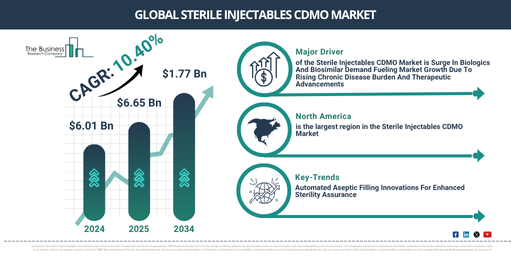
    There has been a quick expansion in the market size of the sterile injectables CDMO in the past years. It is projected to rise from $6.01 billion in 2024 to $6.65 billion in 2025, with a compound annual growth rate (CAGR) of 10.7%. The growth during the historical period is linked to a rise in infectious diseases, an increase in self-injection and home-use injectables, augmented government support for local sterile manufacturing, growth in virtual pharma firms depending on CDMOs, and broadening of treatment alternatives for rare diseases.

    The sterile injectables CDMO market is predicted to experience swift expansion in the coming years, forecasting a soaring to $9.89 billion in 2029, with a compound annual growth rate (CAGR) of 10.4%. Factors contributing to this upturn during the forecast period include the growing incidence of chronic illnesses, a surge in the elderly population, intensified global need for biologics and biosimilars, a rising application of monoclonal antibodies, and significant progress in worldwide vaccination initiatives. Key trends foreseen in this period encompass progress in aseptic processing and fill-finish technologies, the implementation of isolators and restricted access barrier systems, the introduction of automation and robotics in sterile injectable manufacturing, enhancements in lyophilization procedures, and the adoption of digitalization and real-time monitoring to enhance production efficiency.

    Download The Free Sample Report Here:

    https://www.thebusinessresearchcompany.com/sample.aspx?id=25912&type=smp

    What Are The Contributors To Demand In The Sterile Injectables CDMO Market?

    The upward trend in the demand for biologics and biosimilars is set to fuel the expansion of the sterile injectables CDMO market. Biologics, produced from living cells or organisms are specific disease component-focused medicines, and biosimilars, which are close replicas of approved biologics, are expected to be equivalent in terms of quality, safety, and effectiveness. The need for these innovative therapies is growing due to the escalation in the incidence of chronic and complicated health issues, as they present more precise and potent treatment alternatives in contrast with traditional medicines. This pressing demand for biologics and biosimilars leads to an increased dependence on sterile injectable CDMO services, owing to their common mode of administration through injection in a carefully preserved sterile environment for safety, quality, and regulatory compliance. Based on November 2023 data from Cardinal Health, a healthcare entity based in the U.S, a surge was observed in healthcare expenditures from $4.3 trillion in 2021 to $4.5 trillion in 2022 where biologics constituted $252 billion. Hence, the surging requirement for biologics and biosimilars is instrumental in steering the growth of the sterile injectables CDMO market.

    What Segmentation Categories Are Included In The Sterile Injectables CDMO Market Analysis?

    The sterile injectables cdmo market covered in this report is segmented –

    1) By Type: Small Molecule, Large Molecule

    2) By Service: Formulation Development, Analytical And Testing Services, Manufacturing, Packaging, Storage, Other Services

    3) By Route Of Administration: Subcutaneous (SC), Intravenous (IV), Intramuscular (IM), Other Routes Of Administration

    4) By Therapeutic Area: Oncology, Cardiovascular Diseases, Central Nervous System Diseases, Infectious Disorders, Musculoskeletal Diseases, Hormonal Diseases, Other Therapeutic Areas

    5) By End-User: Pharmaceutical Companies, Biopharmaceutical Companies, Research Institutes, Other End-Users

    Subsegments:

    1) By Small Molecule: Solutions, Suspensions, Lyophilized Injectables, Emulsions, Reconstitutable Powders

    2) By Large Molecule: Monoclonal Antibodies (mAbs), Peptides And Proteins, Vaccines, Cell And Gene Therapies, Insulins And Biosimilars

    What Future Market Trends Are Projected For The Sterile Injectables CDMO Industry?

    Leading firms in the sterile injectables CDMO market are prioritizing the development of cutting-edge solutions, such as automated aseptic filling systems, to increase sterility assurance and decrease human interference. Automated aseptic filling systems are distinct equipment designed to load sterile pharmaceutical or biological goods into containers in a controlled setting, mitigating contamination risks by minimizing human touch. For instance, in July 2022, Amaran Biotech, a biotech enterprise based in Taiwan, unveiled the Vanrx SA25, a completely automated robotic aseptic filling line. This line is specifically engineered for the sterile processing of progressive biopharmaceuticals such as protein-oriented therapies, antibody based treatments, and nanoparticle medications. The Cytiva Vanrx SA25 system is incorporated into this line, employing robotic technology in a gloveless isolator to preserve a sterile atmosphere throughout the manufacturing process. The utilization of this system reduces manual contact, aiding in mitigating contamination and upholding the sterility of injectable items. Moreover, the system is congruent with various sterile injectable containers and complies with main global regulatory standards, encompassing those from the FDA, EMA, PIC/S, and ISPE.

    Who Are The Top-Ranked Companies In The Sterile Injectables CDMO Market Today?

    Major companies operating in the sterile injectables cdmo market are Pfizer Inc., Thermo Fisher Scientific Inc., Boehringer Ingelheim, Fresenius Kabi AG, Lonza Group Ltd., Catalent Inc., Samsung Biologics Co. Ltd., Fareva SA, Recipharm AB, PCI Pharma Services, Vetter Pharma, Delpharm, Kindeva Drug Delivery LP, Ajinomoto Bio-Pharma Services, Cenexi, Grand River Aseptic Manufacturing Inc., INCOG BioPharma Services, Aurigene Pharmaceutical Services, Jubilant HollisterStier LLC, Symbiosis Pharmaceutical Services Ltd., Afton Scientific Corp., Amaran Biotechnology Inc.

    Get The Full Report Here:

    https://www.thebusinessresearchcompany.com/report/sterile-injectables-cdmo-global-market-report

    How Is Sterile Injectables CDMO Market Adoption Varying Across Different Regions And Sectors?

    North America was the largest region in the sterile injectables CDMO market in 2024. Asia-Pacific is expected to be the fastest-growing region in the forecast period. The regions covered in the sterile injectables cdmo market report are Asia-Pacific, Western Europe, Eastern Europe, North America, South America, Middle East, Africa.

    Request For A Customized Report:

    https://www.thebusinessresearchcompany.com/customise?id=25912&type=smp

    About The Business Research Company:

    With over 15000+ reports from 27 industries covering 60+ geographies, The Business Research Company has built a reputation for offering comprehensive, data-rich research and insights. Armed with 1,500,000 datasets, the optimistic contribution of in-depth secondary research, and unique insights from industry leaders, you can get the information you need to stay ahead in the game.

    Get in touch with us:

    The Business Research Company: https://www.thebusinessresearchcompany.com/

    Americas +1 310-496-7795

    Asia +44 7882 955267 & +91 8897263534

    Europe +44 7882 955267

    Email us at info@tbrc.info

    Follow us on:

    LinkedIn: https://in.linkedin.com/company/the-business-research-company

    YouTube: https://www.youtube.com/channel/UC24_fI0rV8cR5DxlCpgmyFQ

    Global Market Model: https://www.thebusinessresearchcompany.com/global-market-model