Month: August 2025

  • Emerging Trends and Growth Drivers in the Status Epilepticus Market Through 2029

    Emerging Trends and Growth Drivers in the Status Epilepticus Market Through 2029

    Claim your 30% discount on Global Market Reports with code ONLINE30. Limited time only.

    Claim your 30% discount on Global Market Reports with code ONLINE30. Limited time only.

    What Is the Outlook for the Status Epilepticus Market Heading Into 2029?

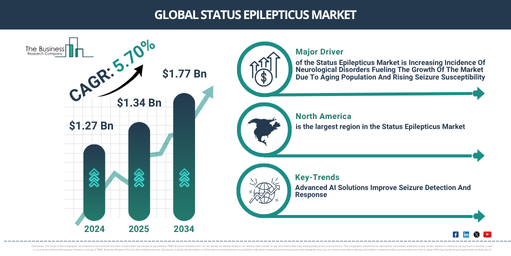
    The market size for status epilepticus has seen significant growth in the past years. It is expected to increase from $1.27 billion in 2024 to $1.34 billion in 2025, with a compound annual growth rate (CAGR) of 6.0%. The growth during the historical period is due to factors such as the increasing instances of epilepsy, higher awareness of neurological emergencies, increased usage of benzodiazepines, a rise in intensive care unit (ICU) admissions, and an escalation in healthcare expenditures.

    The market size for status epilepticus is projected to experience considerable growth over the next several years, escalating to $1.68 billion in 2029 at a Compound Annual Growth Rate (CAGR) of 5.7%. This projected growth during the forecast period can be credited to an increasing number of traumatic brain injury cases, a rising elderly population, an increased demand for instantaneous treatments, the expansion of tele-neurology services, and enhanced reimbursement policies. Key trends forecasted for this period include a shift to non-invasive diagnostic methods, the use of wearable seizure monitoring devices, the incorporation of digital health records into seizure management, the application of artificial intelligence (AI) in diagnosis, and the creation of new anti-seizure medications.

    Download The Free Sample Report Here:

    https://www.thebusinessresearchcompany.com/sample.aspx?id=25911&type=smp

    Which Factors Are Pushing The Status Epilepticus Market Forward?

    The rise in neurological disorders is anticipated to bolster the growth of the status epilepticus market ongoingly. Neurological disorders, which are health conditions disturbing the brain, spinal cord, and nerves, consequently leads to an array of symptoms including cognitive, motor, and sensory deficiencies. The amplified prevalence of neurological disorders is associated with the ageing worldwide population, since aging gradually undermines neuronal functionality, diminishes cerebral plasticity, and augments oxidative stress, aiding to the genesis and progression of these conditions. These disorders amplify the risk of status epilepticus by upsetting the standard brain activity, thus making individuals more prone to lengthy seizures. They escalate the danger of recurring seizures by impacting neuronal equilibrium, underscoring the urgency for an immediate diagnosis and efficient management strategies. For example, in July 2024, as per the National Health Service, a UK-based governmental agency, there were 487,432 patients diagnosed with dementia (a chronic brain disorder influencing memory, thinking, and daily activities) by June 30, 2024, an increase of 3,155 cases compared to May 31, 2024. Hence, the escalating frequency of neurological disorders is propelling the growth of the status epilepticus market.

    Which Segment Held The Largest Share In The Status Epilepticus Market In 2025?

    The status epilepticus market covered in this report is segmented –

    1) By Type: Convulsive Status Epileptics, Non-Convulsive Status Epileptics

    2) By Medication: First Generation, Second Generation, Third Generation, Neuromodulation Devices

    3) By Drug: Ganaxolone, Diazepam, Phenobarbital, Phenytoin And Fosphenytoin, Valproate, Other Drugs

    4) By Distribution Channel: Hospital Pharmacies, Online Pharmacies, Retail Pharmacies

    Subsegments:

    1) By Convulsive Status Epilepticus: Generalized Tonic–Clonic Status Epilepticus (GTCS SE), Focal Onset With Bilateral Tonic–Clonic Generalization, Myoclonic Status Epilepticus

    2) By Non-Convulsive Status Epilepticus (NCSE): Absence Status Epilepticus, Complex Partial Status Epilepticus, Subtle Status Epilepticus

    Which Trends Are Redefining The Future Landscape Of The Status Epilepticus Industry?

    Leading firms in the status epilepticus market are prioritizing the creation of progressive technological solutions such as AI-based diagnostic tools. These innovative solutions aim to optimize seizure detection, expedite medical judgments, and augment the effectiveness of neurological care. AI-powered diagnostic tools are integrated software systems utilizing artificial intelligence for analyzing instant cognitive activity data, thus allowing for a speedy discernment of seizure behaviors and immediate intervention in critical healthcare scenarios. In October 2023, Ceribell Inc., a medical technology firm from the US, unveiled ClarityPro AI, an AI-based diagnostic program specifically created for the detection and observation of status epilepticus. This platform works flawlessly with Ceribell’s EEG systems, offering incessant, instant seizure analysis at the patient’s side. It additionally assists healthcare professionals in administering prompt treatment, thereby enhancing patient outcomes in emergency neurological care situations.

    Which Organizations Are Driving Progress In The Status Epilepticus Industry?

    Major companies operating in the status epilepticus market are Pfizer Inc., Novartis AG, Takeda Pharmaceutical Company Limited, Bausch Health Companies Inc., Eisai Co. Ltd., Dr. Reddy’s Laboratories, Hikma Pharmaceuticals plc, Mylan N.V., Lupin Pharmaceuticals Limited, Torrent Pharmaceuticals Ltd., Neuraxpharm, Ligand Pharmaceuticals Incorporated, Rafa Laboratories Ltd., Aquestive Therapeutics, Nobelpharma Co. Ltd., Neurelis Inc., SAGE Therapeutics, Immedica Pharma AB, Sedor Pharmaceuticals, Crossject SA.

    Get The Full Report Here:

    https://www.thebusinessresearchcompany.com/report/status-epilepticus-global-market-report

    Which Region Is Expected To Experience The Highest Growth In The Status Epilepticus Industry?

    North America was the largest region in the status epilepticus market in 2024. The regions covered in the status epilepticus market report are Asia-Pacific, Western Europe, Eastern Europe, North America, South America, Middle East, Africa.

    Request For A Customized Report:

    https://www.thebusinessresearchcompany.com/customise?id=25911&type=smp

    About The Business Research Company:

    With over 15000+ reports from 27 industries covering 60+ geographies, The Business Research Company has built a reputation for offering comprehensive, data-rich research and insights. Armed with 1,500,000 datasets, the optimistic contribution of in-depth secondary research, and unique insights from industry leaders, you can get the information you need to stay ahead in the game.

    Get in touch with us:

    The Business Research Company: https://www.thebusinessresearchcompany.com/

    Americas +1 310-496-7795

    Asia +44 7882 955267 & +91 8897263534

    Europe +44 7882 955267

    Email us at info@tbrc.info

    Follow us on:

    LinkedIn: https://in.linkedin.com/company/the-business-research-company

    YouTube: https://www.youtube.com/channel/UC24_fI0rV8cR5DxlCpgmyFQ

    Global Market Model: https://www.thebusinessresearchcompany.com/global-market-model
  • CAGR of 11.9% Projected for Spectroscopy Software Market From 2025 to 2029

    CAGR of 11.9% Projected for Spectroscopy Software Market From 2025 to 2029

    Claim your 30% discount on Global Market Reports with code ONLINE30. Limited time only.

    Claim your 30% discount on Global Market Reports with code ONLINE30. Limited time only.

    What Does the Forecast Indicate for the Spectroscopy Software Market From 2025 to 2029?

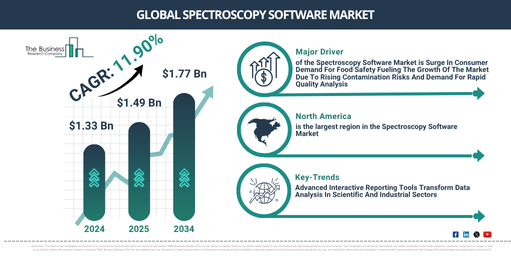
    The market size of spectroscopy software has seen swift expansion in the past few years. Forecasts suggest that it rose from $1.33 billion in 2024 and is set to reach $1.49 billion in 2025, reflecting a compound annual growth rate (CAGR) of 12.1%. The historic growth has been fueled by several factors, including an enhanced demand for analytical tools, the increasing uptake of automated solutions in labs, escalating emphasis on quality control in the pharmaceutical sector, growing use of spectroscopy in environmental surveillance, and the mounting necessity for competent data management tools.

    In the forthcoming years, the spectroscopy software market size is anticipated to experience swift expansion. It is predicted to reach a value of $2.33 billion by 2029, with a compound annual growth rate (CAGR) of 11.9%. Factors contributing to this growth in the prediction period include the increasing uptake of cloud-based laboratory software, enhanced need for remote and live data access, escalating investments in life sciences and chemical research, growing demand for high-throughput analytical apparatus, and the escalating popularity of multi-technique spectroscopy platforms. Significant trends anticipated during this prediction period encompass advancements in AI-powered spectroscopy analysis, developments in user-friendly and customizable software interfaces, the incorporation of spectroscopy software with laboratory information management systems (LIMS), improvements in cloud-based data sharing and storage, and innovative developments in real-time spectral monitoring tools.

    Download The Free Sample Report Here:

    https://www.thebusinessresearchcompany.com/sample.aspx?id=25910&type=smp

    What Elements Are Contributing To Growth In The Spectroscopy Software Market?

    The growth of the spectroscopy software market is anticipated to be fueled by the escalating consumer demand for food safety. This refers to the measures and conditions put in place to maintain food quality and avoid contamination and illnesses caused by foodborne pathogens. The globalization of the food supply chain is causing an increase in food safety concerns, as it raises the odds of contamination at different stages of production, processing, and distribution. Spectroscopy software contributes to food safety as it allows for quick, non-invasive analysis of food products to spot contaminants, authenticate ingredients, and keep track of quality parameters throughout the supply chain. For example, the Public Interest Research Group (PIRG), a nonprofit organization based in the United States, reported an increase in food and beverage recalls in the United States from 6% in 2022 to 8% in 2023 in April 2024. As a result, the escalating consumer demand for food safety is stimulating the expansion of the spectroscopy software market.

    Which Segments Are Detailed In The Global Spectroscopy Software Market Report?

    The spectroscopy software market covered in this report is segmented –

    1) By Type Of Spectroscopy: Ultraviolet-Visible Spectroscopy Software, Infrared Spectroscopy Software, Nuclear Magnetic Resonance Spectroscopy Software, Mass Spectrometry Software, Fluorescence Spectroscopy Software

    2) By Deployment Type: On-Premise Software, Cloud-Based Software, Hybrid Software

    3) By Functionality: Data Acquisition, Data Analysis, Data Management, Reporting And Visualization, Instrument Control

    4) By Application: Food Testing, Environmental Testing, Forensic Science, Pharmaceuticals, Other Applications

    5) By End-User: Pharmaceuticals And Biotechnology Industries, Forensics, Food Industries, Polymers And Organic Chemistry Industries

    Subsegments:

    1) By Ultraviolet-Visible Spectroscopy Software: Single-Beam Ultraviolet-Visible Software, Double-Beam Ultraviolet-Visible Software, Array-Based Ultraviolet-Visible Software, Portable Ultraviolet-Visible Software

    2) By Infrared Spectroscopy Software: Near-Infrared (NIR) Spectroscopy Software, Mid-Infrared (MIR) Spectroscopy Software, Far-Infrared (FIR) Spectroscopy Software, Fourier-Transform Infrared (FTIR) Software

    3) By Nuclear Magnetic Resonance Spectroscopy Software: 1D Nuclear Magnetic Resonance (NMR) Software, 2D Or 3D Nuclear Magnetic Resonance (NMR) Software, Solid-state Nuclear Magnetic Resonance (NMR) Software, High-Resolution Nuclear Magnetic Resonance (NMR) Software

    4) By Mass Spectrometry Software: Gas Chromatography-Mass Spectrometry Software, Liquid Chromatography-Mass Spectrometry Software, Matrix-Assisted Laser Desorption Or Ionization Software, Tandem Mass Spectrometry Software

    5) By Fluorescence Spectroscopy Software: Steady-State Fluorescence Software, Time-Resolved Fluorescence Software, Fluorescence Lifetime Imaging Software, Forster Resonance Energy Transfer (FRET) Software

    What Notable Trends Are Shaping The Direction Of The Spectroscopy Software Market?

    Key players in the spectroscopy software market are concentrating their efforts on creating innovative offerings such as interactive reports to improve data visualization. These tools facilitate a thorough examination and present tailored insights that aid in quicker and more knowledgeable decision-making across scientific and industrial sectors. Interactive reports are dynamic, user-friendly digital reporting tools, enabling real-time interaction, exploration, and portrayal of spectroscopy data. For example, in June 2023, US-based technology and manufacturing firm Mirion Technologies, Inc. launched an upgrade to their main spectroscopy software, Genie 4.0. This upgrade includes enhanced user interfaces with interactive reports, improved precision through sophisticated algorithms, and greater automation through Python-based scripting. Genie 4.0 is built with both new and existing users in mind, ensuring an easy transition while expanding versatility. The upgrade also introduces new options for subscription and perpetual licenses, providing users with cost-effective models to fit their specific requirements. It will be available for download by mid-July.

    Who Are The Key Contributors To Growth In The Spectroscopy Software Market?

    Major companies operating in the spectroscopy software market are Thermo Fisher Scientific Inc., Danaher Corporation, Agilent Technologies Inc., PerkinElmer Inc., Mettler-Toledo International Inc., Shimadzu Corporation, Waters Corporation, Bruker Corporation, HORIBA Ltd., JEOL Ltd., Anton Paar GmbH, Renishaw plc, Metrohm AG, Genedata AG, HunterLab Europe GmbH, Avantes B.V.Renishaw plc, JASCO Corporation, Wasatch Photonics Inc., Lablicate GmbH, StellarNet Inc.

    Get The Full Report Here:

    https://www.thebusinessresearchcompany.com/report/spectroscopy-software-global-market-report

    Which Region Is Projected To Lead The Spectroscopy Software Market By 2025?

    North America was the largest region in the spectroscopy software market in 2024. Asia-Pacific is expected to be the fastest-growing region in the forecast period. The regions covered in the spectroscopy software market report are Asia-Pacific, Western Europe, Eastern Europe, North America, South America, Middle East, Africa.

    Request For A Customized Report:

    https://www.thebusinessresearchcompany.com/customise?id=25910&type=smp

    About The Business Research Company:

    With over 15000+ reports from 27 industries covering 60+ geographies, The Business Research Company has built a reputation for offering comprehensive, data-rich research and insights. Armed with 1,500,000 datasets, the optimistic contribution of in-depth secondary research, and unique insights from industry leaders, you can get the information you need to stay ahead in the game.

    Get in touch with us:

    The Business Research Company: https://www.thebusinessresearchcompany.com/

    Americas +1 310-496-7795

    Asia +44 7882 955267 & +91 8897263534

    Europe +44 7882 955267

    Email us at info@tbrc.info

    Follow us on:

    LinkedIn: https://in.linkedin.com/company/the-business-research-company

    YouTube: https://www.youtube.com/channel/UC24_fI0rV8cR5DxlCpgmyFQ

    Global Market Model: https://www.thebusinessresearchcompany.com/global-market-model
  • Industry Forecast: Specialty Pharmaceuticals Market to Generate $861.18  Billion Revenue by 2029

    Industry Forecast: Specialty Pharmaceuticals Market to Generate $861.18 Billion Revenue by 2029

    Claim your 30% discount on Global Market Reports with code ONLINE30. Limited time only.

    Claim your 30% discount on Global Market Reports with code ONLINE30. Limited time only.

    How Much Is the Global Specialty Pharmaceuticals Market Valued at Present and by 2029?

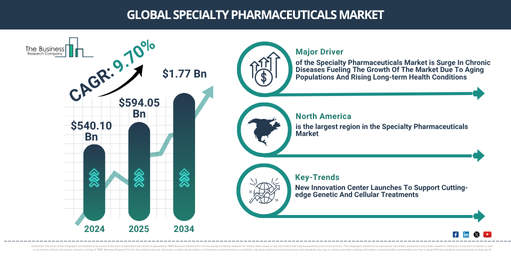
    In previous years, the specialty pharmaceuticals market has seen swift expansion. The market’s valuation is expected to escalate from $540.10 billion in 2024 to $594.05 billion in 2025, reflecting a compound annual growth rate (CAGR) of 10.0%. Factors contributing to this growth during the historic period include an augmented demand for specific treatments, a growing incidence of chronic diseases, a surge in biopharmaceutical innovations, increased number of approvals for specialty drugs, and a rise in healthcare spending.

    Projected robust expansion is expected in the specialty pharmaceuticals market in the coming years. By 2029, it’s estimated to reach a worth of $861.18 billion, with a compound annual growth rate (CAGR) of 9.7%. This growth during the forecasted period can be credited to the rising adoption of personalized medicine, increased funding for biologics and biosimilars, a surge in rare disease occurrence, the development of healthcare infrastructure in emerging economies, and an intensified focus on the development of the specialty drug pipeline. Key trends forecasted for this period include advances in biologics and gene therapies, groundbreaking drug delivery technologies, innovation in personalized medicine, the incorporation of digital health and AI, and progress in the development of biosimilars.

    Download The Free Sample Report Here:

    https://www.thebusinessresearchcompany.com/sample.aspx?id=25909&type=smp

    #What Drivers Are Influencing Growth In The Specialty Pharmaceuticals Market?

    The escalating incidence of chronic ailments is anticipated to drive the growth of the specialty pharmaceuticals market. Chronic ailments refer to persisting health conditions that usually last for a year or longer and necessitate ongoing healthcare attention or limit regular activities. The surge in chronic illness occurrence is attributed to the aging populace, as elderly adults are at a higher risk of enduring conditions like diabetes, heart disease, and arthritis. Specialty pharmaceuticals play a crucial role in managing chronic diseases by providing targeted, high-impact treatments that enhance patient outcomes and quality of life, particularly when conventional therapies are unsuccessful. For example, the US-based National Library of Medicine revealed that in June 2024, the count of Americans over the age of 50 living with at least one chronic disease is expected to nearly double by 2050, achieving an approximate 142.66 million, a shocking 99.5% surge. Consequently, the escalating occurrence of chronic ailments is fueling the expansion of the specialty pharmaceuticals market.

    What Are The Main Segments Identified In The Specialty Pharmaceuticals Market Research?

    The specialty pharmaceuticals market covered in this report is segmented –

    1) By Drug Types: Biologics, Biosimilars, Orphan Drugs, Small Molecules, Other Drug Types

    2) By Route Of Administration: Oral, Injectables, Intranasal, Transdermal, Inhalation

    3) By Therapeutic Area: Oncology, Autoimmune Diseases, Neurology, Infectious Diseases, Rare Genetic Disorders, Other Therapeutic Areas

    4) By Distribution Channel: Online, Offline

    5) By End User: Hospitals, Specialty Clinics, Homecare Settings, Pharmacies

    Subsegments:

    1) By Biologics: Monoclonal Antibodies, Recombinant Proteins, Vaccines, Cell And Gene Therapies, Fusion Proteins

    2) By Biosimilars: Monoclonal Antibody Biosimilars, Insulin Biosimilars, Growth Hormone Biosimilars, Erythropoietin Biosimilars, Other Biosimilars

    3) By Orphan Drugs: Rare Genetic Disorders, Rare Cancers, Rare Metabolic Disorders, Rare Infectious Diseases, Rare Autoimmune Diseases

    4) By Small Molecules: Chemotherapy Agents, Immunosuppressants, Anti-inflammatory Agents, Antiviral Drugs, Hormonal Therapies

    5) By Other Drug Types: Advanced Drug Delivery Systems, Combination Therapies, Personalized Medicines, Nanomedicines, Radiopharmaceuticals

    What Upcoming Trends Are Expected To Impact The Specialty Pharmaceuticals Market Globally?

    The emphasis in the specialty pharmaceuticals market is on innovation, with leading firms striving to create unique solutions such as integrated digital care spaces. The goal is to elevate patient interaction, boost treatment compliance, and optimize the delivery of care. Integrated digital care spaces, which can be either actual or virtual spaces equipped with digital health technology, facilitate cohesive, remote, and face-to-face care by linking patients, healthcare providers, and supportive services. This aims to enhance treatment results and the effectiveness of care. For example, in April 2024, Walgreens Boots Alliance, Inc., a US-based company specializing in pharmacy-led health and wellness, added gene and cell services to its newly incorporated specialty pharmacy division. This was a move towards providing more sophisticated gene and cell therapy services designed to upgrade patient care and the management of treatment. The facility caters to the intricate logistics and specific requirements associated with these pioneering therapies, reflecting Walgreens’ ongoing commitment to broadening its influence in the specialty pharmaceuticals market.

    Which Companies Play A Key Role In The Development Of The Specialty Pharmaceuticals Market?

    Major companies operating in the specialty pharmaceuticals market are Pfizer Inc., Johnson & Johnson, Merck & Co. Inc., AbbVie Inc., Novartis AG, Sanofi S.A., GlaxoSmithKline plc, Gilead Sciences Inc., Amgen Inc., Viatris Inc., Teva Pharmaceutical Industries Limited, Bausch Health Companies Inc., Sun Pharmaceutical Industries Limited, Apotex Inc., Cipla Limited, Hikma Pharmaceuticals plc, United Therapeutics Corporation, Mallinckrodt plc, Biocon Biologics Limited, Medicure Inc.

    Get The Full Report Here:

    https://www.thebusinessresearchcompany.com/report/specialty-pharmaceuticals-global-market-report

    What Are The Key Regional Developments Shaping The Specialty Pharmaceuticals Market?

    North America was the largest region in the specialty pharmaceuticals market in 2024. Asia-Pacific is expected to be the fastest-growing region in the forecast period. The regions covered in the specialty pharmaceuticals market report are Asia-Pacific, Western Europe, Eastern Europe, North America, South America, Middle East, Africa.

    Request For A Customized Report:

    https://www.thebusinessresearchcompany.com/customise?id=25909&type=smp

    About The Business Research Company:

    With over 15000+ reports from 27 industries covering 60+ geographies, The Business Research Company has built a reputation for offering comprehensive, data-rich research and insights. Armed with 1,500,000 datasets, the optimistic contribution of in-depth secondary research, and unique insights from industry leaders, you can get the information you need to stay ahead in the game.

    Get in touch with us:

    The Business Research Company: https://www.thebusinessresearchcompany.com/

    Americas +1 310-496-7795

    Asia +44 7882 955267 & +91 8897263534

    Europe +44 7882 955267

    Email us at info@tbrc.info

    Follow us on:

    LinkedIn: https://in.linkedin.com/company/the-business-research-company

    YouTube: https://www.youtube.com/channel/UC24_fI0rV8cR5DxlCpgmyFQ

    Global Market Model: https://www.thebusinessresearchcompany.com/global-market-model
  • Soft Contact Lenses Market Revenue Outlook: Strategic Insights and Forecast to 2029

    Soft Contact Lenses Market Revenue Outlook: Strategic Insights and Forecast to 2029

    Claim your 30% discount on Global Market Reports with code ONLINE30. Limited time only.

    Claim your 30% discount on Global Market Reports with code ONLINE30. Limited time only.

    What Is the Current and Projected Market Size of the Soft Contact Lenses Industry?

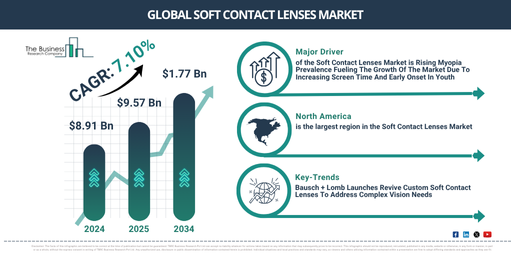
    The market for soft contact lenses has seen robust growth in previous years, expanding from $8.91 billion in 2024 to an estimated $9.57 billion in 2025, with a compound annual growth rate (CAGR) of 7.4%. This growth during the historical period can be accredited to the increasing prevalence of refractive vision issues, a mounting preference for looks over glasses, increased involvement in sports and outdoor activities, wider contact lens availability in retail stores, and growth in disposable income and healthcare expenditure.

    The market size for soft contact lenses is anticipated to undergo robust expansion in the forthcoming years. The growth is projected to reach $12.61 billion by 2029, with a compound annual growth rate (CAGR) of 7.1%. Various factors contributing to this projected growth during the forecast period are increased exposure to digital screens, an aging population dealing with presbyopia, escalating demand for daily disposable lenses, the growth of online direct-to-consumer markets, and heightened eye health awareness. Significant trends during the forecast period encompass advancements in lens materials technology, breakthroughs in drug delivery and therapeutic lenses, progress in research and development for multifocal and toric designs, the adoption of intelligent contact lens technologies, and a focus on sustainability in lens packaging and production.

    Download The Free Sample Report Here:

    https://www.thebusinessresearchcompany.com/sample.aspx?id=25908&type=smp

    #Which Factors Are Currently Driving The Growth Of The Soft Contact Lenses Market?

    Anticipated increase in cases of myopia worldwide is likely to fuel the expansion of the soft contact lenses market. Myopia, a prevalent vision disorder, causes distant objects to appear hazy due to the eyeballs’ abnormal stretching or irregular cornea curvature, leading to a flawed focus in front of the retina. This issue predominantly emerges from extensive digital screen usage by youngsters and teenagers, coupled with limited outside physical activities, contributing to earlier occurrence and rapid progression of myopia globally. Comfortable and corrective soft contact lenses that enhance visual sharpness and have the potential to control myopia progression have emerged as a solution. The lenses come with a range of wearing options, such as daily and extended-wear. The National Institutes of Health (NIH), a US government agency, has projected that the worldwide myopia cases are set to increase with estimates reaching 36.59% by 2040, and 39.80% by 2050. This means the total count of myopia cases could exceed 740 million by 2050. Therefore, the escalating incidence of myopia is pushing the growth of soft contact lenses market.

    How Is The Global Soft Contact Lenses Market Structured In Terms Of Segments?

    The soft contact lenses market covered in this report is segmented –

    1) By Product Type: Daily Disposable Lenses, Extended Wear Lenses, Frequent Replacement Lenses, Multifocal Lenses, Toric Lenses For Astigmatism

    2) By Material Composition: Hydrogel Lenses, Silicone Hydrogel Lenses, Polyhema Lenses, Non-Ionogenic Lenses, Ultraviolet Blocking Lenses

    3) By Age Group: Children, Teenagers, Young Adults, Middle Aged Adults, Senior Citizens

    4) By Distribution Channel: Online Retailers, Optical Stores, Pharmacies, Hospital And Clinic Sales, Direct To Consumer Brands

    5) By Application: Corrective, Therapeutic, Cosmetic, Prosthetic, Lifestyle Oriented

    Subsegments:

    1) By Daily Disposable Lenses: Single Vision Daily Disposable Lenses, Multifocal Daily Disposable Lenses, Toric Daily Disposable Lenses For Astigmatism, Colored Daily Disposable Lenses, Ultraviolet Blocking Daily Disposable Lenses

    2) By Extended Wear Lenses: Seven Day Continuous Wear Lenses, Fourteen Day Continuous Wear Lenses, Thirty Day Continuous Wear Lenses, Silicone Hydrogel Extended Wear Lenses, Overnight Therapeutic Extended Wear Lenses

    3) By Frequent Replacement Lenses: Two Week Replacement Contact Lenses, Monthly Replacement Contact Lenses, Custom Designed Replacement Lenses, Colored Frequent Replacement Lenses, Hydrogel Based Frequent Replacement Lenses

    4) By Multifocal Lenses: Daily Disposable Multifocal Contact Lenses, Extended Wear Multifocal Contact Lenses, Monthly Replacement Multifocal Lenses, Toric Multifocal Contact Lenses For Astigmatism, Aspheric Multifocal Contact Lenses

    5) By Toric Lenses For Astigmatism: Daily Disposable Toric Contact Lenses, Extended Wear Toric Contact Lenses, Monthly Replacement Toric Contact Lenses, Multifocal Toric Contact Lenses, Custom Fit Toric Contact Lenses

    How Are Key Trends Driving Expansion In The Soft Contact Lenses Industry?

    Leading firms in the soft contact lenses market are now putting their attention on launching inventive solutions, such as customizable contact lenses, to augment visual rectification, increase the comfort of the wearer, and attend to those with unique eye conditions or prescriptions. The term customizable contact lenses describe lenses that are crafted specifically for a person’s individual eye contour, prescription, and sight needs. These lenses can be configured for elements like curvature, diameter, content, and optical rectification, offering superior comfort, fitting, and visual efficiency compared to generic lenses. For instance, in June 2022, Bausch + Lomb, an eye health organization based in the US, presented its new offering—Revive custom soft contact lenses, an exhaustive range of immensely customizable lenses available in spherical, toric, multifocal, and multifocal toric varieties. These lenses are engineered to cater to the visual needs of an extensive patient spectrum, including those with high or unique prescriptions like astigmatism, hyperopia, high myopia, and presbyopia. The Revive lenses are made of a non-ionic material resistant to protein buildup and can be worn daily for a period of up to three months, accompanied by flexible renewal schedules. Features like customizable diameter, base curve, and power ensure an ideal fit. Backed by Bausch + Lomb’s 120-day EZ-Exchange program and specialist fitting assistance, these lenses empower eye care professionals to optimally cater to patients with complex vision needs.

    Who Are The Main Participants Shaping The Soft Contact Lenses Market Landscape?

    Major companies operating in the soft contact lenses market are Johnson & Johnson, EssilorLuxottica SA, Alcon Laboratories Inc., Hoya Corporation, Bausch & Lomb Incorporated, The Cooper Companies Inc., Carl Zeiss Meditec AG, Polytouch Contact Lens Co., Menicon Co. Ltd., ABB Optical Group LLC, Contamac Ltd., Art Optical Contact Lens Inc., Clearlab SG Pte Ltd., X-Cel Specialty Contacts, Daysoft Limited, Seed Co. Ltd., Blanchard Contact Lens Inc., Cantor & Nissel Ltd., Metro Optics Inc., SpecialEyes LLC, TruForm Optics Inc., UltraVision CLPL Limited, Viscon Contact Lens Mfg. Ltd.

    Get The Full Report Here:

    https://www.thebusinessresearchcompany.com/report/soft-contact-lenses-global-market-report

    Which Region Currently Holds The Largest Share In The Soft Contact Lenses Market?

    North America was the largest region in the soft contact lenses market in 2024. Asia-Pacific is expected to be the fastest-growing region in the forecast period. The regions covered in the soft contact lenses market report are Asia-Pacific, Western Europe, Eastern Europe, North America, South America, Middle East, Africa.

    Request For A Customized Report:

    https://www.thebusinessresearchcompany.com/customise?id=25908&type=smp

    About The Business Research Company:

    With over 15000+ reports from 27 industries covering 60+ geographies, The Business Research Company has built a reputation for offering comprehensive, data-rich research and insights. Armed with 1,500,000 datasets, the optimistic contribution of in-depth secondary research, and unique insights from industry leaders, you can get the information you need to stay ahead in the game.

    Get in touch with us:

    The Business Research Company: https://www.thebusinessresearchcompany.com/

    Americas +1 310-496-7795

    Asia +44 7882 955267 & +91 8897263534

    Europe +44 7882 955267

    Email us at info@tbrc.info

    Follow us on:

    LinkedIn: https://in.linkedin.com/company/the-business-research-company

    YouTube: https://www.youtube.com/channel/UC24_fI0rV8cR5DxlCpgmyFQ

    Global Market Model: https://www.thebusinessresearchcompany.com/global-market-model
  • Future Projections: Smart Sports Fitness Trackers Market to Reach $88.25  Billion by 2029 at 13.5% CAGR

    Future Projections: Smart Sports Fitness Trackers Market to Reach $88.25 Billion by 2029 at 13.5% CAGR

    Claim your 30% discount on Global Market Reports with code ONLINE30. Limited time only.

    Claim your 30% discount on Global Market Reports with code ONLINE30. Limited time only.

    How Will the Smart Sports Fitness Trackers Market Evolve in Terms of Growth and Size by 2029?

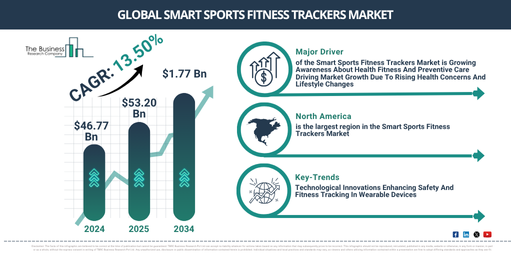
    In recent times, the market size for smart sports fitness trackers has experienced a significant surge. It is predicted to grow from $46.77 billion in 2024 to $53.20 billion in 2025, representing a compound annual growth rate (CAGR) of 13.8%. This remarkable growth during the historical period can be associated with factors such as growing consciousness about personal health, increased usage of wearable technology, the rising trend of fitness tracking among the younger generation, the expansion of smartphone integration capabilities, and a surge in involvement in recreational sports activities.

    The market size for smart sports fitness trackers is poised to experience significant growth in the coming years. Its value is predicted to reach $88.25 billion by 2029 with a compound annual growth rate (CAGR) of 13.5%. The projected growth during the forecast period can be ascribed to the increasing demand for real-time health tracking, heightened health awareness among older generations, the growth of the fitness and wellness sector, the rising emphasis on preventive healthcare, and the escalating usage in remote patient monitoring. Key trends during the forecast period are anticipated to be enhancements in biometric sensor technology, ongoing advancements in wearable designs, the incorporation of personalized fitness metrics, continued research and development in health algorithms, and the production of multifunctional fitness tracking devices.

    Download The Free Sample Report Here:

    https://www.thebusinessresearchcompany.com/sample.aspx?id=25907&type=smp

    What factors are expected to fuel Smart Sports Fitness Trackers market growth in the coming years?

    The rise in consciousness about health, fitness, and proactive health measures is predicted to stimulate the expansion of the smart sports fitness trackers industry. Understanding the significance of sustaining physical wellness through frequent workouts, healthy behaviors, and early steps to avert disease is what health, fitness, and preventive care awareness refers to. This awareness is on the rise, chiefly due to the increasing accessibility of information through digital channels. People nowadays can effortlessly access health-oriented content through websites, social media, and mobile apps, which educate them on the advantages of adhering to a healthy lifestyle. Smart sports fitness trackers contribute to health, fitness, and preventive care by monitoring physical activity, inspecting vital signs, and delivering insights that enable people to make well-informed decisions and identify potential health concerns at an early stage. A survey in May 2022 by the US-based non-profit organization, the International Food Information Council, among 1,005 adults aged between 18-80 and Gen Z consumers aged 18-24, showed a rise in specific diets or eating patterns. Around 52% of the participants reported that they were on a particular diet or eating pattern in 2022, a rise from 39% in 2021. The most prevalent methods included clean eating (16%), mindful eating (14%), and calorie counting (13%). Thus, the enlarging consciousness about health, fitness, and preventive care is the primary driver propelling the smart sports fitness trackers industry’s growth.

    What Are The Key Findings From The Segmentation Analysis Of The Smart Sports Fitness Trackers Market?

    The smart sports fitness trackers market covered in this report is segmented –

    1) By Product Type: Wristbands, Smartwatches, Chest Straps, Other Product Types

    2) By Price: Economy, Mid, Premium, Super-Premium

    3) By Application: Activity Tracking, Sleep Monitoring, Heart Rate Monitoring, Augmenting Nutrition Plan, Coaching

    4) By Distribution Channel: Hypermarkets Or Supermarkets, Departmental Stores, Online Retail, Sports Stores

    5) By End-User: Professional Athletes, Fitness Enthusiasts, Other End-Users

    Subsegments:

    1) By Wristbands: Basic Fitness Trackers, Advanced Fitness Trackers With Heart Rate Monitoring, Waterproof Fitness Trackers

    2) By Smartwatches: Standalone Smartwatches, Bluetooth-Connected Smartwatches, Hybrid Smartwatches

    3) By Chest Straps: Heart Rate Monitoring Straps, Respiratory Monitoring Straps, Multi-Sensor Chest Straps

    4) By Other Product Types: Clip-On Trackers, Smart Rings, Smart Clothing Sensors

    Which Trends Are Expected To Shape The Future Of The Smart Sports Fitness Trackers Market?

    Key businesses in the smart sports fitness tracker industry are concentrating on the development of intelligent connection equipment, such as the emergency overhead safety system (SOS) feature, which provides enhanced safety options and accurate wellness and fitness tracking. The SOS feature enables users to swiftly send an alert for emergency aid by pressing a definite button combination on their device. For instance, in February 2024, Galaxy Fit 3, an entry-level fitness tracker, was launched in India by Samsung Electronics Co. Ltd., a technology and electronics company based in South Korea. This device, equipped with a 1.6-inch AMOLED screen, a variety of health sensors, and over a hundred workout routines, provides advanced safety and fitness features. It comes with comprehensive sleep monitoring, fall detection during emergencies, and blood oxygen level tracking while sleeping, water resistance rated at 5 ATM, IP68 certification, along with convenient smartphone control function, making it a dependable and versatile wearable for health, fitness, and activity tracking in various situations.

    What Are The Most Active Companies In The Smart Sports Fitness Trackers Market Today?

    Major companies operating in the smart sports fitness trackers market are Apple Inc., Samsung Electronics Co. Ltd., Huawei Technologies Co. Ltd., Sony Corporation, Lenovo Group Limited, LG Corporation, Nike Inc., Xiaomi Corporation, Under Armour Inc., Garmin Ltd., Fossil Group Inc., Polar Electro Oy, TomTom International B.V., Bellabeat Inc., MOKO Smart Technology Limited, COROS Wearables Inc., Amazfit (by Zepp Health Corporation), Ultrahuman Healthcare Private Limited, Moov Inc., Starmax Technology Co. Ltd.

    Get The Full Report Here:

    https://www.thebusinessresearchcompany.com/report/smart-sports-fitness-trackers-global-market-report

    Which Regional Markets Are Attracting The Most Investment In Smart Sports Fitness Trackers?

    North America was the largest region in the smart sports fitness trackers market in 2024. Asia-Pacific is expected to be the fastest-growing region in the forecast period. The regions covered in the smart sports fitness trackers market report are Asia-Pacific, Western Europe, Eastern Europe, North America, South America, Middle East, Africa.

    Request For A Customized Report:

    https://www.thebusinessresearchcompany.com/customise?id=25907&type=smp

    About The Business Research Company:

    With over 15000+ reports from 27 industries covering 60+ geographies, The Business Research Company has built a reputation for offering comprehensive, data-rich research and insights. Armed with 1,500,000 datasets, the optimistic contribution of in-depth secondary research, and unique insights from industry leaders, you can get the information you need to stay ahead in the game.

    Get in touch with us:

    The Business Research Company: https://www.thebusinessresearchcompany.com/

    Americas +1 310-496-7795

    Asia +44 7882 955267 & +91 8897263534

    Europe +44 7882 955267

    Email us at info@tbrc.info

    Follow us on:

    LinkedIn: https://in.linkedin.com/company/the-business-research-company

    YouTube: https://www.youtube.com/channel/UC24_fI0rV8cR5DxlCpgmyFQ

    Global Market Model: https://www.thebusinessresearchcompany.com/global-market-model
  • 2025 Smart Orthopedic Implants Market Outlook: Opportunities, Growth Trends, and Strategic Analysis

    2025 Smart Orthopedic Implants Market Outlook: Opportunities, Growth Trends, and Strategic Analysis

    Claim your 30% discount on Global Market Reports with code ONLINE30. Limited time only.

    Claim your 30% discount on Global Market Reports with code ONLINE30. Limited time only.

    What CAGR Is Anticipated for the Smart Orthopedic Implants Market Through 2029?

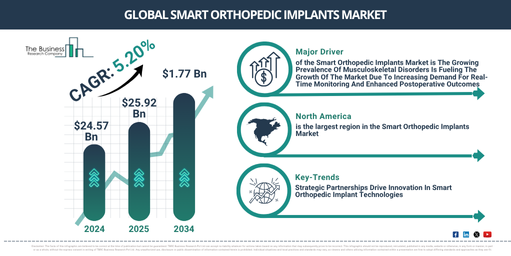
    In recent times, the market size of smart orthopedic implants has witnessed significant growth. The market, which was worth $24.57 billion in 2024, is projected to reach $25.92 billion in 2025, delivering a compound annual growth rate (CAGR) of 5.5%. The robust growth during this historic period is a result of the rising incidence of musculoskeletal disorders, an increase in the elderly population, heightened demand for minimally invasive procedures, enhanced orthopedic surgical methods, and early adoption by sophisticated healthcare systems.

    The market size for smart orthopedic implants is projected to experience substantial growth in the coming years, reaching $31.77 billion by 2029, with a compound annual growth rate (CAGR) of 5.2%. The expected expansion in the forecast period is primarily due to the broadening scope of remote patient monitoring, a surge in the need for tailored orthopedic care, a greater acceptance in developing countries, rising occurrences of sports-related injuries, and an increased emphasis on tracking postoperative outcomes. Some significant trends to watch during the forecast period are technological enhancements in implant materials, ongoing innovations in sensor miniaturization, escalating research and development partnerships, the merging of telehealth with implant platforms, and the arrival of cloud-based implant data ecosystems.

    Download The Free Sample Report Here:

    https://www.thebusinessresearchcompany.com/sample.aspx?id=25906&type=smp

    What Market Forces Are Driving The Smart Orthopedic Implants Sector In 2025 And Beyond?

    The smart orthopedic implants market is anticipated to grow due to the increasing occurrence of musculoskeletal disorders. These conditions, largely brought about by sedentary lifestyles contributing to muscle atrophy and joint stress, impact the bones, muscles, joints, tendons, and ligaments. The situation often culminates in chronic pain and compromised mobility. Smart orthopedic implants contribute positively to the lives of those suffering from these disorders by providing real-time biomechanical feedback and warning signals in advance, thus bolstering postoperative care and curbing the requirement for revision surgery. For example, the Australian Institute of Health and Welfare affirmed that about 7.3 million Australians, or 29% of the populace, were living with chronic musculoskeletal conditions in June 2024. In addition, these disorders were found to be the direct or related cause of 10,446 deaths in 2022, accounting for 40 deaths per 100,000 individuals. This accounted for 5.5% of all deaths in that year. As a result, the escalating prevalence of musculoskeletal disorders is fuelling the expansion of the smart orthopedic implants market.

    How Is The Global Smart Orthopedic Implants Market Categorized By Segments?

    The smart orthopedic implants market covered in this report is segmented –

    1) By Type Of Implant: Smart Knee Implants, Smart Hip Implants, Smart Spine Implants, Smart Shoulder Implants, Smart Ankle Implants

    2) By Material: Ceramic Implants, Metallic Implants, Polymeric Implants

    3) By Technology Integration: Data Analytics And Artificial Intelligence Integration, Microelectronic Sensors, Telemedicine Capabilities, Wearable Technology

    4) By Application: Fracture Fixation, Joint Replacement, Osteotomy, Spinal Fusion

    5) By End-Use: Ambulatory Surgical Centers, Hospitals, Specialty Clinics, Other End-Uses

    Subsegments:

    1) By Smart Knee Implants: Total Knee Replacement, Partial Knee Replacement, Unicompartmental Knee Implants, Revision Knee Implants

    2) By Smart Hip Implants: Total Hip Replacement, Partial Hip Replacement, Hip Resurfacing Implants, Revision Hip Implants

    3) By Smart Spine Implants: Cervical Spine Implants, Thoracolumbar Spine Implants, Interbody Fusion Devices, Pedicle Screw Systems

    4) By Smart Shoulder Implants: Total Shoulder Replacement, Reverse Shoulder Replacement, Partial Shoulder Replacement, Revision Shoulder Implants

    5) By Smart Ankle Implants: Total Ankle Replacement, Ankle Fusion Implants, Revision Ankle Implants, Ankle Fracture Fixation Devices

    What Long-Term Trends Are Likely To Affect The Smart Orthopedic Implants Market?

    Key firms in the smart orthopedic implants industry are centering their attention on establishing strategic alliances as a means to broaden their global capabilities in providing high-level care solutions for patients. A strategic alliance is a structured cooperation between two or more businesses, designed to blend their expertise for achieving joint long-term goals. It enables the sharing of resources, information, and innovative ideas, without jeopardizing their independent status. To illustrate, NanoHive Medical LLC, an American company specializing in 3D-printed spinal implants, joined forces with DirectSync Surgical, a US company producing human-powered smart implants, in June 2025. Their primary objective in this partnership is to incorporate bone stimulating and remote sensing technologies into NanoHive’s exclusive 3D-printed spinal fusion apparatus, using their special rhombic dodecahedron lattice to convey energy effectively from the piezoelectric sensors. This breakthrough aims to amplify patient care, through the enhancement of data collection, bone stimulation, and integration with advanced surgical techniques and artificial intelligence.

    Which Firms Are Considered Leaders In The Smart Orthopedic Implants Market Space?

    Major companies operating in the smart orthopedic implants market are Johnson & Johnson, Medtronic plc, Medline Industries LP, Stryker Corporation, Zimmer Biomet Holdings Inc., Enovis Corporation, Orthofix Medical Inc., Exactech Inc., GPC Medical Ltd., Xenco Medical LLC, Heraeus Medical GmbH, Uteshiya Medicare, Intelligent Implants GmbH, Statera Medical Inc., SpineGuard SA, BoneTag Technologies, DirectSync Surgical Inc., AK Medical Holdings Limited, Bonebridge GmbH, Mathys Ltd.

    Get The Full Report Here:

    https://www.thebusinessresearchcompany.com/report/smart-orthopedic-implants-global-market-report

    What Role Do Regional Policies And Investments Play In Smart Orthopedic Implants Market Expansion?

    North America was the largest region in the smart orthopedic implants market in 2024. Asia-Pacific is expected to be the fastest-growing region in the forecast period. The regions covered in the smart orthopedic implants market report are Asia-Pacific, Western Europe, Eastern Europe, North America, South America, Middle East, Africa.

    Request For A Customized Report:

    https://www.thebusinessresearchcompany.com/customise?id=25906&type=smp

    About The Business Research Company:

    With over 15000+ reports from 27 industries covering 60+ geographies, The Business Research Company has built a reputation for offering comprehensive, data-rich research and insights. Armed with 1,500,000 datasets, the optimistic contribution of in-depth secondary research, and unique insights from industry leaders, you can get the information you need to stay ahead in the game.

    Get in touch with us:

    The Business Research Company: https://www.thebusinessresearchcompany.com/

    Americas +1 310-496-7795

    Asia +44 7882 955267 & +91 8897263534

    Europe +44 7882 955267

    Email us at info@tbrc.info

    Follow us on:

    LinkedIn: https://in.linkedin.com/company/the-business-research-company

    YouTube: https://www.youtube.com/channel/UC24_fI0rV8cR5DxlCpgmyFQ

    Global Market Model: https://www.thebusinessresearchcompany.com/global-market-model
  • Global Insights: Smart Hearing Aids Market Expected to Surpass $9.56  Billion by 2029

    Global Insights: Smart Hearing Aids Market Expected to Surpass $9.56 Billion by 2029

    Claim your 30% discount on Global Market Reports with code ONLINE30. Limited time only.

    Claim your 30% discount on Global Market Reports with code ONLINE30. Limited time only.

    What Are the Latest Market Insights for the Smart Hearing Aids Industry?

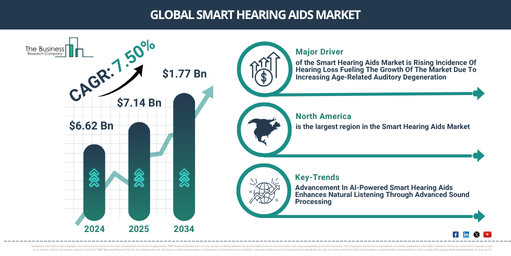
    In recent times, there has been notable growth in the size of the smart hearing aids market. With a compound annual growth rate (CAGR) of 7.9%, the market is projected to expand from $6.62 billion in 2024 to $7.14 billion in 2025. The historical growth of this market can be linked to factors such as the rising occurrence of hearing loss, an increase in the elderly population, greater uptake of digital and wireless technologies, heightened awareness about hearing health, and a growing demand for bespoke healthcare gadgets.

    The market of intelligent hearing aids is projected to experience robust growth in the following years, reaching an estimated worth of $9.56 billion by 2029 due to a compound annual growth rate (CAGR) of 7.5%. This anticipated growth during the forecast period can be associated with rising internet sales channels, technological enhancements, improved government backing and reimbursement schemes, escalating prevalence of noise-induced auditory disorders, and increased health-related spending in developing markets. Key trends to watch during the forecast period include progress in digital signal processing (DSP), the incorporation of artificial intelligence (AI), the amalgamation of technology with mobile devices and wearable technology, advances in rechargeable battery options, as well as developments in miniaturization and aesthetic design.

    Download The Free Sample Report Here:

    https://www.thebusinessresearchcompany.com/sample.aspx?id=25905&type=smp

    What Forces Are Driving The Growth Of The Smart Hearing Aids Industry?

    The smart hearing aids market is anticipated to grow due to the escalating rates of hearing loss. This condition, which could cause a total or partial inability to hear sounds in either one or both ears, significantly affects an individual’s capacity to communicate and comprehend auditory information. Several factors contribute to the rise in hearing loss, including the natural decline of the auditory system as people age. Smart hearing aids offer an innovative solution to this issue by amplifying sounds, minimizing background noise, and amplifying speech clarity using advanced digital technology. They automatically adjust to different settings, significantly enhancing hearing and communication for the user. The Department of Health, Disability, and Ageing, an Australian government administration, reported in May 2024 that about 3.6 million people had some degree of hearing loss, a figure expected to double to roughly 7.8 million by 2060. For these reasons, the increasing prevalence of hearing loss is a key driver of the smart hearing aids market expansion.

    What Is The Overview Of Market Segmentation In The Smart Hearing Aids Industry?

    The smart hearing aids market covered in this report is segmented –

    1) By Product Type: Behind-The-Ear (BTE), In-The-Ear (ITE), In-The-Canal (ITC), Completely-In-Canal (CIC), Receiver-In-Canal (RIC)

    2) By Technology: Bluetooth Enabled, Artificial Intelligence (AI)-Powered, Rechargeable, Tinnitus Masking, Other Technologies

    3) By Distribution Channel: Online Stores, Audiology Clinics, Hospitals And Clinics, Retail Pharmacies, Other Distribution Channels

    4) By End-User: Adults, Pediatrics

    Subsegments:

    1) By Behind-The-Ear (BTE): Standard Behind-The-Ear (BTE), Mini Behind-The-Ear (BTE), Power Behind-The-Ear (BTE), Rechargeable Behind-The-Ear (BTE), Bluetooth-Enabled Behind-The-Ear (BTE)

    2) By In-The-Ear (ITE): Full Shell In-The-Ear (ITE), Half Shell In-The-Ear (ITE), Wireless In-The-Ear (ITE), In-The-Ear (ITE) With Telecoil, Custom In-The-Ear (ITE)

    3) By In-The-Canal (ITC): Standard In-The-Canal (ITC), Mini In-The-Canal (ITC), Rechargeable In-The-Canal (ITC), Directional Microphone In-The-Canal (ITC), Wireless In-The-Canal (ITC)

    4) By Completely-In-Canal (CIC): Invisible-In-Canal (IIC), Wireless Completely-In-Canal (CIC), Programmable Completely-In-Canal (CIC), Completely-In-Canal (CIC) With Remote Control, Completely-In-Canal (CIC) With Venting

    5) By Receiver-In-Canal (RIC): Mini Receiver-In-Canal (RIC), Power Receiver-In-Canal (RIC), Rechargeable Receiver-In-Canal (RIC), Receiver-In-Canal (RIC) With Open Fit, Wireless Receiver-In-Canal (RIC)

    What Future Market Trends Are Projected For The Smart Hearing Aids Industry?

    Major players in the market for smart hearing aids are concentrating their efforts on the development of innovative products, such as AI-enabled hearing aids. These aids utilize artificial intelligence to adapt to changing auditory environments in real-time, enhancing speech comprehension. They are also capable of learning users’ listening habits, thus providing a personalized and highly natural hearing experience. For instance, GN Store Nord A/S, a producer of hearing aids based in Denmark, unveiled ReSound Vivia in February 2025. Touted as the most sophisticated hearing portfolio, this revolutionary device incorporates a dedicated Deep Neural Network (DNN) chip. This chip, trained with millions of speech samples, offers unparalleled speech precision, even in loud environments. Plus, despite having a discreet and comfortable design with an extended battery life, Vivia’s Intelligent Focus feature mimics the natural listening ability of humans by prioritizing sounds based on the user’s focus direction, thereby delivering a more user-friendly and effortless listening experience.

    Who Are The Primary Players Operating Across The Global Smart Hearing Aids Market?

    Major companies operating in the smart hearing aids market are Sonova Holding AG, GN Store Nord A/S, WS Audiology, Starkey Hearing Technologies, Cochlear Ltd., Jabra Enhance, Widex, Beltone, Unitron, Amplifon Hearing Health Care, Eargo Inc., Audicus, iHEAR Medical, MDHearing, SoundWorld Solutions, Lexie Hearing, Audien Hearing, Melosound, Austar Hearing Science and Technology (Xiamen) Co. Ltd., Soundwave Hearing LLC, Tweak Hearing.

    Get The Full Report Here:

    https://www.thebusinessresearchcompany.com/report/smart-hearing-aids-global-market-report

    Which Region Offers The Most Growth Potential For The Smart Hearing Aids Market Through 2029?

    North America was the largest region in the smart hearing aids market in 2024. The regions covered in the smart hearing aids market report are Asia-Pacific, Western Europe, Eastern Europe, North America, South America, Middle East, Africa.

    Request For A Customized Report:

    https://www.thebusinessresearchcompany.com/customise?id=25905&type=smp

    About The Business Research Company:

    With over 15000+ reports from 27 industries covering 60+ geographies, The Business Research Company has built a reputation for offering comprehensive, data-rich research and insights. Armed with 1,500,000 datasets, the optimistic contribution of in-depth secondary research, and unique insights from industry leaders, you can get the information you need to stay ahead in the game.

    Get in touch with us:

    The Business Research Company: https://www.thebusinessresearchcompany.com/

    Americas +1 310-496-7795

    Asia +44 7882 955267 & +91 8897263534

    Europe +44 7882 955267

    Email us at info@tbrc.info

    Follow us on:

    LinkedIn: https://in.linkedin.com/company/the-business-research-company

    YouTube: https://www.youtube.com/channel/UC24_fI0rV8cR5DxlCpgmyFQ

    Global Market Model: https://www.thebusinessresearchcompany.com/global-market-model
  • 2025 Analysis: Opportunities and Risks in the Evolving Sleep Market

    2025 Analysis: Opportunities and Risks in the Evolving Sleep Market

    Claim your 30% discount on Global Market Reports with code ONLINE30. Limited time only.

    Claim your 30% discount on Global Market Reports with code ONLINE30. Limited time only.

    What Are the Forecasted Growth Rate and Market Size of the Sleep Market?

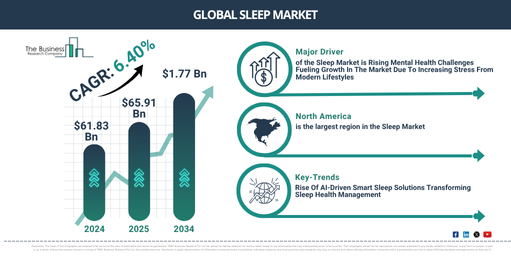
    In recent times, the sleep market sector has seen a significant expansion. By 2025, predictions suggest it will grow from a 2024 value of $61.83 billion to $65.91 billion, representing a compound annual growth rate (CAGR) of 6.6%. Factors driving growth during the historical period include the increased demand for non-invasive and drug-free sleep aids, a rise in lifestyle-related health issues, growth in preference for personalized health solutions, a shift towards sleep monitoring at home, and the emerging trend in digital health and telemedicine.

    In the coming years, the sleep market size is projected to witness robust expansion, reaching a hefty $84.60 billion by 2029 with a CAGR of 6.4%. This advancement during the projected period can be ascribed to factors such as the rising number of sleep disorder cases, escalating recognition of sleep health’s value, an expanding geriatric population, the surge in use of wearable sleep monitors, and mounting mental health issues. Noteworthy trends expected during this period involve technological improvements in wearable devices, the inclusion of artificial intelligence in sleep-monitoring gadgets, the invention of intelligent mattresses and pillows, the arrival of non-contact sleep-monitoring technologies, and the incorporation of voice-activated virtual helpers.

    Download The Free Sample Report Here:

    https://www.thebusinessresearchcompany.com/sample.aspx?id=25904&type=smp

    Which Factor Is Shaping The Future Of The Sleep Market?

    The growing frequency of mental health disorders is projected to drive the expansion of the sleep market in the future. Mental health concerns are medical situations often defined by changes in feelings, cognitive processes, or habits that usually interfere with an individual’s competence in handling daily tasks. The escalating frequency of these illnesses is mainly due to the stress associated with contemporary living conditions, such as job strain, financial uncertainty, and constant digital interaction. Adequate and quality sleep can immensely improve mental wellness by fostering emotional toughness, mitigating anxiety, and bolstering the brain’s ability to deal with stress and mood-related disorders. As an example, in May 2025, according to statistics from the Australian Institute of Health and Welfare, a governmental agency in Australia that provides health and welfare figures, nearly 26% of Australians over the age of 15 were found to have experienced a mental health disorder in 2022. Thus, the rise in mental health disorders is fuelling the growth of the sleep market.

    What Is The Segment-Wise Breakdown Of The Sleep Market?

    The sleep market covered in this report is segmented –

    1) By Product Type: Sleep Aids, Sleep Technologies, Sleep Devices, Bedding, Mattresses, Pillows, Other Product Types

    2) By Indication: Insomnia, Sleep Apnea, Narcolepsy, Restless Leg Syndrome, Rapid Eye Movement Sleep Behavior Disorder, Other Indications

    3) By Distribution Channel: Online, Offline

    Subsegments:

    1) By Sleep Aids: Prescription Sleep Medications, Melatonin Supplements, Cannabidiol (CBD) Products

    2) By Sleep Technologies: Smart Sleep Monitoring Apps, Artificial Intelligence-Based Sleep Platforms, Smart Sleep Environment Systems

    3) By Sleep Devices: Oral Appliances, Sleep Masks, Anti-Snoring Devices

    4) By Bedding: Bed Sheets, Mattress Toppers, Weighted Blankets

    5) By Mattresses: Innerspring Mattresses, Memory Foam Mattresses, Latex Mattresses

    6) By Pillows: Memory Foam Pillows, Latex Pillows, Cooling Pillows

    7) By Other Product Types: White Noise Machines, Sleepwear, Sleep Aromatherapy Products

    Which Trends Are Redefining The Future Landscape Of The Sleep Industry?

    Leading businesses in the sleep market are concentrating on the creation of cutting-edge technologies such as smart sleep analytics solutions, which are designed to elevate the quality of sleep, facilitate personalized sleep therapy, and offer real-time monitoring and understanding of sleep habits. These technologically advanced systems use sensors and artificial intelligence to scrutinize sleep patterns and deliver customized insights, ultimately supporting enhanced sleep quality. For example, in June 2024, an AI-enabled sleep health solution aimed at tracking sleep patterns was launched by Wakefit Innovations Limited, a firm based in India that specializes in sleep and home solutions. The new scheme provides bespoke insights and actionable guidance to improve sleep quality and empower users to handle sleep disorders more efficiently. With these solutions, sleep care has become much more accessible, reasonably priced, and reliant on data; this shift, however, has spotlighted issues surrounding data privacy and precision.

    Which Companies Hold The Largest Market Share In The Sleep Sector?

    Major companies operating in the sleep market are Koninklijke Philips N.V., Garmin Ltd, ResMed Inc., Sleep Number Corporation, Nihon Kohden Corporation, Fisher & Paykel Healthcare Corporation Limited, Natus Medical Incorporated, Itamar Medical Ltd., Withings S.A.S., Cadwell Industries Inc., BMC Medical Co. LTD., Eight Sleep Inc., Compumedics Limited, Simba Sleep Limited, Shenzhen Sleepace Technology Co. Ltd., Cleveland Medical Devices Inc., Advanced Brain Monitoring Inc., Braebon Medical Corporation, SOMNOMEDICS AG., Somnox B.V., Apex Medical Corporation

    Get The Full Report Here:

    https://www.thebusinessresearchcompany.com/report/sleep-global-market-report

    How Does Regional Performance Compare Across The Sleep Industry?

    North America was the largest region in the sleep market in 2024. Asia-Pacific is expected to be the fastest-growing region in the forecast period. The regions covered in the sleep market report are Asia-Pacific, Western Europe, Eastern Europe, North America, South America, Middle East, Africa.

    Request For A Customized Report:

    https://www.thebusinessresearchcompany.com/customise?id=25904&type=smp

    About The Business Research Company:

    With over 15000+ reports from 27 industries covering 60+ geographies, The Business Research Company has built a reputation for offering comprehensive, data-rich research and insights. Armed with 1,500,000 datasets, the optimistic contribution of in-depth secondary research, and unique insights from industry leaders, you can get the information you need to stay ahead in the game.

    Get in touch with us:

    The Business Research Company: https://www.thebusinessresearchcompany.com/

    Americas +1 310-496-7795

    Asia +44 7882 955267 & +91 8897263534

    Europe +44 7882 955267

    Email us at info@tbrc.info

    Follow us on:

    LinkedIn: https://in.linkedin.com/company/the-business-research-company

    YouTube: https://www.youtube.com/channel/UC24_fI0rV8cR5DxlCpgmyFQ

    Global Market Model: https://www.thebusinessresearchcompany.com/global-market-model

  • In-Depth Skin Health Supplements And Treatment Market Report: Business Trends, Growth Factors, and Forecast to 2029

    In-Depth Skin Health Supplements And Treatment Market Report: Business Trends, Growth Factors, and Forecast to 2029

    Claim your 30% discount on Global Market Reports with code ONLINE30. Limited time only.

    Claim your 30% discount on Global Market Reports with code ONLINE30. Limited time only.

    What Is the Estimated Industry Valuation for the Skin Health Supplements And Treatment Sector?

    The market size for skin health supplements and treatments has considerably expanded in the past few years. It is predicted to rise from $5.85 billion in 2024 to $6.35 billion in 2025, reflecting a compound annual growth rate (CAGR) of 8.5%. The growth observed in the historical period is due to factors such as heightened awareness about skin health, surging demand for anti-aging solutions, increased application of collagen supplements, broadening of wellness-centred lifestyles, and a growing inclination towards preventive healthcare.

    The market for skin health supplements and treatments is anticipated to witness robust growth in the upcoming years, with an estimate to reach $8.73 billion by 2029, expanding at a compound annual growth rate (CAGR) of 8.3%. The projected growth during the forecast period is largely due to an increasing focus on personalised skincare, the rising demand for vegan and plant-based supplements, a growing emphasis on balancing the skin microbiome, the burgeoning expansion of online skincare sales, and an increasing preference for clean label ingredients. Key trends predicted for this period include the advancement of delivery system technologies, the emergence of innovative nutricosmetic formulations, the escalation of investment in research and development, the introduction of multi-functional skin supplements, and the ingenuity in sourcing bioactive ingredients.

    Download The Free Sample Report Here:

    https://www.thebusinessresearchcompany.com/sample.aspx?id=25903&type=smp

    What Forces Are Driving The Growth Of The Skin Health Supplements And Treatment Market?

    The skin health supplements and treatment market is expected to grow due to the rising prevalence of skin disorders. These disorders disrupt the skin’s structure, appearance or functionality, leading to symptoms such as dryness, inflammation, or discoloration. The incidence of these conditions is escalating due to increased environmental pollution, exposing the skin to harmful irritants and chemicals which often trigger or exacerbate dermatological conditions. Skin health supplements and treatments offer valuable assistance for these conditions by supplying essential nutrients and specific therapies to heal, protect, and fortify the skin barrier internally and externally. For example, SunSmart, an Australia-based skin cancer prevention initiative, reported that 3,182 Victorians (1,860 males and 1,320 females) were diagnosed with melanoma in 2023 – an alarming increase from 2,884 cases in 2022. Thus, the escalating prevalence of skin disorders is significantly contributing to the expansion of the skin health supplements and treatment market.

    How Is The Skin Health Supplements And Treatment Industry Segmented Across Key Parameters?

    The skin health supplements and treatment market covered in this report is segmented –

    1) By Product Type: Skin Health Supplements, Skin Health Treatment

    2) By Dosage Form: Tablets, Capsules, Powders, Creams And Lotions, Gummies, Other Dosage Forms

    3) By Distribution Channel: Pharmacies And Drug Stores, Supermarkets And Hypermarkets, Online Pharmacies, Other Distribution Channels

    4) By Application: Anti-Aging, Acne Treatment, Skin Brightening And Hyperpigmentation, Skin Moisturization And Hydration, Ultraviolet (UV) Protection, Other Applications

    Subsegments:

    1) By Skin Health Supplements: Collagen Supplements, Vitamin And Mineral Supplements, Omega-3 Fatty Acids, Probiotic Supplements, Antioxidant Blends, Herbal And Botanical Extracts

    2) By Skin Health Treatment: Anti-Aging Creams And Serums, Acne Treatment Creams, Moisturizers And Hydrating Lotions, Brightening And Pigmentation Correctors, Sunscreens And UV Protection Creams, Exfoliators And Peels

    What Notable Trends Are Shaping The Direction Of The Skin Health Supplements And Treatment Market?

    Leading corporations in the skin health supplements and treatment market, such as Neutrogena, are concentrating their efforts on creating innovative solutions, including personalized 3D-printed nutraceuticals, in order to provide specialized and effective support for skin wellness. These cutting-edge nutraceuticals are state-of-the-art dietary supplements tailored to a person’s unique health or skincare needs using 3D printing technology, with customization informed by biomarkers, lifestyle indicators, or digital diagnostics. As an example, Neutrogena, a skincare company based in the US, launched 3D-printed, AI-driven skin additives in January 2023, with the aim of providing customized skin health supplements to meet each individual’s requirements. The product, designed using personalized formulas based on the user’s skin analysis, is vegan-friendly and sugar-free. It also comes with a 28-day supply of custom gummy supplements to support skin objectives, such as increasing hydration, providing aging support, and improving clarity. This product, named Skin360 SkinStacks, signifies an exciting leap in edible skincare, cleverly combining personalization and convenience to cater to the ever-evolving demands of health-conscious consumers.

    Which Companies Currently Dominate The Competitive Landscape In The Skin Health Supplements And Treatment Industry?

    Major companies operating in the skin health supplements and treatment market are Unilever plc, Bayer AG, Perrigo Company plc, TCI Co. Ltd., JSHealth Vitamins Pty Ltd., The Nue Co. Inc., Ancient Brands LLC, Moon Juice Ventures LLC, CCA Industries Inc., Sonoma Pharmaceuticals Inc., Fermentis Life Sciences Private Limited, BioThrive Sciences LLC, Vitl Life Ltd., Versed LLC, Sabbatical Beauty LLC, By Ava Inc., Kinship Skincare Inc., Skinade Ltd., Eagle Labs Inc., Vencora Healthcare Private Limited

    Get The Full Report Here:

    https://www.thebusinessresearchcompany.com/report/skin-health-supplements-and-treatment-global-market-report

    Which Geographic Regions Are Driving Demand In The Skin Health Supplements And Treatment Market?

    Asia-Pacific was the largest region in the skin health supplements and treatments market in 2024. Asia-Pacific is expected to be the fastest-growing region in the forecast period. The regions covered in the skin health supplements and treatment market report are Asia-Pacific, Western Europe, Eastern Europe, North America, South America, Middle East, Africa.

    Request For A Customized Report:

    https://www.thebusinessresearchcompany.com/customise?id=25903&type=smp

    About The Business Research Company:

    With over 15000+ reports from 27 industries covering 60+ geographies, The Business Research Company has built a reputation for offering comprehensive, data-rich research and insights. Armed with 1,500,000 datasets, the optimistic contribution of in-depth secondary research, and unique insights from industry leaders, you can get the information you need to stay ahead in the game.

    Get in touch with us:

    The Business Research Company: https://www.thebusinessresearchcompany.com/

    Americas +1 310-496-7795

    Asia +44 7882 955267 & +91 8897263534

    Europe +44 7882 955267

    Email us at info@tbrc.info

    Follow us on:

    LinkedIn: https://in.linkedin.com/company/the-business-research-company

    YouTube: https://www.youtube.com/channel/UC24_fI0rV8cR5DxlCpgmyFQ

    Global Market Model: https://www.thebusinessresearchcompany.com/global-market-model

  • Outlook for Infection Control Surveillance Solutions Market: Key Developments and Future Strategies to 2029

    Outlook for Infection Control Surveillance Solutions Market: Key Developments and Future Strategies to 2029

    Claim your 30% discount on Global Market Reports with code ONLINE30. Limited time only.

    Claim your 30% discount on Global Market Reports with code ONLINE30. Limited time only.

    How Large Is the Infection Control Surveillance Solutions Market Expected to Be in 2029?

    The market size of infection control surveillance solutions has significantly expanded in the past few years. It is set to increase from $1.67 billion in 2024 to $1.83 billion in 2025, with a compound annual growth rate (CAGR) of 9.4%. This growth during the historical period is a result of increased consciousness about hygiene and patient safety, the rise in the usage of electronic health records (EHRs), a heightened emphasis on hospital accreditation and compliance, an increase in the adoption of antimicrobial stewardship programs, along with enhanced training initiatives aimed at educating healthcare professionals about infection control.

    The market size of infection control surveillance solutions is projected to experience robust expansion in the coming years, reaching $2.59 billion by 2029, with a compound annual growth rate (CAGR) of 9.1%. This expected surge during the forecast period can be attributed to factors such as a growing population of older adults and people with compromised immunity, increased utilization of mobile and cloud-based ICSS platforms, heightened investment in hospital IT infrastructure, escalating healthcare costs, and the emergence of telehealth and remote monitoring. Key trends anticipated during the forecast period encompass sophisticated automation in infection tracking systems, the creation of interoperable surveillance platforms, innovation in wearable infection monitoring equipment, the advancement of cloud-native infection management tools, and the comprehensive use of remote patient monitoring for infection trends analysis.

    Download The Free Sample Report Here:

    https://www.thebusinessresearchcompany.com/sample.aspx?id=25792&type=smp

    What Are The Contributors To Demand In The Infection Control Surveillance Solutions Market?

    The escalating rates of infections acquired in healthcare settings, known as healthcare-associated infections (HAIs), predict a boost in the growth of the infection control surveillance solutions market. Such infections are obtained by patients whilst receiving medical or surgical care in a healthcare environment. The upward trend in healthcare-related infections is due to the increasing use of invasive medical equipment like catheters and ventilators, capable of introducing pathogens into the human body. Infection control surveillance solutions aid in curbing these infections by allowing swift identification of infection patterns and facilitating immediate interventions to avert outbreaks. For example, a study published by BioMed Central’s BMC Infectious Diseases in June 2025 highlighted that the rate of hospital-acquired infections increased from 0.98 per 1,000 patient-days in 2021 to 1.31 in 2022, drawing attention to a worrying surge in hospital-borne infection rates. As such, this increase in healthcare-associated infections (HAIs) is fuelling the growth of the infection control surveillance solutions market.

    What Segmentation Categories Are Included In The Infection Control Surveillance Solutions Market Analysis?

    The infection control surveillance solutions market covered in this report is segmented –

    1) By Product Type: Software Solutions, Hardware Solutions, Services

    2) By Deployment Mode: On-Premise Solutions, Cloud-Based Solutions, Hybrid Solutions

    3) By Application: Infection Control, Surveillance And Reporting, Data Management, Compliance Monitoring, Quality Improvement

    4) By End-User: Hospitals, Long-term Care Facilities, Home Healthcare, Ambulatory Surgical Centers, Clinical Laboratories

    Subsegments:

    1) By Software Solutions: Infection Surveillance Software, Antimicrobial Stewardship Software, Outbreak Detection And Alert Systems, Compliance Monitoring Software, Clinical Decision Support Systems (CDSS), Real-Time Analytics And Reporting Dashboards, Electronic Health Record (EHR) Integration Modules

    2) By Hardware Solutions: Real-Time Location Systems (RTLS), Environmental Monitoring Devices, Handheld Data Collection Devices, ATP Testing Instruments, Network Infrastructure Equipment,

    3) By Services – Installation And Integration Services, Training And Support Services, Consulting Services, Data Analysis And Reporting Services, Managed Services

    What Upcoming Trends Are Expected To Impact The Infection Control Surveillance Solutions Market Globally?

    Key players in the infection control surveillance solutions market are concentrating their efforts on creating advanced solutions such as infection surveillance systems. These systems significantly improve early detection and response to infections connected to healthcare. Such systems encompass digital or manual tools that consistently track, identify, and report infections within healthcare facilities to support prompt prevention and control actions. For example, a neonatal infection prevention project based in Europe, known as NeoIPC, supervised by Fondazione Penta ETS, introduced a new surveillance toolkit in November 2023. This toolkit aims to bolster the prevention and control of infections in Neonatal Intensive Care Units (NICUs). It comprises real-time data gathering tools designed explicitly for neonatal contexts, facilitating early identification of infection groups and patterns of antimicrobial resistance. The toolkit also includes tailor-made dashboards for NICU staff to oversee IPC indicators, alongside integrated algorithms for decision-support that prompt timely interventions. The system also supports the sharing and benchmarking of data across institutions, fostering collective learning and swift reactions to emerging infection threats.

    Who Are The Top-Ranked Companies In The Infection Control Surveillance Solutions Market Today?

    Major companies operating in the infection control surveillance solutions market are Oracle Corporation, 3M Company, Becton Dickinson and Company, Baxter International Inc., Ecolab Inc., Wolters Kluwer N.V., STERIS plc, Getinge AB, Premier Inc., Inovalon Holdings Inc., Belimed AG, Harris Healthcare Solutions Inc., RLDatix Group, Hygiena LLC, CenTrak Inc., Matachana Group S.A., Pal International Ltd., Azalea Health Innovations Inc., TOMI Environmental Solutions Inc., Ocean Health Systems Inc.

    Get The Full Report Here:

    https://www.thebusinessresearchcompany.com/report/infection-control-surveillance-solutions-global-market-report

    How Is Infection Control Surveillance Solutions Market Adoption Varying Across Different Regions And Sectors?

    North America was the largest region in the infection control surveillance solutions market in 2024. Asia-Pacific is expected to be the fastest-growing region in the forecast period. The regions covered in the infection control surveillance solutions market report are Asia-Pacific, Western Europe, Eastern Europe, North America, South America, Middle East, Africa.

    Request For A Customized Report:

    https://www.thebusinessresearchcompany.com/customise?id=25792&type=smp

    About The Business Research Company:

    With over 15000+ reports from 27 industries covering 60+ geographies, The Business Research Company has built a reputation for offering comprehensive, data-rich research and insights. Armed with 1,500,000 datasets, the optimistic contribution of in-depth secondary research, and unique insights from industry leaders, you can get the information you need to stay ahead in the game.

    Get in touch with us:

    The Business Research Company: https://www.thebusinessresearchcompany.com/

    Americas +1 310-496-7795

    Asia +44 7882 955267 & +91 8897263534

    Europe +44 7882 955267

    Email us at info@tbrc.info

    Follow us on:

    LinkedIn: https://in.linkedin.com/company/the-business-research-company

    YouTube: https://www.youtube.com/channel/UC24_fI0rV8cR5DxlCpgmyFQ

    Global Market Model: https://www.thebusinessresearchcompany.com/global-market-model