Month: August 2025

  • Key Market Drivers, Trends, and Forecast for the Global In Vivo Toxicology Industry

    Key Market Drivers, Trends, and Forecast for the Global In Vivo Toxicology Industry

    Claim your 30% discount on Global Market Reports with code ONLINE30. Limited time only.

    Claim your 30% discount on Global Market Reports with code ONLINE30. Limited time only.

    What Is the Outlook for the In Vivo Toxicology Market Heading Into 2029?

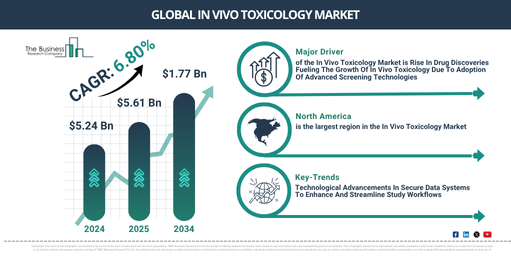
    The market for in-vivo toxicology has experienced significant growth in the past few years. It is projected to expand from $5.24 billion in 2024 to $5.61 billion in 2025, boasting a compound annual growth rate (CAGR) of 7.1%. This historical growth can be attributed to various factors such as the increasing demand for studies that comply with Good Laboratory Practice (GLP), the broadening of reach regulations, an increase in biologics and biosimilars that require safety evaluations, more investment in the development of oncology drugs, and the proliferation of gene and cell therapy pipelines.

    It is anticipated that the in-vivo toxicology market will experience robust growth in the forthcoming years, with the market value projected to reach $7.31 billion in 2029, registering a compound annual growth rate (CAGR) of 6.8%. This upward trend during the projection period can be associated with factors such as the escalating global activities in drug development, increasing demand for personalized healthcare, growth in clinical trials, the rise in toxicology testing outsourcing by pharmaceutical entities, and expanding consumer safety concerns in the food and personal care commodities sector. Key trend-shifts expected during the projection period encompass the creation of sophisticated animal models, the incorporation of imaging technologies into in-vivo studies, the advent of automated data gathering systems, the utilization of Artificial Intelligence (AI) and Machine Learning (ML) in analyzing toxicology data, and advancements in telemetry and biomarker identification in animals.

    Download The Free Sample Report Here:

    https://www.thebusinessresearchcompany.com/sample.aspx?id=25791&type=smp

    Which Factors Are Pushing The In Vivo Toxicology Market Forward?

    The surge in drug discoveries is anticipated to fuel the expansion of the in vivo toxicology market. The process involves the scientific recognition and development of novel compounds that can potentially serve as remedies or prevention for various illnesses. The advancement in biotechnology has greatly improved this mechanism by improving comprehension of disease mechanisms and allowing for the creation of more specific therapies. An essential aspect of drug discovery, in vivo toxicology facilitates safety evaluation, tolerability and potential side effects of investigational compounds in entire organisms. It aids in identifying dose-limiting toxicities and contributes to formulating dosing plans before clinical development. For example, as per an article issued by the Government of Canada in May 2025, a Canada-based statutory body states that the number of medicines in clinical development globally reached 10,134 in March 2025, marking a 20% rise since September 2021. Thus, the escalating number of drug discoveries is propelling the growth of the in vivo toxicology market.

    Which Segment Held The Largest Share In The In Vivo Toxicology Market In 2025?

    The in vivo toxicology market covered in this report is segmented –

    1) By Product: Consumables, Instruments

    2) By Testing Types: Chronic Toxicity Testing, Sub-Chronic Toxicity Testing, Sub-Acute Toxicity Testing, Acute Toxicity Testing

    3) By Methodology: In Vivo Animal Models, Genetically Modified Organisms, Non-Human Primate Studies, Rodent Models, Larger Mammals

    4) By Application: Immunotoxicity, Systemic Toxicity, Carcinogenicity, Genotoxicity, Developmental And Reproductive Toxicity (DART), Other Applications

    5) By End-User: Pharmaceutical Companies, Biosimilars Manufacturers, Contract Research Organizations (CROs), Academic And Research Institutions, Biotechnology Firms

    Subsegments:

    1) By Consumables: Animal Models, Reagents And Kits, Assay Kits, Toxicology Testing Media, Antibodies, Biochemicals, Buffers And Solutions, Disposable Labware, Animal Feed, Diluents

    2) By Instruments: Imaging Systems, Flow Cytometers, PCR Machines, Spectrophotometers, Microscopes, Analyzers, Centrifuges, Incubators, Animal Monitoring Systems, Automated Liquid Handling Systems

    How Are Key Trends Driving Expansion In The In Vivo Toxicology Industry?

    Major firms involved in the in vivo toxicology sector are revamping their strategies to create state-of-the-art solutions, like secure, real-time data platforms based on the cloud, in order to enhance study administration and speed up decision-making processes. These secure and cloud-managed platforms provide real-time access to study related data, planning resources, milestones, and documents, securely and remotely to both researchers and clients, thereby improving transparency and cooperation. Charles River Laboratories International Inc., an American contract research organization, unveiled Apollo – a secure and cloud-based platform for real-time access to toxicology study data, in March 2023. Apollo is designed to support general toxicology studies in vivo with data visualization, planning, and milestone tracking tools, enabling real-time access to essential study data, and hence, facilitating faster and better-informed decisions. It also aids in streamlining budget estimation and project planning throughout the drug development process. Apollo’s digitalization of toxicology workflows enhances precision, efficiency, and partnership during in vivo research.

    Which Organizations Are Driving Progress In The In Vivo Toxicology Industry?

    Major companies operating in the in vivo toxicology market are Thermo Fisher Scientific Inc., Laboratory Corporation of America Holdings (Labcorp), Sigma-Aldrich Co. LLC, Eurofins Scientific SE, SGS Société Générale de Surveillance SA, Agilent Technologies Inc., WuXi AppTec Co. Ltd., Charles River Laboratories International Inc., PerkinElmer Inc., Waters Corporation, Bio-Rad Laboratories Inc., Bruker Corporation, Jubilant Life Sciences Limited, Evotec SE, The Jackson Laboratory, Inotiv Inc., SRI International, MatTek Corporation, Transcure Bioservices Pvt. Ltd., Altogen Labs.

    Get The Full Report Here:

    https://www.thebusinessresearchcompany.com/report/in-vivo-toxicology-global-market-report

    Which Region Is Expected To Experience The Highest Growth In The In Vivo Toxicology Industry?

    North America was the largest region in the in-vivo toxicology market in 2024. Asia-Pacific is expected to be the fastest-growing region in the forecast period. The regions covered in the in vivo toxicology market report are Asia-Pacific, Western Europe, Eastern Europe, North America, South America, Middle East, Africa.

    Request For A Customized Report:

    https://www.thebusinessresearchcompany.com/customise?id=25791&type=smp

    About The Business Research Company:

    With over 15000+ reports from 27 industries covering 60+ geographies, The Business Research Company has built a reputation for offering comprehensive, data-rich research and insights. Armed with 1,500,000 datasets, the optimistic contribution of in-depth secondary research, and unique insights from industry leaders, you can get the information you need to stay ahead in the game.

    Get in touch with us:

    The Business Research Company: https://www.thebusinessresearchcompany.com/

    Americas +1 310-496-7795

    Asia +44 7882 955267 & +91 8897263534

    Europe +44 7882 955267

    Email us at info@tbrc.info

    Follow us on:

    LinkedIn: https://in.linkedin.com/company/the-business-research-company

    YouTube: https://www.youtube.com/channel/UC24_fI0rV8cR5DxlCpgmyFQ

    Global Market Model: https://www.thebusinessresearchcompany.com/global-market-model
  • Strategic Report on In Vivo Contract Research Organization Market: Growth Opportunities and Emerging Challenges

    Claim your 30% discount on Global Market Reports with code ONLINE30. Limited time only.

    Claim your 30% discount on Global Market Reports with code ONLINE30. Limited time only.

    What Does the Forecast Indicate for the In Vivo Contract Research Organization Market From 2025 to 2029?

    In recent times, the market size of the in vivo contract research organization has seen significant growth. The market will escalate from a size of $4.82 billion in 2024 to $5.23 billion in 2025, marking a compound annual growth rate (CAGR) of 8.5%. This growth in the historical phase can be linked to increasing drug development expenses, a higher prevalence of chronic diseases, an increase in pharmaceutical research & development investment, the expanding number of biotech startups, and the surging demand for new therapeutics.

    The market size for in vivo contract research organizations is predicted to experience notable expansion in the coming years, with a projected value of $7.19 billion by 2029, growing at a compound annual growth rate (CAGR) of 8.3%. This development over the forecast phase can be linked to factors such as the escalating need for precision medicine, global growth of contract research organization service networks, the emergence of personalized therapeutics, the increased requirement for translational research, and the growing quantity of orphan drugs. The period also foresees considerable trends such as advanced imagery for in vivo models, automated data processing, and reporting, the incorporation of omics technologies, the advent of cloud-based collaboration platforms, and the evolution of biologic biosimilars.

    Download The Free Sample Report Here:

    https://www.thebusinessresearchcompany.com/sample.aspx?id=25790&type=smp

    What Elements Are Contributing To Growth In The In Vivo Contract Research Organization Market?

    The increasing emphasis on personalized medicine is anticipated to fuel the expansion of the in vivo contract research organization market in the future. Personalized medicine treats and prevents illnesses based on an individual’s genetics, lifestyle, and environmental factors to boost health outcomes. The rising focus on this type of medicine is a result of greater accessibility and affordability of genomic sequencing technologies. This allows more precise identification of genetic mutations and paves the way for customized therapies that enhance patient outcomes and minimize trial-and-error in treatment. This growing focus on personalized medicine dictates the demand in the in vivo CRO market, as specialized preclinical studies utilizing particular animal models are required to assess targeted therapies and their impact on unique genetic profiles. For example, in February 2024, the Personalized Medicine Coalition (PMC), a nonprofit organization based in the U.S., reported that the FDA approved 16 new personalized treatments in 2023, an increase from six in 2022. Personalized medicines represented more than a third of all new drug approvals by the U.S. Food and Drug Administration (FDA) for the fourth year in a row. Therefore, the increased focus on personalized medicine is a major factor contributing to the growth of the in vivo contract research organization market.

    Which Segments Are Detailed In The Global In Vivo Contract Research Organization Market Report?

    The in vivo contract research organization market covered in this report is segmented –

    1) By Type: Rodent Based, Non-Rodent Based

    2) By Type Of Service: Clinical Trial Services, Preclinical Services, Post-Market Services

    3) By Good Laboratory Practice Type: Good Laboratory Practice Toxicology, Non Good Laboratory Practice

    4) By Applications: Oncology, Cardiovascular Diseases, Infectious Diseases, Neurological Disorders, Other Applications

    5) By End User: Pharmaceutical Companies, Biotechnology Companies, Contract Research Organizations (CROs), Academic And Research Institutes, Government And Regulatory Bodies

    Subsegments:

    1) By Rodent-Based: Mice Models, Rat Models, Genetically Engineered Rodents, Immunodeficient Rodents, Humanized Rodents

    2) By Non-Rodent-Based: Canine Models, Non-Human Primate Models, Swine Models, Rabbit Models, Zebrafish Models

    Which Emerging Trends And Strategic Shifts Are Shaping The In Vivo Contract Research Organization Market?

    Leading firms in the in vivo contract research organization market are centering their efforts on creating ground-breaking solutions, such as advanced therapy incubator programs. These programs aim to fast-track the evolution of next-generation treatments and bolster early-stage clinical research. An advanced therapy incubator program is a distinct initiative designed to aid early-stage biotech firms through the provision of resources, mentorship, and infrastructure, enabling speedy development of cutting-edge therapies like gene, cell, and RNA-based treatments. For instance, Charles River Laboratories International Inc., a pharmaceutical company based in the US, unveiled its pioneer advanced therapy incubator program cohort in April 2025. This trailblazing initiative is set up to help early-stage biotech firms driving the development of next-generation treatments. Participants in the program are given access to Charles River’s scientific acumen, top-notch laboratory facilities, and tailored in vivo models, allowing them to swiftly generate proof-of-concept data. The program also supplies a genuine preclinical environment for therapeutic candidate validation, which assists in expediting the process to clinic and enhancing the chances of regulatory success. This initiative plays a vital part in progressing the field of advanced therapies by providing a bridge between academic innovation and clinical development.

    Who Are The Key Contributors To Growth In The In Vivo Contract Research Organization Market?

    Major companies operating in the in vivo contract research organization market are Thermo Fisher Scientific Inc., IQVIA Inc., Labcorp Drug Development Inc., ICON plc, Pharmaceutical Product Development LLC, Eurofins Scientific SE, WuXi AppTec, Syneos Health Inc., Charles River Laboratories International Inc., Parexel International Corporation, Evotec SE, GemPharmatech Co Ltd., BIOQUAL Inc., Crown Bioscience Inc., PsychoGenics Inc., Janvier Labs SAS, Taconic Bioscience Inc., Xentech SAS, Pronexus Analytical AB, Altogen Labs Inc., AniLocus Inc.

    Get The Full Report Here:

    https://www.thebusinessresearchcompany.com/report/in-vivo-contract-research-organization-global-market-report

    Which Region Is Projected To Lead The In Vivo Contract Research Organization Market By 2025?

    North America was the largest region in the in vivo contract research organization market in 2024. Asia-Pacific is expected to be the fastest-growing region in the forecast period. The regions covered in the in vivo contract research organization market report are Asia-Pacific, Western Europe, Eastern Europe, North America, South America, Middle East, Africa.

    Request For A Customized Report:

    https://www.thebusinessresearchcompany.com/customise?id=25790&type=smp

    About The Business Research Company:

    With over 15000+ reports from 27 industries covering 60+ geographies, The Business Research Company has built a reputation for offering comprehensive, data-rich research and insights. Armed with 1,500,000 datasets, the optimistic contribution of in-depth secondary research, and unique insights from industry leaders, you can get the information you need to stay ahead in the game.

    Get in touch with us:

    The Business Research Company: https://www.thebusinessresearchcompany.com/

    Americas +1 310-496-7795

    Asia +44 7882 955267 & +91 8897263534

    Europe +44 7882 955267

    Email us at info@tbrc.info

    Follow us on:

    LinkedIn: https://in.linkedin.com/company/the-business-research-company

    YouTube: https://www.youtube.com/channel/UC24_fI0rV8cR5DxlCpgmyFQ

    Global Market Model: https://www.thebusinessresearchcompany.com/global-market-model

  • Industry Trends Show Immunology Biosimilars Market Set to Expand at 12.9% CAGR Until 2029

    Industry Trends Show Immunology Biosimilars Market Set to Expand at 12.9% CAGR Until 2029

    Claim your 30% discount on Global Market Reports with code ONLINE30. Limited time only.

    Claim your 30% discount on Global Market Reports with code ONLINE30. Limited time only.

    How Much Is the Global Immunology Biosimilars Market Valued at Present and by 2029?

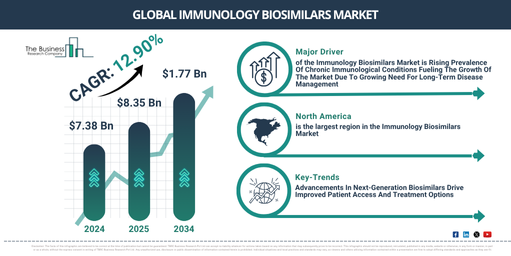
    There has been a swift expansion in the size of the immunology biosimilars market in the past few years. The market is anticipated to escalate from $7.38 billion in 2024 to $8.35 billion in 2025, demonstrating a compound annual growth rate (CAGR) of 13.1%. Factors causing this historic increase include enhanced acceptance of biosimilars, mounting demands for cost-efficient biologics, the surge in autoimmune diseases, growing patient knowledge regarding biosimilar treatments, and augmented regulatory backing for the approval of biosimilars.

    In the coming years, the immunology biosimilars market is predicted to experience swift expansion, reaching a value of $13.57 billion in 2029 with a compound annual growth rate (CAGR) of 12.9%. The increased growth in the forecast period can be linked to a heightened emphasis on lowering medical costs, the upsurge of chronic inflammatory conditions, a broader reach in new markets, amplified support for biosimilar interchangeability, and significant investments made by pharmaceutical firms. Trends identified for the forecast period encompass progress in biologics production technology, partnerships in research and development, creation of advanced biosimilars, innovative delivery mechanism, and the integration of artificial intelligence in the process of biosimilar development.

    Download The Free Sample Report Here:

    https://www.thebusinessresearchcompany.com/sample.aspx?id=25789&type=smp

    #What Drivers Are Influencing Growth In The Immunology Biosimilars Market?

    The upward trend in chronic immunological conditions is anticipated to drive the growth of the immunology biosimilars market. These conditions are persistent disorders where the immune system either attacks the body’s tissues or fails to offer it effective protection. This rise is attributed to the increasing number of individuals suffering from enduring immune system disorders, which necessitate consistent treatment, active disease management, and sustainable healthcare support. Immunology biosimilars provide affordable and efficient treatment alternatives for chronic immunological conditions, thereby enhancing long-term disease control and improving patient access to crucial therapies that manage immune system dysfunction. For instance, the Australian Institute of Health and Welfare, a governmental organization based in Australia, reported in June 2024 that rheumatoid arthritis, a systemic autoimmune disease, affected approximately 514,000 individuals (2.0%) in 2022, with 2.5% of females and 1.6% of males living with the condition. Thus, the escalating prevalence of chronic immunological conditions is propelling the immunology biosimilars market’s growth.

    What Are The Main Segments Identified In The Immunology Biosimilars Market Research?

    The immunology biosimilars market covered in this report is segmented –

    1) By Drug Type: Monoclonal Antibodies, Fusion Proteins, Recombinant Proteins, Interferons, Other Biosimilar Immunomodulators

    2) By Disease: Inflammatory Bowel Disease, Arthritis, Other Diseases

    3) By Distribution Channel: Hospital Pharmacies, Retail Pharmacies, Online Pharmacies, Other Distribution Channels

    4) By End User: Hospitals, Clinics, Homecare Settings, Ambulatory Surgical Centers (ASCs)

    Subsegments:

    1) By Monoclonal Antibodies: Anti-Tumor Necrosis Factor Agents, Anti-Interleukin-6 Agents, Anti-Cluster of Differentiation 20 Agents, Anti-Interleukin-12/23 Agents, Other Monoclonal Antibodies

    2) By Fusion Proteins: Etanercept Biosimilars, Other Fusion Protein Biosimilars

    3) By Recombinant Proteins: Recombinant Human Insulin, Recombinant Human Growth Hormone, Recombinant Human Erythropoietin, Other Recombinant Protein Biosimilars

    4) By Interferons: Interferon Alpha, Interferon Beta, Interferon Gamma

    5) By Other Biosimilar Immunomodulators: Interleukin Inhibitors, Janus Kinase Inhibitors, Other Immunomodulatory Biosimilars

    What Are The Leading Trends And Opportunities In The Immunology Biosimilars Sector?

    Firms in the immunology biosimilars sector, such as Sandoz Group AG and Samsung Bioepis Co. Ltd., are concentrating on the advancement of high-tech biosimilar innovations including possible interchangeability designation, improved stable formulations, and new forms of delivery. This is aimed at providing patients with more practical and efficient therapeutic alternatives. Predicted interchangeability designation reflects that the biosimilar is set to satisfy regulatory requirements, making it eligible for exchange with the reference biologic at the pharmacy without intervention from the prescriber. For example, Sandoz Group AG, a Swiss pharmaceutical firm, in partnership with Samsung Bioepis Co. Ltd., a biopharmaceutical company from South Korea, unveiled Pyzchiva (ustekinumab-ttwe), a biosimilar to Stelara, for chronic autoimmune disorders therapy such as plaque psoriasis, psoriatic arthritis, Crohn’s disease, and ulcerative colitis, in February 2025. This launch signifies Sandoz’s dedication to amplifying the accessibility of immunology biosimilars with an economical, patient-focused therapy featuring multiple dose options, increased stability, and a unique re-refrigeration capacity after the initial cooling process.

    Which Companies Play A Key Role In The Development Of The Immunology Biosimilars Market?

    Major companies operating in the immunology biosimilars market are Pfizer Inc., Novartis AG, LG Chem Ltd., Amgen Inc., Teva Pharmaceutical Industries Ltd., Astellas Pharma Inc., Sandoz Group AG, Fresenius Kabi AG, Intas Pharmaceuticals Ltd., Stada Arzneimittel AG, Cipla Ltd., Kyowa Kirin Co. Ltd., Dr. Reddy’s Laboratories Ltd., Samsung Bioepis Co. Ltd., Gedeon Richter Plc, Celltrion Inc., Biocon Ltd., Innovent Biologics Inc., Biocad, Mabion S.A.

    Get The Full Report Here:

    https://www.thebusinessresearchcompany.com/report/immunology-biosimilars-global-market-report

    What Are The Key Regional Developments Shaping The Immunology Biosimilars Market?

    North America was the largest region in the immunology biosimilars market in 2024. Asia-Pacific is expected to be the fastest-growing region in the forecast period. The regions covered in the immunology biosimilars market report are Asia-Pacific, Western Europe, Eastern Europe, North America, South America, Middle East, Africa.

    Request For A Customized Report:

    https://www.thebusinessresearchcompany.com/customise?id=25789&type=smp

    About The Business Research Company:

    With over 15000+ reports from 27 industries covering 60+ geographies, The Business Research Company has built a reputation for offering comprehensive, data-rich research and insights. Armed with 1,500,000 datasets, the optimistic contribution of in-depth secondary research, and unique insights from industry leaders, you can get the information you need to stay ahead in the game.

    Get in touch with us:

    The Business Research Company: https://www.thebusinessresearchcompany.com/

    Americas +1 310-496-7795

    Asia +44 7882 955267 & +91 8897263534

    Europe +44 7882 955267

    Email us at info@tbrc.info

    Follow us on:

    LinkedIn: https://in.linkedin.com/company/the-business-research-company

    YouTube: https://www.youtube.com/channel/UC24_fI0rV8cR5DxlCpgmyFQ

    Global Market Model: https://www.thebusinessresearchcompany.com/global-market-model

  • Competitive and Market Trend Analysis of Image-Guided Therapy Systems Industry Through 2029

    Competitive and Market Trend Analysis of Image-Guided Therapy Systems Industry Through 2029

    Claim your 30% discount on Global Market Reports with code ONLINE30. Limited time only.

    Claim your 30% discount on Global Market Reports with code ONLINE30. Limited time only.

    What Is the Current and Projected Market Size of the Image-Guided Therapy Systems Industry?

    The market size of image-guided therapy systems has seen a significant expansion in the past few years. This market is expected to increase from $4.82 billion in 2024 to $5.13 billion in 2025, growing at a compound annual growth rate (CAGR) of 6.5%. The growth during this historic period is due to factors such as the growing demand for precision, an increase in the prevalence of chronic disease, an aging global population, a rise in minimally invasive procedures, and a higher acceptance rate in the field of oncology.

    Expectations are high for substantial growth in the market for image-guided therapy systems within the upcoming years. The market is projected to expand to $6.55 billion by 2029, with a compound annual growth rate (CAGR) of 6.3%. This anticipated growth during the forecast period is due to several factors including the growing preference for outpatient and ambulatory surgical procedures, a worldwide increase in healthcare expenditure, elevated investments in research and development, improvements in image resolution quality, and expansion in hospital infrastructure. Key market trends for the forecast period encompass advancements in AI-enhanced imaging, the amalgamation of multi-modal systems, technological progress in portable imaging devices, developments in hybrid operating rooms, and the evolution of electromagnetic tracking.

    Download The Free Sample Report Here:

    https://www.thebusinessresearchcompany.com/sample.aspx?id=25788&type=smp

    #Which Factors Are Currently Driving The Growth Of The Image-Guided Therapy Systems Market?

    The image-guided therapy systems market is expected to thrive due to the increasing demand for minimally invasive procedures. These surgical techniques involve fewer and smaller incisions, which in turn reduce patient trauma and recovery duration. Many individuals are choosing minimally invasive operations over traditional open surgeries due to the numerous benefits they offer, such as causing less damage to tissues, promoting quicker recovery, and enabling patients to resume normal activities sooner. Image-guided therapy systems are uniquely suited to assist in such operations by providing real-time imaging that lets surgeons expertly navigate instruments and identify treatment areas, all while safeguarding the surrounding healthy tissue. For example, the American Academy of Facial Plastic and Reconstructive Surgery, a non-profit organization based in the United States, reported that in 2023, minimally invasive operations made up 83% of all medical procedures, with conventional surgical methods accounting for just 17%. Hence, the escalating demand for minimally invasive surgery is the catalyst for expansion in the image-guided therapy systems market.

    How Is The Global Image-Guided Therapy Systems Market Structured In Terms Of Segments?

    The image-guided therapy systems market covered in this report is segmented –

    1) By Product Type: Ultrasound Systems, Endoscopes, Magnetic Resonance Imaging (MRI), X-Ray Fluoroscopy Or C-Arms, Positron Emission Tomography (PET), Single-Photon Emission CT (SPECT), Other Product Types

    2) By Technology: Electromagnetic Navigation, Robotic-Assisted Imaging Guidance, Artificial Intelligence (AI)-Enhanced Real-Time 3D Or 4D Imaging, Augmented Or Mixed-Reality Visualization, Optical And Laser-Based Tracking

    3) By Modality Portability: Fixed Systems, Mobile C-Arms, Hand-Held Or Portable

    4) By Application: Cardiac Surgery, Neurosurgery, Orthopedic Surgery, Gastroenterology, Urology, Oncology, Ear, Nose, And Throat Surgery, Other Applications

    5) By End Use: Hospitals, Ambulatory Surgical Centers, Specialty Clinics, Research And Academic Institutions

    Subsegments:

    1) By Ultrasound Systems: Two-Dimensional (2D) Ultrasound Systems, Three-Dimensional (3D) And Four-Dimensional (4D) Ultrasound Systems, Doppler Ultrasound Systems, Contrast-Enhanced Ultrasound Systems, Portable and Handheld Ultrasound Devices

    2) By Endoscopes: Rigid Endoscope Systems, Flexible Endoscope Systems, Capsule Endoscope Systems, Robot-Assisted Endoscopic Systems, Single-Use (Disposable) Endoscope Systems

    3) By Magnetic Resonance Imaging (MRI): Open Magnetic Resonance Imaging Systems, Closed Magnetic Resonance Imaging Systems, Extremity Magnetic Resonance Imaging Systems, 1.5 Tesla Magnetic Resonance Imaging Systems, 3 Tesla Magnetic Resonance Imaging Systems, Intraoperative Magnetic Resonance Imaging (iMRI) Systems

    4) By X-Ray Fluoroscopy or C-Arms: Mobile C-Arm Imaging Systems, Mini C-Arm Imaging Systems, Fixed C-Arm Imaging Systems, Flat Panel Detector C-Arm Systems, Image Intensifier C-Arm Systems

    5) By Positron Emission Tomography (PET): Positron Emission Tomography–Computed Tomography (PET-CT) Systems, Positron Emission Tomography–Magnetic Resonance Imaging (PET-MRI) Systems, Time-Of-Flight (TOF) Positron Emission Tomography Systems, Digital Positron Emission Tomography Systems

    6) By Single-Photon Emission Computed Tomography (SPECT): Standalone Single-Photon Emission Computed Tomography Systems, Hybrid Single-Photon Emission Computed Tomography Or Computed Tomography Systems, Multi-Head Single-Photon Emission Computed Tomography Systems, Cardiac Single-Photon Emission Computed Tomography Systems

    7) By Other Product Types: Computed Tomography (CT) Imaging Systems, Optical Imaging Systems, Photoacoustic Imaging Systems, Hybrid Operating Room Systems, Gamma Camera Imaging Systems

    What Trends Are Currently Influencing Growth In The Image-Guided Therapy Systems Market?

    Top-tier firms in the image-guided therapy systems market are prioritizing the creation of cutting-edge solutions like 3D imaging solutions. This move aims to augment diagnostic precision, boost procedural efficacy, and facilitate accurate, minimally invasive procedures for enhanced patient results. Such 3D imaging solutions constitute state-of-the-art medical imaging techniques that form three-dimensional views of interior body structures. This helps medical professionals observe anatomy in greater depth and detail. For instance, Koninklijke Philips N.V., a leading healthcare technology firm based out of Netherlands, unveiled its pioneering Azurion neuro biplane image-guided therapy system during the European Congress of Radiology (ECR) 2024. This system boasts improved 2D and 3D imaging, automated beam rotation for correct image alignment, sophisticated C-arm angulation and rotation, and all-encompassing table-side control to help preserve a sterile setting. It also contains a head immobilizer for superior stroke care and can accommodate versatile X-ray detector placement. Being incorporated with Philips’ ClarityIQ low-dose imaging technology and neuro suite software, this launch reaffirms Philips’ dedication to streamline workflows, better clinical decision-making, and elevate patient outcomes in neurovascular procedures.

    Who Are The Main Participants Shaping The Image-Guided Therapy Systems Market Landscape?

    Major companies operating in the image-guided therapy systems market are Medtronic plc, Siemens Healthcare GmbH, FUJIFILM Holdings Corporation, Koninklijke Philips N.V., Stryker Corporation, GE HealthCare Technologies Inc., Boston Scientific Corporation, Zimmer Biomet Holdings Inc., Olympus Corporation, Smith & Nephew plc, Hologic Inc., Shimadzu Corporation, KARL STORZ SE & Co. KG, Cook Medical LLC, Elekta AB, Leica Microsystems GmbH, Brainlab AG, Analogic Corporation, Hyperfine Inc., Quest Medical Imaging B.V.

    Get The Full Report Here:

    https://www.thebusinessresearchcompany.com/report/image-guided-therapy-systems-global-market-report

    Which Region Currently Holds The Largest Share In The Image-Guided Therapy Systems Market?

    North America was the largest region in the image-guided therapy systems market in 2024. Asia-Pacific is expected to be the fastest-growing region in the forecast period. The regions covered in the image-guided therapy systems market report are Asia-Pacific, Western Europe, Eastern Europe, North America, South America, Middle East, Africa.

    Request For A Customized Report:

    https://www.thebusinessresearchcompany.com/customise?id=25788&type=smp

    About The Business Research Company:

    With over 15000+ reports from 27 industries covering 60+ geographies, The Business Research Company has built a reputation for offering comprehensive, data-rich research and insights. Armed with 1,500,000 datasets, the optimistic contribution of in-depth secondary research, and unique insights from industry leaders, you can get the information you need to stay ahead in the game.

    Get in touch with us:

    The Business Research Company: https://www.thebusinessresearchcompany.com/

    Americas +1 310-496-7795

    Asia +44 7882 955267 & +91 8897263534

    Europe +44 7882 955267

    Email us at info@tbrc.info

    Follow us on:

    LinkedIn: https://in.linkedin.com/company/the-business-research-company

    YouTube: https://www.youtube.com/channel/UC24_fI0rV8cR5DxlCpgmyFQ

    Global Market Model: https://www.thebusinessresearchcompany.com/global-market-model

  • Global Human Epidermal Growth Factor Receptor 2 (HER2)-Positive Gastric Cancer Market Landscape: Trends and Market Share to 2029

    Global Human Epidermal Growth Factor Receptor 2 (HER2)-Positive Gastric Cancer Market Landscape: Trends and Market Share to 2029

    Claim your 30% discount on Global Market Reports with code ONLINE30. Limited time only.

    Claim your 30% discount on Global Market Reports with code ONLINE30. Limited time only.

    How Will the Human Epidermal Growth Factor Receptor 2 (HER2)-Positive Gastric Cancer Market Evolve in Terms of Growth and Size by 2029?

    The market for human epidermal growth factor receptor 2 (HER2)-positive gastric cancer has seen a consistent expansion in recent times. Projected to increase from $1.25 billion in 2024 to $1.31 billion in 2025, it’s expected to experience a compound annual growth rate (CAGR) of 4.8%. Key factors attributing to this steady surge during the historical period include the escalating use of companion diagnostics, a heightening awareness about HER2 biomarkers among oncologists, an amplified emphasis on tailored cancer treatments, growing interest in antibody-drug conjugates, and an increase in reimbursements for targeted therapies.

    Steady growth is anticipated in the global market for HER2-positive gastric cancer, with projected expansion to $1.57 billion by 2029 at a Compound Annual Growth Rate (CAGR) of 4.6%. Factors advocating this growth during the forecast period encompass a surge in the presence of molecular diagnostic laboratories, escalating awareness drives for gastric cancer findings, increased application of next-generation sequencing (NGS), rising demand for outpatient services for cancer treatment, and mounting worldwide regulatory confirmations for HER2 medicines. Enhancing treatment sequences, application of nanotechnology in medication distribution, usage of artificial intelligence in HER2 diagnosis, improving antibody-dependent cellular cytotoxicity, and progress in immunotherapy combinations are among the major trends in the forecast period.

    Download The Free Sample Report Here:

    https://www.thebusinessresearchcompany.com/sample.aspx?id=25787&type=smp

    What factors are expected to fuel Human Epidermal Growth Factor Receptor 2 (HER2)-Positive Gastric Cancer market growth in the coming years?

    The human epidermal growth factor receptor 2 (HER2)-positive gastric cancer market is poised to expand, fueled by the increasing application of targeted cancer therapy. This therapeutic strategy, also referred to as personalized medicine, employs specific drugs or substances to hinder cancer growth by targeting specific molecules that promote tumor advancement. The surge in the utilization of targeted therapy is primarily attributed to breakthroughs in genetic profiling, enabling more accurate treatments in line with the distinct tumor traits of each individual, resulting in heightened efficacy and fewer adverse effects. In the case of HER2-positive gastric cancer, targeted therapy is applied by directly combating the overspread HER2 protein in these tumors, thereby decelerating disease buildup and boosting patient results. As an illustration, in February 2024, the Food and Drug Administration (FDA) sanctioned 16 new personalized medications, as reported by the Personalized Medicine Coalition, a US-based professional membership conglomerate, including 7 cancer drugs and 3 for an assortment of other ailments and conditions in 2023, indicating an upward shift from 6 in 2022. Consequently, the escalating implementation of targeted cancer therapy is steering the growth of the human epidermal growth factor receptor 2 (HER2)-positive gastric cancer market.

    What Are The Key Findings From The Segmentation Analysis Of The Human Epidermal Growth Factor Receptor 2 (HER2)-Positive Gastric Cancer Market?

    The human epidermal growth factor receptor 2 (her2)-positive gastric cancer market covered in this report is segmented –

    1) By Therapy: Chemotherapy, Immunotherapy, Radiation Therapy, Targeted Therapy

    2) By Stage: Stage I, Stage II, Stage III, Stage IV

    3) By End-User: Ambulatory Surgery Centers, Hospitals And Specialty Clinics, Other End-Users

    Subsegments:

    1) By Chemotherapy: Fluoropyrimidines, Platinum-Based Agents, Taxanes, Irinotecan, Anthracyclines

    2) By Immunotherapy: Immune Checkpoint Inhibitors, Monoclonal Antibodies, Cancer Vaccines, Cytokine-Based Therapies

    3) By Radiation Therapy: External Beam Radiation Therapy, Intensity-Modulated Radiation Therapy, Stereotactic Body Radiation Therapy, 3D Conformal Radiation Therapy

    4) By Targeted Therapy: HER2-Targeted Therapies, Tyrosine Kinase Inhibitors, Antibody-Drug Conjugates, mTOR Inhibitors, PI3K/AKT/mTOR Pathway Inhibitors

    Which Trends Are Expected To Shape The Future Of The Human Epidermal Growth Factor Receptor 2 (HER2)-Positive Gastric Cancer Market?

    Leading firms in the HER2-positive gastric cancer market are concentrating their efforts on acquiring approvals for novel remedies such as advanced immunotherapy-enhanced combination regimens. These include the merging of immune checkpoint inhibitors with targeted therapy and chemotherapy to drastically enhance patient results in initial treatment scenarios. The advanced immunotherapy-enhanced combination regimens tactic harnesses the immune system, constrains programmed death (PD)-1 or programmed death (PD)-L1 interaction, targets HER2 receptors, and utilizes chemotherapeutic agents to increase anti-tumor activity and survival rates. For example, in March 2025, the US-based biopharmaceutical firm Merck & Co., Inc. was granted approval by the U.S. Food and Drug Administration (FDA) for pembrolizumab (Keytruda), in alliance with trastuzumab and chemotherapy, as an initial treatment approach for adults with HER2-positive inoperable or metastatic gastric or gastroesophageal junction (GEJ) adenocarcinoma with tumors demonstrating programmed death (PD)-L1 expression. This recently approved combination treatment marked a significant progression in average progression-free survival and total survival compared to standard treatment regimens. With an improved overall response rate of 73% and an extended average response duration, this therapy signifies a significant shift in managing advanced HER2-positive gastric cancers.

    What Are The Most Active Companies In The Human Epidermal Growth Factor Receptor 2 (HER2)-Positive Gastric Cancer Market Today?

    Major companies operating in the human epidermal growth factor receptor 2 (her2)-positive gastric cancer market are Pfizer Inc., Roche Holding AG, Merck & Co Inc., Bayer Aktiengesellschaft, Eli Lilly and Company, Bristol-Myers Squibb Company, AstraZeneca PLC, Novartis AG, Amgen Inc., Astellas Pharma Inc., Daiichi Sankyo Company Limited, Genentech Inc., Ono Pharmaceutical Co Ltd., Shanghai Henlius Biotech Inc., MacroGenics Inc., Hutchison Medipharma Limited , ALX Oncology Holdings Inc., Taiho Pharmaceutical Co Ltd., Ambrx Biopharma Inc., LintonPharm Co Ltd.

    Get The Full Report Here:

    https://www.thebusinessresearchcompany.com/report/human-epidermal-growth-factor-receptor-2-her2-positive-gastric-cancer-global-market-report

    Which Regional Markets Are Attracting The Most Investment In Human Epidermal Growth Factor Receptor 2 (HER2)-Positive Gastric Cancer?

    North America was the largest region in the human epidermal growth factor receptor 2 (HER2)-positive gastric cancer market in 2024. Asia-Pacific is expected to be the fastest-growing region in the forecast period. The regions covered in the human epidermal growth factor receptor 2 (her2)-positive gastric cancer market report are Asia-Pacific, Western Europe, Eastern Europe, North America, South America, Middle East, Africa.

    Request For A Customized Report:

    https://www.thebusinessresearchcompany.com/customise?id=25787&type=smp

    About The Business Research Company:

    With over 15000+ reports from 27 industries covering 60+ geographies, The Business Research Company has built a reputation for offering comprehensive, data-rich research and insights. Armed with 1,500,000 datasets, the optimistic contribution of in-depth secondary research, and unique insights from industry leaders, you can get the information you need to stay ahead in the game.

    Get in touch with us:

    The Business Research Company: https://www.thebusinessresearchcompany.com/

    Americas +1 310-496-7795

    Asia +44 7882 955267 & +91 8897263534

    Europe +44 7882 955267

    Email us at info@tbrc.info

    Follow us on:

    LinkedIn: https://in.linkedin.com/company/the-business-research-company

    YouTube: https://www.youtube.com/channel/UC24_fI0rV8cR5DxlCpgmyFQ

    Global Market Model: https://www.thebusinessresearchcompany.com/global-market-model
  • Comprehensive Forecast: Hormone Refractory Prostate Cancer Market Share, Growth, and Opportunities Through 2029

    Comprehensive Forecast: Hormone Refractory Prostate Cancer Market Share, Growth, and Opportunities Through 2029

    Claim your 30% discount on Global Market Reports with code ONLINE30. Limited time only.

    Claim your 30% discount on Global Market Reports with code ONLINE30. Limited time only.

    What CAGR Is Anticipated for the Hormone Refractory Prostate Cancer Market Through 2029?

    The market size for hormone-refractory prostate cancer has seen a rapid expansion over the past years. The market is projected to grow from $7.35 billion in 2024 to $8.12 billion in 2025, showcasing a compound annual growth rate (CAGR) of 10.4%. The historical growth is linked to an escalated occurrence of prostate cancer, heightened PSA (prostate-specific antigen) screening, enhanced physician knowledge and specialization, the rise in the use of palliative care, and an increased number of clinical trials.

    The market size of hormone-refractory prostate cancer is predicted to experience swift expansion in the coming years, escalating to a value of $11.91 billion by 2029 with a Compound Annual Growth Rate (CAGR) of 10.1%. The projected growth across the specified period can be credited to factors such as the rising utilization of genetic biomarkers, the advancing adoption of precision medicine, the expansion of PARP inhibitors, the enhancement of worldwide access to HRPC treatments, and the increasing clinical use of combination regimens. Key trends expected across the forecast period encompass the increased use of combination therapies, developments in radiopharmaceuticals, the application of next-generation sequencing (NGS), the integration of digital tools and remote monitoring, and the production of next-generation androgen receptor inhibitors and PARP inhibitors specifically for HRPC.

    Download The Free Sample Report Here:

    https://www.thebusinessresearchcompany.com/sample.aspx?id=25786&type=smp

    What Market Forces Are Driving The Hormone Refractory Prostate Cancer Sector In 2025 And Beyond?

    The expected rise in the hormone-refractory prostate cancer market can be attributed to increased investment in cancer research. This increased investment involves the allocation of funds and resources to further innovative methods for cancer detection, treatment, and prevention. With the global cancer burden on the rise, there is an urgent need for more effective and targeted treatment methods, driving this increase in investment. Such investments into research can lead to innovative treatments for hormone-refractory prostate cancer, including advanced therapies such as radioligand treatment and hormone inhibitors. It also provides funding for vital clinical trials and biomarker research, leading to more precise and effective outcomes. For example, in August 2024, the Cancer Research Institute (CRI), a nonprofit organization based in the US committed to pushing forward immunotherapy research, allocated around $22.8 million to fund 64 new grants dedicated to researchers from 42 institutions across seven countries in the fiscal year 2023-2024. As such, it can be concluded that the surge in cancer research investment is considerably enhancing the growth prospect of the hormone-refractory prostate cancer market.

    How Is The Global Hormone Refractory Prostate Cancer Market Categorized By Segments?

    The hormone refractory prostate cancer market covered in this report is segmented –

    1) By Treatment Type: Chemotherapy, Hormonal Therapy, Immunotherapy, Radiation Therapy, Surgery

    2) By Distribution Channel: Hospital Pharmacies, Retail Pharmacies, Online Pharmacies

    3) By End-User: Hospitals, Ambulatory Surgical Centers, Specialty Clinics, Other End-Users

    Subsegments:

    1) By Chemotherapy: Docetaxel, Cabazitaxel, Mitoxantrone, Estramustin

    2) By Hormonal Therapy: Anti-Androgens, CYP17 Inhibitors, LHRH Agonists, LHRH Antagonists

    3) By Immunotherapy: Cancer Vaccines, Immune Checkpoint Inhibitors, Adoptive Cell Therapy

    4) By Radiation Therapy: External Beam Radiation Therapy (EBRT), Brachytherapy, Radionuclide Therapy

    5) By Surgery: Radical Prostatectomy, Orchiectomy, Transurethral Resection Of The Prostate (TURP)

    What Long-Term Trends Are Likely To Affect The Hormone Refractory Prostate Cancer Market?

    Leading firms in the hormone-refractory prostate cancer market are zeroing in on the creation of innovative therapies such as intravenous radioligand therapy. This method is a promising treatment aimed at increasing patient survival rates, especially in the case of drug-resistant disease forms. The therapy involves using radioactive molecules connected to ligands that can detect and bind to markers that are unique to cancer cells. This enables these therapy molecule complexes to eradicate cancerous cells from the inside while causing minimal damage to healthy cells in the vicinity. Taking an example from March 2025, Novartis AG, a pharmaceutical giant from Switzerland, introduced Pluvicto (lutetium Lu 177 vipivotide tetraxetan). It gained authorization from the FDA and was conceived for the purpose of early intervention in patients afflicted by prostate-specific membrane antigen (PSMA)-positive metastatic castration-resistant prostate cancer (mCRPC). This cancer treatment is meant for patients who had previously undergone treatment with an androgen receptor pathway inhibitor (ARPI) and are deemed suitable for chemotherapy postponement. The broadened indication, which was based on the outcomes of the Phase III PSMAfore trial, tripled the number of eligible patients. It was proven that Pluvicto lessened the likelihood of radiographic progression or death by 59% and significantly prolonged the median radiographic progression-free survival relative to an ARPI adjustment. Significantly, Pluvicto stands out as the pioneering targeted radioligand therapy to be sanctioned for utilization prior to chemotherapy in this context, thereby presenting an alternative treatment avenue that both decelerates disease advancement and provides a favorable safety profile.

    Which Firms Are Considered Leaders In The Hormone Refractory Prostate Cancer Market Space?

    Major companies operating in the hormone refractory prostate cancer market are Pfizer Inc., Johnson And Johnson, F. Hoffmann-La Roche Ltd., Merck & Co. Inc., AbbVie Inc., Bayer AG, Sanofi S.A., Bristol-Myers Squibb Company, Novartis AG, AstraZeneca plc, Takeda Pharmaceutical Company Limited, Eli Lilly and Company, Amgen Inc., Astellas Pharma Inc., Ipsen Pharma, Exelixis Inc., Orion Corporation, Lantheus Holdings Inc., Clovis Oncology Inc., Telix Pharmaceuticals, Dendreon Pharmaceuticals LLC

    Get The Full Report Here:

    https://www.thebusinessresearchcompany.com/report/hormone-refractory-prostate-cancer-global-market-report

    What Role Do Regional Policies And Investments Play In Hormone Refractory Prostate Cancer Market Expansion?

    North America was the largest region in the hormone-refractory prostate cancer market in 2024. Asia-Pacific is expected to be the fastest-growing region in the forecast period. The regions covered in the hormone refractory prostate cancer market report are Asia-Pacific, Western Europe, Eastern Europe, North America, South America, Middle East, Africa.

    Request For A Customized Report:

    https://www.thebusinessresearchcompany.com/customise?id=25786&type=smp

    About The Business Research Company:

    With over 15000+ reports from 27 industries covering 60+ geographies, The Business Research Company has built a reputation for offering comprehensive, data-rich research and insights. Armed with 1,500,000 datasets, the optimistic contribution of in-depth secondary research, and unique insights from industry leaders, you can get the information you need to stay ahead in the game.

    Get in touch with us:

    The Business Research Company: https://www.thebusinessresearchcompany.com/

    Americas +1 310-496-7795

    Asia +44 7882 955267 & +91 8897263534

    Europe +44 7882 955267

    Email us at info@tbrc.info

    Follow us on:

    LinkedIn: https://in.linkedin.com/company/the-business-research-company

    YouTube: https://www.youtube.com/channel/UC24_fI0rV8cR5DxlCpgmyFQ

    Global Market Model: https://www.thebusinessresearchcompany.com/global-market-model

  • 2025 DNA Synthesis Market Outlook: Opportunities, Growth Trends, and Strategic Analysis

    2025 DNA Synthesis Market Outlook: Opportunities, Growth Trends, and Strategic Analysis

    Claim your 30% discount on Global Market Reports with code ONLINE30. Limited time only.

    Claim your 30% discount on Global Market Reports with code ONLINE30. Limited time only.

    What CAGR Is Anticipated for the DNA Synthesis Market Through 2029?

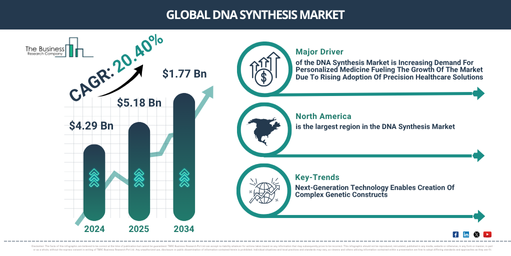
    In recent times, the DNA synthesis market has experienced remarkable growth. The market size, which stood at $4.29 billion in 2024, is projected to increase to $5.18 billion in 2025, marking a compound annual growth rate (CAGR) of 20.7%. The upsurge during the historical phase can be traced back to the escalating utilization of DNA synthesis in scholarly genomic studies, developing integration of DNA synthesis within agricultural biotechnology, the surging demand for essential DNA libraries for gene function research, an increased use of artificial genes in the creation of vaccines, and its rising application in the modeling of infectious diseases.

    The DNA synthesis market is predicted to experience significant expansion in the forthcoming years, increasing to $10.87 billion in 2029 at a CAGR of 20.4%. The predicted growth during the forecast period can be attributed to the rising use of AI and automation in DNA synthesis processes, enhanced partnerships between biotechnology companies and academic institutions, escalating development of DNA-oriented data storage technologies, heightened focus on green synthetic biology, and growing government support for genomic innovation. Key trends in this forecast period consist of progress in enzymatic DNA synthesis techniques, sophisticated incorporation of cloud-based bioinformatics in synthesis procedures, emergence of decentralized DNA synthesis platforms, innovation in error-correction methods for synthetic genes, and advancements in portable and on-demand DNA synthesis devices.

    Download The Free Sample Report Here:

    https://www.thebusinessresearchcompany.com/sample.aspx?id=25756&type=smp

    What Market Forces Are Driving The DNA Synthesis Sector In 2025 And Beyond?

    The growth of the DNA synthesis market is set to be driven by the rising need for personalized medicine. This specialized approach to medicine focuses on adjusting prevention and treatment strategies to align with individual’s genetic profiles, lifestyles, and environments to achieve the best possible therapeutic outcomes. This need is primarily fueled by advances in genomic technologies, which allow for treatments individualized to a person’s genetic profile, improve effectiveness, and minimize side effects. DNA synthesis plays a pivotal role in personalized medicine by enabling the creation of bespoke DNA sequences that are used in gene editing, diagnostic tools, and precision therapeutics. This paves the way for precise, effective and individualized healthcare solutions. For instance, per the Personalized Medicine Coalition, a US-based advocacy firm, the FDA approved 16 new personalized treatments for patients suffering from rare diseases in 2023, a significant increase from six in 2022. Thus, the increasing need for personalized medicine is a significant factor propelling the DNA synthesis market.

    How Is The Global DNA Synthesis Market Categorized By Segments?

    The dna synthesis market covered in this report is segmented –

    1) By Service: Oligonucleotide Synthesis, Standard Oligonucleotide Synthesis, Custom Oligonucleotide Synthesis, Gene Synthesis, Custom Gene Synthesis, Gene Library Synthesis

    2) By Method: Solid-Phase Synthesis, PCR-Based Enzyme Synthesis, Chip-Based Synthesis

    3) By Application: Research And Development, Diagnostics, Therapeutics, Synthetic Biology, Other Applications

    4) By End-User: Pharmaceutical And Biotechnology Companies, Contract Research Organizations (CROs) And Contract Development And Manufacturing Organizations(CDMOs), Academic And Research Institutes, Other End-Users

    Subsegments:

    1) By Oligonucleotide Synthesis: DNA Oligonucleotides, RNA Oligonucleotides, Modified Oligonucleotides

    2) By Standard Oligonucleotide Synthesis: Unmodified Oligonucleotides, Modified Oligonucleotides, Purity Grades

    3) By Custom Oligonucleotide Synthesis: Custom Length Oligos, Custom Modifications, Custom Purity Specifications

    4) By Gene Synthesis: Synthetic Genes, Codon-Optimized Genes, Functional Genes

    5) By Custom Gene Synthesis: Custom Sequence Design, Multi-fragment Assembly, Vector Cloning Services

    6) By Gene Library Synthesis: Random Mutagenesis Libraries, Site-Directed Mutagenesis Libraries, Combinatorial Libraries

    What Long-Term Trends Are Likely To Affect The DNA Synthesis Market?

    Prominent enterprises in the DNA synthesis industry are concentrating on creating innovative solutions, like artificial deoxyribonucleic acid molecules, to quicken, enhance accuracy, and reduce costs in the creation of gene therapies, diagnostics, and synthetic biology applications. Lab-designed sequences of nucleotides to mirror or modify natural deoxyribonucleic acid for use in research, diagnostics, and biotech applications describe synthetic DNA molecules. For example, Ribbon Biolabs, a synthetic biology firm from Austria, rolled out MiroSynth, a brand new category of complex synthetic DNA molecules, in May 2025. MiroSynth is intended to facilitate high-volume, automated, and scalable creation of long and complex deoxyribonucleic acid sequences for advanced biotechnological applications. It offers features such as improved accuracy in sequence assembly, longer strand length ability, and speedy building of sophisticated genetic structures, making it perfect for research, therapeutic development, and industrial biotech. Additionally, its adaptability allows for integration into various workflows, thereby enabling researchers and developers to boost innovation in genomics, synthetic biology, and individualized medicine.

    Which Firms Are Considered Leaders In The DNA Synthesis Market Space?

    Major companies operating in the dna synthesis market are Thermo Fisher Scientific Inc., Eurofins Scientific, GenScript Biotech Corporation, Twist Bioscience Corporation, Bioneer Corporation, DNA Script, Eton Bioscience, LGC Biosearch Technologies, Ansa Biotechnologies, Synbio Technologies, Quintara Biosciences, BaseClear B.V., IBA GmbH, Elegen Corporation, Biomatik Corporation, Bio Basic Inc., Evonetix Ltd., Camena Bioscience Ltd., Jena Bioscience GmbH, Viridos.

    Get The Full Report Here:

    https://www.thebusinessresearchcompany.com/report/dna-synthesis-global-market-report

    What Role Do Regional Policies And Investments Play In DNA Synthesis Market Expansion?

    North America was the largest region in the DNA synthesis market in 2024. Asia-Pacific is expected to be the fastest-growing region in the forecast period. The regions covered in the dna synthesis market report are Asia-Pacific, Western Europe, Eastern Europe, North America, South America, Middle East, Africa.

    Request For A Customized Report:

    https://www.thebusinessresearchcompany.com/customise?id=25756&type=smp

    About The Business Research Company:

    With over 15000+ reports from 27 industries covering 60+ geographies, The Business Research Company has built a reputation for offering comprehensive, data-rich research and insights. Armed with 1,500,000 datasets, the optimistic contribution of in-depth secondary research, and unique insights from industry leaders, you can get the information you need to stay ahead in the game.

    Get in touch with us:

    The Business Research Company: https://www.thebusinessresearchcompany.com/

    Americas +1 310-496-7795

    Asia +44 7882 955267 & +91 8897263534

    Europe +44 7882 955267

    Email us at info@tbrc.info

    Follow us on:

    LinkedIn: https://in.linkedin.com/company/the-business-research-company

    YouTube: https://www.youtube.com/channel/UC24_fI0rV8cR5DxlCpgmyFQ

    Global Market Model: https://www.thebusinessresearchcompany.com/global-market-model
  • Future Demand and Leading Companies Shaping the Home Sleep Screening Devices Market to 2029

    Future Demand and Leading Companies Shaping the Home Sleep Screening Devices Market to 2029

    Claim your 30% discount on Global Market Reports with code ONLINE30. Limited time only.

    Claim your 30% discount on Global Market Reports with code ONLINE30. Limited time only.

    What Are the Latest Market Insights for the Home Sleep Screening Devices Industry?

    The market for home sleep screening devices has seen a fast-paced expansion in the last few years. The market size is projected to increase from $3.51 billion in 2024 to $3.87 billion in 2025, witnessing a compound annual growth rate (CAGR) of 10.2%. Factors that contributed to the growth during the historic period include the escalating prevalence of sleep disorders, the increased use of home-based diagnostic solutions, the demand for sleep diagnostic tools, the growing need for home diagnostics and the rise in the integration of health data apps.

    In the forthcoming years, the market size of home sleep screening devices is anticipated to experience swift expansion. It’s projected to escalate to $5.66 billion in 2029, with a compound annual growth rate (CAGR) of 10.0%. The anticipated growth during the forecast period can be linked to the increasing backing from insurance providers, the growing economical viability of Home Sleep Apnea Testing (HSAT) solutions, escalating adoption of telemedicine platforms, a rising tilt towards remote diagnostics, and an uptick in the occurrence of obstructive sleep apnea. Noteworthy trends during the forecast period comprise advances in wearable sensor technology, coupling with telehealth platforms, the emergence of artificial intelligence (AI) in sleep scoring, the incorporation into smart home ecosystems, as well as integration with telemedicine sleep clinics.

    Download The Free Sample Report Here:

    https://www.thebusinessresearchcompany.com/sample.aspx?id=25785&type=smp

    What Forces Are Driving The Growth Of The Home Sleep Screening Devices Industry?

    The rise in sleep disorders is anticipated to boost the growth of the market for home sleep screening devices. Such disorders, including insomnia, sleep apnea, and restless legs syndrome, often hamper an individual’s ability to attain quality sleep. These are on the rise due to extensive screen time before bedtime, which interferes with melatonin production because of blue light, thereby delaying the onset of sleep. Home sleep screening devices aid in early detection and monitoring of sleep disorders by providing real-time information on sleep patterns and vital signs conveniently at home. For example, as per the statistics shared by Fawcett Mattress- a public organic latex mattress firm based in Canada in May 2025, about 48% of Canadian adults reported having trouble sleeping in 2024, with 23.1% of women and 14.8% of men showing symptoms of insomnia during the nighttime. Therefore, the upsurge in sleep disorders is propelling the growth of the market for home sleep screening devices.

    What Is The Overview Of Market Segmentation In The Home Sleep Screening Devices Industry?

    The home sleep screening devices market covered in this report is segmented –

    1) By Type: Wearable Devices, Non-Wearable Devices, Smartphone Applications

    2) By Technology: Polysomnography, Actigraphy, Respiratory Monitoring

    3) By Distribution Channel: Online Retail, Brick-And-Mortar Stores, Healthcare Providers

    4) By Application: Sleep Apnea, Insomnia, Restless Leg Syndrome, Narcolepsy, Other Applications

    5) By End-User: Homecare Settings, Sleep Clinics, Hospitals

    Subsegments:

    1) By Wearable Devices: Smartwatches, Fitness Bands, Headbands, Ring-Based Sleep Monitors, Chest Straps

    2) By Non-Wearable Devices: Bedside Monitors, Mattress-Based Sensors, Under-Mattress Sensors, Contact-Free Sleep Trackers, Pillow Sensors

    3) By Smartphone Applications: Sound-Based Sleep Trackers, Motion Detection Apps, Sleep Diary and Analytics Apps, App-Integrated Device Controllers, Artificial Intelligence (AI)-Powered Sleep Coaching Apps

    What Future Market Trends Are Projected For The Home Sleep Screening Devices Industry?

    In the home sleep screening devices market, leading companies are putting their focus into the development of cutting-edge solutions. The aim is to enable early diagnosis of sleep disorders, enhancing patient accessibility and results. Solutions like home sleep apnea tests are a significant step in this direction. These compact devices monitor breathing, heart rate, and oxygen levels during sleep, to identify sleep apnea symptoms. In comparison to conventional lab-based sleep studies, they offer a cost-effective and convenient pathway to early diagnosis. A case in point is the NightOwl, an FDA-approved sleep monitoring device launched by US medical device company ResMed in April 2025. This mini disposable device, which can be worn on the fingertip, records sleep data for up to 10 nights, tracking movement, pulse rate, and blood oxygen saturation. When connected with a smartphone application, users can comfortably finish the test at home and have results sent to a cloud-based platform for physician evaluation. This forward-thinking solution is aimed at making the diagnosis of obstructive sleep apnea more straightforward, faster, and more user-friendly, catering to both healthcare professionals and patients.

    Who Are The Primary Players Operating Across The Global Home Sleep Screening Devices Market?

    Major companies operating in the home sleep screening devices market are Koninklijke Philips N.V., ResMed Inc., Nihon Kohden Corporation, Natus Medical Incorporated, Vyaire Medical Inc., SleepMed Inc., Cadwell Industries Inc., Itamar Medical Ltd., BMC Medical Co. Ltd., Compumedics Limited, DeVilbiss Healthcare LLC, Snap Diagnostics, Sunrise SA, Cleveland Medical Devices Inc., Advanced Brain Monitoring Inc., Braebon Medical Corporation, SOMNOmedics AG, Belun Technology Company Limited, ReactDx, Nox Medical

    Get The Full Report Here:

    https://www.thebusinessresearchcompany.com/report/home-sleep-screening-devices-global-market-report

    Which Region Offers The Most Growth Potential For The Home Sleep Screening Devices Market Through 2029?

    North America was the largest region in the home sleep screening devices market in 2024. Asia-Pacific is expected to be the fastest-growing region in the forecast period. The regions covered in the home sleep screening devices market report are Asia-Pacific, Western Europe, Eastern Europe, North America, South America, Middle East, Africa.

    Request For A Customized Report:

    https://www.thebusinessresearchcompany.com/customise?id=25785&type=smp

    About The Business Research Company:

    With over 15000+ reports from 27 industries covering 60+ geographies, The Business Research Company has built a reputation for offering comprehensive, data-rich research and insights. Armed with 1,500,000 datasets, the optimistic contribution of in-depth secondary research, and unique insights from industry leaders, you can get the information you need to stay ahead in the game.

    Get in touch with us:

    The Business Research Company: https://www.thebusinessresearchcompany.com/

    Americas +1 310-496-7795

    Asia +44 7882 955267 & +91 8897263534

    Europe +44 7882 955267

    Email us at info@tbrc.info

    Follow us on:

    LinkedIn: https://in.linkedin.com/company/the-business-research-company

    YouTube: https://www.youtube.com/channel/UC24_fI0rV8cR5DxlCpgmyFQ

    Global Market Model: https://www.thebusinessresearchcompany.com/global-market-model

  • Global Insights: Disposable Lead Wires Market Expected to Surpass $1.44  Billion by 2029

    Global Insights: Disposable Lead Wires Market Expected to Surpass $1.44 Billion by 2029

    Claim your 30% discount on Global Market Reports with code ONLINE30. Limited time only.

    Claim your 30% discount on Global Market Reports with code ONLINE30. Limited time only.

    What Are the Latest Market Insights for the Disposable Lead Wires Industry?

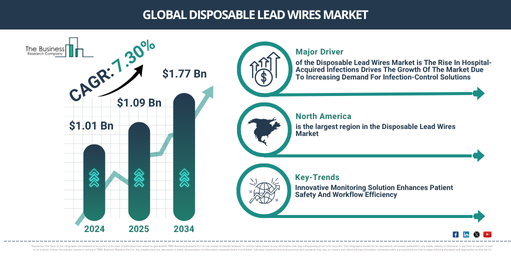
    In recent times, a robust growth has been observed in the market size of disposable lead wires. It is projected to escalate from $1.01 billion in 2024 to $1.09 billion in 2025, marking a compound annual growth rate (CAGR) of 7.7%. Factors such as heightened awareness of infection control, a rising shift from reusable to disposable medical components, a growing demand for devices used for single-patients, rising cases of cardiovascular diseases, and the increased use of advanced disposable lead wires, pre-gelled and color-coded, can be credited for the growth during the historic period.

    In the upcoming years, the market size for disposable lead wires is predicted to showcase robust growth, reaching $1.44 billion in 2029 with a compound annual growth rate (CAGR) of 7.3%. The forecast period’s growth can be linked to factors such as an increased emphasis on patient safety and cleanliness, escalating procedure volumes in diagnostic cardiology and telemetry, the integration of disposable accessories in home healthcare environment, growing demand in ambulatory and outpatient care facilities, and heightened awareness around cross-contamination hazards. Significant trends during the projection period include advancements in the field of material science, the integration of technology in manufacturing automation, progress in infection prevention measures, improvements in color-coding and labeling technology, the merging of disposable lead wires into telemedicine platforms, and advances in pre-gelled and snap-on electrode configurations.

    Download The Free Sample Report Here:

    https://www.thebusinessresearchcompany.com/sample.aspx?id=25755&type=smp

    What Forces Are Driving The Growth Of The Disposable Lead Wires Industry?

    The disposable lead wires market is expected to be spurred by the increasing instances of hospital-acquired infections. These infections are those that patients acquire during their treatment in a healthcare facility, which they did not have or were not developing at the time of admission. The prominent reason for the escalation in hospital-acquired infections is the heightened use of invasive devices that break the body’s natural barriers, actively introducing pathogens into sterile areas. By lowering the possibility of cross-contamination between patients through one-time, sterile monitoring components, disposable lead wires are instrumental in curtailing hospital-acquired infections. As an illustration, the Australian Institute of Health and Welfare noted in November 2024 that in 2022–23, hospital-acquired complications featured in 115,000 public hospitalizations (2.0%) and 34,200 private hospitalizations (0.8%). Hospital-acquired infections comprised the majority at 37% followed by delirium at 13% and cardiac complications at 12%. Consequently, this rising trend in hospital-acquired infections is fuelling progression in the disposable lead wires market. The surge in incidents of heart diseases is prompting the growth of the disposable lead wires market owing to the rising requirement for dependable monitoring solutions. The conditions grouped under cardiovascular diseases include disorders impacting the heart and blood vessels such as coronary artery disease, heart failure, arrhythmias, and stroke. The main factors contributing to the escalating prevalence of these conditions are unhealthy dietary habits rich in saturated fats, sugars, and salt leading to resultant obesity, elevated blood pressure, and cholesterol levels. Disposable lead wires facilitate the management of these cardiovascular diseases via precise, infection-free tracing of crucial heart signals during diagnostic and therapeutic procedures. To illustrate, the Australian Institute of Health and Welfare reported in December 2023 that medically certified deaths due to coronary heart disease rose to 14,100 in 2021 and further increased to 14,900 in 2022. Therefore, the swelling incidence of cardiovascular diseases is spurring the growth of the disposable lead wires market.

    What Is The Overview Of Market Segmentation In The Disposable Lead Wires Industry?

    The disposable lead wires market covered in this report is segmented –

    1) By Product Type: Standard Disposable Lead Wires, Flexible Disposable Lead Wires, Heavy-Duty Disposable Lead Wires, Specialized Disposable Lead Wires

    2) By Material: Thermoplastic Elastomer, Thermoplastic Polyurethane, Other Materials

    3) By Application: Electrocardiogram Monitoring, Electroencephalogram Monitoring, Electromyography Monitoring, Patient Monitoring In Critical Care

    4) By Distribution Channel: Direct Sales, Medical Supply Stores, Online Retail, Wholesale Distributors

    5) By End-User: Hospitals, Ambulatory Surgical Centers, Diagnostic Laboratories, Home Healthcare Providers

    Subsegments:

    1) By Standard Disposable Lead Wires: 3-Lead Standard Disposable Lead Wires, 5-Lead Standard Disposable Lead Wires, 10-Lead Standard Disposable Lead Wires, Snap-Type Connectors, Clip-Type Connector

    2) By Flexible Disposable Lead Wires: Thermoplastic Elastomer (TPE) Lead Wires, Silicone-Based Flexible Lead Wires, Polyvinyl Chloride-Free Flexible Lead Wires, Kink-Resistant Flexible Wires, Stretchable And Lightweight Configurations

    3) By Heavy-Duty Disposable Lead Wires: Reinforced-Jacket Lead Wires, High-Tensile Strength Materials, Long-Wear Surgical Monitoring Leads, Crush-Resistant Connectors, Intensive Care Unit-Grade Heavy-Duty Lead Sets

    4) By Specialized Disposable Lead Wires: Pediatric-Specific Disposable Lead Wires, Neonatal Disposable Lead Wires, Magnetic Resonance Imaging-Compatible Disposable Lead Wires, Radiolucent Lead Wires, Infection-Control Enhanced Wires

    What Future Market Trends Are Projected For The Disposable Lead Wires Industry?

    Major enterprises participating in the market for disposable lead wires are placing emphasis on creating innovative solutions such as single-patient use monitoring lead wire systems with multiple parameters to enrich patient safety, streamline clinical processes, and curb cross-infection. The single-patient use, multi-parameter monitoring cables and lead wire systems are cutting edge medical instruments for monitoring critical health indices like heart rates, blood oxygen levels, and body temperature, using a one-time setup. It facilitates safer and more efficient patient care. For example, Cardinal Health Inc., a healthcare service and product company based in the US, introduced the Kendall DL Multi System in the US, in June 2025. The system is fashioned for continuous monitoring of three essential vital signs – cardiac rhythm, blood oxygen concentration, and body temperature – all through a solitary hookup. The integrated cable management system helps smoothen clinical workflows and mitigates clutter from lead wires. The one-time use configuration also downsizes infection risk associated with reusable lead wires and prevents unwarranted lead off alarms. This significantly enriches patient safety and operational efficiency.

    Who Are The Primary Players Operating Across The Global Disposable Lead Wires Market?

    Major companies operating in the disposable lead wires market are Cardinal Health Inc., 3M Company, Koninklijke Philips N.V., Stryker Corporation, GE Healthcare Technologies Inc., Mindray Medical International Limited, Dragerwerk AG And Co. KGaA, Nihon Kohden Corporation, OSI Systems Inc., Conmed Corporation, Ambu A/S, Vyaire Medical Inc., Shenzhen Med-link Electronics Tech Co. Ltd, ADInstruments Pty Ltd, Medico Electrodes International Ltd., Curbell Inc., Unimed Medical Supplies Inc., Danlee Medical Products Inc., Huntleigh Healthcare Ltd., Shenzhen Pray-Med Technology Co. Ltd.

    Get The Full Report Here:

    https://www.thebusinessresearchcompany.com/report/disposable-lead-wires-global-market-report

    Which Region Offers The Most Growth Potential For The Disposable Lead Wires Market Through 2029?

    North America was the largest region in the disposable lead wires market in 2024. Asia-Pacific is expected to be the fastest-growing region in the forecast period. The regions covered in the disposable lead wires market report are Asia-Pacific, Western Europe, Eastern Europe, North America, South America, Middle East, Africa.

    Request For A Customized Report:

    https://www.thebusinessresearchcompany.com/customise?id=25755&type=smp

    About The Business Research Company:

    With over 15000+ reports from 27 industries covering 60+ geographies, The Business Research Company has built a reputation for offering comprehensive, data-rich research and insights. Armed with 1,500,000 datasets, the optimistic contribution of in-depth secondary research, and unique insights from industry leaders, you can get the information you need to stay ahead in the game.

    Get in touch with us:

    The Business Research Company: https://www.thebusinessresearchcompany.com/

    Americas +1 310-496-7795

    Asia +44 7882 955267 & +91 8897263534

    Europe +44 7882 955267

    Email us at info@tbrc.info

    Follow us on:

    LinkedIn: https://in.linkedin.com/company/the-business-research-company

    YouTube: https://www.youtube.com/channel/UC24_fI0rV8cR5DxlCpgmyFQ

    Global Market Model: https://www.thebusinessresearchcompany.com/global-market-model

  • 2025–2029 Home Rehabilitation Products And Services Market Outlook: Regional Trends and Growth Forecast

    2025–2029 Home Rehabilitation Products And Services Market Outlook: Regional Trends and Growth Forecast

    Claim your 30% discount on Global Market Reports with code ONLINE30. Limited time only.

    Claim your 30% discount on Global Market Reports with code ONLINE30. Limited time only.

    What Are the Forecasted Growth Rate and Market Size of the Home Rehabilitation Products And Services Market?

    The market for home rehabilitation products and services has notably expanded in the recent past. The market value is expected to escalate from $99.56 billion in 2024 to $106.64 billion in 2025, growing at a compound annual growth rate (CAGR) of 7.1%. The historical growth of this market can be credited to factors such as state backing and repayment policies, the requirement for post-operation recovery, proliferation of distance-rehabilitation services, affordability over institutional treatment, and an uptick in rates of disability.

    There is forecasted to be a significant rise in the market size for home rehabilitation products and services in the coming years. This market is predicted to reach $139.00 billion by 2029, expanding at a compound annual growth rate (CAGR) of 6.9%. The expected growth during the forecasted period can be credited to the escalating prevalence of non-communicable diseases (NCDs), endeavors to contain healthcare costs, increasing demand for post-acute and post-surgical recovery, heightened awareness regarding early rehabilitation and preventive care, and the consumer shift towards home-based care. Upcoming trends in this forecast period include the advent of AI-aided rehabilitation devices, wearable monitoring technology, assistance from rehabilitation robots, integration with smart homes and IoT-enabled remote physiological monitoring.

    Download The Free Sample Report Here:

    https://www.thebusinessresearchcompany.com/sample.aspx?id=25784&type=smp

    Which Factor Is Shaping The Future Of The Home Rehabilitation Products And Services Market?

    The expected surge in remote patient monitoring is positioned to boost the expansion of the market for home rehabilitation products and services. Remote patient monitoring (RPM) involves the use of digital technologies to record and track health data from patients outside of traditional medical environments, enabling healthcare providers to oversee and manage patient progress from afar. The surge in remote patient monitoring comes as a result of increasing demand for home-based care, especially for the elderly or individuals recuperating from surgeries or injuries, or those managing chronic conditions. These home rehabilitation products and services facilitate remote patient monitoring by equipping patients with necessary tools and therapies right at their homes while concurrently allowing healthcare providers to keep track of their progress, compliance, and recovery in real time. To illustrate, a recent study by Vivalink Inc., a healthcare technology firm based in the US, stated in August 2023 that 81% of healthcare professionals currently utilize remote patient monitoring (RPM), a dramatic increase from 20% in 2021, indicating a growth of 305%. Furthermore, 84% of these current RPM users anticipate to broaden their utilization in 2024. Consequently, the surge in remote patient monitoring is fostering the growth of the home rehabilitation products and services market.

    What Is The Segment-Wise Breakdown Of The Home Rehabilitation Products And Services Market?

    The home rehabilitation products and services market covered in this report is segmented –

    1) By Product Type: General Aids, Positioning Devices, Body Support Devices, Wheelchairs

    2) By Service Type: Occupational Therapy, Speech Therapy, Physical Therapy, Respiratory Therapy

    3) By Distribution Channel: Retail Store, Online Channel

    4) By Application: Disabilities, Geriatric People

    5) By End User: Homecare, Hospitals And Clinics, Ambulatory Care Center, Nursing Care Center

    Subsegments:

    1) By General Aids: Walkers, Crutches, Canes, Reaching Aids, Dressing Aids

    2) By Positioning Devices: Patient Transfer Boards, Slide Sheets, Bed Positioning Pillows, Wheelchair Cushions, Limb Positioning Supports

    3) By Body Support Devices: Braces And Orthotic Supports, Cervical Collars, Back Supports, Knee And Ankle Supports, Compression Garments

    4) By Wheelchairs: Manual Wheelchairs, Electric (Powered) Wheelchairs, Transport Wheelchairs, Standing Wheelchairs, Reclining Wheelchairs

    Which Trends Are Redefining The Future Landscape Of The Home Rehabilitation Products And Services Industry?

    Key players in the home rehabilitation products and services sector are concentrating their efforts on developing innovative solutions like comprehensive telehealth platforms. These platforms are geared towards improving remote healthcare management, encouraging treatment adherence, and offering patients a continuous recovery journey between a clinical setting and their homes. These fully integrated telehealth platforms operate as cloud-based digital healthcare systems that bind together remote patient monitoring, video consultations, and data analytics. They effectively facilitate a direct connection between patients and healthcare providers for real-time guidance and tracking of rehabilitation progress. For example, Ekso Bionics Holdings Inc., a company based in the US that specializes in medical exoskeletons, introduced their EksoNR GaitCoach software in January 2024. This software plays a critical role in enhancing gait training during rehabilitation therapy. It serves as an analytical tool that delivers instant intelligent feedback regarding patients’ gait, assessing crucial parameters such as step symmetry, stride length, swing time, and trunk lean. By alerting therapists of any deviations in gait in a systematic manner, it allows them to make necessary and precise adjustments during training. Furthermore, the software enables dynamic control, allowing modifications to swing and stance assistance as and when needed, thus personalizing therapy to suit each patient’s unique requirements.

    Which Companies Hold The Largest Market Share In The Home Rehabilitation Products And Services Sector?

    Major companies operating in the home rehabilitation products and services market are Medline Industries LP, Stryker Corporation, Bayada Home Health Care Inc., Maxim Healthcare Services Inc., LHC Group Inc., Enovis Corporation, Invacare Corporation, Norco Inc., Arjo Inc., Amedisys Inc., Drive DeVilbiss Healthcare LLC, Performance Health LLC, Handicare Stairlifts International, AliMed Inc., GF Health Products Inc., Dynatronics Corporation, Prism Medical Ltd., Ekso Bionics Holdings Inc., LL Corpus Cogere Inc., Medical Depot Inc.

    Get The Full Report Here:

    https://www.thebusinessresearchcompany.com/report/home-rehabilitation-products-and-services-global-market-report

    How Does Regional Performance Compare Across The Home Rehabilitation Products And Services Industry?

    North America was the largest region in the home rehabilitation products and services market in 2024. Asia-Pacific is expected to be the fastest-growing region in the forecast period. The regions covered in the home rehabilitation products and services market report are Asia-Pacific, Western Europe, Eastern Europe, North America, South America, Middle East, Africa.

    Request For A Customized Report:

    https://www.thebusinessresearchcompany.com/customise?id=25784&type=smp

    About The Business Research Company:

    With over 15000+ reports from 27 industries covering 60+ geographies, The Business Research Company has built a reputation for offering comprehensive, data-rich research and insights. Armed with 1,500,000 datasets, the optimistic contribution of in-depth secondary research, and unique insights from industry leaders, you can get the information you need to stay ahead in the game.

    Get in touch with us:

    The Business Research Company: https://www.thebusinessresearchcompany.com/

    Americas +1 310-496-7795

    Asia +44 7882 955267 & +91 8897263534

    Europe +44 7882 955267

    Email us at info@tbrc.info

    Follow us on:

    LinkedIn: https://in.linkedin.com/company/the-business-research-company

    YouTube: https://www.youtube.com/channel/UC24_fI0rV8cR5DxlCpgmyFQ

    Global Market Model: https://www.thebusinessresearchcompany.com/global-market-model