Month: September 2025

  • Latest Market Developments in Point Of Care Hematology Diagnostics Industry: Forecast 2025–2029

    Latest Market Developments in Point Of Care Hematology Diagnostics Industry: Forecast 2025–2029

    Claim your 30% discount on Global Market Reports with code ONLINE30. Limited time only.

    Claim your 30% discount on Global Market Reports with code ONLINE30. Limited time only.

    How Large Is the Point Of Care Hematology Diagnostics Market Expected to Be in 2029?

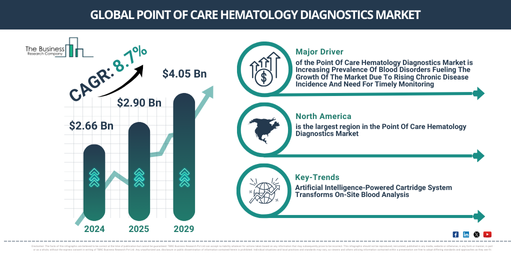
    There has been substantial growth in the size of the point of care hematology diagnostics market in recent times, with projections showing an increase from $2.66 billion in 2024 to $2.90 billion in 2025, suggesting a compound annual growth rate (CAGR) of 9.1%. The historical growth can be linked to factors like the increasing incidence of hematological disorders, the emergence of decentralized healthcare facilities, an amplified emphasis on early detection of diseases, increased healthcare spending in developing markets, and the rising utilization of portable diagnostic devices.

    The market size of point of care hematology diagnostics is projected to experience significant expansion in the coming years, estimated to reach $4.05 billion by 2029 with a compound annual growth rate (CAGR) of 8.7%. This anticipated growth in the forecast period is due to factors such as the increased uptake of personalized medicine, the rising demand for immediate clinical decisions and home healthcare diagnostics, an escalated prevalence of blood-related disorders, and heightened awareness surrounding preventive healthcare. Key trends expected during the forecast span incorporate advancements in hematology analyzer connectivity features, improvements in sample preparation approaches, the incorporation of artificial intelligence into diagnostic instruments, developments in single-cell analysis techniques, the integration of cloud-based data platforms, and progressions in lab-on-a-chip solutions.

    Download The Free Sample Report Here:

    https://www.thebusinessresearchcompany.com/sample.aspx?id=27388&type=smp

    What Are The Contributors To Demand In The Point Of Care Hematology Diagnostics Market?

    The escalation in the occurrence of blood disorders is set to fuel the expansion of the point-of-care hematology diagnostics market in the future. Blood disorders encompass those ailments that disturb the constituents of blood such as red blood cells, white blood cells, platelets, or plasma. The primary cause of this rise in blood disorders is the mounting prevalence of chronic maladies that gravely affect the health of the blood and necessitate continuous tracking. The point-of-care hematology diagnostics offer prompt and precise results at or near the patient care site, thereby facilitating speedy clinical judgments and better disease administration. For example, the Perth Blood Institute, a non-profit entity based in Australia reported that in April 2024, people diagnosed with hemophilia, a hereditary blood disorder characterized by the blood’s inability to clot properly leading to extended bleeding, edged up to 257,146 in 2022 from 233,577 in 2021. Consequently, the escalating occurrence of blood disorders is driving the point-of-care hematology diagnostics market’s expansion.

    What Segmentation Categories Are Included In The Point Of Care Hematology Diagnostics Market Analysis?

    The point of care hematology diagnostics market covered in this report is segmented

    1) By Type: Complete Blood Count, Coagulation Testing, Hemoglobin Testing, Anemia Diagnosis, Other Types

    2) By Product: Consumables, Systems

    3) By Mode Of Prescription: Prescription Based Product, Over-The-Counter Based Product

    4) By End User: Diagnostic Centers, Hospitals, Blood Banks, Transfusion Centers, Other End Users

    Subsegments:

    1) By Complete Blood Count: White Blood Cell Count, Red Blood Cell Count, Platelet Count, Hematocrit, Hemoglobin Concentration, Mean Corpuscular Volume (MCV)

    2) By Coagulation Testing: Prothrombin Time (PT), Activated Partial Thromboplastin Time (aPTT), International Normalized Ratio (INR), D-Dimer Test, Fibrinogen Level

    3) By Hemoglobin Testing: Total Hemoglobin, Glycated Hemoglobin (HbA1c), Oxyhemoglobin, Carboxyhemoglobin, Methemoglobin

    4) By Anemia Diagnosis: Iron Studies, Vitamin B12 Levels, Folate Levels, Reticulocyte Count, Ferritin Test, Transferrin Saturation

    5) By Other Types: Blood Typing And Crossmatching, Erythrocyte Sedimentation Rate, Malaria Parasite Detection, Sickle Cell Screening, C-Reactive Protein Testing

    What Upcoming Trends Are Expected To Impact The Point Of Care Hematology Diagnostics Market Globally?

    Leading entities in the point-of-care hematology diagnostics market are working towards creating products that are technologically superior, such as AI-powered hematology analyzers that use cartridges, with the aim to provide quick, precise, and local blood analysis for enhanced patient care. These cartridge-based AI-powered hematology analyzers are compact diagnostic tools that employ single-use reagent cartridges and artificial intelligence algorithms to effectively and correctly analyze blood samples at the care location. For instance, Zoetis Inc., a veterinary health firm based in the US, introduced Vetscan OptiCell, an AI-powered hematology analyzer that utilizes cartridges, specifically for veterinary usage in September 2024. This revolutionary system provides swift, reference laboratory-grade complete blood count (CBC) results within minutes at the point of care, while also reducing maintenance and time spent on it. It comes with state-of-the-art AI-controlled image analysis and viscoelastic focusing technology that accurately aligns cells for clear imaging, thus enabling precise blood cell categorization and automated anomaly detection, ensuring efficient and trustworthy veterinary diagnostics.

    Who Are The Top-Ranked Companies In The Point Of Care Hematology Diagnostics Market Today?

    Major companies operating in the point of care hematology diagnostics market are F. Hoffmann-La Roche Ltd., Thermo Fisher Scientific Inc., Abbott Laboratories, Danaher Corporation, Siemens Healthineers AG, Shenzhen Mindray Bio-Medical Electronics Co. Ltd., Sysmex Corporation, HORIBA Ltd., Nova Biomedical Corp., S.D. Sight Diagnostics Ltd., EKF Diagnostics Holdings plc., Medsource Ozone Biomedicals Pvt. Ltd., BioSystems S.A., Chengdu Seamaty Technology Co. Ltd., Drucker Diagnostics LLC, Diamond Diagnostics Inc., DIAGON Kft., BioMedomics Inc., Norma Instruments Zrt., PixCell Medical Technologies Ltd.

    Get The Full Report Here:

    https://www.thebusinessresearchcompany.com/report/point-of-care-hematology-diagnostics-global-market-report

    How Is Point Of Care Hematology Diagnostics Market Adoption Varying Across Different Regions And Sectors?

    North America was the largest region in the point of care hematology market in 2024. Asia-Pacific is expected to be the fastest-growing region in the forecast period. The regions covered in the point of care hematology diagnostics market report are Asia-Pacific, Western Europe, Eastern Europe, North America, South America, Middle East, Africa.

    Request For A Customized Report:

    https://www.thebusinessresearchcompany.com/customise?id=27388&type=smp

    About The Business Research Company:

    With over 15000+ reports from 27 industries covering 60+ geographies, The Business Research Company has built a reputation for offering comprehensive, data-rich research and insights. Armed with 1,500,000 datasets, the optimistic contribution of in-depth secondary research, and unique insights from industry leaders, you can get the information you need to stay ahead in the game.

    Get in touch with us:

    The Business Research Company: https://www.thebusinessresearchcompany.com/

    Americas +1 310-496-7795

    Asia +44 7882 955267 & +91 8897263534

    Europe +44 7882 955267

    Email us at info@tbrc.info

    Follow us on:

    LinkedIn: https://in.linkedin.com/company/the-business-research-company

    YouTube: https://www.youtube.com/channel/UC24_fI0rV8cR5DxlCpgmyFQ

    Global Market Model: https://www.thebusinessresearchcompany.com/global-market-model
  • Emerging Trends and Growth Drivers in the Point Of Care Devices Market Through 2029

    Emerging Trends and Growth Drivers in the Point Of Care Devices Market Through 2029

    Claim your 30% discount on Global Market Reports with code ONLINE30. Limited time only.

    Claim your 30% discount on Global Market Reports with code ONLINE30. Limited time only.

    What Is the Outlook for the Point Of Care Devices Market Heading Into 2029?

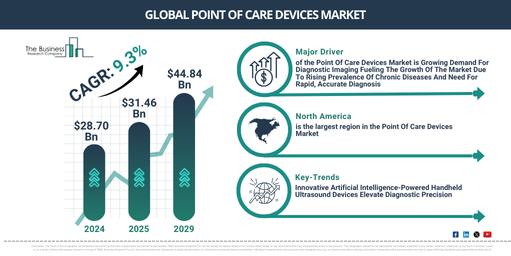
    The market size for point of care devices has seen substantial growth in the past few years. The current size of $28.70 billion in 2024 is set to increase to $31.46 billion in 2025, with a compound annual growth rate (CAGR) of 9.6%. The growth throughout the historical period can be linked to an increase in early disease detection awareness, a rise in the use of portable healthcare devices, a growing necessity for decentralized testing, increased government schemes for healthcare accessibility, and an overall increase in global health expenditure.

    The market size for point of care devices is predicted to experience substantial growth in the forthcoming years, reaching a value of $44.84 billion in 2029 with a compound annual growth rate (CAGR) of 9.3%. This projected growth within the forecast period is a result of various factors such as the rising uptake of wireless and connected devices, increased focus on point-of-care testing in isolated regions, a heightened emphasis on affordable diagnostics, significant investments in healthcare infrastructure, an increased incidence of infectious diseases, and a growing demand for multi-parameter testing devices. Key trends noted within the forecast period include the progress in lab-on-a-chip technology, the emergence of diagnostic platforms powered by artificial intelligence, advances in smartphone-integrated testing devices, the enhancement of multiplex testing capabilities, and the creation of cloud-connected point-of-care systems.

    Download The Free Sample Report Here:

    https://www.thebusinessresearchcompany.com/sample.aspx?id=27387&type=smp

    Which Factors Are Pushing The Point Of Care Devices Market Forward?

    An increased need for diagnostic imaging is anticipated to boost the expansion of the point-of-care devices market. Diagnostic imaging involves methods and procedures that produce visual depictions of the internal structure of the body, facilitating clinical assessment and medical intervention. The demand for such imaging is on the rise, primarily due to the increasing presence of chronic diseases that require accurate and early diagnosis. Point-of-care devices augment diagnostic imaging with their compact and portable features, making them perfect for use in remote healthcare situations, clinics, and bedside care. They expedite processing times, producing quick and precise imaging outcomes, which, in turn, enhance clinical decision-making and efficiency in patient care. As an example, a National Library of Medicine survey study conducted in February 2025 showed that among 348,214,053 insured individuals, including those with Medicare fee-for-service, Medicare Advantage, Medicaid, and commercial insurance, from 2018 to 2022, it’s projected that imaging utilization would rise from 16.9% to 26.9% in 2055 relative to 2023. As a result, the accelerating demand for diagnostic imaging is driving the growth of the point-of-care devices market.

    Which Segment Held The Largest Share In The Point Of Care Devices Market In 2025?

    The point of care devices market covered in this report is segmented

    1) By Type Of Device: Diagnostic Devices, Therapeutic Devices, Monitoring Devices, Treatment Devices, Support Devices

    2) By Technology: Biochemical Technology, Microfluidics, Immunoassay Technology, Nucleic Acid Testing, Wearable Technology

    3) By Application: Cardiology, Diabetes Management, Infectious Diseases, Oncology, Pediatrics

    4) By Distribution Channel: Direct Sales, Distributors, Online Sales, Retail Pharmacies, Healthcare Institutions

    5) By End User: Hospitals, Clinics, Home Care Settings, Diagnostic Laboratories, Emergency Medical Services (EMS)

    Subsegments:

    1) By Diagnostic Devices: Blood Glucose Monitors, Hematology Analyzers, Coagulation Analyzers, Urinalysis Devices, Molecular Diagnostics

    2) By Therapeutic Devices: Infusion Pumps, Respiratory Therapy Devices, Pain Management Devices, Wound Care Devices, Dialysis Devices

    3) By Monitoring Devices: Vital Signs Monitors, Cardiac Monitors, Pulse Oximeters, Temperature Monitors, Respiratory Monitors

    4) By Treatment Devices: Defibrillators, Surgical Devices, Laser Therapy Devices, Physical Therapy Devices

    5) By Support Devices: Sample Collection Devices, Specimen Transport Devices, Data Management Devices, Calibration And Maintenance Devices

    How Are Key Trends Driving Expansion In The Point Of Care Devices Industry?

    Leading businesses in the point-of-care devices market are investing in the creation of technologically superior solutions like AI-assisted handheld ultrasound systems, aimed at enhancing diagnostic precision and mobility. The AI-boosted handheld ultrasound systems are movable imaging instruments, employing AI algorithms to aid in generating and interpreting ultrasound imagery, thereby expediting and refining diagnosis accuracy. For example, Koninklijke Philips N.V., a healthcare technology firm from the Netherlands, unveiled the Compact 5000 Series, an AI-backed point-of-care ultrasound apparatus, in October 2023. This transportable tool provides exceptional imaging quality and incorporates state-of-the-art AI-guided automation for measurements and efficient workflows, thereby ensuring prompt and precise diagnosis in a variety of healthcare environments. It flaunts user-friendly controls, is compatible with several transducers, and seamlessly integrates with telemedicine platforms, thereby supporting collaborative remote clinical treatment.

    Which Organizations Are Driving Progress In The Point Of Care Devices Industry?

    Major companies operating in the point of care devices market are Johnson & Johnson, F. Hoffmann-La Roche AG, Thermo Fisher Scientific Inc., Abbott Laboratories, Danaher Corporation, Siemens Healthineers AG, Becton, Dickinson and Company, Hologic Inc., BioMérieux SA, Quidel Corporation, OraSure Technologies Inc., Nova Biomedical Corporation, Sekisui Diagnostics LLC, Abaxis Inc., EKF Diagnostics Holdings plc, Trinity Biotech plc, Chembio Diagnostics Inc., PTS Diagnostics LLC, MeMed, Alere Inc., Diagnostics For All Inc.

    Get The Full Report Here:

    https://www.thebusinessresearchcompany.com/report/point-of-care-devices-global-market-report

    Which Region Is Expected To Experience The Highest Growth In The Point Of Care Devices Industry?

    North America was the largest region in the point of care devices market in 2024. Asia-Pacific is expected to be the fastest-growing region in the forecast period. The regions covered in the point of care devices market report are Asia-Pacific, Western Europe, Eastern Europe, North America, South America, Middle East, Africa.

    Request For A Customized Report:

    https://www.thebusinessresearchcompany.com/customise?id=27387&type=smp

    About The Business Research Company:

    With over 15000+ reports from 27 industries covering 60+ geographies, The Business Research Company has built a reputation for offering comprehensive, data-rich research and insights. Armed with 1,500,000 datasets, the optimistic contribution of in-depth secondary research, and unique insights from industry leaders, you can get the information you need to stay ahead in the game.

    Get in touch with us:

    The Business Research Company: https://www.thebusinessresearchcompany.com/

    Americas +1 310-496-7795

    Asia +44 7882 955267 & +91 8897263534

    Europe +44 7882 955267

    Email us at info@tbrc.info

    Follow us on:

    LinkedIn: https://in.linkedin.com/company/the-business-research-company

    YouTube: https://www.youtube.com/channel/UC24_fI0rV8cR5DxlCpgmyFQ

    Global Market Model: https://www.thebusinessresearchcompany.com/global-market-model

  • CAGR of 10.2% Projected for Plasmonic Laser Ablation Device Market From 2025 to 2029

    CAGR of 10.2% Projected for Plasmonic Laser Ablation Device Market From 2025 to 2029

    Claim your 30% discount on Global Market Reports with code ONLINE30. Limited time only.

    Claim your 30% discount on Global Market Reports with code ONLINE30. Limited time only.

    What Does the Forecast Indicate for the Plasmonic Laser Ablation Device Market From 2025 to 2029?

    The market for plasmonic laser ablation devices has experienced swift growth in recent years. The market, which is estimated at $1.35 billion in 2024, is predicted to rise to $1.50 billion in 2025, indicating a compound annual growth rate (CAGR) of 10.6%. The expansion seen during the historical period can be credited to factors such as the increasing instances of cancer and chronic illnesses, growth in investments in medical research and clinical trials, the rising incorporation of plasmonic in biomedical uses, increased application in material science and nanotechnology, and a growing emphasis on patient safety and recovery.

    Anticipated growth in the plasmonic laser ablation device market is projected to be substantial over the next few years, with estimates reaching a value of $2.21 billion by 2029, reflecting a compound annual growth rate (CAGR) of 10.2%. This growth trajectory during the forecast period is primarily driven by increased utilization of femtosecond and nanosecond laser pulses, higher demands for day-care and outpatient surgeries, an escalating inclination towards precision medicine, enhanced adoption for cosmetic and dermatological procedures, and growing need for image-guided surgical technologies. The forecast period is also expected to witness significant developments such as advancements in nanosecond and femtosecond laser technologies, incorporation of real-time imaging systems, innovative developments in biocompatible nanoparticle formulations, progress in surface plasmon resonance (SPR) monitoring, and advancements in photothermal and photomechanical effects.

    Download The Free Sample Report Here:

    https://www.thebusinessresearchcompany.com/sample.aspx?id=27386&type=smp

    What Elements Are Contributing To Growth In The Plasmonic Laser Ablation Device Market?

    An increased preference for minimally invasive procedures is predicted to spur the growth of the plasmonic laser ablation device market. These medical techniques use small incisions or natural openings and specialized tools, resulting in less pain, scarring, and shortened recovery time. The quick recovery associated with these procedures allows patients to promptly resume their normal activities, reducing the risk of complications. These innovative devices are used in minimally invasive procedures to precisely and locally remove tissue, minimizing thermal damage to adjacent areas. Consequently, the size of the incision shrinks and healing is expedited. As an illustration, data from the American Society of Plastic Surgeons show that roughly 25.4 million minimally invasive procedures were conducted in 2023, a 7% increase from the preceding year, indicating that this growing demand is propelling the plasmonic laser ablation device market growth. Furthermore, the upward trajectory of healthcare expenditure is anticipated to fuel the expansion of the plasmonic laser ablation device market. This expenditure encompasses the cumulative investment in medical services, treatments, and health-related resources by individuals, governments, and institutions. The rise attributed to an aging population needing more frequent and costly care for chronic and age-related ailments. The increased funding unlocks the potential for the development and uptake of transformative technologies like plasmonic laser ablation devices. For example, projections from the Centers for Medicare and Medicaid Services (CMS) suggest that annual healthcare spend will grow by 5.1% annually from 2021 to 2030, amassing about $6.8 trillion by 2030. This trend is driving the growth of the plasmonic laser ablation device market.

    Which Segments Are Detailed In The Global Plasmonic Laser Ablation Device Market Report?

    The plasmonic laser ablation device market covered in this report is segmented

    1) By Type: Yttrium Aluminum Garnet Laser, Carbon Dioxide Laser, Other Types

    2) By Device Type: Pulsed Plasmonic Laser Ablation Devices, Continuous Wave Plasmonic Laser Ablation Devices, Femtosecond Plasmonic Laser Ablation Devices, Nanosecond Plasmonic Laser Ablation Devices

    3) By Technology: Surface Plasmon Resonance (SPR) Technology, Nanoparticle Mediated Laser Ablation, Optical Coherence Tomography (OCT)

    4) By Application: Medical Applications, Material Processing, Research And Development

    5) By End-User: Hospitals, Research Institutes, Manufacturing Industries, Other Users

    Subsegments:

    1) By Yttrium Aluminum Garnet: Nanosecond Yttrium Aluminum Garnet Laser, Picosecond Yttrium Aluminum Garnet Laser, Q-switched Yttrium Aluminum Garnet Laser

    2) By Carbon Dioxide (CO2) Laser: Continuous Wave Carbon Dioxide Laser, Pulsed Carbon Dioxide Laser, rational Carbon Dioxide Laser

    3) By Other Types: Femtosecond Laser, Excimer Laser, Ultrafast Laser

    Who Are The Key Contributors To Growth In The Plasmonic Laser Ablation Device Market?

    Major companies operating in the plasmonic laser ablation device market are Mitsubishi Electric Corporation, Boston Scientific Corporation, Trumpf Group, Coherent Corp., Han’s Laser Technology Industry Group Co. Ltd., Lumentum Holdings Inc., Thorlabs Inc., Edmund Optics Inc, Jenoptik AG, Universal Laser Systems Inc., Cincinnati Incorporated, Epilog Laser, RPMC Lasers, Dongguan Mactron Technology Co. Ltd., Aesthetic World, Astanza Laser LLC, Boss Laser LLc, Quantum Composers, Laser Photonics Corporation, Medioxra LLP.

    Get The Full Report Here:

    https://www.thebusinessresearchcompany.com/report/plasmonic-laser-ablation-device-global-market-report

    Which Region Is Projected To Lead The Plasmonic Laser Ablation Device Market By 2025?

    North America was the largest region in the plasmonic laser ablation device market in 2024. Asia-Pacific is expected to be the fastest-growing region in the forecast period. The regions covered in the plasmonic laser ablation device market report are Asia-Pacific, Western Europe, Eastern Europe, North America, South America, Middle East, Africa.

    Request For A Customized Report:

    https://www.thebusinessresearchcompany.com/customise?id=27386&type=smp

    About The Business Research Company:

    With over 15000+ reports from 27 industries covering 60+ geographies, The Business Research Company has built a reputation for offering comprehensive, data-rich research and insights. Armed with 1,500,000 datasets, the optimistic contribution of in-depth secondary research, and unique insights from industry leaders, you can get the information you need to stay ahead in the game.

    Get in touch with us:

    The Business Research Company: https://www.thebusinessresearchcompany.com/

    Americas +1 310-496-7795

    Asia +44 7882 955267 & +91 8897263534

    Europe +44 7882 955267

    Email us at info@tbrc.info

    Follow us on:

    LinkedIn: https://in.linkedin.com/company/the-business-research-company

    YouTube: https://www.youtube.com/channel/UC24_fI0rV8cR5DxlCpgmyFQ

    Global Market Model: https://www.thebusinessresearchcompany.com/global-market-model
  • Industry Forecast: Plasmid Purification Market to Generate $3.88 Billion Revenue by 2029

    Industry Forecast: Plasmid Purification Market to Generate $3.88 Billion Revenue by 2029

    Claim your 30% discount on Global Market Reports with code ONLINE30. Limited time only.

    Claim your 30% discount on Global Market Reports with code ONLINE30. Limited time only.

    How Much Is the Global Plasmid Purification Market Valued at Present and by 2029?

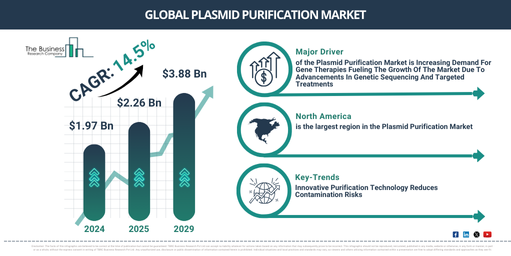
    The market for plasmid purification has experienced swift expansion in the past few years. Projections show it increasing from $1.97 billion in 2024 to $2.26 billion in 2025, demonstrating a compound annual growth rate (CAGR) of 14.9%. This historical period’s growth can be credited to factors such as the escalating demand for recombinant proteins, intensifying gene therapy research, burgeoning vaccine development, the broadening expanse of the biotechnology and pharmaceutical sectors, and a rise in personalized medicine initiatives.

    The size of the plasmid purification market is anticipated to experience swift expansion in the coming years. It’s projected that by 2029, the market will reach a worth of $3.88 billion, exhibiting a compound annual growth rate (CAGR) of 14.5%. The forecasted period’s growth can be linked to factors such as advancement in gene and cell therapy techniques, increased demands for high-purity plasmid DNA in diagnostics, advancements in synthetic biology research, growing application of automated systems in plasmid purification, and a heightened emphasis on the development of next-generation therapeutics. The forecast period will likely see significant trends like automation in plasmid purification processes, microfluidics integration for isolating plasmids, innovation in purification methods free from endotoxins, usage of artificial intelligence for process optimization, and size reduction of plasmid purification devices.

    Download The Free Sample Report Here:

    https://www.thebusinessresearchcompany.com/sample.aspx?id=27385&type=smp

    #What Drivers Are Influencing Growth In The Plasmid Purification Market?

    The rise in gene therapy needs is projected to fuel the expansion of the plasmid purification industry in the future. Gene therapy is a medical approach that modifies or substitutes malfunctioning genes for disease treatment and prevention. The growing requirements for gene therapy arise from developments in genetic sequencing and diagnostics, allowing for the precise determination of genes responsible for various illnesses for targeted therapy. Plasmid purifications are critical in advancing gene therapy through the provision of high-grade, pure plasmid DNA, which is critical for effective and secure therapeutic applications. It alleviates production difficulties by facilitating scalable and consistent plasmid extraction, enhancing research and biomanufacturing results. For instance, the American Society of Gene & Cell Therapy (ASGCT), a US non-profit medical and scientific institution, reported in December 2024 that the Food and Drug Administration (FDA) authorized six gene therapy products in 2023, an increase from five approvals in 2022. As a result, the plasmid purification industry’s growth is being fueled by the escalating demand for gene therapies.

    What Are The Main Segments Identified In The Plasmid Purification Market Research?

    The plasmid purification market covered in this report is segmented

    1) By Product Type: Mini Plasmid Purification Kits, Midi Plasmid Purification Kits, Maxi Plasmid Purification Kits, Reagents And Consumables, Instruments And Systems, Other Product Types

    2) By Technology: Alkaline Lysis Method, Spin Column Method, Magnetic Bead-Based Method, Filter-Based Method

    3) By Application: Genetic Engineering, Cloning, Transfection, Vaccines Development

    4) By End-User: Academic Research Institutions, Pharmaceutical Companies, Biotechnology Firms, Contract Research Organizations (CROs)

    Subsegments:

    1) By Mini Plasmid Purification Kits: Spin Column Kits, Magnetic Bead Kits, Filter Plate Kits, Manual Kit Systems

    2) By Midi Plasmid Purification Kits: Spin Column Kits, Gravity Flow Kits, Vacuum Filtration Kits, Automated Midi Kits

    3) By Maxi Plasmid Purification Kits: Gravity Flow Kits, Vacuum Filtration Kits, Large-Scale Automated Kits, Membrane Adsorption Kits

    4) By Reagents And Consumables: Buffers, Enzymes, Solutions, Columns, Membranes

    5) By Instruments And Systems: Automated Purification Systems, Centrifuges, Magnetic Separators, Filtration Devices

    6) By Other Product Types: Kits For Endotoxin Removal, Kits For Ribonucleic Acid (RNA) Removal, Kits For Genomic Deoxyribonucleic Acid (DNA) Removal, Accessories And Others

    What Are The Leading Trends And Opportunities In The Plasmid Purification Sector?

    Leading corporations in the plasmid purification industry are prioritizing the creation of technologically superior products, such as automated plasmid maxi-prep purification systems, to augment efficiency, raise yield, and guarantee increased purity of plasmid DNA. An automated plasmid maxi-prep purification system is a technology that effortlessly separates substantial quantities of pure plasmid DNA from bacterial cultures, simplifying the purification procedure for better efficiency and uniformity. For instance, in June 2023, GenScript Biotech Corporation, a biotechnology organization based in the US, introduced the AmMag Quatro, a highly advanced, fully automated high-throughput plasmid maxi-prep purification system. This scalable and flexible model can control up to four distinct purification modules concurrently, handling a total of 24 samples in approximately two hours. The AmMag Quatro uses magnetic silica bead technology to produce high-quality, transfection-grade plasmid DNA featuring minimal endotoxin levels and a high supercoiled DNA ratio, preparing ready-to-use plasmids for downstream operations. Its progressive design guarantees high consistency, diminishes contamination risks, and dramatically enhances processing capacity, proving to be perfectly suited for extensive research and bio-production applications.

    Which Companies Play A Key Role In The Development Of The Plasmid Purification Market?

    Major companies operating in the plasmid purification market are Thermo Fisher Scientific Inc., Merck KGaA, Agilent Technologies Inc., Illumina Inc., Bio-Rad Laboratories Inc., Qiagen N.V., GenScript Biotech Corporation, Takara Bio Inc., Promega Corporation, Aldevron LLC, Sino Biological Inc., New England Biolabs Inc., Origene Technologies Inc., Applied Biological Materials, InvivoGen, Omega Bio-tek Inc., ABP Biosciences, Zymo Research Corporation, Lucigen Corporation, Oxford Genetics Ltd., Mirus Bio LLC, Norgen Biotek Corp., PlasmidFactory GmbH & Co. KG, Lamda Biotech.

    Get The Full Report Here:

    https://www.thebusinessresearchcompany.com/report/plasmid-purification-global-market-report

    What Are The Key Regional Developments Shaping The Plasmid Purification Market?

    North America was the largest region in the plasmid purification market in 2024. Asia-Pacific is expected to be the fastest-growing region in the forecast period. The regions covered in the plasmid purification market report are Asia-Pacific, Western Europe, Eastern Europe, North America, South America, Middle East, Africa.

    Request For A Customized Report:

    https://www.thebusinessresearchcompany.com/customise?id=27385&type=smp

    About The Business Research Company:

    With over 15000+ reports from 27 industries covering 60+ geographies, The Business Research Company has built a reputation for offering comprehensive, data-rich research and insights. Armed with 1,500,000 datasets, the optimistic contribution of in-depth secondary research, and unique insights from industry leaders, you can get the information you need to stay ahead in the game.

    Get in touch with us:

    The Business Research Company: https://www.thebusinessresearchcompany.com/

    Americas +1 310-496-7795

    Asia +44 7882 955267 & +91 8897263534

    Europe +44 7882 955267

    Email us at info@tbrc.info

    Follow us on:

    LinkedIn: https://in.linkedin.com/company/the-business-research-company

    YouTube: https://www.youtube.com/channel/UC24_fI0rV8cR5DxlCpgmyFQ

    Global Market Model: https://www.thebusinessresearchcompany.com/global-market-model

  • Pigmented Lesion Treatment Market Revenue Outlook: Strategic Insights and Forecast to 2029

    Pigmented Lesion Treatment Market Revenue Outlook: Strategic Insights and Forecast to 2029

    Claim your 30% discount on Global Market Reports with code ONLINE30. Limited time only.

    Claim your 30% discount on Global Market Reports with code ONLINE30. Limited time only.

    What Is the Current and Projected Market Size of the Pigmented Lesion Treatment Industry?

    In recent times, substantial growth has been observed in the market size for pigmented lesion treatment, which is predicted to increase from $3.31 billion in 2024 to $3.57 billion in 2025, exhibiting a compound annual growth rate (CAGR) of 7.7%. The expansion during the historic period is linked to a surge in hyperpigmentation disorders, heightened knowledge regarding aesthetic dermatology, rising disposable income levels, a heightened demand for non-invasive beauty procedures, and growing focus on skin health and visual appeal.

    The market for pigmented lesion treatment is predicted to experience substantial expansion in the forthcoming years, with its value anticipated to reach $4.73 billion by 2029, growing at a CAGR of 7.3%. This growth during the projected period stems from factors such as increased consumer expenditure on aesthetic procedures, the rising trend of using home-based pigmentation devices, proliferating demand for bespoke skin treatments, the growing influence of beauty and wellness spokespeople, more acceptance towards male aesthetic treatments, and the expanding availability of combination therapies. Foreseen trends for the forecast period incorporate the incorporation of tele dermatology services, advancements in non-invasive treatment methods, the design of personalized treatment protocols, the implementation of multi-modal therapies, and the inclusion of electronic health records.

    Download The Free Sample Report Here:

    https://www.thebusinessresearchcompany.com/sample.aspx?id=27384&type=smp

    #Which Factors Are Currently Driving The Growth Of The Pigmented Lesion Treatment Market?

    The increasing occurrence of skin conditions is likely to fuel the expansion of the pigmented lesion treatment market in the future. Skin disorders encompass a broad variety of issues that impact the skin’s structure, function, or look, often resulting in symptoms such as inflammation, irritation, or abnormal growths. These include acne, eczema, psoriasis, dermatitis, vitiligo, fungal infections, warts, and skin cancer. The growing environmental pollution is resulting in an increased frequency of skin disorders, as pollutants can harm the skin barrier and instigate inflammatory or allergic response. Treatment of pigmented lesions provides a solution for skin disorders by focusing on abnormal skin pigmentation, making it suitable for issues like age spots, melasma, and freckles. It enhances skin texture using precise technologies, thereby improving dermatological care and boosting patient assurance. For example, in 2023, Cancer Australia, a government agency in Australia, reported about 8,257 new melanoma skin cases, representing 2.6% of all cancer deaths. As a result, the increasing frequency of skin disorders is leading to the growth of the pigmented lesion treatment market.

    How Is The Global Pigmented Lesion Treatment Market Structured In Terms Of Segments?

    The pigmented lesion treatment market covered in this report is segmented

    1) By Treatment Type: Laser Therapy, Topical Creams, Chemical Peels, Microdermabrasion, Other Treatment Types

    2) By Product Type: Lasers And Energy-Based Devices, Radiofrequency (RF) Devices, Micro-Focused Ultrasound, Intense Pulsed Light Devices

    3) By Age Group: Children, Adults, Older Adults

    4) By Application: Melasma, Freckles, Age Spots, Nevus, Other Applications

    5) By End User: Dermatology Clinics, Beauty Clinics, Other End Users

    Subsegments:

    1) By Laser Therapy: Fractional Laser Treatment, Q-Switched Laser Treatment, Intense Pulsed Light Therapy, Picosecond Laser Treatment, Ablative Laser Treatment

    2) By Topical Creams: Hydroquinone-Based Creams, Retinoid-Based Creams, Corticosteroid Creams, Azelaic Acid Creams, Kojic Acid Creams

    3) By Chemical Peels: Glycolic Acid Peels, Salicylic Acid Peels, Trichloroacetic Acid Peels, Lactic Acid Peels, Phenol Peels

    4) By Microdermabrasion: Crystal Microdermabrasion, Diamond Tip Microdermabrasion, Hydra Microdermabrasion, At-Home Microdermabrasion Kits, Medical-Grade Microdermabrasion

    5) By Other Treatment Types: Cryotherapy, Radiofrequency Therapy, Ultrasound Therapy, Dermabrasion, Natural And Herbal Remedies

    What Trends Are Currently Influencing Growth In The Pigmented Lesion Treatment Market?

    Major firms active in the pigmented lesion treatment market are turning their attention to the creation of innovative products, such as dual-wavelength fractional laser systems, to boost the precision and effectiveness of different skin pigmentation treatments. These cutting-edge dermatological devices bring together two laser wavelengths to simultaneously address both superficial and deep layers of the skin; this approach intensifies the treatment of pigmented lesions and rejuvenates the skin. For example, in April 2025, Bausch Health Companies Inc., a pharmaceutical business headquartered in Canada, in conjunction with Solta Medical Corporation, a US-based aesthetic division of Bausch Health Companies Inc., introduced the Fraxel FTX, a sophisticated laser resurfacing system. The system is equipped with dual-wavelength fractional lasers, specifically 1550 nm erbium-glass and 1927 nm thulium, that are tailored to target the skin’s superficial and deep layers. Moreover, the system features a re-engineered handpiece that is 20% lighter and contains inbuilt cooling technology to optimize patient comfort. To further improve the accuracy and consistency of its treatment delivery, the system integrates intelligent optical tracking with Accutrac, and a state-of-the-art color touchscreen interface that provides customizable treatment possibilities.

    Who Are The Main Participants Shaping The Pigmented Lesion Treatment Market Landscape?

    Major companies operating in the pigmented lesion treatment market are EL.EN S.p.A., Candela Medical Corporation, Alma Lasers Ltd., Cutera Inc., Lutronic Corporation, Fotona d.o.o., Sciton Inc., Solta Medical Inc., Inmode Ltd., Strata Skin Sciences Inc., Lumenis Ltd., Syneron Medical Ltd., Quanta System S.P.A, Sharplight Technologies Ltd., Beijing Sincoheren Science and Technology Development Co. Ltd., Venus Concept Inc., Lynton Lasers Ltd., Eufoton S.R.L., Asclepion Laser Technologies Gmbh, DEKA M.E.L.A. Srl.

    Get The Full Report Here:

    https://www.thebusinessresearchcompany.com/report/pigmented-lesion-treatment-global-market-report

    Which Region Currently Holds The Largest Share In The Pigmented Lesion Treatment Market?

    North America was the largest region in the pigmented lesion treatment market in 2024. Asia-Pacific is expected to be the fastest-growing region in the forecast period. The regions covered in the pigmented lesion treatment market report are Asia-Pacific, Western Europe, Eastern Europe, North America, South America, Middle East, Africa.

    Request For A Customized Report:

    https://www.thebusinessresearchcompany.com/customise?id=27384&type=smp

    About The Business Research Company:

    With over 15000+ reports from 27 industries covering 60+ geographies, The Business Research Company has built a reputation for offering comprehensive, data-rich research and insights. Armed with 1,500,000 datasets, the optimistic contribution of in-depth secondary research, and unique insights from industry leaders, you can get the information you need to stay ahead in the game.

    Get in touch with us:

    The Business Research Company: https://www.thebusinessresearchcompany.com/

    Americas +1 310-496-7795

    Asia +44 7882 955267 & +91 8897263534

    Europe +44 7882 955267

    Email us at info@tbrc.info

    Follow us on:

    LinkedIn: https://in.linkedin.com/company/the-business-research-company

    YouTube: https://www.youtube.com/channel/UC24_fI0rV8cR5DxlCpgmyFQ

    Global Market Model: https://www.thebusinessresearchcompany.com/global-market-model
  • Future Projections: Phytoestrogen Supplements Market to Reach $5.98 Billion by 2029 at 8.4% CAGR

    Future Projections: Phytoestrogen Supplements Market to Reach $5.98 Billion by 2029 at 8.4% CAGR

    Claim your 30% discount on Global Market Reports with code ONLINE30. Limited time only.

    Claim your 30% discount on Global Market Reports with code ONLINE30. Limited time only.

    How Will the Phytoestrogen Supplements Market Evolve in Terms of Growth and Size by 2029?

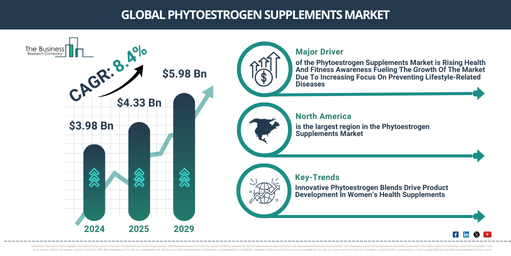
    The market size of phytoestrogen supplements has seen a significant increase in the past few years. The market is predicted to expand from a value of $3.98 billion in 2024 to a projected $4.33 billion in 2025, indicating a compound annual growth rate (CAGR) of 8.8%. The previous growth can be linked to factors such as increased awareness of menopause, surge in preference for natural hormone treatments, the expansion of women’s health supplements market, higher prevalence of conditions like osteoporosis and cardiovascular diseases, and the growing trend towards adopting plant-based diets.

    In the coming years, the market size for phytoestrogen supplements is predicted to witness significant growth, with projections indicating it will reach $5.98 billion in 2029; demonstrating a compound annual growth rate (CAGR) of 8.4%. A number of factors are expected to fuel this growth during the forecast period, notably the increasing age of the female population, the expansion of e-commerce distribution, government backing for botanical supplements, along with a growing frequency of hormone imbalance disorders. The period of forecast is also set to see key trends such as investment in research and development, the creation of multi-functional formulations, the application of AI in providing personalized supplement recommendations, and the introduction of new-age therapeutic supplements.

    Download The Free Sample Report Here:

    https://www.thebusinessresearchcompany.com/sample.aspx?id=27383&type=smp

    What factors are expected to fuel Phytoestrogen Supplements market growth in the coming years?

    The growth of the phytoestrogen supplements market is anticipated to be driven by an escalating emphasis on health and fitness. Health and fitness encompass overall mental and physical well-being, achieved through regular exercise, balanced nutrition, and making healthy lifestyle decisions. The increasing awareness of lifestyle-related diseases such as obesity, diabetes, and heart diseases is causing a surge in focus on health and fitness. Phytoestrogen supplements aid health and fitness by encouraging hormonal balance, boosting bone strength, and enhancing overall vitality, especially in women. For example, the Health & Fitness Association, a not-for-profit trade association in the US, reported in December 2023 that the number of Americans six years and older with fitness facility memberships increased by 3.7% to a record high of 68.9 million in 2022, and the total number of facility users rose by 8.1%, totaling 82.7 million. Thus, the increased emphasis on health and fitness is bolstering the growth of the phytoestrogen supplements market.

    What Are The Key Findings From The Segmentation Analysis Of The Phytoestrogen Supplements Market?

    The phytoestrogen supplements market covered in this report is segmented

    1) By Type: Flavonoids, Daidzen, Denistein, Glycitein, Biochanin A, Coumestans, Prenyl Flavonoids, Lignans, Stilbenes, Other Types

    2) By Source: Nuts And Oilseeds, Soy Products, Cereal And Bread, Legumes, Meat Products, Other Sources

    3) By Distribution Channel: Online Stores, Pharmacies, Health Stores, Other Distribution Channel

    4) By Application: Food And Beverages, Nutraceuticals, Cosmetics, Other Applications

    5) By End-User: Hospital And Clinics, Wellness Centers, Other End-Users

    Subsegments:

    1) By Flavonoids: Isoflavones, Flavonols, Flavanones

    2) By Daidzen: Natural Daidzein Extracts, Synthetic Daidzein Compounds

    3) By Denistein: Fermented Soy-Derived Genistein, Non-Fermented Soy Genistein

    4) By Glycitein: Soy-Based Glycitein, Red Clover-Based Glycitein

    5) By Biochanin A: Red Clover Extracts, Chickpea-Derived Biochanin A

    6) By Coumestans: Coumestrol, Coumestan-Rich Legume Extracts

    7) By Prenyl Flavonoids: 8-Prenylnaringenin, Xanthohumol

    8) By Lignans: Flaxseed-Derived Lignans, Sesame Seed-Derived Lignans

    9) By Stilbenes: Resveratrol, Pterostilbene

    10) By Other Types: Mycoestrogens, Enterolignans, Phlorotannins

    Which Trends Are Expected To Shape The Future Of The Phytoestrogen Supplements Market?

    Leading entities in the phytoestrogen supplements market are emphasizing on the development of groundbreaking solutions such as phytoestrogen blends to boost the potency and absorption of their products. These blends are essentially supplements that amalgamate different plant-derived estrogenic compounds to optimize hormonal reinforcement and holistic health benefits. For example, in August 2023, Designs for Health, a reputable nutrition supplement creator in the US, introduced a phytoestrogen blend to its fresh line of women’s health supplements. The primary objective is to provide natural assistance for hormonal equilibrium and relief from menopausal symptoms. This blend uses phytoestrogens, plant-based elements that emulate or regulate estrogen activity in the body to meet women’s health requirements that include handling menopausal symptoms, advocating bone health, and fostering comprehensive wellness. The launch of this product mirrors the rising demand for natural substitutes to conventional hormone treatments and underscores Designs for Health’s commitment to offering women of all ages solutions that are scientifically endorsed and suggested by healthcare professionals.

    What Are The Most Active Companies In The Phytoestrogen Supplements Market Today?

    Major companies operating in the phytoestrogen supplements market are Archer Daniels Midland Company, Herbalife Ltd., doTERRA Holdings LLC, GNC Holdings Inc., Helios Lifestyle Private Limited, NOW Health Group Inc., Blackmores Limited, Vitacost.com Inc., Nature’s Way, Swanson Health Products, Gaia Herbs Inc., FUJIKO Co. Ltd., Natural Organics Inc., SK bioland Co. Ltd., Solaray LLC, Nutra Green Biotechnology Co. Ltd., Guzen Development, Medisys Biotech Pvt. Ltd., Frutarom Ltd., HerboNutra, Tradichem S.L., and Aushadhi Herbal.

    Get The Full Report Here:

    https://www.thebusinessresearchcompany.com/report/phytoestrogen-supplements-global-market-report

    Which Regional Markets Are Attracting The Most Investment In Phytoestrogen Supplements?

    North America was the largest region in the phytoestrogen supplements market in 2024. Asia-Pacific is expected to be the fastest-growing region in the forecast period. The regions covered in the phytoestrogen supplements market report are Asia-Pacific, Western Europe, Eastern Europe, North America, South America, Middle East, Africa.

    Request For A Customized Report:

    https://www.thebusinessresearchcompany.com/customise?id=27383&type=smp

    About The Business Research Company:

    With over 15000+ reports from 27 industries covering 60+ geographies, The Business Research Company has built a reputation for offering comprehensive, data-rich research and insights. Armed with 1,500,000 datasets, the optimistic contribution of in-depth secondary research, and unique insights from industry leaders, you can get the information you need to stay ahead in the game.

    Get in touch with us:

    The Business Research Company: https://www.thebusinessresearchcompany.com/

    Americas +1 310-496-7795

    Asia +44 7882 955267 & +91 8897263534

    Europe +44 7882 955267

    Email us at info@tbrc.info

    Follow us on:

    LinkedIn: https://in.linkedin.com/company/the-business-research-company

    YouTube: https://www.youtube.com/channel/UC24_fI0rV8cR5DxlCpgmyFQ

    Global Market Model: https://www.thebusinessresearchcompany.com/global-market-model
  • 2025 Photomedicine Market Outlook: Opportunities, Growth Trends, and Strategic Analysis

    2025 Photomedicine Market Outlook: Opportunities, Growth Trends, and Strategic Analysis

    Claim your 30% discount on Global Market Reports with code ONLINE30. Limited time only.

    Claim your 30% discount on Global Market Reports with code ONLINE30. Limited time only.

    What CAGR Is Anticipated for the Photomedicine Market Through 2029?

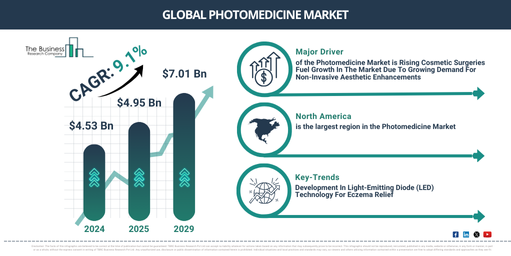
    In the past few years, there has been a significant expansion in the photomedicine market. The market is projected to increase from $4.53 billion in 2024 to $4.95 billion in 2025, exhibiting a compound annual growth rate (CAGR) of 9.4%. The historical growth can be accredited to factors such as the growing incidence of skin diseases, heightened interest in non-invasive cosmetic procedures, an aging population suffering from age-related conditions, an increase in skin ailment cases, and the expansion of medical tourism.

    The size of the photomedicine market is predicted to experience significant expansion in the upcoming years, reaching a valuation of $7.01 billion in 2029 with a 9.1% CAGR. Multiple factors contribute to the projected growth during this period, including the rising occurrence of skin diseases, an escalating demand for minimally invasive medical procedures, an augmented need for aesthetic treatments, an increase in the adoption of devices based on laser and light, and extensive research into exploring new therapeutic applications. The key trends expected during this period are progressions in laser technology, incorporation of phototherapy in cancer treatment, technological discoveries in LED-based therapies, advancements in photodynamic therapy, and the evolution of AI-assisted diagnostics.

    Download The Free Sample Report Here:

    https://www.thebusinessresearchcompany.com/sample.aspx?id=27382&type=smp

    What Market Forces Are Driving The Photomedicine Sector In 2025 And Beyond?

    The photomedicine market is predicted to grow due to the increasing number of cosmetic surgeries. These surgeries, conducted for aesthetic purposes, aim to enhance or change an individual’s appearance. The proliferation of such surgeries can be attributed to the escalating influence of social media and the prevalent desire for a superior self-image, driven by universal exposure to beauty standards and trends. Photomedicine offers valuable assistance in cosmetic surgeries by providing precise, non-intrusive treatments that not only enrich skin appearance but also lessen blemishes and bolster overall facial and body aesthetics, all with little recovery time. For example, data from the British Association of Aesthetic Plastic Surgeons, a surgical institution based in the UK, revealed that there were 31,057 cosmetic surgeries in the UK in 2022. This marked a significant 102% growth from the prior year. Therefore, the increasing trend of cosmetic surgeries fuels the expansion of the photomedicine market.

    How Is The Global Photomedicine Market Categorized By Segments?

    The photomedicine market covered in this report is segmented

    1) By Type: Light Emitting Diodes, Lasers, Full Spectrum Light, Polychromatic Polarized Light, Dichroic Lamps, Fluorescent Lamps

    2) By Application: Oncology, Dermatology, Pain Management, Dental Procedures, Aesthetics, Ophthalmology, Other Applications

    3) By End Users: Hospitals And Clinics, Dermatology And Ophthalmology Centers, Home-Based Therapy, Research And Academic Institutions

    Subsegments:

    1) By Light Emitting Diodes: Red Light Therapy, Blue Light Therapy, Infrared Light Emitting Diode Therapy

    2) By Lasers: Low Level Laser Therapy (LLLT), High Intensity Laser Therapy (HILT), Pulsed Dye Lasers

    3) By Full Spectrum Light: White Light Therapy, Bright Light Therapy, Seasonal Affective Disorder (SAD) Lamps

    4) By Polychromatic Polarized Light: Bioptron Light Therapy, Polarized Multicolor Light Emitting Diode Systems

    5) By Dichroic Lamps: Infrared Dichroic Lamps, Ultraviolet Dichroic Lamps, Visible Light Dichroic Lamps

    6) By Fluorescent Lamps: Narrowband Ultraviolet B Lamps, Broadband Ultraviolet B Lamps, Ultraviolet A Lamps

    What Long-Term Trends Are Likely To Affect The Photomedicine Market?

    Key players in the photomedicine market are striving to enhance treatment efficiency and cover a broader spectrum of medical and aesthetic conditions by advancing their products, such as light-emitting diode (LED) devices. These LED devices, which emit specific light wavelengths, are non-invasive technologies that trigger cellular activities and boost tissue repair. They are extensively used in photomedicine for healing, pain alleviation, skin revitalization, and a variety of therapeutic objectives. In April 2024, Bestqool, a firm from the United States renowned for their red light therapy technology, unveiled a red light therapy apparatus structured to provide relief from eczema. This innovative device uses superior wavelengths to lessen itchiness, swelling, and inflammation and encourage skin repair without any adverse reactions. The therapy gives an alternative to medication and has demonstrated encouraging clinical advancements in relieving eczema symptoms.

    Which Firms Are Considered Leaders In The Photomedicine Market Space?

    Major companies operating in the photomedicine market are BIOLASE Inc., Edmund Optics Inc., Lumenis Ltd., Candela Medical Inc., Fotona d.o.o., IRIDEX Corporation, PhotoCure ASA, Clinuvel Pharmaceuticals Limited, B&W Tek Inc., Erchonia Lasers Limited, Biolitec biomedical technology GmbH, RPMC Lasers Inc., Lynton Lasers Limited, Photonics Industries International Inc., Aspen Laser Systems LLC, Carl Zeiss AG, LightStim LLC, PhotoMedex Inc., Quanta Systems Ltd., THOR Photomedicine Limited

    Get The Full Report Here:

    https://www.thebusinessresearchcompany.com/report/photomedicine-global-market-report

    What Role Do Regional Policies And Investments Play In Photomedicine Market Expansion?

    North America was the largest region in the photomedicine market in 2024. Asia-Pacific is expected to be the fastest-growing region in the forecast period. The regions covered in the photomedicine market report are Asia-Pacific, Western Europe, Eastern Europe, North America, South America, Middle East, Africa.

    Request For A Customized Report:

    https://www.thebusinessresearchcompany.com/customise?id=27382&type=smp

    About The Business Research Company:

    With over 15000+ reports from 27 industries covering 60+ geographies, The Business Research Company has built a reputation for offering comprehensive, data-rich research and insights. Armed with 1,500,000 datasets, the optimistic contribution of in-depth secondary research, and unique insights from industry leaders, you can get the information you need to stay ahead in the game.

    Get in touch with us:

    The Business Research Company: https://www.thebusinessresearchcompany.com/

    Americas +1 310-496-7795

    Asia +44 7882 955267 & +91 8897263534

    Europe +44 7882 955267

    Email us at info@tbrc.info

    Follow us on:

    LinkedIn: https://in.linkedin.com/company/the-business-research-company

    YouTube: https://www.youtube.com/channel/UC24_fI0rV8cR5DxlCpgmyFQ

    Global Market Model: https://www.thebusinessresearchcompany.com/global-market-model

  • Global Insights: Pharmaceutical Rapid Microbiology Testing Market Expected to Surpass $2.26 Billion by 2029

    Global Insights: Pharmaceutical Rapid Microbiology Testing Market Expected to Surpass $2.26 Billion by 2029

    Claim your 30% discount on Global Market Reports with code ONLINE30. Limited time only.

    Claim your 30% discount on Global Market Reports with code ONLINE30. Limited time only.

    What Are the Latest Market Insights for the Pharmaceutical Rapid Microbiology Testing Industry?

    In recent years, the market size for rapid microbiology testing in the pharmaceutical sector has experienced swift expansion. The market, which was worth $1.01 billion in 2024, is projected to increase to $1.19 billion in 2025, with a compound annual growth rate (CAGR) of 17.8%. The expansion witnessed in the historical period can be ascribed to the escalating requirement for trustworthy microbial detection, elevated concentration on patient safety, the escalating complexity of pharmaceutical manufacturing, growing apprehensions regarding contamination hazards, and the increasing incorporation of microbiology testing in product release.

    The market size for rapid microbiology testing in the pharmaceutical sector is predicted to experience a significant increase in the coming years, with expectations to reach $2.26 billion by 2029, at a compound annual growth rate (CAGR) of 17.4%. Factors contributing to this growth during the forecasted period include the rising need for quicker outcomes, an upswing in the demand for personalized medication, heightened public anxiety about pharmaceutical safety, an increase in the manufacturing of biologics and sterile drugs, and the increasing acceptance of forward-thinking quality control procedures. Noteworthy trends during the projected period entail improvements in molecular diagnostics, the integration of automation, real-time data analysis facilitated by technology, advancements in biosensors, and progress made within AI-based analytics.

    Download The Free Sample Report Here:

    https://www.thebusinessresearchcompany.com/sample.aspx?id=27381&type=smp

    What Forces Are Driving The Growth Of The Pharmaceutical Rapid Microbiology Testing Industry?

    The growth of the pharmaceutical rapid microbiology testing market is set to be driven by the heightened focus on personalized medicine. This health approach is tailored to a person’s unique genetic makeup, lifestyle, and environmental influences. The demand for personalized medicine is on the rise as there’s an increased need for more precise treatments that reduce guesswork in the selection of therapies. It is here that pharmaceutical rapid microbiology testing plays a crucial role, as it ensures quicker detection of microbial contaminants, thereby guaranteeing the sterility and safety of specialized therapies that cater to individual patients. For instance, the Personalized Medicine Coalition, a not-for-profit organization based in the US, stated in February 2024 that in 2023, 16 new personalized treatments secured FDA approval for patients suffering from rare conditions, a significant rise from only six in 2022. Thus, the growing preference for personalized medicine is leading to the expansion of the pharmaceutical rapid microbiology testing market.

    What Is The Overview Of Market Segmentation In The Pharmaceutical Rapid Microbiology Testing Industry?

    The pharmaceutical rapid microbiology testing market covered in this report is segmented

    1) By Product: Instruments, Reagents And Kits, Accessories

    2) By Technology Type: Polymerase Chain Reaction (PCR), Adenosine Triphosphate (ATP) Bioluminescence, Flow Cytometry, Enzyme-Linked Immunosorbent Assay (ELISA)Chromatography, Biosensors And Bioassays, Impedance Microbiology, Other Technology Types

    3) By Microorganism Type Tested: Bacteria, Fungi (Yeast And Mold), Viruses, Mycoplasma, Endotoxins

    4) By Application: Raw Material Testing, In-Process Testing, Microbial Limit Testing, Bioburden Assessment, Process Water Testing, Environment Monitoring, Sterility Testing

    5) By End-User: Pharmaceutical And Biotechnology Companies, Contract Manufacturing Organizations (CMOs), Hospitals And Diagnostic Laboratories, Research And Academic Institutes

    Subsegments:

    1) By Instruments: Adenosine Triphosphate (ATP) Bioluminometer, Flow Cytometer, Polymerase Chain Reaction (PCR) Thermocycler Or Real-Time Polymerase Chain Reaction (PCR) System, Automated Microbial Detection Systems, Rapid Immunoassay Analyzers

    2) By Reagents And Kits: Adenosine Triphosphate (ATP) Detection Kits, Polymerase Chain Reaction (PCR) Reagents, Enzyme-Linked Immunosorbent Assay (ELISA) Kits, Microbial Culture Media Kits, Fluorescent Staining Kits

    3) By Accessories: Microplates Or Test Tubes, Pipettes And Tips, Filters And Membranes, Sample Collection Swabs

    What Future Market Trends Are Projected For The Pharmaceutical Rapid Microbiology Testing Industry?

    Major corporations in the pharmaceutical rapid microbiology testing market are directing their efforts towards creating innovative enhancements like adenosine triphosphate (ATP) bioluminescence. This development is aimed at enabling quicker product launch while adhering to regulatory norms. ATP bioluminescence is a swift testing methodology that identifies live microorganisms by examining ATP concentrations via a luciferase-propelled light reaction. The intensity of the light signals microbial contamination within pharmaceuticals, medical devices, and various other materials. An illustration of this is the rapid-method sterility testing service unveiled by Nelson Labs LLC, a health-focused company based in the US, in March 2025. This unique approach to pharmaceutical rapid microbiology testing is characterized by accelerated detection periods, automated result interpretation, and strong capabilities for high throughput. The flexibility of rapid sterility testing allows for support in testing a vast number of pharmaceutical and medical device products, dramatically decreasing testing durations while staying compliant with regulatory standards.

    Who Are The Primary Players Operating Across The Global Pharmaceutical Rapid Microbiology Testing Market?

    Major companies operating in the pharmaceutical rapid microbiology testing market are Merck KGaA, Becton, Dickinson and Company, SGS SA, Eurofins Scientific SE, Charles River Laboratories International Inc, ALS Limited, WESSLING GmbH, Nelson Labs LLC, Labor LS SE & Co. KG, GBA Pharma GmbH, ANACON LABORATORIES PRIVATE LIMITED, Vimta Labs Limited, Pacific Biolabs Inc., Wickham Laboratories, Microchem Laboratory Inc., Infinity Laboratories Private Limited, Ghaziabad Testing Laboratories Private Limited, Medistri SA, PREWEL LABS PRIVATE LIMITED, TUV SUD SOUTH ASIA PRIVATE LIMITED.

    Get The Full Report Here:

    https://www.thebusinessresearchcompany.com/report/pharmaceutical-rapid-microbiology-testing-global-market-report

    Which Region Offers The Most Growth Potential For The Pharmaceutical Rapid Microbiology Testing Market Through 2029?

    North America was the largest region in the pharmaceutical rapid microbiology testing market in 2024. Asia-Pacific is expected to be the fastest-growing region in the forecast period. The regions covered in the pharmaceutical rapid microbiology testing market report are Asia-Pacific, Western Europe, Eastern Europe, North America, South America, Middle East, Africa.

    Request For A Customized Report:

    https://www.thebusinessresearchcompany.com/customise?id=27381&type=smp

    About The Business Research Company:

    With over 15000+ reports from 27 industries covering 60+ geographies, The Business Research Company has built a reputation for offering comprehensive, data-rich research and insights. Armed with 1,500,000 datasets, the optimistic contribution of in-depth secondary research, and unique insights from industry leaders, you can get the information you need to stay ahead in the game.

    Get in touch with us:

    The Business Research Company: https://www.thebusinessresearchcompany.com/

    Americas +1 310-496-7795

    Asia +44 7882 955267 & +91 8897263534

    Europe +44 7882 955267

    Email us at info@tbrc.info

    Follow us on:

    LinkedIn: https://in.linkedin.com/company/the-business-research-company

    YouTube: https://www.youtube.com/channel/UC24_fI0rV8cR5DxlCpgmyFQ

    Global Market Model: https://www.thebusinessresearchcompany.com/global-market-model
  • 2025 Analysis: Opportunities and Risks in the Evolving Pharmaceutical Quality Control Market

    2025 Analysis: Opportunities and Risks in the Evolving Pharmaceutical Quality Control Market

    Claim your 30% discount on Global Market Reports with code ONLINE30. Limited time only.

    Claim your 30% discount on Global Market Reports with code ONLINE30. Limited time only.

    What Are the Forecasted Growth Rate and Market Size of the Pharmaceutical Quality Control Market?

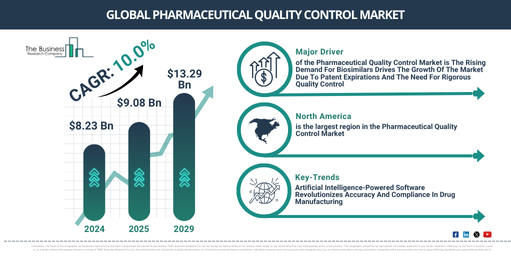
    In recent years, we have observed a swift expansion in the size of the pharmaceutical quality control market. The market is projected to escalate from $8.23 billion in 2024 to $9.08 billion in 2025, with a compound annual growth rate (CAGR) of 10.4%. Factors contributing to the growth during the historical period include an increase in pharmaceutical research and development investment, a rise in drug recall incidents, heightened consciousness about drug safety, an upsurge in compliance-driven testing practices, and expansion in global pharmaceutical trade.

    The size of the pharmaceutical quality control market is foreseen to experience substantial growth in the coming years, ballooning to $13.29 billion in 2029 with a compound annual growth rate (CAGR) of 10.0%. The predicted expansion in this period can be credited to the growing utilization of artificial intelligence in quality control measures, the escalating demand for precision medicine testing, the rising need for superior-quality medications, growing preference for contract manufacturing services and an increased demand for real-time quality monitoring systems. The forecast period will also see prominent trends such as the enhancement in artificial intelligence-enabled visual inspection systems, technological advances in microbial detection through the use of biosensors, the creation of cloud-based quality control platforms, the development of state-of-the-art real-time environmental monitoring systems and the progress in digital twin technology for process simulation.

    Download The Free Sample Report Here:

    https://www.thebusinessresearchcompany.com/sample.aspx?id=27380&type=smp

    Which Factor Is Shaping The Future Of The Pharmaceutical Quality Control Market?

    The burgeoning demand for biosimilars is anticipated to fuel the expansion of the pharmaceutical quality control market. Biosimilars are biologic medications that are very similar to an approved reference biologic, with no substantial disparities regarding safety, purity, and efficiency. This escalating demand is mainly due to the patent expirations of original biologic drugs, paving the way for cost-effective substitutes to enter the market. Pharmaceutical quality control plays a crucial role in ensuring safety, purity, and uniformity of biosimilars by scrupulously comparing them to reference biologics, thereby assisting their regulatory compliance and market acceptance. For instance, in January 2023, Cardinal Health Inc., a healthcare firm in the US, mentioned that as of January 2022, there were 33 FDA-sanctioned biosimilar products in the US, with 21 available for sale in the market. By 2023, this number had increased to 40 FDA-approved biosimilars, with 25 out in the market commercially. Hence, the escalating demand for biosimilars is powering the growth of the pharmaceutical quality control market.

    What Is The Segment-Wise Breakdown Of The Pharmaceutical Quality Control Market?

    The pharmaceutical quality control market covered in this report is segmented

    1) By Product: Consumables, Services, Instruments

    2) By Deployment Type: Cloud-Based And Web-Based, On-Premises

    3) By Analysis Type: Sterility Testing, Membrane Filtration, Direct Inoculation, Bio Burden Testing, Aerobic Count Testing, Anaerobic Count Testing, Spore Count Testing, Fungi or Mold Count Testing, Endotoxin Testing, Other Analysis Types

    4) By End-user: Pharmaceutical And Biotechnology Companies, Contract Development and Manufacturing Organization Or Contract Research Organization, Research Laboratories

    Subsegments:

    1) By Consumables: Culture Media, Reagents, Assay Kits, Filters And Membranes, Pipette Tips

    2) By Services: Microbiological Testing Services, Analytical Testing Services, Stability Testing Services, Sterility Assurance Services, Validation And Qualification Services

    3) By Instruments: Chromatography Systems, Spectroscopy Instruments, Particle Size Analyzers, Potential Of Hydrogen Meters And Electrical Conductivity Meters, Autoclaves And Incubators

    Which Trends Are Redefining The Future Landscape Of The Pharmaceutical Quality Control Industry?

    Prominent organizations in the pharmaceutical quality control market are prioritizing technological upgrades, particularly intelligent software platforms, to improve testing accuracy and adhere to regulations. These advanced digital systems in pharmaceutical quality control incorporate automation, data analysis, and artificial intelligence (AI) to enhance the accuracy, efficiency, and compliance of testing operations. For example, Dycine Pharmaceuticals Ltd., a pharmaceutical firm based in India, launched a quality control platform in June 2025. This AI-driven platform is designed to increase their manufacturing standards and guarantee the integrity of their products. The platform uses state-of-the-art AI algorithms to identify anomalies, scrutinize real-time data, and optimize compliance operations across the pharmaceutical production chain. Key features of this platform include predictive analysis, automatic reporting, and easy integration with existing manufacturing systems. This aids in minimizing mistakes, boosting efficiency, and maintaining a uniform quality throughout the production batches.

    Which Companies Hold The Largest Market Share In The Pharmaceutical Quality Control Sector?

    Major companies operating in the pharmaceutical quality control market are Thermo Fisher Scientific Inc., Abbott Laboratories, Danaher Corporation, Merck KGaA, Becton, Dickinson and Company, McKinsey And Company Inc., SGS S.A., Eurofins Scientific SE, WuXi AppTec Co. Ltd., Charles River Laboratories International Inc., PerkinElmer Inc., Mettler-Toledo International Inc., bioMérieux SA, Shimadzu Scientific Instruments Inc., Waters Corporation, Randox Laboratories Ltd., SOLVIAS AG, Esco Micro Pte. Ltd, REMI Elektrotechnik Limited, Lucideon Limited, and BRAM-COR S.p.A.

    Get The Full Report Here:

    https://www.thebusinessresearchcompany.com/report/pharmaceutical-quality-control-global-market-report

    How Does Regional Performance Compare Across The Pharmaceutical Quality Control Industry?

    North America was the largest region in the pharmaceutical quality control market in 2024. Asia-Pacific is expected to be the fastest-growing region in the forecast period. The regions covered in the pharmaceutical quality control market report are Asia-Pacific, Western Europe, Eastern Europe, North America, South America, Middle East, Africa.

    Request For A Customized Report:

    https://www.thebusinessresearchcompany.com/customise?id=27380&type=smp

    About The Business Research Company:

    With over 15000+ reports from 27 industries covering 60+ geographies, The Business Research Company has built a reputation for offering comprehensive, data-rich research and insights. Armed with 1,500,000 datasets, the optimistic contribution of in-depth secondary research, and unique insights from industry leaders, you can get the information you need to stay ahead in the game.

    Get in touch with us:

    The Business Research Company: https://www.thebusinessresearchcompany.com/

    Americas +1 310-496-7795

    Asia +44 7882 955267 & +91 8897263534

    Europe +44 7882 955267

    Email us at info@tbrc.info

    Follow us on:

    LinkedIn: https://in.linkedin.com/company/the-business-research-company

    YouTube: https://www.youtube.com/channel/UC24_fI0rV8cR5DxlCpgmyFQ

    Global Market Model: https://www.thebusinessresearchcompany.com/global-market-model
  • In-Depth Pharmaceutical Grade Amino Acid Market Report: Business Trends, Growth Factors, and Forecast to 2029

    In-Depth Pharmaceutical Grade Amino Acid Market Report: Business Trends, Growth Factors, and Forecast to 2029

    Claim your 30% discount on Global Market Reports with code ONLINE30. Limited time only.

    Claim your 30% discount on Global Market Reports with code ONLINE30. Limited time only.

    What Is the Estimated Industry Valuation for the Pharmaceutical Grade Amino Acid Sector?

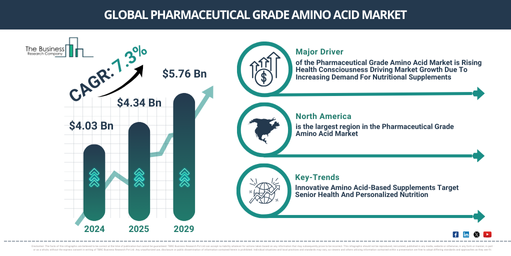
    In the past few years, the market size of pharmaceutical-grade amino acids has seen robust growth. The market, which is projected to grow from $4.03 billion in 2024 to $4.34 billion in 2025, is expected to experience a compound annual growth rate (CAGR) of 7.7%. The notable growth in the previous periods was driven by factors such as an increase in their use in biopharmaceutical production, the escalating demand for high-purity injectable solutions, a rise in their application for stabilizing therapeutic proteins, a growing dependence on innovative drug delivery systems, and a jump in their integration in the formulations used in clinical trials.

    The market size of pharmaceutical-grade amino acid is predicted to undergo significant growth in the upcoming years, reaching a worth of $5.76 billion by 2029 with a 7.3% compound annual growth rate (CAGR). This growth during the projected period can be ascribed to an increasing emphasis on personalized medication, enhanced investments in biologics manufacturing, heightened demand for nutraceuticals infused with amino acids, its widened use in regenerative medicine, and the rise in the elderly population. Key trends anticipated during the forecasted phase involve progress in fermentation technologies, the creation of tailored amino acid formulations, breakthroughs in drug delivery systems utilizing amino acids, advancements in environment-friendly manufacturing methods, and the evolution of plant-derived amino acid sources.

    Download The Free Sample Report Here:

    https://www.thebusinessresearchcompany.com/sample.aspx?id=27379&type=smp

    What Forces Are Driving The Growth Of The Pharmaceutical Grade Amino Acid Market?

    The advancement of the pharmaceutical-grade amino acid market is projected to be driven by the escalating demand for nutritional supplements. As a consequence of deficient dietary intake from regular food consumption, these products aim to bolster health by supplying crucial nutrients like vitamins, minerals, and amino acids. An uptick in health-awareness is influencing more individuals to proactively enhance their wellness and forestall conditions linked to lifestyle, boosting the demand for these supplements. When produced to satisfy rigorous purity, quality, and regulatory standards mandatory for medicinal usage, nutritional supplements can act as pharmaceutical-grade amino acids. These amino acids have been thoroughly purified, uniformly standardized for potency and are produced under Good Manufacturing Practices (GMP) to guarantee safety and effectiveness. To illustrate, in August 2024, a report by UNICEF, an American humanitarian aid organization, stated that in 2023, UNICEF distributed close to 480 million vitamin A capsules to 71 nations. This allowed more than 320 million children to obtain two doses of vitamin A supplementation, a 26% rise from around 252 million children reached in 2021. Hence, the acceleration in nutritional supplement demand propels the pharmaceutical-grade amino acid market’s growth.

    How Is The Pharmaceutical Grade Amino Acid Industry Segmented Across Key Parameters?

    The pharmaceutical grade amino acid market covered in this report is segmented

    1) By Type: L-Form Amino Acids, D-Form Amino Acids, Non-Essential Amino Acids, Essential Amino Acids

    2) By Formulation Type: Powders, Capsules, Tablets, Liquids, Injectables

    3) By Distribution Channel: Online Retail, Offline Retail, Direct Sales, Wholesale Distributors, Healthcare Institutions

    4) By Application: Hormone, Antibacterial Agents, Anti-Cancer Drugs, Nutrition, Other Applications

    5) By End-User: Pharmaceutical Companies, Nutraceutical Companies, Food Manufacturers, Cosmetic Manufacturers, Academic And Research Institutions

    Subsegments:

    1) By L-Form Amino Acids: L-Glutamine, L-Leucine, L-Arginine, L-Lysine, L-Valine

    2) By D-Form Amino Acids: D-Alanine, D-Serine, D-Cysteine, D-Aspartic Acid, D-Phenylalanine

    3) By Non-Essential Amino Acids: Alanine, Asparagine, Aspartic Acid, Glutamic Acid, Serine

    4) By Essential Amino Acids: Histidine, Isoleucine, Leucine, Lysine, Methionine, Phenylalanine, Threonine, Tryptophan, Valine

    What Notable Trends Are Shaping The Direction Of The Pharmaceutical Grade Amino Acid Market?

    Leading businesses in the pharmaceutical-grade amino acid market are putting their efforts into developing innovative solutions, such as amino acid-based specific dietary supplements. These initiatives are specifically designed for improving therapeutic effectiveness and fulfilling the increasing demand for personalized nutrition. These unique dietary supplements are high-purity formulations that consist of specific amino acids, intended to promote specific health functions such as neurological support, muscle recovery, or metabolic equilibrium. For example, in December 2023, Ajinomoto (Thailand) Co., a Thai food and nutrition company, unveiled their product, AminoMOF. This specialized dietary supplement targets seniors and is aimed at enhancing their muscle strength and mobility. AminoMOF includes nine core amino acids coupled with high quantities of L-leucine and fish collagen peptides making it particularly useful in preventing or alleviating age-related muscle deterioration and joint ailments. Thanks to its sugar-free and easily absorbable formula, AminoMOF assists elderly people in retaining their physical health and independence.

    Which Companies Currently Dominate The Competitive Landscape In The Pharmaceutical Grade Amino Acid Industry?

    Major companies operating in the pharmaceutical grade amino acid market are Archer Daniels Midland Company, Merck KGaA, Sumitomo Chemical Co. Ltd., CJ CheilJedang Corporation, Evonik Industries AG, Ajinomoto Co. Inc., Fresenius Kabi AG, Fufeng Group Limited, Meihua Holdings Group Co. Ltd., Daesang Corporation, Jingjing Pharmaceutical, Global Bio-Chem Technology Group, Tokyo Chemical Industry Co. Ltd., Wuhan Grand Hoyo Co. Ltd., AMINO GmbH, Hubei Bafeng Pharmaceuticals Co. Ltd., Kyowa Hakko Bio Co. Ltd., Shine Star Amino Acid Co. Ltd., Wuxi Jinghai Amino Acid Co. Ltd., Jiahe Biotech, Shijiazhuang Donghua Jinlong Chemical Co. Ltd., Sichuan Tongsheng Amino Acid Co. Ltd., Yichang Sanxia Proudin Pharmaceuticals Co. Ltd.

    Get The Full Report Here:

    https://www.thebusinessresearchcompany.com/report/pharmaceutical-grade-amino-acid-global-market-report

    Which Geographic Regions Are Driving Demand In The Pharmaceutical Grade Amino Acid Market?

    North America was the largest region in the pharmaceutical grade amino acid market in 2024. Asia-Pacific is expected to be the fastest-growing region in the forecast period. The regions covered in the pharmaceutical grade amino acid market report are Asia-Pacific, Western Europe, Eastern Europe, North America, South America, Middle East, Africa.

    Request For A Customized Report:

    https://www.thebusinessresearchcompany.com/customise?id=27379&type=smp

    About The Business Research Company:

    With over 15000+ reports from 27 industries covering 60+ geographies, The Business Research Company has built a reputation for offering comprehensive, data-rich research and insights. Armed with 1,500,000 datasets, the optimistic contribution of in-depth secondary research, and unique insights from industry leaders, you can get the information you need to stay ahead in the game.

    Get in touch with us:

    The Business Research Company: https://www.thebusinessresearchcompany.com/

    Americas +1 310-496-7795

    Asia +44 7882 955267 & +91 8897263534

    Europe +44 7882 955267

    Email us at info@tbrc.info

    Follow us on:

    LinkedIn: https://in.linkedin.com/company/the-business-research-company

    YouTube: https://www.youtube.com/channel/UC24_fI0rV8cR5DxlCpgmyFQ

    Global Market Model: https://www.thebusinessresearchcompany.com/global-market-model