Month: September 2025

  • Vitamin Supplements Industry Poised for Rapid Expansion, Projected to Hit $86.08 Billion by 2029

    Vitamin Supplements Industry Poised for Rapid Expansion, Projected to Hit $86.08 Billion by 2029

    Claim your 30% discount on Global Market Reports with code ONLINE30. Limited time only.

    What Is the Outlook for the Vitamin Supplements Market Heading Into 2029?

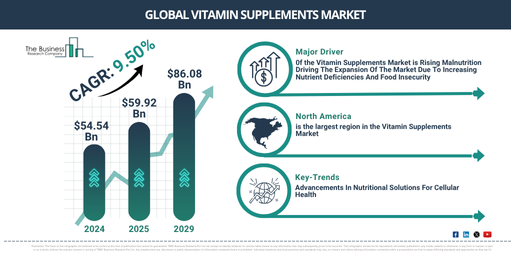
    The market size for vitamin supplements has experienced significant growth over recent years. It is projected to increase from $54.54 billion in 2024 to $59.92 billion in 2025, signifying a compound annual growth rate (CAGR) of 9.9%. The expansion seen in the historic period is due to factors such as enhanced health awareness among consumers, a rise in chronic illnesses, an aging population, an increase in natural and organic supplement alternatives, and a rise in disposable income.

    In the upcoming years, robust expansion is projected for the vitamin supplements market, with its value expected to reach $86.08 billion in 2029, attaining a compound annual growth rate (CAGR) of 9.5%. This growth within the forecast period can be credited to the increased consciousness about preventive healthcare, the escalating interest in fitness and sports nutrition, a rise in health and wellness influencers, the surge in urbanization and hectic life schedules, and the broadening of retail channels, encompassing e-commerce. There are several key trends for the projected period, including the demand for supplements that boost immunity, partnerships between supplement producers and healthcare providers, a surge in demand for sustainable supplements, the shift towards personalized nutrition and supplements, and preference for vegan and plant-based supplements.

    Download The Free Sample Report Here:

    https://www.thebusinessresearchcompany.com/sample.aspx?id=24742&type=smp

    Which Factors Are Pushing The Vitamin Supplements Market Forward?

    The escalating incidence of undernourishment is projected to spur the expansion of the vitamin supplements market in the near future. When the body either does not receive sufficient nutrients, or receives too many, the condition called malnutrition occurs. The growth in malnutrition can be attributed to the escalating food insecurity due to factors such as poverty, conflicts, and economic challenges, forcing many to live without regular access to cost-effective, wholesome food. As a result, there has been a surge in demand for vitamin supplements, with individuals and healthcare providers seeking these supplements as a handy solution to combat nutritional insufficiency, especially when balanced diets are out of reach. For example, in a report issued by the World Health Organization, a Switzerland-based intergovernmental body, in March 2024, it was found that around 149 million children below the age of five across the globe experienced stunted growth due to prolonged undernourishment in 2022, while 45 million underwent wasting, indicating acute weight loss and thinness relative to their height. Thus, the escalating occurrence of malnutrition is set to stimulate the growth of the vitamin supplements market.

    Which Segment Held The Largest Share In The Vitamin Supplements Market In 2025?

    The vitamin supplements market covered in this report is segmented –

    1) By Product Type: Multivitamins, Single Vitamins

    2) By Form: Tablets, Capsules, Gummies, Powders, Liquids

    3) By Distribution Channel: Online Stores, Pharmacies, Supermarkets Or Hypermarkets, Specialty Stores

    4) By End-User: Adults, Children, Pregnant Women, Elderly

    Subsegments:

    1) By Multivitamins: Tablets, Capsules, Gummies, Powders, Liquids, Effervescent Tablets

    2) By Single Vitamins: Vitamin A, Vitamin B Complex, Vitamin C, Vitamin D, Vitamin E, Vitamin K

    How Are Key Trends Driving Expansion In The Vitamin Supplements Industry?

    Prominent firms in the vitamin supplements domain are concentrating on innovating superior products such as dietary supplements for cellular aging support, loaded with essential nutrients that can potentially augment energy levels. The nutritional supplements designed for cellular aging support offer protection to cells from damage, promoting healthy cellular functioning as aging occurs. For example, in June 2024, Bayer Corporation, a life science firm based in Germany, debuted One A Day Age Factor Cell Defense. This dietary supplement is aimed at enhancing cell health. Its unique formulation is intended to encourage cell health and foster healthy aging through robust constituents such as olive polyphenols, derived from the extract of olive fruit. These antioxidants play a crucial role in safeguarding cells from oxidative stress, a significant contributor to the aging process. Additionally, this formula is fortified with omega-3 fatty acids, resveratrol, astaxanthin, vitamin C, vitamin D, and niacin to improve cellular resilience. To supplement, the Age Factor suite also provides a complimentary wellness application that offers personalized insights and guidance aimed at gradual lifestyle enhancements for long-term healthy aging.

    Which Organizations Are Driving Progress In The Vitamin Supplements Industry?

    Major companies operating in the vitamin supplements market are Nestlé SA, Pfizer Inc., BASF SE, Bayer AG, Abbott Laboratories Inc., Royal DSM NV, Lonza Group Ltd., Herbalife Nutrition, Amway Corp., GNC, Lifevision Healthcare, Now Foods, United Laboratories, Bionova Lifesciences, Stabicoat Vitamins, Wilson Drugs & Pharmaceuticals Pvt. Ltd., Asterisk Laboratories Pvt. Ltd., Greenwell Lifesciences, Conch Lifescience, Biobrick Pharma, Kabir Lifesciences

    Get The Full Report Here:

    https://www.thebusinessresearchcompany.com/report/vitamin-supplements-global-market-report

    Which Region Is Expected To Experience The Highest Growth In The Vitamin Supplements Industry?

    North America was the largest region in the vitamins supplements market in 2024. Asia-Pacific is expected to be the fastest-growing region in the forecast period. The regions covered in the vitamin supplements market report are Asia-Pacific, Western Europe, Eastern Europe, North America, South America, Middle East, Africa.

    Request For A Customized Report:

    https://www.thebusinessresearchcompany.com/customise?id=24742&type=smp

    About The Business Research Company:

    With over 15000+ reports from 27 industries covering 60+ geographies, The Business Research Company has built a reputation for offering comprehensive, data-rich research and insights. Armed with 1,500,000 datasets, the optimistic contribution of in-depth secondary research, and unique insights from industry leaders, you can get the information you need to stay ahead in the game.

    Get in touch with us:

    The Business Research Company: https://www.thebusinessresearchcompany.com/

    Americas +1 310-496-7795

    Asia +44 7882 955267 & +91 8897263534

    Europe +44 7882 955267

    Email us at info@tbrc.info

    Follow us on:

    LinkedIn: https://in.linkedin.com/company/the-business-research-company

    YouTube: https://www.youtube.com/channel/UC24_fI0rV8cR5DxlCpgmyFQ

    Global Market Model: https://www.thebusinessresearchcompany.com/global-market-model
  • Strategic Report on Vision Screeners Market: Growth Opportunities and Emerging Challenges

    Strategic Report on Vision Screeners Market: Growth Opportunities and Emerging Challenges

    Claim your 30% discount on Global Market Reports with code ONLINE30. Limited time only.

    How Will the Vision Screeners Market Evolve in Terms of Growth and Size by 2029?

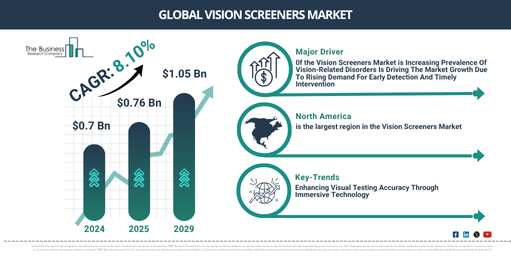
    The market for vision screeners has witnessed a robust growth in recent years. The market, which is expected to escalate from $0.7 billion in 2024 to $0.76 billion in 2025, will do so at a compound annual growth rate (CAGR) of 8.4%. Factors contributing to the growth during the past period include an increased consciousness regarding vision problems in children, an upswing in vision screening programs at schools, an expanding older population, enhancements in eye care schemes, and a rise in public health financing.

    In the coming years, formidable growth is anticipated in the vision screeners market, with projections suggesting its worth will reach $1.05 billion in 2029, expanding at a compound annual growth rate (CAGR) of 8.1%. Factors contributing to this growth during the forecast period include expanded screening programs in schools and workplaces, increased adoption of telemedicine, a heightened emphasis on preventive healthcare, a rise in demand due to occupational health programs, and growing instances of myopia and screen-related vision issues. Top trends forecasted for this period encompass the incorporation of artificial intelligence (AI), the miniaturization and portability of screening tools, a transition towards non-invasive, user-friendly devices, and the advent of digital and AI-centric vision screening instruments, as well as collaborations among tech firms and healthcare providers.

    Download The Free Sample Report Here:

    https://www.thebusinessresearchcompany.com/sample.aspx?id=24738&type=smp

    What factors are expected to fuel Vision Screeners market growth in the coming years?

    The growth of the vision screeners market is anticipated to be fueled by the rising instances of vision-related disorders. These disorders encapsulate health conditions that impact the eyes or visual system, resulting in diminished sight or struggles with interpreting visual data. The primary cause of the escalating prevalence of these disorders is an aging population. This is because the susceptibility to issues like cataracts, glaucoma, macular degeneration, and diabetic retinopathy considerably increases with age, leading to a heightened occurrence of these problems among the elderly. Vision screeners provide a crucial tool in the early detection of vision-related disorders by identifying visual impairments before they worsen. This early detection allows for timely intervention and treatment, lowering the risk of long-lasting complications, promoting better eye health, and improving overall life quality through enhanced vision care. For example, in a 2023 report released by the Association of Optometrists, a UK-based membership organization, it was revealed that England documented 22,552 new certificates of vision impairment in 2022. Of these, 1,344 were related to diabetic eye disease, 3,614 were associated with glaucoma, and 10,865 were due to age-related macular degeneration. Consequently, the increasing prevalence of vision-related disorders is contributing to the growth of the vision screeners market.

    What Are The Key Findings From The Segmentation Analysis Of The Vision Screeners Market?

    The vision screeners market covered in this report is segmented –

    1) By Product Type: Handheld Vision Screeners, Stationary Vision Screeners, Portable Vision Screeners, Smartphone-Based Vision Screeners

    2) By Technology: Autorefractors, Vision Test Software, Ophthalmic Imaging Technology, Telehealth Solutions

    3) By Application: Pediatric Vision Screening, Adult Vision Screening, Geriatric Vision Screening, Occupational Health Screening

    4) By Distribution Channel: Direct Sales, Online Sales, Distributors And Retailers, Healthcare Service Providers

    5) By End User: Hospitals, Homecare Settings, Specialized Clinics, Rehabilitation Centers, Ambulatory Surgical Centers

    Subsegments:

    1) By Handheld Vision Screeners: Infrared-Based Screeners, Autorefractor-Based Screeners

    2) By Stationary Vision Screeners: Computer-Based Vision Screeners, Tabletop Vision Screeners

    3) By Portable Vision Screeners: Foldable Screeners, Lightweight Digital Screeners

    4) By Smartphone-Based Vision Screeners: App-Based Vision Testing Tools, Smartphone Attachment Devices

    Which Trends Are Expected To Shape The Future Of The Vision Screeners Market?

    The primary corporations in the vision screeners market are concentrating on integrating cutting-edge technologies like virtual reality (VR) to transform basic vision evaluations. VR, which provides interactive three-dimensional environments via headsets, increases accuracy and user interaction. Importantly, this technology can simulate different visual situations and test conditions in an interactive and controlled environment, contributing to accurate assessments of visual clarity, depth perception, and eye coordination. In a prime example, Zenni Optical Inc., an American-based optical products manufacturer, launched the VR Vision Screener in September 2024. This innovative tool uses VR to perform fast, clinically validated vision screenings. It is capable of gauging clarity, color, and depth perception in about five minutes and it’s intended to supplement, not replace, usual eye exams. Compatible with well-known headsets like Meta Quest 3, the vision screener is designed to enhance efficiency and accessibility, especially in places like schools and clinics, by providing a link between initial screenings and thorough eye examinations.

    What Are The Most Active Companies In The Vision Screeners Market Today?

    Major companies operating in the vision screeners market are Baxter International Inc., Visibly Inc., Essilor Instruments USA, Amplivox Sound Systems L.L.C., Oculus Inc., Optomed Oyj, Good-Lite Co., Visionix USA Inc., EyeQue Inc., Tomey Corporation, Stereo Optical Company Inc., EyeNetra Inc., Vmax Vision Inc., Frastema Ophthalmics Inc., Plusoptix Inc., FIM Medical SAS, Titmus LLC, Smart Vision Labs Inc., NIDEK Co. Ltd., Adaptica S.r.l.

    Get The Full Report Here:

    https://www.thebusinessresearchcompany.com/report/vision-screeners-global-market-report

    Which Regional Markets Are Attracting The Most Investment In Vision Screeners?

    North America was the largest region in the vision screeners market in 2024. Asia-Pacific is expected to be the fastest-growing region in the forecast period. The regions covered in the vision screeners market report are Asia-Pacific, Western Europe, Eastern Europe, North America, South America, Middle East, Africa.

    Request For A Customized Report:

    https://www.thebusinessresearchcompany.com/customise?id=24738&type=smp

    About The Business Research Company:

    With over 15000+ reports from 27 industries covering 60+ geographies, The Business Research Company has built a reputation for offering comprehensive, data-rich research and insights. Armed with 1,500,000 datasets, the optimistic contribution of in-depth secondary research, and unique insights from industry leaders, you can get the information you need to stay ahead in the game.

    Get in touch with us:

    The Business Research Company: https://www.thebusinessresearchcompany.com/

    Americas +1 310-496-7795

    Asia +44 7882 955267 & +91 8897263534

    Europe +44 7882 955267

    Email us at info@tbrc.info

    Follow us on:

    LinkedIn: https://in.linkedin.com/company/the-business-research-company

    YouTube: https://www.youtube.com/channel/UC24_fI0rV8cR5DxlCpgmyFQ

    Global Market Model: https://www.thebusinessresearchcompany.com/global-market-model

  • Competitive and Market Trend Analysis of Vegetarian Capsules Industry Through 2029

    Claim your 30% discount on Global Market Reports with code ONLINE30. Limited time only.

    What Are the Latest Market Insights for the Vegetarian Capsules Industry?

    The size of the vegetarian capsules market has experienced swift growth in the past few years. Its growth is projected to escalate from $1.57 billion in 2024 to $1.76 billion in 2025, at a compound annual growth rate (CAGR) of 12.3%. Factors that have fueled growth in the past have been growing consumer enlightenment about health and wellness, increasing worries about synthetic additives and gelatin-based capsules, rising number of vegetarians and vegans, surging preference for natural and plant-based supplements, and enhanced regulatory support and labeling for vegetarian products.

    The market size for vegetarian capsules is predicted to witness a swift expansion in the approaching years, shooting up to a staggering $2.76 billion by 2029, employing a compound annual growth rate (CAGR) of 11.9%. Factors contributing to such growth during the forecast period involve the growing acceptance of eco-friendly and sustainable packaging, expansion in nutraceutical and functional food sectors, escalating consumer interest in personalized nutrition, and a rise in distribution channels. Key trends throughout this period include a consumer transition towards clean-label and plant-based items, advancements in plant extraction techniques, a widening embrace of vegan and vegetarian lifestyles, greater emphasis on sustainability and environment, as well as the incorporation of digital health tools and tailor-made supplements.

    Download The Free Sample Report Here:

    https://www.thebusinessresearchcompany.com/sample.aspx?id=24736&type=smp

    What Forces Are Driving The Growth Of The Vegetarian Capsules Industry?

    An uptick in veganism is predicted to boost the expansion of the vegetarian capsules market in the future. This lifestyle, which eliminates all products derived from animals and focuses on plant-based foods and ethically sound, cruelty-free options, is being adopted for both health and environmental benefits. The shift towards veganism is predominantly due to heightened awareness and concern for animal rights, causing more individuals to abstain from animal-derived products to prevent causing harm. Vegetarian capsules, acting as plant-based counterparts to gelatin capsules, are in line with vegan dietary requirements and ethical guidelines. They provide a means for vegans to consume supplements without the use of ingredients sourced from animals. To illustrate, Finder, a US-based personal finance comparison platform, reported that as of January 2024, around 2.5 million people or 4.7% of the UK population have adopted veganism, a significant increase from 1.4 million or 2.5% of the population in 2023. As such, the rise in vegan lifestyles is the main driving force behind the expansion of the vegetarian capsules market.

    What Is The Overview Of Market Segmentation In The Vegetarian Capsules Industry?

    The vegetarian capsules market covered in this report is segmented –

    1) By Product: Hydroxypropyl Methyl Cellulose, Pullulan

    2) By Ingredient Type: Plant-Based Extracts, Herbal Ingredients, Vitamins And Minerals, Amino Acids, Probiotics

    3) By Capsule Type: Hard Shell Capsules, Soft Gel Capsules, Liquid-Filled Capsules, Delayed-Release Capsules

    4) By Distribution Channel: Online Retail, Pharmacies And Drugstores, Health Food Stores, Supermarkets And Hypermarkets

    5) By Application: Dietary Supplements, Pharmaceuticals, Nutraceuticals, Functional Foods And Beverages

    Subsegments:

    1) By Hydroxypropyl Methyl Cellulose (HPMC): Hydroxypropyl Methyl Cellulose (HPMC) With Gelling Agent, Hydroxypropyl Methyl Cellulose (HPMC) Without Gelling Agent, Delayed-Release Hydroxypropyl Methyl Cellulose (HPMC) Capsules, Acid-Resistant Hydroxypropyl Methyl Cellulose (HPMC) Capsules, Hydroxypropyl Methyl Cellulose (HPMC) Capsules For Nutraceutical Applications, Hydroxypropyl Methyl Cellulose (HPMC) Capsules For Pharmaceutical Applications

    2) By Pullulan: Pullulan Capsules With Plant-Based Plasticizers, Starch-Free Pullulan Capsules, Acid-Resistant Pullulan Capsules, Pullulan Capsules For Clean Label Products, Pullulan Capsules For Moisture-Sensitive Formulations, Pullulan Capsules For Probiotic Delivery

    What Future Market Trends Are Projected For The Vegetarian Capsules Industry?

    Firms dominating the vegetarian capsules industry are innovating advanced products such as plant-based polymer capsules to meet the rising need for clean-label, vegan-friendly supplements. These capsules derived from natural resources like cellulose or starch, devoid of animal materials, provide a biodegradable and vegan substitute to conventional gelatin capsules. ACG Capsules, a pharmaceutical firm from India, launched the first entirely vegan printed capsules globally in February 2025. These capsules are produced from hydroxypropyl methylcellulose (HPMC) and are accredited by Vegan Action and The Vegetarian Society to ensure zero animal-derived ingredients in the capsule shell and printing procedure. This novel approach satisfies the increasing need for sustainable, non-animal tested, and transparent items in the pharmaceutical and nutraceutical domains. Brands are encouraged to personify their messaging using vegan-approved inks in green, black, or brown hues. This development signifies remarkable progress in the sphere of ethical and environmentally conscious health solutions.

    Who Are The Primary Players Operating Across The Global Vegetarian Capsules Market?

    Major companies operating in the vegetarian capsules market are Lonza Group, ACG Worldwide, SIRIO Pharma Co. Ltd., Robinson Pharma Inc., Hunan Er-Kang Pharmaceutical Co. Ltd., Procaps Laboratories, Qualicaps Inc., HealthCaps India Ltd., Zhejiang Yuexi Capsule Co. Ltd., Farmacapsulas S.A., CapsCanada Corporation, Natural Capsules Limited, Bahrain Pharma, Sunil Healthcare Limited, Bright Pharma Caps, PATCO EXPORTS PVT. LTD, Horbaach, Shaoxing Kangke Capsule Co. Ltd., Dah Feng Capsule Co. Ltd., Anhui Huangshan Capsule Co. Ltd.

    Get The Full Report Here:

    https://www.thebusinessresearchcompany.com/report/vegetarian-capsules-global-market-report

    Which Region Offers The Most Growth Potential For The Vegetarian Capsules Market Through 2029?

    North America was the largest region in the vegetarian capsules market in 2024. Asia-Pacific is expected to be the fastest-growing region in the forecast period. The regions covered in the vegetarian capsules market report are Asia-Pacific, Western Europe, Eastern Europe, North America, South America, Middle East, Africa.

    Request For A Customized Report:

    https://www.thebusinessresearchcompany.com/customise?id=24736&type=smp

    About The Business Research Company:

    With over 15000+ reports from 27 industries covering 60+ geographies, The Business Research Company has built a reputation for offering comprehensive, data-rich research and insights. Armed with 1,500,000 datasets, the optimistic contribution of in-depth secondary research, and unique insights from industry leaders, you can get the information you need to stay ahead in the game.

    Get in touch with us:

    The Business Research Company: https://www.thebusinessresearchcompany.com/

    Americas +1 310-496-7795

    Asia +44 7882 955267 & +91 8897263534

    Europe +44 7882 955267

    Email us at info@tbrc.info

    Follow us on:

    LinkedIn: https://in.linkedin.com/company/the-business-research-company

    YouTube: https://www.youtube.com/channel/UC24_fI0rV8cR5DxlCpgmyFQ

    Global Market Model: https://www.thebusinessresearchcompany.com/global-market-model
  • Global Insights: In-Situ Hybridization Market Expected to Surpass $2.53 Billion by 2029

    Global Insights: In-Situ Hybridization Market Expected to Surpass $2.53 Billion by 2029

    Claim your 30% discount on Global Market Reports with code ONLINE30. Limited time only.

    How Large Is the In-Situ Hybridization Market Expected to Be in 2029?

    There has been a considerable expansion in the in-situ hybridization market size in the past few years. The forecast predicts a growth from $1.62 billion in 2024 to $1.78 billion in 2025, with a compound annual growth rate (CAGR) of 9.5%. The precedented expansion during the historical period can be linked to the increase in research and development activities, broader biopharmaceutical research, heightened governmental support for genomic research, a surge in demand for precision medicine therapies, and an uptick in the number of clinical trials employing ISH.

    We are set to witness significant expansion in the in-situ hybridization market in the upcoming years. The market is projected to reach $2.53 billion by 2029, with a compound annual growth rate (CAGR) of 9.2%. This growth during the forecast period can be linked to several factors, including an increase in cancer cases, a rise in genetic disorders, a heightened demand for individualized medicine, an upsurge in the utilization of companion diagnostics, and an increased awareness of early disease diagnosis. The forecast period also foresees major trends such as progress in molecular diagnostics, technological improvements in ISH procedures, the availability of state-of-the-art ISH kits and reagents, a surge in demand for non-invasive diagnostic procedures, and advancements in fluorescence in-situ hybridization (FISH) technologies.

    Download The Free Sample Report Here:

    https://www.thebusinessresearchcompany.com/sample.aspx?id=24571&type=smp

    What Are The Contributors To Demand In The In-Situ Hybridization Market?

    The prognosticated amplification of cancer incidences is expected to stimulate the in-situ hybridization market’s expansion in the forthcoming years. Cancer, a disease characterized by uncontrolled growth and potential spread of abnormal cells, is on the rise due to extended lifespan, which provides additional time for genetic mutations to gather and for individuals to encounter factors triggering cancer. In-situ hybridization, referred to as ISH, is instrumental in managing cancer as it enables the identification of particular genetic anomalies within cancerous cells. This method is employed for precise diagnosing, prognosticating, and informing decisions regarding targeted therapies. As an illustration, the World Health Organization, based in Switzerland, projected in February 2024 that the number of new cancer cases is likely to surpass 35 million by 2050, an increase of 77% from the anticipated 20 million cases in 2022. As such, the escalating prevalence of cancer is set to augment the in-situ hybridization market’s growth.

    What Segmentation Categories Are Included In The In-Situ Hybridization Market Analysis?

    The in-situ hybridization market covered in this report is segmented –

    1) By Product: Analytical Instruments, Kits And Reagents, Software And Services, Other Products

    2) By Technology: Fluorescence In Situ Hybridization, Chromogenic In Situ Hybridization, Dual-Color In Situ Hybridization

    3) By Application: Cancer Diagnosis, Cytogenetics, Developmental Biology, Infectious Diseases, Immunology, Other Applications

    4) By End User: Hospitals And Diagnostic Laboratories, Academic And Research Institutes, Contract Research Organizations, Pharmaceutical And Biotechnology Companies

    Subsegments:

    1) By Analytical Instruments: Fluorescence Microscopes, Brightfield Microscopes, Automated Slide Scanners, Hybridization Systems

    2) By Kits And Reagents: DNA Probes, RNA Probes, Labeling Kits, Detection Reagents, Pretreatment Reagents

    3) By Software And Services: Image Analysis Software, Data Management Software, Custom Probe Design Services, Sample Preparation Services

    4) By Other Products: Slides And Coverslips, Storage Reagents, Hybridization Buffers, Control Probes

    What Upcoming Trends Are Expected To Impact The In-Situ Hybridization Market Globally?

    Leading entities in the realm of in-situ hybridization market are aiming at devising refined solutions, such as HER2 testing solutions, to predict the patient’s reaction to targeted therapies. The HER2 testing solutions serve as diagnostic instruments that detect the quantity and presence of HER2 protein in cancerous cells, which in turn assists in directing targeted treatment choices. For example, in December 2023, an Indian cancer diagnostic services firm, Cytelabs, introduced the dual in situ hybridization (DISH) examination for individuals with breast cancer. Granted approval by the US FDA, DISH technology signifies a major improvement in credible HER2 testing, which is significant for targeted treatment of breast cancer. It remarkably reduces the waiting span by delivering HER2 status outcomes within 24 to 48 hours, thereby reducing the anxiety levels of patients and their near ones. By supplying reliable results swiftly, DISH facilitates immediate treatment arrangement and commencement. As HER2 status plays an integral part in determining prognosis and therapy, accurate and swift testing is indispensable for the apt evaluation of all invasive breast cancers.

    Who Are The Top-Ranked Companies In The In-Situ Hybridization Market Today?

    Major companies operating in the in-situ hybridization market are F. Hoffmann-La Roche Ltd., Thermo Fisher Scientific Inc., Abbott Laboratories Inc., Danaher Corporation, Merck KGaA, Agilent Technologies Inc., PerkinElmer Inc., Bio-Rad Laboratories Inc., Qiagen NV, Bio-Techne Corporation, Leica Biosystems Nussloch GmbH, Biocare Medical LLC, BioGenex Srl, Oxford Gene Technology Inc., BioDot Inc., Creative Biolabs, West Medica Produktions- und Handels GmbH, Empire Genomics LLC, Abnova Corporation, BioView Ltd., Advanced Cell Diagnostics Inc., BioCat GmbH, VERMICON AG, Bio SB Inc., Genemed Biotechnologies Inc.

    Get The Full Report Here:

    https://www.thebusinessresearchcompany.com/report/in-situ-hybridization-global-market-report

    How Is In-Situ Hybridization Market Adoption Varying Across Different Regions And Sectors?

    North America was the largest region in the in-situ hybridization market in 2024. Asia-Pacific is expected to be the fastest-growing region in the forecast period. The regions covered in the in-situ hybridization market report are Asia-Pacific, Western Europe, Eastern Europe, North America, South America, Middle East, Africa.

    Request For A Customized Report:

    https://www.thebusinessresearchcompany.com/customise?id=24571&type=smp

    About The Business Research Company:

    With over 15000+ reports from 27 industries covering 60+ geographies, The Business Research Company has built a reputation for offering comprehensive, data-rich research and insights. Armed with 1,500,000 datasets, the optimistic contribution of in-depth secondary research, and unique insights from industry leaders, you can get the information you need to stay ahead in the game.

    Get in touch with us:

    The Business Research Company: https://www.thebusinessresearchcompany.com/

    Americas +1 310-496-7795

    Asia +44 7882 955267 & +91 8897263534

    Europe +44 7882 955267

    Email us at info@tbrc.info

    Follow us on:

    LinkedIn: https://in.linkedin.com/company/the-business-research-company

    YouTube: https://www.youtube.com/channel/UC24_fI0rV8cR5DxlCpgmyFQ

    Global Market Model: https://www.thebusinessresearchcompany.com/global-market-model
  • 2025 Analysis: Opportunities and Risks in the Evolving Incretin-Based Drugs Market

    2025 Analysis: Opportunities and Risks in the Evolving Incretin-Based Drugs Market

    Claim your 30% discount on Global Market Reports with code ONLINE30. Limited time only.

    What Is the Outlook for the Incretin-Based Drugs Market Heading Into 2029?

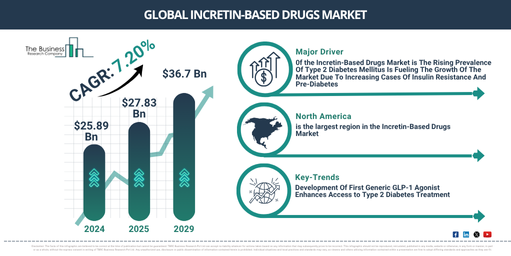
    In recent years, the market size for incretin-based drugs has impressively expanded. It’s expected to rise from a worth of $25.89 billion in 2024 to a projected $27.83 billion in 2025, boasting a compound annual growth rate (CAGR) of 7.5%. This significant growth during the historical period can be linked to numerous factors. These include the growing incidence of type 2 diabetes worldwide and the launch of GLP-1 receptor agonists like exenatide and liraglutide. Additionally, the inflow of research and development investments, the approval favorable from regulatory bodies for DPP-4 and GLP-1 drugs, the shift from insulin and sulfonylureas to more modern drug classes, and the emergence of injectable formulations available once a week have all further fueled this surge.

    The market for incretin-based drugs is set for significant expansion in the coming years, swelling to a sizable $36.7 billion by 2029 with a compound annual growth rate (CAGR) of 7.2%. This anticipated growth within the predicted period is likely due to a rising inclination towards fixed-dose combination therapies, an amplified emphasis on weight management and diabetes connected to obesity, advancements in personalized medicine and accompaniment diagnostics, growing demand for minimally invasive delivery techniques for drugs, as well as a rising aged population with higher comorbidity complications. Important trends emerging within this period encompass the usage of incretin drugs within obesity management programs, the emergence of dual and triple agonists to boost metabolic results, the incorporation of digital health into incretin treatments for individual monitoring, the dominance of combination treatments over monotherapy for improved diabetes regulation, and a focus on long-lasting weekly injections for the reduction of dosing burden.

    Download The Free Sample Report Here:

    https://www.thebusinessresearchcompany.com/sample.aspx?id=24570&type=smp

    Which Factors Are Pushing The Incretin-Based Drugs Market Forward?

    The incretin-based drugs market is anticipated to grow due to the increasing prevalence of type 2 diabetes mellitus. This chronic metabolic disorder, featuring insulin resistance and deficient insulin secretion, escalates levels of glucose in the blood. The occurrence of Type 2 diabetes is commonly linked to poor nutrition and lack of physical activity which causes insulin resistance, thus negatively affecting the body’s ability to regulate blood sugar levels. Incretin-based medications improve this type of diabetes by elevating insulin release post-meal, reducing glucagon production, and therefore, lowering blood sugar. These drugs also slow down stomach emptying and suppress appetite, which aids in glucose management and weight loss. For instance, the National Health Service, a government department in the UK, stated in June 2024 that in 2023, approximately 549,000 more individuals in England were at risk of developing type 2 diabetes. This brought the total number of pre-diabetic individuals to over 3.6 million, which is almost a 20% rise from 2022. Consequently, due to the escalating prevalence of type 2 diabetes mellitus, the incretin-based drugs market is witnessing growth.

    Which Segment Held The Largest Share In The Incretin-Based Drugs Market In 2025?

    The incretin-based drugs market covered in this report is segmented –

    1) By Type: Glucagon-Like Peptide-1 Receptor (GLP-1) Agonists, Dipeptidyl Peptidase-4 (DPP-4) Inhibitors

    2) By Route Of Administration: Oral, Injectable

    3) By Distribution Channel: Hospital Pharmacies, Retail Pharmacies, Online Pharmacies

    4) By Application: Type 2 Diabetes, Obesity, Other Applications

    Subsegments:

    1) By Glucagon-Like Peptide-1 Receptor (GLP-1) Agonists: Exenatide, Liraglutide, Dulaglutide, Semaglutide, Lixisenatide, Albiglutide

    2) By Dipeptidyl Peptidase-4 (DPP-4) Inhibitors: Sitagliptin, Saxagliptin, Linagliptin, Alogliptin, Vildagliptin

    How Are Key Trends Driving Expansion In The Incretin-Based Drugs Industry?

    Key players in the incretin-based drugs market are striving to create a generic version of drugs as a more potent and user-friendly treatment solution for type 2 diabetes. A generic drug contains equivalent active ingredients, strength, dosage form, and administration path as a branded drug, but it is sold under its chemical name without the branding. To illustrate, Hikma Pharmaceuticals PLC, a pharmaceutical company from the UK, introduced the first generic version of Victoza, which is a liraglutide injection of 6 mg/mL, in America in December 2024. The Food and Drug Administration (FDA) gave its approval. It was specified to be used as a supplementary measure to diet and exercise for better glycemic control in adults and children aged 10 or above who have type 2 diabetes. It thus offers a fresh and more economical alternative at a time when GLP-1 medications are in scarce supply.

    Which Organizations Are Driving Progress In The Incretin-Based Drugs Industry?

    Major companies operating in the incretin-based drugs market are Pfizer Inc., Johnson & Johnson, Roche Holding AG, AbbVie Inc., Bristol-Myers Squibb Company, AstraZeneca PLC, Novartis AG, GlaxoSmithKline plc, Eli Lilly and Company, Takeda Pharmaceutical Company Limited, Amgen Inc., Novo Nordisk A/S, Viatris, Boehringer Ingelheim GmbH, Astellas Pharma Inc., Daiichi Sankyo Company Limited, Sun Pharmaceutical Industries Ltd., Sumitomo Dainippon Pharma Co. Ltd., Hikma Pharmaceuticals PLC, Lupin Limited, Mitsubishi Tanabe Pharma Corporation

    Get The Full Report Here:

    https://www.thebusinessresearchcompany.com/report/incretin-based-drugs-global-market-report

    Which Region Is Expected To Experience The Highest Growth In The Incretin-Based Drugs Industry?

    North America was the largest region in the incretin-based drugs market in 2024. Asia-Pacific is expected to be the fastest-growing region in the forecast period. The regions covered in the incretin-based drugs market report are Asia-Pacific, Western Europe, Eastern Europe, North America, South America, Middle East, Africa.

    Request For A Customized Report:

    https://www.thebusinessresearchcompany.com/customise?id=24570&type=smp

    About The Business Research Company:

    With over 15000+ reports from 27 industries covering 60+ geographies, The Business Research Company has built a reputation for offering comprehensive, data-rich research and insights. Armed with 1,500,000 datasets, the optimistic contribution of in-depth secondary research, and unique insights from industry leaders, you can get the information you need to stay ahead in the game.

    Get in touch with us:

    The Business Research Company: https://www.thebusinessresearchcompany.com/

    Americas +1 310-496-7795

    Asia +44 7882 955267 & +91 8897263534

    Europe +44 7882 955267

    Email us at info@tbrc.info

    Follow us on:

    LinkedIn: https://in.linkedin.com/company/the-business-research-company

    YouTube: https://www.youtube.com/channel/UC24_fI0rV8cR5DxlCpgmyFQ

    Global Market Model: https://www.thebusinessresearchcompany.com/global-market-model
  • In-Depth Implantable Medical Devices Market Report: Business Trends, Growth Factors, and Forecast to 2029

    In-Depth Implantable Medical Devices Market Report: Business Trends, Growth Factors, and Forecast to 2029

    Claim your 30% discount on Global Market Reports with code ONLINE30. Limited time only.

    What Does the Forecast Indicate for the Implantable Medical Devices Market From 2025 to 2029?

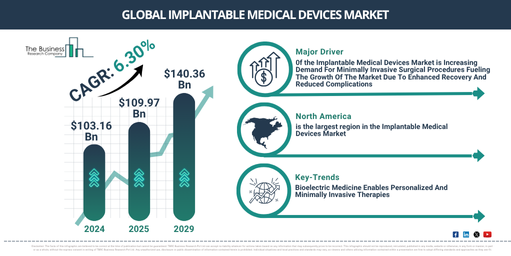
    In recent years, significant growth has been experienced in the market size for implantable medical devices. Projections indicate a rise from $103.16 billion in 2024 to $109.97 billion in 2025, equivalent to a compound annual growth rate (CAGR) of 6.6%. This growth during the historical period could be ascribed to several factors including an increase in chronic diseases, a burgeoning aging population, a surge in demand for minimally invasive surgical procedures, development of healthcare infrastructure in developing areas, and rising healthcare expenditure.

    The market for implantable medical devices is set to achieve robust expansion in the coming years, with an anticipated worth of $140.36 billion in 2029, reflecting a compound annual growth rate (CAGR) of 6.3%. This upcoming growth period’s inflow can be chalked up to factors such as the escalating prevalence of disorders related to lifestyle, growing need for specialized treatment, the burgeoning expansion of outpatient surgical procedures, and an increased acceptance of bio-compatible materials. The upcoming period will also witness surges in implantable device technology advancements, pursuits in bioengineered implant research and development, advancements in intelligent and connected implants, innovations in miniaturized electronics specifically for implants, and a growing emphasis on 3D-printing and custom-designed implants.

    Download The Free Sample Report Here:

    https://www.thebusinessresearchcompany.com/sample.aspx?id=24569&type=smp

    What Elements Are Contributing To Growth In The Implantable Medical Devices Market?

    The growing preference for surgical operations that are minimally intrusive is projected to drive the growth of the marketplace for implantable medical devices. These minimally invasive procedures are medical interventions carried out through small cuts or openings, which decreases the trauma experienced by the patient and reduces recovery time. These procedures are in high demand due to the unique benefits they offer including shorter healing times, decreased chances of complications, diminished pain, and minor scarring, thus, becoming more attractive to patients searching for quicker and safer therapy alternatives. Implantable medical devices amplify these minimally invasive surgical interventions by not only enabling direct treatment delivery but also facilitating real-time supervision. They pave the way for quicker healing, minimize the chances of complications, and enhance the final outcomes for patients via specific, personalized interventions. For example, in November 2024, based on data from the American Society of Plastic Surgeons, a non-profit organization based in the United States, the total number of cosmetic procedures performed minimally invasively touched 25,442,640 in 2023. This marks a 7% rise from a previous 23,672,269 in 2022. Thus, due to the growing preference for these minimally intrusive surgical interventions, the marketplace for implantable medical devices is experiencing positive growth.

    Which Segments Are Detailed In The Global Implantable Medical Devices Market Report?

    The implantable medical devices market covered in this report is segmented –

    1) By Product Type: Cardiovascular Implants, Orthopedic Implants, Ophthalmology Implants, Dental Implants, Cochlear Implants, Microchip Implants, Other Product Types

    2) By Biomaterial: Ceramic, Metallic, Polymers, Natural

    3) By End Use: Hospitals, Ambulatory Surgical Centers, Multi-Specialty Centers, Clinics, Other End Uses

    Subsegments:

    1) By Cardiovascular Implants: Pacemakers, Implantable Cardioverter Defibrillators, Stents, Heart Valves, Cardiac Resynchronization Therapy Devices

    2) By Orthopedic Implants: Hip Implants, Knee Implants, Spinal Implants, Shoulder Implants, Trauma Implants

    3) By Ophthalmology Implants: Intraocular Lenses, Glaucoma Drainage Implants, Corneal Implants, Retinal Implants

    4) By Dental Implants: Endosteal Implants, Subperiosteal Implants, Zygomatic Implants, Mini Dental Implants

    5) By Cochlear Implants: Unilateral Cochlear Implants, Bilateral Cochlear Implants

    6) By Microchip Implants: Radiofrequency Identification Implants, Biosensor Microchips, Neural Interface Microchips

    7) By Other Product Types: Neurostimulators, Contraceptive Implants, Drug Delivery Implants, Breast Implants, Penile Implants

    Which Emerging Trends And Strategic Shifts Are Shaping The Implantable Medical Devices Market?

    Leading corporations in the market for implantable medical devices are honing their focus on the creation of technologically superior products and securing necessary approvals. This is being done with a view to amplify treatment efficiency, lower side effects, and introduce customized, minimally invasive therapeutic interventions. The sphere of bioelectric medicine, which leverages electric signals to diagnose, treat, or stimulate bodily nervous systems for improved wellbeing and disease control, is one such area of emphasis. A notable example includes the Boston Scientific Corporation – a biotech firm based in the United States. In July 2023, the company received approval from the U.S. Food and Drug Administration (FDA) for their Vercise Neural Navigator 5 Software. This software, in combination with the Vercise Genus deep brain stimulation (DBS) systems, equips medical practitioners with user-friendly and useful information for effective programming when treating individuals with Parkinson’s disease or essential tremor. The technology offers enhanced programming flexibility, allowing for the development of bespoke treatment plans capable of catering to the unique symptoms and requirements of each patient.

    Who Are The Key Contributors To Growth In The Implantable Medical Devices Market?

    Major companies operating in the implantable medical devices market are Cardinal Health Inc., Johnson & Johnson, Abbott Laboratories, Medtronic plc, Koninklijke Philips N.V., Stryker Corporation, Boston Scientific Corporation, Henry Schein Inc., Alcon Inc., Zimmer Biomet Holdings Inc., Terumo Corporation, Terumo Medical Corporation, Smith & Nephew plc, W. L. Gore & Associates Inc., Edwards Lifesciences Corporation, Dentsply Sirona Inc., Demant A/S, Institut Straumann AG, Biotronik SE & Co. KG, Integra LifeSciences Holdings Corporation, Conmed Corporation, Globus Medical Inc., LivaNova Public Limited Company, MicroPort Scientific Corporation, B. Braun Melsungen Aktiengesellschaft

    Get The Full Report Here:

    https://www.thebusinessresearchcompany.com/report/implantable-medical-devices-global-market-report

    Which Region Is Projected To Lead The Implantable Medical Devices Market By 2025?

    North America was the largest region in the implantable medical devices market in 2024. Asia-Pacific is expected to be the fastest-growing region in the forecast period. The regions covered in the implantable medical devices market report are Asia-Pacific, Western Europe, Eastern Europe, North America, South America, Middle East, Africa.

    Request For A Customized Report:

    https://www.thebusinessresearchcompany.com/customise?id=24569&type=smp

    About The Business Research Company:

    With over 15000+ reports from 27 industries covering 60+ geographies, The Business Research Company has built a reputation for offering comprehensive, data-rich research and insights. Armed with 1,500,000 datasets, the optimistic contribution of in-depth secondary research, and unique insights from industry leaders, you can get the information you need to stay ahead in the game.

    Get in touch with us:

    The Business Research Company: https://www.thebusinessresearchcompany.com/

    Americas +1 310-496-7795

    Asia +44 7882 955267 & +91 8897263534

    Europe +44 7882 955267

    Email us at info@tbrc.info

    Follow us on:

    LinkedIn: https://in.linkedin.com/company/the-business-research-company

    YouTube: https://www.youtube.com/channel/UC24_fI0rV8cR5DxlCpgmyFQ

    Global Market Model: https://www.thebusinessresearchcompany.com/global-market-model
  • Immunoglobulin Fusion Protein Industry Poised for Rapid Expansion, Projected to Hit $76.89 Billion by 2029

    Immunoglobulin Fusion Protein Industry Poised for Rapid Expansion, Projected to Hit $76.89 Billion by 2029

    Claim your 30% discount on Global Market Reports with code ONLINE30. Limited time only.

    How Much Is the Global Immunoglobulin Fusion Protein Market Valued at Present and by 2029?

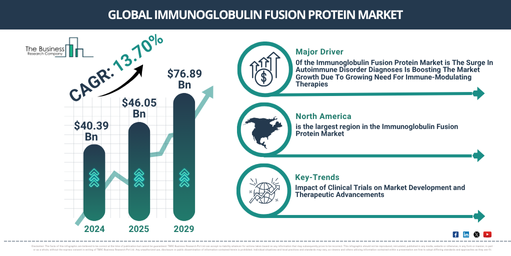
    The size of the immunoglobulin fusion protein market has experienced quick expansion in the last few years. It is projected to increase from a value of $40.39 billion in 2024 to $46.05 billion in 2025, growing at a compound annual growth rate (CAGR) of 14.0%. The notable growth during the historic period is credited to several factors, including the rising prevalence of autoimmune diseases, an increase in the adoption of biologics, a surge in demand for targeted therapies, enhanced diagnostic capabilities, and a significant rise in investment in the research and development of biologics.

    The market size of the immunoglobulin fusion protein is anticipated to experience significant growth in the upcoming years, reaching $76.89 billion by 2029 with a compound annual growth rate (CAGR) of 13.7%. Factors contributing to this growth during the forecasted period include an expanding elderly population, an increase in clinical trial activities for fusion proteins, a surging demand for tailor-made medicine, supportive regulatory policies for orphan drugs, and a rise in at-home immunotherapy treatments. Principal trends for the forecasted period encompass a shift towards subcutaneous formulations, application of AI in protein design, the creation of bispecific fusion proteins, collaborations between pharmaceutical and biotech companies, and progressive developments in protein engineering.

    Download The Free Sample Report Here:

    https://www.thebusinessresearchcompany.com/sample.aspx?id=24568&type=smp

    #What Drivers Are Influencing Growth In The Immunoglobulin Fusion Protein Market?

    The rise in autoimmune disorders is projected to drive expansion in the immunoglobulin fusion protein market. Autoimmune disorders are instances where the immune system wrongly targets the body’s own healthy cells and tissues. The escalation in such conditions predominantly stems from a blend of genetic susceptibility and environmental contributors, whereby inherited genes heighten vulnerability, and factors like infections or lifestyle aid in creating these conditions. The role of immunoglobulin fusion protein is to manage autoimmune disorders by curbing the immune response, decreasing inflammation and preventing the immune system from targeting the body’s own tissues. As an example, in November 2024, Versorgungsatlas.de, based in Germany, reported that in 2022, out of 73,241,305 insured individuals, 6,304,340 received a diagnosis of at least one autoimmune disease, leading to a raw prevalence rate of 8.61%. Hence, the escalation in autoimmune disorders contributes to the expansion of the immunoglobulin fusion protein market.

    What Are The Main Segments Identified In The Immunoglobulin Fusion Protein Market Research?

    The immunoglobulin fusion protein market covered in this report is segmented –

    1) By Type: Monoclonal Antibodies, Polyclonal Antibodies, Bispecific Antibodies, Recombinant Antibodies

    2) By Drug Class: Immunosuppressive Drugs, Immunostimulatory Drugs

    3) By Mode of Administration: Intravenous, Subcutaneous, Intramuscular

    4) By Application: Autoimmune Disease, Eye Diseases, Diabetes, Hemophilia

    5)By End User: Hospitals, Clinics, Research Institutes

    Subsegments:

    1) By Monoclonal Antibodies: Human Monoclonal Antibodies, Humanized Monoclonal Antibodies, Chimeric Monoclonal Antibodies, Murine Monoclonal Antibodies

    2) By Polyclonal Antibodies: Animal-Derived Polyclonal Antibodies, Human-Derived Polyclonal Antibodies, Recombinant Polyclonal Antibodies

    3) By Bispecific Antibodies: Tandem Single-Chain Variable Fragment, Dual-Variable Domain Antibodies, Bispecific T-Cell Engagers (BiTEs), Dual-Affinity Re-Targeting Antibodies

    4) By Recombinant Antibodies: Fragment Antibodies, Full-Length Recombinant Antibodies, Antibody-Drug Conjugates (ADCs), Engineered Antibody Domains

    What Are The Leading Trends And Opportunities In The Immunoglobulin Fusion Protein Sector?

    The primary players in the immunoglobulin fusion protein market are concentrating their efforts on carrying out clinical research to yield novel products such as bispecific antibody fusion protein to heighten therapeutic effectiveness and target several disease pathways concurrently. Such a bispecific antibody fusion protein is essentially a genetically modified molecule that has the capability to bind two different targets at once, thereby boosting targeted therapy by either bringing immune cells in proximity to tumor cells or inhibiting multiple disease pathways simultaneously. For example, Innovent Biologics, Inc., a biotechnology firm based in China, secured its second Fast Track Designation from the U.S. Food and Drug Administration in February 2025 for IBI343, a bispecific antibody fusion protein aimed at advanced solid tumors. IBI343 has been engineered to engage both tumor-associated antigens and immune effector cells simultaneously, which amplifies the accuracy and strength of anti-cancer immune responses. This status is anticipated to hasten the clinical development and regulatory examination of IBI343, signifying its potential to fulfill substantial, unfulfilled medical requirements in the field of oncology.

    Which Companies Play A Key Role In The Development Of The Immunoglobulin Fusion Protein Market?

    Major companies operating in the immunoglobulin fusion protein market are Pfizer Inc., AbbVie Inc., Bayer Aktiengesellschaft, Sanofi S.A., Bristol-Myers Squibb Company, Gilead Sciences Inc., Eli Lilly and Company, Amgen Inc., Teva Pharmaceutical Industries Limited, Regeneron Pharmaceuticals Inc., Sobi, 3SBio Inc., Innovent Biologics Inc., Chengdu Kanghong Pharmaceutical Group Co. Ltd., Samsung Bioepis Co. Ltd., Proteintech Group Inc., KRISHGEN Biosystems, Abnova (Taiwan) Corporation, Celgen Biopharma Inc., Chimerigen Laboratories LLC

    Get The Full Report Here:

    https://www.thebusinessresearchcompany.com/report/immunoglobulin-fusion-protein-global-market-report

    What Are The Key Regional Developments Shaping The Immunoglobulin Fusion Protein Market?

    North America was the largest region in the immunoglobulin fusion proteins market in 2024. Asia-Pacific is expected to be the fastest-growing region in the forecast period. The regions covered in the immunoglobulin fusion protein market report are Asia-Pacific, Western Europe, Eastern Europe, North America, South America, Middle East, Africa.

    Request For A Customized Report:

    https://www.thebusinessresearchcompany.com/customise?id=24568&type=smp

    About The Business Research Company:

    With over 15000+ reports from 27 industries covering 60+ geographies, The Business Research Company has built a reputation for offering comprehensive, data-rich research and insights. Armed with 1,500,000 datasets, the optimistic contribution of in-depth secondary research, and unique insights from industry leaders, you can get the information you need to stay ahead in the game.

    Get in touch with us:

    The Business Research Company: https://www.thebusinessresearchcompany.com/

    Americas +1 310-496-7795

    Asia +44 7882 955267 & +91 8897263534

    Europe +44 7882 955267

    Email us at info@tbrc.info

    Follow us on:

    LinkedIn: https://in.linkedin.com/company/the-business-research-company

    YouTube: https://www.youtube.com/channel/UC24_fI0rV8cR5DxlCpgmyFQ

    Global Market Model: https://www.thebusinessresearchcompany.com/global-market-model
  • Global Immunoglobulin A IgA Vasculitis Market Forecast to Reach $2.08 Billion by 2029, Driven by 6.3% CAGR

    Global Immunoglobulin A IgA Vasculitis Market Forecast to Reach $2.08 Billion by 2029, Driven by 6.3% CAGR

    Claim your 30% discount on Global Market Reports with code ONLINE30. Limited time only.

    What Is the Current and Projected Market Size of the Immunoglobulin A IgA Vasculitis Industry?

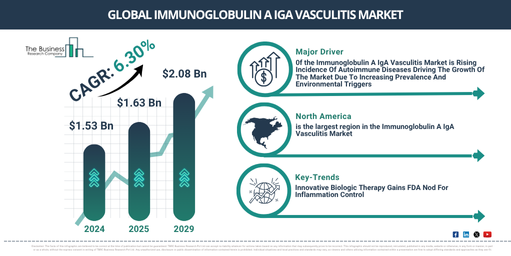
    The market for immunoglobulin A (iga) vasculitis has witnessed robust growth in the past few years. It’s anticipated to increase from $1.53 billion in 2024 to $1.63 billion in 2025, showcasing a compound annual growth rate (CAGR) of 6.5%. The surge during the historic period can be credited to factors like growing awareness about IGA vasculitis, a higher prevalence of autoimmune diseases, the extended use of immunosuppressive therapies, increased research funding targeting rare diseases, and a rise in the adaptation of targeted therapies.

    The market for Immunoglobulin A (IgA) Vasculitis is set to experience considerable growth in the coming years, with predictions of it reaching a value of $2.08 billion by 2029, boasting a compound annual growth rate (CAGR) of 6.3%. This projected growth within the forecast period can be credited to the increasing use of sophisticated biomarkers, a surge in comorbidity cases, a growth in clinical trials, enhanced interest in biologics, and an escalating demand for less invasive treatment options. Key market trends for this period are anticipated to be the integration of precision medicine, advancements in immunosuppressive therapies, the innovation in disease-altering therapies, the emergence of early-detection biomarkers, and the incorporation of artificial intelligence in treatment strategy formation.

    Download The Free Sample Report Here:

    https://www.thebusinessresearchcompany.com/sample.aspx?id=24567&type=smp

    #Which Factors Are Currently Driving The Growth Of The Immunoglobulin A IgA Vasculitis Market?

    The immunoglobulin A (IgA) vasculitis market is anticipated to witness growth, driven by the increasing occurrences of autoimmune diseases. An autoimmune disease happens when the body’s immune system wrongly identifies and attacks its own healthy cells instead of safeguarding the body against infections. The hike in these disorders is primarily due to rising exposure to pollutants that interfere with immune regulation, initiating abnormal responses. IgA vasculitis aids autoimmune conditions by inducing an immune reaction that causes small blood vessel inflammation, aiding in understanding and potentially treating different autoimmune diseases. For example, Versorgungsatlas.de, a German organization, stated in November 2024 that of the 73,241,305 insured individuals in 2022, 6,304,340 were diagnosed with at least one autoimmune disease, yielding a raw prevalence rate of 8.61%. As a result, the immunoglobulin A (IgA) vasculitis market’s expansion is being fuelled by the escalating incidence of autoimmune diseases. The growth of the immunoglobulin A (IgA) vasculitis market is being driven by an expanding focus on targeted therapies, thanks to advancements in precision medicine and molecular targeting. Targeted therapies are designed to zero in on and obstruct molecular abnormalities in diseases like cancer, increasing treatment accuracy and reducing damage to healthy cells. The heightening focus on these therapies is mainly stoked by advancements in precision medicine, which facilitates individualized, more efficient treatments based on individual genetic makeup. Targeted therapies aid IgA vasculitis treatment by focusing on specific immune pathways, limiting systemic side effects. They enhance disease management by decreasing inflammation and stopping organ damage, consequently improving patients’ outcomes and quality of life. For instance, the American Society of Gene and Cell Therapy (ASGCT) reported in December 2024 that six gene therapy products were approved by the FDA in 2023, compared to five in 2022. This increased focus on targeted therapies is driving the growth of the immunoglobulin A (IgA) vasculitis market.

    How Is The Global Immunoglobulin A IgA Vasculitis Market Structured In Terms Of Segments?

    The immunoglobulin a iga vasculitis market covered in this report is segmented –

    1) By Treatment Type: Medications, Plasma Exchange, Supportive Care, Immunosuppressive Therapy

    2) By Diagnosis Method: Blood Tests, Urinalysis, Imaging Studies, Biopsy

    3) By Route Of Administration: Oral, Injectables, Intravenous

    4) By End User: Hospitals, Specialty Clinics, Homecare Settings

    Subsegments:

    1) By Medications: Corticosteroids, Immunosuppressants, Cyclophosphamide, Azathioprine, Mycophenolate Mofetil

    2) By Plasma Exchange: Therapeutic Plasma Exchange, Plasma Filtration

    3) By Supportive Care: Pain Management, Kidney Function Support, Blood Pressure Management

    4) By Immunosuppressive Therapy: Methotrexate, Rituximab, Cyclophosphamide

    What Trends Are Currently Influencing Growth In The Immunoglobulin A IgA Vasculitis Market?

    Leading businesses in the IgA vasculitis market are channeling their efforts towards creating novel therapies, such as specific biologics and immunomodulators, intending to lower inflammation and avert renal issues. These innovative treatments aim to moderate selective immunity routes to diminish inflammation and combat immune-facilitated damage in IgA vasculitis. For instance, during April 2025, Swiss-based pharmaceutical entity, Novartis AG, was granted approval by the U.S. Food and Drug Administration (FDA) for their drug Vanrafia (atrasentan) for the treatment of primary IgA nephropathy (IgAN). Vanrafia, a unique oral daily medication, acts as a selective endothelin A receptor antagonist, specifically aiming to decrease proteinuria in adults with primary IgAN vulnerable to swift disease escalation. This medication can be seamlessly combined with existing supportive care routines with no necessity for a risk evaluation and mitigation strategy (REMS).

    Who Are The Main Participants Shaping The Immunoglobulin A IgA Vasculitis Market Landscape?

    Major companies operating in the immunoglobulin a iga vasculitis market are Pfizer Inc., F. Hoffmann-La Roche Ltd, Thermo Fisher Scientific Inc., Novartis AG, Takeda Pharmaceutical Company Limited, Amgen Inc., Indraprastha Medical Corporation Limited, Intas Pharmaceuticals Ltd, Mayo Clinic, Biogen Inc., Chugai Pharmaceutical Co. Ltd., The Cleveland Clinic Foundation, Zydus Lifesciences Limited, CSL Behring, Artemis Medicare Services Limited, Biocad Biotechnology Company, Biotest AG, Kauvery Hospitals Private Limited, Sheikh Shakhbout Medical City, Reliance Life Sciences Pvt. Ltd.

    Get The Full Report Here:

    https://www.thebusinessresearchcompany.com/report/immunoglobulin-a-iga-vasculitis-global-market-report

    Which Region Currently Holds The Largest Share In The Immunoglobulin A IgA Vasculitis Market?

    North America was the largest region in the immunoglobulin A (IgA) vasculitis market in 2024. Asia-Pacific is expected to be the fastest-growing region in the forecast period. The regions covered in the immunoglobulin a iga vasculitis market report are Asia-Pacific, Western Europe, Eastern Europe, North America, South America, Middle East, Africa.

    Request For A Customized Report:

    https://www.thebusinessresearchcompany.com/customise?id=24567&type=smp

    About The Business Research Company:

    With over 15000+ reports from 27 industries covering 60+ geographies, The Business Research Company has built a reputation for offering comprehensive, data-rich research and insights. Armed with 1,500,000 datasets, the optimistic contribution of in-depth secondary research, and unique insights from industry leaders, you can get the information you need to stay ahead in the game.

    Get in touch with us:

    The Business Research Company: https://www.thebusinessresearchcompany.com/

    Americas +1 310-496-7795

    Asia +44 7882 955267 & +91 8897263534

    Europe +44 7882 955267

    Email us at info@tbrc.info

    Follow us on:

    LinkedIn: https://in.linkedin.com/company/the-business-research-company

    YouTube: https://www.youtube.com/channel/UC24_fI0rV8cR5DxlCpgmyFQ

    Global Market Model: https://www.thebusinessresearchcompany.com/global-market-model
  • 2025–2029 Hypoprothrombinemia Treatment Market Outlook: Regional Trends and Growth Forecast

    2025–2029 Hypoprothrombinemia Treatment Market Outlook: Regional Trends and Growth Forecast

    Claim your 30% discount on Global Market Reports with code ONLINE30. Limited time only.

    What Are the Latest Market Insights for the Hypoprothrombinemia Treatment Industry?

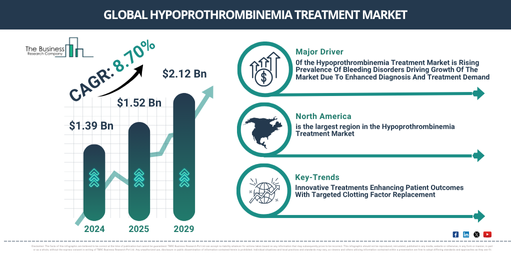
    The market size for hypoprothrombinemia treatment has seen substantial growth in the preceding years. It predicts an expansion from $1.39 billion in 2024 to a significant $1.52 billion in 2025, with a compound annual growth rate (CAGR) snapping at 9.0%. The growth in the preceding phase can be traced back to the surge in liver diseases, rising occurrence of malabsorption syndromes, increased focus on clotting disorders in critical healthcare, growing cognizance towards bleeding disorders, and a hike in instances of Vitamin K deficiency.

    The market size for hypoprothrombinemia treatment is predicted to experience robust growth in the upcoming years, reaching $2.12 billion by 2029 with an 8.7% compound annual growth rate (CAGR). This growth during the forecast period may be due to the increasing incidence of bleeding disorders, the escalating demand for treatment at home, the broadening of healthcare infrastructure, the rise of specialized clinics and centers dedicated to hematology, and the enhanced usage of personalized medicines. The forecast period will also witness significant trends such as the development in recombinant coagulation factors, customized medicines and genetic profiling, innovations in drug delivery systems, point-of-care diagnostic technologies, the use of artificial intelligence (AI), and data analytics.

    Download The Free Sample Report Here:

    https://www.thebusinessresearchcompany.com/sample.aspx?id=24566&type=smp

    What Forces Are Driving The Growth Of The Hypoprothrombinemia Treatment Industry?

    The expansion of the hypoprothrombinemia treatment market is expected to be propelled by the increasing incidence of bleeding disorders. The inability of blood to clot effectively, which results in prolonged or excessive bleeding, characterizes these disorders. This surge in the frequency of bleeding disorders is mainly attributed to enhanced diagnostic abilities and heightened awareness, enabling more precise detection and disclosure of these afflictions. Hypoprothrombinemia treatments are employed to restore the blood’s ability to clot in patients with bleeding disorders by replenishing inadequate prothrombin amounts. For instance, between April 2022 and March 2023, the BMC Health Services Research reported that 6,662 male hemophilia A patients were identified in the United Kingdom, with 5,032 of these being adults (18 years and over) with 2,421 getting either factor replacement therapy or emicizumab. Within the same duration, 1,342 males with hemophilia B were noted, including 1,022 adults, of whom 479 underwent factor replacement therapy. This rise in bleeding disorders’ prevalence is likely to stimulate the hypoprothrombinemia treatment market’s expansion further. Anticipated advancement in the hypoprothrombinemia treatment market is also spurred by the escalating usage of biosimilars. Biosimilars are biological medicinal products that are highly analogous to an original biologic that has already been approved, exhibiting no significant clinical dissimilarities in terms of safety or efficacy. This increase in the adoption of biosimilars is instigated by the potential to provide more affordable therapy options readily available while assuring comparable safety and efficacy as original biologics. Within hypoprothrombinemia treatment, biosimilars offer economical alternatives to original clotting factor therapies, enhancing patient accessibility to crucial coagulation management. As per the PhRMA, a trade group in the United States representing leading innovative biopharmaceutical firms, by 2022’s end, 40 biosimilars got approval, with 27 of those being available in the United States. Consequently, the continued use of biosimilars is fueling the growth of the hypoprothrombinemia treatment market.

    What Is The Overview Of Market Segmentation In The Hypoprothrombinemia Treatment Industry?

    The hypoprothrombinemia treatment market covered in this report is segmented –

    1) By Type: Type I Deficiency Treatment, Type II Deficiency Treatment

    2) By Drug Type: Vitamin K, Fresh Frozen Plasma, Prothrombin Complex Concentrates, Recombinant Prothrombin

    3) By Indication Based: Vitamin K Deficiency, Liver Diseases, Cirrhosis, Hepatitis, Anticoagulant related Hypoprothrombinemia, Genetic Disorders, Malabsorption Syndromes

    4) By Drug Delivery Method: Oral Delivery, Injectable Delivery, Intravenous, Intramuscular, Transfusion Based Delivery

    5) By End User: Hospitals, Speciality Clinics, Homecare Settings

    Subsegment:

    1) By Type I Deficiency Treatment: Prothrombin Complex Concentrates (PCCs), Fresh Frozen Plasma (FFP), Recombinant Prothrombin, Plasma-derived Coagulation Factors

    2) By Type II Deficiency Treatment: Vitamin K Therapy, Warfarin Reversal Agents, Liver Function Supportive Therapy, Anticoagulant Adjustment Therapies

    What Future Market Trends Are Projected For The Hypoprothrombinemia Treatment Industry?

    Leading companies in the hypoprothrombinemia treatment market are turning their attention to novel therapies like non-activated four-factor prothrombin complex concentrate, aimed at swiftly elevating levels of clotting factor and minimizing patients’ risks of bleeding who require immediate anticoagulation reversal. This remedy, also known as 4F-PCC, is a therapy derived from plasma; it contains clotting factors II, VII, IX, and X and serves to swiftly counteract the effects of vitamin K antagonists and address bleeding conditions, including hypoprothrombinemia. An example of this occurred in January 2024, when Octapharma USA – a subsidiary of Octapharma AG based in the US – introduced Balfaxar. This non-activated four-factor prothrombin complex concentrate (4F-PCC) had recently received FDA approval for use in urgently reversing vitamin K antagonist-induced coagulation deficiencies in adults facing emergency surgical operations or invasive procedures. This treatment, which features vital vitamin K-dependent clotting factors and antithrombotic proteins, meets crucial hypoprothrombinemia management needs.

    Who Are The Primary Players Operating Across The Global Hypoprothrombinemia Treatment Market?

    Major companies operating in the hypoprothrombinemia treatment market are Pfizer Inc., F. Hoffmann-La Roche AG, Merck & Co. Inc, Sanofi S.A., AstraZeneca, Abbott, GlaxoSmithKline, Takeda Pharmaceuticals, Novo Nordisk A/S, Teva Pharmaceuticals, CSL Limited, Baxter International Inc., Fresenius Kabi AG, Grifols S.A., Sun Pharmaceutical Industries Ltd., Octapharma AG, Dr. Reddy’s Laboratories, Pharmascience Inc., Amphastar Pharmaceuticals Inc., Pharma Cure Laboratories

    Get The Full Report Here:

    https://www.thebusinessresearchcompany.com/report/hypoprothrombinemia-treatment-global-market-report

    Which Region Offers The Most Growth Potential For The Hypoprothrombinemia Treatment Market Through 2029?

    North America was the largest region in the hypoprothrombinemia treatment market in 2024. Asia-Pacific is expected to be the fastest-growing region in the forecast period. The regions covered in the hypoprothrombinemia treatment market report are Asia-Pacific, Western Europe, Eastern Europe, North America, South America, Middle East, Africa.

    Request For A Customized Report:

    https://www.thebusinessresearchcompany.com/customise?id=24566&type=smp

    About The Business Research Company:

    With over 15000+ reports from 27 industries covering 60+ geographies, The Business Research Company has built a reputation for offering comprehensive, data-rich research and insights. Armed with 1,500,000 datasets, the optimistic contribution of in-depth secondary research, and unique insights from industry leaders, you can get the information you need to stay ahead in the game.

    Get in touch with us:

    The Business Research Company: https://www.thebusinessresearchcompany.com/

    Americas +1 310-496-7795

    Asia +44 7882 955267 & +91 8897263534

    Europe +44 7882 955267

    Email us at info@tbrc.info

    Follow us on:

    LinkedIn: https://in.linkedin.com/company/the-business-research-company

    YouTube: https://www.youtube.com/channel/UC24_fI0rV8cR5DxlCpgmyFQ

    Global Market Model: https://www.thebusinessresearchcompany.com/global-market-model

  • Latest Market Developments in Hypoparathyroidism Industry: Forecast 2025–2029

    Latest Market Developments in Hypoparathyroidism Industry: Forecast 2025–2029

    Claim your 30% discount on Global Market Reports with code ONLINE30. Limited time only.

    What Are the Forecasted Growth Rate and Market Size of the Hypoparathyroidism Market?

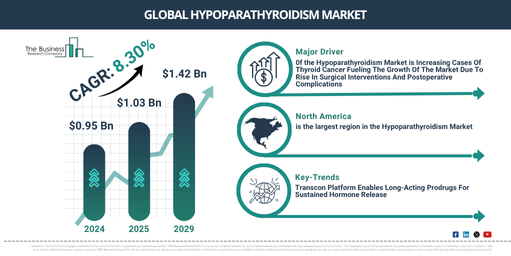
    The market size of hypoparathyroidism has seen significant growth over the recent years. The market, which is valued at $0.95 billion in 2024, is projected to increase to $1.03 billion in 2025, experiencing a compound annual growth rate (CAGR) of 8.6%. The surge during the historic period can be linked to the escalating number of thyroid surgeries, growing awareness concerning hypoparathyroidism, increase in postoperative complications, rising demand for vitamin D and calcium supplements, and an enhanced attention to endocrine disorder management.

    Expectations are high for robust expansion in the hypoparathyroidism market, which is predicted to surge to $1.42 billion by 2029, progressing at a compound annual growth rate (CAGR) of 8.3%. This projected growth over the forecast period is largely due to the increased acceptance of recombinant parathyroid hormone treatments, amplified investment in hypoparathyroidism studies, development of healthcare infrastructure, growth of elderly population susceptible to endocrine disorders, and rising early detection initiatives and awareness. Noteworthy trends expected in the forecast period encompass advancements in parathyroid hormone treatments, sophisticated diagnostic methodologies for hypoparathyroidism, formulation of long-lasting calcium supplements, introduction of less invasive procedures in thyroid surgery, and progress in patient surveillance technologies.

    Download The Free Sample Report Here:

    https://www.thebusinessresearchcompany.com/sample.aspx?id=24565&type=smp

    Which Factor Is Shaping The Future Of The Hypoparathyroidism Market?

    The escalating instances of thyroid cancer are anticipated to contribute significantly to the expansion of the hypoparathyroidism market in upcoming years. Thyroid cancer is distinguished by unusual cell growth in the thyroid gland, often culminating in a neck lump. The surge in thyroid cancer instances can be attributed to the improved diagnostic imaging technologies, which have facilitated prompt and regular detection of small, symptom-less thyroid nodules. The unfettered progression of thyroid cancer propels hypoparathyroidism, as it escalates the necessity for thyroid surgeries. These surgeries hold the potential of unintentionally damaging the parathyroid glands, causing imbalance in calcium and chronic hormone deficiency. This necessitates long-term disease management solutions. To illustrate, the American Cancer Society, a non-profit organization based in the US, stated in May 2024 that there was an escalation in new thyroid cancer cases from 43,720 in 2023 to 44,020 in 2025. For these reasons, the surge in thyroid cancer cases is fuelling the growth of the hypoparathyroidism market.

    What Is The Segment-Wise Breakdown Of The Hypoparathyroidism Market?

    The hypoparathyroidism market covered in this report is segmented –

    1) By Treatment: Hormone Replacement Therapy, Adjunctive Therapies

    2) By Type: Hormone Replacement Therapy, Calcium And Vitamin D Supplements, Emerging Therapies

    3) By Route Of Administration: Oral, Parenteral

    4) By Distribution Channel: Hospital Pharmacy, Retail Pharmacy, Online Pharmacy

    5) By End User: Hospitals, Specialty Clinics, Homecare Settings

    Subsegments:

    1) By Hormone Replacement Therapy: Recombinant Parathyroid Hormone, Parathyroid Hormone Analogues, Calcimimetics, Calcium And Vitamin D Supplements

    2) By Adjunctive Therapies: Magnesium Supplements, Phosphate Binders, Other Supportive Therapies

    Which Trends Are Redefining The Future Landscape Of The Hypoparathyroidism Industry?

    Large corporations in the hypoparathyroidism market are honing their focus on creating products with advanced technology, such as those using transition technology, to increase the effectiveness of treatment and better patient outcomes. Products based on TransCon technology are created using TransCon (Transient Conjugation) technology, an exclusive platform that enhances drug administration. For instance, in January 2024, Ascendis Pharma A/S, originating from Denmark and involved in biopharmaceuticals, launched its second product based on TransCon technology named YORVIPATH (palopegteriparatide), in Germany and Austria with the specific purpose of treating adults dealing with chronic hypoparathyroidism. YORVIPATH, a prodrug of parathyroid hormone (PTH 1-34) taken once daily, is designed to manage the physiologic PTH levels for a full day, effectively dealing with the hormonal insufficiencies linked to chronic hypoparathyroidism.

    Which Companies Hold The Largest Market Share In The Hypoparathyroidism Sector?

    Major companies operating in the hypoparathyroidism market are Pfizer Inc., F. Hoffmann-La Roche Ltd., Merck & Co Inc., AbbVie Inc., Sanofi S.A., Novartis AG, GlaxoSmithKline plc , Takeda Pharmaceutical Company Limited, Eli Lilly and Company, Amgen Inc., Teva Pharmaceutical Industries Ltd., Dr. Reddy’s Laboratories Ltd., Cipla Limited , Lupin Limited, Torrent Pharmaceuticals Ltd., Eagle Pharmaceuticals Inc., BridgeBio Pharma Inc., Ascendis Pharma A/S, Extend Biosciences Inc., Entera Bio Ltd.

    Get The Full Report Here:

    https://www.thebusinessresearchcompany.com/report/hypoparathyroidism-global-market-report

    How Does Regional Performance Compare Across The Hypoparathyroidism Industry?

    North America was the largest region in the hypoparathyroidism market in 2024. Asia-Pacific is expected to be the fastest-growing region in the forecast period. The regions covered in the hypoparathyroidism market report are Asia-Pacific, Western Europe, Eastern Europe, North America, South America, Middle East, Africa.

    Request For A Customized Report:

    https://www.thebusinessresearchcompany.com/customise?id=24565&type=smp

    About The Business Research Company:

    With over 15000+ reports from 27 industries covering 60+ geographies, The Business Research Company has built a reputation for offering comprehensive, data-rich research and insights. Armed with 1,500,000 datasets, the optimistic contribution of in-depth secondary research, and unique insights from industry leaders, you can get the information you need to stay ahead in the game.

    Get in touch with us:

    The Business Research Company: https://www.thebusinessresearchcompany.com/

    Americas +1 310-496-7795

    Asia +44 7882 955267 & +91 8897263534

    Europe +44 7882 955267

    Email us at info@tbrc.info

    Follow us on:

    LinkedIn: https://in.linkedin.com/company/the-business-research-company

    YouTube: https://www.youtube.com/channel/UC24_fI0rV8cR5DxlCpgmyFQ

    Global Market Model: https://www.thebusinessresearchcompany.com/global-market-model