Month: September 2025

  • Latest Market Developments in Gabapentin Industry: Forecast 2025–2029

    Latest Market Developments in Gabapentin Industry: Forecast 2025–2029

    Claim your 30% discount on Global Market Reports with code ONLINE30. Limited time only.

    What Is the Estimated Industry Valuation for the Gabapentin Sector?

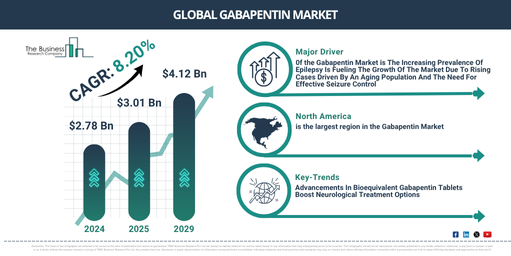
    The market size of gabapentin has seen robust growth over the past few years. It is projected to expand from $2.78 billion in 2024 to $3.01 billion in 2025, with a compound annual growth rate (CAGR) of 8.5%. Factors contributing to the growth during the historic period include a rise in epilepsy cases, increasing occurrences of neuropathic pain, heightened awareness of neurological disorders, a growing elderly population, and increased usage of generic anticonvulsants.

    In the forthcoming years, the gabapentin market is projected to witness substantial growth, eventually reaching $4.12 billion by 2029 with a Compound Annual Growth Rate (CAGR) of 8.2%. Factors contributing to this growth in the projection period include a growing demand for chronic pain management, increased acceptance of gabapentin compounds, expanded healthcare access in emerging areas, a heightened emphasis on individualized medicine, and an increasing burden of neurological disorders. Dominant trends for the projection period encompass advancements in drug delivery mechanisms, the utilization of gabapentin in integrated therapies, technology-driven neuropathic pain research and development, progress in extended-release formulations, and advancements in the application of pharmacogenomics.

    Download The Free Sample Report Here:

    https://www.thebusinessresearchcompany.com/sample.aspx?id=24544&type=smp

    What Forces Are Driving The Growth Of The Gabapentin Market?

    The gabapentin market’s upward trajectory is attributable to the growing incidence of epilepsy. This brain condition, marked by recurring seizures induced by irregular brain electrical activity, is primarily increasing due to the expanding aging population, as the risk of neurological disorders causing seizures tends to rise with age. Gabapentin manages epilepsy by curbing unusual nerve activity in the brain and diminishing signals that trigger seizures. It operates by focusing on calcium channels to stave off seizure onset. For instance, the Centers for Disease Control and Prevention, a government agency based in the U.S., revealed in May 2024 that approximately 2.9 million U.S. adults aged 18 and above reported having active epilepsy in 2022, marking a 1.08% rise from 2021. Thus, the escalating presence of epilepsy is propelling gabapentin market growth.

    How Is The Gabapentin Industry Segmented Across Key Parameters?

    The gabapentin market covered in this report is segmented –

    1) By Type: Generic, Branded

    2) By Dosage Form: Tablet, Capsule, Oral Solution

    3) By Distribution Channel: Hospital Pharmacies, Retail Pharmacies, Online Pharmacies, Other Distribution Channels

    4) By Application: Epilepsy, Neuropathic Pain, Restless Legs Syndrome, Other Applications

    Subsegments:

    1) By Generic: Gabapentin Immediate Release (IR), Gabapentin Extended Release (ER), Gabapentin Capsules, Gabapentin Tablets, Gabapentin Oral Solution

    2) By Branded: Neurontin, Gralise, Horizant, Other Branded Formulations

    What Notable Trends Are Shaping The Direction Of The Gabapentin Market?

    Key players in the gabapentin market are concentrating on the creation of superior formulas, like bioequivalent tablets, with aims to improve therapeutic efficacy and broaden the spectrum of treatments available for neurological disorders. Generic drugs like bioequivalent tablets release the same dosage of the active component in the bloodstream, at similar rates and efficiency as their branded counterparts, thus ensuring comparable safety and therapeutic impact. For instance, in March 2024, Strides Pharma Science Limited – a pharmaceutical corporation based in India, launched Gabapentin Tablets USP with strengths of 600 mg and 800 mg. This product line, which obtained approval from the United States Food & Drug Administration (USFDA), was designed to enlarge the company’s neurology range in the US market. This novel gabapentin proffers heightened bioavailability, accurate dosage, and user-friendly application, thus allowing for more consistent treatment results, enhanced symptom management, and added convenience for prolonged therapy. Gabapentin tablets USP, 600 mg, provide a versatile therapeutic utility, enabling efficient treatment of various brain conditions like neuropathic pain and partial seizures by means of dependable dosage and demonstrated clinical efficacy.

    Which Companies Currently Dominate The Competitive Landscape In The Gabapentin Industry?

    Major companies operating in the gabapentin market are Pfizer Inc., Teva Pharmaceutical Industries Ltd., Mylan Inc., Apotex Inc., Sun Pharmaceutical Industries Ltd., Aurobindo Pharma Limited, Cipla Limited, Lupin Limited, Zydus Lifesciences Limited, Glenmark Pharmaceuticals Limited, Torrent Pharmaceuticals Ltd., Ipca Laboratories Private Limited, Granules India Limited, Medley Pharmaceuticals Limited, Wockhardt Limited, Epic Pharma LLC, Healing Pharma India Pvt. Ltd., Rochem International Inc., Accord Healthcare Limited, Strides Pharma Science Limited, Ascend Laboratories LLC

    Get The Full Report Here:

    https://www.thebusinessresearchcompany.com/report/gabapentin-global-market-report

    Which Geographic Regions Are Driving Demand In The Gabapentin Market?

    North America was the largest region in the gabapentin market in 2024. Asia-Pacific is expected to be the fastest-growing region in the forecast period. The regions covered in the gabapentin market report are Asia-Pacific, Western Europe, Eastern Europe, North America, South America, Middle East, Africa.

    Request For A Customized Report:

    https://www.thebusinessresearchcompany.com/customise?id=24544&type=smp

    About The Business Research Company:

    With over 15000+ reports from 27 industries covering 60+ geographies, The Business Research Company has built a reputation for offering comprehensive, data-rich research and insights. Armed with 1,500,000 datasets, the optimistic contribution of in-depth secondary research, and unique insights from industry leaders, you can get the information you need to stay ahead in the game.

    Get in touch with us:

    The Business Research Company: https://www.thebusinessresearchcompany.com/

    Americas +1 310-496-7795

    Asia +44 7882 955267 & +91 8897263534

    Europe +44 7882 955267

    Email us at info@tbrc.info

    Follow us on:

    LinkedIn: https://in.linkedin.com/company/the-business-research-company

    YouTube: https://www.youtube.com/channel/UC24_fI0rV8cR5DxlCpgmyFQ

    Global Market Model: https://www.thebusinessresearchcompany.com/global-market-model
  • Emerging Trends and Growth Drivers in the Fulvestrant Injection Market Through 2029

    Emerging Trends and Growth Drivers in the Fulvestrant Injection Market Through 2029

    Claim your 30% discount on Global Market Reports with code ONLINE30. Limited time only.

    How Large Is the Fulvestrant Injection Market Expected to Be in 2029?

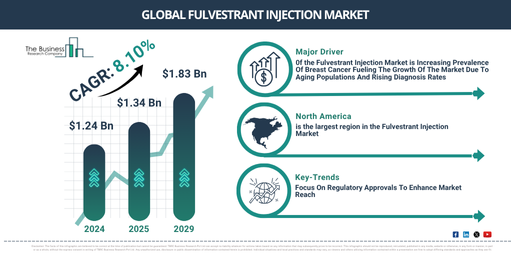
    The market size for fulvestrant injections has significantly increased in the past few years. Prediction suggests it will escalate from $1.24 billion in 2024 to about $1.34 billion in 2025, with an 8.4% compound annual growth rate (CAGR). The upward trend during the historic period is due to the increasing prevalence of breast cancer, heightened awareness about hormone receptor-positive breast cancer, easily accessible branded fulvestrant products, advancements in oncology treatment facilities, and beneficial reimbursement strategies in developed nations.

    The market size of the fulvestrant injection is predicted to experience substantial growth in the upcoming years, with expectations to reach $1.83 billion by 2029, growing at a compound annual growth rate (CAGR) of 8.1%. The anticipated growth during this forecast period can be linked to factors such as the transition towards combination therapies, the introduction of biosimilars that increase accessibility, emerging market expansion, a heightened emphasis on individualized cancer therapy and increased investments into clinical trials for new indications. Key trends forecasted for this period involve progress in fulvestrant injection technology, the progression of combination therapies, research into subcutaneous delivery methods and the incorporation of personalized medicine strategies through biomarker targeting.

    Download The Free Sample Report Here:

    https://www.thebusinessresearchcompany.com/sample.aspx?id=24543&type=smp

    What Are The Contributors To Demand In The Fulvestrant Injection Market?

    The fulvestrant injection market is predicted to grow, driven by the rising prevalence of breast cancer. The disease, characterized by an unrestrained multiplication of abnormal cells in breast tissue, can result in a malignant tumor that may invade adjacent tissues or metastasize to different parts of the body. This increase in breast cancer cases is linked to ageing populations, given that the likelihood of disease occurrence increases with age, owing to prolonged exposure to estrogen and the accumulation of genetic mutations. Fulvestrant injections act by targeting hormone receptor-positive tumors, effectively inhibiting estrogen’s role in fostering cancer cell growth. This expands the treatment choices for patients battling advanced or resistant variants of the disease, thus enhancing overall therapeutic results. For instance, Breastcancer.org, a US-based nonprofit organization, stated that by March 2025, breast cancer will comprise approximately 32% of all new cancer diagnoses, anticipating about 316,950 women will be diagnosed with invasive breast cancer, inclusive of 59,080 non-invasive cases. Hence, the rise in breast cancer incidence is stimulating the expansion of the fulvestrant injection market.

    What Segmentation Categories Are Included In The Fulvestrant Injection Market Analysis?

    The fulvestrant injection market covered in this report is segmented –

    1) By Type: Original Drugs, Generic Drugs

    2) By Dosage Formulation: Single-Dose Vials, Multi-Dose Vials, Pre-Filled Syringes

    3) By Administration Route: Intramuscular Injection, Subcutaneous Injection, Intravenous Injection

    4) By Application: Breast Cancer Treatment, Hormone Receptor-Positive Metastatic Breast Cancer, Other Applications

    5) By Distribution Channel: Hospital Pharmacies, Retail Pharmacies, Online Pharmacies

    Subsegments:

    1) By Original Drugs: Branded Formulations, Patented Molecules, Hospital-Procured Brands, Oncologist-Prescribed Brands, High-Cost Segment

    2) By Generic Drugs: Branded Generics, Non-Branded Generics, Biosimilar Generics, Low-Cost Institutional Generics, Tender-Based Supply Generics

    What Upcoming Trends Are Expected To Impact The Fulvestrant Injection Market Globally?

    Companies leading the fulvestrant injection market are concentrating their efforts on gaining regulatory approvals to broaden their product range and strengthen their market foothold. Regulatory approvals involve official authorizations from governmental bodies, confirming a product’s adherence to safety, efficacy and quality benchmarks. A case in point is Alembic Pharmaceuticals, a pharmaceutical firm based in India, which in December 2022 procured an abbreviated new drug application (ANDA) from the US Food & Drug Administration (USFDA) for its generic Fulvestrant injection (250 mg/5 mL), which is used to treat hormone receptor-stimulated breast cancer. Fulvestrant injection, typically given under professional medical supervision, works according to a particular dosage format by latching onto and disintegrating estrogen receptors, which prevents the estrogen from triggering the growth of hormone receptor-positive breast cancer cells.

    Who Are The Top-Ranked Companies In The Fulvestrant Injection Market Today?

    Major companies operating in the fulvestrant injection market are AstraZeneca plc, Fresenius Kabi AG, Intas Pharmaceuticals Limited, Sandoz Group AG, Apotex Inc., Dr. Reddy’s Laboratories, Cadila Pharmaceuticals Ltd., Amneal Pharmaceuticals Inc., Biocon Ltd., Glenmark Pharmaceuticals Ltd., Alkem Laboratories Ltd., Alembic Pharmaceuticals, Eskayef Pharmaceuticals Ltd., Natco Pharma Ltd., Celon Laboratories Ltd., Therdose Pharma, Eugia Pharma, Formative Pharma, Halsted Pharma, Metta Life Sciences.

    Get The Full Report Here:

    https://www.thebusinessresearchcompany.com/report/fulvestrant-injection-global-market-report

    How Is Fulvestrant Injection Market Adoption Varying Across Different Regions And Sectors?

    North America was the largest region in the fulvestrant injection market in 2024. Asia-Pacific is expected to be the fastest-growing region in the forecast period. The regions covered in the fulvestrant injection market report are Asia-Pacific, Western Europe, Eastern Europe, North America, South America, Middle East, Africa.

    Request For A Customized Report:

    https://www.thebusinessresearchcompany.com/customise?id=24543&type=smp

    About The Business Research Company:

    With over 15000+ reports from 27 industries covering 60+ geographies, The Business Research Company has built a reputation for offering comprehensive, data-rich research and insights. Armed with 1,500,000 datasets, the optimistic contribution of in-depth secondary research, and unique insights from industry leaders, you can get the information you need to stay ahead in the game.

    Get in touch with us:

    The Business Research Company: https://www.thebusinessresearchcompany.com/

    Americas +1 310-496-7795

    Asia +44 7882 955267 & +91 8897263534

    Europe +44 7882 955267

    Email us at info@tbrc.info

    Follow us on:

    LinkedIn: https://in.linkedin.com/company/the-business-research-company

    YouTube: https://www.youtube.com/channel/UC24_fI0rV8cR5DxlCpgmyFQ

    Global Market Model: https://www.thebusinessresearchcompany.com/global-market-model
  • CAGR of 7.9% Projected for Fuchs Endothelial Corneal Dystrophy Market From 2025 to 2029

    CAGR of 7.9% Projected for Fuchs Endothelial Corneal Dystrophy Market From 2025 to 2029

    Claim your 30% discount on Global Market Reports with code ONLINE30. Limited time only.

    What Is the Outlook for the Fuchs Endothelial Corneal Dystrophy Market Heading Into 2029?

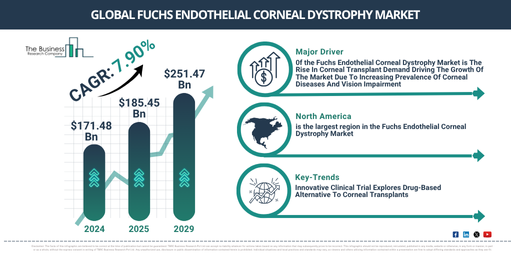
    In recent years, there has been robust growth in the fuchs endothelial corneal dystrophy market size. A surge from $171.48 billion in 2024 to $185.45 billion in 2025, representing a compound annual growth rate (CAGR) of 8.1%, is projected. This growth during the historic period can be traced back to a rising incidence rate of age-related eye disorders, increasing demand for corneal transplants, enhanced awareness and diagnostic rates, a growing preference for minimally invasive surgical operations, and increased funding towards regenerative medicine.

    Expectations are high for the fuchs endothelial corneal dystrophy market to experience significant expansion in the forthcoming years, with projections indicating it will reach $251.47 billion by 2029, growing at a CAGR of 7.9%. This anticipated growth during the forecast period is largely attributed to factors such as the proliferation of advanced diagnostic imaging, escalated healthcare spending, increasing instances of diabetes and high blood pressure, a greater prevalence of niche eye clinics, as well as more intensive research into genetic and molecular facets. Projected trends for the forecast period encompass advancements in the field of regenerative medicine, the utilization of artificial intelligence in diagnostic procedures, bioengineered corneal graft progress, surgical technique advancements, and the adoption of new technology in corneal imaging systems.

    Download The Free Sample Report Here:

    https://www.thebusinessresearchcompany.com/sample.aspx?id=24542&type=smp

    Which Factors Are Pushing The Fuchs Endothelial Corneal Dystrophy Market Forward?

    The surge in corneal transplant requirements is anticipated to boost the growth of the fuchs endothelial corneal dystrophy market in the future. Corneal transplants, which involve replacing an injured or diseased cornea with healthy corneal tissue from a donor to regain vision and eye function, are growing in demand due to the rise in corneal diseases. These disorders often lead to sight loss and necessitate surgical procedures to regain sight. The requirement for corneal transplants is heightened because fuchs endothelial corneal dystrophy progressively damages the corneal endothelium, leading to vision loss that often requires surgical treatment. For example, The Eye Bank Association of America, a transplant association based in the US, stated that domestic keratoplasty procedures increased by 2.7% in 2023, raising from 49,597 in 2022 to 50,925. Consequently, the escalating demand for corneal transplants is fuelling the expansion of the fuchs endothelial corneal dystrophy market.

    Which Segment Held The Largest Share In The Fuchs Endothelial Corneal Dystrophy Market In 2025?

    The fuchs endothelial corneal dystrophy market covered in this report is segmented –

    1) By Treatment: Phototherapeutic Keratectomy, Amniotic Membrane Transplants, Anterior Stromal Puncture, Conjunctival Flaps

    2) By Diagnosis: Cornea Examination And Grading, Corneal Tomography, Corneal Pachymetry, Corneal Cell Count, Other Diagnosis

    3) By Route Of Administration: Oral, Topical, Other Routes Of Administration

    4) By End-Users: Hospital, Specialty Clinics, Homecare, Other End-Users

    Subsegments

    1) By Phototherapeutic Keratectomy: Excimer Laser-Based Phototherapeutic Keratectomy, Femtosecond Laser-Assisted Phototherapeutic Keratectomy, Topography-Guided Phototherapeutic Keratectomy, Manual Epithelial Debridement With Phototherapeutic Keratectomy

    2) By Amniotic Membrane Transplants: Cryopreserved Amniotic Membrane, Dehydrated Amniotic Membrane, Single-Layer Membrane Transplant, Multi-Layer Membrane Transplant

    3) By Anterior Stromal Puncture: Manual Needle-Based Puncture, Laser-Assisted Anterior Stromal Puncture, Pattern-Based Puncture, Combination With Bandage Contact Lens

    4) By Conjunctival Flaps: Total Conjunctival Flap, Partial Or Sectoral Conjunctival Flap, Fornix-Based Flap, Limbal-Based Flap

    How Are Key Trends Driving Expansion In The Fuchs Endothelial Corneal Dystrophy Industry?

    Leading corporations in the fuchs endothelial corneal dystrophy market are honing their focus on initiating clinical trials aimed at innovating and producing products like rho kinase inhibitors designed to enhance corneal cell renewal and facilitate vision revival. These inhibitors are a type of medication that supports corneal cell growth and reduces cellular stress by targeting the rho kinase pathway, thereby making them a prospective treatment for conditions like Fuchs endothelial corneal dystrophy. For example, Kowa Company, Ltd., a pharmaceutical firm based in Japan, made an announcement in April 2023, about the commencement of a worldwide Phase 3 clinical trial to study the safety and efficacy of the K-321 (Ripasudil Hydrochloride Dihydrate) ophthalmic solution in treating patients with Fuchs endothelial corneal dystrophy (FECD) after a descemetorhexis. A central goal of this trial is to provide a non-surgical alternative for patients with FECD, a progressive eye disorder that often necessitates corneal transplantation during the advanced stages. The trial represents a crucial step forward in the quest for developing pharmacological solutions to meet unfulfilled requirements in FECD treatment, as it investigates the application of Rho kinase inhibitors beyond their conventional use in glaucoma therapy.

    Which Organizations Are Driving Progress In The Fuchs Endothelial Corneal Dystrophy Industry?

    Major companies operating in the fuchs endothelial corneal dystrophy market are Carl Zeiss Meditec, Santen Pharmaceutical Co. Ltd., Design Therapeutics Inc., Stealth BioTherapeutics Corp., ProQR Therapeutics N.V., Surrozen Inc., Cellusion Inc., Price Vision Group LLC, ActualEyes Inc., Arctic Vision Limited, Aurion Biotech Inc., Emmecell Inc., Invirsa Inc., KeraMed Inc., Kowa Company Ltd., Kuria Therapeutics Inc., Massachusetts Eye and Ear, MediciBIO Co. LTD., Prime Medicine Inc., Trefoil Therapeutics.

    Get The Full Report Here:

    https://www.thebusinessresearchcompany.com/report/fuchs-endothelial-corneal-dystrophy-global-market-report

    Which Region Is Expected To Experience The Highest Growth In The Fuchs Endothelial Corneal Dystrophy Industry?

    North America was the largest region in the fuchs endothelial corneal dystrophy market in 2024. Asia-Pacific is expected to be the fastest-growing region in the forecast period. The regions covered in the fuchs endothelial corneal dystrophy market report are Asia-Pacific, Western Europe, Eastern Europe, North America, South America, Middle East, Africa.

    Request For A Customized Report:

    https://www.thebusinessresearchcompany.com/customise?id=24542&type=smp

    About The Business Research Company:

    With over 15000+ reports from 27 industries covering 60+ geographies, The Business Research Company has built a reputation for offering comprehensive, data-rich research and insights. Armed with 1,500,000 datasets, the optimistic contribution of in-depth secondary research, and unique insights from industry leaders, you can get the information you need to stay ahead in the game.

    Get in touch with us:

    The Business Research Company: https://www.thebusinessresearchcompany.com/

    Americas +1 310-496-7795

    Asia +44 7882 955267 & +91 8897263534

    Europe +44 7882 955267

    Email us at info@tbrc.info

    Follow us on:

    LinkedIn: https://in.linkedin.com/company/the-business-research-company

    YouTube: https://www.youtube.com/channel/UC24_fI0rV8cR5DxlCpgmyFQ

    Global Market Model: https://www.thebusinessresearchcompany.com/global-market-model
  • Industry Forecast: Focal Segmental Glomerulosclerosis Market to Generate $2.09 Billion Revenue by 2029

    Industry Forecast: Focal Segmental Glomerulosclerosis Market to Generate $2.09 Billion Revenue by 2029

    Claim your 30% discount on Global Market Reports with code ONLINE30. Limited time only.

    What Does the Forecast Indicate for the Focal Segmental Glomerulosclerosis Market From 2025 to 2029?

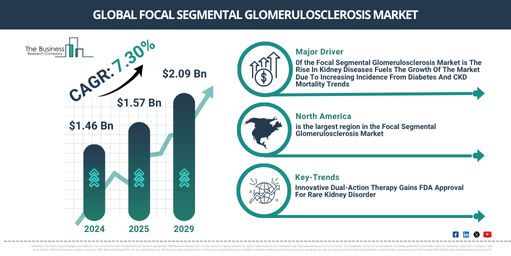
    In recent times, the market size for focal segmental glomerulosclerosis has seen robust growth. The market is set to expand from a valuation of $1.46 billion in 2024 to about $1.57 billion in 2025, experiencing a compound annual growth rate (CAGR) of 7.6%. The surge in the historic period can be accredited to the increased frequency of chronic kidney disorders, heightened awareness regarding renal diseases, a rise in instances of end-stage renal disease, enhanced investments in research and development, and an increasing ageing population.

    Anticipated to see robust growth in the coming years, the market size for focal segmental glomerulosclerosis is projected to reach $2.09 billion by 2029, with a compound annual growth rate (CAGR) of 7.3%. Factors contributing to this growth in the forecast period include an increasing number of clinical trials, advancements in healthcare infrastructure, a rise in personalized medicine demand, improved availability and accessibility of immunosuppressive drugs, and an increase in demand for customized therapeutic interventions. Key trends in the forecast period include progression in genetic research, the addition of precision medicine, technological breakthroughs in diagnostic equipment, progressions in immunosuppressive drug formulations, and enhancements in biomarker identification.

    Download The Free Sample Report Here:

    https://www.thebusinessresearchcompany.com/sample.aspx?id=24541&type=smp

    What Elements Are Contributing To Growth In The Focal Segmental Glomerulosclerosis Market?

    An increase in kidney-related health issues is likely to fuel the expansion of the focal segmental glomerulosclerosis market. These health complications revolve around the kidneys’ inadequate functioning and structural changes, which hamper their ability to balance fluids, filter waste, and organize important bodily operations. Diabetes is a primary cause for this escalating prevalence, as prolonged elevated blood sugar can harm the renal filtration units, leading to diabetic nephropathy. Focal segmental glomerulosclerosis deals with the advancing scarring of kidney filters, acting as a valuable determinant and objective in identifying, diagnosing, and managing persistent kidney illnesses. For example, as per the Australian Institute of Health and Welfare, a governmental body based in Australia, in December 2024, the mortality rates related to chronic kidney disease (CKD) saw consecutive hikes in 2021 and 2022, increasing by 4.2% and 6.2% respectively. Thus, the escalating prevalence of kidney illnesses is stimulating the growth of the focal segmental glomerulosclerosis market.

    Which Segments Are Detailed In The Global Focal Segmental Glomerulosclerosis Market Report?

    The focal segmental glomerulosclerosis market covered in this report is segmented –

    1) By Disease Type: Primary Focal Segmental Glomerulosclerosis, Secondary Focal Segmental Glomerulosclerosis

    2) By Treatment: Drug Therapy, Dialysis, Kidney Transplant, Other Treatments

    3) By Drug Class: Immunosuppressants, Angiotensin Inhibitors, Corticosteroids

    4) By Route Of Administration: Oral, Parenteral

    5) By End User: Hospitals, Homecare, Specialty Clinics, Other End Users

    Subsegments:

    1) By Primary Focal Segmental Glomerulosclerosis: Idiopathic Focal Segmental Glomerulosclerosis, Genetic Or Familial Focal Segmental Glomerulosclerosis, Collapsing Variant, Tip Lesion Variant, Cellular Variant, Perihilar Variant

    2) By Secondary Focal Segmental Glomerulosclerosis: Virus-Associated Focal Segmental Glomerulosclerosis, Drug-Induced Focal Segmental Glomerulosclerosis, Adaptive Or Compensatory Focal Segmental Glomerulosclerosis, Other Secondary Causes

    Which Emerging Trends And Strategic Shifts Are Shaping The Focal Segmental Glomerulosclerosis Market?

    Key players in the focal segmental glomerulosclerosis market are prioritizing the development of novel treatments like non-immunosuppressive oral drugs to enhance patient prognosis and minimize side effects. This type of medication works without suppressing the immune system, and it facilitates the management of focal segmental glomerulosclerosis by directly tackling kidney damage and bypassing immunity-related adverse reactions. An example of this is the approval obtained by Travere Therapeutics Inc., a biopharmaceutical firm based in the US, in May 2025 from the U.S. Food and Drug Administration (FDA) for their supplemental New Drug Application (sNDA) for FILSPARI (sparsentan). This sanctioning gives official recognition for the use of FILSPARI in treating focal segmental glomerulosclerosis (FSGS). FILSPARI, a revolutionary therapy, achieves its desired effect by simultaneously inhibiting the endothelin type A receptor (ETAR) and the angiotensin II type 1 receptor (AT1R). This dual-action strategy effectively lessens proteinuria in conditions like FSGS and IgA nephropathy. When juxtaposed with current treatments, FILSPARI provides superior kidney defense while maintaining an excellent safety record.

    Who Are The Key Contributors To Growth In The Focal Segmental Glomerulosclerosis Market?

    Major companies operating in the focal segmental glomerulosclerosis market are Pfizer Inc., Merck And Co. Inc., Sanofi S.A., Eli Lilly and Company, Boehringer Ingelheim GmbH, Astellas Pharma Inc., Vertex Pharmaceuticals Incorporated, Mallinckrodt ARD LLC, Kyowa Kirin Co. Ltd., Aurinia Pharmaceuticals Inc., Travere Therapeutics Inc., Eledon Pharmaceuticals Inc., ZyVersa Therapeutics Inc., Complexa Inc., Certa Therapeutics, Delta 4 GmbH, Dimerix Limited, Goldfinch Bio Inc., Oraxion Therapeutics Inc., Variant Pharmaceuticals Inc.

    Get The Full Report Here:

    https://www.thebusinessresearchcompany.com/report/focal-segmental-glomerulosclerosis-global-market-report

    Which Region Is Projected To Lead The Focal Segmental Glomerulosclerosis Market By 2025?

    North America was the largest region in the focal segmental glomerulosclerosis market in 2024. Asia-Pacific is expected to be the fastest-growing region in the forecast period. The regions covered in the focal segmental glomerulosclerosis market report are Asia-Pacific, Western Europe, Eastern Europe, North America, South America, Middle East, Africa.

    Request For A Customized Report:

    https://www.thebusinessresearchcompany.com/customise?id=24541&type=smp

    About The Business Research Company:

    With over 15000+ reports from 27 industries covering 60+ geographies, The Business Research Company has built a reputation for offering comprehensive, data-rich research and insights. Armed with 1,500,000 datasets, the optimistic contribution of in-depth secondary research, and unique insights from industry leaders, you can get the information you need to stay ahead in the game.

    Get in touch with us:

    The Business Research Company: https://www.thebusinessresearchcompany.com/

    Americas +1 310-496-7795

    Asia +44 7882 955267 & +91 8897263534

    Europe +44 7882 955267

    Email us at info@tbrc.info

    Follow us on:

    LinkedIn: https://in.linkedin.com/company/the-business-research-company

    YouTube: https://www.youtube.com/channel/UC24_fI0rV8cR5DxlCpgmyFQ

    Global Market Model: https://www.thebusinessresearchcompany.com/global-market-model
  • Fluoropolymer In Healthcare Market Revenue Outlook: Strategic Insights and Forecast to 2029

    Fluoropolymer In Healthcare Market Revenue Outlook: Strategic Insights and Forecast to 2029

    Claim your 30% discount on Global Market Reports with code ONLINE30. Limited time only.

    How Much Is the Global Fluoropolymer In Healthcare Market Valued at Present and by 2029?

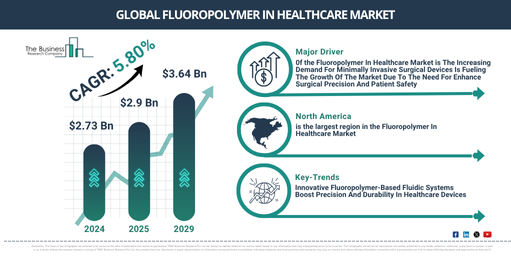
    In recent times, the fluoropolymer in healthcare market has observed a robust expansion. The market, which was at $2.73 billion in 2024, is projected to elevate to $2.9 billion in 2025, with a compound annual growth rate (CAGR) of 6.2%. This historical growth is indicative of several factors, including the escalating implementations of medical catheters, an upsurge in the preference for minimally invasive surgeries, increased demand for biocompatible materials, a growing inclination towards disposable medical equipment, and a rise in chronic disease incidence.

    In the coming years, the fluoropolymer in healthcare market is predicted to experience a robust growth. By 2029, it is expected to reach a value of $3.64 billion, expanding at a compound annual growth rate (CAGR) of 5.8%. Factors contributing to this positive growth forecast include the rising demand for sophisticated drug delivery systems, increased usage of fluoropolymer coatings in surgical tools, higher investments in healthcare infrastructure, heightened awareness about infection prevention, and the mounting requirement for materials resistant to temperature fluctuations. During the forecast period, significant trends will likely include medical tubing design innovation, progress in biocompatible fluoropolymers, advances in additive manufacturing, research on environmentally friendly fluoropolymer materials, and the integration of intelligent fluoropolymer devices.

    Download The Free Sample Report Here:

    https://www.thebusinessresearchcompany.com/sample.aspx?id=24540&type=smp

    #What Drivers Are Influencing Growth In The Fluoropolymer In Healthcare Market?

    The growth of fluoropolymers in the health care market is predicted to be fueled by the rising demand for minimally invasive surgical devices. These cutting-edge tools, designed to conduct operations through tiny incisions, aim at reducing recovery time and limiting complications. The popularity surge of minimally invasive surgical devices is attributable to the desire for quicker recuperation times, given their ability to lessen bodily shock and markdown hospital stay durations. Fluoropolymers play a vital role in these devices due to their chemical resilience, low friction, and compatibility with the human body, hence improving device efficiency and patient safety. Their lasting nature backs the execution of exact and trustworthy surgical operations. For example, a report by Intuitive Surgical, Inc., an American medical device company, in January 2025, revealed that in 2024, surgical products were employed in about 2.7 million procedures, marking a growth of 17% from 2023. Therefore, the surge in demand for minimally invasive surgical devices is propelling the expansion of fluoropolymers in the healthcare sector.

    What Are The Main Segments Identified In The Fluoropolymer In Healthcare Market Research?

    The fluoropolymer in healthcare market covered in this report is segmented –

    1) By Type: Polytetrafluoroethylene (PTFE), Polyvinylidene Difluoride (PVDF), Fluorinated Ethylene Propylene (FEP), Ethylene Tetrafluoroethylene (ETFE), Polyvinyl Fluoride (PVF), Other Types

    2) By Form: Films, Coatings, Wrappings, Tubings

    3) By Application: Medical Devices, Pharmaceutical Packaging, Laboratory Equipment, Protective Clothing

    4) By End-User: Hospitals And Clinics, Pharmaceutical Companies, Research Laboratories, Contract Manufacturing Organizations (CMOs)

    Subsegments:

    1) By Polytetrafluoroethylene (PTFE): Expanded Polytetrafluoroethylene (ePTFE), Virgin Polytetrafluoroethylene, Filled Polytetrafluoroethylene, Sintered Polytetrafluoroethylene

    2) By Polyvinylidene Difluoride (PVDF): Homopolymer Polyvinylidene Difluoride (PVDF), Copolymer Polyvinylidene Difluoride (PVDF), Melt-processable Polyvinylidene Difluoride (PVDF), Polyvinylidene Difluoride (PVDF) Membranes

    3) By Fluorinated Ethylene Propylene (FEP): Virgin Fluorinated Ethylene Propylene (FEP), Filled Fluorinated Ethylene Propylene (FEP), Transparent Fluorinated Ethylene Propylene (FEP), High Melt Flow Fluorinated Ethylene Propylene (FEP)

    4) By Ethylene Tetrafluoroethylene (ETFE): Virgin Ethylene Tetrafluoroethylene (ETFE), Filled Ethylene Tetrafluoroethylene (ETFE), Ethylene Tetrafluoroethylene (ETFE) Films, Ethylene Tetrafluoroethylene (ETFE) Coatings

    5) By Polyvinyl Fluoride (PVF): Polyvinyl Fluoride (PVF) Films, Polyvinyl Fluoride (PVF) Coatings, Laminated Polyvinyl Fluoride (PVF), Polyvinyl Fluoride (PVF) Sheets

    6) By Other Types: Perfluoroalkoxy (PFA), Fluorinated Elastomers, Chlorotrifluoroethylene (CTFE), Fluoroethylene Vinyl Ether (FEVE)

    What Are The Leading Trends And Opportunities In The Fluoropolymer In Healthcare Sector?

    Leading businesses within the healthcare fluoropolymers market are striving to innovate advanced products like fluoropolymer-based fluidic systems, aiming to enhance accuracy and longevity in medical appliances and diagnostic tools. These fluidic systems, made from fluoropolymer materials, offer precise and safe fluid flow management within medical and laboratory environments. Their qualities of high chemical resistance, low friction, and biocompatibility yield reliable performance in crucial health-related applications. For example, in May 2023, the Swedish company Biotech Fluidics AB, a provider of degassing and fluidic solutions, introduced a new selection of verifiable, certified PEEK and fluoropolymer flexible tubes. These are apt for use in regulated settings such as medicinal and life sciences and comply with rigorous standards including ISO 10993, US Pharmacopeia Class VI, FDA Title 21, and EU Regulation 1907/2006 (DEHP content). Available in either bulk or precut quantities with full traceability, these tubes can also be supplied in sterile state in cleanroom assemblies as required. Crafted to meet various stringent international criteria and regulatory demands, these tubes are ideally suited for applications where safety, biocompatibility, and traceability are of supreme importance.

    Which Companies Play A Key Role In The Development Of The Fluoropolymer In Healthcare Market?

    Major companies operating in the fluoropolymer in healthcare market are Saint-Gobain S.A., Daikin Industries Ltd., 3M Company, Solvay S.A., AGC Inc., DuPont de Nemours Inc., Arkema S.A., Orbia, The Chemours Company, Datwyler, Kureha Corporation, Pexco, Gujarat Fluorochemicals Ltd., Specialty Coating Systems Inc., W.L. Gore & Associates, Duke Empirical, Halopolymer OJSC, Fluorotherm, Dalau Limited, Everflon Fluoropolymers

    Get The Full Report Here:

    https://www.thebusinessresearchcompany.com/report/fluoropolymer-in-healthcare-global-market-report

    What Are The Key Regional Developments Shaping The Fluoropolymer In Healthcare Market?

    North America was the largest region in the fluoropolymers in the healthcare market in 2024. Asia-Pacific is expected to be the fastest-growing region in the forecast period. The regions covered in the fluoropolymer in healthcare market report are Asia-Pacific, Western Europe, Eastern Europe, North America, South America, Middle East, Africa.

    Request For A Customized Report:

    https://www.thebusinessresearchcompany.com/customise?id=24540&type=smp

    About The Business Research Company:

    With over 15000+ reports from 27 industries covering 60+ geographies, The Business Research Company has built a reputation for offering comprehensive, data-rich research and insights. Armed with 1,500,000 datasets, the optimistic contribution of in-depth secondary research, and unique insights from industry leaders, you can get the information you need to stay ahead in the game.

    Get in touch with us:

    The Business Research Company: https://www.thebusinessresearchcompany.com/

    Americas +1 310-496-7795

    Asia +44 7882 955267 & +91 8897263534

    Europe +44 7882 955267

    Email us at info@tbrc.info

    Follow us on:

    LinkedIn: https://in.linkedin.com/company/the-business-research-company

    YouTube: https://www.youtube.com/channel/UC24_fI0rV8cR5DxlCpgmyFQ

    Global Market Model: https://www.thebusinessresearchcompany.com/global-market-model
  • Future Projections: Flow Diverters Market to Reach $0.86 Billion by 2029 at 11.5% CAGR

    Future Projections: Flow Diverters Market to Reach $0.86 Billion by 2029 at 11.5% CAGR

    Claim your 30% discount on Global Market Reports with code ONLINE30. Limited time only.

    What Is the Current and Projected Market Size of the Flow Diverters Industry?

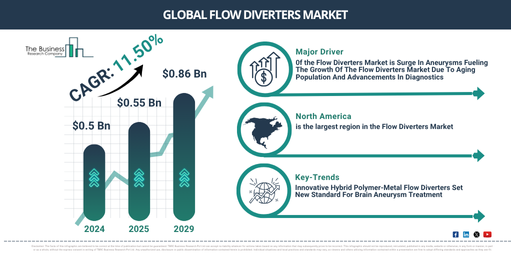
    In recent times, there has been a significant growth in the size of the flow diverters market. Forecasts predict that the market, which had a value of $0.5 billion in 2024, will increase to approximately $0.55 billion in the year 2025 showcasing an impressive compound annual growth rate (CAGR) of 11.7%. The historical growth can be traced back to a number of factors such as the heightened global prevalence of intracranial aneurysms, an increase in the execution of endovascular procedures, amplified awareness among physicians and patients, a surge in healthcare spending around the globe, and an increased preference for minimally invasive and outpatient procedures.

    Anticipated to experience swift expansion in the forthcoming years, the market size of flow diverters is predicted to reach $0.86 billion by 2029, representing a compound annual growth rate (CAGR) of 11.5%. Factors contributing to this projected growth span from an upsurge in positive clinical results and real-world evidence, to increased R&D investments and an aging population. Additionally, expanded insurance coverage and a greater prevalence of hypertension and atherosclerosis also contribute. In the forecast period, the market is propelled by key trends such as evolution in flow diverter device structure, incorporation of superior imaging techniques, enhancements in bioabsorbable and biocompatible materials technology, progress in delivery systems, and strides in personalized medicine.

    Download The Free Sample Report Here:

    https://www.thebusinessresearchcompany.com/sample.aspx?id=24539&type=smp

    #Which Factors Are Currently Driving The Growth Of The Flow Diverters Market?

    The growing occurrence of aneurysms is projected to fuel the expansion of the flow diverters market. Aneurysms are unusual enlargements or expansions in a blood vessel’s wall, often resulting from a weakened vessel wall. The escalating occurrence of aneurysms can be attributed to an increasing older population and better diagnostics methods, which enhance detection rates and awareness, leading to a rise in diagnosed instances. Flow diverters play a key role in managing the burgeoning occurrence of aneurysms by diverting the blood flow from the fragile area of the vessel, encouraging healing, mitigating the chance of a break, and offering a less invasive alternative to customary surgical procedures. For instance, as per the Brain Aneurysm Foundation, a U.S. advocacy organization, it was estimated in February 2022 that around 6.5 million Americans, approximately 1 in 50, have an unruptured brain aneurysm, with approximately 30,000 suffering a rupture annually. Hence, the escalating occurrence of aneurysms is catalyzing the expansion of the flow diverters market.

    How Is The Global Flow Diverters Market Structured In Terms Of Segments?

    The flow diverters market covered in this report is segmented –

    1) By Type: Pipeline Embolization Device, Silk Flow Diverter, Surpass Flow Diverter, Flow Redirection Endoluminal Device, Other Types

    2) By Material: Nitinol, Cobalt-Chromium Alloy, Stainless Steel, Other Materials

    3) By Application: Intracranial Aneurysms, Arteriovenous Malformations, Carotid Artery Disease, Other Applications

    4) By End-User: Hospital And Clinics, Ambulatory Surgical Centre

    Subsegments:

    1) By Pipeline Embolization Device: Classic Pipeline Embolization Device, Pipeline Flex Embolization Device, Pipeline Shield Technology

    2) By Silk Flow Diverter: Silk+ Flow Diverter, Silk Vista Baby

    3) By Surpass Flow Diverter: Surpass Streamline, Surpass Evolve

    4) By Flow Redirection Endoluminal Device: FRED Jr., FRED X

    5) By Other Types: DERIVO Embolization Device, p64 Flow Modulation Device, Tubridge Flow Diverter

    What Trends Are Currently Influencing Growth In The Flow Diverters Market?

    Top-tier businesses operating in the flow diverters industry are prioritizing enhancements in material science, such as neurovascular stents made from polymers, with the intent to boost device functionality, augment biocompatibility, encourage natural blood vessel healing, and diminish the requirement for prolonged anticoagulation therapy. Neurovascular stents made from polymers are medical implants created to support and maintain blood vessel openness in the brain (neurovasculature), especially when treating conditions like aneurysms, stenosis, or vascular malformations. For example, in June 2023, Fluid Biomed, a medical device start-up based in Canada, disclosed the first instance of a polymer-based neurovascular stent being implanted in human patients globally. This ground-breaking device, named the ReSolv stent, is particularly developed for the treatment of brain aneurysms. The ReSolv stent, different from conventional hybrid polymer-metal stents, is entirely made of polymer and is designed to slowly dissolve as the blood vessel repairs itself. This distinctive design could help decrease the demand for extended blood-thinning medication, while assisting the natural recovery process of the vessel.

    Who Are The Main Participants Shaping The Flow Diverters Market Landscape?

    Major companies operating in the flow diverters market are Johnson & Johnson, Medtronic plc, Stryker Corporation, Terumo Corporation, MicroPort Scientific Corporation, Penumbra Inc., Phenox GmbH, Sino Medical Sciences Technology Inc., Balt Extrusion S.A.S., Sequent Medical Inc., Wallaby Medical Ltd., Zylox-Tonbridge Medical Technology Co. Ltd., Acandis GmbH & Co. KG, Fluid Biomed Inc., InspireMD Inc., INVAMED Medical Innovation, Oxford Endovascular Ltd., Qvanteq AG, EndoStream Medical Ltd., Endomimetics LLC.

    Get The Full Report Here:

    https://www.thebusinessresearchcompany.com/report/flow-diverters-global-market-report

    Which Region Currently Holds The Largest Share In The Flow Diverters Market?

    North America was the largest region in the flow diverters market in 2024. Asia-Pacific is expected to be the fastest-growing region in the forecast period. The regions covered in the flow diverters market report are Asia-Pacific, Western Europe, Eastern Europe, North America, South America, Middle East, Africa.

    Request For A Customized Report:

    https://www.thebusinessresearchcompany.com/customise?id=24539&type=smp

    About The Business Research Company:

    With over 15000+ reports from 27 industries covering 60+ geographies, The Business Research Company has built a reputation for offering comprehensive, data-rich research and insights. Armed with 1,500,000 datasets, the optimistic contribution of in-depth secondary research, and unique insights from industry leaders, you can get the information you need to stay ahead in the game.

    Get in touch with us:

    The Business Research Company: https://www.thebusinessresearchcompany.com/

    Americas +1 310-496-7795

    Asia +44 7882 955267 & +91 8897263534

    Europe +44 7882 955267

    Email us at info@tbrc.info

    Follow us on:

    LinkedIn: https://in.linkedin.com/company/the-business-research-company

    YouTube: https://www.youtube.com/channel/UC24_fI0rV8cR5DxlCpgmyFQ

    Global Market Model: https://www.thebusinessresearchcompany.com/global-market-model
  • 2025 Fibroblast Growth Factors (FGFs) Market Outlook: Opportunities, Growth Trends, and Strategic Analysis

    2025 Fibroblast Growth Factors (FGFs) Market Outlook: Opportunities, Growth Trends, and Strategic Analysis

    Claim your 30% discount on Global Market Reports with code ONLINE30. Limited time only.

    How Will the Fibroblast Growth Factors (FGFs) Market Evolve in Terms of Growth and Size by 2029?

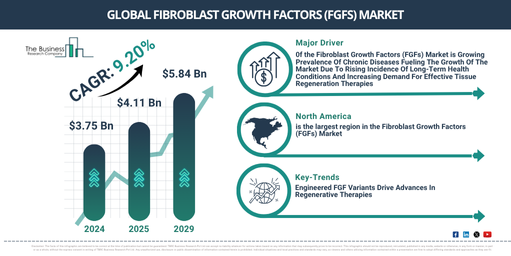
    The market size of fibroblast growth factors (fgfs) has seen considerable expansion in the past few years. Projected growth shows it rising from $3.75 billion in 2024 to achieve $4.11 billion in 2025, with a compound annual growth rate (CAGR) of 9.5%. The historic growth can be credited to a surge in the demand for regenerative medicine, expanded use in wound healing procedures, increased funding for cancer research, advancements in biopharmaceutical innovation, and heightened awareness of the therapeutic potential of fibroblast growth factors (FGFs).

    The market for fibroblast growth factors (fgfs) is projected to witness robust growth in the coming years, reaching a value of $5.84 billion by 2029 with a compound annual growth rate (CAGR) of 9.2%. Factors contributing to this growth during the forecast period include increased investment in personalized medicine, a rise in the use of Fibroblast Growth Factors (FGFs)-based treatments, prevalent rates of chronic diseases, advancements in the field of Biotechnology, and growing partnerships between pharmaceutical companies and research institutes. Key trends to look out for during this period encompass progress in targeted drug delivery, enhanced biomaterials for the delivery of fibroblast growth factors (FGFs), breakthroughs in gene editing technologies, advancements in sustained-release formulations, and innovations in combination therapies.

    Download The Free Sample Report Here:

    https://www.thebusinessresearchcompany.com/sample.aspx?id=24538&type=smp

    What factors are expected to fuel Fibroblast Growth Factors (FGFs) market growth in the coming years?

    The increase in cases of chronic diseases is predicted to drive the expansion of the fibroblast growth factors (FGFs) market in the future. Chronic illnesses are long-term health issues that develop gradually, often necessitating ongoing medical attention. The rise in chronic illnesses can be largely attributed to inactive lifestyles, with minimal physical activity and extended periods of sitting contributing to conditions like heart disease and diabetes. FGFs are instrumental in managing these persistent diseases by encouraging tissue repair and regeneration, rendering them beneficial in treating long-term health issues. FGFs optimize healing processes and slow disease development, thereby enhancing patient outcomes and wellbeing. For example, figures released by the UK’s National Health Service in June 2024 revealed that 3,615,330 individuals registered with a general practitioner (GP) had been diagnosed with non-diabetic hyperglycemia or pre-diabetes in 2023, an increase of 18% from 3,065,825 cases in 2022. Consequently, the rising incidence of chronic diseases is fuelling the growth of the fibroblast growth factors (FGFs) market.

    What Are The Key Findings From The Segmentation Analysis Of The Fibroblast Growth Factors (FGFs) Market?

    The fibroblast growth factors (FGFs) market covered in this report is segmented –

    1) By Product Type: Recombinant Fibroblast Growth Factor, Purified Fibroblast Growth Factor, Endogenous Fibroblast Growth Factor, Other Product Types

    2) By Type: Palifermin, Erdafitnib, Infigratinib, Futibatinib, Other Types

    3) By Application: Oncology, Hematology, Wound Healing, Dermatology, Cardiovascular Disease, Bone Disorders, Musculoskeletal Disorders, Tissue Regeneration, Other Applications

    4) By End User: Pharmaceutical Companies, Research Institutes, Biotechnology Companies, Other End Users

    Subsegments:

    1) By Recombinant Fibroblast Growth Factor: Recombinant Fibroblast Growth Factor (FGF)-1, Recombinant Fibroblast Growth Factor (FGF)-2, Recombinant Fibroblast Growth Factor (FGF)-7, Recombinant Fibroblast Growth Factor (FGF)-10

    2) By Purified Fibroblast Growth Factor: Purified Fibroblast Growth Factor (FGF)-1, Purified Fibroblast Growth Factor (FGF)-2, Purified Fibroblast Growth Factor (FGF)-7, Purified Fibroblast Growth Factor (FGF)-21

    3) By Endogenous Fibroblast Growth Factor: Endogenous Fibroblast Growth Factor (FGF)-1, Endogenous Fibroblast Growth Factor (FGF)-2, Endogenous Fibroblast Growth Factor (FGF)-8, Endogenous Fibroblast Growth Factor (FGF)-23

    4) By Other Product Types: Synthetic Fibroblast Growth Factors, Modified Fibroblast Growth Factors, Fusion Protein Fibroblast Growth Factors (FGFs), Fibroblast Growth Factors (FGFs) Derived From Stem Cells

    Which Trends Are Expected To Shape The Future Of The Fibroblast Growth Factors (FGFs) Market?

    Top-tier businesses in the fibroblast growth factors (FGFs) market are directing their efforts towards crafting technologically superior products such as modified FGF variants. The objective is to intensify therapeutic effectiveness, minimize adverse effects, and bolster regenerative procedures for chronic and degenerative conditions. Enhanced fibroblast growth factor (FGF) variants are altered versions of fibroblast growth factors, devised to augment stability, selectivity, and power for superior therapeutic results in tissue repair and disease management. For example, Zhittya Genesis Medicine, an American bio-tech firm, unveiled a groundbreaking FGF-1 therapy in October 2022 aimed at addressing Parkinson’s disease. This pioneering therapy employs intranasal delivery to stimulate angiogenesis and neuronal regeneration in the brain. The FGF-1 treatment holds significant potential to decelerate the advancement of the disease and elevate the patients’ quality of life.

    What Are The Most Active Companies In The Fibroblast Growth Factors (FGFs) Market Today?

    Major companies operating in the fibroblast growth factors (FGFs) market are Merck & Co. Inc., Bristol-Myers Squibb Company, Thermo Fisher Scientific Inc., Novartis AG, FUJIFILM Wako Pure Chemical Corporation, Lonza Group AG, Miltenyi Biotec B.V. & Co. KG, GenScript Biotech Corporation, 89bio Inc., R&D Systems Inc., ACROBiosystems Co. Ltd., Elabscience Biotechnology Inc., Cell Signaling Technology Inc., BPS Bioscience Inc., Proteintech Group Inc., Akero Therapeutics Inc., MedChemExpress LLC, Defined Bioscience Inc., Gold Biotechnology Inc. (GoldBio), Nucleus Biologics LLC, ZellBio GmbH, Affinity Biosciences Ltd., GeneCards

    Get The Full Report Here:

    https://www.thebusinessresearchcompany.com/report/fibroblast-growth-factors-fgfs-global-market-report

    Which Regional Markets Are Attracting The Most Investment In Fibroblast Growth Factors (FGFs)?

    North America was the largest region in the fibroblast growth factors (FGFs) market in 2024. Asia-Pacific is expected to be the fastest-growing region in the forecast period. The regions covered in the fibroblast growth factors (FGFs) market report are Asia-Pacific, Western Europe, Eastern Europe, North America, South America, Middle East, Africa.

    Request For A Customized Report:

    https://www.thebusinessresearchcompany.com/customise?id=24538&type=smp

    About The Business Research Company:

    With over 15000+ reports from 27 industries covering 60+ geographies, The Business Research Company has built a reputation for offering comprehensive, data-rich research and insights. Armed with 1,500,000 datasets, the optimistic contribution of in-depth secondary research, and unique insights from industry leaders, you can get the information you need to stay ahead in the game.

    Get in touch with us:

    The Business Research Company: https://www.thebusinessresearchcompany.com/

    Americas +1 310-496-7795

    Asia +44 7882 955267 & +91 8897263534

    Europe +44 7882 955267

    Email us at info@tbrc.info

    Follow us on:

    LinkedIn: https://in.linkedin.com/company/the-business-research-company

    YouTube: https://www.youtube.com/channel/UC24_fI0rV8cR5DxlCpgmyFQ

    Global Market Model: https://www.thebusinessresearchcompany.com/global-market-model
  • Global Insights: Fibroblast Cells Market Expected to Surpass $1.08 Billion by 2029

    Global Insights: Fibroblast Cells Market Expected to Surpass $1.08 Billion by 2029

    Claim your 30% discount on Global Market Reports with code ONLINE30. Limited time only.

    What CAGR Is Anticipated for the Fibroblast Cells Market Through 2029?

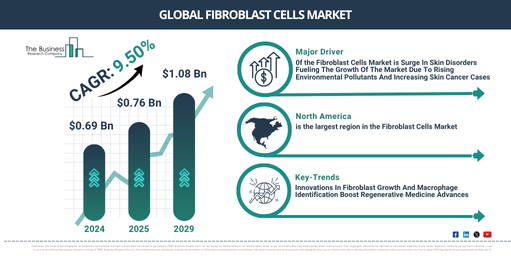
    The market for fibroblast cells has seen robust growth in recent years. Its market size is set to increase from $0.69 billion in 2024 to $0.76 billion in 2025, recording a compound annual growth rate (CAGR) of 9.8%. This growth trend in the past period can be linked to the growing use of these cells in cosmetic and anti-aging products, the uptick in adoption of 3D cell culture models, increased government funding for cell therapy, heightened awareness around personalized medicine, and their increased application in drug discovery and toxicology testing.

    The market size of fibroblast cells is projected to experience robust growth in the forthcoming years, reaching $1.08 billion in 2029 with a Compound Annual Growth Rate (CAGR) of 9.5%. This expected increase during the forecast period is ascribable to factors such as the heightened emphasis on individualized cell treatments, an increased need for anti-aging and aesthetic procedures, a growing acceptance of stem cell and regenerative medicine, intensified funds towards cell-based studies, and burgeoning curiosity in 3D bioprinting and organ-on-chip technology. The market trends for the forecast period encompass progress in 3D cell culture methods, advanced usages in tissue engineering and wound curing, inventiveness in serum-free and chemically determined media, assimilation of AI and machine learning in cell studies, and breakthroughs in gene adjustment technologies for fibroblast.

    Download The Free Sample Report Here:

    https://www.thebusinessresearchcompany.com/sample.aspx?id=24537&type=smp

    What Market Forces Are Driving The Fibroblast Cells Sector In 2025 And Beyond?

    The growth of the fibroblast cells market is expected to be driven by the escalating incidence of numerous skin disorders. Skin disorders encompass all conditions and diseases that impact the skin, leading to symptoms such as rashes, itching, inflammation, redness, dryness, or lesions. The surge in skin conditions can be attributed to increased exposure to environmental pollutants, which harm the skin’s barrier, resulting in inflammation and heightened susceptibility to skin complications. Fibroblast cells contribute to skin disorder management by encouraging tissue repair and regeneration through the production of collagen and other components of the extracellular matrix, thereby restoring the strength and elasticity of the skin. For example, Cancer Australia, a government agency based in Australia, reported that 18,257 new melanoma of the skin cases were diagnosed in 2023. As a result, the mounting incidence of diverse skin disorders fuels the expansion of the fibroblast cells market.

    How Is The Global Fibroblast Cells Market Categorized By Segments?

    The fibroblast cells market covered in this report is segmented –

    1) By Type: Tissue-Specific Fibroblasts, Disease-Specific Fibroblasts, Serum-Free Fibroblast Culture Medium

    2) By Application: Adults, Neonatal

    3) By End-Users: Hospitals, Clinics, Research And Academic Institutes, Other End-Users

    Subsegments:

    1) By Tissue-Specific Fibroblasts: Dermal Fibroblasts, Lung Fibroblasts, Cardiac Fibroblasts, Gingival Fibroblasts, Corneal Fibroblasts, Mammary Fibroblasts, Intestinal Fibroblasts, Foreskin Fibroblasts

    2) By Disease-Specific Fibroblasts: Cancer-Associated Fibroblasts (CAFs), Idiopathic Pulmonary Fibrosis Fibroblasts, Scleroderma Fibroblasts, Diabetic Wound Fibroblasts, Rheumatoid Arthritis Fibroblasts, Keloid Fibroblasts, Psoriatic Fibroblasts

    3) By Serum-Free Fibroblast Culture Medium: Dermal Fibroblast Medium, Lung Fibroblast Medium, Cardiac Fibroblast Medium, Cancer-Associated Fibroblast Medium, Human Gingival Fibroblast Medium, Fibroblast Growth Medium (Xeno-Free), Custom Or Defined Media For Fibroblast Expansion

    What Long-Term Trends Are Likely To Affect The Fibroblast Cells Market?

    Fibroblast cells market’s leading players are focusing their efforts on developing innovative solutions, such as distinguishing macrophage phenotypes, in order to boost their knowledge of cellular interactions and efficacy of fibroblast-focussed treatments. Macrophage phenotype identification is a method used to differentiate various types of macrophages, primarily M1 and M2, built on their functional roles and molecular markers. As an example, Creative Biolabs, a biotech firm based in the US, launched Fibroblast Growth Factor 2 in December 2024. It is available in two variations, Fibroblast Growth Factor 2 and Fibroblast Growth Factor 2 STAB, both devised to encourage the growth and proliferation of human mesenchymal stem cells (MSCs) and normal human dermal fibroblasts (NHDFs), thereby fueling progression in the field of stem cell and regenerative medicine research.

    Which Firms Are Considered Leaders In The Fibroblast Cells Market Space?

    Major companies operating in the fibroblast cells market are Thermo Fisher Scientific Inc., Lonza Group AG, Sigma-Aldrich Corporation, Bio-Techne Corporation, STEMCELL Technologies Inc., American Type Culture Collection, Creative Bioarray, PromoCell GmbH, Coriell Institute for Medical Research, REPROCELL Inc., Axol Bioscience Ltd., ScienCell Research Laboratories Inc., Cell Applications Inc., ZenBio Inc., Cell Biologics Inc., Lifeline Cell Technology, Celprogen Inc., AMS Biotechnology (Europe) Ltd., Neuromics Inc., Evercyte GmbH, FUJIFILM Irvine Scientific Inc.

    Get The Full Report Here:

    https://www.thebusinessresearchcompany.com/report/fibroblast-cells-global-market-report

    What Role Do Regional Policies And Investments Play In Fibroblast Cells Market Expansion?

    North America was the largest region in the fibroblast cells market in 2024. The regions covered in the fibroblast cells market report are Asia-Pacific, Western Europe, Eastern Europe, North America, South America, Middle East, Africa.

    Request For A Customized Report:

    https://www.thebusinessresearchcompany.com/customise?id=24537&type=smp

    About The Business Research Company:

    With over 15000+ reports from 27 industries covering 60+ geographies, The Business Research Company has built a reputation for offering comprehensive, data-rich research and insights. Armed with 1,500,000 datasets, the optimistic contribution of in-depth secondary research, and unique insights from industry leaders, you can get the information you need to stay ahead in the game.

    Get in touch with us:

    The Business Research Company: https://www.thebusinessresearchcompany.com/

    Americas +1 310-496-7795

    Asia +44 7882 955267 & +91 8897263534

    Europe +44 7882 955267

    Email us at info@tbrc.info

    Follow us on:

    LinkedIn: https://in.linkedin.com/company/the-business-research-company

    YouTube: https://www.youtube.com/channel/UC24_fI0rV8cR5DxlCpgmyFQ

    Global Market Model: https://www.thebusinessresearchcompany.com/global-market-model
  • 2025 Analysis: Opportunities and Risks in the Evolving Fibroblast Activation Protein Inhibitors Market

    2025 Analysis: Opportunities and Risks in the Evolving Fibroblast Activation Protein Inhibitors Market

    Claim your 30% discount on Global Market Reports with code ONLINE30. Limited time only.

    What Are the Latest Market Insights for the Fibroblast Activation Protein Inhibitors Industry?

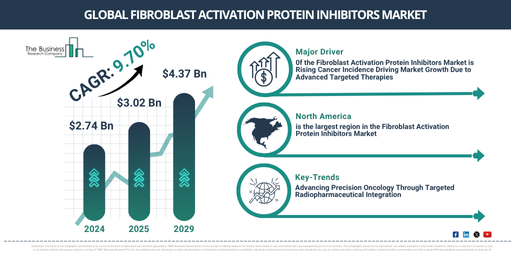
    In recent years, the market size for inhibitors of the fibroblast activation protein has seen robust growth. The market value is projected to increase from $2.74 billion in 2024 to $3.02 billion in 2025, indicating a compound annual growth rate (CAGR) of 10.0%. This growth in the historic period is due to multiple factors including an enhanced emphasis on personalized medicine, amplified investment towards oncology-based drug innovation, surging development of drugs based on biomarkers, escalated cooperation amongst biotech companies, and a surging interest in tumor stroma as a potential therapeutic target.

    The market for fibroblast activation protein inhibitors is anticipated to experience significant expansion in the years to come, reaching a size of $4.37 billion in 2029 with a CAGR of 9.7%. The projected growth within this timeframe can be credited to the burgeoning pipeline of fibroblast activation protein inhibitors, broader use in non-cancerous diseases, an escalated embrace of combination therapies, increased government support for cancer research, and heightened interest by pharmaceutical firms. Key trends within the projected period include progress in targeted drug delivery systems, production of the next wave of fibroblast inhibitors, innovation in supportive diagnostic tools, progression in immunotherapy combinations, and creation of oral formulations to increase compliance.

    Download The Free Sample Report Here:

    https://www.thebusinessresearchcompany.com/sample.aspx?id=24536&type=smp

    What Forces Are Driving The Growth Of The Fibroblast Activation Protein Inhibitors Industry?

    Rising instances of cancer are projected to boost the fibroblast activation protein inhibitors market’s expansion in the future. Cancer is a condition marked by unregulated abnormal cell growth with the potential to invade and spread to different body parts. It can originate in a variety of tissues and organs, and is classified based on the originating cell or tissue type. This surge in cancer prevalence is linked to an aging population, alterations in lifestyle, environmental influences, and superior detection techniques. Fibroblast activation protein inhibitors are employed in cancer treatment to target and interfere with tumor-supporting fibroblasts, thereby improving diagnostic imaging and therapeutic delivery. For example, Macmillan Cancer Support, a UK charity supporting cancer patients, reported in August 2024 that over 3 million people were living with cancer in that year in the UK. This figure is predicted to climb to 3.5 million by 2025, 4 million by 2030, and 5.3 million by 2040. As such, the surge in cancer cases is fuelling the expansion of the fibroblast activation protein inhibitors market.

    What Is The Overview Of Market Segmentation In The Fibroblast Activation Protein Inhibitors Industry?

    The fibroblast activation protein inhibitors market covered in this report is segmented –

    1) By Type: Small Molecule Inhibitors, Monoclonal Antibodies, Peptide Inhibitors

    2) By Indication: Interstitial Cystitis, Crohn’s, Irritable Bowel, Chronic Prostatitis, Other Indications

    3) By Route Of Administration: Oral, Intravenous, Subcutaneous

    4) By Distribution Channel: Hospital Pharmacy, Online Pharmacy, Retail Pharmacy

    5) By End User: Hospitals, Homecare, Specialty Clinics, Other End Users

    Subsegments:

    1) By Small Molecule Inhibitors: Kinase Inhibitors, Protease Inhibitors, Multi-Targeted Agents

    2) By Monoclonal Antibodies: Humanized Antibodies, Fully Human Antibodies, Bispecific Antibodies

    3) By Peptide Inhibitors: Synthetic Peptides, Natural Peptide Derivatives, Peptide-Based Conjugates

    What Future Market Trends Are Projected For The Fibroblast Activation Protein Inhibitors Industry?

    Primary businesses in the fibroblast activation protein inhibitors sector are concentrating their efforts on fusing FAP with SAR chelator technology. This integration would aid in refining the delivery of targeted radiopharmaceuticals, enhancing diagnostic imaging precision, and augmenting the effectiveness of cancer treatments. Through utilizing distinctive molecules that attach tightly to radioactive metals, the SAR chelator technology enables the analysis of structural changes impacting performance. Its principal application lies in steering radioactive medicines precisely towards cancer cells for therapeutic treatments or imaging purposes. For instance, in December 2024, Clarity Pharmaceuticals, a company based in Australia and specializing in radiopharmaceuticals, introduced its groundbreaking, optimized, fibroblast activation protein (FAP) targeted radiopharmaceutical, devised specifically for precision oncology applications. This progression broadens Clarity’s product portfolio, promising a highly specific treatment method for high FAP expression cancers, potentially amplifying diagnostic precision and therapeutic results. This innovation highlights Clarity’s dedication to progress in personalized cancer care, through radiopharmaceuticals.

    Who Are The Primary Players Operating Across The Global Fibroblast Activation Protein Inhibitors Market?

    Major companies operating in the fibroblast activation protein inhibitors market are Roche Ltd., Bristol-Myers Squibb Company, AstraZeneca plc, Novartis AG, Teva Pharmaceutical Industries Ltd., Jazz Pharmaceuticals Inc., Prestige Consumer Healthcare Inc., SOFIE Biosciences Inc., Molecular Partners, FibroGen Inc., Elicio Therapeutics Inc., Huya Bioscience International, Agios Pharmaceuticals Inc., MedChemExpress, Boster Biological Technology, Nordic Nanovector, Ferronova, InvivoChem, PsiOxus Therapeutics, Angion Biomedica Corp.

    Get The Full Report Here:

    https://www.thebusinessresearchcompany.com/report/fibroblast-activation-protein-inhibitors-global-market-report

    Which Region Offers The Most Growth Potential For The Fibroblast Activation Protein Inhibitors Market Through 2029?

    North America was the largest region in the fibroblast activation protein inhibitors market in 2024. The regions covered in the fibroblast activation protein inhibitors market report are Asia-Pacific, Western Europe, Eastern Europe, North America, South America, Middle East, Africa.

    Request For A Customized Report:

    https://www.thebusinessresearchcompany.com/customise?id=24536&type=smp

    About The Business Research Company:

    With over 15000+ reports from 27 industries covering 60+ geographies, The Business Research Company has built a reputation for offering comprehensive, data-rich research and insights. Armed with 1,500,000 datasets, the optimistic contribution of in-depth secondary research, and unique insights from industry leaders, you can get the information you need to stay ahead in the game.

    Get in touch with us:

    The Business Research Company: https://www.thebusinessresearchcompany.com/

    Americas +1 310-496-7795

    Asia +44 7882 955267 & +91 8897263534

    Europe +44 7882 955267

    Email us at info@tbrc.info

    Follow us on:

    LinkedIn: https://in.linkedin.com/company/the-business-research-company

    YouTube: https://www.youtube.com/channel/UC24_fI0rV8cR5DxlCpgmyFQ

    Global Market Model: https://www.thebusinessresearchcompany.com/global-market-model
  • In-Depth Feminine Intimate Care Market Report: Business Trends, Growth Factors, and Forecast to 2029

    In-Depth Feminine Intimate Care Market Report: Business Trends, Growth Factors, and Forecast to 2029

    Claim your 30% discount on Global Market Reports with code ONLINE30. Limited time only.

    What Are the Forecasted Growth Rate and Market Size of the Feminine Intimate Care Market?

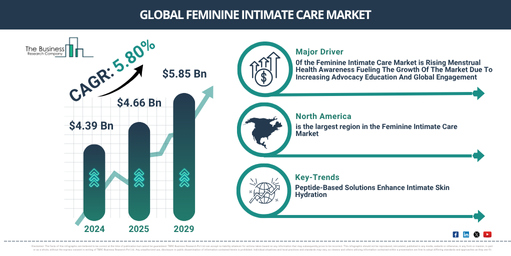
    There has been a robust growth in the size of the feminine intimate care market in the last few years. The market, which is expected to rise from $4.39 billion in 2024 to $4.66 billion in 2025, will experience a compound annual growth rate (CAGR) of 6.1%. Factors such as heightened awareness of feminine hygiene, a boost in the demand for personal care products, an increase in disposable income amongst women, growth of retail and e-commerce outlets, and the influential power of health education campaigns can be attributed to the growth seen in the historic period.

    The market size of female intimate care is projected to witness a significant surge in the upcoming years, expanding to a valuation of $5.85 billion by 2029 with a 5.8% compound annual growth rate (CAGR). This anticipated expansion during the forecast period is linked to factors like an increased emphasis on women’s health and wellness, an expanding urban female demographic, a rise in the availability of natural and organic products, major brands’ product line diversification, and heightened investment in brand advertising and promotions through influencers. Key trends expected during the forecast period are technological improvements within feminine hygiene products, the advent of sustainable and biodegradable materials, advancements in pH-balanced and dermatologically approved formulations, research and groundbreaking developments in individualized intimate care, and intelligent packaging and interconnected care solutions.

    Download The Free Sample Report Here:

    https://www.thebusinessresearchcompany.com/sample.aspx?id=24535&type=smp

    Which Factor Is Shaping The Future Of The Feminine Intimate Care Market?

    The escalating comprehension and respect revolving around menstrual health are anticipated to escalate the expansion of the feminine intimate care market in the future. This proliferation in awareness of menstrual health is primarily attributed to advocacies and educational initiatives that empower individuals to demand superior hygiene solutions, thereby challenging ingrained societal norms. The increased consciousness towards menstrual health bolsters the cause of feminine intimate care by celebrating body literacy, annihilating stigma, and consequently prompting informed self-care and healthier product selections. It endows females with the capability to maintain safety concerning hygiene, obviate infections, and upgrade overall intimate wellbeing. For example, WASH United GmbH, a non-profit organization based in Germany, reported that Menstrual Hygiene (MH) Day in May 2024 yielded 23,400 instances of media coverage and 293,000 contributions on social media, reaching an astounding 966 million people globally. Moreover, South America experienced a striking surge in active participation, with social media contributions leaping by 191%, from 2,799 to 8,143, and media coverage leaping by an astonishing 801%, from 184 to 1,664. Consequently, this mounting understanding of menstrual health becomes a driver for the growth of the feminine intimate care market.

    What Is The Segment-Wise Breakdown Of The Feminine Intimate Care Market?

    The feminine intimate care market covered in this report is segmented –

    1) By Product: Intimate Wipes, Intimate Lubricants, Cleansing Liquid, Intimate Wash Gel, Moisturizer, Oils, Other Products

    2) By Age Group: Teenagers, Adults, Seniors

    3) By Distribution Channel: Online Stores, Supermarkets Or Hypermarkets, Pharmacies, Specialty Stores

    Subsegments:

    1) By Intimate Wipes: PH-Balanced Wipes, Antibacterial Wipes, Fragrance-Free Wipes, Travel-Size Wipes, Biodegradable Wipes

    2) By Intimate Lubricants: Water-Based Lubricants, Silicone-Based Lubricants, Oil-Based Lubricants, Organic Or Natural Lubricants, Flavored Lubricants

    3) By Cleansing Liquid: Daily Cleansing Solutions, Medicated Cleansing Liquids, Fragrance-Free Cleansers, Herbal Or Plant-Based Cleansers, Sensitive Skin Formulas

    4) By Intimate Wash Gel: Soothing Wash Gels, Anti-Itch Wash Gels, Hydrating Wash Gels, Antibacterial Wash Gels, PH-Balanced Wash Gels

    5) By Moisturizer: Daily-Use Moisturizers, Hormone-Free Moisturizers, Natural Or Organic Moisturizers, Postpartum Moisturizers, Menopausal Care Moisturizers

    6) By Oils: Nourishing Oils, Anti-Inflammatory Oils, Antibacterial Oils, Stretch Mark Prevention Oils, Post-Shave Calming Oils

    7) By Other Products: Intimate Deodorants, Soothing Sprays, Skin Repair Balms, Ingrown Hair Treatments, Intimate Masks

    Which Trends Are Redefining The Future Landscape Of The Feminine Intimate Care Industry?

    Significant businesses in the feminine intimate care market are concentrating on the evolution of sophisticated delivery mechanisms, such as peptide-based systems, in order to improve the effectiveness of their products, guarantee in-depth absorption, and deliver prolonged hydration and personalized therapeutic benefits. Peptide-based delivery systems are modern formulation techniques that utilize amino acid sequences (peptides) to propel the active parts of the product deep into the skin or tissue layers. To illustrate, Curive Healthcare, a pharmaceutical establishment based in the US, introduced the Plum Serum in September 2024. This is an external vulva moisturizer formulated using PCCA’s technical know-how and contains a distinct V-bond delivery system. The purpose of the Plum serum is to render extended hydration and solace for vulvar dryness, employing biomimetic peptides that resemble the body’s inherent moisture barrier. Thanks to the superior V bond delivery system, it ensures profound absorption and heightened effectiveness, making it perfect for sensitive intimate skin.

    Which Companies Hold The Largest Market Share In The Feminine Intimate Care Sector?

    Major companies operating in the feminine intimate care market are The Procter & Gamble Company, Johnson & Johnson, Unilever PLC, Kimberly-Clark Corporation, Reckitt Benckiser Group plc, Essity AB, Kao Corporation, Unicharm Corporation, Ontex BV, Glenmark Pharmaceuticals Limited, Nölken Hygiene Products GmbH, Elif Kozmetik Sanayi ve Ticaret A.S., Wet and Dry Personal Care Private Limited, Rael, Lil-Lets Limited, INLIFE Healthcare, Natracare, Aelicure Pharma Private Limited, Glowel Cosmetics, Himalaya Wellness Company, Truworth Healthcare Private Limited, Corman S.p.A.

    Get The Full Report Here:

    https://www.thebusinessresearchcompany.com/report/feminine-intimate-care-global-market-report

    How Does Regional Performance Compare Across The Feminine Intimate Care Industry?

    North America was the largest region in the feminine intimate care market in 2024. Asia-Pacific is expected to be the fastest-growing region in the forecast period. The regions covered in the feminine intimate care market report are Asia-Pacific, Western Europe, Eastern Europe, North America, South America, Middle East, Africa.

    Request For A Customized Report:

    https://www.thebusinessresearchcompany.com/customise?id=24535&type=smp

    About The Business Research Company:

    With over 15000+ reports from 27 industries covering 60+ geographies, The Business Research Company has built a reputation for offering comprehensive, data-rich research and insights. Armed with 1,500,000 datasets, the optimistic contribution of in-depth secondary research, and unique insights from industry leaders, you can get the information you need to stay ahead in the game.

    Get in touch with us:

    The Business Research Company: https://www.thebusinessresearchcompany.com/

    Americas +1 310-496-7795

    Asia +44 7882 955267 & +91 8897263534

    Europe +44 7882 955267

    Email us at info@tbrc.info

    Follow us on:

    LinkedIn: https://in.linkedin.com/company/the-business-research-company

    YouTube: https://www.youtube.com/channel/UC24_fI0rV8cR5DxlCpgmyFQ

    Global Market Model: https://www.thebusinessresearchcompany.com/global-market-model