Month: March 2026

  • Wilms Tumor Protein Market Anticipated to Record Steady Gains, Advancing to $4.7 Billion by 2030

    Wilms Tumor Protein Market Anticipated to Record Steady Gains, Advancing to $4.7 Billion by 2030

    Uncover key drivers, emerging technologies, and competitive movements shaping the wilms tumor protein market from 2026–2035 with trusted insights from The Business Research Company

    What upper market value could the Wilms Tumor Protein Market reach by 2030 starting from 2026 levels?

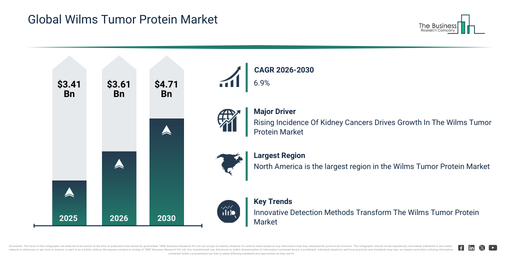
    The wilms tumor protein market has witnessed substantial expansion in recent years. This market is expected to expand from $3.41 billion in 2025 to $3.61 billion in 2026, achieving a compound annual growth rate (CAGR) of 5.8%. The historical growth of this market can be ascribed to factors including the broader scope of molecular biology research, the heightened utilization of immunohistochemistry techniques, an increasing need for cancer biomarkers, advancements in recombinant protein production, and elevated investment in academic research.

    The wilms tumor protein market is projected to experience robust expansion over the coming years. By 2030, its size is forecast to reach $4.71 billion, demonstrating a compound annual growth rate (CAGR) of 6.9%. This anticipated growth during the forecast period is primarily driven by factors such as the increasing embrace of precision medicine approaches, a heightened demand for targeted cancer diagnostics, the expansion of research into gene-based therapies, the growing incorporation of biomarkers into treatment planning, and increased financial support for oncology research. Key trends observed within the forecast timeframe encompass the expanding utilization of wt1 as a cancer biomarker, a surge in the need for molecular diagnostic tools, the increasing acceptance of targeted research reagents, the broadening scope of translational oncology research, and a greater emphasis on gene expression analysis.

    Access Your Free Sample Report for In-Depth Market Insights:

    https://www.thebusinessresearchcompany.com/sample.aspx?id=13142&type=smp

    Which Drivers Are Influencing Long-Term Growth In The Wilms Tumor Protein Market?

    The growing number of kidney cancer incidents is projected to drive the expansion of the wilms tumor protein market in the future. Kidney cancer is a condition originating in the kidneys, marked by the abnormal multiplication of cells within the kidney tissue. WT1 expression can assist in identifying kidney cancer, especially when the tumor is minute or challenging to obtain a biopsy from. For instance, in January 2023, the American Cancer Society, a US-based cancer-fighting organization, reported approximately 81,800 new cases of kidney cancer and 14,890 deaths attributable to kidney cancer in 2023. Furthermore, Cancer Research UK, a UK-based independent cancer research organization, estimates that about 21,900 new cases of kidney cancer could arise yearly in the UK by 2038-2040. Therefore, the escalating instances of kidney cancers are expected to propel the growth of the Wilms tumor protein market.

    How Is The Wilms Tumor Protein Market Divided Into Segments?

    The wilms tumor protein market covered in this report is segmented –

    1) By Product Type: Antibodies, Assay Kits, Recombinant Proteins, Other Types

    2) By Detection Method: Immunohistochemistry (IHC), Enzyme-Linked Immunosorbent Assay (ELISA), Western Blotting, Polymerase Chain Reaction (PCR), Other Methods

    3) By Application: Cancer Diagnosis, Cancer Treatment, Research And Development, Other Applications

    4) By End User: Hospitals, Diagnostic Laboratories, Research Institutes, Other End Users

    Subsegments:

    1) By Antibodies: Monoclonal Antibodies, Polyclonal Antibodies

    2) By Assay Kits: ELISA Kits, Western Blot Kits, Immunohistochemistry (IHC) Kits

    3) By Recombinant Proteins: Full-Length Recombinant Proteins, Domain-Specific Recombinant Proteins

    4) By Other Types: Small Molecule Inhibitors, Gene Editing Tools

    What Upcoming Trends Are Likely To Define The Future Path Of The Wilms Tumor Protein Market?

    Key firms within the Wilms tumor protein market are prioritizing the creation of sophisticated detection techniques, including enzyme-linked immunosorbent assay (ELISA), to offer dependable services to their clientele. ELISA stands out as a highly sensitive and specific technique, utilizing specialized enzymes that bind to antibodies in blood to identify host cell proteins (HCPs). For example, in February 2023, Charles River Laboratories International Inc., a US-based entity specializing in the development and manufacturing of new drugs and therapeutics, introduced an Enzyme-Linked Immunosorbent Assay (ELISA) Kit designed for the detection and measurement of residual host cell proteins (HCP). This innovative HCP-ELISA kit from Charles River primarily employs avian IgY antibodies for its detection mechanism. These specific antibodies were exclusively developed by AVS Bio and originate from Specific-Pathogen-Free Chicken (SPF) Eggs.

    Which Major Firms Are Strengthening Their Position In The Wilms Tumor Protein Market?

    Major companies operating in the wilms tumor protein market are Thermo Fisher Scientific Inc., Abcam plc, BioLegend Inc., Cell Signaling Technology Inc., Genetex Inc., Proteintech Group Inc., Novus Biologicals LLC, OriGene Technologies Inc., Boster Biological Technology, ZS Genetics Inc., Sino Biological Inc., LI-COR Inc., QIAGEN NV, PerkinElmer Inc., Oxford Nanopore Technologies plc, Pacific Biosciences of California Inc., Santa Cruz Biotechnology Inc., SELLAS Life Sciences Inc., Immatics NV, TapImmune Inc., Generex Biotechnology Corp, BrightPath Biotherapeutics Inc.

    Access The Complete Report For Deeper Market Insights:

    https://www.thebusinessresearchcompany.com/report/wilms-tumor-protein-global-market-report

    Which Region Is Anticipated To See The Fastest Growth In The Wilms Tumor Protein Market?

    North America was the largest region in the wilms tumor protein market in 2025. The regions covered in the wilms tumor protein market report are Asia-Pacific, South East Asia, Western Europe, Eastern Europe, North America, South America, Middle East, Africa.

    Request Your Customized Wilms Tumor Protein Market Research Report for Competitive Advantage:

    https://www.thebusinessresearchcompany.com/customise?id=13142&type=smp

    Browse Through More Reports Similar to the Global Wilms Tumor Protein Market 2026, By The Business Research Company

    Pegylated Proteins Market Report 2026

    https://www.thebusinessresearchcompany.com/report/pegylated-proteins-global-market-report

    Germ Cell Tumor Market Report 2026

    https://www.thebusinessresearchcompany.com/report/germ-cell-tumor-global-market-report

    Fungal Protein Market Report 2026

    https://www.thebusinessresearchcompany.com/report/fungal-protein-global-market-report

    Get in touch with us:

    The Business Research Company: https://www.thebusinessresearchcompany.com/

    Americas +1 310-496-7795

    Asia +44 7882 955267 & +91 8897263534

    Europe +44 7882 955267

    Email us at info@tbrc.info

    Follow us on:

    LinkedIn: https://in.linkedin.com/company/the-business-research-company

    YouTube: https://www.youtube.com/channel/UC24_fI0rV8cR5DxlCpgmyFQ

    Global Market Model: https://www.thebusinessresearchcompany.com/global-market-model
  • Cleanroom Shelving Systems Market Future Outlook 2026: Key Drivers and Growth Potential

    Cleanroom Shelving Systems Market Future Outlook 2026: Key Drivers and Growth Potential

    Uncover key drivers, emerging technologies, and competitive movements shaping the cleanroom shelving systems market from 2026–2035 with trusted insights from The Business Research Company

    What level of CAGR-driven expansion is anticipated in the Cleanroom Shelving Systems Market between 2026 and 2030?

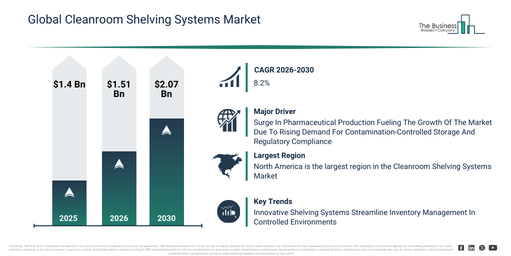
    The cleanroom shelving systems market size has experienced strong growth in recent years. It is projected to expand from $1.4 billion in 2025 to $1.51 billion in 2026, demonstrating a compound annual growth rate (CAGR) of 7.9%. The market’s historic growth can be attributed to several factors including an increase in pharmaceutical manufacturing facilities, the expansion of semiconductor cleanroom environments, rising investments in biotechnology research labs, greater adoption of controlled environment storage solutions, and more stringent regulatory compliance requirements.

    The cleanroom shelving systems market is projected to experience substantial expansion over the next few years. It is forecast to reach $2.07 billion by 2030, advancing at a compound annual growth rate (CAGR) of 8.2%. This growth throughout the forecast period stems from factors such as the increasing establishment of advanced cleanroom facilities, escalating demand from the life sciences and electronics sectors, an evolving focus on adaptable cleanroom layouts, the expansion of modular cleanroom infrastructure, and increasing financial commitments to contamination control solutions. Significant trends anticipated during this period include the rising uptake of modular cleanroom shelving systems, growing demand for stainless steel and polymer-based shelving, an intensified focus on contamination-controlled storage designs, the broadened availability of adjustable and mobile shelving solutions, and an elevated emphasis on adhering to cleanroom standards.

    Access Your Free Sample Report for In-Depth Market Insights:

    https://www.thebusinessresearchcompany.com/sample.aspx?id=33065&type=smp

    What Drivers Are Affecting Demand-Supply Dynamics In The Cleanroom Shelving Systems Market?

    The cleanroom shelving systems market is projected to expand due to the rising volume of pharmaceutical production in the future. This production involves the industrial process of creating medicines, transforming active pharmaceutical ingredients (APIs) and excipients into final dosage forms like tablets, capsules, injections, or syrups, all while adhering to strict quality standards. The growth in pharmaceutical production stems from the growing occurrence of chronic and infectious diseases, which, in turn, fuels the need for a consistent and high-volume supply of vital medications. Cleanroom shelving systems are crucial for pharmaceutical production, offering organized and contamination-free storage that ensures regulatory compliance, enhances material movement, and preserves product integrity across the entire manufacturing process. As an illustration, the European Federation of Pharmaceutical Industries and Associations (EFPIA), a Belgium-based trade association representing the European pharmaceutical industry, disclosed in November 2024 that total pharmaceutical production in Europe reached $475,200 million (€440,000 million) in 2024, marking an increase from approximately $438,158 million (€405,701 million) in 2023. Consequently, the expanding pharmaceutical production is a key driver for the cleanroom shelving systems market’s growth.

    How Is The Cleanroom Shelving Systems Market Organized Into Various Segments?

    The cleanroom shelving systems market covered in this report is segmented –

    1) By Product Type: Wire Shelving; Solid Shelving; Modular Shelving; Mobile Shelving; Other Product Types

    2) By Material: Stainless Steel; Aluminum; Plastic; Other Materials

    3) By Application: Pharmaceuticals; Biotechnology; Hospitals And Healthcare; Electronics; Food And Beverage; Other Applications

    4) By Distribution Channel: Direct Sales; Distributors; Online Retail; Other Distribution Channels

    5) By End User: Laboratories; Manufacturing Facilities; Research Institutes; Other End Users

    Subsegments:

    1) By Wire Shelving: Standard Wire Shelving; Heavy-Duty Wire Shelving; Chrome Wire Shelving; Epoxy-Coated Wire Shelving; Powder-Coated Wire Shelving

    2) By Solid Shelving: Wooden Solid Shelving; Metal Solid Shelving; Laminate Solid Shelving; Stainless Steel Solid Shelving; Industrial Solid Shelving

    3) By Modular Shelving: Adjustable Modular Shelving; Fixed Modular Shelving; Multi-Level Modular Shelving; Knockdown Modular Shelving; Expandable Modular Shelving

    4) By Mobile Shelving: Manual Mobile Shelving; Electrically Operated Mobile Shelving; Mobile Compactor Shelving; Rail-Mounted Mobile Shelving; High-Density Mobile Shelving

    5) By Other Product Types: Plastic Shelving; Resin Shelving; Hybrid Shelving; Custom-Engineered Shelving; Specialty Shelving

    What Trends Are Expected To Impact The Competitive Landscape Of The Cleanroom Shelving Systems Market?

    Major companies operating in the cleanroom shelving systems market are focusing on developing advanced storage solutions, such as modular stainless-steel shelving, to enhance contamination control, improve workflow efficiency, and support regulatory compliance in controlled environments. Modular stainless-steel shelving refers to precision-engineered, corrosion-resistant racks designed for cleanroom settings, enabling customizable configurations while minimizing particle generation. For instance, in October 2025, Schiller Automatisierungstechnik, a Germany-based laboratory and cleanroom solutions provider, launched its dedicated cleanroom division as an independent entity. The division offers a range of shelving systems optimized for pharmaceuticals, biotechnology, and semiconductor manufacturing, featuring easy-to-clean surfaces, adjustable components, and enhanced load-bearing capabilities. These solutions help maintain strict cleanliness standards, streamline inventory management, and improve operational efficiency in highly controlled production environments.

    Who Are The Major Companies Operating In The Cleanroom Shelving Systems Market?

    Major companies operating in the cleanroom shelving systems market are Stora Solutions, Metro (InterMetro Industries Corporation), GMP Technical Solutions, Lista International Corp., Terra Universal, Connect 2 Cleanrooms, Teknomek, Clean Air Products, PortaFab Corporation, Abtech, Cleatech LLC, Clean Rooms International, Gerbig Engineering Company, Icleantech (Iclean), MRC Cleanrooms, Modular Cleanrooms Inc., Palbam Class, Liberty Industries, SPS CleanTech, and Clean Room Depot.

    Access The Complete Report For Deeper Market Insights:

    https://www.thebusinessresearchcompany.com/report/cleanroom-shelving-systems-market-report

    Which Region Is Anticipated To See The Fastest Growth In The Cleanroom Shelving Systems Market?

    North America was the largest region in the cleanroom shelving systems market in 2025. Asia-Pacific is expected to be the fastest-growing region in the forecast period. The regions covered in the cleanroom shelving systems market report are Asia-Pacific, South East Asia, Western Europe, Eastern Europe, North America, South America, Middle East, Africa.

    Request Your Customized Cleanroom Shelving Systems Market Research Report for Competitive Advantage:

    https://www.thebusinessresearchcompany.com/customise?id=33065&type=smp

    Browse Through More Reports Similar to the Global Cleanroom Shelving Systems Market 2026, By The Business Research Company

    Cleanroom Technologies Market Report 2026

    https://www.thebusinessresearchcompany.com/report/cleanroom-technologies-global-market-report

    Cleanroom Technology Market Report 2026

    https://www.thebusinessresearchcompany.com/report/cleanroom-technology-global-market-report

    Smart Shelves Market Report 2026

    https://www.thebusinessresearchcompany.com/report/smart-shelves-global-market-report

    Get in touch with us:

    The Business Research Company: https://www.thebusinessresearchcompany.com/

    Americas +1 310-496-7795

    Asia +44 7882 955267 & +91 8897263534

    Europe +44 7882 955267

    Email us at info@tbrc.info

    Follow us on:

    LinkedIn: https://in.linkedin.com/company/the-business-research-company

    YouTube: https://www.youtube.com/channel/UC24_fI0rV8cR5DxlCpgmyFQ

    Global Market Model: https://www.thebusinessresearchcompany.com/global-market-model
  • Wilms Tumor Industry Poised for Rapid Growth, Forecast to Touch $2.14 Billion by 2030 at 4.6% CAGR

    Wilms Tumor Industry Poised for Rapid Growth, Forecast to Touch $2.14 Billion by 2030 at 4.6% CAGR

    Uncover key drivers, emerging technologies, and competitive movements shaping the wilms tumor market from 2026–2035 with trusted insights from The Business Research Company

    What level of CAGR-driven expansion is anticipated in the Wilms Tumor Market between 2026 and 2030?

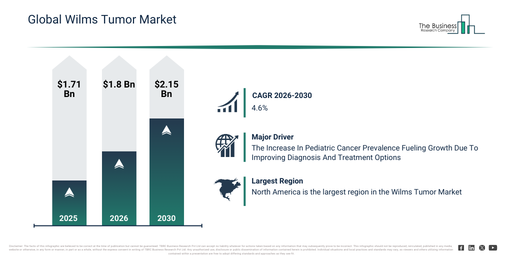
    The wilms tumor market size has experienced consistent growth in recent years. It is projected to expand from $1.71 billion in 2025 to $1.8 billion in 2026, reflecting a compound annual growth rate (CAGR) of 4.8%. Historically, this growth can be ascribed to improvements in pediatric oncology diagnostics, the expansion of chemotherapy treatment protocols, increased survival rates achieved through early intervention, wider availability of imaging technologies, and the proliferation of specialized pediatric cancer centers.

    The Wilms tumor market is anticipated to experience consistent expansion over the coming years. It is projected to reach a value of $2.15 billion by 2030, demonstrating a compound annual growth rate (CAGR) of 4.6%. This growth during the forecast period stems from the increasing adoption of personalized treatment strategies, heightened investments in pediatric cancer research, the broadening scope of advanced imaging and genetic testing, a growing availability of targeted therapies, and enhanced global awareness of childhood cancers. Key developments anticipated within this timeframe encompass a rise in the application of precision oncology protocols, a sharpened emphasis on early-stage detection methods, the proliferation of combination therapy regimens, improved integration of diagnostic and treatment planning, and advancements in multimodal diagnostic approaches.

    Access Your Free Sample Report for In-Depth Market Insights:

    https://www.thebusinessresearchcompany.com/sample.aspx?id=23582&type=smp

    What Drivers Are Affecting Demand-Supply Dynamics In The Wilms Tumor Market?

    The rising occurrence of pediatric cancer is projected to boost the expansion of the Wilms tumor market in the coming years. Pediatric cancer is defined as malignancy affecting children between 0 and 14 years of age, characterized by uncontrolled cell proliferation that can emerge in various body tissues and organs. Its prevalence stems from factors such as environmental pollutant exposure, genetic predispositions, infections, and elements of the immune system. Instances of pediatric cancer offer vital understanding for early detection, treatment approaches, and genetic components, thereby enhancing survival outcomes. This also aids in creating customized treatments, thereby improving patient outcomes and overall life quality for affected young individuals. For instance, in January 2025, according to the Cancer Network, a US-based cancer research organization, an estimated 9,550 children (aged 0–14 years) will be diagnosed with cancer, with 1,050 estimated to die from the disease. Consequently, the growing incidence of pediatric cancer is stimulating the growth of the Wilms tumor market.

    What Segments Are Included Within The Wilms Tumor Market?

    The wilms tumor market covered in this report is segmented –

    1) By Type: Favorable Histology, Anaplastic Histology

    2) By Stage: Stage I, Stage II, Stage III, Stage IV, Stage V

    3) By Diagnosis: Physical Examination, Imaging Tests, Lab Tests

    4) By Treatment: Surgery, Chemotherapy, Radiation Therapy

    5) By End-User: Cancer Research Institutes, Diagnostic Laboratories, Hospitals, Other End-Users

    Subsegments:

    1) By Favorable Histology: Unilateral Wilms Tumor, Bilateral Wilms Tumor, Nephroblastomatosis

    2) By Anaplastic Histology: Diffuse Anaplastic Wilms Tumor, Focal Anaplastic Wilms Tumor, Mixed Anaplastic Wilms Tumor

    Who Are The Primary Competitors In The Global Wilms Tumor Market?

    Major companies operating in the wilms tumor market are Thermo Fisher Scientific Inc., Agilent Technologies Inc., Exelixis Inc., Abcam plc, Sino Biological Inc., OriGene Technologies Inc., Cell Signaling Technology Inc., Proteintech Group Inc., Santa Cruz Biotechnology Inc., Novus Biologicals LLC, Pfizer Inc., Novartis AG, Bristol-Myers Squibb Company, F. Hoffmann-La Roche Ltd., GSK plc, Sanofi S A, AbbVie Inc., Amgen Inc., Takeda Pharmaceutical Company Limited, Johnson & Johnson, Bayer AG

    Access The Complete Report For Deeper Market Insights:

    https://www.thebusinessresearchcompany.com/report/wilms-tumor-global-market-report

    Which Global Regions Are Shaping The Competitive Landscape Of The Wilms Tumor Market?

    North America was the largest region in the wilms tumor market in 2025. Asia-Pacific is expected to be the fastest-growing region in the forecast period. The regions covered in the wilms tumor market report are Asia-Pacific, South East Asia, Western Europe, Eastern Europe, North America, South America, Middle East, Africa.

    Request Your Customized Wilms Tumor Market Research Report for Competitive Advantage:

    https://www.thebusinessresearchcompany.com/customise?id=23582&type=smp

    Browse Through More Reports Similar to the Global Wilms Tumor Market 2026, By The Business Research Company

    Desmoid Tumors Market Report 2026

    https://www.thebusinessresearchcompany.com/report/desmoid-tumors-global-market-report

    Germ Cell Tumor Market Report 2026

    https://www.thebusinessresearchcompany.com/report/germ-cell-tumor-global-market-report

    Emphysema Market Report 2026

    https://www.thebusinessresearchcompany.com/report/emphysema-global-market-report

    Get in touch with us:

    The Business Research Company: https://www.thebusinessresearchcompany.com/

    Americas +1 310-496-7795

    Asia +44 7882 955267 & +91 8897263534

    Europe +44 7882 955267

    Email us at info@tbrc.info

    Follow us on:

    LinkedIn: https://in.linkedin.com/company/the-business-research-company

    YouTube: https://www.youtube.com/channel/UC24_fI0rV8cR5DxlCpgmyFQ

    Global Market Model: https://www.thebusinessresearchcompany.com/global-market-model
  • Chronic Idiopathic Urticaria Treatment Market Trends and Insights: Global Forecast to 2030

    Chronic Idiopathic Urticaria Treatment Market Trends and Insights: Global Forecast to 2030

    Uncover key drivers, emerging technologies, and competitive movements shaping the chronic idiopathic urticaria treatment market from 2026–2035 with trusted insights from The Business Research Company

    What long-term size projections exist for the Chronic Idiopathic Urticaria Treatment Market covering 2026–2035?

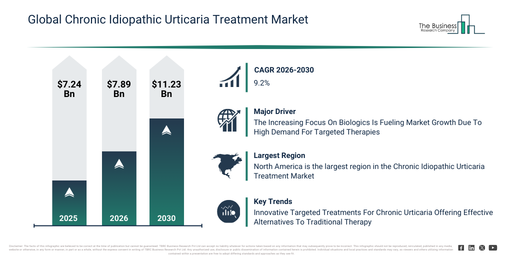
    The chronic idiopathic urticaria treatment market has experienced robust expansion in recent years. This market is projected to expand from $7.24 billion in 2025 to $7.89 billion by 2026, exhibiting a compound annual growth rate (CAGR) of 9.0%. Historically, this growth can be ascribed to several factors, including a rise in chronic urticaria diagnoses, the presence of second-line antihistamine therapies, the implementation of stepwise treatment protocols, the proliferation of allergy specialty clinics, and the increasing application of immunomodulatory drugs.

    The chronic idiopathic urticaria treatment market size is projected to experience robust expansion over the coming years. By 2030, it is expected to reach $11.23 billion, growing at a compound annual growth rate (CAGR) of 9.2%. This anticipated growth is influenced by factors such as an escalating demand for biologic treatment solutions, an increasing emphasis on personalized immunology care, the proliferation of digital tools for disease management, rising investments in innovative urticaria therapies, and enhanced patient awareness alongside improved treatment adherence. Significant developments during this forecast period include the expanding adoption of biologic therapies for refractory patients, a greater utilization of personalized treatment pathways, the increasing integration of digital tools for symptom monitoring, a wider availability of injectable treatment options, and a heightened focus on achieving long-term disease control.

    Access Your Free Sample Report for In-Depth Market Insights:

    https://www.thebusinessresearchcompany.com/sample.aspx?id=33064&type=smp

    Which Drivers Are Impacting The Competitive Landscape Of The Chronic Idiopathic Urticaria Treatment Market?

    The chronic idiopathic urticaria treatment market is anticipated to expand due to an escalating emphasis on biologics. These biologics are therapeutic agents sourced from living organisms or their constituents, designed to address particular immune system pathways in disease management. The heightened focus on biologics stems from progress in biotechnology and immunology, facilitating the creation of more precise and effective therapies that target the root causes of immune-mediated conditions, rather than simply alleviating symptoms. Specifically, biologics target the fundamental immune pathways and mast cell activation linked to chronic idiopathic urticaria, thus transforming treatment approaches and offering patients improved, sustained symptom management. A notable example is that the 2023 WHO Essential Medicines List, as reported by the World Health Organization (WHO) in February 2025, a Switzerland-based intergovernmental organization, features 81 biologic therapies, accounting for over 15% of all medicines on the list. Consequently, this elevated focus on biologics is a key driver for the growth within the chronic idiopathic urticaria treatment market.

    What Segments Are Identified Within The Structure Of The Chronic Idiopathic Urticaria Treatment Market?

    The chronic idiopathic urticaria treatment market covered in this report is segmented –

    1) By Types: Tablets; Capsules; Creams; Lotions; Injections

    2) By Drug Class: Antihistamines; Corticosteroids; Leukotriene Receptor Antagonists; Immunosuppressants; Biologic Therapies; Other Drug Class

    3) By Route Of Administration: Oral; Injectable; Topical

    4) By Distribution Channel: Hospital Pharmacies; Retail Pharmacies; Online Pharmacies

    Subsegments:

    1) By Tablets: Immediate Release Tablets; Extended Release Tablets; Enteric Coated Tablets; Chewable Tablets; Orally Disintegrating Tablets

    2) By Capsules: Hard Gelatin Capsules; Soft Gelatin Capsules; Sustained Release Capsules; Delayed Release Capsules

    3) By Creams: Medicated Topical Creams; Anti Inflammatory Creams; Antifungal Creams; Antibacterial Creams; Moisturizing Therapeutic Creams

    4) By Lotions: Medicated Therapeutic Lotions; Anti Inflammatory Lotions; Antiseptic Lotions; Moisturizing Lotions; Specialty Dermatological Lotions

    5) By Injections: Intravenous Injections; Intramuscular Injections; Subcutaneous Injections; Pre Filled Syringe Injections; Auto Injector Based Injections

    Which Trends Are Guiding The Evolution Of The Chronic Idiopathic Urticaria Treatment Market?

    Major companies within the chronic idiopathic urticaria treatment market are increasingly focusing on developing innovative products, such as monoclonal antibody therapies, to offer targeted and long-lasting relief for patients who do not respond to standard treatments. These biologic drugs are specifically engineered to target immune system components like immunoglobulin E (IgE) or other inflammatory mediators that trigger chronic hives, providing a more precise action compared to traditional antihistamines or corticosteroids. For instance, in September 2025, Celltrion Inc., a biopharmaceutical company based in South Korea, launched Omriclo, an omalizumab biosimilar, in Norway. This product contains the same active monoclonal antibody as Xolair, functions by neutralizing circulating IgE, and is administered via subcutaneous injection. Its distinguishing features include a first-mover advantage in Europe, improved accessibility through local distribution channels, and potential cost savings for healthcare systems. It is designed for patients with chronic idiopathic urticaria who remain symptomatic despite standard therapy, offering a biologic alternative to conventional treatments and aiming for better symptom management, reduced frequency of flare-ups, and the potential to enhance overall quality of life by minimizing reliance on long-term antihistamine or corticosteroid use.

    Which Major Firms Are Strengthening Their Position In The Chronic Idiopathic Urticaria Treatment Market?

    Major companies operating in the chronic idiopathic urticaria treatment market are F. Hoffmann-La Roche Ltd., Sanofi S.A., Novartis AG., AstraZeneca PLC, GlaxoSmithKline plc, Teva Pharmaceutical Industries Ltd., Regeneron Pharmaceuticals Inc., Incyte Corporation, Dr. Reddy’s Laboratories Ltd., Celltrion Inc., Yuhan Corporation, Kiniksa Pharmaceuticals Ltd., Celldex Therapeutics Inc., Septerna Therapeutics Inc., Carna Biosciences Inc., United BioPharma Inc., Recludix Pharma Inc., Jasper Therapeutics Inc., Evommune Inc., ARS Pharmaceuticals Inc

    Access The Complete Report For Deeper Market Insights:

    https://www.thebusinessresearchcompany.com/report/chronic-idiopathic-urticaria-treatment-market-report

    Which Region Shows The Strongest Potential For Future Expansion In The Chronic Idiopathic Urticaria Treatment Market?

    North America was the largest region in the chronic idiopathic urticaria treatment market in 2025. Asia-Pacific is expected to be the fastest-growing region in the forecast period. The regions covered in the chronic idiopathic urticaria treatment market report are Asia-Pacific, South East Asia, Western Europe, Eastern Europe, North America, South America, Middle East, Africa.

    Request Your Customized Chronic Idiopathic Urticaria Treatment Market Research Report for Competitive Advantage:

    https://www.thebusinessresearchcompany.com/customise?id=33064&type=smp

    Browse Through More Reports Similar to the Global Chronic Idiopathic Urticaria Treatment Market 2026, By The Business Research Company

    Chronic Spontaneous Urticaria Market Report 2026

    https://www.thebusinessresearchcompany.com/report/chronic-spontaneous-urticaria-global-market-report

    Allergic Rhinitis Drugs Market Report 2026

    https://www.thebusinessresearchcompany.com/report/allergic-rhinitis-drugs-global-market-report

    Allergy Treatment Market Report 2026

    https://www.thebusinessresearchcompany.com/report/allergy-treatment-global-market-report

    Get in touch with us:

    The Business Research Company: https://www.thebusinessresearchcompany.com/

    Americas +1 310-496-7795

    Asia +44 7882 955267 & +91 8897263534

    Europe +44 7882 955267

    Email us at info@tbrc.info

    Follow us on:

    LinkedIn: https://in.linkedin.com/company/the-business-research-company

    YouTube: https://www.youtube.com/channel/UC24_fI0rV8cR5DxlCpgmyFQ

    Global Market Model: https://www.thebusinessresearchcompany.com/global-market-model
  • Global Chlorhexidine Mouth Rinse Market Report 2026–2030: Data-Driven Growth Insights

    Global Chlorhexidine Mouth Rinse Market Report 2026–2030: Data-Driven Growth Insights

    Uncover key drivers, emerging technologies, and competitive movements shaping the chlorhexidine mouth rinse market from 2026–2035 with trusted insights from The Business Research Company

    What total market size is anticipated for the Chlorhexidine Mouth Rinse Market in 2030?

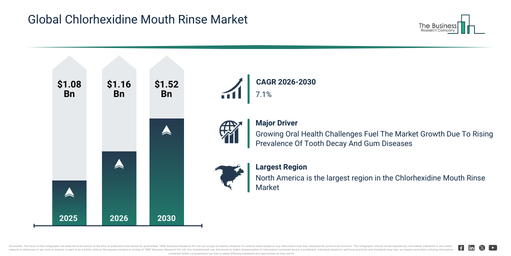
    The chlorhexidine mouth rinse market has experienced robust expansion in recent years. This market is projected to expand from $1.08 billion in 2025 to $1.16 billion in 2026, demonstrating a compound annual growth rate (CAGR) of 6.8%. Historically, this expansion has been driven by factors such as the rising incidence of periodontal disease, the widespread application of antiseptic oral care products, their integration into post-dental surgery procedures, the accessibility of prescription oral rinses, and the enlargement of dental clinic infrastructures.

    The chlorhexidine mouth rinse market is projected to experience substantial growth over the coming years, reaching $1.52 billion by 2030, with a compound annual growth rate (CAGR) of 7.1%. This anticipated expansion is fueled by factors such as a greater emphasis on preventive oral healthcare, an escalating demand for medicated home care products, the broadening availability of over-the-counter (OTC) therapeutic mouth rinses, a rising inclination towards formulations that cause less irritation, and heightened awareness regarding oral hygiene. Key trends identified for this period encompass an increasing need for alcohol-free mouth rinse formulations, expanded utilization of post-surgical oral care products, a growing preference for combined oral antiseptic solutions, the wider availability of prescription-based dental rinses, and a sharpened focus on achieving long-term plaque control.

    Access Your Free Sample Report for In-Depth Market Insights:

    https://www.thebusinessresearchcompany.com/sample.aspx?id=33063&type=smp

    What Drivers Are Influencing Production Trends In The Chlorhexidine Mouth Rinse Market?

    The growing occurrence of oral ailments is anticipated to boost the expansion of the chlorhexidine mouth rinse market in the coming years. These oral diseases encompass various conditions affecting the mouth and oral cavity, such as tooth decay and gum infections. A significant factor contributing to the increase in oral diseases is elevated sugar intake, which fuels detrimental oral bacteria, leading to acid production that erodes tooth enamel and causes dental and gum issues. Chlorhexidine mouth rinse plays a crucial role in preventing and managing these conditions by eradicating or slowing down the proliferation of harmful oral bacteria, thereby diminishing plaque buildup, gingivitis, and the potential for infections. For instance, in January 2025, the American Cancer Society, a US-based professional organization, projected that in 2025, around 59,660 new diagnoses of oral cavity and oropharyngeal cancer are expected, with approximately 12,770 individuals predicted to succumb to these cancers. Consequently, the rising incidence of oral diseases is a key factor propelling the growth of the chlorhexidine mouth rinse market.

    Which Segments Are Gaining Traction In The Chlorhexidine Mouth Rinse Market?

    The chlorhexidine mouth rinse market covered in this report is segmented –

    1) By Product Type: Alcohol-Based; Alcohol-Free

    2) By Concentration: 0.12%; 0.20%; Other Concentrations

    3) By Application: Dental Care; Oral Surgery; Periodontal Disease; Other Applications

    4) By Distribution Channel: Hospital Pharmacies; Retail Pharmacies; Online Pharmacies; Other Distribution Channels

    5) By End-User: Hospitals; Dental Clinics; Home Care; Other End-Users

    Subsegments:

    1) By Alcohol-Based: Ethanol-Based Formulations; Isopropyl Alcohol-Based Formulations; Combination Alcohol Formulations

    2) By Alcohol-Free: Chlorhexidine-Based Formulations; Cetylpyridinium Chloride-Based Formulations; Herbal And Plant-Based Formulations

    Who Are The Primary Competitors In The Global Chlorhexidine Mouth Rinse Market?

    Major companies operating in the chlorhexidine mouth rinse market are Procter & Gamble, GlaxoSmithKline plc, 3M Company, Medline Inc., Colgate-Palmolive Company, Teva Pharmaceutical Industries Ltd., Viatris Inc., Ecolab Inc., Henry Schein Inc., Perrigo Company plc, Dentsply Sirona, Dr. Reddy’s Laboratories Ltd., Cipla Ltd., Sunstar Suisse S.A., Xttrium Laboratories, Young Innovations Inc., Hager & Werken, Curaden AG, ICPA Health Products Ltd., Arvoni Lifesciences Private Limited, AstraEureka Pharmaceuticals, Topcaredent AG.

    Access The Complete Report For Deeper Market Insights:

    https://www.thebusinessresearchcompany.com/report/chlorhexidine-mouth-rinse-market-report

    Which Global Regions Are Shaping The Competitive Landscape Of The Chlorhexidine Mouth Rinse Market?

    North America was the largest region in the chlorhexidine mouth rinse market in 2025. Asia-Pacific is expected to be the fastest-growing region in the forecast period. The regions covered in the chlorhexidine mouth rinse market report are Asia-Pacific, South East Asia, Western Europe, Eastern Europe, North America, South America, Middle East, Africa.

    Request Your Customized Chlorhexidine Mouth Rinse Market Research Report for Competitive Advantage:

    https://www.thebusinessresearchcompany.com/customise?id=33063&type=smp

    Browse Through More Reports Similar to the Global Chlorhexidine Mouth Rinse Market 2026, By The Business Research Company

    Mouthwash Market Report 2026

    https://www.thebusinessresearchcompany.com/report/mouthwash-global-market-report

    Oral Hygiene Market Report 2026

    https://www.thebusinessresearchcompany.com/report/oral-hygiene-global-market-report

    Detergent Chemicals Market Report 2026

    https://www.thebusinessresearchcompany.com/report/detergent-chemicals-global-market-report

    Get in touch with us:

    The Business Research Company: https://www.thebusinessresearchcompany.com/

    Americas +1 310-496-7795

    Asia +44 7882 955267 & +91 8897263534

    Europe +44 7882 955267

    Email us at info@tbrc.info

    Follow us on:

    LinkedIn: https://in.linkedin.com/company/the-business-research-company

    YouTube: https://www.youtube.com/channel/UC24_fI0rV8cR5DxlCpgmyFQ

    Global Market Model: https://www.thebusinessresearchcompany.com/global-market-model
  • Whole Slide Imaging Market Performance Outlook 2026–2030: Revenue to Hit $1.47 Billion at 10.7% CAGR

    Whole Slide Imaging Market Performance Outlook 2026–2030: Revenue to Hit $1.47 Billion at 10.7% CAGR

    Uncover key drivers, emerging technologies, and competitive movements shaping the whole slide imaging market from 2026–2035 with trusted insights from The Business Research Company

    What long-term size projections exist for the Whole Slide Imaging Market covering 2026–2035?

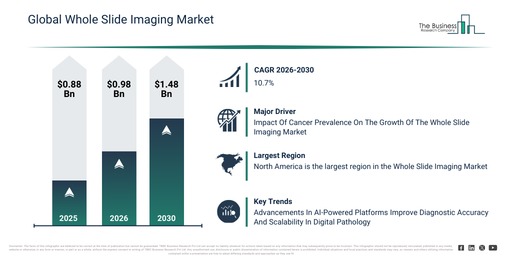
    The whole slide imaging market size has expanded significantly in recent years. It is projected to increase from $0.88 billion in 2025 to $0.98 billion in 2026, exhibiting a compound annual growth rate (CAGR) of 12.1%. This historical growth can be attributed to factors such as increasing cancer diagnosis volumes, the growing application of histopathology in clinical decision-making, rising adoption of digital imaging systems, expansion of pathology research activities, and the increasing availability of high-speed data storage.

    The whole slide imaging market is anticipated to experience significant expansion over the coming years. This market is projected to reach $1.48 billion by 2030, exhibiting a compound annual growth rate (CAGR) of 10.7%. Factors contributing to this growth during the forecast period include the increasing adoption of AI-assisted diagnostics, a rising demand for telepathology services, the expansion of cloud-based pathology platforms, growing investments in digital healthcare infrastructure, and an increasing emphasis on diagnostic accuracy and efficiency. Key trends during this period are the increasing adoption of digital pathology workflows, the rising integration of AI-based image analysis tools, a growing demand for remote diagnostic capabilities, the expansion of high-resolution slide scanning systems, and an enhanced focus on workflow automation.

    Access Your Free Sample Report for In-Depth Market Insights:

    https://www.thebusinessresearchcompany.com/sample.aspx?id=16214&type=smp

    Which Drivers Are Impacting The Competitive Landscape Of The Whole Slide Imaging Market?

    The expansion of the whole slide imaging market is anticipated to be significantly propelled by the increasing incidence of cancer. Cancer refers to a diverse collection of diseases identified by the uncontrolled proliferation and dissemination of abnormal cells. These atypical cells have the capacity to invade and obliterate normal tissue, potentially leading to severe health issues and, without intervention, death. The rise in cancer prevalence is attributed to the obesity epidemic, inherited genetic abnormalities, hepatitis B and C viruses, and human papillomavirus (HPV). Whole slide imaging (WSI) plays a vital role in the diagnosis and treatment of cancer by supplying detailed and accessible digital representations of tissue samples, thereby enhancing accuracy, efficiency, and collaborative efforts in cancer diagnosis and treatment, which ultimately contributes to improved patient outcomes. As an illustration, in May 2024, data from the American Society of Clinical Oncology, a US-based professional organization, indicated an estimated 20 million new cancer cases in 2022, with this figure expected to reach 35 million new cases globally by 2050. Thus, the escalating prevalence of cancer is a key driver for the whole slide imaging market’s growth.

    What Leading Segments Are Studied In The Whole Slide Imaging Market?

    The whole slide imaging market covered in this report is segmented –

    1) By Type: Hardware, Software, Services

    2) By Application: Telepathology, Cytopathology, Immunohistochemistry, Hematopathology

    3) By End User: Academic Institute, Research, Other End User

    Subsegments:

    1) By Hardware: Scanners, Imaging Devices

    2) By Software: Image Management, Analysis, AI Tools

    3) By Services: Installation, Maintenance, Consulting, Digital Pathology Support

    Which Trends Are Influencing The Development Of The Whole Slide Imaging Market?

    Major companies active in the whole slide imaging market are concentrating on developing advanced solutions, including artificial intelligence (AI)-powered digital pathology platforms, to meet the growing requirement for remote diagnostics. These AI-enabled digital pathology platforms are software systems that employ machine-learning algorithms to analyze high-resolution whole-slide images, thereby assisting pathologists in detecting patterns, quantifying tissue features, and prioritizing cases more swiftly and precisely. Such systems also automate routine assessments, reduce human error, enable quicker diagnostic workflows, support remote collaboration, and enhance overall diagnostic confidence. For instance, in May 2024, Indica Labs, a US-based software firm, obtained U.S. Food and Drug Administration (FDA) clearance for HALO AP Dx, its digital pathology platform specifically designed for primary diagnosis using images acquired with the Hamamatsu NanoZoomer S360MD slide scanner. HALO AP Dx functions as a browser-based, software-only system, enabling pathologists to ingest, store, and view whole-slide images from formalin-fixed, paraffin-embedded (FFPE) tissue with high precision and efficiency. The platform offers immediate remote slide access post-scanning, seamless integration with laboratory information systems (LIS/LIMS), and compatibility with numerous file formats to support a wide array of pathology workflows. Its built-in compliance with HIPAA and FDA 21 CFR Part 11 ensures secure and regulated data management, while its scalable cloud or on-premises deployment options assist laboratories in optimizing workload distribution.

    Which Key Market Players Are Investing In Expansion And Innovation Within The Whole Slide Imaging Market?

    Major companies operating in the whole slide imaging market are General Electric Company, F. Hoffmann-La Roche AG, Koninklijke Philips N.V., Olympus Corporation, Nikon Corporation, PerkinElmer Inc., Beckman Coulter Inc., Leica Biosystems GmbH, Hamamatsu Photonics KK, Huron Technologies International, Sectra AB, PathAI, Xifin Inc., OptraSCAN, Paige.AI, Indica Labs, 3DHISTECH Ltd., Visiopharm A/S, Flagship Biosciences Inc., Proscia Inc., LigoLab Information System, Aiforia Technologies plc, Inspirata Inc., Histowiz, Mikroscan Technologies Inc., Corista LLC, Glencoe Software Inc., Definiens AG

    Access The Complete Report For Deeper Market Insights:

    https://www.thebusinessresearchcompany.com/report/whole-slide-imaging-global-market-report

    Which Regions Are Poised For Strategic Growth In The Whole Slide Imaging Market?

    North America was the largest region in the whole slide imaging market in 2025. Asia-Pacific is expected to be the fastest-growing region in the forecast period. The regions covered in the whole slide imaging market report are Asia-Pacific, South East Asia, Western Europe, Eastern Europe, North America, South America, Middle East, Africa.

    Request Your Customized Whole Slide Imaging Market Research Report for Competitive Advantage:

    https://www.thebusinessresearchcompany.com/customise?id=16214&type=smp

    Browse Through More Reports Similar to the Global Whole Slide Imaging Market 2026, By The Business Research Company

    3D Imaging Market Report 2026

    https://www.thebusinessresearchcompany.com/report/3d-imaging-global-market-report

    Optical Imaging Market Report 2026

    https://www.thebusinessresearchcompany.com/report/optical-imaging-global-market-report

    Medical Imaging Market Report 2026

    https://www.thebusinessresearchcompany.com/report/medical-imaging-global-market-report

    Get in touch with us:

    The Business Research Company: https://www.thebusinessresearchcompany.com/

    Americas +1 310-496-7795

    Asia +44 7882 955267 & +91 8897263534

    Europe +44 7882 955267

    Email us at info@tbrc.info

    Follow us on:

    LinkedIn: https://in.linkedin.com/company/the-business-research-company

    YouTube: https://www.youtube.com/channel/UC24_fI0rV8cR5DxlCpgmyFQ

    Global Market Model: https://www.thebusinessresearchcompany.com/global-market-model
  • Cheek Augmentation Market Dynamics 2026: Future Outlook and Key Insights

    Cheek Augmentation Market Dynamics 2026: Future Outlook and Key Insights

    Uncover key drivers, emerging technologies, and competitive movements shaping the cheek augmentation market from 2026–2035 with trusted insights from The Business Research Company

    What is the expected shift in the Cheek Augmentation Market’s size between 2026 and 2030?

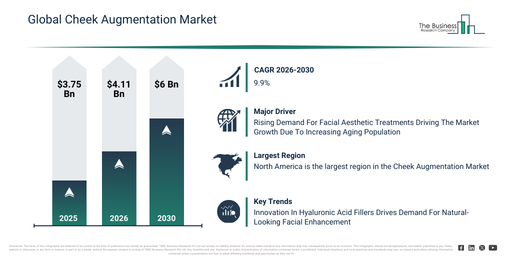
    The cheek augmentation market has experienced substantial growth in recent years. It is projected to expand from $3.75 billion in 2025 to $4.11 billion in 2026, achieving a compound annual growth rate (CAGR) of 9.7%. This historical progression can be linked to the increased embrace of cosmetic procedures, the rise in medical aesthetics clinics, the wider availability of advanced dermal fillers, the increasing impact of aesthetic medicine, and the broadening presence of urban cosmetic service providers.

    The cheek augmentation market size is projected to experience robust expansion in the coming years, with its value expected to reach $6 billion by 2030, demonstrating a compound annual growth rate (CAGR) of 9.9%. This anticipated growth during the forecast period can be attributed to various factors, including the increasing demand for minimally invasive cosmetic treatments, the growing adoption of AI-assisted facial analysis, the expansion of medical tourism for aesthetics, a rising focus on personalized beauty solutions, and increasing investments in aesthetic technology platforms. Furthermore, significant trends in this period encompass the increasing use of 3D facial imaging for treatment planning, a growing demand for non-surgical injectable procedures, a rising preference for personalized aesthetic design, the expansion of minimally invasive facial contouring, and an enhanced focus on achieving natural-looking results.

    Access Your Free Sample Report for In-Depth Market Insights:

    https://www.thebusinessresearchcompany.com/sample.aspx?id=33062&type=smp

    Which Drivers Are Shaping Strategic Decisions In The Cheek Augmentation Market?

    The escalating need for facial aesthetic procedures is projected to fuel the expansion of the cheek augmentation market in the coming years. These treatments encompass cosmetic interventions aimed at enhancing or restoring facial characteristics, thereby boosting an individual’s appearance and self-assurance. This surge in demand for facial aesthetic interventions stems from an expanding elderly demographic desiring younger looks. As people experience natural facial volume depletion and the emergence of wrinkles, many are motivated to undergo procedures that can rejuvenate their appearance and bolster their self-esteem. Cheek augmentation plays a crucial role in facial aesthetics by restoring volume in the mid-face region, refining facial outlines, correcting asymmetry, and producing a subtle lifting effect, all of which contribute to a more youthful, harmonious, and revitalized overall facial look. As an illustration, data from June 2024, provided by the American Society of Plastic Surgeons, a non-profit organization based in the US, indicated that minimally invasive procedures grew by 7% in 2023, surpassing the growth of surgical procedures by 2%. While plastic surgeries experienced a 5% increase, minimally invasive procedures demonstrated a 7% year-over-year growth. Consequently, the increased demand for facial aesthetic treatments is a significant impetus behind the expansion of the cheek augmentation market.

    What Segment Categories Are Covered In The Cheek Augmentation Market?

    The cheek augmentation market covered in this report is segmented –

    1) By Procedure Type: Surgical Cheek Implants; Injectable Fillers; Fat Grafting Or Autologous Fat Transfer

    2) By Product: Derma Fillers; Implant; Malar Implant; Submalar Implant; Combined Implant; Other Products

    3) By Technique: Minimally Invasive Procedures; Conventional Surgical Procedures

    4) By End-User: Specialty Aesthetic Clinics Market; Medical Spas Market; Hospitals Market

    Subsegments:

    1) By Surgical Cheek Implants: Silicone Implants; Porous Polyethylene Implants; Anatomical Implants

    2) By Injectable Fillers: Hyaluronic Acid Fillers; Calcium Hydroxylapatite Fillers; Poly L Lactic Acid Fillers; Polymethyl Methacrylate Fillers

    3) By Fat Grafting Or Autologous Fat Transfer: Micro Fat Grafting; Nano Fat Grafting; Structural Fat Grafting

    Which Trends Are Influencing The Performance And Direction Of The Cheek Augmentation Market?

    Leading firms within the cheek augmentation market are prioritizing the creation of novel offerings, specifically advanced hyaluronic acid-based dermal fillers, aimed at boosting facial volume and contour, while ensuring greater safety and more enduring outcomes. These sophisticated hyaluronic acid-based dermal fillers are injectable gels designed to emulate the body’s inherent hyaluronic acid, assisting in the replenishment of cheek volume, refining contour, and optimizing facial symmetry through moisture attraction and retention, leading to a silkier, more youthful look. As an illustration, during January 2026, Revance Therapeutics Inc., a US-based pharmaceutical entity, alongside TEOXANE SA., a Switzerland-based manufacturing firm, secured approval from the U.S. Food and Drug Administration (FDA) for RHA Dynamic Volume. This product is a cutting-edge hyaluronic acid dermal filler specifically formulated for cheek augmentation and rectifying age-related imperfections in midface contours. This particular product utilizes Preserved Network Technology, a gentle, heat-free crosslinking method that helps preserve hyaluronic acid’s natural architecture, thus yielding superior dynamic strength, elasticity, and longevity when contrasted with traditional fillers. Its design enables deep structural support while harmonizing with facial expressions, ensuring natural aesthetics whether the face is at rest or in movement. Furthermore, late-stage clinical trials have shown its equivalent clinical effectiveness, requiring fewer sessions and touch-ups.

    Which Key Market Players Are Investing In Expansion And Innovation Within The Cheek Augmentation Market?

    Major companies operating in the cheek augmentation market are AbbVie Inc., LG Chem Life Sciences Ltd., Stryker Corporation, Zimmer Biomet Holdings Inc., Merz Aesthetics GmbH, KLS Martin Group, Sinclair Pharma Limited, Medartis Holding AG, Hugel Inc., Revance Therapeutics Inc., Medytox Inc., Anika Therapeutics Inc., Croma-Pharma GmbH, GC Aesthetics Ltd., Regen Lab SA, Teoxane Laboratories SA, Human Med AG, BioPlus Co. Ltd., Polytech Health & Aesthetics GmbH, and Sebbin Group.

    Access The Complete Report For Deeper Market Insights:

    https://www.thebusinessresearchcompany.com/report/cheek-augmentation-market-report

    Which Regions Are Poised For Strategic Growth In The Cheek Augmentation Market?

    North America was the largest region in the cheek augmentation market in 2025. Asia-Pacific is expected to be the fastest-growing region in the forecast period. The regions covered in the cheek augmentation market report are Asia-Pacific, South East Asia, Western Europe, Eastern Europe, North America, South America, Middle East, Africa.

    Request Your Customized Cheek Augmentation Market Research Report for Competitive Advantage:

    https://www.thebusinessresearchcompany.com/customise?id=33062&type=smp

    Browse Through More Reports Similar to the Global Cheek Augmentation Market 2026, By The Business Research Company

    Chin Augmentation Market Report 2026

    https://www.thebusinessresearchcompany.com/report/chin-augmentation-global-market-report

    Human Augmentation Market Report 2026

    https://www.thebusinessresearchcompany.com/report/human-augmentation-global-market-report

    Buttock Augmentation Market Report 2026

    https://www.thebusinessresearchcompany.com/report/buttock-augmentation-global-market-report

    Get in touch with us:

    The Business Research Company: https://www.thebusinessresearchcompany.com/

    Americas +1 310-496-7795

    Asia +44 7882 955267 & +91 8897263534

    Europe +44 7882 955267

    Email us at info@tbrc.info

    Follow us on:

    LinkedIn: https://in.linkedin.com/company/the-business-research-company

    YouTube: https://www.youtube.com/channel/UC24_fI0rV8cR5DxlCpgmyFQ

    Global Market Model: https://www.thebusinessresearchcompany.com/global-market-model
  • Cervical Intraepithelial Neoplasia Market Research: Growth Projections and Trends 2030

    Cervical Intraepithelial Neoplasia Market Research: Growth Projections and Trends 2030

    Uncover key drivers, emerging technologies, and competitive movements shaping the cervical intraepithelial neoplasia market from 2026–2035 with trusted insights from The Business Research Company

    What growth pattern is forecast for the Cervical Intraepithelial Neoplasia Market size between 2026 and 2035?

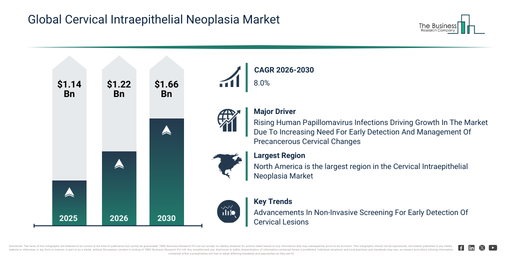
    The cervical intraepithelial neoplasia market size has demonstrated significant expansion in recent years. Its valuation is projected to increase from $1.14 billion in 2025 to $1.22 billion in 2026, progressing at a compound annual growth rate (CAGR) of 7.8%. The reasons for this past growth include the expansion of cervical cancer screening programs, an increase in the detection of precancerous lesions, the adoption of colposcopy-guided diagnostics, the availability of excisional treatment devices, and the growing influence of specialty gynecology clinics.

    The market for cervical intraepithelial neoplasia is projected to experience substantial expansion in the coming years. This sector is anticipated to reach a valuation of $1.66 billion by 2030, demonstrating an impressive compound annual growth rate (CAGR) of 8.0%. This anticipated growth can be linked to several factors, including an increasing need for early intervention approaches, the rising acceptance of treatment decisions guided by biomarkers, the broader availability of community-level cervical care, a heightened emphasis on fertility-preserving therapies, and the incorporation of AI-assisted diagnostic imaging. Key developments expected during this forecast period encompass the wider implementation of biomarker-based triage techniques, the increasing utilization of minimally invasive treatment devices, the growing integration of digital colposcopy systems, the expansion of outpatient cin treatment options, and a reinforced focus on the early stratification of lesion risk.

    Access Your Free Sample Report for In-Depth Market Insights:

    https://www.thebusinessresearchcompany.com/sample.aspx?id=33061&type=smp

    Which Drivers Are Impacting Market Performance In The Cervical Intraepithelial Neoplasia Market?

    The increasing occurrence of human papillomavirus (HPV) infection is anticipated to fuel the expansion of the cervical intraepithelial neoplasia (CIN) market. Human papillomavirus (HPV) infection, a widespread viral condition, originates from a group of interconnected viruses primarily transmitted through direct skin-to-skin or sexual contact, potentially leading to warts, precancerous lesions, and certain cancers, particularly in the cervix, anus, throat, and genitals. The uptick in human papillomavirus (HPV) infection is attributed to insufficient vaccination coverage in numerous populations, which enables the continuous spread of the virus. Cervical intraepithelial neoplasia (CIN) aids in assessing human papillomavirus (HPV) infection by serving as a quantifiable precancerous lesion that indicates sustained HPV infection and the risk of disease progression. For instance, in July 2025, Brieflands, a Netherlands-based science and medical data publisher, reported that the prevalence of high-risk human papillomavirus (hrHPV) infection rose from 12.78 percent in 2023 to 13.47 percent in 2024, marking an approximate increase of 5.4 percent. Consequently, the escalating frequency of HPV infection is boosting the growth of the cervical intraepithelial neoplasia (CIN) market.

    Which Segments Are Contributing To The Growth Of The Cervical Intraepithelial Neoplasia Market?

    The cervical intraepithelial neoplasia market covered in this report is segmented –

    1) By Cervical Intraepithelial Neoplasia (CIN) Grade: Cervical Intraepithelial Neoplasia (CIN) I; Cervical Intraepithelial Neoplasia (CIN) II; Cervical Intraepithelial Neoplasia (CIN) III

    2) By Diagnostic Method: Pap Smear; Human Papillomavirus (HPV) Testing; Colposcopy; Biomarker Triage

    3) By Treatment: Cryotherapy; Loop Electrosurgical Excision Procedure (LEEP); Cold Knife Conization; Immunotherapy

    4) By Distribution Channel: Direct Sales; Distributors And Retail Channels; Online Sales

    5) By End User: Hospitals; Specialty Clinics; Diagnostic Labs; Community Health Centers

    Subsegments:

    1) By Cervical Intraepithelial Neoplasia (CIN) I: Mild Dysplasia; Low Grade Squamous Intraepithelial Lesion; Human Papillomavirus Associated Changes

    2) By Cervical Intraepithelial Neoplasia (CIN) II: Moderate Dysplasia; High Grade Squamous Intraepithelial Lesion; Human Papillomavirus Induced Cellular Abnormalities

    3) By Cervical Intraepithelial Neoplasia (CIN) III: Severe Dysplasia; Carcinoma In Situ; High Grade Squamous Intraepithelial Lesion Progression

    What Long-Term Trends Are Expected To Shape The Future Of The Cervical Intraepithelial Neoplasia Market?

    Leading firms in the cervical intraepithelial neoplasia market are concentrating on developing pioneering solutions, specifically non-invasive cervical cancer screening, aimed at facilitating early detection, boosting patient adherence, and elevating general treatment results. These non-invasive screenings encompass medical examinations designed to identify precancerous or malignant changes in the cervix without the necessity of surgical procedures or tissue extraction, typically employing techniques such as Pap smears, HPV DNA tests, or liquid-based cytology. As an illustration, in September 2025, PHASE Scientific International Limited, a biotechnology company based in China, initiated a urine-based clinical study for cervical cancer (HPV) screening, with the goal of advancing non-invasive early detection methodologies. This study is recruiting 17,000 women across China to validate the non-invasive identification of cervical intraepithelial neoplasia (CIN) and cancer. Employing PHASiFY technology, the study achieves an HPV DNA concentration exceeding 10,000 times, resulting in 93.42% sensitivity and strong agreement with standard swab tests. This effort contributes to promoting WHO’s 90-70-90 elimination targets by offering convenient self-sampling, AI colposcopy, and a scalable public health benefit.

    Who Are The Core Companies Influencing Trends In The Cervical Intraepithelial Neoplasia Market?

    Major companies operating in the cervical intraepithelial neoplasia market are F. Hoffmann‑La Roche Ltd., Merck & Co. Inc., Pfizer Inc., Thermo Fisher Scientific Inc., Abbott Laboratories, GlaxoSmithKline plc., Quest Diagnostics Inc., Hologic Inc., QIAGEN N.V., Inovio Pharmaceuticals Inc., CooperSurgical Inc., PDS Biotechnology Corporation, Nykode Therapeutics ASA, Antiva Biosciences Inc., Genexine Inc., Papivax LLC, Zilico Ltd., TruScreen Group Limited, Arbor Vita Corporation, Frantz Viral Therapeutics Inc., Barinthus Biotherapeutics Inc.

    Access The Complete Report For Deeper Market Insights:

    https://www.thebusinessresearchcompany.com/report/cervical-intraepithelial-neoplasia-market-report

    Which Regions Are Projected To Dominate The Cervical Intraepithelial Neoplasia Market In The Coming Years?

    North America was the largest region in the cervical intraepithelial neoplasia market in 2025. Asia-Pacific is expected to be the fastest-growing region in the forecast period. The regions covered in the cervical intraepithelial neoplasia market report are Asia-Pacific, South East Asia, Western Europe, Eastern Europe, North America, South America, Middle East, Africa.

    Request Your Customized Cervical Intraepithelial Neoplasia Market Research Report for Competitive Advantage:

    https://www.thebusinessresearchcompany.com/customise?id=33061&type=smp

    Browse Through More Reports Similar to the Global Cervical Intraepithelial Neoplasia Market 2026, By The Business Research Company

    Cervical Cancer Diagnostics Market Report 2026

    https://www.thebusinessresearchcompany.com/report/cervical-cancer-diagnostics-global-market-report

    Cervical Cancer Drugs Market Report 2026

    https://www.thebusinessresearchcompany.com/report/cervical-cancer-drugs-global-market-report

    Cervical Cancer Vaccine Market Report 2026

    https://www.thebusinessresearchcompany.com/report/cervical-cancer-vaccine-global-market-report

    Get in touch with us:

    The Business Research Company: https://www.thebusinessresearchcompany.com/

    Americas +1 310-496-7795

    Asia +44 7882 955267 & +91 8897263534

    Europe +44 7882 955267

    Email us at info@tbrc.info

    Follow us on:

    LinkedIn: https://in.linkedin.com/company/the-business-research-company

    YouTube: https://www.youtube.com/channel/UC24_fI0rV8cR5DxlCpgmyFQ

    Global Market Model: https://www.thebusinessresearchcompany.com/global-market-model
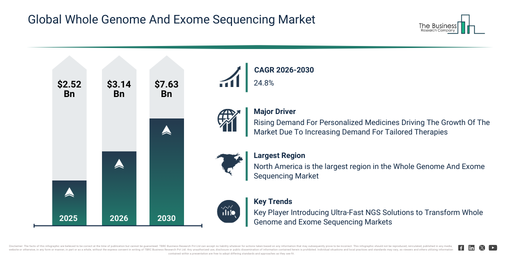
  • Global Whole Genome And Exome Sequencing Market Set for Strong Expansion, Reaching $7.63 Billion With 24.8% CAGR by 2030

    Global Whole Genome And Exome Sequencing Market Set for Strong Expansion, Reaching $7.63 Billion With 24.8% CAGR by 2030

    Uncover key drivers, emerging technologies, and competitive movements shaping the whole genome and exome sequencing market from 2026–2035 with trusted insights from The Business Research Company

    What total market size is anticipated for the Whole Genome And Exome Sequencing Market in 2030?

    The market size for whole genome and exome sequencing has experienced exponential growth in recent years. It is projected to expand from $2.52 billion in 2025 to $3.14 billion in 2026, achieving a compound annual growth rate (CAGR) of 24.8%. This historical growth can be attributed to advancements in next-generation sequencing technologies, the rising application of genomics in cancer research, the expansion of academic genomics initiatives, declining sequencing costs, and the development of precision medicine programs.

    The whole genome and exome sequencing market is projected to experience rapid expansion over the coming years. Its valuation is anticipated to reach $7.63 billion by 2030, exhibiting a compound annual growth rate (CAGR) of 24.8%. This anticipated growth during the forecast timeframe is primarily driven by factors such as the growing implementation of extensive genomics initiatives, the increasing incorporation of AI into genomic analysis, broader acceptance of clinical genomics, escalating investments in sequencing infrastructure, and the rising need for tailored treatment approaches. Key developments expected during the forecast period encompass the wider embrace of comprehensive genome sequencing, the expanding application of sequencing in oncology diagnostics, a heightened need for integrated WGS and WES workflows, the proliferation of population genomics research, and an intensified concentration on high-throughput sequencing technologies.

    Access Your Free Sample Report for In-Depth Market Insights:

    https://www.thebusinessresearchcompany.com/sample.aspx?id=13957&type=smp

    What Drivers Are Influencing Production Trends In The Whole Genome And Exome Sequencing Market?

    The future growth of the whole genome and exome sequencing market is projected to be driven by the increasing need for personalized medicine. Personalized medicine represents a medical treatment strategy that customizes healthcare decisions and interventions for each patient, considering their distinct genetic, environmental, and lifestyle factors. Within this approach, whole genome and exome sequencing delivers a comprehensive analysis of an individual’s genetic makeup, which facilitates tailored healthcare choices and interventions based on their unique genetic, environmental, and lifestyle aspects. As an illustration, in February 2024, the Personalized Medicine Coalition (PMC), a US-based organization focused on promoting personalized medicine, noted that the FDA approved 26 personalized medicines. These approvals encompassed 20 new molecular entities (NMEs) and 6 gene-/cell-based therapies, accounting for approximately 38% of all newly approved therapeutic NMEs. Thus, the escalating demand for personalized medicine is propelling the expansion of the whole genome and exome sequencing market.

    Which Segment Groups Are Influencing The Whole Genome And Exome Sequencing Market?

    The whole genome and exome sequencing market covered in this report is segmented –

    1) By Product Type: Kits, Instruments

    2) By Workflow: Whole Genome Sequencing (WGS), Whole Exome Sequencing (WES)

    3) By Applications: Diagnostics, Cancer, Monogenic Disorders, Diabetes, Drug Discovery And Development, Personalized Medicine, Agriculture And Animal Research, Other Applications

    4) By End user: Research Center, Academic And Government Institutions, Hospitals And Clinics, Pharmaceutical And Biotechnology Companies, Other End Users

    Subsegments:

    1) By Kits: Library Preparation Kits, Target Enrichment Kits, DNA Extraction Kits

    2) By Instruments: Next-Generation Sequencing (NGS) Systems, Sanger Sequencing Systems, Third-Generation Sequencing Systems

    What Trends Are Expected To Impact The Competitive Landscape Of The Whole Genome And Exome Sequencing Market?

    Leading companies operating in the whole genome and exome sequencing markets are increasingly focusing on developing advanced technological solutions, such as ultra-fast NGS (next-generation sequencing) analysis, to achieve a competitive advantage. Ultra-fast NGS analysis is a technological advancement that allows for the processing of next-generation sequencing (NGS) data at an exceptionally rapid pace, substantially decreasing the time needed for genomic data analysis. As an illustration, in January 2023, QIAGEN Digital Insights (QDI), a US-based bioinformatics company, introduced its ultra-fast NGS analysis platform. This platform provides functionalities such as processing a whole genome in 25 minutes for $1 in cloud computing costs, thereby encouraging efficiency, affordability, and scalability; its technological innovation considerably improves genomic data analysis speed and accessibility, making it highly significant in the whole genome and exome sequencing market by facilitating prompt decision-making and wider acceptance of personalized medicine.

    Who Are The Core Companies Influencing Trends In The Whole Genome And Exome Sequencing Market?

    Major companies operating in the whole genome and exome sequencing market are Siemens AG, Hoffmann-La Roche Ltd., Thermo Fisher Scientific Inc., Cytiva (Danaher Corporation), Laboratory Corporation of America Holdings, Eurofins Scientific SE, Agilent Technologies Inc., Illumina Inc., QIAGEN N.V, BGI Genomics, Novogene Co., Oxford Nanopore Technologies Inc., Pacific Biosciences of California Inc., GENEWIZ Inc., 10x Genomics Inc., MGI Tech Co. Ltd., Clear Labs Inc., Macrogen Inc., PierianDx Inc., Invitae Corporation, Fulgent Genetics Inc., SOPHiA GENETICS SA, Azenta US Inc., Gene by Gene Ltd.

    Access The Complete Report For Deeper Market Insights:

    https://www.thebusinessresearchcompany.com/report/whole-genome-and-exome-sequencing-global-market-report

    Which Regions Are Projected To Dominate The Whole Genome And Exome Sequencing Market In The Coming Years?

    North America was the largest region in the whole genome and exome sequencing market in 2025. Asia-Pacific is expected to be the fastest-growing region in the forecast period. The regions covered in the whole genome and exome sequencing market report are Asia-Pacific, South East Asia, Western Europe, Eastern Europe, North America, South America, Middle East, Africa.

    Request Your Customized Whole Genome And Exome Sequencing Market Research Report for Competitive Advantage:

    https://www.thebusinessresearchcompany.com/customise?id=13957&type=smp

    Browse Through More Reports Similar to the Global Whole Genome And Exome Sequencing Market 2026, By The Business Research Company

    Dna Sequencing Market Report 2026

    https://www.thebusinessresearchcompany.com/report/dna-sequencing-global-market-report

    Whole Exome Sequencing Market Report 2026

    https://www.thebusinessresearchcompany.com/report/whole-exome-sequencing-global-market-report

    Next Generation Sequencing Market 2026

    https://www.thebusinessresearchcompany.com/report/next-generation-sequencing-market

    Get in touch with us:

    The Business Research Company: https://www.thebusinessresearchcompany.com/

    Americas +1 310-496-7795

    Asia +44 7882 955267 & +91 8897263534

    Europe +44 7882 955267

    Email us at info@tbrc.info

    Follow us on:

    LinkedIn: https://in.linkedin.com/company/the-business-research-company

    YouTube: https://www.youtube.com/channel/UC24_fI0rV8cR5DxlCpgmyFQ

    Global Market Model: https://www.thebusinessresearchcompany.com/global-market-model
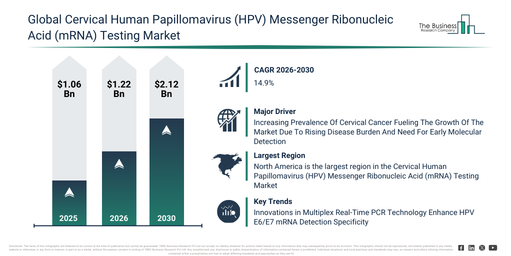
  • Global Cervical Human Papillomavirus (HPV) Messenger Ribonucleic Acid (mRNA) Testing Industry Insights: Key Trends and Growth Estimates

    Global Cervical Human Papillomavirus (HPV) Messenger Ribonucleic Acid (mRNA) Testing Industry Insights: Key Trends and Growth Estimates

    Uncover key drivers, emerging technologies, and competitive movements shaping the cervical human papillomavirus (hpv) messenger ribonucleic acid (mrna) testing market from 2026–2035 with trusted insights from The Business Research Company

    How much larger will the Cervical Human Papillomavirus (HPV) Messenger Ribonucleic Acid (mRNA) Testing Market be in 2030 compared with 2026?

    The market size for cervical human papillomavirus (hpv) messenger ribonucleic acid (mrna) testing has expanded considerably in recent years. It is anticipated to increase from $1.06 billion in 2025 to $1.22 billion in 2026, exhibiting a compound annual growth rate (CAGR) of 14.6%. This historical growth can be attributed to several factors including broader coverage of cervical cancer screening programs, the incorporation of molecular diagnostics in gynecology, heightened awareness regarding high-risk HPV infection dangers, the availability of automated PCR platforms, and the establishment of more centralized diagnostic laboratories.

    The cervical human papillomavirus (hpv) messenger ribonucleic acid (mrna) testing market size is anticipated to experience substantial growth in the coming years, projected to reach $2.12 billion by 2030, exhibiting a compound annual growth rate (CAGR) of 14.9%. This expansion throughout the forecast period stems from factors such as a growing inclination towards primary HPV screening, an increasing need for high-specificity cancer risk stratification, the broadening of population-based screening programs, the incorporation of digital pathology and reporting systems, and escalating investments in precision diagnostics. Key trends influencing this period include the wider acceptance of mRNA-based primary cervical screening assays, the expanding utilization of fully automated molecular testing platforms, the increasing integration of genotype-specific reflex testing, the development of high-specificity screening algorithms, and a heightened focus on clinically actionable HPV detection.

    Access Your Free Sample Report for In-Depth Market Insights:

    https://www.thebusinessresearchcompany.com/sample.aspx?id=33060&type=smp

    What Drivers Are Guiding Growth Patterns In The Cervical Human Papillomavirus (HPV) Messenger Ribonucleic Acid (mRNA) Testing Market?

    The cervical human papillomavirus messenger ribonucleic acid testing market is anticipated to expand due to the growing incidence of cervical cancer. Cervical cancer, a malignant condition originating in cervical cells, is primarily caused by persistent high-risk human papillomavirus infections and remains a major contributor to cancer-related morbidity and mortality among women globally. The rise in cervical cancer prevalence is often attributed to inadequate cervical screening participation, which delays detection and allows persistent human papillomavirus infections to progress into cancer. Cervical human papillomavirus messenger ribonucleic acid testing facilitates the detection of active high-risk human papillomavirus infections, thus enhancing risk assessment and supporting prompt interventions to slow cervical cancer progression. An illustration of this trend comes from Cancer Australia, a government agency based in Australia, which reported that while there were 265 deaths from cervical cancer in Australia in 2023, an estimated 254 deaths are projected for 2025. Consequently, the increasing occurrence of cervical cancer is fueling the expansion of the cervical human papillomavirus messenger ribonucleic acid testing market.

    How Is The Cervical Human Papillomavirus (HPV) Messenger Ribonucleic Acid (mRNA) Testing Market Divided Into Segments?

    The cervical human papillomavirus (hpv) messenger ribonucleic acid (mrna) testing market covered in this report is segmented –

    1) By Product Type: Assay Kits; Instruments; Reagents And Consumables

    2) By Application: Cervical Cancer Screening; Research; Other Applications

    3) By End User: Hospitals And Clinics; Diagnostic Laboratories; Research Institutes; Other End Users

    Subsegments:

    1) By Assay Kits: Messenger Ribonucleic Acid Detection Kits; Multiplex Testing Kits; High Risk Genotype Specific Kits; Screening And Diagnostic Kits

    2) By Instruments: Real Time Polymerase Chain Reaction Systems; Automated Molecular Analyzers; Sample Preparation Systems; Nucleic Acid Extraction Instruments

    3) By Reagents And Consumables: Primers And Probes; Enzymes And Buffers; Controls And Standards; Extraction And Purification Consumables

    Which Market Trends Are Opening Growth Opportunities In The Cervical Human Papillomavirus (HPV) Messenger Ribonucleic Acid (mRNA) Testing Market?

    Companies operating within the cervical human papillomavirus messenger ribonucleic acid (mRNA) testing market are prioritizing the development of technological advancements, particularly multiplex real-time PCR innovations, to achieve a competitive edge. This focus aims to enhance diagnostic precision, facilitate concurrent E6/E7 mRNA identification and high-risk HPV genotype analysis, minimize false positive results, decrease testing expenses, and broaden adoption. Multiplex real-time PCR innovations refer to the capability to simultaneously identify and measure multiple HPV E6/E7 mRNA targets and high-risk genotypes within a single PCR reaction, thus boosting the accuracy, effectiveness, and clinical relevance of cervical HPV testing. For example, in July 2024, Medicon Hellas S.A., a diagnostics firm based in Greece, launched a multiplex real-time PCR kit for HPV E6/E7 mRNA genotyping, acting as the sole distributor for Uni-Medica in Greece and Cyprus. This kit offers features such as compatibility with various PCR instruments, including Bio-Rad CFX96 and Hongshi SLAN-96 series, for fluorochrome analysis using CT values. It is also applicable to a wide array of samples, such as semen, urine, and anal swabs, extending beyond traditional cytology. Moreover, it holds CE-IVD marking and delivers results within 2.5 hours.

    Which Major Industry Participants Are Leading The Cervical Human Papillomavirus (HPV) Messenger Ribonucleic Acid (mRNA) Testing Market Growth?

    Major companies operating in the cervical human papillomavirus (hpv) messenger ribonucleic acid (mrna) testing market are F. Hoffmann-La Roche Ltd., Thermo Fisher Scientific Inc., Becton, Dickinson and Company, Eurofins Scientific, Agilent Technologies Inc., bioMérieux SA, Bio-Rad Laboratories Inc., Bio-Techne Corporation, Co-Dx Ltd., Promega Corporation, Seegene Inc., Molbio Diagnostics, QIAGEN N.V., Sansure Biotech Inc., Xiamen Zeesan Biotech Co. Ltd., DiaCarta Inc., Operon S.A., AB ANALITICA s.r.l., Arbor Vita Corporation, Mylab Discovery Solutions, Guangdong Hybribio Biotech Co. Ltd., Atila Biosystems, GeneFirst Ltd., Advanced Molecular Diagnostics.

    Access The Complete Report For Deeper Market Insights:

    https://www.thebusinessresearchcompany.com/report/cervical-human-papillomavirus-hpv-messenger-ribonucleic-acid-mrna-testing-market-report

    Which Region Is Expected To Experience The Fastest Growth In The Cervical Human Papillomavirus (HPV) Messenger Ribonucleic Acid (mRNA) Testing Market?

    North America was the largest region in the cervical human papillomavirus (HPV) messenger ribonucleic acid (mRNA) testing market in 2025. Asia-Pacific is expected to be the fastest-growing region in the forecast period. The regions covered in the cervical human papillomavirus (hpv) messenger ribonucleic acid (mrna) testing market report are Asia-Pacific, South East Asia, Western Europe, Eastern Europe, North America, South America, Middle East, Africa.

    Request Your Customized Cervical Human Papillomavirus (HPV) Messenger Ribonucleic Acid (mRNA) Testing Market Research Report for Competitive Advantage:

    https://www.thebusinessresearchcompany.com/customise?id=33060&type=smp

    Browse Through More Reports Similar to the Global Cervical Human Papillomavirus (HPV) Messenger Ribonucleic Acid (mRNA) Testing Market 2026, By The Business Research Company

    Human Papillomavirus Hpv Vaccine Market Report 2026

    https://www.thebusinessresearchcompany.com/report/human-papillomavirus-hpv-vaccine-global-market-report

    Hpv Testing And Pap Test Market Report 2026

    https://www.thebusinessresearchcompany.com/report/hpv-testing-and-pap-test-global-market-report

    Hpv Associated Disorders Market Report 2026

    https://www.thebusinessresearchcompany.com/report/hpv-associated-disorders-global-market-report

    Get in touch with us:

    The Business Research Company: https://www.thebusinessresearchcompany.com/

    Americas +1 310-496-7795

    Asia +44 7882 955267 & +91 8897263534

    Europe +44 7882 955267

    Email us at info@tbrc.info

    Follow us on:

    LinkedIn: https://in.linkedin.com/company/the-business-research-company

    YouTube: https://www.youtube.com/channel/UC24_fI0rV8cR5DxlCpgmyFQ

    Global Market Model: https://www.thebusinessresearchcompany.com/global-market-model