Month: March 2026

  • Cardiovascular Genetic Testing Market Insights Report: Opportunities and Drivers 2030

    Cardiovascular Genetic Testing Market Insights Report: Opportunities and Drivers 2030

    Uncover key drivers, emerging technologies, and competitive movements shaping the cardiovascular genetic testing market from 2026–2035 with trusted insights from The Business Research Company

    What level of growth is expected in the Cardiovascular Genetic Testing Market between 2026 and 2030?

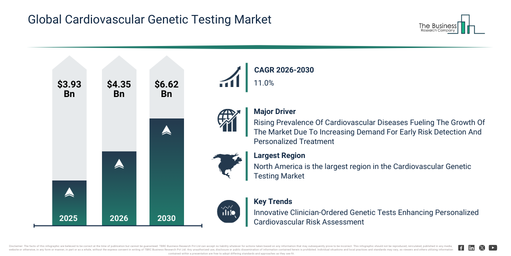
    The cardiovascular genetic testing market size has seen swift expansion in recent years. It is projected to increase from $3.93 billion in 2025 to $4.35 billion in 2026, exhibiting a compound annual growth rate (CAGR) of 10.8%. The growth observed in prior periods can be attributed to heightened awareness regarding inherited cardiovascular disorders, advancements in molecular diagnostic capacities, a decrease in genetic sequencing costs, the expanding availability of genetic counseling services, and increased investigation into cardiovascular genomics.

    The cardiovascular genetic testing market is projected to experience swift expansion in the coming years. By 2030, its valuation is anticipated to reach $6.62 billion, exhibiting a compound annual growth rate (CAGR) of 11.0%. This projected increase over the forecast timeframe can be linked to a heightened demand for precise medical strategies, the expanding uptake of widespread genetic screening, the broadening application of AI-powered variant analysis, the deeper incorporation of genomics into medical decision processes, and a reinforced emphasis on proactive cardiovascular health management. Key developments anticipated during this period involve a greater embrace of genetic risk prediction, the growing utilization of multi-gene panel assessments, the deeper merger of bioinformatics and AI-driven analytics, the wider availability of pharmacogenomic testing, and an intensified commitment to individualized cardiovascular patient care.

    Access Your Free Sample Report for In-Depth Market Insights:

    https://www.thebusinessresearchcompany.com/sample.aspx?id=33054&type=smp

    Which Drivers Are Expected To Impact The Cardiovascular Genetic Testing Market During The Forecast Period?

    The increasing prevalence of cardiovascular diseases is projected to drive the growth of the cardiovascular genetic testing market. These conditions, referred to as CVDs, are a collection of ailments affecting the heart and blood vessels, including heart attacks, strokes, and hypertension. The rise in cardiovascular diseases is largely attributed to increasingly sedentary lifestyles associated with urbanization, which contribute to issues such as obesity, hypertension, and various metabolic disorders. The higher incidence of cardiovascular diseases fuels the demand for cardiovascular genetic testing, as early detection of genetic risks enables the implementation of personalized prevention and treatment plans, thus lowering the probability of severe heart complications. For instance, in January 2024, the American Heart Association, a US-based non-profit organization, stated that the age-adjusted death rate from cardiovascular disease rose to 233.3 per 100,000 in 2024, an increase of 4.0% from 224.4 per 100,000 in 2023. Consequently, the growing occurrence of cardiovascular disease is a primary catalyst for the expansion of the cardiovascular genetic testing market.

    Which Segments Are Driving Activity In The Cardiovascular Genetic Testing Market?

    The cardiovascular genetic testing market covered in this report is segmented –

    1) By Testing Type: Predictive Testing; Carrier Testing; Prenatal And Newborn Testing; Diagnostic Testing; Pharmacogenomic Testing; Other Testing Types

    2) By Disease: Inherited Cardiomyopathies; Hypertrophic Cardiomyopathy (HCM); Dilated Cardiomyopathy (DCM); Arrhythmia; Aortopathies; Other Diseases

    3) By Technology: Cytogenetic Testing; Biochemical Testing; Molecular Testing

    4) By Application: Chromosome Analysis; Genetic Disease Diagnosis; Cardiovascular Disease Diagnosis; Other Applications

    5) By End User: Hospitals And Clinics; Diagnostic Laboratories; Research Institutions; Genetic Counseling Centers; Pharmaceutical Companies; Direct-To-Consumer Testing

    Subsegments:

    1) By Predictive Testing: Presymptomatic Risk Assessment; Familial Variant Screening; Polygenic Risk Evaluation; Late Onset Disease Prediction; Susceptibility Gene Testing

    2) By Carrier Testing: Autosomal Recessive Carrier Screening; Linked Carrier Screening; Expanded Carrier Screening Panels; Single Gene Carrier Screening; Family History Based Carrier Testing

    3) By Prenatal And Newborn Testing: Non Invasive Prenatal Genetic Testing; Invasive Prenatal Diagnostic Testing; Newborn Metabolic Screening; Congenital Heart Disease Genetic Screening; Neonatal Gene Panel Testing

    4) By Diagnostic Testing: Single Gene Diagnostic Testing; Multigene Panel Diagnostic Testing; Whole Exome Diagnostic Testing; Whole Genome Diagnostic Testing; Variant Confirmation Testing

    5) By Pharmacogenomic Testing: Drug Response Gene Testing; Adverse Drug Reaction Risk Testing; Dose Optimization Genetic Testing; Anticoagulant Response Testing; Cardiovascular Drug Metabolism Testing

    6) By Other Testing Types: Cascade Family Testing; Population Based Genetic Screening; Research Use Genetic Testing; Confirmatory Follow Up Testing; Clinical Trial Genetic Testing

    How Are New Market Trends Shaping The Landscape Of The Cardiovascular Genetic Testing Market?

    Major companies operating in the cardiovascular genetic testing market are concentrating on developing innovative solutions, such as clinician-ordered tests, to help ensure the medical necessity of tests and tailor them to the patient’s specific health condition, thereby reducing unnecessary testing and associated costs. A clinician-ordered test is defined as a medical examination or diagnostic procedure requested by a healthcare professional to evaluate, monitor, or guide the management of a patient’s health condition. For instance, in September 2025, Mass General Brigham, a US-based not-for-profit integrated academic healthcare system, in collaboration with Broad Clinical Labs, a US-based genomic data generation laboratory, and Mass General Brigham Laboratory for Molecular Medicine, a US-based molecular diagnostic laboratory, introduced a genetic test that assesses inherited risk for eight cardiovascular conditions. This clinician-ordered test is available on a self-pay basis and evaluates genetic predisposition to eight conditions, which include atrial fibrillation, coronary artery disease, type 2 diabetes, elevated lipoprotein(a), hypercholesterolemia, hypertension, thoracic aortic aneurysm, and venous thromboembolism. Its development incorporated genotype and clinical data from 236,393 participants in the NIH’s All of Us Research Program. Publicly available polygenic risk scores for each condition were integrated using PRSmix, an elastic-net modeling approach that combines multiple component scores into a single, comprehensive risk score per disease. High-resolution genetic data is obtained through a clinical blended genome-exome assay at Broad Clinical Labs, while the CLIA-certified Mass General Brigham Laboratory for Molecular Medicine is responsible for interpreting the results and generating patient-friendly reports.

    Which Major Firms Are Strengthening Their Position In The Cardiovascular Genetic Testing Market?

    Major companies operating in the cardiovascular genetic testing market are Labcorp Holdings Inc., Quest Diagnostics Inc., ICON plc, Illumina Inc., Apollo Hospitals, OPKO Health Inc., Revvity Inc., ARUP Laboratories Inc., Mayo Clinic Laboratories, Fulgent Genetics Inc., MedGenome Inc., Genome Medical, PreventionGenetics, Eurofins Genomics LLC, Blueprint Genetics Inc., MapmyGenome, GENinCode, Allelica Srl, Rocket Pharma Inc., and Health in Code SL.

    Access The Complete Report For Deeper Market Insights:

    https://www.thebusinessresearchcompany.com/report/cardiovascular-genetic-testing-market-report

    Which Region Shows The Strongest Potential For Future Expansion In The Cardiovascular Genetic Testing Market?

    North America was the largest region in the cardiovascular genetic testing market in 2025. Asia-Pacific is expected to be the fastest-growing region in the forecast period. The regions covered in the cardiovascular genetic testing market report are Asia-Pacific, South East Asia, Western Europe, Eastern Europe, North America, South America, Middle East, Africa.

    Request Your Customized Cardiovascular Genetic Testing Market Research Report for Competitive Advantage:

    https://www.thebusinessresearchcompany.com/customise?id=33054&type=smp

    Browse Through More Reports Similar to the Global Cardiovascular Genetic Testing Market 2026, By The Business Research Company

    Cardiovascular Clinical Trials Market Report 2026

    https://www.thebusinessresearchcompany.com/report/cardiovascular-clinical-trials-global-market-report

    Genetic Testing Market Report 2026

    https://www.thebusinessresearchcompany.com/report/genetic-testing-global-market-report

    Direct To Consumer Dtc Genetic Testing Market Report 2026

    https://www.thebusinessresearchcompany.com/report/direct-to-consumer-dtc-genetic-testing-global-market-report

    Get in touch with us:

    The Business Research Company: https://www.thebusinessresearchcompany.com/

    Americas +1 310-496-7795

    Asia +44 7882 955267 & +91 8897263534

    Europe +44 7882 955267

    Email us at info@tbrc.info

    Follow us on:

    LinkedIn: https://in.linkedin.com/company/the-business-research-company

    YouTube: https://www.youtube.com/channel/UC24_fI0rV8cR5DxlCpgmyFQ

    Global Market Model: https://www.thebusinessresearchcompany.com/global-market-model
  • Global Weight Loss Drugs Market Forecast 2026–2035: Long-Term Growth Insights

    Global Weight Loss Drugs Market Forecast 2026–2035: Long-Term Growth Insights

    Uncover key drivers, emerging technologies, and competitive movements shaping the weight loss drugs market from 2026–2035 with trusted insights from The Business Research Company

    What size range is anticipated for the Weight Loss Drugs Market from 2026 to 2030?

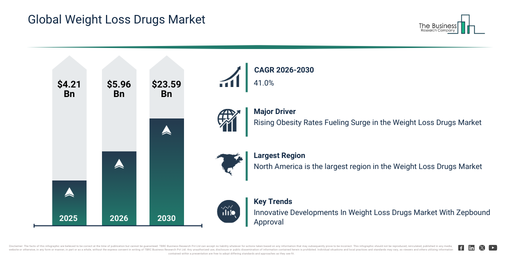
    The weight loss drugs market size has seen exponential growth in recent years. It is anticipated to expand from $4.21 billion in 2025 to $5.96 billion in 2026, achieving a compound annual growth rate (CAGR) of 41.8%. The increase observed in the historic period stems from factors such as the growing clinical understanding of obesity as a disease, increased pharmaceutical research investments, a rise in prescriptions for weight management medications, greater awareness among healthcare providers, and the availability of FDA-approved therapies.

    The weight loss drugs market size is anticipated to undergo significant growth in the forthcoming years, projected to reach $23.59 billion by 2030, demonstrating a compound annual growth rate (CAGR) of 41.0%. This expansion during the forecast period can be attributed to the rising demand for next-generation anti-obesity drugs, increased investments in metabolic disorder research, the proliferation of personalized drug therapies, the escalating global prevalence of obesity, and continuous innovation in drug delivery mechanisms. Prominent trends throughout this period include the intensified development of GLP-1 and novel drug classes, an increasing focus on clinically proven weight loss medications, the growing adoption of long-acting formulations, the broadening of prescription-based obesity treatments, and an enhanced emphasis on regulatory compliance.

    Access Your Free Sample Report for In-Depth Market Insights:

    https://www.thebusinessresearchcompany.com/sample.aspx?id=13761&type=smp

    What Drivers Are Affecting Demand In The Weight Loss Drugs Market?

    The increasing prevalence of obesity is projected to drive the growth of the weight loss drugs market moving forward. The obesity rate refers to the proportion of individuals within a population who possess a body mass index (BMI) of 30 or greater. Weight loss drugs are medications utilized in managing obesity to assist individuals in achieving weight reduction by either curbing appetite, enhancing feelings of satiety, or hindering nutrient absorption. For example, in March 2023, the World Obesity Federation, a UK-based not-for-profit organization, estimated that over 4 billion people are expected to be obese by 2035. Consequently, the escalating obesity rates are a primary factor fueling the expansion of the weight loss drugs market.

    Which Segments Are Gaining Traction In The Weight Loss Drugs Market?

    The weight loss drugs market covered in this report is segmented –

    1) By Type: Liquid, Tablets, Capsules

    2) By Distribution Channel: Hospital Pharmacy, Retail Pharmacy, Online Pharmacy

    3) By Application: Weight-Reducing Aid, Fat Absorption Inhibitors, Metabolic Boosters

    Subsegments:

    1) By Liquid: Syrups, Solutions, Suspensions

    2) By Tablets: Immediate-Release Tablets, Extended-Release Tablets

    3) By Capsules: Hard Capsules, Softgel Capsules

    How Are Emerging Trends Affecting The Progression Of The Weight Loss Drugs Market?

    Leading companies in the weight loss drug market are creating innovative products like the Zepbound (tirzepatide) injection to improve patient service. Zepbound operates as a once-weekly injectable dual glucose-dependent insulinotropic polypeptide (GIP) and glucagon-like peptide-1 (GLP-1) receptor agonist. For example, in November 2023, Eli Lilly and Company, a US-based pharmaceutical firm, obtained FDA approval for tirzepatide injection (Zepbound) specifically for chronic weight management in adults who are overweight or obese and possess at least 1 weight-related condition. Zepbound is anticipated to be a commercially successful drug, given that it is the first and only FDA-approved obesity treatment that activates both GIP and GLP-1 receptors.

    Who Are The Major Companies Operating In The Weight Loss Drugs Market?

    Major companies operating in the weight loss drugs market are Pfizer Inc. , Roche , Merck & Co. , AbbVie Inc. , Novartis AG , Bristol Myers Squibb , Sanofi S.A. , AstraZeneca plc , GlaxoSmithKline , Takeda Pharmaceutical Company , Eli Lilly and Company , Bayer AG , Amgen Inc. , Boehringer Ingelheim group , Novo Nordisk A/S , Merck KGaA , Rhythm Pharmaceuticals Inc. , Structure Therapeutics , Viking Therapeutics Inc. , Saniona , Zealand Pharma A/S

    Access The Complete Report For Deeper Market Insights:

    https://www.thebusinessresearchcompany.com/report/weight-loss-drugs-global-market-report

    Which Region Is Anticipated To See The Fastest Growth In The Weight Loss Drugs Market?

    North America was the largest region in the Weight Loss Drugs market in 2025. The regions covered in the weight loss drugs market report are Asia-Pacific, South East Asia, Western Europe, Eastern Europe, North America, South America, Middle East, Africa.

    Request Your Customized Weight Loss Drugs Market Research Report for Competitive Advantage:

    https://www.thebusinessresearchcompany.com/customise?id=13761&type=smp

    Browse Through More Reports Similar to the Global Weight Loss Drugs Market 2026, By The Business Research Company

    Diet Pills Market Report 2026

    https://www.thebusinessresearchcompany.com/report/diet-pills-global-market-report

    Weight Loss Supplements Market Report 2026

    https://www.thebusinessresearchcompany.com/report/weight-loss-supplements-global-market-report

    Metabolic Disorders Drugs Market Report 2026

    https://www.thebusinessresearchcompany.com/report/metabolic-disorders-drugs-global-market-report

    Get in touch with us:

    The Business Research Company: https://www.thebusinessresearchcompany.com/

    Americas +1 310-496-7795

    Asia +44 7882 955267 & +91 8897263534

    Europe +44 7882 955267

    Email us at info@tbrc.info

    Follow us on:

    LinkedIn: https://in.linkedin.com/company/the-business-research-company

    YouTube: https://www.youtube.com/channel/UC24_fI0rV8cR5DxlCpgmyFQ

    Global Market Model: https://www.thebusinessresearchcompany.com/global-market-model
  • Cardiovascular Calcification Global Forecast: Market to Scale Up to $2.78 Billion by 2030 at 7.9% CAGR

    Cardiovascular Calcification Global Forecast: Market to Scale Up to $2.78 Billion by 2030 at 7.9% CAGR

    Uncover key drivers, emerging technologies, and competitive movements shaping the cardiovascular calcification market from 2026–2035 with trusted insights from The Business Research Company

    How much is the Cardiovascular Calcification Market valued at in 2026, and what valuation is forecast for 2030?

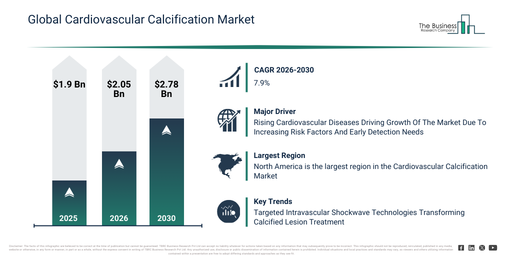
    The cardiovascular calcification market has shown robust growth recently. It is anticipated to expand from $1.9 billion in 2025 to $2.05 billion in 2026, achieving a compound annual growth rate (CAGR) of 7.7%. This historical growth can be linked to factors like an aging population, the increasing prevalence of cardiovascular diseases, the expansion of diagnostic imaging infrastructure, a rise in the use of CT and MRI systems, and greater awareness of vascular calcification risks.

    The cardiovascular calcification market is anticipated to show significant expansion in the next few years, with its size forecast to reach $2.78 billion by 2030, exhibiting a compound annual growth rate (CAGR) of 7.9%. This growth during the projected period stems from factors such as increasing demand for precise cardiovascular diagnostics, the rising adoption of AI-assisted imaging analysis, the broadening of minimally invasive diagnostic procedures, growing investments in preventive cardiology, and an increasing focus on early intervention strategies. Key trends for the forecast period include the increasing uptake of advanced cardiovascular imaging modalities, a rising use of calcium scoring and risk stratification tools, the growing integration of AI in diagnostic imaging, the expansion of catheter-based diagnostic technologies, and an enhanced focus on early disease detection.

    Access Your Free Sample Report for In-Depth Market Insights:

    https://www.thebusinessresearchcompany.com/sample.aspx?id=33053&type=smp

    What Drivers Are Influencing The Growth Of The Cardiovascular Calcification Market?

    An anticipated increase in cardiovascular disease prevalence is set to drive the expansion of the cardiovascular calcification market in the future. These diseases are health issues that harm the heart and blood vessels, resulting in conditions like heart disease, strokes, and elevated blood pressure. The increase in cardiovascular ailments stems from inactive lifestyles and unhealthy eating patterns, intensifying dangers such as high blood pressure, excessive weight, and harm to arteries. Cardiovascular calcification plays a role in managing cardiovascular diseases by acting as an indicator of atherosclerosis and plaque accumulation, facilitating the prompt identification of heart and vessel damage and informing preventative or treatment strategies. As an illustration, in August 2025, data from the National Institutes of Health, a US-based government agency, indicated that from 2025 to 2050, cardiovascular prevalence is forecast to climb by 90%, mortality by 73%, and DALYs by 55%, with fatalities growing from 20.5 million to 35.6 million. Consequently, the growing number of cardiovascular diseases is fueling the expansion of the cardiovascular calcification market.

    How Is The Cardiovascular Calcification Market Organized Into Various Segments?

    The cardiovascular calcification market covered in this report is segmented –

    1) By Product Type: Imaging Systems; Atherectomy Devices; Stents; Transcatheter Valves

    2) By Diagnosis: Computed Tomography (CT) Calcium Scoring; Echocardiography; Intravascular Ultrasound; Biomarkers

    3) By Application: Coronary Artery Disease; Aortic Valve Stenosis; Peripheral Artery Disease; Chronic Kidney Disease (CKD) Related Vascular Calcification

    4) By End User: Hospitals; Ambulatory Surgical Centers; Cardiac Clinics; Dialysis And Nephrology Centers

    Subsegments:

    1) By Imaging Systems: Magnetic Resonance Imaging; Computed Tomography Imaging; Ultrasound Imaging; Nuclear Imaging

    2) By Atherectomy Devices: Rotational Atherectomy Devices; Directional Atherectomy Devices; Orbital Atherectomy Devices; Laser Atherectomy Devices

    3) By Stents: Drug Eluting Stents; Bare Metal Stents; Bioabsorbable Stents; Balloon Expandable Stents

    4) By Transcatheter Valves: Transcatheter Aortic Valves; Transcatheter Mitral Valves; Transcatheter Pulmonary Valves; Transcatheter Tricuspid Valves

    Which Trends Are Expected To Influence The Cardiovascular Calcification Market In The Upcoming Years?

    Leading companies in the cardiovascular calcification market are concentrating on developing innovative solutions, such as targeted intravascular shockwave energy delivery technology, with the aim of improving the treatment of heavily calcified lesions through enhanced lesion crossing, vessel compliance, and procedural success rates. This targeted intravascular shockwave energy delivery technology is a catheter-based therapy designed to emit controlled acoustic pressure waves within blood vessels, fracturing calcified plaque while preserving surrounding soft tissue and vessel integrity. For instance, in March 2025, Shockwave Medical Inc., a US-based medical device company, introduced a novel forward intravascular lithotripsy platform in the US, intending to transform the treatment of difficult-to-cross calcified lesions. This platform utilizes forward sonic pressure waves to fracture calcium in challenging calcified peripheral artery lesions without requiring balloon inflation. Its purpose is to enable safe catheter advancement and vessel modification in complex peripheral artery disease (PAD) cases like CLTI, thereby improving outcomes compared to traditional tools. Key advantages, as shown in FORWARD PAD trial data, include 99% technical success, minimal complications (1.1% major events), reduced risks of perforation or embolization, and enhanced efficiency for below-the-knee treatments.

    Who Are The Primary Competitors In The Global Cardiovascular Calcification Market?

    Major companies operating in the cardiovascular calcification market are Abbott Laboratories, Medtronic plc, Siemens Healthineers AG, Fujifilm Holdings Corporation, Royal Philips Healthcare, GE HealthCare Technologies Inc., Boston Scientific Corporation, Shimadzu Corporation, HeartFlow Inc., Aidoc Ltd., Neusoft Medical Systems Co. Ltd., Medis Medical Imaging Systems B.V., Pie Medical Imaging B.V., Canon Medical Systems Corporation, Keya Medical Technology Co. Ltd., Coreline Soft Co. Ltd., FastWave Medical Inc., Cleerly Inc., United Imaging Healthcare Co. Ltd., Zebra Medical Vision Ltd., Circle Cardiovascular Imaging Inc

    Access The Complete Report For Deeper Market Insights:

    https://www.thebusinessresearchcompany.com/report/cardiovascular-calcification-market-report

    Which Global Regions Are Shaping The Competitive Landscape Of The Cardiovascular Calcification Market?

    North America was the largest region in the cardiovascular calcification market in 2025. Asia-Pacific is expected to be the fastest-growing region in the forecast period. The regions covered in the cardiovascular calcification market report are Asia-Pacific, South East Asia, Western Europe, Eastern Europe, North America, South America, Middle East, Africa.

    Request Your Customized Cardiovascular Calcification Market Research Report for Competitive Advantage:

    https://www.thebusinessresearchcompany.com/customise?id=33053&type=smp

    Browse Through More Reports Similar to the Global Cardiovascular Calcification Market 2026, By The Business Research Company

    Cardiovascular Health Supplements Market Report 2026

    https://www.thebusinessresearchcompany.com/report/cardiovascular-health-supplements-global-market-report

    Cardiovascular Clinical Trials Market Report 2026

    https://www.thebusinessresearchcompany.com/report/cardiovascular-clinical-trials-global-market-report

    Biopreservation Market Report 2026

    https://www.thebusinessresearchcompany.com/report/biopreservation-global-market-report

    Get in touch with us:

    The Business Research Company: https://www.thebusinessresearchcompany.com/

    Americas +1 310-496-7795

    Asia +44 7882 955267 & +91 8897263534

    Europe +44 7882 955267

    Email us at info@tbrc.info

    Follow us on:

    LinkedIn: https://in.linkedin.com/company/the-business-research-company

    YouTube: https://www.youtube.com/channel/UC24_fI0rV8cR5DxlCpgmyFQ

    Global Market Model: https://www.thebusinessresearchcompany.com/global-market-model
  • Weight Loss And Obesity Management Market 2026–2030: Forecasting Business Opportunities Ahead

    Weight Loss And Obesity Management Market 2026–2030: Forecasting Business Opportunities Ahead

    Uncover key drivers, emerging technologies, and competitive movements shaping the weight loss and obesity management market from 2026–2035 with trusted insights from The Business Research Company

    How is the Weight Loss And Obesity Management Market size predicted to change over the forecast window of 2026–2035?

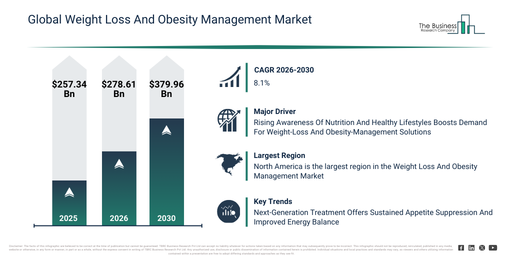
    The weight loss and obesity management market size has experienced significant expansion in recent years. This market is projected to expand from $257.34 billion in 2025 to $278.61 billion in 2026, demonstrating a compound annual growth rate (CAGR) of 8.3%. Historically, this growth has been driven by factors such as the increasing occurrence of obesity-related health issues, an uptick in public health awareness efforts, the proliferation of fitness and wellness facilities, increasing adoption of medical weight management methods, and the availability of a wide array of weight loss options.

    The weight loss and obesity management market is anticipated to experience substantial expansion over the upcoming years. This market is projected to reach $379.96 billion by 2030, exhibiting a compound annual growth rate (CAGR) of 8.1%. This expansion during the forecast period is driven by factors such as the increasing uptake of digital therapeutics, a growing need for tailored obesity treatments, the broadening of employer-supported wellness initiatives, the expanding integration of AI-based health analytics, and a heightened emphasis on sustained weight management. Key trends expected in this timeframe involve the increasing embrace of personalized weight management strategies, the rising incorporation of digital health platforms, the expanding application of data-driven behavioral therapy, the growth of medically supervised weight loss options, and an elevated focus on preventative health results.

    Access Your Free Sample Report for In-Depth Market Insights:

    https://www.thebusinessresearchcompany.com/sample.aspx?id=24429&type=smp

    Which Drivers Are Contributing To The Expansion Of The Weight Loss And Obesity Management Market?

    Future expansion within the weight loss and obesity management market is anticipated, driven by increasing public understanding of nutrition and healthy living practices. These terms, nutrition and healthy lifestyles, denote the adoption of a balanced eating regimen and participation in physical activities designed to promote enduring well-being. The proliferation of information, advice, and tips regarding healthy eating and habits through easily accessible online platforms and social media is fostering greater public consciousness about nutrition and beneficial lifestyle choices. Enhanced understanding of nutrition and healthy living aids weight loss and obesity management by empowering people to select nutritious foods, incorporate consistent exercise, and uphold lasting healthy routines. For example, data from Jun 2024, provided by the International Food Information Council (IFIC), a US based non-profit organization, indicates that 54% of Americans continued to adhere to a particular diet or eating style over the preceding year. A significant number of individuals are focused on elevating their protein consumption, with this interest climbing from 59% in 2022 to 67% in 2023, and further to 71% in 2024. Furthermore, about half of consumers are actively seeking to incorporate more fresh foods into their diets, recognizing these as generally the most wholesome nutritional choices. Consequently, this growing recognition of healthy eating and dietary practices is fueling expansion within the weight loss and obesity management market.

    What Segment Categories Are Covered In The Weight Loss And Obesity Management Market?

    The weight loss and obesity management market covered in this report is segmented –

    1) By Product And Services: Drugs, Supplements, Equipment, Services

    2) By Category: Prescribed, Over The Counter (OTC)

    3) By Age Group: Children, Adults, Geriatric

    4) By Distribution Channel: Institutional Sales, Retail Sales

    5) By Industry Type: Fitness Centers, Slimming Centers, Consulting Services, Online Weight Loss Programs

    Subsegments:

    1) By Drugs: Prescription Drugs, Over-The-Counter (OTC) Drugs, Herbal Drugs

    2) By Supplements: Dietary Supplements, Meal Replacements, Protein Supplements, Fat Burners, Fiber Supplements

    3) By Equipment: Fitness Equipment, Surgical Equipment

    4) By Services: Fitness Centers And Health Clubs, Consultation Services, Online Weight Loss Programs, Behavioral Therapy Services, Diet And Nutrition Counseling, Medical Weight Loss Clinics

    Which Innovation Trends Are Advancing Developments Within The Weight Loss And Obesity Management Market?

    Leading companies in the weight loss and obesity management market are prioritizing the creation of advanced solutions, such as dual incretin GLP-1/GIP receptor agonists. These aim to boost treatment efficacy, support sustained weight reduction, and improve metabolic outcomes. Dual incretin agonists work by simultaneously activating GLP-1 and GIP receptors, which helps reduce appetite, slow gastric emptying, and enhance insulin sensitivity, thereby offering more potent and durable effects than traditional single-target therapies. For instance, in November 2023, U.S.-based pharmaceutical company Eli Lilly introduced Zepbound (tirzepatide) injection for chronic weight management in adults living with obesity or who are overweight with at least one weight-related comorbidity. Tirzepatide mimics the activity of two hormones to prolong satiety, suppress hunger, and facilitate clinically significant, sustained weight loss, conveniently administered once-weekly. This therapy represents a major advancement in obesity care by providing patients with a highly effective, long-term management option.

    Which Major Firms Are Strengthening Their Position In The Weight Loss And Obesity Management Market?

    Major companies operating in the weight loss and obesity management market are F. Hoffmann-La Roche Ltd., Medtronic plc, Takeda Pharmaceutical Company Limited, Novo Nordisk A/S, Boehringer Ingelheim International GmbH, Apollo Endosurgery Inc., Biocon Limited, WW International Inc., Equinox Holdings Inc., Noom Inc., Jenny Craig Inc., Nutrisystem Inc., Virta Health Corp., Allurion Technologies Inc., Atkins Nutritionals Inc., ReShape Lifesciences Inc., Nalpropion Pharmaceuticals Inc., OptiBiotix Health plc, PRISTYN CARE

    Access The Complete Report For Deeper Market Insights:

    https://www.thebusinessresearchcompany.com/report/weight-loss-and-obesity-management-global-market-report

    Which Region Is Anticipated To See The Fastest Growth In The Weight Loss And Obesity Management Market?

    North America was the largest region in the weight loss and obesity management market in 2025. The regions covered in the weight loss and obesity management market report are Asia-Pacific, South East Asia, Western Europe, Eastern Europe, North America, South America, Middle East, Africa.

    Request Your Customized Weight Loss And Obesity Management Market Research Report for Competitive Advantage:

    https://www.thebusinessresearchcompany.com/customise?id=24429&type=smp

    Browse Through More Reports Similar to the Global Weight Loss And Obesity Management Market 2026, By The Business Research Company

    Weight Loss Drugs Market Report 2026

    https://www.thebusinessresearchcompany.com/report/weight-loss-drugs-global-market-report

    Weight Management Market Report 2026

    https://www.thebusinessresearchcompany.com/report/weight-management-global-market-report

    Weight Loss Services Market Report 2026

    https://www.thebusinessresearchcompany.com/report/weight-loss-services-global-market-report

    Get in touch with us:

    The Business Research Company: https://www.thebusinessresearchcompany.com/

    Americas +1 310-496-7795

    Asia +44 7882 955267 & +91 8897263534

    Europe +44 7882 955267

    Email us at info@tbrc.info

    Follow us on:

    LinkedIn: https://in.linkedin.com/company/the-business-research-company

    YouTube: https://www.youtube.com/channel/UC24_fI0rV8cR5DxlCpgmyFQ

    Global Market Model: https://www.thebusinessresearchcompany.com/global-market-model
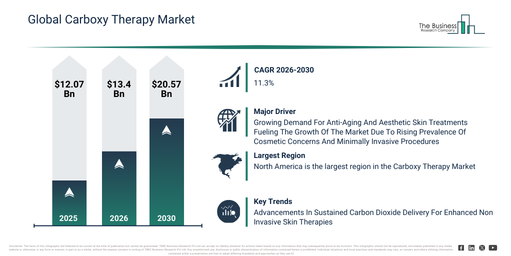
  • Carboxy Therapy Market Future Outlook: Strong Growth Expected Toward $20.57 Billion by 2030

    Carboxy Therapy Market Future Outlook: Strong Growth Expected Toward $20.57 Billion by 2030

    Uncover key drivers, emerging technologies, and competitive movements shaping the carboxy therapy market from 2026–2035 with trusted insights from The Business Research Company

    By how much is the Carboxy Therapy Market expected to grow between 2026 and 2030?

    The carboxy therapy market has experienced substantial growth recently. It is projected to expand from $12.07 billion in 2025 to $13.4 billion by 2026, demonstrating a compound annual growth rate (CAGR) of 11.1%. Historically, this growth can be linked to several factors, including an increase in aesthetic medicine procedures, greater consumer awareness regarding minimally invasive treatments, enhanced availability of professional aesthetic devices, the proliferation of dermatology and cosmetic clinics, and the increasing acceptance of aesthetic therapies.

    The carboxy therapy market size is anticipated to experience substantial expansion over the upcoming years. It is projected to reach $20.57 billion by 2030, exhibiting a compound annual growth rate (CAGR) of 11.3%. This projected growth during the forecast period is driven by factors such as the increasing desire for individualized cosmetic procedures, the growing acceptance of regenerative medicine techniques, the broadening of wellness and preventive care offerings, a heightened emphasis on aesthetic results supported by evidence, and increased investments in sophisticated therapy equipment. Key developments anticipated in the forecast period encompass a greater embrace of tailored aesthetic treatment plans, the expanding incorporation of combination therapy methods, the proliferation of non-invasive skin rejuvenation treatments, an intensified focus on therapies designed to stimulate collagen, and a heightened need for monitoring clinical outcomes.

    Access Your Free Sample Report for In-Depth Market Insights:

    https://www.thebusinessresearchcompany.com/sample.aspx?id=33052&type=smp

    Which Drivers Are Influencing Market Acceleration In The Carboxy Therapy Market?

    The increasing occurrence of skin aging issues and aesthetic worries is anticipated to drive the expansion of the carboxy therapy market. These concerns encompass visible indicators like wrinkles, fine lines, loose skin, dark under-eye circles, cellulite, and inconsistent skin texture, affecting individuals of all ages worldwide. The rise in skin aging and cosmetic issues stems from extended exposure to UV rays, environmental pollutants, and lifestyle choices that hasten collagen degradation and skin deterioration. Carboxy therapy addresses these widespread skin concerns by boosting microcirculation, improving oxygen supply, and stimulating collagen renewal, offering a minimally invasive solution for various aesthetic conditions. An example of this trend is seen in June 2024, where the International Society of Aesthetic Plastic Surgery, a US-based professional organization, reported that facial and head aesthetic procedures in 2023 showed substantial growth from the prior year, reaching more than 6.5 million interventions and indicating a 19.6% increase. Consequently, the increasing incidence of skin aging and cosmetic issues is a primary factor fueling the expansion of the carboxy therapy market.

    What Segments Are Identified Within The Structure Of The Carboxy Therapy Market?

    The carboxy therapy market covered in this report is segmented –

    1) By Service Category: Aesthetic Rejuvenation Services; Therapeutic Medical Treatments; Rehabilitative And Sports Medicine; Post Surgical Recovery Programs

    2) By Product Type: Professional Devices; At-Home Kits

    3) By Gas Type: Carbon Dioxide; Oxygen

    4) By Application: Stretch Marks; Cellulite; Alopecia; Psoriasis; Dark Circles

    5) By End User: Aesthetic Clinics And Dermatology Centers; Hospitals And Medical Centers; Wellness And Spa Centers

    Subsegments:

    1) By Aesthetic Rejuvenation Services: Facial Skin Tightening Treatments; Body Contouring Treatments; Cellulite Reduction Treatments; Stretch Mark Reduction Treatments; Scar Appearance Improvement Treatments; Skin Texture And Tone Enhancement Treatments

    2) By Therapeutic Medical Treatments: Chronic Wound Management Treatments; Peripheral Vascular Disorder Treatments; Dermatological Condition Treatments; Pain Management Treatments; Circulatory Disorder Treatments

    3) By Rehabilitative And Sports Medicine: Muscle Injury Recovery Treatments; Joint Pain Relief Treatments; Soft Tissue Rehabilitation Treatments; Sports Injury Recovery Treatments; Inflammation Reduction Treatments

    4) By Post Surgical Recovery Programs: Postoperative Scar Management Treatments; Edema Reduction Treatments; Tissue Healing Support Treatments; Fibrosis Reduction Treatments; Circulation Improvement Treatments

    What Trends Are Driving The Growth Trajectory Of The Carboxy Therapy Market?

    Leading companies in the carboxy therapy market are concentrating on creating advanced solutions, such as proprietary sustained carbon dioxide delivery systems designed for professional-grade carboxytherapy treatments. This focus aims to satisfy the increasing demand for safer and more efficacious non-invasive aesthetic and regenerative skin therapies. Patented sustained carbon dioxide delivery systems are sophisticated formulations and device technologies that enable the gradual release of carbon dioxide over an extended period, leading to deeper skin absorption and improved circulation compared to conventional fast-acting gels and packs that quickly diminish upon application. For instance, in August 2025, Lumisque Skincare, a US-based clinical skincare and biomedical company, announced progress in its CO2Lift carboxytherapy treatment. This treatment incorporates a patented lactone hydrolysis system that consistently releases carbon dioxide for more than an hour, promoting deeper tissue absorption and wider therapeutic utility. The CO2Lift system is being adopted by physicians and aesthetic practitioners for non-invasive skin regeneration, wound healing support, and enhanced microcirculation, providing a professional alternative to standard consumer-grade CO₂ products. Lumisque’s clinical validation and the system’s integration by medical professionals highlight the technology’s capacity to elevate carboxy therapy beyond basic cosmetic uses, reflecting ongoing innovation in the market.

    Which Key Market Players Are Investing In Expansion And Innovation Within The Carboxy Therapy Market?

    Major companies operating in the carboxy therapy market are Cynosure Inc., Alma Lasers Ltd., Cosmopro Srl, Cocoon Medical Ltd., MBE Medical Divisions GmbH, Carbossiterapia Italiana Srl, DTA Medical GmbH, Alvi Prague Co., Kastner-Praxisbedarf GmbH, MEDAiON Plasma GmbH, Beijing Jontelaser Technologies Co. Ltd., HyaCorp GmbH, Sublime Skin Ltd., Hyaluronic GmbH, Aesthetic Solutions Ltd., RevitaLaze GmbH, Medcos GmbH, Mezopharma GmbH, Advon Technologies Pvt. Ltd., and Solana Beauty Technology Co. Ltd.

    Access The Complete Report For Deeper Market Insights:

    https://www.thebusinessresearchcompany.com/report/carboxy-therapy-market-report

    Which Regions Are Poised For Strategic Growth In The Carboxy Therapy Market?

    North America was the largest region in the carboxy therapy market in 2025. Asia-Pacific is expected to be the fastest-growing region in the forecast period. The regions covered in the carboxy therapy market report are Asia-Pacific, South East Asia, Western Europe, Eastern Europe, North America, South America, Middle East, Africa.

    Request Your Customized Carboxy Therapy Market Research Report for Competitive Advantage:

    https://www.thebusinessresearchcompany.com/customise?id=33052&type=smp

    Browse Through More Reports Similar to the Global Carboxy Therapy Market 2026, By The Business Research Company

    Cell And Genes Therapy Market Report 2026

    https://www.thebusinessresearchcompany.com/report/cell-and-genes-therapy-global-market-report

    Music Therapy Market Report 2026

    https://www.thebusinessresearchcompany.com/report/music-therapy-global-market-report

    Advanced Therapy Medicinal Products Contract Development And Manufacturing Organization Cdmo Market Report 2026

    https://www.thebusinessresearchcompany.com/report/advanced-therapy-medicinal-products-contract-development-and-manufacturing-organization-cdmo-global-market-report

    Get in touch with us:

    The Business Research Company: https://www.thebusinessresearchcompany.com/

    Americas +1 310-496-7795

    Asia +44 7882 955267 & +91 8897263534

    Europe +44 7882 955267

    Email us at info@tbrc.info

    Follow us on:

    LinkedIn: https://in.linkedin.com/company/the-business-research-company

    YouTube: https://www.youtube.com/channel/UC24_fI0rV8cR5DxlCpgmyFQ

    Global Market Model: https://www.thebusinessresearchcompany.com/global-market-model
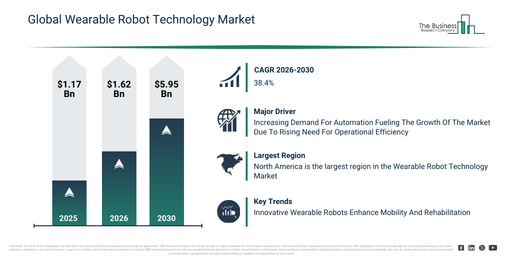
  • Global Wearable Robot Technology Market Report 2026–2035: Key Forecasts and Growth Areas

    Global Wearable Robot Technology Market Report 2026–2035: Key Forecasts and Growth Areas

    Uncover key drivers, emerging technologies, and competitive movements shaping the wearable robot technology market from 2026–2035 with trusted insights from The Business Research Company

    What market expansion outlook does the Wearable Robot Technology Market show for the 2026–2030 period?

    The wearable robot technology market size has experienced significant expansion in recent years. It is anticipated to increase from $1.17 billion in 2025 to $1.62 billion in 2026, exhibiting a compound annual growth rate (CAGR) of 39.1%. The market’s past growth is primarily attributable to advancements in robotic actuator technologies, an increase in workplace injury prevention initiatives, expanding research in rehabilitation robotics, a growing demand for mobility assistance solutions, and early adoption in industrial environments.

    The wearable robot technology market size is poised for remarkable expansion in the coming years, with its value projected to climb to $5.95 billion in 2030, driven by a compound annual growth rate (CAGR) of 38.4%. This growth during the forecast period is primarily attributed to the proliferation of technologies supporting an aging population, increased investments in assistive robotics, expanded adoption within logistics and manufacturing sectors, a heightened demand for personalized rehabilitation systems, and ongoing enhancements in lightweight and flexible materials. Significant trends expected during this period encompass the escalating deployment of industrial exoskeletons, a greater uptake of rehabilitation wearable robots, the expanding integration of sensor-driven motion control, the spread of soft wearable assistive technologies, and a heightened emphasis on human-robot interaction.

    Access Your Free Sample Report for In-Depth Market Insights:

    https://www.thebusinessresearchcompany.com/sample.aspx?id=23579&type=smp

    What Drivers Are Shaping The Development Of The Wearable Robot Technology Market?

    The market for wearable robot technology is anticipated to grow due to the rising demand for automation. Automation involves deploying technology or machinery to execute tasks with little to no human involvement. This surge in automation demand stems from the imperative for greater operational efficiency, as companies strive to cut expenses, lessen mistakes, and enhance productivity. Wearable robot technology facilitates automation by enabling human-machine collaboration, making it particularly suitable for industries requiring extensive manual labor and for healthcare environments. It helps to lessen physical exertion by boosting movement and strength, which in turn elevates productivity and operational effectiveness. For instance, in September 2024, the International Federation of Robotics, a Germany-based non-profit organization, reported that about 4.2 million robotic units were operational in factories globally in 2023, which was a 10% increase from 3.9 units in 2022. Consequently, the growing demand for automation is fueling the expansion of the wearable robot technology market.

    Which Segments Are Contributing To The Growth Of The Wearable Robot Technology Market?

    The wearable robot technology market covered in this report is segmented –

    1) By Type: Rigid Type, Soft Type

    2) By Mode Of Operation: Passive, Active And Powered

    3) By Application: Rehabilitation, Assistive, Body Parts Support, Sports, Supply Chain Industry, Other Applications

    4) By End User: Healthcare, Consumer Electronics, Enterprise And Industrial Applications, Other End Users

    Subsegments:

    1) By Rigid Type: Exoskeletons With Metallic Frames, Powered Rigid Suits For Industrial Lifting, Military-Grade Wearable Robots, Medical Rehabilitation Robots, Full-Body Rigid Assistive Devices

    2) By Soft Type: Soft Robotic Exosuits, Pneumatic, Textile-Based Wearable Assistive Devices, Cable-Driven Flexible Actuators, Soft Wearable Robots For Elderly Mobility Support

    Which Competitive Trends Are Impacting The Structure Of The Wearable Robot Technology Market?

    Major companies in the wearable robot technology market are concentrating on creating innovative solutions, such as wearable assistive robotics, to boost user mobility and improve their quality of life. Wearable assistive robotics refers to robotic devices worn on the body that support or enhance physical movement, often aiding individuals with mobility impairments or physical limitations. For example, in July 2024, CosmoRobotics Co., Ltd., a South Korea-based technology company, introduced a line of innovative wearable robots. These products, including Bambini Teens, EA2Pro, EAM, GRANY, and EXA-W, are designed to enhance daily life by assisting with muscle strength and rehabilitation. Among their features, Bambini Teens is developed for children, and EA2Pro is a second-generation exoskeleton equipped with advanced motor sensors and an ergonomic design for rehabilitation.

    Who Are The Primary Competitors In The Global Wearable Robot Technology Market?

    Major companies operating in the wearable robot technology market are Toyota Corporation, Samsung Electronics Co Ltd., Hyundai Motor Company, Lockheed Martin Corporation, Honda Motor Co Ltd., Parker Hannifin Corporation, Myomo Inc, Sarcos Technology and Robotics Corporation, Zimmer Biomet Holdings Inc, Ottobock SE & Co KGaA, Comau LLC, Cyberdyne Inc., Hocoma AG, Ekso Bionics Holdings Inc, Laevo B V, Innophys Co Ltd, Marsi Bionics, Näder Holding GmbH & Co KG, Technaid S L, ReWalk Robotics Ltd, German Bionic

    Access The Complete Report For Deeper Market Insights:

    https://www.thebusinessresearchcompany.com/report/wearable-robot-technology-global-market-report

    Which Global Regions Are Shaping The Competitive Landscape Of The Wearable Robot Technology Market?

    North America was the largest region in the wearable robot technology market in 2025. Asia-Pacific is expected to be the fastest-growing region in the forecast period. The regions covered in the wearable robot technology market report are Asia-Pacific, South East Asia, Western Europe, Eastern Europe, North America, South America, Middle East, Africa.

    Request Your Customized Wearable Robot Technology Market Research Report for Competitive Advantage:

    https://www.thebusinessresearchcompany.com/customise?id=23579&type=smp

    Browse Through More Reports Similar to the Global Wearable Robot Technology Market 2026, By The Business Research Company

    Wearable Ai Devices Market Report 2026

    https://www.thebusinessresearchcompany.com/report/wearable-ai-devices-global-market-report

    Wearable Ai Market Report 2026

    https://www.thebusinessresearchcompany.com/report/wearable-ai-global-market-report

    Smart Wearables Market Report 2026

    https://www.thebusinessresearchcompany.com/report/smart-wearables-global-market-report

    Get in touch with us:

    The Business Research Company: https://www.thebusinessresearchcompany.com/

    Americas +1 310-496-7795

    Asia +44 7882 955267 & +91 8897263534

    Europe +44 7882 955267

    Email us at info@tbrc.info

    Follow us on:

    LinkedIn: https://in.linkedin.com/company/the-business-research-company

    YouTube: https://www.youtube.com/channel/UC24_fI0rV8cR5DxlCpgmyFQ

    Global Market Model: https://www.thebusinessresearchcompany.com/global-market-model
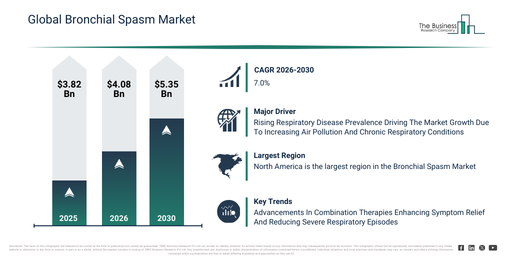
  • Revenue of the Bronchial Spasm Market Predicted to Achieve $5.35 Billion by 2030, Driven by 7% CAGR

    Revenue of the Bronchial Spasm Market Predicted to Achieve $5.35 Billion by 2030, Driven by 7% CAGR

    Uncover key drivers, emerging technologies, and competitive movements shaping the bronchial spasm market from 2026–2035 with trusted insights from The Business Research Company

    What is the estimated market size of the Bronchial Spasm Market by the end of 2030?

    The bronchial spasm market has experienced robust expansion in recent years. Projections indicate its size will expand from $3.82 billion in 2025 to reach $4.08 billion by 2026, demonstrating a compound annual growth rate (CAGR) of 6.8%. This historical growth is attributable to factors such as the rising incidence of asthma and copd, the extensive adoption of bronchodilator medications, the development of inhalation drug delivery systems, enhanced understanding of respiratory health, and the introduction of generic inhaler formulations.

    The bronchial spasm market is projected to experience substantial growth over the coming years, with its size expected to reach $5.35 billion by 2030, exhibiting a compound annual growth rate (CAGR) of 7.0%. This expansion during the forecast period is fueled by factors such as the increasing need for personalized respiratory therapies, the growing integration of digital inhaler monitoring, the broadening scope of homecare respiratory management, an intensified focus on preventive pulmonary care, and the accelerated development of new bronchodilator formulations. Significant trends anticipated during this period include the rising adoption of combination inhaler treatments, an escalating demand for fast-acting rescue medications, the wider deployment of smart inhaler devices, the expansion of home-based respiratory care solutions, and an elevated emphasis on personalized respiratory treatment.

    Access Your Free Sample Report for In-Depth Market Insights:

    https://www.thebusinessresearchcompany.com/sample.aspx?id=33049&type=smp

    What Drivers Are Shaping Future Opportunities In The Bronchial Spasm Market?

    The increasing occurrence of respiratory conditions is projected to drive the expansion of the bronchial spasm market in the future. These are ailments impacting the respiratory system, causing breathing difficulties and a decrease in the body’s oxygen supply. An uptick in air pollution, leading to prolonged exposure to detrimental particulate matter and contaminants, is contributing to the rise in respiratory illnesses. Bronchial spasm plays a role in diagnosing and clarifying respiratory diseases by indicating airway muscle constriction, which impairs breathing, and acts as a crucial clinical marker for conditions like asthma and chronic obstructive pulmonary disease. To illustrate, data from the National Center for Biotechnology Information, a US-based government agency, indicated in December 2023 that COPD cases were anticipated to increase by 112 million, summing up to 592 million by 2050, constituting 9.5% of the qualified populace. Consequently, the expanding occurrence of respiratory diseases is fueling the expansion of the bronchial spasm market.

    Which Segments Are Gaining Traction In The Bronchial Spasm Market?

    The bronchial spasm market covered in this report is segmented –

    1) By Drug Type: Bronchodilators; Anti Inflammatory Agents; Combination Therapies

    2) By Route Of Administration: Inhalation; Oral; Injectable

    3) By Diagnosis Type: Imaging Test; Spirometry Test; Other Diagnosis Types

    4) By Distribution Channel: Hospital Pharmacies; Retail Pharmacies; Online Pharmacies

    5) By End User: Hospitals; Specialty Clinics; Homecare Settings

    Subsegments:

    1) By Bronchodilators: Short Acting Beta Agonists; Long Acting Beta Agonists; Anticholinergic Agents; Methylxanthine Agents

    2) By Anti Inflammatory Agents: Corticosteroid Agents; Leukotriene Modifier Agents; Mast Cell Stabilizer Agents; Nonsteroidal Anti Inflammatory Agents

    3) By Combination Therapies: Beta Agonist And Corticosteroid Combinations; Anticholinergic And Beta Agonist Combinations; Anti Inflammatory And Bronchodilator Combinations; Dual Mechanism Respiratory Combinations

    What Upcoming Trends Are Likely To Define The Future Path Of The Bronchial Spasm Market?

    Leading companies in the bronchial spasm market are prioritizing the development of innovative solutions, such as rescue combination inhalers, to offer quick symptom alleviation while simultaneously managing underlying airway inflammation, thereby enhancing patient results and fostering better adherence. A rescue combination inhaler delivers both a fast-acting bronchodilator for immediate symptom relief and an anti-inflammatory drug to address underlying airway inflammation. For instance, in January 2024, AstraZeneca plc, a US-based biopharmaceutical company, secured FDA approval for AIRSUPRA (albuterol or budesonide), an anti-inflammatory rescue inhaler for asthma in adults aged 18 and older. This therapy provides rapid relief from bronchial spasms, lessens the risk of acute exacerbations, and aligns with updated asthma management guidelines that recommend combined symptom and inflammation control. Clinical trial data showed that patients employing this strategy experienced faster bronchodilation, a reduction in the frequency of severe respiratory episodes, and improved overall disease management, ultimately supporting better outcomes for individuals with chronic airway conditions.

    Who Are The Core Companies Influencing Trends In The Bronchial Spasm Market?

    Major companies operating in the bronchial spasm market are Merck & Co. Inc., Pfizer Inc., Sanofi S.A., Novartis AG, AstraZeneca plc, GlaxoSmithKline plc, Boehringer Ingelheim International GmbH, Teva Pharmaceutical Industries Ltd., Viatris Inc., Menarini Group, Sandoz AG, Chiesi Farmaceutici S.p.A., Cipla Ltd., Lupin Pharmaceuticals Inc., Glenmark Pharmaceuticals Ltd., Amphastar Pharmaceuticals Inc., Nephron Pharmaceuticals Corporation, Beximco Pharmaceuticals Ltd., Circassia Group, Sunovion Pharmaceuticals Inc., PARI Medical Holding GmbH.

    Access The Complete Report For Deeper Market Insights:

    https://www.thebusinessresearchcompany.com/report/bronchial-spasm-market-report

    Which Regions Are Projected To Dominate The Bronchial Spasm Market In The Coming Years?

    North America was the largest region in the bronchial spasm market in 2025. Asia-Pacific is expected to be the fastest-growing region in the forecast period. The regions covered in the bronchial spasm market report are Asia-Pacific, South East Asia, Western Europe, Eastern Europe, North America, South America, Middle East, Africa.

    Request Your Customized Bronchial Spasm Market Research Report for Competitive Advantage:

    https://www.thebusinessresearchcompany.com/customise?id=33049&type=smp

    Browse Through More Reports Similar to the Global Bronchial Spasm Market 2026, By The Business Research Company

    Bronchoscope Market Report 2026

    https://www.thebusinessresearchcompany.com/report/bronchoscope-global-market-report

    Bronchodilators Market Report 2026

    https://www.thebusinessresearchcompany.com/report/bronchodilators-global-market-report

    Bronchodilators Market Report 2026

    https://www.thebusinessresearchcompany.com/report/bronchodilators-global-market-report

    Get in touch with us:

    The Business Research Company: https://www.thebusinessresearchcompany.com/

    Americas +1 310-496-7795

    Asia +44 7882 955267 & +91 8897263534

    Europe +44 7882 955267

    Email us at info@tbrc.info

    Follow us on:

    LinkedIn: https://in.linkedin.com/company/the-business-research-company

    YouTube: https://www.youtube.com/channel/UC24_fI0rV8cR5DxlCpgmyFQ

    Global Market Model: https://www.thebusinessresearchcompany.com/global-market-model
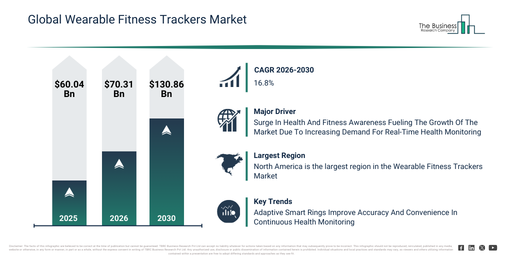
  • Wearable Fitness Trackers Market 2026–2030: Forecast, Innovation, and Competitive Trends

    Wearable Fitness Trackers Market 2026–2030: Forecast, Innovation, and Competitive Trends

    Uncover key drivers, emerging technologies, and competitive movements shaping the wearable fitness trackers market from 2026–2035 with trusted insights from The Business Research Company

    What level of growth is expected in the Wearable Fitness Trackers Market between 2026 and 2030?

    The wearable fitness trackers market size has shown rapid expansion in recent years. It is expected to escalate from $60.04 billion in 2025 to $70.31 billion in 2026, demonstrating a compound annual growth rate (CAGR) of 17.1%. Historically, this market’s growth can be linked to heightened consumer awareness of personal health, the increasing use of smartphones and connected devices, the broader application of preventive healthcare practices, the rising popularity of fitness-focused lifestyles, and the presence of affordable wearable electronics.

    The wearable fitness trackers market size is projected to experience rapid expansion over the next few years. It is anticipated to grow to $130.86 billion in 2030, demonstrating a compound annual growth rate (CAGR) of 16.8%. This growth during the forecast period is attributable to the increasing demand for continuous health monitoring solutions, greater integration with telehealth platforms, the broadening of personalized fitness and wellness programs, rising adoption among aging populations, and improvements in sensor accuracy and battery efficiency. Significant trends for the forecast period involve the increasing adoption of advanced health monitoring sensors, rising integration of multi-metric wellness tracking, growing demand for app-based fitness ecosystems, the expansion of smart clothing and wearable accessories, and an enhanced focus on personalized fitness insights.

    Access Your Free Sample Report for In-Depth Market Insights:

    https://www.thebusinessresearchcompany.com/sample.aspx?id=24427&type=smp

    Which Drivers Are Expected To Impact The Wearable Fitness Trackers Market During The Forecast Period?

    The wearable fitness trackers market is anticipated to experience growth driven by increasing health and fitness consciousness. Health and fitness refer to the comprehensive well-being of both body and mind, achieved through consistent physical activity, proper nutrition, and a balanced way of life. This awareness is escalating due to a rise in lifestyle-related diseases, which encourages individuals to adopt healthier practices to avert conditions like obesity, diabetes, and heart disease. The rising recognition of health and fitness fuels the demand for wearable fitness trackers, as people seek straightforward methods to monitor their activity, heart rate, and overall well-being in real time. For instance, a nationwide survey conducted in April 2023 by the International Food Information Council (IFIC), a US-based non-profit organization, based on responses from 1,022 individuals aged 18 to 80, revealed that 52% of Americans were adhering to a specific diet or eating pattern. Younger generations notably led this trend, with 66% of Gen Z and 63% of Millennials reporting diet adherence, compared to 50% of Gen X and 41% of Boomers. Significantly, Baby Boomers demonstrated a substantial increase in diet adherence, rising from 29% in 2022 to 41% in 2023. This data underscores a growing national interest in health-conscious and intentional eating behaviors across all age groups. Consequently, the expanding awareness towards health and fitness is propelling the growth of the wearable fitness trackers market.

    How Is The Wearable Fitness Trackers Market Divided Into Segments?

    The wearable fitness trackers market covered in this report is segmented –

    1) By Product Type: Smartwatches, Activity Monitors, Smart Clothing

    2) By Connectivity: Bluetooth, Wireless Fidelity (Wi-Fi), Cellular, Near Field Communication (NFC), Other Connectivities

    3) By Operating System: Android, iOS, Windows, Tizen

    4) By Distribution Channel: Online, Offline

    5) By Application: Heart Rate Tracking, Sleep Measurement Tracking, Sport, Running, Cycling Tracking, Glucose Measurement Tracking

    Subsegments:

    1) By Smartwatches: GPS Smartwatches, Heart Rate Monitoring Smartwatches, Blood Oxygen (Spo2) Monitoring Smartwatches, Sleep Tracking Smartwatches, Multi-Sport Smartwatches

    2) By Activity Monitors: Clip-On Trackers, Wristband Trackers, Ankle Or Waist-Worn Trackers, Pedometers, Continuous Glucose Monitors (CGMs)

    3) By Smart Clothing: Smart Shirts, Smart Shoes, Smart Socks, Smart Sports Bras, Smart Tights Or Pants

    What Industry Trends Are Transforming The Wearable Fitness Trackers Market?

    Leading firms within the wearable fitness trackers market are concentrating on creating innovative solutions, such as smart rings equipped with adaptive sensing technology. These efforts aim to enhance continuous health monitoring, boost measurement accuracy, and offer a discreet, user-friendly substitute for conventional wrist-worn gadgets. Smart rings themselves are compact wearables worn on the finger, integrating advanced sensors to monitor metrics like heart rate, blood oxygen (SpO2), sleep patterns, activity levels, and body temperature. Their subtle form factor and optimized power consumption contribute to longer battery life. An example is the Oura Ring 4, launched in October 2024 by Oura, a Finland-based wellness technology company. This device incorporates “Smart Sensing” technology, an algorithm that adjusts to the wearer’s finger shape for more precise readings. The Oura Ring 4 features 18 signal pathways (an increase from 8 in prior models), recessed sensors for comfort, a titanium build, 100 m water resistance, and offers up to 8 days of battery life. Engineered to provide accurate and reliable health insights alongside a minimalist and stylish design, the Oura Ring 4 truly represents the next generation of wearable fitness technology.

    Which Key Market Players Are Investing In Expansion And Innovation Within The Wearable Fitness Trackers Market?

    Major companies operating in the wearable fitness trackers market are Apple Inc., Samsung Electronics Co. Ltd., Huawei Technologies Co. Ltd., NIKE Inc., Xiaomi Inc., Garmin Ltd., Fossil Group Inc., Fitbit Inc., Polar Electro Oy, MAD Apparel Inc., GOQii, Honor, Moov Inc., Boltt, Sensoria Inc., Ambiotex GmbH, Activinsights Ltd., Atlas Wearables Inc.

    Access The Complete Report For Deeper Market Insights:

    https://www.thebusinessresearchcompany.com/report/wearable-fitness-trackers-global-market-report

    Which Regions Are Poised For Strategic Growth In The Wearable Fitness Trackers Market?

    North America was the largest region in the wearable fitness trackers market in 2025. Asia-Pacific is expected to be the fastest-growing region in the forecast period. The regions covered in the wearable fitness trackers market report are Asia-Pacific, South East Asia, Western Europe, Eastern Europe, North America, South America, Middle East, Africa.

    Request Your Customized Wearable Fitness Trackers Market Research Report for Competitive Advantage:

    https://www.thebusinessresearchcompany.com/customise?id=24427&type=smp

    Browse Through More Reports Similar to the Global Wearable Fitness Trackers Market 2026, By The Business Research Company

    Gps Tracking Device Market Report 2026

    https://www.thebusinessresearchcompany.com/report/gps-tracking-device-global-market-report

    Smart Wearables Market Report 2026

    https://www.thebusinessresearchcompany.com/report/smart-wearables-global-market-report

    Wearable Heart Monitoring Devices Market Report 2026

    https://www.thebusinessresearchcompany.com/report/wearable-heart-monitoring-devices-global-market-report

    Get in touch with us:

    The Business Research Company: https://www.thebusinessresearchcompany.com/

    Americas +1 310-496-7795

    Asia +44 7882 955267 & +91 8897263534

    Europe +44 7882 955267

    Email us at info@tbrc.info

    Follow us on:

    LinkedIn: https://in.linkedin.com/company/the-business-research-company

    YouTube: https://www.youtube.com/channel/UC24_fI0rV8cR5DxlCpgmyFQ

    Global Market Model: https://www.thebusinessresearchcompany.com/global-market-model
  • Brain-Controlled Lower-Limb Prosthesis Sector Forecast Shows Robust Momentum, Climbing to $2.05 Billion With 16.1% CAGR

    Brain-Controlled Lower-Limb Prosthesis Sector Forecast Shows Robust Momentum, Climbing to $2.05 Billion With 16.1% CAGR

    Uncover key drivers, emerging technologies, and competitive movements shaping the brain-controlled lower-limb prosthesis market from 2026–2035 with trusted insights from The Business Research Company

    What was the valuation of the Brain-Controlled Lower-Limb Prosthesis Market in 2026, and what figure is it projected to hit by 2030?

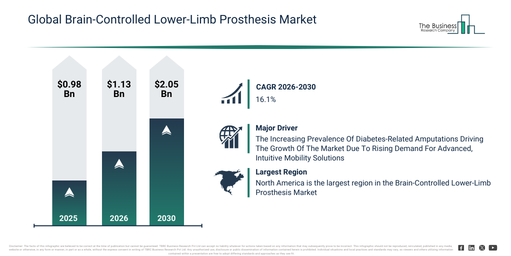
    The brain-controlled lower-limb prosthesis market size has seen rapid expansion in recent years. It is forecast to grow from $0.98 billion in 2025 to $1.13 billion in 2026, at a compound annual growth rate (CAGR) of 15.8%. This historical growth can be attributed to advancements in myoelectric prosthetics, an increasing incidence of limb loss, early adoption of microprocessor-controlled limbs, the expansion of rehabilitation infrastructure, and improvements in prosthetic material science.

    The brain-controlled lower-limb prosthesis market size is projected to experience swift expansion over the coming years. This market is set to reach $2.05 billion by 2030, exhibiting a compound annual growth rate (CAGR) of 16.1%. Factors driving this growth during the forecast period include a growing need for brain-controlled mobility devices, the increasing incorporation of AI and machine learning into prosthetic limbs, the spread of customized prosthetic fitting innovations, the rising uptake of intelligent rehabilitation platforms, and enhanced insurance coverage for sophisticated prosthetic systems. Key trends anticipated in the same period involve the increasing implementation of AI-driven prosthetic gait systems, an uptick in the utilization of multi-modal neural signal integration, an increasing call for adaptive and self-learning prosthetic limbs, the proliferation of prostheses equipped with sensory feedback, and a heightened emphasis on restoring natural mobility.

    Access Your Free Sample Report for In-Depth Market Insights:

    https://www.thebusinessresearchcompany.com/sample.aspx?id=33046&type=smp

    Which Drivers Are Affecting Market Participation In The Brain-Controlled Lower-Limb Prosthesis Market?

    The expanding occurrence of diabetes-related amputations is anticipated to propel the brain-controlled lower-limb prosthesis market forward. Diabetes-related amputations are surgical removals of a lower limb necessitated by severe complications arising from prolonged, inadequately managed diabetes. This increasing prevalence stems from poor glycemic control, which accelerates damage to blood vessels, causes neuropathy, and leads to persistent foot ulcers that frequently advance to severe infections and tissue loss. Brain-controlled lower-limb prostheses assist individuals with such amputations by re-establishing natural mobility and balance through direct neural command, which facilitates safer gait, reduces the likelihood of subsequent complications, and enhances long-term autonomy. For example, in March 2025, data from the Office for Health Improvement and Disparities, a UK government agency, indicated that in 2024, the GP-recorded adult prevalence of type 2 diabetes in England rose to 7.0% among individuals aged 17 and above, an increase from 6.8% in March 2023. Consequently, the rising incidence of diabetes-related amputations is a key driver for the growth of the brain-controlled lower-limb prosthesis market.

    What Segment Categories Are Covered In The Brain-Controlled Lower-Limb Prosthesis Market?

    The brain-controlled lower-limb prosthesis market covered in this report is segmented –

    1) By Product Type: Myoelectric Prosthesis; Bionic Prosthesis; Hybrid Prosthesis; Other Product Types

    2) By Technology: Electroencephalography-Based; Electromyography-Based; Electrocorticography-Based; Other Technologies

    3) By Application: Hospitals; Rehabilitation Centers; Prosthetic Clinics; Other Applications

    4) By End-User: Adults; Pediatrics; Elderly

    Subsegments:

    1) By Myoelectric Prosthesis: Surface Electrode Controlled Prosthesis; Implanted Electrode Controlled Prosthesis; Pattern Recognition Based Prosthesis; Adaptive Control Myoelectric Prosthesis; Multi Signal Input Myoelectric Prosthesis

    2) By Bionic Prosthesis: Neural Interface Controlled Prosthesis; Sensory Feedback Enabled Prosthesis; Artificial Intelligence Integrated Prosthesis; Fully Integrated Bionic Limb Systems; Smart Actuator Based Bionic Prosthesis

    3) By Hybrid Prosthesis: Myoelectric And Mechanical Combined Prosthesis; Neural And Myoelectric Integrated Prosthesis; Sensor Assisted Hybrid Prosthesis; Adaptive Hybrid Control Prosthesis; Multi Modal Control Hybrid Prosthesis

    4) By Other Product Types: Mechanically Controlled Prosthesis; Microprocessor Assisted Prosthesis; Externally Powered Prosthesis; Custom Designed Prosthetic Systems; Experimental Prototype Prosthesis

    Which Major Industry Participants Are Leading The Brain-Controlled Lower-Limb Prosthesis Market Growth?

    Major companies operating in the brain-controlled lower-limb prosthesis market are Ottobock SE And Co. KGaA, Össur hf., Blatchford Limited, Fillauer Companies Inc., College Park Industries Inc., Exiii Inc., Advanced Arm Dynamics Inc., Open Bionics Ltd., BrainRobotics Inc., Blackrock Neurotech Inc., Coapt LLC, Hi-Tech Artificial Limbs Pvt. Ltd., Integrum AB, Liberating Technologies Inc., Limbitless Solutions Inc., Symbionic Inc., Unlimited Tomorrow Inc., Vincent Systems GmbH, Bionik Laboratories Corp., Credence Prosthetic Pvt. Ltd.

    Access The Complete Report For Deeper Market Insights:

    https://www.thebusinessresearchcompany.com/report/brain-controlled-lower-limb-prosthesis-market-report

    Which Region Is Expected To Experience The Fastest Growth In The Brain-Controlled Lower-Limb Prosthesis Market?

    North America was the largest region in the brain-controlled lower-limb prosthesis market in 2025. Asia-Pacific is expected to be the fastest-growing region in the forecast period. The regions covered in the brain-controlled lower-limb prosthesis market report are Asia-Pacific, South East Asia, Western Europe, Eastern Europe, North America, South America, Middle East, Africa.

    Request Your Customized Brain-Controlled Lower-Limb Prosthesis Market Research Report for Competitive Advantage:

    https://www.thebusinessresearchcompany.com/customise?id=33046&type=smp

    Browse Through More Reports Similar to the Global Brain-Controlled Lower-Limb Prosthesis Market 2026, By The Business Research Company

    Neuroprosthetics Market Report 2026

    https://www.thebusinessresearchcompany.com/report/neuroprosthetics-global-market-report

    Robotic Prosthetics Market Report 2026

    https://www.thebusinessresearchcompany.com/report/robotic-prosthetics-global-market-report

    Prosthetics And Orthotics Market Report 2026

    https://www.thebusinessresearchcompany.com/report/prosthetics-and-orthotics-global-market-report

    Get in touch with us:

    The Business Research Company: https://www.thebusinessresearchcompany.com/

    Americas +1 310-496-7795

    Asia +44 7882 955267 & +91 8897263534

    Europe +44 7882 955267

    Email us at info@tbrc.info

    Follow us on:

    LinkedIn: https://in.linkedin.com/company/the-business-research-company

    YouTube: https://www.youtube.com/channel/UC24_fI0rV8cR5DxlCpgmyFQ

    Global Market Model: https://www.thebusinessresearchcompany.com/global-market-model
  • Brain Bionics Market Anticipated to Record Steady Gains, Advancing to $7.35 Billion by 2030

    Brain Bionics Market Anticipated to Record Steady Gains, Advancing to $7.35 Billion by 2030

    Uncover key drivers, emerging technologies, and competitive movements shaping the brain bionics market from 2026–2035 with trusted insights from The Business Research Company

    What are the forecasted starting (2026) and ending (2030) market sizes for the Brain Bionics Market?

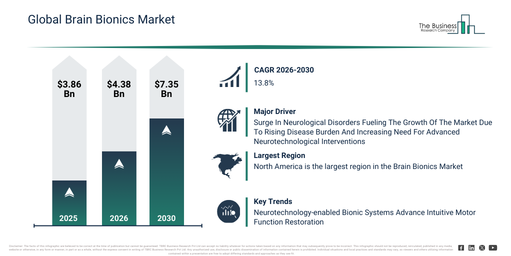
    The brain bionics market has seen swift growth in recent years. This market is forecast to increase from $3.86 billion in 2025 to $4.38 billion in 2026, with a compound annual growth rate (CAGR) of 13.6%. The expansion observed in the past can be attributed to advancements in neuroscience research, increasing prevalence of neurological disorders, early clinical adoption of deep brain stimulation, growth in academic neurotechnology programs, and rising investments in medical device innovation.

    Projections indicate the brain bionics market size will expand significantly over the coming years, reaching $7.35 billion by 2030, exhibiting a compound annual growth rate (CAGR) of 13.8%. This anticipated growth throughout the forecast period stems from factors such as a heightened demand for personalized neurotherapies, the broadening of brain-computer interface clinical trials, the expanding integration of cloud-based neural data platforms, a rise in the adoption of home-based neurofeedback systems, and more frequent regulatory approvals for implantable neurodevices. Key trends during this period are expected to encompass an escalating uptake of implantable neural interfaces, increasing integration of AI-driven neural signal processing, wider application of non-invasive brain-computer interfaces, the broadening of closed-loop neuromodulation systems, and a stronger emphasis on individualized neurotherapy solutions.

    Access Your Free Sample Report for In-Depth Market Insights:

    https://www.thebusinessresearchcompany.com/sample.aspx?id=33045&type=smp

    What Drivers Are Supporting Technological Adoption In The Brain Bionics Market?

    The increasing occurrence of neurological disorders is projected to fuel the expansion of the brain bionics market moving forward. Neurological disorders are defined as illnesses and states that impact the brain, spinal cord, and nerves, leading to impairments in movement, cognition, sensation, or behavior. The rise in neurological disorder prevalence is primarily linked to an aging population, which increases the likelihood of conditions such as Parkinson’s disease, epilepsy, stroke, and dementia. Brain bionics assists in the management and treatment of neurological disorders by enabling direct interaction between neural circuits and artificial systems to restore lost functions, modulate abnormal brain activity, and enhance rehabilitation outcomes. For instance, in December 2025, according to the Medical Republic, an Australia-based media company, reported that neurological conditions resulted in over 350,000 hospital admissions and 130,000 emergency department visits during 2023–24. Therefore, the growing prevalence of neurological disorders is propelling the growth of the brain bionics market.

    Which Segments Are Contributing To The Growth Of The Brain Bionics Market?

    The brain bionics market covered in this report is segmented –

    1) By Product Type: Neuroprosthetics; Brain-Machine Interfaces (BMIs); Neuromodulation Devices; Transcranial Magnetic Stimulation Devices

    2) By Technology: Electrodes And Sensors; Software And Algorithms; Cloud-Based Platforms; Wearable Devices

    3) By User Demographics: Adults; Pediatrics; Elderly

    4) By Application: Neurorehabilitation; Cognitive Enhancement; Pain Management; Neurodegenerative Disorders; Acute Interstitial Nephritis Disorders

    5) By End User: Hospitals; Academic And Research Institutes; Home Care Settings; Pharmaceutical And Biotech Companies

    Subsegments:

    1) By Neuroprosthetics: Cochlear Implants; Retinal Implants; Deep Brain Stimulation Implants; Spinal Cord Stimulation Implants; Peripheral Nerve Stimulation Implants

    2) By Brain-Machine Interfaces (BMIs): Invasive Brain-Machine Interfaces; Partially Invasive Brain-Machine Interfaces; Non-Invasive Brain-Machine Interfaces; Assistive Communication Brain-Machine Interfaces; Motor Control Brain-Machine Interfaces

    3) By Neuromodulation Devices: Deep Brain Stimulation Devices; Spinal Cord Stimulation Devices; Vagus Nerve Stimulation Devices; Sacral Nerve Stimulation Devices; Peripheral Nerve Stimulation Devices

    4) By Transcranial Magnetic Stimulation Devices: Repetitive Transcranial Magnetic Stimulation Devices; Deep Transcranial Magnetic Stimulation Devices; Single-Pulse Transcranial Magnetic Stimulation Devices; Paired-Pulse Transcranial Magnetic Stimulation Devices; Portable Transcranial Magnetic Stimulation Devices

    Which Trends Are Influencing The Development Of The Brain Bionics Market?

    Leading companies operating in the brain bionics market are concentrating on developing advanced solutions, such as brain-controlled bionic prosthetics, to improve motor function restoration, enhance user control accuracy, and facilitate more natural human–machine interaction. Brain-controlled bionic systems refer to neurotechnology-enabled prosthetic devices that utilize brain–computer interface (BCI) signals to transform neural activity into precise mechanical movements, allowing individuals to control artificial limbs via thought rather than physical input. For instance, in October 2025, BrainCo Inc., a US-based neurotechnology company, developed a brain-controlled bionic hand intended to assist amputees in regaining functional hand movements by interpreting brain signals in real time. This bionic hand integrates non-invasive brain-sensing technology with advanced AI algorithms to decode user intent and convert it into smooth, responsive motion. This methodology improves control precision, reduces the learning curve for users, and enables more intuitive interaction when compared with traditional myoelectric prosthetics. By combining neuroscience, artificial intelligence, and robotics, this solution supports enhanced rehabilitation outcomes and greater independence for users, reflecting a broader market demand for intelligent, brain-driven bionic technologies.

    Who Are The Prominent Global Companies Shaping The Brain Bionics Market Landscape?

    Major companies operating in the brain bionics market are NeuroPace Inc., Medtronic plc, BrainsWay Ltd., Boston Scientific Corporation, Kernel Labs Inc., LivaNova plc, Neuronetics Inc., Neuralink Corporation, Synchron Inc., Cala Health Inc., MindMaze SA, Emotiv Inc., Abbott Neuromodulation, MagVenture A/S, Paradromics Inc., Axoft LLC, Neuroelectrics Barcelona S.L.U., Blackrock Neurotech Inc., Soterix Medical Inc., Neurable Inc., Bitbrain Technologies S.L., BrainGate Consortium.

    Access The Complete Report For Deeper Market Insights:

    https://www.thebusinessresearchcompany.com/report/brain-bionics-market-report

    Which Geographic Areas Are Emerging As Strong Markets For The Brain Bionics Market?

    North America was the largest region in the brain bionics market in 2025. Asia-Pacific is expected to be the fastest-growing region in the forecast period. The regions covered in the brain bionics market report are Asia-Pacific, South East Asia, Western Europe, Eastern Europe, North America, South America, Middle East, Africa.

    Request Your Customized Brain Bionics Market Research Report for Competitive Advantage:

    https://www.thebusinessresearchcompany.com/customise?id=33045&type=smp

    Browse Through More Reports Similar to the Global Brain Bionics Market 2026, By The Business Research Company

    Brain Health Supplements Market Report 2026

    https://www.thebusinessresearchcompany.com/report/brain-health-supplements-global-market-report

    Bionics Market Report 2026

    https://www.thebusinessresearchcompany.com/report/bionics-global-market-report

    Bionic Devices Market Report 2026

    https://www.thebusinessresearchcompany.com/report/bionic-devices-global-market-report

    Get in touch with us:

    The Business Research Company: https://www.thebusinessresearchcompany.com/

    Americas +1 310-496-7795

    Asia +44 7882 955267 & +91 8897263534

    Europe +44 7882 955267

    Email us at info@tbrc.info

    Follow us on:

    LinkedIn: https://in.linkedin.com/company/the-business-research-company

    YouTube: https://www.youtube.com/channel/UC24_fI0rV8cR5DxlCpgmyFQ

    Global Market Model: https://www.thebusinessresearchcompany.com/global-market-model