Month: March 2026

  • Water Flosser Market Forecast 2026–2035: Data Trends and Industry Insights

    Water Flosser Market Forecast 2026–2035: Data Trends and Industry Insights

    Uncover key drivers, emerging technologies, and competitive movements shaping the water flosser market from 2026–2035 with trusted insights from The Business Research Company

    How much is the Water Flosser Market valued at in 2026, and what valuation is forecast for 2030?

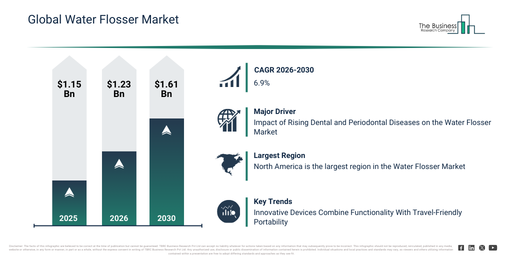
    The water flosser market has experienced robust expansion over recent years. Projections indicate its expansion from $1.15 billion in 2025 to $1.23 billion by 2026, demonstrating a compound annual growth rate (CAGR) of 6.9%. This historical growth is attributable to factors such as heightened awareness regarding oral hygiene, the broadening of retail channels for dental care products, the uptake of electric oral care tools, an increase in orthodontic treatments, and better consumer access to dental technologies.

    The water flosser market is anticipated to experience substantial expansion over the upcoming years. Its valuation is projected to reach $1.61 billion by 2030, demonstrating a compound annual growth rate (CAGR) of 6.9%. This anticipated growth during the forecast period is driven by factors such as an increasing demand for intelligent oral care devices, the growing incorporation of digital health monitoring capabilities, the expansion of dental product sales through e-commerce platforms, a heightened emphasis on preventive dental care, and innovations in compact device design. Key trends expected during this period involve the wider acceptance of cordless and portable water flossers, an escalating demand for sophisticated oral hygiene tools, a burgeoning preference for at-home dental care solutions, the proliferation of multi-functional dental cleaning items, and an intensified focus on enhancing gum health.

    Access Your Free Sample Report for In-Depth Market Insights:

    https://www.thebusinessresearchcompany.com/sample.aspx?id=18499&type=smp

    What Drivers Are Influencing The Growth Of The Water Flosser Market?

    The anticipated rise in the prevalence of dental and periodontal diseases is set to propel the growth of the water flosser market going forward. These conditions are defined as ailments affecting the teeth, gums, and supporting structures of the mouth. The increased occurrence of dental and periodontal diseases is attributable to factors like poor oral hygiene, high consumption of sugary and acidic foods and beverages, and limited access to regular dental check-ups and professional cleanings. Water flossers prove beneficial in managing these diseases by utilizing a pulsating stream of water to dislodge plaque, food particles, and bacteria from between teeth and along the gum line, which in turn reduces inflammation and helps prevent gum disease. For instance, in September 2023, according to the National Board of Health and Welfare, a Sweden-based government agency, approximately 3.94 million individuals aged 24 and older sought dental care in 2023, indicating a slight increase from 2022. Therefore, the expanding prevalence of dental and periodontal diseases is a key driver for the water flosser market.

    What Segments Are Included Within The Water Flosser Market?

    The water flosser market covered in this report is segmented –

    1) By Product Type: Cordless Or Battery-Operated Flosser, Countertop Flosser, Shower Flosser, Faucet Flosser, Other Products

    2) By Application: Drug Stores And Pharmacies, Specialty Stores, Hypermarkets Or Supermarkets, Convenience Stores, Online Retailers

    3) By End Use: Commercial, Residential, Other End-Uses

    Subsegments:

    1) By Cordless Or Battery-Operated Flosser: Rechargeable Battery, Replaceable Battery

    2) By Countertop Flosser: Large Capacity Reservoir, Adjustable Pressure Settings

    3) By Shower Flosser: Wall-Mounted, Handheld

    4) By Faucet Flosser: Faucet Adapter Included, Nozzle Control

    5) By Other Products: Travel Flosser, Combination Flosser And Toothbrush

    What Trends Are Reshaping The Dynamics Of The Water Flosser Market?

    Leading companies in the water flosser market are concentrating on creating innovative solutions, such as collapsible cordless water flossers, to improve portability, convenience, and ease of use, particularly for travelers and users with limited bathroom space. Collapsible cordless water flossers are battery-powered oral irrigators designed to compress to a smaller footprint when not in operation, ensuring effective water pressure while offering a travel-friendly design, in contrast to traditional countertop models that demand constant power. For instance, in May 2023, Waterpik, a US-based oral care company, introduced the Cordless Slide, a compact water flosser that slides to half its original size for simple storage or transport. This device incorporates three precision flossing tips, three pressure settings, a waterproof build suitable for shower use, and a rechargeable lithium-ion battery providing up to four weeks of use per charge. Intended to deliver effective oral hygiene in a portable and user-friendly format, the Cordless Slide illustrates how innovation in both design and functionality can cater to evolving consumer demands.

    Who Are The Core Companies Influencing Trends In The Water Flosser Market?

    Major companies operating in the water flosser market are Procter & Gamble, Panasonic Holdings Corporation, Xiaomi Corporation, Koninklijke Philips N.V, Church & Dwight Co. Inc., Conair LLC, Water Pik Inc., Fairywill, BURST.USA.Inc., Gurin Products LLC, h2ofloss limited, Homgeek Inc., Jetpik, Mornwell, Nicefeel, Oratec Corporation, Ovonni, Oracura Inc., Waterpulse, AquaSonic Ltd., Perfora

    Access The Complete Report For Deeper Market Insights:

    https://www.thebusinessresearchcompany.com/report/water-flosser-global-market-report

    Which Regions Are Projected To Dominate The Water Flosser Market In The Coming Years?

    North America was the largest region in the water flosser market in 2025. Asia-Pacific is expected to be the fastest-growing region in the forecast period. The regions covered in the water flosser market report are Asia-Pacific, South East Asia, Western Europe, Eastern Europe, North America, South America, Middle East, Africa.

    Request Your Customized Water Flosser Market Research Report for Competitive Advantage:

    https://www.thebusinessresearchcompany.com/customise?id=18499&type=smp

    Browse Through More Reports Similar to the Global Water Flosser Market 2026, By The Business Research Company

    Mouthwash Market Report 2026

    https://www.thebusinessresearchcompany.com/report/mouthwash-global-market-report

    Faucet Market Report 2026

    https://www.thebusinessresearchcompany.com/report/faucet-global-market-report

    Aquafeed Market Report 2026

    https://www.thebusinessresearchcompany.com/report/aquafeed-global-market-report

    Get in touch with us:

    The Business Research Company: https://www.thebusinessresearchcompany.com/

    Americas +1 310-496-7795

    Asia +44 7882 955267 & +91 8897263534

    Europe +44 7882 955267

    Email us at info@tbrc.info

    Follow us on:

    LinkedIn: https://in.linkedin.com/company/the-business-research-company

    YouTube: https://www.youtube.com/channel/UC24_fI0rV8cR5DxlCpgmyFQ

    Global Market Model: https://www.thebusinessresearchcompany.com/global-market-model
  • Blastomycosis Treatment Industry Poised for Rapid Growth, Forecast to Touch $1.07 Billion by 2030 at 7.9% CAGR

    Blastomycosis Treatment Industry Poised for Rapid Growth, Forecast to Touch $1.07 Billion by 2030 at 7.9% CAGR

    Uncover key drivers, emerging technologies, and competitive movements shaping the blastomycosis treatment market from 2026–2035 with trusted insights from The Business Research Company

    What upper market value could the Blastomycosis Treatment Market reach by 2030 starting from 2026 levels?

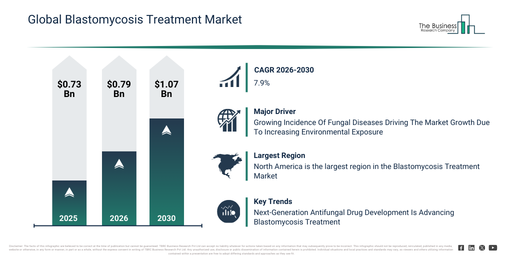
    The blastomycosis treatment market has experienced robust expansion in recent years. It is projected to increase from $0.73 billion in 2025 to $0.79 billion in 2026, exhibiting a compound annual growth rate (CAGR) of 7.6%. This historical growth is attributable to factors such as enhanced awareness regarding systemic fungal infections, the accessibility of antifungal drug therapies, the growth of diagnostic laboratory services, a rise in the clinical identification of blastomycosis cases, and the development of infectious disease treatment programs.

    The blastomycosis treatment market is anticipated to experience substantial expansion in the coming years. This market is projected to reach $1.07 billion by 2030, demonstrating a compound annual growth rate (CAGR) of 7.9%. Factors driving this growth during the projected period include a heightened emphasis on prompt and precise diagnosis, the ongoing advancement of enhanced antifungal drugs, the establishment of more specialized centers for infectious diseases, an expanding application of tailored treatment strategies, and increased funding for research into fungal diseases. Key trends expected within this forecast timeframe encompass the wider implementation of sophisticated diagnostic methods, a growing reliance on specific antifungal treatments, the broadening of therapeutic drug monitoring, a sharpened focus on detecting diseases early, and a stronger integration of clinical decision-making support tools.

    Access Your Free Sample Report for In-Depth Market Insights:

    https://www.thebusinessresearchcompany.com/sample.aspx?id=33044&type=smp

    Which Drivers Are Influencing Long-Term Growth In The Blastomycosis Treatment Market?

    The escalation in fungal disease cases is projected to boost the expansion of the blastomycosis treatment market in the coming years. These infections, stemming from pathogenic fungi, can enter the body via breathing, direct contact, or environmental exposure. A key factor behind the increasing prevalence of fungal diseases is climate-related environmental shifts, where greater rainfall and floods foster damp, organic soil environments conducive to fungal spore multiplication and subsequent human contact. The growing occurrence of fungal infections thus creates a demand for efficient treatment approaches, as prompt diagnosis and suitable antifungal treatment are crucial for averting serious complications and lowering fatality rates. As an illustration, in May 2025, the UK Health Security Agency, a UK-based governmental body, reported a 4% increase in bloodstream infections linked to yeast in 2024 compared to 2023, with cases climbing from 2,170 to 2,247. Consequently, the rising number of fungal disease incidences is propelling the growth of the blastomycosis treatment market. The expanding number of immunocompromised individuals is anticipated to fuel the advancement of the blastomycosis treatment market moving forward. This demographic comprises people with compromised immune systems resulting from underlying illnesses, genetic predispositions, or medical interventions like chemotherapy, immunosuppressants, or organ transplants. The rise in this population is attributable to better survival rates among those with chronic conditions and the broader application of immunosuppressive and immunomodulating treatments for autoimmune and inflammatory disorders. Blastomycosis therapy provides vital support to the immunocompromised by delivering potent antifungal treatment that manages severe and widespread infections, diminishes fungal load, and averts critical complications in patients with weakened immune defenses. For example, in September 2024, as per Infection & Chemotherapy (IC), a journal based in South Korea, by December 2023, South Korea had recorded a cumulative sum of 19,001 individuals diagnosed with HIV, with 1,219 (6.4%) being women. In 2022 alone, 1,066 new HIV diagnoses were made, including 82 women (7.7%), consisting of 35 Korean nationals and 47 foreign nationals. In the same year, the total count of Korean nationals living with HIV in the nation reached 15,880, of which 998 were women. Consequently, the growing population of immunocompromised individuals is stimulating the expansion of the blastomycosis treatment market.

    How Is The Blastomycosis Treatment Market Divided Into Segments?

    The blastomycosis treatment market covered in this report is segmented –

    1) By Treatment Type: Antifungal Drugs; Surgical Intervention

    2) By Anatomy: Lung; Bones; Central Nervous System; Other Anatomy

    3) By Dosage: Tablet; Injection; Capsule; Other Dosage forms

    4) By Route Of Administration: Intravenous; Oral; Other Route Of Administrations

    5) By End-User: Hospitals; Outpatient Clinics; Diagnostic Laboratories

    Subsegments:

    1) By Antifungal Drugs: Azole Antifungal Agents; Polyene Antifungal Agents; Echinocandin Antifungal Agents; Oral Antifungal Formulations; Intravenous Antifungal Formulations

    2) By Surgical Intervention: Lesion Debridement Procedures; Abscess Drainage Procedures; Lung Resection Procedures; Soft Tissue Excision Procedures

    What Trends Are Expected To Impact The Competitive Landscape Of The Blastomycosis Treatment Market?

    Leading companies within the blastomycosis treatment market are concentrating on creating sophisticated remedies, including the advancement of antifungal drugs, aiming to achieve better treatment effectiveness, improved safety characteristics, and a more significant position in fulfilling the critical requirements for severe systemic fungal infections. The process of antifungal drug development involves crafting new antifungal treatments intended to surpass current options by boosting effectiveness, lessening harmful effects, circumventing drug resistance, and providing superior methods for dosing, formulation, or administration. As an illustration, in June 2024, Elion Therapeutics, a biotechnology firm based in the US, disclosed that their product, SF001, represents a next-generation polyene antifungal and a novel analog of amphotericin B, which has long been recognized as a primary treatment for severe systemic fungal infections, including blastomycosis. Although the official announcement primarily highlighted invasive fungal infections like aspergillosis, SF001’s mode of action as an amphotericin B derivative, engineered to maintain wide-ranging antifungal effectiveness while minimizing toxicity, also renders it pertinent for treating blastomycosis. Simply put, given that amphotericin B demonstrates efficacy against Blastomyces dermatitidis, a medication developed from its structural and functional principles, such as SF001, holds a logical connection to blastomycosis therapy.

    Which Key Players Are Driving Competition In The Blastomycosis Treatment Market?

    Major companies operating in the blastomycosis treatment market are Johnson & Johnson, Pfizer Inc., AbbVie Inc., Merck & Co. Inc., Bayer AG, Sanofi S.A., Novartis AG, AstraZeneca plc, Bristol-Myers Squibb Company, Thermo Fisher Scientific Inc., GlaxoSmithKline plc, Eli Lilly and Company, Takeda Pharmaceutical Company Limited, Gilead Sciences Inc., Teva Pharmaceutical Industries Ltd., Viatris Inc., Astellas Pharma Inc., bioMérieux SA, Cipla Ltd., Lupin Limited, SCYNEXIS Inc., and F2G Ltd.

    Access The Complete Report For Deeper Market Insights:

    https://www.thebusinessresearchcompany.com/report/blastomycosis-treatment-market-report

    Which Region Is Projected To Lead The Blastomycosis Treatment Market During The Forecast Period?

    North America was the largest region in the blastomycosis treatment market in 2025. Asia-Pacific is expected to be the fastest-growing region in the forecast period. The regions covered in the blastomycosis treatment market report are Asia-Pacific, South East Asia, Western Europe, Eastern Europe, North America, South America, Middle East, Africa.

    Request Your Customized Blastomycosis Treatment Market Research Report for Competitive Advantage:

    https://www.thebusinessresearchcompany.com/customise?id=33044&type=smp

    Browse Through More Reports Similar to the Global Blastomycosis Treatment Market 2026, By The Business Research Company

    Mycosis Fungoides Treatment Market Report 2026

    https://www.thebusinessresearchcompany.com/report/mycosis-fungoides-treatment-global-market-report

    Onychomycosis Treatment Market Report 2026

    https://www.thebusinessresearchcompany.com/report/onychomycosis-treatment-global-market-report

    Onychomycosis Market Report 2026

    https://www.thebusinessresearchcompany.com/report/onychomycosis-global-market-report

    Get in touch with us:

    The Business Research Company: https://www.thebusinessresearchcompany.com/

    Americas +1 310-496-7795

    Asia +44 7882 955267 & +91 8897263534

    Europe +44 7882 955267

    Email us at info@tbrc.info

    Follow us on:

    LinkedIn: https://in.linkedin.com/company/the-business-research-company

    YouTube: https://www.youtube.com/channel/UC24_fI0rV8cR5DxlCpgmyFQ

    Global Market Model: https://www.thebusinessresearchcompany.com/global-market-model
  • Biothreat Detection Systems Market Performance Outlook 2026–2030: Revenue to Hit $3.49 Billion at 10% CAGR

    Biothreat Detection Systems Market Performance Outlook 2026–2030: Revenue to Hit $3.49 Billion at 10% CAGR

    Uncover key drivers, emerging technologies, and competitive movements shaping the biothreat detection systems market from 2026–2035 with trusted insights from The Business Research Company

    What level of CAGR-driven expansion is anticipated in the Biothreat Detection Systems Market between 2026 and 2030?

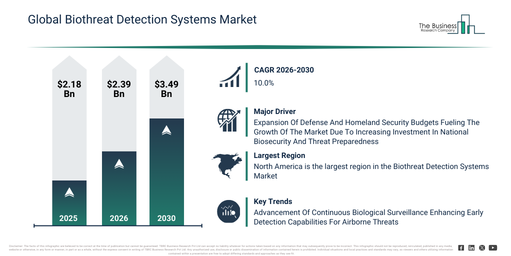
    The market size for biothreat detection systems has demonstrated strong growth in recent years. Its value is expected to increase from $2.18 billion in 2025 to $2.39 billion in 2026, showing a compound annual growth rate (CAGR) of 9.7%. Historically, this growth has been fueled by factors such as increasing public health surveillance initiatives, rising investment in biodefense programs, the expansion of laboratory diagnostic capabilities, a growing awareness of pandemic preparedness, and the adoption of molecular detection platforms.

    The biothreat detection systems market size is anticipated to experience substantial expansion over the coming years. It is projected to reach $3.49 billion by 2030, exhibiting a compound annual growth rate (CAGR) of 10.0%. This expansion during the projected timeframe is attributable to factors such as increasing demand for early-warning biothreat systems, rising integration of AI-driven analytics, expansion of environmental monitoring networks, growing focus on national biosecurity strategies, and increasing adoption of portable field-deployable systems. Key developments anticipated within the forecast period encompass increasing deployment of automated bioaerosol monitoring systems, rising adoption of rapid molecular detection technologies, expansion of integrated surveillance networks, growing use of portable detection kits, and an enhanced focus on real-time threat analytics.

    Access Your Free Sample Report for In-Depth Market Insights:

    https://www.thebusinessresearchcompany.com/sample.aspx?id=33043&type=smp

    What Drivers Are Affecting Demand-Supply Dynamics In The Biothreat Detection Systems Market?

    The projected expansion of defense and homeland security budgets is anticipated to boost the growth of the biothreat detection systems market in the future. These budgets represent financial resources allocated by governments for national defense, military operations, intelligence gathering, border security, counterterrorism efforts, emergency readiness, and safeguarding critical infrastructure and public safety. The increase in defense and homeland security budgets stems from escalating geopolitical tensions, necessitating enhanced investment in national security and preparedness against threats. Biothreat detection systems support these budgets by facilitating the early identification and swift response to biological threats, thereby minimizing the financial cost and overall impact of widespread outbreaks, emergency operations, and national security events. For example, as reported in April 2025 by the Stockholm International Peace Research Institute (SIPRI), a Sweden-based independent international institute, the United Kingdom increased its military spending in 2024 by 2.8% to $81.8 billion, making it the world’s sixth-largest defense spender. Consequently, the growing defense and homeland security budgets are fueling the expansion of the biothreat detection systems market.

    What Segments Are Included Within The Biothreat Detection Systems Market?

    The biothreat detection systems market covered in this report is segmented –

    1. By Technology: Polymerase Chain Reaction Based Detection; Immunological Detection; Biosensors; Microarrays; Other Technologies

    2. By Detection Type: Biological Agents; Chemical Agents; Radiological Agents

    3. By Application: Military And Defense; Public Health; Environmental Monitoring; Agriculture; Other Applications

    4. By End-User: Government Agencies; Hospitals And Healthcare Facilities; Research Laboratories; Commercial And Industrial; Other End-Users

    Subsegments:

    1. By Polymerase Chain Reaction Based Detection: Real Time Polymerase Chain Reaction; Digital Polymerase Chain Reaction; Multiplex Polymerase Chain Reaction; Reverse Transcription Polymerase Chain Reaction; Quantitative Polymerase Chain Reaction

    2. By Immunological Detection: Enzyme Linked Immunosorbent Assay; Lateral Flow Assay; Agglutination Assay; Western Blot Assay; Immunofluorescence Assay

    3. By Biosensors: Electrochemical Biosensors; Optical Biosensors; Piezoelectric Biosensors; Thermal Biosensors; Magnetic Biosensors

    4. By Microarrays: DNA Microarrays; Protein Microarrays; Antibody Microarrays; Peptide Microarrays; Cell Microarrays

    5. By Other Technologies: Next Generation Sequencing; Flow Cytometry; Mass Spectrometry; Microfluidics Platforms; Lab On A Chip Systems

    Which Trends Are Guiding The Evolution Of The Biothreat Detection Systems Market?

    Leading companies in the biothreat detection systems market are concentrating on advancing continuous biological surveillance technologies, such as real-time aerosol-based pathogen monitoring systems, to enable the early detection of airborne biological threats in public and critical infrastructure environments. These real-time aerosol-based pathogen monitoring systems continually collect and analyze air samples to identify biological agents, allowing authorities to detect nascent health threats or intentional releases before extensive exposure. For instance, in August 2023, BioFlyte Inc., a US-based biodefense technology company, initiated an unprecedented biothreat surveillance pilot program at Pittsburgh International Airport. This pilot program deploys autonomous air-sampling and pathogen detection units across airport facilities, permitting near real-time identification of airborne biological threats, and incorporates alerting functionalities to support prompt responses by public health and security teams, thereby fortifying early-warning preparedness for major transportation hubs.

    Who Are The Top-Performing Companies In The Biothreat Detection Systems Market In Recent Years?

    Major companies operating in the biothreat detection systems market are Roche Diagnostics AG, Thermo Fisher Scientific Inc., Abbott Laboratories, Eurofins Scientific SE, Agilent Technologies Inc., Battelle Memorial Institute, Illumina Inc., Smiths Group, Shimadzu Corporation, Bruker Corporation, Bio Rad Laboratories Inc., QIAGEN NV, Tecan Group Ltd., DiaSorin S.p.A., Emergent BioSolutions Inc., Physical Sciences Inc, DetectaChem Inc., PositiveID Corporation, AdVnt Biotechnologies, Alexeter Technologies LLC.

    Access The Complete Report For Deeper Market Insights:

    https://www.thebusinessresearchcompany.com/report/biothreat-detection-systems-market-report

    Which Region Currently Holds The Largest Share Of The Biothreat Detection Systems Market?

    North America was the largest region in the biothreat detection systems market in 2025. Asia-Pacific is expected to be the fastest-growing region in the forecast period. The regions covered in the biothreat detection systems market report are Asia-Pacific, South East Asia, Western Europe, Eastern Europe, North America, South America, Middle East, Africa.

    Request Your Customized Biothreat Detection Systems Market Research Report for Competitive Advantage:

    https://www.thebusinessresearchcompany.com/customise?id=33043&type=smp

    Browse Through More Reports Similar to the Global Biothreat Detection Systems Market 2026, By The Business Research Company

    Bioprocess Analyzers Market Report 2026

    https://www.thebusinessresearchcompany.com/report/bioprocess-analyzers-global-market-report

    Small Scale Bioreactors Market Report 2026

    https://www.thebusinessresearchcompany.com/report/small-scale-bioreactors-global-market-report

    Membrane Bioreactor Market Report 2026

    https://www.thebusinessresearchcompany.com/report/membrane-bioreactor-global-market-report

    Get in touch with us:

    The Business Research Company: https://www.thebusinessresearchcompany.com/

    Americas +1 310-496-7795

    Asia +44 7882 955267 & +91 8897263534

    Europe +44 7882 955267

    Email us at info@tbrc.info

    Follow us on:

    LinkedIn: https://in.linkedin.com/company/the-business-research-company

    YouTube: https://www.youtube.com/channel/UC24_fI0rV8cR5DxlCpgmyFQ

    Global Market Model: https://www.thebusinessresearchcompany.com/global-market-model
  • Vulvovaginal Candidiasis Treatment Market Outlook 2026–2030: Key Business Drivers and Trends

    Vulvovaginal Candidiasis Treatment Market Outlook 2026–2030: Key Business Drivers and Trends

    Uncover key drivers, emerging technologies, and competitive movements shaping the vulvovaginal candidiasis treatment market from 2026–2035 with trusted insights from The Business Research Company

    By how much is the Vulvovaginal Candidiasis Treatment Market expected to grow between 2026 and 2030?

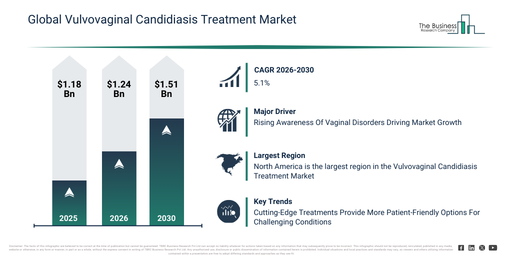
    The vulvovaginal candidiasis treatment market has experienced significant growth in recent years. It is forecast to increase from $1.18 billion in 2025 to $1.24 billion in 2026, achieving a compound annual growth rate (CAGR) of 5.1%. The historical expansion of this market can be attributed to factors such as the availability of azole antifungal medications, the broader reach of retail pharmacy access, an increase in the diagnosis of fungal infections, improved formulations for topical treatments, and the widespread implementation of clinical treatment guidelines.

    The vulvovaginal candidiasis treatment market size is projected to experience robust expansion over the coming years. This market is anticipated to reach a valuation of $1.51 billion by 2030, exhibiting a compound annual growth rate (CAGR) of 5.1%. The anticipated growth during this period stems from factors such as increasing demand for innovative antifungal agents, a heightened emphasis on managing resistance, the broadening of personalized treatment methodologies, greater utilization of telehealth consultations, and innovations in drug delivery technologies. Key trends expected throughout the forecast horizon encompass the increasing embrace of targeted antifungal treatments, a surge in the application of combination therapy regimens, an intensifying focus on strategies to prevent recurrence, the proliferation of over-the-counter treatment alternatives, and improved patient awareness and educational initiatives.

    Access Your Free Sample Report for In-Depth Market Insights:

    https://www.thebusinessresearchcompany.com/sample.aspx?id=21319&type=smp

    Which Drivers Are Influencing Market Acceleration In The Vulvovaginal Candidiasis Treatment Market?

    Increased understanding of vaginal disorders is projected to boost the expansion of the vulvovaginal candidiasis treatment market in the future. These disorders encompass various conditions impacting the vagina, such as infections, inflammation, irritation, or unusual discharge. The heightened awareness of vaginal disorders stems from greater education, better healthcare accessibility, and an increased emphasis on women’s health and wellness. Treatment for vulvovaginal candidiasis assists patients with vaginal disorders by easing symptoms like itching, irritation, and abnormal discharge, re-establishing the natural vaginal microbiome, hindering recurring infections, and enhancing overall vaginal health and comfort. As an illustration, data from September 2025, provided by the Centers for Disease Control and Prevention, a US-based government agency, indicated approximately 209,253 syphilis cases were recorded in 2023, showing a 1% rise from 207,269 cases in 2022. Consequently, the increasing knowledge regarding vaginal disorders is fueling the expansion of the vulvovaginal candidiasis treatment market.

    What Leading Segments Are Studied In The Vulvovaginal Candidiasis Treatment Market?

    The vulvovaginal candidiasis treatment market covered in this report is segmented –

    1) By Drug Class: Clotrimazole, Nystatin, Fluconazole, Ketoconazole, Terbinafine, Terconazole, Other Drug Classes

    2) By Route Of Administration: Oral, Intravenous, Topical

    3) By Distribution Channel: Hospital Pharmacy , Retail Pharmacy, Online Pharmacy

    Subsegments:

    1) By Clotrimazole: Over-the-Counter (OTC) Medications, Prescription Medications

    2) By Nystatin: Monotherapy, Combination Therapy

    3) By Fluconazole: Single-Dose Therapy, Multi-Dose Therapy

    4) By Ketoconazole: Short-Term Treatment, Long-Term Treatment

    5) By Terbinafine: Systemic Treatment, Topical Treatment

    6) By Terconazole: Low-Dose Therapy, High-Dose Therapy

    7) By Other Drug Classes: Azole Antifungals, Polyene Antifungals, Novel Therapeutics

    How Are New Market Trends Shaping The Landscape Of The Vulvovaginal Candidiasis Treatment Market?

    Leading companies within the vulvovaginal candidiasis (VVC) treatment market are prioritizing the development of innovative solutions, such as selective oral azole antifungals, to enhance therapeutic efficacy, minimize recurrence, and improve patient tolerability. Selective oral azoles are antifungal medications designed to specifically inhibit fungal enzymes like CYP51, which helps to reduce off-target effects and adverse reactions when compared to traditional broad-spectrum azoles. For instance, in February 2024, Mycovia Pharmaceuticals, Inc., a US-based biopharmaceutical company, in partnership with Jiangsu Hengrui Pharmaceuticals Co., Ltd., launched VIVJOA (oteseconazole) capsules in China for the treatment of severe vulvovaginal candidiasis. VIVJOA is delivered as a two-day oral regimen, achieving superior cure rates compared with fluconazole while offering a shorter, more targeted course of therapy. This product represents a significant advancement in VVC management by providing an effective, patient-friendly treatment option for cases that are difficult to treat.

    Which Major Industry Participants Are Leading The Vulvovaginal Candidiasis Treatment Market Growth?

    Major companies operating in the vulvovaginal candidiasis treatment market are Pfizer Inc., Bayer Inc., Teva Pharmaceutical Industries Ltd., Dr. Reddy’s Laboratories Limited, Cipla Limited, Zydus Lifesciences, Novartis Pharmaceuticals Inc., Glenmark Pharmaceuticals Ltd., Taro Pharmaceuticals Industries Ltd., Accord Healthcare Ltd., Incepta Pharmaceuticals Ltd., Cadila Pharmaceuticals, Astellas Pharma Inc., Mycovia Pharmaceuticals Inc., Basilea Pharmaceutica Ltd., Scynexis Inc., Grupo Ferrer Internacional SA, Sanofi SA, Bristol-Myers Squibb Company, Perrigo Company plc, Lupin Limited, Sun Pharmaceutical Industries Ltd.

    Access The Complete Report For Deeper Market Insights:

    https://www.thebusinessresearchcompany.com/report/vulvovaginal-candidiasis-treatment-global-market-report

    Which Region Is Expected To Experience The Fastest Growth In The Vulvovaginal Candidiasis Treatment Market?

    North America was the largest region in the vulvovaginal candidiasis treatment market in 2025. The regions covered in the vulvovaginal candidiasis treatment market report are Asia-Pacific, South East Asia, Western Europe, Eastern Europe, North America, South America, Middle East, Africa.

    Request Your Customized Vulvovaginal Candidiasis Treatment Market Research Report for Competitive Advantage:

    https://www.thebusinessresearchcompany.com/customise?id=21319&type=smp

    Browse Through More Reports Similar to the Global Vulvovaginal Candidiasis Treatment Market 2026, By The Business Research Company

    Vaginitis Therapeutics Market Report 2026

    https://www.thebusinessresearchcompany.com/report/vaginitis-therapeutics-global-market-report

    Candidiasis Therapeutics Market Report 2026

    https://www.thebusinessresearchcompany.com/report/candidiasis-therapeutics-global-market-report

    Vulvodynia Treatment Market Report 2026

    https://www.thebusinessresearchcompany.com/report/vulvodynia-treatment-global-market-report

    Get in touch with us:

    The Business Research Company: https://www.thebusinessresearchcompany.com/

    Americas +1 310-496-7795

    Asia +44 7882 955267 & +91 8897263534

    Europe +44 7882 955267

    Email us at info@tbrc.info

    Follow us on:

    LinkedIn: https://in.linkedin.com/company/the-business-research-company

    YouTube: https://www.youtube.com/channel/UC24_fI0rV8cR5DxlCpgmyFQ

    Global Market Model: https://www.thebusinessresearchcompany.com/global-market-model
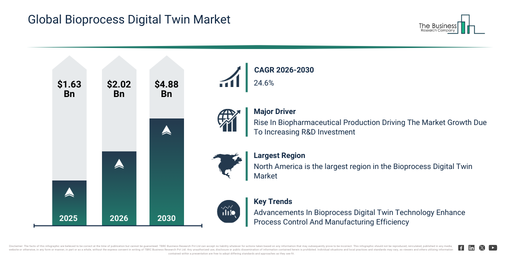
  • Global Bioprocess Digital Twin Market Set for Strong Expansion, Reaching $4.88 Billion With 24.6% CAGR by 2030

    Global Bioprocess Digital Twin Market Set for Strong Expansion, Reaching $4.88 Billion With 24.6% CAGR by 2030

    Uncover key drivers, emerging technologies, and competitive movements shaping the bioprocess digital twin market from 2026–2035 with trusted insights from The Business Research Company

    What long-term size projections exist for the Bioprocess Digital Twin Market covering 2026–2035?

    The bioprocess digital twin market has experienced substantial growth in recent years. It is forecast to increase from $1.63 billion in 2025 to $2.02 billion in 2026, exhibiting a compound annual growth rate (CAGR) of 24.4%. This historic growth can be attributed to the increasing complexity of biologics manufacturing processes, the growing availability of process sensor data, the rising adoption of advanced bioprocess control systems, an increasing focus on yield optimization, and the expansion of digital manufacturing initiatives.

    The bioprocess digital twin market size is projected to experience substantial growth in the coming years, with its value expected to reach $4.88 billion by 2030, demonstrating a compound annual growth rate (CAGR) of 24.6%. This anticipated expansion can be attributed to increasing investments in intelligent biomanufacturing platforms, a rising demand for real-time decision support tools, the broadening scope of digital quality management systems, increasing regulatory acceptance of digital twins, and a greater focus on cost and risk reduction. Major trends during this period are set to include the wider adoption of real-time bioprocess simulation, increasing integration of predictive analytics in manufacturing, the expansion of closed-loop process optimization, growing utilization of virtual commissioning tools, and an enhanced emphasis on regulatory-compliant digital validation.

    Access Your Free Sample Report for In-Depth Market Insights:

    https://www.thebusinessresearchcompany.com/sample.aspx?id=33042&type=smp

    Which Drivers Are Impacting The Competitive Landscape Of The Bioprocess Digital Twin Market?

    The anticipated increase in biopharmaceutical production is set to boost the expansion of the bioprocess digital twin market. Biopharmaceutical production involves the development and manufacturing of therapeutic items derived from biological origins, such as living cells, proteins, and nucleic acids. The surge in biopharmaceutical production is stimulated by rising investments in research and development, as pharmaceutical companies dedicate significant resources to finding and producing new biological treatments for both chronic and rare ailments. Greater biopharmaceutical production volumes consequently generate a stronger need for digital twin technologies, which allow for real-time monitoring, optimization, and predictive modeling of sophisticated bioprocessing systems. For instance, a June 2023 report from the European Federation of Pharmaceutical Industries and Associations (EFPIA), a Belgium-based trade association representing the pharmaceutical industry in Europe, indicated that the total pharmaceutical production in Europe was €390,000 million ($422,803 million) in 2023, marking an increase from €363,300 million ($393,857 million) in 2022. This demonstrates that the growth in biopharmaceutical production is indeed fueling the bioprocess digital twin market’s development.

    What Leading Segments Are Studied In The Bioprocess Digital Twin Market?

    The bioprocess digital twin market covered in this report is segmented –

    1) By Component: Software; Hardware; Services

    2) By Deployment Mode: On-Premises; Cloud

    3) By Application: Process Optimization; Predictive Maintenance; Quality Management; Performance Monitoring; Other Applications

    4) By End-User: Pharmaceutical And Biotechnology Companies; Contract Manufacturing Organizations; Academic And Research Institutes; Other End-Users

    Subsegments:

    1) By Software: Modeling Platforms; Simulation Engines; Analytics Software

    2) By Hardware: Sensors; Internet Of Things Devices; Computing Infrastructure

    3) By Services: Consulting Services; System Integration Services; Maintenance Services; Training Services

    What Trends Are Projected To Support The Growth Of The Bioprocess Digital Twin Market?

    Leading firms within the bioprocess digital twin market are prioritizing technological innovations in process simulation, specifically digital twin-driven bioprocess development platforms, aiming to boost process predictability, elevate product quality, and shorten development schedules. These platforms establish a virtual representation of a real bioprocess, leveraging live data, sophisticated modeling, and simulation capabilities to precisely forecast process performance and refine product quality by enabling digital assessment of various process scenarios prior to their physical implementation. As an illustration, in January 2026, WuXi Biologics, a China-based contract research, development, and manufacturing organization, introduced PatroLabTM, a cutting-edge bioprocess digital twin platform designed to facilitate advanced bioprocess development and manufacturing. This platform incorporates real-time process monitoring alongside Raman-based Process Analytical Technology (PAT) and predictive in-silico modeling. It continually integrates live process data into virtual models, thereby facilitating real-time analytics and proactive management of processes. PatroLab assists in the early detection of process deviations, mitigates operational risks, and enhances process consistency.

    Which Leading Companies Dominate The Bioprocess Digital Twin Market Share?

    Major companies operating in the bioprocess digital twin market are Siemens Aktiengesellschaft, General Electric Company, Schneider Electric SE, Honeywell International Inc., ABB Ltd, Emerson Electric Co., Rockwell Automation Inc., Dassault Systèmes SE, Cytiva Sweden AB, Mettler Toledo International Inc., Sartorius Aktiengesellschaft, WuXi Biologics Cayman Inc., ANSYS Inc., PTC Inc., AVEVA Group plc, Aspen Technology Inc., Aizon Ltd, TwinThread Inc., Intelligen Inc., and Novasign GmbH.

    Access The Complete Report For Deeper Market Insights:

    https://www.thebusinessresearchcompany.com/report/bioprocess-digital-twin-market-report

    How Does The Bioprocess Digital Twin Market Perform Across Major Global Regions?

    North America was the largest region in the bioprocess digital twin market in 2025. Asia-Pacific is expected to be the fastest-growing region in the forecast period. The regions covered in the bioprocess digital twin market report are Asia-Pacific, South East Asia, Western Europe, Eastern Europe, North America, South America, Middle East, Africa.

    Request Your Customized Bioprocess Digital Twin Market Research Report for Competitive Advantage:

    https://www.thebusinessresearchcompany.com/customise?id=33042&type=smp

    Browse Through More Reports Similar to the Global Bioprocess Digital Twin Market 2026, By The Business Research Company

    Bioprocess Technology Market Report 2026

    https://www.thebusinessresearchcompany.com/report/bioprocess-technology-global-market-report

    Bioprocessing Technology Market Report 2026

    https://www.thebusinessresearchcompany.com/report/bioprocessing-technology-global-market-report

    Digital Biomanufacturing Market Report 2026

    https://www.thebusinessresearchcompany.com/report/digital-biomanufacturing-global-market-report

    Get in touch with us:

    The Business Research Company: https://www.thebusinessresearchcompany.com/

    Americas +1 310-496-7795

    Asia +44 7882 955267 & +91 8897263534

    Europe +44 7882 955267

    Email us at info@tbrc.info

    Follow us on:

    LinkedIn: https://in.linkedin.com/company/the-business-research-company

    YouTube: https://www.youtube.com/channel/UC24_fI0rV8cR5DxlCpgmyFQ

    Global Market Model: https://www.thebusinessresearchcompany.com/global-market-model
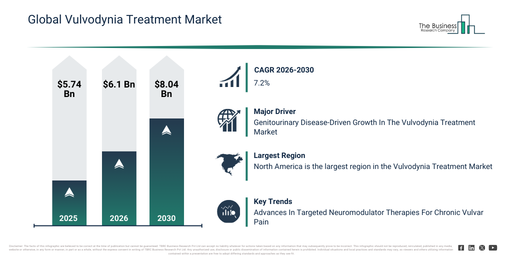
  • Global Vulvodynia Treatment Market Report 2026: Emerging Trends and Growth Scenarios

    Global Vulvodynia Treatment Market Report 2026: Emerging Trends and Growth Scenarios

    Uncover key drivers, emerging technologies, and competitive movements shaping the vulvodynia treatment market from 2026–2035 with trusted insights from The Business Research Company

    What is the estimated market size of the Vulvodynia Treatment Market by the end of 2030?

    The vulvodynia treatment market has demonstrated strong growth over recent years. It is forecast to increase from $5.74 billion in 2025 to $6.1 billion in 2026, advancing at a compound annual growth rate (CAGR) of 6.1%. This historical expansion can be attributed to several factors, including enhanced clinical recognition of vulvodynia, the availability of neuropathic pain medications, the broadening of gynecological care services, heightened patient advocacy efforts, and the development of specialized pain management protocols.

    The vulvodynia treatment market is projected to experience substantial expansion in the coming years, with its size expected to reach $8.04 billion by 2030, reflecting a compound annual growth rate (CAGR) of 7.2%. This anticipated growth during the forecast period is primarily driven by factors such as increasing investments in women’s health research, a rising demand for personalized pain therapies, the expansion of multidisciplinary treatment clinics, greater adoption of non-opioid pain solutions, and advancements in targeted drug formulations. Furthermore, major trends anticipated over the same period include a wider embrace of multimodal pain management approaches, an uptick in the utilization of topical and localized therapies, a heightened focus on patient-centered treatment plans, an increase in non-surgical intervention options, and enhanced awareness of chronic vulvar pain conditions.

    Access Your Free Sample Report for In-Depth Market Insights:

    https://www.thebusinessresearchcompany.com/sample.aspx?id=13218&type=smp

    What Drivers Are Shaping Future Opportunities In The Vulvodynia Treatment Market?

    The increasing prevalence of genitourinary conditions is projected to boost the expansion of the vulvodynia treatment market. These conditions, also known as urogenital diseases, involve medical issues impacting both the reproductive and urinary systems, potentially triggered by factors like diabetes or elevated blood pressure. Due to their close anatomical and functional links, these systems are commonly considered together. The main application of vulvodynia treatment is in addressing diverse genitourinary ailments in women, which aids in alleviating discomfort and manifestations, thereby enhancing a patient’s overall well-being. As an illustration, in July 2025, data from the UK Health Security Agency, a UK-based governmental body, indicated that from 6 April 2023 to 5 April 2024, there were 189,756 hospital admissions attributed to UTIs, leading to an aggregate of 1.2 million bed days. On average, each infection was responsible for 6 bed days, though it was observed that one-third of patients had hospital stays shorter than a single day. Consequently, the escalation of genitourinary diseases is fueling the expansion of the vulvodynia treatment market.

    Which Segment Groups Are Influencing The Vulvodynia Treatment Market?

    The vulvodynia treatment market covered in this report is segmented –

    1) By Drug Type: Anticonvulsants, Tricyclic Antidepressants, Local Anesthetics, Antimicrobials, Hormone Creams, Nerve Blocks, Other Drug Types

    2) By Route Of Administration: Oral, Topical, Other Routes Of Administration

    3) By Distribution Channel: Hospital Pharmacy, Online Pharmacy, Retail Pharmacy

    Subsegments:

    1) By Anticonvulsants: Gabapentin, Pregabalin

    2) By Tricyclic Antidepressants: Amitriptyline, Nortriptyline

    3) By Local Anesthetics: Lidocaine Cream, Benzocaine

    4) By Antimicrobials: Antibiotic Creams, Antifungal Medications

    5) By Hormone Creams: Estrogen Creams, Testosterone Creams

    6) By Nerve Blocks: Pelvic Nerve Blocks, Pudendal Nerve Blocks

    7) By Other Drug Types: Topical Capsaicin, Corticosteroids

    Which Trends Are Expected To Influence The Vulvodynia Treatment Market In The Upcoming Years?

    Leading companies within the vulvodynia treatment market are concentrating on developing advanced products, such as new neuromodulators, to offer precise pain relief and elevate patients’ quality of life. These novel neuromodulators are medications engineered to modify nerve signaling by regulating neurotransmitters in the nervous system, which helps diminish chronic vulvar pain, enhance sexual function, and provides a more specific, mechanism-based approach compared to conventional therapies like topical anesthetics or common painkillers. For example, in November 2025, Initiator Pharma A/S, a clinical-stage biotech company from Denmark, obtained regulatory clearance from UK authorities to initiate a Phase 2a clinical proof-of-concept study for pudafensine. This investigational oral monoamine reuptake inhibitor is intended for vulvodynia treatment under its IPVU2025 clinical program. Pudafensine is formulated to preferentially hinder the synaptic reuptake of dopamine (and to a lesser extent serotonin), consequently boosting neurotransmitter levels in the synaptic cleft; this modulation has the potential to aid in reducing pain perception and improving sexual function, supported by a favorable safety profile observed in earlier pain/challenge studies.

    Who Are The Prominent Global Companies Shaping The Vulvodynia Treatment Market Landscape?

    Major companies operating in the vulvodynia treatment market are Pfizer Inc., Johnson and Johnson Pvt. Ltd., Merck and Co. Inc., AbbVie Inc., Bayer AG, Novartis AG, Sanofi S.A., GlaxoSmithKline plc, Takeda Pharmaceutical Company Limited, Eli Lilly and Company, Amgen Inc., Teva Pharmaceutical Industries Ltd., Janssen Pharmaceuticals Inc., Mylan N.V., Astellas Pharma Inc., Viatris Inc., Cipla Inc., Hikma Pharmaceuticals plc, Endo International Inc., Amneal Pharmaceuticals Inc., Stada Arzneimittel AG, Glenmark Pharmaceuticals Inc., Alkem Laboratories Limited, Cadila Pharmaceuticals Ltd., Taro Pharmaceutical Industries Ltd., Upsher-Smith Laboratories LLC, Noven Pharmaceuticals Inc., Zydus Lifesciences Ltd., Depomed Inc.

    Access The Complete Report For Deeper Market Insights:

    https://www.thebusinessresearchcompany.com/report/vulvodynia-treatment-global-market-report

    Which Geographic Areas Are Emerging As Strong Markets For The Vulvodynia Treatment Market?

    North America was the largest region in the vulvodynia treatment market in 2025. Asia-Pacific is expected to be the fastest-growing region in the forecast period. The regions covered in the vulvodynia treatment market report are Asia-Pacific, South East Asia, Western Europe, Eastern Europe, North America, South America, Middle East, Africa.

    Request Your Customized Vulvodynia Treatment Market Research Report for Competitive Advantage:

    https://www.thebusinessresearchcompany.com/customise?id=13218&type=smp

    Browse Through More Reports Similar to the Global Vulvodynia Treatment Market 2026, By The Business Research Company

    Vasomotor Menopausal Symptoms Vms Treatment Market Report 2026

    https://www.thebusinessresearchcompany.com/report/vasomotor-menopausal-symptoms-vms-treatment-global-market-report

    Gastric Volvulus Treatment Market Report 2026

    https://www.thebusinessresearchcompany.com/report/gastric-volvulus-treatment-global-market-report

    Vaginitis Therapeutics Market Report 2026

    https://www.thebusinessresearchcompany.com/report/vaginitis-therapeutics-global-market-report

    Get in touch with us:

    The Business Research Company: https://www.thebusinessresearchcompany.com/

    Americas +1 310-496-7795

    Asia +44 7882 955267 & +91 8897263534

    Europe +44 7882 955267

    Email us at info@tbrc.info

    Follow us on:

    LinkedIn: https://in.linkedin.com/company/the-business-research-company

    YouTube: https://www.youtube.com/channel/UC24_fI0rV8cR5DxlCpgmyFQ

    Global Market Model: https://www.thebusinessresearchcompany.com/global-market-model
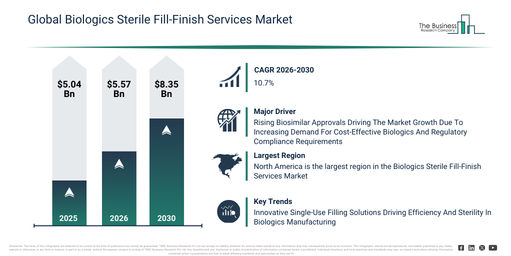
  • Biologics Sterile Fill-Finish Services Market Growth Projection: Expected to Surpass $8.35 Billion by 2030 at 10.7% CAGR

    Biologics Sterile Fill-Finish Services Market Growth Projection: Expected to Surpass $8.35 Billion by 2030 at 10.7% CAGR

    Uncover key drivers, emerging technologies, and competitive movements shaping the biologics sterile fill-finish services market from 2026–2035 with trusted insights from The Business Research Company

    What total market size is anticipated for the Biologics Sterile Fill-Finish Services Market in 2030?

    The biologics sterile fill-finish services market has seen rapid growth in recent years. Its valuation is projected to rise from $5.04 billion in 2025 to $5.57 billion in 2026, at a compound annual growth rate (CAGR) of 10.4%. This historical expansion can be attributed to the broadening of biologics clinical trial pipelines, the increasing commercialization of injectable biologics, the expansion of vaccine production programs, a rise in the outsourcing of fill-finish services, and the tightening of regulatory requirements for sterility.

    The biologics sterile fill-finish services market size is poised for substantial growth over the next few years, projected to reach $8.35 billion by 2030, with a compound annual growth rate (CAGR) of 10.7%. This expansion in the forecast period is driven by factors such as the increasing demand for commercial-scale biologics filling, the rising adoption of advanced aseptic technologies, the expansion of high-potency biologic products, a growing focus on flexible and modular fill-finish facilities, and increasing serialization and traceability requirements. Throughout this period, major trends will include the increasing adoption of automated aseptic filling lines, a rising demand for high-capacity lyophilization services, the expansion of prefilled syringe filling capabilities, a growing emphasis on contamination control, and the enhanced use of isolator and RABS technologies.

    Access Your Free Sample Report for In-Depth Market Insights:

    https://www.thebusinessresearchcompany.com/sample.aspx?id=33041&type=smp

    What Drivers Are Influencing Production Trends In The Biologics Sterile Fill-Finish Services Market?

    The biologics sterile fill-finish services market is projected to expand propelled by the increase in biosimilar approvals. Biosimilar approvals signify official regulatory authorizations that allow a biosimilar medicine to be marketed and used as equivalent to its reference biologic. The escalation in biosimilar approvals stems from a heightened demand for economical alternatives to costly biologics, thereby improving patient access and reducing overall healthcare expenditures. Biologics sterile fill-finish services aid biosimilar approvals by ensuring that the final drug product is produced safely, is sterile, and is consistent, thereby fulfilling the rigorous regulatory quality standards required for approval and use in clinical settings. For instance, in September 2025, data from the MBIP, an Australia-based government department, indicated that Australian biosimilars numbered 65 in 2024, with a notable 22 additional approvals occurring in that year alone. Furthermore, in 2024, according to Cardinal Health Inc., a US-based healthcare company, a total of 46 biosimilars had secured FDA approval by 2023. Thus, the rising number of biosimilar approvals is a significant driver for the growth of the biologics sterile fill-finish services market.

    Which Segment Groups Are Influencing The Biologics Sterile Fill-Finish Services Market?

    The biologics sterile fill-finish services market covered in this report is segmented –

    1) By Service Type: Liquid Filling; Lyophilization; Aseptic Filling; Labeling And Packaging

    2) By Container Type: Glass Containers; Plastic Containers; Pre Filled Syringes; Bulk Bags

    3) By Technology: Automated Filling Systems; Manual Filling Systems; Isolator Technology; Restricted Access Barrier Systems; Advanced Aseptic Processing Technologies

    4) By End User: Pharmaceutical Companies; Biotechnology Firms; Contract Development And Manufacturing Organizations; Academic And Research Institutions; Government Agencies

    Subsegments:

    1) By Liquid Filling: Vial Liquid Filling; Syringe Liquid Filling; Cartridge Liquid Filling; Bottle Liquid Filling; Ampoule Liquid Filling

    2) By Lyophilization: Single Chamber Lyophilization; Dual Chamber Lyophilization; Controlled Rate Lyophilization; High Capacity Lyophilization; Continuous Lyophilization

    3) By Aseptic Filling: Vial Aseptic Filling; Syringe Aseptic Filling; Cartridge Aseptic Filling; Ampoule Aseptic Filling; Bag Aseptic Filling

    4) By Labeling And Packaging: Primary Packaging; Secondary Packaging; Tertiary Packaging; Serialized Packaging; Tamper Evident Packaging

    Which Trends Are Influencing The Performance And Direction Of The Biologics Sterile Fill-Finish Services Market?

    Leading companies active in the biologics sterile fill-finish services market are concentrating on developing advanced solutions, such as single-use filling systems, to enhance production efficiency, mitigate contamination risks, and support flexible manufacturing of biologics. A single-use filling system denotes a pre-sterilized, disposable setup employed in biologics manufacturing that allows for the direct filling of drug products without requiring repeated cleaning, thereby minimizing cross-contamination and downtime. For example, in October 2025, Shenzhen China Resources Gosun Pharmaceutical Co. Ltd., a China-based pharmaceutical enterprise, launched a biologics aseptic fill-finish line to augment its capacity for sterile biologic drug production. This line directly facilitates sterile fill-finish services for biologics, utilizing over 30 years of expertise with automated SKAN isolators, single-use systems, and 100% in-line checks to assure zero contamination, minimal waste, and GMP compliance. Its advantages include decreased human intervention, precise filling without shear stress, quicker scalability, and high yields for sensitive products like monoclonal antibodies. The fundamental aim is to bridge upstream biologics production to safe, sterile, patient-ready injectables amidst increasing CDMO demand.

    Who Are The Major Companies Operating In The Biologics Sterile Fill-Finish Services Market?

    Major companies operating in the biologics sterile fill-finish services market are Thermo Fisher Scientific Inc., Baxter International Inc., Lonza Group AG, Samsung Biologics, WuXi Biologics, Recipharm AB, Vetter Pharma‑Fertigung GmbH & Co. KG, Emergent BioSolutions Inc., Aenova Holding GmbH, Ajinomoto Bio‑Pharma Services, Novasep Group, Grand River Aseptic Manufacturing, Akron Biotech Inc., Seikagaku Corporation, Jubilant HollisterStier LLC, Boehringer Ingelheim BioXcellence, Symbiosis Pharmaceutical Services Ltd., HALIX B.V., Afton Scientific Inc., Jiangsu YaoHAI Bio‑Pharmaceutical Co. Ltd., Cognate BioServices, TAIYO Pharma Tech Co. Ltd.

    Access The Complete Report For Deeper Market Insights:

    https://www.thebusinessresearchcompany.com/report/biologics-sterile-fill-finish-services-market-report

    Which Region Is Anticipated To See The Fastest Growth In The Biologics Sterile Fill-Finish Services Market?

    North America was the largest region in the biologics sterile fill-finish services market in 2025. Asia-Pacific is expected to be the fastest-growing region in the forecast period. The regions covered in the biologics sterile fill-finish services market report are Asia-Pacific, South East Asia, Western Europe, Eastern Europe, North America, South America, Middle East, Africa.

    Request Your Customized Biologics Sterile Fill-Finish Services Market Research Report for Competitive Advantage:

    https://www.thebusinessresearchcompany.com/customise?id=33041&type=smp

    Browse Through More Reports Similar to the Global Biologics Sterile Fill-Finish Services Market 2026, By The Business Research Company

    Sterile Medical Packaging Market Report 2026

    https://www.thebusinessresearchcompany.com/report/sterile-medical-packaging-global-market-report

    Depyrogenated Sterile Empty Vials Market Report 2026

    https://www.thebusinessresearchcompany.com/report/depyrogenated-sterile-empty-vials-global-market-report

    Generic Oncology Sterile Injectable Market Report 2026

    https://www.thebusinessresearchcompany.com/report/generic-oncology-sterile-injectable-global-market-report

    Get in touch with us:

    The Business Research Company: https://www.thebusinessresearchcompany.com/

    Americas +1 310-496-7795

    Asia +44 7882 955267 & +91 8897263534

    Europe +44 7882 955267

    Email us at info@tbrc.info

    Follow us on:

    LinkedIn: https://in.linkedin.com/company/the-business-research-company

    YouTube: https://www.youtube.com/channel/UC24_fI0rV8cR5DxlCpgmyFQ

    Global Market Model: https://www.thebusinessresearchcompany.com/global-market-model
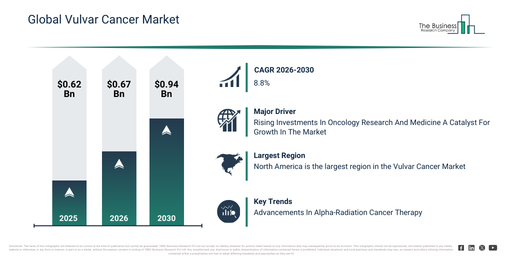
  • Vulvar Cancer Market Forecast 2026: Where the Industry Is Headed

    Vulvar Cancer Market Forecast 2026: Where the Industry Is Headed

    Uncover key drivers, emerging technologies, and competitive movements shaping the vulvar cancer market from 2026–2035 with trusted insights from The Business Research Company

    What was the valuation of the Vulvar Cancer Market in 2026, and what figure is it projected to hit by 2030?

    The vulvar cancer market has experienced robust expansion in recent years. Its value is expected to rise from $0.62 billion in 2025 to $0.67 billion in 2026, exhibiting a compound annual growth rate (CAGR) of 8.9%. This historical progression is largely due to heightened awareness of gynecologic cancers, the accessibility of surgical oncology expertise, the expansion of hospital oncology departments, the adoption of various radiation therapy techniques, and advancements in pathology diagnostics.

    The vulvar cancer market is projected to experience strong growth in the coming years. It is anticipated to expand to $0.94 billion by 2030, achieving a compound annual growth rate (CAGR) of 8.8%. The increase during the forecast period is attributable to growing investments in precision oncology, the rising adoption of biologic and immunotherapies, the expansion of HPV vaccination impact monitoring, an increasing focus on personalized treatment planning, and advancements in diagnostic imaging technologies. Major trends expected within this period include the increasing adoption of targeted cancer therapies, a rising use of minimally invasive surgical procedures, a growing focus on early diagnosis and screening, the expansion of multimodal treatment approaches, and enhanced integration of personalized oncology care.

    Access Your Free Sample Report for In-Depth Market Insights:

    https://www.thebusinessresearchcompany.com/sample.aspx?id=21318&type=smp

    Which Drivers Are Affecting Market Participation In The Vulvar Cancer Market?

    Future expansion of the vulvar cancer market is anticipated to be driven by rising financial commitments to oncology research and medicine. These investments are financial contributions from various entities like governments, drug firms, research bodies, and private funders, aimed at improving the comprehension, prevention, diagnosis, and care of cancer. The surge in these investments stems from factors such as the increasing global prevalence of cancer, progress in precision medicine, a greater need for new treatments, more extensive clinical trials, government and private funding efforts, and the creation of targeted and immunotherapeutic approaches. For vulvar cancer, these investments facilitate improvements in early detection, enhance therapeutic choices like targeted and immunotherapy treatments, finance clinical trials for better medications, bolster pediatric cancer care facilities, and stimulate novel research to deepen understanding of the disease’s biology and progression. As an illustration, IQVIA, an advanced analytics provider based in India, reported in May 2024 that worldwide expenditure on cancer medications reached $223 billion in 2023, which was a $25 billion rise from 2022, and is projected to hit $409 billion by 2028. Consequently, expanding investments in oncology research and medicine are a key driver for the vulvar cancer market.

    Vulvar Cancer Market Driver: The Impact Of Personalized Medicine On Market Growth

    What Segment Classifications Make Up The Vulvar Cancer Market?

    The vulvar cancer market covered in this report is segmented –

    1) By Cancer Type: Vulvar Squamous Cell Carcinoma, Vulvar Melanoma, Adenocarcinoma, Basal Cell Carcinoma

    2) By Treatment Type: Chemotherapy, Surgery, Laser Surgery, Excision, Skinning Vulvectomy, Radical Vulvectomy, Radiation Therapy, Biologic Therapy

    3) By Distribution Channel: Online Channel, Offline Channel

    4) By End Users: Hospitals And Clinics, Research And Academic Institutes, Other End Users

    Subsegments:

    1) By Vulvar Squamous Cell Carcinoma: Keratinizing Squamous Cell Carcinoma, Non-Keratinizing Squamous Cell Carcinoma, Verrucous Carcinoma

    2) By Vulvar Melanoma: Mucosal Melanoma, Acral Lentiginous Melanoma, Nodular Melanoma

    3) By Adenocarcinoma: Bartholin Gland Adenocarcinoma, Extramammary Paget’s Disease-Associated Adenocarcinoma, Sweat Gland Adenocarcinoma

    4) By Basal Cell Carcinoma: Superficial Basal Cell Carcinoma, Nodular Basal Cell Carcinoma, Morpheaform (Sclerosing) Basal Cell Carcinoma

    What Trends Are Driving The Growth Trajectory Of The Vulvar Cancer Market?

    Companies operating in the vulvar cancer market are increasingly focusing on breakthroughs in cancer treatment, such as alpha-radiation cancer therapy, to enhance the effectiveness of care and improve patient outcomes. Alpha-radiation cancer therapy is a method that delivers specific alpha particles to tumor cells, causing confined harm to cancerous tissue while minimizing damage to surrounding healthy areas. For instance, in May 2023, Alpha Tau Medical Ltd., an Israel-based company, announced the initial deployment of its Alpha DaRT alpha-radiation cancer therapy for addressing squamous cell carcinoma of the vulva. The study, conducted at Addenbrooke’s Hospital within the Cambridge University Hospitals NHS Foundation Trust, aims to recruit 10 participants to evaluate the safety and efficacy of this treatment. Alpha DaRT presents a targeted, minimally invasive approach, demonstrating its potential as a non-surgical treatment option for vulvar cancer.

    Which Key Players Are Driving Competition In The Vulvar Cancer Market?

    Major companies operating in the vulvar cancer market are F. Hoffmann-La Roche Ltd, Merck And Co., Bristol-Myers Squibb Company, Novartis AG, GlaxoSmithKline plc, Amgen Inc., Regeneron Pharmaceuticals Inc., Intuitive Surgical Operations Inc., Elekta AB, Accuray Incorporated, Xencor, ISA Pharmaceuticals BV, Alpha Tau Medical Ltd, AstraZeneca PLC, Johnson & Johnson, Pfizer Inc, Eli Lilly and Company, AbbVie Inc, Astellas Pharma Inc, Takeda Pharmaceutical Company Ltd, Bayer AG, Ipsen, Gilead Sciences Inc

    Access The Complete Report For Deeper Market Insights:

    https://www.thebusinessresearchcompany.com/report/vulvar-cancer-global-market-report

    Which Region Is Projected To Lead The Vulvar Cancer Market During The Forecast Period?

    North America was the largest region in the vulvar cancer market in 2025. Asia-Pacific is expected to be the fastest-growing region in the forecast period. The regions covered in the vulvar cancer market report are Asia-Pacific, South East Asia, Western Europe, Eastern Europe, North America, South America, Middle East, Africa.

    Request Your Customized Vulvar Cancer Market Research Report for Competitive Advantage:

    https://www.thebusinessresearchcompany.com/customise?id=21318&type=smp

    Browse Through More Reports Similar to the Global Vulvar Cancer Market 2026, By The Business Research Company

    Genital Warts Market Report 2026

    https://www.thebusinessresearchcompany.com/report/genital-warts-global-market-report

    Gynecological Cancer Drugs Market Report 2026

    https://www.thebusinessresearchcompany.com/report/gynecological-cancer-drugs-global-market-report

    Vaginal Sling Market Report 2026

    https://www.thebusinessresearchcompany.com/report/vaginal-sling-global-market-report

    Get in touch with us:

    The Business Research Company: https://www.thebusinessresearchcompany.com/

    Americas +1 310-496-7795

    Asia +44 7882 955267 & +91 8897263534

    Europe +44 7882 955267

    Email us at info@tbrc.info

    Follow us on:

    LinkedIn: https://in.linkedin.com/company/the-business-research-company

    YouTube: https://www.youtube.com/channel/UC24_fI0rV8cR5DxlCpgmyFQ

    Global Market Model: https://www.thebusinessresearchcompany.com/global-market-model
  • Biologics Active Pharmaceutical Ingredient (API) Market Forecast 2026–2035: How to Leverage Market Growth

    Biologics Active Pharmaceutical Ingredient (API) Market Forecast 2026–2035: How to Leverage Market Growth

    Uncover key drivers, emerging technologies, and competitive movements shaping the biologics active pharmaceutical ingredient (api) market from 2026–2035 with trusted insights from The Business Research Company

    What is the expected shift in the Biologics Active Pharmaceutical Ingredient (API) Market’s size between 2026 and 2030?

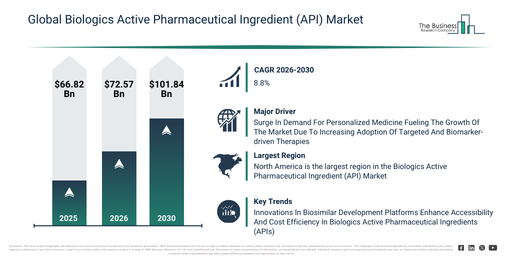
    The biologics active pharmaceutical ingredient (API) market has demonstrated robust expansion over recent years. Forecasts indicate it is set to rise from $66.82 billion in 2025 to reach $72.57 billion in 2026, advancing at a compound annual growth rate (CAGR) of 8.6%. Historically, this growth has been driven by factors such as the rising incidence of chronic and autoimmune diseases, the expansion of monoclonal antibody development pipelines, the advancement of recombinant protein therapeutics, increased investments in biologics manufacturing infrastructure, and the growing trend of outsourcing to biologics CMOs.

    The market size for biologics active pharmaceutical ingredients (APIs) is anticipated to demonstrate significant expansion over the next few years. It is projected to reach $101.84 billion by 2030, exhibiting a compound annual growth rate (CAGR) of 8.8%. This projected growth is driven by several factors, including the escalating development of cell and gene therapies, the increasing demand for personalized biologic medicines, the broadening of commercial-scale biologics production, a heightened focus on process scalability and consistency, and increasing regulatory attention on API quality and traceability. Prominent trends within this forecast period involve the rising adoption of single-use bioprocessing systems, an increasing need for high-purity biologics APIs, the expansion of large-scale commercial biomanufacturing activities, a growing emphasis on cold chain integrity, and the improved integration of advanced purification technologies.

    Access Your Free Sample Report for In-Depth Market Insights:

    https://www.thebusinessresearchcompany.com/sample.aspx?id=33040&type=smp

    Which Drivers Are Shaping Strategic Decisions In The Biologics Active Pharmaceutical Ingredient (API) Market?

    The biologics active pharmaceutical ingredients market is expected to grow as a result of the increasing need for personalized medicine. This medical approach involves tailoring disease prevention, diagnosis, and treatment strategies to an individual’s genetic profile, biomarkers, lifestyle, and environmental factors. The rising demand for personalized medicine is driven by its ability to improve treatment effectiveness, as therapies customized to an individual’s genetic and molecular makeup enhance clinical outcomes while minimizing adverse drug reactions. This elevated demand for personalized medicine supports the expansion of biologics active pharmaceutical ingredient (API) production by increasing the requirement for precise, patient-specific biologic compounds, which in turn fuels higher demand for complex, high-quality biologic APIs used in precision treatment methods. For instance, in February 2024, the Personalized Medicine Coalition, a US-based nonprofit industry alliance, stated that the Food and Drug Administration approved 16 new personalized treatments for rare diseases in 2023, representing a notable increase from 6 approvals in 2022. Therefore, the growing demand for personalized medicine is a significant driver of the biologics active pharmaceutical ingredients market.

    What Segment Classifications Make Up The Biologics Active Pharmaceutical Ingredient (API) Market?

    The biologics active pharmaceutical ingredient (api) market covered in this report is segmented –

    1) By Type Of Modality: Monoclonal Antibodies; Recombinant Proteins; Vaccines; Enzymes; Other Biologics

    2) By Scale Of Operation: Preclinical Or Clinical Scale; Commercial Scale

    3) By Service: Upstream Processing; Downstream Purification; Formulation And Fill-Finish Services; Analytical Testing And Quality Control

    4) By End-Users: Pharmaceutical Companies; Biotechnology Companies; Academic And Research Institutions; Contract Research Organizations

    Subsegments:

    1) By Monoclonal Antibodies: Therapeutic Monoclonal Antibodies; Diagnostic Monoclonal Antibodies; Human Monoclonal Antibodies

    2) By Recombinant Proteins: Hormonal Proteins; Growth Factor Proteins; Cytokine Proteins

    3) By Vaccines: Live Attenuated Vaccines; Inactivated Vaccines; Subunit Vaccines

    4) By Enzymes: Replacement Enzymes; Digestive Enzymes; Metabolic Enzymes

    5) By Other Biologics: Cell And Gene Therapy Products; Fusion Proteins; Plasma Derived Products

    What Long-Term Trends Are Expected To Shape The Future Of The Biologics Active Pharmaceutical Ingredient (API) Market?

    Companies prominent within the biologics active pharmaceutical ingredients (APIs) market are prioritizing the creation of sophisticated remedies, such as biosimilar development platforms, to elevate medication effectiveness and broaden access to treatments. Biosimilar development platforms denote structured systems and methodologies that facilitate the production of biologic pharmaceuticals closely resembling established reference products, thereby guaranteeing equivalent safety, effectiveness, and excellence while concurrently addressing cost and availability issues. As an illustration, in March 2023, Enzene Biosciences, an India-based biopharmaceutical firm, launched its biosimilar iteration of adalimumab, a commonly utilized therapeutic monoclonal antibody. This innovation aims to deliver clinical performance on par with the original product, simultaneously presenting an economical choice for both patients and healthcare infrastructure. The platform leverages cutting-edge bioprocessing and analytical methodologies to uphold uniform batch quality, attain significant purity, and satisfy regulatory benchmarks, thereby supporting large-scale production and a consistent supply. It is specifically designed to satisfy the increasing need for accessible biologic therapies across a range of chronic and autoimmune conditions, thereby extending patient reach and offering sustainable treatment avenues.

    Which Major Firms Are Strengthening Their Position In The Biologics Active Pharmaceutical Ingredient (API) Market?

    Major companies operating in the biologics active pharmaceutical ingredient (api) market are F Hoffmann-La Roche Ltd, Pfizer Inc, AbbVie Inc, Sanofi SA, Novartis AG, AstraZeneca PLC, Bristol-Myers Squibb Company, Thermo Fisher Scientific Inc, GSK plc, Eli Lilly and Company, Amgen Inc, Danaher Corporation, Boehringer Ingelheim International GmbH, AGC Inc, Biogen Inc, Lonza Group AG, Novo Holdings AS, FUJIFILM Biotechnologies Inc, Curia Global Inc, Almac Group Ltd, Syngene International Limited, and Hepalink USA Inc.

    Access The Complete Report For Deeper Market Insights:

    https://www.thebusinessresearchcompany.com/report/biologics-active-pharmaceutical-ingredient-api-market-report

    Which Region Shows The Strongest Potential For Future Expansion In The Biologics Active Pharmaceutical Ingredient (API) Market?

    North America was the largest region in the biologics active pharmaceutical ingredients (API) market in 2025. Asia-Pacific is expected to be the fastest-growing region in the forecast period. The regions covered in the biologics active pharmaceutical ingredient (api) market report are Asia-Pacific, South East Asia, Western Europe, Eastern Europe, North America, South America, Middle East, Africa.

    Request Your Customized Biologics Active Pharmaceutical Ingredient (API) Market Research Report for Competitive Advantage:

    https://www.thebusinessresearchcompany.com/customise?id=33040&type=smp

    Browse Through More Reports Similar to the Global Biologics Active Pharmaceutical Ingredient (API) Market 2026, By The Business Research Company

    Pharmaceuticals Market 2026

    https://www.thebusinessresearchcompany.com/report/pharmaceuticals-market

    Veterinary Active Pharmaceutical Ingredients Manufacturing Market Report 2026

    https://www.thebusinessresearchcompany.com/report/veterinary-active-pharmaceutical-ingredients-manufacturing-global-market-report

    Active Pharmaceutical Ingredients Market Report 2026

    https://www.thebusinessresearchcompany.com/report/active-pharmaceutical-ingredients-global-market-report

    Get in touch with us:

    The Business Research Company: https://www.thebusinessresearchcompany.com/

    Americas +1 310-496-7795

    Asia +44 7882 955267 & +91 8897263534

    Europe +44 7882 955267

    Email us at info@tbrc.info

    Follow us on:

    LinkedIn: https://in.linkedin.com/company/the-business-research-company

    YouTube: https://www.youtube.com/channel/UC24_fI0rV8cR5DxlCpgmyFQ

    Global Market Model: https://www.thebusinessresearchcompany.com/global-market-model
  • Global Bioconjugation Market 2026–2030: Forecast Insights for Business Planning

    Global Bioconjugation Market 2026–2030: Forecast Insights for Business Planning

    Uncover key drivers, emerging technologies, and competitive movements shaping the bioconjugation market from 2026–2035 with trusted insights from The Business Research Company

    What growth pattern is forecast for the Bioconjugation Market size between 2026 and 2035?

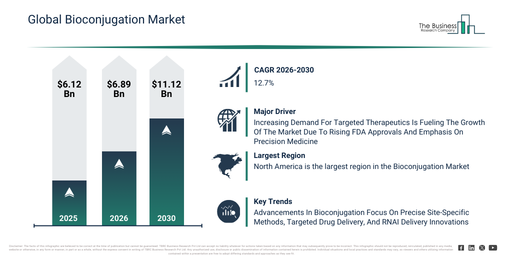
    The bioconjugation market size has demonstrated rapid expansion in recent years. This market is set to increase from $6.12 billion in 2025 to $6.89 billion in 2026, achieving a compound annual growth rate (CAGR) of 12.5%. Factors contributing to its historical growth include escalating biologics research activity, the broadening application of antibody-based therapeutics, advancements in diagnostic assay development, a greater adoption of protein labeling techniques, and the widespread availability of standardized conjugation kits.

    The bioconjugation market is poised for significant expansion over the coming years. This market is projected to reach $11.12 billion by 2030, exhibiting a compound annual growth rate (CAGR) of 12.7%. This projected growth is driven by factors such as the accelerated development of targeted drug conjugates, increased investments in precision medicine research, the broadening scope of companion diagnostics, the expanding application of conjugated biomolecules in imaging, and a greater need for scalable conjugation workflows. Key trends anticipated during this period encompass a wider embrace of site-specific conjugation techniques, a surge in the utilization of advanced linker chemistries, an increasing requirement for high-purity conjugation reagents, the proliferation of automated conjugation platforms, and a heightened emphasis on ensuring stability and reproducibility.

    Access Your Free Sample Report for In-Depth Market Insights:

    https://www.thebusinessresearchcompany.com/sample.aspx?id=33039&type=smp

    Which Drivers Are Impacting Market Performance In The Bioconjugation Market?

    The bioconjugation market is anticipated to expand in the future, fueled by the escalating demand for targeted therapeutics. Targeted therapeutics are medical interventions specifically designed to identify and act upon disease-causing cells or molecules, thereby enhancing treatment effectiveness while minimizing harm to healthy tissues. The rise in these therapeutics is attributed to a growing need for precision medicine, which enables more accurate treatment approaches that improve patient outcomes and reduce adverse side effects. Bioconjugation supports targeted therapeutics by facilitating the precise attachment of drugs to targeting molecules, thus enhancing their selective delivery to diseased cells and boosting their therapeutic impact. For instance, in February 2024, the West China Hospital, Sichuan University, a China-based medical research center advancing targeted therapies, reported that the U.S. Food and Drug Administration approved over 47 novel targeted therapeutics in 2023. These approvals constituted approximately 85.5% of all new drug approvals, indicating a heightened focus on precision-targeted treatment options in the United States. Consequently, the increasing demand for targeted therapeutics is driving the growth of the bioconjugation market.

    What Segment Types Are Examined In The Bioconjugation Market?

    The bioconjugation market covered in this report is segmented –

    1) By Product And Service: Consumables; Instruments; Service

    2) By Biomolecule Type: Antibodies; Proteins; Peptides; Oligonucleotides; Other Biomolecules

    3) By Technique: Chemical Conjugation; Enzyme-Mediated Conjugation; Click Chemistry; Photoreactive Crosslinking; Other Techniques

    4) By Application: Therapeutics; Research And Development; Diagnostics

    5) By End Use: Pharmaceutical And Biotechnology Companies; Contract Research Organizations (CRO) And Contract Manufacturing Organizations (CMOs); Academic And Research Institutes; Hospitals, Clinical And Diagnostic Laboratories

    Subsegments:

    1) By Consumables: Reagents; Buffers; Linkers; Kits; Resins; Chromatography Materials; Protein Purification Materials

    2) By Instruments: Chromatography Systems; Spectroscopy Systems; Electrophoresis Systems; Automated Conjugation Platforms; Imaging Systems; Bioreactors

    3) By Service: Custom Conjugation Services; Antibody Modification Services; Protein Labeling Services; Contract Research Services; Analytical Testing Services; Purification Services

    Which Market Trends Are Opening Growth Opportunities In The Bioconjugation Market?

    Leading companies within the bioconjugation market are prioritizing the development of advanced platforms, notably site-specific conjugation methods, to heighten drug delivery precision, improve coupling stability, and lessen off-target toxicity. Site-specific conjugation techniques are bioconjugation approaches that permit the deliberate attachment of therapeutic agents, such as drugs or RNAi, to biomolecules like antibodies, peptides, or oligonucleotides, thereby ensuring consistent activity and safety. As an illustration, in August 2023, BOCSCI Inc., a US-based provider of research chemicals and bioconjugation services, introduced its XDC bioconjugation platform, a cutting-edge solution engineered to streamline the synthesis of bioconjugates. Utilizing sophisticated conjugation strategies, including the integration of unnatural amino acids, engineered cysteine conjugation, enzyme-assisted ligation, and glycoconjugate creation, this platform enables the precise fabrication of antibody-drug conjugates, siRNA conjugates, and other targeted drug delivery molecules, empowering researchers to formulate safer and more effective biopharmaceuticals.

    Who Are The Primary Competitors In The Global Bioconjugation Market?

    Major companies operating in the bioconjugation market are Thermo Fisher Scientific Inc., Merck KGaA, Danaher Corporation, Lonza Group AG, Agilent Technologies Inc., Charles River Laboratories International Inc., Sartorius AG, Bio-Rad Laboratories Inc., Vector Laboratories Inc., Promega Corporation, LGC Biosearch Technologies Ltd., TriLink BioTechnologies LLC, Creative PEGWorks Inc., Lumiprobe Corporation, Biotium Inc., Jena Bioscience GmbH, Quanta BioDesign Ltd., Setareh Biotech Inc., Baseclick GmbH, Biosynth Carbosynth Ltd., Glen Research Inc., BroadPharm Inc., and Biorbyt Ltd.

    Access The Complete Report For Deeper Market Insights:

    https://www.thebusinessresearchcompany.com/report/bioconjugation-market-report

    Which Global Regions Are Shaping The Competitive Landscape Of The Bioconjugation Market?

    North America was the largest region in the bioconjugation market in 2025. Asia-Pacific is expected to be the fastest-growing region in the forecast period. The regions covered in the bioconjugation market report are Asia-Pacific, South East Asia, Western Europe, Eastern Europe, North America, South America, Middle East, Africa.

    Request Your Customized Bioconjugation Market Research Report for Competitive Advantage:

    https://www.thebusinessresearchcompany.com/customise?id=33039&type=smp

    Browse Through More Reports Similar to the Global Bioconjugation Market 2026, By The Business Research Company

    Biopreservation Market Report 2026

    https://www.thebusinessresearchcompany.com/report/biopreservation-global-market-report

    Biocomposites Market Report 2026

    https://www.thebusinessresearchcompany.com/report/biocomposites-global-market-report

    Biotech Ingredient Market Report 2026

    https://www.thebusinessresearchcompany.com/report/biotech-ingredient-global-market-report

    Get in touch with us:

    The Business Research Company: https://www.thebusinessresearchcompany.com/

    Americas +1 310-496-7795

    Asia +44 7882 955267 & +91 8897263534

    Europe +44 7882 955267

    Email us at info@tbrc.info

    Follow us on:

    LinkedIn: https://in.linkedin.com/company/the-business-research-company

    YouTube: https://www.youtube.com/channel/UC24_fI0rV8cR5DxlCpgmyFQ

    Global Market Model: https://www.thebusinessresearchcompany.com/global-market-model