Month: March 2026

  • Spinal Stenosis Treatment Market Dynamics 2026: Future Outlook and Key Insights

    Spinal Stenosis Treatment Market Dynamics 2026: Future Outlook and Key Insights

    Uncover key drivers, emerging technologies, and competitive movements shaping the spinal stenosis treatment market from 2026–2035 with trusted insights from The Business Research Company

    How much larger will the Spinal Stenosis Treatment Market be in 2030 compared with 2026?

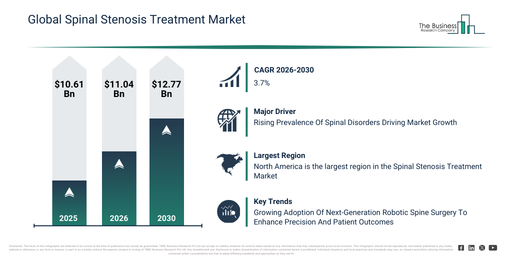
    The spinal stenosis treatment market size has demonstrated consistent expansion in recent years. It is anticipated to increase from $10.61 billion in 2025 to $11.04 billion in 2026, exhibiting a compound annual growth rate (CAGR) of 4.0%. This historical growth can be ascribed to a rise in degenerative spine disorders, the expansion of physical therapy, growth in pharmaceutical pain management, improvements in diagnostics, and greater awareness of non-surgical care.

    The spinal stenosis treatment market is projected to experience consistent expansion in the coming years. Its valuation is anticipated to reach $12.77 billion by 2030, exhibiting a compound annual growth rate (CAGR) of 3.7%. This anticipated growth during the forecast period is fueled by factors such as advanced interventional pain therapies, personalized treatment algorithms, tele-rehabilitation services, a decrease in reliance on surgery, and the adoption of long-term care models. Key trends expected in the forecast period encompass combination therapy approaches, image-guided interventions, increased adoption of non-surgical treatments, personalized rehabilitation plans, and the prevalence of outpatient treatment models.

    Access Your Free Sample Report for In-Depth Market Insights:

    https://www.thebusinessresearchcompany.com/sample.aspx?id=21289&type=smp

    What Drivers Are Guiding Growth Patterns In The Spinal Stenosis Treatment Market?

    The escalating occurrence of spinal disorders is projected to fuel the expansion of the spinal stenosis treatment market in the foreseeable future. These disorders encompass conditions impacting the spinal bones, intervertebral discs, nerves, or surrounding soft tissues, leading to pain, restricted movement, or neurological manifestations. Factors such as an aging population, inactive lifestyles, increased obesity rates, inadequate posture, specific occupational hazards, and advancements in diagnostic methods are contributing to their growing prevalence. Treatment for spinal stenosis is applied in the context of spinal disorders to ease nerve compression, lessen discomfort, and enhance mobility in conditions such as degenerative disc disease and herniated discs. As an illustration, data from May 2023, shared by Spinal Cord, Inc., a US-based medical device company, indicated that 18,000 new cases of spinal cord injury (SCI) are reported each year in the United States in 2023, with approximately 302,000 people living with SCI across the nation. Consequently, the expanding prevalence of spinal disorders is propelling the growth of the spinal stenosis treatment market.

    How Is The Spinal Stenosis Treatment Market Divided Into Segments?

    The spinal stenosis treatment market covered in this report is segmented –

    1) By Type: Cervical Stenosis, Lumbar Stenosis

    2) By Treatment: Medication, Physical Therapy, Surgery, Other Treatments

    3) By End Users: Hospitals, Homecare, Specialty Clinics, Other End-Users

    Subsegments:

    1) By Cervical Stenosis: Physical Therapy, Medications, Spinal Injections, Decompression Surgery, Spinal Fusion

    2) By Lumbar Stenosis: Pain Management, Epidural Steroid Injections, Minimally Invasive Procedures, Laminectomy, Artificial Disc Replacement

    Which Innovation Trends Are Advancing Developments Within The Spinal Stenosis Treatment Market?

    Major companies within the spinal stenosis treatment market are concentrating on technological advancements, such as robotic-assisted minimally invasive spine surgeries. This endeavor seeks to boost surgical accuracy, reduce post-operative complications, and speed up recovery times for patients experiencing spinal disorders. Robotic surgical systems enable enhanced navigation, real-time imaging, and highly precise implant placement, leading to improved clinical outcomes and greater operational efficiency. For instance, in July 2025, Yas Clinic, a research-driven healthcare provider based in the UAE, launched an advanced robotic spine surgery programme. This program is designed to treat complex spinal conditions, including lumbar and cervical stenosis, by offering enhanced safety, minimized tissue damage, and faster rehabilitation. The integration of next-generation robotics into surgical workflows through this program reinforces the adoption of minimally invasive techniques and highlights the growing shift towards precision-based and patient-centric interventions in spinal stenosis treatment.

    Which Key Market Players Are Investing In Expansion And Innovation Within The Spinal Stenosis Treatment Market?

    Major companies operating in the spinal stenosis treatment market are Johnson & Johnson, Medtronic plc, Zimmer Biomet Holdings Inc., Sumitomo Dainippon Pharma Co. Ltd, Ono Pharmaceutical Co. Ltd, Stryker Corporation, Globus Medical Inc., Orthofix Holdings Inc., Aesculap Implant Systems LLC, Alphatec Spine Inc, RTI Surgical Holdings Inc, B. Braun Melsungen AG, Spinal Elements Inc., Xtant Medical Holdings Inc., Precision Spine Inc., Spineart SA, Yungjin Pharm Co. Ltd, Zavation Medical Products LLC, Aurora Spine Corporation, Empirical Spine Inc.

    Access The Complete Report For Deeper Market Insights:

    https://www.thebusinessresearchcompany.com/report/spinal-stenosis-treatment-global-market-report

    Which Regions Are Poised For Strategic Growth In The Spinal Stenosis Treatment Market?

    North America was the largest region in the spinal stenosis treatment market in 2025. Asia-Pacific is expected to be the fastest-growing region in the forecast period. The regions covered in the spinal stenosis treatment market report are Asia-Pacific, South East Asia, Western Europe, Eastern Europe, North America, South America, Middle East, Africa.

    Request Your Customized Spinal Stenosis Treatment Market Research Report for Competitive Advantage:

    https://www.thebusinessresearchcompany.com/customise?id=21289&type=smp

    Browse Through More Reports Similar to the Global Spinal Stenosis Treatment Market 2026, By The Business Research Company

    Spinal Surgery Devices And Equipment Market Report 2026

    https://www.thebusinessresearchcompany.com/report/spinal-surgery-devices-and-equipment-global-market-report

    Spinal Imaging Market Report 2026

    https://www.thebusinessresearchcompany.com/report/spinal-imaging-global-market-report

    Spinal Cord Stimulation Market Report 2026

    https://www.thebusinessresearchcompany.com/report/spinal-cord-stimulation-global-market-report

    Get in touch with us:

    The Business Research Company: https://www.thebusinessresearchcompany.com/

    Americas +1 310-496-7795

    Asia +44 7882 955267 & +91 8897263534

    Europe +44 7882 955267

    Email us at info@tbrc.info

    Follow us on:

    LinkedIn: https://in.linkedin.com/company/the-business-research-company

    YouTube: https://www.youtube.com/channel/UC24_fI0rV8cR5DxlCpgmyFQ

    Global Market Model: https://www.thebusinessresearchcompany.com/global-market-model
  • Spinal Stenosis Devices Market Research: Growth Projections and Trends 2030

    Spinal Stenosis Devices Market Research: Growth Projections and Trends 2030

    Uncover key drivers, emerging technologies, and competitive movements shaping the spinal stenosis devices market from 2026–2035 with trusted insights from The Business Research Company

    Starting from its 2026 valuation, what market size is the Spinal Stenosis Devices Market expected to reach by 2030?

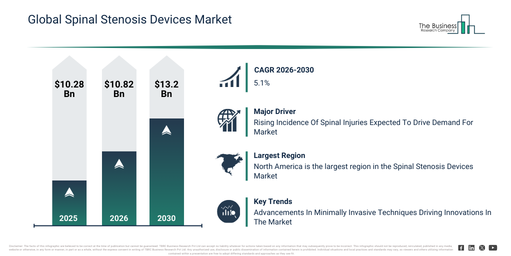
    The spinal stenosis devices market has seen substantial growth over recent years. It is projected to expand from $10.28 billion in 2025 to $10.82 billion in 2026, achieving a compound annual growth rate (CAGR) of 5.2%. This historical expansion can be attributed to an increase in lumbar stenosis cases, an aging population, advancements in surgical techniques, innovation in orthopedic devices, and the development of hospital spine programs.

    The spinal stenosis devices market is anticipated to show significant expansion in the upcoming years. It is forecast to achieve a valuation of $13.2 billion by 2030, progressing at a compound annual growth rate (CAGR) of 5.1%. This expansion during the projection period stems from advancements in next-generation implant designs, a rising demand for non-fusion devices, the broadening scope of ambulatory surgery, improvements in technological materials, and patient preference for minimally invasive options. Key developments expected in this timeframe include motion-preserving implants, minimally invasive decompression devices, enhanced biocompatible materials, procedures offering shorter recovery, and outpatient spine interventions.

    Access Your Free Sample Report for In-Depth Market Insights:

    https://www.thebusinessresearchcompany.com/sample.aspx?id=20966&type=smp

    What Drivers Are Driving Adoption Within The Spinal Stenosis Devices Market?

    An increase in the occurrence of spinal injuries is projected to stimulate the expansion of the spinal stenosis devices market in the future. These injuries involve harm to the spinal cord or adjacent structures, specifically referring to traumatic damage that disrupts the transmission of sensory and motor signals, potentially resulting in impaired movement, function, and feeling below the area of injury. The heightened frequency of spinal injuries primarily stems from a rise in traumatic incidents like car accidents and falls, especially prevalent in elderly populations, alongside a growing presence of non-traumatic factors such as age-related degenerative conditions and diseases. Spinal stenosis devices offer specific relief and structural stability by easing nerve compression, correcting spinal alignment, and boosting mobility, consequently elevating the life quality for those suffering from spinal injuries. For example, data from May 2023, provided by the National Spinal Cord Injury Statistical Center, a US-based organization dedicated to spinal cord information, indicates that 18,000 new spinal injuries are documented annually, with an incidence rate of 54 per 1 million individuals. Furthermore, approximately 302,000 people in the USA are estimated to have sustained a traumatic spinal cord injury. Consequently, the increasing occurrence of spinal injuries is fueling the expansion of the spinal stenosis devices market.

    What Segments Are Included Within The Spinal Stenosis Devices Market?

    The spinal stenosis devices market covered in this report is segmented –

    1) By Product Type: Interspinous Spacers, Stabilization Systems, Spinal Arthroplasty System, Interbody Fusion Devices

    2) By Application: Lumbar Spinal Stenosis, Cervical Spinal Stenosis, Thoracic Spinal Stenosis

    3) By End User: Hospitals, Ambulatory Surgical Centres, Others End Users

    Subsegments:

    1) By Interspinous Spacers: Single-Level Spacers, Multi-Level Spacers, Expandable Spacers

    2) By Stabilization Systems: Pedicle Screw Systems, Lateral Screw Systems, Dynamic Stabilization Systems

    3) By Spinal Arthroplasty System: Cervical Arthroplasty Systems, Lumbar Arthroplasty Systems, Artificial Disc Replacements

    4) By Interbody Fusion Devices: PEEK (Polyetheretherketone) Devices, Titanium Interbody Devices, Bioactive And Biocompatible Devices

    Which Competitive Trends Are Impacting The Structure Of The Spinal Stenosis Devices Market?

    Leading companies in the spinal stenosis devices market are increasingly concentrating on technological advancements, such as minimally invasive surgical techniques, to boost surgical precision and shorten recovery periods. These techniques involve medical procedures that use small incisions, often called ports, to access internal organs, substantially lessening physical trauma. Specialized instruments, including cameras and trocars, are utilized in these methods, allowing surgeons to perform operations with less discomfort, faster recovery times, and lower complication rates compared to traditional open surgery. For instance, in January 2024, Accelus, a US-based medical technology company delivering innovative solutions for spinal surgery, launched its linesider modular-cortical system. This technology empowers surgeons to place screw shanks early in spinal implant procedures and customize constructs with modular tulips and rods. It offers both open modular and cortical modular sets to accommodate diverse surgical approaches. Spinal implants are vital for providing stability and support to the spine during surgeries, aiding in the correction of deformities, fractures, or degenerative diseases while improving patient function and their quality of life.

    Who Are The Core Companies Influencing Trends In The Spinal Stenosis Devices Market?

    Major companies operating in the spinal stenosis devices market are Johnson & Johnson, Medtronic plc, Stryker Corporation, Boston Scientific Corporation, Zimmer Biomet Holdings Inc., Globus Medical Inc., NuVasive Inc., Orthofix Medical Inc., B. Braun Melsungen AG, Xtant Medical, Alphatec Holdings Inc., Vertos Medical Inc., Spineart SA, Spine Wave Inc., Spinal Simplicity LLC, Premia Spine, Meril Life Sciences Pvt. Ltd., Empirical Spine Inc., K2M Group Holdings Inc., RTI Surgical Inc., Camber Spine, SeaSpine Holdings Corporation

    Access The Complete Report For Deeper Market Insights:

    https://www.thebusinessresearchcompany.com/report/spinal-stenosis-devices-global-market-report

    Which Regions Are Projected To Dominate The Spinal Stenosis Devices Market In The Coming Years?

    North America was the largest region in the spinal stenosis devices market in 2025. Asia-Pacific is expected to be the fastest-growing region in the forecast period. The regions covered in the spinal stenosis devices market report are Asia-Pacific, South East Asia, Western Europe, Eastern Europe, North America, South America, Middle East, Africa.

    Request Your Customized Spinal Stenosis Devices Market Research Report for Competitive Advantage:

    https://www.thebusinessresearchcompany.com/customise?id=20966&type=smp

    Browse Through More Reports Similar to the Global Spinal Stenosis Devices Market 2026, By The Business Research Company

    Sacral Nerve Stimulation Devices Market Report 2026

    https://www.thebusinessresearchcompany.com/report/sacral-nerve-stimulation-devices-global-market-report

    Spinal Cord Stimulation Market Report 2026

    https://www.thebusinessresearchcompany.com/report/spinal-cord-stimulation-global-market-report

    Minimally Invasive Spine Surgery Devices Market Report 2026

    https://www.thebusinessresearchcompany.com/report/minimally-invasive-spine-surgery-devices-global-market-report

    Get in touch with us:

    The Business Research Company: https://www.thebusinessresearchcompany.com/

    Americas +1 310-496-7795

    Asia +44 7882 955267 & +91 8897263534

    Europe +44 7882 955267

    Email us at info@tbrc.info

    Follow us on:

    LinkedIn: https://in.linkedin.com/company/the-business-research-company

    YouTube: https://www.youtube.com/channel/UC24_fI0rV8cR5DxlCpgmyFQ

    Global Market Model: https://www.thebusinessresearchcompany.com/global-market-model
  • Global Spinal Muscular Atrophy Industry Insights: Key Trends and Growth Estimates

    Global Spinal Muscular Atrophy Industry Insights: Key Trends and Growth Estimates

    Uncover key drivers, emerging technologies, and competitive movements shaping the spinal muscular atrophy market from 2026–2035 with trusted insights from The Business Research Company

    Across 2026–2030, what is the expected market valuation path of the Spinal Muscular Atrophy Market?

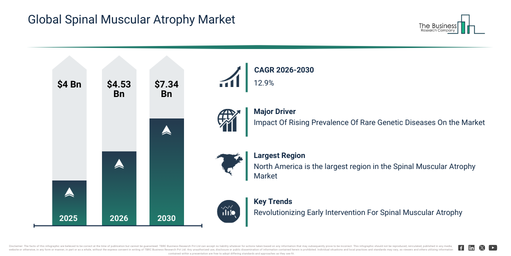
    The market for spinal muscular atrophy has experienced swift expansion recently. Projections indicate its value will escalate from $4 billion in 2025 to $4.53 billion by 2026, demonstrating a compound annual growth rate (CAGR) of 13.2%. Historically, this expansion has been driven by the introduction of innovative SMA therapies, a rise in genetic testing, heightened awareness from advocacy groups, significant investments in clinical trials, and dedicated funding for rare diseases.

    The spinal muscular atrophy market is expected to witness substantial expansion in the upcoming years, projected to achieve a value of $7.34 billion by 2030, advancing at a compound annual growth rate (CAGR) of 12.9%. This predicted rise is attributed to innovations in next-generation gene therapies, widespread adoption of global screening, broader availability of treatment options, improved patient survival, and ongoing pipeline drug development. Significant trends anticipated during this period include earlier genetic diagnosis, the proliferation of disease-modifying therapies, the introduction of newborn screening initiatives, tailored treatment approaches, and comprehensive long-term disease management strategies.

    Access Your Free Sample Report for In-Depth Market Insights:

    https://www.thebusinessresearchcompany.com/sample.aspx?id=20965&type=smp

    Which Drivers Are Supporting The Rise Of The Spinal Muscular Atrophy Market?

    The anticipated increase in the occurrence of rare genetic diseases is set to boost the expansion of the spinal muscular atrophy market in the future. These disorders stem from gene mutations, impacting a small portion of people and frequently leading to serious, long-term health issues. This growing prevalence is linked to advancements in diagnostic methods, greater public understanding, and enhanced availability of genetic testing, all contributing to the detection and reporting of more cases. Spinal muscular atrophy (SMA) serves as a prime example of a rare genetic disorder, illustrating both the difficulties and possibilities in comprehending inherited illnesses and underscoring the necessity of progressing research into genetic conditions. To illustrate, a report from the UK’s Office for National Statistics in July 2023 indicated that specific epidemiological studies, made possible by SMN1 genetic testing, showed SMA affects 1 of 10,000 to 20,000 live births, with more than 95% of patients having homozygous SMN1 deletion. Consequently, the increasing occurrence of rare genetic diseases is projected to fuel the expansion of the spinal muscular atrophy market.

    What Leading Segments Are Studied In The Spinal Muscular Atrophy Market?

    The spinal muscular atrophy market covered in this report is segmented –

    1) By Type: Type 1 (Severe), Type 2 (Intermediate), Type 3 (Mild), Type 4 (Adult)

    2) By Age: Pediatric, Adults

    3) By Treatment: Drug Therapy, Gene Therapy

    4) By End User: Hospital pharmacy, Online pharmacy, Retail pharmacy

    Subsegments:

    1) By Type 1 (Severe): Infantile-Onset SMA, Severe Progressive SMA

    2) By Type 2 (Intermediate): Early-Onset SMA, Non-progressive SMA

    3) By Type 3 (Mild): Juvenile-Onset SMA, Mild Progressive SMA

    4) By Type 4 (Adult): Adult-Onset SMA, Late-Onset SMA

    What Industry Trends Are Transforming The Spinal Muscular Atrophy Market?

    Leading companies in the spinal muscular atrophy market are actively developing innovative products, such as dry syrup, to enhance medication adherence and simplify administration for pediatric and other patient groups facing swallowing difficulties. Dry syrup is a powdered medication that requires reconstitution with water before use, commonly prescribed for children and patients who struggle to swallow tablets or capsules. For instance, in September 2024, Chugai Pharmaceutical Co., Ltd., a Japan-based pharmaceutical company, announced the receipt of regulatory approval from Japan’s Ministry of Health, Labour and Welfare for an expanded indication of its drug Evrysdi (risdiplam). This approval allows its application in pre-symptomatic spinal muscular atrophy (SMA) and extends dosing to infants under two months old. This development is vital as it enables the start of treatment before symptoms emerge, potentially improving therapeutic outcomes for affected infants. The decision was substantiated by data from the RAINBOWFISH study, which assessed Evrysdi’s safety and efficacy in infants diagnosed with SMA but not yet symptomatic. Results indicated that treated infants achieved key developmental milestones, such as unsupported sitting and enhanced motor skills, by 12 months, thereby emphasizing the drug’s potential to significantly alter the disease’s progression when administered at an early stage.

    Which Major Industry Participants Are Leading The Spinal Muscular Atrophy Market Growth?

    Major companies operating in the spinal muscular atrophy market are Pfizer Inc., F. Hoffmann-La Roche Ltd, Bayer AG, Novartis AG, Biogen Inc., Chugai Pharmaceutical Co. Ltd., Genentech Inc., PTC Therapeutics Inc., Ionis Pharmaceuticals Inc., RegenXBio Inc., Cytokinetics Inc., AveXis Inc., Scholar Rock Inc., Genethon, CANbridge Pharmaceuticals Inc., NMD Pharma A/S, Hanugen Therapeutics Inc., Beijing Jinlan Gene Technology Co. Ltd, Sarepta Therapeutics, Amicus Therapeutics, Audentes Therapeutics, Solid Biosciences

    Access The Complete Report For Deeper Market Insights:

    https://www.thebusinessresearchcompany.com/report/spinal-muscular-atrophy-global-market-report

    Which Region Is Expected To Experience The Fastest Growth In The Spinal Muscular Atrophy Market?

    North America was the largest region in the spinal muscular atrophy market in 2025. Asia-Pacific is expected to be the fastest-growing region in the forecast period. The regions covered in the spinal muscular atrophy market report are Asia-Pacific, South East Asia, Western Europe, Eastern Europe, North America, South America, Middle East, Africa.

    Request Your Customized Spinal Muscular Atrophy Market Research Report for Competitive Advantage:

    https://www.thebusinessresearchcompany.com/customise?id=20965&type=smp

    Browse Through More Reports Similar to the Global Spinal Muscular Atrophy Market 2026, By The Business Research Company

    Duchenne Muscular Dystrophy Dmd Therapeutics Market Report 2026

    https://www.thebusinessresearchcompany.com/report/duchenne-muscular-dystrophy-dmd-therapeutics-global-market-report

    Spine Biologics Market Report 2026

    https://www.thebusinessresearchcompany.com/report/spine-biologics-global-market-report

    Muscle Wasting Disorders Market Report 2026

    https://www.thebusinessresearchcompany.com/report/muscle-wasting-disorders-global-market-report

    Get in touch with us:

    The Business Research Company: https://www.thebusinessresearchcompany.com/

    Americas +1 310-496-7795

    Asia +44 7882 955267 & +91 8897263534

    Europe +44 7882 955267

    Email us at info@tbrc.info

    Follow us on:

    LinkedIn: https://in.linkedin.com/company/the-business-research-company

    YouTube: https://www.youtube.com/channel/UC24_fI0rV8cR5DxlCpgmyFQ

    Global Market Model: https://www.thebusinessresearchcompany.com/global-market-model
  • Spinal Imaging Market Forecast: How Big Will It Be by 2030?

    Spinal Imaging Market Forecast: How Big Will It Be by 2030?

    Uncover key drivers, emerging technologies, and competitive movements shaping the spinal imaging market from 2026–2035 with trusted insights from The Business Research Company

    What size range is anticipated for the Spinal Imaging Market from 2026 to 2030?

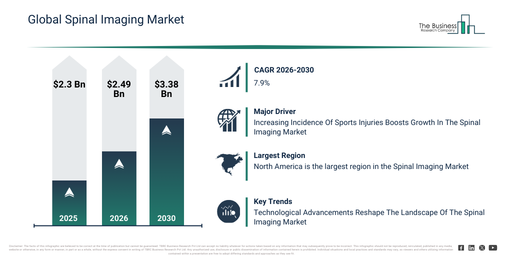
    The spinal imaging market has seen substantial growth recently. Projections indicate it will increase from $2.3 billion in 2025 to $2.49 billion by 2026, demonstrating a compound annual growth rate (CAGR) of 8.4%. Historically, this expansion has been driven by an increase in spinal injury cases, innovations in imaging system technology, the proliferation of diagnostic centers, advancements in hospital infrastructure, and a rising elderly demographic.

    The spinal imaging market size is projected to witness significant expansion over the next few years. It is foreseen to attain a value of $3.38 billion by 2030, growing at a compound annual growth rate (CAGR) of 7.9%. This anticipated growth during the forecast period stems from factors such as AI-driven diagnostic precision, increasing demand for early diagnosis, the rise of outpatient imaging, cloud-based image management solutions, and enhanced minimally invasive surgery planning. Prominent trends expected in this period include high-resolution spinal imaging, AI-assisted image analysis, integration with surgical planning tools, a broader application of MRI and CT, and workflow automation.

    Access Your Free Sample Report for In-Depth Market Insights:

    https://www.thebusinessresearchcompany.com/sample.aspx?id=7741&type=smp

    What Drivers Are Affecting Demand In The Spinal Imaging Market?

    An anticipated increase in sports injury occurrences is projected to stimulate the expansion of the spinal imaging market in the future. Sports injuries refer to damage or harm sustained during athletic pursuits, varying from minor to serious, and impacting diverse areas of the body. Spinal imaging plays a crucial role in addressing sports-related injuries by offering precise diagnostic details, thereby enabling medical experts to evaluate the degree of spinal harm and devise appropriate treatment strategies. As an illustration, in April 2024, data from the World Health Organization (WHO), a Switzerland-based United Nations agency, indicated that approximately 17 million people globally live with spinal cord injuries (SCI), with 2.5 million new cases reported in 2023. This represents a 15% increase compared to 2022, and 25% of these specific injuries were connected to sports activities. Consequently, the increased frequency of sports injuries is propelling the development of the spinal imaging market.

    Which Segment Groups Are Influencing The Spinal Imaging Market?

    The spinal imaging market covered in this report is segmented –

    1) By Product: X-Ray, Computed Tomography (CT), Magnetic Resonance Imaging (MRI), Ultrasound

    2) By Application: Spinal Infection, Vertebral Fractures, Spinal Cancer, Spinal Cord And Nerve Compressions, Other Applications

    3) By End-User: Hospital, Diagnostic Imaging Center, Ambulatory Care Center

    Subsegments:

    1) By X-Ray: Standard X-Ray, Fluoroscopy, Digital X-Ray

    2) By Computed Tomography (CT): Spiral CT, Cone Beam CT, High-Resolution CT

    3) By Magnetic Resonance Imaging (MRI): Closed MRI, Open MRI, Functional MRI (fMRI)

    4) By Ultrasound: Diagnostic Ultrasound, Interventional Ultrasound, 3D Or 4D Ultrasound

    What Trends Are Reshaping The Dynamics Of The Spinal Imaging Market?

    Major companies active in the spinal imaging market are concentrating on developing technological advancements to boost imaging efficiency, connectivity, and care provision across radiology networks. These innovations strive to enhance collaboration among radiology professionals, optimize workflows, and satisfy the rising demand for high-performance diagnostic imaging. For instance, in October 2024, Koninklijke Philips N.V., a Netherlands-based healthcare technology and imaging solutions provider, unveiled the Philips Radiology Operations Command Center (ROCC). This advanced vendor-agnostic platform is engineered to fortify real-time communication across radiology teams. The solution permits remote collaboration among technologists, radiologists, and imaging operations across various sites by means of secure telepresence capabilities. By dissolving traditional communication impediments and centralizing supervision, ROCC substantially improves operational efficiency and streamlines imaging care delivery within distributed radiology environments.

    Who Are The Prominent Global Companies Shaping The Spinal Imaging Market Landscape?

    Major companies operating in the spinal imaging market are Hitachi Ltd., Medtronic plc, Siemens Healthineers AG, Fujifilm Corporation, Koninklijke Philips N.V., GE Healthcare Company, Shenzhen Mindray Bio-Medical Electronics Co Ltd., Canon Medical Systems Corporation, Shimadzu Corporation, Bruker Corporation, Carl Zeiss Meditec AG, Carestream Health Inc., Toshiba Medical Systems Inc., Samsung Medison Co Ltd., Ramsoft Technologies Private Limited, Mediso Ltd., 7D Surgical Inc., Esaote SpA, NeuroLogica Corporation, Planmed Oy, CurveBeam Inc., Mindray Bio-Medical Electronics Co Ltd

    Access The Complete Report For Deeper Market Insights:

    https://www.thebusinessresearchcompany.com/report/spinal-imaging-global-market-report

    Which Geographic Areas Are Emerging As Strong Markets For The Spinal Imaging Market?

    North America was the largest region in the spinal imaging market in 2025. Asia-Pacific is expected to be the fastest-growing region in the spinal imaging market share during the forecast period. The regions covered in the spinal imaging market report are Asia-Pacific, South East Asia, Western Europe, Eastern Europe, North America, South America, Middle East, Africa.

    Request Your Customized Spinal Imaging Market Research Report for Competitive Advantage:

    https://www.thebusinessresearchcompany.com/customise?id=7741&type=smp

    Browse Through More Reports Similar to the Global Spinal Imaging Market 2026, By The Business Research Company

    Medical Imaging Equipment Market Report 2026

    https://www.thebusinessresearchcompany.com/report/medical-imaging-equipment-global-market-report

    Medical Imaging Market Report 2026

    https://www.thebusinessresearchcompany.com/report/medical-imaging-global-market-report

    Spine Biologics Market Report 2026

    https://www.thebusinessresearchcompany.com/report/spine-biologics-global-market-report

    Get in touch with us:

    The Business Research Company: https://www.thebusinessresearchcompany.com/

    Americas +1 310-496-7795

    Asia +44 7882 955267 & +91 8897263534

    Europe +44 7882 955267

    Email us at info@tbrc.info

    Follow us on:

    LinkedIn: https://in.linkedin.com/company/the-business-research-company

    YouTube: https://www.youtube.com/channel/UC24_fI0rV8cR5DxlCpgmyFQ

    Global Market Model: https://www.thebusinessresearchcompany.com/global-market-model
  • Spinal Cord Stimulation Market Report 2026: Strategic Insights and Revenue Outlook

    Spinal Cord Stimulation Market Report 2026: Strategic Insights and Revenue Outlook

    Uncover key drivers, emerging technologies, and competitive movements shaping the spinal cord stimulation market from 2026–2035 with trusted insights from The Business Research Company

    How is the Spinal Cord Stimulation Market size predicted to change over the forecast window of 2026–2035?

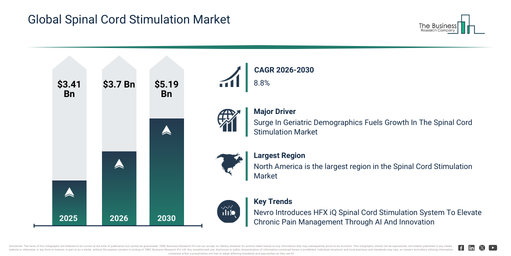
    The spinal cord stimulation market has demonstrated significant growth in recent years. This market is expected to expand from $3.41 billion in 2025 to $3.7 billion in 2026, achieving a compound annual growth rate (CAGR) of 8.5%. Historically, this growth can be attributed to an increase in chronic back pain cases, the demand for opioid alternatives, advancements in implantable electronics, the rise of pain management clinics, and favorable reimbursement policies.

    The spinal cord stimulation market is anticipated to show significant expansion in the coming years, with its valuation expected to reach $5.19 billion by 2030, achieving a compound annual growth rate (CAGR) of 8.8%. This projected growth during the forecast period is propelled by factors such as AI-enabled stimulation optimization, the broadening of indications beyond pain management, ongoing technological miniaturization, the increasing geriatric population, and the greater adoption of long-term pain therapies. Noteworthy trends in the upcoming period include the emergence of closed-loop stimulation systems, the widespread use of rechargeable implantable devices, the development of personalized neuromodulation programming, a shift towards outpatient implantation procedures, and the integration with digital pain monitoring.

    Access Your Free Sample Report for In-Depth Market Insights:

    https://www.thebusinessresearchcompany.com/sample.aspx?id=12180&type=smp

    Which Drivers Are Contributing To The Expansion Of The Spinal Cord Stimulation Market?

    The expanding elderly demographic is projected to drive the advancement of the spinal cord stimulation market. Individuals aged 65 and above, commonly referred to as the geriatric population, exhibit distinctive healthcare and social requirements associated with the aging process. This rising segment offers a significant opportunity for the spinal cord stimulation market’s expansion, as ailments and chronic pain become more prevalent, the demand for spinal cord stimulation solutions is likely to increase, thereby contributing to the market’s growth. For instance, in October 2025, according to the World Health Organization, a US-based specialized health agency, it is projected that globally, 1 in 6 people will be 60 or older by 2030, and there will be a double amount of individuals in this age group (2.1 billion) by 2050. Consequently, the increasing geriatric population is fostering the growth of the spinal cord stimulation market.

    What Segment Classifications Make Up The Spinal Cord Stimulation Market?

    The spinal cord stimulation market covered in this report is segmented –

    1) By Product: Rechargeable, Non-rechargeable

    2) By Application: Failed Back Surgery Syndrome (FBSS), Degenerative Disc Disease (DDD), Complex Regional Pain Syndrome (CRPS), Arachnoiditis, Other Disease Indications

    3) By End User: Hospitals, Ambulatory Surgery Centers, Specialty Clinics

    Subsegments:

    1) By Rechargeable: Implantable Pulse Generators (IPGs), Rechargeable Lead Systems

    2) By Non-Rechargeable: Non-Rechargeable Implantable Pulse Generators (IPGs), Non-Rechargeable Lead Systems

    How Are New Market Trends Shaping The Landscape Of The Spinal Cord Stimulation Market?

    Major companies operating within the spinal cord stimulation market are concentrating on creating advanced products, such as the Spinal Cord Stimulation System, to bring about substantial progress in spinal cord stimulation therapy. This system is a medical device involving the surgical placement of electrodes along the spinal cord to mitigate persistent pain. For example, in March 2023, Nevro, a US-based medical device company specializing in chronic pain treatments, introduced the Revolutionary HFX iQ Spinal Cord Stimulation System. This system stands out due to its pioneering integration of artificial intelligence, delivering tailored pain relief through real-time modifications based on extensive clinical information. Featuring the HFX algorithm and comprehensive pain management capabilities, this system not only represents a notable leap forward in spinal cord stimulation therapy but also enriches the market by offering inventive, data-supported, and AI-driven solutions for individuals suffering from chronic pain.

    Which Key Players Are Driving Competition In The Spinal Cord Stimulation Market?

    Major companies operating in the spinal cord stimulation market are Abbott Laboratories,Medtronic PLC,Boston Scientific Corp.,LivaNova PLC,Globus Medical Inc.,ZimVie Inc.,Avanos Medical Inc.,Nevro Corp.,Saluda Medical Pty. Ltd.,Neuros Medical Inc.,Cirtec Medical Corp.,Mainstay Medical International plc,Gimer Medical,Stimwave Technologies,Vertiflex Inc.,SPR Therapeutics,Stimgenics Inc.,Axonics Modulation Technologies Inc.,Bioness Inc.,Nuvectra Corporation,Precision Spine Inc.,Vertiflex SCS Division

    Access The Complete Report For Deeper Market Insights:

    https://www.thebusinessresearchcompany.com/report/spinal-cord-stimulation-global-market-report

    Which Region Is Projected To Lead The Spinal Cord Stimulation Market During The Forecast Period?

    North America was the largest region in the spinal cord stimulation market in 2025. Asia-Pacific is expected to be the fastest-growing region in the forecast period. The regions covered in the spinal cord stimulation market report are Asia-Pacific, South East Asia, Western Europe, Eastern Europe, North America, South America, Middle East, Africa.

    Request Your Customized Spinal Cord Stimulation Market Research Report for Competitive Advantage:

    https://www.thebusinessresearchcompany.com/customise?id=12180&type=smp

    Browse Through More Reports Similar to the Global Spinal Cord Stimulation Market 2026, By The Business Research Company

    Deep Brain Stimulation Device Market Report 2026

    https://www.thebusinessresearchcompany.com/report/deep-brain-stimulation-device-global-market-report

    Electrical Stimulation Devices Market Report 2026

    https://www.thebusinessresearchcompany.com/report/electrical-stimulation-devices-global-market-report

    Sacral Nerve Stimulation Devices Market Report 2026

    https://www.thebusinessresearchcompany.com/report/sacral-nerve-stimulation-devices-global-market-report

    Get in touch with us:

    The Business Research Company: https://www.thebusinessresearchcompany.com/

    Americas +1 310-496-7795

    Asia +44 7882 955267 & +91 8897263534

    Europe +44 7882 955267

    Email us at info@tbrc.info

    Follow us on:

    LinkedIn: https://in.linkedin.com/company/the-business-research-company

    YouTube: https://www.youtube.com/channel/UC24_fI0rV8cR5DxlCpgmyFQ

    Global Market Model: https://www.thebusinessresearchcompany.com/global-market-model
  • Global Spina Bifida In-Utero Industry Trends and Market Forecast 2026–2030

    Global Spina Bifida In-Utero Industry Trends and Market Forecast 2026–2030

    Uncover key drivers, emerging technologies, and competitive movements shaping the spina bifida in-utero market from 2026–2035 with trusted insights from The Business Research Company

    What market expansion outlook does the Spina Bifida In-Utero Market show for the 2026–2030 period?

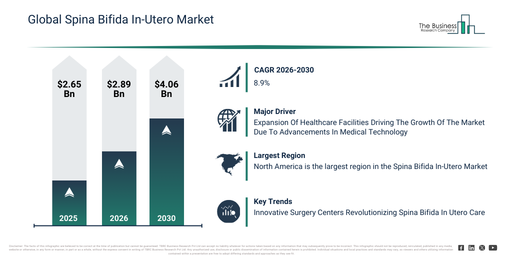
    The spina bifida in-utero market has seen robust expansion in recent years. It is projected to grow from $2.65 billion in 2025 to $2.89 billion in 2026, achieving a compound annual growth rate (CAGR) of 9.1%. This historical market growth can be attributed to progress in prenatal imaging, an increase in high-risk pregnancy care, ongoing clinical research in fetal surgery, the establishment of more specialist hospitals, and a greater understanding of congenital disorders.

    The spina bifida in-utero market size is anticipated to undergo significant expansion over the next few years, with projections indicating it will climb to $4.06 billion by 2030, exhibiting a compound annual growth rate (CAGR) of 8.9%. This forecasted growth is primarily fueled by the increasing embrace of minimally invasive fetal surgery, better surgical success rates, the expansion of maternal-fetal centers, innovations in instrument technology, and the development of clinical guidelines. Significant trends expected during this period include improvements in fetal surgery techniques, the widespread adoption of early prenatal screening, the formation of multidisciplinary fetal care teams, the development of specialized surgical instruments, and enhanced maternal-fetal outcomes.

    Access Your Free Sample Report for In-Depth Market Insights:

    https://www.thebusinessresearchcompany.com/sample.aspx?id=22150&type=smp

    What Drivers Are Shaping The Development Of The Spina Bifida In-Utero Market?

    An anticipated increase in healthcare facilities is projected to drive the expansion of the spina bifid in-utero market in the future. These facilities encompass crucial physical structures, systems, and resources vital for delivering efficient healthcare services. The growth of healthcare infrastructure stems from progress in medical technology, where innovations like telemedicine, robotic surgery, and AI-driven diagnostics necessitate modernized facilities, specialized gear, and improved service delivery mechanisms to enhance patient results and operational effectiveness. Healthcare facilities provide crucial support for spina bifida in-utero by guaranteeing availability of research-backed therapies, skilled medical staff, and novel treatment approaches, collectively leading to superior healing and an elevated quality of life for patients. As an example, in Jamuary 2024, the American Hospital Association, a US-based non-profit organization, reported that the United States possessed 6,120 hospitals in 2024. Consequently, the expanding healthcare infrastructure is a key factor propelling the growth of the spina bifid in-utero market.

    What Segment Types Are Examined In The Spina Bifida In-Utero Market?

    The spina bifida in-utero market covered in this report is segmented –

    1) By Type: Myelomeningocele, Meningocele, Occulta

    2) By Diagnosis: Ultrasound, Magnetic Resonance Imaging (MRI), Amniocentesis

    3) By Treatment: Surgery, Postnatal Surgery, Medication Management

    4) By End-User: Hospitals, Specialty Clinics, Ambulatory Surgical Centers

    Subsegments:

    1) By Myelomeningocele: Open Myelomeningocele, Closed Myelomeningocele, Lumbosacral Myelomeningocele, Thoracic Myelomeningocele, Cervical Myelomeningocele

    2) By Meningocele: Cranial Meningocele, Spinal Meningocele, Occipital Meningocele, Frontal Meningocele, Parietal Meningocele

    3) By Occulta: Lumbosacral Spina Bifida Occulta, Sacral Spina Bifida Occulta, Isolated Spina Bifida Occulta, Complex Spina Bifida Occulta, Tethered Cord Syndrome Associated Occulta

    Which Trends Are Expected To Influence The Spina Bifida In-Utero Market In The Upcoming Years?

    Leading companies in the spina bifida in utero market are establishing innovative facilities, including surgery centers, to integrate advanced imaging and minimally invasive techniques for fetal interventions. A surgery center is a specialized location where surgical procedures are performed on an outpatient basis, eliminating the need for hospital admission. For instance, in January 2025, Wadia Hospital, an India-based healthcare institution, launched a center dedicated to fetal surgery for open spina bifida. This new facility combines cutting-edge surgical techniques with a multidisciplinary approach, facilitating early intervention that can reduce complications and improve long-term outcomes for affected infants. The focus of this center is to enhance surgical precision and patient care, representing a promising advancement for families dealing with the challenges of open spina bifida.

    Who Are The Top-Performing Companies In The Spina Bifida In-Utero Market In Recent Years?

    Major companies operating in the spina bifida in-utero market are Mayo Clinic, GE HealthCare, UC San Francisco, Children’s Health, Memorial Hermann Health System, Oregon Health & Science University, Seattle Children’s, Texas Children’s, Children’s Hospital of Philadelphia, UW Health, UC Davis, UCSF Health, Burjeel Hospital, UT Physicians, Riley Children’s Health, Yale Medicine, Focused Ultrasound Foundation, Boston Children’s Hospital, Johns Hopkins Hospital, Cleveland Clinic, Mount Sinai Health System, Stanford Health Care

    Access The Complete Report For Deeper Market Insights:

    https://www.thebusinessresearchcompany.com/report/spina-bifida-in-utero-global-market-report

    Which Region Currently Holds The Largest Share Of The Spina Bifida In-Utero Market?

    North America was the largest region in the spina bifida in utero market in 2025. Asia-Pacific is expected to be the fastest-growing region in the forecast period. The regions covered in the spina bifida in-utero market report are Asia-Pacific, South East Asia, Western Europe, Eastern Europe, North America, South America, Middle East, Africa.

    Request Your Customized Spina Bifida In-Utero Market Research Report for Competitive Advantage:

    https://www.thebusinessresearchcompany.com/customise?id=22150&type=smp

    Browse Through More Reports Similar to the Global Spina Bifida In-Utero Market 2026, By The Business Research Company

    Male Fertility Market Report 2026

    https://www.thebusinessresearchcompany.com/report/male-fertility-global-market-report

    Fertility Drugs Market Report 2026

    https://www.thebusinessresearchcompany.com/report/fertility-drugs-global-market-report

    Assisted Reproductive Technology Market Report 2026

    https://www.thebusinessresearchcompany.com/report/assisted-reproductive-technology-global-market-report

    Get in touch with us:

    The Business Research Company: https://www.thebusinessresearchcompany.com/

    Americas +1 310-496-7795

    Asia +44 7882 955267 & +91 8897263534

    Europe +44 7882 955267

    Email us at info@tbrc.info

    Follow us on:

    LinkedIn: https://in.linkedin.com/company/the-business-research-company

    YouTube: https://www.youtube.com/channel/UC24_fI0rV8cR5DxlCpgmyFQ

    Global Market Model: https://www.thebusinessresearchcompany.com/global-market-model
  • Speech Impairment Market Size and Demand Forecast 2026–2030

    Speech Impairment Market Size and Demand Forecast 2026–2030

    Uncover key drivers, emerging technologies, and competitive movements shaping the speech impairment market from 2026–2035 with trusted insights from The Business Research Company

    What level of growth is expected in the Speech Impairment Market between 2026 and 2030?

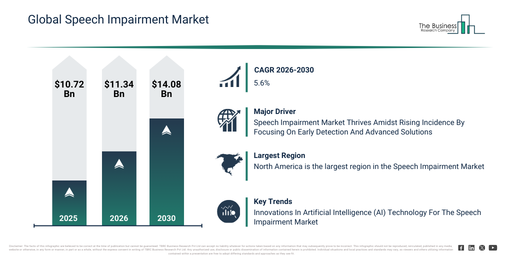
    The speech impairment market has shown significant expansion in recent years. Its valuation is anticipated to rise from $10.72 billion in 2025 to $11.34 billion in 2026, achieving a compound annual growth rate (CAGR) of 5.7%. Historical growth in this market can be linked to the increased incidence of strokes, a rise in traumatic brain injury cases, the broadening of rehabilitation services, greater awareness of assistive technologies, and the expansion of clinical speech therapy.

    The speech impairment market is set to experience significant expansion over the next few years. Its value is projected to reach $14.08 billion by 2030, demonstrating a compound annual growth rate (CAGR) of 5.6%. This anticipated growth during the forecast period is driven by advancements in AI speech synthesis, an increase in neurological disorders, the broadening of home healthcare services, enhanced reimbursement support for assistive devices, and technological miniaturization. Prominent trends anticipated in the coming years include the increased adoption of speech-generating devices, the development of AI-powered voice restoration tools, the rise of home-based rehabilitation programs, the availability of mobile assistive applications, and improved integration with neurological care.

    Access Your Free Sample Report for In-Depth Market Insights:

    https://www.thebusinessresearchcompany.com/sample.aspx?id=13935&type=smp

    Which Drivers Are Expected To Impact The Speech Impairment Market During The Forecast Period?

    The increasing occurrence of speech impediments is anticipated to fuel the expansion of the speech impairment market in the coming years. These disorders are conditions impacting an individual’s capacity to generate sounds necessary for speech. With the rising prevalence of speech disorders, a heightened requirement for efficacious diagnostic instruments, treatments, and assistive aids emerges to tackle these issues. This escalating demand, in turn, has the potential to stimulate creativity and capital infusion into crafting novel offerings specifically designed for those with speech impediments. As an illustration, the UK Parliament, a UK-based Governing body, reported in January 2025 that for the academic year 2023/24, 369,941 pupils in England were identified as requiring support for speech, language, and communication needs. Consequently, the growing frequency of speech disorders is propelling the expansion of the speech impairment market.

    Which Segments Are Driving Activity In The Speech Impairment Market?

    The speech impairment market covered in this report is segmented –

    1) By Type: Speech Disorder, Language Disorder, Apraxia, Autism Spectrum Disorder (ASD), Other Types

    2) By Age: Pediatrics, Adults, Elderly

    3) By End-User: Specialty Clinics, Rehabilitation Centers, Speech Therapy Centers, Bilingual Classes, Hospitals, Community Health Centers

    Subsegments:

    1) By Speech Disorder: Stuttering, Dysarthria, Voice Disorders

    2) By Language Disorder: Expressive Language Disorder, Receptive Language Disorder, Mixed Language Disorder

    3) By Apraxia: Childhood Apraxia Of Speech, Acquired Apraxia Of Speech

    4) By Autism Spectrum Disorder (ASD): Nonverbal Communication Challenges, Social Communication Challenges

    5) By Other Types: Selective Mutism, Articulation Disorder, Phonological Disorder

    What Trends Are Driving The Growth Trajectory Of The Speech Impairment Market?

    Leading companies in the speech impairment market are concentrating on innovative technologies, such as artificial intelligence (AI), to develop advanced tools and solutions aimed at improving communication for individuals with speech impairments. Artificial intelligence (AI) describes the simulation of human intelligence processes by machines, particularly computer systems. For example, in September 2023, Voiceitt, an Israeli-based automatic speech recognition technology platform, introduced AI-powered speech recognition systems. These AI-powered speech recognition systems are specifically designed for people with speech impairments. This technology allows users to communicate more effectively with both people and digital devices through the use of personalized voice models. It caters to individuals with non-standard speech patterns stemming from conditions such as cerebral palsy, Parkinson’s disease, Down syndrome, and strokes.

    Which Leading Companies Dominate The Speech Impairment Market Share?

    Major companies operating in the speech impairment market are LifePoint Health, Nuance Communications Inc., Reliant Rehabilitation, Therapy Solutions Inc., Tobii Dynavox, Humanus Corporation, Speechmatics, Lingraphica, Acapela Group, ReadSpeaker, John McGivney Children’s Centre, Rehabilitation Associates Inc., AbleNet Inc., Saltillo Corporation, LumenVox LLC, AssistiveWare, Speak AI, Cognixion, Dynaread Technologies, CereProc, Vocapia Research, NeuroSpeech Technologies

    Access The Complete Report For Deeper Market Insights:

    https://www.thebusinessresearchcompany.com/report/speech-impairment-global-market-report

    How Does The Speech Impairment Market Perform Across Major Global Regions?

    North America was the largest region in the speech impairment market in 2025. Asia-Pacific is expected to be the fastest-growing region in the forecast period. The regions covered in the speech impairment market report are Asia-Pacific, South East Asia, Western Europe, Eastern Europe, North America, South America, Middle East, Africa.

    Request Your Customized Speech Impairment Market Research Report for Competitive Advantage:

    https://www.thebusinessresearchcompany.com/customise?id=13935&type=smp

    Browse Through More Reports Similar to the Global Speech Impairment Market 2026, By The Business Research Company

    Speech Therapy Services Market Report 2026

    https://www.thebusinessresearchcompany.com/report/speech-therapy-services-global-market-report

    Speech And Language Disorder Market Report 2026

    https://www.thebusinessresearchcompany.com/report/speech-and-language-disorder-global-market-report

    Speech Technology Market Report 2026

    https://www.thebusinessresearchcompany.com/report/speech-technology-global-market-report

    Get in touch with us:

    The Business Research Company: https://www.thebusinessresearchcompany.com/

    Americas +1 310-496-7795

    Asia +44 7882 955267 & +91 8897263534

    Europe +44 7882 955267

    Email us at info@tbrc.info

    Follow us on:

    LinkedIn: https://in.linkedin.com/company/the-business-research-company

    YouTube: https://www.youtube.com/channel/UC24_fI0rV8cR5DxlCpgmyFQ

    Global Market Model: https://www.thebusinessresearchcompany.com/global-market-model
  • Speech And Language Disorder Market Outlook: Growth and Forecast Highlights 2030

    Speech And Language Disorder Market Outlook: Growth and Forecast Highlights 2030

    Uncover key drivers, emerging technologies, and competitive movements shaping the speech and language disorder market from 2026–2035 with trusted insights from The Business Research Company

    How much is the Speech And Language Disorder Market valued at in 2026, and what valuation is forecast for 2030?

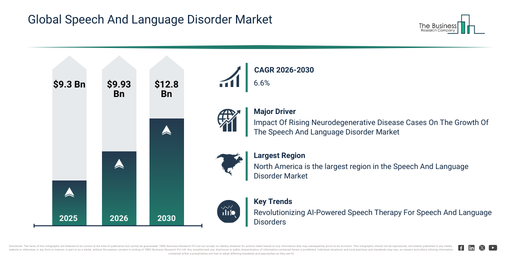
    The speech and language disorder market has experienced substantial expansion in recent years. This market is projected to grow from $9.3 billion in 2025 to $9.93 billion in 2026, demonstrating a compound annual growth rate (CAGR) of 6.7%. Historically, the market’s growth can be linked to factors such as increased diagnosis of speech disorders, the expansion of special education programs, a rise in speech therapy clinics, heightened parental awareness, and the implementation of school-based interventions.

    The speech and language disorder market size is expected to undergo significant expansion in the next few years. It is projected to reach $12.8 billion by 2030, progressing at a compound annual growth rate (CAGR) of 6.6%. The growth observed during the forecast period can be attributed to factors such as the expansion of telehealth reimbursement, the adoption of AI-based therapy, a shortage of speech therapists, speech-related issues within the aging population, and improved accessibility to digital therapy. Major developments anticipated in the forecast period encompass tele-speech therapy platforms, AI-driven language assessment tools, early childhood screening programs, personalized therapy plans, and mobile therapy applications.

    Access Your Free Sample Report for In-Depth Market Insights:

    https://www.thebusinessresearchcompany.com/sample.aspx?id=18740&type=smp

    What Drivers Are Influencing The Growth Of The Speech And Language Disorder Market?

    The rising incidence of neurodegenerative conditions is anticipated to fuel the expansion of the speech and language disorder market moving ahead. These conditions, including Alzheimer’s disease, Parkinson’s disease, and Amyotrophic Lateral Sclerosis (ALS), are progressive ailments marked by the irreversible and gradual deterioration of neurons, resulting in cognitive, motor, and functional deficits. The prevalence of neurodegenerative diseases is on the rise, attributed to factors such as a globally aging populace, increased life expectancy, and enhanced recognition and diagnosis of these conditions. Treatment for speech and language disorders offers crucial understanding into disease progression and aids in elevating the quality of life for those impacted, thereby improving both the practical and emotional dimensions of their lives. For example, data from April 2023 by the Centers for Disease Control and Prevention, a US government body, indicated that approximately 6.7 million Americans were living with Alzheimer’s disease in 2023, a number projected to almost triple, reaching 14 million by 2060. Consequently, the growing incidence of neurodegenerative conditions is a key factor propelling the expansion of the speech and language disorder market.

    How Is The Speech And Language Disorder Market Organized Into Various Segments?

    The speech and language disorder market covered in this report is segmented –

    1) By Type: Hardware, Software

    2) By Category: Adults, Pediatrics

    3) By Disorder Type: Articulation Disorders, Phonological Disorders, Voice Disorders Or Resonance Disorders, Language Disorders, Other Disorder Types

    4) By Cause: Stroke, Injury, Neurodegenerative Diseases, Other Causes

    5) By End User: Healthcare Facilities, Speech Therapy Centers, Rehabilitation Centers, Other End Users

    Subsegments:

    1) By Hardware: Assistive Devices, Wearable Devices

    2) By Software: Speech Recognition Software, Speech Therapy Applications, Language Processing Software, Cognitive Training Software

    What Upcoming Trends Are Likely To Define The Future Path Of The Speech And Language Disorder Market?

    Leading companies in the speech and language disorder market are concentrating on creating novel technologies, such as AI-driven speech therapy platforms, to boost accessibility, elevate outcomes, and satisfy the need for customized, effective interventions. Artificial intelligence (AI)-based speech therapy platforms refer to computer programs or systems that employ AI technology to remotely deliver speech treatment. For instance, in August 2023, Better Speech LLC, a US-based provider of speech therapy services, unveiled Jessica, an innovative AI speech therapist offering individualized therapy sessions available from any device, 24/7. Jessica evaluates and improves speech patterns by using technologies like voice recognition and natural language processing, which in turn renders therapy more convenient, affordable, and enjoyable.

    Who Are The Major Companies Operating In The Speech And Language Disorder Market?

    Major companies operating in the speech and language disorder market are Kindred Healthcare LLC, Nuance Communications Inc., Reliant Rehabilitation Holdings Inc., BenchMark Physical Therapy Institute LLC, Children’s Hospital of Eastern Ontario, National Institute of Physical Medicine and Rehabilitation, Amplio Learning Technologies Inc., John McGivney Children’s Centre, Expressable Inc., Rehabilitation Associates Inc., Constant Therapy Health Inc., Genesis Rehab Services LLC, Powerback Rehabilitation, Smart Speech Therapy LLC, Speech Therapy Solutions Inc., Speech Plus, Speech Pathways LLC, Canary Speech Inc., Imanyco Inc., Voiceitt Inc., Tactus Therapy Solutions Ltd, Virtual Speech Center Inc.

    Access The Complete Report For Deeper Market Insights:

    https://www.thebusinessresearchcompany.com/report/speech-and-language-disorder-global-market-report

    Which Region Is Anticipated To See The Fastest Growth In The Speech And Language Disorder Market?

    North America was the largest region in the speech and language disorder market in 2025. The regions covered in the speech and language disorder market report are Asia-Pacific, South East Asia, Western Europe, Eastern Europe, North America, South America, Middle East, Africa.

    Request Your Customized Speech And Language Disorder Market Research Report for Competitive Advantage:

    https://www.thebusinessresearchcompany.com/customise?id=18740&type=smp

    Browse Through More Reports Similar to the Global Speech And Language Disorder Market 2026, By The Business Research Company

    Dyslexia Treatment Market Report 2026

    https://www.thebusinessresearchcompany.com/report/dyslexia-treatment-global-market-report

    Speech Impairment Market Report 2026

    https://www.thebusinessresearchcompany.com/report/speech-impairment-global-market-report

    Speech Therapy Services Market Report 2026

    https://www.thebusinessresearchcompany.com/report/speech-therapy-services-global-market-report

    Get in touch with us:

    The Business Research Company: https://www.thebusinessresearchcompany.com/

    Americas +1 310-496-7795

    Asia +44 7882 955267 & +91 8897263534

    Europe +44 7882 955267

    Email us at info@tbrc.info

    Follow us on:

    LinkedIn: https://in.linkedin.com/company/the-business-research-company

    YouTube: https://www.youtube.com/channel/UC24_fI0rV8cR5DxlCpgmyFQ

    Global Market Model: https://www.thebusinessresearchcompany.com/global-market-model
  • Spectrum Water Treatment And Healthcare Devices Market Insights Report: Opportunities and Drivers 2030

    Spectrum Water Treatment And Healthcare Devices Market Insights Report: Opportunities and Drivers 2030

    Uncover key drivers, emerging technologies, and competitive movements shaping the spectrum water treatment and healthcare devices market from 2026–2035 with trusted insights from The Business Research Company

    By how much is the Spectrum Water Treatment And Healthcare Devices Market expected to grow between 2026 and 2030?

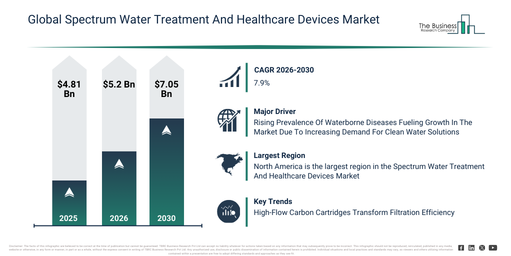
    The spectrum water treatment and healthcare devices market has demonstrated significant expansion in recent years. This market is set to increase from $4.81 billion in 2025 to $5.2 billion in 2026, reflecting a compound annual growth rate (CAGR) of 8.1%. Historically, its growth has been driven by hospital infrastructure development, rising water contamination issues, infection prevention protocols, regulatory water quality standards, and the demand for dialysis-grade water.

    The spectrum water treatment and healthcare devices market size is set to witness substantial expansion over the next few years, with projections indicating a growth to $7.05 billion by 2030 at a compound annual growth rate (CAGR) of 7.9%. This anticipated growth can be attributed to several factors, including the adoption of smart water systems, the proliferation of outpatient healthcare facilities, investments prioritizing sustainability, technological breakthroughs in filtration, and the expansion of healthcare in emerging markets. Significant trends expected during this forecast period include advanced filtration technologies, real-time water quality monitoring, compact treatment systems tailored for healthcare, antimicrobial device coatings, and energy-efficient purification systems.

    Access Your Free Sample Report for In-Depth Market Insights:

    https://www.thebusinessresearchcompany.com/sample.aspx?id=24406&type=smp

    Which Drivers Are Influencing Market Acceleration In The Spectrum Water Treatment And Healthcare Devices Market?

    The expanding occurrence of waterborne diseases is projected to boost the growth of the spectrum water treatment and healthcare devices market in the future. These illnesses originate from harmful microorganisms found in tainted water, which can lead to infections upon consumption or contact with the skin. The rising incidence of waterborne diseases largely stems from insufficient access to clean water and proper sanitation facilities, resulting in the contamination of potable water sources. Spectrum water treatment and healthcare devices serve to purify and disinfect water, efficiently eliminating dangerous pathogens and contaminants, thereby preventing the spread of such diseases. For example, data from March 2024, provided by the Centers for Disease Control and Prevention (CDC), a U.S. government agency, indicates that waterborne pathogens in the United States annually cause 7.15 million cases of illness, 118,000 hospitalizations, and 6,630 fatalities. Consequently, the increasing frequency of waterborne diseases will fuel the expansion of the spectrum water treatment and healthcare devices market.

    What Segments Are Identified Within The Structure Of The Spectrum Water Treatment And Healthcare Devices Market?

    The spectrum water treatment and healthcare devices market covered in this report is segmented –

    1) By Product Type: Water Treatment Devices, Healthcare Devices, Combination Systems

    2) By Technology Type: Filtration Technology, Reverse Osmosis, Ultraviolet (UV) Treatment, Electrochemical Treatment

    3) By Distribution Channel: Online Sales, Retail Outlets, Direct Sales, Distributors And Resellers

    4) By Application: Drinking Water Treatment, Wastewater Treatment, Surgical And Medical Applications, Pharmaceutical Manufacturing

    5) By End-User: Residential, Commercial, Industrial, Healthcare Facilities

    Subsegments:

    1) By Water Treatment Devices: Filtration Systems, Reverse Osmosis Systems, Ultraviolet (UV) Treatment Systems, Electrochemical Treatment Systems, Softening Systems, Distillation Systems

    2) By Healthcare Devices: Diagnostic Devices, Therapeutic Devices, Monitoring Devices, Surgical Instruments, Medical Sterilization Equipment

    3) By Combination Systems: Integrated Water And Healthcare Systems, Hybrid Water Filtration And Medical Treatment Units, Water Treatment Systems With Medical Monitoring Functions

    Which Trends Are Shaping Activity Within The Spectrum Water Treatment And Healthcare Devices Market?

    Major companies operating in the spectrum water treatment and healthcare devices market are directing their efforts towards advancements in water purification technologies, such as high-flow carbon cartridges, to elevate filtration efficiency, improve contaminant removal, and fulfill the growing need for safe and high-quality water across residential, industrial, and healthcare applications. High-flow carbon cartridges are filtration devices engineered to eliminate contaminants like chlorine, sediment, and odors from water at an increased flow rate, consequently boosting the efficiency and speed of water purification. For instance, in January 2025, Spectrum Filtration, a UK-based water treatment solutions company, introduced its FibreOnyx range, a line of high-flow carbon cartridges that employs advanced fiber technology to enhance water filtration efficiency by improving dirt-holding capacity and flow rates. This range includes specialized filters for standard carbon filtration, lead reduction, electroplating applications, and chloramine removal, addressing a variety of contaminants for diverse industrial, residential, and commercial needs.

    Which Major Firms Are Strengthening Their Position In The Spectrum Water Treatment And Healthcare Devices Market?

    Major companies operating in the spectrum water treatment and healthcare devices market are Ecolab Inc., Xylem Inc., Veolia Water Technologies & Solutions, Trojan Technologies Inc., Pall Corporation, Wabag, Ion Exchange India Ltd., Kinetico, Spectrum Filtration, Spectrum Water Technology, Netsol Water, Aquafine Corporation, SUEZ Water Technologies & Solutions, Aqua Filsep Inc., AquaIonizer Pro, Greentivity Enviro Solutions, Sombansi Enviro Engg, LIT UV Technology GmbH, Pentair Water, Dow Water and Process Solutions, H2O Innovation, Toray Industries, Kurita Water Industries, Aquatech International

    Access The Complete Report For Deeper Market Insights:

    https://www.thebusinessresearchcompany.com/report/spectrum-water-treatment-and-healthcare-devices-global-market-report

    Which Region Is Anticipated To See The Fastest Growth In The Spectrum Water Treatment And Healthcare Devices Market?

    North America was the largest region in the spectrum water treatment and healthcare devices market in 2025. Asia-Pacific is expected to be the fastest-growing region in the forecast period. The regions covered in the spectrum water treatment and healthcare devices market report are Asia-Pacific, South East Asia, Western Europe, Eastern Europe, North America, South America, Middle East, Africa.

    Request Your Customized Spectrum Water Treatment And Healthcare Devices Market Research Report for Competitive Advantage:

    https://www.thebusinessresearchcompany.com/customise?id=24406&type=smp

    Browse Through More Reports Similar to the Global Spectrum Water Treatment And Healthcare Devices Market 2026, By The Business Research Company

    Bottled Water Testing Equipment Market Report 2026

    https://www.thebusinessresearchcompany.com/report/bottled-water-testing-equipment-global-market-report

    Decentralized Water Treatment Market Report 2026

    https://www.thebusinessresearchcompany.com/report/decentralized-water-treatment-global-market-report

    Smart Water Management Market Report 2026

    https://www.thebusinessresearchcompany.com/report/smart-water-management-global-market-report

    Get in touch with us:

    The Business Research Company: https://www.thebusinessresearchcompany.com/

    Americas +1 310-496-7795

    Asia +44 7882 955267 & +91 8897263534

    Europe +44 7882 955267

    Email us at info@tbrc.info

    Follow us on:

    LinkedIn: https://in.linkedin.com/company/the-business-research-company

    YouTube: https://www.youtube.com/channel/UC24_fI0rV8cR5DxlCpgmyFQ

    Global Market Model: https://www.thebusinessresearchcompany.com/global-market-model
  • Specimen Validity Testing Global Forecast: Market to Scale Up to $5.95 Billion by 2030 at 7.8% CAGR

    Specimen Validity Testing Global Forecast: Market to Scale Up to $5.95 Billion by 2030 at 7.8% CAGR

    Uncover key drivers, emerging technologies, and competitive movements shaping the specimen validity testing market from 2026–2035 with trusted insights from The Business Research Company

    What is the estimated market size of the Specimen Validity Testing Market by the end of 2030?

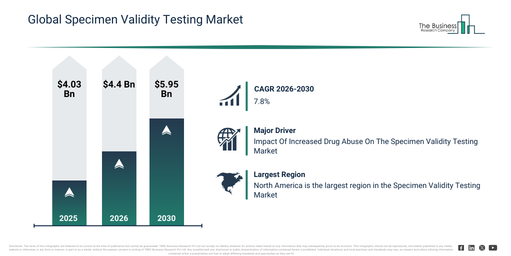
    The specimen validity testing market has experienced significant growth in recent years. Its size is anticipated to expand from $4.03 billion in 2025 to $4.4 billion in 2026, achieving a compound annual growth rate (CAGR) of 9.3%. The market’s past development can be attributed to several factors including an increase in workplace drug testing, regulatory requirements for urine testing, a rise in cases of substance abuse, the demand for forensic testing, and the expansion of clinical laboratories.

    The specimen validity testing market size is anticipated to experience substantial growth in the upcoming years. It is predicted to expand to $5.95 billion by 2030, exhibiting a compound annual growth rate (CAGR) of 7.8%. This projected increase during the forecast period stems from the adoption of oral fluid testing, technological improvements in assay sensitivity, a rise in probation and legal testing requirements, the broadening of point-of-care solutions, and penetration into emerging markets. Significant trends expected during this period include an increase in adulterant detection panels, the automation of validity testing workflows, integration with laboratory information systems, the introduction of rapid testing kits, and an expansion of workplace drug screening initiatives.

    Access Your Free Sample Report for In-Depth Market Insights:

    https://www.thebusinessresearchcompany.com/sample.aspx?id=15673&type=smp

    What Drivers Are Shaping Future Opportunities In The Specimen Validity Testing Market?

    The rise in drug abuse is projected to fuel the expansion of the Specimen Validity Testing Market in the foreseeable future. Drug abuse pertains to the habitual, excessive, or improper utilization of legal or illicit substances for non-medical reasons. The increase in drug abuse stems from various interconnected elements, including opioid addiction, escalating mental health problems, insufficient access to treatment and support, and societal portrayals. Specimen validity testing (SVT) techniques are designed to detect the presence of contaminants and compounds by analyzing multiple parameters like pH, specific gravity, creatinine content, and temperature. For instance, in October 2024, data from the Office for National Statistics, a UK-based government agency, indicated that England and Wales registered 5,448 drug poisoning-related deaths in 2023, representing an 11.0% increase from the 4,907 deaths recorded in 2022. Consequently, the growing prevalence of drug abuse is anticipated to drive the growth of the Specimen Validity Testing Market.

    Which Segments Are Gaining Traction In The Specimen Validity Testing Market?

    The specimen validity testing market covered in this report is segmented –

    1) By Product And Service: Products, Service

    2) By Testing Type: Laboratory Testing, Rapid Or Point-Of-Care Testing

    3) By End-User: Drug Rehabilitation Centers, Drug Screening Laboratories, Pain Management Centers, Criminal Justice And Law Enforcement Agencies, Other End-Users

    Subsegments:

    1) By Products: Reagents And Assay Kits, Controls And Calibrators, Specimen Collection Devices, Analyzers And Instruments

    2) By Service: Laboratory Testing Services, Point-Of-Care Testing Services

    Who Are The Primary Competitors In The Global Specimen Validity Testing Market?

    Major companies operating in the specimen validity testing market are Thermo Fisher Scientific Inc., Abbott Laboratories, Danaher Corporation, Siemens Healthineers , Medline Industries Inc., Becton, Dickinson and Company, Laboratory Corporation, Quest Diagnostics Incorporated, Alere Inc., Clinical Reference Laboratory Inc., Precision Diagnostics, ACM Global Laboratories, Millennium Health, Omega Laboratories Inc., Dominion Diagnostics, CannAmm, Sciteck Inc., Starplex Scientific Inc., Vision Diagnostics Inc., Premier Biotech Inc., Alfa Scientific Designs, Express Diagnostics, American Bio Medica Corporation, Titan Biotech Ltd., SureHire, Miraclean Technology Co. Ltd

    Access The Complete Report For Deeper Market Insights:

    https://www.thebusinessresearchcompany.com/report/specimen-validity-testing-global-market-report

    Which Global Regions Are Shaping The Competitive Landscape Of The Specimen Validity Testing Market?

    North America was the largest region in the specimen validity testing market in 2025. Asia-Pacific is expected to be the fastest-growing region in the forecast period. The regions covered in the specimen validity testing market report are Asia-Pacific, South East Asia, Western Europe, Eastern Europe, North America, South America, Middle East, Africa.

    Request Your Customized Specimen Validity Testing Market Research Report for Competitive Advantage:

    https://www.thebusinessresearchcompany.com/customise?id=15673&type=smp

    Browse Through More Reports Similar to the Global Specimen Validity Testing Market 2026, By The Business Research Company

    Virology Specimen Collection Market Report 2026

    https://www.thebusinessresearchcompany.com/report/virology-specimen-collection-global-market-report

    Laboratory Proficiency Testing Market Report 2026

    https://www.thebusinessresearchcompany.com/report/laboratory-proficiency-testing-global-market-report

    Dna Testing Market Report 2026

    https://www.thebusinessresearchcompany.com/report/dna-testing-global-market-report

    Get in touch with us:

    The Business Research Company: https://www.thebusinessresearchcompany.com/

    Americas +1 310-496-7795

    Asia +44 7882 955267 & +91 8897263534

    Europe +44 7882 955267

    Email us at info@tbrc.info

    Follow us on:

    LinkedIn: https://in.linkedin.com/company/the-business-research-company

    YouTube: https://www.youtube.com/channel/UC24_fI0rV8cR5DxlCpgmyFQ

    Global Market Model: https://www.thebusinessresearchcompany.com/global-market-model