Month: March 2026

  • Stem Cell Wounds Therapy Market Forecast 2026–2035: How to Leverage Market Growth

    Stem Cell Wounds Therapy Market Forecast 2026–2035: How to Leverage Market Growth

    Uncover key drivers, emerging technologies, and competitive movements shaping the stem cell wounds therapy market from 2026–2035 with trusted insights from The Business Research Company

    Starting from its 2026 valuation, what market size is the Stem Cell Wounds Therapy Market expected to reach by 2030?

    The stem cell wounds therapy market has seen substantial expansion in recent years. It is anticipated to increase from $4.46 billion in 2025 to $4.96 billion in 2026, exhibiting a compound annual growth rate (CAGR) of 11.2%. The market’s past growth is primarily due to the increasing prevalence of chronic wounds and diabetic ulcers, the growth of the geriatric population, advancements in skin regeneration research, rising adoption of advanced wound care solutions, and the expansion of hospital wound care units.

    The market size for stem cell wounds therapy is projected to undergo significant expansion in the coming years. Its valuation is set to reach $7.51 billion by 2030, demonstrating a compound annual growth rate (CAGR) of 10.9%. This upward trajectory during the forecast period is propelled by factors such as the increasing demand for regenerative wound therapies, a surge in investments in bioengineered skin products, the broader availability of home-based wound care solutions, mounting clinical evidence supporting stem cell efficacy, and the enhanced integration of regenerative medicine into wound management. Prominent trends for the same period include a growing adoption of stem cell-based treatments for chronic wounds, an increase in the application of autologous cell therapies, the expanding integration of advanced wound care products, a wider use of regenerative skin repair applications, and a heightened focus on achieving accelerated healing outcomes.

    Access Your Free Sample Report for In-Depth Market Insights:

    https://www.thebusinessresearchcompany.com/sample.aspx?id=30410&type=smp

    What Drivers Are Driving Adoption Within The Stem Cell Wounds Therapy Market?

    The increasing incidences of chronic diseases are expected to propel the growth of the stem cell wounds therapy market going forward. A chronic disease is defined as a long-lasting condition that typically progresses slowly and often requires ongoing medical care or limits activities of daily living. The rate of chronic diseases is rising due to aging populations, as older individuals are more susceptible to health issues due to weakened immunity and cumulative exposure to risk factors. Stem cell wound therapy supports the rising chronic disease burden by offering regenerative treatment options for wounds that fail to heal under standard care. For instance, in April 2025, the International Diabetes Federation (IDF), a Belgium-based non-profit organization, reported that 589 million people were living with diabetes in 2024, and this number is projected to rise to 853 million by 2050. Therefore, the increasing incidence of chronic diseases is driving the growth of the stem cell wounds therapy market.

    How Is The Stem Cell Wounds Therapy Market Organized Into Various Segments?

    The stem cell wounds therapy market covered in this report is segmented –

    1) By Treatment Type: Autologous, Allogeneic

    2) By Cell Type: Mesenchymal Stem Cells, Hematopoietic Stem Cells, Adipose-Derived Stem Cells, Embryonic Stem Cells, Induced Pluripotent Stem Cells

    3) By Wound Types: Chronic Wounds, Surgical Wound, Diabetic Foot Ulcer

    4) By Application: Skin Regeneration, Tissue Repair, Vascularization

    5) By End User: Hospitals, Clinics, Research Institutes, Home Care Settings, Pharmaceutical Companies

    Subsegments:

    1) By Autologous: Peripheral Blood Stem Cells, Bone Marrow Stem Cells, Adipose Tissue Stem Cells, Platelet Rich Plasma Derived Stem Cells

    2) By Allogeneic: Umbilical Cord Stem Cells, Bone Marrow Stem Cells, Placental Stem Cells, Induced Pluripotent Stem Cells

    Which Innovation Trends Are Advancing Developments Within The Stem Cell Wounds Therapy Market?

    Leading companies operating within the stem cell wounds therapy market are concentrating on developing innovative allogeneic stem cell therapies aimed at accelerating wound healing, enhancing tissue regeneration, and mitigating complications associated with chronic wounds. Allogeneic stem cell therapies involve using donor-derived or lab-engineered stem cells that can be manufactured in advance, stored, and administered to multiple patients without requiring patient-specific cell harvesting. For instance, in April 2025, Cytora Limited, a UK-based clinical-stage biotechnology company, reported favorable results from its Phase 1/2a clinical trial for hOMSC200, an allogeneic off-the-shelf stem cell therapy intended for diabetic foot ulcers. This therapy exhibited three unique characteristics: it did not elicit an immune response in recipients, achieved a 53% complete wound closure rate in the intent-to-treat population, and demonstrated a 100% closure rate in the per-protocol group, thereby emphasizing its safety, efficacy, and potential for widespread use. The stem cell wound therapy market benefits from these advances as companies continue to develop ready-to-use products that shorten treatment timelines and improve clinical outcomes.

    Who Are The Prominent Global Companies Shaping The Stem Cell Wounds Therapy Market Landscape?

    Major companies operating in the stem cell wounds therapy market are Smith & Nephew plc, Organogenesis Holdings Inc., Avita Medical Inc., Aroa Biosurgery Ltd., VIVEX Biologics Inc., Stempeutics Research Pvt. Ltd., CellResearch Corporation, Histocell S.L., RHEACELL GmbH & Co. KG, BioXcellerator, InGeneron Inc., BioLab Holdings, Healiva AG, PolarityBio Inc., Aposcience AG, StemiGenn Therapeutics Pte. Ltd., OCT Therapies & Research, Corestem Chemon, Blue Cell Therapeutics, Chiron Therapeutics Inc.

    Access The Complete Report For Deeper Market Insights:

    https://www.thebusinessresearchcompany.com/report/global-stem-cell-wounds-therapy-market-report

    Which Geographic Areas Are Emerging As Strong Markets For The Stem Cell Wounds Therapy Market?

    North America was the largest region in the stem cell wounds therapy market in 2025. Asia-Pacific is expected to be the fastest-growing region in the forecast period. The regions covered in the stem cell wounds therapy market report are Asia-Pacific, South East Asia, Western Europe, Eastern Europe, North America, South America, Middle East, Africa.

    Request Your Customized Stem Cell Wounds Therapy Market Research Report for Competitive Advantage:

    https://www.thebusinessresearchcompany.com/customise?id=30410&type=smp

    Browse Through More Reports Similar to the Global Stem Cell Wounds Therapy Market 2026, By The Business Research Company

    Cell Therapy Technologies Market Report 2026

    https://www.thebusinessresearchcompany.com/report/cell-therapy-technologies-global-market-report

    Cell Regeneration Medicine Market Report 2026

    https://www.thebusinessresearchcompany.com/report/cell-regeneration-medicine-global-market-report

    Cells Therapy Market Report 2026

    https://www.thebusinessresearchcompany.com/report/cells-therapy-global-market-report

    Get in touch with us:

    The Business Research Company: https://www.thebusinessresearchcompany.com/

    Americas +1 310-496-7795

    Asia +44 7882 955267 & +91 8897263534

    Europe +44 7882 955267

    Email us at info@tbrc.info

    Follow us on:

    LinkedIn: https://in.linkedin.com/company/the-business-research-company

    YouTube: https://www.youtube.com/channel/UC24_fI0rV8cR5DxlCpgmyFQ

    Global Market Model: https://www.thebusinessresearchcompany.com/global-market-model

  • Global Stem Cell Umbilical Cord Blood Market 2026–2030: Forecast Insights for Business Planning

    Global Stem Cell Umbilical Cord Blood Market 2026–2030: Forecast Insights for Business Planning

    Uncover key drivers, emerging technologies, and competitive movements shaping the stem cell umbilical cord blood market from 2026–2035 with trusted insights from The Business Research Company

    Across 2026–2030, what is the expected market valuation path of the Stem Cell Umbilical Cord Blood Market?

    The stem cell umbilical cord blood market size has seen significant growth in recent years. This market is projected to expand from $7.98 billion in 2025 to $9.39 billion in 2026, achieving a compound annual growth rate (CAGR) of 17.7%. Historically, this expansion has been driven by an elevated use of stem cell transplants, the proliferation of public cord blood banks, advancements in hematological treatments, increased public awareness of stem cell therapies, and enhancements in neonatal healthcare infrastructure.

    The stem cell umbilical cord blood market is expected to experience significant growth in the coming years. It is projected to expand to $17.83 billion by 2030, demonstrating a compound annual growth rate (CAGR) of 17.4%. This anticipated growth during the forecast period is attributable to an increasing demand for personalized regenerative therapies, rising investments in cell therapy research, the expansion of treatments for neurological and immune disorders, the growing adoption of hybrid banking models, and advancements in stem cell expansion technologies. Major trends observed in the forecast period include the increasing adoption of advanced cryopreservation technologies, the rising utilization of stem cells in regenerative medicine, the growing expansion of private cord blood banking services, an enhanced focus on cell quality and viability preservation, and the expansion of hybrid cord blood storage models.

    Access Your Free Sample Report for In-Depth Market Insights:

    https://www.thebusinessresearchcompany.com/sample.aspx?id=24715&type=smp

    Which Drivers Are Supporting The Rise Of The Stem Cell Umbilical Cord Blood Market?

    Increasing childbirth rates are anticipated to fuel the expansion of the stem cell umbilical cord blood market. Childbirth rates are defined as the count of live births per 1,000 individuals within a population over a designated timeframe, typically a year. The rise in these rates can be attributed to enhanced accessibility and reduced costs of fertility treatments, empowering more families to have children. Umbilical cord blood stem cells hold significant value for infants because they possess hematopoietic stem cells, which are effective in treating diverse blood, immune, and genetic conditions. These cells offer an exact genetic match for the infant and can also be beneficial for siblings or other family members. For instance, in April 2025, the U.S. Centers for Disease Control and Prevention, a U.S.-based federal agency, reported that the number of births in the USA rose from 3,596,017 in 2023 to 3,622,673 in 2024, indicating a 1% increase. Consequently, the rising childbirth rates are a key factor propelling the growth of the stem cell umbilical cord blood market.

    What Segments Are Identified Within The Structure Of The Stem Cell Umbilical Cord Blood Market?

    The stem cell umbilical cord blood market covered in this report is segmented –

    1) By Product Type: Cord Blood Stem Cells, Cord Tissue Stem Cells

    2) By Technology: Cryopreservation, Stem Cell Expansion, Cell Separation

    3) By Storage Services: Public Cord Blood Banks, Private Cord Blood Banks, Hybrid Cord Blood Banks

    4) By Application: Hematological Disorders, Metabolic Diseases, Immune System Disorders, Neurological Disorders, Other Applications

    5) By End-User: Hospitals, Research Institutes, Biotechnology Companies, Other End-Users

    Subsegments:

    1) By Cord Blood Stem Cells: Hematopoietic Stem Cells, Mesenchymal Stem Cells, Endothelial Progenitor Cells, Regulatory T Cells, Natural Killer Cells, Dendritic Cells

    2) By Cord Tissue Stem Cells: Mesenchymal Stem Cells, Epithelial Cells, Fibroblasts, Neural Progenitor Cells

    Which Competitive Trends Are Impacting The Structure Of The Stem Cell Umbilical Cord Blood Market?

    Leading companies in the stem cell umbilical cord blood market are concentrating on developing innovative treatments and securing approvals, such as cord blood cell therapy, to address rare genetic disorders, enhance immune system recovery, and support regenerative medicine applications. Cord blood cell therapy involves using stem cells derived from umbilical cord blood to treat various diseases by repairing or regenerating damaged blood, immune, and other tissue systems. For instance, in October 2024, StemCyte, a US-based biotechnology company, received the regenerative medicine advanced therapy designation from the U.S. Food and Drug Administration (FDA) for hematopoietic progenitor cell cord blood therapy (HPC Cord Blood) for the treatment of Long COVID-19 syndrome. This specific cord blood cell therapy utilizes stem cells from umbilical cord blood to encourage healing and diminish inflammation. It has demonstrated potential in treating immune-related and degenerative conditions, providing a non-invasive, ethically sourced option for advanced regenerative treatments.

    Which Key Players Are Driving Competition In The Stem Cell Umbilical Cord Blood Market?

    Major companies operating in the stem cell umbilical cord blood market are Global Cord Blood Corporation, Vita 34 AG, Cordlife Group Limited, StemLife Berhad, MediPost Co Ltd, Smart Cells International Ltd, StemCyte Inc, Celularity Inc, Next Biosciences Pty Ltd, Esperite NV, Cryo Cell International Inc, FamiCord Group, Cells4Life Group LLP, Cryoviva Biotech Pvt Ltd, Americord Registry LLC, ViaCord LLC, China Cord Blood Corporation, CBR Systems Inc, Cord Blood Registry, LifeCell International Pvt Ltd, CryoSave India Pvt Ltd

    Access The Complete Report For Deeper Market Insights:

    https://www.thebusinessresearchcompany.com/report/stem-cell-umbilical-cord-blood-global-market-report

    Which Region Is Projected To Lead The Stem Cell Umbilical Cord Blood Market During The Forecast Period?

    North America was the largest region in the stem cell umbilical cord blood market in 2025. Europe is expected to be the fastest-growing region in the forecast period. The regions covered in the stem cell umbilical cord blood market report are Asia-Pacific, South East Asia, Western Europe, Eastern Europe, North America, South America, Middle East, Africa.

    Request Your Customized Stem Cell Umbilical Cord Blood Market Research Report for Competitive Advantage:

    https://www.thebusinessresearchcompany.com/customise?id=24715&type=smp

    Browse Through More Reports Similar to the Global Stem Cell Umbilical Cord Blood Market 2026, By The Business Research Company

    Stem Cell Assay Market Report 2026

    https://www.thebusinessresearchcompany.com/report/stem-cell-assay-global-market-report

    Stem Cell Market Report 2026

    https://www.thebusinessresearchcompany.com/report/stem-cell-global-market-report

    Stem Cells Therapy Market Report 2026

    https://www.thebusinessresearchcompany.com/report/stem-cells-therapy-global-market-report

    Get in touch with us:

    The Business Research Company: https://www.thebusinessresearchcompany.com/

    Americas +1 310-496-7795

    Asia +44 7882 955267 & +91 8897263534

    Europe +44 7882 955267

    Email us at info@tbrc.info

    Follow us on:

    LinkedIn: https://in.linkedin.com/company/the-business-research-company

    YouTube: https://www.youtube.com/channel/UC24_fI0rV8cR5DxlCpgmyFQ

    Global Market Model: https://www.thebusinessresearchcompany.com/global-market-model

  • Stem Cell Therapy For Multiple Sclerosis Market Outlook 2026–2035: Growth Drivers and Industry Forecast

    Stem Cell Therapy For Multiple Sclerosis Market Outlook 2026–2035: Growth Drivers and Industry Forecast

    Uncover key drivers, emerging technologies, and competitive movements shaping the stem cell therapy for multiple sclerosis market from 2026–2035 with trusted insights from The Business Research Company

    What size range is anticipated for the Stem Cell Therapy For Multiple Sclerosis Market from 2026 to 2030?

    The market size for stem cell therapy used in treating multiple sclerosis has experienced significant expansion over recent years. This market is projected to expand from $1.82 billion in 2025 to $2.05 billion in 2026, achieving a compound annual growth rate (CAGR) of 12.4%. The historic expansion can be linked to several factors, including developments in multiple sclerosis treatment research, an increase in the diagnosis rates of autoimmune disorders, the broader implementation of stem cell clinical trials, more refined patient selection protocols, and the expanding presence of specialized neurology centers.

    The stem cell therapy for multiple sclerosis market is anticipated to experience substantial growth in the upcoming years, with projections indicating it will reach $3.24 billion by 2030, growing at a compound annual growth rate (CAGR) of 12.2%. This projected growth can be attributed to factors such as accumulating long-term efficacy data for stem cell therapies, an increasing demand for disease-modifying treatments, the expansion of personalized neurology care, rising investments in neuro-regenerative research, and enhanced collaboration between hospitals and research institutions. Prominent trends expected during this period include the increased adoption of autologous hematopoietic stem cell transplants, a growing focus on immune system reset therapies, the rising application of mesenchymal stem cells, more frequent use of targeted delivery methods, and improved clinical monitoring and outcome tracking.

    Access Your Free Sample Report for In-Depth Market Insights:

    https://www.thebusinessresearchcompany.com/sample.aspx?id=30409&type=smp

    What Drivers Are Affecting Demand In The Stem Cell Therapy For Multiple Sclerosis Market?

    The increasing occurrence of multiple sclerosis (MS) is projected to contribute significantly to the expansion of the stem cell therapy for multiple sclerosis market going forward. Multiple sclerosis is a chronic autoimmune disorder affecting the central nervous system by damaging the protective myelin sheath surrounding nerve fibers, which impairs communication between the brain and body, causing symptoms such as fatigue, muscle weakness, and vision problems. The rising incidence of MS is largely attributed to improved diagnostic capabilities, as advancements in medical imaging and heightened awareness enable more accurate and earlier identification of cases, leading to higher reported numbers. Stem cell therapy for multiple sclerosis helps in repairing compromised myelin, modulating abnormal immune responses, and promoting nerve cell regeneration, thereby aiding in the reduction of symptoms and potentially slowing disease progression. For instance, in May 2024, according to a report published by the MS Trust, a UK-based organization, approximately 2.9 million people worldwide are affected by multiple sclerosis, including over 150,000 individuals living with the condition in the UK. Therefore, the increasing prevalence of multiple sclerosis is anticipated to drive the growth of the stem cell therapy for multiple sclerosis market.

    Which Segments Are Gaining Traction In The Stem Cell Therapy For Multiple Sclerosis Market?

    The stem cell therapy for multiple sclerosis market covered in this report is segmented –

    1) By Type Of Stem Cell: Embryonic Stem Cells, Adult Stem Cells, Induced Pluripotent Stem Cells, Mesenchymal Stem Cells, Hematopoietic Stem Cells

    2) By Treatment Approach: Autologous Stem Cell Therapy, Allogeneic Stem Cell Therapy

    3) By Delivery Method: Intravenous Injection, Intrathecal Injection, Direct Intraspinal Administration

    4) By Application: Relapsing-Remitting Multiple Sclerosis (RRMS), Primary Progressive Multiple Sclerosis (PPMS), Secondary Progressive Multiple Sclerosis (SPMS), Progressive Relapsing Multiple Sclerosis (PRMS)

    5) By End-User: Hospitals, Specialty Clinics, Research Institutes, Other End-Users

    Subsegments:

    1) By Embryonic Stem Cells: Inner Cell Mass Cells, Blastocyst Derived Cells, Totipotent Stem Cells

    2) By Adult Stem Cells: Bone Marrow Stem Cells, Neural Stem Cells, Tissue Specific Stem Cells

    3) By Induced Pluripotent Stem Cells: Reprogrammed Somatic Cells, Patient Derived Cells

    4) By Mesenchymal Stem Cells: Adipose Derived Stem Cells, Umbilical Cord Derived Stem Cells, Bone Marrow Derived Stem Cells

    5) By Hematopoietic Stem Cells: Peripheral Blood Stem Cells, Bone Marrow Stem Cells, Umbilical Cord Blood Stem Cells

    What Industry Trends Are Transforming The Stem Cell Therapy For Multiple Sclerosis Market?

    Leading companies in the stem cell therapy for multiple sclerosis market are concentrating on developing innovative products, such as adipose-derived mesenchymal stem cells, to improve the effectiveness, safety, and regenerative capacity of treatments for patients with relapsing-remitting and progressive forms of multiple sclerosis. Adipose-derived mesenchymal stem cells (ADMSCs) are multipotent stem cells sourced from adipose (fat) tissue, capable of differentiating into various cell types and displaying regenerative and immunomodulatory traits beneficial for treating autoimmune and neurodegenerative conditions like multiple sclerosis. For example, in August 2025, Hope Biosciences, LLC, a US-based biopharmaceutical firm, launched its HB-adMSCs therapy, which uses adipose-derived mesenchymal stem cells administered through high-dose infusions and repeat dosing over a 32-week period. This therapy integrates immunomodulatory and neuroregenerative mechanisms, holding the potential to decelerate disease progression and repair myelin damage, thereby distinguishing it from conventional immunosuppressive treatments.

    Who Are The Top-Performing Companies In The Stem Cell Therapy For Multiple Sclerosis Market In Recent Years?

    Major companies operating in the stem cell therapy for multiple sclerosis market are Sana Biotechnology Inc., Century Therapeutics Inc., Reelabs Private Limited, PlacidWay LLC, MedAccess Guarantee Ltd, Celltex Therapeutics Corporation, CELLTEX THERAPEUTICS CORP, BrainStorm Cell Therapeutics Ltd., Athersys Inc., Advancells Dermaceuticals Private Limited, ImStem Biotechnology Inc., NeuroGenesis Bio Inc., Stem Cell Medicine Ltd., Biotherapy International, R3 Stem Cell, Hope Biosciences LLC, FibroBiologics Inc., Global Institute of Stem Cell Therapy and Research Inc., ProgenCell, Stemwell

    Access The Complete Report For Deeper Market Insights:

    https://www.thebusinessresearchcompany.com/report/global-stem-cell-therapy-for-multiple-sclerosis-market-report

    Which Region Currently Holds The Largest Share Of The Stem Cell Therapy For Multiple Sclerosis Market?

    North America was the largest region in the stem cell therapy for multiple sclerosis market in 2025. Asia-Pacific is expected to be the fastest-growing region in the forecast period. The regions covered in the stem cell therapy for multiple sclerosis market report are Asia-Pacific, South East Asia, Western Europe, Eastern Europe, North America, South America, Middle East, Africa.

    Request Your Customized Stem Cell Therapy For Multiple Sclerosis Market Research Report for Competitive Advantage:

    https://www.thebusinessresearchcompany.com/customise?id=30409&type=smp

    Browse Through More Reports Similar to the Global Stem Cell Therapy For Multiple Sclerosis Market 2026, By The Business Research Company

    Autologous Stem Cell And Non Stem Cell Based Therapies Market Report 2026

    https://www.thebusinessresearchcompany.com/report/autologous-stem-cell-and-non-stem-cell-based-therapies-global-market-report

    Human Embryonic Stem Cells Market Report 2026

    https://www.thebusinessresearchcompany.com/report/human-embryonic-stem-cells-global-market-report

    Stem Cell Manufacturing Market Report 2026

    https://www.thebusinessresearchcompany.com/report/stem-cell-manufacturing-global-market-report

    Get in touch with us:

    The Business Research Company: https://www.thebusinessresearchcompany.com/

    Americas +1 310-496-7795

    Asia +44 7882 955267 & +91 8897263534

    Europe +44 7882 955267

    Email us at info@tbrc.info

    Follow us on:

    LinkedIn: https://in.linkedin.com/company/the-business-research-company

    YouTube: https://www.youtube.com/channel/UC24_fI0rV8cR5DxlCpgmyFQ

    Global Market Model: https://www.thebusinessresearchcompany.com/global-market-model

  • Stem Cell Therapy For Infertility Market 2026–2030: Emerging Trends and Forecast Opportunities

    Stem Cell Therapy For Infertility Market 2026–2030: Emerging Trends and Forecast Opportunities

    Uncover key drivers, emerging technologies, and competitive movements shaping the stem cell therapy for infertility market from 2026–2035 with trusted insights from The Business Research Company

    How is the Stem Cell Therapy For Infertility Market size predicted to change over the forecast window of 2026–2035?

    The stem cell therapy for infertility market has experienced substantial growth in recent years. It is projected to expand from $1.87 billion in 2025 to $2.18 billion in 2026, exhibiting a compound annual growth rate (CAGR) of 16.6%. This historical development can be attributed to factors such as the increasing prevalence of infertility conditions, the global proliferation of fertility clinics, advancements in reproductive biology research, a growing demand for alternative infertility treatments, and the expansion of assisted reproductive procedures.

    The stem cell therapy for infertility market is projected for significant expansion over the coming years, reaching a valuation of $3.99 billion by 2030, driven by a compound annual growth rate (CAGR) of 16.4%. This expansion is primarily driven by factors such as the increasing clinical validation of stem cell infertility treatments, escalating investments in reproductive regenerative medicine, the growing acceptance of personalized fertility solutions, an expansion of clinical trials in reproductive health, and enhanced collaboration between fertility clinics and research institutions. Key trends anticipated during this period encompass a heightened focus on ovarian and testicular regeneration therapies, an increased adoption of autologous stem cell treatments, greater integration with assisted reproductive technologies, the expansion of personalized fertility treatment protocols, and intensified clinical research in reproductive regeneration.

    Access Your Free Sample Report for In-Depth Market Insights:

    https://www.thebusinessresearchcompany.com/sample.aspx?id=30408&type=smp

    Which Drivers Are Contributing To The Expansion Of The Stem Cell Therapy For Infertility Market?

    The increasing instances of infertility are projected to substantially contribute to the expansion of the stem cell therapy for infertility market moving forward. Infertility describes a couple’s inability to conceive after 12 months or more of regular unprotected sexual intercourse. The growing occurrence of infertility is largely due to individuals delaying childbearing, as many choose to have children later in life, leading to a reduction in fertility stemming from the natural decrease in reproductive potential with age, particularly among women. Stem cell therapy for infertility offers promising solutions by regenerating damaged reproductive tissues, enhancing ovarian and testicular function, and improving the chances of conception. For example, in April 2023, according to a report published by the World Health Organization (WHO), a Switzerland-based intergovernmental organization, infertility affects approximately 17.5% of the adult population, or about 1 in 6 people globally, emphasizing the increasing necessity to broaden access to affordable and high-quality fertility care. Therefore, the rising cases of infertility are expected to fuel the growth of the stem cell therapy for infertility market.

    What Segment Categories Are Covered In The Stem Cell Therapy For Infertility Market?

    The stem cell therapy for infertility market covered in this report is segmented –

    1) By Type: Male Infertility Treatment, Female Infertility Treatment

    2) By Treatment Type: Autologous Stem Cell Therapy, Allogeneic Stem Cell Therapy, Combination Therapy

    3) By Cell Source: Embryonic Stem Cells, Adult Stem Cells, Induced Pluripotent Stem Cells

    4) By Application: Ovarian Insufficiency, Uterine Infertility, Genetic Disorders

    5) By End User: Hospitals, Specialty Clinics, Research Institutes

    Subsegments:

    1) By Male Infertility Treatment: Surgical Sperm Retrieval, Hormonal Therapy, Stem Cell Transplantation, Assisted Reproductive Techniques

    2) By Female Infertility Treatment: Ovarian Stem Cell Therapy, Endometrial Regeneration Therapy, Hormonal Therapy, In Vitro Fertilization Enhancement

    What Trends Are Reshaping The Dynamics Of The Stem Cell Therapy For Infertility Market?

    Leading companies in the stem cell therapy for infertility market are concentrating on advancements in stem cell technologies, such as induced pluripotent stem cells (iPSCs), to improve personalized regenerative treatments, enhance patient-specific outcomes, and expand the variety of treatable reproductive conditions. Induced pluripotent stem cells are adult somatic cells genetically reprogrammed into an embryonic-like pluripotent state, allowing them to differentiate into almost any cell type in the body. For example, in January 2025, Gameto Inc., a US-based biotechnology company, launched a pivotal Phase III clinical trial for its iPSC-derived fertility therapy, Fertilo, following Investigational New Drug (IND) clearance from the U.S. Food and Drug Administration (FDA). This trial, involving approximately 15 sites across the U.S., aims to evaluate egg maturation outside the body with engineered ovarian support cells, potentially shortening IVF cycles and reducing hormonal stimulation by up to 80%. If successful, this would be the first late-stage clinical program for an in-vitro matured egg therapy derived from induced pluripotent stem cells for the treatment of infertility.

    Which Leading Companies Dominate The Stem Cell Therapy For Infertility Market Share?

    Major companies operating in the stem cell therapy for infertility market are PlacidWay LLC, New Life India Fertility Clinic Private Limited, Jeevan Mithra Fertility Centre Private Limited, Equipo IVI S.L., Hope Fertility & Stem Cell Centre Pvt. Ltd., Bioscience Institute SpA, Advancells Dermaceuticals Private Limited, GIOSTAR INDIA PRIVATE LIMITED, Shree IVF Clinic Private Limited, Stem Cells Care (india) Private Limited, GenCell Ltd., StemRx BioScience Solutions Private Limited., Kiran Infertility Centre Private Limited, R3 Stem Cell LLC., Bavishi Fertility Institute Private Limited, Seragen Biotherapeutics Private Limited, Esha IVF Fertility Centre Private Limited, Embryonic Tissue Center EmCell, InoCells B.V., Vega Stem Cell Clinic Co. Ltd.

    Access The Complete Report For Deeper Market Insights:

    https://www.thebusinessresearchcompany.com/report/global-stem-cell-therapy-for-infertility-market-report

    How Does The Stem Cell Therapy For Infertility Market Perform Across Major Global Regions?

    North America was the largest region in the stem cell therapy for infertility market in 2025. Asia-Pacific is expected to be the fastest-growing region in the forecast period. The regions covered in the stem cell therapy for infertility market report are Asia-Pacific, South East Asia, Western Europe, Eastern Europe, North America, South America, Middle East, Africa.

    Request Your Customized Stem Cell Therapy For Infertility Market Research Report for Competitive Advantage:

    https://www.thebusinessresearchcompany.com/customise?id=30408&type=smp

    Browse Through More Reports Similar to the Global Stem Cell Therapy For Infertility Market 2026, By The Business Research Company

    Fertility Treatments Market Report 2026

    https://www.thebusinessresearchcompany.com/report/fertility-treatments-global-market-report

    Stem Cells Therapy Market Report 2026

    https://www.thebusinessresearchcompany.com/report/stem-cells-therapy-global-market-report

    Fertility Drugs Market Report 2026

    https://www.thebusinessresearchcompany.com/report/fertility-drugs-global-market-report

    Get in touch with us:

    The Business Research Company: https://www.thebusinessresearchcompany.com/

    Americas +1 310-496-7795

    Asia +44 7882 955267 & +91 8897263534

    Europe +44 7882 955267

    Email us at info@tbrc.info

    Follow us on:

    LinkedIn: https://in.linkedin.com/company/the-business-research-company

    YouTube: https://www.youtube.com/channel/UC24_fI0rV8cR5DxlCpgmyFQ

    Global Market Model: https://www.thebusinessresearchcompany.com/global-market-model
  • Global Stem Cell Services Market Forecast 2026–2035: Long-Term Growth Insights

    Global Stem Cell Services Market Forecast 2026–2035: Long-Term Growth Insights

    Uncover key drivers, emerging technologies, and competitive movements shaping the stem cell services market from 2026–2035 with trusted insights from The Business Research Company

    What market expansion outlook does the Stem Cell Services Market show for the 2026–2030 period?

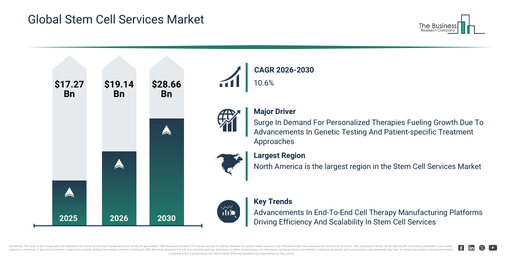
    The stem cell services market has experienced rapid expansion in recent years. This market is projected to expand from $17.27 billion in 2025 to $19.14 billion in 2026, demonstrating a compound annual growth rate (CAGR) of 10.8%. Historically, this growth has been driven by the expansion of stem cell research activities, the increasing application of cell-based assays in drug development, a rising demand for long-term stem cell storage, the growth of biopharmaceutical R&D pipelines, and increasing regulatory standardization.

    The stem cell services market is projected to experience substantial expansion over the coming years. By 2030, its size is anticipated to reach $28.66 billion, demonstrating a compound annual growth rate (CAGR) of 10.6%. This projected growth throughout the forecast period stems from factors such as increased investments in personalized medicine services, a surging demand for IPSC-based research solutions, the broadening scope of regenerative medicine applications, the rising tendency of pharmaceutical companies to outsource stem cell services, and the greater embrace of digital laboratory platforms. Key developments expected during this period involve a wider acceptance of advanced stem cell banking services, an increasing need for tailored stem cell processing, the growing use of high-throughput cell screening services, the greater incorporation of data-driven cell analytics, and a heightened emphasis on quality and regulatory compliance.

    Access Your Free Sample Report for In-Depth Market Insights:

    https://www.thebusinessresearchcompany.com/sample.aspx?id=30407&type=smp

    What Drivers Are Shaping The Development Of The Stem Cell Services Market?

    The growing demand for personalized therapies is expected to contribute significantly to the growth of the stem cell services market. Personalized therapies refer to medical treatments tailored to an individual’s genetic makeup, lifestyle, and specific disease characteristics, aiming to maximize effectiveness and minimize side effects by targeting each patient’s unique biological profile. The increasing demand for personalized therapies is driven by advancements in genetic testing and molecular diagnostics, which enable treatments to be customized to an individual’s specific biological and genetic characteristics, improving therapeutic outcomes and reducing adverse effects. Stem cell services support the development of personalized therapies by providing patient-specific stem cells and customized regenerative solutions, enabling precise and targeted treatment strategies that align with each individual’s biological profile. For instance, in April 2024, according to a report published by the Personalized Medicine Coalition (PMC), a U.S.-based advocacy organization for personalized healthcare, the U.S. Food and Drug Administration’s (FDA) Center for Drug Evaluation and Research (CDER) approved 50 new molecular entities (NMEs) in 2024, of which 18 or approximately 38% were classified as personalized medicines by the PMC. Therefore, the growing demand for personalized therapies is expected to drive the expansion of the stem cell services market.

    Which Segments Are Contributing To The Growth Of The Stem Cell Services Market?

    The stem cell services market covered in this report is segmented –

    1) By Type: Customize Service, Stem Cell Differentiation, Assay Development, Screening, Other Types

    2) By Type Of Stem Cells: Embryonic Stem Cells, Adult Stem Cells, Induced Pluripotent Stem Cells (iPSCs)

    3) By Therapy Type: Autologous Stem Cell Therapy, Allogenic Stem Cell Therapy

    4) By Application: Regenerative Medicine, Stem Cell Banking, Cell-Based Assays, Drug Discovery And Development

    5) By End User: Hospitals, Research Institutes, Pharmaceutical Companies, Biotechnology Companies

    Subsegments:

    1) By Customize Service: Personalized Protocol Design, Tailored Culture Conditions, Patient Specific Cell Processing, Custom Analytical Reporting

    2) By Stem Cell Differentiation: Mesenchymal Lineage Differentiation, Neural Lineage Differentiation, Hematopoietic Lineage Differentiation, Cardiac Lineage Differentiation

    3) By Assay Development: Functional Assay Design, Cellular Assay Optimization, Biomarker Assay Development, High Throughput Assay Design

    4) By Screening: Small Molecule Screening, Drug Candidate Screening, Gene Editing Screening, Toxicity Screening

    5) By Other Types: Cell Banking Services, Quality Control Testing, Process Development Support, Bioinformatics Analysis

    How Are New Market Trends Shaping The Landscape Of The Stem Cell Services Market?

    Companies operating within the stem cell services market are increasingly concentrating on technological advancements, such as single-use consumable systems, to boost operational efficiency, mitigate contamination risks, and streamline the entire process of cell therapy manufacturing. A single-use consumable system denotes a production methodology where equipment that interfaces with biological materials is engineered for one-time utilization, thereby significantly reducing the potential for contamination and elevating overall production effectiveness. As an example, in March 2025, Limula SA, a life science tools company based in Switzerland, unveiled LimONE, a groundbreaking platform designed for comprehensive cell therapy manufacturing. This system is crafted to automate and integrate intricate, previously fragmented processes into a unified, uninterrupted workflow. By consolidating multiple individual operations into a single closed consumable, LimONE reduces the need for extensive labor, equipment, and infrastructure, while also ensuring process standardization, scalability, and expedited production timelines for highly personalized cell therapies.

    Who Are The Major Companies Operating In The Stem Cell Services Market?

    Major companies operating in the stem cell services market are Thermo Fisher Scientific Inc., FUJIFILM Holdings Corporation, Lonza Group AG, WuXi AppTec Co. Ltd., Charles River Laboratories International Inc., Miltenyi Biotec B.V. & Co. KG, AGC Biologics Inc., GenScript Biotech Corporation, Vericel Corporation, LifeCell International Private Limited, Cryo-Cell International Inc., Reelabs Private Limited, Medipost Co. Ltd., Celltex Therapeutics Corporation, Kangstem Biotech Co. Ltd., CellThera Ltd., Anterogen Co. Ltd., Healios K.K., Sanpower Group Co. Ltd., InoCells Co. Ltd.

    Access The Complete Report For Deeper Market Insights:

    https://www.thebusinessresearchcompany.com/report/global-stem-cell-services-market-report

    Which Region Is Anticipated To See The Fastest Growth In The Stem Cell Services Market?

    North America was the largest region in the stem cell services market in 2025. Asia-Pacific is expected to be the fastest-growing region in the forecast period. The regions covered in the stem cell services market report are Asia-Pacific, South East Asia, Western Europe, Eastern Europe, North America, South America, Middle East, Africa.

    Request Your Customized Stem Cell Services Market Research Report for Competitive Advantage:

    https://www.thebusinessresearchcompany.com/customise?id=30407&type=smp

    Browse Through More Reports Similar to the Global Stem Cell Services Market 2026, By The Business Research Company

    Stem Cell Manufacturing Market Report 2026

    https://www.thebusinessresearchcompany.com/report/stem-cell-manufacturing-global-market-report

    Human Embryonic Stem Cells Market Report 2026

    https://www.thebusinessresearchcompany.com/report/human-embryonic-stem-cells-global-market-report

    Stem Cell Assay Market Report 2026

    https://www.thebusinessresearchcompany.com/report/stem-cell-assay-global-market-report

    Get in touch with us:

    The Business Research Company: https://www.thebusinessresearchcompany.com/

    Americas +1 310-496-7795

    Asia +44 7882 955267 & +91 8897263534

    Europe +44 7882 955267

    Email us at info@tbrc.info

    Follow us on:

    LinkedIn: https://in.linkedin.com/company/the-business-research-company

    YouTube: https://www.youtube.com/channel/UC24_fI0rV8cR5DxlCpgmyFQ

    Global Market Model: https://www.thebusinessresearchcompany.com/global-market-model
  • Stem Cell Reconstructive Market 2026–2030: Forecasting Business Opportunities Ahead

    Stem Cell Reconstructive Market 2026–2030: Forecasting Business Opportunities Ahead

    Uncover key drivers, emerging technologies, and competitive movements shaping the stem cell reconstructive market from 2026–2035 with trusted insights from The Business Research Company

    What level of growth is expected in the Stem Cell Reconstructive Market between 2026 and 2030?

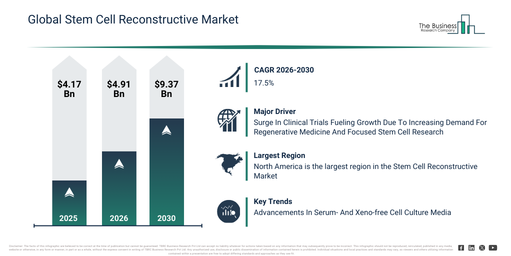
    The stem cell reconstructive market has experienced rapid expansion in its size over recent years. Projections indicate its growth from $4.17 billion in 2025 to $4.91 billion in 2026, demonstrating a compound annual growth rate (CAGR) of 17.7%. The historical increase can be ascribed to advancements in regenerative medicine research, increasing prevalence of traumatic injuries and degenerative conditions, rising adoption of minimally invasive reconstruction procedures, growth of clinical stem cell trials, and expanding availability of cell processing technologies.

    The stem cell reconstructive market is projected to experience substantial expansion in the coming years. By 2030, this market is anticipated to reach a valuation of $9.37 billion, demonstrating a compound annual growth rate (CAGR) of 17.5%. This projected growth is driven by several factors, including the escalating demand for personalized regenerative treatments, increased capital investment in advanced cell manufacturing facilities, broadening clinical acceptance of stem cell reconstruction procedures, the widening scope of regenerative applications in cosmetic and orthopedic surgery, and ongoing advancements in scaffold and delivery technologies. Key trends emerging during this forecast period encompass the greater embrace of autologous stem cell therapies, an increase in biomaterial-assisted cell delivery methods, a heightened emphasis on individualized reconstructive care, the proliferation of 3D cell culture and bioreactor systems, and improved integration of various regenerative surgery techniques.

    Access Your Free Sample Report for In-Depth Market Insights:

    https://www.thebusinessresearchcompany.com/sample.aspx?id=30406&type=smp

    Which Drivers Are Expected To Impact The Stem Cell Reconstructive Market During The Forecast Period?

    The increasing occurrence of clinical trials focused on stem cell therapies is projected to notably fuel the expansion of the stem cell reconstructive market in the future. These trials are organized research investigations undertaken to assess the safety, effectiveness, and medicinal capabilities of stem cell treatments in human subjects. The surge in these trials stems from a rising need for regenerative medicine to tackle chronic and degenerative conditions, prompting more intensive research into stem cells’ capacity to mend or substitute compromised tissues and organs. The stem cell reconstructive segment aids clinical trials through its provision of advanced solutions for cell processing, regenerative products, and uniform treatment platforms, thereby improving safety, efficacy, and consistency within clinical research. For example, a report released in January 2025 by the Cell and Gene Therapy (CGT) Catapult, a UK-based entity supporting advanced therapy development, indicated that the UK documented 187 active advanced therapy clinical trials in 2024, marking a 7% rise from the previous year. Consequently, the increasing volume of clinical trials for stem cell therapies is anticipated to propel the growth of the stem cell reconstructive market.

    How Is The Stem Cell Reconstructive Market Divided Into Segments?

    The stem cell reconstructive market covered in this report is segmented –

    1) By Product Type: Stem Cell Therapies, Stem Cell Storage Services, Stem Cell Media And Reagents, Stem Cell Culture Systems

    2) By Mode Of Administration: Surgical Implantation, Injection-Based, Topical Application, Scaffold Or Biomaterial-Assisted Delivery

    3) By Source: Bone Marrow, Adipose Tissue, Umbilical Cord Blood, Other Sources

    4) By Application: Orthopedic Reconstruction, Plastic And Cosmetic Surgery, Wound And Burn Healing, Soft Tissue Regeneration, Other Applications

    5) By End Use: Hospitals And Surgical Centers, Cosmetic Clinics, Orthopedic And Sports Medicine Centers, Burn And Trauma Care Centers, Academic And Research Institutions, Other End Uses

    Subsegments:

    1) By Stem Cell Therapies: Autologous Stem Cell Therapy, Allogeneic Stem Cell Therapy, Induced Pluripotent Stem Cell Therapy, Embryonic Stem Cell Therapy

    2) By Stem Cell Storage Services: Cord Blood Storage, Cord Tissue Storage, Bone Marrow Storage, Peripheral Blood Stem Cell Storage

    3) By Stem Cell Media And Reagents: Growth Factors, Cytokines, Culture Media, Supplements

    4) By Stem Cell Culture Systems: Two Dimensional Culture Systems, Three Dimensional Culture Systems, Bioreactors, Microcarrier Based Culture Systems

    Which Trends Are Expected To Influence The Stem Cell Reconstructive Market In The Upcoming Years?

    Major companies operating in the stem cell reconstructive market are concentrating on developing innovations such as serum- and xeno-free cell culture medium, with the aim of boosting the safety, effectiveness, and scalability of stem cell therapies for regenerative applications. This type of cell culture medium is defined as a formulation entirely devoid of animal- and human-derived components, crafted to facilitate cell growth and maintenance under controlled, consistent conditions. For instance, in July 2023, PromoCell GmbH, a Germany-based biotechnology company, introduced PromoExQ MSC Growth Medium XF. This particular serum- and xeno-free cell culture medium is engineered for GMP-compliant maintenance and long-term expansion of mesenchymal stem cells (MSCs). The medium supports the reliable proliferation of MSCs derived from sources including bone marrow, umbilical cord, and adipose tissue. It guarantees superior cell quality and consistent results, making it appropriate for both investigative and therapeutic uses. PromoExQ MSC Growth Medium XF also mitigates the inconsistencies often linked with conventional serum-based media. This product introduction underscores PromoCell’s dedication to offering sophisticated solutions for regenerative medicine and stem cell studies.

    Which Major Firms Are Strengthening Their Position In The Stem Cell Reconstructive Market?

    Major companies operating in the stem cell reconstructive market are Bayer Aktiengesellschaft, Astellas Pharma Inc., Globus Medical Inc., Organogenesis Holdings Inc., Vericel Corporation, BioTissue Technologies GmbH, AVITA Medical Inc., SanBio Company Limited, MEDIPOST Co. Ltd., CUTISS AG, Novadip Biosciences SA, Pandorum Technologies Pvt. Ltd., Mesoblast Limited, EmCyte Corporation, Pluri Inc., HEALIOS K.K., Anterogen Co. Ltd., AcceGen, Orthocell Ltd., Gamida Cell Ltd.

    Access The Complete Report For Deeper Market Insights:

    https://www.thebusinessresearchcompany.com/report/global-stem-cell-reconstructive-market-report

    Which Region Is Anticipated To See The Fastest Growth In The Stem Cell Reconstructive Market?

    North America was the largest region in the stem cell reconstructive market in 2025. Asia-Pacific is expected to be the fastest-growing region in the forecast period. The regions covered in the stem cell reconstructive market report are Asia-Pacific, South East Asia, Western Europe, Eastern Europe, North America, South America, Middle East, Africa.

    Request Your Customized Stem Cell Reconstructive Market Research Report for Competitive Advantage:

    https://www.thebusinessresearchcompany.com/customise?id=30406&type=smp

    Browse Through More Reports Similar to the Global Stem Cell Reconstructive Market 2026, By The Business Research Company

    Stem Cell Assay Market Report 2026

    https://www.thebusinessresearchcompany.com/report/stem-cell-assay-global-market-report

    Human Embryonic Stem Cells Market Report 2026

    https://www.thebusinessresearchcompany.com/report/human-embryonic-stem-cells-global-market-report

    Stem Cells Therapy Market Report 2026

    https://www.thebusinessresearchcompany.com/report/stem-cells-therapy-global-market-report

    Get in touch with us:

    The Business Research Company: https://www.thebusinessresearchcompany.com/

    Americas +1 310-496-7795

    Asia +44 7882 955267 & +91 8897263534

    Europe +44 7882 955267

    Email us at info@tbrc.info

    Follow us on:

    LinkedIn: https://in.linkedin.com/company/the-business-research-company

    YouTube: https://www.youtube.com/channel/UC24_fI0rV8cR5DxlCpgmyFQ

    Global Market Model: https://www.thebusinessresearchcompany.com/global-market-model
  • Global Stem Cell Manufacturing Market Report 2026–2035: Key Forecasts and Growth Areas

    Global Stem Cell Manufacturing Market Report 2026–2035: Key Forecasts and Growth Areas

    Uncover key drivers, emerging technologies, and competitive movements shaping the stem cell manufacturing market from 2026–2035 with trusted insights from The Business Research Company

    How much is the Stem Cell Manufacturing Market valued at in 2026, and what valuation is forecast for 2030?

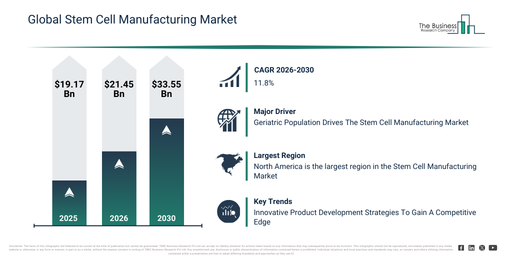
    The stem cell manufacturing market has expanded considerably in recent years. It is anticipated to expand from $19.17 billion in 2025 to $21.45 billion in 2026, maintaining a compound annual growth rate (CAGR) of 11.9%. In historical terms, this market’s expansion is due to factors like the rise in clinical trials, approvals for stem cell therapies, investments in bioprocessing, the advancement of regulatory frameworks, and the growth of contract manufacturing.

    The stem cell manufacturing market size is anticipated to experience rapid growth over the next few years. It is projected to expand to $33.55 billion by 2030, demonstrating a compound annual growth rate (CAGR) of 11.8%. This growth during the forecast period can be attributed to factors such as commercial-scale therapy production, advancements in cost reduction technologies, the adoption of decentralized manufacturing models, sophisticated cell expansion techniques, and regulatory harmonization. Key trends expected in the forecast period include the utilization of closed-system bioreactors, the development of scalable manufacturing platforms, increased automation of cell expansion processes, the implementation of quality-by-design methodologies, and the optimization of cryopreservation.

    Access Your Free Sample Report for In-Depth Market Insights:

    https://www.thebusinessresearchcompany.com/sample.aspx?id=9402&type=smp

    What Drivers Are Influencing The Growth Of The Stem Cell Manufacturing Market?

    The expanding geriatric population is anticipated to boost the stem cell manufacturing market. This demographic, comprising individuals aged 65 and over, is particularly susceptible to a range of illnesses stemming from diminished immunity and the aging process. As aging escalates the likelihood of chronic conditions, stem cell manufacturing presents a vital approach to combat these health challenges. For example, data from January 2024, provided by the Population Reference Bureau, a Kenya-based Nonprofit organization, indicates that the number of Americans aged 65 and above is projected to surge from 58 million in 2022 to 82 million by 2050, representing a 47% increase. Concurrently, this segment’s proportion of the total population is also forecasted to climb from 17% to 23% within the same timeframe. Consequently, the increasing number of older adults is a key factor propelling the expansion of the stem cell manufacturing market.

    What Segments Are Included Within The Stem Cell Manufacturing Market?

    The stem cell manufacturing market covered in this report is segmented –

    1) By Product: Consumables, Instruments, Stem Cell Lines

    2) By Application: Research Applications, Clinical Application, Cell And Tissue Banking Applications

    3) By End User: Pharmaceutical And Biotechnology Companies, Academic Institutes, Research Laboratories And Contract Research Organizations, Hospitals And Surgical Centers, Cell And Tissue Banks, Other End Users

    Subsegments:

    1) By Consumables: Media And Reagents, Cell Culture Vessels, Assay Kits

    2) By Instruments: Bioreactors, Cell Counters, Flow Cytometers

    3) By Stem Cell Lines: Embryonic Stem Cell Lines, Adult Stem Cell Lines, Induced Pluripotent Stem Cell Lines (iPSCs)

    What Trends Are Driving The Growth Trajectory Of The Stem Cell Manufacturing Market?

    Leading companies in the stem cell manufacturing market are focusing on creating innovative products, such as GM-grade protein, to secure a competitive advantage within the sector. GM-grade protein denotes a classification for protein powders and similar products that adhere to specific quality and safety standards. For instance, in November 2023, ACROBiosystems Inc., a US-based supplier of recombinant proteins and other vital reagents, launched GM-grade DLL4 protein. This substance is a recombinant, soluble version of Delta-like Ligand 4 (DLL4), a key signaling molecule indispensable for stem cell development and differentiation. The availability of GMP-grade DLL4 marks a significant milestone for the advancement of stem cell-based therapies, providing a high-quality, consistent, and scalable supply of this important protein. DLL4 is known to promote the self-renewal and expansion of hematopoietic stem cells (HSCs), which are the precursors to all blood cells, and can be used to supplement stem cell cultures in vitro, thus enhancing the growth and differentiation of HSCs.

    Who Are The Primary Competitors In The Global Stem Cell Manufacturing Market?

    Major companies operating in the stem cell manufacturing market are Thermo Fisher Scientific Inc., Merck Millipore, Stemcell Technologies, Fujifilm Holdings Corporation, Takara Bio Group, Lonza Group AG, Sartorius AG, Bio-Rad Laboratories, Becton Dickinson and Company, Bio-Techne Corporation, Miltenyi Biotec, Terumo BCT Inc., Corning Inc., Eppendorf AG, ViaCyte Inc., Merck KGaA, Danaher Corporation, Vericel Corporation, American Cryostem Corporation, Cellgenix GMBH, Aspen Neuroscience Inc., Magenta Therapeutics Inc, Pluristem Therapeutics Inc., Takeda Pharmaceutical Company Limited, AbbVie Inc., 3D Biomatrix Inc., Worthington Biochemical Corporation, Bico Group

    Access The Complete Report For Deeper Market Insights:

    https://www.thebusinessresearchcompany.com/report/stem-cell-manufacturing-global-market-report

    Which Global Regions Are Shaping The Competitive Landscape Of The Stem Cell Manufacturing Market?

    North America was the largest region in the stem cell manufacturing market in 2025. Europe was the second-largest region in the stem cell manufacturing market. The regions covered in the stem cell manufacturing market report are Asia-Pacific, South East Asia, Western Europe, Eastern Europe, North America, South America, Middle East, Africa.

    Request Your Customized Stem Cell Manufacturing Market Research Report for Competitive Advantage:

    https://www.thebusinessresearchcompany.com/customise?id=9402&type=smp

    Browse Through More Reports Similar to the Global Stem Cell Manufacturing Market 2026, By The Business Research Company

    Cell And Gene Therapy Manufacturing Services Market 2026

    https://www.thebusinessresearchcompany.com/report/cell-and-gene-therapy-manufacturing-services-market

    Human Embryonic Stem Cells Market Report 2026

    https://www.thebusinessresearchcompany.com/report/human-embryonic-stem-cells-global-market-report

    Stem Cells Therapy Market Report 2026

    https://www.thebusinessresearchcompany.com/report/stem-cells-therapy-global-market-report

    Get in touch with us:

    The Business Research Company: https://www.thebusinessresearchcompany.com/

    Americas +1 310-496-7795

    Asia +44 7882 955267 & +91 8897263534

    Europe +44 7882 955267

    Email us at info@tbrc.info

    Follow us on:

    LinkedIn: https://in.linkedin.com/company/the-business-research-company

    YouTube: https://www.youtube.com/channel/UC24_fI0rV8cR5DxlCpgmyFQ

    Global Market Model: https://www.thebusinessresearchcompany.com/global-market-model
  • Stem Cell Cryopreservation Market 2026–2030: Forecast, Innovation, and Competitive Trends

    Stem Cell Cryopreservation Market 2026–2030: Forecast, Innovation, and Competitive Trends

    Uncover key drivers, emerging technologies, and competitive movements shaping the stem cell cryopreservation market from 2026–2035 with trusted insights from The Business Research Company

    By how much is the Stem Cell Cryopreservation Market expected to grow between 2026 and 2030?

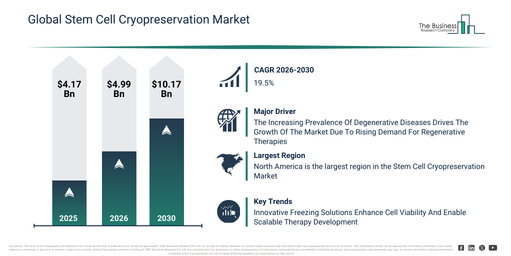
    The stem cell cryopreservation market has experienced rapid expansion in recent years. Its valuation is projected to rise from $4.17 billion in 2025 to $4.99 billion in 2026, achieving a compound annual growth rate (CAGR) of 19.8%. Historically, this growth can be ascribed to factors such as the proliferation of stem cell banking initiatives, the increasing utilization of cryopreservation in research, the growth in IVF and fertility treatments, the rising demand for long-term cell storage, and improvements in cryogenic storage technologies.

    The stem cell cryopreservation market size is anticipated to undergo significant expansion in the next few years. It is projected to reach $10.17 billion by 2030, demonstrating a compound annual growth rate (CAGR) of 19.5%. This growth during the forecast period is attributed to the increasing uptake of regenerative medicine therapies, rising investments in biobanking infrastructure, a growing need for personalized medicine storage solutions, the broadening of clinical cell therapy pipelines, and a heightened focus on standardized storage protocols. Key trends for the forecast period include an escalating demand for long-term stem cell storage, increased adoption of advanced cryoprotectants, a rising implementation of automated cryopreservation systems, the expansion of stem cell banking services, and an enhanced emphasis on preserving cell viability.

    Access Your Free Sample Report for In-Depth Market Insights:

    https://www.thebusinessresearchcompany.com/sample.aspx?id=30405&type=smp

    Which Drivers Are Influencing Market Acceleration In The Stem Cell Cryopreservation Market?

    The rising occurrence of degenerative diseases is anticipated to drive the expansion of the stem cell cryopreservation market in the future. Degenerative diseases are health conditions characterized by the gradual decline in the structure or function of tissues or organs, frequently resulting in impaired normal functionality. The growing incidence of degenerative diseases stems from the expanding elderly population, given that older individuals are more prone to cellular and tissue decay contributing to these ailments. Stem cell cryopreservation facilitates the extended preservation of living stem cells, offering a dependable supply for regenerative treatments aimed at mending and substituting compromised tissues in degenerative conditions. To illustrate, in March 2023, data from the Alzheimer’s Association, a US-based nonprofit voluntary health organization, indicated that around 6.7 million Americans aged 65 and older were suffering from Alzheimer’s dementia, with projections showing this figure increasing to 13.8 million by 2060. Consequently, the rising occurrence of degenerative diseases is fueling the expansion of the stem cell cryopreservation market.

    What Leading Segments Are Studied In The Stem Cell Cryopreservation Market?

    The stem cell cryopreservation market covered in this report is segmented –

    1) By Type: Embryonic Stem Cell, Adult Stem Cell, Induced Pluripotent Stem Cell

    2) By Application: Cell Freezing Media, Equipment And Consumables

    3) By End User: Biopharmaceutical Companies, Research Institutes, Blood Banks, In Vitro Fertilization (IVF) Clinics

    Subsegments:

    1) By Embryonic Stem Cell: Human Embryonic Stem Cell, Mouse Embryonic Stem Cell, Primate Embryonic Stem Cell, Other Embryonic Stem Cells

    2) By Adult Stem Cell: Hematopoietic Stem Cell, Mesenchymal Stem Cell, Neural Stem Cell, Epithelial Stem Cell

    3) By Induced Pluripotent Stem Cell: Fibroblast-Derived iPSC, Blood Cell-Derived iPSC, Epithelial Cell-Derived iPSC

    What Upcoming Trends Are Likely To Define The Future Path Of The Stem Cell Cryopreservation Market?

    Major companies in the stem cell cryopreservation market are concentrating on developing innovative solutions, such as advanced cryopreservation media and automation-friendly freezing systems, to boost post-thaw cell viability and accelerate stem cell therapy development. Advanced cryopreservation media are specifically formulated solutions designed to safeguard stem cells during freezing and thawing, thereby maintaining their viability and function. Automation-friendly freezing systems, conversely, are equipment or processes engineered for scalable, reproducible, and hands-free cell freezing in large-scale manufacturing. For example, in April 2024, Pluristyx, Inc., a US-based biotechnology company, introduced PluriFreeze, a proprietary cryopreservation medium. This sophisticated solution is engineered to enhance the freezing and thawing of pluripotent stem cells and other sensitive cell types, ensuring superior post-thaw viability and functional integrity. Featuring an entirely synthetic, animal-origin-free formulation with low viscosity, PluriFreeze is ideal for automated and large-scale cell production. It is complemented by the DMSO-free PluriPrep wash solution, which permits extended processing times. Made from Generally Recognized as Safe (GRAS) components, the medium offers consistent, dependable, and secure cryopreservation for both research and clinical applications. By seamlessly integrating with platforms such as PluriBank, this launch strengthens the stem cell cryopreservation workflow, providing efficient and scalable solutions from initial laboratory research through to clinical implementation.

    Which Key Market Players Are Investing In Expansion And Innovation Within The Stem Cell Cryopreservation Market?

    Major companies operating in the stem cell cryopreservation market are Thermo Fisher Scientific Inc., Danaher Corporation, Corning Incorporated, Lonza Group Ltd., Sartorius AG, Eppendorf SE, Vitalant Inc., BioLife Solutions Inc., Cryoviva Biotech Private Limited., HiMedia Laboratories Private Limited, Cryo-Cell International Inc., Celularity Inc., PromoCell GmbH, Creative Biolabs Inc., StemCyte Inc., Reprocell Inc., OriGen Biomedical Inc., American CryoStem Corporation, Ossium Health Inc., Pluristyx Inc.

    Access The Complete Report For Deeper Market Insights:

    https://www.thebusinessresearchcompany.com/report/global-stem-cell-cryopreservation-market-report

    Which Regions Are Poised For Strategic Growth In The Stem Cell Cryopreservation Market?

    North America was the largest region in the stem cell cryopreservation market in 2025. Asia-Pacific is expected to be the fastest-growing region in the forecast period. The regions covered in the stem cell cryopreservation market report are Asia-Pacific, South East Asia, Western Europe, Eastern Europe, North America, South America, Middle East, Africa.

    Request Your Customized Stem Cell Cryopreservation Market Research Report for Competitive Advantage:

    https://www.thebusinessresearchcompany.com/customise?id=30405&type=smp

    Browse Through More Reports Similar to the Global Stem Cell Cryopreservation Market 2026, By The Business Research Company

    Cell Regeneration Medicine Market Report 2026

    https://www.thebusinessresearchcompany.com/report/cell-regeneration-medicine-global-market-report

    Cryoablation Devices Market Report 2026

    https://www.thebusinessresearchcompany.com/report/cryoablation-devices-global-market-report

    Stem Cells Therapy Market Report 2026

    https://www.thebusinessresearchcompany.com/report/stem-cells-therapy-global-market-report

    Get in touch with us:

    The Business Research Company: https://www.thebusinessresearchcompany.com/

    Americas +1 310-496-7795

    Asia +44 7882 955267 & +91 8897263534

    Europe +44 7882 955267

    Email us at info@tbrc.info

    Follow us on:

    LinkedIn: https://in.linkedin.com/company/the-business-research-company

    YouTube: https://www.youtube.com/channel/UC24_fI0rV8cR5DxlCpgmyFQ

    Global Market Model: https://www.thebusinessresearchcompany.com/global-market-model
  • Stem Cell Characterization Kits Market Forecast 2026–2035: Data Trends and Industry Insights

    Stem Cell Characterization Kits Market Forecast 2026–2035: Data Trends and Industry Insights

    Uncover key drivers, emerging technologies, and competitive movements shaping the stem cell characterization kits market from 2026–2035 with trusted insights from The Business Research Company

    What is the estimated market size of the Stem Cell Characterization Kits Market by the end of 2030?

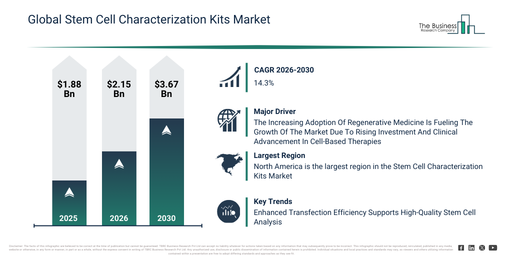
    The market for stem cell characterization kits has experienced significant expansion recently. Projections indicate this market will increase from $1.88 billion in 2025 to $2.15 billion by 2026, demonstrating a compound annual growth rate (CAGR) of 14.5%. This historical growth is largely due to factors such as the proliferation of stem cell research initiatives, a heightened demand for verifying cell quality, an increase in drug discovery uses, expanding partnerships between academia and industry, and the accessibility of sophisticated analytical instruments.

    The stem cell characterization kits market size is projected for swift expansion in the coming years. This market is set to reach $3.67 billion by 2030, demonstrating a compound annual growth rate (CAGR) of 14.3%. This anticipated growth during the forecast period stems from factors such as heightened regulatory oversight for cell-based therapies, a growing need for consistent characterization approaches, the scaling up of clinical-grade stem cell manufacturing, increased financial commitments to translational research, and the expanded application of sophisticated omics-based kits. Key developments expected during this timeframe involve a greater uptake of multi-parameter characterization kits, an escalating imperative for quality assurance in stem cell investigations, wider deployment of flow cytometry-based kits, the development of standardized stem cell validation procedures, and a sharpened emphasis on the replicability of data.

    Access Your Free Sample Report for In-Depth Market Insights:

    https://www.thebusinessresearchcompany.com/sample.aspx?id=30404&type=smp

    What Drivers Are Shaping Future Opportunities In The Stem Cell Characterization Kits Market?

    The future expansion of the stem cell characterization kits market is anticipated due to the growing acceptance of regenerative medicine. This field encompasses medical strategies focused on repairing, substituting, or regenerating human cells, tissues, or organs to reinstate their normal biological functions. The increasing uptake of regenerative medicine stems from greater investments by governments, research bodies, and clinical facilities in cell-based therapies, which have shown superior clinical results compared to traditional treatments. Stem cell characterization kits play a crucial role in regenerative medicine by supplying vital instruments to confirm the identity, purity, and differentiation state of stem cells, thereby ensuring uniformity in therapeutic advancement. As an illustration, in November 2025, data from the Food and Drug Administration, a US-based federal agency, showed 35 requests for regenerative medicine advanced therapy (RMAT) designation in fiscal year 2023, an increase from 30 requests in fiscal year 2022, signifying an uptick in application submissions. Consequently, the expanding use of regenerative medicine is fueling the growth of the stem cell characterization kits market.

    Which Segment Groups Are Influencing The Stem Cell Characterization Kits Market?

    The stem cell characterization kits market covered in this report is segmented –

    1) By Type: Embryonic Stem Cells, Mesenchymal Stem Cells, Induced Pluripotent Stem Cells

    2) By Technology: Flow Cytometry-Based Kits, Immunocytochemistry-Based Kits, Enzyme-Linked Immunosorbent Assay-Based Kits, Western Blot-Based Kits, Microarray and Next-Generation Sequencing Kits

    3) By End-User: Biopharmaceutical Companies, Contract Research Organizations, Academics and Research Institutes, Biotechnology Companies

    Subsegments:

    1) By Embryonic Stem Cells: Human Embryonic Stem Cells, Mouse Embryonic Stem Cells

    2) By Mesenchymal Stem Cells: Bone Marrow Derived Mesenchymal Stem Cells, Adipose Tissue Derived Mesenchymal Stem Cells, Umbilical Cord Derived Mesenchymal Stem Cells

    3) By Induced Pluripotent Stem Cells: Patient Derived Induced Pluripotent Stem Cells, Gene Edited Induced Pluripotent Stem Cells, Disease Model Induced Pluripotent Stem Cells

    Which Trends Are Shaping Activity Within The Stem Cell Characterization Kits Market?

    Leading companies in the stem cell characterization kits market are concentrating on technological innovations, such as microfluidic mechanoporation, to achieve effective intracellular delivery while preserving stem cell viability and phenotype for precise downstream characterization. Microfluidic mechanoporation is a method that employs controlled mechanical forces within microscale fluidic channels to temporarily disrupt cell membranes, allowing for efficient molecule delivery into cells. For example, in July 2024, STEMCELL Technologies, a Canada-based biotechnology firm, introduced the CellPore Transfection System. This offering combines a benchtop instrument with the CellPore Transfection Kit 300, which provides single-use delivery cartridges and utilizes rapid, controlled cell deformation within microfluidic channels to enable mechanoporation. The system is engineered to accomplish efficient delivery into hard-to-transfect and primary cells, all while maintaining cell quality for subsequent assays.

    Who Are The Core Companies Influencing Trends In The Stem Cell Characterization Kits Market?

    Major companies operating in the stem cell characterization kits market are Thermo Fisher Scientific Inc., BD Biosciences, Corning Incorporated, Bruker Spatial Biology, STEMCELL Technologies Inc., Miltenyi Biotec B.V. & Co. KG, Takara Bio Inc., Cyagen Biosciences Inc., GeneTex Inc., Creative Bioarray LLC, Creative Biolabs Inc., Ncardia GmbH, REPROCELL Inc., ScienCell Research Laboratories Inc., Cosmo Bio USA Inc., ImmunoStep S.L., Celprogen Inc., Cloud-Clone Corp., Pluristyx Inc., Enzo Life Sciences Inc.

    Access The Complete Report For Deeper Market Insights:

    https://www.thebusinessresearchcompany.com/report/global-stem-cell-characterization-kits-market-report

    Which Regions Are Projected To Dominate The Stem Cell Characterization Kits Market In The Coming Years?

    North America was the largest region in the stem cell characterization kits market in 2025. Asia-Pacific is expected to be the fastest-growing region in the forecast period. The regions covered in the stem cell characterization kits market report are Asia-Pacific, South East Asia, Western Europe, Eastern Europe, North America, South America, Middle East, Africa.

    Request Your Customized Stem Cell Characterization Kits Market Research Report for Competitive Advantage:

    https://www.thebusinessresearchcompany.com/customise?id=30404&type=smp

    Browse Through More Reports Similar to the Global Stem Cell Characterization Kits Market 2026, By The Business Research Company

    Stem Cells Therapy Market Report 2026

    https://www.thebusinessresearchcompany.com/report/stem-cells-therapy-global-market-report

    Stem Cell Assay Market Report 2026

    https://www.thebusinessresearchcompany.com/report/stem-cell-assay-global-market-report

    Human Embryonic Stem Cells Market Report 2026

    https://www.thebusinessresearchcompany.com/report/human-embryonic-stem-cells-global-market-report

    Get in touch with us:

    The Business Research Company: https://www.thebusinessresearchcompany.com/

    Americas +1 310-496-7795

    Asia +44 7882 955267 & +91 8897263534

    Europe +44 7882 955267

    Email us at info@tbrc.info

    Follow us on:

    LinkedIn: https://in.linkedin.com/company/the-business-research-company

    YouTube: https://www.youtube.com/channel/UC24_fI0rV8cR5DxlCpgmyFQ

    Global Market Model: https://www.thebusinessresearchcompany.com/global-market-model
  • Stem Cell Assay Market Outlook 2026–2030: Key Business Drivers and Trends

    Stem Cell Assay Market Outlook 2026–2030: Key Business Drivers and Trends

    Uncover key drivers, emerging technologies, and competitive movements shaping the stem cell assay market from 2026–2035 with trusted insights from The Business Research Company

    What was the valuation of the Stem Cell Assay Market in 2026, and what figure is it projected to hit by 2030?

    The stem cell assay market has witnessed considerable expansion in recent years. It is anticipated to grow from $2.84 billion in 2025 to $3.48 billion in 2026, achieving a compound annual growth rate (CAGR) of 22.4%. This historical growth can be ascribed to an increase in stem cell research, the rise in academic funding, the demand for drug discovery, the adoption of laboratory automation, and advancements in regenerative medicine trials.

    The stem cell assay market is projected to experience substantial growth in the upcoming years. Its valuation is forecast to reach $7.74 billion by 2030, propelled by a compound annual growth rate (CAGR) of 22.1%. This expansion during the forecast period is largely attributable to advancements in cell-based therapy development, the increasing demand for assay standardization, broader pharmaceutical screening applications, the advent of AI-enabled assay analysis, and the proliferation of emerging biotech startups. Major trends anticipated in this period include the widespread adoption of high-throughput assay platforms, sophisticated functional stem cell analysis, deeper integration with omics technologies, automated cell viability testing methods, and the availability of standardized assay kits.

    Access Your Free Sample Report for In-Depth Market Insights:

    https://www.thebusinessresearchcompany.com/sample.aspx?id=7701&type=smp

    Which Drivers Are Affecting Market Participation In The Stem Cell Assay Market?

    The escalating occurrence of chronic diseases is projected to stimulate the expansion of the stem cell assay market moving forward. A chronic disease is characterized as an ailment or illness that commonly endures for three months or longer and has the potential to worsen progressively. Stem cells offer the prospect of treating numerous conditions, including chronic diseases, by assisting in the formation of novel antibodies and specialized cells that contribute to the recovery from chronic illnesses like cancer. For instance, in March 2024, data from The Government of the United Kingdom, a UK-based website, indicated that in the financial year ending in 2023, just over 1,862,500 people in England, accounting for 3% of the population, were diagnosed with coronary heart disease (CHD) by a GP. Hence, the increasing prevalence of chronic diseases is a key factor propelling the growth of the stem cell assay market.

    What Segment Classifications Make Up The Stem Cell Assay Market?

    The stem cell assay market covered in this report is segmented –

    1) By Assay Type: Cell Viability And Toxicity Assays, Cell Apoptosis Assays, Cell Function Assays, Cell Identification Assays, Isolation And Purification Assays, Cell Differentiation Assay, Other Types

    2) By Product: Instruments, Detection kit

    3) By Application: Regenerative Medicine And Therapy Development, Drug Discovery And Development, Clinical Research

    4) By End User: Government Research Institutes, Private Research Institutes, Industry Research

    Subsegments:

    1) By Cell Viability and Toxicity Assays: MTT Assay, Resazurin Assay, ATP Assay, LDH Release Assay

    2) By Cell Apoptosis Assays: Caspase Activity Assays, Annexin V Staining Assays, TUNEL Assay, Cell Death Detection Assays

    3) By Cell Function Assays: Proliferation Assays, Migration And Invasion Assays, Differentiation Assays

    4) By Cell Identification Assays: Flow Cytometry-Based Assays, Surface Marker Characterization, Immunocytochemistry Assays

    5) By Isolation and Purification Assays: Magnetic-Activated Cell Sorting (MACS), Fluorescence-Activated Cell Sorting (FACS), Density Gradient Centrifugation

    6) By Cell Differentiation Assay: Lineage-Specific Differentiation Assays, Gene Expression Analysis During Differentiation

    7) By Other Types: 3D Culture Assays, High-Content Screening Assays, Biomarker Discovery Assays

    Which Trends Are Influencing The Development Of The Stem Cell Assay Market?

    Key companies active in the stem cell assay market are concentrating on developing technological enhancements, such as next-generation tissue dissociation and sample preparation systems, to improve cell viability, processing efficiency, and reproducibility across various research applications. Advanced dissociation platforms allow for automated, gentle, and standardized handling of complex tissues, facilitating the creation of high-quality single-cell suspensions vital for subsequent stem cell research, regenerative medicine, and cell-based assays. For example, in June 2025, STEMCELL Technologies, a Canada-based biotechnology company specializing in tools for stem cell research, launched the STEMprep Tissue Dissociator System, an integrated mechanical and enzymatic dissociation platform engineered to simplify and speed up tissue processing workflows. The system provides programmable protocols, closed-system handling, and consistent cell yields, enabling researchers to cut down processing time, reduce variability, and boost assay reliability while furthering discoveries in stem cell biology and translational research.

    Which Major Industry Participants Are Leading The Stem Cell Assay Market Growth?

    Major companies operating in the stem cell assay market are Thermo Fisher Scientific Inc., Merck KGaA, Danaher Corporation, Becton Dickinson and Company, Bio-Rad Laboratories Inc., PerkinElmer Inc., Agilent Technologies Inc., Promega Corporation, Cell Biolabs Inc., Miltenyi Biotec GmbH, STEMCELL Technologies Inc., Bio-Techne Corporation, Charles River Laboratories International Inc., Hemogenix Inc., Lonza Group AG, Takara Bio Inc., Creative Bioarray, AAT Bioquest Inc., BPS Bioscience Inc., Enzo Life Sciences Inc., PromoCell GmbH, Biotium Inc., Geno Technology Inc., Abcam plc, ReachBio Research Labs. Inc., Sartorius AG, Eppendorf AG, Corning Incorporated, MEDIPOST Co. Ltd., Anterogen Co. Ltd., Corestemchemon Inc., Pharmicell Inc., NuVasive Inc., RTI Surgical Holdings Inc., AlloSource LifeSource Services Inc., JCR Pharmaceuticals Co. Ltd.

    Access The Complete Report For Deeper Market Insights:

    https://www.thebusinessresearchcompany.com/report/stem-cell-assay-global-market-report

    Which Region Is Expected To Experience The Fastest Growth In The Stem Cell Assay Market?

    North America was the largest region in the stem cell assay market share in 2025. Asia-Pacific is expected to be the fastest-growing region in the forecast period. The regions covered in the stem cell assay market report are Asia-Pacific, South East Asia, Western Europe, Eastern Europe, North America, South America, Middle East, Africa.

    Request Your Customized Stem Cell Assay Market Research Report for Competitive Advantage:

    https://www.thebusinessresearchcompany.com/customise?id=7701&type=smp

    Browse Through More Reports Similar to the Global Stem Cell Assay Market 2026, By The Business Research Company

    Stem Cells Therapy Market Report 2026

    https://www.thebusinessresearchcompany.com/report/stem-cells-therapy-global-market-report

    Cell Based Assays Market Report 2026

    https://www.thebusinessresearchcompany.com/report/cell-based-assays-global-market-report

    Human Embryonic Stem Cells Market Report 2026

    https://www.thebusinessresearchcompany.com/report/human-embryonic-stem-cells-global-market-report

    Get in touch with us:

    The Business Research Company: https://www.thebusinessresearchcompany.com/

    Americas +1 310-496-7795

    Asia +44 7882 955267 & +91 8897263534

    Europe +44 7882 955267

    Email us at info@tbrc.info

    Follow us on:

    LinkedIn: https://in.linkedin.com/company/the-business-research-company

    YouTube: https://www.youtube.com/channel/UC24_fI0rV8cR5DxlCpgmyFQ

    Global Market Model: https://www.thebusinessresearchcompany.com/global-market-model