Month: March 2026

  • Rare Hematology Market Outlook: Growth and Forecast Highlights 2030

    Rare Hematology Market Outlook: Growth and Forecast Highlights 2030

    Uncover key drivers, emerging technologies, and competitive movements shaping the rare hematology market from 2026–2035 with trusted insights from The Business Research Company

    What level of growth is expected in the Rare Hematology Market between 2026 and 2030?

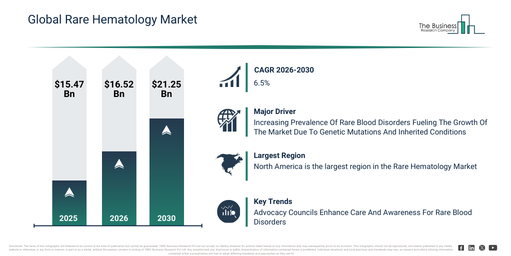
    The rare hematology market has shown significant expansion over recent years. Its value is expected to rise from $15.47 billion in 2025 to $16.52 billion in 2026, achieving a compound annual growth rate (CAGR) of 6.8%. This historical growth can be linked to several factors, including the constrained supply of effective treatments, the proliferation of research initiatives for rare diseases, a rising understanding of rare blood disorders, advances in diagnostic laboratory capabilities, and the development of specialized hematology clinics.

    The rare hematology market is projected to experience significant expansion in the coming years. Its value is expected to reach **$21.25 billion** by **2030**, driven by a compound annual growth rate (CAGR) of **6.5%**. This growth during the forecast period can be attributed to increasing investments in gene therapy development, a growing emphasis on precision medicine for rare diseases, the expansion of newborn and carrier screening programs, enhanced collaboration between research institutes and pharmaceutical companies, and advancements in genomic sequencing technologies. Major trends anticipated in this period include the rising adoption of gene and cell therapies, an increased utilization of advanced genetic diagnostics, a heightened focus on personalized treatment pathways, the proliferation of specialized rare disease centers, and improved integration of digital patient monitoring.

    Access Your Free Sample Report for In-Depth Market Insights:

    https://www.thebusinessresearchcompany.com/sample.aspx?id=28318&type=smp

    Which Drivers Are Expected To Impact The Rare Hematology Market During The Forecast Period?

    The rare hematology market is projected to expand owing to the increasing occurrence of rare blood disorders. These disorders are uncommon medical conditions that affect the creation, performance, or longevity of blood cells or clotting factors, often resulting in anemia, bleeding disorders, or hemolysis. The rising frequency of these conditions is primarily due to genetic mutations and inherited traits passed down through generations. The rare hematology market supports this trend by providing specialized diagnostic tools and targeted therapies aimed at managing intricate and uncommon blood conditions, which helps to reduce complications and improve patient outcomes in the long term. For example, in March 2024, data from the National Institute for Health and Care Excellence, a UK-based non-departmental public body, indicated that in 2022 and 2023, 2,069 individuals in the UK were diagnosed with haemophilia B, including 374 with severe disease and 351 with moderate disease. Consequently, the increasing prevalence of rare blood disorders is a significant factor driving the growth of the rare hematology market.

    Which Segments Are Driving Activity In The Rare Hematology Market?

    The rare hematology market covered in this report is segmented –

    1) By Disease Type: Hemophilia, Sickle Cell Disease, Thalassemia, Myelodysplastic Syndromes, Other Disease Types

    2) By Treatment Type: Gene Therapy, Stem Cell Transplantation, Blood Transfusion, Pharmacotherapy

    3) By Diagnostic Technique: Laboratory Tests, Blood Tests, Bone Marrow Biopsies, Imaging Techniques, Magnetic Resonance Imaging (MRI) Scans, Ultrasounds, Genetic Testing, Carrier Screening, Whole Genome Sequencing

    4) By Application: Pediatric, Adult

    5) By End-User: Hospitals, Specialty Clinics, Research Institutes

    Subsegments:

    1) By Hemophilia: Hemophilia A, Hemophilia B, Hemophilia C, Acquired Hemophilia

    2) By Sickle Cell Disease: Sickle Cell Anemia, Sickle Hemoglobin C Disease, Sickle Beta Thalassemia

    3) By Thalassemia: Alpha Thalassemia, Beta Thalassemia

    4) By Myelodysplastic Syndromes: Refractory Anemia (RA), Refractory Anemia With Ring Sideroblasts (RARS), Refractory Cytopenia With Multilineage Dysplasia (RCMD), Refractory Anemia With Excess Blasts (RAEB), Myelodysplastic Syndrome With Isolated Del(5Q), Unclassified Myelodysplastic Syndromes

    5) By Other Disease Types: Aplastic Anemia, Paroxysmal Nocturnal Hemoglobinuria, Rare Coagulation Disorders

    What Industry Trends Are Transforming The Rare Hematology Market?

    Leading companies active in the rare hematology market are concentrating on developing new therapies and implementing strategic programs, such as multi-stakeholder advocacy councils, to tackle unmet medical needs, bolster patient support, and propel cross-indication solutions. Multi-stakeholder advocacy councils consist of patients, caregivers, and experts working together to enhance care, increase awareness, and create solutions for particular health conditions. For instance, in February 2023, Agios Pharmaceuticals Inc., a US-based biopharmaceutical company, inaugurated the Red Cell Revolution advocacy advisory council. This endeavor unites patients, caregivers, and healthcare professionals living with rare hemolytic anemias like pyruvate kinase deficiency, thalassemia, and sickle cell disease. Its aim is to fortify community ties, generate published data, conceive practical solutions, and elevate consciousness of shared obstacles. It encompasses activities such as sponsored podcasts, video content, and alliances with bodies like the National Organization for Rare Disorders to champion health equity and education.

    Which Major Industry Participants Are Leading The Rare Hematology Market Growth?

    Major companies operating in the rare hematology market are F. Hoffmann-La Roche Ltd, Pfizer Inc., Abbvie Inc., Bayer AG, Sanofi S.A., Novartis AG, Astrazeneca Plc, Bristol-Myers Squibb Company, Takeda Pharmaceutical Company Limited, Amgen Inc., CSL Behring LLC, Biogen Inc., Jazz Pharmaceuticals Plc, Octapharma AG, PharmaEssentia Corporation, Disc Medicine Inc., BioInvent International AB, Mustang Bio Inc., BlueSphere Bio Inc., Rallybio LLC

    Access The Complete Report For Deeper Market Insights:

    https://www.thebusinessresearchcompany.com/report/rare-hematology-global-market-report

    Which Region Is Expected To Experience The Fastest Growth In The Rare Hematology Market?

    North America was the largest region in the rare hematology market in 2025. Asia-Pacific is expected to be the fastest-growing region in the forecast period. The regions covered in the rare hematology market report are Asia-Pacific, South East Asia, Western Europe, Eastern Europe, North America, South America, Middle East, Africa.

    Request Your Customized Rare Hematology Market Research Report for Competitive Advantage:

    https://www.thebusinessresearchcompany.com/customise?id=28318&type=smp

    Browse Through More Reports Similar to the Global Rare Hematology Market 2026, By The Business Research Company

    Dermatological Drugs Market Report 2026

    https://www.thebusinessresearchcompany.com/report/dermatological-drugs-global-market-report

    Rare Disease Diagnostics Market Report 2026

    https://www.thebusinessresearchcompany.com/report/rare-disease-diagnostics-global-market-report

    Hemato Oncology Testing Market Report 2026

    https://www.thebusinessresearchcompany.com/report/hemato-oncology-testing-global-market-report

    Get in touch with us:

    The Business Research Company: https://www.thebusinessresearchcompany.com/

    Americas +1 310-496-7795

    Asia +44 7882 955267 & +91 8897263534

    Europe +44 7882 955267

    Email us at info@tbrc.info

    Follow us on:

    LinkedIn: https://in.linkedin.com/company/the-business-research-company

    YouTube: https://www.youtube.com/channel/UC24_fI0rV8cR5DxlCpgmyFQ

    Global Market Model: https://www.thebusinessresearchcompany.com/global-market-model
  • Rare Endocrine Disease Treatment Market Insights Report: Opportunities and Drivers 2030

    Rare Endocrine Disease Treatment Market Insights Report: Opportunities and Drivers 2030

    Uncover key drivers, emerging technologies, and competitive movements shaping the rare endocrine disease treatment market from 2026–2035 with trusted insights from The Business Research Company

    How much is the Rare Endocrine Disease Treatment Market valued at in 2026, and what valuation is forecast for 2030?

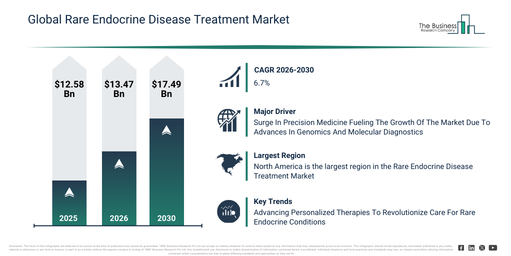
    The rare endocrine disease treatment market has experienced substantial growth in recent years. The market is projected to expand from $12.58 billion in 2025 to $13.47 billion in 2026, demonstrating a compound annual growth rate (CAGR) of 7.1%. This historical growth can be ascribed to improved diagnostic capabilities for endocrine disorders, the proliferation of specialty endocrine clinics, enhanced availability of hormone replacement therapies, an uptick in endocrinology research, and increasing awareness of rare endocrine conditions.

    The rare endocrine disease treatment market size is projected to experience robust expansion over the coming years. This market is set to reach $17.49 billion by 2030, exhibiting a compound annual growth rate (CAGR) of 6.7%. The anticipated growth during this period stems from heightened investment in precision hormone therapies, the increasing acceptance of biologics and immunotherapies, the widening scope of personalized treatment approaches, an escalating need for long-term disease management solutions, and greater regulatory endorsement for orphan endocrine drugs. Prominent trends throughout the forecast period include the accelerated creation of targeted hormonal therapies, a higher uptake of biologic and recombinant treatments, an intensifying concentration on precision endocrinology, the broadening of diagnostics for rare hormonal disorders, and improved integration of multidisciplinary care models.

    Access Your Free Sample Report for In-Depth Market Insights:

    https://www.thebusinessresearchcompany.com/sample.aspx?id=28315&type=smp

    What Drivers Are Influencing The Growth Of The Rare Endocrine Disease Treatment Market?

    A growing emphasis on precision medicine is projected to stimulate the expansion of the rare endocrine disease treatment market moving ahead. This medical approach involves customizing prevention, diagnostic, and therapeutic strategies based on an individual’s genetic profile, lifestyle, and environmental factors. The heightened attention on precision medicine stems from progress in genomics, which facilitates more precise identification of disease mechanisms and the development of personalized treatment plans for patients. For rare endocrine diseases, precision medicine aids by adapting therapies to a patient’s genetic, molecular, and hormonal characteristics, leading to exact diagnoses and targeted interventions that improve efficacy and reduce adverse effects. As an illustration, in February 2024, the Personalized Medicine Coalition, a US-based non-profit organization, reported that the United States Food and Drug Administration (FDA) sanctioned 16 novel personalized therapies for rare disease patients in 2023, a rise from six in 2022. Among the personalized treatments approved in 2023 were also seven cancer drugs and three for other diseases and conditions. Consequently, the increased emphasis on precision medicine is fueling the expansion of the rare endocrine disease treatment market.

    How Is The Rare Endocrine Disease Treatment Market Organized Into Various Segments?

    The rare endocrine disease treatment market covered in this report is segmented –

    1) By Type: Biologics, Organic Compounds

    2) By Treatment: Hormone Replacement Therapy, Radiotherapy, Surgery, Targeted Therapy, Immunotherapy

    3) By Disease: Cushing’s Syndrome, Addison’s Disease, Acromegaly, Other Diseases

    4) By Distribution Channel: Hospital Pharmacies, Retail Pharmacies, Online Pharmacies, Direct Sales, Other Distribution Channels

    5) By End-User: Hospitals, Specialty Clinics, Research Institutes, Other End-Users

    Subsegments:

    1) By Biologics: Monoclonal Antibodies, Recombinant Proteins, Enzyme Replacement Therapies, Vaccines

    2) By Organic Compounds: Small Molecule Drugs, Peptide-Based Drugs, Steroidal Compounds, Non-Steroidal Compounds

    What Trends Are Reshaping The Dynamics Of The Rare Endocrine Disease Treatment Market?

    Companies operating within the rare endocrine disease treatment market are concentrating on developing advanced therapies, such as parathyroid hormone (PTH) prodrugs, to improve therapeutic effectiveness and extend the duration of treatment for individuals with hormone-deficiency disorders. Parathyroid hormone (PTH) prodrugs are long-acting hormone therapies designed with polyethylene glycol (PEG) attached to PTH, aiming to enhance molecular stability, prolong circulation time, and sustain pharmacologic activity for continuous endocrine replacement. For instance, in August 2024, Ascendis Pharma A/S, a Denmark-based biopharmaceutical company, introduced YORVIPATH, which is the first and only FDA-approved treatment for adult hypoparathyroidism. This treatment incorporates once-daily TransCon prodrug technology, delivering continuous PTH exposure, extended pharmacodynamic activity enabled by pegylation, and clinical evidence demonstrating the normalization of serum calcium levels with a reduced reliance on high-dose calcium and active vitamin D supplements.

    Who Are The Prominent Global Companies Shaping The Rare Endocrine Disease Treatment Market Landscape?

    Major companies operating in the rare endocrine disease treatment market are Pfizer Inc., Bayer AG, AstraZeneca PLC, Eli Lilly and Company, Novo Nordisk A/S, Sandoz Group AG, Alexion Pharmaceuticals Inc., Ipsen S.A., Kyowa Kirin Co. Ltd., BioMarin Pharmaceutical Inc., Recordati S.p.A., Camurus AB, EMD Serono Inc., Corcept Therapeutics Inc., Ascendis Pharma A/S, Inozyme Pharma Inc., Spruce Biosciences Inc., MBX Biosciences Inc., Crinetics Pharmaceuticals Inc., Tiburio Therapeutics Inc.

    Access The Complete Report For Deeper Market Insights:

    https://www.thebusinessresearchcompany.com/report/rare-endocrine-disease-treatment-global-market-report

    Which Geographic Areas Are Emerging As Strong Markets For The Rare Endocrine Disease Treatment Market?

    North America was the largest region in the rare endocrine disease treatment market in 2025. Asia-Pacific is expected to be the fastest-growing region in the forecast period. The regions covered in the rare endocrine disease treatment market report are Asia-Pacific, South East Asia, Western Europe, Eastern Europe, North America, South America, Middle East, Africa.

    Request Your Customized Rare Endocrine Disease Treatment Market Research Report for Competitive Advantage:

    https://www.thebusinessresearchcompany.com/customise?id=28315&type=smp

    Browse Through More Reports Similar to the Global Rare Endocrine Disease Treatment Market 2026, By The Business Research Company

    Hormone Therapy Market Report 2026

    https://www.thebusinessresearchcompany.com/report/hormone-therapy-global-market-report

    Neuroendocrine Tumor Treatment Market Report 2026

    https://www.thebusinessresearchcompany.com/report/neuroendocrine-tumor-treatment-global-market-report

    Rare Inflammatory Disease Treatment Market Report 2026

    https://www.thebusinessresearchcompany.com/report/rare-inflammatory-disease-treatment-global-market-report

    Get in touch with us:

    The Business Research Company: https://www.thebusinessresearchcompany.com/

    Americas +1 310-496-7795

    Asia +44 7882 955267 & +91 8897263534

    Europe +44 7882 955267

    Email us at info@tbrc.info

    Follow us on:

    LinkedIn: https://in.linkedin.com/company/the-business-research-company

    YouTube: https://www.youtube.com/channel/UC24_fI0rV8cR5DxlCpgmyFQ

    Global Market Model: https://www.thebusinessresearchcompany.com/global-market-model

  • Rare Disease Genetic Testing Global Forecast: Market to Scale Up to $2.18 Billion by 2030 at 13.1% CAGR

    Rare Disease Genetic Testing Global Forecast: Market to Scale Up to $2.18 Billion by 2030 at 13.1% CAGR

    Uncover key drivers, emerging technologies, and competitive movements shaping the rare disease genetic testing market from 2026–2035 with trusted insights from The Business Research Company

    By how much is the Rare Disease Genetic Testing Market expected to grow between 2026 and 2030?

    The rare disease genetic testing market size has witnessed substantial growth in recent years. It is forecast to grow from $1.17 billion in 2025 to $1.33 billion in 2026, achieving a compound annual growth rate (CAGR) of 13.7%. This historical expansion can be attributed to enhancements in genomic sequencing technologies, the proliferation of rare disease research initiatives, increased awareness regarding genetic disorders, the establishment of specialized diagnostic laboratories, and the development of clinical genetics programs.

    The rare disease genetic testing market is projected for substantial growth in the coming years, with its valuation expected to reach $2.18 billion by 2030, demonstrating a compound annual growth rate (CAGR) of 13.1%. This expansion during the forecast period is fueled by factors such as the escalating demand for personalized medicine, increased investments in genomic data analytics, the broader adoption of population-scale genetic screening, the deeper integration of genetics into routine clinical care, and advancements in bioinformatics platforms. Significant trends anticipated for this period include the wider acceptance of next-generation sequencing for rare diseases, the growing application of AI-driven variant interpretation, the enlargement of comprehensive genetic testing panels, the increasing incorporation of genetic data into clinical decision systems, and a heightened emphasis on early and accurate diagnosis.

    Access Your Free Sample Report for In-Depth Market Insights:

    https://www.thebusinessresearchcompany.com/sample.aspx?id=27404&type=smp

    Which Drivers Are Influencing Market Acceleration In The Rare Disease Genetic Testing Market?

    A projected rise in genetic disorders is anticipated to fuel the expansion of the rare disease genetic testing market in the future. These conditions stem from DNA irregularities in individuals, which can be passed down from parents or emerge as novel mutations. The rise in genetic disorders is linked to an increase in parental age, given that older parents face a greater likelihood of transmitting genetic mutations to their offspring. Rare disease genetic testing aids in diagnosing genetic disorders by pinpointing specific mutations, thus allowing for precise and prompt identification. This testing facilitates personalized treatment plans, thereby improving patient care and boosting long-term health outcomes. For example, data from May 2024, released by the National Health Service, a UK government department, indicates that 17,000 individuals are currently living with sickle cell disease, an inherited genetic blood disorder, and approximately 250 new diagnoses occur annually. Consequently, the growing prevalence of genetic disorders is a key impetus for the expansion of the rare disease genetic testing market.

    What Segments Are Identified Within The Structure Of The Rare Disease Genetic Testing Market?

    The rare disease genetic testing market covered in this report is segmented –

    1) By Disease Type: Immunological Disorders, Cardiovascular Disorders, Neurological Disease, Endocrine And Metabolism Disorders Diseases, Hematological Diseases, Dermatological Disease, Other Disease Types

    2) By Technology: Next-Generation Sequencing, Sanger Sequencing, Polymerase Chain Reaction Based Testing, Array Based Testing, Fluorescence In Situ Hybridization, Other Technologies

    3) By Specialty: Molecular Genetic Tests, Chromosomal Genetic Tests, Biochemical Genetic Tests

    4) By End-User: Hospitals And Clinics, Research Laboratories And Contract Research Organizations, Diagnostic Laboratories, Other End Users

    Subsegments:

    1) By Immunological Disorders: Autoimmune Disorders, Allergic Conditions, Primary Immunodeficiency Disorders, Inflammatory Disorders

    2) By Cardiovascular Disorders: Congenital Heart Defects, Cardiomyopathies, Aortic Aneurysms, Pulmonary Hypertension

    3) By Neurological Disease: Neurodegenerative Disorders, Neuromuscular Disorders, Epileptic Syndromes, Movement Disorders

    4) By Endocrine And Metabolism Disorders Diseases: Inherited Metabolic Disorders, Thyroid Disorders, Adrenal Disorders, Diabetes Related Genetic Conditions

    5) By Hematological Diseases: Hemophilia, Thalassemia, Sickle Cell Disease, Clotting Disorders

    6) By Dermatological Disease: Genetic Skin Disorders, Connective Tissue Disorders, Pigmentary Disorders, Keratinization Disorders

    7) By Other Disease Types: Skeletal Dysplasia, Renal Genetic Disorders, Ophthalmic Genetic Conditions, Gastrointestinal Genetic Conditions

    How Are New Market Trends Shaping The Landscape Of The Rare Disease Genetic Testing Market?

    Major companies operating in the rare disease genetic testing market are strategically focusing on the development of technologically advanced solutions, such as digital genomics platforms, to significantly improve the speed, precision, and scalability of rare disease diagnosis. These digital genomics platforms are sophisticated software systems that seamlessly integrate genomic data analysis, interpretation, and reporting, thereby streamlining and accelerating the entire genetic testing and diagnosis process. For instance, in March 2025, Strand Life Sciences Private Limited, an India-based computer software company, introduced its StrandOmics Portal, a digital platform designed to boost the efficiency and accuracy of rare disease diagnosis. The portal provides clinicians with comprehensive insights into genetic variants, facilitating faster and more precise diagnoses. It offers support for advanced variant interpretation, including applications in prenatal diagnostics, and enables independent reviews of genetic data. This introduction clearly demonstrates a robust commitment to advancing precision medicine and equipping healthcare professionals with effective tools to enhance patient outcomes.

    Which Key Players Are Driving Competition In The Rare Disease Genetic Testing Market?

    Major companies operating in the rare disease genetic testing market are Thermo Fisher Scientific Inc., Quest Diagnostics Inc., Eurofins Scientific SE, Agilent Technologies Inc., Illumina Inc., QIAGEN N.V., Natera Inc., OPKO Health Inc., Myriad Genetics Inc., Fulgent Genetics Inc., BioReference Laboratories Inc., Invitae Corporation, Ambry Genetics Corporation, Centogene N.V., Baylor Genetics Company, PreventionGenetics, Blueprint Genetics Oy, Artemis DNA Inc., BGI Genomics Co. Ltd., GeneDx Inc., Genomics England Ltd.

    Access The Complete Report For Deeper Market Insights:

    https://www.thebusinessresearchcompany.com/report/rare-disease-genetic-testing-global-market-report

    Which Region Is Projected To Lead The Rare Disease Genetic Testing Market During The Forecast Period?

    North America was the largest region in the rare disease genetic testing market in 2025. Asia-Pacific is expected to be the fastest-growing region in the forecast period. The regions covered in the rare disease genetic testing market report are Asia-Pacific, South East Asia, Western Europe, Eastern Europe, North America, South America, Middle East, Africa.

    Request Your Customized Rare Disease Genetic Testing Market Research Report for Competitive Advantage:

    https://www.thebusinessresearchcompany.com/customise?id=27404&type=smp

    Browse Through More Reports Similar to the Global Rare Disease Genetic Testing Market 2026, By The Business Research Company

    Datafication Market Report 2026

    https://www.thebusinessresearchcompany.com/report/datafication-global-market-report

    Alternative Data Market Report 2026

    https://www.thebusinessresearchcompany.com/report/alternative-data-global-market-report

    Data Catalog Market Report 2026

    https://www.thebusinessresearchcompany.com/report/data-catalog-global-market-report

    Get in touch with us:

    The Business Research Company: https://www.thebusinessresearchcompany.com/

    Americas +1 310-496-7795

    Asia +44 7882 955267 & +91 8897263534

    Europe +44 7882 955267

    Email us at info@tbrc.info

    Follow us on:

    LinkedIn: https://in.linkedin.com/company/the-business-research-company

    YouTube: https://www.youtube.com/channel/UC24_fI0rV8cR5DxlCpgmyFQ

    Global Market Model: https://www.thebusinessresearchcompany.com/global-market-model

  • Rare Disease Diagnostics Market Future Outlook: Strong Growth Expected Toward $62.18 Billion by 2030

    Rare Disease Diagnostics Market Future Outlook: Strong Growth Expected Toward $62.18 Billion by 2030

    Uncover key drivers, emerging technologies, and competitive movements shaping the rare disease diagnostics market from 2026–2035 with trusted insights from The Business Research Company

    What is the estimated market size of the Rare Disease Diagnostics Market by the end of 2030?

    The rare disease diagnostics market has experienced substantial expansion over recent years. It is projected to grow from $38.14 billion in 2025 to $41.91 billion in 2026, demonstrating a compound annual growth rate (CAGR) of 9.9%. This historical growth can be ascribed to the broader availability of genetic testing, increasing awareness of rare diseases among clinicians, the rising application of molecular diagnostics, the proliferation of specialized diagnostic laboratories, and enhanced access to advanced imaging technologies.

    The rare disease diagnostics market is projected to experience substantial expansion in the next few years, with its size anticipated to reach $62.18 billion by 2030, growing at a compound annual growth rate (CAGR) of 10.4%. This expansion during the forecast period is primarily fueled by the increasing adoption of personalized medicine, rising investments in genomics research, a growing demand for the early detection of rare diseases, the increasing integration of AI-driven diagnostic tools, and the broadening scope of rare disease screening programs. Furthermore, key trends anticipated in this period encompass the increasing adoption of next-generation sequencing diagnostics, a rising utilization of multi-gene panel testing, the growing integration of advanced imaging in rare disease diagnosis, the expansion of centralized rare disease testing centers, and an enhanced focus on achieving early and accurate diagnoses.

    Access Your Free Sample Report for In-Depth Market Insights:

    https://www.thebusinessresearchcompany.com/sample.aspx?id=12651&type=smp

    What Drivers Are Shaping Future Opportunities In The Rare Disease Diagnostics Market?

    The rare disease diagnostics market is projected to grow as a result of the escalating occurrence of rare diseases. These are health conditions impacting a minor fraction of individuals compared to more widespread ailments, frequently demanding specialized diagnostic tools for early and accurate detection. Rare disease diagnostics are instrumental in improving how diseases are managed, enabling the identification of potential therapeutics, and reducing unnecessary or harmful treatments, thereby fostering more effective patient care. For instance, in March 2025, according to Kidney Research UK, an UK-based kidney disease charity, currently, the rare kidney disease landscape includes over 150 distinct conditions, affecting an estimated 70 per 100,000 people, predominantly arising from genetic alterations. Therefore, the surge in rare disease incidence is driving the growth of the rare disease diagnostics market.

    Which Segments Are Gaining Traction In The Rare Disease Diagnostics Market?

    The rare disease diagnostics market covered in this report is segmented –

    1) By Test Type: Genetic Test, General Lab Test, Imaging Test

    2) By Technology: Capillary Sequencing, Whole Genome Sequencing, Whole Exome Sequencing, Microarrays

    3) By Sample Type: Deoxyribonucleic Acid (DNA) Sample, Buccal Swab Sample, Blood, Saliva

    4) By Disease Type: Gastroenterology Disease, Endocrine And Metabolism Disorders Disease, Hematology And Oncology Disease, Dermatology Disease, Cardiovascular Disorders, Neurology Disease

    5) By End User: Hospital Laboratories, Diagnostics Laboratories, Genetic Testing Laboratories, Cancer Research Laboratories

    Subsegments:

    1) By Genetic Test: Whole Genome Sequencing, Targeted Gene Panels, Exome Sequencing, Carrier Testing

    2) By General Lab Test: Blood Tests, Biochemical Assays, Urine Tests, Cytogenetic Tests

    3) By Imaging Test: MRI (Magnetic Resonance Imaging), CT (Computed Tomography) Scans, Ultrasound, X-Rays

    Which Trends Are Expected To Influence The Rare Disease Diagnostics Market In The Upcoming Years?

    Leading firms within the rare disease diagnostics market are concentrating on creating sophisticated solutions, like advanced high-sensitivity whole genome sequencing (WGS) platforms, aiming to enhance diagnostic accuracy, broaden the scope of variant detection, and expedite the discovery of intricate rare conditions. These high-sensitivity WGS platforms facilitate an extensive examination of almost all genetic variants responsible for diseases through one test, thus promoting quicker and more precise diagnoses. As an illustration, in April 2023, Centogene GmbH, a German rare disease specialist, introduced CentoGenome. This product is an advanced next-generation sequencing (NGS)-based whole genome sequencing solution specifically engineered for identifying rare and neurodegenerative diseases. The CentoGenome platform provides extensive variant coverage, encompassing Copy Number Variations (CNVs) relevant to spinal muscular atrophy (SMA) and intricate pathogenic variants connected to Gaucher disease (GD) and GBA1-related Parkinson’s disease. Furthermore, CentoGenome integrates PCR-free technology, which helps mitigate sequencing bias in challenging genomic areas, resulting in superior data quality and more profound understanding of coding, regulatory, and intronic regions for improved clinical interpretation.

    Who Are The Top-Performing Companies In The Rare Disease Diagnostics Market In Recent Years?

    Major companies operating in the rare disease diagnostics market are Thermo Fisher Scientific Inc., Roche Diagnostics, Laboratory Corporation of America Holdings, Quest Diagnostics Incorporated, Eurofins Scientific SE, Agilent Technologies Inc., PerkinElmer Inc., Sanofi Genzyme, Illumina Inc., Bio Rad Laboratories Inc., Qiagen NV, OPKO Health Inc., Natera Inc., Invitae Corporation, BGI Genomics Co. Ltd., 23andMe Holding Co., Ambry Genetics Corporation, Centogene N.V., GENEWIZ Inc., Blueprint Genetics Inc., Oxford Gene Technology Limited, Strand Life Sciences Pvt. Ltd., RareCyte Inc., Sophia Genetics SA, Foundation Medicine Inc.

    Access The Complete Report For Deeper Market Insights:

    https://www.thebusinessresearchcompany.com/report/rare-disease-diagnostics-global-market-report

    Which Region Currently Holds The Largest Share Of The Rare Disease Diagnostics Market?

    North America was the largest region in the rare disease diagnostics market in 2025. Asia-Pacific is expected to be the fastest-growing region in the forecast period. The regions covered in the rare disease diagnostics market report are Asia-Pacific, South East Asia, Western Europe, Eastern Europe, North America, South America, Middle East, Africa.

    Request Your Customized Rare Disease Diagnostics Market Research Report for Competitive Advantage:

    https://www.thebusinessresearchcompany.com/customise?id=12651&type=smp

    Browse Through More Reports Similar to the Global Rare Disease Diagnostics Market 2026, By The Business Research Company

    Rare Kidney Diseases Market Report 2026

    https://www.thebusinessresearchcompany.com/report/rare-kidney-diseases-global-market-report

    Rare Diseases Treatment Market Report 2026

    https://www.thebusinessresearchcompany.com/report/rare-diseases-treatment-global-market-report

    Clinical Diagnostics Market Report 2026

    https://www.thebusinessresearchcompany.com/report/clinical-diagnostics-global-market-report

    Get in touch with us:

    The Business Research Company: https://www.thebusinessresearchcompany.com/

    Americas +1 310-496-7795

    Asia +44 7882 955267 & +91 8897263534

    Europe +44 7882 955267

    Email us at info@tbrc.info

    Follow us on:

    LinkedIn: https://in.linkedin.com/company/the-business-research-company

    YouTube: https://www.youtube.com/channel/UC24_fI0rV8cR5DxlCpgmyFQ

    Global Market Model: https://www.thebusinessresearchcompany.com/global-market-model

  • Revenue of the Rare Disease Community App Market Predicted to Achieve $1.71 Billion by 2030, Driven by 13.2% CAGR

    Revenue of the Rare Disease Community App Market Predicted to Achieve $1.71 Billion by 2030, Driven by 13.2% CAGR

    Uncover key drivers, emerging technologies, and competitive movements shaping the rare disease community app market from 2026–2035 with trusted insights from The Business Research Company

    What was the valuation of the Rare Disease Community App Market in 2026, and what figure is it projected to hit by 2030?

    The rare disease community app market size has experienced significant expansion in recent years. It is projected to increase from $0.92 billion in 2025 to $1.05 billion in 2026, achieving a compound annual growth rate (CAGR) of 13.5%. The notable growth observed in the historic period can be attributed to increasing smartphone penetration in healthcare, growing awareness of rare diseases, the expansion of digital health platforms, rising demand for peer-to-peer patient support, and improved connectivity infrastructure.

    The rare disease community app market is projected to experience substantial growth in the upcoming years. By 2030, this market is anticipated to reach $1.72 billion, expanding at a compound annual growth rate (CAGR) of 13.2%. This growth during the forecast period is primarily driven by factors such as enhanced integration with electronic health records, a greater uptake of personalized digital health tools, the broadening of virtual patient communities, an intensified focus on data privacy and compliance, and increased partnerships with healthcare providers. Key trends expected during this period involve a wider adoption of digital patient support platforms, the growing deployment of AI-powered community engagement tools, a heightened emphasis on secure health data sharing, the expansion of integrated care coordination functionalities, and an increased focus on user-centric app design.

    Access Your Free Sample Report for In-Depth Market Insights:

    https://www.thebusinessresearchcompany.com/sample.aspx?id=28312&type=smp

    Which Drivers Are Affecting Market Participation In The Rare Disease Community App Market?

    The growing embrace of digital health solutions is projected to fuel the expansion of the rare disease community app market going forward. Digital health solutions involve the application of technology, software, and digital platforms to enhance healthcare provision, management, and patient outcomes. The increased adoption of these solutions is primarily driven by improved patient monitoring, which allows for real-time data tracking and personalized health management. The rare disease community app market supports this trend by offering virtual care access, real-time health insights, and personalized digital tools that address the specialized needs of rare disease patients. For instance, in April 2024, Queen Margaret University, a UK-based public university, stated that as of November 2023, 189 NHS trusts had implemented new electronic patient record systems, achieving 90% adoption across all trusts. Consequently, the increasing adoption of digital health solutions is a key factor driving the growth of the rare disease community app market.

    What Segment Categories Are Covered In The Rare Disease Community App Market?

    The rare disease community app market covered in this report is segmented –

    1) By Platform: iPhone Operating System, Android, Web-Based

    2) By Deployment Mode: Cloud-Based, On-Premises

    3) By Application: Patient Support, Disease Management, Clinical Trial Recruitment, Information Sharing, Other Applications

    4) By End-User: Patients, Caregivers, Healthcare Professionals, Researchers, Other End-Users

    Subsegments:

    1) By iPhone Operating System: iPhone App Store Apps, iPad Optimized Apps, Universal iOS Apps

    2) By Android: Google Play Store Apps, Android Tablet Apps, Hybrid Android Apps

    3) By Web-Based: Browser-Based Platforms, Progressive Web Apps (PWAs), Cloud-Hosted Web Portals

    What Trends Are Driving The Growth Trajectory Of The Rare Disease Community App Market?

    Leading companies active in the rare disease community app market are concentrating on developing advanced solutions, such as natural language processing (NLP) analytics, to enhance patient engagement, streamline communication with medical professionals, and improve support for disease management. Natural language processing (NLP) analytics refers to artificial intelligence-driven methodologies that analyze, interpret, and summarize human language to generate actionable health insights for both patients and clinicians. For instance, in December 2024, Know Rare, Inc., a UK-based health technology company, launched the HealthStoryAI app, which features AI-generated summaries of patient-reported experiences, structured tracking of symptoms and daily health, and personalized insight dashboards. These features help patients and healthcare providers identify meaningful health patterns, empowering individuals with rare diseases to better manage their conditions.

    Which Leading Companies Dominate The Rare Disease Community App Market Share?

    Major companies operating in the rare disease community app market are The Mighty Networks, Inc., PicnicHealth, Inc., FDNA, Inc., RareConnect, Carenity SAS, MyHealthTeam, Inc., CureDuchenne, Inc., Aparito Limited, ThinkGenetic, Inc., Know Rare, Inc., Rare Patient Voice, LLC, Inspire, Inc., RareGuru, LLC, Xperiome Ltd., PatientsLikeMe, Inc., Rare Disease Connect, Inc., Cochrane Rare Diseases, Global Genes, Inc., EURORDIS – Rare Diseases Europe, StuffThatWorks Health Ltd., and HealthUnlocked Ltd.

    Access The Complete Report For Deeper Market Insights:

    https://www.thebusinessresearchcompany.com/report/rare-disease-community-app-global-market-report

    How Does The Rare Disease Community App Market Perform Across Major Global Regions?

    North America was the largest region in the rare disease community app market in 2025. Asia-Pacific is expected to be the fastest-growing region in the forecast period. The regions covered in the rare disease community app market report are Asia-Pacific, South East Asia, Western Europe, Eastern Europe, North America, South America, Middle East, Africa.

    Request Your Customized Rare Disease Community App Market Research Report for Competitive Advantage:

    https://www.thebusinessresearchcompany.com/customise?id=28312&type=smp

    Browse Through More Reports Similar to the Global Rare Disease Community App Market 2026, By The Business Research Company

    Rare Inflammatory Disease Treatment Market Report 2026

    https://www.thebusinessresearchcompany.com/report/rare-inflammatory-disease-treatment-global-market-report

    Rare Disease Diagnostics Market Report 2026

    https://www.thebusinessresearchcompany.com/report/rare-disease-diagnostics-global-market-report

    Rare Diseases Treatment Market Report 2026

    https://www.thebusinessresearchcompany.com/report/rare-diseases-treatment-global-market-report

    Get in touch with us:

    The Business Research Company: https://www.thebusinessresearchcompany.com/

    Americas +1 310-496-7795

    Asia +44 7882 955267 & +91 8897263534

    Europe +44 7882 955267

    Email us at info@tbrc.info

    Follow us on:

    LinkedIn: https://in.linkedin.com/company/the-business-research-company

    YouTube: https://www.youtube.com/channel/UC24_fI0rV8cR5DxlCpgmyFQ

    Global Market Model: https://www.thebusinessresearchcompany.com/global-market-model

  • Rare Disease Clinical Trials Sector Forecast Shows Robust Momentum, Climbing to $21.34 Billion With 9.9% CAGR

    Rare Disease Clinical Trials Sector Forecast Shows Robust Momentum, Climbing to $21.34 Billion With 9.9% CAGR

    Uncover key drivers, emerging technologies, and competitive movements shaping the rare disease clinical trials market from 2026–2035 with trusted insights from The Business Research Company

    What are the forecasted starting (2026) and ending (2030) market sizes for the Rare Disease Clinical Trials Market?

    The rare disease clinical trials market has expanded rapidly in recent years. This market is anticipated to increase from $13.3 billion in 2025 to $14.65 billion in 2026, achieving a compound annual growth rate (CAGR) of 10.1%. The growth observed in the past can be attributed to the broadening of orphan drug development initiatives, the rise in regulatory incentives for rare disease research, the establishment of specialized clinical research organizations, heightened collaboration between academia and industry, and improved diagnostic methods for rare diseases.

    The rare disease clinical trials market is anticipated to show significant expansion in the upcoming years. It is projected to achieve a value of $21.34 billion by 2030, progressing at a compound annual growth rate (CAGR) of 9.9%. The projected increase during this period can be attributed to factors such as the increasing implementation of virtual and hybrid trials, the growing utilization of AI for trial optimization, the expansion of global rare disease trial networks, the rising demand for accelerated regulatory approvals, and increased investment in rare disease research and development. Noteworthy trends for the forecast period encompass a greater adoption of decentralized clinical trial models, the increasing use of adaptive trial designs, enhanced integration of digital tools for patient recruitment, an expansion in the collection of real-world evidence, and a heightened focus on trial protocols centered around patients.

    Access Your Free Sample Report for In-Depth Market Insights:

    https://www.thebusinessresearchcompany.com/sample.aspx?id=28311&type=smp

    What Drivers Are Supporting Technological Adoption In The Rare Disease Clinical Trials Market?

    The future expansion of the rare disease clinical trials market is expected to be propelled by the increasing prevalence of personalized medicine. This approach focuses on tailoring medical treatment to the specific characteristics of each patient, encompassing factors such as genetics, lifestyle, and environment. The rise in personalized medicine is attributed to its capacity to enhance treatment outcomes, as it customizes therapies to individual patient profiles for greater efficacy and safety. Rare disease clinical trials contribute to the advancement of personalized medicine by generating patient-specific insights that inform the development of targeted therapies, precisely adapted to each individual’s unique genetic and molecular profile. For instance, in February 2024, the Personalized Medicine Coalition (PMC), a US-based nonprofit organization, reported that the Food and Drug Administration (FDA) indicated personalized medicines represented 34% of approvals in 2022, a percentage that further increased to 38% in 2023. Therefore, the growing adoption of personalized medicine is a key factor driving the growth of the rare disease clinical trials market.

    Which Segments Are Contributing To The Growth Of The Rare Disease Clinical Trials Market?

    The rare disease clinical trials market covered in this report is segmented –

    1) By Phase: Phase I, Phase II, Phase III, Phase IV

    2) By Therapeutic Area: Oncology, Cardiovascular Disorders, Neurological Disorders, Infectious Disease, Genetic Disorders, Autoimmune And Inflammation, Hematologic Disorders, Musculoskeletal Disorders, Other Therapeutic Areas

    3) By Study Design: Interventional, Observational, Expanded Access

    4) By End-User: Pharmaceutical Companies, Biotechnology Companies, Research Institutes, Other End-Users

    Subsegments:

    1) By Phase I: First In Human Trials, Dose Escalation Studies, Safety And Tolerability Studies

    2) By Phase II: Proof Of Concept Studies, Dose Response Studies, Efficacy And Safety Studies

    3) By Phase III: Randomized Controlled Trials, Comparative Effectiveness Studies, Large Scale Multicenter Trials

    4) By Phase IV: Post Marketing Surveillance, Long Term Safety Studies, Real World Evidence Studies

    What Upcoming Trends Are Likely To Define The Future Path Of The Rare Disease Clinical Trials Market?

    Leading companies operating within the rare disease clinical trials market are concentrating on fostering innovation, for example, by adopting a client-centric approach to deliver bespoke trial designs, enhance patient involvement, and accelerate the progression of targeted treatments for rare conditions. A client-centric approach means prioritizing the necessities, aims, and inclinations of biotech and pharmaceutical clients to offer customized and effective clinical trial solutions. As an illustration, in March 2025, Evestia Clinical Limited, a pharmaceutical research company based in the US, was introduced as the new brand identity for EMAS Pharma. This rebranding signifies a strategic move intended to quicken the company’s global expansion. The company is committed to accelerating the development of therapies for rare diseases by furnishing expert-led, personalized clinical trial solutions specifically tailored to the distinct challenges associated with these conditions. This particular focus constitutes a crucial component of its brand identity and its service offerings.

    Who Are The Major Companies Operating In The Rare Disease Clinical Trials Market?

    Major companies operating in the rare disease clinical trials market are F. Hoffmann-La Roche AG, Pfizer Inc., Novartis AG, AstraZeneca plc, Takeda Pharmaceutical Company Limited, IQVIA Holdings Inc., Laboratory Corporation of America Holdings, ICON plc, Moderna Inc., Charles River Laboratories International Inc., Parexel International Corporation, Revvity Inc., Sarepta Therapeutics Inc., TFS HealthScience, Inventiva S.A., Tonix Pharmaceuticals Holding Corp., SpringWorks Therapeutics Inc., OrphAI Therapeutics Inc., BBCR Consulting LLC, Credevo Inc.

    Access The Complete Report For Deeper Market Insights:

    https://www.thebusinessresearchcompany.com/report/rare-disease-clinical-trials-global-market-report

    Which Region Is Anticipated To See The Fastest Growth In The Rare Disease Clinical Trials Market?

    North America was the largest region in the rare disease clinical trials market in 2025. The regions covered in the rare disease clinical trials market report are Asia-Pacific, South East Asia, Western Europe, Eastern Europe, North America, South America, Middle East, Africa.

    Request Your Customized Rare Disease Clinical Trials Market Research Report for Competitive Advantage:

    https://www.thebusinessresearchcompany.com/customise?id=28311&type=smp

    Browse Through More Reports Similar to the Global Rare Disease Clinical Trials Market 2026, By The Business Research Company

    Rare Neurological Disease Treatment Market Report 2026

    https://www.thebusinessresearchcompany.com/report/rare-neurological-disease-treatment-global-market-report

    Rare Disease Diagnostics Market Report 2026

    https://www.thebusinessresearchcompany.com/report/rare-disease-diagnostics-global-market-report

    Rare Inflammatory Disease Treatment Market Report 2026

    https://www.thebusinessresearchcompany.com/report/rare-inflammatory-disease-treatment-global-market-report

    Get in touch with us:

    The Business Research Company: https://www.thebusinessresearchcompany.com/

    Americas +1 310-496-7795

    Asia +44 7882 955267 & +91 8897263534

    Europe +44 7882 955267

    Email us at info@tbrc.info

    Follow us on:

    LinkedIn: https://in.linkedin.com/company/the-business-research-company

    YouTube: https://www.youtube.com/channel/UC24_fI0rV8cR5DxlCpgmyFQ

    Global Market Model: https://www.thebusinessresearchcompany.com/global-market-model

  • Rare Dermatological Disease Treatment Market Anticipated to Record Steady Gains, Advancing to $7.51 Billion by 2030

    Rare Dermatological Disease Treatment Market Anticipated to Record Steady Gains, Advancing to $7.51 Billion by 2030

    Uncover key drivers, emerging technologies, and competitive movements shaping the rare dermatological disease treatment market from 2026–2035 with trusted insights from The Business Research Company

    What upper market value could the Rare Dermatological Disease Treatment Market reach by 2030 starting from 2026 levels?

    The rare dermatological disease treatment market size has demonstrated robust expansion recently. This market is projected to expand from $5.57 billion in 2025 to $5.92 billion in 2026, exhibiting a compound annual growth rate (CAGR) of 6.3%. Key factors contributing to its historical growth include a better grasp of rare skin disease pathophysiology, the broader scope of orphan drug regulations, a rise in specialist dermatology research, advancements in biologics manufacturing capabilities, and increased recognition of rare dermatological conditions.

    The rare dermatological disease treatment market is anticipated to show significant expansion over the next few years. It is projected to achieve a value of $7.51 billion by 2030, with a compound annual growth rate (CAGR) of 6.1%. This growth during the forecast period can be attributed to factors such as increasing investments in gene therapy platforms, a rising focus on personalized treatment protocols, the expansion of clinical research in rare skin disorders, the growing adoption of advanced biologics, and increased regulatory support for orphan therapies. Prominent trends expected in the forecast period include the increasing development of targeted biologic therapies, a rise in the adoption of gene and cell-based treatments, a growing emphasis on personalized dermatology care, the expansion of orphan drug pipelines, and enhanced use of advanced diagnostic technologies.

    Access Your Free Sample Report for In-Depth Market Insights:

    https://www.thebusinessresearchcompany.com/sample.aspx?id=28310&type=smp

    Which Drivers Are Influencing Long-Term Growth In The Rare Dermatological Disease Treatment Market?

    The increasing number of diagnosed instances of rare dermatological disorders is anticipated to propel the expansion of the rare dermatological disease treatment market. Uncommon skin conditions, such as epidermolysis bullosa, pemphigus vulgaris, and cutaneous lupus erythematosus, affect a small percentage of the population but demand specialized care and targeted therapeutic approaches. Progress in genetic testing, heightened disease awareness, and earlier detection have led to a greater number of identified cases globally. This growing recognition generates a need for innovative treatments, including gene therapies, advanced biologics, and supportive care solutions, designed to manage symptoms, facilitate wound healing, and enhance patient outcomes. For instance, in January 2025, according to a CDC, a US-based public health agency, Vyjuvek (beremagene geperpavec-svdt), a redosable gene therapy for dystrophic epidermolysis bullosa, demonstrated significant wound closure in clinical studies, illustrating the positive impact of innovative therapies on patient care. Therefore, the rising occurrences of rare skin conditions are a driving force behind the growth of the rare dermatological disease treatment market.

    How Is The Rare Dermatological Disease Treatment Market Divided Into Segments?

    The rare dermatological disease treatment market covered in this report is segmented –

    1) By Indication: Systemic Sclerosis, Epidermolysis Bullosa, Pemphigus Vulgaris, Cutaneous Lupus Erythematosus

    2) By Treatment: Corticosteroid, Immunosuppressants, Anti-Inflammatory Agents, Other Treatments

    3) By Distribution Channel: Hospital Pharmacies, Retail Pharmacies, Online Pharmacies

    4) By Technology: Gene Therapy, Stem Cell Therapy, Nanotechnology

    5) By Application: Epidermolysis Bullosa, Ichthyosis, Other Applications

    Subsegments:

    1) By Systemic Sclerosis: Limited Cutaneous Systemic Sclerosis, Diffuse Cutaneous Systemic Sclerosis, Sine Scleroderma

    2) By Epidermolysis Bullosa: Epidermolysis Bullosa Simplex, Junctional Epidermolysis Bullosa, Dystrophic Epidermolysis Bullosa, Kindler Syndrome

    3) By Pemphigus Vulgaris: Mucosal Pemphigus Vulgaris, Mucocutaneous Pemphigus Vulgaris, Cutaneous Pemphigus Vulgaris

    4) By Cutaneous Lupus Erythematosus: Acute Cutaneous Lupus Erythematosus, Subacute Cutaneous Lupus Erythematosus, Chronic Cutaneous Lupus Erythematosus (Discoid Lupus)

    Which Trends Are Shaping Activity Within The Rare Dermatological Disease Treatment Market?

    Major companies are active in the rare dermatological disease treatment market, focusing on the development of smart and advanced gene therapy technologies, such as redosable gene therapy, to enhance patient outcomes, simplify treatment, and improve quality of life. A redosable gene therapy works by delivering functional COL7A1 genes directly to affected skin areas, which allows for repeated, noninvasive applications, sustained protein restoration, and accelerated wound closure. For instance, in May 2023, Krystal Biotech, a U.S.-based biotechnology company, launched Vyjuvek (beremagene geperpavec-svdt) for the treatment of dystrophic epidermolysis bullosa. This product demonstrated that 65% of treated wounds achieved complete closure at 24 weeks, compared to 26% with placebo, and it permits once-weekly application to selected wounds, thereby reducing the need for surgical interventions. Vyjuvek also offers a noninvasive, clinic-administered option, although it requires specialized cold-chain storage to maintain its efficacy.

    Which Major Firms Are Strengthening Their Position In The Rare Dermatological Disease Treatment Market?

    Major companies operating in the rare dermatological disease treatment market are Kyowa Kirin, Johnson and Johnson company, F. Hoffmann-La Roche Limited, Merck KGaA, Arcutis Biotherapeutics, Pfizer Inc., Abbvie, Sanofi, Novartis AG, AstraZeneca, Eli lilly and company, Amgen, Bristol Myers Squibb Company, Pierre Fabre Laboratories, LEO Pharma, Almirall, Castle Creek Biosciences, Inc., Azitra, Krystal Biotech, Inc., Avita Medical, NS Pharma, Replay, Eloxx Pharmaceuticals, Kamari Pharma, BPGbio

    Access The Complete Report For Deeper Market Insights:

    https://www.thebusinessresearchcompany.com/report/rare-dermatological-disease-treatment-global-market-report

    Which Region Is Anticipated To See The Fastest Growth In The Rare Dermatological Disease Treatment Market?

    North America was the largest region in the personalized genomics market in 2025. Asia-Pacific is expected to be the fastest-growing region in the forecast period. The regions covered in the rare dermatological disease treatment market report are Asia-Pacific, South East Asia, Western Europe, Eastern Europe, North America, South America, Middle East, Africa.

    Request Your Customized Rare Dermatological Disease Treatment Market Research Report for Competitive Advantage:

    https://www.thebusinessresearchcompany.com/customise?id=28310&type=smp

    Browse Through More Reports Similar to the Global Rare Dermatological Disease Treatment Market 2026, By The Business Research Company

    Dermatophytosis Treatment Market Report 2026

    https://www.thebusinessresearchcompany.com/report/dermatophytosis-treatment-global-market-report

    Rare Inflammatory Disease Treatment Market Report 2026

    https://www.thebusinessresearchcompany.com/report/rare-inflammatory-disease-treatment-global-market-report

    Veterinary Dermatology Drugs Market Report 2026

    https://www.thebusinessresearchcompany.com/report/veterinary-dermatology-drugs-global-market-report

    Get in touch with us:

    The Business Research Company: https://www.thebusinessresearchcompany.com/

    Americas +1 310-496-7795

    Asia +44 7882 955267 & +91 8897263534

    Europe +44 7882 955267

    Email us at info@tbrc.info

    Follow us on:

    LinkedIn: https://in.linkedin.com/company/the-business-research-company

    YouTube: https://www.youtube.com/channel/UC24_fI0rV8cR5DxlCpgmyFQ

    Global Market Model: https://www.thebusinessresearchcompany.com/global-market-model

  • Rare Biomarkers Specimen Collection And Stabilization Industry Poised for Rapid Growth, Forecast to Touch $55.34 Billion by 2030 at 9.2% CAGR

    Rare Biomarkers Specimen Collection And Stabilization Industry Poised for Rapid Growth, Forecast to Touch $55.34 Billion by 2030 at 9.2% CAGR

    Uncover key drivers, emerging technologies, and competitive movements shaping the rare biomarkers specimen collection and stabilization market from 2026–2035 with trusted insights from The Business Research Company

    What level of CAGR-driven expansion is anticipated in the Rare Biomarkers Specimen Collection And Stabilization Market between 2026 and 2030?

    The rare biomarkers specimen collection and stabilization market size has expanded quickly in recent years. This market is expected to grow from $35.29 billion in 2025 to $38.94 billion in 2026, achieving a compound annual growth rate (CAGR) of 10.3%. The drivers behind this historical growth are an increase in molecular diagnostics research, the expansion of oncology biomarker studies, the availability of plasma-based testing methods, rising clinical trial activity, and a growing adoption of biobanking practices.

    The rare biomarkers specimen collection and stabilization market is projected to experience substantial growth in the upcoming years, with its size anticipated to reach $55.35 billion by 2030, exhibiting a compound annual growth rate (CAGR) of 9.2%. This expansion during the forecast period is primarily attributed to the increasing adoption of precision diagnostics, the rising demand for early disease detection, the broadening of genomic and transcriptomic testing, growing investments in biomarker-driven drug development, and the increasing integration of AI in biomarker analysis. Furthermore, key trends in this period will include the wider adoption of liquid biopsy collection techniques, the growing use of advanced stabilization reagents, a rising demand for high-sensitivity biomarker preservation, the expansion of non-invasive diagnostic applications, and an enhanced focus on sample integrity and traceability.

    Access Your Free Sample Report for In-Depth Market Insights:

    https://www.thebusinessresearchcompany.com/sample.aspx?id=15913&type=smp

    What Drivers Are Affecting Demand-Supply Dynamics In The Rare Biomarkers Specimen Collection And Stabilization Market?

    The projected rise in cancer cases is anticipated to boost the expansion of the rare biomarker specimen collection and stabilization market in the future. Cancer encompasses a wide range of illnesses marked by the uncontrolled multiplication and dispersion of atypical cells. This increase in cancer’s occurrence stems from various factors, including environmental exposures, lifestyle choices like smoking and unhealthy eating, and genetic predispositions, collectively fostering a greater demand for accurate diagnostic and surveillance instruments. The collection and stabilization of rare biomarker specimens are crucial for ensuring the precise preservation of biomarkers derived from blood and tissue, which are vital for early diagnosis, molecular characterization, and guiding treatment choices in cancer care. As an illustration, in February 2024, the World Health Organization, an intergovernmental body based in Switzerland, predicted that by 2050, there would be more than 35 million new cancer diagnoses, indicating a 77% rise from the approximately 20 million cases estimated in 2022. Consequently, the growing incidence of cancer is fueling the expansion of the rare biomarker specimen collection and stabilization market.

    What Segments Are Included Within The Rare Biomarkers Specimen Collection And Stabilization Market?

    The rare biomarkers specimen collection and stabilization market covered in this report is segmented –

    1) By Type: Circulating Cell Free Deoxyribonucleic Acid (CCFDNA), Circulating Tumor Cells (CTCs), Exosomes or Extracellular Vesicles

    2) By Specimen: Serum Or Plasma, Other Specimens

    3) By Application: Non-Invasive Prenatal Testing (NIPT), Oncology, Transcriptomics, Pharmacogenomics, Transplant Rejection, Population Screening, Cardiovascular Diseases, Other Applications

    4) By End-User: Hospitals, Perinatal Clinics, Public Health Labs, Private Or Commercial Labs, Physician Labs, Research Institutes, Other End-Users

    Subsegments:

    1) By Circulating Cell Free Deoxyribonucleic Acid (CCFDNA): Plasma CCFDNA, Serum CCFDNA

    2) By Circulating Tumor Cells (CTCs): CTCs In Blood, CTCs In Bone Marrow

    3) By Exosomes Or Extracellular Vesicles: Exosomes From Plasma, Exosomes From Serum

    Which Trends Are Influencing The Development Of The Rare Biomarkers Specimen Collection And Stabilization Market?

    Leading companies within the rare biomarkers specimen collection and stabilization market are concentrating on developing advanced solutions, such as automated plasma and cell sample preparation, to safeguard biomarker integrity and enable high-throughput multiomics analysis. Automated pre-analytical platforms represent technologies designed to standardize blood sample processing, encompassing steps like plasma separation, cell fixation, and slide preparation directly at the point of collection, thereby ensuring consistent specimen quality without manual handling or specialized tubes. For example, in April 2024, Tethis S.p.A., an Italy-based biotechnology company, announced the enrollment of its first two patients in a clinical study for its See.d platform. This platform automates the standardized preparation of plasma and cell samples for multiomic liquid biopsy, which includes the fixation of rare circulating tumor and immune cells onto nanocoated SmartBioSurface slides. Designed to maximize sample integrity and enable seamless analysis of cell-free DNA and circulating tumor cells from a single draw, the platform supports the entire workflow of rare biomarker specimen collection and stabilization.

    Who Are The Primary Competitors In The Global Rare Biomarkers Specimen Collection And Stabilization Market?

    Major companies operating in the rare biomarkers specimen collection and stabilization market are F. Hoffmann-La Roche AG, Thermo Fisher Scientific Inc., Abbott Laboratories, Merck KGaA, Becton Dickinson and Company, Eurofins Scientific SE, Agilent Technologies Inc., PerkinElmer Inc., Illumina Inc., Charles River Laboratories International Inc., Bio-Rad Laboratories Inc., Bruker Corporation, QIAGEN N.V., Miltenyi Biotec GmbH, Natera Inc., Promega Corporation, Myriad Genetics, Hamilton Company, OraSure Technologies Inc., Fluidigm Corporation, Streck Inc., SeraCare, Enzo Biochem Inc., Epigenomics AG, Veridex LLC

    Access The Complete Report For Deeper Market Insights:

    https://www.thebusinessresearchcompany.com/report/rare-biomarkers-specimen-collection-and-stabilization-global-market-report

    Which Global Regions Are Shaping The Competitive Landscape Of The Rare Biomarkers Specimen Collection And Stabilization Market?

    North America was the largest region in the rare biomarkers specimen collection and stabilization market in 2025. Asia-Pacific is expected to be the fastest-growing region in the forecast period. The regions covered in the rare biomarkers specimen collection and stabilization market report are Asia-Pacific, South East Asia, Western Europe, Eastern Europe, North America, South America, Middle East, Africa.

    Request Your Customized Rare Biomarkers Specimen Collection And Stabilization Market Research Report for Competitive Advantage:

    https://www.thebusinessresearchcompany.com/customise?id=15913&type=smp

    Browse Through More Reports Similar to the Global Rare Biomarkers Specimen Collection And Stabilization Market 2026, By The Business Research Company

    Biomarker Discovery Outsourcing Services Market Report 2026

    https://www.thebusinessresearchcompany.com/report/biomarker-discovery-outsourcing-services-global-market-report

    Clinical Biomarkers Market Report 2026

    https://www.thebusinessresearchcompany.com/report/clinical-biomarkers-global-market-report

    Biomarkers Market Report 2026

    https://www.thebusinessresearchcompany.com/report/biomarkers-global-market-report

    Get in touch with us:

    The Business Research Company: https://www.thebusinessresearchcompany.com/

    Americas +1 310-496-7795

    Asia +44 7882 955267 & +91 8897263534

    Europe +44 7882 955267

    Email us at info@tbrc.info

    Follow us on:

    LinkedIn: https://in.linkedin.com/company/the-business-research-company

    YouTube: https://www.youtube.com/channel/UC24_fI0rV8cR5DxlCpgmyFQ

    Global Market Model: https://www.thebusinessresearchcompany.com/global-market-model
  • Rapid Diagnostics Market Performance Outlook 2026–2030: Revenue to Hit $64.78 Billion at 12.4% CAGR

    Rapid Diagnostics Market Performance Outlook 2026–2030: Revenue to Hit $64.78 Billion at 12.4% CAGR

    Uncover key drivers, emerging technologies, and competitive movements shaping the rapid diagnostics market from 2026–2035 with trusted insights from The Business Research Company

    What long-term size projections exist for the Rapid Diagnostics Market covering 2026–2035?

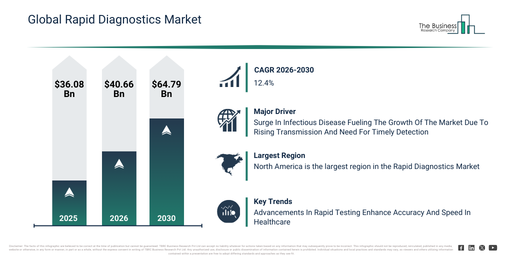
    The rapid diagnostics market has witnessed significant expansion in recent years. It is anticipated to increase from $36.08 billion in 2025 to $40.66 billion in 2026, demonstrating a compound annual growth rate (CAGR) of 12.7%. The market’s historical growth can be attributed to a heightened demand for quicker clinical diagnostics, the proliferation of decentralized healthcare settings, a rise in the prevalence of chronic and infectious diseases, improved accessibility of diagnostic tools, and the expansion of outpatient diagnostic services.

    The rapid diagnostics market is projected to experience substantial growth in the upcoming years. Its valuation is anticipated to reach $64.79 billion by 2030, demonstrating a compound annual growth rate (CAGR) of 12.4%. This projected growth during the forecast timeframe is primarily driven by factors such as escalating investments in molecular diagnostics, the increasing uptake of connected diagnostic instruments, the broadening availability of home-based testing options, a heightened emphasis on personalized diagnostics, and the expanded application of data-driven clinical workflows. Key developments anticipated within this period encompass the wider utilization of point-of-care diagnostic platforms, the surging adoption of molecular rapid testing, an expanding integration of digital result interpretation, the proliferation of portable diagnostic equipment, and an intensified focus on supporting early clinical decisions.

    Access Your Free Sample Report for In-Depth Market Insights:

    https://www.thebusinessresearchcompany.com/sample.aspx?id=24679&type=smp

    Which Drivers Are Impacting The Competitive Landscape Of The Rapid Diagnostics Market?

    A rising incidence of infectious diseases is anticipated to drive expansion in the rapid diagnostics market moving ahead. Infectious diseases are conditions resulting from harmful microorganisms like bacteria, viruses, parasites, or fungi, capable of transmitting between individuals either directly or indirectly. The heightened occurrence of infectious diseases stems from increased international travel, facilitating quicker transmission and elevated infection rates. Rapid diagnostics are instrumental in managing infectious diseases by providing swift and precise pathogen identification, which supports prompt treatment choices, curtails transmission, and enhances patient results. For illustration, the The World Health Organization (WHO), a Switzerland-based specialized agency of the United Nations focused on international public health, reported in May 2025 that global SARS-CoV-2 (the virus causing COVID-19, an infectious disease) activity had been increasing since mid-February 2025, based on sentinel site data, with the test positivity rate reaching 11%, a figure previously seen in July 2024. Consequently, the expanding incidence of infectious diseases is propelling the rapid diagnostics market.

    What Leading Segments Are Studied In The Rapid Diagnostics Market?

    The rapid diagnostics market covered in this report is segmented –

    1) By Product Type: Kits, Reagents, Instruments, Other Product Types

    2) By Platform: Immunoassays, Molecular Detection, Other Rapid Diagnostic Platforms

    3) By Application: Blood Glucose Testing, Infectious Disease Testing, Cardiometabolic Testing, Pregnancy and Fertility Testing, Fecal Occult Blood Testing, Coagulation Testing, Toxicology Testing

    4) By Distribution Channel: Hospital Pharmacies, Brick and Mortar, E-Commerce, Other Distribution Channels

    5) By End Use: Diagnostic Centers, Homecare Settings, Hospital Pharmacies, Other End Users

    Subsegments:

    1) By Kits: Lateral Flow Assay Kits, PCR Kits, Immunoassay Kits, Microfluidic Kits, Molecular Diagnostic Kits, Multiplex Kits

    2) By Reagents: Enzymes, Buffers, Probes and Primers, Stains and Dyes, Antibodies, Calibration and Control Reagents

    3) By Instruments: PCR Machines, Lateral Flow Readers, Immunoassay Analyzers, Microfluidic Analyzers, Automated Sample Processors, Biosensors

    4) By Other Product Types: Software and Data Management Tools, Sample Collection Devices, Accessories and Consumables, Calibration Standards, Point-of-Care Devices

    What Trends Are Expected To Impact The Competitive Landscape Of The Rapid Diagnostics Market?

    Major companies in the rapid diagnostics market are concentrating on advancements and innovation, specifically rapid diagnostic testing instruments, to improve diagnostic precision, decrease turnaround times, and enhance patient outcomes in point-of-care settings. Rapid diagnostic testing tools are defined as medical devices that quickly detect the presence of specific diseases or conditions, typically providing results within minutes at the point of care. For example, in May 2025, SEKISUI Diagnostics, a US-based medical diagnostics manufacturer, introduced the OSOM RSV Test, a rapid diagnostic tool designed for identifying respiratory syncytial virus (RSV). This test is intended for use in professional healthcare settings and delivers results in just 15 minutes. It employs a rapid immunochromatographic assay to qualitatively detect RSV nucleoprotein antigen. The test utilizes anterior nasal swab specimens collected from patients exhibiting symptoms of respiratory infection. Its quick turnaround time supports timely and effective clinical decision-making.

    Which Key Market Players Are Investing In Expansion And Innovation Within The Rapid Diagnostics Market?

    Major companies operating in the rapid diagnostics market are Johnson And Johnson Services Inc, F Hoffmann La Roche Ltd, Thermo Fisher Scientific Inc, Abbott Laboratories, Danaher Corporation, Siemens Healthineers AG, Becton Dickinson And Company, Hologic Inc, bioMerieux SA, QuidelOrtho Corporation, Bio Rad Laboratories Inc, QIAGEN NV, Cepheid Inc, OraSure Technologies Inc, Nova Biomedical Corporation, Fujirebio Holdings Inc, Sekisui Diagnostics LLC, EKF Diagnostics Holdings plc, Trinity Biotech plc, Abingdon Health plc, Abionic SA, LumiraDx Ltd

    Access The Complete Report For Deeper Market Insights:

    https://www.thebusinessresearchcompany.com/report/rapid-diagnostics-global-market-report

    Which Regions Are Poised For Strategic Growth In The Rapid Diagnostics Market?

    North America was the largest region in the rapid diagnostics market in 2025. Asia-Pacific is expected to be the fastest-growing region in the forecast period. The regions covered in the rapid diagnostics market report are Asia-Pacific, South East Asia, Western Europe, Eastern Europe, North America, South America, Middle East, Africa.

    Request Your Customized Rapid Diagnostics Market Research Report for Competitive Advantage:

    https://www.thebusinessresearchcompany.com/customise?id=24679&type=smp

    Browse Through More Reports Similar to the Global Rapid Diagnostics Market 2026, By The Business Research Company

    Immunochemistry Diagnostic Devices And Equipment Market Report 2026

    https://www.thebusinessresearchcompany.com/report/immunochemistry-diagnostic-devices-and-equipment-global-market-report

    Blood Transfusion Diagnostics Market Report 2026

    https://www.thebusinessresearchcompany.com/report/blood-transfusion-diagnostics-global-market-report

    Hematology Diagnostic Devices And Equipment Market Report 2026

    https://www.thebusinessresearchcompany.com/report/hematology-diagnostic-devices-and-equipment-global-market-report

    Get in touch with us:

    The Business Research Company: https://www.thebusinessresearchcompany.com/

    Americas +1 310-496-7795

    Asia +44 7882 955267 & +91 8897263534

    Europe +44 7882 955267

    Email us at info@tbrc.info

    Follow us on:

    LinkedIn: https://in.linkedin.com/company/the-business-research-company

    YouTube: https://www.youtube.com/channel/UC24_fI0rV8cR5DxlCpgmyFQ

    Global Market Model: https://www.thebusinessresearchcompany.com/global-market-model

  • Global Rapid Diagnostic Test Kits Market Set for Strong Expansion, Reaching $32.21 Billion With 5.9% CAGR by 2030

    Global Rapid Diagnostic Test Kits Market Set for Strong Expansion, Reaching $32.21 Billion With 5.9% CAGR by 2030

    Uncover key drivers, emerging technologies, and competitive movements shaping the rapid diagnostic test kits market from 2026–2035 with trusted insights from The Business Research Company

    What total market size is anticipated for the Rapid Diagnostic Test Kits Market in 2030?

    The rapid diagnostic test kits market has demonstrated robust expansion recently. Its value is anticipated to rise from $24.08 billion in 2025 to $25.59 billion in 2026, achieving a compound annual growth rate (CAGR) of 6.3%. This past growth is largely a result of the increasing prevalence of infectious diseases, the broadening of decentralized healthcare services, a growing need for rapid diagnostic outcomes, the rise in outpatient and homecare testing, and the accessibility of lateral flow and immunoassay technologies.

    The market for rapid diagnostic test kits is projected to experience substantial expansion over the upcoming years. It is anticipated to reach $32.22 billion by 2030, exhibiting a compound annual growth rate (CAGR) of 5.9%. This projected expansion is driven by factors such as greater investments in rapid diagnostic innovation, the rising popularity of self-testing kits, the enlargement of infectious disease surveillance initiatives, the escalating need for cost-effective diagnostics in developing regions, and the broader incorporation of digital readout technologies. Key trends anticipated during this period encompass the increasing embrace of point-of-care testing solutions, a heightened demand for multiplex rapid test kits, the expanding utilization of diagnostics at home, the proliferation of portable and disposable test formats, and a sharpened emphasis on detecting diseases early.

    Access Your Free Sample Report for In-Depth Market Insights:

    https://www.thebusinessresearchcompany.com/sample.aspx?id=24678&type=smp

    What Drivers Are Influencing Production Trends In The Rapid Diagnostic Test Kits Market?

    The expansion of the rapid diagnostic test kits market is anticipated to be driven by the escalating prevalence of infectious diseases. These diseases are defined as illnesses caused by pathogenic microorganisms such as bacteria, viruses, fungi, or parasites, which can transmit directly or indirectly between individuals. The rising incidence of infectious diseases is fueled by antimicrobial resistance and evolving pathogen strains; widespread antibiotic use has resulted in drug-resistant bacterial infections, while viruses continuously mutate, forming new variants that bypass existing immunity and demand updated detection methods. This growing prevalence supports an increased adoption of point-of-care testing devices, enabling rapid identification of pathogens and allowing healthcare providers to promptly diagnose infections, initiate suitable treatment, and implement timely infection control measures. For example, according to the Centers for Disease Control and Prevention, a US-based government agency, in March 2024, the count of tuberculosis cases rose from 8,320 in 2022 to 9,615 in 2023, marking a surge of 1,295 cases. Consequently, the increasing prevalence of infectious diseases is a significant catalyst for the growth of the rapid diagnostic test kits market.

    Which Segment Groups Are Influencing The Rapid Diagnostic Test Kits Market?

    The rapid diagnostic test kits market covered in this report is segmented –

    1) By Product Type: Antigen Test Kits, Antibody Test Kits, Nucleic Acid Test Kits, Multi-Analyte Test Kits

    2) By Technology: Fluorescent Immunoassay, Enzyme-Linked Immunosorbent Assay (ELISA), Colloidal Gold-Based Test, Lateral Flow Assays

    3) By Application: Infectious Disease Testing, Cardiology Testing, Oncology Testing, Pregnancy And Fertility Testing, Toxicology Testing, Glucose Monitoring, Other Applications

    4) By End-User: Hospitals, Diagnostic Laboratories, Home Care Settings, Pharmacies

    Subsegments:

    1) By Antigen Test Kits: COVID-19 Antigen Test Kits, Influenza Antigen Test Kits, Malaria Antigen Test Kits, Respiratory Syncytial Virus Antigen Test Kits, Streptococcus Antigen Test Kits

    2) By Antibody Test Kits: HIV Antibody Test Kits, Hepatitis Antibody Test Kits, COVID-19 Antibody Test Kits, Dengue Antibody Test Kits, Syphilis Antibody Test Kits

    3) By Nucleic Acid Test Kits: HIV Nucleic Acid Test Kits, Hepatitis B And C Nucleic Acid Test Kits, Human Papillomavirus Nucleic Acid Test Kits, Tuberculosis Nucleic Acid Test Kits, COVID-19 Nucleic Acid Test Kits

    4) By Multi-Analyte Test Kits: Respiratory Panel Test Kits, Sexually Transmitted Infections Panel Test Kits, Gastrointestinal Panel Test Kits, Febrile Illness Panel Test Kits, Sepsis Marker Panel Test Kits

    Which Trends Are Guiding The Evolution Of The Rapid Diagnostic Test Kits Market?

    Leading entities within the rapid diagnostic test kits sector are concentrating efforts on creating innovative products, including saliva-based pregnancy test kits, to enhance their market competitiveness. These saliva-based kits serve as diagnostic instruments engineered to identify pregnancy through the analysis of a woman’s saliva for specific hormonal shifts, notably human chorionic gonadotropin (hCG), a hormone generated during gestation. As an illustration, during February 2023, Abingdon Health plc, a diagnostics firm situated in the UK focusing on near-patient solutions, introduced Salistick. This product represents the initial rapid saliva-based pregnancy test available in the UK and Ireland, signifying a notable advancement in at-home pregnancy screening by providing a cleaner and more convenient option compared to conventional urine-based methods. This exceptionally precise test identifies the pregnancy hormone ß-hCG within saliva, facilitating early pregnancy detection for women in any location and at any moment, simultaneously fostering a more intimate and easily shareable testing process.

    Who Are The Core Companies Influencing Trends In The Rapid Diagnostic Test Kits Market?

    Major companies operating in the rapid diagnostic test kits market are F Hoffmann La Roche Ltd, Thermo Fisher Scientific Inc, Abbott Laboratories, Danaher Corporation, Siemens Healthineers AG, Becton Dickinson and Company, Hologic Inc, bioMerieux SA, QuidelOrtho Corporation, Bio Rad Laboratories Inc, QIAGEN NV, Cepheid Inc, OraSure Technologies Inc, Nova Biomedical Corporation, Sekisui Diagnostics LLC, EKF Diagnostics Holdings plc, Trinity Biotech plc, ACON Laboratories Inc, Fluxergy LLC, Lumos Diagnostics Holdings Limited, Abingdon Health plc, Abionic SA

    Access The Complete Report For Deeper Market Insights:

    https://www.thebusinessresearchcompany.com/report/rapid-diagnostic-test-kits-global-market-report

    Which Regions Are Projected To Dominate The Rapid Diagnostic Test Kits Market In The Coming Years?

    North America was the largest region in the rapid diagnostic test kits market in 2025. Asia-Pacific is expected to be the fastest-growing region in the forecast period. The regions covered in the rapid diagnostic test kits market report are Asia-Pacific, South East Asia, Western Europe, Eastern Europe, North America, South America, Middle East, Africa.

    Request Your Customized Rapid Diagnostic Test Kits Market Research Report for Competitive Advantage:

    https://www.thebusinessresearchcompany.com/customise?id=24678&type=smp

    Browse Through More Reports Similar to the Global Rapid Diagnostic Test Kits Market 2026, By The Business Research Company

    Rapid Strength Concrete Market Report 2026

    https://www.thebusinessresearchcompany.com/report/rapid-strength-concrete-global-market-report

    Lateral Flow Immunoassay Based Rapid Test Market Report 2026

    https://www.thebusinessresearchcompany.com/report/lateral-flow-immunoassay-based-rapid-test-global-market-report

    Covid 19 Rapid Test Kits Market Report 2026

    https://www.thebusinessresearchcompany.com/report/covid-19-rapid-test-kits-global-market-report

    Get in touch with us:

    The Business Research Company: https://www.thebusinessresearchcompany.com/

    Americas +1 310-496-7795

    Asia +44 7882 955267 & +91 8897263534

    Europe +44 7882 955267

    Email us at info@tbrc.info

    Follow us on:

    LinkedIn: https://in.linkedin.com/company/the-business-research-company

    YouTube: https://www.youtube.com/channel/UC24_fI0rV8cR5DxlCpgmyFQ

    Global Market Model: https://www.thebusinessresearchcompany.com/global-market-model