Month: March 2026

  • Polymyalgia Rheumatica Market Future Outlook 2026: Key Drivers and Growth Potential

    Polymyalgia Rheumatica Market Future Outlook 2026: Key Drivers and Growth Potential

    Uncover key drivers, emerging technologies, and competitive movements shaping the polymyalgia rheumatica market from 2026–2035 with trusted insights from The Business Research Company

    What total market size is anticipated for the Polymyalgia Rheumatica Market in 2030?

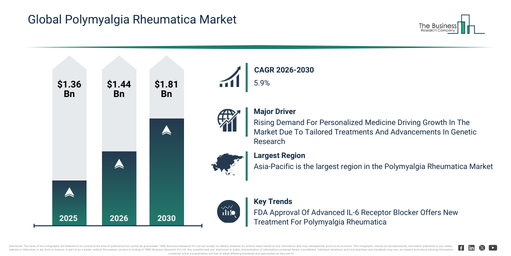
    The market for polymyalgia rheumatica has shown robust expansion over the past few years. Projections indicate it will expand from $1.36 billion in 2025 to reach $1.44 billion by 2026, demonstrating a compound annual growth rate (CAGR) of 6.2%. Historically, this expansion has been driven by factors such as a rising elderly demographic, enhanced clinical understanding of inflammatory conditions, the widespread adoption of corticosteroids as the initial treatment, increasing diagnostic rates among older patients, and the provision of rheumatology care within hospitals.

    The polymyalgia rheumatica market size is projected to observe significant expansion in the coming years. It is forecast to grow to $1.81 billion by 2030, demonstrating a compound annual growth rate (CAGR) of 5.9%. This anticipated growth during the forecast period is largely due to the increasing development of steroid-sparing therapies, escalating research into inflammatory biomarkers, the rising adoption of biologics and targeted drugs, expanding access to specialized medical care, and a growing focus on reducing long-term treatment side effects. Prominent trends expected in this period include the increased uptake of biologic therapies, a heightened focus on early and accurate diagnosis, the growing implementation of long-term corticosteroid management, the expansion of personalized treatment approaches, and enhanced monitoring of disease progression.

    Access Your Free Sample Report for In-Depth Market Insights:

    https://www.thebusinessresearchcompany.com/sample.aspx?id=22103&type=smp

    What Drivers Are Influencing Production Trends In The Polymyalgia Rheumatica Market?

    The increasing demand for personalized medicine is anticipated to propel the expansion of the polymyalgia rheumatica market moving forward. Personalized medicine refers to medical care specifically adapted to an individual’s genetic profile, lifestyle, and unique health conditions to achieve more effective results. The impetus behind the need for personalized medicine stems from breakthroughs in genetic research, rising patient desires for customized therapies, and enhancements in diagnostic technologies. Genetic research has provided a profound understanding of distinct genetic variations, enabling the creation of more tailored treatments aimed at specific genetic markers. This approach helps in selecting drugs most likely to be effective based on the patient’s characteristics, thereby leading to a more efficient and secure treatment strategy. For instance, in February 2024, according to the Personalised Medicine Coalition, a US-based hospital and health care organization, in 2023, the Food and Drug Administration approved 16 new personalized treatments for rare disease patients, which was an increase from six in 2022. Consequently, the advent of personalized medicine is fueling the growth of the polymyalgia rheumatica market.

    Which Segments Are Gaining Traction In The Polymyalgia Rheumatica Market?

    The polymyalgia rheumatica market covered in this report is segmented –

    1) By Treatment: Corticosteroids, Nonsteroidal Anti-Inflammatory Drugs, Disease-Modifying Antirheumatic Drugs, Biologics

    2) By Route Of Administration: Oral, Intravenous, Subcutaneous

    3) By Patient Type: Adult, Geriatric, Elderly Or Aging Population

    4) By Distribution Channel: Hospital Pharmacies, Retail Pharmacies, Online Pharmacies

    Subsegments:

    1) By Corticosteroids: Prednisone, Methylprednisolone, Hydrocortisone, Dexamethasone

    2) By Nonsteroidal Anti-Inflammatory Drugs (NSAIDs): Ibuprofen, Naproxen, Aspirin, Celecoxib

    3) By Disease-Modifying Antirheumatic Drugs (DMARDs): Methotrexate, Leflunomide, Sulfasalazine, Hydroxychloroquine

    4) By Biologics: Tumor Necrosis Factor (TNF) Inhibitors, Interleukin-6 (IL-6) Inhibitors, B-Cell Inhibitors, Janus Kinase (JAK) Inhibitors

    Which Trends Are Shaping Activity Within The Polymyalgia Rheumatica Market?

    Leading firms within the polymyalgia rheumatica market are prioritizing the creation of advanced medications, including interleukin-6 (IL-6) receptor blockers, to offer more precise and potent therapeutic alternatives. These interleukin-6 (IL-6) receptor blockers function as biological agents, working to suppress IL-6, a significant pro-inflammatory cytokine implicated in autoimmune conditions. Their mechanism of action, by inhibiting IL-6, leads to a reduction in inflammation and an alleviation of symptoms, thereby improving the quality of life for individuals suffering from PMR. As an illustration, in February 2023, Regeneron Pharmaceuticals, Inc., a US-based biotechnology firm, together with Sanofi, a France-based healthcare enterprise, disclosed that the Food and Drug Administration (FDA) had granted approval for Kevzara (sarilumab) to treat polymyalgia rheumatica (PMR) in adults who had not adequately responded to corticosteroids or were unable to gradually discontinue their use. Kevzara, notably the inaugural and sole biologic medication sanctioned for this ailment, operates by preventing IL-6-mediated signaling pathways. This approval stemmed from a clinical investigation demonstrating that 28.3% of patients receiving sarilumab attained sustained remission by week 52, in contrast to 10.3% of those on placebo. Kevzara is administered through subcutaneous injection bi-weekly and has also secured approval for the management of moderately to severely active rheumatoid arthritis. Currently, Sanofi’s stock (SNY) trades at $54.13 on the NASDAQ.

    Who Are The Major Companies Operating In The Polymyalgia Rheumatica Market?

    Major companies operating in the polymyalgia rheumatica market are AbbVie Inc., Sanofi S.A., Eli Lilly and Co., Regeneron Pharmaceuticals Inc., Horizon Therapeutics plc, Sparrow Pharmaceuticals Inc., Roche Holding AG, Novartis AG, Pfizer Inc., Bristol Myers Squibb Company, GlaxoSmithKline plc, AstraZeneca plc, Merck & Co. Inc., Janssen Pharmaceuticals Inc., Takeda Pharmaceutical Company Limited, UCB S.A., Amgen Inc., Boehringer Ingelheim, Bayer AG, Teva Pharmaceutical Industries Ltd., Sun Pharmaceutical Industries Ltd., Lupin Limited, Aurobindo Pharma Limited

    Access The Complete Report For Deeper Market Insights:

    https://www.thebusinessresearchcompany.com/report/polymyalgia-rheumatica-global-market-report

    Which Region Is Anticipated To See The Fastest Growth In The Polymyalgia Rheumatica Market?

    Asia-Pacific was the largest region in the polymyalgia rheumatica market in 2025. The regions covered in the polymyalgia rheumatica market report are Asia-Pacific, South East Asia, Western Europe, Eastern Europe, North America, South America, Middle East, Africa.

    Request Your Customized Polymyalgia Rheumatica Market Research Report for Competitive Advantage:

    https://www.thebusinessresearchcompany.com/customise?id=22103&type=smp

    Browse Through More Reports Similar to the Global Polymyalgia Rheumatica Market 2026, By The Business Research Company

    Sciatica Market Report 2026

    https://www.thebusinessresearchcompany.com/report/sciatica-global-market-report

    Fibromyalgia Treatment Market Report 2026

    https://www.thebusinessresearchcompany.com/report/fibromyalgia-treatment-global-market-report

    Esophageal Dysphagia Market Report 2026

    https://www.thebusinessresearchcompany.com/report/esophageal-dysphagia-global-market-report

    Get in touch with us:

    The Business Research Company: https://www.thebusinessresearchcompany.com/

    Americas +1 310-496-7795

    Asia +44 7882 955267 & +91 8897263534

    Europe +44 7882 955267

    Email us at info@tbrc.info

    Follow us on:

    LinkedIn: https://in.linkedin.com/company/the-business-research-company

    YouTube: https://www.youtube.com/channel/UC24_fI0rV8cR5DxlCpgmyFQ

    Global Market Model: https://www.thebusinessresearchcompany.com/global-market-model
  • Polymerase Chain Reaction Molecular Diagnostics Market Trends and Insights: Global Forecast to 2030

    Polymerase Chain Reaction Molecular Diagnostics Market Trends and Insights: Global Forecast to 2030

    Uncover key drivers, emerging technologies, and competitive movements shaping the polymerase chain reaction molecular diagnostics market from 2026–2035 with trusted insights from The Business Research Company

    What is the expected shift in the Polymerase Chain Reaction Molecular Diagnostics Market’s size between 2026 and 2030?

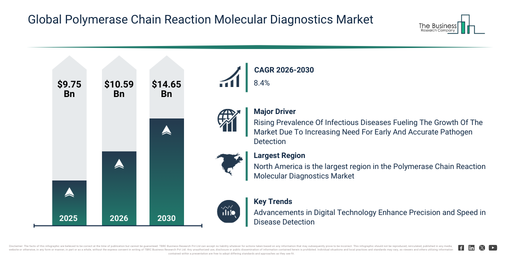
    The polymerase chain reaction molecular diagnostics market has shown robust growth in its size during recent years. Projections indicate it will expand from $9.75 billion in 2025 to $10.59 billion in 2026, with a compound annual growth rate (CAGR) of 8.7%. Its growth during the historical period stems from factors like the expansion of hospital-based molecular diagnostics, the increasing prevalence of infectious diseases, the availability of standardized pcr diagnostic kits, the growth of centralized diagnostic laboratories, and regulatory approvals for molecular tests.

    The market for polymerase chain reaction molecular diagnostics is projected to experience robust expansion in the coming years. This market is anticipated to reach a valuation of $14.65 billion by 2030, exhibiting a compound annual growth rate (CAGR) of 8.4%. The predicted growth during this period stems from several factors, including the rising acceptance of point-of-care molecular diagnostics, increased funding for personalized medicine, the broadening of genomic testing initiatives, a greater need for decentralized diagnostics, and the enhanced incorporation of digital health platforms. Key trends expected within the forecast period involve a greater application of pcr in detecting infectious diseases, an escalating requirement for high-sensitivity molecular diagnostics, the broadening scope of pcr-based oncology examinations, the increasing incorporation of automated diagnostic systems, and a heightened emphasis on tests with swift results.

    Access Your Free Sample Report for In-Depth Market Insights:

    https://www.thebusinessresearchcompany.com/sample.aspx?id=24383&type=smp

    Which Drivers Are Shaping Strategic Decisions In The Polymerase Chain Reaction Molecular Diagnostics Market?

    The polymerase chain reaction molecular diagnostics market is anticipated to expand due to the increasing prevalence of infectious diseases. These illnesses are caused by detrimental microorganisms like bacteria, viruses, fungi, or parasites, which can be transmitted directly or indirectly between individuals. The rise in infectious disease cases is attributed to the emergence of antibiotic-resistant pathogens, which are more challenging to treat and control, leading to prolonged sickness, increased healthcare expenses, and greater public health risks. Polymerase chain reaction (PCR) molecular diagnostics enhance the management of infectious diseases by offering rapid and accurate detection of pathogens at the genetic level, thus facilitating early diagnosis and targeted treatment. This improves healthcare outcomes by enabling timely interventions, reducing infection transmission, and optimizing patient care. For instance, the Centers for Disease Control and Prevention, a US-based government agency, indicated in April 2025 that 2,214 new cases of acute hepatitis B were reported in 2023, with an additional 1,769 hepatitis B-related deaths reported during the same year. Consequently, the rising prevalence of infectious diseases is a key factor driving the growth of the polymerase chain reaction molecular diagnostics market.

    What Segment Categories Are Covered In The Polymerase Chain Reaction Molecular Diagnostics Market?

    The polymerase chain reaction molecular diagnostics market covered in this report is segmented –

    1) By Product Type: Instrument, Reagents And Consumables, Software

    2) By Technology: Real-Time Polymerase Chain Reaction, Digital Polymerase Chain Reaction, Conventional Polymerase Chain Reaction

    3) By Sample Type: Blood Samples, Saliva Samples, Tissue Samples, Urine Samples

    4) By Application: Infectious Disease Testing, Oncology Testing, Other Applications

    5) By End-User: Hospitals, Diagnostic Laboratories, Other End Users

    Subsegments:

    1) By Instrument: Standard Polymerase Chain Reaction Systems, Digital Polymerase Chain Reaction Systems, Real-Time Polymerase Chain Reaction Systems

    2) By Reagents And Consumables: Polymerase Chain Reaction Kits, Polymerase Chain Reaction Enzymes, Polymerase Chain Reaction Primers and Probes, Polymerase Chain Reaction Master Mix

    3) By Software: Polymerase Chain Reaction Analysis Software, Data Management Software

    Which Trends Are Influencing The Development Of The Polymerase Chain Reaction Molecular Diagnostics Market?

    Leading firms within the polymerase chain reaction molecular diagnostics market are prioritizing the creation of advanced technological solutions, including benchtop instruments, to improve both the effectiveness and availability of testing. Benchtop instruments are defined as compact, laboratory-quality devices designed to be small enough for placement on a workbench or table, serving purposes in scientific, medical, or industrial testing and analysis. An example is QIAGEN N.V., a biotechnology company based in Germany, which introduced the QIAcuityDx Digital PCR System in September 2024, intended for clinical oncology testing. This system boasts fully automated, hands-off processing, consolidating partitioning, thermocycling, and imaging functions into one device. It provides absolute quantification of deoxyribonucleic acid and ribonucleic acid, yielding results in approximately two hours with very little manual intervention. Furthermore, the system accommodates up to five detection channels for multiplexing and supports continuous nanoplate loading. It provides both validated and customizable research modes, thereby offering versatility for various clinical and laboratory requirements.

    Which Major Firms Are Strengthening Their Position In The Polymerase Chain Reaction Molecular Diagnostics Market?

    Major companies operating in the polymerase chain reaction molecular diagnostics market are F Hoffmann La Roche AG, Thermo Fisher Scientific Inc., Abbott Laboratories, Danaher Corporation, Becton Dickinson and Company, Agilent Technologies Inc., Illumina Inc., bioMereieux SA, Sysmex Corporation, Bio Rad Laboratories Inc., QuidelOrtho Corporation, PerkinElmer, Eppendorf AG, Tecan Group, Takara Bio Inc., Biocartis NV, Zymo Research Corporation, QIAGEN N.V., Cepheid Inc., Meridian Bioscience Inc., LGC Biosearch Technologies, Analytik Jena AG, Promega Corporation, BGI Genomics Co. Ltd.

    Access The Complete Report For Deeper Market Insights:

    https://www.thebusinessresearchcompany.com/report/polymerase-chain-reaction-molecular-diagnostics-global-market-report

    Which Region Is Anticipated To See The Fastest Growth In The Polymerase Chain Reaction Molecular Diagnostics Market?

    North America was the largest region in the polymerase chain reaction molecular diagnostics market in 2025. Asia-Pacific is expected to be the fastest-growing region in the forecast period. The regions covered in the polymerase chain reaction molecular diagnostics market report are Asia-Pacific, South East Asia, Western Europe, Eastern Europe, North America, South America, Middle East, Africa.

    Request Your Customized Polymerase Chain Reaction Molecular Diagnostics Market Research Report for Competitive Advantage:

    https://www.thebusinessresearchcompany.com/customise?id=24383&type=smp

    Browse Through More Reports Similar to the Global Polymerase Chain Reaction Molecular Diagnostics Market 2026, By The Business Research Company

    In Vitro Diagnostics Enzymes Market Report 2026

    https://www.thebusinessresearchcompany.com/report/in-vitro-diagnostics-enzymes-global-market-report

    Polymerase Chain Reaction Pcr Technologies Market Report 2026

    https://www.thebusinessresearchcompany.com/report/polymerase-chain-reaction-pcr-technologies-global-market-report

    Dna Diagnostics Market Report 2026

    https://www.thebusinessresearchcompany.com/report/dna-diagnostics-global-market-report

    Get in touch with us:

    The Business Research Company: https://www.thebusinessresearchcompany.com/

    Americas +1 310-496-7795

    Asia +44 7882 955267 & +91 8897263534

    Europe +44 7882 955267

    Email us at info@tbrc.info

    Follow us on:

    LinkedIn: https://in.linkedin.com/company/the-business-research-company

    YouTube: https://www.youtube.com/channel/UC24_fI0rV8cR5DxlCpgmyFQ

    Global Market Model: https://www.thebusinessresearchcompany.com/global-market-model

  • Global Polymerase Chain Reaction (PCR) Technologies Market Report 2026–2030: Data-Driven Growth Insights

    Global Polymerase Chain Reaction (PCR) Technologies Market Report 2026–2030: Data-Driven Growth Insights

    Uncover key drivers, emerging technologies, and competitive movements shaping the polymerase chain reaction (pcr) technologies market from 2026–2035 with trusted insights from The Business Research Company

    What growth pattern is forecast for the Polymerase Chain Reaction (PCR) Technologies Market size between 2026 and 2035?

    The polymerase chain reaction (pcr) technologies market size has seen swift expansion in recent years. This market is projected to reach $18.18 billion in 2026, up from $16.23 billion in 2025, reflecting a compound annual growth rate (CAGR) of 12.0%. Historically, this growth was influenced by increasing molecular biology research activities, an uptick in infectious disease diagnostics, the provision of advanced pcr reagents and consumables, an increase in biotech research funding, and enhancements in laboratory automation.

    The polymerase chain reaction (pcr) technologies market size is expected to experience substantial expansion in the coming years. It is projected to achieve a valuation of $26.8 billion by 2030, demonstrating a compound annual growth rate (CAGR) of 10.2%. The impetus for this growth throughout the forecast period arises from factors such as increasing investment in next-generation pcr technologies, a rising demand for decentralized diagnostics, the expansion of environmental and food testing applications, the growing adoption of AI-enabled pcr analysis, and an increased focus on high-sensitivity molecular assays. Significant trends anticipated in this period encompass the growing adoption of advanced pcr platforms, a rising demand for integrated pcr software solutions, the expansion of point-of-care pcr applications, the increasing use of digital pcr technologies, and enhanced automation of pcr workflows.

    Access Your Free Sample Report for In-Depth Market Insights:

    https://www.thebusinessresearchcompany.com/sample.aspx?id=15639&type=smp

    Which Drivers Are Impacting Market Performance In The Polymerase Chain Reaction (PCR) Technologies Market?

    The rising occurrence of infectious diseases is projected to drive the expansion of the PCR technologies market in the future. These diseases are defined as ailments resulting from pathogenic microorganisms such as bacteria, viruses, parasites, or fungi, capable of transmitting between individuals either directly or indirectly. The increasing incidence of infectious diseases underscores the escalating challenges from pathogens, possibly influenced by aspects like globalization, urbanization, antimicrobial resistance, and shifts in the environment. PCR technologies play a role in reducing the spread of infectious diseases by identifying and multiplying specific genetic material from pathogens, thus assisting in their precise and sensitive identification and diagnosis. As an illustration, in 2025, the World Health Organization (WHO), a Switzerland-based specialized agency of the United Nations dedicated to international public health, estimated that 10.7 million individuals globally contracted TB in 2024, representing 131 incident cases per 100,000 population. Consequently, the growing occurrence of infectious diseases is stimulating the PCR technologies market.

    Which Segments Are Contributing To The Growth Of The Polymerase Chain Reaction (PCR) Technologies Market?

    The polymerase chain reaction (pcr) technologies market covered in this report is segmented –

    1) By Product: Reagents And Consumables, Instruments, Software, Services

    2) By Technology: Real-Time Polymerase Chain Reaction, Conventional Polymerase Chain Reaction, Reverse Transcription Polymerase Chain Reaction, Digital Polymerase Chain Reaction, Multiplex Real-Time (RT) Polymerase Chain Reaction, Hot Start Polymerase Chain Reaction, Other Technologies

    3) By Application: Gene Expression Analysis, Genetic Sequencing, Genotyping, Nucleic Acid Synthesis, Standard Validation, Point Of Care Diagnostics, Environmental Application, Other Applications

    4) By End Users: Hospitals And Diagnostic Centers, Research Laboratories And Academic Institutes, Pharmaceutical And Biotechnology Companies, Other End Users

    Subsegments:

    1) By Reagents And Consumables: PCR Master Mixes, Primers And Probes, Dna Or Rna Extraction Kits, PCR Enzymes, Buffers And Solutions, PCR Plates, Tubes, And Strips, Nucleotides

    2) By Instruments: PCR Machines (Thermal Cyclers), Real-Time PCR Systems (QPCR Systems), Digital PCR Systems, Automated PCR Platforms, Gel Electrophoresis Systems, PCR Workstations

    3) By Software: PCR Data Analysis Software, Real-Time PCR Software, Digital PCR Software, Sequence Analysis Software, Multiplex PCR Software, Laboratory Information Management Systems (Lims) For PCR

    4) By Services: PCR Testing Services, Custom PCR Primer Design Services, PCR Training And Consultation Services, PCR Sample Analysis Services, PCR-based Diagnostic Services, Technical Support And Maintenance Services For PCR Equipment

    What Trends Are Expected To Impact The Competitive Landscape Of The Polymerase Chain Reaction (PCR) Technologies Market?

    Leading companies in the PCR technologies market are focused on developing sophisticated technological solutions, such as next-generation quantitative polymerase chain reaction (qPCR) technologies, to enhance accuracy, sensitivity, and efficiency in molecular diagnostics. Quantitative polymerase chain reaction (qPCR) technology quantifies specific DNA sequences in samples, providing real-time monitoring and amplification, making it invaluable across scientific and medical disciplines. For instance, in November 2023, F. Hoffmann-La Roche AG, a Switzerland-based biotechnology company, launched the LightCycler PRO System. This new qPCR (quantitative polymerase chain reaction) system is designed to advance clinical needs in molecular diagnostics and address public health challenges. The system aims to be the most advanced qPCR technology for both clinical diagnostics and research, offering improved performance and usability while bridging the gap between translational research and in vitro diagnostics. It employs gold-standard technology, ensuring quality, precision, and reliability crucial for precise patient diagnosis and informed clinical decisions.

    Who Are The Primary Competitors In The Global Polymerase Chain Reaction (PCR) Technologies Market?

    Major companies operating in the polymerase chain reaction (pcr) technologies market are F Hoffmann La Roche Ltd., Thermo Fisher Scientific Inc., Abbott Laboratories, Danaher Corporation, Siemens Healthineers AG, Becton Dickinson and Company, GE Healthcare Technologies LLC, Eurofins Scientific SE, Agilent Technologies Inc., Illumina Inc., PerkinElmer Inc., bioMérieux SA, Beckman Coulter Inc., Sysmex Corporation, Bio Rad Laboratories Inc., QIAGEN N.V., BGI Genomics Co. Ltd., Cepheid, Takara Bio Inc., Promega Corporation, Analytik Jena AG, LGC Biosearch Technologies, Meridian Bioscience Inc., Canon Medical Systems Corporation, Eppendorf AG

    Access The Complete Report For Deeper Market Insights:

    https://www.thebusinessresearchcompany.com/report/polymerase-chain-reaction-pcr-technologies-global-market-report

    Which Global Regions Are Shaping The Competitive Landscape Of The Polymerase Chain Reaction (PCR) Technologies Market?

    North America was the largest region in the PCR technologies market in 2025. Asia-Pacific is expected to be the fastest-growing region in the forecast period. The regions covered in the polymerase chain reaction (pcr) technologies market report are Asia-Pacific, South East Asia, Western Europe, Eastern Europe, North America, South America, Middle East, Africa.

    Request Your Customized Polymerase Chain Reaction (PCR) Technologies Market Research Report for Competitive Advantage:

    https://www.thebusinessresearchcompany.com/customise?id=15639&type=smp

    Browse Through More Reports Similar to the Global Polymerase Chain Reaction (PCR) Technologies Market 2026, By The Business Research Company

    Poly Adp Ribose Polymerase Parp Inhibitor Market Report 2026

    https://www.thebusinessresearchcompany.com/report/poly-adp-ribose-polymerase-parp-inhibitor-global-market-report

    Polymerase Chain Reaction Pcr Market Report 2026

    https://www.thebusinessresearchcompany.com/report/polymerase-chain-reaction-pcr-global-market-report

    Multiplex Pcr Assays Market Report 2026

    https://www.thebusinessresearchcompany.com/report/multiplex-pcr-assays-global-market-report

    Get in touch with us:

    The Business Research Company: https://www.thebusinessresearchcompany.com/

    Americas +1 310-496-7795

    Asia +44 7882 955267 & +91 8897263534

    Europe +44 7882 955267

    Email us at info@tbrc.info

    Follow us on:

    LinkedIn: https://in.linkedin.com/company/the-business-research-company

    YouTube: https://www.youtube.com/channel/UC24_fI0rV8cR5DxlCpgmyFQ

    Global Market Model: https://www.thebusinessresearchcompany.com/global-market-model

  • Polymerase Chain Reaction (PCR) Market Dynamics 2026: Future Outlook and Key Insights

    Polymerase Chain Reaction (PCR) Market Dynamics 2026: Future Outlook and Key Insights

    Uncover key drivers, emerging technologies, and competitive movements shaping the polymerase chain reaction (pcr) market from 2026–2035 with trusted insights from The Business Research Company

    How much larger will the Polymerase Chain Reaction (PCR) Market be in 2030 compared with 2026?

    The polymerase chain reaction (pcr) market size has experienced rapid growth in recent years. It is projected to expand from $12.57 billion in 2025 to $13.91 billion in 2026, at a compound annual growth rate (CAGR) of 10.6%. The historical growth can be attributed to factors such as the increasing application of molecular diagnostics in infectious diseases, the expansion of clinical laboratory infrastructure, progress in thermal cycler technology, a rising need for accurate genetic testing, and the growth in academic research endeavors.

    The polymerase chain reaction (pcr) market is anticipated to show robust growth in the coming years. It is projected to expand to $19.62 billion by 2030, demonstrating a compound annual growth rate (CAGR) of 9.0%. This growth throughout the forecast period can be attributed to the rising acceptance of point-of-care pcr testing, increased investment in precision diagnostics, the broadening of decentralized laboratory testing, the expanding application of digital pcr for detecting rare mutations, and a heightened emphasis on rapid diagnostic turnaround times. Significant trends for this period include the wider adoption of real-time and digital pcr, a growing demand for high-throughput pcr testing, increased utilization of pcr in oncology diagnostics, the rising integration of automated pcr systems, and an enhanced focus on multiplex pcr assays.

    Access Your Free Sample Report for In-Depth Market Insights:

    https://www.thebusinessresearchcompany.com/sample.aspx?id=15638&type=smp

    What Drivers Are Guiding Growth Patterns In The Polymerase Chain Reaction (PCR) Market?

    The future expansion of the polymerase chain reaction (PCR) market is anticipated to be driven by the increasing need for personalized medicine. Personalized medicine, also known as precision medicine, describes a medical strategy where healthcare choices, methods, interventions, and treatments are customized to the distinct characteristics of every patient. This demand for personalized medicine is growing because of progress in data analytics, unique patient treatment outcomes, and the capacity to adapt therapies according to a person’s genetic makeup. Polymerase Chain Reaction (PCR) supports personalized medicine by facilitating the multiplication and examination of particular genetic sequences, which enables medical professionals to devise treatment strategies based on a patient’s unique genetic profiles. As an illustration, the Personalized Medicine Coalition, a U.S.-based advocacy organization for customized medical therapies, reported in February 2024 that the FDA cleared 16 new personalized treatments for rare disease patients in 2023, an increase from six in 2022. Consequently, the expanding requirement for personalized medicine is propelling the development of the polymerase chain reaction market.

    How Is The Polymerase Chain Reaction (PCR) Market Divided Into Segments?

    The polymerase chain reaction (pcr) market covered in this report is segmented –

    1) By Type: Conventional Polymerase Chain Reaction, Other Types

    2) By Indication: Infectious Diseases, Oncology, Genetic Disorders, Other Indications

    3) By Application: Medical, Non-Medical

    4) By End User: Hospitals And Clinics, Pharmaceutical And Biotechnology Industries, Diagnostic Centers, Academic And Research Organization

    Subsegments:

    1) By Conventional Polymerase Chain Reaction: Endpoint Pcr, Gel Electrophoresis-Based Pcr, Reverse Transcription Pcr (Rt-Pcr), Quantitative Pcr (Qpcr) For Gene Expression, Nested Pcr

    2) By Other Types: Real-Time Pcr (Qpcr) (Quantitative Pcr), Digital Pcr (Dpcr), Multiplex Pcr, Reverse Transcription-Quantitative Pcr (Rt-Qpcr), Isothermal Amplification (Lamp), Next-Generation Pcr (Ngs-Based Pcr Techniques), High-Throughput Pcr

    Which Trends Are Guiding The Evolution Of The Polymerase Chain Reaction (PCR) Market?

    Leading companies in the polymerase chain reaction (PCR) market are focusing on developing technological improvements, such as real-time and digital PCR platforms, to satisfy the growing demand for rapid diagnostics, personalized medicine, and high-throughput genetic testing. A real-time PCR (qPCR) system combines precise thermal cycling, fluorescent detection, and sophisticated software to quantify DNA/RNA levels, yielding more accurate and faster results compared to traditional end-point PCR, which only indicates the presence or absence of a target sequence. For instance, in November 2023, Roche, a Switzerland-based diagnostics firm, launched the LightCycler PRO System, a next-generation qPCR system designed for both clinical diagnostics and research purposes. This system features improved temperature uniformity, enhanced software algorithms, and a user-friendly interface, enabling laboratories to perform high-quality assays, develop custom tests, or use modular IVD research assays, thereby boosting flexibility, throughput, and accuracy in nucleic acid testing.

    Which Key Market Players Are Investing In Expansion And Innovation Within The Polymerase Chain Reaction (PCR) Market?

    Major companies operating in the polymerase chain reaction (pcr) market are F Hoffmann La Roche Ltd., Thermo Fisher Scientific Inc., Abbott Laboratories, Danaher Corporation, Siemens Healthineers GmbH, Becton Dickinson and Company, GE HealthCare Technologies Inc, Eurofins Scientific, Agilent Technologies Inc., Illumina Inc., PerkinElmer Inc., bioMérieux SA, Beckman Coulter Inc, Sysmex Corporation, Bio Rad Laboratories Inc., Qiagen N.V., BGI Genomics Co. Ltd., Cepheid, Biocartis SA, Centogene N.V., Takara Bio Inc., LGC Biosearch Technologies, Analytik Jena AG, Promega Corporation, Meridian Bioscience Inc.

    Access The Complete Report For Deeper Market Insights:

    https://www.thebusinessresearchcompany.com/report/polymerase-chain-reaction-pcr-global-market-report

    Which Regions Are Poised For Strategic Growth In The Polymerase Chain Reaction (PCR) Market?

    North America was the largest region in the polymerase chain reaction (PCR) market in 2025. Asia-Pacific is expected to be the fastest-growing region in the forecast period. The regions covered in the polymerase chain reaction (pcr) market report are Asia-Pacific, South East Asia, Western Europe, Eastern Europe, North America, South America, Middle East, Africa.

    Request Your Customized Polymerase Chain Reaction (PCR) Market Research Report for Competitive Advantage:

    https://www.thebusinessresearchcompany.com/customise?id=15638&type=smp

    Browse Through More Reports Similar to the Global Polymerase Chain Reaction (PCR) Market 2026, By The Business Research Company

    Poly Adp Ribose Polymerase Parp Inhibitor Market Report 2026

    https://www.thebusinessresearchcompany.com/report/poly-adp-ribose-polymerase-parp-inhibitor-global-market-report

    Polymerase Chain Reaction Pcr Technologies Market Report 2026

    https://www.thebusinessresearchcompany.com/report/polymerase-chain-reaction-pcr-technologies-global-market-report

    Multiplex Pcr Assays Market Report 2026

    https://www.thebusinessresearchcompany.com/report/multiplex-pcr-assays-global-market-report

    Get in touch with us:

    The Business Research Company: https://www.thebusinessresearchcompany.com/

    Americas +1 310-496-7795

    Asia +44 7882 955267 & +91 8897263534

    Europe +44 7882 955267

    Email us at info@tbrc.info

    Follow us on:

    LinkedIn: https://in.linkedin.com/company/the-business-research-company

    YouTube: https://www.youtube.com/channel/UC24_fI0rV8cR5DxlCpgmyFQ

    Global Market Model: https://www.thebusinessresearchcompany.com/global-market-model
  • Polygenic Risk Score Services Market Research: Growth Projections and Trends 2030

    Polygenic Risk Score Services Market Research: Growth Projections and Trends 2030

    Uncover key drivers, emerging technologies, and competitive movements shaping the polygenic risk score services market from 2026–2035 with trusted insights from The Business Research Company

    Starting from its 2026 valuation, what market size is the Polygenic Risk Score Services Market expected to reach by 2030?

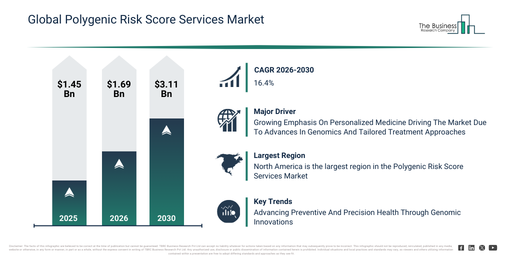
    The polygenic risk score services market has observed rapid expansion in recent years. It is projected to grow from $1.45 billion in 2025 to $1.69 billion in 2026, exhibiting a compound annual growth rate (CAGR) of 16.7%. The market’s historical growth can be linked to the increase in large-scale genotyping studies, greater access to genomic databases, the expansion of preventive healthcare programs, a rising focus on genetic risk assessment, and advancements in statistical genetics methods.

    The polygenic risk score services market is set for substantial expansion in the coming years, with projections indicating it will reach $3.11 billion by 2030, maintaining a compound annual growth rate (CAGR) of 16.4%. This anticipated growth stems from factors such as the increasing clinical application of risk stratification tools, the growing integration of polygenic risk scores (PRS) into personalized medicine, the expansion of preventive genomics programs, a rising demand for interoperable genetic data platforms, and enhanced regulatory clarity for genetic services. Significant trends expected during this forecast period include the wider adoption of polygenic risk prediction algorithms, a greater integration of PRS with clinical decision-making tools, an escalating need for population-specific risk models, the broadening of direct-to-consumer genetic risk services, and an intensified focus on data security and privacy.

    Access Your Free Sample Report for In-Depth Market Insights:

    https://www.thebusinessresearchcompany.com/sample.aspx?id=28302&type=smp

    What Drivers Are Driving Adoption Within The Polygenic Risk Score Services Market?

    The increasing focus on personalized medicine is anticipated to propel the growth of the polygenic risk score (PRS) services market in the future. This healthcare approach involves customizing prevention, diagnosis, and treatment based on an individual’s unique genetic makeup, environmental influences, and lifestyle choices. Its rise is attributed to advancements in genomics, which offer enhanced understanding of individual genetic variations, thereby enabling more accurate and focused therapeutic approaches. The polygenic risk score services market plays a crucial role in this trend by examining numerous genetic variants to assess disease risk, empowering clinicians to develop tailored prevention strategies, implement early interventions, and create customized treatment plans specific to each patient’s genetic profile. As an illustration, in February 2024, the Personalized Medicine Coalition, a US-based nonprofit organization, reported that the FDA approved 16 new personalized treatments for rare disease patients in 2023, which was an increase from six approvals in 2022, in addition to seven personalized cancer drugs and three treatments for other conditions. Consequently, the heightened emphasis on personalized medicine is stimulating the growth of the polygenic risk score services market.

    What Segments Are Included Within The Polygenic Risk Score Services Market?

    The polygenic risk score services market covered in this report is segmented –

    1) By Service Type: Genotyping, Sequencing, Data Analysis, Reporting, Other Service Types

    2) By Application: Disease Risk Assessment, Personalized Medicine, Research, Other Applications

    3) By End-User: Hospitals And Clinics, Research Institutes, Direct-to-Consumer, Other End-Users

    Subsegments:

    1) By Genotyping: Array-Based Genotyping, Targeted Genotyping, High-Throughput Genotyping

    2) By Sequencing: Whole Genome Sequencing (Wgs), Whole Exome Sequencing (Wes), Targeted Sequencing

    3) By Data Analysis: Polygenic Risk Prediction Algorithms, Bioinformatics And Statistical Analysis, Data Integration With Electronic Health Records (Ehr)

    4) By Reporting: Clinical Reports For Healthcare Providers, Direct-To-Consumer (Dtc) Reports, Risk Stratification Reports (Disease-Specific)

    5) By Other Service Types: Genetic Counseling Services, Data Storage And Cloud-Based Platforms, Prs Software And Toolkits

    What Trends Are Projected To Support The Growth Of The Polygenic Risk Score Services Market?

    Leading companies operating in the polygenic risk score services market are focusing on developing innovative solutions like pharmacogenomics to enhance personalized treatment strategies and improve patient outcomes. Pharmacogenomics refers to the study of how an individual’s genetic makeup influences their response to drugs, enabling more precise and personalized treatment. For instance, in July 2025, Bupa, a UK-based health insurance company, launched a new suite of DNA-based tests to support personalized health and wellness insights. This suite offers personalized insights on medication response and disease risk, enabling earlier detection and tailored treatment for conditions such as cancer, diabetes, and heart disease. These tests help prevent side effects, improve long-term health outcomes, and empower individuals to take proactive steps for themselves and their families. The purpose is to shift healthcare from reactive treatment to preventive, precision health management.

    Who Are The Core Companies Influencing Trends In The Polygenic Risk Score Services Market?

    Major companies operating in the polygenic risk score services market are Thermo Fisher Scientific Inc., Laboratory Corporation of America Holdings, Illumina Inc., Endeavor Health Inc., Myriad Genetics Inc., The Broad Institute of MIT and Harvard, BGI Group, Invitae Corporation, 23andMe Holding Co., Color Health Inc., Genomics Ltd., Cogentech S.R.L., Gene by Gene Ltd., Our Future Health Ltd., Mapmygenome India Limited, Australian Genome Research Facility (AGRF) Ltd., Golden Helix Inc., Allelica Inc., Antegenes OÜ, GeninCode Plc

    Access The Complete Report For Deeper Market Insights:

    https://www.thebusinessresearchcompany.com/report/polygenic-risk-score-services-global-market-report

    Which Regions Are Projected To Dominate The Polygenic Risk Score Services Market In The Coming Years?

    North America was the largest region in the polygenic risk score services market in 2025. Asia-Pacific is expected to be the fastest-growing region in the forecast period. The regions covered in the polygenic risk score services market report are Asia-Pacific, South East Asia, Western Europe, Eastern Europe, North America, South America, Middle East, Africa.

    Request Your Customized Polygenic Risk Score Services Market Research Report for Competitive Advantage:

    https://www.thebusinessresearchcompany.com/customise?id=28302&type=smp

    Browse Through More Reports Similar to the Global Polygenic Risk Score Services Market 2026, By The Business Research Company

    Integrated Risk Management Software Market Report 2026

    https://www.thebusinessresearchcompany.com/report/integrated-risk-management-software-global-market-report

    Genetic Testing Services Market Report 2026

    https://www.thebusinessresearchcompany.com/report/genetic-testing-services-global-market-report

    Risk Management Software Market Report 2026

    https://www.thebusinessresearchcompany.com/report/risk-management-software-global-market-report

    Get in touch with us:

    The Business Research Company: https://www.thebusinessresearchcompany.com/

    Americas +1 310-496-7795

    Asia +44 7882 955267 & +91 8897263534

    Europe +44 7882 955267

    Email us at info@tbrc.info

    Follow us on:

    LinkedIn: https://in.linkedin.com/company/the-business-research-company

    YouTube: https://www.youtube.com/channel/UC24_fI0rV8cR5DxlCpgmyFQ

    Global Market Model: https://www.thebusinessresearchcompany.com/global-market-model
  • Global Polycystic Ovarian Syndrome Treatment Industry Insights: Key Trends and Growth Estimates

    Global Polycystic Ovarian Syndrome Treatment Industry Insights: Key Trends and Growth Estimates

    Uncover key drivers, emerging technologies, and competitive movements shaping the polycystic ovarian syndrome treatment market from 2026–2035 with trusted insights from The Business Research Company

    Across 2026–2030, what is the expected market valuation path of the Polycystic Ovarian Syndrome Treatment Market?

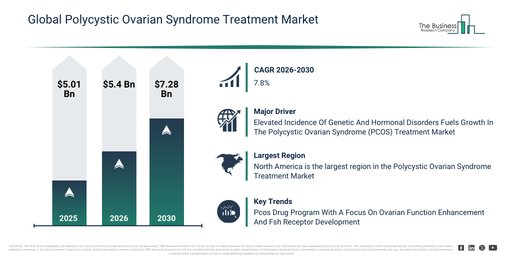
    The polycystic ovarian syndrome treatment market has experienced robust expansion in recent years. This sector is projected to grow from $5.01 billion in 2025 to $5.4 billion in 2026, demonstrating a compound annual growth rate (CAGR) of 7.7%. The historical growth can be ascribed to factors such as the increasing prevalence of hormonal disorders among women, improved diagnostic awareness of PCOS, the availability of oral contraceptive therapies, the expansion of gynecology care services, and a rising focus on fertility treatments.

    The polycystic ovarian syndrome treatment market size is anticipated to undergo substantial expansion in the coming years. It is forecast to achieve a valuation of $7.28 billion by 2030, exhibiting a compound annual growth rate (CAGR) of 7.8%. This growth during the forecast period is propelled by factors such as an escalating demand for personalized PCOS treatment plans, the increasing uptake of insulin-sensitizing agents, the expansion of minimally invasive surgical interventions, a heightened focus on long-term metabolic health management, and augmented research into novel hormonal therapies. Significant developments expected during this timeframe include the rising utilization of combination drug therapies, the growing acceptance of lifestyle-integrated treatment approaches, an increased emphasis on early diagnosis and screening, the broadening application of hormonal regulation therapies, and enhanced patient awareness leading to improved treatment adherence.

    Access Your Free Sample Report for In-Depth Market Insights:

    https://www.thebusinessresearchcompany.com/sample.aspx?id=2827&type=smp

    Which Drivers Are Supporting The Rise Of The Polycystic Ovarian Syndrome Treatment Market?

    A key factor propelling the expansion of the polycystic ovarian syndrome (PCOS) treatment market is the worldwide increase in genetic and hormonal disorders. PCOS, a common hormonal condition among premenopausal women globally, involves reproductive, endocrine, and metabolic irregularities. For example, Public Health Wales, a UK-based national public health agency, indicated in November 2024 that in 2023, congenital anomalies in babies born in Wales remained steady at 4.8% of all births. Furthermore, more than 380 rare childhood diseases are classified by their cause, with cystic fibrosis being the most reported genetic condition, showing 330 cases, which corresponds to a prevalence of 3.93 per 10,000 live births. Therefore, the global rise in genetic and hormonal disorders is projected to boost the growth of the polycystic ovarian syndrome treatment market.

    What Leading Segments Are Studied In The Polycystic Ovarian Syndrome Treatment Market?

    The polycystic ovarian syndrome treatment market covered in this report is segmented –

    1) By Drug Type: Oral Contraceptives, Ornithine Decarboxylase Inhibitors, Insulin-Sensitizing Agents, Anti-Depressants, Diuretics, Aromatase Inhibitors

    2) By Surgery Type: Ovarian Wedge Resection, Laparoscopic Ovarian Drilling

    3) By End User: Hospitals And Clinics, Ambulatory Surgical Centers, Diagnostic Centers, Gynecology Centers, Reproductive Health And Fertility Clinics

    Subsegments:

    1) By Oral Contraceptives: Combined Oral Contraceptives (COCs), Progestin-Only Pills

    2) By Ornithine Decarboxylase Inhibitors: Drugs Targeting Ovarian Androgen Production, Inhibitors Targeting Polyamine Synthesis

    3) By Insulin-Sensitizing Agents: Metformin, Thiazolidinediones (TZDs)

    4) By Anti-Depressants: Selective Serotonin Reuptake Inhibitors (SSRIs), Serotonin-Norepinephrine Reuptake Inhibitors (SNRIs)

    5) By Diuretics: Spironolactone, Furosemide

    6) By Aromatase Inhibitors: Letrozole, Anastrozole

    Which Trends Are Influencing The Performance And Direction Of The Polycystic Ovarian Syndrome Treatment Market?

    Leading companies involved in polycystic ovarian syndrome treatment are implementing novel programs, such as the PCOS Drug Program, to enhance their market profitability. This PCOS Drug Program functions as a treatment approach that merges lifestyle adjustments with prescribed medications to manage the manifestations of Polycystic Ovary Syndrome. For example, Celmatix Inc., a US-based biotech firm, introduced the PCOS Drug Program in April 2023. The program’s core aim is to improve ovarian function by targeting the fundamental cause of all PCOS symptoms. Through its latest drug initiative, Celmatix’s PCOS medication program has uncovered promising initial findings striving to develop the very first oral FSH receptor.

    Which Major Industry Participants Are Leading The Polycystic Ovarian Syndrome Treatment Market Growth?

    Major companies operating in the polycystic ovarian syndrome treatment market are Bristol-Myer Squibb Co, Bayer AG, Pfizer Inc., Merck KGaA, Sanofi SA, AstraZeneca PLC, Novartis AG, Teva Pharmaceutical Industries Limited, Abbott Laboratories, Allergan plc, Johnson and Johnson, Ferring Pharmaceuticals Inc., Takeda Pharmaceutical Company Limited, Organon & Co, Forendo Pharma Ltd., GlaxoSmithKline plc, AbbVie Inc., Eli Lilly and Company, Mylan NV, Lupin Pharmaceuticals Inc., HRA Pharma SAS, CooperSurgical Inc., TherapeuticsMD Inc., Agile Therapeutics Inc., Aurobindo Pharma Limited, Sun Pharmaceutical Industries Ltd., Zydus Cadila Healthcare Limited, Glenmark Pharmaceuticals Limited

    Access The Complete Report For Deeper Market Insights:

    https://www.thebusinessresearchcompany.com/report/polycystic-ovarian-syndrome-treatment-global-market-report

    Which Region Is Expected To Experience The Fastest Growth In The Polycystic Ovarian Syndrome Treatment Market?

    North America was the largest region in the polycystic ovarian syndrome treatment market in 2025. Western Europe was the second largest region in the polycystic ovarian syndrome treatment market. The regions covered in the polycystic ovarian syndrome treatment market report are Asia-Pacific, South East Asia, Western Europe, Eastern Europe, North America, South America, Middle East, Africa.

    Request Your Customized Polycystic Ovarian Syndrome Treatment Market Research Report for Competitive Advantage:

    https://www.thebusinessresearchcompany.com/customise?id=2827&type=smp

    Browse Through More Reports Similar to the Global Polycystic Ovarian Syndrome Treatment Market 2026, By The Business Research Company

    Infertility Treatment Market Report 2026

    https://www.thebusinessresearchcompany.com/report/infertility-treatment-global-market-report

    Ovarian Cancer Drugs Market Report 2026

    https://www.thebusinessresearchcompany.com/report/ovarian-cancer-drugs-global-market-report

    Ovarian Cancer Diagnostics Market Report 2026

    https://www.thebusinessresearchcompany.com/report/ovarian-cancer-diagnostics-global-market-report

    Get in touch with us:

    The Business Research Company: https://www.thebusinessresearchcompany.com/

    Americas +1 310-496-7795

    Asia +44 7882 955267 & +91 8897263534

    Europe +44 7882 955267

    Email us at info@tbrc.info

    Follow us on:

    LinkedIn: https://in.linkedin.com/company/the-business-research-company

    YouTube: https://www.youtube.com/channel/UC24_fI0rV8cR5DxlCpgmyFQ

    Global Market Model: https://www.thebusinessresearchcompany.com/global-market-model
  • Poly ADP-Ribose Polymerase (PARP) Inhibitor Market Forecast: How Big Will It Be by 2030?

    Poly ADP-Ribose Polymerase (PARP) Inhibitor Market Forecast: How Big Will It Be by 2030?

    Uncover key drivers, emerging technologies, and competitive movements shaping the poly adp-ribose polymerase (parp) inhibitor market from 2026–2035 with trusted insights from The Business Research Company

    What size range is anticipated for the Poly ADP-Ribose Polymerase (PARP) Inhibitor Market from 2026 to 2030?

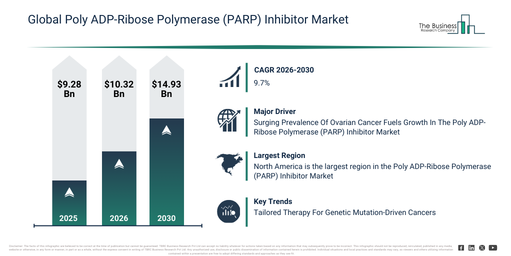
    The poly adp-ribose polymerase (parp) inhibitor market size has experienced rapid expansion in recent years. It is anticipated to increase from $9.28 billion in 2025 to $10.32 billion in 2026, demonstrating a compound annual growth rate (CAGR) of 11.2%. This historical growth can be attributed to rising cancer incidence rates, advancements in DNA repair pathway research, regulatory approvals for initial PARP inhibitors, the growing adoption of targeted cancer therapies, and the expansion of oncology clinical research.

    The poly adp-ribose polymerase (parp) inhibitor market is projected to experience robust expansion in the coming years. This market is anticipated to reach a valuation of $14.93 billion by 2030, exhibiting a compound annual growth rate (CAGR) of 9.7%. The anticipated growth during this period stems from several factors, including an heightened emphasis on precision oncology, the increasing creation of next-generation parp inhibitors, the extension of their applications beyond ovarian and breast cancers, rising investments in oncology drug development, and a greater reliance on companion diagnostics. Key trends for the forecast period encompass the broader integration of parp inhibitors in combination therapies, an intensified focus on treatments for BRCA-mutated cancers, an increase in clinical trials for novel parp molecules, the rising acceptance of personalized oncology approaches, and improved patient segmentation through the use of biomarkers.

    Access Your Free Sample Report for In-Depth Market Insights:

    https://www.thebusinessresearchcompany.com/sample.aspx?id=15637&type=smp

    What Drivers Are Affecting Demand In The Poly ADP-Ribose Polymerase (PARP) Inhibitor Market?

    The rising incidence of ovarian cancer is anticipated to fuel the expansion of the poly ADP-ribose polymerase (PARP) inhibitor market moving forward. Ovarian cancer describes a malignant growth that forms in one or both ovaries of a woman, which are vital components of the female reproductive system responsible for producing eggs and female hormones. The growth of ovarian cancer is influenced by factors such as genetic predisposition, an aging populace, environmental exposures, and hormonal imbalances. Poly ADP-Ribose Polymerase (PARP) Inhibitors are utilized in ovarian cancer treatment to target DNA repair mechanisms, particularly in patients with BRCA mutations, thereby inducing synthetic lethality and boosting tumor cell death. For instance, in February 2024, according to the World Ovarian Cancer Coalition, a Canada-based non-profit organization, the yearly number of women succumbing to ovarian cancer is expected to climb to 350,956, marking an increase of almost 70% from 2022. Hence, the increasing prevalence of ovarian cancer is a significant driver behind the growth of the poly ADP-ribose polymerase (PARP) inhibitor market.

    Which Segment Groups Are Influencing The Poly ADP-Ribose Polymerase (PARP) Inhibitor Market?

    The poly adp-ribose polymerase (parp) inhibitor market covered in this report is segmented –

    1) By Drug Type: Talazoparib, Veliparib, Olaparib, Other Drug Types

    2) By Distribution Channel: Hospital Pharmacy, Online Pharmacy, Retail Pharmacy, Other Distribution Channels

    3) By Application: Ovarian Cancer, Breast Cancer, Other Applications

    4) By End Users: Hospitals, Homecare, Specialty Clinics, Other End Users

    Subsegments:

    1) By Talazoparib: Talazoparib For Breast Cancer, Talazoparib For Ovarian Cancer, Talazoparib For Prostate Cancer, Talazoparib For Other Cancers

    2) By Veliparib: Veliparib For Breast Cancer, Veliparib For Ovarian Cancer, Veliparib For Non-Small Cell Lung Cancer (Nsclc), Veliparib For Other Cancers

    3) By Olaparib: Olaparib For Breast Cancer (Her2-negative), Olaparib For Ovarian Cancer (Brca-mutated), Olaparib For Prostate Cancer (Brca-Mutated), Olaparib For Pancreatic Cancer (Brca-Mutated), Olaparib For Other Cancers

    4) By Other Drug Types: Niraparib, Rucaparib, Pembrolizumab (Combination Therapy With Parp Inhibitors), Other Parp Inhibitors (Emerging Drugs In Clinical Trials)

    What Long-Term Trends Are Expected To Shape The Future Of The Poly ADP-Ribose Polymerase (PARP) Inhibitor Market?

    Leading companies active in the poly ADP-ribose polymerase (PARP) inhibitor market are developing generic PARP inhibitors to offer a personalized treatment approach for cancer patients with specific genetic mutations. Generic PARP inhibitors are medications designed to block the activity of the enzyme poly ADP-ribose polymerase (PARP). For instance, in March 2024, Zydus Lifesciences Limited, an India-based pharmaceutical company, launched Olaparib, a PARP inhibitor under the IBYRA brand, aiming to enhance accessibility to advanced cancer treatment. IBYRA targets specific genetic mutations found in breast, ovarian, prostate, and pancreatic cancers, providing a tailored and effective treatment method. The drug offers particular benefits for patients with HRD-positive or BRCA mutations, assisting in delaying disease progression.

    Who Are The Prominent Global Companies Shaping The Poly ADP-Ribose Polymerase (PARP) Inhibitor Market Landscape?

    Major companies operating in the poly adp-ribose polymerase (parp) inhibitor market are Pfizer Inc., Johnson & Johnson Services Inc., AbbVie Inc., Bayer AG, Novartis AG, Sanofi S.A., AstraZeneca plc, GlaxoSmithKline plc, Takeda Pharmaceutical Company Limited, Merck KGaA, Teva Pharmaceutical Industries Ltd., Daiichi Sankyo Company Limited, Ipsen Biopharmaceuticals Inc., Genentech Inc., Seattle Genetics Inc., Medivation Inc., Myriad Genetics Inc., PharmaMar S.A., Clovis Oncology, Tolero Pharmaceuticals Inc., Everest Pharmaceuticals, Verastem Inc.

    Access The Complete Report For Deeper Market Insights:

    https://www.thebusinessresearchcompany.com/report/poly-adp-ribose-polymerase-parp-inhibitor-global-market-report

    Which Geographic Areas Are Emerging As Strong Markets For The Poly ADP-Ribose Polymerase (PARP) Inhibitor Market?

    North America was the largest region in the poly ADP-ribose polymerase (PARP) inhibitor market in 2025. Asia-Pacific is expected to be the fastest-growing region in the forecast period. The regions covered in the poly adp-ribose polymerase (parp) inhibitor market report are Asia-Pacific, South East Asia, Western Europe, Eastern Europe, North America, South America, Middle East, Africa.

    Request Your Customized Poly ADP-Ribose Polymerase (PARP) Inhibitor Market Research Report for Competitive Advantage:

    https://www.thebusinessresearchcompany.com/customise?id=15637&type=smp

    Browse Through More Reports Similar to the Global Poly ADP-Ribose Polymerase (PARP) Inhibitor Market 2026, By The Business Research Company

    Ribose Nucleic Acid Rna Based Therapeutics Market Report 2026

    https://www.thebusinessresearchcompany.com/report/ribose-nucleic-acid-rna-based-therapeutics-global-market-report

    Polymerase Chain Reaction Pcr Market Report 2026

    https://www.thebusinessresearchcompany.com/report/polymerase-chain-reaction-pcr-global-market-report

    Polymerase Chain Reaction Pcr Technologies Market Report 2026

    https://www.thebusinessresearchcompany.com/report/polymerase-chain-reaction-pcr-technologies-global-market-report

    Get in touch with us:

    The Business Research Company: https://www.thebusinessresearchcompany.com/

    Americas +1 310-496-7795

    Asia +44 7882 955267 & +91 8897263534

    Europe +44 7882 955267

    Email us at info@tbrc.info

    Follow us on:

    LinkedIn: https://in.linkedin.com/company/the-business-research-company

    YouTube: https://www.youtube.com/channel/UC24_fI0rV8cR5DxlCpgmyFQ

    Global Market Model: https://www.thebusinessresearchcompany.com/global-market-model
  • Pollen Allergy Market Report 2026: Strategic Insights and Revenue Outlook

    Pollen Allergy Market Report 2026: Strategic Insights and Revenue Outlook

    Uncover key drivers, emerging technologies, and competitive movements shaping the pollen allergy market from 2026–2035 with trusted insights from The Business Research Company

    How is the Pollen Allergy Market size predicted to change over the forecast window of 2026–2035?

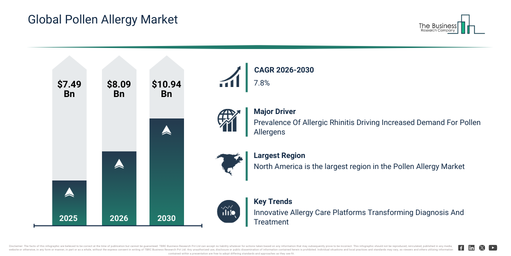
    The pollen allergy market size has experienced considerable growth in recent years. Its expansion is anticipated from $7.49 billion in 2025 to $8.09 billion in 2026, at a compound annual growth rate (CAGR) of 8.1%. The increase observed in the past period can be linked to the rising prevalence of seasonal allergies, heightened environmental pollen exposure, the development of allergy diagnostic services, the accessibility of antihistamine medications, and the broadening of allergy awareness programs.

    The market for pollen allergy is anticipated to experience robust expansion over the coming years. This market is projected to reach $10.94 billion by 2030, demonstrating a compound annual growth rate (CAGR) of 7.8%. Factors contributing to this growth during the forecast period include the increasing uptake of immunotherapy treatments, greater investments in precise allergy diagnostic methods, a heightened emphasis on preventive allergy care, the broader availability of biologic allergy treatments, and the expanding integration of digital tools for allergy monitoring. Key trends anticipated within the forecast timeframe encompass the rising acceptance of personalized allergy therapies, the increased utilization of sophisticated diagnostic tests for allergens, an escalating demand for enduring immunotherapy solutions, the wider implementation of programs for seasonal allergy management, and a stronger focus on the prompt diagnosis of allergies.

    Access Your Free Sample Report for In-Depth Market Insights:

    https://www.thebusinessresearchcompany.com/sample.aspx?id=20930&type=smp

    Which Drivers Are Contributing To The Expansion Of The Pollen Allergy Market?

    The expanding presence of allergic rhinitis is projected to propel the development of the pollen allergen market in the future. Allergic rhinitis, an inflammatory nasal condition often triggered by pollen or dust, manifests as sneezing, nasal congestion, and ocular itching. Its increasing occurrence stems from factors such as environmental pollution, shifts in climate, urban growth, and changes in lifestyle, all of which heighten exposure to allergens and pollutants. This common condition, resulting from pollen allergies, inflames the nasal passages upon pollen exposure. As an illustration, the World Allergy Organization, a US-based clinical allergic studies organization, reported in October 2023 that allergic rhinitis affects more than 400 million individuals worldwide, with prevalence rates between 10% and 30% in adults and over 40% in children. Consequently, the escalating prevalence of allergic rhinitis is fueling the expansion of the pollen allergen market.

    What Segment Classifications Make Up The Pollen Allergy Market?

    The pollen allergy market covered in this report is segmented –

    1) By Product Type: Instruments, Consumables, Services

    2) By Allergen Type: Environmental Allergens, Inhaled, Airborne Allergens, Other Allergen Types

    3) By Therapeutics Drug class: Antihistamines, Decongestants, Corticosteroids, Mast Cell Stabilizers, Leukotriene Inhibitors, Nasal Anticholinergics, Immunomodulators, Auto injectable Epinephrine, Immunotherapy

    4) By End-User: Diagnostic Laboratories, Hospitals

    Subsegments:

    1) By Instruments: Allergy Testing Equipment, Diagnostic Devices, Monitoring Devices

    2) By Consumables: Allergy Test Kits, Pollen Filters, Diagnostic Reagents, Treatment Medications (Antihistamines)

    3) By Services: Allergy Testing Services, Immunotherapy Services, Consultation And Diagnostic Services

    Which Market Trends Are Opening Growth Opportunities In The Pollen Allergy Market?

    Leading companies within the pollen allergy market are concentrating on developing extensive allergy care platforms designed to offer integrated solutions for the diagnosis, treatment, and management of allergies, ultimately enhancing patient outcomes and convenience. A comprehensive allergy care platform for pollen allergy constitutes an integrated system or service that provides full support for individuals experiencing pollen allergies. As an illustration, in February 2023, Nectar Life Sciences, an India-based pharmaceutical company, launched Nectar, a comprehensive allergy care platform, initially introducing personalized sublingual immunotherapy drops. These Nectar allergy drops, custom-formulated following a CLIA-certified at-home allergy test, address the underlying cause of allergies, presenting a convenient and effective alternative to conventional injections and antihistamines. The program simplifies allergy treatment by offering direct-to-home shipments and continuous prescriptions every three months, empowering patients with moderate to severe allergies to develop long-term tolerance and diminish symptoms over time. This innovative approach aims to revolutionize allergy care by combining personalization, ease of use, and proven efficacy.

    Which Key Players Are Driving Competition In The Pollen Allergy Market?

    Major companies operating in the pollen allergy market are Johnson & Johnson, F. Hoffmann-La Roche Ltd., Merck KGaA, AbbVie Inc., Bayer AG, Sanofi SA, AstraZeneca Plc, Novartis AG, GlaxoSmithKline PLC, Astellas Pharma Inc., Bausch Health Companies Inc., Sun Pharmaceutical Industries Ltd, Genentech Inc., Omega Pharma, ALK Abello, Stallergenes Greer, Aimmune Therapeutics, Allergy Therapeutics, McNeil Consumer Healthcare, Meda Pharmaceuticals Inc, HAL Allergy Group, Allergopharma, Biomay AG, Leti Pharma, Alerpharma S.A

    Access The Complete Report For Deeper Market Insights:

    https://www.thebusinessresearchcompany.com/report/pollen-allergy-global-market-report

    Which Region Is Projected To Lead The Pollen Allergy Market During The Forecast Period?

    North America was the largest region in the pollen allergy market in 2025. Asia-Pacific is expected to be the fastest-growing region in the forecast period. The regions covered in the pollen allergy market report are Asia-Pacific, South East Asia, Western Europe, Eastern Europe, North America, South America, Middle East, Africa.

    Request Your Customized Pollen Allergy Market Research Report for Competitive Advantage:

    https://www.thebusinessresearchcompany.com/customise?id=20930&type=smp

    Browse Through More Reports Similar to the Global Pollen Allergy Market 2026, By The Business Research Company

    Allergic Rhinitis Market Report 2026

    https://www.thebusinessresearchcompany.com/report/allergic-rhinitis-global-market-report

    Allergy Diagnostics Market Report 2026

    https://www.thebusinessresearchcompany.com/report/allergy-diagnostics-global-market-report

    Allergy Immunotherapy Market Report 2026

    https://www.thebusinessresearchcompany.com/report/allergy-immunotherapy-global-market-report

    Get in touch with us:

    The Business Research Company: https://www.thebusinessresearchcompany.com/

    Americas +1 310-496-7795

    Asia +44 7882 955267 & +91 8897263534

    Europe +44 7882 955267

    Email us at info@tbrc.info

    Follow us on:

    LinkedIn: https://in.linkedin.com/company/the-business-research-company

    YouTube: https://www.youtube.com/channel/UC24_fI0rV8cR5DxlCpgmyFQ

    Global Market Model: https://www.thebusinessresearchcompany.com/global-market-model

  • Global Point-of-Care Glucose Testing Industry Trends and Market Forecast 2026–2030

    Global Point-of-Care Glucose Testing Industry Trends and Market Forecast 2026–2030

    Uncover key drivers, emerging technologies, and competitive movements shaping the point-of-care glucose testing market from 2026–2035 with trusted insights from The Business Research Company

    What market expansion outlook does the Point-of-Care Glucose Testing Market show for the 2026–2030 period?

    The market for point-of-care glucose testing has demonstrated significant growth over the past few years. It is forecast to expand from $5.14 billion in 2025 to $5.44 billion in 2026, achieving a compound annual growth rate (CAGR) of 5.8%. This growth observed in prior periods can be attributed to the rising incidence of diabetes, increased engagement in self-monitoring practices, the widespread availability of cost-effective glucose meters, the broader provision of outpatient diabetes care, and an enhanced understanding of glycemic control.

    The point-of-care glucose testing market is projected to experience substantial expansion in the coming years, with its size anticipated to reach $6.95 billion by 2030, exhibiting a compound annual growth rate (CAGR) of 6.3%. This growth during the forecast period stems from factors such as the increasing uptake of connected glucose monitoring systems, greater integration with mobile health applications, a rising need for non-invasive monitoring solutions, the broadening of remote patient monitoring initiatives, and an intensifying emphasis on tailored diabetes management. Key trends expected over the forecast period encompass the wider adoption of Bluetooth-enabled glucose meters, the increasing utilization of continuous glucose monitoring devices, a rising preference for glucose testing performed at home, the expansion of digital platforms for diabetes management, and an amplified focus on patients monitoring themselves.

    Access Your Free Sample Report for In-Depth Market Insights:

    https://www.thebusinessresearchcompany.com/sample.aspx?id=12207&type=smp

    What Drivers Are Shaping The Development Of The Point-of-Care Glucose Testing Market?

    The increasing occurrence of diabetes is anticipated to propel the expansion of the point-of-care glucose testing market moving forward. Diabetes is a chronic metabolic condition that elevates blood glucose levels, potentially leading over time to severe damage in the heart, blood vessels, eyes, kidneys, and nerves. Point-of-care glucose testing is a frequently employed technology for determining glucose levels in hospitalized patients, aiding in prompt treatment decisions in response to glycemia changes, and enhancing therapeutic outcomes and diabetes management. For instance, in June 2024, according to the National Health Service (NHS England), a UK-based publicly funded healthcare system, in 2023, the number of individuals identified by the NHS in England as having pre-diabetes rose to 3,615,330, indicating an 18% increase from 3,065,825 in 2022. Additionally, among those under 40, cases surged nearly 25%, growing from 173,166 in 2022 to 216,440 in 2023. Therefore, the growing prevalence of diabetes is driving the growth of the point-of-care glucose testing market.

    What Segment Types Are Examined In The Point-of-Care Glucose Testing Market?

    The point-of-care glucose testing market covered in this report is segmented –

    1) By Product: Lancet And Lancing Devices, Strips, Meters

    2) By Testing Site: Fingertips, Alternate Site Testing

    3) By Applications: Type-1 Diabetes, Type-2 Diabetes

    4) By End-User: Professional Diagnostic Centers, Hospitals And Clinics, Home Care Settings, Other End Users

    Subsegments:

    1) By Lancet And Lancing Devices: Single-Use Lancets, Multi-Use Lancets, Adjustable Lancing Devices

    2) By Strips: Glucose Test Strips, Ketone Test Strips, Combo Strips (Glucose And Ketone)

    3) By Meters: Blood Glucose Meters, Continuous Glucose Monitoring (CGM) Meters, Bluetooth-Enabled Meters

    How Are Emerging Trends Affecting The Progression Of The Point-of-Care Glucose Testing Market?

    Within the point-of-care glucose testing market, leading companies are concentrating on creating sophisticated technological solutions, notably wearable continuous glucose monitoring (CGM) systems incorporating predictive analytics. These innovations aim to bolster real-time glucose surveillance, optimize glycemic management, and alleviate the necessity for frequent manual testing. Such CGM systems operate via a compact sensor placed beneath the skin, which constantly records interstitial glucose readings and transmits this information to a mobile application, facilitating proactive health management through instant alerts and forecasts of glucose trends. An illustrative example is the launch of the Accu-Chek SmartGuide CGM system by Roche, a diagnostics company based in Switzerland, in July 2024, specifically developed for individuals with diabetes. This device delivers live glucose measurements every five minutes, incorporates AI-driven trend forecasting for up to two hours in advance, provides nocturnal warnings for low or high blood sugar, and links effortlessly to a mobile app for comprehensive data monitoring and remote health supervision, thereby significantly improving safety and user convenience when contrasted with conventional finger-prick glucose devices.

    Who Are The Top-Performing Companies In The Point-of-Care Glucose Testing Market In Recent Years?

    Major companies operating in the point-of-care glucose testing market are F Hoffmann-La Roche Ltd., Abbott Laboratories Inc., Siemens Healthineers, TaiDoc Technology Corporation, Nipro Corporation, Dexcom Inc., LifeScan Inc., Nova Biomedical Corporation, Ypsomed AG, Ascensia Diabetes Care Holdings AG, Trividia Health Inc., Radiometer Medical ApS, HemoCue AB, EKF Diagnostics Holdings plc, Trinity Biotech plc, Bionime Corporation, PTS Diagnostics, ForaCare Inc., Menarini Diagnostics, ACON Laboratories Inc., Senseonics Holdings Inc., Prodigy Diabetes Care LLC, Nemaura Medical Inc., Medtronic plc

    Access The Complete Report For Deeper Market Insights:

    https://www.thebusinessresearchcompany.com/report/point-of-care-glucose-testing-global-market-report

    Which Region Currently Holds The Largest Share Of The Point-of-Care Glucose Testing Market?

    North America was the largest region in the point-of-care glucose testing market in 2025. The regions covered in the point-of-care glucose testing market report are Asia-Pacific, South East Asia, Western Europe, Eastern Europe, North America, South America, Middle East, Africa.

    Request Your Customized Point-of-Care Glucose Testing Market Research Report for Competitive Advantage:

    https://www.thebusinessresearchcompany.com/customise?id=12207&type=smp

    Browse Through More Reports Similar to the Global Point-of-Care Glucose Testing Market 2026, By The Business Research Company

    Blood Glucose Monitoring Systems Market Report 2026

    https://www.thebusinessresearchcompany.com/report/blood-glucose-monitoring-systems-global-market-report

    Blood Glucose Meters Market Report 2026

    https://www.thebusinessresearchcompany.com/report/blood-glucose-meters-global-market-report

    Continous Blood Glucose Monitoring Market Report 2026

    https://www.thebusinessresearchcompany.com/report/continous-blood-glucose-monitoring-global-market-report

    Get in touch with us:

    The Business Research Company: https://www.thebusinessresearchcompany.com/

    Americas +1 310-496-7795

    Asia +44 7882 955267 & +91 8897263534

    Europe +44 7882 955267

    Email us at info@tbrc.info

    Follow us on:

    LinkedIn: https://in.linkedin.com/company/the-business-research-company

    YouTube: https://www.youtube.com/channel/UC24_fI0rV8cR5DxlCpgmyFQ

    Global Market Model: https://www.thebusinessresearchcompany.com/global-market-model

  • Point-Of-Care Data Management Software Market Size and Demand Forecast 2026–2030

    Point-Of-Care Data Management Software Market Size and Demand Forecast 2026–2030

    Uncover key drivers, emerging technologies, and competitive movements shaping the point-of-care data management software market from 2026–2035 with trusted insights from The Business Research Company

    What level of growth is expected in the Point-Of-Care Data Management Software Market between 2026 and 2030?

    The point-of-care data management software market has experienced substantial expansion in recent years. It is projected to increase from $2.06 billion in 2025 to $2.33 billion in 2026, demonstrating a compound annual growth rate (CAGR) of 13.1%. The growth observed in the past can be ascribed to the increasing deployment of point-of-care diagnostic devices, the expansion of digital health infrastructure, a rising need for workflow optimization, growing regulatory requirements for data accuracy, and the adoption of electronic health records.

    The point-of-care data management software market is set to experience substantial expansion in the coming years. This market is projected to reach $3.78 billion in 2030, growing at a compound annual growth rate (CAGR) of 12.9%. The impetus for this growth during the forecast period stems from the escalating demand for real-time diagnostics integration, the rising adoption of AI-driven clinical analytics, the expansion of remote patient monitoring, an intensifying focus on interoperability standards, and increased investments in digital healthcare platforms. Significant trends anticipated for the forecast period include the increasing integration of device connectivity platforms, the rising adoption of cloud-based data management systems, the growing deployment of real-time clinical decision support tools, the expansion of interoperable healthcare data ecosystems, and a heightened emphasis on data security and compliance.

    Access Your Free Sample Report for In-Depth Market Insights:

    https://www.thebusinessresearchcompany.com/sample.aspx?id=27389&type=smp

    Which Drivers Are Expected To Impact The Point-Of-Care Data Management Software Market During The Forecast Period?

    The anticipated expansion of the point-of-care data management software market is largely driven by the growing embrace of electronic health records. Electronic Health Records (EHRs) are digital compilations of a patient’s medical background, therapies received, and diagnostic outcomes, crafted for secure dissemination among healthcare professionals to enhance patient care and collaborative efforts. The rise in EHR adoption stems from an escalating demand for streamlined patient data management, which facilitates easy access, boosts data precision, and fosters improved care coordination. Point-of-care data management software augments EHR systems by providing real-time data acquisition and effortless integration, thus proving highly suitable for clinical settings and bedside diagnostic applications. This software minimizes manual data input through automated patient record updates, thereby enhancing clinical operational efficiency and supporting better decision-making. As an illustration, in July 2024, data from the European Commission, an organization based in Belgium, indicated that Europe demonstrated advancements in eHealth maturity in 2024, with the EU27-average overall composite score increasing to 79% from 72% reported in the prior year. Consequently, the expanding utilization of electronic health records is serving as a significant catalyst for the expansion of the point-of-care data management software market.

    Which Segments Are Driving Activity In The Point-Of-Care Data Management Software Market?

    The point-of-care data management software market covered in this report is segmented –

    1) By Type: Standalone Software, Integrated Software

    2) By Deployment Mode: Cloud-Based, On-Premises, Hybrid Solutions

    3) By Technology: Artificial Intelligence, Machine Learning, Blockchain, Internet Of Things (IoT), Big Data Analytics

    4) By Applications: Infectious Disease Devices, Glucose Monitoring, Coagulation Monitoring, Urinalysis, Cardiometabolic Monitoring, Cancer Markers, Hematology, Other Point-Of-Care Applications

    5) By End User: Hospitals, Clinics, Ambulatory Care Center, Home Healthcare, Diagnostic Laboratories

    Subsegments:

    1) By Standalone Software: Device-Specific Data Management Systems, Modular Clinical Information Systems, Laboratory Data Analysis Tools, Remote Patient Monitoring Software

    2) By Integrated Software: Hospital Information System Integrated Platforms, Electronic Health Record Embedded Solutions, Cloud-Based Interoperable Platforms, Multi-Device Connectivity And Data Integration Systems

    Which Innovation Trends Are Advancing Developments Within The Point-Of-Care Data Management Software Market?

    Leading companies active in the point-of-care (POC) data management software market are prioritizing the integration of advanced POC middleware connectivity to enhance efficiency, automate workflows, and ensure compliance. POC middleware functions as an intermediary platform, connecting numerous near-patient testing devices with central healthcare information systems, thereby enabling real-time data transmission, tracking of operator competency, standardized reporting, and monitoring of quality control. For instance, in June 2023, TELCOR, a US-based provider of healthcare software solutions for point-of-care testing and laboratory revenue cycle management, launched TELCOR QML version 2.4. This POC middleware solution is designed to support connectivity and management for hospital and health system POC testing programs, featuring “Working Locations” to assign specific certifications for each facility and device type where an operator performs testing, and “Custom Summary Views” which allow users to add, remove, and re-order columns on quality management layer (QML) summary views and save them permanently for particular filters or ad-hoc viewing. TELCOR QML version 2.4 improves the automation of POC workflows, strengthens compliance and operator oversight, and enhances the timeliness and reliability of result reporting across diverse care settings.

    Which Leading Companies Dominate The Point-Of-Care Data Management Software Market Share?

    Major companies operating in the point-of-care data management software market are F. Hoffmann-La Roche Ltd., Oracle Health Inc., Thermo Fisher Scientific Inc., Abbott Point of Care Inc., Danaher Corporation, Siemens Healthineers AG, GE HealthCare Technologies Inc., Athenahealth Inc., InterSystems Corporation, eClinicalWorks LLC, Medical Information Technology Inc., NextGen Healthcare Inc., Randox Laboratories Ltd., Greenway Health LLC, Care Cloud Inc., CureMD.com Inc., Telcor Inc., Orchard Software Corporation, HealthEC LLC, Sunquest Information Systems Inc.

    Access The Complete Report For Deeper Market Insights:

    https://www.thebusinessresearchcompany.com/report/point-of-care-data-management-software-global-market-report

    How Does The Point-Of-Care Data Management Software Market Perform Across Major Global Regions?

    North America was the largest region in the point-of-care data management software market in 2025. Asia-Pacific is expected to be the fastest-growing region in the forecast period. The regions covered in the point-of-care data management software market report are Asia-Pacific, South East Asia, Western Europe, Eastern Europe, North America, South America, Middle East, Africa.

    Request Your Customized Point-Of-Care Data Management Software Market Research Report for Competitive Advantage:

    https://www.thebusinessresearchcompany.com/customise?id=27389&type=smp

    Browse Through More Reports Similar to the Global Point-Of-Care Data Management Software Market 2026, By The Business Research Company

    Wood Manufacturing Market Report 2026

    https://www.thebusinessresearchcompany.com/report/wood-manufacturing-global-market-report

    Modular And Prefabricated Nonresidential Building Construction Market Report 2026

    https://www.thebusinessresearchcompany.com/report/modular-and-prefabricated-nonresidential-building-construction-global-market-report

    Multifamily Modular And Prefabricated Housing Construction Market Report 2026

    https://www.thebusinessresearchcompany.com/report/multifamily-modular-and-prefabricated-housing-construction-global-market-report

    Get in touch with us:

    The Business Research Company: https://www.thebusinessresearchcompany.com/

    Americas +1 310-496-7795

    Asia +44 7882 955267 & +91 8897263534

    Europe +44 7882 955267

    Email us at info@tbrc.info

    Follow us on:

    LinkedIn: https://in.linkedin.com/company/the-business-research-company

    YouTube: https://www.youtube.com/channel/UC24_fI0rV8cR5DxlCpgmyFQ

    Global Market Model: https://www.thebusinessresearchcompany.com/global-market-model