Month: March 2026

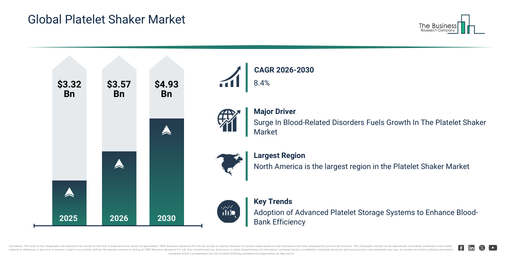
  • Platelet Shaker Market Growth Projection: Expected to Surpass $4.92 Billion by 2030 at 8.4% CAGR

    Platelet Shaker Market Growth Projection: Expected to Surpass $4.92 Billion by 2030 at 8.4% CAGR

    Uncover key drivers, emerging technologies, and competitive movements shaping the platelet shaker market from 2026–2035 with trusted insights from The Business Research Company

    What growth pattern is forecast for the Platelet Shaker Market size between 2026 and 2035?

    The size of the platelet shaker market has seen strong growth recently. It is anticipated to expand from $3.32 billion in 2025 to $3.57 billion in 2026, exhibiting a compound annual growth rate (CAGR) of 7.3%. Historically, this growth can be attributed to several factors including the expansion of blood transfusion services, rising surgical and trauma care volumes, an increased establishment of blood banks, growing awareness of platelet storage standards, and improvements in laboratory equipment reliability.

    The platelet shaker market is projected to experience substantial expansion in the coming years. This market is anticipated to reach $4.93 billion by 2030, exhibiting a compound annual growth rate (CAGR) of 8.4%. This projected growth throughout the forecast period stems from factors such as the heightened demand for automated blood handling systems, increased investments directed towards modernizing hospital laboratories, the proliferation of decentralized blood storage facilities, an intensified emphasis on transfusion safety, and the integration of smart monitoring technologies. Key trends anticipated during this period encompass the wider adoption of digitally controlled platelet shakers, a growing requirement for high-capacity blood storage apparatus, increasing incorporation of temperature and motion monitoring functionalities, the expansion of compact and portable shaker designs, and a heightened emphasis on preserving platelet viability.

    Access Your Free Sample Report for In-Depth Market Insights:

    https://www.thebusinessresearchcompany.com/sample.aspx?id=13140&type=smp

    Which Drivers Are Impacting Market Performance In The Platelet Shaker Market?

    The increasing occurrence of blood-related ailments is projected to stimulate the expansion of the platelet shaker market in the future. A blood-related disease refers to any condition impacting one or more components of the blood, typically hindering its proper functioning. Platelet shakers play a crucial role by ensuring platelets remain suspended and are evenly distributed during blood transfusion procedures, aiding in the treatment or prevention of blood disorders in patients. For example, in 2023, a report from the Leukemia & Lymphoma Society, a US-based non-profit health organization, indicated that approximately 184,720 individuals are expected to be diagnosed with leukemia, lymphoma, or myeloma in 2023. Additionally, an estimated 1,958,310 new cancer cases are foreseen to be diagnosed in the US in 2023, with new instances of leukemia, lymphoma, and myeloma expected to account for 9.4% of these cases and lead to 57,380 deaths in the US in 2023. Consequently, the growing prevalence of blood-related disorders is propelling the growth of the platelet shaker market.

    What Segment Types Are Examined In The Platelet Shaker Market?

    The platelet shaker market covered in this report is segmented –

    1) By Product Type: Benchtop Platelet Shakers, Floor-Standing Platelet Shakers, Portable Platelet Shakers

    2) By Capacity: Small, Medium, Large

    3) By Application: Blood Banks, Hospitals And Diagnostic Centers, Academic And Research Institutes, Other Applications

    Subsegments:

    1) By Benchtop Platelet Shakers: Small Benchtop Models, High-Capacity Benchtop Models, Digital Benchtop Platelet Shakers

    2) By Floor-Standing Platelet Shakers: Standard Floor-Standing Models, High-Capacity Floor-Standing Models, Automated Floor-Standing Platelet Shakers

    3) By Portable Platelet Shakers: Battery-Operated Portable Models, Compact Portable Models, Multi-Functional Portable Shakers

    Which Trends Are Guiding The Evolution Of The Platelet Shaker Market?

    Major companies are actively involved in the platelet shaker market, concentrating on developing technological advancements such as incubator agitator systems to improve platelet viability, achieve precise temperature control, and provide continuous gentle agitation. An incubator agitator system combines uniform agitation with a controlled storage temperature, effectively preventing platelet aggregation, maintaining cell viability, and ensuring compliance with blood bank standards. For instance, in March 2025, Haier Biomedical, a China-based medical equipment manufacturer, installed the Haier Biomedical Platelet Incubator with Agitator at Union Hospital. This product offers precise temperature control around 22°C, continuous gentle agitation of platelet bags, real-time monitoring of agitation and temperature, and integrated alarm systems, which collectively enhance platelet storage safety, improve blood bank workflow efficiency, and support adherence to regulatory standards.

    Who Are The Major Companies Operating In The Platelet Shaker Market?

    Major companies operating in the platelet shaker market are Thermo Fisher Scientific Inc., Fresenius Kabi AG, Sartorius AG, Eppendorf SE, JP Selecta SA, Sarstedt AG & Co. KG, Meditech Technology Co. Ltd., Labtron Equipment Ltd., Helmer Scientific Inc., KW Apparecchi Scientifici, Lmb Technologie GmbH, Azer Scientific Inc., Remi Electrkotecnic Limited, Boekel Scientific, Terumo Penpol Limited, Cryo Diffusion s.a.s., LW Scientific Inc., Benchmark Scientific Inc., Snijders Labs, Zenith Lab Jiangsu Co Ltd., Digisystem Laboratory Instruments Inc., Labcold Ltd., Fanem Ltd., Haier Biomedical, NuAire Inc.

    Access The Complete Report For Deeper Market Insights:

    https://www.thebusinessresearchcompany.com/report/platelet-shaker-global-market-report

    Which Region Is Anticipated To See The Fastest Growth In The Platelet Shaker Market?

    North America was the largest region in the platelet shaker market in 2025. The regions covered in the platelet shaker market report are Asia-Pacific, South East Asia, Western Europe, Eastern Europe, North America, South America, Middle East, Africa.

    Request Your Customized Platelet Shaker Market Research Report for Competitive Advantage:

    https://www.thebusinessresearchcompany.com/customise?id=13140&type=smp

    Browse Through More Reports Similar to the Global Platelet Shaker Market 2026, By The Business Research Company

    Palletizer Market Report 2026

    https://www.thebusinessresearchcompany.com/report/palletizer-global-market-report

    Platelet Aggregation Devices Market Report 2026

    https://www.thebusinessresearchcompany.com/report/platelet-aggregation-devices-global-market-report

    Platelet Rich Plasma Market Report 2026

    https://www.thebusinessresearchcompany.com/report/platelet-rich-plasma-global-market-report

    Get in touch with us:

    The Business Research Company: https://www.thebusinessresearchcompany.com/

    Americas +1 310-496-7795

    Asia +44 7882 955267 & +91 8897263534

    Europe +44 7882 955267

    Email us at info@tbrc.info

    Follow us on:

    LinkedIn: https://in.linkedin.com/company/the-business-research-company

    YouTube: https://www.youtube.com/channel/UC24_fI0rV8cR5DxlCpgmyFQ

    Global Market Model: https://www.thebusinessresearchcompany.com/global-market-model

  • Platelet Rich Plasma Market Forecast 2026–2035: How to Leverage Market Growth

    Platelet Rich Plasma Market Forecast 2026–2035: How to Leverage Market Growth

    Uncover key drivers, emerging technologies, and competitive movements shaping the platelet rich plasma market from 2026–2035 with trusted insights from The Business Research Company

    How much larger will the Platelet Rich Plasma Market be in 2030 compared with 2026?

    The platelet rich plasma market size has experienced swift expansion in recent years. It is projected to expand from $0.83 billion in 2025 to $0.97 billion in 2026, registering a compound annual growth rate (CAGR) of 16.9%. The market’s past growth is attributable to the increasing acceptance of regenerative medicine, a rise in the prevalence of musculoskeletal disorders, the expansion of cosmetic and aesthetic procedures, intensified clinical research into PRP efficacy, and the broader availability of centrifugation technologies.

    The platelet rich plasma market is anticipated to experience significant expansion in the coming years. This market is projected to reach $1.69 billion by 2030, exhibiting a compound annual growth rate (CAGR) of 15.1%. Factors contributing to this growth over the forecast period include the expanding application of PRP in chronic wound care, a heightened demand for minimally invasive treatment options, an increase in outpatient and ambulatory care procedures, growing investments in regenerative medicine research, and the wider clinical acceptance across various new indications. Key trends anticipated during this period encompass the increasing adoption of autologous PRP therapies, an elevated use of PRP within orthopedic and sports medicine, a burgeoning demand for aesthetic and cosmetic PRP applications, the expansion of standardized PRP preparation systems, and an intensified focus on high-concentration PRP formulations.

    Access Your Free Sample Report for In-Depth Market Insights:

    https://www.thebusinessresearchcompany.com/sample.aspx?id=16150&type=smp

    What Drivers Are Guiding Growth Patterns In The Platelet Rich Plasma Market?

    The increasing occurrence of sports injuries is anticipated to propel the growth of the platelet-rich plasma market in the future. This rise in sports injury prevalence is attributed to greater participation in sports, growing enrollment in youth sports programs, age-related factors, and insufficient coaching and supervision. Platelet-rich plasma (PRP) therapy aids in sports injury recovery by fostering tissue repair and regeneration, reducing inflammation, and enhancing the healing of tendons and ligaments, thereby offering athletes a minimally invasive treatment option with the potential for faster recovery times. For instance, in November 2023, according to Howden Group Holdings Ltd., a UK-based insurance intermediary company, in October 2022, 88 recorded injuries sidelined players for an average of 11.35 days pre-tournament, whereas in January 2023 post-tournament, this duration escalated to 19.41 days. The report further indicates that during this period, the severity of injuries to the ankle, calf or shin, and hamstring rose significantly, with increases of 170%, 200%, and 130%, respectively. Consequently, the escalating incidence of sports injuries is driving the growth of the platelet-rich plasma market.

    Which Segments Are Driving Activity In The Platelet Rich Plasma Market?

    The platelet rich plasma market covered in this report is segmented –

    1) By Type: Pure Platelet Rich Plasma, Leukocyte-Rich Platelet Rich Plasma, Leukocyte-Rich Fibrin, Other Types

    2) By Origin: Allogeneic Platelet Rich Plasma, Autologous Platelet Rich Plasma, Homologous Platelet Rich Plasma

    3) By Application: Cosmetic Surgery And Aesthetics, General Surgery, Neurosurgery, Orthopedic And Spinal Surgery, Other Applications

    4) By End User: Hospitals And Clinics, Research Institutes, Other End-Users

    Subsegments:

    1) By Pure Platelet Rich Plasma: Low Concentration PRP, High Concentration PRP

    2) By Leukocyte-Rich Platelet Rich Plasma: Autologous LR-PRP, Allogeneic LR-PRP

    3) By Leukocyte-Rich Fibrin: Injectable Leukocyte-Rich Fibrin, Membrane Leukocyte-Rich Fibrin

    4) By Other Types: Platelet Rich Fibrin (PRF), Concentrated Platelet-Rich Plasma (cPRP), Platelet-Poor Plasma (PPP)

    What Trends Are Projected To Support The Growth Of The Platelet Rich Plasma Market?

    Leading companies operating in the platelet-rich plasma market are engaged in developing ready-to-use plasma offerings. This initiative aims to deliver a high-quality product at excellent value, addressing the increasing demand for PRP treatments within the aesthetics sector. An off-the-shelf platelet-rich plasma (PRP) product provides a pre-formulated solution for therapeutic applications, ensuring a consistent platelet dose and potency without necessitating individual preparation. For instance, in July 2023, 4T Medical, a UK-based company specializing in cosmeceutical and medical aesthetic products, unveiled a label platelet-rich plasma (PRP) kit. This CE 2195-registered medical device is crafted to prepare autologous PRP, effectively promoting skin rejuvenation and healing. The kit contains two 10-ml test tubes with sodium citrate anticoagulant, along with the required consumables for blood drawing. Following centrifugation, PRP is readily identifiable and can be injected to enhance healing, boost collagen, tighten skin, and stimulate hair growth.

    Which Major Firms Are Strengthening Their Position In The Platelet Rich Plasma Market?

    Major companies operating in the platelet rich plasma market are Johnson & Johnson Services Inc., Stryker, Zimmer Biomet, Terumo Corporation, Arthrex Inc., Pall Corporation, Globus Medical, LifeNet Health, Exactech Inc., BioBridge Global, Regen Lab SA, Celling Biosciences Inc., Eclipse Aesthetics LLC, Regenexx, Isto Biologics, Royal Biologics, Apex Biologix, EmCyte Corporation, Medira Ltd., Nuo Therapeutics Inc., Juventix Regenerative Medical LLC., Estar Medical, Dr PRP USA LLC, MDBiologix, Vivostat A/S

    Access The Complete Report For Deeper Market Insights:

    https://www.thebusinessresearchcompany.com/report/platelet-rich-plasma-global-market-report

    Which Region Is Anticipated To See The Fastest Growth In The Platelet Rich Plasma Market?

    North America was the largest region in the platelet-rich plasma market in 2025. North America is expected to be the fastest-growing region in the forecast period. The regions covered in the platelet rich plasma market report are Asia-Pacific, South East Asia, Western Europe, Eastern Europe, North America, South America, Middle East, Africa.

    Request Your Customized Platelet Rich Plasma Market Research Report for Competitive Advantage:

    https://www.thebusinessresearchcompany.com/customise?id=16150&type=smp

    Browse Through More Reports Similar to the Global Platelet Rich Plasma Market 2026, By The Business Research Company

    Plasma Powder Market Report 2026

    https://www.thebusinessresearchcompany.com/report/plasma-powder-global-market-report

    Platelet Aggregation Devices Market Report 2026

    https://www.thebusinessresearchcompany.com/report/platelet-aggregation-devices-global-market-report

    Blood Plasma Derivatives Market Report 2026

    https://www.thebusinessresearchcompany.com/report/blood-plasma-derivatives-global-market-report

    Get in touch with us:

    The Business Research Company: https://www.thebusinessresearchcompany.com/

    Americas +1 310-496-7795

    Asia +44 7882 955267 & +91 8897263534

    Europe +44 7882 955267

    Email us at info@tbrc.info

    Follow us on:

    LinkedIn: https://in.linkedin.com/company/the-business-research-company

    YouTube: https://www.youtube.com/channel/UC24_fI0rV8cR5DxlCpgmyFQ

    Global Market Model: https://www.thebusinessresearchcompany.com/global-market-model
  • Global Plasmid DNA Manufacturing Market 2026–2030: Forecast Insights for Business Planning

    Global Plasmid DNA Manufacturing Market 2026–2030: Forecast Insights for Business Planning

    Uncover key drivers, emerging technologies, and competitive movements shaping the plasmid dna manufacturing market from 2026–2035 with trusted insights from The Business Research Company

    Starting from its 2026 valuation, what market size is the Plasmid DNA Manufacturing Market expected to reach by 2030?

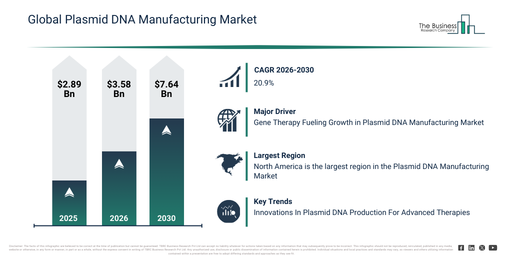
    The plasmid dna manufacturing market has experienced significant expansion in recent years. Projections indicate it will grow from $2.89 billion in 2025 to $3.58 billion in 2026, achieving a compound annual growth rate (CAGR) of 23.6%. The market’s historical development is attributable to several factors, including the increasing use of plasmid dna in research applications, the expansion of molecular cloning activities, the growth of preclinical therapeutic development, rising investments in biotechnology research, and improved bacterial fermentation techniques.

    The plasmid dna manufacturing market size is predicted to undergo significant expansion in the upcoming years. It is forecasted to attain a value of $7.64 billion by 2030, demonstrating a compound annual growth rate (CAGR) of 20.9%. This projected growth is driven by elements such as the rising demand for dna-based vaccines, escalating investments in gene and cell therapy pipelines, the expansion of commercial-scale plasmid manufacturing operations, an increasing emphasis on regulatory-compliant production, and the wider adoption of advanced purification technologies. Notable trends expected during the forecast timeframe encompass an increasing requirement for gmp-grade plasmid dna production, the growing implementation of automated bioprocessing systems, the expanding utilization of plasmid dna in gene therapy applications, the enlargement of large-scale manufacturing capacities, and a heightened focus on producing high-purity dna.

    Access Your Free Sample Report for In-Depth Market Insights:

    https://www.thebusinessresearchcompany.com/sample.aspx?id=15895&type=smp

    What Drivers Are Driving Adoption Within The Plasmid DNA Manufacturing Market?

    The increasing adoption of gene therapy is projected to boost the expansion of the plasmid DNA manufacturing market. Gene therapy is defined as a medical approach that entails altering or influencing an individual’s genes to address or avert illnesses. Its increasing prominence stems from progress in genetic engineering technologies, rising research and development investments, positive clinical trial outcomes, and the rising incidence of genetic conditions, all underscoring its capacity to offer lasting or permanent treatments. Plasmid DNA production is crucial for gene therapy because it creates the vectors required to introduce therapeutic genes into cells, thereby aiding in the treatment of genetic disorders. As an illustration, the American Society of Gene & Cell Therapy, a US-based non-profit medical and scientific organization, reported that gene therapies in Phase III clinical trials saw a 10% increase in Q3 2023, marking the first quarterly rise since Q3 2022. Consequently, the expanding acceptance of gene therapy is propelling the growth of the plasmid DNA manufacturing market.

    How Is The Plasmid DNA Manufacturing Market Organized Into Various Segments?

    The plasmid dna manufacturing market covered in this report is segmented –

    1) By Grade: Research And Development Grade, Good Manufacturing Practice (GMP) Grade

    2) By Development Phase: Pre-Clinical Therapeutics, Clinical Therapeutics, Marketed Therapeutics

    3) By Disease: Infectious Disease, Cancer, Genetic Disorder, Other Diseases

    4) By Application: Deoxyribonucleic Acid (DNA) Vaccines, Cell And Gene Therapy, Immunotherapy, Other Applications

    Subsegments:

    1) By Research And Development Grade: Small-scale Plasmid DNA Production, Preclinical Research Plasmid DNA

    2) By Good Manufacturing Practice (GMP) Grade: Clinical Trial Material Production, Commercial-Scale Plasmid DNA Production

    Which Trends Are Influencing The Performance And Direction Of The Plasmid DNA Manufacturing Market?

    Major companies operating in the plasmid DNA manufacturing market are actively developing sophisticated bioprocessing technologies to enhance the efficiency, scalability, and quality of plasmid DNA production. These innovations aim to streamline the manufacturing process, reduce production costs, and ensure that the plasmid DNA meets stringent regulatory standards for therapeutic applications. For instance, in January 2023, Charles River Laboratories, a US-based pharmaceutical company, launched the eXpDNA platform, designed for the efficient production and purification of high-quality plasmid DNA. This platform integrates advanced bioprocessing technologies, scalable production methods, and rigorous quality control measures to produce plasmid DNA that meets the stringent requirements for therapeutic and clinical applications. The eXpDNA platform is used extensively in gene therapy, DNA vaccine development, and other biopharmaceutical applications that demand high yield, purity, and consistency.

    Who Are The Primary Competitors In The Global Plasmid DNA Manufacturing Market?

    Major companies operating in the plasmid dna manufacturing market are Thermo Fisher Scientific Inc., Eurofins Genomics LLC, Catalent Inc., Charles River Laboratories, Recipharm AB, Kaneka Corp., Genscript Biotech Corporation, Aldevron LLC, Genewiz, OriGene Technologies, Celonic AG, Creative Biogene, Cellectis, Synbio Technologies, VectorBuilder Inc., Altogen Biosystems, Andelyn Biosciences, AGC Biologics, VGXI, GeneCopoeia, PlasmidFactory GmbH & Co. KG, Akron Biotech, PackGene Biotech Inc.

    Access The Complete Report For Deeper Market Insights:

    https://www.thebusinessresearchcompany.com/report/plasmid-dna-manufacturing-global-market-report

    Which Global Regions Are Shaping The Competitive Landscape Of The Plasmid DNA Manufacturing Market?

    North America was the largest region in the plasmid DNA manufacturing market in 2025. Asia-Pacific is expected to be the fastest-growing region in the forecast period. The regions covered in the plasmid dna manufacturing market report are Asia-Pacific, South East Asia, Western Europe, Eastern Europe, North America, South America, Middle East, Africa.

    Request Your Customized Plasmid DNA Manufacturing Market Research Report for Competitive Advantage:

    https://www.thebusinessresearchcompany.com/customise?id=15895&type=smp

    Browse Through More Reports Similar to the Global Plasmid DNA Manufacturing Market 2026, By The Business Research Company

    Dna Test Kits Market Report 2026

    https://www.thebusinessresearchcompany.com/report/dna-test-kits-global-market-report

    Recombinant Dna Technology Market Report 2026

    https://www.thebusinessresearchcompany.com/report/recombinant-dna-technology-global-market-report

    Bacterial And Plasmid Vector Market Report 2026

    https://www.thebusinessresearchcompany.com/report/bacterial-and-plasmid-vector-global-market-report

    Get in touch with us:

    The Business Research Company: https://www.thebusinessresearchcompany.com/

    Americas +1 310-496-7795

    Asia +44 7882 955267 & +91 8897263534

    Europe +44 7882 955267

    Email us at info@tbrc.info

    Follow us on:

    LinkedIn: https://in.linkedin.com/company/the-business-research-company

    YouTube: https://www.youtube.com/channel/UC24_fI0rV8cR5DxlCpgmyFQ

    Global Market Model: https://www.thebusinessresearchcompany.com/global-market-model
  • Plasma Protease C1-Inhibitor Market Outlook 2026–2035: Growth Drivers and Industry Forecast

    Plasma Protease C1-Inhibitor Market Outlook 2026–2035: Growth Drivers and Industry Forecast

    Uncover key drivers, emerging technologies, and competitive movements shaping the plasma protease c1-inhibitor market from 2026–2035 with trusted insights from The Business Research Company

    Across 2026–2030, what is the expected market valuation path of the Plasma Protease C1-Inhibitor Market?

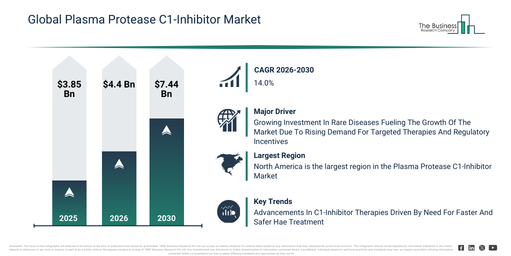
    The plasma protease c1-inhibitor market has experienced rapid growth in its size over recent years. It is projected to expand from $3.85 billion in 2025 to $4.4 billion in 2026, with a compound annual growth rate (CAGR) of 14.3%. The historical period’s growth can be attributed to several factors, including an increase in the diagnosis of hereditary angioedema, the availability of plasma-derived inhibitors, improvements in plasma fractionation processes, the expansion of specialty immunology clinics, and enhanced patient access to targeted therapies.

    The market for plasma protease c1-inhibitor is anticipated to experience substantial expansion in the coming years. Projections indicate it will reach a value of $7.44 billion by 2030, demonstrating a compound annual growth rate (CAGR) of 14.0%. This projected increase during the forecast period is primarily driven by factors such as the accelerated creation of advanced inhibitors, a heightened need for treatments that can be self-administered, the broadening scope of rare disease management initiatives, increased capital allocation towards recombinant biologics, and a stronger emphasis on sustained disease management. Key trends expected during this period involve the wider acceptance of recombinant c1-inhibitors, an escalating preference for plasma-derived treatments, a dedicated focus on addressing rare diseases, the broadening availability of subcutaneous delivery methods, and an amplified commitment to ensuring the safety and effectiveness of therapies.

    Access Your Free Sample Report for In-Depth Market Insights:

    https://www.thebusinessresearchcompany.com/sample.aspx?id=24659&type=smp

    Which Drivers Are Supporting The Rise Of The Plasma Protease C1-Inhibitor Market?

    The increasing financial commitment to rare diseases is anticipated to drive expansion in the plasma protease C1-inhibitor market. A rare disease refers to a medical condition impacting a small fraction of the population, typically fewer than 1 in 2,000 individuals. These conditions are frequently chronic, progressive, and can be life-threatening or disabling. The impetus for investing in rare diseases primarily stems from a growing awareness of significant unmet medical needs and the potential for substantial returns, facilitated by regulatory incentives such as orphan drug designation, market exclusivity, and reduced development costs. This investment in rare diseases stimulates the advancement of plasma protease C1-inhibitors by providing funding for research and innovation aimed at addressing hereditary angioedema and other rare conditions where C1-inhibitor deficiencies lead to severe symptoms, thereby speeding up the availability of specialized treatments. As an illustration, Global Genes, a US-based nonprofit organization, reported that in April 2024, companies developing drugs for rare diseases secured $7.1 billion in the first quarter of 2024, marking a significant 307% increase over the $1.8 billion raised during the corresponding period in 2023. Consequently, the rising investment in rare diseases is fueling the growth of the plasma protease C1-inhibitor market.

    What Segments Are Identified Within The Structure Of The Plasma Protease C1-Inhibitor Market?

    The plasma protease c1-inhibitor market covered in this report is segmented –

    1) By Drug Class: C1-Inhibitors, C1-Esterase Inhibitor, Recombinant Inhibitor, Kallikrein Inhibitor, Selective Bradykinin B2 Receptor Antagonist

    2) By Dosage Form: Lyphophlised, Injectables

    3) By Distribution Channel: Hospital Pharmacies, Retail Pharmacies, Online Pharmacies

    Subsegments:

    1) By C1-Inhibitors: Plasma-Derived C1-Inhibitor, Recombinant C1-Inhibitor

    2) By C1-Esterase Inhibitor: Intravenous (IV) C1-Esterase Inhibitor, Subcutaneous (SC) C1-Esterase Inhibitor

    3) By Recombinant Inhibitor: Recombinant Human C1-Inhibitor, Recombinant Analog Inhibitor

    4) By Kallikrein Inhibitor: Plasma Kallikrein Inhibitor, Oral Kallikrein Inhibitor

    5) By Selective Bradykinin B2 Receptor Antagonist: Injectable B2 Receptor Antagonist, Oral B2 Receptor Antagonist

    What Long-Term Trends Are Expected To Shape The Future Of The Plasma Protease C1-Inhibitor Market?

    Companies operating within the plasma protease C1-inhibitor market are prioritizing the creation of advanced solutions, including recombinant and plasma-derived C1-inhibitors. These innovations aim to prevent and treat hereditary angioedema (HAE) attacks, offering quicker symptom management and enhanced safety when compared to older therapies that often had limited availability or a slower onset of action. C1-inhibitors function as proteins that regulate the complement system, thereby controlling excessive bradykinin production and reducing the severity of swelling episodes linked to HAE. For example, in January 2023, Takeda Biopharmaceuticals India Private Limited, a pharmaceutical firm based in India, launched Cinryze in India, marking its initial approved C1-inhibitor therapy for hereditary angioedema. Cinryze is a plasma-derived C1-inhibitor, administered intravenously, which works by replacing deficient or dysfunctional C1-inhibitor protein to help prevent recurrent HAE attacks. Its notable attributes include high purity, demonstrated efficacy in prophylaxis, and a favorable safety profile. The therapy is applicable for long-term prophylaxis in adults and adolescents with HAE, providing benefits such as a reduced frequency and severity of angioedema attacks, an improved quality of life, and making the treatment accessible for patients in India.

    Which Key Market Players Are Investing In Expansion And Innovation Within The Plasma Protease C1-Inhibitor Market?

    Major companies operating in the plasma protease c1-inhibitor market are Takeda Pharmaceutical Company Limited, CSL Behring LLC, Octapharma AG, Ionis Pharmaceuticals Inc, Sanquin, Biotest AG, BioCryst Pharmaceuticals Inc, Pharming Group NV, KalVista Pharmaceuticals Inc, Pharvaris NV, Lev Pharmaceuticals, Shire Pharmaceuticals, Dyax Corp, Intellia Therapeutics Inc, Alnylam Pharmaceuticals Inc, Moderna Therapeutics Inc, Arrowhead Pharmaceuticals Inc, Protalix BioTherapeutics Inc, Apellis Pharmaceuticals Inc, Alexion Pharmaceuticals Inc, UCB SA, Pfizer Inc

    Access The Complete Report For Deeper Market Insights:

    https://www.thebusinessresearchcompany.com/report/plasma-protease-c1-inhibitor-global-market-report

    Which Regions Are Poised For Strategic Growth In The Plasma Protease C1-Inhibitor Market?

    North America was the largest region in the plasma protease C1-inhibitor market in 2025. Asia-Pacific is expected to be the fastest-growing region in the forecast period. The regions covered in the plasma protease c1-inhibitor market report are Asia-Pacific, South East Asia, Western Europe, Eastern Europe, North America, South America, Middle East, Africa.

    Request Your Customized Plasma Protease C1-Inhibitor Market Research Report for Competitive Advantage:

    https://www.thebusinessresearchcompany.com/customise?id=24659&type=smp

    Browse Through More Reports Similar to the Global Plasma Protease C1-Inhibitor Market 2026, By The Business Research Company

    Vascular Endothelial Growth Factor Inhibitors Market Report 2026

    https://www.thebusinessresearchcompany.com/report/vascular-endothelial-growth-factor-inhibitors-global-market-report

    Checkpoint Inhibitor Market Report 2026

    https://www.thebusinessresearchcompany.com/report/checkpoint-inhibitor-global-market-report

    Protein Inhibitor Market Report 2026

    https://www.thebusinessresearchcompany.com/report/protein-inhibitor-global-market-report

    Get in touch with us:

    The Business Research Company: https://www.thebusinessresearchcompany.com/

    Americas +1 310-496-7795

    Asia +44 7882 955267 & +91 8897263534

    Europe +44 7882 955267

    Email us at info@tbrc.info

    Follow us on:

    LinkedIn: https://in.linkedin.com/company/the-business-research-company

    YouTube: https://www.youtube.com/channel/UC24_fI0rV8cR5DxlCpgmyFQ

    Global Market Model: https://www.thebusinessresearchcompany.com/global-market-model

  • Plantar Fasciitis Treatment Market 2026–2030: Emerging Trends and Forecast Opportunities

    Plantar Fasciitis Treatment Market 2026–2030: Emerging Trends and Forecast Opportunities

    Uncover key drivers, emerging technologies, and competitive movements shaping the plantar fasciitis treatment market from 2026–2035 with trusted insights from The Business Research Company

    What size range is anticipated for the Plantar Fasciitis Treatment Market from 2026 to 2030?

    The plantar fasciitis treatment market has experienced significant expansion in recent years. It is projected to grow from $2.07 billion in 2025 to $2.55 billion in 2026, at a compound annual growth rate (CAGR) of 23.1%. The increase observed in the historic period is attributable to the increasing prevalence of foot and heel pain disorders, a rising incidence of obesity-related foot conditions, growing participation in sports activities, improved availability of physical therapy services, and the expansion of orthopedic care facilities.

    The plantar fasciitis treatment market is anticipated to experience substantial growth in the coming years. This market is projected to reach $5.69 billion by 2030, with a compound annual growth rate (CAGR) of 22.2%. The expansion during this forecast period can be attributed to the increasing adoption of advanced diagnostic imaging, a rising demand for personalized orthotic products, the broadening of outpatient orthopedic treatments, a growing focus on preventive musculoskeletal care, and the greater integration of physical therapy into treatment protocols. Prominent trends expected in the forecast period involve the increasing embrace of non-invasive treatment options, a rising utilization of shockwave and physical therapy modalities, an escalating demand for custom orthotic solutions, the expansion of multidisciplinary foot care approaches, and an enhanced focus on early diagnosis and conservative care.

    Access Your Free Sample Report for In-Depth Market Insights:

    https://www.thebusinessresearchcompany.com/sample.aspx?id=9385&type=smp

    What Drivers Are Affecting Demand In The Plantar Fasciitis Treatment Market?

    The growing prevalence of diabetes is expected to boost the expansion of the plantar fasciitis treatment market. Diabetes is a chronic health condition marked by elevated blood sugar levels, resulting from the body’s insufficient insulin production or its ineffective use. The application of plantar fasciitis treatment for individuals with diabetes aims to relieve foot pain and discomfort associated with plantar fascia inflammation, promoting improved mobility and reducing the risk of complications. For instance, in 2023, a report from the Health Data Institute revealed that approximately 529 million people worldwide were living with diabetes. Projections indicate that if current trends continue, this figure could rise to 1.3 billion by 2050. Therefore, the increasing rates of diabetes are driving the plantar fasciitis treatment market.

    Which Segments Are Gaining Traction In The Plantar Fasciitis Treatment Market?

    The plantar fasciitis treatment market covered in this report is segmented –

    1) By Type: Medication Therapy, Orthotics, Shockwave Therapy, Surgery, Other Types

    2) By Diagnosis: Medical History, Physical Examination, X-Rays, Radiography, Other Diagnosis

    3) By End User: Hospitals, Clinics, Other End Users

    Subsegments:

    1) By Medication Therapy: Non-Steroidal Anti-Inflammatory Drugs (NSAIDs), Corticosteroids, Pain Relievers, Topical Treatments

    2) By Orthotics: Custom Orthotic Inserts, Over-The-Counter Insoles, Night Splints, Heel Cups

    3) By Shockwave Therapy: Radial Shockwave Therapy, Focused Shockwave Therapy

    4) By Surgery: Plantar Fascia Release, Gastrocnemius Recession, Other Surgical Procedures

    5) By Other Types: Physical Therapy, Massage Therapy, Stretching And Strengthening Exercises, Alternative Therapies

    Which Market Trends Are Opening Growth Opportunities In The Plantar Fasciitis Treatment Market?

    Prominent companies operating in the plantar fasciitis treatment market are prioritizing the development of technological innovations, including wearable long-duration ultrasound devices for at-home soft-tissue therapy, with the goal of enhancing healing, reducing discomfort, and minimizing the need for invasive procedures. Such a wearable long-duration ultrasound device delivers sustained low-intensity ultrasonic energy directly to soft tissue, thereby stimulating blood flow, oxygenation, and cellular repair, presenting a non-invasive alternative to traditional orthotics, pain medications, or corticosteroid injections. For instance, in June 2025, ZetrOZ Systems, a US-based medical device manufacturer, unveiled the sam 2.0, an advanced wearable ultrasound device designed for plantar fasciitis treatment. This product offers multi-hour, low-intensity ultrasound therapy that promotes collagen deposition, accelerates soft-tissue repair, reduces inflammation, and can be self-administered at home, providing patients with a convenient, drug-free, non-surgical treatment solution.

    Who Are The Core Companies Influencing Trends In The Plantar Fasciitis Treatment Market?

    Major companies operating in the plantar fasciitis treatment market are Bayer AG, Superfeet Worldwide LLC, Bauerfeind AG, Ottobock SE & Co. KGaA, Sanofi SA, Eli Lilly and Company, GlaxoSmithKline plc, Pfizer Inc., Bristol-Myers Squibb Company, Scholl’s Wellness Co., Hanger Inc., Merck & Co. Inc., Johnson & Johnson Services Inc., Smith & Nephew plc, Arthrex Inc., DJO Global Co., Medline Industries Inc., Bird & Cronin Inc., Aetrex Worldwide Inc., Zimmer Biomet Holdings Inc., Stryker Corporation, Breg Inc., TheraBand LLC, Foot Levelers Inc.

    Access The Complete Report For Deeper Market Insights:

    https://www.thebusinessresearchcompany.com/report/plantar-fasciitis-treatment-global-market-report

    Which Regions Are Projected To Dominate The Plantar Fasciitis Treatment Market In The Coming Years?

    North America was the largest region in the plantar fasciitis treatment market in 2025. The regions covered in the plantar fasciitis treatment market report are Asia-Pacific, South East Asia, Western Europe, Eastern Europe, North America, South America, Middle East, Africa.

    Request Your Customized Plantar Fasciitis Treatment Market Research Report for Competitive Advantage:

    https://www.thebusinessresearchcompany.com/customise?id=9385&type=smp

    Browse Through More Reports Similar to the Global Plantar Fasciitis Treatment Market 2026, By The Business Research Company

    Scar Treatment Market Report 2026

    https://www.thebusinessresearchcompany.com/report/scar-treatment-global-market-report

    Kernicterus Treatment Market Report 2026

    https://www.thebusinessresearchcompany.com/report/kernicterus-treatment-global-market-report

    Fabry Disease Treatment Market Report 2026

    https://www.thebusinessresearchcompany.com/report/fabry-disease-treatment-global-market-report

    Get in touch with us:

    The Business Research Company: https://www.thebusinessresearchcompany.com/

    Americas +1 310-496-7795

    Asia +44 7882 955267 & +91 8897263534

    Europe +44 7882 955267

    Email us at info@tbrc.info

    Follow us on:

    LinkedIn: https://in.linkedin.com/company/the-business-research-company

    YouTube: https://www.youtube.com/channel/UC24_fI0rV8cR5DxlCpgmyFQ

    Global Market Model: https://www.thebusinessresearchcompany.com/global-market-model

  • Global Plant Biotechnology Equipment Market Forecast 2026–2035: Long-Term Growth Insights

    Global Plant Biotechnology Equipment Market Forecast 2026–2035: Long-Term Growth Insights

    Uncover key drivers, emerging technologies, and competitive movements shaping the plant biotechnology equipment market from 2026–2035 with trusted insights from The Business Research Company

    How is the Plant Biotechnology Equipment Market size predicted to change over the forecast window of 2026–2035?

    The plant biotechnology equipment market has experienced robust growth over recent years. Projections indicate it will expand from $16.55 billion in 2025 to reach $17.76 billion in 2026, exhibiting a compound annual growth rate (CAGR) of 7.3%. Historically, this expansion has been driven by factors such as increasing investments in agricultural biotechnology research, the expansion of plant genetic engineering programs, a rising demand for disease-resistant crops, the growth of academic and institutional research, and the availability of advanced laboratory instrumentation.

    The plant biotechnology equipment market is anticipated to show significant expansion over the forthcoming years. Its valuation is forecast to reach $23.85 billion by 2030, propelled by a compound annual growth rate (CAGR) of 7.7%. This projected growth throughout the forecast period stems from factors such as the increasing uptake of precision agriculture biotechnology, a heightened focus on developing climate-resilient crops, the broadening of commercial plant biotech applications, the growing incorporation of automation in research laboratories, and the rising demand for sustainable crop enhancement technologies. Prominent trends expected during this period include the wider adoption of advanced tissue culture systems, an escalating use of gene editing and CRISPR tools, the increasing integration of automated bioreactors, an expansion in high-throughput plant analysis equipment, and an intensified focus on precision crop improvement.

    Access Your Free Sample Report for In-Depth Market Insights:

    https://www.thebusinessresearchcompany.com/sample.aspx?id=29150&type=smp

    Which Drivers Are Contributing To The Expansion Of The Plant Biotechnology Equipment Market?

    Future expansion of the plant biotechnology equipment market is anticipated to be driven by government financial support for agricultural research. This governmental financial backing involves national or regional contributions to foster agricultural research and development, with the goals of enhancing productivity, fostering sustainability, and encouraging innovation within farming. The allocation for agricultural research is rising, primarily driven by the escalating necessity to guarantee food security in the face of climate change challenges. The plant biotechnology equipment market gains from these funds, as they supply crucial instruments and technologies facilitating sophisticated crop advancement, innovation, and streamlined research. As an illustration, data from July 2025 by the UK government’s Department for Environment, Food & Rural Affairs (DEFRA) indicated that in 2024, overall funding to the agricultural sector climbed to £4,426 million ($5,441 million), representing a 3.4% uptick, concurrently, agri-environment scheme payments saw a significant jump of 51% to £1,121 million. Consequently, government investment in agricultural research is a key accelerator for the expansion of the plant biotechnology equipment market.

    What Segment Categories Are Covered In The Plant Biotechnology Equipment Market?

    The plant biotechnology equipment market covered in this report is segmented –

    1) By Equipment Type: Bioreactors, Fermenters, Incubators, Centrifuges, Chromatography Systems

    2) By Technology: Clustered Regularly Interspaced Short Palindromic Repeats Tools, Next Generation Sequencing, Polymerase Chain Reaction (PCR) Technology

    3) By Application: Genetic Engineering, Plant Tissue Culture, Molecular Farming, Biopesticides, Biofertilizers

    4) By End User: Agriculture, Research Institutions, Biotechnology Companies, Pharmaceutical Companies, Food And Beverage Industry

    Subsegments:

    1) By Bioreactors: Stirred Tank Bioreactors, Airlift Bioreactors, Fixed Bed Bioreactors, Wave Bioreactors, Disposable Bioreactors

    2) By Fermenters: Batch Fermenters, Fed-Batch Fermenters, Continuous Fermenters, Solid-State Fermenters, Airlift Fermenters

    3) By Incubators: CO2 Incubators, Shaking Incubators, Refrigerated Incubators, Drying Incubators, Humidity-Controlled Incubators

    4) By Centrifuges: Benchtop Centrifuges, High-Speed Centrifuges, Ultracentrifuges, Refrigerated Centrifuges, Floor-Standing Centrifuges

    5) By Chromatography Systems: High-Performance Liquid Chromatography (HPLC), Gas Chromatography (GC), Ion-Exchange Chromatography, Affinity Chromatography, Size-Exclusion Chromatography

    How Are Emerging Trends Affecting The Progression Of The Plant Biotechnology Equipment Market?

    Key players within the plant biotechnology equipment market are prioritizing the development of sophisticated cell culture systems and bioprocessing platforms that do not rely on traditional cultivation, including plant cell suspension culture with molecular fingerprint replication. This innovation is designed to enable the consistent and scalable manufacturing of high-value compounds derived from plants. Plant cell suspension culture, when integrated with molecular fingerprint replication, represents a controlled method of cultivation where plant cells are cultivated in a liquid medium to produce substances that accurately duplicate the molecular profile of the original plant. As an illustration, in March 2025, PHC Corporation of North America, a laboratory equipment company based in the US, launched its PHCbi MCO-171AICUVD-PA high-heat CO2 incubator. This system is equipped with an antimicrobial inCu-saFe interior, which merges copper’s germicidal qualities with the resilience of stainless steel, features a Safe Cell UV-LED germicidal bulb, and provides an optional 11-hour high-heat sterilization cycle for comprehensive decontamination. By introducing advanced incubation technologies, PHC significantly bolsters controlled plant cell culture applications, highlighting the critical importance of maintaining sterility and uniformity in plant biotechnology operations.

    Which Major Industry Participants Are Leading The Plant Biotechnology Equipment Market Growth?

    Major companies operating in the plant biotechnology equipment market are Thermo Fisher Scientific Inc., Illumina Inc., Agilent Technologies Inc., QIAGEN N.V., PerkinElmer Inc., Waters Corporation, Sartorius AG, Bruker Corporation, Eppendorf AG, Oxford Nanopore Technologies plc, Hamilton Company, Shimadzu Corporation, Corning Incorporated, Analytik Jena GmbH+Co. KG, Photon Systems Instruments, Labconco Corporation, Memmert GmbH, Esco Lifesciences Group Ltd., Qubit Systems Inc., LemnaTec GmbH

    Access The Complete Report For Deeper Market Insights:

    https://www.thebusinessresearchcompany.com/report/plant-biotechnology-equipment-global-market-report

    Which Region Is Expected To Experience The Fastest Growth In The Plant Biotechnology Equipment Market?

    North America was the largest region in the plant biotechnology equipment market in 2025. Asia-Pacific is expected to be the fastest-growing region in the forecast period. The regions covered in the plant biotechnology equipment market report are Asia-Pacific, South East Asia, Western Europe, Eastern Europe, North America, South America, Middle East, Africa.

    Request Your Customized Plant Biotechnology Equipment Market Research Report for Competitive Advantage:

    https://www.thebusinessresearchcompany.com/customise?id=29150&type=smp

    Browse Through More Reports Similar to the Global Plant Biotechnology Equipment Market 2026, By The Business Research Company

    Genetic Engineering Plant Genomics Market Report 2026

    https://www.thebusinessresearchcompany.com/report/genetic-engineering-plant-genomics-global-market-report

    Plant Genomics Market Report 2026

    https://www.thebusinessresearchcompany.com/report/plant-genomics-global-market-report

    Biotechnology Services Market Report 2026

    https://www.thebusinessresearchcompany.com/report/biotechnology-services-global-market-report

    Get in touch with us:

    The Business Research Company: https://www.thebusinessresearchcompany.com/

    Americas +1 310-496-7795

    Asia +44 7882 955267 & +91 8897263534

    Europe +44 7882 955267

    Email us at info@tbrc.info

    Follow us on:

    LinkedIn: https://in.linkedin.com/company/the-business-research-company

    YouTube: https://www.youtube.com/channel/UC24_fI0rV8cR5DxlCpgmyFQ

    Global Market Model: https://www.thebusinessresearchcompany.com/global-market-model

  • Pituitary Dwarf Treatment Market 2026–2030: Forecasting Business Opportunities Ahead

    Pituitary Dwarf Treatment Market 2026–2030: Forecasting Business Opportunities Ahead

    Uncover key drivers, emerging technologies, and competitive movements shaping the pituitary dwarf treatment market from 2026–2035 with trusted insights from The Business Research Company

    What market expansion outlook does the Pituitary Dwarf Treatment Market show for the 2026–2030 period?

    The size of the pituitary dwarf treatment market has expanded quickly in recent years. This market is projected to expand from $6.37 billion in 2025 to $7.24 billion in 2026, demonstrating a compound annual growth rate (CAGR) of 13.7%. Historically, this growth has been driven by several factors, including increasing awareness of growth hormone deficiency, expansion of pediatric endocrine care services, improved diagnostic capabilities, rising availability of hormone replacement therapies, and growing healthcare access in developed regions.

    The pituitary dwarf treatment market size is anticipated to undergo rapid expansion over the coming years, reaching $12.37 billion in 2030 with a compound annual growth rate (CAGR) of 14.3%. The growth during this forecast period is attributable to increasing investment in treatments for rare diseases, a rising demand for long-acting growth hormone therapies, the broadening of precision endocrinology approaches, the growing adoption of personalized medicine, and an increased focus on early childhood intervention programs. Key trends identified for the forecast period encompass the increasing adoption of recombinant growth hormone therapies, a heightened focus on early diagnosis and intervention, the growing utilization of long-acting hormone formulations, the expansion of specialized endocrine care services, and an enhanced emphasis on personalized treatment protocols.

    Access Your Free Sample Report for In-Depth Market Insights:

    https://www.thebusinessresearchcompany.com/sample.aspx?id=12923&type=smp

    What Drivers Are Shaping The Development Of The Pituitary Dwarf Treatment Market?

    The expansion of the pituitary dwarf treatment market is anticipated to be fueled by the growing prevalence of hormonal disorders. These are medical conditions characterized by irregularities in the endocrine system’s function. The pituitary gland, situated at the brain’s base, is crucial for controlling the synthesis and release of various hormones, including growth hormone (GH). For instance, data from June 2024, supplied by the National Health Service (NHS), a UK government body, indicated an increase in cases among individuals under 40, rising from 173,166 in 2022 to 216,440 in 2023. This notable rise underscores a concerning trend within this age demographic. The figures demonstrate a rapid escalation in the incidence of diabetes among younger demographics. Consequently, the increasing occurrence of hormonal disorders is propelling the growth of the pituitary dwarf treatment market.

    Pituitary Dwarf Treatment Market Driver: Impact Of Rising Healthcare Spending On The Growth Of The Pituitary Dwarf Treatment Market

    The pituitary dwarf treatment market is projected to experience growth due to the increase in healthcare spending in the coming period. Healthcare spending encompasses the total financial resources allocated to health services and goods, public health initiatives, and research and development within the healthcare sector. This rise in expenditure can be attributed to several factors, such as the increasing incidence of chronic illnesses and an aging global population. Moreover, advancements in medical technology and the demand for enhanced healthcare services also contribute. Pituitary dwarf treatment contributes to elevated healthcare spending by driving demand for specialized medical care, hormone replacement therapies, and the ongoing management required for the condition. For example, in June 2025, the Centers for Medicare & Medicaid Services, a US government agency, reported that hospital expenditures climbed by 10.4% to $1,519.7 billion in 2023, surpassing the 3.2% growth observed in 2022. Furthermore, spending on physician and clinical services saw a 7.4% rise, reaching $978.0 billion in 2023, a faster rate than the 4.6% growth in 2022. Hence, the increasing healthcare spending is stimulating the expansion of the pituitary dwarf treatment market.

    Which Segments Are Contributing To The Growth Of The Pituitary Dwarf Treatment Market?

    The pituitary dwarf treatment market covered in this report is segmented –

    1) By Type: Pituitary Dwarfism Type I, Pituitary Dwarfism Type II, Pituitary Dwarfism Type III, Pituitary Dwarfism Type IV, Other Types

    2) By Treatment: Surgery, Additional Therapy, Drugs, Other Treatments

    3) By Route Of Administration: Parenteral, Other Routes Of Administrations

    4) By End User: Hospitals, Homecare, Specialty Clinics, Other End Users

    Subsegments:

    1) By Pituitary Dwarfism Type I: Growth Hormone Deficiency, Hypopituitarism

    2) By Pituitary Dwarfism Type II: Isolated Growth Hormone Deficiency, Combined Pituitary Hormone Deficiency

    3) By Pituitary Dwarfism Type III: Congenital Anomalies, Genetic Disorders

    4) By Pituitary Dwarfism Type IV: Acquired Causes, Other Hormonal Imbalances

    5) By Other Types: Idiopathic Dwarfism, Syndromic Dwarfism

    Which Innovation Trends Are Advancing Developments Within The Pituitary Dwarf Treatment Market?

    Major companies in the pituitary dwarf treatment market are prioritizing the development of sophisticated therapeutic products, including long-acting growth hormone formulations. This strategy aims to enhance treatment adherence, improve clinical outcomes, and strengthen their competitive standing. Long-acting growth hormone therapies are injectable medications crafted to sustain consistent hormone levels over prolonged durations, thereby decreasing dosing frequency and offering increased convenience for pediatric and adult patients experiencing growth deficiencies. For example, in April 2023, Novo Nordisk A/S, a Denmark-based pharmaceutical company, launched Sogroya (somapacitan-beco) injections, available in 5 mg, 10 mg, and 15 mg strengths, following its approval by the U.S. Food and Drug Administration (FDA). Sogroya is indicated for children aged 2.5 years and older with growth disorders stemming from inadequate endogenous growth hormone secretion. With this broadened indication, Sogroya has become the sole once-weekly growth hormone treatment accessible for both children and adults, marking a significant advancement in convenience and therapeutic management.

    Who Are The Prominent Global Companies Shaping The Pituitary Dwarf Treatment Market Landscape?

    Major companies operating in the pituitary dwarf treatment market are Pfizer Inc., Merck and Co Inc., Novartis AG, Sanofi S.A., Eli Lilly and Company, Novo Nordisk A/S, Mylan N.V., Teva Pharmaceutical Industries Ltd, Ipsen Pharma S.A., Genentech Inc., Apotex Inc., Cipla Limited, Ferring Pharmaceuticals, Anhui Anke Biotechnology Group Co Ltd., Amneal Pharmaceuticals LLC, BioMarin Pharmaceutical Inc., Biopartners GmbH, Xiamen Amoytop Biotech Co Ltd, GeneScience Pharmaceuticals Co Ltd, LG Chem Ltd, Sandoz International GmbH, Sun Pharmaceutical Industries Ltd

    Access The Complete Report For Deeper Market Insights:

    https://www.thebusinessresearchcompany.com/report/pituitary-dwarf-treatment-global-market-report

    Which Geographic Areas Are Emerging As Strong Markets For The Pituitary Dwarf Treatment Market?

    North America was the largest region in the pituitary dwarf treatment market in 2025. The regions covered in the pituitary dwarf treatment market report are Asia-Pacific, South East Asia, Western Europe, Eastern Europe, North America, South America, Middle East, Africa.

    Request Your Customized Pituitary Dwarf Treatment Market Research Report for Competitive Advantage:

    https://www.thebusinessresearchcompany.com/customise?id=12923&type=smp

    Browse Through More Reports Similar to the Global Pituitary Dwarf Treatment Market 2026, By The Business Research Company

    Basal Cell Carcinoma Treatment Market Report 2026

    https://www.thebusinessresearchcompany.com/report/basal-cell-carcinoma-treatment-global-market-report

    Combined Pituitary Hormone Deficiencies Market Report 2026

    https://www.thebusinessresearchcompany.com/report/combined-pituitary-hormone-deficiencies-global-market-report

    Hormone Therapy Market Report 2026

    https://www.thebusinessresearchcompany.com/report/hormone-therapy-global-market-report

    Get in touch with us:

    The Business Research Company: https://www.thebusinessresearchcompany.com/

    Americas +1 310-496-7795

    Asia +44 7882 955267 & +91 8897263534

    Europe +44 7882 955267

    Email us at info@tbrc.info

    Follow us on:

    LinkedIn: https://in.linkedin.com/company/the-business-research-company

    YouTube: https://www.youtube.com/channel/UC24_fI0rV8cR5DxlCpgmyFQ

    Global Market Model: https://www.thebusinessresearchcompany.com/global-market-model

  • Global Pigmented Lesion Treatment Market Report 2026–2035: Key Forecasts and Growth Areas

    Global Pigmented Lesion Treatment Market Report 2026–2035: Key Forecasts and Growth Areas

    Uncover key drivers, emerging technologies, and competitive movements shaping the pigmented lesion treatment market from 2026–2035 with trusted insights from The Business Research Company

    What level of growth is expected in the Pigmented Lesion Treatment Market between 2026 and 2030?

    The pigmented lesion treatment market has demonstrated robust growth in recent years. It is projected to expand from $3.57 billion in 2025 to $3.84 billion in 2026, showing a compound annual growth rate (CAGR) of 7.6%. The historical expansion of this market can be attributed to the increasing prevalence of pigmentation disorders, rising consumer awareness of aesthetic treatments, the expansion of dermatology clinic networks, improved access to cosmetic dermatology services, and the growth in medical-grade skincare solutions.

    The pigmented lesion treatment market size is projected to demonstrate robust expansion in the coming years, reaching $5.07 billion by 2030, driven by a compound annual growth rate (CAGR) of 7.2%. This anticipated growth during the forecast period is attributable to the increasing demand for minimally invasive procedures, the rising adoption of AI-assisted skin analysis, the expansion of aesthetic medicine clinics, a growing emphasis on customized treatment outcomes, and increased investments in advanced dermatology devices. Significant trends over this period include the rising adoption of advanced laser-based treatments, an increasing demand for non-invasive pigmentation therapies, a heightened focus on personalized skin treatment protocols, the broader availability of energy-based dermatology devices, and an enhanced concentration on optimizing aesthetic results.

    Access Your Free Sample Report for In-Depth Market Insights:

    https://www.thebusinessresearchcompany.com/sample.aspx?id=27384&type=smp

    Which Drivers Are Expected To Impact The Pigmented Lesion Treatment Market During The Forecast Period?

    The increasing occurrence of various skin conditions is anticipated to fuel the expansion of the pigmented lesion treatment market in the foreseeable future. These disorders encompass a broad spectrum of ailments impacting the skin’s structure, its normal functions, or its visual presentation, frequently resulting in symptoms like inflammation, discomfort, or unusual formations. Examples include conditions such as acne, eczema, psoriasis, dermatitis, vitiligo, fungal infections, warts, and skin cancer. The growing incidence of skin disorders is linked to escalating environmental pollution, given that contaminants can compromise the skin’s protective barrier and provoke inflammatory or allergic responses. Pigmented lesion treatment offers a solution for skin disorders by focusing on irregular skin pigmentation, thereby proving beneficial for issues like age spots, melasma, and freckles. This treatment enhances the skin’s aesthetic quality through advanced technologies, improving dermatological care and boosting patient self-esteem. As an illustration, in 2023, Cancer Australia, a government body based in Australia, reported roughly 8,257 new diagnoses of melanoma of the skin, which represented 2.6% of all cancer-related fatalities. Consequently, the increasing occurrence of skin disorders is a key factor propelling the expansion of the pigmented lesion treatment market.

    How Is The Pigmented Lesion Treatment Market Divided Into Segments?

    The pigmented lesion treatment market covered in this report is segmented –

    1) By Treatment Type: Laser Therapy, Topical Creams, Chemical Peels, Microdermabrasion, Other Treatment Types

    2) By Product Type: Lasers And Energy-Based Devices, Radiofrequency (RF) Devices, Micro-Focused Ultrasound, Intense Pulsed Light Devices

    3) By Age Group: Children, Adults, Older Adults

    4) By Application: Melasma, Freckles, Age Spots, Nevus, Other Applications

    5) By End User: Dermatology Clinics, Beauty Clinics, Other End Users

    Subsegments:

    1) By Laser Therapy: Fractional Laser Treatment, Q-Switched Laser Treatment, Intense Pulsed Light Therapy, Picosecond Laser Treatment, Ablative Laser Treatment

    2) By Topical Creams: Hydroquinone-Based Creams, Retinoid-Based Creams, Corticosteroid Creams, Azelaic Acid Creams, Kojic Acid Creams

    3) By Chemical Peels: Glycolic Acid Peels, Salicylic Acid Peels, Trichloroacetic Acid Peels, Lactic Acid Peels, Phenol Peels

    4) By Microdermabrasion: Crystal Microdermabrasion, Diamond Tip Microdermabrasion, Hydra Microdermabrasion, At-Home Microdermabrasion Kits, Medical-Grade Microdermabrasion

    5) By Other Treatment Types: Cryotherapy, Radiofrequency Therapy, Ultrasound Therapy, Dermabrasion, Natural And Herbal Remedies

    Which Competitive Trends Are Impacting The Structure Of The Pigmented Lesion Treatment Market?

    Leading companies operating within the pigmented lesion treatment market are concentrating on developing sophisticated products, such as dual-wavelength fractional laser systems, to enhance the precision and effectiveness of treatments for various skin pigmentation issues. These dual-wavelength fractional laser systems are advanced dermatological devices that combine two laser wavelengths to simultaneously target both superficial and deep skin layers, resulting in more effective treatment of pigmented lesions and overall skin rejuvenation. For instance, in April 2025, Bausch Health Companies Inc., a Canada-based pharmaceutical company, and Solta Medical Corporation, the US-based aesthetics business division of Bausch Health Companies Inc., introduced Fraxel FTX, an advanced laser resurfacing system. This new device incorporates dual-wavelength fractional lasers, specifically 1550 nm erbium-glass and 1927 nm thulium, engineered to address both deep and superficial layers of the skin. It includes a redesigned handpiece that is 20% lighter and equipped with integrated cooling technology to improve patient comfort. Additionally, the system features intelligent optical tracking with Accutrac for precise and consistent treatment delivery, alongside a modern color touchscreen interface that enables customizable treatment options.

    Which Key Players Are Driving Competition In The Pigmented Lesion Treatment Market?

    Major companies operating in the pigmented lesion treatment market are EL.EN S.p.A., Candela Medical Corporation, Alma Lasers Ltd., Cutera Inc., Lutronic Corporation, Fotona d.o.o., Sciton Inc., Solta Medical Inc., Inmode Ltd., Strata Skin Sciences Inc., Lumenis Ltd., Syneron Medical Ltd., Quanta System S.P.A, Sharplight Technologies Ltd., Beijing Sincoheren Science and Technology Development Co. Ltd., Venus Concept Inc., Lynton Lasers Ltd., Eufoton S.R.L., Asclepion Laser Technologies Gmbh, DEKA M.E.L.A. Srl

    Access The Complete Report For Deeper Market Insights:

    https://www.thebusinessresearchcompany.com/report/pigmented-lesion-treatment-global-market-report

    Which Region Is Projected To Lead The Pigmented Lesion Treatment Market During The Forecast Period?

    North America was the largest region in the pigmented lesion treatment market in 2025. Asia-Pacific is expected to be the fastest-growing region in the forecast period. The regions covered in the pigmented lesion treatment market report are Asia-Pacific, South East Asia, Western Europe, Eastern Europe, North America, South America, Middle East, Africa.

    Request Your Customized Pigmented Lesion Treatment Market Research Report for Competitive Advantage:

    https://www.thebusinessresearchcompany.com/customise?id=27384&type=smp

    Browse Through More Reports Similar to the Global Pigmented Lesion Treatment Market 2026, By The Business Research Company

    Rotary Drilling Rig Market Report 2026

    https://www.thebusinessresearchcompany.com/report/rotary-drilling-rig-global-market-report

    Surgical Drill Market Report 2026

    https://www.thebusinessresearchcompany.com/report/surgical-drill-global-market-report

    Mining Drill Bits Market Report 2026

    https://www.thebusinessresearchcompany.com/report/mining-drill-bits-global-market-report

    Get in touch with us:

    The Business Research Company: https://www.thebusinessresearchcompany.com/

    Americas +1 310-496-7795

    Asia +44 7882 955267 & +91 8897263534

    Europe +44 7882 955267

    Email us at info@tbrc.info

    Follow us on:

    LinkedIn: https://in.linkedin.com/company/the-business-research-company

    YouTube: https://www.youtube.com/channel/UC24_fI0rV8cR5DxlCpgmyFQ

    Global Market Model: https://www.thebusinessresearchcompany.com/global-market-model

  • Pigmentation Disorders Treatment Market 2026–2030: Forecast, Innovation, and Competitive Trends

    Pigmentation Disorders Treatment Market 2026–2030: Forecast, Innovation, and Competitive Trends

    Uncover key drivers, emerging technologies, and competitive movements shaping the pigmentation disorders treatment market from 2026–2035 with trusted insights from The Business Research Company

    How much is the Pigmentation Disorders Treatment Market valued at in 2026, and what valuation is forecast for 2030?

    The pigmentation disorders treatment market has experienced robust expansion in recent years. It is projected to expand from $6.67 billion in 2025 to reach $7.21 billion by 2026, exhibiting a compound annual growth rate (CAGR) of 8.1%. This historical growth can be attributed to several factors, including the increasing prevalence of skin pigmentation disorders, heightened awareness of aesthetic dermatology, the expansion of dermatology clinic networks, the growing adoption of topical depigmenting agents, and improved access to dermatological care.

    The pigmentation disorders treatment market size is anticipated to experience robust expansion over the next few years, with projections indicating a rise to $9.98 billion by 2030, growing at a compound annual growth rate (CAGR) of 8.4%. This surge in the forecast period is primarily driven by the increasing integration of precision dermatology solutions, a heightened demand for non-invasive cosmetic procedures, the ongoing expansion of advanced laser and phototherapy technologies, a growing emphasis on personalized treatment protocols, and amplified investment in dermatology research and innovation. Significant trends during this period are expected to include the escalating adoption of laser-based skin treatments, an increasing call for combination therapy approaches, the wider application of advanced topical formulations, the proliferation of minimally invasive dermatological procedures, and an enhanced focus on tailored skin treatment regimens.

    Access Your Free Sample Report for In-Depth Market Insights:

    https://www.thebusinessresearchcompany.com/sample.aspx?id=11949&type=smp

    What Drivers Are Influencing The Growth Of The Pigmentation Disorders Treatment Market?

    An anticipated rise in the occurrence of pigmentation disorders is set to boost the expansion of the pigmentation disorder treatment market in the future. These disorders describe states where the skin, hair, or eyes exhibit irregular or inconsistent coloration, stemming from diverse origins like genetic predispositions, hormonal shifts, exposure to sunlight, or existing health issues. Addressing pigmentation disorders encompasses several methods, including topical drugs, laser treatments, chemical exfoliation, and microdermabrasion, all intended to lessen or brighten dark areas, patches, or uneven skin coloring brought on by conditions like albinism, melasma, vitiligo, or hyperpigmentation. For example, in June 2024, data from the United Nations, a US-based intergovernmental organization, indicated that in North America and Europe, roughly 1 in every 17,000 to 20,000 people live with a type of albinism. Nevertheless, this condition appears considerably more frequently in sub-Saharan Africa, with estimations pointing to 1 in 1,400 individuals in Tanzania having albinism, and particular groups in Zimbabwe and distinct ethnic communities in Southern Africa showing prevalence figures reaching 1 in 1,000. Consequently, the rising occurrence of pigmentation disorders is fueling the expansion of the pigmentation disorders treatment market.

    What Segments Are Included Within The Pigmentation Disorders Treatment Market?

    The pigmentation disorders treatment market covered in this report is segmented –

    1) By Treatment Type: Topical Treatment, Dermabrasion, Chemical Peels, Laser Treatment, Phototherapy, Other Treatment Types

    2) By Drugs: Calcineurin Inhibitors, Melanocyte-Stimulating Hormone, Other Drug Types

    3) By Type Of Disorder: Albinism, Vitiligo, Melasma, Post-Inflammatory Hyperpigmentation (PIH), Other Types Of Disorder

    4) By Route Of Administration: Oral, Topical, Other Routes Of Administration

    5) By Distribution Channel: Dermatology Clinics, Aesthetic Clinics, Drugstores And Cosmetic Stores, E-Commerce, Other Distribution Channels

    Subsegments:

    1) By Topical Treatment: Corticosteroids, Retinoids, Hydroquinone

    2) By Dermabrasion: Microdermabrasion, Diamond Tip Dermabrasion, Crystal Dermabrasion

    3) By Chemical Peels: Superficial Peels, Medium Peels, Deep Peels

    4) By Laser Treatment: Fractional Lasers, Q-Switched Lasers, Intense Pulsed Light (IPL)

    5) By Phototherapy: UVB Phototherapy, Narrowband UVB Phototherapy

    6) By Other Treatment Types: Cryotherapy, Depigmentation Therapy, Microneedling, Platelet-Rich Plasma (PRP) Therapy

    What Industry Trends Are Transforming The Pigmentation Disorders Treatment Market?

    Leading companies in the pigmentation disorders treatment market are focusing on the development of nutricosmetics products. The integration of nutricosmetics, which involves using oral supplements to enhance skin health, is gaining significant traction. Nutrients such as antioxidants and vitamins are being promoted for their potential benefits concerning pigmentation and overall skin condition. For example, in March 2023, Symrise AG, a chemicals company based in Germany, unveiled Diana Food Bioactives for inclusion in beauty-from-within products. With the creation of these distinct and innovative nutricosmetic ingredients, the company is broadening its product offerings. The collection features solutions for skin conditioning and anti-aging, skin brightening, and hair and nail care. It consists of naturally derived bioactives, including collagen type I, vitamins C and A, and polyphenols from various fruits. This launch of cosmetic ingredients complements Symrise’s extensive history in the beauty industry.

    Who Are The Top-Performing Companies In The Pigmentation Disorders Treatment Market In Recent Years?

    Major companies operating in the pigmentation disorders treatment market are AbbVie Inc., Novartis AG, Sanofi S.A., Bristol-Myers Squibb, L’Oréal S.A., Bausch Health Companies Inc., Bayer AG, Strides Pharma Science Limited, Galderma S.A., Incyte Corporation, Dr. Reddy’s Laboratories Ltd., Laboratories Pierre Fabre, Glenmark Pharmaceuticals Limited, Dermavant Sciences Inc., Lumenis Be Ltd., Accord Healthcare, Obagi Medical Products Inc., Fotona d.o.o., Sesderma SL, DermaMed Solutions LLC, Vivier Pharma, Arcutis Biotherapeutics, Scientis SA, Philadelphia Pharmaceutical

    Access The Complete Report For Deeper Market Insights:

    https://www.thebusinessresearchcompany.com/report/pigmentation-disorders-treatment-global-market-report

    Which Region Currently Holds The Largest Share Of The Pigmentation Disorders Treatment Market?

    North America was the largest region in the pigmentation disorders treatment market in 2025. Asia-Pacific is expected to be the fastest-growing region in the forecast period. The regions covered in the pigmentation disorders treatment market report are Asia-Pacific, South East Asia, Western Europe, Eastern Europe, North America, South America, Middle East, Africa.

    Request Your Customized Pigmentation Disorders Treatment Market Research Report for Competitive Advantage:

    https://www.thebusinessresearchcompany.com/customise?id=11949&type=smp

    Browse Through More Reports Similar to the Global Pigmentation Disorders Treatment Market 2026, By The Business Research Company

    Feed Pigment Market Report 2026

    https://www.thebusinessresearchcompany.com/report/feed-pigment-global-market-report

    Retinal Disorder Treatment Market Report 2026

    https://www.thebusinessresearchcompany.com/report/retinal-disorder-treatment-global-market-report

    Retinitis Pigmentosa Market Report 2026

    https://www.thebusinessresearchcompany.com/report/retinitis-pigmentosa-global-market-report

    Get in touch with us:

    The Business Research Company: https://www.thebusinessresearchcompany.com/

    Americas +1 310-496-7795

    Asia +44 7882 955267 & +91 8897263534

    Europe +44 7882 955267

    Email us at info@tbrc.info

    Follow us on:

    LinkedIn: https://in.linkedin.com/company/the-business-research-company

    YouTube: https://www.youtube.com/channel/UC24_fI0rV8cR5DxlCpgmyFQ

    Global Market Model: https://www.thebusinessresearchcompany.com/global-market-model
  • Physiotherapy Services Market Forecast 2026–2035: Data Trends and Industry Insights

    Physiotherapy Services Market Forecast 2026–2035: Data Trends and Industry Insights

    Uncover key drivers, emerging technologies, and competitive movements shaping the physiotherapy services market from 2026–2035 with trusted insights from The Business Research Company

    By how much is the Physiotherapy Services Market expected to grow between 2026 and 2030?

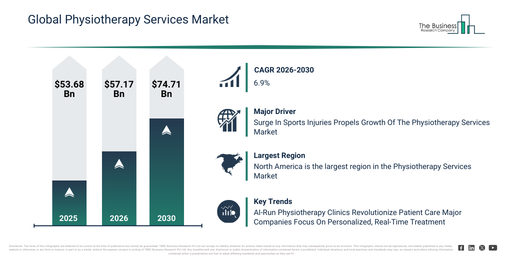
    The physiotherapy services market size has experienced robust growth over recent years. It is anticipated to expand from $53.68 billion in 2025 to $57.17 billion in 2026, exhibiting a compound annual growth rate (CAGR) of 6.5%. This market’s historical growth can be attributed to the increasing incidence of musculoskeletal disorders, a growing aging population, the expansion of sports injury rehabilitation needs, rising awareness of physical therapy benefits, and the wider availability of outpatient physiotherapy services.

    The physiotherapy services market is projected for substantial expansion in the coming years, reaching $74.71 billion by 2030, driven by a compound annual growth rate (CAGR) of 6.9%. This growth during the forecast period is primarily due to factors such as the increasing adoption of digital health platforms, the rising demand for home-based care solutions, the expansion of geriatric and chronic disease rehabilitation, a growing emphasis on value-based healthcare models, and the increasing integration of technology-enabled physiotherapy tools. Key trends anticipated in this period encompass the increasing adoption of tele-rehabilitation services, the rising utilization of digital assessment and monitoring tools, a growing demand for personalized therapy programs, the expansion of home-based physiotherapy services, and an enhanced focus on preventive and wellness-oriented care.

    Access Your Free Sample Report for In-Depth Market Insights:

    https://www.thebusinessresearchcompany.com/sample.aspx?id=12526&type=smp

    Which Drivers Are Influencing Market Acceleration In The Physiotherapy Services Market?

    An increase in sports injury occurrences is projected to drive the expansion of the physiotherapy services market. A sports injury is defined as any harm or damage sustained during athletic endeavors or sporting events. Physiotherapy services are vital for sports injuries, as they aid in prompt rehabilitation, resolve musculoskeletal problems, and restore full functionality, helping athletes recover efficiently and safely, thus allowing them to resume their sport with less chance of recurrence. For example, in 2023, a report from the National Safety Council, a US-based non-profit body, indicated that emergency departments handled 3.7 million people suffering from injuries linked to sports and recreational gear. This represented an 8% rise, with 482,886 injuries documented in 2023, as opposed to 445,642 in 2022. Consequently, the growing frequency of sports injuries is fueling the physiotherapy services market.

    What Leading Segments Are Studied In The Physiotherapy Services Market?

    The physiotherapy services market covered in this report is segmented –

    1) By Type: Hydrotherapy, Electric Stimulation, Ultrasound, Heat Therapy, Therapeutic Exercise, Continuous Passive Motion (CPM)

    2) By Application: Cardiovascular And Pulmonary, Geriatric, Integumentary, Neurological, Orthopedic, Palliative Care, Pediatric, Women’s Health, Other Applications

    3) By End-User: Hospitals, Private Practices, Outpatient Clinics, Sports And Fitness Facility Centers, Other End-Users

    Subsegments:

    1) By Hydrotherapy: Aquatic Therapy, Contrast Bath Therapy, Whirlpool Therapy

    2) By Electric Stimulation: Transcutaneous Electrical Nerve Stimulation (TENS), Neuromuscular Electrical Stimulation (NMES), Interferential Current Therapy

    3) By Ultrasound: Therapeutic Ultrasound, Shockwave Therapy

    4) By Heat Therapy: Moist Heat Packs, Infrared Therapy, Paraffin Wax Treatment

    5) By Therapeutic Exercise: Strengthening Exercises, Flexibility Exercises, Balance And Coordination Training

    6) By Continuous Passive Motion (CPM): Knee CPM Machines, Shoulder CPM Machines, Ankle CPM Machines

    What Trends Are Reshaping The Dynamics Of The Physiotherapy Services Market?

    Major companies in the physiotherapy services market are concentrating on establishing AI-driven physiotherapy clinics to improve patient results, streamline treatment procedures, and deliver customized rehabilitation plans. These AI-driven clinics are healthcare facilities that integrate artificial intelligence (AI) technology to assist in the diagnosis, monitoring, and treatment of patients undergoing physiotherapy. This development will grant patients access to automated video appointments with a digital physiotherapist on the same day they require care. For instance, in June 2024, the National Health Service, a UK-based healthcare system, launched Flok Health, a physiotherapy clinic operated by artificial intelligence (AI). The clinic functions via a smartphone application that allows patients to interact with an AI physiotherapist. The AI responds to information supplied by the patient in real-time, enabling personalized treatment adjustments based on individual feedback and symptoms. The AI system is also capable of generating tailored treatment plans for patients by analyzing their medical history, movement patterns, and treatment outcomes.

    Which Leading Companies Dominate The Physiotherapy Services Market Share?

    Major companies operating in the physiotherapy services market are ITO Co. Ltd., DJO Global Inc., Professional Physical Therapy, NovaCare Rehabilitation, Pivot Physical Therapy, Apollo Hospitals Enterprise Ltd., U.S. Physical Therapy Inc., BTL Industries Inc., ATI Physical Therapy LLC, Zynex Medical Inc., Zimmer MedizinSysteme GmbH, Storz Medical AG, Enraf-Nonius B.V., Patterson Medical Ltd., RICHMAR, eLuma, Rehab Alternatives, Maven Physical Therapy & Performance, Elam Sports O’ahu Therapy & Training, Willis Street Physiotherapy Limited, AmeriCare Physical Therapy, Olean Physical Therapy Professionals PLLC, Triumph Physical Therapy LLC, Meier & Marsh Professional Therapies, FullMotion Physical Therapy LLC, EMS Physio Ltd.

    Access The Complete Report For Deeper Market Insights:

    https://www.thebusinessresearchcompany.com/report/physiotherapy-services-global-market-report

    How Does The Physiotherapy Services Market Perform Across Major Global Regions?

    North America was the largest region in the physiotherapy services market in 2025. Asia-Pacific is expected to be the fastest-growing region in the forecast period. The regions covered in the physiotherapy services market report are Asia-Pacific, South East Asia, Western Europe, Eastern Europe, North America, South America, Middle East, Africa.

    Request Your Customized Physiotherapy Services Market Research Report for Competitive Advantage:

    https://www.thebusinessresearchcompany.com/customise?id=12526&type=smp

    Browse Through More Reports Similar to the Global Physiotherapy Services Market 2026, By The Business Research Company

    Medical Rehabilitation Services Market Report 2026

    https://www.thebusinessresearchcompany.com/report/medical-rehabilitation-services-global-market-report

    Physiotherapy And Rehabilitation Products And Services Market Report 2026

    https://www.thebusinessresearchcompany.com/report/physiotherapy-and-rehabilitation-products-and-services-global-market-report

    Physiotherapy Equipment And Accessories Market Report 2026

    https://www.thebusinessresearchcompany.com/report/physiotherapy-equipment-and-accessories-global-market-report

    Get in touch with us:

    The Business Research Company: https://www.thebusinessresearchcompany.com/

    Americas +1 310-496-7795

    Asia +44 7882 955267 & +91 8897263534

    Europe +44 7882 955267

    Email us at info@tbrc.info

    Follow us on:

    LinkedIn: https://in.linkedin.com/company/the-business-research-company

    YouTube: https://www.youtube.com/channel/UC24_fI0rV8cR5DxlCpgmyFQ

    Global Market Model: https://www.thebusinessresearchcompany.com/global-market-model