Month: March 2026

  • Global Pharyngitis Treatment Industry Insights: Key Trends and Growth Estimates

    Global Pharyngitis Treatment Industry Insights: Key Trends and Growth Estimates

    Uncover key drivers, emerging technologies, and competitive movements shaping the pharyngitis treatment market from 2026–2035 with trusted insights from The Business Research Company

    Starting from its 2026 valuation, what market size is the Pharyngitis Treatment Market expected to reach by 2030?

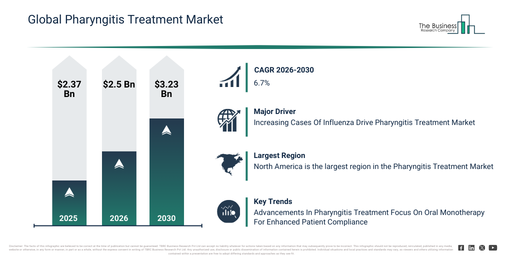
    The pharyngitis treatment market has experienced robust expansion in recent times. This market is projected to expand from $2.37 billion in 2025 to reach $2.5 billion by 2026, demonstrating a compound annual growth rate (CAGR) of 5.6%. Historically, this growth was driven by several factors, including an increased occurrence of upper respiratory infections, the extensive application of antibiotics in primary care, the accessibility of broad-spectrum antibiotics, the development of hospital treatment protocols, and the proliferation of outpatient treatment environments.

    The pharyngitis treatment market size is projected to experience substantial growth in the upcoming years, with forecasts indicating it will reach $3.23 billion by 2030, expanding at a compound annual growth rate (CAGR) of 6.7%. This projected growth is driven by a heightened focus on precision infection management, an increasing demand for resistance-aware therapies, the broader availability of digital diagnosis platforms, escalating investments in developing new antibiotics, and the wider acceptance of home-based treatment models. Significant trends expected during this forecast period include the increasing creation of targeted antibiotic therapies, a rise in the use of rapid diagnostic support tools, the growing application of combination drug regimens, the expansion of telemedicine-linked treatment models, and a stronger emphasis on antimicrobial stewardship.

    Access Your Free Sample Report for In-Depth Market Insights:

    https://www.thebusinessresearchcompany.com/sample.aspx?id=12937&type=smp

    What Drivers Are Driving Adoption Within The Pharyngitis Treatment Market?

    An increasing occurrence of influenza is anticipated to propel the growth of the pharyngitis treatment market going forward. Influenza, commonly known as the flu, is a contagious respiratory illness caused by influenza viruses. Pharyngitis treatment is primarily utilized to address influenza and proves beneficial for the flu by alleviating its symptoms, such as inflammation or irritation, with a focus on relieving allergies and preventing complications like pneumonia and bronchitis. For instance, in July 2023, according to the European Centre for Disease Prevention and Control (ECDC), a Sweden-based government agency, the percentage of positive influenza specimens in the 2022/2023 influenza season in the EU/EEA reached 28% from week 5 to week 12 of 2023. Therefore, this escalating incidence is a key driver for the growth of the pharyngitis treatment market.

    What Segments Are Included Within The Pharyngitis Treatment Market?

    The pharyngitis treatment market covered in this report is segmented –

    1) By Drug Class: Beta Lactams, Macrolides, Cephalosporins, Fluoroquinolones, Tetracycline, Other Drug Classes

    2) By Source Of Infection: Viral, Bacterial

    3) By Modes Of Delivery: Oral, Intravenous, Intramuscular, Other Modes Of Delivery

    4) By End-Users: Hospitals, Homecare, Specialty Centers, Other End-Users

    Subsegments:

    1) By Beta Lactams: Penicillins, Amoxicillin, Ampicillin

    2) By Macrolides: Erythromycin, Azithromycin, Clarithromycin

    3) By Cephalosporins: Cefuroxime, Ceftriaxone, Cefdinir

    4) By Fluoroquinolones: Ciprofloxacin, Levofloxacin, Moxifloxacin

    5) By Tetracycline: Doxycycline, Minocycline, Tetracycline

    6) By Other Drug Classes: Clindamycin, Sulfonamides, Carbapenems

    What Long-Term Trends Are Expected To Shape The Future Of The Pharyngitis Treatment Market?

    Leading companies operating in the pharyngitis treatment market are concentrating on developing innovative products such as oral monotherapy to enhance patient compliance and provide effective, convenient treatment options. Oral monotherapy refers to the use of a single drug or medication administered orally (by mouth) for treating a specific condition or disease. It involves the administration of just one therapeutic agent, as opposed to a combination of multiple treatments, to achieve the desired therapeutic effect. For instance, in December 2023, Novartis AG, a Switzerland-based pharmaceutical corporation, received FDA approval for Fabhalta (iptacopan), establishing it as the first oral monotherapy for adults with paroxysmal nocturnal hemoglobinuria (PNH). This milestone, achieved on [date], represents a significant advancement by offering a new treatment option that enhances hemoglobin levels, eliminating the need for blood transfusions.

    Who Are The Major Companies Operating In The Pharyngitis Treatment Market?

    Major companies operating in the pharyngitis treatment market are Pfizer Inc., GlaxoSmithKline PLC, Pliva Hrvatska D.o.o., Viatris Inc., Teva Pharmaceutical Industries Ltd., Takeda Pharmaceutical Company Limited, Eli Lilly and Company, Boehringer Ingelheim International GmbH, Fresenius Kabi AG, Bausch Health Companies Inc., Sun Pharmaceutical Industries Ltd., Dr. Reddy’s Laboratories Ltd., Cipla Limited, Hikma Pharmaceuticals plc, Lupin Limited, Aurobindo Pharma Limited, Sandoz Group AG, Alkem Laboratories Ltd., Zydus Lifesciences Ltd., Torrent Pharmaceuticals Ltd., Alembic Pharmaceuticals Ltd., Intas Pharmaceuticals Ltd., Macleods Pharmaceuticals Ltd.

    Access The Complete Report For Deeper Market Insights:

    https://www.thebusinessresearchcompany.com/report/pharyngitis-treatment-global-market-report

    Which Region Is Anticipated To See The Fastest Growth In The Pharyngitis Treatment Market?

    North America was the largest region in the pharyngitis treatment market in 2025. Asia-Pacific is expected to be the fastest-growing region in the forecast period. The regions covered in the pharyngitis treatment market report are Asia-Pacific, South East Asia, Western Europe, Eastern Europe, North America, South America, Middle East, Africa.

    Request Your Customized Pharyngitis Treatment Market Research Report for Competitive Advantage:

    https://www.thebusinessresearchcompany.com/customise?id=12937&type=smp

    Browse Through More Reports Similar to the Global Pharyngitis Treatment Market 2026, By The Business Research Company

    Tracheitis Treatment Market Report 2026

    https://www.thebusinessresearchcompany.com/report/tracheitis-treatment-global-market-report

    Sinusitis Treatment Market Report 2026

    https://www.thebusinessresearchcompany.com/report/sinusitis-treatment-global-market-report

    Strep Throat Treatment Market Report 2026

    https://www.thebusinessresearchcompany.com/report/strep-throat-treatment-global-market-report

    Get in touch with us:

    The Business Research Company: https://www.thebusinessresearchcompany.com/

    Americas +1 310-496-7795

    Asia +44 7882 955267 & +91 8897263534

    Europe +44 7882 955267

    Email us at info@tbrc.info

    Follow us on:

    LinkedIn: https://in.linkedin.com/company/the-business-research-company

    YouTube: https://www.youtube.com/channel/UC24_fI0rV8cR5DxlCpgmyFQ

    Global Market Model: https://www.thebusinessresearchcompany.com/global-market-model
  • Pharmacy Prescription Retrieval Robot Market Forecast: How Big Will It Be by 2030?

    Pharmacy Prescription Retrieval Robot Market Forecast: How Big Will It Be by 2030?

    Uncover key drivers, emerging technologies, and competitive movements shaping the pharmacy prescription retrieval robot market from 2026–2035 with trusted insights from The Business Research Company

    Across 2026–2030, what is the expected market valuation path of the Pharmacy Prescription Retrieval Robot Market?

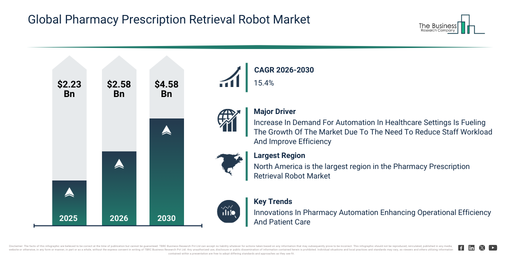
    The pharmacy prescription retrieval robot market has seen swift expansion in recent years. It is anticipated to increase from $2.23 billion in 2025 to $2.58 billion in 2026, achieving a compound annual growth rate (CAGR) of 15.7%. Historically, this growth has been fueled by factors such as a rise in prescription volumes in hospitals, a greater emphasis on reducing medication errors, the development of centralized pharmacy models, an increase in outpatient pharmacy services, and the broader integration of automation in healthcare.

    The pharmacy prescription retrieval robot market is set to experience substantial growth in the upcoming years. Its value is projected to escalate to $4.58 billion by 2030, driven by a compound annual growth rate (CAGR) of 15.4%. This expansion during the forecast period is primarily due to the rising demand for fully automated pharmacies, increasing integration with hospital information systems, the broader deployment of robotic solutions within retail pharmacies, an amplified focus on operational efficiency, and growing investments in smart healthcare infrastructure. Significant trends expected in this period encompass the increased deployment of automated pharmacy dispensing systems, a surging adoption of robotic inventory management, the expanding integration of AI-based error reduction systems, the proliferation of high-density medication storage solutions, and a heightened emphasis on prescription accuracy.

    Access Your Free Sample Report for In-Depth Market Insights:

    https://www.thebusinessresearchcompany.com/sample.aspx?id=29148&type=smp

    Which Drivers Are Supporting The Rise Of The Pharmacy Prescription Retrieval Robot Market?

    The escalating need for automation in healthcare settings is projected to fuel the advancement of the pharmacy prescription retrieval robot market in the future. Automation in healthcare encompasses the deployment of technologies like robotics, artificial intelligence (AI), and digital systems to streamline clinical, administrative, and operational functions, thereby reducing errors and simultaneously boosting efficiency and patient care. The heightened demand for automation in healthcare is attributed to the necessity of reducing staff workload, as automated systems manage repetitive tasks, allowing healthcare professionals to concentrate more on patient care. The pharmacy prescription retrieval robot itself stimulates automation demand by optimizing prescription dispensing and lessening the workload on pharmacists. For example, in December 2024, the Healthcare Information and Management Systems Society, a US-based not-for-profit organization, indicated that by late 2024, nearly 86% of health organizations had adopted some AI tools, signifying the rapid increase in automation integration across healthcare. Therefore, the growing demand for automation in healthcare settings is a key driver for the growth of the pharmacy prescription retrieval robot market.

    What Leading Segments Are Studied In The Pharmacy Prescription Retrieval Robot Market?

    The pharmacy prescription retrieval robot market covered in this report is segmented –

    1) By Product Type: Automated Dispensing Robots, Prescription Retrieval Robots, Medication Storage Robots

    2) By Application: Hospital Pharmacies, Retail Pharmacies, Clinic Pharmacies, Other Applications

    3) By End-User: Hospitals, Retail Pharmacies, Clinics, Other End-Users

    Subsegments:

    1) By Automated Dispensing Robots: Cabinet-Based Robots, Carousel-Based Robots, Robotic Arm Systems, Conveyor-Based Systems

    2) By Prescription Retrieval Robots: Mobile Retrieval Robots, Stationary Retrieval Robots, Hybrid Retrieval Systems

    3) By Medication Storage Robots: Vertical Storage Units, Horizontal Storage Units, Modular Storage Systems

    Which Market Trends Are Opening Growth Opportunities In The Pharmacy Prescription Retrieval Robot Market?

    Leading companies in the pharmacy prescription retrieval robot market are concentrating on developing advanced technologies, such as micro-fulfillment technology, to optimize prescription dispensing, lessen pharmacy workload, enhance operational efficiency, and improve patient care. Micro-fulfillment technology refers to an automated system that utilizes robotics, conveyors, and digital tools to process, store, and dispense high volumes of prescriptions or goods from centralized facilities, thereby enabling faster order fulfillment, reduced inventory waste, and improved operational efficiency. For instance, in May 2025, Walgreens Boots Alliance, a US-based retail pharmacy chain, unveiled an advanced robotic prescription retrieval system. This development enhances pharmacy operations by automating the handling of maintenance prescriptions for chronic conditions, reduces routine tasks for staff, lowers fulfillment costs by nearly 13%, minimizes excess inventory, and allows pharmacists to dedicate more time to clinical services such as vaccinations and health screenings, representing a significant improvement in efficiency and patient care.

    Which Major Firms Are Strengthening Their Position In The Pharmacy Prescription Retrieval Robot Market?

    Major companies operating in the pharmacy prescription retrieval robot market are McKesson Corporation, Becton Dickinson and Company, Omnicell Inc., Meditech Pharmacy Automation Inc., ScriptPro LLC, ARxIUM Inc., Knapp AG, MedAvail Technologies Inc., Tosho Inc., Yuyama Co. Ltd., NewIcon Inc., Willach Pharmacy Solutions GmbH, Shenzhen RSS Technology Co. Ltd., Pearson Medical Technologies Inc., Swisslog Healthcare, Capsa Healthcare, RxSafe LLC, TouchPoint Medical, Becton Dickinson – Pyxis Solutions, Kirby Lester LLC

    Access The Complete Report For Deeper Market Insights:

    https://www.thebusinessresearchcompany.com/report/pharmacy-prescription-retrieval-robot-global-market-report

    Which Region Is Anticipated To See The Fastest Growth In The Pharmacy Prescription Retrieval Robot Market?

    North America was the largest region in the pharmacy prescription retrieval robot market in 2025. Asia-Pacific is expected to be the fastest-growing region in the forecast period. The regions covered in the pharmacy prescription retrieval robot market report are Asia-Pacific, South East Asia, Western Europe, Eastern Europe, North America, South America, Middle East, Africa.

    Request Your Customized Pharmacy Prescription Retrieval Robot Market Research Report for Competitive Advantage:

    https://www.thebusinessresearchcompany.com/customise?id=29148&type=smp

    Browse Through More Reports Similar to the Global Pharmacy Prescription Retrieval Robot Market 2026, By The Business Research Company

    Pharmacy Automation Devices Market Report 2026

    https://www.thebusinessresearchcompany.com/report/pharmacy-automation-devices-global-market-report

    Pharmacy Automation Solution Market Report 2026

    https://www.thebusinessresearchcompany.com/report/pharmacy-automation-solution-global-market-report

    Pharmacy Automation Systems Market Report 2026

    https://www.thebusinessresearchcompany.com/report/pharmacy-automation-systems-global-market-report

    Get in touch with us:

    The Business Research Company: https://www.thebusinessresearchcompany.com/

    Americas +1 310-496-7795

    Asia +44 7882 955267 & +91 8897263534

    Europe +44 7882 955267

    Email us at info@tbrc.info

    Follow us on:

    LinkedIn: https://in.linkedin.com/company/the-business-research-company

    YouTube: https://www.youtube.com/channel/UC24_fI0rV8cR5DxlCpgmyFQ

    Global Market Model: https://www.thebusinessresearchcompany.com/global-market-model
  • Pharmacy Management System Market Report 2026: Strategic Insights and Revenue Outlook

    Pharmacy Management System Market Report 2026: Strategic Insights and Revenue Outlook

    Uncover key drivers, emerging technologies, and competitive movements shaping the pharmacy management system market from 2026–2035 with trusted insights from The Business Research Company

    What size range is anticipated for the Pharmacy Management System Market from 2026 to 2030?

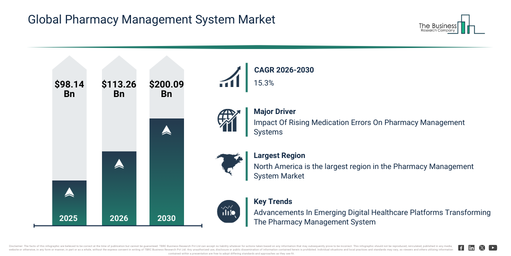
    The pharmacy management system market size has experienced significant expansion in recent years. This market is projected to expand from $98.14 billion in 2025 to $113.26 billion in 2026, exhibiting a compound annual growth rate (CAGR) of 15.4%. Historically, this growth has been driven by several factors, including the increasing digitization of pharmacy operations, a rise in prescription transaction volumes, the growing requirement for centralized patient records, the expansion of retail pharmacy chains, and the adoption of fundamental pharmacy software solutions.

    The market size for pharmacy management systems is projected to undergo rapid expansion over the next few years. This sector is forecast to attain a value of $200.09 billion by 2030, growing at a compound annual growth rate (CAGR) of 15.3%. The projected growth is attributable to factors such as an increasing transition to cloud-native PMS solutions, a rising adoption of AI-enabled decision support, the broadening of omnichannel pharmacy operations, a heightened demand for interoperability with healthcare systems, and an intensified focus on data-driven pharmacy management. Key trends expected during the forecast period include the expanding adoption of cloud-based pharmacy platforms, an increase in the integration of inventory and billing systems, a growing utilization of real-time prescription processing, an enhancement of data analytics and reporting capabilities, and a greater emphasis on automating regulatory compliance.

    Access Your Free Sample Report for In-Depth Market Insights:

    https://www.thebusinessresearchcompany.com/sample.aspx?id=18428&type=smp

    What Drivers Are Affecting Demand In The Pharmacy Management System Market?

    The increasing financial burden from medication errors is anticipated to boost the expansion of the pharmacy management system market in the future. Such errors encompass mistakes made throughout the prescription, dispensation, and administration processes of drugs, leading to possible or actual patient harm. These errors frequently arise from intricate drug schedules, insufficient communication among medical professionals, and technical deficiencies within medication delivery systems. A pharmacy management system serves to mitigate these errors through automated prescription handling, precise management of patient information, offering checks for drug interactions, enabling immediate access to patients’ past medication records, and improving the accuracy and security of medication distribution. For instance, in March 2024, the World Health Organization, a US-based government agency, reported that the worldwide expense attributed to medication errors stands at $42 to $100 billion annually. Consequently, the escalating expenses linked to medication errors are stimulating the expansion of the pharmacy management system market.

    Which Segment Groups Are Influencing The Pharmacy Management System Market?

    The pharmacy management system market covered in this report is segmented –

    1) By Component: Software, Hardware, Services

    2) By Deployment: Web Based, On Premise

    3) By End User: Inpatient Pharmacies, Outpatient Pharmacies

    Subsegments:

    1) By Software: Prescription Management Software, Inventory Management Software, Medication Therapy Management (MTM) Software, Point-Of-Sale (POS) Systems, Drug Interaction Or Drug Database Software, Pharmacy Workflow Management Software, Reporting And Analytics Software

    2) By Hardware: Automated Dispensing Machines (ADM), Barcode Scanners And Printers, Pharmacy Kiosks, Labeling And Packaging Equipment, Tablet And Capsule Counter Machines, Temperature Monitoring Devices

    3) By Services: Installation And Integration Services, Training And Support Services, Consulting Services, Maintenance Services, Cloud Hosting And Data Management Services

    How Are Emerging Trends Affecting The Progression Of The Pharmacy Management System Market?

    Leading companies operating in the pharmacy management system market are developing advanced solutions, such as digital healthcare platforms, which offer patients online access to a comprehensive suite of health services. A digital healthcare platform is a software-based system designed to facilitate the management and coordination of healthcare services utilizing digital technologies. For example, in January 2024, Eli Lilly and Company, a US-based pharmaceutical company, introduced LillyDirect, a digital healthcare platform that integrates pharmacy management capabilities and enables patients with obesity and diabetes to order select Lilly medications online for home delivery through partnered pharmacies. Additionally, it provides access to independent telehealth providers for virtual consultations and personalized resources for disease management.

    Who Are The Primary Competitors In The Global Pharmacy Management System Market?

    Major companies operating in the pharmacy management system market are McKesson Corporation, Cardinal Health Inc., Becton Dickinson and Company, Epic Systems Corporation, Omnicell Inc., Epicor Software Corporation, Agfa-Gevaert NV, NextGen Healthcare Information Systems LLC, Veradigm LLC, Computer Programs and Systems Inc., Clanwilliam Health Limited, ScriptPro LLC, Swisslog Healthcare AG, LS Retail ehf., ARxIUM Inc., PioneerRx LLC, Octal IT Solution LLC, Liberty Software Inc., Datascan Pharmacy Inc., Supplylogix LLC, Cerner Corporation, Meditech Inc., QS1 Data Systems, RedSail Technologies, McKesson Pharmacy Systems

    Access The Complete Report For Deeper Market Insights:

    https://www.thebusinessresearchcompany.com/report/pharmacy-management-system-global-market-report

    Which Global Regions Are Shaping The Competitive Landscape Of The Pharmacy Management System Market?

    North America was the largest region in the pharmacy management system market in 2025. Asia-Pacific is expected to be the fastest-growing region in the forecast period. The regions covered in the pharmacy management system market report are Asia-Pacific, South East Asia, Western Europe, Eastern Europe, North America, South America, Middle East, Africa.

    Request Your Customized Pharmacy Management System Market Research Report for Competitive Advantage:

    https://www.thebusinessresearchcompany.com/customise?id=18428&type=smp

    Browse Through More Reports Similar to the Global Pharmacy Management System Market 2026, By The Business Research Company

    Pharmacy Automation Systems Market Report 2026

    https://www.thebusinessresearchcompany.com/report/pharmacy-automation-systems-global-market-report

    Medication Management System Market Report 2026

    https://www.thebusinessresearchcompany.com/report/medication-management-system-global-market-report

    Pharmacy Inventory Management Software Solutions And Cabinets Market Report 2026

    https://www.thebusinessresearchcompany.com/report/pharmacy-inventory-management-software-solutions-and-cabinets-global-market-report

    Get in touch with us:

    The Business Research Company: https://www.thebusinessresearchcompany.com/

    Americas +1 310-496-7795

    Asia +44 7882 955267 & +91 8897263534

    Europe +44 7882 955267

    Email us at info@tbrc.info

    Follow us on:

    LinkedIn: https://in.linkedin.com/company/the-business-research-company

    YouTube: https://www.youtube.com/channel/UC24_fI0rV8cR5DxlCpgmyFQ

    Global Market Model: https://www.thebusinessresearchcompany.com/global-market-model

  • Global Pharmacy Benefit Management Industry Trends and Market Forecast 2026–2030

    Global Pharmacy Benefit Management Industry Trends and Market Forecast 2026–2030

    Uncover key drivers, emerging technologies, and competitive movements shaping the pharmacy benefit management market from 2026–2035 with trusted insights from The Business Research Company

    How is the Pharmacy Benefit Management Market size predicted to change over the forecast window of 2026–2035?

    The pharmacy benefit management market size has experienced significant growth in recent years. This market is projected to expand from $695.73 billion in 2025 to $755.09 billion in 2026, registering a compound annual growth rate (CAGR) of 8.5%. The historical growth can be largely attributed to factors such as increasing healthcare expenditure levels, the expansion of insured populations, the rising complexity of drug pricing, the early adoption of managed pharmacy networks, and the proliferation of mail-order pharmacy services.

    Anticipated to experience substantial expansion over the upcoming years, the pharmacy benefit management market is projected to reach $1033.9 billion by 2030, exhibiting a compound annual growth rate (CAGR) of 8.2%. Factors contributing to this growth during the forecast period include the expanding application of AI-enabled cost optimization tools, a heightened emphasis on value-based care models, the broadening scope of specialty drug management, intensifying regulatory examination of drug pricing, and the increasing digitalization of pharmacy benefit platforms. Key trends for the forecast period encompass the increasing embrace of data-driven formulary management, the escalating utilization of predictive cost analytics, the expanding integration of digital claims processing platforms, the growth of specialty pharmacy management services, and a strengthened commitment to cost containment strategies.

    Access Your Free Sample Report for In-Depth Market Insights:

    https://www.thebusinessresearchcompany.com/sample.aspx?id=6883&type=smp

    Which Drivers Are Contributing To The Expansion Of The Pharmacy Benefit Management Market?

    The rising prevalence of chronic illnesses is anticipated to drive the future expansion of the pharmacy benefit management market. Chronic diseases are defined as long-term health conditions that persist for an extended period, typically lasting three months or more. Pharmacy benefit management plays a crucial role in addressing chronic diseases by optimizing medication access, promoting adherence, and implementing cost-effective strategies, thereby ensuring better health outcomes and an improved quality of life for patients with these enduring medical conditions. For instance, in September 2023, the World Health Organization (WHO), a Switzerland-based intergovernmental health organization, reported that 41 million deaths, which represents 74% of all annual global deaths, were caused by noncommunicable diseases (NCDs) or chronic diseases. Among these, cardiovascular diseases accounted for 17.9 million deaths, cancer for 9.3 million, chronic respiratory diseases for 4.1 million, and diabetes for 2.0 million. Consequently, the increasing burden of chronic disease is propelling the growth of the pharmacy benefit management market.

    What Segment Classifications Make Up The Pharmacy Benefit Management Market?

    The pharmacy benefit management market covered in this report is segmented –

    1) By Services: Mail-Delivery, Specialty Pharmacy, Preferred Network Pharmacy

    2) By Type: Commercial Health Plans, Self-Insured Employer Plans, Medicare Part D Plans, Federal Employees Health Benefits Program

    3) By End User: Pharmacy Benefit Management Organization, Mail Order Pharmacies, Retail Pharmacies, Inpatient Pharmacies, Outpatient Pharmacies

    Subsegments:

    1) By Mail-Delivery: Maintenance Medications, Acute Care Medications, Patient Education And Support Services

    2) By Specialty Pharmacy: High-Cost Medications, Biologics And Biosimilars, Disease Management Services

    3) By Preferred Network Pharmacy: Retail Pharmacy Networks, Contracted Pharmacy Networks, Urgent Care Pharmacy Services

    Which Innovation Trends Are Advancing Developments Within The Pharmacy Benefit Management Market?

    Major companies in the pharmacy benefit management market are prioritizing the development of innovative products, such as medication therapy management. This approach employs advanced technology to facilitate a comprehensive review and optimization of a patient’s medication regimen, alongside resolving drug-related issues. Medication therapy management is a clinical service provided by pharmacists, aimed at enhancing a patient’s medication usage and improving overall health outcomes. For instance, in May 2025, America’s TPA LLC, a US-based independent health innovator specializing in pharmacy management solutions, launched EZrx. This next-generation pharmacy solution leverages six cost-reduction strategies, including therapeutic substitution and prior authorization. Moreover, it incorporates advanced analytics and member engagement tools to further optimize pharmacy benefit management and improve clinical results.

    Which Key Market Players Are Investing In Expansion And Innovation Within The Pharmacy Benefit Management Market?

    Major companies operating in the pharmacy benefit management market are CVS Health Corporation, Cigna Corporation, Centene Corporation, Anthem Inc., OptumRx Inc., Humana Pharmacy Solutions Inc., Magellan Health Inc., Prime Therapeutics LLC, MaxorPlus Ltd., RxAdvance Corp, MedImpact Healthcare Systems Inc., PerformRx LLC., Navitus Health Solutions LLC, WellDyneRx Inc., Healthesystems LLC., Catalyst Rx Inc., Argus Health Systems Inc., Innoviant Pharmacy Inc., Pharmaceutical Strategies Group, ProCare Rx Inc., FutureScripts LLC., National CooperativeRx, ScriptCare Ltd., US Script Inc., LDI Integrated Pharmacy Services LLC, RxPreferred Benefits, SinfoníaRx Inc.

    Access The Complete Report For Deeper Market Insights:

    https://www.thebusinessresearchcompany.com/report/pharmacy-benefit-management-global-market-report

    Which Regions Are Poised For Strategic Growth In The Pharmacy Benefit Management Market?

    North America was the largest region in the pharmacy benefit management market in 2025. Asia-Pacific is expected to be the fastest-growing region in the forecast period. The regions covered in the pharmacy benefit management market report are Asia-Pacific, South East Asia, Western Europe, Eastern Europe, North America, South America, Middle East, Africa.

    Request Your Customized Pharmacy Benefit Management Market Research Report for Competitive Advantage:

    https://www.thebusinessresearchcompany.com/customise?id=6883&type=smp

    Browse Through More Reports Similar to the Global Pharmacy Benefit Management Market 2026, By The Business Research Company

    Medication Management System Market Report 2026

    https://www.thebusinessresearchcompany.com/report/medication-management-system-global-market-report

    Pharmacy Management System Market Report 2026

    https://www.thebusinessresearchcompany.com/report/pharmacy-management-system-global-market-report

    Pharmacy Inventory Management Software Solutions And Cabinets Market Report 2026

    https://www.thebusinessresearchcompany.com/report/pharmacy-inventory-management-software-solutions-and-cabinets-global-market-report

    Get in touch with us:

    The Business Research Company: https://www.thebusinessresearchcompany.com/

    Americas +1 310-496-7795

    Asia +44 7882 955267 & +91 8897263534

    Europe +44 7882 955267

    Email us at info@tbrc.info

    Follow us on:

    LinkedIn: https://in.linkedin.com/company/the-business-research-company

    YouTube: https://www.youtube.com/channel/UC24_fI0rV8cR5DxlCpgmyFQ

    Global Market Model: https://www.thebusinessresearchcompany.com/global-market-model

  • Pharmacy Automation Systems Market Size and Demand Forecast 2026–2030

    Pharmacy Automation Systems Market Size and Demand Forecast 2026–2030

    Uncover key drivers, emerging technologies, and competitive movements shaping the pharmacy automation systems market from 2026–2035 with trusted insights from The Business Research Company

    What market expansion outlook does the Pharmacy Automation Systems Market show for the 2026–2030 period?

    The pharmacy automation systems market has experienced significant expansion in recent years. This market is set to increase from $6.3 billion in 2025 to $6.78 billion in 2026, demonstrating a compound annual growth rate (CAGR) of 7.7%. The growth observed in prior periods can be attributed to several factors, including the surge in hospital digitization efforts, the escalating complexity of medication management, the rising adoption of centralized pharmacy models, the need to minimize dispensing errors, and the widespread development of automated storage systems.

    The pharmacy automation systems market size is anticipated to experience substantial growth over the next few years. It is forecast to expand to $9.12 billion by 2030, achieving a compound annual growth rate (CAGR) of 7.7%. This expansion during the forecast period is driven by factors such as increasing investments in fully autonomous pharmacy systems, the rising adoption of smart compounding solutions, the broader expansion of mail-order pharmacy automation, the growing integration of AI-driven dispensing analytics, and an increasing focus on scalable pharmacy infrastructure. Significant trends for the forecast period include the increasing adoption of fully automated medication dispensing systems, the rising use of robotic compounding technologies, the growing deployment of tabletop counting systems, the expansion of integrated packaging and labelling solutions, and an enhanced focus on end-to-end pharmacy automation.

    Access Your Free Sample Report for In-Depth Market Insights:

    https://www.thebusinessresearchcompany.com/sample.aspx?id=13721&type=smp

    What Drivers Are Shaping The Development Of The Pharmacy Automation Systems Market?

    The increasing prevalence of medication errors is projected to fuel the expansion of the pharmacy automation systems market going forward. Medication errors are defined as preventable incidents or inaccuracies in medication use, which can manifest at any stage of the healthcare process, from prescription and dispensing to administration and monitoring. Automated pharmacy systems maintain precise and thorough records of dispensed medications and patient histories, enabling healthcare providers to easily access information and diminishing the potential for errors caused by incomplete or absent data. For instance, in April 2024, the Patient Safety Journal, an independent US-based state agency that gathers reports on patient safety events, indicated that medication error rose by 0.9 percentage points, climbing from 13.2% in 2022 to 14.1% in 2023. Thus, the rise in medication errors is a significant driver for the pharmacy automation systems market.

    What Segment Types Are Examined In The Pharmacy Automation Systems Market?

    The pharmacy automation systems market covered in this report is segmented –

    1) By Product Type: Automated Medication Dispensing Systems, Automated Medication Compounding Systems, Automated Packaging And Labelling Systems, Automated Table Top Counters, Automated Storage And Retrieval Systems

    2) By Mode Of Automation: Semi-Automatic Systems, Fully-Automatic Systems

    3) By End User: Inpatient Pharmacies, Outpatient Pharmacies, Retail Pharmacies, Pharmacy Benefit Management Organizations And Mail-Order Pharmacies

    Subsegments:

    1) By Automated Medication Dispensing Systems: Centralized Dispensing Systems, Decentralized Dispensing Systems

    2) By Automated Medication Compounding Systems: IV Compounding Systems, Oral Compounding Systems

    3) By Automated Packaging And Labelling Systems: Blister Packaging Systems, Bottle Filling And Labelling Systems

    4) By Automated Tabletop Counters: Tablet Counters, Capsule Counters

    5) By Automated Storage And Retrieval Systems: Robotic Storage Systems, Carousel Systems

    Which Competitive Trends Are Impacting The Structure Of The Pharmacy Automation Systems Market?

    Major companies within the pharmacy automation systems market are dedicating efforts to developing innovative products, such as robotic arm automation. This advancement enables the precise picking and dispensing of medications, thereby reducing human error and improving workflow efficiency in pharmacies. Robotic arm automation refers to the utilization of a robotic arm capable of manipulating objects to perform tasks automatically, equipped with sensors for handling items with precision and speed in healthcare industries. For instance, in October 2023, JVM Co. Ltd., an affiliate of Hanmi Science, a South Korea-based life sciences company specializing in pharmaceuticals and drug development, launched MENITH in the European market. This next-generation automated drug dispensing machine features a robotic arm, signifying a considerable advancement aimed at enhancing pharmacy automation and establishing a supply contract with Brocacef, a major operator of large, factory-style dispensing pharmacies.

    Who Are The Core Companies Influencing Trends In The Pharmacy Automation Systems Market?

    Major companies operating in the pharmacy automation systems market are AmerisourceBergen Corporation, Cardinal Health, Danaher Corporation, Becton Dickinson and Company, Cerner Corporation, Epic Systems Corporation, KUKA AG Swisslog Healthcare, Automated Healthcare Systems Incorporated, Omnicell Inc., Swisslog Holdings AG, Parata Systems LLC, ScriptPro LLC, Capsa Healthcare, ARxIUM Inc., Talyst LLC, Kirby Lester LLC, Yuyama Co. Ltd., RxSafe LLC, Pharmatech Corporation, Pearson Medical Technologies, Hy-Tek Medical Limited, Deenova S.R.L, Willach Group, TouchPoint Medical

    Access The Complete Report For Deeper Market Insights:

    https://www.thebusinessresearchcompany.com/report/pharmacy-automation-systems-global-market-report

    Which Regions Are Projected To Dominate The Pharmacy Automation Systems Market In The Coming Years?

    North America was the largest region in the pharmacy automation systems market in 2025. The regions covered in the pharmacy automation systems market report are Asia-Pacific, South East Asia, Western Europe, Eastern Europe, North America, South America, Middle East, Africa.

    Request Your Customized Pharmacy Automation Systems Market Research Report for Competitive Advantage:

    https://www.thebusinessresearchcompany.com/customise?id=13721&type=smp

    Browse Through More Reports Similar to the Global Pharmacy Automation Systems Market 2026, By The Business Research Company

    Pharmacy Automation Devices Market Report 2026

    https://www.thebusinessresearchcompany.com/report/pharmacy-automation-devices-global-market-report

    Pharmacy Automation Market Report 2026

    https://www.thebusinessresearchcompany.com/report/pharmacy-automation-global-market-report

    Pharmacy Automation Solution Market Report 2026

    https://www.thebusinessresearchcompany.com/report/pharmacy-automation-solution-global-market-report

    Get in touch with us:

    The Business Research Company: https://www.thebusinessresearchcompany.com/

    Americas +1 310-496-7795

    Asia +44 7882 955267 & +91 8897263534

    Europe +44 7882 955267

    Email us at info@tbrc.info

    Follow us on:

    LinkedIn: https://in.linkedin.com/company/the-business-research-company

    YouTube: https://www.youtube.com/channel/UC24_fI0rV8cR5DxlCpgmyFQ

    Global Market Model: https://www.thebusinessresearchcompany.com/global-market-model

  • Pharmacy Automation Market Outlook: Growth and Forecast Highlights 2030

    Pharmacy Automation Market Outlook: Growth and Forecast Highlights 2030

    Uncover key drivers, emerging technologies, and competitive movements shaping the pharmacy automation market from 2026–2035 with trusted insights from The Business Research Company

    What level of growth is expected in the Pharmacy Automation Market between 2026 and 2030?

    The pharmacy automation market has seen rapid expansion in recent years. It is anticipated to increase from $8.17 billion in 2025 to $9.12 billion in 2026, with a compound annual growth rate (CAGR) of 11.6%. This historical growth can be linked to several factors, including rising prescription volumes, growing concerns regarding medication errors, the expansion of hospital pharmacy infrastructure, increasing demand for improved workflow efficiency, and the early adoption of centralized dispensing systems.

    The pharmacy automation market is projected to experience robust expansion over the coming years. It is anticipated to reach $13.25 billion by 2030, exhibiting a compound annual growth rate (CAGR) of 9.8%. This anticipated growth during the forecast timeframe is attributable to several factors, including the increasing demand for comprehensive pharmacy automation solutions, greater investments in intelligent hospital infrastructure, the wider embrace of decentralized dispensing models, the expansion of outpatient pharmacy offerings, and an intensified focus on optimizing inventory. Key trends projected for the forecast period encompass the increasing integration of robotic dispensing technologies, the wider implementation of automated storage and retrieval systems, the enhanced incorporation of inventory tracking platforms, the proliferation of high-speed packaging and labeling equipment, and a heightened commitment to ensuring medication safety and precision.

    Access Your Free Sample Report for In-Depth Market Insights:

    https://www.thebusinessresearchcompany.com/sample.aspx?id=15234&type=smp

    Which Drivers Are Expected To Impact The Pharmacy Automation Market During The Forecast Period?

    An elevated disease rate is projected to fuel the expansion of the pharmacy automation market moving forward. A disease rate quantifies the incidence of a particular illness within a specific population over a defined duration. This escalation in disease rates is attributable to various factors, including population growth, increased movement for travel and trade, climate shifts, environmental contamination, and the appearance of new infectious agents or variants. Pharmacy automation endeavors to lessen disease rates by optimizing medication dispensing practices, thereby enhancing accuracy and efficiency in illness management. Such systems facilitate the timely provision and oversight of medications, empowering healthcare providers to act promptly if patients’ conditions worsen. For example, in February 2024, the World Health Organization, an intergovernmental organization located in Switzerland, indicated that by 2050, over 35 million new cancer cases are anticipated, representing a 77% surge compared to the estimated 20 million cases in 2022. Therefore, the rise in disease rates is a key factor propelling the growth of the pharmacy automation market in the coming period.

    Which Segments Are Driving Activity In The Pharmacy Automation Market?

    The pharmacy automation market covered in this report is segmented –

    1) By Product: Dispensing Systems, Pill Sorting Machines, Labelling Machines, Packaging Machines, Inventory Management, Automated Storage And Retrieval Systems, Other Products

    2) By Application: Drug Dispensing And Packaging, Drug Storage, Inventory Management

    3) By End User: Inpatient Pharmacies, Outpatient Pharmacies, Retail Pharmacies, Pharmacy Benefit Management Organizations And Mail-Order Pharmacies

    Subsegments:

    1) By Dispensing Systems: Prescription Dispensing Systems, Automated Dispensing Cabinets, Robot-Assisted Dispensing

    2) By Pill Sorting Machines: Manual Pill Sorting Machines, Automated Pill Sorting Machines

    3) By Labelling Machines: Labeling For Bottles And Containers, Labeling For Blister Packs, Automated Label Application Machines

    4) By Packaging Machines: Pill Packaging Machines, Blister Packaging Machines, Bottle Packaging Machines

    5) By Inventory Management: Inventory Tracking Systems, Drug Replenishment Systems, Stock Auditing Systems

    6) By Automated Storage And Retrieval Systems: Vertical Lift Modules (Vlms), Automated Shelving Systems, Carousel Storage Systems

    7) By Other Products: Prescription Verification Systems, Pharmacy Workflow Automation Tools

    What Industry Trends Are Transforming The Pharmacy Automation Market?

    Leading firms within the pharmacy automation market are prioritizing the expansion of their product offerings by incorporating sophisticated pharmacy automation solutions, including next-generation automated drug dispensing systems, aiming to achieve a competitive advantage. These next-generation automated drug dispensing systems represent advanced technological solutions crafted to automate and optimize medication dispensing procedures in healthcare environments. As an illustration, in October 2023, JVM Co. Ltd., a South Korea-based producer of pharmacy automation systems, introduced the MENITH, an automated dispensing machine equipped with an articulated robotic arm. The MENITH, a next-generation offering from JVM, incorporates a multi-joint collaborative robot arm developed to completely automate the canister exchange process. This system boasts a dispensing speed exceeding twice that of conventional pouch-type automated dispensing machines, capable of dispensing up to 120 pouches per minute. Furthermore, it includes an automated inspection system, which decreases the time and resources necessary for the pharmacy dispensing process.

    Which Major Industry Participants Are Leading The Pharmacy Automation Market Growth?

    Major companies operating in the pharmacy automation market are Mckesson Corporation, AmerisourceBergen Corporation, Baxter International Inc., Cerner Corporation, Pearson Medical Technologies LLC, Omnicell Inc., Swisslog Holding AG, Tension Corporation, Noritsu Koki Co. Ltd., Scriptpro LLC, Capsa Healthcare LLC, Alixar Healthcare Private Limited, Deenova S.R.L, ARxIUM Inc., Talyst Systems LLC, Touchpoint Medical Solutions Pvt. Ltd., Kirby Lester LLC, Yuyama Co. Ltd., Willach GmbH, RxSafe LLC, Meditech Pharmacy Management Solutions Inc., Accu-Chart Plus Healthcare System Inc., PDX Pharmaceuticals Inc., Newicon Ltd.

    Access The Complete Report For Deeper Market Insights:

    https://www.thebusinessresearchcompany.com/report/pharmacy-automation-global-market-report

    Which Region Is Expected To Experience The Fastest Growth In The Pharmacy Automation Market?

    North America was the largest region in the pharmacy automation market in 2025. Asia-Pacific is expected to be the fastest-growing region in the forecast period. The regions covered in the pharmacy automation market report are Asia-Pacific, South East Asia, Western Europe, Eastern Europe, North America, South America, Middle East, Africa.

    Request Your Customized Pharmacy Automation Market Research Report for Competitive Advantage:

    https://www.thebusinessresearchcompany.com/customise?id=15234&type=smp

    Browse Through More Reports Similar to the Global Pharmacy Automation Market 2026, By The Business Research Company

    Pharmacy Automation Devices Market Report 2026

    https://www.thebusinessresearchcompany.com/report/pharmacy-automation-devices-global-market-report

    Pharmacy Automation Systems Market Report 2026

    https://www.thebusinessresearchcompany.com/report/pharmacy-automation-systems-global-market-report

    Pharmacy Automation Solution Market Report 2026

    https://www.thebusinessresearchcompany.com/report/pharmacy-automation-solution-global-market-report

    Get in touch with us:

    The Business Research Company: https://www.thebusinessresearchcompany.com/

    Americas +1 310-496-7795

    Asia +44 7882 955267 & +91 8897263534

    Europe +44 7882 955267

    Email us at info@tbrc.info

    Follow us on:

    LinkedIn: https://in.linkedin.com/company/the-business-research-company

    YouTube: https://www.youtube.com/channel/UC24_fI0rV8cR5DxlCpgmyFQ

    Global Market Model: https://www.thebusinessresearchcompany.com/global-market-model

  • Global Single Molecule Real Time Sequencing Market Report 2026: Emerging Trends and Growth Scenarios

    Global Single Molecule Real Time Sequencing Market Report 2026: Emerging Trends and Growth Scenarios

    Uncover key drivers, emerging technologies, and competitive movements shaping the single molecule real time sequencing market from 2026–2035 with trusted insights from The Business Research Company

    What is the estimated market size of the Single Molecule Real Time Sequencing Market by the end of 2030?

    The single molecule real time sequencing market has experienced robust growth over recent years. This market is projected to expand from $3.43 billion in 2025 to reach $3.73 billion by 2026, demonstrating a compound annual growth rate (CAGR) of 8.7%. Historically, this expansion has been driven by several factors, including developments in DNA sequencing chemistry, the proliferation of genomic research programs, increased embrace of next-generation sequencing platforms, greater financial support for genetic studies, and the expanding application of long-read data in research.

    The single molecule real time sequencing market size is projected to experience robust expansion over the coming years. This market is forecast to reach $5.15 billion by 2030, achieving a compound annual growth rate (CAGR) of 8.4%. Factors contributing to this growth throughout the forecast period include an escalating demand for thorough genome analysis, wider clinical acceptance of long-read sequencing technologies, the broadening scope of epigenetics research applications, the increasing incorporation of AI-powered genomic analytics, and ongoing improvements in reducing sequencing error rates. Key trends anticipated during the same period encompass the growing uptake of long-read sequencing technologies, an elevated need for real-time DNA analysis, the expanding use of cloud-based bioinformatics tools, the development of high-accuracy genome assembly applications, and a heightened emphasis on identifying structural variants.

    Access Your Free Sample Report for In-Depth Market Insights:

    https://www.thebusinessresearchcompany.com/sample.aspx?id=20631&type=smp

    What Drivers Are Shaping Future Opportunities In The Single Molecule Real Time Sequencing Market?

    The increasing occurrence of neurological diseases is projected to stimulate the expansion of the single molecule real time sequencing market. These conditions are disorders impacting the nervous system, which includes the brain, spinal cord, and peripheral nerves, and lead to various symptoms such as compromised movement, sensation, thinking, and coordination. Among the prevalent neurological diseases are Alzheimer’s, Parkinson’s, stroke, and epilepsy. The surge in neurological conditions can be attributed to an aging population, enhanced awareness, improved diagnostic methods, and environmental factors. Single-molecule real-time (SMRT) sequencing offers vital genetic details essential for understanding and managing neurological ailments. For instance, in May 2024, a report by the Alzheimer’s Association, a US-based nonprofit organization dedicated to alzheimer, support, and research, indicated that the number of Americans aged 65 and older diagnosed with alzheimer increased from 6.5 million in 2022 to 6.9 million in 2024. Hence, the growing prevalence of neurological diseases will propel the growth of the single molecule real time sequencing market.

    Which Segment Groups Are Influencing The Single Molecule Real Time Sequencing Market?

    The single molecule real time sequencing market covered in this report is segmented –

    1) By Workflow Stage: Pre-Sequencing, Sequencing, Data Analysis

    2) By Product: Consumable, Instrument, Services

    3) By Application: DNA Sequencing, RNA Sequencing, Epigenetics, Whole Genome Sequencing, Other Applications

    4) By End-Users: Hospitals, Diagnostic Laboratories, Biopharmaceutical Companies, Academic Institutes And Research Centers, Other End Users

    Subsegments:

    1) By Pre-Sequencing: Library Preparation Kits, DNA/RNA Extraction And Purification Products, Quality Control And Quantification Tools

    2) By Sequencing: Real-Time Sequencing Systems, Portable Sequencing Devices, High-Throughput Sequencing Platforms

    3) By Data Analysis: Software For Data Processing, Bioinformatics Tools, Cloud-Based Data Analysis Solutions

    What Trends Are Projected To Support The Growth Of The Single Molecule Real Time Sequencing Market?

    Leading firms within the single-molecule real-time sequencing market are concentrating on creating sophisticated offerings, including benchtop long-read sequencers that provide high-fidelity read output, in pursuit of a competitive edge. Such a sequencer is defined as a compact lab device designed for precise long-read DNA sequencing with efficient throughput, thus extending advanced sequencing capabilities beyond major genome facilities. An example of this is the launch of the Vega benchtop sequencer in November 2024 by Pacific Biosciences, a US-based genomics company. This particular instrument can achieve up to 60 gigabases per run, generates highly accurate long reads (HiFi), and facilitates the production of genomic, transcriptomic, and epigenetic data within smaller laboratory settings. These features serve to expand its user demographic, hasten its integration into clinical and research laboratories, and lower initial obstacles to its use. Nevertheless, smaller laboratories might still encounter financial limitations for its regular application.

    Who Are The Prominent Global Companies Shaping The Single Molecule Real Time Sequencing Market Landscape?

    Major companies operating in the single molecule real time sequencing market are F. Hoffmann-La Roche Ltd, Thermo Fisher Scientific Inc., Agilent Technologies Inc., Bio-Rad Laboratories Inc., Qiagen N.V., Pacific Biosciences of California Inc., Oxford Nanopore Technologies Limited, Illumina Inc., BGI Genomics Co. Ltd., Novogene Corporation, New England Biolabs Inc., Zymo Research Corporation, GENEWIZ Inc., Dovetail Genomics LLC, Singular Genomics Systems Inc., Horizon Discovery Group plc, Asuragen Inc., LGC Limited, Tecan Group Ltd, 10x Genomics Inc.

    Access The Complete Report For Deeper Market Insights:

    https://www.thebusinessresearchcompany.com/report/single-molecule-real-time-sequencing-global-market-report

    Which Geographic Areas Are Emerging As Strong Markets For The Single Molecule Real Time Sequencing Market?

    North America was the largest region in the single molecule real time sequencing market in 2025. Asia-Pacific is expected to be the fastest-growing region in the forecast period. The regions covered in the single molecule real time sequencing market report are Asia-Pacific, South East Asia, Western Europe, Eastern Europe, North America, South America, Middle East, Africa.

    Request Your Customized Single Molecule Real Time Sequencing Market Research Report for Competitive Advantage:

    https://www.thebusinessresearchcompany.com/customise?id=20631&type=smp

    Browse Through More Reports Similar to the Global Single Molecule Real Time Sequencing Market 2026, By The Business Research Company

    Next Generation Computing Market Report 2026

    https://www.thebusinessresearchcompany.com/report/next-generation-computing-global-market-report

    Next Generation Sequencing Market Report 2026

    https://www.thebusinessresearchcompany.com/report/next-generation-sequencing-global-market-report

    Next Generation Military Power Supply Market Report 2026

    https://www.thebusinessresearchcompany.com/report/next-generation-military-power-supply-global-market-report

    Get in touch with us:

    The Business Research Company: https://www.thebusinessresearchcompany.com/

    Americas +1 310-496-7795

    Asia +44 7882 955267 & +91 8897263534

    Europe +44 7882 955267

    Email us at info@tbrc.info

    Follow us on:

    LinkedIn: https://in.linkedin.com/company/the-business-research-company

    YouTube: https://www.youtube.com/channel/UC24_fI0rV8cR5DxlCpgmyFQ

    Global Market Model: https://www.thebusinessresearchcompany.com/global-market-model

  • Single Dose Radiotherapy Services Market Forecast 2026: Where the Industry Is Headed

    Single Dose Radiotherapy Services Market Forecast 2026: Where the Industry Is Headed

    Uncover key drivers, emerging technologies, and competitive movements shaping the single dose radiotherapy services market from 2026–2035 with trusted insights from The Business Research Company

    What was the valuation of the Single Dose Radiotherapy Services Market in 2026, and what figure is it projected to hit by 2030?

    The single dose radiotherapy services market size has demonstrated robust expansion over recent years. This market is projected to expand from a valuation of $1.6 billion in 2025 to $1.73 billion by 2026, exhibiting a compound annual growth rate (CAGR) of 8.1%. Factors contributing to its historical growth include restricted availability of conventional radiotherapy, an increase in cancer cases, a strong patient inclination towards outpatient treatment, the growing accessibility of radiotherapy equipment, and the early implementation of single dose protocols.

    The single dose radiotherapy services market is anticipated to experience substantial expansion in the coming years. This market is projected to reach $2.27 billion by 2030, exhibiting a compound annual growth rate (CAGR) of 7.1%. This projected growth is driven by factors such as progress in precision radiotherapy technology, the incorporation of AI and robotics, expanding reimbursement options, the proliferation of oncology-specific healthcare facilities, and increasing acceptance in developing regions. Key trends anticipated during this period encompass the growing application of hypofractionated radiotherapy, the uptake of image-guided radiotherapy, the rise of mobile and remote radiotherapy solutions, the inclusion of AI in treatment formulation, and the broadening of patient-focused oncology services.

    Access Your Free Sample Report for In-Depth Market Insights:

    https://www.thebusinessresearchcompany.com/sample.aspx?id=16790&type=smp

    Which Drivers Are Affecting Market Participation In The Single Dose Radiotherapy Services Market?

    The market for single-dose radiotherapy services is projected to advance due to the increasing incidence of cancer. Cancer refers to a variety of diseases defined by uncontrolled cell growth, often forming tumors that can invade and spread to other areas of the body, disrupting normal bodily functions. The rise in cancer prevalence is attributed to factors such as aging populations, lifestyle modifications, environmental exposures, and advancements in detection and diagnosis. Single-dose radiotherapy services aid in addressing the growing cancer prevalence by delivering prompt, effective treatment that targets and eradicates cancer cells, potentially enhancing patient outcomes and alleviating the disease burden. For instance, in July 2024, the Australian Institute of Health and Welfare, an Australia-based government agency, reported that in 2023, an estimated 165,000 Australians were newly diagnosed with cancer, equating to over 450 cases each day, with males representing about 55% of these diagnoses. Therefore, the increase in cancer prevalence propels growth in the single-dose radiotherapy services market.

    What Segment Classifications Make Up The Single Dose Radiotherapy Services Market?

    The single dose radiotherapy services market covered in this report is segmented –

    1) By Type: Internal Beam Radiotherapy, External Beam Radiotherapy

    2) By Application: Prostate Cancer, Breast Cancer

    3) By Service Provider: Specialized Cancer Institutes, Radiotherapy Centers

    Subsegments:

    1) By Internal Beam Radiotherapy: Brachytherapy, Intraoperative Radiotherapy (IORT)

    2) By External Beam Radiotherapy: Stereotactic Radiosurgery (SRS), Stereotactic Body Radiotherapy (SBRT), Intensity-Modulated Radiotherapy (IMRT)

    Which Trends Are Influencing The Performance And Direction Of The Single Dose Radiotherapy Services Market?

    Major companies operating in the single-dose radiotherapy services market are increasingly focusing on developing innovative solutions, such as radiation therapy computed tomography (CT) solutions, to enhance imaging precision and simplify simulation workflows for oncology care. A new radiation therapy computed tomography (CT) solution is an advanced imaging system designed to improve the accuracy of radiation treatment, while the AI-enhanced version of the intelligent radiation therapy (iRT) platform incorporates artificial intelligence to optimize and personalize radiation therapy plans. For instance, in May 2024, GE HealthCare, a US-based medical technology company, launched Revolution RT and the Updated Intelligent Radiation Therapy (IRT) Platform. These solutions feature enhanced imaging accuracy, improved workflow efficiency, and AI-driven personalization, with Revolution RT focusing on precise radiotherapy simulation and the updated iRT platform designed to streamline workflows and augment precision. These technological advancements in radiotherapy significantly improve imaging accuracy and precision, simplify operational processes, and enhance personalization and analytics capabilities, thereby optimizing single-dose radiotherapy treatments for individual patients and increasing the overall efficiency, effectiveness, and accessibility of these services.

    Which Key Players Are Driving Competition In The Single Dose Radiotherapy Services Market?

    Major companies operating in the single dose radiotherapy services market are Hitachi Ltd, Varian Medical Systems Inc, Boston Scientific Corporation, Elekta AB, GenesisCare, Accuray Incorporated, IBA Dosimetry GmbH, ViewRay Inc, RaySearch Laboratories AB, RefleXion Medical Inc, Sensus Healthcare Inc, C-RAD AB, Panacea Medical Technologies Pvt Ltd, Advanced Oncotherapy Plc, ProTom International Inc, Isoray Inc, IntraOp Medical Corporation, Alliance Oncology, Nanobiotix, Xcision Medical Systems LLC, Oraya Therapeutics Inc, Mevion Medical Systems, Theragenics Corporation, Oncology Imaging Systems

    Access The Complete Report For Deeper Market Insights:

    https://www.thebusinessresearchcompany.com/report/single-dose-radiotherapy-services-global-market-report

    Which Region Is Projected To Lead The Single Dose Radiotherapy Services Market During The Forecast Period?

    North America was the largest region in the single dose radiotherapy services market in 2025. Asia-Pacific is expected to be the fastest-growing region in the forecast period. The regions covered in the single dose radiotherapy services market report are Asia-Pacific, South East Asia, Western Europe, Eastern Europe, North America, South America, Middle East, Africa.

    Request Your Customized Single Dose Radiotherapy Services Market Research Report for Competitive Advantage:

    https://www.thebusinessresearchcompany.com/customise?id=16790&type=smp

    Browse Through More Reports Similar to the Global Single Dose Radiotherapy Services Market 2026, By The Business Research Company

    Image Guided Radiation Therapy Market Report 2026

    https://www.thebusinessresearchcompany.com/report/image-guided-radiation-therapy-global-market-report

    Radiotherapy Devices Market Report 2026

    https://www.thebusinessresearchcompany.com/report/radiotherapy-devices-global-market-report

    Radiation Dose Management Market Report 2026

    https://www.thebusinessresearchcompany.com/report/radiation-dose-management-global-market-report

    Get in touch with us:

    The Business Research Company: https://www.thebusinessresearchcompany.com/

    Americas +1 310-496-7795

    Asia +44 7882 955267 & +91 8897263534

    Europe +44 7882 955267

    Email us at info@tbrc.info

    Follow us on:

    LinkedIn: https://in.linkedin.com/company/the-business-research-company

    YouTube: https://www.youtube.com/channel/UC24_fI0rV8cR5DxlCpgmyFQ

    Global Market Model: https://www.thebusinessresearchcompany.com/global-market-model

  • Single Cell Multiomics Industry Growth Insights: Revenue Forecast to 2030

    Single Cell Multiomics Industry Growth Insights: Revenue Forecast to 2030

    Uncover key drivers, emerging technologies, and competitive movements shaping the single cell multiomics market from 2026–2035 with trusted insights from The Business Research Company

    What are the forecasted starting (2026) and ending (2030) market sizes for the Single Cell Multiomics Market?

    The single cell multiomics market size has experienced substantial expansion in recent years. This market is projected to expand from $4.85 billion in 2025 to $5.92 billion in 2026, achieving a compound annual growth rate (CAGR) of 22.1%. The historic growth is linked to factors such as advancements in single-cell sequencing technologies, the expansion of cancer research initiatives, escalating investments in life sciences research, the increased availability of high-throughput analysis tools, and growing academic research funding.

    The single cell multiomics market is projected to experience substantial expansion over the upcoming years, with its valuation anticipated to reach $13 billion by 2030, demonstrating a compound annual growth rate (CAGR) of 21.7%. This projected increase can be ascribed to several factors, including a heightened need for precision medicine applications, greater integration into clinical research processes, the proliferation of multiomics data integration solutions, increased financial commitments to pharmaceutical research, and ongoing advancements in analytical sensitivity. Key developments expected during this period involve the wider implementation of integrated multiomics platforms, a growing requirement for high-resolution single-cell analysis, an expanding reliance on AI-powered data interpretation tools, the proliferation of multi-modal cellular profiling methods, and a sharpened emphasis on understanding cellular heterogeneity.

    Access Your Free Sample Report for In-Depth Market Insights:

    https://www.thebusinessresearchcompany.com/sample.aspx?id=20630&type=smp

    What Drivers Are Supporting Technological Adoption In The Single Cell Multiomics Market?

    The single cell multiomics market is anticipated to grow in the future due to the increasing need for precision medicine. Precision medicine refers to a medical methodology that customizes treatment and healthcare strategies to suit the individual characteristics of each patient. The expansion of precision medicine is propelled by advancements in genomic research, enhanced capabilities for data analysis, and a clearer understanding of the advantages of personalized healthcare. Single-cell multiomics delivers comprehensive insights into cellular heterogeneity and molecular mechanisms, thereby enabling the creation of highly personalized treatments specifically adapted to individual patients’ distinct cellular profiles. For instance, in May 2025, as per the Personalized Medicine Coalition (PMC), a U.S.-based professional organization, the U.S. Food and Drug Administration (FDA) approved 18 new personalized medicines in 2023, which constituted about 38% of all newly approved therapeutic molecular entities. Thus, the growing demand for precision medicine is fueling the growth of the single cell multiomics market.

    What Segment Types Are Examined In The Single Cell Multiomics Market?

    The single cell multiomics market covered in this report is segmented –

    1) By Type: Single Cell Genomics, Single Cell Proteomics, Single Cell Transcriptomics, Single Cell Metabolomics

    2) By Technique: Single Cell Isolation And Dispensing, Single Cell Analysis

    3) By Application: Oncology, Cell Biology, Neurology, Immunology, Stem Cell Research

    4) By End User: Academic Institutes, Contract Research Organizations, Pharmaceutical And Biotech Companies

    Subsegments:

    1) By Single Cell Genomics: Whole Genome Sequencing (WGS), Targeted Sequencing, Single Cell DNA Amplification Techniques, Genomic Analysis Platforms

    2) By Single Cell Proteomics: Mass Spectrometry-Based Techniques, Protein Microarrays, Enzyme-Linked Immunosorbent Assays (ELISA), Single Cell Protein Analysis Platforms

    3) By Single Cell Transcriptomics: Single Cell RNA Sequencing (scRNA-seq), RNA Amplification Techniques, Microfluidics-Based Transcriptomics, Transcriptome Analysis Tools

    4) By Single Cell Metabolomics: Mass Spectrometry For Metabolite Analysis, Nuclear Magnetic Resonance (NMR) Techniques, Liquid Chromatography For Metabolomics, Metabolite Profiling Tools

    What Long-Term Trends Are Expected To Shape The Future Of The Single Cell Multiomics Market?

    Leading companies operating in the single cell multiomics market are developing single-cell multiomics tests to enhance the precision and clarity of cellular analysis. These tests enable researchers to gain a deeper understanding of complex biological processes, identify infrequent cell populations, and tailor precision medicine approaches by integrating comprehensive molecular data from individual cells. For instance, in June 2024, Mission Bio, a US-based biotechnology company, launched its Tapestri Single-cell Multiple Myeloma Multiomics Solution, which facilitates extensive profiling of multiple myeloma at single-cell resolution. This solution empowers translational researchers and drug developers to thoroughly dissect the molecular and cellular landscape during myeloid progression, comprehend therapy resistance, and identify the driving factors of disease evolution from early stages such as monoclonal gammopathy of undetermined significance (MGUS) and smoldering multiple myeloma (SMM).

    Who Are The Top-Performing Companies In The Single Cell Multiomics Market In Recent Years?

    Major companies operating in the single cell multiomics market are Thermo Fisher Scientific Inc., Danaher Corporation, Becton Dickinson and Company, Illumina Inc., BioRad Laboratories Inc., QIAGEN N.V., BioTechne Corporation, Miltenyi Biotec BV & Co KG, BGI Genomics Co Ltd, 10x Genomics Inc., Molecular Devices LLC, NanoString Technologies Inc., Standard BioTools Inc., Akoya Biosciences Inc., Takara Bio Inc., Synthego Corporation, Mission Bio Inc., DeepCell Inc., RareCyte Inc., Parse Biosciences Inc., Dolomite Bio Ltd, Stilla Technologies SAS, NanoCellect Biomedical Inc., Epicypher Inc., Scipio Biosciences SAS

    Access The Complete Report For Deeper Market Insights:

    https://www.thebusinessresearchcompany.com/report/single-cell-multiomics-global-market-report

    Which Region Currently Holds The Largest Share Of The Single Cell Multiomics Market?

    North America was the largest region in the single cell multiomics market in 2025. Asia-Pacific is expected to be the fastest-growing region in the forecast period. The regions covered in the single cell multiomics market report are Asia-Pacific, South East Asia, Western Europe, Eastern Europe, North America, South America, Middle East, Africa.

    Request Your Customized Single Cell Multiomics Market Research Report for Competitive Advantage:

    https://www.thebusinessresearchcompany.com/customise?id=20630&type=smp

    Browse Through More Reports Similar to the Global Single Cell Multiomics Market 2026, By The Business Research Company

    Cellular Telephone Market Report 2026

    https://www.thebusinessresearchcompany.com/report/cellular-telephone-global-market-report

    Flow Cytometry In Oncology And Immunology Market Report 2026

    https://www.thebusinessresearchcompany.com/report/flow-cytometry-in-oncology-and-immunology-global-market-report

    Stem Cell Market Report 2026

    https://www.thebusinessresearchcompany.com/report/stem-cell-global-market-report

    Get in touch with us:

    The Business Research Company: https://www.thebusinessresearchcompany.com/

    Americas +1 310-496-7795

    Asia +44 7882 955267 & +91 8897263534

    Europe +44 7882 955267

    Email us at info@tbrc.info

    Follow us on:

    LinkedIn: https://in.linkedin.com/company/the-business-research-company

    YouTube: https://www.youtube.com/channel/UC24_fI0rV8cR5DxlCpgmyFQ

    Global Market Model: https://www.thebusinessresearchcompany.com/global-market-model

  • Global Silver Wound Dressing Market Performance Report: Global Trends 2026–2030

    Global Silver Wound Dressing Market Performance Report: Global Trends 2026–2030

    Uncover key drivers, emerging technologies, and competitive movements shaping the silver wound dressing market from 2026–2035 with trusted insights from The Business Research Company

    What upper market value could the Silver Wound Dressing Market reach by 2030 starting from 2026 levels?

    The market for silver wound dressings has experienced substantial growth in recent years. It is projected to increase from $1.12 billion in 2025 to $1.2 billion in 2026, expanding at a compound annual growth rate (CAGR) of 6.8%. The historical development of this market is attributable to an increase in the prevalence of chronic wounds, limited availability of advanced dressings, a heightened awareness of hospital infection control, the cost-effectiveness offered by silver dressings, and the accumulation of clinical evidence.

    The silver wound dressing market size is projected to undergo substantial expansion in the upcoming years. It is foreseen to reach $1.55 billion by 2030, demonstrating a compound annual growth rate (CAGR) of 6.6%. This anticipated growth can be credited to various developments such as nanotech and hybrid dressings, the increasing prevalence of homecare wound management, the adoption of smart and biosensing dressings, improved insurance coverage for advanced dressings, and market penetration in emerging regions. Key trends expected in this period include the evolution of nanotechnology-based silver dressings, their growing application in diabetic foot ulcers, the development of antimicrobial combination dressings, the increasing acceptance of flexible and conformable wound care products, and the expansion of homecare wound management services.

    Access Your Free Sample Report for In-Depth Market Insights:

    https://www.thebusinessresearchcompany.com/sample.aspx?id=24399&type=smp

    Which Drivers Are Influencing Long-Term Growth In The Silver Wound Dressing Market?

    The growth of the silver wound dressing market is anticipated to be driven by the increasing volume of surgical procedures. These procedures encompass medical interventions performed either manually or with specialized instruments to treat injuries, diseases, or physical anomalies. The rise in surgical operations can be attributed to an aging global population, which typically experiences more chronic health issues, thereby fueling a greater need for surgery. Silver wound dressings play a crucial role in supporting surgical recovery by leveraging silver’s antimicrobial properties to ward off infections. They also facilitate healing and reduce inflammation, thus improving post-operative wound management. For example, as reported in April 2025 by the British Association of Aesthetic Plastic Surgeons, a UK-based surgical organization, the UK cosmetic surgery sector performed 27,462 procedures in 2024, marking a 5% increase from the prior year, which signifies sustained expansion in the field. Consequently, the escalating number of surgical procedures is a significant factor in the expansion of the silver wound dressing market.

    Which Segments Are Driving Activity In The Silver Wound Dressing Market?

    The silver wound dressing market covered in this report is segmented –

    1) By Product Type: Hydrofiber Silver Dressings, Nanocrystalline Silver Dressing, Silver Plated Nylon Fiber Dressing, Silver Nitrate Dressing, Silver Alginate Dressing, Other Product Types

    2) By Form: Sheet, Bandage, Powder, Gel, Ointment

    3) By Treatment: Surgical Wounds, Burns, Ulcers, Lacerations And Cuts, Skin Grafts, Other Treatments

    4) By Distribution Channel: Online, Offline

    5) By End-Use: Hospitals, Clinics, Ambulatory Surgery Centers, Home Healthcare, Nursing Homes

    Subsegments:

    1) By Hydrofiber Silver Dressings: Adhesive Hydrofiber Silver Dressings, Non-Adhesive Hydrofiber Silver Dressings, Antibacterial Hydrofiber Pads

    2) By Nanocrystalline Silver Dressing: Film Dressings, Foam Dressings, Mesh Dressings

    3) By Silver Plated Nylon Fiber Dressing: Antimicrobial Sheets, Wound Contact Layers, Composite Dressings

    4) By Silver Nitrate Dressing: Silver Nitrate-Impregnated Gauze, Silver Nitrate Cream Dressings, Silver Nitrate Stick Dressings

    5) By Silver Alginate Dressing: Calcium Alginate Dressings, Non-Adhesive Alginate Dressings, Rope Alginate Dressings

    6) By Other Product Types: Silver Collagen Dressings, Silver Hydrocolloid Dressings, Silver-Impregnated Charcoal Dressings

    Which Market Trends Are Opening Growth Opportunities In The Silver Wound Dressing Market?

    Major companies operating in the silver wound dressing market are concentrating on developing advanced products, such as antimicrobial wound dressings, to satisfy the increasing demand for more effective and sustainable wound care solutions. Antimicrobial wound dressings are sophisticated wound care products infused with antimicrobial agents to prevent or minimize infections. For instance, in November 2024, Imbed Biosciences, a US-based biotechnology company, launched Microlyte Ag/Lidocaine, an antimicrobial wound dressing integrating lidocaine, which received Food and Drug Administration (FDA) 510(k) clearance for managing painful skin wounds. This innovative dressing utilizes Imbed’s patented synthetic matrix to deliver ionic and metallic silver alongside lidocaine, providing antimicrobial protection and local anesthetic effects by releasing 40 mg of lidocaine hydrochloride USP per 100 cm² of the wound area. It is indicated for various partial- and full-thickness wounds, including venous stasis ulcers, pressure sores, ischemic ulcers, burns, surgical wounds, and abrasions, potentially reducing infection risk and pain and lowering reliance on systemic antibiotics and opioids.

    Which Leading Companies Dominate The Silver Wound Dressing Market Share?

    Major companies operating in the silver wound dressing market are Cardinal Health, Johnson & Johnson, 3M Company, Medline Industries LP, B. Braun SE, EBOS Group Limited, Smith & Nephew plc, Coloplast A/S, PAUL HARTMANN AG, Convatec Group PLC, Mölnlycke AB, Hollister Incorporated, Advanced Medical Solutions Group plc, Datt Mediproducts Private Limited, DermaRite Industries LLC, Eucare Pharmaceuticals Ltd, Argentum Medical LLC, URGO MEDICAL, Dynamed Pharmaceuticals (Pty) Ltd, Bravida Medical, Anziam Bio Private Limited

    Access The Complete Report For Deeper Market Insights:

    https://www.thebusinessresearchcompany.com/report/silver-wound-dressing-global-market-report

    How Does The Silver Wound Dressing Market Perform Across Major Global Regions?

    North America was the largest region in the silver wound dressing market in 2025. Asia-Pacific is expected to be the fastest-growing region in the forecast period. The regions covered in the silver wound dressing market report are Asia-Pacific, South East Asia, Western Europe, Eastern Europe, North America, South America, Middle East, Africa.

    Request Your Customized Silver Wound Dressing Market Research Report for Competitive Advantage:

    https://www.thebusinessresearchcompany.com/customise?id=24399&type=smp

    Browse Through More Reports Similar to the Global Silver Wound Dressing Market 2026, By The Business Research Company

    Interactive Wound Dressing Market Report 2026

    https://www.thebusinessresearchcompany.com/report/interactive-wound-dressing-global-market-report

    Biomaterial Wound Dressing Market Report 2026

    https://www.thebusinessresearchcompany.com/report/biomaterial-wound-dressing-global-market-report

    Surgical Dressing Market Report 2026

    https://www.thebusinessresearchcompany.com/report/surgical-dressing-global-market-report

    Get in touch with us:

    The Business Research Company: https://www.thebusinessresearchcompany.com/

    Americas +1 310-496-7795

    Asia +44 7882 955267 & +91 8897263534

    Europe +44 7882 955267

    Email us at info@tbrc.info

    Follow us on:

    LinkedIn: https://in.linkedin.com/company/the-business-research-company

    YouTube: https://www.youtube.com/channel/UC24_fI0rV8cR5DxlCpgmyFQ

    Global Market Model: https://www.thebusinessresearchcompany.com/global-market-model