Month: March 2026

  • Precision Psychiatry Global Forecast: Market to Scale Up to $9.8 Billion by 2030 at 14.4% CAGR

    Precision Psychiatry Global Forecast: Market to Scale Up to $9.8 Billion by 2030 at 14.4% CAGR

    Uncover key drivers, emerging technologies, and competitive movements shaping the precision psychiatry market from 2026–2035 with trusted insights from The Business Research Company

    What was the valuation of the Precision Psychiatry Market in 2026, and what figure is it projected to hit by 2030?

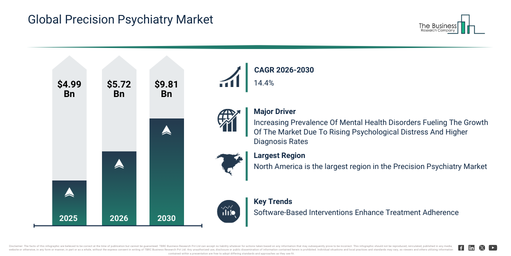
    The precision psychiatry market has shown substantial growth in recent years. It is anticipated to expand from $4.99 billion in 2025 to $5.72 billion in 2026, registering a compound annual growth rate (CAGR) of 14.7%. The market’s historical advancement is linked to the escalating prevalence of mental health conditions, the expanding constraints of trial-and-error prescribing methods, the broadening scope of psychiatric research initiatives, the increasing access to neuroimaging technologies, and the early incorporation of pharmacogenomics in psychiatry.

    The precision psychiatry market is poised for significant expansion in the coming years. Its valuation is projected to reach $9.81 billion by 2030, exhibiting a robust compound annual growth rate (CAGR) of 14.4%. This anticipated growth throughout the forecast period can be ascribed to various factors, including an increase in investments toward precision medicine platforms, the growing adoption of AI-enabled diagnostics, the expansion of digital mental health solutions, a rising need for personalized psychiatric care, and a heightened focus on preventive mental health strategies. Concurrently, major trends expected during this period encompass the increasing uptake of biomarker-guided treatment pathways, the rising utilization of digital phenotyping tools, the expanding integration of genetic and neuroimaging data, the broader application of AI-driven clinical decision support, and an enhanced emphasis on personalized mental health monitoring.

    Access Your Free Sample Report for In-Depth Market Insights:

    https://www.thebusinessresearchcompany.com/sample.aspx?id=30359&type=smp

    Which Drivers Are Affecting Market Participation In The Precision Psychiatry Market?

    The rising incidence of mental health conditions is anticipated to fuel the expansion of the precision psychiatry market moving forward. These conditions encompass various issues like depression, anxiety, and bipolar disorder, impacting an individual’s mood, thought processes, and behavior. The increase in mental health disorders is attributed to a greater number of people facing psychological challenges due to societal, economic, and environmental factors, alongside enhanced screening methods and increased public knowledge leading to higher rates of diagnosis. Precision psychiatry tackles mental health issues through the implementation of data-informed, tailored treatment approaches, thereby enhancing diagnostic precision and therapeutic results. A notable illustration of this trend is found in November 2023, where NHS England, the UK-based publicly funded national health authority, reported an increase in the probable mental disorder rate for individuals aged 20 to 23 years, climbing from 18.7% in 2022 to 21.6% in 2023. Consequently, the growing occurrence of mental health disorders is propelling the development of the precision psychiatry market.

    What Segment Categories Are Covered In The Precision Psychiatry Market?

    The precision psychiatry market covered in this report is segmented –

    1) By Therapeutic Approaches: Pharmacotherapy, Psychotherapy, Neurostimulation, Digital Therapeutics, Combination Therapies

    2) By Technology: Genetic Testing, Biomarker Analysis, Brain Imaging Techniques, Wearable Devices, Artificial Intelligence And Machine Learning Solutions

    3) By Disorders: Depression, Anxiety Disorders, Bipolar Disorder, Schizophrenia, Post-Traumatic Stress Disorder (PTSD)

    4) By Application: Diagnosis, Treatment, Research

    5) By End User: Clinics, Hospitals, Research Institutes, Pharmaceutical Companies, Home Care Settings

    Subsegments:

    1) By Pharmacotherapy: Antidepressant Medications, Antipsychotic Medications, Mood Stabilizers, Anxiolytic Medications, Stimulant Medications

    2) By Psychotherapy: Cognitive Behavioral Therapy, Interpersonal Therapy, Psychodynamic Therapy, Dialectical Behavior Therapy, Mindfulness-Based Therapy

    3) By Neurostimulation: Transcranial Magnetic Stimulation, Electroconvulsive Therapy, Vagus Nerve Stimulation, Deep Brain Stimulation, Transcranial Direct Current Stimulation

    4) By Digital Therapeutics: Mobile Application-Based Therapy, Virtual Reality Therapy, Web-Based Cognitive Behavioral Programs, Remote Patient Monitoring Tools, Artificial Intelligence-Guided Interventions

    5) By Combination Therapies: Pharmacotherapy And Psychotherapy Combination, Pharmacotherapy And Neurostimulation Combination, Pharmacotherapy And Digital Therapeutics Combination, Psychotherapy And Neurostimulation Combination, Multimodal Precision Treatment Programs

    What Industry Trends Are Transforming The Precision Psychiatry Market?

    Leading companies in the precision psychiatry market are concentrating on creating novel therapies, such as prescription digital therapeutics, to enable tailored and data-driven interventions for psychiatric conditions. A prescription digital therapeutic serves as a clinician-prescribed, software-based medical intervention that provides evidence-based behavioral therapy modules through mobile devices to enhance symptom improvement and treatment adherence. For example, in August 2024, Otsuka Precision Health Inc., a US-based precision health subsidiary of Otsuka Holdings, collaborated with Click Therapeutics Inc., a US-based digital therapeutics company, to introduce Rejoyn. This product represents the first and sole prescription digital therapeutic approved by the United States Food and Drug Administration (FDA) for the adjunctive management of major depressive disorder (MDD) symptoms. Rejoyn offers a six-week cognitive-emotional training program that integrates the emotional faces memory task with cognitive behavioral therapy (CBT)–based skill modules, facilitating digital prescribing, patient engagement, and remote monitoring. The introduction of Rejoyn marks a pivotal moment in Precision Psychiatry, illustrating how digital therapeutics can supplement pharmacological treatments to deliver individualized care. Furthermore, it prepares the ground for broader acceptance of software-based interventions that integrate real-time patient data to refine treatment outcomes and adherence.

    Which Key Players Are Driving Competition In The Precision Psychiatry Market?

    Major companies operating in the precision psychiatry market are Johnson & Johnson, F. Hoffmann-La Roche Ltd, Pfizer Inc., AbbVie Inc., AstraZeneca plc, Novartis AG, Bristol-Myers Squibb Company, Eli Lilly and Company, Otsuka Pharmaceutical Company Limited, Thermo Fisher Scientific Inc., Laboratory Corporation of America Holdings, Quest Diagnostics Incorporated, Illumina Inc., ARUP Laboratories Inc., Sumitomo Dainippon Pharma Company Limited, QIAGEN N.V., Neurocrine Biosciences Inc., Tempus Labs Inc., Myriad Genetics Inc., MedGenome Labs Ltd., Genomind Inc.

    Access The Complete Report For Deeper Market Insights:

    https://www.thebusinessresearchcompany.com/report/global-precision-psychiatry-market-report

    Which Region Is Projected To Lead The Precision Psychiatry Market During The Forecast Period?

    North America was the largest region in the precision psychiatry market in 2025. Asia-Pacific is expected to be the fastest-growing region in the forecast period. The regions covered in the precision psychiatry market report are Asia-Pacific, South East Asia, Western Europe, Eastern Europe, North America, South America, Middle East, Africa.

    Request Your Customized Precision Psychiatry Market Research Report for Competitive Advantage:

    https://www.thebusinessresearchcompany.com/customise?id=30359&type=smp

    Browse Through More Reports Similar to the Global Precision Psychiatry Market 2026, By The Business Research Company

    Digital Psychotherapeutics Market Report 2026

    https://www.thebusinessresearchcompany.com/report/digital-psychotherapeutics-global-market-report

    Psychiatrists Market 2026

    https://www.thebusinessresearchcompany.com/report/psychiatrists-market

    Precision Diagnostics Market Report 2026

    https://www.thebusinessresearchcompany.com/report/precision-diagnostics-global-market-report

    Get in touch with us:

    The Business Research Company: https://www.thebusinessresearchcompany.com/

    Americas +1 310-496-7795

    Asia +44 7882 955267 & +91 8897263534

    Europe +44 7882 955267

    Email us at info@tbrc.info

    Follow us on:

    LinkedIn: https://in.linkedin.com/company/the-business-research-company

    YouTube: https://www.youtube.com/channel/UC24_fI0rV8cR5DxlCpgmyFQ

    Global Market Model: https://www.thebusinessresearchcompany.com/global-market-model
  • Robotic Surgery Services Sector Forecast Shows Robust Momentum, Climbing to $2.61 Billion With 13.4% CAGR

    Robotic Surgery Services Sector Forecast Shows Robust Momentum, Climbing to $2.61 Billion With 13.4% CAGR

    Uncover key drivers, emerging technologies, and competitive movements shaping the robotic surgery services market from 2026–2035 with trusted insights from The Business Research Company

    What level of CAGR-driven expansion is anticipated in the Robotic Surgery Services Market between 2026 and 2030?

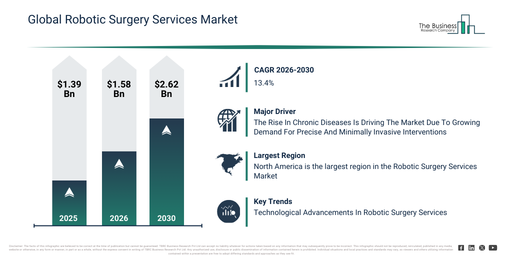
    The robotic surgery services market has experienced rapid expansion in recent years. It is anticipated to grow from $1.39 billion in 2025 to $1.58 billion in 2026, demonstrating a compound annual growth rate (CAGR) of 13.8%. The historical growth of this market can be attributed to the broader adoption of minimally invasive surgery, increasing acceptance of robotic systems among surgeons, an uptick in complex surgical procedures, greater hospital investments in advanced operating rooms, and advancements in robotic instrument design.

    The robotic surgery services market size is projected to experience substantial expansion in the coming years, reaching $2.62 billion by 2030, propelled by a compound annual growth rate (CAGR) of 13.4%. This anticipated growth during the forecast period is primarily driven by an increasing demand for outpatient robotic surgeries, augmented investments in next-generation surgical robotics, the broadening of robotic procedures across diverse specialties, greater incorporation of AI-assisted surgical planning, and a heightened emphasis on surgical care based on patient outcomes. Key developments expected within this period encompass a rise in the use of minimally invasive robotic procedures, a surge in demand for procedure-specific robotic platforms, enhanced integration of advanced surgical imaging systems, the proliferation of robotic surgery training programs, and an intensified focus on achieving surgical precision and superior results.

    Access Your Free Sample Report for In-Depth Market Insights:

    https://www.thebusinessresearchcompany.com/sample.aspx?id=3168&type=smp

    What Drivers Are Affecting Demand-Supply Dynamics In The Robotic Surgery Services Market?

    The increasing incidence of chronic illnesses is anticipated to drive the expansion of the robotic surgery services market in the future. These are enduring health conditions that usually develop gradually and necessitate ongoing treatment or oversight, encompassing ailments like cardiovascular diseases, diabetes, respiratory illnesses, and specific cancers. This increase in chronic diseases largely stems from the growing adoption of inactive lifestyles, leading to suboptimal metabolic health, reduced physical stamina, and an elevated risk of acquiring persistent long-term conditions that require consistent intervention. Robotic surgery services mitigate this expanding challenge by facilitating accurate, less invasive procedures that enhance patient results, shorten recuperation periods, and support more effective handling of complications associated with chronic diseases. As an illustration, in September 2025, the British Heart Foundation, a charity based in the UK, reported that throughout the UK, over 7.6 million people—specifically more than 4 million men and over 3.6 million women—are currently affected by cardiovascular disease. Forecasts suggest that, influenced by an aging demographic and better survival rates, the count of individuals impacted could increase by around 1 million by 2030 and by approximately 2 million by 2040. Consequently, the escalation in chronic diseases fuels the expansion of the robotic surgery services market.

    What Segments Are Included Within The Robotic Surgery Services Market?

    The robotic surgery services market covered in this report is segmented –

    1) By Component: Systems, Accessories, Services

    2) By Application: General Surgery, Urological Surgery, Gynecological Surgery, Orthopaedics Surgery, Neurosurgery And Other Applications.

    3) By End-Use: Hospitals, Ambulatory Surgery Centers (Ascs)

    Subsegments:

    1) By Systems: Surgical Robotic Systems, Robotic Surgical Platforms For Specific Procedures

    2) By Accessories: Surgical Instruments, Disposable And Reusable Accessories, Vision And Imaging Systems

    3) By Services: Maintenance And Repair Services, Training And Education Services, Technical Support Services, Consulting Services

    Which Trends Are Expected To Influence The Robotic Surgery Services Market In The Upcoming Years?

    Leading entities within the robotic surgery services market are concentrating on developing technologically advanced products, including the Da Vinci Xi Robotic Surgical System, to deliver dependable services to consumers. This system serves in robotic surgery services, offering an efficient, less invasive option compared to traditional open surgery and laparoscopic procedures. An example of this is the launch of the Da Vinci Xi Robotic Surgical System in June 2023 by Apollo Hospitals Enterprise Limited, an India-based healthcare firm. As a surgical robot, the Da Vinci Xi Robotic Surgical System addresses diverse medical conditions such as cancer, colorectal, gynecologic, heart, head and neck, thoracic, and urological disorders. Featuring HD cameras for enhanced visualization, it also possesses superior dexterity compared to a human hand, capable of 360-degree rotation.

    Who Are The Major Companies Operating In The Robotic Surgery Services Market?

    Major companies operating in the robotic surgery services market are Tenet Healthcare Corporation, HCA Healthcare Inc, Asklepios Kliniken Verwaltungsgesellschaft Mbh, Apollo Hospitals Enterprise Ltd, Bumrungrad International Hospital, Fortis Healthcare, Bangkok Hospital, Spire Healthcare Group plc, Saudi German Hospitals Group, Raffles Medical Group, Medtronic Australasia, Zimmer Biomet Robotics, Asensus Surgical, Intuitive, Medrobotics Corporation, Smith And Nephew, Restoration Robotics, Hansen Medical, Stryker Corporation, Mazor Robotics, Renishaw Plc, Stereotaxis Inc, Corindus, CMR Surgical Ltd, Johnson And Johnson MedTech

    Access The Complete Report For Deeper Market Insights:

    https://www.thebusinessresearchcompany.com/report/robotic-surgery-services-global-market-report

    Which Region Is Anticipated To See The Fastest Growth In The Robotic Surgery Services Market?

    North America was the largest region in the robotic surgery services market in 2025. Western Europe was the second largest region in the global robotic surgery services market share. The regions covered in the robotic surgery services market report are Asia-Pacific, South East Asia, Western Europe, Eastern Europe, North America, South America, Middle East, Africa.

    Request Your Customized Robotic Surgery Services Market Research Report for Competitive Advantage:

    https://www.thebusinessresearchcompany.com/customise?id=3168&type=smp

    Browse Through More Reports Similar to the Global Robotic Surgery Services Market 2026, By The Business Research Company

    Surgical Robot Accessories Market Report 2026

    https://www.thebusinessresearchcompany.com/report/surgical-robot-accessories-global-market-report

    Robotic Surgery Devices Market Report 2026

    https://www.thebusinessresearchcompany.com/report/robotic-surgery-devices-global-market-report

    Surgical Robots Market Report 2026

    https://www.thebusinessresearchcompany.com/report/surgical-robots-global-market-report

    Get in touch with us:

    The Business Research Company: https://www.thebusinessresearchcompany.com/

    Americas +1 310-496-7795

    Asia +44 7882 955267 & +91 8897263534

    Europe +44 7882 955267

    Email us at info@tbrc.info

    Follow us on:

    LinkedIn: https://in.linkedin.com/company/the-business-research-company

    YouTube: https://www.youtube.com/channel/UC24_fI0rV8cR5DxlCpgmyFQ

    Global Market Model: https://www.thebusinessresearchcompany.com/global-market-model
  • Metabolomics Services Market Forecast: How Big Will It Be by 2030?

    Metabolomics Services Market Forecast: How Big Will It Be by 2030?

    Uncover key drivers, emerging technologies, and competitive movements shaping the metabolomics services market from 2026–2035 with trusted insights from The Business Research Company

    Across 2026–2030, what is the expected market valuation path of the Metabolomics Services Market?

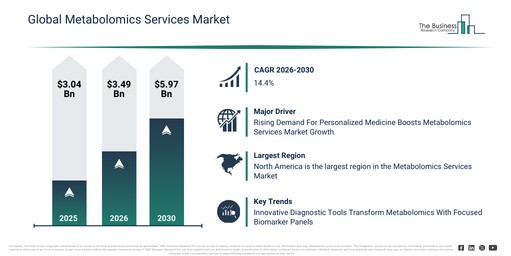
    The metabolomics services market size has witnessed substantial growth in recent years. It is projected to expand from $3.04 billion in 2025 to $3.49 billion in 2026, exhibiting a compound annual growth rate (CAGR) of 14.7%. The expansion observed in the historic period is attributable to an increase in life science research funding, the expansion of pharmaceutical r&d pipelines, a greater utilization of metabolomics in academic studies, the availability of advanced analytical platforms, and growing collaboration between research institutions.

    The metabolomics services market is anticipated to experience swift expansion in the coming years. It is projected to reach $5.97 billion by 2030, demonstrating a compound annual growth rate (CAGR) of 14.4%. This growth during the forecast period is driven by factors such as the increasing adoption of personalized medicine research, a rising demand for high-throughput metabolomics services, the expansion of precision drug discovery programs, a growing focus on systems biology approaches, and the increasing use of AI-driven data analytics. Key trends anticipated for the forecast period include a heightened demand for outsourced metabolomics analysis, the growing utilization of untargeted metabolomics services, the broadening of biomarker discovery programs, the rising integration of advanced bioinformatics tools, and an enhanced focus on drug development applications.

    Access Your Free Sample Report for In-Depth Market Insights:

    https://www.thebusinessresearchcompany.com/sample.aspx?id=19584&type=smp

    Which Drivers Are Supporting The Rise Of The Metabolomics Services Market?

    The metabolomics services market is anticipated to expand due to the rising need for personalized medicine. This medical approach involves tailoring healthcare choices and therapies for individual patients, considering their genetic characteristics, environmental influences, and lifestyle habits. The growing requirement for personalized medicine stems from progress in genomic technologies, which facilitates more accurate and customized treatments, along with a greater focus on individualized patient care to achieve improved results. Metabolomics services improve personalized medicine by offering comprehensive metabolic profiles, aiding in customizing treatments to align with each patient’s distinct biochemical status, thereby delivering more potent and specific therapies. As an illustration, in February 2024, the Personalized Medicine Coalition, a US based government organization, reported that the FDA approved 16 new personalized treatments for rare disease patients in 2023, an increase from six in 2022. Consequently, the rising need for personalized medicine fuels the expansion of metabolomics services.

    What Leading Segments Are Studied In The Metabolomics Services Market?

    The metabolomics services market covered in this report is segmented –

    1) By Type: Untargeted Metabolomics Services, Targeted Metabolomics Services

    2) By Analytical Platform And Services: Metabolomics Bioinformatics Services, Chromatography, Mass Spectrometry, Other Analytical Platform And Services

    3) By End-User: Agriculture And Food, Biomedical And Pharmaceutical, Academic And Research Labs, Diagnostic Laboratories, Other End-Users

    Subsegments:

    1) By Untargeted Metabolomics Services: Metabolite Profiling, Comprehensive Metabolomic Analysis, High-Throughput Metabolomics, Non-Targeted Mass Spectrometry Analysis, Data Mining and Interpretation Services

    2) By Targeted Metabolomics Services: Quantitative Metabolite Analysis, Biomarker Discovery and Validation, Pathway Analysis, Specific Metabolite Measurement, Targeted Mass Spectrometry Services

    What Long-Term Trends Are Expected To Shape The Future Of The Metabolomics Services Market?

    Leading companies in the metabolomics services market are developing advanced diagnostic instruments to improve disease identification and personalized medical treatments. Diagnostic tools are defined as the instruments and techniques employed to recognize and evaluate medical conditions, diseases, or health concerns, enabling healthcare professionals to achieve accurate diagnoses and guide treatment plans. For instance, in October 2023, Sapient Bioanalytics LLC, a US-based biotechnology company, launched target metabolite and lipid panels aimed at biomarker discovery and achieving rapid time-to-insight. These panels offer a focused methodology for identifying and quantifying specific metabolites and lipids, thereby enhancing the precision of biomarker detection. Designed for swift time-to-insight, these panels ensure quick turnaround of results, which is essential for timely decision-making in research and clinical environments. Additionally, the panels feature advanced data analysis tools to interpret complex metabolic profiles and provide actionable insights.

    Which Major Firms Are Strengthening Their Position In The Metabolomics Services Market?

    Major companies operating in the metabolomics services market are Metabolon Inc., Biocrates Life Sciences AG, Nightingale Health, Human Metabolome Technologies Inc., MS-Omics, Creative Proteomics, Stemina Biomarker Discovery Inc., Metware Biotechnology Co. Ltd., OWL Metabolomics, BGI Metabolomics, MSDIAL Services, Chenomx Inc., BioMark Diagnostics, Microbiome Insights, Phenome Centre Birmingham, Australian National Phenome Centre, Biosfer Teslab, The Metabolomics Innovation Centre, One Way Liver Genomics, Revvity Omics Services

    Access The Complete Report For Deeper Market Insights:

    https://www.thebusinessresearchcompany.com/report/metabolomics-services-global-market-report

    Which Regions Are Projected To Dominate The Metabolomics Services Market In The Coming Years?

    North America was the largest region in the metabolomics services market in 2025. Asia-Pacific is expected to be the fastest-growing region in the forecast period. The regions covered in the metabolomics services market report are Asia-Pacific, South East Asia, Western Europe, Eastern Europe, North America, South America, Middle East, Africa.

    Request Your Customized Metabolomics Services Market Research Report for Competitive Advantage:

    https://www.thebusinessresearchcompany.com/customise?id=19584&type=smp

    Browse Through More Reports Similar to the Global Metabolomics Services Market 2026, By The Business Research Company

    Telehealth Market Report 2026

    https://www.thebusinessresearchcompany.com/report/telehealth-global-market-report

    Pharmacies And Healthcare Stores Market Report 2026

    https://www.thebusinessresearchcompany.com/report/pharmacies-and-healthcare-stores-global-market-report

    Digital Health Market Report 2026

    https://www.thebusinessresearchcompany.com/report/digital-health-global-market-report

    Get in touch with us:

    The Business Research Company: https://www.thebusinessresearchcompany.com/

    Americas +1 310-496-7795

    Asia +44 7882 955267 & +91 8897263534

    Europe +44 7882 955267

    Email us at info@tbrc.info

    Follow us on:

    LinkedIn: https://in.linkedin.com/company/the-business-research-company

    YouTube: https://www.youtube.com/channel/UC24_fI0rV8cR5DxlCpgmyFQ

    Global Market Model: https://www.thebusinessresearchcompany.com/global-market-model
  • Robotic Radiotherapy Market Anticipated to Record Steady Gains, Advancing to $1.91 Billion by 2030

    Robotic Radiotherapy Market Anticipated to Record Steady Gains, Advancing to $1.91 Billion by 2030

    Uncover key drivers, emerging technologies, and competitive movements shaping the robotic radiotherapy market from 2026–2035 with trusted insights from The Business Research Company

    What long-term size projections exist for the Robotic Radiotherapy Market covering 2026–2035?

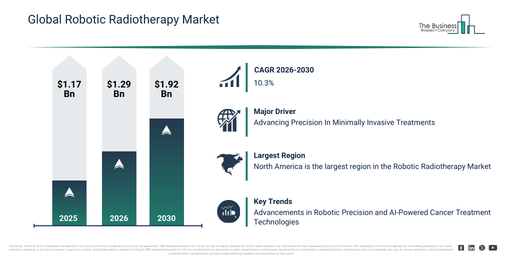
    The robotic radiotherapy market size has experienced rapid expansion in recent years. It is forecast to rise from $1.17 billion in 2025 to $1.29 billion in 2026, exhibiting a compound annual growth rate (CAGR) of 10.7%. The growth observed during the preceding period is attributable to factors such as an increase in cancer incidence rates, the expansion of radiotherapy infrastructure within hospitals, advancements in linear accelerator technologies, a rising preference for non-invasive cancer treatments, and the improved availability of precision imaging systems.

    The robotic radiotherapy market is projected to experience substantial expansion in the coming years, reaching a valuation of $1.92 billion by 2030, driven by a compound annual growth rate (CAGR) of 10.3%. This anticipated growth stems from several factors, including the increasing embrace of personalized oncology treatments, greater investments in robotic cancer care infrastructure, a heightened need for motion-adaptive radiotherapy, the proliferation of proton and particle therapy centers, and innovations in AI-driven treatment planning. Key developments anticipated during this period involve wider implementation of real-time tumor motion tracking, an uptick in the utilization of image-guided robotic radiation systems, an expanding requirement for personalized radiotherapy planning, the broader application of non-invasive cancer treatment protocols, and a stronger emphasis on achieving sub-millimeter radiation accuracy.

    Access Your Free Sample Report for In-Depth Market Insights:

    https://www.thebusinessresearchcompany.com/sample.aspx?id=20946&type=smp

    Which Drivers Are Impacting The Competitive Landscape Of The Robotic Radiotherapy Market?

    The future expansion of the robotic radiotherapy market is anticipated to be fueled by the increasing desire for minimally invasive procedures. These procedures are motivated by progress in medical technology, patients’ increasing preference for shorter recovery periods and fewer complications, and their wider acceptance among healthcare providers due to their cost-efficiency and better patient results. Robotic radiotherapy boosts the accuracy and efficacy of minimally invasive interventions by administering precisely aimed radiation doses to tumors, simultaneously lessening harm to nearby healthy tissues, which leads to fewer complications, quicker recovery, and aligns perfectly with the rising need for sophisticated, patient-focused treatment methods. As an illustration, data from June 2024, provided by the American Society of Plastic Surgeons, a US-based specialty organization, indicated that minimally invasive procedures grew by 7 percent in 2023, outpacing surgical procedures by 2 percent. Specifically, neuromodulator injections and hyaluronic acid fillers each surpassed 9 million and 5 million treatments, respectively. Consequently, the increased demand for minimally invasive procedures is indeed propelling the expansion of the robotic radiotherapy market.

    What Leading Segments Are Studied In The Robotic Radiotherapy Market?

    The robotic radiotherapy market covered in this report is segmented –

    1) By Product: Radiotherapy Systems, Softwares, 3D Cameras (Surface Guided)

    2) By Technology: Linear Accelerators, Conventional Linear Accelerators, Magnetic Resonance Imaging (MRI) – Linear Accelerators, Stereotactic Radiation Therapy Systems, Cyberknife, Gamma Knife, Particle Therapy, Proton Beam Therapy

    3) By Application: Prostate Cancer, Breast Cancer, Lung Cancer, Head & Neck Cancer, Colorectal Cancer

    4) By End User: Hospitals, Independent Radiotherapy Centers

    Subsegments:

    1) By Radiotherapy Systems: Robotic Linear Accelerators, Proton Therapy Systems, Stereotactic Radiosurgery Systems, Image-Guided Radiotherapy (IGRT) Systems, Intensity-Modulated Radiotherapy (IMRT) Systems

    2) By Softwares: Treatment Planning Software, Radiation Therapy Management Software, Robotic Radiotherapy Control Software, Integration Software For Robotic Systems

    3) By 3D Cameras (Surface Guided): 3D Optical Surface Imaging Systems, 3D Camera Systems For Patient Positioning, 3D Motion Tracking Cameras For Radiotherapy, Real-Time 3D Surface Imaging For Tumor Localization

    What Trends Are Driving The Growth Trajectory Of The Robotic Radiotherapy Market?

    Major companies within the robotic radiotherapy market are prioritizing the development of innovative products featuring advanced technologies, such as artificial intelligence (AI) precision, to execute tasks with exceptional accuracy, consistency, and minimal errors. This robotic precision significantly boosts accuracy, diminishes human error, enhances consistency, lessens tissue damage, and accelerates patient recovery through the application of sensors, actuators, and algorithms. As an illustration, in January 2024, Tampa General Hospital, a US-based cancer institute, unveiled the CyberKnife S7, an AI-powered radiosurgery tool. This technology signifies a substantial leap forward in cancer care, providing a non-invasive and highly precise treatment solution for patients dealing with various conditions, including both benign and malignant tumors, in addition to neurological disorders. The CyberKnife S7 allows for focused radiation delivery, thereby minimizing harm to surrounding healthy tissues and presenting a less invasive option compared to traditional surgical techniques.

    Which Major Firms Are Strengthening Their Position In The Robotic Radiotherapy Market?

    Major companies operating in the robotic radiotherapy market are Siemens Healthineers AG, GE Healthcare Technologies Inc, Varian Medical Systems, Elekta AB, Accuray Incorporated, Brainlab AG, Mevion Medical Systems Inc, ViewRay Technologies Inc, RaySearch Laboratories AB, VisionRT Ltd, MIM Software Inc, CIVCO Radiotherapy, ProNova Solutions, IBA Group, Xcision Medical Systems LLC, C RAD AB, RefleXion Medical Inc, Zap Surgical Systems Inc, Hitachi High Tech Corporation, Toshiba Medical Systems Corporation, Philips Radiation Oncology Systems, Shinva Medical Instrument Co Ltd, Neusoft Medical Systems Co Ltd, United Imaging Healthcare Radiotherapy

    Access The Complete Report For Deeper Market Insights:

    https://www.thebusinessresearchcompany.com/report/robotic-radiotherapy-global-market-report

    Which Region Is Anticipated To See The Fastest Growth In The Robotic Radiotherapy Market?

    North America was the largest region in the robotic radiotherapy market in 2025. Asia-Pacific is expected to be the fastest-growing region in the forecast period. The regions covered in the robotic radiotherapy market report are Asia-Pacific, South East Asia, Western Europe, Eastern Europe, North America, South America, Middle East, Africa.

    Request Your Customized Robotic Radiotherapy Market Research Report for Competitive Advantage:

    https://www.thebusinessresearchcompany.com/customise?id=20946&type=smp

    Browse Through More Reports Similar to the Global Robotic Radiotherapy Market 2026, By The Business Research Company

    Single Dose Radiotherapy Services Market Report 2026

    https://www.thebusinessresearchcompany.com/report/single-dose-radiotherapy-services-global-market-report

    Radiotherapy Devices Market Report 2026

    https://www.thebusinessresearchcompany.com/report/radiotherapy-devices-global-market-report

    Image Guided Radiation Therapy Market Report 2026

    https://www.thebusinessresearchcompany.com/report/image-guided-radiation-therapy-global-market-report

    Get in touch with us:

    The Business Research Company: https://www.thebusinessresearchcompany.com/

    Americas +1 310-496-7795

    Asia +44 7882 955267 & +91 8897263534

    Europe +44 7882 955267

    Email us at info@tbrc.info

    Follow us on:

    LinkedIn: https://in.linkedin.com/company/the-business-research-company

    YouTube: https://www.youtube.com/channel/UC24_fI0rV8cR5DxlCpgmyFQ

    Global Market Model: https://www.thebusinessresearchcompany.com/global-market-model
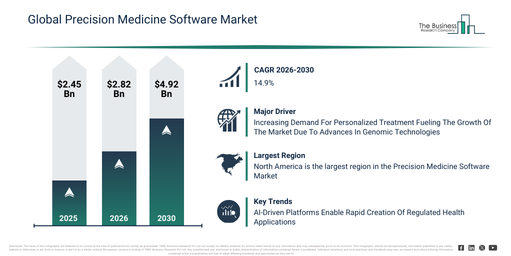
  • Precision Medicine Software Market Future Outlook: Strong Growth Expected Toward $4.92 Billion by 2030

    Precision Medicine Software Market Future Outlook: Strong Growth Expected Toward $4.92 Billion by 2030

    Uncover key drivers, emerging technologies, and competitive movements shaping the precision medicine software market from 2026–2035 with trusted insights from The Business Research Company

    What are the forecasted starting (2026) and ending (2030) market sizes for the Precision Medicine Software Market?

    The precision medicine software market has experienced rapid expansion in recent years. Its valuation is projected to increase from $2.45 billion in 2025 to $2.82 billion in 2026, reflecting a compound annual growth rate (CAGR) of 15.1%. The market’s past growth is linked to advancements in genomic sequencing technologies, the wider adoption of electronic health records, an increasing application of data-driven clinical workflows, the rise of oncology-focused precision treatments, and the expanding availability of bioinformatics platforms.

    The precision medicine software market size is expected to undergo rapid growth in the coming years. It is projected to expand to $4.92 billion by 2030, achieving a compound annual growth rate (CAGR) of 14.9%. This growth during the forecast period is attributed to factors such as an increasing demand for personalized therapeutics, rising investments in precision oncology programs, the expansion of AI-enabled healthcare analytics, the growing adoption of cloud-based clinical platforms, and an increasing focus on outcome-based healthcare models. Major trends anticipated in this period include a rising adoption of AI-driven clinical decision support, increased integration of genomic and clinical data platforms, the growing use of cloud-based precision medicine software, an expansion of real-time patient data analytics, and an enhanced focus on interoperable healthcare systems.

    Access Your Free Sample Report for In-Depth Market Insights:

    https://www.thebusinessresearchcompany.com/sample.aspx?id=27394&type=smp

    What Drivers Are Supporting Technological Adoption In The Precision Medicine Software Market?

    The increasing need for personalized healthcare solutions is anticipated to boost the precision medicine software market moving forward. Personalized treatment involves customizing medical interventions to align with an individual’s distinct genetic profile, lifestyle choices, and health history, leading to more favorable outcomes. This growing requirement for personalized care stems from progress in genomic technologies, which facilitate accurate detection of genetic variations and the development of customized therapies for patients. Precision medicine software supports personalized treatment through the examination of genetic, clinical, and lifestyle data to customize healthcare choices. It improves both the accuracy of diagnoses and the efficacy of treatments, thereby enabling more focused and streamlined patient care. As an illustration, in February 2024, the Personalized Medicine Coalition (PMC), a US-based nonprofit organization, reported that the U.S. Food and Drug Administration (FDA) sanctioned 26 new personalized medicines in 2023, marking a substantial rise from the 12 approvals in 2022. Consequently, the rising clamor for personalized treatment is fueling the expansion of the precision medicine software market.

    Which Segments Are Contributing To The Growth Of The Precision Medicine Software Market?

    The precision medicine software market covered in this report is segmented –

    1) By Software Type: Clinical Decision Support Systems (CDSS), Genomic Data Analysis Tools, Data Integration And Management Software, Patient Management Software, Bioinformatics Tools

    2) By Technology: Artificial Intelligence And Machine Learning, Big Data Analytics, Blockchain Technology, Internet of Medical Things (IoMT), Clustered Regularly Interspaced Short Palindromic Repeats (CRISPR) And Gene Editing Tools

    3) By Deployment: Cloud, On-Premise

    4) By Application: Oncology, Central Nervous System, Immunology, Cardiovascular, Other Applications

    5) By End User: Healthcare Providers, Research Centers And Government Institutes, Pharmaceutical And Biotechnology Companies, Other End Users

    Subsegments:

    1) By Clinical Decision Support Systems (CDSS): Diagnostic Decision Support, Therapeutic Decision Support, Clinical Guidelines And Protocols, Drug-Drug Interaction Alerts, Risk Assessment Modules

    2) By Genomic Data Analysis Tools: Variant Calling And Annotation Tools, Genome Alignment Software, Gene Expression Analysis, Next-Generation Sequencing (NGS) Data Analysis, Pathway Analysis Tools

    3) By Data Integration And Management Software: Electronic Health Record (EHR) Integration, Laboratory Information Management Systems (LIMS), Clinical Data Warehousing, Data Cleaning And Normalization, Metadata Management

    4) By Patient Management Software: Appointment Scheduling, Patient Registry Software, Care Coordination Tools, Patient Engagement Platforms, Remote Monitoring Systems

    5) By Bioinformatics Tools: Sequence Analysis Software, Structural Bioinformatics Tools, Functional Genomics Platforms, Molecular Modeling And Simulation, Proteomics And Metabolomics Tools

    What Trends Are Reshaping The Dynamics Of The Precision Medicine Software Market?

    Leading firms within the precision medicine software sector are prioritizing the creation of sophisticated solutions, particularly digital healthcare, to optimize the development process for digital health products, thereby cutting down both duration and expenses. Digital healthcare encompasses the application of digital tools and technologies to facilitate, oversee, and enhance healthcare services and patient results. For instance, Huma Therapeutics Ltd, a digital health company from the UK, introduced its Cloud Platform in July 2024. This platform aims to make digital-first healthcare universally accessible by allowing swift, no-code development and deployment of regulated health applications driven by artificial intelligence (AI). It features pre-built modules, device connectivity, and adherence to critical regulatory benchmarks (FDA Class II, EU MDR IIb, Saudi FDA C), empowering organizations irrespective of their size to deliver efficient and economical digital health solutions. This Huma cloud platform thus speeds up innovation in digital health, expands access, and underpins proactive, AI-powered care and research initiatives.

    Who Are The Top-Performing Companies In The Precision Medicine Software Market In Recent Years?

    Major companies operating in the precision medicine software market are Koninklijke Philips N.V., Palantir Technologies Inc., Tempus Labs Inc., Myriad Genetics Inc., Foundation Medicine Inc., Guardant Health Inc., Color Genomics Inc., NantHealth Inc., SOPHiA GENETICS SA, Aignostics GmbH, MVision AI Oy, Fabric Genomics Inc., QUIBIM S.L., Syapse Inc., PierianDx Inc., 2bPrecise LLC, SimBioSys Inc., Navignostics AG, xCures Inc., LifeOmic Holdings LLC

    Access The Complete Report For Deeper Market Insights:

    https://www.thebusinessresearchcompany.com/report/precision-medicine-software-global-market-report

    Which Region Currently Holds The Largest Share Of The Precision Medicine Software Market?

    North America was the largest region in the precision medicine software market in 2025. The regions covered in the precision medicine software market report are Asia-Pacific, South East Asia, Western Europe, Eastern Europe, North America, South America, Middle East, Africa.

    Request Your Customized Precision Medicine Software Market Research Report for Competitive Advantage:

    https://www.thebusinessresearchcompany.com/customise?id=27394&type=smp

    Browse Through More Reports Similar to the Global Precision Medicine Software Market 2026, By The Business Research Company

    Debt Financing Market Report 2026

    https://www.thebusinessresearchcompany.com/report/debt-financing-global-market-report

    Syndicated Loans Market Report 2026

    https://www.thebusinessresearchcompany.com/report/syndicated-loans-global-market-report

    Revenue Based Financing Market Report 2026

    https://www.thebusinessresearchcompany.com/report/revenue-based-financing-global-market-report

    Get in touch with us:

    The Business Research Company: https://www.thebusinessresearchcompany.com/

    Americas +1 310-496-7795

    Asia +44 7882 955267 & +91 8897263534

    Europe +44 7882 955267

    Email us at info@tbrc.info

    Follow us on:

    LinkedIn: https://in.linkedin.com/company/the-business-research-company

    YouTube: https://www.youtube.com/channel/UC24_fI0rV8cR5DxlCpgmyFQ

    Global Market Model: https://www.thebusinessresearchcompany.com/global-market-model
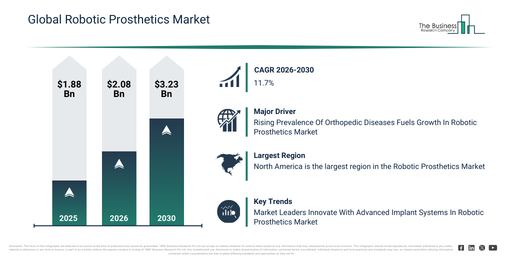
  • Robotic Prosthetics Industry Poised for Rapid Growth, Forecast to Touch $3.23 Billion by 2030 at 11.7% CAGR

    Robotic Prosthetics Industry Poised for Rapid Growth, Forecast to Touch $3.23 Billion by 2030 at 11.7% CAGR

    Uncover key drivers, emerging technologies, and competitive movements shaping the robotic prosthetics market from 2026–2035 with trusted insights from The Business Research Company

    What total market size is anticipated for the Robotic Prosthetics Market in 2030?

    The robotic prosthetics market size has experienced rapid expansion in recent years. Projections indicate it will increase from $1.88 billion in 2025 to $2.08 billion in 2026, exhibiting a compound annual growth rate (CAGR) of 10.5%. This historical expansion is linked to factors such as a greater occurrence of limb amputations, heightened awareness regarding sophisticated prosthetic options, the proliferation of rehabilitation centers, the presence of government reimbursement initiatives, and advancements in prosthetic component technology.

    The robotic prosthetics market size is anticipated to experience significant expansion over the coming years. It is projected to grow to $3.23 billion in 2030, exhibiting a compound annual growth rate (CAGR) of 11.7%. The expansion throughout the forecast period can be attributed to the increasing integration of AI-driven control systems, a rising demand for personalized prosthetic solutions, the growth of bionic and smart prosthetics, escalating investments in rehabilitation technologies, and the growing adoption of connected prosthetic devices. Major developments expected in the forecast period include the increasing use of myoelectric prosthetic devices, a rising demand for microprocessor-controlled limbs, a growing emphasis on neuro-controlled prosthetics, the broader application of advanced materials in prosthetic design, and an enhanced focus on functional and aesthetic outcomes.

    Access Your Free Sample Report for In-Depth Market Insights:

    https://www.thebusinessresearchcompany.com/sample.aspx?id=12898&type=smp

    What Drivers Are Influencing Production Trends In The Robotic Prosthetics Market?

    The increasing occurrence of orthopedic diseases is anticipated to boost the growth of the robotic prosthetics market moving forward. Orthopedic diseases are conditions and disorders that impact the musculoskeletal system, which comprises the muscles, bones, nerves, and joints. Robotic prosthetics provide a range of crucial applications in orthopedics, focusing on the treatment and correction of musculoskeletal disorders and injuries through limb replacement, gait rehabilitation, and enhanced precision in orthopedic surgical processes. For instance, in January 2024, data from the Office for Health Improvement and Disparities, a UK-based government department, indicated that in 2023, 18.4% of people aged 16 and over reported having a long-term musculoskeletal condition, a slight rise from 17.6% in 2022. These conditions were reported less often by males (15.8%) compared with females (20.9%). Therefore, the growing prevalence of orthopedic diseases is driving the growth of the robotic prosthetics market.

    Which Segment Groups Are Influencing The Robotic Prosthetics Market?

    The robotic prosthetics market covered in this report is segmented –

    1) By Product Type: Prosthetic Arm, Prosthetic Knee, Prosthetic Feet Or Ankle, Prosthetic Hand, Other Products

    2) By Technology: Microprocessor-Controlled Prosthetics, Myoelectric Prosthetics

    3) By Extremity: Lower Body Prosthetics, Upper Body Prosthetics

    4) By End User: Hospitals, Specialty Clinics, Other End Users

    Subsegments:

    1) By Prosthetic Arm: Upper Limb Prosthetics, Body-Powered Prosthetics, Electrically Controlled Prosthetics

    2) By Prosthetic Knee: Mechanical Knee Prosthetics, Microprocessor-Controlled Knee Prosthetics, Hydraulic Knee Prosthetics

    3) By Prosthetic Feet Or Ankle: Energy-Storing Feet, Multi-Axis Feet, Microprocessor-Controlled Feet

    4) By Prosthetic Hand: Mechanical Hand Prosthetics, Myoelectric Hand Prosthetics, Hybrid Hand Prosthetics

    5) By Other Products: Exoskeletons, Adaptive Devices, Assistive Technologies

    What Upcoming Trends Are Likely To Define The Future Path Of The Robotic Prosthetics Market?

    Leading companies within the robotic prosthetics market are concentrating on creating innovative products, such as osseointegrated bone-anchored prosthetic systems, to boost mobility, comfort, and sustained functionality for amputees. These osseointegrated bone-anchored prosthetic systems represent sophisticated implant-based prosthetic technologies that establish a direct link between an artificial limb and the skeletal structure, offering enhanced stability, sensory input, and range of movement compared to conventional socket-based prosthetics. An example of this is Integrum, a Swedish medical equipment manufacturer, which secured approval for its OPRA Implant System in Australia in April 2023. The OPRA Implant System is a distinct bone-anchored prosthesis that leverages osseointegration for direct attachment of the prosthesis to the body, facilitating a direct connection between an artificial limb and the skeleton. Furthermore, the product’s patent rights cover applications beyond transfemoral uses, encompassing treatment for other long bone prosthetic needs like those in the upper arm or lower leg.

    Who Are The Primary Competitors In The Global Robotic Prosthetics Market?

    Major companies operating in the robotic prosthetics market are Ottobock SE And Co KGaA, Ossur hf, Blatchford Limited, DEKA Research And Development Corp, Cyberdyne Inc, College Park Industries Inc, Touch Bionics Ltd, Myomo Inc, Kinova Inc, Open Bionics Ltd, Sarcos Technology And Robotics Corporation, SynTouch LLC, Ekso Bionics Holdings Inc, Fillauer LLC, WillowWood Global LLC, Shadow Robot Company Limited, Infinite Biomedical Technologies LLC, Marsi Bionics SL, Aether Biomedical Pvt Ltd, Coapt LLC, Esper Bionics Inc, Psyonic Inc, Vincent Systems GmbH, Steeper Group Ltd

    Access The Complete Report For Deeper Market Insights:

    https://www.thebusinessresearchcompany.com/report/robotic-prosthetics-global-market-report

    Which Global Regions Are Shaping The Competitive Landscape Of The Robotic Prosthetics Market?

    North America was the largest region in the robotic prosthetics market in 2025. Asia-Pacific is expected to be the fastest-growing region in the forecast period. The regions covered in the robotic prosthetics market report are Asia-Pacific, South East Asia, Western Europe, Eastern Europe, North America, South America, Middle East, Africa.

    Request Your Customized Robotic Prosthetics Market Research Report for Competitive Advantage:

    https://www.thebusinessresearchcompany.com/customise?id=12898&type=smp

    Browse Through More Reports Similar to the Global Robotic Prosthetics Market 2026, By The Business Research Company

    3D Orthpedics Prosthetics Market Report 2026

    https://www.thebusinessresearchcompany.com/report/3d-orthpedics-prosthetics-global-market-report

    Orthopedic Prosthetics Market Report 2026

    https://www.thebusinessresearchcompany.com/report/orthopedic-prosthetics-global-market-report

    Prosthetics And Orthotics Market Report 2026

    https://www.thebusinessresearchcompany.com/report/prosthetics-and-orthotics-global-market-report

    Get in touch with us:

    The Business Research Company: https://www.thebusinessresearchcompany.com/

    Americas +1 310-496-7795

    Asia +44 7882 955267 & +91 8897263534

    Europe +44 7882 955267

    Email us at info@tbrc.info

    Follow us on:

    LinkedIn: https://in.linkedin.com/company/the-business-research-company

    YouTube: https://www.youtube.com/channel/UC24_fI0rV8cR5DxlCpgmyFQ

    Global Market Model: https://www.thebusinessresearchcompany.com/global-market-model
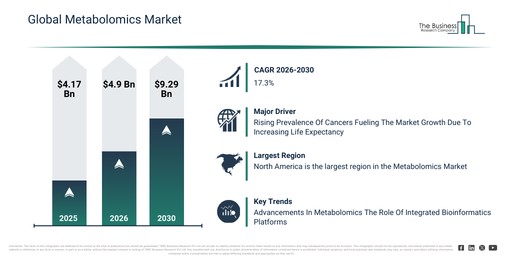
  • Metabolomics Market Report 2026: Strategic Insights and Revenue Outlook

    Metabolomics Market Report 2026: Strategic Insights and Revenue Outlook

    Uncover key drivers, emerging technologies, and competitive movements shaping the metabolomics market from 2026–2035 with trusted insights from The Business Research Company

    What size range is anticipated for the Metabolomics Market from 2026 to 2030?

    The metabolomics market size has experienced significant expansion in recent years. It is projected to increase from $4.17 billion in 2025 to $4.9 billion in 2026, demonstrating a compound annual growth rate (CAGR) of 17.5%. The historical growth can be ascribed to several factors, including the acceleration of biomarker discovery research, greater adoption of mass spectrometry, a surge in cancer metabolism studies, the broadening use of chromatography systems, and the evolution of metabolite profiling techniques.

    The metabolomics market size is projected for significant growth over the next few years, reaching $9.29 billion in 2030, propelled by a compound annual growth rate (CAGR) of 17.3%. This expansion during the forecast period is driven by factors such as advancements in bioinformatics tools, an increasing focus on personalized medicine, growing demand for nutrigenomics applications, development in metabolic pathway research, and broader integration into clinical diagnostics. Prominent trends expected in this period include the merging of precision medicine with metabolomic profiling, the expansion of cloud-based metabolomics data platforms, AI-driven metabolite pattern recognition, enhanced automation in high-throughput metabolomics workflows, and IoT-enabled real-time metabolic monitoring.

    Access Your Free Sample Report for In-Depth Market Insights:

    https://www.thebusinessresearchcompany.com/sample.aspx?id=2497&type=smp

    What Drivers Are Affecting Demand In The Metabolomics Market?

    The expanding occurrence of cancer is projected to fuel the advancement of the metabolomics market. Cancer encompasses a range of illnesses characterized by the uncontrolled proliferation of abnormal cells, their invasion into tissues, and potential dissemination to other parts of the body. The increasing frequency of cancer is primarily linked to the aging population, given that advanced age constitutes the most significant risk factor for developing the majority of cancer types, with most instances affecting individuals over 65 years old. Metabolomics assists cancer investigations by delivering a comprehensive insight into metabolic alterations within tumor cells, facilitating early diagnosis, deciphering disease mechanisms, and pinpointing prospective therapeutic targets. For example, in February 2024, the World Health Organization, an international body based in Switzerland focused on global health policies, forecasted over 35 million new cancer cases by 2050, representing a 77% rise from the approximately 20 million cases in 2022. Consequently, the growing incidence of cancers is stimulating expansion within the metabolomics market.

    Which Segment Groups Are Influencing The Metabolomics Market?

    The metabolomics market covered in this report is segmented –

    1) By Product And Service: Metabolomics Instruments, Metabolomics Bioinformatics Tools And Services

    2) By Indication: Cancer, Cardiovascular Disorders, Neurological Disorders, Inborn Errors Of Metabolism, Other Indications

    3) By Application: Biomarker Discovery, Drug Discovery, Toxicology Testing, Nutrigenomics, Functional Genomics, Personalized Medicine, Other Applications

    Subsegments:

    1) By Metabolomics Instruments: Chromatography Instruments (Gas Chromatography, Liquid Chromatography), Mass Spectrometry Instruments (LC-MS, GC-MS), NMR Instruments (Nuclear Magnetic Resonance)

    2) By Metabolomics Bioinformatics Tools And Services: Software Tools (Data Analysis, Statistical Tools, Modeling Tools), Database Services (Metabolomic Databases), Consulting Services (Data Interpretation, Analytical Support), Training And Support Services

    Which Market Trends Are Opening Growth Opportunities In The Metabolomics Market?

    Leading companies in the metabolomics market are prioritizing the introduction of Integrated Bioinformatics Platforms to enhance the understanding of complex metabolomic data, thereby driving advancements in personalized medicine, biomarker discovery, and disease insights. An Integrated Bioinformatics Platform is defined as a comprehensive software solution that merges various bioinformatics tools and databases to streamline the analysis and interpretation of biological information. Researchers are able to index metabolomics data against Metabolon’s precise biochemical pathway maps, which aids in uncovering biological processes and disease mechanisms. For instance, in February 2024, Metabolon, Inc., a US-based company, unveiled Metabolon’s bioinformatics platform. The Biomarker Lenses feature within the Integrated Bioinformatics Platform allows users to apply advanced analytical filters to concentrate on metabolites connected to specific pathways or diseases, enabling a more targeted exploration of metabolomic data. Furthermore, the platform offers tools for conducting statistical analyses such as T-tests and ANOVAs, providing researchers with the ability to construct and compare statistical models, manage metadata, and effectively visualize results.

    Who Are The Primary Competitors In The Global Metabolomics Market?

    Major companies operating in the metabolomics market are Human Metabolome Technologies Inc., Metabolon Inc., Bio-Rad Laboratories Inc., Bruker Corporation, Agilent Technologies Inc., Thermo Fisher Scientific Inc., Waters Corporation, Biocrates Life Sciences AG, Shimadzu Corporation, Danaher Corporation, PerkinElmer Inc., LECO Corporation, Phenomenome Discoveries Inc., AB Sciex, BG Medicine Inc., Chenomx Inc., Creative Proteomics, Evotec A.G, Merck kgaA, Charles River Laboratories International Inc., Metabowerke GmbH, Metabolomic Diagnostics, Phenomenex Inc.

    Access The Complete Report For Deeper Market Insights:

    https://www.thebusinessresearchcompany.com/report/metabolomics-global-market-report

    Which Region Is Expected To Experience The Fastest Growth In The Metabolomics Market?

    North America was the largest region in the metabolomics market in 2025. Western Europe was the second largest region in the metabolomics market. The regions covered in the metabolomics market report are Asia-Pacific, South East Asia, Western Europe, Eastern Europe, North America, South America, Middle East, Africa.

    Request Your Customized Metabolomics Market Research Report for Competitive Advantage:

    https://www.thebusinessresearchcompany.com/customise?id=2497&type=smp

    Browse Through More Reports Similar to the Global Metabolomics Market 2026, By The Business Research Company

    Proteomics Market Report 2026

    https://www.thebusinessresearchcompany.com/report/proteomics-global-market-report

    Metagenomics Market Report 2026

    https://www.thebusinessresearchcompany.com/report/metagenomics-global-market-report

    Pharmacogenomics Market Report 2026

    https://www.thebusinessresearchcompany.com/report/pharmacogenomics-global-market-report

    Get in touch with us:

    The Business Research Company: https://www.thebusinessresearchcompany.com/

    Americas +1 310-496-7795

    Asia +44 7882 955267 & +91 8897263534

    Europe +44 7882 955267

    Email us at info@tbrc.info

    Follow us on:

    LinkedIn: https://in.linkedin.com/company/the-business-research-company

    YouTube: https://www.youtube.com/channel/UC24_fI0rV8cR5DxlCpgmyFQ

    Global Market Model: https://www.thebusinessresearchcompany.com/global-market-model
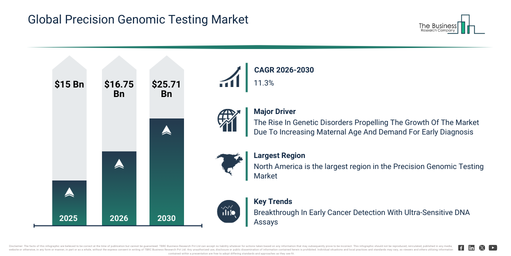
  • Revenue of the Precision Genomic Testing Market Predicted to Achieve $25.71 Billion by 2030, Driven by 11.3% CAGR

    Revenue of the Precision Genomic Testing Market Predicted to Achieve $25.71 Billion by 2030, Driven by 11.3% CAGR

    Uncover key drivers, emerging technologies, and competitive movements shaping the precision genomic testing market from 2026–2035 with trusted insights from The Business Research Company

    What upper market value could the Precision Genomic Testing Market reach by 2030 starting from 2026 levels?

    The precision genomic testing market size has experienced swift expansion in recent years. It is projected to increase from $15 billion in 2025 to $16.75 billion in 2026, demonstrating a compound annual growth rate (CAGR) of 11.7%. This historical growth can be attributed to advancements in sequencing technologies, the expansion of precision oncology programs, greater availability of genomic databases, an increase in clinical research funding, and rising awareness of genetic disorders.

    The precision genomic testing market is projected to experience swift expansion in the coming years. By 2030, this market is anticipated to reach a valuation of $25.71 billion, exhibiting a compound annual growth rate (CAGR) of 11.3%. This projected growth during the forecast period is fueled by several factors, including the wider acceptance of precision medicine, an increase in genomic research investments, the expansion of large-scale genomic projects, a heightened need for companion diagnostics, and the greater incorporation of genomics into standard clinical procedures. Key trends expected during this period involve the increasing uptake of next-generation sequencing, the growing application of AI-powered genomic interpretation, a surging requirement for customized treatment plans, the broadening scope of clinical genomic testing, and improved integration of bioinformatics platforms.

    Access Your Free Sample Report for In-Depth Market Insights:

    https://www.thebusinessresearchcompany.com/sample.aspx?id=25883&type=smp

    Which Drivers Are Influencing Long-Term Growth In The Precision Genomic Testing Market?

    The increasing occurrence of genetic disorders is anticipated to fuel the expansion of the precision genomic testing market in the future. Genetic disorders are health issues resulting from irregularities in a person’s DNA, encompassing single or multiple gene mutations, or alterations in chromosome count or structure. This rising prevalence largely stems from an increase in maternal age, given that older mothers face a greater likelihood of transmitting chromosomal abnormalities, such as Down syndrome, to their offspring. Precision genomic testing facilitates the early identification and precise diagnosis of genetic conditions by pinpointing particular genetic mutations, thereby enabling focused interventions and customized treatment plans. For instance, in May 2025, Gene People, a registered charity based in the UK, reported that an estimated 1 in 25 children are affected by genetic conditions, impacting more than 2.4 million children and adults across the UK. Furthermore, approximately 30,000 newborns and children in the UK receive a diagnosis of a genetic condition annually. Consequently, the increasing prevalence of genetic disorders is a key factor propelling the growth of the precision genomic testing market.

    How Is The Precision Genomic Testing Market Divided Into Segments?

    The precision genomic testing market covered in this report is segmented –

    1) By Product And Service: Consumables, Equipment, Services

    2) By Technology: Next-Generation Sequencing, Polymerase Chain Reaction, Microarray Technology, Sanger Sequencing, Clustered Regularly Interspaced Short Palindromic Repeats Or Clustered Regularly Interspaced Short Palindromic Repeats-Associated Systems, Other Technologies

    3) By Application: Oncology, Cardiovascular Diseases, Neurological Disorders, Reproductive Health, Rare Diseases, Other Applications

    4) By End-Users: Hospitals And Clinics, Diagnostic Laboratories, Research And Academic Institutes, Other End-Users

    Subsegments:

    1) By Consumables: Reagents And Kits, Deoxyribonucleic Acid Or Ribonucleic Acid Extraction Kits, Library Preparation Kits, Sequencing Reagents, Polymerase Chain Reaction Assay Kits, Buffers And Enzymes

    2) By Equipment: Next-Generation Sequencing Systems, Polymerase Chain Reaction Machines, Microarray Instruments, Deoxyribonucleic Acid Analyzers, Bioinformatics Workstations, Laboratory Automation Systems

    3) By Services: Genomic Data Analysis Services, Laboratory Testing Services, Genetic Counseling Services, Clinical Interpretation Services, Contract Research Services, Custom Assay Development Services

    How Are New Market Trends Shaping The Landscape Of The Precision Genomic Testing Market?

    Leading firms within the precision genomic testing sector are prioritizing the creation of advanced solutions, specifically ultra-sensitive circulating tumor deoxyribonucleic acid assays, to facilitate earlier and more precise cancer detection. These ultra-sensitive circulating tumor deoxyribonucleic acid assays are sophisticated diagnostic tools capable of identifying minute traces of DNA originating from tumors within a patient’s bloodstream, thereby allowing for prompt and accurate recognition of genetic mutations associated with cancer. An example of this innovation is Natera Inc., a US-based clinical genetic testing company, which introduced its ultra-sensitive Signatera genome molecular residual disease test in April 2025. This particular test constructs a customized assay by employing whole genome sequencing on both the patient’s tumor and corresponding normal deoxyribonucleic acid, allowing for the detection of circulating tumor deoxyribonucleic acid even at incredibly low concentrations, as precise as 1 part per million. Such exceptional sensitivity contributes to the earlier and more accurate identification of recurring cancer, ultimately improving the formulation of treatment plans and the overall management of patients across diverse cancer forms.

    Which Leading Companies Dominate The Precision Genomic Testing Market Share?

    Major companies operating in the precision genomic testing market are Roche Diagnostics International AG, Thermo Fisher Scientific Inc., Danaher Corporation, Agilent Technologies Inc., Illumina Inc., Revvity Inc., QIAGEN N.V., Exact Sciences Corporation, Natera Inc., Myriad Genetics Inc., GenScript Biotech Corporation, Fulgent Genetics Inc., Invitae Corporation, NeoGenomics Laboratories Inc., Guardant Health Inc., Ambry Genetics Corporation, Color Health Inc., Pacific Biosciences, Eurofins Genomics LLC, BGI Genomics Co. Ltd.

    Access The Complete Report For Deeper Market Insights:

    https://www.thebusinessresearchcompany.com/report/precision-genomic-testing-global-market-report

    How Does The Precision Genomic Testing Market Perform Across Major Global Regions?

    North America was the largest region in the precision genomic testing market in 2025. Asia-Pacific is expected to be the fastest-growing region in the forecast period. The regions covered in the precision genomic testing market report are Asia-Pacific, South East Asia, Western Europe, Eastern Europe, North America, South America, Middle East, Africa.

    Request Your Customized Precision Genomic Testing Market Research Report for Competitive Advantage:

    https://www.thebusinessresearchcompany.com/customise?id=25883&type=smp

    Browse Through More Reports Similar to the Global Precision Genomic Testing Market 2026, By The Business Research Company

    Precision Diagnostics Market Report 2026

    https://www.thebusinessresearchcompany.com/report/precision-diagnostics-global-market-report

    Dna Testing Market Report 2026

    https://www.thebusinessresearchcompany.com/report/dna-testing-global-market-report

    Genomics Market Report 2026

    https://www.thebusinessresearchcompany.com/report/genomics-global-market-report

    Get in touch with us:

    The Business Research Company: https://www.thebusinessresearchcompany.com/

    Americas +1 310-496-7795

    Asia +44 7882 955267 & +91 8897263534

    Europe +44 7882 955267

    Email us at info@tbrc.info

    Follow us on:

    LinkedIn: https://in.linkedin.com/company/the-business-research-company

    YouTube: https://www.youtube.com/channel/UC24_fI0rV8cR5DxlCpgmyFQ

    Global Market Model: https://www.thebusinessresearchcompany.com/global-market-model
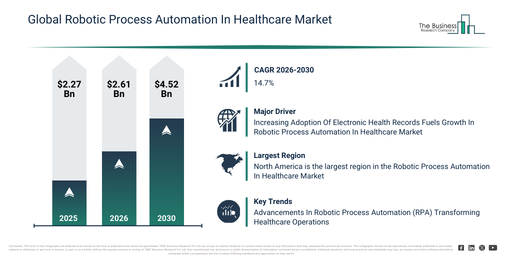
  • Robotic Process Automation In Healthcare Market Performance Outlook 2026–2030: Revenue to Hit $4.51 Billion at 14.7% CAGR

    Robotic Process Automation In Healthcare Market Performance Outlook 2026–2030: Revenue to Hit $4.51 Billion at 14.7% CAGR

    Uncover key drivers, emerging technologies, and competitive movements shaping the robotic process automation in healthcare market from 2026–2035 with trusted insights from The Business Research Company

    What is the expected shift in the Robotic Process Automation In Healthcare Market’s size between 2026 and 2030?

    The robotic process automation in healthcare market size has witnessed rapid growth in recent years. This market is anticipated to expand from $2.27 billion in 2025 to $2.61 billion in 2026, demonstrating a compound annual growth rate (CAGR) of 14.9%. The expansion observed during the historic period can be attributed to factors such as increasing healthcare administrative workloads, the growing digitization of healthcare records, rising pressure to reduce operational costs, the adoption of rule-based automation tools, and the ongoing expansion of healthcare IT infrastructure.

    The robotic process automation in healthcare market size is projected to experience rapid expansion over the next few years. It is expected to reach $4.52 billion by 2030, growing at a compound annual growth rate (CAGR) of 14.7%. This growth during the forecast period is attributable to factors such as the increasing adoption of AI-enabled RPA solutions, a rising demand for real-time workflow automation, the expansion of value-based healthcare models, a heightened focus on data-driven operational insights, and growing investments in healthcare’s digital transformation. Prominent trends observed in this forecast period include the increasing integration of software robots into administrative tasks, a rising utilization of intelligent automation in claims processing, the growing connectivity of RPA with EHR systems, the expansion of automated scheduling and billing workflows, and an enhanced emphasis on operational efficiency and error reduction.

    Access Your Free Sample Report for In-Depth Market Insights:

    https://www.thebusinessresearchcompany.com/sample.aspx?id=14480&type=smp

    Which Drivers Are Shaping Strategic Decisions In The Robotic Process Automation In Healthcare Market?

    The growing utilization of electronic health records (EHR) is projected to drive the expansion of the robotic process automation in healthcare market in the future. EHRs represent digital versions of patient medical histories accessible to authorized healthcare practitioners. The proliferation of EHR systems establishes a central, readily accessible database for patient data, enabling healthcare staff to prioritize direct patient care over administrative duties. Robotic process automation (RPA) in healthcare offers advantages by enhancing data precision, simplifying recurrent processes, and boosting operational effectiveness in handling patient information. For example, in December 2024, the Centers for Disease Control and Prevention (CDC), a US-based national public health agency, reported that 88.2% of office-based physicians utilized electronic health records systems, though the adoption rate for certified EHR systems stood at 77.8%. Consequently, the expanding use of electronic health records is fueling the expansion of the robotic process automation in healthcare market.

    What Segment Classifications Make Up The Robotic Process Automation In Healthcare Market?

    The robotic process automation in healthcare market covered in this report is segmented –

    1) By Solution: Software, Services, Implementation, Support And Maintenance, Training And Consulting

    2) By Operations: Rule-based Operation, Knowledge-based Operation

    3) By Application: Claims Management, Clinical Documentation, Billing And Compliance Management, Appointment Scheduling, Workflow Management

    Subsegments:

    1) By Software: RPA Software for Healthcare Workflow Automation, Intelligent Automation Software, AI And Machine Learning Integration Software

    2) By Services: RPA as a Service (RPAaaS), Managed RPA Services, Custom RPA Solutions

    3) By Implementation: RPA Deployment And Integration in Healthcare Systems, System Configuration And Customization, Workflow Design And Automation

    4) By Support And Maintenance: RPA Monitoring And Optimization Services, Post-Deployment Support, Software Updates And Patches

    5) By Training And Consulting: RPA Training for Healthcare Staff, Consulting Services for RPA Strategy And Roadmap, Change Management And RPA Adoption Assistance

    Which Trends Are Shaping Activity Within The Robotic Process Automation In Healthcare Market?

    Leading companies in the robotic process automation in the healthcare market are focused on introducing cutting-edge solutions like generative AI to boost efficiency, cut down costs, and improve patient care. Generative AI is a form of artificial intelligence that can produce novel content, such as text, images, or music, by learning from existing data patterns. For instance, in September 2023, Oracle Corporation, a US-based computer software company, unveiled the Oracle Clinical Digital Assistant, an innovative tool employing generative AI to streamline electronic health record (EHR) processes for healthcare providers. This platform automates standard administrative tasks, including note-taking and medication ordering, thereby significantly lessening the documentation load on clinicians. By enabling providers to engage with patient records using voice commands, the Clinical Digital Assistant enhances workflow effectiveness, allowing healthcare professionals to concentrate more on patient care rather than administrative duties. The capabilities of this tool are intended to refine the overall EHR experience and support digital transformation within healthcare organizations.

    Which Key Market Players Are Investing In Expansion And Innovation Within The Robotic Process Automation In Healthcare Market?

    Major companies operating in the robotic process automation in healthcare market are International Business Machines Corporation, NICE Ltd, Thoughtonomy Limited, Datamatics Global Services Limited, Pegasystems Inc, UiPath Inc, Verint System, Celonis SE, Automation Anywhere Inc, HelpSystems LLC, Kofax Inc, Appian Corp, Kryon Systems Ltd, Digital Workforce Service, Redwood Software Inc, OpenConnect Systems Incorporated, AutomationEdge Solutions Limited, WorkFusion Inc, FortressIQ Inc, Blue Prism Group, SS And C Blue Prism, EdgeVerve Systems Limited, Tata Consultancy Services Healthcare Automation, Accenture Healthcare RPA

    Access The Complete Report For Deeper Market Insights:

    https://www.thebusinessresearchcompany.com/report/robotic-process-automation-in-healthcare-global-market-report

    Which Regions Are Poised For Strategic Growth In The Robotic Process Automation In Healthcare Market?

    North America was the largest region in the robotic process automation in healthcare market in 2025. The regions covered in the robotic process automation in healthcare market report are Asia-Pacific, South East Asia, Western Europe, Eastern Europe, North America, South America, Middle East, Africa.

    Request Your Customized Robotic Process Automation In Healthcare Market Research Report for Competitive Advantage:

    https://www.thebusinessresearchcompany.com/customise?id=14480&type=smp

    Browse Through More Reports Similar to the Global Robotic Process Automation In Healthcare Market 2026, By The Business Research Company

    Healthcare Automation Market Report 2026

    https://www.thebusinessresearchcompany.com/report/healthcare-automation-global-market-report

    Robotic Process Automation Market Report 2026

    https://www.thebusinessresearchcompany.com/report/robotic-process-automation-global-market-report

    Enterprise Robotic Process Automation Market Report 2026

    https://www.thebusinessresearchcompany.com/report/enterprise-robotic-process-automation-global-market-report

    Get in touch with us:

    The Business Research Company: https://www.thebusinessresearchcompany.com/

    Americas +1 310-496-7795

    Asia +44 7882 955267 & +91 8897263534

    Europe +44 7882 955267

    Email us at info@tbrc.info

    Follow us on:

    LinkedIn: https://in.linkedin.com/company/the-business-research-company

    YouTube: https://www.youtube.com/channel/UC24_fI0rV8cR5DxlCpgmyFQ

    Global Market Model: https://www.thebusinessresearchcompany.com/global-market-model
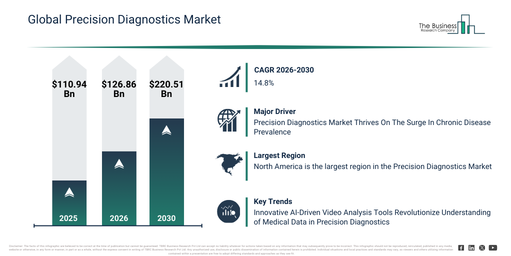
  • Precision Diagnostics Sector Forecast Shows Robust Momentum, Climbing to $220.5 Billion With 14.8% CAGR

    Precision Diagnostics Sector Forecast Shows Robust Momentum, Climbing to $220.5 Billion With 14.8% CAGR

    Uncover key drivers, emerging technologies, and competitive movements shaping the precision diagnostics market from 2026–2035 with trusted insights from The Business Research Company

    What level of CAGR-driven expansion is anticipated in the Precision Diagnostics Market between 2026 and 2030?

    The precision diagnostics market has seen substantial growth in recent years. Its value is expected to rise from $110.94 billion in 2025 to $126.86 billion in 2026, reflecting a compound annual growth rate (CAGR) of 14.3%. Historically, this expansion has been driven by advancements in genomic research technologies, an increasing prevalence of chronic diseases, the growing application of biomarker-based testing, the development of diagnostic laboratory infrastructure, and the rising acceptance of personalized medicine.

    The precision diagnostics market is projected to experience substantial expansion in the coming years. By 2030, this market is anticipated to reach a valuation of $220.51 billion, exhibiting a compound annual growth rate (CAGR) of 14.8%. This anticipated growth is driven by factors such as a heightened demand for tailored treatment plans, increased investments in genomic diagnostics, the broadening scope of liquid biopsy applications, the expanding incorporation of AI-powered diagnostics, and a greater emphasis on preventive healthcare. Key trends during this forecast period encompass the wider acceptance of genetic and molecular testing, an increase in the utilization of companion diagnostics, the progressing integration of AI in interpreting diagnostics, the development of precision oncology applications, and an intensified commitment to detecting diseases at earlier stages.

    Access Your Free Sample Report for In-Depth Market Insights:

    https://www.thebusinessresearchcompany.com/sample.aspx?id=12025&type=smp

    What Drivers Are Affecting Demand-Supply Dynamics In The Precision Diagnostics Market?

    The increasing incidence of chronic illnesses is anticipated to fuel the expansion of the precision diagnostics market in the foreseeable future. These are conditions that persist for three months or longer and may worsen over time. Precision diagnostics offer assistance to individuals afflicted with chronic conditions like cancer and cardiovascular diseases, achieving this through precise management of their healthcare models and delivering accurate disease diagnoses. For example, data from January 2023, reported by the US-based National Library of Medicine, projects that the population in the US aged 50 and above with at least one chronic condition will climb to 142.66 million by the year 2050. Consequently, the growing occurrence of chronic diseases is boosting the precision diagnostics market’s development.

    What Segments Are Included Within The Precision Diagnostics Market?

    The precision diagnostics market covered in this report is segmented –

    1) By Type: Genetic Tests, Esoteric tests, Other Types

    2) By Technology: Next Generation Sequencing (NGS), Polymerase Chain Reaction (PCR), In Situ Hybridization (ISH), Mass Spectrometry, Immunohistochemistry (IHC), Other Technologies

    3) By Application: Oncology, Infectious Diseases, Cardiovascular, Neurology, Genetic Disorders, Other Applications

    4) By End-User: Hospitals And Clinics, Diagnostic Laboratories, Research Institutes, Pharmaceutical And Biotechnology Companies, Other End-Users

    Subsegments:

    1) By Genetic Tests: Next-Generation Sequencing (NGS), Polymerase Chain Reaction (PCR) Tests, Whole Exome Sequencing (WES), Single Nucleotide Polymorphism (SNP) Testing

    2) By Esoteric Tests: Proteomics, Metabolomics, Specialized Infectious Disease Testing, Rare Disease Testing

    3) By Other Types: Biomarker Testing, Liquid Biopsies, Companion Diagnostics, Pharmacogenomic Testing

    Which Trends Are Expected To Influence The Precision Diagnostics Market In The Upcoming Years?

    Leading companies within the precision diagnostics market are increasingly prioritizing innovative therapeutic approaches. Among these innovations are AI-driven video analysis tools, introduced to enhance patient engagement and clarify complex medical data, ultimately enabling individuals to take greater control of their health. An AI-driven video analysis tool employs artificial intelligence to process video content, simplifying intricate information such as health reports by highlighting crucial parameters, thus offering clear insights for better comprehension and informed decision-making. For example, in August 2024, Healthians, an India-based diagnostic company, unveiled an industry-first AI-driven video analysis tool designed to simplify complex medical data. This tool achieves this by emphasizing key health parameters and explaining their significance, effectively guiding users through their health reports. This innovative feature allows users to receive personalized insights within 15-30 minutes after completing a brief questionnaire on the Healthians app, thereby enhancing their capacity to make informed decisions about their health.

    Who Are The Major Companies Operating In The Precision Diagnostics Market?

    Major companies operating in the precision diagnostics market are F Hoffmann La Roche Ltd, Abbott Laboratories, Danaher Corporation, Becton Dickinson And Company, Thermo Fisher Scientific Inc, Quest Diagnostics Inc, Siemens Healthineers AG, Agilent Technologies Inc, PerkinElmer Inc, Beckman Coulter Inc, Charles River Laboratories International Inc, Sysmex America Inc, Waters Corporation, Bio Rad Laboratories Inc, Bruker Corporation, Qiagen NV, Bio Techne Corporation, Illumina Inc, Luminex Corporation, BioFire Diagnostics LLC, Genomic Health Inc, Guardant Health Inc, Natera Inc, Exact Sciences Corporation

    Access The Complete Report For Deeper Market Insights:

    https://www.thebusinessresearchcompany.com/report/precision-diagnostics-global-market-report

    Which Region Is Anticipated To See The Fastest Growth In The Precision Diagnostics Market?

    North America was the largest region in the precision diagnostics market in 2025. Asia Pacific is expected to be the fastest-growing region in the forecast period. The regions covered in the precision diagnostics market report are Asia-Pacific, South East Asia, Western Europe, Eastern Europe, North America, South America, Middle East, Africa.

    Request Your Customized Precision Diagnostics Market Research Report for Competitive Advantage:

    https://www.thebusinessresearchcompany.com/customise?id=12025&type=smp

    Browse Through More Reports Similar to the Global Precision Diagnostics Market 2026, By The Business Research Company

    Precision Parts Market Report 2026

    https://www.thebusinessresearchcompany.com/report/precision-parts-global-market-report

    Precision Medicine Market Report 2026

    https://www.thebusinessresearchcompany.com/report/precision-medicine-global-market-report

    Clinical Diagnostics Market Report 2026

    https://www.thebusinessresearchcompany.com/report/clinical-diagnostics-global-market-report

    Get in touch with us:

    The Business Research Company: https://www.thebusinessresearchcompany.com/

    Americas +1 310-496-7795

    Asia +44 7882 955267 & +91 8897263534

    Europe +44 7882 955267

    Email us at info@tbrc.info

    Follow us on:

    LinkedIn: https://in.linkedin.com/company/the-business-research-company

    YouTube: https://www.youtube.com/channel/UC24_fI0rV8cR5DxlCpgmyFQ

    Global Market Model: https://www.thebusinessresearchcompany.com/global-market-model